Decadent Mississippi Mud Pie Recipe with Oreo Crust

Mississippi Mud Pie with Oreo Crust & Chocolate Mousse – A Decadent Southern Dessert

⚖️
Difficulty
Medium
⏲️
Prep Time
30 mins
🕒
Cook Time
45 mins
⏱️
Total Time
4 hrs 15 mins
🍽️
Servings
10

I still remember the first time I tasted a truly great Mississippi Mud Pie. It was at a tiny diner just off the Mississippi River during a road trip through the South — the kind of place where the coffee is black and the pies are deep, dark, and unapologetically rich. That first bite stopped me mid-conversation. The combination of a crunchy Oreo cookie crust, a dense fudgy brownie layer, silky chocolate mousse, and clouds of chocolate whipped cream was nothing short of life-changing. This Mississippi Mud Pie recipe is my tribute to that moment — and trust me, it delivers every bit of the drama and decadence you’d expect from a classic Southern dessert.

What makes this easy Mississippi Mud Pie so special is the way the layers work together. The Oreo crust is baked until firm and fragrant, then topped with a brownie-like filling that stays gloriously fudgy in the center. Over that goes a luscious chocolate mud pie mousse made from melted milk chocolate and airy whipped cream, all finished with a billowy chocolate whipped cream and crunchy baked Oreo crumbles. Every spoonful gives you crunch, creaminess, and deep chocolate flavor that lingers. It’s the kind of dessert that requires a fork, a napkin, and zero apologies.

I’ve tested this recipe more times than I can count — both in my NYC apartment kitchen and in my mother’s home in Morocco, where I’d sneak in a test batch between tagines. My version uses a clever baked Oreo crumble topping that stays crunchy even after the pie chills, and a French-style mousse technique that ensures the chocolate layer is impossibly light yet intensely flavored. One common mistake? Not baking the brownie layer long enough — don’t worry, I’ll tell you exactly how to nail it. Let’s dive into the best Mississippi Mud Pie recipe you’ll ever make.

Why This Mississippi Mud Pie Recipe Is the Best

The Flavor Secret: Most Mississippi Mud Pies rely on pudding mix or boxed brownie mix. Not mine. I start with a from-scratch fudgy brownie layer made with bittersweet chocolate, brown sugar, and a touch of vanilla — the same technique I learned at Le Cordon Bleu in Paris for making perfect chocolate fondant. The result is a deep, sophisticated chocolate flavor that pairs beautifully with the nostalgic Oreo crust. My Moroccan roots also inspired a pinch of salt in every layer — it’s the same principle we use in North African sweets to balance richness and keep you coming back for one more bite.

Perfected Texture: Texture is everything in a layered dessert, and this pie delivers four distinct experiences in every slice. The Oreo crust is pressed firmly and pre-baked so it stays crunchy. The brownie layer is baked to exactly 180°F — a tip I picked up from a pastry chef in Lyon — which gives you a set but still fudgy center. The chocolate mousse is folded by hand to keep it airy, and the crumble topping is tossed with cocoa powder and butter, then baked until crunchy. No soggy layers here — just pure textural harmony.

Foolproof & Fast: Despite how impressive this pie looks, it’s surprisingly beginner-friendly. The ingredients are all standard grocery store finds — Oreos, butter, chocolate, cream, eggs — and the steps are clearly broken down. I’ve designed this easy Mississippi Mud Pie so that even if you’ve never made a mousse or a brownie from scratch, you’ll end up with a dessert that looks like it came from a fancy bakery. Plus, it’s a no-fuss make-ahead recipe: you can assemble it entirely the day before, which makes it perfect for Thanksgiving, potlucks, or any celebration where you want to show up with something showstopping.

Mississippi Mud Pie Ingredients

There’s something comforting about gathering the ingredients for this Mississippi Mud Pie recipe. On a rainy Saturday in NYC, I love walking down to my local market on Bleecker Street to pick up fresh cream and chocolate — it reminds me of the souks in Marrakech where I’d buy spices and nuts with my mother. Every ingredient here plays a specific role, and I want you to feel confident choosing the best options at your own grocery store.

Ingredients List

  • 25 Oreo cookies (for the crust)
  • 6 Tablespoons salted butter, melted (for the crust)
  • 4 ounces bittersweet chocolate, chopped (for the brownie layer)
  • 3 Tablespoons salted butter, melted (for the brownie layer)
  • 3 Tablespoons vegetable oil
  • 2 Tablespoons unsweetened cocoa powder
  • 2/3 cup light brown sugar
  • 2 large eggs
  • 2 teaspoons vanilla extract
  • 1/4 teaspoon salt
  • 3 Tablespoons all-purpose flour
  • 8 Oreo cookies (for the crumble topping)
  • 2 Tablespoons powdered sugar
  • 1 Tablespoon Dutch-processed cocoa powder
  • Pinch of salt
  • 2 Tablespoons salted butter, melted (for the crumble)
  • 6 ounces milk chocolate, chopped (for the mousse)
  • 1 cup cold heavy cream (for the mousse)
  • 2 Tablespoons Dutch-processed cocoa powder (for the mousse)
  • 2 Tablespoons powdered sugar (for the mousse)
  • Pinch of salt (for the mousse)
  • 1 cup heavy cream (for the whipped cream topping)
  • 1/4 cup granulated sugar (for the whipped cream topping)
  • 3 Tablespoons unsweetened cocoa powder (for the whipped cream topping)

Ingredient Spotlight

Oreo Cookies: The star of the crust and the crumble topping. I use classic Oreos (not Double Stuf) because the filling-to-cookie ratio is perfect for binding the crust. For the crumble, the cookies get crushed into chunks, not fine crumbs, so you get those satisfying crunchy bits on top. You can substitute with any chocolate sandwich cookie, but the flavor won’t be quite the same — Oreos have that unmistakable cocoa-and-cream taste that makes this pie iconic.

Bittersweet Chocolate: This is the backbone of the brownie layer. I recommend a chocolate with 60-70% cacao content — it provides deep chocolate flavor without being overly sweet. Brands like Ghirardelli, Lindt, or Baker’s are excellent choices. If you only have semisweet chocolate (around 50% cacao), that works too — just reduce the brown sugar by 1 tablespoon to keep the sweetness balanced. Avoid chocolate chips, which often contain stabilizers that prevent smooth melting.

Dutch-Processed Cocoa Powder: I call for Dutch-processed cocoa in both the crumble and the mousse. Dutch-processed cocoa is treated with an alkali to neutralize acidity, which gives it a smoother, more mellow chocolate flavor and a darker, more dramatic color. Natural cocoa powder can be substituted in a pinch, but the flavor will be slightly more acidic and the color less intense. For the brownie layer, I use unsweetened natural cocoa powder — the difference is intentional, and both belong in your pantry.

Heavy Cream: This does double duty — it’s whipped into the chocolate mousse and also used for the chocolate whipped cream topping. Make sure your cream is very cold (straight from the fridge) for the best volume when whipping. I always buy heavy cream with at least 36% milk fat for the richest, most stable results. If you accidentally over-whip and start to see butter granules forming, don’t panic — just fold in a tablespoon of cold cream and gently whisk to smooth it out.

Original IngredientBest SubstitutionFlavor / Texture Impact
Oreo cookiesChocolate graham crackers + 2 Tbsp sugarLess sweet, more crumbly, slightly different flavor
Bittersweet chocolateSemisweet chocolate (reduce brown sugar by 1 Tbsp)Slightly sweeter, less deep chocolate flavor
Dutch-processed cocoa powderNatural unsweetened cocoa powderMore acidic flavor, lighter color, less smooth
Heavy cream (36% fat)Whipping cream (30% fat) or full-fat coconut cream (dairy-free)Less stable peaks with whipping cream; coconut adds flavor

How to Make Mississippi Mud Pie — Step-by-Step

I promise you — this Mississippi Mud Pie recipe is much simpler than it looks. I’ve broken it into clear steps with my best tips so you can follow along easily, whether you’re a seasoned baker or making your first layer dessert. Let’s start!

Step 1: Prepare the Oreo Crust

Preheat your oven to 325°F. Place 25 Oreo cookies in a food processor and pulse until you have fine, even crumbs. Alternatively, seal them in a heavy-duty zip-top bag and crush them with a rolling pin — a great arm workout! Transfer the crumbs to a medium bowl, pour in 6 tablespoons of melted salted butter, and stir with a fork until every crumb is moistened. Press the mixture firmly into the bottom and up the sides of a 9-inch standard pie plate. Use the bottom of a measuring cup to pack it down evenly — a well-packed crust is essential for clean slices later.

💡 mia’s Pro Tip: For a thinner, more even crust, press the crumbs only about 1/4 inch thick. If you like a thicker crust, use 30 Oreos and 7 tablespoons of butter. Either way, bake the crust for 12-15 minutes until it’s fragrant and set. Let it cool completely on a wire rack before adding the brownie layer.

Step 2: Make the Fudgy Brownie Layer

In a large microwave-safe bowl, combine 4 ounces chopped bittersweet chocolate, 3 tablespoons melted butter, 3 tablespoons vegetable oil, and 2 tablespoons unsweetened cocoa powder. Microwave in 20-second bursts, stirring thoroughly between each burst, until everything is completely melted and smooth. This usually takes about 60-80 seconds total. Whisk in 2/3 cup packed light brown sugar, 2 large eggs (one at a time), 2 teaspoons vanilla extract, and 1/4 teaspoon salt until the mixture is glossy and well combined. Finally, fold in 3 tablespoons of all-purpose flour with a rubber spatula — stir just until no streaks of flour remain. Over-mixing will make the brownie tough.

⚠️ Common Mistake to Avoid: Microwaving the chocolate too long at once can scorch it, turning it grainy and bitter. Always use 20-second bursts and stir well between each. If you prefer, you can melt the chocolate and butter together in a double boiler — it takes a few minutes more but gives you complete control.

Step 3: Bake the Brownie Layer

Pour the brownie batter into the cooled Oreo crust and spread it into an even layer with the spatula. Bake at 325°F for 25-30 minutes. The key doneness test is this: insert a toothpick into the center of the brownie layer — it should come out barely wet with a little batter clinging to it, not clean and not liquid. For the most accurate result, use an instant digital thermometer: the center should read 180°F. This temperature guarantees a fudgy, set texture without being under-baked. Let the pie cool completely on a wire rack — this takes about 1 hour.

💡 mia’s Pro Tip: The brownie layer will puff up slightly in the oven and settle as it cools. Don’t worry if it cracks — that’s perfectly normal and will be covered by the mousse and whipped cream. Patience is key here: if the brownie layer is even slightly warm when you add the mousse, the mousse will melt and lose its airy texture.

Step 4: Prepare the Oreo Crumbles

Place 8 Oreo cookies in a zip-top bag and pound them a few times with a rolling pin — you want a mix of small crumbs and bigger chunks. Transfer to a medium bowl and add 2 tablespoons powdered sugar, 1 tablespoon Dutch-processed cocoa powder, and a pinch of salt. Toss to combine evenly. Drizzle 2 tablespoons melted butter over the mixture and toss until every piece is coated. Spread the crumbles on a parchment-lined baking sheet and bake at 325°F for 10 minutes. Cool completely — they’ll become crunchy and intensely chocolatey.

⚠️ Common Mistake to Avoid: Don’t crush the cookies too fine for the topping — you want distinct crunchy pieces, not powder. Also, make sure the crumbles are completely cool before sprinkling them on the finished pie. Warm crumbles will melt the whipped cream and turn soggy.

Step 5: Make the Chocolate Mousse

Place 6 ounces chopped milk chocolate in a large microwave-safe bowl and melt in 20-second bursts, stirring well between each, until smooth. Set aside to cool for exactly 10 minutes — the chocolate should be between 90°F and 100°F. While the chocolate cools, make the chocolate whipped cream: in the bowl of a stand mixer fitted with the whisk attachment (or using a hand mixer), combine 1 cup cold heavy cream, 2 tablespoons Dutch-processed cocoa powder, 2 tablespoons powdered sugar, and a pinch of salt. Beat on medium-high speed until soft peaks form — the cream should hold its shape but still be billowy. Stir one-third of the whipped cream into the cooled melted chocolate until combined, then gently fold in the remaining whipped cream with a rubber spatula. Fold just until no white streaks remain — you want a light, airy mousse.

💡 mia’s Pro Tip: If the melted chocolate is too warm when you add the whipped cream, the cream will deflate and you’ll end up with a dense, pudding-like layer. I like to touch the bowl to my wrist — it should feel just barely warm, not hot. A digital thermometer is more reliable: 90-100°F is your sweet spot.

Step 6: Assemble and Chill

Spread the chocolate mousse evenly over the cooled brownie layer. Use an offset spatula or the back of a spoon to create gentle swirls — it doesn’t need to be perfect, as it will be covered. Transfer the pie to the refrigerator and chill for at least 3 hours, or overnight. This step is crucial — the mousse needs time to set so the pie slices cleanly. If you’re in a rush, 3 hours is the absolute minimum, but overnight gives you that gorgeous, photogenic slice.

⚠️ Common Mistake to Avoid: Don’t skip the chilling time! If you slice the pie before the mousse is fully set, the layers will slide and the mousse will be more like a pudding. Overnight chilling is ideal for the cleanest slices and the most developed flavor.

Step 7: Top with Chocolate Whipped Cream and Crumbles

In a clean large bowl, combine 1 cup heavy cream, 1/4 cup granulated sugar, and 3 tablespoons unsweetened cocoa powder. Beat with a whisk attachment on medium-high speed until stiff peaks form — the cream should hold its shape firmly when you lift the whisk. Spread the chocolate whipped cream over the chilled mousse layer, creating decorative peaks and swirls with your spatula. Sprinkle the cooled Oreo crumbles generously over the top. The contrast of dark cream, white filling, and crunchy chocolate bits is absolutely stunning.

💡 mia’s Pro Tip: For the most dramatic presentation, reserve about 2 tablespoons of the Oreo crumbles and sprinkle them on right before serving — they’ll stay extra crunchy. You can also add a few whole Oreo halves around the edge of the pie for a bakery-style finish. Serve chilled, straight from the fridge.

StepActionDurationKey Visual Cue
1Prepare Oreo crust15 minsFine, even crumbs pressed firmly into pan
2Make brownie batter10 minsSmooth, glossy, no flour streaks
3Bake brownie layer25-30 minsToothpick comes out barely wet; internal temp 180°F
4Prepare Oreo crumbles15 minsCrunchy, dark, fragrant
5Make chocolate mousse15 minsLight, airy, no white streaks
6Assemble & chill3 hrs minimumMousse is firm and set
7Top with cream & crumbles10 minsStiff peaks, generous crumble layer

Serving & Presentation

Serving this Mississippi Mud Pie is a moment to savor. I love bringing it to the table straight from the fridge — the contrast between the dark chocolate whipped cream, the crunchy Oreo topping, and the deep brown crust is absolutely showstopping. For the cleanest slices, use a sharp chef’s knife dipped in hot water and wiped dry between cuts. This pie is rich, so smaller slices go a long way — I usually serve it with a dollop of lightly sweetened whipped cream or a scoop of vanilla bean ice cream to balance the intensity. A few fresh raspberries on the side add a bright, tart note that cuts through the chocolate beautifully.

When I serve this at dinner parties in my NYC apartment, I like to plate each slice on a simple white plate and dust the plate with a little extra cocoa powder for drama. For holidays or special occasions, I arrange a ring of whole Oreos around the edge of the pie and tuck fresh mint sprigs between them. My mother, who has a sweet tooth from her years in Morocco, loves this pie with a side of mint tea — the herbal notes play wonderfully with the chocolate. It’s also incredible with a cold glass of milk, a strong cup of black coffee, or even a bourbon-spiked milkshake for an adult twist.

Pairing TypeSuggestionsWhy It Works
Side DishVanilla ice cream, fresh raspberries, mint leavesCreamy and tart elements balance the richness
Sauce / DipCaramel sauce, bourbon caramel, raspberry coulisAdds a sweet or tangy layer of flavor
BeverageCold milk, black coffee, bourbon-spiked milkshake, mint teaCuts through the richness, or amplifies it
GarnishCocoa powder, whole Oreos, fresh mint sprigs, raspberriesAdds visual drama and a pop of freshness

Make-Ahead, Storage & Reheating

One of the best things about this classic Southern dessert is how well it works as a make-ahead recipe. In my busy NYC life, I often make the entire pie the day before a party and simply add the whipped cream topping and crumbles a few hours before serving. The flavors actually deepen and meld overnight, making the pie even more delicious. Here’s everything you need to know about storing and prepping ahead.

MethodContainerDurationReheating Tip
RefrigeratorCovered pie plate or airtight containerUp to 4 daysServe cold — do not reheat
FreezerWrap tightly in plastic wrap + foilUp to 2 monthsThaw in fridge overnight, then add toppings
Make-AheadAssemble without whipped cream toppingUp to 2 days in advanceAdd whipped cream and crumbles just before serving

If you’re storing leftover pie, press a piece of plastic wrap directly onto the cut surface of the whipped cream to prevent it from absorbing fridge odors. The crumble topping will soften slightly after a day in the fridge — if you want it crunchy again, just sprinkle a fresh batch of cooled crumbles on top before serving. I don’t recommend microwaving this pie (the layers will separate), but if you absolutely want a warm element, try serving slices at room temperature for about 15 minutes — the mousse softens slightly and the brownie layer becomes even more fudgy.

Variations & Easy Swaps

One of my favorite things about this Mississippi Mud Pie recipe is how adaptable it is. Whether you’re cooking for someone with dietary restrictions or just want to try something new, these variations have all been tested in my kitchen — and they’re all absolutely delicious. Here’s a quick overview, followed by detailed versions.

VariationKey ChangeBest ForDifficulty Impact
Coffee-Infused Mud PieAdd 1 tsp espresso powder to brownie batterCoffee lovers, deeper chocolate flavorEasy — no extra steps
Gluten-Free Mud PieUse gluten-free Oreos + gf all-purpose flourGluten-sensitive guestsEasy — direct swap
Spiced Moroccan Mud PieAdd 1 tsp cinnamon + 1/2 tsp cayenne to brownie batterAdventurous palates, holiday tablesEasy — just add spices

Coffee-Infused Mud Pie

This is the variation I make most often for my NYC friends who love a little bitterness with their sweetness. Simply add 1 teaspoon of espresso powder to the brownie batter along with the flour. The coffee doesn’t make the pie taste like coffee — it enhances the chocolate flavor, making it deeper and more complex. I learned this trick from a pastry chef in Paris who added espresso to every chocolate dessert she made. If you don’t have espresso powder, you can substitute 1 tablespoon of very strong brewed coffee, but reduce the oil by 1 tablespoon to keep the batter from getting too thin.

Gluten-Free Mud Pie

I’ve made this version for friends with celiac disease, and it’s always a hit. Use gluten-free Oreos (the classic variety is naturally gluten-free in most countries, but check your local packaging) and substitute the 3 tablespoons of all-purpose flour with a gluten-free all-purpose flour blend that contains xanthan gum. The texture is slightly more tender than the original, but the flavor is identical. For the crumble topping, use the same gluten-free Oreos. I recommend Bob’s Red Mill 1-to-1 Baking Flour or King Arthur Measure for Measure — they behave almost exactly like regular flour in this recipe.

Spiced Moroccan Mud Pie

This one is a nod to my Moroccan heritage and absolutely stunning during the holiday season. Add 1 teaspoon of ground cinnamon and 1/2 teaspoon of cayenne pepper to the brownie batter. The cinnamon adds warmth and the cayenne gives a subtle, creeping heat that makes the chocolate taste even more intense. I also like to add a pinch of cardamom to the chocolate whipped cream for an extra layer of aromatic complexity. This version pairs beautifully with mint tea — just like my mother taught me.

What is the best way to make the crust for Mississippi Mud Pie?

The best way to make the crust for this Mississippi Mud Pie recipe is to use finely crushed Oreo cookies mixed with melted salted butter. I recommend using a food processor to get the finest, most even crumbs — this creates a crust that holds together beautifully when sliced. Press the mixture firmly into a 9-inch pie plate using the bottom of a measuring cup; this ensures the crust is compact and won’t crumble when you cut the pie. Bake the crust at 325°F for 12-15 minutes until it’s set and fragrant. Let it cool completely before adding the brownie layer — a warm crust can cause the brownie batter to seep and make the bottom soggy.

Can I substitute the coffee in Mississippi Mud Pie with something else?

Absolutely — and great news: this specific Mississippi Mud Pie recipe doesn’t actually use coffee at all! Some traditional recipes call for brewed coffee in the brownie layer to deepen the chocolate flavor, but my version achieves that same depth by using a combination of bittersweet chocolate, Dutch-processed cocoa powder, and a touch of salt. If you’re adapting a recipe that does include coffee, the best substitute is a combination of water and a pinch of espresso powder, or simply replace the coffee with an equal amount of milk or buttermilk. For a caffeine-free option, try using chicory root powder or a few drops of chocolate extract — both add complexity without the caffeine.

How long does Mississippi Mud Pie need to chill before serving?

This Mississippi Mud Pie needs to chill for at least 3 hours before serving, but I always recommend overnight chilling for the best results. The mousse layer needs time to set firmly so that the pie slices cleanly — if you cut it too soon, the mousse will be soft and the layers may slide around. The brownie layer also benefits from resting: its fudgy texture becomes even more pronounced as it sets in the fridge. For the cleanest, most photogenic slices, chill the pie for a full 8-12 hours. If you’re truly pressed for time, 3 hours is the absolute minimum, but the texture won’t be quite as perfect.

What is the difference between Mississippi Mud Pie and a traditional chocolate pie?

The main difference between Mississippi Mud Pie and a traditional chocolate pie is the number of layers and the texture. A classic chocolate pie typically has a single filling — like a chocolate custard or pudding — baked in a pastry crust. Mississippi Mud Pie, on the other hand, is a multi-layered dessert featuring an Oreo cookie crust, a fudgy brownie-like base, a light chocolate mousse, and a chocolate whipped cream topping, all finished with crunchy cookie crumbles. The name “mud pie” comes from the dessert’s dark, muddy appearance and its rich, decadent texture. It’s an over-the-top, showstopping dessert that originated in the Southern United States, while traditional chocolate pies are simpler and more restrained.

Can I make Mississippi Mud Pie without the Oreo crust?

Yes, you can absolutely make this Mississippi Mud Pie without an Oreo crust. The best substitute is a traditional graham cracker crust — use 1 1/2 cups of finely crushed graham crackers mixed with 6 tablespoons of melted butter and 2 tablespoons of granulated sugar. Press and bake the same way as the Oreo crust. You can also use a chocolate wafer cookie crust or even a shortbread crust for a less sweet base. Keep in mind that the Oreo crust contributes a distinct chocolate flavor and a slightly crunchy texture that’s iconic to this classic Southern dessert, so any substitution will change the final result. I always recommend sticking with the Oreo crust for the most authentic experience.

Is Mississippi Mud Pie served warm or cold?

Mississippi Mud Pie is traditionally served cold, straight from the refrigerator. The mousse and whipped cream layers need to be chilled to hold their structure, and the brownie layer develops a wonderfully dense, fudgy texture when cold. Serving it cold also allows you to cut clean, sharp slices that show off all the beautiful layers. That said, if you prefer a slightly softer texture, you can let the pie sit at room temperature for 15-20 minutes before serving — the mousse will soften and the brownie layer will become a bit more tender. I don’t recommend serving it warm, as the mousse will lose its airy texture and the layers may slide apart.

Can I freeze Mississippi Mud Pie for later?

Yes, Mississippi Mud Pie freezes beautifully! The best way to freeze it is to assemble the pie through the mousse layer (steps 1-6) and freeze it without the whipped cream topping and Oreo crumbles. Wrap the pie tightly in plastic wrap, then a layer of aluminum foil, and freeze for up to 2 months. When you’re ready to serve, thaw the pie in the refrigerator overnight, then add the chocolate whipped cream topping and the Oreo crumbles just before serving. If you freeze the pie with the whipped cream already on, the texture will be slightly grainy after thawing. The brownie layer and mousse freeze exceptionally well — I often keep a frozen pie on hand for last-minute guests!

What type of chocolate is best for Mississippi Mud Pie?

For the best Mississippi Mud Pie, I recommend using a combination of two types of chocolate: bittersweet chocolate (60-70% cacao) for the brownie layer and milk chocolate for the mousse. The bittersweet chocolate provides deep, intense chocolate flavor that balances the sweetness of the Oreo crust and the sugar in the other layers. The milk chocolate in the mousse creates a lighter, creamier texture that contrasts beautifully with the dense brownie layer. For the cocoa powders, use Dutch-processed cocoa in the mousse and crumble for a smooth, dark flavor, and natural unsweetened cocoa in the brownie layer for a more traditional chocolate taste. This combination creates the most complex and satisfying chocolate experience.

How do I get clean slices of Mississippi Mud Pie?

Getting clean slices of Mississippi Mud Pie is all about technique and patience. First, make sure the pie has chilled for at least 3 hours — overnight is even better. Use a long, sharp chef’s knife and dip it in hot water for a few seconds, then wipe it completely dry with a clean towel. Make your cut in one smooth, decisive motion — sawing back and forth will smear the layers. Wipe the knife clean and dip it in hot water again between each slice. For the most dramatic presentation, I like to cut the pie into 10 slices and plate each one with a small dollop of extra whipped cream and a fresh raspberry. A slightly chilled pie yields the cleanest cuts, so don’t let it sit out too long before slicing.

Can I add peanut butter to Mississippi Mud Pie?

Absolutely — peanut butter and chocolate are a classic combination, and this Mississippi Mud Pie recipe is a perfect canvas for it. My favorite way to incorporate peanut butter is to add a peanut butter swirl to the brownie layer: drop 4-5 tablespoons of creamy peanut butter in small dollops over the brownie batter before baking, then use a knife to gently swirl it into the batter. You can also add a layer of peanut butter mousse between the brownie and chocolate mousse layers by folding 1/3 cup of creamy peanut butter into the chocolate mousse before spreading it on. For a garnish, drizzle melted peanut butter over the finished pie. The salty, nutty flavor cuts through the richness beautifully — it’s a crowd-pleasing variation I make often.

Share Your Version!

I absolutely love seeing how this Mississippi Mud Pie turns out in your kitchen! If you make this recipe, please leave a star rating and a comment below — your feedback helps me and every other home baker who comes here looking for the perfect dessert. Tag me on Instagram or Pinterest @exorecipes when you share your creation — I personally read every comment and love seeing your photos! I’m especially curious: did you try one of the variations, or did you come up with your own twist? Let me know in the comments! From my NYC kitchen to yours — I hope this recipe brings as much warmth to your table as it does to mine. — mia 🧡

📌

Love This Recipe? Save It to Pinterest!

If you enjoyed this Mississippi Mud Pie recipe, don’t let it get lost in your browser tabs! 😄 Pin it now so you can find it again anytime — and explore hundreds more tried-and-tested recipes waiting for you on my Pinterest boards.

👉 Follow mia on Pinterest @exorecipe

📌 Pin this recipe · 🔁 Re-pin your favorites · 💬 Tag me when you make it — I love seeing your creations!

Print

clock clock iconcutlery cutlery iconflag flag iconfolder folder iconinstagram instagram iconpinterest pinterest iconfacebook facebook iconprint print iconsquares squares iconheart heart iconheart solid heart solid icon

Mississippi Mud Pie

  • Author: Chef Mia

Description

Rich and dark as the muddy Mississippi itself, this Mississippi Mud Pie recipe is any chocolate lover’s dream dessert with an Oreo cookie crust, a fudgy brownie-like base, chocolate mousse and chocolate whipped cream with Oreo crumbles sprinkled on top! It’s decadent and over-the-top in the best possible way!


Ingredients

Scale
  • 25 Oreo cookies
  • 6 Tablespoons salted butter (melted)
  • 4 ounces bittersweet chocolate (chopped)
  • 3 Tablespoons salted butter (melted)
  • 3 Tablespoons vegetable oil
  • 2 Tablespoons unsweetened cocoa powder
  • 2/3 cup light brown sugar
  • 2 large eggs
  • 2 teaspoons vanilla extract
  • 1/4 teaspoon salt
  • 3 Tablespoons all-purpose flour
  • 8 Oreo cookies
  • 2 Tablespoons powdered sugar
  • 1 Tablespoon dutch-processed cocoa powder
  • Pinch of salt
  • 2 Tablespoons salted butter (melted)
  • 6 ounces milk chocolate, (chopped)
  • 1 cup cold heavy cream
  • 2 Tablespoons dutch-processed cocoa powder
  • 2 Tablespoons powdered sugar
  • Pinch of salt
  • 1 cup heavy cream
  • 1/4 cup granulated sugar
  • 3 Tablespoons unsweetened cocoa powder

Instructions

  1. Preheat oven to 325°F. Finely crush Oreos into crumbs in a food processor or using a rolling pin and a heavy-duty ziplock bag.
  2. Add melted butter and stir until evenly moistened. Press into a 9-inch pie plate.
  3. Bake for 12-15 minutes until set.
  4. Heat chocolate, butter, oil, and cocoa powder in 20 second increments in the microwave, stirring between each burst of heat until completely melted.
  5. Add brown sugar, eggs, vanilla, and salt. Whisk well to combine.
  6. Stir in flour. Pour brownie batter into the prepared Oreo cookie crust.
  7. Bake 25-30 minutes just until a toothpick inserted into the brownie layer comes out barely wet with a little batter on it still. You can also test the brownie layer with an instant digital thermometer. It should read 180 degrees F when this layer is done so the pie will set up nice and fudgy.
  8. Roughly crush the cookies by pounding them a few times in a ziplock bag with a rolling pin.
  9. Add the powdered sugar, cocoa powder, and salt. Toss well.
  10. Drizzle the melted butter into the crushed cookie mixture and toss until evenly moistened. Spread the cookie pieces onto a baking sheet lined with parchment paper and bake for 10 minutes. Cool completely before sprinkling on top of the finished pie.
  11. Melt the chocolate in a large microwave-safe bowl by heating it for 20 second bursts and stirring well between each burst of heat. Once melted, let the chocolate cool for 10 minutes until about 90 to 100 degrees F.
  12. Meanwhile, beat cream, cocoa powder, powdered sugar, and salt the large bowl of a stand mixer fitted with the whisk attachment or with an electric mixer until soft peaks form.
  13. Stir 1/3 of the chocolate whipped cream into the cooled, melted chocolate. Then fold the remaining whipped cream into the chocolate mixture using a rubber spatula.
  14. Spread the chocolate mousse on top of the cooled brownie layer. Transfer the pie to the fridge and let it chill for at least 3 hours or overnight.
  15. Beat cream, sugar, and cocoa powder in a large bowl with a whisk attachment until stiff peaks form. Spread over the finished pie, then sprinkle with the crushed cookie pieces to finish.


Nutrition

  • Calories: 606 kcal
  • Sugar: 44 g
  • Fat: 41 g
  • Carbohydrates: 60 g
  • Protein: 6 g


Mississippi Mud Pie

High Protein Chicken Pot Pie Soup – Creamy & Hearty

High Protein Chicken Pot Pie Soup – Protein-Packed Comfort Without the Crust

⚖️
Difficulty
Easy
⏲️
Prep Time
15 mins
🕒
Cook Time
30 mins
⏱️
Total Time
45 mins
🍽️
Servings
6

There’s something magical about a bowl of creamy chicken pot pie soup, especially when it’s packed with protein and all the cozy flavors I grew up loving. I’m mia, a New York City–based chef who trained in Paris and learned the art of home cooking from my mother’s kitchen in Morocco. This High Protein Chicken Pot Pie Soup is my take on the classic without the heavy pie crust — swapping it for a velvety, protein-rich broth that still gives you that satisfying comfort. The first time I made this for my family, they couldn’t stop ladling seconds; it’s become the go-to weeknight dinner that feels like a warm hug.

Imagine a soup that’s thick and creamy, studded with tender shredded chicken, sweet carrots, and bright peas, all swimming in a fragrant broth with whispers of thyme and rosemary. The aroma fills your kitchen like a Parisian bistro on a rainy afternoon, but the heartiness comes straight from my Moroccan roots — where soups are always a meal in themselves. Each spoonful is velvety yet light, with a richness that comes from real cream and a touch of flour for body. You won’t miss the crust, I promise.

What sets this high protein chicken soup apart is a simple French technique I mastered in pastry school: the perfect roux-free thickening method that keeps the soup silky without added carbs. It’s a game changer for anyone looking for a healthy chicken pot pie that doesn’t skimp on flavor. I’ll share my pro tip for avoiding lumps, plus a common mistake that can turn your soup grainy. Whether you’re new to cooking or a seasoned home chef, this recipe is foolproof and fast — ready in under an hour.

Why This High Protein Chicken Pot Pie Soup Recipe Is the Best

The Flavor Secret — My mother always said the best soups start with a good base. I take that to heart by sweating the aromatics (onion, garlic, carrots, celery) until they’re sweet and tender. Then I add a pinch of dried rosemary and thyme, a nod to the Provençal herbs I used in Paris. The chicken broth is low-sodium so I can control the salt, and the shredded chicken breast adds lean protein without being dry. The result is a deeply savory, aromatic broth that tastes like it simmered for hours.

Perfected Texture — Instead of a roux, I whisk the flour directly into the cream before adding it to the soup. This foolproof technique from my French training ensures a lump-free, silky smooth consistency every time. The flour and cream blend seamlessly, thickening the soup as it simmers, without any pasty flavor. It’s the key to that luscious, velvety mouthfeel that makes this low carb chicken soup feel decadent yet light.

Foolproof & Fast — This recipe is designed for busy weeknights. With just 15 minutes of prep and 30 minutes of cooking, you’ll have a nourishing soup ready from scratch. I’ve streamlined every step — using pre-cooked chicken (rotisserie works wonderfully!) and frozen peas to cut down on work without sacrificing freshness. It’s the kind of meal that even a beginner can nail on the first try, and it’s versatile enough to adapt to whatever you have on hand.

High Protein Chicken Pot Pie Soup Ingredients

I love picking up my produce at the Union Square Greenmarket on Saturdays — the carrots are so sweet and the celery has that perfect crunch. When I’m back in my kitchen, this ingredient list comes together quickly. Most items are pantry staples, which is exactly what I aim for in a weeknight rescue meal.

Ingredients List

  • 1 tablespoon olive oil
  • 1 medium onion, diced
  • 2 cloves garlic, minced
  • 2 carrots, diced
  • 2 celery stalks, diced
  • 1 pound cooked chicken breast, shredded (about 2 cups)
  • 4 cups low-sodium chicken broth
  • 1 cup frozen peas
  • 1 teaspoon dried thyme
  • 1 teaspoon dried rosemary
  • 1 cup heavy cream or milk (for a lighter option)
  • 1/4 cup all-purpose flour
  • Salt and pepper to taste
  • Fresh parsley, chopped (for garnish)

Ingredient Spotlight

Chicken Breast: The star protein! I prefer shredded cooked breast because it’s lean, stays tender in the soup, and soaks up all those herby flavors. Pick up a rotisserie chicken to save time — just remove the skin and shred the meat. If you want extra protein, you can sub with turkey breast or even canned chickpeas for a vegan twist.

Heavy Cream: This gives the soup its signature richness. For a lighter version, whole milk works fine, but the soup will be less thick. I’ve also tested it with canned coconut milk for a dairy-free version — it adds a subtle sweetness that complements the rosemary beautifully.

All-Purpose Flour: The secret to a smooth thickener. You can also use cornstarch (mix 2 tbsp with 3 tbsp cold water) or arrowroot powder for a gluten-free option, though the texture will be slightly glossier. For a low-carb thickener, see my FAQ below.

Original IngredientBest SubstitutionFlavor / Texture Impact
Heavy creamCanned coconut milk (full fat)Slightly sweeter, dairy-free, still creamy
All-purpose flourAlmond flour + xanthan gumNutty flavor, thinner consistency; add 1/2 tsp xanthan gum per 1/4 cup almond flour
Chicken breastTurkey breast or chickpeasSimilar texture; chickpeas add earthiness and extra fiber
Chicken brothVegetable broth + 1 tsp soy sauceLighter flavor, add soy sauce for depth

How to Make High Protein Chicken Pot Pie Soup — Step-by-Step

Don’t be intimidated — this soup comes together like a breeze. Follow these steps and you’ll have a restaurant-quality bowl in no time.

Step 1: Sauté the Aromatics

In a large pot, heat 1 tablespoon of olive oil over medium heat. Add the diced onion, garlic, carrots, and celery. Cook, stirring occasionally, until the vegetables are softened and the onion is translucent — about 5 to 7 minutes. This builds the flavor foundation. Don’t rush it; you want the carrots to start releasing their natural sweetness.

💡 mia’s Pro Tip: If the vegetables start to brown too quickly, add a splash of water or broth to deglaze the pan. This prevents burnt bits and keeps the soup clean.

Step 2: Add Chicken and Broth

Stir in the shredded chicken, 4 cups of low-sodium chicken broth, frozen peas, and the dried thyme and rosemary. Bring the mixture to a gentle simmer — you should see small bubbles along the edges, not a rolling boil. This allows the flavors to meld without toughening the chicken. Let it simmer for about 5 minutes.

⚠️ Common Mistake to Avoid: Adding the cream mixture before the broth is hot can cause the flour to clump. Always bring the broth to a simmer first.

Step 3: Prepare the Cream Mixture

While the soup simmers, in a small bowl, whisk together the 1/4 cup all-purpose flour and 1 cup heavy cream (or milk). Whisk until the flour is fully dissolved and the mixture is smooth — no lumps allowed! This is the classic “slurry” technique I learned in Paris.

💡 mia’s Pro Tip: For a gluten-free option, use 2 tablespoons cornstarch mixed with 3 tablespoons cold water instead of the flour-cream mixture. Add it the same way.

Step 4: Simmer and Thicken

Gradually pour the cream mixture into the simmering soup, stirring constantly with a wooden spoon. Continue stirring for about 2 minutes to prevent any lumps from forming. Let the soup simmer for 10 to 15 minutes, stirring occasionally, until it thickens to your desired consistency. Season with salt and pepper to taste. Remember that the soup will thicken slightly more as it cools.

⚠️ Common Mistake to Avoid: Simmering too vigorously can break the sauce and make it grainy. Keep the heat at medium-low once the cream is added.

StepActionDurationKey Visual Cue
1Sauté aromatics5–7 minOnion is translucent, carrots begin to soften
2Add chicken and broth5 minGently simmering, peas start to float
3Prepare cream mixture1 minSmooth, no lumps
4Simmer and thicken10–15 minSoup coats the back of a spoon

Serving & Presentation

Ladle the soup into warm bowls and garnish with a generous sprinkle of fresh chopped parsley — it adds a pop of green and a fresh finish. I love serving this with a side of crusty sourdough (or keto bread if you’re low-carb) to soak up every last drop. For a Moroccan touch, add a pinch of smoked paprika on top just before serving; it gives a subtle warmth that my mother would approve of.

This soup is hearty enough to be a meal on its own, but it also pairs beautifully with a simple green salad dressed with lemon vinaigrette. On cold NYC nights, I sometimes float a few homemade “pie crust” crackers (made from almond flour) on top for that pot pie nostalgia without the carbs. If you’re serving it for guests, use shallow bowls and drizzle a little extra cream on top — it looks chefy and inviting.

Pairing TypeSuggestionsWhy It Works
Side DishArugula salad, roasted broccoli, cauliflower mashLight acidity balances the creamy soup; vegetables add texture and extra nutrients
BeverageDry white wine (Sauvignon Blanc), unsweetened iced tea, or sparkling water with lemonThe crispness cuts through the richness; non-alcoholic options keep it refreshing
GarnishFresh parsley, smoked paprika, a drizzle of cream, or crushed red pepperAdds color, aroma, and a hint of heat or smokiness

Make-Ahead, Storage & Reheating

As a busy NYC food blogger, I live by meal prep. This soup is a dream for that — it actually gets better after a day in the fridge as the flavors meld. I often make a double batch on Sunday so I have lunches for the week. Here’s my exact storage routine.

MethodContainerDurationReheating Tip
RefrigeratorAirtight container (glass preferred)Up to 5 daysReheat gently on stovetop over medium-low, adding a splash of broth or milk if too thick
FreezerFreezer-safe zip-top bags (lay flat) or rigid containersUp to 3 monthsThaw overnight in fridge, then reheat gently – add fresh parsley after reheating
Make-AheadPrepare without garnishes, cool completely, then refrigerateUp to 2 days in advanceReheat and adjust seasoning; add cream if needed to restore richness

When reheating, I always add a splash of milk or broth to loosen it up, because the soup thickens as it cools. Don’t microwave on high — it can cause the cream to separate. A gentle stovetop reheat is best.

Variations & Easy Swaps

VariationKey ChangeBest ForDifficulty Impact
Spicy Moroccan TwistAdd 1 tsp harissa paste + 1/2 tsp cuminThose who love heat and depthSame – just stir in with the broth
Gluten-Free / Dairy-FreeCornstarch for flour, coconut milk for creamDietary restrictionsSame – watch for coconut milk separation
Extra Veggie LoadedAdd diced zucchini, mushrooms, or spinach in the last 5 minutesBoosting veggie intakeSame – just toss in

Spicy Moroccan Twist

Growing up in Morocco, we always had harissa in the fridge. Stirring a teaspoon of harissa paste into the soup along with a pinch of cumin transforms this already comforting bowl into something with a gentle, smoky kick. The warmth of the harissa pairs beautifully with the creamy base and herbs. It’s one of my favorite ways to remix the leftovers.

Gluten-Free / Dairy-Free

For a gluten-free version, swap the flour for 2 tablespoons of cornstarch mixed with 3 tablespoons of cold water. For dairy-free, use full-fat canned coconut milk instead of heavy cream. I’ve tested this multiple times and the texture remains velvety, though the coconut milk adds a very faint sweetness. If you’re sensitive to coconut, try oat cream – it’s thicker and neutral.

Extra Veggie Loaded

When I pick up a bunch of summer squash from the farmers market, I love tossing in diced zucchini or yellow squash during the last 5 minutes of cooking. A handful of baby spinach stirred in until wilted adds color and iron. This is the perfect way to clean out the fridge and make the soup even more nutrient-dense.

Frequently Asked Questions

What is the best way to add protein to chicken pot pie soup without using dairy?

There are several excellent dairy-free protein boosters for this soup. First, you can increase the amount of chicken breast – using up to 1.5 pounds shredded chicken adds more protein without dairy. Second, stir in a scoop of unflavored collagen peptides or a scoop of unsweetened protein powder (plant-based or whey isolate works) dissolved in a bit of broth before adding. For a whole-food option, mix in some silken tofu or cooked lentils – they blend into the creamy broth seamlessly. Another trick is to replace the cream with blended canned white beans (cannellini) and extra broth; this adds creaminess and a protein boost from the legumes.

Can I make high protein chicken pot pie soup in a slow cooker or Instant Pot?

Absolutely! For a slow cooker, sauté the aromatics on the stovetop first, then add everything except the cream and flour mixture to the slow cooker. Cook on low for 4–6 hours or on high for 2–3 hours. About 30 minutes before serving, stir in the cream-flour slurry and cook on high, uncovered, until thickened. For the Instant Pot, use the sauté function for the aromatics, add chicken (raw, cut into chunks) and broth, then pressure cook on high for 10 minutes with natural release. Shred the chicken, then stir in the cream mixture and use the sauté function to simmer and thicken. Both methods work beautifully, though the stovetop version gives you the most control over thickness.

What are the best low-carb thickeners to use for a high protein chicken pot pie soup?

For a low-carb thickener, I recommend using xanthan gum or glucomannan powder. Both are extremely potent – you only need a small amount (about 1/4 teaspoon of xanthan gum per 4 cups of liquid) whisked vigorously to avoid clumps. Another option is to puree a small portion of the cooked vegetables (carrots, celery) with some broth and stir it back in; this keeps the carbs moderate but adds natural thickness. Almond flour mixed with a bit of water can also work, but it adds a nutty flavor and doesn’t thicken as strongly. Avoid cornstarch or regular flour if you’re strictly low-carb. In this recipe, if you’re keto, use the xanthan gum method and replace the heavy cream with full-fat coconut cream.

How can I substitute the pie crust topping for a high protein option in this soup?

My favorite high-protein alternative to a pie crust topping is a “crispy chicken skin” or cheese crisps. For a bread-like topping, make quick almond flour drop biscuits (almond flour, egg, cheese, a bit of baking powder) and bake or air-fry them separately, then float them on the soup. I sometimes make Parmesan crisps by baking small mounds of shredded Parmesan until golden and crunchy – they add protein and a salty, crispy texture. Another idea: top the soup with a dollop of Greek yogurt mixed with minced chives and a pinch of cayenne – it adds protein, creaminess, and a tangy contrast without the carbs.

Can I freeze this soup? How do I prevent it from separating?

Yes, you can freeze this soup! The key to preventing separation is to under-thicken it slightly before freezing. The cream and flour mixture can sometimes break when thawed if cooked too long. I recommend cooking the soup for only 5 minutes after adding the cream mixture – it will be a bit thinner than you like – then cooling completely and freezing in airtight containers for up to 3 months. When reheating, thaw overnight in the fridge and reheat gently over medium-low heat, stirring constantly. If it looks curdled, whisk in a teaspoon of Dijon mustard or a splash of fresh cream to bring it back together. Also, avoid freezing garnishes like parsley – add those fresh after reheating.

How do I make this soup dairy-free without losing creaminess?

To make a dairy-free version, replace the heavy cream with full-fat canned coconut milk (the kind in a can, not the carton). Use the thick cream part at the top. For the thickener, swap the flour with 2 tablespoons cornstarch mixed with 3 tablespoons cold water (or use 1/4 teaspoon xanthan gum whisked directly into the hot broth). The coconut milk gives a rich texture and a subtle sweetness that works beautifully with the herbs. If you’re not a fan of coconut flavor, you can use oat cream or cashew cream (soaked and blended cashews). Another trick is to puree a can of drained white beans with some broth and use that as the creamy base – it adds protein and creaminess without any dairy.

Can I use raw chicken instead of pre-cooked chicken?

Absolutely! If using raw chicken breast, cut it into small bite-sized pieces and add it to the pot after sautéing the aromatics. Cook the chicken pieces for about 5 minutes, stirring, until no longer pink on the outside. Then proceed with adding the broth and other ingredients. Simmer for the full 15 minutes after adding the cream mixture to ensure the chicken is cooked through and tender. The chicken will be very tender and flavorful because it cooks in the broth. Just be careful not to overcook; small pieces cook quickly. If using raw chicken thighs, they can be left larger and shredded after cooking, similar to the pre-cooked method.

What can I use instead of heavy cream to keep it low calorie?

For a lower-calorie option, replace heavy cream with whole milk or 2% milk. The soup will be less thick and rich, but still delicious. You can boost the creaminess by adding a bit of cornstarch slurry (1 tablespoon cornstarch per 1 cup of milk) to the milk before adding, or by blending 1/2 cup of the cooked vegetables (carrots and celery) with a splash of milk and stirring it back in. Another idea is to use evaporated skim milk – it’s thicker than regular milk but lower in fat. Greek yogurt (full-fat or low-fat) can also be stirred in at the very end, but be careful not to boil it or it will curdle – heat it gently to just warm.

Can I add more vegetables to this soup? Which ones work best?

Absolutely! This soup is a fantastic base for adding extra veggies. I love adding diced zucchini or yellow squash in the last 5 minutes of cooking – they soften quickly without turning mushy. Sliced mushrooms (cremini or button) can be sautéed along with the aromatics for an earthy depth. A handful of baby spinach or kale stirred in at the end until wilted adds color and nutrients. For a heartier version, add diced potatoes or cauliflower florets (if not low-carb). Green beans cut into 1-inch pieces also work well. Just keep the total volume of veggies in mind – if you add too many, you may need to increase the broth slightly to maintain the soup consistency.

How do I prevent the soup from becoming too thick when reheating?

This soup naturally thickens as it cools, so it’s common to find it has the consistency of a stew after refrigeration. The best trick is to reserve about 1/2 cup of extra chicken broth or milk when you store the soup. When reheating, add the liquid a little at a time until you reach your desired consistency. Reheat gently on the stovetop over medium-low heat, stirring frequently. If you’re using a microwave, stir halfway through and add liquid before microwaving. Another tip: undercook the soup slightly initially – simmer for only 10 minutes instead of 15 – so the flour has room to thicken more during storage. That way, after reheating, it’s perfectly creamy.

Share Your Version!

I’d love to hear how this High Protein Chicken Pot Pie Soup turned out for you! Did you try the Moroccan twist with harissa? Or did you go full dairy-free? Drop a star rating and a comment below — your feedback helps other readers and makes my day. Don’t forget to snap a photo of your bowl and tag me on Instagram or Pinterest @exorecipes — I’m always browsing the hashtag #exorecipes to see your beautiful creations. And here’s a fun question for you: What’s the one comfort food flavor you’d love to see turned into a high-protein bowl? Let me know in the comments!

From my NYC kitchen to yours — I hope this recipe brings as much warmth to your table as it does to mine. — mia 🧡

📌

Love This Recipe? Save It to Pinterest!

If you enjoyed this High Protein Chicken Pot Pie Soup recipe, don’t let it get lost in your browser tabs! 😄 Pin it now so you can find it again anytime — and explore hundreds more tried-and-tested recipes waiting for you on my Pinterest boards.

Follow mia on Pinterest @exorecipe

📌 Pin this recipe · 🔁 Re-pin your favorites · 💬 Tag me when you make it — I love seeing your creations!

Print

clock clock iconcutlery cutlery iconflag flag iconfolder folder iconinstagram instagram iconpinterest pinterest iconfacebook facebook iconprint print iconsquares squares iconheart heart iconheart solid heart solid icon

High Protein Chicken Pot Pie Soup

  • Author: Chef Mia

Description

A creamy and hearty chicken pot pie soup packed with protein, vegetables, and comforting flavors, perfect for a cozy meal.


Ingredients

Scale
  • 1 tablespoon olive oil
  • 1 medium onion, diced
  • 2 cloves garlic, minced
  • 2 carrots, diced
  • 2 celery stalks, diced
  • 1 pound cooked chicken breast, shredded
  • 4 cups low-sodium chicken broth
  • 1 cup frozen peas
  • 1 teaspoon dried thyme
  • 1 teaspoon dried rosemary
  • 1 cup heavy cream or milk
  • 1/4 cup all-purpose flour
  • Salt and pepper to taste
  • Fresh parsley, chopped (for garnish)

Instructions

  1. In a large pot, heat olive oil over medium heat.
  2. Add the diced onion, garlic, carrots, and celery, cooking until softened, about 5-7 minutes.
  3. Stir in the shredded chicken, chicken broth, peas, thyme, and rosemary. Bring to a simmer.
  4. In a small bowl, whisk together the flour and heavy cream until smooth.
  5. Gradually add the cream mixture to the pot, stirring constantly to avoid lumps.
  6. Simmer for an additional 10-15 minutes, until the soup thickens. Season with salt and pepper to taste.
  7. Serve hot, garnished with fresh parsley.


High Protein Chicken Pot Pie Soup

ph">For more delicious inspiration, follow me on Pinterest!

Chocolate Peanut Butter Cookies – Soft & Chewy

Chocolate Peanut Butter Cookies – Rich Chocolate Meets Creamy Peanut Butter

⚖️
Difficulty
Easy
⏲️
Prep Time
15 mins
🕒
Cook Time
8 mins
⏱️
Total Time
23 mins
🍽️
Servings
24 cookies

I still remember the first time I made chocolate peanut butter cookies in my tiny Paris apartment, trying to recreate the warmth of my mother’s Moroccan kitchen with the ingredients I could find at the local market. Back home in Marrakech, peanut butter was a rare treat, but here in New York City I can find the creamiest, most flavorful peanut butter at any corner market. These easy chocolate peanut butter cookies are my love letter to that blending of worlds—rich cocoa from France, creamy peanut butter from America, and a touch of brown sugar that reminds me of the sweet pastries my mother used to bake for Eid. The result? A cookie that’s chewy, fudgy, and absolutely irresistible.

Imagine pulling a tray of these homemade chocolate peanut butter cookies out of the oven: the deep chocolate aroma mingles with the nutty, buttery scent of peanut butter, and the crisscross pattern on top catches the light. When you take a bite, the edges are slightly crisp while the center stays soft and tender. The cocoa powder adds a bittersweet richness that perfectly balances the sweet, creamy peanut butter—no one ingredient overpowers the other. It’s the kind of cookie that disappears from the cooling rack within minutes, leaving crumbs and requests for the recipe.

What makes this chocolate peanut butter cookie recipe truly special is the technique I learned in Paris: using shortening instead of all butter. That tiny swap gives the cookies an extra-soft, chewy texture that stays fresh for days. 💡 mia’s Pro Tip: Don’t skip the milk—it hydrates the dough just enough to prevent cracking while rolling. I’ll walk you through every step, and I’ve even included a common mistake to avoid so your cookies come out perfect on the first try.

Why This Chocolate Peanut Butter Cookies Recipe Is the Best

The Flavor Secret: I learned in my mother’s kitchen that balance is everything. Here, the combination of creamy peanut butter, brown sugar, and high-quality unsweetened cocoa powder creates a deep, complex flavor. The brown sugar adds a subtle molasses note that amplifies the chocolate, while the peanut butter keeps it rich and satisfying. No artificial extracts needed.

Perfected Texture: French pastry training taught me that fat matters. By using shortening (regular or butter flavor) alongside the peanut butter, I get a cookie that spreads just enough without becoming thin or greasy. The result is a chewy, tender crumb with a slight crackle on top. The fork crimp isn’t just for looks—it ensures even baking and gives each cookie that classic peanut butter cookie identity.

Foolproof & Fast: This recipe comes together in one bowl (plus a small bowl for dry ingredients) and requires no chilling. From start to finish, you’re less than 30 minutes away from warm, homemade chocolate peanut butter cookies. The ingredient list is short, and everything is available in any US grocery store. Whether you’re a beginner or a seasoned baker, these cookies deliver every time.

Chocolate Peanut Butter Cookies Ingredients

When I shop for these ingredients at the Union Square Greenmarket or my local Whole Foods, I always look for fresh, natural peanut butter (no added sugar) and a good-quality cocoa powder. But don’t worry—standard grocery store brands work beautifully here. Below you’ll find the exact list, plus my tested swaps for common dietary needs.

Ingredients List

  • 1/2 cup shortening (regular or butter flavor)
  • 3/4 cup creamy peanut butter
  • 1 1/2 cups brown sugar (packed)
  • 3 tablespoons milk
  • 1 teaspoon vanilla extract
  • 1 large egg
  • 1 1/4 cups all-purpose flour
  • 1/2 cup unsweetened cocoa powder
  • 1 teaspoon baking soda
  • 1/2 teaspoon salt

Ingredient Spotlight

Peanut Butter: Creamy peanut butter is essential for the classic texture. Natural peanut butter (the kind that separates) works if you stir it very well first, but the added oil can make cookies spread more. For best results, use a commercial creamy peanut butter like Skippy or Jif—they’re tested for consistency. 💡 mia’s Pro Tip: If you only have crunchy peanut butter, the cookies will have a slight texture difference—great if you love a little crunch!

Cocoa Powder: Unsweetened cocoa powder is non-negotiable. Dutch-processed will produce a milder, darker chocolate flavor; natural cocoa (like Hershey’s) gives a more intense, slightly tangy chocolate taste. Both work, but I prefer natural cocoa for that classic American chocolate cookie flavor. Avoid sweetened cocoa mixes.

Shortening: Shortening is the secret to a softer cookie that doesn’t dry out. Butter can be substituted 1:1, but expect a slightly firmer, less chewy cookie with a more buttery flavor. I often use butter-flavored shortening to get the best of both worlds.

Brown Sugar: Light or dark brown sugar both work. Dark brown sugar adds more moisture and a deeper molasses flavor, making the cookies even fudgier. Pack it firmly into the measuring cup for accuracy.

Flour & Leaveners: All-purpose flour gives the perfect structure. The baking soda needs the acid from the brown sugar to react, so don’t substitute baking powder unless you adjust the recipe. Salt balances sweetness and enhances the chocolate.

Original IngredientBest SubstitutionFlavor / Texture Impact
ShorteningUnsalted butter (room temp)Slightly firmer, more buttery, less chewy
Creamy peanut butterCrunchy peanut butterAdds texture; flavor unchanged
All-purpose flourGluten-free 1:1 baking blendSlightly grainier; reduce milk by 1 tbsp
Brown sugarCoconut sugar (1:1)Less sweet, more caramel-like; cookies slightly denser

How to Make Chocolate Peanut Butter Cookies – Step-by-Step

Trust me, this process is so straightforward you’ll memorize it after one batch. I’ve included my chef-level tips and common pitfalls so you can bake with confidence.

Step 1: Prepare the Wet Mixture

Preheat your oven to 375°F. In a large mixing bowl, beat together the shortening, creamy peanut butter, packed brown sugar, milk, and vanilla extract with an electric mixer on medium speed until smooth and well combined—about 2 minutes. Add the egg and mix just until incorporated. Be careful not to over-beat once the egg goes in; you want a cohesive batter, not a fluffy one.

⚠️ Common Mistake to Avoid: Over-mixing the egg can incorporate too much air, making cookies puff up then deflate. Mix just until the yolk disappears.

Step 2: Combine Dry Ingredients

In a small mixing bowl, whisk together the all-purpose flour, unsweetened cocoa powder, baking soda, and salt. This ensures even distribution of the leavener and cocoa so no bitter pockets remain.

💡 mia’s Pro Tip: Sift the cocoa powder if it has lumps—it makes a noticeable difference in the dough’s smoothness.

Step 3: Mix Dry into Wet

Add the dry mixture to the wet mixture and stir by hand with a wooden spoon or spatula until just combined. The dough will be thick and slightly sticky. Don’t use the mixer for this step—it’s easy to overwork the flour, which leads to tough cookies.

⚠️ Common Mistake to Avoid: Scrape the bottom of the bowl—dry flour hides there. Make sure every streak of white is incorporated.

Step 4: Shape and Press

Scoop the dough onto an ungreased cookie sheet in 1 to 1½-inch balls. Place them about 2 inches apart. Use a fork dipped in granulated sugar (or lightly floured) to press down on each ball, creating the classic crisscross pattern. The sugar on the fork gives a sparkly top and extra crunch.

💡 mia’s Pro Tip: Dip the fork in sugar after every 2-3 cookies so it doesn’t stick. This also adds a delicate sugary crust.

Step 5: Bake and Cool

Bake at 375°F for 7-8 minutes, just until the edges are set and the centers look slightly underdone. The tops should be puffed but will settle as they cool. Let them rest on the cookie sheet for 2 minutes—this step is crucial for setting the structure. Then transfer to a wire cooling rack to cool completely.

⚠️ Common Mistake to Avoid: Overbaking is the #1 reason these cookies become dry. Pull them out when the edges are firm but the middle still looks a bit soft.

StepActionDurationKey Visual Cue
1Cream wet ingredients2 minsSmooth, homogeneous paste
2Whisk dry ingredients1 minEven color, no lumps
3Mix dry into wet1–2 minsThick, cohesive dough
4Shape and press5 minsUniform balls with clear crosshatch
5Bake & cool7–8 min + 2 min on sheetEdges set, centers still soft

Serving & Presentation

These easy chocolate peanut butter cookies are wonderful on their own, but I love serving them with a tall glass of cold milk—a classic NYC diner combo. For a more elevated presentation, sandwich two cookies with a scoop of vanilla ice cream for an ice cream cookie sandwich. Or crumble them over a bowl of chocolate pudding for extra texture.

When I bake these for friends in my Brooklyn brownstone, I arrange them on a large wooden board alongside fresh berries and a drizzle of melted dark chocolate. A sprinkle of flaky sea salt before serving instantly takes them from homemade to bakery-level. In the summer, I might add a touch of mint from my fire escape garden—it pairs beautifully with the chocolate and peanut butter.

Pairing TypeSuggestionsWhy It Works
Side DishVanilla ice cream, fresh strawberries, whipped creamCreamy contrast balances rich cocoa
Sauce / DipChocolate ganache, peanut butter sauce, caramelIntensifies the flavor duo
BeverageCold milk, latte, hot chocolate, black coffeeMilk cuts sweetness; coffee highlights chocolate
GarnishFlaky sea salt, chopped peanuts, chocolate drizzle, mint leavesSea salt boosts all flavors; peanuts add crunch

Make-Ahead, Storage & Reheating

These homemade chocolate peanut butter cookies are fantastic for meal prep. I often double the batch and freeze half so I’m never more than 10 minutes from warm cookies. On busy NYC days, I just take a few from the freezer and pop them in the microwave for 15 seconds—it’s like fresh-baked all over again.

MethodContainerDurationReheating Tip
RefrigeratorAirtight containerUp to 5 daysMicrowave 10–15 seconds or oven 300°F for 3–4 minutes
FreezerFreezer-safe bag or container, layers separated by parchmentUp to 3 monthsThaw at room temp 15 min, then 300°F oven for 5 min
Make-Ahead (dough)Covered bowl or wrapped log in fridgeUp to 2 days in advanceScoop and bake directly; no need to soften

For the best texture, always let cookies come to room temperature before serving if stored in the fridge. If they’ve been frozen, a quick 5-minute stint in a 300°F oven restores that just-baked chewiness. I often keep a stash in my freezer for last-minute guests—they never know they came from frozen!

Variations & Easy Swaps

VariationKey ChangeBest ForDifficulty Impact
White Chocolate & PeanutFold in 1/2 cup white chocolate chips + 1/4 cup chopped peanutsThose who love a sweeter, crunchier cookieNo change – easy
Gluten-Free VersionReplace flour with 1:1 gluten-free baking blend (with xanthan gum)Gluten-free dietary needsEasy – reduce milk by 1 tbsp
Moroccan Spice TwistAdd 1 tsp ground cinnamon + 1/4 tsp cayenne to dry mixAdventurous palates; pairs well with dark chocolateEasy

White Chocolate & Peanut Crunch

Fold in white chocolate chips and chopped roasted peanuts after mixing the dough. The white chocolate melts into creamy pockets, while the peanuts add a satisfying crunch that reminds me of the nutty street snacks in Marrakech. For a more French patisserie feel, use chopped salted pistachios instead of peanuts.

Gluten-Free Version

Substitute the all-purpose flour with a high-quality gluten-free 1:1 baking blend that contains xanthan gum (like Bob’s Red Mill or King Arthur). The cookies will be slightly more delicate, so handle the dough gently. Reduce the milk to 2 tablespoons because gluten-free flours absorb less liquid. Bake as directed—the texture stays remarkably close to the original.

Moroccan Spice Twist

Add ground cinnamon and a pinch of cayenne pepper to the dry ingredients. This is a trick I learned in my grandmother’s kitchen, where warm spices are used in everything from tagines to pastries. The cinnamon complements the chocolate, and the cayenne adds a gentle heat that lingers on the tongue. Serve with a glass of mint tea for a truly inspired pairing.

How do I make chocolate peanut butter cookies that aren’t too dry?

The key to moist, tender chocolate peanut butter cookies is twofold: don’t overbake, and use the right fat. Pull the cookies out of the oven when the edges are set but the centers still look soft and slightly raw. They’ll continue to cook on the hot sheet for the 2-minute resting period. Also, the shortening (rather than all butter) keeps them from drying out. If you substitute butter, consider adding an extra tablespoon of milk to maintain moisture.

Can I substitute creamy peanut butter for crunchy in chocolate peanut butter cookies?

Absolutely, and the swap is simple. Creamy peanut butter gives a smooth, uniform texture throughout the cookie. If you only have crunchy on hand, the result will be nuttier and have little bits of peanut in every bite. The flavor remains the same, but the texture changes slightly. No other adjustments are needed—just use the same amount. I actually love using crunchy for a more rustic feel.

How long should I bake chocolate peanut butter cookies for chewy results?

For perfectly chewy cookies, bake at 375°F for 7 to 8 minutes. Every oven is different, so start checking at 7 minutes. The edges should be firm and set, but the centers will still look underdone and puffy. Once you let them cool on the baking sheet for 2 minutes, they will set into a soft, chewy cookie. If you prefer crispier cookies, add 1–2 minutes of baking time, but watch carefully to avoid overbaking.

How do I store chocolate peanut butter cookies to keep them fresh?

Store completely cooled cookies in an airtight container at room temperature for up to 5 days. For longer storage, place them in a freezer-safe bag or container with parchment between layers, and freeze for up to 3 months. To bring back that fresh-from-the-oven texture, reheat frozen or refrigerated cookies in a 300°F oven for 5 minutes or microwave for 10–15 seconds. Avoid storing in humid areas, as moisture can make them soggy.

Can I use natural peanut butter in this recipe?

Yes, but with a small adjustment. Natural peanut butter (the kind that separates into oil and solids) has less stabilizer than commercial brands. Stir it very well before measuring. Because the oil content can vary, the dough may be slightly more oily or slack. If the dough seems too soft, add an extra tablespoon of flour. The cookies may spread a bit more, but the flavor is wonderful. For best results, I recommend using the creamy, no-stir kind for consistent texture.

Why do I need to press cookies with a fork? Can I skip it?

The fork press isn’t just for traditional looks—it helps the cookies bake evenly. Peanut butter cookie dough is dense, and pressing it down flattens the balls so the center bakes at the same rate as the edges. If you skip it, you’ll get puffy, unevenly baked cookies. The crisscross pattern also creates little ridges that brown nicely and add texture. I dip my fork in sugar to prevent sticking and add a sparkly finish.

Can I make these cookies without an electric mixer?

Yes, you can make them by hand with a sturdy wooden spoon and a bowl. The wet ingredients (shortening, peanut butter, brown sugar, milk, vanilla) will take a bit of elbow grease to cream together until smooth. Make sure there are no lumps of shortening. Once you add the egg, mix vigorously for about a minute. The dry ingredients can be stirred in just like the mixer method. The cookies will turn out perfectly—I’ve done it many times in my tiny Paris apartment with only a spoon!

How can I make these cookies vegan?

To veganize this chocolate peanut butter cookie recipe, replace the egg with a flax egg (1 tablespoon ground flaxseed + 3 tablespoons water, let sit for 5 minutes). Use a plant-based milk like oat or almond in place of dairy milk. The shortening is already vegan. For the peanut butter, check the label—most commercial brands are vegan. The cookies will be slightly less tender, but the taste remains delicious. Bake as directed; they may need 1 extra minute.

Share Your Version!

I’d love to see how these chocolate peanut butter cookies turn out in your kitchen! Did you try any of the variations, or did you stick with the classic version? Leave a star rating and a comment below to let me know. Tag @exorecipes on Instagram or Pinterest when you share your cookie photos—I always get so inspired by your bakes. And if you have a question about this recipe or a specific twist you’d like to try, just ask in the comments. I answer every single one.

From my NYC kitchen to yours — I hope this recipe brings as much warmth to your table as it does to mine. — mia 🧡

📌

Love This Recipe? Save It to Pinterest!

If you enjoyed this Chocolate Peanut Butter Cookies recipe, don’t let it get lost in your browser tabs! 😄 Pin it now so you can find it again anytime — and explore hundreds more tried-and-tested recipes waiting for you on my Pinterest boards.

👉 Follow mia on Pinterest @exorecipe

📌 Pin this recipe · 🔁 Re-pin your favorites · 💬 Tag me when you make it — I love seeing your creations!

Print

clock clock iconcutlery cutlery iconflag flag iconfolder folder iconinstagram instagram iconpinterest pinterest iconfacebook facebook iconprint print iconsquares squares iconheart heart iconheart solid heart solid icon

Chocolate Peanut Butter Cookies

  • Author: Chef Mia

Description

Chocolate Peanut Butter Cookies are the perfect blend of rich chocolate and peanut butter. You will love this delicious twist on the classic peanut butter cookie!


Ingredients

Scale
  • 1/2 cup shortening (regular or butter flavor)
  • 3/4 cup creamy peanut butter
  • 1 1/2 cups brown sugar (packed)
  • 3 tablespoons milk
  • 1 teaspoon vanilla extract
  • 1 large egg
  • 1 1/4 cups all-purpose flour
  • 1/2 cup unsweetened cocoa powder
  • 1 teaspoon baking soda
  • 1/2 teaspoon salt

Instructions

  1. Preheat oven to 375F.
  2. In a large mixing bowl, beat together the shortening, peanut butter, brown sugar, milk, and vanilla with an electric mixer until well blended. Add the egg and mix just until combined.
  3. In a small mixing bowl, whisk together the flour, cocoa powder, baking soda, and salt. Add the dry mixture to the wet mixture and stir until combined.
  4. Scoop the cookie dough onto an ungreased cookie sheet to form 1 to 1 ½ inch dough balls. Use a fork to press the dough down and create the traditional crisscross pattern on each cookie.
  5. Bake for 7-8 minutes at 375F just until set around the edges. Cool for 2 minutes on the cookie sheet, then transfer to a wire cooling rack to cool.


Nutrition

  • Calories: 113 kcal
  • Sugar: 10 g
  • Fat: 6 g
  • Carbohydrates: 14 g
  • Protein: 2 g


Chocolate Peanut Butter Cookies

Best Instant Pot Stuffed Bell Peppers Recipe

“`html

Instant Pot Stuffed Bell Peppers Recipe – No Pre-Baking, Perfectly Tender Every Time

⚖️
Difficulty
Easy
⏲️
Prep Time
15 mins
🕒
Cook Time
8 mins
⏱️
Total Time
28 mins
🍽️
Servings
4

There are certain recipes that just feel like home — and for me, stuffed bell peppers are one of them. I grew up eating a version of these in my mother’s kitchen in Morocco, where bell peppers were stuffed with spiced ground meat and rice, then simmered in a fragrant tomato sauce until everything melted together. When I moved to New York City and trained at culinary school in Paris, I learned how to refine that homey comfort into something even more special. This Instant Pot stuffed bell peppers recipe is the best of all worlds: tender peppers, savory ground beef and rice filling, and a silky tomato sauce — all made in the pressure cooker with no pre-baking needed. That’s the unique angle here — you get perfectly cooked peppers with plenty of sauce to spoon over each serving, and the whole thing comes together in under 30 minutes.

The aroma that fills your kitchen as these cook is pure magic. The sweet bell peppers soften until they’re just tender enough to yield to a fork, while the filling stays moist and juicy thanks to the breadcrumbs and the gentle pressure cooking. The tomato sauce — seasoned with a touch of marjoram, a whisper of garlic, and just a pinch of sugar to balance the acidity — becomes rich and velvety, pooling around the peppers like a warm embrace. Every bite gives you that perfect contrast: the slight pop of the pepper, the savory crumble of the meat and rice, and the bright, herby tomato sauce tying it all together. It’s comfort food with a chef’s touch, and it never fails to make me smile.

What I love most about this recipe is how foolproof it is. No parboiling the peppers, no browning the meat beforehand, no complicated steps. You mix the filling, stuff the peppers, build the sauce in the Instant Pot, and let pressure cooking do the rest. I developed this version after testing it a dozen times in my own NYC kitchen — and the key insight I want to share with you is this: using cooked rice (not raw) is the secret to a filling that stays tender and perfectly textured, not mushy or gummy. In the tips below, I’ll also walk you through the one common mistake that can make stuffed peppers soggy in the Instant Pot — and exactly how to avoid it. Let’s get cooking, my friend!

Why This Instant Pot Stuffed Bell Peppers Recipe Is the Best

The flavor secret. I learned early in my Paris training that a single herb can define a dish. Here, marjoram is that herb — it’s warm, slightly floral, and a little bit like oregano’s gentler cousin. It elevates the ground beef and rice filling in a way that’s subtle but unmistakable. Growing up in Morocco, my mother used marjoram in her stuffed vegetables, and I’ve carried that tradition into this recipe. Combined with a touch of garlic and a tomato sauce finished with a pinch of sugar and a drizzle of olive oil, the flavor is layered and deeply satisfying. This isn’t just another stuffed pepper recipe — it’s one that tastes like it’s been simmering for hours, thanks to smart seasoning and the pressure cooker’s ability to concentrate flavors.

Perfected texture. Texture is where so many stuffed pepper recipes go wrong — the peppers are either crunchy or mushy, and the filling is either dry or gummy. Not here. The 8-minute high-pressure cook time, followed by a 5-minute natural release, gives you peppers that are tender but still have a gentle bite. The filling — made with cooked rice, breadcrumbs, and just enough tomato sauce to bind it — stays moist and cohesive without being dense. The breadcrumbs absorb any excess moisture and add a soft, pleasing crumb. From my chef’s perspective, the key is the cooked rice: raw rice would absorb too much liquid during pressure cooking and turn the filling into a paste. Cooked rice keeps its integrity, giving you a fluffy, satisfying bite every time.

Foolproof & fast. I’ve designed this recipe for busy weeknights and confident beginners alike. There’s no pre-baking, no browning, no extra pots — everything happens in the Instant Pot in about half an hour. The trivet keeps the peppers elevated above the sauce, so they steam gently rather than boil, which preserves their shape and texture. And because the sauce cooks underneath, you get a built-in pan sauce that’s ready to ladle over each serving. Whether you’re a seasoned home cook or someone making stuffed peppers for the first time, this recipe delivers consistent, delicious results. I’ve tested it more times than I count — and it works every single time.

Instant Pot Stuffed Bell Peppers Ingredients

Every time I make this recipe, I think about how simple and wholesome the ingredients are — things I can find at any grocery store in NYC, from the Union Square farmers market to my neighborhood bodega. The beauty of this dish is that it doesn’t require anything exotic; it’s about using quality staples and treating them with care. Let me walk you through what you’ll need.

Ingredients List

  • 4 medium bell peppers (any color — green, red, yellow, or orange)
  • 1 small onion, finely chopped
  • ½ pound ground beef (or ground pork, 220 grams)
  • 2 cups cooked rice (300 grams — preferably day-old or cooled)
  • 1½ tablespoons marjoram, divided
  • 1½ teaspoons salt, divided
  • ¼ teaspoon black pepper
  • 2 garlic cloves, minced
  • 3 tablespoons breadcrumbs
  • 1 can (14 ounces/400 grams) tomato sauce, divided
  • ½ cup water or chicken stock
  • ½ teaspoon sugar (optional — helps balance acidity)
  • 1 teaspoon olive oil (optional)

Ingredient Spotlight

Bell Peppers: Choose peppers that are squat and wide — they’ll stand up better on the trivet and hold more filling. Red, yellow, and orange peppers are sweeter and more tender; green peppers have a firmer texture and a slightly grassy flavor. Any color works beautifully. Look for peppers that are firm, glossy, and heavy for their size. If your peppers are very large, you may need to adjust the cook time by 1–2 minutes.

Ground Beef: I use 80/20 ground beef for the best flavor and moisture. Leaner blends (like 90/10) will work but may produce a drier filling — you can compensate by adding an extra tablespoon of tomato sauce or a splash of water to the filling mixture. Ground pork is a lovely alternative if you want a richer, slightly sweeter filling. In my Paris training, we often used a mix of beef and pork for stuffed vegetables — feel free to combine them!

Marjoram: This herb is the soul of the filling. It’s similar to oregano but milder, with a delicate floral sweetness. If you can’t find dried marjoram, you can substitute dried oregano — but use only 1 tablespoon, as oregano is more pungent. I buy my marjoram from a spice shop in Chelsea Market, and it’s always worth seeking out. Fresh marjoram is lovely too — use 3 tablespoons, finely chopped.

Original IngredientBest SubstitutionFlavor / Texture Impact
Ground beefGround pork, ground turkey, or plant-based crumblesPork is slightly sweeter and richer; turkey is leaner (add 1 tbsp oil); plant-based works well but may be drier
MarjoramDried oregano (use 1 tbsp) or dried thyme (use 1½ tsp)Oregano is bolder and more pungent; thyme is earthier and more subtle
BreadcrumbsPanko breadcrumbs, crushed crackers, or rolled oats (gluten-free)Panko gives a lighter texture; oats add a heartier, nuttier crumb
Tomato sauceCrushed tomatoes (slightly chunky) or tomato passata (smooth)Crushed tomatoes add a chunkier sauce; passata is silkier and more refined
Cooked riceCooked quinoa, cooked couscous, or cooked farroQuinoa adds a nutty flavor and more protein; couscous is lighter; farro is chewier and heartier

How to Make Instant Pot Stuffed Bell Peppers — Step-by-Step

Trust me when I say this is one of the most straightforward recipes you’ll ever make in the Instant Pot. No fancy techniques — just smart prep and a little patience. Let me walk you through each step so you feel confident and excited to cook.

Step 1: Prepare the Peppers

Rinse all 4 bell peppers under cool water. Using a sharp knife, cut off the tops (about ½ inch from the stem) and set them aside — you can chop the edible parts of the tops and add them to the filling or discard them. Gently remove the membranes and seeds from inside each pepper. If your peppers don’t stand up straight, trim a thin slice off the bottom — just enough so they sit flat, but not so much that they leak. Pat the insides dry with a paper towel.

💡 mia’s Pro Tip: If your peppers are wobbling on the trivet, place a small ring of crumpled foil under each one to keep them steady. This helps them cook evenly and stay upright.

Step 2: Make the Filling

In a medium bowl, combine 1 small finely chopped onion, ½ pound ground beef, 2 cups cooked rice, 1 tablespoon marjoram, 1 teaspoon salt, ¼ teaspoon black pepper, 2 minced garlic cloves, 3 tablespoons breadcrumbs, and 4 tablespoons of the tomato sauce (reserve the rest for the pot sauce). Mix everything together with a fork or your hands until thoroughly combined. The mixture should hold together when pressed — if it seems too dry, add another tablespoon of tomato sauce; if too wet, add a sprinkle more breadcrumbs.

⚠️ Common Mistake to Avoid: Overmixing the filling can make it dense and tough. Mix just until the ingredients are evenly distributed — gentle hands give you a lighter, more tender filling.

Step 3: Stuff the Peppers

Divide the filling evenly among the 4 peppers, packing it gently — you want it snug but not compressed. Mound the filling slightly above the rim of each pepper; it will settle during cooking. Set the stuffed peppers aside while you prepare the pot sauce.

💡 mia’s Pro Tip: Don’t overstuff! Leave about ¼ inch of space at the top if you can — the rice will expand slightly during cooking, and you want the filling to stay inside the pepper, not spill out into the sauce.

Step 4: Build the Sauce

Pour ½ cup water (or chicken stock) and the remaining tomato sauce into the inner pot of a 6-quart Instant Pot. Add ½ teaspoon sugar (if using), ½ teaspoon marjoram, a generous pinch of salt (skip this if you’re using salted stock), and a drizzle of olive oil (if using). Stir to combine. This sauce will cook beneath the peppers, infusing them with flavor as they steam.

⚠️ Common Mistake to Avoid: Don’t skip the sugar if your tomato sauce tastes acidic — a tiny pinch balances the sauce beautifully without making it sweet. Taste your sauce before adding; if it’s already balanced, feel free to skip it.

Step 5: Pressure Cook

Place the trivet into the pot, legs down, so it sits flat in the sauce. Carefully arrange the stuffed peppers on the trivet, standing upright. Lock the lid and set the steam release valve to SEALING. Press MANUAL (older models) or PRESSURE COOK (newer models) and set to 8 minutes on High Pressure. When the cooking cycle ends, let the pressure release naturally for 5 minutes (the display will show “L0:05” or you can set a timer). Then carefully turn the valve to VENTING to release any remaining steam. Alternatively, you can wait for the pin to drop on its own — this takes about 10–12 more minutes.

💡 mia’s Pro Tip: The 5-minute natural release is non-negotiable — it allows the peppers to finish cooking gently and the filling to set. If you quick-release immediately, the sudden pressure drop can cause the peppers to split and the filling to become loose.

Step 6: Rest and Serve

Carefully open the lid, tilting it away from you. Let the peppers rest in the pot for 3–5 minutes — this helps them firm up slightly and makes them easier to handle. Using tongs and a spatula, transfer each pepper to a serving plate or shallow bowl. Spoon the sauce from the pot generously over each portion.

⚠️ Common Mistake to Avoid: Don’t skip the resting time! Peppers straight out of the pot are very tender and can fall apart if moved too quickly. A few minutes of rest makes them much more stable.

StepActionDurationKey Visual Cue
1Prepare peppers5 minsPeppers are clean, dry, and stand upright
2Make filling5 minsMixture holds together when pressed
3Stuff peppers3 minsFilling mounded slightly above rim
4Build sauce2 minsSauce is evenly mixed in the pot
5Pressure cook + release8 mins + 5 mins NPRPin drops; peppers are tender but hold shape
6Rest and serve5 mins restPeppers are firm enough to transfer easily

Serving & Presentation

In my home, these stuffed peppers are a midweek celebration — they feel special enough for company but come together fast enough for a Tuesday night. I like to serve each pepper in a shallow bowl with a generous ladle of the tomato sauce over the top. A sprinkle of fresh parsley or a few fresh marjoram leaves adds a bright, herbal finish that lifts the whole dish. Sometimes I add a small dollop of labneh or Greek yogurt on the side — the cool creaminess balances the rich tomato sauce beautifully, a nod to the North African table I grew up with.

For a complete meal, I pair these peppers with a simple green salad dressed with lemon and olive oil, or with crusty bread to soak up every last drop of sauce. In the winter, I serve them alongside roasted potatoes or a warm couscous salad — a little French technique meets Moroccan soul. In the summer, I love to add a side of grilled zucchini or a simple cucumber-tomato salad from the Union Square farmers market. The peppers themselves are hearty enough to be the main event, but they play well with almost any side.

Pairing TypeSuggestionsWhy It Works
Side DishSimple green salad, roasted potatoes, couscous, or grilled zucchiniBright, fresh sides contrast the rich, savory peppers; starches soak up the sauce
Sauce / DipLabneh, Greek yogurt, or a dollop of pestoCool, creamy elements balance the acidity of the tomato sauce
BeverageMedium-bodied red wine (Grenache or Sangiovese), sparkling water with lemon, or iced mint teaWine complements the herb and tomato notes; mint tea nods to Moroccan tradition
GarnishFresh parsley, fresh marjoram leaves, a drizzle of good olive oil, or lemon zestFresh herbs and citrus brighten the dish and add a pop of color

Make-Ahead, Storage & Reheating

In my busy NYC life, I rely on make-ahead meals that actually taste better the next day — and these stuffed peppers deliver. I often make a double batch on Sunday, and we enjoy them for lunch or dinner throughout the week. The flavors meld and deepen as they sit, making leftovers almost more delicious than the first serving. Here’s how I store and reheat them for the best results.

MethodContainerDurationReheating Tip
RefrigeratorAirtight container, peppers covered with sauceUp to 4 daysReheat gently in a covered skillet over medium-low heat with a splash of water or stock, or microwave in 30-second bursts
FreezerFreezer-safe container or zip-top bag, peppers submerged in sauceUp to 3 monthsThaw in the fridge overnight, then reheat in a covered skillet over medium heat, or in the Instant Pot on sauté mode for 5-7 minutes
Make-AheadStuffed peppers assembled (uncooked) on a plate, covered tightlyUp to 1 day in advanceAssemble peppers, keep filling and peppers separate if possible; when ready to cook, build sauce in the pot and cook as directed — add 1 extra minute to the pressure cook time

My favorite way to reheat is in a covered skillet over medium-low heat. I add a splash of water or chicken stock to the pan, place the peppers in the sauce, cover, and let them warm gently for 6–8 minutes. This method keeps the peppers tender without making them mushy, and the sauce stays silky. For the microwave, I recommend cutting the pepper in half, placing it in a bowl with a spoonful of sauce, and heating in 30-second intervals until hot. However you reheat, don’t forget to spoon that sauce over the top — it’s the best part!

Variations & Easy Swaps

One of the things I love most about this recipe is how adaptable it is. Over the years, I’ve tested countless variations in my NYC kitchen — some inspired by my Moroccan roots, some by my Paris training, and some by the incredible seasonal produce I find at the farmers market. Here are a few of my favorite ways to switch it up.

VariationKey ChangeBest ForDifficulty Impact
Moroccan Spiced VersionAdd 1 tsp cumin, ½ tsp cinnamon, and ¼ tsp cayenne to the filling; swap marjoram for cilantroWarm, aromatic flavor profile — a nod to my North African rootsEasy (no technique change)
Vegetarian Lentil & MushroomReplace ground beef with 1½ cups cooked lentils + 1 cup finely chopped sautéed mushroomsHearty, plant-based, and protein-packedEasy (cook lentils ahead)
French-Inspired with Herbes de ProvenceReplace marjoram with 1½ tbsp herbes de Provence; add ¼ cup grated Gruyère to the fillingElegant, melty, and deeply savory — a Parisian twistEasy (no technique change)

Moroccan Spiced Version

This variation is close to my heart — it’s the version my mother used to make. Add 1 teaspoon of ground cumin, ½ teaspoon of cinnamon, and ¼ teaspoon of cayenne pepper to the filling mixture. Swap the marjoram for an equal amount of fresh cilantro, finely chopped. The cinnamon adds a warmth that’s unmistakably North African, and the cumin and cayenne bring a gentle heat. Serve with a spoonful of harissa on the side for an extra kick. This version pairs beautifully with a simple lemon-herb couscous and a glass of mint tea — trust me, it’s a journey.

Vegetarian Lentil & Mushroom Version

For a hearty, plant-based take, replace the ground beef with 1½ cups of cooked brown or green lentils (about ¾ cup dry, cooked until tender) and 1 cup of finely chopped mushrooms (cremini or button), sautéed in a little olive oil until golden. Add the lentils and mushrooms to the bowl with the rice, onion, and seasonings — you may need an extra tablespoon of breadcrumbs to bind the mixture. The mushrooms add a meaty, umami depth that makes this version satisfying for even the most devoted meat-eaters. I tested this for a friend who’s vegetarian, and she said it’s the best stuffed pepper she’s ever had.

French-Inspired Herbes de Provence Version

This is my little nod to Paris. Replace the marjoram with 1½ tablespoons of herbes de Provence (a blend of thyme, rosemary, savory, marjoram, and sometimes lavender). Add ¼ cup of grated Gruyère or Comté cheese to the filling mixture — it melts into the rice and meat, adding a nutty, creamy richness that’s pure French comfort. For an extra touch, sprinkle a little more Gruyère on top of each pepper before pressure cooking (it will melt beautifully into the sauce). Serve with a simple green salad and a glass of Côtes du Rhône, and you’re transported.

How do you prevent stuffed bell peppers from getting soggy in the Instant Pot?

The number one cause of soggy stuffed peppers in the Instant Pot is using raw rice in the filling. Raw rice absorbs a lot of liquid during pressure cooking, which makes the filling mushy and releases excess moisture into the peppers. The fix is simple: always use cooked rice that has been cooled (day-old rice is ideal). The second key is the trivet — by elevating the peppers above the sauce, they steam rather than boil, which keeps their structure intact. Finally, don’t overfill the peppers with sauce or water in the pot; ½ cup of liquid plus the tomato sauce is plenty. These three steps — cooked rice, trivet, and the right liquid level — give you tender, never-soggy peppers every time.

What is the best rice to use for Instant Pot stuffed bell peppers?

I recommend using long-grain white rice, such as basmati or jasmine, that has been cooked until just tender and then cooled. Long-grain rice stays fluffy and separate, which gives the filling a light, pleasing texture. Medium-grain white rice (like Calrose) also works well and produces a slightly stickier filling that holds together nicely. Brown rice is a fantastic whole-grain option — it adds a nutty flavor and extra fiber — but be sure to cook it fully before adding it to the filling, as brown rice takes longer to soften. Whatever rice you choose, the golden rule is to cook it ahead of time and let it cool. Using raw rice is the most common mistake I see, and it leads to a gummy, dense filling that doesn’t do this dish justice.

Can you use raw ground beef in stuffed bell peppers for the Instant Pot?

Yes, absolutely — and in this recipe, you don’t need to brown the ground beef beforehand. The pressure cooker cooks the meat thoroughly and safely in just 8 minutes on high pressure. In fact, skipping the browning step is part of what makes this recipe so quick and easy. Just make sure to break up the ground beef well when you mix the filling, so it’s evenly distributed with the rice and seasonings. If you prefer a more caramelized flavor, you can brown the beef in a skillet before adding it to the filling — but it’s not necessary, and the results are delicious either way. I’ve tested both methods extensively, and the unbrowned version is my go-to for busy weeknights.

How long should you cook stuffed bell peppers in an Instant Pot?

For medium-sized bell peppers (about 3–4 inches tall and 3 inches wide), 8 minutes on high pressure is the sweet spot. This cook time gives you peppers that are tender but still hold their shape, with a filling that’s cooked through and moist. After the 8 minutes, I always let the pressure release naturally for 5 minutes before doing a quick release of the remaining steam. If you’re using very large peppers, add 1–2 minutes to the cook time. If you’re using small peppers or if you’ve pre-stuffed them and they’ve been sitting in the fridge, you may need 1 extra minute as well. The natural release is important — it allows the peppers to finish cooking gently and prevents them from splitting.

Can I make stuffed bell peppers in the Instant Pot without a trivet?

I strongly recommend using a trivet — it’s essential for keeping the peppers elevated above the sauce so they steam instead of boil. Without a trivet, the peppers will sit directly in the liquid, which can make them waterlogged and cause the filling to become mushy. If you don’t have a trivet, you can create a makeshift one using a small heatproof wire rack, or even by placing three crumpled balls of aluminum foil in the bottom of the pot to hold the peppers up. The key is to keep the peppers out of the direct liquid. This is one of those little details that makes a big difference in the final texture, so I don’t recommend skipping it.

How do I keep stuffed bell peppers from falling apart in the Instant Pot?

There are a few simple tricks to keep your peppers intact. First, choose peppers that are firm and have a flat base — if they’re wobbly, trim a thin slice off the bottom. Second, don’t overstuff them; leave about ¼ inch of space at the top because the filling will expand slightly during cooking. Third, pack the filling gently but firmly — you want it snug, not compressed. Fourth, always use the trivet and let the pressure release naturally for 5 minutes before opening the valve. The natural release equalizes the pressure gradually, which prevents the peppers from bursting or collapsing. If you follow these steps, your peppers will come out beautifully intact every time.

What can I use instead of rice in Instant Pot stuffed bell peppers?

There are several excellent alternatives to rice that work beautifully in this recipe. Cooked quinoa is my top pick — it’s protein-rich, has a lovely nutty flavor, and holds up well to pressure cooking. Cooked couscous is another great option; it’s light and fluffy, though it may be a bit more delicate. For a low-carb option, cauliflower rice (cooked and squeezed dry) works surprisingly well — it absorbs the flavors beautifully and keeps the filling light. Bulgur wheat, farro, or even cooked barley are wonderful whole-grain choices if you want a chewier texture. Whichever grain you choose, make sure it’s fully cooked before adding it to the filling, and let it cool to room temperature before mixing.

Can I freeze Instant Pot stuffed bell peppers?

Yes, these stuffed peppers freeze beautifully! The best way to freeze them is to cook them first, then let them cool completely in the sauce. Place each pepper in a freezer-safe container or zip-top bag, and pour the sauce over them to keep them moist. They’ll keep for up to 3 months in the freezer. To reheat, thaw overnight in the refrigerator, then warm gently in a covered skillet over medium-low heat with a splash of water or stock. You can also reheat them in the Instant Pot on sauté mode for 5–7 minutes. I love having a batch in the freezer for those nights when I need a comforting, homemade meal with zero effort — just thaw, reheat, and enjoy.

What is the best cheese to add to stuffed bell peppers?

While this recipe is delicious without cheese (the filling is already rich and flavorful), a little cheese can take it to the next level. For a French-inspired twist, I love adding grated Gruyère or Comté to the filling — about ¼ cup is perfect. For a more familiar, melty option, shredded mozzarella or provolone works beautifully stirred into the filling or sprinkled on top before serving. If you want a sharp, tangy note, crumbled feta is a wonderful choice — it’s a nod to the Mediterranean flavors I grew up with. Add the cheese to the filling when you mix it, or sprinkle it on top of the peppers after they come out of the pot and let it melt under the broiler for 2 minutes.

How do I make the sauce for Instant Pot stuffed bell peppers thicker?

If you prefer a thicker, more clinging sauce, there are two easy methods. After the peppers are done cooking, remove them to a plate, then set the Instant Pot to sauté mode. Let the sauce simmer for 3–5 minutes, stirring frequently, until it reduces and thickens to your liking. Alternatively, you can stir in a cornstarch slurry — mix 1 teaspoon of cornstarch with 2 teaspoons of cold water until smooth, then stir it into the simmering sauce and cook for 1–2 minutes until thickened. I personally prefer the reduction method because it concentrates the flavors beautifully. The sauce in this recipe is intentionally on the lighter side — it’s meant to be spooned generously over the peppers — but feel free to adjust it to your taste.

Share Your Version!

I hope this recipe brings as much warmth and flavor to your table as it does to mine every time I make it. Stuffed bell peppers are one of those dishes that feel both humble and special — and with the Instant Pot, they’re easier than ever. If you give this recipe a try, I’d love to hear how it goes. Leave a star rating and a comment below — tell me what variation you made, what you served on the side, or how your family liked it. Your feedback helps me create better recipes for you, and I read every single comment.

And if you’re feeling extra proud of your creation (as you should be!), snap a photo and share it on Instagram or Pinterest. Tag @exorecipes so I can see your beautiful dish and share it with our community. I love nothing more than seeing my recipes come to life in your kitchens — it’s the best part of what I do. One question I always love to ask: what’s one ingredient you’d add to make this recipe your own? I’m always inspired by your creativity. From my NYC kitchen to yours — I hope this recipe brings as much warmth to your table as it does to mine. — mia 🧡

📌

Love This Recipe? Save It to Pinterest!

If you enjoyed this Instant Pot Stuffed Bell Peppers recipe, don’t let it get lost in your browser tabs! 😄 Pin it now so you can find it again anytime — and explore hundreds more tried-and-tested recipes waiting for you on my Pinterest boards.

👉 Follow mia on Pinterest @chefrecipes2

📌 Pin this recipe · 🔁 Re-pin your favorites · 💬 Tag me when you make it — I love seeing your creations!

“`

Print

clock clock iconcutlery cutlery iconflag flag iconfolder folder iconinstagram instagram iconpinterest pinterest iconfacebook facebook iconprint print iconsquares squares iconheart heart iconheart solid heart solid icon

Instant Pot Stuffed Bell Peppers Recipe

  • Author: Chef Mia

Description

Instant Pot stuffed bell peppers with ground beef and cooked rice, simmered in a simple tomato sauce. No pre-baking, and plenty of sauce to spoon over.


Ingredients

Scale
  • 4 medium bell peppers (see notes 1 and 2)
  • 1 small onion (finely chopped)
  • ½ pound ground beef (or pork, (220 grams))
  • 2 cups cooked rice ((300 grams))
  • 1½ tablespoons marjoram (divided, see note 3)
  • 1½ teaspoons salt (divided)
  • ¼ teaspoon black pepper
  • 2 garlic cloves (minced)
  • 3 tablespoons breadcrumbs
  • 1 can tomato sauce (divided, (14 ounces/400 grams), see note 4)
  • ½ cup water (or chicken stock)
  • ½ teaspoon sugar (optional)
  • 1 teaspoon olive oil (optional)

Instructions

  1. Rinse all the peppers. Cut off the tops, then remove the membranes and seeds.
  2. In a medium bowl, combine 1 small finely chopped onion, ½ pound ground meat, 2 cups cooked rice, 1 tablespoon marjoram, 1 teaspoon salt, ¼ teaspoon black pepper, 2 minced cloves garlic, 3 tablespoons breadcrumbs and 4 tablespoons of tomato sauce (reserve the rest for later). Mix with a fork or hand until well combined.
  3. Fill each pepper with the mixture.
  4. Pour water (or chicken stock) and the remaining tomato sauce to the inner pot of a 6-quart (6-liter) Instant Pot. Stir in ½ teaspoon sugar (optional), ½ teaspoon marjoram, generous pinch of salt (skip it if using salty stock) and a drizzle of olive oil (optional).
  5. Insert the trivet and arrange the stuffed peppers on top.
  6. Lock the lid and set the steam release valve to SEALING. Press MANUAL (older models) or PRESSURE COOK (newer models) and set to 8 minutes on High Pressure. When done, let the pressure release naturally for 5 minutes, then carefully turn the valve to VENTING to release the remaining pressure. Or wait until the pin drops itself (natural release).
  7. Let the peppers rest for a few minutes before serving.
  8. Serve the peppers in the sauce or ladle the sauce over each portion.


Nutrition

  • Calories: 353 kcal
  • Sugar: 10 g
  • Fat: 14 g
  • Carbohydrates: 43 g
  • Protein: 16 g


Instant Pot Stuffed Bell Peppers Recipe

k">

Tried This Recipe? Leave a Comment!

Did you make this recipe? I’d love to hear how it turned out! Please leave a comment and a rating below. Your feedback helps other home cooks and supports cheerychop.com!

For more delicious inspiration, follow me on Pinterest!
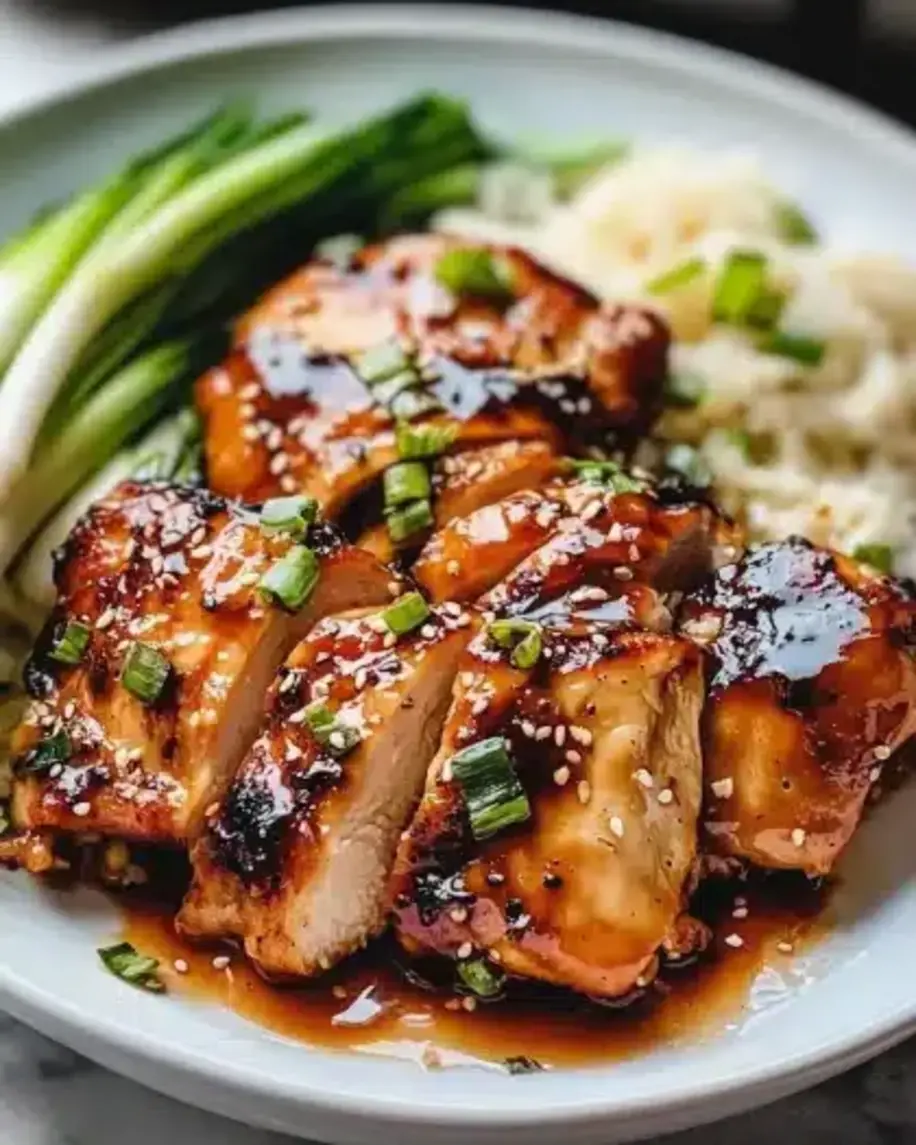
Easy 15-Minute Garlic Sesame Noodles

Garlic Sesame Noodles – 15-Minute Gluten-Free Recipe That Works Hot or Cold

⚖️
Difficulty
Easy
⏲️
Prep Time
5 mins
🕒
Cook Time
10 mins
⏱️
Total Time
15 mins
🍽️
Servings
4

I still remember the first time I made these Garlic Sesame Noodles. It was a rainy Tuesday in my tiny Paris apartment, and I had just finished a brutal pastry exam at Le Cordon Bleu. I wanted something comforting but fast—something that tasted like takeout but was made with love. That night, I whisked together tahini, tamari, and toasted sesame oil, and the smell took me straight back to my mother’s Moroccan kitchen, where she would drizzle argan oil over couscous. This easy sesame noodles recipe is the result of that craving: garlicky, nutty, slightly spicy, and utterly satisfying. It’s become my go-to weeknight dinner, and I’m so excited to share it with you.

Picture this: a tangle of soft brown rice noodles glistening with a velvety sauce that clings to every strand. The garlic is sautéed until golden and fragrant—no raw bite here. The sauce balances salty tamari, nutty tahini, and a whisper of honey, with a kick of sriracha that wakes up your palate. Each bite has a hint of toasted sesame and a touch of acidity from rice vinegar. It’s the kind of dish that makes you close your eyes on the first forkful.

What sets this Asian garlic noodle recipe apart is the technique. Instead of blending everything into a homogeneous paste, we sauté the garlic first to unlock its sweetness, then build the sauce right in the pan. This gives the noodles a depth that jarred sauces can’t touch. Plus, it’s gluten-free (brown rice noodles), ready in 15 minutes, and can be served hot or cold—perfect for meal prep, lazy nights, or a crowd. I’ve tested this dozens of ways in my NYC kitchen, and I promise it’s foolproof.

Why This Garlic Sesame Noodles Recipe Is the Best

The Flavor Secret: Growing up in Morocco, I learned that the best dishes start with layering aromatics. Here, we sauté finely minced garlic until its edges turn golden brown. That simple step transforms the garlic from sharp to sweet and mellow, creating a base that makes the sauce sing. Then we whisk in tahini—a staple in North African cooking—which adds creaminess without dairy. Toasted sesame oil brings that unmistakable nutty finish. This combination is a nod to my heritage and my French training: precision meets soul.

Perfected Texture: The key to these sesame garlic noodles is the sauce-to-noodle ratio. I’ve worked at NYC farmers markets and tested dozens of pasta shapes, but brown rice noodles are the perfect match. They hold their shape when tossed, and their neutral flavor lets the sauce shine. The trick is to cook them al dente, then toss immediately with the warm sauce so they absorb every drop. No gluey noodles here—just silky, saucy perfection.

Foolproof & Fast: This recipe is designed for the busiest cooks. Everything happens in one pot and one pan. While the water boils and noodles cook, you make the sauce. Fifteen minutes start to finish. Even if you’ve never made homemade sesame noodles before, the visual cues (garlic turning golden, sauce thickening) make it impossible to mess up. And because it’s delicious hot or cold, you can prep it ahead and enjoy it all week.

Easy Sesame Noodles Ingredients

Most of these ingredients are pantry staples in my NYC apartment. I pick up tamari at the Asian market on Canal Street, and I always have tahini on hand—I use it in everything from hummus to cookies. The beauty of this recipe is its simplicity: you probably already have 80% of these items. Let me walk you through what you’ll need and why each one matters.

Ingredients List

  • 12 ounces brown rice noodles (or your favorite gluten-free noodle)
  • 1 tablespoon neutral oil (avocado, olive, or refined coconut oil)
  • 6 cloves fresh garlic, finely minced or pressed
  • 1/4–1/3 cup low sodium soy sauce or tamari
  • 2 tablespoons vegetable broth
  • 1 1/2 tablespoons rice vinegar
  • 2 tablespoons toasted sesame oil
  • 1 tablespoon honey or maple syrup
  • 2 tablespoons tahini (well-stirred)
  • 2 teaspoons sriracha
  • 1/2 teaspoon ground ginger
  • Optional garnish: scallions, red pepper flakes, crushed peanuts

Ingredient Spotlight

Brown Rice Noodles – These are my favorite for gluten-free sesame noodles because they stay separate and chewy without turning mushy. Look for “pad thai” style or linguine-width brown rice noodles. If you can’t find them, use soba noodles (buckwheat) or even regular spaghetti—just adjust cook time. Soba gives a stronger flavor; spaghetti loses the gluten-free benefit but still tastes great.

Tahini – Often overlooked in noodle sauces, tahini adds a creamy, nutty richness without dairy. I use it the way my mother used argan oil: as a secret weapon for body and depth. Make sure to stir the jar well before measuring—the paste tends to separate.

Toasted Sesame Oil – This oil is not for cooking; it’s a finishing oil. Its intense nuttiness defines the dish. Splurge on a good bottle from an Asian grocery; it will last for months and elevate everything from stir-fries to salad dressings.

Sriracha – The amount is adjustable. I like a subtle warmth that doesn’t overpower the garlic and sesame. For a milder sauce, use half the amount; for more heat, add an extra teaspoon or a pinch of red pepper flakes.

Original IngredientBest SubstitutionFlavor / Texture Impact
Brown rice noodlesSoba noodles (buckwheat)Nutty flavor, slightly firmer texture
TamariCoconut aminosMilder, slightly sweeter, still gluten-free
TahiniSunflower seed butterSlightly less nutty but creamy; adds mild earthiness
Rice vinegarApple cider vinegar + ½ tsp sugarSlightly fruitier, still bright
SrirachaGochujang (Korean chili paste)Deeper, slightly sweet heat; thicker sauce

How to Make Garlic Sesame Noodles — Step-by-Step

Making these homemade sesame noodles is easier than ordering takeout. Just follow these simple steps, and you’ll have a restaurant-quality meal in your bowl in 15 minutes.

Step 1: Cook the Noodles

Bring a large pot of water to a rolling boil. Add the brown rice noodles and cook according to package directions—usually 6–8 minutes. Stir occasionally to prevent sticking. Drain immediately and set aside. Do not rinse; the starch helps the sauce cling.

💡 mia’s Pro Tip: Reserve about ¼ cup of the pasta water before draining. If your sauce seems too thick after tossing, add a splash of that starchy water to loosen it up. It’s a French technique called “liaison”—the starch helps emulsify the sauce.

Step 2: Mince the Garlic

Peel 6 cloves of garlic and mince them very finely, or use a garlic press. The pieces should be tiny since they won’t be blended into the sauce—you want an even distribution of garlic flavor without biting into a chunk.

⚠️ Common Mistake to Avoid: Don’t use pre-minced garlic from a jar. It’s often treated with preservatives that prevent browning, so it will steam instead of sautéing golden. Fresh garlic is non-negotiable here.

Step 3: Sauté the Garlic

Heat 1 tablespoon of neutral oil in a large skillet over medium heat. Add the minced garlic. Stir constantly until the edges of the garlic turn golden brown and the kitchen smells incredible—about 1–2 minutes. Do not let it burn; reduce heat if necessary.

💡 mia’s Pro Tip: The moment the garlic turns golden, you have about 15 seconds before it goes bitter. When you see the first flakes of gold, immediately proceed to the next step. This technique comes from my French training—precision sautéing makes all the difference.

Step 4: Whisk the Sauce

Meanwhile, in a medium bowl, whisk together the remaining sauce ingredients: soy sauce/tamari, veggie broth, rice vinegar, toasted sesame oil, honey/maple syrup, tahini, sriracha, and ground ginger. Whisk until smooth and no clumps of ginger or tahini remain. The mixture should be well combined and thick but pourable.

⚠️ Common Mistake to Avoid: Adding the tahini straight without stirring. Tahini separates in the jar; if you skip stirring, you’ll end up with a lumpy, bitter paste. Always stir your tahini vigorously before measuring.

Step 5: Combine and Simmer

Pour the whisked sauce into the skillet with the sautéed garlic. Mix well and let it simmer for 2–3 minutes, stirring occasionally. The sauce will thicken slightly as it heats. You’ll see bubbles appear and the sauce become glossy.

💡 mia’s Pro Tip: Taste the sauce at this point. If it’s too salty, add a splash more veggie broth. If it’s too thick, add a teaspoon of water. If it’s too sweet, add a squeeze of lime. Adjust the seasoning before adding the noodles—once they’re in, you can’t change the base.

Step 6: Toss and Serve

Add the drained noodles to the skillet with the sauce. Use tongs to toss until every strand is evenly coated. Serve immediately, garnished with sliced scallions, red pepper flakes, and crushed peanuts if desired.

⚠️ Common Mistake to Avoid: Overcooking the noodles after adding the sauce. The residual heat will continue cooking them. Toss quickly and serve right away for the best texture. If you’re making a cold version, let the noodles cool completely after tossing.

StepActionDurationKey Visual Cue
1Cook noodles6–8 minNoodles are tender but still chewy
2Sauté garlic1–2 minGarlic edges turn golden
3Whisk sauce1 minSmooth, no lumps
4Simmer sauce2–3 minSauce thickens and becomes glossy
5Toss noodles1 minNoodles evenly coated

Serving & Presentation

These Garlic Sesame Noodles are a star on their own, but they also play beautifully with other dishes. I love making a big bowl for a quick lunch—cold, straight from the fridge, with extra scallions and a squeeze of lime. For dinner, I serve them warm alongside steamed edamame or a simple miso soup. The sesame aroma fills my Brooklyn apartment, reminding me of the bustling food stalls at the Marché des Enfants Rouges in Paris.

For a showstopper presentation, pile the noodles high on a plate, top with crushed peanuts, thinly sliced red chili, and a drizzle of extra sesame oil. A sprinkle of black sesame seeds adds a beautiful contrast. If you’re hosting, serve them family-style in a large wooden bowl—they’re always the first thing to disappear.

Pairing TypeSuggestionsWhy It Works
Side DishSteamed edamame, cucumber salad, miso soupLight sides balance the rich, nutty noodles
Sauce / DipExtra sriracha, hoisin, or a lime wedgeAdds brightness or heat to your preference
BeverageGreen tea, sake, or a crisp lagerCleanses the palate between bites
GarnishScallions, crushed peanuts, sesame seeds, chili oilAdds crunch, color, and extra layer of flavor

Make-Ahead, Storage & Reheating

As a busy New Yorker, I rely on make-ahead meals. These noodles are perfect for meal prep because they actually improve after a few hours—the flavors meld together beautifully. I batch double the recipe on Sunday and enjoy it all week. Here’s how to store and reheat them without losing that fresh-made magic.

MethodContainerDurationReheating Tip
RefrigeratorAirtight containerUp to 5 daysMicrowave 1 minute, or reheat in a skillet with a splash of water
FreezerFreezer-safe bag or containerUp to 2 monthsThaw in fridge overnight, then reheat quickly in a hot pan
Make-AheadSeparate noodles and sauceUp to 2 days in advanceToss together just before serving for freshest result

For cold noodles: just pull them from the fridge, give them a good stir, and add a sprinkle of scallions. They’re even better the next day because the sauce has fully absorbed. For hot noodles: I prefer a skillet over the microwave. Add a tablespoon of water or veggie broth and toss over medium heat for 2 minutes. The steam brings back the silky texture without making them soggy.

Variations & Easy Swaps

This recipe is a fantastic base for endless creativity. Whether you want to change the protein, make it spicier, or adapt it to what’s in your fridge, here are my favorite variations. Each one has been tested in my NYC kitchen and comes with a little story from my travels.

VariationKey ChangeBest ForDifficulty Impact
Spicy Peanut NoodlesReplace tahini with peanut butterPeanut lovers, extra proteinEasy
Cold Sesame Noodle SaladAdd shredded veggies (carrots, cucumber, cabbage)Summer lunches, picnicsEasy
Moroccan-Inspired TwistAdd 1 tsp cumin and replace sriracha with harissa pasteWarming flavors, adventurous palatesMedium

Spicy Peanut Noodles

Swap the 2 tablespoons of tahini for 2 tablespoons of natural peanut butter (creamy or chunky). The sauce becomes richer and more familiar to American palates—like a lighter version of peanut noodles from your favorite takeout place. I love adding a squeeze of lime juice to brighten it up. This is the variation my kids ask for every week.

Cold Sesame Noodle Salad

After tossing pasta with sauce, spread the noodles on a baking sheet to cool for 10 minutes. Then transfer to a bowl and add shredded carrots, thinly sliced cucumber, and chopped fresh cilantro. The veggies add crunch and make it a complete meal. This is my go-to for summer potlucks—it travels well and is always a hit.

Moroccan-Inspired Twist

This one is close to my heart. Add 1 teaspoon of ground cumin to the sauce and replace the sriracha with 1 teaspoon of harissa paste (I buy the organic kind from the Union Square Greenmarket). The cumin and harissa bring a warmth that pairs beautifully with sesame and garlic. It’s like a cross between North African and Asian cuisine—exactly the kind of fusion my background is made of.

What is the best type of noodle to use for garlic sesame noodles?

For the most authentic texture, I highly recommend brown rice noodles. They are gluten-free, have a pleasant chew, and don’t get mushy when tossed with the warm sauce. If you’re not gluten-sensitive, soba noodles (buckwheat) are a fantastic alternative—they add a subtle earthy flavor. Classic lo mein noodles or even spaghetti work in a pinch, but the star here is definitely brown rice. Cook them al dente and toss immediately for the best results.

Can I make garlic sesame noodles with a peanut butter substitute?

Absolutely! Peanut butter is a popular swap, but if you’re allergic or out of it, you have other options. The best substitute is sunflower seed butter—it’s creamy, nutty, and dairy-free. Almond butter works too, but it’s a bit sweeter and thinner. For a lower-fat option, try using 1 tablespoon of toasted sesame seed paste (just blend toasted sesame seeds with a little oil). Each will change the flavor profile slightly, but all will keep the sauce silky and delicious. Just remember to stir your nut/seed butter well before measuring.

How do you keep garlic sesame noodles from sticking together after cooking?

Three tips from my professional kitchen: First, cook the noodles in plenty of water (at least 4 quarts for 12 ounces) and stir occasionally to prevent clumping. Second, after draining, don’t rinse—the residual starch helps the sauce coat but also keeps the noodles separate. Most importantly, toss the noodles with the sauce while both are still warm. The warm sauce coats each strand evenly, and no clumps form. If you’re making cold noodles, spread them on a baking sheet in a thin layer after cooking to cool quickly without sticking.

Can garlic sesame noodles be served cold or are they meant to be hot?

They are absolutely delicious both ways! I designed this recipe to be versatile: enjoy it steaming hot straight from the skillet on a chilly evening, or chilled straight from the fridge for a refreshing summer lunch. The sauce holds up beautifully at any temperature—thanks to the tahini and sesame oil, it remains creamy without separating. When serving cold, I recommend adding a little extra chopped scallions and a splash of rice vinegar to brighten the flavors. Cold leftovers are actually my favorite way to finish off the batch.

Is this garlic sesame noodles recipe vegan?

Yes, as written! The recipe uses honey or maple syrup (both are vegan-friendly options), tamari (soy sauce), and tahini. There is no dairy or animal products in the sauce. Just double-check your noodles to ensure they are egg-free; brown rice noodles are almost always vegan. If you are strict about honey, use pure maple syrup. This dish is naturally vegan and gluten-free (with the right noodles), making it a perfect option for a wide range of dietary needs.

How can I make garlic sesame noodles spicier?

There are several ways to turn up the heat. First, increase the sriracha from 2 teaspoons to 1–2 tablespoons for a significant kick. You can also add ½ teaspoon of red pepper flakes to the sauce while it simmers. For a deeper, smokier heat, stir in 1 teaspoon of gochujang (Korean chili paste) along with the tahini. If you like the pain/pleasure of Szechuan peppercorns, toast a pinch and grind them over the finished dish. My favorite trick? Drizzle a little chili oil over the top just before serving—it adds both heat and visual appeal.

Can I add protein to these noodles?

Definitely—this recipe is a fantastic base for adding protein. My favorite additions are shredded rotisserie chicken (stirred in at the end), pan-seared tofu (crispy on the outside), or sautéed shrimp. For a vegetarian option, add a soft-boiled egg on top. If you’re adding cooked protein, toss it in with the noodles and warm sauce so everything marries together. I often make a double batch and add leftover grilled chicken from Sunday dinner—the leftovers get even better overnight.

How many calories are in a serving of garlic sesame noodles?

Based on my nutritional analysis (using brown rice noodles and the exact ingredient list), one serving (about ¼ of the recipe) contains approximately 305 calories, 47g carbohydrates, 12.8g fat, 7.2g protein, and 4.8g sugar. This is a satisfying yet balanced meal that provides energy from complex carbs and healthy fats from tahini and sesame oil. If you’re watching calories, you can reduce the amount of noodles and increase the veggies, or use half the tahini (add a splash more broth to compensate).

Can I use regular soy sauce instead of tamari?

Yes, you can, but there are a couple of things to note. Regular soy sauce is usually saltier than tamari, so I recommend reducing the amount to ¼ cup and tasting before adding more. Also, regular soy sauce is not gluten-free (it’s made from wheat). If you need the dish to be gluten-free, stick with tamari or coconut aminos. If gluten isn’t a concern, any all-purpose soy sauce from the grocery store will work. Just be mindful of the sodium—and always go for low-sodium if possible.

What’s the best way to reheat leftover garlic sesame noodles?

I’ve tested several methods, and the skillet method wins every time. Place the leftover noodles in a non-stick skillet over medium-low heat with 1–2 tablespoons of water or vegetable broth. Toss occasionally for 2–3 minutes until the noodles are steaming hot and the sauce is glossy again. Microwaving works in a pinch—cover the bowl with a damp paper towel and heat in 30-second bursts, stirring in between. Avoid high heat, which can dry out the noodles. For cold leftovers straight from the fridge, just add a splash of water and a quick stir—they’re already delicious.

Share Your Version!

I hope you love these Garlic Sesame Noodles as much as I do. They’ve been a staple in my kitchen for years, and every time I make them, I’m transported back to that rainy Paris evening. Now I want to know: when you make them, will you serve them hot or cold? Did you add extra sriracha or go the peanut butter route? Let me know in the comments below—I read every single one and I love seeing your adaptations.

If you share a photo on Instagram or Pinterest, tag me @exorecipes so I can see your beautiful creation. Your support means the world to me, and it helps other home cooks discover this recipe too.

From my NYC kitchen to yours — I hope this recipe brings as much warmth to your table as it does to mine. — mia 🧡

📌

Love This Recipe? Save It to Pinterest!

If you enjoyed this Garlic Sesame Noodles recipe, don’t let it get lost in your browser tabs! 😄 Pin it now so you can find it again anytime — and explore hundreds more tried-and-tested recipes waiting for you on my Pinterest boards.

👉 Follow mia on Pinterest @chefrecipes2

📌 Pin this recipe · 🔁 Re-pin your favorites · 💬 Tag me when you make it — I love seeing your creations!

Print

clock clock iconcutlery cutlery iconflag flag iconfolder folder iconinstagram instagram iconpinterest pinterest iconfacebook facebook iconprint print iconsquares squares iconheart heart iconheart solid heart solid icon

Garlic Sesame Noodles

  • Author: Chef Mia

Description

Noodles are a girls best friend and these easy garlic sesame noodles are without a doubt my favorite noodle recipe to date! They require just a few ingredients, are gluten free, ready in 15 minutes, and can be eaten hot or cold!


Ingredients

Scale
  • 12 ounces brown rice noodles
  • 1 tablespoon oil
  • 6 cloves garlic
  • 1/41/3 cup low sodium soy sauce or tamari
  • 2 tablespoons veggie broth
  • 1 1/2 tablespoons rice vinegar
  • 2 tablespoons toasted sesame oil
  • 1 tablespoon honey or maple syrup
  • 2 tablespoons tahini
  • 2 teaspoon sriracha
  • 1/2 teaspoon ground ginger

Instructions

  1. Bring a large pot of water to a boil and cook the pasta according to package instructions.
  2. Mince the garlic very finely or use a garlic press to get it super small since we won't be blending up this sauce.
  3. Add the minced garlic to a pan with the neutral oil. This can be avocado, olive, or refined coconut oil.
  4. Saute until the edges of the garlic look golden brown.
  5. Meanwhile, whisk together all of the remaining sauce ingredients in a bowl until there are no visible clumps of ginger and the tahini is spread throughout.
  6. Pour the sauce into the pan with the garlic and mix well.
  7. Let simmer for 2-3 minutes or until the sauce thickens slightly.
  8. When the pasta is done cooking, combine with the sauce.
  9. Garnish with scallions, red pepper flakes, crushed peanuts and enjoy!


Nutrition

  • Calories: 305 kcal
  • Sugar: 4.8 g
  • Fat: 12.8 g
  • Carbohydrates: 47 g
  • Protein: 7.2 g


Garlic Sesame Noodles

ph">For more delicious inspiration, follow me on Pinterest!