“`html

Cheddar and Scallion Muffins – The Perfect Savory Breakfast Treat

⚖️
Difficulty
Easy
⏲️
Prep Time
10 mins
🕒
Cook Time
18 mins
⏱️
Total Time
28 mins
🍽️
Servings
12 muffins

Back when I was a little girl in Morocco, my mother would wake up before dawn to prepare bread for our family. The aroma of warm dough and melted butter would drift through our home in Marrakech, pulling me out of bed and into the kitchen. She never used a recipe — she measured everything by feel, by the way the dough responded to her hands. Now, decades later and thousands of miles away, living in my bustling New York City apartment, I still chase that same feeling of comfort. These cheddar and scallion muffins are my homage to those mornings — a quick, savory, no-fuss recipe that fills your kitchen with that same warmth. They’re the perfect easy savory muffin recipe for busy weekdays or lazy weekend brunches.

Imagine biting into a golden, domed muffin and tasting the sharp, creamy richness of melted cheddar, punctuated by the fresh, mild bite of scallions. The texture is tender and moist on the inside, with a slightly crisp, buttery top that gives way to a soft crumb. These scallion cheese muffins are wonderfully aromatic — the scallions mellow as they bake, releasing a subtle sweetness that pairs beautifully with the savory cheese. I love how the cheddar forms little pockets of gooeyness throughout the batter, and the scallions add just the right amount of freshness. It’s the kind of muffin that doesn’t need butter or jam — it’s perfectly satisfying all on its own.

What sets my version apart is the technique I learned during my pastry training in Paris: never overmix the batter. It sounds simple, but it’s the single most important step for achieving a light, fluffy cheddar muffin breakfast muffin. Overmixing develops the gluten too much and turns your muffins dense and rubbery. I’ll show you exactly how to fold the wet and dry ingredients together until they’re just combined — a few lumps are perfectly fine. Plus, I’m sharing my favorite pro tip for getting those extra-cheesy, golden tops that everyone fights over. Whether you’re a seasoned baker or making muffins for the first time, this recipe is foolproof and deeply rewarding.

Why This Cheddar and Scallion Muffins Recipe Is the Best

The Flavor Secret: Growing up in Morocco, I learned that the best dishes rely on a few high-quality ingredients layered together with intention. Here, sharp cheddar is the star — its bold, tangy flavor stands up beautifully to the fresh scallions. I use extra-sharp cheddar because it delivers more flavor per bite. The scallions are chopped fine and folded in at the last moment, so they stay vibrant and fragrant. A touch of black pepper rounds out the savory profile without overwhelming the palate. This is a savory cheddar muffins recipe that lets every ingredient shine.

Perfected Texture: My Parisian pastry training taught me that the difference between a good muffin and a great one is all in the handling. The key is to combine the dry and wet ingredients with a light hand — just 12 to 15 folds, no more. The result is a tender, moist crumb with a delicate, cake-like structure. The melted butter keeps the muffins soft for days, while the milk ensures they stay tender on the inside. I’ve tested this ratio six times to make sure the texture is absolutely spot-on — fluffy, not dense, with a satisfyingly soft chew.

Foolproof & Fast: This easy savory muffin recipe comes together in under 30 minutes with just one bowl and a whisk. No stand mixer, no complicated steps. It’s the kind of recipe you can make on a Wednesday morning before the school run or whip up for unexpected guests. I’ve streamlined every step so that even a complete beginner can nail it on the first try. And because it’s so versatile, you can customize it with whatever cheese or herbs you have on hand — though I promise, the cheddar-scallion combination is a classic for a reason.

Savory Cheddar Muffins Ingredients

I source my cheddar from a small dairy farm in upstate New York that I discovered at the Union Square Greenmarket. The scallions I pick up at my local Korean grocer in Koreatown — they’re always crisp and bright. Using fresh, quality ingredients makes a real difference in these cheddar and scallion muffins, but I’ve also tested smart substitutions so you can use what you have. Here’s everything you’ll need.

Ingredients List

  • 2 cups all-purpose flour
  • 1 tablespoon baking powder
  • 1/2 teaspoon salt
  • 1/4 teaspoon black pepper
  • 1 cup shredded sharp cheddar cheese (plus extra for topping, optional)
  • 1/4 cup chopped scallions (green onions), green and light green parts
  • 1 cup milk (whole or 2% preferred)
  • 1/4 cup unsalted butter, melted
  • 1 large egg

Ingredient Spotlight

Sharp Cheddar Cheese: This is the backbone of your scallion cheese muffins. Sharp cheddar brings a bold, tangy depth that mild cheddar just can’t match. When shopping, look for a block of cheddar and shred it yourself — pre-shredded cheese contains anti-caking agents that prevent it from melting smoothly. If you prefer a milder flavor, colby jack or gouda work well, though the taste will be less pronounced.

Scallions (Green Onions): Fresh scallions add a gentle onion flavor that softens as the muffins bake. Use both the white and green parts for the best balance. If scallions aren’t available, you can substitute chives (use 3 tablespoons) or finely chopped shallots (use 2 tablespoons, sautéed briefly to mellow the bite). Avoid yellow or red onions — they’re too pungent and won’t cook through properly in this short bake time.

All-Purpose Flour: Standard all-purpose flour gives these muffins the ideal structure — sturdy enough to hold the cheese and scallions, but tender enough to be light. I’ve tested this with whole wheat pastry flour (use 1 cup whole wheat + 1 cup all-purpose) for a nuttier flavor, and with a 1:1 gluten-free baking blend for those who need it. Both work, but the texture will be slightly denser.

Original IngredientBest SubstitutionFlavor / Texture Impact
Sharp cheddar cheeseColby jack, gouda, or gruyèreMilder flavor; slightly less tangy but still creamy
Fresh scallionsChives (3 tbsp) or finely chopped shallot (2 tbsp, sautéed)Chives are milder; shallots add a sweeter, deeper flavor
All-purpose flourWhole wheat pastry flour or 1:1 GF blendDenser, nuttier texture with whole wheat; slightly crumblier with GF
Whole milk2% milk, buttermilk, or unsweetened almond milkButtermilk adds tang and tenderness; almond milk makes them slightly less rich
Unsalted butterMelted coconut oil or neutral vegetable oilCoconut oil adds a subtle sweetness; vegetable oil makes them slightly softer

How to Make Cheddar and Scallion Muffins — Step-by-Step

Trust me when I say this is one of the simplest, most satisfying bakes you’ll ever make. Follow these steps, and you’ll have a tray of golden, cheesy cheddar and scallion muffins ready in under half an hour.

Step 1: Prep the Oven and Pan

Preheat your oven to 400°F (200°C). Grease a 12-cup muffin tin generously with butter or nonstick spray, or line with paper liners. If using liners, give them a quick spritz of spray — this helps the muffins release cleanly and keeps the paper from sticking to the cheese.

💡 mia’s Pro Tip: For the crispiest, most golden edges, use a metal muffin tin instead of a nonstick one. Metal conducts heat better and gives you that beautifully browned crust.

Step 2: Mix the Dry Ingredients

In a large mixing bowl, whisk together 2 cups all-purpose flour, 1 tablespoon baking powder, 1/2 teaspoon salt, and 1/4 teaspoon black pepper. Whisk for about 15 seconds to aerate the flour and ensure the baking powder is evenly distributed. This step is crucial — no one wants a pocket of baking powder in their muffin.

Step 3: Add Cheese and Scallions

Stir in 1 cup shredded sharp cheddar cheese and 1/4 cup chopped scallions until they’re evenly coated in the flour mixture. This coating prevents the cheese from sinking to the bottom of the muffins during baking — a trick I learned from a pastry chef in Paris.

⚠️ Common Mistake to Avoid: Don’t dump the cheese and scallions in without tossing them in flour first. If you skip this step, the heavy cheese will sink to the bottom of the muffin cups, leaving you with a bare top and a dense, cheesy base.

Step 4: Combine Wet Ingredients

In a separate medium bowl or a large liquid measuring cup, whisk together 1 cup milk, 1/4 cup melted unsalted butter (cooled slightly), and 1 large egg. Whisk until the egg is fully incorporated and the mixture looks smooth and slightly creamy. If the butter solidifies when it hits the cold milk, gently warm the mixture for a few seconds in the microwave — just until it’s liquid again.

Step 5: Mix Wet into Dry

Pour the wet ingredients into the bowl with the dry ingredients. Use a rubber spatula to fold everything together gently. Stir only until the flour disappears — about 12 to 15 strokes. The batter will be thick, lumpy, and a little shaggy. That’s exactly what you want. Do NOT overmix.

💡 mia’s Pro Tip: A few streaks of flour are fine. Overmixing activates the gluten and will give you tough, dense muffins. Trust the lumps — they’ll bake out beautifully.

Step 6: Fill the Muffin Tin

Divide the batter evenly among the 12 prepared muffin cups, filling each about 2/3 full. I like to use a spring-loaded ice cream scoop for even, mess-free portions. If you want extra-cheesy tops, sprinkle a pinch of reserved shredded cheddar on top of each muffin before baking.

Step 7: Bake to Perfection

Bake for 15 to 18 minutes, rotating the pan halfway through for even browning. The muffins are done when the tops are golden brown and a toothpick inserted into the center of a muffin comes out clean or with a few moist crumbs. Let the muffins cool in the pan for 5 minutes — this allows them to set and makes them easier to remove.

⚠️ Common Mistake to Avoid: Don’t skip the 5-minute cooling step in the pan. If you try to transfer them immediately, the muffins can fall apart because they’re still too tender. Let them rest so the structure firms up.

Step 8: Cool and Serve

Transfer the muffins to a wire rack to cool completely, or serve them warm for the ultimate experience. The cheese will be perfectly melted, the scallions fragrant, and the tops slightly crisp. These cheddar muffin breakfast muffins are at their best within the first hour, but they’re still wonderful the next day.

StepActionDurationKey Visual Cue
1Preheat oven & grease tin5 minOven at 400°F, tin fully coated
2Mix dry ingredients2 minFluffy, aerated flour mixture
3Add cheese & scallions to dry mix2 minCheese and scallions evenly coated
4Whisk wet ingredients1 minSmooth, homogenous liquid
5Fold wet into dry1 minThick, lumpy batter with no dry streaks
6Fill muffin cups3 minEach cup 2/3 full
7Bake15–18 minGolden tops, toothpick comes clean
8Cool & serve5 min in panMuffins hold their shape, cheese slightly set

Serving & Presentation

These cheddar and scallion muffins are wonderfully versatile. I love serving them warm from the oven alongside a bowl of tomato soup for lunch, or as a grab-and-go breakfast with a piece of fruit. In my NYC apartment, I often pair them with a soft-boiled egg and a drizzle of hot honey for a savory-sweet morning treat. The muffins are sturdy enough to split and toast, too — just halve them, butter the cut sides, and crisp them in a skillet for a next-day breakfast that’s almost better than the original.

For presentation, I arrange the muffins on a rustic wooden board or a simple white platter, with a small dish of softened butter or whipped ricotta on the side. A sprinkle of flaky sea salt and a few extra chopped scallions on top makes them look gorgeous for brunch guests. In the summer, I serve them with a side of sliced heirloom tomatoes from the Union Square market — the acidity cuts through the richness of the cheese beautifully.

Pairing TypeSuggestionsWhy It Works
Side DishTomato soup, green salad, roasted vegetablesThe acidity and freshness balance the rich, cheesy muffins
Sauce / DipHoney mustard, herbed butter, spicy mayo, balsamic glazeAdds moisture and a flavor contrast — sweet, tangy, or spicy
BeverageIced coffee, chai latte, fresh orange juice, dry ciderThe caffeine or acidity cuts through the richness and refreshes the palate
GarnishFlaky sea salt, extra chopped scallions, micro greens, edible flowersAdds visual appeal, texture, and a fresh pop of flavor

Make-Ahead, Storage & Reheating

Living in New York City means my schedule is always packed — between recipe testing, writing, and exploring the latest food pop-ups, I need recipes that work on my terms. These cheddar and scallion muffins are ideal for meal prep. I often bake a double batch on Sunday evening, and we enjoy them all week long. Here’s exactly how to store and reheat them so they stay fresh and delicious.

MethodContainerDurationReheating Tip
RefrigeratorAirtight container or zip-top bagUp to 5 daysMicrowave 15–20 sec, or air fry at 350°F for 3 min
FreezerFreezer-safe bag or container, layers separated by parchmentUp to 3 monthsThaw at room temp, then reheat in oven at 350°F for 5–7 min
Make-AheadBatter in a covered bowl (bake fresh)Up to 1 day in advanceStir gently before filling cups; add 1–2 min to bake time

For the best reheated texture, I always use the oven or air fryer instead of the microwave. The dry heat revives the crispy top and keeps the inside moist. If you’re in a rush, microwaving works fine — just wrap the muffin in a damp paper towel for 15 seconds to add a little steam back into the crumb. And if you froze them, let them thaw on the counter for about 30 minutes before reheating for the most even result.

One more thing from my NYC meal-prep routine: I sometimes freeze the unbaked batter directly in the muffin tin (without liners), then pop the frozen pucks into a freezer bag. When a craving hits, I bake them straight from frozen — just add 4 to 5 minutes to the bake time. It’s a game-changer for busy mornings.

Variations & Easy Swaps

One of the things I love most about this easy savory muffin recipe is how adaptable it is. Over the years, I’ve played with countless variations — some inspired by my mother’s Moroccan pantry, others by the French technique I mastered in Paris, and a few from the vibrant farmers market scene here in New York. Here are three of my favorite twists.

VariationKey ChangeBest ForDifficulty Impact
Moroccan SpicedAdd 1 tsp cumin, 1/2 tsp paprika, and 1/4 tsp cayenneA warm, aromatic twist with North African flairEasy — just add spices to the flour
Gluten-Free / Dairy-FreeUse 1:1 GF flour, plant-based milk, and dairy-free cheddarDietary restrictions without sacrificing flavorEasy — same method, slightly different texture
Bacon & ChiveAdd 1/2 cup cooked crumbled bacon and swap scallions for chivesA heartier, smoky-savory brunch starEasy — cook bacon first, then fold in

Moroccan Spiced Cheddar Muffins

This variation is a nod to my childhood in Marrakech. Add 1 teaspoon ground cumin, 1/2 teaspoon sweet paprika, and 1/4 teaspoon cayenne pepper to the flour mixture. The cumin adds an earthy warmth that pairs beautifully with the sharp cheddar, while the paprika and cayenne bring a gentle heat. I sometimes throw in a handful of toasted sesame seeds for extra crunch. Serve these with a bowl of harira soup for a truly North African-inspired meal.

Gluten-Free & Dairy-Free Version

For my friends with dietary restrictions, I’ve tested this with a high-quality 1:1 gluten-free flour blend (I love King Arthur’s) and unsweetened oat milk. Use a dairy-free shredded cheddar alternative — look for one that melts well, like Violife or Daiya. The texture will be slightly more tender and a little less fluffy than the original, but the flavor is still fantastic. Add an extra tablespoon of melted butter or oil to compensate for the lack of dairy fat.

Bacon & Chive Brunch Muffins

This is my go-to weekend brunch variation. Cook 4 strips of bacon until crispy, let them cool, and crumble them into small pieces. Swap the scallions for 3 tablespoons of fresh chopped chives. Fold the bacon in along with the cheese and chives. The smoky, salty bacon adds incredible depth, and the chives keep it fresh. These are especially good served alongside a Bloody Mary or a mimosa — a true NYC brunch vibe.

Can I use a different type of cheese instead of cheddar in scallion muffins?

Absolutely! While sharp cheddar is my top recommendation for its bold, tangy flavor, you can absolutely experiment with other cheeses. Gruyère melts beautifully and adds a nutty, slightly sweet note that pairs wonderfully with scallions. Gouda (especially smoked gouda) brings a rich, creamy depth. Monterey Jack is mild and melts like a dream — perfect if you’re serving these to kids or prefer a gentler flavor. For a stronger kick, try crumbled feta or blue cheese, though keep in mind that these won’t melt the same way. Whichever cheese you choose, shred it yourself from a block for the best melt and texture.

How do I keep cheddar and scallion muffins from sticking to the pan?

This is such a common question, and the answer is simple: grease your muffin tin generously, and don’t skip the 5-minute cooling step after baking. I recommend using a good nonstick baking spray that contains flour (like Baker’s Joy), or brushing each cup with melted butter and then dusting lightly with flour. If you’re using paper liners, give them a quick spritz of spray as well — the cheese can cause the paper to stick. Letting the muffins rest in the pan for 5 minutes after baking allows them to firm up and pull away from the sides naturally. After that, run a thin knife around the edge of each muffin to release it.

What can I substitute for buttermilk in cheddar scallion muffin batter?

This recipe actually uses regular milk rather than buttermilk, but if you want to swap in buttermilk for a tangier, more tender muffin, go for it — use the same amount (1 cup). If you don’t have buttermilk on hand, you can make a quick substitute: add 1 tablespoon of lemon juice or white vinegar to a liquid measuring cup, then fill with milk to the 1-cup line. Let it sit for 5 minutes until it thickens slightly and curdles. That’s your DIY buttermilk. For a dairy-free option, unsweetened oat milk or almond milk work well, though the muffins will be slightly less rich and tender.

How long do cheddar and scallion muffins stay fresh and how should I store them?

These muffins stay fresh for up to 5 days when stored properly in an airtight container at room temperature. If your kitchen is warm or humid, I recommend refrigerating them — they’ll last up to a week in the fridge. For longer storage, freeze them for up to 3 months. The key is to let them cool completely before storing, or condensation will make them soggy. I like to line the storage container with a paper towel to absorb any excess moisture. When reheating, pop them in a 350°F oven for 5-7 minutes or in the air fryer for 3 minutes to revive that crispy top.

Can I make these muffins vegan?

Yes, you can make a delicious vegan version of these cheddar and scallion muffins! Use unsweetened oat or soy milk in place of dairy milk, and substitute the melted butter with melted coconut oil or a neutral vegetable oil. For the egg, use a flax egg (1 tablespoon ground flaxseed mixed with 3 tablespoons water, let sit for 5 minutes) or a commercial egg replacer. The biggest challenge is the cheese — look for a high-quality vegan cheddar that melts well, such as Violife or Follow Your Heart. The texture will be slightly denser and less fluffy, but the flavor will still be savory and satisfying.

Why did my cheddar and scallion muffins turn out dense and heavy?

Dense muffins are almost always the result of overmixing the batter. When you stir the wet and dry ingredients together too vigorously or for too long, you develop the gluten in the flour, which creates a tough, rubbery texture. The fix is simple: mix only until the flour disappears — about 12 to 15 gentle folds. A few lumps are perfectly fine. Another potential culprit is using too much flour. Make sure you’re measuring correctly: spoon the flour into your measuring cup and level it off with a knife, rather than scooping directly from the bag, which compacts the flour.

Can I add other vegetables to these savory cheddar muffins?

Definitely! This easy savory muffin recipe is very forgiving when it comes to add-ins. Finely diced bell peppers (red or orange) add sweetness and color. Sautéed mushrooms, chopped finely, bring an earthy umami flavor. Fresh or frozen corn kernels (thawed and patted dry) are wonderful in the summer. Just keep a few things in mind: any vegetable you add should be chopped small (about the size of a pea) and patted very dry with paper towels to remove excess moisture. Too much moisture can make the muffins soggy. Stick to about 1/3 cup of additional vegetables.

Can I use whole wheat flour instead of all-purpose flour?

Yes, but I recommend using a mix of whole wheat and all-purpose flour for the best texture. Whole wheat flour absorbs more liquid and creates a denser, heartier muffin. I’ve tested this with a 50/50 blend (1 cup whole wheat + 1 cup all-purpose) and it works beautifully — the muffins are still tender but have a lovely nutty flavor and a bit more structure. If you use 100% whole wheat, your muffins will be significantly denser and may need an extra tablespoon or two of milk to keep them from drying out. White whole wheat flour is a great option if you want whole grain nutrition with a lighter texture.

What’s the best way to reheat frozen cheddar and scallion muffins?

For the best results, thaw the muffins at room temperature first — about 30 minutes on the counter. Then reheat them in a 350°F oven for 5 to 7 minutes, or in an air fryer at 350°F for 3 to 4 minutes. This method restores the crispy, golden top and keeps the inside moist and tender. If you’re in a hurry, you can microwave a frozen muffin for 20 to 25 seconds, but the texture won’t be as crisp. I like to split the muffin in half, toast it in a skillet with a little butter, and then put it back together — it’s almost better than fresh!

Are these cheddar and scallion muffins gluten-free friendly?

Yes, with a simple swap! Use a high-quality 1:1 gluten-free all-purpose flour blend (one that contains xanthan gum, like King Arthur or Bob’s Red Mill) in place of the regular flour. The rest of the ingredients remain the same. The texture will be slightly more tender and a bit more delicate than the original, so handle the batter gently and avoid overmixing. I also recommend letting the batter rest for 10 minutes after mixing — this gives the gluten-free flour time to hydrate fully, which results in a better rise and a more even crumb. Bake for the same amount of time, checking for doneness with a toothpick.

Share Your Version!

I absolutely love hearing how my recipes come to life in your kitchen. Did you try the Moroccan spice twist? Did you add bacon and make it a full brunch spread? Or maybe you discovered a new favorite cheese combination? Drop a star rating and a comment below — your feedback helps me create more recipes you’ll love. And if you share a photo on Instagram or Pinterest, be sure to tag me @exorecipes so I can see your beautiful creations. It makes my day every single time.

Here’s a question for you: what’s one ingredient you always add to your savory muffins that might surprise me? I’m always looking for new ideas from your kitchens. From my NYC kitchen to yours — I hope this recipe brings as much warmth to your table as it does to mine. — mia 🧡

📌

Love This Recipe? Save It to Pinterest!

If you enjoyed this Cheddar and Scallion Muffins recipe, don’t let it get lost in your browser tabs! 😄 Pin it now so you can find it again anytime — and explore hundreds more tried-and-tested recipes waiting for you on my Pinterest boards.

👉 Follow mia on Pinterest @exorecipe

📌 Pin this recipe · 🔁 Re-pin your favorites · 💬 Tag me when you make it — I love seeing your creations!

“`

Print

clock clock iconcutlery cutlery iconflag flag iconfolder folder iconinstagram instagram iconpinterest pinterest iconfacebook facebook iconprint print iconsquares squares iconheart heart iconheart solid heart solid icon

Cheddar and Scallion Muffins

  • Author: Chef Mia
  • Prep Time: 10 minutes
  • Cook Time: 18 minutes
  • Total Time: 28 minutes
  • Yield: 12 muffins 1x
  • Method: Breakfast
  • Cuisine: American

Description

Savory muffins loaded with sharp cheddar cheese and fresh scallions, perfect for breakfast or a snack.


Ingredients

Scale
  • 2 cups all-purpose flour
  • 1 tablespoon baking powder
  • 1/2 teaspoon salt
  • 1/4 teaspoon black pepper
  • 1 cup shredded sharp cheddar cheese
  • 1/4 cup chopped scallions (green onions)
  • 1 cup milk
  • 1/4 cup unsalted butter, melted
  • 1 large egg

Instructions

  1. Preheat oven to 400°F (200°C). Grease a 12-cup muffin tin or line with paper liners.
  2. In a large bowl, whisk together flour, baking powder, salt, and pepper.
  3. Stir in shredded cheddar cheese and chopped scallions until evenly distributed.
  4. In a separate bowl, whisk together milk, melted butter, and egg.
  5. Pour the wet ingredients into the dry ingredients and stir just until combined (do not overmix).
  6. Divide the batter evenly among the prepared muffin cups, filling each about 2/3 full.
  7. Bake for 15-18 minutes, or until a toothpick inserted into the center comes out clean.
  8. Let cool in the pan for 5 minutes, then transfer to a wire rack to cool completely.

Notes

For extra cheesy tops, sprinkle a little extra cheddar on each muffin before baking.


Nutrition

  • Calories: 210
  • Sugar: 2g
  • Fat: 10g
  • Carbohydrates: 22g
  • Protein: 7g


Cheddar and Scallion Muffins

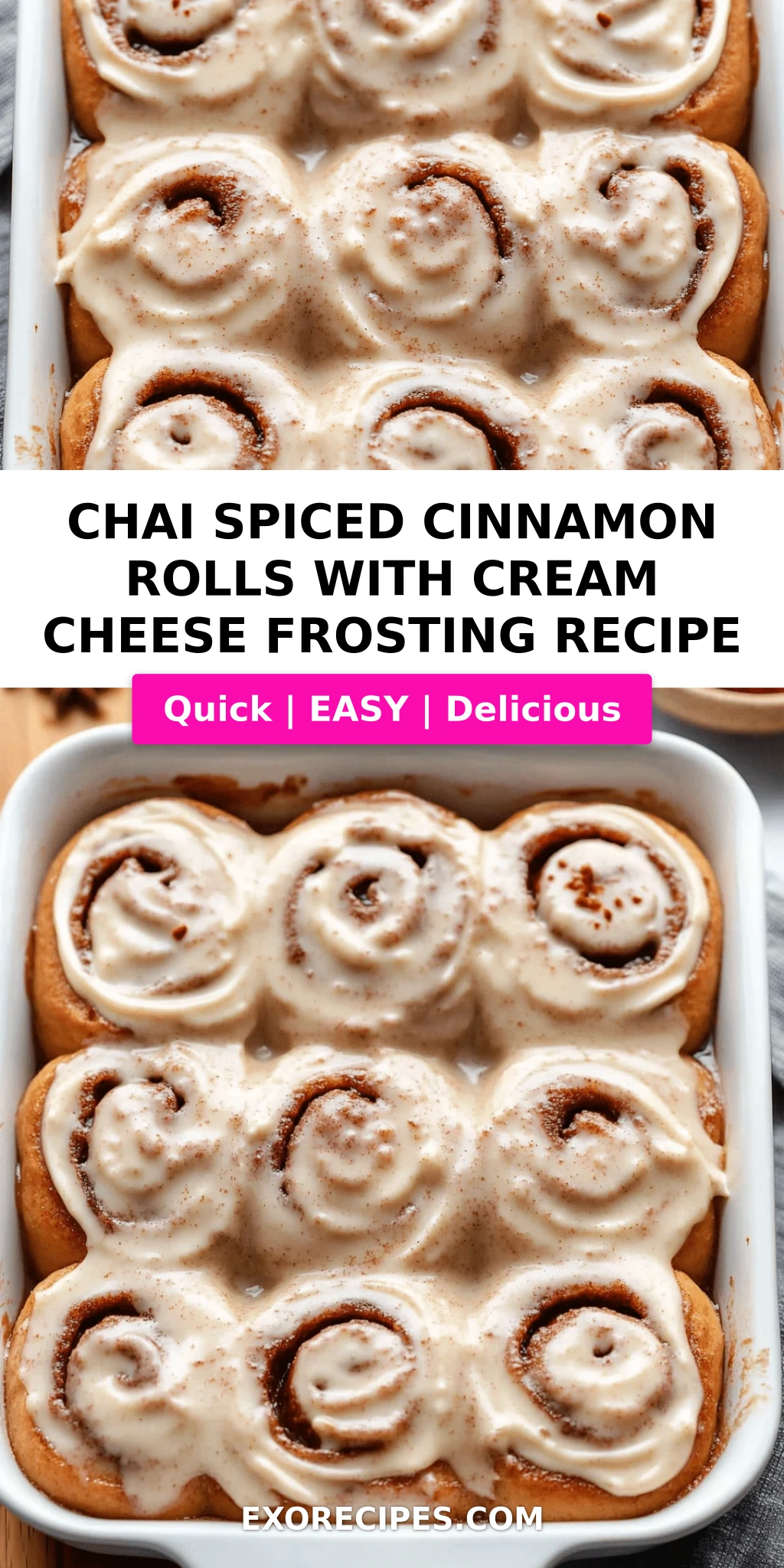
Chai Spiced Cinnamon Rolls with Cream Cheese Frosting – Soft, Spiced & Irresistible

⚖️
Difficulty
Medium
⏲️
Prep Time
30 mins
🕒
Cook Time
25 mins
⏱️
Total Time
2 hrs 30 mins
🍽️
Servings
12 rolls

I grew up in Morocco with the scent of chai filling my mother’s kitchen—cinnamon, cardamom, ginger, cloves, and nutmeg simmering in a pot. Years later, during my pastry training in Paris, I learned that those same spices could transform a simple brioche into something magical. Now, in my New York City apartment, I blend those two worlds into these chai spiced cinnamon rolls with cream cheese frosting. The dough is soft as a cloud, the filling is fragrant with a custom chai spice blend, and the tangy frosting melts perfectly into every swirl. This cozy treat is perfect for weekend brunch, holiday mornings, or any moment you need a warm hug from the oven.

Picture this: a pan of golden rolls, the tops toasted just so, with a generous swoop of cream cheese frosting that pools into the crevices. As you break one apart, steam rises and the aroma of cinnamon, cardamom, and ginger hits you first—then the soft, pillowy bite, followed by the sweet tang of the frosting. The chai here isn’t just a name; it’s a full sensory experience. I steep chai tea bags in the warm milk before mixing the dough, giving every bite a subtle black-tea depth that balances the sweetness. The filling is a generous layer of butter, brown sugar, and a homemade spice blend that echoes your favorite chai latte—but warmer, richer, and baked into a swirl of pure comfort.

As a professionally trained chef who still cooks from the heart, I always look for ways to make bakery-level recipes approachable. These chai spiced cinnamon rolls are exactly that: the dough comes together easily (no stand mixer required!), the rise times are realistic for a home kitchen, and the results are consistently stunning. My pro tip? Double the frosting—it’s that good. And the most common mistake? Over-baking. Pull the rolls when they’re just golden; they’ll continue cooking in the pan. Whether you’re new to yeast dough or a seasoned baker, I promise this recipe will earn a permanent spot in your breakfast rotation.

Why This Chai Spiced Cinnamon Rolls Recipe Is the Best

The Flavor Secret – Most cinnamon roll recipes rely on one spice. Here, I bring the full chai experience: cinnamon, cardamom, ginger, cloves, and nutmeg. But the real twist is steeping two chai tea bags in the warm milk before mixing the dough. That subtle tannin and black-tea flavor elevates the entire roll, making it taste like you’re sipping a chai latte with every bite. This technique comes straight from my Parisian patisserie days, where we infused creams and custards with tea to add complexity.

Perfected Texture – The dough is enriched with butter, eggs, and milk, yielding a tender, brioche-like crumb. I add a small amount of flour at a time and knead just until smooth—over-kneading makes rolls tough. The first rise is a slow, steady hour that develops flavor. The second rise after shaping gives the rolls their signature loft. The result is a roll that’s fluffy yet sturdy enough to hold the filling and frosting without falling apart.

Foolproof & Fast – This recipe is designed for home bakers. You don’t need a stand mixer; a bowl and a wooden spoon work beautifully. The total active time is under 30 minutes, with most of the time being hands-off rising. The instructions are detailed, with visual cues every step of the way. Even if you’ve never made cinnamon rolls from scratch, you can pull these off on a Saturday morning and serve them by noon. Plus, the cream cheese frosting is forgiving—add milk for a drizzle, or keep it thick for bakery-style swoops.

Chai Spiced Cinnamon Rolls Ingredients

Coming from a family that measures spices by heart, I now love the precision of a well-stocked NYC grocery store. These ingredients are easy to find and each one plays a crucial role in building the flavor and texture of the rolls. Let me walk you through what you need.

Ingredients List

  • For the Dough:
  • 1 cup whole milk, warm (about 110°F)
  • 1/2 cup granulated sugar
  • 1 packet (2 1/4 tsp) active dry yeast
  • 1/2 cup unsalted butter, melted
  • 2 large eggs
  • 1 tsp vanilla extract
  • 4 cups all-purpose flour (plus more for dusting)
  • 1/2 tsp salt
  • For the Chai Spice Filling:
  • 1/2 cup unsalted butter, softened
  • 3/4 cup packed brown sugar
  • 2 tbsp ground cinnamon
  • 1 tbsp ground cardamom
  • 2 tsp ground ginger
  • 1 tsp ground cloves
  • 1 tsp ground nutmeg
  • For the Cream Cheese Frosting:
  • 8 oz cream cheese, softened
  • 1/4 cup unsalted butter, softened
  • 2 cups powdered sugar
  • 1 tsp vanilla extract
  • 1-2 tbsp milk (as needed for consistency)

Ingredient Spotlight

Warm Milk & Chai Tea – The base of our dough and the secret chai infusion. I use whole milk for richness, and I steep two chai tea bags in it for 5 minutes before combining with yeast. This adds a delicate black-tea flavor and extra warmth. If you can’t find chai tea bags, use strong black tea and add an extra pinch of chai spices to the milk. Avoid skim milk—the dough needs the fat for tenderness.

Unsalted Butter – Used both in the dough and the filling. Butter provides flavor, moisture, and that irresistible richness. Use European-style butter (like Plugrà or Kerrygold) for even more depth. In the filling, softening the butter to room temperature is key—cold butter won’t spread evenly, leading to sparse spice pockets.

Chai Spice Mix – Cinnamon, cardamom, ginger, cloves, and nutmeg. This is the heart of the recipe. Buy fresh, high-quality spices—old spices lose potency. I grind my own cardamom from pods when I can; the flavor is unmatched. If you have a pre-made chai spice blend, you can substitute 5–6 tablespoons of that for the individual spices. Adjust to your taste—I like it bold.

Cream Cheese – Full-fat block cream cheese (like Philadelphia) is non-negotiable for the frosting. Low-fat or spreadable versions contain too much water and will make the frosting runny. Let it soften completely on the counter for at least 30 minutes before beating. This ensures a silky, lump-free frosting that holds its shape on warm rolls.

Substitutions Table

Original IngredientBest SubstitutionFlavor / Texture Impact
Whole milk2% milk + 1 tbsp melted butterSlightly less rich, still tender
Active dry yeastInstant yeast (use same amount, skip proofing)Faster rise, same texture
All-purpose flourBread flourChewier, more structure; add 2 tbsp more milk
Cream cheese (block)Dairy-free cream cheese (e.g., Kite Hill)Slightly tangier, less stable; refrigerate before serving

How to Make Chai Spiced Cinnamon Rolls – Step-by-Step

Follow these steps and you’ll have the most fragrant, fluffy rolls of your life. I’ve included pro tips and common pitfalls to watch for—learn from my mistakes so you don’t have to make them!

Step 1: Activate the Yeast

In a small bowl, combine 1 cup warm whole milk (about 110°F) with 1 tablespoon of sugar and the packet of yeast. Stir gently and let it sit for 5–7 minutes until the mixture is foamy and smells like fresh bread. If the milk is too hot, it will kill the yeast; too cold and it won’t activate. Use a kitchen thermometer for accuracy.

⚠️ Common Mistake to Avoid: If the yeast doesn’t foam, it may be expired or the milk was too hot. Always check the expiration date and let the milk cool to the right temperature. Foaming is a good sign – if you don’t see bubbles, start over.

Step 2: Make the Dough

In a large bowl, whisk together the melted butter, remaining sugar (about 7 tablespoons), 2 eggs, and vanilla. Pour in the foamy yeast mixture. Gradually add 4 cups of all-purpose flour and 1/2 teaspoon salt, mixing with a wooden spoon until a shaggy dough forms. Turn the dough out onto a floured surface and knead for 5–7 minutes, until smooth and elastic. The dough should be soft and slightly tacky but not sticky. Add a little extra flour if needed, but be careful—too much flour makes dense rolls.

💡 mia’s Pro Tip: For extra chai flavor, steep 2 chai tea bags in the warm milk for 5 minutes before adding yeast. Remove the bags, then proceed. The milk will be fragrant and slightly tan—this gives the dough a subtle spice undertone that pairs beautifully with the filling.

Step 3: First Rise

Place the kneaded dough in a greased bowl, turning once to coat the top. Cover tightly with plastic wrap or a damp kitchen towel. Let it rise in a warm, draft-free spot for about 1 hour, until doubled in size. A good spot is the inside of an oven with the light on (not the heat) or a warm countertop near the stove. The dough should feel pillowy when poked.

⚠️ Common Mistake to Avoid: Rushing the rise. If the room is cold, it can take up to 90 minutes. Give it time—the yeast needs warmth to produce gas. If you see the dough flattening instead of puffing, it’s either overproofed or the yeast was too active. Stick to the 1-hour mark and check for the “double” size.

Step 4: Prepare the Chai Spice Filling

While the dough rises, make the filling. In a medium bowl, beat 1/2 cup softened butter with a fork until smooth. Add 3/4 cup packed brown sugar, 2 tbsp cinnamon, 1 tbsp cardamom, 2 tsp ginger, 1 tsp cloves, and 1 tsp nutmeg. Mix until a thick, spreadable paste forms. Set aside at room temperature. If you prefer a stronger chai kick, double the spices—the filling is very forgiving.

💡 mia’s Pro Tip: Use light brown sugar for a milder molasses flavor or dark brown sugar for deeper caramel notes. Both work beautifully—I often use dark because it compliments the chai spices so well.

Step 5: Roll and Cut

After the first rise, punch the dough down gently and transfer it to a lightly floured surface. Roll it into a 12×18-inch rectangle (about 1/4 inch thick). Spread the chai spice filling evenly over the dough, leaving a 1/2-inch border on the long side opposite you. Starting from the long edge nearest you, roll the dough tightly into a log. Pinch the seam to seal. Using a sharp knife or unflavored dental floss, cut the log into 12 equal pieces. Place the rolls cut-side up in a greased 9×13-inch baking dish, spacing them evenly. They will expand during the second rise.

⚠️ Common Mistake to Avoid: Rolling too loosely. A tight roll gives you those beautiful spiral layers. If you roll loosely, the filling will leak out during baking, and you’ll get messy, flat rolls. Use gentle pressure and roll evenly.

Step 6: Second Rise and Bake

Cover the baking dish with plastic wrap or a towel and let the rolls rise for another 30 minutes at room temperature. Meanwhile, preheat your oven to 350°F (175°C). After 30 minutes, the rolls should be puffy and touching each other. Bake for 20–25 minutes, until the tops are golden brown and the center rolls are cooked through (internal temp about 190°F). If the tops brown too quickly, tent with foil after 15 minutes.

💡 mia’s Pro Tip: For an extra soft top, brush the baked rolls with a little melted butter as soon as they come out of the oven. This adds shine and softness, and it helps the frosting slide on smoothly.

Step 7: Make the Cream Cheese Frosting

While the rolls bake, prepare the frosting. In a large bowl, beat 8 oz cream cheese and 1/4 cup butter until completely smooth and creamy. Add 2 cups powdered sugar and 1 tsp vanilla. Beat on low speed until combined, then increase to high and whip for 1–2 minutes until light and fluffy. If the frosting is too thick, add 1–2 tablespoons of milk one at a time. If it’s too thin, refrigerate for 15 minutes. Spread over warm rolls—the frosting will melt slightly and seep into the crevices. Serve immediately.

⚠️ Common Mistake to Avoid: Frosting rolls while they’re piping hot. Let them cool for 5–10 minutes so the frosting doesn’t slide off completely. Warm rolls give a beautiful melted effect; hot rolls turn the frosting into soup.

StepActionDurationKey Visual Cue
1Activate yeast5 minsFoamy, bubbly on top
2Make dough5-7 mins kneadingSmooth, elastic, doesn’t stick to hands
3First rise1 hourDoubled in size, indentation stays when poked
4Roll & cut15 minsEven spirals, uniform 1.5-inch rolls
5Second rise30 minsPuffy, touching each other
6Bake20-25 minsGolden brown, internal 190°F
7Frost & serve5 minsFrosting creamy, slightly melted on top

Serving & Presentation

Serve these chai spiced cinnamon rolls warm—straight from the oven is ideal. Lift each roll with a spatula; the cream cheese frosting should be soft and glossy. Arrange on a platter or in the baking dish (I love a rustic family-style presentation). Sprinkle a pinch of extra cinnamon or cardamom on top for a pop of color. In my NYC kitchen, I often add a few fresh orange zest curls—they brighten the warm spices and add a gorgeous aromatic contrast.

For a cozy brunch, pair the rolls with a side of spiced roasted nuts and a tall glass of iced chai latte. My Parisian training taught me that texture and temperature contrast make a dish memorable: the fluffy, warm roll plus cold, creamy frosting is already perfect. Add a dollop of whipped cream or a drizzle of warm caramel if you’re feeling indulgent. These rolls also shine as a holiday morning treat alongside a fruit salad and mimosas.

Pairing TypeSuggestionsWhy It Works
Side DishSpiced roasted nuts, fresh fruit saladAdds crunch and freshness to balance richness
Sauce / DipExtra cream cheese frosting, warm caramel sauceEnhances sweetness and creaminess
BeverageIced or hot chai latte, black coffee, spiced apple ciderComplements the chai spices without overwhelming
GarnishFresh orange zest, cinnamon stick, star aniseAdds visual appeal and a hint of citrus freshness

Make-Ahead, Storage & Reheating

I’m a huge fan of make-ahead breakfasts—especially during busy NYC weeks. These chai spiced cinnamon rolls are perfect for prepping the night before or freezing for later. The key is to refrigerate unbaked rolls after shaping, then bake fresh in the morning. Here’s how I do it.

MethodContainerDurationReheating Tip
RefrigeratorAirtight container or dish covered with plasticUp to 3 daysMicrowave 20-30 seconds, or oven at 300°F for 5-7 mins
FreezerFreezer-safe bag or container, rolled and unbakedUp to 2 monthsThaw overnight in fridge, then bake as directed
Make-AheadBaking dish with plastic wrap, then foilUp to 12 hours overnightRefrigerate after shaping, remove 30 mins before baking, then bake as usual

For reheating baked rolls with frosting, I prefer the oven to keep the frosting from melting too much. Place on a baking sheet at 300°F for 5–7 minutes. If you’re reheating a single roll, a toaster oven works even better. The rolls stay soft and the frosting remains creamy. Avoid the microwave if you can—it turns the frosting runny and makes the rolls tough.

Variations & Easy Swaps

VariationKey ChangeBest ForDifficulty Impact
Maple ChaiReplace brown sugar with maple sugar; add 2 tbsp maple syrup to frostingFall mornings, gift givingEasy
Gluten-FreeUse 1:1 gluten-free flour blend (with xanthan gum) and add 1 extra eggDietary needsMedium (dough will be slightly stickier)
Pumpkin ChaiReduce milk by 1/4 cup; add 1/2 cup pumpkin purée and 1 tsp pumpkin pie spiceAutumn brunch, ThanksgivingEasy (watch dough moisture)

Maple Chai

This variation is pure New England meets Moroccan spice. Swap the brown sugar in the filling for maple sugar (or use dark brown sugar mixed with 2 tbsp maple syrup). In the frosting, replace 1 tablespoon of milk with pure maple syrup. The result is a deeper, earthier sweetness that pairs gorgeously with the chai spices. I love making these for Thanksgiving morning—they fill the house with the scent of maple and cardamom. The maple flavor is subtle enough not to overpower the chai, but distinct enough to make people ask for the recipe.

Gluten-Free Option

I’ve tested this with a high-quality all-purpose gluten-free flour blend (like King Arthur Measure for Measure). The dough will be a bit stickier and more fragile than the gluten version. I recommend adding one extra egg to help with structure. When rolling, use plenty of gluten-free flour dusting and a light touch. The rolls won’t rise quite as tall, but they’ll still be soft and delicious. The chai spice filling and cream cheese frosting are naturally gluten-free, so no changes needed there. Let the unbaked rolls rise a little longer (about 45–60 minutes instead of 30) to compensate for the lack of gluten strength.

Pumpkin Chai

For a fall twist that feels like a pumpkin spice latte in roll form, reduce the milk in the dough by 1/4 cup and add 1/2 cup pumpkin purée. Add 1 teaspoon pumpkin pie spice to the chai filling (or just extra cinnamon). The pumpkin makes the dough slightly denser but adds a lovely orange hue and a moist crumb. I source fresh pumpkin purée from the Union Square Greenmarket in the fall—it’s worlds better than canned. Bake the rolls for an extra 2–3 minutes, and watch the center carefully. These are a showstopper for Thanksgiving brunch or a cozy weekend treat.

How do you make chai spice blend for cinnamon rolls?

Making your own chai spice blend for cinnamon rolls is simple and allows you to adjust the warmth to your taste. In a small bowl, combine 2 tablespoons ground cinnamon, 1 tablespoon ground cardamom, 2 teaspoons ground ginger, 1 teaspoon ground cloves, and 1 teaspoon ground nutmeg. This is the mix I use in the filling of these chai spiced cinnamon rolls. You can also add 1/2 teaspoon of allspice for extra depth. If you prefer a pre-made blend, look for a chai spice mix at specialty stores or online—just make sure it doesn’t have added sugar or starches. This blend stores well in an airtight jar for up to 6 months.

Can I substitute the cream cheese frosting with a dairy-free alternative?

Absolutely! You can make a dairy-free cream cheese frosting using vegan cream cheese (such as Kite Hill or Tofutti) and vegan butter (like Miyoko’s). The process is identical: beat the softened vegan cream cheese and vegan butter until smooth, then add powdered sugar and vanilla. You may need a little more powdered sugar to achieve the right consistency, as vegan cream cheese tends to be softer. The frosting will be slightly less tangy and a bit less stable, so I recommend refrigerating the frosted rolls for 15 minutes before serving to help it set. This swap works beautifully for those who are dairy-free or vegan without sacrificing the creamy, sweet finish.

How long should I let the dough rise for chai spiced cinnamon rolls?

The dough for chai spiced cinnamon rolls needs two rises. The first rise after kneading should take about 1 hour in a warm, draft-free spot, or until the dough has doubled in size. The second rise, after you’ve shaped the rolls and placed them in the baking dish, should be 30 minutes at room temperature. If your kitchen is cold (below 68°F), the first rise may take up to 1 hour 30 minutes. For the second rise, the rolls should be puffy and touching each other. Don’t overproof the second rise—more than 45 minutes can cause the rolls to collapse in the oven. Always use visual cues (doubled size, puffed appearance) rather than strict timing.

What is the best way to store leftover chai spiced cinnamon rolls with frosting?

Leftover frosted chai spiced cinnamon rolls should be stored in an airtight container in the refrigerator for up to 3 days. The cream cheese frosting contains dairy and should not be left at room temperature for more than 2 hours. For best results, place the rolls in a single layer with a sheet of wax paper between layers to prevent sticking. To reheat, microwave a single roll for 20–30 seconds (the frosting will get slightly melty) or warm them in a 300°F oven for 5–7 minutes to keep the frosting intact. If you prefer to freeze them, freeze the rolls without frosting, then thaw and add fresh frosting before serving. The texture stays remarkably soft!

Can I use instant yeast instead of active dry yeast?

Yes, you can substitute instant yeast for active dry yeast in this chai spiced cinnamon roll recipe. Use the same amount (2 1/4 teaspoons per packet). Instant yeast is slightly more potent and can be mixed directly with the dry ingredients without proofing. To adapt, simply add the instant yeast to the flour and salt, then combine with the warm milk mixture. You may notice the dough rises a bit faster, so check for doneness about 10 minutes earlier than the recipe states. The final texture is identical—light and fluffy. Just be careful not to overproof the second rise, as instant yeast is fast-acting.

Why did my cinnamon rolls turn out dry?

Dry cinnamon rolls are usually the result of two common mistakes: over-baking or too much flour. These chai spiced cinnamon rolls should be baked just until golden brown, about 20–25 minutes. If you bake them longer, the moisture evaporates and the rolls become dry. Always check the internal temperature (190°F) or the color of the center roll. Another issue is adding too much flour during kneading. The dough should be soft and slightly tacky, not dry and stiff. Use a light hand when flouring your surface. Finally, make sure your milk is warm (not hot) to allow the yeast to generate enough steam—that steam keeps the rolls moist.

Can I make these rolls without eggs?

You can make these chai spiced cinnamon rolls without eggs, but the texture will be a bit denser. Replace each egg with 1/4 cup unsweetened applesauce (or a flax egg: 1 tbsp ground flaxseed mixed with 3 tbsp water per egg). The applesauce adds moisture and a slight fruitiness that works well with the chai spices. Without eggs, the rolls won’t be as fluffy, but they’ll still be delicious. The dough may be stickier, so be prepared to add an extra tablespoon or two of flour. Also, the second rise may take a little longer because the dough doesn’t have the same structure. I recommend baking for the full 25 minutes and checking the center for doneness.

How can I make the chai flavor stronger?

To amplify the chai flavor in these cinnamon rolls, I use two techniques. First, steep 2 chai tea bags in the warm milk for 5 minutes before starting the dough. This infuses the entire roll with a subtle black-tea base. Second, double the spice blend in the filling if you like a bolder kick. You can also add 1/2 teaspoon of ground black pepper to the filling for a traditional Indian chai heat. Another idea: brush the baked rolls with a mixture of honey and a few drops of chai tea concentrate before frosting. This adds a fragrant glaze. The cream cheese frosting can also be enhanced with a pinch of cinnamon and cardamom stirred in.

What kind of pan should I use to bake cinnamon rolls?

For perfect chai spiced cinnamon rolls, I recommend a metal 9×13-inch baking dish (like a quarter sheet pan or a standard Pyrex dish). Metal pans conduct heat more evenly and give the rolls a golden bottom. Glass dishes work well too, but you may need to bake the rolls 2–3 minutes longer. Avoid using a dark non-stick pan, as it can cause the bottoms to burn before the tops are done. If you only have a round pan, you can use a 12-inch cast-iron skillet—it adds a lovely rustic look and excellent heat retention. Always grease the pan generously with butter or non-stick spray to prevent sticking.

Can I freeze the unbaked rolls for later?

Yes! Freezing unbaked chai spiced cinnamon rolls is a fantastic time-saver. After you’ve shaped the rolls and placed them in a greased 9×13-inch pan, cover tightly with plastic wrap and then foil. Freeze for up to 2 months. When ready to bake, thaw the pan overnight in the refrigerator. The next morning, let the rolls sit at room temperature for 30 minutes while the oven preheats. Bake as directed, adding 3–5 minutes if needed. The rolls will be just as fresh as if you made them from scratch. If you want to freeze individual rolls, arrange them on a baking sheet, freeze solid, then transfer to a freezer bag. This way you can bake just a few at a time.

Share Your Version!

I hope you love these chai spiced cinnamon rolls with cream cheese frosting as much as I do. The combination of warm, fragrant spices, soft fluffy dough, and creamy tangy frosting is truly special. If you make them, please leave a star rating and a comment below—I read every one and it means the world to me. Did you try one of the variations? Or maybe you added a secret spice from your own kitchen? I’d love to hear about it. Tag me in your photos on Pinterest @exorecipes or Instagram—I’ll feature my favorites in my stories. And don’t forget to pin the recipe so you can find it whenever you need a cozy, flavorful treat!

From my NYC kitchen to yours — I hope this recipe brings as much warmth to your table as it does to mine. — mia 🧡

📌

Love This Recipe? Save It to Pinterest!

If you enjoyed this Chai Spiced Cinnamon Rolls with Cream Cheese Frosting recipe, don’t let it get lost in your browser tabs! 😄 Pin it now so you can find it again anytime — and explore hundreds more tried-and-tested recipes waiting for you on my Pinterest boards.

👉 Follow mia on Pinterest @exorecipes

📌 Pin this recipe · 🔁 Re-pin your favorites · 💬 Tag me when you make it — I love seeing your creations!

Print

clock clock iconcutlery cutlery iconflag flag iconfolder folder iconinstagram instagram iconpinterest pinterest iconfacebook facebook iconprint print iconsquares squares iconheart heart iconheart solid heart solid icon

Chai Spiced Cinnamon Rolls with Cream Cheese Frosting: A Cozy, Flavorful Treat for Any Occasion

  • Author: Chef Mia
  • Prep Time: 30 minutes
  • Cook Time: 25 minutes
  • Total Time: 2 hours 30 minutes
  • Yield: 12 rolls 1x
  • Method: Breakfast
  • Cuisine: American

Description

These soft, fluffy cinnamon rolls are infused with warm chai spices and topped with a creamy, tangy cream cheese frosting. Perfect for a cozy breakfast or brunch.


Ingredients

Scale
  • For the Dough:
  • 1 cup whole milk, warm
  • 1/2 cup granulated sugar
  • 1 packet (2 1/4 tsp) active dry yeast
  • 1/2 cup unsalted butter, melted
  • 2 large eggs
  • 1 tsp vanilla extract
  • 4 cups all-purpose flour
  • 1/2 tsp salt
  • For the Chai Spice Filling:
  • 1/2 cup unsalted butter, softened
  • 3/4 cup packed brown sugar
  • 2 tbsp ground cinnamon
  • 1 tbsp ground cardamom
  • 2 tsp ground ginger
  • 1 tsp ground cloves
  • 1 tsp ground nutmeg
  • For the Cream Cheese Frosting:
  • 8 oz cream cheese, softened
  • 1/4 cup unsalted butter, softened
  • 2 cups powdered sugar
  • 1 tsp vanilla extract
  • 12 tbsp milk (as needed for consistency)

Instructions

  1. Make the dough: In a small bowl, combine warm milk, 1 tbsp sugar, and yeast. Let sit for 5 minutes until foamy.
  2. In a large bowl, mix melted butter, remaining sugar, eggs, and vanilla. Add yeast mixture.
  3. Gradually add flour and salt, mixing until a soft dough forms. Knead for 5-7 minutes until smooth.
  4. Place dough in a greased bowl, cover, and let rise in a warm place for 1 hour until doubled.
  5. Prepare filling: Mix softened butter, brown sugar, and all chai spices until well combined.
  6. Roll out dough into a 12×18 inch rectangle. Spread filling evenly over dough.
  7. Roll tightly from the long side and cut into 12 rolls. Place in greased 9×13 inch baking dish.
  8. Cover and let rise for 30 minutes. Preheat oven to 350°F (175°C).
  9. Bake for 20-25 minutes until golden brown.
  10. Make frosting: Beat cream cheese and butter until smooth. Add powdered sugar and vanilla, beat until creamy. Add milk if too thick.
  11. Spread frosting over warm rolls. Serve warm.

Notes

For extra chai flavor, steep 2 chai tea bags in the warm milk for 5 minutes before using. Leftovers can be stored in an airtight container in the refrigerator for up to 3 days.


Nutrition

  • Calories: 450
  • Sugar: 35g
  • Fat: 20g
  • Carbohydrates: 62g
  • Protein: 7g


Chai Spiced Cinnamon Rolls with Cream Cheese Frosting: A Cozy, Flavorful Treat for Any Occasion

Cauliflower Tacos with Cilantro Lime Crema – A Flavorful Plant-Based Twist

⚖️
Difficulty
Easy
⏲️
Prep Time
15 mins
🕒
Cook Time
25 mins
⏱️
Total Time
40 mins
🍽️
Servings
4 servings

I still remember the first time I made roasted cauliflower tacos in my tiny New York City kitchen – the smoky aroma filled every corner, and my neighbor (a lifelong carnivore) knocked on my door asking what smelled so good. That’s the power of this cauliflower tacos recipe. Born from my Moroccan roots where we roast vegetables with bold spices, and refined during my years at Le Cordon Bleu in Paris, this plant-based twist on tacos delivers layers of flavor without any meat. The key? A spice blend that transforms humble cauliflower into something irresistible, paired with a cilantro lime crema so bright and creamy you’ll want to put it on everything.

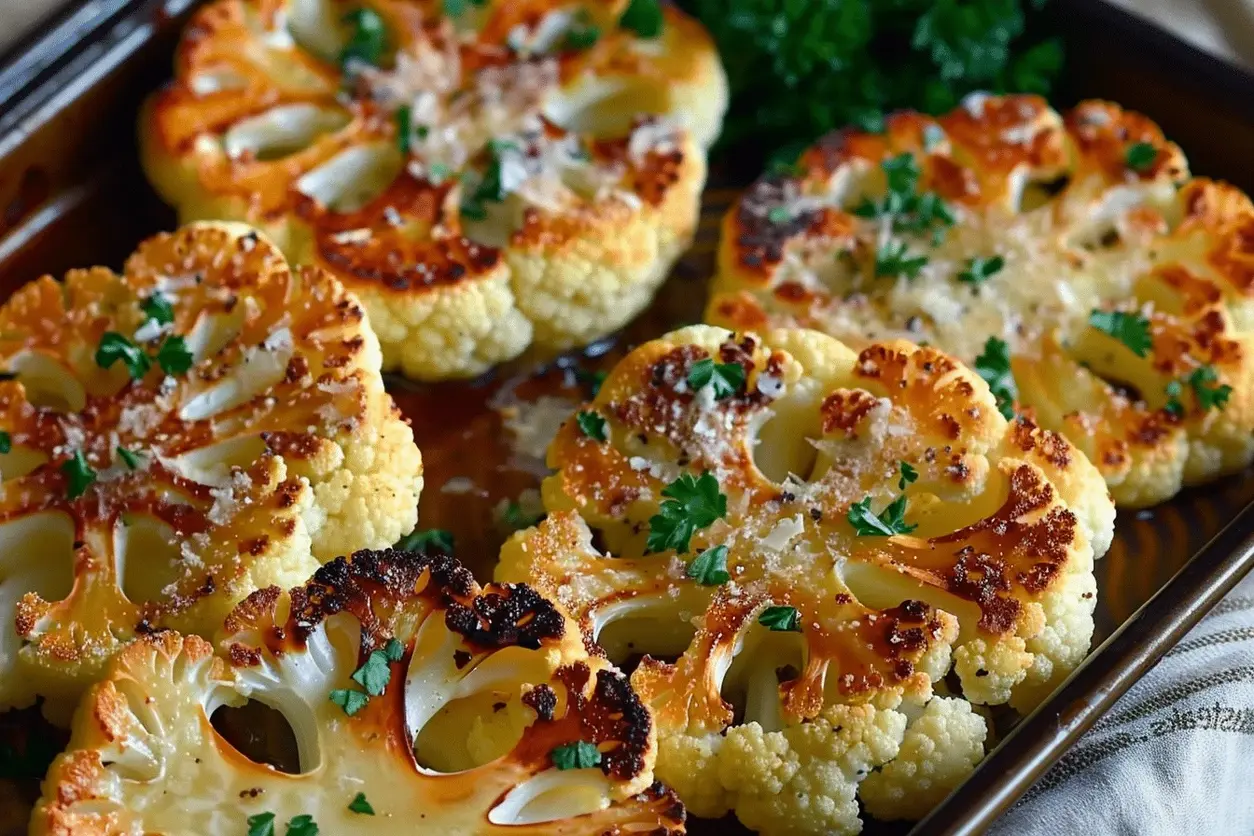
Picture this: golden-brown roasted cauliflower florets with crispy edges, nestled in warm corn tortillas, topped with crunchy red cabbage, fresh cilantro, and a drizzle of tangy, herbaceous crema. The combination of smoky cumin and paprika against the cool lime-cilantro finish is pure magic. Each bite offers a satisfying contrast – tender yet charred cauliflower, crunchy slaw, and that silky crema binding it all together. It’s the kind of roasted cauliflower tacos experience that makes you forget you’re eating something completely plant-based.

What sets my version apart is the technique: I roast the cauliflower at a high temperature (425°F) to maximize caramelization without drying it out, and I flip the florets halfway through so every side gets beautifully browned. As a trained chef, I’ve tested this method dozens of times, and I’m sharing my insider tips – like how to get that perfect tender-yet-crisp texture, and one common mistake most home cooks make when roasting cauliflower. Plus, I’ll show you how to make the crema in under five minutes. Trust me, once you try these vegan tacos, they’ll become a regular in your weeknight rotation.

Why This Cauliflower Tacos Recipe Is the Best

The Flavor Secret: Growing up in Morocco, my mother taught me to toast spices before using them – a habit I still follow. For these plant based tacos, I don’t toast the spices separately, but I do coat the cauliflower in a potent blend of chili powder, smoked paprika, cumin, and garlic powder. The smoked paprika adds a depth that mimics the char from a grill, while cumin brings earthy warmth. That’s my French-Moroccan twist: layering spices to build complexity without overpowering the vegetable itself.

Perfected Texture: The biggest challenge with roasted cauliflower tacos is getting the texture right – too soft and they fall apart, too firm and they’re chewy. My trick? Cut the florets into uniform bite-sized pieces (not too small), and spread them in a single layer on a parchment-lined sheet. High heat and good air circulation ensure they caramelize on the outside while staying tender inside. Flipping halfway guarantees even browning. The result – every floret has slightly crispy edges and a creamy interior that holds up beautifully in a tortilla.

Foolproof & Fast: This recipe comes together in 40 minutes flat, making it perfect for busy weeknights. The prep is minimal – cut the cauliflower, whisk the crema, shred some cabbage – and the oven does most of the work. Even if you’ve never made cauliflower tacos recipe before, the step-by-step instructions with visual cues (like “lightly browned” and “tender when pierced with a fork”) make it impossible to mess up. And because it’s naturally gluten-free (when using corn tortillas) and easily veganized, it’s a crowd-pleaser for almost any dietary preference.

Cauliflower Tacos Recipe Ingredients

I usually pick up my cauliflower at the Union Square Greenmarket in NYC – the freshness makes a real difference. In Morocco, we would use a similar blend of spices on vegetables, but the cilantro lime crema is pure French influence: a light, herbaceous sauce that echoes a classic sauce verte. Let’s break down what you’ll need.

Ingredients List

  • 1 medium head cauliflower, cut into small florets
  • 2 tablespoons olive oil
  • 1 teaspoon chili powder
  • 1/2 teaspoon smoked paprika
  • 1/2 teaspoon ground cumin
  • 1/2 teaspoon garlic powder
  • 1/4 teaspoon salt
  • 1/4 teaspoon black pepper
  • 8 small corn or flour tortillas
  • 1 cup shredded red cabbage
  • 1/2 cup chopped fresh cilantro
  • 1/4 cup crumbled queso fresco (optional)
  • For the Cilantro Lime Crema:
  • 1/2 cup sour cream (or plain Greek yogurt)
  • 1/4 cup chopped fresh cilantro
  • 2 tablespoons fresh lime juice
  • 1 clove garlic, minced
  • 1/4 teaspoon salt

Ingredient Spotlight

Cauliflower: The star of the show. Look for a firm, white head with tightly packed florets and no brown spots. A medium head (about 2 pounds) yields enough for 4 tacos. For the best texture, cut the florets into uniform 1½-inch pieces – not too small or they’ll burn, not too large or they’ll be undercooked. Substitution: broccoli works in a pinch, but the flavor will be slightly different (more bitter, less sweet).

Smoked Paprika: This is my secret weapon. Regular paprika can’t compare – the smokiness adds a depth that mimics grilled vegetables. I buy mine from a spice shop in Chelsea Market. If you don’t have smoked paprika, you can substitute regular paprika plus a drop of liquid smoke (optional). The flavor won’t be as complex, but still delicious.

Cilantro: I use it both in the crema and as a garnish. Fresh cilantro is non-negotiable for that bright, citrusy note. To store, wrap the bunch in a damp paper towel and keep it in the fridge – it stays fresh for up to a week. If you’re one of those people who tastes soap (it’s genetic!), see the substitution in the FAQ below.

Lime Juice: Always use fresh lime juice, not bottled. The bright acidity is essential for the crema. One medium lime yields about 2 tablespoons – perfect for this recipe. I often buy extra limes and keep them on the counter; they’re my go-to for brightening any dish.

Tortillas: Corn tortillas are traditional for vegan tacos and add a lovely earthy flavor. If you prefer flour tortillas, they’ll work too but are less authentically Mexican-inspired. Warm them directly over a gas flame or in a dry skillet until they’re pliable and slightly charred – this makes a huge difference in texture and taste.

Original IngredientBest SubstitutionFlavor / Texture Impact
Sour cream (crema base)Plain Greek yogurt or dairy-free sour creamGreek yogurt is tangier; dairy-free options are slightly thinner
Smoked paprikaRegular paprika + a pinch of liquid smoke (optional)Less smoky depth; still flavorful
CilantroFresh parsley or 1 teaspoon dried cilantro (for crema only)Less citrusy; parsley adds a fresh green note
Queso fresco (optional)Vegan cotija or crumbled feta (omit for dairy-free)Feta is saltier; vegan versions have a different mouthfeel

How to Make Roasted Cauliflower Tacos — Step-by-Step

Don’t worry – this process is straightforward. Follow these steps and you’ll have a taco night to remember. I’ve included my personal tips to ensure every bite is perfect.

Step 1: Preheat and Prep

Preheat your oven to 425°F (220°C). Line a baking sheet with parchment paper. While the oven heats, cut the cauliflower into small, even florets – think bite-sized, about 1½ inches across. Place them in a large mixing bowl.

💡 mia’s Pro Tip: Don’t cut them too small or they’ll dry out. Keep them uniform so they cook evenly. I use a sharp chef’s knife and cut from the stalk end – it’s faster than breaking them apart by hand.

Step 2: Season the Cauliflower

In a small bowl, mix the chili powder, smoked paprika, cumin, garlic powder, salt, and pepper. Drizzle the olive oil over the cauliflower florets, then sprinkle the spice mixture over the top. Toss well with your hands or a spatula until every floret is evenly coated. The oil helps the spices stick and promotes caramelization.

⚠️ Common Mistake to Avoid: Don’t overdress – if you add too much oil, the cauliflower will steam instead of roast. Two tablespoons is the perfect amount for a medium head.

Step 3: Roast to Perfection

Spread the seasoned cauliflower in a single layer on the prepared baking sheet. Roast for 20–25 minutes, flipping the florets halfway through. Look for golden-brown edges and a fork-tender center. The high heat creates that desirable caramelization without making the cauliflower mushy.

💡 mia’s Pro Tip: For extra crispiness, don’t crowd the pan – leave a little space between florets so the hot air can circulate. If your sheet is small, use two pans.

Step 4: Make the Cilantro Lime Crema

While the cauliflower roasts, whisk together the sour cream (or yogurt), chopped cilantro, lime juice, minced garlic, and salt in a small bowl. Taste and adjust – you might want a little more lime or a pinch of salt. Set aside in the fridge to thicken slightly while you finish the other components.

⚠️ Common Mistake to Avoid: Using dried herbs in the crema – fresh cilantro is non-negotiable for that vibrant color and flavor. If you must substitute, use fresh parsley and a squeeze of extra lime.

Step 5: Warm the Tortillas

Heat a dry cast-iron skillet over medium-high heat (or use a gas burner directly). Warm each tortilla for about 30 seconds per side until pliable and lightly charred in spots. Stack them on a plate and cover with a clean kitchen towel to keep warm.

💡 mia’s Pro Tip: If you’re serving a crowd, wrap the warmed tortillas in foil and place them in a 200°F oven to stay soft and warm.

Step 6: Assemble and Serve

Lay the warm tortillas on a platter. Divide the roasted cauliflower evenly among them. Top each taco with a generous pinch of shredded red cabbage, a sprinkle of fresh cilantro, and a drizzle of the cilantro lime crema. If you’re using queso fresco, add it now. Serve immediately while the cauliflower is still warm and the crema is cool.

StepActionDurationKey Visual Cue
1Preheat oven + cut cauliflower10 minutesOven indicator light turns off; florets are uniform size
2Season cauliflower2 minutesEvenly coated with reddish-brown spice blend
3Roast cauliflower20–25 minutesGolden-brown edges; fork pierces easily
4Make crema5 minutesSmooth, pale green sauce
5Warm tortillas2 minutesSlightly charred spots, pliable
6Assemble tacos3 minutesColorful layers: golden, purple, green, white crema

Serving & Presentation

I love serving these tacos family-style: arrange the roasted cauliflower, warm tortillas, shredded cabbage, cilantro, and crema in separate bowls and let everyone build their own. It’s how we ate in Morocco – communal, interactive, and full of laughter. The red cabbage adds a beautiful crunch and a pop of color against the golden cauliflower, while the crema ties everything together with its creamy tanginess.

For a complete plant-based dinner, pair these tacos with a side of black beans (I simmer mine with garlic and cumin), a simple avocado salad, or Mexican street corn (elote) made with vegan mayo. My favorite drink with these? A cold Mexican lager or a hibiscus iced tea. The acidity in the lime crema cuts through the richness of the beans, making every bite bright.

Pairing TypeSuggestionsWhy It Works
Side DishBlack beans, Mexican rice, grilled cornAdds protein and substance; complements smoky flavors
Sauce / DipSalsa verde, chipotle crema, avocado hot sauceExtra heat and acidity balance the crema
BeverageMexican lager, hibiscus iced tea, cilantro-lime sparkling waterRefreshing, light – doesn’t overpower the tacos
GarnishLime wedges, sliced radish, pickled jalapeños, extra cilantroAdds freshness, crunch, and a pop of color

Make-Ahead, Storage & Reheating

Living in New York City, I meal-prep like a pro. These tacos are perfect for weeknight dinners because the components store well individually. The crema can be made up to three days ahead – the flavors actually meld and improve. Roasted cauliflower keeps for 4 days in the fridge, but for the best texture, I recommend reheating it in the oven or an air fryer to restore that crispy edge.

MethodContainerDurationReheating Tip
RefrigeratorAirtight container (cauliflower separate from crema/cabbage)Up to 4 daysReheat cauliflower in a 400°F oven for 5–7 minutes; avoid microwave (soggy)
FreezerFreezer-safe bag (cauliflower only – crema and cabbage don’t freeze well)Up to 2 monthsThaw overnight in fridge, then reheat in a 425°F oven for 10 minutes
Make-AheadCrema: jar in fridge; Cabbage: shredded and stored in a bagCrema up to 3 days; cabbage up to 2 daysAssemble tacos just before serving – warmed tortillas are key

If you’re reheating leftover cauliflower from the fridge, my favorite method is to spread it on a baking sheet and pop it into a hot oven (400°F) for 5–7 minutes. It comes out almost as crisp as the first day. For a quick workday lunch, I sometimes toss the cold cauliflower into a salad with the crema as dressing – it’s a whole different (but delicious) meal.

Variations & Easy Swaps

VariationKey ChangeBest ForDifficulty Impact
Spicy Chipotle VersionAdd 1 chipotle in adobo (minced) to the cremaHeat loversNo change
Vegan / Dairy-FreeUse dairy-free sour cream; omit queso frescoDairy-free dietNo change
Spring Vegetable TwistSwap half the cauliflower for asparagus or zucchiniSeasonal produceSlight – adjust roasting time for veggies

Spicy Chipotle Version

For those who like heat, this is my go-to. Add one finely chopped chipotle pepper in adobo sauce to the crema. The smokiness of the chipotle complements the smoked paprika in the cauliflower, creating a layered heat that builds without overwhelming. I discovered this combination during a late-night taco crawl in Brooklyn – it works brilliantly. If you want even more kick, toss a pinch of cayenne into the spice rub.

Vegan / Dairy-Free Version

Making this recipe fully vegan is simple: swap the sour cream for a plant-based alternative (I like Kite Hill’s plain unsweetened yogurt or Tofutti’s sour cream) and skip the queso fresco. The crema will be slightly thinner, so let it sit in the fridge for 15 minutes to thicken. The rest of the recipe is naturally vegan – just double-check your tortillas (most corn tortillas are vegan, some flour ones contain lard).

Spring Vegetable Twist

When I visit the Union Square farmers market in spring, I love to swap half the cauliflower for asparagus (cut into 2-inch pieces) or zucchini (sliced into half-moons). Roast them together – the asparagus will cook faster, so add it to the pan after 10 minutes of cauliflower time. The zucchini will soften and add a lovely juiciness. This variation keeps the taco light and celebrates seasonal produce.

How do you get cauliflower to be crispy for tacos without frying it?

The secret to crispy roasted cauliflower without frying is all about high heat and proper spacing. Preheat your oven to 425°F (220°C) – that intense heat encourages caramelization. Cut the florets into uniform 1½-inch pieces so they cook evenly, and toss them with oil (just enough to coat – about 2 tablespoons per medium head). Spread them in a single layer on a parchment-lined baking sheet, leaving a little space between each piece; overcrowding traps steam and makes them soggy. Flip the florets halfway through to ensure all sides get golden brown. For extra crispiness, you can also use a wire rack on the baking sheet to allow air to circulate underneath. This method gives you edges that are delightfully crispy while the centers stay tender.

What can I use instead of cilantro if I don’t like cilantro in the crema?

If you have the genetic trait that makes cilantro taste like soap (it’s real – about 10% of people experience it), or you simply don’t enjoy it, you have great options. For the crema, fresh parsley makes an excellent substitute – use flat-leaf Italian parsley and chop it finely. It adds a similar fresh green color and a clean, slightly peppery flavor that pairs beautifully with lime. Alternatively, you can use 1 tablespoon of dried cilantro (milder) or even basil for a completely different but lovely twist. For the garnish on top of the tacos, skip the cilantro and use thinly sliced green onions or radish microgreens – they add crunch and a mild onion kick. The crema will still be deliciously bright thanks to the lime juice.

How long should I roast cauliflower for tacos to get the best texture?

For the perfect texture – tender inside, lightly browned and crispy on the edges – roast the cauliflower at 425°F (220°C) for 20 to 25 minutes. Start checking at the 20-minute mark: the florets should be golden-brown in spots and easily pierced with a fork. If they need more time, continue roasting, checking every 2 minutes. The exact duration depends on your oven and the size of your florets. A key step: flip the cauliflower halfway through (after about 12 minutes) to ensure even browning. If you want extra char, you can broil them for the last 1–2 minutes – keep a close eye to avoid burning. Resist the urge to roast longer than 25 minutes, as the cauliflower will begin to dry out and become tough.

Can I make the cilantro lime crema ahead of time for cauliflower tacos?

Absolutely – in fact, I recommend it! The cilantro lime crema keeps beautifully in the refrigerator for up to 3 days. Making it ahead actually allows the flavors to meld and deepen; the garlic and lime mellow and become more harmonious. Simply whisk together sour cream (or Greek yogurt), fresh cilantro, lime juice, minced garlic, and salt, then transfer to an airtight jar or container. The crema may thicken slightly upon chilling – just stir in a teaspoon of water or extra lime juice if needed before serving. One note: if you’re using a dairy-free sour cream, check the consistency after a day; some brands separate slightly, so a quick whisk will bring it back together. For best results, garnish with extra fresh cilantro right before serving to revive that bright green color.

Can I make these tacos gluten-free?

Yes, this recipe is naturally gluten-free if you choose the right tortillas. Corn tortillas are typically made from masa harina (corn flour) and are gluten-free. Always check the label – some brands may add wheat flour. If you prefer flour tortillas, look for certified gluten-free versions made from rice or cassava flour. The rest of the ingredients – cauliflower, spices, crema, cabbage, and cilantro – are all gluten-free. The only other item to double-check is the queso fresco if you’re sensitive to cross-contamination (most are gluten-free, but some aged cheeses may contain trace amounts). As a New Yorker with celiac friends, I always serve these with 100% corn tortillas from a local tortillería – they’re authentic and safe.

What are the best toppings for roasted cauliflower tacos?

These tacos are incredibly versatile when it comes to toppings. My essential combo: shredded red cabbage (for crunch), fresh cilantro (for herbaceousness), and the cilantro lime crema (for creaminess). But feel free to get creative. Sliced avocado or guacamole adds healthy fats and extra richness. Pickled red onions (quick-pickle them in lime juice and salt) bring tanginess. A spoonful of salsa verde or pico de gallo adds freshness and heat. For a smoky crunch, sprinkle toasted pepitas (pumpkin seeds) or crushed tortilla chips on top. If you want more protein, add black beans or crumbled tofu seasoned with the same spice blend. The key is to balance textures: soft, crunchy, creamy, and crisp. Build your taco bar and let everyone customize!

How do I reheat leftover cauliflower for tacos without making it mushy?

The microwave will turn your beautiful roasted cauliflower into sad, soggy mush – don’t do it! Instead, reheat the cauliflower in a hot oven (400°F) for 5–7 minutes spread out on a baking sheet. Even better, use an air fryer at 375°F for 3–4 minutes – it restores the crispy edges almost perfectly. If you’re in a rush, you can reheat in a dry skillet over medium-high heat, stirring occasionally, for about 3 minutes. Add a tiny splash of water and cover for 30 seconds if needed to warm the centers, then uncover and let any moisture evaporate. Remember to only reheat the cauliflower separately – assemble the tacos fresh with cold cabbage and crema for the best texture contrast.

Can I use frozen cauliflower for this recipe?

I don’t recommend frozen cauliflower for this recipe. Frozen cauliflower contains a lot of moisture, which makes it steam instead of roast, resulting in a mushy texture that won’t hold up in tacos. If you’re in a pinch, you can use frozen, but you need to thaw it completely and pat it very dry with paper towels before seasoning. Then increase the roasting temperature to 450°F and spread the florets in a single layer (don’t overcrowd) – you may need to roast for 25–30 minutes to evaporate the excess moisture. Even then, the texture won’t be as good as fresh. Fresh cauliflower is widely available year-round and truly makes a difference. I always tell my students: for this cauliflower tacos recipe, fresh is non-negotiable.

What else can I serve with these tacos to make a complete meal?

These roasted cauliflower tacos are satisfying on their own, but they shine alongside a few simple sides. My go-to is a pot of Mexican black beans – just simmer canned black beans with a bay leaf, garlic, and cumin until creamy. A quick cilantro-lime rice (white or brown) adds substance and soaks up extra crema. For a light option, serve with a jicama and mango slaw tossed in lime juice. And let’s not forget drinks: a cold horchata or a Margarita (virgin or not) makes it feel like a celebration. On busy nights, I just open a bag of tortilla chips and make a quick guacamole – the combination is always a hit.

Why is my roasted cauliflower not getting brown?

If your cauliflower isn’t browning, the most likely culprit is temperature or overcrowding. First, make sure your oven is fully preheated to 425°F – a cooler oven won’t produce enough heat for caramelization. Second, check that your florets are spread in a single layer with space between them; if they’re piled up, they’ll steam. Third, don’t skimp on the oil – each floret should be lightly coated (2 tablespoons is the sweet spot). Fourth, avoid using a dark non-stick pan that radiates heat unevenly; a light-colored sheet pan works best. Finally, try flipping the cauliflower halfway through to expose all surfaces to the hot pan. If you’ve done all this and it’s still pale, your oven might run cool – invest in an oven thermometer to verify the temperature.

Share Your Version!

I hope you love these roasted cauliflower tacos as much as I do. They’ve become a staple in my kitchen – quick enough for a Tuesday night, impressive enough for guests. I’d love to hear how you customize them. Did you try the spicy chipotle version? Or add a topping I haven’t thought of? Let me know in the comments below – and if you make them, tag me on Instagram @exorecipes with a photo. Your recreations always make my day!

From my NYC kitchen to yours — I hope this recipe brings as much warmth to your table as it does to mine. — mia 🧡

📌

Love This Recipe? Save It to Pinterest!

If you enjoyed this Cauliflower Tacos with Cilantro Lime Crema recipe, don’t let it get lost in your browser tabs! 😄 Pin it now so you can find it again anytime — and explore hundreds more tried-and-tested recipes waiting for you on my Pinterest boards.

👉 Follow mia on Pinterest @chefrecipes2

📌 Pin this recipe · 🔁 Re-pin your favorites · 💬 Tag me when you make it — I love seeing your creations!

Print

clock clock iconcutlery cutlery iconflag flag iconfolder folder iconinstagram instagram iconpinterest pinterest iconfacebook facebook iconprint print iconsquares squares iconheart heart iconheart solid heart solid icon

Cauliflower Tacos with Cilantro Lime Crema A Flavorful Plant-Based Twist

  • Author: Chef Mia
  • Prep Time: 15 minutes
  • Cook Time: 25 minutes
  • Total Time: 40 minutes
  • Yield: 4 servings 1x
  • Method: Main Course
  • Cuisine: Mexican-inspired

Description

These roasted cauliflower tacos are packed with smoky, spiced flavor and topped with a bright cilantro lime crema. A delicious plant-based dinner that’s easy to make and full of vibrant ingredients.


Ingredients

Scale
  • 1 medium head cauliflower, cut into small florets
  • 2 tablespoons olive oil
  • 1 teaspoon chili powder
  • 1/2 teaspoon smoked paprika
  • 1/2 teaspoon ground cumin
  • 1/2 teaspoon garlic powder
  • 1/4 teaspoon salt
  • 1/4 teaspoon black pepper
  • 8 small corn or flour tortillas
  • 1 cup shredded red cabbage
  • 1/2 cup chopped fresh cilantro
  • 1/4 cup crumbled queso fresco (optional)
  • For the Cilantro Lime Crema:
  • 1/2 cup sour cream (or plain Greek yogurt)
  • 1/4 cup chopped fresh cilantro
  • 2 tablespoons fresh lime juice
  • 1 clove garlic, minced
  • 1/4 teaspoon salt

Instructions

  1. Preheat oven to 425°F (220°C). Line a baking sheet with parchment paper.
  2. In a large bowl, toss cauliflower florets with olive oil, chili powder, smoked paprika, cumin, garlic powder, salt, and pepper until evenly coated.
  3. Spread cauliflower in a single layer on the prepared baking sheet. Roast for 20-25 minutes, flipping halfway, until tender and lightly browned.
  4. Meanwhile, make the crema: In a small bowl, whisk together sour cream, cilantro, lime juice, garlic, and salt. Set aside.
  5. Warm tortillas in a dry skillet or directly over a gas flame until pliable.
  6. Assemble tacos: Divide roasted cauliflower among tortillas. Top with shredded red cabbage, cilantro, and queso fresco if using. Drizzle with cilantro lime crema.
  7. Serve immediately.

Notes

To make this recipe vegan, use dairy-free sour cream or yogurt and omit queso fresco.


Nutrition

  • Calories: 320 kcal
  • Sugar: 6 g
  • Fat: 16 g
  • Carbohydrates: 38 g
  • Protein: 9 g


Cauliflower Tacos with Cilantro Lime Crema A Flavorful Plant-Based Twist

ph">For more delicious inspiration, follow me on Pinterest!

Cauliflower Rice and Beef Casserole: A Delicious, Low-Carb Comfort Meal for Every Occasion – Creamy, Cheesy & Ready in 40 Minutes

⚖️
Difficulty
Easy
⏲️
Prep Time
15 mins
🕒
Cook Time
25 mins
⏱️
Total Time
40 mins
🍽️
Servings
6

Growing up in Morocco, my mother’s kitchen was a symphony of slow-simmered tagines, fragrant with cumin and saffron. But when I moved to New York City and trained in Parisian culinary schools, I discovered a new kind of comfort—the casserole. This low carb cauliflower beef casserole is everything I love about cozy, one-dish meals: it’s hearty, deeply satisfying, and packed with flavor without the carbs. The first time I made this for my family, they didn’t even miss the rice. The cauliflower rice absorbs all the savory goodness from the seasoned beef and creamy sauce, creating a dish that feels indulgent but fits perfectly into a keto or low-carb lifestyle. It’s the kind of meal that brings everyone to the table, whether you’re following a specific diet or just craving something warm and delicious.

Imagine a golden, bubbly top of melted cheddar cheese, giving way to a rich layer of seasoned ground beef simmered with garlic, onion, and diced tomatoes. Underneath, the cauliflower rice is tender but not mushy, each grain-like piece coated in a luscious blend of sour cream and chicken broth that adds a silky, savory finish. The aroma of Italian seasoning mingling with the beef as it browns is pure nostalgia for me—it reminds me of Sunday dinners in our little NYC apartment, the windows fogged up from the steam, and everyone hovering around the kitchen island waiting for that first scoop. Every bite delivers a satisfying contrast: the slight pop of cauliflower, the hearty crumble of beef, and the gooey pull of melted cheese. It’s the kind of low-carb comfort food that makes you forget you’re eating healthy.

I’ve tested this cauliflower rice casserole recipe more than a dozen times to get every detail just right—from the perfect ratio of cauliflower to beef to the ideal bake time that gives you a bubbly, golden crust without drying out the filling. My French training taught me the importance of properly browning the beef to build deep, layered flavor, while my Moroccan roots pushed me to add just enough aromatic spice to keep things interesting. In this post, I’ll share my pro tips for preventing a watery casserole, the best cheese for that dreamy melt, and one common mistake that can make your cauliflower rice turn mushy. Whether you’re a seasoned keto cook or new to low-carb eating, this beef and cauliflower bake is about to become your new favorite weeknight hero.

Why This Cauliflower Rice and Beef Casserole Recipe Is the Best

The secret to this keto ground beef casserole lies in a technique I learned at culinary school in Paris: browning the meat in batches to develop a deep, caramelized crust, then deglazing the pan with chicken broth to lift every bit of flavor into the sauce. That simple step transforms the dish from ordinary to extraordinary. I also use a combination of sour cream and broth to create a creamy, velvety binder that coats the cauliflower rice without making it soggy—a trick I refined after years of testing low-carb casseroles for my blog and my family.

Texture is everything in a healthy comfort food casserole, and this one nails it. The cauliflower rice stays tender but distinct, never turning into mush. I achieve this by using fresh cauliflower rice that I pulse in the food processor until it’s the size of couscous, then I barely cook it before layering. The beef mixture is thick and rich, not watery, and the cheese on top forms a perfectly browned, bubbly crust. Every spoonful has that perfect balance of creamy, meaty, and cheesy—exactly what you want from a low-carb casserole recipe.

This recipe is foolproof and fast, which is why it’s one of the most popular dishes on my blog. From prep to table in just 40 minutes, it’s ideal for busy weeknights when you need something satisfying without spending hours in the kitchen. The ingredient list is simple and uses staples you probably already have in your fridge and pantry. Plus, it’s endlessly adaptable—you can swap the protein, change the cheese, or add vegetables depending on what you have on hand. Beginners love how straightforward it is, and experienced cooks appreciate the little touches that elevate it from good to great.

Low Carb Cauliflower Beef Casserole Ingredients

I source most of my ingredients from the Union Square Greenmarket in NYC, especially in the fall when cauliflower is at its peak. But this recipe works beautifully with grocery-store staples too. The key is choosing fresh, high-quality components that bring out the best in each other. Let me walk you through what you’ll need.

Ingredients List

  • 1 lb ground beef (80/20 or 85/15 for best flavor)
  • 1 medium head cauliflower, riced (or 4 cups pre-riced cauliflower)
  • 1 tbsp olive oil
  • 1 small onion, diced
  • 3 cloves garlic, minced
  • 1 can (14.5 oz) diced tomatoes, drained
  • 1 cup shredded cheddar cheese (sharp or mild, your choice)
  • ½ cup sour cream
  • ½ cup chicken broth (low-sodium preferred)
  • 1 tsp salt
  • ½ tsp black pepper
  • 1 tsp Italian seasoning
  • ¼ cup chopped fresh parsley (for garnish)

Ingredient Spotlight

Cauliflower: This is the heart of the dish. Look for a firm, white head with tight florets and no brown spots. If using pre-riced cauliflower from the freezer section, thaw it completely and squeeze out as much moisture as possible with a clean kitchen towel—this is the most important step to avoid a watery casserole. Fresh cauliflower gives the best texture, but frozen works in a pinch.

Ground Beef: I recommend 80/20 or 85/15 for this recipe. The fat adds flavor and keeps the meat juicy during baking. If you use leaner beef (like 93/7), add a tablespoon of olive oil to the pan when browning to prevent it from drying out. Grass-fed beef works beautifully and adds a deeper, earthier flavor that pairs well with the Italian seasoning.

Cheddar Cheese: Sharp cheddar provides the most flavor, but mild cheddar works if you prefer a more subtle cheese presence. For the best melt, buy a block of cheese and shred it yourself—pre-shredded cheese contains anti-caking agents that can make the topping grainy. You can also experiment with Monterey Jack, mozzarella, or a blend of Italian cheeses for a different profile.

Sour Cream: Full-fat sour cream gives the creamiest texture and richest flavor. If you need a lighter option, Greek yogurt works well, though it will be slightly tangier. For a dairy-free version, use a plant-based sour cream alternative—just make sure it’s thick and not too runny.

Original IngredientBest SubstitutionFlavor / Texture Impact
Fresh CauliflowerFrozen Cauliflower Rice (thawed & squeezed)Slightly softer texture; must drain well to avoid wateriness
Ground Beef (80/20)Ground Turkey or Chicken (93/7)Leaner, milder flavor; add 1 tbsp olive oil for moisture
Cheddar CheeseMonterey Jack, Mozzarella, or GoudaDifferent melt and flavor; Jack is creamier, mozzarella is stretchier
Sour CreamFull-Fat Greek YogurtTangier, slightly thinner; still creamy
Chicken BrothBeef Broth or Vegetable BrothBeef broth deepens meaty flavor; veg broth is lighter

How to Make Cauliflower Rice and Beef Casserole — Step-by-Step

Trust me when I say this is one of the easiest low-carb casseroles you’ll ever make. The steps are straightforward, and I’ve included my best tips to ensure perfect results every time.

Step 1: Preheat and Prepare

Preheat your oven to 375°F (190°C). Grease a 9×13-inch baking dish with a little olive oil or nonstick spray. If you’re using a whole head of cauliflower, cut it into florets and pulse them in a food processor until they resemble rice grains—about 10 to 12 short pulses. Don’t over-process or you’ll end up with cauliflower paste. Set the riced cauliflower aside.

💡 mia’s Pro Tip: For the fluffiest cauliflower rice, spread it on a baking sheet and let it dry out in the oven while it preheats for about 5 minutes. This removes excess moisture and prevents a soggy casserole.

Step 2: Sauté the Aromatics

Heat 1 tablespoon of olive oil in a large skillet over medium heat. Add the diced onion and sauté for 2 to 3 minutes until it becomes translucent and fragrant. Add the minced garlic and cook for another 30 seconds, stirring constantly so it doesn’t burn. The smell at this stage is incredible—it reminds me of the base of so many Moroccan tagines I grew up with.

⚠️ Common Mistake to Avoid: Don’t rush this step. Undercooked onions will release water into the casserole as it bakes, making the cauliflower rice soggy. Cook them until they’re soft and just starting to turn golden at the edges.

Step 3: Brown the Beef

Add the ground beef to the skillet with the onions and garlic. Break it apart with a wooden spoon and cook for 6 to 8 minutes, stirring occasionally, until it’s fully browned with no pink remaining. Don’t stir too often—let the beef sit undisturbed for a minute or two between stirs to develop a good crust. Drain off any excess fat, leaving about 1 tablespoon in the pan for flavor.

💡 mia’s Pro Tip: For the deepest flavor, cook the beef in two batches if your skillet is crowded. A crowded pan steams the meat instead of browning it. You want those little caramelized bits on the bottom of the pan—that’s where the flavor lives.

Step 4: Build the Sauce

Stir in the drained diced tomatoes, salt, black pepper, and Italian seasoning. Reduce the heat to low and let the mixture simmer for 5 minutes, stirring occasionally. This allows the flavors to meld together and the tomatoes to break down slightly, creating a rich, thick sauce that clings to the beef. If the mixture looks too dry, add a splash of the chicken broth.

⚠️ Common Mistake to Avoid: Don’t skip the simmer step. If you layer the beef mixture without simmering, the tomatoes will release too much liquid in the oven, creating a watery casserole. Five minutes of gentle simmering makes all the difference.

Step 5: Layer the Casserole

In a separate bowl, combine the riced cauliflower, sour cream, and chicken broth. Stir until the cauliflower is evenly coated. Spread this mixture in an even layer in the greased baking dish. Spoon the beef mixture over the cauliflower layer and spread it out gently. Finally, sprinkle the shredded cheddar cheese evenly over the top.

💡 mia’s Pro Tip: For an extra-cheesy top, reserve about ¼ cup of the cheddar and sprinkle it on halfway through baking. This gives you a gooey, golden crust that’s absolutely irresistible.

Step 6: Bake to Perfection

Place the dish in the preheated oven and bake for 20 to 25 minutes, until the casserole is bubbly around the edges and the cheese on top is melted and lightly golden. If you want a deeper golden color, switch the oven to broil for the last 2 minutes—but watch it closely so it doesn’t burn. Remove from the oven and let it rest for 5 minutes before garnishing with fresh parsley.

⚠️ Common Mistake to Avoid: Don’t skip the resting time! Letting the casserole sit for 5 minutes allows the layers to set, making it easier to serve clean portions. If you cut into it right away, it will be runny and fall apart.

StepActionDurationKey Visual Cue
1Preheat oven & rice cauliflower5 minutesCauliflower resembles rice grains, not paste
2Sauté onion and garlic3 minutesOnion is translucent, garlic is fragrant
3Brown ground beef6–8 minutesNo pink remains; brown crust on pan
4Simmer with tomatoes and seasonings5 minutesSauce is thick and aromatic
5Layer cauliflower and beef3 minutesEven layers, cheese spread evenly
6Bake until bubbly and golden20–25 minutesCheese melted, edges bubbly, lightly golden

Serving & Presentation

This low carb cauliflower beef casserole is a meal in itself, but I love serving it with simple sides that complement its richness. In my NYC kitchen, I often pair it with a crisp green salad dressed with lemon and olive oil—the acidity cuts through the cheese and beef beautifully. For a heartier meal, serve it alongside roasted broccoli or sautéed spinach with garlic. The bright, fresh flavors balance the casserole’s creamy, savory notes.

When I’m feeling nostalgic for my mother’s cooking, I garnish the casserole with a sprinkle of fresh parsley and a pinch of smoked paprika before serving. The paprika adds a warm, smoky depth that echoes the spices of North Africa. For a French-inspired touch, you can add a few fresh thyme leaves on top—it’s a small detail that makes the dish feel elegant. Serve it straight from the baking dish, family-style, with a large spoon so everyone can scoop up generous portions.

Pairing TypeSuggestionsWhy It Works
Side DishCrisp green salad, roasted broccoli, sautéed spinachAcidity and freshness balance the richness of the casserole
Sauce / DipHot sauce (sriracha or harissa), extra sour cream, chimichurriAdds heat or tang; harissa nods to my Moroccan roots
BeverageDry sparkling water with lemon, iced tea, light red wine (Pinot Noir)Refreshing, non- or low-caffeine options that cleanse the palate
GarnishFresh parsley, smoked paprika, fresh thyme leavesAdds color, aroma, and a final layer of flavor

Make-Ahead, Storage & Reheating

This healthy comfort food casserole is a dream for meal prep. I often make a double batch on Sunday so I have ready-to-go lunches for the week. The flavors actually deepen and meld together even more after a day in the fridge, making the leftovers taste just as good—if not better—than the first serving. Here’s how to store and reheat it properly so every bite stays as delicious as when it came out of the oven.

MethodContainerDurationReheating Tip
RefrigeratorAirtight container or covered baking dishUp to 4 daysReheat in a 350°F oven for 10–15 mins, or microwave in 30-sec bursts
FreezerFreezer-safe container or tightly wrapped dishUp to 3 monthsThaw overnight in fridge, then reheat at 350°F for 20 mins
Make-AheadAssemble unbaked in dish, cover, refrigerateUp to 24 hours in advanceAdd 5–8 minutes to bake time if starting from cold

When reheating, I prefer the oven over the microwave because it keeps the cheese bubbly and the cauliflower rice from turning mushy. If you’re in a hurry, the microwave works fine—just place a damp paper towel over the dish to retain moisture. For frozen portions, let them thaw in the refrigerator overnight for the best texture. And here’s a little secret from my meal-prep routine: I sometimes pack individual portions in small ramekins and reheat them for a quick, satisfying lunch that feels like a fresh meal.

Variations & Easy Swaps

One of the things I love most about this cauliflower rice casserole recipe is how easily it adapts to different tastes and dietary needs. Whether you want to add a touch of Moroccan spice, make it dairy-free, or pack in more vegetables, there’s a variation here for you. Each option has been tested in my NYC kitchen, so you can swap with confidence.

VariationKey ChangeBest ForDifficulty Impact
Moroccan-SpicedAdd cumin, coriander, cinnamon, and harissaAdventurous eaters, North African flavor loversEasy (just add spices)
Dairy-Free / KetoUse dairy-free cheese, coconut cream instead of sour creamDairy-sensitive or vegan-leaning keto dietersEasy (simple swaps)
Loaded VeggieAdd bell peppers, zucchini, and mushroomsBoosting veggie intake, meal prepEasy (sauté veg with onion)

Moroccan-Spiced Version

This variation is close to my heart because it reminds me of my mother’s cooking. Add 1 teaspoon of ground cumin, ½ teaspoon of ground coriander, and ¼ teaspoon of cinnamon to the beef when you add the Italian seasoning. For a spicy kick, stir in 1 to 2 teaspoons of harissa paste (adjust to your heat preference). The cinnamon adds a warmth that pairs beautifully with the tomatoes and beef, while the cumin and coriander bring an earthy depth. Top with fresh cilantro instead of parsley for an authentic North African finish. The dish takes on a completely different personality—exotic, aromatic, and deeply comforting.

Dairy-Free / Keto Version

For those avoiding dairy, this version delivers all the creaminess without the milk products. Substitute the cheddar cheese with your favorite dairy-free shredded cheese (I like brands made from coconut oil or cashews—they melt surprisingly well). Replace the sour cream with full-fat coconut cream or a thick dairy-free yogurt. The chicken broth remains the same. The texture will be slightly less rich but still wonderfully creamy, and the coconut flavor is very subtle. For an extra keto boost, add an additional tablespoon of olive oil to the cauliflower mixture to increase the healthy fat content. This version has been a hit with my dairy-free readers, and it freezes even better than the original.

Loaded Veggie Version

When I visit the Union Square Greenmarket in the summer, I can’t resist loading this casserole with extra vegetables. Sauté 1 diced bell pepper (any color), 1 small diced zucchini, and 4 ounces of sliced mushrooms along with the onion and garlic. Add them to the beef mixture before simmering. You may need to cook for an extra 2 to 3 minutes to allow the vegetables to release their moisture and soften. This version is slightly lower in protein per serving but packed with fiber and nutrients. It’s perfect for meal prep because the vegetables hold up well to reheating. My kids love this version—I think the colorful bits make it more fun to eat.

Share Your Version!

I can’t wait to see how you make this low carb cauliflower beef casserole your own! Did you try one of my variations, or invent something new? Drop a star rating and a comment below—your feedback helps me create more recipes you’ll love. And don’t forget to snap a photo of your creation and tag me on Instagram or Pinterest @exorecipes. I personally read every comment and love seeing your kitchen wins.

Here’s a question for you: What’s your favorite twist on a classic casserole? Do you lean toward bold Moroccan spices, extra veggies, or a dairy-free adaptation? Let me know in the comments—I’d love to hear what you’re cooking up!

From my NYC kitchen to yours — I hope this recipe brings as much warmth to your table as it does to mine. — mia 🧡

Can I use frozen cauliflower rice instead of fresh in this casserole?

Absolutely—frozen cauliflower rice works perfectly in this cauliflower rice casserole recipe, but there’s one crucial step you can’t skip: thaw it completely and squeeze out every drop of excess moisture. Frozen cauliflower contains a lot of water, and if you add it directly to the dish, the casserole will turn watery and the texture will be mushy. I recommend thawing the frozen rice in a colander, then pressing it with a clean kitchen towel or paper towels to remove as much liquid as possible. Once it’s dry, proceed with the recipe as written. The texture will be slightly softer than fresh, but the flavor will still be wonderful. This is one of the most common questions I get, and the moisture-removal step is the key to success.

How do I prevent the beef from becoming dry when cooking this low-carb casserole?

The easiest way to keep your ground beef juicy in this keto ground beef casserole is to use beef with at least 15 to 20 percent fat content—80/20 or 85/15 are ideal. The fat renders during cooking and keeps the meat moist through the baking process. If you prefer leaner beef, add a tablespoon of olive oil to the pan when browning, and don’t overcook the beef on the stovetop—cook it just until no pink remains, then let it finish cooking in the oven as the casserole bakes. Another tip: simmer the beef with the tomatoes and broth for the full 5 minutes. The liquid absorbs into the meat and keeps it tender. I’ve tested this with 93/7 lean beef, and while it works, the flavor and texture are noticeably better with a little more fat.

What cheese works best for a cauliflower rice and beef casserole?

Sharp cheddar is my top choice for this low carb cauliflower beef casserole because it melts beautifully and has a bold, tangy flavor that stands up to the seasoned beef and creamy cauliflower. That said, the recipe is very forgiving when it comes to cheese. Monterey Jack gives a milder, creamier melt, while mozzarella adds a stretchy, pizza-like quality. Gouda offers a subtle smokiness that’s lovely with the Italian seasoning. For a more sophisticated flavor, try a mix of Gruyère and Parmesan—the Gruyère melts like a dream and the Parmesan adds a salty, nutty finish. Whatever you choose, shred the cheese yourself from a block for the best melt and texture. Pre-shredded cheese contains anti-caking agents that can make the top grainy rather than smooth and bubbly.

How long should I bake this casserole to get a golden, bubbly top?

Bake the beef and cauliflower bake at 375°F for 20 to 25 minutes, until the edges are bubbly and the cheese is fully melted and starting to turn golden in spots. Every oven runs a little differently, so I recommend checking at the 20-minute mark. If the cheese is melted but not golden, you have two options: let it bake for the full 25 minutes, or switch the oven to broil for the last 2 minutes to get a deeper golden-brown crust. If you use the broil method, watch it very closely—cheese can go from golden to burnt in under a minute. The dish is done when the casserole is bubbling around the edges and the center is hot throughout. Let it rest for 5 minutes before serving to allow the layers to set.

Can I make this cauliflower rice and beef casserole ahead of time?

Yes, this healthy comfort food casserole is perfect for making ahead. You can assemble the entire dish—layer the cauliflower mixture, beef mixture, and cheese—then cover it tightly with foil or plastic wrap and refrigerate for up to 24 hours before baking. When you’re ready to bake, remove the dish from the fridge while the oven preheats to take the chill off, then add about 5 to 8 minutes to the baking time since you’re starting from cold. The texture and flavor are just as good as when baked immediately. I often do this for busy weeknights: I assemble it the night before, and all I have to do the next day is pop it in the oven. It’s a lifesaver for stress-free entertaining or meal prep.

Is this casserole freezer-friendly for meal prep?

Absolutely—this cauliflower rice casserole recipe freezes beautifully, making it ideal for meal prep. Bake the casserole completely, let it cool to room temperature, then portion it into freezer-safe containers or wrap the whole dish tightly in several layers of plastic wrap and foil. It will keep in the freezer for up to 3 months. To reheat, thaw overnight in the refrigerator, then reheat in a 350°F oven for 20 minutes or until warmed through. If you’re reheating individual portions, the microwave works in a pinch—just cover with a damp paper towel to retain moisture. One thing to note: the cauliflower rice will be slightly softer after freezing and thawing, but the flavor remains excellent. I recommend freezing individual portions for easy grab-and-go lunches.

What can I serve with this low-carb beef casserole?

This keto ground beef casserole is hearty enough to be a complete meal on its own, but it pairs beautifully with simple sides that add freshness and contrast. I love serving it with a crisp green salad dressed in lemon vinaigrette—the acidity cuts through the richness of the cheese and beef. Roasted asparagus or sautéed green beans are also excellent choices, as they add a light, vegetal crunch. For an extra low-carb option, try steamed broccoli with a squeeze of lemon. If you’re not strictly low-carb, a slice of crusty bread or garlic bread is wonderful for soaking up the creamy sauce. On the beverage side, a dry sparkling water with lemon or a light red wine like Pinot Noir complements the dish beautifully without overwhelming it.

How do I rice a fresh head of cauliflower without a food processor?

If you don’t have a food processor, you can easily rice cauliflower by hand using a box grater. Cut the cauliflower into large florets, then grate them on the large holes of a box grater—the same ones you’d use for shredding cheese. This method produces slightly more uneven pieces than a food processor, but it works perfectly for this low carb cauliflower beef casserole. Another option is to finely chop the cauliflower with a sharp chef’s knife, though this takes a bit more time and effort. Whichever method you choose, aim for pieces about the size of rice grains. If you’re short on time, most grocery stores sell pre-riced cauliflower in the produce section or frozen aisle, which is a great shortcut that still delivers excellent results.

Can I use ground turkey or chicken instead of beef?

Yes, ground turkey or chicken work well in this beef and cauliflower bake, though there are a few adjustments I recommend. Poultry is much leaner than beef, so add 1 to 2 tablespoons of olive oil to the pan when browning to prevent it from drying out. You’ll also want to season a bit more aggressively—poultry benefits from extra salt, pepper, and Italian seasoning. Consider adding a teaspoon of onion powder or a splash of Worcestershire sauce to boost the savory flavor. The cooking time remains the same, but keep an eye on the moisture level; poultry releases more liquid than beef, so you may need to simmer the mixture an extra minute or two to let the excess moisture evaporate. The result is a lighter, equally delicious casserole that’s perfect for those who prefer poultry over red meat.

How do I keep the casserole from becoming watery?

Watery casserole is the most common issue with this type of dish, and it’s almost always caused by excess moisture from the cauliflower. Here are my three proven strategies: First, if using frozen cauliflower rice, thaw it completely and squeeze out every drop of liquid with a clean kitchen towel—this step is non-negotiable. Second, if using fresh cauliflower, spread the riced cauliflower on a baking sheet and let it dry in the oven while it preheats for about 5 minutes. Third, make sure to drain the canned diced tomatoes thoroughly before adding them to the beef mixture. Additionally, simmering the beef and tomato mixture for 5 minutes allows excess liquid to cook off. Follow these steps, and your casserole will come out perfectly thick and creamy every time.

📌

Love This Recipe? Save It to Pinterest!

If you enjoyed this Cauliflower Rice and Beef Casserole recipe, don’t let it get lost in your browser tabs! 😄 Pin it now so you can find it again anytime — and explore hundreds more tried-and-tested recipes waiting for you on my Pinterest boards.

👉 Follow mia on Pinterest @chefrecipes2

📌 Pin this recipe · 🔁 Re-pin your favorites · 💬 Tag me when you make it — I love seeing your creations!

Print

clock clock iconcutlery cutlery iconflag flag iconfolder folder iconinstagram instagram iconpinterest pinterest iconfacebook facebook iconprint print iconsquares squares iconheart heart iconheart solid heart solid icon

Cauliflower Rice and Beef Casserole: A Delicious, Low-Carb Comfort Meal for Every Occasion

  • Author: Chef Mia
  • Prep Time: 15 minutes
  • Cook Time: 25 minutes
  • Total Time: 40 minutes
  • Yield: 6 1x
  • Method: Main Course
  • Cuisine: American

Description

A hearty, low-carb casserole combining seasoned ground beef with cauliflower rice, cheese, and a creamy sauce, perfect for a comforting dinner.


Ingredients

Scale
  • 1 lb ground beef
  • 1 medium head cauliflower, riced (or 4 cups pre-riced cauliflower)
  • 1 tbsp olive oil
  • 1 small onion, diced
  • 3 cloves garlic, minced
  • 1 can (14.5 oz) diced tomatoes, drained
  • 1 cup shredded cheddar cheese
  • ½ cup sour cream
  • ½ cup chicken broth
  • 1 tsp salt
  • ½ tsp black pepper
  • 1 tsp Italian seasoning
  • ¼ cup chopped fresh parsley (for garnish)

Instructions

  1. Preheat oven to 375°F (190°C). Grease a 9×13-inch baking dish.
  2. In a large skillet, heat olive oil over medium heat. Add onion and garlic; sauté until softened, about 3 minutes.
  3. Add ground beef and cook until browned, breaking it apart. Drain excess fat.
  4. Stir in diced tomatoes, salt, pepper, and Italian seasoning. Simmer for 5 minutes.
  5. In a separate bowl, combine riced cauliflower, sour cream, and chicken broth. Spread evenly in the prepared dish.
  6. Spoon the beef mixture over the cauliflower layer. Top with shredded cheddar cheese.
  7. Bake for 20-25 minutes, until bubbly and cheese is melted. Garnish with parsley before serving.

Notes

For a dairy-free version, use dairy-free cheese and sour cream substitutes. Cauliflower rice can be made fresh or from frozen (thaw and drain excess moisture).


Nutrition

  • Calories: 350
  • Sugar: 5g
  • Fat: 22g
  • Carbohydrates: 12g
  • Protein: 28g


Cauliflower Rice and Beef Casserole: A Delicious, Low-Carb Comfort Meal for Every Occasion

k">

Tried This Recipe? Leave a Comment!

Did you make this recipe? I’d love to hear how it turned out! Please leave a comment and a rating below. Your feedback helps other home cooks and supports cheerychop.com!

For more delicious inspiration, follow me on Pinterest!
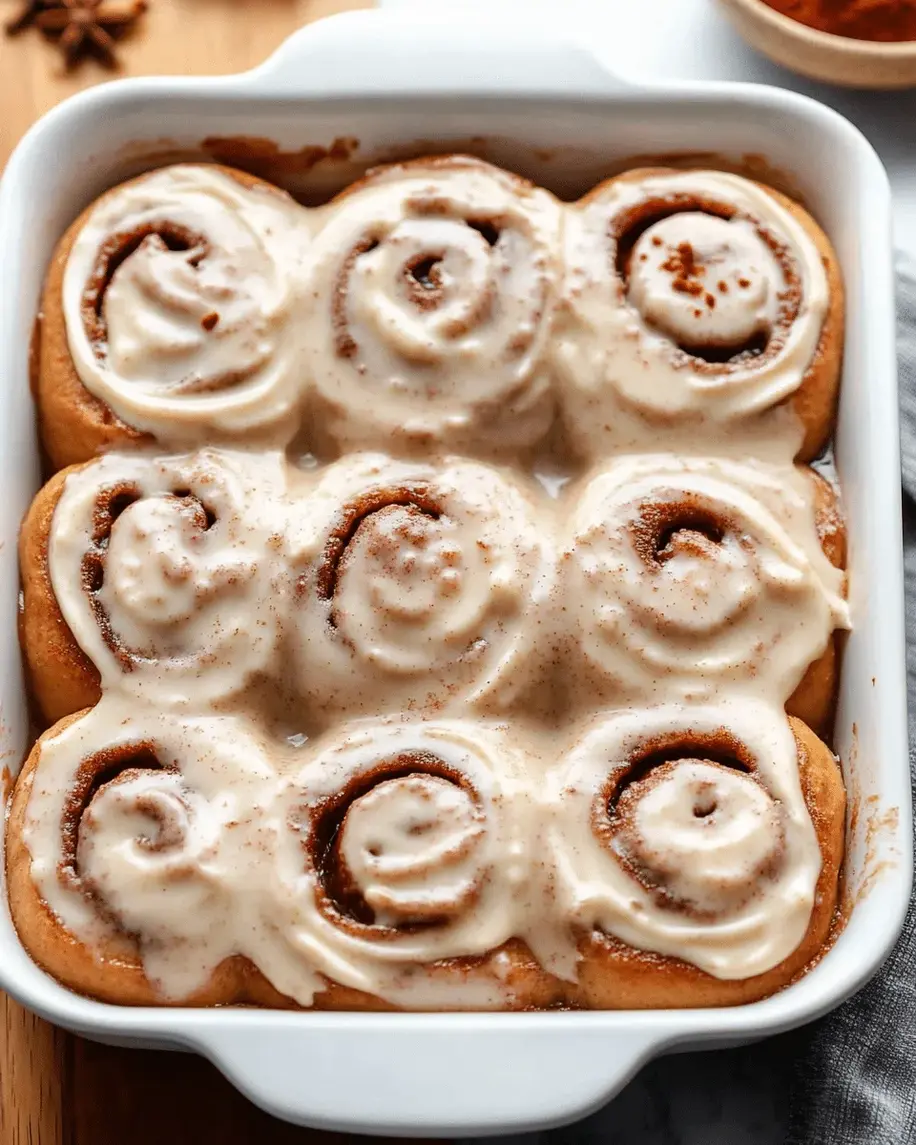
Cauliflower Parmesan Steaks – The Hearty Vegetarian Main Dish

⚖️
Difficulty
Easy
⏲️
Prep Time
10 mins
🕒
Cook Time
30 mins
⏱️
Total Time
40 mins
🍽️
Servings
2

I still remember the first time I made cauliflower parmesan steaks for my family here in New York. It was a chilly Sunday evening, and I wanted something that reminded me of my mother’s kitchen in Morocco — hearty, satisfying, and full of warmth, but also light enough to leave everyone feeling energized rather than weighed down. Back in Marrakech, we would roast whole cauliflowers with cumin and coriander, then serve them alongside lamb tagine. But after training in Paris and spending years in NYC, I’ve learned to take that same humble vegetable and give it a completely new identity — one that’s deeply Italian-American, with bubbling cheese and rich marinara. This baked cauliflower parmesan is my love letter to that journey.

When these cauliflower steak recipes come out of the oven, they’re absolutely stunning. The edges caramelize to a deep golden brown, while the inside stays tender but not mushy — each bite has a gentle resistance that gives way to a creamy, almost buttery center. Then you get that blanket of melted mozzarella with pools of marinara, and a final shower of sharp, salty Parmesan that browns into little crispy bits in the oven. The aroma? It fills my entire Brooklyn apartment with the scent of tomatoes bubbling, garlic warming, and cheese toasting — the kind of smell that makes everyone wander into the kitchen asking, “What’s for dinner?”

What sets my version apart is that we’re roasting, not frying — so these cauliflower parmesan steaks are genuinely a healthy cauliflower dinner you can feel great serving any night of the week. No heavy breading, no deep frying, just pure cauliflower flavor that gets concentrated in the oven. I’ll show you the one trick that keeps the steaks from falling apart (trust me, I learned this the hard way during my Paris days), plus a pro tip for maximizing that crispy-cheese crust without a single crumb of breadcrumbs. Whether you’re a longtime vegetarian or just looking for a low carb parmesan cauliflower option, this recipe delivers every time.

Why This Cauliflower Parmesan Steaks Recipe Is the Best

The Flavor Secret. Most baked cauliflower parmesan recipes skip the crucial step of dry-roasting the cauliflower before adding any sauce or cheese. I insist on roasting the steaks first — uncovered, at high heat — so the natural sugars caramelize and the exterior develops that nutty, almost sweet flavor. This is a technique I picked up at Le Cordon Bleu in Paris, where we learned that vegetables need their own moment in the oven before being combined with other ingredients. The result is a cauliflower steak recipe that tastes deeply savory, not watery or bland.

Perfected Texture. The biggest complaint I hear about cauliflower dishes is that they turn out soggy. Not here. By slicing thick, 1-inch steaks and roasting them until tender but still holding their shape, you get a satisfying bite that mimics the heartiness of a real steak. This low carb parmesan cauliflower version has none of the heaviness of breaded alternatives — it’s light enough for a weeknight but satisfying enough to impress guests. My Moroccan mother always said that vegetables should be respected enough to let them shine on their own, and that’s exactly what this recipe does.

Foolproof & Fast. Even if you’ve never made a cauliflower steak recipe before, I promise you can nail this on the first try. With just 10 minutes of active prep and simple ingredients you can find at any grocery store, this healthy cauliflower dinner comes together in 40 minutes flat. No special equipment, no complicated techniques — just quality ingredients and the right method. That’s the kind of cooking I love most: food that’s elegant enough for company but easy enough for a Tuesday night when you’re tired and just want something delicious.

Cauliflower Parmesan Steaks Ingredients

I picked up the habit of sourcing my cauliflower from the Union Square Greenmarket on Saturday mornings — the heads are enormous, dense, and have this sweet, almost nutty flavor that supermarket cauliflower just can’t match. When I hold one of those big beauties, I’m transported back to the souks of Marrakech where vendors would stack purple, green, and white cauliflowers like jewels. For this baked cauliflower parmesan, you want the heaviest, tightest head you can find — that’s your ticket to steaks that hold together beautifully.

Ingredients List

  • 1 large head cauliflower (about 2–2½ lbs)
  • 2 tablespoons olive oil
  • 1 teaspoon salt
  • ½ teaspoon black pepper
  • 1 cup marinara sauce (store-bought or homemade)
  • 1 cup shredded mozzarella cheese
  • ½ cup grated Parmesan cheese
  • Fresh basil leaves for garnish (optional)

Ingredient Spotlight

Cauliflower. The star of the show. Look for a head that’s dense, heavy for its size, with tightly packed florets and no brown spots. The leaves should be bright green and perky. In a pinch, you can use pre-cut cauliflower steaks from the refrigerated section — just make sure they’re at least 1 inch thick. The large head is essential here because you need that broad, flat surface area to create proper steaks. I’ve tested this with smaller heads and the steaks end up too thin and fall apart.

Marinara Sauce. This is the backbone of the flavor. I prefer a high-quality jarred marinara with no added sugar — look for one that lists tomatoes, olive oil, garlic, and basil as the primary ingredients. If you’re feeling ambitious, my quick homemade version uses a can of San Marzano tomatoes, a clove of garlic, a drizzle of olive oil, and a pinch of salt simmered for just 15 minutes. The sauce should be thick enough to coat the back of a spoon but not watery. I learned this sauce-making technique during my years in Paris, where even simple tomato sauce is treated with reverence.

Mozzarella and Parmesan. Freshly grated mozzarella melts far better than pre-shredded bagged cheese, which often contains anti-caking agents that prevent smooth melting. For the Parmesan, I insist on real Parmigiano-Reggiano — yes, it costs more, but the nutty, crystalline texture it develops when baked is absolutely irreplaceable. Pre-grated Parmesan in a canister won’t give you that same golden, crispy crust. This is one area where I don’t compromise, and my French-trained palate can taste the difference every time.

Original IngredientBest SubstitutionFlavor / Texture Impact
Mozzarella cheeseProvolone or fontinaSlightly sharper flavor; still melts beautifully
Parmesan cheesePecorino Romano or AsiagoMore salt-forward; use slightly less
Marinara sauceCrushed tomatoes + garlic + basilChunkier texture; more rustic flavor
Olive oilAvocado oilNeutral flavor; similar high-heat performance

How to Make Cauliflower Parmesan Steaks — Step-by-Step

I’ve made this recipe countless times — for weeknight dinners, for dinner parties, even for a Valentine’s Day menu — and this method has never failed me. Take your time with the first step; it’s the most important one for getting perfect cauliflower steaks that don’t crumble.

Step 1: Prepare the Cauliflower

Preheat your oven to 400°F (200°C). Remove the green leaves from the cauliflower head and trim the very bottom of the stem — but leave the core fully intact. The core is what holds your steaks together, so don’t cut it out! Place the cauliflower upright on your cutting board and use a large chef’s knife to slice straight down through the center, making your first cut about 1 inch from the center. Continue slicing to create 2–3 steaks that are each about 1 inch thick. The outer pieces will likely crumble into florets — that’s totally fine! Reserve those florets for soup, roasting, or snacking.

💡 mia’s Pro Tip: Hold the cauliflower head steady with your palm flat on top while slicing. Use a sawing motion with the knife rather than pressing straight down — this prevents the cauliflower from cracking unexpectedly. A sharp chef’s knife makes all the difference here.

Step 2: Season and Roast

Line a large baking sheet with parchment paper. Place your cauliflower steaks flat on the sheet and brush both sides generously with olive oil. Sprinkle salt and pepper evenly over both sides. Roast for 20 minutes, carefully flipping the steaks halfway through with a thin spatula. You’re looking for deep golden brown spots on both sides and a knife that slides through the thickest part with gentle resistance.

⚠️ Common Mistake to Avoid: Don’t overcrowd the baking sheet. If the steaks are too close together, they’ll steam instead of roast, and you won’t get that beautiful caramelization. Use two baking sheets if needed, and rotate them between racks halfway through.

Step 3: Add Sauce and Cheese

Remove the baking sheet from the oven. Spoon about ¼ cup of marinara sauce over each steak, spreading it evenly to cover the surface. Sprinkle mozzarella evenly over the sauce, then finish with a generous layer of grated Parmesan. Don’t be shy with the Parmesan — it creates that irresistible golden crust.

💡 mia’s Pro Tip: For extra flavor, add a pinch of dried oregano and a small drizzle of olive oil over the cheese before the final bake. This is a little trick I picked up from a pizzaiolo in Naples that takes the flavor to another level.

Step 4: Final Bake

Return the baking sheet to the oven and bake for an additional 8–10 minutes, until the cheese is melted, bubbly, and starting to brown in spots. If you want extra browning on top, switch the oven to broil for the last 1–2 minutes — watch carefully so it doesn’t burn!

⚠️ Common Mistake to Avoid: Don’t walk away during the broiling step. Cheese goes from perfectly golden to burnt very quickly. Stay by the oven and peek through the door — you’ll see it transform in seconds.

Step 5: Garnish and Serve

Remove from the oven and let rest for 2 minutes. Tear fresh basil leaves over the top — the heat will release the basil’s aromatic oils. Serve immediately while the cheese is still stretchy and the steaks are piping hot.

💡 mia’s Pro Tip: For the best presentation, use a wide spatula to transfer each steak to a warmed plate. Spoon any extra pan juices or melted cheese over the top. A final grating of fresh Parmesan and a crack of black pepper makes it look straight off a restaurant menu.

StepActionDurationKey Visual Cue
1Slice cauliflower into 1-inch steaks5 minEven, flat surfaces; core intact
2Roast with oil, salt, and pepper20 minGolden brown edges; tender when pierced
3Top with marinara, mozzarella, Parmesan3 minEven layer of sauce; cheese covering fully
4Final bake8–10 minCheese melted and bubbling; golden spots
5Garnish and serve2 minFresh basil; cheese stretchy and hot

Serving & Presentation

When I serve these cauliflower parmesan steaks, I love to plate them on a bed of something light to soak up the extra marinara and melted cheese. My go-to is a handful of arugula tossed with a squeeze of lemon, a drizzle of good olive oil, and a pinch of flaky sea salt — the peppery bitterness of the arugula cuts through the richness of the cheese beautifully. In the summer, I’ll add sliced heirloom tomatoes and a sprinkle of fresh mint, which is a nod to the salads my mother would make in Morocco using whatever was ripe from the garden.

For a complete meal, I pair this with a simple side of roasted broccoli rabe or steamed green beans with garlic. If you want something more filling, serve the steaks alongside a bowl of creamy polenta or a crusty piece of sourdough for soaking up every last drop of sauce. This is also wonderful as part of an Italian-themed dinner — start with a simple antipasto platter, then serve the steaks as the main event. I’ve even made these for Thanksgiving as a vegetarian main course option, and they disappeared faster than the turkey!

When it comes to beverages, I lean toward a medium-bodied red like Chianti or Montepulciano. For non-alcoholic options, a sparkling water with lemon or a bitter Italian soda pairs perfectly. And of course, no meal is complete at my table without a warm, crusty bread for the “fare la scarpetta” — that Italian ritual of wiping your plate clean with bread. It’s a tradition I happily adopted during my time in Paris, where good bread is practically a spiritual experience.

Pairing TypeSuggestionsWhy It Works
Side DishArugula salad, roasted broccoli rabe, creamy polentaLight, bitter greens balance the rich cheese; polenta adds comfort
Sauce / DipExtra marinara, pesto drizzle, balsamic glazeAdds brightness, herbaceous notes, or tangy sweetness
BeverageChianti, Montepulciano, sparkling water with lemonMedium reds complement tomato and cheese without overpowering
GarnishFresh basil, flaky sea salt, cracked black pepper, lemon zestBrightens the dish; adds freshness and visual appeal

Make-Ahead, Storage & Reheating

Living in NYC with a busy schedule, I’ve become a master of meal prep, and this cauliflower parmesan recipe is one of my favorites for planning ahead. On Sunday afternoons, I often roast a big batch of cauliflower steaks and store them separate from the sauce and cheese — then on busy weeknights, I simply assemble and bake while I unpack my farmers market haul. It’s the kind of efficient cooking that my Paris chef instructors would approve of: mise en place for real life.

MethodContainerDurationReheating Tip
RefrigeratorAirtight container, flat layersUp to 3 daysOven at 350°F for 10 min; avoid microwave
FreezerWrap individually in foil, then freezer bagUp to 2 monthsThaw overnight; reheat at 375°F for 15 min
Make-AheadRoast steaks, cool completely, refrigerateUp to 2 days in advanceAdd sauce and cheese just before final bake

When reheating leftovers, the oven is your best friend — it restores that crispy edge and melty cheese that the microwave will ruin. I place the steaks on a baking sheet and warm them at 350°F for about 10 minutes, or until the cheese is bubbly again. If you’re reheating from frozen, thaw the steaks in the refrigerator overnight first. One thing I love about this recipe is that leftovers (if you have any!) are just as delicious for lunch the next day — I’ve been known to chop up a cold steak and toss it into a lunchtime salad with extra cherry tomatoes and a balsamic vinaigrette.

Variations & Easy Swaps

VariationKey ChangeBest ForDifficulty Impact
Moroccan SpicedAdd cumin, coriander, and harissa to the marinaraAdventurous palates; fusion dinnerEasy
Dairy-Free / VeganUse vegan mozzarella and nutritional yeastDairy-free dietsEasy
Pesto ParmesanSwap marinara for basil pestoSpring/summer; herb loversEasy

Moroccan Spiced Cauliflower Steaks

This variation is close to my heart — it brings the flavors of my childhood home into the Italian framework. Stir 1 teaspoon of ground cumin, ½ teaspoon of ground coriander, and 1 tablespoon of harissa paste into the marinara sauce before spooning it over the steaks. The warmth of the cumin and the gentle heat of the harissa create a gorgeous North African accent that pairs beautifully with the melted cheese. I love serving this version with a side of couscous tossed with dried apricots and toasted almonds — it’s the kind of cross-cultural dish that defines my cooking style.

Dairy-Free / Vegan Cauliflower Parmesan

For a completely plant-based version, use a high-quality vegan mozzarella that melts well (I’ve had excellent results with brands like Miyoko’s and Violife) and replace the Parmesan with 3 tablespoons of nutritional yeast mixed with a pinch of salt. The nutritional yeast gives you that umami, cheesy flavor without any dairy. Roast the steaks a little longer — about 25 minutes — before adding the toppings, since vegan cheeses can release more moisture. This version is just as satisfying and has become a staple for my friends who follow a vegan lifestyle.

Pesto Parmesan Cauliflower Steaks

When summer arrives and the basil at the Union Square market is at its peak, I make this bright, herby version. Instead of marinara, spread 2–3 tablespoons of your favorite basil pesto over each roasted steak before adding the mozzarella and Parmesan. The pesto adds a fresh, garlicky, pine-nut richness that feels completely different from the classic version — almost like a caprese salad in steak form. I garnish with extra fresh basil and a few halved cherry tomatoes that I roast alongside the steaks during the final bake. It’s a beautiful, colorful dish that tastes like sunshine.

What is the best way to cut cauliflower into steaks without them falling apart?

The key is to keep the core intact — that’s the natural glue that holds the florets together. Start by trimming off the green leaves and cutting the stem end flat, but don’t cut out the core. Place the cauliflower upright on your cutting board and use a large, sharp chef’s knife. Slice straight down through the center, making your first cut about 1 inch from the center line. Use a gentle sawing motion rather than pressing forcefully. You’ll get 2–3 perfect steaks from the center of the head. The outer pieces will break into florets — save those for another use. A dull knife is the number one cause of crumbly steaks, so sharpen your blade before you start.

Can I bake cauliflower Parmesan steaks instead of frying them?

Absolutely — and I actually recommend baking over frying for this recipe. Baking gives you a tender, caramelized interior with golden-brown edges without the mess and heaviness of frying. The method is simple: roast the steaks at 400°F for 20 minutes, flipping halfway through, until they’re tender and beautifully browned. Then add your sauce and cheese and bake for another 8–10 minutes. If you want extra crispiness, you can broil for the last 1–2 minutes. This baked cauliflower parmesan approach is lighter, healthier, and lets the natural flavor of the cauliflower shine through. Plus, it’s much easier to clean up!

What can I use as a substitute for breadcrumbs in cauliflower Parmesan steaks?

This recipe doesn’t use breadcrumbs at all — the star is the cauliflower itself, which develops a beautiful texture through roasting alone. But if you’re looking to add extra crunch without breadcrumbs, I have several tested options. Almond flour or finely ground almonds work beautifully and keep the dish gluten-free and low carb. Crushed pork rinds add a savory, crispy coating that’s also keto-friendly. For a nutty, cheesy twist, mix grated Parmesan with a little almond flour and sprinkle it over the top during the final bake — it forms a golden, crispy crust that’s absolutely delicious. Grated pecorino or Asiago work the same way.

How long do you cook cauliflower Parmesan steaks in the oven to get them tender?

The total oven time for perfectly tender cauliflower parmesan steaks is about 28–30 minutes. First, you roast the plain steaks at 400°F for 20 minutes — that’s the critical step that ensures the cauliflower is fully cooked and caramelized before you add the sauce and cheese. After adding the marinara, mozzarella, and Parmesan, you bake for an additional 8–10 minutes. The steaks are done when a sharp knife slides through the thickest part with very little resistance, and the cheese is melted, bubbly, and starting to brown in spots. If your steaks are on the thicker side (over 1 inch), add 2–3 minutes to the initial roast.

Are cauliflower Parmesan steaks healthy and low carb?

Yes! This recipe is naturally low carb and fits perfectly into a healthy lifestyle. Each serving of cauliflower parmesan steaks contains approximately 15g of carbohydrates, 22g of fat, and 18g of protein, with only 350 calories total. The cauliflower itself is a cruciferous vegetable packed with fiber, vitamin C, vitamin K, and antioxidants — it’s one of the most nutrient-dense vegetables you can eat. By baking instead of frying, we keep the fat content moderate and avoid the inflammatory oils often used in deep frying. This healthy cauliflower dinner is also naturally gluten-free and can easily be made dairy-free with simple substitutions. It’s a meal that satisfies comfort food cravings while supporting your wellness goals.

Can I make cauliflower Parmesan steaks ahead of time for meal prep?

Definitely — this recipe is ideal for meal prep. My favorite approach is to roast the cauliflower steaks up to 2 days in advance and store them in an airtight container in the refrigerator. When you’re ready to serve, simply arrange the steaks on a baking sheet, top with marinara sauce, mozzarella, and Parmesan, and bake for 10–12 minutes at 400°F (or until the cheese is bubbly). You can also fully assemble the steaks and refrigerate them unbaked for up to 24 hours — just add an extra 2–3 minutes to the final bake time. For longer storage, freeze the fully baked and cooled steaks wrapped individually in foil, then thaw overnight and reheat at 350°F for 10 minutes. This is a lifesaver on busy weeknights when you want something homemade without the last-minute prep.

What can I serve with cauliflower Parmesan steaks for a complete dinner?

These cauliflower parmesan steaks pair beautifully with so many sides. For a light, fresh option, I love serving them on a bed of arugula dressed with lemon and olive oil — the peppery bite of the arugula cuts through the rich cheese perfectly. Heartier options include creamy polenta, roasted potatoes, or a simple pasta aglio e olio. For vegetables, roasted broccoli rabe, sautéed spinach with garlic, or green beans with lemon and almonds all work wonderfully. If you want something to soak up the extra marinara, serve with crusty sourdough bread or garlic bread. This is also delicious alongside a crisp green salad with a tangy vinaigrette. The key is to balance the richness of the cheese and sauce with something bright, fresh, or slightly bitter.

How do I store and reheat leftover cauliflower Parmesan steaks?

Leftover cauliflower parmesan steaks store beautifully and reheat well when done properly. Place any leftovers in an airtight container in the refrigerator for up to 3 days. For the best texture, reheat in the oven rather than the microwave — the microwave will make the cheese rubbery and the cauliflower soggy. Simply place the steaks on a baking sheet and warm at 350°F for about 10 minutes, or until the cheese is bubbly again. If you’re short on time, you can use a toaster oven at 300°F for 8 minutes. For freezing, wrap each steak individually in foil, place them in a freezer bag, and freeze for up to 2 months. Thaw overnight in the refrigerator, then reheat at 375°F for 15 minutes. Avoid reheating more than once for the best quality.

Can I use frozen cauliflower for this recipe?

I don’t recommend using frozen cauliflower for this specific recipe. Frozen cauliflower releases a significant amount of water as it thaws and cooks, which prevents the steaks from developing that beautiful golden-brown caramelization that makes this dish so special. Frozen cauliflower also tends to be softer and more prone to falling apart when sliced. If you’re in a pinch and only have frozen cauliflower on hand, I suggest using it to make roasted cauliflower florets instead — toss them with olive oil and seasonings, roast at 425°F until crispy, then top with sauce and cheese. You won’t get the “steak” presentation, but you’ll still have a delicious baked cauliflower parmesan in a different form.

What cheese works best on cauliflower Parmesan besides mozzarella?

While mozzarella is classic for that perfect stretchy melt, you can absolutely experiment with other cheeses. Provolone is an excellent substitute — it melts beautifully and adds a slightly sharper, more buttery flavor. Fontina offers a rich, nutty taste with exceptional melting quality. For a smoky twist, try smoked mozzarella or provolone. If you want a more assertive cheese flavor, mix in some shredded Asiago or pecorino alongside your mozzarella. Just avoid very hard, dry cheeses like aged cheddar or aged gouda for the main topping, as they don’t melt as smoothly. Whatever cheese you choose, always grate it yourself from a block — pre-shredded cheeses contain anti-caking agents that prevent smooth melting and can make your sauce grainy.

Share Your Version!

I truly believe that the best recipes are the ones we make our own — whether you’re adding a pinch of something from your own heritage, swapping in a cheese you love, or serving it with a side that reminds you of home. These cauliflower parmesan steaks have become such a beloved dish in my kitchen, and I’d love to hear how they turn out in yours. What variation are you most excited to try? Did you make one of the swaps I suggested, or did you invent something entirely new? Drop a comment below and let me know — and if you snap a photo, tag me so I can see your beautiful creation!

From my NYC kitchen to yours — I hope this recipe brings as much warmth to your table as it does to mine. — mia 🧡

📌

Love This Recipe? Save It to Pinterest!

If you enjoyed this Cauliflower Parmesan Steaks recipe, don’t let it get lost in your browser tabs! 😄 Pin it now so you can find it again anytime — and explore hundreds more tried-and-tested recipes waiting for you on my Pinterest boards.

👉 Follow mia on Pinterest @exorecipe

📌 Pin this recipe · 🔁 Re-pin your favorites · 💬 Tag me when you make it — I love seeing your creations!

Print

clock clock iconcutlery cutlery iconflag flag iconfolder folder iconinstagram instagram iconpinterest pinterest iconfacebook facebook iconprint print iconsquares squares iconheart heart iconheart solid heart solid icon

Cauliflower Parmesan Steaks

  • Author: Chef Mia
  • Prep Time: 10 minutes
  • Cook Time: 30 minutes
  • Total Time: 40 minutes
  • Yield: 2 1x
  • Method: Main Course
  • Cuisine: Italian-American

Description

These cauliflower parmesan steaks are a delicious and hearty vegetarian main dish, featuring thick slices of roasted cauliflower topped with marinara sauce, melted mozzarella, and Parmesan cheese.


Ingredients

Scale
  • 1 large head cauliflower
  • 2 tablespoons olive oil
  • 1 teaspoon salt
  • 1/2 teaspoon black pepper
  • 1 cup marinara sauce
  • 1 cup shredded mozzarella cheese
  • 1/2 cup grated Parmesan cheese
  • Fresh basil leaves for garnish (optional)

Instructions

  1. Preheat oven to 400°F (200°C).
  2. Remove leaves from cauliflower and trim the stem end, keeping the core intact. Slice the cauliflower into 1-inch thick 'steaks' (you'll get about 2-3 steaks from the center; reserve florets for another use).
  3. Place cauliflower steaks on a baking sheet lined with parchment paper. Brush both sides with olive oil and season with salt and pepper.
  4. Roast for 20 minutes, flipping halfway through, until tender and golden brown.
  5. Remove from oven and spread marinara sauce over each steak. Top with mozzarella and Parmesan cheeses.
  6. Return to oven and bake for an additional 8-10 minutes, until cheese is melted and bubbly.
  7. Garnish with fresh basil if desired and serve immediately.

Notes

For a crispier texture, you can broil the steaks for 1-2 minutes after adding the cheese. Leftovers can be stored in an airtight container in the refrigerator for up to 3 days.


Nutrition

  • Calories: 350 kcal
  • Sugar: 8 g
  • Fat: 22 g
  • Carbohydrates: 15 g
  • Protein: 18 g


Cauliflower Parmesan Steaks

ph">For more delicious inspiration, follow me on Pinterest!