Best Homemade Chicken Tikka Masala Recipe

Chicken Tikka Masala: Restaurant-Quality at Home

⚖️
Difficulty
Easy
⏲️
Prep Time
20 mins
🕒
Cook Time
30 mins
⏱️
Total Time
50 mins
🍽️
Servings
4-6

Growing up in my mother’s bustling kitchen in Rabat, Morocco, I learned the magic of layering warm spices to create depth and comfort. Later, my culinary training in Paris refined my understanding of classic sauce techniques. When I moved to New York City, I fell in love with its incredible global food scene, and Indian cuisine quickly became a favorite. This homemade Chicken Tikka Masala recipe is my love letter to those experiences – a dish that combines the richness of Indian spices with the precision of French cooking and the vibrant energy of NYC. It’s the ultimate easy Chicken Tikka Masala, designed to bring that authentic restaurant flavor right to your own home, no matter your cooking skill level.

Imagine tender, succulent pieces of chicken, fragrant with a symphony of spices, nestled in a velvety, luscious tomato-cream sauce that’s both rich and bright. The aroma alone is intoxicating, a blend of smoky paprika, earthy cumin, and warming garam masala. Each bite is a revelation: the chicken is perfectly cooked, yielding with a slight char from searing, and the sauce coats your palate with its creamy, tangy, and subtly sweet notes. This isn’t just a meal; it’s an experience, a journey to the heart of what makes a truly exceptional Chicken Tikka Masala.

I’ve spent years perfecting this recipe, tweaking spice ratios and cooking times to ensure you get the absolute best results. My goal is to make this classic dish accessible and utterly delicious for everyone. I’ll share my secret to achieving that perfect sear on the chicken without a tandoor, a crucial step that adds an incredible layer of flavor. You might be surprised by how simple it is! We’ll also touch on a common pitfall many home cooks face that can affect the sauce’s texture. Get ready for your best homemade Chicken Tikka Masala yet!

Why This Chicken Tikka Masala Recipe Is the Best

The secret to this incredibly flavorful Chicken Tikka Masala lies in my multi-layered approach to aromatics and spices. Drawing from my Moroccan roots, I believe in building flavor from the ground up. Instead of just adding spices to the sauce, I marinate the chicken first to infuse it deeply, then bloom the spices in the sautéed aromatics for maximum fragrance and impact. This, combined with the essential touch of brown sugar to balance the acidity of the tomatoes and cream, creates a complexity that mimics restaurant-quality dishes, a technique I honed while mastering French sauces where building flavor depth is paramount.

Achieving that perfect chicken texture is crucial. My method involves high-heat searing in stages, creating a beautiful crust on the chicken pieces rather than boiling them in sauce. This caramelization locks in juices and adds a delightful chewiness, preventing the chicken from becoming mushy. I learned in Paris that proper searing is fundamental for texture and flavor development, and it’s a technique that translates perfectly here, ensuring every bite of chicken is tender and flavorful, swimming in a sauce that complements, rather than overpowers, the star protein.

What truly makes this an easy Chicken Tikka Masala is its forgiving nature and straightforward steps. You don’t need special equipment or hard-to-find ingredients. The marination is simple, the sautéing is quick, and the simmering allows the flavors to meld beautifully. I’ve designed this recipe for busy weeknights in my NYC apartment, proving that authentic flavors don’t require hours of complex preparation. It’s a foolproof method that guarantees a delicious, satisfying meal every time, perfect for both novice cooks and seasoned chefs looking for a reliable, crowd-pleasing recipe.

Chicken Tikka Masala Ingredients

Sourcing fresh, quality ingredients is key to any great dish, and for my Chicken Tikka Masala, I often find myself wandering through the vibrant Union Square Greenmarket here in NYC for the freshest ginger and garlic, or visiting my favorite local Indian grocer for authentic garam masala and high-quality spices. My mother always said the best dishes start with the best ingredients, a philosophy I carry with me. Below are the components you’ll need to bring this fantastic meal to life.

Ingredients List

  • 1 cup plain yogurt or Greek yogurt
  • 2 tablespoons fresh lemon juice
  • 1 & 1/2 teaspoons cumin
  • 1 teaspoon garam masala
  • 1/2 teaspoon red chili powder ((not cayenne pepper))
  • 1 teaspoon salt
  • 2 teaspoons grated fresh ginger
  • 2 teaspoons finely minced garlic
  • 1 & 1/2 pounds boneless, skinless chicken breast (cut into small bite-sized pieces)
  • 2 tablespoons vegetable oil
  • 2 tablespoons butter
  • 1 large sweet onion (finely diced)
  • 2 teaspoons grated ginger
  • 2 cloves garlic (finely minced)
  • 2 teaspoons brown sugar
  • 1 teaspoon ground coriander
  • 1 teaspoon cumin
  • 1 teaspoon smoked paprika
  • 1 teaspoon garam masala
  • 8 ounce can tomato sauce ((unseasoned))
  • 1 & 1/4 cups heavy cream
  • 1/4 cup water (, only if needed)
  • Chopped cilantro (, for garnish)
  • Naan bread
  • Cooked basmati rice

Ingredient Spotlight

Yogurt: The base of our marinade, plain yogurt (or Greek for a thicker texture) tenderizes the chicken and provides a creamy tang. Look for full-fat, unsweetened varieties in any US grocery store dairy aisle. It helps spices adhere to the chicken beautifully, creating a flavorful crust when seared. A good substitute could be a non-dairy yogurt like coconut or soy, though it might alter the final flavor profile slightly.

Garam Masala: This is the soul of many Indian dishes, a blend of warming spices typically including cinnamon, cardamom, cloves, and cumin. The exact blend varies by region and brand. For the best flavor, purchase it from an Indian grocery store or a reputable spice merchant; check the expiration date! In a pinch, you can try to replicate it with individual spices, but a good pre-made blend is hard to beat for convenience and authenticity in your easy Chicken Tikka Masala.

Heavy Cream: This ingredient gives the sauce its signature luscious, velvety texture and richness. In most US supermarkets, you’ll find it in the dairy section. It’s essential for that luxurious mouthfeel that makes Chicken Tikka Masala so comforting. If you need a dairy-free option, full-fat coconut milk is the best substitute; it will add a subtle coconut flavor but provide a similar creamy consistency.

Original IngredientBest SubstitutionFlavor / Texture Impact
Plain YogurtGreek YogurtThicker marinade, richer sauce.
Heavy CreamFull-fat Coconut MilkAdds a subtle coconut flavor, slightly less rich but still creamy.
Fresh GingerGround Ginger (1/3 the amount)Less pungent, slightly less fresh aroma.
Fresh GarlicGarlic Powder (1/4 the amount)Less potent, more muted garlic flavor.
Garam MasalaCurry Powder (use less)Broader spice profile, may not be as complex.

How to Make Chicken Tikka Masala — Step-by-Step

Let’s bring this delicious homemade Chicken Tikka Masala to life, step by delicious step!

Step 1: Marinate the Chicken

In a medium bowl, whisk together the plain yogurt, lemon juice, cumin, garam masala, red chili powder, salt, grated ginger, and minced garlic. Add the chicken pieces and toss thoroughly to ensure each piece is coated. Cover the bowl and let it marinate. For a quick flavor boost, let it sit at room temperature for 1 hour. For the best, most tender results, refrigerate overnight (up to 24 hours) – this is where the magic happens!

💡 mia’s Pro Tip: Don’t skip the yogurt! It’s the secret to tenderizing the chicken. The acidity breaks down the protein, making it incredibly succulent. If you’re short on time, even 30 minutes of marination time makes a difference.

Step 2: Sear the Chicken

Heat the vegetable oil in a large skillet, preferably cast iron, over medium-high heat. Once the oil is shimmering but not smoking, carefully add the marinated chicken pieces in a single layer. Work in batches if necessary to avoid crowding the pan, as this will steam the chicken instead of searing it. Let the chicken cook undisturbed for 1 minute to develop a beautiful golden-brown crust. Then, sauté for about 5 more minutes until the chicken is browned on all sides and about halfway cooked through. Remove the chicken from the skillet and set aside on a plate, keeping it warm.

⚠️ Common Mistake to Avoid: Overcrowding the pan is the biggest culprit for less-than-perfectly seared chicken. The pieces should have space around them. Searing in batches might take a few extra minutes, but the flavor and texture payoff is immense and crucial for restaurant-quality results.

Step 3: Sauté Aromatics and Bloom Spices

Melt the butter in the same skillet over medium heat. Add the finely diced onion and sauté, stirring occasionally, for about 3-4 minutes until softened and translucent. While sautéing, use your spoon to scrape up any delicious browned bits (fond) stuck to the bottom of the pan from searing the chicken – this is pure flavor! Add the grated ginger and minced garlic to the pan and sauté for another 30 seconds until fragrant, being careful not to burn them.

Step 4: Add Spices and Tomato Sauce

Stir in the brown sugar, ground coriander, cumin, smoked paprika, garam masala, and salt. Cook, stirring constantly, for about 15-20 seconds just until the spices become wonderfully fragrant. This step, called blooming, intensifies their flavor. Pour in the unseasoned tomato sauce. Bring the mixture to a gentle simmer, stirring occasionally, and let it cook for 3-5 minutes until the sauce slightly thickens and deepens in color. This builds a fantastic flavor base.

Step 5: Add Cream and Chicken

Reduce the heat to low and stir in the heavy cream until the sauce is smooth and evenly colored. Add the partially cooked chicken pieces, along with any juices accumulated on the plate, back into the skillet. Stir everything to combine. Let the Chicken Tikka Masala simmer gently for an additional 8-10 minutes, or until the chicken is cooked through and the sauce has thickened to your desired consistency. If the sauce becomes too thick, you can stir in a little water, a tablespoon at a time, until it reaches your preferred flow.

💡 mia’s Pro Tip: Taste and adjust seasonings before serving. Some brands of tomato sauce can be more acidic, or your yogurt might be tangier. A little more salt or a pinch of sugar can make a big difference in balancing the flavors perfectly to your palate for this homemade Chicken Tikka Masala.

StepActionDurationKey Visual Cue
1Marinate Chicken1 hour (or overnight)Chicken coated in yogurt mixture
2Sear Chicken~6 minutes per batchGolden-brown crust on chicken
3Sauté Aromatics~4 minutesOnions soft and translucent
4Bloom Spices & Simmer Sauce~4 minutesSpices fragrant, sauce thickens
5Incorporate Cream & Chicken, Simmer~10 minutesChicken cooked through, sauce bubbling

Serving & Presentation

To serve this glorious Chicken Tikka Masala, I love heaping it over fluffy basmati rice, which does a fantastic job of soaking up that rich, creamy sauce. A side of warm, pillowy naan bread is non-negotiable for scooping up every last drop! In my Moroccan home, we always served main dishes with an abundance of fresh herbs and a refreshing element, so I highly encourage garnishing generously with fresh, chopped cilantro. It adds a pop of color and a bright, herbaceous contrast to the richness of the curry.

For a truly restaurant-style presentation, you can swirl an extra dash of heavy cream or a dollop of plain yogurt into the center of the dish just before serving. A sprinkle of paprika or a few extra cilantro leaves can also elevate the visual appeal. If I’m feeling fancy for a NYC dinner party, I might serve individual portions in small bowls, ensuring each guest gets a good mix of chicken and sauce. It’s simple, elegant, and always a crowd-pleaser.

Pairing TypeSuggestionsWhy It Works
Side DishCooked Basmati Rice, QuinoaAbsorbs sauce beautifully, provides a neutral base.
BreadWarm Naan Bread, Roti, PitaPerfect for scooping up every last drop of sauce.
BeverageLassi (mango or plain), Light Lager, Sparkling Water with LimeCooling, balances the spices and richness.
GarnishChopped Fresh Cilantro, Sliced Green ChiliesAdds freshness, color, and a touch of heat.

Make-Ahead, Storage & Reheating

Life in NYC is always on the go, so I love that this Chicken Tikka Masala is fantastic for meal prep. You can make the entire dish a day ahead, and the flavors actually meld and deepen overnight, making it even more delicious. Storing and reheating this dish is simple and ensures you can enjoy its rich flavors throughout the week without any fuss.

MethodContainerDurationReheating Tip
RefrigeratorAirtight container3-4 daysGently reheat on stovetop or in microwave until piping hot.
FreezerFreezer-safe container or bag2-3 monthsThaw overnight in refrigerator, then reheat as above.
Make-AheadCooked dish components (chicken, sauce) separate or combined1-2 days before servingCombine and reheat gently on stove; the flavors meld beautifully.

When reheating on the stovetop, I like to cook it over low heat and stir frequently. If it seems a bit stiff, I’ll add a splash more cream or water to loosen it up. For microwave reheating, ensure it’s heated evenly throughout. The chicken can sometimes dry out if reheated too aggressively, so low and slow is usually best. I’ve found this recipe reheats exceptionally well, making it perfect for lunches or quick dinners during a busy week.

Variations & Easy Swaps

VariationKey ChangeBest ForDifficulty Impact
Spicy Chicken Tikka MasalaAdd extra chili powder or a fresh chiliSpice loversNo impact
Dairy-Free Chicken Tikka MasalaUse coconut milk instead of cream, vegan yogurtDairy-free/vegan dietNo impact
Seasonal Vegetable Tikka MasalaReplace chicken with paneer, tofu, or hearty vegetablesVegetarian/vegan optionAdjust cooking time for veggies

Spicy Chicken Tikka Masala

If you love a bit of heat, like the spicy tagines my Aunt Rhiad makes in Marrakech, you can easily transform this easy Chicken Tikka Masala into a fiery delight. Increase the red chili powder in the marinade to 1 teaspoon, or even add a finely chopped fresh green chili or serrano pepper along with the onions in Step 3 for an extra kick. This variation is perfect for those who enjoy a robust, spicy flavor profile that warms you from the inside out.

Dairy-Free Chicken Tikka Masala

For a delicious dairy-free and vegan option, simply swap the plain yogurt for a full-fat, unsweetened coconut yogurt or soy yogurt in the marinade. For the sauce, replace the heavy cream with one, 13.5-ounce can of full-fat coconut milk. While it imparts a hint of coconut flavor, it provides a wonderfully creamy texture that holds up beautifully. My Parisian pastry chef friends would appreciate the scientific balance needed to achieve creaminess without dairy!

Seasonal Vegetable Tikka Masala

This recipe is incredibly versatile and shines with hearty vegetables too! Try substituting the chicken with cubes of paneer (Indian cheese), firm or extra-firm tofu (pressed and cubed), or a medley of seasonal vegetables like cauliflower florets, sweet potato chunks, or bell peppers. Add firmer vegetables along with the onions in Step 3, and softer ones like peas towards the end of cooking to prevent them from becoming mushy. This makes for a fantastic vegetarian or vegan Chicken Tikka Masala.

Can I use Greek yogurt instead of regular yogurt in chicken tikka masala?

Absolutely! Using Greek yogurt is a fantastic alternative for marinating chicken for Chicken Tikka Masala. It’s thicker than regular yogurt, which means it clings to the chicken pieces more effectively and can create a richer marinade. The slightly tangier flavor profile of Greek yogurt also works wonderfully with the spices. Just ensure it’s plain and unsweetened, as flavored or sweetened yogurts will alter the dish’s taste. The result will be just as tender and flavorful, perhaps even more so due to the higher protein content.

How long should you marinate chicken for chicken tikka masala?

For the absolute best flavor and tenderness in your homemade Chicken Tikka Masala, I highly recommend marinating the chicken overnight in the refrigerator. This allows the yogurt and spices to deeply penetrate the chicken. However, if time is a constraint, a minimum of 1 hour at room temperature or 2-4 hours in the refrigerator will still yield delicious results. Even a quick 30-minute soak can make a noticeable difference in tenderizing the chicken and infusing it with flavor.

What is the best substitute for heavy cream in chicken tikka masala?

The best substitute for heavy cream in Chicken Tikka Masala, especially if you’re aiming for a dairy-free or vegan version, is full-fat coconut milk. Ensure you use the thick, creamy part from the top of the can. It provides a similar richness and luscious texture to the sauce. While it might impart a subtle coconut flavor, it blends beautifully with the spices. Another option is evaporated milk, which offers richness but is still dairy. For a lighter version, you could try half-and-half, but it won’t be as creamy.

Can I make chicken tikka masala without a tandoor or grill?

Absolutely! You don’t need a tandoor or grill to make fantastic Chicken Tikka Masala at home. The key is to properly sear the marinated chicken pieces in a hot skillet with a bit of oil, as outlined in my recipe. This high-heat searing, especially in a cast-iron skillet, creates a beautiful char and caramelization on the outside of the chicken, which mimics the smoky flavor and texture you’d get from more traditional methods. It’s all about achieving that crust and keeping the chicken juicy.

Can I use chicken thighs instead of breast for chicken tikka masala?

Yes, you can definitely use chicken thighs! Many chefs, myself included, prefer thighs for dishes like this homemade Chicken Tikka Masala because they tend to be more forgiving and stay incredibly juicy due to their higher fat content. If using thighs, make sure to trim any excess large pieces of fat. The cooking time might need to be slightly adjusted – they can often handle a bit longer simmering and searing without drying out. The flavor will be just as rich, if not richer.

How do I make the sauce thicker for chicken tikka masala?

If your Chicken Tikka Masala sauce is too thin, there are a few ways to thicken it. The most common method, which I use in the recipe, is to simply let it simmer on low heat for longer, uncovered, allowing excess liquid to evaporate. You can also add a cornstarch slurry (1 tablespoon cornstarch mixed with 2 tablespoons cold water) and stir it into the simmering sauce for a few minutes until thickened. Another trick is to reduce the cream slightly before adding it, or to add a bit more tomato paste for body.

What can I use if I don’t have garam masala?

Garam masala is a cornerstone spice blend, but if you find yourself without it for your easy Chicken Tikka Masala, don’t despair! You can try creating a makeshift blend using individual spices you likely have. A common combination is equal parts cumin, coriander, cinnamon, and a pinch of ground cloves and cardamom. Alternatively, a good quality curry powder can be used as a substitute, though it will offer a broader flavor profile. Start with less curry powder and adjust to taste, as it can be quite potent.

Share Your Version!

I absolutely love seeing your culinary creations! If you make this easy Chicken Tikka Masala recipe, please leave a star rating and a comment below to let me know how it turned out. Your feedback helps other home cooks! If you share a photo on Instagram or Pinterest, be sure to tag me @exorecipe – I can’t wait to see your delicious dishes!

From my NYC kitchen to yours — I hope this recipe brings as much warmth to your table as it does to mine. — mia 🧡

📌

Love This Recipe? Save It to Pinterest!

If you enjoyed this Chicken Tikka Masala recipe, don’t let it get lost in your browser tabs! 😄 Pin it now so you can find it again anytime — and explore hundreds more tried-and-tested recipes waiting for you on my Pinterest boards.

👉 Follow mia on Pinterest @chefrecipes2

📌 Pin this recipe · 🔁 Re-pin your favorites · 💬 Tag me when you make it — I love seeing your creations!

Print

clock clock iconcutlery cutlery iconflag flag iconfolder folder iconinstagram instagram iconpinterest pinterest iconfacebook facebook iconprint print iconsquares squares iconheart heart iconheart solid heart solid icon

Chicken Tikka Masala

  • Author: Chef Mia

Description

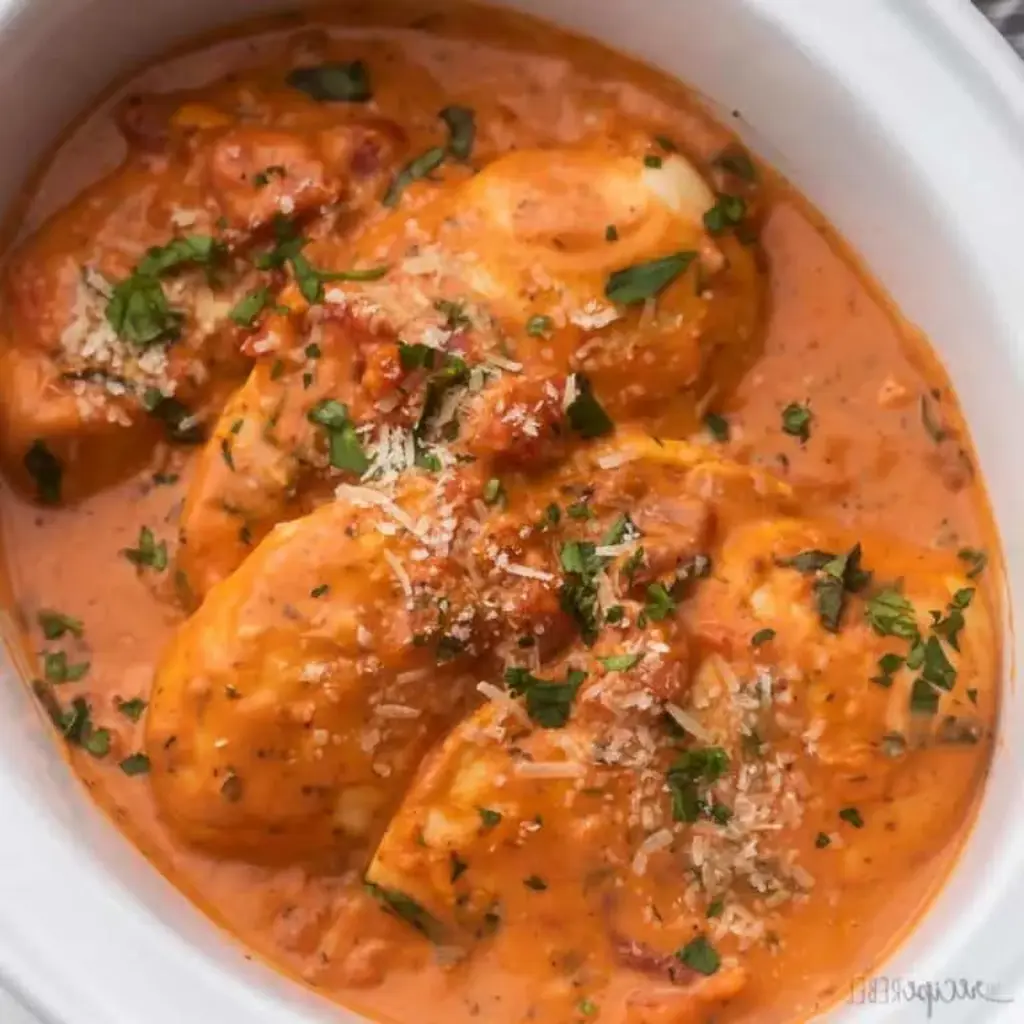
The best homemade Chicken Tikka Masala recipe like you get at your favorite Indian restaurant! With tender, juicy pieces of charred chicken, swimming in an unbelievable luscious, flavor-packed creamy tomato sauce.


Ingredients

Scale
  • 1 cup plain yogurt or Greek yogurt
  • 2 tablespoons fresh lemon juice
  • 1 & 1/2 teaspoons cumin
  • 1 teaspoon garam masala
  • 1/2 teaspoon red chili powder ((not cayenne pepper))
  • 1 teaspoon salt
  • 2 teaspoons grated fresh ginger
  • 2 teaspoons finely minced garlic
  • 1 & 1/2 pounds boneless, skinless chicken breast (, cut into small bite-sized pieces)
  • 2 tablespoons vegetable oil
  • 2 tablespoons butter
  • 1 large sweet onion (, finely diced)
  • 2 teaspoons grated ginger
  • 2 cloves garlic (, finely minced)
  • 2 teaspoons brown sugar
  • 1 teaspoon ground coriander
  • 1 teaspoon cumin
  • 1 teaspoon smoked paprika
  • 1 teaspoon garam masala
  • 8 ounce can tomato sauce ( (unseasoned))
  • 1 & 1/4 cups heavy cream
  • 1/4 cup 1/4 cup water (, only if needed)
  • chopped cilantro (, for garnish)
  • naan bread
  • cooked basmati rice

Instructions

  1. In a bowl, whisk together all the ingredients for the marinade; add the chicken and toss to coat. Let marinate for 1 hour (ideally overnight in the fridge, if time permits.)
  2. Warm oil in a large skillet (preferably cast iron) over medium-high heat. Once shimmering, add chicken pieces in batches, if necessary, making sure not to crowd the pan. Let them fry, untouched, for 1 minute to develop a crust, then saute until browned for about 5 more minutes. Set aside and keep warm.
  3. Melt the butter in the same pan. Saute the onions until soft (about 3 minutes) while scraping up any browned bits stuck on the bottom of the pan. Add ginger and garlic; sauté for 30 seconds until fragrant.
  4. Add in the brown sugar, coriander, cumin, paprika, garam masala, and salt. Stir occasionally for about 15 seconds until fragrant.
  5. Pour in the tomato sauce; let simmer gently for about 3-5 minutes, stirring occasionally until sauce thickens and becomes deeper in color.
  6. Stir in the cream until incorporated.
  7. Add the partially cooked chicken along with its juices back to the pan; cook for an additional 8-10 minutes until chicken is cooked through and the sauce is thick and bubbling. Pour in the water to thin out the sauce, only if necessary.
  8. Serve over cooked basmati rice, with Naan bread, and garnish with chopped cilantro.


Nutrition

  • Calories: 667 kcal
  • Sugar: 12 g
  • Fat: 47 g
  • Carbohydrates: 20 g
  • Protein: 42 g


Chicken Tikka Masala

ph">For more delicious inspiration, follow me on Pinterest!

Garlic Butter Steak and Potato Foil Packets

Garlic Butter Steak and Potato Foil Packets: Easy Grill or Oven Dinners

⚖️
Difficulty
Easy
⏲️
Prep Time
20
🕒
Cook Time
20-30
⏱️
Total Time
40-50
🍽️
Servings
4

There’s something truly magical about a simple, delicious meal that requires minimal cleanup, especially after a long week in the bustling energy of New York City. This is why these garlic butter steak and potato foil packets have become a staple in my kitchen. I first learned to cook with foil packets during my culinary training in Paris, where efficiency and flavor were paramount. This recipe, however, takes inspiration from my Moroccan roots, with a hint of bold Mediterranean herbs, making it a delightful fusion cuisine. It’s the perfect foil packet steak dinner for those busy weeknights or a relaxed weekend outing, whether you’re in your backyard grill, a crackling campfire, or simply your oven.

Imagine biting into a tender, juicy piece of steak infused with rich garlic butter, alongside perfectly cooked potatoes and sweet, caramelized onions, all wrapped in a steaming parcel. The aroma alone is enough to make your mouth water! The beauty of this dish lies in the way the ingredients steam together, allowing the flavors to meld beautifully. It’s a technique that harks back to ancient cooking methods, but with modern flair. The simple combination of garlic, butter, and herbs creates an intoxicating fragrance that fills the air, promising a truly satisfying meal.

What sets my garlic butter steak and potato foil packets apart is the attention to detail in achieving the ideal texture for both the steak and potatoes. I’ll share a small trick for parboiling the potatoes that ensures they’re tender yet firm, never mushy. You’ll also learn about the importance of sealing your foil packets correctly to lock in all those delicious juices and aromas. I’ll also point out one common mistake many home cooks make that can lead to overcooked steak – a pitfall we’ll easily avoid together, making this recipe truly foolproof.

Why This Garlic Butter Steak and Potato Foil Packets Recipe Is the Best

The secret to the irresistible flavor in these garlic butter steak and potato foil packets lies in the simple yet potent combination of ingredients and the rustic cooking method. Inspired by the aromatic spices of my mother’s kitchen in Morocco and refined with French sauce techniques, I’ve found that the classic garlic and butter pairing, enhanced with Italian herbs, creates a depth of flavor that’s simply unparalleled. This isn’t just another foil packet steak dinner; it’s a culinary experience meticulously crafted for maximum taste with minimal effort, perfect for any home cook looking to impress.

From a professional cook’s perspective, the key to achieving tender steak and perfectly cooked potatoes in a foil packet is in the preparation. Parboiling the potatoes briefly before they go into the packet ensures they cook through evenly without becoming mushy. For the steak, cutting it into appropriate sizes and not overcrowding the foil are crucial steps I’ll guide you through. This careful preparation ensures that each bite is a harmonious blend of textures – the yielding steak, the tender potato, and the silky garlic butter sauce that envelops everything.

This recipe is designed to be incredibly forgiving and straightforward, making it a fantastic option for both beginner cooks and seasoned chefs alike, which is why it’s a go-to for an easy campfire steak and potatoes meal. The foil packet does all the heavy lifting, minimizing dishes and making it ideal for outdoor adventures or busy weeknights. With just a few simple steps, you can create a restaurant-quality meal that’s packed with flavor and sure to be a family favorite. It’s the perfect way to enjoy a delicious steak and potato foil packets recipe without the fuss.

Garlic Butter Steak and Potato Foil Packets Ingredients

When I’m in my NYC apartment kitchen, I love visiting the local farmers’ markets, like the ones near Union Square, to pick up the freshest ingredients. For this garlic butter steak and potato foil packets recipe, I usually opt for sirloin steak, which offers a great balance of flavor and tenderness for this cooking method. Fresh herbs are key, and a good butcher or well-stocked grocery store will have everything you need. If you’re lucky enough to be near a Moroccan spice shop, a touch of za’atar can add an amazing twist!

Ingredients List

  • 1 ½ pounds steak (sirloin is my favorite cut here)
  • 1 pound baby potatoes (cut into 1/2 inch pieces (halving or quartering usually does it for me))
  • 1 onion (peeled, halved and then thinly sliced)
  • 1 tablespoon olive oil
  • 2 tablespoons chopped fresh parsley
  • 1 tablespoon minced garlic (or more to taste)
  • 1 tablespoon Italian seasoning
  • salt and pepper (to taste)
  • 2 tablespoons butter (cubed)

Ingredient Spotlight

The star of this dish, the steak, should be a flavorful cut that holds up well to grilling or oven heat. I find sirloin to be excellent because it’s readily available in most American supermarkets and offers a good beefy flavor without being too expensive. For an even more luxurious touch, you could use a tenderloin if you wish, but sirloin truly shines here for its everyday appeal. If you can’t find sirloin, a flat iron or even a flank steak (cut against the grain) would work, though the cooking time might need slight adjustment.

Potatoes are essential for making this a hearty, satisfying meal. Baby potatoes, like Yukon Golds or red potatoes, are ideal because their skin is thin and they have a creamy texture that cooks beautifully. I recommend cutting them into ½-inch pieces to ensure they cook through in the allotted time. If you only have larger potatoes on hand, like Russets, just be sure to cut them into smaller, uniform cubes. Sweet potatoes could also be a delicious, slightly sweeter alternative, offering a vibrant color and different texture.

Onions add a crucial layer of sweetness and depth, especially when they caramelize inside the foil packet. Yellow or sweet onions work best here. You’ll want to slice them thinly so they soften nicely alongside the steak and potatoes. Red onions can also be used, though they might impart a slightly stronger flavor and color. The key is ensuring they are sliced evenly to cook uniformly, preventing any part from becoming too raw or overly mushy.

Original IngredientBest SubstitutionFlavor / Texture Impact
Sirloin SteakFlat Iron Steak or RibeyeFlat iron offers similar tenderness. Ribeye adds richer marbling and flavor. Adjust cooking time for thinner cuts.
Baby PotatoesSweet Potatoes or Fingerling PotatoesSweet potatoes offer a sweet flavor and softer texture. Fingerlings are similar in texture but may require slightly longer cooking if cut larger.
Yellow OnionShallots or Leeks (white/light green parts)Shallots provide a more delicate, sweet flavor. Leeks offer a milder onion taste with a subtle garlicky note. Use more shallots due to their smaller size and milder flavor.

How to Make Garlic Butter Steak and Potato Foil Packets — Step-by-Step

Creating these delicious garlic butter steak and potato foil packets is remarkably simple. Just follow these steps and you’ll have a fantastic meal in no time!

Step 1: Parboil Potatoes

Place your cut baby potatoes in a pot of well-salted boiling water. Let them cook for just 5 minutes – this is crucial for ensuring they are tender inside the foil packet. Drain them immediately and transfer them to a large bowl. Let them cool for about 10 minutes; this initial cooking step makes all the difference for a perfect steak and potato foil packet dinner.

💡 mia’s Pro Tip: Don’t overcook the potatoes in this step! You want them to be slightly tender, not fully cooked. They will continue to cook inside the foil packet, and this pre-parboiling ensures they reach perfect tenderness without disintegrating.

Step 2: Prep the Steak

Cut your steak into bite-sized pieces. For a tender medium-rare steak, aim for 1.5 to 2-inch chunks. For well-done, smaller pieces (about 1 inch) work best. If you like to marinate your steak, now is the time to do it! A simple marinade of olive oil, garlic, and herbs for at least 30 minutes will add an extra layer of flavor for your foil packet steak dinner.

Step 3: Combine Ingredients

In a large bowl, combine the parboiled potatoes, steak pieces, thinly sliced onion, and olive oil. Add the chopped fresh parsley, minced garlic, Italian seasoning, salt, and pepper. Toss everything together thoroughly so that all ingredients are evenly coated. This ensures every component in your steak and potato foil packets recipe is infused with flavor.

💡 mia’s Pro Tip: Taste a tiny bit of the raw mixture (if you’re comfortable doing so with raw meat), or even a small cooked piece of steak or potato, to adjust the salt and pepper. You want the seasoning to be robust, as flavors can sometimes mellow when cooked in foil.

Step 4: Assemble Foil Packets

Lay out four large pieces of heavy-duty aluminum foil, about 12×12 inches each. Divide the steak and potato mixture evenly among the center of each foil sheet. Dot the top of each portion with 1/2 tablespoon of butter cubes. Fold the foil tightly over the mixture, crimping the edges securely to create a sealed packet. This is key for a foil packet steak dinner to trap steam and cooking juices.

⚠️ Common Mistake to Avoid: Don’t seal your packets too loosely! Any steam or juices escaping will lead to drier food and less flavorful results. Ensure all edges are folded and crimped tightly, creating a good seal.

Step 5: Cook on the Grill/Fire

Preheat your grill to medium-high heat. Place the sealed foil packets directly on the hot grill grates. Cook for about 8-10 minutes per side, or until the potatoes are tender and the steak is cooked to your desired doneness. If cooking over a campfire without a rack, place the packets on a bed of hot coals (about 2 inches deep) and turn them periodically.

Step 6: Cook in the Oven

Preheat your oven to 425°F (220°C). Place the foil packets on a baking sheet and bake for approximately 20 minutes. The exact cooking time will depend on your oven and how you like your steak. For a lovely char on the steak, you can carefully open the packets for the last 1-2 minutes of cooking and place them under the broiler, watching closely.

💡 mia’s Pro Tip: I always recommend using a meat thermometer to check the steak’s internal temperature, even in foil packets. For medium-rare, aim for 130-135°F (54-57°C), medium 135-140°F (57-60°C). This prevents overcooking the steak!

Step 7: Careful Serving

Once cooked, carefully remove the packets from the heat. Use caution when opening them, as a burst of hot steam and delicious juices will escape. You can serve the contents directly from the foil, or gently transfer them to a plate. Enjoy your perfectly cooked easy campfire steak and potatoes!

StepActionDurationKey Visual Cue
1Parboil Potatoes5 minsSlightly tender
2Prep SteakN/AUniform pieces
3Combine IngredientsN/AEvenly coated
4Assemble PacketsN/ATightly sealed
5Grill8-10 mins per sideTender potatoes, cooked steak
6Oven Bake~20 minsDone to liking

Serving & Presentation

Serving these garlic butter steak and potato foil packets is as effortless as their preparation. For a rustic, outdoorsy feel, especially if you’re camping, simply place the opened foil packet directly onto a plate. The vibrant colors of the steak, potatoes, and onions nestled together are appealing on their own. If you’re serving this at home in your NYC abode, you can gently slide the contents onto a warm plate for a slightly more polished presentation. A sprinkle of fresh, bright green parsley or chives over the top adds a beautiful contrast and a burst of freshness.

The beauty of this dish is that it’s a complete meal in one packet, but it also pairs wonderfully with a crisp green salad. A simple vinaigrette, perhaps with a touch of Dijon mustard, would cut through the richness of the garlic butter beautifully. For a heartier meal, consider serving alongside some crusty bread to sop up any precious juices left in the packet – a habit I picked up from my days in Paris, where no drop of sauce was to be wasted! A light, crisp white wine or a smooth, medium-bodied red would be excellent beverage choices.

Pairing TypeSuggestionsWhy It Works
Side DishSimple Green Salad, Roasted Asparagus, Sautéed MushroomsThe freshness of the salad balances the richness. Asparagus and mushrooms add complementary earthy flavors.
Sauce / DipDill Sour Cream, Horseradish Cream, ChimichurriTangy and cooling sour cream or horseradish complements the steak. Chimichurri adds a fresh, herbaceous contrast.
BeverageMalbec, Cabernet Sauvignon, Pinot Grigio, Craft LagerMedium-bodied reds pair with steak. Crisp whites, or even a refreshing lager, cut through the richness.
GarnishFresh Parsley, Chives, Red Pepper FlakesAdds vibrant color and freshness. Chives offer a mild oniony note. Red pepper flakes bring a touch of heat.

Make-Ahead, Storage & Reheating

As a busy New Yorker, I often utilize the make-ahead aspects of recipes to simplify my week. For these garlic butter steak and potato foil packets, you can absolutely prep them a day in advance. Assemble all the ingredients in the foil packets, seal them tightly, and store them in the refrigerator. This is a fantastic way to have dinner almost ready to go, whether you’re heading out for a camping trip or just want to minimize kitchen time after work.

MethodContainerDurationReheating Tip
RefrigeratorAirtight container or sealed foil packetUp to 3 daysReheat in oven at 350°F (175°C) for 10-15 minutes, or until heated through.
FreezerHeavy-duty freezer bag or containerUp to 2 monthsThaw overnight in the refrigerator, then reheat in the oven as above.
Make-AheadAssembled, sealed foil packetsUp to 1 dayStore in the fridge. Cook as directed, adding a few extra minutes to the cooking time for chilled packets.

When reheating, especially from chilled, it’s important to ensure everything is heated through properly to maintain the best texture. If you’ve microwaved leftovers, be aware that the steak can become a bit tough. For the best results, I always opt for the oven method, as it gently reheats the food while preserving the moisture and flavor. If your packets seem a bit dry during reheating, you can add a tiny splash of water or beef broth before resealing and continuing to heat.

Variations & Easy Swaps

VariationKey ChangeBest ForDifficulty Impact
Mediterranean TwistAdd kalamata olives, cherry tomatoes, and a pinch of dried oregano or za’atar.Adding Mediterranean flair.Slightly more prep for ingredients.
Gluten-Free & Dairy-FreeOmit butter, add extra olive oil and herbs. Ensure steak is purely seasoned.Dietary restrictions.No significant change in difficulty.
Hearty HarvestSwap potatoes for cubed sweet potatoes or butternut squash, add Brussels sprouts or chopped carrots.Seasonal flavors, nutrient boost.Adjust cooking time for root vegetables.

Mediterranean Twist

To give these garlic butter steak and potato foil packets a taste of the Mediterranean, I love to add ingredients reminiscent of Morocco and Greece. Toss in a handful of pitted Kalamata olives and some sweet cherry tomatoes with the steak and potatoes mixture. A pinch of dried oregano or even a touch of za’atar, a Middle Eastern spice blend with thyme, sesame, and sumac, will transport your taste buds. This variation is perfect for a lighter, brighter flavor profile.

Gluten-Free & Dairy-Free Options

This recipe is naturally gluten-free, as all the core ingredients are grain-free. For a dairy-free version, simply omit the butter. You can replace it with an extra drizzle of olive oil, or perhaps a bit of plant-based butter if you prefer. Ensure all your seasonings and any marinades are also dairy-free. The garlic and herb flavors will still shine through brilliantly without the butter, making it a delicious option for those with dietary needs.

Spicy Smoky Variation

For a bit of a kick, especially if you love spicy food inspired by some of the complex flavors in Moroccan cuisine, add a pinch of red pepper flakes or a finely diced jalapeño to the mixture. A dash of smoked paprika can also add a wonderful depth and smoky aroma, reminiscent of grilled meats from a Marrakech souk. Adjust the heat to your preference – a little goes a long way!

How long do you cook garlic butter steak and potato foil packets on the grill or in the oven?

For garlic butter steak and potato foil packets, on a HOT grill, cook for about 8-10 minutes per side. In the oven, at 425°F (220°C), they typically take around 20 minutes. These times are approximate and can vary based on the thickness of your steak, the size of your potato pieces, and the heat of your grill or oven. I always recommend checking for tenderness of potatoes and desired doneness of steak before serving.

What type of steak is best for foil packet recipes with potatoes?

For foil packet recipes like these garlic butter steak and potato packets, a tender yet flavorful cut of steak works best. Sirloin is an excellent choice as it’s readily available, flavorful, and relatively quick-cooking. Other good options include flat iron steak, ribeye, or even a well-trimmed flank steak (cut against the grain). The key is a cut that can cook relatively quickly without becoming tough, ensuring it’s perfectly tender alongside the potatoes.

Can I add other vegetables to garlic butter steak and potato foil packets?

Absolutely! These foil packets are very versatile. You can add a variety of vegetables that have similar cooking times or can benefit from steaming. Consider adding bell peppers (sliced), zucchini or yellow squash (chunked), broccoli florets, green beans, or even asparagus. For root vegetables like carrots, cut them smaller or give them a slightly longer parboil than the potatoes to ensure they cook through.

Should I pre-cook the potatoes before putting them in the foil packet with the steak?

Yes, it’s highly recommended to parboil the potatoes for about 5 minutes before adding them to the foil packet. This step ensures that the potatoes will be tender and fully cooked by the time the steak is ready. If you don’t pre-cook them, they might remain firm or undercooked while the steak cooks, especially if you prefer your steak to be medium or rarer. This little step makes a big difference in the final texture.

How do I ensure the steak isn’t overcooked in a foil packet?

The best way to avoid overcooking the steak in foil packets is to cut it into appropriate sizes and be mindful of the cooking time. For medium-rare, aim for 1.5 to 2-inch pieces. Using a meat thermometer is your secret weapon; check the internal temperature after the minimum cooking time (around 8-10 minutes per side on the grill, or 15-20 minutes in the oven). For medium-rare, pull them when the internal temperature reaches 130-135°F (54-57°C). Remember, the steak will continue to cook slightly as it rests.

Can I use aluminum foil for these steak and potato packets?

Yes, aluminum foil is the traditional and most common material for making these packets. I recommend using heavy-duty foil, as it is less likely to tear and provides better insulation. If you only have regular-duty foil, you might want to double up by using two layers for each packet. This helps ensure the packets hold their shape and seal effectively during cooking, preventing leaks.

What is the best way to seal the foil packets?

Proper sealing is crucial for steaming the ingredients and keeping all the delicious juices contained. To seal, gather the edges of the foil above the food and fold them over several times, crimping tightly to create a secure seam. Then, fold in the sides or crimp them down firmly. You want to create an airtight, or as close to airtight as possible, package. This prevents steam from escaping, ensuring even cooking and maximum flavor infusion.

Can I use different herbs than Italian seasoning?

Absolutely! While Italian seasoning is a convenient blend, feel free to get creative with your herbs. Fresh rosemary or thyme sprigs are wonderful additions, especially for grilling. You could also use a blend of dried oregano, basil, and marjoram. If you’re aiming for a Moroccan-inspired flavor, as I sometimes do, a touch of cumin, coriander, or even a pinch of cinnamon can add a unique and delicious twist to this garlic butter steak and potato foil packets recipe.

Share Your Version!

I would absolutely love to see your creations! When you make these garlic butter steak and potato foil packets, please leave a star rating and a comment below with your thoughts. It helps other cooks know what to expect and makes my day to read your feedback. If you share a photo on Instagram or Pinterest, be sure to tag me @exorecipes – I cherish seeing how my recipes come to life in your kitchens! I’m especially curious to hear if you tried any of the Mediterranean twists I mentioned; how did those flavors work for you?

From my NYC kitchen to yours — I hope this recipe brings as much warmth to your table as it does to mine. — mia 🧡

📌

Love This Recipe? Save It to Pinterest!

If you enjoyed this Garlic Butter Steak and Potato Foil Packets recipe, don’t let it get lost in your browser tabs! 😄 Pin it now so you can find it again anytime — and explore hundreds more tried-and-tested recipes waiting for you on my Pinterest boards.

👉 Follow mia on Pinterest @chefrecipes2

📌 Pin this recipe · 🔁 Re-pin your favorites · 💬 Tag me when you make it — I love seeing your creations!

Print

clock clock iconcutlery cutlery iconflag flag iconfolder folder iconinstagram instagram iconpinterest pinterest iconfacebook facebook iconprint print iconsquares squares iconheart heart iconheart solid heart solid icon

Garlic Butter Steak and Potato Foil Packets

  • Author: Chef Mia

Description

These Garlic Butter Steak and Potato Foil Packets are an easy family dinner recipe for summer. Cook them on the grill/campfire or in the oven!


Ingredients

Scale
  • 1 ½ pounds steak (sirloin is my favorite cut here)
  • 1 pound baby potatoes (cut into 1/2 inch pieces (halving or quartering usually does it for me))
  • 1 onion (peeled, halved and then thinly sliced)
  • 1 tablespoon olive oil
  • 2 tablespoons chopped fresh parsley
  • 1 tablespoon minced garlic (or more to taste)
  • 1 tablespoon Italian seasoning
  • salt and pepper (to taste)
  • 2 tablespoons butter (cubed)

Instructions

  1. Place the sliced potatoes in a pot of boiling, salted water and cook for 5 minutes. Drain immediately and place in a large bowl. Allow to sit until cool enough to handle, about 10 minutes.
  2. Prep the steak: Cut the steak into pieces (2.5 – 3 inches for well done, 3 – 4 inches for medium, 5 inches for rarer steak). Marinate it if you like.
  3. Combine ingredients: Place the steak, potatoes, onion, olive oil, parsley, garlic, Italian seasoning, salt and pepper in a large bowl and toss well.
  4. Assemble foil packets: Set out 4 pieces of aluminum foil, at least 12×12 inches. Evenly divide the steak and potatoes between the middles of the foil sheets. Top with butter cubes, then fold the foil over the steak and potatoes and seal well.
  5. On the grill/fire: On a HOT grill, cook the foil packets for 8-10 minutes per side, or until the potatoes are tender (exact grilling time can vary depending on type of foil used, exact oven temperature, size of steak, etc.! I recommend an oven thermometer to check on the steak after about 10 minutes to gauge how much longer it will need!) If youre cooking the packets on a fire without a grilling rack, place them on a 2-inch bed of coal.
  6. In the oven: Bake the steak foil packets at 425°F for around 20 minutes, or until done to your liking (exact baking time can vary depending on type of foil used, exact oven temperature, size of steak, etc.! I recommend an oven thermometer to check on the steak after about 15 minutes to gauge how much longer it will need!). If you want a char on the steaks, open the packets and broil for 1-2 minutes at the end.
  7. Careful when opening the packets – hot steam and juices ahead!


Nutrition

  • Calories: 402 kcal
  • Sugar: 2 g
  • Fat: 15 g
  • Carbohydrates: 24 g
  • Protein: 41 g


Garlic Butter Steak and Potato Foil Packets

Gooey S’Mores Bars – Easy 30-Minute Dessert

S’Mores Bars: Easy Chocolate Marshmallow Bars

⚖️
Difficulty
Easy
⏲️
Prep Time
15
🕒
Cook Time
35
⏱️
Total Time
50
🍽️
Servings
24

Oh, the sweet scent of nostalgia! When I think of cozy nights and simple pleasures, my mind instantly goes to campfire s’mores. But living in the heart of New York City, a roaring bonfire isn’t always an option. That’s why I’ve perfected this incredible S’Mores Bars recipe, turning that beloved indoor/outdoor treat into an effortlessly delicious pan dessert. These easy S’Mores bars capture all the magic of melted marshmallow, gooey chocolate, and buttery graham crackers in a convenient, sliceable form. It’s less about the campfire smoke and more about the pure joy of that classic flavor combination, made accessible any night of the week.

Imagine a golden-brown, slightly crisp graham cracker base, baked to perfection, generously topped with a luscious layer of melted marshmallow that’s just beginning to toast. Nestled within that sweet cloud are pockets of rich milk chocolate chips, destined to become perfectly gooey under the heat. The aroma alone is enough to transport you! It reminds me a bit of the *msemen* my mother used to make back in Morocco – that wonderful blend of comfort and comforting spices, but with a distinctly American twist. This dessert is a symphony of textures: the slight crunch of the top layer, the chewy marshmallow, and the satisfying melt of the chocolate. It’s pure indulgence, without the fuss.

What makes this recipe a winner for me, a seasoned professional cook who also loves a shortcut, is its delightful balance of simplicity and flavor. I’ve tweaked it slightly from the classic to ensure the perfect consistency, and I’ll share my secret for maximizing that gooey factor. I also want to warn you about a common pitfall that can leave your bars dry or overly crumbly. Stick with me, and you’ll be whipping up these incredible chocolate marshmallow bars in no time. Ready to bring a little s’mores magic into your kitchen?

Why This S’Mores Bars Recipe Is the Best

The true magic of these easy S’Mores bars lies in their perfect balance of nostalgic flavor and modern convenience. Unlike traditional s’mores that require careful assembly over a fire, these bars deliver that iconic taste in a single, crowd-pleasing dish. The secret is in the dough: it provides a stable, flavorful base and a delectable crumbly topping, ensuring every bite is a harmonious blend of graham cracker goodness, gooey marshmallow, and melted chocolate. It’s a recipe I’ve fine-tuned to be as forgiving as it is flavorful, making it a go-to for busy weeknights or last-minute gatherings.

As a trained pastry chef, I appreciate the nuance of texture. For these bars, the key is in the dough formulation and the baking time. By dividing the dough and using it as both a base and a crumbly topping, we achieve that delightful contrast of textures – a slightly crisp bottom and a delightfully crumbly top with pockets of gooey goodness peeking through. This technique ensures the marshmallow and chocolate don’t get lost, and you get that signature s’mores experience in every slice, avoiding the common pitfall of a dense, uniform texture.

Beyond the delicious outcome, what truly sets this recipe apart is its simplicity. It’s a true no-bake S’Mores bars style of convenience, even though it uses the oven, because it requires minimal effort and no fussy techniques. Perfect for beginners or anyone looking for a quick dessert fix, these bars come together in under an hour from start to finish. You don’t need special equipment or advanced culinary skills to achieve a bakery-worthy result. It’s the ultimate crowd-pleaser that tastes like it came from a gourmet bakery, but is secretly incredibly simple to make.

Easy S’Mores Bars Ingredients

When I’m developing a recipe here in my NYC kitchen, I love sourcing ingredients from local spots like Eli Zabar’s or a quick trip to Trader Joe’s. For these S’Mores Bars, the ingredients are wonderfully straightforward, ones you likely have or can easily find. The graham cracker element is crucial, providing that signature base flavor. And of course, no s’mores would be complete without marshmallows and chocolate!

Ingredients List

  • 2 cups all-purpose flour
  • 2 cups graham cracker crumbs (about 14-16 full sheets)
  • 1 teaspoon baking powder
  • ¼ teaspoon salt
  • 1 cup (2 sticks) unsalted butter, at room temperature
  • 1½ cups packed light brown sugar
  • 2 large eggs, beaten
  • 2 cups marshmallow topping (such as Marshmallow Creme)
  • 2 cups milk chocolate chips

Ingredient Spotlight

Graham Cracker Crumbs: These are the backbone of our bars, providing that classic sweet, slightly honeyed flavor and essential crumbly texture. You can buy pre-crushed crumbs at any major US supermarket, or easily make your own by pulsing whole graham crackers in a food processor until fine. For a richer flavor, consider using cinnamon graham crackers, though the classic honey variety is perfect.

Marshmallow Topping: This is key for that signature gooey, cloud-like layer. My go-to is Marshmallow Creme (or Jet-Puffed Marshmallow Topping), which is readily available in the baking aisle. It stays wonderfully soft and pliable even when baked. If you can’t find it, you can try using mini marshmallows, but be aware they might melt and toast differently, potentially requiring a slightly adjusted baking time to achieve similar gooiness.

Milk Chocolate Chips: These melt into luscious pockets of chocolatey goodness. While milk chocolate is traditional for s’mores, don’t hesitate to experiment! Semi-sweet chips offer a more robust chocolate flavor that balances the sweetness of the marshmallow and graham cracker perfectly. For a gourmet touch, consider using high-quality chocolate chunks.

Original IngredientBest SubstitutionFlavor / Texture Impact
Graham Cracker CrumbsCinnamon graham crackers or digestive biscuitsAdds a hint of spice (cinnamon) or a milder, buttery flavor (digestives). Texture remains similar.
Marshmallow ToppingMini marshmallows (use more, about 3-4 cups, and possibly melt slightly beforehand)Marshmallows may toast darker and might not spread as evenly. The texture can be slightly chewier and less uniformly creamy.
Milk Chocolate ChipsSemi-sweet chocolate chips or chocolate chunksA deeper, less sweet chocolate flavor. Chunks may provide larger molten pockets.

How to Make S’Mores Bars — Step-by-Step

Making these bars is a joy, and I promise it’s simpler than it looks! Just follow these easy steps, and you’ll be rewarded with pure gooey, chocolatey bliss.

Step 1: Prepare Your Pan

Preheat your oven to 350°F (175°C). This temperature is perfect for baking the dough through while gently toasting the marshmallow topping. Line a 9-by-13-inch baking pan with aluminum foil, allowing a two-inch overhang on each side. This foil ‘sling’ is my secret for easily lifting the entire dessert out of the pan once cooled, making slicing much cleaner and less messy.

💡 mia’s Pro Tip: Spray the foil generously with non-stick cooking spray. This prevents the dough and marshmallows from sticking, ensuring a clean release every time.

Step 2: Mix the Dough Base

In a medium bowl, whisk together the all-purpose flour, graham cracker crumbs, baking powder, and salt. Whisking ensures that the leavening agent (baking powder) and salt are evenly distributed throughout the dry ingredients, which is crucial for a consistent texture in both the base and the topping.

Step 3: Cream Butter and Sugar

In a separate, larger bowl, use an electric mixer on medium speed to beat the softened butter and packed light brown sugar until the mixture is light and fluffy, about 2 minutes. Softened butter, not melted, is key here; it traps air, creating a lighter texture. The brown sugar adds moisture and caramel notes.

⚠️ Common Mistake to Avoid: Don’t overmix the butter and sugar once the dry ingredients are added. Overmixing can develop the gluten in the flour too much, resulting in a tougher bar instead of a tender, crumbly one.

Step 4: Finish the Dough

Beat in the two large eggs until they are fully incorporated into the butter-sugar mixture. Then, reduce the mixer speed to low and gradually beat in the dry ingredient mixture until just combined. Be careful not to overmix. The dough will be thick and somewhat stiff.

Step 5: Assemble the Bars

Divide the dough in half. Press one half evenly into the bottom of the prepared baking pan, creating a solid base layer. Spread the marshmallow topping evenly over this base. Next, sprinkle the milk chocolate chips liberally over the marshmallow layer. Finally, scatter the remaining half of the dough over the top in small clumps or dollops. Don’t aim to cover the chocolate and marshmallow completely; the goal is to have them peek through enticingly. This creates that signature rustic look and ensures pockets of gooeyness.

Step 6: Bake

Bake in the preheated oven for 30 to 35 minutes, or until the dough is golden brown around the edges and the marshmallow topping is lightly toasted. The baking time is crucial for achieving the right balance of cooked crust and gooey center. Keep an eye on it in the last few minutes of baking.

💡 mia’s Pro Tip: For a more toasted marshmallow top, you can carefully broil for 1-2 minutes at the very end, watching *very* closely to prevent burning. This mimics the campfire char.

Step 7: Cool and Cut

Place the pan on a wire rack and let the bars cool completely. This step is vital for the bars to set properly, making them easier to cut into neat squares. If you’re impatient (I know I can be!), chilling the bars in the refrigerator for at least 30 minutes after they’ve cooled down a bit will make them even easier to slice.

StepActionDurationKey Visual Cue
1Prepare PanN/AFoil lined pan with overhang, sprayed.
2Mix Dry Ingredients~2 minsEvenly distributed flour, crumbs, baking powder, salt.
3Cream Butter & Sugar~2 minsLight and fluffy mixture.
4Combine Dough~1-2 minsThick, cohesive dough.
5Assemble Bars~5 minsLayered base, marshmallow, chips, and crumbly top.
6Bake30-35 minsGolden brown edges, lightly toasted marshmallow.
7Cool & Cut~30 mins (active cooling) + optional chillFirm enough to slice cleanly.

Serving & Presentation

These bars are a triumph on their own, embodying the simple joy of a classic treat. For a truly New York moment, I like to serve them slightly warm, allowing the chocolate to be extra melty, perhaps with a small scoop of high-quality vanilla bean ice cream. The contrast between the warm, gooey bar and cold ice cream is divine! You can also dust them lightly with powdered sugar for an elegant finish, reminiscent of Parisian patisseries, or serve them simply as they are – a delightful afternoon treat with your coffee.

Presentation is all about showcasing that gooey promise! When you have that moment of pulling the bars out of the oven, let them cool completely before attempting to cut. This ensures clean edges. Use those foil overhangs to lift the entire slab out of the pan onto a cutting board. A sharp knife, perhaps wiped clean between cuts, will give you those perfect squares. For parties or potlucks, consider cutting them into smaller, bite-sized portions – they’re incredibly rich and satisfying!

Pairing TypeSuggestionsWhy It Works
Side DishNot typically served as a sideThese are a sweet indulgence, best enjoyed as a dessert or sweet treat.
Sauce / DipCaramel sauce, chocolate ganache drizzleEnhances the sweetness and richness, adding another layer of indulgence.
BeverageHot chocolate, strong coffee, milk, or a dessert wineComplements the flavors; coffee cuts through the sweetness, milk balances it.
GarnishWhipped cream, toasted mini marshmallows, chocolate shavingsAdds visual appeal and reinforces the s’mores theme.

Make-Ahead, Storage & Reheating

Life in NYC is always on the go, so I love recipes that can be prepped ahead. These S’Mores Bars are fantastic for that! I often bake them on a Sunday afternoon and store them airtight for delicious snacks and desserts throughout the week. They hold up beautifully, making them perfect for packing in lunchboxes or bringing to a friend’s house without worry.

MethodContainerDurationReheating Tip
RefrigeratorAirtight container or wrapped well3–4 daysServe chilled or gently warmed.
FreezerFreezer-safe container or bag, cut into bars2–3 monthsThaw in refrigerator overnight. Gently warm if desired.
Make-AheadStore uncut slab or cut barsUp to 2 days before servingCut into bars just before serving for neatest appearance.

For reheating, I usually opt for a quick zap in the microwave, about 10-15 seconds per bar, or place them on a baking sheet for a few minutes in a low oven (around 250°F/120°C) if I want to revive that slightly crisp edge. Be cautious not to overheat, as the marshmallow can become overly sticky or even brown too quickly. They are also wonderfully satisfying served at room temperature or chilled, making them incredibly versatile.

Variations & Easy Swaps

VariationKey ChangeBest ForDifficulty Impact
Dark Chocolate S’MoresUse dark chocolate chips or chunksChocolate lovers who prefer a less sweet, more intense flavor.No change.
Spiced S’MoresAdd ½ tsp cinnamon and ¼ tsp nutmeg to the dry ingredientsThose who enjoy warm, comforting spices. Reminds me of my Moroccan heritage.No change.
Gluten-Free S’MoresUse gluten-free graham crackersIndividuals with gluten sensitivities or celiac disease.Requires sourcing GF crackers.

Dark Chocolate S’Mores

For a deeper, more sophisticated chocolate flavor, simply swap out the milk chocolate chips for dark chocolate chips or even chopped dark chocolate. I find that a good quality 60-70% cacao chocolate works beautifully, offering a rich flavor that stands up to the sweetness of the marshmallow and the buttery graham cracker base. This variation brings a grown-up twist to a childhood favorite.

Gluten-Free S’Mores

Making these bars gluten-free is incredibly easy! The only change needed is to substitute the regular graham crackers with your favorite gluten-free graham crackers. Most brands available in US supermarkets now offer delicious GF options that mimic the texture and flavor of traditional ones. The rest of the recipe remains exactly the same, ensuring you don’t miss out on any of the gooey, chocolatey goodness.

Spiced S’Mores

Infuse your bars with a touch of warmth and spice! Inspired by the aromatic spices common in my mother’s Moroccan kitchen, I love adding ½ teaspoon of ground cinnamon and ¼ teaspoon of nutmeg directly into the dry ingredients. This subtle addition creates a wonderfully cozy flavor profile that complements the sweet marshmallow and chocolate perfectly, making these bars even more comforting and unique.

How do you keep s’mores bars from falling apart?

The most crucial step to prevent s’mores bars from falling apart is ensuring they cool completely before cutting. The structure sets as it cools. Chilling the bars in the refrigerator for at least 30 minutes after they’ve reached room temperature also significantly improves their coherence. If the bars are still crumbly after cooling, it might indicate they were slightly underbaked or that the dough needed a touch more moisture. Always use the foil overhang to lift the slab out of the pan before slicing for cleaner cuts.

What can I substitute for graham crackers in s’mores bars?

You have a few delicious options if graham crackers aren’t available. Cinnamon graham crackers offer a slightly spiced twist. For a nuttier flavor, consider crushed shortbread cookies or even finely crushed digestive biscuits. If you need a gluten-free option, most brands now offer gluten-free graham crackers. Whichever substitute you choose, ensure it’s crushed into fine crumbs to create a cohesive base and topping consistent with the original recipe.

Can I make s’mores bars ahead of time and reheat them?

Absolutely! These s’mores bars are excellent for making ahead. Store them in an airtight container at room temperature for up to 2 days, or in the refrigerator for up to 4 days. To reheat, you can gently warm individual bars in the microwave for about 10-15 seconds or place them on a baking sheet in a low oven (around 250°F/120°C) for a few minutes. This will help revive some of that lovely gooey texture, especially in the marshmallow and chocolate.

How long should you bake s’mores bars for a gooey center?

To achieve that signature gooey center, bake the s’mores bars for approximately 30 to 35 minutes at 350°F (175°C). You’re looking for the edges of the dough to be golden brown and the marshmallow topping to be lightly toasted and bubbly. Avoid overbaking, as this can dry out both the crust and the marshmallow, making it less gooey. The bars will continue to set up as they cool, so a slightly softer center right out of the oven is ideal.

Why do my s’mores bars turn out dry?

Dry s’mores bars often result from overbaking. The marshmallow topping can dry out and become brittle if left in the oven for too long. Ensure you’re baking only until the edges are golden and the marshmallow is lightly toasted, not deeply browned or hardened. Another reason could be insufficient moisture in the dough itself – making sure your butter is properly softened and the brown sugar is packed well can help. Lastly, cool the bars completely after baking before slicing; cutting them while hot can make them seem crumbly.

Can I use regular marshmallows instead of marshmallow topping?

Yes, you absolutely can substitute regular marshmallows, but it will change the texture slightly. If using mini marshmallows, you’ll need about 3 to 4 cups and might want to spread them on the crust before the crumb topping. They tend to melt and toast more quickly and can sometimes form a more intensely browned, slightly chewy layer rather than the smooth, creamy texture of marshmallow topping. Keep a close eye on them during baking to prevent burning.

Are these bars no-bake?

While these bars utilize classic s’mores flavors often associated with no-bake treats, this specific recipe does require baking. The baking process is essential to set the graham cracker base, meld the marshmallow and chocolate, and achieve a golden-brown finish on the crumbly topping. However, the preparation itself is quite simple and doesn’t involve complex cooking techniques, making them very beginner-friendly and far less effort than traditional s’mores assembly.

How do I get clean cuts on my s’mores bars?

Clean cuts are all about patience and the right tool! First and foremost, let the bars cool completely, and even give them a stint in the refrigerator for about 30 minutes to firm up. Then, use a large, sharp knife. For extra clean cuts, dip the knife in hot water and wipe it dry between each slice. Alternatively, a metal bench scraper can also work wonders. Using the foil overhang to lift the entire baked slab out of the pan onto a cutting board makes slicing much easier.

Share Your Version!

I absolutely adore seeing how you bring my recipes to life in your own kitchens! If you’ve made these Easy S’Mores Bars, please take a moment to leave a star rating and a comment below. Your feedback means the world to me and helps other home cooks too! If you share a photo on Instagram or Pinterest, please tag me @exorecipe – I can’t wait to see your delicious creations!

And I’d love to hear: what’s your favorite way to enjoy s’mores flavor outside of a campfire? Are you team milk chocolate, dark chocolate, or perhaps something more adventurous? Let me know in the comments!

From my NYC kitchen to yours — I hope this recipe brings as much warmth to your table as it does to mine. — mia 🧡

📌

Love This Recipe? Save It to Pinterest!

If you enjoyed this S’Mores Bars recipe, don’t let it get lost in your browser tabs! 😄 Pin it now so you can find it again anytime — and explore hundreds more tried-and-tested recipes waiting for you on my Pinterest boards.

👉 Follow mia on Pinterest @chefrecipes2

📌 Pin this recipe · 🔁 Re-pin your favorites · 💬 Tag me when you make it — I love seeing your creations!

Print

clock clock iconcutlery cutlery iconflag flag iconfolder folder iconinstagram instagram iconpinterest pinterest iconfacebook facebook iconprint print iconsquares squares iconheart heart iconheart solid heart solid icon

S’Mores Bars

  • Author: Chef Mia

Description

Super easy dessert recipe for these Chocolate Marshmallow Bars.


Ingredients

Scale
  • 2 cups all purpose flour
  • 2 cups graham cracker crumbs
  • 1 teaspoon baking powder
  • ¼ teaspoon salt
  • 1 cup (2 sticks) unsalted butter, (at room temperature)
  • 1½ cups packed light brown sugar
  • 2 large eggs, (beaten)
  • 2 cups marshmallow topping ((such as Marshmallow Creme))
  • 2 cups milk chocolate chips

Instructions

  1. Preheat the oven to 350. Line a 9-by-13-inch baking pan with foil, leaving a 2-inch overhang on 2 sides. Spray the foil with nonstick spray.
  2. In a bowl, whisk together flour, graham cracker crumbs, baking powder and salt. In a separate large bowl, using an electric mixer on medium speed, beat the butter and sugar until light, about 2 minutes. Beat in the eggs until well combined. Reduce the mixer speed to low and slowly beat the flour mixture into the butter mixture. Divide the dough in half. Press half of the dough into the pan until the dough is even and flat. Spread with marshmallow topping and sprinkle chocolate chips on top. Scatter the remaining dough over the top in clumps. Don't worry about covering the top with the dough. The marshmallow and chocolate chips should peek through.
  3. Bake until golden brown, 30 to 35 minutes. Place the pan on a wire rack to cool completely. Remove from the pan, peel off the foil and cut into bars. They're also a little easier to cut if they have been refrigerated for a while.


Nutrition

  • Calories: 328 kcal
  • Sugar: 33 g
  • Fat: 15 g
  • Carbohydrates: 49 g
  • Protein: 2 g


S'Mores Bars

k">

Tried This Recipe? Leave a Comment!

Did you make this recipe? I’d love to hear how it turned out! Please leave a comment and a rating below. Your feedback helps other home cooks and supports cheerychop.com!

For more delicious inspiration, follow me on Pinterest!
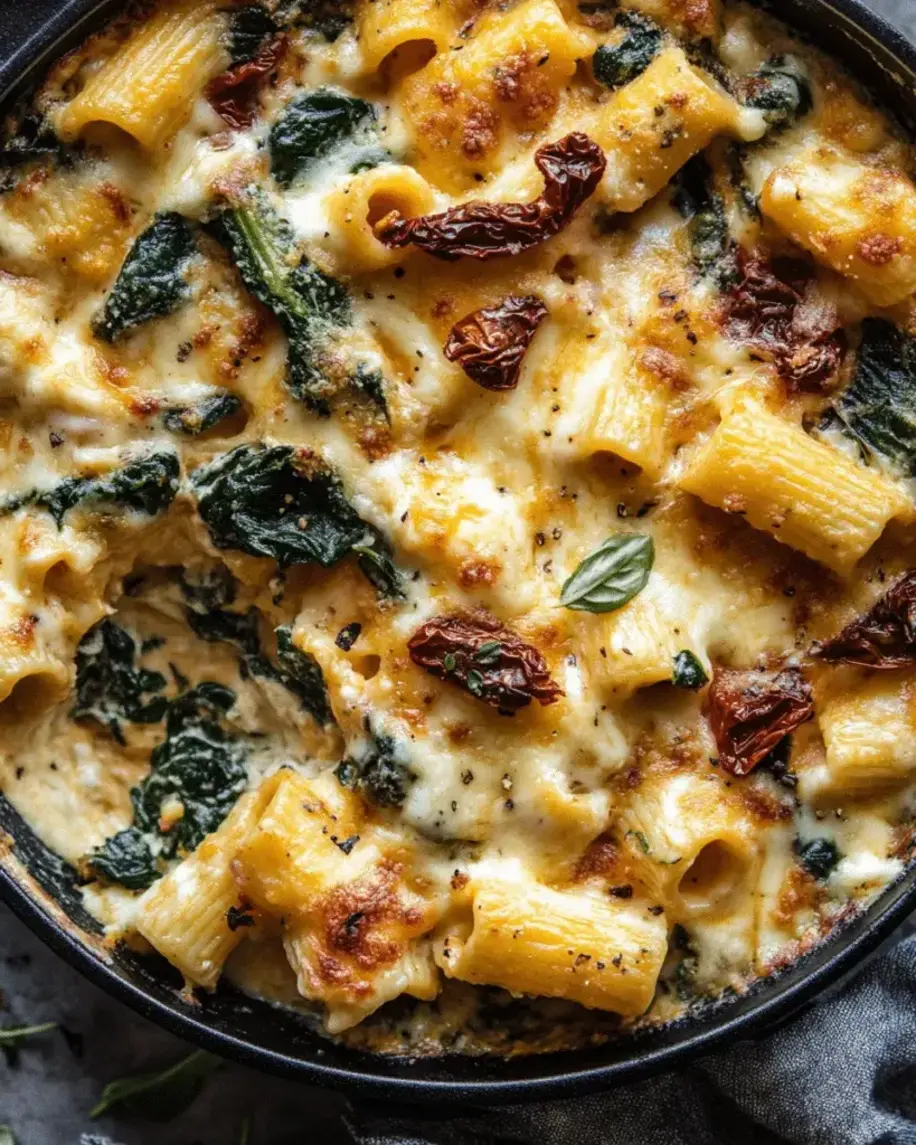
Creamy High-Protein Philly Cheesesteak Mac & Cheese

High-Protein Creamy Philly Cheesesteak Mac & Cheese Bliss: The Ultimate Comfort Food Reimagined

⚖️
Difficulty
Easy
⏲️
Prep Time
15
🕒
Cook Time
25
⏱️
Total Time
40
🍽️
Servings
4-6

My journey from my mother’s bustling kitchen in Morocco, fragrant with spices like cumin and paprika, to the refined culinary schools of Paris, and finally to the vibrant, fast-paced streets of New York City has taught me one thing: comfort food is universal, but it doesn’t have to compromise on nutrition. This is why I’m so thrilled to share my High-Protein Creamy Philly Cheesesteak Mac & Cheese Bliss with you. It takes all the beloved elements of a classic Philly cheesesteak and marries them with the ultimate comfort of mac and cheese, all while boosting the protein content to keep you satisfied and energized. This isn’t your childhood mac and cheese; this is a sophisticated, hearty, and utterly delicious meal perfect for any night of the week.

Imagine tender macaroni coated in a luscious, velvety cheese sauce, interwoven with savory, seasoned ground beef, sweet sautéed onions, and the vibrant crunch of bell peppers. The aroma alone is enough to make your stomach rumble – a rich, cheesy, savory symphony with a hint of smokiness from the paprika and a whisper of heat from chili flakes, reminiscent of the street food carts dotting NYC but elevated with my French sauce-making techniques. Each bite is a creamy, chewy, savory delight that feels indulgent but is packed with good-for-you ingredients, making it the perfect balance of comfort and health.

What makes this recipe truly special is how I’ve managed to pack it with protein without sacrificing an ounce of flavor or that signature gooey cheesesteak essence. I’ll be sharing my secret for a perfectly creamy sauce that never gets grainy, a common kitchen pitfall. Plus, you’ll learn how to swap out ingredients for even more protein power or dietary needs. Get ready for a truly blissful meal that is surprisingly easy to make, even for a weeknight. You’ll master the art of turning a classic into a healthy, protein-packed champion, and I’ll guide you through avoiding one common mistake that can lead to a less-than-creamy sauce.

Why This High-Protein Creamy Philly Cheesesteak Mac & Cheese Bliss Recipe Is the Best

My unique angle on this classic comfort food comes from a blend of my culinary heritage and professional training. In Morocco, we knew how to build layers of flavor with simple ingredients, often using aromatic spices and slow cooking. That foundational understanding of flavor, combined with my French culinary education where mastering sauces is paramount, allows me to create a cheesesteak mac and cheese that is incredibly rich and satisfying, using lean ground beef and wholesome pasta, making it a high-protein delight. I’ve learned to achieve depth of flavor that’s both complex and comforting, ensuring that every mouthful is a delicious experience. This recipe is a testament to how global influences can elevate familiar dishes.

The texture of this dish is where my professional touch truly shines. Achieving that unbelievably creamy, smooth cheese sauce without any graininess is a technique I honed in Parisian kitchens. It involves careful temperature control and the right combination of dairy. Instead of just melting cheese into milk, I use cream cheese and a touch of reserved pasta water to create an emulsified sauce that clings beautifully to every piece of macaroni. This ensures that you get that luscious, velvety coating that makes mac and cheese so irresistible, without any separation or gritty bits.

This recipe is crafted to be incredibly approachable for home cooks, even those who are new to cooking or short on time; it’s my go-to for an easy high-protein pasta dinner. The ingredient list is wholesome and readily available in any US supermarket, and the steps are straightforward, utilizing common techniques like sautéing and simmering. I’ve designed it for busy lives, like the ones we lead here in NYC, making it a foolproof way to get a nutritious, homemade meal on the table in under an hour. It’s proof that delicious, healthy comfort food can be both simple and satisfying.

High-Protein Philly Cheesesteak Mac and Cheese Ingredients

Shopping for these ingredients is part of the fun for me, whether it’s at the Union Square Greenmarket in NYC for the freshest bell peppers or a quick stop at my local grocery store for lean ground beef. My mom always said the quality of your ingredients dictates the soul of your dish, and I truly believe that. Here in New York, we have access to some of the best produce and meats, which makes cooking a joy. I’ve also included some tested substitutions so you can adapt this recipe to what you have on hand or your dietary preferences.

Ingredients List

  • 8 oz Dry Macaroni (Whole wheat or chickpea pasta can be used for extra protein and fiber)
  • 1 lb Lean Ground Beef (Can be swapped with ground turkey or mashed chickpeas for a vegetarian option)
  • 1 cup Chopped White Onion (Yellow onion works well as a substitute)
  • 2 cloves Minced Garlic (Use freshly minced for maximum flavor)
  • 2 cups Bell Peppers (Red, Green & Yellow) (Use any mix based on preference)
  • 2 tablespoons Butter (Olive oil can be used as a healthier alternative)
  • 8 oz Light Cream Cheese (Regular cream cheese can be used for a richer sauce, or a dairy-free cream cheese for a vegan option)
  • 1 cup Shredded Mozzarella (Any favorite melting cheese can substitute, like sharp cheddar or Monterey Jack)
  • 4 slices Light Cheese Slices (Any good melting cheese slice will do, like provolone or American cheese)
  • 1 teaspoon Salt
  • 1 teaspoon Pepper
  • 1 teaspoon Paprika
  • 1/2 teaspoon Chili Flakes (Adjust to taste for a spicy kick)
  • 1/4 cup Fresh Parsley (Optional for garnish, adds a burst of freshness)

Ingredient Spotlight

Lean Ground Beef: This is our primary protein powerhouse. Opt for 90% lean or higher to keep the dish from becoming too greasy. When shopping in the US, you’ll find plenty of options. If you’re looking to reduce fat or go vegetarian, ground turkey cooks similarly and offers a leaner profile. For a plant-based alternative, mashed chickpeas or a plant-based ground crumbles can absorb flavors beautifully, though they won’t impart the same savory depth as beef or turkey. The key is to season it well!

Light Cream Cheese: This is crucial for achieving that signature creamy, luxurious sauce without making it too heavy. I love using light versions whenever possible. When picking it up in the US, look for block-style cream cheese rather than whipped. If you prefer a more decadent sauce, feel free to use regular full-fat cream cheese. For those navigating dairy-free diets, a good quality cashew-based or oat-based cream cheese will work, though the flavor profile will be slightly different.

Bell Peppers: These add a touch of sweetness, color, and a slight crunch that is characteristic of a Philly cheesesteak. I usually grab a mix of red, green, and yellow from my local grocer for visual appeal. If you’re not a fan of raw peppers, you can sauté them a bit longer until they’re very tender. A good substitution would be using pre-roasted red peppers for a smokier, sweeter flavor, or even finely chopped mushrooms for an earthy note.

Macaroni: While traditional macaroni is perfect, don’t shy away from using whole wheat elbows or even chickpea or lentil pasta. These options significantly boost the fiber and protein content of the dish, making it an even healthier and more satisfying meal. When cooking, make sure to follow the package directions precisely to achieve that ideal al dente texture, which is key for the final dish.

Original IngredientBest SubstitutionFlavor / Texture Impact
Lean Ground BeefGround Turkey or Mashed ChickpeasGround turkey is leaner and similar. Chickpeas offer a plant-based option with a softer texture.
Light Cream CheeseRegular Cream Cheese or Dairy-Free Cream CheeseRegular cream cheese yields a richer, more decadent sauce. Dairy-free options vary in creaminess and flavor.
Bell PeppersRoasted Red Peppers or Sliced MushroomsRoasted peppers add smoky sweetness. Mushrooms provide an earthy, umami boost and softer texture.
Dry MacaroniWhole Wheat Pasta or Chickpea PastaWhole wheat adds fiber and nuttiness. Chickpea pasta increases protein and has a slightly different chew.

How to Make High-Protein Creamy Philly Cheesesteak Mac & Cheese Bliss — Step-by-Step

Don’t worry if this is your first time making a creamy cheesesteak pasta bake; the process is quite straightforward and rewarding!

Step 1: Cook the Pasta

Bring a large pot of generously salted water to a rolling boil. Add your macaroni, stirring occasionally to prevent sticking. Cook according to package directions until it’s perfectly al dente – tender but with a slight bite. Before draining, carefully scoop out about 125ml (about ½ cup) of the starchy pasta water and set it aside. Drain the pasta thoroughly and set it aside.

💡 mia’s Pro Tip: Always salt your pasta water generously, much like the sea! This is your primary opportunity to season the pasta itself, which makes a huge difference in the overall flavor of the dish.

Step 2: Sauté Vegetables

While the pasta cooks, melt 1-2 tablespoons of butter (or olive oil) in a large skillet or Dutch oven over medium heat. Add the chopped white onion and bell peppers. Sauté, stirring occasionally, for about 4-5 minutes until they begin to soften and become translucent. Add the minced garlic to the skillet and cook for another minute until fragrant, being careful not to burn it.

⚠️ Common Mistake to Avoid: Don’t rush the sautéing process for the vegetables. Allowing them to soften properly releases their natural sweetness and creates a better texture in the final dish, preventing a harsh, raw onion or pepper flavor.

Step 3: Brown the Beef

Crumble the lean ground beef into the skillet with the softened vegetables. Increase the heat slightly to medium-high and cook, breaking apart the meat with a spoon, until it’s fully browned, about 5-7 minutes. Drain off any excess fat from the skillet. Season the beef and vegetable mixture with salt, pepper, paprika, and chili flakes, stirring well to combine and distribute the spices evenly.

💡 mia’s Pro Tip: Spicing the beef *after* draining the fat ensures the flavors adhere better to the meat and infuses them more deeply, rather than them just washing away with the rendered fat.

Step 4: Create the Creamy Sauce

Reduce the heat to low. Add the light cream cheese, shredded mozzarella, and cheese slices to the skillet. Stir continuously until all the cheeses have melted into a smooth, creamy sauce. This should take about 3-4 minutes. If the sauce seems too thick, you can add a tablespoon or two of the reserved pasta water to help loosen it.

⚠️ Common Mistake to Avoid: Using high heat when melting the cheese can cause it to break or become grainy. Always melt your cheese sauces over low to medium-low heat and stir constantly for the smoothest, most luscious texture.

Step 5: Combine and Coat

Add the drained, cooked macaroni to the skillet with the creamy cheesesteak mixture. Pour in about 60ml (1/4 cup) of the reserved pasta water. Stir everything together gently until the macaroni is evenly coated in the rich, cheesy sauce. If the sauce appears too thick to coat everything beautifully, add more reserved pasta water, a tablespoon at a time, until you reach your desired consistency. Taste and adjust seasoning if needed.

💡 mia’s Pro Tip: The reserved pasta water is liquid gold for creamy sauces! The starch in the water acts as an emulsifier, helping the sauce bind to the pasta and create that perfect, clingy consistency.

StepActionDurationKey Visual Cue
1Cook Pasta8-10 minsAl dente
2Sauté Veggies4-6 minsSoftened and fragrant
3Brown Beef5-7 minsFully browned, fat drained
4Melt Cheese Sauce3-4 minsSmooth and creamy
5Combine1-2 minsEvenly coated pasta

Serving & Presentation

To serve this incredible High-Protein Philly Cheesesteak Mac & Cheese Bliss, I love to dish it up piping hot into shallow bowls. A generous sprinkle of fresh, bright green parsley on top adds a lovely pop of color and a hint of herbaceous freshness that cuts through the richness. It’s a simple garnish that makes a big difference visually, a technique I learned to appreciate in Paris where presentation is key, even for rustic dishes.

This dish is so hearty and complete on its own, but if you want to round out the meal, I have a few favorite pairings that echo the flavors of my NYC home. A simple side salad with a light vinaigrette is always a good idea to add a refreshing contrast. If you’re feeling something more substantial, perhaps some garlic bread or simple roasted broccoli would be wonderful. I also find that a slightly tangy pickled red onion or a dollop of sriracha mayo can add another layer of complexity if you like a bit of tang or spice.

Pairing TypeSuggestionsWhy It Works
Side DishSimple Green Salad with Lemon Vinaigrette, Roasted Broccoli, Garlic BreadThe fresh salad cuts through richness. Broccoli adds fiber and a slight char. Garlic bread offers indulgence.
Sauce / DipSriracha Mayo, Pickled Red Onions, Dijon MustardAdds a kick of heat, a bright tangy contrast to the creamy sauce, or a sharp, savory bite.
BeverageCraft Beer (IPA or Pale Ale), Full-bodied Red Wine (Merlot), Sparkling Water with LimeThe hops in beer complement the savory notes. Red wine balances the richness. Sparkling water offers a refreshing palate cleanser.
GarnishFresh Parsley, Chives, a Drizzle of Hot SauceParsley and chives add freshness and color. Hot sauce for those who love extra heat.

Make-Ahead, Storage & Reheating

As a busy New Yorker, I rely on meals that can be prepped ahead or last for a few days. This Philly cheesesteak mac and cheese is perfect for meal prep! You can cook the pasta and prepare the cheesesteak mixture separately, then combine them when you’re ready to serve, or combine everything and store it. It reheats beautifully, making it ideal for packing lunches or having a quick dinner ready to go.

MethodContainerDurationReheating Tip
RefrigeratorAirtight container3-4 daysGently reheat on stovetop over low heat, adding a splash of milk or reserved pasta water if it seems dry. Alternatively, microwave, stirring halfway.
FreezerFreezer-safe container or heavy-duty freezer bags1-2 monthsThaw overnight in the refrigerator. Reheat as above. Note: texture may be slightly softer after freezing; you can stir in a bit more cream cheese if needed.
Make-AheadAirtight container (separate components or combined)1-2 days prior to servingIf storing components separately, combine and heat through. If combined, reheat gently as directed for refrigerator storage.

When reheating, the stovetop is my preferred method for the best texture. A large skillet works wonderfully. You want to heat it over low to medium-low heat, stirring often, to prevent scorching and to allow the sauce to become creamy again. Adding a small splash of milk or my trusty reserved pasta water can help re-emulsify the sauce if it has thickened too much in the fridge. If you’re microwaving, use a microwave-safe dish and stir every minute or so for even heating. A little patience will bring this delicious pasta dish back to life!

Variations & Easy Swaps

VariationKey ChangeBest ForDifficulty Impact
Lean Ground Turkey or Plant-BasedSwap beef for ground turkey or plant-based crumbles/chickpeas.Lighter meal or vegetarian option.No impact.
Gluten-Free/Dairy-FreeUse GF pasta and dairy-free cream cheese/mozzarella.Dietary restrictions.Slight impact on texture/flavor based on substitutes.
Spicy Chorizo & Roasted PeppersSwap beef for chorizo, add roasted red peppers.Adventurous palates, bold flavors.No impact on difficulty, big flavor change.

Lean Ground Turkey or Plant-Based Powerhouse

For a lighter take, I often swap the lean ground beef for ground turkey. It absorbs all the spices beautifully and makes for an equally satisfying meal. If you’re aiming for a vegetarian or vegan version, experiment with mashed chickpeas or a good quality plant-based ground crumble. When preparing my Moroccan tagines, we often use legumes or finely chopped vegetables as a base, so adapting this dish feels natural, lending a unique texture and flavor profile that’s both hearty and wholesome.

Gluten-Free Dairy-Free Delight

Making this dish gluten-free and dairy-free is completely achievable. Use your favorite gluten-free pasta (rice, corn, or lentil-based work well). For the dairy-free aspect, look for a good quality dairy-free cream cheese and shredded mozzarella alternative – cashew or oat milk-based options tend to melt best. The flavor will be slightly different, but it will still capture the essence of the cheesesteak mac and cheese, proving that dietary needs don’t mean sacrificing comfort food.

Spicy Chorizo and Roasted Red Pepper Twist

For a bolder, spicier flavor profile, try swapping the ground beef for crumbled chorizo sausage. Its inherent spiciness and smoky notes really elevate the dish. I also love to use jarred roasted red peppers, roughly chopped, for an intense, sweet, and smoky flavor that complements the chorizo beautifully. This variation feels right at home in my eclectic NYC culinary experiences, drawing inspiration from the diverse flavors available across the city.

What is the best way to add protein to a classic Philly cheesesteak mac and cheese recipe?

The most straightforward way to boost protein in this dish is by using lean ground beef or ground turkey as I’ve done, which are excellent sources of complete protein. You can also opt for higher-protein pasta, such as whole wheat, chickpea, or lentil-based varieties, which significantly increase the protein and fiber content. For a vegetarian option, incorporating ingredients like mashed chickpeas or even edamame into the cheese sauce can add a protein punch, ensuring a satisfying and nutritious meal that keeps you full for longer.

Can I use ground beef or turkey instead of steak in high-protein mac and cheese?

Absolutely! While a traditional Philly cheesesteak uses thinly sliced steak, ground beef or turkey are fantastic and often more accessible substitutes for a mac and cheese variation. They are easier to cook evenly and distribute throughout the pasta for maximum flavor in every bite. Both ground beef and turkey brown beautifully and absorb the spices and cheese sauce wonderfully, making them perfect for this rich, creamy dish. Ground turkey tends to be a leaner option, while ground beef offers a classic, robust flavor profile.

How do you keep the cream cheese sauce from getting grainy when making creamy mac and cheese?

To prevent a grainy cream cheese sauce, the key is temperature control and ingredient quality. Always use low to medium-low heat when melting cheeses and cream cheese, and stir constantly until smooth. Avoid boiling the sauce, as this can cause the dairy proteins to separate, leading to a grainy texture. Using block-style cream cheese rather than whipped often yields better results. Additionally, incorporating a bit of starchy liquid like reserved pasta water can help emulsify the sauce, keeping it smooth and velvety.

What side dishes go well with a high-protein Philly cheesesteak mac and cheese?

This hearty dish pairs wonderfully with lighter sides that offer a contrast in texture and flavor. A crisp green salad with a bright vinaigrette is a classic choice to cut through the richness. Roasted vegetables like broccoli or asparagus add fiber and a touch of earthiness. For something a bit more comforting, crusty garlic bread is always a hit, or even some simple steamed green beans. The goal is to complement, not compete with, the main dish.

Can I make this high-protein cheesesteak mac and cheese recipe vegetarian?

Yes, you can absolutely make this recipe vegetarian! The best way to substitute the ground beef is by using mashed chickpeas, black beans, or a plant-based ground crumbles. Sauté these ingredients with the vegetables as you would the beef. You might want to add a touch more seasoning, perhaps some smoked paprika or a pinch of cayenne, to compensate for the lack of meat’s savory depth. The creamy cheese sauce will still bring everything together beautifully, creating a satisfying vegetarian meal.

What kind of pasta is best for this healthy mac and cheese high protein recipe?

For this healthy mac and cheese high protein recipe, I recommend using pasta made from whole grains, legumes, or even vegetables. Options like whole wheat elbow macaroni, chickpea pasta, lentil pasta, or even brown rice pasta are excellent choices. They increase the overall protein and fiber content of the dish, making it more filling and nutritious. When cooking, ensure you follow the package instructions carefully to achieve an al dente texture that holds up well in the creamy sauce.

How can I make this recipe spicier?

If you love heat, there are several ways to make this dish spicier! I already include chili flakes in the recipe, but you can easily increase the amount or add a pinch more when seasoning the beef. Consider adding a diced jalapeño pepper along with the bell peppers in step 2 for an immediate kick. For an extra layer of heat and flavor, you could also stir in a generous spoonful of your favorite hot sauce into the cheese sauce in step 4, or serve with a side of Sriracha or a spicy aioli for dipping.

Can I use different types of cheese in this Philly cheesesteak pasta bake?

Absolutely! While mozzarella provides a good melt and mild flavor, and cheese slices (like provolone or American) contribute to creaminess and that classic cheesesteak vibe, feel free to experiment. A sharp cheddar or Monterey Jack can add more robust cheesy flavor. A touch of Gruyère could offer a nutty complexity. Just try to stick with good melting cheeses to ensure a smooth sauce. Remember that stronger cheeses will alter the overall flavor profile, so start with a small addition if you’re unsure.

Share Your Version!

I poured so much love and culinary experience into this High-Protein Creamy Philly Cheesesteak Mac & Cheese Bliss recipe, and I truly hope you enjoy making and eating it as much as I do. If you try it, please consider leaving a star rating and a comment below – your feedback helps me improve and lets other home cooks know if this is a winner for them! I also love seeing your delicious creations on social media; tag me @exorecipe if you share photos on Instagram or even better, pin it to Pinterest!

I’m always curious about how my recipes are adapted in your kitchens. Were you able to achieve that perfect creamy sauce? Did you try any adventurous variations or add your own unique spin? I’d love to hear about it!

From my NYC kitchen to yours — I hope this recipe brings as much warmth to your table as it does to mine. — mia 🧡

📌

Love This Recipe? Save It to Pinterest!

If you enjoyed this High-Protein Creamy Philly Cheesesteak Mac & Cheese Bliss recipe, don’t let it get lost in your browser tabs! 😄 Pin it now so you can find it again anytime — and explore hundreds more tried-and-tested recipes waiting for you on my Pinterest boards.

👉 Follow mia on Pinterest @chefrecipes2

📌 Pin this recipe · 🔁 Re-pin your favorites · 💬 Tag me when you make it — I love seeing your creations!

Print

clock clock iconcutlery cutlery iconflag flag iconfolder folder iconinstagram instagram iconpinterest pinterest iconfacebook facebook iconprint print iconsquares squares iconheart heart iconheart solid heart solid icon

High-Protein Creamy Philly Cheesesteak Mac & Cheese Bliss

  • Author: Chef Mia

Description

A delicious High-Protein Creamy Philly Cheesesteak Mac & Cheese perfect for busy nights, packed with flavor and nutrition.


Ingredients

Scale
  • 8 oz Dry Macaroni (Whole wheat or chickpea pasta can be used)
  • 1 lb Lean Ground Beef (Can be swapped with ground turkey or chickpeas)
  • 1 cup Chopped White Onion (Yellow onion works well as a substitute)
  • 2 cloves Minced Garlic (Use freshly minced for maximum flavor)
  • 2 cups Bell Peppers (Red, Green & Yellow) (Use any mix based on preference)
  • 2 tablespoons Butter (Olive oil can be used as a healthier alternative)
  • 8 oz Light Cream Cheese (Regular cream cheese can be used for a richer sauce)
  • 1 cup Shredded Mozzarella (Any favorite melting cheese can substitute)
  • 4 slices Light Cheese Slices (Any good melting cheese slice will do)
  • 1 teaspoon Salt
  • 1 teaspoon Pepper
  • 1 teaspoon Paprika
  • 1/2 teaspoon Chili Flakes (Adjust to taste)
  • 1/4 cup Fresh Parsley (Optional for garnish)

Instructions

  1. Start by bringing a large pot of salted water to a boil. Add the dry macaroni and cook until al dente, about 8-10 minutes. Reserve approximately 125ml of the pasta water before draining it.
  2. In a large skillet, melt 1-2 tablespoons of butter over medium heat. Add minced garlic, chopped onion, and bell peppers. Sauté for 4-5 minutes until tender and translucent.
  3. Crumble in the lean ground beef, stirring into the vegetables. Cook for 5-7 minutes, breaking apart as it browns. Drain excess fat and season with salt, pepper, paprika, and chili flakes.
  4. Reduce heat to low, stir in light cream cheese, shredded mozzarella, and cheese slices. Stir until melted and creamy, about 3-4 minutes.
  5. Add cooked macaroni and reserved pasta water to the skillet, mixing until all is coated in the creamy sauce. Adjust thickness with more pasta water if necessary.


Nutrition

  • Calories: 500 kcal
  • Sugar: 3 g
  • Fat: 20 g
  • Carbohydrates: 60 g
  • Protein: 30 g


High-Protein Creamy Philly Cheesesteak Mac & Cheese Bliss

ph">For more delicious inspiration, follow me on Pinterest!

Creamy Chicken Sausage Orzo Skillet – 20-Minute One-Pan Dinner

Creamy Chicken Sausage Orzo Skillet: The One-Pan Wonder

⚖️
Difficulty
Easy
⏲️
Prep Time
10
🕒
Cook Time
20
⏱️
Total Time
30
🍽️
Servings
4

Oh, friends, let me tell you about a dish that has become my absolute go-to for those chaotic New York evenings. This Creamy Chicken Sausage Orzo Skillet is a true revelation! It’s the kind of meal that makes you feel like you’ve pulled off some culinary magic, yet it’s so incredibly simple. Growing up in my mother’s kitchen in Morocco, we always had one-pot wonders that were bursting with flavor and warmth. This recipe, with its rich, creamy texture and satisfying bite, reminds me of those comforting meals, but with a distinctly modern, New York twist. It’s packed with savory chicken sausage, tender orzo pasta, and vibrant spinach, all coming together in a symphony of deliciousness that’s ready in under 30 minutes. This one pan creamy orzo isn’t just a recipe; it’s a weeknight savior!

Imagine this: the irresistible aroma of garlic and Italian chicken sausage, seared to perfection, filling your kitchen. As you stir in the dry orzo, it toasts slightly, nutty and promising. Then, the magic happens as chicken broth and a touch of creamy coconut milk (or heavy cream, if you prefer!) transform into a luscious sauce that envelops every grain of orzo. The spinach wilts in, adding a pop of color and freshness, and a generous sprinkle of Parmesan cheese brings it all together. It’s a beautiful dance of textures and tastes – the slight chew of the orzo, the tender sausage, the subtle bite of spinach, all coated in that dreamy, savory sauce. It’s the comforting hug in a bowl that I crave after a long day at the market scouting the freshest ingredients.

I’ve refined this classic concept over years of cooking in professional kitchens and creating recipes for you, my amazing readers. My French training taught me the importance of balanced flavors and a silky sauce, and that’s exactly what we’ve achieved here. While many recipes for a chicken sausage orzo skillet can be hit or miss, this one is foolproof. I’ve included a special technique to toast the orzo for maximum flavor and I’ve identified a common pitfall that can lead to mushy pasta – something we will absolutely avoid! Get ready for a truly exceptional experience, because this recipe is designed to be your new favorite easy chicken sausage dinner.

Why This Creamy Chicken Sausage Orzo Skillet Recipe Is the Best

The secret to this truly spectacular creamy chicken sausage orzo skillet lies in the depth of flavor I coax out of simple ingredients. My Moroccan heritage instilled in me a love for layering spices and aromatics, while my Parisian culinary education taught me the art of creating emulsified sauces. By toasting the orzo and carefully balancing the savory, creamy, and herby notes in the broth, I’ve elevated this simple pasta dish into something truly special. It’s this unique blend of foundational techniques and bold, comforting flavors that makes my recipe stand out, offering a taste that’s both familiar and excitingly new.

From a chef’s perspective, the key to perfectly cooked orzo in a one-pan dish is managing the liquid absorption and cooking time. Many home cooks accidentally overcook orzo, resulting in a mushy texture. I’ve meticulously tested the ratio of broth to orzo and the simmering time to ensure each kernel is tender yet retains a slight bite. Plus, the high heat from searing the sausage and sautéing the garlic early on builds a crucial flavor base (fond) at the bottom of the skillet, which is then deglazed and incorporated back into the sauce, adding incredible complexity.

This one pan creamy orzo recipe promises a restaurant-quality meal with minimal effort. It’s ideal for busy weeknights because it requires only one skillet, dramatically cutting down on cleanup. You don’t need advanced culinary skills—just a willingness to follow a few simple steps. The ingredient list is accessible, and the cooking process is straightforward, making it perfect for beginner cooks and seasoned home chefs alike. It’s proof that a delicious, comforting, and impressive meal doesn’t have to be complicated or time-consuming.

Creamy Chicken Sausage Orzo Skillet Ingredients

Sourcing the best ingredients is always my first step, whether I’m at the Union Square Greenmarket here in NYC or imagining my mother’s pantry back home. For this creamy chicken sausage orzo skillet, I love using a good quality spicy Italian chicken sausage – it adds a fantastic kick and rich flavor without being overpowering. Fresh garlic is non-negotiable for that bright aroma, and good quality chicken broth forms the backbone of our creamy sauce. I usually grab my orzo and canned coconut milk from my local Whole Foods, but any good supermarket will do!

Ingredients List

  • 1 tbsp olive oil
  • 12 oz spicy Italian chicken sausage (sliced)
  • 6 cloves garlic (minced)
  • 1 cup orzo (dry)
  • 2 cups low sodium chicken broth
  • 1/4 cup full-fat canned coconut milk (or heavy cream)
  • 1 Tbsp low sodium soy sauce
  • 1 tsp onion powder
  • 1/2 tsp red pepper flakes
  • 1/2 tsp black pepper
  • 1/4 tsp salt
  • 1 tsp fresh or dried thyme
  • 1/2 cup freshly grated parmesan cheese
  • 2 cups baby spinach leaves

Ingredient Spotlight

Spicy Italian Chicken Sausage: This is your flavor powerhouse. Look for brands made with chicken as the primary ingredient. The spice blend in Italian sausage provides a wonderful warmth that complements the creamy orzo beautifully. Don’t be afraid of a little heat; it balances the richness.

Dry Orzo: This tiny, rice-shaped pasta is perfect for one-pan meals because it cooks quickly and absorbs liquid to create a creamy texture without needing to be pre-cooked. Ensure you use dry orzo and not cooked pasta.

Full-Fat Canned Coconut Milk: This is my secret to achieving a luxurious, dairy-free creaminess that’s both rich and light. It blends seamlessly into the sauce. Shaking the can well before opening is key to incorporating its solids and liquids.

Original IngredientBest SubstitutionFlavor / Texture Impact
Spicy Italian Chicken SausageMild Italian Chicken Sausage or Crumbled Italian Chicken Sausage PattiesLess heat, some spice notes remain. Crumbles might require slightly longer cooking to brown.
Full-Fat Canned Coconut MilkHeavy Cream or Half-and-HalfAdds a classic dairy richness; the dish will be less dairy-free and potentially a touch heavier.
Baby Spinach LeavesChopped Kale (add earlier with broth) or Swiss ChardKale will require longer cooking to soften. Swiss chard offers a similar texture and slightly earthier flavor.

How to Make Creamy Chicken Sausage Orzo Skillet — Step-by-Step

This one-pan meal comes together in a flash, and by following these simple steps, you’ll achieve creamy, dreamy perfection every time.

Step 1: Sear the Sausage and Sauté Garlic

Drizzle olive oil into a large, 12-inch skillet over medium-high heat. Add the sliced chicken sausage and cook until it’s nicely browned and cooked through, about 6 to 7 minutes. This browning adds incredible depth of flavor. Then, add the minced garlic and sauté for about 30 seconds until fragrant. Be very careful not to burn the garlic, as it can turn bitter.

💡 mia’s Pro Tip: For the best color and flavor, make sure your skillet is hot before adding the sausage, and don’t overcrowd the pan. If necessary, cook the sausage in batches.

Step 2: Toast Orzo and Build the Sauce

Add the dry orzo directly into the skillet with the sausage and garlic. Toast it for about 60 seconds, stirring constantly, until it smells slightly nutty. This toasting step is crucial for developing a wonderful, subtle flavor in your orzo. Pour in the chicken broth to deglaze the pan, scraping up any browned bits from the bottom. Then, stir in the coconut milk (or heavy cream), soy sauce, onion powder, red pepper flakes, black pepper, salt, and thyme. Mix everything well.

Step 3: Simmer Orzo to Perfection

Bring the orzo mixture to a boil, then immediately reduce the heat to low, cover the skillet, and let it simmer gently for 10 to 12 minutes. It’s important to stir occasionally to prevent the orzo from sticking to the bottom of the pan. The orzo is ready when it’s tender to the bite and most of the liquid has been absorbed, creating a thick, creamy sauce.

⚠️ Common Mistake to Avoid: Don’t uncover the pan and stir vigorously too often during simmering, as this can release steam and prevent the orzo from cooking evenly in the liquid. Stir just enough to keep it from sticking.

Step 4: Wilt Spinach and Add Cheese

Once the orzo is tender and most of the liquid is absorbed, stir in the baby spinach leaves. They will wilt down quickly in the residual heat. Finally, mix in the freshly grated Parmesan cheese until it melts into the sauce, making it even creamier and more delicious. Taste and adjust seasoning with additional salt and pepper if needed before serving this fantastic creamy orzo skillet!

StepActionDurationKey Visual Cue
1Sear Sausage & Sauté Garlic~7-8 minutesGolden brown sausage; fragrant garlic.
2Toast Orzo & Build Sauce~1 minuteOrzo lightly toasted; all liquids combined.
3Simmer Orzo10-12 minutesOrzo tender, sauce thickened.
4Wilt Spinach & Add Cheese~1-2 minutesSpinach wilted; cheese melted and creamy.

Serving & Presentation

To serve this delightful creamy chicken sausage orzo skillet, I love to dish it out directly from the skillet for a rustic, communal feel. For a touch of elegance, spoon it into shallow bowls. A generous sprinkle of fresh parsley or chives adds a vibrant pop of green and a burst of freshness that cuts through the richness. This dish is so complete on its own, but I often see guests reaching for a side salad, especially at my dinner parties here in NYC, where fresh, crisp greens are always appreciated, reminiscent of the simple, elegant salads we enjoyed in Paris.

The savory notes of the Italian chicken sausage and the umami from the Parmesan cheese make it a perfect canvas for a variety of pairings. A simple side salad with a bright vinaigrette is always a winner, providing a refreshing contrast. Crusty bread is fantastic for soaking up any leftover creamy sauce, a habit I picked up from my grandmother’s kitchen where nothing was ever wasted. And for a beverage, a crisp white wine like a Pinot Grigio or a light-bodied red like a Beaujolais would complement the dish beautifully without overpowering it.

Pairing TypeSuggestionsWhy It Works
Side DishSimple Mixed Greens Salad with Lemon Vinaigrette, Garlic Bread, Steamed AsparagusA crisp salad balances the richness; garlic bread is perfect for sauce; asparagus adds fresh green flavor.
Sauce / DipNone needed; Extra Parmesan Cheese, Red Pepper Flakes (for spice lovers)The dish is already saucy and flavorful. Extra cheese or spice is purely for personal preference.
BeverageCrisp White Wine (Pinot Grigio, Sauvignon Blanc), Light-Bodied Red Wine (Beaujolais), Sparkling Water with LemonCut through the creaminess or complement the savory notes without being too heavy.
GarnishFresh Parsley (chopped), Fresh Chives (chopped), Pinch of Red Pepper FlakesAdds freshness, color, and an extra layer of subtle flavor or a hint of heat.

Make-Ahead, Storage & Reheating

In my busy NYC life, meal prep is a lifesaver, and this creamy chicken sausage orzo skillet is perfect for it. I often make a double batch on Sunday to have delicious lunches throughout the week. The key is how you store and reheat it to maintain that creamy texture and best flavor.

MethodContainerDurationReheating Tip
RefrigeratorAirtight container3-4 daysGently reheat on the stovetop over low heat, adding a splash of broth or water if it seems too thick. Stir frequently.
FreezerFreezer-safe airtight container or heavy-duty resealable bag1-2 monthsThaw overnight in the refrigerator. Then, gently reheat on the stovetop with a bit of added liquid, as above. The texture might be slightly less creamy than fresh.
Make-AheadCook completely, cool, then refrigerate.Can be made up to 3 days in advance.Reheat as for refrigerator storage. Add the spinach and Parmesan fresh at the end of reheating for the best texture, if you have time.

When reheating, my best advice is to use a non-stick skillet over low heat. The stovetop method is much better than the microwave, which can sometimes make the orzo gummy. Be patient and keep stirring gently; adding a tablespoon of chicken broth or even water can help loosen things up and bring back that lovely creamy consistency. If you add the Parmesan cheese fresh when reheating, it will melt beautifully and give it that just-made creaminess.

Variations & Easy Swaps

VariationKey ChangeBest ForDifficulty Impact
Hearty and SpicyUse hot Italian chicken sausage, add a pinch more red pepper flakes, maybe some diced bell peppers with the onions.Those who love a kick!Easy
Gluten-Free & Dairy-FreeUse GF orzo, omit Parmesan (or use nutritional yeast), ensure sausage is GF. Coconut milk is already dairy-free.Dietary restrictions/preferences.Easy to Moderate
Seasonal Veggie BoostAdd chopped zucchini in spring, cherry tomatoes in summer, or Brussels sprouts in fall with the sausage.Adding seasonal flair.Easy

Hearty and Spicy Variation

For those who love a bit more heat and depth, I recommend switching to a hot Italian chicken sausage. You can also boost the spice by adding an extra pinch of red pepper flakes (or even a dash of harissa, a nod to my Moroccan roots!). If you have them on hand, sautéing some diced bell peppers or onions along with the sausage will add even more substance and flavor to this dish. It’s a wonderfully hearty variation perfect for cooler evenings.

Gluten-Free & Dairy-Free Creamy Orzo

To make this creamy orzo skillet gluten-free, simply swap out the regular orzo for a certified gluten-free version – rice-based orzo works well. For a dairy-free option, the recipe already calls for coconut milk, which is fantastic! If you miss the cheesy flavor, a sprinkle of nutritional yeast stirred in at the end can provide a similar savory, umami note. Always double-check your chicken sausage to ensure it’s gluten-free and dairy-free, as some varieties can contain hidden ingredients.

Seasonal Veggie Boost

One of my favorite parts of cooking in New York is the incredible array of seasonal produce at our local markets. In the spring, I love adding chopped asparagus or peas during the last few minutes of simmering. During the summer, cherry tomatoes halved and added with the spinach bring a burst of freshness. For a fall or winter twist, I’ll often sauté some diced butternut squash or Brussels sprouts alongside the sausage. These additions make the dish even more vibrant and nutritious.

Can I use a different type of sausage in this creamy chicken sausage orzo skillet?

Absolutely! While spicy Italian chicken sausage is my favorite for its flavor profile, you can certainly use other types. Mild Italian chicken sausage, apple chicken sausage, or even turkey sausage would work for this creamy chicken sausage orzo skillet. If you use a sausage that isn’t pre-cooked, ensure it’s fully browned and cooked through before proceeding with the recipe. For a bolder flavor, though, I highly recommend sticking with Italian varieties.

How do I keep the orzo from getting too mushy in a one-pot skillet recipe?

To prevent mushy orzo in any one-pot skillet recipe, precise liquid measurement and cooking time are key. For this creamy chicken sausage orzo skillet, I recommend using a standard 1-cup measurement for dry orzo and 2 cups of chicken broth. Avoid adding extra liquid unless absolutely necessary. Also, stir the orzo occasionally to prevent sticking, but don’t over-stir or overcook. The orzo should be al dente when it’s done, absorbing most but not all of the liquid, which then creates the creamy sauce.

What can I substitute for heavy cream in this creamy chicken sausage orzo dish?

If you don’t have heavy cream, full-fat canned coconut milk is my top recommendation for this creamy chicken sausage orzo dish, as it provides wonderful richness without dairy. Other good substitutes include half-and-half, which will be slightly less rich than heavy cream. You could also try evaporated milk. For a lighter option, a higher-fat milk like whole milk, or even a non-dairy creamer (like oat or soy based, unsweetened), can work in a pinch, though they won’t offer the same level of creaminess.

How long does it take to cook this creamy chicken sausage orzo skillet from start to finish?

This creamy chicken sausage orzo skillet is designed to be a quick weeknight meal! From start to finish, including prep time (about 10 minutes for slicing sausage and mincing garlic) and cook time (about 20 minutes), the entire process takes approximately 30 minutes. This makes it an ideal choice for busy evenings when you need a delicious and satisfying meal on the table in a hurry. It’s one of the reasons I adore this one-pan wonder so much!

Can I make this chicken sausage orzo skillet with other types of pasta?

While orzo is specifically shaped to absorb the liquid and create a creamy texture similar to risotto, you can experiment with other small pasta shapes. Ditalini, small shells, or elbow macaroni might work. However, you’ll need to adjust the amount of liquid and cooking time accordingly, as different pasta shapes absorb liquid at different rates. I find orzo to be the absolute best for achieving that perfect creamy consistency in this particular skillet recipe.

What is the best way to store leftovers of this creamy orzo skillet?

Leftovers of this creamy chicken sausage orzo skillet are best stored in an airtight container in the refrigerator for up to 3-4 days. When storing, try to cool it completely before covering. This helps prevent condensation and preserves the texture. When you’re ready to reheat, it’s ideal to do so on the stovetop over low heat, adding a splash of broth or water to loosen it up and restore its creamy consistency, as it can thicken considerably when refrigerated.

Share Your Version!

I pour my heart and soul into developing these recipes for you, and nothing makes me happier than seeing your creations! If you’ve made this Creamy Chicken Sausage Orzo Skillet, please consider leaving a star rating and a comment below. Your feedback helps other cooks immensely! I’d also be thrilled if you shared a photo of your dish on Instagram or Pinterest and tagged me @exorecipes – I love to see how you’re enjoying my recipes. I’m always curious to hear: what’s your favorite way to add a personal touch to a one-pan meal?

From my NYC kitchen to yours — I hope this recipe brings as much warmth to your table as it does to mine. — mia 🧡

📌

Love This Recipe? Save It to Pinterest!

If you enjoyed this Creamy Chicken Sausage Orzo Skillet recipe, don’t let it get lost in your browser tabs! 😄 Pin it now so you can find it again anytime — and explore hundreds more tried-and-tested recipes waiting for you on my Pinterest boards.

👉 Follow mia on Pinterest @chefrecipes2

📌 Pin this recipe · 🔁 Re-pin your favorites · 💬 Tag me when you make it — I love seeing your creations!

Print

clock clock iconcutlery cutlery iconflag flag iconfolder folder iconinstagram instagram iconpinterest pinterest iconfacebook facebook iconprint print iconsquares squares iconheart heart iconheart solid heart solid icon

Creamy Chicken Sausage Orzo Skillet

  • Author: Chef Mia

Description

This Creamy Chicken Sausage Orzo Skillet is the perfect weeknight meal loaded with flavorful chicken sausage, tender orzo, tons of garlic and leafy spinach easily made in just 20 minutes all in one pan!


Ingredients

Scale
  • 1 tbsp olive oil
  • 12 oz spicy Italian chicken sausage (sliced)
  • 6 cloves garlic (minced)
  • 1 cup orzo (dry)
  • 2 cups low sodium chicken broth
  • 1/4 cup full-fat canned coconut milk (or heavy cream)
  • 1 Tbsp low sodium soy sauce
  • 1 tsp onion powder
  • 1/2 tsp red pepper flakes
  • 1/2 tsp black pepper
  • 1/4 tsp salt
  • 1 tsp fresh or dried thyme
  • 1/2 cup freshly grated parmesan cheese
  • 2 cups baby spinach leaves

Instructions

  1. Drizzle olive oil in a large skillet over medium-high heat and cook the chicken sausage until browned and cooked through, about 6 to 7 minutes. Add in minced garlic and sauté for about 30 seconds, until fragrant, being careful not to burn it.
  2. Add in the dry orzo and toast in the pan along with the chicken sausage and garlic for about 60 seconds. Pour in the chicken broth to deglaze the pan then add in the coconut milk, soy sauce, seasonings and fresh thyme, mixing well.
  3. Bring the orzo mixture to a boil then turn the heat down, cover and let the orzo simmer for 10 to 12 minutes, making sure to stir occasionally so that the orzo doesnt stick to the bottom of the pan. Orzo is ready once it is tender and most of the liquid has been absorbed.
  4. Stir in the spinach leaves and cook until they are wilted then mix in the freshly grated parmesan cheese. Taste and season with additional salt and pepper, if needed, and enjoy this creamy orzo skillet!


Nutrition

  • Calories: 358 kcal
  • Sugar: 1.7 g
  • Fat: 16.2 g
  • Carbohydrates: 28.9 g
  • Protein: 27 g


Creamy Chicken Sausage Orzo Skillet

ph">For more delicious inspiration, follow me on Pinterest!