Baked Rosemary Chicken Meatballs with Mushroom Tomato Orzo – A Rustic One-Pan Comfort Meal

⚖️
Difficulty
Easy
⏲️
Prep Time
20 mins
🕒
Cook Time
30 mins
⏱️
Total Time
50 mins
🍽️
Servings
4

I still remember the first time I made these baked rosemary chicken meatballs in my tiny NYC walk-up kitchen. The aroma of fresh rosemary and garlic filled every corner of that apartment, and my then-neighbor knocked on the door asking what on earth smelled so incredible. That moment reminded me of my mother’s kitchen in Morocco, where fresh herbs were never an afterthought — they were the soul of every dish. This mushroom tomato orzo recipe takes me right back to those afternoons, except now I’m blending that North African warmth with the French technique I learned in Paris and the bold, rustic flavors I’ve come to love in New York. The result is a one-pan meal that’s both elegant and deeply comforting.

Imagine biting into a tender, juicy chicken meatball that’s been kissed by the oven until golden brown, with the unmistakable fragrance of rosemary running through every bite. Now pair that with creamy orzo that’s been simmered in a rich tomato broth with earthy cremini mushrooms — each grain plump and silky, soaking up all that savory goodness. The mushrooms bring an umami depth that makes this dish feel incredibly satisfying, while the tomatoes keep it bright and balanced. It’s the kind of meal that fills your kitchen with the kind of aroma that makes everyone wander in and ask, “What’s for dinner?”

I’ve tested this chicken meatballs with orzo combination more times than I can count, and I’m thrilled to share my definitive version with you. The secret lies in two things: first, baking the meatballs instead of frying them — it keeps them incredibly moist without the mess. Second, building the orzo base with the same rosemary and garlic so the whole dish sings in harmony. One common mistake I see is overmixing the ground chicken, which turns meatballs dense and tough. I’ll show you exactly how to avoid that. From my Paris-trained technique to my mother’s love for fresh herbs — this recipe is built to work beautifully in any home kitchen.

Why This Baked Rosemary Chicken Meatballs Recipe Is the Best

The flavor secret here is the double dose of fresh rosemary — once in the meatballs and once in the orzo. That may sound simple, but it’s a chef’s trick for creating a cohesive dish where every bite echoes the same herbaceous note. In Paris, I learned that layering the same aromatic ingredient across components of a dish builds what the French call “harmonie” — a seamless flavor thread that ties everything together. The rosemary doesn’t overpower; it perfumes the meatballs from the inside while the orzo absorbs it from the broth. It’s subtle, sophisticated, and absolutely delicious.

Texture is where this mushroom tomato orzo recipe truly shines. By baking the meatballs at 400°F, you get a beautiful golden crust on the outside while the inside stays tender and juicy — no stovetop splatter, no uneven browning. The orzo is cooked just until al dente, then allowed to rest and absorb the remaining liquid, so every grain is creamy but still holds its shape. The mushrooms are browned first to develop that deep, nutty flavor before the liquid goes in. That browning step is non-negotiable in my kitchen — it’s the difference between a good dish and a great one.

This baked chicken meatballs recipe is also foolproof for busy weeknights. You don’t need to stand over a skillet flipping meatballs — the oven does the work while you prepare the orzo on the stovetop. The entire meal comes together in about 50 minutes, with most of that time being hands-off. Whether you’re a seasoned cook or someone who’s still building confidence in the kitchen, the clear steps and visual cues in this recipe will guide you to a result that looks and tastes like you spent hours perfecting it. That’s the kind of cooking I believe in — smart techniques that make everyone feel like a pro.

Baked Rosemary Chicken Meatballs Ingredients

I source my ground chicken from the farmers market at Union Square when I can — the flavor difference is remarkable. But any good-quality ground chicken from the grocery store will work beautifully here. The mushrooms I usually grab from the Greenmarket or the produce aisle: cremini are my go-to for their earthy depth, but you’ll see in the table below what swaps work well. And the rosemary? I grow a small pot on my fire escape — it thrives in NYC summers and reminds me of the herb gardens in Morocco.

Ingredients List

  • For the Meatballs:
  • 1 lb ground chicken
  • 1/2 cup breadcrumbs
  • 1/4 cup grated Parmesan cheese
  • 1 large egg, lightly beaten
  • 2 cloves garlic, minced
  • 2 tablespoons fresh rosemary, finely chopped
  • 1 teaspoon salt
  • 1/2 teaspoon black pepper
  • 2 tablespoons olive oil (for drizzling)
  • For the Mushroom Tomato Orzo:
  • 1 cup orzo pasta
  • 8 oz cremini mushrooms, sliced
  • 1 can (14.5 oz) diced tomatoes
  • 1/2 cup chicken broth
  • 2 cloves garlic, minced
  • 2 tablespoons fresh rosemary, chopped
  • 2 tablespoons olive oil
  • 1/2 teaspoon salt
  • 1/4 teaspoon red pepper flakes (optional)

Ingredient Spotlight

Each ingredient in this baked rosemary chicken meatballs recipe plays a specific role. Here’s what to look for at the store and how to swap smartly if needed.

Original IngredientBest SubstitutionFlavor / Texture Impact
Ground ChickenGround Turkey (93/7 lean)Slightly leaner, still juicy; flavor is very similar
Fresh RosemaryDried rosemary (1 tbsp, crushed) or 2 tsp dried thymeDried is more concentrated; flavor will be slightly less bright
Orzo PastaDitalini, stelline, or small elbow macaroniSimilar shape and cooking time; slightly different mouthfeel
Cremini MushroomsWhite button mushrooms or shiitake (stemmed)Button are milder; shiitake add deeper umami
Parmesan CheesePecorino Romano (dairy-free: use vegan Parmesan or omit)Pecorino is saltier and sharper; omitting reduces richness

How to Make Baked Rosemary Chicken Meatballs with Mushroom Tomato Orzo — Step-by-Step

I’ve designed this mushroom tomato orzo recipe so that the meatballs bake while the orzo simmers — both finish around the same time, making for a seamless dinner experience. Let’s walk through each step with the details that matter.

Step 1: Preheat and Prep

Set your oven to 400°F (200°C). Line a baking sheet with parchment paper — this makes cleanup effortless and prevents the meatballs from sticking. I like to use a heavy-duty sheet for even heat distribution.

💡 mia’s Pro Tip: Parchment paper is your best friend here. Avoid wax paper — it will burn at this temperature. If you don’t have parchment, lightly oil the baking sheet instead.

Step 2: Mix the Meatballs

In a large bowl, combine 1 lb ground chicken, 1/2 cup breadcrumbs, 1/4 cup grated Parmesan, 1 lightly beaten egg, 2 minced garlic cloves, 2 tablespoons finely chopped fresh rosemary, 1 teaspoon salt, and 1/2 teaspoon black pepper. Use your hands or a fork to mix until just combined — overmixing will make the meatballs tough.

⚠️ Common Mistake to Avoid: Mixing the ground chicken too vigorously. Stir just until the ingredients are evenly distributed — about 20 seconds. Overworking the meat releases too much protein, resulting in dense, rubbery meatballs.

Step 3: Shape and Drizzle

Shape the mixture into 1-inch meatballs (about 1.5 tablespoons each) and place them on the prepared baking sheet, leaving a little space between each. Drizzle with 2 tablespoons olive oil, rolling them gently to coat — this helps them brown beautifully in the oven.

💡 mia’s Pro Tip: For evenly sized meatballs, use a small cookie scoop or measure with a spoon. Uniform size ensures they all cook at the same rate — no undercooked or overcooked ones.

Step 4: Bake the Meatballs

Bake for 18–20 minutes, until the meatballs are golden brown and cooked through. The internal temperature should reach 165°F (74°C) on an instant-read thermometer. Let them rest on the baking sheet while you finish the orzo.

⚠️ Common Mistake to Avoid: Skipping the temperature check. Visual cues can be misleading with ground chicken — always use a thermometer to confirm doneness. Insert it into the center of a meatball for the most accurate reading.

Step 5: Brown the Mushrooms

While the meatballs bake, heat 2 tablespoons olive oil in a large skillet over medium heat. Add 8 oz sliced cremini mushrooms and cook without stirring too often for about 5 minutes, until they’re deep golden brown. This browning is where the magic happens — it creates that savory, umami flavor that makes this dish so satisfying.

💡 mia’s Pro Tip: Don’t crowd the mushrooms. If your skillet is small, cook them in two batches. Mushrooms release moisture as they cook — if they’re too close together, they’ll steam instead of brown. Give them room to breathe.

Step 6: Aromatics

Add 2 minced garlic cloves and 2 tablespoons chopped fresh rosemary to the skillet with the mushrooms. Cook for 1 minute, stirring constantly, until the garlic is fragrant but not browned. This quick bloom releases the essential oils and sets the flavor foundation for the orzo.

⚠️ Common Mistake to Avoid: Burning the garlic. Garlic cooks very quickly — once you smell it, it’s ready. If the skillet seems too dry, add a splash of olive oil before the garlic to prevent scorching.

Step 7: Simmer the Orzo

Stir in 1 can (14.5 oz) diced tomatoes (with their juices), 1/2 cup chicken broth, and 1 cup orzo pasta. Bring the mixture to a simmer, then reduce the heat to low, cover, and cook for 10–12 minutes, stirring occasionally to prevent sticking. The orzo is done when it’s tender and most of the liquid has been absorbed.

💡 mia’s Pro Tip: Stir the orzo every 2–3 minutes, especially toward the end of cooking. Orzo releases starch as it cooks, which can cause it to stick to the bottom of the pan. A quick stir each time ensures even cooking and a creamy texture.

Step 8: Season and Serve

Season the orzo with 1/2 teaspoon salt and, if you like a little heat, 1/4 teaspoon red pepper flakes. Taste and adjust the salt as needed. Serve the baked rosemary chicken meatballs over the mushroom tomato orzo, spooning any remaining sauce from the skillet over the top.

⚠️ Common Mistake to Avoid: Forgetting to taste before serving. Canned tomatoes vary in salt content, and the Parmesan in the meatballs adds salt too. Always give the orzo a final taste and adjust the seasoning — this is the difference between a good dish and a great one.

StepActionDurationKey Visual Cue
1Preheat oven, line sheet5 minOven reaches 400°F
2Mix meatball ingredients5 minEvenly combined, not overmixed
3Shape meatballs, drizzle oil10 minUniform 1-inch balls
4Bake meatballs18–20 minGolden brown, 165°F internal
5Brown mushrooms5 minDeep golden edges
6Cook garlic and rosemary1 minFragrant, garlic not brown
7Simmer orzo with tomatoes and broth10–12 minOrzo tender, liquid absorbed
8Season and serve2 minMeatballs atop orzo

Serving & Presentation

When I serve this baked rosemary chicken meatballs dish in my home, I like to pile the mushroom tomato orzo onto a large, shallow serving platter and nestle the meatballs right on top. A final sprinkle of fresh rosemary and a grating of Parmesan cheese adds that chef’s touch that makes it feel special. If I’m feeling nostalgic for Morocco, I’ll add a small pinch of cinnamon or cumin to the orzo — it’s not traditional in Italian-American cooking, but the warmth is absolutely gorgeous with the rosemary and mushrooms.

This chicken meatballs with orzo recipe is substantial enough to be a complete meal on its own, but it pairs beautifully with a simple arugula salad dressed with lemon and olive oil. The peppery greens cut through the richness of the dish and add a fresh, bright note. A glass of medium-bodied red wine, like a Pinot Noir or a light Chianti, is my go-to pairing — it complements the tomato and mushroom notes without overwhelming the rosemary.

Pairing TypeSuggestionsWhy It Works
Side DishArugula salad with lemon vinaigrette, roasted asparagus, garlic green beansBright, fresh flavors balance the rich, savory orzo and meatballs
Sauce / DipExtra virgin olive oil with lemon juice, tzatziki, simple basil pestoAdds a layer of freshness or creaminess that complements the herbs
BeveragePinot Noir, light Chianti, dry rosé, sparkling water with lemonMedium-bodied wines with bright acidity match the tomatoes and herbs
GarnishFresh rosemary sprigs, grated Parmesan, flaky sea salt, lemon zestAdds visual appeal and a final burst of flavor and aroma

Make-Ahead, Storage & Reheating

Living in New York City means my schedule can be unpredictable, so I often make this baked rosemary chicken meatballs recipe on a Sunday evening and enjoy it throughout the week. The flavors actually deepen and meld beautifully overnight, making leftovers something to genuinely look forward to. Here’s exactly how I store and reheat each component.

MethodContainerDurationReheating Tip
RefrigeratorAirtight container (meatballs and orzo stored together)Up to 3 daysReheat in a covered skillet over medium-low with 1–2 tbsp water or broth to loosen the orzo
FreezerFreezer-safe container or zip-top bag (meatballs and orzo in separate bags)Up to 2 monthsThaw overnight in the refrigerator, then reheat in a skillet with a splash of broth
Make-AheadPrepare meatball mixture and orzo base separatelyMeatball mix: 1 day in advance; orzo: 2 days in advanceKeep meatball mixture covered in the fridge; cook orzo just until al dente, then cool and refrigerate

For reheating, I’ve found that the orzo can absorb additional liquid as it sits, so adding a small splash of chicken broth or even water when reheating brings it back to that creamy, silky consistency. The meatballs reheat beautifully in the same skillet — just cover and warm gently to keep them from drying out. I don’t recommend microwaving the meatballs alone, as they can become tough. Instead, reheat everything together in a covered pan over medium-low heat for about 5–7 minutes, stirring the orzo once or twice.

If you’re meal-prepping this mushroom tomato orzo recipe for the week, I recommend storing the meatballs and orzo together in one container. They’ll marinate in each other’s flavors, and the orzo will stay tender. For freezing, separate them — the orzo freezes well but can become slightly softer, so I prefer to freeze the meatballs on their own and make fresh orzo when I’m ready to serve. That said, I’ve frozen the full dish many times with great results; just be gentle during reheating.

Variations & Easy Swaps

One of the things I love most about this baked chicken meatballs recipe is how adaptable it is. Whether you’re cooking for dietary needs or just want to change things up, these variations have all been tested in my kitchen — and they’re all delicious.

VariationKey ChangeBest ForDifficulty Impact
Moroccan SpicedAdd 1 tsp cumin, 1/2 tsp cinnamon, and 1/4 tsp turmeric to meatballs; swap rosemary for cilantro in orzoAdventurous palates, fusion loversSame (Easy)
Gluten-Free / Dairy-FreeUse gluten-free breadcrumbs or almond flour; omit Parmesan or use vegan substitute; use gluten-free orzoGluten-free or dairy-free dietsSame (Easy)
Spring VegetableAdd 1 cup chopped spinach, 1/2 cup peas, and 1/4 cup sun-dried tomatoes to the orzo in the last 3 minutesSeasonal eating, adding more vegetablesSame (Easy)

Moroccan Spiced Variation

This is my personal homage to my Moroccan roots. Add 1 teaspoon ground cumin, 1/2 teaspoon cinnamon, and 1/4 teaspoon turmeric to the meatball mixture. The warmth of cumin and cinnamon with the piney rosemary creates an unexpectedly beautiful fusion. In the orzo, swap the fresh rosemary for a handful of chopped cilantro at the end. The spices don’t overpower — they add a subtle complexity that makes the dish feel entirely new. My mother would approve.

Gluten-Free / Dairy-Free Variation

To make this baked rosemary chicken meatballs recipe gluten-free, use certified gluten-free breadcrumbs (or almond flour for a lower-carb option) and gluten-free orzo — there are excellent rice-based and legume-based versions available. For dairy-free, simply omit the Parmesan or use a high-quality vegan Parmesan alternative. The texture will be slightly less rich without the cheese, but the rosemary and mushrooms are flavorful enough to carry the dish. I’ve tested this swap multiple times, and the meatballs stay tender and delicious.

Spring Vegetable Variation

When I spot beautiful asparagus and peas at the Union Square farmers market in spring, I love adding them to this mushroom tomato orzo recipe. Stir in 1 cup of roughly chopped spinach, 1/2 cup frozen peas (thawed), and 1/4 cup oil-packed sun-dried tomatoes (drained and chopped) during the last 3 minutes of the orzo cooking time. The spinach wilts into the sauce, the peas add sweetness, and the sun-dried tomatoes bring a concentrated tomato flavor that deepens the dish. It’s a fantastic way to incorporate more vegetables without changing the overall character of the recipe.

What can I substitute for orzo in the mushroom tomato orzo side dish?

You can absolutely substitute other small pasta shapes for orzo in this mushroom tomato orzo recipe. Ditalini, stelline (little stars), small elbow macaroni, or even couscous work beautifully. The cooking time will vary slightly — check the package directions and start checking for doneness around 8 minutes. If you’re looking for a low-carb option, cauliflower rice or riced broccoli can be used, but the texture will be different and the cooking time will be much shorter (about 4–5 minutes). For a gluten-free alternative, look for gluten-free orzo made from rice or legumes — they cook similarly and absorb the tomato broth well.

How long should I bake rosemary chicken meatballs at 400°F?

Bake these rosemary chicken meatballs at 400°F for 18–20 minutes. The exact time depends on the size of your meatballs — I recommend shaping them into 1-inch balls (about 1.5 tablespoons each) for even cooking. The meatballs are done when they’re golden brown on the outside and reach an internal temperature of 165°F on an instant-read thermometer. If you make larger meatballs (1.5 inches), add 3–5 minutes to the baking time. Always check the temperature in the center of a meatball for the most accurate reading — this is the safest way to ensure perfectly cooked chicken meatballs every time.

Can I use ground turkey instead of chicken for these meatballs?

Yes, ground turkey is an excellent substitute for ground chicken in this baked chicken meatballs recipe. I recommend using 93/7 lean ground turkey (93% lean, 7% fat) for the juiciest results — extra-lean turkey can be drier. The flavor is very similar, and the rosemary, garlic, and Parmesan will still shine through. The baking time remains the same: 18–20 minutes at 400°F, or until the internal temperature reaches 165°F. One small note: ground turkey can sometimes be slightly denser than chicken, so be extra careful not to overmix the meatball mixture. Mix just until the ingredients are combined, and you’ll have tender, flavorful meatballs.

What type of mushrooms work best with the tomato orzo in this recipe?

Cremini mushrooms (also called baby bellas) are my top choice for this mushroom tomato orzo recipe because they have a deep, earthy flavor and hold their texture well during cooking. White button mushrooms are a great mild alternative — they’re widely available and more budget-friendly. If you want to elevate the dish, shiitake mushrooms (stems removed) add an intense umami note that pairs beautifully with the rosemary and tomatoes. For a wild mushroom variation, try a mix of oyster, maitake, and chanterelle mushrooms when they’re in season — they bring a woodsy, sophisticated flavor that’s absolutely gorgeous. Whatever you choose, slice them evenly and brown them well for the best flavor.

Can I make this baked rosemary chicken meatballs recipe ahead of time for a dinner party?

Absolutely — this recipe is perfect for entertaining. You can prepare the meatball mixture up to 24 hours in advance and store it covered in the refrigerator. Shape and bake the meatballs the day of, or bake them a day ahead and reheat gently. For the mushroom tomato orzo, you can cook it until just al dente (about 10 minutes), then cool and refrigerate. When you’re ready to serve, reheat the orzo in a skillet with a splash of chicken broth, finish cooking it until tender, and serve the reheated meatballs on top. The flavors actually deepen overnight, making this an ideal make-ahead dish for stress-free hosting.

How do I keep the chicken meatballs from drying out in the oven?

The key to moist baked chicken meatballs is threefold: First, don’t overmix the meatball mixture — stir just until the ingredients are combined. Overmixing breaks down the proteins too much, leading to dense, dry meatballs. Second, include moisture-rich ingredients like the egg and Parmesan, which help bind and retain moisture. Third, drizzle the meatballs with olive oil before baking and don’t overbake them. Use a meat thermometer and pull them out of the oven as soon as they hit 165°F. Baking at 400°F for 18–20 minutes is the sweet spot — high enough to brown beautifully but not so long that they dry out.

Can I freeze the baked rosemary chicken meatballs with the orzo?

Yes, you can freeze this dish, but I recommend freezing the meatballs and orzo separately for the best texture. The meatballs freeze beautifully for up to 2 months in an airtight container or zip-top bag. The orzo can also be frozen, but it may become slightly softer upon thawing. If you freeze them together, the orzo will absorb more liquid and become quite soft — still delicious, but the texture will be more like a porridge. To freeze the full dish, let it cool completely, transfer to a freezer-safe container, and freeze for up to 2 months. Thaw overnight in the refrigerator and reheat in a covered skillet with a splash of broth.

What can I use instead of breadcrumbs in the chicken meatballs?

If you don’t have breadcrumbs or need a gluten-free option, there are several excellent substitutes for this chicken meatballs with orzo recipe. Almond flour or ground almonds work well and add a subtle nutty flavor — use 1/2 cup in place of the 1/2 cup breadcrumbs. Crushed pork rinds (pork panko) are a great low-carb, keto-friendly option. Quick-cooking oats (blended into a coarse powder) also work and add a pleasant texture. For a lighter option, use 1/2 cup crushed gluten-free crackers or rice cereal. Each substitute will slightly change the texture and flavor, but all will help bind the meatballs and keep them tender. Avoid using all-purpose flour as a binder — it can make the meatballs pasty.

Can I use dried rosemary instead of fresh in this recipe?

Yes, you can use dried rosemary, but fresh is strongly preferred for this baked rosemary chicken meatballs recipe. Dried rosemary is more concentrated and has a slightly woodsier, less bright flavor. If you need to substitute, use 1 tablespoon of dried rosemary (crushed between your fingers) in place of the 2 tablespoons of fresh called for in both the meatballs and the orzo. Dried rosemary can be quite sharp and hard if not crushed well, so be sure to rub it between your palms or use a mortar and pestle to break it down. Fresh rosemary from the produce section is widely available and worth seeking out — the flavor is noticeably more aromatic and delicate, which is what makes this dish so special.

What should I serve with baked rosemary chicken meatballs and orzo?

This baked rosemary chicken meatballs dish is hearty enough to be a complete meal on its own, but it pairs wonderfully with simple sides. A crisp arugula salad with lemon vinaigrette, shaved Parmesan, and toasted pine nuts is my favorite — the peppery greens and bright dressing cut through the richness of the meatballs and orzo. Roasted asparagus or garlic green beans add a lovely crunch and color. For bread lovers, warm crusty sourdough or garlic bread is perfect for sopping up any extra tomato sauce from the orzo. If you’re serving this for a dinner party, start with a simple antipasto platter of olives, cured meats, and marinated artichokes — it sets the Italian-American tone beautifully.

Share Your Version!

I truly hope this baked rosemary chicken meatballs with mushroom tomato orzo recipe becomes a favorite in your home the way it has in mine. There’s something so satisfying about pulling a tray of golden meatballs out of the oven while the orzo bubbles away on the stovetop — it’s the kind of meal that feels like a warm hug after a long day. If you make it, I’d love to hear how it turned out for you. Did you try one of the variations? Did you add your own twist? Drop a star rating and a comment below — your feedback helps me create better recipes for this community.

And if you snap a photo of your creation, tag me on Instagram or Pinterest @exorecipes — I absolutely love seeing your versions come to life. It’s the next best thing to cooking together in my NYC kitchen. One question I’d love for you to answer: which herb or spice would you add to make this recipe your own? I read every comment and I’m always inspired by your creativity.

From my NYC kitchen to yours — I hope this recipe brings as much warmth to your table as it does to mine. — mia 🧡

📌

Love This Recipe? Save It to Pinterest!

If you enjoyed this Baked Rosemary Chicken Meatballs with Mushroom Tomato Orzo recipe, don’t let it get lost in your browser tabs! 😄 Pin it now so you can find it again anytime — and explore hundreds more tried-and-tested recipes waiting for you on my Pinterest boards.

👉 Follow mia on Pinterest @exorecipe

📌 Pin this recipe · 🔁 Re-pin your favorites · 💬 Tag me when you make it — I love seeing your creations!

Print

clock clock iconcutlery cutlery iconflag flag iconfolder folder iconinstagram instagram iconpinterest pinterest iconfacebook facebook iconprint print iconsquares squares iconheart heart iconheart solid heart solid icon

Baked Rosemary Chicken Meatballs with Mushroom Tomato Orzo

  • Author: Chef Mia
  • Prep Time: 20 minutes
  • Cook Time: 30 minutes
  • Total Time: 50 minutes
  • Yield: 4 1x
  • Method: Main Course
  • Cuisine: Italian-American

Description

Juicy baked chicken meatballs seasoned with fresh rosemary and served over a rich mushroom tomato orzo. A comforting and flavorful one-pan meal.


Ingredients

Scale
  • For the Meatballs:
  • 1 lb ground chicken
  • 1/2 cup breadcrumbs
  • 1/4 cup grated Parmesan cheese
  • 1 large egg, lightly beaten
  • 2 cloves garlic, minced
  • 2 tablespoons fresh rosemary, finely chopped
  • 1 teaspoon salt
  • 1/2 teaspoon black pepper
  • 2 tablespoons olive oil
  • For the Mushroom Tomato Orzo:
  • 1 cup orzo pasta
  • 8 oz cremini mushrooms, sliced
  • 1 can (14.5 oz) diced tomatoes
  • 1/2 cup chicken broth
  • 2 cloves garlic, minced
  • 2 tablespoons fresh rosemary, chopped
  • 2 tablespoons olive oil
  • 1/2 teaspoon salt
  • 1/4 teaspoon red pepper flakes (optional)

Instructions

  1. Preheat oven to 400°F (200°C). Line a baking sheet with parchment paper.
  2. In a large bowl, combine ground chicken, breadcrumbs, Parmesan, egg, garlic, rosemary, salt, and pepper. Mix until just combined.
  3. Shape mixture into 1-inch meatballs and place on prepared baking sheet. Drizzle with olive oil.
  4. Bake for 18-20 minutes, until golden and cooked through (internal temperature 165°F).
  5. While meatballs bake, heat olive oil in a large skillet over medium heat. Add mushrooms and cook until browned, about 5 minutes.
  6. Add garlic and rosemary to skillet, cook 1 minute until fragrant.
  7. Stir in diced tomatoes, chicken broth, and orzo. Bring to a simmer.
  8. Cover and cook 10-12 minutes, stirring occasionally, until orzo is tender and liquid is absorbed. Season with salt and red pepper flakes if using.
  9. Serve meatballs over mushroom tomato orzo.

Notes

For a dairy-free version, omit Parmesan or use a vegan substitute. Leftovers keep refrigerated for up to 3 days.


Nutrition

  • Calories: 485
  • Sugar: 6g
  • Fat: 22g
  • Carbohydrates: 38g
  • Protein: 32g


Baked Rosemary Chicken Meatballs with Mushroom Tomato Orzo

Baked Reuben Casserole (Rye, Corned Beef & Sauerkraut) – The Easiest Reuben Bake

⚖️
Difficulty
Easy
⏲️
Prep Time
15 mins
🕒
Cook Time
25 mins
⏱️
Total Time
40 mins
🍽️
Servings
8

There’s something magical about a Reuben sandwich—the tangy sauerkraut, tender corned beef, Swiss cheese, and that secret Thousand Island dressing all pressed into rye bread. But what if you could skip the griddle, avoid flipping a mountain of sandwiches, and still get every bit of that flavor? That’s exactly why I created this Baked Reuben Casserole. It’s the same iconic combo, baked into one easy, crowd-pleasing dish. I first thought of this casserole one rainy afternoon in my NYC apartment, missing the deli counter down the street but craving something warm and uncomplicated. Growing up in Morocco, my mother taught me the art of layering flavors—onions, saffron, preserved lemons—but here in America, I learned to love the bold simplicity of rye and corned beef. This casserole is my love letter to both worlds.

Imagine this: a golden-brown crust of buttery rye bread cubes, slightly crunchy on top, soft beneath, wrapping around salty, juicy corned beef. Between each layer, a creamy, tangy mixture of Thousand Island dressing and sour cream seeps into every nook. The sauerkraut adds a bright, fermented tang that cuts through the richness, while the Swiss cheese melts into gooey, nutty perfection. The aroma? Caraway seeds, toasted rye, and a hint of Dijon mustard fill your kitchen. It’s the kind of dish that makes everyone hover around the oven, asking, “Is it ready yet?”

I’ve tested this recipe a dozen times at my NYC supper club, tweaking the liquid ratio and the bread cube size until I nailed the perfect texture. My Reuben casserole recipe solves the two biggest problems: soggy bread and dry casserole. The secret? Using slightly stale rye cubes, a quick drizzle of melted butter, and a careful layering technique. Plus, I’ll show you how to avoid the common mistake of overloading the casserole with dressing, which can make it watery. Trust me—this easy Reuben bake will become your new weeknight hero.

Why This Baked Reuben Casserole Recipe Is the Best

The Flavor Secret — Unlike a traditional Reuben, where flavors are separate, this casserole infuses everything together. I take a leaf from my Parisian training: a well-made sauce is the backbone. By whisking Thousand Island dressing with sour cream, milk, and Dijon mustard, I create a silky sauce that coats every bite without drowning it. The result? A balanced tang that complements, not overpowers, the corned beef and sauerkraut.

Perfected Texture — I learned in Paris that texture is king. In a corned beef and sauerkraut casserole, the bread can easily turn mushy. My trick? Toast the rye cubes lightly before assembling, or use day-old bread. Then, instead of mixing the bread into the wet ingredients, layer it strategically. The bottom layer soaks up just enough sauce while the top stays crisp. Classic French technique meets American comfort food.

Foolproof & Fast — This Reuben casserole with rye comes together in 40 minutes flat. No griddle, no flipping, no mess. Even if you’ve never baked a casserole, the step-by-step layers are as simple as building a lasagna. And because I’ve tested it with both fresh and leftover corned beef, it’s perfect for using up deli meat from St. Patrick’s Day or a Sunday roast.

Baked Reuben Casserole Ingredients

When I shop for this recipe at my favorite NYC deli, I always pick up a loaf of dark, seeded rye from a Russian bakery in Brighton Beach. It reminds me of the hearty breads my mother used to buy from the souk in Marrakech, dense and full of character. But any good-quality rye will work—look for one with a firm crumb, not too soft.

Ingredients List

  • 4 cups rye bread, cubed (about ½-inch cubes; slightly stale works best)
  • 1 pound deli corned beef, chopped (or leftover cooked corned beef)
  • 1 (14-ounce) can sauerkraut, drained and rinsed
  • 2 cups shredded Swiss cheese (about 8 oz)
  • 1 cup Thousand Island dressing
  • ½ cup sour cream
  • ¼ cup milk (whole or 2%)
  • 1 tablespoon Dijon mustard
  • ½ teaspoon caraway seeds (optional, but I highly recommend them)
  • 2 tablespoons butter, melted

Ingredient Spotlight

Rye Bread: The star that separates this casserole from a regular pasta bake. Rye adds a distinctive, earthy flavor and a hearty texture. If you can’t find rye, sourdough or pumpernickel (which is actually a type of rye) work in a pinch. Avoid soft white bread—it will disintegrate. 💡 mia’s Pro Tip: Day-old rye from the bakery counter is ideal; fresh bread can be dried on a baking sheet at 300°F for 5 minutes.

Corned Beef: Deli-sliced corned beef is the easiest, but leftover brisket from a boil is even better. Ask for it thick-sliced at the deli counter, then chop into bite-size pieces. Avoid very fatty ends, as they can make the casserole greasy. If you use leftover corned beef, slice it against the grain for tenderness.

Sauerkraut: Rinsing is crucial (more on that in the FAQ). I always use a good-quality refrigerated sauerkraut (like Bubbies or a local brand) rather than canned—it’s crunchier and less salty. If you only have canned, rinse well and squeeze out excess moisture with your hands.

Swiss Cheese: Swiss melts beautifully and has a mild nuttiness that pairs perfectly with rye and mustard. Gruyère or Emmental are excellent substitutes. Avoid pre-shredded cheese—it contains anti-caking agents that hinder melting. Shred your own from a block.

Thousand Island Dressing: The soul of any Reuben. I prefer a thick, creamy store-bought brand (like Ken’s or Wish-Bone) to save time, but you can make your own by mixing mayo, ketchup, sweet pickle relish, and a splash of vinegar. 💡 mia’s Pro Tip: If you want a tangier kick, add an extra teaspoon of Dijon mustard to the dressing mixture.

Original IngredientBest SubstitutionFlavor / Texture Impact
Rye breadPumpernickel or sourdoughSlightly sweeter (pumpernickel) or more tangy (sourdough); still sturdy
Corned beefPastrami or roast beefPastrami adds peppery spice; roast beef is milder but still delicious
Swiss cheeseGruyère or JarlsbergGruyère is nuttier and creamier; Jarlsberg is milder and melts well
Thousand Island dressingRussian dressing (similar, with horseradish) or homemade mayo-basedRussian dressing is slightly spicier; homemade gives you control over sweetness
SauerkrautKimchi (for a spicy twist) or shredded cabbage (for a mild version)Kimchi adds heat and funk; plain cabbage loses the Reuben character

How to Make Baked Reuben Casserole — Step-by-Step

Making this casserole is easier than assembling a dozen sandwiches. Follow these simple steps, and you’ll have a bubbling golden dish that feels like a hug.

Step 1: Prepare the Oven and Dish

Preheat your oven to 375°F (190°C). Grease a 9×13-inch baking dish with butter or nonstick spray. This ensures the bottom layer doesn’t stick and cleans up easily.

⚠️ Common Mistake to Avoid: Skipping the greasing step. Even with a nonstick dish, the cheese and dressing can bake on stubbornly. A quick swipe of butter prevents frustration.

Step 2: Mix the Creamy Sauce

In a medium bowl, whisk together 1 cup Thousand Island dressing, ½ cup sour cream, ¼ cup milk, and 1 tablespoon Dijon mustard until smooth. This is your “glue” that will moisten every layer.

💡 mia’s Pro Tip: Taste the sauce before using—it should be tangy and creamy, not too thick. If it seems too thick, add another tablespoon of milk. The heat will thin it slightly during baking.

Step 3: First Layer – Bread, Beef, Kraut, Sauce, Cheese

Spread half of the rye bread cubes (about 2 cups) evenly in the prepared dish. Top with half of the chopped corned beef (about ½ pound). Spread half of the drained sauerkraut over the beef. Drizzle half of the dressing mixture evenly over the kraut, then sprinkle half of the shredded Swiss cheese on top.

⚠️ Common Mistake to Avoid: Pouring all the sauce at once. Layering half now and half later ensures every bite is flavorful without making the bottom soggy.

Step 4: Repeat the Layers

Repeat the layering: remaining rye cubes, remaining corned beef, remaining sauerkraut, remaining dressing mixture, and finally the remaining Swiss cheese. Press down gently with a spatula to encourage the layers to meld.

💡 mia’s Pro Tip: For a more even distribution, scatter the ingredients as you go. Don’t dump them all in the center—spread them to the edges so every forkful gets a little of everything.

Step 5: Butter and Caraway

Drizzle 2 tablespoons of melted butter over the top layer. Sprinkle with ½ teaspoon caraway seeds if using. The butter helps the top bread cubes crisp up to a golden crunch, and the caraway seeds echo the traditional rye flavor.

Step 6: Bake and Rest

Bake uncovered for 20–25 minutes, until the casserole is bubbly around the edges and the top is golden brown. If you like a darker crust, broil for an additional 1–2 minutes, watching carefully. Let rest for 5 minutes before serving—this allows the layers to set and makes slicing easier.

⚠️ Common Mistake to Avoid: Cutting into the casserole right out of the oven. The melted cheese is like lava, and the structure is loose. Letting it rest firms everything up for picture-perfect slices.

StepActionDurationKey Visual Cue
1Preheat & grease dish5 minOven ready, dish greasy
2Whisk sauce3 minSmooth, pale pink mixture
3Layer half of each ingredient5 minEven, well-distributed layers
4Repeat layers5 minCasserole dish full, slightly mounded
5Top with butter & caraway2 minMelted butter coats bread cubes
6Bake & rest25 min + 5 min restBubbly, golden top; set after rest

Serving & Presentation

This Baked Reuben Casserole is a showstopper straight from the dish, but a few simple touches elevate it. I like to scoop portions with a large spatula to keep the layers intact—like a savory pie. Serve on warm plates to maintain the gooey cheese. A sprinkle of fresh dill or chives on top adds a pop of green, and a small bowl of extra Thousand Island dressing on the side lets everyone add as much as they like.

My favorite way to serve it is alongside a crisp dill pickle spear and a simple green salad with a lemony vinaigrette. The acidity cuts through the richness. Growing up, my mother always served heavy stews with a side of fresh mint tea and crunchy bread; here, I ask my guests to bring a cold beer or a tangy German Riesling. For a true NYC deli experience, pile the casserole on a plate next to a pile of potato chips or a bowl of coleslaw.

Don’t forget the napkins—this casserole is delightfully messy in the best way.

Pairing TypeSuggestionsWhy It Works
Side DishDill pickle spears, creamy coleslaw, roasted Brussels sproutsAcid and crunch balance the rich, cheesy casserole
Sauce / DipExtra Thousand Island, Russian dressing, whole-grain mustardReinforces the Reuben identity; adds moisture to leftover bites
BeveragePilsner, IPA, dry Riesling, or a classic black and tanBeer cuts fat; wine’s acidity complements sauerkraut and dressing
GarnishFresh dill, parsley, caraway seeds, a dollop of sour creamFresh herbs brighten the taste; extra sour cream adds cool richness

Make-Ahead, Storage & Reheating

Living in NYC means I’m always planning ahead for busy weeks. This casserole is a meal-prep superstar. You can assemble it completely (but don’t bake it) up to a day in advance, then bake straight from the fridge—just add 10 more minutes to the bake time. I often make two at once: one for dinner, one to freeze for a crazy weeknight.

MethodContainerDurationReheating Tip
RefrigeratorAirtight container or tightly wrapped in foilUp to 4 daysReheat in a 350°F oven, covered, for 15-20 min until hot and bubbly
FreezerFreezer-safe casserole dish or wrap in heavy-duty foilUp to 3 monthsThaw overnight in fridge, then bake at 350°F for 30 min (uncover last 10 min)
Make-AheadAssembled in baking dish, covered, in fridgeBake within 24 hoursAdd 10 min to bake time; check that center reaches 165°F

If you’re reheating a single serving, the microwave works in a pinch (1–2 minutes on high), but the oven keeps the bread crispier. I find that leftovers taste even better the next day—the flavors have time to mingle, like a good French cassoulet. Leftover casserole also makes an incredible filling for a Reuben-style grilled cheese: just pile it between two slices of rye and pan-fry in butter. Heaven.

Variations & Easy Swaps

One of the best things about this casserole is how adaptable it is. Whether you’re cooking for a crowd with dietary needs or just want to experiment, these variations keep the soul of the Reuben while adding new twists.

VariationKey ChangeBest ForDifficulty Impact
Gluten-Free Reuben CasseroleUse gluten-free rye alternative (or GF bread) + check saucesThose with celiac or gluten sensitivitySame prep; need to source good GF bread
Turkey Reuben CasseroleSwap corned beef for roasted turkey or pastramiLighter meat, still pairs well with krautNone; directly substitute
Spicy Reuben CasseroleAdd sliced jalapeños to layers, use spicy thousand islandHeat lovers; fun twist on the classicMinimal; adjust spice to taste

Gluten-Free Reuben Casserole

A classic Reuben is trapped in rye bread, but I’ve made versions for my gluten-free friends using a sturdy gluten-free sourdough or a rustic rice bread. Be sure to toast the bread cubes a little longer to prevent them from turning to mush. Also double-check your Thousand Island dressing and Dijon mustard labels—some brands add wheat thickeners. The taste is spot-on, just with a lighter crumb.

Low-Carb / Keto Reuben Casserole

Skip the bread entirely and use a base of sautéed cabbage or cauliflower florets. For the “bread” crunch, I sprinkle crushed pork rinds mixed with caraway seeds on top. The cauliflower absorbs the dressing beautifully, and the pork rinds give that satisfying crunch. It’s a dish my Parisian chef instructor would call “revisité”—revisited with modern flair. The carb count drops to under 10g per serving.

Smoky Reuben Casserole

One of my favorite surprises from a NYC farmers market: a vendor smoked his own beef. Substitute the corned beef with smoked brisket (or even smoked turkey) and add a teaspoon of smoked paprika to the dressing mixture. The smokiness plays beautifully with the tangy sauerkraut and melted Swiss. It feels like you’re eating a deli sandwich that’s been kissed by a campfire.

Can I use leftover corned beef instead of deli slices for baked Reuben casserole?

Absolutely! In fact, I prefer leftover corned beef from a St. Patrick’s Day boil or a slow-cooked brisket. It’s often more tender and flavorful than pre-sliced deli meat. Just make sure to slice or chop it against the grain into small bite-sized pieces so it distributes evenly. If the meat is very fatty, trim some of the excess fat before layering. Adjust the salt in the recipe slightly, as leftover corned beef can be saltier than deli slices. If you’re using leftover meat, you might want to reduce the added salt in the dressing or skip the caraway altogether until you taste the finished dish. The casserole will still be a total winner.

Do I need to rinse the sauerkraut before layering it in the casserole?

Yes, I strongly recommend rinsing the sauerkraut under cold water in a colander, then draining it well. Canned or jarred sauerkraut can be very briny and acidic, which can overpower the other flavors and make the casserole too salty. Rinsing removes the excess brine while still leaving plenty tang. After rinsing, squeeze out as much liquid as possible—you can use your hands or a clean kitchen towel. This step prevents the casserole from becoming watery. For the best texture, look for refrigerated sauerkraut brands like Bubbies; they are less processed and have a crunchier bite.

What can I substitute for Thousand Island dressing in a Reuben casserole?

If you’re out of Thousand Island, you have several great options. Russian dressing is the closest cousin—it’s basically Thousand Island but with horseradish for a little heat. You can also make a quick homemade version: mix ½ cup mayonnaise with 2 tablespoons ketchup, 1 tablespoon sweet pickle relish, and a teaspoon of white vinegar. That gives you the classic pink tangy sauce. For a lighter version, use Greek yogurt instead of mayo. If you want to go frill-free, simply combine equal parts mayo and ketchup with a splash of lemon juice. Avoid plain ketchup alone—it lacks the creaminess that binds the casserole together.

How do I keep the rye bread from getting too soggy in a baked Reuben casserole?

This is the number one question I get, and here’s my tested method: First, use day-old or slightly stale rye bread. Fresh bread has too much moisture and will turn into a paste. If you only have fresh bread, cut it into cubes and spread them on a baking sheet in a 300°F oven for 5–7 minutes to dry them out. Second, don’t toss the bread directly into the sauce—layer it strategically. By alternating bread, meat, kraut, and sauce in two separate layers, you prevent any one layer from getting waterlogged. Third, pour the dressing mixture over the kraut and beef, not directly over the bread. Finally, the melted butter drizzle on top creates a barrier that helps the top stay crisp. Follow these tips, and your casserole will have the perfect texture—soft inside, crunchy on top.

Can I make this casserole ahead and bake it later?

Yes! This Baked Reuben Casserole is an excellent make-ahead dish. Assemble the entire casserole in the baking dish, cover tightly with plastic wrap or foil, and refrigerate for up to 24 hours before baking. When you’re ready to bake, simply remove the covers and bake in a preheated 375°F oven. Because the casserole is cold, you’ll need to increase the baking time by about 10–15 minutes. Check for doneness—the center should be bubbly and the top golden, and an internal temperature of 165°F is ideal. If you’re taking it straight from the fridge, I recommend using an oven-safe glass or ceramic dish (not cold metal) to avoid thermal shock. This lazy-day hack means you can prep it the night before a party.

Can I freeze Baked Reuben Casserole?

Absolutely, and it freezes beautifully! I like to freeze the unbaked casserole for up to 3 months. Assemble it in a freezer-safe baking dish (or use a disposable aluminum pan), wrap it tightly in a layer of plastic wrap then a layer of heavy-duty foil, and freeze. To bake from frozen, thaw overnight in the refrigerator, then follow the same make-ahead baking instructions. If you want to bake it directly from frozen, increase the covered baking time to 45–50 minutes, then uncover and bake for another 10–15 minutes until golden and bubbly. Note that the texture of the sauerkraut and bread may soften slightly, but the flavor remains wonderful. I often keep a frozen casserole on hand for unexpected dinner guests or busy school nights.

What cheese is best for Reuben casserole? Can I use Swiss or something else?

Swiss cheese is the classic Reuben cheese, and I highly recommend it for this casserole. Its mild, nutty, and slightly sweet flavor melts beautifully without overwhelming the other ingredients. Good substitutes include Gruyère (creamy and nutty, even richer), Emmental (very similar to Swiss), or Jarlsberg (slightly sweeter and softer). Avoid very sharp or strong cheeses like aged cheddar or blue cheese—they will compete with the Thousand Island dressing and sauerkraut. If you need a dairy-free option, I’ve had success with a plant-based Swiss-style cheese (the kind that melts decently, like Daiya or Violife). The texture won’t be quite as gooey, but the flavor profile stays true. Always shred your cheese from a block for the best melt.

Is this Reuben casserole recipe kid-friendly?

In my experience, kids adore this casserole—especially if they already like flavors like cheeseburgers and fries. The combination of corned beef (similar to ham), mild Swiss cheese, and creamy dressing is very approachable. The sauerkraut can be a point of resistance, so I suggest starting with a smaller amount (say ½ cup) or chopping it very finely so it blends into the sauce. You can also use rinsed and drained sauerkraut from a milder brand (some are less sour). Caraway seeds can be left out if the little ones are wary. Serve it with their favorite sides: potato chips, apple slices, or even a simple buttered noodle. I’ve served this at my own family gatherings, and even the pickiest eater cleaned their plate. It’s comfort food at its most familiar.

How do I know when the Reuben casserole is fully baked?

There are three reliable signs. First, the edges of the casserole will be visibly bubbling; you should see the dressing mixture percolating up around the sides. Second, the top layer of bread cubes should be a deep golden brown—some slightly darker bits are welcome. If you want an extra crispy top, you can switch the oven to broil for the last 1–2 minutes, but watch it carefully to avoid burning. Third, the internal temperature in the center should reach 165°F when measured with an instant-read thermometer. This is especially important if the casserole was refrigerated before baking. The resting period of 5 minutes after baking is not optional; it allows the layers to set so that the casserole holds its shape when you slice into it. If the top browns too quickly before the center is hot, tent loosely with foil and continue baking.

Can I add extra vegetables to the Reuben casserole?

Absolutely—this Recipe is very adaptable. I often add a handful of thinly sliced mushrooms (sautéed briefly to release their moisture) or a layer of sweet caramelized onions between the bread and corned beef. The onions add a touch of sweetness that balances the tangy kraut. You could also toss in some shredded Brussels sprouts or chopped kale (massaged with a little oil) for extra nutrition—they will soften nicely during baking. If you want to add bell peppers, stick to red or yellow for sweetness; green peppers can be bitter. Avoid water-heavy vegetables like zucchini or tomatoes, which would make the casserole soggy. The beauty of this dish is that the foundation (rye, corned beef, kraut, Swiss, dressing) is so strong, you can play with additions without ruining the classic Reuben spirit.

Share Your Version!

I hope you fall in love with this Baked Reuben Casserole as much as I have. It’s a recipe that brings together my Moroccan roots (layering flavor), my French training (the sauce), and my New York heart (deli comfort). If you try it, I’d love to hear how it turned out. Did you use leftover corned beef or sliced? Did you add caraway seeds or skip them? Drop a star rating and a comment below—it helps other home cooks decide, and it makes my day to read your stories. Tag a photo on Instagram or Pinterest with @exorecipes so I can share your gorgeous creation. And if you have a question I didn’t cover, just ask—I read every comment.

From my NYC kitchen to yours — I hope this recipe brings as much warmth to your table as it does to mine. — mia 🧡

📌

Love This Recipe? Save It to Pinterest!

If you enjoyed this Baked Reuben Casserole recipe, don’t let it get lost in your browser tabs! 😄 Pin it now so you can find it again anytime — and explore hundreds more tried-and-tested recipes waiting for you on my Pinterest boards.

👉 Follow mia on Pinterest @exorecipe

📌 Pin this recipe · 🔁 Re-pin your favorites · 💬 Tag me when you make it — I love seeing your creations!

Print

clock clock iconcutlery cutlery iconflag flag iconfolder folder iconinstagram instagram iconpinterest pinterest iconfacebook facebook iconprint print iconsquares squares iconheart heart iconheart solid heart solid icon

Baked Reuben Casserole (Rye, Corned Beef & Sauerkraut)

  • Author: Chef Mia
  • Prep Time: 15 minutes
  • Cook Time: 25 minutes
  • Total Time: 40 minutes
  • Yield: 8 servings 1x
  • Method: Main Course
  • Cuisine: American

Description

This Baked Reuben Casserole layers rye bread, corned beef, sauerkraut, Swiss cheese, and a creamy Thousand Island dressing for a hearty, delicious twist on the classic Reuben sandwich.


Ingredients

Scale
  • 4 cups rye bread, cubed
  • 1 pound deli corned beef, chopped
  • 1 (14-ounce) can sauerkraut, drained and rinsed
  • 2 cups shredded Swiss cheese
  • 1 cup Thousand Island dressing
  • 1/2 cup sour cream
  • 1/4 cup milk
  • 1 tablespoon Dijon mustard
  • 1/2 teaspoon caraway seeds (optional)
  • 2 tablespoons butter, melted

Instructions

  1. Preheat oven to 375°F (190°C). Grease a 9×13-inch baking dish.
  2. In a small bowl, whisk together Thousand Island dressing, sour cream, milk, and Dijon mustard. Set aside.
  3. Spread half of the rye bread cubes evenly in the prepared baking dish.
  4. Layer half of the chopped corned beef over the bread.
  5. Spread half of the sauerkraut over the corned beef.
  6. Pour half of the dressing mixture over the sauerkraut.
  7. Sprinkle half of the shredded Swiss cheese on top.
  8. Repeat layers: remaining bread, corned beef, sauerkraut, dressing mixture, and Swiss cheese.
  9. Drizzle melted butter over the top layer and sprinkle with caraway seeds if desired.
  10. Bake uncovered for 20-25 minutes, until bubbly and golden brown on top.
  11. Let rest for 5 minutes before serving.

Notes

For best results, use rye bread that is slightly stale to absorb the flavors without becoming mushy. Serve with extra Thousand Island dressing on the side.


Nutrition

  • Calories: 485
  • Sugar: 6g
  • Fat: 32g
  • Carbohydrates: 26g
  • Protein: 25g


Baked Reuben Casserole (Rye, Corned Beef & Sauerkraut)

Baked Ratatouille with Tomatoes, Zucchini, and Eggplant – Slow-Roasted to Perfection

⚖️
Difficulty
Easy
⏲️
Prep Time
20 mins
🕒
Cook Time
60 mins
⏱️
Total Time
80 mins
🍽️
Servings
6

There’s something about the deep aroma of roasted vegetables that takes me straight back to my grandmother’s courtyard in Morocco. She would spend the whole morning layering tomatoes, zucchini, and eggplant in a clay tagine, letting the summer sun and slow fire work their magic. When I moved to New York and trained at Le Cordon Bleu in Paris, I discovered that same patience transforms a simple baked ratatouille recipe into something extraordinary. This healthy ratatouille is my tribute to both worlds—a Provençal classic made with the confidence of French technique and the soul of North African spices.

Picture this: tender rounds of eggplant and zucchini, kissed by olive oil and herbs, nestled between sweet slices of tomato. The onions caramelize in the oven, while garlic releases its gentle fragrance. Each bite is a medley of textures—soft, jammy, with slightly caramelized edges. The slow roasting concentrates the natural sugars, creating a rich, umami-packed sauce that needs nothing more than a crusty baguette or a scoop of fluffy couscous. No fancy equipment, no complicated steps—just honest, seasonal vegetables treated with respect.

What sets my version apart? I insist on salting the eggplant and zucchini beforehand to draw out excess moisture. This is a trick I learned at a Parisian bistro where every vegetable dish was pristine—never watery, always vibrant. It’s the secret to a roasted vegetable ratatouille that stays firm and flavorful instead of turning into mush. I also use a two-stage bake: first covered to steam and soften, then uncovered to let the edges brown and intensify. With this easy ratatouille bake, you get the texture of a confit without the fuss. Trust me—once you try this method, you’ll never go back.

Why This Baked Ratatouille Recipe Is the Best

The Flavor Secret – The key is using ripe, in-season tomatoes and a generous hand with herbs. My Moroccan heritage taught me to layer flavors: the thyme and oregano here echo the za’atar I grew up with, but they’re gentle enough to let the vegetables shine. A slow roast coaxes out natural sweetness, while a final drizzle of olive oil before serving adds a fresh, peppery finish.

Perfected Texture – So many ratatouille with zucchini and eggplant recipes end up watery and limp. By salting the sliced vegetables for ten minutes and patting them dry, we remove excess moisture before baking. Then, covering the dish for the first 40 minutes steams the vegetables tender without drying them out. Removing the foil for the last 20 minutes gives that gorgeous caramelization on top—each vegetable retains its shape but melts in your mouth.

Foolproof & Fast – This is an easy ratatouille bake that anyone can master. No sautéing in batches, no stirring at the stove—just arrange, drizzle, and bake. It’s forgiving: if your slices aren’t perfectly even, it still tastes amazing. I’ve made this on busy weeknights after a farmers’ market haul, and it always comes out perfectly. Plus, it’s naturally vegan, gluten-free, and whole30-friendly. What’s not to love?

Baked Ratatouille Recipe Ingredients

I pick up my eggplants and zucchinis from the Union Square Greenmarket in summer, but any grocery store will work. The key is to choose firm, glossy vegetables without soft spots. For tomatoes, go with Roma or vine-ripened—they hold their shape better than beefsteaks. Here’s what you’ll need for this healthy ratatouille.

Ingredients List

  • 2 medium eggplants, sliced into 1/4-inch rounds
  • 3 medium zucchinis, sliced into 1/4-inch rounds
  • 4 large tomatoes, sliced into 1/4-inch rounds
  • 1 large onion, thinly sliced
  • 4 cloves garlic, minced
  • 1/4 cup olive oil (plus extra for drizzling)
  • 1 teaspoon dried thyme
  • 1 teaspoon dried oregano
  • Salt and pepper to taste
  • Fresh basil leaves for garnish

Ingredient Spotlight

Eggplant: The star of the show. Look for firm, shiny purple eggplants with no wrinkles. The salting step is crucial to remove bitterness and excess water. If you can find Japanese eggplants, they have thinner skins and fewer seeds—perfect for slicing.

Zucchini: Choose medium zucchinis (about 6-7 inches long) for the best texture. Larger ones can be watery and have tougher seeds. No need to peel—the skin adds color and holds the slice together during baking.

Tomatoes: Use the ripest tomatoes you can find. Roma or San Marzano are ideal because they have fewer seeds and firmer flesh. In winter, substitute high-quality canned San Marzano tomatoes, drained and sliced—they work beautifully in a baked ratatouille.

Olive Oil: A good extra-virgin olive oil makes a difference. I use a robust Sicilian oil for drizzling—it stands up to the roasting and adds a fruity, peppery note. Don’t skimp; the oil helps the vegetables caramelize and prevents them from drying out.

Original IngredientBest SubstitutionFlavor / Texture Impact
EggplantMushrooms (cremini or portobello, sliced thick)Earthy, meaty texture; less sweet
ZucchiniYellow summer squashMilder flavor, slightly firmer texture
Tomatoes (fresh)Canned San Marzano tomatoes, drained and slicedDeeper tomato flavor; less watery
Fresh BasilFresh parsley or arugulaPeppery or bright finish instead of sweet aromatic

How to Make Baked Ratatouille — Step-by-Step

I promise this is one of the easiest roasted vegetable ratatouille recipes you’ll find. Just follow these simple steps and you’ll have a stunning, healthy meal that looks like it came from a French bistro.

Step 1: Preheat and Prep Vegetables

Preheat your oven to 375°F (190°C). While it heats, slice your eggplants, zucchinis, and tomatoes into even 1/4-inch rounds. Consistency is key for even cooking—use a mandoline if you have one for speed and precision. Thinly slice the onion and mince the garlic.

💡 mia’s Pro Tip: Use a serrated knife for tomatoes to avoid crushing them. A sharp chef’s knife works well for eggplant and zucchini.

Step 2: Salt the Eggplant and Zucchini

In a large bowl, toss the eggplant and zucchini slices with about 1 teaspoon of salt. Let them sit for 10 minutes. You’ll see beads of moisture form on the surface. Pat each slice dry with paper towels. This step removes bitterness and ensures your ratatouille isn’t watery.

⚠️ Common Mistake to Avoid: Don’t skip salting! If you skip it, the vegetables release water during baking, creating a soupy mess instead of a tender, caramelized dish.

Step 3: Layer the Vegetables

Arrange the tomato, zucchini, and eggplant slices in alternating, slightly overlapping layers in a 9×13-inch baking dish (or similar 2-quart dish). This creates a beautiful striped pattern and ensures every bite has a bit of everything. Scatter the sliced onion and minced garlic over the top.

💡 mia’s Pro Tip: For a more even layering, start with a row of tomatoes, then zucchini, then eggplant, repeating across the dish. Don’t worry if it’s not perfect—taste is what matters.

Step 4: Drizzle and Season

Drizzle the 1/4 cup olive oil evenly over the layered vegetables. Sprinkle with dried thyme, dried oregano, and a pinch of salt and pepper. Use your hands or a spoon to gently distribute the herbs and oil, but try not to disturb the layers too much.

⚠️ Common Mistake to Avoid: Don’t oversalt at this stage. The eggplant and zucchini were already salted, so go easy. You can always adjust seasoning at the end.

Step 5: Bake Covered

Cover the dish tightly with aluminum foil. Bake for 40 minutes. The steam trapped inside will cook the vegetables gently, making them tender but not mushy. This is the same technique used in the classic French method for ratatouille.

💡 mia’s Pro Tip: Make sure the foil is sealed well around the edges. If steam escapes, the vegetables may dry out on top.

Step 6: Bake Uncovered and Finish

Remove the foil and bake for an additional 20 minutes. The top will become lightly browned and the edges will caramelize. The house will smell incredible. Remove from the oven and let rest for 5 minutes before garnishing with fresh basil leaves.

⚠️ Common Mistake to Avoid: Don’t skip the uncovered stage. Without it, you’ll have steamed vegetables without the rich, roasted flavor. That final blast of dry heat is essential for depth.

StepActionDurationKey Visual Cue
1Preheat & slice5 minsOven at 375°F
2Salt eggplant & zucchini10 minsMoisture beads appear
3Layer vegetables5 minsAlternating colors
4Drizzle & season2 minsEven oil coverage
5Bake covered40 minsSteam rising, vegetables tender
6Bake uncovered20 minsTop browned, edges caramelized

Serving & Presentation

This healthy ratatouille is stunning served family-style straight from the baking dish. The colorful layers look like edible art. For a Provençal touch, plate it over a bed of creamy polenta or alongside a piece of grilled fish. In my NYC kitchen, I love to pair it with crusty sourdough and a simple arugula salad with lemon vinaigrette.

My Moroccan side often wins: I serve this ratatouille over fluffy couscous studded with raisins and almonds, with a side of harissa yogurt for a spicy kick. The combination of sweet roasted vegetables, tangy yogurt, and a hint of heat is unforgettable. For a lighter meal, serve it at room temperature as a side dish for grilled chicken or lamb.

Garnish generously with fresh basil leaves—tear them just before serving to release their aroma. A final drizzle of extra-virgin olive oil and a crack of black pepper completes the dish.

Pairing TypeSuggestionsWhy It Works
Side DishCrusty baguette, creamy polenta, or steamed riceAbsorbs the rich juices and balances textures
Sauce / DipHarissa yogurt, aioli, or balsamic glazeAdds creaminess or tangy brightness
BeverageLight red wine (Beaujolais), rosé, or sparkling water with lemonCrisp acidity complements the sweetness
GarnishFresh basil, flaky sea salt, toasted pine nutsAdds freshness, crunch, and visual appeal

Make-Ahead, Storage & Reheating

One of the best things about this easy ratatouille bake is how well it keeps. I often make a double batch on Sundays to enjoy throughout the week. The flavors actually deepen overnight as the herbs meld with the vegetables. Here’s how to store and reheat it for best results.

MethodContainerDurationReheating Tip
RefrigeratorAirtight container4–5 daysReheat in a 350°F oven for 15 minutes, or microwave in 30-second bursts
FreezerFreezer-safe zip-top bag or container3 monthsThaw overnight in fridge, then reheat in oven. Texture will be softer but flavor is excellent.
Make-AheadBaking dish, unbaked and coveredUp to 2 daysAssemble but don’t bake; add 10 minutes to covered baking time if starting cold.

For the best texture, I always reheat leftover ratatouille in the oven rather than the microwave. The oven brings back some of the caramelization and prevents the vegetables from turning mushy. If you’re short on time, the microwave works fine—just cover the dish with a damp paper towel to add a little steam.

One more tip from my Paris days: cold ratatouille makes an incredible spread on toast or a topping for a grain bowl. Don’t be afraid to eat it chilled—it’s like a vegetable confit that gets better with time.

Variations & Easy Swaps

This baked ratatouille recipe is endlessly adaptable. Whether you want to make it a one-dish meal or adjust for dietary needs, here are my favorite variations.

VariationKey ChangeBest ForDifficulty Impact
Provençal Herb SwapUse herbes de Provence instead of thyme/oreganoAuthentic French flavorNo change
Cheesy GratinAdd grated Parmesan or Gruyère in the last 10 minutesExtra richnessEasy
Protein PackedAdd crumbled feta or cooked chickpeas during layeringOne-dish mealEasy

Provençal Herb Swap

If you can get your hands on a quality herbes de Provence blend (look for one with lavender, fennel, and savory), use 1½ teaspoons in place of the thyme and oregano. It gives the ratatouille a more complex, floral aroma that’s pure Southern France. I discovered this while training in Paris, and it instantly transports me to the lavender fields of Provence.

Vegan & Gluten-Free

This recipe is naturally vegan and gluten-free as written. To keep it that way, skip any cheese additions. If you want a more substantial meal, add a can of drained chickpeas or some cooked lentils. For gluten-free serving, pair it with quinoa or millet instead of couscous.

Summer Squash & Bell Pepper

During peak summer, I sometimes swap one zucchini for a yellow squash and add a sliced bell pepper (red or orange) for sweetness and color. The bell pepper softens beautifully and adds a juicy crunch. I found this version at a farmers’ market demo in NYC’s Chelsea Market—it’s now my go-to for August dinners.

Frequently Asked Questions

Should you salt the eggplant before baking ratatouille to remove bitterness?

Yes, absolutely. Salting eggplant slices for 10–15 minutes draws out moisture and any bitter compounds. This step is especially important if your eggplants are older or larger. After salting, pat them dry thoroughly. This prevents a watery final dish and gives the eggplant a firmer, more pleasant texture. I learned this technique at a Parisian bistro where every vegetable dish was perfectly tender without being mushy. If you’re using smaller, young Japanese eggplants, salting is less critical but still recommended for moisture control.

Can you use canned tomatoes instead of fresh for baked ratatouille?

Yes, you can. Canned San Marzano tomatoes are an excellent substitute, especially in winter when fresh tomatoes lack flavor. Drain them well, remove any tough cores, and slice them into 1/4-inch rounds. They will be softer than fresh, so handle gently. The flavor will be more concentrated and slightly sweeter because canned tomatoes are usually picked at peak ripeness. I often use canned tomatoes in my NYC kitchen from October through April. Just be careful not to add extra salt, as canned tomatoes often contain added sodium.

How long should you bake ratatouille for the best texture?

For the best texture, bake ratatouille at 375°F (190°C) for a total of 60 minutes: 40 minutes covered with foil, then 20 minutes uncovered. The covered stage steams the vegetables until tender but not mushy; the uncovered stage allows excess moisture to evaporate and the top to caramelize. This two-stage method is key. Baking any less than 50 minutes total may leave the vegetables too firm, while baking longer than 75 minutes can make them overly soft. I’ve tested this timing dozens of times—it’s the sweet spot.

What can you serve with baked ratatouille to make it a complete meal?

Baked ratatouille is incredibly versatile. For a complete meal, serve it over creamy polenta, couscous (my Moroccan favorite), quinoa, or crusty bread to soak up the juices. Add a protein: grilled chicken, pan-seared fish, or a fried egg on top. I love it with a side of harissa yogurt or a simple green salad with lemon vinaigrette. If you want a one-dish meal, mix in cooked chickpeas or white beans before baking—they absorb the flavors beautifully and add plant-based protein.

Can I freeze baked ratatouille?

Yes, baked ratatouille freezes well. Let it cool completely, then transfer to an airtight container or freezer-safe bag. It will keep for up to 3 months. Thaw overnight in the refrigerator and reheat in a 350°F oven until warmed through (about 20 minutes). The texture will be slightly softer than fresh, but the flavor deepens beautifully. I often freeze individual portions for quick weeknight lunches—just reheat and serve with a piece of bread.

Do I need to peel the eggplant for ratatouille?

No, you don’t need to peel the eggplant. The skin helps the slices hold their shape during baking and adds a nice color contrast. If you find eggplant skin too tough (usually on very large or older eggplants), you can peel it partially or use a vegetable peeler to remove strips. For most medium Italian eggplants, leaving the skin on is best. I never peel mine—the skin contains nutrients and adds a slight chewiness that I enjoy.

Can I add other vegetables to this baked ratatouille?

Absolutely. Bell peppers, yellow squash, and even mushrooms are great additions. Slice them to a similar thickness (1/4 inch) so they cook evenly. If you add bell peppers, I recommend red or orange for sweetness; green peppers can be slightly bitter. You can also include thinly sliced fennel for a subtle licorice note—a trick I picked up in a Parisian cooking class. Just keep the total vegetable volume similar to avoid overcrowding the dish.

Is baked ratatouille healthy?

Yes, this baked ratatouille is very healthy. It’s naturally low in calories (about 180 per serving) and packed with fiber, vitamins A and C, and antioxidants from the tomatoes and eggplant. The olive oil provides heart-healthy monounsaturated fats. There’s no heavy cream or cheese unless you choose to add it. It’s also vegan, gluten-free, and whole30-friendly. My favorite way to enjoy it is as a nutrient-dense side or a main course paired with lean protein or whole grains.

Share Your Version!

I’d love to see how this healthy ratatouille turns out in your kitchen! Did you add a twist? Serve it with something unexpected? Leave a star rating and a comment below—I read every single one and it helps other readers know what to expect.

Snap a photo of your baked ratatouille and tag me on Instagram or Pinterest (@exorecipes) so I can share your creation with our community. My favorite question to ask: What’s one vegetable you swapped in that surprised you? I’m always looking for new ideas. Happy cooking!

From my NYC kitchen to yours — I hope this recipe brings as much warmth to your table as it does to mine. — mia 🧡

📌

Love This Recipe? Save It to Pinterest!

If you enjoyed this Baked Ratatouille recipe, don’t let it get lost in your browser tabs! 😄 Pin it now so you can find it again anytime — and explore hundreds more tried-and-tested recipes waiting for you on my Pinterest boards.

👉 Follow mia on Pinterest @exorecipe

📌 Pin this recipe · 🔁 Re-pin your favorites · 💬 Tag me when you make it — I love seeing your creations!

Print

clock clock iconcutlery cutlery iconflag flag iconfolder folder iconinstagram instagram iconpinterest pinterest iconfacebook facebook iconprint print iconsquares squares iconheart heart iconheart solid heart solid icon

Baked Ratatouille with Tomatoes, Zucchini, and Eggplant A Healthy and Flavorful Dish

  • Author: Chef Mia
  • Prep Time: 20 minutes
  • Cook Time: 60 minutes
  • Total Time: 1 hour 20 minutes
  • Yield: 6 1x
  • Method: Main Course
  • Cuisine: French

Description

A healthy and flavorful baked ratatouille featuring layers of tomatoes, zucchini, and eggplant, slow-roasted to perfection.


Ingredients

Scale
  • 2 medium eggplants, sliced into 1/4-inch rounds
  • 3 medium zucchinis, sliced into 1/4-inch rounds
  • 4 large tomatoes, sliced into 1/4-inch rounds
  • 1 large onion, thinly sliced
  • 4 cloves garlic, minced
  • 1/4 cup olive oil
  • 1 teaspoon dried thyme
  • 1 teaspoon dried oregano
  • Salt and pepper to taste
  • Fresh basil leaves for garnish

Instructions

  1. Preheat oven to 375°F (190°C).
  2. In a large bowl, toss eggplant and zucchini slices with salt and let sit for 10 minutes to draw out moisture. Pat dry with paper towels.
  3. Arrange sliced tomatoes, zucchini, and eggplant in alternating layers in a baking dish.
  4. Scatter sliced onion and minced garlic over the top.
  5. Drizzle with olive oil and sprinkle with thyme, oregano, salt, and pepper.
  6. Cover the dish with foil and bake for 40 minutes.
  7. Remove foil and bake for an additional 20 minutes until vegetables are tender and lightly browned.
  8. Garnish with fresh basil before serving.

Notes

For added flavor, sprinkle grated Parmesan cheese during the last 10 minutes of baking.


Nutrition

  • Calories: 180 kcal
  • Sugar: 10 g
  • Fat: 10 g
  • Carbohydrates: 18 g
  • Protein: 4 g


Baked Ratatouille with Tomatoes, Zucchini, and Eggplant A Healthy and Flavorful Dish

k">

Tried This Recipe? Leave a Comment!

Did you make this recipe? I’d love to hear how it turned out! Please leave a comment and a rating below. Your feedback helps other home cooks and supports cheerychop.com!

For more delicious inspiration, follow me on Pinterest!

Baked Puff Pastry with Melted Cheese and Rosemary – A Flaky, Cheesy, Herb-Infused Appetizer

⚖️
Difficulty
Easy
⏲️
Prep Time
10 mins
🕒
Cook Time
18 mins
⏱️
Total Time
28 mins
🍽️
Servings
4 servings

I still remember the first time I made this baked puff pastry with melted cheese and rosemary for a dinner party in my tiny NYC walk-up. The moment that golden, flaky crust came out of the oven, my whole apartment smelled like a French bistro crossed with a Moroccan souk. This puff pastry cheese recipe is the kind of appetizer that looks like you spent hours on it — but honestly, it comes together in under 30 minutes. The combination of nutty Parmesan, gooey mozzarella, and woodsy rosemary perched atop buttery, puffed layers is pure magic. It’s my go-to when I want to impress without the stress.

When you bite into a slice of this cheesy rosemary pastry, the first thing you notice is the shatteringly crisp puff pastry. Then comes the warm, molten cheese pull — mozzarella for that stretch, Parmesan for that savory umami kick. The fresh rosemary adds an aromatic piney note that cuts through the richness, bringing balance to every mouthful. I love how the edges of the pastry puff up tall and golden, creating a rustic, handcrafted look that feels both elegant and approachable. It’s the kind of easy puff pastry appetizer that disappears before you’ve even poured the wine.

What makes my version special is the little techniques I picked up during my Paris training — like brushing the edges with egg wash for that deep golden sheen, and folding the pastry just so to create a crust that traps all the cheesy goodness inside. I also like to add a whisper of red pepper flakes for warmth, a trick I learned from my mother’s harissa-spiked cooking in Morocco. One common mistake people make is overloading the pastry with wet cheese, which leads to a soggy bottom. But I’ll show you exactly how to avoid that. From my NYC kitchen to yours, this rosemary cheese pastry is about to become your new favorite last-minute appetizer.

Why This Baked Puff Pastry with Melted Cheese and Rosemary Recipe Is the Best

The Flavor Secret. What sets this baked puff pastry with melted cheese and rosemary apart is the double-cheese layering. Mozzarella brings the dreamy melt, while Parmesan adds a salty, crystalline bite that keeps every forkful interesting. I always grate my Parmesan fresh — none of that pre-shredded stuff — because it melts more evenly and doesn’t contain anti-caking agents that can turn grainy. And the rosemary? I use it fresh and chop it fine so it disperses throughout the cheese rather than burning on top. This is the kind of puff pastry cheese recipe that tastes like a restaurant appetizer but costs pennies to make.

Perfected Texture. In my French training, I learned that puff pastry is all about respecting the layers. The key to getting that shatteringly crisp bottom crust is to bake on a parchment-lined sheet at a high temperature — 400°F — so the pastry has time to lift before the cheese fully melts. I also leave a 1-inch border around the filling and fold the edges over, creating a rim that puffs up into a beautiful golden crown. This technique keeps the moisture from the cheese from seeping into the pastry base, so every bite stays flaky from edge to center.

Foolproof & Fast — This easy puff pastry appetizer is perfect for beginners because it uses store-bought pastry (no judgment here — I do it too!) and requires zero special equipment. The entire active prep is just 10 minutes, which means you can have this on the table before your guests finish their first glass of wine. Plus, it’s endlessly adaptable — you can swap in different herbs, add caramelized onions, or even turn it into a vegetarian main with roasted vegetables. It’s the kind of rosemary cheese pastry recipe that builds confidence in the kitchen.

Baked Puff Pastry with Melted Cheese and Rosemary Ingredients

I picked up these ingredients at the Union Square Greenmarket last weekend — the rosemary was from a tiny herb farm in New Jersey, and the Parmesan came from a cheese monger who told me it was aged 18 months. Shopping in NYC means I have access to incredible ingredients, but this recipe works beautifully with standard grocery store finds. Here’s what you’ll need.

Ingredients List

  • 1 sheet puff pastry, thawed (from a 17.3-oz box, usually comes as 2 sheets)
  • 1 cup shredded mozzarella cheese (low-moisture, part-skim works best)
  • 1/2 cup grated Parmesan cheese (freshly grated from a block, not the green can)
  • 2 tablespoons fresh rosemary, chopped (from about 3–4 sprigs)
  • 1 egg, beaten (for egg wash)
  • Salt and pepper to taste
  • Optional: pinch of red pepper flakes or a drizzle of honey before baking

Ingredient Spotlight

Puff Pastry. This is the backbone of the dish. I use Pepperidge Farm frozen puff pastry sheets, which are widely available in US grocery stores and deliver reliable, buttery layers. Thaw it in the fridge overnight, or at room temperature for about 30–40 minutes — you want it cold but pliable. If it gets too warm, the butter will start to melt into the dough and you’ll lose that puff. A tested substitution: you can use a sheet of frozen phyllo brushed with melted butter, though the texture will be more shatteringly crisp and less fluffy.

Mozzarella. Low-moisture, part-skim mozzarella is my go-to for this recipe. It melts into a soft, stretchy layer without releasing too much water, which keeps the pastry crisp. Avoid fresh mozzarella (the kind packed in water) — it’s too wet and will make the pastry soggy. If you want to switch it up, try smoked mozzarella or provolone for a deeper flavor.

Parmesan. This adds the savory punch. Always buy a wedge and grate it yourself — pre-grated Parmesan is coated with cellulose to prevent clumping, which means it won’t melt as smoothly. A good Pecorino Romano can stand in for Parmesan if you want a saltier, more pungent kick. Just go easy on additional salt since Pecorino is brinier.

Fresh Rosemary. Fresh rosemary is non-negotiable here for the best flavor. Dried rosemary can be woody and overpowering, and it tends to burn in the oven. If you only have dried, use 1 teaspoon and crush it between your fingers before sprinkling. You could also swap in fresh thyme or sage for a different herbaceous note.

Original IngredientBest SubstitutionFlavor / Texture Impact
Puff pastry sheetPhyllo dough (6–8 sheets, brushed with butter)Crispier, less fluffy, more delicate layers
Mozzarella (shredded)Smoked mozzarella or provoloneSmokier, richer, slightly firmer melt
Parmesan (grated)Pecorino RomanoSaltier, more pungent, less nutty
Fresh rosemaryFresh thyme or fresh sageThyme: earthier; sage: more savory, slightly peppery

How to Make Baked Puff Pastry with Melted Cheese and Rosemary — Step-by-Step

I promise you, this is one of the easiest recipes you’ll ever make. Just follow these steps and you’ll have a showstopping appetizer in under 30 minutes.

Step 1: Prepare the Pastry

Preheat your oven to 400°F (200°C). Lightly flour your work surface and gently roll the thawed puff pastry sheet into a 12×10-inch rectangle. Don’t overwork it — just a few passes to smooth it out. Transfer the pastry to a parchment-lined baking sheet. The parchment is crucial here: it prevents sticking and helps the bottom brown evenly.

💡 mia’s Pro Tip: Keep the pastry cold! If it feels sticky or soft, pop it in the fridge for 10 minutes before proceeding. Cold pastry puffs higher because the butter stays solid longer in the oven.

Step 2: Add the Cheese and Rosemary

Sprinkle the shredded mozzarella evenly over the pastry, leaving a 1-inch border all around. Follow with the grated Parmesan, making sure to cover the mozzarella. Then scatter the chopped fresh rosemary over the cheese layer. Season with a pinch of salt and pepper. If you’re using red pepper flakes or a honey drizzle, add them now.

⚠️ Common Mistake to Avoid: Don’t pile the cheese too high in the center — it will push the pastry down and prevent even puffing. Keep it in an even layer.

Step 3: Fold and Seal

Carefully fold the 1-inch border of pastry over the filling, working your way around the rectangle. Press gently with your fingers to create a rustic rim. This border acts like a dam, keeping the melted cheese contained while allowing the center to bubble and brown. Brush the folded edges with the beaten egg wash — this is what gives the crust that deep golden, glossy finish.

💡 mia’s Pro Tip: For an extra-pretty crust, use a fork to press decorative marks into the folded border. It also helps seal the edge so no cheese escapes during baking.

Step 4: Bake to Golden Perfection

Bake for 15–18 minutes, until the pastry is puffed and deep golden brown and the cheese in the center is bubbly and starting to brown in spots. Let it cool on the baking sheet for 5 minutes — this allows the cheese to set slightly so it doesn’t all slide off when you slice. Then transfer to a cutting board, slice into squares or rectangles, and serve warm.

⚠️ Common Mistake to Avoid: Don’t underbake! Pale pastry means soggy pastry. Look for a deep amber color on the edges and bottom — that’s where the flavor is.

StepActionDurationKey Visual Cue
1Roll puff pastry to 12×10 inches2 minutesSmooth, even rectangle, no tears
2Sprinkle cheeses and rosemary2 minutesEven layer, 1-inch border clear
3Fold edges and brush with egg wash3 minutesNeat folded rim, glossy sheen
4Bake at 400°F15–18 minutesDeep golden brown, puffed edges, bubbly center

Serving & Presentation

I love serving this baked puff pastry with melted cheese and rosemary straight from the oven, cut into rustic squares on a wooden board. The presentation is naturally gorgeous — the golden puffed edges, the bubbly cheese center, the specks of dark green rosemary. I like to scatter a few fresh rosemary sprigs and a pinch of flaky sea salt over the top just before serving for that final chef-y touch.

In my NYC apartment, I pair this with a crisp green salad dressed with lemon vinaigrette — the acidity cuts through the richness beautifully. It’s also wonderful alongside a bowl of tomato soup for a cozy lunch, or as part of a Mediterranean-inspired mezze spread with olives, roasted red peppers, and hummus. For a Moroccan twist, I sometimes serve it with a side of harissa-spiced yogurt for dipping.

Pairing TypeSuggestionsWhy It Works
Side DishArugula salad with lemon vinaigrette, roasted tomato soup, grilled vegetablesAcidity and freshness balance the rich, buttery pastry and cheese
Sauce / DipHarissa yogurt, marinara sauce, balsamic glaze, honeySpicy, tangy, or sweet contrasts enhance the savory rosemary cheese
BeverageCrisp Sauvignon Blanc, dry rosé, light lager, sparkling water with lemonHigh-acid or bubbly drinks cut through fat and refresh the palate
GarnishFlaky sea salt, fresh rosemary sprigs, black pepper, honey drizzleAdds texture, aroma, and visual appeal

Make-Ahead, Storage & Reheating

I’m a big fan of make-ahead appetizers — especially during the holidays when my NYC kitchen is working overtime. This baked puff pastry with melted cheese and rosemary can be prepped in advance and baked just before serving. You can assemble the entire thing (up to step 3) on the baking sheet, cover it loosely with plastic wrap, and refrigerate for up to 6 hours. When you’re ready, just brush with egg wash and bake straight from the fridge — you may need to add 2-3 minutes to the baking time.

MethodContainerDurationReheating Tip
RefrigeratorAirtight container or wrapped in foilUp to 3 daysReheat at 350°F for 5-7 minutes on a baking sheet to restore crispness
FreezerFlash-frozen on a sheet, then transfer to freezer bagUp to 2 monthsReheat from frozen at 375°F for 12-15 minutes; no need to thaw
Make-AheadCovered baking sheet in fridgeUp to 6 hours before bakingBrush with egg wash just before baking; add 2-3 minutes if baking cold

The most important thing when reheating is to use the oven — the microwave will turn your beautiful crispy pastry into a sad, soggy mess. I’ve tested this more times than I can count (NYC dinner parties are a great testing ground), and a quick blast at 350°F brings back the crunch perfectly. If the cheese looks a little dry after refrigeration, add a tiny sprinkle of water on the cheese before reheating to reintroduce steam.

Variations & Easy Swaps

VariationKey ChangeBest ForDifficulty Impact
Moroccan SpicedAdd 1 tsp harissa paste under cheese, swap rosemary for cilantroA bold, North African twist on a classicEasy
Caramelized Onion & GruyèreReplace mozzarella with Gruyère, add 1/2 cup caramelized onionsA French-style variation for cheese loversMedium (caramelizing onions takes time)
Tomato & BasilAdd 3-4 thin tomato slices under cheese, swap rosemary for basil leaves after bakingA summer caprese-style appetizerEasy

Moroccan Spiced Variation

This version is close to my heart. I spread a thin layer of harissa paste — my mother’s recipe, made with smoked dried chilies and caraway — over the pastry before adding the cheese. Then I swap the rosemary for fresh cilantro and add a handful of toasted sesame seeds on top. The heat from the harissa cuts through the richness of the cheese, while the sesame adds a nutty crunch. It’s a beautiful nod to my Moroccan roots and always sparks conversation at dinner parties.

Gluten-Free / Dairy-Free Variation

For a gluten-free version, substitute the puff pastry with a gluten-free puff pastry (like the one from Schär, available at Whole Foods) or use gluten-free phyllo dough brushed with olive oil. For dairy-free, replace the mozzarella with a high-quality vegan mozzarella that melts well (I like Miyoko’s or Violife) and use nutritional yeast in place of Parmesan. The texture will be slightly less stretchy but still deliciously crisp and savory. I tested this for a friend with celiac and it was a hit.

Seasonal Flavor Twist

In the fall, I love swapping the rosemary for fresh sage and adding thin slices of apple or pear under the cheese. The sweetness of the fruit pairs beautifully with the salty Parmesan and the earthy sage — it’s a combination I discovered at the Greenmarket in Union Square when apples were at their peak. In the spring, try using fresh chives and lemon zest for a bright, zesty version. This recipe is endlessly adaptable to whatever looks best at your local market.

What type of cheese melts best on puff pastry without making it soggy?

The best cheeses for puff pastry are low-moisture varieties that melt smoothly without releasing excess water. I recommend low-moisture, part-skim mozzarella as your base — it gives that beautiful stretch without turning the pastry soggy. For a flavor boost, add a grating of Parmesan or Pecorino Romano, which are aged and naturally low in moisture. Avoid fresh mozzarella packed in water, soft goat cheese, or ricotta unless you drain them thoroughly and pat them dry. Another great option is Gruyère or Swiss cheese, which melt into a creamy layer without weeping. The key is always to keep the cheese layer even and within the folded border so the pastry can puff properly around it.

Can I use dried rosemary instead of fresh for baked puff pastry?

You can use dried rosemary in a pinch, but I strongly recommend fresh for this recipe. Fresh rosemary has a soft, resinous texture that blends beautifully into the cheese and releases its essential oils during baking, creating a fragrant, woodsy aroma. Dried rosemary, on the other hand, is much more concentrated and can be woody and sharp — it also tends to burn or turn bitter in a hot oven. If you only have dried, use 1 teaspoon (crushed between your fingers) instead of 2 tablespoons fresh, and sprinkle it under the cheese rather than on top to protect it from direct heat. Even better, try swapping dried rosemary for fresh thyme or fresh sage, which are more forgiving and still give you that lovely herbaceous note.

How do I prevent the puff pastry from burning while the cheese melts?

Burning puff pastry usually happens when the oven temperature is too high or the pastry is too close to the heating element. I bake at 400°F (200°C) — this is the sweet spot where the pastry puffs up nicely and the cheese melts completely without the crust burning. Position your baking sheet on the middle rack of the oven. Folding the edges of the pastry over the filling also helps protect the thinner parts from over-browning. If you notice the edges are getting too dark before the center is bubbly, tent a piece of aluminum foil loosely over the top for the last 5 minutes of baking. And always use parchment paper — it reflects some heat and prevents the bottom from scorching. Every oven is different, so start checking at 15 minutes.

Should I bake the puff pastry first before adding the cheese and rosemary?

No, you don’t need to pre-bake the puff pastry for this recipe. Baking everything together at 400°F allows the pastry to puff and the cheese to melt simultaneously, creating those beautiful layers with the cheese integrated into the pastry rather than sitting on top. Pre-baking (blind baking) is only necessary when you have a very wet filling like custards or fresh fruit that would otherwise make the pastry soggy before it has a chance to crisp. Since mozzarella and Parmesan are both low-moisture cheeses and we’re using only a thin layer, the pastry cooks through perfectly in 15–18 minutes. The folded edges also help protect the base from direct moisture. If you’re adding very wet ingredients like fresh tomatoes, pat them dry first and consider a 5-minute pre-bake of the pastry base only.

Can I make this baked puff pastry ahead of time for a party?

Absolutely! This easy puff pastry appetizer is perfect for entertaining because you can prep it ahead. Assemble the entire pastry on the baking sheet (through the folding step), cover it loosely with plastic wrap, and refrigerate for up to 6 hours. When your guests arrive, simply brush with egg wash and bake straight from the fridge — add 2–3 extra minutes to the baking time. You can also bake it fully, let it cool, and reheat at 350°F for 5–7 minutes until crisp again. I don’t recommend assembling more than 6 hours ahead, as the salt in the cheese can draw moisture out and make the pastry slightly damp. For best results, I always aim to bake within 2–3 hours of assembly for that fresh-from-the-oven magic.

What can I serve with this cheesy puff pastry?

This rosemary cheese pastry is incredibly versatile. I love serving it as part of a mezze spread with olives, roasted red peppers, hummus, and marinated artichokes — the Mediterranean flavors complement the cheese and rosemary beautifully. For a heartier meal, pair it with a crisp green salad dressed with lemon vinaigrette or a bowl of tomato soup for dipping. It also works wonderfully alongside roasted vegetables, grilled chicken, or a simple charcuterie board with prosciutto and salami. In my NYC apartment, I often serve it as a starter before pasta or roast chicken. And don’t forget a good dip! A harissa-spiked yogurt, marinara sauce, or a drizzle of honey all take this appetizer to the next level.

How do I get the puff pastry to puff up high and flaky?

Getting that sky-high puff is all about temperature and technique. First, make sure your puff pastry is thoroughly thawed but still cold — if it gets warm, the butter melts into the dough before it’s in the oven, and you lose the steam that creates those layers. Second, don’t over-roll the pastry; just a few gentle passes to smooth it to a 12×10-inch rectangle is enough. Third, use a sharp knife or pizza cutter to trim the edges cleanly — pressed or crimped edges can seal the layers together and prevent puffing. Fourth, bake at a high temperature (400°F) without opening the oven door for the first 12 minutes. The blast of heat creates steam that pushes the layers apart. Finally, always use parchment paper and a light-colored baking sheet — dark sheets absorb more heat and can burn the bottom before the top is fully puffed.

Can I add other herbs or spices to this recipe?

Absolutely! This baked puff pastry with melted cheese and rosemary is a wonderful canvas for your favorite flavors. Fresh thyme, sage, or oregano all work beautifully in place of or alongside the rosemary. For a more complex flavor profile, try adding a pinch of red pepper flakes, a grating of nutmeg, or a sprinkle of smoked paprika before baking. I sometimes add a teaspoon of za’atar — a Middle Eastern spice blend of thyme, sesame, and sumac — for an earthy, tangy twist that pairs gorgeously with the cheese. If you’re feeling adventurous, a drizzle of honey or a few drops of truffle oil just before serving adds a luxe finish. Just keep in mind that strong spices like cumin or cayenne should be used sparingly so they don’t overpower the delicate pastry and cheese.

How do I store leftovers and keep them crisp?

Leftovers of this puff pastry cheese recipe are best stored in the refrigerator in an airtight container or wrapped loosely in foil for up to 3 days. The most important rule: never store them in a sealed plastic bag or container while they’re still warm, as trapped steam will make the pastry soggy. Let them cool completely first. To reheat and restore crispness, place the pastry on a baking sheet in a 350°F oven for 5–7 minutes. I don’t recommend the microwave at all — it will turn the flaky layers into a chewy, sad mess. If you want to freeze leftovers, flash-freeze the slices on a baking sheet for 1 hour, then transfer to a freezer bag. Reheat directly from frozen at 375°F for 12–15 minutes. The texture won’t be quite as spectacular as fresh, but it’s still delicious.

Can I use this recipe as a base for a larger party platter?

Yes, and I do this all the time for holiday gatherings! This easy puff pastry appetizer scales beautifully. To feed a crowd, simply double or triple the recipe — use multiple baking sheets and bake them in batches or on two racks (rotate halfway through). You can cut the baked pastry into smaller bite-size squares for finger food, or keep them larger as appetizer portions. I love placing a big platter of these golden squares on a table with small bowls of marinara, honey, and harissa yogurt for dipping. Because the recipe is so simple, you can also set up an assembly line with friends — have one person roll pastry, another sprinkle cheese, and a third fold the edges. It’s a fun way to cook together, and the results always impress.

Share Your Version!

I absolutely love seeing how you make this recipe your own. Did you add a little extra spice? Swap in a different cheese? Drizzle it with honey? I want to hear it all! Drop a star rating and a comment below to let me know how your baked puff pastry with melted cheese and rosemary turned out — your feedback helps other home cooks discover new twists and tricks.

And if you’re on Instagram or Pinterest, snap a photo of your creation and tag @exorecipes so I can share your masterpiece with our community. I’m always inspired by the beautiful dishes you bring to life. Whether you’re a seasoned cook or trying puff pastry for the first time, I’d love to hear one thing: what’s your favorite way to customize this recipe? Your answer might spark a new variation for all of us!

From my NYC kitchen to yours — I hope this recipe brings as much warmth to your table as it does to mine. — mia 🧡

📌

Love This Recipe? Save It to Pinterest!

If you enjoyed this Baked Puff Pastry with Melted Cheese and Rosemary recipe, don’t let it get lost in your browser tabs! 😄 Pin it now so you can find it again anytime — and explore hundreds more tried-and-tested recipes waiting for you on my Pinterest boards.

👉 Follow mia on Pinterest @exorecipes

📌 Pin this recipe · 🔁 Re-pin your favorites · 💬 Tag me when you make it — I love seeing your creations!

Print

clock clock iconcutlery cutlery iconflag flag iconfolder folder iconinstagram instagram iconpinterest pinterest iconfacebook facebook iconprint print iconsquares squares iconheart heart iconheart solid heart solid icon

Baked Puff Pastry with Melted Cheese and Rosemary

  • Author: Chef Mia
  • Prep Time: 10 minutes
  • Cook Time: 18 minutes
  • Total Time: 28 minutes
  • Yield: 4 servings 1x
  • Method: Appetizer
  • Cuisine: Italian-inspired

Description

A simple and elegant appetizer featuring flaky puff pastry topped with melted cheese and fresh rosemary.


Ingredients

Scale
  • 1 sheet puff pastry, thawed
  • 1 cup shredded mozzarella cheese
  • 1/2 cup grated Parmesan cheese
  • 2 tablespoons fresh rosemary, chopped
  • 1 egg, beaten (for egg wash)
  • Salt and pepper to taste

Instructions

  1. Preheat oven to 400°F (200°C).
  2. Roll out puff pastry on a lightly floured surface to a 12×10-inch rectangle.
  3. Transfer pastry to a parchment-lined baking sheet.
  4. Sprinkle mozzarella and Parmesan evenly over the pastry, leaving a 1-inch border.
  5. Sprinkle chopped rosemary over the cheese.
  6. Fold the edges of the pastry over the filling to create a crust, pressing gently.
  7. Brush the pastry edges with beaten egg.
  8. Bake for 15-18 minutes until golden and puffed.
  9. Let cool slightly, then slice and serve.

Notes

For extra flavor, add a pinch of red pepper flakes or a drizzle of honey before baking.


Nutrition

  • Calories: 320
  • Sugar: 1g
  • Fat: 22g
  • Carbohydrates: 22g
  • Protein: 10g


Baked Puff Pastry with Melted Cheese and Rosemary

k">

Tried This Recipe? Leave a Comment!

Did you make this recipe? I’d love to hear how it turned out! Please leave a comment and a rating below. Your feedback helps other home cooks and supports cheerychop.com!
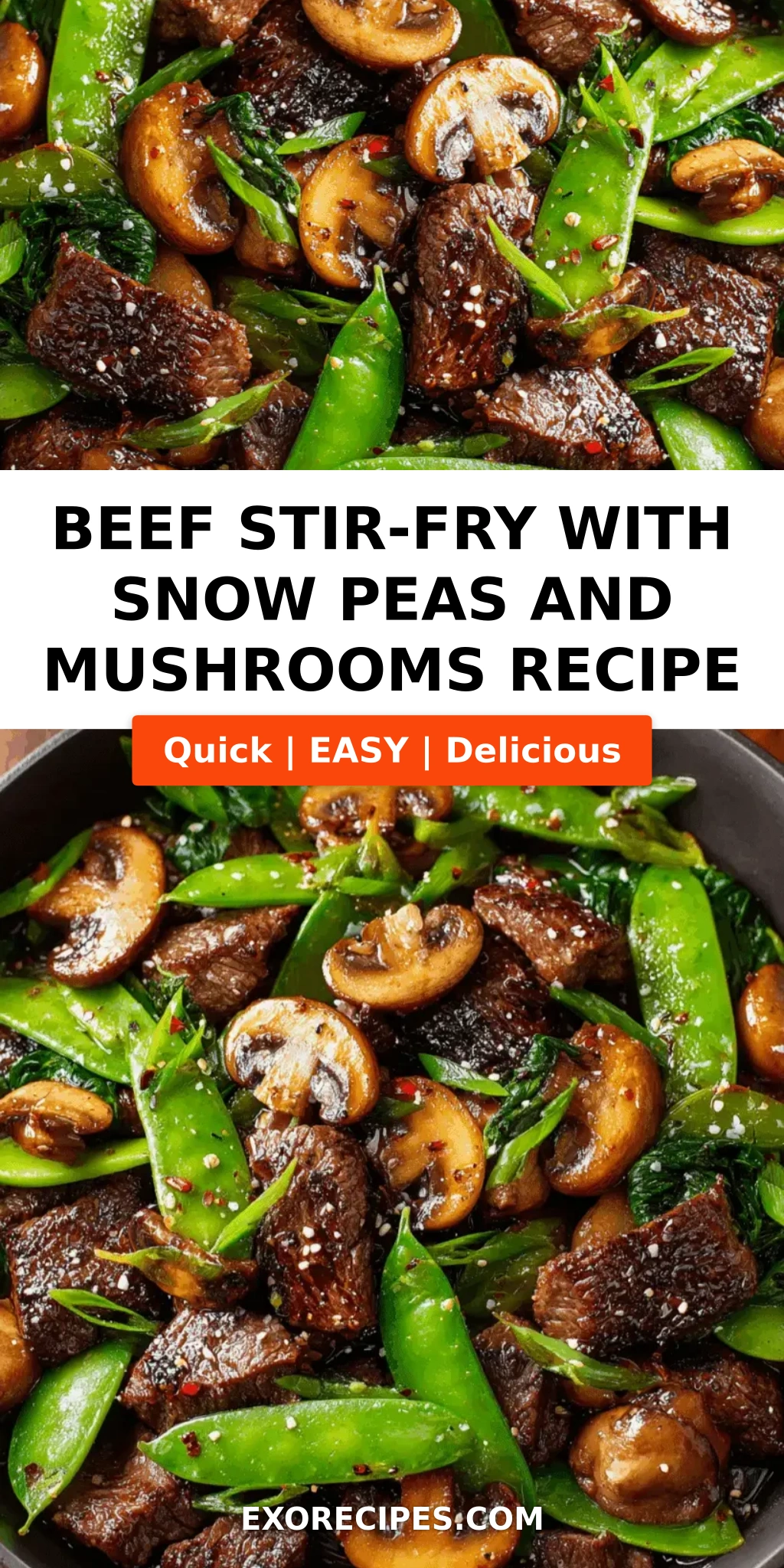
For more delicious inspiration, follow me on Pinterest!

Baked Prosciutto Wrapped Chicken with Herb Pasta and Roasted Tomatoes – A Complete Elegant Dinner

⚖️
Difficulty
Medium
⏲️
Prep Time
15 mins
🕒
Cook Time
30 mins
⏱️
Total Time
45 mins
🍽️
Servings
4

Growing up in Morocco, my mother taught me the art of wrapping food with love—flaky briouats and tender stuffed vegetables. Years later, as a young chef in a Parisian kitchen, I mastered the precision of a perfectly baked chicken suprême. This recipe for baked prosciutto wrapped chicken is where my heritage meets my training: a juicy chicken breast wrapped in salty, crispy prosciutto, resting on a bed of sweet roasted tomatoes and herb-kissed pasta. It’s an elegant dinner that feels special but comes together easily on a weeknight.

Imagine slicing through that crackling prosciutto to reveal tender, juicy chicken beneath, while the aroma of roasted tomatoes and garlic fills your kitchen. The pasta, tossed with butter and a generous handful of fresh basil, parsley, and chives, soaks up all the savory pan juices. It’s a complete, harmonious meal—bright from the tomatoes, rich from the chicken, and herbaceous from the garden-fresh pasta. Every bite is a little trip across the Mediterranean, from the souks of Marrakech to the trattorias of Tuscany.

I’ve designed this prosciutto chicken recipe to be foolproof. The key is using the prosciutto as a natural basting shield, locking in moisture while the direct heat crisps the edges perfectly. A common mistake is baking the chicken uncovered with no protection, which dries it out. Here, the prosciutto and the bed of tomatoes create a humid environment that guarantees succulence. Plus, I’ll share my number one tip for keeping the prosciutto from getting soggy—a trick I learned from a butcher in Rome.

Why This Baked Prosciutto Wrapped Chicken Recipe Is the Best

This isn’t just another chicken dinner. It’s a carefully balanced dish where every element shines. The flavor secret lies in roasting the chicken directly on top of the tomatoes. As the chicken bakes, its juices mingle with the olive oil and garlic, creating a quick, luscious pan sauce that coats the tomatoes and eventually the pasta. It’s a complete one-pan (almost!) meal that tastes like you spent hours in the kitchen.

The texture is perfection. The prosciutto undergoes a beautiful transformation in the oven—its edges turn shatteringly crisp while the parts touching the chicken stay slightly tender, adding a deep, savory saltiness to every bite. The cherry tomatoes burst and caramelize, becoming little pockets of sweetness. The herb pasta provides a soft, comforting base, bringing everything together with its creamy butter and bright green herbs.

Finally, it’s foolproof and fast. From start to finish, this meal is on the table in 45 minutes. The steps are simple enough for a beginner cook but the result is impressive enough for a dinner party. By wrapping the chicken in prosciutto, you’re essentially seasoning it from the outside in, eliminating the need for a complicated brine or marinade while ensuring the chicken stays incredibly moist and flavorful.

Baked Prosciutto Wrapped Chicken Ingredients

I source my prosciutto from a small Italian deli on Arthur Avenue in the Bronx, where they slice it to order. The quality of the ingredients really matters here. Look for prosciutto that’s thinly sliced but not so thin that it will tear when you wrap the chicken. For the tomatoes, I love using a mix of red and yellow cherry tomatoes from the Union Square Greenmarket—they add beautiful color and varying levels of sweetness to this roasted tomatoes chicken dinner.

Ingredients List

  • For the Chicken and Tomatoes:
  • 4 boneless skinless chicken breasts (about 6 oz each)
  • 8 slices prosciutto
  • 2 pints cherry tomatoes, halved
  • 3 tablespoons olive oil, divided
  • 2 cloves garlic, minced
  • 1 teaspoon dried oregano
  • 1/2 teaspoon salt
  • 1/4 teaspoon black pepper
  • For the Herb Pasta:
  • 12 oz penne or fusilli pasta
  • 1/4 cup fresh basil, chopped
  • 2 tablespoons fresh parsley, chopped
  • 1 tablespoon fresh chives, snipped
  • 1/4 cup grated Parmesan cheese
  • 2 tablespoons butter
  • 1/2 cup reserved pasta water (as needed)

Ingredient Spotlight

Prosciutto: This is the star of the show. It provides a salty, umami-rich crust that keeps the chicken moist. Look for Prosciutto di Parma or San Daniele. Substitution: Thinly sliced pancetta or even bacon can work, though bacon will be smokier and fattier.

Cherry Tomatoes: When roasted, they become intensely sweet and jammy. Always use ripe, firm tomatoes. Grape tomatoes are a good substitute if cherry tomatoes are out of season.

Fresh Herbs: A combination of basil, parsley, and chives creates a bright, clean flavor that cuts through the richness of the chicken and prosciutto. Never skip the fresh herbs here—dried just won’t deliver the same pop of flavor for the pasta.

Original IngredientBest SubstitutionFlavor / Texture Impact
ProsciuttoThinly sliced pancetta or baconSmokier, fattier, less delicate
Fresh Basil + Parsley + Chives2 tsp dried Italian seasoning + 1/4 cup fresh parsleyLess vibrant, more muted herb presence
ButterExtra virgin olive oil (3 tbsp)Fruitier, dairy-free, slightly less creamy
Chicken BreastsChicken thighs (boneless, skinless)More forgiving, juicier, richer flavor

How to Make Baked Prosciutto Wrapped Chicken with Herb Pasta — Step-by-Step

Let’s get cooking! This might look like a fancy restaurant dish, but I promise it’s straightforward. Follow these steps, and you’ll have a stunning meal that tastes as good as it looks.

Step 1: Prep and Wrap the Chicken

Preheat your oven to 400°F (200°C). Pat the chicken breasts dry with paper towels—this is crucial for a good sear and crispy prosciutto. Season both sides lightly with salt and pepper. Lay two slices of prosciutto on a cutting board, overlapping them slightly. Place a chicken breast at one end and roll it up, wrapping the prosciutto around the chicken to cover as much surface area as possible.

💡 mia’s Pro Tip: If the prosciutto doesn’t stick, secure it with a toothpick. Just remember to remove the toothpicks before serving! Wrapping the chicken at room temperature helps the prosciutto adhere better.

Step 2: Prepare the Tomato Bed

In a 9×13-inch baking dish, toss the halved cherry tomatoes with 2 tablespoons of olive oil, the minced garlic, and a pinch of salt and pepper. Spread them into an even layer. Arrange the prosciutto-wrapped chicken breasts directly on top of the tomatoes. Drizzle the chicken with the remaining 1 tablespoon of olive oil and sprinkle with the dried oregano.

⚠️ Common Mistake to Avoid: Don’t crowd the dish. Make sure the chicken pieces aren’t touching each other so the heat can circulate, allowing the prosciutto to crisp up evenly.

Step 3: Bake the Chicken and Tomatoes

Bake for 25-30 minutes, or until the chicken is cooked through. An instant-read thermometer inserted into the thickest part should read 165°F. The prosciutto will be crispy and deep golden brown in spots, and the tomatoes will be soft and caramelized, releasing their sweet juices into the pan.

💡 mia’s Pro Tip: For extra caramelization, you can switch the oven to broil for the last 1-2 minutes. Watch it closely so the prosciutto doesn’t burn!

Step 4: Cook the Pasta

While the chicken is baking, bring a large pot of salted water to a boil. Cook the penne or fusilli according to package directions until al dente. Before draining, reserve 1/2 cup of the starchy pasta water. This is liquid gold for creating a silky sauce.

⚠️ Common Mistake to Avoid: Overcooking the pasta. Mushy pasta can’t support the hearty chicken and tomatoes. Always aim for al dente—firm to the bite.

Step 5: Toss the Herb Pasta

In a large warm bowl, combine the drained pasta, butter, fresh basil, parsley, chives, and grated Parmesan cheese. Toss everything together gently. The heat from the pasta will melt the butter and soften the herbs. Add the reserved pasta water, one tablespoon at a time, until the pasta is lightly coated in a silky sauce.

Step 6: Assemble and Serve

To serve, divide the herb pasta among four plates or shallow bowls. Place a prosciutto-wrapped chicken breast on top of each portion. Spoon the caramelized roasted tomatoes and any pan juices over the chicken and pasta. Serve immediately while hot.

💡 mia’s Pro Tip: For a beautiful presentation, slice the chicken breast on a bias before placing it on the pasta. This reveals the juicy interior and makes for a stunning plate.

StepActionDurationKey Visual Cue
1Wrap chicken in prosciutto5 minsProsciutto completely covers chicken
2Bake chicken over tomatoes25-30 minsInternal temp 165°F, prosciutto crispy
3Cook pasta8-10 minsAl dente, tender but firm
4Toss pasta with herbs & butter3 minsButter melted, herbs evenly distributed

Serving & Presentation

This is the kind of dish that deserves a beautiful presentation. I love to serve it in a large, shallow bowl to show off the colors. Twirl a generous portion of the herb pasta into a nest in the center of the bowl. Place the sliced chicken breast on top, fanning the pieces slightly. Spoon the burst tomatoes and their glossy, garlicky juices over everything.

A final sprinkle of fresh Parmesan and a few torn basil leaves take it over the top. It’s a complete dinner, but if you want a side, a simple arugula salad with lemon vinaigrette is a perfect match. This baked chicken with pasta dish is a staple in my NYC apartment—it’s cozy enough for a quiet night in but elegant enough for a celebration dinner. Pair it with a light Pinot Noir or a crisp Chianti for the full experience.

Pairing TypeSuggestionsWhy It Works
Side DishArugula salad with lemon vinaigrette, garlic bread, or roasted asparagusAdds freshness and crunch to balance the richness
BeveragePinot Noir, Chianti, or a NegroniAcidity in wine cuts through the fat of prosciutto
GarnishFresh basil, grated Parmesan, red pepper flakesAdds layers of flavor, color, and heat

Make-Ahead, Storage & Reheating

Living in NYC means a busy schedule, so I love recipes that work with my lifestyle. You can easily prep components of this prosciutto chicken recipe ahead of time. Assemble the chicken and tomatoes in the baking dish, cover, and refrigerate for up to 24 hours before baking. The pasta is best made fresh, but leftovers are still fantastic.

MethodContainerDurationReheating Tip
RefrigeratorAirtightUp to 3 daysReheat in a 350°F oven for 10-15 mins to crisp prosciutto
FreezerFreezer-safe (chicken & tomatoes only)Up to 2 monthsThaw overnight in fridge, reheat in oven. Make fresh pasta.
Make-AheadCovered baking dish1 day in advanceBake directly from fridge, adding 5-10 mins to cook time

To reheat, I always recommend the oven over the microwave. The microwave will make the prosciutto rubbery and the pasta mushy. Place leftovers in a covered baking dish with a splash of water or chicken broth, and warm in a 350°F oven until heated through. The crispy prosciutto won’t be quite as crispy, but the flavors will be just as delicious.

Variations & Easy Swaps

One of the best things about this recipe is how versatile it is. Whether you’re looking for a dairy-free option or a flavor twist, I’ve tested these variations so you don’t have to guess. Here are some of my favorite ways to change up this roasted tomatoes chicken dinner.

VariationKey ChangeBest ForDifficulty Impact
Spicy Moroccan TwistAdd harissa & cumin to tomatoesBold flavor loversEasy
Dairy-Free & Gluten-FreeUse GF pasta, omit Parmesan & butter, use olive oilDietary restrictionsEasy (simple swaps)
Creamy Tomato & HerbStir 1/4 cup heavy cream into tomatoes before servingRicher, more decadent sauceEasy

Spicy Moroccan Twist

Growing up in Morocco, we didn’t eat prosciutto, but we loved slow-roasted meats with warm spices. For this version, toss the cherry tomatoes with 1 tablespoon of harissa paste and 1 teaspoon of ground cumin before baking. The smoky heat from the harissa pairs beautifully with the salty prosciutto and sweet tomatoes. It’s like a trip to Marrakech meets an Italian trattoria!

Dairy-Free & Gluten-Free

This recipe is very accommodating. Simply use your favorite gluten-free pasta and toss it with 3 tablespoons of high-quality extra virgin olive oil instead of butter. Omit the Parmesan or use a dairy-free nutritional yeast alternative for a cheesy flavor. The rest of the dish is naturally gluten and dairy-free!

Creamy Tomato & Herb Pasta

For an even more decadent dish, after removing the chicken and tomatoes from the oven, stir 1/4 cup of heavy cream directly into the roasted tomatoes in the baking dish. The heat will warm it through, creating a gorgeous pink, creamy sauce. Toss your herb pasta in this sauce instead of just butter. It’s pure comfort food.

Share Your Version!

How do you keep prosciutto from getting soggy when baking chicken?

The key to crispy prosciutto is two-fold. First, pat the chicken breasts completely dry before wrapping. Any excess moisture on the chicken will steam the prosciutto and prevent it from crisping. Second, place the wrapped chicken on top of the tomatoes rather than mixing it in. The tomatoes create a slightly elevated rack, allowing hot air to circulate around the prosciutto. Baking at a high temperature (400°F) also helps render the fat quickly, resulting in a crispy, caramelized exterior.

What can I substitute for prosciutto in this chicken recipe?

If you can’t find prosciutto, the best substitute is thinly sliced pancetta. It has a similar curing process and will crisp up beautifully. Smoked bacon is another option, though it will impart a smokier flavor and may be slightly fattier, so consider partially cooking it before wrapping the chicken to ensure it crisps up. For a non-pork option, thinly sliced turkey bacon or even Parma ham can work, but keep in mind the texture and salt content will vary.

What temperature should I bake prosciutto-wrapped chicken to ensure it’s fully cooked?

You should bake prosciutto-wrapped chicken at 400°F (200°C) for 25-30 minutes. However, temperature is a guide, not a guarantee. The only way to be 100% sure your chicken is fully cooked is to use an instant-read thermometer. Insert it into the thickest part of the chicken breast. It is safe to eat when the internal temperature reaches 165°F (74°C). Let the chicken rest for 5 minutes before slicing to allow the juices to redistribute.

What herbs go best with prosciutto-wrapped chicken and roasted tomatoes?

Classic Italian herbs are the perfect match. In this recipe, I use a combination of fresh basil, parsley, and chives for the pasta, and dried oregano for the chicken and tomatoes. Basil adds a sweet, peppery warmth, parsley provides freshness, and chives offer a mild oniony bite. Rosemary and thyme would also be wonderful additions, especially if you’re a fan of more earthy flavors. Always opt for fresh herbs over dried for the pasta finish.

Can I use chicken thighs instead of chicken breasts for this prosciutto chicken recipe?

Absolutely. Chicken thighs are more forgiving and stay incredibly juicy. Since they are smaller and flatter than breasts, they will cook faster and the prosciutto will wrap around them more easily. I recommend using 6-8 boneless, skinless chicken thighs. Follow the same instructions but check for doneness at the 20-minute mark. The internal temperature for chicken thighs should be 175-180°F for the best texture, but 165°F is safe to eat.

How do I prevent the herb pasta from becoming dry?

The golden rule for creamy, non-dry pasta is to reserve 1/2 cup of starchy pasta water before draining. When you toss the hot pasta with the butter, Parmesan, and herbs, the starches in the reserved water help emulsify the butter into a silky sauce that coats the pasta perfectly. Add the water one tablespoon at a time until the pasta reaches your desired consistency. Remember, the pasta will continue to absorb liquid as it sits, so don’t be shy with it.

Can I make this baked chicken with pasta recipe ahead of time for a dinner party?

Yes, this is a great recipe for entertaining. The best way to prep it is to assemble the chicken and tomatoes in the baking dish, cover it, and store it in the refrigerator for up to 24 hours. Do not cook the pasta ahead of time, as it will become mushy. About an hour before your guests arrive, pop the chicken in the oven. While it rests, quickly cook and toss the pasta. This way, the pasta is fresh, and the chicken is perfectly cooked and rested.

What is the best way to roast tomatoes to bring out their sweetness?

High heat is the secret to sweet, concentrated roast tomatoes. Roasting at 400°F (200°C) does two things: it caramelizes the natural sugars in the tomatoes, deepening their flavor, and it evaporates some of their water content, making them intensely rich. Tossing them with olive oil and garlic not only prevents sticking but also infuses them with savory notes. Cutting them in half exposes more surface area, which speeds up this caramelization process.

Share Your Version!

I truly believe that food tastes better when it’s shared. If you make this Baked Prosciutto Wrapped Chicken with Herb Pasta and Roasted Tomatoes, I’d love to hear about it! Leave a star rating and a comment below to let me know how it turned out. Did you try any of the variations? Did you add a Moroccan spice twist or keep it classic?

From my NYC kitchen to yours, I hope this recipe brings as much warmth and joy to your table as it does to mine. — mia 🧡

📌

Love This Recipe? Save It to Pinterest!

If you enjoyed this Baked Prosciutto Wrapped Chicken recipe, don’t let it get lost in your browser tabs! 😄 Pin it now so you can find it again anytime — and explore hundreds more tried-and-tested recipes waiting for you on my Pinterest boards.

👉 Follow mia on Pinterest @chefrecipes2

📌 Pin this recipe · 🔁 Re-pin your favorites · 💬 Tag me when you make it — I love seeing your creations!

Print

clock clock iconcutlery cutlery iconflag flag iconfolder folder iconinstagram instagram iconpinterest pinterest iconfacebook facebook iconprint print iconsquares squares iconheart heart iconheart solid heart solid icon

Baked Prosciutto Wrapped Chicken with Herb Pasta and Roasted Tomatoes

  • Author: Chef Mia
  • Prep Time: 15 minutes
  • Cook Time: 30 minutes
  • Total Time: 45 minutes
  • Yield: 4 1x
  • Method: Main Course
  • Cuisine: Italian

Description

Juicy chicken breasts wrapped in crispy prosciutto, served over a bed of herb-infused pasta with sweet roasted tomatoes. A complete, elegant meal perfect for a special dinner.


Ingredients

Scale
  • For the Chicken and Tomatoes:
  • 4 boneless skinless chicken breasts (about 6 oz each)
  • 8 slices prosciutto
  • 2 pints cherry tomatoes, halved
  • 3 tablespoons olive oil, divided
  • 2 cloves garlic, minced
  • 1 teaspoon dried oregano
  • 1/2 teaspoon salt
  • 1/4 teaspoon black pepper
  • For the Herb Pasta:
  • 12 oz penne or fusilli pasta
  • 1/4 cup fresh basil, chopped
  • 2 tablespoons fresh parsley, chopped
  • 1 tablespoon fresh chives, snipped
  • 1/4 cup grated Parmesan cheese
  • 2 tablespoons butter
  • 1/2 cup reserved pasta water (as needed)

Instructions

  1. Preheat oven to 400°F (200°C).
  2. Season chicken breasts with salt and pepper. Wrap each chicken breast with 2 slices of prosciutto, covering the surface as much as possible.
  3. In a baking dish, toss halved cherry tomatoes with 2 tablespoons olive oil and minced garlic. Arrange the prosciutto-wrapped chicken breasts on top of the tomatoes. Drizzle chicken with remaining 1 tablespoon olive oil and sprinkle with oregano.
  4. Bake for 25-30 minutes, or until chicken is cooked through (internal temperature reaches 165°F) and prosciutto is crispy. The tomatoes should be soft and slightly caramelized.
  5. Meanwhile, cook pasta according to package directions until al dente. Reserve 1/2 cup pasta water before draining.
  6. In a large bowl, combine the drained pasta, butter, fresh basil, parsley, chives, and Parmesan cheese. Toss gently, adding reserved pasta water a little at a time if needed to create a light sauce.
  7. To serve, divide the herb pasta among plates. Top with a prosciutto-wrapped chicken breast and spoon roasted tomatoes and any pan juices over the chicken.

Notes

To ensure the prosciutto stays wrapped, you can secure it with toothpicks (remove before serving). For a dairy-free version, omit the Parmesan and butter and toss the pasta with extra olive oil and fresh herbs.


Nutrition

  • Calories: 580
  • Sugar: 6g
  • Fat: 22g
  • Carbohydrates: 48g
  • Protein: 42g


Baked ProsciuttoWrapped Chicken with Herb Pasta and Roasted Tomatoes