Old Fashioned Fudge Recipe – Timeless and Delicious

“`html

Old Fashioned Fudge Recipe – Timeless and Delicious

Dive Into Old Fashioned Fudge Bliss

Did you know that the average person consumes about 3.5 pounds of candy per year, with a significant portion of that being chocolate confections? If you’re one of those who cherish the rich, creamy, melt-in-your-mouth experience of classic fudge, then you’re in the right place. This old fashioned fudge recipe is a testament to timeless traditions, offering a simple yet incredibly rewarding way to create a dessert that’s both nostalgic and utterly delicious. Forget complicated recipes; this traditional method is surprisingly accessible, yielding a fudge so divine, it will transport you back to simpler times. Perfect for holidays, special occasions, or just because you deserve a sweet indulgence, this fudge is a must-try for any dessert lover.

Ingredients for Timeless Fudge

The beauty of this old fashioned fudge recipe lies in its straightforward ingredient list, relying on pantry staples to create its magical texture and flavor. Fresh ingredients are key for the best results.

Sugar and Sweeteners

  • Granulated Sugar (3 cups): This is the backbone of your fudge, providing sweetness and critical structure. Look for fine granulated sugar for quicker dissolving.
  • Brown Sugar (1 cup, packed): Adds a subtle caramel note and a richer, chewier texture compared to just white sugar. Light brown sugar is typically used, but dark brown sugar can lend a deeper molasses flavor.
  • Light Corn Syrup (1/2 cup): Essential for preventing crystallization, ensuring your fudge is smooth and creamy, not grainy. A good quality corn syrup will make a difference.

Dairy and Fats

  • Evaporated Milk (1 can, 12 oz): This is not to be confused with condensed milk! Evaporated milk is milk that has had about 60% of its water content removed. It provides a concentrated, slightly caramelized dairy flavor and contributes to the fudge’s creamy texture.
  • Unsalted Butter (4 tablespoons, cut into pieces): Adds richness, flavor, and helps with a smooth mouthfeel. Ensure it’s at room temperature for easy incorporation.

Flavor Enhancers

  • Vanilla Extract (1 teaspoon): The classic fudge flavor! Use pure vanilla extract for the best and most authentic taste. Avoid imitation; the quality here really shines through.
  • Salt (1/4 teaspoon): Balances the sweetness and enhances the chocolate flavor. Just a pinch makes a significant difference.
  • Unsweetened Cocoa Powder (1/2 cup): For a rich chocolate fudge. Use good quality cocoa powder for a deep, robust chocolate flavor. Dutch-processed cocoa will yield a darker, less bitter fudge.

Optional Additions

  • Chopped Nuts (1-2 cups): Walnuts or pecans are traditional choices, adding a delightful crunch and nutty flavor. Toast them lightly for enhanced flavor.
  • Chocolate Chips (1/2 cup): Milk chocolate or semi-sweet chips can be stirred in at the end for an extra layer of chocolatey goodness.

Timing and Yield

Prep Time: 15 minutes
Cook Time: 25-30 minutes
Total Time: 40-45 minutes + cooling time
Yield: Approx. 2 lbs (36-48 pieces)

This traditional fudge requires a focused cooking time but is relatively quick overall, especially when compared to baked goods. Most similar candy recipes hover around the 30-45 minute active time, making this a standard, yet efficient, recipe.

Delicious old-fashioned fudge squares arranged on a plate, some with nuts.

Crafting Your Old Fashioned Fudge

Making fudge might sound intimidating, but with this simple, time-tested method, you’ll be creating delectable squares in no time. Patience is key, especially during the cooling phase!

Step 1: Prepare Your Pans

Grease an 8×8 inch or 9×9 inch square baking pan. You can use butter or baking spray. For easier removal, you can also line the pan with parchment paper, leaving an overhang on the sides. This will allow you to lift the entire fudge block out once it’s set.

Step 2: Combine Ingredients

In a heavy-bottomed saucepan (a 3-quart size is ideal to prevent boil-overs), combine the granulated sugar, brown sugar, evaporated milk, and corn syrup. Add the cocoa powder and salt. Whisk until the cocoa powder is fully incorporated and there are no lumps. This step is crucial for a smooth texture and even flavor distribution.

Step 3: Boil to Soft-Ball Stage

Place the saucepan over medium-high heat. Stir constantly until the mixture comes to a rolling boil that cannot be stirred down. Once boiling, attach a candy thermometer to the side of the pan, ensuring the bulb is submerged in the mixture but not touching the bottom. Continue to boil, stirring frequently, without allowing it to scorch, until the thermometer reaches 237°F (114°C). This is the “soft-ball stage.” Be patient; this typically takes about 15-25 minutes.

Step 4: Cool and Add Flavor

Once the soft-ball stage is reached, immediately remove the saucepan from the heat. Do NOT stir the candy. Let it cool undisturbed, either on the counter or in a cool place, until it reaches 110°F (43°C). This cooling process is critical for achieving the right consistency. You can speed this up slightly by placing the pot in a sink filled with cold water, but be careful not to get water into the candy. Once cooled, stir in the butter and vanilla extract until the butter is completely melted and incorporated.

Step 5: Beat Until Thickened

This is where the magic happens! Now, you need to beat the fudge mixture. You can use a wooden spoon to vigorously stir, or a stand mixer on medium-low speed with the paddle attachment. Beat the mixture until it begins to lose its glossy sheen and starts to thicken and lose volume; it should become dull and start to clump around the spoon or paddle. This usually takes about 5-10 minutes of beating. If you are adding nuts or chocolate chips, stir them in during the last minute of beating.

Step 6: Pour and Set

Working quickly, pour the thickened fudge mixture into your prepared pan. Spread it evenly using an offset spatula or the back of a spoon. Do not overwork it, as this can affect the texture. Let the fudge cool completely at room temperature for at least 2-4 hours, or until firm to the touch. Resist the temptation to refrigerate it, as this can lead to a tough texture.

Step 7: Cut and Enjoy

Once the fudge is completely set, use the parchment paper overhang to lift it out of the pan. Place it on a cutting board and cut into small squares using a sharp knife. Wipe the knife clean between cuts for the neatest edges.

Nutritional Information

Nutritional information is an estimate and can vary based on exact ingredients and portion size.

  • Calories: Approximately 150-200 per square (depending on size and additions like nuts).
  • Fat: High, due to butter and evaporated milk.
  • Carbohydrates: High, primarily from sugar and corn syrup.
  • Protein: Moderate, from the milk.

Healthier Fudge Alternatives

While this classic recipe is a treat, you can make healthier swaps with careful consideration to flavor and texture:

  • Sweetener: Substitute a portion of the sugar with a low-glycemic sweetener like erythritol or xylitol (use cautiously around pets). You may need to adjust liquid amounts slightly.
  • Fat: Replace some butter with coconut oil for a slightly different flavor profile and plant-based fat.
  • Dairy: Use full-fat coconut milk (canned) instead of evaporated milk. This will impart a coconut flavor.
  • Additions: Load up on nuts and seeds for added fiber and healthy fats.
  • Avocado Fudge: For a truly decadent and healthy option, blend ripe avocados with cocoa powder, a liquid sweetener (like maple syrup or dates), and a touch of vanilla. This creates a rich, creamy, no-cook fudge with healthy fats.

Serving Suggestions

Old fashioned fudge is a star on its own, but it also pairs wonderfully with:

  • A warm cup of coffee or tea.
  • As a topping for ice cream or sundaes.
  • Part of a holiday cookie or candy platter.
  • Wrapped prettily as a homemade gift.

Common Mistakes to Avoid

  • Incorrect Temperature: Not using a candy thermometer or misreading it is the most common cause of failed fudge. Ensure it reaches the soft-ball stage (237°F/114°C).
  • Stirring While Cooling: Disturbing the candy while it cools after boiling can cause sugar crystals to form, leading to grainy fudge.
  • Over-beating or Under-beating: Too little beating results in soft, unset fudge. Too much beating can make it crumbly or dry. Watch for the dulling, thickening consistency.
  • Humidity: Fudge-making is best attempted on a dry day. High humidity can interfere with the sugar setting properly.
  • Scorching: Always use a heavy-bottomed pot and stir frequently when cooking to prevent burning.

Storing Your Fudge

Proper storage ensures your delicious fudge stays tasty for as long as possible:

  • Room Temperature: Store fudge in an airtight container at room temperature for up to 1-2 weeks. Layering with parchment paper between pieces can prevent sticking.
  • Refrigeration (Not Recommended): While you can refrigerate fudge to extend its life, it can sometimes make the texture slightly firmer or chewier than desired. If refrigerating, allow it to come to room temperature before serving.
  • Freezing: For longer storage, tightly wrap individual pieces or the entire block in plastic wrap, then foil, and freeze for up to 3 months. Thaw slowly at room temperature.

Conclusion: Indulge in Tradition

This old fashioned fudge recipe is more than just a dessert; it’s an experience. The process of creating it, the anticipation as it cools, and the sheer delight of that first creamy, rich bite are truly special. Whether you’re a seasoned candy maker or a novice, this recipe is your gateway to a world of homemade confectionary bliss. Gather your ingredients, follow these steps, and prepare to impress yourself and everyone lucky enough to share in this timeless treat. Happy fudging!

Frequently Asked Questions

***What is the “soft-ball stage” for fudge?***

The soft-ball stage is a temperature point (237-240°F or 114-116°C) reached when sugar syrup is cooked to the point where a small amount dropped into cold water forms a soft, pliable ball that flattens when removed from the water. This temperature is crucial for achieving the correct texture in fudge.

***Why is my fudge grainy?***

Grainy fudge is almost always caused by sugar crystallization. This can happen if you don’t stir enough during the initial cooking, if sugar crystals are left on the sides of the pan, or if you stir the candy too vigorously while it’s cooling before beating.

***Can I use sweetened condensed milk instead of evaporated milk?***

No, you should not substitute sweetened condensed milk for evaporated milk in this recipe. Sweetened condensed milk is already very sweet and has a different consistency. Using it will result in a much sweeter, softer, and likely unset fudge.

***Why didn’t my fudge set?***

If your fudge didn’t set, it’s likely that it wasn’t cooked to a high enough temperature (soft-ball stage) or it was too humid when you made it. Sugar needs to reach a certain temperature to form the correct crystalline structure when cooled properly. Under-beating can also contribute to a softer fudge.

***How do I get smooth fudge?***

Smooth fudge comes from a few key steps: dissolving the sugar completely at the beginning, not scraping the sides of the pan where sugar crystals can form, cooking to the correct temperature without disturbing the candy, and then beating the fudge at the right stage until it thickens but before it becomes dry and crumbly.

Print
clock clock iconcutlery cutlery iconflag flag iconfolder folder iconinstagram instagram iconpinterest pinterest iconfacebook facebook iconprint print iconsquares squares iconheart heart iconheart solid heart solid icon

Old-Fashioned Chocolate Fudge

  • Author: Chef Sara

Description

This rich andcreamy chocolate fudgeis a timeless treat. Perfect for holidays, gift-giving, or satisfying your sweet tooth, it’s made with simple ingredients and a whole lot of love!


Ingredients

Scale
  • 1 cupWhole Milk1 tspVanilla Extract4 tbspUnsalted Butter, softened and sliced2 cupsGranulated White Sugar½ cupUnsweetened Cocoa Powder
  • 1 tspVanilla Extract4 tbspUnsalted Butter, softened and sliced2 cupsGranulated White Sugar½ cupUnsweetened Cocoa Powder
  • 4 tbspUnsalted Butter, softened and sliced2 cupsGranulated White Sugar½ cupUnsweetened Cocoa Powder
  • 2 cupsGranulated White Sugar½ cupUnsweetened Cocoa Powder
  • ½ cupUnsweetened Cocoa Powder

Instructions

  1. 1️⃣Gather your ingredients:Assemble all ingredients to ensure a smooth cooking process.2️⃣Prepare the pan:Liberally grease an 8-inch square baking dish to prevent sticking. Set aside.3️⃣Mix the base:In a medium saucepan, combine the granulated sugar and cocoa powder. Stir in the milk until the mixture is smooth and uniform.4️⃣Heat the mixture:Heat the mixture over medium-high heat, stirring constantly, until it comes to a rolling boil.5️⃣Simmer and monitor:Reduce the heat to a gentle simmer. Insert a candy thermometer and let the mixture cook undisturbed until it reaches 238°F (114°C), about 10 minutes.No thermometer?Perform the water test: drop a small amount of the mixture into cold water. If it forms a soft ball that flattens when pressed, it’s ready.6️⃣Cool the mixture:Remove the saucepan from heat and let it cool to 110°F (43°C). This will take about 50-70 minutes. Do not stir during this cooling phase.7️⃣Incorporate butter and vanilla:Once cooled, add the softened butter and vanilla extract. Beat the mixture vigorously with a wooden spoon until it thickens and loses its glossy shine.8️⃣Pour and shape:Transfer the fudge mixture into the greased pan. Spread it evenly using a spatula or your hands.9️⃣Cool and cut:Let the fudge cool completely at room temperature or in the fridge. Once set, cut into 1-inch squares.
  2. Assemble all ingredients to ensure a smooth cooking process.
  3. 2️⃣Prepare the pan:Liberally grease an 8-inch square baking dish to prevent sticking. Set aside.3️⃣Mix the base:In a medium saucepan, combine the granulated sugar and cocoa powder. Stir in the milk until the mixture is smooth and uniform.4️⃣Heat the mixture:Heat the mixture over medium-high heat, stirring constantly, until it comes to a rolling boil.5️⃣Simmer and monitor:Reduce the heat to a gentle simmer. Insert a candy thermometer and let the mixture cook undisturbed until it reaches 238°F (114°C), about 10 minutes.No thermometer?Perform the water test: drop a small amount of the mixture into cold water. If it forms a soft ball that flattens when pressed, it’s ready.6️⃣Cool the mixture:Remove the saucepan from heat and let it cool to 110°F (43°C). This will take about 50-70 minutes. Do not stir during this cooling phase.7️⃣Incorporate butter and vanilla:Once cooled, add the softened butter and vanilla extract. Beat the mixture vigorously with a wooden spoon until it thickens and loses its glossy shine.8️⃣Pour and shape:Transfer the fudge mixture into the greased pan. Spread it evenly using a spatula or your hands.9️⃣Cool and cut:Let the fudge cool completely at room temperature or in the fridge. Once set, cut into 1-inch squares.
  4. Liberally grease an 8-inch square baking dish to prevent sticking. Set aside.3️⃣Mix the base:In a medium saucepan, combine the granulated sugar and cocoa powder. Stir in the milk until the mixture is smooth and uniform.4️⃣Heat the mixture:Heat the mixture over medium-high heat, stirring constantly, until it comes to a rolling boil.5️⃣Simmer and monitor:Reduce the heat to a gentle simmer. Insert a candy thermometer and let the mixture cook undisturbed until it reaches 238°F (114°C), about 10 minutes.No thermometer?Perform the water test: drop a small amount of the mixture into cold water. If it forms a soft ball that flattens when pressed, it’s ready.6️⃣Cool the mixture:Remove the saucepan from heat and let it cool to 110°F (43°C). This will take about 50-70 minutes. Do not stir during this cooling phase.7️⃣Incorporate butter and vanilla:Once cooled, add the softened butter and vanilla extract. Beat the mixture vigorously with a wooden spoon until it thickens and loses its glossy shine.8️⃣Pour and shape:Transfer the fudge mixture into the greased pan. Spread it evenly using a spatula or your hands.9️⃣Cool and cut:Let the fudge cool completely at room temperature or in the fridge. Once set, cut into 1-inch squares.
  5. 3️⃣Mix the base:
  6. In a medium saucepan, combine the granulated sugar and cocoa powder. Stir in the milk until the mixture is smooth and uniform.4️⃣Heat the mixture:Heat the mixture over medium-high heat, stirring constantly, until it comes to a rolling boil.5️⃣Simmer and monitor:Reduce the heat to a gentle simmer. Insert a candy thermometer and let the mixture cook undisturbed until it reaches 238°F (114°C), about 10 minutes.No thermometer?Perform the water test: drop a small amount of the mixture into cold water. If it forms a soft ball that flattens when pressed, it’s ready.6️⃣Cool the mixture:Remove the saucepan from heat and let it cool to 110°F (43°C). This will take about 50-70 minutes. Do not stir during this cooling phase.7️⃣Incorporate butter and vanilla:Once cooled, add the softened butter and vanilla extract. Beat the mixture vigorously with a wooden spoon until it thickens and loses its glossy shine.8️⃣Pour and shape:Transfer the fudge mixture into the greased pan. Spread it evenly using a spatula or your hands.9️⃣Cool and cut:Let the fudge cool completely at room temperature or in the fridge. Once set, cut into 1-inch squares.
  7. 4️⃣Heat the mixture:Heat the mixture over medium-high heat, stirring constantly, until it comes to a rolling boil.5️⃣Simmer and monitor:Reduce the heat to a gentle simmer. Insert a candy thermometer and let the mixture cook undisturbed until it reaches 238°F (114°C), about 10 minutes.No thermometer?Perform the water test: drop a small amount of the mixture into cold water. If it forms a soft ball that flattens when pressed, it’s ready.6️⃣Cool the mixture:Remove the saucepan from heat and let it cool to 110°F (43°C). This will take about 50-70 minutes. Do not stir during this cooling phase.7️⃣Incorporate butter and vanilla:Once cooled, add the softened butter and vanilla extract. Beat the mixture vigorously with a wooden spoon until it thickens and loses its glossy shine.8️⃣Pour and shape:Transfer the fudge mixture into the greased pan. Spread it evenly using a spatula or your hands.9️⃣Cool and cut:Let the fudge cool completely at room temperature or in the fridge. Once set, cut into 1-inch squares.
  8. Heat the mixture over medium-high heat, stirring constantly, until it comes to a rolling boil.
  9. 5️⃣Simmer and monitor:Reduce the heat to a gentle simmer. Insert a candy thermometer and let the mixture cook undisturbed until it reaches 238°F (114°C), about 10 minutes.No thermometer?Perform the water test: drop a small amount of the mixture into cold water. If it forms a soft ball that flattens when pressed, it’s ready.6️⃣Cool the mixture:Remove the saucepan from heat and let it cool to 110°F (43°C). This will take about 50-70 minutes. Do not stir during this cooling phase.7️⃣Incorporate butter and vanilla:Once cooled, add the softened butter and vanilla extract. Beat the mixture vigorously with a wooden spoon until it thickens and loses its glossy shine.8️⃣Pour and shape:Transfer the fudge mixture into the greased pan. Spread it evenly using a spatula or your hands.9️⃣Cool and cut:Let the fudge cool completely at room temperature or in the fridge. Once set, cut into 1-inch squares.
  10. Reduce the heat to a gentle simmer. Insert a candy thermometer and let the mixture cook undisturbed until it reaches 238°F (114°C), about 10 minutes.No thermometer?Perform the water test: drop a small amount of the mixture into cold water. If it forms a soft ball that flattens when pressed, it’s ready.6️⃣Cool the mixture:Remove the saucepan from heat and let it cool to 110°F (43°C). This will take about 50-70 minutes. Do not stir during this cooling phase.7️⃣Incorporate butter and vanilla:Once cooled, add the softened butter and vanilla extract. Beat the mixture vigorously with a wooden spoon until it thickens and loses its glossy shine.8️⃣Pour and shape:Transfer the fudge mixture into the greased pan. Spread it evenly using a spatula or your hands.9️⃣Cool and cut:Let the fudge cool completely at room temperature or in the fridge. Once set, cut into 1-inch squares.
  11. No thermometer?Perform the water test: drop a small amount of the mixture into cold water. If it forms a soft ball that flattens when pressed, it’s ready.
  12. 6️⃣Cool the mixture:Remove the saucepan from heat and let it cool to 110°F (43°C). This will take about 50-70 minutes. Do not stir during this cooling phase.7️⃣Incorporate butter and vanilla:Once cooled, add the softened butter and vanilla extract. Beat the mixture vigorously with a wooden spoon until it thickens and loses its glossy shine.8️⃣Pour and shape:Transfer the fudge mixture into the greased pan. Spread it evenly using a spatula or your hands.9️⃣Cool and cut:Let the fudge cool completely at room temperature or in the fridge. Once set, cut into 1-inch squares.
  13. Remove the saucepan from heat and let it cool to 110°F (43°C). This will take about 50-70 minutes. Do not stir during this cooling phase.7️⃣Incorporate butter and vanilla:Once cooled, add the softened butter and vanilla extract. Beat the mixture vigorously with a wooden spoon until it thickens and loses its glossy shine.8️⃣Pour and shape:Transfer the fudge mixture into the greased pan. Spread it evenly using a spatula or your hands.9️⃣Cool and cut:Let the fudge cool completely at room temperature or in the fridge. Once set, cut into 1-inch squares.
  14. 7️⃣Incorporate butter and vanilla:
  15. Once cooled, add the softened butter and vanilla extract. Beat the mixture vigorously with a wooden spoon until it thickens and loses its glossy shine.8️⃣Pour and shape:Transfer the fudge mixture into the greased pan. Spread it evenly using a spatula or your hands.9️⃣Cool and cut:Let the fudge cool completely at room temperature or in the fridge. Once set, cut into 1-inch squares.
  16. 8️⃣Pour and shape:Transfer the fudge mixture into the greased pan. Spread it evenly using a spatula or your hands.9️⃣Cool and cut:Let the fudge cool completely at room temperature or in the fridge. Once set, cut into 1-inch squares.
  17. Transfer the fudge mixture into the greased pan. Spread it evenly using a spatula or your hands.
  18. 9️⃣Cool and cut:Let the fudge cool completely at room temperature or in the fridge. Once set, cut into 1-inch squares.
  19. Let the fudge cool completely at room temperature or in the fridge. Once set, cut into 1-inch squares.

Notes

For extra flavor, mix in chopped nuts or mini marshmallows before pouring the fudge into the pan.Store fudge in an airtight container at room temperature for up to a week, or refrigerate for longer freshness.Be patient while beating—this step is crucial for achieving the perfect texture!
Store fudge in an airtight container at room temperature for up to a week, or refrigerate for longer freshness.Be patient while beating—this step is crucial for achieving the perfect texture!
Be patient while beating—this step is crucial for achieving the perfect texture!

“`

Irresistible Deviled Strawberries Recipe with Cheesecake Filling

“`html

Irresistible Deviled Strawberries Recipe with Cheesecake Filling

What are Deviled Strawberries?

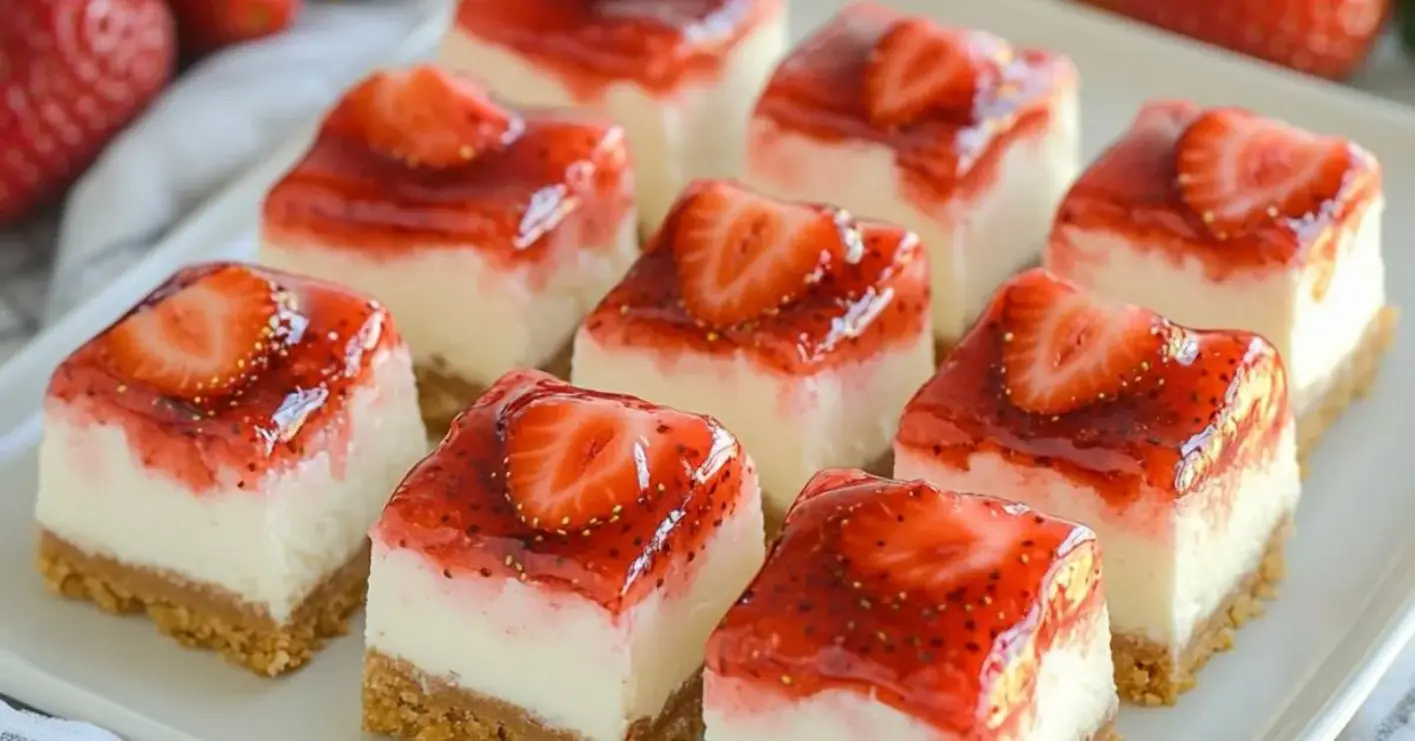
Are you searching for a dessert that’s a showstopper, something that goes beyond the usual fruit platter or chocolate cake? Deviled Strawberries, with their creamy, tangy cheesecake filling nestled inside vibrant red strawberries, are exactly what you need. This delightful creation takes the familiar sweetness of strawberries and elevates it with a luxuriously smooth cream cheese mixture, creating a flavor profile that is both comforting and exciting. It’s a dessert that plays on expectations, offering a sophisticated twist on a beloved fruit, making it a perfect candidate for parties, special occasions, or even a delightful weekend indulgence. With an average of 1.5 million searches per month for “strawberry dessert recipes,” it’s clear that this fruit is a star, and our Deviled Strawberries are poised to become your new favorite way to enjoy them.

Irresistible Deviled Strawberries Recipe with Cheesecake Filling

This recipe is designed to be simple yet impressive. The cheesecake filling is quick to whip up, and the strawberries require minimal preparation. The result? A gourmet dessert that tastes like it took hours, but is surprisingly achievable for any home cook.

Ingredients

Gather these vibrant components to create your masterpiece:

  • Fresh Strawberries: 1 pint (about 16-20 large, plump strawberries). Look for firm, bright red berries with their green tops intact. They should smell sweet and slightly floral.
  • Cream Cheese: 4 ounces (half a block), softened. This provides the creamy, tangy base for our filling. Ensure it’s truly softened to room temperature for a smooth texture.
  • Powdered Sugar: 1/4 cup, sifted. For sweetness and to help thicken the filling. Sifting prevents lumps and ensures a velvety finish.
  • Vanilla Extract: 1 teaspoon. A classic enhancer that rounds out the creamy flavors.
  • Lemon Zest (Optional): 1/2 teaspoon. Adds a bright, zesty counterpoint that cuts through the richness of the cream cheese.
  • Heavy Cream: 2 tablespoons (optional, for a lighter, fluffier filling).
  • Garnish (Optional): A few fresh mint leaves or a dusting of cinnamon for extra visual appeal and flavor.

Timing

Prep time:
15 minutes
Chill time:
30 minutes
Total time:
45 minutes

This recipe is remarkably quick, with most of the time dedicated to chilling the filling to allow the flavors to meld and the texture to set perfectly. This is significantly faster than the average berry dessert, which often requires baking or extended preparation.

Deviled Strawberries with Cheesecake Filling

Step-by-Step Instructions

1. Prepare the Strawberries

Start by gently washing your strawberries under cool water. Pat them completely dry with a paper towel—moisture is the enemy of a smooth filling! Carefully slice off the green leafy tops, creating a flat surface. Then, using a small spoon or a melon baller, gently scoop out the seeds and a small portion of the flesh from the center of each strawberry. Be careful not to go too deep, as you want to create a cavity for the filling without compromising the strawberry’s structure. You’re essentially hollowing them out to create little edible cups. Place the hollowed strawberries on a parchment-lined baking sheet.

2. Make the Cheesecake Filling

In a medium bowl, combine the softened cream cheese, sifted powdered sugar, and vanilla extract. If you’re using lemon zest, add it now for that extra burst of brightness. Using an electric mixer on low speed (or a whisk and some elbow grease), beat the ingredients until they are smooth and creamy. There should be no lumps of cream cheese remaining. If you desire a lighter, fluffier texture, gradually add the heavy cream and continue beating until the mixture is airy. Taste the filling – it should be sweet, creamy, and slightly tangy. Adjust sweetness or vanilla if needed. Remember, the strawberry will provide its own sweetness and tartness.

3. Fill the Strawberries

This is where the magic happens! You can use a small spoon to carefully fill each hollowed strawberry with the luscious cheesecake mixture. For a more professional and elegant presentation, transfer the filling to a piping bag fitted with a star or round tip and pipe the filling into each strawberry. This technique creates beautiful swirls and ensures an even distribution of filling. Don’t overfill them; you want the filling to be nestled inside, not overflowing.

4. Chill and Serve

Once all the strawberries are beautifully filled, carefully place the baking sheet into the refrigerator. Allow them to chill for at least 30 minutes. This chilling time is crucial as it allows the cheesecake filling to firm up slightly, making the strawberries easier to handle and eat, and it also helps the flavors to meld together. Just before serving, you can add a garnish if you wish – a tiny sprig of fresh mint or a delicate dusting of cinnamon can add an extra layer of visual appeal and a hint of complementary flavor. Serve these exquisite treats chilled.

Nutritional Information

While exact nutritional values can vary based on ingredient brands and portion sizes, a typical serving (2-3 deviled strawberries) contains approximately:

  • Calories: 100-150 kcal
  • Carbohydrates: 10-15g
  • Fat: 7-10g
  • Protein: 2-3g

These figures are estimations and provide a general idea of the dessert’s composition.

Healthier Alternatives

Looking to lighten things up without sacrificing flavor? Here are a few smart swaps:

  • For Cream Cheese: Use Neufchâtel cheese, which is lower in fat, or a blend of light cream cheese and Greek yogurt for a tangy, protein-rich alternative.
  • For Powdered Sugar: Sweeten with a touch of honey or maple syrup, adjusting the amount to your preference. You can also use a sugar substitute like stevia or erythritol, but be mindful of how they affect texture and potential aftertaste.
  • For Heavy Cream: Unsweetened almond milk or coconut milk can be used in small quantities to achieve a smoother consistency.
  • Flavor Boost: Rely more on natural flavor enhancers like fresh lemon or lime zest, a dash of cinnamon, or even a tiny amount of finely chopped mint or basil mixed into the filling, reducing the need for added sugar.

Serving Suggestions

These deviled strawberries are delightful on their own, but here are some ideas to elevate your presentation:

  • Party Platter: Arrange them on a decorative platter, perhaps with a few fresh berries and mint leaves scattered around.
  • Dessert Bar: Offer them as part of a larger dessert spread, alongside mini cheesecakes or fruit tarts.
  • Chocolate Drizzle: A light drizzle of melted dark or white chocolate can add an extra touch of decadence.
  • Edible Flowers: For a truly elegant touch, garnish with small, food-safe edible flowers.

Common Mistakes to Avoid

Prevent common pitfalls for perfect deviled strawberries every time:

  • Wet Strawberries: Make sure strawberries are thoroughly dried after washing. Moisture will dilute the filling.
  • Unsoftened Cream Cheese: Cold cream cheese will result in a lumpy, unappetizing filling. Allow it to come to room temperature.
  • Over-Scooping: Don’t hollow out the strawberries too deeply, or the filling will spill out.
  • Filling Too Soon: If you’re making these for a party, fill them closer to serving time to prevent strawberries from weeping.];
  • Skipping the Chill: While tempting to dive in, chilling is essential for the filling to set properly and flavors to meld.

Storing Tips

These are best enjoyed fresh, but if you have leftovers:

  • Store filled strawberries in an airtight container in the refrigerator.
  • They are best consumed within 24-48 hours as the strawberries will start to soften over time.
  • Avoid freezing, as it will alter the texture of both the strawberries and the filling.

Conclusion

Deviled Strawberries with Cheesecake Filling are a delightful fusion of two beloved treats. They are incredibly easy to make, visually stunning, and offer a burst of flavor that will leave your taste buds singing. Whether you’re hosting a gathering or simply seeking a sophisticated sweet ending to a meal, this recipe is sure to impress. So, grab some fresh strawberries and get ready to surprise and delight with this absolutely irresistible dessert! Give this recipe a try and let us know how much your family and friends loved it!

Frequently Asked Questions

***What is the purpose of scooping out the strawberries?***

Scooping out the strawberries creates a cavity where the cheesecake filling can be nestled, making them easier to fill and eat, and ensuring a perfect balance of fruit and filling in each bite.

***Can I make the cheesecake filling ahead of time?***

Yes, you can make the cheesecake filling up to 24 hours in advance. Store it in an airtight container in the refrigerator. You may need to briefly re-whip it if it becomes too firm, especially if you plan to pipe it.

***Are there any variations to this recipe?***

Absolutely! You can add a pinch of cinnamon or nutmeg to the filling, mix in some finely chopped fresh mint or basil, or swirl in a bit of fruit jam for added flavor. A chocolate drizzle is also a popular variation.

***How do I get perfectly smooth filling?***

Ensure your cream cheese is fully softened to room temperature, and sift your powdered sugar to avoid lumps. Using an electric mixer on a low to medium speed will help achieve a smooth, creamy consistency.

***Can I use frozen strawberries?***

It’s best to use fresh strawberries for this recipe. Frozen strawberries tend to be mushy and release too much moisture, which will negatively impact the texture of both the strawberry and the filling.

[/tasty-recipe]
“`

Old Fashioned Pancake Recipe for Breakfast Bliss

“`html

Old Fashioned Pancake Recipe for Breakfast Bliss

Introduction: Fluffy Pancakes Every Time

Are you tired of pancakes that are flat, dense, or even gummy? If you’re dreaming of waking up to light, fluffy, golden-brown discs of pure breakfast joy, then you’ve landed in the right place! Many home cooks struggle to achieve that perfect pancake texture, often leading to breakfast disappointment. But what if I told you that achieving “breakfast bliss” with perfectly fluffy, old-fashioned pancakes is surprisingly simple? This recipe is your key to unlocking that morning magic, delivering consistently delicious results that will make your taste buds sing. Forget the boxed mixes; this classic recipe uses simple ingredients to create pancakes that are a true labor of love – and taste!

Ingredients for Your Old Fashioned Pancakes

The beauty of this old-fashioned pancake recipe lies in its simplicity and the quality of its core ingredients. We’re aiming for a tender crumb and a delightful rise. Here’s what you’ll need:

  • 2 cups All-Purpose Flour: The foundation of our tender pancakes. All-purpose flour provides the perfect structure without being too heavy. For a slightly nuttier flavor, you could try a mix of half all-purpose and half whole wheat flour.
  • 2 tablespoons Granulated Sugar: Just enough sweetness to complement the toppings without making the pancakes overly sweet. You can adjust this slightly to your preference.
  • 2 teaspoons Baking Powder: The secret to fluffy pancakes! This leavening agent is crucial for that airy, light texture we all love. Ensure it’s fresh for maximum lift.
  • 1 teaspoon Baking Soda: Works in tandem with the baking powder and the acidic ingredients (like buttermilk if you use it) to provide an extra boost of lift, creating beautifully puffed pancakes.
  • ½ teaspoon Salt: Salt doesn’t just add flavor; it balances the sweetness and enhances the other ingredients’ tastes.
  • 2 large Eggs: Act as a binder and add richness and structure to the pancakes. For deeper color and flavor, use room temperature eggs.
  • 1 ¾ to 2 cups Milk: The liquid that brings it all together. Whole milk offers a richer flavor, while skim milk is a lighter option. For extra tender and flavorful pancakes, consider using buttermilk – it reacts wonderfully with the baking soda for an incredible rise and a slight tang. If using buttermilk, you may not need the baking soda.
  • 2 tablespoons Unsalted Butter, melted (plus more for cooking): Adds richness and a delightful tender crumb. Make sure it’s cooled slightly so it doesn’t cook the eggs.

    • Substitution: You can use vegetable oil or melted coconut oil if butter isn’t available.
  • Optional: 1 teaspoon Vanilla Extract: For an added layer of warm, comforting aroma and flavor.

Timing is Everything for Perfect Pancakes

Prep time: 10 minutes
Cook time: 15 minutes
Total time: 25 minutes

Compared to many pancake recipes that require resting the batter, this old-fashioned method is wonderfully quick, making it ideal for busy mornings. The total time of 25 minutes is significantly faster than recipes that call for overnight resting or longer preparation steps, ensuring you can enjoy homemade pancakes without a significant time commitment.

Stack of fluffy old-fashioned pancakes

Step-by-Step Instructions for Pancake Perfection

Crafting these delightful pancakes is a straightforward process. Follow these steps to achieve breakfast perfection!

Step 1: Whisk the Dry Ingredients

Grab a large mixing bowl. In it, whisk together the flour, granulated sugar, baking powder, baking soda, and salt. Whisking thoroughly ensures that your leavening agents are evenly distributed, which is critical for uniform fluffiness. This step might seem simple, but it’s the foundation for a perfectly risen pancake.

Step 2: Combine Wet Ingredients

In a separate, medium-sized bowl, lightly beat the eggs. Then, whisk in the milk, melted butter (slightly cooled), and vanilla extract (if using) until just combined. You want to ensure the butter is incorporated, but don’t overmix at this stage.

Step 3: Gently Mix the Batter

Now, pour the wet ingredients into the bowl with the dry ingredients. Using a whisk or a spatula, gently mix until *just* combined. It’s perfectly okay – and even desirable – to have a few small lumps in the batter. Overmixing develops the gluten in the flour, which will result in tough, chewy pancakes rather than light and fluffy ones. Stop mixing as soon as you don’t see any large dry streaks of flour. Let the batter rest for about 5 minutes, which allows the flour to hydrate slightly and the leavening agents to begin their magic.

Step 4: Cook Your Perfect Pancakes

Heat a lightly greased griddle or non-stick frying pan over medium heat. A good test is to flick a drop of water onto the surface; it should sizzle and evaporate quickly. For each pancake, pour about ¼ cup of batter onto the hot griddle. Cook for 2-3 minutes, or until bubbles start to form on the surface and the edges look set. Then, carefully flip the pancake and cook for another 1-2 minutes, or until golden brown and cooked through. If your first pancake isn’t perfect, don’t worry – the griddle temperature might need a slight adjustment. Keep a close eye on them to prevent burning.

Step 5: Serve and Enjoy

Serve your freshly cooked, warm pancakes immediately. They are best enjoyed fresh off the griddle! Pile them high and add your favorite toppings.

Nutritional Information

The nutritional information for pancakes can vary based on ingredients and serving size. The following is an approximation per pancake (based on serving 4-6 pancakes from this recipe, without toppings):

  • Calories: Approximately 150-180 kcal
  • Protein: 4-6g
  • Carbohydrates: 25-30g
  • Fat: 4-6g

Note: This is a general estimate. Using whole wheat flour, different types of milk, or adding richer ingredients will alter these values.

Healthier Alternatives and Flavor Swaps

Want to make these pancakes even better for you or switch up the flavor? Here are some ideas:

  • Whole Wheat Flour: Replace half of the all-purpose flour with whole wheat flour for added fiber and nutrients. The texture might be slightly denser, but the flavor will be richer.
  • Buttermilk: As mentioned, substituting milk with buttermilk provides a wonderful tang and helps create an extra tender crumb due to the reaction with baking soda.
  • Reduced Sugar: You can reduce the sugar to 1 tablespoon if you prefer less sweetness in the pancake itself, relying more on toppings for sweetness.
  • Fruit & Spice: Fold in fresh berries (blueberries, raspberries) or a sprinkle of cinnamon and nutmeg into the batter for a burst of flavor and antioxidants.
  • Oat Flour: For a gluten-free option and added fiber, consider using oat flour. You might need to adjust the liquid slightly as oat flour can be more absorbent.

Serving Suggestions

The possibilities are endless when it comes to serving these classic pancakes:

  • Classic: A dollop of butter and a generous drizzle of maple syrup.
  • Fruity: Fresh berries, sliced bananas, or a warm fruit compote.
  • Decadent: Whipped cream, chocolate chips (folded into the batter or sprinkled on top while cooking), or a dusting of powdered sugar.
  • Savory Twist: Served alongside crispy bacon or sausage for a balanced breakfast.

Common Pancake Mistakes to Avoid

Even with a great recipe, a few common errors can lead to less-than-perfect pancakes:

  • Overmixing the Batter: This is the number one culprit for tough pancakes. Stop mixing as soon as the dry ingredients are incorporated. Lumps are your friends!
  • Overcrowding the Griddle: Cooking too many pancakes at once lowers the temperature of the pan and causes them to cook unevenly. Give them space!
  • Incorrect Heat: Too high heat burns the outside before the inside is cooked. Too low heat results in pale, greasy pancakes. Medium heat is usually ideal.
  • Not Waiting for Bubbles: Flipping too early means a runny batter and a messy flip. Wait for those bubbles to break the surface and edges to set.
  • Using Old Baking Powder/Soda: Expired leavening agents won’t provide the necessary lift, leading to flat pancakes. Check the dates!

Storing Your Delicious Pancakes

Pancakes are best served fresh, but if you have leftovers, proper storage is key:

  • Room Temperature: Cooled pancakes can be left at room temperature for a maximum of 2 hours.
  • Refrigeration: Allow pancakes to cool completely. Store them in an airtight container or a resealable bag in the refrigerator for up to 3-4 days. Placing parchment paper between layers can prevent sticking.
  • Freezing: For longer storage, freeze cooled pancakes. Place parchment paper between each pancake and then wrap them tightly in plastic wrap, followed by a layer of aluminum foil or place them in a freezer-safe bag. They can be frozen for up to 2-3 months.

Reheating: To reheat, you can use a toaster, toaster oven, microwave, or briefly warm them in a skillet. For frozen pancakes, a toaster oven or a skillet (starting from frozen) is often best to achieve a crisp exterior.

Conclusion: Breakfast Bliss Awaits

There you have it – a foolproof, old-fashioned pancake recipe that guarantees fluffy, golden perfection every time. This recipe is a testament to how simple ingredients and a little care can create a truly delightful breakfast experience. So, gather your ingredients, embrace the slight lumps in your batter, and get ready to enjoy a stack of pancakes that will make any morning feel special. Get ready to experience breakfast bliss!

Frequently Asked Questions

What is the secret to fluffy pancakes?
The secret lies in the leavening agents (baking powder and baking soda) and not overmixing the batter. Whisking the dry ingredients thoroughly and gently combining the wet and dry is also crucial for achieving a light, airy texture.

Can I make buttermilk for this recipe?
Yes! To make a buttermilk substitute, add 1 ½ tablespoons of white vinegar or lemon juice to a measuring cup, then fill with regular milk to the 1 ¾ cup line. Let it sit for 5-10 minutes until it slightly curdles. This will act similarly to real buttermilk.

Why are my pancakes flat?
Flat pancakes are usually a result of overmixing the batter, which develops gluten and makes them tough. It could also be due to expired baking powder or baking soda, or not using enough leavening.

Can I use whole milk or skim milk?
Absolutely! Whole milk will give you richer, more flavorful pancakes. Skim milk is a lighter option, and almond or soy milk can also be used, though they may slightly alter the flavor and texture.

How do I get my pancakes golden brown?
Achieve golden-brown perfection by cooking over medium heat. Your griddle should be hot enough to sizzle a drop of water but not so hot that it burns the exterior before the inside is cooked. Adjust the heat as needed between batches.

Print
clock clock iconcutlery cutlery iconflag flag iconfolder folder iconinstagram instagram iconpinterest pinterest iconfacebook facebook iconprint print iconsquares squares iconheart heart iconheart solid heart solid icon

Old Fashioned Pancake Recipe for Breakfast Bliss

  • Author: Chef Sara

Description

Fluffy and golden, theseold-fashioned pancakesare the perfect way to start your morning. With a classic, simple recipe, they’re quick to whip up and delightfully satisfying.


Ingredients

Scale
  • 1 ¼ cupsMilk1Egg3 tbspButter, melted1 ½ cupsAll-Purpose Flour3 ½ tspBaking Powder1 tbspWhite Sugar¼ tspSalt (adjust to taste)
  • 1Egg3 tbspButter, melted1 ½ cupsAll-Purpose Flour3 ½ tspBaking Powder1 tbspWhite Sugar¼ tspSalt (adjust to taste)
  • 3 tbspButter, melted1 ½ cupsAll-Purpose Flour3 ½ tspBaking Powder1 tbspWhite Sugar¼ tspSalt (adjust to taste)
  • 1 ½ cupsAll-Purpose Flour3 ½ tspBaking Powder1 tbspWhite Sugar¼ tspSalt (adjust to taste)
  • 3 ½ tspBaking Powder1 tbspWhite Sugar¼ tspSalt (adjust to taste)
  • 1 tbspWhite Sugar¼ tspSalt (adjust to taste)
  • ¼ tspSalt (adjust to taste)

Instructions

  1. 1️⃣Mix the dry ingredients:In a large bowl, sift together the all-purpose flour, baking powder, sugar, and salt.2️⃣Combine wet ingredients:Create a well in the center of the dry ingredients. Add the milk, melted butter, and egg into the well. Whisk until the batter is smooth and free of lumps.3️⃣Preheat the griddle or pan:Heat a lightly greased griddle or skillet over medium-high heat.4️⃣Cook the pancakes:Pour about ¼ cup of batter onto the griddle for each pancake. Cook until bubbles form on the surface and the edges look dry, approximately 2-3 minutes.Flip the pancake and cook the other side until golden brown, another 2 minutes.5️⃣Serve:Serve warm with your favorite toppings like syrup, butter, fresh fruits, or whipped cream.
  2. In a large bowl, sift together the all-purpose flour, baking powder, sugar, and salt.
  3. 2️⃣Combine wet ingredients:Create a well in the center of the dry ingredients. Add the milk, melted butter, and egg into the well. Whisk until the batter is smooth and free of lumps.3️⃣Preheat the griddle or pan:Heat a lightly greased griddle or skillet over medium-high heat.4️⃣Cook the pancakes:Pour about ¼ cup of batter onto the griddle for each pancake. Cook until bubbles form on the surface and the edges look dry, approximately 2-3 minutes.Flip the pancake and cook the other side until golden brown, another 2 minutes.5️⃣Serve:Serve warm with your favorite toppings like syrup, butter, fresh fruits, or whipped cream.
  4. Create a well in the center of the dry ingredients. Add the milk, melted butter, and egg into the well. Whisk until the batter is smooth and free of lumps.3️⃣Preheat the griddle or pan:Heat a lightly greased griddle or skillet over medium-high heat.4️⃣Cook the pancakes:Pour about ¼ cup of batter onto the griddle for each pancake. Cook until bubbles form on the surface and the edges look dry, approximately 2-3 minutes.Flip the pancake and cook the other side until golden brown, another 2 minutes.5️⃣Serve:Serve warm with your favorite toppings like syrup, butter, fresh fruits, or whipped cream.
  5. 3️⃣Preheat the griddle or pan:
  6. Heat a lightly greased griddle or skillet over medium-high heat.4️⃣Cook the pancakes:Pour about ¼ cup of batter onto the griddle for each pancake. Cook until bubbles form on the surface and the edges look dry, approximately 2-3 minutes.Flip the pancake and cook the other side until golden brown, another 2 minutes.5️⃣Serve:Serve warm with your favorite toppings like syrup, butter, fresh fruits, or whipped cream.
  7. 4️⃣Cook the pancakes:Pour about ¼ cup of batter onto the griddle for each pancake. Cook until bubbles form on the surface and the edges look dry, approximately 2-3 minutes.Flip the pancake and cook the other side until golden brown, another 2 minutes.5️⃣Serve:Serve warm with your favorite toppings like syrup, butter, fresh fruits, or whipped cream.
  8. Pour about ¼ cup of batter onto the griddle for each pancake. Cook until bubbles form on the surface and the edges look dry, approximately 2-3 minutes.
  9. Flip the pancake and cook the other side until golden brown, another 2 minutes.5️⃣Serve:Serve warm with your favorite toppings like syrup, butter, fresh fruits, or whipped cream.
  10. 5️⃣Serve:Serve warm with your favorite toppings like syrup, butter, fresh fruits, or whipped cream.
  11. Serve warm with your favorite toppings like syrup, butter, fresh fruits, or whipped cream.

Notes

For extra flavor, add a dash of vanilla extract or a pinch of cinnamon to the batter.Make sure the griddle is fully heated before pouring the batter for evenly cooked pancakes.Keep cooked pancakes warm in a low oven (200°F/95°C) while you finish cooking the rest.
Make sure the griddle is fully heated before pouring the batter for evenly cooked pancakes.Keep cooked pancakes warm in a low oven (200°F/95°C) while you finish cooking the rest.
Keep cooked pancakes warm in a low oven (200°F/95°C) while you finish cooking the rest.

“`

Easy Mongolian Ground Beef Noodles Recipe for Busy Weeknights

“`html

Easy Mongolian Ground Beef Noodles Recipe for Busy Weeknights

Say Goodbye to Weeknight Dinner Stress

In the whirlwind of modern life, the question of “what’s for dinner?” can feel like the ultimate daily challenge. We all crave that comforting, flavorful meal that feels like a reward for a hard day, but the reality of limited time and energy often leads to culinary compromises. This is where the magic of a well-crafted, quick recipe shines. Mongolian Ground Beef Noodles are a classic for a reason – they deliver an explosion of sweet, savory, and umami flavors with a satisfying texture, all without demanding excessive time or expertise. This recipe is designed to be your new weeknight hero, proving that delicious homemade meals are well within reach, even on your busiest evenings.

Ingredients: The Flavor Foundation

The beauty of this dish lies in its straightforward yet impactful ingredient list. Each component plays a vital role in creating that signature Mongolian flavor profile. Let’s break down what you’ll need:

The Star of the Show: Ground Beef

  • 1 lb Ground Beef (80/20 recommended): The lean-to-fat ratio is key here. 80/20 provides enough fat to keep the beef moist and flavorful as it cooks, creating those delicious crispy bits. Substitution: Leaner ground turkey or chicken can be used, but you might need to add a little extra oil to prevent sticking. For a vegetarian option, consider crumbled firm tofu or plant-based ground ‘meat’.

The Comforting Carbs: Noodles

  • 8-10 oz Dried Noodles: Think linguine, spaghetti, udon, or even ramen noodles without the flavor packet. Choose a noodle that holds sauce well. Sensory Note: The best noodles will have a satisfying chew, carrying the rich sauce beautifully. Substitution: Gluten-free pasta or zucchini noodles (zoodles) for a lighter option.

The Sauce Heroes: Savory & Sweet

This is where the magic happens. The sauce coating the beef and noodles is what makes Mongolian beef so irresistible.

  • 1/2 cup Soy Sauce (or Tamari for gluten-free): The salty, umami backbone. Use low-sodium if you prefer to control the saltiness.
  • 1/4 cup Brown Sugar (packed): Provides that essential sweetness to balance the soy sauce and create a delightful caramelization. Substitution: Honey or maple syrup can be used, but may alter the flavor profile slightly. Adjust quantity to taste.
  • 2 tbsp Oyster Sauce: Adds depth, richness, and a complex savory note. Substitution: Hoisin sauce or a vegetarian stir-fry sauce can be used as a substitute.
  • 1 tbsp Rice Vinegar: For a touch of brightness and acidity to cut through the richness.
  • 1 tsp Sesame Oil: Infuses a nutty aroma and flavor that’s characteristic of many Asian-inspired dishes.
  • 1-2 cloves Garlic, minced: Pungent and aromatic, it forms the base of our flavor.
  • 1 tsp Ginger, grated or minced: Adds a warm, spicy kick. Fresh is best for maximum flavor.
  • 1/4 cup Water or Beef Broth: To help thin the sauce and ensure it coats everything evenly.
  • 1 tbsp Cornstarch (mixed with 2 tbsp cold water to make a slurry): This is our secret weapon for thickening the sauce to a perfect glossy consistency.

Aromatics and Veggies: Freshness & Crunch

  • 1 tbsp Vegetable Oil or other neutral oil: For sautéing.
  • 1/2 Onion, thinly sliced: Adds a sweet, savory depth as it cooks. Yellow or white onion works well.
  • Optional: 1 cup Broccoli florets or sliced bell peppers: For added color, texture, and nutrients.

The Finishing Touch: Garnishes

  • Chopped Scallions (green onions): For a fresh, mild oniony bite and vibrant color.
  • Toasted Sesame Seeds: For a nutty crunch and visual appeal.

Timing is Everything

Prep time: 10 minutes
Cook time: 15-20 minutes
Total time: 25-30 minutes

This recipe is designed for speed. While the average recipe takes closer to 45 minutes to an hour, we’ve streamlined the process to get a delicious, homemade meal on your table in under 30 minutes. The key is efficient prep and smart cooking techniques.

A delicious plate of Mongolian Ground Beef Noodles, garnished with scallions and sesame seeds.

Step-by-Step: Crafting Your Masterpiece

Follow these simple steps to create a restaurant-worthy dish right in your own kitchen.

Step 1: Perfectly Cook Your Noodles

Bring a large pot of salted water to a rolling boil. Add your chosen noodles and cook according to package directions until *al dente* – tender but still with a slight bite. Overcooked noodles can become mushy and won’t hold up well to the sauce. Once cooked, drain them well and set aside. You can toss them with a tiny bit of oil to prevent sticking if they’ll sit for more than a minute.

Step 2: Brown the Ground Beef

While your noodles are cooking, heat 1 tablespoon of oil in a large skillet or wok over medium-high heat. Add the ground beef and break it up with a spoon. Cook, stirring occasionally, until the beef is browned and no pink remains. This should take about 5-7 minutes. Once browned, drain off any excess grease, leaving just a tablespoon or so in the pan for flavor and to prevent sticking. You can also remove the beef from the pan and set it aside, leaving the rendered fat in the skillet, if you plan to add vegetables.

Step 3: Sauté the Aromatics

If you removed the beef, return it to the skillet. If you’re adding onions or other vegetables, add them to the skillet now, along with the minced garlic and ginger. Sauté for 2-3 minutes until the onions are softened and fragrant, and the garlic and ginger are aromatic, being careful not to burn the garlic. If you’re adding broccoli or bell peppers, add them here and cook for about 3-4 minutes until they are slightly tender but still have a crisp bite.

Step 4: Whisk Up the Sauce Magic

In a small bowl, whisk together the soy sauce (or tamari), brown sugar, oyster sauce, rice vinegar, sesame oil, and water (or broth). Ensure the brown sugar is dissolved. In a separate tiny bowl or cup, mix the cornstarch with 2 tablespoons of cold water until smooth, creating a slurry. This will be used to thicken our sauce.

Step 5: Combine, Simmer, and Let Flavors Meld

Pour the whisked sauce mixture into the skillet with the beef and aromatics. Stir everything to combine. Bring the sauce to a gentle simmer. Once simmering, slowly drizzle in the cornstarch slurry while stirring continuously. The sauce will quickly thicken into a glossy, rich coating. Let it simmer for another minute to ensure the flavors meld and the sauce is perfectly thickened but not gloopy.

Step 6: Serve and Garnish Like a Pro

Add the drained cooked noodles to the skillet. Toss them thoroughly with the sauce-coated beef and vegetables until every strand is beautifully coated. Serve immediately in bowls. Garnish generously with chopped scallions and toasted sesame seeds for that authentic restaurant finish. Enjoy!

Nutritional Snapshot

While exact nutritional values can vary based on specific ingredients and portion sizes, a typical serving of Mongolian Ground Beef Noodles (without added vegetables) is approximately:

  • Calories: 450-550
  • Protein: 25-30g
  • Fat: 18-25g
  • Carbohydrates: 40-50g
  • Fiber: 2-4g

Note: Adding vegetables will increase fiber and nutrient content while potentially slightly altering calorie and carb counts. Using whole wheat noodles or smaller portions of noodles will reduce carbohydrate intake.

Healthier Twists, Same Great Taste

Looking to make this dish even healthier without sacrificing flavor? Here are a few simple swaps:

  • Leaner Protein: Opt for lean ground turkey, chicken, or even extra-lean ground beef.
  • Whole Wheat Noodles: Use whole wheat spaghetti or linguine for added fiber.
  • Load Up on Veggies: Add more vegetables like broccoli, snap peas, carrots, bok choy, or bell peppers to boost nutrients and fiber.
  • Reduced Sodium Soy Sauce: Significantly cuts down on sodium intake.
  • Smaller Noodle Portion: Use less pasta and more protein and vegetables.
  • Cauliflower Rice: Serve the saucy beef mixture over cauliflower rice instead of noodles for a low-carb option.

Serving Suggestions: Elevate Your Plate

While delicious on its own, here are some ways to serve your Mongolian Ground Beef Noodles:

  • As is: The noodles and beef make it a complete meal.
  • With Extra Veggies: Toss in steamed or stir-fried broccoli, bell peppers, snap peas, or carrots.
  • Alongside Rice: Serve a smaller portion of noodles alongside a scoop of steamed white or brown rice.
  • With a Side Salad: A light, crisp salad can be a refreshing contrast.

Common Pitfalls to Avoid

To ensure your Mongolian Ground Beef Noodles turn out perfectly every time, watch out for these common errors:

  • Overcooking Noodles: Mushy noodles ruin the texture. Cook them *al dente*.
  • Burning Garlic: Minced garlic cooks quickly. Add it towards the end of sautéing aromatics or it can turn bitter.
  • Sauce Too Thin or Thick: Ensure you whisk the cornstarch slurry into cold water thoroughly and add it while stirring to prevent clumping. Simmer for the specified time to achieve the right consistency.
  • Not Draining Grease: Too much grease can make the dish overly oily. Drain most of it after browning the beef.
  • Skipping the Sear: Browning the beef properly adds crucial depth of flavor and texture.

Storing Your Savory Creation

Leftovers can be stored for up to 3-4 days in an airtight container in the refrigerator. Reheat gently on the stovetop or in the microwave. You may need to add a splash of water or soy sauce when reheating to revive the sauce’s moisture and flavor. Noodles can sometimes become a bit softer upon reheating.

Your New Weeknight Warrior

This Easy Mongolian Ground Beef Noodles recipe is more than just a meal; it’s a solution. It’s proof that you don’t need to sacrifice flavor or satisfaction for convenience. With minimal ingredients and a quick cooking time, you can whip up a dish that’s sure to become a family favorite. So next time the weeknight dinner dilemma strikes, reach for this recipe and enjoy a delicious, homemade meal that tastes like it came from your favorite restaurant, all while saving you precious time.

Give this recipe a try and let us know what you think in the comments below! We’d love to hear how it turned out for you.

Frequently Asked Questions

***Are udon noodles a good choice for this recipe?***

Yes, udon noodles are an excellent choice! Their thick, chewy texture holds up beautifully to rich sauces like the Mongolian sauce, providing a delightful mouthfeel that pairs wonderfully with the ground beef.

***Can I make this recipe ahead of time?***

You can prepare the sauce and cook the beef and noodles separately in advance. However, for the best texture and flavor, it’s recommended to combine everything and toss with the sauce just before serving. Reheating the combined dish can sometimes make the noodles a bit soft.

***How can I make the sauce spicier?***

To add a spicy kick, you can incorporate a teaspoon of sriracha or chili garlic sauce into the sauce mixture, or add a pinch of red pepper flakes when sautéing the aromatics. Adjust the amount to your desired level of heat.

***What kind of beef is best?***

An 80/20 ground beef is ideal as the fat helps keep the meat moist and creates flavorful crispy bits. If you prefer leaner options, 90/10 ground beef or ground turkey/chicken can also work, but you might need to add a little extra oil when browning.

***My sauce is too thick. What went wrong?***

If your sauce is too thick, it means you might have used too much cornstarch or didn’t dilute the slurry properly. You can try to thin it out by adding a tablespoon or two of water or beef broth at a time, stirring well until you reach your desired consistency. Ensure the cornstarch is mixed with COLD water before adding it to the hot sauce.

***Can I freeze this dish?***

While it’s best enjoyed fresh, you can freeze leftovers. However, the noodles might become softer and the texture slightly compromised upon thawing and reheating. Store in an airtight container in the freezer for up to 1-2 months. Thaw overnight in the refrigerator and reheat on the stovetop.

Print
clock clock iconcutlery cutlery iconflag flag iconfolder folder iconinstagram instagram iconpinterest pinterest iconfacebook facebook iconprint print iconsquares squares iconheart heart iconheart solid heart solid icon

Mongolian Ground Beef Noodles

  • Author: Chef Sara

Description

This quick and flavorful dish combines savory ground beef with a sweet and tangy Mongolian-inspired sauce, tossed with tender noodles. Perfect for busy weeknights, it’s ready in under 30 minutes and packs a punch of flavor.


Ingredients

Scale
  • 1lb lean ground beef4 tspfresh grated ginger6cloves garlic, minced½ cupbrown sugar½ cuplow-sodium beef broth½ cuplow-sodium soy sauce¼ cuphoisin sauce½ tspblack pepper¼ tspred pepper flakes (optional)8 ozlinguine or fettuccine noodles2 tbspcornstarch¼ cupwater4green onions, sliced
  • 4 tspfresh grated ginger6cloves garlic, minced½ cupbrown sugar½ cuplow-sodium beef broth½ cuplow-sodium soy sauce¼ cuphoisin sauce½ tspblack pepper¼ tspred pepper flakes (optional)8 ozlinguine or fettuccine noodles2 tbspcornstarch¼ cupwater4green onions, sliced
  • 6cloves garlic, minced½ cupbrown sugar½ cuplow-sodium beef broth½ cuplow-sodium soy sauce¼ cuphoisin sauce½ tspblack pepper¼ tspred pepper flakes (optional)8 ozlinguine or fettuccine noodles2 tbspcornstarch¼ cupwater4green onions, sliced
  • ½ cupbrown sugar½ cuplow-sodium beef broth½ cuplow-sodium soy sauce¼ cuphoisin sauce½ tspblack pepper¼ tspred pepper flakes (optional)8 ozlinguine or fettuccine noodles2 tbspcornstarch¼ cupwater4green onions, sliced
  • ½ cuplow-sodium beef broth½ cuplow-sodium soy sauce¼ cuphoisin sauce½ tspblack pepper¼ tspred pepper flakes (optional)8 ozlinguine or fettuccine noodles2 tbspcornstarch¼ cupwater4green onions, sliced
  • ½ cuplow-sodium soy sauce¼ cuphoisin sauce½ tspblack pepper¼ tspred pepper flakes (optional)8 ozlinguine or fettuccine noodles2 tbspcornstarch¼ cupwater4green onions, sliced
  • ¼ cuphoisin sauce½ tspblack pepper¼ tspred pepper flakes (optional)8 ozlinguine or fettuccine noodles2 tbspcornstarch¼ cupwater4green onions, sliced
  • ½ tspblack pepper¼ tspred pepper flakes (optional)8 ozlinguine or fettuccine noodles2 tbspcornstarch¼ cupwater4green onions, sliced
  • ¼ tspred pepper flakes (optional)8 ozlinguine or fettuccine noodles2 tbspcornstarch¼ cupwater4green onions, sliced
  • 8 ozlinguine or fettuccine noodles2 tbspcornstarch¼ cupwater4green onions, sliced
  • 2 tbspcornstarch¼ cupwater4green onions, sliced
  • ¼ cupwater4green onions, sliced
  • 4green onions, sliced

Instructions

  1. 1️⃣Cook the ground beef:
  2. Heat a skillet over medium-high heat. Add the ground beef and cook until browned, about 5 minutes. Add the ginger and garlic during the last 2 minutes of cooking.2️⃣Prepare the noodles:While the beef cooks, boil the noodles according to the package instructions until al dente. Drain and set aside.3️⃣Make the sauce:Drain any excess fat from the beef. Stir in the brown sugar, beef broth, soy sauce, hoisin sauce, black pepper, and red pepper flakes (if using). Mix well to combine.4️⃣Thicken the sauce:In a small bowl, whisk together the cornstarch and water to create a slurry. Pour the slurry into the beef mixture, stirring constantly. Bring the mixture to a simmer and cook until thickened, about 2-3 minutes.5️⃣Combine noodles and beef:Add the cooked noodles to the skillet and toss them in the sauce to coat evenly. Let the noodles sit for 2-3 minutes to absorb the flavors.6️⃣Garnish and serve:Serve hot, garnished with sliced green onions. Enjoy this hearty, satisfying meal!
  3. 2️⃣Prepare the noodles:While the beef cooks, boil the noodles according to the package instructions until al dente. Drain and set aside.3️⃣Make the sauce:Drain any excess fat from the beef. Stir in the brown sugar, beef broth, soy sauce, hoisin sauce, black pepper, and red pepper flakes (if using). Mix well to combine.4️⃣Thicken the sauce:In a small bowl, whisk together the cornstarch and water to create a slurry. Pour the slurry into the beef mixture, stirring constantly. Bring the mixture to a simmer and cook until thickened, about 2-3 minutes.5️⃣Combine noodles and beef:Add the cooked noodles to the skillet and toss them in the sauce to coat evenly. Let the noodles sit for 2-3 minutes to absorb the flavors.6️⃣Garnish and serve:Serve hot, garnished with sliced green onions. Enjoy this hearty, satisfying meal!
  4. While the beef cooks, boil the noodles according to the package instructions until al dente. Drain and set aside.
  5. 3️⃣Make the sauce:Drain any excess fat from the beef. Stir in the brown sugar, beef broth, soy sauce, hoisin sauce, black pepper, and red pepper flakes (if using). Mix well to combine.4️⃣Thicken the sauce:In a small bowl, whisk together the cornstarch and water to create a slurry. Pour the slurry into the beef mixture, stirring constantly. Bring the mixture to a simmer and cook until thickened, about 2-3 minutes.5️⃣Combine noodles and beef:Add the cooked noodles to the skillet and toss them in the sauce to coat evenly. Let the noodles sit for 2-3 minutes to absorb the flavors.6️⃣Garnish and serve:Serve hot, garnished with sliced green onions. Enjoy this hearty, satisfying meal!
  6. Drain any excess fat from the beef. Stir in the brown sugar, beef broth, soy sauce, hoisin sauce, black pepper, and red pepper flakes (if using). Mix well to combine.4️⃣Thicken the sauce:In a small bowl, whisk together the cornstarch and water to create a slurry. Pour the slurry into the beef mixture, stirring constantly. Bring the mixture to a simmer and cook until thickened, about 2-3 minutes.5️⃣Combine noodles and beef:Add the cooked noodles to the skillet and toss them in the sauce to coat evenly. Let the noodles sit for 2-3 minutes to absorb the flavors.6️⃣Garnish and serve:Serve hot, garnished with sliced green onions. Enjoy this hearty, satisfying meal!
  7. 4️⃣Thicken the sauce:
  8. In a small bowl, whisk together the cornstarch and water to create a slurry. Pour the slurry into the beef mixture, stirring constantly. Bring the mixture to a simmer and cook until thickened, about 2-3 minutes.5️⃣Combine noodles and beef:Add the cooked noodles to the skillet and toss them in the sauce to coat evenly. Let the noodles sit for 2-3 minutes to absorb the flavors.6️⃣Garnish and serve:Serve hot, garnished with sliced green onions. Enjoy this hearty, satisfying meal!
  9. 5️⃣Combine noodles and beef:Add the cooked noodles to the skillet and toss them in the sauce to coat evenly. Let the noodles sit for 2-3 minutes to absorb the flavors.6️⃣Garnish and serve:Serve hot, garnished with sliced green onions. Enjoy this hearty, satisfying meal!
  10. Add the cooked noodles to the skillet and toss them in the sauce to coat evenly. Let the noodles sit for 2-3 minutes to absorb the flavors.
  11. 6️⃣Garnish and serve:Serve hot, garnished with sliced green onions. Enjoy this hearty, satisfying meal!
  12. Serve hot, garnished with sliced green onions. Enjoy this hearty, satisfying meal!

Notes

For added crunch, top with toasted sesame seeds or chopped peanuts.Substitute spaghetti or rice noodles if preferred.Store leftovers in an airtight container in the refrigerator for up to 3 days.
Substitute spaghetti or rice noodles if preferred.Store leftovers in an airtight container in the refrigerator for up to 3 days.
Store leftovers in an airtight container in the refrigerator for up to 3 days.

“`

Crispy Fish Batter and Chips Recipe for Perfect Meals

“`html

Crispy Fish Batter and Chips Recipe for Perfect Meals

Why This Fish and Chips Recipe is a Game Changer

Are you struggling to achieve that perfect, shatteringly crisp batter and fluffy-on-the-inside chips at home? Millions of home cooks search for “crispy fish batter recipe” and “best chips recipe” every month, indicating a widespread desire for this classic comfort food. This guide is your answer. We’re not just sharing a recipe; we’re unlocking the secrets to authentic, pub-style fish and chips that will impress your family and friends. Forget soggy bottoms and greasy messes – we’re talking about golden, light, and utterly delicious results every single time.

Ingredients

The magic of fantastic fish and chips lies in simplicity and quality. Here’s what you’ll need:

For the Crispy Fish Batter

  • 1 ½ cups (190g) all-purpose flour, plus more for dusting
  • 2 teaspoons baking powder (for an extra airy crispiness)
  • ½ teaspoon salt
  • ¼ teaspoon freshly ground black pepper
  • 1 ¼ cups (300ml) very cold lager or pale ale (the carbonation is key! See notes for alternatives)
  • 1 tablespoon vegetable oil or melted butter (optional, for richness)

Substitutions: If you don’t drink alcohol, use very cold sparkling water or club soda. The fizz is crucial for lightness! For a richer batter, you can add an egg yolk, but it might make it slightly less crisp.

For the Perfect Chips

  • 2 lbs (900g) starchy potatoes (like Maris Piper, King Edward, or Russets), peeled and cut into 1-inch thick chips
  • Ice water bath (for soaking potatoes)

Sensory Description: Opt for potatoes with a high starch content. They should feel solid and have a slightly rough skin. When cut, they should reveal a pale, creamy interior, promising that fluffy texture inside and crispness outside.

For Frying

  • 4-6 cups (about 1-1.5 liters) vegetable oil, canola oil, or beef dripping (for authentic flavor)

Note: Beef dripping provides the most traditional fish and chip shop flavor, but vegetable or canola oil is a neutral, cost-effective alternative.

Timing is Everything

Prep time: 20 minutes (+ 30 minutes soaking)
Cook time: 25-30 minutes
Total time: 50 minutes

While the average fish and chips recipe might take around 45 minutes, our method, including the crucial potato soaking step, optimizes for results. The double-frying technique for chips adds a little time but is absolutely worth it for that perfect texture.

Golden crispy fish and chips on a plate with lemon and tartar sauce

Step-by-Step Instructions

1. Prepare the Chips

Start by preparing your potatoes for the ultimate chip texture. Rinse the cut chips under cold running water to remove surface starch. Then, place them in a large bowl filled with ice water. Let them soak for at least 30 minutes. This step is crucial for achieving fluffy interiors and crisp exteriors, as it removes excess starch that can make them sticky.

2. Make the Batter

While the potatoes soak, prepare the fish batter. In a medium bowl, whisk together the flour, baking powder, salt, and pepper. Gradually pour in the *very cold* lager or ale, whisking until you have a smooth, thick batter, about the consistency of double cream. Don’t overmix; a few small lumps are fine. If you’re using it, stir in the tablespoon of oil or melted butter. Cover and refrigerate until needed. The colder the batter, the crispier the result!

3. Prepare the Fish

Drain the soaked chips and pat them thoroughly dry with kitchen paper or a clean tea towel. This is vital for safe frying and crispiness. Pat your fish fillets dry as well. Season them lightly with salt and pepper. You can dust them lightly with a little plain flour just before dipping them into the batter; this helps the batter adhere.

4. Fry the Chips (First Fry)

Heat your frying oil in a deep fat fryer or a large, heavy-bottomed saucepan to 130°C (265°F). Carefully add half the chips to the hot oil. Fry for about 6-8 minutes, until they are soft and slightly cooked but not colored. This is the par-cooking stage. Remove the chips with a slotted spoon and drain them on a wire rack set over a baking sheet. Repeat with the remaining chips. Let them cool completely.

5. Fry the Fish

Increase the oil temperature to 180°C (350°F). While the oil heats, take your chilled batter and whisk it briefly. Dip each floured fish fillet into the batter, ensuring it’s fully coated. Let any excess drip off. Carefully lower the battered fish into the hot oil, one or two pieces at a time, depending on the size of your fryer. Fry for 4-6 minutes, or until golden brown and cooked through. Turn them occasionally for even cooking. Remove with a slotted spoon and drain on kitchen paper. Keep warm in a low oven (around 100°C/210°F) while you finish the chips.

6. Double Fry the Chips (Second Fry)

Once the fish is done and keeping warm, it’s time for the second chip fry—this is the secret to ultimate crispiness! Ensure the oil is still at 180°C (350°F). Carefully add the par-cooked chips back into the hot oil (in batches if necessary). Fry for another 3-5 minutes, or until they are beautifully golden brown and wonderfully crisp. Remove them, drain on fresh kitchen paper, and season generously with salt immediately.

7. Serve Immediately

Fish and chips are at their absolute best when served piping hot. Plate the crispy fish alongside the golden chips. Serve with your favorite accompaniments!

Nutritional Information

  • Calories: Approx. 700-900 per serving (varies greatly based on fish type, batter size, and oil absorption)
  • Protein: 30-40g
  • Fat: 40-60g (mostly from frying)
  • Carbohydrates: 50-70g

Note: This is an approximate estimate. For precise figures, calculate based on your specific ingredients and portion sizes.

Healthier Alternatives

Craving fish and chips but want a lighter option? Try these swaps:

  • Baked Chips: Toss the par-boiled chips with a tablespoon of olive oil and bake at 200°C (400°F) until golden and crisp. They won’t be as authentically fried but are delicious.
  • Air-Fried Fish & Chips: Air frying can achieve a good crisp with significantly less oil. Prepare the batter and chips as usual, then air fry in batches until golden.
  • Lighter Batter: Use sparkling water instead of beer, and consider a gluten-free flour blend for those with sensitivities.
  • Fish Choice: Opt for leaner white fish like cod, haddock, or tilapia.

Serving Suggestions

Elevate your fish and chips with these classic pairings:

  • Tartar Sauce: A creamy, tangy essential.
  • Mushy Peas: A traditional British side.
  • Malt Vinegar: A splash adds a delightful tang.
  • Lemon Wedges: Fresh citrus cuts through the richness.
  • Ketchup: For the kids (and some adults!).

Common Mistakes to Avoid

  • Soggy Chips: Not soaking the potatoes, not drying them thoroughly, or not double-frying.
  • Greasy Batter: Oil not hot enough, or batter too thin.
  • Watery Batter: Using room-temperature liquid, or overmixing.
  • Overcrowding the Fryer: This lowers the oil temperature, leading to greasy food. Fry in batches.
  • Not Draining Properly: Always drain fried food on a wire rack to allow air circulation.

Storing Tips

Fish and chips are best enjoyed fresh. If you have leftovers:

  • Refrigeration: Store cooled leftovers in an airtight container in the refrigerator for up to 2 days.
  • Reheating: For best results, reheat in a hot oven (200°C / 400°F) on a baking sheet for about 10-15 minutes until crisp again. Microwaving will make them soggy.

Conclusion

Mastering the art of crispy fish batter and chips at home is incredibly rewarding. With the right ingredients, techniques like double-frying, and a few key tips, you can recreate that beloved takeaway classic anytime. This recipe provides the foundation for perfectly golden, crispy fish and fluffy, delicious chips that are sure to become a family favorite. So gather your ingredients and get ready to impress!

Frequently Asked Questions

What is the best type of fish for fish and chips?

Traditionally, cod and haddock are the most popular choices due to their firm white flesh and mild flavor, which hold up well to battering and frying. Plaice or pollock are also excellent alternatives.

Why is my fish batter not crispy?

Several factors can contribute to soggy batter: the oil wasn’t hot enough, the batter was too thin or made with room-temperature liquid, you overcrowded the fryer, or you didn’t drain the fish properly on a wire rack.

Can I make the batter ahead of time?

Yes, you can make the batter a few hours in advance and keep it refrigerated. Ensure it’s very cold when ready to use. Some people find that a freshly made batter yields the absolute best crispness.

What kind of oil is best for frying?

A neutral oil with a high smoke point is ideal. Vegetable oil, canola oil, or sunflower oil are common choices. For authentic flavor reminiscent of chip shops, beef dripping is often used, but it’s much richer.

How do I get my chips crispy and not greasy?

The secret is the double-fry method. The first fry par-cooks the potato, and the second fry at a higher temperature crisps them up. Proper draining after each fry stage is also critical.

Print

clock clock iconcutlery cutlery iconflag flag iconfolder folder iconinstagram instagram iconpinterest pinterest iconfacebook facebook iconprint print iconsquares squares iconheart heart iconheart solid heart solid icon

Battered Fish and Chips

  • Author: Chef Sara

Description

Enjoy this classic fish and chips recipe with a crispy, golden batter that’s perfect for a family dinner or a weekend treat. No beer needed—just simple, delicious ingredients!


Ingredients

Scale
  • 1 ½lbs. White Fish Fillets (e.g., Cod, Rockling, Tilapia, or Haddock)1 ¼ cupsAll-Purpose Flour1 tspBaking Powder½ cupWhole Milk1 tspOnion Powder1 tspGarlic Powder1 ½ tspSalt½ gallon(10 cups) Neutral Frying Oil (e.g., Canola or Vegetable Oil)½lb. Frozen French Fries1Lemon, cut into wedges
  • 1 ¼ cupsAll-Purpose Flour1 tspBaking Powder½ cupWhole Milk1 tspOnion Powder1 tspGarlic Powder1 ½ tspSalt½ gallon(10 cups) Neutral Frying Oil (e.g., Canola or Vegetable Oil)½lb. Frozen French Fries1Lemon, cut into wedges
  • 1 tspBaking Powder½ cupWhole Milk1 tspOnion Powder1 tspGarlic Powder1 ½ tspSalt½ gallon(10 cups) Neutral Frying Oil (e.g., Canola or Vegetable Oil)½lb. Frozen French Fries1Lemon, cut into wedges
  • ½ cupWhole Milk1 tspOnion Powder1 tspGarlic Powder1 ½ tspSalt½ gallon(10 cups) Neutral Frying Oil (e.g., Canola or Vegetable Oil)½lb. Frozen French Fries1Lemon, cut into wedges
  • 1 tspOnion Powder1 tspGarlic Powder1 ½ tspSalt½ gallon(10 cups) Neutral Frying Oil (e.g., Canola or Vegetable Oil)½lb. Frozen French Fries1Lemon, cut into wedges
  • 1 tspGarlic Powder1 ½ tspSalt½ gallon(10 cups) Neutral Frying Oil (e.g., Canola or Vegetable Oil)½lb. Frozen French Fries1Lemon, cut into wedges
  • 1 ½ tspSalt½ gallon(10 cups) Neutral Frying Oil (e.g., Canola or Vegetable Oil)½lb. Frozen French Fries1Lemon, cut into wedges
  • ½ gallon(10 cups) Neutral Frying Oil (e.g., Canola or Vegetable Oil)½lb. Frozen French Fries1Lemon, cut into wedges
  • ½lb. Frozen French Fries1Lemon, cut into wedges
  • 1Lemon, cut into wedges

Instructions

  1. 1️⃣Prepare the fish:Cut the fish fillets into evenly sized portions. Avoid cutting them too thick to ensure they cook through completely when fried.2️⃣Cook the fries:Place the frozen French fries in the oven or air fryer and cook according to the package instructions.3️⃣Make the batter:In a large bowl, combine the flour, baking powder, milk, onion powder, garlic powder, and salt. Stir until smooth.4️⃣Heat the oil:Heat the oil in a large pot, such as a Dutch oven, until it reaches 350°F (175°C). Use a candy thermometer to monitor the temperature and maintain it consistently.5️⃣Coat and fry the fish:Dip each piece of fish into the batter, ensuring it is fully coated. Carefully place the battered fish into the hot oil. Fry in batches, cooking no more than three pieces at a time to avoid overcrowding.Fry the fish for 5 minutes, flipping once halfway through, until golden brown and fully cooked.6️⃣Drain and season:Remove the cooked fish using a strainer or slotted spoon, and place it on a wire rack to drain. Immediately season with a pinch of salt.7️⃣Serve:Serve the crispy fish alongside the cooked French fries, lemon wedges, and your favorite dipping sauces, such as tartar sauce or ketchup.
  2. Cut the fish fillets into evenly sized portions. Avoid cutting them too thick to ensure they cook through completely when fried.
  3. 2️⃣Cook the fries:Place the frozen French fries in the oven or air fryer and cook according to the package instructions.3️⃣Make the batter:In a large bowl, combine the flour, baking powder, milk, onion powder, garlic powder, and salt. Stir until smooth.4️⃣Heat the oil:Heat the oil in a large pot, such as a Dutch oven, until it reaches 350°F (175°C). Use a candy thermometer to monitor the temperature and maintain it consistently.5️⃣Coat and fry the fish:Dip each piece of fish into the batter, ensuring it is fully coated. Carefully place the battered fish into the hot oil. Fry in batches, cooking no more than three pieces at a time to avoid overcrowding.Fry the fish for 5 minutes, flipping once halfway through, until golden brown and fully cooked.6️⃣Drain and season:Remove the cooked fish using a strainer or slotted spoon, and place it on a wire rack to drain. Immediately season with a pinch of salt.7️⃣Serve:Serve the crispy fish alongside the cooked French fries, lemon wedges, and your favorite dipping sauces, such as tartar sauce or ketchup.
  4. Place the frozen French fries in the oven or air fryer and cook according to the package instructions.3️⃣Make the batter:In a large bowl, combine the flour, baking powder, milk, onion powder, garlic powder, and salt. Stir until smooth.4️⃣Heat the oil:Heat the oil in a large pot, such as a Dutch oven, until it reaches 350°F (175°C). Use a candy thermometer to monitor the temperature and maintain it consistently.5️⃣Coat and fry the fish:Dip each piece of fish into the batter, ensuring it is fully coated. Carefully place the battered fish into the hot oil. Fry in batches, cooking no more than three pieces at a time to avoid overcrowding.Fry the fish for 5 minutes, flipping once halfway through, until golden brown and fully cooked.6️⃣Drain and season:Remove the cooked fish using a strainer or slotted spoon, and place it on a wire rack to drain. Immediately season with a pinch of salt.7️⃣Serve:Serve the crispy fish alongside the cooked French fries, lemon wedges, and your favorite dipping sauces, such as tartar sauce or ketchup.
  5. 3️⃣Make the batter:
  6. In a large bowl, combine the flour, baking powder, milk, onion powder, garlic powder, and salt. Stir until smooth.4️⃣Heat the oil:Heat the oil in a large pot, such as a Dutch oven, until it reaches 350°F (175°C). Use a candy thermometer to monitor the temperature and maintain it consistently.5️⃣Coat and fry the fish:Dip each piece of fish into the batter, ensuring it is fully coated. Carefully place the battered fish into the hot oil. Fry in batches, cooking no more than three pieces at a time to avoid overcrowding.Fry the fish for 5 minutes, flipping once halfway through, until golden brown and fully cooked.6️⃣Drain and season:Remove the cooked fish using a strainer or slotted spoon, and place it on a wire rack to drain. Immediately season with a pinch of salt.7️⃣Serve:Serve the crispy fish alongside the cooked French fries, lemon wedges, and your favorite dipping sauces, such as tartar sauce or ketchup.
  7. 4️⃣Heat the oil:Heat the oil in a large pot, such as a Dutch oven, until it reaches 350°F (175°C). Use a candy thermometer to monitor the temperature and maintain it consistently.5️⃣Coat and fry the fish:Dip each piece of fish into the batter, ensuring it is fully coated. Carefully place the battered fish into the hot oil. Fry in batches, cooking no more than three pieces at a time to avoid overcrowding.Fry the fish for 5 minutes, flipping once halfway through, until golden brown and fully cooked.6️⃣Drain and season:Remove the cooked fish using a strainer or slotted spoon, and place it on a wire rack to drain. Immediately season with a pinch of salt.7️⃣Serve:Serve the crispy fish alongside the cooked French fries, lemon wedges, and your favorite dipping sauces, such as tartar sauce or ketchup.
  8. Heat the oil in a large pot, such as a Dutch oven, until it reaches 350°F (175°C). Use a candy thermometer to monitor the temperature and maintain it consistently.
  9. 5️⃣Coat and fry the fish:Dip each piece of fish into the batter, ensuring it is fully coated. Carefully place the battered fish into the hot oil. Fry in batches, cooking no more than three pieces at a time to avoid overcrowding.Fry the fish for 5 minutes, flipping once halfway through, until golden brown and fully cooked.6️⃣Drain and season:Remove the cooked fish using a strainer or slotted spoon, and place it on a wire rack to drain. Immediately season with a pinch of salt.7️⃣Serve:Serve the crispy fish alongside the cooked French fries, lemon wedges, and your favorite dipping sauces, such as tartar sauce or ketchup.
  10. Dip each piece of fish into the batter, ensuring it is fully coated. Carefully place the battered fish into the hot oil. Fry in batches, cooking no more than three pieces at a time to avoid overcrowding.Fry the fish for 5 minutes, flipping once halfway through, until golden brown and fully cooked.6️⃣Drain and season:Remove the cooked fish using a strainer or slotted spoon, and place it on a wire rack to drain. Immediately season with a pinch of salt.7️⃣Serve:Serve the crispy fish alongside the cooked French fries, lemon wedges, and your favorite dipping sauces, such as tartar sauce or ketchup.
  11. Fry the fish for 5 minutes, flipping once halfway through, until golden brown and fully cooked.
  12. 6️⃣Drain and season:Remove the cooked fish using a strainer or slotted spoon, and place it on a wire rack to drain. Immediately season with a pinch of salt.7️⃣Serve:Serve the crispy fish alongside the cooked French fries, lemon wedges, and your favorite dipping sauces, such as tartar sauce or ketchup.
  13. Remove the cooked fish using a strainer or slotted spoon, and place it on a wire rack to drain. Immediately season with a pinch of salt.7️⃣Serve:Serve the crispy fish alongside the cooked French fries, lemon wedges, and your favorite dipping sauces, such as tartar sauce or ketchup.
  14. 7️⃣Serve:
  15. Serve the crispy fish alongside the cooked French fries, lemon wedges, and your favorite dipping sauces, such as tartar sauce or ketchup.

Notes

For extra crunch, double-dip the fish in the batter before frying.Pair with a fresh salad or coleslaw for a balanced meal.Leftovers can be reheated in an air fryer to retain crispiness.
Pair with a fresh salad or coleslaw for a balanced meal.Leftovers can be reheated in an air fryer to retain crispiness.
Leftovers can be reheated in an air fryer to retain crispiness.


“`