“`html

Baked Orzo and Meatballs Recipe – Creamy One-Pan Comfort with a Moroccan-French Twist

⚖️
Difficulty
Easy
⏲️
Prep Time
20 mins
🕒
Cook Time
40 mins
⏱️
Total Time
60 mins
🍽️
Servings
6

I still remember the first time I made baked orzo and meatballs for a dinner party in my tiny NYC walk-up kitchen. The scent of garlic sizzling in olive oil, the warmth of cumin and coriander drifting through the air — it instantly transported me back to my mother’s kitchen in Morocco, where she’d coax deep flavor from simple ingredients with patience and love. This baked orzo recipe is my love letter to those evenings: a creamy, tomatoey, one-pan wonder that feels both rustic and elegant. The orso with meatballs comes out tender, the sauce clings to every pearl-like piece of pasta, and a blanket of melted mozzarella pulls everything together into golden, bubbling perfection. It’s comfort food, yes — but comfort food with a chef’s soul.

What makes this baked orzo and meatballs recipe truly special is the way the orzo absorbs the broth as it bakes, plumping up into ridiculously creamy little bursts of flavor without a drop of heavy cream. The meatballs, seasoned with a whisper of Moroccan spices and a French touch of fresh herbes de Provence, brown beautifully on the stovetop before nestling into the orzo to finish cooking in the oven. The result is a dish that’s deeply savory, lightly sweet from the tomatoes, and fragrant with garlic and fresh basil. Every spoonful brings a contrast of textures: the tender meatball, the velvety orzo, the gooey cheese pull. It’s the kind of meal that quiets a room — everyone too busy eating to talk.

I’ve tested this meatball casserole a dozen times to get it just right — not too saucy, not too dry, with meatballs that stay juicy and orzo that never turns mushy. My secret? A French technique of toasting the orzo briefly in butter before adding liquid, plus a Moroccan-inspired pinch of cinnamon and cumin in the meatballs that adds warmth without overwhelming. In this post, I’ll walk you through every step, share my best pro tips from years in professional kitchens, and point out the one mistake most home cooks make that turns baked orzo into a gluey mess. From my NYC kitchen to yours — let’s make something beautiful together.

Why This Baked Orzo and Meatballs Recipe Is the Best

The Flavor Secret — Most baked orzo recipes play it safe with just garlic and oregano. I take it further. My meatballs are seasoned with ground cumin, a hint of cinnamon, and a pinch of cayenne — a nod to the Moroccan spice blends I grew up with. Then I finish the dish with a splash of good-quality balsamic vinegar stirred into the sauce just before baking. That tiny hit of acidity brightens the entire casserole and makes the tomato flavor sing. It’s a trick I picked up at culinary school in Paris, and it works every time.

Perfected Texture — The orzo-to-broth ratio is everything. Too much liquid and you get soup; too little and the pasta stays crunchy. After multiple tests, I landed on the exact proportions that yield tender, creamy orzo that holds its shape. The technique of toasting the orzo in butter before adding liquid creates a nutty depth and helps each grain stay separate. And by covering the dish for the first half of baking, then removing the lid to let the top brown, you get that irresistible contrast between creamy pasta and a golden, slightly crispy cheese crust.

Foolproof & Fast — This easy baked orzo recipe comes together in one skillet (for browning the meatballs) and one baking dish — minimal cleanup, maximum reward. It’s forgiving enough for a busy weeknight yet impressive enough for company. I’ve taught it to beginner cooks in my NYC workshops, and everyone walks away feeling like a pro. The full hands-on time is about 20 minutes; the oven does the rest. Even if you’ve never made a meatball casserole before, you can nail this on your first try.

Baked Orzo and Meatballs Ingredients

I love buying ingredients for this dish at the Union Square Greenmarket in NYC — especially the fresh herbs and farm-fresh eggs. The quality of your ingredients really shines here, so I encourage you to seek out the best you can find. For the orzo, I prefer De Cecco or Barilla — they hold their shape beautifully during baking. And for the meatballs, I use a blend of ground beef and ground pork for the juiciest, most flavorful result.

Ingredients List

  • 1 lb (450 g) ground beef (80/20 blend)
  • 8 oz (225 g) ground pork (optional, but adds richness)
  • ½ cup (50 g) plain breadcrumbs (panko or homemade)
  • 1 large egg, lightly beaten
  • 3 cloves garlic, minced (divided)
  • ¼ cup (25 g) freshly grated Parmesan cheese
  • 1 tsp ground cumin
  • ½ tsp ground cinnamon
  • ¼ tsp cayenne pepper (optional, for heat)
  • 2 tsp kosher salt, divided
  • 1 tsp black pepper, divided
  • 3 tbsp olive oil, divided
  • 1 medium yellow onion, finely chopped
  • 1½ cups (300 g) dried orzo pasta
  • 2 tbsp unsalted butter
  • 1 can (15 oz / 425 g) crushed tomatoes
  • 2 cups (480 ml) low-sodium chicken or beef broth
  • 1 tbsp balsamic vinegar
  • 1 tsp dried oregano
  • ½ cup (15 g) fresh basil leaves, chopped (plus more for garnish)
  • 1½ cups (170 g) shredded mozzarella cheese
  • ¼ cup (25 g) grated Parmesan cheese (for topping)

Ingredient Spotlight

Orzo — This tiny, rice-shaped pasta is the heart of the dish. It releases starch as it bakes, creating a creamy sauce naturally. Look for orzo made from 100% semolina — it holds its shape better than blends. Avoid “orzo” that is actually rice-shaped rice (risoni can sometimes be a wheat-pasta blend). Tested substitution: use ditalini or stelline in a pinch — adjust liquid slightly as shapes vary.

Ground Meat Blend — The combination of beef and pork gives the meatballs a tender, juicy texture that all-beef meatballs can lack. If using only beef, choose 80/20 and add an extra tablespoon of olive oil to the mix. For a leaner option, ground chicken or turkey works — but add a splash of milk to the breadcrumb mixture to keep them moist.

Crushed Tomatoes — I prefer San Marzano crushed tomatoes for their sweet, low-acid flavor. They create a sauce that coats the orzo without being watery. If you only have whole peeled tomatoes, crush them by hand before adding. Avoid tomato puree — it’s too thick and can make the dish taste pasty.

Fresh Mozzarella — Low-moisture, whole-milk mozzarella melts the best. Fresh mozzarella balls (the kind packed in water) release too much liquid and can make the casserole watery. I buy blocks of whole-milk mozzarella from the deli counter and shred it myself. Pre-shredded cheese contains anti-caking agents that prevent smooth melting.

Original IngredientBest SubstitutionFlavor / Texture Impact
Ground beef + porkGround turkey + 1 tbsp olive oilLeaner, slightly drier; add extra moisture
Orzo pastaDitalini or stellineSimilar texture; adjust liquid by 2–3 tbsp
San Marzano crushed tomatoesPetite diced tomatoes, blended smoothSlightly brighter, less sweet; add pinch sugar
Low-moisture mozzarellaProvolone or fontinaNutty, melts well; slightly sharper flavor

How to Make Baked Orzo and Meatballs — Step-by-Step

This easy baked orzo recipe comes together in a few simple stages. I’ll guide you through each one with visual cues so you know exactly what to look for.

Step 1: Make the Meatballs

In a large mixing bowl, combine the ground beef, ground pork, breadcrumbs, beaten egg, 1 minced garlic clove, grated Parmesan, cumin, cinnamon, cayenne (if using), 1 teaspoon salt, and ½ teaspoon black pepper. Mix gently with your hands until just combined — overmixing makes meatballs tough. Form into 18 uniform balls, about 1½ inches in diameter. Place them on a parchment-lined baking sheet.

💡 mia’s Pro Tip: Lightly wet your hands with cold water before rolling — the mixture won’t stick, and the meatballs come out perfectly smooth.

Step 2: Brown the Meatballs

Heat 2 tablespoons olive oil in a large, heavy-bottomed skillet over medium-high heat. Working in two batches so you don’t crowd the pan, sear the meatballs for 2–3 minutes per side, until deeply browned all over. They don’t need to be cooked through — they’ll finish in the oven. Transfer the browned meatballs to a plate. Pour off all but about 1 tablespoon of the rendered fat from the skillet (leave the browned bits — that’s flavor).

⚠️ Common Mistake to Avoid: Crowding the pan. If you add too many meatballs at once, they steam instead of sear, and you lose that deep, caramelized crust that adds so much flavor to the final dish.

Step 3: Toast the Orzo and Build the Sauce

Reduce the heat to medium. Add the remaining 1 tablespoon olive oil and 2 tablespoons butter to the same skillet. Once the butter foams, add the chopped onion and cook, stirring, until softened and translucent — about 4 minutes. Add the remaining 2 minced garlic cloves and cook for 30 seconds until fragrant. Add the dried orzo and stir constantly for 2 minutes, until the pasta turns golden and smells nutty. This toasting step locks in texture and prevents the orzo from turning mushy during baking.

💡 mia’s Pro Tip: Watch the orzo carefully — it can go from toasted to burnt very quickly. The color should be a warm golden brown, and you’ll smell a toasty, popcorn-like aroma.

Step 4: Combine and Transfer

Pour in the crushed tomatoes, chicken broth, balsamic vinegar, dried oregano, and the remaining 1 teaspoon salt and ½ teaspoon black pepper. Stir to combine, scraping up the browned bits from the bottom of the skillet. Bring the mixture to a simmer, then remove from heat. Stir in the chopped fresh basil. Pour the entire orzo mixture into a 9×13-inch baking dish (or a 3-quart casserole dish). Nestle the browned meatballs into the orzo, pressing them down gently so they’re partially submerged.

⚠️ Common Mistake to Avoid: Skipping the scrape! Those browned bits (called “fond” in French cooking) are packed with concentrated flavor. Deglazing the pan with the liquid ensures every bit of that flavor ends up in your dish.

Step 5: Top with Cheese and Bake

Sprinkle the shredded mozzarella and grated Parmesan evenly over the top of the casserole. Cover the dish tightly with foil. Bake at 375°F (190°C) for 25 minutes. Then remove the foil and bake for another 15–20 minutes, until the cheese is melted, bubbly, and golden brown in spots, and the orzo is tender and has absorbed most of the liquid. The internal temperature of the meatballs should reach 165°F (74°C).

💡 mia’s Pro Tip: For an extra-crispy cheese crust, switch the oven to broil for the last 2–3 minutes. Watch it closely — cheese goes from golden to burnt very fast under the broiler.

Step 6: Rest and Serve

Let the baked orzo and meatballs rest for 10 minutes at room temperature before serving. This allows the juices to redistribute and the casserole to set, making it easier to scoop clean portions. Garnish with fresh basil leaves and an extra grating of Parmesan. Serve warm.

⚠️ Common Mistake to Avoid: Serving straight from the oven. The casserole will be very loose and runny right out of the oven. That 10-minute rest is crucial for the orzo to absorb the final bits of liquid and for the structure to set.

StepActionDurationKey Visual Cue
1Form meatballs10 minsUniform 1.5-inch balls, smooth surface
2Brown meatballs6–8 mins totalDeep mahogany crust on all sides
3Toast orzo + build sauce8 minsOrzo turns golden brown, smells nutty
4Combine + transfer to baking dish3 minsMeatballs partially submerged in saucy orzo
5Bake (covered + uncovered)40–45 mins totalCheese golden and bubbly, orzo tender
6Rest + serve10 mins restCasserole sets, juices settle

Serving & Presentation

I love serving this meatball casserole family-style, straight from the baking dish — it just feels more welcoming that way. Scoop generous portions onto warm plates, making sure each serving gets a few meatballs and a good amount of the creamy orzo. A shower of fresh basil ribbons and a crack of black pepper right at the table adds a beautiful finishing touch. For a pop of color, I sometimes add a few cherry tomatoes halved and scattered over the top before baking — they roast into sweet little bursts of flavor.

This dish is substantial enough to stand on its own, but I love pairing it with a simple arugula salad dressed with lemon juice and olive oil — the peppery greens cut through the richness of the casserole beautifully. A side of crusty garlic bread is never a bad idea either, especially for sopping up the saucy bits at the bottom of the dish. When I’m feeling nostalgic for my Paris days, I’ll pour a glass of Côtes du Rhône or a light Chianti — the acidity in the wine dances perfectly with the tomato-balsamic sauce.

For a Moroccan-inspired twist that my mother would approve of, serve this baked orzo and meatballs with a small bowl of harissa on the side for anyone who wants extra heat, and a sprinkle of fresh cilantro alongside the basil. The combination of cool herbs, spicy harissa, and creamy orzo is absolutely magic. For larger gatherings, I’ll double the recipe and bake it in a 10×15-inch dish — it feeds a crowd with ease and tastes even better the next day.

Pairing TypeSuggestionsWhy It Works
Side DishArugula salad with lemon vinaigrette, roasted broccoli, garlic breadBright acidity cuts richness; greens add freshness
Sauce / DipHarissa, yogurt sauce with mint, extra balsamic drizzleAdds heat or cooling contrast; layers flavor
BeverageCôtes du Rhône, Chianti, light red or dry roséAcidity in wine mirrors tomato-balsamic sauce
GarnishFresh basil ribbons, extra Parmesan, black pepper, cilantroAdds color, aroma, and a layer of fresh flavor

Make-Ahead, Storage & Reheating

This baked orzo and meatballs recipe is a dream for meal prep. On busy weeks in my NYC kitchen, I often assemble the entire casserole (without the cheese topping) the night before, refrigerate it overnight, then add the cheese and bake it fresh when I get home from work. The flavors meld together beautifully during that overnight rest, and it saves me a solid 20 minutes on a weeknight. Just note that if you’re baking straight from the fridge, you’ll need to add about 10 extra minutes of covered baking time to compensate for the cold start.

MethodContainerDurationReheating Tip
RefrigeratorAirtight container or covered baking dishUp to 4 daysReheat in 350°F oven, covered, 15–20 mins. Add splash broth if dry
FreezerFreezer-safe dish, tightly wrapped in foil + plastic wrapUp to 3 monthsThaw overnight in fridge. Bake at 350°F, covered, 25–30 mins
Make-AheadAssemble in baking dish, cover, refrigerateUp to 24 hours before bakingAdd cheese just before baking. Add 10 mins covered time

When reheating individual portions, I prefer the oven over the microwave — it keeps the orzo creamy and the cheese melty without turning the pasta mushy. Microwave works in a pinch (cover with a damp paper towel and heat in 30-second bursts), but the texture won’t be quite as good. If your baked orzo seems a little dry after refrigeration, stir in a tablespoon or two of chicken broth or water before reheating. The orzo will absorb the liquid as it warms up and return to that lovely, creamy consistency.

One thing I never do is freeze the casserole with the cheese already on top — mozzarella can become grainy and watery after freezing and thawing. Instead, freeze the orzo-meatball base without cheese, then thaw, transfer to a baking dish, top with fresh mozzarella and Parmesan, and bake as directed. The result is indistinguishable from freshly made.

Variations & Easy Swaps

VariationKey ChangeBest ForDifficulty Impact
Moroccan SpicedAdd 1 tsp ras el hanout + ½ tsp turmeric to sauceAdventurous eaters, North African flavor loversEasy (no extra steps)
Gluten-FreeUse gluten-free orzo + GF breadcrumbsGluten-sensitive guestsEasy (swap ingredients)
Spring VegetableAdd 1 cup asparagus + 1 cup peas in last 10 mins bakingSeasonal eating, extra veggiesEasy (add ingredients)

Moroccan Spiced Version

This variation is closest to my heart — it reminds me of the tagines my mother would make on cold winter evenings in Fes. Add 1 tablespoon of ras el hanout (a fragrant Moroccan spice blend) and ½ teaspoon of ground turmeric to the tomato sauce when you add the broth. The warm, floral notes of the ras el hanout — think cinnamon, coriander, cardamom, and clove — weave through the dish without overpowering the meatballs. I also like to swap the basil for fresh cilantro and add a handful of golden raisins to the orzo for little pops of sweetness. The raisins plump up during baking and play beautifully against the savory meatballs and creamy pasta. This version is spectacular served with a dollop of labneh or Greek yogurt on the side.

Gluten-Free / Dairy-Free Version

Making this meatball casserole gluten-free and dairy-free is simpler than you’d think. Use a high-quality gluten-free orzo — I’ve tested this with both Jovial and Barilla gluten-free orzo, and both hold up well. For the breadcrumbs, use gluten-free panko or crushed pork rinds for a keto-friendly option. Replace the mozzarella with a dairy-free shredded alternative (Miyoko’s or Violate work best for melting) and use nutritional yeast in place of Parmesan. The balsamic vinegar and spices do so much heavy lifting that even without the dairy, the dish is incredibly flavorful. My non-dairy friends in NYC rave about this version, and I honestly love it too.

Spring Vegetable Version

Come spring, I love heading to the Union Square Greenmarket and loading up on the first asparagus and sweet peas of the season. For this variation, add 1 cup of trimmed, 1-inch asparagus pieces and 1 cup of frozen peas (thawed) to the casserole during the last 10 minutes of baking — just remove the foil, scatter the vegetables on top, and return to the oven uncovered. The asparagus stays crisp-tender and the peas turn sweet and bright. I also like to swap half the crushed tomatoes for fresh cherry tomatoes halved — they roast into jammy, concentrated bursts that taste like summer. This version is lighter, brighter, and absolutely gorgeous on the plate. A squeeze of fresh lemon juice over the top just before serving wakes up all the flavors.

Can I use frozen meatballs for baked orzo and meatballs?

Absolutely, frozen meatballs work perfectly in this easy baked orzo recipe. I recommend using high-quality frozen meatballs — look for ones made with real beef or pork and minimal fillers. There’s no need to thaw them first; simply add them directly to the sauce before baking. Keep in mind that frozen meatballs may release a bit more liquid than fresh, so you might want to reduce the broth by 2–3 tablespoons to compensate. Also, because the meatballs start from frozen, you’ll need to add about 10 minutes to the covered baking time. If you’re using pre-cooked frozen meatballs, you can skip the browning step entirely — just nestle them into the orzo mixture and bake. The result won’t have the same deep seared flavor as homemade, but it’s a fantastic shortcut for busy weeknights.

What is the best type of orzo to use for a baked orzo casserole?

The best orzo for a baked orzo casserole is one made from 100% semolina flour — it has the structure to hold up during long baking without turning mushy. I’ve tested many brands, and my top picks are De Cecco and Barilla for their reliable texture and ability to absorb liquid evenly. Avoid “orzo” that is actually rice-shaped rice (sometimes labeled “risoni”) as it can behave very differently in the oven. For a gluten-free option, Jovial and Barilla both make excellent gluten-free orzo made from brown rice and corn flour — they hold their shape beautifully and have a pleasant al dente texture. When shopping at a US grocery store, check the ingredient list: you want “100% semolina” or “100% durum wheat.” The shape is small and rice-like, but it’s 100% pasta, which means it releases starch as it cooks to create that naturally creamy sauce.

How long do I need to bake orzo and meatballs for a tender texture?

For perfectly tender orzo and juicy meatballs, bake this meatball casserole at 375°F for a total of 40–45 minutes. The first 25 minutes should be covered tightly with foil — this allows the orzo to absorb the liquid and cook through evenly without drying out. Then remove the foil and bake for another 15–20 minutes, which lets the cheese bubble and brown and the excess moisture evaporate. The orzo should be tender but still hold its shape — not mushy or blown out — and the meatballs should reach an internal temperature of 165°F. If your orzo still seems a bit firm at the end, cover the dish again and bake for an additional 5–10 minutes. Every oven runs slightly differently, so start checking at the 35-minute mark. The most important visual cue is that the orzo has absorbed most of the liquid and the top is golden and bubbly.

Can I substitute ground turkey or chicken for the meatballs in this recipe?

Yes, ground turkey or chicken works beautifully in this baked orzo recipe with meatballs. Because poultry is leaner than beef and pork, you’ll need to add a bit of moisture to keep the meatballs tender. I recommend mixing in 2 tablespoons of whole milk or plain yogurt to the breadcrumb-egg mixture before combining with the meat. You might also want to add an extra tablespoon of olive oil to the pan when browning, as poultry meatballs are more prone to sticking. Cook them to an internal temperature of 165°F. The flavor will be milder than beef-pork meatballs, so consider bumping up the spices — add an extra ½ teaspoon of cumin and a pinch more salt. The overall dish will be lighter but still incredibly satisfying. I often make this version in the summer when I want something hearty but not too heavy.

Can I make baked orzo and meatballs in a slow cooker or Instant Pot?

While this recipe is designed for the oven, you can adapt it for a slow cooker with a few adjustments. For a slow cooker, brown the meatballs first, then add them to the slow cooker with the sautéed aromatics, orzo, and liquid (reduce the broth by ¼ cup since there’s less evaporation). Cook on low for 2–3 hours, checking frequently — orzo can go from tender to mushy quickly. I don’t recommend the Instant Pot for this dish because the orzo tends to overcook under pressure and the cheese topping won’t brown. If you’re short on time, the oven method is still your best bet for texture and flavor. The slow cooker version is good for meal prep when you want a hands-off approach, but the oven gives you that irreplaceable golden cheese crust and perfectly creamy orzo.

How do I prevent the orzo from becoming mushy in a baked casserole?

The number one trick for preventing mushy orzo is to toast the pasta in butter or oil before adding any liquid. This step, which I learned in Paris, seals the outer layer of the orzo and helps it retain its shape during baking. The second critical factor is the liquid ratio — I use exactly 2 cups of broth plus 1 can of crushed tomatoes for 1½ cups of dried orzo. Any more liquid and the orzo will turn soft. Third, always cover the dish for the first part of baking to ensure even cooking without drying out the top. Finally, resist the urge to stir the casserole once it’s in the oven — stirring breaks the starches and can turn everything gloppy. Follow these steps and your baked orzo will be tender, separate, and perfectly creamy every time.

What can I serve with baked orzo and meatballs for a complete meal?

This baked orzo and meatballs recipe is a complete meal in itself, but I love pairing it with sides that add freshness and contrast. My go-to is a simple arugula salad with lemon vinaigrette — the peppery greens and bright acidity cut through the rich, creamy casserole. Roasted green vegetables like broccoli, broccolini, or asparagus also work wonderfully; their slight char adds a complementary flavor. For a starchier side, garlic bread or crusty ciabatta is perfect for sopping up the saucy bits. If you want to go all out, start with a light antipasto platter of olives, cured meats, and marinated artichokes. And for beverages, a medium-bodied red like Chianti or a dry rosé pairs beautifully with the tomato-balsamic sauce. The dish is hearty enough that you don’t need much else — just something green and something crunchy.

Can I add vegetables to the baked orzo and meatballs?

Absolutely — adding vegetables is a great way to make this meatball casserole even more nutritious and colorful. Vegetables that work well include zucchini (diced and added to the sauce), spinach (stirred in just before baking), bell peppers (sautéed with the onions), and mushrooms (sliced and browned with the meatballs). For root vegetables like carrots or butternut squash, dice them small and sauté them with the onion so they soften properly. If you’re adding quick-cooking vegetables like peas or asparagus, scatter them on top during the last 10 minutes of baking. I recommend not exceeding 1½ cups of total vegetable additions, as too many can throw off the liquid balance. My personal favorite combination is sautéed zucchini and roasted red peppers — they add sweetness and a beautiful pop of color. No need to adjust the cooking time for most vegetables, just make sure they’re cut into small, even pieces.

How do I store and reheat leftover baked orzo and meatballs?

Storing leftover baked orzo and meatballs is straightforward, and the leftovers actually taste even better the next day once the flavors have melded. Let the casserole cool completely at room temperature (no more than 2 hours for food safety), then transfer it to an airtight container or cover the baking dish tightly with foil or plastic wrap. Refrigerate for up to 4 days. For reheating, the oven is the best method — place the leftovers in a 350°F oven, covered with foil, for 15–20 minutes, or until heated through. If the orzo seems a little dry, sprinkle a tablespoon or two of chicken broth or water over the top before covering. The microwave works in a pinch: use a microwave-safe plate, cover with a damp paper towel, and heat in 30-second bursts, stirring gently between each. To freeze, transfer the cooled casserole to a freezer-safe container and freeze for up to 3 months. Thaw overnight in the fridge before reheating.

What makes this baked orzo recipe different from other Italian baked pasta dishes?

What sets this baked orzo recipe apart is the unique fusion of techniques and flavors from mia’s Moroccan heritage and French culinary training. Most Italian baked pasta dishes rely heavily on ricotta or béchamel for creaminess, but here the creaminess comes naturally from the starch released by the orzo as it bakes — a lighter, more elegant approach. The meatballs are seasoned with cumin and cinnamon, which adds a warm, aromatic depth that you don’t find in traditional Italian-American recipes. And the balsamic vinegar stirred into the sauce just before baking is a classic French trick that brightens the entire dish. The result is a baked orzo and meatballs recipe that feels familiar yet excitingly different — it’s comfort food with a sophisticated edge. The one-pan method also means less cleanup and more time enjoying your meal, which is always a win in my book.

📌

Love This Recipe? Save It to Pinterest!

If you enjoyed this Baked Orzo and Meatballs recipe, don’t let it get lost in your browser tabs! 😄 Pin it now so you can find it again anytime — and explore hundreds more tried-and-tested recipes waiting for you on my Pinterest boards.

👉 Follow mia on Pinterest @exorecipe

📌 Pin this recipe · 🔁 Re-pin your favorites · 💬 Tag me when you make it — I love seeing your creations!

“`

Print

clock clock iconcutlery cutlery iconflag flag iconfolder folder iconinstagram instagram iconpinterest pinterest iconfacebook facebook iconprint print iconsquares squares iconheart heart iconheart solid heart solid icon

Baked Orzo and Meatballs Recipe

  • Author: Chef Mia

Instructions


    Baked Orzo and Meatballs Recipe

    “`html

    Baked Mustard Lemon Potatoes with Garlic and Oregano – The Perfect Side Dish for Any Meal

    ⚖️
    Difficulty
    Easy
    ⏲️
    Prep Time
    10 mins
    🕒
    Cook Time
    35 mins
    ⏱️
    Total Time
    45 mins
    🍽️
    Servings
    4 servings

    I still remember the first time I made these baked mustard lemon potatoes. It was a rainy Tuesday evening in my tiny NYC apartment, and I was craving something tangy, golden, and deeply satisfying — the kind of side dish that could steal the show from whatever main course sat beside it. I had just come back from the Union Square Greenmarket with a bag of baby potatoes, and on a whim, I reached for the Dijon mustard and a bright lemon sitting in my fruit bowl. That night, these garlic herb potato side dish was born — and it has been a staple in my kitchen ever since. The combination of sharp mustard, fresh lemon, aromatic garlic, and earthy oregano creates a flavor profile that feels both familiar and excitingly bold. These crispy oven roasted potatoes have become my go-to for weeknight dinners and holiday feasts alike.

    Imagine this: you pull a baking sheet from the oven, and the aroma hits you first — toasted garlic, warm oregano, and the bright citrus note of lemon. The potatoes are beautifully golden, with edges that have crisped up into something almost caramelized. You take a bite, and the exterior shatters gently before giving way to a fluffy, tender interior. The mustard-lemon coating has baked into every crevice, delivering a tangy punch that’s perfectly balanced by the savory garlic and herbaceous oregano. It’s the kind of easy baked potato recipe that makes you wonder why you ever bought store-bought seasoned potatoes. My French culinary training taught me the importance of building layers of flavor, and this dish exemplifies that philosophy — simple ingredients, treated with respect, to create something extraordinary.

    What sets my version of these lemon oregano roasted potatoes apart is the technique: I don’t parboil the potatoes, and I don’t overcrowd the pan. Instead, I rely on a generous coating of the mustard-lemon emulsion and a hot oven to do the work. The result is a crispy exterior without any extra steps. I also use a specific ratio of mustard to lemon juice that I perfected during my time at culinary school in Paris — it’s the sweet spot where the mustard’s pungency mellows in the oven and the lemon’s brightness stays front and center. Whether you’re a seasoned cook or a beginner, this recipe delivers every single time. Stick around for my pro tip on getting the crispiest edges possible — it’s a game-changer.

    Why This Baked Mustard Lemon Potatoes Recipe Is the Best

    The Flavor Secret: The magic of these baked mustard lemon potatoes lies in the emulsion. Dijon mustard acts as both a flavoring and an emulsifier, helping the olive oil and lemon juice cling to every surface of the potato. As the potatoes roast, the mustard’s sharpness softens into a mellow, almost creamy tang, while the lemon zest provides a burst of freshness that cuts through the richness. Growing up in Morocco, my mother would use preserved lemons and mustard seeds in her tagines — this recipe is my modern nod to that North African brightness, reimagined through a French-trained lens.

    Perfected Texture: Achieving crispy oven roasted potatoes without deep-frying is a chef’s puzzle, and I’ve solved it. The key is the mustard-lemon coating: the mustard adds a thin layer that helps the potatoes brown beautifully without burning. I also flip the potatoes halfway through roasting, ensuring both sides get direct heat. The result is a crust that’s golden and brittle, giving way to a fluffy, steaming interior. No sogginess, no pale spots — just evenly crisped perfection from edge to edge.

    Foolproof & Fast: This easy baked potato recipe requires just 10 minutes of prep and a single baking sheet. There’s no parboiling, no soaking, no complicated steps. Simply whisk the sauce, toss the potatoes, and roast. The oven does the heavy lifting while you focus on the rest of your meal. I’ve tested this with dozens of home cooks in my NYC cooking workshops, and even first-time potato roasters get stellar results. It’s forgiving, adaptable, and consistently delicious — exactly what a weeknight side dish should be.

    Baked Mustard Lemon Potatoes Ingredients

    I source my baby potatoes from the Union Square Greenmarket whenever I can — the variety changes with the season, but the key is using small, waxy potatoes that hold their shape during roasting. The Dijon mustard I always keep a jar of Maille in my fridge, a habit I picked up during my Paris days. And the lemons? I look for heavy, thin-skinned ones with a bright fragrance — they yield more juice and zest, which is crucial for this garlic herb potato side dish.

    Ingredients List

    • 1.5 lbs (680g) baby potatoes, halved
    • 3 tbsp olive oil
    • 2 tbsp Dijon mustard
    • 1 large lemon, juiced and zested
    • 4 cloves garlic, minced
    • 1 tsp dried oregano
    • 1/2 tsp salt
    • 1/4 tsp black pepper
    • 2 tbsp fresh parsley, chopped (for garnish)

    Ingredient Spotlight

    Baby Potatoes: Their thin skins and waxy texture make them ideal for roasting — they become tender on the inside while the edges crisp up beautifully. Look for firm, unblemished potatoes at the grocery store. If you can’t find baby potatoes, you can substitute with Yukon Gold potatoes cut into 1-inch chunks. The texture will be slightly fluffier, but just as delicious.

    Dijon Mustard: This is the backbone of the flavor. Dijon brings a sharp, tangy heat that mellows beautifully in the oven. I recommend a high-quality Dijon like Maille or Grey Poupon for the best flavor. If you need a substitute, whole-grain mustard adds a lovely texture, or you can use yellow mustard for a milder, more tangy kick — though the flavor will be less complex.

    Lemon: Both the juice and zest are used here, so don’t skip either. The zest carries essential oils that deliver a bright, floral citrus note, while the juice provides acidity that balances the mustard and garlic. When selecting lemons, choose ones that feel heavy for their size — they’ll be juicier. Roll them on the counter before juicing to maximize extraction.

    Original IngredientBest SubstitutionFlavor / Texture Impact
    Baby PotatoesYukon Gold potatoes (1-inch chunks)Slightly fluffier interior, still crispy edges
    Dijon MustardWhole-grain mustard or yellow mustardWhole-grain adds texture; yellow is milder and more tangy
    Dried OreganoDried thyme or dried rosemaryThyme is more floral; rosemary is more piney and bold
    Fresh ParsleyFresh cilantro or fresh chivesCilantro adds a bright, slightly peppery note; chives are milder and oniony

    How to Make Baked Mustard Lemon Potatoes — Step-by-Step

    Trust me when I say this is one of the simplest yet most rewarding side dishes you’ll ever make. Follow these steps, and you’ll have a pan of golden, tangy, irresistible potatoes that will disappear from the table in minutes.

    Step 1: Preheat and Prep

    Preheat your oven to 400°F (200°C). Line a large baking sheet with parchment paper — this ensures easy cleanup and prevents sticking. While the oven heats, halve your baby potatoes. Aim for uniform sizes so they cook evenly. If some potatoes are significantly larger, cut them into quarters instead.

    💡 mia’s Pro Tip: For extra crispy edges, place the parchment-lined baking sheet in the oven while it preheats. Adding the potatoes to a hot pan gives them an immediate sizzle, jump-starting the browning process.

    Step 2: Make the Sauce

    In a large bowl, whisk together the olive oil, Dijon mustard, lemon juice, lemon zest, minced garlic, dried oregano, salt, and black pepper. Whisk until the mixture is smooth and emulsified — it should look like a thick, creamy vinaigrette. Taste a tiny bit (it will be intense!) and adjust salt if needed.

    ⚠️ Common Mistake to Avoid: Don’t use bottled lemon juice. Fresh lemon juice and zest are non-negotiable here — bottled juice lacks the bright, complex acidity and the zest adds essential oils that carry the lemon flavor throughout the dish.

    Step 3: Toss and Coat

    Add the halved baby potatoes to the bowl with the sauce. Use a spatula or your hands (clean!) to toss the potatoes until every piece is evenly coated. Make sure the sauce gets into all the nooks and crannies — this is where the flavor lives. Let the potatoes sit in the sauce for 2-3 minutes to absorb the flavors before spreading them on the baking sheet.

    💡 mia’s Pro Tip: Use your hands to toss the potatoes. The slight warmth of your hands helps the emulsion cling better to the potato surfaces, and you can feel when every piece is evenly coated. Plus, it’s fun!

    Step 4: Spread and Roast

    Spread the coated potatoes in a single layer on the preheated baking sheet. Make sure they have a little space between them — overcrowding will trap steam and prevent crisping. Roast for 30-35 minutes, flipping the potatoes halfway through (at the 15-18 minute mark) using a spatula. Flip gently to keep the coating intact.

    ⚠️ Common Mistake to Avoid: Skipping the flip. If you don’t flip the potatoes, the bottoms will brown beautifully but the tops will stay pale and soft. Flipping ensures even browning and maximum crispness on all sides.

    Step 5: Garnish and Serve

    Remove the baking sheet from the oven when the potatoes are golden brown and crispy on the edges. Let them rest for 1-2 minutes on the sheet (this helps the crust set). Transfer to a serving dish, sprinkle with fresh chopped parsley, and serve immediately. The parsley adds a fresh, herbaceous finish that brightens the dish.

    💡 mia’s Pro Tip: For an extra pop of freshness, add a small squeeze of lemon juice over the potatoes just before serving. It reawakens the citrus note that has mellowed during roasting.

    StepActionDurationKey Visual Cue
    1Preheat oven and prep pan10 minutesOven reaches 400°F
    2Whisk sauce ingredients3 minutesSmooth, creamy emulsion forms
    3Toss potatoes in sauce3 minutesAll potatoes evenly coated
    4Roast, flip halfway30-35 minutesGolden brown, crispy edges
    5Garnish and serve2 minutesParsley scattered, steam rising

    Serving & Presentation

    These baked mustard lemon potatoes are incredibly versatile. I serve them alongside roast chicken, grilled salmon, or a simple steak for a weeknight dinner that feels special. They also shine on a holiday table — Thanksgiving, Easter, or even a casual Sunday roast. The tangy mustard-lemon flavor cuts through rich meats beautifully, making it a perfect counterpart to roasted turkey or braised beef.

    For presentation, I like to transfer the potatoes to a warm serving dish and scatter fresh parsley over the top. I sometimes add a few lemon wedges around the edges of the dish for a pop of color and an extra squeeze option for guests. A final sprinkle of flaky sea salt, like Maldon, adds a delicate crunch and elevates the dish visually. In my NYC kitchen, I’ve learned that how you present a dish matters almost as much as how it tastes — these potatoes are rustic yet refined, fitting any occasion from a casual dinner to a festive gathering.

    Inspired by my mother’s Moroccan table, where side dishes were always vibrant and generously spiced, I love serving these potatoes with a dollop of garlic aioli or a spoonful of labneh on the side. The creamy, tangy elements play beautifully off the crispy, mustard-coated potatoes. For a truly memorable meal, pair them with a glass of dry white wine like Sauvignon Blanc or a light red like Pinot Noir — the wine’s acidity echoes the lemon, while its fruitiness balances the garlic and oregano.

    Pairing TypeSuggestionsWhy It Works
    Side DishRoast chicken, grilled salmon, steak, roasted turkeyTangy mustard-lemon cuts through rich proteins, oregano adds herbal depth
    Sauce / DipGarlic aioli, labneh, tzatziki, yogurt dill sauceCreamy textures balance the crispy potatoes; tangy elements echo the lemon
    BeverageSauvignon Blanc, Pinot Noir, dry rosé, sparkling water with lemonAcidity in wine mirrors lemon; light reds don’t overpower the herbs
    GarnishFresh parsley, lemon wedges, flaky sea salt, oregano flowersAdds freshness, color, and texture; flaky salt enhances the crust

    Make-Ahead, Storage & Reheating

    As a busy NYC food blogger and cook, I rely on make-ahead strategies to keep my weeknights sane. These baked mustard lemon potatoes are great for meal prep — they reheat beautifully and retain their texture better than most roasted potatoes. Here’s my tested approach to storing and reheating, straight from my own kitchen routine.

    MethodContainerDurationReheating Tip
    RefrigeratorAirtight container, paper towel on top to absorb moistureUp to 4 daysReheat on a baking sheet at 400°F for 8-10 minutes — they’ll crisp right back up
    FreezerFreezer-safe bag or container, remove as much air as possibleUp to 2 monthsThaw overnight in the fridge, then reheat at 400°F for 12-15 minutes, flipping once
    Make-AheadAssemble on baking sheet, cover, refrigerateUp to 24 hours in advanceAdd 5-7 minutes to the roasting time if starting from a cold sheet; no need to flip earlier

    From my experience, the refrigerator method is the most reliable for maintaining quality. The paper towel trick makes a big difference — it absorbs excess moisture that would otherwise make the potatoes soggy. When reheating, always use high heat to revive the crust. Avoid the microwave at all costs; it will turn your beautifully crispy potatoes into sad, steamy lumps. If you’re short on time, an air fryer at 375°F for 5-6 minutes works wonders for restoring crispness.

    One more thing: if you’re making these for a holiday or gathering, you can assemble everything on the baking sheet up to a day ahead, cover with plastic wrap, and refrigerate. Just pop the sheet into the oven when you’re ready to roast — no need to bring it to room temperature first. The cold start will add a few minutes to the cooking time, but the results are still excellent. This is my go-to strategy for Thanksgiving when oven space is at a premium.

    Variations & Easy Swaps

    One of the things I love most about this easy baked potato recipe is how adaptable it is. Over the years, I’ve experimented with countless variations in my NYC kitchen, each one bringing a new personality to the dish. Whether you’re in the mood for something spicy, smoky, or herbaceous, there’s a version here for you.

    VariationKey ChangeBest ForDifficulty Impact
    Smoky Paprika & LemonAdd 1 tsp smoked paprika to the sauceBBQ nights, grilled meats, hearty stewsEasy (no extra steps)
    Moroccan SpicedAdd 1 tsp cumin, 1/2 tsp coriander, 1/4 tsp cinnamon to the sauceNorth African-inspired meals, lamb dishes, taginesEasy (extra spices only)
    Lemon-Herb with Fresh Thyme & RosemaryReplace oregano with 1 tsp fresh thyme and 1 tsp fresh rosemary, finely choppedHoliday roasts, Sunday dinners, elegant gatheringsEasy (swap herbs only)

    Smoky Paprika & Lemon

    This variation adds a deep, smoky warmth that pairs beautifully with grilled meats and barbecue fare. The smoked paprika complements the mustard-lemon base without overwhelming it, adding a rich, earthy undertone. I developed this version during a summer of backyard cookouts in Brooklyn, and it quickly became a crowd favorite. Simply whisk 1 teaspoon of smoked paprika into the sauce along with the other ingredients — no other changes needed. The paprika will also deepen the color of the potatoes, giving them a gorgeous burnt-orange hue.

    Moroccan Spiced — Gluten-Free / Dairy-Free

    This variation is a loving nod to my Moroccan roots. The cumin, coriander, and cinnamon create a warm, aromatic spice blend that transports me straight back to my mother’s kitchen in Marrakech. These spices pair beautifully with the bright lemon and pungent mustard, creating a flavor profile that’s both exotic and familiar. This version is naturally gluten-free and dairy-free, so it’s perfect for guests with dietary restrictions. I recommend serving it alongside lamb tagine or grilled merguez sausages for a truly authentic North African meal.

    Lemon-Herb with Fresh Thyme & Rosemary

    For a more elegant, aromatic variation, swap the dried oregano for fresh thyme and rosemary. The floral, piney notes of these fresh herbs elevate the dish to holiday-worthy status. I often make this version for Easter Sunday or Christmas dinner, and it always earns rave reviews. The fresh herbs should be finely chopped and whisked into the sauce just before tossing the potatoes. If you’re using dried herbs instead, reduce the amount by half — they’re more potent than fresh.

    Can I use dried oregano instead of fresh for baked mustard lemon potatoes?

    Absolutely — in fact, I actually recommend dried oregano for this recipe! Dried oregano has a more concentrated, slightly more intense flavor that holds up beautifully during roasting at 400°F. Fresh oregano is more delicate and can lose its punch when exposed to high heat for 30-35 minutes. If you only have fresh oregano on hand, use 1 tablespoon of fresh leaves (finely chopped) in place of the 1 teaspoon of dried, and add it halfway through the roasting time to preserve its flavor. But for the best, most consistent results with this garlic herb potato side dish, stick with dried oregano from your spice cabinet.

    How long should I bake mustard lemon potatoes at 400°F for the best texture?

    For perfectly crispy oven roasted potatoes with a fluffy interior, bake at 400°F for 30-35 minutes total. The exact timing depends on the size of your potato pieces. Baby potatoes halved will typically be done at the 32-minute mark — look for deep golden edges and a crispy exterior. I always flip the potatoes at the 15-18 minute mark to ensure even browning on both sides. If your potatoes are larger (1-inch chunks), you may need 35-40 minutes. The key visual cue is that the edges should be browned and crispy, and a fork should slide easily into the center. Remember, every oven runs slightly differently — start checking at 30 minutes for smaller potatoes.

    What can I substitute for Dijon mustard in this potato side dish recipe?

    Great question! If you don’t have Dijon mustard, you have several excellent options. Whole-grain mustard is my top recommendation — it has a similar sharpness but adds lovely mustard seed texture to the potatoes. Yellow mustard (classic American yellow) is milder and more tangy; use 2 tablespoons as well, and the flavor will be less complex but still delicious. For a completely different but tasty twist, you can use 1 tablespoon of stone-ground mustard mixed with 1 tablespoon of mayonnaise — this creates a creamier coating that still delivers tang. Avoid using honey mustard, as the sweetness can throw off the balance. In my NYC kitchen, I’ve tested all of these, and the whole-grain version is particularly lovely for this easy baked potato recipe.

    Should I parboil the potatoes before roasting them with garlic and oregano?

    No, you don’t need to parboil these potatoes — and I actually recommend skipping that step for this recipe. Because we’re using baby potatoes with thin skins and a waxy texture, they roast beautifully without any pre-cooking. The mustard-lemon emulsion helps them crisp up directly in the oven. Parboiling can sometimes make the potatoes absorb excess water, which can lead to a less crispy final result. If you’re using larger Yukon Gold potatoes cut into chunks, you still don’t need to parboil — just roast them for a slightly longer time (35-40 minutes) and make sure they’re in a single layer with space between them. This lemon oregano roasted potatoes recipe is designed to be a one-pan wonder with minimal fuss.

    Can I use other potato varieties for this recipe?

    Yes! While baby potatoes (also called creamers or new potatoes) are my first choice for their thin skins and creamy texture, Yukon Gold potatoes are an excellent substitute. Cut them into 1-inch chunks — they’ll yield a slightly fluffier interior with the same crispy edges. Red potatoes also work well; they have a waxy texture similar to baby potatoes and hold their shape beautifully during roasting. Russet potatoes are not ideal for this recipe — they’re too starchy and fluffy, and they tend to break apart during tossing and roasting. If that’s all you have, cut them into larger chunks and handle them very gently. For this garlic herb potato side dish, waxy or all-purpose potatoes give the best results.

    How do I get my roasted potatoes extra crispy?

    The secret to extra-crispy baked mustard lemon potatoes is a hot baking sheet. Place your parchment-lined sheet in the oven while it preheats — this means the potatoes hit a hot surface immediately, creating an instant sizzle that jump-starts browning. Also, make sure your potatoes are in a single layer with at least a half-inch of space between them; overcrowding traps steam and prevents crisping. Flipping halfway through is non-negotiable for even browning. And finally, don’t skip the mustard! Dijon mustard contains natural emulsifiers that help the oil coat the potatoes evenly, promoting beautiful golden browning. These are the same techniques I teach in my NYC cooking classes for perfect crispy oven roasted potatoes every time.

    Can I add other vegetables to the baking sheet?

    Absolutely! This easy baked potato recipe plays well with others. I often add halved Brussels sprouts, thick slices of red onion, or chunks of bell pepper to the sheet — just make sure to toss them in the same mustard-lemon sauce. Add heartier vegetables like carrots or cauliflower at the same time as the potatoes. More delicate vegetables like zucchini or cherry tomatoes should be added in the last 10-12 minutes of roasting to prevent them from becoming mushy. Keep in mind that adding more vegetables may increase the total roasting time slightly, as the sheet will be more crowded. Spread everything in a single layer and give the vegetables their own space. This is a great way to turn this side dish into a complete sheet pan meal!

    How do I store and reheat leftover mustard lemon potatoes?

    Leftover baked mustard lemon potatoes store beautifully! Place them in an airtight container with a paper towel on top to absorb excess moisture, and refrigerate for up to 4 days. The key to successful reheating is using high, dry heat — the microwave will make them soggy. Instead, spread the leftovers on a baking sheet and reheat at 400°F for 8-10 minutes, flipping once. An air fryer works even better: 375°F for 5-6 minutes brings back the crispness beautifully. If you’re meal-prepping, you can also freeze the potatoes for up to 2 months. Thaw overnight in the fridge, then reheat at 400°F for 12-15 minutes, flipping once. The texture won’t be quite as crispy as fresh, but the flavor will still be wonderful. From my NYC kitchen to yours, these tips will make your leftovers taste like a second helping of the original dish.

    What protein pairs best with these lemon oregano roasted potatoes?

    These lemon oregano roasted potatoes are incredibly versatile and pair beautifully with a wide range of proteins. Roast chicken is my classic recommendation — the tangy mustard-lemon notes cut through the rich, crispy skin perfectly. Grilled salmon or trout is another excellent pairing; the bright citrus and herbaceous oregano complement the fish’s natural richness. For red meat lovers, these potatoes are fantastic alongside a medium-rare steak or roasted lamb. They also work wonderfully with pork chops or roasted pork tenderloin. In my NYC kitchen, I often serve them with simple pan-seared chicken thighs or a quick garlic-herb shrimp for a weeknight meal that comes together in under 45 minutes. The potatoes are the supporting star that elevates any main course.

    Can I make this recipe vegan or dairy-free?

    Yes, this recipe is already naturally dairy-free and vegan as written! The ingredients are all plant-based: baby potatoes, olive oil, Dijon mustard (most Dijon mustards are vegan), fresh lemon, garlic, dried oregano, salt, and pepper. The only garnish is fresh parsley, which is also plant-based. So you can serve this to vegan and dairy-free guests with complete confidence. If you want to add a creamy dipping sauce on the side for serving, I recommend a vegan garlic aioli made with plant-based mayonnaise, or a simple tahini-lemon sauce. These baked mustard lemon potatoes are proof that you don’t need butter, cream, or cheese to create a deeply flavorful, satisfying side dish. My vegan friends in NYC absolutely love this recipe.

    Share Your Version!

    I hope you love these baked mustard lemon potatoes as much as I do — they’ve become a true staple in my NYC kitchen, and I’m so excited for you to try them. When you make them, I’d love to hear how they turned out! Did you try one of the variations? Did you add your own twist? Drop a star rating and a comment below to let me know — your feedback helps other readers discover and perfect this recipe too.

    And if you’re on Instagram or Pinterest, snap a photo of your creation and tag @exorecipes — I love seeing your versions and sharing them with our community. Whether you’re making these for a quick weeknight dinner or a special holiday meal, remember that the best recipes are the ones you make your own. From my NYC kitchen to yours — I hope this recipe brings as much warmth to your table as it does to mine. — mia 🧡

    📌

    Love This Recipe? Save It to Pinterest!

    If you enjoyed this Baked Mustard Lemon Potatoes with Garlic and Oregano recipe, don’t let it get lost in your browser tabs! 😄 Pin it now so you can find it again anytime — and explore hundreds more tried-and-tested recipes waiting for you on my Pinterest boards.

    👉 Follow mia on Pinterest @exorecipes

    📌 Pin this recipe · 🔁 Re-pin your favorites · 💬 Tag me when you make it — I love seeing your creations!

    “`

    Print

    clock clock iconcutlery cutlery iconflag flag iconfolder folder iconinstagram instagram iconpinterest pinterest iconfacebook facebook iconprint print iconsquares squares iconheart heart iconheart solid heart solid icon

    Baked Mustard Lemon Potatoes with Garlic and Oregano: The Perfect Side Dish for Any Meal

    • Author: Chef Mia
    • Prep Time: 10 minutes
    • Cook Time: 35 minutes
    • Total Time: 45 minutes
    • Yield: 4 servings 1x
    • Method: Side Dish
    • Cuisine: American

    Description

    A simple yet flavorful side dish featuring crispy roasted potatoes coated in a tangy mustard-lemon sauce with garlic and oregano.


    Ingredients

    Scale
    • 1.5 lbs (680g) baby potatoes, halved
    • 3 tbsp olive oil
    • 2 tbsp Dijon mustard
    • 1 large lemon, juiced and zested
    • 4 cloves garlic, minced
    • 1 tsp dried oregano
    • 1/2 tsp salt
    • 1/4 tsp black pepper
    • 2 tbsp fresh parsley, chopped (for garnish)

    Instructions

    1. 1. Preheat oven to 400°F (200°C). Line a baking sheet with parchment paper.
    2. 2. In a large bowl, whisk together olive oil, Dijon mustard, lemon juice, lemon zest, minced garlic, oregano, salt, and pepper.
    3. 3. Add halved baby potatoes to the bowl and toss until well coated.
    4. 4. Spread potatoes in a single layer on the prepared baking sheet.
    5. 5. Bake for 30-35 minutes, flipping halfway through, until golden and crispy on the edges.
    6. 6. Remove from oven, garnish with fresh parsley, and serve hot.


    Nutrition

    • Calories: 220 kcal
    • Sugar: 2 g
    • Fat: 11 g
    • Carbohydrates: 28 g
    • Protein: 4 g


    Baked Mustard Lemon Potatoes with Garlic and Oregano: The Perfect Side Dish for Any Meal

    Baked Marinated Chicken Salad with Mozzarella and Balsamic Vinaigrette – A Hearty Italian-Inspired Salad

    ⚖️
    Difficulty
    Medium
    ⏲️
    Prep Time
    15 mins
    🕒
    Cook Time
    25 mins
    ⏱️
    Total Time
    40 mins
    🍽️
    Servings
    4

    Let me take you back to a warm afternoon in my mother’s kitchen in Marrakech, where the scent of balsamic vinegar mingled with olive oil and fresh herbs—an unlikely marriage that I’ve carried with me ever since. This baked marinated chicken salad with mozzarella and balsamic vinaigrette is a reflection of that memory, reimagined through my French training and the bright, bold energy of New York City. Every forkful brings together tender, oven-baked chicken, creamy pearls of fresh mozzarella, and a tangy-sweet vinaigrette that ties it all together. It’s the kind of healthy baked chicken salad that feels indulgent yet light—perfect for a satisfying main course.

    Picture this: crisp mixed greens, juicy cherry tomatoes, slivers of red onion, and fragrant basil leaves tossed in a balsamic vinaigrette that’s both sharp and honeyed. Then come the stars—lush mozzarella cubes that melt slightly on contact with the warm chicken, and slices of chicken that have been marinated in Italian seasoning, garlic, and balsamic. The aromas alone will transport you. The texture is a play of crunch, cream, and tender bite. Whether you’re serving this as a quick weeknight dinner or bringing it to a summer potluck, this Italian chicken salad with mozzarella never fails to impress.

    What sets my version apart is the technique. I’ve tested countless marinades, but this one—balanced with Dijon mustard and a hint of honey in the dressing—creates a vinaigrette chicken salad that clings to every leaf without wilting. I’ll share my secret for keeping the chicken perfectly juicy (no dry chicken here!) and a common mistake most home cooks make when assembling. Trust me, once you try this mozzarella chicken salad recipe, you’ll never look at store-bought dressings the same way. From my NYC kitchen to yours—let’s cook!

    Why This Baked Marinated Chicken Salad Recipe Is the Best

    The Flavor Secret: My Moroccan roots taught me the power of layering acidity and sweetness. The balsamic marinade does double duty—tenderizing the chicken while building a sweet-tart crust as it bakes. Then the same balsamic gets whisked into the vinaigrette with Dijon mustard and honey, creating a dressing that’s cohesive and crave-worthy. It’s a flavor strategy I learned at Le Cordon Bleu in Paris: balance each component so the whole dish sings.

    Perfected Texture: The key to a great chicken salad is contrast. By baking the marinated chicken at 400°F, I get a lightly caramelized exterior with a succulent interior. The fresh mozzarella, torn not diced, adds creamy pockets that soften against the warm chicken. Meanwhile, the greens stay crisp because I toss them with vinaigrette just before serving. This is a technique I perfected during my years cooking at a French bistro in the West Village—never dress a salad until the last minute.

    Foolproof & Fast: Don’t let the idea of marinating intimidate you. Thirty minutes is all you need, though overnight yields even deeper flavor. The chicken bakes hands-free while you prep the rest. Even a beginner can nail this healthy baked chicken salad because the steps are straightforward and the ingredients forgiving. I’ve taught this recipe to dozens of home cooks in my Brooklyn cooking classes, and it’s always a hit.

    Baked Marinated Chicken Salad Ingredients

    I pick up my ingredients from the Union Square Greenmarket on Saturday mornings—the basil from the herb stand, the mozzarella from a small dairy farm upstate, and the mixed greens that change with the season. But this recipe works beautifully with what you find at any well-stocked grocery store. The list is simple, each component chosen for a purpose.

    Ingredients List

    • For the Chicken Marinade:
    • 2 boneless, skinless chicken breasts
    • 1/4 cup olive oil
    • 2 tablespoons balsamic vinegar
    • 1 clove garlic, minced
    • 1 teaspoon dried Italian seasoning
    • Salt and pepper to taste
    • For the Salad:
    • 6 cups mixed salad greens
    • 1 cup cherry tomatoes, halved
    • 1/2 cup sliced red onion
    • 1/2 cup fresh basil leaves, torn
    • 8 ounces fresh mozzarella cheese, diced
    • For the Balsamic Vinaigrette:
    • 1/4 cup balsamic vinegar
    • 1/2 cup olive oil
    • 1 tablespoon Dijon mustard
    • 1 teaspoon honey
    • Salt and pepper to taste

    Ingredient Spotlight

    Fresh Mozzarella: The star of this mozzarella chicken salad recipe. Look for “fior di latte” or “bocconcini” packed in water—these are the creamiest. Avoid pre-shredded; it won’t melt properly. If you can find burrata, its rich center adds another level of decadence. Best substitution: smoked mozzarella for a deeper flavor, though it will be less soft.

    Balsamic Vinegar: Use a good-quality aged balsamic for the vinaigrette; it will have a natural sweetness and syrupy texture. For the marinade, a younger, sharper balsamic also works. Best substitution: red wine vinegar plus a pinch of sugar—though it won’t have the same depth.

    Italian Seasoning: A blend of oregano, basil, rosemary, and thyme. It infuses the chicken with that classic Italian flavor. Best substitution: dried oregano + dried basil + a small pinch of fennel seeds for a similar aromatic profile.

    Dijon Mustard: Crucial for emulsifying the vinaigrette and adding a subtle tang. Best substitution: whole-grain mustard adds a lovely texture and milder heat.

    Original IngredientBest SubstitutionFlavor / Texture Impact
    Fresh mozzarellaSmoked mozzarella or burrataSmoked adds depth; burrata adds creaminess
    Balsamic vinegarRed wine vinegar + pinch sugarLess complex, but still tangy
    Italian seasoningOregano + basil + dash fennelVery close, slightly more anise note
    Dijon mustardWhole-grain mustardLess sharp, pleasant grains

    How to Make Baked Marinated Chicken Salad — Step-by-Step

    Trust me, this process is easier than you think. I’ve broken it down so you can feel confident from marinade to plate.

    Step 1: Marinate the Chicken

    In a bowl, whisk together olive oil, balsamic vinegar, minced garlic, Italian seasoning, salt, and pepper. Add the chicken breasts and turn to coat. Cover and refrigerate for at least 30 minutes—or overnight for maximum flavor. The acid in the balsamic helps tenderize the meat.

    💡 mia’s Pro Tip: Use a resealable bag for the marinade—it evenly coats the chicken and saves on cleanup. If marinating overnight, remove from fridge 20 minutes before baking to take the chill off.

    Step 2: Bake the Chicken

    Preheat oven to 400°F (200°C). Line a baking sheet with parchment paper. Place the marinated chicken on the sheet and bake for 20–25 minutes, until the internal temperature reaches 165°F (74°C). The chicken should be golden on the edges. Let it rest for 5 minutes—this locks in the juices—then slice against the grain.

    ⚠️ Common Mistake to Avoid: Don’t over-bake! Even 5 extra minutes can dry out chicken. Use an instant-read thermometer for perfect results every time.

    Step 3: Make the Vinaigrette

    While the chicken bakes, prepare the dressing. In a small bowl or jar, whisk together balsamic vinegar, olive oil, Dijon mustard, honey, salt, and pepper. Taste and adjust—more honey if you prefer a sweeter dressing, more mustard if you like it punchy. Set aside at room temperature.

    💡 mia’s Pro Tip: For an emulsified vinaigrette that won’t separate, slowly drizzle in the olive oil while whisking vigorously. Or use a jar with a tight lid and shake like crazy!

    Step 4: Assemble the Salad

    In a large bowl, combine the mixed greens, halved cherry tomatoes, sliced red onion, torn basil, and diced mozzarella. Drizzle with about half the vinaigrette and toss gently. Add more dressing as desired. Top with the sliced baked chicken. Serve immediately—warm chicken over cool greens is the ultimate contrast.

    ⚠️ Common Mistake to Avoid: Don’t overdress the greens. Start with half the vinaigrette; you can always add more. The mozzarella and chicken also bring moisture, so a light coating is all you need.

    StepActionDurationKey Visual Cue
    1Marinate chicken30 mins – overnightLiquid fully coats meat
    2Bake chicken20–25 minsInternal temp 165°F (74°C), golden edges
    3Whisk vinaigrette5 minsSmooth, emulsified consistency
    4Assemble salad5 minsGreens lightly glistening, chicken on top

    Serving & Presentation

    I love serving this salad as a meal in itself—hearty enough for dinner but fresh enough for lunch. For plating, I arrange the dressed greens on a wide platter, then artfully drape the sliced chicken on top. The creamy white mozzarella pearls and bright red tomatoes pop against the green backdrop. A final drizzle of extra vinaigrette and a sprinkle of flaky sea salt (like Maldon) elevate the presentation. In summer, I’ll sometimes add grilled peaches or nectarines for a sweet twist—a trick I picked up from a fruit stand at the Union Square market.

    This balsamic vinaigrette chicken salad pairs beautifully with a crisp Pinot Grigio or a sparkling water with lemon. For a heartier meal, serve alongside crusty sourdough bread or garlic knots. My mother in Morocco would have served a bowl of harira on the side, but here in NYC, I like to keep it simple—maybe a light minestrone. The key is not to overpower the delicate balance of the salad.

    Pairing TypeSuggestionsWhy It Works
    Side DishCrusty bread, roasted vegetables, white bean soupAdds heartiness, soaks up vinaigrette
    Sauce / DipExtra balsamic glaze, pesto, creamy herb dressingEnhances tang or adds herby depth
    BeveragePinot Grigio, Sauvignon Blanc, lemon sparkling waterCrisp acidity cuts through richness
    GarnishFlaky salt, toasted pine nuts, shaved ParmesanAdds texture, saltiness, and nuttiness

    Make-Ahead, Storage & Reheating

    As a busy NY cook, I often prep components separately during Sunday meal prep. The marinated chicken can be baked and sliced ahead. The vinaigrette keeps beautifully in the fridge for a week. I keep the greens, tomatoes, and mozzarella in separate containers. Then assembly takes two minutes on a busy weeknight. The secret to keeping everything fresh is to never dress the greens until you’re ready to serve.

    MethodContainerDurationReheating Tip
    RefrigeratorAirtight container (chicken separate from greens)Up to 3 daysReheat chicken in a skillet with a splash of water to steam it back to tenderness
    FreezerFreezer-safe bag (chicken only)Up to 2 monthsThaw overnight in fridge, then reheat gently. Do not freeze assembled salad.
    Make-AheadChicken baked and sliced; vinaigrette in jar; greens washed/driedChicken & dressing up to 3 days ahead; greens up to 1 dayAssemble just before serving. Add a few drops of vinaigrette to revive greens if needed.

    If you’re meal-prepping for the week, I recommend storing the chicken and vinaigrette together (they get along well) and keeping the mozzarella and greens separate. The basil can be gently wrapped in a damp paper towel inside a plastic bag. Reheating the chicken? Wrap it in foil with a teaspoon of water and warm in a 300°F oven for about 10 minutes. The gentle heat resurrects the juiciness without cooking it further.

    Variations & Easy Swaps

    VariationKey ChangeBest ForDifficulty Impact
    Moroccan Spiced Chicken SaladAdd 1 tsp ras el hanout and ½ tsp cumin to marinadeWarming, exotic twistEasy (add spices)
    Gluten-Free / Dairy-FreeUse dairy-free mozzarella (cashew-based) and GF balsamic vinegarAllergies/restrictionsEasy (swap ingredients)
    Summer Berry & Balsamic Chicken SaladAdd 1 cup fresh strawberries or blueberries, omit tomatoesSeasonal sweetnessEasy (swap fruit)

    Moroccan Spiced Chicken Salad

    This variation pays homage to my childhood. Stir 1 teaspoon of ras el hanout (or make your own with cinnamon, ginger, turmeric, and coriander) and ½ teaspoon of cumin into the marinade. The warm spices transform this Italian chicken salad with mozzarella into something entirely new—exotic and deeply comforting. Serve with a side of harissa-spiked yogurt for dipping. The balsamic vinaigrette still plays beautifully with the spices.

    Gluten-Free / Dairy-Free Version

    I’ve tested this using a cashew-based mozzarella alternative (brands like “Miyoko’s” or “Violife” work well) and it holds up nicely. The dressing is naturally gluten-free, but always check your balsamic vinegar label—some cheap brands add gluten-containing caramel color. For extra protein, you can also add chickpeas. The texture will be slightly less creamy, but the flavor is still fantastic.

    Summer Berry & Balsamic Chicken Salad

    When I stroll through the Union Square farmers market in June, I can’t resist baskets of ripe strawberries and blueberries. Swap the cherry tomatoes for the same amount of sliced strawberries and a handful of blueberries. Add a tablespoon of extra honey to the vinaigrette to complement the berries. This version is especially lovely for a bridal shower or Mother’s Day. The sweet-tart berries echo the balsamic vinaigrette beautifully.

    Frequently Asked Questions

    What is the best way to marinate chicken for a baked chicken salad with mozzarella and balsamic vinaigrette?

    The best way is to use a simple mixture of olive oil, balsamic vinegar, minced garlic, Italian seasoning, salt, and pepper. Whisk everything together, then submerge the chicken breasts in the marinade. For the most tender and flavorful results, let it marinate in the refrigerator for at least 30 minutes, but overnight is ideal. The acid in the balsamic helps break down the chicken fibers, and the olive oil carries the flavors deep into the meat. Always use a non-reactive bowl (glass or stainless steel) and flip the chicken halfway through. Before baking, let the chicken sit at room temperature for 15-20 minutes to ensure even cooking. This technique ensures every bite of your healthy baked chicken salad is juicy and infused with tangy herbal notes.

    Can I use a different cheese instead of mozzarella in this baked chicken salad?

    Absolutely! While fresh mozzarella is classic in this mozzarella chicken salad recipe, you can swap in other cheeses depending on the flavor you’re after. Smoked mozzarella adds a deep, savory note that pairs beautifully with the balsamic vinaigrette. Burrata, with its creamy center, makes the salad extra luxurious. For a sharper Italian profile, try provolone or even crumbled feta. Each substitution will slightly change the texture—feta will be crumblier, provolone more firm. If using a very salty cheese like feta, reduce the salt in the dressing. For a dairy-free option, cashew-based mozzarella alternatives work well, though they won’t melt the same way. Feel free to experiment!

    How long should I bake the marinated chicken for this salad recipe?

    The marinated chicken should bake at 400°F (200°C) for 20 to 25 minutes. The exact time depends on the thickness of your chicken breasts. The most reliable method is to use an instant-read thermometer—the internal temperature should reach 165°F (74°C). If your breasts are very thick (over 1.5 inches), you may need 25–28 minutes. For thinner breasts (pounded to even thickness), check at 18 minutes. Always let the chicken rest for at least 5 minutes after baking before slicing. This resting period allows the juices to redistribute, ensuring every piece of chicken in your baked marinated chicken salad is tender and moist. Overbaking is the #1 mistake—dry chicken will ruin the dish.

    Should I serve this baked marinated chicken salad warm or cold?

    I recommend serving it warm. The contrast of warm, just-baked chicken against cool, crisp greens and creamy mozzarella is where the magic happens. The heat slightly softens the cheese and warms the vinaigrette, making every bite incredibly cohesive. However, this healthy baked chicken salad is also delicious cold—perfect for picnics or meal prep. If serving cold, slice the chicken after it has completely cooled and dress the salad just before eating. Keep in mind that the greens will wilt faster if dressed too far in advance. For the best experience, assemble the salad while the chicken is still warm but not piping hot, and serve immediately. Either way, the flavors remain vibrant.

    Can I use grilled chicken instead of baked chicken for this salad?

    Yes, absolutely! Grilling the marinated chicken adds a wonderful smoky char that complements the balsamic vinaigrette chicken salad beautifully. Simply marinate the chicken as directed, then grill over medium-high heat for 5–7 minutes per side until the internal temperature reaches 165°F. Let it rest and slice. The baking method is quicker and requires less attention, which is why I often default to it for busy weeknights. But if you’re firing up the grill, go for it! The marinade works perfectly for both methods. Just be sure to oil the grates well to prevent sticking.

    Is this baked marinated chicken salad keto-friendly?

    This salad can be easily adapted for a keto diet. The main ingredients—chicken, greens, cheese, and olive oil—are naturally low in carbs. The balsamic vinaigrette does contain a small amount of honey and balsamic vinegar (about 6g sugar per serving), but you can make a keto-friendly version by omitting the honey or using a sugar-free syrup. The total carbohydrates per serving as written are around 10g, which may be too high for strict keto. To lower it further, replace the cherry tomatoes with cucumbers or avocado, and reduce the red onion. With those swaps, this becomes an excellent Italian chicken salad with mozzarella that fits a low-carb lifestyle.

    What can I use instead of mixed salad greens?

    Feel free to substitute any fresh greens you have on hand. Baby spinach is a fantastic choice—it’s mild and soft. Arugula adds a peppery kick that pairs wonderfully with the balsamic vinaigrette. Romaine provides extra crunch, especially if you’re serving the salad cold. For a more robust base, try a mixture of kale and red leaf lettuce. Just massage the kale with a drizzle of olive oil and a pinch of salt first to soften it. The key is to use greens that can hold up to the dressing and the weight of the chicken without getting overly soggy. Mixed greens are my go-to for this healthy baked chicken salad because they offer variety in texture and color.

    How do I prevent the salad from becoming soggy?

    The number one rule: never dress the salad until you’re ready to serve. Keep all components separate until the last minute—dressing in a jar, greens dry in a bowl, toppings ready. Also, make sure your greens are thoroughly dried after washing; excess water is the enemy of a crisp salad. When you do dress the greens, add the vinaigrette gradually and toss gently. You can also place the sliced chicken on top after dressing to keep the greens from sitting in moisture. If you’re meal-prepping this mozzarella chicken salad recipe, store each element separately and assemble right before eating. Following these steps guarantees a perfectly crisp, non-soggy salad every time.

    Can I add other vegetables to this salad?

    Definitely! This salad is very versatile. Roasted bell peppers (from a jar to save time) add a sweet, smoky note. Sliced cucumber provides extra crunch and freshness. Artichoke hearts (quartered) bring a tangy, briny element that pairs beautifully with the balsamic vinaigrette chicken salad. For more color and nutrition, add shredded carrots or thinly sliced radishes. Avocado slices make it even creamier. Just be mindful of the moisture content—if adding watery veggies like cucumber, pat them dry first. The dish is already packed with flavor, so any additions should complement rather than compete with the chicken, mozzarella, and basil.

    Is this baked marinated chicken salad suitable for a crowd?

    Yes, this recipe scales beautifully for parties or potlucks. Simply multiply the ingredients by the number of servings needed. The chicken can be baked in batches on sheet pans, and the vinaigrette can be doubled or tripled in a large bowl. For serving a crowd, I recommend setting up a salad bar—arrange the greens, chicken, mozzarella, tomatoes, onions, and basil in separate bowls, and let guests build their own plates with the balsamic vinaigrette on the side. This prevents sogginess and satisfies different preferences. The salad can be served at room temperature, which is perfect for buffets. As a bonus, the recipe is naturally gluten-free, so most guests can enjoy it.

    Share Your Version!

    I absolutely love seeing how you make this recipe your own. Did you try the Moroccan twist? Add grilled peaches? Swap the cheese? Let me know in the comments below—every single star rating and comment truly makes my day. And if you share a photo on Instagram or Pinterest, please tag me @exorecipes. I’m always browsing the tags and love to feature my readers’ creations.

    I’d especially love to hear: what’s your favorite way to customize a balsamic vinaigrette chicken salad? Drop your best twist in the comments—I might just test it in my NYC kitchen!

    From my NYC kitchen to yours — I hope this recipe brings as much warmth to your table as it does to mine. — mia 🧡

    📌

    Love This Recipe? Save It to Pinterest!

    If you enjoyed this Baked Marinated Chicken Salad with Mozzarella and Balsamic Vinaigrette recipe, don’t let it get lost in your browser tabs! 😄 Pin it now so you can find it again anytime — and explore hundreds more tried-and-tested recipes waiting for you on my Pinterest boards.

    👉 Follow mia on Pinterest @exorecipe

    📌 Pin this recipe · 🔁 Re-pin your favorites · 💬 Tag me when you make it — I love seeing your creations!

    Print

    clock clock iconcutlery cutlery iconflag flag iconfolder folder iconinstagram instagram iconpinterest pinterest iconfacebook facebook iconprint print iconsquares squares iconheart heart iconheart solid heart solid icon

    Baked Marinated Chicken Salad with Mozzarella and Balsamic Vinaigrette

    • Author: Chef Mia
    • Prep Time: 15 minutes
    • Cook Time: 25 minutes
    • Total Time: 40 minutes
    • Yield: 4 1x
    • Method: Main Course
    • Cuisine: Italian

    Description

    A delicious and hearty salad featuring baked marinated chicken, fresh mozzarella, and a tangy balsamic vinaigrette.


    Ingredients

    Scale
    • For the Chicken Marinade:
    • 2 boneless, skinless chicken breasts
    • 1/4 cup olive oil
    • 2 tablespoons balsamic vinegar
    • 1 clove garlic, minced
    • 1 teaspoon dried Italian seasoning
    • Salt and pepper to taste
    • For the Salad:
    • 6 cups mixed salad greens
    • 1 cup cherry tomatoes, halved
    • 1/2 cup sliced red onion
    • 1/2 cup fresh basil leaves, torn
    • 8 ounces fresh mozzarella cheese, diced
    • For the Balsamic Vinaigrette:
    • 1/4 cup balsamic vinegar
    • 1/2 cup olive oil
    • 1 tablespoon Dijon mustard
    • 1 teaspoon honey
    • Salt and pepper to taste

    Instructions

    1. Preheat the oven to 400°F (200°C).
    2. In a bowl, whisk together olive oil, balsamic vinegar, minced garlic, Italian seasoning, salt, and pepper. Add chicken breasts and marinate for at least 30 minutes.
    3. Place marinated chicken on a baking sheet lined with parchment paper. Bake for 20-25 minutes or until internal temperature reaches 165°F (74°C). Let rest for 5 minutes, then slice.
    4. While chicken bakes, prepare the vinaigrette: In a small bowl or jar, whisk together balsamic vinegar, olive oil, Dijon mustard, honey, salt, and pepper. Set aside.
    5. In a large bowl, combine mixed greens, cherry tomatoes, red onion, basil, and mozzarella. Toss with desired amount of vinaigrette.
    6. Top the salad with sliced baked chicken. Serve immediately.

    Notes

    For extra flavor, marinate the chicken overnight. You can also substitute grilled chicken if preferred.


    Nutrition

    • Calories: 475
    • Sugar: 6g
    • Fat: 32g
    • Carbohydrates: 10g
    • Protein: 35g


    Baked Marinated Chicken Salad with Mozzarella and Balsamic Vinaigrette

    Baked Lemon Garlic Cod with Butter Sauce – Quick & Elegant 25-Minute Dinner

    ⚖️
    Difficulty
    Easy
    ⏲️
    Prep Time
    10 mins
    🕒
    Cook Time
    15 mins
    ⏱️
    Total Time
    25 mins
    🍽️
    Servings
    4

    I still remember the first time I made this baked lemon garlic cod for a weeknight dinner in my tiny NYC apartment. The aroma of garlic sizzling in butter, the bright burst of lemon — it instantly transported me back to my mother’s kitchen in Morocco, where she would prepare fish with a similar simplicity, though with her own North African spice blend. This baked lemon garlic cod is my French-trained, New York-honed version: minimal ingredients, maximum flavor. It’s the kind of dish that feels fancy enough for a dinner party but comes together in under 30 minutes — perfect for a busy weeknight when you still want something wholesome.

    When that golden butter sauce meets the delicate cod, something magical happens. The fish becomes impossibly tender, flaking apart at the gentle touch of a fork. Each bite carries the tang of fresh lemon, the warmth of garlic, and a subtle hint of oregano that whispers of Mediterranean shores. I love how the red pepper flakes (optional but highly recommended) add just a whisper of heat, balanced by the richness of the butter. This easy cod recipe is my go-to when I need a healthy, crowd-pleasing meal that looks like I spent hours in the kitchen.

    What sets my version apart? I’ve taken the classic French technique of beurre blanc — a delicate butter sauce — and simplified it for the home cook. No whisking over a double boiler; just pour the herbed lemon butter over the fish and let the oven do the work. The key is patting the cod completely dry before seasoning, a trick I learned at Le Cordon Bleu in Paris. That ensures the butter sauce clings beautifully and the fish stays moist, never watery. And here’s a tip my mother taught me: always use room-temperature butter for the sauce so it emulsifies smoothly. Avoid the common mistake of using cold butter, which can separate and leave you with a greasy mess.

    Why This Baked Lemon Garlic Cod Recipe Is the Best

    The Flavor Secret: The combination of fresh lemon zest and juice with high-quality unsalted butter creates a sauce that’s both bright and luxurious. I add a pinch of red pepper flakes for a gentle warmth — a nod to the Moroccan spice palette I grew up with. The oregano brings an earthy note that anchors the lemon.

    Perfected Texture: By baking at 400°F, the cod cooks evenly without drying out. The butter sauce keeps the exterior moist while the interior stays flaky. I always tell my readers: the fish is done when it flakes easily with a fork and is opaque all the way through. That’s your cue — no more, no less.

    Foolproof & Fast: This recipe requires only one baking dish and 15 minutes in the oven. It’s practically impossible to overcook if you follow the visual cues. Even if you’re new to cooking fish, this healthy baked cod will make you feel like a pro. Plus, it’s naturally low-carb and packed with protein.

    Baked Lemon Garlic Cod Ingredients

    Whenever I shop for cod at the Union Square Greenmarket here in New York, I look for fillets that are firm, translucent, and smell clean — like the ocean, not fishy. The rest of the ingredients I always have on hand: good butter (I love Plugrà), fresh lemons, and garlic. This simple list is what makes this lemon garlic cod recipe so accessible.

    Ingredients List

    • 4 (6 oz each) cod fillets
    • Salt and freshly ground black pepper to taste
    • 4 tablespoons unsalted butter, melted
    • 3 cloves garlic, minced
    • 2 tablespoons fresh lemon juice
    • 1 teaspoon lemon zest
    • 1/2 teaspoon dried oregano
    • 1/4 teaspoon red pepper flakes (optional)
    • 2 tablespoons chopped fresh parsley for garnish
    • Lemon slices for serving (optional)

    Ingredient Spotlight

    Cod: Look for wild-caught Pacific cod or Atlantic cod. The fillets should be about 1 inch thick for even cooking. If you can only find frozen, thaw overnight in the fridge and pat very dry.

    Butter: Unsalted is essential so you can control the salt level. European-style butter (like Kerrygold) has a higher butterfat content, which makes the sauce richer. If you use salted butter, reduce added salt by half.

    Lemon: Always use fresh lemon juice and zest. Bottled juice lacks brightness. I zest the lemon before juicing — the zest contains aromatic oils that perfume the dish beautifully.

    Garlic: Fresh garlic cloves are non-negotiable. Minced garlic from a jar can taste bitter. I like to use a microplane to grate the garlic — it melts right into the butter.

    Original IngredientBest SubstitutionFlavor / Texture Impact
    CodHaddock or halibutSimilar flake, slightly firmer
    Unsalted butterOlive oil (for dairy-free)Less rich, more Mediterranean
    Fresh lemonLime or white wine + vinegarBrightness changes; lime is more floral
    OreganoDried thyme or Italian seasoningEarthier or more complex

    How to Make Baked Lemon Garlic Cod – Step-by-Step

    Follow these simple steps and you’ll have restaurant-quality baked cod with butter sauce in no time. I’ve included pro tips and common mistakes so you nail it on the first try.

    Step 1: Preheat and Prep

    Preheat your oven to 400°F (200°C). Lightly grease a 9×13-inch baking dish with butter or line it with parchment paper for easy cleanup. Pat the cod fillets dry with paper towels — this is crucial for browning. Season both sides generously with salt and pepper.

    💡 mia’s Pro Tip: Drying the fish is the most important step. Any excess moisture will steam the fish instead of allowing the butter sauce to cling and caramelize.

    Step 2: Make the Butter Sauce

    In a small bowl, whisk together the melted unsalted butter, minced garlic, fresh lemon juice, lemon zest, dried oregano, and red pepper flakes (if using). Make sure the butter isn’t too hot — you want it just warm so the garlic doesn’t cook and turn bitter.

    ⚠️ Common Mistake to Avoid: Don’t let the butter boil. If it’s sizzling, let it cool for a minute before adding the garlic. Boiling butter can make the garlic bitter and the sauce grainy.

    Step 3: Assemble

    Place the seasoned cod fillets in the prepared baking dish, leaving a little space between each. Pour the butter mixture evenly over the fillets, making sure to coat the tops. You can use a brush to spread the sauce if needed.

    💡 mia’s Pro Tip: Spoon some of the butter mixture over the sides of the fish too — that ensures the edges stay moist and flavorful.

    Step 4: Bake

    Bake for 12-15 minutes, depending on the thickness of your fillets. The fish is done when it flakes easily with a fork and is opaque throughout. Do not overbake — cod can go from perfect to dry in one minute.

    ⚠️ Common Mistake to Avoid: Using a fork to test too early. Wait until the 12-minute mark, then gently press a fork into the thickest part. If it resists, give it 1-2 more minutes.

    Step 5: Garnish and Serve

    Remove from oven and let rest for 1 minute. Garnish with fresh chopped parsley and, if desired, lemon slices. Serve immediately while the butter sauce is still warm and glossy.

    💡 mia’s Pro Tip: For an extra pop of color and flavor, sprinkle a little lemon zest right before serving. It brightens the dish and makes it look beautiful.

    StepActionDurationKey Visual Cue
    1Preheat & season5 minFish patted dry
    2Mix sauce3 minButter melted, garlic fragrant
    3Assemble2 minSauce evenly coated
    4Bake12-15 minFish opaque, flakes easily
    5Garnish & serve2 minParsley bright green

    Serving & Presentation

    This baked cod is beautiful on its own, but I love to plate it with extra lemon slices and a sprinkle of fresh parsley. The golden butter sauce pooled around the fish is practically a sauce in itself. I often serve it with a side of steamed asparagus or a simple arugula salad dressed with lemon vinaigrette — the peppery greens cut through the buttery richness beautifully.

    When I’m feeling nostalgic for Morocco, I add a side of couscous with raisins and toasted almonds. The sweetness and texture are a wonderful contrast. And if I want a French touch, I’ll serve it with haricots verts tossed in brown butter. For a classic NYC dinner, roasted baby potatoes are always a hit.

    Pro tip from my Paris training: When plating, spoon a little sauce over the top of the fish, then place a lemon slice on the side. The visual of bright yellow against the white fish and green parsley is simple elegance.

    Pairing TypeSuggestionsWhy It Works
    Side DishRoasted asparagus, arugula salad, couscous, roasted potatoesLight sides complement delicate fish; starches soak up sauce
    Sauce / DipExtra lemon butter, tzatziki, chermoulaAdds creaminess or Moroccan flair
    BeverageDry white wine (Sauvignon Blanc), sparkling water with lemonAcidity cuts through butter
    GarnishLemon slices, fresh dill, capersBrightens presentation, adds flavor

    Make-Ahead, Storage & Reheating

    As a busy New York food blogger, I often meal prep this recipe for the week. Cooked cod keeps surprisingly well when stored properly, and the flavors meld even more the next day. Here’s how to store and reheat so it stays moist.

    MethodContainerDurationReheating Tip
    RefrigeratorAirtight containerUp to 2 daysReheat in a 300°F oven for 8-10 min, covered with foil
    FreezerFreezer-safe bag or containerUp to 2 monthsThaw in fridge overnight; reheat as above
    Make-AheadBaking dish with sauce1 day in advanceAssemble but don’t bake; refrigerate, then add 5 extra min baking time

    For reheating, I avoid the microwave at all costs — it turns the delicate cod rubbery. Instead, place the fillets in a covered oven-safe dish with a splash of water or extra butter, and warm gently at 300°F. The key is low and slow. If the sauce seems separated, whisk in a tiny bit of warm water to bring it back together.

    Another trick from my restaurant days: if you have leftover sauce, you can use it as a dressing for a warm grain bowl the next day. Just toss with quinoa, roasted vegetables, and some fresh herbs — no waste!

    Variations & Easy Swaps

    This recipe is incredibly flexible. Here are three ways to change it up based on what you have on hand or your dietary needs.

    VariationKey ChangeBest ForDifficulty Impact
    Moroccan Chermoula TwistReplace butter with olive oil, add cumin, coriander, paprika, cilantroBold, North African flavorsEasy
    Dairy-Free / PaleoUse avocado oil or ghee instead of butterDairy-free, paleo, whole30Easy
    Herb CrustedAdd panko breadcrumbs mixed with herbs on top before bakingExtra crunchEasy

    Moroccan Chermoula Twist

    For a taste of my childhood, substitute the butter with 4 tablespoons of extra-virgin olive oil and add 1 teaspoon each of ground cumin, coriander, and paprika, plus a handful of fresh cilantro. The chermoula paste is then spread over the cod before baking. This version is dairy-free and packed with the warm spices of North Africa — my mother would approve.

    Dairy-Free / Paleo

    Simply swap the butter for ghee (if you tolerate dairy) or avocado oil. Ghee gives a similar nutty richness, while avocado oil keeps it lighter. I’ve tested both and they work beautifully. The nutritional profile changes slightly — avocado oil has healthy monounsaturated fats — but the cod stays just as moist.

    Herb Crusted

    This is a fun twist I learned from a chef friend in Paris: mix 1/4 cup panko breadcrumbs with 1 tablespoon melted butter and 1 teaspoon dried dill. Sprinkle the crumb mixture over the buttered cod before baking. The top becomes golden and crispy while the fish stays tender. It adds a lovely textural contrast that’s perfect for dinner parties.

    How long should you bake lemon garlic cod in the oven to keep it flaky?

    For perfectly flaky baked cod, bake at 400°F (200°C) for 12 to 15 minutes. The exact time depends on the thickness of your fillets — aim for about 10 minutes per inch of thickness. The fish is done when it flakes easily with a fork and is opaque throughout. Overbaking is the biggest enemy of flaky cod, so start checking at the 12-minute mark. If your fillets are thinner than 1 inch, reduce the time to 8-10 minutes. Always let the fish rest for 1 minute after removing from the oven; the residual heat finishes the cooking gently.

    What can I substitute for butter in a lemon garlic cod sauce?

    You can substitute the butter with extra-virgin olive oil (for a Mediterranean twist), ghee (if you tolerate dairy but want that rich feel), or avocado oil (for a neutral flavor). Each substitution changes the flavor slightly. Olive oil adds fruity notes and pairs beautifully with lemon and garlic. Ghee provides a nutty richness similar to butter but with the milk solids removed. Avocado oil has a high smoke point and a clean taste, making it ideal for baking. For a lighter option, you can also use a combination of olive oil and vegetable broth, though the sauce will be less luxurious.

    Should I cover the cod while baking to prevent it from drying out?

    No, you should not cover the cod while baking for this recipe. Leaving it uncovered allows the butter sauce to reduce slightly and concentrate in flavor, and it helps the top of the fish develop a light, appealing crust. The high moisture content of the cod and the butter sauce keep the fish moist even without a cover. If you cover the dish, the fish will steam rather than bake, resulting in a softer texture and a watery sauce. However, if your fillets are very thin (less than 3/4 inch), you can loosely tent with foil for the first 8 minutes, then uncover for the last 5 to allow the sauce to thicken.

    What side dishes go best with baked lemon garlic cod and butter sauce?

    Light, fresh sides complement this dish beautifully. I love serving it with roasted asparagus or green beans, a simple arugula salad with lemon vinaigrette, or herbed rice pilaf. For a starchier option, roasted baby potatoes or creamy polenta are wonderful for soaking up the butter sauce. If you want a Moroccan touch, try couscous with raisins and toasted almonds. The key is to choose sides that are not overly heavy — you want the cod to remain the star. Steamed broccoli, sautéed spinach, or zucchini noodles also work well for a low-carb meal.

    Can I use frozen cod for this baked lemon garlic cod recipe?

    Yes, you can use frozen cod, but proper thawing is essential. Thaw the fillets overnight in the refrigerator — never at room temperature. Once thawed, pat them extremely dry with paper towels to remove all excess moisture. Frozen fish releases more water during cooking, so drying is even more critical to avoid a watery sauce. Also, frozen cod may be a bit thinner or thinner than fresh, so reduce the baking time by 2-3 minutes and check for doneness early. I recommend using fresh cod when possible for the best texture and flavor.

    Is baked lemon garlic cod healthy?

    Absolutely! This recipe is packed with lean protein (28g per serving) and healthy fats from the butter. It’s low in carbohydrates (only 2g) and sugar-free, making it suitable for low-carb, keto, and diabetic-friendly diets. Cod is an excellent source of selenium, vitamin B12, and omega-3 fatty acids. The butter adds richness but in moderate amounts — 12g of fat per serving, much of which is from the healthy butterfat. You can make it even lighter by substituting half the butter with olive oil. Overall, it’s a balanced, nutrient-dense meal that’s quick to prepare.

    Can I add vegetables to the baking dish with the cod?

    Yes, you can add quick-cooking vegetables like asparagus spears, cherry tomatoes, or thinly sliced zucchini to the baking dish. Just toss them in a little olive oil, salt, and pepper, and arrange them around the cod. Keep in mind that the vegetables may release moisture, so pat them dry and don’t overcrowd the dish. Root vegetables like potatoes or carrots take longer to cook and are better roasted separately. For a one-pan meal, add the vegetables at the same time as the cod and adjust cooking time if needed — typically vegetables will be done in the same 12-15 minute window.

    How do I know when baked cod is fully cooked?

    The best way to tell is by using a fork. Gently insert the tines into the thickest part of the fillet and twist slightly. If the fish flakes easily into large, opaque pieces, it’s done. The internal temperature should be 145°F (63°C) when checked with an instant-read thermometer. The flesh will turn from translucent to white and firm. Avoid overcooking — cod can become dry and rubbery if left in the oven too long. Remember that the fish will continue to cook for a minute after you take it out, so remove it when it’s just opaque at the center.

    Can I use lime instead of lemon for this baked cod?

    Yes, lime is an excellent substitute for lemon. It will give the dish a slightly different, more floral and tart flavor profile that works wonderfully with garlic and butter. Use fresh lime juice and zest in the same quantities. I particularly enjoy this swap in summer when limes are abundant. If you want a more tropical twist, you can also add a splash of coconut milk to the butter sauce — that’s a variation I tried during a trip to the Caribbean and it was fantastic. Just reduce the butter by 1 tablespoon and add 2 tablespoons of coconut milk.

    What if I don’t have fresh parsley for garnish?

    No worries! Fresh dill, chives, or even cilantro work beautifully as alternatives. Dill pairs wonderfully with fish and lemon — use the same amount. Chives add a mild oniony freshness, and cilantro gives a bright, slightly peppery note. If you have no fresh herbs at all, a sprinkle of paprika or a few capers can add color and flavor. The garnish is not just for looks; it adds a final layer of freshness that lifts the rich butter sauce. But the recipe is still delicious without it.

    Share Your Version!

    I’d love to see how this baked lemon garlic cod turns out in your kitchen! Did you add your own twist? Did you try the Moroccan chermoula variation? Please leave a star rating and a comment below — it helps other readers know what to expect and it brings me so much joy to hear from you.

    If you snap a photo of your dish, share it on Instagram or Pinterest and tag @exorecipes. I always repost my favorites to my stories. And here’s my question for you: what’s one ingredient you always add to fish that surprises people? I love learning new flavor combinations from this community.

    From my NYC kitchen to yours — I hope this recipe brings as much warmth to your table as it does to mine. — mia 🧡

    📌

    Love This Recipe? Save It to Pinterest!

    If you enjoyed this Baked Lemon Garlic Cod with Butter Sauce recipe, don’t let it get lost in your browser tabs! 😄 Pin it now so you can find it again anytime — and explore hundreds more tried-and-tested recipes waiting for you on my Pinterest boards.

    👉 Follow mia on Pinterest @exorecipe

    📌 Pin this recipe · 🔁 Re-pin your favorites · 💬 Tag me when you make it — I love seeing your creations!

    Print

    clock clock iconcutlery cutlery iconflag flag iconfolder folder iconinstagram instagram iconpinterest pinterest iconfacebook facebook iconprint print iconsquares squares iconheart heart iconheart solid heart solid icon

    Baked Lemon Garlic Cod with Butter Sauce

    • Author: Chef Mia
    • Prep Time: 10 minutes
    • Cook Time: 15 minutes
    • Total Time: 25 minutes
    • Yield: 4 1x
    • Method: Main Dish
    • Cuisine: American

    Description

    This Baked Lemon Garlic Cod with Butter Sauce is a quick and elegant dinner. Tender cod fillets are baked to perfection with a zesty lemon garlic butter sauce. Ready in under 30 minutes, it’s a healthy and delicious meal the whole family will love.


    Ingredients

    Scale
    • 4 (6 oz each) cod fillets
    • Salt and freshly ground black pepper to taste
    • 4 tablespoons unsalted butter, melted
    • 3 cloves garlic, minced
    • 2 tablespoons fresh lemon juice
    • 1 teaspoon lemon zest
    • 1/2 teaspoon dried oregano
    • 1/4 teaspoon red pepper flakes (optional)
    • 2 tablespoons chopped fresh parsley for garnish
    • Lemon slices for serving (optional)

    Instructions

    1. Preheat oven to 400°F (200°C). Lightly grease a baking dish or line with parchment paper.
    2. Pat cod fillets dry with paper towels. Season both sides with salt and pepper.
    3. In a small bowl, whisk together melted butter, minced garlic, lemon juice, lemon zest, oregano, and red pepper flakes (if using).
    4. Place the cod fillets in the prepared baking dish. Pour the butter mixture evenly over the fillets.
    5. Bake for 12-15 minutes, or until the fish flakes easily with a fork and is opaque throughout.
    6. Remove from oven and garnish with fresh parsley. Serve immediately with lemon slices if desired.

    Notes

    For best results, use fresh cod fillets. If using frozen, thaw completely and pat dry before cooking. The cooking time may vary slightly depending on thickness. Leftovers can be refrigerated for up to 2 days.


    Nutrition

    • Calories: 220
    • Sugar: 0g
    • Fat: 12g
    • Carbohydrates: 2g
    • Protein: 28g


    Baked Lemon Garlic Cod with Butter Sauce

    ph">For more delicious inspiration, follow me on Pinterest!
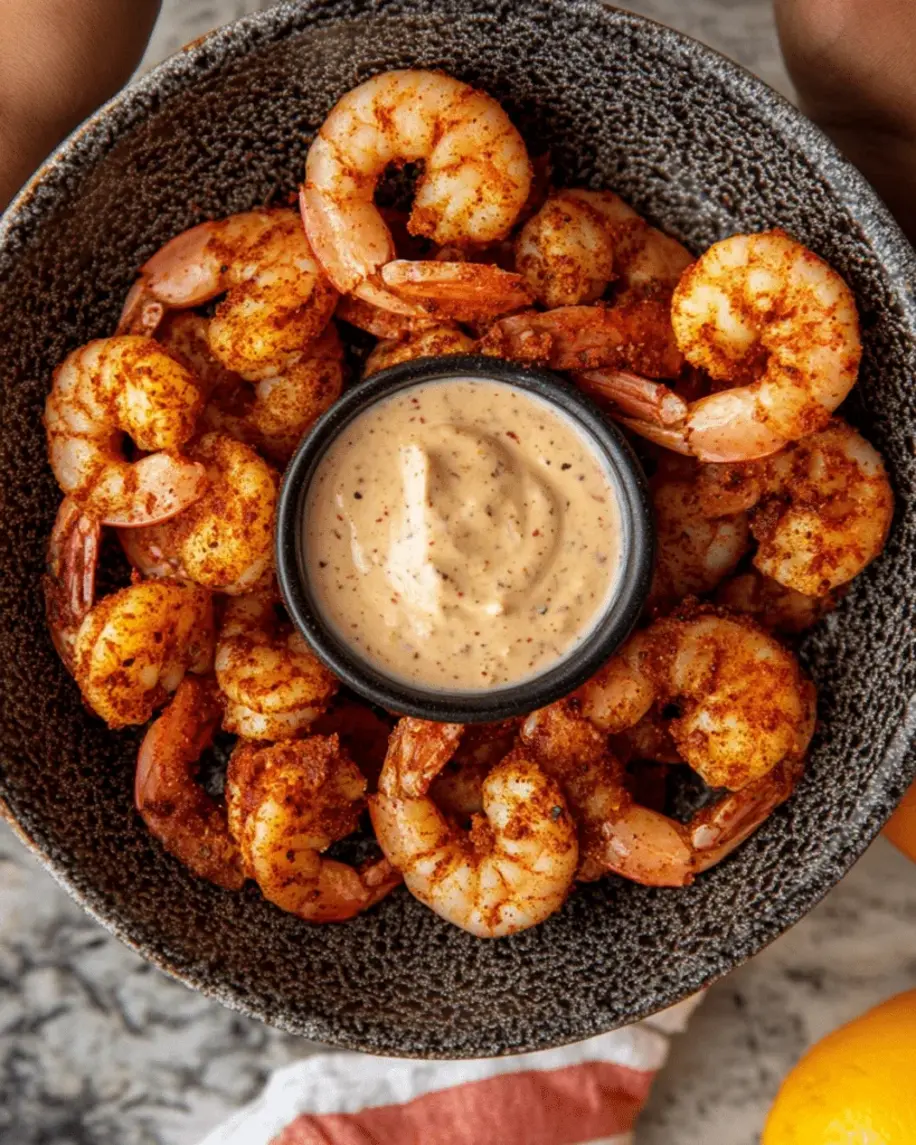
    Baked Jumbo Shells with Tomato Pesto Sauce and Cheesy Ricotta Filling – A Layered Italian Comfort Bake

    ⚖️
    Difficulty
    Medium
    ⏲️
    Prep Time
    25 mins
    🕒
    Cook Time
    30 mins
    ⏱️
    Total Time
    55 mins
    🍽️
    Servings
    6-8

    I still remember the first time I made a baked jumbo shells recipe that truly felt like mine. I was standing in my tiny New York City kitchen, the afternoon light slanting through the window, and I had just returned from the farmers market in Union Square with a basket of vine-ripened tomatoes and a bunch of basil so fragrant it filled my whole apartment. Back in Morocco, my mother would stuff vegetables with spiced rice and herbs—a patient, loving process that taught me the art of filling and layering. Years later, in Paris, I learned how a simple sauce can be elevated with just one thoughtful twist. That twist—swirling vibrant basil pesto into a rich tomato sauce—is what makes this tomato pesto pasta bake so special. Every shell becomes a little pocket of creamy, herby, saucy perfection.

    Imagine pulling a baking dish from the oven, the surface bubbling and golden, the aroma of garlic, basil, and melted cheese filling your kitchen. The jumbo shells are tender but still hold their shape, each one cradling a luscious filling of creamy ricotta, fresh mozzarella, and Parmesan, all brought together with a hint of nutmeg and lemon zest. Then comes the sauce—a robust tomato base swirled with basil pesto, adding an herbal brightness that cuts through the richness. The first bite is pure comfort: the slight chew of the pasta, the silky filling, the tangy-sweet sauce. It’s the kind of dish that makes you close your eyes for a second and just savor.

    What sets my version apart is how I balance the two sauces. Instead of just stirring pesto into tomato sauce, I layer them—a thin spread of tomato pesto sauce on the bottom of the dish, then the stuffed shells, then more sauce on top, finished with a drizzle of extra pesto before baking. This technique ensures every bite has both flavors, and it prevents the pesto from losing its vibrant color in the oven. I also add a pinch of saffron to the ricotta filling—a nod to my Moroccan roots—which adds an almost imperceptible warmth and complexity. 💡 mia’s Pro Tip: Don’t overcook your shells before stuffing. Cook them 2 minutes less than al dente so they stay firm enough to handle and finish cooking perfectly in the oven. And whatever you do, don’t skip draining them on a kitchen towel—moisture is the enemy of a good stuffed shell!

    Why This Baked Jumbo Shells Recipe Is the Best

    The Flavor Secret: Most stuffed shells recipes use either plain tomato sauce or plain pesto. By combining both—and layering them rather than fully mixing—you get a sauce that’s both robust and bright, with pockets of herbal pesto punctuating every few bites. I learned this technique in Paris from a chef who layered herbes de Provence into a tomato coulis for a lamb dish. It stuck with me, and it works beautifully here. The ricotta filling gets a double hit of flavor:fresh mozzarella for stretch, Parmesan for nutty depth, and a whisper of saffron for a subtle floral note that ties everything together.

    Perfected Texture: The biggest challenge with any baked jumbo shells recipe is ending up with mushy pasta or dry filling. My method solves both. I boil the shells just shy of al dente, drain them well on a clean kitchen towel (never rinse—you want that starch for sauce adherence), and oil them lightly so they don’t stick. The filling is kept intentionally moist—I add a beaten egg and a splash of cream to the ricotta—so it stays creamy even after baking. The sauce is thickened slightly with a tomato paste base so it clings to the shells without making them soggy.

    Foolproof & Fast: While stuffed shells look impressive, they’re actually quite forgiving. This recipe walks you through each step with clear visual cues—when the shells are done boiling, how thick the filling should be, how much sauce to add. Even if it’s your first time making a cheesy ricotta stuffed shells dish, you’ll get beautiful results. And because the whole thing comes together in under an hour, it’s perfect for a weekend dinner that feels special without demanding your whole afternoon.

    Baked Jumbo Shells Recipe Ingredients

    I love sourcing my ingredients from the little Italian market on Arthur Avenue in the Bronx when I can—they carry the most beautiful jumbo shells and a ricotta that’s so creamy it barely needs any doctoring. But I’ve made this dish with grocery-store staples many times, and it’s always a hit. Here’s everything you’ll need for this tomato pesto pasta bake.

    Ingredients List

    • 12 oz (340 g) jumbo pasta shells (about 24-28 shells)
    • 2 cups (480 ml) good-quality marinara or crushed tomatoes
    • 1/3 cup (80 ml) basil pesto, store-bought or homemade
    • 1 tbsp tomato paste
    • 3 garlic cloves, minced
    • 2 tbsp olive oil, plus more for drizzling
    • 15 oz (425 g) whole-milk ricotta cheese
    • 1 cup (100 g) fresh mozzarella, diced small
    • 1/2 cup (50 g) grated Parmesan cheese, plus more for topping
    • 1 large egg, lightly beaten
    • 2 tbsp heavy cream or half-and-half
    • 1/2 tsp salt
    • 1/4 tsp black pepper
    • 1/8 tsp saffron threads (optional, but recommended)
    • 1 tsp lemon zest
    • 1/2 cup (120 ml) reserved pasta water
    • Fresh basil leaves, for garnish

    Ingredient Spotlight

    Jumbo Pasta Shells: These are the heart of the dish. Look for shells labeled “jumbo” or “conchiglioni” — they should be about 1.5 inches across. Barilla and De Cecco are reliable brands. The key is to boil them until just tender but still firm, about 8-9 minutes, since they’ll continue cooking in the oven. If you can’t find jumbo shells, large rigatoni or cannelloni tubes work, though cooking times will vary.

    Whole-Milk Ricotta: Please use whole-milk ricotta. The low-fat versions have a grainy texture and won’t give you that luscious, creamy filling. I prefer Calabro or Polly-O brands—they’re widely available and have a nice, smooth consistency. If your ricotta seems watery, drain it in a fine-mesh sieve over a bowl for 30 minutes before using. 💡 mia’s Pro Tip: A quick drain can make the difference between a filling that holds together and one that makes the shells soggy.

    Basil Pesto: Homemade pesto is wonderful, but a good-quality store-bought jar works perfectly here. Look for refrigerated pesto in the deli section—it has a brighter color and fresher flavor than shelf-stable jars. Barilla and Seggiano are solid choices. If you’re avoiding pine nuts, look for pesto made with walnuts or cashews. And if you’re dairy-free, there are excellent vegan pestos available (I like Gotham Greens).

    Original IngredientBest SubstitutionFlavor / Texture Impact
    Jumbo pasta shellsLarge rigatoni or cannelloniDifferent shape but similar stuffing capacity; cooking time may vary.
    Whole-milk ricottaFull-fat cottage cheese, blended smoothSlightly tangier and less creamy; drain well before using.
    Basil pestoSun-dried tomato pesto or kale pestoSun-dried tomato pesto adds sweetness; kale pesto is earthier and less oily.
    Fresh mozzarellaShredded low-moisture mozzarellaLess creamy but melts evenly; reduce salt in filling slightly.
    Saffron (optional)Pinch of turmeric or omitTurmeric adds color but not the same floral note; still delicious without.

    How to Make Baked Jumbo Shells with Tomato Pesto Sauce — Step-by-Step

    Trust me on this—if you’ve ever felt nervous about stuffing pasta shells, this step-by-step walkthrough will have you feeling like a pro. I’ve included all my chef-tested visual cues and timing tips so you can nail it on the first try.

    Step 1: Prepare the Shells

    Bring a large pot of generously salted water to a rolling boil (about 2 tablespoons of salt for 4 quarts of water). Add the jumbo shells and cook for 2 minutes less than the package directions for al dente—usually about 8 to 9 minutes. Stir gently to prevent sticking. Drain the shells in a colander, then spread them out on a clean kitchen towel in a single layer to cool and dry. Drizzle with a teaspoon of olive oil and toss very gently to coat so they don’t stick together.

    💡 mia’s Pro Tip: Never rinse the shells with water after draining. The starch on the surface helps the sauce cling to the pasta. Just let them air-dry on the towel while you prepare the filling.

    Step 2: Make the Tomato Pesto Sauce

    In a medium saucepan, heat 2 tablespoons of olive oil over medium heat. Add the minced garlic and sauté until fragrant, about 30 seconds. Stir in the tomato paste and cook for 1 minute, stirring constantly—this deepens the flavor and removes any raw taste. Add the marinara or crushed tomatoes, 1/4 cup of reserved pasta water, and a pinch of salt. Bring to a gentle simmer and cook for 5 minutes, stirring occasionally. Remove from heat and stir in 3 tablespoons of the basil pesto, reserving the rest for drizzling on top. Set aside.

    ⚠️ Common Mistake to Avoid: Adding all the pesto to the sauce at the beginning. Pesto loses its bright green color and fresh flavor when cooked for too long. Stir it in at the very end, off the heat, to preserve its vibrancy.

    Step 3: Prepare the Cheesy Ricotta Filling

    In a large bowl, combine the ricotta cheese, diced fresh mozzarella, grated Parmesan, beaten egg, heavy cream, salt, pepper, saffron threads (if using), and lemon zest. Mix well with a rubber spatula until smooth and uniform. Taste the filling—it should be well-seasoned and creamy. If it seems too thick, add a tablespoon of reserved pasta water; if too loose, add another tablespoon of Parmesan.

    💡 mia’s Pro Tip: Let the filling rest for 5 minutes after mixing. This allows the flavors to meld and the saffron to bloom. You’ll notice the filling becomes slightly thicker as it sits—perfect for stuffing.

    Step 4: Assemble the Dish

    Preheat your oven to 375°F (190°C). Spread about 1 cup of the tomato pesto sauce evenly over the bottom of a 9×13-inch baking dish. Using a small spoon or a piping bag (a zip-top bag with the corner snipped off works great), fill each jumbo shell with about 1 to 1.5 tablespoons of the ricotta filling. Place the filled shells in the baking dish, open side up, nestled snugly together. Pour the remaining sauce over and around the shells, making sure each one gets a little sauce on top. Dollop the remaining pesto over the surface in small spoonfuls, then sprinkle with an extra 1/4 cup of grated Parmesan.

    ⚠️ Common Mistake to Avoid: Overcrowding the pan. The shells need a little breathing room so the sauce can bubble around them. If you have extra shells, use a second smaller dish rather than cramming them in.

    Step 5: Bake and Rest

    Cover the baking dish tightly with aluminum foil and bake for 20 minutes. Remove the foil and bake for an additional 10 minutes, or until the sauce is bubbly and the cheese on top is melted and lightly golden. If you’d like a deeper golden crust, switch to the broiler for the last 2 minutes—watch closely so it doesn’t burn. Let the dish rest for 10 minutes before serving. This resting time is crucial—it allows the filling to set slightly so the shells hold their shape when you scoop them out.

    💡 mia’s Pro Tip: The resting step is non-negotiable. If you serve the shells straight from the oven, the filling will be too loose and the shells may collapse. Ten minutes of patience makes all the difference.

    StepActionDurationKey Visual Cue
    1Boil shells8-9 minutesShells are tender but still hold their shape when lifted with a slotted spoon
    2Make sauce7 minutesSauce is thick enough to coat a spoon; pesto is swirled in at the end
    3Prepare filling5 minutesFilling is smooth, creamy, and holds a soft peak when stirred
    4Assemble15 minutesShells are snug in the dish with sauce reaching about halfway up the sides
    5Bake covered20 minutesSauce is bubbling at the edges, steam rises when foil is lifted
    6Bake uncovered10 minutesCheese is golden and bubbly; sauce is thickened around the edges
    7Rest10 minutesShells are firm to the touch; filling is set and not runny

    Serving & Presentation

    I love serving this baked jumbo shells recipe straight from the baking dish—it’s rustic and inviting, the kind of meal that makes everyone at the table lean in a little closer. Use a wide spatula or a large spoon to lift out 2-3 shells per person, making sure to scoop up some of the sauce from the bottom of the dish. Place them on warm plates with the open side slightly tilted up so the filling is visible. Spoon a little extra sauce over each serving and garnish with fresh basil leaves—tear them with your hands, never cut them, to avoid bruising.

    A light side salad with lemon vinaigrette is the perfect companion. I like to use a mix of arugula, radicchio, and shaved fennel for a peppery, refreshing contrast to the rich pasta. Crusty bread is non-negotiable for sopping up every last bit of sauce. In the winter, I sometimes add a side of sautéed Swiss chard with garlic and a pinch of red pepper flakes. And if you’re hosting a dinner party, this dish pairs beautifully with a medium-bodied red like a Chianti Classico or a Sangiovese.

    Pairing TypeSuggestionsWhy It Works
    Side DishArugula salad with lemon vinaigrette, sautéed Swiss chard, or roasted broccoli with garlicThe bitterness and acidity cut through the richness of the cheese and sauce
    Sauce / DipExtra pesto on the side, red pepper flakes in olive oil, or a drizzle of balsamic glazeAdds brightness, heat, or sweetness—each complements a different note in the dish
    BeverageChianti Classico, Sangiovese, or a dry rosé; for non-alcoholic: sparkling water with lemonMedium-bodied reds with good acidity match the tomato-pesto balance; rosé offers a lighter option
    GarnishFresh basil leaves (torn), shaved Parmesan, a drizzle of extra-virgin olive oil, flaky sea saltFresh herbs and finishing salt add a final layer of flavor and visual appeal

    Make-Ahead, Storage & Reheating

    This cheesy ricotta stuffed shells recipe is my go-to for busy weeks. I often assemble the entire dish on a Sunday afternoon, then pop it in the fridge or freezer for later. The flavors actually deepen after a day or two, making it even more delicious. Here’s my tried-and-true system for storing and reheating so every serving tastes as good as the first.

    MethodContainerDurationReheating Tip
    RefrigeratorCovered baking dish (tightly with foil or lid)3-4 daysReheat covered at 350°F for 15-20 mins, then uncovered for 5 mins to crisp the top
    FreezerFreezer-safe baking dish or foil pan, tightly wrapped in plastic wrap + foil3 monthsThaw overnight in the fridge, then bake covered at 375°F for 30 mins, uncovered 10 mins
    Make-AheadAssemble in dish, cover, refrigerate before bakingUp to 24 hours in advanceAdd 5-7 mins to covered baking time if baking straight from the fridge

    One thing I’ve learned from my years in NYC kitchens: never microwave stuffed shells if you can help it. The microwave tends to overheat the filling and make the pasta rubbery. If you must use it, cover the plate with a damp paper towel and heat in 30-second bursts at 50% power. But honestly, the oven method is worth the extra minutes. For individual servings, I use a small cast-iron skillet or a ramekin, cover with foil, and reheat in a 350°F oven for about 12 minutes. The shells come out tasting freshly baked.

    Variations & Easy Swaps

    One of the things I love most about this baked jumbo shells recipe is how versatile it is. Over the years, I’ve developed several variations that keep the dish exciting while respecting the core flavors. Whether you’re cooking for a dietary need or just want to try something new, these swaps will serve you well.

    VariationKey ChangeBest ForDifficulty Impact
    Spinach & ArtichokeAdd 1 cup thawed chopped spinach and 1/2 cup chopped artichoke hearts to the ricottaAdding vegetables for extra nutrition and flavorEasy — squeeze spinach dry well to avoid excess moisture
    Spicy SausageBrown 1/2 lb Italian sausage (casings removed) and add to the sauceA heartier, meatier main dish for bigger appetitesMedium — requires an extra pan and a few more minutes
    Vegan Cashew CreamReplace ricotta with blended cashew cream (soaked cashews + lemon + nutritional yeast)Dairy-free or vegan dinersMedium — requires soaking and blending cashews in advance

    Spinach & Artichoke Variation

    This is the variation I turn to when I want to add more greens to the meal without changing the soul of the dish. I thaw a 10-ounce package of frozen chopped spinach, squeeze it absolutely dry in a clean kitchen towel (this is crucial—wet spinach will make the filling soggy), and fold it into the ricotta along with half a cup of chopped marinated artichoke hearts. The artichokes add a lovely tang that plays well with the lemon zest and Parmesan. I sometimes add a pinch of red pepper flakes for warmth.

    Gluten-Free & Dairy-Free Variation

    For a gluten-free version, use gluten-free jumbo shells (I like the Tinkyáda brand—they hold up surprisingly well). Boil them according to package directions, usually about 10-12 minutes, and handle them gently as they’re more delicate. For dairy-free, replace the ricotta with a blended cashew cream: soak 1 cup of raw cashews in boiling water for 30 minutes, drain, and blend with 1/3 cup water, 2 tablespoons lemon juice, 1 tablespoon nutritional yeast, and 1/2 teaspoon salt until silky smooth. Use dairy-free mozzarella shreds and Parmesan-style shreds. The texture is incredibly creamy and the flavor is rich and satisfying.

    Summer Zucchini Variation

    In late summer when farmers markets are overflowing with zucchini, I like to grate one medium zucchini, salt it, let it sit for 15 minutes, then squeeze out the excess moisture and fold it into the ricotta filling. It adds a subtle sweetness and extra moisture without weighing things down. I also swap half the basil pesto for a mint and parsley pesto, which gives the dish a brighter, more herbaceous profile that’s perfect for warm-weather eating. This version doesn’t need the saffron—the zucchini and mint bring their own gentle fragrance.

    What is the best way to cook jumbo pasta shells so they don’t break during stuffing?

    The best method is to boil the shells in a large pot of generously salted water—about 2 tablespoons of salt per 4 quarts of water. Cook them for 2 minutes less than the package directions for al dente, usually about 8 to 9 minutes. Stir gently only once or twice during cooking to avoid breaking them. Drain them carefully in a colander, then immediately spread them out in a single layer on a clean kitchen towel to cool and dry. The towel absorbs excess moisture and the shells firm up slightly as they cool. Drizzle with a teaspoon of olive oil and toss very gently to coat—this prevents them from sticking together. Never rinse the shells with water, as the starch helps the sauce cling and also keeps the pasta more pliable. If a shell does crack, don’t worry—just patch it with a small piece of another broken shell or place it cracked-side down in the baking dish.

    Can I use cottage cheese instead of ricotta for the cheesy filling in this baked shells recipe?

    Yes, you can substitute cottage cheese for ricotta, but there are a few things to keep in mind for the best results. Use full-fat cottage cheese (4% milkfat) for the creamiest texture. You’ll want to drain it in a fine-mesh sieve for about 30 minutes to remove excess whey, which can make the filling too loose. For a smoother consistency that mimics ricotta, pulse the cottage cheese in a food processor for about 10 seconds—this breaks down the curds and gives you a creamier base. Be aware that cottage cheese has a slightly tangier flavor than ricotta, so you may want to reduce the lemon zest slightly. The texture will also be a bit less rich and dense, but the overall dish will still be delicious. I’ve tested this swap many times and it works beautifully, especially when combined with the fresh mozzarella and Parmesan.

    How long should I bake jumbo shells with tomato pesto sauce to get the perfect texture?

    For the perfect texture, bake the assembled shells in a preheated 375°F oven for 20 minutes covered tightly with aluminum foil, then 10 minutes uncovered. The covered baking time allows the shells to steam and cook through gently without drying out, while the uncovered time lets the top cheese brown and the sauce thicken slightly. The total baking time of 30 minutes is ideal for shells that were boiled 2 minutes shy of al dente. If you’re baking the dish straight from the refrigerator after make-ahead assembly, add 5 to 7 minutes to the covered baking time. The visual cues to look for are:bubbling sauce around the edges of the dish, melted and lightly golden cheese on top, and a slight puffiness to the shells. Always let the dish rest for 10 minutes after baking—this allows the filling to set and the shells to become firm enough to serve without collapsing.

    What can I substitute for pesto in this baked jumbo shells recipe if I don’t have it on hand?

    If you don’t have basil pesto, you have several excellent options. Sun-dried tomato pesto is my top recommendation—it adds a sweet, concentrated tomato flavor that pairs beautifully with the ricotta filling and complements the tomato sauce. Kale or spinach pesto (often sold in the refrigerated section) works well too, offering an earthier, more subtly flavored alternative. If you don’t have any prepared pesto, you can make a quick herb oil by blending a cup of fresh basil leaves (or a mix of basil and parsley) with 1/3 cup olive oil, a clove of garlic, and a pinch of salt. This won’t have the cheese or nuts of traditional pesto, but it will add the fresh herbal brightness the recipe needs. Alternatively, simply increase the garlic and add 2 tablespoons of finely chopped fresh basil and 1 tablespoon of olive oil to the tomato sauce—you’ll lose the pesto flavor but still have a very tasty dish.

    Can I assemble this baked jumbo shells recipe ahead of time and bake it later?

    Absolutely—this recipe is perfect for make-ahead meal prep. You can fully assemble the dish (cook the shells, make the sauce, prepare the filling, stuff the shells, and arrange them in the baking dish with sauce and toppings) up to 24 hours in advance. Cover the dish tightly with aluminum foil and refrigerate. When you’re ready to bake, you have two options: bake directly from the fridge, adding about 5 to 7 minutes to the covered baking time, or let the dish sit at room temperature for 30 minutes before baking to reduce the chill. I prefer baking from the fridge for food safety reasons. The flavors actually deepen and meld overnight, so the dish can taste even better the next day. Just be sure to check the internal temperature reaches 165°F before serving.

    Can I freeze baked jumbo shells with tomato pesto sauce?

    Yes, this dish freezes wonderfully. You can freeze it either fully assembled and unbaked, or fully baked and cooled. For unbaked freezing: assemble the dish in a freezer-safe baking dish (foil pans work great), let it cool completely if it’s just been assembled, then wrap tightly in a layer of plastic wrap followed by a layer of heavy-duty aluminum foil. Freeze for up to 3 months. To bake from frozen, thaw overnight in the refrigerator, then bake covered at 375°F for 30 minutes, then uncovered for 10-15 minutes. For baked freezing: bake the dish completely, let it cool to room temperature, then wrap and freeze following the same method. Reheat covered at 350°F for 20-25 minutes. The sauce may be slightly thicker after freezing, but the flavor remains excellent. I always recommend making a double batch—one for dinner tonight and one for the freezer.

    What type of mozzarella works best for the filling?

    For the filling in this cheesy ricotta stuffed shells recipe, I recommend using fresh mozzarella that you dice into small cubes—about 1/4-inch pieces. Fresh mozzarella has a higher moisture content and a milky, delicate flavor that melts into creamy pockets throughout the filling. Look for “fresh mozzarella” sold in water or brine (often labeled “mozzarella di bufala” or simply “fresh mozzarella balls”). Pat it dry with paper towels before dicing to remove excess moisture. If fresh mozzarella isn’t available, you can use low-moisture shredded mozzarella, but note that it will have a slightly saltier flavor and a more elastic, less creamy melt. I recommend reducing the added salt in the filling slightly if using low-moisture mozzarella. Avoid pre-shredded mozzarella with anti-caking additives, as it won’t melt as smoothly into the ricotta.

    How do I keep the shells from sticking to the bottom of the baking dish?

    There are two simple techniques that prevent sticking every time. First, always spread a generous layer of sauce—about 1 cup—on the bottom of the baking dish before adding any shells. This creates a protective barrier between the pasta and the dish. Second, make sure your shells are well-coated in the thin layer of olive oil you drizzled after boiling. When arranging the shells in the dish, place them close together but not crammed—they should be touching but able to shift slightly. If any shells are pressed directly against the side of the dish without sauce between them, they may stick, so use a spoon to nudge a little sauce around the edges. After baking, let the dish rest for 10 minutes before serving—this allows any sauce that has evaporated to be reabsorbed slightly, making it easier to lift the shells without sticking.

    Share Your Version!

    I truly believe that the best recipes are the ones we make our own, and I’d love to see how this baked jumbo shells recipe turns out in your kitchen. Did you add a pinch of something unexpected? Swap in a different cheese? Try the spinach and artichoke variation? Drop a comment below and let me know—I read every single one and I love hearing about your twists and discoveries. And if you’re the kind of cook who likes to share photos (I definitely am!), snap a picture of your beautiful shells before they disappear and tag me on Instagram or Pinterest @exorecipes. It makes my day to see your creations. If you tried the saffron in the filling, I’m especially curious to hear what you thought—it’s my little secret touch, and I hope it brings a smile to your face the way it does to mine.

    From my NYC kitchen to yours — I hope this recipe brings as much warmth to your table as it does to mine. — mia 🧡

    📌

    Love This Recipe? Save It to Pinterest!

    If you enjoyed this Baked Jumbo Shells with Tomato Pesto Sauce and Cheesy Ricotta Filling recipe, don’t let it get lost in your browser tabs! 😄 Pin it now so you can find it again anytime — and explore hundreds more tried-and-tested recipes waiting for you on my Pinterest boards.

    👉 Follow mia on Pinterest @chefrecipes2

    📌 Pin this recipe · 🔁 Re-pin your favorites · 💬 Tag me when you make it — I love seeing your creations!

    Print

    clock clock iconcutlery cutlery iconflag flag iconfolder folder iconinstagram instagram iconpinterest pinterest iconfacebook facebook iconprint print iconsquares squares iconheart heart iconheart solid heart solid icon

    Baked Jumbo Shells with Tomato Pesto Sauce and Cheesy Ricotta Filling: A Flavorful Delight

    • Author: Chef Mia

    Instructions


      Baked Jumbo Shells with Tomato Pesto Sauce and Cheesy Ricotta Filling: A Flavorful Delight