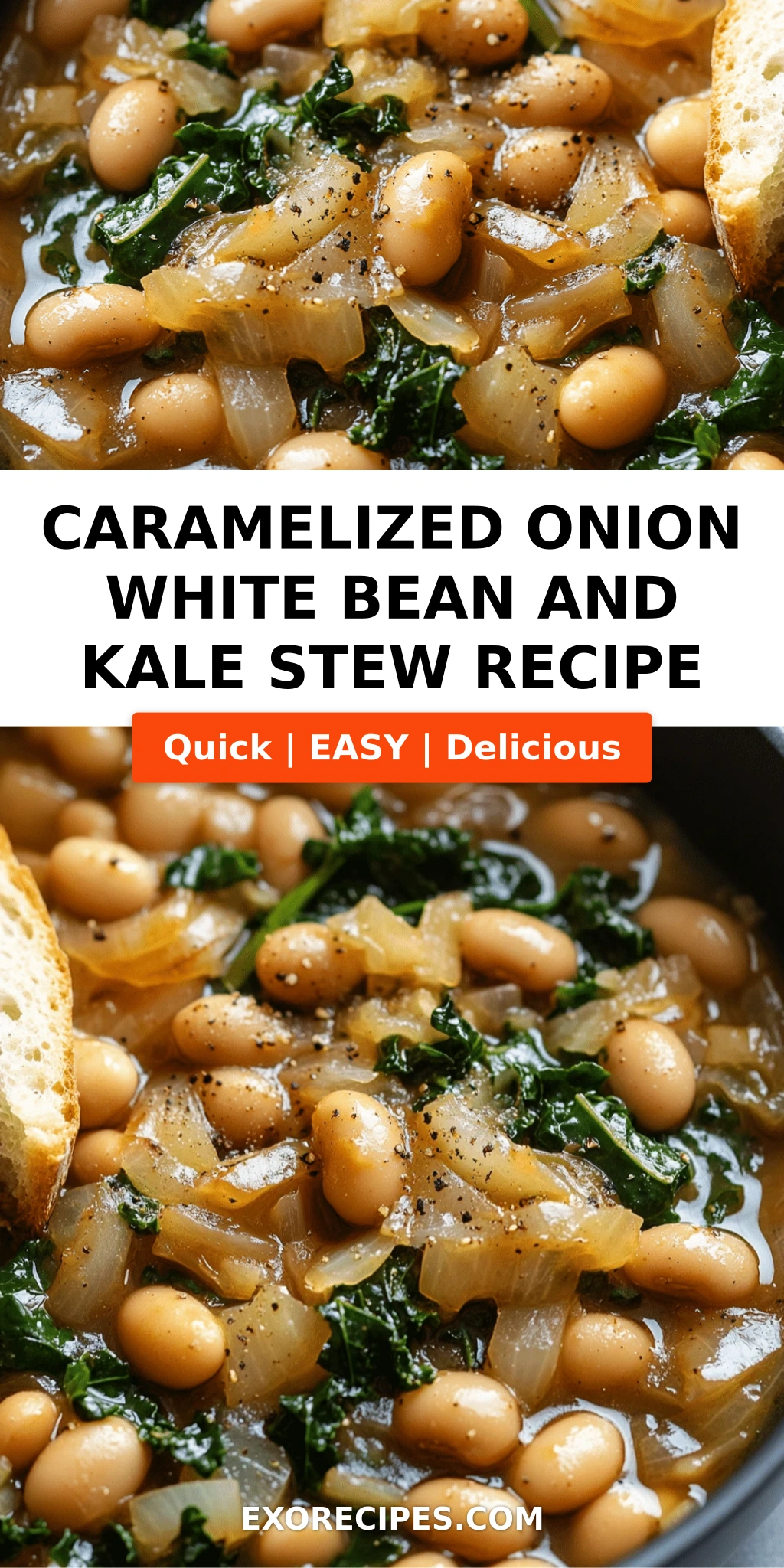
Baked Turkey Meatballs in Creamy Spinach Artichoke Sauce – A Healthy & Comforting Dinner

⚖️
Difficulty
Medium
⏲️
Prep Time
15 mins
🕒
Cook Time
25 mins
⏱️
Total Time
40 mins
🍽️
Servings
4-6 servings

As a chilly New York evening settles over my little kitchen in Brooklyn, I find myself craving something that wraps you up like a warm hug. That’s when I turn to my Baked Turkey Meatballs in Creamy Spinach Artichoke Sauce. I learned the art of a silk-smooth sauce during my years at Le Cordon Bleu in Paris, but the heart of this dish comes straight from my mother’s kitchen in Morocco – where bold flavors and nourishing ingredients always came first. These meatballs are tender, baked to juicy perfection, then simmered in a rich, velvety sauce that’s packed with spinach and artichokes. It’s the meal I make when I need comfort without the guilt.

Imagine the aroma: garlic and oregano melding with the earthy scent of artichokes and the fresh green brightness of spinach, all enveloped in a lightly creamy sauce that’s just thick enough to coat each meatball. The meatballs themselves carry a hint of Parmesan and parsley, with a golden-brown crust from the oven. One bite gives you that satisfying feel of a classic meatball dinner, but with a lighter, healthier twist. The spinach artichoke combination adds a subtle tang and richness that feels indulgent but is actually quite wholesome. I love serving it over a bed of cauliflower rice or whole-wheat pasta for a weeknight dinner that feels company-worthy.

What sets my version apart is the baking method. Many recipes pan-fry the meatballs, but I’ve found that baking them at 400°F keeps the turkey incredibly moist while saving you a messy stovetop step. The sauce, inspired by my Parisian training in béchamel, uses heavy cream for luxury but can be lightened with half-and-half without losing its soul. I’ll show you exactly how to avoid dry meatballs (a common turkey pitfall) and how to build a sauce that’s balanced and bright. Let’s get cooking – this healthy turkey meatball recipe is about to become your new favorite.

Why This Baked Turkey Meatballs Recipe Is the Best

The Flavor Secret: The magic lies in the union of lean ground turkey (93/7) with Parmesan, parsley, and a touch of oregano. These are not bland diet meatballs. The artichoke hearts bring a subtle brininess, and the creamy sauce – finished with a pinch of red pepper flakes – has the complexity of a restaurant-quality dish. It’s the kind of healthy turkey meatball recipe that doesn’t sacrifice taste for nutrition.

Perfected Texture: Baking the meatballs on parchment paper at high heat gives them a beautiful crust without frying. The addition of panko breadcrumbs and a single egg ensures they stay light and fork-tender. When they meet the sauce, they absorb just enough to become luscious but never soggy. I’ve tested this approach over a dozen times to guarantee you perfect results every time.

Foolproof & Fast: With only 15 minutes of active prep and 25 minutes of mostly hands-off cooking, this low carb meatball dinner comes together in 40 minutes flat. It’s a one-pan meal (well, one skillet plus a baking sheet) that’s forgiving enough for beginners yet impressive enough for dinner guests. Follow my tips, and you’ll have a warming, satisfying meal on the table without stress.

Baked Turkey Meatballs in Creamy Spinach Artichoke Sauce Ingredients

Every time I walk through the aisles at the Union Square Greenmarket or my neighborhood Trader Joe’s, I’m reminded of how accessible these ingredients are. The list is short, honest, and full of flavor. Let me walk you through what you’ll need – and a few smart swaps.

Ingredients List

  • For the Meatballs:
  • 1 lb ground turkey (93/7)
  • 1/2 cup panko breadcrumbs
  • 1/4 cup grated Parmesan cheese
  • 1 large egg, lightly beaten
  • 2 cloves garlic, minced
  • 1/2 teaspoon onion powder
  • 1/2 teaspoon dried oregano
  • 1/2 teaspoon salt
  • 1/4 teaspoon black pepper
  • 2 tablespoons chopped fresh parsley
  • For the Sauce:
  • 1 tablespoon olive oil
  • 3 cloves garlic, minced
  • 1 (14-ounce) can artichoke hearts, drained and chopped
  • 3 cups fresh spinach
  • 1 cup heavy cream
  • 1/2 cup chicken broth
  • 1/2 cup grated Parmesan cheese
  • 1/4 teaspoon red pepper flakes (optional)
  • Salt and pepper to taste

Ingredient Spotlight

Ground Turkey (93/7): The lean-to-fat ratio is crucial. 93/7 gives you enough fat to keep the meatballs juicy without making them greasy. If you use extra-lean (99/1), add a tablespoon of olive oil to the mix. I always buy organic, pasture-raised turkey when I can – the flavor is noticeably cleaner.

Artichoke Hearts (canned): I prefer canned quartered artichoke hearts packed in water (not marinated). They’re tender and mild, and chopping them up lets them blend into the sauce beautifully. Frozen artichokes work too – just thaw and pat dry. Avoid the oil-packed ones for this recipe, as they can make the sauce greasy.

Fresh Spinach: Three cups of fresh spinach may seem like a lot, but it wilts down to almost nothing. Use baby spinach for a milder flavor or mature spinach for a more pronounced earthy note. If you’re in a pinch, frozen spinach works – thaw it completely and squeeze out every drop of water before adding.

Heavy Cream: This is the heart of the sauce’s richness. You can substitute half-and-half for a lighter texture, or use full-fat coconut milk for a dairy-free version (the flavor will change slightly but still be delicious). For the classic indulgent experience, stick with heavy cream.

Original IngredientBest SubstitutionFlavor / Texture Impact
Ground turkeyGround chicken or lean ground porkChicken yields similar leanness; pork adds more fat and richness.
Panko breadcrumbsGluten-free panko or almond flourAlmond flour makes meatballs denser; gluten-free panko works 1:1.
Heavy creamHalf-and-half + 1 tsp cornstarchLighter sauce with slightly less body; cornstach helps thicken.

How to Make Baked Turkey Meatballs in Creamy Spinach Artichoke Sauce – Step-by-Step

Follow these steps and you’ll have a stellar dinner – I promise. The key is to work efficiently: prepare the meatballs while the oven preheats, then make the sauce while they bake.

Step 1: Prepare the Meatball Mix

In a large bowl, combine ground turkey, panko, Parmesan, egg, garlic, onion powder, oregano, salt, pepper, and parsley. Use your hands or a rubber spatula – mix gently until everything is just incorporated. Overmixing can make the meatballs tough.

💡 mia’s Pro Tip: To ensure the meatballs don’t soak up too much breadcrumb, let the mixture rest for 5 minutes after mixing. This allows the panko to absorb moisture, resulting in a more tender texture.

Step 2: Form and Bake the Meatballs

Line a baking sheet with parchment paper. Lightly wet your hands to prevent sticking, then form the mixture into 1.5-inch meatballs (you should get 18-20). Place them on the sheet with a little space between each. Bake at 400°F (200°C) for 18-20 minutes, until golden brown and cooked through (165°F internal temp).

⚠️ Common Mistake to Avoid: Don’t crowd the meatballs on the baking sheet – if they’re too close, they’ll steam instead of browning, and you’ll miss that lovely crust. Use two sheets if needed.

Step 3: Make the Creamy Spinach Artichoke Sauce

While the meatballs are in the oven, heat olive oil in a large skillet over medium heat. Add minced garlic and cook for 1 minute until fragrant. Stir in chopped artichoke hearts and cook for 2-3 minutes. Add fresh spinach and cook until wilted, about 2 minutes. Pour in heavy cream and chicken broth, stirring to combine. Bring to a gentle simmer, then stir in Parmesan and red pepper flakes. Season with salt and pepper to taste. Let it simmer 2-3 minutes until slightly thickened.

💡 mia’s Pro Tip: For an even silkier sauce, whisk in a teaspoon of Dijon mustard just before adding the cheese. It adds a subtle depth that lifts the whole dish.

Step 4: Combine and Serve

When the meatballs are done, transfer them directly into the skillet with the sauce. Gently turn them to coat. Let them rest in the warm sauce for a minute before serving. Garnish with extra parsley or a sprinkle of Parmesan.

⚠️ Common Mistake to Avoid: Don’t boil the sauce after adding the meatballs – a gentle simmer is all you need. High heat can curdle the cream and toughen the meatballs.

StepActionDurationKey Visual Cue
1Mix meatball ingredients5 minsUniformly combined, not overmixed
2Form and bake meatballs20 minsGolden brown, 165°F internal
3Make sauce10 minsSpinach wilted, sauce slightly thickened
4Combine and serve2 minsMeatballs evenly coated

Serving & Presentation

I love serving these Turkey Meatballs in Creamy Spinach Artichoke Sauce over a bed of al dente spaghetti or wide pappardelle – the sauce clings beautifully to each strand. For a low-carb option, try them with zucchini noodles or cauliflower rice; the creamy sauce is still a dream. A sprinkle of fresh parsley and a dusting of Parmesan right before serving add a restaurant touch. Sometimes I pair it with roasted broccoli or a simple green salad with lemon vinaigrette to cut through the richness.

When I entertain, I set the skillet right on the table with a crusty baguette for sopping up every last drop of that sauce. It’s the kind of meal that makes everyone lean in and savor. And since it’s made in one skillet (plus the baking sheet), cleanup is easy – a win for any busy cook.

Pairing TypeSuggestionsWhy It Works
Side DishRoasted broccoli, steamed green beans, or a fresh arugula saladThe greens balance the creamy sauce with color and crunch.
StarchGarlic bread, polenta, or mashed potatoesAbsorb the luxurious sauce perfectly.
BeveragePinot Grigio, Sauvignon Blanc, or sparkling water with lemonCrisp acidity cuts through the creaminess.
GarnishFresh parsley, extra Parmesan, red pepper flakesAdds freshness, saltiness, and a final kick of heat.

Make-Ahead, Storage & Reheating

My NYC schedule means I’m often prepping meals on Sunday to enjoy during the week. This recipe is a superstar for meal prep. The meatballs and sauce can be made separately and combined when ready to serve. Here’s how I store it all.

MethodContainerDurationReheating Tip
RefrigeratorAirtight container (keep meatballs & sauce together or separate)Up to 4 daysReheat gently in a skillet over low heat, adding a splash of broth or milk to loosen the sauce.
FreezerFreezer-safe bag or container with sauce separatelyUp to 3 monthsThaw overnight in fridge, then reheat meatballs and sauce together on stove.
Make-AheadBaked meatballs + sauce in separate containersUp to 2 days in advanceCombine and reheat in a skillet when ready to serve – 5-7 minutes.

If you freeze the sauce alone, it may separate slightly when thawed. Don’t worry – just whisk it vigorously over low heat and it will come back together. The meatballs freeze beautifully on their own; I often double the recipe so I have a stash ready for busy weeknights.

Variations & Easy Swaps

This recipe is a canvas for your own twists. Below are three favorite variations I’ve developed over the years, each with its own personality.

VariationKey ChangeBest ForDifficulty Impact
Moroccan-Spiced VersionAdd 1 tsp cumin, 1/2 tsp cinnamon, 1/4 tsp paprika to meatballsThose who love warm, North African flavorsEasy – just add spices
Dairy-Free DelightUse full-fat coconut cream + 1 tbsp lemon juice instead of heavy creamDairy-free and paleo dietsEasy – slight coconut flavor change
Lighter Turkey Meatball DinnerReplace heavy cream with half-and-half + 1 tsp cornstarchEveryday healthy eatingEasy – minimal change

Moroccan-Spiced Version

Growing up in Morocco, my mother would add a pinch of cinnamon and cumin to nearly every savory dish. For this spin, I add 1 teaspoon cumin, ½ teaspoon cinnamon, and ¼ teaspoon paprika to the meatball mixture. The warm spices pair beautifully with the creamy sauce – it’s like a fusion of tagine and Italian comfort. Serve with couscous for a truly special meal.

Dairy-Free Delight

For a dairy-free version, replace the heavy cream with full-fat coconut cream (the thick part from a can of coconut milk). Add a tablespoon of lemon juice to brighten the flavor. The sauce will have a subtle coconut note, which I actually love – it complements the artichokes wonderfully. Use nutritional yeast in place of Parmesan for a cheesy, umami finish.

Lighter Turkey Meatball Dinner

When I’m watching my waistline, I swap the heavy cream for half-and-half thickened with a teaspoon of cornstarch dissolved in a little broth. The sauce is still creamy and satisfying, but with fewer calories. You can also use ground chicken instead of turkey – the result is just as tender.

Share Your Version!

I hope you love these Baked Turkey Meatballs in Creamy Spinach Artichoke Sauce as much as I do. When you make them, I’d love to hear how they turn out – did you try the Moroccan spices? Did you go dairy-free? Let me know in the comments below. Tag me on Instagram @exorecipes or pin your photo on Pinterest – I always love seeing your creations.

If you found this healthy turkey meatball recipe helpful, please give it a 5-star rating and share it with a friend who needs a cozy, low-carb dinner. Your support means the world to this small NYC kitchen.

From my NYC kitchen to yours – I hope this recipe brings as much warmth to your table as it does to mine. — mia 🧡

📌

Love This Recipe? Save It to Pinterest!

If you enjoyed this Baked Turkey Meatballs in Creamy Spinach Artichoke Sauce recipe, don’t let it get lost in your browser tabs! 😄 Pin it now so you can find it again anytime — and explore hundreds more tried-and-tested recipes waiting for you on my Pinterest boards.

👉 Follow mia on Pinterest @exorecipe

📌 Pin this recipe · 🔁 Re-pin your favorites · 💬 Tag me when you make it — I love seeing your creations!

How do you keep baked turkey meatballs from drying out?

Keeping turkey meatballs moist starts with the right fat ratio. I always use 93/7 ground turkey (93% lean, 7% fat) – that little bit of fat makes all the difference. Adding panko breadcrumbs that are moistened by the egg and a splash of milk (or just the egg) also helps retain moisture. Baking at 400°F for only 18-20 minutes ensures they cook through without drying. My biggest tip: don’t overmix the meat, and let the mixture rest for 5 minutes before forming. The final step of simmering them in the creamy sauce right before serving adds even more moisture back into the meatballs.

Can I use frozen spinach in the creamy spinach artichoke sauce?

Absolutely – frozen spinach works perfectly as a substitute for fresh. The key is to thaw it completely first, then squeeze out every last drop of excess water. Frozen spinach holds a lot of water, and if you add it without squeezing, your sauce will become watery and thin. Use about ½ cup of thawed, squeezed spinach in place of the 3 cups fresh. I recommend adding it at the same point as you would fresh spinach, after cooking the artichokes. It will wilt quickly. The texture will be slightly softer than fresh, but the flavor remains excellent.

What can I substitute for heavy cream in the sauce?

You have several great options for substituting heavy cream. For a lighter sauce, use half-and-half mixed with 1 teaspoon of cornstarch (dissolved in a little cold broth) to help thicken it. For a dairy-free alternative, full-fat coconut cream from a can of coconut milk works beautifully – add a squeeze of lemon to mimic the tang of cream. Another option is evaporated milk (not sweetened), which is creamier than regular milk but lower in fat. Keep in mind that each substitute will change the richness slightly: half-and-half yields a thinner sauce, coconut adds a subtle coconut flavor, and evaporated milk gives a slightly cooked-milk taste. I recommend using heavy cream for the classic indulgent version.

What temperature should I bake turkey meatballs to ensure they are fully cooked?

Turkey meatballs should be baked at 400°F (200°C) for 18-20 minutes. The internal temperature must reach 165°F (74°C) to be safely cooked. I always recommend using an instant-read thermometer inserted into the center of a meatball to check. If you don’t have a thermometer, look for visual cues: the meatballs should be golden brown on the outside, and when you cut one open, the inside should be white or light brown with no pink. Baking at this relatively high temperature allows the exterior to brown nicely while the interior stays juicy. Avoid opening the oven door frequently, as this can cause temperature fluctuations and uneven cooking.

Can I make these baked turkey meatballs ahead of time?

Yes, this recipe is excellent for advance preparation. You can bake the meatballs up to 2 days ahead and store them in the refrigerator in an airtight container. The sauce can also be made ahead and stored separately. When you’re ready to serve, simply reheat the sauce gently in a skillet, add the meatballs, and warm through for 5-7 minutes. For longer storage, the meatballs freeze beautifully for up to 3 months. I often double the recipe and freeze half the baked meatballs (without sauce) in a freezer bag. Then I make a fresh batch of sauce when I’m ready to use them – it tastes just like the day I made it.

How do I reheat leftover turkey meatballs in creamy sauce without them drying out?

The best way to reheat leftover turkey meatballs is on the stovetop in a skillet over low to medium-low heat. Add a splash of chicken broth, milk, or even water to thin the sauce back to its original consistency, as it will have thickened in the fridge. Cover the skillet and warm gently for 5-7 minutes, stirring occasionally, until the meatballs are heated through. You can also use the microwave in 30-second bursts, but be careful not to overheat, which can make the meatballs tough and rubbery. I avoid using high heat because it can cause the cream sauce to separate. With low-and-slow reheating, your leftovers will taste almost as good as fresh.

Can I use ground chicken instead of ground turkey?

Yes, ground chicken is an excellent substitute for ground turkey in this recipe. They have a very similar fat content and texture, so you can swap them 1:1. I recommend using ground chicken thigh meat if you can find it – it has a bit more fat and stays juicier than breast-only ground chicken. If you use lean ground chicken breast, you may want to add a tablespoon of olive oil to the meatball mixture to prevent dryness. The rest of the ingredients (panko, Parmesan, egg, seasonings) remain exactly the same. The flavor will be slightly milder than turkey, but it still pairs beautifully with the creamy spinach artichoke sauce.

What can I serve instead of pasta with these meatballs?

There are many delicious alternatives to pasta for serving these turkey meatballs. For a low-carb or gluten-free option, I love them over spiralized zucchini noodles (zoodles), cauliflower rice, or spaghetti squash. For something more substantive, try serving them with creamy polenta, mashed potatoes, or a bed of fluffy rice (brown or white). Crusty bread is always a winner for sopping up the creamy spinach artichoke sauce. You can also serve the meatballs on their own as an appetizer or main with a side of roasted vegetables like broccoli, asparagus, or Brussels sprouts. The versatility makes this the perfect easy baked meatballs recipe for any dietary need.

Print

clock clock iconcutlery cutlery iconflag flag iconfolder folder iconinstagram instagram iconpinterest pinterest iconfacebook facebook iconprint print iconsquares squares iconheart heart iconheart solid heart solid icon

Baked Turkey Meatballs in Creamy Spinach Artichoke Sauce

  • Author: Chef Mia
  • Prep Time: 15 minutes
  • Cook Time: 25 minutes
  • Total Time: 40 minutes
  • Yield: 4-6 servings 1x
  • Method: Main Course
  • Cuisine: American

Description

These tender baked turkey meatballs are nestled in a rich, creamy spinach artichoke sauce. A wholesome and satisfying meal perfect for any night of the week.


Ingredients

Scale
  • For the Meatballs:
  • 1 lb ground turkey (93/7)
  • 1/2 cup panko breadcrumbs
  • 1/4 cup grated Parmesan cheese
  • 1 large egg, lightly beaten
  • 2 cloves garlic, minced
  • 1/2 teaspoon onion powder
  • 1/2 teaspoon dried oregano
  • 1/2 teaspoon salt
  • 1/4 teaspoon black pepper
  • 2 tablespoons chopped fresh parsley
  • For the Sauce:
  • 1 tablespoon olive oil
  • 3 cloves garlic, minced
  • 1 (14-ounce) can artichoke hearts, drained and chopped
  • 3 cups fresh spinach
  • 1 cup heavy cream
  • 1/2 cup chicken broth
  • 1/2 cup grated Parmesan cheese
  • 1/4 teaspoon red pepper flakes (optional)
  • Salt and pepper to taste

Instructions

  1. Preheat oven to 400°F (200°C). Line a baking sheet with parchment paper.
  2. In a large bowl, combine ground turkey, panko, Parmesan, egg, garlic, onion powder, oregano, salt, pepper, and parsley. Mix gently until just combined.
  3. Form into 1.5-inch meatballs (about 18-20) and place on the prepared baking sheet.
  4. Bake for 18-20 minutes, or until cooked through and golden brown.
  5. While meatballs bake, make the sauce: In a large skillet, heat olive oil over medium heat. Add garlic and cook for 1 minute.
  6. Add chopped artichoke hearts and cook for 2-3 minutes. Add spinach and cook until wilted, about 2 minutes.
  7. Pour in heavy cream and chicken broth, stirring to combine. Bring to a simmer.
  8. Stir in Parmesan cheese and red pepper flakes (if using). Season with salt and pepper to taste. Simmer for 2-3 minutes until slightly thickened.
  9. Add the baked meatballs to the sauce, turning to coat. Serve immediately, garnished with additional parsley or Parmesan if desired.

Notes

For a lighter version, substitute half-and-half for the heavy cream. Meatballs can also be made ahead and reheated gently in the sauce.


Nutrition

  • Calories: 420
  • Sugar: 3g
  • Fat: 28g
  • Carbohydrates: 12g
  • Protein: 32g


Baked Turkey Meatballs in Creamy Spinach Artichoke Sauce

Baked Turkey Meatballs in Creamy Spinach Artichoke Sauce – A Cozy, Healthier Comfort Dish

⚖️
Difficulty
Easy
⏲️
Prep Time
15 mins
🕒
Cook Time
25 mins
⏱️
Total Time
40 mins
🍽️
Servings
4

I still remember the first time I made these baked turkey meatballs in creamy spinach artichoke sauce. It was a chilly evening in my tiny New York City apartment, and I was craving the warmth of my mother’s Moroccan kitchen — but also wanted something that felt light and nourishing. That’s when I decided to combine the juicy, perfectly seasoned turkey meatballs I learned to make in Paris with a luxuriously creamy spinach artichoke sauce inspired by American comfort food. The result? A dish that’s both healthy and indulgent, easy enough for a weeknight yet impressive enough for company. These healthy turkey meatballs are baked, not fried, making them lighter without sacrificing any of that rich, savory flavor.

Imagine tender, golden-brown meatballs — fragrant with oregano and garlic — nestled in a velvety sauce that’s creamy, slightly tangy from the artichokes, and speckled with vibrant green spinach. Each bite brings a crunch of breadcrumb exterior, a juicy turkey interior, and a luscious sauce that coats every crevice. The artichokes add a subtle earthiness, while the Parmesan ties everything together with nutty, salty notes. It’s the kind of dish that fills your kitchen with an irresistible aroma before you even take the first bite.

As a professionally trained cook who’s worked in Michelin-starred kitchens and now develops recipes for home cooks, I’ve tested this one over a dozen times to get it just right. My secret? A touch of olive oil drizzled on the meatballs before baking ensures they stay moist and develop a beautiful crust. Plus, I always use freshly grated Parmesan and full-fat cream for the silkiest sauce — but I’ll share smart swaps below. One common mistake to avoid: overmixing the meatball mixture, which can make them dense. Mix until just combined, and you’ll get perfect, fork-tender meatballs every time.

Why This Baked Turkey Meatballs in Creamy Spinach Artichoke Sauce Recipe Is the Best

The Flavor Secret: Growing up in Morocco, my mother taught me that the best dishes come from layering flavors with intention. Here, I blend Italian-American comfort with a French sauce technique — the result is a creamy sauce that’s rich but not heavy, with artichokes adding a bright, slightly tangy note that cuts through the cream. The meatballs are seasoned with oregano and garlic, giving them a Mediterranean soul.

Perfected Texture: I trained in Paris, where I learned that moisture is everything in meatballs. By baking them rather than pan-frying, we avoid greasy exteriors while keeping the inside incredibly juicy. The key is a mix of breadcrumbs and Parmesan that absorbs just enough moisture without making the mixture dry. Baking at 400°F creates a golden crust while the interior stays tender.

Foolproof & Fast: This recipe is designed for home cooks of all skill levels. The meatballs come together in under 15 minutes, and the sauce builds in the same time they bake. No complicated steps, no special equipment. Whether you’re a busy parent or a beginner, you can pull off this impressive dinner with confidence. Plus, it’s easy to double for meal prep — and trust me, leftovers are even better.

Healthy Turkey Meatballs Ingredients

I’ll always grab my ground turkey from the Union Square Greenmarket in NYC — fresh, pasture-raised, and full of flavor. The rest of the ingredients are pantry staples I keep on hand. When I make these baked turkey meatballs, I think of the French market in Paris where I first fell in love with the combination of spinach and artichokes.

Ingredients List

  • 1 lb ground turkey (93% lean works best)
  • 1/2 cup breadcrumbs (panko or regular)
  • 1/4 cup grated Parmesan cheese
  • 1 large egg
  • 2 cloves garlic, minced
  • 1 teaspoon dried oregano
  • 1 teaspoon salt
  • 1/2 teaspoon black pepper
  • 2 tablespoons olive oil

For the Creamy Spinach Artichoke Sauce:

  • 2 tablespoons butter
  • 1 small onion, diced
  • 3 cloves garlic, minced
  • 1 (14 oz) can artichoke hearts, drained and chopped
  • 1 cup heavy cream
  • 1/2 cup chicken broth
  • 1/2 cup grated Parmesan cheese
  • 3 cups fresh spinach (packed)
  • Salt and pepper to taste

Ingredient Spotlight

Ground Turkey: The star of these healthy turkey meatballs. Look for 93% lean to ensure moistness; too lean (99%) can lead to dry meatballs. If you can’t find ground turkey, ground chicken works well. For a richer flavor, try half pork and half turkey.

Artichoke Hearts: Canned artichoke hearts are convenient and consistent. I recommend the quartered ones — just chop them a bit smaller. They add a subtle tang and creamy texture to the sauce. If you use frozen, thaw and squeeze out excess water first.

Spinach: Fresh baby spinach is ideal; it wilts quickly into the sauce. You can substitute frozen spinach (thawed and squeezed dry), but fresh gives a brighter color and better texture. I love how the spinach folds into the sauce, creating beautiful green ribbons.

Parmesan Cheese: Always grate your own from a block — pre-shredded contains anti-caking agents that can make the sauce grainy. Fresh Parmesan melts smoothly and adds that essential umami depth. For a vegetarian version, use a vegetarian Parmesan or substitute nutritional yeast.

Original IngredientBest SubstitutionFlavor / Texture Impact
Ground TurkeyGround ChickenVery similar; slightly milder flavor
Heavy CreamHalf-and-half + 1 tbsp butterLess rich but still creamy; sauce thinner
BreadcrumbsGluten-free breadcrumbs or almond flourAlmond flour makes meatballs denser; GF breadcrumbs work well
Parmesan (sauce)Pecorino Romano or Grana PadanoSaltier, sharper flavor; reduce added salt

How to Make Baked Turkey Meatballs in Creamy Spinach Artichoke Sauce — Step-by-Step

This recipe flows like a well-choreographed dance: while the meatballs bake, the sauce comes together on the stove. Everything finishes at the same time, so you’re never waiting.

Step 1: Prepare the Meatball Mixture

In a large bowl, combine 1 lb ground turkey, 1/2 cup breadcrumbs, 1/4 cup grated Parmesan, 1 large egg, 2 minced garlic cloves, 1 tsp dried oregano, 1 tsp salt, and 1/2 tsp black pepper. Use your hands to mix gently until just combined — overmixing develops gluten in the breadcrumbs and makes meatballs tough.

💡 mia’s Pro Tip: Wet your hands slightly with water before shaping the meatballs — this prevents sticking and results in smoother, more even balls.

Step 2: Shape and Bake the Meatballs

Roll the mixture into 1-inch meatballs (about 20–24 total). Place them on a parchment-lined baking sheet, spacing about 1 inch apart. Drizzle with 2 tablespoons olive oil, then roll the meatballs gently to coat. Bake at 400°F for 18–20 minutes, until golden brown and cooked through (internal temp 165°F).

⚠️ Common Mistake to Avoid: Don’t crowd the baking sheet — meatballs need space to brown evenly. Use two sheets if necessary.

Step 3: Make the Creamy Spinach Artichoke Sauce

While meatballs bake, melt 2 tbsp butter in a large skillet over medium heat. Add 1 diced onion and cook until softened, about 5 minutes. Add 3 minced garlic cloves and cook 1 minute more. Stir in 1 can (14 oz) drained and chopped artichoke hearts, 1 cup heavy cream, 1/2 cup chicken broth, and 1/2 cup grated Parmesan. Cook, stirring, until the sauce thickens slightly, about 3–4 minutes. Add 3 cups fresh spinach and cook until wilted, about 2 minutes. Season with salt and pepper to taste.

💡 mia’s Pro Tip: For a smoother sauce, use an immersion blender to partially blend the artichokes before adding spinach — but I prefer the chunky texture as is.

Step 4: Combine and Serve

Add the baked meatballs to the skillet with the sauce, gently stirring to coat. Let everything simmer together for 1–2 minutes to marry the flavors. Serve immediately, garnished with extra Parmesan and fresh parsley if desired.

⚠️ Common Mistake to Avoid: Don’t let the sauce boil after adding the meatballs — a gentle simmer keeps the meatballs tender and prevents the sauce from breaking.

StepActionDurationKey Visual Cue
1Mix meatball ingredients5 minUniform, moist mixture
2Shape & bake meatballs18–20 minGolden brown, firm to touch
3Sauté onion & garlic6 minOnion translucent, garlic fragrant
4Add artichokes, cream, broth, Parmesan4 minSauce thickens slightly
5Add spinach2 minSpinach wilted, bright green
6Combine meatballs with sauce2 minMeatballs well coated

Serving & Presentation

I love serving these spinach artichoke meatballs over creamy polenta or a bed of egg noodles — both soak up that luscious sauce beautifully. For a lighter option, try them with zucchini noodles or mashed cauliflower. A sprinkle of fresh parsley and a dusting of extra Parmesan on top adds a restaurant-worthy finish. In my NYC kitchen, I often pair this dish with a crisp green salad dressed with lemon vinaigrette to cut through the richness.

This recipe reminds me of the Friday night family dinners my mother used to make in Morocco — always served with warm bread to sop up every drop of sauce. Now, living in New York, I carry that tradition forward by serving these meatballs with crusty sourdough from a local bakery. The combination of textures and flavors is pure comfort.

Pairing TypeSuggestionsWhy It Works
Side DishPolenta, egg noodles, garlic bread, zucchini noodlesAbsorbs sauce, adds texture
Sauce / DipExtra sauce, lemon zest, chili flakesEnhances richness, adds brightness
BeverageChardonnay, Sauvignon Blanc, sparkling water with lemonCrisp acidity balances cream
GarnishFresh parsley, Parmesan shavings, black pepperAdds color and final flavor punch

Make-Ahead, Storage & Reheating

This dish is a meal-prep hero. I often double the batch and freeze half for busy weeks. In New York, time is precious — having this ready to go means I can enjoy a home-cooked dinner even after a hectic day. The flavors actually deepen overnight.

MethodContainerDurationReheating Tip
RefrigeratorAirtight container3–4 daysReheat gently in skillet with splash of broth
FreezerFreezer-safe container or bag3 monthsThaw overnight in fridge, then reheat on stove
Make-AheadBake meatballs, make sauce separatelyUp to 2 daysCombine just before serving

To reheat from refrigerated, place meatballs and sauce in a skillet over medium-low heat, add a tablespoon of chicken broth or water to loosen the sauce, and stir until warm. Avoid the microwave — it can make the meatballs rubbery and the sauce separate. For frozen, thaw in the fridge overnight, then follow the same stovetop method.

Variations & Easy Swaps

VariationKey ChangeBest ForDifficulty Impact
Moroccan SpiceAdd 1 tsp cumin and 1/2 tsp cinnamon to meatballsExotic twistEasy
Gluten-Free / Dairy-FreeUse GF breadcrumbs, omit Parmesan in meatballs, use dairy-free cream & butterDietary restrictionsMedium – multiple swaps
Spicy CajunAdd 1 tsp Cajun seasoning to meatballs and a pinch of cayenne to sauceKick of heatEasy

Moroccan Spice Twist

I love adding a touch of my heritage to this recipe. Mix 1 teaspoon cumin and 1/2 teaspoon cinnamon into the meatball mixture. The warmth of cumin and sweetness of cinnamon complement the creamy sauce beautifully. This variation reminds me of the meatball tagine my mother would make — serve it with couscous for a full North African experience.

Gluten-Free / Dairy-Free Version

To make these baked turkey meatballs friendly for dietary restrictions, use certified gluten-free breadcrumbs (or crushed GF crackers). Omit the Parmesan in the meatballs and add 2 tablespoons nutritional yeast for umami. For the sauce, replace butter with vegan butter and heavy cream with full-fat canned coconut cream or a dairy-free heavy cream alternative. The sauce will be slightly less rich but still deliciously creamy. This version has been a hit with my gluten-free friends in NYC.

Spicy Cajun Variation

For those who love heat, stir 1 teaspoon Cajun seasoning into the meatball mixture. Add a pinch of cayenne pepper to the sauce along with the artichokes. The smoky, spicy notes cut through the creaminess perfectly. I discovered this combo at a New Orleans-inspired pop-up in Brooklyn and knew I had to adapt it to this recipe. Serve with cornbread to complete the Southern vibe.

Can I use frozen spinach and canned artichokes for baked turkey meatballs in creamy spinach artichoke sauce?

Absolutely! Canned artichoke hearts are actually my preferred choice for this sauce because they’re consistently tender and convenient. Just drain and chop them. For frozen spinach, thaw it completely and squeeze out as much water as possible with your hands before adding it to the sauce. You’ll need about 1 cup of thawed, squeezed frozen spinach to replace the fresh. Keep in mind frozen spinach is already cooked, so it will wilt faster — add it in the last minute of cooking. Fresh spinach gives a brighter color and slightly firmer texture, but frozen works perfectly for meal prep or when fresh isn’t available.

How long do you bake turkey meatballs for in a creamy spinach artichoke sauce?

I bake the turkey meatballs first at 400°F for 18-20 minutes until they are golden brown and reach an internal temperature of 165°F. After baking, I gently simmer them in the sauce for 1-2 minutes to warm through and marry the flavors. You don’t want to bake the meatballs directly in the sauce because that can make them soggy and the sauce can curdle at high heat. Baking separately gives them that beautiful caramelized crust while keeping the interior juicy. The final simmer in the sauce is just enough to coat each meatball without losing its texture.

What can I substitute for heavy cream in the spinach artichoke sauce for turkey meatballs?

Several options work well. Half-and-half mixed with 1 tablespoon of melted butter is my top pick — it still gives a creamy sauce but with fewer calories. For a lighter version, use whole milk thickened with 1 tablespoon of cornstarch dissolved in cold water (slurry). Full-fat canned coconut cream is an excellent dairy-free choice, but it adds a subtle coconut flavor, so I recommend adding extra Parmesan and a pinch of garlic powder to balance it. For a very low-fat option, unsweetened cashew milk or oat milk with a tablespoon of cornstarch works, but the sauce will be thinner and less luxurious. Always add substitutions gradually and adjust seasoning.

How do you keep baked turkey meatballs from drying out in the sauce?

The key is twofold: first, don’t overbake the meatballs. Pull them from the oven as soon as they hit 165°F — the carryover cooking will finish them. Second, when you add them to the sauce, use a gentle simmer, not a boil, and only heat for 1-2 minutes. Overcooking in liquid can draw out moisture. Using 93% lean ground turkey (not 99% lean) is crucial; the fat keeps them moist. I also add a bit of olive oil to the meatball mixture itself (the 2 tablespoons drizzled on top before baking) which helps retain moisture. If you’re making ahead, store the sauce separate from the meatballs to prevent sogginess, then combine when reheating.

Can I make these baked turkey meatballs in creamy spinach artichoke sauce ahead of time?

Yes, this recipe is great for make-ahead. You can bake the meatballs and make the sauce up to 2 days in advance, storing them separately in the fridge. When ready to serve, simply reheat the sauce in a skillet over medium-low heat, add the meatballs, and cook for 2-3 minutes until warmed through. You may need to add a splash of chicken broth to loosen the sauce. For longer storage, freeze the baked meatballs and sauce in separate airtight containers for up to 3 months. Thaw overnight in the fridge and reheat as directed. I often double the batch and freeze half for busy weeks — it’s a lifesaver on hectic NYC evenings.

What can I serve with these spinach artichoke meatballs?

These meatballs are incredibly versatile. My favorite pairings are creamy polenta, which soaks up the sauce wonderfully, or wide egg noodles tossed with butter and parsley. For a low-carb option, go with zucchini noodles or cauliflower rice. Crusty bread is non-negotiable in my house — I use sourdough from a local bakery to mop up every drop of sauce. A simple side salad with lemon vinaigrette cuts through the richness beautifully. If you want to go full comfort, serve over mashed potatoes or alongside roasted broccoli. The sauce pairs well with almost any starch or vegetable.

Can I use ground chicken instead of turkey for these baked meatballs?

Absolutely! Ground chicken is nearly identical in texture and fat content to ground turkey. Use the same amount (1 lb) and follow the recipe exactly. The flavor is slightly milder, so you might want to add a pinch more salt or oregano. Ground chicken works beautifully in this recipe and many of my readers have swapped it without any issues. If using ground chicken from thighs, it will be even juicier. Just make sure to check that the internal temperature reaches 165°F as with turkey.

Is this recipe healthy? How many calories per serving?

Yes, this recipe is a healthier take on traditional meatballs in cream sauce. By using lean ground turkey and baking instead of frying, we save significant calories and fat. Each serving (based on 4 servings) contains approximately 485 calories, 32g protein, 32g fat, 18g carbs, and 4g sugar. The spinach adds vitamins A and K, iron, and fiber, while artichokes contribute antioxidants and prebiotic fiber. The heavy cream and Parmesan do add some saturated fat, but the overall dish is balanced and satisfying. For even lighter versions, use half-and-half and reduce the cheese by half.

Can I add more vegetables to the sauce?

Definitely! This sauce is a great vehicle for extra veggies. Sautéed mushrooms, chopped roasted red peppers, or sun-dried tomatoes would all be wonderful additions. Add them along with the artichokes. For a more substantial sauce, you could stir in some cooked white beans or chickpeas after the spinach wilts. I sometimes add a handful of chopped kale along with the spinach for extra nutrients. Just keep in mind that additional vegetables may add moisture, so you might need to simmer the sauce a minute longer to thicken it back up.

How do I prevent the sauce from curdling when adding cheese?

This is a common concern, but easy to avoid. First, always use freshly grated Parmesan from a block — pre-shredded cheese contains anti-caking agents that can cause graininess. Second, add the cheese off the heat or on very low heat, stirring constantly. When you add the Parmesan to the cream mixture, lower the heat to the minimum and stir until melted and smooth. Never let the sauce come to a boil after adding cheese, as high heat separates the proteins and creates a curdled texture. If the sauce does look a little separated, whisk in a tablespoon of cold chicken broth or cream to bring it back together.

Share Your Version!

I hope this recipe for baked turkey meatballs in creamy spinach artichoke sauce becomes a favorite in your kitchen. Every time I make it, I’m transported back to the warm little apartment in NYC where I first created it — and now I’m passing it on to you. If you try it, please leave a star rating and a comment below letting me know how it turned out. Did you add any twists? What did you serve it with?

Tag me on Instagram or Pinterest when you make it — I love seeing your beautiful creations. And if you have a question about a specific substitution or technique, just ask. I’m always here to help you cook with confidence. From my NYC kitchen to yours — I hope this recipe brings as much warmth to your table as it does to mine. — mia 🧡

📌

Love This Recipe? Save It to Pinterest!

If you enjoyed this Baked Turkey Meatballs in Creamy Spinach Artichoke Sauce recipe, don’t let it get lost in your browser tabs! 😄 Pin it now so you can find it again anytime — and explore hundreds more tried-and-tested recipes waiting for you on my Pinterest boards.

👉 Follow mia on Pinterest @chefrecipes2

📌 Pin this recipe · 🔁 Re-pin your favorites · 💬 Tag me when you make it — I love seeing your creations!

Print

clock clock iconcutlery cutlery iconflag flag iconfolder folder iconinstagram instagram iconpinterest pinterest iconfacebook facebook iconprint print iconsquares squares iconheart heart iconheart solid heart solid icon

Baked Turkey Meatballs in Creamy Spinach Artichoke Sauce

  • Author: Chef Mia
  • Prep Time: 15 minutes
  • Cook Time: 25 minutes
  • Total Time: 40 minutes
  • Yield: 4 servings 1x
  • Method: Main Course
  • Cuisine: American

Description

Juicy baked turkey meatballs nestled in a rich, creamy spinach artichoke sauce. A comforting and flavorful dinner that’s perfect for any night of the week.


Ingredients

Scale
  • For the Turkey Meatballs:
  • 1 lb ground turkey
  • 1/2 cup breadcrumbs
  • 1/4 cup grated Parmesan cheese
  • 1 large egg
  • 2 cloves garlic, minced
  • 1 teaspoon dried oregano
  • 1 teaspoon salt
  • 1/2 teaspoon black pepper
  • 2 tablespoons olive oil
  • For the Creamy Spinach Artichoke Sauce:
  • 2 tablespoons butter
  • 1 small onion, diced
  • 3 cloves garlic, minced
  • 1 (14 oz) can artichoke hearts, drained and chopped
  • 1 cup heavy cream
  • 1/2 cup chicken broth
  • 1/2 cup grated Parmesan cheese
  • 3 cups fresh spinach
  • Salt and pepper to taste

Instructions

  1. Preheat the oven to 400°F (200°C). Line a baking sheet with parchment paper.
  2. In a large bowl, combine ground turkey, breadcrumbs, Parmesan cheese, egg, minced garlic, oregano, salt, and pepper. Mix until just combined.
  3. Shape the mixture into 1-inch meatballs and place them on the prepared baking sheet. Drizzle with olive oil.
  4. Bake for 18-20 minutes, until golden and cooked through.
  5. While meatballs bake, make the sauce. In a large skillet over medium heat, melt the butter. Add onion and cook until softened, about 5 minutes. Add garlic and cook for 1 minute.
  6. Stir in the chopped artichoke hearts, heavy cream, chicken broth, and Parmesan cheese. Cook, stirring, until the sauce thickens slightly, about 3-4 minutes.
  7. Add the fresh spinach and cook until wilted, about 2 minutes. Season with salt and pepper.
  8. Add the baked meatballs to the skillet and gently stir to coat with the sauce.
  9. Serve immediately, garnished with extra Parmesan if desired.


Nutrition

  • Calories: 485
  • Sugar: 4g
  • Fat: 32g
  • Carbohydrates: 18g
  • Protein: 32g


Baked Turkey Meatballs in Creamy Spinach Artichoke Sauce

k">

Tried This Recipe? Leave a Comment!

Did you make this recipe? I’d love to hear how it turned out! Please leave a comment and a rating below. Your feedback helps other home cooks and supports cheerychop.com!

For more delicious inspiration, follow me on Pinterest!
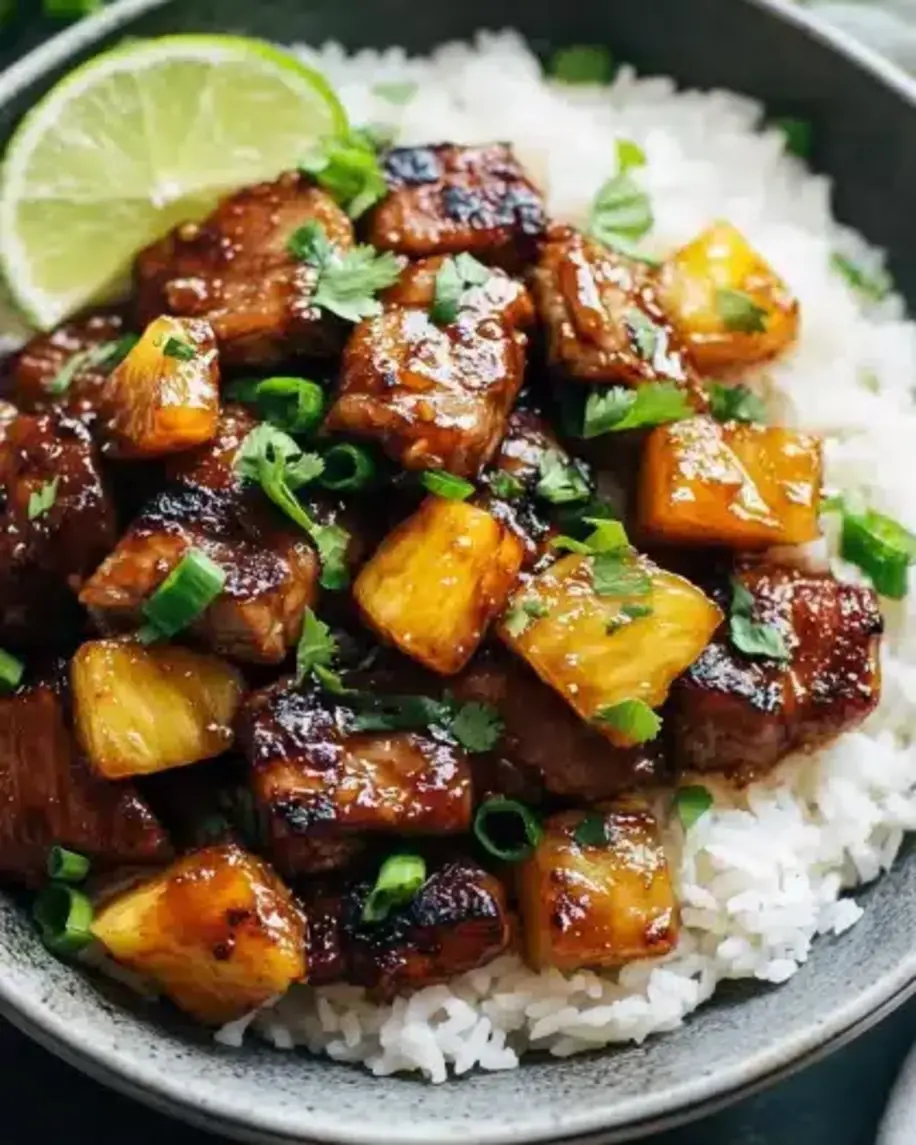
Baked Tofu and Sweet Potato Bowl – Crispy, Creamy, and Packed with Flavor

⚖️
Difficulty
Easy
⏲️
Prep Time
15 mins
🕒
Cook Time
25 mins
⏱️
Total Time
40 mins
🍽️
Servings
4

I still remember the first time I made a baked tofu and sweet potato bowl that truly felt like a complete meal. It was a rainy Tuesday in my tiny NYC apartment, and I had just come back from the Union Square farmers market with a bag of kale, a few sweet potatoes, and a block of extra-firm tofu. I wanted something hearty, healthy, and deeply satisfying — something that would warm me from the inside out. That night, I roasted the sweet potatoes until their edges caramelized, baked the tofu with a touch of smoked paprika until it turned golden and crispy, and sautéed the kale with garlic until it was tender and bright. I sliced a ripe avocado on top, drizzled everything with a tangy tahini dressing, and took my first bite. It was pure comfort — the kind of bowl that makes you feel nourished, not deprived. This vegan bowl recipe has been a staple in my kitchen ever since, and I’m so excited to share it with you.

What makes this healthy grain bowl so special is the contrast of textures and flavors at every single layer. The tofu, pressed and coated in a light cornstarch crust, bakes up with a satisfying crunch on the outside while staying tender inside. The sweet potatoes turn soft and sweet with slightly charred edges — a little trick I picked up from a Parisian chef who always insisted on roasting root vegetables at high heat. The kale, quickly sautéed with garlic, adds a peppery, earthy note that cuts through the richness of the avocado and the tahini dressing. And the avocado? It brings that silky, buttery finish that ties everything together. Each spoonful delivers a different combination of crispy, creamy, tender, and tangy — it’s a bowl that keeps every bite exciting.

I’ve made this tofu and kale bowl dozens of times, tweaking and perfecting it until every element shines on its own and works in harmony. My version uses a simple cornstarch-and-spice coating for the tofu — a technique I learned in culinary school in Paris that guarantees crispiness without deep frying. I also call for pressing the tofu for at least 15 minutes (and ideally 30) to remove excess moisture, which is the single most important step for getting that golden, crunchy exterior. The smoked paprika is my Moroccan touch — it adds a subtle warmth that complements the sweetness of the potatoes and the creaminess of the avocado. Trust me, once you master this baked tofu and sweet potato bowl, it’ll become your go-to for busy weeknights, meal prep, or whenever you need a bowl full of color and flavor.

Why This Baked Tofu and Sweet Potato Bowl Recipe Is the Best

The flavor secret here lies in the combination of smoked paprika and tahini — a pairing that bridges my Moroccan heritage and my French culinary training. Smoked paprika adds a gentle, earthy heat that caramelizes beautifully on the tofu and sweet potatoes, while the tahini dressing brings a nutty, tangy creaminess that ties every component together. It’s a simple but intentional flavor layering that makes this vegan bowl recipe taste far more complex than it is. I’ve tested this with a dozen different spice blends, and this one — with its subtle smokiness and garlicky undertones — is the one that gets the most nods at my dinner table.

Perfected texture is what sets this avocado sweet potato bowl apart. The tofu gets a light dusting of cornstarch before baking, which creates a delicate, crispy crust without any oil-heavy frying. The sweet potatoes are cut into even cubes and roasted at 400°F — hot enough to caramelize the natural sugars but not so hot that they burn before cooking through. And the kale is sautéed just until it wilts, keeping a slight bite rather than turning into a sad, soggy mess. Every component is cooked with intention, so you get crunch, creaminess, and tenderness in every single forkful.

Foolproof and fast — this baked tofu and sweet potato bowl comes together in about 40 minutes, and most of that is hands-off oven time. The instructions are broken down into simple, parallel steps: the tofu and sweet potatoes bake on separate trays at the same time, so everything is ready to assemble in one go. Even if you’re new to cooking tofu or roasting vegetables, the visual cues and timings I provide will guide you to a perfect result. No fancy equipment, no hard-to-find ingredients — just straightforward techniques that work beautifully every time. I’ve taught this recipe to friends who were skeptical about tofu, and now it’s their most-requested meal.

Baked Tofu and Sweet Potato Bowl Ingredients

When I shop for this baked tofu and sweet potato bowl, I head straight to the produce aisle at my local NYC market and look for the freshest kale, the firmest avocados, and sweet potatoes with smooth, unblemished skin. The smoked paprika I always buy from a little spice shop near my apartment — it reminds me of the markets in Marrakech where my mother would buy her spices. For the tofu, I always choose organic, non-GMO extra-firm tofu. It holds its shape better and has a cleaner flavor that lets the spices shine.

Ingredients List

  • For the tofu:
  • 1 block (14–16 oz) extra-firm tofu, pressed and cubed
  • 2 tablespoons soy sauce or tamari
  • 1 tablespoon olive oil
  • 1 tablespoon cornstarch
  • 1 teaspoon smoked paprika
  • 1/2 teaspoon garlic powder
  • For the sweet potatoes:
  • 2 medium sweet potatoes, peeled and cubed
  • 2 tablespoons olive oil
  • 1/2 teaspoon salt
  • 1/4 teaspoon black pepper
  • For the kale:
  • 2 cups chopped kale, stems removed
  • 1 tablespoon olive oil
  • 1 clove garlic, minced
  • Salt to taste
  • For serving:
  • 1 ripe avocado, sliced
  • Cooked quinoa or brown rice
  • Tahini dressing (optional)

Ingredient Spotlight

Tofu: The backbone of this bowl. Extra-firm tofu has the lowest moisture content, which means it crisps up beautifully in the oven. When shopping, look for tofu that feels dense and springs back slightly when pressed. If you can only find firm tofu, press it for an extra 15 minutes to remove more liquid. A great substitution is tempeh — it has a nuttier flavor and holds up even better to baking, though the texture will be slightly firmer and less delicate.

Sweet Potatoes: Their natural sweetness balances the savory, smoky notes of the tofu and the peppery kale. Choose sweet potatoes that are heavy for their size with firm, smooth skin. Garnet or Jewel varieties work best — they’re moist, sweet, and roast beautifully. You can substitute with butternut squash or regular potatoes, though butternut squash will be slightly less sweet and regular potatoes will lack that caramelized edge.

Kale: I use curly kale for this healthy grain bowl because it holds its texture well when sautéed and has a slightly peppery bite that stands up to the other ingredients. Lacinato (dinosaur) kale is a wonderful alternative — it’s more tender and has a milder flavor, so you may need to reduce the sautéing time by a minute. Avoid using baby spinach as a direct substitute, as it wilts much faster and can make the bowl watery.

Avocado: The creamy element that makes this avocado sweet potato bowl feel luxurious. Look for avocados that yield slightly to gentle pressure near the stem — they should be ripe but not mushy. If your avocado is too firm, let it sit at room temperature for a day or two. There’s no perfect substitute for avocado’s creaminess, but a dollop of vegan yogurt or a scoop of hummus can provide a similar richness in a pinch.

Tahini Dressing: This nutty, tangy sauce is what elevates the entire baked tofu and sweet potato bowl. Look for tahini that’s smooth and pourable — if it’s too thick, stir in a little warm water. You can substitute with a lemon-herb vinaigrette, a simple balsamic glaze, or even a drizzle of sriracha mayo for a spicy kick. Each alternative will change the flavor profile, but they’ll all complement the bowl beautifully.

Original IngredientBest SubstitutionFlavor / Texture Impact
Extra-firm tofuTempeh or seitanNuttier, firmer texture; less delicate crunch
Sweet potatoesButternut squash or carrotsLess sweet; slightly drier texture
Curly kaleLacinato kale or Swiss chardMore tender; milder flavor
AvocadoHummus or vegan yogurtAdds creaminess but different flavor profile
Tahini dressingLemon vinaigrette or balsamic glazeLess nutty; brighter or sweeter finish

How to Make Baked Tofu and Sweet Potato Bowl — Step-by-Step

This baked tofu and sweet potato bowl comes together in parallel steps that maximize efficiency — while the oven does the heavy lifting, you’ll have plenty of time to prep the kale and make the dressing. Let me walk you through each stage so you get the best texture and flavor at every step.

Step 1: Press and Prep the Tofu

Remove the tofu from its package and drain the water. Wrap the block in a clean kitchen towel or paper towels, place it on a plate, and put a heavy object on top — a cast-iron skillet or a few cans work perfectly. Press for at least 15 minutes, ideally 30. This removes excess moisture so the tofu can crisp up in the oven instead of steaming. While the tofu presses, preheat your oven to 400°F (200°C) and line two baking sheets with parchment paper.

💡 mia’s Pro Tip: For extra firmness and even better texture, press the tofu the night before and store it in the fridge. It makes a huge difference in how crispy the final result turns out.

Step 2: Season and Coat

Cut the pressed tofu into ¾-inch cubes. In a medium bowl, whisk together the soy sauce (or tamari), olive oil, cornstarch, smoked paprika, and garlic powder until smooth. Add the tofu cubes and gently toss with a spatula until every piece is evenly coated. The cornstarch mixture should cling to the tofu without being gloppy — if it looks too thick, add a teaspoon more soy sauce. Meanwhile, in a separate bowl, toss the sweet potato cubes with olive oil, salt, and pepper until well coated.

⚠️ Common Mistake to Avoid: Don’t skip the cornstarch. Many home cooks leave it out, thinking the oil alone will crisp the tofu, but the cornstarch creates that light, shatteringly crisp coating that makes this baked tofu and sweet potato bowl so addictive.

Step 3: Bake to Perfection

Spread the seasoned tofu cubes in a single layer on one prepared baking sheet, making sure they aren’t touching — this ensures even browning. Spread the sweet potato cubes on the second sheet in a single layer as well. Bake both trays for 20–25 minutes, flipping the pieces halfway through with a spatula. The tofu is done when it’s golden brown and firm to the touch, and the sweet potatoes should be fork-tender with caramelized edges. Every oven runs a bit differently, so check at the 20-minute mark and add a few more minutes if needed.

💡 mia’s Pro Tip: For extra-crispy tofu, switch the oven to broil for the last 2 minutes of baking. Watch it closely so it doesn’t burn — that high heat blast takes the crunch to the next level.

Step 4: Sauté the Kale

While the tofu and sweet potatoes are baking, heat 1 tablespoon of olive oil in a large skillet over medium heat. Add the minced garlic and cook for 30 seconds until fragrant — don’t let it brown or it will become bitter. Add the chopped kale and sauté for 3–4 minutes, stirring frequently, until the leaves are wilted and bright green. Season with a pinch of salt. The kale should still have a bit of structure; you don’t want it completely limp.

⚠️ Common Mistake to Avoid: Overcrowding the pan is the biggest mistake when cooking kale. If your skillet is too full, the kale will steam instead of sauté, turning soggy and gray. Cook it in two batches if needed, or use a wide pan with plenty of surface area.

Step 5: Assemble the Bowls

Start with a generous base of cooked quinoa or brown rice in each bowl — about ½ cup per serving. Arrange the roasted sweet potatoes, baked tofu, and sautéed kale on top in separate sections so each component stays distinct. Fan a few slices of ripe avocado alongside or on top. Drizzle with tahini dressing if you’re using it, and finish with a sprinkle of sesame seeds or a pinch of flaky salt. Serve warm, and watch everyone dig in.

💡 mia’s Pro Tip: For the prettiest presentation, warm your bowls slightly before assembling. I pop mine in the oven for 2 minutes while the tofu finishes baking — the warm bowls keep everything at the perfect temperature longer.

StepActionDurationKey Visual Cue
1Press and prep the tofu15–30 minTofu feels firm and dry on the surface
2Season and coat tofu and sweet potatoes10 minTofu evenly coated, sweet potatoes glossy
3Bake tofu and sweet potatoes20–25 minTofu golden brown, sweet potatoes fork-tender
4Sauté the kale with garlic4–5 minKale wilted, bright green, still slightly structured
5Assemble bowls5 minComponents arranged, avocado fanned, dressing drizzled

Serving & Presentation

I love serving this baked tofu and sweet potato bowl in wide, shallow bowls that let each component shine. Start with a warm bed of quinoa or brown rice, then arrange the roasted sweet potatoes, crispy tofu, and sautéed kale in separate sections — this isn’t a salad where everything gets tossed together; it’s a composed bowl where every ingredient has its moment. Fan the avocado slices on top for a beautiful green accent, and finish with a generous drizzle of tahini dressing and a sprinkle of sesame seeds or flaky sea salt. The colors alone — orange sweet potatoes, golden tofu, deep green kale, and creamy avocado — make this bowl as beautiful as it is delicious.

For a truly memorable meal, I like to serve this with a side of warm pita bread or crusty sourdough for scooping up every last bit of dressing. A simple side salad with lemon vinaigrette adds extra freshness, or you can keep it completely grain-free by serving the bowl over a bed of mixed greens. When I’m hosting friends, I set up a little “bowl bar” with extra toppings — toasted pumpkin seeds, pickled red onions, crumbled feta or vegan feta, and an extra drizzle of sriracha for heat. It’s interactive, fun, and lets everyone customize their own bowl.

For beverages, this healthy grain bowl pairs beautifully with a crisp white wine like Sauvignon Blanc or a light, citrusy IPA. If you’re keeping it alcohol-free, try a sparkling water with a squeeze of lime and a sprig of mint — the bubbles cut through the richness of the tahini and avocado perfectly. I also love serving this bowl with a side of cold-brew iced tea or a turmeric-ginger lemonade for a warm-weather meal.

Pairing TypeSuggestionsWhy It Works
Side DishWarm pita, crusty sourdough, mixed greens saladAdds texture and extends the meal without overwhelming the bowl
Sauce / DipExtra tahini dressing, sriracha, lemon-herb vinaigretteProvides additional moisture and flavor customization
BeverageSauvignon Blanc, citrusy IPA, sparkling lime waterAcidity and bubbles cut through the richness of avocado and tahini
GarnishSesame seeds, pumpkin seeds, pickled red onions, flaky saltAdds crunch, color, and a pop of flavor to finish the dish

Make-Ahead, Storage & Reheating

This baked tofu and sweet potato bowl is a dream for meal prep — I often make a big batch on Sunday evenings and portion it out for busy weekdays when I’m running between recipe testing and meetings here in NYC. The key to successful make-ahead is storing each component separately and assembling just before serving. The tofu and sweet potatoes hold up well for a few days, while the avocado should always be added fresh right before eating.

MethodContainerDurationReheating Tip
RefrigeratorAirtight container, components separateUp to 4 daysReheat tofu and sweet potatoes in a 350°F oven for 8–10 minutes to restore crispiness
FreezerFreezer-safe container, tofu and sweet potatoes onlyUp to 2 monthsThaw overnight in the fridge, then reheat in the oven or air fryer for best texture
Make-AheadStore components separately, prep quinoa and dressingUp to 3 days in advanceKeep avocado whole and slice just before serving to prevent browning

When it comes to reheating, the oven is your best friend. I know it’s tempting to use a microwave, but it will turn the crispy tofu into sad, chewy nuggets and make the sweet potatoes mushy. Instead, spread the tofu and sweet potatoes on a baking sheet and reheat at 350°F for 8–10 minutes — they’ll come back to life with that same golden crunch. The kale can be quickly re-warmed in a skillet with a tiny splash of water for 30 seconds. And remember: the avocado and tahini dressing should always be added fresh. If you’re packing this for lunch, store the dressing separately and drizzle it on just before eating so the bowl stays vibrant and not soggy.

One more thing I’ve learned from years of meal prepping this vegan bowl recipe: if you’re planning to eat it over several days, cook the quinoa or rice fresh on day three. Grains dry out faster than the roasted vegetables, and a fresh batch of fluffy quinoa makes the bowl feel new again. It only takes 15 minutes, and it’s totally worth that extra little step for a meal that tastes like you just made it.

Variations & Easy Swaps

One of the things I love most about this baked tofu and sweet potato bowl is how endlessly adaptable it is. Over the years, I’ve played with different flavor profiles, seasonal ingredients, and dietary needs — and every version has been a winner. Whether you’re craving something Mediterranean, need a gluten-free option, or want to lean into autumn flavors, there’s a variation here for you.

VariationKey ChangeBest ForDifficulty Impact
MediterraneanAdd roasted red peppers, olives, lemon-herb dressingBright, tangy flavor loversEasy – same steps, swap dressing and add ins
Gluten-Free / Soy-FreeUse tamari, coconut aminos, or skip soy; serve with quinoaDietary restrictionsEasy – simple ingredient swaps
Autumn HarvestAdd roasted butternut squash, pomegranate seeds, maple-tahini dressingFall and winter mealsEasy – same technique, different produce

Mediterranean Twist

For a bright, herbaceous take on this tofu and kale bowl, swap the tahini dressing for a lemon-herb vinaigrette made with olive oil, fresh lemon juice, oregano, and a pinch of sumac. Add a handful of roasted red peppers (from a jar or freshly roasted) and a scattering of Kalamata olives for briny depth. The smoked paprika on the tofu still works beautifully here — it adds a subtle warmth that plays well with the lemon and herbs. I like to finish this version with crumbled vegan feta or a sprinkle of nutritional yeast for an extra savory note. It’s like a trip to the Greek islands, right in your NYC kitchen.

Gluten-Free / Soy-Free Version

This baked tofu and sweet potato bowl is naturally gluten-free if you use tamari instead of soy sauce — tamari is a wheat-free soy sauce that has the same rich, savory flavor. For a soy-free option, substitute coconut aminos, which are slightly sweeter but work beautifully with the smoked paprika and garlic powder. Serve the bowl over quinoa instead of brown rice for an extra protein boost, and double-check that your tahini dressing doesn’t contain any additives. Both swaps are seamless — the flavor profile changes slightly but remains absolutely delicious. I’ve served this version to guests with celiac disease and soy allergies, and they always ask for seconds.

Autumn Harvest Variation

When the weather turns cool and the farmers markets here in NYC fill up with winter squash and pomegranates, I love making this seasonal version. Replace the sweet potatoes with an equal amount of cubed butternut squash — it roasts in the same time and temperature, so no adjustments needed. Swap the avocado for a handful of juicy pomegranate seeds, which add a burst of sweetness and a pop of color. For the dressing, whisk together tahini with maple syrup, lemon juice, and a pinch of cinnamon — the maple complements the roasted squash beautifully, and the cinnamon echoes the warmth of the smoked paprika. It’s like eating a cozy autumn afternoon in a bowl.

Frequently Asked Questions

How do you press and bake tofu so it gets crispy for a bowl with sweet potato and kale?

Pressing tofu is the single most important step for achieving crispiness. Start by removing the tofu from its package and draining all the water. Wrap the block in a clean kitchen towel or a few layers of paper towels, place it on a plate, and set something heavy on top — a cast-iron skillet, a stack of cans, or a heavy cookbook works perfectly. Press for at least 15 minutes, but 30 minutes is even better. The goal is to remove as much moisture as possible so the tofu doesn’t steam in the oven. After pressing, cut the tofu into even ¾-inch cubes and toss them with a mixture of soy sauce, olive oil, cornstarch, and spices. The cornstarch is the secret to that shatteringly crisp coating — it creates a light, golden crust that bakes up beautifully at 400°F. Spread the cubes in a single layer on a parchment-lined baking sheet, making sure they don’t touch, and bake for 20–25 minutes, flipping halfway through. For extra crunch, switch the oven to broil for the last 1–2 minutes, watching carefully to prevent burning.

What is the best way to roast sweet potatoes to pair with baked tofu and avocado?

The best way to roast sweet potatoes for this baked tofu and sweet potato bowl is to cut them into even ½-inch to ¾-inch cubes so they cook evenly and develop caramelized edges. Toss the cubes with olive oil, salt, and pepper — don’t overcrowd the baking sheet, or they’ll steam instead of roast. Spread them in a single layer on a parchment-lined sheet and roast at 400°F (the same temperature as the tofu) for 20–25 minutes, flipping halfway through. The key visual cue is that the sweet potatoes should be fork-tender with golden-brown, slightly crispy edges. I like to toss them with a pinch of smoked paprika or cumin before roasting for extra depth that pairs beautifully with the tofu and avocado. For even browning, make sure the cubes are cut uniformly and give them space on the tray. If you’re roasting a large batch, use two trays and rotate them halfway through the cooking time.

Can I substitute kale with another leafy green in a baked tofu and sweet potato bowl?

Yes, absolutely. While kale is my top choice for this vegan bowl recipe because of its hearty texture and peppery flavor, there are several excellent substitutes. Swiss chard is the closest alternative — it has a similar structure and holds up well to sautéing, though it’s slightly more delicate and may cook a minute faster. Lacinato kale (also called dinosaur kale) is more tender than curly kale but still sturdy enough to sauté without turning mushy. If you want to use spinach, keep in mind that it wilts in about 60 seconds and releases more water, so reduce the cooking time and drain any excess liquid before assembling the bowl. Arugula is another option — it adds a wonderful peppery kick, but I recommend adding it raw as a fresh element rather than cooking it, since it wilts almost instantly. For each substitute, adjust your sautéing time based on the leaf’s thickness and moisture content.

What kind of sauce or dressing goes well with a baked tofu, sweet potato, kale, and avocado bowl?

A tangy tahini dressing is my go-to for this healthy grain bowl because its nutty, creamy flavor ties all the components together beautifully. To make it, whisk together ¼ cup tahini, 2 tablespoons lemon juice, 1 tablespoon maple syrup or agave, 1 small clove of minced garlic, and 3–4 tablespoons of warm water until smooth and pourable. Season with salt and pepper to taste. If you’re looking for other options, a lemon-herb vinaigrette made with olive oil, fresh lemon juice, oregano, and a touch of Dijon mustard adds brightness and cuts through the richness of the avocado. A simple balsamic glaze brings a sweet-tart complexity that pairs especially well with the roasted sweet potatoes. For a spicy kick, try sriracha mayo or a chipotle-lime dressing. Each dressing changes the flavor profile of the bowl, so feel free to experiment and find your favorite.

Can I make this baked tofu and sweet potato bowl ahead of time?

Yes, this recipe is excellent for meal prep. I recommend storing each component separately in airtight containers in the refrigerator. The baked tofu and roasted sweet potatoes will keep for up to 4 days, and the sautéed kale stays fresh for about 3 days. Cook the quinoa or brown rice separately and store it in its own container. The tahini dressing can be made up to a week in advance and stored in the fridge — just stir it well or add a splash of water if it thickens. The only element that should always be added fresh is the avocado, as it browns quickly once sliced. For best results, reheat the tofu, sweet potatoes, and kale in a 350°F oven for 8–10 minutes to restore their texture, then assemble the bowl with fresh avocado and dressing. Avoid using a microwave, as it will make the tofu chewy and the vegetables soggy.

Is this vegan bowl recipe gluten-free?

This baked tofu and sweet potato bowl can easily be made gluten-free with a simple swap. The only ingredient that contains gluten is the soy sauce, which you can replace with tamari — tamari is a wheat-free soy sauce that has the same rich, savory flavor and works perfectly in the tofu marinade. If you’re also avoiding soy, coconut aminos are a great alternative, though they’re slightly sweeter. The rest of the ingredients — tofu, sweet potatoes, kale, avocado, quinoa or brown rice, and tahini dressing — are naturally gluten-free. Just double-check your spice blends and any pre-made tahini dressing for hidden gluten. With these simple swaps, this vegan bowl recipe becomes fully gluten-free and is safe for those with celiac disease or gluten sensitivity.

What protein can I use instead of tofu in this healthy grain bowl?

If you want to swap the tofu for a different protein, there are several excellent options that work well in this avocado sweet potato bowl. Tempeh is my top recommendation — it has a nutty, earthy flavor and a firmer texture that holds up beautifully to baking. Simply cube it and follow the same marinade and roasting instructions. Seitan is another great choice, though it’s not soy-free or gluten-free; it has a meaty, chewy texture that many people love. For a plant-based protein that doesn’t require baking, try adding a scoop of cooked chickpeas or lentils — toss the chickpeas in the same spice mixture and roast them alongside the sweet potatoes for a crispy, protein-packed addition. If you’re not strictly vegan, grilled chicken or flaked salmon would also be delicious with the sweet potato, kale, and avocado. Each protein brings its own texture and flavor, so choose based on what you’re craving.

How do I store leftovers of this tofu and kale bowl?

To store leftovers of this tofu and kale bowl, let each component cool completely before refrigerating. Place the baked tofu, roasted sweet potatoes, sautéed kale, and cooked quinoa or rice in separate airtight containers — this prevents the textures from mingling and keeps everything fresh. The tofu and sweet potatoes will stay good for up to 4 days, while the kale and grains are best within 3 days. Store the tahini dressing in a small jar or container and keep the avocado whole (uncut) at room temperature until you’re ready to serve. When you’re ready to eat the leftovers, reheat the tofu, sweet potatoes, and kale in a 350°F oven for 8–10 minutes — this restores their crispiness and brings back their original texture. Steam the quinoa or rice briefly or microwave it with a damp paper towel to add moisture. Slice a fresh avocado, drizzle with the dressing, and assemble your bowl. Never store the bowl fully assembled, as the avocado will brown and the kale will become soggy.

Can I use frozen sweet potatoes for this baked tofu and sweet potato bowl?

I don’t recommend using frozen sweet potatoes for this baked tofu and sweet potato bowl, because frozen vegetables release a significant amount of water as they thaw and roast. This extra moisture prevents the sweet potatoes from developing those caramelized, golden-brown edges that are so important to the texture of this dish. Instead of roasting, you’ll end up with steamed, soft sweet potatoes that lack the sweet, concentrated flavor you get from fresh ones. If frozen sweet potatoes are all you have on hand, you can still use them — just thaw them completely and pat them very dry with paper towels before tossing with oil and roasting. Spread them in a single layer and increase the roasting time by 5–8 minutes, keeping a close eye on them. The result won’t be quite as caramelized, but the bowl will still be delicious. For the best texture and flavor, though, fresh sweet potatoes are absolutely worth it.

What grains work best as a base for this baked tofu and sweet potato bowl?

Quinoa and brown rice are my top two choices for this vegan bowl recipe, and each brings something different to the table. Quinoa is a complete protein and has a light, fluffy texture with a slightly nutty flavor that complements the smoked paprika and tahini dressing beautifully. It cooks in about 15 minutes and is naturally gluten-free, making it a great all-purpose base. Brown rice has a chewier, more substantial texture and a subtle sweetness that pairs especially well with the roasted sweet potatoes and kale. If you want to try something different, farro is wonderful — it has a hearty, chewy texture and a nutty flavor that stands up to the bold ingredients in this bowl, though it’s not gluten-free. For a lower-carb option, cauliflower rice works well; just sauté it in a skillet with a little olive oil and salt for 5–7 minutes until tender. Each grain changes the character of the bowl, so feel free to experiment based on what you have in your pantry and what you’re in the mood for.

Share Your Version!

I absolutely love hearing how this baked tofu and sweet potato bowl turns out in your kitchen. Did you try the tahini dressing or go with a different sauce? Did you add extra veggies or swap in a new protein? Every variation tells a story, and I’d be thrilled to hear yours. Leave a star rating and a comment below — your feedback helps other readers know what to expect and gives me ideas for new recipes to develop. If you share a photo on Instagram or Pinterest, be sure to tag @exorecipes so I can see your beautiful creation and feature it in my stories.

And here’s a question I’d love for you to answer: What’s your favorite part of this bowl? Is it the crispy tofu with its smoky paprika crust, the creamy avocado that melts into the warm quinoa, or the tangy tahini dressing that brings everything together? Drop your answer in the comments — I read every single one, and I can’t wait to hear what you think.

From my NYC kitchen to yours — I hope this recipe brings as much warmth to your table as it does to mine. — mia 🧡

📌

Love This Recipe? Save It to Pinterest!

If you enjoyed this Baked Tofu and Sweet Potato Bowl recipe, don’t let it get lost in your browser tabs! 😄 Pin it now so you can find it again anytime — and explore hundreds more tried-and-tested recipes waiting for you on my Pinterest boards.

👉 Follow mia on Pinterest @exorecipe

📌 Pin this recipe · 🔁 Re-pin your favorites · 💬 Tag me when you make it — I love seeing your creations!

Print

clock clock iconcutlery cutlery iconflag flag iconfolder folder iconinstagram instagram iconpinterest pinterest iconfacebook facebook iconprint print iconsquares squares iconheart heart iconheart solid heart solid icon

Baked Tofu and Sweet Potato Bowl with Kale and Avocado

  • Author: Chef Mia
  • Prep Time: 15 minutes
  • Cook Time: 25 minutes
  • Total Time: 40 minutes
  • Yield: 4 1x
  • Method: Main Course
  • Cuisine: American

Description

A hearty and healthy bowl featuring crispy baked tofu, roasted sweet potatoes, sautéed kale, and creamy avocado, all drizzled with a tangy tahini dressing.


Ingredients

Scale
  • For the tofu:
  • 1 block (14-16 oz) extra-firm tofu, pressed and cubed
  • 2 tablespoons soy sauce or tamari
  • 1 tablespoon olive oil
  • 1 tablespoon cornstarch
  • 1 teaspoon smoked paprika
  • 1/2 teaspoon garlic powder
  • For the sweet potatoes:
  • 2 medium sweet potatoes, peeled and cubed
  • 2 tablespoons olive oil
  • 1/2 teaspoon salt
  • 1/4 teaspoon black pepper
  • For the kale:
  • 2 cups chopped kale, stems removed
  • 1 tablespoon olive oil
  • 1 clove garlic, minced
  • Salt to taste
  • For serving:
  • 1 ripe avocado, sliced
  • Cooked quinoa or brown rice
  • Tahini dressing (optional)

Instructions

  1. Preheat oven to 400°F (200°C). Line two baking sheets with parchment paper.
  2. Prepare tofu: In a bowl, toss cubed tofu with soy sauce, olive oil, cornstarch, smoked paprika, and garlic powder until evenly coated. Spread on one baking sheet.
  3. Prepare sweet potatoes: In a separate bowl, toss sweet potato cubes with olive oil, salt, and pepper. Spread on the second baking sheet.
  4. Bake tofu and sweet potatoes for 20–25 minutes, flipping halfway, until tofu is golden and crispy and sweet potatoes are tender.
  5. While baking, heat 1 tablespoon olive oil in a skillet over medium heat. Add minced garlic and cook for 30 seconds. Add kale and sauté for 3–4 minutes until wilted. Season with salt.
  6. Assemble bowls: Start with a base of cooked quinoa or rice. Top with roasted sweet potatoes, baked tofu, sautéed kale, and sliced avocado.
  7. Drizzle with tahini dressing if desired. Serve warm.

Notes

For a gluten-free version, use tamari instead of soy sauce. Press the tofu for at least 15 minutes to remove excess moisture for extra crispiness.


Nutrition

  • Calories: 450
  • Sugar: 10g
  • Fat: 22g
  • Carbohydrates: 35g
  • Protein: 18g


Baked Tofu and Sweet Potato Bowl with Kale and Avocado

k">

Tried This Recipe? Leave a Comment!

Did you make this recipe? I’d love to hear how it turned out! Please leave a comment and a rating below. Your feedback helps other home cooks and supports cheerychop.com!

For more delicious inspiration, follow me on Pinterest!

Baked Three-Cheese Gnocchi with Spicy Cream Sauce The Ultimate Comfort Dish – Creamy, Cheesy & Irresistibly Easy

⚖️
Difficulty
Easy
⏲️
Prep Time
10 mins
🕒
Cook Time
25 mins
⏱️
Total Time
35 mins
🍽️
Servings
4

When I first moved to New York City from Paris, I found comfort in the most unexpected places: a tiny Italian deli on Arthur Avenue in the Bronx. The owner, an old-school nonna named Rosa, made gnocchi that reminded me of the potato dumplings my mother used to prepare in our kitchen in Morocco, but with a creamy, cheesy twist that was pure Italian-American soul food. That memory sparked this Baked Three-Cheese Gnocchi with Spicy Cream Sauce – a dish that marries my Moroccan love for bold heat with French silkiness and New York indulgence. The main keyword – baked three-cheese gnocchi recipe – is exactly what you need for a weeknight dinner that feels like a warm hug.

Imagine this: soft, pillowy gnocchi nestled in a luscious cream sauce kissed with red pepper flakes, topped with a blanket of mozzarella, Parmesan, and ricotta that bubbles into golden perfection as it bakes. The aroma fills your kitchen – garlic, spice, and melted cheese mingling together. Every spoonful gives you that creamy-savory-spicy trifecta that makes you close your eyes and sigh. The red pepper flakes add a gentle kick that wakes up your palate without overpowering the cheese. It’s the ultimate comfort dish: rich, satisfying, and deeply flavorful.

I’ve tested this easy gnocchi dinner countless times – for my family, for friends, and for my bustling NYC supper club. The secret? Parboiling the gnocchi just until they float, then finishing them in the oven with the cream sauce absorbed into every nook. One common mistake I see is skipping the boil step – you can’t put raw gnocchi directly into the oven (they’ll turn into dense little rocks). But with my method, you get that perfect tender texture every single time. Today I’ll share my French-trained technique for a flawless creamy baked gnocchi inspired by Moroccan spice principles. Let’s dive in.

Why This Baked Three-Cheese Gnocchi Recipe Is the Best

The Flavor Secret. The unique angle here is the spicy cream sauce – a creamy base infused with garlic and red pepper flakes, inspired by the harissa-spiked tagines of my childhood. The three cheeses aren’t just layered; each plays a role: Parmesan adds salty umami to the sauce, ricotta gives creamy pockets of richness, and mozzarella creates that irresistible stretchy golden crust. This triple-cheese combo elevates a simple spicy cream sauce gnocchi into a restaurant-quality meal with minimal effort.

Perfected Texture. The key technique I learned in Paris is not to overcook the gnocchi during the initial boil. Boil them only until they float – usually 2-3 minutes – then drain immediately. The gnocchi will continue to cook and absorb the cream sauce as they bake, resulting in a fork-tender interior and a slightly crisp top. If you boil them longer, they’ll be mushy after baking. Trust me, that 3-minute window is sacred.

Foolproof & Fast. From start to table, this three-cheese gnocchi bake takes just 35 minutes. It’s perfect for busy weeknights when you crave something indulgent without spending hours in the kitchen. The ingredients are easy to find in any US grocery store – no special trips needed. And because you can customize the spice level or add protein (like chicken or spinach), it’s a recipe that grows with your cravings. I’ve taught this to absolute beginners, and they’ve raved about the results.

Baked Three-Cheese Gnocchi Recipe Ingredients

Every time I shop for this recipe at the Union Square Greenmarket or my local Fairway, I’m reminded of the fresh ingredients my mother would gather from the souk in Marrakech. For this creamy baked gnocchi, you only need a few simple, high-quality components. Let me walk you through them.

Ingredients List

  • 1 (16 ounce) package potato gnocchi
  • 2 tablespoons olive oil
  • 3 cloves garlic, minced
  • ½ teaspoon red pepper flakes (adjust to taste)
  • 1 cup heavy cream
  • ½ cup chicken or vegetable broth
  • ½ cup grated Parmesan cheese
  • ½ cup ricotta cheese
  • 1 cup shredded mozzarella cheese
  • Salt and black pepper to taste
  • Fresh basil or parsley for garnish (optional)

Ingredient Spotlight

Potato Gnocchi: The heart of the dish. Choose shelf-stable or refrigerated gnocchi from the pasta aisle. For the fluffiest texture, look for brands that list potato as the first ingredient. Gluten-free gnocchi works too – just boil a minute less. Substitution: cauliflower gnocchi (lower carb, slightly denser).

Heavy Cream: Essential for that lush, creamy sauce. Don’t substitute with milk – it won’t thicken properly. If you want a lighter version, use half-and-half mixed with 1 tablespoon of cornstarch, but the texture won’t be as velvety.

Parmesan Cheese: Use freshly grated Parmesan from a block – pre-shredded contains anti-caking agents that can make the sauce grainy. Parmigiano-Reggiano is ideal; Pecorino Romano adds a sharper saltiness.

Ricotta Cheese: Full-fat ricotta gives the best creamy pockets. Part-skim works but may be less luscious. For a dairy-free option, use cashew ricotta (blended soaked cashews with lemon and salt).

Red Pepper Flakes: The spicy star. Adjust based on your heat tolerance – use ¼ teaspoon for mild, 1 teaspoon for fiery. If you’re out of red pepper flakes, substitute ½ teaspoon cayenne or 1 tablespoon sriracha stirred into the sauce.

Original IngredientBest SubstitutionFlavor / Texture Impact
Potato gnocchiCauliflower gnocchiLower carb, slightly denser, still delicious
Heavy creamHalf-and-half + 1 tbsp cornstarchLess rich but still creamy
Parmesan (fresh)Pecorino RomanoMore salty, slightly sharper
Ricotta (full-fat)Cashew ricotta (dairy-free)Creamy with a nutty hint
Red pepper flakes½ tsp cayenne or 1 tbsp srirachaMore intense/saucier heat

How to Make Baked Three-Cheese Gnocchi — Step-by-Step

This creamy baked gnocchi comes together in a handful of simple steps. Follow along and you’ll have a golden, bubbling dish that will steal the show.

Step 1: Preheat & Boil Water

Preheat your oven to 400°F (200°C). Grease a 9×13-inch baking dish with a little oil or butter. Meanwhile, bring a large pot of generously salted water to a boil – salt it like the sea, because this is your only chance to season the gnocchi from inside.

💡 mia’s Pro Tip: Use a wide pot so the gnocchi don’t stick together. Add the gnocchi in a single layer, not all at once.

Step 2: Cook Gnocchi

Add the gnocchi to the boiling water. Cook according to package directions – usually 2-3 minutes, or until they float to the top. The moment they bob up, scoop them out with a slotted spoon and drain well. Don’t let them sit in the water or they’ll turn mushy.

⚠️ Common Mistake to Avoid: Overcooking the gnocchi during the boil. They should just float – any longer and they’ll be soggy after baking.

Step 3: Make Spicy Cream Sauce

In a large skillet over medium heat, heat 2 tablespoons olive oil. Add the minced garlic and red pepper flakes, cooking for about 1 minute until fragrant – don’t let the garlic brown. Pour in 1 cup heavy cream and ½ cup broth. Stir to combine. Bring to a gentle simmer, then reduce heat to low. Whisk in ½ cup Parmesan cheese until melted and smooth. Season with salt and pepper to taste.

💡 mia’s Pro Tip: For an extra layer of flavor, add a pinch of nutmeg or a splash of white wine to the cream sauce. It’s a trick I learned at Le Cordon Bleu.

Step 4: Combine & Transfer

Add the cooked gnocchi to the skillet and toss gently to coat every piece in the spicy cream sauce. Pour everything into the greased baking dish and spread evenly.

Step 5: Add Cheese Topping

Dollop the ricotta cheese in small spoonfuls over the gnocchi – don’t spread it, leave little creamy islands. Then sprinkle the shredded mozzarella evenly over the top. The mozzarella will melt into a golden blanket; the ricotta will stay soft and luscious inside.

⚠️ Common Mistake to Avoid: Adding too much cheese that smothers the gnocchi – stick to the amounts given to keep the balance.

Step 6: Bake

Place the dish in the preheated oven and bake for 15-20 minutes, until the sauce is bubbly and the top is golden brown. If you want an extra-crispy crust, switch to broil for the last 1-2 minutes – keep a close eye so it doesn’t burn.

💡 mia’s Pro Tip: Let the baked gnocchi rest for 5 minutes after removing from the oven. This allows the sauce to thicken slightly and the cheese to set – easier to serve and better flavor.

Step 7: Garnish & Serve

After resting, garnish with fresh basil or parsley if desired. Serve hot straight from the dish. The combination of creamy, spicy, and cheesy will have everyone coming back for seconds.

StepActionDurationKey Visual Cue
1Preheat oven & boil water~10 minsWater at rolling boil
2Cook gnocchi until they float2-3 minsGnocchi rise to surface
3Make sauce with garlic & cream~5 minsSauce gently simmering
4Combine gnocchi & sauce2 minsEvenly coated gnocchi
5Top with ricotta & mozzarella2 minsRicotta dollops + cheese blanket
6Bake15-20 minsBubbly and golden top
7Rest & garnish5 minsSauce thickens slightly

Serving & Presentation

This three-cheese gnocchi bake is a showstopper straight out of the oven. Serve it family-style in the baking dish – that golden crust and bubbling cheese is pure comfort. I like to give it a final flourish with torn fresh basil or parsley (or even microgreens from the Union Square farmers market) for color. A sprinkle of flaky sea salt and cracked black pepper right before serving makes the flavors pop.

Pair this with a crisp green salad dressed with lemon vinaigrette to cut through the richness. For a heartier meal, add a side of roasted broccoli or garlic bread. My Parisian training taught me that contrast is key – the creamy gnocchi paired with something bright and acidic keeps every bite exciting. A glass of Chardonnay or a light red like Pinot Noir works beautifully.

When I serve this at my NYC dinner parties, I often place the hot dish on a wooden board with small bowls of extra red pepper flakes and fresh herbs for guests to customize. It’s interactive, it’s beautiful, and it never fails to get “wows.”

Pairing TypeSuggestionsWhy It Works
Side DishSimple arugula salad, roasted asparagus, garlic breadFreshness and crunch balance richness
Sauce / DipExtra marinara on side, basil pesto drizzleAdds brightness and herby notes
BeverageChardonnay, Pinot Noir, sparkling water with lemonAcidity cuts cream, wine complements cheese
GarnishFresh basil, parsley, microgreens, red pepper flakesColor contrast plus fresh flavor pop

Make-Ahead, Storage & Reheating

Life in NYC is fast-paced, and this easy gnocchi dinner is perfect for meal prep. I often make the full dish on a Sunday and enjoy leftovers throughout the week. Here’s how to store and reheat it without compromising the texture.

MethodContainerDurationReheating Tip
RefrigeratorAirtight containerUp to 4 daysReheat in oven at 350°F for 10-12 mins, or microwave in 30-sec bursts
FreezerFreezer-safe dish, tightly coveredUp to 3 monthsThaw overnight in fridge, then reheat at 350°F for 20 mins covered
Make-AheadAssemble in dish, cover, refrigerateUp to 24 hours before bakingAdd 5 mins to baking time if starting cold

To reheat, I prefer the oven over the microwave – it restores the crispy cheese topping best. If you’re short on time, microwave on medium power, stirring halfway. For frozen gnocchi bake, let it thaw in the refrigerator overnight, then bake covered with foil at 350°F for 20 minutes, then uncover for 5 more minutes to crisp the cheese. The texture remains remarkably close to freshly baked – the cream sauce keeps everything moist.

Variations & Easy Swaps

VariationKey ChangeBest ForDifficulty Impact
Harissa-Roasted Veggie GnocchiAdd roasted bell peppers & zucchini, harissa instead of red pepper flakesMoroccan twist, extra veggiesEasy (same steps + roasting)
Gluten-Free / Dairy-FreeUse gluten-free gnocchi, cashew ricotta, dairy-free mozzarella, coconut creamDietary restrictionsMedium (substitutions need testing)
Spring Asparagus & LemonAdd blanched asparagus spears, lemon zest, swap Parmesan for pecorinoSeasonal freshnessEasy (add veg to baking dish)

Harissa-Roasted Veggie Gnocchi

For a taste of my Moroccan heritage, toss diced bell peppers, zucchini, and red onion with olive oil and a spoonful of harissa paste, then roast at 400°F for 15 minutes while the gnocchi boils. Fold them into the cream sauce before baking – the smokey-sweet vegetables and spicy harissa deepen the flavor beautifully. This version is a complete one-dish meal with extra nutrients.

Gluten-Free / Dairy-Free Gnocchi Bake

I’ve tested this for friends with sensitivities, and it’s just as satisfying. Use a gluten-free gnocchi (many store brands work well – boil 1 minute less). For the sauce, substitute half-and-half with full-fat coconut cream (from a can, not the refrigerated carton). Use vegan mozzarella shreds (follow the package melting instructions) and cashew ricotta (blend 1 cup soaked cashews with 2 tbsp lemon juice, 1 tbsp nutritional yeast, and salt). The coconut cream adds a subtle sweetness that pairs wonderfully with the spicy red pepper flakes.

Spring Asparagus & Lemon Gnocchi

When asparagus appears at the Union Square Greenmarket, I swap out the heat for bright citrus. Blanch 1 pound of trimmed asparagus in the same water after the gnocchi (1-2 minutes) then chop into pieces. Stir into the cream sauce along with 1 teaspoon lemon zest and a squeeze of juice. Use pecorino instead of Parmesan for a sharper tang. This variation is lighter, fresher, and screams spring. Serve with a side of roasted cherry tomatoes for extra color.

Can I use a different type of cheese for the three-cheese gnocchi if I don’t have all three on hand?

Absolutely! The beauty of this baked three-cheese gnocchi recipe is its flexibility. If you’re missing one cheese, here are solid swaps: For Parmesan, try Pecorino Romano (saltier) or Grana Padano (milder). For ricotta, cottage cheese (blended smooth) or cream cheese (thinned with a splash of milk) work in a pinch. For mozzarella, provolone or fontina offer excellent melt and flavor. Keep the total cheese amounts similar, and you’ll still get that creamy, cheesy bake. Just avoid processed cheeses like American slices – they won’t deliver the same texture or taste.

How do I prevent the gnocchi from getting mushy when baking it in a cream sauce?

The key is to not overcook the gnocchi during the initial boil. Boil them only until they float – that’s usually 2-3 minutes, depending on your brand. Drain immediately and toss with the sauce. Since the gnocchi will continue to cook in the oven, starting with just-tender gnocchi ensures they stay pillowy soft, not mushy. Also, use enough sauce to keep them moist but not swimming – the cream sauce should coat each piece without pooling heavily. Finally, bake just until bubbly and golden – 15-20 minutes – don’t overbake. Following these steps will give you perfect texture every time.

What can I substitute for the spicy element in the cream sauce if I want a milder version?

If you prefer a milder spicy cream sauce gnocchi, simply reduce or omit the red pepper flakes. You can replace the heat with other flavor enhancers: add a teaspoon of smoked paprika for a gentle warmth without the kick, or stir in a pinch of cayenne for a very subtle heat. Another excellent option is to use a mild harissa paste – it adds complexity and a hint of sweetness with less fire. For a completely spice-free version, skip the red pepper flakes entirely and instead add a pinch of nutmeg and extra black pepper. The cream and cheese will still deliver rich, satisfying flavor.

Should I boil the gnocchi before baking it, or can I put it in the oven raw?

You absolutely must boil the gnocchi before baking – do not put raw gnocchi directly into the oven. Raw gnocchi are essentially dense potato dough; if you bake them without pre-cooking, they will turn out heavy, dense, and unpleasant. Boiling them briefly (just until they float) hydrates the potato starch and gives them that light, pillowy interior. After boiling and coating in sauce, the gnocchi will finish cooking in the oven, absorbing the cream sauce and developing a tender texture. Skipping the boil step is one of the most common mistakes I see, and it always leads to disappointing results. So yes, the boil is non-negotiable.

Can I add protein like chicken or shrimp to this baked gnocchi?

Absolutely! This dish welcomes protein additions beautifully. For cooked chicken: shred or dice leftover rotisserie chicken and fold it into the cream sauce along with the gnocchi before baking. For shrimp: sauté peeled shrimp in a little oil until just pink, then add to the dish before topping with cheese. For a vegetarian protein, try crumbled Italian sausage (cook it first) or firm tofu (pan-fried with paprika). Adjust the baking time slightly if the protein needs to heat through – about 5 extra minutes. Just be careful not to overcrowd the dish; keep the gnocchi-to-protein ratio balanced so you still get plenty of cheesy goodness.

Can I make this three-cheese gnocchi bake ahead of time and refrigerate before baking?

Yes, this is a great make-ahead meal! Assemble the gnocchi and sauce in the baking dish as directed, but wait to add the final cheese topping (ricotta and mozzarella) until just before baking. Cover the dish tightly with plastic wrap or foil and refrigerate for up to 24 hours. When ready to bake, remove from the fridge, uncover, add the cheese toppings, and bake as directed, adding about 5-10 minutes to the baking time since the dish starts cold. You can also freeze the assembled dish (without cheese) for up to 3 months – thaw overnight in the fridge, then add cheese and bake. The texture remains excellent.

What wine pairs best with creamy baked gnocchi?

Since this spicy cream sauce gnocchi is rich and cheesy with a touch of heat, I recommend a wine that can stand up to the cream while complementing the spice. A buttery Chardonnay (like from California) is a classic – its full body matches the cream, and subtle oak works well with garlic. For white wine lovers who prefer something lighter, a dry Riesling or Pinot Grigio offers acidity to cut through the richness. If you like reds, go for a light-bodied, low-tannin wine like a Pinot Noir or a Beaujolais – they won’t overpower the dish and will highlight the cheese. Avoid heavy reds like Cabernet Sauvignon.

How can I make this recipe vegetarian or vegan?

This recipe as written uses chicken broth and dairy cheese – to make it vegetarian, simply swap the broth for vegetable broth (it’s already listed as an option). For a vegan version, use gluten-free or regular gnocchi (check labels for egg), substitute the heavy cream with full-fat coconut cream or a store-bought vegan cream, and use vegan mozzarella shreds and ricotta (I recommend cashew ricotta or a store-bought almond-based ricotta). The Parmesan can be replaced with nutritional yeast or a vegan parmesan alternative. The red pepper flakes and garlic remain the same. I’ve tested a vegan version and it’s surprisingly creamy and satisfying – the coconut cream adds a lovely subtle sweetness that balances the spice.

Can I use homemade gnocchi instead of store-bought?

Absolutely – homemade gnocchi takes this dish to another level! If you have time, make your own using a 1:1 ratio of russet potatoes and flour, with one egg yolk and a pinch of salt. The key difference is that homemade gnocchi are softer and more delicate, so they require even gentler handling. Boil them until they float – usually just 1-2 minutes – and be careful when tossing with the sauce. They may absorb more sauce, so consider increasing the cream sauce by about ¼ cup. The result is an incredibly pillowy, melt-in-your-mouth texture that makes the extra effort worthwhile.

Is it possible to make this dish without heavy cream?

Yes, you can make this spicy cream sauce gnocchi without heavy cream, though the texture will be lighter. The best substitutes are: (1) half-and-half – use the same amount, but add 1 tablespoon of cornstarch mixed with 2 tablespoons of cold water to help thicken; (2) whole milk – similar to half-and-half but even lighter, so increase the cornstarch to 1.5 tablespoons; (3) canned full-fat coconut milk – this is nondairy and adds a subtle coconut flavor that works surprisingly well with the red pepper flakes. For any substitute, bring the sauce to a gentle simmer and cook for 2-3 minutes to thicken before adding the gnocchi. The result will be less rich but still delicious.

Share Your Version!

I hope this Baked Three-Cheese Gnocchi with Spicy Cream Sauce brings you the same cozy joy it brings my family and dinner guests. It’s the kind of recipe that feels fancy but comes together in a single skillet and baking dish – perfect for a weeknight or when you want to impress without stress. I’d love to hear how it turned out for you! Leave a star rating and a comment below – tell me if you tried a variation, added a favorite ingredient, or made it for someone special. Your feedback helps other home cooks discover new twists.

Don’t forget to snap a photo of your creation and tag me on Pinterest or Instagram – I love seeing creamy, cheesy goodness from your kitchen! Let me know: did you go spicy or mild? Did you add chicken, spinach, or keep it classic? What’s your favorite side to pair with it? Drop your thoughts below—I read every comment. From my NYC kitchen to yours — I hope this recipe brings as much warmth to your table as it does to mine. — mia 🧡

📌

Love This Recipe? Save It to Pinterest!

If you enjoyed this Baked Three-Cheese Gnocchi with Spicy Cream Sauce recipe, don’t let it get lost in your browser tabs! 😄 Pin it now so you can find it again anytime — and explore hundreds more tried-and-tested recipes waiting for you on my Pinterest boards.

👉 Follow mia on Pinterest @exorecipe

📌 Pin this recipe · 🔁 Re-pin your favorites · 💬 Tag me when you make it — I love seeing your creations!

Print

clock clock iconcutlery cutlery iconflag flag iconfolder folder iconinstagram instagram iconpinterest pinterest iconfacebook facebook iconprint print iconsquares squares iconheart heart iconheart solid heart solid icon

Baked Three-Cheese Gnocchi with Spicy Cream Sauce The Ultimate Comfort Dish

  • Author: Chef Mia
  • Prep Time: 10 minutes
  • Cook Time: 25 minutes
  • Total Time: 35 minutes
  • Yield: 4 1x
  • Method: Main Course
  • Cuisine: Italian-American

Description

This baked three-cheese gnocchi is the ultimate comfort dish, featuring soft potato gnocchi smothered in a spicy cream sauce and topped with a blend of mozzarella, parmesan, and ricotta cheese. Baked to golden perfection, it’s a hearty and delicious meal.


Ingredients

Scale
  • 1 (16 ounce) package potato gnocchi
  • 2 tablespoons olive oil
  • 3 cloves garlic, minced
  • 1/2 teaspoon red pepper flakes
  • 1 cup heavy cream
  • 1/2 cup chicken or vegetable broth
  • 1/2 cup grated Parmesan cheese
  • 1/2 cup ricotta cheese
  • 1 cup shredded mozzarella cheese
  • Salt and black pepper to taste
  • Fresh basil or parsley for garnish (optional)

Instructions

  1. Preheat oven to 400°F (200°C). Grease a 9×13-inch baking dish.
  2. Bring a large pot of salted water to a boil. Cook gnocchi according to package directions until they float to the top (about 2-3 minutes). Drain and set aside.
  3. In a large skillet over medium heat, heat olive oil. Add minced garlic and red pepper flakes, cook for 1 minute until fragrant.
  4. Pour in heavy cream and broth, stirring to combine. Bring to a simmer, then reduce heat to low and stir in Parmesan cheese until melted and smooth. Season with salt and pepper.
  5. Add cooked gnocchi to the skillet and toss to coat in the sauce. Transfer to the prepared baking dish.
  6. Dollop ricotta cheese over the gnocchi, then sprinkle with mozzarella.
  7. Bake for 15-20 minutes, until bubbly and golden on top.
  8. Let rest for 5 minutes, then garnish with fresh basil or parsley if desired. Serve hot.

Notes

For a milder sauce, reduce or omit the red pepper flakes. You can also add cooked chicken or spinach for extra heartiness.


Nutrition

  • Calories: 620
  • Sugar: 3g
  • Fat: 38g
  • Carbohydrates: 45g
  • Protein: 22g


Baked Three-Cheese Gnocchi with Spicy Cream Sauce The Ultimate Comfort Dish

k">

Tried This Recipe? Leave a Comment!

Did you make this recipe? I’d love to hear how it turned out! Please leave a comment and a rating below. Your feedback helps other home cooks and supports cheerychop.com!

For more delicious inspiration, follow me on Pinterest!

Baked Sweet Potato Rounds with Corn, Cheese, and Fresh Toppings – A Flavorful Vegetarian Delight

⚖️
Difficulty
Easy
⏲️
Prep Time
15 mins
🕒
Cook Time
30 mins
⏱️
Total Time
45 mins
🍽️
Servings
4-6

Let me take you back to a crisp autumn afternoon at the Union Square Greenmarket in New York City. I was wandering past bins of heirloom sweet potatoes—vivid orange, purple, and gold—when a memory from my childhood in Morocco flooded back: my mother roasting sweet potato slices over an open flame, topping them with a sprinkle of cumin and a drizzle of olive oil. That simple, soulful dish was my first lesson in how a few humble ingredients can become something unforgettable. This Baked Sweet Potato Rounds recipe is my grown-up homage to that memory—a vegetarian sweet potato appetizer that layers tender roasted sweet potato rounds with sweet corn, gooey melted cheese, and bright fresh toppings. It’s the kind of healthy loaded sweet potato rounds recipe that feels both indulgent and nourishing, perfect for game day, a holiday gathering, or a weeknight side that steals the show.

The magic here is in the contrast: the sweet potatoes roast until they’re caramelized at the edges and pillowy soft in the center, while the corn adds a pop of juicy sweetness and the cheese melts into a golden, blanket-like finish. A sprinkle of fresh herbs, a squeeze of lime, and maybe a whisper of smoked paprika—and you’ve got a dish that dances on your palate. The aroma alone, with sweet potato caramelizing alongside corn and cheese, will fill your kitchen with a warmth that says “comfort” in every language. I love how the natural sweetness of the potato plays against the savory cheese and the bright, acidic pop of a fresh tomato salsa or a dollop of crema.

I’ve tested this easy sweet potato snack dozens of times in my tiny NYC kitchen, tweaking the thickness of the rounds, the baking temperature, and the cheese blend until everything was just right. What sets my version apart is a French-trained precision in the cut and roast—ensuring every round cooks evenly—and a Moroccan-inspired touch in the spice blend that elevates the whole flavor profile. In this post, I’ll share my pro tip for perfectly uniform slices, a common mistake to avoid that leads to soggy rounds, and a handful of creative variations so you can make this recipe your own. Let’s get cooking!

Why This Baked Sweet Potato Rounds Recipe Is the Best

The Flavor Secret: This isn’t just another cheesy corn sweet potato bites recipe. I draw on my Moroccan roots to add a subtle warmth—think a pinch of cumin and a hint of smoked paprika—that complements the sweet potato’s natural earthiness. The corn brings a fresh, juicy sweetness that balances the richness of the melted cheese, while a final scattering of fresh cilantro and a squeeze of lime cuts through everything with brightness. It’s a layered, globally inspired flavor profile that feels both familiar and exciting.

Perfected Texture: During my time at Le Cordon Bleu in Paris, I learned that the key to a perfect roast is uniformity and temperature. I slice the sweet potatoes into even ½-inch rounds using a mandoline (steady hands, friends!) and roast them at 400°F on a parchment-lined sheet. This gives the rounds enough time to develop a caramelized, slightly crisp edge while staying incredibly tender inside. No sogginess, no burnt edges—just perfectly cooked rounds every time.

Foolproof & Fast: I’ve designed this healthy loaded sweet potato rounds recipe to be approachable for any cook. With just 15 minutes of prep and a handful of ingredients, you can have a stunning dish on the table in under an hour. The steps are straightforward, the ingredients are easy to find at any US grocery store, and the result looks like you spent hours in the kitchen. Whether you’re a seasoned home cook or just starting out, this recipe will make you look like a hero.

Baked Sweet Potato Rounds Recipe Ingredients

I source my sweet potatoes from the Union Square Greenmarket when I can—the variety of shapes and colors is stunning—but any well-formed sweet potato from your local grocery store will work beautifully. The corn I love using is fresh in the summer, but frozen works just as well (more on that in the FAQ). And the cheese? I usually grab a block of good melting cheese from Murray’s Cheese in Greenwich Village. Here’s everything you’ll need.

Ingredients List

  • 2 large sweet potatoes (about 2 lbs), scrubbed and cut into ½-inch rounds
  • 2 tablespoons olive oil
  • 1 teaspoon smoked paprika
  • ½ teaspoon ground cumin
  • ½ teaspoon garlic powder
  • Salt and freshly ground black pepper, to taste
  • 1 cup corn kernels (fresh, frozen and thawed, or canned and drained)
  • 1 ½ cups shredded Monterey Jack cheese (or a blend of mozzarella and cheddar)
  • ¼ cup chopped fresh cilantro or parsley
  • 2 green onions, thinly sliced
  • 1 jalapeño, seeded and minced (optional, for heat)
  • ½ cup cherry tomatoes, diced (for serving)
  • ¼ cup sour cream or Greek yogurt (for drizzling)
  • Lime wedges, for serving

Ingredient Spotlight

Sweet Potatoes: The foundation of this dish. Look for sweet potatoes that are firm, smooth, and heavy for their size—avoid any with soft spots or wrinkles. I prefer using orange-fleshed sweet potatoes (often labeled as “garnet” or “jewel” yams in US stores) because they’re naturally sweet and creamy when roasted. For a slightly starchier, less sweet version, you can use Japanese sweet potatoes (purple skin, white flesh), which hold their shape even better. Tested substitution: Try Yukon Gold potatoes for a milder, buttery flavor—though you’ll lose some of the natural sweetness.

Corn: Fresh corn on the cob (cut off the cob) gives the sweetest, crunchiest result, especially in summer. But I’ve tested this with frozen corn many times and it works beautifully—just thaw and pat dry before using to avoid excess moisture. Canned corn is also fine; drain and rinse it well. Tested substitution: For a lower-carb option, use finely diced zucchini or yellow summer squash in place of corn—it adds a similar pop of texture and sweetness.

Cheese: Monterey Jack is my top pick because it melts smoothly and has a mild, buttery flavor that doesn’t overwhelm the sweet potato and corn. A blend of part-skim mozzarella (for stretch) and sharp cheddar (for flavor) works beautifully too. For a dairy-free version, I’ve had great results with Violife’s shredded mozzarella-style shreds—they melt surprisingly well. Tested substitution: Smoked gouda adds a gorgeous smoky depth; just grate it yourself for the best melt.

Spices: Smoked paprika and cumin are the dynamic duo here. The smoked paprika brings a subtle smokiness that makes the dish feel hearty and complex, while the cumin adds an earthy warmth that echoes my Moroccan cooking roots. I always buy these spices from a store with good turnover—freshness matters! Tested substitution: If you don’t have smoked paprika, use a mix of regular paprika and a tiny pinch of chipotle powder for smokiness.

Original IngredientBest SubstitutionFlavor / Texture Impact
Sweet PotatoYukon Gold PotatoMilder, less sweet; firmer texture
Fresh CornFrozen Corn (thawed & patted dry)Slightly less crisp, but still sweet
Monterey Jack CheeseSmoked Gouda or Dairy-Free ShredsSmokier flavor; dairy-free version melts a bit less
Smoked PaprikaRegular Paprika + tiny pinch chipotleLess smoky, more earthy heat

How to Make Baked Sweet Potato Rounds — Step-by-Step

Making this baked sweet potato rounds recipe is wonderfully straightforward. Follow these steps and you’ll have a platter of gorgeous, flavorful rounds that everyone will reach for.

Step 1: Prepare the Sweet Potatoes

Preheat your oven to 400°F (200°C). Line two large baking sheets with parchment paper. Scrub the sweet potatoes well (you can peel them if you prefer, but I like the skin on for texture and fiber). Using a sharp knife or a mandoline set to ½-inch thick, slice the sweet potatoes into even rounds. Try to keep them as uniform as possible—this is the key to even cooking. Place the rounds in a large bowl.

⚠️ Common Mistake to Avoid: Slicing the rounds too thin (they’ll burn before the center softens) or too thick (they’ll take too long to cook through and may dry out). A ½-inch thickness is the sweet spot.

Step 2: Season the Rounds

Drizzle the olive oil over the sweet potato rounds and toss gently with your hands to coat evenly. In a small bowl, mix the smoked paprika, cumin, garlic powder, 1 teaspoon of salt, and ½ teaspoon of black pepper. Sprinkle this spice mixture over the rounds and toss again until every round is evenly coated. Arrange the rounds in a single layer on the prepared baking sheets, making sure they don’t overlap—crowding will steam them instead of roasting.

💡 mia’s Pro Tip: For extra caramelization, let the seasoned rounds sit on the baking sheet for 5–10 minutes before roasting. This allows the salt to draw out a bit of moisture, which then concentrates as they roast, creating a deeper, sweeter crust.

Step 3: Roast the Sweet Potato Rounds

Roast the sweet potato rounds in the preheated oven for 15 minutes. Then, carefully flip each round using a spatula and rotate the baking sheets (top to bottom, front to back). Continue roasting for another 10–12 minutes, until the rounds are golden brown on the edges and tender when pierced with a fork. The total roasting time should be 25–28 minutes.

💡 mia’s Pro Tip: If your rounds are browning faster on one side, don’t skip the rotating step. Ovens have hot spots, and a quick spin ensures even caramelization across all rounds.

Step 4: Add Corn and Cheese

Remove the baking sheets from the oven. Sprinkle the corn kernels evenly over the sweet potato rounds, then top with the shredded cheese. Return the sheets to the oven and bake for an additional 5–7 minutes, until the cheese is melted and bubbly and the corn is heated through. For a slightly browned, bubbly top, switch the oven to broil for the final 1–2 minutes—watch closely so the cheese doesn’t burn.

⚠️ Common Mistake to Avoid: Adding the corn and cheese too early in the roasting process. The corn will release moisture and make the rounds soggy, and the cheese will overcook and become greasy. Wait until the rounds are nearly done, then add the toppings.

Step 5: Garnish and Serve

Transfer the cheesy sweet potato rounds to a serving platter. Scatter the fresh cilantro (or parsley), sliced green onions, and minced jalapeño (if using) over the top. Spoon the diced cherry tomatoes around the platter, drizzle with sour cream or Greek yogurt, and serve with lime wedges on the side. Encourage everyone to squeeze fresh lime juice over their rounds before eating—it lifts the whole dish.

💡 mia’s Pro Tip: For a restaurant-worthy presentation, arrange the rounds in a circular pattern on a large wooden board or white platter, then garnish generously. The visual contrast of orange, yellow, green, and red is stunning.

StepActionDurationKey Visual Cue
1Slice & season rounds10 minsEvenly coated orange rounds
2First roast15 minsEdges beginning to brown
3Flip & finish roasting10–12 minsGolden brown, fork-tender
4Add corn & cheese, final bake5–7 mins (+ broil 1–2)Cheese melted, bubbly, golden
5Garnish & serve5 minsBright, colorful, inviting platter

Serving & Presentation

These baked sweet potato rounds are incredibly versatile. I love serving them as a vegetarian appetizer at parties—they’re hand-held, easy to eat, and disappear faster than almost anything else on the table. For a more substantial meal, arrange a few rounds on a plate alongside a crisp green salad dressed with a simple lemon vinaigrette. The freshness of the salad balances the richness of the cheese and the sweetness of the potato beautifully.

In my NYC apartment, I often serve these as part of a casual dinner spread with friends. I’ll put the rounds on a large wooden board with small bowls of extra toppings: more diced tomatoes, pickled red onions, sliced avocado, a swirl of hot sauce, and extra lime wedges. Everyone builds their own, and it turns into a fun, interactive meal. For a Moroccan-inspired twist, I sometimes add a dollop of harissa yogurt (mix 2 tablespoons harissa paste into ½ cup Greek yogurt) for a spicy, creamy kick.

When it comes to plating, I like to arrange the rounds in a single layer on a platter, slightly overlapping, so the cheese and toppings are fully visible. Garnish generously—the green onions and cilantro should look like a fresh confetti. A final sprinkle of flaky sea salt just before serving adds a lovely crunch and a pop of salinity that ties all the flavors together.

Pairing TypeSuggestionsWhy It Works
Side DishMixed green salad, grilled chicken, black bean soupAdds freshness or protein to balance the rich, cheesy rounds
Sauce / DipHarissa yogurt, chipotle aioli, cilantro-lime cremaAdds creamy, spicy, or tangy contrast to the sweet potato
BeverageCrisp white wine (Sauvignon Blanc), light lager, agua frescaCuts through richness and refreshes the palate
GarnishPickled red onions, sliced avocado, crumbled cotija, hot sauceAdds texture, color, and customizable flair

Make-Ahead, Storage & Reheating

As a busy New Yorker who’s often juggling work, recipe testing, and a social life, I’m a big fan of make-ahead strategies. These baked sweet potato rounds are great for meal prep because you can do most of the work in advance and finish them just before serving. Here’s how I handle it.

MethodContainerDurationReheating Tip
RefrigeratorAirtight container in single layerUp to 4 daysReheat in a 350°F oven for 8–10 mins
FreezerFreezer-safe container, layers separated by parchmentUp to 2 monthsThaw in fridge overnight, then reheat at 375°F for 12–15 mins
Make-AheadRoast rounds without toppings, store in fridgeUp to 2 days in advanceAdd corn & cheese just before final bake + broil

If you’re making these for a party, I recommend roasting the sweet potato rounds up to 2 days ahead and keeping them in the fridge. When you’re ready to serve, simply arrange them on a baking sheet, top with corn and cheese, and bake at 400°F for 8–10 minutes, then broil for 1–2 minutes to get the cheese bubbly. This method gives you the fresh-from-the-oven taste without the last-minute stress. For leftovers, avoid the microwave if possible—it will make the rounds soggy. A quick reheat in the oven or toaster oven restores their texture beautifully.

Variations & Easy Swaps

One of the things I love most about this easy sweet potato snack is how adaptable it is. Whether you’re cooking for dietary restrictions, seasonal ingredients, or just a craving for something different, here are some of my favorite variations.

VariationKey ChangeBest ForDifficulty Impact
Moroccan SpicedAdd 1 tsp ras el hanout, swap cilantro for mintAdventurous palates, dinner partiesEasy
Dairy-Free / VeganUse dairy-free cheese shreds + omit sour creamDairy-free diets, vegansEasy
Loaded Tex-MexAdd black beans, use pepper jack, top with pico de galloGame day, casual gatheringsEasy

Moroccan Spiced Variation

This is my personal favorite—a nod to my heritage. Replace the smoked paprika and cumin with 1 teaspoon of ras el hanout (a fragrant Moroccan spice blend available at specialty stores or online). Swap the cilantro for fresh mint and add a handful of toasted slivered almonds or pine nuts for crunch. The ras el hanout brings warm notes of cinnamon, coriander, and ginger that pair beautifully with the sweet potato. Serve with a side of harissa yogurt for dipping, and you’ve got a dish that transports you straight to a Marrakech courtyard.

Dairy-Free / Vegan Variation

I’ve tested this with several dairy-free cheese alternatives, and my top pick is the Violife Mozzarella Shreds—they melt nicely and have a mild, creamy flavor. Use 1 ½ cups of the shreds in place of the Monterey Jack. For the sour cream drizzle, swap in a plant-based sour cream or a simple cashew crema (soak ½ cup cashews in hot water for 30 minutes, then blend with ¼ cup water, 2 tablespoons lime juice, and a pinch of salt). The result is just as satisfying, and even my non-vegan friends give it two thumbs up.

Loaded Tex-Mex Variation

When I’m craving something bold and hearty, I go Tex-Mex. Add ½ cup drained and rinsed black beans to the corn mixture before sprinkling over the rounds. Use pepper jack cheese instead of Monterey Jack for a spicy kick. After baking, top with a generous spoonful of fresh pico de gallo, a drizzle of chipotle crema (mix 2 tablespoons adobo sauce from chipotles in adobo into ½ cup sour cream), and a scattering of pickled jalapeños. This version is a meal in itself—serve it with a side of rice and you’re set.

How do you cut sweet potatoes into evenly thick rounds for baking?

Getting uniform ½-inch thick rounds is the key to even cooking. I strongly recommend using a mandoline slicer set to ½ inch—it gives you perfect, consistent slices every time with minimal effort. If you don’t have a mandoline, use a sharp chef’s knife and a steady hand. First, trim a thin slice off one side of the sweet potato so it sits flat on the cutting board. Then, using your knuckles as a guide, slice straight down at even intervals. For the most uniform rounds, choose sweet potatoes that are similar in diameter throughout their length—long, cylindrical ones work best. A Y-shaped vegetable peeler can also help you even out any wonky edges before slicing.

Can you use frozen corn instead of fresh corn for this baked sweet potato recipe?

Absolutely! I’ve tested this recipe with frozen corn many times, and it works beautifully. The key is to thaw the corn first and pat it very dry with a clean kitchen towel or paper towels. Excess moisture from frozen corn can steam the sweet potato rounds and prevent the cheese from melting properly. Once thawed and dried, use it exactly as you would fresh corn. Frozen corn is often sweeter than fresh because it’s flash-frozen at peak ripeness, so you might even prefer it. Canned corn also works—just drain and rinse it well, then pat dry. In a pinch, you can even use frozen corn straight from the bag without thawing, but add an extra 2 minutes to the final bake time and expect a slightly wetter result.

What type of cheese melts best on top of sweet potato rounds?

For the creamiest, most luscious melt, I recommend Monterey Jack cheese. It has a high moisture content and a mild, buttery flavor that complements the sweet potato and corn without overpowering them. A blend of part-skim mozzarella (for its stretchy, gooey texture) and sharp cheddar (for bold flavor) is my second-favorite option. If you want something with more character, smoked gouda melts beautifully and adds a wonderful smoky depth. For a dairy-free version, Violife’s mozzarella-style shreds are the best I’ve found—they melt surprisingly well and have a neutral flavor. Whatever cheese you choose, grate it yourself from a block rather than using pre-shredded bags, which contain anti-caking agents that can prevent smooth melting.

How long should you bake sweet potato rounds so they are tender but not mushy?

At 400°F, ½-inch thick sweet potato rounds typically need a total of 25–28 minutes of roasting before adding the cheese and corn. I roast them for 15 minutes, flip each round, then roast for another 10–12 minutes. At this point, the rounds should be golden brown on the edges and tender when pierced with a fork—but not falling apart. After adding the cheese and corn, they go back in for 5–7 minutes, so the total oven time is about 30–35 minutes. The key to avoiding mushiness is threefold: don’t crowd the baking sheet, flip the rounds halfway through, and don’t over-roast. If you’re making smaller rounds (¼-inch), reduce the initial roast to 10+8 minutes. For larger rounds (¾-inch), extend the initial roast to 18+12 minutes.

Can I make this baked sweet potato rounds recipe ahead of time for a party?

Yes, and I actually encourage it! The best make-ahead strategy is to roast the sweet potato rounds (without the corn and cheese) up to 2 days in advance. Let them cool completely, then store them in a single layer in an airtight container in the fridge. When you’re ready to serve, arrange the rounds on a baking sheet, top with corn and cheese, and bake at 400°F for 8–10 minutes, then broil for 1–2 minutes until the cheese is bubbly and golden. This approach gives you freshly baked flavor with most of the work done ahead. You can also prep all the toppings—dice the tomatoes, chop the herbs, make the crema—a day in advance and store them separately in the fridge. The only thing I don’t recommend making ahead is the final garnish; add cilantro, green onions, and lime just before serving for maximum freshness.

What can I use instead of cilantro for the topping?

If cilantro isn’t your thing (and I know for some people it’s a genetic dislike!), you have several excellent alternatives. Fresh flat-leaf parsley is the most neutral substitute—it adds a similar fresh, green pop without any soapy notes. Fresh mint is another beautiful option, especially if you’re making the Moroccan-spiced variation; it brings a cool, bright note that pairs wonderfully with sweet potato and lime. Fresh chives or dill can also work, though dill has a stronger personality that will change the flavor profile slightly. For a completely different but delicious twist, try using finely chopped arugula or watercress as a garnish—they add a peppery bite that cuts through the richness of the cheese. Whatever herb you choose, add it just before serving so it stays vibrant.

Are baked sweet potato rounds healthy? What about the nutrition?

Yes, these rounds are a nutritious choice! Sweet potatoes are packed with beta-carotene (which your body converts to vitamin A), fiber, and potassium. Corn adds fiber and B vitamins, while the cheese provides calcium and protein. A serving of about 4–5 rounds (with toppings) typically contains around 250–300 calories, 8–10g protein, 30–35g carbohydrates, 12–15g fat, and 6–8g sugar, depending on the exact ingredients you use. To make them even lighter, you can reduce the cheese by half, use a low-fat cheese, or swap the sour cream for plain Greek yogurt. For a lower-carb version, use Yukon Gold potatoes or even thick zucchini slices as the base. The beauty of this recipe is that it’s naturally gluten-free and can be easily adapted to fit various dietary needs while still being incredibly satisfying.

How do I keep the sweet potato rounds from sticking to the baking sheet?

Parchment paper is my non-negotiable solution here. Line your baking sheets with parchment paper before arranging the rounds—it creates a virtually non-stick surface and makes cleanup a breeze. I don’t recommend wax paper (it can melt at high heat) or aluminum foil (rounds tend to stick to foil, especially when the cheese melts). If you don’t have parchment, you can lightly grease the baking sheet with olive oil or use a silicone baking mat (Silpat). Another important tip: make sure the rounds are in a single layer with a little space between them—if they’re touching, they can steam and stick together. And don’t forget to flip the rounds at the halfway point; this helps release them from the paper and ensures even browning on both sides.

Can I grill these sweet potato rounds instead of baking?

Yes, you can absolutely grill them! This is a fantastic option for summer cookouts. Preheat your grill to medium-high heat (about 400°F). Slice the sweet potatoes into ½-inch rounds and toss them with oil and spices as directed. Grill the rounds directly on the grates for 4–5 minutes per side, until they have nice grill marks and are tender when pierced. Then, transfer the rounds to a cast-iron skillet or a disposable aluminum pan on the grill, top with corn and cheese, cover the grill, and cook for another 3–5 minutes until the cheese melts. The grill adds a wonderful smoky char that complements the sweet potato beautifully. One tip: use a grill basket or a piece of heavy-duty foil with holes poked in it for smaller rounds that might fall through the grates.

What other toppings can I add to these cheesy corn sweet potato bites?

The possibilities are endless! Beyond the toppings I’ve listed, some of my favorite additions include: pickled red onions (their tanginess cuts through the richness beautifully), crumbled bacon or turkey bacon (for a non-vegetarian version), sliced avocado or guacamole (for creamy texture), a drizzle of hot honey (for sweet heat), toasted pepitas or sunflower seeds (for crunch), crumbled feta or cotija cheese (for a salty, tangy finish), and a sprinkle of everything bagel seasoning (for savory depth). I also love adding a spoonful of black bean and corn salsa or a dollop of guacamole for a more substantial bite. The beauty of this recipe is that it’s a canvas—feel free to raid your fridge and get creative!

Share Your Version!

I absolutely love hearing how my recipes come to life in your kitchens. If you make these Baked Sweet Potato Rounds with Corn, Cheese, and Fresh Toppings, please leave a star rating and a comment below—tell me which variation you tried, what toppings you added, and how your family or guests reacted. Did you go for the Moroccan-spiced version with mint and harissa yogurt? Or did you load them Tex-Mex style with black beans and pico de gallo? I want to know!

And don’t forget to snap a photo and share it on Instagram or Pinterest—tag me @exorecipes so I can see your beautiful creations. I always repost my favorites on my stories. If you have a question about a substitution or a technique, drop it in the comments too. I read every single one and I’ll personally answer you. From my NYC kitchen to yours—I hope this recipe brings as much warmth to your table as it does to mine. — mia 🧡

📌

Love This Recipe? Save It to Pinterest!

If you enjoyed this Baked Sweet Potato Rounds with Corn, Cheese, and Fresh Toppings recipe, don’t let it get lost in your browser tabs! 😄 Pin it now so you can find it again anytime — and explore hundreds more tried-and-tested recipes waiting for you on my Pinterest boards.

👉 Follow mia on Pinterest @exorecipe

📌 Pin this recipe · 🔁 Re-pin your favorites · 💬 Tag me when you make it — I love seeing your creations!

Print

clock clock iconcutlery cutlery iconflag flag iconfolder folder iconinstagram instagram iconpinterest pinterest iconfacebook facebook iconprint print iconsquares squares iconheart heart iconheart solid heart solid icon

Baked Sweet Potato Rounds with Corn, Cheese, and Fresh Toppings: A Flavorful Vegetarian Delight

  • Author: Chef Mia

Instructions


    Baked Sweet Potato Rounds with Corn, Cheese, and Fresh Toppings: A Flavorful Vegetarian Delight