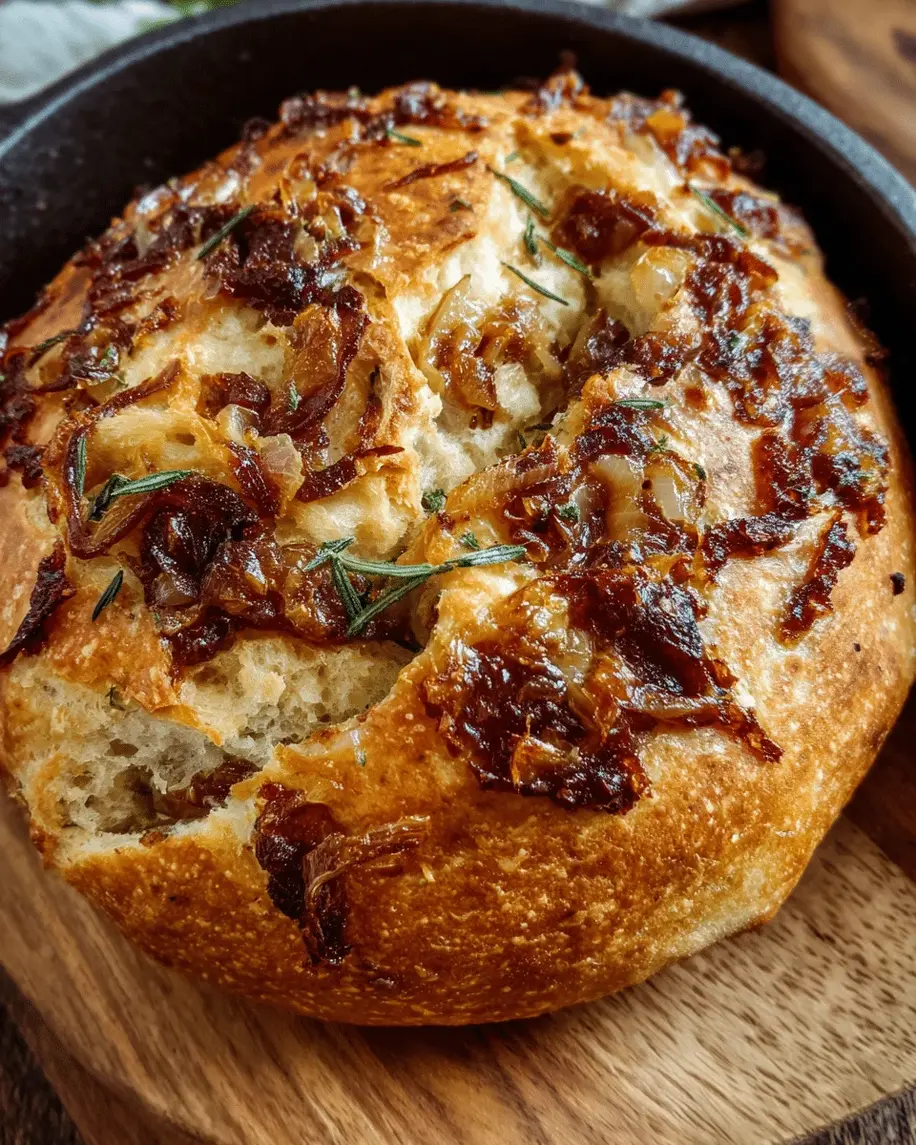
Here’s the complete WordPress Gutenberg HTML block for your recipe post. It includes the CSS styling, a table of contents, the full recipe content with ingredients, step-by-step instructions, storage tips, variations, FAQ, a Pinterest block, and an engagement hook—all formatted for a warm, expert food blog voice.
“`html

Caramelized Onion, White Bean & Chicken Soup That Feels Comforting and Hearty – The Ultimate Bowl of Cozy

⚖️
Difficulty
Easy
⏲️
Prep Time
15 mins
🕒
Cook Time
45 mins
⏱️
Total Time
60 mins
🍽️
Servings
6

This caramelized onion chicken soup is the kind of bowl that wraps around you like a warm blanket on a cold NYC evening. I still remember the first time I made a version of this — it was a rainy fall afternoon in my small Manhattan kitchen, and the scent of slowly caramelizing onions reminded me of my mother’s tagine nights in Morocco. She used to say that patience in the kitchen is love made visible. This white bean chicken soup is exactly that: a slow, loving transformation of humble ingredients into something truly luxurious. The deep sweetness of caramelized onions blends with creamy white beans and tender shredded chicken, all swimming in a savory thyme-and-garlic broth. It’s one of those hearty comfort soup recipes that feeds your body and your soul, and I’m so excited to share my version with you.

Let me paint you a picture: the onions turn a deep amber after a half-hour of patient stirring, releasing their natural sugars and developing a rich, almost jammy sweetness. Then come the garlic and thyme — aromatic and earthy — followed by the broth that lifts all those browned bits off the bottom of the pot. When you stir in the white beans and shredded chicken, the soup becomes thick and satisfying without being heavy. The final splash of balsamic vinegar brightens everything like a secret wink. Each spoonful is a balance of silky broth, tender beans, meaty chicken, and those glorious caramelized onions that seem to melt on your tongue.

I’ve developed this recipe over years of cooking at home and in professional kitchens, and what sets it apart is the technique: truly caramelizing the onions low and slow until they’re deep brown — not just softened — is the non-negotiable first step. I also add a trick from my Paris training: a touch of balsamic vinegar at the end to mirror the acidity you’d get from a classic French deglazing. One common mistake people make is rushing the onions or using pre-chopped frozen ones — don’t do it! The slow caramelization is where all the magic lives. 💡 mia’s Pro Tip: Make a double batch of caramelized onions on the weekend and store them in the fridge; you’ll be halfway to this soup anytime the craving hits.

Why This Caramelized Onion, White Bean & Chicken Soup Recipe Is the Best

The Flavor Secret — The soul of this chicken and white bean soup is the deeply caramelized onion base. I take the time to cook the onions for a full 30 to 35 minutes until they’re a rich mahogany brown, which unlocks an incredible natural sweetness and savory depth that no bouillon cube can replicate. It’s a technique I refined during my time in Paris, where patience is considered an essential ingredient. This slow caramelization creates a foundation that makes every other ingredient shine, from the creamy beans to the tender chicken.

Perfected Texture — I’m a stickler for texture, and this soup delivers. The white beans (cannellini or great northern) break down just slightly as they simmer, thickening the broth naturally without needing cream or flour. The shredded chicken stays moist and tender, while the caramelized onions practically dissolve into the broth, leaving behind their concentrated flavor. A quick tip from my NYC kitchen: if you want an even creamier texture, mash about a quarter of the beans with a fork before adding them to the pot — it creates a luscious body without dairy.

Foolproof & Fast — Despite the incredible depth of flavor, this hearty comfort soup recipe is surprisingly straightforward. I’ve designed it to be forgiving: use rotisserie chicken to save time, canned beans are perfectly fine, and even if your onions aren’t perfectly caramelized, the soup will still taste wonderful. It’s the kind of recipe that works beautifully for beginner cooks and seasoned chefs alike. I’ve taught it in my NYC cooking workshops, and everyone walks away feeling like a pro.

Caramelized Onion Chicken Soup Ingredients

When it comes to ingredients for this white bean chicken soup, I believe in quality without fuss. I buy my yellow onions from the Union Square Greenmarket in NYC — they’re sweet and firm, perfect for caramelizing. The white beans come from a can (no shame in that game!), and I always reach for low-sodium chicken broth so I can control the salt. Let me walk you through everything you’ll need.

Ingredients List

  • 2 tablespoons olive oil
  • 3 large yellow onions, thinly sliced
  • 1 teaspoon salt, plus more to taste
  • 1/2 teaspoon black pepper, plus more to taste
  • 4 cloves garlic, minced
  • 1 tablespoon fresh thyme leaves (or 1 teaspoon dried)
  • 2 bay leaves
  • 8 cups chicken broth, low sodium
  • 1 (15-ounce) can white beans (cannellini or great northern), drained and rinsed
  • 2 cups cooked chicken, shredded (rotisserie chicken works well)
  • 1 tablespoon balsamic vinegar
  • Fresh parsley, chopped, for garnish
  • Grated Parmesan cheese, for serving

Ingredient Spotlight

Yellow Onions — These are your workhorses. Look for onions that are firm with no soft spots or green sprouts at the top. Yellow onions have the perfect balance of sugar and sulfur compounds, which means they caramelize beautifully without turning bitter. If your eyes water while slicing, try chilling the onions for 15 minutes beforehand — a trick I picked up from a Parisian chef.

White Beans (Cannellini or Great Northern) — These beans are mild, creamy, and hold their shape well during simmering. Cannellini beans (also called white kidney beans) are slightly larger and creamier, while great northern beans are a bit smaller with a delicate texture. Both work beautifully in this caramelized onion soup recipe. I always rinse canned beans to remove excess sodium and any metallic taste.

Chicken Broth — Choose a low-sodium broth so you can season the soup yourself. A good-quality broth (like Swanson or Imagine) makes a noticeable difference. If you use homemade broth, even better — but I often use store-bought and jazz it up with extra thyme and garlic. You can also use bone broth for a richer, more nourishing result.

Original IngredientBest SubstitutionFlavor / Texture Impact
Yellow onionsSweet onions (Vidalia) or red onionsSweeter, slightly milder flavor; red onions give a deeper color
Cannellini beansGreat northern beans, butter beans, or chickpeasButter beans are creamier; chickpeas add a nuttier flavor
Chicken brothVegetable broth or turkey brothVegetable broth is lighter; turkey broth adds a richer poultry note
Balsamic vinegarRed wine vinegar or sherry vinegarSherry vinegar adds a nutty depth; red wine vinegar is more acidic

How to Make Caramelized Onion, White Bean & Chicken Soup — Step-by-Step

Ready to make the most comforting bowl of chicken and white bean soup you’ve ever tasted? Don’t worry — I’ll guide you through every step with clear instructions, visual cues, and chef’s tips. You’ve got this!

Step 1: Caramelize the Onions

Heat olive oil in a large pot or Dutch oven over medium heat. Add the sliced onions and cook, stirring occasionally, for about 30 minutes until deeply caramelized and golden brown. If the onions start to stick or look too dry, add a splash of water or broth to deglaze the pan — this helps them cook evenly without burning.

💡 mia’s Pro Tip: Don’t rush this step! Low and slow is the secret. If you’re short on time, you can increase the heat slightly, but stir more frequently to avoid scorching. For an even deeper flavor, add a pinch of sugar after the first 10 minutes.

Step 2: Add Aromatics

Add salt, pepper, minced garlic, fresh thyme leaves, and bay leaves to the pot. Cook for 1 minute until fragrant, stirring constantly so the garlic doesn’t burn. The smell at this point is absolutely intoxicating.

⚠️ Common Mistake to Avoid: Burning the garlic. If the pan is too hot, the garlic will turn bitter. Keep the heat at medium-low and stir for only 30-60 seconds — just until you can smell it.

Step 3: Add Broth

Pour in the chicken broth, scraping up any browned bits from the bottom of the pot. Those bits are packed with flavor! Use a wooden spoon or spatula to deglaze thoroughly — that’s pure gold for the broth.

Step 4: Simmer

Bring the soup to a boil, then reduce the heat and let it simmer gently for 10 minutes. This allows all the flavors to meld together beautifully. Taste the broth — it should already taste rich and savory.

💡 mia’s Pro Tip: Skim off any foam that rises to the surface during the first 5 minutes of simmering for a cleaner, clearer broth.

Step 5: Add Beans and Chicken

Stir in the drained white beans and shredded chicken. Cook for 5 more minutes until everything is heated through. The beans should be tender but not mushy, and the chicken should be moist.

⚠️ Common Mistake to Avoid: Adding the beans too early or cooking them too long can make them fall apart. Stir them in gently and just heat them through — about 5 minutes is perfect.

Step 6: Finish and Serve

Remove the bay leaves, stir in the balsamic vinegar, and adjust seasoning to taste. Ladle the soup into bowls, garnish with fresh parsley and grated Parmesan cheese. Serve hot and watch everyone smile.

💡 mia’s Pro Tip: The balsamic vinegar is the secret weapon here! It brightens the whole soup and balances the sweetness of the caramelized onions. Don’t skip it — even if you think it sounds unusual, trust me.

StepActionDurationKey Visual Cue
1Caramelize onions30 minDeep golden brown, soft and shrunken
2Add aromatics1 minFragrant, garlic is just softened
3Add broth & deglaze2 minBrowned bits lift off the bottom
4Simmer soup10 minBroth is aromatic and slightly reduced
5Add beans & chicken5 minBeans are tender, chicken is heated through
6Finish & serve2 minBalsamic stirred in, soup is glossy

Serving & Presentation

This caramelized onion chicken soup is a meal in itself, but how you serve it can elevate the whole experience. I love to ladle it into wide, shallow bowls so the beans and chicken are visible on top. A generous sprinkle of fresh parsley and a shower of grated Parmesan add color and saltiness. For a touch of crunch, serve with crusty bread or garlic croutons on the side — perfect for dipping into that rich broth.

In my NYC kitchen, I often pair this soup with a simple green salad dressed with lemon and olive oil, or with a grilled cheese sandwich for the ultimate comfort combo. The soup also pairs beautifully with a crisp white wine like Sauvignon Blanc or a light Pinot Noir. And if you want to go full Moroccan-inspired, serve it with a side of warm pita bread and a dollop of harissa for a spicy kick.

For a cozy presentation, I like to garnish each bowl with a few extra thyme sprigs and a drizzle of good olive oil. It makes the soup look as beautiful as it tastes — and that’s the kind of care I learned from my mother’s kitchen in Morocco.

Pairing TypeSuggestionsWhy It Works
Side DishCrusty sourdough, garlic bread, simple green saladAdds crunch and freshness; balances the hearty soup
Sauce / DipHarissa, pesto, or a drizzle of balsamic glazeAdds heat/herbaceousness or extra acidity
BeverageSauvignon Blanc, light Pinot Noir, sparkling water with lemonCrisp wine cuts through richness; sparkling water refreshes
GarnishFresh parsley, grated Parmesan, thyme sprigs, olive oil drizzleAdds color, freshness, and a salty/umami finish

Make-Ahead, Storage & Reheating

This hearty comfort soup recipe is a dream for meal prep. As a busy NYC food blogger, I rely on recipes that taste even better the next day, and this one delivers. The flavors continue to meld and deepen overnight, making it a perfect make-ahead meal for busy weekdays. Here’s everything you need to know about storing and reheating.

MethodContainerDurationReheating Tip
RefrigeratorAirtight container (glass or plastic)Up to 4 daysReheat gently on the stovetop over medium-low heat, adding a splash of broth or water if too thick. Microwave in 30-second bursts, stirring in between.
FreezerFreezer-safe container or zip-top bagUp to 3 monthsThaw overnight in the fridge. Reheat on the stovetop, adding a splash of broth if needed. The texture of the beans may soften slightly, but the flavor will be amazing.
Make-AheadSame as refrigeratorUp to 2 days in advancePrepare the soup completely, cool to room temperature, then refrigerate. The flavors will be even more developed the next day. Add the parsley and Parmesan just before serving.

One thing I’ve learned from my Paris training: soups like this often taste better after a day in the fridge. The onions continue to infuse the broth, and the beans absorb all those savory flavors. When reheating, go low and slow to prevent the chicken from drying out. If the soup thickens too much upon standing (the beans love to soak up broth), just add a splash of chicken broth or water until it reaches your desired consistency.

I also recommend portioning the soup into individual containers for easy grab-and-heat lunches. It’s a lifesaver on busy days when you need something warm and nourishing but don’t have time to cook from scratch.

Variations & Easy Swaps

One of the things I love most about this caramelized onion white bean soup is how versatile it is. Over the years, I’ve experimented with countless variations — some inspired by my Moroccan roots, others by my French training, and a few that came from random NYC farmers market finds. Here are three of my favorite ways to change things up.

VariationKey ChangeBest ForDifficulty Impact
Moroccan SpicedAdd 1 tsp cumin, 1/2 tsp turmeric, and a pinch of cinnamonWarming, aromatic twistEasy
Creamy CoconutStir in 1/2 cup coconut milk at the endDairy-free, extra creaminessEasy
Hearty GreensAdd 3 cups chopped kale or spinach in the last 5 minutesExtra nutrition and colorEasy

Moroccan Spiced Variation

This variation is a nod to my heritage. Add 1 teaspoon of ground cumin, 1/2 teaspoon of turmeric, and a pinch of cinnamon along with the garlic and thyme. The warm spices complement the sweet caramelized onions beautifully and give the soup a gorgeous golden hue. I love serving this version with a dollop of yogurt and a sprinkle of fresh cilantro. My mother would approve!

Dairy-Free Creamy Variation

For a luscious, dairy-free version, stir in 1/2 cup of full-fat coconut milk after you remove the bay leaves. The coconut milk adds a silky richness that pairs surprisingly well with the thyme and balsamic vinegar. I tested this version during a winter workshop in NYC, and it was a hit with everyone — even those who usually avoid coconut flavor. The key is to use full-fat coconut milk for the best texture.

Hearty Greens Variation

When I find beautiful kale or spinach at the Union Square Greenmarket, I love adding it to this soup. Simply fold in 3 cups of chopped kale or baby spinach during the last 5 minutes of cooking, allowing it to wilt into the broth. The greens add a boost of nutrients, a pleasant textural contrast, and a pop of vibrant green against the golden broth. This is my go-to version when I want to pack in extra veggies without compromising on flavor.

How do you caramelize onions for soup without burning them?

The key to perfect caramelized onions without burning is low heat and patience. Start by heating your oil over medium heat, then add the sliced onions and stir to coat. Reduce the heat to medium-low and cook slowly, stirring every 5 minutes or so. If the onions start to stick or look dry, add a splash of water or broth to deglaze the pan — this creates steam that helps them cook evenly. The total process takes about 30 minutes. Keep an eye on the color; you want a deep golden brown, not dark brown or black. A good visual cue is when the onions have reduced significantly in volume and look jammy and glossy.

Can I use a different type of bean instead of white beans in this chicken soup?

Absolutely! While cannellini or great northern beans are classic for this caramelized onion chicken soup, you can easily swap them. Butter beans (lima beans) are a fantastic substitute — they’re larger and even creamier, which adds a luscious texture. Chickpeas (garbanzo beans) also work well and bring a slightly nutty flavor that complements the caramelized onions. If you’re in a pinch, even pinto beans or black beans can work, though they’ll change the color and flavor profile a bit. Just remember to drain and rinse any canned beans before adding them to the soup to remove excess sodium and any metallic taste.

How long does it take for the flavors to meld in this caramelized onion and chicken soup?

The flavors in this white bean chicken soup start melding immediately as you cook, but they reach their peak after a few hours — or even better, overnight. Once the soup is fully cooked, let it simmer for an extra 10-15 minutes (covered, on low heat) to allow the onions, beans, and chicken to really get cozy together. However, the real magic happens when you let the soup cool and refrigerate it for a day. The next day, the caramelized onion flavor has infused every spoonful, and the beans have absorbed the savory broth. I actually prefer making this soup a day ahead for the deepest, most comforting flavor.

What can I serve with this hearty chicken and white bean soup for a complete meal?

This hearty comfort soup recipe is already quite filling, but you can easily round it into a complete meal. My favorite pairing is a crusty sourdough bread or garlic bread for dipping — it’s perfect for sopping up every last drop of broth. A simple side salad with mixed greens, lemon vinaigrette, and shaved Parmesan adds freshness and crunch. For a more substantial meal, serve the soup with a grilled cheese sandwich (try Gruyère or cheddar). If you’re hosting, a cheese board with crackers and a glass of Sauvignon Blanc or light Pinot Noir makes the meal feel special. And for a cozy weeknight, nothing beats a bowl of this soup with a side of roasted vegetables.

Is this caramelized onion chicken soup gluten-free?

Yes, this caramelized onion chicken soup is naturally gluten-free! All the ingredients — olive oil, onions, garlic, thyme, bay leaves, chicken broth, white beans, chicken, balsamic vinegar, parsley, and Parmesan — are gluten-free. Just be sure to check the labels on your chicken broth and balsamic vinegar to ensure they are certified gluten-free, as some brands may contain additives or be processed in facilities that handle gluten. If you’re serving the soup with bread on the side, simply choose your favorite gluten-free bread or crackers. This soup is naturally hearty and satisfying all on its own!

Can I freeze this chicken and white bean soup?

Definitely! This white bean chicken soup freezes beautifully. Let the soup cool completely to room temperature, then transfer it to freezer-safe containers or zip-top bags. I recommend portioning it into individual servings for easy thawing. It will keep for up to 3 months in the freezer. When you’re ready to enjoy it, thaw the soup overnight in the refrigerator, then reheat gently on the stovetop over medium-low heat. You may need to add a splash of chicken broth or water if the soup has thickened too much, as the beans tend to absorb liquid during freezing. The flavor will still be deliciously rich and comforting.

What type of chicken is best for this soup — rotisserie or fresh?

Both work wonderfully, and I use both depending on my schedule. Rotisserie chicken is my go-to shortcut on busy weekdays — it’s already cooked, tender, and flavorful. Just remove the skin and shred the meat. It saves time and adds a nice roasted flavor to the soup. Fresh chicken (boneless, skinless breasts or thighs) is also excellent. If using fresh, I recommend poaching it in the broth for the last 15-20 minutes of simmering, then removing it, shredding it, and stirring it back in. This infuses the chicken with flavor and keeps it incredibly moist. For the easiest version, rotisserie chicken is perfect. For the richest flavor, poach fresh chicken in the broth.

How do I make this caramelized onion soup recipe vegetarian?

Making this caramelized onion soup recipe vegetarian is simple! Replace the chicken broth with a high-quality vegetable broth or mushroom broth for rich, savory flavor. Omit the chicken and add an extra can of white beans or a can of chickpeas for protein. You can also add hearty vegetables like diced carrots, celery, or mushrooms when you add the garlic and thyme. For extra umami, stir in a teaspoon of miso paste or a splash of soy sauce along with the balsamic vinegar. The caramelized onions and beans provide so much depth and creaminess that you won’t miss the chicken at all. Garnish with fresh parsley and a sprinkle of nutritional yeast instead of Parmesan, or use a vegetarian Parmesan alternative.

Can I make this soup in a slow cooker or Instant Pot?

Yes, you can adapt this hearty comfort soup recipe for both appliances. For a slow cooker: Caramelize the onions in a skillet first (this step is essential for flavor), then transfer them to the slow cooker with the garlic, thyme, bay leaves, and broth. Cook on low for 6-8 hours or high for 3-4 hours. Stir in the beans and shredded chicken during the last 30 minutes of cooking. For an Instant Pot: Use the sauté function to caramelize the onions and cook the aromatics. Add the broth, scrape up any browned bits, then cook on high pressure for 10 minutes with a natural release. Stir in the beans and shredded chicken and let them heat through using the sauté function. The flavors will be slightly different from the stovetop version but still delicious.

What if I don’t have balsamic vinegar — can I skip it or use something else?

I strongly recommend using balsamic vinegar because it adds a unique sweetness and acidity that balances the rich, savory soup perfectly. However, if you don’t have it, you can substitute with red wine vinegar, sherry vinegar, or apple cider vinegar. Use the same amount (1 tablespoon) and expect a slightly different flavor profile: red wine vinegar is more tart, sherry vinegar adds a nutty depth, and apple cider vinegar is fruity and mild. If you have no vinegar at all, a squeeze of fresh lemon juice can also work in a pinch. The vinegar is important for cutting through the richness of the caramelized onions and beans, so I don’t recommend skipping it entirely.

Share Your Version!

I absolutely love hearing how this caramelized onion chicken soup turns out in your kitchen! Every time someone tells me they made this white bean chicken soup and it brought warmth to their table, it makes my day. Did you try the Moroccan spiced variation? Did you add extra greens? I want to know all about it!

Leave a star rating and a comment below to let me know how it went. Share a photo of your soup on Instagram or Pinterest and tag @exorecipes — I love seeing your beautiful creations. And if you have a question about any step or substitution, just ask! I read every comment and I’m here to help you make the most comforting bowl possible. From my NYC kitchen to yours — I hope this recipe brings as much warmth to your table as it does to mine. — mia 🧡

📌

Love This Recipe? Save It to Pinterest!

If you enjoyed this Caramelized Onion, White Bean & Chicken Soup recipe, don’t let it get lost in your browser tabs! 😄 Pin it now so you can find it again anytime — and explore hundreds more tried-and-tested recipes waiting for you on my Pinterest boards.

👉 Follow mia on Pinterest @exorecipe

📌 Pin this recipe · 🔁 Re-pin your favorites · 💬 Tag me when you make it — I love seeing your creations!

“`

Print

clock clock iconcutlery cutlery iconflag flag iconfolder folder iconinstagram instagram iconpinterest pinterest iconfacebook facebook iconprint print iconsquares squares iconheart heart iconheart solid heart solid icon

Caramelized Onion, White Bean & Chicken Soup That Feels Comforting and Hearty

  • Author: Chef Mia
  • Prep Time: 15 minutes
  • Cook Time: 45 minutes
  • Total Time: 1 hour
  • Yield: 6 1x
  • Method: Soup
  • Cuisine: American

Description

This Caramelized Onion, White Bean & Chicken Soup That Feels Comforting and Hearty is a cozy, flavorful soup with tender chicken, creamy white beans, and sweet caramelized onions. It’s perfect for cold nights and meal prep.


Ingredients

Scale
  • 2 tablespoons olive oil
  • 3 large yellow onions, thinly sliced
  • 1 teaspoon salt, plus more to taste
  • 1/2 teaspoon black pepper, plus more to taste
  • 4 cloves garlic, minced
  • 1 tablespoon fresh thyme leaves (or 1 teaspoon dried)
  • 2 bay leaves
  • 8 cups chicken broth, low sodium
  • 1 (15-ounce) can white beans (cannellini or great northern), drained and rinsed
  • 2 cups cooked chicken, shredded (rotisserie chicken works well)
  • 1 tablespoon balsamic vinegar
  • Fresh parsley, chopped, for garnish
  • Grated Parmesan cheese, for serving

Instructions

  1. Heat olive oil in a large pot or Dutch oven over medium heat.
  2. Add sliced onions and cook, stirring occasionally, for about 30 minutes until deeply caramelized and golden brown. If onions start to stick, add a splash of water or broth.
  3. Add salt, pepper, garlic, thyme, and bay leaves; cook for 1 minute until fragrant.
  4. Pour in chicken broth, scraping up any browned bits from the bottom of the pot.
  5. Bring to a boil, then reduce heat and simmer for 10 minutes.
  6. Stir in white beans and shredded chicken; cook for 5 more minutes until heated through.
  7. Remove bay leaves, stir in balsamic vinegar, and adjust seasoning to taste.
  8. Ladle into bowls, garnish with fresh parsley and grated Parmesan cheese.

Notes

To save time, use pre-cooked rotisserie chicken. Caramelizing the onions slowly is key for deep flavor; don’t rush this step. This soup keeps well in the fridge for up to 4 days.


Nutrition

  • Calories: 320
  • Sugar: 8g
  • Fat: 12g
  • Carbohydrates: 28g
  • Protein: 26g


Caramelized Onion, White Bean & Chicken Soup That Feels Comforting and Hearty

k">

Tried This Recipe? Leave a Comment!

Did you make this recipe? I’d love to hear how it turned out! Please leave a comment and a rating below. Your feedback helps other home cooks and supports cheerychop.com!

For more delicious inspiration, follow me on Pinterest!
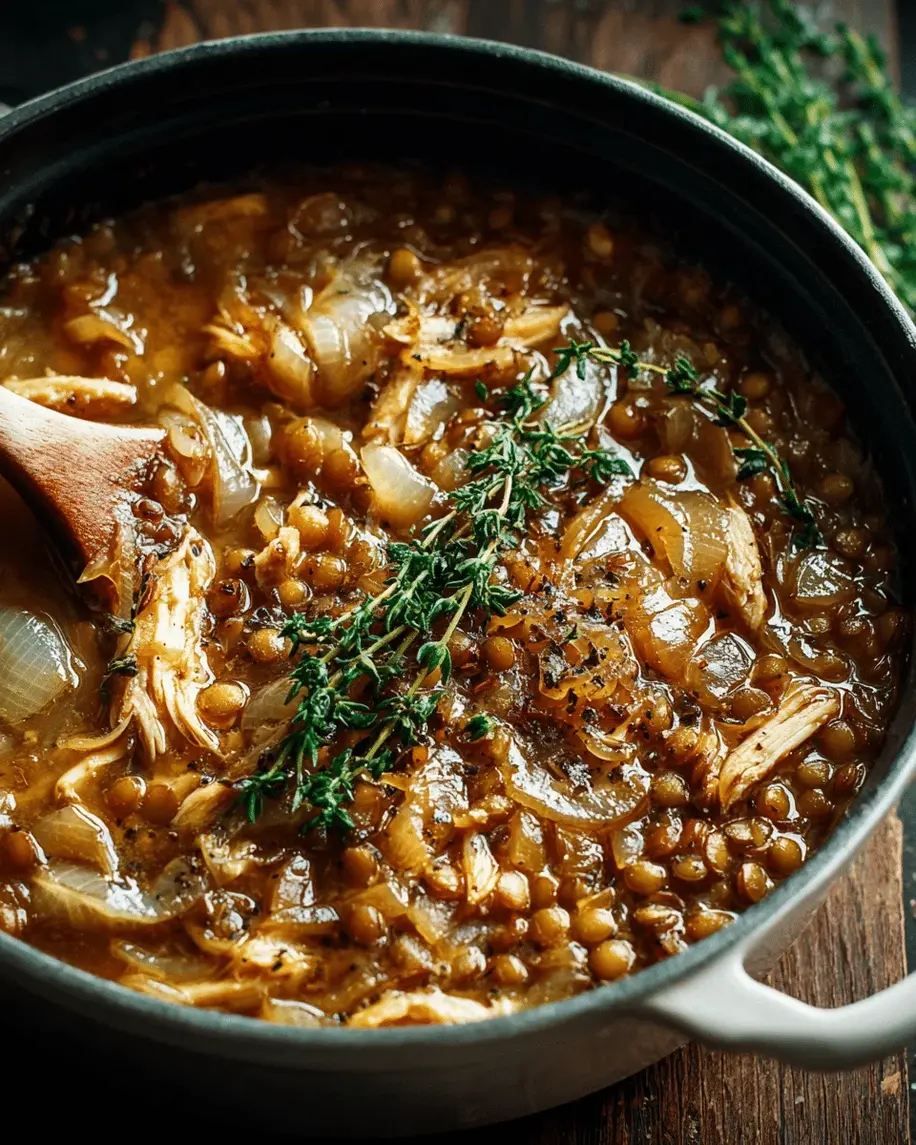
Caramelized Onion, Lentil & Shredded Chicken Stew for Deep Comfort – The Ultimate Bowl of Warmth

⚖️
Difficulty
Medium
⏲️
Prep Time
15 mins
🕒
Cook Time
60 mins
⏱️
Total Time
75 mins
🍽️
Servings
6

There are certain dishes that feel like a hug from the inside out, and this caramelized onion lentil chicken stew is exactly that. I still remember the first time I made a version of this stew—it was a chilly autumn evening in my tiny Paris apartment, and I had just finished a long day at culinary school. The scent of onions slowly browning in olive oil filled every corner, and as I added the lentils and broth, I felt the same comfort I used to get from my grandmother’s tagines in Morocco. That deep, golden caramelization is the heart of this recipe, giving the broth a natural sweetness that no sugar can replicate. This shredded chicken stew recipe is my love letter to simple, honest cooking—the kind that turns a handful of ingredients into something truly memorable.

Imagine lifting the lid of your pot and seeing that rich, amber-colored broth, flecked with tender green lentils and silky shreds of chicken. The aroma hits you first: smoky paprika from a spice market in Marrakech, earthy thyme from my mother’s garden, and that unmistakable fragrance of caramelized onions—deep, almost jammy. Each spoonful is a balance of textures: the soft bite of lentils, the yielding chicken, and the buttery onions that have melted into the liquid. It’s the kind of comfort food stew that warms you from the inside, perfect for a snowy NYC evening or a quiet Sunday supper. I always add a final squeeze of lemon and a handful of fresh parsley to brighten the richness—a little trick I picked up from a Parisian chef who insisted on acidity in every slow-cooked dish.

What sets this hearty chicken lentil stew apart from others is the method behind the onions. Caramelizing them properly—not rushing, not burning—is where the magic happens. In my early cooking days, I learned that patience is the only shortcut worth taking. I’ll walk you through exactly how to achieve that deep, sweet flavor without the stress, and I’ll share a few pro tips to make this recipe as foolproof as possible. Whether you’re a seasoned cook or a beginner, you can pull this off. And if you’re looking for a lentil chicken soup that doubles as a meal prep hero, you’ve come to the right place.

Why This Caramelized Onion, Lentil & Shredded Chicken Stew Recipe Is the Best

The Flavor Secret: The real star isn’t the chicken or the lentils—it’s the onions. I caramelize them low and slow until they turn a deep mahogany brown, releasing natural sugars that create a rich, complex broth. Growing up in Morocco, my mother taught me that patience with onions is the foundation of any great stew. Combined with smoked paprika and thyme, this stew tastes like it simmered for hours, but the actual hands-on time is minimal.

Perfected Texture: After years of testing in my NYC kitchen, I’ve found the perfect balance between tender lentils and shredded chicken that stays moist, not stringy. The key is to cook the lentils separately until just al dente, then let them finish in the broth. The chicken is added at the very end, so it warms through without drying out. Every bite should feel cohesive—no one element dominating the others.

Foolproof & Fast: Despite the deep flavor, this stew comes together in about an hour and fifteen minutes, most of which is hands-off. The caramelization requires attention upfront, but after that, it’s a simple simmer. I’ve streamlined every step so even a weeknight cook can pull this off. Plus, it’s incredibly forgiving—if you need to add more broth, it won’t suffer. This is the kind of recipe that builds confidence in the kitchen.

Caramelized Onion Lentil Chicken Stew Ingredients

I buy my onions from the Union Square Greenmarket, where the sweet yellow onions are piled high in the fall. The lentils I prefer are green or French du Puy—they hold their shape beautifully. And the chicken? I often roast a whole bird on the weekend just to have leftovers for this stew. It’s a habit I picked up from my days in Paris, where every home cook knows the value of a well-stocked fridge.

Ingredients List

  • 3 tablespoons olive oil
  • 3 large onions, thinly sliced
  • 2 cloves garlic, minced
  • 1 cup green lentils, rinsed
  • 4 cups chicken broth (preferably low-sodium)
  • 2 cups shredded cooked chicken
  • 1 teaspoon dried thyme
  • 1 teaspoon smoked paprika
  • Salt and black pepper to taste
  • 2 tablespoons chopped fresh parsley for garnish

Ingredient Spotlight

Onions: The foundation of this stew. Go for yellow or sweet onions—they caramelize beautifully and become sweetly savory. Avoid red onions, which can turn bitter. If you’re short on time, you can use frozen caramelized onions, but homemade is always better for depth.

Lentils: Green or brown lentils are ideal; they hold their shape after simmering. Red lentils break down too much and would turn the stew into a puree. Look for French du Puy lentils for the best texture—they have a slight peppery flavor.

Shredded Chicken: Use leftover rotisserie chicken or poach a couple of chicken breasts in the broth before starting. The key is to shred it while it’s warm—it stays juicier. If using raw chicken, simmer it until just cooked through (about 15 minutes), then shred.

Original IngredientBest SubstitutionFlavor / Texture Impact
OnionsLeeks (white and light green parts)Milder, sweeter, less structure
Green lentilsBrown lentilsSimilar texture, slightly earthier
Chicken brothVegetable brothLighter, less rich, great for vegetarian version
Smoked paprikaSweet paprika + a dash of cuminLess smoky but still warm and earthy

How to Make Caramelized Onion, Lentil & Shredded Chicken Stew — Step-by-Step

Don’t let the caramelization time intimidate you—it’s almost entirely hands-off. Follow these steps and you’ll have a stew that tastes like you labored for hours.

Step 1: Caramelize the Onions

Heat 3 tablespoons olive oil in a large pot (or Dutch oven) over medium heat. Add the thinly sliced onions and toss to coat. Cook, stirring every 5 minutes, until the onions become deep golden brown and jammy—about 30 minutes. If they start to stick, add a splash of water or broth and scrape up the browned bits. This is where the magic happens.

💡 mia’s Pro Tip: Use a wide pot so the onions have room to brown evenly. Crowding them will steam instead of caramelize. And never rush the heat—medium heat is your friend.

Step 2: Add Garlic and Spices

Add minced garlic, dried thyme, and smoked paprika. Stir for about 1 minute until fragrant—the garlic should sizzle but not burn.

⚠️ Common Mistake to Avoid: Adding garlic too early or on high heat. It can turn bitter. Always add it after the onions are caramelized and reduce heat slightly.

Step 3: Simmer the Lentils

Add the rinsed lentils and chicken broth. Stir to combine and bring to a boil. Reduce heat to low, cover, and let it simmer for 25–30 minutes, or until the lentils are tender but still hold their shape. Check at 20 minutes—cooking time depends on the age of your lentils.

💡 mia’s Pro Tip: For even cooking, rinse your lentils and pick out any tiny stones. Don’t skip this—I once ruined a batch with a hidden pebble!

Step 4: Add Shredded Chicken and Season

Once the lentils are tender, stir in the shredded cooked chicken. Let it cook for 5 minutes, just until heated through. Season with salt and black pepper to taste. The stew will thicken as it sits, so you can add a little more broth if needed.

⚠️ Common Mistake to Avoid: Overcooking the chicken. Since it’s already cooked, you only need to warm it. Overheating will make it dry and stringy.

Step 5: Garnish and Serve

Ladle the stew into warm bowls. Top with a generous sprinkle of fresh parsley and a squeeze of lemon if desired. Serve with crusty bread, a side of roasted vegetables, or simply on its own.

💡 mia’s Pro Tip: Let the stew rest for 10 minutes after cooking. The flavors meld beautifully, and it gives you time to set the table.

StepActionDurationKey Visual Cue
1Caramelize onions30 minDeep golden brown, jammy texture
2Add garlic & spices1 minFragrant, garlic softens
3Simmer lentils25–30 minLentils tender but intact, broth darkens
4Add chicken & season5 minChicken warmed through, broth seasoned
5Garnish & serveBright green parsley, steam rising

Serving & Presentation

I love serving this stew in deep, wide bowls so you can see all the layers—the dark broth, the speckled lentils, the shreds of chicken. A final drizzle of good olive oil and a sprinkle of flaky sea salt elevates it from humble to elegant. In my Moroccan family, we always serve a dish like this with warm, crusty bread for sopping up every last drop. In NYC, I pair it with a simple arugula salad dressed with lemon and a glass of hearty red wine—a Côtes du Rhône or a Malbec works beautifully.

For a truly memorable meal, consider setting out small bowls of garnishes: extra fresh parsley, a dollop of Greek yogurt (or labneh for a Middle Eastern twist), toasted pine nuts, and a squeeze of lemon. Everyone can customize their own bowl. This stew also freezes beautifully, so I often double the batch and stash half for busy weeks.

Pairing TypeSuggestionsWhy It Works
Side DishCrusty sourdough, roasted sweet potatoes, arugula saladAbsorbs broth, adds sweetness, cuts richness
Sauce / DipGreek yogurt, harissa, lemon wedgesAdds creaminess, spice, and acidity
BeverageCôtes du Rhône, Malbec, dark aleRed wine complements smoky spices; ale matches earthy lentils
GarnishFresh parsley, toasted pine nuts, pomegranate seedsAdds color, crunch, and bursts of sweetness

Make-Ahead, Storage & Reheating

One of the best things about this stew is how it tastes even better the next day. I often make a big batch on Sunday and portion it for weekday lunches. In my NYC routine, I’ll freeze individual servings in reusable containers—perfect for those days when I need a quick, nourishing meal.

MethodContainerDurationReheating Tip
RefrigeratorAirtight containerUp to 5 daysReheat on stovetop over medium-low, add splash of broth if thick
FreezerFreezer-safe containers or bagsUp to 3 monthsThaw overnight in fridge, then reheat gently; stir occasionally
Make-AheadPot, cool quickly, then refrigerateUp to 2 days in advanceCool completely before covering; add fresh parsley when serving

When reheating, I always add a splash of broth or water because the lentils continue to absorb liquid as they sit. Warm it over low heat, stirring occasionally, until hot. If you’re in a hurry, the microwave works too—just cover the bowl and heat in 1-minute bursts, stirring in between.

Variations & Easy Swaps

VariationKey ChangeBest ForDifficulty Impact
Vegetarian Lentil StewOmit chicken, use vegetable brothMeatless Mondays, plant-based dietsSame; remove one step
Spicy Moroccan TwistAdd 1 tsp cumin, 1/2 tsp cinnamon, 1 pinch cayenneWarmer evenings, exotic dinnerNo change
Slow Cooker VersionCaramelize onions first, then transfer all to slow cookerAll-day cooking, set-and-forgetStill medium (caramelization needed)

Vegetarian Lentil Stew

This version is incredibly satisfying—the caramelized onions provide so much umami that you won’t miss the chicken. Simply swap the chicken broth for vegetable broth and omit the chicken. For extra heartiness, add a can of drained chickpeas or diced potatoes along with the lentils. I love this version on cold, rainy days in New York; it’s like a hug in a bowl.

Spicy Moroccan Twist

Growing up in Morocco, my mother would add a warm blend of cumin, cinnamon, and a pinch of cayenne to her stews. The sweetness of the caramelized onions perfectly balances the heat. If you want to take it further, add a preserved lemon (rind only, finely diced) during the last 5 minutes of cooking. It adds a salty-tart pop that’s unforgettable.

Slow Cooker Version

For busy days, you can still get the deep flavor by caramelizing the onions on the stovetop first (step 1), then transferring everything—garlic, spices, lentils, broth—to a slow cooker. Cook on low for 6–8 hours or high for 3–4 hours. Add the shredded chicken in the last 30 minutes. The result is just as comforting, and your home will smell amazing all day.

How do you caramelize onions for a stew without burning them?

The key is low and slow. Start with medium heat and use a wide, heavy-bottomed pot (like a Dutch oven). Slice your onions thinly and evenly, and toss them with oil so each strand is coated. Stir every 5–7 minutes, scraping up any browned bits from the bottom. After about 20–30 minutes, they’ll turn a deep, even golden brown. If they start to darken too quickly, lower the heat and add a splash of water or broth to deglaze. Patience is your best friend here—rushing with high heat leads to burnt, bitter onions.

Can I use canned lentils instead of dried in this chicken stew?

Yes, you can use canned lentils for convenience. Drain and rinse them well to remove excess sodium and the slightly metallic taste. Since canned lentils are already fully cooked, add them toward the end of the cooking process—about 5–10 minutes before you serve—just to warm them through. Keep in mind that canned lentils tend to be softer and more prone to breaking apart. If you want a sturdier texture, go with dried green lentils. But in a pinch, canned works just fine.

How long should I cook shredded chicken in a lentil stew for the best texture?

Because you’re using already cooked shredded chicken, you only need to warm it through—between 3 to 5 minutes over low heat is perfect. Overcooking will cause the chicken to dry out and become stringy. If you’re starting with raw chicken, poach it in the broth first: simmer the raw chicken breasts in the broth for 15–20 minutes until cooked through, then remove, shred, and add back at the same final step. This ensures the meat stays tender and never overcooks.

What can I substitute for chicken to make this stew vegetarian?

There are several wonderful vegetarian options. You can double the lentils (use 2 cups total) and add a can of chickpeas or white beans for protein. Smoked tofu or tempeh, cubed and browned, works well if you want a meaty texture. For an umami boost, add a few dried mushrooms (rehydrated and chopped) along with the lentils—they mimic the savoriness of chicken. I also love adding chopped sweet potatoes or butternut squash for extra heartiness and natural sweetness.

Can I freeze caramelized onion and lentil stew?

Absolutely! This stew freezes wonderfully. Let it cool completely, then transfer to freezer-safe containers or zip-top bags. It will keep for up to 3 months. When you’re ready to eat, thaw overnight in the refrigerator, then reheat gently on the stovetop or in the microwave. Expect the lentils to absorb more liquid during storage, so add a splash of broth or water when reheating to restore the desired consistency. The flavor actually deepens after freezing—it’s even more delicious.

What type of lentils hold up best in a stew?

Green lentils (especially French green lentils or lentilles du Puy) are the top choice for stews because they maintain their shape and have a pleasant, slightly peppery flavor. Brown lentils are also a good, more affordable option and hold up reasonably well. Avoid red lentils—they cook down into a soft puree, which can be nice for some recipes but not for the chunky texture we want in this stew. Always rinse lentils before cooking to remove dust and small debris.

How can I make this stew gluten-free?

This recipe is naturally gluten-free! All the ingredients—onions, olive oil, lentils, chicken, broth, spices, and parsley—are gluten-free. The only thing to double-check is your chicken broth; some commercial broths may contain gluten as a thickener. Look for brands labeled gluten-free, or make your own using chicken bones, carrots, celery, and herbs. Serve with gluten-free bread or rice instead of wheat bread to keep the meal entirely gluten-free.

Can I use rotisserie chicken for this stew?

Yes, rotisserie chicken is an excellent shortcut. It’s already cooked and seasoned, which saves time and adds extra flavor. Simply remove the skin, shred the meat from the bones, and add it during the last 5 minutes of cooking. I often use leftover rotisserie chicken for this exact reason—it turns a weeknight dinner into something special without extra effort. Just be mindful of the sodium level; rotisserie chickens can be salty, so taste before adding extra salt.

📌

Love This Recipe? Save It to Pinterest!

If you enjoyed this Caramelized Onion, Lentil & Shredded Chicken Stew for Deep Comfort recipe, don’t let it get lost in your browser tabs! 😄 Pin it now so you can find it again anytime — and explore hundreds more tried-and-tested recipes waiting for you on my Pinterest boards.

👉 Follow mia on Pinterest @chefrecipes2

📌 Pin this recipe · 🔁 Re-pin your favorites · 💬 Tag me when you make it — I love seeing your creations!

Print

clock clock iconcutlery cutlery iconflag flag iconfolder folder iconinstagram instagram iconpinterest pinterest iconfacebook facebook iconprint print iconsquares squares iconheart heart iconheart solid heart solid icon

Caramelized Onion, Lentil & Shredded Chicken Stew for Deep Comfort

  • Author: Chef Mia
  • Prep Time: 15 minutes
  • Cook Time: 1 hour
  • Total Time: 1 hour 15 minutes
  • Yield: 6 1x
  • Method: Main Course
  • Cuisine: American

Description

A deeply comforting stew with caramelized onions, earthy lentils, and tender shredded chicken, perfect for cold days.


Ingredients

Scale
  • 3 tablespoons olive oil
  • 3 large onions, thinly sliced
  • 2 cloves garlic, minced
  • 1 cup green lentils, rinsed
  • 4 cups chicken broth
  • 2 cups shredded cooked chicken
  • 1 teaspoon dried thyme
  • 1 teaspoon smoked paprika
  • Salt and black pepper to taste
  • 2 tablespoons chopped fresh parsley for garnish

Instructions

  1. Heat olive oil in a large pot over medium heat. Add sliced onions and cook, stirring occasionally, until deeply caramelized, about 30 minutes.
  2. Add minced garlic and cook for another minute until fragrant.
  3. Stir in the lentils, chicken broth, thyme, and smoked paprika. Bring to a boil, then reduce heat and simmer for 25-30 minutes until lentils are tender.
  4. Add shredded chicken and cook for 5 minutes until heated through. Season with salt and pepper to taste.
  5. Serve hot, garnished with fresh parsley.

Notes

For a vegetarian version, omit chicken and use vegetable broth. The stew thickens as it sits; add more broth if reheating.


Nutrition

  • Calories: 380 kcal
  • Sugar: 8 g
  • Fat: 12 g
  • Carbohydrates: 35 g
  • Protein: 28 g


Caramelized Onion, Lentil & Shredded Chicken Stew for Deep Comfort

Caramelized Onion, Cheddar & Rosemary Sourdough Artisan Bread with Bold Flavor – A Savory, Cheese-Studded Loaf That Steals the Show

⚖️
Difficulty
Medium
⏲️
Prep Time
4 hours
🕒
Cook Time
50 mins
⏱️
Total Time
5 hrs 30 mins (+ rising)
🍽️
Servings
1 loaf (12 slices)

I still remember the first time I caramelized onions in my mother’s kitchen in Morocco. The air turned sweet and sticky, and we would sneak spoonfuls straight from the pan. Years later, after training in Paris and settling in New York, I knew I had to bring that deep, savory sweetness into a caramelized onion cheddar rosemary sourdough bread that would make any artisan baker proud. This artisan sourdough bread recipe is my love letter to bold flavor — combining French technique with the rustic charm of a NYC bakery.

Picture this: a crackling golden crust that shatters under your knife, revealing a soft, tender crumb studded with pockets of melted sharp cheddar and flecks of fragrant rosemary. The caramelized onions weave through every slice, adding a subtle sweetness that balances the tangy sourdough. It’s the kind of bread that turns a simple bowl of soup into a memorable meal, or becomes the base for the best grilled cheese of your life.

What sets this savory sourdough bread with cheese apart is my approach to building layers of flavor. I use a mature sourdough starter for complexity, caramelize the onions low and slow until they’re sticky and jammy, and fold in extra-sharp cheddar for a bold bite. Plus, I’ll share my favorite pro tip for getting an open crumb even with all those add-ins — something that took me years of trial and error to perfect. One common mistake? Adding the onions too wet, which can make the dough heavy. Not today!

Why This Caramelized Onion Cheddar Rosemary Sourdough Bread Recipe Is the Best

The Flavor Secret: My Moroccan roots taught me that caramelization is an art. I cook the onions with butter until they turn a deep mahogany, then deglaze with a splash of water to lift all those dark, sweet bits. Combined with the sharpness of aged cheddar and the piney notes of fresh rosemary, each bite delivers a symphony of tastes — sweet, tangy, savory, and herbaceous. This isn’t your average bread; it’s a centerpiece.

Perfected Texture: Trained in Paris, I learned the importance of dough hydration and handling. This dough is deliberately wet (around 75% hydration) to create an open, airy crumb even with the heavy mix-ins. The caramelized onions and cheese add moisture and richness, but by folding them in gently after the initial knead, I keep the gluten network intact. The result: a crusty exterior with a soft, chewy interior that’s never gummy.

Foolproof & Fast: Yes, artisan bread takes time, but this recipe is designed for home bakers. I use a straight dough method — no autolyse, no complicated folds — just a long, forgiving bulk fermentation that develops flavor while you go about your day. My New York city life taught me efficiency: the onions can be made ahead, the dough can cold-ferment overnight, and the final shape is as simple as a round boule. Even beginners will feel like pros.

Caramelized Onion Cheddar Rosemary Sourdough Bread Ingredients

I source my ingredients from the Union Square Greenmarket and my local Italian specialty shop. The sharp cheddar from a Vermont creamery adds the perfect tang, and the rosemary from my fire escape herb garden (yes, really!) brings a fresh, aromatic punch. These are the building blocks for a loaf that tastes like it took days — but really comes together with love and patience.

Ingredients List

  • 1 cup sourdough starter (active and bubbly)
  • 1 cup warm water (110°F)
  • 3 1/2 cups bread flour
  • 1 1/2 teaspoons salt
  • 1 large onion, thinly sliced
  • 2 tablespoons butter
  • 1 cup shredded sharp cheddar cheese
  • 2 tablespoons fresh rosemary, finely chopped
  • 1 tablespoon olive oil (for hands and bowl)

Ingredient Spotlight

Sourdough Starter: The heart of this rosemary cheddar bread recipe. A mature, well-fed starter gives a tangy depth that complements the sweet onions and sharp cheese. Look for a starter that has doubled in size within 4–6 hours of feeding. If you don’t have one, you can use 1 1/2 teaspoons of active dry yeast dissolved in the warm water, but the flavor won’t be as complex. 💡 mia’s Pro Tip: Keep your starter at peak activity — it should smell fruity and sour, not like acetone.

Sharp Cheddar: I recommend a block of aged white cheddar that you grate yourself. Pre-shredded cheese often contains anti-caking agents that prevent melting. The fat in the cheese enriches the dough and creates pockets of flavor. For a milder loaf, substitute Gruyère or Gouda — both melt beautifully.

Fresh Rosemary: Dried rosemary can be woody and sharp. Fresh rosemary from the produce aisle or your garden (or window box) brings a pine-like, lemony note that cuts through the richness. Chop it finely so it disperses evenly without leaving tough bits.

Bread Flour: King Arthur or any high-protein brand works best. The protein content (11–13%) gives the structure needed for a tall, airy loaf. All-purpose flour can be used but will result in a slightly denser crumb.

Original IngredientBest SubstitutionFlavor / Texture Impact
Sourdough starter1 ½ tsp active dry yeast + 1 tbsp sugarLoses tangy complexity; faster rise
Sharp cheddarGruyère or smoked GoudaSmokier or nuttier; still melty
Fresh rosemaryDried rosemary (reduce to 2 tsp) or thymeLess vibrant; thyme gives earthier note
Bread flourAll-purpose flourSlightly denser crumb, less chew

How to Make Caramelized Onion Cheddar Rosemary Sourdough Bread — Step-by-Step

Don’t be intimidated by the long rise times — most of it is hands-off. I’ll guide you through each stage with visual cues and chef-approved tips.

Step 1: Caramelize the Onions

In a large skillet over medium-low heat, melt 2 tablespoons of butter. Add the thinly sliced onion and a pinch of salt. Cook, stirring occasionally, for 25–30 minutes until deep golden brown and sticky. Don’t rush — medium-low heat prevents burning. If the pan gets too dry, add a tablespoon of water and scrape up the browned bits. Set aside to cool completely.

💡 mia’s Pro Tip: Cool the onions completely before adding to dough — warm onions can activate the yeast too early and weaken the gluten.

Step 2: Mix the Dough

In a large bowl, combine the sourdough starter, warm water, and 2 cups of bread flour. Stir until smooth — no lumps. Add the salt and the remaining 1 ½ cups of flour, mixing until a shaggy, sticky dough forms. Cover and let rest for 30 minutes (this is called the autolyse, my French trick for better extensibility).

⚠️ Common Mistake to Avoid: Don’t skip the rest — it allows the flour to fully hydrate, making the dough easier to handle later.

Step 3: Knead

Turn the dough onto a lightly floured surface. Knead for 8–10 minutes, adding more flour only as needed (a light dusting). The dough should become smooth, elastic, and slightly tacky but not sticky. You can use the slap-and-fold technique for a more efficient knead.

💡 mia’s Pro Tip: Use a bench scraper to lift and fold the dough — it’s gentler than using your hands and helps incorporate air.

Step 4: Add the Mix-Ins

Flatten the dough into a rectangle. Scatter the cooled caramelized onions, shredded cheddar, and chopped rosemary over the surface. Gently fold the dough over itself like a letter, then knead lightly for 1–2 minutes until evenly distributed. The cheese and onions should be well-incorporated but not breaking the dough’s structure.

⚠️ Common Mistake to Avoid: Overkneading at this stage can burst the cheese pockets and make the dough sticky. Keep it gentle.

Step 5: First Rise (Bulk Fermentation)

Place the dough in an oiled bowl, cover with plastic wrap or a damp towel, and let rise at room temperature (70–75°F) for 4–6 hours until doubled in size. The longer time develops maximum flavor. If your kitchen is cool, it may take up to 8 hours.

💡 mia’s Pro Tip: For even bolder flavor, after the first rise, refrigerate the dough overnight (cold fermentation). This intensifies the sourdough tang and makes the dough easier to handle.

Step 6: Shape and Second Rise

Turn the dough onto a floured surface and gently punch it down. Shape into a tight round boule by pulling the edges into the center and pinching to seal. Place seam-side down on a parchment-lined baking sheet or in a floured banneton. Cover and let rise for another 2–3 hours until puffy and nearly doubled. The dough should spring back slowly when poked.

⚠️ Common Mistake to Avoid: If the dough over-proofs (stays indented when poked), it will collapse in the oven. Stick to the time range and check the poke test.

Step 7: Preheat and Score

About 30 minutes before baking, place a cast iron Dutch oven (or baking stone) in the oven and preheat to 450°F. When ready, carefully remove the hot Dutch oven. Score the top of the dough with a sharp knife or lame — a simple cross or a single deep slash ½ inch deep. This controls where the bread expands (the “oven spring”).

💡 mia’s Pro Tip: Hold the blade at a 45-degree angle to create an “ear” — that beautiful flap of crust that artisan loaves are known for.

Step 8: Bake

Transfer the dough (on the parchment) into the hot Dutch oven. Cover with the lid and bake for 30 minutes. Then remove the lid and bake for another 15–20 minutes until the crust is deep golden brown and the internal temperature reaches 200°F on an instant-read thermometer. The loaf should sound hollow when tapped on the bottom.

⚠️ Common Mistake to Avoid: Don’t peek during the first 30 minutes — the steam inside the covered pot is essential for a crackling crust.

Step 9: Cool

Transfer the bread to a wire rack and let it cool completely before slicing — at least 2 hours. This step is critical: the interior continues to set as it cools, and cutting too early will result in a gummy, sticky crumb.

💡 mia’s Pro Tip: If you can resist, wait until the next day — the flavors meld and the texture becomes even better for toasting.

StepActionDurationKey Visual Cue
1Caramelize onions25–30 minDeep golden brown, jammy
2Mix dough5 min + 30 min restShaggy mass
3Knead8–10 minSmooth, elastic, tacky
4Incorporate mix-ins2 minEvenly distributed
5First rise4–6 hoursDoubled in size
6Shape & second rise2–3 hoursPuffy, dimpled on poke
7Preheat & score30 minOven at 450°F, clean slash
8Bake45–50 minDeep golden, 200°F internal
9Cool2+ hoursFirm to touch, no warmth

Serving & Presentation

This bold flavor artisan bread is a showstopper on any table. I love serving it warm (not hot) with a generous smear of salted butter and a sprinkle of flaky sea salt. The contrast of the crisp crust, the soft interior, and the melty cheese is pure comfort. For a Moroccan twist, try it with a bowl of harira soup — the sweet onions and savory bread soak up the aromatic broth beautifully.

In my NYC apartment, I often serve thick slices alongside a roasted winter squash soup or a classic French onion soup. The bread’s robustness can handle strong flavors — think sharp cheeses, hearty stews, or even a simple salad of arugula and shaved Parmesan. It also makes incredible croutons: cube leftover bread, toss with olive oil and garlic, and bake at 375°F for 10 minutes.

For a beautiful presentation, slice the loaf in half lengthwise and toast the cut sides on a grill pan. Top with melty Brie, caramelized onions, and a drizzle of honey — a quick appetizer that wows guests. I learned this trick at a Parisian bistro, and it never fails.

Pairing TypeSuggestionsWhy It Works
Side DishRoasted tomato soup, beef stew, lentil soupSweet onion and cheese complement rich broths
Sauce / DipHerbed olive oil, balsamic reduction, honey butterAdds brightness or sweetness against savory bread
BeveragePinot Noir, amber ale, Moroccan mint teaEarthy wine, malty beer, or refreshing tea cleanse the palate
GarnishFlaky salt, fresh thyme sprigs, extra rosemaryEnhances herbaceous notes and visual appeal

Make-Ahead, Storage & Reheating

Living in New York means I’m always meal-prepping. This artisan sourdough bread recipe is perfect for making ahead — the flavors only get better. I often prepare the caramelized onions on Sunday, mix the dough Monday morning, and bake Tuesday afternoon. Here’s how to keep your loaf fresh and delicious.

MethodContainerDurationReheating Tip
RefrigeratorPlastic bag or beeswax wrapUp to 5 daysWrap in foil, warm at 350°F for 10 min
FreezerDouble layer of plastic wrap + foilUp to 3 monthsThaw at room temp then re-crisp in oven
Make-AheadCovered bowl in fridgeUp to 2 days (after first rise)Shape and proof cold, then bake as directed

To reheat from frozen, I slice the bread while still slightly frozen, then toast directly in a toaster or under the broiler. For a whole loaf, wrap in foil and bake at 350°F for 15–20 minutes until warmed through. The crust will regain its crunch. Avoid the microwave — it turns the crust rubbery and steams the cheese.

If you plan to enjoy the bread over several days, store it cut-side down on a wooden cutting board with a cloth napkin draped over. This keeps the crust crisp and the crumb moist. Never store bread in the fridge (unless it’s already sliced) — the cold accelerates staling.

Variations & Easy Swaps

VariationKey ChangeBest ForDifficulty Impact
Moroccan SpicedAdd 1 tsp cumin + ½ tsp cinnamon + ¼ tsp cayenneAdventurous palates, tagine side dishSame
Dairy-Free / VeganUse vegan butter, omit cheese or use vegan cheddarDairy-free dietsSame (cheese texture will vary)
Caramelized Shallot & ThymeReplace onion with 3 large shallots, use thyme instead of rosemaryMilder, sweeter flavorSame

Moroccan Spiced Version

Inspired by my childhood, I sometimes add a Moroccan touch: toast 1 teaspoon of cumin seeds and ½ teaspoon of cinnamon along with the caramelized onions. The warmth of the spices pairs beautifully with the sharp cheddar and rosemary — it’s like a stroll through the Marrakech souk. Sprinkle a pinch of cayenne if you like heat. This variation turns the bread into a companion for lamb stews or roasted carrots.

Dairy-Free / Vegan Version

For my dairy-free friends, swap the butter with vegan butter or olive oil for caramelizing, and omit the cheddar entirely. The bread will be less rich but still deliciously savory. You can add ¼ cup of nutritional yeast for a cheesy flavor, or use a store-bought vegan cheddar shred — just check that it melts well. The texture will be slightly denser, so I recommend adding an extra tablespoon of water to the dough.

Caramelized Shallot & Thyme Variation

When I find beautiful, large shallots at the Union Square market, I love using them instead of onions. Their natural sweetness is more delicate, and they caramelize faster (about 20 minutes). Swap the rosemary for fresh thyme — 2 tablespoons of leaves. The result is a more elegant, subtly sweet bread that pairs wonderfully with goat cheese or as a base for canapés at a cocktail party.

How do you caramelize onions for sourdough bread without burning them?

Caramelizing onions is all about patience and low heat. Use a heavy-bottomed skillet (cast iron is ideal) over medium-low heat, and add a generous pat of butter or a mix of butter and olive oil. Slice the onions thinly and evenly so they cook uniformly. Stir every 5–7 minutes, scraping up any browned bits from the bottom. If the pan seems dry, add a tablespoon of water – this deglazes the pan and prevents burning. The process should take 25–30 minutes for a deep golden brown color. For this caramelized onion cheddar rosemary sourdough bread, let the onions cool completely before adding to the dough; warm onions can disrupt the yeast activity.

Can I use a different cheese instead of cheddar in this rosemary sourdough recipe?

Absolutely! Cheddar gives sharp, tangy notes, but you can substitute with Gruyère for a nuttier, meltier result, or smoked Gouda for a subtle smokiness that complements the rosemary. If you want a milder flavor, try Monterey Jack or fontina. Hard cheeses like Parmesan can be used in smaller amounts (½ cup) for a more intense umami kick. Just keep in mind that different cheeses have different moisture levels – wetter cheeses (like fresh mozzarella) may make the dough sticky, so reduce the water slightly. Always shred cheese yourself to avoid anti-caking agents.

What is the best way to incorporate caramelized onions into artisan bread dough?

The key is to let the onions cool completely before adding them – I even pat them dry with a paper towel to remove excess moisture. Add them after the initial knead but before the first rise. Flatten the dough into a rectangle, scatter the onions (along with cheese and herbs) over the surface, then fold the dough over itself like an envelope. Knead gently for 1-2 minutes to distribute evenly. Overworking the dough at this stage can deflate it and make the add-ins clump. The cool, dry onions incorporate smoothly without breaking down the gluten.

How long should you let this sourdough bread rise for the boldest flavor?

For the boldest flavor, I recommend a long, slow first rise (bulk fermentation) of 4–6 hours at room temperature (70–75°F). Even better: after that rise, refrigerate the dough overnight (8–12 hours) for a cold ferment. The cold slows down yeast activity but allows enzymes and bacteria to continue developing complex, tangy flavors. The second rise after shaping should be 2–3 hours at room temperature. If you use the overnight cold ferment, you can skip the second rise at room temp and bake directly from the fridge after a 30-minute tempering.

Can I make this bread with all-purpose flour instead of bread flour?

Yes, you can substitute all-purpose flour, but the crumb will be slightly denser and less chewy since all-purpose has lower protein content (about 10-11% vs bread flour’s 12-14%). To compensate, you can add 1 tablespoon of vital wheat gluten per cup of flour to boost structure. Alternatively, use half bread flour and half all-purpose. For the best results in this artisan sourdough bread recipe, I stick with bread flour for that open crumb and crisp crust.

Why is my sourdough bread dense and not rising properly?

Common culprits include a weak starter, insufficient kneading, or under-proofing. Make sure your starter is active and bubbly – it should double in size within 4-6 hours of feeding. If your dough doesn’t noticeably increase during bulk fermentation, the starter may be the issue. Also, check your water temperature: too cold (below 70°F) slows down fermentation, too hot (above 120°F) kills the yeast. Finally, don’t skimp on kneading – 8-10 minutes of proper kneading develops the gluten network needed to trap gas bubbles.

How do I get a crispy crust on my sourdough bread?

A crispy crust requires steam during the initial baking phase. Baking in a preheated Dutch oven with the lid on traps steam from the dough, creating a humid environment that allows the crust to stay soft and expand. After 30 minutes, remove the lid to let the crust dry out and turn golden and crackly. You can also create steam by placing a pan of hot water on the bottom rack of the oven. For extra crunch, brush the loaf with an ice cube dissolved in water just before baking – the cold water creates a burst of steam.

Can I add other herbs or spices to this savory sourdough bread?

Definitely! The base recipe is very versatile. Try adding 1 teaspoon of dried oregano, ½ teaspoon of garlic powder, or even 1 tablespoon of za’atar for a Middle Eastern twist. Fresh thyme, chives, or dill work beautifully with the caramelized onions. Just be mindful of strong flavors – start with 1-2 teaspoons of dried herbs. For a spicy kick, add ½ teaspoon of red pepper flakes or a pinch of smoked paprika. Experiment and make it your own – that’s the joy of bold flavor artisan bread.

Share Your Version!

I love seeing how you make this caramelized onion cheddar rosemary sourdough bread your own. Did you add a pinch of sumac? Swap cheddar for Gruyère? Bake it in a different shape? Drop a comment below and let me know – include any tweaks you made, and I’ll feature the most creative ones on my Instagram stories! Also, if you’re on Pinterest, don’t forget to pin this recipe and tag @exorecipe so I can cheer you on.

One question I always ask: what’s the first thing you’ll spread on this bread? For me, it’s always salted butter and a drizzle of honey – a nod to both my Moroccan side and the French love of simple pleasures. From my NYC kitchen to yours — I hope this recipe brings as much warmth to your table as it does to mine. — mia 🧡

) -->

📌

Love This Recipe? Save It to Pinterest!

If you enjoyed this Caramelized Onion, Cheddar & Rosemary Sourdough Artisan Bread recipe, don’t let it get lost in your browser tabs! 😄 Pin it now so you can find it again anytime — and explore hundreds more tried-and-tested recipes waiting for you on my Pinterest boards.

👉 Follow mia on Pinterest @exorecipe

📌 Pin this recipe · 🔁 Re-pin your favorites · 💬 Tag me when you make it — I love seeing your creations!

Print

clock clock iconcutlery cutlery iconflag flag iconfolder folder iconinstagram instagram iconpinterest pinterest iconfacebook facebook iconprint print iconsquares squares iconheart heart iconheart solid heart solid icon

Caramelized Onion, Cheddar & Rosemary Sourdough Artisan Bread with Bold Flavor

  • Author: Chef Mia
  • Prep Time: 4 hours
  • Cook Time: 50 minutes
  • Total Time: 5 hours 30 minutes (plus rising time)
  • Yield: 1 loaf (12 slices) 1x
  • Method: Bread
  • Cuisine: American

Description

This savory sourdough bread combines sweet caramelized onions, sharp cheddar cheese, and fragrant rosemary for a bold, artisan loaf. Perfect for sandwiches or as a side to soups and stews.


Ingredients

Scale
  • 1 cup sourdough starter (active and bubbly)
  • 1 cup warm water (110°F)
  • 3 1/2 cups bread flour
  • 1 1/2 teaspoons salt
  • 1 large onion, thinly sliced
  • 2 tablespoons butter
  • 1 cup shredded sharp cheddar cheese
  • 2 tablespoons fresh rosemary, finely chopped
  • 1 tablespoon olive oil (for hands and bowl)

Instructions

  1. Caramelize the onions: In a skillet over medium-low heat, melt butter and add sliced onions. Cook, stirring occasionally, for 25-30 minutes until deep golden brown. Set aside to cool.
  2. In a large bowl, mix together sourdough starter, warm water, and 2 cups of flour. Stir until smooth. Add salt and remaining flour, mixing until a shaggy dough forms.
  3. Turn dough onto a floured surface and knead for 8-10 minutes, adding more flour as needed, until smooth and elastic.
  4. Gently knead in the caramelized onions, cheddar cheese, and chopped rosemary until evenly distributed.
  5. Place dough in an oiled bowl, cover with plastic wrap, and let rise for 4-6 hours at room temperature until doubled in size.
  6. Punch down dough and shape into a round loaf. Place on a parchment-lined baking sheet or in a floured banneton. Cover and let rise for another 2-3 hours.
  7. Preheat oven to 450°F. Place a cast iron Dutch oven or baking stone in the oven as it heats.
  8. Score the top of the dough with a sharp knife or lame. Carefully transfer dough to the preheated Dutch oven or stone.
  9. Bake for 30 minutes covered (or with steam), then 15-20 minutes uncovered until deep golden brown and internal temperature reaches 200°F.
  10. Cool on a wire rack completely before slicing.

Notes

For best flavor, use a mature sourdough starter and let the dough cold-ferment in the refrigerator overnight after the first rise. The caramelized onions can be made ahead and stored in the fridge.


Nutrition

  • Calories: 220
  • Sugar: 1g
  • Fat: 6g
  • Carbohydrates: 36g
  • Protein: 8g


Caramelized Onion, Cheddar & Rosemary Sourdough Artisan Bread with Bold Flavor

Caramelized Onion Soup with Cheesy French Toast: A Comfort Food Classic – The Perfect Bowl of Winter Warmth

⚖️
Difficulty
Medium
⏲️
Prep Time
15 mins
🕒
Cook Time
45 mins
⏱️
Total Time
60 mins
🍽️
Servings
4

I’ll never forget the first time I made this caramelized onion soup with cheesy French toast in my tiny NYC kitchen. It was a gray January afternoon, and the city was buried under a foot of snow. My mom’s Moroccan kitchen always had a pot of something fragrant simmering on the stove, but here I was, trained in Paris, craving that kind of soul-warming bowl. I pulled out the onions, a hunk of Gruyère, and a stale baguette, and started slicing. Within an hour, the apartment smelled like a Parisian bistro crossed with a North African souk. That bowl of comfort food soup became an instant classic in my home, and I know it will become one in yours too. This caramelized onion soup recipe is all about patience — letting those onions slowly turn golden and sweet — and then topping it with a golden, cheesy French toast that soaks up the broth without getting soggy. It’s pure magic.

Picture this: a deep, rich broth the color of amber, swimming with silky ribbons of onion that have cooked down until they’re almost jammy. The aroma alone is enough to make your mouth water — a hint of thyme and white wine, with that unmistakable savory sweetness you only get from a long, slow caramelization. Then comes the star: a thick slice of brioche-style French toast, dipped in a light egg custard and pan-fried until golden, then piled high with melted Gruyère and Parmesan. You set it on top of the steaming soup and watch as the cheese begins to stretch with every spoonful. Every bite is a contrast — crisp toast, gooey cheese, and a silky, deeply flavorful broth that warms you from the inside out. It’s the kind of dish that makes you want to curl up on the couch and never leave.

This recipe is my personal spin on a French onion soup classic, but I’ve made it more approachable without losing any of the depth. I trained at Le Cordon Bleu in Paris, where I learned the proper technique for caramelizing onions — low heat, patience, and a splash of wine at the end. Then I married that French technique with a trick from my mother’s Moroccan kitchen: a whisper of cinnamon that adds a warmth you can’t quite place. The result is a comfort food soup recipe that is rich, satisfying, and surprisingly simple to pull off. Whether you’re a seasoned cook or a beginner, I’ll guide you through every step, including a pro tip for achieving the perfect golden crust on your French toast and a common mistake to avoid that can turn your toast into a sad, soggy mess. Let’s cook!

Why This Caramelized Onion Soup Recipe Is the Best

The secret to an unforgettable caramelized onion soup lies in the onions themselves. You can’t rush caramelization — it takes about 35 to 40 minutes of slow cooking over medium-low heat. I use a mix of yellow onions (for body) and sweet onions (for natural sugar), and I stir only every few minutes, letting them brown evenly. The deglazing step with a splash of dry white wine lifts all the browned bits from the pan and adds a layer of acidity that balances the sweetness. That’s the flavor secret: time and a good wine, both learned during my pastry days in Paris, where every sauce starts with a proper fond.

Texture is everything in this dish. The French toast topping is my signature twist. Instead of the usual plain bread, I make a quick brioche-style French toast that is lightly custardy on the inside and crispy on the outside. The trick is to dry the bread slices slightly (overnight on a rack works wonders) and to dip them briefly into the egg mixture — long enough to soak, but not so long that they fall apart. Then I pan-fry them in butter until golden, top with shredded Gruyère and a dusting of Parmesan, and broil until bubbly. The result is a cheesy French toast soup topper that holds its shape and stays crisp even after a few minutes in the hot broth.

This recipe is foolproof even for beginners. I’ve broken down every stage into clear steps, with visual cues you can trust (like “the onions should look like wet sand before you add liquid”). Plus, I’m sharing my Miami-tested shortcuts: you can use pre-sliced Gruyère, store-bought beef broth (look for low-sodium), and day-old bread from the bakery. No complicated equipment needed. It’s the kind of comfort food soup recipe that makes you look like a hero on a weeknight or a lazy Sunday afternoon.

Caramelized Onion Soup Ingredients

I always buy my onions from the Union Square Greenmarket when they’re in season — they smell earthy and sweet even before you peel them. The memory of my mother’s kitchen in Morocco with piles of onions always brings me back to the importance of quality ingredients. Here’s what you need.

Ingredients List

  • 4 large yellow onions (about 2 lbs), thinly sliced
  • 2 tablespoons unsalted butter (plus more for French toast)
  • 1 tablespoon olive oil
  • 1 teaspoon salt
  • 1/2 teaspoon black pepper
  • 1/2 cup dry white wine (like Sauvignon Blanc or Pinot Grigio)
  • 6 cups beef broth (low-sodium preferred)
  • 2 sprigs fresh thyme (or 1/2 teaspoon dried)
  • 1 bay leaf
  • 1/4 teaspoon ground cinnamon (optional, my Moroccan touch!)
  • 4 thick slices day-old brioche or French bread (about 1 inch thick)
  • 2 large eggs
  • 1/2 cup whole milk
  • 1/4 teaspoon nutmeg (freshly grated is best)
  • 1 1/2 cups shredded Gruyère cheese
  • 1/4 cup grated Parmesan cheese
  • Fresh parsley or thyme for garnish

Ingredient Spotlight

The onions are the heart of this dish. Yellow onions are my go-to for caramelizing because they have a balanced sweetness and hold up well during long cooking. Sweet onions (like Vidalia) can be used for a slightly sweeter soup, but they may break down more quickly. For the bread, brioche gives a richer, tender French toast, but a good-quality French baguette or sourdough works beautifully too — just make sure it’s a day old so it doesn’t disintegrate. Gruyère is the classic choice for French onion soup because it melts into a creamy, nutty layer. Swiss cheese or fontina are excellent substitutes, though they’ll change the flavor profile slightly.

Original IngredientBest SubstitutionFlavor / Texture Impact
Yellow onionsSweet onions + 1 tsp sugarSweeter caramelization, slightly softer texture
Gruyère cheeseSwiss cheese or fontinaLess nutty but still melty; fontina is creamier
Brioche breadDay-old French bread or sourdoughLess rich but excellent crunch; soak briefly
Beef brothVegetable broth + 1 tbsp soy sauceVegetarian option; less depth but still savory

How to Make Caramelized Onion Soup with Cheesy French Toast — Step-by-Step

Don’t be intimidated — this comes together in a natural flow. I’ll guide you through each stage with pro tips and common pitfalls to avoid.

Step 1: Caramelize the Onions

In a large heavy-bottomed pot or Dutch oven, melt 2 tablespoons butter with 1 tablespoon olive oil over medium heat. Add the sliced onions, salt, and pepper. Stir to coat. Reduce heat to medium-low and cook, stirring every 5 to 7 minutes, for 35 to 40 minutes. The onions will shrink dramatically, turning a deep golden brown. If they start to stick, deglaze with a splash of water or wine. You’re looking for a uniform amber color — not burnt spots.

💡 mia’s Pro Tip: Stir less than you think! Every time you stir, you release steam and lower the temperature. Let the onions sit undisturbed for 4-5 minutes at a time to develop that rich, dark crust.

Step 2: Deglaze and Build Broth

Pour in the white wine and scrape up all the browned bits from the bottom of the pot. Allow the wine to reduce by half, about 1-2 minutes. Add the beef broth, thyme sprigs, bay leaf, and cinnamon if using. Bring to a boil, then reduce heat to low and simmer uncovered for 15 minutes. Taste and adjust salt and pepper.

⚠️ Common Mistake to Avoid: Adding the broth before the wine has reduced. The alcohol needs to cook off to prevent a harsh taste. Let it bubble until you can no longer smell raw wine.

Step 3: Prepare French Toast Batter

While the soup simmers, make the batter. In a shallow dish, whisk together eggs, milk, nutmeg, and a pinch of salt. Place the bread slices on a baking sheet and let them dry out in a 300°F oven for 5 minutes if they’re not stale. This step is crucial to avoid a soggy toast later.

💡 mia’s Pro Tip: Use a fork to whisk the batter until no streaks of egg white remain. A smooth, even custard coats the bread better. If you’re dairy-sensitive, substitute unsweetened almond milk.

Step 4: Cook French Toast Toppers

Heat a large nonstick skillet over medium heat and add a pat of butter. Working in batches, dip each bread slice into the egg mixture, letting the excess drip off. Cook for 2-3 minutes per side, until golden brown and slightly puffed. Transfer to a clean baking sheet. Preheat your broiler to high.

⚠️ Common Mistake to Avoid: Over-soaking the bread. A quick dip (5 seconds per side) is enough for day-old bread. Soaking too long turns the toast into a custard that dissolves in the soup.

Step 5: Assemble and Broil

Ladle the hot soup into oven-safe crocks or bowls. Top each with a slice of pan-fried French toast. Sprinkle generously with shredded Gruyère and a tablespoon of Parmesan. Place the bowls on a baking sheet and broil for 2-3 minutes until the cheese is bubbly and gold in spots. Watch closely — broilers vary wildly.

💡 mia’s Pro Tip: For an extra-crispy cheese crust, mix a little Parmesan into the Gruyère. Parmesan browns faster and adds a salty edge that cuts the richness of the soup.

Step 6: Serve Immediately

Carefully remove the hot crocks from the oven (use oven mitts!). Garnish with fresh parsley or thyme sprigs. Let cool for 2 minutes, then dig in. The bread will soften slightly in the broth, but the cheese layer stays a little crisp.

⚠️ Common Mistake to Avoid: Waiting too long to serve. The French toast is at its best right after broiling. After 10 minutes, the bread absorbs too much liquid and loses its texture.

StepActionDurationKey Visual Cue
1Caramelize onions35-40 minOnions turn deep amber, no white spots
2Deglaze + simmer broth15-18 minWine reduces, broth darkens and thickens slightly
3Prepare French toast batter5 minSmooth, pale yellow mixture
4Cook French toast6-8 minGolden brown crust, slightly puffed
5Assemble + broil2-3 minCheese bubbly, browned spots appear
6ServeImmediatelyCheese stretches as you lift the toast

Serving & Presentation

I love serving this soup in individual ceramic crocks — they keep the broth piping hot and the cheese bubbling. Place each crock on a small plate to catch drips. I usually add a sprig of fresh thyme on top of the cheese for a pop of green, or a sprinkle of red pepper flakes if I want a little heat. A side of lightly dressed arugula salad with lemon vinaigrette is my NYC go-to — it cuts the richness beautifully. And because I’m half-Moroccan, I sometimes offer a small dish of harissa on the side for anyone who wants a spicy kick.

This soup is a meal in itself, but it pairs wonderfully with a crisp green salad, a glass of dry white wine (the same you used for cooking), or even a crusty baguette for dipping. For a heartier dinner, serve the soup as a starter before a roasted chicken or a simple pasta. The beauty of this comfort food soup recipe is its versatility — it works as a cozy lunch, a casual dinner, or even a showstopper first course for guests.

Pairing TypeSuggestionsWhy It Works
Side DishArugula salad with lemon vinaigrette, roasted asparagus, or a simple tomato saladAcidity and freshness balance the rich, cheesy soup
Sauce / DipHarissa, chili crisp, or a dollop of crème fraîcheAdds heat or tang; a little goes a long way
BeverageDry Sauvignon Blanc, Pinot Noir, or a crisp ciderWine cuts through the fat; cider adds sweetness
GarnishFresh thyme, parsley, chopped chives, or red pepper flakesColor contrast and fresh herbal notes

Make-Ahead, Storage & Reheating

In my busy NYC schedule, I often make the soup base on Sunday and store it for quick weeknight dinners. The flavors actually deepen overnight — it’s one of those dishes that tastes even better the next day. However, the cheesy French toast is best made fresh, so I recommend assembling the bowls only when you’re ready to eat. Here’s how to store everything properly.

MethodContainerDurationReheating Tip
RefrigeratorAirtight container (soup only)Up to 4 daysReheat on stovetop over medium-low; add a splash of broth if too thick
FreezerFreezer-safe zip bag or container (soup only)Up to 3 monthsThaw overnight in fridge, then reheat gently; do not reheat French toast frozen
Make-AheadSoup in fridge + French toast prepped but not broiledSoup: 4 days; toast: 1 day (separate)Pan-fry toast fresh, then assemble and broil just before serving

One more thing: if you’re making this for a crowd, you can double the soup recipe easily. Just use a bigger pot and increase the cooking time for the onions slightly. The French toast can be made in batches and held on a baking sheet in a 200°F oven while you prepare the soup bowls. It’s a little effort, but the wow factor is enormous!

Variations & Easy Swaps

This recipe is a canvas for creativity. Here are my favorite variations that I’ve tested in my own kitchen — each one brings a new personality to the bowl.

VariationKey ChangeBest ForDifficulty Impact
Moroccan SpicedAdd 1 tsp ras el hanout + 1/4 tsp saffron to brothWarm, aromatic twist; pair with honey drizzleSame effort
Gluten-FreeUse gluten-free bread (e.g., Schar or Canyon Bakehouse)GF diet; toast may be slightly denserSame effort
Dairy-FreeUse vegan butter, oat milk for batter, and dairy-free cheese (follow your heart or miyoko’s)Dairy-free; cheese won’t stretch as much but still tastySlightly higher (need to find good melt)

Moroccan Spiced Version

This is my personal favorite, inspired by my mother’s kitchen. Instead of cinnamon, add 1 teaspoon ras el hanout and a pinch of saffron to the broth. The saffron gives a golden hue and a floral perfume, while the ras el hanout brings warm, earthy notes. I love serving this with a drizzle of honey on top of the cheese before broiling — the sweet and savory combination is pure magic. It’s a simple twist that transports this comfort food soup to North Africa.

Gluten-Free Version

For my gluten-sensitive friends, this variation works beautifully. Use a sturdy gluten-free bread — I’ve had success with Schar’s gluten-free baguette. The key is to let the bread dry out a bit longer (10 minutes in a 300°F oven) so it doesn’t turn to mush. The flavor remains remarkably similar; the only difference is the toast texture — it’s a bit more crumbly, but just as delicious. Make sure your broth and wine are gluten-free (most are, but always check labels).

Dairy-Free Version

Yes, you can still enjoy this soup without dairy! Use vegan butter for caramelizing the onions and for frying the toast. For the French toast batter, oat milk works wonderfully — it’s naturally sweet and creamy. The biggest challenge is the cheese. I’ve tested several brands and recommend Miyoko’s Farmhouse Cheddar (for a sharp flavor) or Daiya’s mozzarella shreds (for meltiness). They won’t brown as well under the broiler, so switch to a quick pan-to-oven method: toast the bread, top with cheese, and bake at 425°F for 5 minutes until bubbly.

Share Your Version!

I can’t wait to hear how this caramelized onion soup with cheesy French toast turns out in your kitchen! Did you try the Moroccan twist? Did your family ask for seconds? Drop a star rating below and leave a comment telling me about your experience. I read every single one, and I love learning about the little adaptations you make — that’s what cooking is all about.

If you share a photo of your soup on Instagram or Pinterest, be sure to tag @exorecipes and use the hashtag #miascomfortsoup. I’ll feature my favorites on my stories! And if you have a burning question about any step — or if you created a brand-new variation — don’t be shy. Let’s build a community of home cooks who love real, soul-warming food. From my NYC kitchen to yours — I hope this recipe brings as much warmth to your table as it does to mine. — mia 🧡

📌

Love This Recipe? Save It to Pinterest!

If you enjoyed this Caramelized Onion Soup with Cheesy French Toast recipe, don’t let it get lost in your browser tabs! 😄 Pin it now so you can find it again anytime — and explore hundreds more tried-and-tested recipes waiting for you on my Pinterest boards.

👉 Follow mia on Pinterest @exorecipe

📌 Pin this recipe · 🔁 Re-pin your favorites · 💬 Tag me when you make it — I love seeing your creations!

What is the best type of onion to use for caramelized onion soup?

Yellow onions are my top choice for this caramelized onion soup recipe. They have a balanced sugar content and a firm texture that holds up well during the long, slow cooking process. If you want a slightly sweeter result, you can use sweet onions like Vidalia or Walla Walla — just cut back on any additional sugar. Red onions will work in a pinch, but they tend to break down faster and can give the soup a slightly pink hue. Whichever type you choose, slice them uniformly so they cook evenly.

Can I make caramelized onion soup with cheesy French toast ahead of time?

Absolutely! The soup base itself is a fantastic make-ahead dish — in fact, its flavor deepens after a day in the fridge. I often prepare the soup on Sunday and store it in an airtight container for up to 4 days. However, the cheesy French toast should be made fresh. The bread will become soggy if it sits in the soup for more than a few minutes. My tip: cook the French toast and assemble the bowls right before serving. You can prep the batter and have the bread sliced ahead of time to save those last few minutes. For freezing, the soup alone freezes beautifully for up to 3 months. Just thaw overnight in the fridge and reheat gently on the stove.

How do you prevent the cheesy French toast from getting soggy in the soup?

This is the million-dollar question! The key is twofold: use day-old bread and don’t over-soak it. Stale or slightly dried bread has less moisture and will absorb broth at a slower rate. When dipping, a quick 5-second dunk per side is all you need — any longer and the bread becomes too saturated. Pan-frying the toast until golden also creates a crispy barrier that helps hold its structure. Finally, broil the cheese-topped toast directly on the soup for just 2–3 minutes, then serve immediately. Once you add the toast, it’s best to eat within 5 minutes to enjoy the perfect contrast of crispy, cheesy top and silky broth.

What cheese works best for the French toast topping in this soup?

Gruyère is the classic choice for French onion soup because it melts into a creamy, nutty blanket that stretches beautifully. I also add a touch of Parmesan for extra saltiness and a crispier brown finish under the broiler. If you can’t find Gruyère, Swiss cheese or fontina are excellent substitutes. Swiss will give a milder flavor, while fontina is even creamier and melts exceptionally well. For a dairy-free version, I recommend Miyoko’s Farmhouse Cheddar or another high-quality vegan cheese that melts — just be aware it won’t brown as nicely, so you may need to bake instead of broil.

Can I use chicken broth instead of beef broth in this onion soup recipe?

Yes, you can substitute chicken broth for beef broth, but keep in mind that the flavor will be lighter and less robust. Beef broth gives that deep, savory “umami” backbone that is characteristic of classic French onion soup. If you use chicken broth, I recommend adding a tablespoon of soy sauce or a dash of Worcestershire sauce to boost the savory notes. You can also use vegetable broth with a similar boost for a vegetarian version. The soup will still be delicious, but the color will be lighter and the caramelized onion flavor will be more prominent.

How do I get the perfect caramelized color on the onions without burning them?

Patience is the secret! Start with medium heat, then reduce to medium-low once the onions soften. Stir every 5 to 7 minutes — resist the urge to stir constantly, as that lowers the temperature and prevents browning. If the onions look too dry, deglaze with a tablespoon of water or wine, scraping up the browned bits. That brown residue (the fond) is pure flavor. The whole process takes 35 to 45 minutes. You’re aiming for a deep golden-amber color, not black spots. If you smell burning or see dark specks, your heat is too high. Lower it immediately and add a splash of liquid to cool things down.

Can I make this comfort food soup recipe vegetarian?

Definitely! The easiest swap is to use vegetable broth instead of beef broth. To maintain that deep savory flavor, I add a tablespoon of soy sauce or tamari and a few dried mushrooms (shiitake or porcini) to simmer with the broth. Remove the mushrooms before serving. The French toast topping already uses eggs and milk, so the rest is vegetarian-friendly. Just double-check your cheese — some Parmesan may contain animal rennet, so look for vegetarian-friendly brands. This version is incredibly satisfying and full of the same caramelized onion goodness.

What can I serve with this cheesy French toast soup for a complete meal?

This soup is hearty enough to be a meal on its own, but I love pairing it with a crisp green salad dressed with lemon vinaigrette. The acidity cuts through the richness of the cheese and broth. For a more substantial spread, add a simple roast chicken or a side of roasted vegetables like asparagus or Brussels sprouts. In the winter, I sometimes serve it with a small bowl of roasted butternut squash soup as a starter. And of course, a glass of the same dry white wine you used for deglazing makes the perfect beverage pairing — or try a light Pinot Noir if you prefer red wine.

Why does my French toast fall apart when I dip it?

This usually happens when the bread is too fresh and soft. Fresh bread soaks up the egg mixture like a sponge, becoming heavy and prone to tearing. Use bread that is at least one day old — you can even leave the slices out on the counter overnight to dry out slightly. If you only have fresh bread, toast it in a 300°F oven for 5 minutes on each side before dipping. Also, make sure your egg mixture is well whisked; if the whites are still stringy, they won’t coat the bread evenly. A gentle dip (5 seconds per side) is all you need — don’t submerge the bread completely.

Can I add meat or other protein to this onion soup recipe?

Absolutely! This comfort food soup recipe is flexible. For a heartier meal, you can add shredded leftover roast chicken or sliced grilled steak right before serving — just warm it in the broth. Another option is to top the French toast with a soft-boiled egg before broiling; the runny yolk adds a luscious richness. If you’re a fan of bacon or prosciutto, crisp pieces crumbled over the cheese before broiling are fantastic. For a twist, I sometimes stir in a spoonful of Merguez-style lamb sausage (a nod to my Moroccan roots) that has been sliced and browned. The spicy sausage pairs beautifully with the sweet onions.

Print

clock clock iconcutlery cutlery iconflag flag iconfolder folder iconinstagram instagram iconpinterest pinterest iconfacebook facebook iconprint print iconsquares squares iconheart heart iconheart solid heart solid icon

Caramelized Onion Soup with Cheesy French Toast: A Comfort Food Classic

  • Author: Chef Mia

Instructions


    Caramelized Onion Soup with Cheesy French Toast: A Comfort Food Classic

    Caramelized Onion Beef Sliders – Juicy, Cheesy & Irresistible

    ⚖️
    Difficulty
    Easy
    ⏲️
    Prep Time
    15 mins
    🕒
    Cook Time
    30 mins
    ⏱️
    Total Time
    45 mins
    🍽️
    Servings
    6 sliders

    I remember the first time I made caramelized onion beef sliders for a game-day gathering in my New York City apartment. The smell of onions slowly browning in butter and olive oil filled every corner, and my friends hovered around the kitchen island, unable to wait. These beef sliders are the perfect mini burger — juicy, cheesy, and piled high with sweet, golden onions. The secret? A touch of balsamic vinegar and brown sugar that takes the caramelization to a whole new level. I call this my easy beef sliders recipe because even a beginner can nail it on the first try.

    Each bite delivers a burst of savory beef, gooey provolone, and silky caramelized onions that melt in your mouth. The onions are cooked low and slow until they’re jammy and deeply flavorful — a technique I mastered during my pastry training in Paris, where patience is a virtue. The patties are seasoned simply with garlic and onion powder, letting the meat shine. I love serving these sliders with a side of crispy sweet potato fries and a tangy dipping sauce — it’s the kind of meal that feels both indulgent and comforting.

    What sets my version apart is the careful balance of flavors and textures. I use 80/20 ground beef for extra juiciness, and I caramelize the onions in a mix of butter and olive oil to prevent burning while adding richness. A common mistake? Rushing the onions. They need a full 20-25 minutes to become truly sweet and tender. Trust me — your patience will be rewarded. These mini burger slider bites are guaranteed to disappear in minutes.

    Why This Caramelized Onion Beef Sliders Recipe Is the Best

    The flavor secret lies in the caramelized onions. In my mother’s kitchen in Morocco, we used caramelized onions as a base for many tagines, but here I give them a modern twist with balsamic and brown sugar. The acidity cuts through the richness of the beef, while the sugar helps achieve that deep mahogany color. Paired with provolone — a mild, melty cheese — every element complements the next without overpowering the patty.

    Perfected texture is a non-negotiable for me. I shape the patties slightly larger than the buns, because they shrink during cooking. A quick sear on a hot grill or grill pan creates a beautiful crust, while the inside stays tender and pink (medium doneness is my sweet spot). The toasted buns add a gentle crunch that holds up to the juicy fillings.

    This recipe is foolproof and fast — from start to finish, you’re only 45 minutes away from the best caramelized onion beef sliders you’ve ever made. I’ve tested it countless times for casual dinners and parties, and it never fails. 💡 mia’s Pro Tip: For extra flavor, spread a thin layer of Dijon mustard on the buns before assembling — it cuts through the richness and adds a lovely tang.

    Caramelized Onion Beef Sliders Ingredients

    I pick up my ground beef from the butcher at the Union Square Greenmarket, and the yellow onions are always from a local farm stand — they’re so sweet and fragrant. The provolone I get from a little Italian shop in the East Village. These simple, quality ingredients make all the difference.

    Ingredients List

    • 1 lb ground beef (80/20)
    • 1 teaspoon salt
    • 1/2 teaspoon black pepper
    • 1 teaspoon garlic powder
    • 1 teaspoon onion powder
    • 2 tablespoons olive oil
    • 3 large yellow onions, thinly sliced
    • 2 tablespoons butter
    • 1 tablespoon balsamic vinegar
    • 1 teaspoon brown sugar
    • 6 slider buns
    • 6 slices provolone cheese
    • Optional: mayonnaise, ketchup, or mustard for serving

    Ingredient Spotlight

    Ground Beef (80/20): The 20% fat content ensures juicy patties that don’t dry out on the grill. If you prefer leaner meat, mix in a tablespoon of olive oil or grated onion for moisture. Substitution: Ground turkey works, but add a little olive oil and season generously.

    Yellow Onions: These are the workhorses of caramelization. They break down into sweet, jammy strands. Red onions are a fine substitute — they’re a bit milder and cook slightly faster. Avoid sweet onions like Vidalia unless you reduce the brown sugar.

    Provolone Cheese: Its mild, buttery flavor melts beautifully without overwhelming the beef. For a stronger flavor, try sharp cheddar or smoked gouda. If you need dairy-free, use a good-quality plant-based provolone or cheddar shreds.

    Slider Buns: Soft, squishy buns are essential — think potato rolls or brioche sliders. They should be sturdy enough to hold the filling but light enough to let the meat shine. Toasting them adds a nice structural crunch.

    Original IngredientBest SubstitutionFlavor / Texture Impact
    Ground beef (80/20)Ground turkey + 1 tbsp olive oilLeaner, slightly drier; add moisture with grated onion
    Yellow onionsRed onionsMilder, slightly sweeter; reduce sugar slightly
    Provolone cheeseSharp cheddar or smoked goudaBolder flavor; melt consistency similar
    Slider buns (potato/brioche)Whole wheat slider buns or lettuce wrapsLess soft, more fiber; lettuce = low-carb option

    How to Make Caramelized Onion Beef Sliders — Step-by-Step

    Ready to cook? Follow these simple steps and you’ll have the best sliders on the block. I’ll guide you through each one with the exact timing and visual cues I use.

    Step 1: Caramelize the Onions

    In a large skillet over medium heat, combine 2 tablespoons olive oil and 2 tablespoons butter. Add the thinly sliced yellow onions and stir to coat. Cook, stirring occasionally, for 20–25 minutes. The onions will shrink dramatically and turn a deep golden brown. Stir more frequently in the last 10 minutes to prevent sticking. When they’re soft and jammy, add 1 tablespoon balsamic vinegar and 1 teaspoon brown sugar; cook for 2 more minutes. Remove from heat and set aside.

    💡 mia’s Pro Tip: Use a wide skillet so the onions aren’t crowded — they’ll steam instead of caramelize. If they start to brown too quickly, lower the heat and add a splash of water.

    Step 2: Season and Shape the Patties

    In a large bowl, gently combine 1 lb ground beef with 1 tsp salt, 1/2 tsp black pepper, 1 tsp garlic powder, and 1 tsp onion powder. Mix lightly with your hands — don’t overwork the meat or the patties will be tough. Divide into 6 equal portions and shape into small patties about 1/2 inch thick, slightly larger than the slider buns (they’ll shrink as they cook).

    ⚠️ Common Mistake to Avoid: Pressing down on the patties while they cook. This squeezes out the juices and makes them dry. Let them sizzle undisturbed.

    Step 3: Grill the Patties

    Heat a grill or grill pan over medium-high heat. Lightly oil the grates. Cook the patties for 3–4 minutes per side for medium doneness (internal temperature 160°F for well done, 145°F for medium). Don’t move them around — let a nice crust form.

    💡 mia’s Pro Tip: Make a small indentation in the center of each patty with your thumb. This helps them cook evenly and prevents puffing up in the middle.

    Step 4: Melt the Cheese

    During the last minute of cooking, place a slice of provolone on top of each patty. Cover the pan or grill (or use a dome lid) and cook for about 1 minute until the cheese is melted and bubbly.

    ⚠️ Common Mistake to Avoid: Adding the cheese too early — it will overcook and become greasy. Wait until the patty is nearly done.

    Step 5: Toast the Buns

    While the patties rest briefly, toast the slider buns on the grill cut-side down (about 30 seconds) or in a toaster oven until lightly golden. Watch them — they burn quickly!

    💡 mia’s Pro Tip: Brush the cut sides of the buns with a little melted butter before toasting for extra flavor and a golden crust.

    Step 6: Assemble and Serve

    Place a cheese-topped patty on the bottom half of each bun. Top generously with caramelized onions (use all of them — they’re the star!). Add the top bun and serve immediately with your favorite condiments. I love a swipe of Dijon mustard on the top bun.

    ⚠️ Common Mistake to Avoid: Letting the sliders sit assembled too long — the buns get soggy from the onions and the patty loses its sear. Best eaten right away.

    StepActionDurationKey Visual Cue
    1Caramelize onions20–25 minDeep golden brown, soft, jammy
    2Season and shape patties5 minPatties about 1/2-inch thick, slightly larger than buns
    3Grill patties3–4 min per sideDark crust forms, juices appear on top
    4Melt cheese1 min coveredCheese fully melted and bubbly
    5Toast buns30 sec – 1 minLight golden brown, slightly crisp
    6Assemble and serve2 minStacked sliders, onions heaped on top

    Serving & Presentation

    These sliders are made for sharing. Arrange them on a large wooden board or a platter lined with parchment paper. I like to garnish with a few fresh parsley leaves or a sprinkle of flaky sea salt right before serving — it adds color and a little crunch. For a Moroccan twist, serve with a side of harissa mayo (mix 2 tablespoons harissa with 1/2 cup mayo). My Parisian training taught me to keep it elegant but approachable: a neat stack of sliders with a pile of crispy fries and a small bowl of pickles.

    In NYC, I often take these to picnic gatherings in Central Park or serve them at Sunday game-day parties. They pair beautifully with a crisp lager or a glass of iced tea. If you’re feeling fancy, a simple arugula salad with lemon vinaigrette cuts through the richness.

    Pairing TypeSuggestionsWhy It Works
    Side DishSweet potato fries, coleslaw, or a simple green saladAdds contrasting texture and freshness
    Sauce / DipDijon mustard, harissa mayo, garlic aioliEnhances savory notes and adds a tangy kick
    BeverageCold beer (IPA or lager), iced tea, or a light red wineClements the palate; complements the savory richness
    GarnishFresh parsley, flaky sea salt, pickled red onionsAdds visual appeal and a pop of acidity

    Make-Ahead, Storage & Reheating

    As a busy NYC food blogger, I often prep components ahead. The caramelized onions can be made up to 4 days in advance and stored in the fridge. The patties can be shaped and refrigerated (covered) for up to 24 hours. On the day of serving, simply grill and assemble. Here’s my go-to storage guide:

    MethodContainerDurationReheating Tip
    RefrigeratorAirtight container (separate buns and patties)Up to 3 daysReheat patties in a skillet over medium heat 2–3 min per side; toast buns fresh
    FreezerFreezer-safe bag or container, patties separated by parchmentUp to 2 monthsThaw overnight in fridge; cook from chilled as directed
    Make-AheadStore onions and patties separately in fridgeUp to 2 days in advanceAssemble and grill just before serving for best texture

    For reheating, avoid the microwave — it makes the patties rubbery and the buns soggy. Instead, reheat patties in a dry skillet over medium-low heat, covered, with a splash of water to steam them back to juiciness. Toast the buns separately. Reheat caramelized onions in a small pan with a teaspoon of water to restore moisture.

    Variations & Easy Swaps

    VariationKey ChangeBest ForDifficulty Impact
    Spicy North AfricanAdd harissa & cumin to pattiesBold flavor loversEasy (just add spices)
    Gluten-Free / Dairy-FreeUse GF buns & dairy-free cheeseDietary restrictionsEasy (swap ingredients)
    Mushroom & SwissAdd sautéed mushrooms + Swiss cheeseEarthier, umami-packedEasy (add a second pan)

    Spicy North African Sliders

    Inspired by my Moroccan roots, I sometimes add 1 tablespoon of harissa paste and 1 teaspoon of cumin to the ground beef mixture. The heat and smokiness pair beautifully with the sweet caramelized onions. Top with a dollop of harissa mayo for extra kick. This version is a hit at parties — it’s unexpected and deeply flavorful.

    Gluten-Free / Dairy-Free Version

    For friends with dietary restrictions, I use gluten-free slider buns (look for soft ones — many are sturdy enough) and a plant-based provolone or cheddar shreds. The caramelized onions are naturally free of both, so the rest is easy. Just be careful with the bun toasting — GF buns dry out faster. Brush with olive oil instead of butter and watch them closely.

    Mushroom and Swiss Sliders

    On a chilly NYC evening, I love adding a handful of sliced cremini mushrooms sautéed in butter alongside the onions (add them after the onions have been cooking for 15 minutes). Replace provolone with Swiss cheese for a nutty, earthy flavor. The mushrooms add a meaty texture that makes the sliders even more satisfying.

    Can I use a different type of meat for caramelized onion beef sliders?

    Absolutely! While beef is classic, you can substitute ground turkey, chicken, or even lamb. For turkey or chicken, add a tablespoon of olive oil and a grated onion to keep the patties moist — lean poultry dries out quickly. Lamb pairs wonderfully with caramelized onions and a pinch of cumin or cinnamon. Just adjust cooking times slightly (poultry should be cooked to 165°F internal temperature). The caramelized onions and cheese will complement any of these meats beautifully.

    How long does it take to caramelize onions for beef sliders?

    Patience is key! Over medium heat, it takes about 20–25 minutes to get deeply caramelized onions. Stir occasionally, especially toward the end, to prevent burning. The onions are ready when they’re a deep golden brown, soft, and jammy — not mushy or burnt. If you’re short on time, you can speed up the process by adding a pinch of baking soda (1/4 teaspoon) after 10 minutes, but this can affect the texture slightly. I recommend the classic low-and-slow method for the best flavor.

    What kind of cheese melts best on caramelized onion beef sliders?

    Provolone is my top choice because it melts smoothly and has a mild, buttery flavor that doesn’t overpower the beef and onions. Other great melting cheeses include sharp cheddar, Swiss, mozzarella, or Gouda. For a stronger flavor, try blue cheese crumbles (though they don’t melt as smoothly). If you need dairy-free, look for a plant-based provolone or cheddar that melts well — many brands now offer excellent options. Always add the cheese during the last minute of cooking and cover the pan to trap steam and melt it evenly.

    Can I make caramelized onion beef sliders ahead of time and reheat them?

    Yes, you can prepare components ahead. The caramelized onions can be made up to 4 days in advance and stored in the fridge. The patties can be shaped and refrigerated for up to 24 hours. However, for best results, I recommend cooking the patties and assembling the sliders just before serving. If you have leftover assembled sliders, store them separately: patties and onions in one container, buns in another. Reheat patties in a skillet over medium-low heat with a splash of water and a lid (to steam them moist). Toast buns fresh. Avoid the microwave as it makes the beef tough and the buns soggy.

    What is the best way to get perfectly juicy beef patties for sliders?

    Use ground beef with at least 20% fat (80/20) and don’t overwork the meat when mixing. Gently combine the seasonings with your hands and shape the patties lightly. Make a small dimple in the center to prevent puffing. Cook over high heat to get a nice crust, and avoid pressing down on the patties while they cook. Let them rest for a couple of minutes after grilling before assembling — this redistributes the juices. Adding a tablespoon of grated onion or a splash of Worcestershire sauce to the meat can also boost moisture and flavor.

    Can I make these sliders without a grill?

    Absolutely. A grill pan or a regular cast-iron skillet works perfectly. Heat the pan over medium-high heat until it’s smoking hot, then cook the patties as directed. You’ll still get a beautiful crust. If using a non-stick skillet, you may not get as deep a sear, but it will still be delicious. For the buns, you can toast them in the same pan after the patties are done, or use a toaster oven.

    How do I keep the caramelized onions from burning in the pan?

    The key is medium heat and patience. Start with butter and oil together — the oil raises the smoke point and prevents the butter from burning. Stir every few minutes, and if the onions start to stick or brown too quickly, lower the heat and add a tablespoon of water or broth. Use a wide skillet so the onions are in a single layer. The cooking process should be a steady sizzle, not a violent sizzle. If you see black spots, the heat is too high.

    What is the best bun for beef sliders?

    Soft, slightly sweet slider buns like potato rolls or brioche are ideal. They’re sturdy enough to hold the juicy patties and onions, but light enough to let the fillings shine. Look for buns that are about 3–4 inches in diameter. If you’re using larger buns, you can still make the recipe — just shape your patties to fit. Toasting the buns is essential to prevent sogginess. For a healthier option, whole wheat slider buns work well too.

    How can I add more flavor to the beef patties?

    Besides salt and pepper, try adding a teaspoon of Worcestershire sauce, a minced garlic clove, or a pinch of smoked paprika to the meat. For a Moroccan touch, add a teaspoon of ras el hanout or cumin. Fresh herbs like chopped parsley or thyme also work. Since the patties are small, don’t overdo it — keep the seasonings balanced so the beef and caramelized onions remain the stars. You can also mix in a tablespoon of finely grated Parmesan for extra umami.

    Can I freeze the assembled sliders for later?

    It’s not recommended to freeze fully assembled sliders because the texture of the buns and onions suffers upon thawing. Instead, freeze the cooked patties (without buns) in a single layer on a baking sheet, then transfer to a freezer bag. The caramelized onions can also be frozen in a separate container. When ready to eat, thaw the patties and onions in the fridge, reheat the patties in a skillet, toast fresh buns, and assemble. This way you get a nearly fresh-tasting slider.

    Share Your Version!

    I’d love to hear how these caramelized onion beef sliders turned out in your kitchen! Leave a star rating and a comment below — tell me if you tried any of the variations or came up with your own twist. Did you add a secret spice? Swap the cheese? I’m always inspired by your creativity. Tag your photos on Instagram or Pinterest with @exorecipes — I scroll through every single one and it makes my day to see my recipes in your homes.

    One question I often get: What’s your favorite dipping sauce for these sliders? Mine is a simple mix of Greek yogurt, lemon juice, and a pinch of za’atar (a Middle Eastern spice blend). It’s tangy and herby, and it balances the richness perfectly. Let me know your favorite pairing! From my NYC kitchen to yours — I hope this recipe brings as much warmth to your table as it does to mine. — mia 🧡

    ) -->

    📌

    Love This Recipe? Save It to Pinterest!

    If you enjoyed this Caramelized Onion Beef Sliders recipe, don’t let it get lost in your browser tabs! 😄 Pin it now so you can find it again anytime — and explore hundreds more tried-and-tested recipes waiting for you on my Pinterest boards.

    👉 Follow mia on Pinterest @exorecipe

    📌 Pin this recipe · 🔁 Re-pin your favorites · 💬 Tag me when you make it — I love seeing your creations!

    Print

    clock clock iconcutlery cutlery iconflag flag iconfolder folder iconinstagram instagram iconpinterest pinterest iconfacebook facebook iconprint print iconsquares squares iconheart heart iconheart solid heart solid icon

    Caramelized Onion Beef Sliders

    • Author: Chef Mia
    • Prep Time: 15 minutes
    • Cook Time: 30 minutes
    • Total Time: 45 minutes
    • Yield: 6 sliders 1x
    • Method: Appetizer, Main Course
    • Cuisine: American

    Description

    These Caramelized Onion Beef Sliders are perfect for game day or a casual dinner. Juicy beef patties topped with sweet caramelized onions and melted provolone cheese, served on soft slider buns.


    Ingredients

    Scale
    • 1 lb ground beef (80/20)
    • 1 teaspoon salt
    • 1/2 teaspoon black pepper
    • 1 teaspoon garlic powder
    • 1 teaspoon onion powder
    • 2 tablespoons olive oil
    • 3 large yellow onions, thinly sliced
    • 2 tablespoons butter
    • 1 tablespoon balsamic vinegar
    • 1 teaspoon brown sugar
    • 6 slider buns
    • 6 slices provolone cheese
    • Optional: mayonnaise, ketchup, or mustard for serving

    Instructions

    1. 1. In a large skillet over medium heat, heat olive oil and butter. Add sliced onions and cook, stirring occasionally, for 20-25 minutes until deeply caramelized.
    2. 2. Stir in balsamic vinegar and brown sugar; cook for another 2 minutes. Remove from heat and set aside.
    3. 3. In a large bowl, combine ground beef, salt, pepper, garlic powder, and onion powder. Mix gently and divide into 6 equal portions; shape into small patties slightly larger than the buns.
    4. 4. Heat a grill or grill pan over medium-high heat. Cook patties for 3-4 minutes per side for medium doneness.
    5. 5. During the last minute of cooking, top each patty with a slice of provolone cheese; cover and cook until cheese melts.
    6. 6. Toast slider buns on the grill or in a toaster oven until lightly golden.
    7. 7. Assemble sliders: place a patty with cheese on the bottom bun, top with a generous spoonful of caramelized onions, and add the top bun. Serve immediately.

    Notes

    For extra flavor, you can add a thin spread of Dijon mustard or horseradish sauce to the buns. Leftover onions can be stored in the refrigerator for up to a week.


    Nutrition

    • Calories: 420 kcal
    • Sugar: 8 g
    • Fat: 24 g
    • Carbohydrates: 28 g
    • Protein: 25 g


    Caramelized Onion Beef Sliders

    ph">For more delicious inspiration, follow me on Pinterest!