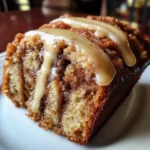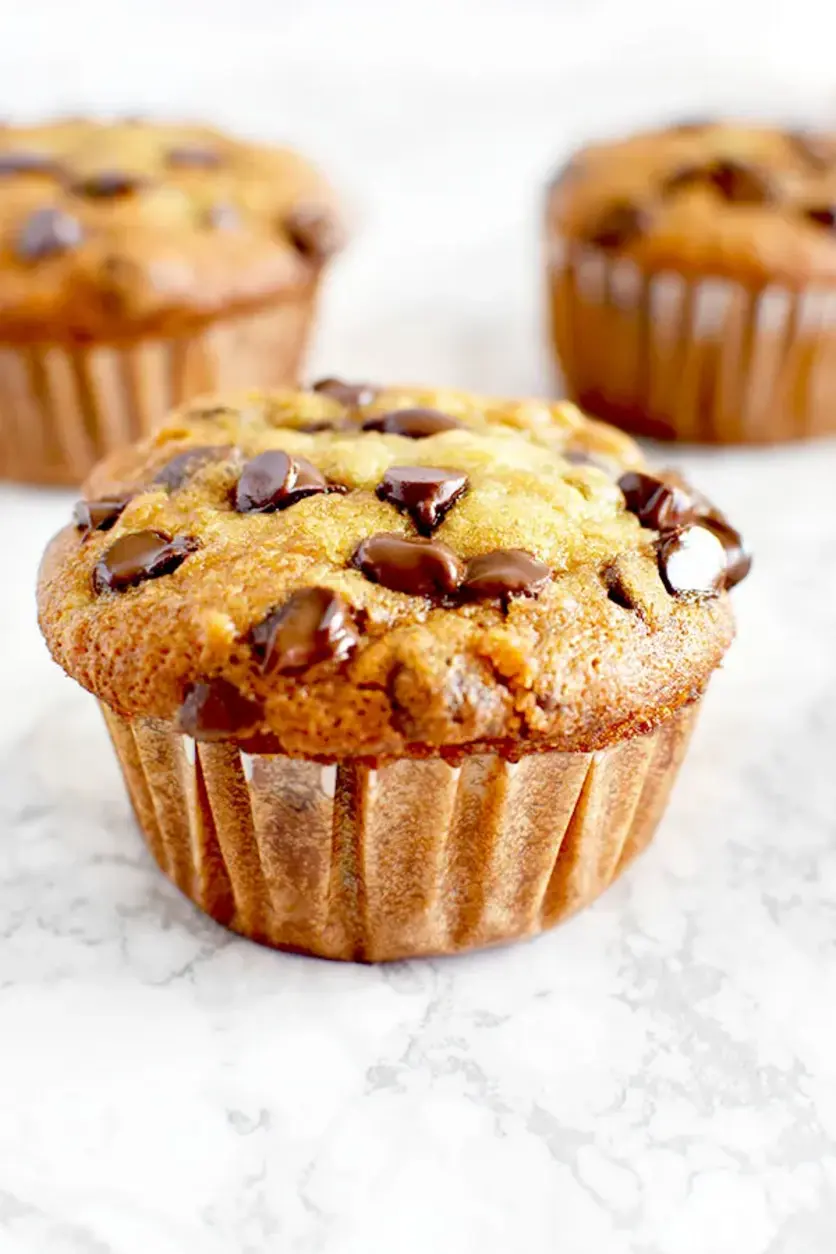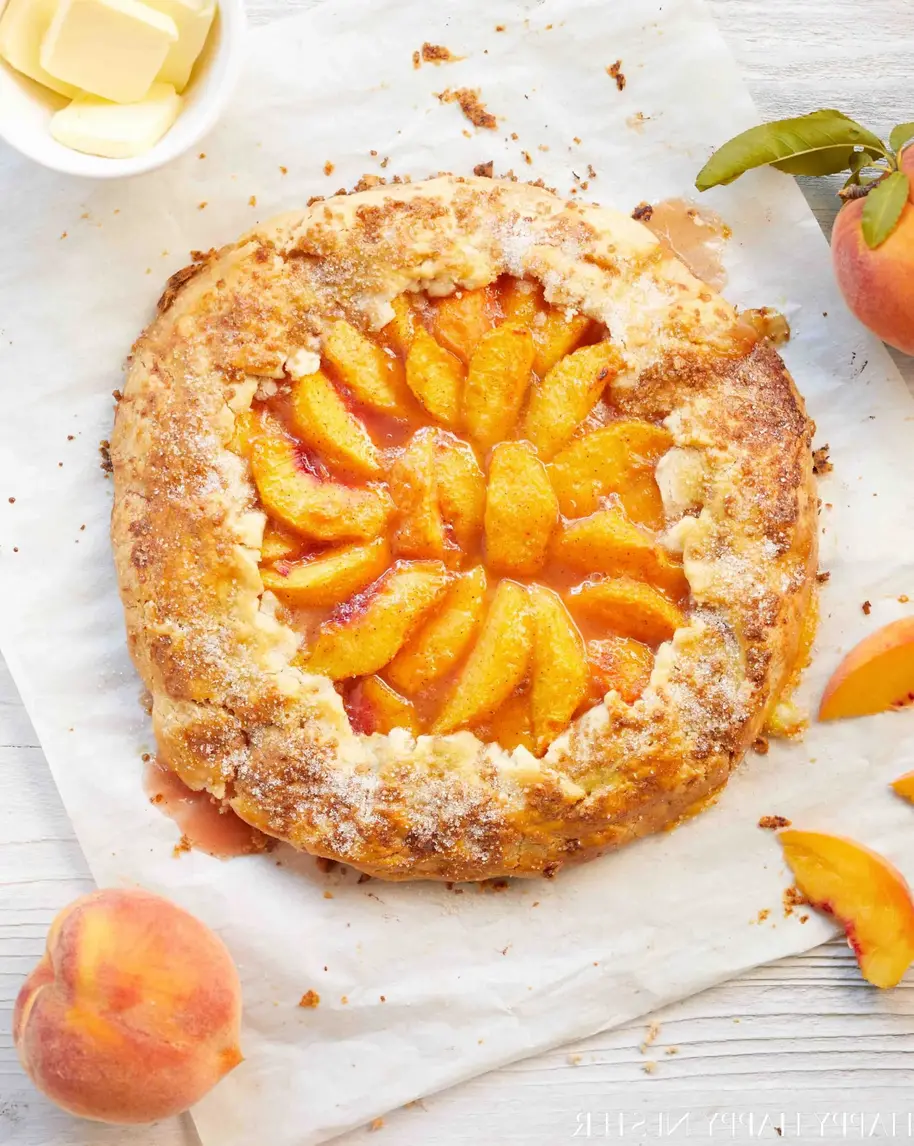
Perfect Peach Galette with Buttery Flaky Crust

Peach Galette Recipe with Flaky Crust – The Best Summer Dessert

⚖️
Difficulty
Easy
⏲️
Prep Time
20 mins
🕒
Cook Time
60 mins
⏱️
Total Time
80 mins (+ chilling)
🍽️
6-8

Growing up in Morocco, summers were all about fresh fruits, often enjoyed simply or transformed into something truly magical. While our peaches were ripe and juicy, I discovered the elegance of French pastry during my culinary training in Paris. Bringing those two worlds together, I found that a rustic galette is the absolute perfect canvas for showcasing the vibrant flavor of peak-season peaches. This Peach Galette Recipe is so simple to make, yet it delivers all the warmth and comfort of a traditional pie without the fuss. It’s truly the best summer dessert, offering that delightful balance of sweet, tart, and undeniably flaky crust.

Imagine the aroma filling your kitchen – sweet peaches mingling with a hint of warm cinnamon, encased in a buttery, golden crust that practically shatters as you bite into it. The secret to this dream experience lies in the combination of butter and shortening in the crust, a classic French technique for achieving that ethereal flakiness. When it’s baked, the peaches soften into a jammy perfection, their juices caramelized around the edges, creating a truly irresistible rustic peach tart. It’s a dessert that speaks of lazy summer afternoons and the joy of simple, seasonal ingredients.

What sets mia’s easy peach galette apart is not just its rustic charm, but the perfect balance I’ve struck between the tender, juicy fruit filling and a crust that truly stands up to it. Forget soggy bottoms; my method ensures a crisp, buttery foundation every single time. I’ll show you exactly how to achieve that perfect dough consistency, and even share a pro tip for selecting the ripest peaches at your local NYC farmers’ market. Plus, I’ll walk you through a common mistake many home bakers make that can lead to a less-than-perfect pastry.

Why This Peach Galette Recipe Is the Best

The Flavor Secret: This galette doesn’t rely on excessive sugar, allowing the natural sweetness and slight tartness of fresh peaches to shine through, just like the unfussy, ingredient-focused cooking I learned in my mother’s Moroccan kitchen. The touch of cinnamon enhances, rather than overwhelms, the fruit, creating a harmonious and truly authentic summer flavor. It’s light, bright, and perfectly balanced, a refreshing alternative to heavier desserts.

Perfected Texture: The real star here, besides the glorious peaches, is the crust. My recipe uses a combination of chilled butter and shortening, which, as I learned in my Parisian pastry classes, is key to achieving an unbelievably flaky, tender, and robust crust. When you bite into it, you get that satisfying crunch followed by a buttery melt-in-your-mouth experience that flawlessly complements the soft, warm peach filling. It’s a rustic elegance that’s hard to beat.

Foolproof & Fast: One of my favorite things about a galette is its forgiving nature. Unlike a pie, you don’t need perfect edges or a top crust; its free-form design is part of its charm. The dough comes together quickly in a food processor, and the assembly is straightforward, making this an ideal dessert for both seasoned bakers and beginners. It’s the kind of recipe I pull out after a busy day in my NYC kitchen when I still want something spectacular without all the fuss.

Peach Galette Recipe Ingredients

For me, the best galette starts with the best ingredients. When I’m at the Union Square Greenmarket here in NYC, I’m always on the lookout for perfectly ripe, fragrant peaches – the kind that smell like pure summer. You don’t need anything fancy for this easy peach galette, just good quality staples.

Ingredients List

  • 1½ cup all-purpose flour
  • ½ cup unsalted butter (chilled and cut into ½-inch pieces)
  • 3 tbsp vegetable shortening (chilled)
  • 2 tbsp granulated sugar (for the dough)
  • 1 pinch salt
  • 1-2 tbsp milk (for brushing crust)
  • Raw sugar or granulated sugar (for sprinkling on crust)
  • ½ cup granulated sugar (for filling)
  • 3 tbsp all-purpose flour (for filling)
  • ½ tsp ground cinnamon
  • 4 or 5 ripe peaches (skinned and sliced ¼ – ½” thick)

Ingredient Spotlight

Peaches: The star of our rustic peach tart! Look for peaches that are fragrant and give slightly when gently squeezed. Freestone peaches are easiest to work with for slicing. If you can’t find fresh, frozen peaches can work in a pinch, but thaw them and pat them very dry before using to prevent a watery filling.

Butter & Shortening: This dynamic duo is my secret weapon for the flakiest crust. The butter provides flavor, while the shortening contributes to tenderness and prevents the crust from becoming too hard. Always keep them very cold – this is crucial for a light, airy texture.

Flour: Regular all-purpose flour works beautifully here, both for the crust and as a thickener for the peach filling. It helps absorb excess moisture from the fruit, ensuring your galette isn’t soggy. For a more tender crust, you could experiment with a pastry flour blend, but I find AP to be perfectly reliable.

Cinnamon: Just a touch of ground cinnamon elevates the peaches, bringing out their warm, sweet notes. It’s a classic pairing that instantly makes this dessert feel cozy and inviting. If you’re feeling adventurous, a tiny pinch of cardamom (a spice often used in Moroccan desserts!) also pairs wonderfully with peaches.

Original IngredientBest SubstitutionFlavor / Texture Impact
PeachesNectarines, Plums, ApplesSimilar sweet-tart flavor, slight texture difference. Adjust sugar based on fruit sweetness.
Butter + ShorteningAll butter (European-style best)Flakiness might be slightly less, but flavor will be richer. More prone to cracking if over-handled.
All-Purpose FlourGluten-free all-purpose blend (with xanthan gum)Requires a specific blend; can alter crust texture slightly, may be less pliable.
CinnamonNutmeg, Cardamom, Peach pie spice blendSimilar warming spice notes; cardamom offers a more exotic, almost floral hint.

Peach Galette Recipe - The Best!

How to Make Peach Galette Recipe — Step-by-Step

Making this easy peach galette is a journey, not a race. Follow these steps, and you’ll have a gorgeous, delicious dessert that looks much harder than it is!

Step 1: Prepare the Galette Dough

In a food processor, combine 1½ cups flour, ½ cup chilled butter (cut into ½-inch pieces), 3 tablespoons chilled shortening, 2 tablespoons sugar, and 1 pinch of salt. Pulse the blender a few times until the mixture resembles a very coarse meal with some pea-sized butter pieces still visible. This texture is key for a flaky crust.

💡 mia’s Pro Tip: The colder your fats (butter and shortening), the flakier your crust will be. I often pop diced butter and shortening into the freezer for 10-15 minutes before mixing to ensure they are ice-cold.

Step 2: Chill the Dough

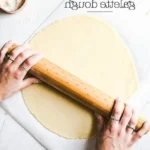
Continue to mix the pastry dough in the food processor until it *just* begins to come together and forms a round, soft ball. Avoid overmixing, as this develops gluten and can make the crust tough. Sprinkle a piece of parchment or wax paper generously with flour, place the dough on it, and flatten it into a small disk shape. Wrap the dough tightly in the parchment paper and refrigerate for at least two hours. Overnight is even better if you can plan ahead!

⚠️ Common Mistake to Avoid: Overworking the dough. Too much kneading or mixing will develop the gluten, resulting in a tough, un-flaky crust. Stop as soon as it forms a ball.

Step 3: Preheat Oven and Prepare Peaches

Preheat your oven to 375° F. While the oven heats, peel your 4 or 5 ripe peaches. To easily peel, you can briefly blanch them in boiling water for 30 seconds, then immediately transfer to an ice bath. The skins should slip right off. Slice the peeled peaches into ¼ – ½” thick wedges.

Step 4: Mix Filling

In a medium-sized bowl, stir together the ½ cup granulated sugar, 3 tablespoons flour, and ½ teaspoon cinnamon. Add the sliced peaches to this sugar mixture and gently toss to coat them evenly. The flour here helps absorb some of the peach juices, preventing a soggy bottom. If your peaches are particularly tart, you can add an extra tablespoon or two of sugar to taste.

Step 5: Roll Out the Dough

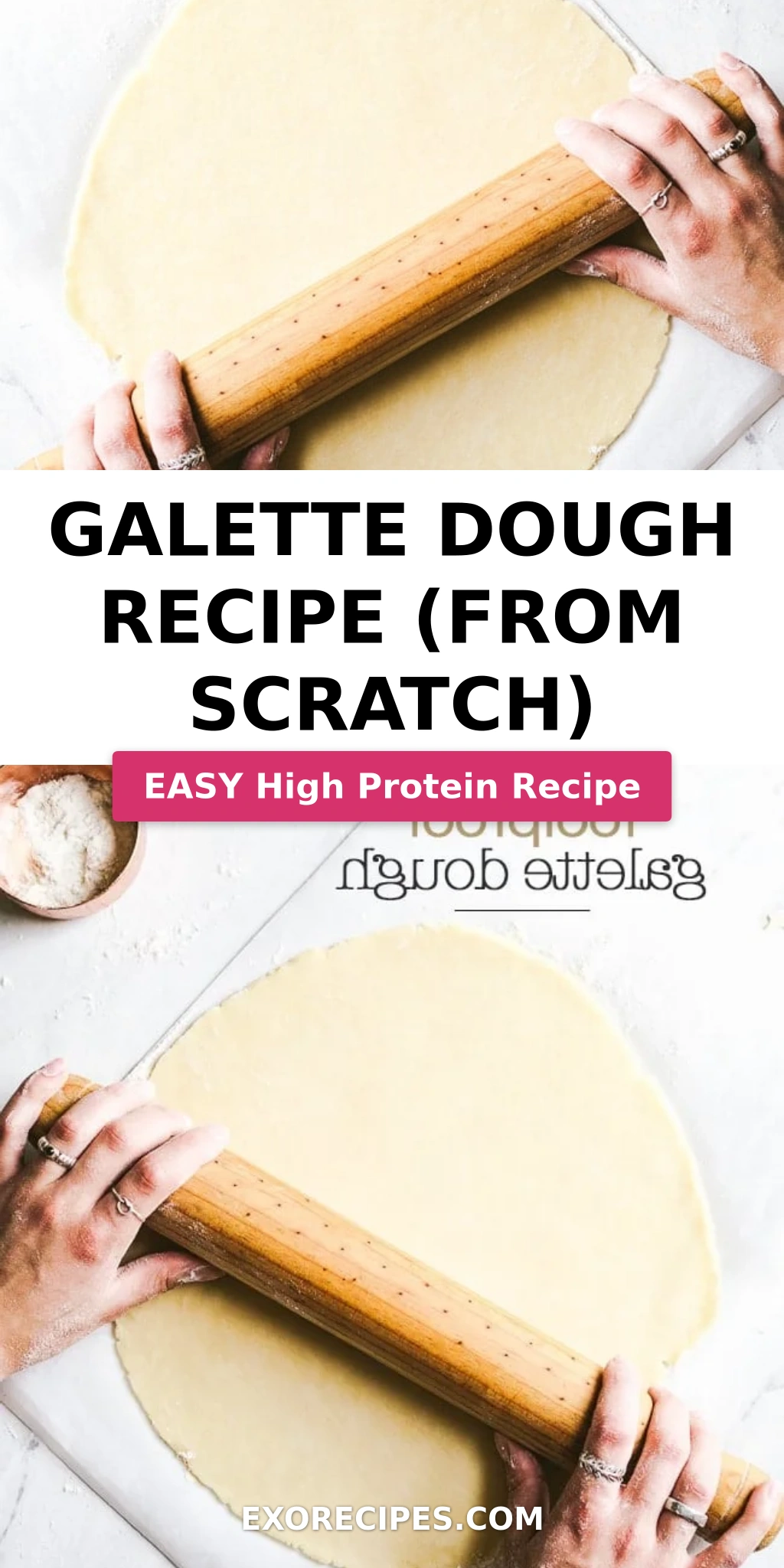
Remove the chilled dough from the refrigerator. Place it on a clean, generously floured piece of parchment paper, measuring about 12″ long and wide. I love using parchment paper as it makes transferring the galette much easier – simply slide the paper onto a rimless baking sheet. Using a rolling pin, beat the cold dough briefly to soften it slightly, then knead the edges. Roll the dough out from the center to the edges, lifting and turning occasionally, until you create an 11-inch diameter circle. Keep the edges a bit thicker to help form the galette’s rustic border.

Step 6: Arrange Peaches

Starting 1 to 1½ inches from the edge of the rolled-out dough, arrange the peach wedges in a single layer. Create concentric circles, working your way towards the center of the dough. It’s like creating a beautiful rosette! Be sure to leave any extra juice from the peach-sugar mixture in the bowl, as too much líquido on the crust can make it soggy.

💡 mia’s Pro Tip: Overlap the peach slices slightly and arrange them tightly. As they cook, they will soften and shrink a bit. A beautiful arrangement makes for a beautiful presentation.

Step 7: Fold and Brush Crust

Carefully fold the outer edges of the pastry over the peaches, creating overlapping folds as you work your way around the perimeter. This creates the quintessential rustic look of a galette. Press the folds gently to seal and ensure there are no cracks where the peach filling can seep out during baking. Brush the folded pastry edges lightly with milk and sprinkle generously with raw sugar for a delightful crunch and golden finish.

Step 8: Bake to Golden Perfection

Transfer the baking sheet with the galette to the preheated oven. Bake for 50 to 60 minutes, or until the crust is beautifully golden brown and the peach filling is bubbly and tender. If you notice the crust browning too quickly, you can loosely cover the galette with aluminum foil. During the last 10 minutes of baking, I often remove the foil to ensure a crisp, golden edge. If your galette seems particularly juicy, place another baking sheet on the rack below to catch any potential overflows.

Step 9: Cool and Serve

Once baked, remove the galette from the oven and let it cool on the baking sheet set on a wire rack. While it’s tempting to cut into it immediately, allowing it to cool for at least 20-30 minutes helps the filling set properly and prevents it from falling apart. Slice into wedges and serve warm. It’s absolutely divine on its own, but a scoop of vanilla bean ice cream or a dollop of crème fraîche takes it to another level!

StepActionDurationKey Visual Cue
1Prepare Dough5-7 minsCoarse meal with pea-sized butter pieces
2Chill Dough2+ hours (minimum)Firm, pliable disk
3Prep Oven/Peaches10-15 minsOven to 375°F, peaches sliced
4Mix Filling5 minsPeaches evenly coated
5Roll Dough5-10 mins11″ circle, slightly thicker edge
6Arrange Peaches5 minsConcentric circles, 1-1.5″ border
7Fold & Brush3-5 minsRustic folded edge, brushed with milk/sugar
8Bake50-60 minsGolden crust, bubbly filling
9Cool & Serve20-30 minsFilling set, ready to slice

Serving & Presentation

One of the beauties of this rustic peach tart is its understated elegance – it doesn’t need much fuss to look magnificent. I love serving it warm, fresh from the oven after it’s had a moment to cool and set. The golden crust, the vibrant peaches, the caramelized edges – it’s a feast for the eyes and the palate. A simple dusting of powdered sugar adds a touch of refinement without masking its natural charm.

For me, the best way to enjoy this easy peach galette is with a dollop of something creamy. A scoop of silky vanilla bean ice cream is a classic pairing that provides a delightful contrast in temperature and texture. If you want to lean into my French culinary roots, a spoonful of crème fraîche or even a homemade chantilly cream (lightly sweetened whipped cream kissed with vanilla) would be absolutely divine. The slight tang of crème fraîche cuts through the sweetness beautifully.

When I serve this for friends in my NYC apartment, I usually present it whole on a beautiful wooden board or a rustic platter, allowing everyone to admire its free-form perfection before I slice it into generous wedges. It’s a dessert that invites communal enjoyment—perfect for a backyard BBQ or a relaxed dinner party. A few fresh mint leaves or a sprinkle of toasted almonds can also add a lovely final touch, both visually and texturally.

Pairing TypeSuggestionsWhy It Works
Side DishVanilla Bean Ice Cream, Crème Anglaise, Chantilly CreamProvides a cool, creamy contrast to the warm, flaky galette.
Sauce / DipCrème Fraîche, Honey Drizzle, Raspberry CoulisAdds a tangy complexity or a touch of sweetness and moisture.
BeverageIced Tea, Rosé Wine, Sparkling Cider, CoffeeRefreshing options that complement the fruit without overpowering.
GarnishFresh Mint, Toasted Almond Slices, Lemon ZestAdds fresh flavor, textural crunch, and visual appeal.

Make-Ahead, Storage & Reheating

As a busy chef in NYC, I’m all about making life easier without sacrificing flavor. This best summer dessert is actually quite forgiving when it comes to make-ahead and storage, which is fantastic for entertaining or simply enjoying leftovers throughout the week. Knowing how to properly store and reheat can save you so much time and ensure you always have a delicious treat on hand.

MethodContainerDurationReheating Tip
RefrigeratorAirtight container or covered with plastic wrapUp to 3 daysWarm slices in oven (300°F for 10-15 min) or microwave (short bursts)
FreezerWrap tightly in plastic wrap, then foilUp to 1 monthThaw overnight in fridge. Reheat in oven (350°F for 15-20 min)
Make-AheadPrepare dough, wrap wellDough up to 2 days in advance (fridge)Assemble and bake fresh on serving day for best results.

To truly maximize flakiness, my preferred method for reheating leftover galette is in the oven. A few minutes at 300-350°F will revive the crust, making it crisp once more, something the microwave just can’t quite achieve. This makes it perfect for a leisurely Sunday brunch or an unexpected guest.

You can also bake the galette completely, let it cool, then wrap it tightly and freeze. When you’re ready for a treat, simply thaw it in the refrigerator overnight and then reheat in the oven until warmed through. It’s almost as good as fresh, and a fantastic way to enjoy summer flavors well into the cooler months.

Variations & Easy Swaps

While this peach galette recipe is perfect as is, part of the joy of cooking is experimenting! Here are some tried-and-true variations and simple swaps I love to make, sometimes inspired by fresh finds at my local NYC market, or echoes of flavors from my Moroccan heritage.

VariationKey ChangeBest ForDifficulty Impact
Berry Peach GaletteAdd ½ cup mixed berries to peach fillingEnhanced tartness, deeper colorMinimal (easy)
Gluten-Free CrustUse GF all-purpose flour blendDietary restriction, slightly different textureModerate (requires specific GF flour)
Apple/Pear GaletteSwap peaches for sliced apples/pearsSeasonal alternative, different spice profileMinimal (easy)

Berry Peach Galette

To add a burst of color and a touch more tartness, fold in about ½ cup of fresh raspberries, blueberries, or sliced strawberries along with your peaches. The berries will create a more complex flavor profile and a gorgeous, vibrant filling. Just be mindful that berries release more liquid, so ensure your filling has enough flour to absorb it, and perhaps bake it a few minutes longer.

Gluten-Free / Dairy-Free Peach Galette

For a gluten-free version, swap the all-purpose flour in the crust for a 1-to-1 gluten-free baking flour blend (ensure it contains xanthan gum). For dairy-free, replace the butter with a high-quality vegan butter substitute and use a plant-based milk for brushing. I’ve tested this myself, and while the texture is a tad less flaky, it’s still absolutely delicious and caters to dietary needs perfectly.

Spiced Apple Galette

When summer peaches are out of season, this recipe transitions beautifully to a spiced apple or pear galette. Use firm, tart apples like Granny Smith or Honeycrisp, slice them thinly, and increase the cinnamon to ¾ teaspoon, perhaps adding a pinch of nutmeg or allspice. It’s a wonderful fall variation that brings a different kind of warmth to your table, reminiscent of the traditional Moroccan apple tagine.

Can I use frozen peaches for a peach galette?

Yes, you absolutely can use frozen peaches for this galette, especially when fresh ones are out of season. However, there’s a crucial step: you must thaw them completely and then pat them very, very dry with paper towels before tossing them with the sugar and flour mixture. Frozen peaches release a lot of liquid, and if you don’t remove that excess moisture, you’ll end up with a soggy crust. Don’t skip this drying step!

How do I keep the bottom of my peach galette from getting soggy?

A soggy bottom is a common concern with fruit tarts, but my recipe has several safeguards. First, the addition of shortening in the crust helps create a barrier. Second, the flour tossed with the peaches absorbs excess juice. Most importantly, ensure you don’t add any extra liquid from the peach bowl to the dough. Also, baking it on a rimmed baking sheet (or placing another one underneath) and allowing ample cooling time on a wire rack are critical for a crisp bottom.

What’s the best way to make a galette dough from scratch?

The best way, in my professional opinion, is using a food processor for speed and consistency. It ensures the butter and shortening stay incredibly cold and are cut into small, even pieces, which are essential for flakiness. Just pulse briefly until it resembles coarse crumbs, then continue pulsing until it just forms a ball. Avoid overmixing! Hand mixing is also an option, but ensure your ingredients and hands are very cold.

How long does a peach galette need to cool before serving?

Patience is a virtue, especially when it comes to fruit galettes! While the aroma is irresistible, I recommend letting your peach galette cool on a wire rack for at least 20-30 minutes before slicing. This cooling time allows the hot peach filling to set properly, preventing it from oozing out when cut. If you cut it too soon, it will be messy and the slices won’t hold their shape, although it will still taste delicious!

Can I make the galette dough ahead of time?

Absolutely! Preparing the dough in advance is a fantastic way to break up your baking process and make this recipe even easier. After making the dough, wrap it tightly in plastic wrap and store it in the refrigerator for up to 2-3 days. When you’re ready to bake, simply remove it from the fridge, let it sit for about 10-15 minutes to soften just enough to roll out, and then proceed with the recipe. This chilling time actually enhances the dough’s flavor and flakiness!

What kind of peaches are best for a peach galette?

For the absolute best results in a peach galette recipe, I always recommend using fresh, ripe freestone peaches. These are peaches where the flesh easily separates from the pit, making them incredibly simple to slice. Look for peaches that have a sweet, fragrant aroma and yield slightly to gentle pressure. If you can only find clingstone peaches, they will still work, but may require a bit more effort to slice neatly.

Share Your Version!

I poured my heart into perfecting this Peach Galette Recipe, blending my Moroccan roots with my French training right here in my NYC kitchen, and I truly hope you love it as much as I do. Nothing makes a chef happier than seeing her recipes come alive in your homes!

If you try this easy peach galette, please come back and leave a star rating and a comment below – your feedback means the world to me. And if you snap a photo, share it on Instagram or Pinterest and tag @exorecipes. I can’t wait to see your beautiful creations! Did you try a fun variation? Let me know!

From my NYC kitchen to yours — I hope this recipe brings as much warmth to your table as it does to mine. — mia 🧡

📌

Love This Recipe? Save It to Pinterest!

If you enjoyed this Peach Galette Recipe – The Best! recipe, don’t let it get lost in your browser tabs! 😄 Pin it now so you can find it again anytime — and explore hundreds more tried-and-tested recipes waiting for you on my Pinterest boards.

👉 Follow mia on Pinterest @chefrecipes2

📌 Pin this recipe · 🔁 Re-pin your favorites · 💬 Tag me when you make it — I love seeing your creations!

Print

clock clock iconcutlery cutlery iconflag flag iconfolder folder iconinstagram instagram iconpinterest pinterest iconfacebook facebook iconprint print iconsquares squares iconheart heart iconheart solid heart solid icon

Peach Galette Recipe

  • Author: Chef Mia

Description

This Peach Galette Recipe is so simple to make and it tastes delicious. If you want the flavor of a peach pie, this is a nice alternative.


Ingredients

Scale
  • 1½ cup flour
  • ½ cup butter (chilled and cut into ½-inch pieces)
  • 3 tbsp shortening (chill)
  • 2 tbsp sugar
  • 1 pinch salt
  • milk
  • raw sugar (You can use granulated sugar for sprinkling on crust.)
  • ½ cup sugar
  • 3 tbsp flour
  • ½ tsp cinnamon
  • 4 or 5 peaches (skinned and sliced)

Instructions

  1. Place flour, butter, shortening, sugar, and salt in a Cuisinart blender.
  2. Pulse the blender at first, and the dough will resemble a very coarse meal.
  3. Continue to mix the pastry dough until it forms a round soft ball.
  4. Sprinkle a piece of parchment or wax paper with flour and place the dough on the paper. Flatten into a small disk shape.
  5. Wrap up the dough in the parchment paper and refrigerate for at least two hours.
  6. Preheat the oven to 375° F.
  7. Peel and slice peaches into ¼ – ½" thick wedges.
  8. In a medium-size bowl, stir the granulated sugar, flour, and cinnamon.
  9. Gently toss prepared peaches into the sugar mixture. You can add a tiny bit more sugar if your peaches are tart,
  10. Remove dough from the refrigerator. Place on a floured piece of parchment measuring 12" long and wide. I transfer the dough and paper to a rimless baking sheet.
  11. Beat your ball of chilled dough with a rolling pin and knead the dough briefly around the edges to soften slightly. Moving from below center, roll the dough out to the edge. Lift the dough, turn it slightly, and give another roll. Sprinkle dough on the top and bottom with flour and keep rolling.
  12. Create an 11" circle with the dough. I needed the edges a bit thicker to lift it over the top of the galette.
  13. Starting 1 to 1½ inches from the edge of the round, arrange the peach wedges in a single layer in concentric circles until you reach the center of the circle. When placing the peaches on the dough, leave the extra juice in the bowl and not on your galette.
  14. Fold the outer edges of the pastry over the peaches, creating overlapping folds as you work around the perimeter. Once you form the galette, ensure no cracks in the dough where the peach filling can seep.
  15. Brush the top of the pastry with the milk and sprinkle with sugar.
  16. If your galette is juicy, place another baking sheet underneath to catch any juices overflowing.
  17. Bake for 50 to 60 minutes, until the crust is golden and the filling is cooked. I covered my galette loosely with tin foil and the last 10 minutes of baking uncovered it.
  18. Let the galette cool on the baking sheet on a wire rack. Cut into wedges and serve warm.


Nutrition

  • Calories: 300 kcal
  • Sugar: 16 g
  • Fat: 17 g
  • Carbohydrates: 36 g
  • Protein: 3 g


Peach Galette Recipe - The Best!

Perfect Buttery Galette Dough Recipe for Flaky Crusts

Galette Dough Recipe (From Scratch) – Simple Buttery Perfection

⚖️
Difficulty
Easy
⏲️
Prep Time
15 mins
🕒
Cook Time
0 mins
⏱️
Chill Time
1 hour +
⏱️
Total Time
1 hr 15 mins
🍽️
Servings
1 large galette

Growing up in Morocco, I learned the art of baking from my mother, who could conjure the most incredible pastries from simple ingredients. While galettes aren’t traditionally Moroccan, my culinary training in Paris taught me the elegance and rustic charm of French baking. And since moving to NYC, I’ve found endless inspiration in adapting these classic techniques to fit both my heritage and the vibrant flavors of the city. This galette dough recipe strikes that perfect balance — it’s a French-inspired, incredibly easy galette crust that yields a beautifully flaky and buttery base for any sweet or savory creation you can dream up.

Imagine the aroma filling your kitchen: rich, sweet butter mingling with subtle flour, promising a golden, crisp crust that shatters delicately with each bite. This from-scratch galette pastry isn’t just about the taste; it’s about the texture – that perfect marriage of tender inside and wonderfully crisp exterior. It’s the kind of rustic pie dough recipe that elevates even the simplest fruit filling or savory vegetable medley into something truly special. The secret lies in cold butter and minimal handling, techniques I truly perfected during my time in French pastry kitchens, which create those beautiful, flaky layers we all adore.

You might think making dough from scratch is daunting, but I promise you, this galette dough recipe is designed for success. My method, using a food processor for ease and speed, ensures consistent results every time. I’ll walk you through the key steps, share a pro tip for achieving maximum flakiness, and even help you avoid that common pitfall of overworking the dough. With this guide, you’ll be creating stunning, homemade galettes that taste like they came straight from a Parisian patisserie, but with all the warmth of a home kitchen. Let’s get baking!

Why This Galette Dough Recipe Is the Best

What makes this galette dough truly stand out? It’s all about the perfect blend of tradition and practicality. I’ve taken the classic French technique of cold butter and quick mixing, and adapted it for the modern home cook – even on a busy Tuesday evening in NYC. The resulting dough is incredibly forgiving, yet delivers that unmistakably rich, buttery flavor and delicate flakiness that forms the backbone of any exceptional galette. It’s the foundation for culinary magic, whether you’re crafting a sweet apple galette or a savory tomato and goat cheese masterpiece.

Throughout my years in professional kitchens and my culinary training in Paris, I’ve honed the art of pastry. This how to make galette dough recipe uses just the right amount of ice water to bind the flour and butter without developing too much gluten, which is crucial for a tender, not tough, crust. The food processor makes this step a breeze, creating small, pea-sized butter pieces quickly and efficiently. This ensures those distinct layers of butter and flour that puff up in the oven, giving your galette that coveted, rustic-chic texture.

Forget complicated folds or precise crimping! The beauty of a galette is its inherent rustic charm. This easy galette crust recipe embraces that simplicity, guiding you to a dough that’s both quick to prepare and incredibly versatile. It’s perfect for both beginners intimidated by pie making and seasoned bakers looking for a reliable, no-fuss dough. From my Moroccan roots of simple, wholesome ingredients to my French training in sophisticated flavor profiles, this recipe combines the best of both worlds, ensuring a foolproof and delicious result every single time.

Galette Dough Recipe Ingredients

The best recipes start with the best ingredients, and this holds true even for something as fundamental as dough. I love sourcing my flour from local markets here in NYC, and using high-quality butter is a non-negotiable for that authentic French patisserie taste. These simple components, when treated with care, transform into something truly magical for your from scratch galette pastry.

Ingredients List

  • 1 ½ cups (213 gr.) of all-purpose flour, more to flour the surfaces
  • ½ teaspoon kosher salt
  • 10 tablespoons (142.5 gr.) cold unsalted butter, cut into small cubes
  • 4-5 tablespoons ice-cold water
  • 1 large egg yolk

Ingredient Spotlight

All-Purpose Flour: This is the backbone of our rustic pie dough recipe. All-purpose flour provides the necessary structure without being too strong. When selecting flour, ensure it’s fresh and check the expiration date. For a slightly nuttier flavor, you could experiment with a small portion of whole wheat pastry flour, but stick to all-purpose for the classic tender and flaky texture. If you’re out of AP flour, you can typically use bread flour, though it will result in a slightly chewier crust.

Cold Unsalted Butter: The star of any good pastry, cold butter is absolutely critical for a flaky galette. Make sure your butter is straight from the fridge and cut into small cubes (about ½-inch) so it mixes evenly without melting. Unsalted butter allows us to control the salt content precisely. If you only have salted butter, reduce the added kosher salt by a quarter teaspoon. Margarine or vegetable shortening can be used in a pinch, but the flavor and flakiness won’t be quite the same.

Ice-Cold Water: Just like the butter, the water needs to be as cold as possible. This helps to keep the butter firm and prevents the dough from becoming tough by inhibiting gluten development. I even like to add a few ice cubes to my water before measuring it. Regular cold tap water will work, but ice water yields superior flakiness. Milk can be substituted for a richer dough, but use it sparingly as it contains proteins that can also affect gluten development.

Original IngredientBest SubstitutionFlavor / Texture Impact
All-Purpose FlourPastry Flour or 1:1 Gluten-Free Blend for GFSlightly more tender with pastry flour; GF blends alter texture, can be less pliable
Unsalted ButterSalted Butter (reduce added salt by ¼ tsp) or vegetable shorteningSalted butter will work, but unsalted allows for better flavor control; shortening may result in less flavor.
Ice-Cold WaterVery Cold Tap WaterMay slightly reduce flakiness as butter warms faster.

Galette Dough Recipe (From Scratch)

How to Make Galette Dough — Step-by-Step

Don’t be intimidated by homemade dough! My method using a food processor makes this galette dough recipe incredibly straightforward, even for first-timers. Just follow these steps, and you’ll be rewarded with a beautiful, buttery crust.

Step 1: Combine Dry Ingredients

Place the 1 ½ cups (213 gr.) of all-purpose flour and ½ teaspoon of kosher salt into the bowl of your food processor. Pulse a few times, about 3-4 seconds, to ensure they are well combined. This simple step ensures even distribution of the salt throughout the dough, crucial for balanced flavor in your easy galette crust.

💡 mia’s Pro Tip: A well-mixed dry base makes all the difference! Ensure your flour and salt are thoroughly combined before adding any fat. This prevents pockets of undissolved salt and leads to a more uniform dough that bakes beautifully.

Step 2: Add Cold Butter

Add the 10 tablespoons (142.5 gr.) of very cold, cubed unsalted butter to the flour mixture in the food processor. Pulse 8-10 times, in short bursts, until the butter resembles small pea-sized clumps and some smaller, sandy pieces. The goal is to break down the butter into varying sizes, allowing for both flakiness and tender pockets in your from scratch galette pastry.

⚠️ Common Mistake to Avoid: Don’t overmix the butter in this stage! Over-processing will warm the butter and create a greasy, tough dough instead of a flaky one. Aim for visible butter pieces.

Step 3: Incorporate Ice Water

With the food processor running, gradually add 4 tablespoons of ice-cold water, one tablespoon at a time, through the feed tube. The dough should start to come together and form clumps. Stop the machine and pinch a small amount of dough between your fingers. If it holds together, you’ve added enough water. If it’s too dry and crumbly, add the remaining 1 tablespoon of ice-cold water, processing until just combined.

Step 4: Form and Chill

Transfer the dough mixture onto a lightly floured surface. Gently bring it together with your hands, forming it into a 4-inch disk. Avoid kneading or overworking the dough. Wrap it tightly in plastic wrap and refrigerate for at least 1 hour, or ideally overnight. Chilling allows the gluten to relax and the butter to firm up, making the dough easier to roll and ensuring a flaky final rustic pie dough recipe.

Step 5: Roll and Fill

Take the dough out of the fridge about 10 minutes before you’re ready to roll it, just to let it soften slightly. Lightly flour your working surface and roll the dough into a large 12-inch circle, aiming for about ⅛-inch thickness. Carefully transfer the rolled dough onto a piece of parchment paper and then onto a baking sheet. Now, add your chosen filling, leaving a generous 3-inch border around the edges.

💡 mia’s Pro Tip: Rolling out dough between two sheets of parchment paper can be a game-changer, especially for beginner bakers! It prevents sticking and makes transferring the delicate dough a breeze. When rolling, rotate the dough frequently to get an even circle, just like we did in Paris.

Step 6: Fold and Brush

Gently roll the edges of the dough over the filling, overlapping as you go around and creating rustic pleats. This forms the beautiful, free-form crust of your galette. Brush the exposed edges of the dough (the outer crust) with the large egg yolk. This egg wash will give your galette that gorgeous golden-brown, shiny finish when baked, much like the glossy patisseries of France.

Step 7: Bake as Directed

Bake your galette according to the instructions of the specific recipe you are using for the filling. Typically, galettes bake at a relatively high temperature (around 400°F / 200°C) until the crust is deeply golden brown and the filling is bubbly and cooked through. Keep an eye on it to prevent burning!

StepActionDurationKey Visual Cue
1Combine dry ingredients5 secondsUniform flour/salt mixture
2Add cold butter10-15 secondsButter resembles pea-sized clumps and smaller pieces
3Incorporate ice water15-30 secondsDough forms clumps, holds together when pinched
4Form and chill1 hour (minimum)Firm, chilled disk of dough
5Roll and fill5-10 minutes12-inch circular dough, even thickness, filled area
6Fold and brush3-5 minutesPleated border, egg-washed crust
7Bake as directedVaries by recipeGolden brown, bubbly filling

Serving & Presentation

A galette is a feast for the eyes as much as it is for the palate! The beauty of this easy galette crust is its rustic charm—no need for perfect edges or intricate designs. Once your galette emerges from the oven, golden and fragrant, let it cool for a few minutes on the baking sheet before transferring it to a wire rack. This helps the crust set and prevents it from becoming soggy. For a sweet galette, a simple dusting of powdered sugar or a dollop of creme fraiche can elevate its appearance, while savory versions shine with a sprinkle of fresh herbs like thyme or parsley, perhaps a drizzle of good olive oil, or a scattering of flaky sea salt.

I love serving galettes because they’re naturally communal and inviting. Whether it’s a sweet peach galette with a scoop of vanilla bean ice cream or a savory tomato and basil galette, they always evoke a sense of home and comfort. When guests gather at my NYC apartment, a beautiful galette, straight from the oven, always sparks conversation. The free-form shape feels unfussy yet elegant, hinting at the delicious, buttery pastry within.

Think about pairings that complement your filling. For a sweet fruit galette made with this galette dough recipe, a scoop of homemade ice cream, a generous dollop of whipped cream, or a light custard sauce would be divine. For savory options, a crisp green salad with a bright vinaigrette, a side of roasted vegetables, or a warm cup of savory broth would create a complete and satisfying meal. In my Moroccan kitchen, we always emphasize balance – a touch of freshness to cut through the richness of the pastry. Enjoy the simplicity and elegance!

Pairing TypeSuggestionsWhy It Works
Side Dish (Sweet)Vanilla Bean Ice Cream, Sweetened Whipped Cream, Crème FraîcheAdds a creamy, cooling contrast to the warm, flaky crust and fruit.
Side Dish (Savory)Arugula Salad with Lemon Vinaigrette, Roasted Asparagus, Tomato SoupCuts through the richness, adds freshness and acidity.
BeverageHot Tea, Coffee, Sparkling Cider (sweet); Dry White Wine, Iced Tea (savory)Complements flavors without overpowering, offers a refreshing counterpart.
GarnishPowdered Sugar, Fresh Berries (sweet); Fresh Thyme, Flaky Sea Salt, Balsamic Glaze (savory)Enhances visual appeal and adds a final touch of flavor/texture.

Make-Ahead, Storage & Reheating

Living in New York City often means I’m juggling a packed schedule, so I’ve mastered the art of efficiency in the kitchen. This galette dough recipe is fantastic for make-ahead prep, allowing you to enjoy fresh-baked goodness without the last-minute rush. Whether you’re making the dough in advance or storing a baked galette, these tips ensure your from scratch galette pastry remains just as delicious as when it was first made.

MethodContainerDurationReheating Tip
Refrigerator (Dough)Plastic wrap, airtight containerUp to 2-3 daysLet dough sit at room temp for 10-15 mins before rolling.
Freezer (Dough)Double-wrapped in plastic, then foil/freezer bagUp to 3 monthsThaw overnight in fridge, then proceed as usual.
Refrigerator (Baked Galette)Airtight containerUp to 2 daysWarm in oven at 300°F (150°C) for 10-15 mins.
Freezer (Baked Galette)Wrapped tightly in foil, freezer bagUp to 1 monthReheat from frozen at 350°F (175°C) for 20-30 mins or until heated through.

For me, the key to truly embracing homemade baking is making it fit into life, not the other way around. This easy galette crust can be prepared days in advance, allowing you to simply pull it from the fridge, roll, fill, and bake when company arrives or a craving strikes. It’s a lifesaver when you want to impress without the stress!

When reheating a baked galette, avoid the microwave if possible, as it can make the crust soggy. A conventional oven or toaster oven is your best friend here, bringing back that lovely crispness that this galette dough recipe is known for. No matter how you store it, you’re always just minutes away from a delightful treat.

Variations & Easy Swaps

The beauty of a simple, reliable galette dough is its versatility. Just like in a bustling NYC farmers market, where seasonal produce dictates new creations, this basic galette dough recipe can be adapted to endless flavor profiles. Don’t be afraid to experiment!

VariationKey ChangeBest ForDifficulty Impact
Whole Wheat DoughSubstitute ⅓ of AP flour with whole wheat flourHeartier, nuttier savory galettes (e.g., mushroom, squash)Minimal; may need slightly more water as whole wheat flour absorbs more.
Gluten-Free CrustUse a 1:1 gluten-free baking flour blend with xanthan gumThose with gluten sensitivities or dietary restrictionsSlightly more delicate to handle, may crack more easily.
Herbed Savory DoughAdd 1-2 tbsp finely chopped fresh herbs (rosemary, thyme, sage) to flour mixSavory galettes with strong, earthy fillings (e.g., potato, caramelized onion)Minimal; adds flavor complexity.

Whole Wheat Galette Dough

For a more rustic, wholesome touch, or if you’re making a deeply savory galette like one with mushrooms and goat cheese, try substituting about a third of the all-purpose flour with whole wheat flour. This gives the rustic pie dough recipe a beautiful, nutty flavor and a slightly chewier texture, reminiscent of the hearty breads my mother would bake in Morocco. You might need a tiny bit more ice water, as whole wheat flour tends to absorb more liquid. The result is a more robust base that stands up wonderfully to rich fillings.

Gluten-Free Galette Crust

For those with dietary restrictions, a gluten-free easy galette crust is absolutely achievable! Simply swap the all-purpose flour for a good quality 1:1 gluten-free baking flour blend that contains xanthan gum. The dough might be a little more fragile to work with, so take extra care when rolling and transferring. I’ve personally tested several blends to ensure flakiness, and while the texture is slightly different, the buttery flavor remains, making delicious gluten-free galettes possible. My advice: keep the butter extra cold and don’t overwork it.

Herbed Savory Galette Dough

Elevate your savory galettes by incorporating fresh herbs directly into the dough for this galette dough recipe! Financial District in NYC has a great market where I find fresh herbs to incorporate. Add 1 to 2 tablespoons of finely chopped rosemary, thyme, or sage (or a blend!) to your flour mixture with the salt. This simple addition infuses every bite of the crust with aromatic notes that perfectly complement fillings like roasted vegetables, cheeses, or even a classic quiche-like custard. It’s a technique I learned in Paris that adds a subtle layer of sophistication, transforming a simple crust into an experience.

What is the difference between galette dough and pie crust?

While fundamentally similar, both relying on flour, cold butter, and ice water, galette dough is typically designed for a more rustic, free-form presentation than a traditional pie crust. The key difference often lies in the handling and intended use. Galette dough is usually rolled out into a circle and then the edges are simply folded over a filling, whereas pie crusts are meticulously fitted into pie plates and crimped. My galette dough recipe is formulated to be forgiving and easy to work with, perfect for that charming, imperfect look, making it a fantastic from scratch galette pastry option for beginners or busy cooks.

Can I make galette dough ahead of time and freeze it?

Absolutely, and I highly recommend it for convenient baking! You can make this galette dough recipe several days in advance and store it wrapped tightly in plastic wrap in the refrigerator for up to 2-3 days. For longer storage, you can freeze the dough. After forming it into a disk, double-wrap it in plastic wrap, then an additional layer of aluminum foil or place it in a freezer-safe bag. It will last in the freezer for up to 3 months. Just remember to thaw it overnight in the refrigerator before rolling, then let it sit at room temperature for about 10-15 minutes to make it more pliable.

Why is my galette dough tough or crumbly?

If your galette dough is tough, it’s usually a sign of overworking. Too much kneading or processing develops gluten excessively, leading to a firm and elastic texture rather than a tender, flaky one. If it’s crumbly, it typically means there wasn’t enough liquid. The flour and butter mixture didn’t have enough water to come together adequately. The trick is to add just enough ice water until the dough holds together when pinched, but isn’t sticky. Also, ensure your butter is very cold to achieve that beautiful flaky consistency in your easy galette crust.

Can I make a galette dough without a food processor?

Yes, you certainly can! While my galette dough recipe uses a food processor for speed and convenience, you can easily make it by hand. In a large bowl, combine the flour and salt. Add the cold, cubed butter and cut it into the flour using a pastry blender, two knives, or even your fingertips. Work quickly to prevent the butter from warming too much, aiming for those pea-sized pieces. Then, gradually add the ice-cold water, mixing with a fork until the dough just starts to come together. Form into a disk, wrap, and chill as directed. It might take a little more elbow grease, but the results will be just as flaky and delicious!

What’s the best way to handle galette dough sticky?

If your galette dough turns out a bit sticky, don’t fret! The first thing to do is ensure it’s properly chilled. Cold dough is always easier to handle. If it’s still sticky after chilling, lightly flour your work surface, your rolling pin, and even your hands. Use just enough flour to prevent sticking, but avoid adding too much, as this can make the dough tough. You can also try rolling the dough between two sheets of parchment paper. This method minimizes direct contact with your hands and the work surface, making it much easier to achieve a perfect, non-sticky roll.

How can I ensure my galette crust is extra flaky?

The secret to an extra flaky galette crust, a technique I honed in my French culinary training, lies in three main factors for this from scratch galette pastry: exceptionally cold butter, minimum water, and minimal handling. Keep your butter frozen and cut into diverse sizes. Use just enough ice-cold water to bring the dough together. And, perhaps most importantly, avoid overworking the dough. When you roll the dough, you’re essentially flattening those cold butter pieces into thin layers. As the galette bakes, the water in the butter turns to steam, creating pockets that separate the layers of flour, resulting in that incredible flakiness we all chase.

Can I make this galette dough recipe savory?

Absolutely! This galette dough recipe is incredibly versatile and works beautifully for both sweet and savory applications. To enhance its savory potential, you can add a pinch more salt (up to ¾ teaspoon total) or incorporate dried herbs like thyme, rosemary, or a blend of Italian herbs into the flour mixture before adding the butter. My favorite trick from my NYC kitchen is to add a tablespoon of grated Parmesan cheese to the dough for a delicious savory twist. These additions will complement fillings like roasted vegetables, cheeses, or even caramelized onions, making for a truly spectacular savory galette.

Share Your Version!

I poured my heart into perfecting this galette dough recipe, bringing together my Moroccan heritage, Parisian training, and the vibrant energy of New York City. Now it’s your turn to make it your own! I’d love to hear how this easy galette crust transformed your sweet or savory creations.

Did you use a clever substitution? What filling did you choose? Please leave a star rating and a comment below to share your experience. And don’t forget to snap a photo of your beautiful from scratch galette pastry and tag @exorecipes on Instagram or Pinterest. Did you try the whole wheat variation? I can’t wait to see your culinary artistry!

From my NYC kitchen to yours — I hope this recipe brings as much warmth to your table as it does to mine. — mia 🧡

📌

Love This Recipe? Save It to Pinterest!

If you enjoyed this Galette Dough Recipe (From Scratch) recipe, don’t let it get lost in your browser tabs! 😄 Pin it now so you can find it again anytime — and explore hundreds more tried-and-tested recipes waiting for you on my Pinterest boards.

👉 Follow mia on Pinterest @chefrecipes2

📌 Pin this recipe · 🔁 Re-pin your favorites · 💬 Tag me when you make it — I love seeing your creations!

Print

clock clock iconcutlery cutlery iconflag flag iconfolder folder iconinstagram instagram iconpinterest pinterest iconfacebook facebook iconprint print iconsquares squares iconheart heart iconheart solid heart solid icon

Galette Dough

  • Author: Chef Mia

Description

A delicious galette starts with a buttery galette crust. This is my go-to galette dough recipe that I use for both sweet and savory galette recipes.


Ingredients

Scale
  • 1 ½ cups (213 gr.) of all-purpose flour, more to flour the surfaces
  • ½ teaspoon kosher salt
  • 10 tablespoons (142.5 gr.) cold unsalted butter, cut into small cubes
  • 45 tablespoons ice-cold water
  • 1 large egg yolk

Instructions

  1. To make the galette dough: Place flour and salt in the bowl of a food processor. Pulse for a few times to mix. Add in the cold butter cubes. Pulse 8-10 times until butter resembles small clumps.
  2. Turn the machine on and add in 4 tablespoons of ice-cold water in one tablespoon increments.
  3. At this point, it should start to come together and form into a ball. If not add in the rest of the water until it does.
  4. Transfer onto a lightly floured surface, form it into a 4-inch disk, and wrap with plastic. Place in the fridge for at least 1 hour or overnight.
  5. Take it out of the fridge 10 minutes before you are ready to roll it out.
  6. Lightly flour your working surface. Roll the dough into a large 12-inch circle. Transfer onto the parchment paper and then onto the baking sheet.
  7. Place your filling (depending on the recipe you are using) on top slightly mounting in the middle, leaving a 3-inch border around the edges.
  8. Roll the sides of the dough overlapping as you go around and pleating the dough.
  9. Brush the edges of the dough (the outer crust) with egg yolk.
  10. Bake according to the instructions of the recipe you are using.


Nutrition

  • Calories: 1744 kcal
  • Sugar: 1 g
  • Fat: 120 g
  • Carbohydrates: 144 g
  • Protein: 23 g


Galette Dough Recipe (From Scratch)

Easy Cinnamon Sugar French Toast Muffins Baked to Perfection

Cinnamon Sugar French Toast Muffins Baked to Perfection – Your New Weekend Breakfast Star

⚖️
Difficulty
Easy
⏲️
Prep Time
15 mins
🕒
Cook Time
20 mins
⏱️
Total Time
35 mins
🍽️
Servings
12

Growing up in Morocco, breakfast often meant fresh bread, honey, olives, and mint tea. While I adore those traditions, living in New York City has opened my eyes to a whole world of morning treats. And let me tell you, these cinnamon sugar French toast muffins are a game-changer! They capture all the comforting warmth of classic French toast but in a convenient, grab-and-go muffin form. It’s the perfect blend of Parisian elegance and American breakfast innovation, creating a fluffy, spiced delight that’s baked to perfection every time.

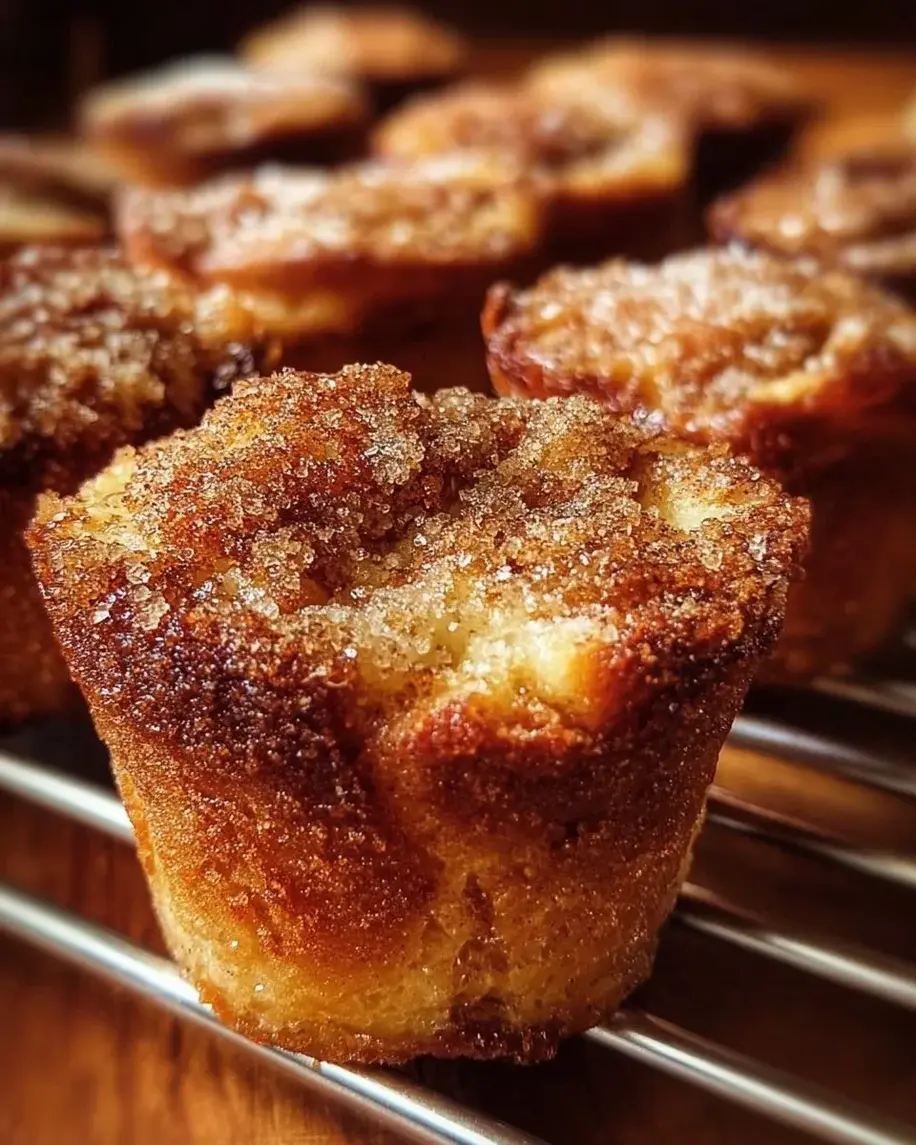
Imagine biting into a soft, golden muffin, its delicate crumb infused with the sweet, aromatic embrace of cinnamon and vanilla. The top is a delightful whisper of crisp, caramelized cinnamon sugar, a textural counterpoint to the tender interior. These aren’t just any muffins; they’re an experience, reminiscent of a lazy Sunday morning but achievable even on a busy weekday. The scent alone, wafting through your kitchen as they bake, is enough to transport you to a cozy café, a feeling I often chased during my culinary school days in Paris, perfecting classic patisserie techniques with a focus on simple, pure flavors.

As a professional cook, I’ve spent countless hours refining recipes, and this one has been a labor of love. I’ve engineered these easy French toast muffins to be utterly foolproof, even for the most novice baker. My secret lies in carefully balancing the wet and dry ingredients and a specific timing for the cinnamon sugar topping that ensures maximum flavor and a beautiful crust. I’ll even share a pro tip to prevent sogginess – a common pitfall when trying to infuse that French toast essence directly into a muffin. You’re going to want to make a double batch of this French toast muffin recipe, trust me!

Why This Cinnamon Sugar French Toast Muffins Recipe Is the Best

The true magic of these muffins lies in their perfectly balanced flavor profile, a harmonious blend inspired by both my Moroccan spice pantry and classic French patisserie. The cinnamon isn’t just present; it’s a warm hug, paired with a hint of vanilla that elevates the entire muffin. I’ve carefully measured the sugar to create sweetness without being cloying, ensuring each bite is pure comfort rather than an overload, a lesson I learned early on in my mother’s kitchen – balance is key.

Achieving that ideal light and fluffy texture, so crucial for a great muffin, comes down to a specific technique. Unlike some recipes that can yield dense or dry muffins, my method involves adding melted butter and not overmixing the batter. This ensures a tender crumb that melts in your mouth, a hallmark of excellent baking I honed during my intensive training in Paris. It’s about gentle handling and understanding how ingredients interact, making these cinnamon French toast muffins stand out from the crowd.

Beyond taste and texture, these muffins are designed for real life. They’re surprisingly quick to whip up, making them perfect for busy weekday mornings or an impromptu brunch. I’ve streamlined the steps to make sure it’s an enjoyable baking experience, not a stressful one. Plus, I’ll share how to avoid the common mistake of a gummy texture and ensure your easy French toast muffins bake up beautifully golden and deliciously light every single time.

Cinnamon Sugar French Toast Muffins Ingredients

I love how simple the ingredients for these muffins are, often things I already have in my New York City pantry or can grab quickly at my local market. It reminds me of the essential, high-quality basics my mother always kept in her kitchen in Morocco – the foundation for everything delicious.

Ingredients List

  • 1 cup all-purpose flour
  • ¼ cup granulated sugar
  • 1 tablespoon baking powder
  • ½ teaspoon salt
  • 1 teaspoon ground cinnamon
  • 1 large egg
  • ¾ cup milk
  • ¼ cup unsalted butter, melted
  • 1 teaspoon vanilla extract
  • ¼ cup granulated sugar (For topping)
  • 1 teaspoon ground cinnamon (For topping)

Ingredient Spotlight

All-Purpose Flour: This is the backbone of our muffins, providing structure and texture. I always use unbleached all-purpose flour for a slightly better flavor and a more consistent result. When choosing one in a US grocery store, look for widely available brands like King Arthur or Gold Medal. If you’re out, you could try a 1:1 gluten-free baking blend, but expect a slightly denser crumb.

Ground Cinnamon: The star of our cinnamon sugar French toast muffins! Good quality cinnamon makes all the difference. I often pick up organic Saigon or Ceylon cinnamon from a spice shop or a well-stocked grocery store for its vibrant, sweet aroma. Its role is to infuse that signature warm, spicy flavor into every bite. If you only have cinnamon sticks, you could grind them fresh, but ground is perfectly fine here.

Milk: Any milk will do, whether it’s whole milk, 2%, or even a non-dairy alternative like almond or oat milk. Whole milk will give you a richer, more tender muffin due to its fat content, while lighter milks might result in a slightly chewier texture. It provides moisture and helps activate the baking powder. I prefer whole milk for these for a more luxurious feel.

Unsalted Butter: Melting the butter before adding it to the wet ingredients contributes to a tender crumb and rich flavor. Unsalted butter allows us to control the overall saltiness of the recipe. I’m a stickler for good butter – it truly elevates baked goods. If you only have salted, reduce the added salt in the recipe by about ¼ teaspoon.

Vanilla Extract: Just a touch of good quality vanilla extract enhances all the other flavors wonderfully. It complements the cinnamon beautifully. I always splurge on pure vanilla extract; the imitation stuff just doesn’t compare. In a pinch, you could scrape half an inch of a vanilla bean into the milk for an even more intense flavor, or omit it, though the muffins won’t have quite the same depth.

Original IngredientBest SubstitutionFlavor / Texture Impact
All-Purpose Flour1:1 Gluten-Free Baking BlendSlightly denser crumb, potentially different browning.
Ground CinnamonPumpkin Pie Spice (contains cinnamon)More complex spice blend, subtle clove/nutmeg notes.
MilkAlmond Milk or Oat MilkSlightly less rich, potentially a chewier texture.
Unsalted ButterSalted Butter (reduce added salt) or Coconut Oil (melted)If salted butter, remember to reduce salt. Coconut oil will add a subtle tropical note.
Vanilla ExtractMaple Extract (small amount) or Bourbon Vanilla PasteMaple extract will change the flavor profile towards maple French toast. Paste is more intense.

Cinnamon Sugar French Toast Muffins

How to Make Cinnamon Sugar French Toast Muffins — Step-by-Step

Making these easy French toast muffins is straightforward, and with a few of my chef tips, you’ll be baking like a pro in no time!

Step 1: Prepare Your Station

Preheat your oven to 350°F (175°C). This ensures your muffins start baking immediately and get a good rise. Grease a standard 12-cup muffin tin well, or line it with paper liners. I prefer liners for easy cleanup, but a good greasing with butter or baking spray works beautifully too.

💡 mia’s Pro Tip: Always preheat your oven at least 15-20 minutes before baking, even after it signals it’s ready. Ovens often fluctuate, and a fully preheated oven ensures even baking from the start.

Step 2: Combine Dry Ingredients

In a large bowl, whisk together the all-purpose flour, ¼ cup granulated sugar, baking powder, salt, and 1 teaspoon ground cinnamon. Whisking ensures all the dry ingredients are evenly distributed, so you don’t get pockets of baking powder or salt in your finished muffins. This is a crucial step for achieving that lovely, consistent texture in your cinnamon French toast muffins.

Step 3: Mix Wet Ingredients

In a separate medium bowl, beat the large egg lightly. Then, add the milk, melted unsalted butter, and vanilla extract. Mix these until they are just combined and smooth. Be careful not to overbeat the egg, as we just want it incorporated, not frothy.

⚠️ Common Mistake to Avoid: Don’t add hot melted butter directly to your egg and milk mixture. Let it cool slightly first to lukewarm. Hot butter can start to cook the egg, leading to an undesirable texture in your muffins.

Step 4: Combine Wet and Dry

Pour the wet ingredients into the dry ingredients. Stir them gently with a spatula or wooden spoon until just combined. It’s okay if there are still a few lumps; overmixing develops the gluten in the flour, which will result in tough, dense muffins rather than the light, airy French toast muffins we’re aiming for.

💡 mia’s Pro Tip: The key to tender muffins, a technique I rely on heavily from my pastry training in Paris, is to mix until *just* combined. A few streaks of flour are perfectly fine. Resistance is futile against tough muffins caused by overmixing!

Step 5: Fill Muffin Tin and Top

Scoop the batter into the prepared muffin tin, filling each cup about two-thirds full. In a small bowl, mix together the remaining ¼ cup granulated sugar and 1 teaspoon ground cinnamon for the topping. Sprinkle this cinnamon sugar mixture generously over the top of each muffin. This creates that beautiful, slightly crisp, and intensely flavorful crust unique to these cinnamon sugar french toast muffins.

Step 6: Bake to Golden Perfection

Place the muffin tin in your preheated oven and bake for 15-20 minutes, or until the muffins are golden brown and a toothpick inserted into the center comes out clean. Baking time can vary slightly depending on your oven, so keep an eye on them. Once baked, remove the tin from the oven and allow them to cool slightly in the pan for 5 minutes before transferring them to a wire rack to cool completely. Enjoy these warm or at room temperature!

StepActionDurationKey Visual Cue
1Preheat oven & prepare tin15-20 mins (preheat)Oven light glowing, tin greased/lined.
2Combine dry ingredients2 minsNo lumps, even color.
3Mix wet ingredients2 minsSmooth, no egg streaks.
4Combine wet & dry1 minJust combined, some lumps are okay.
5Fill & top batters3 minsMuffin cups ⅔ full, generous topping.
6Bake muffins15-20 minsGolden brown, toothpick comes out clean.

Serving & Presentation

When these cinnamon sugar French toast muffins emerge from the oven, they truly sing. The aroma alone is enough to wake up anyone in my NYC apartment! I love serving them slightly warm, perhaps on a rustic wooden board or a pretty ceramic plate. For a little extra flourish, a light dusting of powdered sugar adds a touch of elegance that would make my Parisian chef instructors proud. They’re perfect for a relaxed weekend brunch, a quick weekday breakfast, or even an afternoon pick-me-up.

For an elevated presentation, consider arranging them in a basket lined with a linen cloth, almost like a boulangerie display. Pair them with a strong cup of coffee, or for a more festive touch, a glass of freshly squeezed orange juice. I often make a simple berry compote to serve alongside, the tartness of the fruit a beautiful contrast to the sweet, spiced muffins. It’s all about creating an experience, not just serving food, a philosophy I embrace from my Moroccan heritage.

These French toast muffins are hearty enough to hold their own, but they also play well with others. Think of light, fresh sides that complement the warmth of the cinnamon. For a fun, interactive brunch, set out small bowls of different toppings like maple syrup, whipped cream, or a sprinkle of toasted nuts. They’re versatile and always a crowd-pleaser, ensuring everyone finds something to love in these delightful cinnamon French toast muffins.

Pairing TypeSuggestionsWhy It Works
Side DishFresh fruit salad (berries, melon), Greek yogurt with honey, crispy baconAdds freshness, tang, or savory contrast to the sweet muffins.
Sauce / DipWarm maple syrup, homemade berry compote, whipped creamEnhances sweetness, adds moisture, or introduces a tart counterpoint.
BeverageCoffee, mint tea, cold milk, fresh orange juiceClassic breakfast pairings that complement the rich, sweet flavors.
GarnishPowdered sugar, extra cinnamon sugar, a drizzle of chocolate sauceAdds visual appeal and an extra layer of sweetness or richness.

Make-Ahead, Storage & Reheating

In my busy NYC life, I’m all about smart meal prep, and these cinnamon sugar French toast muffins are perfect for it. Baking a batch on Sunday means I have delicious, homemade breakfast options for days to come, making my mornings much smoother and more delicious.

MethodContainerDurationReheating Tip
RefrigeratorAirtight container3-4 daysMicrowave for 15-20 seconds or oven at 300°F (150°C) for 5-7 mins.
FreezerZiploc freezer bag or airtight containerUp to 3 monthsThaw at room temp then reheat as above, or reheat from frozen in oven.
Make-AheadBake fully, cool completelyUp to 3 days room tempStore in an airtight container to maintain freshness until serving.

When reheating from frozen, I often pop them directly into a preheated oven at 300°F (150°C) for about 10-15 minutes. This brings back that lovely warmth and a hint of the crisp topping. Avoid over-microwaving, as it can make them a bit rubbery. The oven method really helps to revive that just-baked texture, making your easy french toast muffins taste fresh again.

If you’re making them the night before for a special brunch, I recommend cooling them completely on a wire rack and then storing them in an airtight container at room temperature. They’ll stay perfectly fresh and delicious for your morning gathering. No one will ever know you didn’t just pull them from the oven!

Variations & Easy Swaps

VariationKey ChangeBest ForDifficulty Impact
Berry BlastFold in ½ cup fresh berriesAdding fresh fruit, a burst of tartness.Minimal (easy).
Gluten-Free1:1 Gluten-free flour blendDietary restrictions (gluten-free).Moderate (adjusting texture).
Maple Pecan TwistSwap vanilla for maple extract, add toasted pecansNutty, sweeter profile.Minimal (easy).

Berry Blast French Toast Muffins

For a burst of fruity freshness, try folding in ½ cup of fresh mixed berries into the batter just before scooping it into the muffin tin. Blueberries, raspberries, or chopped strawberries all work beautifully. The slight tartness of the berries is a delightful contrast to the sweet cinnamon, reminiscent of the ripe summer fruits found in the markets back home in Morocco. Just be gentle when folding them in to avoid crushing them too much.

Gluten-Free French Toast Muffins

If you’re catering to dietary needs, these cinnamon French toast muffins can easily be made gluten-free. Simply swap the all-purpose flour for a good quality 1:1 gluten-free baking blend. I’ve tested several in my NYC kitchen, and many blends now yield excellent results, maintaining a surprisingly similar texture. Just make sure your chosen blend contains xanthan gum, or add ¼ teaspoon if it doesn’t, to help with binding and structure. You might find the muffins are slightly more delicate, but still delicious.

Maple Pecan Twist French Toast Muffins

For a different kind of sweet, nutty warmth, swap out the vanilla extract for ½ teaspoon of pure maple extract, and fold in ½ cup of finely chopped, toasted pecans into the batter. This variation creates a rich, autumnal flavor profile that’s incredibly comforting. It reminds me of the seasonal delights I discover exploring the farmers markets here in New York City, blending classic flavors with a sophisticated twist. It’s truly a gourmet spin on the classic cinnamon sugar French toast muffins!

Can I make cinnamon sugar French toast muffins ahead of time?

Absolutely, and I encourage it! These easy French toast muffins are wonderful for meal prep. You can bake them completely and store them in an airtight container at room temperature for up to 2-3 days, or in the refrigerator for up to 4-5 days. For longer storage, freeze them. This makes them perfect for busy weekday mornings. Just pop one in the microwave for 15-20 seconds or warm in a toaster oven for that freshly baked feel, saving you precious time without sacrificing flavor.

What can I use instead of heavy cream in this muffin recipe?

This particular recipe doesn’t actually call for heavy cream, using regular milk instead for a lighter profile. However, if you’re thinking about a richer muffin or looking for alternatives for milk, you have options! You can use whole milk, 2% milk, or even non-dairy alternatives like almond milk or oat milk. While they may result in a slightly different texture (less rich with lower fat options), the core flavor of these cinnamon sugar French toast muffins will remain delicious. If you want to increase richness slightly without cream, you could add an extra tablespoon of melted butter or a tablespoon of Greek yogurt to the wet ingredients.

How do you keep French toast muffins from getting soggy?

The key to preventing soggy French toast muffins lies in a few crucial steps. First, ensure you don’t overmix the batter; overmixing develops gluten, leading to a tougher, denser texture that can absorb too much moisture. Second, avoid overfilling your muffin cups. Two-thirds full is ideal to allow for proper baking and air circulation. Lastly, and perhaps most importantly, make sure your oven is fully preheated and bake until a toothpick comes out clean. Once baked, allow them to cool completely on a wire rack to prevent condensation from making the bottoms soggy during storage. An airtight container after cooling is best for maintaining their fresh texture.

Can these muffins be frozen and reheated?

Yes, these cinnamon sugar French toast muffins freeze beautifully! To freeze, ensure they are completely cooled to prevent ice crystals. Place them in a single layer on a baking sheet and freeze for about an hour until firm. Then, transfer them to a freezer-safe bag or airtight container. They’ll keep well in the freezer for up to 3 months. To reheat, you can thaw them overnight in the refrigerator and then microwave for 15-20 seconds, or pop them directly into a preheated oven at 300°F (150°C) for 10-15 minutes until warmed through and slightly crispy on top.

What’s the best way to get a good rise on these easy French toast muffins?

Achieving a beautiful, domed top on your cinnamon French toast muffins depends on a few elements. First, make sure your baking powder is fresh and active – old baking powder means flat muffins! Second, fully preheat your oven. Muffins get their initial lift from the sudden burst of heat. Third, fill your muffin cups to about two-thirds full; this allows enough room for them to rise without spilling over. My golden rule from French patisserie is also to avoid overmixing, as tough batter struggles to rise. Gentle stirring ensures a light, airy crumb and a proud dome.

Share Your Version!

I poured my heart into perfecting these cinnamon sugar French toast muffins, and I genuinely hope you’ll adore them as much as I do! They bring a little piece of my culinary journey—from Morocco to Paris to my NYC kitchen—right to your home. I’d love to hear about your experience!

Did you try a fun variation? What’s your favorite part about making these easy French toast muffins? Please leave a star rating and a comment below to share your thoughts. And if you snap a photo, be sure to tag me @exorecipe on Instagram or Pinterest. I absolutely light up when I see your creations! How did you serve your batch?

From my NYC kitchen to yours — I hope this recipe brings as much warmth to your table as it does to mine. — mia 🧡

📌

Love This Recipe? Save It to Pinterest!

If you enjoyed this Cinnamon Sugar French Toast Muffins recipe, don’t let it get lost in your browser tabs! 😄 Pin it now so you can find it again anytime — and explore hundreds more tried-and-tested recipes waiting for you on my Pinterest boards.

👉 Follow mia on Pinterest @chefrecipes2

📌 Pin this recipe · 🔁 Re-pin your favorites · 💬 Tag me when you make it — I love seeing your creations!

Print

clock clock iconcutlery cutlery iconflag flag iconfolder folder iconinstagram instagram iconpinterest pinterest iconfacebook facebook iconprint print iconsquares squares iconheart heart iconheart solid heart solid icon

Cinnamon Sugar French Toast Muffins

  • Author: Chef Mia

Description

These delightful muffins bring together the warm flavors of cinnamon and vanilla in a fluffy breakfast treat, perfect for any morning!


Ingredients

Scale
  • 1 cup all-purpose flour
  • ¼ cup granulated sugar
  • 1 tablespoon baking powder
  • ½ teaspoon salt
  • 1 teaspoon ground cinnamon
  • 1 large egg
  • ¾ cup milk
  • ¼ cup unsalted butter, melted
  • 1 teaspoon vanilla extract
  • ¼ cup granulated sugar (For topping)
  • 1 teaspoon ground cinnamon (For topping)

Instructions

  1. Preheat your oven to 350°F (175°C) and grease a muffin tin or line it with paper liners.
  2. In a large bowl, whisk together the flour, sugar, baking powder, salt, and ground cinnamon.
  3. In a separate bowl, beat the egg and then add the milk, melted butter, and vanilla extract. Mix until smooth.
  4. Pour the wet ingredients into the dry ingredients, stirring gently until just combined.
  5. Scoop the batter into the prepared muffin tin, filling each cup about full.
  6. In a small bowl, mix together the sugar and cinnamon for the topping. Sprinkle generously over the batter.
  7. Place the muffin tin in the oven and bake for 15-20 minutes until golden brown and a toothpick comes out clean.
  8. Allow to cool slightly before enjoying!


Nutrition

  • Calories: 200 kcal
  • Sugar: 10 g
  • Fat: 8 g
  • Carbohydrates: 30 g
  • Protein: 3 g


Cinnamon Sugar French Toast Muffins

k">

Tried This Recipe? Leave a Comment!

Did you make this recipe? I’d love to hear how it turned out! Please leave a comment and a rating below. Your feedback helps other home cooks and supports cheerychop.com!

For more delicious inspiration, follow me on Pinterest!
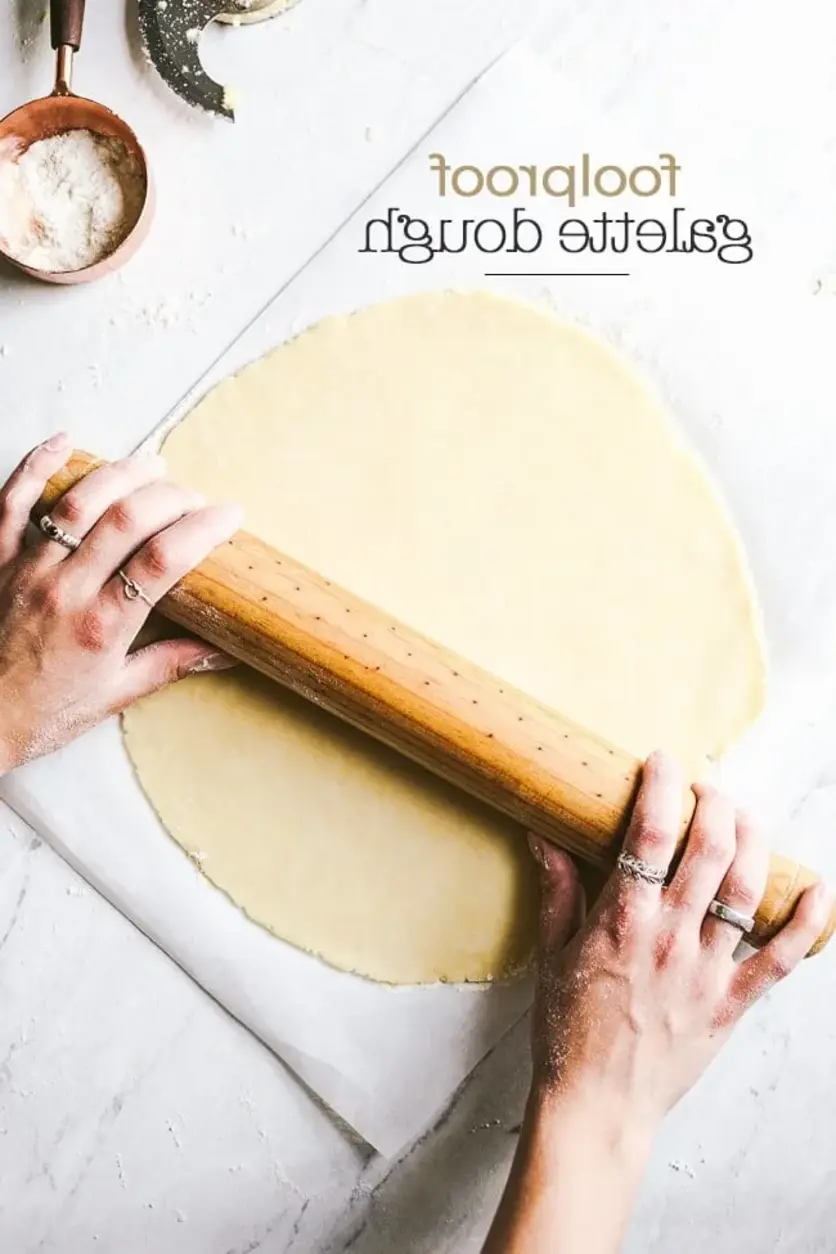
Easy Cinnamon Roll Banana Bread You’ll Love

Cinnamon Roll Banana Bread: An Incredible Ultimate Recipe – Your New Favorite Sweet Treat

⚖️
Difficulty
Easy
⏲️
Prep Time
15 mins
🕒
Cook Time
50 mins
⏱️
Total Time
65 mins
🍽️
Servings
8

Growing up in my mother’s kitchen in Morocco, the scent of warmth and spices always filled our home. While banana bread wasn’t a traditional Moroccan treat, I’ve always been drawn to comforting baked goods. After years of perfecting pastries in Paris and now embracing the vibrant culinary scene in NYC, I’ve fused classic comfort with a touch of pastry magic to create this ultimate Cinnamon Roll Banana Bread. It’s truly an incredible recipe that takes that familiar moist banana bread and elevates it with a dreamy swirl of cinnamon and a sweet glaze, making every slice feel like a special occasion. This recipe is a perfect example of how simple ingredients can be transformed into something truly extraordinary with just a little thought and a unique twist.

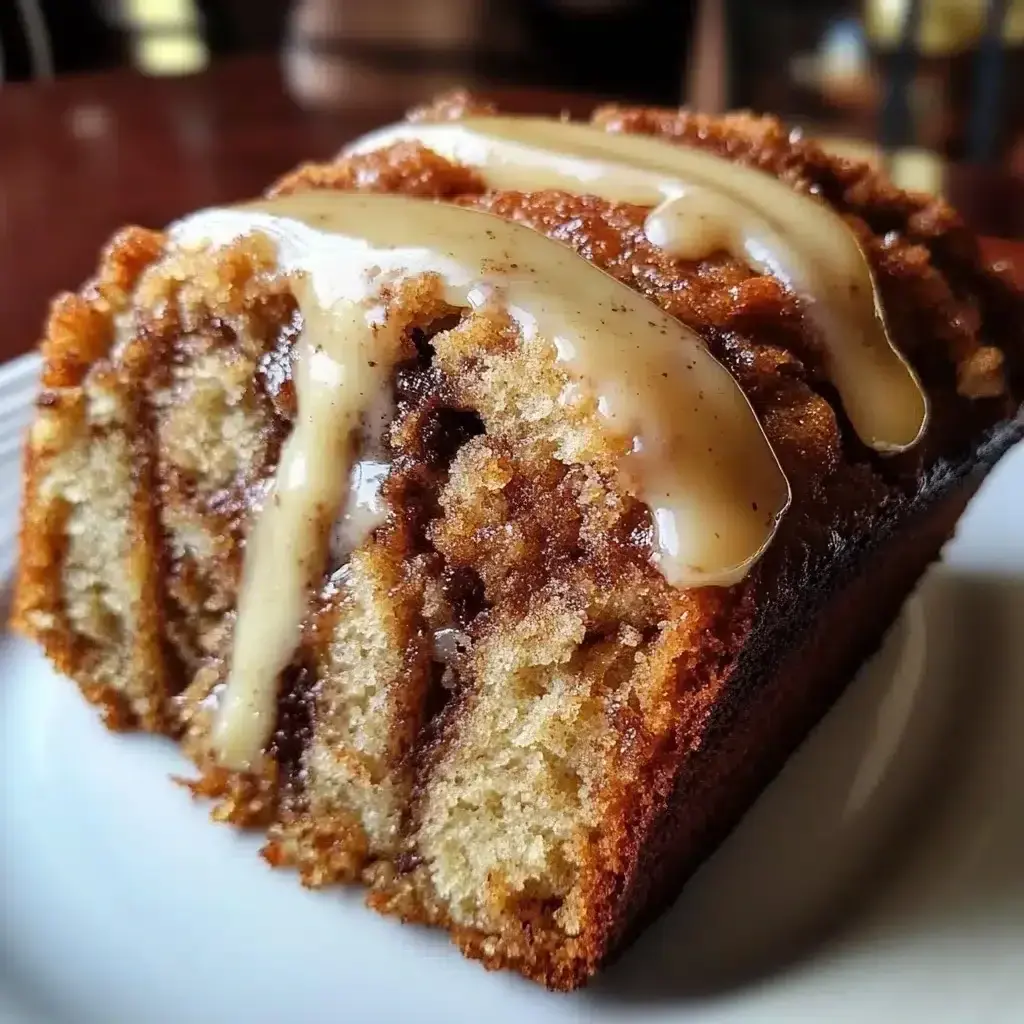
Imagine biting into a slice where the comforting sweetness of ripe bananas meets the irresistible spice of cinnamon, all wrapped up in a tender, moist crumb. The delicate marble of the cinnamon swirl creates a beautiful pattern, hinting at the burst of flavor to come. And that glaze? It’s the crowning jewel, a delicate sweetness that perfectly complements the rich banana bread. The aroma alone, as it bakes, is enough to transport you. It reminds me of the warm patisseries in Paris, where every aroma promised pure delight, but with the homely comfort I associate with baking right here in my NYC apartment.

My approach to this easy banana bread recipe ensures incredible results every time. I’ve taken the classic banana bread, which can sometimes be a little one-note, and infused it with the beloved elements of a cinnamon roll. What makes this version stand out is not just the flavor, but the seamless integration of a rich, buttery cinnamon swirl throughout the loaf. I’ll share my pro tip for getting that perfect swirl, and even point out a common mistake to avoid so your loaf is always picture-perfect and deliciously moist.

Why This Cinnamon Roll Banana Bread Recipe Is the Best

The true magic of this particular cinnamon roll banana bread lies in what I like to call ‘The Flavor Fusion’. It’s more than just adding some cinnamon to banana bread. I’ve formulated the cinnamon swirl to be rich and slightly gooey, reminiscent of a classic cinnamon roll filling, without making the bread overly dense. The balance of sugars and spices ensures that each bite delivers both the sweet banana charm and a warm, inviting cinnamon kick that lingers beautifully. It’s a culinary bridge between two beloved desserts, perfected in my kitchen with influences from both my Moroccan roots and my French pastry training.

Texture is paramount in baking, and I’ve obsessed over achieving the most perfect, moist banana bread. The secret is not just in using truly ripe bananas (the riper, the better!), but also in carefully balancing the wet and dry ingredients and, crucially, avoiding overmixing. Overmixing develops the gluten too much, leading to a tough bread, which is a big no-no in my book. My technique, honed through countless baking sessions, ensures a tender, crumbly texture that practically melts in your mouth, contrasted just slightly by the buttery cinnamon pockets.

Don’t let the “cinnamon roll” part intimidate you; this is an incredibly foolproof and easy recipe. You won’t need any special equipment beyond a mixing bowl and a loaf pan. My goal is always to empower home bakers, and this recipe is designed to be accessible, even for beginners. With clear, step-by-step instructions and my pro tips sprinkled throughout, you’ll feel confident. Plus, the rewarding aroma of baking bananas and cinnamon fills your home, which, honestly, is half the joy of this whole culinary adventure!

Cinnamon Roll Banana Bread Ingredients

Building a great recipe always starts with great ingredients. For this cinnamon roll banana bread, I lean on staples you likely already have, perhaps with an extra trip to my favorite NYC farmers market for the freshest bananas. Quality really shines through, so choose wisely!

Ingredients List

  • 3 ripe bananas, mashed
  • 1/2 cup granulated sugar
  • 1/4 cup brown sugar, packed
  • 1/2 cup unsalted butter, melted
  • 2 large eggs
  • 1 teaspoon vanilla extract
  • 1 teaspoon baking soda
  • 1/2 teaspoon salt
  • 1 1/2 cups all-purpose flour
  • 1 tablespoon cinnamon (for the swirl)
  • 1/4 cup granulated sugar (for the cinnamon swirl)
  • 1/2 cup powdered sugar (for glaze)
  • 1-2 tablespoons milk (for glaze)

Ingredient Spotlight

Ripe Bananas: This is the soul of your banana bread! Look for bananas with plenty of brown spots and even some black areas on the peel. These are not only sweeter but also softer, making them easier to mash and ensuring that moist texture we’re after. Green or barely ripe bananas simply won’t give you the same depth of flavor or moisture. If you only have yellow bananas, you can ripen them faster by baking them in their peels at 300°F (150°C) for 15-30 minutes until black.

Unsalted Butter: Butter provides richness and structure. Using unsalted butter allows you to control the exact amount of salt in the recipe, ensuring perfect seasoning. I always use good quality unsalted butter, as it makes a noticeable difference in the final taste. If you only have salted butter, reduce the added salt in the recipe by about ¼ teaspoon to avoid an overly salty flavor.

Cinnamon: The star of our cinnamon swirl! Use fresh, high-quality ground cinnamon for the most vibrant flavor. Spices lose their potency over time, so if your cinnamon has been in the pantry for a few years, it might be time for a fresh jar. The robust, warm notes of cinnamon are crucial for that classic cinnamon roll experience. A tested substitution? While not quite the same, a mix of ¾ teaspoon cinnamon with ¼ teaspoon nutmeg and a tiny pinch of cloves can add a similar warmth.

All-Purpose Flour: This forms the foundational structure of our bread. While it might seem straightforward, the type of flour can affect the final texture. All-purpose flour strikes the perfect balance for a tender yet sturdy loaf. Avoid bread flour, which has too much protein and will make the bread tough. For a gluten-free option, a good quality 1:1 gluten-free baking blend that contains xanthan gum works wonderfully, mimicking the structure of regular flour quite well.

Original IngredientBest SubstitutionFlavor / Texture Impact
Ripe BananasApplesauce (1:1 ratio)Bread will be less banana-flavored, slightly denser.
Unsalted ButterVegetable oil or margarine (1:1 ratio)Slightly less rich flavor, similar moisture.
All-Purpose Flour1:1 Gluten-Free Flour BlendSimilar texture, ensure blend contains xanthan gum.
Granulated SugarMaple Syrup or Honey (¾ cup for every 1 cup sugar, reduce liquid elsewhere)Adds distinct flavor, changes texture slightly, may need to adjust other liquids.
Milk (for glaze)Orange juice or lemon juiceAdds citrusy tang to the glaze, complements banana well.
Cinnamon Roll Banana Bread

How to Make Cinnamon Roll Banana Bread — Step-by-Step

You’re about to embark on a delightful baking journey! Follow these steps, and you’ll have a gorgeous, fragrant cinnamon roll banana bread in no time.

Step 1: Prepare the Pan and Oven

Preheat your oven to 350°F (175°C) and grease a 9×5-inch loaf pan. I usually use butter and a light dusting of flour for a non-stick surface, but a cooking spray works too.

💡 mia’s Pro Tip: To ensure easy release, line your loaf pan with parchment paper, leaving an overhang on the longer sides. This acts as a sling to lift the bread out once cooled.

Step 2: Mix Wet Ingredients

In a large bowl, combine the mashed bananas, granulated sugar, brown sugar, melted butter, eggs, and vanilla extract. Thoroughly mix these ingredients until they are well blended and smooth. This step is about integrating the flavors and creating the base for your moist banana bread.

⚠️ Common Mistake to Avoid: Don’t just lightly mash your bananas. Really get in there with a fork or potato masher until they are almost pureed. Any chunks will create dense spots in your bread.

Step 3: Add Dry Ingredients

Sprinkle the baking soda and salt evenly over the wet banana mixture. Then, add the all-purpose flour. Stir gently with a spoon or spatula until *just* combined. A few streaks of flour are perfectly fine; you want to avoid overmixing at all costs.

Step 4: Prepare Cinnamon Sugar

In a small separate bowl, combine the 1 tablespoon of cinnamon and 1/4 cup of granulated sugar for the swirl. Give it a good mix to ensure the cinnamon is evenly distributed. This fragrant mixture is the heart of the “cinnamon roll” aspect.

💡 mia’s Pro Tip: For an extra rich cinnamon swirl, you can add about a tablespoon of softened (not melted) butter to this mixture along with the sugar and cinnamon. It will create a more pronounced, gooey layer.

Step 5: Layer the Batter

Pour half of the banana bread batter into your prepared loaf pan, spreading it evenly with your spatula. Make sure it forms a relatively flat base for the cinnamon layer.

Step 6: Add Remaining Batter

Sprinkle half of the cinnamon sugar mixture generously over the first layer of batter. Then, carefully pour the remaining banana bread batter over the cinnamon sugar layer, spreading it gently to cover the cinnamon. Finally, sprinkle the remaining cinnamon sugar on top of this second layer.

Step 7: Swirl the Mixture

Using a knife or a skewer, gently swirl the batter from end-to-end to create a beautiful marbled effect. Do not overmix – 3-4 gentle passes are usually enough to create the swirl without completely incorporating the cinnamon layer. This is where your inner artist comes out!

Step 8: Bake

Place the loaf pan in your preheated oven and bake for 50-60 minutes. The bread is done when a wooden toothpick inserted into the center comes out clean or with a few moist crumbs attached.

⚠️ Common Mistake to Avoid: Opening the oven door too frequently during baking can cause the bread to sink in the middle. Resist the urge to peek until at least 40 minutes have passed!

Step 9: Cool

Remove the pan from the oven and let the bread cool in the pan for 10-15 minutes. This allows the bread to set before you transfer it to a wire rack to cool completely. Patience is a virtue here; moving it too soon can cause it to break.

Step 10: Prepare the Glaze

While the bread cools, prepare the glaze. In a small bowl, whisk together the powdered sugar with 1 tablespoon of milk until smooth and drizzly. If it’s too thick, add more milk a teaspoon at a time; if it’s too thin, add more powdered sugar. The consistency should be thick enough to cling, but thin enough to drizzle.

Step 11: Glaze the Bread

Once the cinnamon roll banana bread is completely cool, drizzle the glaze over the top. Cooling completely before glazing is essential; otherwise, the glaze will melt right off. These steps will guide you through creating this incredible Cinnamon Roll Banana Bread that is sure to delight everyone!

StepActionDurationKey Visual Cue
1Prep Oven/Pan5 minsOven preheated, pan greased.
2Mix Wet Ingredients5 minsSmooth, well-blended mixture.
3Add Dry Ingredients2 minsJust combined, no dry streaks.
4Prepare Cinnamon Sugar1 minCinnamon and sugar evenly mixed.
5-6Layer Batter & Swirl3 minsMarbled effect, batter covers cinnamon.
8Bake50-60 minsToothpick comes out clean.
9Cool in Pan10-15 minsBread sets, easily transferable.
10Make Glaze2 minsSmooth, drizzly consistency.
11Glaze Bread1 minEvenly drizzled, no melting.

Serving & Presentation

This cinnamon roll banana bread is truly a showstopper on its own, but a little thought into serving can elevate the experience. I love to serve it in thick slices, perhaps slightly warmed, to bring out those beautiful cinnamon aromas. The glaze, which hardens slightly, adds a lovely texture contrast. For a simple morning treat, a hot cup of coffee or a Moroccan mint tea would be splendid, bringing a touch of my heritage to your table.

In NYC, we’re all about that brunch life! For a more elaborate presentation, you could dust the glazed bread with a tiny sprinkle of extra cinnamon or finely chopped toasted pecans right before serving. A dollop of lightly sweetened crème fraîche or even a scoop of vanilla bean ice cream could turn a simple slice into a decadent dessert. It’s versatile enough for a casual breakfast or a sophisticated after-dinner delight, proving that comforting food can also be elegant.

Pairing TypeSuggestionsWhy It Works
Side DishFresh Berries, Greek Yogurt, Toasted NutsAdds freshness, tang, and crunch, complementing the rich bread.
Sauce / DipWhipped Cream, Crème Fraîche, Salted Caramel SauceEnhances richness, offers a creamy texture contrast, or adds a salty-sweet kick.
BeverageBlack Coffee, Moroccan Mint Tea, Hot ChocolateClassic breakfast beverages, the tea offers a refreshing counterpoint to the sweetness.
GarnishCinnamon Dusting, Chopped Pecans, Vanilla Bean Ice CreamAdds visual appeal, extra texture, and a touch of indulgence.

Make-Ahead, Storage & Reheating

In my bustling NYC life, maximizing efficiency in the kitchen is key. This easy banana bread is fantastic for make-ahead baking, ensuring you always have a delightful treat ready for breakfast or a quick snack. It keeps beautifully, making it perfect for meal prepping.

MethodContainerDurationReheating Tip
RefrigeratorAirtight container or wrapped in plastic wrapUp to 5 daysMicrowave individual slices for 10-15 seconds or toast lightly.
FreezerDouble-wrapped in plastic wrap, then foil or freezer bagUp to 3 monthsThaw overnight at room temperature, then reheat as desired.
Make-AheadStore baked loaf wrappedBake 1-2 days in advance, glaze just before servingGlaze is best applied fresh for the best texture and appearance.

To keep your moist banana bread at its best, always ensure it’s completely cooled before storing. Warm bread creates condensation, which can lead to sogginess. For freezer storage, I often slice the loaf before freezing; this way, I can pull out individual portions as needed without thawing the whole loaf, minimizing waste and ensuring freshness.

When reheating from the freezer, wrap a slice in a paper towel and microwave for about 30-40 seconds, or until just warm. The warmth brings back those comforting cinnamon aromas beautifully. If you’re reheating a whole loaf, cover it loosely with foil and warm in a 300°F (150°C) oven for about 15-20 minutes, or until heated through. This gentle warmth is truly transformative for any leftover banana bread.

Variations & Easy Swaps

One of the joys of cooking is experimenting, and this cinnamon roll banana bread recipe is a fantastic canvas for your creativity. Don’t be afraid to make it your own! The basic recipe is so robust that it can handle a few exciting twists.

VariationKey ChangeBest ForDifficulty Impact
Nutty SwirlAdd 1/2 cup chopped pecans or walnuts to cinnamon swirl.Nut lovers, added texture.Minimal.
Chocolate DrizzleMelted chocolate instead of or in addition to glaze.Chocolate enthusiasts.Minimal.
Zesty GlazeUse lemon or orange juice instead of milk for glaze.Bright, fresh flavor profile.Minimal.

Nutty Cinnamon Swirl

For those who love a little crunch, adding 1/2 cup of finely chopped toasted pecans or walnuts to the cinnamon sugar mixture before sprinkling it over the batter takes this bread to another level. The nuts add a beautiful texture and a nutty depth that complements both the banana and cinnamon beautifully. This is a trick I often use in Parisian patisseries to add complexity to simple baked goods.

Gluten-Free / Dairy-Free Cinnamon Roll Banana Bread

To make this recipe gluten-free, simply swap the all-purpose flour for a 1:1 gluten-free baking blend (ensure it contains xanthan gum) in the same quantity. For a dairy-free version, use a plant-based butter (like Miyoko’s Kitchen or Earth Balance) and your favorite plant-based milk (almond or oat milk work well) for the glaze. I’ve tested these variations in my NYC kitchen, and the results are still incredibly moist and flavorful, with only minor shifts in texture.

Spiced Apple Cinnamon Twist

For a seasonal twist, especially in the fall, you can add about 1/2 cup of finely grated apple (like a Granny Smith) into the banana batter. You could also infuse a pinch of cardamom into the cinnamon swirl, a spice I adore from my Moroccan roots. This adds a subtle, fragrant warmth and a bit more moisture, making it a delicious variation when apples are in season at the Union Square Greenmarket.

How do you make the cinnamon swirl for cinnamon roll banana bread?

Creating the cinnamon swirl for this cinnamon roll banana bread is quite simple, yet it yields impressive results! You’ll first combine granulated sugar (usually about 1/4 cup) with 1 tablespoon of ground cinnamon in a small bowl. Make sure they are thoroughly mixed. After pouring half of your banana bread batter into the loaf pan, you’ll evenly sprinkle half of this cinnamon sugar mixture over it. Then, layer the remaining batter, and top with the rest of the cinnamon sugar. Finally, use a knife or skewer to gently swirl through the layers a few times, creating a beautiful marble effect. This ensures that delicious ribbon of spice and sweetness runs through every slice!

Can I make cinnamon roll banana bread without buttermilk?

Absolutely! This specific cinnamon roll banana bread recipe doesn’t actually call for buttermilk, so you’re already set to go! If you ever encounter a banana bread recipe that does require buttermilk and you don’t have any on hand, you can easily make a substitute. Just add 1 tablespoon of lemon juice or white vinegar to a liquid measuring cup, then fill the rest of the cup with regular milk until it reaches 1 cup. Let it sit for 5-10 minutes until it slightly curdles. This homemade buttermilk substitute will provide the necessary acidity and moisture to your quick bread. My recipe is designed for simplicity, so no need for extra steps here!

How long does it take to bake cinnamon roll banana bread?

For this cinnamon roll banana bread, you’ll generally find that it takes between 50 to 60 minutes to bake in a preheated oven at 350°F (175°C). However, baking times can vary slightly depending on your specific oven, the type of loaf pan you’re using (metal vs. glass), and even the humidity in your kitchen. The best way to tell if your bread is perfectly baked is to insert a wooden toothpick into the very center of the loaf. If it comes out clean or with only a few moist crumbs attached, your bread is ready! If it’s still wet, continue to bake in 5-minute increments until done.

What is the best way to store cinnamon roll banana bread to keep it moist?

To keep your cinnamon roll banana bread wonderfully moist, the key is proper storage once it has completely cooled. First, ensure it’s at room temperature before wrapping – any warmth will create condensation and make it soggy. Wrap the entire loaf tightly in plastic wrap, then place it in an airtight container or a resealable plastic bag. Stored this way on the kitchen counter, it will stay fresh and moist for up to 3-4 days. For longer storage, you can freeze individual slices or the whole loaf, double-wrapped in plastic wrap and then foil, for up to 3 months. Thawing overnight at room temperature will bring back its delicious, moist texture.

Can I use frozen bananas for this easy banana bread recipe?

Absolutely! Frozen ripe bananas are excellent for banana bread, and I often freeze overly ripe ones to have on hand. Just be sure to thaw them completely before using. You can do this by placing them in a bowl at room temperature for a few hours, or in the microwave on a defrost setting for a minute or two. As they thaw, they’ll release a lot of liquid. Be sure to drain off any excess liquid before mashing them, as too much moisture can affect the final texture of your banana bread. Using thawed frozen bananas means you’ll consistently have incredibly sweet and fragrant bananas for your baking!

How do I prevent my banana bread from having a gummy texture?

A gummy texture in banana bread is usually a sign of overmixing the batter. Once you add the dry ingredients (flour, baking soda, salt) to the wet ingredients, mix them only until they are just combined. A few streaks of flour are perfectly acceptable. Overmixing develops the gluten in the flour, leading to a tough and gummy texture. Another factor can be too much moisture, so ensure your bananas are very ripe but that you don’t add any extra liquids not specified in the recipe. Following the “stir gently until just combined” instruction diligently is your best defense against a gummy loaf and ensures a perfectly moist banana bread.

Share Your Version!

I poured my heart into perfecting this Cinnamon Roll Banana Bread recipe, and now it’s your turn to make it your own! I absolutely adore seeing your culinary creations. Don’t be shy about leaving a star rating and a comment below – your feedback means the world to me and helps other bakers.

If you whip up a loaf, please share a photo on Instagram or Pinterest and tag @exorecipes! I love living vicariously through your baking successes and seeing your beautiful takes on my recipes. And tell me, what’s your favorite part of this easy banana bread? Is it the moist crumb, the sweet glaze, or that irresistible cinnamon swirl? I can’t wait to hear from you!

From my NYC kitchen to yours — I hope this recipe brings as much warmth to your table as it does to mine. — mia 🧡

📌

Love This Recipe? Save It to Pinterest!

If you enjoyed this Cinnamon Roll Banana Bread recipe, don’t let it get lost in your browser tabs! 😄 Pin it now so you can find it again anytime — and explore hundreds more tried-and-tested recipes waiting for you on my Pinterest boards.

👉 Follow mia on Pinterest @chefrecipes2

📌 Pin this recipe · 🔁 Re-pin your favorites · 💬 Tag me when you make it — I love seeing your creations!

Print

clock clock iconcutlery cutlery iconflag flag iconfolder folder iconinstagram instagram iconpinterest pinterest iconfacebook facebook iconprint print iconsquares squares iconheart heart iconheart solid heart solid icon

Cinnamon Roll Banana Bread: An Incredible Ultimate Recipe

  • Author: Chef Mia

Ingredients

Scale
  • 3 ripe bananas, mashed
  • 1/2 cup granulated sugar
  • 1/4 cup brown sugar, packed
  • 1/2 cup unsalted butter, melted
  • 2 large eggs
  • 1 teaspoon vanilla extract
  • 1 teaspoon baking soda
  • 1/2 teaspoon salt
  • 1 1/2 cups all-purpose flour
  • 1 tablespoon cinnamon
  • 1/4 cup granulated sugar (for cinnamon swirl)
  • 1/2 cup powdered sugar (for glaze)
  • 12 tablespoons milk (for glaze)

Instructions

  1. Creating Cinnamon Roll Banana Bread is a simple process if you follow these steps:
  2. Preheat your oven to 350°F (175°C) and grease a 9×5-inch loaf pan.
  3. . Mix Wet Ingredients: In a large bowl, combine the mashed bananas, granulated sugar, brown sugar, melted butter, eggs, and vanilla extract. Mix until well blended.
  4. . Add Dry Ingredients: Sprinkle the baking soda and salt over the banana mixture. Then, add the flour, stirring gently until just combined. Be careful not to overmix.
  5. . Prepare Cinnamon Sugar: In a small bowl, mix the granulated sugar and cinnamon together. Set aside.
  6. . Layer the Batter: Pour half of the banana bread batter into the prepared loaf pan. Sprinkle half of the cinnamon sugar mixture over the batter.
  7. . Add Remaining Batter: Pour the remaining batter over the cinnamon sugar layer. Finally, sprinkle the remaining cinnamon sugar on top.
  8. . Swirl the Mixture: Using a knife or skewer, gently swirl the batter to create a marbled effect. Be careful not to overmix.
  9. . Bake: Place the loaf pan in the preheated oven and bake for 50-60 minutes, or until a toothpick inserted into the center comes out clean.
  10. . Cool: Remove the pan from the oven and let the bread cool in the pan for 10-15 minutes. Then, transfer to a wire rack to cool completely.
  11. 0. Prepare the Glaze: In a small bowl, mix the powdered sugar with milk until smooth and drizzly. Adjust the consistency by adding more milk or powdered sugar as needed.
  12. 1. Glaze the Bread: Once the bread is completely cool, drizzle the glaze over the top. These steps will guide you through creating this incredible Cinnamon Roll Banana Bread that is sure to delight everyone!


Nutrition

  • Calories: 210 kcal
  • Fat: 9g
  • Protein: 3g


Cinnamon Roll Banana Bread

ph">For more delicious inspiration, follow me on Pinterest!
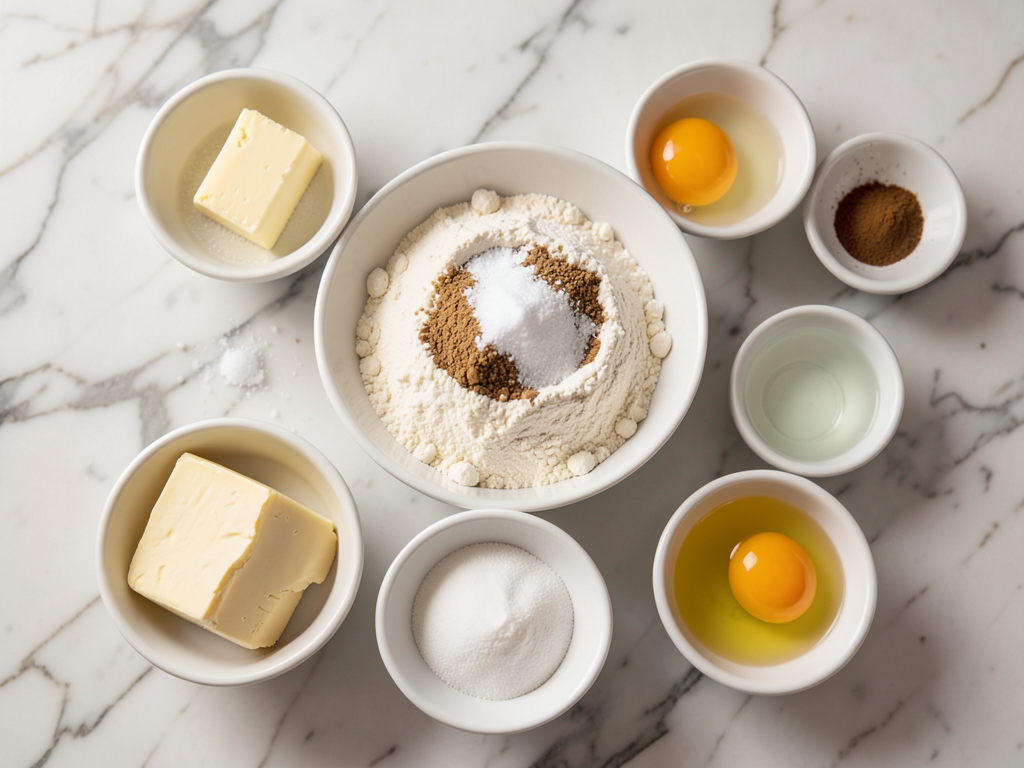
Perfectly Moist Banana Chocolate Chip Muffins Every Time

Moist Banana Chocolate Chip Muffins – Surprisingly Easy Indulgence

⚖️
Difficulty
Easy
⏲️
Prep Time
15 mins
🕒
Cook Time
20 mins
⏱️
Total Time
35 mins
🍽️
Servings
12

Growing up in Morocco, bananas were a luxurious treat, often enjoyed simply sliced with a sprinkle of cinnamon and perhaps a drizzle of honey. But moving to NYC, I quickly learned the American affinity for baking with ripe, sweet bananas. These moist banana chocolate chip muffins are my fusion of those worlds: a simple, comforting bake that reminds me of home while embracing the indulgence of New York City bakery treats. If you have some overly ripe bananas sitting on your counter, this recipe is your golden ticket to a truly delicious breakfast or snack. It’s truly the best way to transform forgotten fruit into something utterly irresistible.

Imagine biting into a muffin that is unbelievably soft, almost melts in your mouth, studded with rich, gooey pockets of chocolate that perfectly complement the natural sweetness of ripe banana. The aroma alone, a blend of warm baking spices and sweet fruit, fills my NYC apartment with such a cozy feeling. I still remember the delicate spice blends my mother would use in her baking, and a hint of vanilla in these muffins gives a nod to those traditions, even in a modern context. This particular recipe ensures a muffin that is never dry, always bursting with flavor, and delivers on that satisfyingly tender crumb every time.

Over my years as a professional cook, both in Parisian kitchens perfecting classic patisserie and now here in New York City experimenting with global flavors, I’ve refined this easy banana muffin recipe to be truly exceptional. Many recipes promise moistness, but mine delivers. The secret lies in a carefully balanced ratio of wet to dry ingredients, along with a few chef-approved techniques I’ll share. You won’t find yourself with dense, rubbery muffins here. I’ll even walk you through a common mistake that can dry out your muffins and how to avoid it, ensuring your homemade banana chocolate chip muffins are always the best they can be.

Why This Moist Banana Chocolate Chip Muffins Recipe Is the Best

What makes these moist banana chocolate chip muffins stand out from the rest? It’s all about the perfect marriage of simple ingredients and thoughtful technique. The natural sweetness and creaminess from truly ripe bananas are amplified by just the right amount of sugar, creating a deep, caramelized flavor profile that’s pure comfort. This recipe doesn’t just use bananas; it celebrates them, ensuring their distinctive taste shines through while being beautifully complemented by every chocolate morsel.

From my training in Paris, I learned that texture is just as crucial as flavor. My recipe for easy banana muffins achieves an incredibly tender and moist crumb, thanks to the oil and the bananas themselves providing critical moisture. We’re also careful with the mixing, ensuring we develop just enough gluten for structure without making the muffins tough. The resulting texture is light, fluffy, and never crumbly – exactly what you want in a perfect muffin, able to stand up to the generous addition of chocolate chips.

This recipe for banana muffins with chocolate chips is designed to be foolproof, even for novice bakers. With clear, concise steps and no fussy techniques, you can achieve bakery-quality muffins right in your own kitchen. It’s a quick process that allows you to whip up a batch for breakfast, a spontaneous afternoon treat, or to impress guests with minimal effort. Plus, it’s a wonderful way to utilize those overripe bananas, transforming them from something you might discard into a truly delightful creation.

Moist Banana Chocolate Chip Muffins Ingredients

When I head to the farmers’ market in Union Square, I’m always on the lookout for perfectly ripe bananas – the ones with plenty of brown spots signaling peak sweetness for these moist banana chocolate chip muffins. Quality ingredients really do make a difference, reminiscent of the fresh produce my mother used in her Moroccan kitchen.

Ingredients List

  • 1 ½ cups all-purpose flour (190 grams)
  • 1 cup white sugar (200 grams)
  • 1 teaspoon baking soda
  • 1/2 teaspoon salt
  • 3 medium bananas, mashed
  • 1 egg
  • 1/2 cup oil (120 milliliters)
  • 1 teaspoon vanilla
  • 1 cup semisweet chocolate chips (175 grams), plus more for sprinkling

Ingredient Spotlight

Bananas: The star of these amazing banana chocolate chip muffins! For the best flavor and moisture, use bananas with plenty of brown speckles on the skin. These are sweeter and mash more easily, creating a creamier batter. Avoid green bananas, as they lack the sugar content and won’t contribute to the same moistness. If your bananas aren’t ripe enough, you can ripen them faster by baking them in their peels on a baking sheet at 300°F (150°C) for 15-30 minutes until black and soft. If you find yourself in a pinch without ripe bananas, a small amount of unsweetened applesauce (about half a cup) or pumpkin puree can provide some moisture, but the banana flavor will, of course, be missing.

Oil: I specify neutral oil for a reason – it contributes to the incredible moistness and tender crumb of these muffins without imparting any strong flavor. Vegetable oil, canola oil, or even a light olive oil work perfectly. Avoid using butter as a direct substitute unless you adjust the recipe, as butter contains water and yields a different texture, often resulting in a slightly denser muffin. However, if you truly prefer the flavor of butter, you can use melted unsalted butter, but be aware of the minor textural difference it brings to the overall result.

Chocolate Chips: I love semisweet chocolate chips for their classic flavor and how they create perfect little melted pockets in these banana muffins with chocolate chips. Look for a good quality brand at your local grocery store. You can easily substitute with dark chocolate chips for a more intense flavor, milk chocolate chips for extra sweetness, or even chopped chocolate bars for varied melt and texture. For a burst of different flavor, white chocolate chips or even a mix of different types of chips can be fantastic.

Original IngredientBest SubstitutionFlavor / Texture Impact
All-Purpose Flour½ whole wheat flour + ½ all-purpose flourSlightly denser texture, nutty flavor.
OilMelted Coconut Oil (refined)Subtle coconut flavor, still very moist. Or unsweetened applesauce (less fat, slightly different texture).
Semisweet Chocolate ChipsDark chocolate chunks or Milk chocolate chipsDark provides deeper, less sweet flavor; milk provides sweeter, classic taste.
Moist Banana Chocolate Chip Muffins

How to Make Moist Banana Chocolate Chip Muffins — Step-by-Step

Making these moist banana chocolate chip muffins is a joy, truly simple and straightforward. Just follow these steps, and you’ll have perfectly baked muffins in no time.

Step 1: Prepare Your Oven and Muffin Tin

Preheat the oven to 350°F or 175°C. Line a standard 12-cup muffin tin with paper liners. This makes cleanup a breeze and helps the muffins maintain their shape, a simple trick from my Parisian pastry school days.

💡 mia’s Pro Tip: For beautifully domed muffins, preheat your oven 15-20 minutes before baking. A truly hot oven gives them an initial burst that helps them rise nicely.

Step 2: Combine Dry Ingredients

In a large mixing bowl, whisk together the all-purpose flour, white sugar, baking soda, and salt. Make sure to thoroughly combine them to ensure the leavening agent (baking soda) is evenly distributed for a consistent rise.

Step 3: Mix Wet Ingredients

In a separate bowl, add the mashed bananas, the egg, oil, and vanilla. Mix until well combined. The bananas are your primary source of natural sweetness and moisture for these incredible banana chocolate chip muffins.

⚠️ Common Mistake to Avoid: Don’t overmix the batter once the wet and dry ingredients are combined. Overmixing develops gluten, leading to tough muffins instead of the desired tender crumb. Mix just until no streaks of flour remain.

Step 4: Fold in the Chocolate

Add the semisweet chocolate chips to the batter. Using a baking spatula, gently fold them in until they are just evenly distributed. This ensures chocolate in every bite without overworking the batter.

Step 5: Fill and Bake

Using a ladle or an ice cream scoop, spoon the batter into the paper-lined muffin cups, dividing the batter evenly between all 12 cups. Fill each cup about two-thirds full for perfect muffin tops. Sprinkle additional chocolate chips on top of each muffin cup for a beautiful presentation.

💡 mia’s Pro Tip: For that perfect bakery-style muffin top, fill the muffin cups almost to the brim. The higher start helps the batter dome beautifully during baking.

Step 6: Cool and Enjoy

Bake for 15 to 25 minutes or until a toothpick inserted into the center of a muffin comes out clean. Baking times can vary, so keep an eye on them starting at 15 minutes. Remove from the oven and let cool in the muffin tin for 5 minutes before transferring them to a wire cooling rack to cool completely. This prevents them from getting soggy at the bottom.

StepActionDurationKey Visual Cue
1Preheat oven, line muffin tin5 minOven reaches 350°F (175°C)
2Whisk dry ingredients2 minNo clumps, evenly mixed
3Combine wet ingredients3 minSmooth, no egg streaks
4Fold in chocolate chips1 minChips evenly distributed
5Fill muffin cups & bake15-25 minGolden brown tops, toothpick comes out clean
6Cool5 min (in tin), then fully on rackMuffins easily release from tin

Serving & Presentation

These moist banana chocolate chip muffins are truly a delight on their own, fresh out of the oven with the chocolate still gooey. The warm, comforting scent takes me back to the small patisseries in Paris on a crisp morning. For a simple and elegant presentation, I often arrange them on a wooden board or a beautiful ceramic platter. Sometimes, I dust them lightly with a touch of powdered sugar just before serving, adding a delicate finish that enhances their natural appeal.

To elevate the experience, consider pairing these delightful muffins with a freshly brewed cup of strong Moroccan mint tea – the traditional sweetness of the tea beautifully balances the richness of the chocolate and banana. For a more American breakfast vibe, a dollop of Greek yogurt or creme fraiche on the side offers a lovely tangy contrast. I’ve also found that a smear of rich, unsalted butter makes for an indulgent treat, especially when the muffins are still warm and the butter slightly melts into the tender crumb.

In my NYC kitchen, I often serve these as part of a weekend brunch spread. Alongside crispy bacon, scrambled eggs, and a fresh fruit salad, they add a sweet, comforting element that everyone loves. They’re also perfect for an afternoon pick-me-up with an espresso, reminiscent of a French ‘goûter’ (afternoon snack). Whether for a casual family breakfast or a more formal gathering, these muffins are a versatile crowd-pleaser that brings warmth and joy to any table.

Pairing TypeSuggestionsWhy It Works
Side DishFresh fruit salad, Greek yogurt, crispy baconFruit adds freshness, yogurt a tangy counterpoint, bacon a savory crunch.
Sauce / DipNutella drizzle, salted caramel sauce, crème fraîcheAdds richness and extra indulgence.
BeverageMoroccan mint tea, strong coffee, cold milkTea provides traditional balance, coffee a classic breakfast pairing, milk a comforting simplicity.
GarnishPowdered sugar, extra chocolate chips, sliced almondsEnhances visual appeal and adds subtle texture/flavor.

Make-Ahead, Storage & Reheating

In my busy NYC life, I’m all about smart meal prep, and these moist banana chocolate chip muffins are a perfect candidate. I often bake a double batch on Sunday, ensuring I have delicious, grab-and-go options for quick breakfasts or snacks throughout the week. This recipe is designed to be just as delightful days later as it is fresh out of the oven, making it incredibly convenient for anyone with a packed schedule.

MethodContainerDurationReheating Tip
RefrigeratorAirtight containerUp to 5 daysMicrowave 15-20 sec or oven 300°F for 5 min until warm.
FreezerZiploc freezer bag or airtight containerUp to 3 monthsThaw at room temp, then reheat as desired.
Make-AheadPrepare batter, store in airtight containerUp to 24 hours in fridgeBake fresh, may need an extra min or two.

When reheating from the refrigerator, a quick 15-20 seconds in the microwave is usually enough to bring back that warm, fresh-baked feel, making the chocolate chips wonderfully melty again. If you prefer the oven, a few minutes at 300°F (150°C) also works wonders, giving them a slight crisp on the outside while keeping the interior perfectly tender.

Freezing these banana chocolate chip muffins is an excellent strategy for long-term storage. Once fully cooled, place them in a single layer on a baking sheet and freeze for about an hour until solid. Then, transfer them to a freezer-safe bag or container, removing as much air as possible. This flash-freezing prevents them from sticking together and helps maintain their texture. When you’re ready to enjoy, simply grab one, let it thaw at room temperature, and then warm it up as you would a refrigerated muffin. It’s like magic, having fresh muffins on demand!

Variations & Easy Swaps

While my classic moist banana chocolate chip muffins are perfect as is, I love to experiment with variations during my weekends at home in NYC, especially when I visit the local markets and find seasonal ingredients. These simple tweaks can transform the muffins into something new and exciting without losing their core appeal.

VariationKey ChangeBest ForDifficulty Impact
Nutty Banana MuffinsAdd ½ cup chopped walnuts or pecansCrunchy texture loversNone
Spiced Banana MuffinsAdd ½ tsp cinnamon, ¼ tsp nutmegWarm, aromatic flavorNone
Double Chocolate Banana MuffinsUse cocoa powder in batter, white chocolate chipsChocoholicsMinimal

Cinnamon Streusel Banana Muffins

For an extra layer of texture and warm spice, add a streusel topping. Combine 1/4 cup all-purpose flour, 2 tablespoons sugar, 1/2 teaspoon cinnamon, and 2 tablespoons cold butter, cut into small pieces. Rub with your fingertips until crumbly, like a Moroccan couscous, then sprinkle over the batter before baking. This gives these easy banana muffins a delightful crunch and an aromatic kick.

Gluten-Free Banana Muffins

Making these gluten-free is quite simple. Substitute the all-purpose flour with a 1:1 gluten-free baking flour blend that contains xanthan gum. I’ve tested several brands in my kitchen, and they generally work very well to create equally moist banana chocolate chip muffins. The texture will be very similar, and the flavor remains perfectly balanced, catering to different dietary needs without compromise.

Seasonal Cranberry-Orange Banana Muffins

When cranberries are in season at my local NYC market, I love to swap half the chocolate chips for fresh or frozen cranberries and add 1 teaspoon of orange zest to the wet ingredients. The tartness of the cranberries and the bright citrus note of the orange zest perfectly complement the sweet banana, creating a vibrant, seasonal twist on these classic banana chocolate chip muffins.

How can I make banana chocolate chip muffins more moist?

Achieving truly moist banana chocolate chip muffins starts with using very ripe, brown-speckled bananas, as they contain more natural sugars and moisture. Additionally, incorporating oil rather than solely butter helps, as oil is 100% fat and contributes to a more tender crumb. I also recommend being careful not to overmix your batter; mixing just until the dry ingredients are incorporated prevents gluten from overdeveloping, which can lead to dry, tough muffins. Finally, don’t overbake them – pull them out of the oven as soon as a toothpick comes out clean.

Can I substitute oil for butter in banana chocolate chip muffins?

Absolutely, and in fact, I highly recommend using oil in my recipe for the best moist banana chocolate chip muffins! Oil, like vegetable or canola oil, creates an exceptionally tender and moist crumb because it’s 100% fat, unlike butter which contains water. If you were to substitute butter for oil directly, you might find the muffins slightly denser or less moist due to the difference in fat and water content. However, if you adore the flavor of butter, you can use melted butter, just be aware of the subtle texture change.

How long should you bake banana chocolate chip muffins?

For these banana chocolate chip muffins, the baking time typically ranges from 15 to 25 minutes at 350°F (175°C). However, oven temperatures can vary significantly, so it’s best to start checking for doneness around the 15-minute mark. The key indicator is when a toothpick inserted into the center of a muffin comes out clean or with just a few moist crumbs attached. Overbaking is the enemy of moist muffins, so keep a close eye on them to ensure they’re perfectly baked but still tender.

Can I use frozen bananas for banana chocolate chip muffins?

Yes, you can absolutely use frozen bananas to make moist banana chocolate chip muffins! It’s one of my favorite tricks for never letting overripe bananas go to waste. Simply peel your ripe bananas before freezing them, then store them in an airtight freezer bag. When you’re ready to bake, thaw them at room temperature or in the microwave. They will release a good amount of liquid, which you should definitely include in your batter, as it adds extra moisture and banana flavor. This guarantees your muffins are always rich and delicious, just like with fresh ripe bananas.

What’s the best way to get tall, domed muffin tops?

To achieve those coveted tall, domed muffin tops like you see in bakeries, there are a few tricks I learned in culinary school. First, ensure your oven is fully preheated to the specified temperature (often higher initially) before the muffins go in; this creates an immediate burst of heat that helps them rise quickly. Second, fill your muffin liners generously, about two-thirds to three-quarters full. Finally, resist the urge to open the oven door too often during the initial baking period, as this can cause the muffins to collapse.

What type of chocolate chips are best for these muffins?

For my moist banana chocolate chip muffins, I typically use semisweet chocolate chips because their balanced sweetness and rich chocolate flavor complement the banana perfectly without being overly sweet. However, feel free to personalize! Dark chocolate chips will give a more intense, less sweet chocolate experience, while milk chocolate chips will make them sweeter and even more kid-friendly. You can also chop up a good quality chocolate bar for varied texture and pockets of melted chocolate throughout the muffins.

Share Your Version!

I poured my heart into crafting this recipe for moist banana chocolate chip muffins, and I would absolutely love to hear about your experience! If you tried them, please leave a star rating and a comment below – your feedback means the world to me. Did you make any fun variations? What did you serve them with?

Snap a photo of your beautiful creations and share them on Instagram or Pinterest. Don’t forget to tag @exorecipes so I can see your masterpieces! I’m always thrilled to see how my recipes come to life in your kitchens. Tell me, what’s your favorite way to ensure your muffins stay perfectly moist for days?

From my NYC kitchen to yours — I hope this recipe brings as much warmth to your table as it does to mine. — mia 🧡

📌

Love This Recipe? Save It to Pinterest!

If you enjoyed this Moist Banana Chocolate Chip Muffins recipe, don’t let it get lost in your browser tabs! 😄 Pin it now so you can find it again anytime — and explore hundreds more tried-and-tested recipes waiting for you on my Pinterest boards.

👉 Follow mia on Pinterest @chefrecipes2

📌 Pin this recipe · 🔁 Re-pin your favorites · 💬 Tag me when you make it — I love seeing your creations!

Print

clock clock iconcutlery cutlery iconflag flag iconfolder folder iconinstagram instagram iconpinterest pinterest iconfacebook facebook iconprint print iconsquares squares iconheart heart iconheart solid heart solid icon

Moist Banana Chocolate Chip Muffins

  • Author: Chef Mia

Description

These banana chocolate chip muffins are incredibly moist and arguably the most delicious way to use up old bananas.


Ingredients

Scale
  • 1 ½ cups all-purpose flour (190 grams)
  • 1 cup white sugar (200 grams)
  • 1 teaspoon baking soda
  • 1/2 teaspoon salt
  • 3 medium bananas, mashed
  • 1 egg
  • 1/2 cup oil (120 milliliters)
  • 1 teaspoon vanilla
  • 1 cup semisweet chocolate chips (175 grams), plus more for sprinkling

Instructions

  1. Preheat the oven to 350°F or 175°C.
  2. Whisk together flour, sugar, baking soda, and salt in a mixing bowl.
  3. Add mashed bananas, the egg, oil, and vanilla. Mix until well combined.
  4. Add chocolate chips. Using a baking spatula, mix until they are evenly distributed.
  5. Using a ladle, spoon the batter into paper-lined standard 12-cup muffin tin dividing the batter evenly between all 12 cups.
  6. Sprinkle additional chocolate chips on each muffin cup.
  7. Bake for 15 to 25 minutes* or until a toothpick inserted in the center comes out clean.
  8. Remove and let cool for 5 minutes before moving to a cooling rack.


Nutrition

  • Calories: 231 calories
  • Sugar: 21 grams sugar
  • Fat: 11 grams fat
  • Carbohydrates: 34 grams carbohydrates
  • Protein: 2 grams protein


Moist Banana Chocolate Chip Muffins

ph">For more delicious inspiration, follow me on Pinterest!