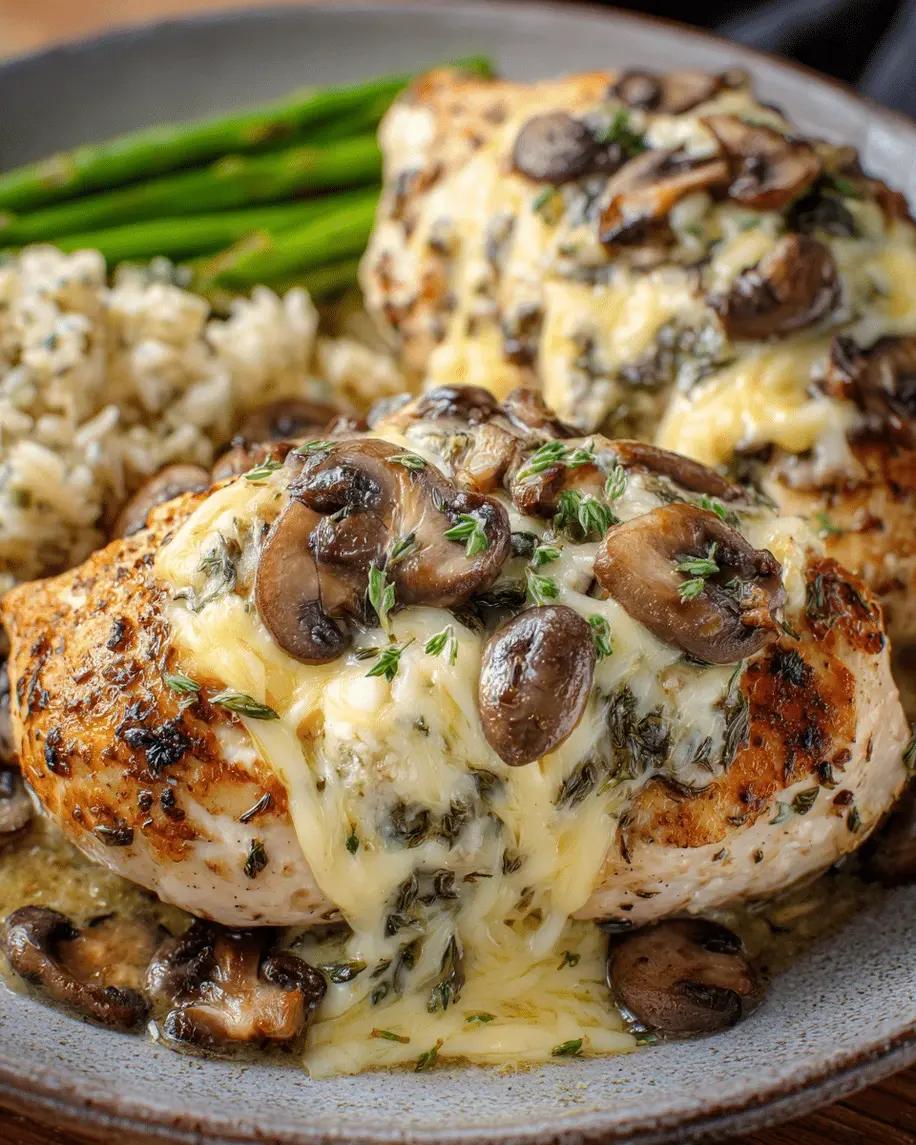
Black Pepper Beef, Mushroom & Green Bean Stir-Fry – A 25-Minute Weeknight Winner

⚖️
Difficulty
Easy
⏲️
Prep Time
15 mins
🕒
Cook Time
10 mins
⏱️
Total Time
25 mins
🍽️
Servings
4

I still remember the first time I made a black pepper beef stir-fry that actually tasted like the ones from my favorite Chinatown spot in New York. I was standing in my tiny Manhattan kitchen, a block of beef sirloin on the cutting board, and a bag of green beans from the Union Square farmers market sitting next to the stove. This black pepper beef stir-fry with mushrooms and green beans is the recipe I wish I had back then — it’s the one I’ve perfected over years of testing, tweaking, and tasting. The coarsely ground black pepper gives it this bold, fragrant kick that pairs so beautifully with the earthy mushrooms and those bright, snappy green beans. Every time I make it, I think of my mother’s kitchen in Morocco, where she’d grind spices by hand and tell me that the secret to any great dish is layering flavor with intention. That same principle is at the heart of this easy beef stir-fry — quick enough for a Tuesday night, but impressive enough to serve friends.

Let me paint the picture for you: tender slices of beef sirloin, each one coated in a glossy, savory-black pepper sauce that clings like it belongs there. The mushrooms — I love using cremini or baby bella — get golden and almost meaty as they caramelize in the hot wok. And the green beans? They stay crisp and bright, with little charred spots from the high heat that add a subtle smokiness. The sauce itself is a beautiful balance of salty soy sauce, rich oyster sauce, and warm beef broth, all tied together with a touch of sugar and plenty of coarsely ground black pepper. It’s the kind of dish that makes you want to scoop up every last drop with steamed rice. The aroma alone — garlic hitting hot oil, beef searing, pepper blooming — will have everyone wandering into the kitchen asking what’s for dinner.

What sets this beef and mushroom stir-fry apart from others is the technique. I spent years training at Le Cordon Bleu in Paris, where I learned that the little things — a proper marinade, the right cut of beef, the order in which you cook each component — make all the difference. In this recipe, I use a simple cornstarch-and-soy marinade that tenderizes the beef and helps the sauce cling to every piece. I also cook the green beans and mushrooms separately before combining everything, a trick that ensures each vegetable retains its own texture and personality. And the black pepper? I use freshly and coarsely ground Tellicherry peppercorns — the same ones I buy from a spice shop in the West Village — because that fresh, citrusy heat is truly irreplaceable. One common mistake I see home cooks make is overcrowding the wok, which causes everything to steam instead of sear. I’ll show you exactly how to avoid that. 💡 mia’s Pro Tip: Let the beef come to room temperature for 10 minutes after marinating — it sears more evenly and stays tender.

Why This Black Pepper Beef Stir-Fry Recipe Is the Best

The Flavor Secret. This is not just another Asian beef and green beans recipe — it’s a carefully built layering of savory, peppery, and subtly sweet notes. The coarsely ground black pepper is the star here, but it’s supported by a soy-cornstarch marinade that does double duty: tenderizing the beef and creating a sauce that coats every ingredient like velvet. I learned this balance during my time in Paris, where the chefs emphasized that a great sauce should never overwhelm — it should elevate. The oyster sauce adds that deep umami richness, while the sugar rounds out the edges. Every bite is harmonious, with the pepper providing a gentle warmth that lingers without overpowering.

Perfected Texture. Texture is where so many stir-fries fall short, and it’s the one thing I obsess over. The beef in this easy beef stir-fry is sliced thin against the grain and marinated with cornstarch, which creates a protective coating that keeps it silky and tender even under high heat. The green beans are cooked just long enough to stay crisp-tender with a slight char, and the mushrooms are seared undisturbed so they develop a deep golden crust. Cooking each component separately — then combining them at the end — ensures every ingredient retains its own distinct texture. This is a non-negotiable technique I picked up from my Paris training, and it’s the reason this stir-fry tastes like it came from a restaurant kitchen.

Foolproof & Fast. From prep to plate, this stir-fry takes just 25 minutes — and that includes the 10-minute marinade. I’ve designed the steps to be logical and forgiving: the marinade does the work for you, the high heat does the rest, and the sauce comes together in the pan in under two minutes. Whether you’re a seasoned cook or a busy parent looking for a quick dinner, this recipe delivers consistent results. The ingredient list is short and uses mostly pantry staples, and I’ve tested every substitution so you know exactly what works. This is the kind of recipe you’ll commit to memory — and your family will request it again and again.

Black Pepper Beef Stir-Fry Ingredients

I pick up my green beans from the Union Square farmers market when they’re in season — those slender, bright French haricots verts are my weakness. The mushrooms I grab from the Asian grocery on Mott Street, where they have the freshest creminis and sometimes even shiitakes. And the beef? I always look for sirloin or flank steak from the butcher counter at my local market. There’s something grounding about choosing each ingredient with care — it reminds me of shopping in the medina in Morocco with my mother, where every spice and vegetable had a story.

Ingredients List

  • 8 oz beef sirloin, thinly sliced against the grain
  • 2 tbsp soy sauce
  • 1 tbsp cornstarch
  • 1 tsp black pepper, coarsely ground (preferably Tellicherry)
  • 2 tbsp vegetable oil, divided
  • 8 oz green beans, trimmed and halved
  • 8 oz mushrooms, sliced (cremini, baby bella, or shiitake)
  • 3 cloves garlic, minced
  • 1 tbsp oyster sauce
  • 1/4 cup beef broth
  • 1 tsp sugar
  • 1/2 tsp red pepper flakes (optional — for heat lovers)

Ingredient Spotlight

Beef Sirloin. This cut is lean, tender, and affordable — ideal for quick stir-frying. Look for slices about 1/4-inch thick, and always cut against the grain to shorten the muscle fibers. If sirloin isn’t available, flank steak or skirt steak are excellent substitutes; just be sure to slice them thin. The marinade with cornstarch and soy sauce helps break down the proteins, ensuring the beef stays juicy even under high heat. I’ve tested this with chicken thighs and extra-firm tofu too — both work beautifully, though cooking times vary slightly.

Green Beans. Fresh green beans provide that essential crisp-tender bite and a pop of color. I prefer slender beans because they cook faster and have a more delicate texture. When you stir-fry them over high heat, they develop little charred spots that add a subtle smokiness to the dish. If fresh green beans aren’t available, frozen whole green beans work well — just thaw and pat them dry before cooking to avoid steaming. Avoid canned green beans, as they’re too soft to hold up in a stir-fry.

Mushrooms. Cremini or baby bella mushrooms are my go-to for this beef and mushroom stir-fry — they have a deep, earthy flavor and a firm texture that sears beautifully. Shiitake mushrooms add an even more intense umami note, especially the dried ones (rehydrated and sliced). The key is to cook them undisturbed for the first minute so they develop a golden crust. If you’re not a mushroom fan, you can substitute bell peppers or snow peas, though the flavor profile will shift slightly.

Black Pepper. This is the hero of the dish. I use Tellicherry peppercorns from a spice shop in the West Village and grind them coarsely in a mortar and pestle — the aroma is citrusy, floral, and intensely warm. Pre-ground black pepper won’t give you the same fresh punch, so I highly recommend grinding your own. The coarsely ground texture also creates little bursts of heat as you eat, which is part of what makes this black pepper beef stir-fry so addictive.

Original IngredientBest SubstitutionFlavor / Texture Impact
Beef sirloinFlank steak or skirt steakSlightly chewier but equally flavorful; slice thin against the grain
Fresh green beansFrozen whole green beans, thawed and patted drySlightly softer texture; still works well for a quick weeknight version
Cremini mushroomsShiitake, oyster, or white button mushroomsShiitake adds deeper umami; oyster mushrooms are more delicate; white buttons are milder
Oyster sauceHoisin sauce + 1 tsp soy sauceSweeter and less briny; still delicious but adjust sugar accordingly

How to Make Black Pepper Beef Stir-Fry — Step-by-Step

Trust me when I say this is one of the most forgiving and rewarding stir-fries you’ll ever make. Each step builds on the last, and as long as you keep your heat high and your wok hot, you’re on the path to a truly memorable meal.

Step 1: Marinate the Beef

In a medium bowl, combine the thinly sliced beef sirloin with soy sauce, cornstarch, and coarsely ground black pepper. Toss well with your hands or a spatula until every slice is evenly coated. Set aside for 10 minutes at room temperature. This short marinade is enough to tenderize the beef and create a silky coating that will help the sauce cling to each piece. The cornstarch also creates a light crust during searing, which adds texture and locks in moisture.

💡 mia’s Pro Tip: Don’t skip the 10-minute rest. If you’re in a rush, even 5 minutes helps — but 10 minutes allows the cornstarch to fully hydrate and the soy sauce to penetrate the meat. This is the same technique I used in Paris for velvetting beef, and it’s the single most important step for tender results.

Step 2: Stir-Fry the Green Beans

Heat 1 tablespoon of vegetable oil in a wok or large skillet over high heat until shimmering. Add the trimmed and halved green beans in a single layer if possible. Stir-fry for 2 minutes, tossing occasionally, until they turn bright green and develop slight char marks. Use a slotted spoon or tongs to transfer them to a plate and set aside. Cooking them first ensures they stay crisp-tender and don’t release water into the other ingredients later.

⚠️ Common Mistake to Avoid: Overcrowding the pan. If your wok or skillet isn’t large enough, cook the green beans in two batches. When too many beans hit the pan at once, the temperature drops and they steam instead of sear. You want that vibrant green color with charred edges — not pale, limp beans.

Step 3: Sear the Beef

Add the remaining 1 tablespoon of oil to the wok and heat until it’s nearly smoking. Arrange the marinated beef in a single layer — work in batches if needed. Let it sear undisturbed for 1 to 2 minutes, until a deep brown crust forms on the bottom. Flip and cook for another 1 to 2 minutes on the second side. Transfer the beef to the plate with the green beans. Searing in batches ensures the beef browns rather than steams, which is essential for that rich, savory flavor.

💡 mia’s Pro Tip: Use a pair of tongs to flip the beef slices individually. It takes an extra 30 seconds but ensures every piece gets that beautiful caramelized crust. The fond (browned bits) left in the wok is pure flavor — don’t wipe it out!

Step 4: Cook the Mushrooms

Add the sliced mushrooms to the wok (no extra oil needed — the residual oil from the beef is enough). Let them cook undisturbed for 1 minute so they release their moisture and start browning. Then stir-fry for 2 minutes, tossing occasionally, until they’re golden and tender. Add the minced garlic and cook for 30 seconds, stirring constantly, until fragrant. The undisturbed first minute is the key to getting those deep golden edges that make mushrooms so satisfying.

⚠️ Common Mistake to Avoid: Stirring the mushrooms too soon. If you toss them immediately, they release their water and start steaming instead of browning. Patience is everything here — let them sit, let them sizzle, and you’ll be rewarded with mushrooms that taste almost meaty.

Step 5: Combine and Sauce

Return the green beans and beef to the wok along with any accumulated juices. Pour in the oyster sauce, beef broth, sugar, and red pepper flakes if using. Toss everything together over high heat for 1 to 2 minutes, until the sauce thickens and coats each ingredient evenly. The cornstarch from the marinade will help the sauce come together quickly. You should see a glossy sheen on the beef and vegetables — that’s how you know it’s ready.

💡 mia’s Pro Tip: If the sauce seems too thin, mix 1 teaspoon of cornstarch with 2 teaspoons of cold water and stir it in. Let it bubble for 30 seconds — it will thicken instantly. This is a classic French technique called a “slurry” that I often use to adjust sauces at the last minute.

Step 6: Serve

Serve immediately over steamed rice. Garnish with a sprinkle of extra coarsely ground black pepper and a few sliced green onions if you have them. The dish is at its absolute best right off the heat — the sauce is glossy, the beef is tender, and the vegetables are vibrant. Don’t let it sit too long, as the green beans will continue to soften and the sauce will absorb into the rice.

⚠️ Common Mistake to Avoid: Letting the finished dish sit in the wok off the heat. The residual heat will overcook the beef and make the green beans limp. Transfer everything to a serving platter immediately, or better yet, serve it straight from the wok to the table.

StepActionDurationKey Visual Cue
1Marinate beef10 minutesBeef is evenly coated; marinade looks glossy
2Stir-fry green beans2 minutesBright green with charred spots
3Sear beef2–4 minutesDeep brown crust on both sides
4Cook mushrooms + garlic3 minutesMushrooms golden; garlic fragrant
5Combine and sauce1–2 minutesSauce is glossy and coats ingredients
6ServeImmediatelyBeef tender, vegetables vibrant, sauce glossy

Serving & Presentation

This Asian beef and green beans stir-fry is a complete meal when served over steamed jasmine rice, but it also pairs beautifully with noodles or even cauliflower rice for a lighter option. I love to plate it family-style in a large shallow bowl, with the beef and vegetables mounded in the center and a sprinkle of extra coarsely ground black pepper on top. A few thinly sliced green onions or a handful of fresh cilantro leaves add a bright, fresh finish that contrasts with the rich, peppery sauce. For an extra touch, I sometimes add a wedge of lime on the side — a quick squeeze brightens the whole dish and cuts through the umami.

When I serve this to friends in my Brooklyn apartment, I always set out a small bowl of chili crisp or sambal oelek for those who want more heat. It’s a habit I picked up from my mother, who always served her tagines with a tray of condiments so everyone could customize their plate. This stir-fry is naturally balanced as written, but a little extra heat or acidity never hurts. I also like to pair it with a simple cucumber salad dressed with rice vinegar and sesame oil — the cool, crunchy contrast is a perfect match for the warm, savory stir-fry.

For a truly memorable presentation, serve the stir-fry in a warm ceramic bowl and garnish with toasted sesame seeds and a drizzle of chili oil. The visual contrast of the dark beef, golden mushrooms, bright green beans, and white rice is stunning. I learned the importance of plating in Paris, where even a simple dish was served with intention. This is weeknight cooking, yes — but that doesn’t mean it can’t look beautiful.

Pairing TypeSuggestionsWhy It Works
Side DishSteamed jasmine rice, garlic noodles, or cauliflower riceNeutral base soaks up the savory black pepper sauce; cauliflower keeps it low-carb
Sauce / DipChili crisp, sambal oelek, or extra oyster sauce on the sideLets diners adjust heat level and umami to their taste
BeverageCrisp lager, dry Riesling, or iced green teaThe beer cuts richness; the Riesling’s acidity balances pepper; green tea cleanses the palate
GarnishSliced green onions, cilantro, toasted sesame seeds, lime wedgesAdds freshness, color, and texture contrast to the rich stir-fry

Make-Ahead, Storage & Reheating

This easy beef stir-fry is at its absolute best fresh off the wok, but I know life gets busy. In my New York schedule, I often prep the ingredients ahead of time to make dinner even faster. Here’s how I do it: I slice the beef, trim the green beans, and slice the mushrooms up to a day in advance, keeping each in separate containers in the fridge. The marinade can be mixed in a bowl and tossed with the beef just before cooking. This cuts the active prep time to under 5 minutes when you’re ready to cook.

MethodContainerDurationReheating Tip
RefrigeratorAirtight containerUp to 3 daysReheat in a hot wok or skillet over high heat for 2 minutes; add a splash of beef broth or water to revive the sauce
FreezerFreezer-safe bag or containerUp to 2 monthsThaw overnight in the fridge; reheat in a hot skillet — avoid microwave to keep texture intact
Make-AheadPrep ingredients separatelyUp to 1 day in advanceCook the stir-fry just before serving; don’t assemble and store after cooking

When reheating leftovers, the most important thing is to avoid the microwave — it tends to make the beef tough and the green beans soggy. Instead, reheat in a hot wok or large skillet over high heat. Add a tablespoon of beef broth or water to help revive the sauce, and toss constantly for about 2 minutes until everything is heated through. The high heat will restore some of the original texture to the beef and vegetables. I’ve learned this trick after many late-night leftover experiments in my NYC kitchen, and it truly makes a difference. If you’re meal-prepping, I recommend cooking the rice fresh and storing the stir-fry separately — then combining them just before eating.

Variations & Easy Swaps

One of the things I love most about this black pepper beef stir-fry is how adaptable it is. Whether you’re cooking for dietary restrictions, using what’s in your fridge, or just craving something different, there’s a variation here for you. I’ve tested each of these in my own kitchen, and they all deliver that same satisfying balance of savory, peppery, and fresh.

VariationKey ChangeBest ForDifficulty Impact
Spicy Sichuan VariationAdd 1 tbsp doubanjiang (chili bean paste) and 1 tsp Sichuan peppercornsHeat lovers craving numbing-spicy flavorEasy — just add the paste with the sauce
Gluten-Free VersionUse tamari instead of soy sauce, and a gluten-free oyster sauce or mushroom stir-fry sauceThose with gluten sensitivities or celiac diseaseEasy — simple ingredient swaps
Spring Vegetable TwistReplace green beans with asparagus or snap peas; add 1 cup of snow peasSeasonal eating and farmers market haulsEasy — adjust cooking time for tender vegetables

Spicy Sichuan Variation

For those who love bold, fiery flavors, this variation is a game-changer. Add 1 tablespoon of doubanjiang (fermented chili bean paste) along with the oyster sauce, and toss in 1 teaspoon of Sichuan peppercorns (lightly crushed) when you add the garlic. The doubanjiang brings a deep, fermented heat, while the Sichuan peppercorns add that signature numbing tingle that makes the dish so addictive. I discovered this combination during a trip to Flushing, Queens, and it’s been a favorite ever since. The black pepper still shines through, but it’s now part of a much more complex heat profile. Serve with extra steamed rice to balance the spice.

Gluten-Free Version

Making this beef and mushroom stir-fry gluten-free is straightforward and doesn’t compromise flavor. Swap the soy sauce for tamari (which is naturally gluten-free and has a similar taste), and use a gluten-free oyster sauce — many brands are available now, or you can substitute with a mix of mushroom stir-fry sauce and a splash of fish sauce. The cornstarch is already gluten-free, and all the vegetables are naturally safe. I tested this version for a friend with celiac disease, and she said it was the best stir-fry she’d had in years. The key is to check your beef broth label too, as some brands contain gluten. Everything else in the recipe is naturally gluten-free.

Spring Vegetable Twist

When spring arrives and the farmers market is overflowing with fresh produce, I love swapping the green beans for asparagus or sugar snap peas. Asparagus should be trimmed and cut into 2-inch pieces; snap peas can be left whole. Both cook in about the same time as green beans — 2 to 3 minutes over high heat. I also add a cup of snow peas for extra crunch and sweetness. This version feels lighter and brighter, perfect for warmer weather. The black pepper sauce complements the delicate flavors of spring vegetables beautifully — I often add a teaspoon of fresh ginger along with the garlic for an extra layer of warmth. It’s a reminder that this recipe is a template you can adapt to any season.

What is the best cut of beef to use for a black pepper beef stir-fry?

The best cuts for a black pepper beef stir-fry are tender, quick-cooking cuts like beef sirloin, flank steak, or skirt steak. Sirloin is my top recommendation because it’s lean, tender, and affordable — just be sure to slice it thinly against the grain. Flank steak has a bit more chew but loads of beefy flavor, while skirt steak is wonderfully rich and stays tender if you don’t overcook it. I personally use sirloin most often in my NYC kitchen because it’s widely available and consistently tender. For the most tender results, look for slices about 1/4-inch thick. If you’re on a budget, top round or London broil can work, but they benefit from a longer marinade (30 minutes) and very thin slicing. Avoid tough cuts like chuck or brisket, which require slow cooking to break down.

Can I substitute fresh green beans with frozen ones in this stir-fry recipe?

Yes, you can use frozen green beans, but there are a few steps to take for the best results. First, thaw the frozen green beans completely — I like to spread them on a paper towel-lined plate for about 20 minutes. Then pat them very dry with a clean kitchen towel or paper towels. Excess moisture is the enemy of stir-frying because it causes steaming instead of searing. Once they’re dry, cook them exactly as you would fresh green beans: 2 minutes over high heat in a hot wok. The texture will be slightly softer than fresh beans, but they’ll still be delicious and vibrant. I’ve tested this with frozen whole green beans (not cut) and they worked well. Avoid frozen cut green beans, as they’re too small and will turn mushy. If you can find frozen haricots verts, those are the closest to fresh in texture.

How do I prevent the beef from becoming tough when stir-frying?

The most important step to prevent tough beef is the marinade. In this recipe, the combination of soy sauce and cornstarch creates a protective coating that keeps the beef tender and moist under high heat. The cornstarch helps lock in moisture and creates a slight barrier that prevents the meat from drying out. Second, always slice the beef against the grain — this shortens the muscle fibers so they’re easier to chew. Third, don’t overcrowd the wok. If you add too many slices at once, the temperature drops and the beef steams instead of searing, which makes it tough. Cook in a single layer, working in batches if needed. Fourth, sear the beef quickly over high heat — just 1 to 2 minutes per side — and remove it from the wok as soon as it’s browned. Overcooking is the most common cause of tough beef in a stir-fry.

Do I need to marinate the beef before cooking this black pepper beef and mushroom stir-fry?

Yes, marinating the beef is essential for this recipe, even if it’s just for 10 minutes. The marinade — soy sauce, cornstarch, and black pepper — does three critical things. First, the soy sauce seasons the beef deeply, not just on the surface. Second, the cornstarch tenderizes the meat by helping it retain moisture, and it also creates a light coating that helps the sauce cling to every slice. Third, the black pepper infuses the beef with its warm, citrusy heat from the inside out. I know 10 minutes can feel like an eternity when you’re hungry, but trust me — it makes a measurable difference. If you’re really pressed for time, even 5 minutes of marinating is better than none. For the most tender results, you can marinate the beef up to 30 minutes in the fridge, but any longer and the texture can start to break down.

Can I make this black pepper beef stir-fry ahead of time for meal prep?

Yes, but with a few smart strategies. I recommend prepping the ingredients up to a day in advance — slice the beef, trim the green beans, slice the mushrooms — and storing each component separately in airtight containers in the fridge. The marinade can be mixed in a small bowl and added to the beef just before cooking. Cook the stir-fry fresh when you’re ready to eat, as it’s truly at its best straight from the wok. If you need to cook the full dish ahead, it will keep in the fridge for up to 3 days in an airtight container. For reheating, avoid the microwave. Instead, reheat in a hot wok or skillet over high heat with a splash of beef broth to revive the sauce. The texture won’t be quite as perfect as fresh, but it’s still delicious — I’ve done this many times for busy weeknights in my NYC apartment.

What can I use instead of oyster sauce in this stir-fry?

If you don’t have oyster sauce, the best substitute is hoisin sauce mixed with a teaspoon of soy sauce. Hoisin is sweeter and thicker than oyster sauce, so the flavor profile will shift slightly — a bit more sweet and less briny — but it still works beautifully in this black pepper beef stir-fry. Another option is mushroom stir-fry sauce, which is a vegetarian alternative that mimics oyster sauce’s umami depth. You can also make a quick substitute by combining 1 tablespoon of soy sauce with 1 teaspoon of sugar and a dash of fish sauce, though this lacks the thickness of oyster sauce. If you’re avoiding shellfish, look for vegetarian oyster sauce made from mushrooms — it’s widely available in Asian grocery stores and online. I’ve tested all these options, and they each bring their own character to the dish.

How do I keep the green beans from turning mushy in a stir-fry?

The key to crisp-tender green beans is high heat and short cooking time. In this recipe, you stir-fry the green beans first, before any other ingredients, over high heat for just 2 minutes. This ensures they stay bright green and retain their crunch. The second important factor is not to overcook them when they’re returned to the wok at the end. Once you add them back with the beef and sauce, you’re only cooking for another 1 to 2 minutes — just long enough to heat through and coat them in sauce. If you prefer your green beans more tender, you can blanch them for 1 minute in boiling salted water before stir-frying, then shock them in ice water. This sets the color and softens them slightly without making them mushy. I use this technique from my French training when I want a more delicate texture.

Can I use a different protein instead of beef in this stir-fry?

Absolutely. This black pepper stir-fry is very adaptable when it comes to protein. Chicken thighs or breasts work beautifully — slice them thin against the grain and marinate exactly as you would the beef. The cooking time is similar: about 2 to 3 minutes per side over high heat. Extra-firm tofu is another excellent option: press it for 20 minutes to remove excess moisture, cut it into cubes, and toss it with the marinade. Sear the tofu for 3 to 4 minutes per side until golden and crispy. Pork tenderloin, sliced thin, is also fantastic and pairs wonderfully with the black pepper. For a seafood version, large shrimp or scallops work — just skip the cornstarch marinade and season them directly with black pepper and soy sauce, then cook for 1 to 2 minutes per side until opaque. I’ve tested all of these variations in my kitchen, and each one brings something special to the dish.

Share Your Version!

I genuinely love hearing how this black pepper beef stir-fry turns out in your kitchen. Did you try the spicy Sichuan variation? Swap in chicken or tofu? Add extra green beans from your garden? Leave a star rating and a comment below — it helps other home cooks find this recipe and know what to expect. Your feedback also helps me keep improving and testing new variations to share with this amazing community.

If you snapped a photo of your creation, I’d love to see it! Share it on Instagram or Pinterest and tag @exorecipes — I try to repost my favorites in my stories. And here’s a question for you: what’s one ingredient you always add to your stir-fries that makes them uniquely yours? For me, it’s always an extra crack of black pepper and a squeeze of lime. I’m curious what your signature touch would be. From my NYC kitchen to yours — I hope this recipe brings as much warmth to your table as it does to mine. — mia 🧡

📌

Love This Recipe? Save It to Pinterest!

If you enjoyed this Black Pepper Beef, Mushroom & Green Bean Stir-Fry recipe, don’t let it get lost in your browser tabs! 😄 Pin it now so you can find it again anytime — and explore hundreds more tried-and-tested recipes waiting for you on my Pinterest boards.

👉 Follow mia on Pinterest @chefrecipes2

📌 Pin this recipe · 🔁 Re-pin your favorites · 💬 Tag me when you make it — I love seeing your creations!

Print

clock clock iconcutlery cutlery iconflag flag iconfolder folder iconinstagram instagram iconpinterest pinterest iconfacebook facebook iconprint print iconsquares squares iconheart heart iconheart solid heart solid icon

Black Pepper Beef, Mushroom & Green Bean Stir-Fry

  • Author: Chef Mia
  • Prep Time: 15 minutes
  • Cook Time: 10 minutes
  • Total Time: 25 minutes
  • Yield: 4 1x
  • Method: Main Course
  • Cuisine: Asian

Description

This quick and flavorful stir-fry combines tender beef, earthy mushrooms, and crisp green beans in a savory black pepper sauce.


Ingredients

Scale
  • 8 oz beef sirloin, thinly sliced
  • 2 tbsp soy sauce
  • 1 tbsp cornstarch
  • 1 tsp black pepper, coarsely ground
  • 2 tbsp vegetable oil, divided
  • 8 oz green beans, trimmed and halved
  • 8 oz mushrooms, sliced
  • 3 cloves garlic, minced
  • 1 tbsp oyster sauce
  • 1/4 cup beef broth
  • 1 tsp sugar
  • 1/2 tsp red pepper flakes (optional)

Instructions

  1. In a bowl, combine sliced beef with soy sauce, cornstarch, and black pepper. Toss to coat and set aside for 10 minutes.
  2. Heat 1 tablespoon oil in a wok or large skillet over high heat. Add green beans and stir-fry for 2 minutes, until bright green and slightly charred. Remove and set aside.
  3. Add remaining oil to the wok. Sear the beef in a single layer, cooking 1-2 minutes per side until browned. Remove and set aside with green beans.
  4. Add mushrooms to the wok and cook undisturbed for 1 minute, then stir-fry for 2 minutes until golden. Add garlic and cook 30 seconds until fragrant.
  5. Return green beans and beef to the wok. Pour in oyster sauce, beef broth, sugar, and red pepper flakes if using. Stir-fry everything together for 1-2 minutes until sauce thickens and coats the ingredients.
  6. Serve immediately over steamed rice.

Notes

For extra heat, add more black pepper or a dash of chili oil. You can substitute chicken or tofu for the beef.


Nutrition

  • Calories: 320
  • Sugar: 4g
  • Fat: 18g
  • Carbohydrates: 12g
  • Protein: 28g


Black Pepper Beef, Mushroom & Green Bean Stir-Fry

Black Pepper Beef Stir-Fry Quick, Flavorful, and Perfect for Dinner

⚖️
Difficulty
Easy
⏲️
Prep Time
15 mins
🕒
Cook Time
10 mins
⏱️
Total Time
25 mins
🍽️
Servings
4

I still remember the first time I made black pepper beef stir-fry in my tiny New York City apartment — it was a Tuesday, I was exhausted from a long shift at the restaurant, and I craved something quick, bold, and deeply satisfying. Growing up in Morocco, my mother always taught me that the best meals come together in a single pan, with layers of spice and warmth that hug you from the inside. When I moved to Paris for culinary school, I learned to respect the precision of French sauces, but I never forgot that Moroccan home‑cooking truth: a little heat, a little sweetness, and a lot of love can turn simple ingredients into something unforgettable. This quick beef stir-fry recipe brings all of that together — tender strips of beef, vibrant bell peppers, and a glossy black pepper sauce that hits every note.

Picture this: the sizzle as beef hits a screaming hot wok, the fragrant burst of garlic and ginger, the way the sauce clings to each slice like a velvety coat. Freshly ground black pepper adds a warm, floral kick that’s miles away from the dusty stuff in a shaker. The onions soften just enough to sweeten the pan, and the bell peppers keep a satisfying crunch. Every bite is a balance of savory, sweet, and peppery heat — a dish that feels both comforting and exciting, perfect for a weeknight when you need dinner on the table fast but refuse to compromise on flavor.

My version stands out because I use a classic French technique — a quick marinade with cornstarch and soy sauce — to guarantee the beef stays silky and never tough. Then I finish with a touch of oyster sauce and brown sugar, a trick I picked up from a street‑food stall in Paris’s 13th arrondissement. The result is an easy pepper beef dinner that tastes like it took hours, but actually comes together in just 25 minutes. I’ve tested it a dozen times, and I promise you: follow these steps, and you’ll never order takeout again. 💡 mia’s Pro Tip: Always slice the beef against the grain for maximum tenderness. And don’t skip the cornstarch — it creates a delicate crust that locks in juices.

Why This Black Pepper Beef Stir-Fry Recipe Is the Best

The Flavor Secret — I grew up watching my mother toast whole spices in a dry pan before grinding them. That same principle lives here: freshly cracked black peppercorns, not pre‑ground. The aroma is intoxicating, with citrusy and piney notes that elevate the entire dish. Combined with a balanced sauce of soy, oyster, and a whisper of brown sugar, every mouthful hits that sweet‑savory‑spicy trifecta. For an extra layer, I sometimes add a splash of Chinese black vinegar — a trick from my Paris chef days that brightens the sauce without overpowering it.

Perfected Texture — The biggest challenge with stir‑fry is preventing rubbery beef. The solution is a quick velvetizing technique: a thin cornstarch coating seals in moisture, and cooking over high heat for only a minute per side ensures a tender, almost buttery bite. I also cook the beef in batches — overcrowding the pan lowers the temperature and steams the meat instead of searing it. This is the kind of detail I teach my culinary students in NYC, and it makes all the difference between a good stir‑fry and a great one.

Foolproof & Fast — This beef stir-fry dinner is designed for even the most hectic weeknights. Every ingredient is available at any US grocery store, and the steps are straightforward. No obscure techniques, no long marinades. The whole process takes 25 minutes, and you only need one wok or skillet. I’ve had absolute beginners make this recipe and text me photos with “I can’t believe I cooked this!” That’s the joy of a well‑tested recipe — it gives you confidence and a delicious meal in return.

Black Pepper Beef Stir-Fry Ingredients

I shop for my produce at the Union Square Greenmarket in NYC, where the bell peppers are so sweet they practically taste like candy. For the beef, I head to a butcher in Chinatown who always slices it perfectly against the grain. But honestly, even supermarket ingredients work beautifully here — the technique does the heavy lifting.

Ingredients List

  • 1 lb beef sirloin, thinly sliced against the grain
  • 2 tablespoons soy sauce
  • 1 tablespoon cornstarch
  • 1 teaspoon freshly ground black pepper (plus more for garnish)
  • 2 tablespoons vegetable oil (or avocado oil)
  • 1 red bell pepper, sliced into strips
  • 1 green bell pepper, sliced into strips
  • 1 medium onion, sliced
  • 3 cloves garlic, minced
  • 1 tablespoon oyster sauce
  • 1 tablespoon brown sugar (packed)
  • ½ cup beef broth (low‑sodium)
  • 1 teaspoon sesame oil
  • Green onions, sliced for garnish

Ingredient Spotlight

Beef Sirloin — This cut is lean, tender, and affordable. Look for bright red meat with even marbling. If you can’t get sirloin, flank steak or ribeye work well — just slice very thin against the grain. For a budget option, try top round; it’s a little tougher, so marinate an extra 10 minutes.

Freshly Ground Black Pepper — Whole peppercorns have a complex flavor that fades quickly once ground. I crack mine just before using — it makes the dish pop. If you only have pre‑ground, add an extra ½ teaspoon to compensate for lost intensity.

Oyster Sauce — This is the umami backbone. It adds a subtle sweetness and depth that soy sauce alone can’t provide. Vegetarian? Use mushroom stir‑fry sauce or hoisin with a splash of soy. But the real deal is best.

Original IngredientBest SubstitutionFlavor / Texture Impact
Beef sirloinFlank steak or ribeyeSlightly more chew with flank; richer with ribeye
Oyster sauceHoisin + soy sauce (2:1 ratio)Sweeter, less briny; still delicious
Soy sauceTamari or coconut aminosTamari is gluten‑free; aminos are milder and slightly sweeter
Brown sugarHoney or maple syrupHoney adds floral notes; maple adds a subtle woodsy sweetness

How to Make Black Pepper Beef Stir-Fry — Step-by-Step

Let’s get that wok screaming hot! This recipe moves fast, so have all your ingredients prepped and within reach. You’ve got this.

Step 1: Marinate the Beef

In a medium bowl, combine the sliced beef, soy sauce, cornstarch, and freshly ground black pepper. Toss until every strip is coated. Let it rest for 10 minutes — this helps tenderize and season the meat. Don’t skip the cornstarch; it’s the secret to that silky texture.

💡 mia’s Pro Tip: For extra tender beef, add 1 tablespoon of water or a splash of Shaoxing wine to the marinade. The liquid helps the cornstarch penetrate the meat fibers better.

Step 2: Sear the Beef

Heat 1 tablespoon of vegetable oil in a wok or large skillet over high heat until it shimmers. Add the beef in a single layer — don’t crowd the pan. Let it sear undisturbed for 1 minute, then stir‑fry for another 1–2 minutes until browned but still pink inside. Remove beef to a plate.

⚠️ Common Mistake to Avoid: Overcrowding! If the beef steams instead of searing, it will be tough. Cook in two batches if necessary.

Step 3: Stir-Fry the Vegetables

Add the remaining 1 tablespoon of oil to the wok. Toss in the bell peppers, onion, and garlic. Stir‑fry over high heat for 2 minutes — you want them crisp‑tender, not limp. The edges should start to char slightly for that smoky wok hei flavor.

💡 mia’s Pro Tip: If your wok is too dry, add a splash of water to create steam and help the peppers cook evenly. But don’t overdo it — you want dry heat to maintain the char.

Step 4: Make the Sauce

In a small bowl, whisk together oyster sauce, brown sugar, and beef broth until the sugar dissolves. Pour the mixture into the wok with the vegetables. Let it bubble for about 30 seconds.

⚠️ Common Mistake to Avoid: Adding the sauce before the vegetables are cooked. The sauce needs to reduce slightly to cling to the beef, so give the veggies a head start.

Step 5: Combine and Finish

Return the seared beef to the wok, along with any accumulated juices. Drizzle with sesame oil and toss everything together for about 1 minute, until the sauce thickens and coats every piece. The beef should be warm, the vegetables still vibrant, and the sauce glossy.

💡 mia’s Pro Tip: Taste and adjust seasoning — a pinch more black pepper at the end adds a fresh punch. Garnish with sliced green onions and serve immediately over steamed rice.

StepActionDurationKey Visual Cue
1Marinate beef10 minsCoating is even; beef turns slightly opaque from soy sauce
2Sear beef2–3 minsBrown edges; pink center; juices barely start to release
3Stir‑fry vegetables2 minsPeppers brighten; edges blister; garlic fragrant
4Add sauce30 secsSauce bubbles and starts to thicken slightly
5Combine and finish1 minGlossy, thick sauce coats beef and vegetables evenly

Serving & Presentation

In my home, we serve this black pepper beef stir-fry family‑style, piled high on a platter with a mound of fluffy jasmine rice on the side. The green onions add a fresh pop of color that makes the dish look restaurant‑worthy. For a touch of elegance, I sometimes sprinkle toasted sesame seeds over the top — a little trick from my pastry days in Paris.

Pair it with a simple cucumber salad dressed with rice vinegar and a pinch of chili flakes to cut the richness. Or, if you’re like me after a long day, just steam some frozen edamame and call it a meal. My NYC friends love this with a side of crispy spring rolls from our local Chinese takeout — a perfect fusion of homemade and neighborhood favorites.

Pairing TypeSuggestionsWhy It Works
Side DishSteamed jasmine rice, garlic noodles, or sesame broccoliRice soaks up the peppery sauce; noodles add chew; broccoli adds green crunch
Sauce / DipExtra oyster sauce or a squeeze of limeLime brightens the richness; extra sauce for dipping veggies
BeverageIce cold lager, Sauvignon Blanc, or ginger aleCrisp beer cuts the spice; white wine complements black pepper; ginger ale offsets heat
GarnishGreen onions, sesame seeds, fresh cilantroAdds freshness, color, and texture contrast

Make-Ahead, Storage & Reheating

This quick beef stir-fry recipe is one of my go‑to meal prep dishes. I often double the batch on Sunday, then portion it into containers for busy weeknights when I know I’ll be running from the subway to the stove. The key is to undercook the vegetables slightly so they stay crisp after reheating.

MethodContainerDurationReheating Tip
RefrigeratorAirtight glass containerUp to 4 daysReheat in a hot wok or skillet with a splash of water or beef broth for 2 minutes
FreezerFreezer‑safe bag, remove airUp to 3 monthsThaw overnight in fridge, then reheat in skillet. Add a splash of soy to refresh flavor.
Make‑AheadPrep veggies and sauce in advance; keep separateUp to 2 days in advanceSear beef just before serving; cook veggies and sauce fresh for best texture.

I prefer reheating in a skillet over medium‑high heat — it restores some of the wok char that the microwave kills. If you must use a microwave, cover the dish with a damp paper towel and heat in 30‑second bursts to avoid drying out the beef. The sauce may thicken overnight; a little broth or water loosens it right up.

Variations & Easy Swaps

VariationKey ChangeBest ForDifficulty Impact
Spicy SzechuanAdd 1 tsp red pepper flakes + 1 tsp Sichuan peppercornsExtra heat loversNo change — just add at Step 3
Chicken or TofuReplace beef with thinly sliced chicken breast or extra‑firm tofuPoultry lovers or vegetariansChicken same cook time; tofu: press, cube, and sear until golden (adds 5 mins)
Low‑Carb / KetoReplace brown sugar with monk fruit sweetener; serve over cauliflower riceLow‑carb lifestyleNo change — sweetener behaves exactly like sugar

Spicy Szechuan Variation

For those who crave fire, this is my favorite twist. Add 1 teaspoon of red pepper flakes and 1 teaspoon of crushed Szechuan peppercorns along with the garlic in Step 3. The Szechuan peppercorns bring a numbing, citrusy tingle that makes the black pepper sing. It reminds me of the bustling night markets in Paris’s Chinatown — a perfect fusion of Chinese heat and French finesse.

Chicken or Tofu Swap

If you’re out of beef or feeding a mixed crowd, thinly sliced chicken breast works beautifully — just marinate the same way and cook until no longer pink. For a plant‑based version, press a block of extra‑firm tofu, cube it, toss with cornstarch and soy sauce, and pan‑fry until crisp. The sauce clings to tofu just as well as it does to beef. I tested this at a dinner party and my vegetarian friends said it was the best tofu they’d ever had.

Low‑Carb / Keto Option

When I’m feeling light after a weekend of NYC brunching, I swap the brown sugar for a monk fruit sweetener (Lakanto works great) and serve the stir‑fry over cauliflower rice instead of jasmine. The dish stays just as satisfying — the pepper and umami are so bold you won’t miss a thing. Even my kids eat it without complaint.

What is the best cut of beef to use for a quick black pepper beef stir-fry?

For a quick stir‑fry, I recommend beef sirloin or flank steak. Both are tender enough to be cooked in minutes and affordable for regular dinners. The key is to slice them very thin against the grain — that breaks down the muscle fibers and ensures every bite is tender. Ribeye is a luxurious option, but it’s pricier. Avoid chuck or brisket, which need long, slow cooking to become tender. If you’re in a pinch, pre‑sliced stir‑fry beef from the grocery store works fine — just check that the slices are uniform.

Can I substitute oyster sauce or soy sauce in black pepper beef stir-fry?

Absolutely. If you’re out of oyster sauce, use hoisin sauce mixed with a little soy sauce (2 parts hoisin to 1 part soy) — it’ll be sweeter and less briny, but still delicious. For a gluten‑free option, swap soy sauce for tamari or coconut aminos. Coconut aminos are milder and slightly sweeter, so you might want to add an extra pinch of salt. If you’re avoiding both, try a mix of fish sauce and a tiny bit of molasses — that’s a trick my chef friends in Paris use for depth. Always taste and adjust at the end.

How do I prevent the beef from becoming tough when stir-frying?

Three things guarantee tender beef every time. First, slice the beef thinly against the grain — cutting across the natural lines of the meat shortens the muscle fibers. Second, velvet the beef: toss the slices with a little cornstarch and soy sauce, then let it marinate for at least 10 minutes. The cornstarch creates a protective coating that locks in moisture. Third, cook over very high heat and avoid overcrowding the pan. If the pan is too crowded, the beef will steam instead of searing, leading to a tough, gray result. Cook in batches if needed, and don’t overcook — about 2 minutes total is plenty.

What vegetables go well with black pepper beef stir-fry for a complete dinner?

Bell peppers (red, green, and orange) are classic because they add sweetness and crunch. Onions are essential, and I love snow peas or broccoli for extra texture. Mushrooms — especially shiitake or cremini — soak up the black pepper sauce beautifully. For a nutritious boost, toss in some snap peas or baby bok choy at the last minute. In the summer, I add zucchini ribbons; in fall, thinly sliced carrots. The dish is very forgiving, so use whatever crisp veggies you have on hand. Just remember to add them in order of cooking time — denser ones first.

Can I make black pepper beef stir-fry without a wok?

Yes, absolutely! A large cast‑iron skillet or a heavy stainless steel pan works just as well. The key is to get the pan screaming hot before you add the oil — that’s what creates the sear. A wok is ideal because of its shape, which allows you to toss ingredients easily, but a flat‑bottomed skillet can still deliver great results. Just avoid non‑stick pans if you want a proper sear; they don’t get hot enough. In my NYC kitchen, I often use my trusty cast‑iron skillet, and the results are just as good as any wok.

How spicy is black pepper beef stir-fry? Can I adjust the heat?

The heat level is mild — black pepper provides warmth without a burn. If you’re sensitive to spice, use a scant teaspoon of pepper and add it gradually. If you love heat, increase the pepper to 1½ teaspoons or add red pepper flakes or chili oil at the end. My Moroccan‑French twist: I sometimes add a pinch of cayenne and a dash of harissa paste for a North African kick. The recipe is very adaptable, so feel free to tune it to your taste. Just remember that black pepper loses its punch as it cooks — finish with a crack of fresh pepper at the table.

Can I freeze leftover black pepper beef stir-fry?

Yes, it freezes well for up to 3 months. Let the stir‑fry cool completely, then transfer it to a freezer‑safe bag or airtight container. Press out as much air as possible to prevent freezer burn. When you’re ready to eat, thaw overnight in the fridge, then reheat in a hot skillet with a splash of beef broth or water to revive the sauce. The vegetables may soften a bit after freezing, so if you’re meal‑prepping, I suggest slightly undercooking the peppers and onions to start with. The beef stays tender — cornstarch is magic.

What can I serve with black pepper beef stir-fry if I don’t eat rice?

There are so many delicious alternatives! Cauliflower rice is a low‑carb favorite — it soaks up the sauce beautifully. You can also serve it over rice noodles, cooked quinoa, or even lettuce cups for a light, fresh meal. My NYC friends love it with crispy smashed potatoes (roasted until golden) or a simple bed of sautéed spinach. The sauce is rich enough to complement any neutral base. For a fun twist, stuff the stir‑fry into steamed bao buns — that’s a hit at my dinner parties.

How do I make the sauce thicker or thinner?

To thicken the sauce, mix 1 teaspoon of cornstarch with 2 tablespoons of cold water and stir it in during the last 30 seconds of cooking — it will thicken almost instantly. For a thinner sauce, add an extra ¼ cup of beef broth or a splash of water. The recipe as written yields a glossy sauce that clings to the beef without being gloppy. If you like extra sauce to pour over rice, increase the broth to ¾ cup and add a little more oyster sauce to keep the flavor balanced.

Can I use pre‑ground black pepper instead of freshly cracked?

You can, but the flavor won’t be as vibrant. Pre‑ground black pepper loses essential oils over time, resulting in a flatter, dustier taste. If that’s all you have, use a generous teaspoon and add a pinch more at the end of cooking. For the best result, buy whole black peppercorns and crack them with a mortar and pestle or a pepper grinder just before cooking. It takes 30 seconds and makes a world of difference. This is one of those small steps that separates a good dish from a great one.

Share Your Version!

I absolutely love hearing how this black pepper beef stir-fry turns out in your kitchen. Did you double the pepper? Add a handful of snap peas? Serve it over noodles instead of rice? Drop a comment below with your star rating and any tweaks you made — your insight might become someone else’s favorite new trick. And if you snap a photo, tag @exorecipes on Instagram or Pinterest — I want to see your beautiful creation!

One question I’d love for you to answer: What’s the one weeknight meal you always fall back on, and how does this stir‑fry compare? Your stories inspire me to keep creating. From my NYC kitchen to yours — I hope this recipe brings as much warmth to your table as it does to mine. — mia 🧡

📌

Love This Recipe? Save It to Pinterest!

If you enjoyed this Black Pepper Beef Stir-Fry recipe, don’t let it get lost in your browser tabs! 😄 Pin it now so you can find it again anytime — and explore hundreds more tried‑and‑tested recipes waiting for you on my Pinterest boards.

👉 Follow mia on Pinterest @exorecipe

📌 Pin this recipe · 🔁 Re‑pin your favorites · 💬 Tag me when you make it — I love seeing your creations!

Print

clock clock iconcutlery cutlery iconflag flag iconfolder folder iconinstagram instagram iconpinterest pinterest iconfacebook facebook iconprint print iconsquares squares iconheart heart iconheart solid heart solid icon

Black Pepper Beef Stir-Fry Quick, Flavorful, and Perfect for Dinner

  • Author: Chef Mia
  • Prep Time: 15 minutes
  • Cook Time: 10 minutes
  • Total Time: 25 minutes
  • Yield: 4 1x
  • Method: Main Course
  • Cuisine: Asian

Description

A quick and flavorful black pepper beef stir-fry that’s perfect for a weeknight dinner. Tender beef strips are stir-fried with bell peppers and onions in a savory black pepper sauce.


Ingredients

Scale
  • 1 lb beef sirloin, thinly sliced
  • 2 tablespoons soy sauce
  • 1 tablespoon cornstarch
  • 1 teaspoon black pepper, freshly ground
  • 2 tablespoons vegetable oil
  • 1 red bell pepper, sliced
  • 1 green bell pepper, sliced
  • 1 onion, sliced
  • 3 cloves garlic, minced
  • 1 tablespoon oyster sauce
  • 1 tablespoon brown sugar
  • 1/2 cup beef broth
  • 1 teaspoon sesame oil
  • Green onions for garnish

Instructions

  1. In a bowl, toss beef slices with soy sauce, cornstarch, and black pepper. Let marinate for 10 minutes.
  2. Heat vegetable oil in a wok or large skillet over high heat. Add beef and stir-fry until browned, about 2-3 minutes. Remove beef and set aside.
  3. In the same wok, add bell peppers, onion, and garlic. Stir-fry for 2 minutes until crisp-tender.
  4. In a small bowl, whisk together oyster sauce, brown sugar, and beef broth. Pour into the wok.
  5. Return beef to the wok, add sesame oil, and toss everything together until sauce thickens slightly, about 1 minute.
  6. Garnish with sliced green onions and serve immediately over steamed rice.

Notes

For a spicier kick, add a teaspoon of red pepper flakes along with the garlic. You can substitute chicken or tofu for the beef.


Nutrition

  • Calories: 350
  • Sugar: 6g
  • Fat: 18g
  • Carbohydrates: 12g
  • Protein: 32g


Black Pepper Beef Stir-Fry Quick, Flavorful, and Perfect for Dinner

k">

Tried This Recipe? Leave a Comment!

Did you make this recipe? I’d love to hear how it turned out! Please leave a comment and a rating below. Your feedback helps other home cooks and supports cheerychop.com!

For more delicious inspiration, follow me on Pinterest!
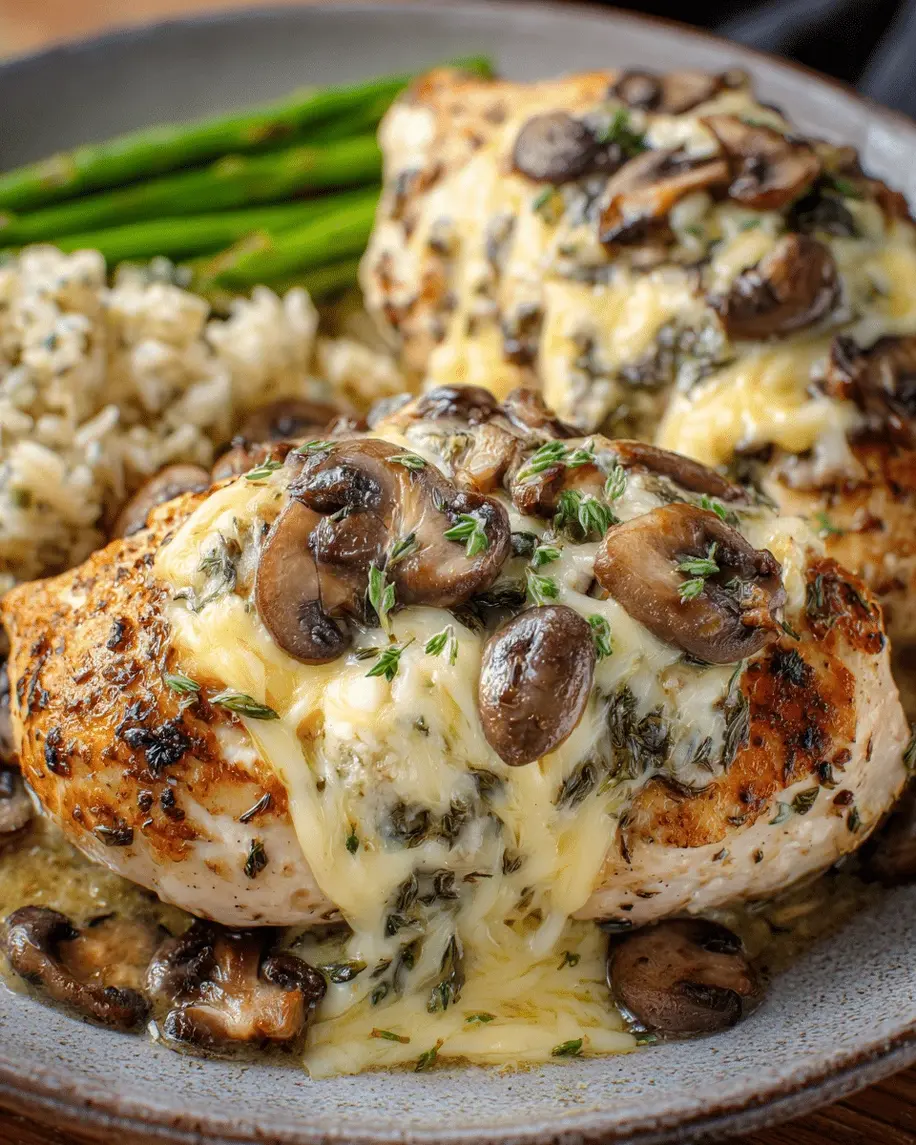
Black Bean Burgers with Pimento Cheese and Cheddar – The Ultimate Southern-Style Vegetarian Burger

⚖️
Difficulty
Easy
⏲️
Prep Time
20 mins
🕒
Cook Time
15 mins
⏱️
Total Time
35 mins
🍽️
Servings
4

When I moved from my mother’s kitchen in Morocco to the bustling streets of New York City, I never imagined I’d be craving a Southern-style vegetarian burger. But that’s the magic of cooking—it’s a constant conversation between your roots and the flavors you discover along the way. These black bean burgers with pimento cheese and cheddar are my love letter to that conversation. The smoky cumin and paprika in the patty whisper of North African spices, while the creamy, tangy pimento cheese shouts pure Southern comfort. This is one of my favorite black bean burger recipes because it’s hearty, flavorful, and completely satisfying—even for the most devoted carnivores.

Every bite of this homemade black bean burger delivers a perfect contrast: the crisp, golden exterior gives way to a tender, slightly chunky interior. The sharp cheddar melds into the pimento cheese, creating a velvety layer that oozes with every bite. Smoked paprika and cumin add a warm, earthy aroma that fills your kitchen as the patties sizzle. I love serving these on soft brioche buns with a handful of arugula and juicy tomato slices. It’s the kind of burger that makes you close your eyes and sigh—the way I do when I bite into a perfect tagine or a classic Parisian sandwich.

As a trained chef who grew up helping my mother grind spices by hand in Fez, I’ve learned that the secret to vegetarian burgers is balance and technique. Most recipes fall apart because they lack enough binder or they’re too wet. I spent months perfecting the ratio of black beans to breadcrumbs and egg, and I bake or pan-fry them to get that crunchy crust. This pimento cheese burger version also uses a homemade pimento cheese that you can whip up in minutes—it’s a game-changer. Avoid the common mistake of over-mashing the beans; you want some texture. I’ll share all my pro tips so you can nail this cheddar black bean burger on your first try.

Why This Black Bean Burger Recipes Is the Best

The Flavor Secret: The combination of cumin and smoked paprika is straight from my mother’s spice cabinet, but the pimento cheese is pure Southern charm. The two worlds collide beautifully: the creamy, slightly tangy cheese cuts through the earthy beans, and the cayenne in the pimento cheese adds a gentle heat. It’s a flavor profile you won’t find in any store-bought veggie patty.

Perfected Texture: I learned in Paris that texture is everything. These patties are pan-fried until deeply golden, giving you that satisfying crunch. Inside, they remain tender but firm—never mushy. The key is to partially mash the beans, leaving some whole for bite, and to use a pan-fry method that builds a crust without drying the inside.

Foolproof & Fast: Even if you’ve never made a vegetarian burger, this recipe is forgiving. The ingredients are pantry-friendly, and the steps are straightforward. The pimento cheese can be made ahead, and the patties come together in minutes. In just 35 minutes, you’ll have dinner that looks and tastes like it came from a trendy NYC gastropub.

Black Bean Burger Recipes Ingredients

I pick up my black beans from the bulk bin at the Union Square Greenmarket—they’re always the freshest. For the cheese, I look for an extra-sharp cheddar from an upstate dairy. The pimentos I find canned in the international aisle; they’re a Southern staple that I now keep on hand always. This shopping list reminds me of my early days in New York, learning to navigate the city’s markets while holding onto the flavors that shaped me.

Ingredients List

  • For the Black Bean Patties:
  • 2 cans (15 oz each) black beans, drained and rinsed
  • 1/2 cup breadcrumbs
  • 1/4 cup finely chopped onion
  • 1 clove garlic, minced
  • 1 large egg, lightly beaten
  • 1 teaspoon ground cumin
  • 1/2 teaspoon smoked paprika
  • Salt and pepper to taste
  • 2 tablespoons olive oil
  • For the Pimento Cheese:
  • 1 cup shredded sharp cheddar cheese
  • 1/4 cup cream cheese, softened
  • 2 tablespoons diced pimentos, drained
  • 2 tablespoons mayonnaise
  • 1/4 teaspoon cayenne pepper (optional)
  • For Assembly:
  • 4 hamburger buns
  • 4 slices cheddar cheese
  • Lettuce, tomato, and pickles (optional)

Ingredient Spotlight

Black beans: The base of the patty. Use canned for convenience, but look for low-sodium if possible. Rinse them well to remove excess starch, which helps the patties hold together. Avoid mashing them into a paste—you want some texture. Substitution: You can use cooked dried black beans (about 1 1/2 cups) for a deeper flavor.

Breadcrumbs: They absorb moisture and act as a binder. I use plain panko for extra crispiness. For a gluten-free version, swap with gluten-free breadcrumbs or crushed oat cereal. Do not skip them—otherwise your patties will be too wet.

Pimento Cheess: This is the star of this pimento cheese burger. Pimentos are sweet red peppers that add a mild, fruity note. The cream cheese and mayo make it luxuriously creamy. Sharp cheddar gives it punch. If you can’t find pimentos, roast and chop a red bell pepper; it’s an excellent substitute.

Smoked paprika: This is my secret weapon from Paris. It lends a smoky depth that mimics the char of a grilled meat burger. Regular paprika won’t give the same effect.

Original IngredientBest SubstitutionFlavor / Texture Impact
Black beans (canned)Cooked dried black beans (1 1/2 cups)Deeper flavor, firmer texture
Breadcrumbs (regular)Gluten-free breadcrumbs or crushed corn flakesSlightly different texture; still holds well
EggFlax egg (1 tbsp flax meal + 3 tbsp water)Slightly less binding; patties more fragile
Sharp cheddar (for pimento cheese)Colby jack or smoked goudaMilkier or smokier flavor; still creamy
Smoked paprikaChipotle powder (use less) + regular paprikaMore heat; less sweet-smoky

How to Make Black Bean Burgers with Pimento Cheese and Cheddar — Step-by-Step

I promise, this is one of the easiest vegetarian burger ideas you’ll ever make. Follow these steps and you’ll get perfect patties every time.

Step 1: Mash the Beans

Drain and rinse the black beans thoroughly. In a large bowl, mash them with a fork or potato masher until mostly smooth but with some chunky bits. The chunks are important for texture.

💡 mia’s Pro Tip: If your beans are very wet, pat them dry with a paper towel before mashing. Excess moisture makes patties fall apart.

Step 2: Add the Binders

Add the breadcrumbs, onion, garlic, beaten egg, cumin, smoked paprika, salt, and pepper. Mix until everything is well combined. The mixture should hold together when pressed. If it feels too loose, add another tablespoon of breadcrumbs.

⚠️ Common Mistake to Avoid: Over-mixing can turn the beans into paste and make patties dense. Fold gently until just combined.

Step 3: Shape the Patties

Divide the mixture into 4 equal portions. Shape each into a patty about 1/2-inch thick. Use slightly wet hands to prevent sticking. Place them on a plate and refrigerate for 10 minutes—this helps them firm up.

💡 mia’s Pro Tip: For uniform patties, use a burger press or shape them inside a round cookie cutter. Chilling is key for pan-frying.

Step 4: Cook the Patties

Heat olive oil in a large skillet over medium heat. When the oil shimmers, carefully place the patties in the pan. Cook for 4-5 minutes per side, until golden brown and heated through. Avoid crowding the pan—cook in batches if needed.

⚠️ Common Mistake to Avoid: Flipping too early. Wait until the bottom is deeply golden; otherwise the patty will stick and break.

Step 5: Make the Pimento Cheese

While the patties cook, combine shredded cheddar, softened cream cheese, drained pimentos, mayonnaise, and cayenne (if using) in a small bowl. Stir until smooth and well blended. Taste and adjust salt.

💡 mia’s Pro Tip: Use room-temperature cream cheese for a smooth, lump-free spread. This pimento cheese is also great on crackers!

Step 6: Assemble the Burgers

Toast the buns lightly if desired. Place a hot patty on the bottom half of each bun. Top with a slice of cheddar cheese so it gets slightly melty from the residual heat. Add a generous dollop of pimento cheese (about 2 tablespoons per burger). Add lettuce, tomato, and pickles if you like. Cover with the top bun and serve immediately.

⚠️ Common Mistake to Avoid: Assembling too far ahead. The pimento cheese can make the bun soggy. Assemble just before eating.

StepActionDurationKey Visual Cue
1Mash beans with fork2 minsMostly smooth with some chunks
2Mix in binders and spices2 minsMixture holds when pressed
3Shape and chill patties10 mins chillingPatties hold shape firmly
4Pan-fry patties8–10 mins totalGolden brown crust, sizzling
5Make pimento cheese5 minsSmooth, creamy, orange-speckled
6Assemble burgers3 minsCheese slightly melted, patty stacked

Serving & Presentation

In my NYC kitchen, I love to plate these burgers on a wooden board with a pile of crispy sweet potato wedges and a small bowl of chipotle mayo for dipping. The contrast of colors—black beans, orange cheese, red tomatoes, green lettuce—makes the plate pop. Sometimes I drizzle a little extra pimento cheese over the top, just for drama.

Growing up in Morocco, we always served dishes with fresh herbs and a squeeze of lemon. For these burgers, a handful of arugula adds a peppery kick that cuts through the richness. A side of tangy pickles rounds out the experience. If you’re hosting, set up a “burger bar” with toppings like sautéed mushrooms, avocado slices, and pickled jalapeños.

Pairing TypeSuggestionsWhy It Works
Side DishSweet potato wedges, coleslaw, corn on the cobSweet and crunchy counterparts to savory patty
Sauce / DipChipotle mayo, ranch dressing, hot honeyAdds heat, creaminess, or sweetness
BeverageLemonade, iced tea, a crisp lagerRefreshing and cuts richness
GarnishArugula, pickled red onions, fresh jalapeño slicesAdds freshness, acidity, or heat

Make-Ahead, Storage & Reheating

Living in New York means my time is precious. I often make a double batch of patties on Sunday, then cook a few fresh during the week. The pimento cheese keeps beautifully, and the patties freeze wonderfully. Here’s my system:

MethodContainerDurationReheating Tip
RefrigeratorAirtight containerUp to 4 daysReheat in a skillet with a splash of water and cover for 2 mins per side
FreezerParchment layers in a freezer bagUp to 3 monthsThaw overnight, then pan-fry or bake at 375°F for 10-12 mins
Make-AheadUncooked patties on parchment, wrappedUp to 2 days in fridgeCook directly from fridge, add 1 min per side

The pimento cheese can be made up to 3 days ahead and stored in the fridge. Let it sit at room temperature for 10 minutes before spreading so it softens. I never recommend reheating the assembled burger—the bun gets soggy. Instead, keep components separate and assemble fresh.

If you’re reheating a frozen patty, my preferred method is to pan-fry it from frozen in a little oil over medium-low heat, covered for the first few minutes to ensure it heats through without burning. The crust will still be crisp.

Variations & Easy Swaps

VariationKey ChangeBest ForDifficulty Impact
Moroccan Spice VersionAdd 1/2 tsp harissa paste or ras el hanoutExtra warm, complex spiceEasy
Gluten-Free / Egg-FreeUse GF breadcrumbs + flax eggAllergies or special dietsEasy (handle gently)
Smoky Chipotle PimentoReplace cayenne with 1 tsp adobo sauceSmoky heat loversEasy

Moroccan Spice Version

This one takes me right back to my mother’s kitchen in Fez. Add 1/2 teaspoon of ras el hanout (a fragrant Moroccan spice blend) to the black bean mixture. If you don’t have it, a pinch of cinnamon, ginger, and turmeric works. The patties become aromatic and slightly sweet, and they pair beautifully with a dollop of harissa yogurt instead of pimento cheese.

Gluten-Free / Egg-Free Version

To make these homemade black bean burgers friendly for gluten-free or vegan diets, swap the breadcrumbs with gluten-free breadcrumbs or crushed rice cereal. Replace the egg with a flax egg (1 tablespoon flax meal stirred into 3 tablespoons water, left to thicken for 5 minutes). The patties will be slightly more fragile, so handle them gently and chill them a full 30 minutes before cooking. They still crisp up beautifully.

Smoky Chipotle Pimento Version

For a smoky, spicy kick, replace the cayenne in the pimento cheese with 1 teaspoon of adobo sauce from a can of chipotle peppers in adobo. This turns the pimento cheese into a smoky, slightly sweet spread that takes this cheddar black bean burger to a whole new level. I discovered this variation one night when I grabbed the wrong jar from my fridge—it’s now my go-to for game-day burgers.

Can I make black bean burgers without breadcrumbs or eggs?

Yes, you can still make delicious vegetarian burger ideas without breadcrumbs or eggs. For a binder, try using 1/2 cup of quick-cooking oats (or gluten-free oats) or crushed almonds as a replacement for breadcrumbs. Instead of an egg, use a flax egg (1 tablespoon ground flaxseed mixed with 3 tablespoons water, let sit 5 minutes) or a mashed banana (1/4 cup). Note that the texture will be softer and the patties may be more delicate, so handle them gently and chill them well before cooking. Pan-frying in a nonstick skillet with a little extra oil helps them hold together.

What is the best way to keep black bean burgers from falling apart?

To keep homemade black bean burgers from falling apart, start by draining and rinsing the beans very well. Excess moisture is a common culprit. Mash the beans only partially—leave some chunks for structure. Add enough binder: breadcrumbs (or oats) and an egg are essential. Mix until just combined, as over-mixing can break down the fibers. Chill the formed patties for at least 10-15 minutes before cooking to allow the binder to set. When cooking, use medium heat and don’t flip too early; wait until the underside is deeply golden. A nonstick skillet or well-seasoned cast iron pan also helps.

Can I use a different cheese instead of pimento cheese for these burgers?

Absolutely! While the pimento cheese is the star of this pimento cheese burger, you can swap it for other creamy cheeses. Try a smoked gouda spread (mix shredded smoked gouda with cream cheese and mayo), a tangy goat cheese spread (add herbs like chives and thyme), or a simple chipotle cheddar sauce. If you want a classic cheeseburger feel, just add a slice of pepper jack or provolone. For a vegan option, use a vegan cream cheese and a shredded vegan cheddar. The key is to keep it creamy and spreadable to replace the pimento cheese texture.

How do you cook black bean burgers so they are crispy on the outside?

For a crispy exterior on black bean burger recipes, use a skillet over medium-high heat with a generous amount of oil—about 2 tablespoons. Pat the patties dry on the surface to remove surface moisture. Don’t move them while they cook; let the first side develop a deep golden crust for 4-5 minutes. Flip carefully. You can also add a tablespoon of breadcrumbs on the outside before cooking for extra crunch. If you prefer baking, brush the patties with oil and bake at 400°F for 15-18 minutes, flipping halfway. For grill lovers, oil the grates well and grill over medium heat for 5-6 minutes per side.

Can I freeze black bean burger patties?

Yes, freezing is an excellent way to meal prep homemade black bean burgers. Shape the patties, place them on a parchment-lined baking sheet, and freeze until solid (about 1-2 hours). Transfer to a freezer-safe bag or container separated by parchment layers. They keep for up to 3 months. To cook from frozen, pan-fry them from frozen in a little oil over medium-low heat, covered for the first 3 minutes to thaw the interior, then uncovered to crisp the crust. Alternatively, thaw overnight in the fridge and cook as usual. The texture remains excellent.

Are black bean burgers healthy?

These cheddar black bean burgers are a healthy vegetarian option. Black beans are packed with fiber, protein, and folate. The pimento cheese adds calcium and a small amount of saturated fat, but you can lighten it by using reduced-fat cream cheese and less cheese. Each burger (with bun and pimento cheese) comes to about 520 calories, 24g protein, and 45g carbs. To make them even healthier, serve the patty without the bun in a lettuce wrap or over a bed of greens. The whole recipe is naturally high in iron and B vitamins from the beans.

What can I serve with black bean burgers?

These vegetarian burger ideas pair perfectly with classic cookout sides. My favorites are sweet potato fries, a creamy coleslaw, grilled corn on the cob, or a crunchy kale salad with lemon-tahini dressing. For a lighter option, try a simple cucumber and tomato salad. Since the burgers are rich and cheesy, a fresh side with acidity (like pickles or a vinegar-based slaw) balances the meal. Drinks like iced tea, lemonade, or a crisp lager complement the smoky, spicy flavors beautifully.

How long do black bean burgers last in the fridge?

Cooked black bean burger recipes will stay fresh in the fridge for up to 4 days when stored in an airtight container. To avoid soggy patties, store them without the buns or toppings. The pimento cheese can also be refrigerated separately for up to 3 days. When reheating, use a skillet for the crispiest result—just add a splash of water and cover to steam-heat the interior, then remove the lid to recrisp the outside. The patties also work well in a toaster oven at 350°F for about 8 minutes.

Can I make these burgers with other beans?

Yes, you can substitute black beans with other beans in this pimento cheese burger recipe. Kidney beans, pinto beans, or chickpeas work well, though the flavor and texture will change. Chickpeas give a lighter, nuttier taste; you might want to add a little extra cumin. Pinto beans are creamier and may require an extra tablespoon of breadcrumbs. If using chickpeas, a quick blitz in the food processor (rather than mashing) creates a nice texture. Note that the color won’t be as dark, but the pimento cheese topping will still make the burger look stunning.

Do I need to brown the patties or can I bake them?

Both methods work beautifully for these homemade black bean burgers. Pan-frying gives a crisper, golden-brown crust with a tender interior. I prefer it for the texture. To bake, preheat your oven to 375°F and place the patties on a parchment-lined baking sheet brushed with oil. Bake for 15-18 minutes, flipping halfway through. They will be less crusty but still delicious. You can also finish baked patties under the broiler for 1-2 minutes for extra color. Either way, the pimento cheese will still make them shine.

Share Your Version!

I absolutely love seeing how you make these black bean burgers your own. Did you add extra spice? Swap the cheese? Try them on the grill? Drop a comment below and let me know how they turned out—and if you’re feeling extra proud, tag me in your photo on Instagram or Pinterest! I read every single comment, and your ideas often inspire my next recipe. What’s your favorite unexpected burger topping? I’d love to hear.

From my NYC kitchen to yours — I hope this recipe brings as much warmth to your table as it does to mine. — mia 🧡

📌

Love This Recipe? Save It to Pinterest!

If you enjoyed this Black Bean Burgers with Pimento Cheese and Cheddar recipe, don’t let it get lost in your browser tabs! 😄 Pin it now so you can find it again anytime — and explore hundreds more tried-and-tested recipes waiting for you on my Pinterest boards.

👉 Follow mia on Pinterest @exorecipe

📌 Pin this recipe · 🔁 Re-pin your favorites · 💬 Tag me when you make it — I love seeing your creations!

Print

clock clock iconcutlery cutlery iconflag flag iconfolder folder iconinstagram instagram iconpinterest pinterest iconfacebook facebook iconprint print iconsquares squares iconheart heart iconheart solid heart solid icon

Black Bean Burgers with Pimento Cheese and Cheddar

  • Author: Chef Mia
  • Prep Time: 20 minutes
  • Cook Time: 15 minutes
  • Total Time: 35 minutes
  • Yield: 4 1x
  • Method: Main Course
  • Cuisine: American

Description

These black bean burgers are topped with creamy pimento cheese and sharp cheddar, then baked or grilled to perfection. A hearty and flavorful vegetarian option.


Ingredients

Scale
  • For the Black Bean Patties:
  • 2 cans (15 oz each) black beans, drained and rinsed
  • 1/2 cup breadcrumbs
  • 1/4 cup finely chopped onion
  • 1 clove garlic, minced
  • 1 large egg, lightly beaten
  • 1 teaspoon ground cumin
  • 1/2 teaspoon smoked paprika
  • Salt and pepper to taste
  • 2 tablespoons olive oil
  • For the Pimento Cheese:
  • 1 cup shredded sharp cheddar cheese
  • 1/4 cup cream cheese, softened
  • 2 tablespoons diced pimentos, drained
  • 2 tablespoons mayonnaise
  • 1/4 teaspoon cayenne pepper (optional)
  • For Assembly:
  • 4 hamburger buns
  • 4 slices cheddar cheese
  • Lettuce, tomato, and pickles (optional)

Instructions

  1. Make the black bean patties: In a large bowl, mash the black beans with a fork or potato masher until mostly smooth but with some chunks remaining.
  2. Add breadcrumbs, onion, garlic, egg, cumin, smoked paprika, salt, and pepper. Mix well to combine.
  3. Form the mixture into 4 patties, about 1/2-inch thick.
  4. Heat olive oil in a large skillet over medium heat. Cook the patties for 4-5 minutes per side, until golden brown and heated through.
  5. Make the pimento cheese: In a small bowl, combine shredded cheddar, cream cheese, diced pimentos, mayonnaise, and cayenne pepper. Stir until smooth and well blended.
  6. Assemble the burgers: Place a cooked black bean patty on the bottom half of each bun. Top with a slice of cheddar cheese and a generous dollop of pimento cheese.
  7. Add lettuce, tomato, and pickles if desired. Cover with the top bun and serve immediately.

Notes

For a gluten-free version, use gluten-free breadcrumbs. The pimento cheese can be made ahead and refrigerated for up to 3 days. Burgers can also be baked at 375°F for 15-20 minutes instead of pan-frying.


Nutrition

  • Calories: 520
  • Sugar: 5g
  • Fat: 28g
  • Carbohydrates: 45g
  • Protein: 24g


Black Bean Burgers with Pimento Cheese and Cheddar

“`html

Birria with Rich Chile Sauce – A Slow-Simmered Mexican Beef Stew with Bold, Smoky Flavors

⚖️
Difficulty
Medium
⏲️
Prep Time
30 mins
🕒
Cook Time
3 hrs 15 mins
⏱️
Total Time
3 hrs 45 mins
🍽️
Servings
8

I still remember the first time I tasted birria. It was a cold winter evening at a tiny taqueria in the Bronx, and the moment that steaming bowl of consommé hit the table, I was hooked. The deep, smoky aroma of toasted chiles, the way the tender beef practically melted at the touch of a fork, the glossy, brick-red sauce glistening under a shower of fresh cilantro and diced onion — it was love at first bite. That night, I went home determined to recreate it in my own kitchen, and this birria recipe with rich chile sauce is the result of countless hours of testing, tasting, and tweaking. I wanted a version that honored the soul of authentic birria while being accessible to the home cook, and I think I’ve nailed it. Whether you’re planning a weekend taco feast or simply craving a bowl of deeply comforting stew, this recipe is going to become a staple in your home.

What makes this birria with chile sauce so special is the layered complexity of its flavor. The dried guajillo chiles bring a gentle, fruity heat; ancho chiles add a sweet, raisin-like depth; and chipotle chiles contribute that unmistakable smoky warmth. As they simmer with beef chuck, garlic, cumin, oregano, and bay leaves, the liquid transforms into a rich, aromatic consommé that is every bit as delicious as the meat itself. The beef becomes so tender that it practically shreds with a gentle nudge, and every bite carries the earthy, slightly spicy essence of the chiles. When you finally spoon that sauce over the meat — made with roasted tomatoes, a touch of cinnamon, and coriander — it takes the whole dish to another level. This is birria de res at its finest: bold, comforting, and deeply satisfying.

I’ve spent years perfecting this recipe, drawing on the techniques I learned in Parisian kitchens and the spice wisdom I absorbed growing up in Morocco. My version uses a few chef-driven tricks — like searing the beef in batches for deep browning and toasting the dried chiles before soaking — that make a real difference in the final depth of flavor. And I’ve included a dedicated step for making the rich chile sauce separately, which gives you that gorgeous, silky finish that makes birria tacos absolutely legendary. One common mistake home cooks make is rushing the simmer — this birria recipe needs time for the collagen to break down and the chiles to fully meld. Trust the process, and you’ll be rewarded with the most tender, flavorful birria you’ve ever made. 💡 mia’s Pro Tip: Toast the dried chiles in a dry skillet for 30 seconds per side before soaking — it wakes up their oils and adds an incredible depth of flavor.

Why This Birria with Rich Chile Sauce Recipe Is the Best

The Flavor Secret — I use a blend of three dried chiles — guajillo, ancho, and chipotle — each bringing a distinct note to the sauce. Growing up in Morocco, I learned that the best spice blends are built in layers, not in a single heavy hand. This recipe treats each chile with respect, toasting them lightly to release their essential oils before soaking and pureeing. The result is a chile base that is smoky, sweet, and mildly spicy, with no single flavor dominating. Paired with fire-roasted tomatoes and a whisper of cinnamon, this rich chile sauce has a roundness that makes every bite crave-worthy.

Perfected Texture — In Paris, I learned that low-and-slow is the only way to achieve truly tender braised meat. This birria recipe follows that principle exactly: the beef chuck simmers gently for 2.5 to 3 hours, allowing the connective tissue to break down into silky, gelatinous richness. The meat stays moist and shreddable, never dry or stringy. I also reserve the cooking liquid — that gorgeous consommé — and use it as the base for the finishing sauce, so nothing goes to waste and every drop is packed with flavor. This technique ensures that your birria de res has that signature luscious texture that makes it perfect for tacos, quesadillas, or simply eaten with a spoon.

Foolproof & Fast — Despite the long cook time, this recipe is surprisingly hands-off. Once the chiles are prepped and the beef is seared, everything goes into one pot and simmers happily on its own. I’ve designed the steps to be straightforward and easy to follow, with clear visual cues so you know exactly what to look for at every stage. Whether you’re a seasoned cook or trying birria for the first time, you’ll find this recipe forgiving and reliable. The rich chile sauce comes together in just 15 minutes using the reserved cooking liquid, so you get maximum flavor with minimal extra effort. This is how I make authentic birria on busy NYC weeknights — and it works every single time.

Birria Recipe Ingredients

When I shop for ingredients at the Union Square Greenmarket or my local bodega, I look for quality cuts of beef and dried chiles that are pliable and fragrant. The ingredients for this birria with chile sauce are simple but intentional — each one plays a role in building that deep, soulful flavor. Here’s everything you’ll need to make this authentic birria recipe.

Ingredients List

For the Birria:

  • 3 lbs beef chuck, cut into 2-inch cubes
  • 2 tablespoons vegetable oil
  • 1 large onion, halved and sliced
  • 6 cloves garlic, minced
  • 4 dried guajillo chiles, stemmed and seeded
  • 2 dried ancho chiles, stemmed and seeded
  • 2 dried chipotle chiles, stemmed and seeded
  • 4 cups beef broth
  • 2 cups water
  • 2 tablespoons apple cider vinegar
  • 1 tablespoon ground cumin
  • 1 tablespoon dried oregano
  • 2 teaspoons salt
  • 1 teaspoon black pepper
  • 2 bay leaves

For the Rich Chile Sauce:

  • 1 tablespoon vegetable oil
  • 1/2 onion, chopped
  • 3 cloves garlic, minced
  • 2 cups reserved cooking liquid from birria
  • 1 cup roasted tomatoes (canned fire-roasted, drained)
  • 1 teaspoon ground coriander
  • 1/2 teaspoon ground cinnamon
  • Salt to taste

For serving (optional but recommended): fresh cilantro, diced white onion, lime wedges, warm corn tortillas, and extra consommé for dipping.

Ingredient Spotlight

Beef Chuck: This is my go-to cut for birria de res. It has enough marbling and connective tissue to become meltingly tender during the long simmer, and it stays moist and flavorful. Look for chuck with good fat distribution — it should look like it has thin veins of fat running through the meat. If you can’t find chuck, brisket or short ribs work beautifully too, though they may cook slightly faster.

Dried Guajillo Chiles: Guajillos are the backbone of this rich chile sauce. They have a mild heat level (about 2,500–5,000 Scoville units) and a bright, slightly fruity flavor with notes of green tea and berries. When shopping, look for chiles that are pliable and smell fragrant — if they’re brittle or dusty, they’re old. Store dried chiles in a cool, dark place for up to six months.

Dried Ancho Chiles: Anchos are dried poblano chiles, and they bring a sweet, raisin-like richness and a deep mahogany color to the sauce. They’re mild in heat but big on flavor. I love how they round out the smokiness of the chipotles and the brightness of the guajillos. If you need to substitute, dried pasilla chiles are the closest match.

Fire-Roasted Tomatoes: Using canned fire-roasted tomatoes (like Muir Glen or San Marzano-style) adds a subtle charred sweetness that elevates the sauce without extra work. I always drain them first to avoid thinning the sauce. If you have fresh tomatoes in season, you can roast them yourself at 400°F for 20 minutes — mia’s Pro Tip: that’s a wonderful way to use up summer tomatoes from the farmers market.

Original IngredientBest SubstitutionFlavor / Texture Impact
Beef chuckBeef brisket or short ribsSlightly richer flavor; similar tenderness when simmered low and slow
Dried guajillo chilesDried New Mexico chilesSimilar mild heat and fruity flavor; slightly earthier
Dried ancho chilesDried pasilla chilesDarker, more complex flavor; slightly less sweet
Dried chipotle chilesChipotle peppers in adobo (use 2–3, rinsed)Adds similar smokiness but with extra tang and a touch of sweetness
Fire-roasted tomatoes (canned)Fresh Roma tomatoes, roasted at 400°F for 20 minutesFresher flavor; slightly less smoky but still delicious

How to Make Birria with Rich Chile Sauce — Step-by-Step

This birria recipe comes together in a few straightforward stages, and I promise the hands-on time is minimal compared to the incredible flavor you get. Just follow each step, keep an eye on the visual cues, and let the pot do the work.

Step 1: Prepare the Chiles

Place the dried guajillo, ancho, and chipotle chiles in a bowl. Cover with boiling water and let soak for 20 minutes until softened. Drain and set aside. 💡 mia’s Pro Tip: For extra depth, toast the chiles in a dry skillet over medium heat for 30 seconds per side before soaking — you’ll smell a toasty, almost nutty aroma. Watch closely so they don’t burn!

Step 2: Sear the Beef

In a large Dutch oven or heavy pot, heat 2 tablespoons oil over medium-high heat. Working in batches, sear the beef cubes on all sides until browned. Remove and set aside. ⚠️ Common Mistake to Avoid: Crowding the pot — if you add too many cubes at once, they’ll steam instead of sear. Work in batches and give each piece room to develop a deep brown crust.

Step 3: Cook Aromatics

In the same pot, reduce heat to medium. Add the sliced onion and cook until softened, about 5 minutes. Add the minced garlic and cook for 1 minute more. 💡 mia’s Pro Tip: Scrape up any browned bits from the bottom of the pot while stirring the onion — that’s pure flavor that will infuse the whole dish.

Step 4: Make the Chile Base

Add the soaked chiles to the pot along with 2 cups of beef broth. Use an immersion blender or transfer to a blender and puree until smooth. ⚠️ Common Mistake to Avoid: If using a countertop blender, let the mixture cool slightly and remove the center cap to let steam escape — hot liquids can explode the lid. Cover with a towel instead.

Step 5: Combine and Simmer

Return the beef to the pot. Add the remaining beef broth, water, apple cider vinegar, cumin, oregano, salt, pepper, and bay leaves. Stir to combine. Bring to a boil, then reduce heat to low. Cover and simmer for 2.5 to 3 hours, until the beef is fork-tender. 💡 mia’s Pro Tip: Taste the broth after 2 hours — if you want a more concentrated flavor, remove the lid and let it simmer uncovered for the last 30 minutes to reduce slightly.

Step 6: Remove the Beef

Once the beef is tender, use a slotted spoon to remove the meat from the pot. Shred or chop the meat and set aside. Reserve the cooking liquid. ⚠️ Common Mistake to Avoid: Don’t discard the cooking liquid! This is your liquid gold — it’s the consommé and the base for the rich chile sauce. Strain it if you want a clear broth, or leave it as-is for maximum flavor.

Step 7: Make the Rich Chile Sauce

In a small saucepan, heat 1 tablespoon oil over medium heat. Add the chopped onion and cook until translucent, about 3 minutes. Add the minced garlic and cook 30 seconds. Add 2 cups of the reserved cooking liquid, the roasted tomatoes, ground coriander, and cinnamon. Simmer for 10 minutes, then season with salt to taste. 💡 mia’s Pro Tip: For an even silkier sauce, blend the finished sauce with an immersion blender until smooth. This gives you that glossy, restaurant-quality finish that coats every piece of meat beautifully.

Step 8: Serve

Serve the shredded beef with the rich chile sauce drizzled on top, or use as filling for tacos or quesadillas. Garnish with fresh cilantro, diced onion, and a squeeze of lime if desired. ⚠️ Common Mistake to Avoid: Don’t skip the garnish! Fresh cilantro and onion add brightness and crunch that balance the rich, smoky sauce. A squeeze of lime right before eating makes all the difference.

StepActionDurationKey Visual Cue
1Prepare chiles20 minutesChiles become pliable and deepen in color
2Sear beef8–10 minutes per batchDeep brown crust on all sides
3Cook aromatics6 minutesOnion is translucent; garlic is fragrant
4Make chile base3–5 minutesSmooth, deep red puree
5Combine and simmer2.5–3 hoursBeef is fork-tender; broth is richly colored
6Remove beef5 minutesMeat shreds easily with a fork
7Make rich chile sauce15 minutesSauce is thick, glossy, and fragrant
8Serve5 minutesMeat glistening with sauce; garnishes fresh

Serving & Presentation

Serving birria is an event in itself. I love to set up a little DIY taco bar with warm corn tortillas, bowls of shredded beef, the rich chile sauce, and all the fixings — fresh cilantro, diced white onion, lime wedges, and a small bowl of the strained consommé for dipping. In NYC, I often serve this to friends who gather around my kitchen island, building their own tacos and dunking them into the consommé. It’s messy, interactive, and absolutely joyful. The contrast between the tender, saucy beef and the crisp, fresh toppings is what makes birria de res so unforgettable.

For a more formal presentation, you can plate the shredded beef on a large platter, drizzle the rich chile sauce artfully over the top, and garnish with a sprinkle of cilantro, a few slices of radish, and a drizzle of crema or Mexican sour cream. Serve the consommé on the side in small cups for sipping or dipping. Growing up in Morocco, my mother always served tagine with a side of bread for soaking up the sauce — and I do the same here with warm corn tortillas or crusty bread. It’s a cross-cultural touch that feels right at home on any table.

Pairing TypeSuggestionsWhy It Works
Side DishMexican rice, refried beans, grilled corn with cremaHearty sides soak up the sauce and balance the richness
Sauce / DipConsommé for dipping, salsa verde, cremaAdds brightness, tang, and creaminess to each bite
BeverageMexican lager, michelada, horchata, sparkling water with limeCrisp drinks cut through the smoky richness of the sauce
GarnishFresh cilantro, diced onion, radish slices, lime wedgesFresh, crunchy elements contrast the tender, saucy meat

Make-Ahead, Storage & Reheating

One of the best things about this birria with chile sauce recipe is that it tastes even better the next day. I often make a big batch on Sunday and portion it out for busy NYC weeknights. The flavors meld and deepen overnight, so you get an even more complex sauce on day two. Here’s how I store and reheat mine.

MethodContainerDurationReheating Tip
RefrigeratorAirtight container (glass or plastic)Up to 5 daysReheat gently in a covered pot over medium-low heat, adding a splash of water or broth if needed
FreezerFreezer-safe zip-top bag or airtight containerUp to 3 monthsThaw overnight in the fridge, then reheat in a pot over medium-low heat. The sauce may thicken — thin with a little broth
Make-AheadStore shredded meat and sauce separatelyUp to 3 days in advanceReheat meat and sauce together so the meat reabsorbs the flavors; reserve extra consommé for dipping

When reheating, I always warm the consommé separately and serve it alongside. If I’m using the birria for tacos, I like to give the shredded meat a quick sizzle in a hot skillet with a little of the rich chile sauce before assembling — it adds a slightly crispy edge that contrasts beautifully with the soft tortilla and melted cheese in quesabirria.

Variations & Easy Swaps

This birria recipe is wonderfully adaptable. Whether you want to switch up the protein, adjust the heat level, or make it dairy-free, I’ve tested these variations in my own kitchen and they all deliver delicious results.

VariationKey ChangeBest ForDifficulty Impact
Birria de Chivo (Goat)Use bone-in goat shoulder instead of beef chuckTraditionalists, special occasion cookingMedium — similar process, watch for smaller bones
Vegetarian BirriaReplace beef with roasted portobello mushrooms and jackfruitMeatless Mondays, plant-based eatersEasy — shorter cook time; use vegetable broth
Spicy Chipotle BirriaAdd 2 extra chipotle chiles and 1/2 teaspoon cayenneHeat lovers, bold flavor seekersEasy — no change in technique

Birria de Chivo (Goat)

For the most authentic birria experience, try using bone-in goat shoulder. Goat has a slightly gamey, deeply savory flavor that pairs beautifully with the smoky chile sauce. I first cooked goat birria during a trip to Oaxaca, and the memory of that tender, fragrant meat has stayed with me. The cooking time is similar to beef — about 2.5 to 3 hours — but you’ll want to pick out the bones before shredding. If goat isn’t available, lamb shoulder is a wonderful substitute.

Vegetarian Birria

I developed this version for a friend who’s vegetarian, and it’s become a crowd-pleaser in its own right. Swap the beef for a combination of roasted portobello mushrooms (sliced thick) and canned jackfruit (drained, rinsed, and shredded). Use vegetable broth instead of beef broth, and reduce the simmering time to 45 minutes — just long enough for the mushrooms to absorb the chile sauce. The texture is surprisingly meaty, and the rich chile sauce does all the heavy lifting flavor-wise. Serve with all the same garnishes and consommé for dipping.

Spicy Chipotle Birria

If you love heat, this variation is for you. Simply add two extra dried chipotle chiles to the soaking step and include 1/2 teaspoon of cayenne pepper with the spices. The chipotles ramp up the smokiness along with the heat, so the sauce remains balanced and not one-dimensional. I like to serve this version with a cooling crema or a side of pickled red onions to cut the heat. It’s a favorite among my NYC friends who always ask for “the spicy one” when they come over for taco night.

What cut of beef is best for making birria with rich chile sauce?

Beef chuck is my top recommendation for birria de res because it has the perfect balance of marbling and connective tissue. When cooked low and slow for 2.5 to 3 hours, the collagen breaks down into gelatin, making the meat incredibly tender and flavorful. Other excellent cuts include beef brisket, short ribs, or even oxtail — each adds a slightly different texture, but all work beautifully. If you use a lean cut like sirloin, the meat may turn out dry, so stick with well-marbled cuts for the best results.

Can I make birria with dried chiles instead of fresh?

Absolutely — in fact, dried chiles are the traditional choice for authentic birria with rich chile sauce. Dried guajillo, ancho, and chipotle chiles bring concentrated, complex flavors that fresh chiles simply can’t match. The drying process intensifies their natural sweetness and smokiness while toning down the raw heat. Fresh chiles would add a brighter, more vegetal flavor, which isn’t the profile you want for this dish. Always toast dried chiles lightly before soaking to unlock their full aromatic potential.

How long do you need to cook birria for the most tender meat?

For fork-tender beef in birria de res, plan on simmering the meat for 2.5 to 3 hours over low heat. This allows the collagen and connective tissue to break down slowly, resulting in meat that shreds effortlessly and feels almost buttery in the mouth. Cooking at a gentle simmer — not a boil — is key; a vigorous boil can make the meat tough and dry. If you’re using a slow cooker, cook on low for 6 to 8 hours. For an Instant Pot, pressure cook on high for 45 minutes with a natural release.

What is the best way to thicken birria sauce?

The best way to thicken birria sauce is to let it simmer uncovered for the last 15–20 minutes of cooking, which allows excess liquid to evaporate and concentrates the flavors naturally. If you want an even thicker, glossier sauce, you can blend in a tablespoon of cornstarch mixed with two tablespoons of cold water (a slurry) and simmer for 2–3 minutes. Another option is to puree some of the cooked vegetables or a few of the softened chiles into the sauce — this adds body without altering the flavor. I personally prefer the natural reduction method because it keeps the sauce silky and pure.

Can I make birria in a slow cooker or Instant Pot?

Yes, both work well for this birria recipe. For a slow cooker, follow the same steps for toasting chiles, searing the beef, and cooking the aromatics on the stovetop, then transfer everything to the slow cooker and cook on low for 6 to 8 hours. For an Instant Pot, use the sauté function for searing and cooking aromatics, add all ingredients, and pressure cook on high for 45 minutes with a natural release (about 15–20 minutes). The rich chile sauce should still be made separately on the stovetop for the best texture and depth of flavor.

What is consommé in birria and how do you serve it?

Consommé is the strained cooking liquid from the birria — a deeply flavored, aromatic broth that is served alongside the meat. It’s made from the same chile-infused liquid the beef was simmered in, so it carries all the smoky, savory, and slightly spicy notes of the dish. To serve, ladle the consommé into small cups for dipping tacos or quesadillas, or pour it over the shredded beef for a more stew-like presentation. I like to garnish the consommé with fresh cilantro and diced onion, and a squeeze of lime. It’s arguably the best part of the meal!

Can I freeze leftover birria?

Yes, birria freezes exceptionally well. Store the shredded meat and the rich chile sauce in separate airtight containers or freezer-safe zip-top bags for up to 3 months. I recommend including some of the consommé in each container so the meat stays moist during reheating. When you’re ready to enjoy it, thaw overnight in the refrigerator, then reheat gently in a covered pot over medium-low heat. If the sauce has thickened too much, stir in a splash of beef broth or water to reach your desired consistency. Freezing actually deepens the flavors, so you might find the second batch even more delicious!

What are the best toppings for birria tacos?

The classic birria taco toppings are fresh and simple: finely chopped white onion, fresh cilantro leaves, and a generous squeeze of lime juice. These bright, crunchy elements cut through the richness of the saucy beef and fried tortilla. For extra heat, add a drizzle of salsa verde or a few slices of pickled jalapeño. I also love a sprinkle of crumbled cotija cheese or a dollop of crema for a creamy finish. If you’re making quesabirria, add shredded Oaxaca or mozzarella cheese inside the tortilla before griddling — the melted cheese takes it to another level.

Is birria spicy? How can I adjust the heat level?

Traditional birria with rich chile sauce is more aromatic and smoky than it is spicy hot. The guajillo and ancho chiles used in this recipe are mild (2,500–5,000 Scoville units), while the chipotle adds a moderate warmth. The overall heat level is gentle — think of it as a warm, comforting glow rather than a fiery punch. To reduce the heat, remove all seeds and membranes from the chipotle chiles, or use only one chipotle instead of two. To increase the heat, add extra chipotle chiles, a dried arbol chile, or a pinch of cayenne pepper. Always taste and adjust at the end of cooking.

What’s the difference between birria de res and other birria?

Birria de res is specifically made with beef, while traditional birria from Jalisco and other regions of Mexico is often made with goat (birria de chivo) or lamb (birria de borrego). The cooking technique — slow-simmering the meat in a chile-based sauce — is the same, but the protein changes the flavor profile significantly. Goat birria has a gamey, earthy depth that many purists swear by, while beef (especially chuck or brisket) is more approachable and widely available in the US. This recipe uses beef chuck, but you can absolutely substitute goat or lamb following the same instructions. The rich chile sauce works beautifully with all three.

📌

Love This Recipe? Save It to Pinterest!

If you enjoyed this Birria with Rich Chile Sauce recipe, don’t let it get lost in your browser tabs! 😄 Pin it now so you can find it again anytime — and explore hundreds more tried-and-tested recipes waiting for you on my Pinterest boards.

👉 Follow mia on Pinterest @chefrecipes2

📌 Pin this recipe · 🔁 Re-pin your favorites · 💬 Tag me when you make it — I love seeing your creations!

“`

Print

clock clock iconcutlery cutlery iconflag flag iconfolder folder iconinstagram instagram iconpinterest pinterest iconfacebook facebook iconprint print iconsquares squares iconheart heart iconheart solid heart solid icon

Birria with Rich Chile Sauce

  • Author: Chef Mia
  • Prep Time: 30 minutes
  • Cook Time: 3 hours 15 minutes
  • Total Time: 3 hours 45 minutes
  • Yield: 8 1x
  • Method: Main Course
  • Cuisine: Mexican

Description

Birria is a traditional Mexican stew made with tender beef, typically goat or lamb, simmered in a deeply flavored chile sauce. This version uses beef chuck and a rich blend of dried chiles, resulting in a savory, slightly spicy, and aromatic dish that is perfect for tacos, quesadillas, or served on its own.


Ingredients

Scale
  • For the Birria:
  • 3 lbs beef chuck, cut into 2-inch cubes
  • 2 tablespoons vegetable oil
  • 1 large onion, halved and sliced
  • 6 cloves garlic, minced
  • 4 dried guajillo chiles, stemmed and seeded
  • 2 dried ancho chiles, stemmed and seeded
  • 2 dried chipotle chiles, stemmed and seeded
  • 4 cups beef broth
  • 2 cups water
  • 2 tablespoons apple cider vinegar
  • 1 tablespoon ground cumin
  • 1 tablespoon dried oregano
  • 2 teaspoons salt
  • 1 teaspoon black pepper
  • 2 bay leaves
  • For the Rich Chile Sauce:
  • 1 tablespoon vegetable oil
  • 1/2 onion, chopped
  • 3 cloves garlic, minced
  • 2 cups reserved cooking liquid from birria
  • 1 cup roasted tomatoes (canned fire-roasted, drained)
  • 1 teaspoon ground coriander
  • 1/2 teaspoon ground cinnamon
  • Salt to taste

Instructions

  1. Prepare the chiles: Place the dried guajillo, ancho, and chipotle chiles in a bowl. Cover with boiling water and let soak for 20 minutes until softened. Drain and set aside.
  2. Sear the beef: In a large Dutch oven or heavy pot, heat 2 tablespoons oil over medium-high heat. Working in batches, sear the beef cubes on all sides until browned. Remove and set aside.
  3. Cook aromatics: In the same pot, reduce heat to medium. Add the sliced onion and cook until softened, about 5 minutes. Add the minced garlic and cook for 1 minute more.
  4. Make the chile base: Add the soaked chiles to the pot along with 2 cups of beef broth. Use an immersion blender or transfer to a blender and puree until smooth.
  5. Combine and simmer: Return the beef to the pot. Add the remaining beef broth, water, apple cider vinegar, cumin, oregano, salt, pepper, and bay leaves. Stir to combine. Bring to a boil, then reduce heat to low. Cover and simmer for 2.5 to 3 hours, until the beef is fork-tender.
  6. Remove the beef: Once the beef is tender, use a slotted spoon to remove the meat from the pot. Shred or chop the meat and set aside. Reserve the cooking liquid.
  7. Make the rich chile sauce: In a small saucepan, heat 1 tablespoon oil over medium heat. Add the chopped onion and cook until translucent, about 3 minutes. Add the minced garlic and cook 30 seconds. Add 2 cups of the reserved cooking liquid, the roasted tomatoes, ground coriander, and cinnamon. Simmer for 10 minutes, then season with salt to taste.
  8. Serve: Serve the shredded beef with the rich chile sauce drizzled on top, or use as filling for tacos or quesadillas. Garnish with fresh cilantro, diced onion, and a squeeze of lime if desired.

Notes

For an authentic touch, serve the birria with warm corn tortillas, a side of consommé (the strained cooking liquid) for dipping, and a sprinkle of fresh cilantro and onion. The beef can also be used to make quesabirria tacos by melting cheese on a tortilla and adding the meat.


Nutrition

  • Calories: 520
  • Sugar: 6g
  • Fat: 34g
  • Carbohydrates: 12g
  • Protein: 38g


Birria with Rich Chile Sauce

ph">For more delicious inspiration, follow me on Pinterest!

Best Homemade Bubba Gump Shrimp: A Delicious, Flavorful Dish for Any Occasion – Bold, Buttery & Ready in 25 Minutes

⚖️
Difficulty
Easy
⏲️
Prep Time
15 mins
🕒
Cook Time
10 mins
⏱️
Total Time
25 mins
🍽️
Servings
4

I still remember the first time I tasted that iconic, boldly seasoned shrimp that made Bubba Gump a household name. It was a humid summer evening in New York City, and I had just finished a long shift at a French bistro in the West Village. A friend dragged me to a seafood spot, and one bite of those sizzling, buttery, Cajun-spiced shrimp stopped me mid-sentence. I knew right then I had to recreate that Best Homemade Bubba Gump Shrimp recipe in my own kitchen — with my own Moroccan-French twist. This copycat version delivers everything you love about the restaurant classic: the deep warmth of smoked paprika, the subtle heat of cayenne, and a garlic butter sauce that clings to every single shrimp. The secret? I build the flavor in layers, starting with a spice blend I toast ever so briefly in the pan before the butter hits. That one French-trained technique unlocks a depth you just can’t get from dumping spices into a hot skillet. Whether you’re planning a weeknight dinner, a game-day gathering, or a Mardi Gras feast, this easy shrimp recipe is your ticket to a flavorful shrimp dish that tastes like it came straight from the Gulf Coast.

Imagine this: plump, juicy shrimp glistening in a golden garlic butter sauce, flecked with crimson specks of paprika and a whisper of cayenne. The aroma alone — smoky, sweet, with a bright hit of lemon and fresh parsley — fills your kitchen and pulls everyone to the table. Each bite offers a gentle pop of heat that builds slowly, then mellows into the rich, nutty finish of browned butter. The shrimp themselves are impossibly tender, cooked just until they curl into perfect C-shapes, never rubbery or dry. I love serving this straight from the skillet with crusty bread to soak up every last drop of that sauce. It’s the kind of dish that feels both rustic and polished — a little bit Louisiana bayou, a little bit Parisian bistro, and entirely satisfying. The visual is stunning too: bright pink shrimp against a deep amber sauce, finished with a shower of fresh herbs and a squeeze of lemon that makes everything glow.

What sets my copycat Bubba Gump shrimp apart from the countless versions online is the technique I brought back from my culinary training in Paris. Most recipes tell you to toss the shrimp in spice mix and throw them into a hot pan. I do something different: I bloom the spices in a touch of oil first, then add the butter and garlic, and finally the shrimp. This method — called “faire revenir les épices” in French cooking — coaxes out the essential oils in the paprika and cayenne, giving the dish a deeper, more rounded flavor. I also use a hit of tomato paste (a trick my mother taught me in her Moroccan kitchen) to add a subtle sweetness and body to the sauce. And here’s a 💡 mia’s Pro Tip: pat your shrimp absolutely dry before seasoning — any excess water will steam the shrimp instead of searing them, and you’ll lose that gorgeous caramelization. One common mistake I see home cooks make is overcooking shrimp in the name of food safety. Shrimp cook in under 3 minutes; any longer and they turn rubbery. Trust your eyes — when they turn pink and just begin to curl, they’re done.

Why This Bubba Gump Shrimp Recipe Is the Best

The flavor secret of this Best Homemade Bubba Gump Shrimp recipe lies in my spice-blooming technique — a direct nod to my French training. In Paris, I learned that spices are not just seasonings; they are aromatic ingredients that need to be awakened. By gently heating the paprika, cayenne, garlic powder, and onion powder in a little oil before adding any liquid, I unlock their full potential. The result is a sauce that tastes complex and layered, not flat or one-dimensional. I also add a small amount of tomato paste — a trick from my mother’s Moroccan kitchen — which adds a subtle sweetness and helps the sauce cling to the shrimp. This isn’t just another easy shrimp recipe; it’s a flavorful shrimp dish built on technique.

Perfected texture is non-negotiable in my kitchen. Shrimp are notoriously easy to overcook, but I’ve developed a foolproof method: I cook them in batches if needed, and I never crowd the pan. When shrimp are too close together, they steam instead of sear, and you lose that beautiful browned crust. I use large shrimp (21-25 count per pound) because they have the best meat-to-surface ratio for this dish. I cook them for exactly 90 seconds per side over medium-high heat, then remove them from the pan immediately. The residual heat in the sauce finishes the job without pushing them over the edge. Every single shrimp comes out tender, juicy, and perfectly caramelized — never rubbery or dry.

This recipe is foolproof and fast, making it perfect for both beginners and experienced cooks. From start to finish, you’re looking at about 25 minutes — and most of that is prep. The active cooking time is under 10 minutes. I’ve tested this recipe more times than I can count, and I’ve written the instructions so that anyone can follow them. Whether you’re a college student cooking for yourself or a parent feeding a family on a busy weeknight, this homemade shrimp recipe delivers restaurant-quality results with minimal effort. The ingredient list is short and uses pantry staples. And because the technique is so forgiving, you can easily double the recipe for a crowd without any issues.

Best Homemade Bubba Gump Shrimp Recipe Ingredients

I source my shrimp from the Fulton Fish Market in the Bronx whenever I can — the quality is unmatched, and the prices are fair. But I know not everyone has access to a wholesale fish market, so I’ve designed this recipe with supermarket ingredients in mind. Every item on this list is available at any well-stocked grocery store. I’ve also included substitutions for hard-to-find items, so you can make this dish no matter where you live.

Ingredients List

  • 1 ½ lbs large shrimp (21-25 count), peeled and deveined, tails on or off (your preference)
  • 4 tablespoons unsalted butter
  • 2 tablespoons olive oil
  • 4 cloves garlic, minced
  • 1 tablespoon tomato paste
  • 1 ½ teaspoons smoked paprika
  • 1 teaspoon sweet paprika
  • ½ teaspoon cayenne pepper (adjust to heat preference)
  • 1 teaspoon garlic powder
  • 1 teaspoon onion powder
  • ½ teaspoon dried oregano
  • ½ teaspoon dried thyme
  • ½ teaspoon black pepper
  • 1 teaspoon kosher salt, plus more to taste
  • 2 tablespoons fresh lemon juice (from about 1 lemon)
  • ¼ cup low-sodium chicken broth
  • 2 tablespoons chopped fresh parsley
  • 1 tablespoon chopped fresh chives (optional, for garnish)
  • Crusty bread or steamed rice, for serving

Ingredient Spotlight

Shrimp: The star of the show. I use large wild-caught shrimp from the Gulf or Atlantic whenever possible. They have a sweeter, cleaner flavor than farmed shrimp. If you can only find frozen, that’s fine — just make sure they’re raw, peeled, and deveined. Thaw them overnight in the refrigerator or under cold running water. Pat them extremely dry with paper towels before seasoning; moisture is the enemy of a good sear.

Smoked Paprika: This is the backbone of the Cajun-style flavor profile. It adds a deep, smoky sweetness that you can’t get from any other spice. I buy mine from a spice shop in Chelsea Market, but good-quality smoked paprika is now widely available in supermarkets. Avoid regular paprika for this dish — it won’t give you the same depth. If you’re in a pinch, you can substitute ancho chili powder, but reduce the amount by half since it’s spicier.

Tomato Paste: This is my secret weapon. A tablespoon of tomato paste adds umami, sweetness, and body to the sauce. It also helps the butter sauce emulsify and cling to the shrimp. I buy tomato paste in a tube (the kind that squeezes out) so I can use just what I need without wasting a can. If you only have canned, use 1 tablespoon and freeze the rest in ice cube trays for later use.

Butter: I use unsalted butter so I can control the salt level. The butter is what makes this dish luxurious and rich. In Paris, I learned to use high-fat European-style butter (like Plugrà or Kerrygold) for the best flavor and texture. It has a lower water content, which means it browns more evenly and creates a creamier sauce. If you only have salted butter, reduce the added salt by ¼ teaspoon.

Original IngredientBest SubstitutionFlavor / Texture Impact
Smoked PaprikaAncho Chili Powder (use half)More heat, less smoke; still delicious
Cayenne PepperRed Pepper Flakes (crushed, use ¼ tsp)Slightly different heat profile; more rustic
Unsalted ButterSalted Butter (reduce added salt)Slightly saltier; adjust salt to taste
Chicken BrothDry White Wine or WaterWine adds acidity; water is neutral
Fresh ParsleyFresh Cilantro or BasilCilantro adds brightness; basil adds sweetness

How to Make Bubba Gump Shrimp — Step-by-Step

Trust me, you’re going to love how simple and fast this copycat Bubba Gump shrimp comes together. Follow these steps exactly, and you’ll have a restaurant-quality dish on the table in under half an hour.

Step 1: Prepare the Shrimp

Rinse the shrimp under cold water and pat them extremely dry with paper towels. This is the most important step — any moisture will prevent browning. Place the shrimp in a medium bowl. In a small bowl, combine the smoked paprika, sweet paprika, cayenne, garlic powder, onion powder, oregano, thyme, black pepper, and ½ teaspoon of the salt. Sprinkle this spice mixture over the shrimp and toss gently with your hands to coat evenly. Set aside while you prepare the other ingredients.

💡 mia’s Pro Tip: For the best flavor, let the seasoned shrimp rest at room temperature for 10 minutes. This allows the spices to adhere and begin penetrating the surface.

Step 2: Bloom the Spices

Heat the olive oil in a large heavy skillet (cast-iron or stainless steel) over medium heat. Add the remaining 1 teaspoon of smoked paprika and ½ teaspoon of sweet paprika that you set aside from the shrimp seasoning. Stir constantly for 30 seconds until the oil turns deep red and smells intensely smoky. Be careful not to burn the spices — they should sizzle gently, not smoke aggressively.

⚠️ Common Mistake to Avoid: Adding the spices to a smoking hot pan. If the oil is too hot, the spices will burn instantly and turn bitter. Keep the heat at medium and watch carefully.

Step 3: Build the Sauce Base

Add the butter to the skillet and let it melt, stirring occasionally. Once the butter is fully melted, add the minced garlic and cook for 30 seconds until fragrant. Add the tomato paste and cook, stirring constantly, for 1 minute. The tomato paste will darken slightly and smell sweet and rich. Pour in the chicken broth and lemon juice, scraping up any browned bits from the bottom of the pan with a wooden spoon.

💡 mia’s Pro Tip: Use a wooden spoon or silicone spatula to scrape up the fond (the browned bits on the pan bottom). That’s pure flavor — don’t leave it behind!

Step 4: Cook the Shrimp

Increase the heat to medium-high. Add the seasoned shrimp to the skillet in a single layer. Cook for 90 seconds without moving them — let them develop a golden crust. Flip each shrimp with tongs and cook for another 60-90 seconds, until the shrimp are pink, opaque, and just beginning to curl into a C-shape. Do not overcook! Remove the skillet from the heat immediately.

⚠️ Common Mistake to Avoid: Overcooking the shrimp. Shrimp cook incredibly fast — 2-3 minutes total is all they need. If they curl into a tight O-shape, they’re overdone. Look for a gentle C-shape and a pink, opaque color.

Step 5: Finish and Serve

Sprinkle the fresh parsley over the shrimp and toss gently to combine. Taste the sauce and add the remaining ½ teaspoon of salt if needed (or more, to your preference). Transfer the shrimp and all the sauce to a serving platter. Garnish with fresh chives if using. Serve immediately with crusty bread or steamed rice to soak up every last drop of that incredible butter sauce.

💡 mia’s Pro Tip: For an extra burst of freshness, squeeze a little more lemon juice over the shrimp just before serving. The acidity cuts through the richness of the butter and brightens the whole dish.

StepActionDurationKey Visual Cue
Step 1Dry & season shrimp5 minsShrimp evenly coated in red spice mix
Step 2Bloom spices in oil30 secOil turns deep red, smells smoky
Step 3Build sauce base2 minsTomato paste darkens, sauce thickens slightly
Step 4Cook shrimp2-3 minsShrimp turn pink, form gentle C-shape
Step 5Finish & garnish1 minParsley brightens the dish, sauce glistens

Serving & Presentation

I like to serve this flavorful shrimp dish family-style, straight from the skillet or on a large white platter that lets the vibrant colors shine. The contrast of bright pink shrimp against the deep amber sauce is gorgeous on its own, but a few thoughtful garnishes take it over the top. I sprinkle fresh parsley and chives over the top, add a few thin slices of lemon, and sometimes throw in a pinch of flaky sea salt just before serving. The lemon wedges on the side are non-negotiable — each person can squeeze a bit more over their portion, which brightens the whole dish and cuts through the butter richness.

For a complete meal that feeds a crowd, I pair this shrimp with classic Southern sides that soak up the sauce. Creamy grits are my number one choice — the buttery, corn-forward flavor is a perfect match for the Cajun-spiced shrimp. In the summer, I swap in grilled corn on the cob and a simple tomato salad. In the winter, I go for creamy mashed potatoes or buttery egg noodles. And of course, no Bubba Gump-inspired meal is complete without crusty bread for sopping up every last drop of that sauce. I like to serve it with a cold beer or a crisp white wine like Sauvignon Blanc.

Growing up in Morocco, we always ate seafood with bread — not forks. There’s something deeply satisfying about tearing off a piece of warm bread, dragging it through the sauce, and getting every last bit of flavor. That ritual is baked into this dish. I also love serving it over a bed of steamed white rice or fluffy jasmine rice, which catches all the sauce and makes every bite perfect. However you choose to serve it, this copycat Bubba Gump shrimp is guaranteed to be the star of the table.

Pairing TypeSuggestionsWhy It Works
Side DishCreamy grits, mashed potatoes, steamed rice, egg noodlesNeutral base soaks up the bold butter sauce
Sauce / DipExtra lemon wedges, hot sauce (Tabasco), remouladeAdds brightness or heat to customize each bite
BeverageCold beer (lager or pilsner), Sauvignon Blanc, sweet iced teaCrisp, cold drinks balance the warmth and richness
GarnishFresh parsley, chives, lemon slices, flaky sea saltAdds color, freshness, and a final flavor layer

Make-Ahead, Storage & Reheating

In my busy NYC life, I’m all about smart meal prep. While shrimp is best enjoyed fresh, I’ve developed a few strategies to make this easy shrimp recipe work for your schedule. You can prep the spice mix and sauce base ahead of time, store them separately, and then cook the shrimp in just minutes when you’re ready to eat. This approach gives you that fresh-cooked flavor without the last-minute stress.

MethodContainerDurationReheating Tip
RefrigeratorAirtight containerUp to 2 daysReheat gently in a skillet over low heat with a splash of broth or water
FreezerFreezer-safe bag or containerUp to 1 monthThaw overnight in fridge, then reheat gently; sauce may separate slightly
Make-AheadPrep spice mix & sauce base separatelyUp to 3 days in advanceCook shrimp fresh just before serving for best texture

The key to reheating shrimp without turning them rubbery is low heat and patience. Never microwave leftover shrimp — the uneven heat will make them tough. Instead, transfer the shrimp and sauce to a small skillet, add a tablespoon of water or broth, and warm over low heat, stirring gently, just until heated through. This should take only 2-3 minutes. The sauce might look a little separated after refrigeration, but a quick stir over low heat brings it back together. If you’re meal-prepping, I recommend cooking the shrimp fresh and just reheating the sauce — that’s the best way to preserve that perfect texture.

Variations & Easy Swaps

One of the things I love most about this homemade shrimp recipe is how adaptable it is. Over the years, I’ve developed several variations that keep the dish feeling fresh and new. Whether you’re cooking for dietary restrictions, seasonal ingredients, or just a craving for something different, there’s a version here for you.

VariationKey ChangeBest ForDifficulty Impact
Moroccan Charmoula ShrimpReplace Cajun spices with charmoula (cumin, coriander, parsley, lemon)Mediterranean flavor loversEasy
Creamy Cajun Shrimp PastaAdd heavy cream and toss with fettuccineComfort food cravingsEasy
Lighter Lemon-Herb ShrimpSkip paprika/cayenne, use lemon zest, dill, and white wineSpring/summer meals, lower spiceEasy

Moroccan Charmoula Shrimp

This variation is a nod to my roots. Charmoula is a vibrant Moroccan marinade made with fresh parsley, cilantro, cumin, paprika, lemon juice, and olive oil. I replace the Cajun spice blend with ½ cup of charmoula, which I toss with the shrimp before cooking. The result is a bright, herbaceous, citrusy dish that’s completely different from the original but equally delicious. I serve it with couscous and roasted vegetables for a meal that transports me straight back to my mother’s kitchen in Marrakech. The charmoula also works beautifully as a finishing sauce — drizzle a spoonful over the cooked shrimp just before serving.

Creamy Cajun Shrimp Pasta

When I’m craving something extra indulgent, I turn this into a creamy pasta dish. After cooking the shrimp, I remove them from the skillet and add 1 cup of heavy cream to the sauce, along with ¼ cup of grated Parmesan cheese. I let the cream simmer for 2-3 minutes until it thickens slightly, then toss in 8 ounces of cooked fettuccine or penne. I return the shrimp to the pan, toss everything together, and finish with fresh parsley and extra Parmesan. This version is rich, satisfying, and perfect for a cozy night in. The cream mellows the heat from the cayenne, so you might want to increase it slightly if you like spice.

Lighter Lemon-Herb Shrimp

In the summer, when I’m shopping at the Union Square Greenmarket, I make this lighter version using fresh herbs and lemon. I skip the paprika and cayenne entirely and instead season the shrimp with salt, pepper, and a pinch of garlic powder. I cook them in butter and olive oil with lots of fresh garlic, then deglaze the pan with ½ cup of dry white wine and the juice of a whole lemon. I finish the dish with a handful of fresh dill and parsley. The result is bright, fresh, and perfect for serving with a crisp green salad and crusty bread. It’s proof that this easy shrimp recipe is endlessly adaptable.

What is the best way to season homemade Bubba Gump shrimp for maximum flavor?

The best way to season homemade Bubba Gump shrimp for maximum flavor is to use a layered approach. First, pat the shrimp completely dry so the seasoning adheres. Then, toss the shrimp in a spice blend of smoked paprika, sweet paprika, cayenne, garlic powder, onion powder, oregano, and thyme. Let the seasoned shrimp rest for 10 minutes at room temperature so the flavors begin to penetrate. Then, bloom a small amount of the spice blend in hot oil before adding the butter and garlic — this technique, which I learned in Paris, awakens the essential oils in the spices and creates a much deeper, more complex flavor. Finally, finish with fresh lemon juice and parsley for brightness that balances the richness.

Can I use frozen shrimp for this recipe, and do I need to thaw them first?

Yes, you can absolutely use frozen shrimp for this recipe, and yes, you should thaw them completely before cooking. The best way to thaw frozen shrimp is to place them in the refrigerator overnight. If you need them faster, put the frozen shrimp in a colander and run cold water over them for 5-10 minutes until thawed. Once thawed, pat the shrimp extremely dry with paper towels — this is crucial because any excess moisture will prevent the shrimp from browning and will dilute the sauce. Never cook shrimp from frozen in this recipe, as the uneven cooking will result in rubbery texture and the spices won’t adhere properly.

How long should I cook the shrimp to keep them tender and not rubbery?

Shrimp cook very quickly — the key to tender, non-rubbery shrimp is to cook them for just 2 to 3 minutes total over medium-high heat. For large shrimp (21-25 count per pound), cook them for 90 seconds on the first side without moving them, then flip and cook for another 60 to 90 seconds on the second side. The shrimp are done when they turn pink and opaque and just begin to curl into a loose C-shape. If they curl into a tight O-shape, they are overcooked and will be rubbery. Always remove the skillet from the heat immediately after cooking, as the residual heat will continue to cook the shrimp slightly.

What side dishes pair well with this Bubba Gump shrimp recipe?

This Bubba Gump shrimp recipe pairs beautifully with a variety of side dishes that soak up the flavorful butter sauce. Creamy grits are a classic Southern choice and my personal favorite — the corn flavor complements the Cajun spices perfectly. Steamed white rice or jasmine rice is another excellent option, catching every drop of sauce. For a lighter meal, serve the shrimp over a bed of mixed greens with a simple vinaigrette. Crusty French bread or garlic bread is essential for sopping up the sauce. Roasted vegetables like okra, bell peppers, or zucchini also work well. And for a true Louisiana-inspired feast, add red beans and rice or a simple coleslaw.

Can I make this recipe dairy-free?

Yes, you can easily make this recipe dairy-free without sacrificing flavor. Replace the butter with a high-quality vegan butter stick (I like Miyoko’s or Country Crock Plant Butter) or use a combination of olive oil and coconut oil for a different but delicious flavor profile. The key is to choose a vegan butter that has a high fat content and low water content so it browns properly. If using coconut oil, use 3 tablespoons and expect a subtle coconut flavor that pairs surprisingly well with the Cajun spices. The rest of the recipe remains the same. All the other ingredients — shrimp, spices, tomato paste, broth, lemon juice — are naturally dairy-free.

What type of shrimp is best for this recipe — tail on or tail off?

Either tail-on or tail-off shrimp work well for this recipe, and the choice comes down to personal preference and how you plan to serve the dish. I prefer tail-on shrimp for their visual appeal — they look gorgeous on a platter and feel more like a restaurant dish. The tails also provide a convenient handle for dipping into the sauce. However, if you plan to serve the shrimp over pasta or rice, tail-off shrimp are easier to eat. For a family-style presentation, I often use tail-on shrimp and provide a small bowl for discarded tails. If you’re serving guests who prefer not to get their hands messy, tail-off is the way to go.

Can I grill the shrimp instead of cooking them in a skillet?

Absolutely, grilling the shrimp adds a wonderful smoky char that takes this dish to another level. To grill, thread the seasoned shrimp onto skewers (soak wooden skewers in water for 30 minutes first to prevent burning) and grill over medium-high heat for 2 to 3 minutes per side, just until pink and opaque. You can also use a grill basket for easier handling. After grilling, I like to toss the shrimp in a small amount of the butter sauce (warmed separately) to coat them. Note that grilling will give you a different texture — slightly firmer and charred — but it’s absolutely delicious. The spice bloom step isn’t necessary for the grilled version, but I still recommend letting the seasoned shrimp rest for 10 minutes before grilling.

How can I adjust the spice level to my preference?

Adjusting the spice level in this recipe is simple. The heat comes primarily from cayenne pepper, so start with ¼ teaspoon for a mild version, ½ teaspoon for medium heat (as written), and up to 1 teaspoon for a spicy kick. You can also add a pinch of red pepper flakes along with the cayenne for a different type of heat. If you’re serving a crowd with varying spice tolerances, I recommend making the dish with ¼ teaspoon of cayenne and serving hot sauce on the side so everyone can customize their own plate. Tabasco or Crystal hot sauce are classic choices that pair beautifully with the buttery Cajun flavors. Remember, you can always add more heat but you can’t take it away, so start conservatively.

Is this recipe gluten-free?

Yes, this recipe is naturally gluten-free as written. The shrimp, spices, butter, tomato paste, broth, lemon juice, and fresh herbs all contain no gluten. The only potential source of gluten would be the side dishes you choose to serve with the shrimp. If you’re serving a gluten-free guest, opt for steamed rice, creamy grits (check the label for certified gluten-free), roasted potatoes, or a simple salad instead of pasta or crusty bread. Always check the labels on your chicken broth and spice blends, as some brands may add anti-caking agents that contain gluten. Most major brands are safe, but it’s worth a quick look if you’re cooking for someone with celiac disease.

Can I use a different type of seafood in this recipe?

This recipe is wonderfully adaptable to other seafood. Firm white fish like cod, halibut, or sea bass work beautifully — cut them into 2-inch chunks and follow the same cooking method, extending the cooking time slightly to about 3 to 4 minutes per side depending on thickness. Scallops are another excellent option; use large sea scallops, cook them for 2 minutes per side, and enjoy their sweet, buttery flavor with the Cajun sauce. For a seafood medley, combine shrimp, scallops, and chunks of fish. You can also add crawfish tails or crab meat during the last minute of cooking. Each type of seafood will bring its own unique texture and flavor, so feel free to experiment with whatever looks best at the market.

Share Your Version!

I absolutely love hearing how this recipe turns out in your kitchen. Did you stick with the classic Cajun version, or did you try one of the variations? Did you serve it with creamy grits, over rice, or with crusty bread? Drop a comment below and let me know — I read every single one and I often share my favorites on my Instagram stories. If you snap a photo of your Bubba Gump shrimp, tag me @exorecipes so I can see your beautiful creation. And if you’re feeling generous, leave a star rating — it helps other home cooks find this Best Homemade Bubba Gump Shrimp recipe and gives me the warm fuzzies. 🧡

I’d love to know: did you bloom the spices like I showed you, and did you notice the difference in flavor? That technique was a game-changer for me, and I’m curious if it made as big a difference in your kitchen as it did in mine. From my NYC kitchen to yours — I hope this recipe brings as much warmth to your table as it does to mine. — mia 🧡

📌

Love This Recipe? Save It to Pinterest!

If you enjoyed this Best Homemade Bubba Gump Shrimp recipe, don’t let it get lost in your browser tabs! 😄 Pin it now so you can find it again anytime — and explore hundreds more tried-and-tested recipes waiting for you on my Pinterest boards.

👉 Follow mia on Pinterest @exorecipe

📌 Pin this recipe · 🔁 Re-pin your favorites · 💬 Tag me when you make it — I love seeing your creations!

Print

clock clock iconcutlery cutlery iconflag flag iconfolder folder iconinstagram instagram iconpinterest pinterest iconfacebook facebook iconprint print iconsquares squares iconheart heart iconheart solid heart solid icon

Best Homemade Bubba Gump Shrimp: A Delicious, Flavorful Dish for Any Occasion

  • Author: Chef Mia

Instructions


    Best Homemade Bubba Gump Shrimp: A Delicious, Flavorful Dish for Any Occasion