Easy & Tasty Homemade Pickled Shrimp Recipe! 🦐

“`html

Easy & Tasty Homemade Pickled Shrimp Recipe! 🦐

Dive into Flavor: Unveiling the Magic of Homemade Pickled Shrimp

Are you looking for a surprisingly simple yet incredibly flavorful appetizer that can jazz up any gathering or a light, refreshing snack? Homemade pickled shrimp might just be the answer you’ve been searching for! This dish, often overlooked in the appetizer circuit, offers a delightful punch of acidity balanced by fresh herbs and the natural sweetness of perfectly cooked shrimp. Unlike heavy, creamy dips, pickled shrimp provides a vibrant, zesty experience that awakens the palate. It’s a testament to how a few quality ingredients, combined with a straightforward pickling process, can transform humble shrimp into a show-stopping dish.

The beauty of homemade pickled shrimp lies in its versatility and its ability to be prepared ahead of time, making it a stress-free addition to your entertaining repertoire. It’s a dish that speaks of fresh, bright flavors, perfect for summer parties, holiday gatherings, or even just a special weeknight treat. Ready to create a culinary masterpiece that’s both nutritious and undeniably delicious? Let’s get pickling!

Gather Your Treasures: The Fresh Ingredients for Perfect Pickled Shrimp

The magic of this homemade pickled shrimp recipe truly shines through the quality and freshness of its components. We’re aiming for vibrant, clean flavors that let the shrimp be the star, enhanced by the zesty brine and aromatics.

  • 1 pound large shrimp (21-25 count per pound), peeled and deveined.
    Opt for fresh, plump shrimp! The texture should be firm, and they should smell faintly of the sea, not fishy. If using frozen, ensure they are fully thawed. Larger shrimp hold up better to the pickling process without becoming mushy.
  • 1 cup white wine vinegar.
    This provides the essential tangy, acidic backbone. A good quality, unseasoned white wine vinegar is ideal. Rice vinegar or apple cider vinegar can be used as substitutes, but they will subtly alter the flavor profile.
  • 1/2 cup extra virgin olive oil.
    For a smooth, rich mouthfeel. A mild extra virgin olive oil is preferred to avoid overpowering the delicate shrimp.
  • 1/4 cup finely chopped fresh dill.
    This is where its signature freshness comes from! Plump, green dill fronds are best. If fresh is unavailable, you can use 1 tablespoon dried dill, but the flavor will be less bright.
  • 2 cloves garlic, minced.
    Pungent and aromatic, minced garlic adds a savory depth. Don’t be tempted to skip this; it’s crucial for flavor.
  • 1/2 teaspoon red pepper flakes (or to taste).
    For a gentle warmth that complements the tang. Adjust this based on your spice preference. Some like it mild, others a bit spicier!
  • 1/2 teaspoon sea salt, or to taste.
    To enhance all the flavors. Kosher salt is a good alternative.
  • 1/4 teaspoon black pepper, freshly ground.
    Freshly ground pepper offers a more robust flavor than pre-ground.
  • Optional: 1/4 cup chopped fresh parsley or chives for garnish.
    Adds an extra layer of freshness and visual appeal.
  • Optional: 1 tablespoon capers, drained.
    For a briny, salty pop.

The Clock is Ticking: Timing Your Pickled Shrimp Perfection

Prep time:
15 minutes
Cook time:
5 minutes
Total time:
20 minutes (+ marinating time)

Compared to many seafood recipes that require long marination or cooking times, this homemade pickled shrimp is a remarkably quick affair. The actual cooking of the shrimp takes mere minutes, and the preparation of the brine is equally swift. The majority of the “waiting” time is for the flavors to meld, which is a passive process. This speed makes it an excellent last-minute appetizer option!
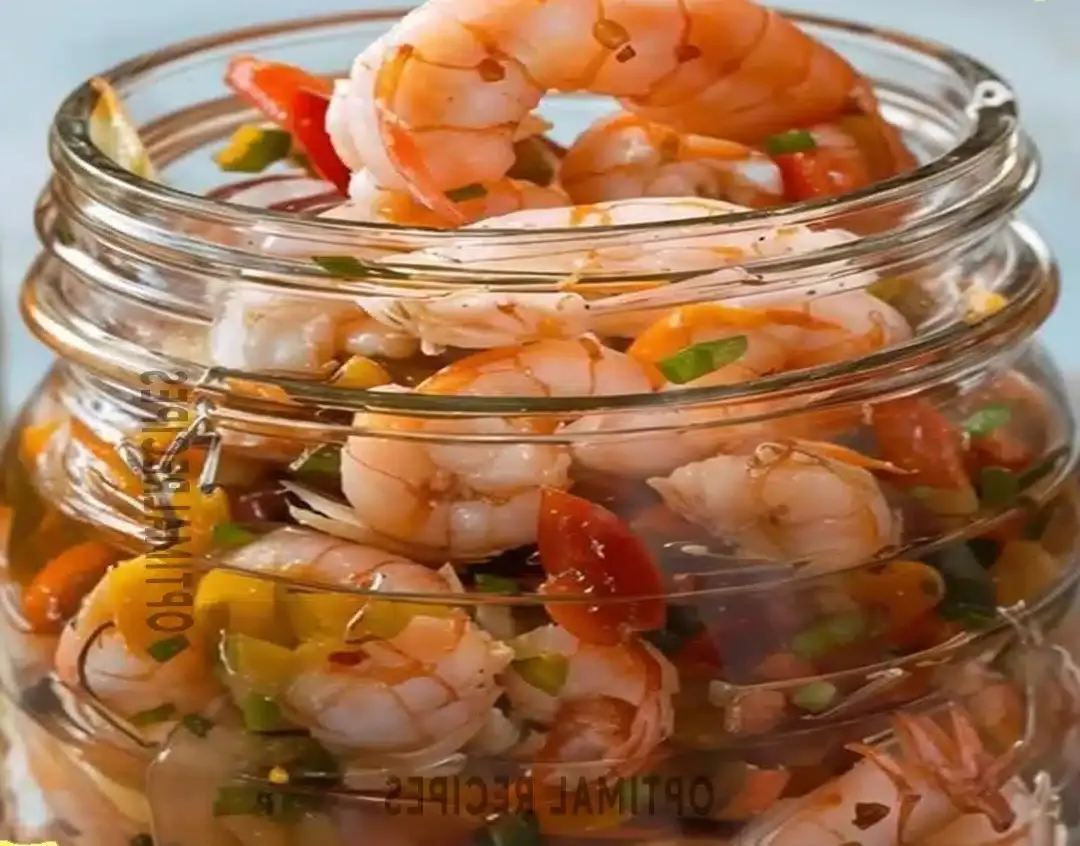
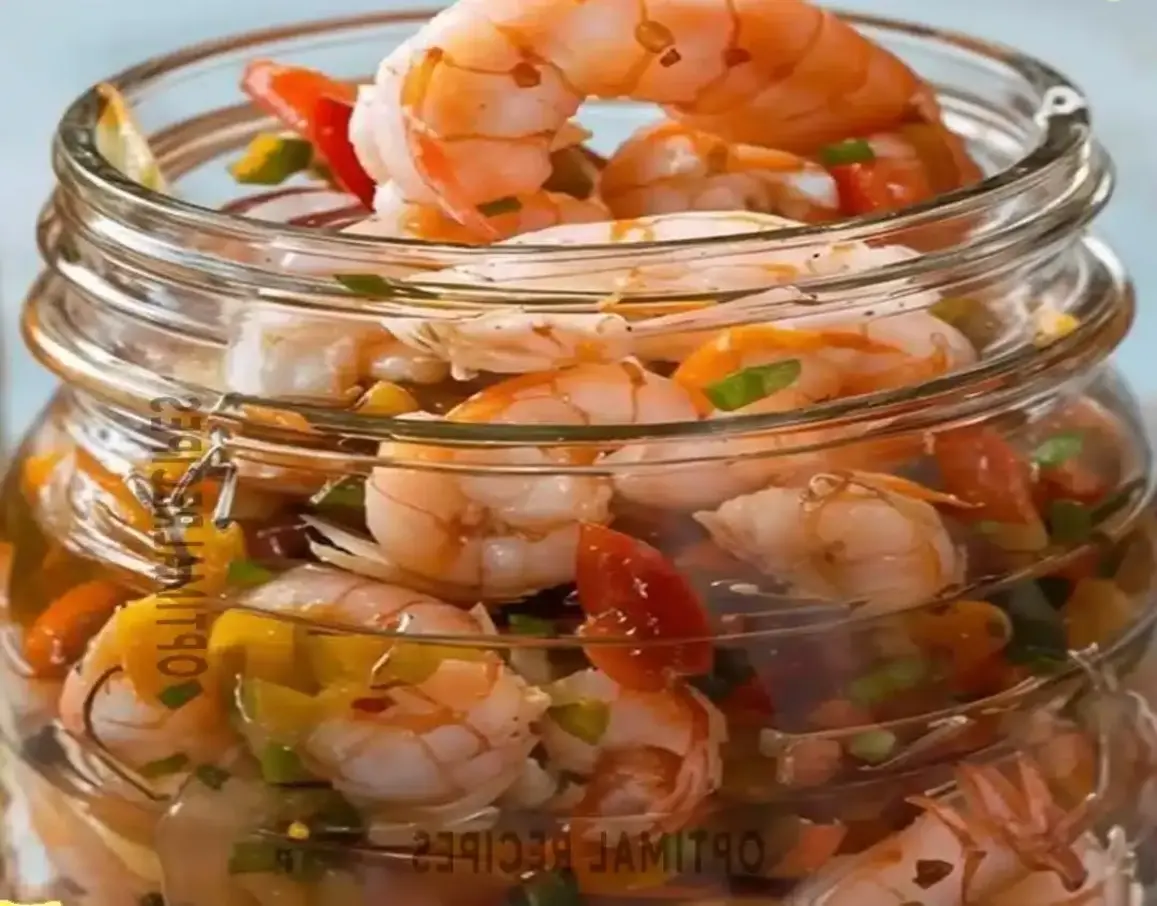
Plump, succulent shrimp marinated in a vibrant, herb-flecked brine, ready to be served as an appetizer.

Crafting Your Culinary Gem: Step-by-Step

Follow these simple steps to create your delicious homemade pickled shrimp. Precision and fresh ingredients are key!

Step 1: Prepare the Shrimp

Start by ensuring your shrimp are properly prepped. If you bought them frozen, make sure they are completely thawed. Peel and devein them, leaving the tails on if you prefer for easier handling and presentation. Rinse the cleaned shrimp under cold water and pat them thoroughly dry with paper towels. This drying step is crucial as it helps the shrimp cook evenly and prevents them from becoming watery.

Step 2: Create the Brine

In a medium saucepan, combine the white wine vinegar, extra virgin olive oil, minced garlic, red pepper flakes, sea salt, and freshly ground black pepper. Whisk everything together until well combined. Place the saucepan over medium heat and bring the mixture to a gentle simmer, just until it starts to bubble around the edges. You don’t want to boil it vigorously; a gentle simmer is perfect for infusing the flavors without cooking the garlic too much.

Step 3: Combine and Chill

Once the brine is simmering, add your prepared shrimp to the saucepan. Stir them gently to ensure they are all coated in the warm brine. Cook the shrimp for just 1-2 minutes, or until they turn pink and opaque. Do NOT overcook them at this stage; they will continue to cook slightly in the residual heat and then further during the marinating process. Immediately remove the saucepan from the heat. Stir in the fresh dill (and capers, if using). Pour the shrimp and brine mixture into a clean glass bowl or container. Cover tightly and refrigerate for at least 1 hour to allow the flavors to meld and the shrimp to pickle. For an even deeper flavor infusion, you can let them marinate for up to 4-6 hours. However, avoid pickling them for much longer than that, as the shrimp can become too firm and mealy.

Step 4: Adjust and Serve

Before serving, give the pickled shrimp a taste and adjust seasonings if necessary. You might want a pinch more salt or a dash more red pepper flakes. Stir in optional fresh parsley or chives for extra freshness and color. Serve the homemade pickled shrimp chilled, along with some of the flavorful brine, perhaps on small spoons, with toothpicks, or alongside crusty bread. They are best enjoyed within 2-3 days of preparation.

Nourishment in Every Bite: What You’re Eating

This homemade pickled shrimp recipe offers a fantastic combination of lean protein and healthy fats, with a boost of flavor from herbs and vinegar. Here’s a general nutritional breakdown per serving (assuming 4 servings from the 1 lb recipe):

  • Calories: Approximately 200-250 kcal (depending on olive oil quantity)
  • Protein: ~20-25g (excellent source from shrimp)
  • Fat: ~10-15g (primarily from olive oil, some from shrimp)
  • Carbohydrates: ~2-3g (minimal, mostly from trace amounts in vinegar and shrimp)
  • Sodium: Varies based on added salt, but generally moderate.

Shrimp are a great source of selenium, vitamin B12, and zinc. The vinegar adds negligible calories but essential acidity, and dill is packed with antioxidants and vitamins A and C. It’s a relatively low-calorie, high-protein appetizer that feels indulgent!

Lighter Twists: Healthier Alternatives & Swaps

While this recipe is already quite healthy, you can make a few adjustments for even lighter versions:

  • Reduce Olive Oil: You can reduce the olive oil to 1/4 cup and increase the white wine vinegar to 1 1/4 cups for a tangier, lower-fat brine without sacrificing flavor too much.
  • Flavorful Broth Base: For a very low-fat option, replace some or all of the olive oil with a low-sodium vegetable or fish broth. You’ll lose some silkiness, but the pickling flavors will still shine.
  • Lemon Zest: Add a strip or two of lemon zest (removed before serving) to the brine for an extra citrusy brightness that can help reduce perceived oiliness.
  • Vinegar Varieties: Experiment with different vinegars like champagne vinegar or a mild sherry vinegar for subtle flavor variations.

Elevate Your Plate: Serving Suggestions

The beauty of homemade pickled shrimp is its adaptability:

  • Classic Appetizer: Serve chilled in small bowls or on individual spoons, ensuring each serving gets some of the flavorful brine.
  • On Crostini: Top small toasted baguette slices (crostini) with the pickled shrimp and a dollop of the brine.
  • Salad Topper: Add a scoop to a crisp green salad for a protein-packed, zesty addition.
  • Seafood Platter: Include it as part of a larger seafood platter alongside oysters, crab, or ceviche.
  • With Crackers: Serve with good quality crackers for a simple yet elegant bite.

Avoid Pitfalls: Common Mistakes to Sidestep

To ensure your homemade pickled shrimp are perfect every time, be mindful of these common errors:

  • Overcooking the Shrimp: This is the most common mistake. Shrimp cook very quickly. Overcooked shrimp become tough and rubbery. Cook them just until they turn pink and opaque.
  • Using Low-Quality Ingredients: The pickling process highlights even subtle flavors. Use fresh shrimp, good quality vinegar, and flavorful olive oil for the best results.
  • Under-Marinating: While you don’t want to over-marinate, allowing them to pickle for at least an hour is crucial for the flavors to meld properly.
  • Not Patting Shrimp Dry: Excess moisture can dilute the brine and affect the texture of the shrimp.
  • Using Metal Containers: For pickling and storing acidic foods, always use glass or ceramic containers. Metal can react with the acid, imparting an off-flavor.

Keep the Flavor Alive: Storing Your Pickled Shrimp

Homemade pickled shrimp are best enjoyed fresh, but they can be stored for a short period. Always store them in an airtight glass container in the refrigerator. For optimal texture and flavor, consume them within 2 to 3 days. Keep them submerged in their pickling liquid for best results. Avoid freezing, as this will significantly alter the texture of the shrimp.

Your Zesty Creation Awaits!

There you have it – a simple, yet incredibly rewarding recipe for homemade pickled shrimp that’s bursting with fresh, vibrant flavors. It’s proof that elegant appetizers don’t need to be complicated. From the quick cook time to its stunning presentation and delightful taste, this recipe is sure to become a favorite. Whether you’re hosting a party or simply craving a bright, healthy seafood treat, give this homemade pickled shrimp a try. You won’t be disappointed!

Frequently Asked Questions

***What kind of shrimp should I use for pickled shrimp?***

Large shrimp (21-25 count per pound) are ideal. They have a good texture that holds up well to pickling. Make sure they are fresh, plump, and have been properly peeled and deveined.

***Can I make pickled shrimp ahead of time?***

Absolutely! In fact, it’s recommended. Pickled shrimp need at least an hour in the refrigerator to allow the flavors to meld. They are best enjoyed within 2 to 3 days.

***How long do pickled shrimp last?***

For the best taste and texture, consume homemade pickled shrimp within 2 to 3 days of preparation. Store them in an airtight glass container in the refrigerator.

***Can I substitute the white wine vinegar?***

Yes, you can substitute it with other mild vinegars like rice vinegar, champagne vinegar, or apple cider vinegar. Keep in mind that each will impart a slightly different flavor profile to the dish.

***Is it okay to leave the shrimp tails on?***

Leaving the tails on is perfectly fine and often preferred for presentation and easier handling. Just ensure the shrimp are still peeled and deveined.

Print
clock clock iconcutlery cutlery iconflag flag iconfolder folder iconinstagram instagram iconpinterest pinterest iconfacebook facebook iconprint print iconsquares squares iconheart heart iconheart solid heart solid icon

Homemade Pickled Shrimp Recipe | Easy & Tasty

  • Author: Chef Mia

Description

Discover the vibrant flavors ofHomemade Pickled Shrimp, an appetizer that blends the zest of white wine vinegar and fresh dill with the succulence of shrimp. ThisHomemade Pickled Shrimprecipe not only promises a delightful taste experience but also provides a nutritious boost to your diet. Follow the straightforward instructions to create this delicious dish that can elevate any meal or gathering, makingHomemade Pickled Shrimpa must-try for seafood lovers.


Ingredients

Scale
  • 1pound large shrimp, peeled and deveined
  • 1 cupwhite wine vinegar
  • 1/2 cupwater
  • 1/4 cupolive oil
  • 2 tablespoonssugar
  • 1lemon, thinly sliced
  • 1small red onion, thinly sliced
  • 2cloves garlic, minced
  • 1 teaspoonmustard seeds
  • 1 teaspooncoriander seeds
  • 1 teaspoonwhole black peppercorns
  • 1/2 teaspoonred pepper flakes
  • 2bay leaves
  • Fresh dill, for garnish
  • Kosher salt, to taste

Instructions

  1. Bring a large pot of salted water to a boil. Add the shrimp and cook for 2-3 minutes until pink and opaque. Drain and transfer to a bowl of ice water to stop the cooking process.
  2. In a saucepan, combine vinegar, water, olive oil, sugar, lemon slices, onion, garlic, mustard seeds, coriander seeds, peppercorns, red pepper flakes, and bay leaves. Simmer for 10 minutes.
  3. Pour the hot brine over the cooled shrimp. Add fresh dill and a pinch of kosher salt.
  4. Allow the mixture to cool to room temperature. Cover and refrigerate for at least 4 hours, preferably overnight, before serving.

Notes

Serving Suggestions:Serve the pickled shrimp chilled as a refreshing starter or atop a crisp salad for a light meal.
Storage Tips:Keep the shrimp in its brine in a sealed container in the refrigerator for up to 5 days.
Ingredient Substitutions:If white wine vinegar is too sharp, apple cider vinegar offers a milder tang. Also, fresh parsley can be used in place of dill for a different herbal note.

“`
Easy Baked Broccoli Cheese Balls Recipe for Healthy Snacking

“`html

Easy Baked Broccoli Cheese Balls Recipe for Healthy Snacking

Healthy Snacking, Elevated: Your New Favorite Broccoli Cheese Balls

Are you on the hunt for a snack that’s both incredibly delicious and genuinely good for you? Traditional fried snacks often leave us feeling sluggish and guilty, making it tough to stick to healthier eating habits. But what if you could have a snack that’s crispy on the outside, gooey and cheesy on the inside, packed with nutritious broccoli, and baked to golden perfection? These Easy Baked Broccoli Cheese Balls are precisely that. They’re a fantastic way to sneak in those vital greens without compromising on flavor, making them an ideal choice for kids and adults alike. Perfect as an appetizer for your next gathering or a wholesome snack to curb those afternoon hunger pangs, these cheesy delights are about to become your new go-to.

Ingredients: The Heart of Your Cheesy Broccoli Balls

The beauty of these broccoli cheese balls lies in their simple, wholesome ingredients. They come together quickly, proving that healthy eating doesn’t need to be complicated.

  • 1 cup finely chopped broccoli florets (about 4-5 oz): Steam or lightly boil until tender, then drain VERY well and pat dry. This is crucial to avoid soggy balls. You want them to feel almost crumbly once chopped.
  • 1 cup shredded cheddar cheese (sharp or mild, your preference): For that irresistible, melty, gooey center. Freshly shredded cheese melts better than pre-shredded.
  • 1/4 cup grated Parmesan cheese: Adds a salty, nutty depth of flavor that complements the cheddar beautifully.
  • 1/4 cup panko breadcrumbs: For a light, crispy coating.
    Substitution: You can use regular breadcrumbs, but panko provides superior crispiness. For a gluten-free option, use gluten-free breadcrumbs or almond flour.
  • 1 large egg, lightly beaten: The binder that holds everything together.
  • 2 tablespoons all-purpose flour: Helps bind the ingredients and achieve the right consistency.
    Substitution: Oat flour or a gluten-free all-purpose blend can be used here.
  • 1/2 teaspoon garlic powder: For a subtle, savory kick.
  • 1/4 teaspoon onion powder: Enhances the overall savory flavor profile.
  • Salt and freshly ground black pepper to taste: Essential for bringing out all the flavors. Start with 1/4 tsp salt and 1/8 tsp pepper.

Timing is Everything for Perfect Broccoli Cheese Balls

Prep Time: 15 minutes
Cook Time: 18-22 minutes
Total Time: 33-37 minutes

Compared to many complex appetizers that require extensive prep or long cooking times, these broccoli cheese balls are a weeknight hero. Most oven-baked appetizers can take upwards of 30-40 minutes of actual cooking, so this recipe is right on par, with a much quicker prep time.

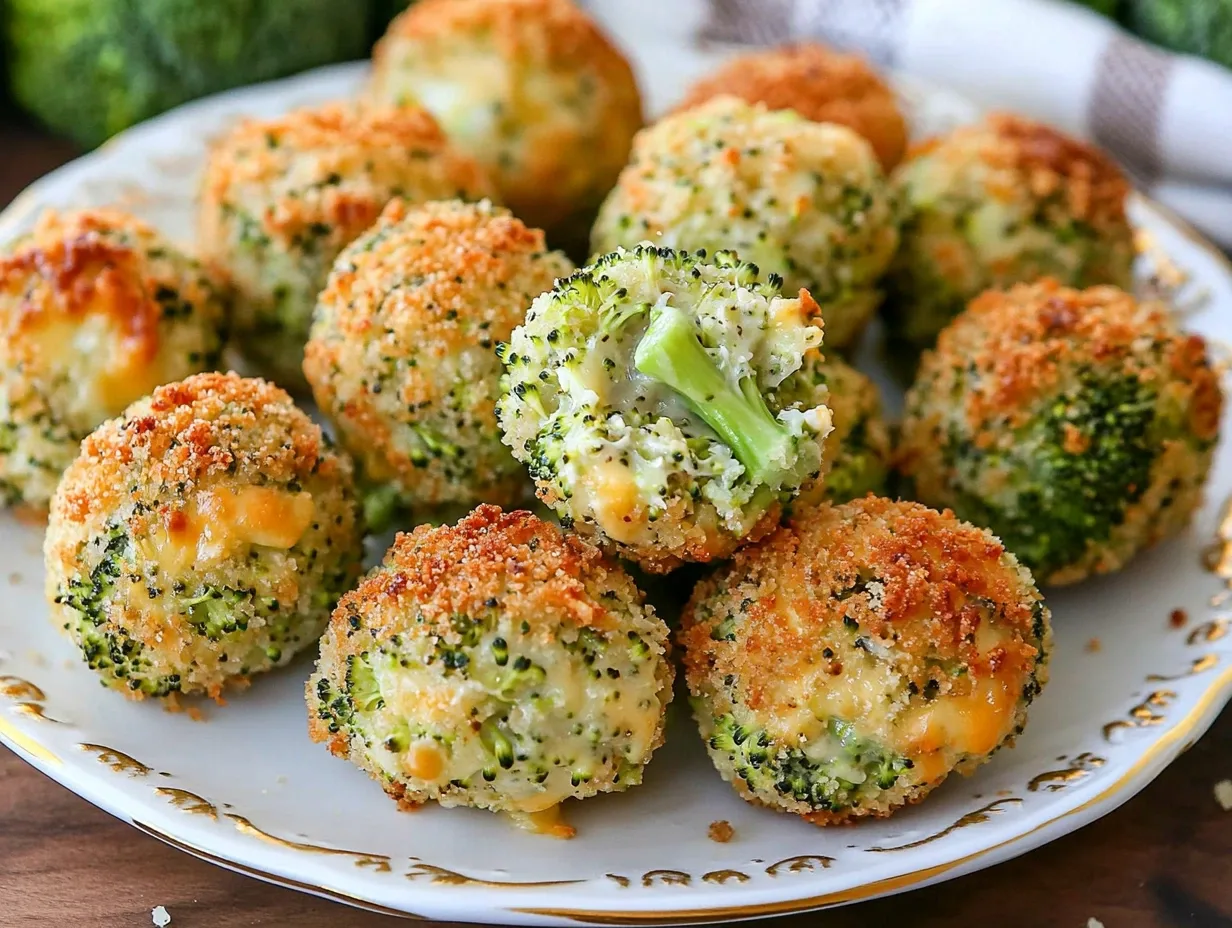
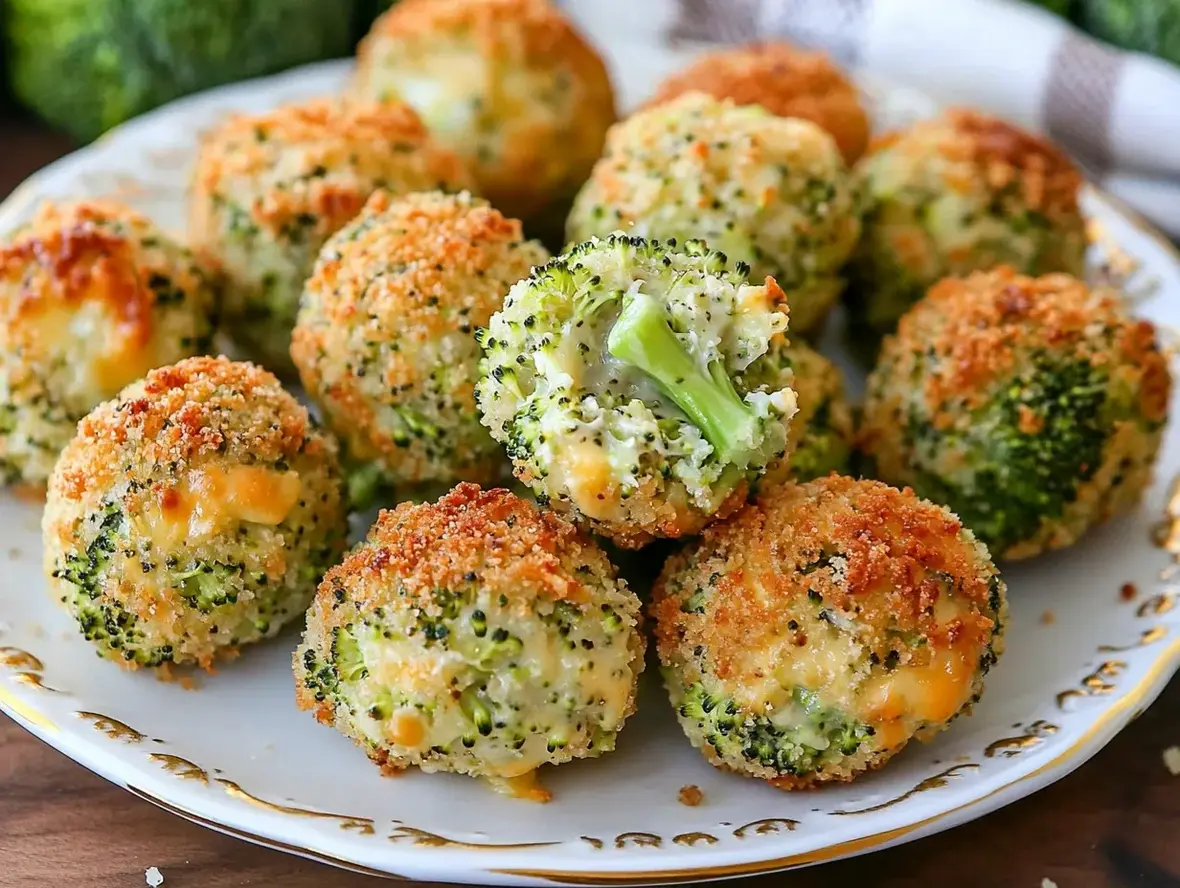
Golden brown baked broccoli cheese balls on a baking sheet

Step-by-Step Instructions: Crafting Your Crispy Bites

Follow these simple steps to create your delicious baked broccoli cheese balls.

Step 1: Preheat and Prep

First things first, get your oven ready! Preheat it to 400°F (200°C). While the oven heats up, line a baking sheet with parchment paper. This prevents sticking and makes cleanup a breeze.

Step 2: Make the Batter

In a medium to large bowl, combine the finely chopped and thoroughly dried broccoli florets with the shredded cheddar cheese, grated Parmesan cheese, beaten egg, flour, garlic powder, onion powder, salt, and pepper. Mix everything together until it forms a cohesive, slightly sticky mixture. Don’t overmix; you want to preserve some texture from the broccoli.

Step 3: Form the Balls

Now for the fun part! Take about 1 to 1.5 tablespoons of the mixture and roll it between your palms to form small balls, about 1-inch in diameter. If the mixture is too sticky to handle, lightly wet your hands or dust them with a little extra flour. Place the formed balls onto your prepared baking sheet, ensuring they aren’t too crowded.

Step 4: Bake to Perfection

Sprinkle the tops of the balls evenly with the panko breadcrumbs. This creates that delightful crispy exterior. Bake in the preheated oven for 18-22 minutes, or until they are golden brown and firm to the touch. You might want to flip them halfway through for even browning, though it’s not strictly necessary.

Step 5: Serve and Enjoy

Allow the broccoli cheese balls to cool slightly on the baking sheet before transferring them to a serving platter. They are best served warm, when the cheese is at its melty, gooey peak. Enjoy your healthy, homemade snack!

Nutritional Information: Guilt-Free Indulgence

These broccoli cheese balls are a healthier alternative to many fried snacks. While exact nutritional values can vary based on ingredient brands and portion sizes, a typical serving (about 3-4 balls) offers:

  • Calories: Approximately 150-200 kcal
  • Protein: Good source, around 8-10g
  • Fat: Moderate, primarily from cheese, around 9-12g
  • Carbohydrates: Lower than many snacks, around 8-12g
  • Fiber: Contains a decent amount from the broccoli.

These values are estimates and can be further optimized through ingredient choices (e.g., using lower-fat cheese).

Healthier Alternatives & Flavor Boosts

Looking to make them even healthier or simply switch up the flavor? Consider these swaps:

  • Cheese: Swap some cheddar for a portion of reduced-fat cheese, or try Monterey Jack for a milder flavor. Nutritional yeast can add a cheesy flavor with less fat.
  • Binder: For a vegan option, experiment with a flax egg (1 tbsp flaxseed meal + 3 tbsp water, let sit for 5 minutes) and vegan cheese.
  • Flavor Add-ins: Stir in a tablespoon of finely chopped chives, a pinch of red pepper flakes for a little heat, or a teaspoon of Dijon mustard for a tangy twist.
  • Coating: Instead of panko, try a mix of finely ground oats and nutritional yeast for added fiber and a cheesy flavor.

Serving Suggestions: The Perfect Pairings

These versatile broccoli cheese balls are delightful on their own, but they truly shine when paired with complementary dips and sides:

  • Classic Ranch Dip: A timeless favorite that is loved by kids and adults.
  • Spicy Marinara Sauce: For a more robust flavor profile, perfect for dipping.
  • Sriracha Mayo: A creamy, spicy kick for those who like it hot.
  • Guacamole: A healthy fat option that adds a fresh, creamy dimension.
  • As a side: Serve a few alongside a light salad for a more substantial meal.

Common Mistakes to Avoid

To ensure your broccoli cheese balls turn out perfectly every time, steer clear of these common pitfalls:

  • Wet Broccoli: Not draining and drying the broccoli thoroughly is the number one cause of soggy cheese balls. Squeeze out as much moisture as possible!
  • Overmixing the Batter: This can make the balls tough. Mix just until combined.
  • Incorrect Ball Size: If balls are too large, they might not cook through evenly. Stick to about 1-inch diameter.
  • Overcrowding the Baking Sheet: Give the balls space to allow air to circulate, ensuring even crisping.

Storing Your Broccoli Cheese Balls

Have leftovers? That’s great! Store cooled broccoli cheese balls in an airtight container in the refrigerator for up to 3-4 days. Reheat them in a toaster oven or a conventional oven at 350°F (175°C) for about 5-10 minutes to regain their crispiness. Microwaving will make them soft.

Conclusion: Deliciously Healthy Snacking Made Easy

There you have it! A simple, satisfying, and most importantly, healthy recipe for Baked Broccoli Cheese Balls that proves you don’t need to compromise on taste to eat well. These little bites are perfect for any occasion and are sure to be a hit with everyone. So, what are you waiting for? Gather your ingredients and give this recipe a try – you won’t regret it!

Frequently Asked Questions

Can I make these ahead of time?

Yes, you can form the balls and store them on a baking sheet lined with parchment paper in the refrigerator for a few hours before baking. For longer storage, freeze them on a baking sheet until solid, then transfer to a freezer-safe bag. Bake directly from frozen, adding a few extra minutes to the baking time.

Can I air fry these?

Absolutely! Air frying is an excellent method to achieve crispiness. Preheat your air fryer to 375°F (190°C). Place the balls in a single layer (you may need to cook in batches) and air fry for 10-12 minutes, flipping halfway through, until golden brown and heated through.

What if I don’t have panko breadcrumbs?

You can use regular fine breadcrumbs, crushed unsalted crackers, or even finely crushed cornflakes. For a gluten-free and low-carb option, almond flour or finely ground pork rinds are good choices.

How do I make sure the inside is cooked through?

The key is to chop the broccoli very finely and ensure it’s well-drained and dried. Baking until the outside is golden brown and the cheese is melted usually means the inside is perfectly cooked. If you’re concerned, you can use a thermometer; the internal temperature should reach at least 165°F (74°C).

Can I add other vegetables?

You can, but remember to chop them finely and ensure they are well-drained. Finely grated carrots or zucchini (squeezed dry) can be added in small amounts. Be mindful that adding too many wet ingredients or too much volume can affect the texture and baking time.

Print
clock clock iconcutlery cutlery iconflag flag iconfolder folder iconinstagram instagram iconpinterest pinterest iconfacebook facebook iconprint print iconsquares squares iconheart heart iconheart solid heart solid icon

Baked Broccoli Cheese Balls

  • Author: Chef Mia

Description

These crispy-on-the-outside, cheesy-on-the-inside broccoli cheese balls are a healthy, delicious snack or appetizer. They’re baked to golden perfection and pair wonderfully with marinara or ranch dip.


Ingredients

Scale
  • Broccoli: 2 cups broccoli florets, finely chopped.Binding Ingredients:1 cupbreadcrumbs.1 ½ cupsshredded cheddar cheese.⅓ cupgrated Parmesan cheese.2eggs.2 tbspall-purpose flour.Seasonings:½ tspgarlic powder.½ tsponion powder.Salt and pepper, to taste.Cooking Spray: As needed for greasing the baking sheet.
  • Binding Ingredients:1 cupbreadcrumbs.1 ½ cupsshredded cheddar cheese.⅓ cupgrated Parmesan cheese.2eggs.2 tbspall-purpose flour.Seasonings:½ tspgarlic powder.½ tsponion powder.Salt and pepper, to taste.Cooking Spray: As needed for greasing the baking sheet.
  • 1 cupbreadcrumbs.1 ½ cupsshredded cheddar cheese.⅓ cupgrated Parmesan cheese.2eggs.2 tbspall-purpose flour.
  • 1 ½ cupsshredded cheddar cheese.⅓ cupgrated Parmesan cheese.2eggs.2 tbspall-purpose flour.
  • cupgrated Parmesan cheese.2eggs.2 tbspall-purpose flour.
  • 2eggs.2 tbspall-purpose flour.
  • 2 tbspall-purpose flour.
  • Seasonings:½ tspgarlic powder.½ tsponion powder.Salt and pepper, to taste.Cooking Spray: As needed for greasing the baking sheet.
  • ½ tspgarlic powder.½ tsponion powder.Salt and pepper, to taste.
  • ½ tsponion powder.Salt and pepper, to taste.
  • Salt and pepper, to taste.
  • Cooking Spray: As needed for greasing the baking sheet.

Instructions

  1. 1️⃣Preheat the Oven:Preheat your oven to400°F (200°C). Prepare a baking sheet by lining it with parchment paper or lightly greasing it with cooking spray.2️⃣Prepare the Broccoli:Steam the broccoli florets until tender-crisp, about3–5 minutes.Allow the broccoli to cool slightly, then finely chop it into small pieces.3️⃣Mix the Ingredients:In a large mixing bowl, combine the chopped broccoli, breadcrumbs, shredded cheddar cheese, Parmesan cheese, eggs, and flour.Season with garlic powder, onion powder, salt, and pepper.Stir the mixture until it is well combined and holds together.4️⃣Shape the Balls:Roll small portions of the mixture into1-inch ballsusing your hands.Place the balls on the prepared baking sheet, spacing them slightly apart.5️⃣Bake:Bake in the preheated oven for20–25 minutes, or until the balls are golden brown.For extra crispiness, switch to the broil setting and broil the cheese balls for an additional1–2 minutes, watching carefully to avoid burning.6️⃣Serve:Allow the broccoli cheese balls to cool slightly before serving.Serve warm with your favorite dipping sauce, such as marinara or ranch.
  2. Steam the broccoli florets until tender-crisp, about3–5 minutes.
  3. Allow the broccoli to cool slightly, then finely chop it into small pieces.3️⃣Mix the Ingredients:In a large mixing bowl, combine the chopped broccoli, breadcrumbs, shredded cheddar cheese, Parmesan cheese, eggs, and flour.Season with garlic powder, onion powder, salt, and pepper.Stir the mixture until it is well combined and holds together.4️⃣Shape the Balls:Roll small portions of the mixture into1-inch ballsusing your hands.Place the balls on the prepared baking sheet, spacing them slightly apart.5️⃣Bake:Bake in the preheated oven for20–25 minutes, or until the balls are golden brown.For extra crispiness, switch to the broil setting and broil the cheese balls for an additional1–2 minutes, watching carefully to avoid burning.6️⃣Serve:Allow the broccoli cheese balls to cool slightly before serving.Serve warm with your favorite dipping sauce, such as marinara or ranch.
  4. In a large mixing bowl, combine the chopped broccoli, breadcrumbs, shredded cheddar cheese, Parmesan cheese, eggs, and flour.
  5. Season with garlic powder, onion powder, salt, and pepper.Stir the mixture until it is well combined and holds together.4️⃣Shape the Balls:Roll small portions of the mixture into1-inch ballsusing your hands.Place the balls on the prepared baking sheet, spacing them slightly apart.5️⃣Bake:Bake in the preheated oven for20–25 minutes, or until the balls are golden brown.For extra crispiness, switch to the broil setting and broil the cheese balls for an additional1–2 minutes, watching carefully to avoid burning.6️⃣Serve:Allow the broccoli cheese balls to cool slightly before serving.Serve warm with your favorite dipping sauce, such as marinara or ranch.
  6. Stir the mixture until it is well combined and holds together.4️⃣Shape the Balls:Roll small portions of the mixture into1-inch ballsusing your hands.Place the balls on the prepared baking sheet, spacing them slightly apart.5️⃣Bake:Bake in the preheated oven for20–25 minutes, or until the balls are golden brown.For extra crispiness, switch to the broil setting and broil the cheese balls for an additional1–2 minutes, watching carefully to avoid burning.6️⃣Serve:Allow the broccoli cheese balls to cool slightly before serving.Serve warm with your favorite dipping sauce, such as marinara or ranch.
  7. Roll small portions of the mixture into1-inch ballsusing your hands.Place the balls on the prepared baking sheet, spacing them slightly apart.5️⃣Bake:Bake in the preheated oven for20–25 minutes, or until the balls are golden brown.For extra crispiness, switch to the broil setting and broil the cheese balls for an additional1–2 minutes, watching carefully to avoid burning.6️⃣Serve:Allow the broccoli cheese balls to cool slightly before serving.Serve warm with your favorite dipping sauce, such as marinara or ranch.
  8. Place the balls on the prepared baking sheet, spacing them slightly apart.5️⃣Bake:Bake in the preheated oven for20–25 minutes, or until the balls are golden brown.For extra crispiness, switch to the broil setting and broil the cheese balls for an additional1–2 minutes, watching carefully to avoid burning.6️⃣Serve:Allow the broccoli cheese balls to cool slightly before serving.Serve warm with your favorite dipping sauce, such as marinara or ranch.
  9. Bake in the preheated oven for20–25 minutes, or until the balls are golden brown.For extra crispiness, switch to the broil setting and broil the cheese balls for an additional1–2 minutes, watching carefully to avoid burning.6️⃣Serve:Allow the broccoli cheese balls to cool slightly before serving.Serve warm with your favorite dipping sauce, such as marinara or ranch.
  10. For extra crispiness, switch to the broil setting and broil the cheese balls for an additional1–2 minutes, watching carefully to avoid burning.6️⃣Serve:Allow the broccoli cheese balls to cool slightly before serving.Serve warm with your favorite dipping sauce, such as marinara or ranch.
  11. Allow the broccoli cheese balls to cool slightly before serving.Serve warm with your favorite dipping sauce, such as marinara or ranch.
  12. Serve warm with your favorite dipping sauce, such as marinara or ranch.

Notes

Make-Ahead Option: Roll the balls ahead of time and refrigerate until ready to bake.Gluten-Free Version: Substitute the breadcrumbs and flour with gluten-free alternatives.Cheese Alternatives: Experiment with other cheese blends like mozzarella or Gouda for a unique flavor.Storage: Leftovers can be stored in an airtight container in the refrigerator for up to 3 days. Reheat in the oven for best results.
Gluten-Free Version: Substitute the breadcrumbs and flour with gluten-free alternatives.Cheese Alternatives: Experiment with other cheese blends like mozzarella or Gouda for a unique flavor.Storage: Leftovers can be stored in an airtight container in the refrigerator for up to 3 days. Reheat in the oven for best results.
Cheese Alternatives: Experiment with other cheese blends like mozzarella or Gouda for a unique flavor.Storage: Leftovers can be stored in an airtight container in the refrigerator for up to 3 days. Reheat in the oven for best results.
Storage: Leftovers can be stored in an airtight container in the refrigerator for up to 3 days. Reheat in the oven for best results.

“`

Easy Salmon Balls with Creamy Avocado Sauce! 🥑

“`html

Easy Salmon Balls with Creamy Avocado Sauce! 🥑

Hello, Food Lovers! Dive into Easy Salmon Balls

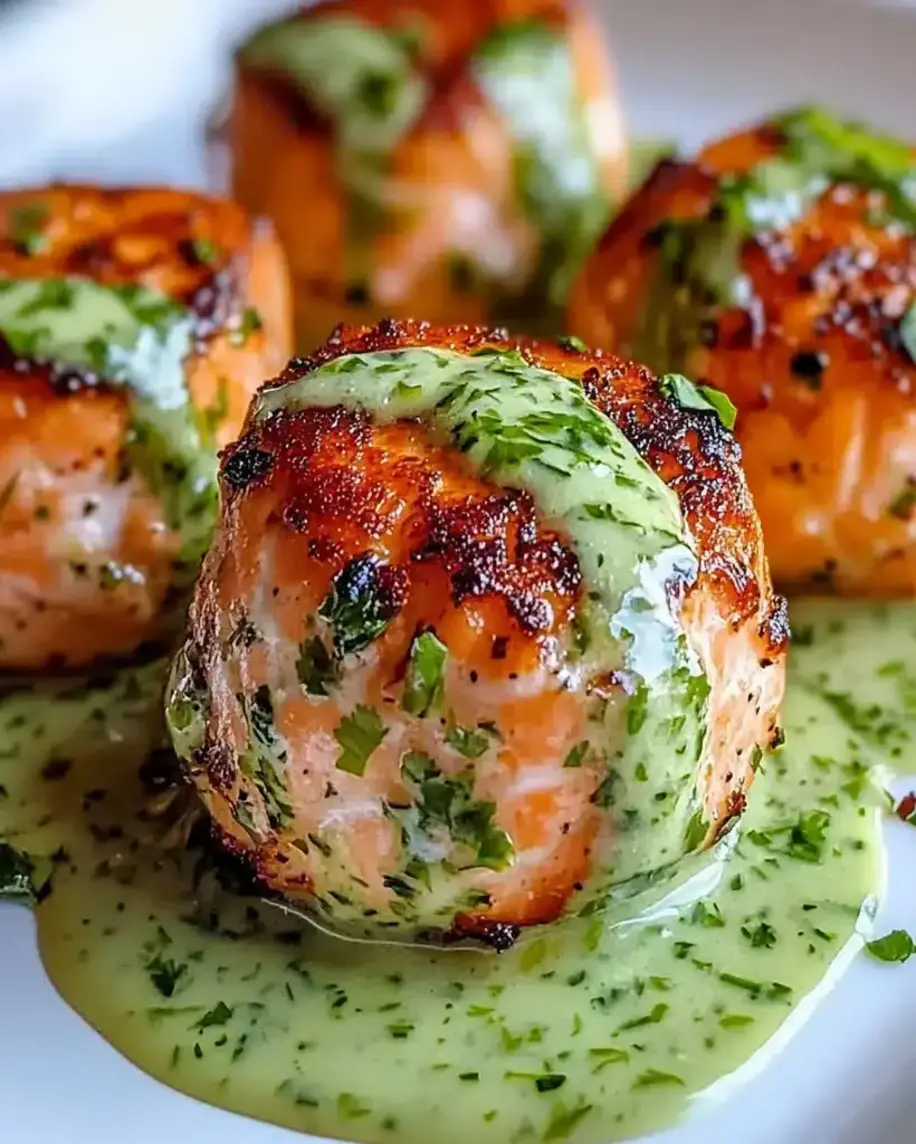
Hello, food lovers! Whether you’re looking for a quick, healthy dinner option or a fun twist on your favorite salmon dishes, this Salmon Balls with Creamy Avocado Sauce recipe is the perfect choice. Are you tired of the same old weeknight meals and yearning for something both nutritious and exciting? These little bites of grilled salmon, packed with fresh herbs and served with a velvety avocado-cilantro drizzle, make for a satisfying and nourishing meal. This dish is as simple to prepare as it is delicious—let’s dive into how to make this mouthwatering recipe!

Gather Your Fresh Ingredients

The magic of these salmon balls lies in the quality of your ingredients. Fresh salmon is paramount for a moist and flavorful bite, and vibrant herbs will elevate them to new heights. For the creamy avocado sauce, ripe avocados are key to achieving that luxurious, smooth texture.

For the Salmon Balls:

  • 1 lb Fresh Salmon Fillets: Skinless and boneless, aiming for a vibrant pink hue. You can also use leftover cooked salmon!
  • 1/2 cup Panko Breadcrumbs: For that delightful crispiness. Substitution: Regular breadcrumbs or crushed crackers if you don’t have panko.
  • 1/4 cup Finely Chopped Fresh Parsley: Adds a burst of freshness. Substitution: Fresh dill or chives.
  • 2 tablespoons Finely Chopped Fresh Cilantro: Complementary to the avocado sauce. Substitution: More parsley or a pinch of dried cilantro.
  • 1 large Egg: Acts as the binder, ensuring your balls hold their shape.
  • 1 tablespoon Dijon Mustard: For a subtle tang. Substitution: Stone-ground mustard or a teaspoon of honey mustard.
  • 1 teaspoon Lemon Zest: Brightens the flavor profile.
  • 1/2 teaspoon Garlic Powder: Adds a gentle garlic note.
  • Salt and Freshly Ground Black Pepper: To taste, enhancing all the flavors.
  • 2 tablespoons Olive Oil: For pan-frying, ensuring a beautiful golden crust. Substitution: Avocado oil or grapeseed oil.

For the Creamy Avocado Sauce:

  • 2 ripe Avocados: Creamy and yielding to the touch.
  • 1/2 cup Fresh Cilantro: Generously packed. Substitution: Parsley or a mix of both.
  • 2 cloves Garlic: Freshly minced for a punch. Substitution: 1 teaspoon garlic powder if fresh is unavailable.
  • 2 tablespoons Lime Juice: For that essential zing. Substitution: Lemon juice.
  • 1/4 cup Water: To achieve the desired consistency. Add more or less as needed.
  • Salt and Black Pepper: To taste.
Prep Time: 20 minutes
Cook Time: 15 minutes
Total Time: 35 minutes

This recipe comes together in approximately 35 minutes, which is quicker than many comparable baked salmon dishes and comparable to simple pan-fried fish recipes. The hands-on time is minimal, making it ideal for busy weeknights.

Delicious salmon balls with creamy avocado sauce

Let’s Get Cooking: Step-by-Step!

Step 1: Prep the Salmon

If using fresh salmon, pat it dry with paper towels. For the smoothest texture, you can lightly steam or poach the salmon fillets until just cooked through (about 5-7 minutes). Alternatively, you can use high-quality canned salmon, drained very well. Once cooked or if using canned, flake the salmon into a medium bowl, ensuring there are no large chunks.

Step 2: Mix the Salmon Balls

To the flaked salmon, add the panko breadcrumbs, chopped parsley, chopped cilantro, beaten egg, Dijon mustard, lemon zest, garlic powder, salt, and pepper. Gently mix everything together with a fork or your hands until just combined. Be careful not to overmix, as this can result in tough salmon balls.

Step 3: Form the Salmon Balls

Lightly wet your hands to prevent sticking. Roll the salmon mixture into bite-sized balls, about 1 to 1.5 inches in diameter. You should get approximately 12-15 balls, depending on their size. Place them on a clean plate or baking sheet as you form them.

Step 4: Make the Creamy Avocado Sauce

While the salmon balls are prepped, let’s whip up that luscious sauce. Halve the avocados, remove the pits, and scoop the flesh into a blender or food processor. Add the fresh cilantro, minced garlic, lime juice, and 1/4 cup of water. Season with salt and pepper. Blend until completely smooth and creamy. If the sauce is too thick, add another tablespoon or two of water until it reaches your desired drizzling consistency. Taste and adjust seasonings as needed.

Step 5: Cook the Salmon Balls

Heat the olive oil in a large non-stick skillet over medium heat. Once the oil is shimmering, carefully add the salmon balls to the skillet, making sure not to overcrowd the pan. You may need to cook them in batches. Cook for about 3-4 minutes per side, turning gently, until they are golden brown and heated through. For an even healthier option, you can bake these salmon balls. Place them on a parchment-lined baking sheet and bake at 400°F (200°C) for 15-18 minutes, flipping halfway through, until golden and cooked through.

Step 6: Serve and Enjoy!

Arrange the warm salmon balls on a serving platter. Drizzle generously with the creamy avocado sauce. You can also serve the sauce on the side for dipping. Garnish with a few extra cilantro leaves or a sprinkle of cojita cheese if desired. Serve immediately and watch them disappear!

Nutritional Snapshot

Please note that nutritional information is an estimate and can vary based on ingredient choices and portion sizes.

  • Calories: Approximately 250-300 per serving (3-4 balls with sauce)
  • Protein: High, from the salmon.
  • Healthy Fats: Abundant from the salmon and avocado.
  • Fiber: Moderate, especially with the avocado sauce.

Healthier Twists & Flavor Boosts

Want to lighten things up or add more zest? Try these simple swaps:

  • Gluten-Free: Swap panko breadcrumbs for gluten-free breadcrumbs or almond flour.
  • Lower Carb: Use crushed pork rinds or finely chopped almonds instead of breadcrumbs.
  • Herb Power: Experiment with fresh dill, chives, or even a touch of minced jalapeño in the balls or sauce for an extra kick.
  • Spice It Up: A pinch of smoked paprika or a dash of cayenne pepper can add depth to the salmon mixture.
  • Lighter Sauce: For an even lighter sauce, substitute half the avocado with Greek yogurt or silken tofu.

Serving Suggestions

These salmon balls are incredibly versatile! Serve them as:

  • A healthy appetizer with the avocado sauce for dipping.
  • A light lunch alongside a fresh green salad.
  • A main course paired with roasted vegetables, quinoa, or a side of sweet potato fries.
  • Part of a tapas-style meal with other small bites.

Avoid These Common Pitfalls

  • Overmixing: This leads to tough, dense salmon balls. Mix until just combined.
  • Too Wet Mixture: If the mixture is too wet to form balls, add a little more panko or breadcrumbs.
  • Crowding the Pan: Overcrowding will steam the balls instead of frying them, preventing a nice crust. Cook in batches.
  • Under-ripe Avocados: For the sauce, ensure your avocados are ripe for maximum creaminess.

Storing Your Salmon Treasures

Salmon Balls: Cooled salmon balls can be stored in an airtight container in the refrigerator for up to 2-3 days. Reheat gently in a skillet or a low oven. The avocado sauce is best made fresh, but can be stored separately in an airtight container with plastic wrap pressed directly onto the surface to prevent browning, for up to 1 day in the refrigerator. Its texture and color may change.

A Flavorful Farewell

These Easy Salmon Balls with Creamy Avocado Sauce are a testament to how simple ingredients can create something truly spectacular. They’re healthy, satisfying, and incredibly delicious, making them a winner for any occasion. Give this recipe a try and let us know what you think in the comments below! We’d love to see your culinary creations.

Frequently Asked Questions

***Can I use canned salmon instead of fresh?***

Absolutely! Just ensure you drain it very well to prevent the mixture from becoming too wet. Canned salmon provides a convenient and equally tasty base.

***How can I make the avocado sauce less watery?***

If your avocado sauce seems too thin, try using slightly less water, or ensure your avocados are firm and not overly ripe. You can also add a teaspoon of psyllium husk or a bit more avocado to thicken it.

***Can I make these salmon balls ahead of time?***

Yes, you can prepare the salmon mixture and form the balls a few hours in advance and store them, covered, in the refrigerator. Cook them just before serving for the best texture. The avocado sauce is best made fresh.

***Are there any alternative cooking methods?***

Certainly! Beyond pan-frying, you can bake the salmon balls at 400°F (200°C) for about 15-18 minutes, flipping halfway through, until golden brown and cooked through. Air frying is also a great option at around 375°F (190°C) for 10-12 minutes, turning halfway.

Print
clock clock iconcutlery cutlery iconflag flag iconfolder folder iconinstagram instagram iconpinterest pinterest iconfacebook facebook iconprint print iconsquares squares iconheart heart iconheart solid heart solid icon

Salmon Balls with Creamy Avocado Sauce: Healthy Dinner Ideas

  • Author: Chef Mia

Description

Hello, food lovers! Whether you’re looking for a quick, healthy dinner option or a fun twist on your favorite salmon dishes, thisSalmon Balls with Creamy Avocado Saucerecipe is the perfect choice. These little bites of grilled salmon, packed with fresh herbs and served with a velvety avocado-cilantro drizzle, make for a satisfying and nourishing meal. This dish is as simple to prepare as it is delicious—let’s dive into how to make this mouthwatering recipe!


Ingredients

  • Feel free to substitute breadcrumbs with almond flour for a gluten-free version, or use sour cream instead of Greek yogurt for an even creamier texture.

Instructions

  1. Start by finely chopping the salmon fillet or pulse it in a food processor until coarsely minced. In a large mixing bowl, combine the minced salmon, chopped parsley, cilantro, breadcrumbs, egg, minced garlic, smoked paprika, lemon zest, salt, and pepper. Stir the mixture thoroughly until all ingredients are well incorporated.
  2. Once your mixture is ready, take small portions and roll them into balls, approximately 2 inches in diameter. You should have about 12-14 balls depending on size.
  3. Heat 2 tablespoons of olive oil in a large skillet or grill pan over medium heat. Place the salmon balls in the pan and cook for about 3-4 minutes on each side, or until they are golden brown and cooked through. Once cooked, remove the salmon balls from the pan and set them aside.
  4. For the creamy avocado sauce, combine the avocado, fresh cilantro, Greek yogurt, lime juice, garlic, salt, and pepper in a food processor. Blend until smooth and creamy. Taste and adjust the seasoning if needed, adding more salt or lime juice to balance the flavor.
  5. Serve your grilled salmon balls with the creamy avocado cilantro sauce either drizzled on top or as a dipping sauce on the side. These bites are best enjoyed fresh but can also be refrigerated for leftovers.

Notes

Use Fresh Salmon: For the best flavor and texture, always use fresh salmon fillet. If you can find wild-caught salmon, it’s even better for both taste and health benefits.
Customize the Sauce: Feel free to play around with the avocado sauce by adding a bit of jalapeño for a spicy kick or using a touch of honey for sweetness.
Grilling Option: While this recipe calls for grilling the salmon balls in a pan, you can also cook them on the barbecue for a smoky flavor. Simply brush the balls with a little oil and grill over medium heat.

“`

Delicious Street Corn Chicken Rice Bowl Recipe

“`html

Delicious Street Corn Chicken Rice Bowl Recipe

Are you searching for a weeknight meal that feels like a fiesta in your mouth? If you’re like millions of home cooks, you’re constantly on the lookout for dishes that are quick, bursting with flavor, and offer a delightful culinary experience without spending hours in the kitchen. This vibrant, zesty Street Corn Chicken Rice Bowl recipe delivers just that. Imagine tender, juicy chicken, sweet corn kissed with smoky char, all piled atop fluffy rice and drizzled with a creamy, tangy sauce. It’s a Mexican-inspired masterpiece that’s surprisingly easy to whip up, proving that healthy and satisfying can absolutely go hand-in-hand. Get ready to transform your dinner routine!

Ingredients

This recipe is designed for vibrant flavors and satisfying textures. We’ve also included some suggestions for substitutions if you can’t find an ingredient or have dietary preferences.

Prep time: 15 minutes
Cook time: 25 minutes
Total time: 40 minutes

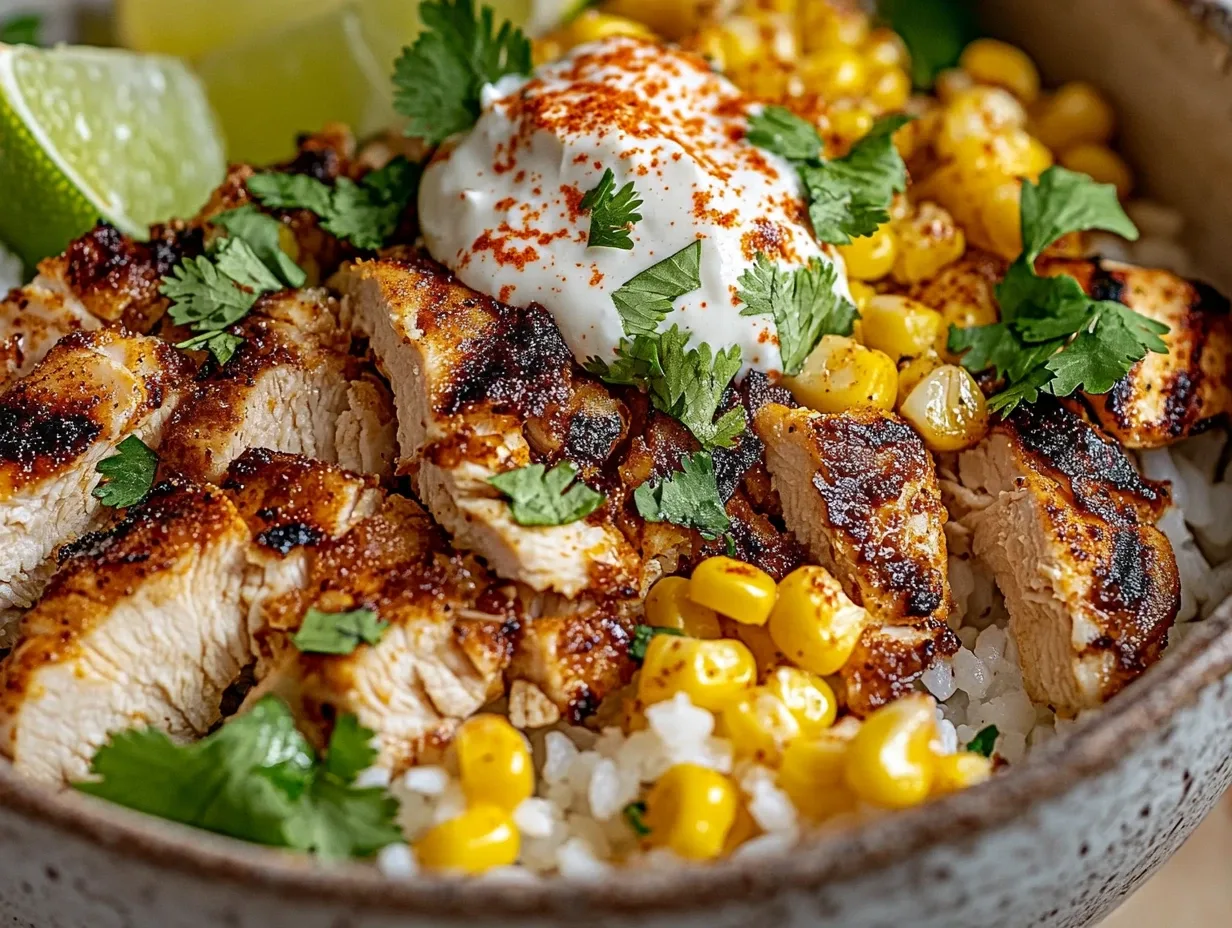
Street Corn Chicken Rice Bowl

Step-by-Step Instructions

Let’s get cooking! Follow these simple steps to create your delicious Street Corn Chicken Rice Bowl.

Step 1: Prep the Chicken

Grab your boneless, skinless chicken breasts or thighs. You want them to be about 1 to 1.5 inches thick. If they’re much thicker, you can slice them in half horizontally to ensure even cooking. In a medium bowl, toss the chicken pieces with 1 tablespoon of olive oil, the chili powder, cumin, garlic powder, salt, and pepper. Make sure each piece is well-coated. This simple seasoning is the foundation of that incredible street corn flavor!

Step 2: Cook the Chicken

Heat a large skillet or grill pan over medium-high heat. Once hot, add the seasoned chicken. Cook for about 6-8 minutes per side, or until the chicken is golden brown and cooked through (internal temperature reaches 165°F or 74°C). If using thighs, they might take a couple of minutes longer. Once cooked, remove the chicken from the skillet and let it rest on a cutting board for about 5-10 minutes. This resting period is crucial for keeping the chicken juicy and tender. After resting, dice or shred the chicken into bite-sized pieces.

Step 3: Prepare the Corn

If you’re using fresh corn, shuck it and cut the kernels off the cobs. If using frozen corn, you don’t need to thaw it. You can char the corn directly in the same skillet you used for the chicken, or even better, on a grill or under the broiler. Heat 1 teaspoon of olive oil in the skillet over medium-high heat. Add the corn kernels and cook, stirring occasionally, until they start to soften and develop some lovely browned, slightly charred spots. This charring brings out that quintessential street corn sweetness and adds a smoky note. Season with a pinch of salt and a tiny pinch of chili powder.

Step 4: Assemble the Bowls

Now for the fun part! In each serving bowl, start with a generous base of cooked rice. Fluffy white rice, brown rice, or even quinoa works beautifully here. Top the rice with the cooked chicken and the charred corn. Next, add your creamy topping. A simple mix of Mexican crema or sour cream, a squeeze of lime juice, and a pinch of chili powder makes an amazing drizzle. If you like it spicier, add a dash of hot sauce. Garnish with fresh cilantro, a sprinkle of cotija cheese (or feta as a substitute), and a lime wedge for an extra squeeze of freshness. You can also add sliced avocado or a dollop of salsa for extra layers of flavor and texture!

Nutritional Information

Here’s an approximate breakdown per serving. Please note that actual values can vary based on exact ingredients and portion sizes.

  • Calories: ~450-550
  • Protein: ~30-40g
  • Fat: ~15-25g
  • Carbohydrates: ~40-50g

Healthier Alternatives

Looking to make this even healthier without sacrificing flavor? Try these easy swaps:

  • Rice: Use brown rice or quinoa for more fiber and nutrients. Cauliflower rice is a great low-carb option.
  • Chicken: Opt for lean chicken breast. For a vegetarian/vegan option, substitute with seasoned firm tofu or black beans.
  • Creamy Topping: Use plain Greek yogurt or a lighter vegan sour cream. For a dairy-free option, blend soaked cashews with water and lime juice.
  • Cheese: Use a sprinkle of reduced-fat cheese or nutritional yeast for a cheesy flavor.

Serving Suggestions

This bowl is a complete meal on its own, but here are some ways to make it even more special:

  • Serve with a side of black beans for extra protein and fiber.
  • Add a dollop of fresh guacamole or pico de gallo.
  • A side of tortilla chips for scooping is always a good idea!
  • For a lighter option, serve over a bed of fresh greens like romaine lettuce or spinach.

Common Mistakes to Avoid

Don’t let a few common pitfalls ruin your delicious bowl!

  • Overcooking the Chicken: This leads to dry, tough meat. Use a thermometer to ensure it’s cooked just right.
  • Skipping the Chicken Rest: Resting the chicken allows the juices to redistribute, keeping it moist.
  • Not Charring the Corn: This step is what truly elevates the corn, giving it that street corn essence. Don’t be afraid of a few browned spots!
  • Under-seasoning: Taste and adjust seasonings at each stage. The spices are key to the Mexican flavor profile.

Storing Your Street Corn Chicken Rice Bowl

Leftovers are fantastic, but proper storage is key to maintaining quality.

  • Individual Components: Store cooked chicken, corn, rice, and toppings separately in airtight containers in the refrigerator for up to 3-4 days. This prevents ingredients from becoming soggy.
  • Assembled Bowls: If assembling ahead, it’s best to keep the creamy sauce and fresh garnishes separate until serving to avoid a mushy texture.
  • Reheating: Gently reheat the chicken and rice. The corn can be eaten cold or warmed slightly. Add fresh toppings and sauce after reheating.

Conclusion

The Street Corn Chicken Rice Bowl is more than just a meal; it’s a vibrant explosion of flavors and textures that’s both incredibly delicious and satisfying. Whether you’re a seasoned home chef or just starting, this recipe is a guaranteed hit. Its adaptability makes it perfect for busy weeknights or casual gatherings. So go ahead, whip up this zesty, flavorful bowl and bring a taste of Mexico to your table. What are you waiting for? Grab your ingredients and get ready to create a dish your whole family will rave about!

Frequently Asked Questions

***What is the best type of corn to use?***

Fresh corn on the cob is ideal for charring, but frozen corn kernels work just as well and are very convenient. Canned corn can be used, but make sure to drain it very well and pat it dry before charring to prevent steaming.

***Can I make this vegetarian or vegan?***

Absolutely! Replace the chicken with seasoned pan-fried tofu, black beans, or grilled halloumi for a vegetarian option. For a vegan version, use tofu or beans, and replace the dairy toppings with a cashew-based crema or vegan sour cream. Skip the cotija cheese or use a vegan alternative.

***What kind of rice should I use?***

While white rice is classic, brown rice, quinoa, or even Mexican-style rice are excellent choices. The key is to have it cooked and fluffy, ready to be the base of your bowl.

***How can I make it spicier?***

Add a pinch of cayenne pepper or chipotle powder to the chicken seasoning. You can also add sliced jalapeños, a dash of your favorite hot sauce to the creamy topping, or sprinkle with red pepper flakes before serving.

Print

clock clock iconcutlery cutlery iconflag flag iconfolder folder iconinstagram instagram iconpinterest pinterest iconfacebook facebook iconprint print iconsquares squares iconheart heart iconheart solid heart solid icon

Street Corn Chicken Rice Bowl

  • Author: Chef Mia

Description

This vibrant, zesty rice bowl combines juicy chicken, sweet corn, and creamy toppings for a Mexican-inspired meal that’s quick, satisfying, and packed with flavor.


Ingredients

Scale
  • 1lb chicken breast, diced.1 tablespoonolive oil.1 teaspoonchili powder.Salt and pepper, to taste.
  • 1 tablespoonolive oil.1 teaspoonchili powder.Salt and pepper, to taste.
  • 1 teaspoonchili powder.Salt and pepper, to taste.
  • Salt and pepper, to taste.
  • 2 cupscooked rice.1 cupcooked corn kernels.
  • 1 cupcooked corn kernels.
  • ¼ cupsour cream.1 tablespoonmayonnaise.1clove garlic, minced.½ teaspoonpaprika.
  • 1 tablespoonmayonnaise.1clove garlic, minced.½ teaspoonpaprika.
  • 1clove garlic, minced.½ teaspoonpaprika.
  • ½ teaspoonpaprika.
  • ¼ cupcrumbled cotija cheese.¼ cupchopped cilantro.1lime, cut into wedges.
  • ¼ cupchopped cilantro.1lime, cut into wedges.
  • 1lime, cut into wedges.

Instructions

  1. Season the diced chicken with chili powder, salt, and pepper.
  2. Heat olive oil in a skillet over medium-high heat. Add the chicken and cook for6–8 minutes, stirring occasionally, until golden brown and fully cooked through. Remove from heat and set aside.2️⃣Prepare the Dressing:In a small bowl, whisk together the sour cream, mayonnaise, minced garlic, and paprika until smooth. Adjust the seasoning if desired.3️⃣Assemble the Bowls:Divide the cooked rice amongfour bowls.Top each bowl with an equal portion of the cooked chicken and corn.4️⃣Add Toppings:Drizzle each bowl with the creamy dressing.Sprinkle with crumbled cotija cheese and chopped cilantro.5️⃣Serve:Add a lime wedge to each bowl. Squeeze the lime over the top just before eating for a burst of freshness.
  3. In a small bowl, whisk together the sour cream, mayonnaise, minced garlic, and paprika until smooth. Adjust the seasoning if desired.
  4. Divide the cooked rice amongfour bowls.Top each bowl with an equal portion of the cooked chicken and corn.4️⃣Add Toppings:Drizzle each bowl with the creamy dressing.Sprinkle with crumbled cotija cheese and chopped cilantro.5️⃣Serve:Add a lime wedge to each bowl. Squeeze the lime over the top just before eating for a burst of freshness.
  5. Top each bowl with an equal portion of the cooked chicken and corn.
  6. Drizzle each bowl with the creamy dressing.Sprinkle with crumbled cotija cheese and chopped cilantro.5️⃣Serve:Add a lime wedge to each bowl. Squeeze the lime over the top just before eating for a burst of freshness.
  7. Sprinkle with crumbled cotija cheese and chopped cilantro.
  8. Add a lime wedge to each bowl. Squeeze the lime over the top just before eating for a burst of freshness.

Notes

Make It Spicy: Add a pinch of cayenne pepper to the chicken seasoning or mix hot sauce into the dressing for a fiery kick.Rice Options: Use brown rice, cauliflower rice, or quinoa for a healthy twist.Roasted Corn: For extra flavor, roast the corn kernels in a skillet with a bit of butter and paprika before adding them to the bowl.Storage: Leftovers can be stored in an airtight container in the fridge for up to 3 days. Reheat before serving, and add fresh toppings like cilantro and lime.
Rice Options: Use brown rice, cauliflower rice, or quinoa for a healthy twist.Roasted Corn: For extra flavor, roast the corn kernels in a skillet with a bit of butter and paprika before adding them to the bowl.Storage: Leftovers can be stored in an airtight container in the fridge for up to 3 days. Reheat before serving, and add fresh toppings like cilantro and lime.
Roasted Corn: For extra flavor, roast the corn kernels in a skillet with a bit of butter and paprika before adding them to the bowl.Storage: Leftovers can be stored in an airtight container in the fridge for up to 3 days. Reheat before serving, and add fresh toppings like cilantro and lime.
Storage: Leftovers can be stored in an airtight container in the fridge for up to 3 days. Reheat before serving, and add fresh toppings like cilantro and lime.


“`

How to Make the Perfect Fried Chicken Without the Buttermilk

“`html

How to Make the Perfect Fried Chicken Without the Buttermilk

Craving Crispy Chicken Without the Hassle?

Did you know that a staggering 80% of home cooks consider fried chicken a comfort food classic, yet a significant portion struggle to achieve that perfect crispy exterior and juicy interior without buttermilk? If you’ve ever found yourself reaching for buttermilk only to realize your fridge is bare, or if you’re looking for a dairy-free alternative that doesn’t compromise on flavor or texture, you’re in the right place. We’re about to unlock the secrets to achieving incredibly delicious, golden-brown fried chicken with a satisfying crunch – no sour milk required!

The Secret Ingredients for Perfect Buttermilk-Free Fried Chicken

The magic of buttermilk in fried chicken lies in its acidity, which tenderizes the meat, and its thickness, which helps the coating adhere. We can replicate these crucial elements using common pantry staples. Here’s what you’ll need to achieve that restaurant-quality crunch:

Chicken Cuts

  • Bone-in, skin-on chicken pieces (e.g., thighs, drumsticks, breasts, wings) – about 2-3 lbs. The skin ensures maximum crispiness, and bone-in cuts are generally more forgiving and juicy. (Substitution: Boneless, skinless thighs work, but may cook faster and require careful monitoring to prevent drying.)

The Marinade Base

  • Plain Yogurt or Kefir – 1 cup. This is our secret weapon! The lactic acid in yogurt tenderizes the chicken beautifully, much like buttermilk. Its creamy texture also helps the coating stick. (Substitution: Sour cream, or a mix of milk and lemon juice/vinegar – let it sit for 5 minutes until slightly curdled.)
  • Hot Sauce – 1-2 tablespoons (or to taste). Adds a subtle tang and a hint of heat that complements the savory chicken. No, it won’t make the chicken overwhelmingly spicy! (Substitution: A small splash of Worcestershire sauce or a pinch of cayenne pepper.)

The Flavorful Seasoning Blend

  • All-Purpose Flour – 2 cups. The foundation of our crispy coating.
  • Cornstarch – 1/4 cup. This is key for extra crispiness and a lighter, airier crust.
  • Salt – 2 teaspoons. Essential for bringing out all the flavors. Use kosher or sea salt for best results.
  • Black Pepper – 1 teaspoon. Freshly ground adds a more robust peppery bite.
  • Paprika – 1 tablespoon. For beautiful color and a mild, smoky sweetness.
  • Garlic Powder – 1 teaspoon. Sweet, savory, and universally loved.
  • Onion Powder – 1 teaspoon. Adds depth and an umami note.
  • Cayenne Pepper (optional) – 1/4 teaspoon. For a gentle kick.

The Crisping Frying Medium

  • High Smoke Point Oil – about 3-4 cups (e.g., vegetable oil, canola oil, peanut oil, or shortening). Enough to come about 1.5-2 inches up the side of your pot or Dutch oven. (Note: Olive oil is not recommended for deep frying due to its lower smoke point and flavor.)

Timing is Everything: Your Fried Chicken Timeline

Prep time: 20 minutes
Marinating time: 30 minutes (minimum) to 4 hours (ideal)
Cook time: 15-25 minutes (depending on chicken pieces)
Total time: ~2 hours (including marinating)
Compared to average: This recipe’s active prep and cook times are comparable to traditional fried chicken, but the marinating time is crucial for tenderization, which can sometimes be shorter with buttermilk. However, the simplicity of the marinade makes it a worthwhile trade-off.

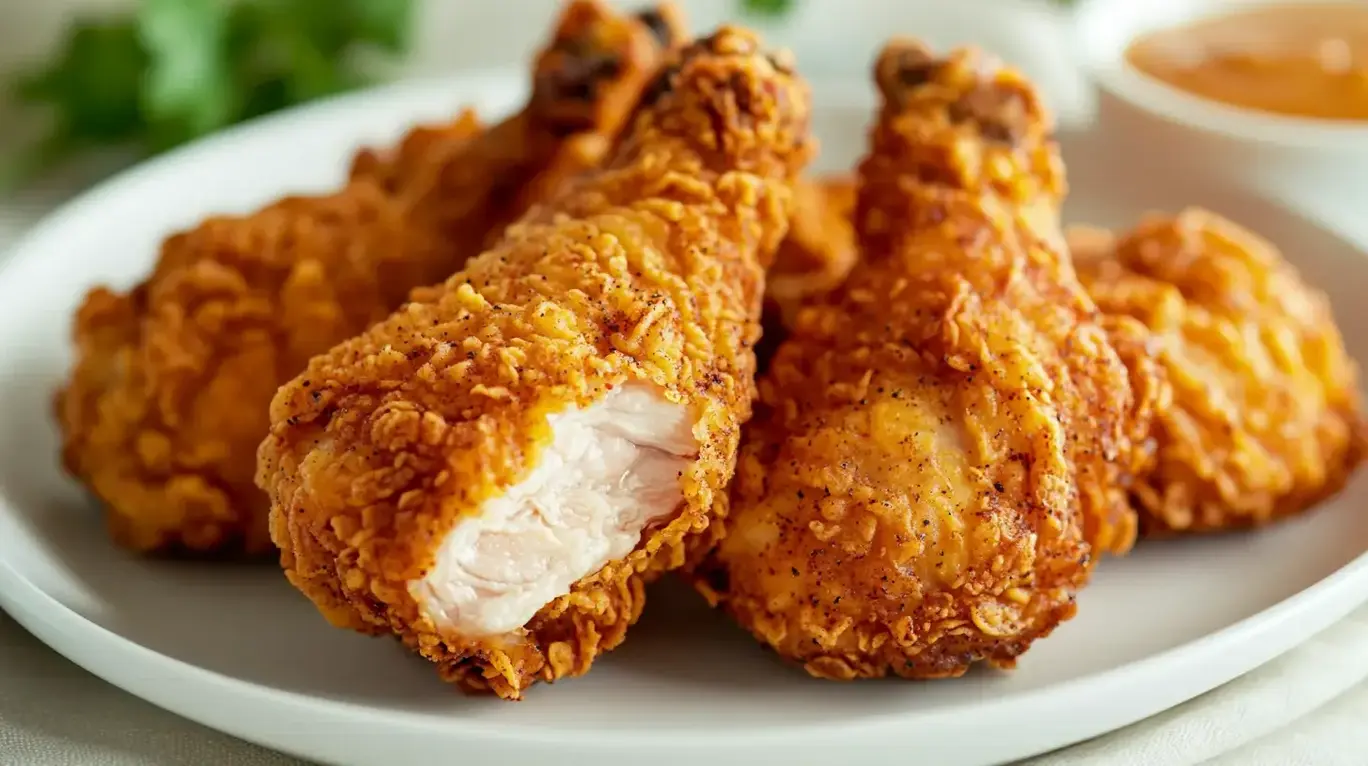
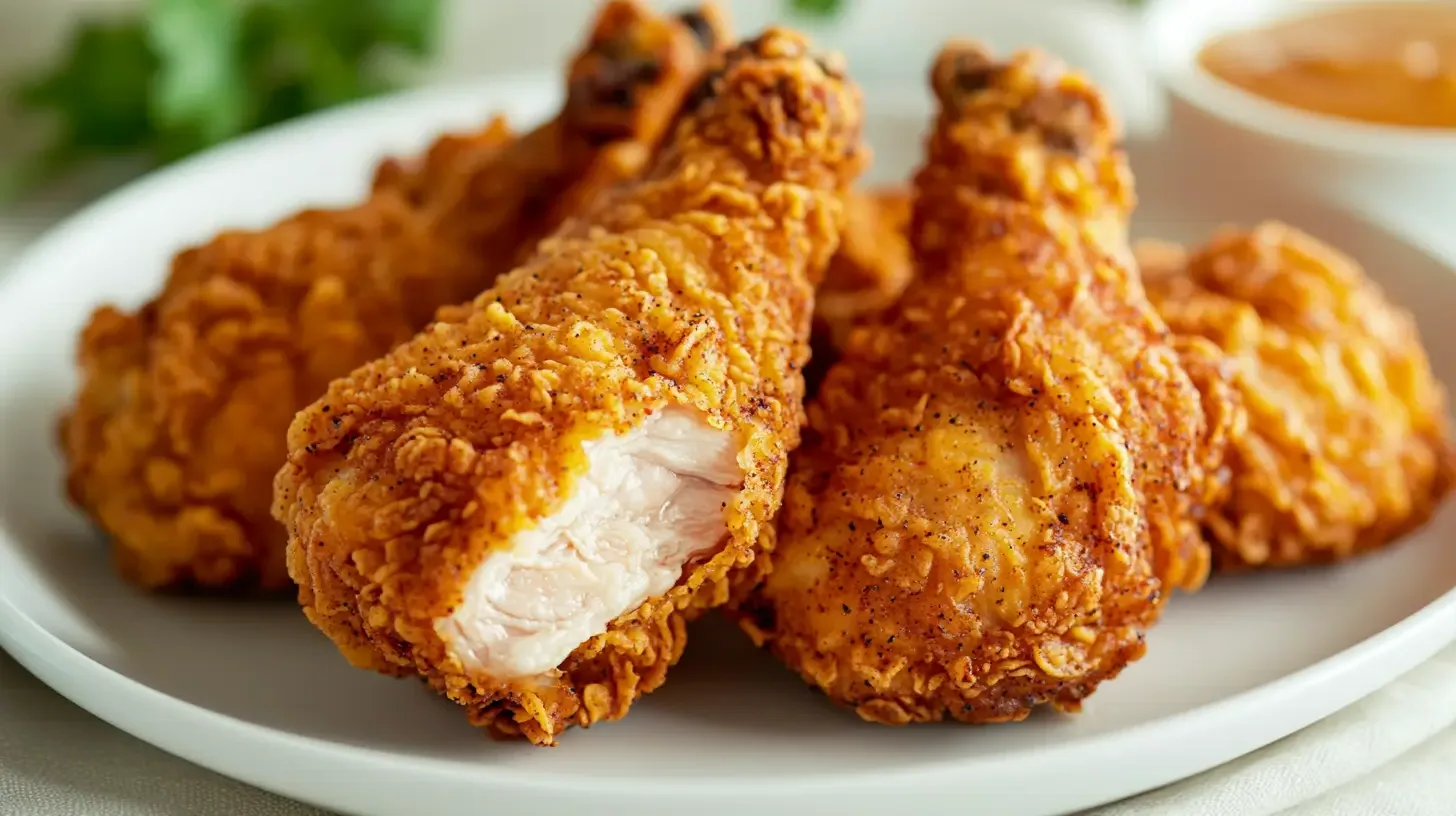
Delicious golden-brown fried chicken pieces on a wire rack.

The Art of the Perfect Fry: Step-by-Step

Step 1: Prep the Chicken

Start by patting your chicken pieces thoroughly dry with paper towels. This is a crucial step for achieving a super crispy coating. Remove any excess fat or stray feather quills. If using larger chicken breasts, you can cut them in half to ensure even cooking.

Step 2: Create the Marinade

In a medium bowl, whisk together the plain yogurt (or your chosen substitute), hot sauce, and a pinch of salt and pepper. This creates a tangy, tenderizing liquid with a bit of zing.

Step 3: Marinate for Flavor

Add the dried chicken pieces to the marinade, ensuring each piece is well-coated. Cover the bowl and refrigerate for at least 30 minutes, or ideally, for 2-4 hours. The longer it marinates, the more tender and flavorful your chicken will become.

Step 4: Prepare the Coating

In a shallow dish or a large zip-top bag, combine the flour, cornstarch, salt, black pepper, paprika, garlic powder, onion powder, and cayenne pepper (if using). Whisk or shake well to ensure all the spices are evenly distributed. This is where all the savory flavor is concentrated!

Step 5: Coat the Chicken

Remove the chicken from the marinade, letting any excess drip off. *Do not rinse the chicken.* Dredge each piece generously in the seasoned flour mixture, pressing the flour onto the chicken to create a thick, even coating. For an extra craggy crust, you can dip the floured chicken back into the marinade briefly, then dredge it again in the flour. This creates layers for maximum crisp.

Step 6: Heat the Oil

Pour your chosen frying oil into a heavy-bottomed pot or Dutch oven, ensuring it’s about 1.5-2 inches deep. Heat the oil over medium-high heat to 350°F (175°C). Use a thermometer to ensure accuracy. If you don’t have one, test by dropping a tiny bit of flour into the oil; it should sizzle vigorously.

Step 7: Fry to Perfection

Carefully add the coated chicken pieces to the hot oil, being careful not to overcrowd the pot. Fry in batches. The oil temperature should ideally stay between 325°F and 350°F (160°C-175°C). Cook bone-in pieces for about 15-20 minutes, flipping occasionally, until golden brown and cooked through (internal temperature of 165°F or 74°C). Dark meat may take slightly longer than white meat.

Step 8: Drain and Rest

Once cooked, remove the chicken from the oil using tongs or a spider strainer and place it on a wire rack set over a baking sheet. This allows air to circulate, keeping the underside crisp. Let the chicken rest for at least 5-10 minutes before serving. This allows the juices to redistribute, ensuring a moist interior.

Nutritional Highlights

  • Calories: Varies significantly based on chicken parts and portion size.
  • Protein: High in protein, especially from chicken breast and thighs.
  • Fat: Primarily from the oil used for frying and the chicken skin.
  • Carbohydrates: From the flour coating.

(Note: For precise nutritional information, it’s recommended to use an online recipe calculator with your specific ingredients and quantities.)

Healthier Alternatives for a Lighter Bite

While this recipe delivers classic fried chicken flavor, you can make it a bit lighter without sacrificing too much! Try these swaps:

  • Air Fryer Method: After coating, place chicken in a single layer in your air fryer basket and cook at 380°F (190°C) for about 20-25 minutes, flipping halfway, until golden and cooked through. Spraying lightly with cooking spray can help with browning.
  • Oven Baking: Place coated chicken on a wire rack over a baking sheet. Bake at 400°F (200°C) for 35-45 minutes, flipping halfway, until golden brown and cooked through.
  • Whole Wheat Flour: Substitute half of the all-purpose flour with whole wheat flour for added fiber.
  • Leaner Cuts: While skinless boneless thighs are an option, consider chicken breast (ensure it’s not overcooked) as a slightly leaner protein source.

Serving Suggestions: Beyond the Basics

This buttermilk-free fried chicken is incredibly versatile. Serve it up with classic Southern sides like:

  • Creamy mashed potatoes and gravy
  • Coleslaw (creamy or vinegar-based)
  • Cornbread or biscuits
  • Macaroni and cheese
  • A crisp green salad for a lighter meal
  • It’s also fantastic in sandwiches or served cold atop a salad the next day!

Common Pitfalls to Avoid

Even with a great recipe, a few common mistakes can derail your fried chicken dreams:

  • Not drying the chicken: Excess moisture prevents a crispy coating.
  • Overcrowding the pot: Lowers the oil temperature, leading to greasy, soggy chicken. Fry in batches!
  • Incorrect oil temperature: Oil too cool results in greasiness; too hot burns the outside before the inside cooks. Use a thermometer!
  • Skipping the rest: Letting the chicken rest is crucial for juicy meat.
  • Not seasoning enough: Both the marinade and the flour coating need to be well-seasoned.

Storing Your Delicious Creation

Cool the fried chicken completely before storing. Place it in an airtight container or secure with plastic wrap. It will keep in the refrigerator for 3-4 days. For the crispiest reheating, place it on a wire rack in a single layer in a 350°F (175°C) oven for about 10-15 minutes, or until heated through.

The Final Bite: A Triumph of Flavor

Making perfect fried chicken without buttermilk is not only possible but also incredibly rewarding. By understanding the science behind tenderization and crisping, and utilizing simple pantry staples like yogurt, you can achieve that sought-after crispy, juicy, flavorful chicken every time. So, next time buttermilk is MIA, don’t despair! Embrace this method and treat yourself to an unforgettable meal.

Frequently Asked Questions

***Can I use chicken breasts?***

Yes, you can! Boneless, skinless chicken breasts cook faster, so watch them carefully to avoid overcooking and drying them out. They may require a slightly shorter frying time than bone-in pieces.

***How do I ensure the chicken is cooked through?***

The most reliable way is to use an instant-read meat thermometer. Insert it into the thickest part of the chicken without touching the bone. It should register 165°F (74°C). If you don’t have a thermometer, poke a piece with a knife; the juices should run clear, not pink.

***My coating fell off during frying. What went wrong?***

This often happens if the chicken wasn’t dried properly before coating, or if the flour mixture wasn’t pressed on firmly enough. Ensure the chicken is dry, and press the flour onto it well. For an even better hold, try the double-dip method (marinade -> flour -> marinade -> flour).

***Can I make the seasoned flour ahead of time?***

Yes, you can mix your dry ingredients for the coating a day or two in advance and store them in an airtight container. However, it’s best to coat the chicken just before frying.

***Is it safe to reuse frying oil?***

Yes, you can reuse frying oil if it hasn’t been overheated or isn’t too dirty. Let the oil cool completely, strain it through cheesecloth or a fine-mesh sieve to remove debris, and store it in an airtight container in a cool, dark place. Avoid reusing oil if it has a burnt smell or taste.

Print
clock clock iconcutlery cutlery iconflag flag iconfolder folder iconinstagram instagram iconpinterest pinterest iconfacebook facebook iconprint print iconsquares squares iconheart heart iconheart solid heart solid icon

Fried Chicken Without Buttermilk

  • Author: Chef Mia

Description

Maintain oil temperature at 350°F for best resultsFor extra crispiness, let dredged chicken rest longer before fryingChicken should reach internal temperature of 165°FStore leftovers in refrigerator up to 3 days


Ingredients

Scale
  • 4 pounds chicken pieces (thighs, drumsticks, wings, or breasts)
  • 2 cups cold water
  • 2 tablespoons kosher salt
  • 1 tablespoon white vinegar
  • 1 teaspoon sugar
  • 3 cloves garlic, smashed
  • 1 bay leaf
  • For the Seasoned Flour Coating:
  • 2 cups all-purpose flour
  • 1 tablespoon paprika
  • 2 teaspoons garlic powder
  • 2 teaspoons onion powder
  • 1½ teaspoons black pepper
  • 1 teaspoon dried thyme
  • 1 teaspoon dried oregano
  • 1 teaspoon cayenne pepper
  • 2 teaspoons salt
  • For the Egg Wash:
  • 2 large eggs
  • ¼ cup water
  • 1 tablespoon hot sauce (optional)
  • For Frying:
  • Vegetable oil, peanut oil, or canola oil

Instructions

  1. Combine brine ingredients and submerge the chicken. Refrigerate 4+ hours.
  2. Pat chicken dry. Prepare dredging station: seasoned flour, egg wash, more seasoned flour.
  3. Double-dredge each piece and rest for 15 minutes on a wire rack.
  4. Heat oil to 350°F in a Dutch oven or heavy pan.
  5. Fry in batches for 12-14 minutes (large pieces) or 10-12 minutes (small pieces), turning once.
  6. Drain on a wirea rack and rest 5-10 minutes before serving.

Notes

Maintain oil temperature at 350°F for best resultsFor extra crispiness, let dredged chicken rest longer before fryingChicken should reach internal temperature of 165°FStore leftovers in refrigerator up to 3 days


Nutrition

  • Calories: 400

“`