A Flavor Explosion You’ll Keep Coming Back For – Moroccan Spiced Chicken with Harissa & Preserved Lemon

⚖️
Difficulty
Easy
⏲️
Prep Time
15 mins
🕒
Cook Time
45 mins
⏱️
Total Time
60 mins
🍽️
Servings
4

I still remember the first time I made this flavor explosion recipe in my tiny New York City apartment, and the scent filled every corner of my kitchen. It reminded me of standing beside my mother in our home in Marrakech, her hands dusted with cumin, the air heavy with smoky paprika and a whisper of saffron. That’s the kind of magic I wanted to bring to your table: a dish that’s equal parts bold and comforting, with layers of bold flavor meals that keep you reaching for another spoonful.

Imagine tender chicken thighs, seared to golden, then slow-simmered in a gravy alive with garlic, ginger, harissa, and preserved lemon. The first forkful hits you with warmth, then a bright citrus pop, then a gentle heat that lingers just enough. It’s the kind of delicious comfort food recipe that turns a weeknight dinner into something you actually look forward to. I serve mine over fluffy couscous or with warm crusty bread to soak up every last drop.

What sets this apart from other easy flavorful dinner recipes? It’s the secret finishing step I learned in Paris: a quick drizzle of herb oil right before serving that locks in moisture and adds a fresh, green burst. One common mistake people make is skipping the resting time – but I’ll show you exactly why it matters. This savory dish idea has become my most-requested recipe at dinner parties, and I’m thrilled to share it with you today.

Why This Flavor Explosion Recipe Is the Best

The Flavor Secret: Most stews rely on one or two spices, but this one layers a full Moroccan blend – cumin, coriander, smoked paprika, cinnamon, and a pinch of saffron – each one toasted in oil to unlock its aromatic oils. I add a generous spoonful of harissa paste for depth and preserved lemon for that signature tang. It’s a flavor explosion recipe that tastes complex but comes together with simple pantry staples.

Perfected Texture: After years at Le Cordon Bleu, I learned that the key to tender chicken is browning it well and then simmering low and slow. The thighs stay juicy, while the sauce thickens naturally without any cornstarch. The final touch – a quick broil or pan-sear after braising – gives the chicken a lightly caramelized crust that contrasts beautifully with the rich sauce.

Foolproof & Fast: Don’t let the spice list intimidate you – once you’ve done it once, it becomes a 15-minute prep dinner. I’ve tested this with beginner cooks in my NYC workshops, and everyone nails it on the first try. The recipe scales up for a crowd or halves easily for two.

Flavor Explosion Recipe Ingredients

I source my spices from the spice bazaar in Astoria, Queens – a little taste of my childhood market. The preserved lemons I keep on hand all year round; they’re worth seeking out. For this flavor explosion recipe, you’ll need a mix of fresh produce, pantry spices, and a few special items that make all the difference.

Ingredients List

  • 1½ lbs bone-in, skin-on chicken thighs (about 4–5)
  • 2 tbsp olive oil
  • 1 large yellow onion, finely diced
  • 4 cloves garlic, minced
  • 1 tbsp fresh ginger, grated
  • 1 tsp ground cumin
  • 1 tsp ground coriander
  • 1 tsp smoked paprika
  • ½ tsp ground cinnamon
  • ¼ tsp saffron threads (optional, but incredible)
  • 2 tbsp harissa paste (mild or spicy to taste)
  • 1 preserved lemon, pulp removed and rind finely chopped
  • 1 cup low-sodium chicken broth
  • 1 (14.5 oz) can diced tomatoes, drained
  • ½ cup green olives (optional, for extra brine)
  • Salt and black pepper to taste
  • Fresh cilantro and parsley for garnish
  • For the herb oil: ¼ cup olive oil, ¼ cup chopped fresh parsley, 2 tbsp chopped fresh cilantro, 1 small clove garlic (optional)

Ingredient Spotlight

Harissa paste is the heart of this dish – it’s a North African chili paste with roasted red peppers, garlic, caraway, and cumin. Look for it in a tube or jar near international foods. If you can’t find it, mix 1 tbsp tomato paste + 1 tsp smoked paprika + ½ tsp cayenne + ¼ tsp caraway seeds. The flavor won’t be identical but still delicious.

Preserved lemon is a game-changer. The salt-cured rind adds a floral, tangy note that brightens the entire sauce. At US grocery stores, look in the international aisle or Mediterranean section. Rinse off the salt and remove the pulp before chopping the rind. No preserved lemon? Use 1 teaspoon fresh lemon zest + a squeeze of lemon juice, but the texture will be less complex.

Saffron is optional but worth the splurge for special occasions. It adds an earthy, honey-like depth. Toast the threads in a dry pan for 10 seconds before crumbling, or steep in 2 tbsp hot water for 10 minutes. A good substitute is a pinch of turmeric (for color) plus a dash of honey.

Original IngredientBest SubstitutionFlavor / Texture Impact
Harissa pasteTomato paste + smoked paprika + cayenne + carawayLess complex heat, still smoky, ok for mild versions
Preserved lemonFresh lemon zest + juice (1:1)Missing briney, floral depth; brighter acidity
SaffronTurmeric + pinch of honeyColor only; no saffron’s honey-earthy note
Chicken thighsBoneless skinless thighs or legsLess fat but still juicy; reduce cooking time by 10 min

How to Make Flavor Explosion Chicken – Step-by-Step

I promise, the process is easier than it looks. Let’s walk through each step so you feel confident. The secret is building flavor at every stage – from toasting spices to the final drizzle of herb oil.

Step 1: Sear the Chicken

Pat the chicken thighs dry with paper towels. Season generously with salt and pepper. Heat 1 tablespoon of olive oil in a large Dutch oven or heavy pot over medium-high heat. Place the chicken skin-side down and cook undisturbed for 5–7 minutes until deep golden brown. Flip and cook another 3 minutes. Transfer to a plate.

💡 mia’s Pro Tip: Don’t overcrowd the pot – if the pieces touch, they’ll steam instead of brown. Work in two batches if needed.

Step 2: Sweat the Aromatics

Reduce heat to medium. Add the remaining 1 tbsp olive oil. Sauté the diced onion for 4–5 minutes until translucent. Add garlic and ginger, stirring constantly for 30 seconds until fragrant. Then add all the ground spices (cumin through saffron) and cook for another minute, stirring – this toasts the spices and releases their oils.

⚠️ Common Mistake to Avoid: Don’t let the garlic burn – keep the heat moderate and stir frequently. Burnt garlic turns bitter and will ruin the whole sauce.

Step 3: Build the Sauce

Stir in the harissa paste and chopped preserved lemon rind, then pour in the chicken broth and diced tomatoes. Use a wooden spoon to scrape up any browned bits from the bottom – that’s concentrated flavor. Bring to a simmer. Return the chicken thighs to the pot skin-side up, along with any juices from the plate.

💡 mia’s Pro Tip: If using green olives, add them now. They’ll plump up in the sauce and add a briny counterpoint to the spices.

Step 4: Simmer Low and Slow

Cover the pot and reduce heat to low. Simmer for 35–40 minutes, until the chicken is tender and the sauce has thickened slightly. Uncover and let it cook another 5–10 minutes if you want a thicker sauce. Taste and adjust salt and pepper – the preserved lemon and olives add salt, so go easy.

⚠️ Common Mistake to Avoid: Never rush the simmer. High heat will toughen the chicken and evaporate the sauce too fast. Low and slow is key.

Step 5: Make the Herb Oil and Finish

While the chicken simmers, combine the herb oil ingredients in a small blender or food processor: ¼ cup olive oil, chopped parsley, cilantro, and a garlic clove. Blitz until smooth. When the chicken is done, drizzle half the herb oil over the top and swirl gently. Serve with remaining herb oil on the side.

💡 mia’s Pro Tip: This herb oil is inspired by a sauce I made at a Parisian bistro – it brightens every bite and keeps the chicken moist for leftovers.

StepActionDurationKey Visual Cue
1Sear chicken skin-side down5–7 minGolden brown crust
2Sauté onion, garlic, ginger, spices6 minOnion translucent, spices fragrant
3Add harissa, broth, tomatoes; simmer2 minSauce bubbling, scraped up fond
4Cover and simmer35–40 minChicken tender, sauce thickened
5Make herb oil and finish5 minBright green oil drizzled on top

Serving & Presentation

I love serving this flavor explosion recipe family-style, right from the pot. The sauce is the star, so I always pair it with something that soaks it up: fluffy couscous (the Moroccan way), warm pita or naan, or even creamy mashed potatoes for a cross-cultural twist. In NYC, I’ve also seen it served over saffron rice – absolutely divine.

Garnish with a generous sprinkle of fresh cilantro and parsley, and maybe a few extra harissa swirls if you like heat. The preserved lemon slices are gorgeous on top. I like to add a small bowl of herbed yogurt (Greek yogurt + mint + lemon) on the side for a cooling contrast. The table comes alive with colors – deep red sauce, green herbs, golden chicken – and the aroma will have everyone reaching for their plates before you sit down.

For a dinner party, plate individual portions: a bed of couscous, a thigh or two, plenty of sauce, and a drizzle of the reserved herb oil. It’s the kind of delicious comfort food recipe that looks as beautiful as it tastes. Don’t forget to pass extra olives and harissa at the table!

Pairing TypeSuggestionsWhy It Works
Side DishCouscous, saffron rice, warm pita, mashed potatoesAbsorbs the rich sauce; complements the spices
Sauce / DipHerbed yogurt (mint + lemon), extra harissa, chermoulaCooling yogurt balances heat; chermoula adds freshness
BeverageMint tea, dry rosé, sparkling water with lemonMint tea echoes Moroccan tradition; rosé cuts richness
GarnishFresh cilantro, parsley, sliced preserved lemon, pomegranate seeds (seasonal)Adds color, freshness, and a pop of texture

Make-Ahead, Storage & Reheating

This is one of my favorite easy flavorful dinner recipes for meal prep – it actually tastes better the next day as the flavors meld. For busy NYC weeks, I make a batch on Sunday and enjoy it for lunches or quick dinners. Here’s how to store and reheat it like a pro.

MethodContainerDurationReheating Tip
RefrigeratorAirtight containerUp to 4 daysReheat on stovetop over medium-low, add splash of broth if needed
FreezerFreezer-safe container or zip-top bagUp to 3 monthsThaw overnight in fridge; reheat in covered pot at low, 15–20 min
Make-AheadPrepare up to step 4, cool, refrigerate2 days in advanceReheat to simmer, then finish with herb oil just before serving

When reheating, I always bring the sauce back to a gentle simmer – never boil, or the chicken may dry out. Add a tablespoon of water or broth if the sauce has thickened too much. The herb oil is best added fresh, so make it just before serving. If you have leftover oil, it keeps for a week in the fridge and is amazing drizzled over roasted vegetables or eggs.

Variations & Easy Swaps

VariationKey ChangeBest ForDifficulty Impact
Vegetarian Chickpea TagineReplace chicken with 2 cans chickpeas, add carrots & sweet potatoMeatless Monday, vegan optionEasy – same method, shorter simmer
Spicy Lamb VariationUse lamb shoulder cubes, add 1 tsp ras el hanoutSpecial occasion, deeper flavorMedium – need to brown in batches
Quick Weeknight SkilletBoneless thighs, reduce simmer to 20 min, skip herb oilBusy weeknight, less timeEasy – faster, still delicious

Vegetarian Chickpea Tagine

For a hearty meat-free version, swap the chicken for two 15-ounce cans of chickpeas (drained) and add a diced carrot and a cubed sweet potato. Follow the same steps, but only simmer for 20–25 minutes after adding the broth. Stir in ½ cup of golden raisins for a touch of sweetness – a trick I learned from a market vendor in Marrakech. Serve over couscous and top with toasted almonds.

Gluten-Free / Dairy-Free Swaps

This recipe is naturally gluten-free as written – just skip the pita or use gluten-free bread. For dairy-free, omit the herbed yogurt or use a coconut yogurt alternative. The herb oil is already dairy-free, so that’s perfect. One note: if you’re avoiding nightshades, replace the tomatoes with an extra cup of chicken broth and increase the preserved lemon for tang.

Seasonal Flavor Twist

In summer, I add a handful of chopped fresh apricots or peaches during the last 10 minutes of simmering – their sweetness plays beautifully with the harissa. In fall, swap the green olives for butternut squash cubes and add a pinch of nutmeg. I love visiting the Union Square Greenmarket and picking whatever looks best; the dish is forgiving and always turns into a flavor explosion recipe.

What ingredients make this dish such a flavor explosion?

The combination of toasted ground cumin, coriander, smoked paprika, cinnamon, and a whisper of saffron creates an aromatic base that’s both warm and complex. Harissa paste adds a fiery, smoky depth, while preserved lemon brings a bright, briny tang that cuts through the richness. The final layer is a fresh herb oil made from parsley, cilantro, and garlic – it lifts every bite and ties all the flavors together. It’s the layering that makes this a true flavor explosion recipe.

How can I adjust the spice level in this recipe without losing the flavor?

If you’re sensitive to heat, reduce the harissa paste to 1 tablespoon and remove the seeds from any fresh chilies if you add them. You can also swap the smoked paprika for sweet paprika. The key is to keep the aromatic spices (cumin, coriander, cinnamon) at their full amount – they provide flavor without heat. For extra heat without altering the Moroccan profile, add a pinch of cayenne or Aleppo pepper at the end.

Can I make this dish ahead of time and reheat it?

Absolutely – this easy flavorful dinner recipe tastes even better the next day. Prepare the entire dish through step 4 (before adding the herb oil) and let it cool completely. Refrigerate in an airtight container for up to 4 days or freeze for 3 months. To reheat, transfer to a pot and warm over medium-low, adding a splash of broth if the sauce has thickened. Make a fresh batch of herb oil right before serving – it only takes 2 minutes in a blender.

What are the best side dishes to serve with this flavor-packed meal?

I always recommend something that soaks up the sauce – couscous is my go-to, but fluffy basmati rice or warm pita bread work beautifully. For a refreshing contrast, serve a simple cucumber and tomato salad with lemon and mint, or a bowl of herbed yogurt. Roasted carrots or a lemony green bean salad also pair well. In the colder months, roasted sweet potatoes or a simple buttered orzo are cozy choices.

Is this recipe suitable for a weeknight dinner?

Yes, with a little upfront prep it’s a fantastic weeknight meal. I recommend doing the chopping (onion, garlic, ginger) the night before, and even mixing the spice blend. Then on the day, it’s about 15 minutes of active cooking followed by a mostly hands-off simmer. If you’re really pressed for time, use boneless chicken thighs and reduce the simmer to 20 minutes – the flavor is still incredible.

Can I use chicken breasts instead of thighs?

You can, but I recommend thighs for this delicious comfort food recipe because they stay juicier during the long simmer. If you use boneless, skinless chicken breasts, reduce the cooking time to about 15–20 minutes after adding the sauce – test with a meat thermometer (165°F). To prevent dryness, sear the breasts quickly, then add them back to the sauce only for the last 10 minutes of simmering.

What is preserved lemon and where can I find it?

Preserved lemon is a North African staple made by curing whole lemons in salt and their own juices for weeks. The rind becomes soft, tangy, and slightly floral – a unique ingredient you’ll love. You can find jars in the international aisle of most US grocery stores (look for brands like Cortas), at Middle Eastern markets, or online. Rinse the lemon before using, remove the pulp, and chop the rind finely. It keeps for months in the fridge.

Can I make this recipe in a slow cooker or Instant Pot?

Yes, with adjustments. For a slow cooker: sear the chicken and sauté the aromatics on the stovetop, then transfer everything to the slow cooker along with the remaining ingredients. Cook on low for 6–8 hours or high for 3–4 hours. For an Instant Pot: use the sauté function for searing and sautéing, then pressure cook on high for 15 minutes with a natural release. In both cases, make the herb oil fresh at the end.

How do I store leftover herb oil?

Store any leftover herb oil in a small glass jar in the refrigerator for up to one week. The olive oil will solidify slightly, so take it out 10 minutes before using. It’s fantastic drizzled over roasted vegetables, grilled fish, or even stirred into rice. If you prefer, you can also freeze the oil in an ice cube tray – pop out a cube when needed for a quick burst of flavor.

What can I use instead of harissa?

If you can’t find harissa, make a quick substitute: mix 1 tablespoon tomato paste with 1 teaspoon smoked paprika, ½ teaspoon cayenne (adjust to taste), ¼ teaspoon ground caraway seeds, and a pinch of garlic powder. This won’t have the same roasted complexity, but it will still provide a smoky heat. Another option is to use sambal oelek or gochujang, but the flavor profile will shift towards Asian rather than North African.

Share Your Version!

I really hope you love this flavor explosion recipe as much as my family and friends do. There’s nothing better than hearing how a dish comes to life in someone else’s kitchen. If you make it, please leave a star rating and a comment below – I read every single one and answer questions personally.

Snap a picture of your creation and tag me on Instagram or Pinterest using @exorecipes – I love seeing your photos! And tell me: Did you stick with the classic version or try one of the variations? Your feedback helps me create more bold flavor meals you’ll keep coming back for. From my NYC kitchen to yours – I hope this recipe brings as much warmth to your table as it does to mine. — mia 🧡

📌

Love This Recipe? Save It to Pinterest!

If you enjoyed this Moroccan Spiced Chicken recipe, don’t let it get lost in your browser tabs! 😄 Pin it now so you can find it again anytime – and explore hundreds more tried-and-tested recipes waiting for you on my Pinterest boards.

👉 Follow mia on Pinterest @chefrecipes2

📌 Pin this recipe · 🔁 Re-pin your favorites · 💬 Tag me when you make it – I love seeing your creations!

Print

clock clock iconcutlery cutlery iconflag flag iconfolder folder iconinstagram instagram iconpinterest pinterest iconfacebook facebook iconprint print iconsquares squares iconheart heart iconheart solid heart solid icon

A Flavor Explosion Youll Keep Coming Back For

  • Author: Chef Mia

Instructions


    A Flavor Explosion Youll Keep Coming Back For

    A Feast of Foil: Grilled Shrimp, Corn, Potatoes, and Smoked Sausage – Your New Go-To Summer Dinner

    ⚖️
    Difficulty
    Easy
    ⏲️
    Prep Time
    15 mins
    🕒
    Cook Time
    22 mins
    ⏱️
    Total Time
    37 mins
    🍽️
    Servings
    4

    I still remember the first time I made foil packet meals on a tiny balcony grill in my Upper West Side walk-up. The smell of smoked sausage mingling with sweet corn and garlic butter drifting through the neighborhood — it was pure New York summer magic. This grilled shrimp and sausage foil packets recipe is my take on a classic shrimp boil, but made infinitely easier and more forgiving. No huge pot of boiling water, no mess, and the clean-up is practically non-existent. Born from my French training in Paris where we learned the art of en papillote (cooking in parchment), this foil packet method applies that same steam-infused genius to the grill. Within the first few minutes of cooking, your kitchen — or your patio — fills with the most intoxicating aroma of smoked paprika, garlic, and butter melting into tender potatoes and juicy shrimp.

    Imagine opening a foil packet at the dinner table: a puff of fragrant steam escapes, revealing plump pink shrimp nestled next to golden corn, fork-tender baby potatoes, and caramelized slices of smoked sausage. Every element has been cooked to its ideal texture — the potatoes soft and creamy, the corn sweet with a hint of char, the sausage edges crisped, and the shrimp succulent and briny. A drizzle of herb butter ties it all together, with fresh parsley adding a pop of color and lemon wedges offering a bright, citrusy finish. This isn’t just a meal; it’s an event. The kind of dinner that makes everyone gathered around the table feel like they’re on vacation, even if you’re just in your own backyard.

    What sets my version apart is a technique I honed in Paris: staggered cooking. I start the heartier vegetables — potatoes and corn — first, then add the shrimp and sausage later in the process so nothing overcooks. It’s a simple shift that transforms a good foil packet into a great one. In this post, I’ll share my 💡 mia’s Pro Tip for perfectly tender potatoes every time, plus a common mistake that can leave your shrimp rubbery (and exactly how to avoid it). Whether you’re a seasoned griller or a total beginner, this recipe is designed to deliver a stunning, crowd-pleasing dinner with minimal effort and maximum flavor. Let’s fire up that grill!

    Why This Grilled Shrimp and Sausage Foil Packets Recipe Is the Best

    The Flavor Secret: My Moroccan upbringing taught me that spices are the soul of any dish. Here, smoked paprika isn’t just a garnish — it’s the backbone. I blend it with garlic, butter, and a touch of black pepper to create a sauce that coats every single ingredient. The smoky heat from the paprika melds with the natural sweetness of the corn and the briny richness of the shrimp, while the smoked sausage adds a deep, savory note that ties everything together. This isn’t a one-note meal; it’s a symphony of flavors that builds with every bite.

    Perfected Texture: The biggest challenge with any foil packet meal is ensuring everything cooks evenly. Potatoes need more time than shrimp, and corn falls somewhere in between. My solution? A two-stage grilling process. The potatoes and corn get a 15-minute head start, then the shrimp joins the party for the final 5–7 minutes. This way, the potatoes are perfectly fork-tender, the corn is juicy with a hint of char, and the shrimp remain tender and never, ever rubbery. It’s a chef’s trick that makes all the difference.

    Foolproof & Fast: From start to finish, this meal comes together in under 40 minutes. There’s no marinating, no complicated techniques, and no pile of dishes. Just chop, assemble, grill, and eat. It’s the perfect weeknight dinner that feels like a weekend feast. Plus, it’s endlessly customizable — swap in your favorite vegetables, try a different protein, or adjust the spice level to your liking. I’ve made this for busy weeknights and for backyard gatherings, and it always disappears first.

    Grilled Shrimp and Sausage Foil Packets Ingredients

    When I shop for this recipe at the Union Square Greenmarket or my local seafood counter, I look for the freshest shrimp I can find — ideally wild-caught and never pre-cooked. The corn should be in its husk so I can hear the squeaky-fresh sound when I peel it back. Baby potatoes are my go-to because they cook quickly and evenly, but any small waxy potato works beautifully. And the smoked sausage? I’m partial to a good andouille or kielbasa — both bring that unmistakable smoky depth that makes this dish sing. Let me walk you through every ingredient you’ll need.

    Ingredients List

    • 1 pound large shrimp, peeled and deveined
    • 4 ears corn, husked and cut into thirds
    • 1 pound baby potatoes, halved
    • 12 ounces smoked sausage, sliced into rounds
    • 4 tablespoons unsalted butter, melted
    • 2 cloves garlic, minced
    • 1 teaspoon smoked paprika
    • 1/2 teaspoon salt
    • 1/4 teaspoon black pepper
    • 2 tablespoons fresh parsley, chopped
    • 1 lemon, cut into wedges
    • 4 large sheets heavy-duty aluminum foil
    • Cooking spray

    Ingredient Spotlight

    Shrimp: Large shrimp (21–25 count per pound) are ideal — they’re big enough to stay juicy and don’t shrink too much on the grill. Look for raw, peeled, and deveined shrimp for convenience. If using frozen, thaw them overnight in the refrigerator or under cold running water. Never use pre-cooked shrimp; they’ll turn rubbery during the second grilling stage.

    Baby Potatoes: Halved baby potatoes (red, gold, or a mix) cook perfectly in about 20 minutes on the grill. They hold their shape and have a creamy interior. If you can only find larger potatoes, cut them into 1-inch cubes. The key is uniform size so they cook evenly. 💡 mia’s Pro Tip: Toss the potatoes in a little olive oil and salt before adding them to the packets — it helps them brown beautifully.

    Smoked Sausage: Andouille, kielbasa, or any fully cooked smoked sausage works wonderfully. Slicing into rounds about 1/2-inch thick ensures every bite gets a piece. The sausage renders a bit of fat into the packet, infusing the vegetables with even more smoky flavor. For a milder option, use turkey kielbasa — it still brings great flavor with less fat.

    Smoked Paprika: This is my non-negotiable spice. Regular paprika just doesn’t deliver the same depth. Smoked paprika adds a subtle, woodsy heat that elevates the entire dish. I buy mine from a spice shop in Chelsea Market — it’s worth seeking out a good quality brand. If you love heat, add a pinch of cayenne to the butter mixture.

    Original IngredientBest SubstitutionFlavor / Texture Impact
    Large ShrimpScallops or firm white fish (cubed)Sweeter, more delicate; adjust cook time for fish (3–4 min)
    Smoked SausageChicken or turkey kielbasa, andouilleLighter flavor, still smoky; less fat rendered
    Baby PotatoesSweet potatoes (cubed), cauliflower floretsSweeter, softer; check tenderness 2–3 min earlier
    Corn on the CobFrozen corn kernels (thawed), zucchini chunksLess sweet, more convenient; reduce cook time by 2 min
    Smoked PaprikaRegular paprika + drop of liquid smokeLess smoky depth; add liquid smoke sparingly

    How to Make Grilled Shrimp and Sausage Foil Packets — Step-by-Step

    This recipe is as straightforward as it gets, but a few chef-tested details make all the difference. Let me walk you through each step with the exact timing, visual cues, and my personal tips to ensure perfect results every time.

    Step 1: Preheat and Prep

    Preheat your grill to medium-high heat (375–400°F). While it heats, make the seasoned butter: in a small bowl, combine 4 tablespoons melted unsalted butter, 2 minced garlic cloves, 1 teaspoon smoked paprika, 1/2 teaspoon salt, and 1/4 teaspoon black pepper. Stir well and set aside. Lay out 4 large sheets of heavy-duty aluminum foil (about 18 inches each) on a flat surface and lightly spray the center of each with cooking spray.

    💡 mia’s Pro Tip: Use heavy-duty foil — regular foil can tear under the weight of the vegetables and during grilling. If you only have standard foil, double up each sheet.

    Step 2: Assemble the Packets

    Divide the halved baby potatoes evenly among the four foil sheets, placing them in the center. Top each with corn pieces and sausage slices. Drizzle half of the seasoned butter mixture (about 2 tablespoons total) evenly over the vegetables and sausage — save the rest for the shrimp. Fold the foil packets tightly by bringing the two long opposite sides together and folding them over several times to seal, then folding in the ends to create a secure, rectangular packet. Leave a little room inside for steam to circulate.

    ⚠️ Common Mistake to Avoid: Don’t overfill the packets. Leave at least an inch of space between the food and the foil edges so the steam can circulate properly. Overstuffed packets lead to uneven cooking.

    Step 3: First Grill — The Vegetables

    Place the sealed packets on the preheated grill, close the lid, and cook for 15 minutes. After 15 minutes, carefully open one packet (watch for the burst of hot steam!) and check if the potatoes are tender by piercing one with a fork. If they’re still firm, reseal the packet and cook for 2–3 more minutes. Potatoes are the benchmark here — once they’re fork-tender, everything else is ready for the next stage.

    💡 mia’s Pro Tip: Cut the baby potatoes to a uniform size — about 1-inch chunks if they’re larger than a golf ball. This ensures every piece cooks at the same rate. No one wants half-tender, half-crunchy potatoes!

    Step 4: Add the Shrimp

    Once the potatoes are tender, carefully open all four packets (keep the foil cradles intact to catch the juices). Arrange the raw shrimp evenly over the top of the vegetables and sausage in a single layer. Drizzle the remaining butter mixture over the shrimp. Close the packets loosely this time — just fold the foil over without crimping tightly. You want some steam to escape while the shrimp cook quickly.

    ⚠️ Common Mistake to Avoid: Don’t seal the packets tightly on the second round. Tight sealing traps too much steam and can overcook the shrimp in the residual heat. A loose fold keeps them tender and perfectly opaque.

    Step 5: Second Grill — The Shrimp

    Return the loosely closed packets to the grill, close the lid, and cook for an additional 5–7 minutes, until the shrimp are pink, opaque, and just firm to the touch. The exact timing depends on the size of your shrimp and your grill’s heat — start checking at 5 minutes. Remove the packets from the grill using tongs, open them carefully (steam is still hot!), sprinkle with fresh chopped parsley, and serve immediately with lemon wedges for squeezing over the top.

    💡 mia’s Pro Tip: Arrange the shrimp in a single, even layer so they all cook at the same pace. Overlapping them can leave some undercooked while others are overdone. And never walk away during this final stage — shrimp go from perfect to overdone in less than a minute.

    StepActionDurationKey Visual Cue
    1Preheat & mix butter5 minButter fully melted, spices incorporated
    2Assemble packets with veg + sausage5 minPackets tightly sealed, no gaps
    3First grill: vegetables15–18 minPotatoes fork-tender
    4Add shrimp, close loosely2 minShrimp in single layer, foil loosely folded
    5Second grill: shrimp5–7 minShrimp pink, opaque, firm

    Serving & Presentation

    This meal is designed to be served right in the foil packet — set each packet on a dinner plate, open it at the table, and let the steam and aroma do their magic. The contrast of the shiny foil against the bright green parsley and golden lemon wedges makes for a stunning, rustic presentation. I love placing a small bowl of extra melted butter with a pinch of smoked paprika on the side for dipping, plus a pile of napkins — this is finger-licking good food.

    In my NYC kitchen, I often pair this with a simple arugula salad tossed with lemon vinaigrette to cut through the richness, or a crusty baguette to soak up every last drop of the buttery garlic sauce. For a true summer feast, serve it alongside cold beer or a crisp white wine like Sauvignon Blanc. And if you’re feeling fancy (I learned this in Paris), a dollop of rouille or aioli on the side adds a lovely Provencal touch.

    Pairing TypeSuggestionsWhy It Works
    Side DishArugula salad, crusty baguette, coleslawFreshness and crunch balance the rich, buttery seafood
    Sauce / DipExtra smoked paprika butter, aioli, rouilleAdds creaminess and a hit of garlic or spice
    BeverageCold lager, Sauvignon Blanc, lemonadeCrisp, cold drinks cut through the smoky richness
    GarnishFresh parsley, lemon wedges, flaky sea saltBrightness, color, and a final pop of flavor

    Make-Ahead, Storage & Reheating

    Living in New York means my schedule is always packed. I love that this recipe can be prepped ahead so dinner is practically ready when I walk in the door. You can assemble the packets (without the shrimp) up to a day in advance and refrigerate them. When you’re ready to cook, simply add the shrimp during the second grilling stage as directed. Leftovers store beautifully too — though honestly, they rarely last long in my house.

    MethodContainerDurationReheating Tip
    RefrigeratorAirtight containerUp to 3 daysReheat in a covered skillet over medium-low with a splash of water or butter
    FreezerFreezer-safe bag or containerUp to 2 monthsThaw overnight, reheat in a 350°F oven for 10–12 minutes
    Make-AheadAssembled foil packets (no shrimp)Up to 24 hours in advanceAdd shrimp just before the second grilling stage; no need to bring to room temp

    For reheating leftovers, I recommend a covered skillet over medium-low heat with a tablespoon of butter or water to re-steam the ingredients. The microwave works in a pinch, but it can make the shrimp a bit tough. If you froze the cooked packets, thaw them in the refrigerator overnight, then reheat in a 350°F oven for about 10 minutes — the foil helps retain moisture beautifully.

    💡 mia’s Pro Tip: When making ahead, keep the shrimp separate and add it only during the final grilling stage. Pre-cooked, then reheated shrimp will never be as tender as shrimp cooked fresh. This one-step separation is the secret to perfect leftovers.

    Variations & Easy Swaps

    One of the things I love most about this recipe is how endlessly adaptable it is. Whether you’re cooking for dietary needs, using what’s in your fridge, or just craving a different flavor profile, these variations have all been tested in my NYC kitchen and come highly recommended.

    VariationKey ChangeBest ForDifficulty Impact
    Spicy CajunAdd 1 tsp Cajun seasoning + 1/4 tsp cayenneHeat lovers, Louisiana-style cravingsEasy — just stir in spices
    Lemon-HerbAdd lemon zest + 1 tbsp fresh dill or thymeSpring dinners, lighter flavorEasy — stir in with the butter
    Dairy-Free / VeganUse vegan butter or olive oil + omit shrimpPlant-based, dairy-free needsEasy — simple swap

    Spicy Cajun Variation

    For a taste of New Orleans, swap the smoked paprika for 1 teaspoon of Cajun seasoning and add a pinch of cayenne to the butter mixture. The heat plays beautifully with the sweet corn and tender shrimp. I like to add sliced okra (frozen works great) to the packets for extra Southern authenticity. This version reminds me of the shrimp boils I’ve enjoyed at NYC’s Cajun seafood spots — but made right on my own grill.

    Lemon-Herb Variation

    In the spring and summer, I often make a lighter version with lemon zest, fresh dill, and thyme instead of smoked paprika. The butter becomes bright and aromatic, and the shrimp taste like they’ve been kissed by the Mediterranean. Add a splash of white wine to the butter mixture for an extra layer of elegance — a trick I picked up during my pastry training in Paris, where even simple dishes are treated with reverence.

    Dairy-Free / Vegan Variation

    For a plant-based version, substitute the butter with a high-quality vegan butter or extra-virgin olive oil, and replace the shrimp with extra-firm tofu (pressed and cubed) or king oyster mushrooms sliced into scallop-like rounds. The vegetables and sausage (use vegan sausage) still get that wonderful smoky char. I tested this for a friend’s barbecue and even the meat-eaters went back for seconds. Just be sure to check the sausage label for vegan certification.

    How long should I grill foil packets of shrimp, corn, potatoes, and smoked sausage?

    Total grilling time is approximately 20–25 minutes, divided into two stages. First, grill the sealed packets containing potatoes, corn, and sausage for 15–18 minutes until the potatoes are fork-tender. Then, open the packets, add the shrimp, close them loosely, and grill for an additional 5–7 minutes until the shrimp are pink and opaque. The exact time depends on your grill’s heat and the size of your shrimp — start checking at 5 minutes during the second stage. For best results, keep your grill at a steady medium-high heat (375–400°F) and avoid opening the lid too often during the first stage.

    What is the best way to cut the potatoes so they cook evenly in a foil packet?

    For even cooking, cut your potatoes into uniform 1-inch pieces. If using baby potatoes (the size of a golf ball or smaller), simply halve them. For larger potatoes, quarter or cube them to about 1-inch chunks. Uniform size is the single most important factor for even doneness — pieces that are drastically different sizes will result in some being undercooked while others turn mushy. I recommend keeping the potato pieces to a maximum of 1 to 1.5 inches so they cook through in the 15-minute first grilling stage. Tossing them in a little olive oil and salt before adding them to the packet also helps them cook more evenly and develop a lovely texture.

    Can I use frozen shrimp for foil packet shrimp boil?

    Yes, frozen shrimp work perfectly for this recipe, but proper thawing is essential. The best method is to transfer the frozen shrimp to the refrigerator and let them thaw overnight. If you’re short on time, place the shrimp in a colander and run cold water over them for 5–10 minutes until thawed. Pat them very dry with paper towels before adding them to the foil packets — excess moisture will steam the shrimp instead of allowing them to cook in the seasoned butter, resulting in a watery, less flavorful final dish. Never use pre-cooked shrimp for this recipe, as they will become rubbery during the second grilling stage.

    Can I make foil packet shrimp boil in the oven instead of on the grill?

    Absolutely! This recipe adapts beautifully to the oven. Preheat your oven to 400°F. Assemble the packets exactly as directed — potatoes, corn, and sausage go in first, sealed tightly, and bake for 15–18 minutes on a baking sheet. Then open the packets carefully, add the shrimp and remaining butter, close loosely, and bake for another 5–7 minutes until the shrimp are pink and opaque. The oven method yields slightly less smoky flavor than the grill, but it’s a fantastic alternative for rainy days or when you don’t have access to a grill. I’ve made this in my NYC apartment many times, and it never disappoints.

    What can I use instead of shrimp in grilled seafood boil foil packets?

    Several proteins work wonderfully as a shrimp substitute. Scallops are my top pick — they cook in about the same time (4–6 minutes) and have a sweet, delicate flavor that pairs beautifully with the smoked sausage and corn. Firm white fish like cod, halibut, or monkfish cut into 1-inch cubes also work well; cook them for 4–5 minutes in the second stage. For a completely different direction, try cubed chicken breast (pre-cook for 6–8 minutes in the second stage) or extra-firm tofu for a plant-based option. Just remember that different proteins require slight timing adjustments, so start checking for doneness a minute or two early.

    How do I prevent the foil packets from burning or leaking on the grill?

    Two key factors prevent burning and leaking: using heavy-duty aluminum foil and proper folding technique. Heavy-duty foil is significantly thicker and more resistant to tearing than standard foil — I never use anything else for grilling. When folding, make sure to create tight, crimped seals by folding the edges over at least twice. Leave a small pocket of air inside the packet for steam circulation, but ensure no sharp edges of food are poking through the foil. Spraying the center of the foil with cooking spray before adding ingredients also prevents sticking and potential tearing when opening the packets. Finally, place the packets on the grill away from the hottest direct flames if using a charcoal grill.

    Can I prep these foil packets ahead of time for a party?

    Yes, this is one of the best make-ahead recipes for entertaining. You can assemble the packets with the potatoes, corn, sausage, and half the butter mixture up to 24 hours in advance. Store them in the refrigerator in a single layer on a baking sheet. About 30 minutes before grilling, let them sit at room temperature to take the chill off (this helps them cook more evenly). When you’re ready to grill, proceed with the first grilling stage as directed, then add the shrimp during the second stage. I do not recommend adding the shrimp ahead of time — they should go into the packets fresh for the best texture. This staging approach makes hosting effortless, allowing you to enjoy the party instead of being stuck in the kitchen.

    What side dishes pair best with grilled shrimp and sausage foil packets?

    Since the foil packets are a complete meal with protein, starch, and vegetables, I like to keep sides simple and fresh. A crisp green salad with a lemon vinaigrette cuts through the richness of the buttery shrimp and sausage beautifully. Crusty bread or baguette slices are essential for soaking up the leftover garlic-butter juices at the bottom of each packet. For a true Southern-inspired spread, add coleslaw or a simple cucumber-tomato salad. If you’re entertaining, a cold appetizer like deviled eggs or a chilled shrimp cocktail sets the tone beautifully. And don’t forget cold beverages — a crisp white wine, cold beer, or sparkling lemonade all pair wonderfully.

    How do I know when the shrimp are perfectly cooked in foil packets?

    Perfectly cooked shrimp are pink and opaque throughout with a gentle firmness when touched. They should form a loose “C” shape — if they curl into a tight “O” shape, they’re likely overcooked and will be tough. Using a meat thermometer, the internal temperature should reach 120–125°F. During the second grilling stage (5–7 minutes), I recommend opening one packet at the 5-minute mark to check. If the shrimp are still translucent in the center, reseal and cook for another 1–2 minutes. Shrimp continue to cook from residual heat even after being removed from the grill, so it’s better to pull them off just a moment early rather than a moment too late.

    Can I cook these foil packets over a campfire or on a camp stove?

    Absolutely — this recipe is fantastic for camping! For a campfire, allow the fire to burn down to glowing coals (not open flames) and place the foil packets directly on the hot coals or on a grate set above them. Cooking times will be similar to the grill method, but you’ll need to rotate the packets occasionally for even heat distribution. For a camp stove, use a large cast-iron skillet or griddle and place the packets in the pan over medium heat, covering with a lid or another skillet to trap steam. I’ve made this on countless camping trips — it’s lightweight, requires minimal cleanup, and tastes incredibly rewarding after a day on the trail. Just be sure to pack heavy-duty foil!

    Share Your Version!

    I absolutely love hearing how this recipe turns out in your kitchen — whether you made the Spicy Cajun version on a rooftop grill in Brooklyn or the Lemon-Herb variation on a camping trip in the Adirondacks. Every adaptation, every story, and every photo reminds me why I do what I do: to bring people together around good food. Did the grilled shrimp and sausage foil packets become an instant hit with your family? Did you try a substitution I haven’t thought of? I’d love to know!

    Please take a moment to leave a star rating and a comment below — your feedback not only helps me improve but also helps other home cooks discover what works best. Share a photo of your creation on Instagram or Pinterest and tag @exorecipes so I can see your beautiful foil packets in action. And here’s a question for you: which variation are you most excited to try — the spicy Cajun heat, the bright lemon-herb twist, or the plant-based version? Let me know in the comments! From my NYC kitchen to yours — I hope this recipe brings as much warmth to your table as it does to mine. — mia 🧡

    📌

    Love This Recipe? Save It to Pinterest!

    If you enjoyed this A Feast of Foil: Grilled Shrimp, Corn, Potatoes, and Smoked Sausage recipe, don’t let it get lost in your browser tabs! 😄 Pin it now so you can find it again anytime — and explore hundreds more tried-and-tested recipes waiting for you on my Pinterest boards.

    👉 Follow mia on Pinterest @exorecipe

    📌 Pin this recipe · 🔁 Re-pin your favorites · 💬 Tag me when you make it — I love seeing your creations!

    Print

    clock clock iconcutlery cutlery iconflag flag iconfolder folder iconinstagram instagram iconpinterest pinterest iconfacebook facebook iconprint print iconsquares squares iconheart heart iconheart solid heart solid icon

    A Feast of Foil: Grilled Shrimp, Corn, Potatoes, and Smoked Sausage

    • Author: Chef Mia
    • Prep Time: 15 minutes
    • Cook Time: 22 minutes
    • Total Time: 37 minutes
    • Yield: 4 1x
    • Method: Main Course
    • Cuisine: American

    Description

    This easy foil packet meal combines juicy shrimp, sweet corn, tender potatoes, and smoky sausage, all grilled to perfection with a flavorful herb butter. Perfect for a quick and delicious outdoor dinner.


    Ingredients

    Scale
    • 1 pound large shrimp, peeled and deveined
    • 4 ears corn, husked and cut into thirds
    • 1 pound baby potatoes, halved
    • 12 ounces smoked sausage, sliced into rounds
    • 4 tablespoons unsalted butter, melted
    • 2 cloves garlic, minced
    • 1 teaspoon smoked paprika
    • 1/2 teaspoon salt
    • 1/4 teaspoon black pepper
    • 2 tablespoons fresh parsley, chopped
    • 1 lemon, cut into wedges
    • 4 large sheets heavy-duty aluminum foil
    • Cooking spray

    Instructions

    1. Preheat grill to medium-high heat (375-400°F).
    2. In a small bowl, combine melted butter, minced garlic, smoked paprika, salt, and pepper.
    3. Place each sheet of foil on a flat surface and lightly spray with cooking spray.
    4. Divide potatoes evenly among the four foil sheets, placing them in the center. Top with corn pieces and sausage slices.
    5. Drizzle half of the seasoned butter mixture over the vegetables and sausage.
    6. Fold foil packets tightly by bringing opposite sides together and folding to seal, then folding in the ends.
    7. Place packets on the preheated grill and cook for 15 minutes.
    8. Carefully open one packet (watch for steam) and check if potatoes are tender; if not, reseal and cook 2-3 more minutes.
    9. Once potatoes are tender, open all packets and arrange shrimp evenly over the top of the vegetables and sausage.
    10. Drizzle remaining butter mixture over the shrimp. Close packets loosely (fold without crimping tightly).
    11. Grill for an additional 5-7 minutes, until shrimp are pink and opaque.
    12. Remove from grill, open packets carefully, sprinkle with fresh parsley, and serve with lemon wedges.

    Notes

    For extra flavor, add a pinch of cayenne pepper to the butter mixture. You can also substitute with chicken, kielbasa, or any firm fish. If using wooden skewers for the shrimp, soak them in water for 30 minutes first.


    Nutrition

    • Calories: 432
    • Sugar: 6g
    • Fat: 22g
    • Carbohydrates: 32g
    • Protein: 28g


    A Feast of Foil: Grilled Shrimp, Corn, Potatoes, and Smoked Sausage

    “`html

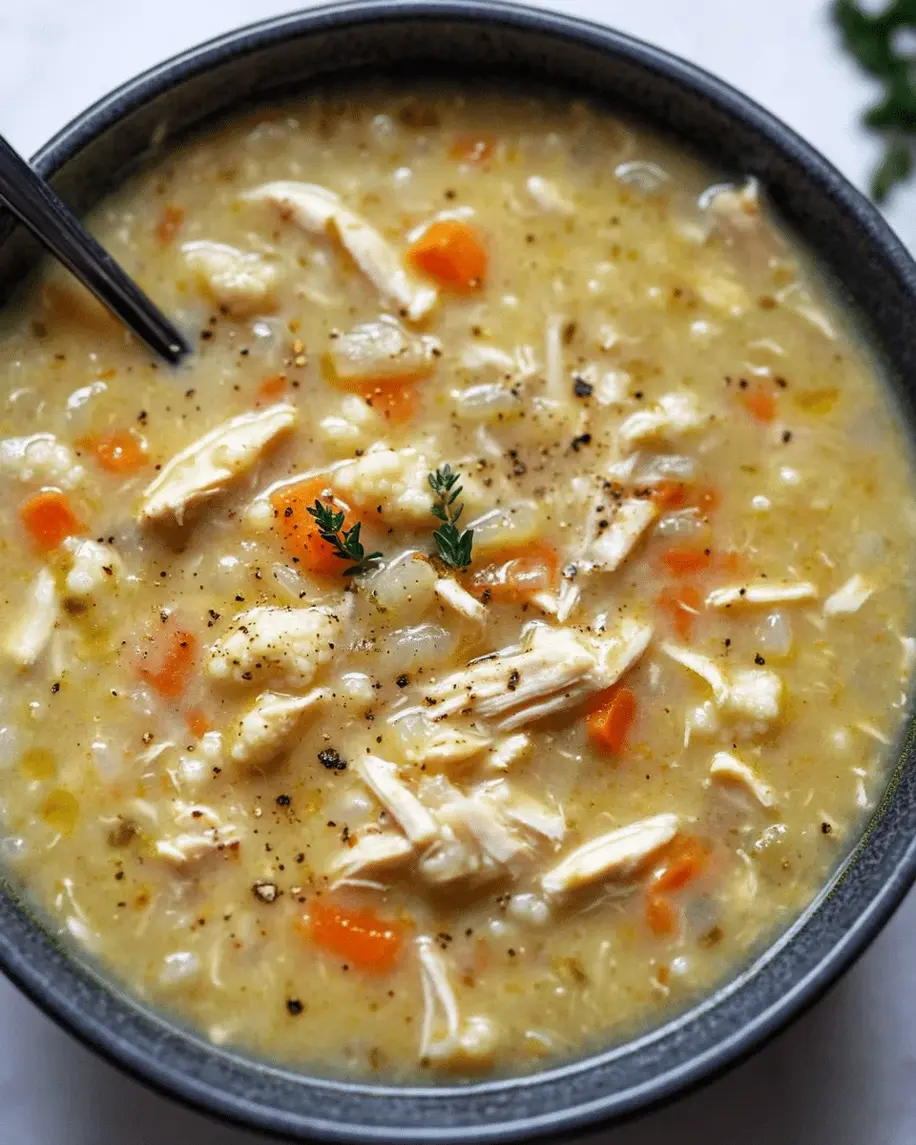
    30-Minute Anti-Inflammatory Cauliflower Chicken Soup – A Warm, Healing Bowl in 30 Minutes

    ⚖️
    Difficulty
    Easy
    ⏲️
    Prep Time
    10 mins
    🕒
    Cook Time
    20 mins
    ⏱️
    Total Time
    30 mins
    🍽️
    Servings
    4

    I still remember the first time I made this anti-inflammatory cauliflower chicken soup. It was a chilly, grey afternoon in my NYC apartment — the kind where the city feels heavy and you just need something warm to reset. I had just gotten back from the Union Square farmers market with a beautiful head of cauliflower and some fresh turmeric root, and I was craving the comforting, healing flavors I grew up with in Morocco. My mother would make a similar soup with ginger and turmeric whenever anyone in our family felt run down. This quick anti-inflammatory soup is my modern, 30-minute version of that memory — and it has become my go-to for busy weeknights when I need something nourishing in a hurry.

    The first spoonful hits you with a gentle warmth from the ginger and turmeric, followed by a creamy richness from the coconut milk that beautifully balances the earthy cauliflower. The shredded chicken makes it hearty enough to be a meal on its own, while the black pepper — my little trick from my Paris culinary training — actually helps your body absorb the turmeric more effectively. The aroma that fills your kitchen is absolutely intoxicating: garlic and onion softening in olive oil, then the bloom of spices, and finally the herbal finish of fresh cilantro. It’s the kind of smell that tells your body, “You’re about to feel better.”

    As a professional cook and someone who lives for bold, layered flavors, I’ve tested this cauliflower soup with chicken countless times to get it just right. The secret? Blooming the spices in oil before adding any liquid — a technique I learned at Le Cordon Bleu in Paris that unlocks their full potential. This 30 minute soup recipe delivers maximum depth with minimal effort. One common mistake home cooks make is adding all the spices at the end, which leaves them tasting raw and dusty. Trust me: bloom them first, and you will taste the difference. Let me show you how to make this healthy chicken soup recipe your new weeknight staple.

    Why This Anti-Inflammatory Cauliflower Chicken Soup Recipe Is the Best

    The Flavor Secret: This soup draws on my Moroccan heritage — where turmeric, ginger, and cumin are kitchen staples — and elevates it with a French technique I learned in Paris. By blooming the spices in hot olive oil at the start, you wake up their essential oils and create a depth of flavor that tastes like you simmered it for hours, not 30 minutes. The coconut milk adds a silky, dairy-free creaminess that ties everything together without masking the bright, earthy notes of the cauliflower and spices.

    Perfected Texture: I’ve tested this soup to ensure every bite is satisfying. The cauliflower is simmered just until tender — not mushy — so it retains a pleasant bite that contrasts with the velvety broth. The shredded chicken adds substance, while the coconut milk provides a luxuriously smooth mouthfeel. A quick tip from my NYC kitchen: cut the cauliflower into uniform florets about 1 ½ inches wide so they cook evenly in the 10-minute simmer.

    Foolproof & Fast: This is truly a 30-minute soup, from the first chop to the final garnish. It uses simple ingredients you can find at any US grocery store, and the method is straightforward enough for a beginner but delivers results that impress. Whether it’s a Tuesday night or you’re meal-prepping for the week, this anti-inflammatory cauliflower chicken soup fits right into your rhythm.

    Anti-Inflammatory Cauliflower Chicken Soup Ingredients

    I source my ingredients from a mix of places here in New York: the cauliflower and fresh herbs come from the Union Square Greenmarket when they’re in season, and my spices come from a little Middle Eastern market in Brooklyn that reminds me of the souks in Marrakech. For you, a well-stocked grocery store will have everything you need. Let’s walk through the ingredients that make this healthy chicken soup recipe sing.

    Ingredients List

    • 1 tablespoon olive oil
    • 1 onion, diced
    • 2 cloves garlic, minced
    • 1 teaspoon fresh ginger, grated
    • 1 teaspoon turmeric
    • ½ teaspoon cumin
    • ¼ teaspoon black pepper
    • 4 cups chicken broth
    • 1 head cauliflower, chopped into florets
    • 2 cups cooked shredded chicken
    • 1 can (14 oz) coconut milk
    • Salt to taste
    • Fresh cilantro for garnish

    Ingredient Spotlight

    Turmeric is the star player in this anti-inflammatory cauliflower chicken soup, and it deserves a moment of attention. Its active compound, curcumin, is what gives it those powerful anti-inflammatory properties. To actually absorb it well, your body needs black pepper — which is why I’ve included both in this recipe. This is a classic synergy I learned about in my Paris training: piperine in black pepper dramatically increases curcumin absorption. Use fresh turmeric if you can find it (about 1 inch, grated), but dried works beautifully — just make sure it’s fresh and aromatic when you open the jar.

    Coconut milk is my secret for creating a rich, creamy broth without any dairy. It adds healthy fats that keep you satisfied and a subtle sweetness that perfectly counters the earthiness of the cauliflower and the warmth of the spices. I recommend full-fat coconut milk for the best texture — light coconut milk will work, but the soup will be thinner and less luscious. If you’re in a pinch, you can use 1½ cups of oat milk creamer, but the flavor won’t be quite as complex.

    Cauliflower is the canvas of this soup. When simmered in the turmeric-ginger broth, it absorbs all those wonderful flavors while contributing its own mild, slightly sweet character. Choose cauliflower that feels heavy for its size, with tightly packed florets and no brown spots. A head that’s about 2 pounds will give you roughly 4 cups of florets — perfect for this recipe.

    Original IngredientBest SubstitutionFlavor / Texture Impact
    Fresh turmeric (1 tsp)1 tsp dried turmeric + pinch of black pepperSlightly less vibrant color, same earthy depth
    Chicken broth (4 cups)Vegetable broth + 1 tsp miso pasteMilder umami; miso adds depth
    Coconut milk (14 oz)1½ cups oat milk creamerLess rich, slightly sweet, thinner texture
    Shredded chicken (2 cups)2 cans chickpeas, drainedVegan option; add at step 4 with coconut milk
    Fresh cilantroParsley or fresh mintMint adds brightness; parsley is milder

    How to Make Anti-Inflammatory Cauliflower Chicken Soup — Step-by-Step

    This anti-inflammatory cauliflower chicken soup comes together in five simple steps. I’ll guide you through each one with the exact timing and visual cues I use in my own kitchen.

    Step 1: Sauté the Aromatics

    Heat 1 tablespoon olive oil in a large pot or Dutch oven over medium heat. Add the diced onion and cook, stirring occasionally, until soft and translucent — about 4 minutes. You want the onion to be tender but not browned. Then add the minced garlic and grated fresh ginger, and cook for 30 seconds more until fragrant. The kitchen should smell warm and inviting at this point.

    💡 mia’s Pro Tip: Fresh ginger makes a huge difference here. Grate it on a microplane for the finest texture that melts right into the broth. If you only have dried ginger, use ½ teaspoon and add it with the other spices in Step 2.

    Step 2: Bloom the Spices

    Add the turmeric, cumin, and black pepper directly to the pot with the aromatics. Stir constantly for 1 minute — this is the blooming step that transforms the spices from raw and dusty into deep, fragrant, and flavorful. The oil will take on a beautiful golden color from the turmeric, and you’ll smell the cumin becoming toasty and warm.

    ⚠️ Common Mistake to Avoid: Don’t skip the blooming or rush it. Adding spices directly to the broth later will leave them tasting raw and gritty. That one minute of stirring in hot oil is what gives this soup its long-simmered depth.

    Step 3: Simmer the Cauliflower

    Pour in the 4 cups of chicken broth and bring it to a boil. Add the chopped cauliflower florets, then reduce the heat to maintain a gentle simmer. Cover and cook for 10 minutes, or until the cauliflower is fork-tender but not falling apart. The florets should offer slight resistance when pierced — they’ll continue cooking briefly in the next step.

    💡 mia’s Pro Tip: Cut your cauliflower into uniform 1½-inch florets so they cook evenly. If your florets are wildly different sizes, some will be mush while others stay crunchy. I like to include some of the smaller inner leaves too — they’re tender and full of flavor.

    Step 4: Add Chicken and Coconut Milk

    Stir in the 2 cups of cooked shredded chicken and the full can of coconut milk. Let the soup return to a gentle simmer and cook for 5 minutes more. This allows the chicken to warm through and the coconut milk to fully incorporate into the broth, creating that luscious, creamy texture. The soup should be a vibrant golden-yellow at this point.

    ⚠️ Common Mistake to Avoid: Don’t let the soup boil vigorously after adding the coconut milk. High heat can cause the fats to separate and give the broth a slightly grainy texture. Keep it at a gentle simmer — small bubbles, not a rolling boil.

    Step 5: Season and Serve

    Remove the pot from the heat. Season with salt to taste — start with ½ teaspoon and adjust from there. The amount of salt you need will depend on your broth. Serve the soup hot in deep bowls, generously garnished with fresh cilantro leaves. The bright green herb adds a fresh, citrusy finish that cuts through the richness of the coconut milk.

    💡 mia’s Pro Tip: If you want an extra layer of flavor, squeeze a wedge of fresh lemon over each bowl just before serving. The acidity brightens all the warm spices and makes the anti-inflammatory cauliflower chicken soup even more vibrant.

    StepActionDurationKey Visual Cue
    1Sauté onion, then garlic + ginger4 min + 30 secOnion translucent, garlic fragrant
    2Bloom spices in hot oil1 minuteOil turns golden, spices smell toasty
    3Add broth + cauliflower, simmer10 minutesCauliflower fork-tender, broth golden
    4Add shredded chicken + coconut milk5 minutesSoup turns creamy, chicken warmed through
    5Season with salt, garnish with cilantro1 minuteBright green cilantro on golden soup

    Serving & Presentation

    This anti-inflammatory cauliflower chicken soup is a meal in itself, but the way you serve it can take it from simple weeknight dinner to something special. I love to ladle it into wide, shallow bowls so the golden broth stretches out and you can see the tender cauliflower and shredded chicken throughout. A generous shower of fresh cilantro on top adds a pop of green and a clean, herbaceous finish. Sometimes I add a swirl of extra coconut milk on top for visual drama — it makes the soup look restaurant-worthy with zero extra effort.

    For pairings, think of sides that complement the warm, earthy, slightly spicy flavors without overwhelming them. A crusty piece of sourdough for dipping is my favorite — the tangy bread cuts through the richness of the coconut milk beautifully. In the colder months, I serve this soup alongside a simple arugula salad with lemon vinaigrette for brightness. And if I’m channeling my Parisian roots, I’ll add a slice of toasted baguette rubbed with garlic on the side. As for beverages, a warm cup of mint tea (the way we drink it in Morocco) is the perfect companion, or try a crisp dry white wine like Sauvignon Blanc.

    Pairing TypeSuggestionsWhy It Works
    Side DishSourdough bread, arugula salad, roasted sweet potato wedgesBread soaks up broth; salad adds freshness; sweet potato echoes warmth
    Sauce / DipHarissa yogurt, lemon-tahini drizzle, garlicky olive oilHarissa adds heat; tahini adds nuttiness; olive oil finishes with fruitiness
    BeverageMint tea, Sauvignon Blanc, sparkling water with lemonMint tea complements Moroccan notes; wine cuts richness; sparkling water cleanses
    GarnishFresh cilantro, coconut milk swirl, lemon wedge, red pepper flakesHerbaceouness, creaminess, acidity, and optional heat

    Make-Ahead, Storage & Reheating

    This healthy chicken soup recipe is a dream for meal prep. I often make a double batch on Sunday evenings so I have lunches ready for the first half of the week. The flavors actually deepen overnight as the spices continue to meld with the broth. Here is how I store and reheat mine — tested across many NYC weeks.

    MethodContainerDurationReheating Tip
    RefrigeratorAirtight glass containerUp to 4 daysReheat gently on stovetop over medium-low, stirring occasionally. Add a splash of broth or water if it thickened.
    FreezerFreezer-safe zip bag or containerUp to 3 monthsThaw overnight in fridge. Reheat gently; the coconut milk may separate slightly — whisk it back together.
    Make-AheadComplete soup, cooled3 days in advanceStore without cilantro garnish. Add fresh cilantro after reheating.

    When reheating, I prefer the stovetop over the microwave because it gives you control. Pour the soup into a saucepan and warm it over medium-low heat, stirring occasionally. If the soup has thickened overnight — which happens because the cauliflower releases starches and the coconut milk firms up — just add a splash of chicken broth or water until it reaches your desired consistency. Taste and adjust salt after reheating, as flavors can concentrate. Always garnish with fresh cilantro after reheating, not before, so the herb stays bright and fresh.

    Variations & Easy Swaps

    VariationKey ChangeBest ForDifficulty Impact
    Vegan Chickpea VersionSub chicken with chickpeas, use veg brothPlant-based, high-fiber mealSame (Easy)
    Spicy Moroccan TwistAdd ½ tsp harissa, 1 tsp paprika, pinch of cinnamonHeat lovers, North African flavorSame (Easy)
    Lighter Summer SoupSwap coconut milk for light coconut milk + extra zucchiniLower-calorie, lighter textureSame (Easy)

    Vegan Chickpea Version

    For a plant-based take on this anti-inflammatory cauliflower chicken soup, omit the chicken and add 2 cans of drained chickpeas instead. Add them at the same time you would add the shredded chicken — in step 4 — so they warm through and absorb some of that spiced coconut broth. Use vegetable broth instead of chicken broth. The chickpeas add a creamy, nutty element and plenty of plant protein. I like to add an extra squeeze of lemon at the end to brighten the flavors.

    Gluten-Free & Dairy-Free (Already Is!)

    This recipe is naturally gluten-free and dairy-free, so you don’t need to change a thing. The coconut milk provides the creamy richness that cream or milk would in a traditional soup, without any lactose. If you’re serving it with bread on the side, just pick a gluten-free option. This healthy chicken soup recipe is one of those wonderful dishes that accommodates dietary needs without compromising on flavor.

    Spicy Moroccan Twist

    When I am craving the flavors of my childhood, I add ½ teaspoon of harissa paste (or more if you like heat), 1 teaspoon of sweet paprika, and a pinch of cinnamon along with the other spices in step 2. This creates a deeper, more complex warmth that is quintessentially Moroccan. The cinnamon might sound unexpected, but it beautifully rounds out the turmeric and cumin. I also like to top this version with toasted almond slivers and a few pomegranate arils when they are in season — the pop of sweetness against the spicy broth is pure magic.

    Share Your Version!

    📌

    Love This Recipe? Save It to Pinterest!

    If you enjoyed this 30-Minute Anti-Inflammatory Cauliflower Chicken Soup recipe, don’t let it get lost in your browser tabs! 😄 Pin it now so you can find it again anytime — and explore hundreds more tried-and-tested recipes waiting for you on my Pinterest boards.

    👉 Follow mia on Pinterest @exorecipe

    📌 Pin this recipe · 🔁 Re-pin your favorites · 💬 Tag me when you make it — I love seeing your creations!

    “`

    Print

    clock clock iconcutlery cutlery iconflag flag iconfolder folder iconinstagram instagram iconpinterest pinterest iconfacebook facebook iconprint print iconsquares squares iconheart heart iconheart solid heart solid icon

    30-Minute Anti-Inflammatory Cauliflower Chicken Soup

    • Author: Chef Mia
    • Prep Time: 10 minutes
    • Cook Time: 20 minutes
    • Total Time: 30 minutes
    • Yield: 4 1x
    • Method: Soup
    • Cuisine: Anti-inflammatory

    Description

    A quick, nourishing soup with cauliflower, chicken, and anti-inflammatory spices, ready in just 30 minutes.


    Ingredients

    Scale
    • 1 tablespoon olive oil
    • 1 onion, diced
    • 2 cloves garlic, minced
    • 1 teaspoon fresh ginger, grated
    • 1 teaspoon turmeric
    • 1/2 teaspoon cumin
    • 1/4 teaspoon black pepper
    • 4 cups chicken broth
    • 1 head cauliflower, chopped into florets
    • 2 cups cooked shredded chicken
    • 1 can (14 oz) coconut milk
    • Salt to taste
    • Fresh cilantro for garnish

    Instructions

    1. Heat olive oil in a large pot over medium heat. Add onion and cook until soft, about 4 minutes.
    2. Add garlic, ginger, turmeric, cumin, and black pepper. Cook for 1 minute until fragrant.
    3. Pour in chicken broth and bring to a boil. Add cauliflower and simmer for 10 minutes until tender.
    4. Stir in shredded chicken and coconut milk. Cook for 5 minutes more.
    5. Season with salt to taste. Serve hot, garnished with fresh cilantro.

    Notes

    For a vegan version, substitute chicken with chickpeas and use vegetable broth.


    Nutrition

    • Calories: 320
    • Sugar: 6g
    • Fat: 18g
    • Carbohydrates: 16g
    • Protein: 26g


    30-Minute Anti-Inflammatory Cauliflower Chicken Soup

    ph">For more delicious inspiration, follow me on Pinterest!

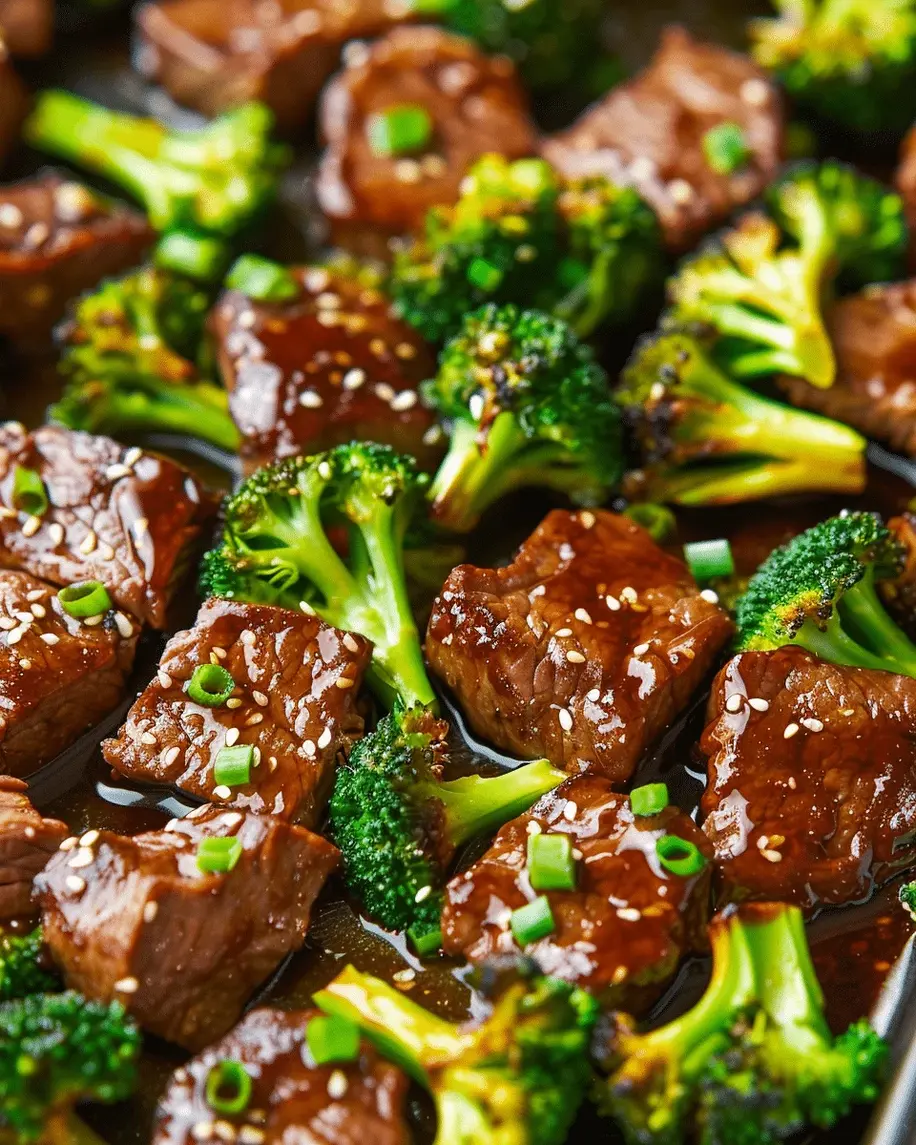
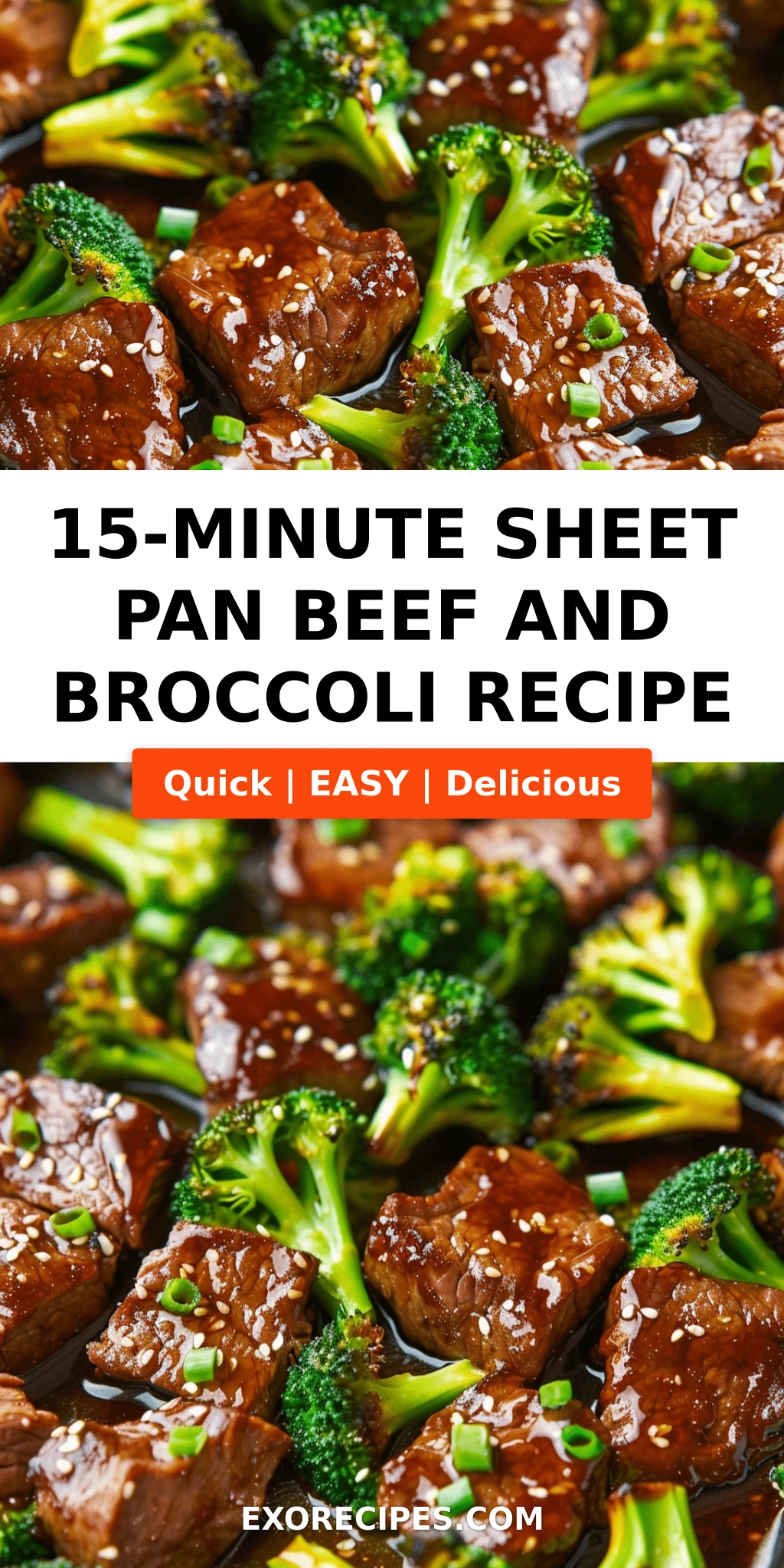
    15-Minute Sheet Pan Beef and Broccoli – One-Pan Wonder!

    ⚖️
    Difficulty
    Easy
    ⏲️
    Prep Time
    5 mins
    🕒
    Cook Time
    10 mins
    ⏱️
    Total Time
    15 mins
    🍽️
    Servings
    4 servings

    When I’m craving a takeout-style dinner but I’m short on time — and let’s be honest, that’s most weeknights in New York City — this 15-minute sheet pan beef and broccoli is my absolute go-to. I remember my mother in Morocco used to slow-cook beef with cumin and coriander for hours, and while I treasure those memories, my busy NYC life demands speed. This quick beef and broccoli dinner brings together the best of both worlds: the bold, savory flavors of an Asian-inspired stir-fry with the hands-off ease of a sheet pan. The trick? High heat and a glossy cornstarch-thickened sauce that clings to every slice of flank steak and every floret of broccoli.

    The moment you open the oven, the aroma of toasted sesame oil and garlic fills your kitchen — it’s the kind of scent that makes everyone wander in asking, “What’s for dinner?” The beef emerges tender and slightly charred at the edges, while the broccoli gets those gorgeous caramelized spots that add so much depth. A final drizzle of the remaining sauce brings everything together in a glossy, irresistible finish. I love serving this over a pile of steamed jasmine rice or chewy udon noodles, but honestly, it’s just as fantastic on its own.

    Over the years, I’ve tested countless quick beef and broccoli recipes — some required marinating overnight, others called for a wok and high heat that most home cooks don’t have. My version is different. By using the sheet pan as your cooking surface, you can roast everything at once without crowding. The key is to slice the flank steak thinly against the grain and to avoid overloading the pan. I’ll share my favorite pro tip for keeping the beef silky and the broccoli perfectly crisp — no tough meat or soggy vegetables here.

    Why This 15-Minute Sheet Pan Beef and Broccoli Recipe Is the Best

    The Flavor Secret – This recipe gets its bold umami punch from a combination of soy sauce (or tamari), brown sugar, and sesame oil. But the real trick is the cornstarch slurry — it thickens the sauce so it coats every piece of beef and broccoli without becoming gloppy. I learned the importance of a balanced glaze at Le Cordon Bleu in Paris, and it makes all the difference.

    Perfected Texture – Many quick beef recipes end up with chewy meat. By slicing the flank steak very thin against the grain and roasting at 450°F for just 10–12 minutes, the beef stays tender and juicy. The broccoli gets a slight char that adds a touch of bitterness to offset the sweet-salty sauce — a harmony I love in Asian cooking.

    Foolproof & Fast – No wok, no constant stirring, no separate pots. Everything goes on one sheet pan. Even if you’re a beginner cook, you can pull off this impressive dinner in under 20 minutes. Plus, cleanup is a breeze — parchment paper does the heavy lifting.

    15-Minute Sheet Pan Beef and Broccoli Ingredients

    I like to pick up my flank steak from the Union Square Greenmarket when I can — the grass-fed beef from local farms has such a clean flavor. For the broccoli, I always look for firm, bright green heads with tight florets. And the sesame oil? I buy it from a small Asian market in Chinatown where they toast the seeds in-house. These small choices really elevate a sheet pan beef and broccoli recipe.

    Ingredients List

    • 1 lb flank steak, thinly sliced against the grain
    • 3 cups broccoli florets
    • 2 tablespoons olive oil
    • 1/4 cup soy sauce (or tamari for gluten-free)
    • 2 tablespoons brown sugar
    • 1 tablespoon sesame oil
    • 2 cloves garlic, minced
    • 1 teaspoon grated fresh ginger
    • 1 tablespoon cornstarch
    • 2 tablespoons water
    • 1 tablespoon sesame seeds (for garnish, optional)
    • Cooked rice or noodles for serving

    Ingredient Spotlight

    Flank steak: This cut is lean and full of flavor, ideal for quick cooking. Look for even thickness and deep red color. If you can’t find flank steak, sirloin tip or skirt steak work well — just be sure to slice very thin. Broccoli: Use fresh for the best texture. Cut into uniform florets so they cook evenly. Frozen broccoli can be used (see FAQ below), but it will be softer. Soy sauce: I prefer a low-sodium brand so you can control the salt. For gluten-free, tamari is a perfect swap. Sesame oil: Toasted sesame oil adds that signature nutty aroma — don’t skip it.

    Original IngredientBest SubstitutionFlavor / Texture Impact
    Flank steakSirloin tip or skirt steakSlightly less tender but still works; slice extra thin.
    Soy sauceTamari or coconut aminosTamari (gluten-free) very similar; coconut aminos sweeter, less salty.
    Brown sugarHoney or maple syrupUse 1.5 tablespoons honey/maple; adds slight floral note.
    BroccoliGreen beans or snap peasCrispier, less earthy; adjust cooking time slightly.
    Sesame oilAvocado oil + few drops toasted sesame oilMilder nuttiness; still works.

    How to Make 15-Minute Sheet Pan Beef and Broccoli — Step-by-Step

    Trust me, this is the easiest easy beef and broccoli sheet pan dinner you’ll ever make. Follow these steps and you’ll have a restaurant-quality meal on the table in a flash.

    Step 1: Prep and Preheat

    Preheat your oven to 450°F (232°C) and line a sheet pan with parchment paper. This high heat is non-negotiable — it’s what gives you that beautiful caramelization in just 10 minutes.

    💡 mia’s Pro Tip: Use the convection setting if you have it — it circulates hot air and helps the beef brown even faster. If not, regular bake works perfectly.

    Step 2: Make the Sauce

    In a small bowl, whisk together soy sauce, brown sugar, sesame oil, garlic, ginger, cornstarch, and water until the sugar and cornstarch dissolve completely. The mixture will look thin now, but it will thicken into a glossy glaze during roasting.

    ⚠️ Common Mistake to Avoid: Don’t skip the cornstarch slurry — without it the sauce will be watery and run off the beef. Make sure there are no lumps.

    Step 3: Toss the Beef and Broccoli

    In a large bowl, combine the sliced beef and broccoli florets. Drizzle with olive oil and pour over half of the prepared sauce. Toss well to coat every piece evenly. Reserve the remaining sauce for later.

    💡 mia’s Pro Tip: For extra tender beef, you can add 1/2 teaspoon of baking soda to the marinade (just let it sit 5 minutes). But honestly, my method works great without it.

    Step 4: Spread and Roast

    Arrange the beef and broccoli in a single layer on the prepared sheet pan. Make sure there’s a little space between pieces — crowding leads to steaming, not roasting. Roast for 10–12 minutes, until the beef is cooked through and the broccoli is tender-crisp with charred edges.

    ⚠️ Common Mistake to Avoid: Overcrowding the pan is the #1 mistake. Use two pans if necessary, or cook in batches. A single layer guarantees browning.

    Step 5: Glaze and Serve

    Remove the pan from the oven. Drizzle the remaining sauce over the hot beef and broccoli and toss gently to coat. The residual heat will thicken the sauce further. Sprinkle with sesame seeds if using. Serve immediately over rice or noodles.

    💡 mia’s Pro Tip: For an extra pop of freshness, squeeze a little lime juice over the top just before serving. It cuts through the richness beautifully.

    StepActionDurationKey Visual Cue
    1Preheat & line pan5 min (preheat)Oven ready, pan lined
    2Whisk sauce2 minSmooth, no lumps
    3Toss beef & broccoli3 minEven coating
    4Spread & roast10–12 minBeef browned, broccoli charred
    5Glaze & serve1 minGlossy, coated

    Serving & Presentation

    I love to serve this 15 minute beef and broccoli over a bed of jasmine rice that I’ve cooked with a star anise pod for a subtle floral note — a trick I picked up from a Chinese friend in Paris. Alternatively, udon noodles tossed with a little soy sauce and sesame oil make a fantastic base. For a lighter option, serve over cauliflower rice or simply on its own.

    Garnish with a sprinkle of sesame seeds, sliced green onions, and a few red pepper flakes if you like heat. A side of steamed edamame or a simple cucumber salad with rice vinegar rounds out the meal beautifully. When I’m feeling nostalgic for my Moroccan roots, I sometimes add a pinch of cumin to the sauce — it gives the dish an unexpected warmth that pairs wonderfully with the soy glaze.

    Pairing TypeSuggestionsWhy It Works
    Side DishSteamed jasmine rice, udon noodles, cauliflower riceAbsorbs the savory sauce and balances the richness.
    Sauce / DipExtra sauce, sriracha mayo, hoisinExtra sauce echoes the main glaze; sriracha adds heat.
    BeverageCold sake, lager, iced green teaCrisp beverages cut through the umami and sweetness.
    GarnishSesame seeds, green onion, red pepper flakesAdds texture, freshness, and heat.

    Make-Ahead, Storage & Reheating

    I often meal-prep a double batch of this quick beef and broccoli dinner on Sunday nights — it’s the perfect solution for my busy NYC schedule. The leftovers reheat beautifully if you follow a few simple guidelines.

    MethodContainerDurationReheating Tip
    RefrigeratorAirtight containerUp to 4 daysReheat in a dry skillet over medium-high 2–3 minutes for best texture.
    FreezerHeavy-duty freezer bag, pressed flatUp to 2 monthsThaw overnight in fridge, then reheat in a hot skillet or air fryer at 375°F for 4–5 minutes.
    Make-AheadSauce prepared, beef sliced, broccoli cut1 day in advanceToss and roast fresh when ready. Don’t combine the sauce with raw beef overnight — store separately.

    When reheating, the microwave can make the broccoli soggy and the beef tough. Instead, I recommend using a hot skillet or a quick blast in the air fryer. If you must use the microwave, add a splash of water and cover loosely — but know that the texture won’t be as good.

    Variations & Easy Swaps

    VariationKey ChangeBest ForDifficulty Impact
    Spicy GarlicAdd 1–2 tsp sambal oelek or gochujang to sauceHeat loversEasy (just mix in)
    Gluten-Free / TamariUse tamari instead of soy sauce, ensure all other ingredients are GFGluten-sensitive dietsEasy (direct substitute)
    Sesame Ginger TofuReplace beef with 1 lb extra-firm tofu, pressed and cubedVegetarian, plant-basedEasy; tofu needs no pre-cook, just toss and roast 12–15 min

    Spicy Garlic Variation

    For those who love bold heat, stir 1–2 teaspoons of sambal oelek or gochujang into the sauce alongside the garlic and ginger. The gochujang adds a fermented depth that reminds me of the preserved lemons my mother used in Morocco — a beautiful bridge between cuisines. This variation is perfect for cold winter nights when you want something that warms you from the inside.

    Gluten-Free / Tamari Version

    Simply swap the soy sauce for tamari (which is made from soybeans but without wheat). The flavor is nearly identical — slightly richer and less salty. I tested this version when a friend with celiac stayed for dinner, and she couldn’t tell the difference. Be sure to check your sesame oil and other condiments for gluten-free labels if needed.

    Sesame Ginger Tofu

    I make this plant-based version at least once a month — especially after I pick up fresh ginger from the Union Square Greenmarket. Press the tofu for 15 minutes, cube into 1-inch pieces, then follow the same steps as the beef. Tofu needs a slightly longer roast (12–15 minutes) to get nice and golden. The results are crispy on the outside, tender inside, and the sauce clings beautifully.

    Can I use frozen broccoli for sheet pan beef and broccoli?

    Yes, you can use frozen broccoli, but the texture will be softer than fresh. Frozen broccoli releases more water during roasting, so it won’t develop those lovely charred edges. To minimize sogginess, thaw and pat the florets very dry before tossing with the sauce. Roast for an extra 2–3 minutes and keep an eye on the beef — it may cook a little faster if the pan is more crowded. If you have the choice, fresh broccoli is always my first recommendation for this quick beef and broccoli dinner.

    What cut of beef works best for a 15-minute sheet pan meal?

    Flank steak is the top choice for this sheet pan beef and broccoli recipe because it’s lean, tender when sliced thinly against the grain, and cooks in under 15 minutes. Sirloin tip or skirt steak are excellent alternatives. Avoid tough cuts like chuck or brisket — they need low-and-slow cooking to break down connective tissue. For the best results, slice the beef about ¼-inch thick, and if you have time, let it sit with a little soy sauce and cornstarch for 5 minutes before roasting. That tiny step makes a big difference in tenderness.

    Do I need to marinate the beef before cooking it on a sheet pan?

    No, you don’t need to marinate the beef for this 15-minute sheet pan beef and broccoli. The sauce is bold enough to season the beef during the short roast, and the high heat locks in flavor quickly. However, if you want even more depth, you can let the beef sit with half the sauce for 10–15 minutes while the oven preheats. Just don’t go longer than 30 minutes — the acid in the soy sauce can start to break down the meat’s texture and make it mushy. For a true weeknight quick beef and broccoli dinner, skip the marinade and trust the glaze.

    How do I prevent the beef from becoming tough in a quick sheet pan recipe?

    The two secrets are slicing technique and cooking time. Always slice flank steak against the grain — this shortens the muscle fibers so they’re easier to chew. Aim for slices about ¼-inch thick. Then, cook at 450°F for no more than 12 minutes. At that high heat, the exterior browns beautifully while the interior stays tender. Overcooking is the biggest culprit for tough beef. Also, avoid stacking the beef on the pan — a single layer ensures even heat contact. If you follow these steps, you’ll get silky, juicy beef every time in this easy beef and broccoli sheet pan.

    Can I use chicken instead of beef in this recipe?

    Absolutely! Chicken thighs or boneless skinless chicken breasts work beautifully as a substitute. Cut the chicken into bite-sized pieces (about 1-inch cubes). Because chicken needs to reach 165°F internally, you may need to roast for 12–14 minutes instead of 10–12. I recommend using thighs for extra juiciness. The cooking time will vary depending on the size of your pieces, so check with a meat thermometer. The same sauce and broccoli combo works perfectly — it’s a versatile sheet pan beef and broccoli recipe that adapts easily.

    Can I make this recipe dairy-free?

    Yes, this recipe is naturally dairy-free as written. The original ingredients list soy sauce (or tamari), sesame oil, and cornstarch — none contain dairy. Just double-check your specific brands for any hidden dairy (unlikely but possible in processed sauces). If you’re serving with rice or noodles, those are typically dairy-free too. This makes it a fantastic quick beef and broccoli dinner for anyone with dairy sensitivities or following a paleo-style diet (swap brown sugar for coconut sugar).

    What can I use instead of brown sugar?

    You can substitute brown sugar with honey, maple syrup, or coconut sugar. Use 1.5 tablespoons of liquid sweeteners (honey or maple syrup) to replace 2 tablespoons of brown sugar. If using coconut sugar, use the same amount (2 tablespoons), but note that it will result in a slightly less sweet and more caramel-like flavor. Each substitution will alter the final taste and texture slightly — honey adds a floral note, maple syrup adds woodsy sweetness. For the closest result to the original sheet pan beef and broccoli recipe, stick with brown sugar.

    How can I make the sauce thicker?

    The cornstarch slurry in the sauce already provides good thickness, but if you prefer an even thicker glaze, increase the cornstarch to 1.5 tablespoons and the water to 3 tablespoons. Whisk thoroughly to avoid lumps. Another method is to add the reserved sauce to the hot pan after roasting and return it to the oven for 1 minute — the residual heat will further reduce and thicken it. You can also simmer the leftover sauce on the stovetop for 1–2 minutes before drizzling. Be careful not to overdo it, as the sauce should coat, not glue.

    Is this recipe keto-friendly?

    This recipe can be adapted for a keto diet with a couple of swaps. Replace the brown sugar with a keto-friendly sweetener like monk fruit or erythritol (use about 1.5 tablespoons). Serve over cauliflower rice instead of regular rice or noodles. The beef and broccoli themselves are low-carb, and the soy sauce, sesame oil, and garlic fit within keto macros. Just be mindful of the cornstarch — it adds about 4 grams of carbs per serving. You can use a small amount of xanthan gum (¼ teaspoon) instead of cornstarch for a keto-friendly thickener.

    Can I double the recipe for a crowd?

    Definitely! To double this sheet pan beef and broccoli recipe, use two sheet pans to avoid overcrowding. Divide the beef, broccoli, and sauce evenly between the pans. Roast both pans on separate oven racks, and swap their positions halfway through for even browning. You may need to add 1–2 minutes to the total cooking time if the oven is fuller. The prep time stays the same, and the cleanup is still minimal — just two sheets of parchment paper. It’s a fantastic option for casual dinner parties or meal prepping for the week.

    Share Your Version!

    I hope you love this 15-minute sheet pan beef and broccoli as much as I do! It’s one of those recipes that proves you don’t need complicated techniques or a sink full of dishes to enjoy a truly delicious meal. If you make it, please leave a star rating and comment below — I read every single one and it makes my day to hear how it turned out in your kitchen.

    Snap a photo of your creation and tag me on Instagram or Pinterest @exorecipes — I love seeing your beautiful plates! And here’s a question for you: which version are you most excited to try — the spicy garlic, the gluten-free tamari, or the sesame ginger tofu? Let me know in the comments!

    From my NYC kitchen to yours — I hope this recipe brings as much warmth to your table as it does to mine. — mia 🧡

    📌

    Love This Recipe? Save It to Pinterest!

    If you enjoyed this 15-Minute Sheet Pan Beef and Broccoli recipe, don’t let it get lost in your browser tabs! 😄 Pin it now so you can find it again anytime — and explore hundreds more tried-and-tested recipes waiting for you on my Pinterest boards.

    👉 Follow mia on Pinterest @chefrecipes2

    📌 Pin this recipe · 🔁 Re-pin your favorites · 💬 Tag me when you make it — I love seeing your creations!

    Print

    clock clock iconcutlery cutlery iconflag flag iconfolder folder iconinstagram instagram iconpinterest pinterest iconfacebook facebook iconprint print iconsquares squares iconheart heart iconheart solid heart solid icon

    15-Minute Sheet Pan Beef and Broccoli

    • Author: Chef Mia
    • Prep Time: 5 minutes
    • Cook Time: 10 minutes
    • Total Time: 15 minutes
    • Yield: 4 servings 1x
    • Method: Main Course
    • Cuisine: Asian-inspired

    Description

    A quick and easy sheet pan dinner with tender beef and crisp broccoli in a savory sauce, ready in just 15 minutes.


    Ingredients

    Scale
    • 1 lb flank steak, thinly sliced against the grain
    • 3 cups broccoli florets
    • 2 tablespoons olive oil
    • 1/4 cup soy sauce (or tamari for gluten-free)
    • 2 tablespoons brown sugar
    • 1 tablespoon sesame oil
    • 2 cloves garlic, minced
    • 1 teaspoon grated fresh ginger
    • 1 tablespoon cornstarch
    • 2 tablespoons water
    • 1 tablespoon sesame seeds (for garnish, optional)
    • Cooked rice or noodles for serving

    Instructions

    1. Preheat oven to 450°F (232°C) and line a sheet pan with parchment paper.
    2. In a small bowl, whisk together soy sauce, brown sugar, sesame oil, garlic, ginger, cornstarch, and water to make the sauce.
    3. In a large bowl, toss the sliced beef and broccoli florets with olive oil and half of the sauce.
    4. Spread the beef and broccoli in a single layer on the prepared sheet pan.
    5. Roast for 10-12 minutes, until beef is cooked through and broccoli is tender-crisp.
    6. Drizzle the remaining sauce over the cooked beef and broccoli, toss to coat, and sprinkle with sesame seeds if desired.
    7. Serve immediately over rice or noodles.

    Notes

    For extra heat, add 1/2 teaspoon red pepper flakes to the sauce. You can substitute beef with chicken or tofu if desired.


    Nutrition

    • Calories: 380 kcal
    • Sugar: 8 g
    • Fat: 18 g
    • Carbohydrates: 18 g
    • Protein: 35 g


    15-Minute Sheet Pan Beef and Broccoli

    k">

    Tried This Recipe? Leave a Comment!

    Did you make this recipe? I’d love to hear how it turned out! Please leave a comment and a rating below. Your feedback helps other home cooks and supports cheerychop.com!

    For more delicious inspiration, follow me on Pinterest!
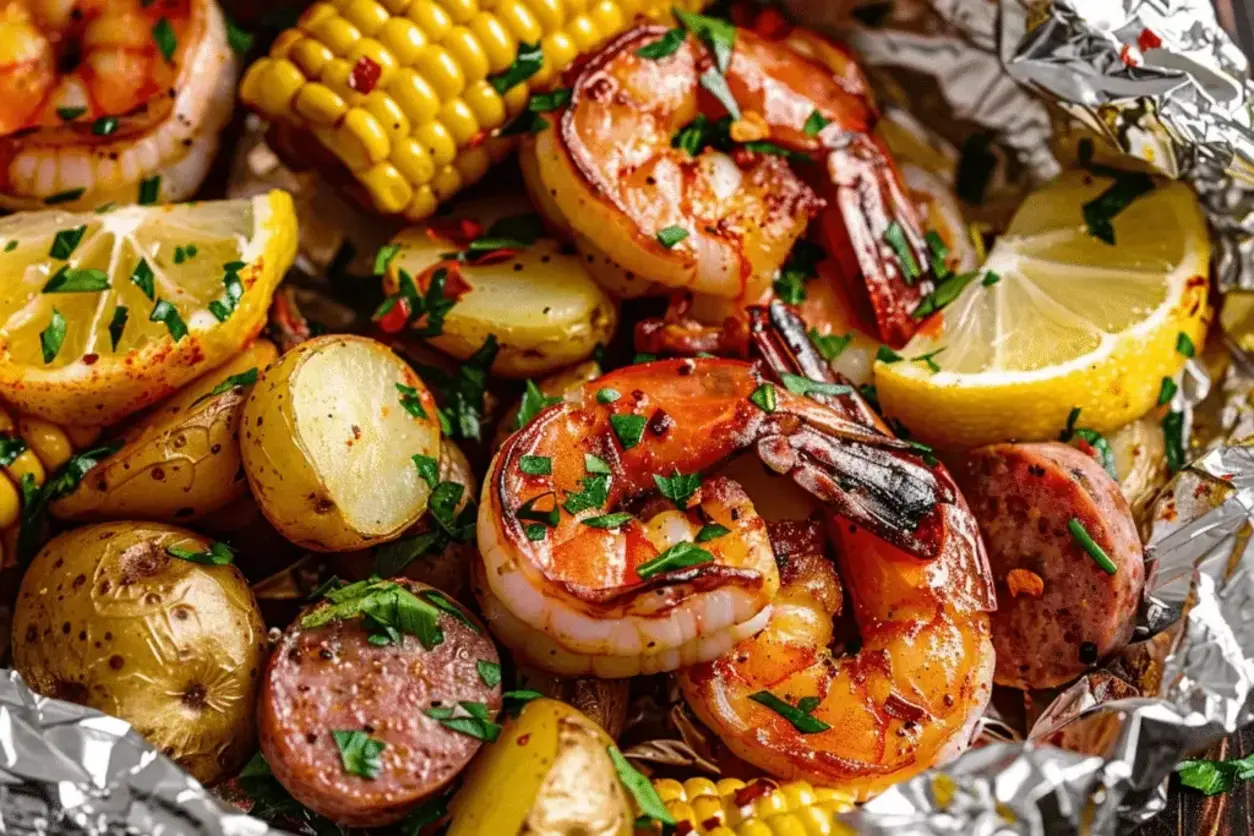
    “`html

    10-Minute Miso Soup (Super Quick!) Easy Homemade Comfort – Fast Japanese Soup in Minutes

    ⚖️
    Difficulty
    Easy
    ⏲️
    Prep Time
    2 mins
    🕒
    Cook Time
    8 mins
    ⏱️
    Total Time
    10 mins
    🍽️
    Servings
    4

    Growing up in Morocco, my mother taught me that the best soups don’t need hours on the stove — they need the right ingredients and a confident hand. This 10-minute miso soup is my quick weeknight homage to that philosophy. After training at Le Cordon Bleu in Paris and settling into my tiny NYC kitchen, I learned that a fast Japanese soup can still taste deeply layered and nourishing. This easy homemade miso soup comes together in the time it takes to toast a slice of sourdough, and it delivers the kind of comfort that makes you close your eyes on the first sip. The secret? Building the broth with instant dashi granules and treating the miso paste with the same care you’d give a delicate sauce — never boiling, always dissolving gently.

    The aroma of this quick miso soup recipe is pure umami: warm, savory, and slightly briny from the dashi, with a soft, creamy undertone from the miso. Each spoonful carries tender cubes of silken tofu that barely hold their shape, sliced green onions adding a fresh, sharp bite, and optional nori strips that whisper of the sea. The broth is golden-tinged, clear yet full-bodied, and the contrast between the soft tofu and the crisp scallions makes every mouthful interesting. It’s the kind of bowl that warms you from the inside out — no heavy cream, no long simmer, just pure, honest flavor in under ten minutes.

    What sets my version apart is the technique: I dissolve the miso in a small bowl of hot broth before stirring it back into the pot, which guarantees a silky, lump-free finish every time. It’s a trick I picked up in Paris while making emulsified sauces, and it works beautifully here. Most home cooks either boil the miso (which kills its flavor and beneficial probiotics) or dump it in and end up with clumps. I’ll show you exactly how to avoid both pitfalls. Whether you’re a busy parent, a student surviving on ramen, or someone who just wants a healthy, homemade bowl without the fuss, this easy miso soup is about to become your new go-to.

    Why This 10-Minute Miso Soup Recipe Is the Best

    The Flavor Secret: Most quick miso soup recipes rely solely on miso paste for flavor, but mine starts with dashi granules — instant Japanese stock made from bonito flakes and kombu seaweed. This gives the broth a smoky, oceanic depth that miso alone can’t achieve. It’s the same principle my mother used when she’d add a pinch of saffron to her harira: a small ingredient that transforms the whole dish. The dashi takes just seconds to dissolve, and it elevates this homemade miso soup from “fine” to “I need this every week.”

    Perfected Texture: The tofu in this quick miso soup recipe is added while the broth is still hot but not boiling, then simmered gently for exactly two minutes. This keeps the cubes tender and intact — not mushy, not rubbery. In Paris, I learned that protein texture is everything; a miso soup with overcooked tofu feels sad and flat. By controlling the heat and time, you get soft, silky bites that practically melt on your tongue, exactly the way a proper 10-minute miso soup should feel.

    Foolproof & Fast: This easy homemade miso soup requires zero special equipment, no knife skills beyond slicing a green onion, and absolutely no stress. The total active time is maybe four minutes — the rest is just waiting for water to boil and tofu to warm through. I’ve tested this 10-minute miso soup with absolute beginners in my NYC cooking classes, and every single person nailed it on the first try. If you can boil water and stir, you can make this fast Japanese soup tonight. 💡 mia’s Pro Tip: Keep a box of dashi granules and a tub of white miso in your pantry at all times — then a comforting bowl is always just ten minutes away.

    10-Minute Miso Soup Ingredients

    I buy my dashi granules from the Japanese market on St. Marks Place in NYC, but you can find them in most well-stocked grocery stores or online. The miso paste I prefer is white (shiro) miso for its milder, slightly sweet flavor — it’s what I keep in my fridge at all times. This quick miso soup recipe uses just six ingredients, and each one plays a specific role in building the perfect bowl.

    Ingredients List

    • 4 cups water
    • 1 tablespoon dashi granules (or 1 package instant dashi)
    • 1/2 cup cubed soft tofu (silken or medium-soft)
    • 2 tablespoons miso paste (white or red — white is milder, red is stronger)
    • 2 green onions, thinly sliced (white and green parts)
    • 1 sheet nori, cut into thin strips (optional, but highly recommended)

    Ingredient Spotlight

    Dashi Granules: These are the backbone of your broth. I use hondashi-style granules made from bonito flakes and kombu. They dissolve instantly in hot water and provide the umami foundation. For a vegetarian version, substitute with kombu dashi powder or mushroom dashi — both are widely available at Whole Foods or online. The flavor will be slightly earthier but still delicious.

    Miso Paste: White miso (shiro) is fermented with rice and barley, giving it a sweet, mild flavor that’s perfect for this quick recipe. Red miso (aka) is fermented longer and has a bolder, saltier punch — I use it when I want a heartier soup. Both work beautifully; just adjust the quantity to your taste. Store miso in the fridge, and never boil it after adding to the soup, as high heat destroys its beneficial probiotics and delicate flavor.

    Soft Tofu: Look for silken or medium-soft tofu in the refrigerated section. It’s delicate and creamy, which is exactly what you want in a 10-minute miso soup. Extra-firm tofu will work in a pinch but won’t have the same silky mouthfeel. Drain the tofu gently and cut it into 1/2-inch cubes just before adding to the pot.

    Nori: This optional topping adds a lovely briny crunch and a visual pop. I buy toasted nori sheets (the same ones used for sushi rolls) and cut them into thin strips with scissors. It’s a small touch that makes your easy homemade miso soup look restaurant-quality.

    Original IngredientBest SubstitutionFlavor / Texture Impact
    Dashi granulesKombu dashi powder or mushroom dashiEarthier, less smoky; still umami-rich
    White miso pasteRed miso (aka) or yellow miso (shinshu)Bolder, saltier flavor; reduce amount by 1 tsp
    Soft tofuFirm tofu (pressed), or diced cooked chickenChewier texture; less delicate but still satisfying
    Nori stripsChopped spinach or sliced shiitake mushroomsDifferent texture; adds color and nutrients

    How to Make 10-Minute Miso Soup — Step-by-Step

    Making this quick miso soup recipe is almost absurdly simple, but a few small techniques make all the difference. Follow these steps exactly, and you’ll have a bowl that tastes like it simmered for an hour.

    Step 1: Boil the Dashi Broth

    In a medium saucepan, combine 4 cups of water and 1 tablespoon of dashi granules. Bring to a boil over high heat. Stir once to ensure the granules dissolve completely — this takes only a few seconds. You’ll know it’s ready when the liquid turns a pale golden color and smells savory and slightly smoky.

    💡 mia’s Pro Tip: Don’t skip the dashi! Using water alone will give you a flat-tasting soup. The dashi granules are the foundation of flavor in this homemade miso soup, and they dissolve instantly — no extra time needed.

    Step 2: Simmer the Tofu

    Reduce the heat to low so the broth is at a gentle simmer — small bubbles rising, not a rolling boil. Gently slide in the cubed soft tofu. Let it simmer for exactly 2 minutes. The tofu should be heated through but still tender and silky. If you boil it aggressively, the tofu will break apart and turn rubbery.

    ⚠️ Common Mistake to Avoid: Boiling the tofu on high heat. Tofu is delicate — treat it like a poached egg. Low heat keeps it soft and creamy. If you see the broth bubbling vigorously, turn the heat down.

    Step 3: Dissolve and Add the Miso

    While the tofu simmers, place 2 tablespoons of miso paste in a small bowl. Ladle about 1/4 cup of the hot broth (not boiling — just hot) into the bowl and whisk or stir with a spoon until the miso is completely dissolved and smooth. This creates a “miso slurry” that will blend seamlessly into the soup. Pour the slurry back into the pot and stir gently. Do NOT let the soup boil after adding the miso — this kills the flavor and the beneficial probiotics. Remove from heat immediately.

    💡 mia’s Pro Tip: This dissolving technique is straight from my Paris sauce training — it’s the same method we used for emulsifying butter into a beurre blanc. By pre-dissolving the miso, you guarantee a silky, lump-free broth every single time. No blobs of miso floating in your soup!

    Step 4: Serve with Toppings

    Ladle the soup into four bowls immediately — miso soup is best served fresh and hot. Top each bowl with a generous sprinkle of sliced green onions and a pinch of nori strips, if using. The green onions add a fresh, sharp contrast to the rich broth, and the nori brings a delicate brininess. Serve right away.

    ⚠️ Common Mistake to Avoid: Letting the soup sit before serving. Miso soup loses its vibrant flavor as it cools, and the nori will turn soggy. Serve within 5 minutes of adding the miso for the best experience.

    StepActionDurationKey Visual Cue
    1Boil water + dashi granules~3 minPale golden broth, savory aroma
    2Add tofu, simmer on low2 minTofu is warm, tender, not breaking apart
    3Dissolve miso in hot broth, stir back in1 minSmooth, lump-free broth, creamy color
    4Ladle and top with scallions + nori1 minBright green garnish, optional dark nori strips

    Serving & Presentation

    This quick miso soup recipe is incredibly versatile when it comes to serving. I love it as a starter before a Japanese-inspired meal — think grilled salmon, sushi rolls, or a simple rice bowl. But honestly, I often eat it as a light lunch with a side of steamed edamame or a small cucumber salad. In my NYC apartment, I’ll ladle it into deep ceramic bowls that I picked up at a flea market in Williamsburg, and the golden broth against the white bowl is just beautiful.

    For garnishes, don’t stop at scallions and nori. A sprinkle of sesame seeds, a drizzle of toasted sesame oil, or a pinch of shichimi togarashi (Japanese seven-spice) adds another layer of flavor and visual appeal. I sometimes add a few slices of fresh shiitake mushrooms that I sauté quickly in a bit of soy sauce — it’s a trick I picked up from a ramen shop in the East Village.

    In Morocco, we’d serve soup with fresh bread for dipping, and this homemade miso soup is no different. A piece of crusty sourdough or a few warm dinner rolls on the side is perfect for sopping up the last drops. For a heartier meal, serve it alongside a simple green salad with a ginger-soy dressing. The key is keeping the accompaniments light so the miso soup remains the star.

    Pairing TypeSuggestionsWhy It Works
    Side DishSteamed edamame, cucumber salad, seaweed saladLight, fresh flavors that complement the umami broth
    Main CourseGrilled salmon, teriyaki chicken, vegetable tempuraBalanced meal with protein + crunch
    BeverageGreen tea, cold sake, cucumber-infused waterClean, refreshing drinks that don’t overpower the soup
    GarnishSesame seeds, shichimi togarashi, sesame oil drizzleAdds texture, heat, and visual appeal

    Make-Ahead, Storage & Reheating

    For my busiest NYC weeks, I prep the components of this easy miso soup separately and assemble right before serving. The broth (without miso) can be made ahead and kept in the fridge for up to 3 days. The miso paste should always be added fresh just before serving to preserve its flavor and probiotic benefits. Here’s my tested storage system so you can enjoy fast Japanese soup anytime.

    MethodContainerDurationReheating Tip
    RefrigeratorAirtight jar or container (broth only, no miso)Up to 3 daysReheat broth to just below simmer, then dissolve fresh miso at the end
    FreezerFreezer-safe bag or container (broth only, no miso or tofu)Up to 2 monthsThaw overnight in fridge, reheat gently, add tofu and miso fresh
    Make-AheadBroth in fridge, miso in a small container, tofu in waterUp to 3 days in advanceAssemble in 3 minutes: reheat broth, add tofu, dissolve miso, serve

    When reheating, always warm the broth gently on the stove or in the microwave. If you’ve already added the miso, be very careful not to boil it — just heat until hot to the touch (about 140°F). I’ve found that the soup tastes best the day it’s made, but the make-ahead broth method is perfect for busy nights. And here’s a little trick from my Moroccan kitchen: if the broth tastes a bit flat after reheating, stir in a tiny splash of soy sauce or a pinch of salt to wake up the flavors. It works every time.

    Variations & Easy Swaps

    This 10-minute miso soup is endlessly adaptable. Over the years, I’ve developed these three favorite variations that keep the recipe feeling fresh and exciting. Each one takes the base recipe and gives it a new personality — perfect for when you want a change from the classic.

    VariationKey ChangeBest ForDifficulty Impact
    Hearty Vegetable Miso SoupAdd diced carrots, bok choy, and shiitake mushroomsA more filling meal with extra nutrientsEasy (adds 3 min prep)
    Gluten-Free Miso SoupUse tamari instead of dashi granules; add kombuCeliac or gluten-sensitive individualsEasy (same steps)
    Spicy Miso Soup with a KickAdd gochujang or chili oil + fresh gingerThose who love heat and bold flavorsEasy (stir-in ingredients)

    Hearty Vegetable Miso Soup

    This is my go-to when I want a more substantial bowl. After the dashi comes to a boil, add 1/4 cup finely diced carrots and 1/2 cup sliced shiitake mushrooms. Let them simmer for 3 minutes before adding the tofu. In the last minute, toss in a handful of baby bok choy or spinach. The vegetables soak up the umami broth beautifully, and the different textures make every spoonful exciting. It reminds me of the way my mother would add whatever vegetables were in the market to her soups — resourceful and delicious.

    Gluten-Free Miso Soup (Already Gluten-Free!)

    Great news — this quick miso soup recipe is naturally gluten-free as long as you choose the right ingredients. Standard dashi granules are made from fish and seaweed, which are gluten-free. However, some miso pastes contain barley, so look for “gluten-free miso” made from 100% soybeans or rice. I recommend the South River brand or any certified gluten-free white miso. Use tamari instead of soy sauce if you add any extra seasoning. This version tastes just as rich and comforting as the original — no one will know the difference.

    Spicy Miso Soup with a Kick

    When I’m craving heat, I stir in 1 teaspoon of gochujang (Korean chili paste) along with the miso, plus a 1/2-inch piece of fresh ginger grated into the broth. The gochujang adds a sweet-spicy depth that pairs amazingly with the miso. Top with a drizzle of chili oil and some sesame seeds for extra crunch. I discovered this combination at a Korean-Japanese fusion spot in K-Town in NYC, and it’s been a staple in my kitchen ever since. For a milder heat, just use less gochujang or skip the chili oil.

    What kind of miso paste is best for a quick homemade miso soup?

    For a quick and easy miso soup, I recommend white miso (shiro miso) as your first choice. It’s fermented for a shorter time — usually a few weeks to a few months — which gives it a mild, slightly sweet, and delicate flavor that blends beautifully into a 10-minute broth. White miso is also the most versatile for beginners because it’s less salty and less intense than red miso. That said, red miso (aka miso) works wonderfully if you prefer a bolder, more savory punch — just use about 1 tablespoon instead of 2, since it’s stronger. Yellow miso (shinshu) is a nice middle ground. The key is to always dissolve the miso in a small amount of hot broth before adding it to the pot, regardless of which color you choose. This prevents clumping and ensures an even, silky texture throughout your homemade miso soup.

    Can I use water instead of dashi for 10-minute miso soup?

    Technically yes, you can use plain water, but I don’t recommend it if you want a truly flavorful, authentic-tasting quick miso soup. Dashi provides the deep umami backbone that makes miso soup taste rich and satisfying — without it, the broth can taste flat, salty, and one-dimensional. Think of dashi the way you’d think of chicken stock in a Western soup: it’s the foundation. If you’re in a pinch and don’t have dashi granules, you can make a quick substitute by simmering a 2-inch piece of kombu seaweed in the water for 5 minutes (remove it before adding miso), or by stirring in 1/2 teaspoon of fish sauce or a splash of soy sauce for extra depth. For a vegetarian version, kombu dashi or mushroom dashi are excellent alternatives that still deliver that savory, umami quality without any fish products.

    What vegetables or tofu can I add to miso soup for extra flavor?

    This easy miso soup is incredibly flexible when it comes to add-ins. Soft or silken tofu is the classic choice because its delicate texture contrasts beautifully with the broth, but you can also use medium-firm tofu if you prefer a bit more chew. For vegetables, I love adding thinly sliced shiitake mushrooms (they soak up the umami like sponges), baby spinach or bok choy (adds color and nutrients in the last minute of cooking), and finely diced carrots or daikon radish (simmer them a few minutes longer so they soften). You can also toss in some wakame seaweed — just rehydrate it in water for a few minutes first, then add it at the end. If you want extra protein, diced cooked chicken, shrimp, or even a soft-boiled egg sliced in half are all wonderful additions. Just remember that the broth is delicate, so keep add-ins simple and let the miso shine.

    How do I prevent the miso paste from clumping when mixing it in?

    This is one of the most common questions I get, and the answer is simple: always pre-dissolve the miso paste in a small amount of hot broth before adding it to the pot. Here’s exactly how to do it: after the dashi broth is simmering, ladle about 1/4 cup of the hot (not boiling) broth into a small bowl. Add the miso paste and whisk gently with a fork or a small whisk until the miso is completely dissolved and the mixture is smooth with no lumps. Then pour this miso slurry back into the pot and stir gently to combine. This technique guarantees a silky, lump-free broth every single time. Never add miso directly to the boiling pot — it will form stubborn clumps that are difficult to break up, and boiling also destroys the beneficial probiotics and delicate flavor compounds in the miso.

    Is miso soup healthy? What are the nutrition benefits?

    Absolutely — miso soup is not only comforting but also packed with health benefits. Miso paste is made from fermented soybeans, which means it contains probiotics that support gut health and digestion. It’s also a good source of protein, providing about 6 grams per serving in this recipe, along with essential minerals like zinc, copper, and manganese. The tofu adds additional protein and calcium, while the dashi broth provides iodine from the seaweed. This 10-minute miso soup is naturally low in calories (just 84 calories per serving), low in fat, and contains no added sugars. The fermentation process also produces beneficial enzymes and antioxidants. That said, miso is high in sodium (about 600-800 mg per serving depending on the brand), so if you’re watching your salt intake, use a low-sodium miso paste or reduce the amount slightly and boost flavor with extra scallions and ginger.

    Can I make miso soup in the microwave?

    Yes, you can make a quick version of this easy miso soup in the microwave, though the stovetop method gives you more control over texture. To make microwave miso soup: combine 2 cups of water and 1/2 tablespoon dashi granules in a microwave-safe bowl. Microwave on high for 2-3 minutes until hot and steaming. Add 1/4 cup cubed soft tofu and microwave for another 30 seconds. In a small bowl, dissolve 1 tablespoon miso paste in a few tablespoons of the hot broth, then stir it back into the bowl. Top with sliced green onions and nori. The microwave method works in about 4 minutes total, but be careful not to overheat the miso — add it at the very end and don’t microwave after adding. The texture of the tofu won’t be quite as delicate as the stovetop method, but it’s a great option for dorm rooms or office kitchens.

    Can I freeze miso soup?

    You can freeze the dashi broth component of this quick miso soup, but I don’t recommend freezing the fully assembled soup with miso and tofu. Here’s why: miso’s delicate flavor and probiotic benefits degrade significantly when frozen and thawed, and tofu’s texture becomes spongy and unappealing after freezing. Instead, prepare the dashi broth (water + dashi granules) and let it cool completely. Pour it into a freezer-safe container or bag and freeze for up to 2 months. When you’re ready to enjoy the soup, thaw the broth overnight in the refrigerator, reheat it gently on the stove, add fresh tofu and any vegetables you like, and dissolve fresh miso paste at the very end. This way you get the convenience of freezer meal prep without sacrificing any of the flavor or texture that makes homemade miso soup so special.

    What is the difference between white miso and red miso in soup?

    White miso (shiro miso) and red miso (aka miso) are the two most common types used in Japanese cooking, and they each bring a distinct personality to your 10-minute miso soup. White miso is fermented for a shorter period — usually a few weeks to a few months — using rice and barley, which results in a pale, creamy color and a mild, slightly sweet, almost buttery flavor. It’s the best choice for a light, delicate soup that won’t overpower other ingredients. Red miso, on the other hand, is fermented for a year or longer, producing a deep reddish-brown color and a bold, salty, intensely savory flavor with notes of umami and a slight bitterness. Use red miso when you want a heartier, more robust soup, or when you’re adding strongly flavored ingredients like mushrooms or garlic. Many home cooks, including me, love blending a little of both — about 1 tablespoon white and 1 tablespoon red — for a balanced, complex broth that’s the best of both worlds.

    How do I make miso soup less salty?

    If you find your quick miso soup too salty, there are several easy fixes. First, reduce the amount of miso paste — start with 1 tablespoon instead of 2 and taste before adding more. Different brands of miso vary significantly in saltiness, so it’s always wise to start low and adjust. Second, choose a white miso over red miso, as white miso is generally milder and less salty. Third, dilute the soup with a bit more water or low-sodium vegetable broth after adding the miso — this reduces the overall sodium concentration without sacrificing too much flavor. Fourth, bulk up the soup with extra tofu, vegetables, or even a handful of cooked noodles to absorb and balance the saltiness. Finally, avoid adding any extra salty seasonings like soy sauce or fish sauce. A squeeze of fresh lemon juice or a splash of rice vinegar at the end can also help brighten the flavors and make the soup taste less salty.

    Can I add noodles to 10-minute miso soup?

    Absolutely — adding noodles to this easy miso soup is a fantastic way to make it a heartier, more filling meal. For the best results in a 10-minute timeframe, use quick-cooking noodles like soba (buckwheat) noodles, udon noodles (the thin variety cooks in about 3-4 minutes), or even instant ramen noodles (just skip the seasoning packet to avoid extra salt). Cook the noodles separately in boiling water according to package directions, then drain and add them to individual bowls before ladling the miso soup over the top. This keeps the noodles from absorbing too much broth and getting mushy. For a gluten-free option, use rice vermicelli or kelp noodles — both cook in just a few minutes. If you’re adding noodles, consider increasing the dashi and miso slightly so the broth flavor remains pronounced even with the extra bulk. Top with scallions, nori, and a soft-boiled egg for a complete meal that comes together in about 15 minutes.

    Share Your Version!

    I absolutely love hearing how this 10-minute miso soup turns out in your kitchen. Did you stick with the classic white miso, or did you experiment with red miso or even a blend? Did you load it up with vegetables, or keep it simple with just tofu and scallions? Maybe you tried the spicy gochujang version and fell in love — I want to hear all about it! Drop a star rating and a comment below to let me know how it went. Your feedback helps other home cooks feel confident trying this quick miso soup recipe for the first time.

    And don’t forget to snap a photo of your beautiful bowl and share it on Instagram or Pinterest. Tag me at @exorecipes so I can see your creation — I personally look at every single tag and love featuring your photos in my stories. If you have a question about adapting this recipe for a specific diet or ingredient you have on hand, just ask in the comments. I’m here to help, and I reply to every single one. From my NYC kitchen to yours — I hope this recipe brings as much warmth to your table as it does to mine. — mia 🧡

    📌

    Love This Recipe? Save It to Pinterest!

    If you enjoyed this 10-Minute Miso Soup recipe, don’t let it get lost in your browser tabs! 😄 Pin it now so you can find it again anytime — and explore hundreds more tried-and-tested recipes waiting for you on my Pinterest boards.

    👉 Follow mia on Pinterest @exorecipe

    📌 Pin this recipe · 🔁 Re-pin your favorites · 💬 Tag me when you make it — I love seeing your creations!

    “`

    Print

    clock clock iconcutlery cutlery iconflag flag iconfolder folder iconinstagram instagram iconpinterest pinterest iconfacebook facebook iconprint print iconsquares squares iconheart heart iconheart solid heart solid icon

    10-Minute Miso Soup (Super Quick!) Easy Homemade Comfort

    • Author: Chef Mia
    • Prep Time: 2 minutes
    • Cook Time: 8 minutes
    • Total Time: 10 minutes
    • Yield: 4 1x
    • Method: Soup
    • Cuisine: Japanese

    Description

    A super quick and easy homemade miso soup that’s ready in just 10 minutes. Perfect for a comforting weeknight meal.


    Ingredients

    Scale
    • 4 cups water
    • 1 tablespoon dashi granules (or 1 package instant dashi)
    • 1/2 cup cubed soft tofu
    • 2 tablespoons miso paste (white or red)
    • 2 green onions, thinly sliced
    • 1 sheet nori, cut into thin strips (optional)

    Instructions

    1. In a medium saucepan, bring water and dashi granules to a boil over high heat.
    2. Reduce heat to low and add tofu; simmer for 2 minutes.
    3. In a small bowl, dissolve miso paste in a few tablespoons of the hot broth, then stir the miso mixture back into the soup. Do not boil after adding miso.
    4. Ladle into bowls and top with green onions and nori strips, if using. Serve immediately.

    Notes

    For a vegetarian version, use kombu dashi or mushroom dashi. Adjust miso to taste; white miso is milder, red miso is stronger.


    Nutrition

    • Calories: 84
    • Sugar: 1 g
    • Fat: 3.5 g
    • Carbohydrates: 5 g
    • Protein: 6 g


    10-Minute Miso Soup (Super Quick!) Easy Homemade Comfort

    k">

    Tried This Recipe? Leave a Comment!

    Did you make this recipe? I’d love to hear how it turned out! Please leave a comment and a rating below. Your feedback helps other home cooks and supports cheerychop.com!

    For more delicious inspiration, follow me on Pinterest!