Asian-Style Chicken Meatball Curry with Coconut Milk – A Comforting Bowl of Flavor

⚖️
Difficulty
Easy
⏲️
Prep Time
15 mins
🕒
Cook Time
25 mins
⏱️
Total Time
40 mins
🍽️
Servings
4 servings

I still remember the first time I brought this Asian chicken meatball curry to a potluck in Brooklyn. A friend from Thailand took one bite, looked at me, and said, “Mia, this tastes like home.” That moment meant the world to me. Growing up in Morocco, my mother taught me how to build layers of spice by toasting cumin and coriander before grinding them by hand. Later, in culinary school in Paris, I learned the precision of a well-balanced sauce — the way a little acidity can lift a rich coconut base. Now, living in New York, I find myself craving that same warmth on cold city nights. This easy chicken curry meatballs recipe is my tribute to all those influences: North African spice intuition, French sauce technique, and the bold flavors of Southeast Asia. The meatballs stay tender because of a simple trick I picked up in Paris, and the curry sauce gets its depth from red curry paste bloomed in oil — no shortcuts.

Imagine this: you pull the lid off a simmering skillet, and the aroma of ginger, garlic, and red curry paste hits you first — warm, slightly spicy, and deeply comforting. The meatballs are golden brown on the outside, juicy inside, and have been gently simmered in a luscious coconut milk sauce that’s been enriched with fish sauce, lime juice, and a touch of brown sugar. Each spoonful is creamy yet bright, with tender peas adding pops of sweetness. The sauce clings to every meatball, and when you serve it over steamed jasmine rice, the grains soak up all that fragrant goodness. It’s the kind of meal that makes you slow down and actually taste every bite.

What sets my version apart is a technique from my Paris days: I sear the meatballs first to build a crust, then let them finish cooking in the sauce so they stay incredibly moist. Most recipes either bake or fully simmer the meatballs, but searing then simmering gives you the best of both worlds — a caramelized exterior and a fork-tender interior. My other secret is adding a splash of lime juice at the very end, just before serving, to wake up all the flavors. One common mistake? Overmixing the meatball mixture, which makes them dense. I’ll show you the ‘just combined’ method. Ready to create a bowl of pure comfort? Let’s get started.

Why This Asian Chicken Meatball Curry Recipe Is the Best

The Flavor Secret: I learned the art of balancing sweet, salty, sour, and umami from my mother’s tagines and my Parisian chef’s sauces. Here, brown sugar and coconut milk provide sweetness; fish sauce delivers salty depth; lime juice adds a bright tang; and red curry paste brings heat and complexity. This isn’t a one-note curry — every spoonful unfolds in layers. The ginger and garlic aren’t just aromatic; they’re the foundation that ties the Moroccan spice philosophy to Thai cuisine.

Perfected Texture: In Paris, I spent months perfecting quenelles and meatballs — the key is a light hand. For this spicy meatball curry, I use panko breadcrumbs instead of regular breadcrumbs because they stay airy. The egg acts as a binder, but I mix gently until everything just comes together. Searing the meatballs in a hot skillet creates a crust that locks in moisture, and the 5-minute simmer in the curry sauce finishes the job without drying them out.

Foolproof & Fast: This entire dish comes together in 40 minutes — perfect for a busy weeknight. The ingredients are easy to find in any US grocery store (I buy my ground chicken at the Union Square farmers market, but it’s widely available). The steps are straightforward: mix, form, sear, sauté, simmer, serve. Even beginners will feel confident. Plus, the recipe is flexible — you can swap proteins or adjust spice levels without fail.

Asian Chicken Meatball Curry Ingredients

When I shop for these ingredients at my local Whole Foods or H Mart in NYC, I always look for fresh aromatics and full-fat coconut milk — it makes the sauce velvety. The list below is split into two parts: meatball ingredients and curry sauce ingredients. I’ve also marked optional items, like the frozen peas, which add color and a touch of sweetness.

Ingredients List

  • For the Meatballs:
  • 1 lb (450g) ground chicken
  • 1/2 cup panko breadcrumbs
  • 1/4 cup finely chopped green onions
  • 2 cloves garlic, minced
  • 1 tbsp grated fresh ginger
  • 1 tbsp soy sauce
  • 1 tsp sesame oil
  • 1 large egg, lightly beaten
  • 1/2 tsp salt
  • 1/4 tsp black pepper
  • For the Curry Sauce:
  • 1 tbsp vegetable oil
  • 1 small onion, diced
  • 2 cloves garlic, minced
  • 1 tbsp grated fresh ginger
  • 2 tbsp red curry paste
  • 1 can (14 oz) coconut milk
  • 1/2 cup chicken broth
  • 1 tbsp fish sauce
  • 1 tbsp brown sugar
  • 1 tbsp lime juice
  • 1/2 cup frozen peas (optional)

Ingredient Spotlight

Ground chicken: This is the star. Look for ground chicken with a little fat (93/7 is ideal) — too lean and the meatballs can be dry. I often use a mix of thigh and breast if I can ask the butcher. Substitution: ground turkey or pork works beautifully; just adjust cooking time slightly if using pork.

Red curry paste: This is the soul of the sauce. I prefer Thai brand Mae Ploy or Thai Kitchen — they’re widely available. The paste contains lemongrass, galangal, and chilies. A little goes a long way. Store unused paste in the fridge for up to a month.

Coconut milk: Full-fat canned coconut milk is non-negotiable for that rich, creamy texture. Light coconut milk will make the sauce watery. Shake the can well before opening, or stir the cream and water together. If you’re dairy-free, this recipe is already perfect.

Fish sauce: This is my secret weapon for umami. Brands like Red Boat or Three Crabs are excellent. Don’t skip it — it doesn’t make the dish fishy, just deeply savory. If you’re allergic, you can use soy sauce plus a splash of rice vinegar, but the flavor will be different.

Lime juice: Always use fresh lime juice — bottled lacks the bright acidity that cuts through the coconut cream. I squeeze my limes just before adding to the sauce.

Original IngredientBest SubstitutionFlavor / Texture Impact
Ground chickenGround turkey or porkTurkey is leaner (may need a bit more moisture); pork adds richness
Red curry pasteGreen curry paste or 1 tbsp curry powder + 1 tsp chili flakesGreen is milder and herbier; curry powder version is more aromatic, less authentic
Coconut milkUnsweetened oat cream (1:1) or full-fat coconut cream + waterOat cream is thinner and less rich; coconut cream needs thinning
Fish sauceSoy sauce + 1 tsp rice vinegarLess depth, more salty-acidic — add a pinch of anchovy paste if you have it
Lime juiceRice vinegar or lemon juiceLemon is brighter, less floral; rice vinegar is milder

How to Make Asian-Style Chicken Meatball Curry — Step-by-Step

This process flows smoothly — mix, brown, sauté, simmer. You’ll have a beautiful one-skillet meal in about 40 minutes. Let’s break it down step by step.

Step 1: Prepare the Meatball Mixture

In a large bowl, combine ground chicken, panko breadcrumbs, chopped green onions, minced garlic, grated ginger, soy sauce, sesame oil, beaten egg, salt, and pepper. Use a fork or your hands — mix gently until everything is just incorporated. Overmixing will make the meatballs tough.

💡 mia’s Pro Tip: Use a light touch. Stop mixing as soon as no dry pockets of panko remain. The mixture should be moist but hold together when pressed.

Step 2: Form and Brown the Meatballs

Shape the mixture into 1-inch meatballs (about 20). Wet your hands slightly to prevent sticking. Place them on a plate. Heat 1 tablespoon vegetable oil in a large skillet over medium heat. Add meatballs in a single layer — work in batches if needed. Cook, turning gently with tongs, until browned on all sides and cooked through, about 8–10 minutes. The internal temperature should reach 165°F. Remove and set aside.

⚠️ Common Mistake to Avoid: Crowding the pan. If you add too many meatballs at once, they steam rather than brown. Cook in two batches for a better crust.

Step 3: Sauté the Curry Base

In the same skillet, add the diced onion and cook over medium heat until softened, about 3 minutes, scraping up any browned bits from the bottom. Add the minced garlic, grated ginger, and red curry paste. Stir constantly for 1 minute until the paste is fragrant and the oil starts to separate.

💡 mia’s Pro Tip: Blooming the curry paste in the oil is key — it deepens the flavor and removes the raw taste. Stir vigorously for a full minute.

Step 4: Simmer the Curry Sauce

Pour in the coconut milk, chicken broth, fish sauce, brown sugar, and lime juice. Stir well to combine. Bring to a gentle simmer — don’t boil vigorously or the sauce may break. Let it bubble softly for 2 minutes to meld the flavors.

💡 mia’s Pro Tip: Taste the sauce now. It should be slightly saltier and more intense than you want the final dish to be, because the meatballs will absorb some seasoning as they simmer.

Step 5: Combine and Finish

Return the browned meatballs to the skillet. Add the frozen peas if using. Lower the heat to a simmer and cook for 5–7 minutes, uncovered, until the sauce thickens slightly and the meatballs are heated through. Stir gently once or twice. Taste again — adjust with more fish sauce, lime juice, or brown sugar as needed. Serve immediately over steamed jasmine rice.

⚠️ Common Mistake to Avoid: Simmering too long. Overcooking can make the meatballs dry. 5–7 minutes is perfect; the meatballs are already fully cooked after browning.

StepActionDurationKey Visual Cue
1Mix meatball ingredients5 minHomogeneous, no dry bits
2Form and brown meatballs8–10 minGolden brown crust, 165°F internal
3Sauté onion, garlic, ginger, curry paste4 minOnion translucent, paste fragrant
4Add liquids and simmer sauce2 minSauce slightly reduced, uniform color
5Add meatballs and peas, simmer5–7 minSauce coats spoon, meatballs hot

Serving & Presentation

I love serving this chicken meatball curry recipe over a bed of fluffy jasmine rice — the grains soak up every drop of that coconut sauce. For a low-carb option, cauliflower rice works wonderfully. I usually ladle 3–4 meatballs per bowl, spoon extra sauce on top, and finish with a sprinkle of fresh cilantro and sliced green onions. A wedge of lime on the side lets everyone add a final squeeze of brightness.

The contrast of colors is stunning: golden-brown meatballs against the creamy orange-red sauce, with bright green peas and fresh herbs. It reminds me of the way my mother would garnish her tagines with fresh mint and lemon — simple, but it makes the dish come alive. For a heartier meal, serve with warm naan bread to scoop up the sauce, just like I do when I’m craving a little Moroccan-style flatbread twist.

I often pair this curry with a crisp cucumber salad dressed with rice vinegar and sesame seeds — it cuts through the richness beautifully. And if I’m hosting, a cold glass of Sauvignon Blanc or a Thai iced tea sets the mood. From my NYC kitchen, this is the kind of meal that makes even a Tuesday feel like a dinner party.

Pairing TypeSuggestionsWhy It Works
Side DishSteamed jasmine rice, cauliflower rice, naan breadNeutral bases absorb sauce and balance heat
Sauce / DipExtra lime wedges, sriracha mayo, cucumber raitaAdds brightness, creaminess, or coolness
BeverageSauvignon Blanc, Thai iced tea, cold lagerAcidity in wine cuts fat; tea/lager complements spice
GarnishFresh cilantro, sliced green onions, red chili flakesAdds freshness, color, and optional heat

Make-Ahead, Storage & Reheating

Living in NYC with a busy schedule, I often meal-prep this curry on Sunday. The flavors actually deepen overnight, making it even better the next day. Here’s how I store and reheat it for the best results.

MethodContainerDurationReheating Tip
RefrigeratorAirtight glass container3–4 daysReheat on stovetop over medium-low, add splash of broth if thick
FreezerFreezer-safe zip bag or containerUp to 3 monthsThaw overnight in fridge, reheat gently; sauce may separate — whisk in a little coconut milk
Make-AheadMeatballs uncooked on tray, sauce in jarUp to 2 days in advanceBrown meatballs and finish sauce when ready to serve

If reheating in the microwave, do it in 30-second bursts at 50% power, stirring between each, to avoid drying out the meatballs. My favorite trick: reheat on the stovetop with a lid, adding a tablespoon of water or broth to keep the sauce loose. The meatballs will stay tender.

Variations & Easy Swaps

This easy chicken curry meatballs recipe is incredibly versatile. Whether you need a dairy-free option (it already is!), want to spike the heat, or just use what’s in your fridge, there’s a variation for you. Below are my favorite twists.

VariationKey ChangeBest ForDifficulty Impact
Spicy Thai BasilAdd 1 tbsp sriracha + 1/2 cup fresh Thai basil leaves at the endHeat lovers, fresh herb fansEasy (same steps)
Moroccan FusionSwap soy sauce for harissa, add 1 tsp cumin and 1/2 tsp cinnamonAdventurous, North African flavorsEasy (same steps)
Vegetable-PackedAdd diced bell pepper and zucchini along with onionAdding more veggies, light mealEasy (sauté longer)

Spicy Thai Basil Variation

This is my go-to when I need an extra kick. Stir in 1 tablespoon of sriracha or chili garlic sauce with the curry paste. Just before serving, fold in a generous handful of fresh Thai basil leaves — they wilt instantly and release a peppery, anise-like aroma that pairs beautifully with the coconut milk. The heat builds slowly, so it’s exciting without being overwhelming. I learned this trick from a street food vendor in Chiang Mai during my travels.

Gluten-Free and Dairy-Free Note

This recipe is already dairy-free and can easily be made gluten-free. Ensure your panko breadcrumbs are labeled gluten-free (many are, but check the label). The soy sauce can be swapped for tamari or coconut aminos. I tested this with gluten-free panko and tamari, and the texture was identical — light and tender. No one will know the difference.

Mild and Creamy Version

If you’re cooking for kids or someone sensitive to heat, reduce the red curry paste to 1 tablespoon and add 2 tablespoons of creamy peanut butter (or almond butter) along with the coconut milk. This tones down the spice while adding a nutty richness that’s incredibly comforting. I first made this version for my niece’s birthday dinner in Brooklyn — she asked for seconds.

What is the best way to keep Asian-style chicken meatballs from falling apart in the curry?

The key to keeping meatballs intact is proper binding and handling. First, use the right ratio of breadcrumbs and egg — 1/2 cup panko to one egg per pound of chicken gives enough structure. Mix gently until just combined; overmixing breaks down the proteins and makes them mushy. Another essential step is to sear the meatballs in a hot skillet before adding them to the sauce. The browning creates a crust that holds them together during simmering. Finally, when you add them to the curry, stir gently with a spatula — avoid vigorous stirring. If you need extra insurance, you can chill the formed meatballs for 15 minutes before searing. This firms them up, especially if you’re using a higher-fat meat like pork.

Can I substitute coconut milk with another ingredient in this chicken meatball curry?

Yes, you can, but the texture and richness will change. The best substitute for coconut milk is unsweetened oat cream, which has a similar viscosity and mild sweetness — just note it won’t be as thick. Another option is full-fat coconut cream diluted with water (1:1 ratio). For a non-dairy alternative, use cashew cream (soaked cashews blended with water) — it adds a nutty richness. Avoid regular dairy milk or half-and-half; they can curdle due to the acidity in the curry. If you’re aiming for a lighter sauce, use 1 cup of chicken broth plus 1/2 cup of Greek yogurt (stir in at the end, off heat) — but this changes the flavor profile significantly.

How long should I simmer the meatballs in the curry sauce for the best flavor?

For this recipe, I recommend simmering the meatballs in the curry sauce for 5–7 minutes. Why not longer? The meatballs are already fully cooked after searing (they reach 165°F inside during the browning step). The brief simmer allows them to soak up the flavors of the coconut milk, ginger, and curry paste without becoming dry or falling apart. The sauce itself thickens slightly during this time as the coconut milk reduces. If you simmer too long — say 15 minutes or more — the meatballs can absorb too much liquid and become waterlogged, losing their tender texture. Always keep the heat at a gentle bubble, not a rolling boil.

What side dishes go well with Asian-style chicken meatball curry?

This curry is incredibly versatile. My top pick is steamed jasmine rice — its fragrance and fluffy texture are perfect for soaking up the coconut sauce. For a low-carb alternative, cauliflower rice works great. You can also serve it with warm naan or roti for dipping. For a refreshing contrast, I love a simple cucumber salad (sliced cucumber, rice vinegar, sesame seeds, and a pinch of sugar) — it cuts through the richness. If you want a vegetable side, stir-fried bok choy with garlic or a light green papaya slaw complements the curry beautifully. And don’t forget a wedge of lime on the side — that extra squeeze of acidity brightens every bite.

Can I make this spicy meatball curry ahead of time?

Absolutely — and the flavors actually get better overnight! You can fully cook the dish, let it cool, and store it in an airtight container in the refrigerator for up to 4 days. The curry sauce thickens as it sits, so when reheating, add a splash of chicken broth or water to loosen it. For meal prep, I often make the meatballs (unbrowned) and the curry sauce separately, then combine and cook on the day I plan to serve. You can also freeze the cooked curry in freezer-safe bags for up to 3 months. Thaw overnight in the fridge and reheat gently on the stovetop — stirring in a little coconut milk if the sauce separates.

Is this Asian chicken meatball curry recipe gluten-free?

As written, this recipe can easily be made gluten-free with two simple swaps. First, use gluten-free panko breadcrumbs (available at most grocery stores). Second, ensure your soy sauce is labeled gluten-free, or substitute tamari or coconut aminos. The curry sauce itself — coconut milk, red curry paste, fish sauce, broth, etc. — is naturally gluten-free. I always check the labels on red curry paste and fish sauce, but major brands like Thai Kitchen and Red Boat are typically gluten-free. So yes, with those small adjustments, this is a perfectly safe and delicious meal for anyone avoiding gluten.

What can I use instead of ground chicken in this meatball curry?

Ground chicken can be swapped with ground turkey, pork, or even a blend. Ground turkey is the closest in leanness — just add an extra tablespoon of panko or a teaspoon of olive oil to keep the meatballs moist. Ground pork adds richness and is extremely forgiving; you may need to cook the meatballs a minute or two longer to reach 160°F (pork internal temp). If you want a vegetarian option, use a plant-based ground meat substitute (like Beyond Meat) and follow the same steps — note that plant-based meatballs may brown differently and require gentler handling. For a lighter option, you can also use finely chopped shrimp or a mix of chicken and shrimp.

How do I make the curry sauce thicker?

If you prefer a thicker sauce, there are several easy methods. First, simmer the sauce uncovered for a few extra minutes before adding the meatballs — this allows the coconut milk to reduce and concentrate. You can also mash a forkful of the cooked meatball mixture into the sauce (it naturally thickens from the panko and egg). Another technique: mix 1 teaspoon of cornstarch with 2 teaspoons of cold water to create a slurry, stir it into the simmering sauce, and cook for 1 minute. Avoid adding too much cornstarch, or the sauce may become gummy. Finally, stirring in a tablespoon of unsweetened peanut butter or almond butter at the end adds both thickness and a rich, nutty flavor.

Can I bake the meatballs instead of pan-frying them?

Yes, you can bake the meatballs if you prefer a hands-off method. Preheat your oven to 400°F, line a baking sheet with parchment paper, and place the formed meatballs on it (spaced apart). Bake for 12–15 minutes, or until the internal temperature reaches 165°F. They won’t have the same deep golden crust you get from pan-searing, but they’ll still be tender. For a bit of browning, you can brush them lightly with oil before baking. After baking, add them to the simmering curry sauce as directed and let them finish for 5 minutes. This method is great for making a larger batch or when you want to reduce active cooking time.

What if I don’t have red curry paste? What can I use?

If you don’t have red curry paste, you can make a quick substitute. Mix 1 tablespoon of curry powder (use a good-quality blend) with 1 teaspoon of paprika, 1/2 teaspoon of cayenne pepper, and 1 minced garlic clove. Bloom this mixture in the oil along with the ginger and onion — it won’t have the same lemongrass-ginger depth, but it will create a deliciously spiced sauce. Another option is to use green curry paste, which is milder and herbier. Or, for a completely different but still tasty result, use 2 tablespoons of harissa paste (a North African chili paste) — this nods to my Moroccan roots and adds smoky, spicy notes that pair beautifully with the coconut milk.

Share Your Version!

I hope this Asian chicken meatball curry becomes a regular in your meal rotation. It’s one of those dishes that feels both exotic and familiar, and I love hearing how it turns out in your kitchen. Did you add extra heat? Serve it with naan instead of rice? Or maybe you tried the Moroccan fusion variation with harissa and cumin — I’d love to know!

Please leave a star rating and a comment below — your feedback helps me create recipes you’ll love. And if you snap a photo of your curry, tag me @exorecipes on Instagram or Pinterest. I always share my favorites in my stories. Cooking is about connection, and I cherish every story you share with me.

From my NYC kitchen to yours — I hope this recipe brings as much warmth to your table as it does to mine. — mia 🧡

📌

Love This Recipe? Save It to Pinterest!

If you enjoyed this Asian-Style Chicken Meatball Curry recipe, don’t let it get lost in your browser tabs! 😄 Pin it now so you can find it again anytime — and explore hundreds more tried-and-tested recipes waiting for you on my Pinterest boards.

👉 Follow mia on Pinterest @exorecipe

📌 Pin this recipe · 🔁 Re-pin your favorites · 💬 Tag me when you make it — I love seeing your creations!

Print

clock clock iconcutlery cutlery iconflag flag iconfolder folder iconinstagram instagram iconpinterest pinterest iconfacebook facebook iconprint print iconsquares squares iconheart heart iconheart solid heart solid icon

Asian-Style Chicken Meatball Curry

  • Author: Chef Mia
  • Prep Time: 15 minutes
  • Cook Time: 25 minutes
  • Total Time: 40 minutes
  • Yield: 4 servings 1x
  • Method: Main Course
  • Cuisine: Asian

Description

These tender Asian-style chicken meatballs are simmered in a fragrant coconut curry sauce. Serve over steamed jasmine rice for a comforting and flavorful meal.


Ingredients

Scale
  • For the Meatballs:
  • 1 lb (450g) ground chicken
  • 1/2 cup panko breadcrumbs
  • 1/4 cup finely chopped green onions
  • 2 cloves garlic, minced
  • 1 tbsp grated fresh ginger
  • 1 tbsp soy sauce
  • 1 tsp sesame oil
  • 1 large egg, lightly beaten
  • 1/2 tsp salt
  • 1/4 tsp black pepper
  • For the Curry Sauce:
  • 1 tbsp vegetable oil
  • 1 small onion, diced
  • 2 cloves garlic, minced
  • 1 tbsp grated fresh ginger
  • 2 tbsp red curry paste
  • 1 can (14 oz) coconut milk
  • 1/2 cup chicken broth
  • 1 tbsp fish sauce
  • 1 tbsp brown sugar
  • 1 tbsp lime juice
  • 1/2 cup frozen peas (optional)

Instructions

  1. Prepare the meatballs: In a large bowl, combine ground chicken, panko, green onions, garlic, ginger, soy sauce, sesame oil, egg, salt, and pepper. Mix gently until just combined.
  2. Form the mixture into 1-inch meatballs (about 20). Place on a plate or baking sheet.
  3. Heat vegetable oil in a large skillet over medium heat. Add meatballs in a single layer (work in batches if needed). Cook, turning occasionally, until browned on all sides and cooked through (about 8-10 minutes). Remove and set aside.
  4. Make the curry sauce: In the same skillet, add onion and cook until softened, about 3 minutes. Add garlic, ginger, and red curry paste; cook for 1 minute until fragrant.
  5. Pour in coconut milk, chicken broth, fish sauce, brown sugar, and lime juice. Stir to combine. Bring to a simmer.
  6. Return the meatballs to the skillet. Add peas if using. Simmer for 5-7 minutes, until sauce thickens slightly and meatballs are heated through.
  7. Taste and adjust seasoning with more fish sauce, lime juice, or brown sugar as desired.
  8. Serve over steamed jasmine rice or with naan bread.

Notes

For a spicier curry, add 1-2 teaspoons of sriracha or extra red curry paste. You can also substitute ground turkey or pork for the chicken. To make it dairy-free, ensure the breadcrumbs are dairy-free as well.


Nutrition

  • Calories: 485 kcal
  • Sugar: 8 g
  • Fat: 32 g
  • Carbohydrates: 18 g
  • Protein: 30 g


Asian-Style Chicken Meatball Curry

ph">For more delicious inspiration, follow me on Pinterest!
Asian-Inspired Chicken Power Bowl Recipe for Easy High-Protein Meals – A Vibrant Meal Prep Lunch

⚖️
Difficulty
Easy
⏲️
Prep Time
20 mins
🕒
Cook Time
25 mins
⏱️
Total Time
45 mins
🍽️
Servings
4

Let me share my absolute favorite meal prep obsession with you: this Asian-inspired chicken power bowl. It is a high-protein bowl recipe that brings together the bold, savory flavors of a classic sesame ginger marinade with the wholesome goodness of quinoa and fresh, crunchy vegetables. I created this bowl to solve my own midweek lunch rut—I needed something that was not only incredibly satisfying and nutritious but also tasted even better the next day. This is the perfect easy chicken bowl meal prep solution for busy weeknights, and I am so excited for you to try it.

Imagine a bowl filled with fluffy quinoa, tender slices of marinated chicken, and a rainbow of vibrant vegetables like shredded red cabbage, julienned carrots, and sweet bell peppers. Every single bite is a delightful contrast of textures and flavors—the nutty quinoa, the juicy chicken, the crisp crunch of the vegetables, and the creamy, tangy zip of the sesame ginger dressing. It is a bowl that feels like a hug from your favorite takeout spot, but it’s made entirely in your own kitchen with fresh, wholesome ingredients that fuel your body right.

Drawing from my time training in Paris, where I learned the art of building balanced plates, and my love for the vibrant markets here in New York City, this bowl is designed to be both beautiful and functional. I have tested every component to ensure it holds up perfectly for meal prep. My secret to keeping the chicken incredibly tender is a simple soy-honey marinade and a proper rest after cooking. Plus, I will show you my foolproof trick for layering the bowl so nothing gets soggy by Thursday. Get ready to revolutionize your lunch game with this Asian chicken quinoa bowl!

Why This Asian-Inspired Chicken Power Bowl Recipe Is the Best

The Flavor Secret: The magic lies in the perfectly balanced sesame ginger dressing. It is simultaneously creamy, tangy, savory, and slightly sweet. This isn’t just a drizzle—it is a flavor-packed sauce that brings the entire bowl to life, tying the earthy quinoa, the umami-rich chicken, and the crisp vegetables together into one harmonious, unforgettable meal.

Perfected Texture: A great power bowl is all about the interplay of textures. I have specifically chosen ingredients that hold up beautifully, even after a few days in the fridge. The quinoa stays fluffy, the chicken remains juicy, and by using hearty vegetables like red cabbage and bell peppers, you get a satisfying crunch in every single bite without any sogginess.

Foolproof & Fast: This recipe uses a single marinade and a single dressing to infuse maximum flavor with minimal effort. The steps are straightforward—cook the quinoa, marinate the chicken, whip up the dressing, and assemble. It is a completely approachable recipe for beginners, yet it delivers a restaurant-quality meal that will make you feel like a professional chef in your own kitchen.

Asian-Inspired Chicken Power Bowl Ingredients

Whenever I make this healthy chicken power bowl, I head straight to my local farmers market in Union Square for the freshest vegetables. The key is finding vibrant, firm produce and good quality soy sauce or tamari. Here is everything you will need to build these incredible bowls.

Ingredients List

For the bowl:

  • 1 lb boneless skinless chicken breasts
  • ¼ cup low-sodium soy sauce (or tamari)
  • 2 tbsp honey
  • 1 tbsp rice vinegar
  • 1 tsp sesame oil
  • 2 cloves garlic, minced
  • 1 tsp grated fresh ginger
  • 1 cup dry quinoa
  • 2 cups water or low-sodium chicken broth
  • 1 cup frozen edamame, thawed
  • 2 large carrots, julienned or shredded
  • 1 red bell pepper, thinly sliced
  • 1 cup shredded red cabbage
  • ¼ cup chopped green onions
  • 2 tbsp sesame seeds

For the dressing:

  • ¼ cup low-sodium soy sauce
  • 2 tbsp rice vinegar
  • 1 tbsp honey
  • 1 tbsp sesame oil
  • 1 tsp grated fresh ginger
  • 1 clove garlic, minced
  • 1 tbsp mayonnaise (optional for creaminess)

Ingredient Spotlight

Chicken Breasts: The lean protein powerhouse of this bowl. Look for breasts that are uniform in thickness so they cook evenly. In a pinch, boneless skinless thighs work beautifully—they are even more forgiving and juicier.

Quinoa: This ancient grain provides a fluffy base and a complete protein profile. I recommend rinsing your quinoa thoroughly before cooking to remove its natural bitter coating, called saponin. For a lower-carb option, cauliflower rice is a excellent substitute (see FAQ below).

Edamame: These little green soybeans are a fantastic source of plant-based protein and fiber, adding a wonderful pop of color and a buttery texture. You can usually find them in the freezer section of any US grocery store.

Sesame Oil: Toasted sesame oil is non-negotiable for achieving that authentic, nutty Asian flavor. A little goes a long way, so be sure to use it as a finishing oil or in the dressing rather than for cooking the chicken.

Original IngredientBest SubstitutionFlavor / Texture Impact
Soy SauceTamari or Coconut AminosTamari is almost identical. Coconut aminos are slightly sweeter.
QuinoaCauliflower Rice or Brown RiceCauliflower rice is lighter and lower-carb. Brown rice is chewier.
Chicken BreastExtra-Firm Tofu or ShrimpTofu absorbs the marinade perfectly. Shrimp cooks in minutes.
HoneyMaple Syrup or AgaveMaple syrup adds a slightly woodsy sweetness. Both work well.

How to Make This High-Protein Bowl Recipe — Step-by-Step

Let me walk you through each step to ensure your easy chicken bowl meal prep is a resounding success. It is simpler than you think!

Step 1: Cook the Quinoa

In a medium saucepan, combine 1 cup of rinsed dry quinoa with 2 cups of water or low-sodium chicken broth. Bring the mixture to a rolling boil, then immediately reduce the heat to low, cover the pot, and let it simmer gently for 15 minutes. Remove it from the heat and let it sit, still covered, for another 5 minutes. Fluff with a fork to get perfectly light and fluffy quinoa.

💡 mia’s Pro Tip: Rinsing the quinoa thoroughly under cold water before cooking removes the natural bitterness (saponins) and ensures a clean, nutty flavor.

Step 2: Marinate the Chicken

While the quinoa is cooking, prepare the simple marinade. In a medium bowl, whisk together ¼ cup low-sodium soy sauce, 2 tbsp honey, 1 tbsp rice vinegar, 1 tsp sesame oil, 2 minced garlic cloves, and 1 tsp grated fresh ginger. Add your chicken breasts (1 lb) to the bowl and turn them to coat them completely in the marinade. Let them sit for at least 15 minutes at room temperature, or you can cover the bowl and refrigerate it for up to 2 hours for a deeper flavor.

⚠️ Common Mistake to Avoid: Don’t marinate the chicken for too long (over 4 hours), as the acid in the rice vinegar and soy sauce can start to break down the chicken’s texture, making it mushy rather than tender.

Step 3: Cook the Chicken

Heat a large grill pan or a heavy skillet over medium-high heat. Add a tiny drizzle of oil to the pan. Cook the marinated chicken breasts for 5-7 minutes on each side, or until the internal temperature reaches 165°F (74°C) on an instant-read thermometer. The chicken should be beautifully golden and charred on the outside. Once cooked, transfer the chicken to a cutting board and let it rest for 5 minutes. This step is crucial for locking in the juices.

💡 mia’s Pro Tip: Letting the chicken rest is non-negotiable! If you slice it immediately, the precious juices will run out onto your cutting board, leaving you with dry chicken. Patience pays off with incredibly tender, juicy meat.

Step 4: Make the Sesame Ginger Dressing

While the chicken is resting, prepare the dressing. In a small bowl or a mason jar, combine ¼ cup low-sodium soy sauce, 2 tbsp rice vinegar, 1 tbsp honey, 1 tbsp sesame oil, 1 tsp grated fresh ginger, 1 clove of minced garlic, and 1 tbsp of mayonnaise if you want a creamier texture. Whisk vigorously until the dressing is well emulsified, or simply cover the jar and shake it until smooth.

⚠️ Common Mistake to Avoid: Making the dressing too far in advance without the mayonnaise. The oil and vinegar will separate. Just give it a good shake before using! The mayo acts as a natural emulsifier to keep it creamy.

Step 5: Assemble Your Power Bowls

Now for the fun part! Start by dividing the fluffy quinoa evenly among four bowls. Slice the rested chicken breasts against the grain into thick, juicy strips. Arrange the sliced chicken on top of the quinoa, followed by the thawed edamame, julienned carrots, sliced red bell pepper, and shredded red cabbage. Drizzle generously with the sesame ginger dressing and finish with a sprinkle of chopped green onions and sesame seeds.

💡 mia’s Pro Tip: For the best meal prep results, keep the dressing in a separate small container until you are ready to eat. This prevents the vegetables and quinoa from getting soggy, keeping your bowls fresh and crunchy for up to 4 days!

StepActionDurationKey Visual Cue
1Cook Quinoa20 minutesWater absorbed, grains are fluffy and translucent.
2Marinate Chicken15–30 minutesChicken is fully coated in a rich, golden-brown marinade.
3Cook Chicken10–14 minutesInternal temp 165°F, golden-brown crust on the outside.
4Make Dressing5 minutesSmooth, emulsified, and fragrant with ginger and sesame.
5Assemble Bowls5 minutesColorful, vibrant layers of ingredients in each bowl.

Serving & Presentation

I love to serve these Asian chicken quinoa bowls in a shallow, wide bowl to really show off the beautiful colors and textures. For a stunning presentation, I arrange the ingredients in neat little piles around the quinoa, placing the sliced chicken on top, and drizzling the dressing in a beautiful pattern. A final sprinkle of sesame seeds and green onions makes it look like it came straight from a top NYC café.

This bowl is incredibly filling on its own, but if you are feeding a hungry family or hosting a casual lunch, it pairs wonderfully with some simple sides. In the spring, I love serving it with a light miso soup on the side, and in the summer, a cold glass of iced green tea with a squeeze of lemon is absolutely perfect.

Pairing TypeSuggestionsWhy It Works
Side DishMiso soup, seaweed salad, or grilled bok choyAdds a light, warming, or charred element that complements the bowl’s freshness.
Sauce / DipSriracha mayo, extra ginger dressing, or hoisin sauceProvides an extra layer of spice or sweetness for those who love to customize.
BeverageIced green tea, jasmine tea, or a light lagerClean, slightly bitter notes cut through the rich umami dressing perfectly.
GarnishCilantro, sliced jalapeño, pickled ginger, crispy fried onionsAdds freshness, heat, or crunch, allowing you to tailor the bowl to your mood.

Make-Ahead, Storage & Reheating

As a busy mom and food blogger in New York City, meal prep is my absolute lifeline. This high-protein bowl recipe is designed specifically to be made ahead of time without sacrificing quality. I usually make a big batch on Sunday evening to power me through my busiest weekdays.

MethodContainerDurationReheating Tip
RefrigeratorAirtight glass containerUp to 4 daysMicrowave quinoa and chicken for 60-90 seconds. Add fresh veggies after.
FreezerFreezer-safe ziplock bagUp to 1 monthThaw overnight in the fridge. Reheat in a skillet with a splash of water.
Make-AheadSeparate containersPrep 3 days in advanceCook everything, store components separately, and assemble fresh when ready.

The best part about this easy chicken bowl meal prep is how well the flavors meld together overnight. The quinoa absorbs just a hint of the sesame ginger aroma, and the chicken stays incredibly tender. Just remember to keep the dressing, avocado, and any delicate garnishes like sesame seeds separate until you are ready to eat. This component storage method is the key to never having a soggy bowl!

Variations & Easy Swaps

One of the things I love most about this Asian-inspired chicken power bowl is how endlessly customizable it is. Whether you are catering to dietary needs or just using up what is in your fridge, here are some of my favorite tested variations.

VariationKey ChangeBest ForDifficulty Impact
Spicy MangoAdd mango chunks + chili flakesA sweet & spicy tropical twistEasy
Gluten-FreeUse Tamari instead of Soy SauceCeliac or gluten sensitivityNo Change
Vegan TofuSwap chicken for baked tofu + maple syrupA plant-based high-protein mealEasy (requires tofu pressing)

Spicy Mango Power Bowl

For a taste of summer, add 1 cup of diced ripe mango to the bowl and sprinkle a pinch of red pepper flakes over the finished dish. The sweetness of the mango perfectly complements the salty umami of the soy and the heat from the chili. It is a combination that reminds me of the vibrant fruit markets I used to visit in Marrakech, but with a bold NYC twist.

Gluten-Free Version

Making this bowl gluten-free is incredibly simple and requires zero sacrifice in flavor. Just swap the regular low-sodium soy sauce for tamari. Tamari is a wheat-free soy sauce that has a richer, slightly less salty flavor, making it a wonderful pantry staple for anyone avoiding gluten.

Vegan Tofu Version

To make this a completely plant-based healthy chicken power bowl (without the chicken!), substitute the chicken with one block of extra-firm tofu. Press the tofu for 20 minutes to remove excess water, cube it, and marinate it in the same soy-honey (use maple syrup!) mixture. Bake at 400°F for 25 minutes, flipping halfway, until golden and slightly chewy. It is absolutely divine and packed with protein.

What protein can I substitute for chicken in an Asian-inspired power bowl?

You have so many fantastic options! For another lean meat, sliced flank steak or shrimp work beautifully. If you are looking for plant-based proteins, extra-firm tofu or tempeh are excellent choices. Simply press the tofu to remove excess moisture, cube it, and marinate it in the same soy-ginger marinade. For a quick and easy option, shelled edamame or a soft-boiled egg are perfect high-protein additions that require very little prep.

How do you cook the chicken for an Asian power bowl to keep it tender and flavorful?

The secret to incredibly tender and flavorful chicken lies in two steps: a good marinade and proper cooking technique. My soy-honey-ginger marinade does the heavy lifting—the salt in the soy sauce helps the chicken retain moisture. When cooking, make sure your pan is hot (medium-high heat) and cook the chicken for 5-7 minutes per side without moving it too much, so you get a beautiful golden crust. Finally, and this is crucial, let the chicken rest for 5 full minutes off the heat before slicing. This allows the juices to redistribute throughout the meat.

What are the best low-carb grain alternatives to use in an Asian chicken power bowl?

If you are watching your carbs, cauliflower rice is my top recommendation. It mimics the texture of rice beautifully and absorbs the flavors of the bowl perfectly. To avoid a watery texture, sauté the cauliflower rice in a dry skillet over medium heat for 5-7 minutes to evaporate the excess moisture before adding it to your bowl. Other fantastic low-carb options include zucchini noodles (zoodles) or shirataki noodles, both of which are light, refreshing, and keep the bowl feeling satisfying.

Can I meal prep Asian chicken power bowls for the whole week without them getting soggy?

Absolutely, and I do this every single week! The trick is all in how you store the components. Never assemble the entire bowl with the dressing and wet ingredients ahead of time. Instead, store the cooked quinoa, sliced chicken, and crunchy vegetables (cabbage, carrots, bell peppers) in separate airtight containers in the refrigerator. The dressing should be kept in a small jar or container and added only when you are ready to eat. This method keeps everything fresh, crunchy, and delicious for up to 4 days.

Can I use chicken thighs instead of chicken breasts?

Yes, boneless skinless chicken thighs are a wonderful substitute and are actually more forgiving than breasts because they have a higher fat content, which means they stay incredibly juicy. You can use the exact same marinade and cooking method. Just cook them for about 6-8 minutes per side over medium-high heat until they reach an internal temperature of 165°F, or even a little higher (175°F) for perfectly tender, fall-apart meat.

How long does the homemade sesame ginger dressing last in the fridge?

This deliciously vibrant dressing will stay fresh in a sealed jar in your refrigerator for up to 7 days. I actually find that the flavors meld and deepen beautifully after a day or two, making it even more flavorful. If you used the mayonnaise as an emulsifier, the dressing will stay creamy. If you left it out, simply give the jar a good shake for 10-15 seconds before drizzling it over your bowl to recombine the ingredients.

Is this Asian chicken power bowl recipe gluten-free?

It is very simple to make this a gluten-free recipe! The main ingredient you need to swap is the low-sodium soy sauce. Simply replace it with tamari, which is a wheat-free soy sauce, or coconut aminos, which are a soy-free alternative. Both options provide that same deep, savory, umami flavor without any gluten. Just be sure to double-check the labels on your chicken broth and any other condiments to ensure they are certified gluten-free as well.

Can I use frozen edamame in this healthy chicken power bowl?

Using frozen edamame is not only perfectly fine—it is highly recommended! Edamame is typically frozen at peak ripeness, so it retains a fantastic flavor and firm texture. To prepare it, simply take the amount you need and let it thaw in the refrigerator overnight or run it under cool water in a colander for a minute or two. Make sure to drain it thoroughly before adding it to your bowl so it doesn’t release extra water and make your meal soggy.

What other vegetables can I add to an Asian chicken quinoa bowl?

The beauty of this bowl is its versatility! Beyond the red cabbage, carrots, and bell pepper, I love adding a handful of sautéed snap peas for extra crunch, some roasted sweet potato cubes for a touch of sweetness, or thinly sliced cucumber for a cool, refreshing element. If you want to add some heat, pickled jalapeños or a drizzle of sriracha are fantastic. Feel free to use whatever fresh, colorful vegetables you have on hand from your farmers market or grocery store.

Can I make this high-protein bowl recipe dairy-free?

Yes, this recipe is naturally dairy-free as written! There is no milk, cheese, butter, or cream in the marinade, the quinoa base, or the fresh vegetable topping. The only optional ingredient that might contain dairy is the mayonnaise in the dressing. If you want to keep the bowl completely dairy-free, simply use a vegan mayonnaise, which is widely available in most US grocery stores, or skip the mayo entirely for a lighter, more vinaigrette-style dressing.

Share Your Version!

📌

Love This Recipe? Save It to Pinterest!

If you enjoyed this Asian-Inspired Chicken Power Bowl recipe, don’t let it get lost in your browser tabs! 😄 Pin it now so you can find it again anytime — and explore hundreds more tried-and-tested recipes waiting for you on my Pinterest boards.

👉 Follow mia on Pinterest @exorecipe

📌 Pin this recipe · 🔁 Re-pin your favorites · 💬 Tag me when you make it — I love seeing your creations!

Print

clock clock iconcutlery cutlery iconflag flag iconfolder folder iconinstagram instagram iconpinterest pinterest iconfacebook facebook iconprint print iconsquares squares iconheart heart iconheart solid heart solid icon

Asian-Inspired Chicken Power Bowl Recipe for Easy High-Protein Meals

  • Author: Chef Mia
  • Prep Time: 20 minutes
  • Cook Time: 25 minutes
  • Total Time: 45 minutes
  • Yield: 4 1x
  • Method: Main Course
  • Cuisine: Asian-Inspired

Description

A high-protein, Asian-inspired chicken power bowl with quinoa, edamame, and a sesame ginger dressing. Perfect for meal prep and easy lunches.


Ingredients

Scale
  • For the bowl:
  • 1 lb boneless skinless chicken breasts
  • 1/4 cup low-sodium soy sauce (or tamari)
  • 2 tbsp honey
  • 1 tbsp rice vinegar
  • 1 tsp sesame oil
  • 2 cloves garlic, minced
  • 1 tsp grated fresh ginger
  • 1 cup dry quinoa
  • 2 cups water or low-sodium chicken broth
  • 1 cup frozen edamame, thawed
  • 2 large carrots, julienned or shredded
  • 1 red bell pepper, thinly sliced
  • 1 cup shredded red cabbage
  • 1/4 cup chopped green onions
  • 2 tbsp sesame seeds
  • For the dressing:
  • 1/4 cup low-sodium soy sauce
  • 2 tbsp rice vinegar
  • 1 tbsp honey
  • 1 tbsp sesame oil
  • 1 tsp grated fresh ginger
  • 1 clove garlic, minced
  • 1 tbsp mayonnaise (optional for creaminess)

Instructions

  1. Cook the quinoa: In a medium saucepan, combine quinoa and water/broth. Bring to a boil, then reduce heat to low, cover, and simmer for 15 minutes until fluffy. Set aside.
  2. Marinate the chicken: In a bowl, whisk together 1/4 cup soy sauce, 2 tbsp honey, 1 tbsp rice vinegar, 1 tsp sesame oil, minced garlic, and grated ginger. Add chicken breasts, turning to coat. Let marinate at least 15 minutes (or up to 2 hours in fridge).
  3. Cook the chicken: Heat a grill or skillet over medium-high heat. Cook chicken 5-7 minutes per side, until internal temperature reaches 165°F. Let rest 5 minutes, then slice into strips.
  4. Make the dressing: In a small bowl or jar, whisk together all dressing ingredients.
  5. Assemble bowls: Divide quinoa among bowls. Top with sliced chicken, edamame, carrots, bell pepper, cabbage, and green onions. Drizzle with dressing and sprinkle with sesame seeds.
  6. Serve warm or refrigerate for meal prep (up to 4 days).

Notes

For a lower-carb option, replace quinoa with cauliflower rice. To make the dressing vegan, substitute honey with maple syrup and use a vegan mayonnaise.


Nutrition

  • Calories: 520
  • Sugar: 12g
  • Fat: 14g
  • Carbohydrates: 48g
  • Protein: 42g


Asian-Inspired Chicken Power Bowl Recipe for Easy High-Protein Meals

ph">For more delicious inspiration, follow me on Pinterest!
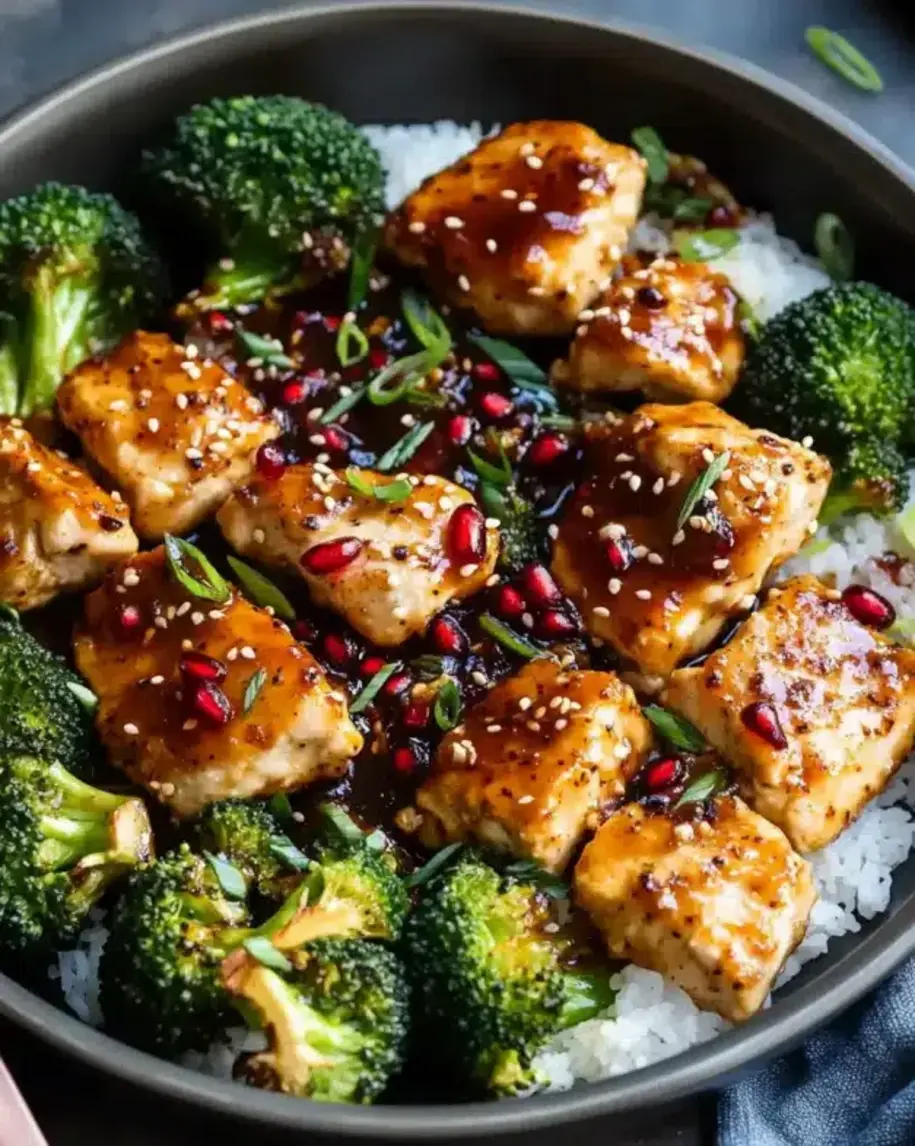
Asian BBQ Beef Stir-Fry with Orange Zest – Bold Weeknight Flavor

⚖️
Difficulty
Easy
⏲️
Prep Time
15 mins
🕒
Cook Time
10 mins
⏱️
Total Time
25 mins
🍽️
Servings
4

I still remember the first time I added orange zest to an Asian beef stir-fry recipe—it was a rainy Tuesday in my tiny Paris kitchen, and I was homesick for the bright citrus notes my mother used in Moroccan tagines. That spark of inspiration turned into this Asian BBQ Beef Stir-Fry with Orange Zest, a dish that marries the bold, smoky tang of BBQ with the fresh pop of orange. Growing up in Morocco, I learned that a single aromatic can transform a dish. Here in New York, I bring that same principle to quick weeknight cooking: this quick Asian BBQ beef recipe delivers complex flavor in just 25 minutes.

Imagine tender strips of beef sirloin, seared to a caramelized crust, then tossed with vibrant bell peppers and crisp snap peas in a glossy, orange-kissed BBQ sauce. The aroma alone—sticky sweet, savory, with a hint of heat—will pull your family to the table before you even call them. Each bite offers a contrast: the juicy beef, the crunch of vegetables, and that bright orange finish that cuts through the richness. It’s the kind of weeknight beef stir-fry that feels like a special occasion but comes together faster than takeout.

What sets this version apart? It’s the orange zest—not just juice, but the fragrant oils from the peel that elevate the entire dish. My training at Le Cordon Bleu taught me the power of balancing acid and sweet, and here I use orange marmalade and zest to create a sauce that’s both bold and nuanced. I’ll also share a pro tip for keeping beef tender even with a thick sauce (hint: it’s all about the cornstarch coating and the order of cooking). Whether you’re a stir-fry novice or a seasoned pro, you’ll love how foolproof this method is.

Why This Asian BBQ Beef Stir-Fry Recipe Is the Best

The Flavor Secret: The combination of Asian BBQ sauce (with its molasses-like depth) and orange marmalade creates a sticky, tangy glaze that clings to every piece of beef. I add freshly grated orange zest at the end for a burst of essential oils that the marmalade alone can’t provide. This is a trick I borrowed from my mother’s orange-blossom water technique—a little floral pop that wakes up the whole dish.

Perfected Texture: Tender beef in a stir-fry is all about the sear. By coating the beef in soy sauce and cornstarch, then searing in batches over high heat, you create a crust that traps juices. The cornstarch also acts as a barrier, preventing the sauce from making the beef soggy. In Paris, I learned to respect the Maillard reaction; here, I apply it to a weeknight dinner.

Foolproof & Fast: This recipe uses one wok or skillet, requires no special equipment, and comes together in under half an hour. The steps are simple enough for any home cook, yet the result tastes like a restaurant-quality Asian stir-fry with orange. Plus, I’ve tested it with different proteins and vegetables, so you can adapt it to whatever you have on hand.

Asian Beef Stir-Fry Recipe Ingredients

I source most of my ingredients from the Union Square Greenmarket or local Asian grocery stores in New York. For beef, I look for well-marbled sirloin or flank steak—ask your butcher to slice it thinly across the grain. The orange zest should come from a bright, firm orange; organic is best since you’re using the peel. The snap peas remind me of the fresh peas my mother would shell in the courtyard in Marrakech.

Ingredients List

  • 1 lb beef sirloin, thinly sliced
  • 2 tablespoons soy sauce
  • 1 tablespoon cornstarch
  • 2 tablespoons vegetable oil
  • 1 red bell pepper, sliced
  • 1 yellow bell pepper, sliced
  • 1 cup snap peas
  • 3 cloves garlic, minced
  • 1 tablespoon fresh ginger, grated
  • For the Sauce:
    • 1/4 cup Asian BBQ sauce
    • 2 tablespoons orange marmalade
    • 1 tablespoon rice vinegar
    • 1 teaspoon orange zest
    • 1/4 teaspoon red pepper flakes
  • 2 green onions, sliced (for garnish)

Ingredient Spotlight

Beef Sirloin: This cut is lean yet tender when sliced thin and quickly cooked. Look for bright red meat with fine marbling. If you can’t find sirloin, flank steak or skirt steak work beautifully—just be sure to slice against the grain for maximum tenderness.

Asian BBQ Sauce: Not all BBQ sauces are equal. Look for brands like Lee Kum Kee or a homemade version with hoisin, soy, and a touch of honey. The sauce should be thick and slightly sweet. Substitution: mix 2 tbsp hoisin + 1 tbsp soy + 1 tsp brown sugar.

Orange Marmalade & Zest: Marmalade adds sweetness and a slight bitterness from the peel. The zest is non-negotiable for that bright aroma. If you don’t have marmalade, use apricot jam + a splash of orange juice, but you’ll miss some complexity.

Snap Peas: These provide a sweet crunch. Substitute with snow peas or green beans if needed. For a more colorful dish, add a handful of baby corn or broccoli florets.

Original IngredientBest SubstitutionFlavor / Texture Impact
Beef SirloinFlank steak or skirt steak (thinly sliced)Slightly more chew; still tender if sliced thin
Asian BBQ Sauce2 tbsp hoisin + 1 tbsp soy + 1 tsp brown sugarLess smoky but equally savory
Orange MarmaladeApricot jam + 1 tbsp orange juiceLess bitter, more fruity; still works
Snap PeasSnow peas or green beansSimilar crunch; green beans need slightly longer cooking

How to Make Asian BBQ Beef Stir-Fry — Step-by-Step

This quick Asian BBQ beef dish comes together in just a few steps. Follow these instructions and you’ll have a restaurant-quality meal on your table in no time.

Step 1: Marinate the Beef

In a medium bowl, toss the sliced beef with soy sauce and cornstarch. Let it marinate for 10 minutes while you prep the vegetables. This coating not only seasons the beef but also helps create a protective barrier that locks in moisture during high-heat searing.

💡 mia’s Pro Tip: For extra-tender beef, add a pinch of baking soda to the marinade (just 1/4 teaspoon). This is a classic Chinese restaurant trick that works wonders!

Step 2: Whisk the Sauce

In a small bowl, combine the Asian BBQ sauce, orange marmalade, rice vinegar, orange zest, and red pepper flakes. Whisk until smooth. Set aside. The marmalade should be fully dissolved; if it’s too thick, microwave for 10 seconds.

⚠️ Common Mistake to Avoid: Don’t add the sauce too early or it will burn. Keep it separate until the very end.

Step 3: Sear the Beef

Heat 1 tablespoon of vegetable oil in a large wok or heavy skillet over high heat until shimmering. Add half the beef in a single layer (don’t overcrowd). Sear for 2 minutes per side until a deep brown crust forms. Transfer to a plate and repeat with remaining beef.

💡 mia’s Pro Tip: Use a cast iron skillet if you don’t have a wok—it retains heat better than nonstick for that perfect caramelization.

Step 4: Stir-Fry the Vegetables

In the same wok, add the remaining 1 tablespoon oil. Add sliced bell peppers and snap peas. Stir-fry over high heat for 3 minutes, tossing constantly, until they are crisp-tender and slightly charred at the edges.

⚠️ Common Mistake to Avoid: Overcooking the vegetables until they’re mushy. They should still have a bite—the residual heat will cook them a little more when you combine everything.

Step 5: Add Aromatics

Add minced garlic and grated ginger to the wok. Stir-fry for 30 seconds until fragrant. Be careful not to let the garlic burn—it can turn bitter very quickly.

💡 mia’s Pro Tip: Grate your ginger on a microplane so it melts into the sauce. If you only have powdered ginger, use 1/2 teaspoon.

Step 6: Combine and Coat

Return the seared beef to the wok. Pour the prepared sauce over everything. Toss vigorously to coat all ingredients. Cook for 1 minute until the sauce thickens and clings to the beef and vegetables. The sauce should become glossy and sticky.

⚠️ Common Mistake to Avoid: Don’t cook the sauce longer than 1 minute—it can become too thick and gummy. The sauce should coat the back of a spoon easily.

Step 7: Garnish and Serve

Transfer to a serving platter or divide among plates. Sprinkle with sliced green onions. Serve immediately over steamed jasmine rice or noodles.

💡 mia’s Pro Tip: For a restaurant-style presentation, drizzle a little sesame oil and sprinkle sesame seeds on top before serving.

StepActionDurationKey Visual Cue
1Marinate Beef10 minBeef evenly coated, not dripping
2Whisk Sauce2 minSmooth, no lumps
3Sear Beef4 min totalDeep brown crust, edges caramelized
4Stir-Fry Veggies3 minBright colors, slight char
5Add Aromatics30 secFragrant, garlic not browning
6Combine & Coat1 minSauce thickens, glossy
7Garnish1 minGreen onions bright green on top

Serving & Presentation

This Asian beef stir-fry recipe begs to be served over a bed of fluffy jasmine rice or chewy lo mein noodles. I like to pile the beef and vegetables in the center of a large platter, then scatter the green onions and a few extra orange zest shreds on top for color. The sauce should pool slightly but not be watery—it’s meant to cling.

Growing up in Morocco, we often served stews with couscous, but here in New York, I’ve found that steamed rice is the perfect canvas for this bold sauce. A side of quick-pickled cucumbers or a simple Asian cucumber salad adds a refreshing crunch that balances the richness. For a touch of heat, I sometimes serve with sambal oelek or chili crisp on the side.

My Paris training taught me that presentation matters—even for a weeknight dinner. Use a white plate to let the colors pop. Garnish with a few cilantro leaves if you have them, and a lime wedge on the side. The brightness of the lime echoes the orange zest beautifully.

Pairing TypeSuggestionsWhy It Works
Side DishSteamed jasmine rice, soba noodles, or cauliflower riceNeutral base soaks up the bold sauce
Sauce / DipChili crisp, sambal oelek, extra orange zest + soyAdds heat or brightness to individual taste
BeverageIced green tea, crisp lager, or Sauvignon BlancCuts through the richness, refreshes palate
GarnishSliced green onions, sesame seeds, cilantro, lime wedgesAdds freshness, texture, and visual appeal

Make-Ahead, Storage & Reheating

As a busy New York cook, I often make extra of this weeknight beef stir-fry to have for lunch the next day. The flavors actually deepen overnight! Here’s how to store and reheat it properly so the beef stays tender and the vegetables remain vibrant.

MethodContainerDurationReheating Tip
RefrigeratorAirtight glass container3 daysReheat in a skillet over medium-high with a splash of water to rehydrate sauce
FreezerFreezer-safe zip bag (remove air)2 monthsThaw overnight in fridge; reheat in skillet, adding a bit more soy or water
Make-AheadPrepare sauce and marinate beef separatelyUp to 1 day in advanceKeep beef and vegetables raw; stir-fry just before serving

When reheating, avoid microwaving if possible—it can make the beef tough and the vegetables soggy. Instead, use a hot skillet or wok. Add a tablespoon of water or chicken broth to the pan to help loosen the sauce, then toss until everything is hot and sizzling. The orange flavor may mellow a bit; you can freshen it up with a little extra zest right before serving.

Variations & Easy Swaps

One of the things I love about this quick Asian BBQ beef recipe is how adaptable it is. Whether you’re avoiding gluten, want more vegetables, or just feel like switching up the protein, here are three tested variations.

VariationKey ChangeBest ForDifficulty Impact
Chicken or TofuSubstitute beef with boneless chicken thighs or firm tofuLighter protein preferenceSame effort; tofu needs extra pressing
Gluten-FreeUse tamari instead of soy sauce; check BBQ sauce labelsGF dietMinimal change
Extra VeggieAdd broccoli, baby corn, or mushroomsMore vegetables for a lighter mealSlightly longer cooking time for dense veg

Chicken or Tofu Variation

For a chicken version, use boneless, skinless chicken thighs—they stay juicier than breasts. Slice them the same way as beef and follow the same marinating and searing steps. For tofu, press extra-firm tofu for 20 minutes, cube it, then toss in cornstarch and pan-fry until golden before adding to the stir-fry. The sauce works beautifully with either substitution, and the orange zest still shines.

Gluten-Free Variation

To make this Asian stir-fry with orange gluten-free, swap the soy sauce for tamari or coconut aminos. Be sure to check your Asian BBQ sauce—many brands contain wheat. I prefer a homemade GF version: mix 2 tbsp hoisin (GF variety) with 1 tbsp tamari and 1 tsp honey. The flavor stays bold and the texture remains sticky and delicious.

Extra Veggie Variation

On days when I come home from the Union Square Greenmarket with a bag full of broccoli and mushrooms, I add them to this stir-fry. Slice broccoli florets thinly so they cook quickly, and quarter cremini mushrooms. Add them with the bell peppers and snap peas. The extra vegetables make the dish more substantial without complicating the process—just be sure not to overcrowd the wok.

What is the best cut of beef to use for an Asian BBQ stir-fry?

For an Asian beef stir-fry recipe like this one, the best cut is beef sirloin because it’s tender, affordable, and slices neatly. Flank steak and skirt steak are also excellent choices—they have more flavor but require slicing very thin against the grain to ensure tenderness. Avoid tougher cuts like chuck or brisket unless you marinate them for several hours. I always tell my readers to look for well-marbled meat and ask their butcher to slice it for stir-fry (about 1/4-inch thick). The thin slices cook in seconds, staying juicy and tender.

Can I substitute orange juice for orange zest in this stir-fry recipe?

You can substitute orange juice, but the flavor will be different. Orange zest provides intense, fragrant essential oils from the peel that juice alone cannot replicate. If you’re in a pinch, use 1 tablespoon of fresh orange juice plus a little extra marmalade to boost the orange flavor. However, I strongly recommend using zest if possible—it’s what gives this orange zest beef stir-fry its signature pop. I keep a few oranges in my fridge at all times just for this reason.

How do I keep the beef tender when stir-frying with a thick BBQ sauce?

The key is to coat the beef in cornstarch and soy sauce before cooking, which creates a protective layer that locks in moisture and prevents the sauce from penetrating too deeply. Second, sear the beef quickly over high heat and remove it from the pan before adding the sauce. Finally, add the sauce only at the end and toss for just one minute—overcooking the beef in the sauce can make it tough. This technique is why my quick Asian BBQ beef always stays tender, even with a sticky, thick glaze.

What vegetables pair well with an Asian BBQ beef stir-fry for a weeknight meal?

Bell peppers and snap peas are my top picks because they cook quickly and add both color and crunch. Broccoli florets (cut small), snow peas, baby corn, and mushrooms also work beautifully. For a heartier meal, add shredded cabbage or bok choy. The key is to cut vegetables into uniform sizes so they cook evenly. This weeknight beef stir-fry is forgiving—use whatever you have in your crisper drawer. I often raid my NYC farmers market haul and never get the same combination twice.

Can I make this Asian BBQ beef stir-fry ahead of time?

Absolutely! You can prep the sauce and marinate the beef up to a day in advance. Store them separately in the fridge. When you’re ready to cook, the stir-fry will come together in under 10 minutes. Leftovers also keep well for up to three days in an airtight container. Reheat in a skillet with a splash of water to restore the sauce’s consistency. The orange flavor may mellow slightly, so I like to add a pinch of fresh zest right before serving.

What can I use instead of Asian BBQ sauce?

If you don’t have Asian BBQ sauce, you can make a quick substitute by mixing 2 tablespoons hoisin sauce, 1 tablespoon soy sauce, 1 teaspoon brown sugar, and a splash of rice vinegar. This combination gives you the same sweet-savory base. For a smoky twist, add a few drops of liquid smoke. Many stores carry Thai BBQ sauce or Korean BBQ sauce, which also work well. Just be sure to adjust the sweetness to your taste—some store-bought sauces are very sweet.

Is this stir-fry spicy? How can I adjust the heat?

This Asian beef stir-fry recipe has a mild heat from the red pepper flakes. If you want more spice, increase the flakes to 1/2 teaspoon or add a drizzle of sriracha or chili crisp to the sauce. For a milder version, simply omit the pepper flakes entirely. The orange and BBQ flavors are bold enough on their own. I usually serve chili crisp on the table so everyone can customize their own bowl—that way, the dish stays family-friendly.

Can I use frozen vegetables for this stir-fry?

Yes, you can use frozen stir-fry vegetables, but fresh will give you better texture and flavor. If using frozen, don’t thaw them first—add them directly to the hot wok (they will release moisture, so you may need to cook an extra 1-2 minutes to evaporate it). I prefer a mix of frozen bell peppers, snap peas, and broccoli. Just be aware that frozen vegetables won’t have the same crisp-tender crunch as fresh, but they’re a great time-saver for busy evenings.

What type of rice pairs best with an Asian BBQ beef stir-fry?

Jasmine rice is my top recommendation because its floral aroma complements the orange and BBQ flavors. Basmati rice also works, but it has a nuttier profile. For a low-carb option, cauliflower rice is excellent—just stir-fry it separately with a little garlic and soy sauce. If you’re serving noodles, I suggest fresh lo mein or udon noodles. Whichever you choose, the key is to have a neutral base that soaks up the sticky sauce without overpowering it.

How do I prevent the orange marmalade from burning in the pan?

Because marmalade has a high sugar content, it can burn quickly if left over high heat too long. The secret is to add the sauce only after you’ve returned the beef to the pan, and then toss constantly for just 60 seconds. Make sure your heat is medium-high (not screaming hot) when you add the sauce. If you notice it starting to stick, add a tablespoon of water or rice vinegar to loosen it. This method ensures a glossy, caramelized finish without any bitter burnt spots.

Share Your Version!

I hope you love this Asian BBQ Beef Stir-Fry with Orange Zest as much as I do! If you make it, please leave a star rating and a comment below—I read every single one and love hearing how you’ve made it your own. Did you add extra vegetables? Swap the protein? Use a different citrus? Tell me all about it!

Don’t forget to snap a photo of your creation and share it on Instagram or Pinterest tagging @exorecipes. I love seeing your beautiful dishes! And if you have a burning question about this recipe or any other, drop it in the comments and I’ll answer personally. From my NYC kitchen to yours — I hope this recipe brings as much warmth to your table as it does to mine. — mia 🧡

📌

Love This Recipe? Save It to Pinterest!

If you enjoyed this Asian BBQ Beef Stir-Fry with Orange Zest Bold Weeknight Flavor recipe, don’t let it get lost in your browser tabs! 😄 Pin it now so you can find it again anytime — and explore hundreds more tried-and-tested recipes waiting for you on my Pinterest boards.

👉 Follow mia on Pinterest @chefrecipes2

📌 Pin this recipe · 🔁 Re-pin your favorites · 💬 Tag me when you make it — I love seeing your creations!

Print

clock clock iconcutlery cutlery iconflag flag iconfolder folder iconinstagram instagram iconpinterest pinterest iconfacebook facebook iconprint print iconsquares squares iconheart heart iconheart solid heart solid icon

Asian BBQ Beef Stir-Fry with Orange Zest Bold Weeknight Flavor

  • Author: Chef Mia
  • Prep Time: 15 minutes
  • Cook Time: 10 minutes
  • Total Time: 25 minutes
  • Yield: 4 1x
  • Method: Main Course
  • Cuisine: Asian

Description

A bold and quick Asian-inspired stir-fry featuring tender beef strips, colorful vegetables, and a tangy orange-infused BBQ sauce. Perfect for a weeknight dinner bursting with flavor.


Ingredients

Scale
  • 1 lb beef sirloin, thinly sliced
  • 2 tablespoons soy sauce
  • 1 tablespoon cornstarch
  • 2 tablespoons vegetable oil
  • 1 red bell pepper, sliced
  • 1 yellow bell pepper, sliced
  • 1 cup snap peas
  • 3 cloves garlic, minced
  • 1 tablespoon fresh ginger, grated
  • For the Sauce:
  • 1/4 cup Asian BBQ sauce
  • 2 tablespoons orange marmalade
  • 1 tablespoon rice vinegar
  • 1 teaspoon orange zest
  • 1/4 teaspoon red pepper flakes
  • 2 green onions, sliced (for garnish)

Instructions

  1. In a medium bowl, toss the sliced beef with soy sauce and cornstarch. Let marinate for 10 minutes.
  2. In a small bowl, whisk together the Asian BBQ sauce, orange marmalade, rice vinegar, orange zest, and red pepper flakes. Set aside.
  3. Heat vegetable oil in a large wok or skillet over high heat. Add the beef in a single layer and sear for 2 minutes per side until browned. Remove beef and set aside.
  4. In the same wok, add bell peppers and snap peas. Stir-fry for 3 minutes until crisp-tender.
  5. Add garlic and ginger, stirring for 30 seconds until fragrant.
  6. Return the beef to the wok. Pour the sauce over everything and toss to coat. Cook for 1 minute until heated through.
  7. Serve immediately, garnished with sliced green onions.

Notes

For extra heat, add more red pepper flakes or a drizzle of sriracha. Serve over steamed jasmine rice or noodles.


Nutrition

  • Calories: 380
  • Sugar: 12 g
  • Fat: 18 g
  • Carbohydrates: 22 g
  • Protein: 32 g


Asian BBQ Beef Stir-Fry with Orange Zest Bold Weeknight Flavor

ph">For more delicious inspiration, follow me on Pinterest!
“`html

Artichoke Lemon Pesto That Delivers Fresh Mediterranean Flavor – Bright, Tangy & Ready in 10 Minutes

⚖️
Difficulty
Easy
⏲️
Prep Time
10 mins
🕒
Cook Time
0 mins
⏱️
Total Time
10 mins
🍽️
Servings
4

I still remember the first time I made a pesto that wasn’t just basil and pine nuts. I was standing in my tiny Parisian kitchen — barely larger than a closet — with a bag of artichokes I’d grabbed at the Marché d’Aligre. The moment I added lemon zest and a handful of parsley alongside the artichokes, something clicked. This artichoke lemon pesto recipe was born from that spontaneous French-market inspiration, and it has since become one of my most-requested Mediterranean pesto recipe creations. It’s bright, tangy, and utterly irresistible.

The beauty of this fresh lemon pesto lies in its balance. The artichokes bring a subtle, earthy sweetness that softens the sharpness of the lemon, while the basil and parsley weave in herbaceous notes that feel like a sun-drenched Greek island. The pine nuts add a buttery richness, and the Parmesan ties everything together with a salty, nutty depth. When you drizzle in that extra virgin olive oil, the whole mixture transforms into a silky, vibrant sauce that coats pasta, spreads on sandwiches, or becomes the star of your crudité platter.

What sets my version apart is a little trick I picked up during my pastry training in Paris: I pulse the artichokes and herbs first, then stream in the oil slowly. This gives the artichoke pesto sauce a wonderfully creamy texture without any dairy heaviness. Plus, I add a touch of lemon zest right at the end to keep that citrus aroma bright and fresh. Whether you’re a seasoned cook or a beginner looking for an easy homemade pesto, this recipe will make you look like a pro. 💡 mia’s Pro Tip: Use cold-pressed extra virgin olive oil — it makes a real difference.

Why This Artichoke Lemon Pesto Recipe Is the Best

The flavor secret here is the artichoke-lemon combination. Growing up in Morocco, my mother would preserve lemons and use them with everything — including artichokes. That North African citrus记忆 stayed with me, and when I trained in French sauce work in Paris, I learned how to balance acidity with fat to create emulsions that sing. This pesto is the marriage of those two worlds: the bright, tangy punch of lemon and the tender, subtle sweetness of artichokes, all bound together with premium olive oil.

Texture-wise, this pesto is a dream. The key is not to over-process. I pulse the ingredients in stages — first the solids, then the oil — so you get a sauce that’s creamy but still has a little rustic texture. That slight chunkiness is what makes it cling beautifully to pasta and spread evenly on bread. It’s a technique I honed in Paris while making classic pistou, and it works perfectly here.

And it’s foolproof. Even if you’ve never made pesto from scratch, this recipe works. Canned artichokes mean no trimming or boiling — just drain, dump, and blend. Ten minutes from start to finish, and you have a homemade pesto that tastes like you spent hours in the kitchen. That’s the kind of cooking I love: maximum flavor, minimum fuss.

Artichoke Lemon Pesto Recipe Ingredients

When I shop for these ingredients at my local Union Square farmers market in NYC, I look for the freshest herbs and the brightest lemons. The artichokes — I usually grab a good-quality canned or jarred brand — save me the prep time while still delivering that beautiful Mediterranean flavor. Here’s what you’ll need.

Ingredients List

  • 1 can (14 oz) artichoke hearts, drained
  • 1/2 cup fresh basil leaves
  • 1/4 cup fresh parsley
  • 1/4 cup grated Parmesan cheese
  • 1/4 cup pine nuts
  • 2 cloves garlic
  • 1 lemon, zested and juiced
  • 1/2 cup extra virgin olive oil
  • Salt and black pepper to taste

Ingredient Spotlight

Artichoke hearts are the foundation of this pesto. I prefer the ones packed in water or brine — they’re tender and mild. If you find jarred artichokes in oil, drain them well and reduce the olive oil slightly. Basil brings that classic pesto aroma, while parsley adds a fresh, clean finish. Together, they create a more complex herb profile than basil alone. For the lemon, always use a fresh, unwaxed lemon — the zest is where the essential oils live, and it makes the pesto incredibly fragrant.

Original IngredientBest SubstitutionFlavor / Texture Impact
Artichoke hearts (canned)Frozen artichoke hearts, thawedSlightly firmer texture, same flavor
Pine nutsWalnuts or almondsMore earthy, slightly less buttery
Parmesan cheeseNutritional yeast (for vegan)Cheesy flavor without dairy; less salty
Fresh basilFresh spinach + extra parsleyMilder herb flavor, greener color

How to Make Artichoke Lemon Pesto — Step-by-Step

Making this pesto is almost too easy — but the results are anything but basic. Follow these steps and you’ll have a vibrant, restaurant-quality sauce in under ten minutes.

Step 1: Combine the Solids

Add the drained artichoke hearts, basil, parsley, Parmesan, pine nuts, garlic, lemon zest, and lemon juice to a food processor. Don’t overfill — if your processor is small, do it in two batches. Pulse a few times to break everything down.

💡 mia’s Pro Tip: Make sure your artichokes are well-drained. Excess liquid will make the pesto watery instead of creamy.

Step 2: Pulse Until Roughly Chopped

Pulse in short bursts — about 8 to 10 pulses — until the mixture is coarsely chopped. You want some texture left, not a puree. Scrape down the sides of the bowl once to ensure even chopping.

⚠️ Common Mistake to Avoid: Don’t let the processor run continuously at this stage. You’ll end up with a paste, and you’ll lose the lovely rustic texture.

Step 3: Stream In the Olive Oil

With the processor running, slowly drizzle in the olive oil through the feed tube. Go slow — this takes about 30 seconds. The mixture will transform from a chunky chop into a smooth, emulsified sauce. Stop once it looks creamy and well-combined.

💡 mia’s Pro Tip: Use a good-quality extra virgin olive oil. It’s the backbone of any pesto, and a fruity, peppery oil elevates the whole dish.

Step 4: Season to Taste

Add salt and black pepper. Remember that Parmesan is already salty, so start with a pinch and go from there. Give it one final pulse to incorporate the seasoning.

⚠️ Common Mistake to Avoid: Tasting too early — the flavors need a moment to meld. Let the pesto sit for a minute after blending, then taste and adjust.

Step 5: Serve or Store

Transfer the pesto to a bowl, or spoon it into a jar for storage. Use immediately, or refrigerate for up to one week. The flavor actually deepens after a day in the fridge — if you can wait that long.

💡 mia’s Pro Tip: To keep the pesto bright green, press a piece of plastic wrap directly onto the surface before sealing the container. This prevents oxidation.

StepActionDurationKey Visual Cue
1Combine solids in processor1 minuteIngredients evenly distributed
2Pulse until chopped30 secondsRough, chunky texture
3Stream in olive oil30 secondsSmooth, emulsified sauce
4Season to taste30 secondsBalanced flavor
5Serve or store1 minuteBright green, glossy finish

Serving & Presentation

This artichoke lemon pesto is incredibly versatile. I love tossing it with al dente pasta — trofie or fusilli are my favorites because the pesto clings to every curve. For a lighter meal, spread it on grilled sourdough and top with burrata and cherry tomatoes. It also works beautifully as a dip for fresh crudités or as a sauce for grilled fish or chicken.

When I serve this at dinner parties in my NYC apartment, I like to garnish with a few extra pine nuts, a drizzle of olive oil, and a tiny pinch of flaky sea salt. A few fresh basil leaves on top make it look restaurant-ready. The bright green color against white pasta or bread is always a showstopper.

Pairing TypeSuggestionsWhy It Works
Side DishGrilled vegetables, roasted potatoes, quinoa saladThe pesto adds brightness and richness to simple sides
Sauce / DipPasta, pizza, sandwiches, wraps, crudité platterCreamy texture and tangy flavor complement carbs and veggies
BeverageCrisp white wine (Sauvignon Blanc), sparkling water with lemonThe citrus notes in the pesto echo the wine’s acidity
GarnishExtra pine nuts, fresh basil, lemon zest, flaky sea saltAdds texture, color, and a burst of fresh flavor

Make-Ahead, Storage & Reheating

One of the things I love most about this pesto is how meal-prep-friendly it is. I often make a double batch on Sunday and use it throughout the week for quick lunches and dinners. My NYC schedule doesn’t always allow for long cooking sessions, so having a jar of this in the fridge is like having a secret weapon.

MethodContainerDurationReheating Tip
RefrigeratorAirtight glass jar or containerUp to 7 daysBring to room temperature, stir well
FreezerFreezer-safe jar or ice cube trayUp to 3 monthsThaw overnight in the fridge, stir before using
Make-AheadPrepare up to 3 days in advance3 days aheadLayer plastic wrap on surface to prevent browning

If you’re freezing pesto, I recommend using an ice cube tray — pop out a cube or two whenever you need a quick flavor boost. The texture will be slightly softer after thawing, but the flavor remains vibrant. Just give it a good stir and it’s ready to go.

Variations & Easy Swaps

One of the joys of this recipe is how adaptable it is. Whether you’re cooking for dietary needs or just want to switch things up, these variations have been tested in my kitchen and work beautifully.

VariationKey ChangeBest ForDifficulty Impact
Vegan Artichoke PestoNutritional yeast for ParmesanPlant-based mealsEasy
Spicy Harissa PestoAdd 1 tsp harissa pasteBold, North African flavorEasy
Nut-Free PestoSunflower seeds instead of pine nutsNut-free dietsEasy

Vegan Artichoke Pesto

For a completely plant-based version, swap the Parmesan for nutritional yeast. Use 3 tablespoons of nutritional yeast flakes — they add that savory, cheesy umami without any dairy. I also like to add an extra tablespoon of pine nuts to compensate for the richness. The texture stays creamy, and the flavor is remarkably close to the original.

Spicy Harissa Pesto

This variation is a nod to my Moroccan roots. Add 1 to 2 teaspoons of harissa paste (depending on your heat tolerance) along with the lemon juice. The harissa’s smoky, spicy warmth pairs beautifully with the artichokes and lemon. It’s incredible on roasted vegetables or stirred into couscous. I love serving this version at my NYC dinner parties — it always sparks conversation.

Nut-Free Pesto

If you’re avoiding nuts, replace the pine nuts with raw sunflower seeds. They have a mild, slightly nutty flavor that won’t overpower the artichokes. Toast them lightly in a dry pan for 2-3 minutes to deepen their flavor. The texture will be slightly earthier, but still creamy and delicious. This works beautifully as a spread on sandwiches.

What is the best way to prepare fresh artichokes for making artichoke lemon pesto?

If you’re using fresh artichokes, start by trimming the stems and removing the tough outer leaves until you reach the tender, pale green layers. Cut off the top third of the artichoke and scoop out the fuzzy choke with a spoon. Rub the cut surfaces with lemon to prevent browning. Then steam or boil the artichoke hearts until tender — about 20 to 25 minutes. Let them cool completely before using in the pesto. That said, I often use canned or jarred artichokes for convenience, and the flavor is still wonderful.

Can I use canned or jarred artichokes instead of fresh ones in this pesto recipe?

Absolutely. In fact, this recipe was designed with canned artichoke hearts in mind for maximum convenience. Just make sure to drain them well before adding to the food processor. Jarred artichokes packed in oil will also work — simply reduce the amount of olive oil you add by about 1 to 2 tablespoons to account for the oil already on the artichokes. The flavor will be slightly richer, but still delicious. I’ve tested both versions and they’re equally good.

How long will homemade artichoke lemon pesto last in the refrigerator?

When stored properly in an airtight container, this pesto will stay fresh for up to one week in the refrigerator. To keep it at its best, press a layer of plastic wrap directly onto the surface of the pesto before sealing the container — this prevents oxidation and keeps the color bright green. If you notice any discoloration on the surface, simply stir it in; the flavor underneath is still fine. For longer storage, freeze the pesto in an ice cube tray for up to 3 months.

What are some traditional Mediterranean dishes that pair well with this artichoke lemon pesto?

This pesto is wonderfully versatile in Mediterranean cooking. Toss it with al dente pasta — trofie, fusilli, or orecchiette are ideal. Spread it on grilled flatbread or crostini and top with cherry tomatoes and feta. Use it as a sauce for grilled fish like sea bass or salmon, or drizzle it over roasted vegetables like zucchini and bell peppers. It also makes a fantastic dip for fresh crudités alongside olives and hummus. The bright lemon and artichoke flavors complement so many dishes.

Can I make this artichoke lemon pesto without a food processor?

Yes, you can make this pesto with a high-speed blender or even by hand using a mortar and pestle. If using a blender, work in small batches and use the tamper to push ingredients down. For the hand-chopped version, finely mince the artichokes, herbs, garlic, and pine nuts on a cutting board, then transfer to a bowl and stir in the lemon zest, juice, and olive oil. The texture will be more rustic, but the flavor is just as bright and delicious. I actually love the hand-chopped version for its chunky, artisan feel.

Is this artichoke lemon pesto recipe gluten-free?

Yes, this pesto is naturally gluten-free. All the ingredients — artichokes, herbs, Parmesan, pine nuts, garlic, lemon, and olive oil — are free from gluten. Just be sure to check that your Parmesan cheese is labeled gluten-free, as some aged cheeses can be processed with gluten-containing agents. This makes the pesto a wonderful choice for anyone on a gluten-free diet. Serve it with gluten-free pasta or rice crackers for a complete meal.

What can I use instead of pine nuts in artichoke pesto?

If you don’t have pine nuts, there are several excellent substitutes. Walnuts are my top choice — they add an earthy, slightly bitter note that pairs well with artichokes. Almonds (blanched or slivered) give a milder, sweeter flavor. Sunflower seeds are a great nut-free option that keeps the texture creamy. For a more traditional Mediterranean twist, try using pistachios — they add a beautiful green color and a subtle sweetness. Each substitution will change the flavor slightly, but all are delicious.

How do I keep the pesto from turning brown?

Browning happens when the basil and parsley oxidize. The best way to prevent this is to press a layer of plastic wrap directly onto the surface of the pesto before sealing the container — this blocks air exposure. You can also add a small squeeze of extra lemon juice, as the acidity helps preserve the green color. Storing the pesto in the coldest part of your refrigerator also slows oxidation. If the top layer does turn slightly brown, just stir it in; the flavor underneath is still perfectly good.

Can I add other herbs to this artichoke lemon pesto?

Absolutely. This pesto is a great base for experimenting with herbs. Fresh mint adds a cooling, bright note that works beautifully with the lemon. A few sprigs of fresh dill bring a slightly anise-like flavor that pairs well with seafood. You can also swap some of the parsley for fresh cilantro for a more vibrant, citrusy profile. Just keep the total herb volume roughly the same — about 3/4 cup packed herbs total — so the texture stays balanced. I love adding a few mint leaves in the summer.

What is the best pasta shape for artichoke lemon pesto?

Short, textured pasta shapes are ideal for this pesto because they catch and hold the sauce. Trofie, fusilli, rotini, orecchiette, and farfalle are all excellent choices. The nooks and crannies in these shapes grab every bit of the creamy pesto. If you prefer long pasta, try linguine or fettuccine — just toss well and add a tablespoon of pasta water to help the sauce coat the strands evenly. I personally love trofie with this pesto; it’s a classic Ligurian pairing that never disappoints.

Share Your Version!

I’d love to hear how this artichoke lemon pesto turns out in your kitchen. Did you try one of the variations? Did you invent your own twist? Drop a comment below and let me know — your feedback helps other readers discover new ways to enjoy this recipe. And if you’re on social media, snap a photo of your pesto creation and tag me @exorecipes. I love seeing your beautiful dishes!

Here’s a question for you: What’s your favorite way to use pesto — on pasta, as a dip, or something unexpected? I’m always looking for new ideas, and I read every single comment. So don’t be shy — share your thoughts, your swaps, and your successes. From my NYC kitchen to yours — I hope this recipe brings as much warmth to your table as it does to mine. — mia 🧡

📌

Love This Recipe? Save It to Pinterest!

If you enjoyed this Artichoke Lemon Pesto recipe, don’t let it get lost in your browser tabs! 😄 Pin it now so you can find it again anytime — and explore hundreds more tried-and-tested recipes waiting for you on my Pinterest boards.

👉 Follow mia on Pinterest @exorecipe

📌 Pin this recipe · 🔁 Re-pin your favorites · 💬 Tag me when you make it — I love seeing your creations!

“`

Print

clock clock iconcutlery cutlery iconflag flag iconfolder folder iconinstagram instagram iconpinterest pinterest iconfacebook facebook iconprint print iconsquares squares iconheart heart iconheart solid heart solid icon

Artichoke Lemon Pesto That Delivers Fresh Mediterranean Flavor

  • Author: Chef Mia
  • Prep Time: 10 minutes
  • Cook Time: 0 minutes
  • Total Time: 10 minutes
  • Yield: 4 1x
  • Method: Side Dish
  • Cuisine: Mediterranean

Description

This vibrant artichoke lemon pesto brings the bright, tangy flavors of the Mediterranean to your table in minutes. Perfect for pasta, sandwiches, or as a dip.


Ingredients

Scale
  • 1 can (14 oz) artichoke hearts, drained
  • 1/2 cup fresh basil leaves
  • 1/4 cup fresh parsley
  • 1/4 cup grated Parmesan cheese
  • 1/4 cup pine nuts
  • 2 cloves garlic
  • 1 lemon, zested and juiced
  • 1/2 cup extra virgin olive oil
  • Salt and black pepper to taste

Instructions

  1. Combine artichoke hearts, basil, parsley, Parmesan, pine nuts, garlic, lemon zest, and lemon juice in a food processor.
  2. Pulse until roughly chopped.
  3. With the processor running, slowly drizzle in the olive oil until smooth and creamy.
  4. Season with salt and pepper to taste.
  5. Serve immediately or store in the refrigerator for up to one week.

Notes

For a vegan version, substitute nutritional yeast for Parmesan and use a vegan-friendly pesto base.


Nutrition

  • Calories: 220
  • Sugar: 1g
  • Fat: 20g
  • Carbohydrates: 6g
  • Protein: 5g


Artichoke Lemon Pesto That Delivers Fresh Mediterranean Flavor

Artichoke & Sun-Dried Tomato Meatballs in Creamy Garlic Sauce – An Easy Low-Carb Dinner

⚖️
Difficulty
Easy
⏲️
Prep Time
15 mins
🕒
Cook Time
25 mins
⏱️
Total Time
40 mins
🍽️
Servings
4 servings (5 meatballs each)

I still remember the first time I tucked artichoke hearts into a meatball. It was a rainy afternoon in my tiny Paris kitchen, right after culinary school. I had a bag of fresh artichokes from the market and a jar of sun-dried tomatoes my mother had mailed from Morocco. That spontaneous blend – the briny, tender artichoke against the sweet-tangy sun-dried tomato – felt like a hug from two continents. These artichoke sun-dried tomato meatballs are that memory on a plate, now simmered in a creamy garlic sauce that turns a simple weeknight meal into something special.

Imagine sinking your teeth into a perfectly seared meatball: the outside is golden and crisp, the inside tender and packed with little bursts of sun-dried tomato and soft artichoke. Then comes the sauce – velvety, rich with garlic and Parmesan, clinging to every bite. The aroma alone will pull your family into the kitchen. I use ground turkey here, but the same technique works beautifully with chicken, pork, or even a plant-based blend. And because we use almond flour instead of breadcrumbs, these meatballs are naturally gluten-free and low-carb without sacrificing any of that satisfying texture.

What I love most about this recipe is how it bridges my worlds: the North African love for bold, earthy flavors (artichokes and sun-dried tomatoes are staples in my mother’s tagines), the French precision in building a silky cream sauce, and the New York pace that demands a dish be both quick and impressive. I’ve tested this dozens of times to make sure the meatballs stay moist, the sauce never breaks, and the whole thing comes together in under an hour. Let me show you the tricks I learned along the way – including the one mistake that can turn your meatballs dry (hint: don’t overmix!).

Why This Artichoke Sun-Dried Tomato Meatballs Recipe Is the Best

The Flavor Secret – Most meatball recipes lean on a single protein, but adding artichoke hearts and sun-dried tomatoes brings a bright, almost acidic counterpoint that balances the richness of the cream sauce. I learned this layering technique in Paris: when you have a rich sauce, you need something punchy and acidic to cut through it. The sun-dried tomatoes do that job beautifully, while the artichokes add a buttery, nutty depth that you don’t get from vegetables like spinach or zucchini.

Perfected Texture – The key to tender meatballs is a binder that holds moisture without making them dense. Almond flour is my secret weapon: it absorbs just enough liquid without turning gummy. Combined with a single egg and a generous amount of grated Parmesan, the mixture stays together during searing but remains incredibly tender. I also sear them in batches over medium-high heat to develop a deep brown crust – that’s the Maillard reaction working its magic – before they finish cooking gently in the sauce.

Foolproof & Fast – This recipe is designed for a busy weekday. The entire cooking process takes about 40 minutes, and most of that is hands-off simmering. You don’t need a food processor or any special equipment – just a large skillet and a bowl. I’ve even streamlined the sauce: by using the same pan after searing the meatballs, you capture all those flavorful browned bits (called fond) and turn them into liquid gold. If you can brown meat and stir cream, you can make this dish.

Artichoke & Sun-Dried Tomato Meatballs Ingredients

I source most of my ingredients from the Union Square Greenmarket and my local Italian specialty store in Chelsea. The artichoke hearts I prefer are the ones packed in water (not marinated) because they have a cleaner taste. The sun-dried tomatoes I buy are the ones packed in oil – they’re softer and more flavorful. But don’t worry, I’ll give you substitutions that work just as well.

Ingredients List

  • 1 lb ground turkey (or ground chicken)
  • 1/2 cup canned artichoke hearts, drained and chopped
  • 1/4 cup sun-dried tomatoes (in oil), drained and chopped
  • 1/4 cup grated Parmesan cheese
  • 1/4 cup almond flour (or breadcrumbs for non-gluten-free)
  • 1 large egg
  • 2 cloves garlic, minced
  • 1/2 teaspoon salt
  • 1/4 teaspoon black pepper
  • 2 tablespoons olive oil (for searing)
  • For the Creamy Garlic Sauce:
  • 2 tablespoons butter
  • 4 cloves garlic, minced
  • 1 cup heavy cream
  • 1/4 cup chicken broth
  • 1/2 cup grated Parmesan cheese
  • 1/2 teaspoon dried thyme
  • Salt and pepper to taste
  • Fresh parsley, chopped (for garnish)

Ingredient Spotlight

Artichoke Hearts – I use canned artichoke hearts packed in water. They’re already cooked, so you just need to drain and chop them. The mild, slightly nutty flavor blends seamlessly with the turkey. If you can find frozen artichoke hearts, thaw and squeeze out excess moisture before chopping. Avoid marinated artichokes for this recipe – the vinegar and herbs can overwhelm the delicate sauce.

Sun-Dried Tomatoes in Oil – The oil-packed ones are softer and have a more concentrated sweetness. Drain them well and pat with paper towels to remove excess oil. If you only have dry-packed sun-dried tomatoes, rehydrate them in hot water for 15 minutes, then drain and chop. They will be a bit chewier but still work fine.

Almond Flour – This is what keeps the meatballs gluten-free and moist. It absorbs liquid without becoming pasty. If you don’t need gluten-free, you can use plain breadcrumbs or even crushed pork rinds for a keto-friendly option. I’ve tested all three, and almond flour gave the best texture – light yet tender.

Heavy Cream – The base for the sauce. Do not substitute half-and-half or milk; they will not thicken properly and may curdle. For dairy-free, see the FAQ. I love using a high-quality cream from a local dairy – it makes a difference in richness.

Original IngredientBest SubstitutionFlavor / Texture Impact
Ground turkeyGround chicken or lean ground porkSimilar texture; pork adds richness
Almond flourPlain breadcrumbs (gluten-full) or crushed pork rindsBreadcrumbs make meatballs slightly denser; pork rinds keep it keto
Heavy creamFull-fat coconut cream (for dairy-free)Coconut flavor subtle; sauce thinner – simmer longer
Parmesan (in sauce)Nutritional yeast (dairy-free) + 1 tbsp butterCheesy flavor without dairy; less creamy but good
Sun-dried tomatoes (in oil)Dry-packed, rehydrated; or 2 tbsp tomato paste + 1 tsp sugarLess intense flavor; tomato paste is a last resort

How to Make Artichoke & Sun-Dried Tomato Meatballs — Step-by-Step

I promise this is easier than you think. Let’s go through each step, and I’ll share the little tricks that make a big difference.

Step 1: Mix the Meatball Mixture

In a large bowl, combine ground turkey, chopped artichoke hearts, sun-dried tomatoes, Parmesan, almond flour, egg, minced garlic, salt, and pepper. Use your hands to gently mix – don’t overwork it or the meatballs will be tough. Stop as soon as everything is evenly distributed.

💡 mia’s Pro Tip: Use a light hand. Overmixing develops gluten-like strands in the meat, making it dense. I mix just until I don’t see any more dry spots – about 20 seconds.

Step 2: Shape and Sear

Shape the mixture into 1.5-inch meatballs (you should get about 20). Heat 2 tablespoons olive oil in a large skillet over medium-high heat. Sear the meatballs in batches – don’t crowd the pan. Cook for 2-3 minutes per side until deeply browned. Remove and set aside on a plate.

⚠️ Common Mistake to Avoid: Skipping the browning. That golden crust isn’t just for looks – it adds huge flavor and helps the meatballs hold together in the sauce. Be patient and let them sit without moving for the first 2 minutes.

Step 3: Make the Creamy Garlic Sauce

Reduce heat to medium. In the same skillet, melt 2 tablespoons butter. Add 4 minced garlic cloves and cook until fragrant, about 30 seconds – don’t let the garlic burn. Pour in 1 cup heavy cream and 1/4 cup chicken broth, stirring to scrape up the browned bits from the bottom. Bring to a gentle simmer.

💡 mia’s Pro Tip: If the sauce starts to bubble too vigorously, lower the heat. Cream sauces can separate if boiled hard. A gentle simmer is all you need.

Step 4: Simmer and Finish

Stir in 1/2 cup Parmesan and 1/2 teaspoon dried thyme. Season with salt and pepper. Return the meatballs to the skillet, spooning sauce over them. Cover and simmer over low heat for 10-15 minutes, until the meatballs are cooked through (internal temp 165°F). Garnish with fresh parsley and serve warm.

⚠️ Common Mistake to Avoid: Adding the cheese all at once. Sprinkle it in gradually while stirring – this prevents clumps and ensures a silky sauce.

StepActionDurationKey Visual Cue
1Mix ingredients~2 minUniform, no dry spots
2Shape & sear8-10 min totalDeep golden crust on all sides
3Make sauce5 minSmooth, slightly bubbling
4Simmer with meatballs10-15 minSauce thickens, meatballs cooked through

Tip: If you prefer baking, place shaped meatballs on a lined baking sheet and bake at 375°F for 15-18 minutes, then add to the sauce and simmer for 5 minutes.

Serving & Presentation

I love serving these meatballs over a bed of creamy polenta or alongside a simple arugula salad with lemon vinaigrette. The peppery greens cut through the richness of the sauce beautifully. For a low-carb option, try cauliflower rice or zucchini noodles – the sauce clings to them just as well. When I entertain, I sometimes place the meatballs in a shallow bowl, pour the sauce over, and finish with a sprinkle of fresh parsley and a few shavings of Parmesan. It’s a dish that looks like you spent hours, but we know the truth.

In my Moroccan home, we would have eaten these with warm crusty bread to soak up every drop of sauce. In Paris, a side of haricots verts (green beans) with a pat of butter would feel perfect. And in NYC? I love them with a glass of crisp Sauvignon Blanc or a light Pinot Noir. The acidity in the wine complements the artichoke and sun-dried tomato beautifully.

Pairing TypeSuggestionsWhy It Works
Side DishPolenta, cauliflower rice, crusty bread, or zucchini noodlesAbsorbs sauce; contrasts creamy and tender
Sauce / DipExtra garlic sauce on side, or a drizzle of balsamic glazeAdds acidity or more richness
BeverageSauvignon Blanc, Pinot Noir, or sparkling water with lemonCuts fat; wine highlights artichoke notes
GarnishFresh parsley, lemon zest, or red pepper flakesAdds color and freshness

Make-Ahead, Storage & Reheating

As a New Yorker who loves meal prep, I often double this recipe. The meatballs freeze beautifully, and the sauce reheats like a dream. Here’s how I store and reheat them to keep that creamy texture intact.

MethodContainerDurationReheating Tip
RefrigeratorAirtight containerUp to 3 daysReheat gently in a skillet over medium-low, add a splash of broth or cream
FreezerFreezer-safe container or zip-top bagUp to 2 monthsThaw overnight in fridge; reheat as above
Make-AheadShape meatballs and store raw in fridge; or cook fully and freezeRaw: 1 day; Cooked: 3 days fridgeIf raw, sear and simmer when ready; if cooked, reheat with extra sauce

I always reheat in a skillet rather than the microwave – the microwave can make the sauce curdle and the meatballs rubbery. If the sauce seems too thick after refrigeration, stir in a tablespoon of chicken broth or water as you warm it up. And never boil the sauce; low and slow is your friend.

Variations & Easy Swaps

VariationKey ChangeBest ForDifficulty Impact
Moroccan Spice TwistAdd 1 tsp cumin & 1/2 tsp cinnamon to meatballs; swap thyme for cilantro in sauceWarm, exotic flavorEasy
Dairy-Free/Gluten-FreeUse coconut cream & nutritional yeast; omit Parmesan in sauceDairy allergies, veganEasy
Spicy Arrabiata TwistReplace cream with crushed tomatoes & a pinch of red pepper flakesTomato-based, lighterEasy

Moroccan Spice Twist

This is my nod to my mother’s cooking. Add 1 teaspoon ground cumin and 1/2 teaspoon cinnamon to the meatball mixture. Replace the thyme in the sauce with a handful of fresh cilantro, chopped. The warmth of cumin and cinnamon complements the artichoke and sun-dried tomato beautifully – it takes the dish to a whole new place. Serve with couscous for a complete North African-inspired meal.

Dairy-Free / Gluten-Free (Keto-Friendly)

For a dairy-free version, substitute the heavy cream with full-fat coconut cream and omit the Parmesan in the sauce – replace it with 2 tablespoons nutritional yeast for a cheesy flavor. Use coconut oil instead of butter. The meatballs stay gluten-free thanks to almond flour. I’ve tested this and the sauce is slightly thinner, so simmer it for an extra 5 minutes to thicken. The coconut flavor is mild and doesn’t clash with the other ingredients.

Spicy Arrabbiata Twist

If you’re in the mood for a tomato-based sauce, replace the cream and broth with 1 can (14 oz) crushed tomatoes and a pinch of red pepper flakes. Use the same garlic and butter base. This version is lighter but still packed with flavor – the acidity of the tomatoes pairs perfectly with the artichokes. I sometimes add a splash of balsamic vinegar at the end for extra depth.

Can I use frozen artichoke hearts instead of canned for the meatballs?

Yes, you absolutely can. Frozen artichoke hearts work well – just thaw them completely and squeeze out as much moisture as possible with your hands or a clean kitchen towel. Excess water will make the meatballs too loose and they may fall apart during searing. I usually chop them after squeezing. The texture and flavor are very close to canned; the main advantage of frozen is that they sometimes have a firmer texture. If you use frozen, you might need a tablespoon more almond flour to compensate for any remaining moisture.

What can I substitute for sun-dried tomatoes in this meatball recipe?

If you don’t have sun-dried tomatoes, good alternatives include rehydrated dried tomatoes (soak in hot water for 15 minutes), roasted red peppers (pat dry and chop finely), or even a tablespoon of tomato paste mixed with a teaspoon of sugar for a similar sweet-tangy note. Each substitution changes the flavor: roasted red peppers add a smoky sweetness, while tomato paste is more concentrated and acidic. I’ve also used chopped kalamata olives in a pinch – they bring a briny punch that works beautifully with the artichokes.

How long do you bake or pan-fry these artichoke meatballs before adding the sauce?

For pan-frying, sear the meatballs for 2-3 minutes per side – you want a deep golden crust. That’s about 8-10 minutes total for a batch of 20. They don’t need to be cooked through at this stage because they’ll finish in the sauce. If you’re baking, place them on a parchment-lined sheet at 375°F for 15-18 minutes, turning once halfway. Baking is hands-free and works beautifully; the meatballs will be cooked through and you can then add them directly to the prepared sauce and simmer for 5 minutes to marry the flavors.

Can I make the creamy garlic sauce dairy-free for this dish?

Absolutely. Use full-fat coconut cream instead of heavy cream, and replace the butter with a dairy-free butter or olive oil. Omit the Parmesan in the sauce and stir in 2 tablespoons nutritional yeast for a cheesy, umami flavor. The sauce will be slightly thinner than the original, so let it simmer for an extra 5-10 minutes to reduce and thicken. I’ve also found that adding a tablespoon of cashew butter or almond butter helps mimic the richness of cream. The dairy-free version is still delicious and works perfectly with the meatballs.

Can I use fresh artichokes instead of canned or frozen?

Yes, but it requires a bit more prep. You’ll need to steam or boil fresh artichokes until tender, then scrape out the hearts. Two large artichokes should yield about 1/2 cup chopped hearts. The flavor is even better – fresher and slightly nutty. Just be sure to squeeze out any excess water after cooking. Fresh artichokes can be more expensive and time-consuming, so for a quick weeknight dinner, I recommend canned or frozen.

How do I prevent the meatballs from falling apart while cooking?

Several things help: first, make sure you don’t overmix the meat – just combine gently. Second, the binder is crucial – the egg and almond flour work together to hold everything together. If your mixture feels too wet, add another tablespoon of almond flour. Third, sear the meatballs undisturbed for at least 2 minutes before trying to flip them; a good crust will keep them intact. Finally, when you add them to the sauce, use a spoon to gently turn them rather than stirring vigorously.

Can I make this recipe with beef or pork instead of turkey?

Absolutely. Ground turkey is lean and lets the artichoke and sun-dried tomato flavors shine, but you can swap in ground beef (80/20 for juiciness), ground pork, or even a 50/50 mix of beef and pork. If using a higher-fat meat, you may need to drain excess fat after searing before making the sauce. The cooking times stay the same. I love using ground lamb for a truly Mediterranean twist – just add a pinch of cinnamon to complement the lamb.

What sides go best with these creamy garlic meatballs?

The creamy sauce is rich, so I recommend something that can soak it up or cut through the richness. My top choices: creamy polenta, riced cauliflower (especially for low-carb), zucchini noodles, or a simple side of steamed green beans with lemon. Crusty bread is a must for mopping up every last drop – I love a sourdough or a warm baguette. For a lighter meal, serve over a bed of arugula dressed with lemon vinaigrette.

Can I freeze the meatballs and sauce together?

Yes, but with a slight tweak. I prefer to freeze the cooked meatballs and sauce separately. The sauce, being dairy-based, can sometimes separate upon thawing. If you want to freeze them together, let the dish cool completely, then transfer to a freezer-safe container. To reheat, thaw overnight in the refrigerator, then warm gently in a skillet over low heat, stirring occasionally. If the sauce looks split, whisk in a tablespoon of chicken broth or cream to bring it back together.

How do I know when the meatballs are fully cooked?

The safest way is to use an instant-read thermometer. Insert it into the center of a meatball; it should read 165°F for poultry (turkey or chicken). If you don’t have a thermometer, cut one open – the center should be white or light brown with no pinkness, and the juices should run clear. After simmering for 10-15 minutes in the sauce, they should be fully cooked. Remember that the meatballs will continue to cook a little after you turn off the heat, so you can remove them at 160°F and let carryover cooking do the rest.

📌

Love This Recipe? Save It to Pinterest!

If you enjoyed these Artichoke & Sun-Dried Tomato Meatballs in Creamy Garlic Sauce, don’t let it get lost in your browser tabs! 😄 Pin it now so you can find it again anytime — and explore hundreds more tried-and-tested recipes waiting for you on my Pinterest boards.

👉 Follow mia on Pinterest @chefrecipes2

📌 Pin this recipe · 🔁 Re-pin your favorites · 💬 Tag me when you make it — I love seeing your creations!

Print

clock clock iconcutlery cutlery iconflag flag iconfolder folder iconinstagram instagram iconpinterest pinterest iconfacebook facebook iconprint print iconsquares squares iconheart heart iconheart solid heart solid icon

Artichoke & Sun-Dried Tomato Meatballs in Creamy Garlic Sauce

  • Author: Chef Mia
  • Prep Time: 15 minutes
  • Cook Time: 25 minutes
  • Total Time: 40 minutes
  • Yield: 4 servings (5 meatballs each) 1x
  • Method: Main Course
  • Cuisine: Italian-inspired

Description

Tender turkey meatballs packed with artichoke hearts, sun-dried tomatoes, and Parmesan, simmered in a rich and creamy garlic sauce. Perfect for a low-carb or gluten-free dinner.


Ingredients

Scale
  • 1 lb ground turkey (or ground chicken)
  • 1/2 cup canned artichoke hearts, drained and chopped
  • 1/4 cup sun-dried tomatoes (in oil), drained and chopped
  • 1/4 cup grated Parmesan cheese
  • 1/4 cup almond flour (or breadcrumbs)
  • 1 large egg
  • 2 cloves garlic, minced
  • 1/2 teaspoon salt
  • 1/4 teaspoon black pepper
  • 2 tablespoons olive oil (for searing)
  • For the Creamy Garlic Sauce:
  • 2 tablespoons butter
  • 4 cloves garlic, minced
  • 1 cup heavy cream
  • 1/4 cup chicken broth
  • 1/2 cup grated Parmesan cheese
  • 1/2 teaspoon dried thyme
  • Salt and pepper to taste
  • Fresh parsley, chopped (for garnish)

Instructions

  1. 1. In a large bowl, combine ground turkey, chopped artichoke hearts, sun-dried tomatoes, Parmesan, almond flour, egg, minced garlic, salt, and pepper. Mix until just combined.
  2. 2. Shape the mixture into 1.5-inch meatballs (about 20 meatballs).
  3. 3. Heat olive oil in a large skillet over medium-high heat. Sear the meatballs in batches until browned on all sides, about 2-3 minutes per side. Remove and set aside.
  4. 4. In the same skillet, reduce heat to medium and melt butter. Add minced garlic and cook until fragrant, about 30 seconds.
  5. 5. Pour in heavy cream and chicken broth, stirring to scrape up any browned bits from the bottom. Bring to a gentle simmer.
  6. 6. Stir in Parmesan cheese and thyme. Season with salt and pepper to taste.
  7. 7. Return the meatballs to the skillet, spooning sauce over them. Cover and simmer over low heat for 10-15 minutes, until meatballs are cooked through.
  8. 8. Garnish with fresh parsley and serve warm.

Notes

For a dairy-free version, use coconut cream and omit Parmesan in the sauce (add nutritional yeast for cheesy flavor). Meatballs can be baked at 375°F for 15-18 minutes instead of pan-searing. Leftovers keep in the refrigerator for up to 3 days.


Nutrition

  • Calories: 485
  • Sugar: 4g
  • Fat: 34g
  • Carbohydrates: 9g
  • Protein: 35g


Artichoke & Sun-Dried Tomato Meatballs in Creamy Garlic Sauce

ph">For more delicious inspiration, follow me on Pinterest!