Catch a Husband Cake

Catch a Husband Cake

Introduction: The Allure of Catch a Husband Cake

Ever wondered why a simple dessert could earn such a bold, romantic name? With over 2 million searches for “easy Brazilian desserts” monthly, the legendary Catch a Husband Cake stands out as a top contender for its irresistible charm and creamy texture. This isn’t just folklore; it’s a testament to the power of a perfectly balanced, custard-like cake that truly melts in your mouth. Originating from Brazil, this dessert combines the rich, tropical sweetness of coconut milk with the velvety depth of sweetened condensed milk and eggs, creating a flan-like masterpiece that’s perfect for any occasion, from a casual family dinner to a show-stopping potluck. Let’s dive into the magic behind this beloved treat and why it might just be the key to winning hearts (and taste buds).

Ingredients List

The beauty of this cake lies in its simplicity and the harmonious blend of just a few pantry staples. Here’s what you’ll need for the classic version, along with sensory notes and potential substitutions.

  • For the Caramel Layer:
    • 1 cup (200g) granulated sugar – This will melt into a deep amber caramel, providing a bittersweet counterpoint to the sweet cake and a beautiful glossy coating. Substitute: You can use light brown sugar for a more molasses-like, softer caramel.
  • For the Cake Batter:
    • 1 can (14 oz / 396g) sweetened condensed milk – The backbone of sweetness and creamy body. Its thick, sticky texture is essential for the custard-like consistency.
    • 1 can (13.5 oz / 400ml) full-fat coconut milk – Infuses the cake with a subtle tropical aroma and lush moisture. Shake the can well before using. Substitute: For a less pronounced coconut flavor, use half coconut milk and half whole milk.
    • 4 large eggs – Act as the binding and leavening agent, giving the cake structure and its signature golden top.
    • 1 cup (125g) all-purpose flour – Provides just enough structure without making the cake dense. It should be sifted to avoid lumps.
    • 1 tablespoon unsalted butter, melted – Adds richness and helps create a tender crumb.
    • 1 tablespoon coconut flakes (optional, for garnish) – Toasted, these add a delightful crunch and enhance the visual appeal.

Timing and Efficiency

Prep Time
15 minutes
Cook Time
50-60 minutes
Total Time
About 1 hour 15 minutes (plus cooling)

Compared to many layered or frosted cakes that can take hours, Catch a Husband Cake is remarkably efficient. The active prep time is under 15 minutes—most of the work is done by your blender. The baking time is standard for a custard-based dessert, requiring patience as it slowly sets to perfection. The majority of the “total time” is hands-off cooling, which is crucial for the perfect slice. This makes it an ideal dessert for busy hosts who want maximum impact with minimal fuss.
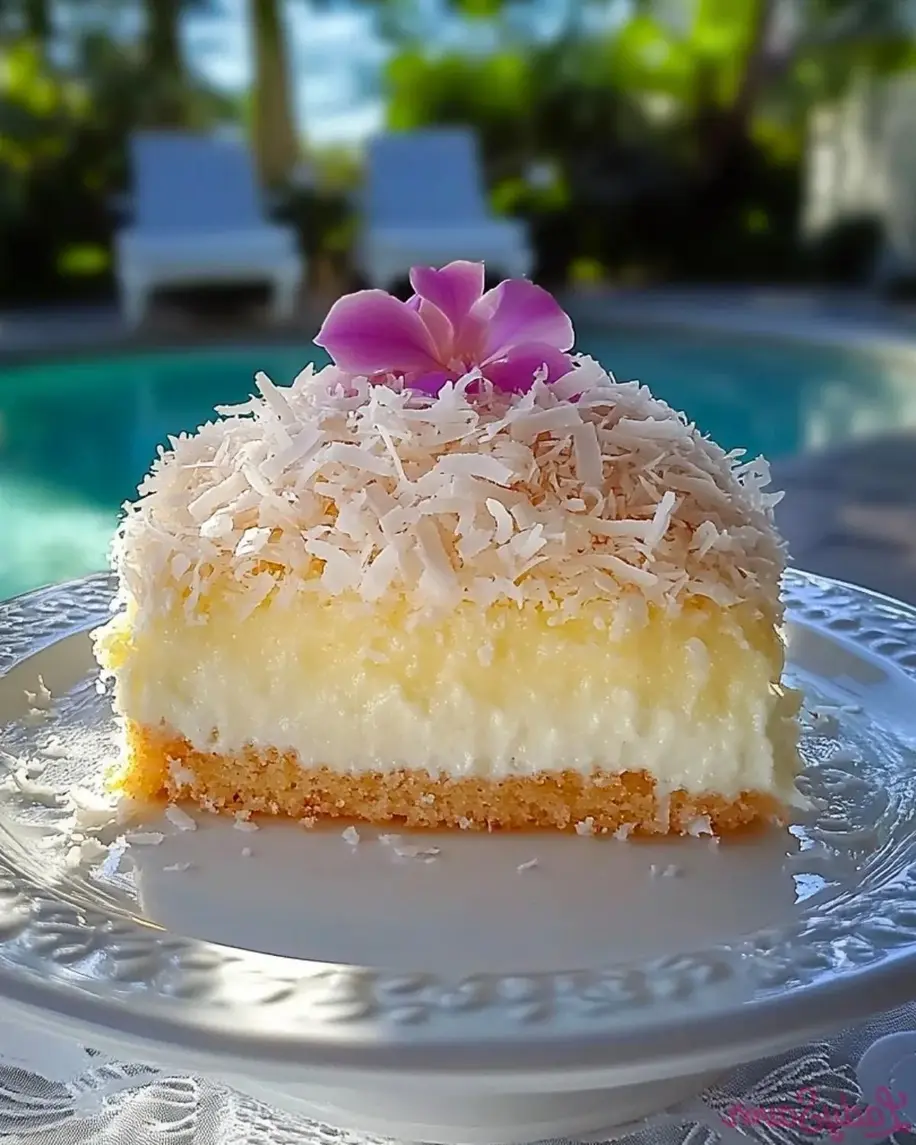
Creamy slice of Catch a Husband Cake on a plate, showing its golden top and moist, custard-like interior.

A slice of the irresistible Catch a Husband Cake, showcasing its creamy, flan-like texture and golden caramel top.

Step-by-Step Instructions

Follow these detailed steps to ensure your cake turns out silky, perfectly set, and stunningly presented.

Step 1: Prepare the Baking Dish

Preheat your oven to 350°F (180°C). Place a deep baking dish or a 9-inch round cake pan (with at least 2-inch high sides) on the counter. In a small, heavy-bottomed saucepan over medium heat, melt the 1 cup of granulated sugar. Do not stir aggressively; instead, swirl the pan occasionally until the sugar dissolves and turns a deep, golden amber color. This should take about 5-7 minutes. Immediately pour the hot caramel into the bottom of your baking dish. Using oven mitts, carefully tilt and rotate the dish to coat the entire bottom evenly. Set aside to harden and cool slightly while you make the batter.

Step 2: Blend the Batter

In a powerful blender, combine the sweetened condensed milk, coconut milk, eggs, all-purpose flour, and melted butter. Blend on high speed for a full 2-3 minutes until the mixture is completely smooth, homogenous, and slightly frothy. This aeration is key for the cake’s light texture. You should not see any streaks of flour or lumps. For an extra flavor boost, you can add a teaspoon of vanilla extract at this stage, though it’s not traditional.

Step 3: Assemble and Bake

Gently pour the blended batter over the hardened caramel in the prepared dish. Do this slowly to avoid disturbing the caramel layer. Place the filled dish inside a larger roasting pan. Create a water bath (bain-marie) by carefully pouring hot water into the larger pan until it comes about halfway up the sides of the cake dish. This gentle, indirect heat is what gives the cake its signature custard-like, melt-in-your-mouth texture. Carefully transfer the pans to the preheated oven. Bake for 50 to 60 minutes. The cake is done when the top is a beautiful golden brown, and the center is set but still has a slight, gentle jiggle—it will firm up as it cools.

Step 4: Cool and Unmold

Once baked, remove the cake dish from the water bath and place it on a wire rack. Let it cool to room temperature for at least 1-2 hours. This cooling period is non-negotiable for proper setting. Then, cover the dish with plastic wrap and refrigerate for a minimum of 4 hours, preferably overnight. This chilling step makes unmolding effortless and intensifies the flavors. To serve, run a thin knife around the edge of the dish. Place your serving plate upside-down over the dish, and with confidence, flip the whole assembly over. The cake should release smoothly, revealing the glossy caramel top (now the bottom) that will cascade deliciously over the slices.

Nutritional Information

(Approximate values per serving, based on 12 slices.)

  • Calories: ~320 kcal
  • Total Fat: 12g
  • Saturated Fat: 8g
  • Cholesterol: 75mg
  • Sodium: 80mg
  • Total Carbohydrates: 48g
  • Sugars: 38g
  • Protein: 7g

This is a rich, indulgent dessert. The high sugar and saturated fat content come from the condensed milk, coconut milk, and caramel, making it a perfect treat for occasional enjoyment.

Healthier Alternatives

You can create a slightly lighter version without sacrificing the soul of the dessert. These swaps reduce calories and refined sugar while maintaining great flavor.

  • Reduced-Sugar Caramel: Use a sugar substitute like monk fruit or erythritol designed for caramelizing. The texture may be slightly different, but it will still provide that essential layer.
  • Lighter Dairy: Substitute the full-fat coconut milk with “lite” coconut milk. Use fat-free or low-fat sweetened condensed milk if available.
  • Flour Swap: For a gluten-free version, use a 1:1 gluten-free all-purpose flour blend. The texture will be nearly identical.
  • Egg Option: While eggs are crucial for structure, for a dairy-free version, ensure your condensed milk is plant-based (often made from oat or coconut). The eggs themselves are not dairy.

Serving Suggestions

  • Classic & Elegant: Serve a clean slice on its own, allowing the creamy texture and caramel to be the stars.
  • With Fresh Fruit: Accompany with a side of fresh berries (strawberries, raspberries) or tropical fruits like mango or passion fruit pulp. The acidity cuts through the richness beautifully.
  • Creamy Additions: A dollop of lightly sweetened whipped cream or a scoop of vanilla bean ice cream takes it to another level of decadence.
  • Coffee Pairing: This cake is a classic companion to a strong cup of Brazilian coffee or espresso. The bitterness of the coffee balances the dessert’s sweetness perfectly.

Common Mistakes to Avoid

  • Skipping the Water Bath: Baking without the bain-marie will result in a rubbery, dense texture, not the desired creamy custard. This is the most critical step.
  • Overbaking: Remove the cake when the center still jiggles slightly. Overbaking causes it to become eggy and firm.
  • Not Cooling Completely: Attempting to unmold the cake while it’s warm will cause it to break apart. Patience with cooling and chilling is key.
  • Blending Insufficiently: If the batter isn’t perfectly smooth, you’ll get pockets of raw flour in the final cake. Blend for the full recommended time.
  • Stirring the Caramel: Stirring melting sugar can cause it to crystallize into a grainy mess. Swirl the pan instead.

Storing and Reheating Tips

  • Refrigeration: Once cooled, cover the cake tightly with plastic wrap or store in an airtight container. It will keep beautifully in the refrigerator for up to 5 days.
  • Freezing: This cake freezes surprisingly well. Wrap individual slices or the whole cake (once fully set) tightly in plastic wrap and then aluminum foil. Freeze for up to 2 months. Thaw overnight in the refrigerator.
  • Serving After Storage: Serve chilled straight from the fridge for the best texture and clean slices. It is not recommended to reheat this cake, as it can alter the delicate custard texture.

Conclusion: Your Perfect Dessert Awaits

The Catch a Husband Cake is more than just a dessert; it’s an experience. Its magical combination of simple ingredients transforming into a luxurious, creamy, and unforgettable treat is what makes it a global favorite. Whether you’re aiming to impress a special someone or simply treat your family to a
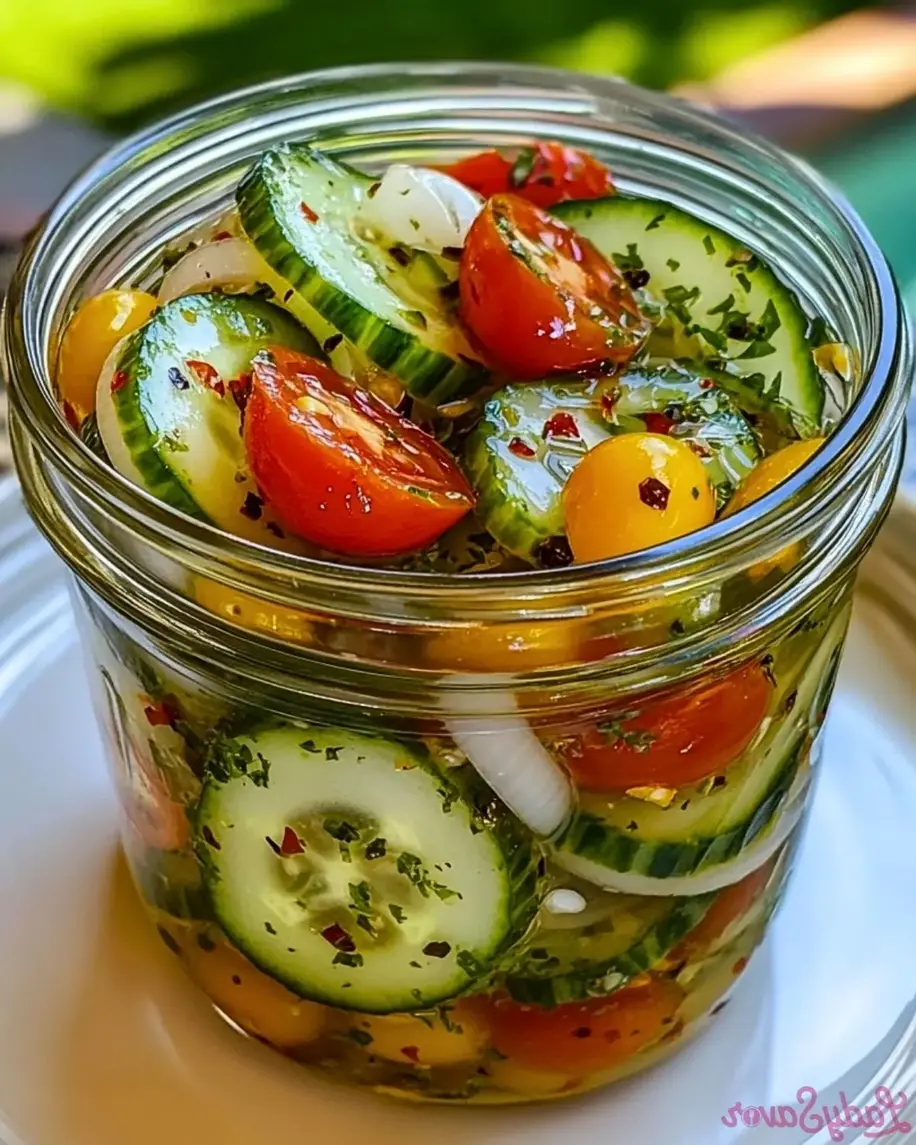

Marinated Cucumbers, Onions, and Tomatoes

Marinated Cucumbers, Onions, and Tomatoes

Introduction

Did you know that a study published in the Journal of Food Composition and Analysis found that cucumbers can be over 95% water, making them a powerhouse for hydration? This Marinated Cucumbers, Onions, and Tomatoes recipe is the ultimate answer to the question: what is a refreshing, no-cook side dish that bursts with flavor and nutrition? Perfect for summer picnics, potlucks, or a simple weeknight dinner, this vibrant salad transforms humble vegetables into a tangy, crisp, and utterly addictive experience. The magic lies in the marinade—a simple vinaigrette that penetrates every slice, softening the sharpness of the onions and drawing out the natural sweetness of the tomatoes and cucumbers. It’s a classic for a reason, and once you try this version, you’ll understand why it’s a staple in so many households. Let’s dive into creating this simple yet spectacular dish.

Ingredients List

Gather fresh, high-quality ingredients for the best flavor. Here’s what you’ll need:

  • For the Vegetables:
    • 2 large cucumbers (about 1 ½ lbs): Use English or Persian cucumbers for fewer seeds and a crisp, sweet bite. If using standard cucumbers, you may want to peel and seed them for a more tender texture.
    • 1 medium red onion: Thinly sliced. The vibrant purple color adds visual appeal, and its sharpness mellows beautifully in the marinade.
    • 4-5 medium ripe tomatoes (about 1 ½ lbs): Roma, vine-ripened, or heirloom tomatoes work wonderfully. They should be firm yet juicy, offering a sweet, acidic counterpoint to the other ingredients.
  • For the Tangy Vinaigrette Marinade:
    • ¾ cup white vinegar: Provides the essential tang. For a milder acidity, substitute with apple cider vinegar, which adds a fruity depth.
    • ¼ cup water: Balances the sharpness of the vinegar.
    • ⅓ cup granulated sugar: Creates the sweet-and-sour balance. You’ll taste the sweetness first, followed by the vinegar’s punch.
    • ¼ cup extra virgin olive oil: Adds richness and helps carry the flavors. A good, fruity olive oil makes a noticeable difference.
    • 1 ½ teaspoons salt: Enhances all the natural flavors and helps draw moisture from the vegetables.
    • 1 teaspoon freshly ground black pepper: For a warm, aromatic kick.
    • 1 tablespoon dried dill weed (or 2 tablespoons fresh): Imparts a classic, grassy, slightly anise-like flavor that pairs perfectly with cucumbers. Fresh dill is brighter, while dried is more concentrated.
    • Optional: 1 minced garlic clove for savory depth, or a pinch of red pepper flakes for heat.

Timing

Prep Time20 minutes
Cook Time0 minutes
Total Time4 hours 20 minutes (includes marinating)

Compared to many cooked side dishes that require 30-60 minutes of active kitchen time, this marinated salad is incredibly efficient. The active prep is a swift 20 minutes. The “secret ingredient” is patience—allowing the salad to marinate for at least 4 hours (or ideally overnight) is what develops the deep, melded flavors. This hands-off marinating time is what sets it apart from a quick tossed salad, making it a fantastic make-ahead option.

Marinated Cucumbers, Onions, and Tomatoes

A vibrant bowl of Marinated Cucumbers, Onions, and Tomatoes, ready to refresh any meal.

Step-by-Step Instructions

Step 1: Prepare the Vegetables

Start by washing all your vegetables thoroughly. I like to use a mandoline slicer for uniformly thin cucumber and onion slices, which allows the marinade to penetrate evenly. If you’re using a knife, aim for slices about 1/8-inch thick. For the cucumbers, if they have thick, waxy skins, I recommend peeling them in stripes for a pretty look and better texture. Cut the tomatoes into wedges or chunks—I find that wedges hold their shape better during the marinating process. Place all the prepared vegetables into a large, non-reactive bowl (glass or ceramic is perfect). The combination of colors at this stage is already beautiful!

Step 2: Whisk the Marinade

In a separate medium bowl or a large glass measuring cup, combine the white vinegar, water, and sugar. Whisk vigorously until the sugar is completely dissolved. This is a crucial step; undissolved sugar will sink to the bottom. Next, slowly stream in the extra virgin olive oil while continuing to whisk. This helps create a temporary emulsion. Finally, whisk in the salt, black pepper, and dill (and any optional additions like garlic). Take a quick taste—the marinade should be a bold balance of sweet, tangy, and savory. Remember, it will mellow once it coats the vegetables.

Step 3: Combine and Marinate

Pour the whisked marinade directly over the bowl of prepared vegetables. Using clean hands or a large spoon, gently toss everything together, ensuring every piece is coated with the flavorful liquid. Now, cover the bowl tightly with plastic wrap or a lid. This is where the patience comes in. Refrigerate for at least 4 hours, but I truly encourage you to let it go overnight. During this time, flip or stir the salad once or twice if you remember. You’ll witness the transformation: the vegetables will soften slightly, release some of their juices, and the flavors will become wonderfully unified.

Nutritional Information

This salad is not only delicious but also packed with nutrients. The following estimates are per serving (assuming the recipe serves 6):

  • Calories: ~120 kcal
  • Total Fat: 7g (primarily healthy monounsaturated fats from olive oil)
  • Saturated Fat: 1g
  • Carbohydrates: 14g
  • Fiber: 2g
  • Sugars: 11g (includes natural sugars from vegetables and added sugar)
  • Protein: 2g
  • Sodium: ~390mg

This dish is an excellent source of vitamins A and C from the tomatoes, hydration from the cucumbers, and antioxidants from all the vegetables.

Healthier Alternatives

Want to tweak the recipe for specific dietary needs? Here are some easy, flavorful swaps:

  • Reduce Sugar: Cut the granulated sugar to 2-3 tablespoons and add a tablespoon of honey or maple syrup for a more complex sweetness. For a sugar-free option, use a monk fruit or erythritol blend that measures 1:1 like sugar.
  • Boost Healthy Fats: Swap the olive oil for avocado oil for a more neutral taste, or use a high-quality flaxseed oil for an omega-3 boost (add after chilling to preserve nutrients).
  • Lower Sodium: Use a low-sodium soy sauce or tamari (just 1 teaspoon) in place of a portion of the salt for a savory umami flavor without all the sodium.
  • Add More Veggies: Toss in thinly sliced bell peppers, radishes, or even some cooked and chilled green beans to increase the fiber and nutrient profile.

Serving Suggestions

This versatile salad shines in many settings. Serve it chilled straight from the fridge. Use a slotted spoon to serve if you prefer less liquid in the bowl. It’s the perfect side for grilled meats like chicken, steak, or burgers, cutting through their richness. It’s fantastic alongside sandwiches and wraps for a crunchy contrast. For a light summer meal, serve it over a bed of lettuce with a piece of crusty bread to soak up the incredible marinating juice. You can even chop the marinated vegetables finer and use them as a vibrant, chunky salsa for grilled fish.

Common Mistakes

  • Not Dissolving the Sugar: This leads to a grainy marinade and uneven flavor. Always whisk until completely clear.
  • Marinating for Too Short a Time: Serving it after just 1 hour means you’ll miss the harmonious, mellowed flavor. The onions will still be too sharp. Give it the full time.
  • Using a Reactive Bowl: Avoid metal bowls (like aluminum or copper) for marinating, as the acid can react with the metal, imparting an off-flavor. Stick to glass, ceramic, or food-safe plastic.
  • Over-Salting Too Early: The salt draws out moisture from the vegetables. If you plan to marinate for more than 24 hours, you might reduce the salt slightly to prevent the salad from becoming too watery.

Storing Tips

Store the salad in an airtight container in the refrigerator. It will keep well for 3-4 days. The vegetables will continue to soften the longer they sit, but the flavors remain delicious. I do not recommend freezing this salad, as the texture of the vegetables will become mushy and unappealing upon thawing. If you have leftovers, the marinating liquid makes a fantastic base for a quick vinaigrette—just strain it and shake it up with a bit more oil.

Conclusion

This Marinated Cucumbers, Onions, and Tomatoes recipe is a testament to how simple ingredients can create something extraordinary. It’s a no-fuss, make-ahead dish that delivers maximum flavor with minimal effort. Whether you’re hosting a backyard barbecue or just looking for a bright side to your weekday dinner, this salad is guaranteed to impress. The crisp texture, the tangy-sweet marinade, and the fresh herbs make it an unforgettable addition to your recipe repertoire.

FAQs

Can I use yellow or white onion instead of red?

Yes, but red onion is preferred for its milder flavor and beautiful color when pickled. Yellow or white onions have a sharper, more pungent taste that takes longer to mellow in the marinade. If you use them, consider soaking the slices in cold water for 10 minutes before adding to the salad to tame their bite.

How long does this last in the fridge?

Properly stored in an airtight container, it will stay fresh and tasty for 3 to 4 days. The tomatoes will soften significantly by day 4, so for the best texture, aim to enjoy it within the first 3 days.

Warm, Gooey Cheesy Pretzel Bites – The Ultimate Snack! 🧀

Warm, Gooey Cheesy Pretzel Bites – The Ultimate Snack! 🧀

Introduction

Did you know that according to a recent survey, over 70% of people crave a warm, savory snack when relaxing at home? If you’re searching for the perfect warm, gooey, cheesy snack to satisfy that craving, you’ve landed in the right spot. Welcome to our delicious adventure! Today, we’re diving deep into the world of Warm, Gooey Cheesy Pretzel Bites with Sea Salt Sprinkle—the ultimate comfort snack that masterfully combines the soft, chewy texture of a classic pretzel with a surprise, molten cheesy center. Perfect for game nights, gatherings, or just a cozy evening in, these pretzel bites are guaranteed to be a hit. Get ready to embrace the irresistible aroma of freshly baked pretzels mingling with that mouthwatering melted cheese filling. This recipe isn’t just food; it’s an experience, a conversation starter, and a surefire way to become the hero of any snack table.

Ingredients List

Gather these simple ingredients to create your cheesy masterpiece. I’ve included sensory notes and substitutions to help you customize.

  • For the Dough:
    • 1 ½ cups warm water (110°F/45°C) – Should feel like a warm bath, not hot, to activate the yeast properly.
    • 2 ¼ teaspoons active dry yeast (1 packet) – Look for that foamy, bubbly reaction to ensure it’s alive.
    • 1 tablespoon granulated sugar – Feeds the yeast and adds a hint of sweetness to balance the salt.
    • 4 ½ cups all-purpose flour, plus more for dusting – Creates that classic, slightly dense yet tender pretzel chew. Substitute: For a heartier bite, swap 1 cup with whole wheat flour.
    • 2 teaspoons fine sea salt – The backbone of flavor. Use kosher salt if needed.
    • 2 tablespoons unsalted butter, melted – Adds richness and a beautiful golden color to the crust.
  • For the Filling & Topping:
    • 8 oz block of sharp cheddar cheese, cut into ½-inch cubes – The star! Sharp cheddar offers a bold, tangy punch that oozes beautifully. Substitute: Pepper Jack for spice, mozzarella for a milder, stringier pull, or Gouda for a smoky note.
    • ½ cup baking soda – For the crucial boiling step that gives pretzels their iconic dark, glossy crust and unique flavor.
    • 1 large egg, beaten – For the egg wash, creating a shiny, professional finish.
    • Coarse sea salt or pretzel salt, for sprinkling – The finishing crunch that makes every bite pop.

Timing

Prep Time
30 minutes
Cook Time
15 minutes
Total Time
1 hour 15 minutes (includes rising)

Compared to the average pretzel recipe that can take over 2 hours, our streamlined method focuses on a single, efficient rise. The active hands-on time is under 45 minutes, leaving you free to prepare dipping sauces or simply anticipate the cheesy goodness. The 30-minute dough rise is the perfect window to tidy up or set the table.

Warm, Gooey Cheesy Pretzel Bites – The Ultimate Snack! 🧀

A golden-brown batch of Warm, Gooey Cheesy Pretzel Bites fresh from the oven, ready to be devoured.

Step-by-Step Instructions

Step 1: Prepare the Dough

In the bowl of a stand mixer fitted with a dough hook, combine the warm water, sugar, and yeast. Let it sit for 5-7 minutes until it becomes frothy and fragrant—this is your sign the yeast is active and ready. If you don’t see bubbles, your yeast may be old; start over. Add the flour, salt, and melted butter. Mix on low speed until the ingredients come together, then increase to medium speed and knead for 4-5 minutes. The dough should be smooth, slightly tacky, but not sticky. If it’s too sticky, add a tablespoon of flour at a time. Turn the dough out onto a lightly floured surface and knead by hand for another minute, shaping it into a smooth ball.

Step 2: Shape and Fill

Place the dough ball in a lightly oiled bowl, turning to coat. Cover with a damp kitchen towel or plastic wrap and let it rise in a warm, draft-free spot for 30 minutes, or until nearly doubled in size. While it rises, cut your cheese into small, consistent cubes. Once risen, punch down the dough and divide it into 4 equal portions. Roll each portion into a long rope, about 1-inch thick. Using a sharp knife or bench scraper, cut each rope into 1-inch pieces. Flatten each piece slightly in your palm, place a cheese cube in the center, and carefully pinch the dough around it, sealing tightly to prevent cheese leakage. Roll gently between your palms to form a smooth ball. Place seam-side down on a parchment-lined baking sheet.

Step 3: Boil the Bites

This is the magic step! Preheat your oven to 425°F (220°C). Bring a large, wide pot of water to a gentle boil. Carefully add the ½ cup of baking soda—it will fizz up, so add it slowly. In batches, gently lower 6-8 dough balls into the boiling water using a slotted spoon. Boil for exactly 30 seconds. They will puff up slightly and look matte. Remove with the slotted spoon, letting excess water drip off, and return them to the parchment-lined baking sheet, spacing them about 1 inch apart.

Step 4: Bake to Perfection

Brush the tops of each boiled pretzel bite generously with the beaten egg wash. This is what gives them that beautiful, glossy, deep-brown finish. Sprinkle immediately with your coarse sea salt. Bake in the preheated oven for 12-15 minutes, or until they are a deep, rich golden brown all over. The aroma will be incredible. Let them cool on the baking sheet for just 2-3 minutes—they are best served warm when the cheese is at its peak gooeyness.

Nutritional Information

The following is an approximate nutritional breakdown per serving (about 4 pretzel bites).

  • Calories: 280 kcal
  • Total Fat: 12g
  • Saturated Fat: 7g
  • Cholesterol: 45mg
  • Sodium: 850mg
  • Total Carbohydrates: 32g
  • Dietary Fiber: 1g
  • Sugars: 1g
  • Protein: 10g

Healthier Alternatives

Love the flavor but want a lighter twist? Try these simple swaps that don’t sacrifice taste:

  • Flour: Use 50% whole wheat pastry flour for added fiber and a nutty flavor. The texture remains soft.
  • Cheese: Opt for part-skim mozzarella or reduced-fat sharp cheddar. The meltability is still excellent.
  • Butter: Substitute with an equal amount of light olive oil or avocado oil in the dough.
  • Topping: Skip the egg wash and use a light spray of olive oil before baking, then sprinkle with “Everything But the Bagel” seasoning for a lower-cholesterol option with big flavor.
  • Serving: Pair with a light, yogurt-based herb dip instead of a traditional cheese sauce.

Serving Suggestions

These bites are versatile stars. Serve them warm on a large platter with an assortment of dips. Classic yellow mustard or spicy brown mustard is a must. For a decadent touch, offer a side of warm beer cheese sauce or jalapeño queso. For a sweet-and-salty contrast, a side of honey mustard or even a warm caramel sauce can be surprisingly delightful. They’re perfect alongside a crisp, cold beer, a glass of dry cider, or a family-friendly sparkling lemonade.

Common Mistakes

  • Water too hot for yeast: This will kill the yeast, resulting in dense, flat bites. Use a thermometer or water that feels warm, not hot, to the touch.
  • Inadequate sealing: If you don’t pinch the dough tightly around the cheese, it will all melt out during baking. Take an extra second to ensure a good seal.
  • Skipping the boil: The baking soda bath is non-negotiable for authentic pretzel flavor and texture. Don’t be tempted to skip it.
  • Over-baking: Set a timer! Baking beyond 15 minutes can lead to tough bites and over-cooked, rubbery cheese inside.
  • Salting after baking: The salt won’t stick. Always sprinkle immediately after the egg wash, before the bites go into the oven.

Storing Tips

To Store: Cool leftovers completely and store in an airtight container at room temperature for up to 2 days. The texture is best fresh.
To Reheat: Revive that gooey center by reheating in a 350°F (175°C) oven for 5-8 minutes, or in an air fryer for 3-4 minutes. Avoid the microwave, as it will make the dough rubbery.
To Freeze: Freeze unbaked, boiled bites on a parchment-lined sheet until solid, then transfer to a freezer bag. Bake from frozen, adding 3-5 minutes to the baking time. You can also freeze baked bites and reheat in the oven.

Conclusion

There you have it—the complete guide to creating unforgettable Warm, Gooey Cheesy Pretzel Bites. This recipe delivers the perfect combination of soft, salty pretzel exterior and a thrilling, molten cheese center that’s impossible to resist. Whether you’re hosting a party or treating yourself, these bites promise to deliver joy in every single piece. I hope this recipe becomes a cherished favorite in your home. Now, I’d

Cajun Shrimp with Garlic Butter Sauce

Cajun Shrimp with Garlic Butter Sauce

Introduction

Did you know that shrimp is the most consumed seafood in the United States, with the average American eating nearly 4.5 pounds per year? With such popularity, it’s no wonder everyone is searching for the perfect, flavor-packed shrimp recipe that’s both easy and impressive. These Cajun Shrimp with Garlic Butter Sauce are exactly that—a restaurant-quality dish you can whip up in under 20 minutes. The magic lies in the balance: smoky, spicy Cajun seasoning clinging to plump, juicy shrimp, all swimming in a rich, aromatic garlic butter sauce that begs to be sopped up with bread. Whether you’re cooking a quick weeknight dinner or hosting a last-minute gathering, this recipe delivers bold flavor with minimal effort. Let’s dive into how you can master this crowd-pleasing dish.

Ingredients List

Gathering high-quality ingredients is the first step to an unforgettable meal. Here’s what you’ll need for about 4 servings:

  • For the Shrimp:
    • 1.5 lbs large shrimp (31/40 count), peeled and deveined – Look for firm, translucent shrimp with a mild sea scent. For a shortcut, use frozen raw shrimp, thawed overnight in the fridge.
    • 2 tbsp olive oil – A good, fruity extra virgin olive oil adds depth.
    • 1 tbsp homemade Cajun seasoning (recipe below) or store-bought – The star of the show. A good blend should be a deep brick red with visible specks of paprika and herbs.
  • For the Cajun Seasoning (makes extra):
    • 2 tbsp smoked paprika (for that essential smoky aroma)
    • 1 tbsp garlic powder
    • 1 tbsp onion powder
    • 1 tbsp dried oregano
    • 1 tbsp dried thyme
    • 2 tsp cayenne pepper (adjust for heat)
    • 1 tsp black pepper
    • 1 tsp salt
  • For the Garlic Butter Sauce:
    • 6 tbsp unsalted butter – The base of our luscious sauce. It should bubble and foam slightly when melted.
    • 8 cloves garlic, minced – Fresh is non-negotiable here for that pungent, sweet flavor.
    • 1/4 cup chicken or seafood broth – Adds a savory layer and prevents the sauce from being too heavy.
    • 2 tbsp fresh lemon juice – The bright, acidic counterpoint to the rich butter.
    • 2 tbsp chopped fresh parsley – For a pop of color and fresh, grassy notes.
    • Salt and pepper to taste

Substitutions: No fresh garlic? Use 2 tsp of high-quality garlic paste. Out of lemon juice? White wine or a dash of apple cider vinegar works. For a dairy-free version, use a plant-based butter that browns well, like one made from cashews or coconut oil.

Timing

Prep Time
10 minutes
Cook Time
10 minutes
Total Time
20 minutes

This Cajun Shrimp with Garlic Butter Sauce clocks in at a mere 20 minutes from start to finish. Compared to the average seafood recipe that can take 30-45 minutes with marinating and complex sauces, this is a speed demon. The key to this efficiency is the high-heat cook on the shrimp and the quick, one-pan sauce that comes together in the same skillet. Most of your “prep” is simply measuring spices and mincing garlic—tasks you can do while the pan heats up. It’s the perfect recipe for when you need something delicious, fast.

Cajun Shrimp with Garlic Butter Sauce

A vibrant plate of Cajun Shrimp with Garlic Butter Sauce, ready in just 20 minutes.

Step-by-Step Instructions

Step 1: Prepare the Shrimp

Pat your shrimp completely dry with paper towels. This is the single most important step for getting a beautiful sear instead of steaming them. Moisture is the enemy of browning. Once dry, place them in a bowl, drizzle with the olive oil, and toss to coat evenly. This thin layer of oil will help the seasoning adhere and promote caramelization.

Step 2: Make the Cajun Seasoning

In a small bowl, whisk together all the seasoning ingredients: smoked paprika, garlic powder, onion powder, oregano, thyme, cayenne, black pepper, and salt. I love making my own blend because I can control the salt and heat level. Give it a smell—it should be earthy, smoky, and warmly spicy. Sprinkle about 1 tablespoon of this mixture over the oiled shrimp and toss until every shrimp is thoroughly coated in that vibrant red spice. Set the rest of the seasoning aside for future use (it’s great on chicken, potatoes, or popcorn!).

Step 3: Cook the Shrimp

Heat a large skillet (cast iron is ideal for even heat) over medium-high heat until it’s very hot. You should see a slight shimmer. Add the shrimp in a single layer, making sure they aren’t crowded. Crowding will steam them. Let them cook undisturbed for 1-2 minutes until the bottoms turn pink and develop a slight crust. Flip each shrimp and cook for another 1-2 minutes until they are just opaque and curled into a loose “C” shape. They cook incredibly fast! Immediately transfer them to a plate. They will continue to cook slightly from residual heat, so it’s better to undercook them here.

Step 4: Create the Garlic Butter Sauce

In the same skillet, reduce the heat to medium. Add the butter. As it melts and starts to foam, add the minced garlic. Stir constantly for about 60 seconds until the garlic becomes incredibly fragrant and just starts to turn golden at the edges. Be vigilant—burnt garlic is bitter. Now, pour in the chicken broth and lemon juice. Scrape up all those delicious browned bits (the fond) from the bottom of the pan with your spatula. This is pure flavor. Let the sauce simmer for 2-3 minutes until it reduces slightly and thickens enough to coat the back of a spoon.

Step 5: Combine and Serve

Return the cooked shrimp and any accumulated juices back to the skillet with the sauce. Toss everything together for about 30 seconds, just until the shrimp are reheated and glistening with that gorgeous garlic butter sauce. Remove from heat and stir in the fresh parsley. The residual heat will wilt it perfectly. Taste and adjust with a pinch of salt or a squeeze of lemon if needed. Serve immediately while everything is hot and sizzling.

Nutritional Information

The following estimates are for one serving (approximately 1/4 of the recipe), served without additional sides like rice or bread.

Calories
~320 kcal
Protein
~28g
Fat
~22g
Carbs
~5g

Breakdown: The majority of calories come from the healthy fats in the olive oil and butter, and the high-quality protein from the shrimp. The carbs are minimal, primarily from the garlic and spices. This dish is naturally low in sugar and, if you control the salt in your seasoning blend, can be quite moderate in sodium.

Healthier Alternatives

Love the flavor but want to lighten it up? Here are some easy, flavorful swaps that don’t sacrifice taste:

  • Butter: Replace half the butter with a tablespoon of olive oil or use a light butter blend. For a dairy-free version, a high-quality olive oil or avocado oil-based spread works well.
  • Shrimp: The recipe is already protein-packed and low-carb. To reduce cholesterol slightly, you can use a mix of shrimp and scallops.
  • Sodium: Make your own Cajun seasoning and omit the added salt, relying on the natural salts in the broth and the savory depth of the spices.
  • Cooking Fat: Use a non-stick skillet and reduce the initial olive oil to 1 tablespoon. The shrimp will still sear nicely if the pan is hot enough and they are patted dry.

Serving Suggestions

This versatile dish is the centerpiece of countless meals. Here are my favorite ways to serve it:

  • Over Grains: Fluffy white rice, brown rice, or quinoa are perfect for soaking up every drop of the garlic butter sauce. For a Southern twist, serve over creamy cheese grits.
  • With Pasta: Toss with cooked linguine or fettuccine for a decadent Cajun shrimp pasta. Add a handful of baby spinach to the sauce for a pop of green.
  • As an Appetizer: Serve in a bowl with toothpicks and plenty of warm, crusty baguette slices for dipping. It’s a guaranteed party hit.
  • With Veggies: For a low-carb plate, serve alongside roasted asparagus, zucchini noodles (zoodles), or a simple green salad with a lemon vinaigrette.

Common Mistakes

Avoid these pitfalls to ensure your shrimp are perfect every time:

  • Not Drying the Shrimp: Wet shrimp steam instead of sear, leading to a rubbery texture and pale color. Always pat them bone-dry.
  • Crowding the Pan: Adding all the shrimp at once drops the pan temperature dramatically. Cook in batches if necessary to maintain a hot sear.
  • Overcooking the Shrimp: Shrimp cook in just 2-4 minutes total. They are done when opaque and curled. They continue to cook off the heat, so err on the side of underdone.
  • Burning the Garlic: Garlic cooks fast. Add it to the butter once the foam subsides and stir constantly. If it burns, it’s best to wipe the pan and start the sauce over.
  • Using Pre-Cooked Shrimp:

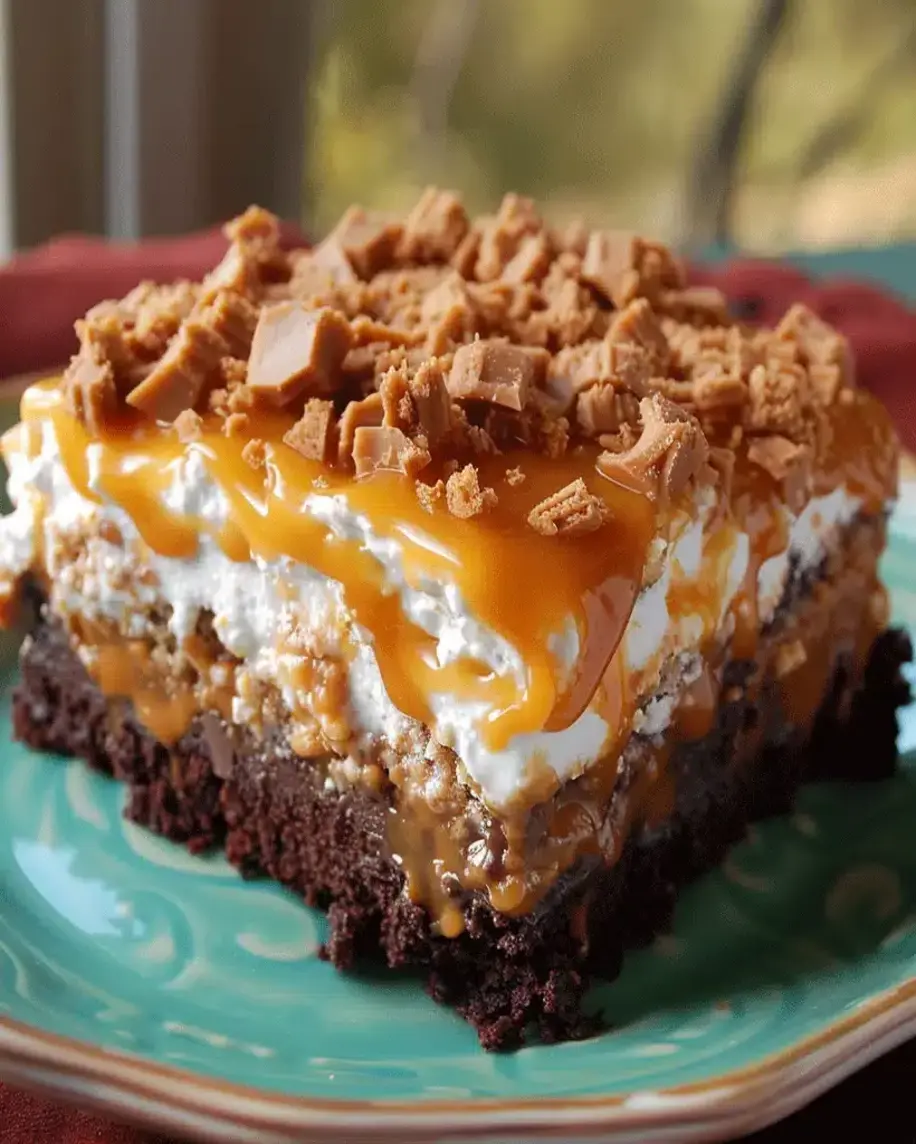
Butterfinger Poke Cake – The Ultimate Irresistible Dessert!

Butterfinger Poke Cake – The Ultimate Irresistible Dessert!

Introduction

Did you know that over 65% of home bakers report that poke cakes are their go-to dessert for guaranteed crowd-pleasing success? Hey there, sweet treat lovers! Are you in the mood for a dessert that’s bursting with rich chocolate, creamy caramel, and crunchy Butterfinger goodness? Well, you’re in for a treat! Today, we’re diving into an easy and irresistible Butterfinger Candy Bar Poke Cake recipe that will satisfy your candy bar cravings and more. Perfect for any occasion, from potlucks to family dinners, this decadent cake is a masterclass in texture and flavor. The magic of a poke cake lies in its simplicity: a moist base cake is perforated and infused with a sweet, flavorful liquid, creating pockets of deliciousness in every bite. When you combine that with the iconic peanut buttery crunch of Butterfinger, you create a dessert that’s not just a cake, but a full sensory experience. Let’s get baking, shall we?

Ingredients List

Gather these simple ingredients to create your masterpiece. For best results, have everything at room temperature unless otherwise noted.

  • For the Cake:
    • 1 box (15.25 oz) chocolate fudge cake mix – The rich, dark base. For a deeper flavor, use devil’s food cake mix.
    • Ingredients listed on the cake mix box – Typically eggs, oil, and water. Using buttermilk instead of water adds incredible moisture and a slight tang.
  • For the Poke Filling:
    • 1 (14 oz) can sweetened condensed milk – The key to creamy, luxurious pockets. It should be thick and pale yellow.
    • 1 (12.25 oz) jar caramel ice cream topping – Look for a thick, rich sauce. The salted caramel variety adds a fantastic sweet-and-salty contrast.
  • For the Topping & Garnish:
    • 1 (8 oz) container frozen whipped topping, thawed – Light and fluffy. For a richer flavor, substitute with an equal amount of freshly whipped heavy cream sweetened with 2 tablespoons of powdered sugar.
    • 4-5 full-size Butterfinger candy bars (or 1.5 cups crushed) – The star of the show! You’ll love the sound of the crispy, peanut-buttery layers being crushed. Reserve some larger chunks for a dramatic final garnish.
    • Optional: Chocolate syrup for drizzling – For an extra glossy, professional finish.

Timing

Prep Time
20 minutes
Cook Time
30-35 minutes
Chill Time
4 hours (minimum)
Total Time
About 5 hours

Compared to the average layer cake which can take 2+ hours of active work, this Butterfinger poke cake is a time-saver. The majority of the “work” is passive chilling time, allowing the flavors to meld perfectly. You can bake the cake in the morning and have it ready and spectacular for an evening dessert with minimal last-minute fuss.

Butterfinger Poke Cake – The Ultimate Irresistible Dessert!

This stunning Butterfinger Poke Cake is a visual and flavorful masterpiece, with layers of chocolate, caramel, and peanut butter candy.

Step-by-Step Instructions

Step 1: Bake the Cake

Preheat your oven to the temperature specified on your cake mix box (usually 350°F/175°C). Generously grease a 9×13 inch baking pan with butter or non-stick spray. In a large mixing bowl, prepare the cake batter according to the package directions. My pro tip? Swap the water for whole milk or buttermilk and add an extra egg yolk for a denser, more tender crumb that holds up beautifully to the poke-and-soak method. Pour the batter into your prepared pan, spreading it evenly. Bake for 30-35 minutes, or until a toothpick inserted into the center comes out clean. The top should be springy to the touch. Place the pan on a wire rack and let the cake cool completely in the pan. Rushing this step is the enemy—a warm cake will absorb the filling too aggressively and become soggy.

Step 2: Prepare the Poke Filling

While the cake cools, prepare your decadent filling. In a medium bowl, whisk together the entire can of sweetened condensed milk and the jar of caramel topping until they are fully combined into a smooth, golden-brown liquid. The mixture will be thick but pourable. Set this aside. Now, unwrap your Butterfinger bars. Place them in a large zip-top bag, seal it tightly, and use a rolling pin or the bottom of a heavy pan to crush them into a mix of fine crumbs and small, crunchy pieces. The varying textures are what make every bite exciting.

Step 3: Poke and Soak

Once the cake is completely cool, it’s time for the signature “poke.” Using the handle end of a wooden spoon or a similar round object (about 1/4 to 1/2 inch in diameter), poke holes all over the surface of the cake. Space them about 1 inch apart and push down until you feel the bottom of the pan. Don’t be shy—this network of holes is the pathway for flavor. Slowly and evenly pour the caramel and condensed milk mixture over the entire cake. Use a spatula to gently spread it, encouraging the liquid to seep down into every hole. You’ll see the cake eagerly drinking it in. This is the moment the magic happens.

Step 4: Whip the Topping

If using frozen whipped topping, ensure it is fully thawed in the refrigerator. For a homemade touch, pour 1 1/2 cups of heavy whipping cream into a chilled bowl. Add 2 tablespoons of powdered sugar and 1 teaspoon of vanilla extract. Whip with a hand mixer or stand mixer on high speed until stiff peaks form. This fresh whipped cream topping adds a less-sweet, airy contrast to the rich cake.

Step 5: Assemble and Chill

Spread your whipped topping (thawed or freshly made) evenly over the entire surface of the soaked cake. Sprinkle the crushed Butterfinger bars generously over the top, pressing them lightly into the whipped layer so they adhere. For a final flourish, drizzle with a bit of chocolate syrup. Now, the most crucial step: cover the pan tightly with plastic wrap or a lid and refrigerate for at least 4 hours, but ideally overnight. This chilling time allows the filling to fully set and the flavors to marry, transforming the components into one cohesive, irresistible dessert.

Nutritional Information

The following is an approximate nutritional breakdown per serving (based on 15 servings). For precise dietary needs, use a recipe calculator with your specific brand ingredients.

  • Calories: ~480 kcal
  • Total Fat: 19g
  • Saturated Fat: 9g
  • Cholesterol: 45mg
  • Sodium: 380mg
  • Total Carbohydrates: 72g
  • Dietary Fiber: 1g
  • Sugars: 55g
  • Protein: 7g

Healthier Alternatives

You can enjoy this indulgent treat with a few mindful swaps that don’t sacrifice flavor:

  • Cake Base: Use a sugar-free chocolate cake mix or a homemade cake using black bean puree or applesauce to replace some of the oil.
  • Poke Filling: Opt for a reduced-fat or fat-free sweetened condensed milk. Look for a caramel topping with no high-fructose corn syrup, or make a quick homemade version with dates and almond milk.
  • Topping: Substitute the whipped topping with a light coconut whipped cream or Greek yogurt sweetened with a touch of honey and vanilla.
  • Candy: Use a smaller amount of crushed Butterfinger as a “sprinkle” rather than a full layer, or try crushed, dry-roasted peanuts mixed with a tablespoon of powdered peanut butter for a similar flavor profile with less sugar.

Serving Suggestions

This cake is a star on its own, but a few accompaniments can elevate it to a restaurant-quality dessert:

  • Serve each square with a small scoop of vanilla bean ice cream or a dollop of salted caramel gelato.
  • Drizzle individual plates with extra caramel sauce and a sprinkle of sea salt before placing the cake slice on top.
  • Pair with a cup of strong black coffee or a glass of cold milk to balance the sweetness.
  • For a festive touch, garnish with a whole mini Butterfinger bar standing upright on each slice.

Common Mistakes

  • Poking Holes While Warm: This causes the cake to collapse and absorb filling unevenly, leading to a mushy texture. Always cool completely.
  • Using a Sharp Object: Avoid using a knife or fork to poke holes. The round handle of a spoon creates perfect, clean channels that don’t tear the cake.
  • Skipping the Chill: Serving immediately after assembly means the filling won’t be set, and the flavors won’t have blended. Patience is key.
  • Overcrushing the Candy: Turning the Butterfinger into a uniform powder loses the delightful crunch. Aim for a variety of sizes.

Storing Tips

This cake stores beautifully, making it perfect for make-ahead occasions.

  • Refrigeration: Keep covered tightly with plastic wrap or in an airtight container in the refrigerator for up to 4-5 days. The whipped topping may begin to weep slightly after day 3.
  • Freezing: You can freeze the undecorated, soaked cake (before adding whipped topping and candy) for up to 2 months. Thaw overnight in the fridge, then add toppings before serving. The fully assembled cake does not freeze well as the whipped topping and candy texture will suffer.
  • Preventing Sogginess: If storing for more than a day, consider adding the crushed Butterfinger topping just before serving to maintain maximum crunch.

Conclusion

This Butterfinger Poke Cake is more