Best Flavorful Rice Pilaf Recipe – Easy & Delicious
Introduction
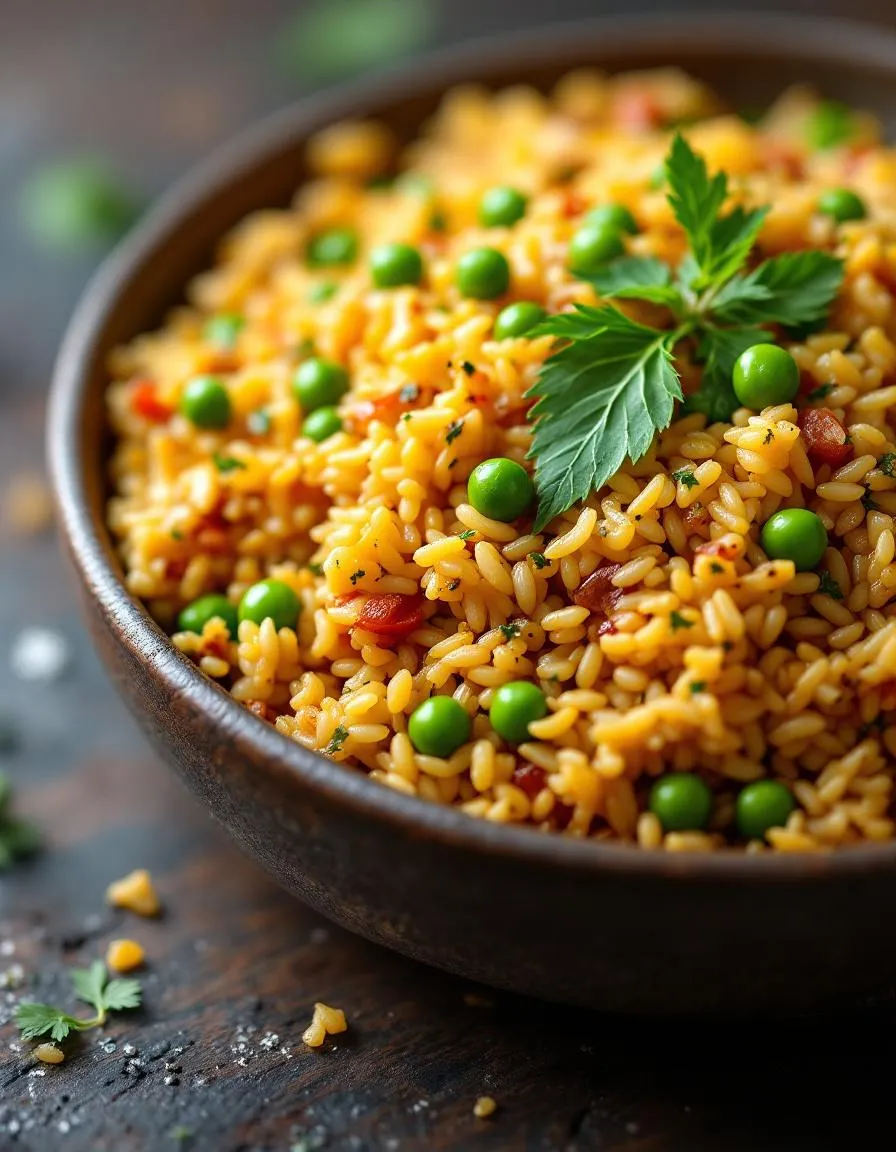
There’s something deeply comforting about a bowl of perfectly cooked rice pilaf—fluffy grains infused with aromatic spices, tender vegetables, and just the right amount of richness. Whether you’re craving a hearty side dish or a simple yet satisfying main course, this Flavorful Rice Pilaf Recipe delivers every time. It’s the kind of dish that turns an ordinary meal into something memorable, and today, I’m excited to share my tried-and-true version with you. Let’s dive into why this recipe stands out and how it can become a staple in your kitchen.
Flavorful Rice Pilaf Recipe is a versatile dish that transforms basic ingredients into a fragrant, satisfying meal. Unlike plain rice, pilaf builds layers of taste by toasting the grains before simmering them with broth, herbs, and spices. This method ensures each bite bursts with warmth and depth. Whether you pair it with grilled chicken, roasted vegetables, or enjoy it solo, this recipe adapts effortlessly to any menu. Plus, it’s a fantastic way to use up leftover ingredients, making it both practical and delicious. If you love dishes that balance simplicity and bold flavors, you’ll appreciate how this pilaf complements other favorites like our Garlic Herb Roasted Chicken or Mediterranean Stuffed Peppers.
What makes this recipe special is its ability to feel both familiar and exciting. The blend of spices—like cumin, turmeric, and a touch of cinnamon—creates a harmony that’s subtle yet unforgettable. Meanwhile, the texture stays light and separate, never mushy. For busy home cooks, it’s a reliable go-to because it comes together in one pot with minimal fuss. Best of all, it fits right into our blog’s mission: sharing approachable recipes that elevate everyday cooking without requiring chef-level skills. This Flavorful Rice Pilaf Recipe proves that great food doesn’t need to be complicated.
Why I Love This Recipe
This Flavorful Rice Pilaf Recipe holds a special place in my heart because it’s the dish that taught me the power of simple techniques. Years ago, my grandmother showed me how toasting the rice unlocks its nutty aroma, and that lesson stuck with me. Now, whenever I make it, the scent alone brings back cozy memories of family dinners. Beyond nostalgia, I love how forgiving it is—swap in whatever herbs or veggies you have, and it still turns out delicious. It’s the recipe I turn to when I need comfort, creativity, or just a foolproof side that never disappoints.
Health and Nutrition
Why it’s good for your body
Flavorful Rice Pilaf Recipe delivers a nutritious boost while satisfying your taste buds. First, it combines whole grains like brown rice or basmati, which provide fiber to support digestion and keep you full longer. Additionally, the dish often includes olive oil, a heart-healthy fat that reduces inflammation and promotes better cholesterol levels.
Moreover, Flavorful Rice Pilaf Recipe packs in vegetables like carrots, peas, or onions, adding vitamins A and C for immune support. These ingredients also contribute antioxidants, which help combat oxidative stress. Meanwhile, herbs and spices such as turmeric or garlic not only enhance flavor but also offer anti-inflammatory benefits.
Furthermore, this recipe balances macronutrients effectively. The rice supplies energy-boosting carbs, while nuts or lean proteins like chicken can elevate its protein content. As a result, Flavorful Rice Pilaf Recipe becomes a well-rounded meal that fuels your body without unnecessary additives. Whether you enjoy it as a side or main dish, it’s a smart choice for both nutrition and flavor.
How it fits in a healthy lifestyle
Flavorful Rice Pilaf Recipe adapts easily to various dietary needs, making it a versatile addition to your routine. For gluten-free eaters, using certified gluten-free rice ensures the dish stays safe and delicious. If you’re focusing on heart health, swapping butter for olive oil aligns perfectly with Mediterranean diet principles.
This recipe also fits into meal prep effortlessly. You can batch-cook it for quick lunches or pair it with grilled veggies for a balanced dinner. For those tracking macros, adding extra protein like chickpeas or shrimp turns it into a high-protein option. Plus, its wholesome ingredients make it a great alternative to processed sides, as highlighted in our guide to clean eating recipes. Whether you’re fueling workouts or simply eating mindfully, Flavorful Rice Pilaf Recipe keeps your goals on track.
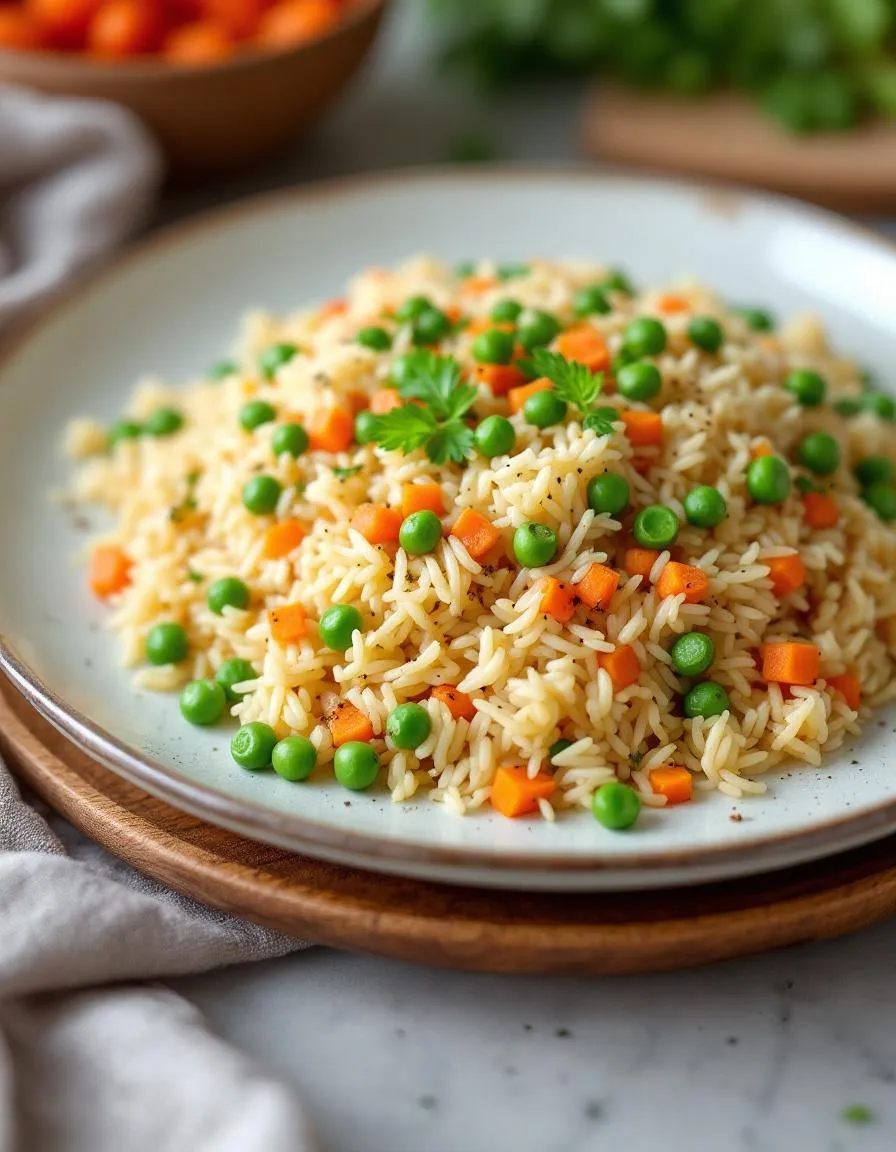
A fragrant and delicious rice pilaf with aromatic spices and vegetables.
Ingredients
Scale
For the Crust:
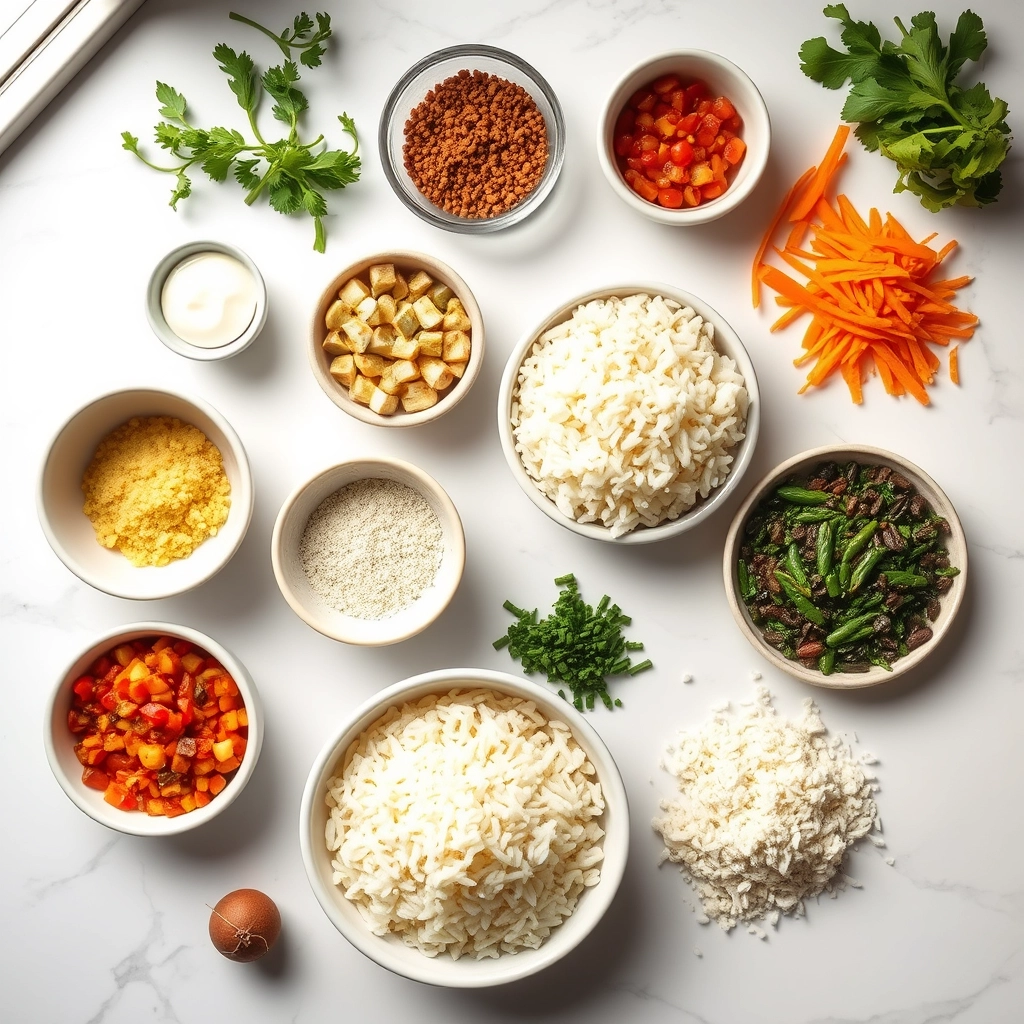
1 cup basmati rice
2 cups chicken or vegetable broth
1 small onion, finely chopped
2 cloves garlic, minced
1 carrot, diced
1/4 cup frozen peas
2 tbsp olive oil
1 tsp ground cumin
1/2 tsp turmeric
Salt and pepper to taste
Instructions
1. Prepare the Crust:
Rinse the basmati rice under cold water until the water runs clear.
Heat olive oil in a pot over medium heat. Add onions and garlic, sauté until translucent.
Add carrots and cook for 2 minutes. Stir in cumin, turmeric, salt, and pepper.
Add the rinsed rice and stir to coat with the spices and oil.
Pour in the broth, bring to a boil, then reduce heat to low, cover, and simmer for 15 minutes.
Add peas, cover again, and let sit for 5 minutes off the heat. Fluff with a fork before serving.
Notes
You can customize the seasonings to taste.
How to Prepare This Dish
Steps and time-saving tips
Start by rinsing the rice under cold water until it runs clear to remove excess starch. Meanwhile, heat a drizzle of olive oil in a large skillet over medium heat. Toss in finely chopped onions and sauté until they turn translucent, about 3 minutes. Next, stir in minced garlic and let it cook for just 30 seconds to release its aroma. Add the rinsed rice and toast it lightly for 2 minutes, stirring constantly to prevent sticking. Pour in the broth or water, then season with salt, pepper, and a pinch of your favorite spices. Bring the mixture to a gentle boil, then reduce the heat to low, cover, and let it simmer for 15 minutes. Resist the urge to peek—keeping the lid on ensures perfectly fluffy rice. Once done, fluff the rice with a fork and fold in toasted nuts or fresh herbs for extra flavor. For a time-saving hack, use pre-chopped frozen onions or garlic paste. If you’re doubling the recipe, a wider pan helps cook the rice evenly without clumping.
and-learned-from">Mistakes I’ve made and learned from
I once rushed the toasting step for this Flavorful Rice Pilaf Recipe and ended up with bland rice—lesson learned! Taking those extra minutes to toast the rice in oil makes all the difference. Another time, I used too much liquid, which turned the pilaf mushy. Now I measure broth precisely and trust the 1:1.5 rice-to-liquid ratio. If you’re new to cooking rice, check out my guide on perfect rice textures for foolproof results. Also, skipping the rinse led to clumpy rice, so I never skip that step anymore. For more troubleshooting tips, my post on common rice cooking mistakes covers how to fix undercooked or overcooked grains. Remember, patience and precision pay off with pilaf!
Cultural Connection and Variations
Where this recipe comes from
Flavorful Rice Pilaf Recipe has roots that stretch across continents, blending traditions from the Middle East, Central Asia, and beyond. Many cultures claim their own version, each with a unique twist. In Turkey, for example, they toast the rice in butter before simmering it with spices like cumin and cinnamon. Meanwhile, in India, you might find basmati rice pilaf studded with nuts, raisins, and fragrant saffron. Every family adds their own touch, turning a simple dish into something deeply personal.
My grandmother made her
Flavorful Rice Pilaf Recipe with golden onions caramelized to perfection and a handful of toasted almonds for crunch. She swore the secret was in the broth—homemade, never store-bought. Over time, I’ve tweaked her method, adding a pinch of smoked paprika for warmth. Whether served at holidays or weeknight dinners, this dish carries stories. In some regions, people prepare it for celebrations, while others treat it as everyday comfort food. No matter where it’s made, the pilaf always brings people together.
How it fits in today’s cooking
Today, Flavorful Rice Pilaf Recipe remains a staple because it’s endlessly adaptable. Busy cooks love how quickly it comes together, especially when paired with sheet-pan dinners or grilled proteins. For a modern twist, some swap white rice for quinoa or cauliflower rice, keeping the same aromatic spices. It’s also a star at potlucks and holiday tables, bridging the gap between tradition and convenience.
Seasonal ingredients keep it fresh year-round. In summer, toss in fresh herbs and lemon zest. Come fall, roasted squash or dried cranberries add cozy vibes. If you’re looking for inspiration, check out our guide to easy weeknight dinners or explore how to balance flavors in our perfect side dishes roundup. Whether you stick to the classics or experiment, this pilaf proves that simple ingredients can still shine.
>Taste and Texture
What makes it delicious
This Flavorful Rice Pilaf Recipe delivers a symphony of textures and tastes in every bite. The rice turns out fluffy and slightly chewy, while toasted nuts or crispy fried onions add a satisfying crunch. Fragrant spices like cumin and turmeric warm the dish with earthy depth, and a hint of lemon zest brightens the flavors. Meanwhile, the buttery richness from sautéed onions and garlic melds everything together. Whether you serve it as a side or a main, the Flavorful Rice Pilaf Recipe surprises with its aromatic allure and comforting mouthfeel.
Boosting the flavor
For an extra flavor kick, try stirring in fresh herbs like parsley or dill just before serving. Alternatively, swap the water for chicken or vegetable broth to deepen the savory notes. If you love a touch of sweetness, golden raisins or dried apricots pair beautifully with the spices. For a creamy contrast, drizzle with tahini dressing or top with crumbled feta. Craving heat? A sprinkle of chili crisp adds a fiery crunch. The versatility of this Flavorful Rice Pilaf Recipe lets you customize it to match any craving.
Tips for Success
Best practices for results
Rinse the rice thoroughly before cooking to remove excess starch and prevent clumping in your Flavorful Rice Pilaf Recipe. Toast the rice lightly in oil or butter first to enhance its nutty flavor and ensure fluffy grains. Use a tight-fitting lid to trap steam, as this helps the rice cook evenly. Additionally, let the pilaf rest off the heat for 5 minutes after cooking so the flavors meld perfectly.
Mistakes to avoid
Avoid lifting the lid while the rice cooks, as this releases steam and disrupts the cooking process. Instead, trust the timing and resist the urge to peek. Another common mistake is skipping the toasting step, which adds depth to your Flavorful Rice Pilaf Recipe. For more guidance on perfecting rice dishes, check out our guide to cooking rice. Also, be sure to measure liquids accurately—too much broth can make the pilaf mushy. Learn more about balancing flavors in our savory dishes tutorial.
Serving and Pairing Suggestions
How to serve this dish
For a stunning presentation, serve the Flavorful Rice Pilaf Recipe in a wide, shallow bowl to showcase its vibrant colors and textures. Meanwhile, garnish with fresh herbs like parsley or cilantro for a pop of green. Alternatively, you can elevate it for special occasions by molding it into a ring shape and filling the center with roasted vegetables. Whether you’re hosting a holiday dinner or a casual weeknight meal, this dish adapts beautifully. To make it extra inviting, pair it with a colorful side salad or arrange it alongside grilled meats for a hearty spread.
h-it">What goes well with it
First, try pairing the Flavorful Rice Pilaf Recipe with a crisp white wine like Sauvignon Blanc, which balances its aromatic spices. For a non-alcoholic option, a refreshing mint lemonade adds a zesty contrast. Next, consider serving it alongside our garlic herb chicken, as the savory flavors complement the pilaf perfectly. Finally, a tangy yogurt dip or a simple cucumber salad rounds out the meal with cool, creamy textures. Each pairing enhances the dish while keeping the focus on its rich, satisfying taste.
What makes rice pilaf flavorful?
A flavorful rice pilaf recipe gets its taste from sautéing aromatics like onions and garlic in butter or oil before cooking the rice. Toasting the rice briefly and using broth instead of water, along with herbs and spices, also enhances the dish’s depth. For extra flavor, try adding toasted nuts or dried fruits to your Flavorful Rice Pilaf Recipe.
ank-math-faq-item">
Can I use brown rice for a flavorful rice pilaf?
Yes, you can substitute brown rice in a Flavorful Rice Pilaf Recipe, but adjust the cooking time and liquid ratio since brown rice takes longer to cook. For best results, pre-toast the brown rice and use a flavorful broth to maintain the dish’s rich taste. Keep in mind the texture will be slightly chewier than traditional white rice pilaf.
What protein pairs well with rice pilaf?
Flavorful Rice Pilaf Recipe complements grilled chicken, roasted lamb, or seared shrimp beautifully. The dish’s aromatic qualities also work well with pan-seared fish or baked tofu for a vegetarian option. The pilaf’s versatility makes it a perfect side for both casual and elegant meals.
How do I prevent my rice pilaf from becoming mushy?
To avoid mushy results in your Flavorful Rice Pilaf Recipe, rinse the rice first to remove excess starch and use the correct liquid-to-rice ratio (typically 2:1). Resist stirring during cooking, and let it rest covered for 5-10 minutes after turning off the heat. This ensures light, fluffy grains every time.
div>
Best Creamy White Pizza Delight Recipe
Introduction
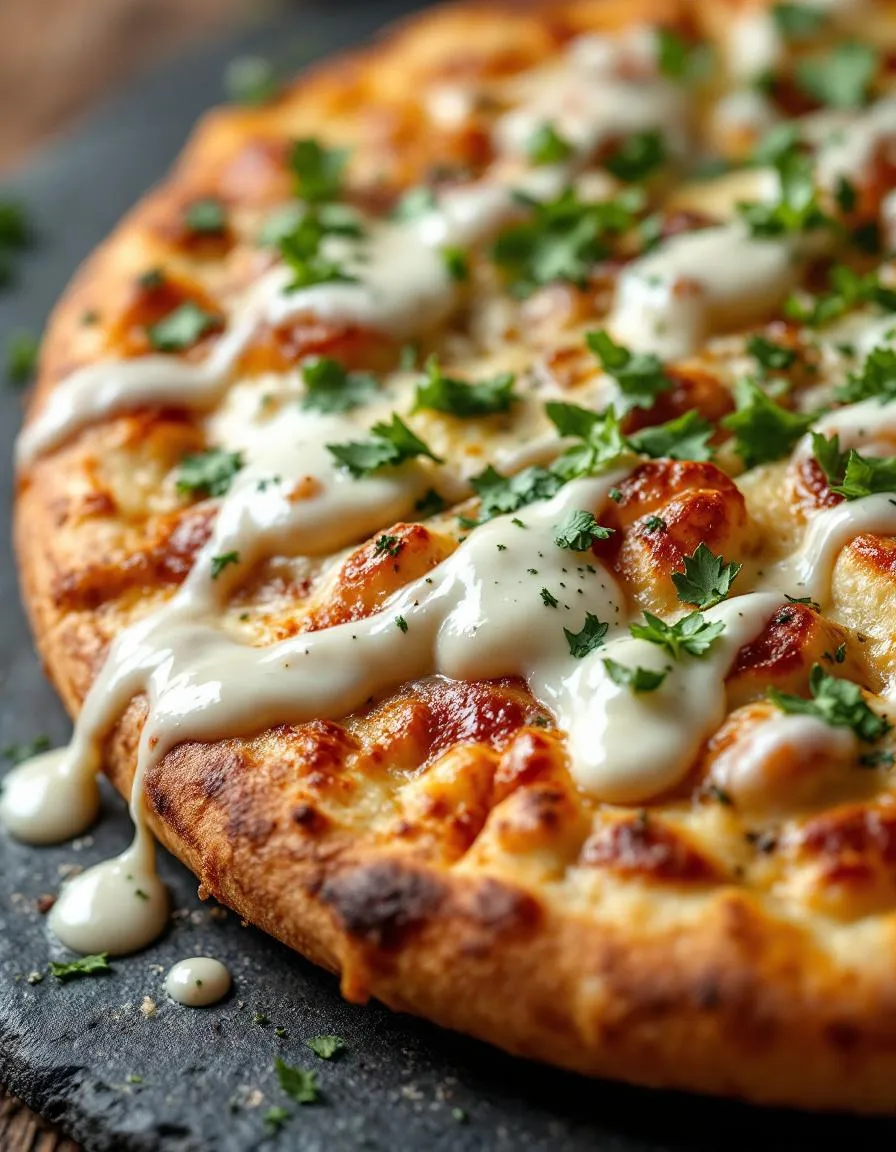
There’s something magical about a pizza that swaps the classic red sauce for a rich, velvety base—especially when it’s as indulgent as Creamy White Pizza Delight. Whether you’re craving comfort food or hosting a cozy dinner, this recipe delivers layers of flavor that feel like a warm hug. Forget the ordinary; this dish transforms simple ingredients into a showstopper that’ll have everyone asking for seconds. Trust me, once you try it, you’ll never look at pizza the same way again.
Creamy White Pizza Delight reimagines traditional pizza with a luscious blend of creamy sauces, melted cheeses, and aromatic herbs. Unlike tomato-based pies, this version relies on a garlic-infused white sauce or ricotta spread, topped with mozzarella, Parmesan, and often a sprinkle of fresh basil or rosemary. The result? A harmonious balance of richness and freshness that stands out in every bite. For those who adore bold flavors but want a break from the usual, this recipe offers a gourmet twist without requiring advanced skills. Plus, it pairs perfectly with a crisp salad or roasted vegetables, making it versatile for any meal.
At Exorecipes, we celebrate dishes that blend simplicity with sophistication, and Creamy White Pizza Delight fits right in. It’s a crowd-pleaser for family nights yet elegant enough for entertaining. If you love experimenting with pizza variations, you might also enjoy our Garlic Herb Focaccia or Spinach Artichoke Dip—both share the same crave-worthy quality. Whether you’re a seasoned cook or a beginner, this recipe invites you to play with flavors and make it your own.
Why I Love This Recipe
Creamy White Pizza Delight holds a special place in my heart because it reminds me of lazy Sunday dinners with my family. My mom used to make a version of this pizza when we wanted something comforting yet a little fancy. The smell of garlic simmering in butter would fill the kitchen, and by the time the cheese bubbled golden, we’d all be gathered around the table, ready to dig in. Now, whenever I make it, I’m transported back to those moments—proof that food isn’t just about taste, but the memories it creates.
Health and Nutrition
Why it’s good for your body
Creamy White Pizza Delight packs a nutritious punch while satisfying your cravings. First, the ricotta and mozzarella provide a rich source of calcium and protein, which strengthen bones and support muscle repair. Additionally, the garlic-infused olive oil offers heart-healthy fats and antioxidants, reducing inflammation. Since this dish includes fresh spinach, you also get a boost of iron and vitamin K, which improve blood health and immunity.
Moreover, Creamy White Pizza Delight balances indulgence with nourishment. The whole wheat crust adds fiber, aiding digestion and keeping you full longer. Meanwhile, the creamy sauce, made with Greek yogurt, delivers probiotics for gut health without excessive calories. Whether you enjoy it as a meal or share it as an appetizer, this pizza delivers flavor and nutrients in every bite.
Finally, this dish adapts easily to dietary needs. For instance, you can swap regular crust for a gluten-free version or add grilled chicken for extra protein. With its versatile ingredients, Creamy White Pizza Delight proves that comfort food can also be wholesome.
How it fits in a healthy lifestyle
Creamy White Pizza Delight fits seamlessly into a balanced diet. If you focus on portion control, it becomes a satisfying yet moderate meal. Pair it with a side salad or roasted veggies to increase fiber and vitamins. For those tracking macros, the high-protein cheeses and optional lean toppings help meet daily goals without sacrificing taste.
This dish also suits specific dietary plans. If you follow a gluten-free lifestyle, simply choose a compliant crust. Heart-conscious eaters will appreciate the olive oil’s monounsaturated fats, which support cholesterol levels. For more tips on balancing indulgent meals, check out our guide on healthy eating habits. If you love creative twists on classic dishes, explore our comfort food makeovers for more inspiration.
Ultimately, Creamy White Pizza Delight proves that delicious food can align with wellness goals. Enjoy it mindfully, and it becomes a tasty part of your routine.
A rich and creamy white pizza topped with garlic, mozzarella, and a hint of herbs for a delicious twist on traditional pizza.
Ingredients
Scale
For the Crust:
1 pre-made pizza dough
1 cup heavy cream
2 cloves garlic, minced
1 1/2 cups shredded mozzarella cheese
1/2 cup grated Parmesan cheese
1 tsp dried oregano
1 tsp dried basil
Salt and pepper to taste
1 tbsp olive oil
Instructions
1. Prepare the Crust:
Preheat oven to 425°F (220°C). Roll out the pizza dough on a floured surface and transfer to a baking sheet.
In a small saucepan, heat the heavy cream and minced garlic over low heat until warm. Remove from heat and let sit for 5 minutes.
Brush the pizza dough with olive oil. Pour the garlic cream evenly over the dough.
Sprinkle mozzarella and Parmesan cheese over the cream. Add oregano, basil, salt, and pepper.
Bake for 12-15 minutes or until the crust is golden and cheese is bubbly. Let cool slightly before slicing.
Notes
You can customize the seasonings to taste.
How to Prepare This Dish
Steps and time-saving tips
Start by preheating your oven to 425°F so it’s ready when you finish prepping the Creamy White Pizza Delight. While it heats, whisk together ricotta, minced garlic, and a pinch of salt in a bowl until smooth. Next, drizzle olive oil over your pizza dough and spread it evenly with the back of a spoon. Layer the ricotta mixture generously over the dough, leaving a small border for the crust. Sprinkle shredded mozzarella and a handful of grated parmesan on top for extra richness. If you’re short on time, use pre-shredded cheese—it works just as well. Slide the pizza onto a preheated baking sheet or stone for a crispier crust. Bake for 12-15 minutes until the edges turn golden and the cheese bubbles. Meanwhile, toss arugula with lemon juice and a dash of olive oil. Once the pizza comes out, scatter the arugula over the top for a fresh contrast. Let it cool for a minute before slicing to keep the toppings intact. For a quicker cleanup, line your baking sheet with parchment paper.
Mistakes I’ve made and learned from
I once rushed the dough and skipped letting it rest, which made it stubborn to stretch and resulted in a uneven crust. Now I always give it 10 minutes to relax—trust me, it’s worth the wait. Another time, I overloaded the pizza with toppings, and the center turned soggy. Lesson learned: less is more with creamy bases. If you’re new to working with ricotta, check out my guide on perfect cheese blends for balancing moisture. And if your crust tends to burn, try placing it on a lower oven rack or using a pizza stone for even heat distribution. Small adjustments make all the difference!
Creamy White Pizza Delight traces its roots to the rustic kitchens of Northern Italy, where cooks prized simplicity and rich flavors. Unlike traditional red-sauce pizzas, this version celebrates creamy béchamel, garlic, and fresh herbs. Families often prepared it for festive gatherings, layering local cheeses like fontina or taleggio for extra depth. Over time, the dish traveled across borders, evolving with each culture it touched.
In France, cooks might swap the béchamel for crème fraîche and add caramelized onions, while in the American Midwest, home chefs love loading Creamy White Pizza Delight with bacon and ranch dressing. My grandmother, for instance, always topped hers with thinly sliced potatoes and rosemary, a nod to her Tuscan upbringing. Whether you enjoy it with seafood in coastal regions or wild mushrooms in forested areas, this dish adapts beautifully to local tastes.
ays-cooking">How it fits in today’s cooking
Today, Creamy White Pizza Delight remains a star for its versatility. Busy parents appreciate quick versions using store-bought dough, while foodies experiment with artisanal cheeses or seasonal veggies. It’s a hit at holiday parties, especially when paired with a crisp salad or garlic bread sticks. Many also serve it as a comforting weeknight meal, proving that gourmet flavors don’t require hours in the kitchen.
Modern twists, like cauliflower crusts or vegan cashew cream, keep the dish fresh for health-conscious eaters. Some even repurpose leftovers into next-day breakfast pizza, topping it with eggs and avocado. Whether you stick to tradition or reinvent it, Creamy White Pizza Delight fits seamlessly into today’s culinary landscape.
Taste and Texture
What makes it delicious
Creamy White Pizza Delight wraps your taste buds in a luxurious blend of rich, velvety flavors and satisfying textures. The first bite delivers a luscious, garlic-infused cream sauce that coats the palate, while the stretchy, golden mozzarella adds a delightful chewiness. Fragrant rosemary and a hint of cracked black pepper elevate each bite, balancing the sauce’s decadence. Meanwhile, the crisp, blistered crust provides the perfect crunch, making every slice irresistible. Whether you savor it fresh from the oven or as leftovers, Creamy White Pizza Delight never fails to comfort and impress.
r">Boosting the flavor
Transform your Creamy White Pizza Delight into a gourmet experience with a few easy tweaks. For a smoky depth, sprinkle crumbled bacon or prosciutto over the top before baking. Alternatively, fresh arugula tossed in lemon juice adds a bright, peppery contrast. If you love heat, drizzle chili oil or sprinkle red pepper flakes for a spicy kick. Pair it with a tangy side like our Garlic Parmesan Salad to cut through the richness. For an extra layer of umami, try mixing grated Parmesan into the cream sauce, just like in our Creamy Alfredo Pasta. Small upgrades make a big difference!
Tips for Success
Best practices for results
Always preheat your oven before baking Creamy White Pizza Delight to ensure an even cook. For the creamiest texture, use full-fat ricotta and fresh mozzarella, and spread them evenly over the dough. Additionally, lightly brush the crust with olive oil for a golden finish. If you prefer extra flavor, sprinkle garlic powder or fresh herbs right after baking while the pizza is still warm.
>Mistakes to avoid
Avoid overloading the pizza with toppings, as this can make the crust soggy. Instead, layer ingredients sparingly for the perfect balance. Also, never skip preheating the baking sheet or stone, as this step ensures a crispier crust. For more dough-handling tips, check out our guide on perfect pizza dough. Finally, don’t let the pizza sit too long after baking, or the cheese will harden. Serve immediately, and pair it with our recommended salad pairings for a complete meal.
Serving and Pairing Suggestions
How to serve this dish
For a stunning presentation, slice your Creamy White Pizza Delight into generous wedges and arrange them on a rustic wooden board. Meanwhile, sprinkle fresh basil or arugula on top for a pop of color and freshness. Alternatively, serve it family-style on a large platter for casual gatherings or holiday brunches. If you want to elevate the experience, drizzle a touch of truffle oil or add a sprinkle of red pepper flakes for extra flair. Whether you’re hosting a cozy dinner or a festive party, Creamy White Pizza Delight always steals the spotlight.
What goes well with it
Pair your Creamy White Pizza Delight with a crisp arugula salad tossed in lemon vinaigrette for a refreshing contrast. The peppery greens balance the rich, creamy flavors perfectly. For a heartier meal, try serving it alongside roasted garlic bread or our herb-infused focaccia, which adds a delightful crunch. To complete the experience, pour a glass of chilled Sauvignon Blanc or sparkling water with lemon. If you’re craving something sweet afterward, our vanilla berry tart makes a light yet satisfying finale.
What makes Creamy White Pizza Delight different from regular pizza?
Creamy White Pizza Delight skips the traditional tomato sauce and instead features a rich, velvety base made from a blend of cheeses like ricotta, mozzarella, and Parmesan. This creates a luxurious texture and milder flavor profile compared to classic red-sauce pizzas, making it a favorite for those who prefer a creamier, cheesier bite.
What toppings go best with Creamy White Pizza Delight?
Classic pairings for Creamy White Pizza Delight include garlic sautéed spinach, caramelized onions, mushrooms, and crispy bacon or prosciutto. For a fresh contrast, try adding arugula or cherry tomatoes after baking—the creamy base balances perfectly with both savory and bright toppings.
ank-math-faq-item">
Can I make Creamy White Pizza Delight without ricotta cheese?
Absolutely! While ricotta adds signature creaminess, you can substitute it with béchamel sauce, Alfredo sauce, or even blended cottage cheese for a similar texture. Creamy White Pizza Delight is versatile—just ensure your alternative base stays thick enough to prevent sogginess.
How do I prevent my Creamy White Pizza Delight from getting soggy?
Pre-bake your crust for 3–5 minutes before adding toppings to create a barrier, and avoid overloading wet ingredients like fresh tomatoes. For Creamy White Pizza Delight, pat dry any veggies and spread cheeses evenly—this ensures a crisp crust beneath that luscious creamy layer.
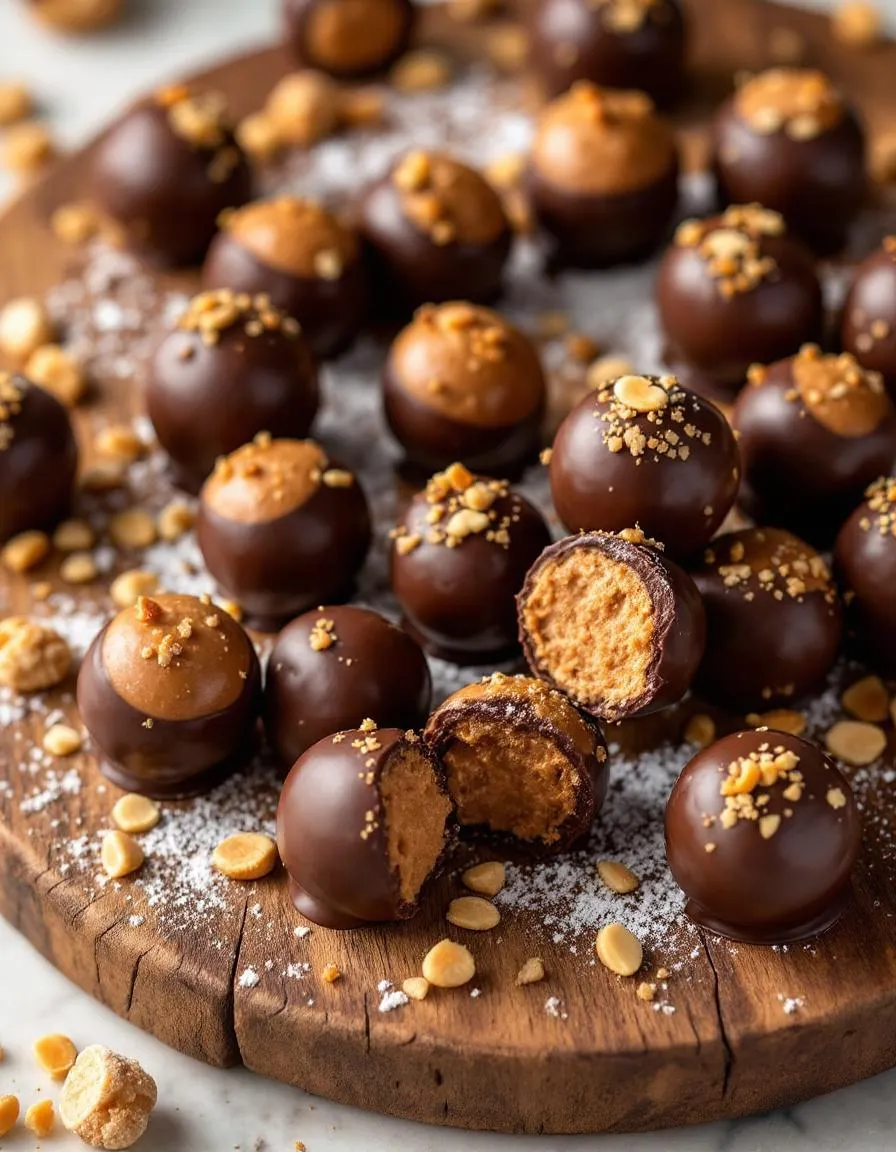
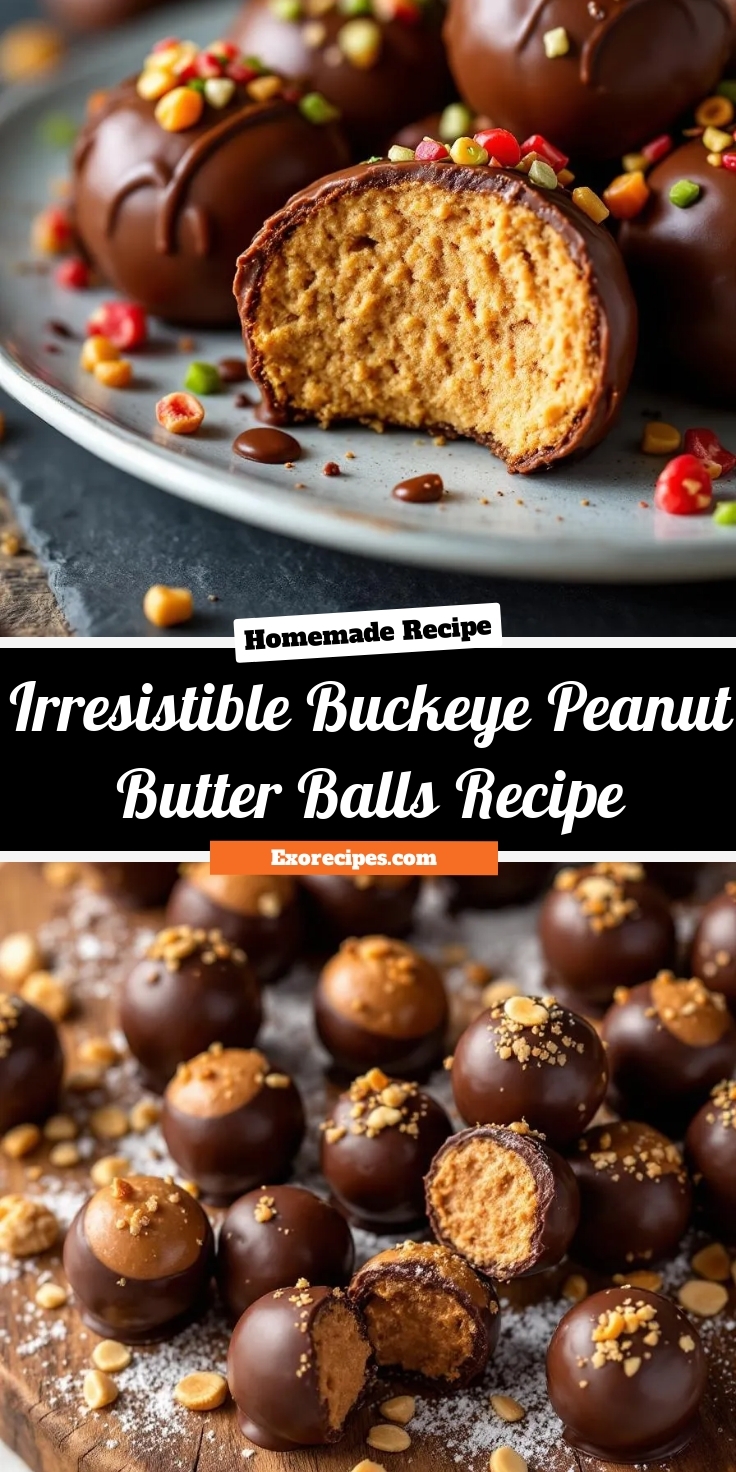
Best Buckeye Peanut Butter Balls – Easy No-Bake Recipe
Introduction
There’s something magical about biting into a rich, creamy peanut butter ball dipped in smooth chocolate—it’s pure nostalgia in every bite. Whether you grew up making these treats with family or discovered them later in life, the Irresistible Buckeye Peanut Butter Balls Recipe delivers that perfect balance of sweet and salty comfort. Best of all, you only need a handful of pantry staples to whip up these crowd-pleasing delights. Trust me, once you try them, you’ll understand why they’re a holiday staple and year-round favorite.
The Irresistible Buckeye Peanut Butter Balls Recipe combines creamy peanut butter, powdered sugar, and butter for a melt-in-your-mouth filling, all coated in a glossy chocolate shell. Named after the nut of the Ohio buckeye tree, these no-bake treats have deep roots in Midwestern traditions but have won hearts nationwide. Unlike fussy desserts, they come together quickly, making them ideal for last-minute gifts, potlucks, or satisfying a late-night craving. Plus, their versatility shines—swap in almond butter for a twist or drizzle with white chocolate for extra flair. If you love easy, make-ahead sweets, you’ll adore our No-Bake Energy Bites too. Meanwhile, chocolate lovers should try our Decadent Chocolate Truffles for another indulgent option. This recipe fits our blog’s mission perfectly: approachable, delicious, and guaranteed to create moments of joy.
Why I Love This Recipe
My grandmother first taught me how to make buckeyes when I was eight, and I’ve cherished the ritual ever since. Rolling the peanut butter mixture into little balls, carefully dipping them, and sneaking a few “imperfect” ones along the way—it’s a tradition that feels like home. Now, I make them every December with my kids, and their excitement reminds me why food memories matter. The Irresistible Buckeye Peanut Butter Balls Recipe isn’t just a dessert; it’s a way to connect, share, and savor the simple pleasures life offers.
Health and Nutrition
Why it’s good for your body
Irresistible Buckeye Peanut Butter Balls Recipe packs a nutritious punch while satisfying your sweet tooth. First, peanut butter delivers plant-based protein, which helps keep your energy steady throughout the day. Additionally, it contains heart-healthy fats that support brain function and reduce inflammation. Moreover, dark chocolate, another key ingredient, provides antioxidants that combat free radicals and promote overall wellness.
Furthermore, Irresistible Buckeye Peanut Butter Balls Recipe includes natural sweeteners like honey or maple syrup, which offer a better alternative to refined sugars. These ingredients provide a slower energy release, preventing blood sugar spikes. Meanwhile, the fiber from peanut butter aids digestion and keeps you feeling full longer. As a result, you can enjoy these treats without the guilt of empty calories.
Finally, Irresistible Buckeye Peanut Butter Balls Recipe makes it easy to indulge mindfully. The combination of protein, healthy fats, and antioxidants creates a balanced snack. Whether you need a post-workout boost or a midday pick-me-up, these bites deliver both flavor and nourishment.
How it fits in a healthy lifestyle
Irresistible Buckeye Peanut Butter Balls Recipe fits seamlessly into a balanced diet. For gluten-free eaters, this recipe naturally avoids wheat-based ingredients, making it a safe and delicious option. If you follow a high-protein diet, the peanut butter base helps you meet your daily goals while satisfying cravings. Even better, the portion-controlled size prevents overindulgence.
You can easily incorporate these bites into meal prep or on-the-go snacking. Pair them with a piece of fruit for a quick, balanced snack, or enjoy them as a post-dinner treat. For more gluten-free ideas, check out our gluten-free dessert collection. If you love protein-packed sweets, explore our high-protein treats for more inspiration. With simple ingredients and wholesome benefits, Irresistible Buckeye Peanut Butter Balls Recipe supports your health goals without sacrificing flavor.
Classic no-bake peanut butter balls dipped in chocolate, resembling the nut of the buckeye tree.
Ingredients
Scale
For the Crust:
1 1/2 cups creamy peanut butter
1/2 cup unsalted butter, softened
1 teaspoon vanilla extract
3 1/2 cups powdered sugar
2 cups semi-sweet chocolate chips
2 tablespoons shortening
Instructions
1. Prepare the Crust:
In a large bowl, mix peanut butter, butter, and vanilla until smooth.
Gradually add powdered sugar, mixing until fully incorporated and dough forms.
Roll dough into 1-inch balls and place on a parchment-lined baking sheet. Chill for 30 minutes.
Melt chocolate chips and shortening in a double boiler or microwave, stirring until smooth.
Using a toothpick, dip each peanut butter ball into chocolate, leaving a small circle uncovered to resemble a buckeye.
Return to baking sheet and let chocolate set before serving.
Notes
You can customize the seasonings to taste.
s-dish">How to Prepare This Dish
Steps and time-saving tips
Start by mixing creamy peanut butter, softened butter, and vanilla extract in a large bowl until smooth. Gradually add powdered sugar, stirring until the mixture becomes thick and dough-like. If it feels too sticky, chill it for 10 minutes to make rolling easier. Meanwhile, melt high-quality chocolate chips with a touch of coconut oil in short bursts in the microwave, stirring every 20 seconds to prevent burning. Roll the peanut butter mixture into small, even balls, then use a toothpick to dip each one halfway into the melted chocolate, leaving a small circle uncovered to resemble a buckeye. Place them on a parchment-lined tray and chill for at least 30 minutes to set. For a time-saving trick, freeze the peanut butter balls for 15 minutes before dipping—this helps them hold their shape. If the chocolate thickens while working, reheat it briefly and stir. Finally, drizzle any leftover chocolate over the finished buckeyes for an extra decorative touch.
Mistakes I’ve made and learned from
Early on, I rushed the peanut butter mixture and didn’t let it chill, which made rolling messy and uneven. Now, I always refrigerate it first—patience pays off! Another blunder was overheating the chocolate, causing it to seize. I learned to melt it slowly, just like in my chocolate truffles guide, and to add coconut oil for smoother dipping. Also, skipping the parchment paper led to stuck buckeyes; a non-stick surface is a must. If your peanut butter blend feels too dry (a common issue with natural brands), check my peanut butter baking tips for adjustments. These small fixes turned my lumpy disasters into flawless Irresistible Buckeye Peanut Butter Balls Recipe every time.
n-and-variations">Cultural Connection and Variations
Where this recipe comes from
The Irresistible Buckeye Peanut Butter Balls Recipe has deep roots in American Midwest traditions, particularly Ohio, where it earned its name for resembling the nut of the buckeye tree. Families often whip up these sweet treats during holidays, especially Christmas, turning the process into a cherished bonding activity. Meanwhile, some Southern versions add a dash of bourbon or swap the classic peanut butter for almond butter, giving it a richer twist.
Globally, similar confections pop up under different names. In Mexico, for instance, you might find “cacahuates garapiñados,” peanut clusters coated in caramelized sugar. Over in Thailand, peanut butter balls sometimes include coconut or sesame for extra crunch. Even within the U.S., bakers tweak the Irresistible Buckeye Peanut Butter Balls Recipe by rolling them in crushed pretzels or drizzling them with white chocolate. No matter the variation, the core appeal remains—creamy peanut butter hugged by smooth chocolate.
How it fits in today’s cooking
Today, the Irresistible Buckeye Peanut Butter Balls Recipe thrives as both a nostalgic favorite and a modern convenience. Busy home cooks love its no-bake simplicity, while health-conscious bakers experiment with dark chocolate or sugar-free alternatives. During the holidays, it’s a staple on cookie platters alongside classics like gingerbread cookies, but it’s just as popular year-round for quick dessert fixes.
Social media fuels new
twists, too—think matcha-dusted buckeyes or espresso-infused centers. Some even repurpose the recipe into peanut butter pie fillings. Whether you stick to tradition or innovate, these bite-sized delights bridge generations and tastes, proving some recipes never go out of style.
Taste and Texture
What makes it delicious
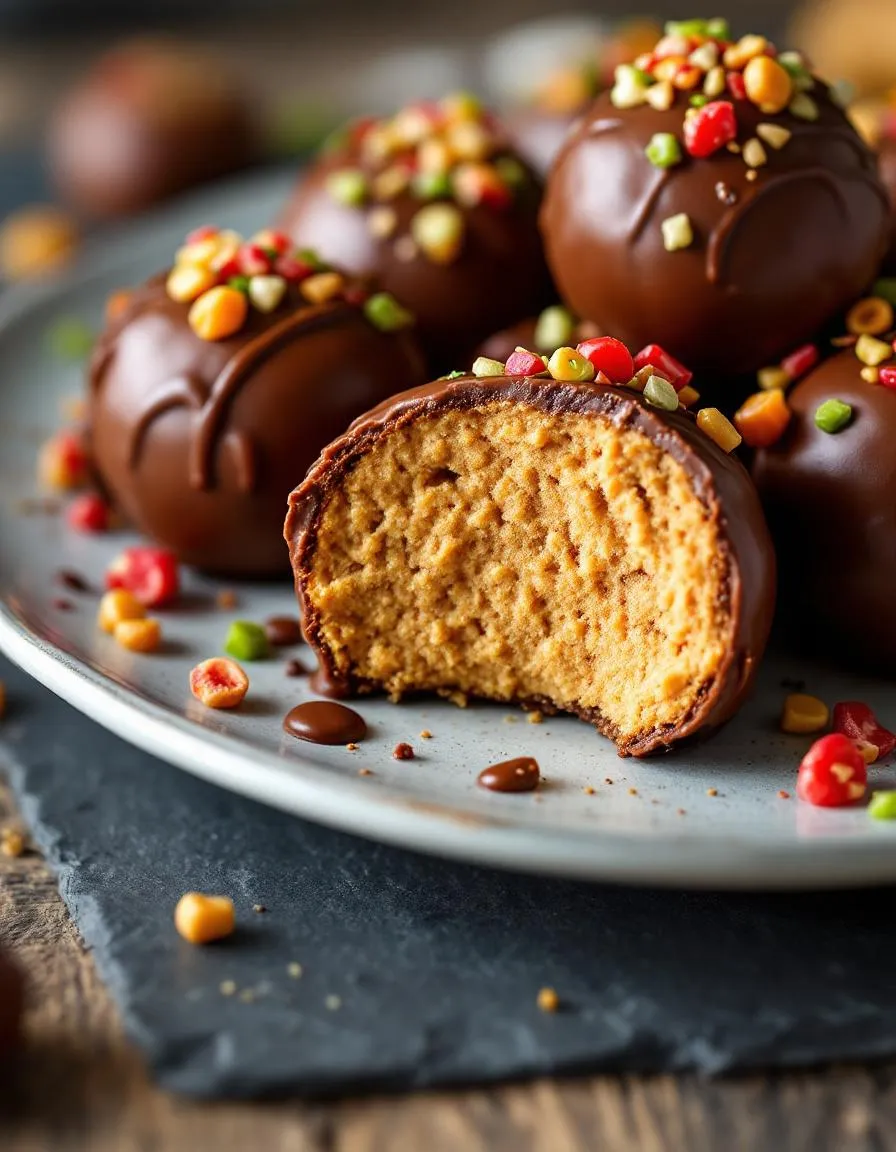
The Irresistible Buckeye Peanut Butter Balls Recipe delivers a dreamy contrast of flavors and textures. First, your teeth sink into a smooth, velvety peanut butter center that melts on your tongue, rich with nutty sweetness. Then, a crisp chocolate shell shatters, adding a satisfying snap. The combination of creamy and crunchy makes every bite irresistible. Meanwhile, a hint of vanilla and a touch of salt balance the sweetness, creating layers of flavor. Plus, the aroma of roasted peanuts and dark chocolate lingers, making these treats impossible to resist. Whether you serve them chilled or at room temperature, the Irresistible Buckeye Peanut Butter Balls Recipe always feels indulgent and comforting.
Boosting the flavor
Elevate your Irresistible Buckeye Peanut Butter Balls Recipe with a few creative tweaks. For extra depth, swap regular peanut butter for a honey-roasted or crunchy variety. Alternatively, roll the centers in crushed pretzels before dipping for a salty crunch. If you love bold flavors, sprinkle flaky sea salt or drizzle caramel over the chocolate coating. For a festive twist, try adding a dash of cinnamon or espresso powder to the peanut butter mix. Craving more dessert inspiration? Check out our decadent chocolate truffles or explore classic peanut butter cookies for complementary treats. With these simple upgrades, your buckeyes will shine even brighter.
Always chill the peanut butter dough for at least 30 minutes before shaping your Irresistible Buckeye Peanut Butter Balls Recipe. This step prevents stickiness and ensures smooth rolling. Additionally, use a small cookie scoop for uniform sizes, so each piece coats evenly in chocolate. For the best texture, temper your chocolate or add a teaspoon of coconut oil to keep it glossy and crack-free. Finally, work quickly when dipping to avoid melting the peanut butter centers.
Mistakes to avoid
Avoid overmixing the peanut butter dough, as this can make it oily and difficult to handle. Instead, stir just until combined for the perfect consistency. Many people also skip the chilling step, but this leads to misshapen balls that won’t hold their form. For more tips on handling sticky dough, check out our guide on easy no-bake desserts. Another common mistake is using cold peanut butter straight from the fridge—let it soften slightly for easier blending. If your chocolate seizes, learn how to fix it with our chocolate tempering basics.
g-suggestions">Serving and Pairing Suggestions
How to serve this dish
For a stunning presentation, arrange your Irresistible Buckeye Peanut Butter Balls Recipe on a decorative platter with parchment paper or mini cupcake liners. Meanwhile, drizzle melted chocolate over the top for an elegant touch. These treats shine at holiday parties, so consider placing them on a tiered stand for a festive display. Alternatively, pack them in small gift boxes tied with ribbon for a heartfelt homemade present. Whether you serve them at a potluck or as a sweet ending to dinner, their rich flavor and eye-catching look will impress everyone.
What goes well with it
Pair your Irresistible Buckeye Peanut Butter Balls Recipe with a cold glass of milk for a classic combination that highlights their creamy texture. If you prefer something bolder, try them with a cup of dark roast coffee to balance the sweetness. For a fun twist, serve them alongside our Easy Chocolate Fondue for dipping. Additionally, they make a delightful match with our Vanilla Bean Ice Cream, creating a decadent dessert duo. Each pairing enhances the rich peanut butter and chocolate flavors while adding variety to your spread.
math-faq-block">
How do you make Irresistible Buckeye Peanut Butter Balls without cracking?
To prevent cracking in your Irresistible Buckeye Peanut Butter Balls, ensure the peanut butter mixture is well-chilled before dipping. Letting the balls firm up in the freezer for 20-30 minutes helps the chocolate coating adhere smoothly.
Can you freeze Irresistible Buckeye Peanut Butter Balls?
Yes! Irresistible Buckeye Peanut Butter Balls freeze beautifully for up to 3 months. Store them in an airtight container with parchment paper between layers to prevent sticking.
What’s the best chocolate for coating Buckeye Peanut Butter Balls?
For the smoothest results, use high-quality melting chocolate or chocolate chips with a bit of coconut oil. This gives Irresistible Buckeye Peanut Butter Balls a glossy finish and perfect snap.
ank-math-faq-item">
Why are my Buckeye Peanut Butter Balls too soft?
If your Irresistible Buckeye Peanut Butter Balls are too soft, you may need more powdered sugar or less butter. Refrigerate the mixture longer before shaping to help it hold its form.
Best Cheesy Sausage Balls – Easy Party Appetizer
Introduction
There’s something undeniably comforting about biting into a warm, cheesy sausage ball—crispy on the outside, tender on the inside, and packed with flavor. Whether you’re hosting a game-day party, need a quick appetizer, or simply crave a savory snack, this Cheesy Sausage Balls Recipe delivers every time. Plus, it’s so easy to make that even beginner cooks can whip up a batch with confidence. Let’s dive into why these little bites are a crowd-pleaser and how they’ve earned a permanent spot in my recipe rotation.
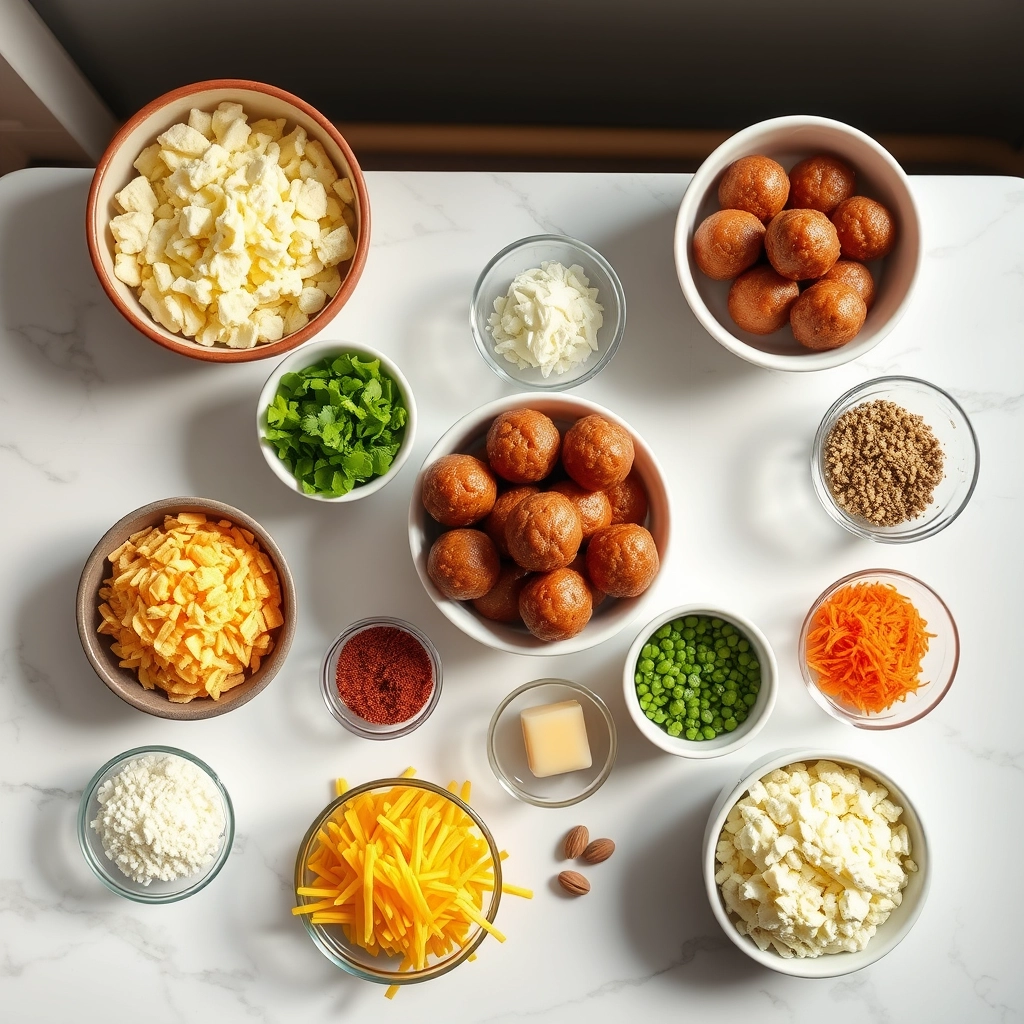
Cheesy Sausage Balls are a Southern classic, combining just a handful of ingredients—sausage, cheese, and baking mix—into irresistible bite-sized treats. They’re perfect for potlucks, holiday gatherings, or even as a quick weeknight snack. What makes this recipe stand out is its versatility. You can customize the spices, swap the cheese, or even add a kick of heat with jalapeños. Moreover, they freeze beautifully, so you can always have a batch ready to bake at a moment’s notice. If you love easy, make-ahead appetizers, you’ll also enjoy our Spinach Artichoke Dip or Buffalo Chicken Wings for another crowd-favorite option.
This blog celebrates fuss-free, flavorful recipes that bring people together, and the Cheesy Sausage Balls Recipe fits right in. They’re unpretentious yet utterly delicious, embodying the kind of food that sparks joy and nostalgia. Whether you grew up eating them or are discovering them for the first time, these sausage balls promise to become a staple in your home. Now, let me share why I adore this recipe so much.
Why I Love This Recipe
I’ll never forget the first time I tried Cheesy Sausage Balls at a friend’s holiday party. One bite, and I was hooked. Since then, I’ve made them for countless gatherings, and they always disappear within minutes. What I love most is how they bring people together—kids, grandparents, and everyone in between can’t resist them. They’re also my go-to when I need a last-minute appetizer because they come together in under 30 minutes. Simple, satisfying, and endlessly adaptable, this recipe feels like a warm hug in snack form.
Health and Nutrition
Why it’s good for your body
Cheesy Sausage Balls Recipe packs a flavorful punch while delivering key nutrients. First, the sausage provides a solid dose of protein, which helps build muscle and keeps you full longer. Additionally, the cheese adds calcium for strong bones and a satisfying richness. Together, these ingredients make Cheesy Sausage Balls Recipe a protein-rich snack or appetizer.
Moreover, this recipe includes almond flour, a gluten-free alternative that offers healthy fats and fiber. These nutrients support digestion and steady energy levels. Because of the balanced macronutrients, Cheesy Sausage Balls Recipe can curb cravings without spiking blood sugar. Plus, the savory flavors make it easy to enjoy a satisfying treat without overindulging.
Finally, the dish contains spices like garlic and onion powder, which add antioxidants. These compounds fight inflammation and boost immunity. Whether you serve them at parties or as a quick snack, Cheesy Sausage Balls Recipe delivers both taste and nutrition in every bite.
How it fits in a healthy lifestyle
Cheesy Sausage Balls Recipe fits seamlessly into a balanced diet. If you follow a gluten-free lifestyle, the almond flour base keeps it celiac-friendly. For those focusing on high-protein meals, the sausage and cheese combo makes it a smart choice. Pair it with a fresh salad or roasted veggies for a well-rounded plate.
This recipe also works great for meal prep. Make a batch ahead and store them for quick snacks during busy weeks. If you love flavorful, protein-packed dishes, explore our keto-friendly appetizers for more ideas. For heart-healthy tweaks, try using lean turkey sausage and reduced-fat cheese. You can even bake them instead of frying for a lighter option.
Craving more wholesome recipes? Check out our high-protein snacks collection for inspiration. With simple adjustments, Cheesy Sausage Balls Recipe becomes a versatile part of your healthy eating routine.
Delicious bite-sized sausage and cheese balls perfect for parties or snacks.
Ingredients
Scale
For the Crust:
1 lb ground sausage
2 cups shredded cheddar cheese
1 1/2 cups baking mix (like Bisquick)
1/4 cup grated Parmesan cheese
1/2 teaspoon garlic powder
1/2 teaspoon onion powder
Instructions
1. Prepare the Crust:
Preheat oven to 375°F (190°C) and line a baking sheet with parchment paper.
In a large bowl, combine all ingredients and mix well until fully incorporated.
Shape the mixture into 1-inch balls and place them on the baking sheet.
Bake for 20-25 minutes or until golden brown and cooked through.
Serve warm with dipping sauce if desired.
Notes
You can customize the seasonings to taste.
How to Prepare This Dish
Steps and time-saving tips
Start by preheating your oven to 375°F so it’s ready when you finish mixing the ingredients. Grab a large bowl and combine one pound of ground sausage, two cups of shredded cheddar cheese, and two cups of baking mix. Use your hands to mix everything thoroughly, but don’t overwork the dough—just blend until the ingredients hold together. If the mixture feels too dry, add a splash of milk to soften it. Roll the dough into one-inch balls and place them on a parchment-lined baking sheet, spacing them about an inch apart. Bake for 18-20 minutes until golden brown and crispy on the outside. For extra flavor, brush the tops with melted butter right after they come out of the oven. To save time, mix the dough the night before and refrigerate it overnight, then bake the next day. These cheesy sausage balls taste best warm, so serve them fresh from the oven with a side of marinara or ranch for dipping.
Mistakes I’ve made and learned from
When I first made this cheesy sausage balls recipe, I used cold sausage straight from the fridge, which made the dough crumbly and hard to shape. Now I let the sausage sit at room temperature for 10 minutes before mixing—it blends much smoother. Another mistake? Overbaking. I left them in too long, and they turned dry. A timer is your best friend here. If you’re new to working with baking mix, check out my baking mix guide for tips on getting the right consistency. And if your cheese clumps instead of shredding evenly, my cheese shredding hacks will save you time and frustration. Trust me, learning these small tweaks makes all the difference.
The Cheesy Sausage Balls Recipe has deep roots in Southern comfort food, where families often whip up these bite-sized delights for potlucks, game days, or holiday gatherings. Originally, cooks combined simple pantry staples like sausage, cheese, and biscuit mix to create a crowd-pleasing snack. Over time, the recipe spread beyond the South, with each region adding its own twist. For instance, some Midwest versions swap cheddar for pepper jack, while Texan cooks might toss in jalapeños for heat.
In my family, we’ve always made Cheesy Sausage Balls Recipe during Christmas mornings, pairing them with a spicy mustard dip. My grandma insisted on using sharp cheddar and homemade sausage, claiming it made all the difference. Meanwhile, friends from Louisiana shared their version with Cajun seasoning and a dash of hot sauce. Internationally, you’ll find similar concepts—like British sausage rolls or Italian polpette—but none quite capture the cozy, cheesy charm of this American classic.
ays-cooking">How it fits in today’s cooking
Today, the Cheesy Sausage Balls Recipe remains a go-to for busy home cooks and entertainers alike. Its versatility shines whether you’re serving it at a tailgate, bundling it into meal prep, or even sneaking it onto weeknight dinner menus. Modern twists include gluten-free flour blends, plant-based sausage, or even air-frying for a lighter crunch. Plus, it’s a star at holiday parties, often appearing alongside festive appetizers like spiced nuts or cranberry dip.
What keeps this recipe relevant? Its effortless adaptability. Whether you’re a traditionalist or an experimenter, the Cheesy Sausage Balls Recipe invites creativity. From keto-friendly tweaks to kid-approved mini versions, it’s a dish that evolves without losing its soul. No wonder it’s still a beloved staple in kitchens across the country.
Taste and Texture
What makes it delicious
Cheesy Sausage Balls Recipe delivers a mouthwatering blend of savory, cheesy, and slightly spicy flavors in every bite. The sharp cheddar cheese melts into the sausage, creating a rich, creamy texture with pockets of juicy, seasoned meat. Meanwhile, the biscuit mix adds a tender yet slightly crisp exterior, making each ball irresistible. As they bake, the aroma of garlic, paprika, and melted cheese fills the kitchen, teasing your taste buds before you even take a bite. Whether served warm or at room temperature, Cheesy Sausage Balls Recipe offers a satisfying contrast of soft, gooey centers and golden-brown edges.
r">Boosting the flavor
For an extra kick, swap mild cheddar for pepper jack cheese or add a pinch of cayenne to the mix. Dipping these savory bites in a tangy creamy ranch dressing or spicy homemade BBQ sauce elevates the flavor even further. Alternatively, sprinkle fresh herbs like chives or parsley on top for a bright, fresh finish. Experimenting with different sausage varieties, like spicy Italian or maple-infused, can also add exciting twists to this classic recipe.
Tips for Success
Best practices for results
Always chill the dough for at least 30 minutes before shaping your Cheesy Sausage Balls Recipe. This step prevents spreading and ensures a perfect texture. Additionally, use freshly grated cheese instead of pre-shredded varieties for better melting and flavor. For even baking, space the sausage balls evenly on the tray and rotate the pan halfway through cooking. Finally, let them cool slightly before serving so the cheese sets properly.
>Mistakes to avoid
One common mistake is overmixing the dough, which can make your Cheesy Sausage Balls Recipe dense. Instead, gently combine ingredients until just incorporated. Another error is skipping the parchment paper, leading to sticking or uneven browning. For more baking tips, check out our guide on perfect baking temperatures. Also, avoid using lean sausage, as the fat adds moisture and flavor. If you’re unsure about ingredient ratios, our ingredient substitutions article can help.
Serving and Pairing Suggestions
How to serve this dish
Bring out the best in your Cheesy Sausage Balls Recipe by serving them warm on a rustic wooden board or a colorful platter. For a festive touch, sprinkle fresh parsley or chives on top to add a pop of green. Meanwhile, these bite-sized delights shine at holiday gatherings, game-day parties, or even as a fun brunch appetizer. If you want to impress guests, arrange them around a small bowl of dipping sauce for an inviting, shareable setup. No matter the occasion, the Cheesy Sausage Balls Recipe always steals the spotlight with its golden-brown crust and gooey center.
What goes well with it
Pair your Cheesy Sausage Balls Recipe with a tangy homemade ranch dip or spicy marinara sauce for an extra flavor boost. Alternatively, serve them alongside a crisp, refreshing salad like our Avocado Ranch Salad to balance the richness. For drinks, a chilled glass of sweet tea or a hoppy IPA beer complements the savory notes perfectly. If you’re hosting a brunch, try pairing them with our Blueberry Muffins for a satisfying sweet-and-savory spread. Every bite of the Cheesy Sausage Balls Recipe tastes even better with these thoughtful pairings.
What’s the best cheese to use for Cheesy Sausage Balls?
Sharp cheddar cheese works best for Cheesy Sausage Balls Recipe because it melts well and adds rich flavor. You can also mix in Monterey Jack or pepper jack for extra creaminess or spice. Avoid pre-shredded cheese, as it contains anti-caking agents that affect texture.
Can I make Cheesy Sausage Balls ahead of time?
Yes! Prepare the Cheesy Sausage Balls Recipe mixture and shape the balls, then refrigerate for up to 24 hours before baking. For longer storage, freeze unbaked balls on a tray, then transfer to a bag—bake straight from frozen, adding a few extra minutes.
ank-math-faq-item">
Why are my sausage balls dry?
Dry Cheesy Sausage Balls often result from overmixing or using lean sausage. Stick to regular pork sausage (not “low-fat”) and handle the dough gently. Adding an extra tablespoon of milk or grated cheese can also improve moisture.
What dipping sauce goes well with Cheesy Sausage Balls?
Ranch dressing is a classic pairing for Cheesy Sausage Balls Recipe, but spicy mayo, honey mustard, or marinara also work great. For a twist, try a jalapeño-infused cheese dip to complement the savory flavors.
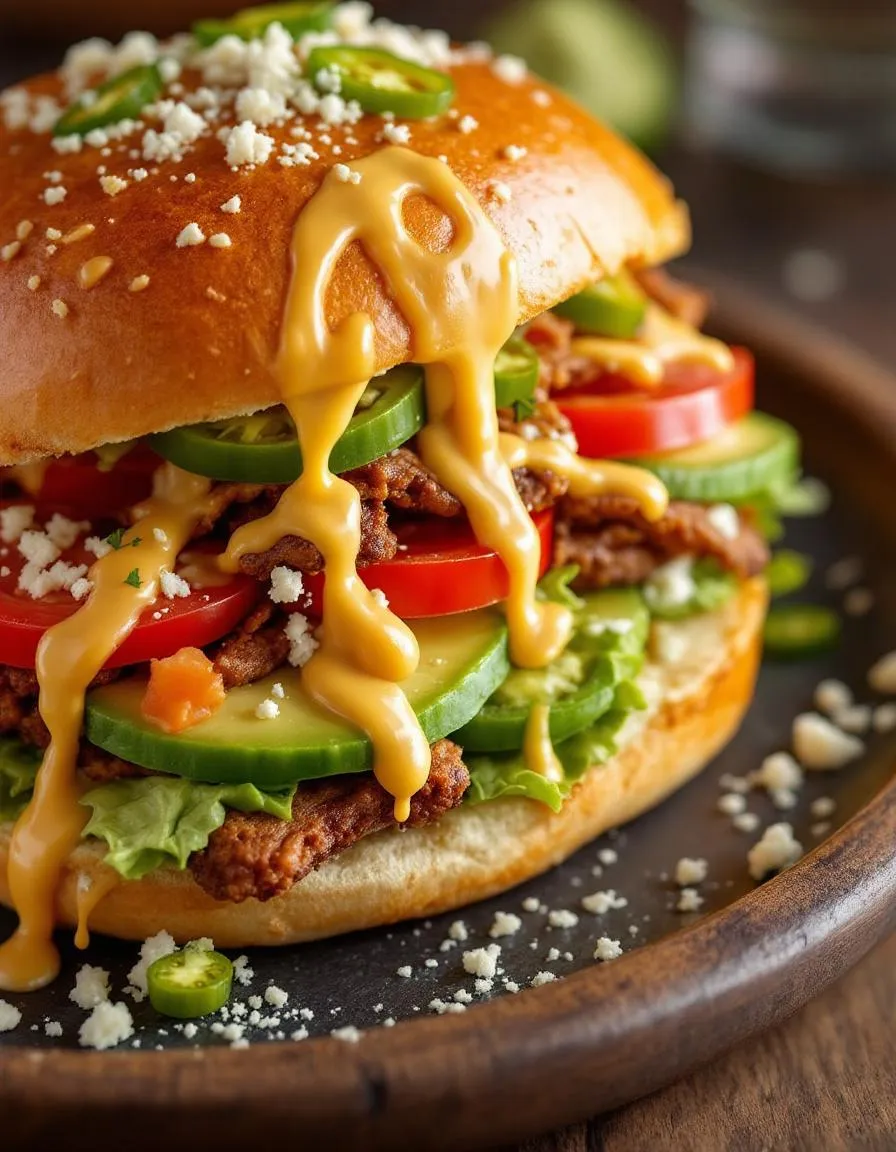
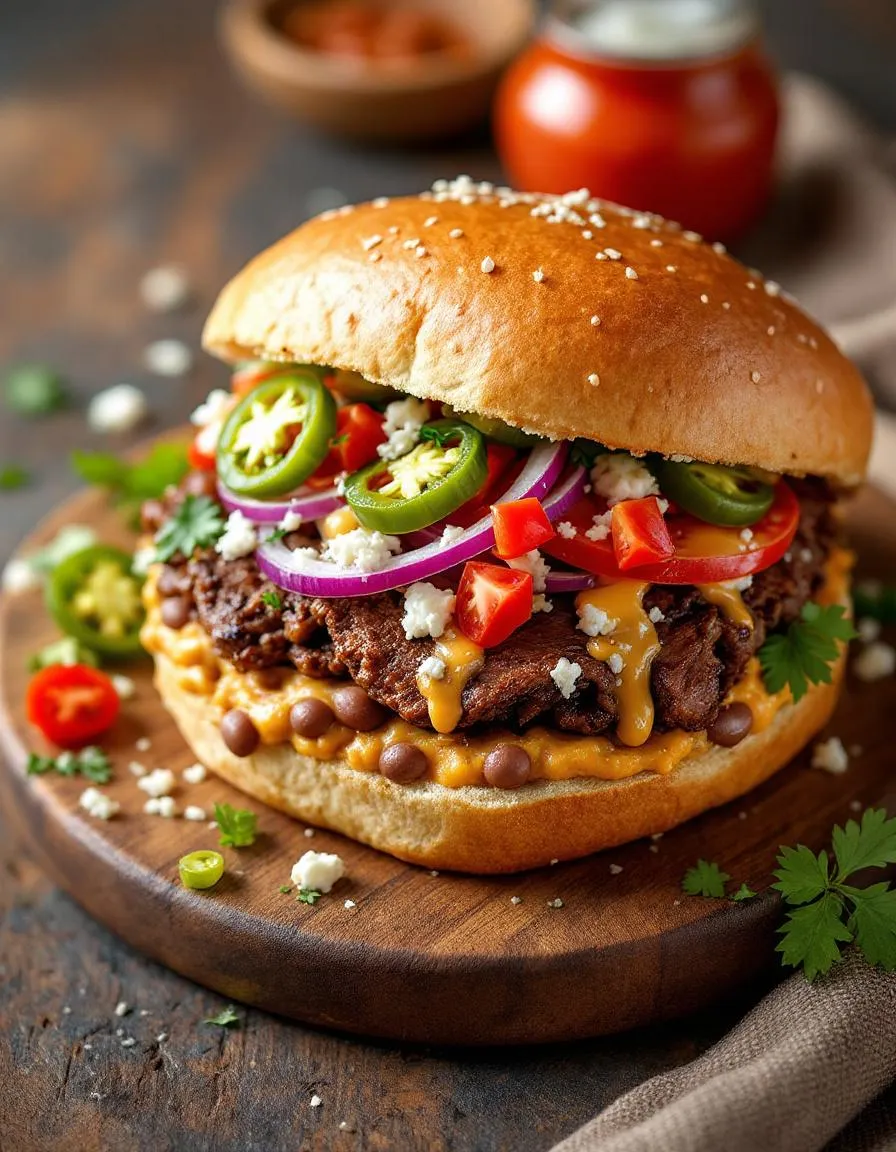
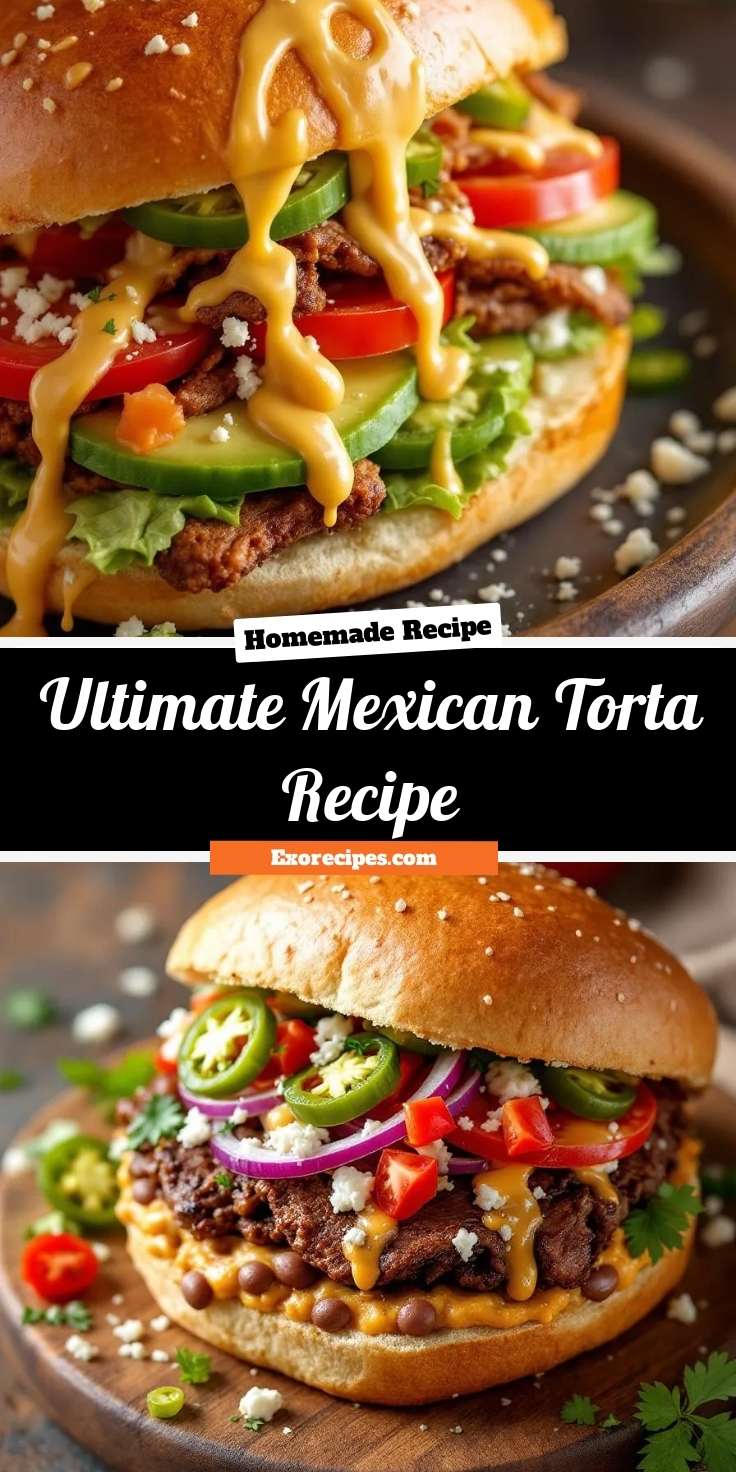
There’s something magical about biting into a perfectly layered Ultimate Mexican Torta Recipe—crusty bread hugging tender meats, creamy beans, and vibrant toppings that explode with flavor. Whether you’re craving a hearty lunch or a crowd-pleasing dinner, this sandwich delivers comfort and excitement in every bite. Even better, it’s customizable, so you can tailor it to your taste buds or whatever ingredients you have on hand. Let’s dive into why this iconic Mexican street food deserves a spot in your recipe rotation.
The Ultimate Mexican Torta Recipe is more than just a sandwich. It’s a celebration of textures and flavors, combining crispy bolillo rolls with layers of refried beans, savory meats like carnitas or milanesa, and toppings like avocado, jalapeños, and fresh crema. What sets it apart is its versatility. You can swap proteins, adjust spice levels, or even make it vegetarian without losing its soul. For anyone who loves bold, satisfying meals, this torta is a must-try. Plus, it’s a fantastic way to use leftovers creatively, making it practical for busy weeknights.
On Exorecipes, we specialize in recipes that balance authenticity with approachability, and the Ultimate Mexican Torta Recipe fits perfectly. It’s a dish that invites experimentation while staying true to its roots. If you’re new to Mexican cuisine, start with our guide to authentic Mexican salsas to pair with your torta. Or, if you’re meal-prepping, check out our tips for efficient meal prep to streamline the process. No matter how you build it, this torta promises a delicious adventure.
Why I Love This Recipe
I’ll never forget the first time I tried a Mexican torta at a tiny roadside stand in Guadalajara. The combination of warm bread, smoky chipotle, and creamy avocado hooked me instantly. Now, whenever I make the Ultimate Mexican Torta Recipe at home, it transports me back to that moment. It’s also become my go-to for feeding friends—everyone raves about the bold flavors, and I love how easily it adapts to different diets. Whether I’m craving nostalgia or need a quick, satisfying meal, this recipe never disappoints.
Health and Nutrition
Why it’s good for your body
The Ultimate Mexican Torta Recipe packs a nutritious punch while delivering bold flavors. First, it combines lean proteins like chicken or beans with fiber-rich avocado and fresh vegetables. These ingredients work together to keep you full longer and stabilize blood sugar levels. Additionally, the healthy fats from avocado and olive oil support heart health and reduce inflammation.
Moreover, the Ultimate Mexican Torta Recipe includes antioxidant-rich ingredients like tomatoes and peppers. These veggies boost immunity and protect cells from damage. Meanwhile, whole-grain bolillo rolls provide complex carbs for sustained energy. Unlike processed bread, they digest slowly and prevent energy crashes.
Finally, this dish offers versatility for different dietary needs. For instance, you can swap ingredients to fit low-carb or high-protein goals. Whether you choose grilled chicken or black beans, the Ultimate Mexican Torta Recipe adapts without sacrificing taste. With balanced macros and micronutrients, it’s a meal that fuels your body and satisfies cravings.
How it fits in a healthy lifestyle
The Ultimate Mexican Torta Recipe fits seamlessly into a balanced diet. For protein lovers, grilled chicken or lean beef adds muscle-building benefits. If you prefer plant-based options, black beans or tofu keep it hearty and gluten-free. Pair it with a side of roasted vegetables for extra fiber and vitamins.
Busy weeknights call for meals that are both quick and nutritious. This recipe delivers with minimal prep and maximum flavor. You can even prep ingredients ahead, making it ideal for meal prep. Whether you’re fueling workouts or feeding a family, the Ultimate Mexican Torta Recipe keeps health and taste in perfect harmony.
A hearty Mexican sandwich filled with flavorful ingredients, perfect for a satisfying meal.
Ingredients
Scale
For the Crust:
4 bolillo rolls or telera bread
1 lb thinly sliced steak or chicken
1 cup refried beans
1 avocado, sliced
1/2 cup pickled jalapeños
1/2 cup mayonnaise
1/2 cup crumbled queso fresco
1 tomato, sliced
1/2 onion, sliced
1 tbsp taco seasoning
2 tbsp vegetable oil
Salt and pepper to taste
Instructions
1. Prepare the Crust:
Heat oil in a pan over medium-high heat. Season the meat with taco seasoning, salt, and pepper. Cook until browned and fully cooked, about 5-7 minutes. Set aside.
Slice the bolillo rolls in half and lightly toast them on a griddle or in a pan.
Spread refried beans on the bottom half of each roll. Layer with cooked meat, avocado slices, tomato, onion, pickled jalapeños, and queso fresco.
Spread mayonnaise on the top half of each roll and place it on top of the sandwich.
Press the torta lightly to compact the ingredients and serve immediately.
Notes
You can customize the seasonings to taste.
s-dish">How to Prepare This Dish
Steps and time-saving tips
Start by gathering all your ingredients for the Ultimate Mexican Torta Recipe so everything is within reach. Slice the bolillo rolls in half lengthwise and lightly toast them in a skillet or oven until golden. Meanwhile, heat a drizzle of oil in a pan and cook your protein—whether it’s shredded chicken, carnitas, or beans—until warmed through. Layer the bottom half of each roll with refried beans, then pile on the protein, avocado slices, pickled jalapeños, and a sprinkle of queso fresco. Press the top half gently to hold everything together. For a time-saving hack, prep your fillings ahead and store them in airtight containers. If you’re short on time, use store-bought rotisserie chicken or canned beans. Just before serving, lightly grill the assembled tortas for a crispy exterior. Serve immediately with a side of salsa or crema for dipping.
Mistakes I’ve made and learned from
Early on, I made the mistake of overstuffing my Ultimate Mexican Torta Recipe, which led to messy, falling-apart sandwiches. Now, I layer ingredients evenly and press gently to keep everything intact. Another lesson? Skipping the toasting step—it’s crucial for texture. I once served soggy tortas because I rushed this part. For perfectly balanced flavors, I also learned to adjust the heat level by tasting my homemade salsa before adding it. If you’re new to Mexican cooking, check out my guide to essential spices to avoid bland results. Trust me, these small tweaks make all the difference.
n-and-variations">Cultural Connection and Variations
Where this recipe comes from
The Ultimate Mexican Torta Recipe traces its roots to Mexico’s vibrant street food culture, where bold flavors and hearty sandwiches reign supreme. Originally, vendors crafted these loaded tortas with crusty bolillo rolls, refried beans, and layers of meat, creating a portable feast for busy workers. Over time, families added their own twists—some piled on avocado or pickled jalapeños, while others swapped meats for regional favorites like carnitas or milanesa. In my own kitchen, the Ultimate Mexican Torta Recipe became a weekend tradition, with my abuela insisting on homemade chipotle mayo for an extra kick.
Across Mexico, you’ll find endless variations. In Mexico City, they often stuff tortas with pierna (slow-roasted pork), while coastal towns might feature seafood like breaded shrimp. Meanwhile, in the U.S., creative cooks fuse flavors, adding ingredients like sriracha or even swapping the bolillo for sourdough. No matter the version, the Ultimate Mexican Torta Recipe always delivers that satisfying crunch and explosion of flavors—a true tribute to its humble yet mighty origins.
How it fits in today’s cooking
Today, the Ultimate Mexican Torta Recipe holds its own as a go-to meal for busy weeknights or casual gatherings. Its versatility makes it a favorite—you can prep components ahead, like the easy meal-prep beans, or customize fillings for picky eaters. Modern cooks also lighten it up with grilled veggies or plant-based proteins, proving this classic adapts effortlessly to today’s trends.
Beyond everyday meals,
the torta shines at parties, especially when paired with crowd-pleasers like festive cocktails. Whether you’re craving comfort food or a taste of tradition, the Ultimate Mexican Torta Recipe fits right in. It’s proof that some dishes never go out of style—they just get better with time.
Taste and Texture
What makes it delicious
The Ultimate Mexican Torta Recipe delivers a bold, satisfying experience with every bite. First, the crusty bolillo roll crackles under gentle pressure, giving way to layers of tender, juicy meats like carnitas or milanesa. Meanwhile, creamy refried beans and ripe avocado spread add a rich, velvety contrast. Fresh jalapeños or pickled onions bring a bright, tangy kick, while melted Oaxaca cheese ties everything together with its stretchy, gooey goodness. The aroma alone—smoky, garlicky, and slightly citrusy—will make your mouth water before you even take a bite. Whether you savor it warm or at room temperature, the Ultimate Mexican Torta Recipe balances textures and flavors like no other sandwich.
Boosting the flavor
Elevate your Ultimate Mexican Torta Recipe with a few easy tweaks. For extra heat, toss sliced jalapeños in lime juice and salt for a quick pickle, or drizzle with homemade chipotle sauce for smoky depth. Swap refried beans for black bean spread blended with roasted garlic—it adds earthy sweetness. If you love crunch, top with shredded cabbage tossed in creamy cilantro lime dressing for freshness. Don’t forget a sprinkle of cotija cheese or a dash of hot sauce for a final flavor punch. With these small upgrades, your torta will taste even more irresistible.
For the best Ultimate Mexican Torta Recipe, always toast the bolillo rolls until golden. This step adds crunch and prevents sogginess. Meanwhile, spread refried beans evenly on both halves to lock in moisture. Additionally, layer ingredients in the right order—start with beans, then meat, followed by cheese and fresh toppings. Finally, press the torta gently but firmly to help it hold together without crushing the bread.
Mistakes to avoid
Avoid overloading your Ultimate Mexican Torta Recipe with too many fillings, as this can make it messy to eat. Instead, balance flavors and textures by sticking to the recommended portions. Also, don’t skip toasting the rolls—soft bread turns soggy fast. For more tips on perfecting bread texture, check out our guide on toasting bread perfectly. Another common mistake is using cold ingredients straight from the fridge. Let cheese and meats sit at room temperature for 10 minutes first—this helps flavors meld. Learn more about ingredient prep in our ingredient temperature guide.
g-suggestions">Serving and Pairing Suggestions
How to serve this dish
For a showstopping presentation, slice the Ultimate Mexican Torta Recipe into halves or quarters to reveal its colorful layers. Meanwhile, arrange it on a rustic wooden board with lime wedges and fresh cilantro sprigs for a vibrant touch. Since this dish packs bold flavors, serve it at casual gatherings like game nights or weekend brunches where guests can enjoy it hands-on. Alternatively, pair individual portions with a side of pickled jalapeños for an extra kick that elevates every bite.
What goes well with it
A chilled horchata or tangy mango margarita balances the richness of the Ultimate Mexican Torta Recipe perfectly. If you prefer something non-alcoholic, try a citrusy agua fresca. For sides, crispy air fryer tortilla chips with guacamole add crunch without overpowering the main dish. Finally, a light jicama salad with lime dressing cuts through the savory notes for a refreshing contrast.
math-faq-block">
What bread is best for an Ultimate Mexican Torta?
The best bread for an Ultimate Mexican Torta is a soft yet sturdy roll like telera or bolillo. These traditional Mexican rolls hold up well to the hearty fillings without falling apart. For an authentic touch, lightly toast the bread before assembling your Ultimate Mexican Torta Recipe.
Can I make a vegetarian version of the Ultimate Mexican Torta?
Absolutely! For a vegetarian Ultimate Mexican Torta Recipe, replace the meat with grilled portobello mushrooms, black beans, or soy chorizo. Load it up with avocado, Oaxaca cheese, and pickled jalapeños for that classic Mexican flavor profile.
What makes a torta different from a regular sandwich?
An Ultimate Mexican Torta stands out with its Mexican ingredients like refried beans, avocado, and queso fresco. Unlike regular sandwiches, tortas often feature a combination of warm and cold ingredients, plus a generous spread of mayo and spicy sauces. The bread and bold flavors make this Mexican street food unique.
ank-math-faq-item">
How do I keep my torta from getting soggy?
To prevent a soggy Ultimate Mexican Torta Recipe, toast the bread thoroughly and layer ingredients strategically. Place moisture barriers like cheese or refried beans against the bread, and add wet ingredients like tomatoes in the middle. Assemble just before eating for the best texture.