Beef Meatballs with Onion Mushroom Gravy and Mashed Potatoes – A North African-French Comfort Classic

⚖️
Difficulty
Medium
⏲️
Prep Time
20 mins
🕒
Cook Time
35 mins
⏱️
Total Time
55 mins
🍽️
Servings
6

The first time I made these beef meatballs with gravy in my tiny New York City kitchen, my upstairs neighbor actually knocked on my door to ask what I was cooking. That rich onion mushroom gravy simmering on the stove — it smells like slow Sunday dinners, like the kind of meal that makes you want to sit down and stay awhile. For me, this dish is a love letter to three places that shaped how I cook: my mother’s kitchen in Morocco, the intimidatingly beautiful sauce techniques I learned in Paris, and the bold, no-nonsense flavor of New York. Whether you’re feeding a family on a weeknight or meal-prepping for the days ahead, this homemade meatballs recipe is built to deliver deep, soul-warming flavor every single time.

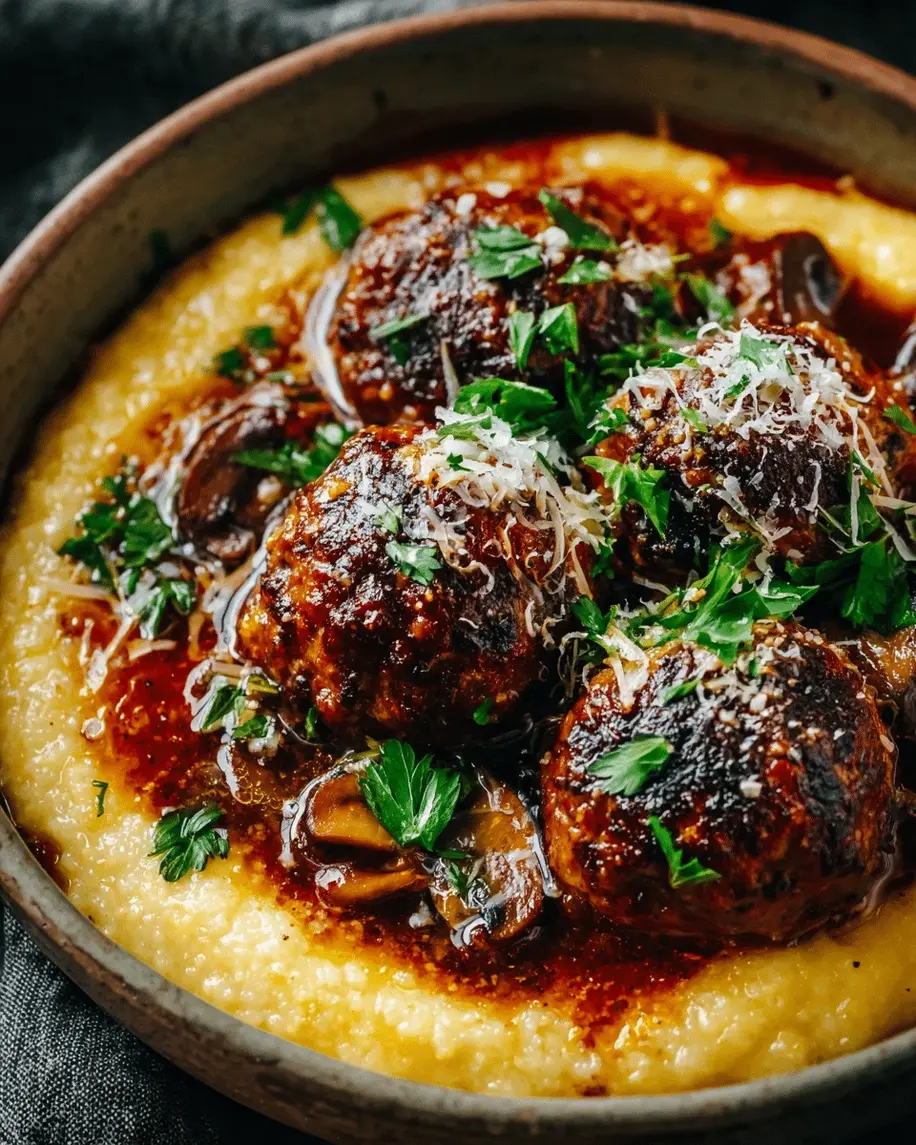
Imagine this: a perfectly seared beef meatball, tender and juicy on the inside with a lightly caramelized crust, resting in a pool of velvety gravy packed with soft, sweet caramelized onions and earthy cremini mushrooms. The gravy itself is a thing of beauty — silky from a touch of heavy cream, deeply savory from beef broth and Worcestershire sauce, with just the faintest whisper of oregano and basil from the meatballs. Spoon that over a mound of creamy, buttery mashed potatoes, and you have a plate that feels like a hug. The potatoes are whipped until smooth with generous butter and milk — the perfect canvas for that luscious sauce to soak into.

What sets my version apart is a technique I picked up in Paris: building the gravy directly in the same skillet where the meatballs were browned, scraping up all those caramelized bits (the fond) for maximum depth. Then, I add a Moroccan touch — a hint of dried oregano and basil in the meatball mixture that lifts the whole dish. And because I know how busy life gets in the city, I’ve streamlined every step so that from start to finish, you’re about 55 minutes away from pure comfort. One common mistake I see is overmixing the meatball mixture, which makes them dense. I’ll show you exactly how to keep them tender and how to simmer them in the gravy so they soak up all that flavor without falling apart.

Why This Beef Meatballs with Gravy Recipe Is the Best

The flavor secret here is the layering. I start with 80/20 ground beef — enough fat to keep the meatballs juicy, but not greasy. The breadcrumbs are soaked in milk before mixing (a French technique called a panade), which ensures the meatballs stay tender and moist rather than dense and dry. Then I add Parmesan for umami depth, and a whisper of dried oregano and basil that nods to my Moroccan roots, where dried herbs are used with such precision. The gravy is built on the fond left behind after searing — that’s where the real flavor lives — and finished with heavy cream for a luxurious texture that clings perfectly to every bite.

Texture is everything, and I’ve perfected each component. The meatballs are browned hard on two sides to create a crust, then finished by simmering gently in the gravy. This two-step method keeps them tender on the inside while the exterior holds up beautifully. The mushrooms are cooked until they release their liquid and then start to brown — that’s when they go from bland to deeply savory. And the mashed potatoes? Russets, boiled until fork-tender, then mashed with warm milk and melted butter until they’re creamy with just a little bit of rustic texture. No gluey potatoes here, I promise.

This recipe is also foolproof and fast enough for a beginner. I’ve tested it in my own NYC kitchen more times than I can count, and every step is designed to work without fuss. The gravy comes together in the same pan — no extra dishes. The meatballs hold their shape beautifully thanks to the panade and the gentle simmer. And the mashed potatoes can be made while the meatballs are simmering, so everything lands on the table hot and ready. Whether you’re a seasoned cook or just starting out, this beef meatballs and mashed potatoes dinner will make you look like a pro.

Beef Meatballs with Gravy Ingredients

I picked up my mushrooms this morning at the Union Square Greenmarket — the cremini there are earthy and firm, perfect for this gravy. My mother would have used lamb and fresh mint in her meatballs back in Morocco, but here in New York, I love how ground beef with Parmesan and dried herbs brings a different kind of warmth. Every ingredient in this list has a job, and I’ll show you exactly what to look for at the grocery store so you get the best results.

Ingredients List

  • For the Meatballs:
  • 1 lb ground beef (80/20)
  • 1/2 cup breadcrumbs
  • 1/4 cup milk
  • 1 large egg
  • 1/2 cup grated Parmesan cheese
  • 2 cloves garlic, minced
  • 1 teaspoon salt
  • 1/2 teaspoon black pepper
  • 1 teaspoon dried oregano
  • 1/2 teaspoon dried basil
  • For the Onion Mushroom Gravy:
  • 2 tablespoons butter
  • 1 large onion, thinly sliced
  • 8 oz cremini mushrooms, sliced
  • 3 tablespoons all-purpose flour
  • 2 cups beef broth
  • 1/2 cup heavy cream
  • 1 teaspoon Worcestershire sauce
  • Salt and pepper to taste
  • For the Mashed Potatoes:
  • 2 lbs russet potatoes, peeled and cubed
  • 4 tablespoons butter
  • 1/2 cup milk
  • Salt and pepper to taste

Ingredient Spotlight

Ground Beef (80/20): This is the sweet spot for juicy meatballs. The 20% fat renders during cooking, keeping the inside tender and flavorful. If you use leaner beef (like 90/10), the meatballs will be drier. I always buy mine fresh from the butcher counter at my local grocery store — look for bright red color and avoid any packages with excess liquid.

Cremini Mushrooms: These are simply baby bella mushrooms, and they have a deeper, earthier flavor than white button mushrooms. They hold their shape well during cooking and release a rich liquid that forms the backbone of the gravy. If you can only find white mushrooms, they’ll work — just cook them an extra 2 minutes to concentrate the flavor. Shiitake mushrooms would be a lovely upgrade for a more intense mushroom taste.

Russet Potatoes: For the creamiest mashed potatoes, russets are non-negotiable. They have a high starch content and low moisture, which means they absorb butter and milk like a dream and mash into a light, fluffy texture. Yukon Golds work too, but they’ll be slightly denser and more buttery. Avoid waxy potatoes like red skins or new potatoes — they’ll turn gluey when mashed.

Beef Broth: This is the liquid foundation of your gravy. I recommend a low-sodium beef broth so you can control the salt level. Better Than Bouillon beef base is my go-to — it has a deep, roasted flavor that makes the gravy taste like it simmered for hours. If using boxed broth, choose a brand with no added sugar for the cleanest savory taste.

Original IngredientBest SubstitutionFlavor / Texture Impact
Ground beef (80/20)Ground pork or turkey (85/15)Pork is juicier with a sweeter flavor; turkey is leaner — add 1 tbsp olive oil to compensate
BreadcrumbsPanko breadcrumbs or gluten-free breadcrumbsPanko gives a lighter texture; gluten-free works 1:1 — use certified GF if needed
Heavy cream (gravy)Half-and-half or full-fat coconut milkHalf-and-half is lighter but still creamy; coconut milk adds a subtle sweetness — delicious but changes profile
Russet potatoesYukon Gold potatoesYukon Golds are creamier and slightly buttery — no need to peel if you like rustic mash
Parmesan cheesePecorino Romano or nutritional yeast (for dairy-free)Pecorino is saltier and sharper; nutritional yeast adds umami without dairy

How to Make Beef Meatballs with Onion Mushroom Gravy and Mashed Potatoes — Step-by-Step

I’ve broken this down into clear, manageable steps that flow from one to the next. The key is to let the meatballs brown undisturbed, then build the gravy right in the same pan — that’s where all the flavor lives. Trust me, your kitchen will smell incredible.

Step 1: Mix and Shape the Meatballs

In a large bowl, combine 1 lb ground beef (80/20), 1/2 cup breadcrumbs, 1/4 cup milk, 1 large egg, 1/2 cup grated Parmesan cheese, 2 minced garlic cloves, 1 teaspoon salt, 1/2 teaspoon black pepper, 1 teaspoon dried oregano, and 1/2 teaspoon dried basil. Use your hands or a fork to mix until just combined — don’t overmix or the meatballs will be dense. Shape into 1.5-inch meatballs (about 18-20 meatballs) and place them on a baking sheet lined with parchment paper.

💡 mia’s Pro Tip: Wet your hands slightly with cold water before rolling the meatballs — the mixture won’t stick to your hands and you’ll get smoother, more even balls. Also, use a cookie scoop for uniform size so they all cook at the same rate.

Step 2: Brown the Meatballs

Heat a large skillet (cast iron or stainless steel works best) over medium-high heat. Add a drizzle of oil with a high smoke point, like avocado or canola. Place the meatballs in the skillet in a single layer — you may need to do this in two batches to avoid crowding. Cook for 2-3 minutes per side, turning gently with tongs, until deeply browned on all sides. Remove the meatballs to a plate and set aside. Do not wipe the skillet — those browned bits are pure flavor.

⚠️ Common Mistake to Avoid: Crowding the pan! If the meatballs are too close together, they’ll steam instead of brown, and you’ll lose that beautiful crust. Cook in batches if needed. Also, don’t move them around too much — let them sit and develop a good sear before turning.

Step 3: Caramelize the Onions and Mushrooms

In the same skillet over medium heat, melt 2 tablespoons of butter. Add 1 large thinly sliced onion and cook, stirring occasionally, until softened and golden, about 8-10 minutes. Then add 8 oz sliced cremini mushrooms and cook until they release their liquid and start to brown, about 5-7 minutes. The moisture from the mushrooms will help lift the browned bits from the bottom of the pan — that’s exactly what you want.

💡 mia’s Pro Tip: Don’t rush the onions! Those 8-10 minutes of slow cooking develop a natural sweetness that balances the savory gravy. If the pan gets too dry, add a splash of water or broth rather than more butter — it keeps the dish from getting greasy.

Step 4: Build the Gravy

Sprinkle 3 tablespoons of all-purpose flour over the onions and mushrooms. Stir constantly and cook for 1 minute — this cooks out the raw flour taste. Gradually pour in 2 cups of beef broth while stirring vigorously with a whisk to prevent lumps. Bring the mixture to a simmer and cook until it thickens enough to coat the back of a spoon, about 3-4 minutes. Stir in 1/2 cup heavy cream and 1 teaspoon Worcestershire sauce, then season with salt and pepper to taste.

⚠️ Common Mistake to Avoid: Adding the broth too quickly or not stirring while you pour it will result in a lumpy gravy. Go slow and use a whisk — it only takes an extra 30 seconds, and the payoff is a silky-smooth sauce every time.

Step 5: Simmer the Meatballs in the Gravy

Return the browned meatballs to the skillet, nestling them into the gravy. Cover the skillet with a lid and reduce the heat to low. Let them simmer gently for 15-20 minutes, until the meatballs are cooked through (internal temperature of 160°F) and have absorbed some of the gravy’s flavor. The sauce will continue to thicken as it simmers — if it becomes too thick, add a splash more broth to reach your desired consistency.

💡 mia’s Pro Tip: For the best flavor, let the meatballs rest in the gravy for 5 minutes off the heat before serving. This allows the juices to redistribute and the meatballs to soak up even more of that onion mushroom goodness.

Step 6: Make the Mashed Potatoes

While the meatballs simmer, place 2 lbs peeled and cubed russet potatoes in a large pot and cover with cold salted water. Bring to a boil and cook until fork-tender, about 15 minutes. Drain the potatoes well and return them to the pot over low heat for 30 seconds to steam off excess moisture. Remove from heat and add 4 tablespoons butter and 1/2 cup milk. Mash with a potato masher or ricer until smooth and creamy. Season generously with salt and pepper.

⚠️ Common Mistake to Avoid: Over-mashing or using a food processor will make the potatoes gummy and gluey. Mash just until smooth — a few small lumps are fine and add a lovely rustic texture. Warm the milk and butter before adding them so the potatoes stay hot and absorb them better.

Step 7: Serve

Spoon a generous portion of creamy mashed potatoes onto each plate or into a shallow bowl. Make a slight well in the center and ladle several meatballs with plenty of onion mushroom gravy over the top. Finish with a sprinkle of fresh parsley or cracked black pepper if desired. Serve immediately while everything is hot and luscious.

💡 mia’s Pro Tip: For an extra touch, drizzle a little of the gravy around the edge of the plate rather than just on top — it makes for a beautiful presentation and ensures every bite of potato gets some sauce.

StepActionDurationKey Visual Cue
1Mix & shape meatballs10 minMixture holds together when rolled; smooth, uniform balls
2Brown meatballs6-8 minDeep golden-brown crust on all sides; fond on pan bottom
3Cook onions & mushrooms13-17 minOnions golden and soft; mushrooms have released liquid and started browning
4Build gravy4-5 minGravy coats the back of a spoon; smooth, no lumps
5Simmer meatballs in gravy15-20 minMeatballs are cooked through; gravy has thickened and darkened
6Make mashed potatoes20 minPotatoes are fork-tender; mash is smooth and creamy
7Serve2 minPlated with gravy over meatballs and potatoes; garnish as desired

Serving & Presentation

This is the kind of meal that doesn’t need much fuss — it’s already stunning on its own. I like to serve it in wide, shallow bowls so the gravy can pool around the mashed potatoes and meatballs. A generous ladle of the onion mushroom gravy over the top, a sprinkle of fresh parsley for color, and a crack of black pepper is all you need. For a touch of brightness, I sometimes add a small handful of fresh arugula or a simple green salad on the side — the peppery bite cuts through the richness beautifully.

When I serve this to friends in my NYC apartment, I always bring the skillet right to the table — it keeps everything warm and feels so inviting. If you’re plating individually, scoop a mound of mashed potatoes in the center of each bowl, create a small well, and spoon in the meatballs and gravy. The gravy will naturally flow into the well and soak into the potatoes. A final drizzle of extra gravy around the edge of the bowl makes it look like it came from a restaurant kitchen.

For a Moroccan-inspired twist, I sometimes top the dish with a sprinkle of toasted almonds or a pinch of saffron soaked in warm milk stirred into the mashed potatoes — a trick my mother used to do. But honestly? This dish is perfect exactly as written, and it pairs beautifully with a simple steamed green vegetable like green beans or broccoli.

Pairing TypeSuggestionsWhy It Works
Side DishSteamed green beans, roasted Brussels sprouts, or a simple arugula salad with lemon vinaigretteThe freshness and acidity cut through the richness of the gravy and potatoes
Sauce / DipExtra gravy on the side, or a dollop of creme fraiche mixed with fresh horseradishAdds tang and brightness; horseradish cuts the richness of the beef
BeverageFull-bodied red wine (Cabernet Sauvignon or Malbec), or a dark beer like a stout or porterThe tannins in red wine complement the beef; stout adds a roasty note that pairs with the mushrooms
GarnishFresh parsley, chives, or a sprinkle of smoked paprikaAdds color and a fresh herbal note that lifts the dish

Make-Ahead, Storage & Reheating

As a busy New Yorker, I know the value of a recipe that works for meal prep. This is one of those dishes that actually tastes even better the next day, after the flavors have had time to meld. I often make a double batch on Sunday and enjoy it throughout the week. Here’s exactly how to store and reheat each component for the best results.

MethodContainerDurationReheating Tip
RefrigeratorAirtight container (meatballs and gravy together; potatoes separately)Up to 4 daysReheat meatballs and gravy in a skillet over medium-low heat with a splash of broth; reheat potatoes in a pot with a little extra milk, stirring gently
FreezerFreezer-safe container or zip-top bag (meatballs and gravy together; mashed potatoes in a separate bag)Up to 3 monthsThaw overnight in the refrigerator. Reheat meatballs and gravy in a covered skillet over low heat, stirring occasionally. Reheat potatoes in a pot with a splash of warm milk, stirring until smooth
Make-AheadPrepare meatballs and gravy up to 48 hours in advance; keep refrigerated separatelyUp to 2 days in advanceReheat gently on the stovetop, then make fresh mashed potatoes just before serving for the best texture

When reheating the meatballs and gravy, I find that a low-and-slow approach works best. Place them in a skillet with a splash of beef broth or water, cover, and heat over medium-low for 8-10 minutes, stirring once or twice. The gravy will loosen up beautifully and the meatballs will stay tender. For the mashed potatoes, add a tablespoon of milk and a small pat of butter, then reheat in a pot over low heat, stirring gently. Avoid the microwave if you can — it tends to make the potatoes rubbery and can overheat the meatballs unevenly.

One of my favorite things about this beef meatballs with gravy recipe is that the flavors deepen overnight. The onions and mushrooms continue to infuse the sauce, and the meatballs become even more flavorful. I actually look forward to the leftovers as much as the first meal!

Variations & Easy Swaps

VariationKey ChangeBest ForDifficulty Impact
Moroccan Spiced MeatballsAdd 1 tsp cumin, 1/2 tsp cinnamon, and 1/4 tsp cayenne to the meatball mixture; swap basil for fresh cilantroAdventurous eaters who love warm, aromatic spicesEasy — same method, just different spices
Gluten-Free VersionUse gluten-free breadcrumbs (or almond flour) in meatballs; replace all-purpose flour with 2 tbsp cornstarch mixed with 3 tbsp cold water (slurry) to thicken the gravyGluten-sensitive or celiac dinersEasy — simple 1:1 substitutions
Dairy-Free VersionOmit Parmesan (or use nutritional yeast); use olive oil instead of butter for the gravy and mashed potatoes; replace heavy cream with full-fat coconut milk or cashew cream; use unsweetened almond milk or oat milk for mashed potatoesDairy-free or lactose-intolerantMedium — coconut milk changes gravy flavor slightly

Moroccan Spiced Meatballs

This variation is especially close to my heart — it’s the version my mother made on cold winter nights in Morocco. Simply add 1 teaspoon ground cumin, 1/2 teaspoon cinnamon, and 1/4 teaspoon cayenne pepper to the meatball mixture along with the oregano. Swap the dried basil for an equal amount of fresh chopped cilantro (about 2 tablespoons). The cinnamon adds a warmth that’s hard to describe but instantly recognizable — it doesn’t make the meatballs sweet, just deeply aromatic. Serve the same way, with the onion mushroom gravy and mashed potatoes, and you’ll have a fusion dish that honors both my North African roots and French training. The gravy takes on the spices beautifully, especially if you simmer it for the full 20 minutes.

Gluten-Free & Dairy-Free Version

I’ve tested both of these adaptations extensively for readers with dietary restrictions. For gluten-free, use certified gluten-free breadcrumbs or substitute with almond flour (it adds a lovely subtle nuttiness). For the gravy, instead of flour, mix 2 tablespoons of cornstarch with 3 tablespoons of cold water to make a slurry, then stir it into the simmering broth at the end. For dairy-free, skip the Parmesan and use nutritional yeast for umami (about 3 tablespoons). Use olive oil or vegan butter for cooking, full-fat coconut milk or cashew cream in place of heavy cream, and unsweetened oat milk or almond milk for the mashed potatoes. The coconut milk version of the gravy is slightly sweeter and more aromatic, so I like to add an extra 1/2 teaspoon of Worcestershire sauce to balance it.

Mushroom and Thyme Version

If you love mushrooms as much as I do, this variation is for you. Add an extra 4 oz of mushrooms (any variety — shiitake, oyster, or even a wild mushroom blend) and include 2 teaspoons of fresh thyme leaves (or 1 teaspoon dried) with the onions. The thyme pairs beautifully with the mushrooms and adds an earthy, almost floral note that elevates the entire gravy. I love picking up a mix of mushrooms from the farmers market in Union Square — they’re always so fresh and flavorful. This version also works wonderfully with the Moroccan spice variation if you’re feeling adventurous!

How do you keep beef meatballs from falling apart while cooking?

The key to keeping meatballs intact is a combination of the right binder and proper cooking technique. First, the panade — soaking breadcrumbs in milk before mixing them into the meat — creates a moist, cohesive binder that holds the meat together without making it dense. The egg and Parmesan also act as binders. Second, don’t overmix the meatball mixture; mix just until combined so the proteins don’t tighten up. Third, brown the meatballs in a hot skillet without moving them too soon — let a crust form before turning, which helps them hold their shape. Finally, simmer them gently in the gravy rather than boiling, which can cause them to break apart. If you’re still worried, you can refrigerate the shaped meatballs for 15 minutes before browning to firm them up.

Can I use a different type of mushroom for the onion mushroom gravy?

Absolutely! While cremini mushrooms (baby bellas) are my go-to for their earthy, meaty flavor and reliable texture, you can absolutely use other varieties. White button mushrooms are the mildest option and will work in a pinch — just cook them an extra 2 minutes to concentrate their flavor since they have a higher water content. Shiitake mushrooms add an intense, woodsy, almost smoky flavor that’s wonderful with the beef broth — just remove the stems before slicing as they can be tough. Oyster mushrooms are delicate and slightly sweet, and they add a lovely texture. For a special occasion, try a blend of wild mushrooms like chanterelles, morels, or porcini — you won’t need as many because their flavor is so concentrated. Whatever you choose, aim for about 8 oz total and cook them until they release their liquid and start to brown for the best flavor.

What is the best way to make mashed potatoes creamy for this dish?

For the creamiest mashed potatoes, start with russet potatoes — their high starch content is key. Peel and cube them evenly so they cook at the same rate, then boil them in well-salted water until fork-tender. The real secret is to drain them well and return them to the pot over low heat for 30 seconds to steam off any excess moisture. Then, use a potato ricer or a food mill for the smoothest texture — this breaks down the potatoes without developing gluten, which can make them gluey. If you don’t have a ricer, a hand masher works beautifully; just don’t overwork them. Warm your milk and melt your butter before adding them — cold dairy can make the potatoes stiff and uneven. Use 4 tablespoons of butter and 1/2 cup of milk for 2 lbs of potatoes, and add more as needed. Finally, season generously with salt and pepper. A small pinch of white pepper adds a subtle warmth without black specks if you want a pristine white mash.

How long should you simmer the meatballs in the gravy for the best flavor?

For the best flavor and texture, simmer the meatballs in the gravy for 15 to 20 minutes over low heat with the lid on. This gentle simmer is long enough for the meatballs to cook through to an internal temperature of 160°F and absorb the savory flavors from the gravy without becoming tough or dry. The gravy also continues to thicken and concentrate during this time, developing deeper layers of flavor from the onions, mushrooms, and Worcestershire sauce. If you’re in a hurry, 10 minutes will work in a pinch, but the meatballs won’t be as flavorful. If you simmer longer than 25 minutes, the meatballs can start to fall apart and the gravy may reduce too much — if that happens, simply add a splash of beef broth to thin it out. I also recommend letting the meatballs rest in the gravy off the heat for 5 minutes before serving — this step is pure gold for flavor absorption.

Can I make the meatballs and gravy ahead of time for a dinner party?

Yes, absolutely! This is a fantastic make-ahead dish for entertaining. You can prepare the meatballs and gravy up to 48 hours in advance and keep them refrigerated in an airtight container. In fact, the flavors meld and deepen overnight, making it even better. On the day of your dinner party, simply reheat the meatballs and gravy gently in a covered skillet over medium-low heat, adding a splash of beef broth if needed to loosen the gravy. I’d recommend making the mashed potatoes fresh on the day you serve them for the best texture — they only take about 20 minutes. If you want to get even more ahead, you can shape the meatballs and refrigerate them raw on a baking sheet (covered) for up to 24 hours before browning and simmering. This approach lets you enjoy your party without being stuck in the kitchen.

What can I serve instead of mashed potatoes with this recipe?

While mashed potatoes are the classic pairing for this beef meatballs with gravy, there are plenty of delicious alternatives. Egg noodles are a wonderful option — their tender, curly shape catches the gravy beautifully. Cooked rice (white, brown, or basmati) also works well and soaks up the sauce nicely. For a lower-carb option, try cauliflower mash (steam and mash cauliflower with butter and cream) or roasted vegetables like carrots and parsnips. Creamy polenta is another favorite of mine — it’s like a warm, golden bed that lets the gravy shine. For a bit of freshness, I sometimes serve the meatballs and gravy over a bed of sautéed spinach or kale. Whatever you choose, the key is having something that can catch and hold that luscious onion mushroom gravy.

How can I make the gravy thicker or thinner to my preference?

Adjusting the gravy consistency is easy. If the gravy is too thin after simmering, you have a few options. The simplest method is to continue simmering uncovered for a few more minutes — the liquid will evaporate and naturally thicken the gravy. You can also make a slurry by mixing 1 tablespoon of cornstarch with 2 tablespoons of cold water, then stirring it into the simmering gravy and cooking for 1-2 minutes until it thickens. If the gravy is too thick, simply stir in additional beef broth or a splash of water a little at a time until you reach your desired consistency. Remember that the gravy will continue to thicken as it cools, so when serving, aim for a consistency that’s slightly thinner than what you’d like at the table — it will thicken as it sits on the plate.

Can I use ground turkey or chicken instead of beef for the meatballs?

Yes, you can substitute ground turkey or chicken, but there are a few adjustments to keep the meatballs juicy and flavorful. Poultry is leaner than beef, so I recommend using 85/15 ground turkey or adding 1 tablespoon of olive oil to the mixture to compensate for the missing fat. You’ll also want to be gentler when browning — poultry meatballs are more delicate and can stick to the pan more easily. Use a non-stick skillet or well-seasoned cast iron, and let them brown undisturbed for a full 3 minutes per side before trying to turn them. The cook time in the gravy may be slightly shorter — check for doneness at about 12 minutes (internal temperature of 165°F for turkey/chicken). The flavor will be milder than beef, so I suggest adding an extra 1/2 teaspoon of dried herbs and an additional clove of garlic to the meatball mixture. The gravy itself can remain exactly the same — it will pair beautifully with poultry meatballs.

What is the best way to reheat leftovers without drying out the meatballs?

The best way to reheat leftovers is on the stovetop, not the microwave. Place the meatballs and gravy in a covered skillet over medium-low heat with a splash of beef broth or water (about 2-3 tablespoons). Let them warm gently for 8-10 minutes, stirring once or twice, until heated through. The cover traps steam and keeps the meatballs moist while the broth thins the gravy back to its silky consistency. If you’re reheating just the meatballs and gravy without the potatoes, they’ll be ready even faster. For the mashed potatoes, reheat them separately in a pot over low heat with a tablespoon of milk and a small pat of butter, stirring gently until hot. Avoid the microwave if possible — it tends to reheat unevenly and can make the meatballs rubbery. If you’re in a real hurry, the microwave can work at 50% power in 30-second bursts, but stovetop is always better for preserving texture.

Can I freeze the meatballs and gravy together?

Yes, this dish freezes beautifully! Let the meatballs and gravy cool completely to room temperature before freezing — I usually let them sit for about 30 minutes. Then transfer them to a freezer-safe airtight container or a zip-top freezer bag, pressing out as much air as possible. They’ll keep well for up to 3 months. When you’re ready to use them, thaw overnight in the refrigerator (this is important for food safety and texture). To reheat, transfer the thawed meatballs and gravy to a covered skillet and warm over medium-low heat, stirring occasionally and adding a splash of beef broth if needed to restore the gravy’s consistency. The mashed potatoes don’t freeze as well — they can become watery and grainy — so I recommend making fresh potatoes when you serve the frozen meatballs. If you absolutely must freeze everything together, the potatoes will be acceptable for about 1 month, but fresh is always better for the creamiest texture.

Share Your Version!

I hope this beef meatballs with onion mushroom gravy and mashed potatoes recipe becomes a staple in your kitchen the way it has in mine. Every time I make it, I’m transported back to the cozy evenings in my mother’s kitchen in Morocco, the rigorous yet inspiring training in Paris, and the vibrant energy of New York City that pushes me to share these flavors with all of you. There’s something truly magical about a meal that brings people together around the table — and this one does exactly that.

I’d love to hear how yours turned out! Leave a star rating and a comment below to let me know what you think. Did you try one of the variations? Did you add your own twist? Tag me on Instagram or Pinterest @exorecipes when you make it — I absolutely love seeing your creations. And if you have a question about any step, just ask. From my NYC kitchen to yours — I hope this recipe brings as much warmth to your table as it does to mine. — mia 🧡

📌

Love This Recipe? Save It to Pinterest!

If you enjoyed this Beef Meatballs with Onion Mushroom Gravy and Mashed Potatoes recipe, don’t let it get lost in your browser tabs! 😄 Pin it now so you can find it again anytime — and explore hundreds more tried-and-tested recipes waiting for you on my Pinterest boards.

👉 Follow mia on Pinterest @chefrecipes2

📌 Pin this recipe · 🔁 Re-pin your favorites · 💬 Tag me when you make it — I love seeing your creations!

Print

clock clock iconcutlery cutlery iconflag flag iconfolder folder iconinstagram instagram iconpinterest pinterest iconfacebook facebook iconprint print iconsquares squares iconheart heart iconheart solid heart solid icon

Beef Meatballs with Onion Mushroom Gravy and Mashed Potatoes

  • Author: Chef Mia
  • Prep Time: 20 minutes
  • Cook Time: 35 minutes
  • Total Time: 55 minutes
  • Yield: 6 1x
  • Method: Main Course
  • Cuisine: American

Description

Juicy beef meatballs smothered in a rich onion mushroom gravy, served over creamy mashed potatoes for the ultimate comfort meal.


Ingredients

Scale
  • For the Meatballs:
  • 1 lb ground beef (80/20)
  • 1/2 cup breadcrumbs
  • 1/4 cup milk
  • 1 large egg
  • 1/2 cup grated Parmesan cheese
  • 2 cloves garlic, minced
  • 1 teaspoon salt
  • 1/2 teaspoon black pepper
  • 1 teaspoon dried oregano
  • 1/2 teaspoon dried basil
  • For the Onion Mushroom Gravy:
  • 2 tablespoons butter
  • 1 large onion, thinly sliced
  • 8 oz cremini mushrooms, sliced
  • 3 tablespoons all-purpose flour
  • 2 cups beef broth
  • 1/2 cup heavy cream
  • 1 teaspoon Worcestershire sauce
  • Salt and pepper to taste
  • For the Mashed Potatoes:
  • 2 lbs russet potatoes, peeled and cubed
  • 4 tablespoons butter
  • 1/2 cup milk
  • Salt and pepper to taste

Instructions

  1. Make the meatballs: In a large bowl, combine ground beef, breadcrumbs, milk, egg, Parmesan, garlic, salt, pepper, oregano, and basil. Mix until just combined.
  2. Shape into 1.5-inch meatballs. Place on a baking sheet lined with parchment paper.
  3. Heat a large skillet over medium-high heat. Add a drizzle of oil and brown the meatballs on all sides (about 2-3 minutes per side). Remove and set aside.
  4. Make the gravy: In the same skillet, melt butter. Add onions and cook until softened and golden, about 8-10 minutes.
  5. Add mushrooms and cook until they release their liquid and start to brown, about 5-7 minutes.
  6. Sprinkle flour over the onions and mushrooms. Stir and cook for 1 minute.
  7. Gradually pour in beef broth while stirring. Bring to a simmer until thickened.
  8. Stir in heavy cream and Worcestershire sauce. Season with salt and pepper.
  9. Return meatballs to the skillet. Cover and simmer on low for 15-20 minutes until cooked through.
  10. Meanwhile, make the mashed potatoes: Place potatoes in a pot and cover with salted water. Bring to a boil and cook until tender, about 15 minutes.
  11. Drain potatoes and return to pot. Add butter and milk. Mash until smooth and creamy. Season with salt and pepper.
  12. Serve meatballs and gravy over mashed potatoes.

Notes

For extra flavor, you can add fresh thyme to the gravy. If the gravy is too thick, add more broth to reach desired consistency.


Nutrition

  • Calories: 620
  • Sugar: 6 g
  • Fat: 38 g
  • Carbohydrates: 38 g
  • Protein: 32 g


Beef Meatballs with Onion Mushroom Gravy and Mashed Potatoes

“`html

Beef Lo Mein with Vegetables: A Flavorful Homemade Stir-Fry You’ll Love – Better Than Takeout in 35 Minutes

⚖️
Difficulty
Easy
⏲️
Prep Time
20 mins
🕒
Cook Time
15 mins
⏱️
Total Time
35 mins
🍽️
Servings
4

I still remember the first time I made a really good beef lo mein at home. It was a rainy Tuesday in my little NYC apartment, and I was craving the smoky, savoury noodles from the Chinese takeout spot down the block. But instead of ordering, I decided to channel everything I learned during my Paris culinary training—about sauce work, about high-heat cooking, about building layers of flavour—and create my own homemade beef lo mein. That night, with the smell of ginger and garlic filling my kitchen and the satisfying sizzle of flank steak hitting a hot wok, I knew I had something special. This beef lo mein recipe is the result of that evening and hundreds of tests since: a quick, 35-minute stir-fry that delivers tender beef, crisp vegetables, and noodles coated in a deeply flavorful sauce. No takeout container required.

Let me paint you a picture: thick, chewy lo mein noodles glistening with a glossy, umami-rich sauce that clings to every strand. Strips of flank steak, seared until caramelized on the outside and still tender inside. Bell peppers in bright red and yellow, softened just enough to release their sweetness, and broccoli florets that keep a pleasant crunch. A whisper of sesame oil and white pepper lifts everything, while fresh ginger and garlic provide that aromatic punch you recognize from your favourite noodle shop. The texture is what gets me every time—the noodles are bouncy, the beef is juicy, and the vegetables add a fresh contrast. It’s the kind of dish that makes you close your eyes on the first bite.

What sets this homemade beef lo mein apart from the rest? It’s the sauce. I spent weeks in my Paris training learning how to balance savoury, sweet, and acidic elements in a single pan, and that technique is the backbone of this recipe. A combination of soy sauce, dark soy sauce, hoisin, brown sugar, rice vinegar, and a touch of sesame oil creates a sauce that is bold but not heavy, sweet but not cloying. The secret? A teaspoon of cornstarch whisked in at the end gives it that signature gloss and body—no gloopiness, just perfect coating. My Paris chef always said, “A great sauce makes the dish,” and he was right. 💡 mia’s Pro Tip: Slice your beef against the grain and marinate it briefly in soy sauce—this guarantees tenderness and depth in every bite. Let me show you how to bring this easy lo mein recipe to life.

Why This Beef Lo Mein Recipe Is the Best

The Flavor Secret – This isn’t just another stir-fry. The sauce is built like a French gastrique: soy sauce for salt, brown sugar for sweetness, rice vinegar for acidity, and hoisin for depth. I learned this balancing act at Le Cordon Bleu in Paris, and it transforms a simple weeknight dinner into something that tastes like it came from a wok master. The dark soy sauce adds colour and a subtle molasses note, while a pinch of white pepper—my Moroccan mother’s influence—adds a gentle warmth you won’t get from black pepper.

Perfected Texture – The biggest challenge with homemade beef lo mein is getting the beef right. My technique comes straight from my Paris training: sear the meat in a single layer over high heat and let it cook undisturbed for a full minute before tossing. This creates a deep, caramelized crust while keeping the inside tender. The vegetables are stir-fried just until crisp-tender—still bright, still with a bite. And the noodles? Rinsed under cold water after cooking to stop the cooking and remove excess starch, so they stay springy and don’t clump.

Foolproof & Fast

I’ve tested this vegetable lo mein stir fry for busy weeknights, for meal prep, and for when friends drop by unexpectedly. The entire process—from slicing the beef to tossing the noodles in sauce—takes 35 minutes. Even if you’ve never stir-fried before, the step-by-step instructions with visual cues will guide you to a perfect result. My New York City schedule doesn’t allow for complicated dinners, and this recipe proves you don’t need them. As I always say, good technique beats long cooking times every time.

Beef Lo Mein Recipe Ingredients

When I shop for this Chinese beef noodle stir fry, I head straight to my local NYC farmers market for the freshest bell peppers and broccoli, then stop by the Asian grocery on Mott Street for lo mein noodles and hoisin sauce. There’s something about choosing ingredients with intention—a practice I learned from my mother in Morocco, who would hand-select every vegetable for her tagines. Here’s everything you’ll need for this homemade beef lo mein.

Ingredients List

  • 8 ounces lo mein noodles or spaghetti
  • 1 pound flank steak, thinly sliced against the grain
  • 3 tablespoons soy sauce, divided
  • 2 tablespoons vegetable oil, divided
  • 1 red bell pepper, thinly sliced
  • 1 yellow bell pepper, thinly sliced
  • 2 cups broccoli florets
  • 3 cloves garlic, minced
  • 1 tablespoon fresh ginger, grated
  • 3 green onions, sliced
  • For the Sauce:
  • 1/4 cup soy sauce
  • 2 tablespoons dark soy sauce (or regular soy sauce)
  • 2 tablespoons hoisin sauce
  • 1 tablespoon brown sugar
  • 1 tablespoon rice vinegar
  • 1 teaspoon sesame oil
  • 1 teaspoon cornstarch
  • 1/4 teaspoon white pepper (or black pepper)

Ingredient Spotlight

Flank Steak – This cut is lean, flavourful, and affordable. When sliced thinly against the grain, it stays tender even with quick, high-heat cooking. Look for a piece with even thickness and a deep red colour. If flank steak isn’t available, sirloin or skirt steak work beautifully—just be sure to slice against the grain. 💡 mia’s Pro Tip: Pop the steak in the freezer for 15 minutes before slicing; it firms up just enough to make thin, even slices a breeze.

Lo Mein Noodles – Fresh lo mein noodles have a wonderful chew that stands up to the sauce. I find them in the refrigerated section of most supermarkets or Asian grocery stores. If you can’t find them, dried spaghetti or chow mein noodles are excellent substitutes. The key is to cook them al dente and rinse under cold water to stop the cooking and remove excess starch—this prevents clumping and ensures they grab onto the sauce.

Dark Soy Sauce – This ingredient is my secret weapon. Dark soy sauce is aged longer and has a thicker consistency, deeper colour, and a hint of molasses sweetness. It gives the noodles that gorgeous, takeout-style mahogany sheen. If you don’t have it, use regular soy sauce mixed with a pinch of brown sugar for colour and depth.

Hoisin Sauce – Hoisin adds a sweet, salty, and slightly spicy complexity that rounds out the sauce. It’s made from fermented soybean paste and is widely available in US grocery stores. For a quick substitute, mix equal parts soy sauce and honey with a dash of garlic powder.

Original IngredientBest SubstitutionFlavor / Texture Impact
Flank SteakSirloin or Skirt SteakSlightly more tender; skirt steak may need a few extra seconds of cooking.
Lo Mein NoodlesSpaghetti or Chow Mein NoodlesSpaghetti is slightly less chewy; chow mein noodles are lighter and crisp up more.
Dark Soy SauceRegular Soy Sauce + pinch of brown sugarLighter colour; slightly less depth but still delicious.
Hoisin SauceSoy Sauce + honey + garlic powderSimilar sweetness; slightly thinner consistency.
Rice VinegarApple Cider Vinegar or White Wine VinegarSlightly fruitier; use a tiny bit less to maintain balance.

How to Make Beef Lo Mein — Step-by-Step

Trust me, this easy lo mein recipe comes together faster than you think. With your ingredients prepped and your wok or skillet hot, you’ll have dinner on the table in about 15 minutes of active cooking. Let’s go step by step.

Step 1: Cook the Noodles

Bring a large pot of salted water to a rolling boil. Add the lo mein noodles and cook according to package directions, usually 3–5 minutes for fresh noodles or 8–10 minutes for dried. Drain immediately, then rinse under cold running water for about 30 seconds, tossing gently with your hands. This stops the cooking, washes away excess starch, and keeps the noodles from turning mushy. Set them aside in a colander. 💡 mia’s Pro Tip: Toss the rinsed noodles with a few drops of sesame oil after draining—this prevents sticking and adds a subtle layer of flavour.

Step 2: Marinate the Beef

Place the thinly sliced flank steak in a small bowl and add 1 tablespoon of soy sauce. Toss well to coat every piece. Let it sit at room temperature for 10 minutes while you prepare the sauce and chop vegetables. This short marinade does two things: it seasons the beef all the way through, and the salt helps tenderize the meat by drawing out a little moisture, which then gets reabsorbed with flavour. ⚠️ Common Mistake to Avoid: Don’t skip the marinating step or rush it—without that 10 minutes, the beef will taste bland and may turn tough during cooking.

Step 3: Make the Sauce

In a medium bowl, whisk together the 1/4 cup soy sauce, dark soy sauce, hoisin sauce, brown sugar, rice vinegar, sesame oil, cornstarch, and white pepper. Whisk until the sugar and cornstarch are fully dissolved—no lumps allowed. The cornstarch is what gives the sauce that beautiful, glossy finish that clings to the noodles and vegetables. Set the bowl near your stovetop so you can add it quickly later. 💡 mia’s Pro Tip: Taste the sauce before cooking. It should be savoury-sweet with a hint of tang. Adjust with a pinch more brown sugar if you like it sweeter, or a splash more vinegar if you want more acidity.

Step 4: Sear the Beef

Heat 1 tablespoon of vegetable oil in a large wok or heavy-bottomed skillet over high heat until it shimmers and just begins to smoke. Add the marinated beef in a single layer—don’t overcrowd; work in batches if needed. Let it cook undisturbed for 1 full minute to develop a deep, caramelized crust. Then stir-fry for another 1–2 minutes until the beef is browned on the outside but still slightly pink inside. Transfer the beef to a clean plate. ⚠️ Common Mistake to Avoid: Crowding the pan causes the beef to steam instead of sear. If your wok isn’t big enough, cook the beef in two batches. The crust is where the flavour lives.

Step 5: Stir-Fry Vegetables

Add the remaining 1 tablespoon of vegetable oil to the same wok. Toss in the sliced bell peppers, broccoli florets, minced garlic, and grated ginger. Stir-fry over high heat for 2–3 minutes, keeping the vegetables moving constantly. You want the broccoli to turn bright green and the peppers to soften slightly but still hold their shape—crisp-tender is the goal. The garlic and ginger should become fragrant but not burnt. 💡 mia’s Pro Tip: If your garlic is browning too quickly, reduce the heat slightly and add a splash of water to the pan. This cools the surface and prevents bitterness.

Step 6: Combine and Toss

Return the cooked beef and the drained noodles to the wok with the vegetables. Pour the prepared sauce evenly over everything. Toss quickly and continuously with tongs or a spatula for 1–2 minutes, until the sauce thickens and coats every strand of noodle, every piece of beef, and every vegetable. The cornstarch in the sauce will activate in the heat, creating a glossy, clingy consistency. Once the sauce is bubbling and evenly distributed, remove the wok from the heat. ⚠️ Common Mistake to Avoid: Tossing timidly. Be bold—use a confident folding motion to ensure every ingredient gets coated. If the sauce seems too thick, add a tablespoon of water and toss again.

Step 7: Garnish and Serve

Transfer the beef lo mein to a large serving platter or divide among individual bowls. Scatter the sliced green onions over the top for a fresh, sharp finish. Serve immediately while the noodles are hot and the vegetables still have their crunch. This Chinese beef noodle stir fry waits for no one. 💡 mia’s Pro Tip: For an extra touch, sprinkle a few toasted sesame seeds over the top just before serving. It adds a nutty aroma and a beautiful visual contrast.

StepActionDurationKey Visual Cue
1Cook & rinse noodles5–10 minsNoodles are al dente; water runs clear when rinsing.
2Marinate beef10 minsBeef is evenly coated in soy sauce.
3Whisk sauce2 minsSugar & cornstarch fully dissolved; sauce is smooth.
4Sear beef2–3 minsDeep brown crust on both sides; center still slightly pink.
5Stir-fry vegetables2–3 minsBroccoli is bright green; peppers are softened but not limp.
6Combine & toss with sauce1–2 minsSauce thickens and glazes noodles; everything is evenly coated.
7Garnish & serve1 minGreen onions scattered on top; steam rising from the dish.

Serving & Presentation

When I serve this homemade beef lo mein, I like to bring the whole wok to the table—it feels communal and generous, the way my mother used to serve her tagines in Morocco. Pile the noodles onto a large, shallow platter or divide among wide bowls so every portion gets an equal share of beef, vegetables, and sauce. The green onions on top add a fresh, sharp contrast, and if you have toasted sesame seeds, a light sprinkle over everything adds a nutty finish and a beautiful visual texture.

In New York, I love pairing this vegetable lo mein stir fry with a simple cucumber salad—thinly sliced cucumbers dressed with rice vinegar, a pinch of sugar, and a drizzle of sesame oil. The cool, crisp cucumbers balance the warm, savoury noodles perfectly. For a heartier meal, serve it alongside steamed dumplings or egg rolls. And for a drink? A cold Sapporo or a crisp Riesling cuts through the richness of the sauce beautifully.

Pairing TypeSuggestionsWhy It Works
Side DishCucumber salad, steamed dumplings, egg rollsCool, crisp sides balance the warm, savoury noodles; dumplings add protein variety.
Sauce / DipChili oil, soy sauce with sliced chilies, hoisin sauceAdds heat and extra layers of umami for those who like more punch.
BeverageSapporo beer, Riesling (off-dry), green teaCrisp, cold drinks cut through the richness; green tea cleanses the palate.
GarnishSliced green onions, toasted sesame seeds, fresh cilantro leavesAdds freshness, colour, and textural contrast.

Make-Ahead, Storage & Reheating

Between recipe development for exorecipes.com and exploring NYC’s latest food pop-ups, my schedule is full—so I rely on make-ahead meals like this one. The good news? This beef lo mein recipe reheats beautifully if you follow a few simple rules. I often cook a double batch on Sunday, portion it out, and enjoy it for lunch or dinner throughout the week. Here’s exactly how to store and reheat it so every serving tastes as good as the first.

MethodContainerDurationReheating Tip
RefrigeratorAirtight container3–4 daysReheat in a hot wok or skillet with 1 tsp water to revive the sauce.
FreezerFreezer-safe container or bagUp to 2 monthsThaw overnight in fridge; reheat in a skillet over medium-high heat.
Make-AheadSeparate components2 days in advancePrep vegetables, slice beef, and whisk sauce; store separately. Cook fresh when ready.

The best way to reheat leftover beef lo mein without making it soggy is to use a hot wok or skillet. Add a tiny splash of water or chicken broth to the pan, then add the noodles and toss over high heat for 1–2 minutes. The liquid creates steam that rehydrates the sauce without making the noodles mushy. Avoid the microwave—it heats unevenly and can turn the noodles rubbery and the vegetables limp. 💡 mia’s Pro Tip: If you’re meal-prepping, store the sauce separately from the noodles and vegetables. When you’re ready to eat, toss everything together in a hot pan with a splash of water—it will taste freshly made.

Variations & Easy Swaps

One of the things I love most about this easy lo mein recipe is how adaptable it is. Over the years, I’ve tested countless variations—some inspired by my Moroccan roots, others by what I find at the Union Square farmers market. Here are my favourite ways to make this dish your own.

VariationKey ChangeBest ForDifficulty Impact
Spicy Szechuan Lo MeinAdd 1 tbsp chili bean paste and 1 tsp Szechuan peppercornsLovers of bold, numbing-spicy flavoursEasy (add with sauce)
Gluten-Free Lo MeinUse gluten-free spaghetti or rice noodles; tamari instead of soy sauceGluten-sensitive dietsEasy (simple swap)
Mushroom & Snow Pea Lo MeinReplace bell peppers with shiitake mushrooms and snow peasA springtime twist with earthy, sweet notesEasy (direct swap)

Spicy Szechuan Lo Mein

For those who love heat, this variation is a game-changer. When I was training in Paris, one of my classmates was from Chengdu, and she taught me the magic of Szechuan peppercorns—they create a unique tingling sensation that wakes up your whole palate. Simply stir 1 tablespoon of chili bean paste into the sauce and toss in 1 teaspoon of Szechuan peppercorns (lightly crushed) along with the garlic and ginger. The result is a deeply aromatic, spicy-savoury noodle dish that’s incredibly satisfying. 💡 mia’s Pro Tip: Toast the Szechuan peppercorns in a dry pan for 30 seconds before crushing to release their full floral aroma.

Gluten-Free Lo Mein

I have several friends in NYC who follow a gluten-free diet, and I wanted them to enjoy this recipe too. The swap is simple: replace lo mein noodles with gluten-free spaghetti or wide rice noodles, and substitute the soy sauce with tamari (which is naturally gluten-free). The texture changes slightly—rice noodles are more delicate and a bit chewier—but the sauce clings just as beautifully. For best results, cook the rice noodles according to package directions and rinse them well to remove excess starch. All other ingredients remain the same, and the flavour is just as bold.

Mushroom & Snow Pea Lo Mein

In spring, when the farmers market in Union Square is bursting with fresh snow peas and earthy shiitake mushrooms, I love this seasonal twist. Replace the bell peppers with 1 cup of sliced shiitake mushrooms and 1 cup of snow peas. The mushrooms add an umami depth that complements the beef, while the snow peas bring a sweet, grassy crunch. Sauté the mushrooms first for 2 minutes before adding the other vegetables—this allows them to brown and develop their full flavour. It’s a beautiful, lighter version of the classic that still feels indulgent.

Share Your Version!

I hope this beef lo mein recipe becomes a staple in your kitchen the way it has in mine. There’s something so rewarding about pulling together a homemade stir-fry that tastes more vibrant and personal than any takeout—and knowing exactly what went into it. If you make this vegetable lo mein stir fry, I’d love to hear how it turns out. Did you try one of the variations? Did you add your own twist? Leave a star rating and a comment below to tell me about your experience. Your feedback helps me create better recipes for the exorecipes.com community, and I read every single comment.

And if you’re the type who loves sharing food photos (I know I am!), snap a picture of your homemade beef lo mein and share it on Instagram or Pinterest. Tag me @exorecipes so I can see your creation and feature it in my stories. I’d love to know: what vegetable combination did you choose, and did the sauce turn out glossy and perfect? Let’s keep the conversation going—from my NYC kitchen to yours, I’m here for all your noodle adventures. 💬

From my NYC kitchen to yours — I hope this recipe brings as much warmth to your table as it does to mine. — mia 🧡

What vegetables go best in beef lo mein for the most authentic flavor?

For an authentic Chinese beef noodle stir fry, the classic vegetable combination includes broccoli florets, bell peppers (red and yellow for sweetness and colour), and sometimes snap peas or carrots. Broccoli adds a hearty texture and mild bitterness that balances the savoury sauce, while bell peppers bring a natural sweetness and a satisfying crunch. Snow peas are another fantastic option—they cook in seconds and add a fresh, grassy note. If you want to stay true to traditional lo mein, stick with vegetables that can handle high heat without turning mushy. Mushrooms, especially shiitake, are also a wonderful addition for extra umami depth. The key is to cut everything into uniform, bite-sized pieces so they cook evenly in the short stir-fry time.

Can I substitute the type of noodles used in beef lo mein with something else?

Absolutely. While fresh lo mein noodles are traditional and have a wonderful chewy texture, you can easily substitute other noodles you already have in your pantry. Spaghetti works surprisingly well—it has a similar shape and bite, especially if you cook it al dente and rinse it with cold water to stop the cooking. Chow mein noodles are another excellent option; they are thinner and slightly crispier, which gives the dish a different but delicious texture. For a gluten-free version, rice noodles or gluten-free spaghetti are great choices. Just be sure to adjust cooking times according to the package instructions, and always rinse the noodles after cooking to remove excess starch—this prevents clumping and helps the sauce coat each strand evenly.

How do I prevent the beef from becoming tough when stir-frying lo mein?

The number one secret to tender beef in any stir-fry is slicing it against the grain. Look at the raw flank steak and identify the direction of the muscle fibres—slice perpendicular to those lines. This breaks up the long fibres so the meat stays tender when cooked quickly over high heat. A second essential step is a short soy sauce marinade: 10 minutes with 1 tablespoon of soy sauce seasons the beef and helps break down proteins slightly. Finally, cook the beef in a single layer in a very hot wok or skillet, and let it sear undisturbed for 1 minute before tossing. Overcrowding the pan or moving the beef too soon will cause it to steam rather than sear, leading to toughness. 💡 mia’s Pro Tip: Freezing the steak for 15 minutes before slicing makes it much easier to cut thin, even pieces against the grain.

What is the best way to reheat leftover beef lo mein without making it soggy?

The best method for reheating beef lo mein is to use a hot wok or a heavy skillet on the stovetop. Add a tiny splash of water or chicken broth—about 1 to 2 teaspoons—to the cold pan, then add the leftover noodles and vegetables. Toss everything over medium-high to high heat for 1 to 2 minutes, until the sauce loosens, the noodles are hot, and the liquid has mostly evaporated. The steam from the added liquid rehydrates the sauce without making the noodles waterlogged. Avoid the microwave at all costs: it heats unevenly, turns the noodles rubbery, and can make the vegetables limp and unappealing. If you’re reheating from frozen, thaw the lo mein overnight in the refrigerator first, then follow the stovetop method for best results.

Can I make beef lo mein ahead of time for meal prep?

Yes, this homemade beef lo mein is a great candidate for meal prep, with one caveat: store the components separately for the best texture. Cook the noodles, slice the beef, chop the vegetables, and whisk the sauce—then keep each in its own airtight container in the refrigerator for up to 2 days. When you’re ready to eat, quickly stir-fry everything together in a hot wok with a splash of water. This takes just 5 minutes and results in a freshly cooked taste and texture. If you’ve already combined everything, you can still store the completed dish for 3–4 days in the fridge, but the vegetables will soften over time. Reheat using the stovetop method with a splash of water to revive the sauce.

What type of beef is best for a beef lo mein recipe?

Flank steak is my go-to choice for a Chinese beef noodle stir fry because it’s lean, flavourful, and readily available in most US grocery stores. It slices beautifully into thin strips and stays tender when cooked quickly over high heat. Sirloin steak is another excellent option—it’s slightly more tender and equally flavourful. Skirt steak works well too, though it has a looser grain and may require slightly less cooking time. The most important factor is not the specific cut but how you slice it: always cut against the grain into thin, even pieces. This ensures the beef stays tender rather than chewy. If you’re on a budget, a well-trimmed round steak can work, but marinate it for at least 20 minutes to help tenderize it.

Can I use frozen vegetables in this vegetable lo mein stir fry?

Yes, but with a small adjustment. Frozen vegetables often contain more moisture than fresh, which can make your lo mein watery and prevent the sauce from clinging properly. If using frozen broccoli florets or bell pepper strips, thaw them first and pat them very dry with a clean kitchen towel or paper towels. Then stir-fry them over high heat for an extra minute to allow any remaining moisture to evaporate before adding the noodles and sauce. I recommend using fresh vegetables when you can—they offer better texture and flavour—but in a pinch, frozen works fine. 💡 mia’s Pro Tip: For the best results with frozen vegetables, spread them on a baking sheet and let them sit at room temperature for 15 minutes, then blot dry before adding to the wok.

What makes the sauce for beef lo mein taste like takeout?

The secret to that authentic takeout flavour lies in the combination of dark soy sauce and hoisin sauce. Dark soy sauce is aged longer than regular soy sauce, giving it a deeper colour, slightly thicker consistency, and a subtle molasses sweetness that creates the signature mahogany hue you see in restaurant lo mein. Hoisin sauce adds a sweet-savoury complexity with hints of garlic, fermented soybean, and warm spices. Together, they create the umami-rich base that makes the sauce taste so satisfying. A touch of brown sugar balances the salt, while rice vinegar adds a gentle acidity that lifts the whole dish. And don’t skip the cornstarch—it gives the sauce that glossy, clingy texture that coats every noodle perfectly. 💡 mia’s Pro Tip: Whisk your sauce ingredients together before you start cooking so it’s ready to pour in one go—this ensures even distribution and prevents scrambling for ingredients mid-stir-fry.

Share Your Version!

I hope this beef lo mein recipe becomes a staple in your kitchen the way it has in mine. There’s something so rewarding about pulling together a homemade stir-fry that tastes more vibrant and personal than any takeout—and knowing exactly what went into it. If you make this vegetable lo mein stir fry, I’d love to hear how it turns out. Did you try one of the variations? Did you add your own twist? Leave a star rating and a comment below to tell me about your experience. Your feedback helps me create better recipes for the exorecipes.com community, and I read every single comment.

And if you’re the type who loves sharing food photos (I know I am!), snap a picture of your homemade beef lo mein and share it on Instagram or Pinterest. Tag me @exorecipes so I can see your creation and feature it in my stories. I’d love to know: what vegetable combination did you choose, and did the sauce turn out glossy and perfect? Let’s keep the conversation going—from my NYC kitchen to yours, I’m here for all your noodle adventures. 💬

From my NYC kitchen to yours — I hope this recipe brings as much warmth to your table as it does to mine. — mia 🧡

📌

Love This Recipe? Save It to Pinterest!

If you enjoyed this Beef Lo Mein with Vegetables recipe, don’t let it get lost in your browser tabs! 😄 Pin it now so you can find it again anytime — and explore hundreds more tried-and-tested recipes waiting for you on my Pinterest boards.

👉 Follow mia on Pinterest @exorecipe

📌 Pin this recipe · 🔁 Re-pin your favorites · 💬 Tag me when you make it — I love seeing your creations!

“`

Print

clock clock iconcutlery cutlery iconflag flag iconfolder folder iconinstagram instagram iconpinterest pinterest iconfacebook facebook iconprint print iconsquares squares iconheart heart iconheart solid heart solid icon

Beef Lo Mein with Vegetables: A Flavorful Homemade Stir-Fry Youll Love

  • Author: Chef Mia
  • Prep Time: 20 minutes
  • Cook Time: 15 minutes
  • Total Time: 35 minutes
  • Yield: 4 1x
  • Method: Main Course
  • Cuisine: Chinese

Description

This homemade Beef Lo Mein with Vegetables is a quick and delicious stir-fry that rivals any takeout. Tender beef, crisp vegetables, and savory noodles are tossed in a rich, flavorful sauce. Perfect for a weeknight dinner!


Ingredients

Scale
  • 8 ounces lo mein noodles or spaghetti
  • 1 pound flank steak, thinly sliced against the grain
  • 3 tablespoons soy sauce, divided
  • 2 tablespoons vegetable oil, divided
  • 1 red bell pepper, thinly sliced
  • 1 yellow bell pepper, thinly sliced
  • 2 cups broccoli florets
  • 3 cloves garlic, minced
  • 1 tablespoon fresh ginger, grated
  • 3 green onions, sliced
  • For the Sauce:
  • 1/4 cup soy sauce
  • 2 tablespoons dark soy sauce (or regular soy sauce)
  • 2 tablespoons hoisin sauce
  • 1 tablespoon brown sugar
  • 1 tablespoon rice vinegar
  • 1 teaspoon sesame oil
  • 1 teaspoon cornstarch
  • 1/4 teaspoon white pepper (or black pepper)

Instructions

  1. Cook the lo mein noodles according to package directions. Drain, rinse with cold water, and set aside.
  2. In a small bowl, toss the sliced beef with 1 tablespoon soy sauce. Set aside to marinate for 10 minutes.
  3. In a separate bowl, whisk together all sauce ingredients (1/4 cup soy sauce, dark soy sauce, hoisin sauce, brown sugar, rice vinegar, sesame oil, cornstarch, and white pepper). Set aside.
  4. Heat 1 tablespoon vegetable oil in a large wok or skillet over high heat. Add the beef in a single layer and cook undisturbed for 1 minute, then stir-fry for another 1-2 minutes until browned but not fully cooked. Transfer beef to a plate.
  5. Add the remaining 1 tablespoon vegetable oil to the wok. Add bell peppers, broccoli, garlic, and ginger. Stir-fry for 2-3 minutes until vegetables are crisp-tender.
  6. Add the cooked noodles and beef back to the wok. Pour the sauce over everything and toss quickly to combine. Cook for 1-2 minutes until the sauce thickens and coats the noodles and vegetables.
  7. Remove from heat. Garnish with sliced green onions. Serve immediately.

Notes

For best results, use flank steak or sirloin sliced very thin against the grain. If you don’t have lo mein noodles, spaghetti or chow mein noodles work well. Adjust vegetables to your preference—snow peas, carrots, or mushrooms are great additions.


Nutrition

  • Calories: 450 kcal
  • Sugar: 8 g
  • Fat: 18 g
  • Carbohydrates: 45 g
  • Protein: 28 g


Beef Lo Mein with Vegetables: A Flavorful Homemade Stir-Fry Youll Love

k">

Tried This Recipe? Leave a Comment!

Did you make this recipe? I’d love to hear how it turned out! Please leave a comment and a rating below. Your feedback helps other home cooks and supports cheerychop.com!

For more delicious inspiration, follow me on Pinterest!
“`html

Beef Grillades with Mushrooms and Creamy Cheese Grits: A Soul-Warming Southern Classic Youll Crave Again and Again

⚖️
Difficulty
Medium
⏲️
Prep Time
20 mins
🕒
Cook Time
70 mins
⏱️
Total Time
90 mins
🍽️
Servings
6

I still remember the first time I tasted truly great grillades and grits. It was at a tiny soul food spot in Harlem, about a year after I moved to New York City from Paris. I walked in on a chilly autumn afternoon, and the smell alone — rich beef, smoky paprika, slow-simmered tomatoes — stopped me mid-step. The cook, a grandmotherly woman named Miss Etta, saw my face and just smiled. “Baby, that’s grillades,” she said. “You sit down and let me fix you a plate.” That first bite changed something in me. The beef was fork-tender, swimming in a dark, savory gravy, spooned over grits so creamy and cheesy they practically melted on the tongue. I knew right then I had to learn how to make this dish. Over the years, I’ve put my own spin on it — adding earthy cremini mushrooms, a touch of smoked paprika, and my French-trained sauce technique — and this beef grillades recipe is the result. It’s the kind of meal that wraps around you like a warm blanket.

Let me paint you a picture of what’s happening in this Southern grillades and grits dish. The beef — tender top round medallions — gets dredged in seasoned flour and seared until deep golden brown. That fond left in the pot is pure gold. Then comes the “holy trinity” of Southern cooking: onion, bell pepper, and celery, cooked down until sweet and soft. Sliced cremini mushrooms join the party, soaking up all those browned bits. A can of diced tomatoes, rich beef broth, tomato paste, and a whisper of cayenne create a gravy that’s both robust and silky. After nearly an hour of gentle simmering, the beef becomes so tender it practically falls apart with a fork. And the grits? Stone-ground, slow-cooked in chicken broth, finished with heavy cream, sharp cheddar, and butter. They’re velvety, luscious, and the perfect bed for all that saucy goodness. The aroma alone — earthy, smoky, slightly tangy from the tomatoes — will have your family gathering in the kitchen before you even call them to the table.

What makes my creamy cheese grits recipe different from the rest? It’s the details I’ve honed over years of professional cooking. First, I brown the beef in batches — never crowding the pan — so you get maximum flavor. Second, I deglaze the pot properly, scraping up every bit of that fond before adding the vegetables. Third, I cook the grits low and slow, whisking occasionally, until they’re perfectly tender, then finish them with cream and cheddar off the heat so the cheese stays silky. And I’ve added mushrooms, which aren’t traditional but bring an earthy depth that pairs beautifully with the beef and smoky gravy. This soul food dinner idea is one you’ll come back to again and again. One pro tip I always share: let the grillades rest for 10 minutes after cooking — the gravy thickens slightly and the flavors marry beautifully. And a common mistake? Rushing the browning. If you crowd the pan, the beef steams instead of sears, and you lose that deep, caramelized flavor that makes this dish sing.

Why This Beef Grillades Recipe Is the Best

The flavor secret in my beef grillades recipe comes straight from my French training combined with my love for Southern cooking. In Paris, I learned how to build layers of flavor — how a proper sear creates a foundation that carries through an entire dish. Here, I take that technique and pair it with the bold, smoky warmth of smoked paprika and a touch of cayenne. The mushrooms aren’t just an afterthought; they’re sliced and caramelized alongside the aromatics, adding an umami richness that makes the gravy deeply satisfying. This isn’t a quick weeknight meal — it’s a Sunday supper, a dish you make when you want to fill your home with the kind of aroma that makes people slow down and smile. Every bite tells a story: the beef from the American South, the technique from France, the warmth from my mother’s kitchen in Morocco.

Perfected texture is the hallmark of any great recipe, and this one delivers on every level. The beef is sliced into 1/2-inch medallions, which gives you the perfect ratio of seared exterior to tender interior. The gravy is neither thin nor pasty — it coats the back of a spoon with a silky richness that comes from the slow simmer and the natural gelatin in the beef. And the grits? They’re the star of the show in their own right. Stone-ground grits (never instant!) are cooked in chicken broth instead of water, which adds a savory backbone. Heavy cream and sharp cheddar are stirred in at the end, creating a texture that’s both creamy and slightly fluffy. I’ve tested this countless times to make sure the grits stay soft and luscious even after sitting for a few minutes. The key is to serve them immediately after adding the cheese and butter.

This recipe is foolproof and fast enough for a weekend meal but impressive enough for company. Even if you’ve never made grillades before, the step-by-step instructions will guide you through each stage with clear visual cues. The ingredients are all readily available at any US grocery store — no specialty items needed. I’ve designed this so that the active cooking time is only about 30 minutes; the rest is hands-off simmering while you relax or prep a side salad. The grits come together in about 25 minutes, right as the grillades are finishing. It’s a well-orchestrated dance that any home cook can master. Whether you’re feeding your family on a cozy Sunday or hosting friends for a taste of the South, this beef mushroom grillades recipe will make you look like a pro.

Beef Grillades Recipe Ingredients

When I shop for ingredients for this Southern grillades and grits, I head straight to my local farmers market in Union Square, NYC. The cremini mushrooms there are always earthy and firm, and I can find good stone-ground grits from a mill in Pennsylvania. For the beef, I ask my butcher to slice top round into 1/2-inch medallions — it’s a lean cut that becomes incredibly tender with slow cooking. Here’s everything you’ll need.

Ingredients List

  • For the Grillades: 2 lbs beef top round, cut into 1/2-inch medallions
  • 1 tsp salt
  • 1/2 tsp black pepper
  • 1/2 cup all-purpose flour
  • 3 tbsp vegetable oil
  • 1 large onion, diced
  • 1 green bell pepper, diced
  • 2 celery stalks, diced
  • 3 cloves garlic, minced
  • 8 oz cremini mushrooms, sliced
  • 1 (14.5 oz) can diced tomatoes, undrained
  • 1 cup beef broth
  • 2 tbsp tomato paste
  • 1 tsp dried thyme
  • 1 tsp smoked paprika
  • 1/2 tsp cayenne pepper (optional)
  • 2 bay leaves
  • 2 tbsp chopped fresh parsley
  • For the Creamy Cheese Grits: 4 cups chicken broth
  • 1 cup stone-ground grits (not instant)
  • 1/2 cup heavy cream
  • 1 1/2 cups shredded sharp cheddar cheese
  • 2 tbsp unsalted butter
  • 1/2 tsp salt
  • 1/4 tsp black pepper

Ingredient Spotlight

Beef Top Round: This lean cut from the hind leg is ideal for grillades because it becomes meltingly tender when simmered low and slow. When shopping, look for medallions that are evenly thick (about 1/2 inch) so they cook uniformly. If top round isn’t available, beef chuck can be substituted — it has more marbling and will be even more forgiving, though you may need to trim excess fat. Avoid pre-cut stew meat, which is often irregularly sized and can cook unevenly.

Stone-Ground Grits: Not all grits are created equal. Stone-ground grits retain the germ and hull of the corn kernel, giving them a nutty flavor and robust texture that instant or quick grits simply can’t match. They take about 20–25 minutes to cook, but the result is worth every second. Look for them in the grain aisle or at a farmers market. If you must substitute, use quick-cooking grits (not instant) and reduce the cook time by about 10 minutes. The texture will be slightly less creamy, but still delicious.

Cremini Mushrooms: These brown mushrooms are simply baby portobellos, and they bring an earthy, meaty depth to the gravy that regular white button mushrooms can’t match. Their firmer texture holds up well during simmering. When selecting cremini, choose ones that are firm and dry, not slimy. If you can’t find cremini, white button mushrooms will work, or try shiitake for an even earthier flavor. Slice them about 1/4-inch thick so they soften but don’t disappear into the gravy.

Sharp Cheddar Cheese: I use sharp cheddar for its bold flavor that stands up to the rich gravy. Mild cheddar will work but won’t give the same tangy punch. For the creamiest melt, shred the cheese yourself from a block — pre-shredded cheese contains anti-caking agents that can make the grits grainy. You can substitute Gouda for a smoky twist, or Monterey Jack for a milder, creamier texture.

Original IngredientBest SubstitutionFlavor / Texture Impact
Beef top roundBeef chuck, sliced into medallionsMore marbling, slightly richer flavor, longer cook time may reduce
Stone-ground gritsQuick-cooking grits (not instant)Less nutty flavor, slightly less creamy texture, faster cook time
Cremini mushroomsWhite button or shiitake mushroomsButton: milder flavor / Shiitake: more earthy and intense
Sharp cheddar cheeseGouda or Monterey JackGouda: smoky and creamy / Jack: milder, less tangy

How to Make Beef Grillades with Mushrooms and Creamy Cheese Grits — Step-by-Step

Trust me, this beef grillades recipe is easier than it looks. Just follow each step, and you’ll have a soul-warming dinner that tastes like it simmered all day.

Step 1: Season and Dredge the Beef

Pat the beef medallions dry with paper towels — this helps the flour stick and promotes browning. Season both sides generously with salt and pepper. Place the flour in a shallow dish and dredge each medallion, shaking off the excess. You want a light, even coating, not a thick crust. Set the floured medallions on a plate while you heat the oil.

💡 mia’s Pro Tip: Don’t skip the drying step. Moisture is the enemy of a good sear. If the beef is wet, it will steam rather than brown, and you’ll lose that deep flavor.

Step 2: Brown the Beef in Batches

Heat the vegetable oil in a large Dutch oven or heavy pot over medium-high heat until it shimmers. Working in batches (do not crowd the pot), place the medallions in a single layer. Cook for 2–3 minutes per side, until deeply browned. Transfer to a plate and repeat with the remaining beef. This step builds the foundation of flavor.

⚠️ Common Mistake to Avoid: Crowding the pan! If you add too many medallions at once, the temperature drops and the beef releases moisture instead of browning. Brown in 2–3 batches for the best results.

Step 3: Cook the Aromatics

Reduce the heat to medium. Add the diced onion, bell pepper, and celery to the pot (there should be about 2 tablespoons of oil remaining; if not, add a splash more). Cook, stirring occasionally, for about 5 minutes until the vegetables are softened and starting to turn golden around the edges. Add the minced garlic and sliced mushrooms and cook for 3 more minutes, until the mushrooms have released their moisture and begin to brown.

💡 mia’s Pro Tip: Scrape up any browned bits from the bottom of the pot as you stir the vegetables. Those bits are pure flavor — that’s the foundation of the gravy.

Step 4: Simmer the Gravy

Stir in the diced tomatoes (with their juices), beef broth, tomato paste, dried thyme, smoked paprika, cayenne (if using), and bay leaves. Bring the mixture to a gentle simmer, scraping up any remaining fond from the bottom. Return the beef and any accumulated juices to the pot, nestling the medallions into the liquid. Cover, reduce the heat to low, and let it simmer for 45–60 minutes, until the beef is fork-tender.

⚠️ Common Mistake to Avoid: Simmering too vigorously. The heat should be low enough that only an occasional bubble breaks the surface. A rapid boil will toughen the beef instead of tenderizing it.

Step 5: Make the Creamy Cheese Grits

While the grillades simmer, bring the chicken broth to a boil in a medium saucepan. Slowly whisk in the stone-ground grits — pouring them in a steady stream while whisking prevents lumps. Reduce the heat to low, cover, and cook, stirring occasionally, for 20–25 minutes, until the grits are thick and tender. Stir in the heavy cream, sharp cheddar, butter, salt, and pepper. Cook for 2 more minutes until the cheese is melted and the grits are velvety smooth. Adjust seasoning to taste.

💡 mia’s Pro Tip: For the creamiest grits, stir in the cheese and butter off the heat. This prevents the cheese from separating and keeps the texture silky. If the grits get too thick, add a splash of warm broth or milk to loosen them.

Step 6: Assemble and Serve

Once the grillades are tender, discard the bay leaves. Taste the gravy and adjust salt and pepper if needed. Stir in the fresh parsley. To serve, spoon a generous portion of creamy cheese grits onto each plate, then top with several beef medallions and a ladleful of mushroom gravy. Garnish with extra parsley if desired. Serve immediately.

StepActionDurationKey Visual Cue
1Season and dredge beef5 minutesLight, even flour coating
2Brown beef in batches8–10 minutesDeep golden-brown crust
3Cook aromatics and mushrooms8 minutesVegetables softened, mushrooms browned
4Simmer grillades45–60 minutesBeef fork-tender, gravy thickened
5Cook cheese grits25 minutesThick, creamy, cheese fully melted
6Assemble and serve5 minutesGrits topped with beef and gravy

Serving & Presentation

This beef mushroom grillades recipe is a meal in itself, but the way you serve it can elevate the whole experience. For a true Southern-style presentation, spoon a generous mound of creamy cheese grits into the center of a wide, shallow bowl. Create a slight well in the center, then arrange 3–4 beef medallions on top. Ladle the mushroom gravy over and around the beef, letting it pool into the grits. Garnish with a sprinkle of fresh parsley and a crack of black pepper. I like to add a thin pat of butter on top of the grits just before serving — it melts into a glossy finish that looks beautiful.

For sides, keep it classic. A simple side of collard greens or sautéed green beans with garlic balances the richness of the dish. Buttered cornbread is another favorite — it’s perfect for sopping up any leftover gravy. If you’re serving this for a dinner party, add a crisp green salad with a tangy vinaigrette to cut through the richness. I often make this for friends here in NYC, and I always set out a bottle of Louisiana hot sauce for those who want extra heat. It’s a nod to my Moroccan roots, where we always have a spicy condiment on the table.

When it comes to beverages, a medium-bodied red wine like Zinfandel or a fruity Grenache pairs beautifully with the smoky, beefy flavors. For beer lovers, a malty brown ale or a dark lager works wonderfully. And if you’re in the mood for something non-alcoholic, sweet tea with a sprig of mint is the quintessential Southern pairing. Whatever you choose, this soul food dinner idea is meant to be shared slowly, with good company and good conversation.

Pairing TypeSuggestionsWhy It Works
Side DishCollard greens, sautéed green beans, buttered cornbreadBalances richness; cornbread soaks up gravy
Sauce / DipLouisiana hot sauce, pepper vinegarAdds brightness and heat to cut richness
BeverageZinfandel, brown ale, sweet tea with mintFruity wine complements smoky beef; ale matches hearty flavors
GarnishFresh parsley, pat of butter, cracked black pepperAdds freshness, color, and richness

Make-Ahead, Storage & Reheating

As a busy NYC food blogger and mom, I rely on make-ahead meals that taste even better the next day. This Southern grillades and grits recipe is one of my favorites for meal prep. The grillades and gravy can be made up to 3 days in advance and stored separately from the grits. The flavors actually deepen and meld overnight, making the leftovers even more delicious. I often make a double batch on Sunday and enjoy it for lunch throughout the week.

MethodContainerDurationReheating Tip
RefrigeratorAirtight containerUp to 3 daysReheat grillades gently on stovetop, add splash of broth
FreezerFreezer-safe containerUp to 3 monthsThaw overnight in fridge, reheat stovetop
Make-AheadSeparate containers for grillades and grits2–3 days in advanceReheat grits with splash of milk or broth to restore creaminess

For reheating the grillades, I place them in a saucepan over medium-low heat with a splash of beef broth. Cover and let them warm gently for 8–10 minutes, stirring occasionally. The gravy will loosen back up and the beef will stay tender. For the grits, transfer them to a saucepan with a tablespoon or two of milk or chicken broth. Reheat over low heat, stirring constantly, until smooth and creamy again. Avoid the microwave for the grits — it can make them rubbery. If you’re planning to freeze, I recommend freezing only the grillades and gravy, then making fresh grits when you’re ready to serve. Grits don’t freeze well — their texture becomes grainy upon thawing.

Variations & Easy Swaps

This creamy cheese grits recipe and beef grillades recipe are both incredibly versatile. Over the years, I’ve tested many variations to suit different diets, seasons, and cravings. Here are some of my favorites.

VariationKey ChangeBest ForDifficulty Impact
Spicy Creole VersionAdd andouille sausage, increase cayenne to 1 tsp, add okraCajun/Creole flavor loversEasy (adds ingredients, same technique)
Gluten-Free VersionUse gluten-free all-purpose flour for dredgingGluten-sensitive dietsVery easy (direct swap)
Dairy-Free GritsUse vegan butter, full-fat oat milk, and dairy-free cheddarDairy-free / vegan dietsEasy (swap ingredients, watch for melting)

Spicy Creole Version

For a taste of New Orleans, add 8 oz sliced andouille sausage along with the mushrooms in Step 3. Increase the cayenne pepper to 1 full teaspoon and add 1 cup sliced okra (fresh or frozen) during the last 20 minutes of simmering. The sausage adds smoky richness, while the okra thickens the gravy naturally. This version is a nod to the Creole influences in Southern cooking, and it pairs beautifully with the creamy grits. I love making this when I’m craving something with a real kick — it reminds me of the spicy stews my mother made in Morocco, but with a Louisiana accent.

Gluten-Free Version

Making this recipe gluten-free is as simple as swapping the all-purpose flour for a good gluten-free all-purpose blend. I recommend King Arthur Measure-for-Measure or Bob’s Red Mill 1-to-1 — both work beautifully for dredging and create a similar light crust on the beef. The gravy will thicken just as well, and no one will notice the difference. Double-check that your beef broth is certified gluten-free (most are, but always read the label). All other ingredients in this recipe are naturally gluten-free, including the grits. This is a fantastic option for anyone with celiac disease or gluten sensitivity who still wants to enjoy this soul food dinner idea.

Dairy-Free Grits

For a dairy-free version of the creamy cheese grits recipe, use vegan butter (Miyoko’s or Earth Balance work well), full-fat oat milk or unsweetened cashew milk in place of the heavy cream, and a shredded dairy-free cheddar alternative. I’ve tested this with Violife and Follow Your Heart cheddar shreds, and both melt reasonably well. The texture will be slightly less rich than the original, but still very creamy. Add an extra tablespoon of vegan butter at the end for richness. The key is to serve the grits immediately — dairy-free cheeses can stiffen as they cool. This variation is perfect for those who are lactose intolerant or following a plant-based diet.

What is the best way to tenderize beef for grillades to ensure it’s not tough?

The best way to tenderize beef for grillades is a combination of proper slicing and slow, gentle cooking. First, slice the beef into 1/2-inch medallions across the grain — this shortens the muscle fibers, making each bite more tender. Second, use a cut like top round or chuck, which benefits from long, moist cooking. Third, brown the beef quickly over high heat to develop flavor, then simmer it low and slow in the tomato-based gravy for at least 45–60 minutes. The acidity of the tomatoes helps break down the connective tissue. I also recommend letting the beef rest in the hot gravy for 10 minutes off the heat before serving — the residual heat continues to tenderize without overcooking. Avoid boiling the beef; a gentle simmer is key.

Can I use a different type of cheese in the creamy grits instead of the one specified?

Absolutely! While sharp cheddar is my go-to for its bold, tangy flavor, you can experiment with many other cheeses. Gouda (smoked or regular) adds a creamy, slightly sweet richness that pairs beautifully with the smoky paprika in the grillades. Monterey Jack melts beautifully and gives a mild, buttery flavor. For a more Southern twist, try using pimento cheese — it adds a tangy, slightly spicy kick. If you want an extra-indulgent version, mix half cheddar and half cream cheese for an ultra-creamy texture. Just avoid using pre-shredded cheese, as the anti-caking agents can make the grits grainy. Shred your cheese from a block for the smoothest results. The key is to add the cheese off the heat so it melts gently without becoming greasy.

How long should I cook the grillades and mushrooms so the beef is fork-tender?

The total simmering time for the grillades and mushrooms should be between 45 and 60 minutes over low heat. I find that the sweet spot is usually around 50 minutes — the beef is fork-tender but still holds its shape, and the mushrooms have softened beautifully into the gravy. The exact time depends on the thickness of your medallions and the cut of beef. For top round, start checking at 45 minutes by piercing a medallion with a fork. If it slides through with little resistance, it’s done. If not, cover and continue simmering, checking every 5 minutes. The mushrooms should be cooked through and tender after about 10 minutes of simmering, but they benefit from the full cooking time as they absorb the flavors of the gravy. Remember: low and slow is the key — a rapid boil will toughen the beef.

Can I make the beef grillades and cheese grits ahead of time for a crowd?

Yes, this is one of the best recipes for making ahead for a crowd. I recommend preparing the beef grillades and gravy up to 3 days in advance and storing them in an airtight container in the refrigerator. The flavors will actually deepen and meld overnight, making the dish even better. For the grits, I suggest making them fresh the day you’re serving — they’re quick to prepare and have the best texture when freshly made. If you must make the grits ahead, spread them in a baking dish, cover, and refrigerate. To reheat, transfer them to a saucepan with a splash of broth or milk and warm over low heat, stirring constantly until creamy. You can also reheat the grillades in a large pot or slow cooker on low. For a party, I often double the recipe and keep the grillades warm in a slow cooker set to “warm,” then make the grits just before guests arrive.

What is the difference between grillades and regular beef stew?

Great question! While both dishes involve simmering beef in a flavorful liquid, there are a few key differences. Grillades are specifically a Southern Louisiana dish where beef (or sometimes veal) is cut into thin medallions or pounded thin, dredged in flour, browned, and then simmered in a tomato-based gravy. The cooking time for grillades is typically shorter than a traditional stew — about 45–60 minutes — because the meat is sliced thinner. Grillades are almost always served over grits, which is a defining characteristic of the dish. A beef stew, on the other hand, uses larger chunks of beef, cooks for longer (often 2–3 hours), and includes more vegetables like carrots and potatoes. Stew is typically served as a one-pot meal with crusty bread. Grillades are more about the combination of tender, saucy beef and creamy grits.

Can I use a slow cooker or Instant Pot for this beef grillades recipe?

Yes, you can adapt this recipe for both a slow cooker and an Instant Pot. For the slow cooker: brown the beef and cook the aromatics and mushrooms on the stovetop as directed, then transfer everything to the slow cooker. Add the remaining ingredients (except parsley) and cook on low for 6–8 hours or on high for 3–4 hours. For the Instant Pot: use the sauté function to brown the beef and cook the aromatics. Add all remaining ingredients except parsley, then pressure cook on high for 20 minutes with a natural release of 10 minutes. In both cases, the grits should be made separately on the stovetop. I personally prefer the stovetop method for the best depth of flavor and control, but the slow cooker and Instant Pot both work well for busy days.

What can I serve alongside grillades and grits to make it a complete meal?

This Southern grillades and grits is already a hearty and complete meal on its own, but if you want to round it out with additional sides, I recommend keeping it simple and complementary. Classic Southern pairings include collard greens cooked with smoked turkey, sautéed green beans with garlic and bacon, or a simple coleslaw with a tangy vinaigrette. Buttered cornbread or crusty French bread is perfect for sopping up any extra gravy. For a lighter option, serve a crisp green salad with a lemon vinaigrette to cut through the richness. In the summer, I love adding a side of grilled okra or tomato salad with fresh herbs. If you’re serving a crowd, set up a buffet with the grillades and grits as the main attraction, surrounded by these side dishes.

How do I prevent my cheese grits from becoming lumpy?

Lumpy grits are a common frustration, but they’re easy to avoid with the right technique. The most important rule is to add the grits to the boiling liquid slowly while whisking constantly. I use a wire whisk and pour the grits in a thin, steady stream, all while stirring in a circular motion. This prevents the grains from clumping together. Second, use stone-ground grits, not instant or quick grits — they have a more forgiving texture and are less likely to clump. Third, cook the grits over low heat and stir them occasionally (every 5–7 minutes) to redistribute the starches. If lumps do form, you can whisk vigorously to break them up, or use an immersion blender for a few seconds to smooth them out. Finally, adding the cheese and butter off the heat ensures a silky finish without graininess.

Can I use chicken instead of beef for this recipe?

Yes, you can absolutely make a chicken version of this dish. I’d recommend using boneless, skinless chicken thighs for the best flavor and tenderness — they stay moist during simmering and have enough richness to stand up to the gravy. Cut the thighs into 2-inch pieces, season, dredge in flour, and brown them just like the beef. The cooking time will be shorter: simmer the chicken for about 25–30 minutes, or until it’s tender and cooked through. Use chicken broth instead of beef broth for a cohesive flavor. The creamy cheese grits remain the same. This chicken version is a wonderful option when you want something lighter but still soul-satisfying. I’ve made it for friends who don’t eat red meat, and it’s always a hit.

What is the best way to reheat leftover grillades without drying them out?

The stovetop is the best method for reheating leftover grillades while keeping the beef moist and the gravy silky. Place the leftover grillades and gravy in a saucepan or skillet over medium-low heat. Add a splash of beef broth or water (about 2–3 tablespoons per cup of leftovers) to loosen the gravy, as it will have thickened in the refrigerator. Cover the pan and heat gently for 8–10 minutes, stirring occasionally, until the beef is warmed through and the gravy is bubbling. Avoid high heat, which can toughen the beef. If you’re short on time, you can use the microwave, but do it in 30-second bursts at 50% power, stirring between each burst. For the grits, reheat them separately with a splash of milk or broth, stirring constantly over low heat until creamy. Never microwave the grits for long periods — they’ll become rubbery.

Share Your Version!

I absolutely love seeing how this beef grillades recipe comes to life in your kitchen. Did you add extra spice? Swap the cheese? Serve it for a special Sunday dinner? Leave a star rating and a comment below — your feedback helps other readers and makes my day every single time. If you share a photo on Instagram or Pinterest, tag me @exorecipes so I can see your beautiful creation. I personally reply to as many comments and tags as I can, and I love hearing about your own twists on this Southern classic. What’s your favorite way to make it yours? Let me know in the comments!

From my NYC kitchen to yours — I hope this recipe brings as much warmth to your table as it does to mine. — mia 🧡

📌

Love This Recipe? Save It to Pinterest!

If you enjoyed this Beef Grillades with Mushrooms and Creamy Cheese Grits recipe, don’t let it get lost in your browser tabs! 😄 Pin it now so you can find it again anytime — and explore hundreds more tried-and-tested recipes waiting for you on my Pinterest boards.

👉 Follow mia on Pinterest @exorecipe

📌 Pin this recipe · 🔁 Re-pin your favorites · 💬 Tag me when you make it — I love seeing your creations!

“`

Print

clock clock iconcutlery cutlery iconflag flag iconfolder folder iconinstagram instagram iconpinterest pinterest iconfacebook facebook iconprint print iconsquares squares iconheart heart iconheart solid heart solid icon

Beef Grillades with Mushrooms and Creamy Cheese Grits: A Soul-Warming Southern Classic Youll Crave Again and Again

  • Author: Chef Mia
  • Prep Time: 20 minutes
  • Cook Time: 1 hour 10 minutes
  • Total Time: 1 hour 30 minutes
  • Yield: 6 1x
  • Method: Main Course
  • Cuisine: Southern

Description

Tender beef medallions simmered in a rich mushroom gravy, served over velvety cheddar cheese grits. This Southern classic is pure comfort in a bowl.


Ingredients

Scale
  • For the Grillades:
  • 2 lbs beef top round, cut into 1/2-inch medallions
  • 1 tsp salt
  • 1/2 tsp black pepper
  • 1/2 cup all-purpose flour
  • 3 tbsp vegetable oil
  • 1 large onion, diced
  • 1 green bell pepper, diced
  • 2 celery stalks, diced
  • 3 cloves garlic, minced
  • 8 oz cremini mushrooms, sliced
  • 1 (14.5 oz) can diced tomatoes, undrained
  • 1 cup beef broth
  • 2 tbsp tomato paste
  • 1 tsp dried thyme
  • 1 tsp smoked paprika
  • 1/2 tsp cayenne pepper (optional)
  • 2 bay leaves
  • 2 tbsp chopped fresh parsley
  • For the Creamy Cheese Grits:
  • 4 cups chicken broth
  • 1 cup stone-ground grits (not instant)
  • 1/2 cup heavy cream
  • 1 1/2 cups shredded sharp cheddar cheese
  • 2 tbsp unsalted butter
  • 1/2 tsp salt
  • 1/4 tsp black pepper

Instructions

  1. For the Grillades:
  2. Season the beef medallions with salt and pepper. Dredge in flour, shaking off excess.
  3. Heat oil in a large Dutch oven or heavy pot over medium-high heat. Brown the beef in batches (do not crowd the pot), about 2-3 minutes per side. Transfer to a plate.
  4. Reduce heat to medium. Add onion, bell pepper, and celery; cook, stirring, until softened, about 5 minutes. Add garlic and mushrooms; cook 3 more minutes.
  5. Stir in diced tomatoes, beef broth, tomato paste, thyme, smoked paprika, cayenne (if using), and bay leaves. Bring to a simmer.
  6. Return the beef and any accumulated juices to the pot. Cover and simmer over low heat for 45–60 minutes, or until the beef is very tender. Discard bay leaves. Stir in parsley.
  7. For the Creamy Cheese Grits:
  8. In a medium saucepan, bring chicken broth to a boil. Slowly whisk in grits. Reduce heat to low, cover, and cook, stirring occasionally, for 20–25 minutes, until thick and tender.
  9. Stir in heavy cream, cheddar cheese, butter, salt, and pepper. Cook 2 more minutes until cheese is melted and smooth. Adjust seasoning.
  10. To serve, spoon a generous portion of grits onto each plate, top with grillades and mushroom gravy. Garnish with extra parsley if desired.

Notes

Leftovers can be refrigerated for up to 3 days. Reheat gently on the stovetop, adding a splash of broth if needed. For a spicier version, increase cayenne to 1 teaspoon.


Nutrition

  • Calories: 680
  • Sugar: 6g
  • Fat: 36g
  • Carbohydrates: 38g
  • Protein: 48g


Beef Grillades with Mushrooms and Creamy Cheese Grits: A Soul-Warming Southern Classic Youll Crave Again and Again

k">

Tried This Recipe? Leave a Comment!

Did you make this recipe? I’d love to hear how it turned out! Please leave a comment and a rating below. Your feedback helps other home cooks and supports cheerychop.com!

For more delicious inspiration, follow me on Pinterest!
Beef Crostini with Caramelized Onions and Horseradish Aioli – A Crowd-Pleasing Appetizer

⚖️
Difficulty
Easy
⏲️
Prep Time
15 mins
🕒
Cook Time
25 mins
⏱️
Total Time
40 mins
🍽️
Servings
12 servings

Growing up in Morocco, I learned that the best dishes often come from simple ingredients treated with care. My mother would slow-cook onions until they were sweet as honey, then spoon them over whatever meat we had. Years later, during my pastry training in Paris, I discovered the power of a well-made aioli. This beef crostini recipe combines those two worlds: sticky caramelized onions, tender slices of beef, and a creamy horseradish aioli that cuts through the richness. It’s the kind of crostini appetizer that disappears at parties—and nobody guesses how easy it is to pull off.

Imagine the crunch of a golden baguette slice, the sweet jammy onions, the savory beef, and then that horseradish aioli—sharp, cool, and creamy all at once. It’s a flavor that reminds me of the bustling Union Square Greenmarket in New York on a fall afternoon, where I pick up fresh horseradish root and thyme. The aromas of seared beef and caramelizing onions fill my tiny Manhattan kitchen, and I know I’m about to serve something special. The key is using high-quality beef and taking the time to let the onions become truly golden and soft.

I’ve tested this recipe dozens of times for friends and cooking classes. My version is foolproof because I’ve built in two critical techniques: pre-toasting the baguette to keep it crisp, and cooling the onions slightly before assembly so they don’t soggy the bread. I’ll share a pro tip for making the horseradish aioli from scratch (it takes two minutes) and a common mistake to avoid when caramelizing onions. Whether you’re hosting a holiday party or a casual supper, this easy beef appetizer will make you look like a chef.

Why This Beef Crostini Recipe Is the Best

The Flavor Secret: The magic lies in the contrast between sweet, slow-caramelized onions and the sharp, creamy horseradish aioli. I learned to balance these flavors during my time in Paris, where sauce work is everything. The beef is seared quickly to keep it tender, then layered on top—each bite bursts with savory, tangy, and sweet notes. My Moroccan roots also whisper: a pinch of thyme adds an earthy, almost floral depth that ties it all together.

Perfected Texture: Soggy crostini is the cardinal sin of appetizers. That’s why I always toast the baguette slices until golden and let them cool completely. I also let the caramelized onions cool a few minutes before piling them on. The beef is thinly sliced and seared for just 1–2 minutes per side, so it stays juicy without making the bread wet. This balance of crisp, creamy, and tender is what I strive for every time I cook.

Foolproof & Fast: This recipe is beginner-friendly because it breaks down into manageable tasks: toast bread, caramelize onions, sear beef, stir aioli, assemble. No complicated techniques or special equipment. I’ve taught it in my NYC cooking workshops, and even first-timers nail it. The total time is just 40 minutes, but you can do most components ahead—making it stress-free for entertaining.

Beef Crostini Recipe Ingredients

I buy my baguette from a little French bakery in the West Village, and for the beef, I head to the meat counter at Chelsea Market. The horseradish I get from a local farm stand—it’s so fresh it brings tears to your eyes. For you, any well-stocked grocery store will have everything you need.

Ingredients List

  • 1 French baguette, sliced into 1/2-inch rounds
  • 2 tablespoons olive oil, divided
  • 1 large yellow onion, thinly sliced
  • 1/2 teaspoon salt, divided
  • 1/4 teaspoon black pepper, divided
  • 1/2 teaspoon fresh thyme leaves (or 1/4 teaspoon dried)
  • 1 pound beef tenderloin or sirloin steak, thinly sliced
  • 1/2 cup mayonnaise
  • 1 tablespoon prepared horseradish (or freshly grated, see note)
  • 1 teaspoon Dijon mustard
  • 1 clove garlic, minced
  • 1 tablespoon chopped fresh chives (optional, for garnish)

Ingredient Spotlight

Beef tenderloin or sirloin: For this crostini, you want a quick-cooking, tender cut. Tenderloin is buttery and lean; sirloin is more affordable and still tender when sliced thin. I often use sirloin from a local butcher—it sears beautifully. If you can’t find either, ribeye or flank steak work well (see substitution table below).

Horseradish: Prepared horseradish (found in the refrigerated section) gives the aioli a clean, sharp kick. If you can find fresh horseradish root, peel and grate it finely—it’s even more pungent. I love the way it clears my sinuses! The Dijon mustard adds a touch of vinegar and spice that mellows the heat.

Baguette: A classic French baguette with a crisp crust and airy crumb is ideal. It toasts up perfectly. For a low-carb alternative, try cucumber rounds or endive leaves (see FAQ and variations).

Original IngredientBest SubstitutionFlavor / Texture Impact
Beef tenderloin/sirloinRibeye or flank steakRibeye is richer with more marbling; flank needs to be sliced very thin and not overcooked.
Prepared horseradishFreshly grated horseradish root (plus a splash of white vinegar)Fresher, sharper, and more pungent. Use half the amount, then adjust to taste.
French baguetteCiabatta slices or gluten-free baguetteCiabatta holds up well; gluten-free will be more fragile—toast extra carefully.
MayonnaiseGreek yogurt (full fat)Tangier and lighter; still creamy but not as rich.

How to Make Beef Crostini — Step-by-Step

Don’t be intimidated—this recipe flows beautifully. Let’s break it down into five simple steps.

Step 1: Toast the Baguette Slices

Preheat your oven to 375°F (190°C). Arrange the baguette slices in a single layer on a baking sheet. Brush lightly with about 1 tablespoon of the olive oil (use a pastry brush for even coverage). Bake for 8–10 minutes until they’re golden and crisp—not just pale. I like to flip them halfway for even color. Let them cool completely on the sheet; they’ll continue to crisp up.

💡 mia’s Pro Tip: Don’t skip the oil brush! It gives the bread a beautiful golden crust and prevents sogginess later. If you’re short on time, you can also toast them in a skillet over medium heat, 1–2 minutes per side.

Step 2: Caramelize the Onions

In a large skillet (I use a 12-inch cast-iron pan), heat the remaining 1 tablespoon olive oil over medium heat. Add the sliced onion and cook, stirring every few minutes, for 15–20 minutes. The onions will first soften, then slowly turn a deep golden brown. Be patient—this isn’t the time for high heat. Season with ¼ teaspoon salt, ⅛ teaspoon pepper, and the fresh thyme (or dried). Once they’re sticky and sweet, remove them to a bowl. Let them cool for about 5 minutes before assembly.

⚠️ Common Mistake to Avoid: Crowding the pan or cranking up the heat to speed things up. That leads to burnt, bitter onions rather than sweet caramelization. Use medium heat and give them space to breathe.

Step 3: Sear the Beef

In the same skillet (no need to wash it—the brown bits add flavor), turn the heat up to medium-high. Add the beef slices in a single layer—work in batches if your pan isn’t big enough. Sear for 1–2 minutes per side until nicely browned but still pink inside. Season with the remaining ¼ teaspoon salt and ⅛ teaspoon pepper. Remove to a plate and let rest for 2 minutes.

💡 mia’s Pro Tip: Slice the beef across the grain into ¼-inch thick strips. This ensures tenderness. For the most even cooking, I ask my butcher to slice it for me.

Step 4: Make the Horseradish Aioli

In a small bowl, stir together the mayonnaise, prepared horseradish, Dijon mustard, and minced garlic until completely smooth. Taste it—you should feel a pleasant heat that makes your nose tingle. If you want it stronger, add another half-teaspoon of horseradish. Cover and set aside (or refrigerate if making ahead).

⚠️ Common Mistake to Avoid: Using too much horseradish too quickly. Start with 1 tablespoon, then adjust. You can always add more, but you can’t take it out.

Step 5: Assemble the Crostini

Spread a small dollop of aioli on each toasted baguette slice—about ½ teaspoon each. Top with a spoonful of caramelized onions, then a slice of beef. Garnish with fresh chives if you like. Serve immediately, while the bread is still crisp and the beef is warm. They’re best enjoyed within 30 minutes of assembly.

💡 mia’s Pro Tip: Arrange the crostini on a platter and let guests help themselves. The aioli can be served on the side for dipping, too—especially if some folks prefer extra kick.

StepActionDurationKey Visual Cue
1Toast baguette slices8–10 minGolden brown edges, crisp center
2Caramelize onions15–20 minDeep golden, sticky, translucent
3Sear beef2–4 min totalBrown crust, still slightly pink inside
4Make aioli2 minSmooth, creamy, pale cream color
5Assemble5 minLayered crostini ready to serve

Serving & Presentation

I like to serve these beef crostini on a long wooden board—maybe with a few extra toasted baguette slices and a small bowl of aioli for dipping. The colors are stunning: golden bread, deep caramel onions, rich beef, and a sprinkle of green chives. For a party, arrange them in neat rows; for a casual night in, let people pile their own.

In my NYC apartment, I often pair these with a simple arugula salad dressed with lemon and olive oil—the peppery greens cut through the richness. A glass of dry red wine, like a Malbec or a Côtes du Rhône, is my go-to. If you’re hosting a holiday gathering, they also work beautifully alongside cheese boards or roasted vegetables. The Moroccan in me sometimes adds a pinch of cumin to the onions for an extra layer—try it!

Pairing TypeSuggestionsWhy It Works
Side DishArugula salad, roasted Brussels sprouts, or a simple green bean almondineLight, fresh sides balance the rich beef and aioli.
Sauce / DipExtra horseradish aioli, balsamic glaze, or a dollop of fig jamAdds acidity or sweetness to complement the savory elements.
BeverageDry red wine (Malbec, Côtes du Rhône), crisp lager, or sparkling water with lemonWine tannins cut fat; bubbles refresh the palate.
GarnishFresh chives, microgreens, flaky sea salt, or a drizzle of truffle oilAdds color, texture, and a touch of elegance.

Make-Ahead, Storage & Reheating

As a busy New Yorker, I often prep parts of this recipe in advance. The aioli can be made three days ahead; the caramelized onions keep well for a week. For best results, assemble just before serving—but if you have leftovers, here’s how to handle them.

MethodContainerDurationReheating Tip
RefrigeratorAirtight container, layers separated by parchmentUp to 3 daysReheat beef and onions separately in a skillet; toast fresh bread.
FreezerFreezer-safe bag or container, exclude breadUp to 2 monthsThaw overnight in fridge; reheat beef and onions, then assemble on fresh toasted bread.
Make-AheadSeparate containers for aioli, onions, and breadAioli: 3 days; Onions: 5 days; Bread: 2 weeks in airtight bagAssemble right before serving to keep bread crisp.

If you do have assembled leftovers, don’t try to reheat them—the bread will turn chewy. Instead, separate the components and repurpose: chop the beef and onions for a quick hash, spread leftover aioli on a sandwich. I’ve even stirred the aioli into mashed potatoes—trust me, it’s delicious.

Variations & Easy Swaps

VariationKey ChangeBest ForDifficulty Impact
Moroccan SpicedAdd ½ tsp cumin + ¼ tsp cinnamon to onionsExtra warmth and depthEasy (no extra steps)
Low-Carb / KetoUse thick cucumber rounds or endive leaves instead of baguetteHealthy, fresh alternativeEasy (just swap bread)
Blue Cheese TwistCrumble blue cheese over beef before adding onionsBold, tangy flavorEasy

Moroccan Spiced Variation

My grandmother always added a whisper of cumin and cinnamon to her caramelized onions. It’s a nod to my North African roots and transforms the crostini into something deeply aromatic. Just stir the spices in with the thyme during the last 5 minutes of cooking. The cumin adds an earthy warmth, and the cinnamon a subtle sweetness—don’t skip it!

Low-Carb / Keto Variation

For a gluten-free, low-carb option, swap the baguette for thick, sturdy cucumber slices (about ½-inch thick) or Belgian endive leaves. Cucumber adds a refreshing crunch; endive gives a slight bitterness that plays well with the sweet onions. You lose the toasted bread texture, but you gain a fresh, crisp bite. Pat cucumber slices dry before assembling to avoid sogginess.

Blue Cheese Twist

Inspired by my favorite NYC steakhouse, I sometimes add a crumble of blue cheese (Roquefort or Gorgonzola) right on top of the beef before piling on the onions. The creamy, tangy cheese cuts through the richness and matches beautifully with the horseradish aioli. It’s an extra indulgent variation that’s always a hit at parties.

How do you make horseradish aioli from scratch for beef crostini?

Making horseradish aioli from scratch is incredibly simple. Start with ½ cup of good-quality mayonnaise (I prefer a rich, full-fat brand like Hellmann’s or Duke’s). Add 1 tablespoon prepared horseradish (from the refrigerated section—avoid the creamy sauce; you want the real grated root in vinegar). Stir in 1 teaspoon Dijon mustard and 1 minced garlic clove. Mix until smooth and creamy. Taste and adjust: for more heat, add another ½ teaspoon of horseradish; for a tangier kick, a squeeze of lemon works wonders. That’s it—no eggs, no whisking oil. This aioli keeps refrigerated for up to 5 days and is perfect not just for crostini, but also for roast beef sandwiches or as a dip for fries.

What cut of beef is best for Beef Crostini with Caramelized Onions and Horseradish Aioli?

For this recipe, you want a tender, quick-cooking cut that doesn’t require long braising. Beef tenderloin is the top choice—it’s buttery, lean, and cooks in minutes. Sirloin steak is an excellent and more affordable alternative; just be sure to slice it thinly across the grain. Ribeye works too, and its marbling adds extra juiciness, but it may be a bit richer. Flank steak is another fine option if you slice it very thin and don’t overcook it (it can be chewy if overdone). Avoid tough cuts like chuck or brisket, as they need slow cooking to become tender.

Can I prepare the caramelized onions and beef ahead of time for this crostini recipe?

Absolutely—in fact, I encourage it! Caramelized onions can be made up to 5 days in advance and stored in an airtight container in the refrigerator. Reheat them gently in a skillet before assembling. The beef can be seared a day ahead, then sliced and refrigerated. When ready to serve, just reheat the beef slices quickly in a hot skillet for 30 seconds per side. The aioli can be made 3 days ahead. The only thing I recommend doing fresh is toasting the baguette slices—they stay crisp for about 2 days in a sealed bag, but they’re best right out of the oven. Assemble the crostini right before serving to keep the bread crunchy.

What can I substitute for baguette or bread in beef crostini if I want a low-carb option?

For a low-carb or gluten-free alternative, try thick cucumber rounds (about ½-inch thick) or Belgian endive leaves. Cucumber provides a refreshing, crisp base that complements the warm beef and onions—just pat the slices dry first to avoid sogginess. Endive leaves are naturally boat-shaped and have a slight bitterness that contrasts nicely with the sweet caramelized onions and rich aioli. Another option is portobello mushroom caps (roasted briefly until tender), which add an earthy flavor. Whichever you choose, the assembly process stays the same: spread a bit of aioli, top with onions and beef, and garnish. These swaps are perfect for keto or low-carb diets and are equally delicious.

Can I use pre-made horseradish sauce instead of prepared horseradish?

You can, but the flavor will be milder and creamier. Prepared horseradish is simply grated horseradish root with vinegar and salt—it has a sharp, pungent heat. Horseradish sauce is typically mayonnaise-based and already pre-creamed, so it’s less potent. If you use sauce, you may need to add more to get the same kick, and your aioli could become too loose. For best results, stick with prepared horseradish. If you only have sauce, reduce the mayonnaise slightly to maintain a thick consistency. And if you’re feeling adventurous, grate fresh horseradish root at home—it’s an experience!

How do I prevent the crostini from getting soggy?

Soggy crostini is the enemy of a great appetizer. Here are my three safeguards: First, toast the baguette slices until fully golden and crisp—undertoasted bread will absorb moisture quickly. Second, let the caramelized onions cool for 5–10 minutes before piling them on; hot onions release steam that softens the bread. Third, spread the aioli first—it acts as a barrier between the bread and the moist toppings. Assemble just before serving, and if you’re making a large batch, keep the toasted bread and toppings separate until the last minute. These simple steps guarantee every bite stays crunchy.

Can I use ground beef instead of steak slices?

You can, but the texture and presentation will change significantly. Ground beef lacks the elegant, cohesive slice of steak and can become grainy if overcooked. If you want a budget-friendly alternative, try using thinly sliced flank steak or even deli-style roast beef (heated quickly in a skillet). For a ground beef version, season the meat well and cook it in a single layer until nicely browned, then crumble it over the onions. It’s still tasty, but it won’t have the same “wow” factor as whole slices. Stick with steak for the best results, especially when entertaining.

What wine pairs best with beef crostini?

A dry red wine is my go-to pairing for these rich beef crostini. A Malbec from Argentina offers bold fruit and soft tannins that complement the beef without overpowering the caramelized onions. A Côtes du Rhône (a blend of Grenache, Syrah, and Mourvèdre) provides a lovely peppery note that echoes the horseradish. For white wine lovers, a full-bodied oaked Chardonnay can stand up to the richness. If you’re serving a crowd, a dry rosé is also a wonderful choice—it’s light enough for the aioli but structured enough for the beef. And never underestimate a crisp, cold lager or an Old-Fashioned cocktail!

Can I make this recipe dairy-free?

Yes, this recipe is naturally dairy-free as written! None of the ingredients—baguette, olive oil, onions, beef, mayonnaise, horseradish, Dijon mustard, garlic, or chives—contain dairy. Just verify that your baguette is made without butter (most French baguettes are egg- and dairy-free, but some bakeries add butter; check the label or ask your baker). The mayonnaise should be a standard brand (not “aioli” which sometimes includes cheese). Your dairy-free guests will be thrilled—and they won’t miss a thing.

How many crostini does this recipe yield?

This recipe yields about 12 crostini, assuming you use one medium baguette and slice it into ½-inch rounds. If your baguette is larger or smaller, adjust accordingly. I usually get 14–16 slices from a standard baguette. For a party, plan on 2–3 crostini per person as an appetizer. If you’re serving them as part of a larger spread, 12 servings is a good guideline. The amounts of beef and onions are generous, so you can always make extra toasts by using a second baguette and stretching the toppings slightly.

Share Your Version!

I’d love to see your take on this beef crostini recipe. Did you try the Moroccan spice twist? Did you swap in cucumber for a low-carb option? Leave a star rating and a comment below—your feedback helps other readers (and me!) know what works. Snap a photo of your crostini and tag @exorecipes on Instagram or Pinterest—I always reply and reshare my favorites. And if you have a question about a variation I didn’t mention, just ask in the comments. I read every single one.

From my NYC kitchen to yours — I hope this recipe brings as much warmth to your table as it does to mine. — mia 🧡

📌

Love This Recipe? Save It to Pinterest!

If you enjoyed this Beef Crostini with Caramelized Onions and Horseradish Aioli recipe, don’t let it get lost in your browser tabs! 😄 Pin it now so you can find it again anytime — and explore hundreds more tried-and-tested recipes waiting for you on my Pinterest boards.

👉 Follow mia on Pinterest @exorecipes

📌 Pin this recipe · 🔁 Re-pin your favorites · 💬 Tag me when you make it — I love seeing your creations!

Print

clock clock iconcutlery cutlery iconflag flag iconfolder folder iconinstagram instagram iconpinterest pinterest iconfacebook facebook iconprint print iconsquares squares iconheart heart iconheart solid heart solid icon

Beef Crostini with Caramelized Onions and Horseradish Aioli

  • Author: Chef Mia
  • Prep Time: 15 minutes
  • Cook Time: 25 minutes
  • Total Time: 40 minutes
  • Yield: 12 servings 1x
  • Method: Appetizer
  • Cuisine: American

Description

Toasty baguette slices topped with seared beef, sweet caramelized onions, and a creamy horseradish aioli make an elegant and delicious appetizer.


Ingredients

Scale
  • 1 French baguette, sliced into 1/2-inch rounds
  • 2 tablespoons olive oil, divided
  • 1 large yellow onion, thinly sliced
  • 1/2 teaspoon salt, divided
  • 1/4 teaspoon black pepper, divided
  • 1/2 teaspoon fresh thyme leaves (or 1/4 teaspoon dried)
  • 1 pound beef tenderloin or sirloin steak, thinly sliced
  • 1/2 cup mayonnaise
  • 1 tablespoon prepared horseradish
  • 1 teaspoon Dijon mustard
  • 1 clove garlic, minced
  • 1 tablespoon chopped fresh chives (optional, for garnish)

Instructions

  1. Preheat oven to 375°F (190°C). Arrange baguette slices on a baking sheet, brush lightly with olive oil (about 1 tablespoon total), and bake for 8–10 minutes until golden and crisp. Set aside.
  2. In a large skillet over medium heat, add remaining 1 tablespoon olive oil. Add sliced onion and cook, stirring occasionally, for 15–20 minutes until soft and caramelized. Season with 1/4 teaspoon salt, 1/8 teaspoon pepper, and thyme. Remove to a bowl.
  3. In the same skillet over medium-high heat, add beef slices in a single layer (work in batches if needed). Sear 1–2 minutes per side until browned but still tender. Season with remaining 1/4 teaspoon salt and 1/8 teaspoon pepper. Remove from heat.
  4. In a small bowl, stir together mayonnaise, horseradish, Dijon mustard, and garlic until smooth.
  5. To assemble: Spread a small amount of horseradish aioli on each crostini. Top with a spoonful of caramelized onions, then a slice of beef. Garnish with chives if desired. Serve immediately.

Notes

For best results, let the caramelized onions cool slightly before assembling to prevent the crostini from becoming soggy. You can also use ribeye or flank steak as a substitute for tenderloin.


Nutrition

  • Calories: 220
  • Sugar: 3 g
  • Fat: 13 g
  • Carbohydrates: 14 g
  • Protein: 12 g


Beef Crostini with Caramelized Onions and Horseradish Aioli

ph">For more delicious inspiration, follow me on Pinterest!
Beef Chuck in Spicy Chili Sauce: A Deeply Flavorful Mexican-Inspired Feast with a Caramelized Chili Base

⚖️
Difficulty
Medium
⏲️
Prep Time
20 mins
🕒
Cook Time
2 hrs 30 mins
⏱️
Total Time
2 hrs 50 mins
🍽️
Servings
6-8

I still remember the first time I tasted a deep, slow-braised beef in a smoky chili sauce — it was at a tiny taqueria in the East Village, and the moment that rich, spiced broth hit my tongue, I was transported straight back to my mother’s kitchen in Morocco, where she would simmer lamb in a blend of dried chilies, cumin, and garlic for hours until the meat fell apart. That connection between North African tagines and Mexican guisados is real, and this beef chuck in spicy chili sauce is where those two worlds collide in the most beautiful way. My unique angle: I build the chili sauce not just by toasting dried chiles, but by deeply caramelizing a tomato-and-chile paste before braising — a technique I learned at culinary school in Paris that adds unbelievable depth.

Imagine tender, fork-ready chunks of beef chuck, each one coated in a glossy, brick-red sauce that’s smoky, mildly spicy, and layered with the earthy warmth of cumin, oregano, and a touch of cinnamon. The aroma alone — toasted chiles, seared beef, and garlic blooming in oil — will fill your kitchen with the kind of deep, soul-warming fragrance that makes you want to invite everyone over. The sauce is robust but not harsh; the heat builds gently, and the caramelized tomato base adds a subtle sweetness that balances the smoky chiles. Every spoonful is pure comfort, especially when you sop it up with warm tortillas or crusty bread.

What makes my version of this Mexican beef chuck recipe stand out is the way I layer the flavor: I sear the beef in batches until deeply browned, then build the chili sauce in the same pot, scraping up all those browned bits. I toast dried chiles until fragrant, then soak and blend them with fire-roasted tomatoes for a sauce that’s both rustic and refined. The slow braise in the oven at a low temperature ensures the chuck becomes meltingly tender without drying out. I’ll share a crucial pro tip about resting the meat before shredding, plus a common mistake most home cooks make when working with dried chiles. Let’s get cooking.

Why This Beef Chuck in Spicy Chili Sauce Recipe Is the Best

The Flavor Secret: The heart of this spicy chili beef stew is a deeply caramelized base. Instead of just blooming chiles in oil, I take the extra step of frying the pureed chile-tomato mixture into a thick, dark paste before adding the stock. This technique — taught to me by a chef in Paris who specialized in rustic French sauces — unlocks a whole new dimension of savory sweetness. The beef chuck acts as a sponge, soaking up all that concentrated flavor as it braises low and slow.

Perfected Texture: Beef chuck is packed with collagen and fat, which slowly renders during the long braise, transforming the meat into silky, pull-apart tenderness. I cut the chuck into 2-inch chunks and sear every side until a deep mahogany crust forms — that crust is pure flavor. The key is to not crowd the pan; I sear in small batches so each piece gets a proper brown. The sauce thickens naturally as the collagen releases, creating a velvety, clingy texture without any flour or cornstarch.

Foolproof & Fast: While the braise takes time, the active prep is only 20 minutes. This recipe is forgiving and beginner-friendly: you can’t really overcook it as long as you keep the liquid at a gentle simmer. The oven does most of the work, and the result is a dish that tastes like it simmered all day — because it did, but hands-off. I’ve tested this method for over a decade, and it works beautifully every time, whether you’re a seasoned cook or trying your first Mexican chili beef dish at home.

Beef Chuck in Spicy Chili Sauce Ingredients

I source most of my dried chiles from the speciality aisle at Whole Foods or from the Latin market on 116th Street in East Harlem — the dried chiles there are incredibly fresh and fragrant. When I hold a bag of guajillo chiles, I’m reminded of the spice souk in Marrakech where my mother would let me pick out the dried peppers for her tagines. The quality of your chiles makes or breaks this dish, so take a moment to find ones that are pliable and smell fruity, not dusty.

Ingredients List

  • 3 lbs beef chuck, trimmed of excess fat and cut into 2-inch chunks
  • 6 dried guajillo chiles, stems and seeds removed
  • 3 dried ancho chiles, stems and seeds removed
  • 2 dried chipotle chiles, stems and seeds removed (optional, for extra smokiness)
  • 1 (15-oz) can fire-roasted diced tomatoes
  • 1 large yellow onion, roughly chopped
  • 6 cloves garlic, smashed
  • 2 tablespoons tomato paste
  • 1 tablespoon ground cumin
  • 1 tablespoon dried Mexican oregano (or regular oregano)
  • 1 teaspoon smoked paprika
  • 1/2 teaspoon ground cinnamon
  • 2 bay leaves
  • 4 cups low-sodium beef broth
  • 2 tablespoons vegetable oil or avocado oil, divided
  • Kosher salt and freshly ground black pepper, to taste
  • 1 tablespoon apple cider vinegar (for finishing)
  • Fresh cilantro, chopped, for garnish
  • Warm tortillas or crusty bread, for serving

Ingredient Spotlight

Beef Chuck: This cut comes from the shoulder area and has excellent marbling and connective tissue. When braised, it becomes incredibly tender and flavorful. Look for pieces with good fat distribution — avoid lean cuts. If chuck isn’t available, brisket or bottom round are decent substitutes, but chuck is ideal.

Dried Guajillo and Ancho Chiles: Guajillo chiles are fruity and mildly spicy with a tangy note; ancho chiles (dried poblanos) are rich, sweet, and raisiny. Together they create a balanced, complex chili base. Toast them briefly in a dry skillet until fragrant — just 30 seconds per side — to wake up their oils. Don’t skip this step or the sauce will taste flat.

Fire-Roasted Tomatoes: Canned fire-roasted tomatoes add a smoky sweetness that layers beautifully with the toasted chiles. I prefer Muir Glen or San Marzano fire-roasted varieties. If using fresh, roast them yourself under a broiler until charred for a similar effect.

Mexican Oregano: This herb is earthier and less minty than Mediterranean oregano. It’s a key flavor in beef chuck chili and Mexican cooking. Find it in the Latin foods section or use a mix of regular oregano and a pinch of marjoram in a pinch.

Original IngredientBest SubstitutionFlavor / Texture Impact
Beef ChuckBeef Brisket or Bottom RoundBrisket is similarly fatty and tender when braised; bottom round is leaner and may shred less easily. Increase cook time slightly for brisket.
Dried Guajillo ChilesDried New Mexico ChilesSimilar mild heat and fruity flavor; slightly less tangy. Good swap.
Dried Ancho ChilesDried Mulato ChilesMulato is very similar to ancho — slightly more chocolatey. Excellent swap.
Fire-Roasted TomatoesRegular Diced Tomatoes + 1 tsp smoked paprikaLess smoky depth but still works. Add the smoked paprika to compensate.

How to Make Beef Chuck in Spicy Chili Sauce — Step-by-Step

Trust me — this process is simpler than it looks. Each step is designed to build maximum flavor with minimum fuss. Here’s how we do it.

Step 1: Prepare the Dried Chiles

Place the stemmed and seeded guajillo, ancho, and chipotle chiles in a dry skillet over medium heat. Toast for 30-45 seconds per side until fragrant and slightly puffed, pressing down with a spatula. Transfer to a bowl and cover with boiling water. Let soak for 20 minutes until softened.

⚠️ Common Mistake to Avoid: Toasting chiles too long makes them bitter. Watch them carefully — they go from fragrant to burnt in seconds.

Step 2: Sear the Beef in Batches

Pat the beef chunks dry with paper towels and season generously with salt and pepper. Heat 1 tablespoon of oil in a large heavy-bottomed pot or Dutch oven over medium-high heat. Add half the beef pieces without crowding — let them sear undisturbed for 3-4 minutes per side until deeply browned. Transfer to a plate. Repeat with remaining oil and beef.

💡 mia’s Pro Tip: Don’t move the beef around too much while searing. Let it form a deep brown crust — that’s the foundation of the sauce’s flavor. If pieces stick, they’re not ready to flip.

Step 3: Build the Chili Sauce Base

Reduce heat to medium. Add the chopped onion and a pinch of salt to the pot and cook, scraping up browned bits, for 5-6 minutes until softened. Add the garlic, cumin, oregano, smoked paprika, and cinnamon, and cook for 1 minute until fragrant. Stir in the tomato paste and cook for 2 minutes, stirring constantly, until it darkens to a rusty red. Drain the soaked chiles and add them along with the fire-roasted tomatoes. Cook for 5 minutes, stirring frequently, until the mixture thickens and darkens.

Step 4: Blend the Sauce

Transfer the chile-tomato mixture to a blender (or use an immersion blender right in the pot). Add 1 cup of the beef broth and blend until completely smooth, about 45-60 seconds. Be careful with hot liquids — vent the blender lid slightly and cover with a towel.

💡 mia’s Pro Tip: For the smoothest sauce, strain the blended mixture through a coarse mesh sieve back into the pot. This catches any stubborn pepper skin bits and guarantees a silky texture.

Step 5: Braise the Beef

Preheat the oven to 325°F. Return the saucepan to the pot along with the seared beef and any accumulated juices. Add the remaining 3 cups of broth, bay leaves, and a generous pinch of salt. Bring to a gentle simmer on the stovetop, then cover and transfer to the oven. Braise for 2 to 2½ hours, until the beef is fork-tender and the sauce has thickened.

Step 6: Finish and Season

Remove the pot from the oven and discard the bay leaves. Gently shred the beef into large pieces with two forks, leaving some chunks intact for texture. Stir in the apple cider vinegar and taste — add more salt or a pinch of sugar if needed. The sauce should be thick enough to coat the back of a spoon. Let the dish rest for 10 minutes before serving — this allows the flavors to meld.

⚠️ Common Mistake to Avoid: Don’t skip the resting time. If you serve immediately, the flavors won’t have settled. That short rest makes a real difference in how the spices come together.

StepActionDurationKey Visual Cue
1Toast & soak dried chiles20 minsChiles become pliable and fragrant
2Sear beef in batches10 minsDeep mahogany crust on all sides
3Cook aromatics & tomato paste10 minsPaste turns deep rusty red
4Blend chili-tomato sauce5 minsSmooth, brick-red liquid
5Oven braise2 – 2½ hrsBeef is fork-tender, sauce thickened
6Shred, finish & rest15 minsSauce coats spoon, meat shreds easily

Serving & Presentation

This beef chuck in spicy chili sauce is a showstopper no matter how you serve it. I love piling the tender meat and sauce into warm corn tortillas with a sprinkle of fresh cilantro, diced white onion, and a squeeze of lime — it’s the kind of taco that makes you close your eyes and smile. For a more substantial meal, serve it over Mexican rice or alongside creamy refried beans. In my NYC apartment, I often ladle it over a bowl of creamy polenta or roasted sweet potatoes for a cozy, weeknight-friendly feast.

A drizzle of crema or a dollop of sour cream balances the smoky heat beautifully, and a sprinkle of crumbled cotija cheese adds a salty, milky finish. If you want to go full Moroccan-meets-Mexican (one of my favorite fusion moves), serve it with a side of warm crusty bread for sopping up every last drop of sauce. Garnish with fresh cilantro, sliced radishes, and a few pickled jalapeños for brightness.

Pairing TypeSuggestionsWhy It Works
Side DishMexican rice, creamy polenta, roasted sweet potatoesThe starch soaks up the bold chili sauce and mellows the heat.
Sauce / DipCrema, sour cream, avocado cremaCool, creamy elements balance the smoky spice and add richness.
BeverageNegra Modelo, a crisp lager, or a limey margaritaThe carbonation and citrus cut through the richness of the beef and sauce.
GarnishFresh cilantro, diced white onion, sliced radishes, pickled jalapeñosAdds freshness, crunch, and acidity that lifts the hearty stew.

Make-Ahead, Storage & Reheating

This beef chuck in spicy chili sauce is a dream for meal prep — the flavors actually deepen and improve overnight. On busy NYC weeks, I make a big batch on Sunday and portion it out for quick lunches or dinners. The sauce thickens as it sits, so you may want to add a splash of broth when reheating.

MethodContainerDurationReheating Tip
RefrigeratorAirtight glass containerUp to 5 daysReheat gently on stovetop over medium-low, adding 2-3 tbsp broth if needed.
FreezerFreezer-safe zip bag or containerUp to 3 monthsThaw overnight in fridge, then reheat in a covered pot on low for 20 mins.
Make-AheadIn the pot, cooled completelyUp to 3 days in advanceThe flavor is even better on day 2. Reheat and adjust seasoning before serving.

From my experience, the chili beef stew tastes even better after a day in the fridge — the spices meld and the heat becomes more rounded. When reheating from frozen, I add a splash of beef broth or even a little dark beer to revive the sauce’s texture. Avoid microwaving directly for too long, as it can toughen the meat; stovetop reheating with a lid is always the best bet.

Variations & Easy Swaps

VariationKey ChangeBest ForDifficulty Impact
Moroccan-Spiced VersionAdd 1 tsp ras el hanout, 1/2 tsp turmeric, swap oregano for cilantroFusion lovers who want a North African twistEasy — just add spices
Gluten-Free / Dairy-FreeUse certified GF broth, serve with corn tortillas or riceGF and DF guestsNo change — recipe is naturally GF and DF
Smoky & Sweet TwistAdd 1 chopped chipotle in adobo + 1 tbsp brown sugarThose who love extra smoke and a touch of sweetnessEasy — one extra ingredient

Moroccan-Spiced Version

Add 1 teaspoon of ras el hanout and 1/2 teaspoon of turmeric along with the cumin. Swap the Mexican oregano for fresh cilantro stirred in at the end. This version pays homage to my mother’s kitchen — she would braise lamb with cinnamon, ginger, and saffron, and this adaptation bridges her tagine with the bold chili sauce. Serve with couscous instead of tortillas for a true fusion meal.

Gluten-Free / Dairy-Free Version

This recipe is naturally gluten-free and dairy-free as written — just double-check that your beef broth is certified gluten-free. Serve with corn tortillas, rice, or roasted vegetables. For a creamy garnish, make a quick dairy-free crema by blending soaked cashews with lime juice and water until smooth.

Smoky & Sweet Twist

Stir in 1 chopped chipotle pepper from a can of chipotles in adobo along with the tomato paste, and add 1 tablespoon of dark brown sugar. The chipotle adds an extra layer of smoky heat, while the brown sugar rounds out the edges and deepens the caramelized notes. I love this version during fall, especially served over sweet potato mash.

What is the best way to tenderize beef chuck for a spicy chili sauce recipe?

The best way to tenderize beef chuck for a spicy chili sauce is through low-and-slow braising — not with a chemical tenderizer or mechanical pounding. Beef chuck is naturally tough because it comes from a well-exercised shoulder muscle, but it’s loaded with collagen. When you braise it in liquid at a gentle simmer (around 325°F in the oven), that collagen slowly breaks down into gelatin, which makes the meat incredibly tender and adds body to the sauce. A few key steps accelerate this: cut the chuck into 2-inch chunks for even cooking, sear them deeply for flavor, and simmer for at least 2 hours until the meat offers no resistance when pierced with a fork. I also recommend letting the meat rest in the sauce for 10 minutes after cooking — this allows the fibers to relax and reabsorb juices. Avoid boiling, as high heat toughens meat instead of tenderizing it.

Can I use a different cut of beef if I don’t have beef chuck for this Mexican-inspired dish?

Absolutely — several other cuts work beautifully in this Mexican-inspired beef dish. Brisket is my top substitute because it has similar fat content and connective tissue, which renders into tenderness during a long braise. Beef bottom round or rump roast are leaner options; they’ll still become tender but may shred slightly less easily, so slice them against the grain after cooking. Short ribs are also excellent — they’re incredibly rich and flavorful, but more expensive. Avoid lean cuts like sirloin or ribeye, which can become dry and tough when braised for a long time. Whichever cut you choose, sear it well and extend the braising time if needed — brisket may need up to 3 hours. The key is to cook until the meat is fork-tender, not just until it’s done.

How long should I simmer beef chuck in spicy chili sauce for the most flavorful result?

For the most flavorful and tender result, simmer beef chuck in spicy chili sauce for 2 to 2½ hours in a 325°F oven. This timeframe allows the collagen in the meat to fully break down into gelatin, creating that signature melt-in-your-mouth texture, while the chili sauce concentrates and deepens in flavor. If you’re using a stovetop method, keep the heat at a gentle simmer — never a rolling boil — and check at the 2-hour mark. The beef is ready when it shreds easily with a fork and offers no resistance. For even deeper flavor, you can extend the braise up to 3 hours, but check periodically to ensure the sauce hasn’t reduced too much — add a splash of broth if needed. The longer braise also allows the dried chiles to fully infuse the sauce with their fruity, smoky notes.

What are the best side dishes to serve with beef chuck in spicy chili sauce?

This spicy chili beef stew is incredibly versatile and pairs well with a wide range of sides. Classic Mexican options include warm corn or flour tortillas for tacos, Mexican rice, creamy refried beans, or a simple cilantro-lime slaw. For a heartier meal, serve it over creamy polenta, mashed potatoes, or roasted sweet potatoes — the starch soaks up the bold chili sauce beautifully. I also love it with crusty bread for sopping up every last drop, or with a side of sautéed greens like spinach or kale for a fresh contrast. For a lighter option, try a crisp green salad with avocado and a citrus vinaigrette. In my NYC kitchen, I often serve it with elote (Mexican street corn) or a bowl of pico de gallo for brightness.

Can I make beef chuck in spicy chili sauce in a slow cooker or Instant Pot?

Yes, you can adapt this recipe for both appliances. For a slow cooker, sear the beef and build the sauce on the stovetop first (this step is non-negotiable for deep flavor), then transfer everything to the slow cooker and cook on low for 7–8 hours or on high for 4–5 hours. For an Instant Pot, use the sauté function to sear the beef and build the sauce in the same pot, then pressure cook on high for 60 minutes with a 15-minute natural release. The Instant Pot version is faster, but the oven-braised method yields a slightly thicker sauce with more concentrated flavor because of the direct dry heat that reduces the liquid. If using a slow cooker, remove the lid for the last 30 minutes to help the sauce thicken.

How do I adjust the spice level in this Mexican beef chuck recipe?

Adjusting the spice level is easy and doesn’t compromise flavor. The base heat comes from the dried chiles — guajillo is mild and fruity, ancho is sweet and mild, and chipotle adds smoky heat. For a milder version, use only guajillo and ancho chiles (omit the chipotle) and remove all seeds and membranes. For a spicier version, add 1–2 dried chiles de árbol or include the seeds of the chipotle chiles. You can also stir in a minced fresh jalapeño or serrano pepper along with the onion. A touch of honey or brown sugar at the end can mellow the heat without dulling the complexity. Serve with sour cream or crema on the side, which helps cool the palate.

What is the difference between beef chuck chili and regular chili with ground beef?

Beef chuck chili uses large chunks of chuck shoulder that are seared and braised until fork-tender, resulting in a heartier, more rustic texture with distinct pieces of meat. Regular chili with ground beef has a finer, more uniform consistency because the meat is crumbled and cooked quickly. Chuck chili also requires a longer cooking time — typically 2 to 3 hours — to break down the connective tissue, while ground beef chili can be ready in under an hour. The flavor difference is significant: chuck chili has deeper, richer notes from the browned meat surface and the slow rendering of fat, while ground beef chili is more straightforward. For this Mexican-inspired dish, beef chuck is the traditional cut for a reason — it delivers a more substantial, satisfying result.

Can I use fresh chiles instead of dried for this spicy chili beef stew?

You can, but the flavor profile will be different. Dried chiles are the cornerstone of authentic Mexican chili sauces because the drying process concentrates their sugars and creates deeper, raisiny, smoky notes that fresh chiles simply don’t have. If you need to use fresh chiles, roast poblano, Anaheim, and a couple of jalapeños until charred, then peel and seed them before blending into the sauce. You’ll lose some of the complexity, so I recommend adding a teaspoon of smoked paprika and a pinch of cocoa powder to mimic the depth. Fresh chiles also have higher water content, so you may need to simmer the sauce a bit longer to thicken it. For the best results, stick with dried chiles — they’re widely available in most US grocery stores and are worth seeking out.

What does beef chuck in spicy chili sauce taste like?

This dish tastes like a warm, smoky, and deeply savory hug in a bowl. The beef chuck becomes meltingly tender, almost like pot roast but with a bolder, more complex sauce. The sauce itself is rich and velvety, with layers of flavor: fruity and slightly tangy notes from the guajillo chiles, sweet and earthy undertones from the ancho chiles, and a gentle, building heat that doesn’t overwhelm. The cumin and oregano add warmth, while the fire-roasted tomatoes contribute a subtle smokiness. A touch of cinnamon adds a mysterious warmth that you can’t quite identify but would miss if it weren’t there. The finish is brightened by a splash of apple cider vinegar, which cuts through the richness and makes every spoonful craveable. It’s comfort food with depth, heat with balance.

Is this beef chuck in spicy chili sauce freezer-friendly?

Yes, this dish freezes beautifully — in fact, the flavor often improves after freezing. Store the cooled chili in airtight containers or freezer-safe zip bags for up to 3 months. I recommend portioning it into individual servings for easy weeknight dinners. When you’re ready to enjoy it, thaw overnight in the refrigerator, then reheat gently in a covered pot on the stovetop over medium-low heat, adding a splash of beef broth or water if the sauce has thickened too much. The sauce may separate slightly after freezing, but a good stir will bring it back together. Avoid microwaving directly for too long, as it can make the meat slightly tough. This is one of those recipes where having a stash in the freezer feels like a secret weapon for busy nights.

Share Your Version!

I absolutely love hearing how this recipe turns out in your kitchen — especially if you try one of the variations or add your own twist. Did you go with the Moroccan-spiced version? Serve it over polenta? Add extra chipotle for more heat? Drop a star rating and a comment below to let me know! Your feedback helps other home cooks discover what works, and it always makes my day to see photos of this beef chuck in spicy chili sauce on your table.

Don’t forget to snap a photo and share it on Instagram or Pinterest — tag me @exorecipes so I can see your creation. And if you have a question about a substitution or technique, just ask in the comments; I read every single one and answer personally. From my NYC kitchen to yours — I hope this recipe brings as much warmth to your table as it does to mine. — mia 🧡

📌

Love This Recipe? Save It to Pinterest!

If you enjoyed this Beef Chuck in Spicy Chili Sauce recipe, don’t let it get lost in your browser tabs! 😄 Pin it now so you can find it again anytime — and explore hundreds more tried-and-tested recipes waiting for you on my Pinterest boards.

👉 Follow mia on Pinterest @exorecipe

📌 Pin this recipe · 🔁 Re-pin your favorites · 💬 Tag me when you make it — I love seeing your creations!

Print

clock clock iconcutlery cutlery iconflag flag iconfolder folder iconinstagram instagram iconpinterest pinterest iconfacebook facebook iconprint print iconsquares squares iconheart heart iconheart solid heart solid icon

Beef Chuck in Spicy Chili Sauce: A Deeply Flavorful Mexican-Inspired Feast

  • Author: Chef Mia

Instructions


    Beef Chuck in Spicy Chili Sauce: A Deeply Flavorful Mexican-Inspired Feast