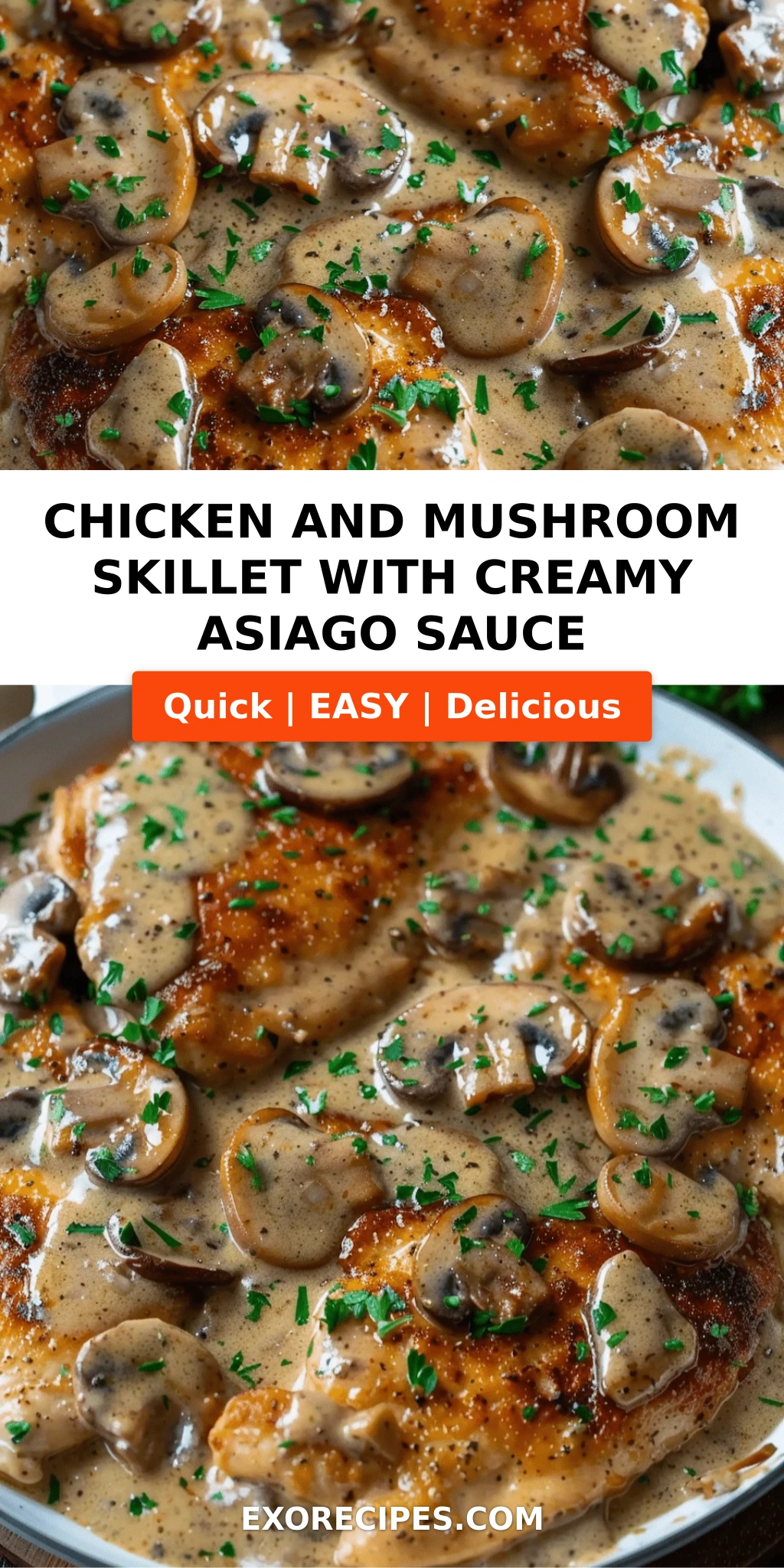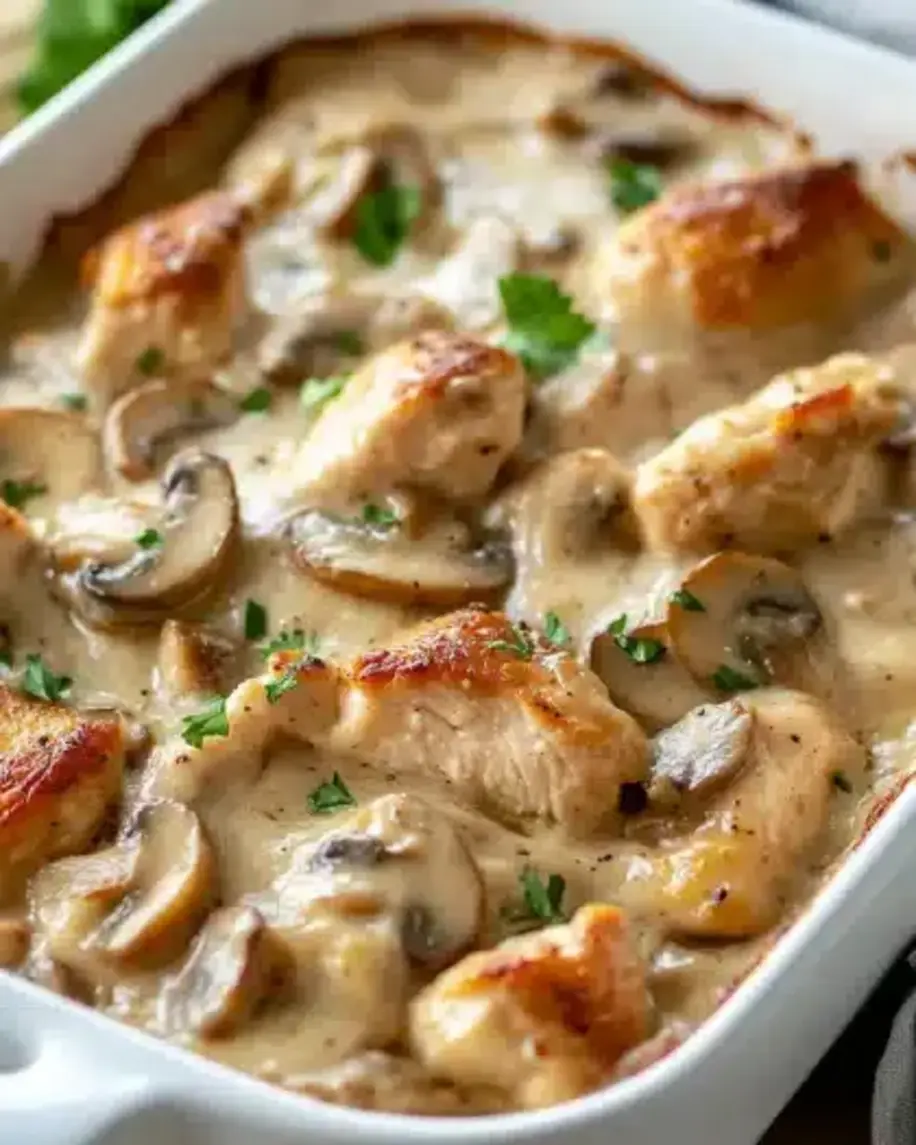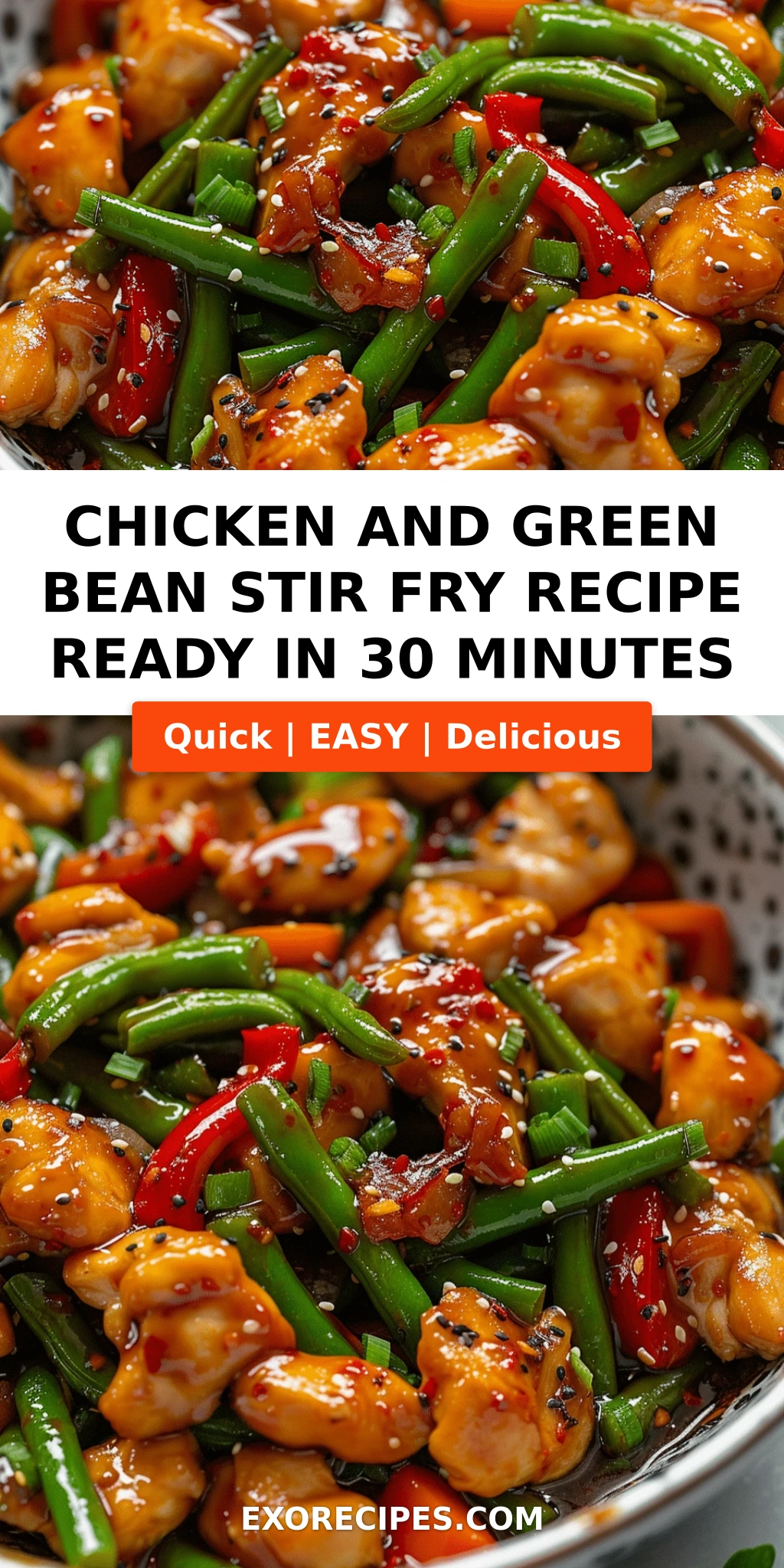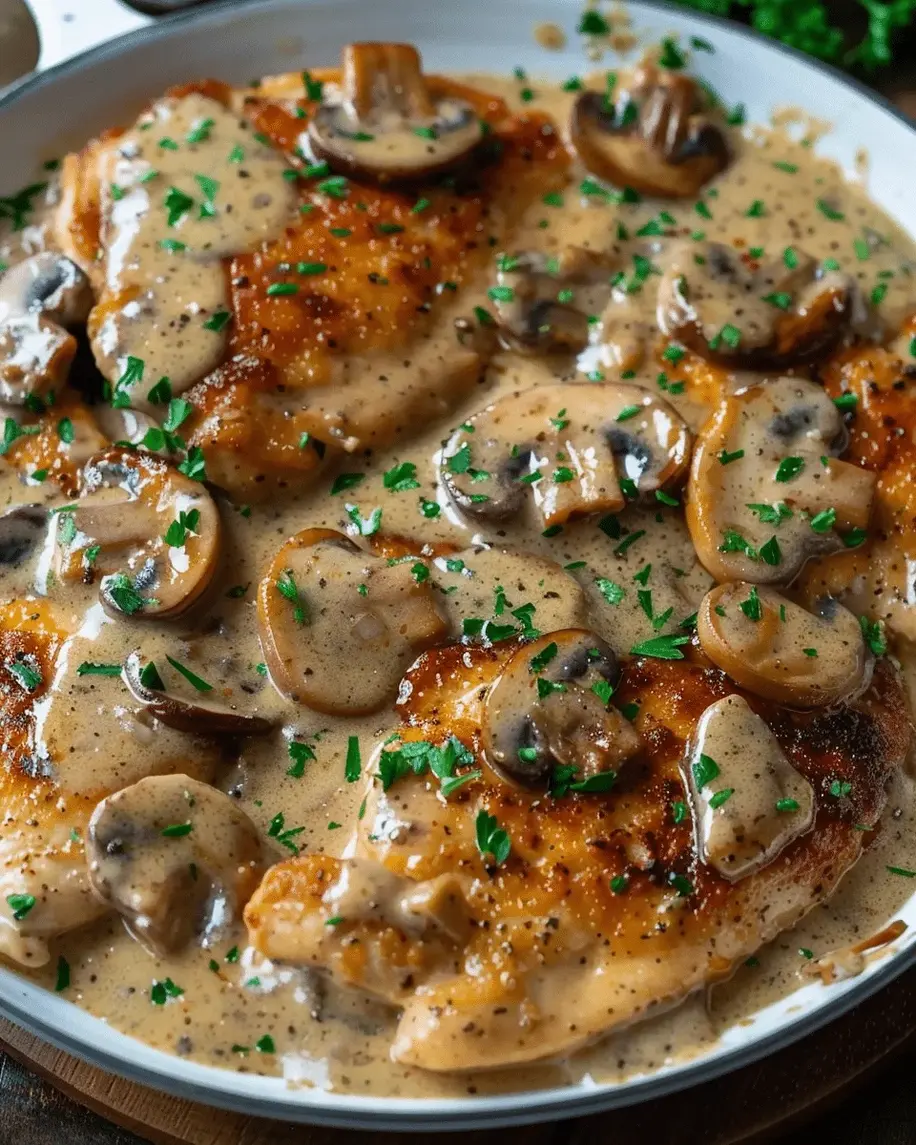
Balsamic Chicken with Fresh Tomato Mozzarella – A Skillet Dinner That Brings Italy Home

⚖️
Difficulty
Easy
⏲️
Prep Time
10 mins
🕒
Cook Time
15 mins
⏱️
Total Time
55 mins
🍽️
Servings
4

I still remember the first time I made a balsamic chicken recipe for my family in New York City. It was a chilly autumn evening, and I wanted something that smelled like comfort but tasted like a restaurant meal. Growing up in Morocco, my mother taught me to layer sweet and sour flavors — and balsamic vinegar is my go-to for that exact balance. This balsamic chicken with fresh tomato mozzarella takes me back to Paris, where I trained in sauce-making under a chef who insisted that a good glaze is everything. That’s why I love this balsamic glazed chicken: it’s quick, it’s stunning, and the vinegar reduces into a sticky, tangy coating that clings to every bite.

Imagine this: juicy chicken breasts seared until golden, then topped with thick slices of ripe tomato and creamy fresh mozzarella that melts into a blanket of richness. A drizzle of the pan sauce — now sweet and syrupy from the balsamic — ties it all together. The aroma of garlic and oregano fills your kitchen, and the first forkful gives you that perfect contrast: tangy, savory, and a little bit sweet. Fresh basil on top adds a peppery, herbal lift. This is the kind of tomato mozzarella chicken that makes you close your eyes and slow down.

What sets this balsamic chicken with mozzarella apart is the technique: I’ve tested it dozens of times in my tiny NYC kitchen to get the right sear without drying out the chicken. The secret is a short marinade — at least 30 minutes — and a hot skillet that caramelizes the vinegar’s natural sugars. I avoid the common mistake of overcrowding the pan, which steams the meat instead of browning it. Stick with me, and I’ll show you how to make a dinner that looks like you fussed but comes together in under an hour. From my kitchen to yours, this one’s a keeper.

Why This Balsamic Chicken with Fresh Tomato Mozzarella Recipe Is the Best

The flavor secret lies in the balsamic reduction. I learned in Paris that a good vinegar needs to be cooked down slowly to lose its harsh edge — but not too long or it becomes bitter. Here, I combine balsamic vinegar, olive oil, garlic, and oregano into a simple marinade that doubles as a pan sauce. The result is a balsamic glazed chicken that’s deeply savory with just the right amount of sweetness. It’s a trick I picked up from my Moroccan roots: sweet-savory balance is everything, and a touch of balsamic does exactly that.

Perfected texture comes from the sear. After marinating, I pat the chicken dry (so it browns, not steams) and cook it in a hot skillet. Five to seven minutes per side gives you a golden crust while keeping the center juicy. Then I top it with fresh tomatoes and mozzarella and cover the pan for a couple minutes — the steam melts the cheese perfectly without overcooking the chicken. This technique gives you that restaurant-quality finish at home.

Foolproof and fast — that’s why this recipe works for beginners. The ingredient list is short, the steps are straightforward, and you can prep the marinade the night before. Even if you’ve never made chicken with fresh tomato mozzarella, you’ll feel like a pro. I’ve taught this in my cooking workshops in Brooklyn, and every student leaves amazed by how easy it is. Trust me, this balsamic chicken recipe will become your weeknight hero.

Balsamic Chicken with Fresh Tomato Mozzarella Ingredients

When I shop for these ingredients, I head straight to the Union Square Greenmarket in summer for the tomatoes, or grab a good balsamic from my favorite Italian deli in Little Italy. The quality of the vinegar and mozzarella really matters here — it’s the heart of the dish.

Ingredients List

  • 4 boneless, skinless chicken breasts (about 1½ lbs)
  • ½ cup balsamic vinegar
  • 2 tablespoons olive oil
  • 2 cloves garlic, minced
  • 1 teaspoon dried oregano
  • ½ teaspoon salt
  • ¼ teaspoon black pepper
  • 2 large tomatoes, sliced into ½-inch rounds
  • 8 ounces fresh mozzarella cheese, sliced into ¼-inch rounds
  • Fresh basil leaves for garnish (about 10 leaves)

Ingredient Spotlight

Balsamic Vinegar: Use a good-quality aged balsamic from Modena if you can. It’s thick, sweet, and smooth. A cheaper supermarket balsamic will work but may be more acidic — just simmer a minute longer to mellow it. For a balsamic glaze substitution, you can reduce the vinegar on its own with a teaspoon of honey.

Fresh Mozzarella: Buy the soft, water-packed kind (often labeled “fior di latte” or “mozzarella di bufala”). It melts into creamy pools. Pre-shredded or low-moisture mozzarella won’t give the same luscious texture — save those for pizza. For a dairy-free option, use a cashew-based mozzarella or skip the cheese and add a spoonful of pesto.

Tomatoes: Ripe, in-season beefsteak or heirloom tomatoes are best. They should be firm but give slightly when squeezed. Roma tomatoes work too, but they’re less juicy. Cherry tomatoes can be halved and added around the chicken for a different presentation.

Original IngredientBest SubstitutionFlavor / Texture Impact
Balsamic vinegarBalsamic glaze + 1 tbsp waterThicker, sweeter, less acidic
Fresh mozzarellaDairy-free mozzarella or provoloneProvolone is sharper, dairy-free melts less
Fresh tomatoesSun-dried tomatoes (rehydrated)More intense flavor, chewier texture
Chicken breastsChicken thighs (boneless/skinless)Juicier, more forgiving, slightly richer

How to Make Balsamic Chicken with Fresh Tomato Mozzarella — Step-by-Step

Making this balsamic chicken recipe is a breeze — just follow these steps and you’ll have a gorgeous dinner in no time.

Step 1: Marinate the Chicken

In a small bowl, whisk together ½ cup balsamic vinegar, 2 tablespoons olive oil, 2 minced garlic cloves, 1 teaspoon dried oregano, ½ teaspoon salt, and ¼ teaspoon black pepper. Place the chicken breasts in a shallow dish and pour the mixture over them. Turn to coat. Cover and refrigerate for at least 30 minutes (overnight is even better).

💡 mia’s Pro Tip: Use a resealable bag instead of a dish — it coats the chicken more evenly and takes up less fridge space.

Step 2: Sear the Chicken

Heat a large skillet over medium-high heat. Remove chicken from the marinade (shake off excess but don’t wipe it clean) and place in the hot skillet. Cook for 5–7 minutes per side, until golden brown and cooked through (internal temperature 165°F). Do not crowd the pan — cook in batches if needed.

⚠️ Common Mistake to Avoid: Moving the chicken too soon. Let it sear undisturbed for at least 4 minutes to develop that crust.

Step 3: Top and Melt the Cheese

Reduce heat to low. Top each chicken breast with 2–3 slices of tomato and 2–3 slices of fresh mozzarella. Cover the skillet with a lid and cook for 2–3 minutes, until the cheese is melted and bubbling. The steam will also finish cooking the tomatoes.

💡 mia’s Pro Tip: If your lid doesn’t fit tightly, add a splash of water or chicken broth to the pan to create steam.

Step 4: Garnish and Serve

Remove from heat and scatter fresh basil leaves over the top. Serve immediately with your favorite sides. Spoon any pan sauce over the chicken for extra moisture.

StepActionDurationKey Visual Cue
1Marinate chicken30 min – overnightLiquid fully coats chicken
2Sear chicken5–7 min per sideGolden brown crust, no longer pink inside
3Top with tomato & cheese2–3 min coveredCheese melted, tomatoes softened
4Garnish & serveImmediateFresh basil on top, pan sauce drizzled

Serving & Presentation

I love to serve this balsamic chicken with fresh tomato mozzarella over a bed of creamy polenta, garlicky sautéed spinach, or a simple arugula salad dressed with lemon. The acidity of the greens pairs beautifully with the sweet-tangy chicken. For a more substantial meal, pair with crusty bread to soak up every drop of pan sauce.

When plating, place each breast on the center of the plate, cheese side up, and spoon the remaining balsamic pan sauce around it. Arrange the tomato slices so they peek out from under the melted cheese. Garnish with whole basil leaves or a chiffonade. A final crack of black pepper adds a nice finish. This is the kind of dish that looks impressive with minimal effort — perfect for a dinner party or a cozy date night.

Pairing TypeSuggestionsWhy It Works
Side DishPolenta, roasted asparagus, garlic breadCreamy and crunchy textures balance the juicy chicken
Sauce / DipExtra balsamic pan sauce, pesto drizzleAdds moisture and depth
BeverageChianti, Pinot Noir, or sparkling water with lemonWine’s acidity mirrors balsamic; sparkling cleanses palate
GarnishFresh basil, shaved Parmesan, red pepper flakesAdds color, freshness, or heat

Make-Ahead, Storage & Reheating

For busy NYC weeknights, I often marinate the chicken the night before and store it in the fridge. You can also fully cook the recipe and reheat portions for lunch the next day — just be gentle to keep the chicken moist.

MethodContainerDurationReheating Tip
RefrigeratorAirtight container3–4 daysReheat in a covered skillet over low heat with a splash of water
FreezerFreezer-safe bag/containerUp to 3 monthsThaw overnight in fridge, then reheat as above
Make-AheadMarinate raw chicken in bagUp to 24 hours in advanceCook directly from fridge; add 1–2 min per side

For the best texture, I recommend reheating in a covered skillet over low heat with a splash of water or chicken broth. The steam will keep the chicken from drying out and help the cheese get melty again. Avoid the microwave — it tends to make the chicken rubbery and the cheese tough.

Variations & Easy Swaps

This balsamic chicken with mozzarella is endlessly adaptable. Here are a few of my favorite twists, inspired by my travels and market finds.

VariationKey ChangeBest ForDifficulty Impact
Mediterranean TwistAdd olives, capers, and lemon zestBrighter, brinier flavorEasy
Spicy KickAdd red pepper flakes and use pepper jackHeat loversEasy
Summer HarvestUse heirloom tomatoes, basil, and burrataElevated presentationEasy (burrata adds creaminess)

Mediterranean Twist

Inspired by my mother’s table in Morocco, I sometimes add a handful of kalamata olives and a tablespoon of capers to the skillet after searing the chicken. A squeeze of lemon at the end brightens everything. This version is fantastic with a side of couscous.

Gluten-Free / Dairy-Free Version

For those avoiding dairy, swap the fresh mozzarella for a good vegan mozzarella (like Violife) or simply skip the cheese and add a spoonful of pesto. The balsamic glaze is naturally gluten-free, but always check the vinegar label. Serve with gluten-free pasta or roasted vegetables.

Seasonal Twist: Summer Peach & Mozzarella

When peaches are in season at the NYC farmers market, I replace the tomatoes with sliced peaches. The sweet-tart combo with balsamic is stunning. Use the same method — peach slices on top of the chicken, then mozzarella. It’s a sweet-savory surprise that’s become a summer favorite in my kitchen.

Frequently Asked Questions

What is the best way to cook balsamic chicken so it stays tender and juicy?

The key is a combination of marinating and proper searing. Marinate the chicken in balsamic vinegar, oil, and seasonings for at least 30 minutes — the acid helps break down muscle fibers while the oil seals in moisture. When cooking, use a hot skillet to get a quick sear (5-7 minutes per side) that locks in juices. Avoid overcooking by using a meat thermometer; pull the chicken at 160°F, as it continues to cook off the heat. Letting it rest for a few minutes before slicing also keeps it tender.

Can I use balsamic vinegar instead of balsamic glaze for this chicken recipe?

Yes, absolutely! I actually prefer using balsamic vinegar because it’s less sweet and you can control the reduction. The recipe calls for ½ cup vinegar, which reduces in the skillet as the chicken cooks, forming a natural glaze. If you want a thicker, sweeter glaze, you can simmer the vinegar with a teaspoon of honey or brown sugar before marinating. Balsamic glaze straight from the bottle will coat the chicken more heavily but may burn faster, so reduce the heat slightly if using glaze.

How long should I marinate the chicken in balsamic for the best flavor?

I recommend at least 30 minutes, but overnight is ideal for the deepest flavor. The balsamic vinegar works its magic within 30 minutes, tenderizing and infusing the chicken with tangy sweetness. If you marinate overnight (up to 24 hours), the flavor penetrates further, making every bite more delicious. Just don’t exceed 24 hours, as the acid can begin to make the chicken mushy. For a quick weeknight, even a 20-minute soak will give you great results — just add a pinch of salt to the marinade to boost flavor.

What can I substitute for fresh mozzarella in balsamic chicken with tomato?

If you don’t have fresh mozzarella, several swaps work well. Provolone or young gouda melts beautifully and offers a slightly stronger flavor. For a dairy-free option, try a cashew-based mozzarella or simply omit the cheese and drizzle with pesto or a balsamic reduction. You can also use burrata for a creamier texture, or even a slice of provolone for a sharper tang. Just avoid pre-shredded mozzarella, as it contains anti-caking agents that prevent smooth melting.

Can I use chicken thighs instead of breasts for this balsamic chicken recipe?

Absolutely! Chicken thighs are more forgiving and stay juicier because they have a higher fat content. Use boneless, skinless thighs and adjust cooking time slightly — about 6–8 minutes per side, until internal temperature reaches 175°F. The thighs will absorb the balsamic marinade just as well. I personally love using thighs when I want a richer, heartier dish. Just make sure to pat them dry before searing to get that golden crust.

Share Your Version!

I’d love to hear how this balsamic chicken with fresh tomato mozzarella turned out in your kitchen. Did you try any of the variations? What sides did you pair with it? Leave a star rating and a comment below — your feedback helps me create more recipes you’ll love.

Snap a photo of your dish and share it on Instagram or Pinterest. Tag @exorecipes so I can see your beautiful creation. I always love discovering how you make my recipes your own. Have a question about the balsamic reduction or the mozzarella melt? Ask away in the comments and I’ll respond personally.

From my NYC kitchen to yours — I hope this recipe brings as much warmth to your table as it does to mine. — mia 🧡

📌

Pin It for Later!

If you enjoyed this Balsamic Chicken with Fresh Tomato Mozzarella recipe, don’t let it get lost in your browser tabs! 😄 Pin it now so you can find it again anytime — and explore hundreds more tried-and-tested recipes waiting for you on my Pinterest boards.

👉 Follow mia on Pinterest @exorecipe

📌 Pin this recipe · 🔁 Re-pin your favorites · 💬 Tag me when you make it — I love seeing your creations!

Print

clock clock iconcutlery cutlery iconflag flag iconfolder folder iconinstagram instagram iconpinterest pinterest iconfacebook facebook iconprint print iconsquares squares iconheart heart iconheart solid heart solid icon

Balsamic Chicken with Fresh Tomato Mozzarella

  • Author: Chef Mia
  • Prep Time: 10 minutes
  • Cook Time: 15 minutes
  • Total Time: 55 minutes
  • Yield: 4 1x
  • Method: Main Course
  • Cuisine: Italian

Description

A quick and flavorful skillet chicken dish with balsamic vinegar, fresh tomatoes, and mozzarella cheese.


Ingredients

Scale
  • 4 boneless, skinless chicken breasts
  • 1/2 cup balsamic vinegar
  • 2 tablespoons olive oil
  • 2 cloves garlic, minced
  • 1 teaspoon dried oregano
  • 1/2 teaspoon salt
  • 1/4 teaspoon black pepper
  • 2 large tomatoes, sliced
  • 8 ounces fresh mozzarella cheese, sliced
  • Fresh basil leaves for garnish

Instructions

  1. In a small bowl, whisk together balsamic vinegar, olive oil, garlic, oregano, salt, and pepper.
  2. Place chicken breasts in a shallow dish and pour the balsamic mixture over them. Cover and marinate in the refrigerator for at least 30 minutes.
  3. Heat a large skillet over medium-high heat. Remove chicken from marinade and cook for 5-7 minutes per side, until cooked through and golden brown.
  4. Top each chicken breast with sliced tomatoes and fresh mozzarella. Cover the skillet and cook for 2-3 minutes, until cheese is melted.
  5. Garnish with fresh basil and serve hot.

Notes

For best flavor, marinate the chicken overnight. You can also use chicken thighs instead of breasts.


Nutrition

  • Calories: 380
  • Sugar: 6g
  • Fat: 22g
  • Carbohydrates: 8g
  • Protein: 38g


Balsamic Chicken with Fresh Tomato Mozzarella

ph">For more delicious inspiration, follow me on Pinterest!
Balsamic Blackberry Bliss Grilled Cheese – A Sweet & Savory Twist on a Classic

⚖️
Difficulty
Easy
⏲️
Prep Time
10 mins
🕒
Cook Time
8 mins
⏱️
Total Time
18 mins
🍽️
Servings
4

I still remember the first time I made a balsamic blackberry grilled cheese — it was a humid Saturday afternoon in my tiny NYC apartment, and I had just come back from the Union Square Greenmarket with a pint of jewel-like blackberries that were almost too beautiful to eat. In my mother’s kitchen in Morocco, we would have simmered them into a tagine with lamb and cinnamon, but here in New York, I wanted something quick, bold, and completely unexpected. That afternoon, I pulled out a wedge of brie, a crusty loaf of sourdough from the bakery down the street, and a bottle of aged balsamic vinegar that I’d brought back from a trip to Modena. The result? A gourmet grilled cheese recipe that balanced sweet, tangy, creamy, and crunchy in every single bite — and it came together in under 20 minutes. This sweet and savory grilled cheese has since become my go-to when I want to impress without stress.

Let me paint you a picture: the sourdough turns shatteringly crisp and golden on the outside, buttered to perfection, while the inside becomes a luscious, molten landscape of brie and mozzarella. Nestled in that warm cheese blanket are blackberries that have been briefly macerated in balsamic vinegar and honey, so they burst with a jammy, tangy-sweet syrup that stains the bread in the most beautiful way. Fresh basil leaves add a peppery, aromatic lift that cuts through the richness, and a whisper of fresh thyme — if you’re feeling fancy — brings an earthy note that ties everything back to the balsamic. It’s the kind of sandwich that makes you close your eyes on the first bite, and it’s exactly the kind of recipe I love teaching: something that tastes like you spent hours in the kitchen but actually takes minutes to pull off.

I’ve tested this balsamic fruit sandwich more times than I can count — for friends, for family, for my own lunch on busy recipe-testing days — and I’ve dialed in every detail so you can nail it on your first try. The key technique? Draining the macerated blackberries before layering them, so your bread stays crisp instead of soggy (a common mistake I’ll show you how to avoid). I’m also sharing my favorite pro tip for getting that perfect cheese pull, plus three easy substitutions so you can make this your own, whether you’re gluten-free, dairy-free, or just craving a different flavor twist. From my Paris-trained palate to your home kitchen — let’s make something beautiful together.

Why This Balsamic Blackberry Bliss Grilled Cheese Recipe Is the Best

The Flavor Secret: Most blackberry brie grilled cheese recipes just throw berries and cheese between bread and call it a day. But I trained in Paris — I know that layering flavors takes a little more thought. By macerating the blackberries in balsamic vinegar and honey with a hint of thyme, I draw out their natural sweetness while adding a sophisticated acidity that cuts through the creamy brie. This isn’t just a sandwich; it’s a composition where every ingredient has a role, and the sum is far greater than the parts.

Perfected Texture: I’ve spent years perfecting the art of the grilled cheese — it’s a staple in my NYC kitchen, and I’ve learned that patience is everything. Cooking the sandwich over medium heat (not high!) ensures the bread turns deep golden and crisp without burning while the cheese inside melts to that perfect oozy consistency. Pressing lightly with a spatula gives you that iconic flat, crunchy exterior, and letting the sandwich rest for one full minute before slicing lets the cheese set just enough that it doesn’t all spill out onto the cutting board.

Foolproof & Fast: With just 18 minutes from start to finish, this gourmet grilled cheese recipe is ideal for busy weeknights, lazy weekends, or anytime you need a quick win in the kitchen. The ingredient list is short, the steps are straightforward, and I’ve included all my chef-tested tips so even a first-time cook can get that golden crust and molten center on the very first try. No fancy equipment, no complicated techniques — just honest, delicious food that feels special.

Balsamic Blackberry Grilled Cheese Ingredients

I source my blackberries from the Greenmarket when they’re in season — the ones from a farm in New Jersey are always the sweetest. The balsamic vinegar I use is a 12-year-aged one that I picked up in a tiny shop in the Latin Quarter of Paris during my training days, and it’s become a staple in my pantry. The brie I usually get from a fromagerie in Chelsea Market, but your local grocery store will have perfectly good options too. Here’s everything you’ll need for this balsamic blackberry grilled cheese.

Ingredients List

  • 8 ounces fresh blackberries (about 1 1/2 cups)
  • 2 tablespoons balsamic vinegar
  • 1 tablespoon honey
  • 1/2 teaspoon fresh thyme leaves (optional)
  • 8 slices sourdough bread (or your favorite bread)
  • 4 ounces brie cheese, thinly sliced (rind removed if desired)
  • 4 ounces fresh mozzarella, sliced
  • 2 tablespoons unsalted butter, softened
  • 1/4 cup fresh basil leaves

Ingredient Spotlight

Blackberries: The star of the show! Look for berries that are plump, deep purple-black, and not too firm or too mushy. In a pinch, frozen blackberries work — just thaw and drain them well before macerating. The balsamic maceration softens them and draws out their juices, creating a jammy, syrupy compote that’s the heart of this sandwich.

Brie Cheese: I love brie for its buttery, creamy texture and mild, slightly nutty flavor that doesn’t overpower the fruit. For the best melt, slice it thinly and remove the rind if you prefer a smoother texture — though leaving the rind on adds a pleasant earthy bite. You can substitute with triple-cream brie for extra indulgence, or swap in goat cheese for a tangier profile.

Sourdough Bread: The sturdy, tangy crumb of sourdough holds up beautifully to the juicy blackberry mixture and melted cheese, and it toasts to a perfect golden-brown crisp. A good-quality bakery loaf makes all the difference — look for one with a tight crumb and a thick, chewy crust. Avoid soft sandwich bread, which can turn soggy.

Balsamic Vinegar: Use a good-quality balsamic — not the cheap stuff, but you don’t need a 25-year-aged bottle either. A medium-aged balsamic with a balance of sweetness and acidity is perfect. The vinegar adds brightness and depth, cutting through the richness of the cheese and elevating the fruit into something truly special.

Fresh Basil: This is my secret-weapon ingredient! The peppery, slightly sweet basil leaves add a fresh, aromatic counterpoint to the rich cheese and jammy berries. Don’t skip it — it’s what makes this sweet and savory grilled cheese taste so sophisticated. If you don’t have basil, fresh mint or arugula also work beautifully.

Original IngredientBest SubstitutionFlavor / Texture Impact
Brie CheeseSoft goat cheese or CamembertGoat cheese adds tang; Camembert is slightly earthier
Fresh MozzarellaBurrata (drained) or provoloneBurrata adds extra creaminess; provolone is sharper
Sourdough BreadCiabatta or hearty whole wheatCiabatta is chewier; whole wheat adds nuttiness
Balsamic VinegarBalsamic glaze (thicker and sweeter) or red wine vinegar + honeyGlaze gives a sweeter, thicker syrup; red wine vinegar is tarter
Fresh BasilFresh mint or arugulaMint adds coolness; arugula adds peppery bite

How to Make Balsamic Blackberry Bliss Grilled Cheese — Step-by-Step

Making this blackberry brie grilled cheese is almost as easy as a classic grilled cheese — just with one extra step that makes all the difference. Trust me, once you try this method, you’ll never go back to plain.

Step 1: Macerate the Blackberries

In a small bowl, combine the blackberries, balsamic vinegar, honey, and fresh thyme (if using). Gently mash about a third of the berries with the back of a fork to release their juices. Let the mixture stand for 10 minutes — this allows the blackberries to soften and absorb the sweet-tangy balsamic flavor.

💡 mia’s Pro Tip: Don’t over-mash! You want some berries to stay whole for texture and bursts of flavor in every bite. The mixture should look like a loose, jammy compote.

Step 2: Prepare Your Bread

Heat a large skillet or griddle over medium heat. While it heats, spread one side of each bread slice evenly with softened butter. Place 4 slices on a work surface, buttered side down. This is the foundation of your sandwich — the buttered side will hit the pan first, giving you that irresistible golden crust.

⚠️ Common Mistake to Avoid: Using cold, hard butter! It tears the bread and doesn’t spread evenly. Always use softened butter for a thin, even layer that toasts beautifully.

Step 3: Layer the Filling

On the 4 unbuttered sides facing up, layer the brie slices, then the mozzarella slices. Using a slotted spoon, pile a generous spoonful of the blackberry mixture onto each sandwich — leaving the excess liquid behind in the bowl. Top with a few fresh basil leaves, then place the remaining 4 bread slices on top, buttered side up.

💡 mia’s Pro Tip: Draining the blackberry mixture is crucial! That extra liquid is what makes bread soggy. Use a slotted spoon and let the excess balsamic syrup drip back into the bowl before spooning the berries onto the cheese.

Step 4: Cook to Golden Perfection

Place the sandwiches in the hot skillet (work in batches if needed). Cook for 3–4 minutes per side, or until the bread is deep golden brown and the cheese is fully melted. Press down lightly with a spatula while cooking to ensure even contact with the pan and a flat, crisp surface.

⚠️ Common Mistake to Avoid: Cooking on high heat! This burns the bread before the cheese has a chance to melt. Medium heat is your friend — it gives the bread time to develop that gorgeous color while the cheese inside slowly turns molten.

Step 5: Rest, Slice, and Serve

Remove the sandwiches from the skillet and let them rest on a cutting board for 1 minute. This brief rest allows the cheese to set slightly so it doesn’t all ooze out when you slice. Cut each sandwich diagonally (it’s not just for looks — the diagonal cut exposes more of the beautiful layers!) and serve immediately while the cheese is still warm and stretchy.

💡 mia’s Pro Tip: For an extra touch of elegance, drizzle a little balsamic glaze over the top just before serving. It adds a beautiful dark ribbon of flavor and makes the sandwich look like it came from a cafe.

StepActionDurationKey Visual Cue
1Macerate blackberries10 minutesBerries soften; juices turn syrupy and deep purple
2Butter bread2 minutesButter covers bread in thin, even layer
3Layer filling3 minutesCheese and berries evenly distributed
4Cook sandwich6–8 minutes totalBread deep golden; cheese oozing at edges
5Rest and slice1 minuteCheese sets slightly; layers visible on cut

Serving & Presentation

This balsamic fruit sandwich is beautiful enough to serve at a brunch party or cozy enough for a solo lunch. I love to plate it with a simple side salad of arugula dressed in lemon juice and olive oil — the peppery greens and bright citrus cut through the richness of the cheese and balance the sweetness of the berries. For a more substantial meal, pair it with a bowl of tomato soup (classic!) or a light, crunchy slaw.

To garnish, I sometimes add a few fresh blackberries on the side and a drizzle of balsamic glaze that snakes across the plate like a dark ribbon. A sprinkle of flaky sea salt on top of the warm sandwich just before serving is my Parisienne touch — it amplifies every flavor and gives that professional finish that makes people think you spent way more time than you actually did.

This sandwich also travels beautifully — pack it in parchment paper for a picnic in Central Park or a lunch at your desk. The flavors actually meld and deepen as it sits, so don’t worry if you’re eating it a little later. It’s one of those rare recipes that’s equally good hot, warm, or even at room temperature.

Pairing TypeSuggestionsWhy It Works
Side DishArugula salad with lemon vinaigrette, tomato soup, or crunchy slawAcidic and fresh sides balance the rich, creamy, sweet sandwich
Sauce / DipBalsamic glaze, honey drizzle, or spicy honeyEnhances the sweet-tangy profile; spicy honey adds heat
BeverageDry sparkling rosé, iced green tea, or tart lemonadeDry, crisp drinks cut through richness and refresh the palate
GarnishFlaky sea salt, fresh basil ribbon, extra blackberriesAdds visual appeal and elevates flavor with texture and salinity

Make-Ahead, Storage & Reheating

As a busy NYC food blogger, I live by make-ahead strategies, and this gourmet grilled cheese recipe is surprisingly meal-prep friendly. You can prep the blackberry mixture up to two days in advance, and the sandwiches can be fully assembled (uncooked) and stored in the fridge for a quick, hot lunch or dinner whenever you need it. Here’s my tested system for keeping everything fresh and delicious.

MethodContainerDurationReheating Tip
Refrigerator (cooked)Airtight container in single layerUp to 2 daysReheat in a skillet over medium-low, 3–4 min per side
Freezer (uncooked, assembled)Parchment between layers, then freezer bagUp to 2 monthsCook from frozen over medium-low heat, 5–6 min per side
Make-Ahead (blackberry mixture only)Airtight jar in fridgeUp to 3 daysBring to room temp 10 min before assembling

When reheating a cooked sandwich, the key is low-and-slow love. A microwave will turn the bread rubbery and the cheese tough — trust me, I’ve made that mistake! Instead, reheat in a skillet over medium-low heat, pressing gently with a spatula, until the bread crisps back up and the cheese is hot and melty again. For frozen assembled sandwiches, don’t thaw first — just add an extra 2 minutes per side and cover the skillet for the first half of cooking to trap steam and help the cheese melt before the bread browns.

💡 mia’s Pro Tip: If you’re meal-prepping, I recommend storing the blackberry mixture separately and assembling the sandwiches fresh when you’re ready to cook. The bread stays crispiest that way, and the basil stays bright green instead of wilting.

Variations & Easy Swaps

One of the things I love most about this balsamic blackberry grilled cheese is how endlessly adaptable it is. I’ve tested these variations in my own kitchen, and each one brings something new and exciting to the table. Here’s a quick overview, followed by more detail on my three favorite twists.

VariationKey ChangeBest ForDifficulty Impact
Moroccan Spiced TwistAdd 1/2 tsp cumin + pinch of cinnamon to blackberriesWarm, exotic flavor; reminiscent of North African taginesNo change
Gluten-Free / Dairy-FreeGluten-free bread + dairy-free brie-style cheeseDietary restrictions without sacrificing flavorNo change
Seasonal Berry SwapReplace blackberries with raspberries, blueberries, or sliced figsYear-round adaptability; each fruit changes the flavor profileNo change

Moroccan Spiced Twist

This variation is a nod to my roots. When I was growing up in Morocco, my mother would often add a pinch of cumin and cinnamon to fruit-based tagines — the combination of sweet fruit and warm, earthy spices is pure magic. For this twist, add 1/2 teaspoon of ground cumin and a tiny pinch of cinnamon to the blackberry mixture before macerating. The spices don’t dominate; they just deepen the flavor, making the sandwich taste more complex and exotic. Finish with a sprinkle of toasted sesame seeds on top for texture, and you’ll feel like you’re eating in a medina.

Gluten-Free / Dairy-Free Version

I have so many friends in NYC with dietary restrictions, and I’m always experimenting to make sure no one misses out on good food. For a gluten-free version, I love using a sturdy gluten-free sourdough from a local bakery — look for one that’s structurally strong so it holds up to the juicy filling. For dairy-free, use a plant-based brie-style cheese that melts well (Miyoko’s and Treeline both make excellent options) and a dairy-free butter with a high fat content for the best browning. The texture will be slightly different — less oozy, but still delicious — and the flavor of the blackberries and basil really shine.

Seasonal Berry Swap

This balsamic fruit sandwich is incredibly flexible when it comes to fruit. In the summer, I swap blackberries for raspberries or sliced peaches (don’t macerate peaches — just grill them fresh). In the fall, sliced figs with a drizzle of honey are absolutely stunning. Even frozen mixed berries work in the winter months. The key is to adjust the balsamic and honey quantities slightly based on the sweetness of your fruit — sweeter fruit needs less honey, tarter fruit needs a touch more. This is the kind of intuitive cooking I learned in Paris, and it’s so freeing once you get the hang of it!

What type of bread works best for a balsamic blackberry grilled cheese?

Sourdough is my absolute first choice for this balsamic blackberry grilled cheese. Its sturdy, chewy crumb holds up beautifully to the juicy macerated blackberries and the weight of the melted cheese without turning soggy. The natural tanginess of sourdough also complements the sweet-tart balsamic berries and the creamy brie, creating a more complex flavor profile. If you don’t have sourdough, look for a ciabatta with a firm crust or a hearty whole-wheat bread — both have enough structure to survive the griddle. Avoid soft sandwich bread or brioche, which will soak up the berry juices and collapse before the cheese even melts.

Can I use frozen blackberries for this balsamic grilled cheese recipe?

Absolutely — frozen blackberries work in this gourmet grilled cheese recipe, but you’ll need to handle them a little differently. Thaw the berries completely in a colander set over a bowl, then gently press them to release as much excess liquid as possible before adding the balsamic and honey. Frozen berries tend to be softer and more fragile, so take care when mashing them — you want a loose compote, not a puree. Because frozen berries can be slightly more tart than fresh, you may need to add an extra teaspoon of honey to balance the acidity. The texture will be a touch softer, but the flavor will still be wonderful, making this a great option when blackberries aren’t in season.

What cheese pairs well with balsamic and blackberries in a grilled sandwich?

Brie is my top recommendation for this blackberry brie grilled cheese — its buttery, creamy texture and mild, slightly nutty flavor create a luxurious base that lets the balsamic blackberries shine without competing. The soft, spreadable nature of brie also means it melts into every crevice, giving you that perfect oozy bite. Fresh mozzarella adds a milky, stretchy quality that contrasts beautifully with the brie. If you want to explore other options, goat cheese adds a tangy, crumbly contrast that cuts through the sweetness, while aged gouda brings a nutty, caramel-like depth that pairs wonderfully with the balsamic. I often recommend a combination of brie for creaminess and a sharper cheese for contrast.

How do you prevent a balsamic blackberry grilled cheese from getting soggy?

This is the most common question I get about this balsamic fruit sandwich, and the answer comes down to one simple technique: drain the macerated blackberries thoroughly before layering. After the berries have soaked in the balsamic and honey for 10 minutes, use a slotted spoon to lift them out of the bowl, leaving the excess liquid behind. I also recommend patting the berries gently with a paper towel if they seem especially juicy. Spreading the butter all the way to the edges of the bread creates a moisture barrier, and using a sturdy bread like sourdough adds structural integrity. Cooking over medium heat allows the bread to crisp and seal before the moisture from the berries can penetrate.

Can I add meat to this blackberry brie grilled cheese?

Yes, and it’s delicious! A few thin slices of prosciutto or speck add a salty, savory counterpoint that elevates this sweet and savory grilled cheese to something truly special. The saltiness of the cured meat cuts through the creamy brie and sweet-tart berries in the most satisfying way. If you want to try it, layer the prosciutto directly on top of the brie before adding the blackberry mixture. For a heartier option, crispy bacon crumbles add smoky flavor and crunch. If you’re keeping it vegetarian, this recipe is perfect as-is, but a little meat never hurts if you’re feeding a crowd or craving something extra indulgent.

Is this balsamic blackberry grilled cheese recipe beginner-friendly?

Absolutely — this gourmet grilled cheese recipe is one of the most beginner-friendly recipes in my collection! With just 18 minutes total time and straightforward steps, it’s perfect for someone who’s new to cooking or wants a quick, impressive meal. The key is to follow the technique: macerate the berries, drain them well, butter the bread, cook over medium heat, and press lightly with a spatula. I’ve included my chef-tested tips for each step, including a common mistake to avoid and a pro tip that will help you get that perfect golden crust and molten center every single time. Even if you’ve never made a grilled cheese before, you can nail this on your first try.

How do I get the perfect cheese pull in a blackberry brie grilled cheese?

That iconic, Instagram-worthy cheese pull comes down to two things: the cheese blend and the cooking technique. I use a combination of brie and fresh mozzarella — the brie provides creamy, buttery richness that melts into every corner, while the fresh mozzarella gives you those long, stretchy, milky strands when you pull the sandwich apart. Slice both cheeses thinly and evenly so they melt at the same rate. Cook the sandwich over medium heat, not high, and cover the skillet for the last minute of cooking to trap steam and ensure the cheese is fully melted before the bread gets too dark. Letting the sandwich rest for exactly one minute before slicing allows the cheese to set just enough to pull beautifully without breaking.

What can I serve with a balsamic blackberry grilled cheese for dinner?

This balsamic fruit sandwich is satisfying enough to stand alone for lunch, but for dinner, I love to round it out with a few simple sides that complement its sweet-savory profile. My go-to is a peppery arugula salad with a bright lemon vinaigrette — the acidity cuts through the richness of the cheese and balances the sweetness of the berries. A bowl of roasted tomato soup is a classic pairing. For a lighter option, try a crunchy fennel and apple slaw with a cider vinaigrette. And if you want something warm and comforting, roasted sweet potato wedges with a sprinkle of smoked paprika are absolutely divine alongside this sandwich.

Share Your Version!

I absolutely love hearing how this balsamic blackberry grilled cheese turns out in your kitchen — and I especially love seeing your creative twists! Did you try the Moroccan spice version? Swap in figs for a fall take? Add prosciutto for a salty crunch? Drop a comment below and let me know how it went, or tag a photo of your creation on Instagram or Pinterest with @exorecipes. Your feedback not only makes my day, but it also helps other home cooks discover new ways to make this recipe their own.

One question I always love to ask: what’s your go-to comfort food that you’ve given a gourmet upgrade? For me, it started with this grilled cheese — a simple childhood favorite transformed by a splash of balsamic, a wedge of brie, and a memory of my mother’s kitchen in Morocco. I’d love to hear what nostalgic dish you’ve reinvented with your own grown-up twist. Share your story in the comments below!

From my NYC kitchen to yours — I hope this recipe brings as much warmth to your table as it does to mine. — mia 🧡

📌

Love This Recipe? Save It to Pinterest!

If you enjoyed this Balsamic Blackberry Bliss Grilled Cheese recipe, don’t let it get lost in your browser tabs! 😄 Pin it now so you can find it again anytime — and explore hundreds more tried-and-tested recipes waiting for you on my Pinterest boards.

👉 Follow mia on Pinterest @exorecipe

📌 Pin this recipe · 🔁 Re-pin your favorites · 💬 Tag me when you make it — I love seeing your creations!

Print

clock clock iconcutlery cutlery iconflag flag iconfolder folder iconinstagram instagram iconpinterest pinterest iconfacebook facebook iconprint print iconsquares squares iconheart heart iconheart solid heart solid icon

Balsamic Blackberry Bliss Grilled Cheese

  • Author: Chef Mia
  • Prep Time: 10 minutes
  • Cook Time: 8 minutes
  • Total Time: 18 minutes
  • Yield: 4 1x
  • Method: Main Course
  • Cuisine: American

Description

A sweet and tangy twist on the classic grilled cheese, featuring balsamic-macerated blackberries, creamy brie, and fresh basil on crispy sourdough bread. Perfect for a quick and elegant lunch or dinner.


Ingredients

Scale
  • 8 ounces fresh blackberries (about 1 1/2 cups)
  • 2 tablespoons balsamic vinegar
  • 1 tablespoon honey
  • 1/2 teaspoon fresh thyme leaves (optional)
  • 8 slices sourdough bread (or your favorite bread)
  • 4 ounces brie cheese, thinly sliced (rind removed if desired)
  • 4 ounces fresh mozzarella, sliced
  • 2 tablespoons unsalted butter, softened
  • 1/4 cup fresh basil leaves

Instructions

  1. 1. In a small bowl, combine blackberries, balsamic vinegar, honey, and thyme (if using). Gently mash some of the berries with a fork. Let stand for about 10 minutes.
  2. 2. Heat a large skillet or griddle over medium heat.
  3. 3. Spread one side of each bread slice with butter. Place 4 slices, buttered side down, on a work surface.
  4. 4. Layer brie, mozzarella, a generous spoonful of the blackberry mixture (leaving excess liquid behind), and a few basil leaves on each of the 4 bread slices. Top with remaining bread slices, buttered side up.
  5. 5. Cook sandwiches for 3-4 minutes per side, or until bread is golden and cheese is melted. Press down lightly with a spatula while cooking.
  6. 6. Let cool for 1 minute, then slice diagonally. Serve immediately.

Notes

For extra flavor, add a drizzle of balsamic glaze on top before serving. You can substitute goat cheese for brie if desired.


Nutrition

  • Calories: 450
  • Sugar: 16g
  • Fat: 26g
  • Carbohydrates: 42g
  • Protein: 18g


Balsamic Blackberry Bliss Grilled Cheese

Balsamic and Honey Chicken with Figs – Easy 30-Minute Mediterranean Dinner

⚖️
Difficulty
Easy
⏲️
Prep Time
10 mins
🕒
Cook Time
20 mins
⏱️
Total Time
30 mins
🍽️
Servings
4

If you know me, you know I’m always chasing that perfect balance between savory and sweet. This balsamic and honey chicken with figs is exactly that — a dish that brings together the bold tang of balsamic vinegar, the floral sweetness of honey, and the tender, jammy richness of fresh figs. I first tasted a version of this in a tiny trattoria in the Marais during my Paris culinary training, but I’ve given it my own twist using a trick my mother taught me in her Marrakech kitchen: a quick pan sauce that’s both deep and bright. This recipe is my go-to when I want something that feels elegant but comes together in 30 minutes flat — perfect for a hectic NYC weeknight or a dinner party that looks effortless.

Picture this: golden-brown chicken breasts simmering in a glossy balsamic-honey sauce, surrounded by halved figs that soften and release their natural sweetness. The rosemary adds an earthy, pine-like note that ties everything together. The aroma that fills your kitchen is absolutely intoxicating — it’s the kind of smell that makes neighbors text you asking what’s for dinner. Each bite gives you juicy chicken, a sticky-savory glaze, and those luscious figs that almost melt on your tongue.

What sets my version apart? I don’t just dump everything in a pan and hope for the best. I sear the chicken first to develop that deep, caramelized crust — a technique I learned in Paris — then build the sauce in the same pan, scraping up all those browned bits (the fond) for maximum flavor. The figs go in just long enough to soften without turning to mush. And I always finish with a pat of butter off the heat for that restaurant-style glossy sauce. One common mistake I see is cooking the figs too long — they should hold their shape. Trust me, follow my method and you’ll wow everyone at the table.

Why This Balsamic and Honey Chicken with Figs Recipe Is the Best

The Flavor Secret: This isn’t just another balsamic chicken recipe — the addition of fresh figs takes it into a whole new territory. The honey and balsamic create a classic sweet-and-sour base, but the figs bring a subtle, honeyed richness that deepens as they cook. My Moroccan side loves a sweet-savory combo, and my French training taught me to balance acidity with a touch of butter. The result is a sauce that’s complex but not fussy.

Perfected Texture: I insist on a proper sear on the chicken breasts. That golden crust not only looks beautiful but also traps the juices inside. Then, by simmering the chicken in the sauce — uncovered for a few minutes, then covered — the meat stays incredibly tender while the sauce reduces to a silky glaze. The figs soften just enough to become tender, but they still hold their shape. This step-by-step method ensures every component is cooked exactly right.

Foolproof & Fast: From start to finish, this chicken with figs dinner takes only 30 minutes. It’s one of those rare recipes that satisfies both a busy weeknight craving and the desire to impress guests. No marinating required — the chicken gets flavor from the pan sauce in just 10 minutes of simmering. Even if you’ve never cooked with figs before, I’ll walk you through every step. You’ve got this.

Balsamic and Honey Chicken with Figs Ingredients

When I shop for these ingredients, I head straight to my favorite stall at the Union Square Greenmarket for the figs — they’re in season from late summer through early fall, but you can often find good imports year-round. The balsamic I always keep a good-quality bottle from a specialty Italian shop near my apartment in Brooklyn. And the honey? I love a local wildflower honey, but any pure honey works beautifully.

Ingredients List

  • 4 boneless, skinless chicken breasts (about 1.5 lbs total)
  • Salt and freshly ground black pepper to taste
  • 2 tablespoons olive oil
  • 1/2 cup balsamic vinegar (use a good one — it matters)
  • 1/4 cup honey (any varietal you like)
  • 8 fresh figs, halved lengthwise (or quartered if large; about 1 pint)
  • 2 cloves garlic, minced
  • 1 sprig fresh rosemary (or 1 teaspoon dried)
  • 1 tablespoon butter (optional, for finishing the sauce — I highly recommend it)

Ingredient Spotlight

Fresh Figs: Figs are the star here. Look for figs that are plump and yield slightly to pressure — avoid any that are mushy or have an off smell. Black Mission or Brown Turkey figs work beautifully. If you can’t find fresh, dried figs can be used (see substitution table), but the texture will be chewier and the sauce will be a bit less saucy. In Morocco, we often use fresh figs in tagines during fig season — this recipe honors that tradition.

Balsamic Vinegar: Not all balsamic is created equal. For this honey balsamic chicken, choose a bottle labeled “Aceto Balsamico di Modena” — avoid the cheap caramel-colored ones. The acidity should be balanced with natural sweetness. If you only have a very sharp balsamic, you may need to add a pinch more honey to balance.

Honey: Honey does double duty here: it sweetens the sauce and helps it caramelize as it reduces. Use any pure honey — wildflower, clover, orange blossom. Avoid “honey-flavored” syrups. If you prefer a less sweet dish, reduce honey to 3 tablespoons, but then you might want to add a pinch of sugar later if needed.

Chicken Breasts: Boneless skinless breasts cook quickly and evenly. If you prefer thighs, they’ll be even juicier — just increase cook time by a few minutes. For a crispier skin option, see the FAQ on crispy skin.

Original IngredientBest SubstitutionFlavor / Texture Impact
Fresh figs (8)Dried figs (6–8, quartered)Firmer texture, more concentrated sweetness; add ¼ cup water to sauce
Balsamic vinegar (½ cup)Red wine vinegar + 1 tsp sugar (or to taste) + ½ tsp soy sauce for colorLess complex, more tart; still works in a pinch
Honey (¼ cup)Maple syrup or agave nectar (¼ cup)Slightly different sweetness; maple will add a subtle woody note
Fresh rosemaryDried rosemary (1 tsp) or 1 tsp dried thymeHerbaceous notes slightly different; still lovely

How to Make Balsamic and Honey Chicken with Figs — Step-by-Step

This recipe is straightforward, but I’ll share my chef’s secrets to guarantee perfect results every time. Follow these steps, and you’ll have a restaurant-worthy meal in 30 minutes.

Step 1: Season the Chicken

Pat chicken breasts dry with paper towels — moisture is the enemy of a good sear. Season generously on both sides with salt and pepper. Don’t be shy; most of the seasoning stays on the surface and flavors the sauce later.

⚠️ Common Mistake to Avoid: Seasoning too lightly. Under-salted chicken will taste flat. Use about ½ teaspoon salt per breast.

Step 2: Sear the Chicken

Heat olive oil in a large heavy skillet (cast iron or stainless steel) over medium-high heat until shimmering. Add chicken breasts in a single layer — don’t crowd them. Cook without moving for 4–5 minutes until deeply golden brown. Flip and cook another 4–5 minutes. Transfer to a plate. The internal temperature will be around 150°F; it will finish cooking later.

💡 mia’s Pro Tip: Use a splatter screen to keep your stovetop clean. Also, if your skillet isn’t hot enough, the chicken will stick — wait for the oil to ripple before adding the chicken.

Step 3: Build the Sauce

Reduce heat to medium. Add minced garlic to the hot pan and stir for 30 seconds until fragrant. Be careful not to let it burn. Pour in balsamic vinegar and honey, scraping up any browned bits from the bottom of the pan with a wooden spoon. Add the rosemary sprig and bring the mixture to a gentle simmer. Let it bubble for about a minute to reduce slightly.

⚠️ Common Mistake to Avoid: Burning the garlic. Garlic cooks fast — if you brown it too much, it turns bitter. Have your liquids ready before you add garlic.

Step 4: Combine and Simmer

Return the chicken to the skillet, turning each piece to coat in the sauce. Arrange the fig halves cut-side down around the chicken. Cover the skillet and cook for 8–10 minutes, or until the chicken reaches an internal temperature of 165°F and the figs are softened but still holding their shape. If the sauce looks too thin at the end, remove the chicken and figs and boil uncovered for 2 minutes to reduce.

💡 mia’s Pro Tip: Use an instant-read thermometer to check doneness — it’s the only foolproof way. Insert into the thickest part of the breast without hitting bone.

Step 5: Finish and Serve

Remove from heat. If you like a richer, glossier sauce, stir in 1 tablespoon of butter until melted and incorporated. This step is optional but transforms the sauce into something restaurant-quality. Taste and adjust seasoning with a pinch of salt if needed. Serve the chicken and figs with the sauce spooned over the top.

⚠️ Common Mistake to Avoid: Adding butter when the pan is still on high heat — it can break the sauce. Always do it off heat.

StepActionDurationKey Visual Cue
1Season chicken2 minSalt and pepper evenly applied
2Sear chicken8–10 minDeep golden brown crust
3Build sauce2 minGarlic fragrant, sauce simmering gently
4Simmer together8–10 minChicken 165°F, figs tender but intact
5Finish & serve1 minButter melted, sauce glossy

Serving & Presentation

I love serving this balsamic and honey chicken with figs over a bed of fluffy couscous or creamy polenta — both soak up that luscious sauce beautifully. For a lighter option, try it with roasted asparagus or a simple arugula salad dressed with lemon. The sweetness of the figs pairs wonderfully with slightly bitter greens.

When I plate this for a dinner party, I place the chicken breasts on a warm platter, arrange the figs around them, and drizzle the sauce generously over everything. A sprinkle of fresh rosemary leaves or flaky sea salt (I love Maldon) adds a final touch. In Morocco, my mother would often garnish such dishes with toasted sesame seeds or a few fresh pomegranate arils — try that for a pop of color and crunch. In NYC, I sometimes add a dollop of labneh or thick Greek yogurt on the side to cut the sweetness.

Pairing TypeSuggestionsWhy It Works
Side DishCouscous, roasted sweet potatoes, sautéed spinachGrains soak sauce; sweet potatoes match fig’s sweetness; spinach adds freshness
Sauce / DipExtra pan sauce, garlic yogurt, tahini drizzleYogurt/tahini cut through sweetness with tangy notes
BeveragePinot Noir, Grenache, dry Riesling, or iced tea with mintLight reds or off-dry whites complement the fruity-savory profile
GarnishFlaky sea salt, fresh rosemary, toasted sesame seeds, pomegranate arilsAdds texture, color, and aromatic pop

Make-Ahead, Storage & Reheating

I often double this recipe to have leftovers for busy weekdays. The flavors actually deepen overnight, making it even more delicious the next day. Here’s how I store and reheat mine for the best results.

MethodContainerDurationReheating Tip
RefrigeratorAirtight container with sauceUp to 4 daysReheat in a skillet over medium-low heat, adding a splash of water if sauce is too thick; cover to keep chicken moist
FreezerFreezer-safe container, chicken and sauce togetherUp to 3 monthsThaw overnight in fridge; reheat gently in skillet. Figs will be softer but still tasty.
Make-AheadPrepare sauce and sear chicken, then combine just before servingUp to 2 days in advanceSear chicken, refrigerate separately. When ready, reheat sauce, add chicken and figs, and simmer 10 min.

My favorite way to reheat leftovers — and my NYC subway-rush tip — is to put the chicken and sauce in a covered nonstick skillet over medium-low heat for about 10 minutes, adding a tablespoon of water or chicken broth if needed. The sauce comes back to life, and the chicken stays juicy. Don’t use a microwave — it makes the chicken rubbery and the figs too soft.

Variations & Easy Swaps

This recipe is wonderfully adaptable. Whether you want to make it dairy-free, change the protein, or play with seasonal fruit, there’s a version for you.

VariationKey ChangeBest ForDifficulty Impact
Chicken ThighsUse 6 boneless skinless thighs instead of breastsExtra juicy, ideal for meal prepSame — cook slightly longer (12 min covered)
Dairy-Free / PaleoOmit butter, use ghee or omit entirelyLactose-intolerant or paleo dietsSame — sauce will be slightly less glossy
Seasonal: Peach or NectarineSubstitute figs with 2 ripe peaches or nectarines, slicedSummer fruit loversSame — slightly softer, watch cook time

Variation: Moroccan Spice Twist

Add 1 teaspoon of ras el hanout or a pinch of cinnamon and cumin to the sauce when you add the garlic. This nods to my Moroccan roots and adds a warm, aromatic depth that pairs beautifully with the figs and honey. Finish with a sprinkle of toasted slivered almonds and fresh cilantro instead of rosemary. This version is a favorite of mine when I’m feeling nostalgic for my mother’s kitchen.

Variation: Gluten-Free / Dairy-Free

This recipe is naturally gluten-free as written, so no swaps needed there. For dairy-free, simply omit the butter at the end — the sauce will still be delicious, though slightly less glossy. Use a dairy-free butter substitute like Miyoko’s, or just skip it. Serve with rice or quinoa to keep it completely gluten- and dairy-free.

Variation: Vegetarian Option

Replace the chicken with thick slices of firm tofu or cauliflower steaks. Sear the tofu until golden, then simmer in the sauce with figs. For cauliflower, roast first at 400°F for 20 minutes, then add to the sauce. It won’t be the same, but it’s a lovely plant-forward alternative. I often make this for my vegetarian friends and it’s always a hit.

Can I use dried figs instead of fresh figs for balsamic and honey chicken?

Yes, you can use dried figs, but the texture and sweetness will differ. Dried figs are more concentrated in sugar and have a chewy, dense texture compared to the soft, jammy quality of fresh figs. If using dried figs, I recommend halving or quartering them and adding ¼ cup of water or chicken broth to the sauce to help rehydrate them as they cook. Simmer them for an extra 5 minutes to soften. The flavor will still be lovely — just slightly more like a dried fruit compote. This can be a great option when fresh figs are out of season.

What is the best way to get crispy skin on balsamic and honey chicken?

For crispy skin, you’ll want to use bone-in, skin-on chicken thighs or breasts instead of boneless skinless. Pat the skin very dry with paper towels, score it lightly, and season well with salt. Start the chicken skin-side down in a cold skillet with a little oil, then turn the heat to medium-high. Render the skin slowly for 8–10 minutes until golden and crackling. Flip and brown the other side. Then proceed with the recipe. When you add the balsamic-honey sauce, pour it around the chicken, not over the skin, to keep the skin crispy. Cover the skillet but leave the lid ajar to avoid steaming. Serve immediately after finishing.

How long should I marinate the chicken in balsamic and honey before cooking?

This recipe doesn’t require marinating because the pan sauce builds so much flavor in a short time. However, if you want deeper flavor, you can marinate the chicken in a mixture of ¼ cup balsamic vinegar, 2 tablespoons honey, minced garlic, and rosemary for 30 minutes to 2 hours. Longer than 2 hours might start to break down the chicken’s surface texture due to the acidity, making it slightly mushy. If you do marinate, pat the chicken dry before searing to ensure a good crust. You can also use the marinade as the base for your sauce by boiling it first to pasteurize it.

What side dishes go well with balsamic and honey chicken with figs?

This dish is incredibly versatile. I love serving it with fluffy couscous or quinoa to soak up the sweet-savory sauce. Roasted vegetables — especially asparagus, green beans, or butternut squash — add color and texture. A simple arugula salad with lemon vinaigrette cuts the richness nicely. Creamy polenta or mashed potatoes are also wonderful. For something more traditional, try herbed rice or roasted fingerling potatoes. The key is to choose sides that aren’t overly sweet, letting the figs be the star. In my NYC apartment, I often pair it with a quick sauté of spinach and garlic.

Can I make this recipe without honey?

Yes, you can substitute honey with an equal amount of maple syrup, agave nectar, or even brown sugar mixed with a little water. Each will change the flavor slightly: maple syrup adds a woody, autumnal note; agave is more neutral; brown sugar gives a deeper molasses-like sweetness. If using a granulated sweetener like coconut sugar, dissolve it in 2 tablespoons of warm water before adding to the pan. The sweetness is important to balance the acidity of the balsamic, so don’t skip the sweetener entirely. You can also reduce the amount by half if you prefer a more tart sauce.

How do I thicken the sauce for honey balsamic chicken?

The sauce naturally thickens as it simmers, but if you prefer a thicker glaze, there are a few tricks. After the chicken is cooked, remove it and the figs to a plate. Turn the heat to high and simmer the sauce for 2–3 minutes until it reduces and becomes syrupy. You can also stir in a slurry of 1 teaspoon cornstarch mixed with 2 tablespoons cold water, whisking it in and simmering for 1 minute. Another method is to mash one of the cooked figs into the sauce — the natural pectin helps thicken while adding more fig flavor. Personally, I prefer the reduction method for the most authentic taste.

Is this balsamic chicken recipe suitable for meal prep?

Absolutely! This recipe is excellent for meal prep. The chicken and figs stay moist and flavorful for up to 4 days in the refrigerator. I recommend storing the chicken and sauce together in an airtight container to keep it from drying out. For best results, reheat gently in a skillet with a splash of water or broth. You can also portion it out with pre-cooked couscous or quinoa for ready-to-go lunches. The figs will soften slightly over time, but the flavor actually deepens and becomes more complex. Just avoid freezing if you want the figs to retain their texture — freezing makes them very soft.

What can I use instead of balsamic vinegar?

If you’re out of balsamic, you can make a quick substitute by mixing ½ cup red wine vinegar with 1–2 teaspoons of sugar (or honey) and ½ teaspoon of soy sauce or tamari for color. This won’t have the same depth as real balsamic, but it will provide the acidity and some sweetness. Another option is using apple cider vinegar with a touch of maple syrup. For a completely different flavor, try sherry vinegar, which has nutty notes that pair well with figs. Keep in mind that the final taste will vary — authentic balsamic adds a syrupy richness that substitutes can only approximate.

Can I add other fruits to this honey balsamic chicken?

Yes, this recipe is very flexible with fruit. Sliced peaches or nectarines work beautifully in summer, while pears or apple wedges are great in fall. Stone fruits like plums and apricots also pair nicely. Just keep in mind that different fruits have different water content and sweetness. For example, peaches will release more liquid and may need a longer simmer to thicken the sauce. Adjust the honey amount depending on the natural sweetness of your fruit. I always recommend using fruit that is ripe but still firm so it holds its shape during cooking. Dried apricots or prunes can also be used — rehydrate them in warm water first.

What wine pairs best with balsamic and honey chicken with figs?

This dish’s sweet-savory profile calls for a wine with similar complexity. A light- to medium-bodied red like Pinot Noir or Grenache is a classic choice — their fruity notes complement the figs and balsamic without overpowering the chicken. If you prefer white, a dry Riesling or a Viognier with a hint of off-dry sweetness balances the honey beautifully. Rosé also works wonderfully, especially a dry Provence-style. For a non-alcoholic option, try sparkling water with a splash of pomegranate juice and a sprig of rosemary. Remember, if you wouldn’t drink it, don’t cook with it!

Share Your Version!

I hope this balsamic and honey chicken with figs recipe becomes a favorite in your home the way it is in mine. It’s the kind of dish that brings people together — sweet, savory, and full of warmth. When you make it, I’d love to hear how it turned out. Did you use a substitution? Add your own twist? Spill it in the comments below — along with a star rating!

Tag me in your photos on Instagram or Pinterest using @exorecipes — nothing makes my day like seeing your beautiful creations. And if you have a question about the technique, the ingredients, or how to adapt it for your dietary needs, just ask. I read every comment. From my NYC kitchen to yours — I hope this recipe brings as much warmth to your table as it does to mine. — mia 🧡

📌

Love This Recipe? Save It to Pinterest!

If you enjoyed this Balsamic and Honey Chicken with Figs recipe, don’t let it get lost in your browser tabs! 😄 Pin it now so you can find it again anytime — and explore hundreds more tried-and-tested recipes waiting for you on my Pinterest boards.

👉 Follow mia on Pinterest @exorecipe

📌 Pin this recipe · 🔁 Re-pin your favorites · 💬 Tag me when you make it — I love seeing your creations!

Print

clock clock iconcutlery cutlery iconflag flag iconfolder folder iconinstagram instagram iconpinterest pinterest iconfacebook facebook iconprint print iconsquares squares iconheart heart iconheart solid heart solid icon

Balsamic and Honey Chicken with Figs

  • Author: Chef Mia
  • Prep Time: 10 minutes
  • Cook Time: 20 minutes
  • Total Time: 30 minutes
  • Yield: 4 1x
  • Method: Main Course
  • Cuisine: Mediterranean-inspired

Description

A sweet and savory chicken dish featuring balsamic vinegar, honey, and fresh figs, perfect for a quick weeknight dinner or elegant entertaining.


Ingredients

Scale
  • 4 boneless, skinless chicken breasts
  • salt and freshly ground black pepper to taste
  • 2 tablespoons olive oil
  • 1/2 cup balsamic vinegar
  • 1/4 cup honey
  • 8 fresh figs, halved
  • 2 cloves garlic, minced
  • 1 sprig fresh rosemary (or 1 teaspoon dried)
  • 1 tablespoon butter (optional, for finishing)

Instructions

  1. Season chicken breasts with salt and pepper on both sides.
  2. Heat olive oil in a large skillet over medium-high heat. Add chicken and cook until golden brown, about 4–5 minutes per side. Remove chicken from skillet and set aside.
  3. Reduce heat to medium. Add minced garlic and cook for 30 seconds until fragrant.
  4. Pour in balsamic vinegar and honey, stirring to combine. Add rosemary and bring to a simmer.
  5. Return chicken to the skillet, turning to coat in the sauce. Add fig halves cut-side down around the chicken.
  6. Cover and cook for 8–10 minutes, or until chicken is cooked through (internal temperature 165°F / 74°C) and figs are softened.
  7. If desired, stir in butter to enrich the sauce. Serve chicken and figs with sauce spooned over the top.

Notes

For a thicker sauce, remove chicken and figs after cooking and simmer the sauce for an additional 2–3 minutes. Pairs well with roasted vegetables or a side of rice.


Nutrition

  • Calories: 380
  • Sugar: 26g
  • Fat: 14g
  • Carbohydrates: 30g
  • Protein: 34g


Balsamic and Honey Chicken with Figs

Bakery-Style Blueberry Muffins with Berry Swirl and Crumb Topping – Jumbo, Fluffy & Bakery-Quality

⚖️
Difficulty
Medium
⏲️
Prep Time
20 mins
🕒
Cook Time
20 mins
⏱️
Total Time
40 mins
🍽️
Servings
6 jumbo muffins

I still remember the first time I bit into a bakery-style blueberry muffin in New York City — it was at a tiny café in the West Village, and the dome was so high it looked like a golden crown. The top was crunchy with buttery crumb topping, and inside, pockets of jammy blueberries burst against a tender, fluffy crumb. I knew right then that I had to recreate that magic in my own kitchen. This blueberry muffins recipe is my homage to that moment — a bakery style blueberry muffin with a vibrant berry swirl and an irresistible crumb topping that shatters with every bite. Growing up in Morocco, my mother taught me that the best baking comes from patience and love for the ingredients, and in Paris I learned the precision of French pastry. This muffin brings all of that together in one glorious, jumbo package.

Imagine pulling apart a warm, golden-brown muffin and seeing that beautiful spiral of raspberry jam woven through the soft, vanilla-scented crumb. The blueberries — some whole, some burst — create little pockets of tangy sweetness that balance perfectly with the buttery, cinnamon-kissed crumb topping on top. The aroma alone will fill your kitchen with the kind of warmth that makes everyone wander in asking, “What’s baking?” The texture is what really sets these apart: a light, airy interior that stays moist for days, a crisp streusel crown that doesn’t sink into the batter, and a glossy berry swirl that adds both visual drama and a hit of bright fruit flavor. Every element is designed to deliver that true bakery experience at home.

What makes my version special is the triple-berry approach — juicy blueberries in the batter plus a raspberry jam swirl that doubles down on fruit flavor — plus a foolproof crumb topping that stays exactly where you put it, no sinking allowed. I’ve tested this recipe more times than I can count, tweaking the buttermilk ratio, the mixing technique, and the oven temperature to get that perfect domed top every single time. In this post, I’m sharing all my secrets, including 💡 mia’s Pro Tip for keeping the crumb topping on top and a common mistake that home bakers often make with the berry swirl. Whether you’re a seasoned baker or trying homemade blueberry muffins for the first time, this recipe will give you results that look and taste like they came from a fancy NYC bakery.

Why This Bakery-Style Blueberry Muffins Recipe Is the Best

The Flavor Secret. The real magic here is the layering of berry flavors. Most blueberry muffin recipes rely on blueberries alone, but I add a raspberry jam swirl that brings a second wave of fruity intensity. This is inspired by the Moroccan tradition of using fruit preserves in pastries — my mother would swirl apricot jam into semolina cakes, and I’ve adapted that technique for these muffins. The jam also adds a beautiful pink-red ribbon that makes every muffin look like a work of art. Paired with the tangy buttermilk and the sweet-tart blueberries, each bite is a symphony of berry goodness that keeps you coming back for more.

Perfected Texture. Achieving that light, tender crumb with a crisp, bakery-style dome takes more than just luck. I use a combination of granulated and brown sugar for moisture and depth, plus buttermilk for acidity that tenderizes the gluten. The key technique I learned in Paris is to mix the batter just until the dry ingredients are moistened — overmixing develops gluten and leads to tough, dense muffins. I also start the oven at a high temperature (400°F) to create steam that pushes the batter upward, giving you that coveted domed top. The crumb topping, made with cold butter cut into flour and sugars, stays craggy and crisp because I chill it briefly before baking.

Foolproof & Fast. Despite the bakery-quality results, this recipe is surprisingly straightforward. You don’t need any special equipment — just a whisk, a bowl, and a muffin tin. The entire process takes about 40 minutes from start to finish, and the ingredients are all pantry staples. I’ve designed the steps so that even a beginner can nail it on the first try. The swirling technique is forgiving, the crumb topping comes together in minutes, and the bake time is consistent across most ovens. Plus, these muffins stay fresh for up to three days, making them perfect for weekend meal prep or a show-stopping brunch centerpiece.

Bakery-Style Blueberry Muffins Ingredients

I source my blueberries from the Union Square Greenmarket when they’re in season — there’s nothing like the tiny, wild blueberries that taste like concentrated sunshine. But even supermarket blueberries work beautifully here. For the raspberry jam, I always choose seedless for a smooth swirl, and I look for one with real fruit and not too much added sugar. The buttermilk is non-negotiable for tenderness, though I’ll share a quick substitute below. Let me walk you through everything you need.

Ingredients List

  • For the Muffins:
  • 2 cups all-purpose flour
  • 1/2 cup granulated sugar
  • 1/2 cup packed light brown sugar
  • 2 1/2 teaspoons baking powder
  • 1/2 teaspoon salt
  • 1 large egg
  • 1 cup buttermilk
  • 1/2 cup vegetable oil
  • 1 teaspoon vanilla extract
  • 2 cups fresh or frozen blueberries (if using frozen, do not thaw)
  • For the Berry Swirl:
  • 1/2 cup seedless raspberry jam
  • 1 tablespoon water
  • For the Crumb Topping:
  • 1/2 cup all-purpose flour
  • 1/4 cup granulated sugar
  • 1/4 cup packed light brown sugar
  • 1/4 cup cold unsalted butter, cubed

Ingredient Spotlight

Buttermilk is the secret to tender, moist muffins. Its acidity reacts with the baking powder to create lift while also breaking down gluten strands for a soft crumb. When selecting buttermilk in the store, look for full-fat for the richest results. If you don’t have buttermilk on hand, you can make a quick substitute: add 1 tablespoon of lemon juice or white vinegar to a measuring cup and fill with milk to the 1-cup line. Let it sit for 5 minutes until it curdles slightly — it works like a charm! The substitution yields a slightly less tangy flavor but the texture remains very close to the original.

Blueberries are the star of the show. Fresh blueberries are ideal when they’re in season — look for firm, plump berries with a silvery bloom. Frozen blueberries are a fantastic alternative and often more affordable year-round. The key is to fold them into the batter while still frozen (if using frozen) to prevent them from bleeding too much color into the batter. I prefer wild blueberries for their intense flavor, but standard cultivated blueberries work perfectly. If you use frozen, do not thaw them first — add them straight from the freezer to keep the batter from turning grey.

Seedless raspberry jam creates that gorgeous swirl without the distraction of seeds. I recommend a good-quality jam with real fruit content — Bonne Maman or a local farmers market brand are my go-tos. The jam is loosened with a little water and microwaved briefly so it drizzles easily into the batter. If you only have seeded jam, you can warm it and press it through a fine-mesh strainer to remove the seeds. For a different flavor profile, try apricot jam or strawberry preserves — both pair beautifully with blueberries.

Original IngredientBest SubstitutionFlavor / Texture Impact
Buttermilk (1 cup)1 tbsp lemon juice + milk to 1 cup, rest 5 minSlightly less tangy, equally tender crumb
Fresh blueberries (2 cups)Frozen blueberries, unthawedSlightly more moisture, less burst; still delicious
Raspberry jam (1/2 cup)Strawberry or apricot preservesDifferent fruit flavor, similar sweetness and swirl effect
Vegetable oil (1/2 cup)Melted coconut oil or canola oilNeutral flavor, same moist texture
Unsalted butter (for topping)Cold coconut oil (use 3 tbsp)Slightly less rich, still crumbly; dairy-free option

How to Make Bakery-Style Blueberry Muffins — Step-by-Step

Follow these simple steps and you’ll have a batch of gorgeous, jumbo blueberry muffins with a picture-perfect swirl and a buttery crumb topping. I’ve included my best tips and the most common pitfalls to watch out for, so you can bake with confidence.

Step 1: Preheat and Prep

Preheat your oven to 400°F (200°C). Line a jumbo 6-cup muffin tin with paper liners or spray generously with nonstick spray. Jumbo liners give you that towering bakery look, but if you only have a standard 12-cup tin, the recipe works great too — just reduce the bake time by 2-3 minutes. Make sure all your ingredients are at room temperature (except the blueberries and butter for the topping) for the best emulsion and even baking.

💡 mia’s Pro Tip: For extra-high domes, let the batter rest for 10 minutes in the muffin cups before baking. This allows the baking powder to activate and gives you taller, fluffier tops.

Step 2: Make the Crumb Topping

In a small bowl, whisk together 1/2 cup all-purpose flour, 1/4 cup granulated sugar, and 1/4 cup packed light brown sugar. Add 1/4 cup cold unsalted butter, cubed, and cut it in using a pastry blender or your fingertips until the mixture resembles coarse crumbs with some pea-sized pieces remaining. Set aside in the refrigerator while you prepare the rest. Chilling the topping keeps it from melting into the batter during baking.

⚠️ Common Mistake to Avoid: Don’t overwork the crumb topping! If you mix until it’s completely smooth, it will form a hard, dense layer instead of a light, crunchy streusel. Keep some small butter lumps for the best texture.

Step 3: Prepare the Berry Swirl

In a small microwave-safe bowl, combine 1/2 cup seedless raspberry jam and 1 tablespoon water. Microwave for 15-20 seconds until the jam is loose and pourable. Stir until smooth and set aside. The water thins the jam just enough that it swirls easily into the batter without sinking to the bottom. If your jam seems thick after microwaving, add another teaspoon of water.

💡 mia’s Pro Tip: If you want a more intense berry swirl, use a jam with real fruit pieces and reduce the water slightly. The swirl will be more pronounced and visually striking.

Step 4: Mix the Dry Ingredients

In a large bowl, whisk together 2 cups all-purpose flour, 1/2 cup granulated sugar, 1/2 cup packed light brown sugar, 2 1/2 teaspoons baking powder, and 1/2 teaspoon salt. Whisking aerates the flour and ensures the leavening agents are evenly distributed, which is crucial for an even rise. Make a well in the center of the dry ingredients — this makes it easier to incorporate the wet mixture without overmixing.

Step 5: Combine Wet and Dry

In a separate medium bowl, whisk together 1 large egg, 1 cup buttermilk, 1/2 cup vegetable oil, and 1 teaspoon vanilla extract until well combined. Pour the wet ingredients into the well in the dry ingredients. Stir gently with a spatula just until no streaks of flour remain — a few small lumps are perfectly fine. Overmixing at this stage will develop gluten and lead to tough muffins. Gently fold in the 2 cups of blueberries with just 3-4 strokes of the spatula.

⚠️ Common Mistake to Avoid: Do not overmix the batter! Stop as soon as the flour disappears. Overmixed muffin batter creates tunnels and a dense, rubbery texture. Lumps are your friend here.

Step 6: Fill and Swirl

Divide the batter evenly among the 6 jumbo muffin cups. Each cup will be nearly full — that’s exactly what you want for a high, domed top. Drop small spoonfuls of the raspberry jam mixture (about 1 teaspoon per muffin) over the batter in each cup. Use a toothpick or a skewer to gently swirl the jam into the batter in a figure-eight motion — don’t over-swirl or you’ll lose the distinct ribbon effect. A few gentle passes are all it takes.

💡 mia’s Pro Tip: For the most beautiful swirl, drop the jam in 2-3 small dollops across the surface of each muffin, then swirl just 2-3 times. This creates pockets of jam rather than muddying the whole batter.

Step 7: Add the Crumb Topping

Sprinkle the chilled crumb topping evenly over each muffin, pressing down very lightly so it adheres to the batter. Use all of the topping — it will seem like a lot, but it bakes down into a beautiful golden crust. The cold butter in the topping will create a crisp, craggy layer that contrasts perfectly with the soft muffin underneath.

⚠️ Common Mistake to Avoid: If your crumb topping sinks into the batter, it’s usually because the batter is too thin or the topping was not chilled enough. Make sure your butter is cold and your batter is thick enough to support it. Chilling the topping for 10-15 minutes before adding it is a game-changer.

Step 8: Bake and Cool

Bake for 18-22 minutes, until a toothpick inserted into the center comes out clean or with a few moist crumbs attached (avoid hitting a blueberry or jam pocket). If the tops are browning too quickly, tent loosely with aluminum foil after 15 minutes. Let the muffins cool in the pan for exactly 5 minutes — this allows the structure to set without becoming soggy from steam — then transfer to a wire rack to cool completely. The crumb topping will crisp up as it cools.

💡 mia’s Pro Tip: For the crispest crumb topping, let the muffins cool completely on a wire rack before storing. If you stack them while warm, the steam will soften the streusel. Patience pays off!

StepActionDurationKey Visual Cue
1Preheat & prep pan5 minutesOven at 400°F, liners in place
2Make crumb topping3 minutesCoarse crumbs with pea-sized butter
3Prepare berry swirl1 minuteJam is loose and pourable
4Mix dry ingredients2 minutesWell combined, a well in center
5Combine wet & dry1 minuteJust combined, a few lumps remain
6Fill & swirl3 minutesJam ribbons visible in batter
7Add crumb topping1 minuteEven layer covering each muffin
8Bake & cool18-22 min bake + 5 min restGolden brown, toothpick comes clean

Serving & Presentation

These bakery-style blueberry muffins are stunning on their own, but a few thoughtful touches can elevate them into a truly memorable breakfast or dessert. I love serving them slightly warm — just 10 seconds in the microwave brings back that just-baked softness — with a generous pat of salted butter melting into the crumb topping. The contrast of the warm, tender muffin against the cool butter is pure heaven. For a more indulgent treat, drizzle a little honey or maple syrup over the top and serve with a dollop of crème fraîche or Greek yogurt.

When I host brunch at my NYC apartment, I arrange these muffins on a wooden board with a bowl of fresh berries, a stack of linen napkins, and a pot of strong coffee. The visual impact of the golden crumb topping with the deep purple-blue berry swirl peeking through is always the first thing guests notice. In Morocco, my mother would serve something similar with a pot of mint tea, and the combination of sweet pastry and fragrant tea is one I still crave. For a French-inspired touch, dust the finished muffins with a little powdered sugar just before serving — it adds a bakery-worthy finish that makes them look extra special.

These muffins also travel beautifully. I often pack them for picnics in Central Park or weekend trips upstate. They hold their shape and flavor for hours, and the crumb topping stays remarkably crisp if stored properly. For a fun brunch bar, set out different spreads — honey butter, lemon curd, or even a little extra raspberry jam — and let everyone customize their own muffin. It’s a simple way to turn a batch of muffins into an interactive experience.

Pairing TypeSuggestionsWhy It Works
Side DishFresh fruit salad, scrambled eggs, crispy baconBalances sweetness with savory and fresh flavors
Sauce / DipHoney butter, lemon curd, crème fraîcheAdds richness and tang that complement berry notes
BeverageHot coffee, Earl Grey tea, cold brew, fresh orange juiceCaffeine and acidity cut through the buttery sweetness
GarnishPowdered sugar, fresh mint, extra blueberries, edible flowersAdds visual appeal and a hint of freshness

Make-Ahead, Storage & Reheating

As a busy NYC food blogger and cook, I rely on make-ahead strategies to keep my mornings running smoothly. These blueberry muffins are incredibly forgiving when it comes to storage, and they actually taste even better on day two as the flavors meld together. I typically bake a batch on Sunday evening and enjoy them throughout the week. Here’s everything you need to know about storing and reheating them so they stay as fresh as the day they were baked.

MethodContainerDurationReheating Tip
RefrigeratorAirtight container, single layerUp to 3 daysMicrowave 15-20 seconds, or oven 300°F for 5 min
FreezerFreezer-safe bag or container, parchment between layersUp to 3 monthsThaw at room temp 1 hr, then microwave 15 sec
Make-AheadBatter in bowl, cover and chillUp to 1 day in advanceAdd swirl and topping just before baking; add 2 min to bake time

For the best results when reheating, I highly recommend using an oven or toaster oven rather than a microwave if you want to restore the crunch of the crumb topping. Place the muffin on a baking sheet and warm it at 300°F for about 5-7 minutes. The crumb topping will crisp back up, and the interior will become tender and steamy. If you’re in a hurry, the microwave works fine — the muffin will be soft and warm, but the topping won’t be as crunchy. I often reheat mine in a small cast-iron skillet for a few minutes; the even heat distribution gives the best results and makes me feel like I’m at a rustic French café.

Variations & Easy Swaps

One of the things I love most about this blueberry muffins recipe is how easily it adapts to different tastes and dietary needs. Whether you’re craving a citrusy twist, need a gluten-free version, or want to experiment with seasonal fruits, these variations will keep your baking fresh and exciting. I’ve tested each one in my own kitchen, so you can trust the results.

VariationKey ChangeBest ForDifficulty Impact
Lemon-Blueberry CrumbAdd lemon zest to batter and crumb toppingSpring brunch, citrus loversEasy — same steps, just add zest
Gluten-Free BlueberrySwap all-purpose flour for 1:1 GF flour blendGluten-free diets, sensitive stomachsMedium — may need extra buttermilk 1 tbsp
Mixed Berry SwirlUse mixed berry jam or homemade compoteSummer berry season, variety seekersEasy — just swap the jam

Lemon-Blueberry Crumb Muffins

This is my favorite spring variation, inspired by the bright citrus flavors I fell in love with while studying pastry in Paris. Simply add the zest of one large lemon to the dry ingredients and another teaspoon of lemon zest to the crumb topping. The lemon oil brightens the entire muffin and cuts through the sweetness of the berries and jam, creating a more complex flavor profile. For an extra pop, drizzle a simple lemon glaze (1/2 cup powdered sugar + 1 tablespoon lemon juice) over the cooled muffins. The combination of tart lemon, sweet blueberries, and buttery crumb is absolutely irresistible.

Gluten-Free Blueberry Muffins

I developed this version for a dear friend who has celiac disease, and it’s become a staple in my recipe collection. Use a high-quality 1:1 gluten-free flour blend that contains xanthan gum — my go-to is King Arthur Measure for Measure. The batter may be slightly thicker than the original, so add an extra tablespoon of buttermilk if it seems too stiff. Bake at the same temperature but check for doneness at the 18-minute mark, as gluten-free batters sometimes bake faster. The texture is remarkably close to the original — tender, moist, and with a beautiful crumb structure that doesn’t feel dense or gritty. Your gluten-free friends will thank you!

Mixed Berry Swirl Muffins

When summer hits and the farmers markets in NYC are overflowing with berries, I love to make this colorful variation. Swap the raspberry jam for a mixed berry jam (strawberry, blueberry, and blackberry) or make your own quick compote by simmering 1 cup of mixed berries with 2 tablespoons of sugar until thickened. The swirl becomes a deep purple-red that looks stunning against the golden muffin batter. You can also replace half the blueberries with blackberries or raspberries for even more variety. This is the ultimate way to celebrate peak berry season, and it always gets rave reviews at brunch.

How do you make blueberry muffins with a bakery-style domed top?

Getting that iconic domed top is all about a few key techniques working together. First, start with a hot oven — 400°F is ideal because the high heat creates steam that pushes the batter upward quickly. Second, fill your muffin cups nearly to the top; a full cup gives the batter room to rise into a dome rather than spreading flat. Third, use a combination of baking powder and buttermilk — the acid in the buttermilk reacts with the baking powder for an extra lift. Fourth, let the batter rest in the muffin cups for 10 minutes before baking; this allows the leavening to begin working before the heat sets the structure. Finally, avoid opening the oven door during the first 15 minutes of baking, as the sudden temperature drop can deflate the muffins. These tips, combined with my recipe’s precise ratios, will give you those beautiful, high-domed muffins every time.

What can I use instead of buttermilk in blueberry muffin batter?

If you don’t have buttermilk on hand, there are several excellent substitutes that will still give you tender, moist muffins. The easiest and most reliable option is to make a quick buttermilk substitute: add 1 tablespoon of lemon juice or white vinegar to a liquid measuring cup, then fill with milk (whole or 2%) to the 1-cup line. Let it sit for 5 minutes until it curdles and thickens slightly — use it as you would regular buttermilk. You can also use plain yogurt or sour cream thinned with a little milk (about 3/4 cup yogurt + 1/4 cup milk). For a dairy-free option, use unsweetened almond or oat milk with 1 tablespoon of lemon juice. Each substitute will work well in this recipe, though the flavor may be slightly less tangy with the milk-and-vinegar version. Avoid using sweetened or flavored milks, as they can alter the taste and sugar balance of the muffins.

Should I use fresh or frozen blueberries for blueberry muffins with a swirl?

Both fresh and frozen blueberries work beautifully in this recipe, and the choice depends on availability and personal preference. Fresh blueberries are ideal when they’re in season — they hold their shape well during folding and create distinct bursts of berry flavor. Look for firm, plump berries with a silvery bloom. Frozen blueberries are a fantastic alternative, especially when fresh berries are out of season or expensive. The key when using frozen berries is to add them directly to the batter without thawing; this prevents them from bleeding excess color and turning the batter grey. Frozen berries will release a bit more moisture during baking, which can create slightly softer muffins, but the flavor remains excellent. For this blueberry swirl muffin recipe, I actually love using frozen wild blueberries because they’re smaller and distribute more evenly throughout the batter, ensuring every bite has berries.

How do you keep the crumb topping from sinking into the muffin batter?

This is one of the most common questions I get, and it has a simple solution. The crumb topping sinks when the batter is too thin or the topping is too warm. To prevent this, start by making sure your muffin batter is thick enough — it should be scoopable, not runny. If your batter seems thin, add an extra tablespoon of flour. Second, chill the crumb topping in the refrigerator for at least 10-15 minutes before sprinkling it over the batter. Cold butter in the topping stays in place better than soft butter. Third, don’t press the topping into the batter — just gently sprinkle it over the surface. Finally, use a jumbo muffin tin with paper liners; the liners help support the structure of the muffin as it bakes. If you follow these steps, your crumb topping will stay exactly where it belongs — on top, creating that beautiful, crunchy crown.

Can I use frozen blueberries without thawing?

Yes, absolutely — and in fact, I recommend using frozen blueberries straight from the freezer without thawing them first. This is actually the best way to prevent the blueberries from bleeding too much color into the batter, which can turn your muffins an unappealing grey-blue color. When you fold frozen berries into the batter, they stay intact and release their juices more slowly during baking, creating those beautiful pockets of jammy berry goodness. There’s no need to rinse or thaw them — just measure out 2 cups of frozen blueberries and fold them gently into the batter with a spatula. The only adjustment you might need to make is adding 1-2 minutes to the bake time since the frozen berries will slightly lower the temperature of the batter. This trick works perfectly in my bakery-style blueberry muffins recipe.

Why did my blueberry muffins turn out dense?

Dense blueberry muffins are usually the result of one of three common mistakes. The first is overmixing the batter — once you add the wet ingredients to the dry, stir only until the flour disappears. Overmixing develops gluten, which creates a tough, dense texture instead of a light, tender crumb. The second culprit is expired or inactive baking powder. Always check the date on your baking powder before starting, and if you’re unsure, test it by adding a teaspoon to a small amount of hot water — it should bubble vigorously. The third cause is overfilling the muffin cups with a batter that’s too thick, which prevents even rising. Make sure your batter is the right consistency — it should be thick but scoopable. For this blueberry muffins recipe, following the mixing instructions carefully and using fresh leavening agents will give you light, fluffy muffins every time.

How do I get a high dome on my blueberry muffins?

Achieving that picture-perfect domed top is easier than you might think with a few simple tricks. First, preheat your oven to 400°F — the initial burst of high heat creates steam that lifts the batter before the structure sets. Second, fill your muffin cups generously; I fill mine nearly to the top for jumbo muffins. Third, use a combination of baking powder and an acidic ingredient like buttermilk — the chemical reaction creates extra lift. Fourth, let the filled muffin cups rest on the counter for 10 minutes before baking; this allows the baking powder to start working and creates a more dramatic rise. Fifth, resist the urge to open the oven door for at least the first 15 minutes of baking. Finally, for an extra boost, you can add 1/2 teaspoon more baking powder to the dry ingredients. These techniques, combined with my tested recipe, will give you the kind of domed tops that rival any NYC bakery.

Can I make these muffins mini-sized instead of jumbo?

Absolutely! This recipe adapts beautifully to mini muffins, which are perfect for brunch buffets, lunchboxes, or bite-sized treats. Simply grease a 24-cup mini muffin tin or line it with mini paper liners. Fill each cup about 3/4 full — you won’t need as much batter per cup, so the yield will be approximately 18-24 mini muffins, depending on how full you fill them. Reduce the bake time to 10-13 minutes, checking for doneness with a toothpick at the 10-minute mark. The rest of the process remains exactly the same, including the berry swirl and crumb topping — just use a smaller amount of jam and topping for each mini muffin. The swirl may be less dramatic on a smaller scale, but the flavor will be just as delicious. Mini versions are also great for freezing since they thaw in just a few minutes at room temperature.

What’s the best way to store blueberry muffins with crumb topping?

Storing muffins with a crumb topping requires a little extra care to keep that streusel crisp and delicious. The best method is to place the cooled muffins in a single layer in an airtight container — I recommend a container with a tight seal that’s just large enough to hold them without stacking. If you must stack them, place a sheet of parchment paper or wax paper between layers to prevent the crumb topping from crumbling off or sticking to the muffins above. Store at room temperature for up to 3 days; refrigeration tends to dry out muffins and soften the crumb topping. If you need to keep them longer, freeze them instead. When you’re ready to enjoy a stored muffin, reheat it in a 300°F oven for 5-7 minutes to restore the crunch of the topping. Avoid microwaving if you want to preserve the streusel texture — the steam from the microwave will soften it.

Can I use a different fruit instead of blueberries?

Yes, this recipe is wonderfully versatile and works with a variety of fruits. For a similar texture, try raspberries, blackberries, or chopped strawberries — keep the total fruit amount at 2 cups. If using raspberries or blackberries, they’re more delicate than blueberries, so fold them in even more gently to avoid crushing them. Chopped peaches or nectarines (about 1/2-inch pieces) are a lovely summer substitution, though they will release more moisture, so you may want to reduce the buttermilk by 2 tablespoons. For a fall-inspired version, try diced apples or pears with a pinch of cinnamon and nutmeg added to the crumb topping. The raspberry jam swirl can remain as is with any fruit, or you can match it — for example, use strawberry jam with strawberries or peach preserves with peaches. Each variation brings a new personality to this bakery-style muffin recipe while keeping the same tender crumb and crunchy topping.

Share Your Version!

I absolutely love seeing how this recipe turns out in your kitchen! Did you go for the classic version with the raspberry swirl, or did you try one of the variations — lemon-blueberry, gluten-free, or mixed berry? Maybe you came up with your own twist, like adding a pinch of cardamom or swapping in a different jam flavor. Whatever you did, I want to hear about it. Leave a star rating and a comment below to tell me how it went — your feedback helps other bakers in our community know what to expect and inspires me to keep creating new recipes for you.

Don’t forget to share a photo of your beautiful bakery-style blueberry muffins on Instagram or Pinterest and tag @exorecipes. I personally browse the tags every week and feature my favorites in my stories. I’d also love to know: what’s your favorite way to enjoy these muffins — warm with butter, alongside a cup of coffee, or maybe as a dessert with a scoop of vanilla ice cream? Drop your answer in the comments and let’s start a conversation. From my NYC kitchen to yours — I hope this recipe brings as much warmth to your table as it does to mine. — mia 🧡

📌

Love This Recipe? Save It to Pinterest!

If you enjoyed this Bakery-Style Blueberry Muffins with Berry Swirl and Crumb Topping recipe, don’t let it get lost in your browser tabs! 😄 Pin it now so you can find it again anytime — and explore hundreds more tried-and-tested recipes waiting for you on my Pinterest boards.

👉 Follow mia on Pinterest @exorecipe

📌 Pin this recipe · 🔁 Re-pin your favorites · 💬 Tag me when you make it — I love seeing your creations!

Print

clock clock iconcutlery cutlery iconflag flag iconfolder folder iconinstagram instagram iconpinterest pinterest iconfacebook facebook iconprint print iconsquares squares iconheart heart iconheart solid heart solid icon

Bakery-Style Blueberry Muffins with Berry Swirl and Crumb Topping

  • Author: Chef Mia
  • Prep Time: 20 minutes
  • Cook Time: 20 minutes
  • Total Time: 40 minutes
  • Yield: 6 jumbo muffins 1x
  • Method: Breakfast, Dessert
  • Cuisine: American

Description

These jumbo blueberry muffins are bursting with fresh blueberries, a sweet berry swirl, and a buttery crumb topping, just like from a bakery.


Ingredients

Scale
  • For the Muffins:
  • 2 cups all-purpose flour
  • 1/2 cup granulated sugar
  • 1/2 cup packed light brown sugar
  • 2 1/2 teaspoons baking powder
  • 1/2 teaspoon salt
  • 1 large egg
  • 1 cup buttermilk
  • 1/2 cup vegetable oil
  • 1 teaspoon vanilla extract
  • 2 cups fresh or frozen blueberries
  • For the Berry Swirl:
  • 1/2 cup seedless raspberry jam
  • 1 tablespoon water
  • For the Crumb Topping:
  • 1/2 cup all-purpose flour
  • 1/4 cup granulated sugar
  • 1/4 cup packed light brown sugar
  • 1/4 cup cold unsalted butter, cubed

Instructions

  1. Preheat oven to 400°F (200°C). Line a jumbo 6-cup muffin tin with paper liners or spray generously with nonstick spray.
  2. Make the crumb topping: In a small bowl, whisk together flour, granulated sugar, and brown sugar. Cut in cold butter using a pastry blender or your fingers until mixture resembles coarse crumbs. Set aside.
  3. Make the berry swirl: In a small microwave-safe bowl, heat raspberry jam and water for 15-20 seconds until loose. Stir and set aside.
  4. Prepare the muffin batter: In a large bowl, whisk together flour, granulated sugar, brown sugar, baking powder, and salt.
  5. In a separate medium bowl, whisk together egg, buttermilk, oil, and vanilla extract.
  6. Pour wet ingredients into dry ingredients and stir just until combined (do not overmix). Fold in blueberries gently.
  7. Divide batter evenly among the 6 muffin cups (each cup will be nearly full).
  8. Drop small spoonfuls of the raspberry jam mixture over the batter in each cup, then use a toothpick to gently swirl it into the batter.
  9. Sprinkle crumb topping evenly over each muffin.
  10. Bake for 18-22 minutes, until a toothpick inserted into the center comes out clean or with a few moist crumbs. If tops brown too quickly, tent with foil after 15 minutes.
  11. Let cool in the pan for 5 minutes, then transfer to a wire rack to cool completely.

Notes

For extra berry flavor, use fresh blueberries if available. Frozen berries can be used without thawing. Store muffins in an airtight container at room temperature for up to 3 days.


Nutrition

  • Calories: 430
  • Sugar: 36g
  • Fat: 18g
  • Carbohydrates: 64g
  • Protein: 6g


Bakery-Style Blueberry Muffins with Berry Swirl and Crumb Topping

Baked Zucchini Muffins: Easy and Healthy Snack Recipe – Moist Whole Wheat Muffins Perfect for Any Time of Day

⚖️
Difficulty
Easy
⏲️
Prep Time
15 mins
🕒
Cook Time
20 mins
⏱️
Total Time
35 mins
🍽️
Servings
12 muffins

Introduction

Growing up in Morocco, my mother’s kitchen was always filled with the scent of cinnamon and warm spices. I learned early that vegetables could be just as comforting as any dessert. Now, living in New York City, I still carry that philosophy into everything I bake. These baked zucchini muffins are my go-to healthy snack—moist, tender, and packed with whole wheat goodness. The key is squeezing every drop of moisture from the shredded zucchini (a trick I picked up from my Parisian pastry chef training) so the muffins stay light, not soggy. This easy zucchini muffin recipe has become a staple in my apartment, and I’m so excited to share it with you.

Imagine biting into a muffin that’s perfectly golden on top, with a soft, almost cake-like crumb. A whisper of cinnamon dances with the natural sweetness of brown sugar, while the zucchini melts into the batter, leaving only a beautiful green speckle. The optional walnuts add a satisfying crunch that contrasts the tender texture. These healthy zucchini muffins smell like a cozy autumn morning, even in the middle of summer. They’re not overly sweet, making them perfect for breakfast or an afternoon snack with a cup of coffee.

I’ve baked hundreds of batches testing this recipe to get it just right. The secret? A combination of whole wheat flour for nuttiness and a bit of both granulated and brown sugar for depth. Plus, I’ll share my foolproof tip to prevent soggy muffins (yes, the zucchini squeeze is crucial!). If you’ve ever ended up with a heavy, wet muffin, this recipe will change everything. With my chef’s technique, you’ll get perfect results every time. Let’s bake!

Why This Baked Zucchini Muffins Recipe Is the Best

The Flavor Secret: I use a Moroccan-inspired touch of cinnamon that elevates the zucchini without overpowering it. The combination of both white and brown sugars gives a caramel-like sweetness that even picky eaters love. My French training taught me to balance flavors carefully—each ingredient here plays a role, from the nutty whole wheat flour to the warm spice.

Perfected Texture: After years in professional kitchens, I know that the secret to a light, moist muffin is not overmixing and properly handling the zucchini. By squeezing the shredded zucchini dry (I use a clean kitchen towel), you remove excess water that would otherwise steam the muffins and make them dense. This technique ensures a tender crumb every time.

Foolproof & Fast: Even if you’ve never baked a muffin from scratch, this recipe is forgiving. The batter comes together in one bowl (well, two) and bakes in under 25 minutes. I’ve tested it with whole wheat flour swaps, oil substitutions, and even gluten-free alternatives—so you can adapt it to your needs without fear. It truly is the best healthy zucchini muffin recipe out there.

Baked Zucchini Muffins Ingredients

Every Sunday, I head to the Union Square Greenmarket for the freshest zucchini. There’s nothing like a just-picked summer squash—it’s packed with moisture and flavor. In my mother’s kitchen in Marrakech, we’d grate zucchini by hand and add it to everything from breads to tagines. Here in NYC, I love using whole wheat flour from a local mill. It gives these muffins a hearty, earthy taste that white flour just can’t match.

Ingredients List

  • 1 1/2 cups whole wheat flour
  • 1 teaspoon baking soda
  • 1 teaspoon baking powder
  • 1/2 teaspoon salt
  • 1 teaspoon ground cinnamon
  • 1/2 cup granulated sugar
  • 1/2 cup brown sugar, packed
  • 2 large eggs
  • 1/2 cup vegetable oil
  • 1 teaspoon vanilla extract
  • 2 cups shredded zucchini (about 2 medium zucchini), squeezed dry
  • 1/2 cup chopped walnuts or pecans (optional)

Ingredient Spotlight

Zucchini: The star of the show. Choose firm, medium-sized zucchini with shiny skin. Larger ones can be seedy and watery. Always squeeze out excess moisture—this is non-negotiable for moist, not soggy, muffins. Substitution: grated yellow squash works well, though it’s slightly more watery.

Whole Wheat Flour: I prefer white whole wheat flour for a lighter texture, but regular whole wheat works too. It adds fiber and a nutty flavor. If you swap with all-purpose, the muffins will be less hearty—still delicious, but not as healthy. For gluten-free, use a 1:1 all-purpose gluten-free blend.

Cinnamon: This spice is a bridge between my two worlds—Moroccan street vendors sell cinnamon-dusted pastries, and French patisseries use it in apple tarts. It complements the zucchini beautifully. Substitute with pumpkin pie spice for a warmer blend, or leave it out for a plain muffin.

Oil: Vegetable oil keeps the muffins tender and moist. You can substitute with melted coconut oil or applesauce (use 1/4 cup applesauce + 1/4 cup oil for best results). Olive oil will add a fruity note, which is lovely but changes the flavor profile slightly.

Original IngredientBest SubstitutionFlavor / Texture Impact
Whole wheat flourAll-purpose flour (1:1)Lighter, less nutty; still moist
Vegetable oilApplesauce (1/4 cup) + oil (1/4 cup)Less fat, slightly denser, apple flavor subtle
Brown sugarCoconut sugar (1:1)Less sweet, slight caramel note, drier crumb
EggsFlax eggs (2 tbsp ground flax + 6 tbsp water)Denser, slightly more crumbly; vegan option

How to Make Baked Zucchini Muffins — Step-by-Step

Don’t be intimidated if you’re new to baking with vegetables. These steps are simple, and I’ll guide you through each one with the wisdom of a Paris-trained chef. By the end, you’ll have a dozen perfect muffins that make everyone ask for the recipe!

Step 1: Preheat and Prep

Preheat your oven to 350°F (175°C). Line a 12-cup muffin tin with paper liners or grease the cups well. This ensures easy release and even baking.

💡 mia’s Pro Tip: Use parchment paper liners for the best non-stick results. If you grease, use a light coating of butter or cooking spray—too much can make the edges greasy.

Step 2: Whisk Dry Ingredients

In a large bowl, whisk together the whole wheat flour, baking soda, baking powder, salt, and cinnamon. Make sure there are no lumps of baking soda or powder—they can cause bitter spots.

⚠️ Common Mistake to Avoid: Skipping the whisk. If you don’t whisk, the leaveners won’t be evenly distributed, and some muffins may not rise properly.

Step 3: Mix Wet Ingredients

In another bowl, mix together the granulated sugar, brown sugar, eggs, vegetable oil, and vanilla extract. Whisk until smooth and slightly thickened—this emulsifies the oil and eggs, giving a tender crumb.

💡 mia’s Pro Tip: Use room-temperature eggs for better incorporation. If you’re in a hurry, place the eggs in a bowl of warm water for 5 minutes.

Step 4: Stir in Zucchini

Stir the shredded zucchini into the wet mixture. The key here is that the zucchini must be squeezed dry before adding. If it’s too wet, the batter will be thin and the muffins will be soggy.

⚠️ Common Mistake to Avoid: Not squeezing the zucchini thoroughly. I wring it out in a clean kitchen towel over the sink. You should get about 1/2 cup of liquid removed. Don’t skip this!

Step 5: Combine Wet and Dry

Add the dry ingredients to the wet mixture and stir with a spatula until just combined. A few streaks of flour are okay—overmixing will develop gluten and make muffins tough. Fold in the chopped nuts if using.

💡 mia’s Pro Tip: Use a light hand. Stop stirring as soon as no dry flour is visible. The batter should be slightly lumpy.

Step 6: Fill Muffin Cups

Divide the batter evenly among the muffin cups, filling each about 3/4 full. Use a cookie scoop or two spoons for even portions.

⚠️ Common Mistake to Avoid: Overfilling. Batter that reaches the top will spill over and create flat, mushroom-shaped muffins. Stick to 3/4 full.

Step 7: Bake

Bake for 18–22 minutes, or until a toothpick inserted into the center of a muffin comes out clean (a few moist crumbs are fine). The tops should be golden and spring back when lightly pressed.

💡 mia’s Pro Tip: Rotate the pan halfway through baking for even browning. Every oven is different, so start checking at 18 minutes.

Step 8: Cool

Cool the muffins in the pan for 5 minutes, then transfer to a wire rack to cool completely. This prevents the bottoms from becoming soggy from trapped steam.

⚠️ Common Mistake to Avoid: Leaving them in the pan too long. After 5 minutes, they continue cooking from residual heat. Move them to a rack to stop the process.

StepActionDurationKey Visual Cue
1Preheat oven & prep pan5 minsOven light indicates ready
2Whisk dry ingredients1 minNo lumps
3Mix wet ingredients2 minsSmooth, slightly thick
4Add zucchini1 minZucchini evenly distributed
5Combine mixtures1 minJust combined, a few streaks
6Fill muffin cups2 mins3/4 full
7Bake18-22 minsToothpick clean, golden tops
8Cool5 min in pan, then cool completelyMuffins shrink away from pan sides

Serving & Presentation

I love serving these healthy zucchini muffins warm, split open, with a generous pat of salted butter that melts into every crevice. For a lighter touch, a drizzle of honey or a smear of cream cheese works beautifully. In my Parisian days, we’d serve them alongside café au lait for a simple morning treat. Now in NYC, I often pair them with a smoothie bowl or a side of fresh fruit for a balanced breakfast.

For an elegant presentation, dust the muffins with a little powdered sugar or cinnamon-sugar right before serving. If you’re bringing them to a potluck or brunch, arrange them on a tiered stand and garnish with a sprig of mint. The green flecks from the zucchini make them look naturally beautiful.

Pairing TypeSuggestionsWhy It Works
Side DishFresh fruit salad, Greek yogurt parfait, scrambled eggsAdds freshness, protein, and tang to balance sweetness
Sauce / DipHoney butter, cream cheese frosting (for dessert), apple butterEnhances moisture and adds a layer of richness
BeverageCoffee (black or latte), chai tea, cold-brew, milkCinnamon and sweet notes pair well with warm/spiced drinks
GarnishDusting of cinnamon sugar, chopped toasted nuts, fresh mintAdds texture, visual appeal, and a flavor pop

Make-Ahead, Storage & Reheating

As a busy home cook in NYC, I rely on make-ahead breakfasts. These muffins are a lifesaver. You can prepare the batter the night before (store covered in the fridge) and bake fresh in the morning. Or bake a double batch and freeze half for busy weeks.

MethodContainerDurationReheating Tip
RefrigeratorAirtight containerUp to 3 daysMicrowave 15-20 sec or toast in oven at 300°F for 5 mins
FreezerFreezer-safe bag or container (wrap each muffin in plastic wrap first)Up to 3 monthsThaw at room temp or reheat directly from frozen at 350°F for 10 mins
Make-AheadRefrigerate batter in a covered bowlUp to 12 hours aheadAdd 2 extra minutes baking time if batter is cold; fill liners just before baking

When reheating, I prefer the oven or toaster oven to restore the crispy top. The microwave works in a pinch but softens the exterior. If you’re feeling nostalgic, split and toast the muffin halves under the broiler with a little butter—it’s how my family in Morocco enjoys leftover pastries.

Variations & Easy Swaps

One of the best things about this easy zucchini muffin recipe is how adaptable it is. Here are three of my favorite variations, each tested in my own kitchen.

VariationKey ChangeBest ForDifficulty Impact
Chocolate Chip Zucchini MuffinsAdd 1/2 cup dark chocolate chips to batter, reduce sugar by 2 tbspKid-friendly, dessert-like snackNo change
Vegan & Dairy-FreeReplace eggs with flax eggs; use applesauce instead of oil (1/2 cup)Plant-based dietsSlightly denser, still tender
Savory Herb & Cheese Zucchini MuffinsOmit cinnamon and sugars; add 1/2 tsp garlic powder, 1/4 cup grated Parmesan, 1 tbsp fresh dillSavory breakfast or side with soupEasy, change in flavor profile

Chocolate Chip Zucchini Muffins

This variation is pure comfort. The dark chocolate chips melt into the dough, creating pockets of richness. I love using 70% cacao for a grown-up twist. The slight bitterness of the chocolate balances the sweetness perfectly. Fold the chips in at the same time as the nuts, and you have a treat that feels indulgent yet still healthy.

Vegan & Dairy-Free Zucchini Muffins

For my vegan friends, I swap eggs with flax eggs (1 tbsp ground flax + 3 tbsp water per egg, let sit 5 minutes) and replace the oil with unsweetened applesauce (1/2 cup total). The texture is slightly more cake-like and less fluffy, but still incredibly moist. A touch of coconut oil in the applesauce helps maintain tenderness. This version has been a hit at my Sunday brunch meetups.

Savory Herb & Cheese Zucchini Muffins

Inspired by the savory breads I ate in Parisian boulangeries, this version takes the muffins in a completely different direction. I omit all sugars and cinnamon, and add garlic powder, grated Parmesan, and fresh dill. The result is a savory, cheesy muffin that pairs beautifully with a bowl of tomato soup or as a side for grilled chicken. Zucchini’s neutral flavor makes it an excellent canvas for savory spices.

How do you keep baked zucchini muffins from getting soggy?

The most important step is to squeeze the shredded zucchini dry before adding it to the batter. I use a clean kitchen towel or cheesecloth and wring out as much liquid as possible. You should end up with about 1/2 cup of liquid removed from 2 cups of shredded zucchini. Additionally, using whole wheat flour helps absorb moisture, and baking at 350°F for the full time ensures the muffins are cooked through. Avoid overfilling the muffin cups, and let them cool on a wire rack to prevent steam from making the bottoms soggy.

Can I substitute all-purpose flour for whole wheat flour in zucchini muffins?

Yes, you can substitute all-purpose flour for whole wheat flour in a 1:1 ratio. The muffins will be lighter in texture and less nutty in flavor, but they will still be delicious. Keep in mind that whole wheat flour adds more fiber and a heartier taste, which many people love in a healthy snack. If you use all-purpose, you may need to bake for a minute or two less because the batter will be slightly less dense. For a middle ground, use half whole wheat and half all-purpose.

How long do you bake zucchini muffins at 350°F?

Bake zucchini muffins at 350°F for 18 to 22 minutes. The exact time depends on your oven and the size of your muffin cups. I always start checking at 18 minutes by inserting a toothpick into the center of a muffin. If it comes out clean or with a few moist crumbs, they are done. The tops should be golden and spring back when gently pressed. Overbaking can dry them out, so keep an eye on the first batch.

Can I freeze baked zucchini muffins for later?

Absolutely! These healthy zucchini muffins freeze beautifully. Let them cool completely, then wrap each muffin individually in plastic wrap and place them in a freezer-safe bag or container. They will keep for up to 3 months. To thaw, leave them at room temperature for about an hour, or reheat directly from frozen in a 350°F oven for 10 minutes. I often make a double batch and stash half in the freezer for busy mornings or last-minute snacks.

Can I add nuts or mix-ins to this recipe?

Yes! The recipe calls for 1/2 cup chopped walnuts or pecans as optional. You can also add chocolate chips, dried cranberries, raisins, or even shredded coconut. Fold them in gently at the end along with the nuts. If you add more than 1/2 cup of mix-ins, you may need to reduce the zucchini slightly to keep the batter consistency. This recipe is very forgiving, so feel free to customize based on what you have on hand.

What type of zucchini is best for muffins?

Use medium-sized zucchini that are firm and have shiny, unblemished skin. Large zucchini tend to be more watery and have larger seeds, which can make the muffins soggy. Small zucchini work great too, but you’ll need more of them. I usually pick zucchini that are about 6-8 inches long. There’s no need to peel the zucchini—the skin adds color and nutrients. Just wash them well, shred with a box grater or food processor, and squeeze dry.

Can I make these muffins gluten-free?

Yes, you can make gluten-free baked zucchini muffins by substituting the whole wheat flour with a 1:1 gluten-free all-purpose flour blend that contains xanthan gum. I recommend brands like King Arthur or Bob’s Red Mill. The texture will be slightly more tender and less chewy, but still delicious. You may need to add a tablespoon of milk or water if the batter seems too thick. I’ve tested this and the muffins hold together wonderfully.

How do I shred zucchini without making a mess?

Use a box grater with large holes or the shredding disc of your food processor. To avoid a mess, I place the grater over a large bowl. Hold the zucchini at an angle and shred until you reach the stem end. After shredding, transfer the zucchini to a clean kitchen towel or cheesecloth, gather the corners, and twist firmly over the sink to squeeze out the liquid. This step is crucial to avoid soggy muffins. The squeezed zucchini will be fluffy and dry.

Can I reduce the sugar in this recipe?

Yes, you can reduce the total sugar by up to half. The recipe uses 1/2 cup granulated and 1/2 cup brown sugar. I recommend starting with 1/4 cup of each if you prefer less sweetness. The zucchini itself adds a hint of natural sweetness, and the cinnamon enhances the perception of sweetness. If you reduce sugar, the muffins will be less tender and may brown less, but they will still be tasty. For a sugar-free version, use a monk fruit blend, but note it may change the texture slightly.

What can I use instead of vegetable oil?

You can replace vegetable oil with melted coconut oil (for a subtle coconut flavor), avocado oil (neutral flavor), or unsweetened applesauce (for a lower-fat option). If using applesauce, substitute half the oil (1/4 cup applesauce + 1/4 cup oil) to maintain moisture. For a richer taste, you can use melted butter, but note that butter contains water so the muffins may be slightly denser. Each swap will slightly affect the texture, but all work well.

Share Your Version!

I love hearing how you make these muffins your own! Did you add chocolate chips? Did you try the savory version? Maybe you came up with a whole new twist. Drop a comment below with your rating—your feedback helps other home cooks decide to try the recipe. Also, snap a photo of your baked zucchini muffins and share it on Instagram or Pinterest. Tag me @exorecipes so I can see your beautiful creations and maybe feature them in my stories!

One question I always ask my readers: What’s your go‑to way to use up summer squash? I’d love to know if you have a favorite zucchini recipe. Your ideas might even inspire my next post!

From my NYC kitchen to yours — I hope this recipe brings as much warmth to your table as it does to mine. — mia 🧡

📌

Love This Recipe? Save It to Pinterest!

If you enjoyed this Baked Zucchini Muffins recipe, don’t let it get lost in your browser tabs! 😄 Pin it now so you can find it again anytime — and explore hundreds more tried-and-tested recipes waiting for you on my Pinterest boards.

👉 Follow mia on Pinterest @exorecipe

📌 Pin this recipe · 🔁 Re-pin your favorites · 💬 Tag me when you make it — I love seeing your creations!

Print

clock clock iconcutlery cutlery iconflag flag iconfolder folder iconinstagram instagram iconpinterest pinterest iconfacebook facebook iconprint print iconsquares squares iconheart heart iconheart solid heart solid icon

Baked Zucchini Muffins: Easy and Healthy Snack Recipe

  • Author: Chef Mia
  • Prep Time: 15 minutes
  • Cook Time: 20 minutes
  • Total Time: 35 minutes
  • Yield: 12 muffins 1x
  • Method: Snack, Breakfast
  • Cuisine: American

Description

These easy and healthy baked zucchini muffins are moist, tender, and perfect for a snack or breakfast. Made with whole wheat flour, shredded zucchini, and a touch of sweetness, they are a great way to use up summer squash.


Ingredients

Scale
  • 1 1/2 cups whole wheat flour
  • 1 teaspoon baking soda
  • 1 teaspoon baking powder
  • 1/2 teaspoon salt
  • 1 teaspoon ground cinnamon
  • 1/2 cup granulated sugar
  • 1/2 cup brown sugar, packed
  • 2 large eggs
  • 1/2 cup vegetable oil
  • 1 teaspoon vanilla extract
  • 2 cups shredded zucchini (about 2 medium zucchini), squeezed dry
  • 1/2 cup chopped walnuts or pecans (optional)

Instructions

  1. Preheat oven to 350°F (175°C). Line a 12-cup muffin tin with paper liners or grease well.
  2. In a large bowl, whisk together flour, baking soda, baking powder, salt, and cinnamon.
  3. In another bowl, mix together granulated sugar, brown sugar, eggs, oil, and vanilla extract until smooth.
  4. Stir in the shredded zucchini.
  5. Add the dry ingredients to the wet ingredients and stir until just combined. Fold in nuts if using.
  6. Divide batter evenly among muffin cups, filling each about 3/4 full.
  7. Bake for 18-22 minutes, or until a toothpick inserted into the center comes out clean.
  8. Cool in the pan for 5 minutes, then transfer to a wire rack to cool completely.

Notes

For extra moisture, you can add 1/4 cup of applesauce in place of some oil. These muffins can be stored in an airtight container at room temperature for up to 3 days, or frozen for up to 3 months.


Nutrition

  • Calories: 180 kcal
  • Sugar: 12 g
  • Fat: 9 g
  • Carbohydrates: 22 g
  • Protein: 4 g


Baked Zucchini Muffins: Easy and Healthy Snack Recipe

ph">For more delicious inspiration, follow me on Pinterest!