Italian Meatball Lasagna Roll-Ups

Italian Meatball Lasagna Roll-Ups

Introduction

Did you know that over 70% of home cooks crave the comforting, layered flavors of lasagna but are intimidated by the time and assembly? If you’re looking for a fun, flavorful twist on the classic that delivers all the satisfaction in a fraction of the time, you’ve found your answer. These Italian Meatball Lasagna Roll-Ups are the ingenious fusion of two beloved Italian-American staples: juicy, herbaceous meatballs and cheesy, baked pasta. Each lasagna noodle is lovingly rolled around a savory meatball and smothered in rich marinara and melted cheese, creating individual portions that are as impressive to serve as they are delicious to eat. This recipe is perfect for weeknight dinners, meal prep, or entertaining a crowd with minimal fuss and maximum flavor.

Ingredients List

Gather these fresh, high-quality ingredients for the most authentic flavor. Don’t worry—I’ve included smart substitutions for flexibility.

  • For the Meatballs:
    • 1 lb ground beef (80/20 blend): Provides juicy, rich flavor. Substitute: Ground turkey or a 50/50 mix of beef and pork for extra tenderness.
    • 1/2 cup Italian breadcrumbs: Creates a tender, binding texture. Substitute: Panko breadcrumbs or gluten-free breadcrumbs.
    • 1/4 cup grated Parmesan cheese: Adds a salty, umami punch. Use freshly grated for the best melt.
    • 1 large egg: The essential binder that holds everything together.
    • 2 cloves garlic, minced: For that unmistakable aromatic base.
    • 1/4 cup fresh parsley, finely chopped: Brings a bright, herbaceous note. Dried parsley (1 tbsp) can work in a pinch.
    • 1 tsp dried oregano & 1/2 tsp dried basil: The classic Italian seasoning duo. Rub between your palms before adding to release their oils.
    • Salt and black pepper to taste: Season generously.
  • For the Roll-Ups:
    • 12 lasagna noodles: Use traditional, not no-boil, for the best pliability. Look for noodles with a rough texture to hold sauce better.
    • 24 oz marinara sauce (about 3 cups): Choose a robust, high-quality jarred sauce or use your favorite homemade recipe. You’ll want a sauce with a deep, tomatoey flavor.
    • 2 cups ricotta cheese: Look for whole-milk ricotta for a creamier, richer filling. Part-skim works for a lighter version.
    • 1 1/2 cups shredded mozzarella cheese: For that iconic, stretchy, golden-brown top. Low-moisture mozzarella melts best.
    • 1/2 cup shredded Parmesan cheese: Divided—some for mixing, some for topping.
    • 1 tsp olive oil: For brushing the baking dish to prevent sticking.

Timing

Prep Time 30 minutes
Cook Time 35 minutes
Total Time 1 hour 5 minutes

Compared to a traditional layered lasagna, which can take over 2 hours from start to finish, these roll-ups streamline the process significantly. The active prep time is focused and efficient, and the bake time is nearly 25% shorter because the individual rolls heat through more quickly than a dense, deep dish. This makes it a fantastic “fancy-feeling” recipe that fits into a standard weeknight timeline.
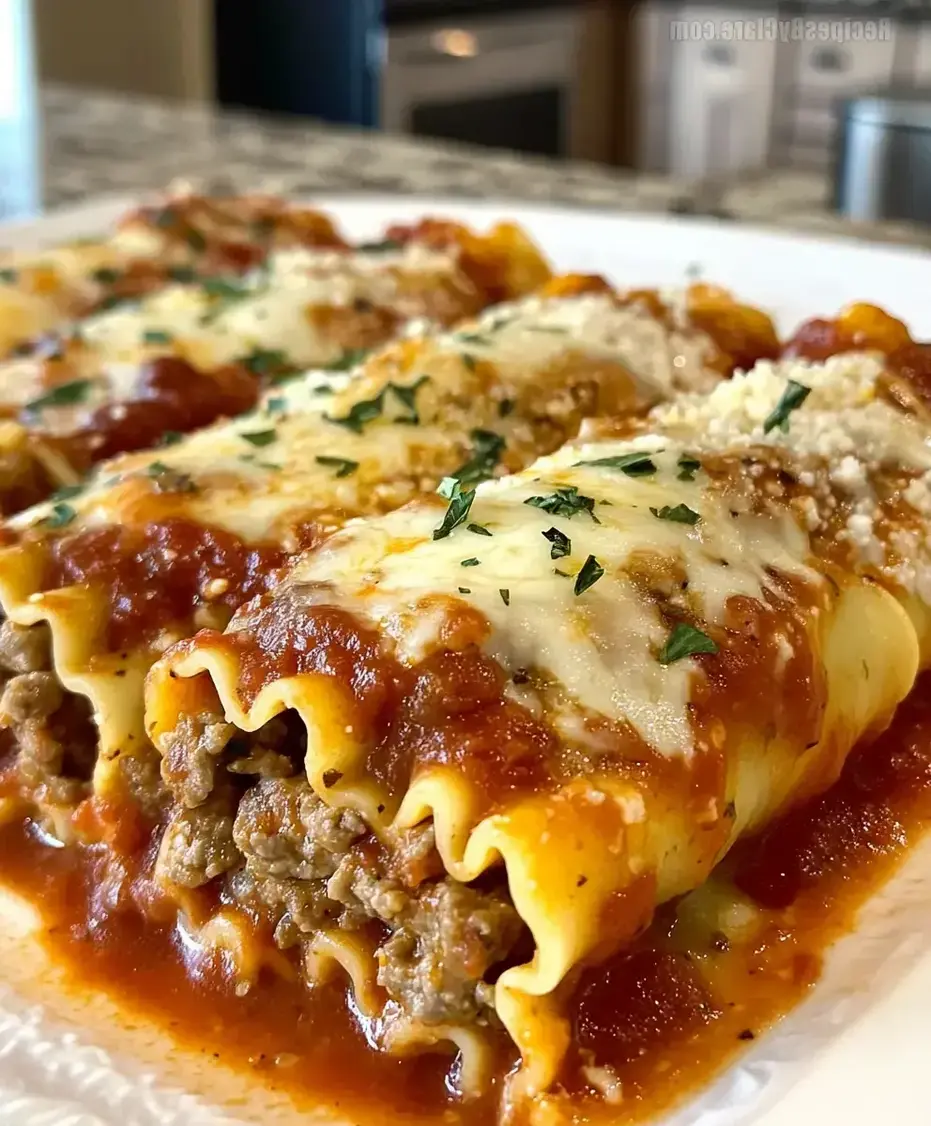
Italian Meatball Lasagna Roll-Ups

Golden, cheesy, and bubbling straight from the oven—these roll-ups are the ultimate comfort food.

Step-by-Step Instructions

Step 1: Prepare the Meatballs

In a large mixing bowl, combine the ground beef, breadcrumbs, grated Parmesan, egg, minced garlic, chopped parsley, oregano, basil, salt, and pepper. My pro tip? Use your hands to mix gently but thoroughly. Overworking the meat can lead to tough meatballs. Once combined, roll the mixture into 12 small, evenly-sized meatballs—about 1 to 1.5 inches in diameter. They should be just slightly smaller than the width of a cooked lasagna noodle. You can bake these at 400°F for 15-18 minutes, or pan-sear them in a skillet for a richer, caramelized exterior. Set them aside once cooked.

Step 2: Cook the Noodles

Bring a large pot of generously salted water to a rolling boil. Add the lasagna noodles and cook according to package directions until al dente—they should be pliable but still have a slight bite. This is crucial; overcooked noodles will tear when you try to roll them. Immediately drain the noodles and lay them flat in a single layer on parchment paper or clean kitchen towels. This prevents them from sticking together. Lightly drizzle with a tiny bit of olive oil if you’re concerned about sticking, but it’s often not necessary if you work quickly.

Step 3: Assemble the Roll-Ups

Preheat your oven to 375°F (190°C). Lightly brush a 9×13 inch baking dish with olive oil. Spread about 1 cup of marinara sauce evenly across the bottom. In a medium bowl, stir together the ricotta cheese and 1/4 cup of the Parmesan cheese. Take one cooked lasagna noodle and lay it flat on your work surface. Spread about 1.5 tablespoons of the ricotta mixture evenly along the length of the noodle. Place one cooked meatball at one end of the noodle. Now, carefully roll the noodle around the meatball, starting from the meatball end, until you have a neat, compact roll. Place it seam-side down in the prepared baking dish. Repeat with the remaining noodles and meatballs.

Step 4: Bake to Perfection

Once all roll-ups are snug in the dish, pour the remaining marinara sauce over the top, ensuring each roll gets some coverage. Sprinkle the shredded mozzarella and remaining Parmesan cheese evenly over everything. Cover the dish tightly with aluminum foil. Bake for 20 minutes. Then, remove the foil and bake for an additional 10-15 minutes, or until the cheese is melted, bubbly, and starting to develop golden spots. For an extra crispy top, you can broil for the last 1-2 minutes, but watch it closely! Let the dish rest for 5-10 minutes after baking. This allows the cheeses to set slightly, making serving much cleaner.

Nutritional Information

The following estimates are per serving (one lasagna roll-up), based on a total of 12 servings. Values are approximate and can vary based on specific ingredients and brands used.

Calories ~320 kcal
Protein ~22g
Carbohydrates ~28g
Fat ~14g
Saturated Fat ~7g
Fiber ~2g

Healthier Alternatives

You can easily adapt this recipe for various dietary needs without sacrificing flavor:

  • Leaner Protein: Swap the ground beef for 93% lean ground turkey or chicken. For a plant-based version, use a high-quality meatless ground crumble or finely chopped mushrooms and lentils.
  • Whole Grains: Use whole wheat or legume-based lasagna noodles for a boost of fiber and protein.
  • Lighter Cheese: Opt for part-skim ricotta, part-skim mozzarella, and reduce the Parmesan by half. You can also blend low-fat cottage cheese with a little lemon juice for a ricotta substitute.
  • Sneak in Veggies: Add finely grated zucchini, carrots, or spinach to the meatball mixture or ricotta filling. They add moisture, nutrients, and a subtle sweetness.
  • Low-Sodium: Use no-salt-added canned tomatoes for your homemade marinara and reduce or omit added salt in the meatballs.

Serving Suggestions

These roll-ups are a complete meal on their own, but pairing them thoughtfully elevates the dining experience. Serve them alongside a crisp Caesar salad or a simple arugula salad with lemon vinaigrette to cut through the richness. For a classic Italian-American feast, add a side of garlic bread or soft, warm focaccia for dipping into any extra sauce. A glass of medium-bodied red wine like a Chianti or Sangiovese complements the tomato and meat flavors perfectly. For a family-style presentation, garnish the baking dish with fresh basil or parsley just before serving.

Common Mistakes

  • Overcooking the Noodles: Mushy noodles tear. Always cook to al dente and lay them out flat immediately.
  • Overfilling the Rolls: Using too much ricotta or meatballs that are too large makes rolling difficult and can cause the noodles to burst open during baking.
  • Skipping the Resting Time: Cutting into the roll-ups straight from the oven causes the filling to ooze out. A brief rest lets everything set.
  • Using Watery Ricotta: If your ricotta seems wet, drain it in a fine-mesh sieve for 15-20 minutes before using to prevent a soggy bake.
  • Not Seasoning the Meatballs Enough: Taste-test your meatball mixture by cooking a tiny patty in a skillet before rolling all of them. Adjust seasoning as needed.

Storing Tips

  • Refrigeration: Cool completely, then store in an airtight container in the fridge for up to 4 days.
  • Freezing: These roll-ups freeze beautifully. Assemble them in a freezer-safe dish, but do not bake. Wrap tightly with plastic wrap and foil. Freeze for up to 3 months. Thaw overnight in the fridge before baking as directed, adding a few extra minutes to the bake time if needed.
  • Reheating: Reheat individual portions in the microwave until hot. For best texture, reheat larger portions in a covered baking dish at 350°F for 15-20 minutes, or until heated through. Add a splash of water or extra sauce to the dish to prevent drying out.

Conclusion

These Italian Meatball Lasagna Roll-Ups are more than just a recipe—they’re a guaranteed crowd-pleaser that simplifies a classic while amplifying the fun and flavor. They combine the hearty satisfaction of a meatball sub with the cheesy, baked goodness of lasagna, all in a neat, individual package. Whether you’re cooking for a busy family, prepping meals for the week, or hosting a casual dinner party, this dish delivers impressive results every time. The process is straightforward, the ingredients are adaptable, and the final product is utterly delicious

Crockpot Creamy Tortellini

Crockpot Creamy Tortellini

Introduction

Did you know that over 70% of home cooks report feeling most stressed during the dinner hour? In the search for a solution, the humble slow cooker has emerged as a hero, with sales consistently rising as families seek easier, comforting meals. This brings us to the ultimate question: can you create a restaurant-quality, creamy tortellini dish that requires minimal hands-on time and delivers maximum flavor? The answer is a resounding yes. This Crockpot Creamy Tortellini recipe is your ticket to a decadent, satisfying dinner that practically cooks itself. Imagine plump cheese-filled tortellini bathed in a velvety, Parmesan-infused sauce, studded with vibrant spinach and the savory punch of optional Italian sausage. It’s the kind of meal that feels indulgent yet is deceptively simple to make, turning a hectic weeknight into a cozy occasion.

Ingredients List

Gather these simple ingredients for a flavor-packed result. I’ve included sensory notes and substitutions to make this recipe your own.

  • 1 tablespoon olive oil – For sautéing; adds a subtle fruity depth.
  • 1 pound mild or hot Italian sausage, casings removed (optional) – Provides a hearty, savory backbone. Substitution: For a vegetarian version, use 1 cup of sliced mushrooms or a plant-based sausage crumble.
  • 1 small yellow onion, finely diced – The aromatic base, becoming sweet and mellow after slow cooking.
  • 4 cloves garlic, minced – For that essential pungent, fragrant kick.
  • 1 (24-ounce) jar of high-quality marinara sauce – Choose one with a robust tomato flavor and low added sugar. Substitution: 3 cups of homemade tomato sauce.
  • 1 cup vegetable or chicken broth – Thins the sauce to the perfect consistency for cooking the tortellini.
  • 1 (8-ounce) block of cream cheese, softened and cubed – The secret to the luxuriously creamy texture. Substitution: For a lighter touch, use Neufchâtel cheese.
  • 1/2 cup heavy cream or half-and-half – Enriches the sauce. Substitution: Full-fat coconut milk for a dairy-free, still-creamy alternative.
  • 1 (20-ounce) package refrigerated cheese tortellini – Look for fresh tortellini in the refrigerated section for the best texture. Frozen works too; no need to thaw.
  • 4 cups fresh baby spinach – Adds a pop of color and earthy freshness that wilts perfectly into the hot sauce.
  • 1 cup freshly grated Parmesan cheese, plus more for serving – The nutty, salty finish that ties everything together. Always grate your own for superior melting and flavor.
  • 1 teaspoon dried Italian seasoning – A blend of oregano, basil, and thyme for an herby aroma.
  • Salt and freshly ground black pepper to taste
  • Fresh basil or parsley, chopped (for garnish) – Adds a final bright, fresh note.

Timing

Prep Time15 minutes
Cook Time3-4 hours (Low) / 1.5-2 hours (High)
Total Time3.5 – 4.5 hours

Compared to the average stovetop pasta dish that requires constant stirring and monitoring, this slow cooker method saves you over 30 minutes of active kitchen time. The “hands-off” cooking window of 2-4 hours is perfect for running errands, working from home, or simply relaxing. The short prep time means you can have everything in the pot in less time than it takes to preheat an oven for a casserole.

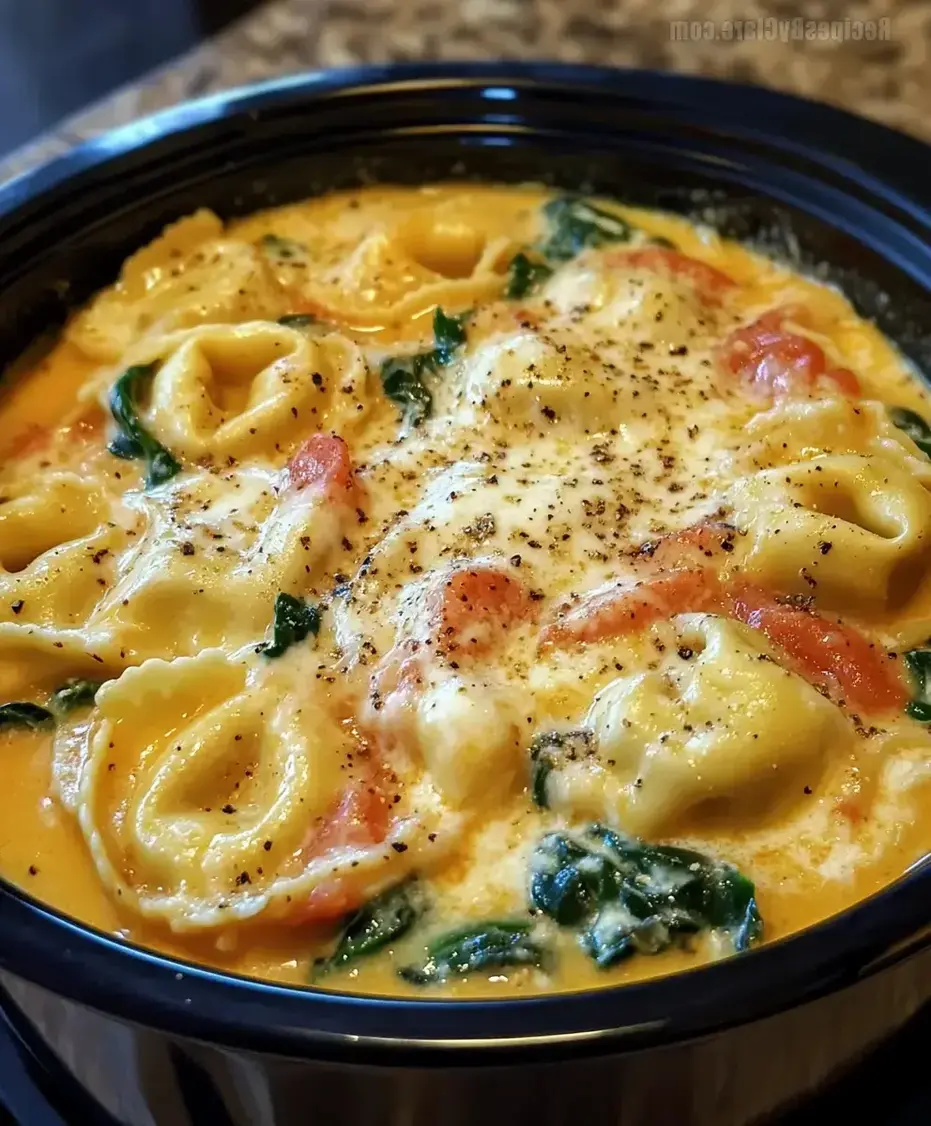
Crockpot Creamy Tortellini

A bubbling pot of creamy, cheesy tortellini ready to be served.

Step-by-Step Instructions

Step 1: Prepare Your Slow Cooker

Begin by lightly greasing the insert of your 5-6 quart slow cooker with a bit of olive oil or non-stick spray. This simple step makes cleanup a breeze later. If you’re using the Italian sausage, now is the time to brown it. Heat the olive oil in a skillet over medium-high heat. Add the sausage, breaking it up with a spoon, and cook until no longer pink. This step isn’t strictly necessary—you can add raw sausage directly to the crockpot—but browning adds a deeper, caramelized flavor and better texture. Transfer the browned sausage to the slow cooker insert, leaving any excess grease behind in the skillet.

Step 2: Build the Creamy Base

In the same skillet (or a clean one if you skipped the sausage), add the diced onion. Sauté for 3-4 minutes until translucent, then add the minced garlic and cook for just 30 seconds until fragrant—be careful not to burn it. Scrape this aromatic mixture into the slow cooker with the sausage. Now, pour in the entire jar of marinara sauce and the cup of broth. Stir to combine. This forms the flavorful liquid base of your dish. Cube the softened cream cheese and scatter the pieces evenly over the top of the sauce. Do not stir it in completely at this stage; letting it sit on top helps it melt slowly and evenly without clumping.

Step 3: Cook the Sauce

Place the lid securely on your slow cooker. Set it to cook on LOW for 3-4 hours or HIGH for 1.5-2 hours. The goal for this phase is to fully melt the cream cheese and allow the flavors of the sauce, aromatics, and sausage (if using) to meld together beautifully. About 30 minutes before this cook time is complete, give the pot a good stir. You should see the cream cheese has fully incorporated, creating a smooth, pinkish-orange, creamy sauce. Taste it and season with salt, pepper, and the dried Italian seasoning.

Step 4: Add the Tortellini and Spinach

Once your sauce is creamy and hot, it’s time to add the pasta and greens. Gently stir in the entire package of refrigerated cheese tortellini, ensuring each piece is submerged in the sauce. Next, add the fresh baby spinach in handfuls; it will seem like a lot, but it wilts down dramatically. Carefully fold the spinach into the sauce and pasta. Replace the lid and cook on HIGH for an additional 30-45 minutes. The tortellini should be tender but still al dente, and the spinach will be perfectly wilted.

Step 5: Finish and Serve

Turn off the slow cooker. Stir in the heavy cream and the full cup of freshly grated Parmesan cheese. The residual heat will melt the cheese into a glossy, luxurious sauce. Let it sit for 5-10 minutes to thicken slightly. The sauce will continue to absorb into the tortellini as it rests. Ladle the creamy tortellini into bowls and garnish with extra Parmesan, a sprinkle of fresh basil or parsley, and a crack of black pepper. Serve immediately while it’s piping hot and irresistibly creamy.

Nutritional Information

The following estimates are for one serving (approximately 1.5 cups), based on a recipe yielding 6 servings and including Italian sausage and heavy cream. Values are approximate.

  • Calories: ~580 kcal
  • Total Fat: 36g
  • Saturated Fat: 17g
  • Cholesterol: 105mg
  • Sodium: 1250mg
  • Total Carbohydrates: 38g
  • Dietary Fiber: 4g
  • Sugars: 8g
  • Protein: 26g

Healthier Alternatives

You can easily lighten up this dish without sacrificing its comforting essence. For a lower-fat version, swap the full-fat cream cheese for a reduced-fat variety or even blended cottage cheese for added protein. Use half-and-half instead of heavy cream, or for a dairy-free version, employ full-fat canned coconut milk and a vegan cream cheese alternative. Opt for whole-wheat or protein-packed tortellini if available. To significantly reduce sodium, use a no-salt-added marinara sauce and low-sodium broth. Doubling the spinach adds volume, fiber, and nutrients for very few extra calories.

Serving Suggestions

This rich and creamy tortellini is a complete meal in a bowl, but it pairs wonderfully with simple sides to round out the dinner table. Serve it with a crisp, acidic side like a simple arugula salad with lemon vinaigrette to cut through the richness. A loaf of warm, crusty garlic bread or focaccia is perfect for sopping up every last drop of sauce. For a vegetable-forward plate, offer roasted asparagus or broccoli florets on the side. A light, chilled glass of Pinot Grigio or a sparkling water with lemon complements the dish perfectly.

Common Mistakes

  • Overcooking the Tortellini: Adding the pasta at the beginning results in mushy, disintegrated tortellini. Always add it during the last 30-45 minutes of cooking.
  • Using Pre-Grated Parmesan: Pre-grated cheese contains anti-caking agents that prevent it from melting smoothly, leading to a grainy sauce. Always grate your own Parmesan from a block.
  • Not Browning the Sausage (If Using): While you can add it raw, taking the extra 5 minutes to brown it unlocks deeper, caramelized flavors that permeate the entire dish.
  • Stirring in the Cream Cheese Too Early: Placing the cubes on top of the sauce to melt slowly prevents them from seizing or creating lumps in the bottom of the pot.
  • Skipping the Rest Time: Serving immediately after adding the final cheese and cream can make the sauce seem thin. Letting it sit for 5-10 minutes allows it to thicken perfectly.

Storing Tips

Store any leftovers in an airtight container in the refrigerator for up to 3-4 days. The pasta will continue to absorb sauce, so when reheating, add a splash of broth, milk, or cream to restore the creamy consistency. Reheat gently on the stovetop over low heat or in the microwave in 60-second intervals, stirring in between. Freezing is not generally recommended for this dish, as the dairy-based sauce can separate and the pasta can become overly soft when thawed and reheated. For best results, enjoy it fresh or within a few days.

Conclusion

This Crockpot Creamy Tortellini is more than just

Summer Corn and Zucchini Chowder

Summer Corn and Zucchini Chowder

Introduction

Did you know that a single ear of corn contains about 800 individual kernels, each bursting with sweet, starchy potential? When you combine that summer bounty with tender zucchini and yellow squash, you create a symphony of flavor that’s the very essence of the season. This Summer Corn and Zucchini Chowder is a thick, creamy, and deeply satisfying dish that transforms simple, fresh produce into a comforting meal. Topped with crispy, savory bacon, this chowder is a celebration of peak-season vegetables. It’s the perfect answer to the question: how can I make a hearty, vegetable-forward meal that feels indulgent yet is packed with nutrients? Let’s dive into this creamy, dreamy chowder that will become a staple in your summer recipe rotation.

Ingredients List

Gather these fresh, vibrant ingredients to build layers of flavor. I’ve included sensory notes and substitutions to make this recipe work for you.

  • 6 slices thick-cut bacon – Chopped. This provides a smoky, salty foundation and crispy garnish. For a vegetarian version, use 2 tbsp of olive oil and 1 tsp of smoked paprika.
  • 1 large yellow onion – Diced. It should smell sweet and pungent when raw, melting into a translucent, savory base.
  • 3 cloves garlic – Minced. Fresh is best for that sharp, aromatic punch that mellows beautifully in the soup.
  • 2 medium zucchini – Diced into ½-inch cubes. Look for firm, glossy skin. The flesh should be pale green and almost creamy when cooked.
  • 1 medium yellow squash – Diced similarly. Its bright yellow color and slightly milder, buttery flavor complement the zucchini perfectly.
  • 4 cups fresh corn kernels – Cut from about 4-5 ears. The star of the show! You should hear a crisp “pop” as you cut the kernels. Frozen corn can be used in a pinch, but thaw and pat dry to avoid excess water.
  • 1 large russet potato – Peeled and diced. This is our natural thickener, giving the chowder its signature body. For a lighter option, use 1 cup of cauliflower florets.
  • 4 cups low-sodium chicken or vegetable broth – The liquid gold. Using low-sodium allows you to control the seasoning. A rich homemade broth will elevate the flavor immensely.
  • 1 cup heavy cream – For that luxurious, velvety finish. For a lighter creaminess, substitute with full-fat coconut milk or half-and-half.
  • 2 tbsp all-purpose flour – Our thickening agent. For a gluten-free version, use an equal amount of cornstarch or arrowroot powder mixed with a little cold water.
  • 1 tsp fresh thyme leaves – Their earthy, lemony fragrance is quintessential for chowder. Dried thyme works (use ½ tsp), but fresh is superior.
  • 1 bay leaf – A subtle, herbal backbone. Remember to remove it before blending!
  • Salt and freshly ground black pepper – To taste. Season in layers for the best result.
  • Fresh chives or parsley – For garnish. A pop of green color and fresh herbal finish.

Timing

Prep Time20 minutes
Cook Time35 minutes
Total Time55 minutes

This chowder comes together in under an hour, making it a fantastic weeknight option. Compared to many chowders that require a long, slow simmer to develop flavor, this recipe leverages the natural sweetness of fresh summer vegetables for a quicker cook time without sacrificing depth. The 20-minute prep is mostly active chopping—a therapeutic start to a delicious meal.

Summer Corn and Zucchini Chowder in a white bowl, topped with crispy bacon and fresh chives

A bowl of creamy Summer Corn and Zucchini Chowder, showcasing the vibrant colors of fresh corn, zucchini, and yellow squash, finished with crispy bacon.

Step-by-Step Instructions

Step 1: Prep the Bacon and Vegetables

In a large Dutch oven or heavy-bottomed pot, cook the chopped bacon over medium heat. I like to let it render slowly until it’s deeply golden and crispy—this usually takes about 8-10 minutes. Stir it occasionally. Once perfect, use a slotted spoon to transfer the bacon to a paper towel-lined plate. Leave about 2 tablespoons of that glorious bacon fat in the pot; this is your flavor foundation. While the bacon cooks, take this time to dice your onion, zucchini, yellow squash, and potato. Mince the garlic and strip the thyme leaves from their stems. Having everything prepped (your mise en place) makes the cooking process smooth and enjoyable.

Step 2: Build the Flavor Base

Add the diced onion to the pot with the reserved bacon fat. Cook over medium heat, stirring frequently, until the onion turns soft and translucent, about 5 minutes. You’ll smell its sweetness filling your kitchen. Now, stir in the minced garlic and cook for just one more minute until fragrant—be careful not to let it burn. Next, add the diced zucchini and yellow squash. Cook, stirring occasionally, for about 5-7 minutes. You want them to just begin to soften and release some of their moisture, but not become mushy. They’ll finish cooking later in the broth.

Step 3: Create the Creamy Chowder Base

Sprinkle the 2 tablespoons of flour over the sautéed vegetables. Stir constantly for 1-2 minutes. This cooks the raw flour taste out and creates a roux that will thicken our chowder beautifully. It should coat all the vegetables in a light, pasty layer. Now, slowly pour in the chicken or vegetable broth while continuously stirring. This prevents any lumps from forming. Add the diced potato, fresh corn kernels, thyme leaves, and the bay leaf. Give everything a good stir, making sure the potato is submerged. Increase the heat to bring the pot to a gentle boil.

Step 4: Simmer and Thicken

Once boiling, reduce the heat to medium-low to maintain a steady simmer. Let the chowder cook uncovered for 15-20 minutes. The potato should become fork-tender, and the corn will plump up with the broth’s flavor. You’ll notice the broth beginning to thicken slightly from the potato starches and the roux. This is when the magic happens—the flavors meld together into a cohesive, savory base. Season with salt and pepper to taste, but remember the bacon will add saltiness later, so go easy at first.

Step 5: Blend and Finish

Here’s the secret to a luxuriously thick and creamy chowder while keeping wonderful texture. Remove the bay leaf. Using an immersion blender, carefully pulse the soup 4-5 times right in the pot. You don’t want a puree; you just want to blend a portion of the potatoes and corn to thicken the broth naturally. If you don’t have an immersion blender, transfer about 2 cups of the soup to a standard blender, blend until smooth, and stir it back into the pot. Now, stir in the heavy cream. Let the chowder heat through for another 3-5 minutes on low heat—do not let it boil after adding the cream. Ladle the hot chowder into bowls and top generously with the reserved crispy bacon and a sprinkle of fresh chives or parsley.

Nutritional Information

The following nutritional estimate is for one serving (about 1.5 cups) of chowder, based on 6 servings. Values are approximate and can vary based on specific ingredients used.

Calories~380 kcal
Total Fat22g
Saturated Fat10g
Carbohydrates38g
Fiber5g
Sugars10g
Protein12g
Sodium~650mg

Healthier Alternatives

This chowder is already vegetable-packed, but you can easily tweak it for specific dietary goals without losing flavor.

  • Lighter Creaminess: Swap the heavy cream for 1 cup of full-fat coconut milk (for a dairy-free, rich option) or 1.5 cups of 2% milk warmed with 1 tablespoon of cornstarch to thicken.
  • Boost the Protein: Add 1 cup of cooked, shredded chicken breast or 1 can of rinsed white beans (like cannellini) when you add the cream.
  • Reduce Carbs/Calories: Omit the potato and use an extra cup of cauliflower florets. You’ll still get a thick texture after blending, with fewer carbs.
  • Vegetarian/Vegan: Use vegetable broth, skip the bacon (start with 2 tbsp olive oil), and use coconut cream. For a “bacon” flavor, add ½ tsp of liquid smoke or smoked paprika with the onions.

Serving Suggestions

This chowder is a hearty meal in a bowl, but it pairs beautifully with a few simple sides to create a complete dining experience.

  • The Classic: Serve with a thick slice of crusty, buttered sourdough bread or warm, fluffy cornbread for dipping.
  • For a Lighter Meal: Accompany with a simple arugula salad dressed with lemon vinaigrette to cut through the richness.
  • Add a Crunch: Offer extra toppings like homemade croutons, a sprinkle of toasted pepitas (pumpkin seeds), or even a few tortilla strips.
  • Perfect for Entertaining: Serve in small, elegant cups as a starter for a summer dinner party before grilled fish or steak.

Common Mistakes

Avoid these pitfalls to ensure your chowder turns out perfectly every time.

  • Overcooking the Vegetables Early: Sautéing the zucchini and squash until they’re completely soft in the first step will make them disappear into mush in the final soup. Cook them just until they start to soften.
  • Not Cooking the Flour: If you add the flour and don’t stir and cook it for a full minute, your chowder can have a raw, pasty flavor. Make sure to cook the roux.
  • Bo

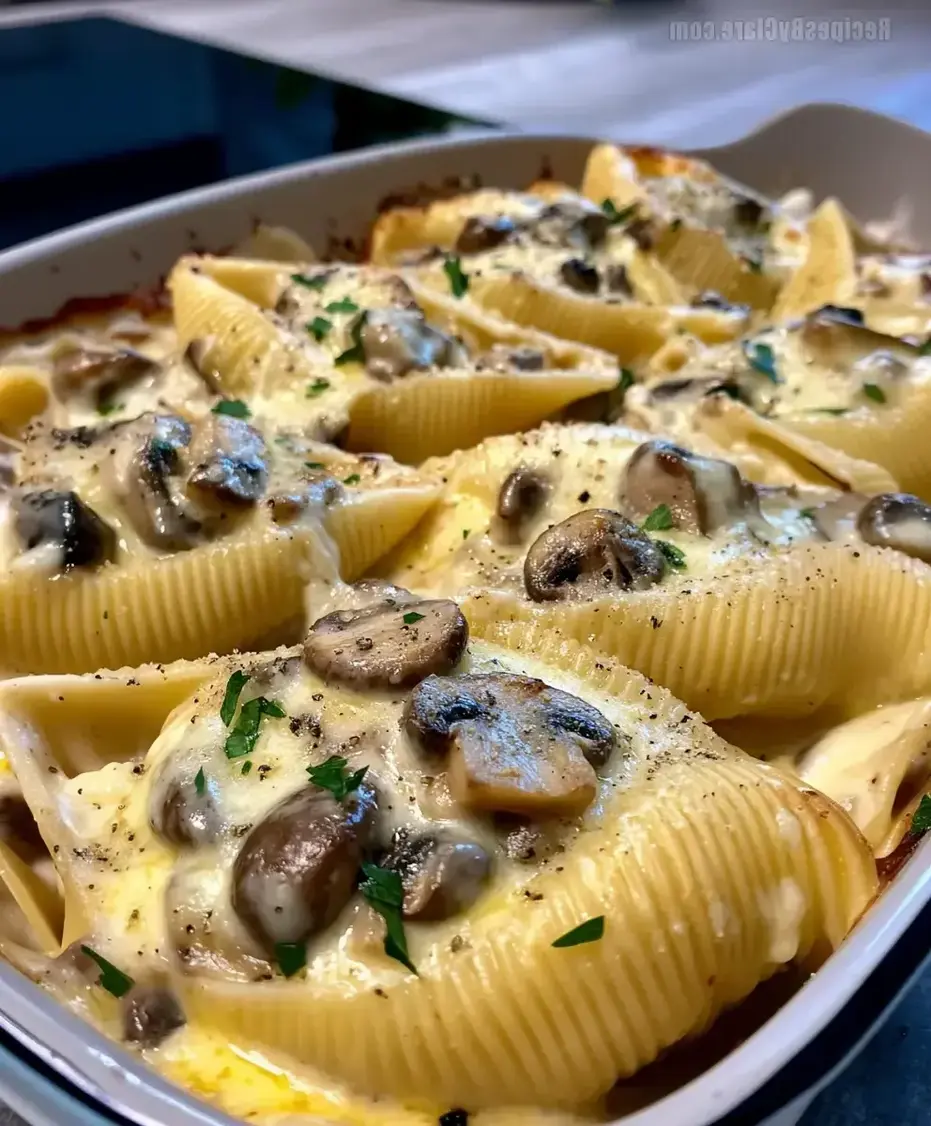
Creamy Garlic Mushroom Stuffed Shells

Creamy Garlic Mushroom Stuffed Shells

Introduction

Did you know that over 70% of home cooks are looking for ways to elevate classic pasta dishes into gourmet comfort food? If you’re searching for a decadent, restaurant-quality meal that’s surprisingly simple to make at home, you’ve found it. These creamy garlic mushroom stuffed shells are the ultimate answer. Imagine tender jumbo pasta shells, generously filled with a rich, umami-packed blend of sautéed mushrooms, garlic, and three creamy cheeses, all nestled in a velvety homemade Alfredo sauce and baked until golden and bubbly. This dish is a celebration of textures and flavors, transforming a humble ingredient into a show-stopping centerpiece perfect for Sunday dinners, holiday gatherings, or any night you crave something truly special. Let’s dive into how you can master this comforting classic.

Ingredients List

Gather these fresh, high-quality ingredients for the best flavor. Don’t be intimidated by the list—most are pantry staples!

  • For the Shells & Assembly:
    • 24 jumbo pasta shells (about 12 oz box) – Look for ones with deep ridges to hold more filling.
    • 1 cup shredded mozzarella cheese – For that iconic, stretchy, golden-brown top.
  • For the Mushroom Filling:
    • 1 lb cremini or baby bella mushrooms, finely chopped – They offer a deeper, earthier flavor than white button mushrooms.
    • 1 medium yellow onion, finely diced – The sweet foundation.
    • 6 cloves garlic, minced – Fresh is non-negotiable for that pungent, aromatic punch.
    • 2 tbsp olive oil – For sautéing.
    • 1 tsp dried thyme – Complements the earthiness of the mushrooms beautifully.
    • Salt and black pepper to taste.
  • For the Creamy Cheese Filling:
    • 15 oz whole milk ricotta cheese – The creamy, slightly grainy base that binds everything. Substitution: For a lighter version, use part-skim ricotta. For a richer texture, try full-fat cottage cheese blended smooth.
    • 1 cup freshly grated Parmesan cheese – The salty, nutty backbone. Pre-grated won’t melt as well! Substitution: Pecorino Romano for a sharper bite.
    • 1 large egg – Acts as a binder to keep the filling firm.
    • 1/4 cup fresh parsley, chopped – Adds a necessary pop of freshness and color.
  • For the Alfredo Sauce:
    • 1/4 cup unsalted butter – The rich base.
    • 3 cloves garlic, minced.
    • 1 1/2 cups heavy cream – For maximum silkiness. Substitution: Half-and-half for a lighter sauce, but it will be less thick.
    • 1 cup freshly grated Parmesan cheese.
    • Pinch of ground nutmeg – The secret ingredient that elevates all creamy sauces.

Timing

Prep Time
30 minutes
Cook Time
35 minutes
Total Time
1 hour 5 minutes

Compared to the average stuffed shell recipe, which can take over 90 minutes from start to finish, this recipe is streamlined. The key efficiency hack? Sautéing the mushrooms while the pasta water comes to a boil and making the simple Alfredo sauce while the shells bake. This parallel processing shaves off precious time without sacrificing any flavor, making a seemingly elaborate dish entirely weeknight-friendly.

Creamy Garlic Mushroom Stuffed Shells

Golden, bubbling, and impossibly creamy—these stuffed shells are the definition of comfort food elegance.

Step-by-Step Instructions

Step 1: Prepare the Shells

Bring a large pot of generously salted water to a rolling boil. Add the jumbo shells and cook for 1-2 minutes less than the package instructions for al dente. They will continue to cook in the oven, and this prevents them from becoming mushy. Once drained, immediately lay them out in a single layer on a baking sheet or parchment paper. Drizzle with a tiny bit of olive oil and gently toss to prevent sticking. This step is crucial for easy, frustration-free stuffing later.

Step 2: Sauté the Mushrooms

While the pasta cooks, heat olive oil in a large skillet over medium-high heat. Add the diced onion and cook for 3-4 minutes until translucent. Add the finely chopped mushrooms. Here’s my pro tip: Don’t stir immediately! Let the mushrooms sit for a minute to develop a beautiful brown sear, which builds incredible depth of flavor. Then, sauté for 8-10 minutes until all the liquid has evaporated and the mushrooms are deeply browned. Add the minced garlic and dried thyme, cooking for just one more minute until fragrant. Season generously with salt and pepper, then transfer this mixture to a large bowl to cool slightly.

Step 3: Make the Creamy Filling

To the bowl with the slightly cooled mushrooms, add the ricotta, 1 cup of grated Parmesan, the egg, and chopped parsley. Use a fork to mix everything until just combined. Avoid overmixing, as it can make the filling dense. Taste and adjust seasoning—this is your chance to make sure it’s perfectly savory. The filling should be thick, creamy, and speckled with herbs and mushrooms.

Step 4: Stuff and Assemble

Preheat your oven to 375°F (190°C). Now, let’s make the Alfredo sauce: In a medium saucepan over medium heat, melt the butter. Add the minced garlic and cook for 30 seconds until fragrant but not browned. Pour in the heavy cream, bring to a gentle simmer, and let it cook for 3-4 minutes to thicken slightly. Reduce heat to low and whisk in the 1 cup of Parmesan cheese until completely melted and smooth. Season with nutmeg, salt, and pepper. Pour about 3/4 cup of this sauce into the bottom of a 9×13 inch baking dish, spreading it into a thin, even layer.

Take a cooked shell in your hand. Using a spoon or a small cookie scoop, generously fill each shell with the mushroom-ricotta mixture. Place it seam-side up in the sauced baking dish. Repeat with all shells, arranging them snugly in a single layer. Pour the remaining Alfredo sauce evenly over the top of the stuffed shells. Finally, sprinkle the shredded mozzarella cheese over everything.

Step 5: Bake to Perfection

Cover the baking dish tightly with aluminum foil and bake for 20 minutes. This allows the shells to heat through and the flavors to meld. Then, carefully remove the foil and bake for an additional 12-15 minutes, or until the cheese on top is gloriously golden and spots of the sauce are bubbling around the edges. For a more dramatic top, broil for the last 1-2 minutes, but watch it like a hawk! Let the dish rest for 5-10 minutes after pulling it from the oven. This rest period is essential—it allows the filling to set slightly, making serving much cleaner.

Nutritional Information

The following estimates are per serving (approximately 2-3 stuffed shells), based on 8 servings total. Values are approximate and can vary based on specific ingredients used.

  • Calories: ~520 kcal
  • Total Fat: 35g
  • Saturated Fat: 20g
  • Cholesterol: 135mg
  • Sodium: 580mg
  • Total Carbohydrates: 30g
  • Dietary Fiber: 2g
  • Sugars: 4g
  • Protein: 22g

Healthier Alternatives

You can lighten up this dish without losing its soul-satisfying creaminess. Here are my tested swaps:

  • Whole Wheat or Legume-Based Shells: Swap jumbo shells for a whole wheat or chickpea pasta version to significantly boost fiber and protein content.
  • Lighter “Alfredo” Sauce: Create a sauce using 1% milk thickened with a tablespoon of flour or cornstarch (make a roux with the butter first), and use a strong, finely grated Parmesan so you can use less for maximum flavor.
  • Leaner Protein Boost: Add about 1/2 cup of finely chopped cooked spinach or lean ground turkey (cooked and seasoned) to the mushroom filling to increase volume and nutrients.
  • Cheese Swaps: Use part-skim ricotta and part-skim mozzarella. The Parmesan is key for flavor, so keep it, but you can reduce the quantity slightly.

Serving Suggestions

These rich shells are a meal unto themselves, but the right accompaniments turn dinner into a feast.

  • The Perfect Salad: A crisp, acidic salad is non-negotiable to cut through the richness. A simple arugula salad with lemon vinaigrette, shaved Parmesan, and toasted pine nuts is ideal.
  • Bread for Dipping: A warm, crusty baguette or garlic knots are perfect for sopping up every last drop of that creamy Alfredo sauce left on the plate.
  • Wine Pairing: A medium-bodied white like Chardonnay or Pinot Grigio complements the creamy, garlicky flavors beautifully. For a red, choose something light like a Pinot Noir.
  • Vegetable Side: Roasted asparagus, broccoli, or green beans with a squeeze of lemon provide a fresh, bright counterpoint.

Common Mistakes

  • Overcooking the Pasta: This is the #1 error. Mushy shells will tear when stuffed and become a texture-less mess in the oven. Always cook to al dente.
  • Not Draining Mushrooms Enough: If your mushroom mixture is watery, it will make the filling runny. Sauté until all liquid evaporates and the pan is almost dry.
  • Skipping the Rest

Baileys Irish Cream Chocolate Chip Cookies

There’s something magical about combining classic chocolate chip cookies with the smooth, creamy flavor of Baileys Irish Cream. These Baileys Irish Cream Chocolate Chip Cookies elevate a beloved treat into an indulgent dessert that’s perfect for adults.

Print

clock clock iconcutlery cutlery iconflag flag iconfolder folder iconinstagram instagram iconpinterest pinterest iconfacebook facebook iconprint print iconsquares squares iconheart heart iconheart solid heart solid icon

Baileys Irish Cream Chocolate Chip Cookies

  • Author: Chef Mia

Instructions