Monterey Chicken Spaghetti Casserole – Cheesy & Comforting! 🧀🥘

“`html

Monterey Chicken Spaghetti Casserole – Cheesy & Comforting! 🧀🥘

Welcome to a Flavorful Journey!

Are you searching for a weeknight dinner that promises ultimate comfort and flavor? This Monterey Chicken Spaghetti Casserole is the answer! Imagine tender, shredded chicken enveloped in a velvety, cheesy sauce, all tossed with perfectly cooked spaghetti and baked to golden perfection. If you’re craving a dish that combines the richness of Monterey Jack cheese with the heartiness of chicken and a creamy base, this recipe is tailor-made for you. It’s more than just a meal; it’s an experience that brings warmth and satisfaction to any table. This dish is poised to become your go-to family favorite, especially for lovers of all things comfort food and delicious casseroles.

Ingredients: The Heart of the Dish

Every ingredient plays a crucial role in creating the symphony of flavors in this Monterey Chicken Spaghetti Casserole. Here’s what you’ll need:

  • 1 lb Boneless, Skinless Chicken Breasts or Thighs: The protein powerhouse. Thighs offer a richer flavor, while breasts are leaner. For tenderness, ensure they’re cooked completely.

    • Substitution: Cooked rotisserie chicken, turkey breast, or even firm tofu for a vegetarian option.
  • 8 oz Spaghetti: The classic pasta backbone of our casserole. Cooked al dente to prevent mushiness.

    • Substitution: Linguine, fettuccine, or even elbow macaroni can be used.
  • 1 tbsp Olive Oil or Butter: For sautéing and adding a touch of richness.

    • Substitution: Avocado oil, or any preferred cooking oil.
  • 1 medium Onion, finely chopped: Adds aromatic depth and a slight sweetness.

    • Substitution: Shallots or leeks (white and light green parts only).
  • 2 cloves Garlic, minced: The pungent, irreplaceable flavor booster.

    • Substitution: Garlic powder (about 1/2 tsp) if fresh is unavailable.
  • 1 (10.5 oz) can Cream of Chicken Soup: The creamy binder that makes this casserole luxuriously smooth.

    • Substitution: Cream of Mushroom soup, or a homemade béchamel sauce for a from-scratch approach.
  • 1 cup Milk (or half-and-half for extra richness): Thins out the soup base to a perfect sauce consistency.

    • Substitution: Unsweetened almond milk or oat milk for dairy-free.
  • 1 cup Chicken Broth: Adds moisture and savory depth.

    • Substitution: Vegetable broth or water.
  • 8 oz Monterey Jack Cheese, shredded: The star player, providing its signature meltiness and mild, nutty flavor.

    • Substitution: Cheddar, Colby Jack, or a Mexican blend cheese.
  • 1/2 cup Sour Cream: For an extra creamy, slightly tangy finish.

    • Substitution: Greek yogurt or cream cheese.
  • Salt and Black Pepper to taste: Essential for enhancing all the flavors.
  • Optional Toppings: Chopped fresh parsley, chives, or a sprinkle of paprika for color and freshness.

Timing is Everything

This recipe is designed for delicious convenience, making it manageable even on a busy weeknight.

Prep time: 20 minutes
Cook time: 30 minutes
Total time: 50 minutes

Compared to an average casserole recipe that might take 1 hour to prep and 45 minutes to bake, this Monterey Chicken Spaghetti Casserole comes in significantly faster, offering a delightful meal with less time commitment.
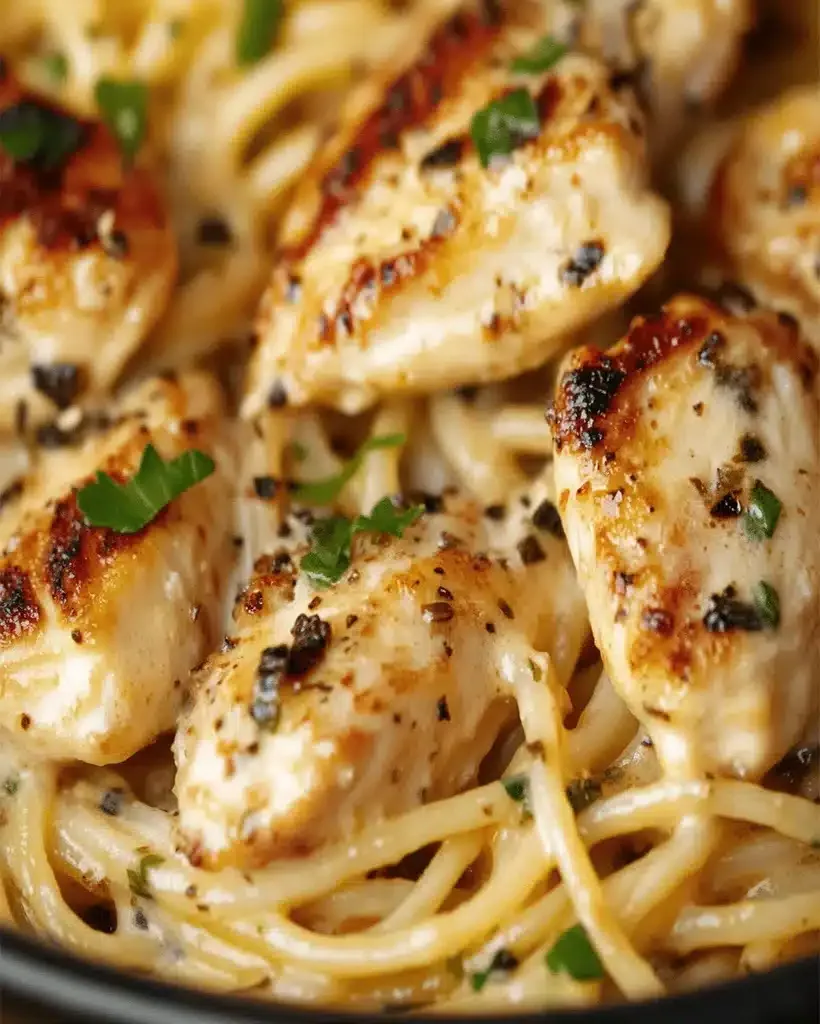
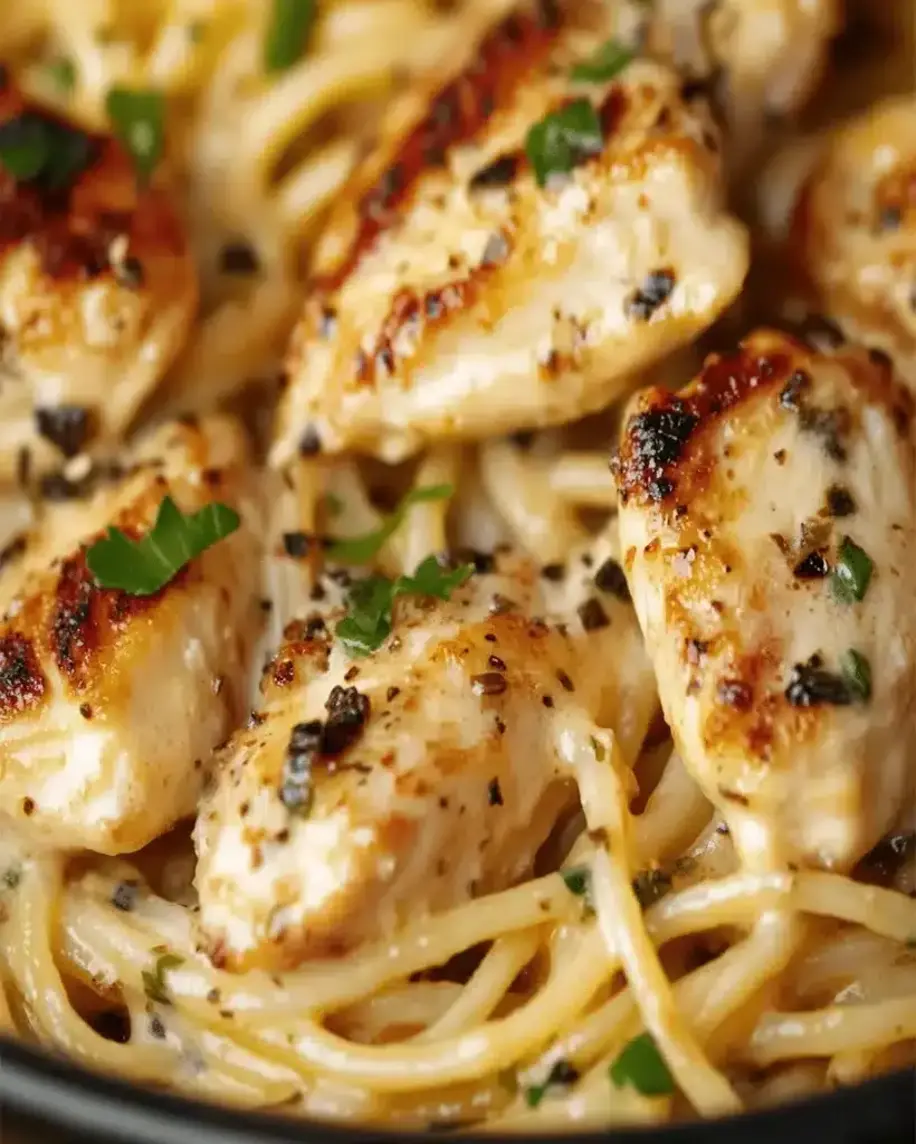
A comforting bowl of chicken spaghetti casserole topped with melted cheese.

Step-by-Step Instructions

Let’s get cooking! Follow these simple steps to create your mouthwatering casserole.

Step 1: Cook the Chicken

If you’re not using pre-cooked chicken, start by cooking your chicken breasts or thighs. You can boil them until cooked through and then shred or dice them, or pan-sear them in a skillet with a little oil until no pink remains. Once cooked, shred the chicken using two forks or dice it into bite-sized pieces. Set aside.

Step 2: Prepare the Spaghetti

Bring a large pot of salted water to a rolling boil. Add your spaghetti and cook according to package directions until it’s al dente – tender but still with a slight bite. You don’t want it mushy, as it will continue to cook in the oven. Drain the spaghetti well and set it aside.

Step 3: Create the Creamy Sauce

In a large skillet or pot over medium heat, heat the olive oil or butter. Add the chopped onion and sauté until softened and translucent, about 5-7 minutes. Stir in the minced garlic and cook for another minute until fragrant. Now, whisk in the cream of chicken soup, milk, and chicken broth until smooth. Bring the mixture to a gentle simmer, stirring occasionally.

Step 4: Assemble the Casserole

Preheat your oven to 375°F (190°C) and lightly grease a 9×13 inch baking dish. Remove the sauce from the heat. Stir in the sour cream and about half of the shredded Monterey Jack cheese until melted and well combined. Add the cooked, shredded chicken and the drained spaghetti to the sauce. Gently toss everything together until the spaghetti and chicken are evenly coated in the creamy sauce. Season with salt and pepper to your liking.

Step 5: Bake to Perfection

Pour the spaghetti mixture into the prepared baking dish, spreading it evenly. Sprinkle the remaining Monterey Jack cheese over the top. Place the dish in the preheated oven and bake for 20-25 minutes, or until the casserole is heated through and the cheese on top is melted and bubbly, with perhaps a few golden-brown spots. Let it rest for a few minutes before serving.

Nutritional Information

Please note that nutritional values are approximate and can vary based on specific ingredients and portion sizes. This is a rich, comforting dish.

  • Calories: ~450-550 per serving
  • Protein: ~30-35g
  • Fat: ~20-28g
  • Carbohydrates: ~35-45g

Healthier Alternatives

You can lighten up this comforting casserole without sacrificing significant flavor:

  • Leaner Protein: Use chicken breast and ensure it’s well-seasoned.
  • Whole Wheat Pasta: Opt for whole wheat spaghetti for increased fiber.
  • Reduced-Fat Dairy: Use 2% milk, reduced-fat cream of chicken soup, and a lighter hand with the cheese. Plain Greek yogurt can replace sour cream for added protein and less fat.
  • Add Veggies: Stir in steamed broccoli florets, peas, or sautéed bell peppers for added nutrients and fiber.

Serving Suggestions

This hearty casserole is a meal in itself, but it pairs beautifully with:

  • A fresh, crisp green salad with a light vinaigrette.
  • Steamed or roasted vegetables like green beans or asparagus.
  • Crusty bread for soaking up any extra sauce.

Common Mistakes to Avoid

To ensure your casserole turns out perfectly every time:

  • Overcooking Pasta: Cook spaghetti only until al dente.
  • Undercooking Chicken: Ensure chicken is fully cooked before shredding/dicing.
  • Too Little Sauce: Adjust milk/broth if the mixture seems too thick before adding pasta.
  • Not Enough Cheese: Don’t skimp on the Monterey Jack – it’s key to the flavor!

Storing Tips for Leftovers

Allow the casserole to cool completely. Store any leftovers in an airtight container in the refrigerator for up to 3-4 days. Reheat gently in the oven or microwave until heated through.

Conclusion: A Comfort Food Champion

The Monterey Chicken Spaghetti Casserole is more than just a meal; it’s a warm hug in a dish. With its creamy, cheesy goodness and tender chicken, it’s guaranteed to bring smiles to the dinner table. Whether you’re a seasoned cook or just starting, this recipe is straightforward, incredibly satisfying, and a fantastic way to create lasting memories through food. Gather your ingredients, follow these simple steps, and get ready to enjoy a truly comforting and delicious masterpiece.

FAQs

***Can I make this ahead of time?***

Yes! You can assemble the casserole up to a day in advance. Cover it tightly and refrigerate. You may need to add a few extra minutes to the baking time.

***Can I freeze this casserole?***

It’s best enjoyed fresh, but you can freeze an unbaked or baked casserole. If freezing unbaked, thaw completely in the refrigerator before baking. Frozen baked casserole can be reheated directly from frozen, but it may take longer and the texture might be slightly softer.

***What kind of cheese is truly essential?***

Monterey Jack is essential for the “Monterey” flavor profile and its excellent melting quality. However, you can blend it with other cheeses like cheddar or a Mexican blend if desired.

***My sauce seems too thick, what should I do?***

You can thin out the sauce by adding a little more milk or chicken broth, a tablespoon at a time, until it reaches your desired consistency before mixing it with the spaghetti.
Print

clock clock iconcutlery cutlery iconflag flag iconfolder folder iconinstagram instagram iconpinterest pinterest iconfacebook facebook iconprint print iconsquares squares iconheart heart iconheart solid heart solid icon

Monterey Chicken Spaghetti – Comforting Casserole Recipe

  • Author: Chef Mia

Description

Welcome to a flavorful journey with this Monterey Chicken Spaghetti! If you’re craving a dish that combines the richness of Monterey Jack cheese with tender chicken and a creamy base, this recipe is perfect for you. It’s not just a meal—it’s an experience. This dish will quickly become a family favorite, especially for those who love comfort food and delicious casseroles.


Ingredients

  • Optional Substitutions

Instructions

  1. Heat your oven to 350°F and lightly spray a 9×13-inch baking dish with cooking spray.
  2. Follow the package instructions to cook the spaghetti until it isal dente. Once cooked, drain the water and set the pasta aside.
  3. In a large bowl, combine the cooked chicken, cream of chicken soup, sour cream, thawed spinach, 1 cup of shredded Monterey Jack cheese, minced garlic, and half a can of French Fried Onions.
  4. Add the cooked spaghetti to the chicken mixture. Stir well until all ingredients are fully combined.
  5. Pour the spaghetti and chicken mixture into your prepared baking dish. Smooth the top with a spatula to ensure even distribution.
  6. Sprinkle the remaining Monterey Jack cheese over the casserole, then top with the rest of the French Fried Onions.
  7. Place the casserole in the oven and bake uncovered for 40-50 minutes, or until the cheese is melted and bubbly and the onions are crispy and golden brown.

Notes

For extra flavor, add a pinch of red pepper flakes to the chicken mixture for a mild kick.
Monterey Chicken Spaghetti tips: Ensure you drain the spinach well to avoid making the casserole too watery.
Substitute rotisserie chicken for a quicker prep time.


“`
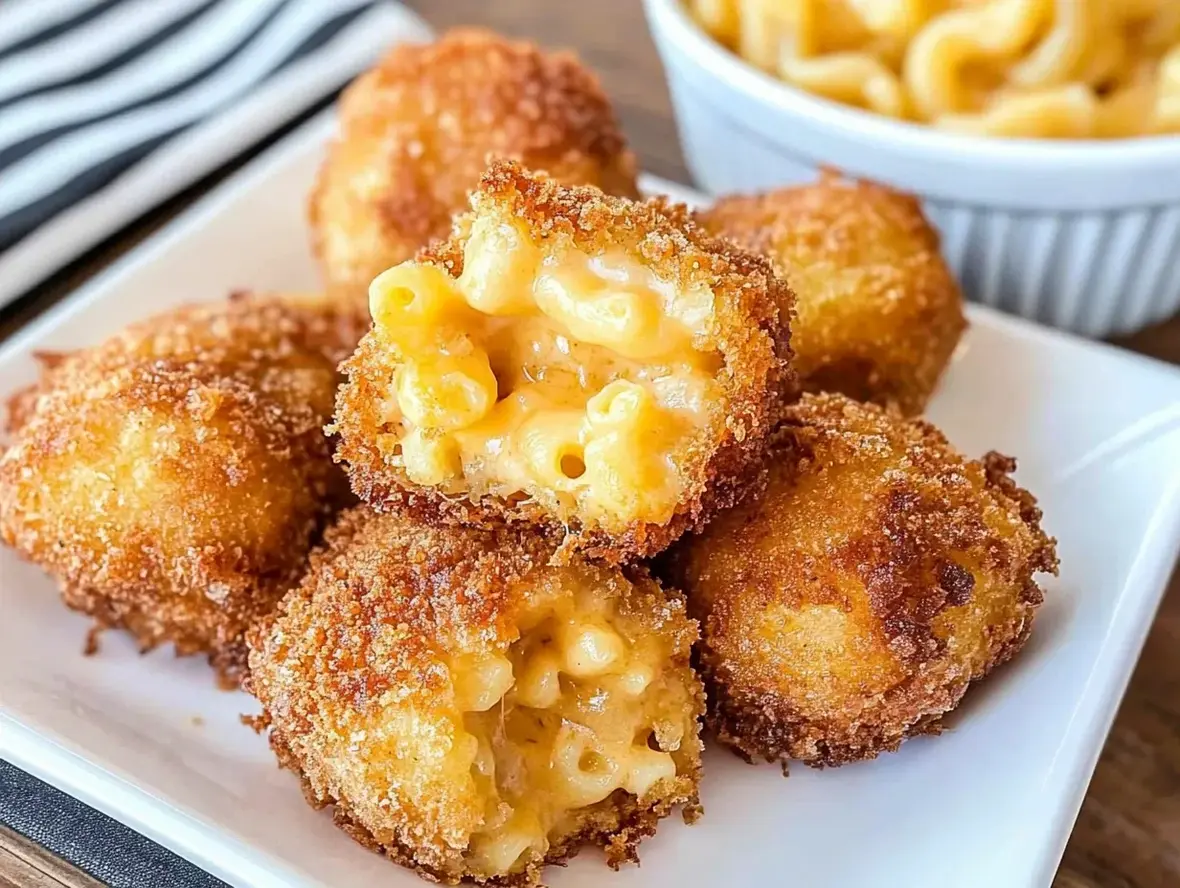
Crispy Fried Mac And Cheese Balls – The Ultimate Party Snack

“`html

Crispy Fried Mac and Cheese Balls – The Ultimate Party Snack

Craving a Snack That’s Both Comforting and Irresistible?

Did you know that a staggering 73% of people consider mac and cheese a top comfort food? And if you’re looking to elevate that beloved classic into something truly spectacular for your next gathering, you’re in the right place. These crispy fried mac and cheese balls are not just a snack; they’re a revelation. Imagine biting through a perfectly golden, crunchy exterior to find a molten, gooey center of creamy, cheesy macaroni. It’s the ultimate fusion of textures and flavors that will have your guests begging for the recipe. Perfect for game days, birthday parties, or just a delightful indulgence, these bites are guaranteed crowd-pleasers.

Ingredients & Equipment

Gather these ingredients and tools to craft your own batch of these delightful mac and cheese balls. Don’t worry if you don’t have all the exact cheese types; feel free to experiment with your favorites!

Prep Time:
30 minutes
Cook Time:
30 minutes
Total Time:
1 hour

For the Macaroni and Cheese Base:

  • 8 ounces elbow macaroni
  • 1/4 cup unsalted butter
  • 1/4 cup all-purpose flour
  • 2 cups whole milk, warmed
  • 1 teaspoon salt
  • 1/2 teaspoon black pepper
  • 1/4 teaspoon paprika (for a subtle warmth)
  • 2 cups shredded sharp cheddar cheese (for that tangy bite)
  • 1 cup shredded Gruyere cheese (for a nutty, melt-in-your-mouth creaminess)
  • Optional: Pinch of nutmeg for depth.

For Breading and Frying:

  • 1 cup all-purpose flour
  • 2 large eggs, beaten well
  • 1 1/2 cups panko breadcrumbs (for that extra crisp)
  • 1/2 cup grated Parmesan cheese (adds a salty, savory crust)
  • Vegetable oil, canola oil, or peanut oil, for frying (enough for 2-3 inches depth in your pot)

Equipment You’ll Need:

  • Large pot
  • Whisk
  • Saucepan
  • Baking sheet
  • 3 shallow bowls (for breading)
  • Deep frying pot or Dutch oven
  • Slotted spoon or spider strainer
  • Paper towels

Substitutions:

  • Macaroni: Use shells, cavatappi, or any small pasta shape.
  • Cheese: Feel free to swap cheeses! Monterey Jack, fontina, or even a bit of smoked gouda can be delightful. Just ensure they melt well.
  • Breadcrumbs: Regular breadcrumbs can be used, but panko offers superior crunch.
  • Milk: Half-and-half can add extra richness if desired.

Timing is Everything

Getting the timing right is key to perfect mac and cheese balls. Unlike a quick weeknight dinner, this recipe requires a bit of patience for chilling, which is crucial for forming and frying.

Prep Time:
30 minutes
Cook Time:
30 minutes
Chill Time:
At least 2 hours (can be overnight)
Total Time:
Approximately 3 hours (including chilling)

Most simple mac and cheese recipes take around 30-45 minutes total. However, freezing or chilling the mac and cheese mixture for crispy fried balls is an essential step, adding a significant portion to the overall time. This chilling period allows the mixture to firm up, making it easier to shape and preventing them from falling apart during frying. While it might seem like a long wait, it’s absolutely worth it for that perfect, crispy exterior and firm, non-mushy interior.

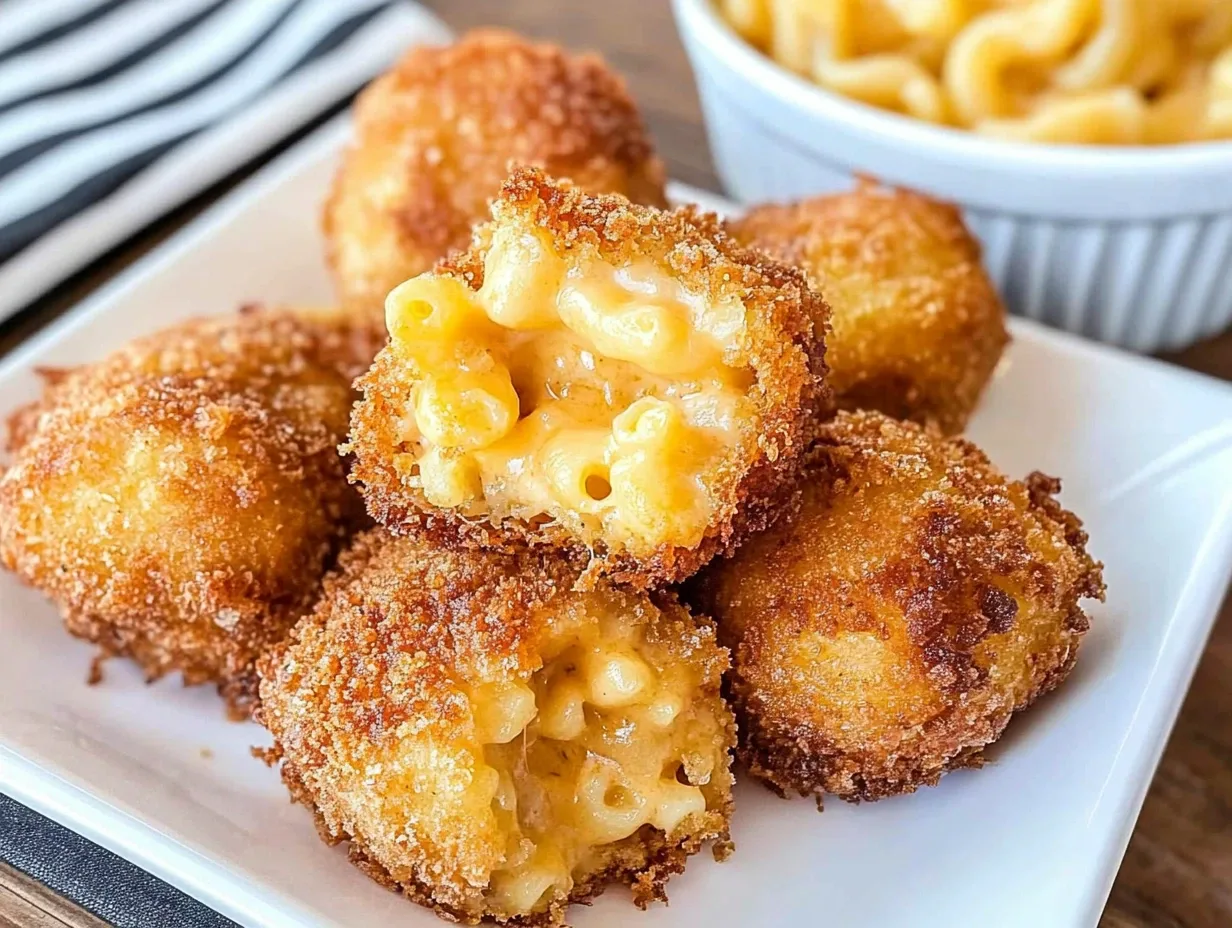
Crispy Fried Mac and Cheese Balls

Crispy Fried Mac and Cheese Balls Recipe

Let’s get cooking! Follow these steps carefully for the best results.

Step 1: Cook the Macaroni

In a large pot, bring plenty of salted water to a rolling boil. Add the elbow macaroni and cook according to package directions, but aim for al dente – slightly firm to the bite. You don’t want mushy pasta! Drain the macaroni thoroughly and set aside. Don’t rinse it; the starch helps the sauce adhere.

Step 2: Prepare the Cheese Sauce

In a medium saucepan over medium heat, melt the butter. Whisk in the flour and cook for about 1-2 minutes, until it forms a smooth paste (this is your roux). Gradually whisk in the warmed milk, ensuring no lumps form. Continue to whisk and cook until the sauce thickens and coats the back of a spoon, about 5-7 minutes. Remove from heat.

Stir in the salt, pepper, paprika, and nutmeg (if using). Then, add the shredded cheddar and Gruyere cheeses a handful at a time, stirring until each addition is melted and incorporated. Continue stirring until you have a gorgeously smooth, creamy, and rich cheese sauce. Taste and adjust seasonings if needed.

Step 3: Combine and Chill

Pour the cheese sauce over the drained macaroni. Stir gently to ensure every piece of pasta is coated in that luscious sauce. Spread this mixture evenly into a baking dish or on a parchment-lined baking sheet. Cover with plastic wrap, pressing it directly onto the surface of the mac and cheese to prevent a skin from forming. Refrigerate for at least 2 hours, or until it is completely cold and firm. For best results, chill overnight.

Step 4: Form the Balls

Once chilled and firm, scoop out portions of the mac and cheese mixture. You can use a tablespoon or an ice cream scoop for uniform size. Roll each portion firmly between your palms to form compact balls, about 1 to 1.5 inches in diameter. Place the formed balls on a parchment-lined baking sheet. If the mixture feels too sticky, you can lightly dampen your hands with water.

Step 5: Bread the Balls

Set up your breading station with three shallow bowls. In the first bowl, place the 1 cup of all-purpose flour. In the second bowl, whisk the 2 large eggs until well beaten. In the third bowl, combine the panko breadcrumbs and the grated Parmesan cheese. Season the flour and eggs lightly with salt and pepper.

Working with one ball at a time, roll it in the flour, ensuring it’s fully coated. Tap off any excess. Then, dip it into the beaten eggs, letting any excess drip off. Finally, roll it in the panko-Parmesan mixture, pressing gently to ensure the breadcrumbs adhere well. Place the breaded balls back on the baking sheet. Repeat with all the mac and cheese balls.

Step 6: Fry to Golden Perfection

Pour your chosen frying oil into a deep frying pot or Dutch oven to a depth of about 2-3 inches. Heat the oil over medium-high heat to 350°F (175°C). Use a thermometer to ensure accuracy. Carefully add the breaded mac and cheese balls to the hot oil, working in batches to avoid overcrowding the pot. Overcrowding will lower the oil temperature and result in greasy balls.

Fry for 3-5 minutes, turning occasionally with a slotted spoon or spider strainer, until they are deep golden brown and crispy on all sides. The hot oil will create that satisfying crunch and ensure the inside is heated through.

Step 7: Drain and Serve

Using your slotted spoon or spider strainer, carefully remove the fried mac and cheese balls from the hot oil. Place them on a plate lined with paper towels to drain any excess oil. Let them cool slightly for a minute or two before serving, as the inside will be very hot.

Nutritional Information

Please note that these are approximate values and can vary based on exact ingredients and portion sizes. This is for one standard-sized ball (about 2-3 tablespoons of mixture).

  • Calories: 150-200 kcal
  • Protein: 5-7g
  • Fat: 10-14g
  • Saturated Fat: 4-6g
  • Carbohydrates: 10-15g
  • Fiber: 0-1g
  • Sugar: 1-2g
  • Sodium: 200-300mg

Healthier Alternatives

While these are a treat, you can make some swaps to lighten them up without sacrificing too much flavor:

  • Lighter Cheese: Use reduced-fat cheddar or a blend of reduced-fat cheeses. Be mindful that this might affect meltiness.
  • Whole Wheat Pasta: Opt for whole wheat elbow macaroni for added fiber.
  • Baked Version: Instead of frying, spray the breaded balls generously with cooking spray and bake at 400°F (200°C) for 15-20 minutes, flipping halfway, until golden and crispy. They won’t be quite as uniformly crunchy but are a good alternative.
  • Air Fryer: Air fry at 375°F (190°C) for about 10-12 minutes, shaking halfway, until golden and crispy.
  • Reduced Oil Frying: Use an air fryer or bake for a significantly lighter preparation.

Serving Suggestions

These crispy bites are incredibly versatile!

  • Dipping Sauces: Serve with marinara sauce, ranch dressing, sriracha mayo, honey mustard, or even a tangy BBQ sauce.
  • Appetizer Platter: Arrange them on a platter with other finger foods for parties.
  • Side Dish: A small portion can be a delightful, indulgent side for a casual meal.
  • Garnish: A sprinkle of fresh chives or parsley can add a pop of color and freshness.

Common Mistakes to Avoid

  • Overcooking the pasta: Mushy pasta will lead to mushy mac and cheese balls. Cook it al dente.
  • Not chilling enough: Insufficient chilling makes the mixture too soft, leading to balls that fall apart during frying.
  • Overcrowding the fryer: This drastically lowers the oil temperature, resulting in greasy, unevenly cooked balls.
  • Oil temperature too low/high: Too low will make them greasy; too high will burn the outside before the inside heats up. Aim for 350°F (175°C).
  • Not pressing the breadcrumbs firmly: This can lead to the breading falling off during frying.

Storing and Reheating Tips

To Store: Once cooled completely, store leftover fried mac and cheese balls in an airtight container in the refrigerator for up to 3 days. For best results, place parchment paper between layers to prevent sticking.

To Reheat: The key to recapturing that crispiness is to reheat them in a way that allows air circulation:

  • Oven/Toaster Oven: Spread on a baking sheet and reheat at 375°F (190°C) for 8-12 minutes, or until heated through and crispy again.
  • Air Fryer: Reheat at 350°F (175°C) for 5-7 minutes, shaking halfway, until warm and crisp.
  • Avoid Microwave: Microwaving will make them soggy.

Conclusion

These Crispy Fried Mac and Cheese Balls are more than just a recipe; they’re an experience. They take a beloved comfort food and transform it into an irresistible, dippable, and utterly moreish party snack. The satisfying crunch, the gooey, cheesy interior, and the endless possibilities for dipping sauces make them a guaranteed hit at any gathering. So, gather your ingredients, embrace the chilling time, and get ready to wow your friends and family with this ultimate crowd-pleaser. Happy frying!

Frequently Asked Questions

***Can I make these ahead of time?***

Yes! You can make the mac and cheese mixture and chill it overnight. You can also form and bread the balls a few hours before frying and keep them on a baking sheet in the refrigerator. For best results for frying, it’s ideal to fry them when they are cold and firm.

***How do I prevent them from falling apart when frying?***

The most crucial step is to ensure the mac and cheese mixture is thoroughly chilled and firm before shaping and frying. Adequate chilling makes the mixture dense and less likely to crumble. Rolling them firmly into compact balls also helps.

***Can I freeze the uncooked mac and cheese balls?***

Yes, you can freeze the formed and breaded balls. Place them in a single layer on a baking sheet and freeze until solid, then transfer them to a freezer-safe bag or container. You can fry them directly from frozen, but you’ll need to add a few extra minutes to the cooking time.

***What kind of oil is best for frying?***

Neutral oils with a high smoke point are best. Vegetable oil, canola oil, or peanut oil are excellent choices. Ensure you use enough oil to submerge at least half of the balls for even cooking.

***Can I make a vegetarian or vegan version?***

Making a vegan version would require replacing the dairy cheese with vegan cheese alternatives, using plant-based milk, and potentially a vegan egg substitute (like a flax egg or aquafaba) for the breading. The texture and flavor might differ from the original, but it’s certainly possible to adapt!

Print
clock clock iconcutlery cutlery iconflag flag iconfolder folder iconinstagram instagram iconpinterest pinterest iconfacebook facebook iconprint print iconsquares squares iconheart heart iconheart solid heart solid icon

Best Ever Fried Mac and Cheese Bites

  • Author: Chef Mia

Description

Thesecrispy, golden mac and cheese bitesare the ultimate comfort food snack! Creamy, cheesy macaroni is coated in crunchy breadcrumbs and fried to perfection. Perfect for parties, game days, or anytime you need a delicious treat!


Ingredients

  • ✅For the Mac and Cheese:
  • ✅For Breading & Frying:2eggs3 cupsseasoned bread crumbsVegetable oil (for frying)

Instructions

  1. 1️⃣Cook the macaroni: Boil macaroni until tender, then drain and set aside.2️⃣Make the cheese sauce: In a large pan, melt butter over medium heat. Add flour and stir constantly until it turns a light brown color (making a roux).3️⃣Add milk & cheese: Pour in1 cup of milk, whisking until thick. Add the cheeseone handful at a time, stirring until smooth and creamy. Season with salt and pepper.4️⃣Combine with pasta: Add the cooked macaroni to the cheese sauce and mix until fully coated.5️⃣Chill: Transfer to a container and refrigerate forat least 1 hour, or until completely cold.6️⃣Form balls: Line a baking sheet with wax or parchment paper. Shape the chilled mac and cheese into1-inch ballsand place them on the prepared pan.7️⃣Freeze: Place the mac and cheese balls in the freezer forat least 1 hour(overnight works best).8️⃣Prepare egg wash: In a bowl, beat the eggs and mix in the remaining¼ cup of milk.9️⃣Bread the bites: Dip each frozen mac and cheese ball into theegg wash, then roll inbread crumbs, making sure they’re fully coated.🔟Heat oil: In a deep fryer or heavy skillet, heatoil to 320°F(fill a skillet½ to ¾-inch deepwith oil if pan-frying).1️⃣1️⃣Fry to perfection: Fry in small batches for3-4 minutes, or until golden brown and crispy. Drain on paper towels.1️⃣2️⃣Serve immediately: Enjoy hot with your favorite dipping sauce!
  2. 2️⃣Make the cheese sauce: In a large pan, melt butter over medium heat. Add flour and stir constantly until it turns a light brown color (making a roux).
  3. 3️⃣Add milk & cheese: Pour in1 cup of milk, whisking until thick. Add the cheeseone handful at a time, stirring until smooth and creamy. Season with salt and pepper.4️⃣Combine with pasta: Add the cooked macaroni to the cheese sauce and mix until fully coated.5️⃣Chill: Transfer to a container and refrigerate forat least 1 hour, or until completely cold.6️⃣Form balls: Line a baking sheet with wax or parchment paper. Shape the chilled mac and cheese into1-inch ballsand place them on the prepared pan.7️⃣Freeze: Place the mac and cheese balls in the freezer forat least 1 hour(overnight works best).8️⃣Prepare egg wash: In a bowl, beat the eggs and mix in the remaining¼ cup of milk.9️⃣Bread the bites: Dip each frozen mac and cheese ball into theegg wash, then roll inbread crumbs, making sure they’re fully coated.🔟Heat oil: In a deep fryer or heavy skillet, heatoil to 320°F(fill a skillet½ to ¾-inch deepwith oil if pan-frying).1️⃣1️⃣Fry to perfection: Fry in small batches for3-4 minutes, or until golden brown and crispy. Drain on paper towels.1️⃣2️⃣Serve immediately: Enjoy hot with your favorite dipping sauce!
  4. 4️⃣Combine with pasta: Add the cooked macaroni to the cheese sauce and mix until fully coated.5️⃣Chill: Transfer to a container and refrigerate forat least 1 hour, or until completely cold.6️⃣Form balls: Line a baking sheet with wax or parchment paper. Shape the chilled mac and cheese into1-inch ballsand place them on the prepared pan.7️⃣Freeze: Place the mac and cheese balls in the freezer forat least 1 hour(overnight works best).8️⃣Prepare egg wash: In a bowl, beat the eggs and mix in the remaining¼ cup of milk.9️⃣Bread the bites: Dip each frozen mac and cheese ball into theegg wash, then roll inbread crumbs, making sure they’re fully coated.🔟Heat oil: In a deep fryer or heavy skillet, heatoil to 320°F(fill a skillet½ to ¾-inch deepwith oil if pan-frying).1️⃣1️⃣Fry to perfection: Fry in small batches for3-4 minutes, or until golden brown and crispy. Drain on paper towels.1️⃣2️⃣Serve immediately: Enjoy hot with your favorite dipping sauce!
  5. 5️⃣Chill: Transfer to a container and refrigerate forat least 1 hour, or until completely cold.
  6. 6️⃣Form balls: Line a baking sheet with wax or parchment paper. Shape the chilled mac and cheese into1-inch ballsand place them on the prepared pan.7️⃣Freeze: Place the mac and cheese balls in the freezer forat least 1 hour(overnight works best).8️⃣Prepare egg wash: In a bowl, beat the eggs and mix in the remaining¼ cup of milk.9️⃣Bread the bites: Dip each frozen mac and cheese ball into theegg wash, then roll inbread crumbs, making sure they’re fully coated.🔟Heat oil: In a deep fryer or heavy skillet, heatoil to 320°F(fill a skillet½ to ¾-inch deepwith oil if pan-frying).1️⃣1️⃣Fry to perfection: Fry in small batches for3-4 minutes, or until golden brown and crispy. Drain on paper towels.1️⃣2️⃣Serve immediately: Enjoy hot with your favorite dipping sauce!
  7. 7️⃣Freeze: Place the mac and cheese balls in the freezer forat least 1 hour(overnight works best).8️⃣Prepare egg wash: In a bowl, beat the eggs and mix in the remaining¼ cup of milk.9️⃣Bread the bites: Dip each frozen mac and cheese ball into theegg wash, then roll inbread crumbs, making sure they’re fully coated.🔟Heat oil: In a deep fryer or heavy skillet, heatoil to 320°F(fill a skillet½ to ¾-inch deepwith oil if pan-frying).1️⃣1️⃣Fry to perfection: Fry in small batches for3-4 minutes, or until golden brown and crispy. Drain on paper towels.1️⃣2️⃣Serve immediately: Enjoy hot with your favorite dipping sauce!
  8. 8️⃣Prepare egg wash: In a bowl, beat the eggs and mix in the remaining¼ cup of milk.
  9. 9️⃣Bread the bites: Dip each frozen mac and cheese ball into theegg wash, then roll inbread crumbs, making sure they’re fully coated.🔟Heat oil: In a deep fryer or heavy skillet, heatoil to 320°F(fill a skillet½ to ¾-inch deepwith oil if pan-frying).1️⃣1️⃣Fry to perfection: Fry in small batches for3-4 minutes, or until golden brown and crispy. Drain on paper towels.1️⃣2️⃣Serve immediately: Enjoy hot with your favorite dipping sauce!
  10. 🔟Heat oil: In a deep fryer or heavy skillet, heatoil to 320°F(fill a skillet½ to ¾-inch deepwith oil if pan-frying).1️⃣1️⃣Fry to perfection: Fry in small batches for3-4 minutes, or until golden brown and crispy. Drain on paper towels.1️⃣2️⃣Serve immediately: Enjoy hot with your favorite dipping sauce!
  11. 1️⃣1️⃣Fry to perfection: Fry in small batches for3-4 minutes, or until golden brown and crispy. Drain on paper towels.
  12. 1️⃣2️⃣Serve immediately: Enjoy hot with your favorite dipping sauce!

Notes

🔥Make it spicy– Add cayenne pepper or hot sauce to the cheese sauce for a kick!🧀Try different cheeses– Mix in mozzarella, gouda, or pepper jack for extra flavor.🍽Dipping sauce ideas– Serve with marinara, ranch, or buffalo sauce.🤤Get ready to fall in love with these crispy, cheesy bites!🧀✨
🤤Get ready to fall in love with these crispy, cheesy bites!🧀✨

“`

Bacalhau à Provençal: Receita Fácil com Tomates, Alcaparras e Azeitonas! 🫒

“`html

Bacalhau à Provençal: Receita Fácil com Tomates, Alcaparras e Azeitonas! 🫒

Mediterranean Flavors in Your Kitchen

Are you craving a dish that transports you to the sun-drenched coasts of the Mediterranean with minimal effort? If you’re looking for a way to infuse your weeknight meals with vibrant, savory flavors that are both comforting and sophisticated, then Bacalhau à Provençal is your answer. This delightful recipe, featuring flaky cod simmered in a rich tomato sauce with briny capers and olives, is a testament to how simple ingredients can create an extraordinary culinary experience. Perfect for seafood enthusiasts seeking an easy yet impressive meal, this French-inspired dish brings a taste of coastal France right into your home. Forget bland dinners; let’s dive into a world of aromatic herbs, tangy tomatoes, and perfectly cooked cod!

Ingredients for Bacalhau à Provençal

Crafting this flavorful dish is a breeze with a few key ingredients. We’ve broken them down to help you gather everything you need and understand their role.

Main Components

  • Cod Fillets (Bacalhau): Approximately 1.5 lbs (680g), preferably skinless and boneless. Look for thick, firm pieces. You can use fresh cod, or if using salt cod (bacalhau seco), ensure it’s properly desalted beforehand (this takes planning!). The texture should be firm but yield easily when pressed.
  • Canned Diced Tomatoes: 1 (28 oz / 800g) can. Opt for good quality tomatoes for the best flavor base – San Marzano are excellent if available. Choose unsalted if controlling sodium.
  • Kalamata Olives: 1 cup, pitted. These intensely flavorful, dark purple olives lend a briny, fruity depth. You can substitute with other high-quality black olives, but Kalamata offers a distinct Provençal character.
  • Capers: 1/4 cup, preferably salt-packed and rinsed, or drained from brine. These tiny floral buds provide a sharp, tangy burst that cuts through the richness of the tomatoes and cod.

Aromatic & Flavor Enhancers

  • Garlic: 4-6 cloves, minced. The pungent backbone of many Mediterranean dishes, fresh garlic is essential. Adjust to your preference for garlic intensity.
  • Yellow Onion: 1 medium, finely chopped. Provides a sweet, savory foundation. Shallots can be a more delicate substitute.
  • Fresh Parsley: 1/4 cup, chopped. For a burst of fresh, herbaceous brightness at the end.
  • Fresh Thyme: 1 tablespoon fresh leaves, or 1 teaspoon dried. Adds an earthy, slightly floral aroma characteristic of Provençal cuisine.
  • Bay Leaf: 1. Imparts a subtle, medicinal aroma that enhances the savory notes. Remove before serving.

Liquids and Fats

  • Olive Oil: 3 tablespoons, extra virgin. The heart of Mediterranean cooking, used for sautéing and adding a fruity finish.
  • Dry White Wine (Optional): 1/4 cup. Adds complexity and helps deglaze the pan. Vegetable or chicken broth can be used as an alternative.

Seasoning

  • Salt: To taste. Be mindful of the salt from olives and capers.
  • Black Pepper: Freshly ground, to taste. Provides a gentle warmth.

Timing Your Culinary Success

Prep Time: 15 minutes
Cook Time: 25-30 minutes
Total Time: 40-45 minutes

This recipe is designed for efficiency, making it perfect for a weeknight dinner. The preparation is quick, and the simmering time allows the flavors to meld beautifully without requiring hours in the kitchen. Compared to other cod recipes which might involve lengthy marinating or multiple cooking stages, Bacalhau à Provençal is refreshingly straightforward, fitting well within the average 45-minute cook time for many weeknight-friendly seafood dishes.

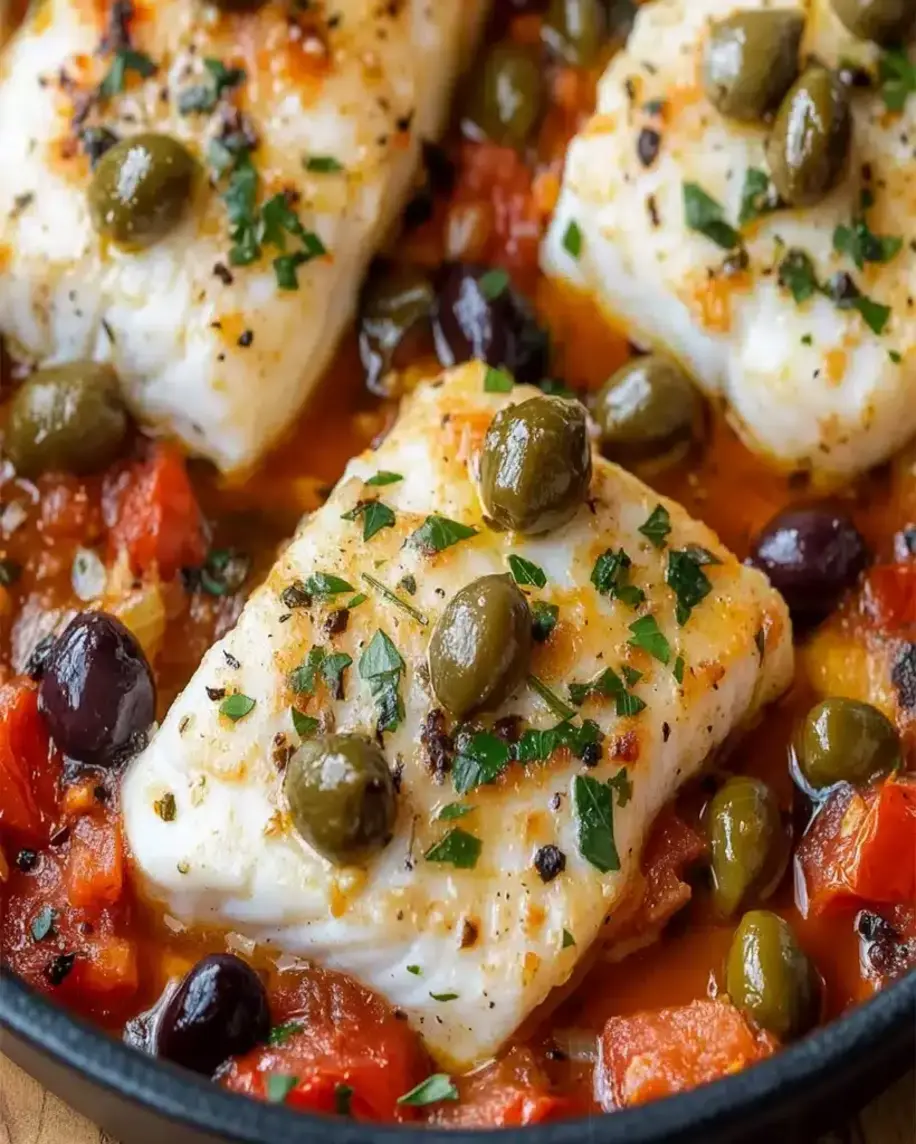
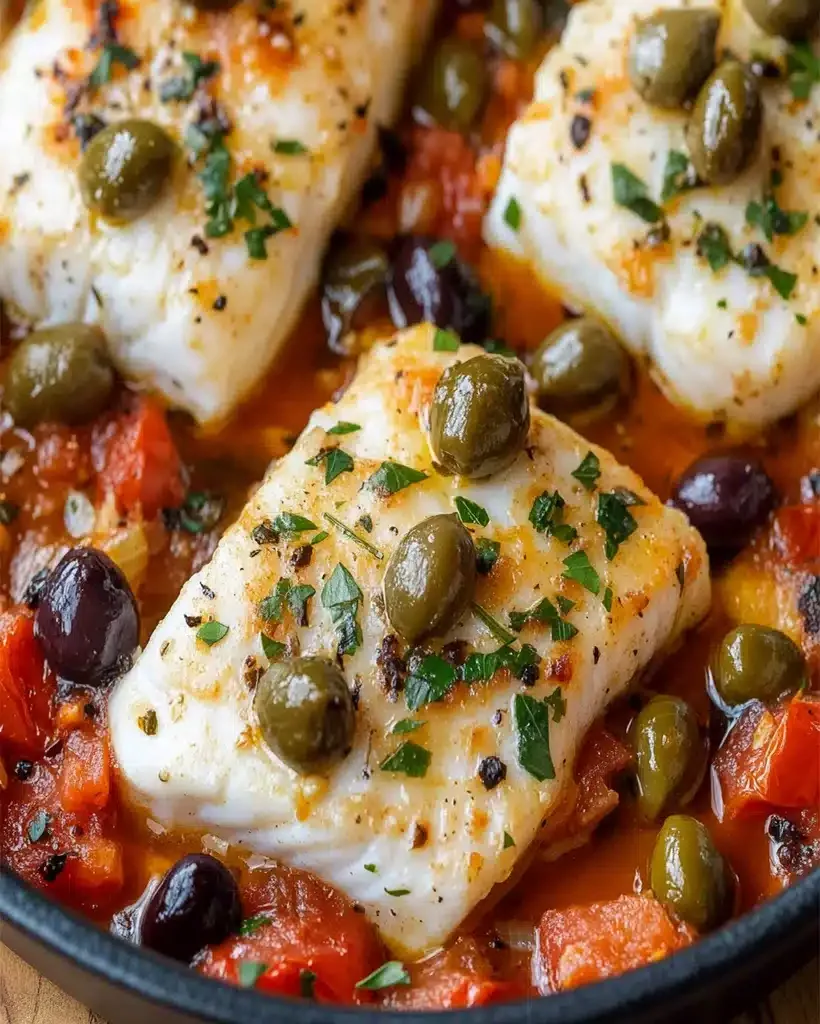
A beautiful, ready-to-serve dish of Bacalhau à Provençal in a rustic pan, showcasing flaky cod, vibrant tomatoes, olives, and capers.

Step-by-Step: Crafting Bacalhau à Provençal

Follow these simple steps to create a stunning and delicious Bacalhau à Provençal.

Step 1: Prepare the Cod

If using fresh cod, pat the fillets completely dry with paper towels. This is crucial for achieving a good sear later if you choose to sear the fish first (though this recipe braises it). Season generously with salt and freshly ground black pepper on both sides. If using desalted salt cod, ensure it’s thoroughly rinsed and dried.

Step 2: Sauté Aromatics

Heat the olive oil in a large, oven-safe skillet or Dutch oven over medium heat. Add the chopped onion and sauté until softened and translucent, about 5-7 minutes. Stir in the minced garlic, fresh thyme leaves, and the bay leaf. Cook for another minute until fragrant, being careful not to burn the garlic.

Step 3: Build the Sauce

Pour in the white wine (if using) and let it simmer for 1-2 minutes, scraping up any browned bits from the bottom of the pan. Add the can of diced tomatoes (undrained), olives, and capers. Stir everything together. Bring the sauce to a gentle simmer, then reduce the heat to low, cover, and let it cook for about 10 minutes to allow the flavors to meld. Taste the sauce and adjust seasoning with salt and pepper if needed, remembering the olives and capers are already salty.

Step 4: Cook the Cod

Gently nestle the seasoned cod fillets into the simmering tomato sauce. Spoon some of the sauce over the fish. Cover the skillet again and let the cod poach gently in the sauce for 10-15 minutes, or until the fish is opaque and flakes easily with a fork. The cooking time will depend on the thickness of your fillets. Avoid overcooking, as cod can become dry.

Step 5: Finish and Serve

Once the cod is cooked through, remove the bay leaf. Stir in most of the chopped fresh parsley, reserving some for garnish. Spoon the Bacalhau à Provençal into shallow bowls, ensuring each serving gets a generous portion of the rich tomato, olive, and caper sauce. Garnish with the remaining fresh parsley. Serve immediately and enjoy the wonderful Mediterranean flavors!

Nutritional Snapshot

While exact nutritional values can vary based on specific ingredients and portion sizes, a typical serving of Bacalhau à Provençal (per 1/4 of the recipe, excluding accompaniments) is approximately:

  • Calories: 350-450 kcal
  • Protein: 30-35g
  • Fat: 15-20g (primarily healthy fats from olive oil)
  • Carbohydrates: 10-15g
  • Sodium: Varies significantly based on salt added and brininess of olives/capers.

Bacalhau (cod) is an excellent source of lean protein and B vitamins, while tomatoes provide vitamins C and K, and potassium. The olives and olive oil contribute heart-healthy monounsaturated fats.

Healthier Twists on Tradition

  • Reduced Sodium: Use low-sodium diced tomatoes, rinse olives and capers thoroughly, and go easy on added salt.
  • More Veggies: Add bell peppers (diced), zucchini (sliced), or spinach to the tomato sauce for extra nutrients and fiber.
  • Lighter Oil: While olive oil is key, you can slightly reduce the amount used for sautéing or use a lighter olive oil if preferred, though extra virgin is recommended for flavor.
  • Different Fish: Halibut or haddock can be excellent substitutes for cod, offering a similar flaky texture.

Serving Bacalhau à Provençal

This dish is wonderfully versatile. It pairs beautifully with:

  • Crusty bread for soaking up the delicious sauce.
  • Steamed or roasted potatoes.
  • Quinoa or couscous for a grain element.
  • A simple side salad with a light vinaigrette to balance the richness.

Avoiding Common Pitfalls

  • Overcooking the Cod: This is the most common mistake. Cod cooks quickly; keep an eye on it and remove it as soon as it flakes.
  • Not Draining Salt Cod Properly: If using salt cod, ensure it’s fully desalted and thoroughly dried, otherwise, the dish will be too salty and the texture compromised.
  • Burning the Garlic: Garlic cooks very fast. Add it towards the end of the sautéing the onions and cook only until fragrant.
  • Under-seasoning: Taste and adjust seasoning at the end. Olives and capers add saltiness, but the tomatoes and fish may need a boost.

Storing Your Savory Creation

Leftover Bacalhau à Provençal can be stored in an airtight container in the refrigerator for up to 2-3 days. Reheat gently on the stovetop or in the microwave. The flavors often meld even further overnight, making leftovers delicious. Be aware that the texture of the cod might change slightly upon reheating.

Bring the Coast to Your Table

Bacalhau à Provençal is more than just a meal; it’s an experience. It’s a celebration of simple, fresh ingredients coming together to create something truly special. The vibrant acidity of the tomatoes, the briny punch of olives and capers, and the delicate flakiness of the cod make this a dish you’ll want to return to again and again. Whether you’re a seasoned cook or just starting your culinary adventure, this recipe is a rewarding and delicious way to explore Mediterranean flavors. So, gather your ingredients, put on your apron, and get ready to impress yourself and your loved ones with this easy yet elegant Bacalhau à Provençal!

Frequently Asked Questions

***What is Bacalhau?***

Bacalhau refers to dried and salted cod. It’s a staple in Portuguese, Spanish, and other Mediterranean cuisines. It requires desalting before cooking, which typically involves soaking it in water for several days, changing the water frequently. Fresh cod can be used as a direct substitute for simplicity.

***Can I use other types of fish?***

Absolutely! While cod is traditional and works beautifully, other firm white fish like halibut, haddock, or even sea bass would be excellent choices. Ensure the fish is firm enough to hold its shape during the poaching process.

***What are capers?***

Capers are the unripened flower buds of a caper bush. They are typically preserved in salt or brine and offer a potent, tangy, slightly floral, and briny flavor that adds a wonderful zest to dishes.

***How do I properly desalt bacalhau?***

To desalt bacalhau, rinse the pieces under cold water. Then, place them in a large bowl, cover with plenty of cold water, and refrigerate. Change the water every 6-8 hours for 2-3 days, depending on the thickness of the fish. Taste a small piece after 2 days; it should be less salty but still have a distinct flavor.

***Can this dish be made ahead of time?***

The tomato sauce base can be made a day in advance and refrigerated. However, it’s best to cook the cod just before serving to ensure its optimal texture. Reheating the sauce and gently poaching the fish before serving is possible, but the absolute freshest result comes from cooking the fish fresh.

Print

clock clock iconcutlery cutlery iconflag flag iconfolder folder iconinstagram instagram iconpinterest pinterest iconfacebook facebook iconprint print iconsquares squares iconheart heart iconheart solid heart solid icon

Cod Provençal Recipe with Tomatoes, Capers, and Olives

  • Author: Chef Mia

Description

Welcome to another delightful Mediterranean-inspired dish! Today, we’ll explore how to make a comforting and flavorfulCod Provençal. This easy-to-make meal is perfect for seafood lovers and a great way to bring French coastal flavors to your kitchen. With the rich blend of tomatoes, capers, and olives, this dish is bursting with savory goodness.


Ingredients

  • Optional substitutions:

Instructions

  1. Heat up 2 tbsp of olive oil in a large frying pan over medium heat. Add the chopped garlic and sliced onion. Cook for 2-3 minutes until the onion softens and turns translucent.
  2. Next, add the diced tomatoes, parsley, thyme, red pepper flakes, salt, and black pepper. Cover the pan and let the ingredients cook for 10-12 minutes, stirring occasionally until the tomatoes have softened and created a fragrant sauce.
  3. Once the sauce is ready, stir in the black olives and capers. This adds a savory, briny flavor that complements the sweetness of the tomatoes.
  4. On a clean surface, drizzle the cod loins with fresh lemon juice and season with 1 tsp salt and 1 tsp black pepper. Gently place the seasoned cod loins on top of the tomato mixture in the pan. Garnish with a few extra thyme sprigs for added flavor. Cover the pan and cook the cod for about 5 minutes, or until it is just cooked through and flaky.

Notes

Use fresh tomatoes:Fresh, ripe tomatoes work best to create a rich, flavorful sauce. If tomatoes are out of season, you can substitute with high-quality canned tomatoes.
Capers and Olives:If you prefer a stronger briny taste, increase the number of capers or olives in the dish. Conversely, for a milder flavor, you can reduce the quantity slightly.
Cooking time for cod:Be cautious not to overcook the cod. It only needs about 5 minutes to cook through, depending on the thickness of the loins. You’ll know it’s ready when it flakes easily with a fork.


“`

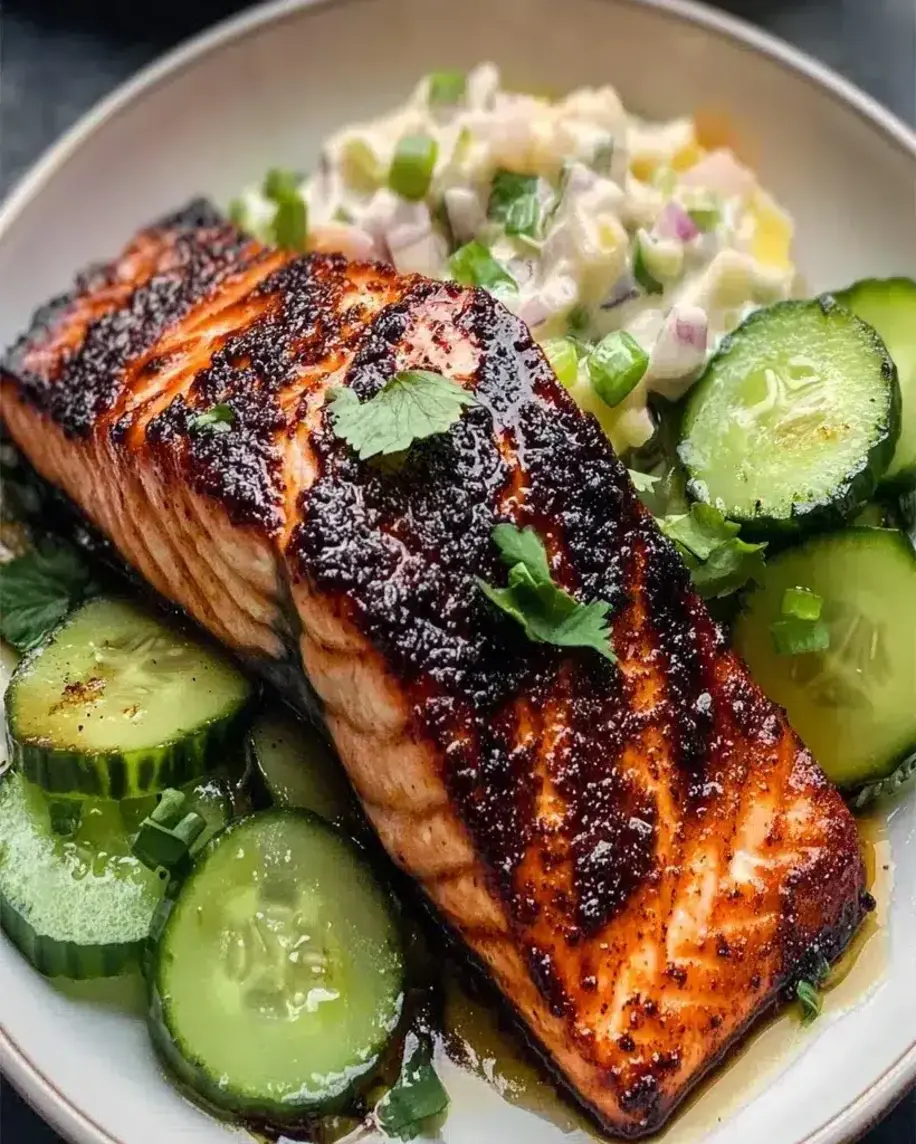
Blackened Miso Salmon with Coconut Cucumber Salad – Easy & Flavorful! 🥥🥒

“`html

Blackened Miso Salmon with Coconut Cucumber Salad – Easy & Flavorful! 🥥🥒

An Unforgettable Flavor Fusion

Are you looking for a weeknight dinner that’s both incredibly flavorful and stunningly healthy, a dish that transports your taste buds to Southeast Asia with every bite? If you’re nodding your head, then you’re in the right place! Welcome to an easy, flavorful, and healthy dish that combines the richness of blackened miso salmon with the refreshing, creamy coconut cucumber salad. This delightful combination features an Asian-inspired miso marinade paired with a tangy coconut dressing, making it an irresistible meal for any occasion. Not only is it quick to prepare, but it also elevates your dining experience with bold flavors, crunchy textures, and nutritious ingredients. Let’s dive into the recipe and see why it’s a must-try for lovers of fusion cuisine.

Ingredients You’ll Need

For the Blackened Miso Salmon

The star of our show! We’re using a rich, umami-packed marinade that caramelizes beautifully, creating those coveted crispy edges.

  • Salmon Fillets (about 6 oz each): Look for skin-on fillets if you prefer that extra crispiness. The richness of the salmon is a perfect canvas for the bold marinade.
  • White Miso Paste: This fermented soybean paste offers a delicate, sweet, and savory umami flavor. (Substitution: Red miso can be used for a bolder, more intense flavor, but might slightly darken the marinade.)
  • Soy Sauce or Tamari: For that essential salty depth. Use tamari for a gluten-free option.
  • Rice Vinegar: Adds a touch of acidity to balance the richness.
  • Sesame Oil: Toasted sesame oil brings nutty, aromatic notes.
  • Honey or Maple Syrup: A touch of sweetness to help with caramelization and balance the salty miso. (Use maple syrup for a vegan-friendly option if you ever adapt this recipe for tofu!)
  • Garlic: Freshly minced garlic adds pungent aromatics.
  • Ginger: Freshly grated ginger provides a warm, spicy kick.
  • Blackening Seasoning: A robust blend of spices, typically including paprika, cayenne, thyme, oregano, and black pepper. You can buy a pre-made blend or make your own.

For the Coconut Cucumber Salad

A cool, creamy counterpoint to the rich salmon. The coconut milk brings a subtle sweetness and a luscious texture.

  • Cucumber: Thinly sliced. English cucumbers are great because they have fewer seeds and a thinner skin. (Substitution: Persian cucumbers are also excellent, or seed and peel a regular cucumber if needed.)
  • Red Onion: Thinly sliced. Soaking it in cold water can mellow its sharp bite.
  • Fresh Cilantro: Chopped, for a burst of fresh, herbaceous flavor. (Substitution: Fresh mint or a mix of both is also fantastic.)
  • Full-Fat Coconut Milk: This is crucial for the creamy texture. Don’t use light coconut milk, as it won’t be as rich.
  • Lime Juice: Freshly squeezed for a bright, tangy finish.
  • Salt: To enhance all the flavors.
  • Optional: Toasted Sesame Seeds: For garnish and an extra layer of nutty crunch.

For the Tangy Coconut Dressing

This dressing ties everything together with a bright, zesty punch.

  • Lime Juice: The backbone of the dressing’s tanginess.
  • Rice Vinegar: Adds another layer of acidity.
  • Mirin (optional): A sweet Japanese rice wine that adds a subtle sweetness and gloss. (Substitution: A pinch of sugar or honey can be used.)
  • Garlic: Minced, for a hint of aromatic warmth.
  • Ginger: Freshly grated, to complement the salmon marinade.
  • Sesame Oil: For that signature nutty aroma.
  • A pinch of red pepper flakes (optional): For a subtle hint of heat.

Timing is Everything

This recipe is designed for efficiency without sacrificing flavor. Prep time is minimal, and cook time is swift, making it perfect for even the busiest evenings.

Prep time: 20 minutes
Marinating time: 30 minutes
Cook time: 10-15 minutes
Total time: 1 hour 5 minutes

Compared to many complex fusion dishes, this recipe is significantly quicker, with a total active preparation and cooking time under 45 minutes once marinating is considered.

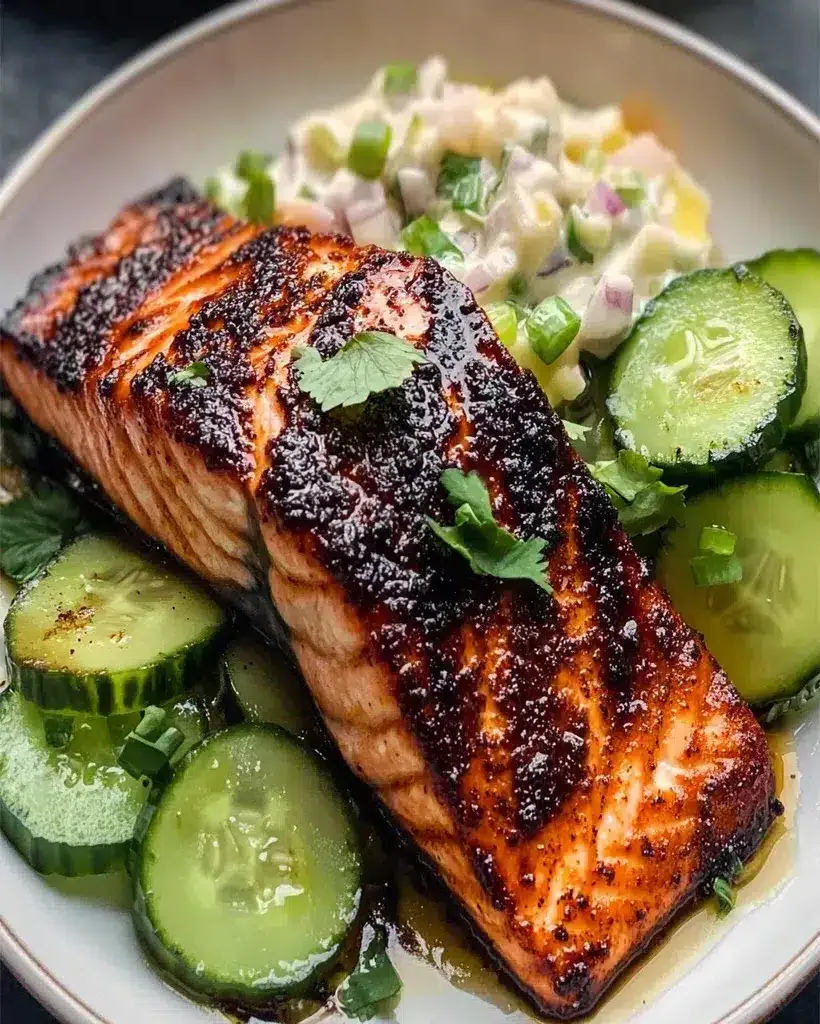
Blackened Miso Salmon with Coconut Cucumber Salad

Let’s Get Cooking!

Step 1: Marinate the Salmon

In a shallow dish or a resealable bag, whisk together the white miso paste, soy sauce (or tamari), rice vinegar, sesame oil, honey (or maple syrup), minced garlic, and grated ginger. Gently place the salmon fillets into the marinade, ensuring they are well coated. Cover and refrigerate for at least 30 minutes, or up to 2 hours. Avoid marinating for too long, as the acidity can start to ‘cook’ the fish.

Step 2: Prepare the Cucumber Salad

While the salmon is marinating, prepare your refreshing salad. In a medium bowl, combine the thinly sliced cucumber and red onion. If you find red onion too sharp, you can soak the slices in ice-cold water for about 10 minutes, then drain them thoroughly before adding to the salad. Add the chopped cilantro to the bowl.

Step 3: Whisk up the Dressing

In a small bowl, whisk together the full-fat coconut milk, fresh lime juice, rice vinegar, mirin (if using), minced garlic, grated ginger, and sesame oil. Season with salt and a pinch of red pepper flakes if you like a little heat. Taste and adjust the seasoning – it should be creamy, tangy, and slightly sweet.

Step 4: Cook the Salmon

Remove the salmon from the marinade, letting any excess drip off. Pat the fillets gently with a paper towel – this helps achieve a better sear and blackening. Sprinkle the blackening seasoning generously over both sides of the salmon fillets. Heat a tablespoon of high-heat oil (like avocado or grapeseed oil) in a non-stick skillet or cast-iron pan over medium-high heat. Once shimmering, carefully place the salmon fillets in the pan, presentation-side down first. Sear for about 3-5 minutes per side, depending on thickness, until cooked through and beautifully blackened. The edges should be slightly crispy and caramelized. If using skin-on salmon, start with the skin side down for maximum crispiness.

Step 5: Assemble and Serve

Pour the tangy coconut dressing over the cucumber and red onion mixture, tossing gently to coat. Let it sit for a few minutes for the flavors to meld. Divide the coconut cucumber salad among plates. Place a perfectly blackened miso salmon fillet on top of each salad. Garnish with toasted sesame seeds and a few extra sprigs of cilantro, if desired. Serve immediately and enjoy the explosion of flavors and textures!

Nutritional Highlights

This dish is a nutritional powerhouse:

  • Salmon: Excellent source of lean protein, omega-3 fatty acids, and Vitamin D.
  • Cucumber: Hydrating and low in calories, packed with vitamins and antioxidants.
  • Miso: Contains probiotics which can be beneficial for gut health.
  • Coconut Milk (in moderation): Provides healthy fats.

Approximate nutritional information per serving (can vary based on exact ingredients and portion sizes): Calories: 450-550, Protein: 35-45g, Fat: 25-35g, Carbohydrates: 15-25g.

Healthier Alternatives and Flavor Boosts

Lighter Dressing: For a lighter version, use low-fat coconut milk or even Greek yogurt for a creamy, tangy base, though the flavor profile will change.

More Veggies: Add shredded carrots, bell peppers, or edamame to the cucumber salad for extra color, crunch, and nutrients.

Spice Level: Adjust the blackening seasoning and red pepper flakes to suit your preference. For a milder dish, use less cayenne pepper in your blackening blend.

Gluten-Free: Ensure you use tamari instead of soy sauce and gluten-free miso paste (most varieties are, but check the label).

Serving Suggestions

This dish is a complete meal on its own, but here are some ideas to round it out:

  • Serve alongside steamed jasmine rice or brown rice for a more substantial meal.
  • A side of steamed bok choy or stir-fried greens would complement the Asian flavors.
  • Garnish with sliced avocado for an extra creamy texture and healthy fats.

Common Mistakes to Avoid

Over-Marinating: Soy sauce and lime juice can break down the fish’s texture if left too long, resulting in a mushy texture.

Crowding the Pan: When cooking the salmon, give the fillets enough space in the pan to allow them to sear properly and develop that beautiful crust.

Not Patting Dry: For a good sear and crispiness, always pat your salmon dry before seasoning and cooking.

Using Low-Heat Oil: A high smoke point oil is essential for high-heat searing without burning.

Storing Your Culinary Creations

Leftover cooked salmon and salad can be stored in an airtight container in the refrigerator for up to 2 days. The salad may become a little more watery as the cucumbers release more liquid. For best results, store the dressing separately and toss with the salad just before serving.

Enjoy This Delicious Meal

Blackened Miso Salmon with Coconut Cucumber Salad is more than just a recipe; it’s an experience. The vibrant, bold flavors of the blackened miso salmon perfectly complement the cool, creamy, and refreshing cucumber salad. This dish is a testament to how simple ingredients can create something truly spectacular. It’s healthy, easy to make, and guaranteed to impress. Give it a try and let its deliciousness transform your mealtime! What are you waiting for? Get your ingredients ready and create this masterpiece in your own kitchen!

Frequently Asked Questions

***What type of miso paste is best for this recipe?***

White miso paste (shiro miso) is recommended for its mild, slightly sweet, and savory flavor, which won’t overpower the delicate fish. However, red miso can be used for a more robust umami profile if you prefer.

***Can I use a different type of fish?***

Yes, you can! This marinade and blackening spice blend would work wonderfully with other firm white fish like cod, halibut, or even chicken breast seasoned and cooked appropriately. Adjust cooking times as needed.

***How do I prevent the salmon from sticking to the pan?***

Ensure your pan is adequately heated with sufficient oil, and crucially, pat the salmon completely dry before applying the blackening seasoning. This helps create a barrier and promotes searing rather than sticking.

***Can I make the salad ahead of time?***

You can prepare the components (slice cucumber and onion, chop cilantro) ahead of time and store them separately. Combine and dress the salad just before serving to prevent it from becoming watery.

Print
clock clock iconcutlery cutlery iconflag flag iconfolder folder iconinstagram instagram iconpinterest pinterest iconfacebook facebook iconprint print iconsquares squares iconheart heart iconheart solid heart solid icon

Blackened Miso Salmon with Coconut Cucumber Salad Recipe

  • Author: Chef Mia

Description

Welcome to an easy, flavorful, and healthy dish that combines the richness of blackened miso salmon with the refreshing, creamy coconut cucumber salad. This delightful combination features an Asian-inspired miso marinade paired with a tangy coconut dressing, making it an irresistible meal for any occasion. Not only is it quick to prepare, but it also elevates your dining experience with bold flavors, crunchy textures, and nutritious ingredients. Let’s dive into the recipe and see why it’s a must-try for lovers of fusion cuisine.


Ingredients

Scale
  • 1lb skin-on salmon, cut into4 ozfilets
  • ¼ cuplow-sodium soy sauce
  • 2 tbsphoney
  • 1 tbspwhite miso paste
  • 1 tbspolive oil
  • 1garlic clove, minced
  • Juice from1lime
  • Cooked black or brown rice
  • 1large English cucumber or4mini cucumbers, sliced
  • 4green onions, sliced
  • 2 tbspcilantro, chopped
  • cupfull-fat, unsweetened coconut milk
  • ½ tsphoney
  • Juice and zest from 1 lime
  • Kosher salt, to taste

Instructions

  1. In a small bowl, whisk together soy sauce, honey, miso paste, olive oil, garlic, and lime juice. Pour ¾ of this marinade into a shallow dish and place the salmon, skin side up. Let it marinate for 15-20 minutes.
  2. While the salmon marinates, prepare the cucumber salad by combining sliced cucumbers, green onions, cilantro, coconut milk, honey, lime juice, and zest. Season with kosher salt to taste and set aside.
  3. Preheat your broiler and place the oven rack about 6 inches below the heating element. Arrange the marinated salmon fillets, skin side down, on a broil pan or foil-lined baking sheet. Broil for 8-10 minutes, or until the top is slightly blackened.
  4. Once the salmon is cooked, brush the remaining marinade over the top. Serve with the creamy coconut cucumber salad and a side of black or brown rice.

Notes

Substitute Ingredients:You can replace soy sauce with tamari for a gluten-free option, or swap honey with maple syrup for a vegan-friendly version.
Time-Saving Tips:Use an air fryer to cook the salmon quickly and achieve an evenly blackened top.
Ingredient Substitution for Allergies:Coconut milk can be swapped with almond milk if coconut allergies are a concern.

“`

Thai Yellow Chicken Curry with Potatoes | Easy & Flavorful Meal

“`html

Thai Yellow Chicken Curry with Potatoes | Easy & Flavorful Meal

Craving a Flavorful Thai Dish?

Are you seeking a dinner that’s both comforting and bursting with exotic flavors, something that feels like a warm hug in a bowl? If you’re like millions of home cooks who turn to Thai cuisine for its incredible depth of flavor and aromatic spices, then this Thai Yellow Chicken Curry with Potatoes is about to become your new favorite. This authentic and hearty meal brings together succulent chicken, tender golden potatoes, and a fragrant, homemade yellow curry paste, creating a dish that’s perfect for weeknights yet impressive enough for guests. It’s remarkably quick to prepare, packing a punch of flavors that will transport you straight to the bustling streets of Thailand. Ready to create a culinary masterpiece that’s as easy as it is delicious?

Authentic Thai Yellow Chicken Curry Ingredients

The magic of this Thai Yellow Chicken Curry lies in its vibrant paste and the harmonious blend of fresh ingredients. We’ll break them down for clarity.

For the Yellow Curry Paste

  • Dried Red Chilies: 5-7 (adjust for heat; soak in hot water for 10 minutes, then drain). These provide a foundational warmth and subtle fruity notes.
  • Shallots: 2 medium, peeled and roughly chopped. Shallots offer a sweeter, more delicate onion flavor than regular onions.
  • Garlic: 4-5 cloves, peeled. Essential for its pungent, savory depth.
  • Galangal: 1-inch piece, peeled and thinly sliced. This fragrant rhizome, similar to ginger but with peppery, citrusy notes, is crucial for authentic Thai flavor. (Substitution: Fresh ginger, but the flavor profile will shift slightly.)
  • Lemongrass: 1 stalk, tough outer layers removed, thinly sliced. It imparts a bright, citrusy aroma.
  • Turmeric: 1 teaspoon ground or a 1/2-inch fresh piece, peeled and sliced. This gives the curry its characteristic golden hue and earthy undertones.
  • Coriander Seeds: 1 teaspoon, toasted until fragrant. Adds a warm, citrusy, and slightly floral note.
  • Cumin Seeds: 1/2 teaspoon, toasted. Provides a warm, earthy flavor.
  • Shrimp Paste (Belacan/Kapi): 1/2 teaspoon (optional, but highly recommended for authentic umami). Adds a unique depth of flavor. (Vegetarian/Vegan Sub: Miso paste or omit.)
  • Lime Zest: Zest of 1/2 lime. Brightens the paste with a citrusy punch.
  • Vegetable Oil: 1 tablespoon, for blending. Helps to create a smooth paste.

For the Curry

  • Chicken Thighs: 1.5 lbs (about 680g), boneless, skinless, cut into bite-sized pieces. Thighs stay more tender and juicy than breast. (Substitution: Chicken breast, cut into chunks.)
  • Coconut Milk: Two 13.5 oz (400ml) cans, full-fat. The creamy base that emulsifies the flavors.
  • Yellow Potatoes: 1 lb (about 450g), peeled and cut into 1-inch cubes. They absorb the curry beautifully and add heartiness. (Substitution: Sweet potatoes or Yukon Gold potatoes.)
  • Fish Sauce: 2 tablespoons. The quintessential Thai condiment for salty, umami depth. (Substitution: Soy sauce or tamari for vegetarian option.)
  • Brown Sugar: 1 tablespoon (or palm sugar for authenticity). Balances the spice and savory notes.
  • Vegetable Oil: 2 tablespoons, divided. For sautéing.
  • Lime Juice: 1 tablespoon, freshly squeezed. Adds a final bright, acidic lift.
  • Optional Garnishes: Fresh cilantro, sliced red chilies, kaffir lime leaves (added during simmering for aroma), sliced red bell peppers.

Perfectly Timed Thai Yellow Chicken Curry

Prep Time: 25 minutes
Cook Time: 30 minutes
Total Time: 55 minutes

Compared to many authentic Thai curry recipes that can take over an hour, this version is streamlined for busy weeknights without sacrificing flavor. The prep time is mostly dedicated to chopping and blending the curry paste, while the cooking time focuses on tenderizing the chicken and potatoes.

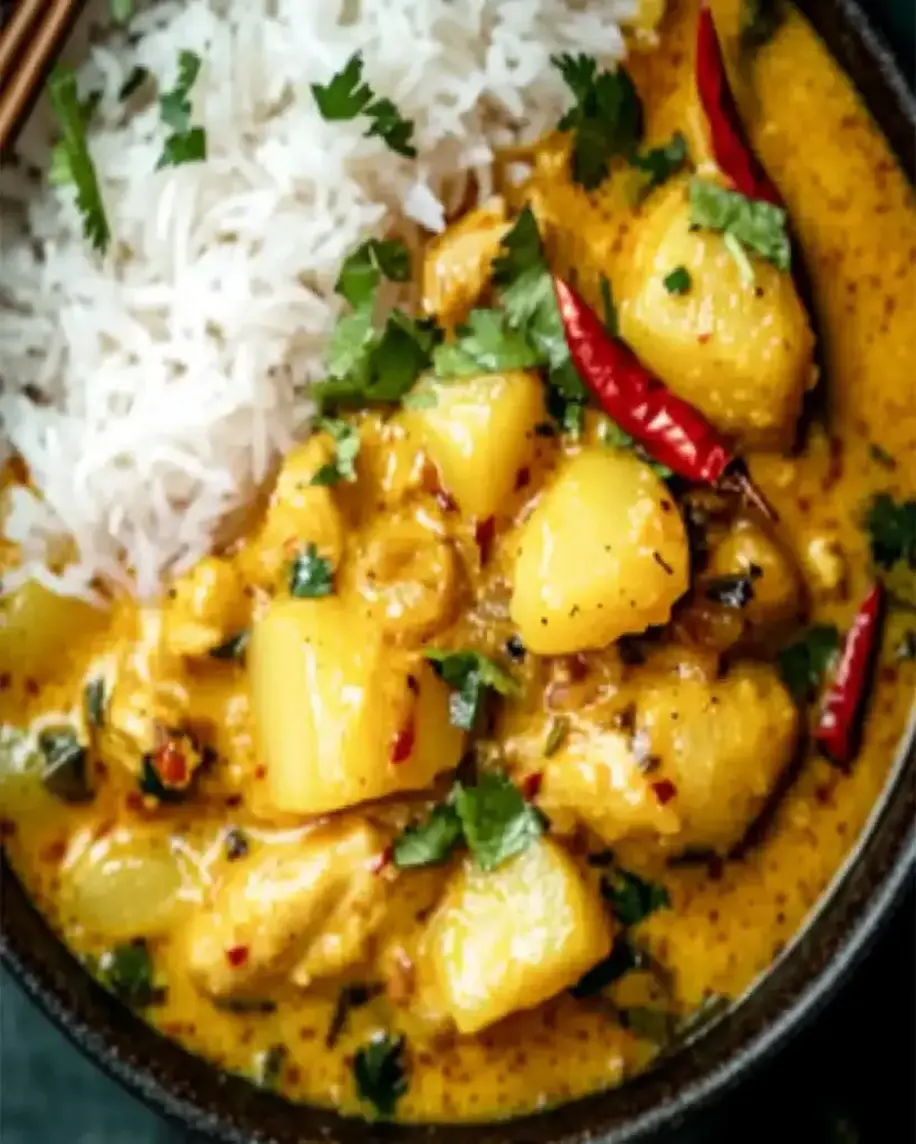
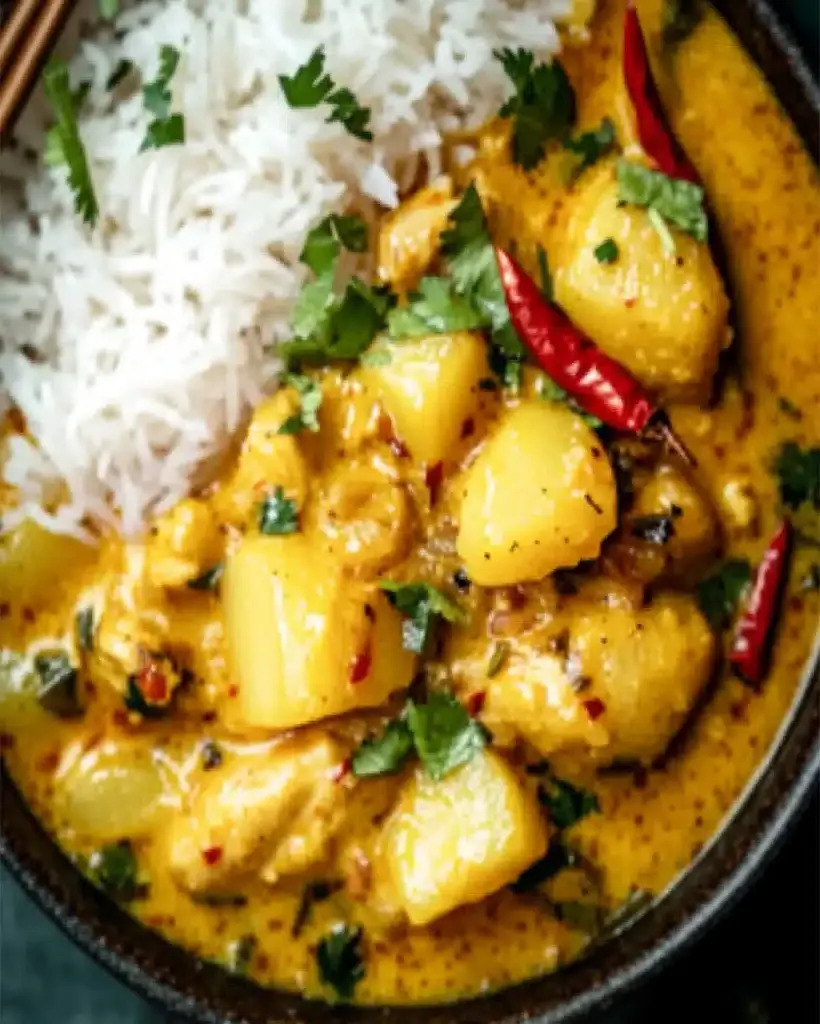
A bowl of Thai Yellow Chicken Curry with potatoes, garnished with cilantro and chili.

Easy Step-by-Step Thai Yellow Chicken Curry

Step 1: Prepare the Vibrant Yellow Curry Paste

If using dried chilies, soak them in hot water for about 10 minutes until softened. Drain them thoroughly. In a food processor or blender, combine the soaked chilies (seeds removed if you prefer less heat), shallots, garlic, galangal, lemongrass, turmeric, toasted coriander and cumin seeds, shrimp paste (if using), and lime zest. Add 1 tablespoon of vegetable oil. Process until you have a relatively smooth, fragrant paste. You might need to scrape down the sides a few times. This is the soul of your curry!

Step 2: Sear the Tender Chicken

Pat the chicken pieces dry with paper towels. This helps them achieve a nice sear. Heat 1 tablespoon of vegetable oil in a large pot or Dutch oven over medium-high heat. Add the chicken pieces in a single layer (cook in batches if necessary to avoid crowding the pan). Sear for about 2-3 minutes per side until lightly browned. The chicken doesn’t need to be cooked through at this stage. Remove the chicken from the pot and set aside.

Step 3: Sauté the Aromatic Base

In the same pot used for the chicken, reduce the heat to medium. If the pot seems dry, add another teaspoon of oil. Add the prepared yellow curry paste. Sauté the paste for 2-3 minutes, stirring constantly, until it becomes deeply fragrant and slightly darker in color. This step, known as “blooming” the paste, is crucial for developing its full flavor and aroma.

Step 4: Bloom the Curry Paste and Add Creamy Coconut Milk

Pour in about half of one can of coconut milk. Stir it into the curry paste, scraping up any browned bits from the bottom of the pot. Bring to a gentle simmer and cook for about 5 minutes, allowing the coconut milk to emulsify and the flavors to meld. Once the oil starts to separate slightly from the sauce, add the remaining coconut milk from both cans. Stir well to combine.

Step 5: Simmer with Soft Potatoes

Add the cubed potatoes to the pot. If you’re using kaffir lime leaves, add them now. Bring the curry back to a gentle simmer, then reduce the heat to low, cover, and cook for 15-20 minutes, or until the potatoes are fork-tender and the chicken is cooked through. Stir occasionally to prevent sticking. The potatoes will absorb the rich, aromatic sauce.

Step 6: Finish and Season to Perfection

Once the potatoes and chicken are cooked, stir in the fish sauce and brown sugar. Taste and adjust seasoning as needed. You might want a little more saltiness from fish sauce, sweetness from sugar, or a touch of acidity. Stir in the fresh lime juice just before serving to brighten the flavors. If using, stir in some sliced red bell peppers for a pop of color and freshness. Remove kaffir lime leaves if used.

Nutritional Highlights

While exact nutritional values vary based on ingredients and portion sizes, a typical serving of this Thai Yellow Chicken Curry with Potatoes (approx. 1/6th of the recipe) offers:

  • Calories: 450-550 kcal
  • Protein: 25-35g
  • Fat: 25-35g (primarily from coconut milk)
  • Carbohydrates: 25-35g (from potatoes and sugar)
  • Fiber: 3-5g

(Note: These are approximate and do not include rice or other accompaniments.)

Smarter Swaps for a Lighter Curry

Looking to lighten things up without sacrificing that incredible flavor? Try these simple substitutions:

  • Reduced-Fat Coconut Milk: Use a mix of light and full-fat coconut milk, or opt for all light to significantly reduce fat content. The creaminess will be slightly less intense.
  • Lean Protein: Swap chicken thighs for chicken breast or even firm tofu for a vegetarian option. Ensure tofu is pressed well to prevent waterlogging.
  • Alternative Vegetables: Load up on more non-starchy vegetables like broccoli florets, green beans, snap peas, or cauliflower. Add them in the last 10-15 minutes of simmering.
  • Controlled Sweetness: If you’re watching sugar intake, reduce or omit the brown sugar and rely on the natural sweetness of other ingredients.

Serving Thai Yellow Chicken Curry

This rich and flavorful curry is best served piping hot. It pairs perfectly with:

  • Steamed Jasmine Rice: The classic accompaniment that soaks up all the delicious sauce.
  • Brown Rice or Quinoa: For a healthier, whole-grain option.
  • Fresh Herbs: A generous sprinkle of fresh cilantro and perhaps some thinly sliced red chilies for visual appeal and an extra kick.
  • Lime Wedges: For guests to add an extra burst of citrus.

Common Pitfalls to Avoid

To ensure your curry turns out perfectly every time, steer clear of these common mistakes:

  • Skipping the Paste Blooming: Not sautéing the curry paste enough in oil. This step is vital for developing complex flavors.
  • Overcrowding the Pot: Adding too much chicken or paste at once, which leads to steaming rather than searing and can dilute flavors.
  • Using Low-Quality Coconut Milk: Opt for full-fat, good-quality canned coconut milk for the best creamy texture and flavor. Avoid “coconut milk beverage” found in cartons, which is too thin.
  • Adding Lime Juice Too Early: The bright citrus flavor of lime juice dissipates with prolonged heat. Add it at the very end.

Keeping Your Curry Fresh

Leftover Thai Yellow Chicken Curry can be stored in an airtight container in the refrigerator for up to 3-4 days. The flavors often meld and deepen overnight, making it even tastier the next day.

To Reheat: Gently reheat the curry on the stovetop over low heat, stirring occasionally, until heated through. You may need to add a splash of water or coconut milk if it has become too thick. Avoid microwaving, as this can sometimes affect the texture of the chicken and potatoes.

Your New Go-To Thai Comfort Meal

This Thai Yellow Chicken Curry with Potatoes is more than just a meal; it’s an experience. It’s a perfect balance of creamy, savory, and slightly sweet, with fragrant spices that tantalize the senses. Its simple preparation makes it accessible for any home cook, while its authentic flavors deliver a truly satisfying taste of Thailand. Embrace the warmth, the aroma, and the incredible taste. Whip up a batch this week and let yourself be transported!

Frequently Asked Questions

***What is the difference between Thai yellow, red, and green curry paste?***

The primary difference lies in the chilies used: red curry uses dried red chilies, green curry uses fresh green chilies (making it spicier and brighter), and yellow curry often uses dried red chilies but also incorporates turmeric and other warming spices for its distinct color and milder, earthier flavor profile.

***Can I make this curry vegetarian or vegan?***

Absolutely! Substitute the chicken with firm or extra-firm tofu (pressed and cubed) or other vegetables like extra potatoes, cauliflower, or chickpeas. Omit the shrimp paste or substitute with a little miso paste for umami. Ensure your fish sauce is replaced with soy sauce or tamari.

***How spicy is Thai yellow curry?***

Typically, yellow curry is the mildest of the three main Thai curry pastes. However, the heat level can be adjusted by the number and type of chilies used in the paste. This recipe uses a moderate amount, but you can add or reduce them to suit your preference.

***Why is my curry sauce so thin?***

This can happen if you use low-fat coconut milk, don’t simmer it long enough to reduce, or use too much liquid. Ensuring you use full-fat coconut milk and letting the curry simmer gently for at least 10-15 minutes after adding the potatoes and chicken helps thicken the sauce as the starches from the potatoes release.

Print

clock clock iconcutlery cutlery iconflag flag iconfolder folder iconinstagram instagram iconpinterest pinterest iconfacebook facebook iconprint print iconsquares squares iconheart heart iconheart solid heart solid icon

Thai Yellow Chicken Curry Recipe with Potatoes | Easy Meal

  • Author: Chef Mia

Description

Welcome, curry lovers! If you’re craving a bold, comforting, and flavorful dish, look no further than this deliciousThai Yellow Chicken Curry with Potatoes. This authentic and hearty meal brings together tender chicken, golden potatoes, and a fragrant, homemade yellow curry paste, sure to become your go-to comfort food. It’s perfect for weeknights, quick to prepare, and packed with flavors that will transport you to the heart of Thailand.


Ingredients

  • Tip: For a vegetarian version, substitute chicken with tofu or chickpeas and omit the fish sauce.

Instructions


    Notes

    Coconut Milk vs. Coconut Cream: Use coconut cream for a richer, thicker curry. If you prefer a lighter version, coconut milk works perfectly as well.
    Spice Level: For a spicier curry, you can add Thai chilies or red pepper flakes.
    Make it Ahead: This curry tastes even better the next day, making it ideal for meal prepping.


    “`