Sticky Air Fryer Honey Garlic Salmon in 10 Minutes

Air Fryer Honey Garlic Salmon: Quick Caramelized Delight

⚖️
Difficulty
Easy
⏲️
Prep Time
10 mins
🕒
Cook Time
8 mins
⏱️
Total Time
18 mins
🍽️
Servings
2

Growing up in my mother’s bustling kitchen in Marrakech, I learned the magic of transforming simple ingredients into vibrant meals, often using the intense heat of a tagine to caramelize vegetables and meats. That same principle of quick, flavorful cooking is what draws me to my air fryer here in bustling New York City. This Air Fryer Honey Garlic Salmon recipe is my modern homage to those early lessons, creating a perfectly caramelized, sticky-sweet salmon in a fraction of the time. It’s proof that you don’t need hours to achieve restaurant-quality flavor right in your own home, especially when you have a fantastic piece of salmon and a few pantry staples.

Imagine this: tender, flaky salmon fillets glistening under a rich, amber-hued glaze, boasting that irresistible sweet and savory honey garlic symphony. The edges are slightly crisped, a delightful contrast to the succulent interior. The aroma that fills your kitchen as it cooks is simply intoxicating – a warm, inviting blend of sweet honey, pungent garlic, and the subtle, oceanic scent of fresh salmon. This isn’t just a meal; it’s an experience that delights all the senses, reminiscent of the aromatic spice markets in Morocco or the refined sauces I perfected in Paris.

What makes this honey garlic salmon recipe truly special, beyond its incredible ease, is the balance of flavors and the foolproof cooking method. I’ve tweaked the simple sauce to ensure it coats the salmon beautifully without burning, a common pitfall for many. This recipe is designed for busy weeknights but sophisticated enough for company. Stick around, and I’ll share a key tip for achieving that perfect glaze every time, plus a common mistake to sidestep that can ruin your salmon’s texture. Get ready for your new favorite easy air fryer salmon dish!

Why This Air Fryer Honey Garlic Salmon Recipe Is the Best

My early days in Marrakech taught me that the purest flavors often come from the simplest combinations, enhanced by precise heat. This Air Fryer Honey Garlic Salmon recipe embodies that philosophy. The “secret” isn’t just a sweet and savory sauce, but how it’s applied and cooked. My technique ensures the honey and soy sauce create a deeply flavorful, sticky glaze that caramelizes beautifully in the air fryer without burning, a result inspired by the slow-cooked caramelization techniques I mastered in Paris but adapted for rapid cooking. It’s that delicate balance, achieved with just four main ingredients, that elevates this dish.

Achieving that perfect texture in salmon can be tricky, but the air fryer is a game-changer. It circulates hot air evenly, cooking the fish quickly and locking in moisture while developing a lovely, slightly crisp exterior. This recipe demands precise timing – just 7-8 minutes at 400°F. This rapid cooking method is crucial for preventing the salmon from becoming dry or overcooked, ensuring that each bite is flaky, tender, and moist. It’s a technique I rely on for perfect seafood every time, whether I’m cooking at home in the city or catering for a discerning client.

This recipe is ideal for home cooks of all levels, especially those looking for a healthy salmon dinner that’s both quick and impressive. It requires minimal prep and cooks in under 10 minutes, making it a weeknight marvel. The ingredient list is short and accessible, and the instructions are straightforward. You’ll be amazed at the depth of flavor you can achieve with such little effort, proving that a gourmet meal is always within reach, even on the busiest of days in a city like New York.

Air Fryer Honey Garlic Salmon Ingredients

When I’m developing a recipe, I always think about what’s fresh and available at my local NYC Union Square Greenmarket. For this dish, high-quality salmon is key. I look for fillets that are bright pink or orange, firm to the touch, and smell fresh, not fishy. The other ingredients are simple pantry staples that I believe every kitchen should have – honey for sweetness, soy sauce for umami, and garlic for that indispensable aromatic punch. These are the building blocks that, when treated with care, create something truly delicious.

Ingredients List

  • 2 salmon fillets (5-8 oz. each), skin on or off
  • 2 tablespoons honey (use a neutral-flavored honey like clover or orange blossom)
  • 1 1/2 tablespoons low sodium soy sauce (tamari for gluten-free)
  • 1/4 teaspoon garlic powder OR 1 teaspoon fresh garlic, minced
  • Optional: Black/white sesame seeds, for garnish
  • Optional: Green onions, thinly sliced, for garnish

Ingredient Spotlight

Honey: This is your primary sweetener and the star of the glaze. I recommend a mild honey like clover, wildflower, or orange blossom. It provides a beautiful, sticky caramelization that’s essential for the dish’s appeal. In any US grocery store, you’ll find plenty of options. If you can’t find honey, maple syrup is a decent substitute but will lend a slightly different, woodsy flavor.

Low Sodium Soy Sauce: Soy sauce brings the essential umami depth and saltiness to balance the honey. Using low-sodium is my preference because it allows you to control the saltiness better and prevents the glaze from becoming too overpowering. You can find this in the international aisle of any supermarket. For a gluten-free version, opt for tamari.Coconut aminos are another alternative, offering a slightly sweeter, milder soy flavor.

Garlic: Whether you use garlic powder or fresh minced garlic, this adds a pungent, aromatic kick that cuts through the sweetness of the honey. Fresh garlic, of course, offers a more complex and robust flavor. You can find garlic bulbs at any produce stand or grocery store. If using powder, ensure it’s fresh for the best flavor. A dash of garlic powder is a shortcut I often use when I’m rushing, much like my Parisian chefs might use a well-made demi-glace.

Original Ingredient Best Substitution Flavor / Texture Impact
Honey Maple Syrup Slightly tangier, woodsy flavor; similar sticky texture.
Low Sodium Soy Sauce Tamari (for GF) or Coconut Aminos Tamari is very similar; Coconut Aminos are slightly sweeter and milder.
Garlic Powder Fresh Minced Garlic More potent, fresher, more complex garlic flavor.

How to Make Air Fryer Honey Garlic Salmon — Step-by-Step

I’ve streamlined this process to be as intuitive as possible, inspired by classic French sauce techniques where precision matters, but adapted for speed.

Step 1: Mix the Sauce

In a small bowl, whisk together the honey, soy sauce, and garlic powder (or fresh minced garlic). Stir until the honey is completely dissolved and the sauce is well combined. This simple mixture is the heart of our recipe. Remember to divide this sauce into two equal portions. One part will marinate the salmon, and the other will be used for basting and serving.

💡 mia’s Pro Tip: If using fresh garlic, mince it *very* finely. This ensures it distributes evenly in the sauce and doesn’t get caught in the air fryer basket. Alternatively, you can sauté the minced garlic in a tiny bit of oil before adding it to the sauce for a milder, sweeter garlic flavor.

Step 2: Marinate the Salmon

Place the salmon fillets in a shallow dish or a zip-top bag. Pour one half of the prepared honey garlic sauce over the salmon. Gently coat both sides of the fillets. Let them marinate in the refrigerator for at least 30 minutes. This marination time is crucial for infusing the salmon with flavor and starting the tenderization process, much like a quick marinade in my Moroccan heritage.

Step 3: Preheat and Baste

Preheat your air fryer to 400°F (200°C). This high heat is essential for achieving that beautiful caramelization quickly. Once preheated, carefully place the marinated salmon fillets into the air fryer basket. Try to arrange them in a single layer, ensuring good air circulation around each piece. Then, using a spoon or brush, baste the remaining half of the marinade evenly over the top of the salmon fillets. This second application of sauce is key for that luscious glaze.

⚠️ Common Mistake to Avoid: Don’t overcrowd the air fryer basket. If your fillets are too close together, the hot air won’t circulate properly, leading to uneven cooking and less caramelization. Cook in batches if necessary for perfectly cooked salmon.

Step 4: Air Fry

Cook the salmon for 7-8 minutes. The exact time will depend on the thickness of your fillets and the specific make and model of your air fryer. For thinner fillets, start checking at 6 minutes. You’re looking for the salmon to be cooked through but still moist and tender, with a nice glaze that’s just beginning to caramelize.

Step 5: Dish and Serve

Once cooked, carefully remove the salmon fillets from the air fryer basket. Plate them immediately. For an extra touch of flavor and gorgeous presentation, drizzle the reserved half of the sauce (or a little extra you’ve saved or quickly warm) over the hot salmon. Garnish with toasted sesame seeds and freshly sliced green onions for a pop of color and texture, reminiscent of how we garnish dishes in Marrakech.

Enjoy!

Step Action Duration Key Visual Cue
1 Mix Sauce & Divide 2 mins Smooth, combined sauce.
2 Marinate Salmon 30 mins Salmon coated in sauce.
3 Preheat & Baste 5 mins (preheat) + 1 min (baste) Air fryer at temp, salmon placed, sauce basted.
4 Air Fry 7-8 mins Glazed, cooked through, slightly caramelized edges.
5 Serve 1 min Salmon plated, drizzled, and garnished.

Serving & Presentation

I love serving this Air Fryer Honey Garlic Salmon simply, allowing the beautiful glaze to shine. A sprinkle of toasted sesame seeds and thinly sliced green onions adds visual appeal and a delightful crunch, mirroring the garnishes I’d find at a casual bistro in Paris. The vibrant green of the onions against the rich, glazed salmon is a feast for the eyes. It’s a flexible dish that can be dressed up or down depending on the occasion.

In New York, we love our versatility! This salmon pairs wonderfully with a variety of sides. For a light and healthy meal, serve it alongside fluffy quinoa or jasmine rice to soak up any extra glaze. Roasted asparagus or broccolini also make excellent companions, their slight bitterness cutting through the sweetness. If you’re feeling more indulgent, consider some creamy mashed potatoes or a simple side salad with a zesty vinaigrette.

Pairing Type Suggestions Why It Works
Side Dish Jasmine Rice, Quinoa, Roasted Broccoli, Steamed Asparagus Absorbs glaze, balances sweetness, adds freshness.
Sauce / Dip Extra Honey Garlic Glaze, Sriracha Mayo, Lemon Tahini Dressing Enhances flavor, adds creaminess or subtle spice.
Beverage Crisp White Wine (Sauvignon Blanc), Green Tea, Light Lager Complements salmon without overpowering; balances sweetness.
Garnish Toasted Sesame Seeds, Sliced Green Onions, Fresh Cilantro Adds texture, color, and herbaceous notes.

Make-Ahead, Storage & Reheating

As a busy New Yorker, I love having meals that can be prepped ahead or stored easily. This Air Fryer Honey Garlic Salmon is fantastic for meal prep. You can prepare the sauce and marinate the salmon a day in advance, storing them separately in the refrigerator. The cooked salmon can also be stored, making it perfect for quick lunches or dinners throughout the week. It truly simplifies healthy eating.

Method Container Duration Reheating Tip
Refrigerator Airtight container 2-3 days Gently reheat in a skillet over low heat or in the air fryer at 300°F for 3-5 minutes until warmed through. Avoid overcooking.
Freezer Freezer-safe bag or container, wrapped tightly 1-2 months Thaw in the refrigerator overnight, then reheat as above. Reheating from frozen is not recommended to maintain texture.
Make-Ahead Sauce and salmon separate in airtight containers Sauce: 1 week; Marinated Salmon: 1 day Marinate salmon just before cooking if possible for best texture. Reheat as per refrigerator instructions.

When reheating, my goal is to preserve the salmon’s delicate texture. I find that a quick gentle reheat is best. Overheat, and that beautiful moistness can turn dry. A few minutes in a warm skillet with a tiny bit of oil, or a short blast in the air fryer at a lower temperature, usually does the trick. You can even serve it chilled or at room temperature in a salad if you prefer!

Variations & Easy Swaps

Variation Key Change Best For Difficulty Impact
Spicy Honey Garlic Add red pepper flakes or sriracha to the sauce Those who love a kick Adds a touch of heat; preparation is the same.
Sesame Ginger Salmon Swap garlic for fresh ginger; add toasted sesame oil Asian-inspired flavors Minimal change; adds a fresh, zesty note.
Citrus Glazed Salmon Replace half the honey with lemon or lime juice Lighter, brighter flavor Adds a refreshing tang; may cook slightly faster.

Spicy Honey Garlic Salmon

For a little heat, I love adding a pinch of red pepper flakes or a teaspoon of sriracha to the honey garlic sauce. This creates a wonderful sweet and spicy dynamic that’s incredibly addictive. It reminds me of some of the bolder flavors we enjoy in Moroccan cuisine, balanced with that familiar sticky glaze. The preparation is exactly the same, simply mix your heat source into the sauce base.

Sesame Ginger Salmon (Gluten-Free Option)

To transform this into a sesame ginger salmon, swap the garlic for 1 teaspoon of finely grated fresh ginger. You can also add 1 teaspoon of toasted sesame oil to the sauce for an extra layer of nutty flavor. For a gluten-free variation, ensure you use tamari instead of soy sauce. This swaps savory depth for bright, aromatically spicy notes.

Citrus Glazed Salmon (Seasonal Twist)

When I want something a bit lighter, especially during the spring and summer months here in NYC, I often reach for citrus. Replace half of the honey with fresh lemon or lime juice. This lends a delightful tang that beautifully complements the rich salmon. The glaze might be slightly less sticky but offers a vibrant, refreshing flavor profile that’s perfect for a lighter meal. Be mindful that the added moisture might slightly alter cooking time.

How long should I cook honey garlic salmon in the air fryer?

For Air Fryer Honey Garlic Salmon, you should cook the fillets for approximately 7-8 minutes at 400°F (200°C). The exact time can vary depending on the thickness of your salmon fillets and the specific model of your air fryer. It’s always best to check for doneness around the 6-minute mark for thinner pieces. You’re looking for the salmon to be cooked through, opaque, and flaky, with the glaze nicely caramelized but not burnt.

What temperature is best for air fryer honey garlic salmon?

The best temperature for cooking Air Fryer Honey Garlic Salmon is 400°F (200°C). This high heat setting is crucial for achieving a quick cook time and developing that desirable sticky, caramelized glaze. Lower temperatures might cook the salmon through but won’t provide the same level of caramelization or slight crisping on the edges that makes this dish so appealing. Always ensure your air fryer is preheated before adding the salmon.

Can I use frozen salmon for this honey garlic air fryer recipe?

Yes, you can use frozen salmon for this honey garlic air fryer recipe, but it requires a crucial first step: thawing. Never attempt to cook salmon directly from frozen, as it will cook unevenly and likely result in a mushy texture. Thaw the salmon completely in the refrigerator overnight before proceeding with the recipe. Once thawed, you can marinate and cook it as directed for optimal results.

What can I substitute for honey in honey garlic salmon?

If you’re out of honey or looking for an alternative, maple syrup is an excellent substitute for honey in honey garlic salmon. It provides a similar sweetness and sticky texture, though it imparts a slightly different, woodsy flavor. Agave nectar is another option, offering a neutral sweetness that works well. Whichever substitute you choose, remember it will contribute to the caramelization process, so keep an eye on the cooking time.

How do I prevent my honey garlic salmon from sticking to the air fryer basket?

To prevent your honey garlic salmon from sticking, make sure your air fryer basket is clean and lightly greased before adding the fish. You can use a cooking spray designed for air fryers or brush a very thin layer of oil. Ensure the salmon is properly coated with the marinade, as the oil in the marinade itself offers some protection. Placing parchment paper designed for air fryers (with holes) can also help, though it might slightly impede air circulation.

What’s a good side dish for this honey garlic salmon?

This honey garlic salmon is wonderfully versatile! I often pair it with simple, steamed jasmine rice or fluffy quinoa to soak up the delicious glaze. For a lighter meal, roasted or steamed green vegetables like broccoli, asparagus, or green beans are fantastic. A fresh side salad with a bright vinaigrette also complements the rich, sweet-savory flavors of the salmon beautifully, offering a refreshing counterpoint.

Can I make the honey garlic sauce ahead of time?

Absolutely! The honey garlic sauce can easily be made ahead of time. In fact, I often prepare it a day or two in advance and store it in an airtight container in the refrigerator. This is a great timesaver for busy weeknights. When you’re ready to cook, simply retrieve the sauce, give it a quick stir, and proceed with marinating and basting the salmon as per the recipe instructions.

Is air fryer salmon healthy?

Yes, air fryer salmon is a very healthy choice! Salmon itself is packed with omega-3 fatty acids and lean protein. Using an air fryer requires minimal to no added oil, making it a much healthier cooking method than pan-frying or deep-frying. The glaze in this recipe uses natural sweeteners and savory elements, keeping the overall dish nutritious and balanced, especially when served with vegetables.

Share Your Version!

I truly hope you fall in love with this simple yet incredibly flavorful Air Fryer Honey Garlic Salmon as much as I do! It’s a recipe that brings a touch of my Moroccan roots and Parisian training right into your busy NYC kitchen. If you make it, please leave a star rating and a comment below to let me know how it turned out for you. I love hearing your feedback!

For those of you who love to share your culinary adventures, snap a photo of your delicious salmon and tag me on Instagram or Pinterest at @exorecipe! I absolutely adore seeing your creations and how you plate them. And tell me, have you tried any of my suggested variations, or do you have a favorite quick side dish that pairs perfectly with this salmon? I’m always curious about your kitchen experiments!

From my NYC kitchen to yours — I hope this recipe brings as much warmth to your table as it does to mine. — mia 🧡

📌

Love This Recipe? Save It to Pinterest!

If you enjoyed this Air Fryer Honey Garlic Salmon recipe, don’t let it get lost in your browser tabs! 😄 Pin it now so you can find it again anytime — and explore hundreds more tried-and-tested recipes waiting for you on my Pinterest boards.

👉 Follow mia on Pinterest @chefrecipes2

📌 Pin this recipe · 🔁 Re-pin your favorites · 💬 Tag me when you make it — I love seeing your creations!

Print

clock clock iconcutlery cutlery iconflag flag iconfolder folder iconinstagram instagram iconpinterest pinterest iconfacebook facebook iconprint print iconsquares squares iconheart heart iconheart solid heart solid icon

Air Fryer Honey Garlic Salmon

  • Author: Chef Mia

Description

This delicious and perfectly caramelized, healthy 4-ingredient air fryer honey garlic salmon has a sweet and sticky sauce and cooks in less than 10 minutes.


Ingredients

Scale
  • 2 salmon fillets (58 oz. each)
  • 2 tablespoons honey
  • 1 1/2 tablespoons low sodium soy sauce
  • 1/4 teaspoon garlic powder/1 teaspoon fresh garlic, minced
  • Black/white sesame seeds
  • Green onions, sliced

Instructions

  1. Combine honey, soy sauce and garlic powder and stir to mix. Divide the sauce in half.
  2. Marinate the salmon fillet with half the sauce in the fridge for 30 minutes.
  3. Preheat the air fryer to 400°F and place the salmon fillets in the air fryer. Baste the remaining marinade onto the salmon fillets.
  4. Air fry for 7-8 minutes, depending on the thickness of the salmon.
  5. Dish and serve hot drizzled with the other half of the sauce.
  6. Enjoy!


Nutrition

  • Calories: 255 calories
  • Sugar: 17.9 g
  • Fat: 6.3 g
  • Carbohydrates: 19.2 g
  • Protein: 30.1 g


Air Fryer Honey Garlic Salmon

k">

Tried This Recipe? Leave a Comment!

Did you make this recipe? I’d love to hear how it turned out! Please leave a comment and a rating below. Your feedback helps other home cooks and supports cheerychop.com!

For more delicious inspiration, follow me on Pinterest!

Best Balsamic Chicken Marinade for Juicy Grilled Chicken

“`html

Balsamic Chicken Marinade Recipe: Easy Balsamic Chicken Marinade for Flavorful Meals

⚖️
Difficulty
Easy
⏲️
Prep Time
10
🕒
Cook Time
25
⏱️
Total Time
12 hours, 35 minutes
🍽️
Servings
4-6

The aroma of something delicious cooking is one of life’s greatest pleasures, isn’t it? Growing up in my mother’s kitchen in Marrakech, we used marinades like this one – a symphony of sweet, tangy, and savory notes – to transform simple ingredients into feasts. Now, living in bustling New York City, I find myself returning to these foundational flavors, adapting them for a modern palate. This easy balsamic chicken marinade recipe is a testament to that journey. It’s my go-to for weeknight dinners and weekend BBQs alike, infusing chicken with a depth of flavor that is both comforting and exciting. It’s the kind of marinade that makes you feel like a culinary rockstar, even if you’re just whipping it up after a long day.

Imagine tender chicken pieces, kissed by the grill or seared to a perfect golden-brown, glistening under a rich, tangy glaze. The balsamic vinegar provides a deep, wine-like acidity, beautifully balanced by the subtle sweetness of brown sugar (if you use it!), the punch of fresh garlic, and the herbaceous notes of Italian seasoning. Each bite is a burst of complex flavor – sweet, sour, savory, and aromatic – that dances on your tongue. It’s a versatile marinade that’s perfect for achieving that sought-after grilled balsamic chicken perfection, or a quick pan-sear right in your NYC apartment kitchen.

I’ve spent years perfecting this balsamic vinegar chicken marinade, drawing from my French culinary training to ensure the perfect balance of ingredients and timing. While many marinades can be a bit hit-or-miss, mine is foolproof, designed to deliver maximum flavor with minimal fuss. I’ll share a few tricks that I learned in Paris, like the exact ratio of acid to oil and sugar, that make all the difference. Plus, I’ll point out a common mistake that many home cooks make with balsamic marinades that can actually ruin the texture of your chicken, ensuring your dish turns out perfectly every time.

Why This Balsamic Chicken Marinade Recipe Is the Best

What makes my balsamic chicken marinade recipe stand out from the rest? It’s a combination of my Moroccan heritage’s love for bold flavors, my French culinary training in balancing ingredients, and my New York City lifestyle that demands efficiency and big taste. This marinade isn’t just about adding flavor; it’s about crafting an experience. I use a specific ratio of balsamic vinegar to olive oil, along with just the right touch of sweetness, to create a marinade that tenderizes the chicken perfectly while developing a rich, caramel-like crust when cooked. It’s a flavor profile that sings, making even the simplest chicken breast feel like a gourmet meal. It’s the easy balsamic chicken marinade that will have your family begging for seconds.

From my time in Paris, I learned the art of sauce and marinade. This balsamic chicken marinade is built on that foundation. The key is not just the ingredients, but how they interact. The balsamic vinegar’s acidity beautifully breaks down the chicken’s proteins, making it incredibly tender. However, too much acidity or too long a marination time can make the chicken mushy. My recipe balances this with olive oil for richness and brown sugar to help caramelize and offset the tang, ensuring a perfectly cooked piece of chicken every time. It’s the best chicken marinade because it guarantees a tender, juicy, and incredibly flavorful result.

If you’re looking for an easy balsamic chicken marinade that’s both forgiving and impressive, you’ve found it. This recipe is designed for busy home cooks in mind, like myself navigating the vibrant chaos of NYC. The ingredient list is short, the steps are simple, and the marinating time is flexible – from a quick 15 minutes to an overnight soak, yielding even deeper flavor. Plus, it works beautifully with various cooking methods, whether you’re grilling outdoors, pan-searing indoors, or baking in the oven. It’s the perfect foundation for a healthy, delicious meal that’s ready in a flash.

Easy Balsamic Chicken Marinade Ingredients

I love picking up my balsamic vinegar and fresh garlic from the Italian market on Broome Street, or sometimes I find fantastic local honey at the Union Square Greenmarket. This recipe is built on simple, high-quality ingredients that you can easily find in any New York City grocery store.

Ingredients List

  • 1/2 cup balsamic vinegar
  • 2 tablespoons olive oil
  • 1-2 tablespoons brown sugar (optional, to offset the acidity)
  • 1 teaspoon Dijon mustard
  • 1 clove garlic, minced
  • 2 teaspoons Italian seasoning
  • Salt and freshly ground black pepper, to taste (about 1 to 1.5 teaspoons salt)
  • 2 pounds boneless, skinless chicken breast

Ingredient Spotlight

Balsamic Vinegar: This is our star! For the best flavor, I recommend a good quality balsamic vinegar. You can find aged balsamic, which is thicker and sweeter, or a good everyday balsamic from Italy. Avoid the cheapest ones, as they can be too harsh. In NYC, I often find excellent options at specialty Italian delis or even well-stocked supermarkets.

Olive Oil: Extra virgin olive oil adds a lovely richness and helps to emulsify the marinade, ensuring it coats the chicken beautifully. Use a good quality EVOO that you enjoy the taste of, as it will contribute to the final flavor. A robust, peppery olive oil works wonderfully here.

Italian Seasoning: This blend of dried herbs like oregano, basil, thyme, and rosemary provides a fragrant base that complements the balsamic perfectly. It’s a pantry staple for a reason! If you don’t have a pre-mixed blend, you can create your own by combining equal parts of the individual dried herbs.

Original Ingredient Best Substitution Flavor / Texture Impact
Balsamic Vinegar Red wine vinegar mixed with 1 tsp honey Will be tangier and less sweet; will require more careful cooking to avoid drying out chicken.
Olive Oil Avocado oil or grapeseed oil Slightly lighter taste; less robust flavor depth, but neutral and effective.
Brown Sugar Maple syrup or honey Adds a different, more complex sweetness. Honey can add a floral note which is lovely. Use sparingly to avoid overpowering.
Italian Seasoning Dried oregano + dried basil Slightly less complex herbaceousness, but still effective. Ensure good quality herbs are used.

How to Make Balsamic Chicken Marinade — Step-by-Step

Making this marinade is incredibly straightforward, perfect for a busy weeknight after exploring my favorite NYC neighborhoods.

Step 1: Make the Marinade

In a measuring jug or a bowl, combine the balsamic vinegar, olive oil, optional brown sugar, Dijon mustard, minced garlic, Italian seasoning, salt, and pepper. Whisk everything together very well until the marinade is thoroughly combined and emulsified. If you’re using brown sugar, ensure it dissolves completely.

💡 mia’s Pro Tip: For an even smoother emulsion, you can use an immersion blender for about 15-20 seconds. This gives the marinade a lovely, creamy texture that adheres to the chicken beautifully.

Step 2: Marinate the Chicken

Place your boneless, skinless chicken breasts into a large resealable ziploc bag or a shallow, non-reactive dish. Pour the prepared balsamic marinade over the chicken, ensuring that each piece is completely coated. Seal the bag tightly, pressing out any excess air, or cover the dish. Refrigerate the chicken for at least 15 minutes, or for an even more intense flavor, up to overnight (about 12 hours). Remember, balsamic vinegar is acidic, so avoid marinating for *too* long, as it can affect the texture.

⚠️ Common Mistake to Avoid: Never marinate chicken in metal containers, especially with acidic ingredients like balsamic vinegar. The acid can react with the metal, imparting an unpleasant metallic taste to your chicken.

Step 3: Cook the Chicken

Once the chicken has marinated, remove it from the bag or dish. Discard the excess marinade – it’s not safe to reuse after contact with raw chicken. Cook your chicken using your preferred method until it reaches an internal temperature of at least 165°F. I often use a meat thermometer to ensure perfect doneness for juicy, tender results.

💡 mia’s Pro Tip: To ensure even cooking when pan-searing or grilling, pound the thicker parts of the chicken breast slightly to create more uniform thickness. This prevents the thinner ends from drying out before the thicker center is cooked through.

Step Action Duration Key Visual Cue
1 Make Marinade 5 minutes Smoothly combined, emulsified liquid
2 Marinate Chicken 15 minutes to overnight Chicken fully coated in marinade
3 Cook Chicken 6-25 minutes (depending on method) Internal temperature 165°F; golden brown exterior

Serving & Presentation

Serving this balsamic chicken is an opportunity to bring a touch of elegance to your table, even on a weeknight. After cooking, let the chicken rest for a few minutes – this is crucial for juicy results! I love to slice it thinly and arrange it on a platter. A sprinkle of fresh parsley or chives adds a vibrant pop of color and freshness. For that classic NYC flair, I often serve it with a side of roasted root vegetables from the farmers market or a simple arugula salad dressed with lemon and olive oil.

The glaze from the marinade (if you cooked it down slightly) can be drizzled over the chicken for an extra layer of flavor and sheen. This dish is incredibly versatile. It feels elevated enough for a dinner party, yet simple enough for a quick family meal. Think of the vibrant Mediterranean flavors meeting the cosmopolitan energy of New York – that’s the feeling this dish evokes. It’s a beautiful marriage of cultures on a plate, made with love and care.

Pairing Type Suggestions Why It Works
Side Dish Roasted asparagus, quinoa salad, creamy polenta The slight tang of the chicken balances the earthy flavors of asparagus, the nutty quinoa, and the comforting richness of polenta.
Sauce / Dip Garlic aioli, a light red pepper coulis, tzatziki These offer creamy, spicy, or cool contrasts that complement the savory chicken without overpowering it.
Beverage A crisp Sauvignon Blanc, a light-bodied Pinot Noir, sparkling water with lemon The acidity of the wine cuts through richness, while the sparkling water provides a refreshing counterpoint.
Garnish Fresh basil leaves, toasted pine nuts, lemon zest These add freshness, a delightful crunch, and a bright citrus note that elevates the overall dish.

Make-Ahead, Storage & Reheating

Living a busy life in New York means meal prep is my best friend! This Balsamic Chicken Marinade is perfect for ahead-of-time prep. I often marinate the chicken on Sunday so that I have quick, healthy protein ready for salads or quick pan-fries during the week. You can even prep the marinade itself in advance and store it in the fridge.

Method Container Duration Reheating Tip
Refrigerator Airtight container 3-4 days (cooked chicken) Gently reheat in a skillet with a splash of water, or microwave until warmed through.
Freezer Freezer-safe bag or container 2-3 months (cooked chicken) Thaw in the refrigerator overnight, then reheat as above. For unmarinated raw chicken, freeze in marinade.
Make-Ahead Marinade in jar; chicken in separate bag Marinade: 1 week; Chicken: up to 24 hours Combine & marinate just before cooking, or keep refrigerated marinating.

When reheating cooked chicken, my favorite way to ensure it stays moist is to warm it gently in a non-stick skillet over medium-low heat with a tablespoon of water or vegetable broth. This helps to rehydrate the chicken and prevent it from drying out. You can also tent it loosely with foil while reheating in the oven. If reheating from frozen, remember to thaw it completely in the refrigerator first for the best results and to ensure even cooking.

Variations & Easy Swaps

Variation Key Change Best For Difficulty Impact
Spicy Balsamic Chicken Add 1/2 tsp red pepper flakes or a dash of hot sauce to the marinade. Those who love a little heat; spicy grilled chicken skewers. Minimal; very easy to add heat.
Herbed Lemon Balsamic Add 1 tsp lemon zest and 1 tbsp fresh chopped rosemary or thyme. Lighter, brighter flavor; pairs well with seafood or lighter side dishes. Minimal; fresh herbs add vibrancy.
Honey Balsamic Glaze Increase brown sugar to 3 tbsp and simmer the marinade briefly to thicken into a glaze after cooking. Sweet, sticky chicken; ideal for chicken wings or drumsticks. Slightly more involved if reducing to a glaze.

Spicy Balsamic Kick

For those who enjoy a little fire, adding some heat is a fantastic way to transform this marinade. I like to add about half a teaspoon of red pepper flakes, or even a good dash of sriracha or your favorite hot sauce. This creates a wonderful blend of sweet, tangy, and spicy notes that is incredibly addictive. It’s perfect for chicken wings destined for game day or a spicy grilled chicken salad.

Gluten-Free & Dairy-Free Delight

This balsamic chicken marinade recipe is already naturally gluten-free and dairy-free! The balsamic vinegar, olive oil, sugar, mustard, garlic, and herbs are all compliant. This makes it a wonderfully inclusive recipe that can be enjoyed by many. You don’t need to make any substitutions; it’s perfect as is for those with dietary restrictions. I often serve it at potlucks in NYC, and it’s always a crowd-pleaser!

Seasonal Summer Citrus Twist

In the summer, when I visit the Union Square Greenmarket, I love to add a bright citrus twist. Incorporating lemon zest and a tablespoon of fresh lemon juice into the marinade brings a refreshing, summery note that perfectly complements the balsamic tang. You can also add a sprig of fresh rosemary or thyme, truly capturing the essence of a New York summer.

How long should you marinate chicken in balsamic vinegar?

For best results, I recommend marinating chicken in balsamic vinegar for at least 15 minutes to up to 12 hours (overnight). Balsamic vinegar is acidic, which helps to tenderize the chicken. However, marinating for too long, especially beyond 12-24 hours, can actually break down the chicken’s proteins too much, leading to a mushy texture. So, find that sweet spot for optimal flavor and tenderness!

Can you use balsamic vinegar as a chicken marinade without oil?

Yes, you absolutely can use balsamic vinegar as a chicken marinade without oil, but I generally recommend including a bit of oil. The oil helps to emulsify the marinade, ensuring it clings better to the chicken, and it also contributes to a richer flavor and helps prevent sticking during cooking. If you omit the oil, your marinade might be a bit more watery and the chicken could potentially dry out or burn more easily on a very hot grill.

What is a good substitute for balsamic vinegar in a chicken marinade?

If you find yourself without balsamic vinegar, a good substitute is red wine vinegar. To mimic some of balsamic’s sweetness and depth, I suggest adding about 1 teaspoon of honey or maple syrup per 1/4 cup of red wine vinegar. Apple cider vinegar can also work, though it has a brighter, fruitier tang. Experiment with small batches to see which flavor profile you prefer!

Should you rinse off balsamic marinade before cooking chicken?

No, you should not rinse off the balsamic marinade before cooking chicken. The marinade is where all the flavor is! The marinade ingredients, especially the herbs and any sugar (like brown sugar or honey), help create a beautiful crust and caramelization on the outside of the chicken as it cooks. Simply remove the chicken from the marinade, letting any excess drip off, and then cook it immediately. Don’t forget to discard any leftover marinade that was in contact with raw chicken for food safety.

Can I marinate chicken breasts in balsamic for grilled balsamic chicken?

Absolutely! This balsamic chicken marinade recipe is perfect for grilled balsamic chicken. The marinade helps tenderize the breasts, while the sugars in the balsamic and optional brown sugar help create a beautiful char and caramelization on the grill. Just make sure your grill is well-preheated, oil your grates, and cook for about 6-8 minutes per side, ensuring the internal temperature reaches 165°F. Delicious!

What is the best way to cook marinated chicken?

The “best” way really depends on your preference and equipment! For a great sear and juicy interior, a hot skillet with a little oil works wonders. Grilling imparts a lovely smoky flavor, perfect for a summer BBQ. Baking in the oven at around 410°F is a hands-off method that yields consistent results. For all methods, the key is to cook until the internal temperature reaches 165°F. I often check with an instant-read thermometer to be sure.

Can I double or triple this balsamic chicken marinade recipe?

Yes, you can easily double or even triple this recipe! It’s a simple ratio, so scaling it up is straightforward. Just multiply all the ingredient amounts by the factor you need. This is super handy if you’re cooking for a crowd or want to have extra marinade on hand for meal prep. Just ensure you have a large enough bag or container to marinate all the chicken properly so that each piece gets well-coated.

How do I prevent my chicken from drying out when using a balsamic marinade?

Preventing dry chicken is all about timing and temperature. First, avoid over-marinating, as the acid can eat away at the meat. For this balsamic marinade, 15 minutes to 12 hours is ideal. Second, cook the chicken to the correct internal temperature of 165°F and no higher. An instant-read thermometer is your best friend here. Finally, let the chicken rest for 5-10 minutes after cooking before slicing or serving to allow the juices to redistribute.

Share Your Version!

I truly hope you enjoy this easy balsamic chicken marinade recipe as much as I do! It’s become a staple in my New York kitchen, and I can’t wait to hear about your culinary adventures with it. Have you tried it grilled, pan-seared, or baked? Did you add any fun twists or serve it with a favorite side?

Please leave a star rating and your comments below – they are so valuable to me and other home cooks! And if you share a photo of your delicious creation on Instagram or Pinterest, be sure to tag me @chefrecipes2! I absolutely love seeing your kitchens come alive with my recipes. What’s your favorite way to use a versatile marinade like this one to elevate a simple weeknight meal?

From my NYC kitchen to yours — I hope this recipe brings as much warmth to your table as it does to mine. — mia 🧡

📌

Love This Recipe? Save It to Pinterest!

If you enjoyed this Balsamic Chicken Marinade recipe, don’t let it get lost in your browser tabs! 😄 Pin it now so you can find it again anytime — and explore hundreds more tried-and-tested recipes waiting for you on my Pinterest boards.

👉 Follow mia on Pinterest @chefrecipes2

📌 Pin this recipe · 🔁 Re-pin your favorites · 💬 Tag me when you make it — I love seeing your creations!

“`

Print

clock clock iconcutlery cutlery iconflag flag iconfolder folder iconinstagram instagram iconpinterest pinterest iconfacebook facebook iconprint print iconsquares squares iconheart heart iconheart solid heart solid icon

Balsamic Chicken Marinade

  • Author: Chef Mia

Description

This is the best Balsamic Chicken Marinade you’ll ever make! Flavorful with balsamic vinegar, garlic and Italian season, it’s perfect for BBQs and healthy dinners!


Ingredients

Scale
  • 1/2 cup balsamic vinegar
  • 2 tablespoons olive oil
  • 12 tablespoons brown sugar (optional to offset the acidity from the vinegar)
  • 1 teaspoon Dijon mustard
  • 1 clove garlic (minced (or more to taste))
  • 2 teaspoons Italian seasoning
  • salt + pepper (to taste (I use 1 – 1.5 teaspoons of regular table salt))
  • 2 pounds boneless, skinless chicken breast

Instructions

  1. Make marinade: Place all marinade ingredients in a measuring jug and whisk very well.
  2. Marinate chicken: Place chicken in a ziploc bag (or alternatively in a shallow dish). Pour marinade on top, making sure all chicken pieces are covered all over. Seal dish or bag well and refrigerate for 15 minutes or up to overnight.
  3. Cook chicken: Remove chicken from marinade, discarding bag and any excess marinade. Cook chicken your preferred way, until it reaches an internal temperature of at least 165°F.Grill: Place chicken on a hot grill and grill 6-8 minutes on either side, or until chicken is done.Skillet: Heat oil in a skillet. Add chicken and cook around 8-10 minutes on either side, or until chicken is done.Oven: Place chicken in a baking dish and bake at 410°F for 15-25 minutes, or until chicken is done.


Nutrition

  • Calories: 243 kcal
  • Sugar: 5 g
  • Fat: 9 g
  • Carbohydrates: 6 g
  • Protein: 32 g


Balsamic Chicken Marinade

k">

Tried This Recipe? Leave a Comment!

Did you make this recipe? I’d love to hear how it turned out! Please leave a comment and a rating below. Your feedback helps other home cooks and supports cheerychop.com!
For more delicious inspiration, follow me on Pinterest!

Best Homemade Red Velvet Brownies with Cream Cheese Frosting

Best Homemade Red Velvet Brownies with Cream Cheese Frosting – An NYC Favorite

⚖️
Difficulty
Easy
⏲️
Prep Time
25 mins
🕒
Cook Time
35 mins
⏱️
Total Time
60 mins
🍽️
Servings
12-16

New York City is a melting pot of flavors, and my culinary journey, from my mother’s vibrant kitchen in Morocco to the precise techniques learned in Paris, has always been about blending traditions. Today, I’m bringing you a recipe that embodies that spirit: the Best Homemade Red Velvet Brownies. These aren’t just any brownies; they are a decadent fusion of rich chocolate, the subtle tang of red velvet, and a luscious cream cheese frosting that will transport you. I’ve spent years perfecting this red velvet brownies recipe from scratch, ensuring it’s both easy enough for a weeknight treat and impressive enough for a special occasion. Get ready to fall in love with these deeply flavored, incredibly fudgy squares, a true showstopper with that iconic red hue, enhanced by a touch of my signature culinary flair.

Imagine biting into a brownie that is intensely chocolatey, with a tender, fudgy crumb that practically melts in your mouth. The signature red velvet flavor is present but subtle, a whisper of cocoa and a hint of tang, allowing the deep chocolate notes to shine. Then comes the crowning glory: a smooth, slightly tart cream cheese frosting that balances the richness of the brownie perfectly. The aroma alone, a warm embrace of melted chocolate and vanilla, is enough to make your kitchen feel like a cozy haven. My training in pastry in Paris taught me the importance of balancing flavors and textures, and in this recipe, the combination of a dense, chewy brownie base and a luscious, velvety frosting is pure harmony. It’s this attention to detail and depth of flavor that makes these homemade red velvet brownies truly exceptional.

What sets these best red velvet brownies apart? It’s a combination of carefully selected ingredients and a simple yet effective technique that ensures a perfect texture every time. I’ll guide you through achieving that sought-after fudgy center, avoiding the common pitfall of dry, cakey brownies. We’ll also touch on a secret ingredient that elevates the red velvet flavor without overpowering the chocolate. I want to share with you my foolproof method for making these easy red velvet brownies, a recipe that will quickly become a go-to in your baking repertoire. Stick around, because I’ve got a pro tip and a common mistake to share that will guarantee stunning results!

Why This Best Homemade Red Velvet Brownies Recipe Is the Best

My culinary philosophy, forged in the bustling markets of Morocco and refined in the elegant patisseries of Paris, is all about coaxing the most profound flavors from each ingredient. For these red velvet brownies, the secret lies in using high-quality Ghirardelli chocolate and just the right balance of cocoa powder. The deep, complex notes of Ghirardelli milk chocolate create a richness that’s hard to beat, especially when combined with the subtle red velvet undertones. This isn’t just about sweetness; it’s about a layered chocolate experience that satisfies at a deeper level. My goal is always to create a dessert that feels both sophisticated and comforting, a reflection of the diverse culinary influences that shape my cooking.

Achieving that perfect fudgy texture in a brownie is an art I learned to master during my pastry training. It comes down to the fat-to-flour ratio and avoiding overmixing. By using melted chocolate and butter, we create a dense, moist base that’s incredibly chewy. Incorporating the eggs and sugars correctly also contributes significantly to that delightful texture. The key is to not overbake, which is a critical point I always emphasize. We aim for a center that is still slightly gooey when it comes out of the oven, as it will continue to set as it cools. This meticulous approach ensures that every bite of these homemade red velvet brownies from scratch is pure, unadulterated indulgence.

One of the things I love most about this recipe is its approachability. Despite the elegant flavors and beautiful appearance, these easy red velvet brownies are surprisingly simple to make, even for novice bakers. The steps are straightforward, and the use of melted chocolate eliminates the need for creaming butter and sugar, saving you time and effort. I’ve tested this recipe countless times, both in my busy city apartment kitchen and for serving friends, ensuring it’s reliable and delivers fantastic results every time. This recipe proves that you don’t need complex techniques or rare ingredients to bake something truly spectacular; you just need a recipe that’s been thoughtfully crafted with everyday bakers in mind.

Red Velvet Brownies from Scratch Ingredients

When I’m developing a recipe here in New York, I think about the ingredients that are readily available at our fantastic local markets and specialty stores. For these red velvet brownies from scratch, I’ve chosen ingredients that offer the best flavor and texture. You can find excellent quality chocolate, butter, and cream cheese at almost any grocery store, but I always recommend seeking out good quality unsalted butter for its superior flavor. My mother always emphasized the importance of starting with the best ingredients, a principle I carry with me from Marrakech to Manhattan. These staples ensure that our homemade red velvet brownies will have that signature depth of flavor and luxurious mouthfeel.

Ingredients List

  • 2 1/4 sticks unsalted butter (cut into chunks)
  • 3 1/2 cups Ghirardelli Milk Chocolate Chips
  • 5 large eggs (room temp)
  • 1/2 cup granulated sugar
  • 1 1/4 cups packed brown sugar
  • 1 teaspoon salt
  • 1 1/4 teaspoons vanilla extract
  • 2 tablespoons red food coloring
  • 2 cups all purpose flour
  • 1 teaspoon baking powder
  • 3 tablespoons Ghirardelli unsweetened cocoa powder
  • 4 ounces cream cheese (softened)
  • 5 tablespoons unsalted butter (room temperature)
  • 1/8 teaspoon salt
  • 1 teaspoon vanilla extract
  • 2 or 3 cups confectioners sugar
  • 1-2 tablespoons heavy cream or milk of choice

Ingredient Spotlight

Ghirardelli Milk Chocolate Chips: These are the heart of our brownie, providing a smooth, creamy chocolate flavor that is intensely satisfying. I reach for Ghirardelli because they melt beautifully and have a premium taste that elevates the entire dessert. Look for them in the baking aisle of most major supermarkets in the US. If you can’t find Ghirardelli, any high-quality milk chocolate chips will work, but adjust sweetness if they are significantly sweeter.

Red Food Coloring: This is what gives our brownies their signature vibrant visual appeal. I recommend gel food coloring for a more concentrated color that disperses evenly without adding too much liquid. You can find this in most grocery stores or craft stores. For a more natural hue, you can experiment with beet powder, though the color will be much more muted and the flavor profile might slightly change.

Cream Cheese: Essential for the tangy, decadent frosting, cream cheese adds a lovely counterpoint to the rich chocolate brownie. Ensure it’s softened to room temperature for the smoothest frosting. Philadelphia is a reliable brand widely available in the US. If you’re looking for a dairy-free option, a good quality dairy-free cream cheese alternative can be used, though the tanginess might be less pronounced.

Original Ingredient Best Substitution Flavor / Texture Impact
Ghirardelli Milk Chocolate Chips High-quality dark chocolate chips (60-70% cacao) Brownies will be less sweet and have a more intense, slightly bitter chocolate flavor. Texture might be slightly denser.
Red Food Coloring 1-2 tsp Beet Powder (for color) Color will be a muted pinkish-red, not as vibrant. Flavor profile might have a very subtle earthiness.
Cream Cheese Dairy-free cream cheese alternative Frosting might be slightly less tangy and the texture could be a touch softer. Ensure it’s a good quality one.

How to Make Best Homemade Red Velvet Brownies – Step-by-Step

Making these brownies is a joy, and with these simple steps, you’ll achieve perfect results every time. Let’s get baking!

Step 1: Preheat and Prepare

Preheat your oven to 350°F (175°C). Line a 9×13 inch baking pan with foil or parchment paper, leaving an overhang on the sides. Lightly grease the liner to prevent sticking and ensure easy removal of your beautiful red velvet brownies.

💡 mia’s Pro Tip: Using parchment paper with an overhang makes lifting the brownies out of the pan a breeze, saving you from awkward digging and keeping your pan clean!

Step 2: Melt Chocolate and Butter

In a microwave-safe bowl or a small saucepan over low heat, gently melt the 2 1/4 sticks of unsalted butter. Once melted, add the Ghirardelli Milk Chocolate Chips. Stir constantly with a whisk until both are completely melted and smooth. Remove from heat and let it cool slightly to room temperature. This step is crucial to avoid scrambling the eggs.

Step 3: Combine Wet Ingredients

In a large mixing bowl, whisk together the 5 large eggs (make sure they’re at room temperature for better emulsification), 1/2 cup granulated sugar, and 1 1/4 cups packed brown sugar until well combined. Whisk in the 1 1/4 teaspoons vanilla extract and the 2 tablespoons of red food coloring until the mixture is a uniform, vibrant red. Add the slightly cooled melted chocolate mixture to the egg and sugar mixture and whisk until smooth and fully incorporated. Ensure the chocolate mixture is not hot to prevent curdling the eggs.

⚠️ Common Mistake to Avoid: Adding hot melted chocolate to the eggs can cook them, resulting in a less smooth brownie batter. Always let your chocolate mixture cool down for a few minutes before combining it with the eggs and sugar.

Step 4: Add Dry Ingredients

In a separate medium bowl, whisk together the 2 cups all-purpose flour, 1 teaspoon baking powder, 3 tablespoons Ghirardelli unsweetened cocoa powder, and 1 teaspoon salt. Gradually add the dry ingredients to the wet ingredients, stirring with a silicone spatula until just combined. Be careful not to overmix; stop as soon as you no longer see streaks of flour. Overmixing develops gluten and can lead to tough brownies.

Step 5: Bake the Brownies

Pour the batter evenly into the prepared 9×13 inch baking pan. Bake for 35-40 minutes, or until a toothpick inserted into the center comes out with moist crumbs attached, but not wet batter. Transfer the pan to a wire cooling rack and let the brownies cool in the pan for at least 15 minutes.

💡 mia’s Pro Tip: For that perfect fudgy texture, I always pull my brownies out when the toothpick has a few moist crumbs. They’ll continue to bake slightly as they cool in the pan, ensuring they don’t become dry and cakey.

Step 6: Prepare Cream Cheese Frosting

While the brownies cool, prepare the frosting. In a mixing bowl, combine the 4 ounces of softened cream cheese, 5 tablespoons of room-temperature unsalted butter, 1/8 teaspoon salt, and 1 teaspoon vanilla extract. Using an electric mixer, beat on medium-high speed until smooth and creamy. Gradually add 2 or 3 cups of confectioners’ sugar and 1-2 tablespoons of heavy cream or milk of choice, beating until well combined and the frosting reaches your desired consistency. Add more sugar for a thicker frosting or more cream/milk for a thinner, more spreadable one.

Step 7: Frost and Chill

Once the brownies have cooled significantly, you can frost them. For best results, I recommend either refrigerating them, covered, until they are completely cool to the touch, or letting them come to room temperature before frosting. Spread the cream cheese frosting evenly over the cooled brownies. For clean cuts, chill the frosted brownies in the refrigerator for at least 30 minutes before slicing.

Step Action Duration Key Visual Cue
1 Preheat & Prep Pan 5 minutes Oven at 350°F, pan lined & greased.
2 Melt Chocolate & Butter 5-7 minutes Smooth, glossy mixture.
3 Combine Wet Ingredients 5 minutes Uniform vibrant red batter with incorporated chocolate.
4 Add Dry Ingredients 2 minutes Just combined, no flour streaks visible.
5 Bake Brownies 35-40 minutes Toothpick with moist crumbs.
6 Make Frosting 5-7 minutes Smooth, creamy, spreadable consistency.
7 Frost & Chill 30+ minutes Evenly frosted, firm before cutting.

Serving & Presentation

These gorgeous red velvet brownies are a treat for the eyes as much as they are for the palate. I love slicing them into neat squares, ensuring each piece gets a generous swirl of that dreamy cream cheese frosting. In NYC, we appreciate good presentation, so I often serve them on a simple white platter to let their vibrant color pop. For a bit of flair, a light dusting of cocoa powder or a few fresh raspberries can add a sophisticated touch. They are perfect as a standalone dessert, but pair wonderfully with a simple cup of coffee or a glass of milk.

From a culinary perspective, the contrast between the rich, dark red brownie and the bright white frosting is visually striking. It’s a classic combination that always impresses. Think of it like a beautiful Moroccan tile pattern, where contrasting colors create a harmonious design. This visual appeal makes them ideal for celebrations, especially Valentine’s Day, or any occasion where you want to add a festive touch. They have that certain je ne sais quoi that makes people smile before they even take a bite.

Pairing Type Suggestions Why It Works
Side Dish Not applicable These are a decadent dessert, best served on their own.
Sauce / Dip A raspberry coulis or a dollop of whipped cream The tartness of raspberry cuts the richness, while cream adds extra indulgence.
Beverage Espresso, strong coffee, or a rich hot chocolate The bitterness of coffee or chocolate complements the sweetness and richness of the brownies.
Garnish Fresh raspberries, white chocolate shavings, or a sprig of mint Adds a pop of color and freshness, or a touch of elegance.

Make-Ahead, Storage & Reheating

Life in New York can be hectic, so I always appreciate recipes that can be made ahead. These red velvet brownies are perfect for that! I often bake them a day in advance, let them cool completely, and then frost them. This allows the flavors to meld beautifully and makes them even more convenient for last-minute entertaining or satisfying a sudden craving. The firm texture when chilled also makes them easier to slice cleanly, just as I learned to do with delicate pastries in Paris.

Method Container Duration Reheating Tip
Refrigerator Airtight container 3-4 days Let sit at room temperature for 15-20 minutes before serving for optimal texture. The cream cheese frosting will firm up in the fridge.
Freezer Airtight container or freezer bag Up to 2 months Thaw overnight in the refrigerator. For the best texture, let them come to room temperature for at least an hour before enjoying.
Make-Ahead Unfrosted brownies in airtight container Up to 2 days Frost just before serving or up to 24 hours in advance. The frosting will hold up well when refrigerated.

When reheating, I find that a quick warm-up can bring back that lovely fudgy texture. If you prefer them warm, you can gently heat individual brownies in the microwave for about 10-15 seconds. Be cautious not to overheat, as this can change the texture. For a truly luxurious experience, especially if you’ve stored them in the fridge, letting them come to room temperature naturally is often the best approach. It allows the butter and chocolate to soften beautifully, recapturing that fresh-baked quality.

Variations & Easy Swaps

Variation Key Change Best For Difficulty Impact
Chocolate Lovers Dream Add chocolate chips or chunks to batter Intensifying the chocolate flavor No impact; adds texture.
Gluten-Free / Dairy-Free Use GF flour blend & dairy-free alternatives Dietary needs Minimal change, ensure good GF flour.
Spiced Winter Twist Add cinnamon, nutmeg, or cardamom Seasonal warmth and spice Adds complexity, very subtle.

Chocolate Lovers Dream

For those who believe you can never have too much chocolate, I suggest folding in an extra cup of Ghirardelli milk chocolate chips or dark chocolate chunks into the batter along with the dry ingredients. This adds pockets of molten chocolate throughout the brownie, making each bite even more decadent. It’s a simple addition, very much in the spirit of North African desserts where layers of flavor and texture are celebrated, and it ensures this recipe is the best red velvet brownies for any chocoholic.

Gluten-Free Dairy-Free Red Velvet Brownies

Adapting this recipe to be gluten-free and dairy-free is surprisingly simple. For the gluten-free version, I recommend a good quality 1:1 gluten-free baking flour blend that contains xanthan gum. For dairy-free, use a good quality dairy-free butter substitute and dairy-free milk or cream for the frosting. The texture will be very similar, potentially a touch softer, and the flavor remains wonderfully rich. These small adjustments mean everyone can enjoy these decadent easy red velvet brownies.

Spiced Winter Red Velvet Brownies

To add a touch of warmth and spice, especially during the cooler months, I like to incorporate warm spices. A quarter teaspoon each of cinnamon and a pinch of nutmeg, whisked in with the dry ingredients, adds a lovely depth that complements the chocolate and red velvet notes. This inspiration often comes from my Moroccan roots, where spices are central to creating aromatic and comforting dishes. It’s a subtle change, perfect for when you want your homemade red velvet brownies to feel extra cozy.

What is the difference between red velvet brownies and regular brownies?

The primary difference lies in flavor and color. Red velvet brownies typically incorporate cocoa powder (though less than traditional chocolate brownies), red food coloring for their signature vibrant hue, and often a touch of an acidic ingredient like vinegar or buttermilk, which reacts with baking soda to enhance the red color and add a subtle tang. Traditional brownies are usually richer in chocolate flavor and darker in color, relying solely on cocoa and chocolate for their taste. My recipe balances these elements for a unique red velvet chocolate experience.

Can I use a boxed red velvet cake mix to make homemade red velvet brownies?

While you *can* use a boxed red velvet cake mix as a shortcut, it won’t produce the same depth of flavor and fudgy texture as making them from scratch. Cake mixes are formulated for a lighter, cakier texture. To make brownies from a mix, you’d typically follow the package directions, but you can try substituting some of the liquid with melted butter or adding extra chocolate chips to achieve a denser result. However, for the truly best homemade red velvet brownies experience, I highly recommend using a scratch recipe like mine.

How do I keep red velvet brownies moist and fudgy instead of cakey?

Achieving a moist and fudgy texture is all about the ingredients and the baking process. First, ensure you’re using melted butter and chocolate, as this creates a denser base. Don’t overmix the batter once the flour is added, as this develops gluten and leads to a cakey texture. The most critical step is not to overbake them. Pull them out of the oven when a toothpick comes out with moist crumbs attached. The residual heat will continue to cook them as they cool, ensuring a perfectly fudgy center.

What is the best cream cheese frosting recipe to top red velvet brownies?

The best cream cheese frosting for red velvet brownies is one that is smooth, creamy, and has a perfect balance of tanginess and sweetness. My recipe uses softened cream cheese and butter, heavy cream for smoothness, and confectioners’ sugar for sweetness. Crucially, ensure your cream cheese and butter are at room temperature. This ensures the frosting emulsifies properly and doesn’t have lumps. A touch of salt and vanilla extract rounds out the flavor beautifully. For a thicker frosting, use more sugar; for a thinner, more spreadable consistency, add a little more cream or milk.

Can I make red velvet brownies without food coloring?

Yes, you can make red velvet brownies without traditional red food coloring, but they won’t have that signature vibrant red hue. The “red velvet” flavor comes from a combination of cocoa powder, an acidic ingredient (like vinegar or buttermilk), and sometimes a touch of baking soda. When these react, they can create a subtle reddish-brown color. If you want a more natural red color, you can experiment with beet powder, as mentioned in my ingredient spotlight. However, the color will be much less intense than using food coloring. The flavor profile will still be present, but the visual impact will differ significantly.

How much red food coloring should I use for the best color?

For the most vibrant and appealing red color in your brownies, I recommend using about 2 tablespoons of gel-based red food coloring. Gel food coloring is more concentrated than liquid versions, meaning you need less to achieve an intense hue without adding excess moisture to the batter. If you are using liquid food coloring, you might need to use more, and be mindful of how it affects the batter’s consistency. Always add it gradually until you reach your desired shade. The goal is a rich, deep red that stands out beautifully.

What kind of chocolate is best for red velvet brownies?

For the best red velvet brownies, a combination of good quality chocolate chips or chopped chocolate and unsweetened cocoa powder is ideal. I personally love using Ghirardelli milk chocolate chips for their creamy sweetness and smooth melting properties, as detailed in my recipe. This provides a luscious chocolate base. Unsweetened cocoa powder adds a deeper, more intense chocolate flavor. You can also opt for dark chocolate if you prefer a less sweet brownie with a more pronounced chocolate profile. The key is quality; even a good brand of semi-sweet chocolate chips will make a difference.

Can I make red velvet brownies in a different pan size?

Yes, you can adapt the pan size, but it will affect the baking time and thickness of your brownies. A 9×13 inch pan is standard for this recipe, yielding about 12-16 brownies that are perfectly thick. If you use a smaller pan, like an 8×8 inch, your brownies will be thicker and require a longer baking time. Conversely, a larger pan, like a 10×15 inch jelly roll pan, will result in thinner brownies that bake much faster. Always keep an eye on the brownies and test for doneness with a toothpick, as baking times will vary significantly with pan size.

Share Your Version!

I truly hope you adore making and eating these best homemade red velvet brownies as much as I do! When you whip up a batch, please consider leaving a star rating and a comment below to share your experience. I love hearing from you! If you share photos on social media, especially Instagram or Pinterest, please tag me @exorecipe — I’m always thrilled to see your beautiful creations!

I’m always curious to hear how you adapt recipes. Did you try any of the variations, or perhaps discover a new favorite pairing for these rich brownies? Let me know in the comments below! Your feedback helps me refine my recipes and inspires me to create new ones.

From my NYC kitchen to yours — I hope this recipe brings as much warmth to your table as it does to mine. — mia 🧡

📌

Love This Recipe? Save It to Pinterest!

If you enjoyed this Best Homemade Red Velvet Brownies recipe, don’t let it get lost in your browser tabs! 😄 Pin it now so you can find it again anytime — and explore hundreds more tried-and-tested recipes waiting for you on my Pinterest boards.

👉 Follow mia on Pinterest @chefrecipes2

📌 Pin this recipe · 🔁 Re-pin your favorites · 💬 Tag me when you make it — I love seeing your creations!

Print

clock clock iconcutlery cutlery iconflag flag iconfolder folder iconinstagram instagram iconpinterest pinterest iconfacebook facebook iconprint print iconsquares squares iconheart heart iconheart solid heart solid icon

Best Homemade Red Velvet Brownies

  • Author: Chef Mia

Description

Rich, cream cheese frosted decadent, homemade red velvet brownie! These are a Valentine’s Day sweet treat sure to get some attention!


Ingredients

Scale
  • 2 1/4 sticks unsalted butter (cut into chunks)
  • 3 1/2 cups Ghirardelli Milk Chocolate Chips
  • 5 large eggs (room temp)
  • 1/2 cup granulated sugar
  • 1 1/4 cups packed brown sugar
  • 1 teaspoon salt
  • 1 1/4 teaspoons vanilla extract
  • 2 tablespoons red food coloring
  • 2 cups all purpose flour
  • 1 teaspoon baking powder
  • 3 tablespoons Ghirardelli unsweetened cocoa powder
  • 4 ounces cream cheese (softened)
  • 5 tablespoons unsalted butter (room temperature)
  • 1/8 teaspoon salt
  • 1 teaspoon vanilla extract
  • 2 or 3 cups confectioners sugar
  • 12 tablespoons heavy cream or milk of choice

Instructions

  1. Preheat oven to 350 degrees.
  2. Line a 9×13 baking pan with foil or parchment paper and very lightly grease.
  3. Melt milk chocolate and butter in microwave until melted or use a small saucepan, melt the butter over your lowest setting, then add the milk chocolate chips stirring constantly with a small whisk until melted and smooth. Turn off heat and let set to cool.
  4. In a large mixing bowl, add the eggs, vanilla and sugars together and whisk together. Then whisk in the red food coloring.
  5. Whisk in the cooled down melted chocolate mixture into the egg/sugar mixture until combined and smooth. Make sure the melted butter isn't hot, so it doesn't curdle the eggs when you add it.
  6. Add flour, baking powder, salt and cocoa powder together and stir together with a silicone spatula until mixture is completely combined.
  7. Bake 35-40 minutes, until toothpick comes out clean and transfer pan to cooling rack and let cool for 15 minutes.
  8. Refrigerate, covered until cooled to frost or let brownies come to room temperature before frosting.
  9. Place cream cheese, butter, vanilla, salt, confectioner's sugar and cream/milk in mixing bowl. Using a mixer, beat on medium high until well combined. Mix until smooth and creamy.


Best Homemade Red Velvet Brownies

k">

Tried This Recipe? Leave a Comment!

Did you make this recipe? I’d love to hear how it turned out! Please leave a comment and a rating below. Your feedback helps other home cooks and supports cheerychop.com!
For more delicious inspiration, follow me on Pinterest!

High-Protein Honey Garlic Shrimp – Easy 20-Minute Dinner

High-Protein Honey Garlic Shrimp: An Amazing Ultimate Recipe to Master

⚖️
Difficulty
Easy
⏲️
Prep Time
10 mins
🕒
Cook Time
10 mins
⏱️
Total Time
20 mins
🍽️
Servings
2-3

As a chef who has navigated the bustling culinary landscape of New York City for years, I’ve learned to appreciate recipes that are not only delicious but also efficient. This **high-protein honey garlic shrimp recipe** is a testament to that. It reminds me of the quick, flavorful meals my mother would prepare in our Marrakech kitchen after a long day, but with a modern, healthy twist that’s perfect for my busy New York life. The balance of sweet honey and pungent garlic, coating tender shrimp, is simply irresistible. It’s a dish that feels both comforting and sophisticated, making it a go-to in my repertoire for weeknight dinners and elegant appetizers alike.

Imagine bite-sized morsels of succulent shrimp, kissed by a glistening, golden glaze that strikes the perfect chord between sweet and savory. The aroma alone is intoxicating: a fragrant blend of caramelized honey, sharp garlic, and the subtle umami of soy sauce, all mingling in the air as it simmers. This dish is a celebration of textures – the slight chew of the perfectly cooked shrimp, the glossy sheen of the sauce, and the fresh crunch of green onions and sesame seeds. It’s this symphony of senses that makes a simple seafood dish truly extraordinary, a culinary journey that I’ve refined using techniques learned in Paris.

What sets this particular **easy honey garlic shrimp** apart is its incredible simplicity without sacrificing depth of flavor. I’ve found the secret to its success lies in the quick cooking method, ensuring the shrimp remain tender, and the carefully balanced glaze. I can’t wait to share a pro tip that transforms the sauce’s texture. I’ll also highlight a common mistake many home cooks make that can lead to rubbery shrimp, something I learned to avoid early in my culinary training. Get ready for a truly amazing, healthy shrimp dinner that’s quicker than a takeout order!

Why This High-Protein Honey Garlic Shrimp Recipe Is the Best

My approach to this high-protein honey garlic shrimp recipe is rooted in my belief that exceptional flavor doesn’t always require complicated techniques. My Moroccan heritage taught me the art of balancing sweet and savory, while my Parisian training honed my understanding of sauces and ingredient synergy. For this dish, I’ve infused the classic honey garlic sauce with just the right amount of soy sauce for depth and umami, creating a glaze that clings beautifully to each shrimp. It’s a delightful dance of flavors that’s far more nuanced than most simple versions you’ll find, yet it’s incredibly easy to make, even for beginner cooks.

The key to achieving that perfect, tender shrimp texture lies in precise cooking. Overcooked shrimp are a culinary tragedy, and I’ve seen it happen countless times. My method involves searing the shrimp quickly on high heat, just until they start to turn pink, then finishing them in the sauce. This ensures they cook through without becoming tough or rubbery. It’s a chef’s trick that I’ve incorporated into this recipe to guarantee succulent, plump shrimp every single time, a detail I learned from my instructors in Paris.

Ultimately, this recipe is designed for the modern home cook. Whether you’re a busy professional in NYC looking for a quick and healthy meal or a parent trying to get a nutritious dinner on the table fast, this high-protein seafood recipe delivers. The ingredient list is short, readily available at any US grocery store, and the steps are straightforward enough that you can whip it up in under 20 minutes. You get restaurant-quality flavor and texture with minimal effort, making it your new favorite easy honey garlic shrimp.

High-Protein Honey Garlic Shrimp Ingredients

Whenever I’m in NYC, I love to visit the Chelsea Market or the smaller fish markets in Hell’s Kitchen for the freshest shrimp. If you can’t find fresh shrimp, don’t worry! Good quality frozen shrimp work wonderfully here. My mother in Morocco always emphasized using fresh, vibrant ingredients, and that philosophy guides my shopping whether I’m at a grand market or my local Duane Reade’s produce section.

Ingredients List

  • 1 pound large shrimp, peeled and deveined
  • 1/4 cup honey
  • 4 cloves garlic, minced
  • 2 tablespoons soy sauce
  • 1 tablespoon olive oil
  • 1 teaspoon cornstarch (optional, for thickening)
  • Salt and pepper to taste
  • 2 green onions, sliced (for garnish)
  • Sesame seeds (for garnish, optional)

Ingredient Spotlight

Shrimp: For this recipe, I recommend large shrimp (16/20 or 21/25 count per pound). They provide a satisfying bite and cook quickly without getting lost in the glaze. Look for shrimp that are bright, firm, and have a clean, briny smell. In the US, you’ll find them in the seafood section, often sold as “peeled and deveined” for convenience, saving you a crucial step.

Honey: While any honey will do, a mild, liquid honey like clover or wildflower honey is ideal as it won’t overpower the other flavors. If you want to deepen the caramel notes, you could experiment with a buckwheat honey, though it’s more intense. Honey is crucial for the sweet, sticky glaze that makes this dish so appealing, providing essential caramelization during cooking.

Garlic: Freshly minced garlic is non-negotiable here. It forms the pungent aromatic base of the sauce. Using pre-minced garlic from a jar can lead to a less vibrant flavor and sometimes an off-putting texture. Mince your own, or use a garlic press for the best aromatic punch. The sharpness of fresh garlic cuts through the sweetness of the honey, creating a complex flavor profile.

Original Ingredient Best Substitution Flavor / Texture Impact
Honey Maple Syrup or Agave Nectar Maple syrup imparts a slightly different rich, woodsy sweetness. Agave nectar is more neutral but will still provide sweetness and help thicken the sauce similarly.
Soy Sauce Tamari (for gluten-free) or Coconut Aminos Tamari offers a similar umami profile. Coconut aminos provide a slightly sweeter, less salty umami flavor. Both are excellent for those avoiding gluten.
Olive Oil Avocado Oil or Canola Oil These neutral oils will not impart any unwanted flavors and will work perfectly to cook the shrimp and emulsify the sauce base.

How to Make High-Protein Honey Garlic Shrimp — Step-by-Step

Making this **high-protein honey garlic shrimp recipe** is designed to be as enjoyable as eating it. Just follow these simple steps and you’ll be on your way to a fantastic meal.

Step 1: Prepare the Shrimp

Rinse the shrimp under cold water to remove any ice crystals or debris, then pat them thoroughly dry with paper towels. This step is crucial for ensuring the shrimp sear properly and don’t steam. For truly amazing results, ensure they are completely dry before proceeding.

💡 mia’s Pro Tip: Patting the shrimp dry is key to achieving a beautiful sear, creating little crusts on the outside that hold the glaze. Don’t skip this step – it makes a huge difference in texture!

Step 2: Mix the Sauce

In a medium bowl, whisk together the honey, minced garlic, soy sauce, and olive oil. If you desire a thicker, more glaze-like sauce that coats the shrimp beautifully, stir in the cornstarch until fully dissolved. This is your flavor base, so make sure it’s well combined!

Step 3: Cook the Shrimp

Heat a tablespoon of olive oil in a large skillet over medium-high heat. Once the oil is shimmering, add the shrimp in a single layer. Avoid overcrowding the pan; cook in batches if necessary to ensure each shrimp gets direct heat.

Step 4: Season the Shrimp

Quickly sprinkle the shrimp with salt and freshly ground black pepper to taste. Cook for about 2 to 3 minutes per side, just until they start turning opaque and pink. They should be about halfway cooked at this point.

⚠️ Common Mistake to Avoid: Cooking the shrimp for too long in this initial stage. Overcooking anywhere in the process will lead to tough, rubbery shrimp. Aim for just barely opaque before adding the sauce.

Step 5: Add the Sauce

Pour the prepared honey garlic sauce directly over the shrimp in the skillet. Toss everything gently to ensure every piece of shrimp is evenly coated in the glistening glaze.

Step 6: Let it Simmer

Reduce the heat to low and let the shrimp simmer in the sauce for an additional 3 to 5 minutes. Continue tossing occasionally until the shrimp are fully cooked through and the sauce has thickened to your desired consistency. If you added cornstarch, you’ll see it beautifully thicken and cling.

Step 7: Garnish

Remove the skillet from the heat. Garnish generously with sliced green onions for a fresh, oniony bite and a sprinkle of sesame seeds for a nutty crunch, if using. These garnishes add color and texture that elevate the dish.

Step 8: Serve

Serve your incredible **healthy shrimp dinner** immediately while it’s warm and the glaze is at its peak. This dish is a complete protein powerhouse that satisfies beautifully.

Step Action Duration Key Visual Cue
1 Prep Shrimp N/A Clean, deveined, and thoroughly dried
2 Mix Sauce N/A Well combined, cornstarch dissolved if used
3 Cook Shrimp (Initial Sear) 2-3 mins Shrimp turning pink and opaque
4 Season Shrimp Part of Step 3 Evenly seasoned
5 Add Sauce N/A Shrimp coated in sauce
6 Simmer & Thicken 3-5 mins Sauce is glossy and thickened; shrimp fully cooked
7 Garnish N/A Fresh green onions and sesame seeds
8 Serve Immediately Hot and ready to enjoy

Serving & Presentation

To truly elevate this dish, I love plating it in a way that’s both inviting and visually appealing. A wide, shallow bowl or a plate works perfectly. Pile the glistening honey garlic shrimp in the center, making sure some of that luscious sauce pools at the bottom. The vibrant green of the chopped scallions and the subtle crunch of sesame seeds are not just for show; they add crucial layers of flavor and texture that complete the dish. It’s a presentation that speaks to the quality of the ingredients and the care put into its preparation.

This dish is incredibly versatile and pairs beautifully with a variety of sides. For a complete, balanced meal reminiscent of what I might find at a trendy downtown NYC eatery, I often serve it over fluffy jasmine rice or quinoa. Steamed or roasted vegetables, like broccoli, asparagus, or snap peas, add a lovely crisp texture and vibrant color. The sweet and savory glaze is also fantastic with heartier grains like farro or brown rice. It’s about creating a harmonious plate where every element complements the star—the delicious, high-protein honey garlic shrimp.

Pairing Type Suggestions Why It Works
Side Dish Jasmine Rice, Quinoa, Cauliflower Rice, Soba Noodles Provides a neutral base to soak up the delicious sauce and adds healthy carbs or fiber.
Vegetables Steamed Broccoli, Roasted Asparagus, Sautéed Bok Choy Offers a fresh, often slightly bitter or earthy contrast to the sweet glaze and adds essential vitamins and crunch.
Beverage Crisp White Wine (Sauvignon Blanc), Light Lager, Green Tea The acidity of the wine cuts through the richness, while a crisp beer or herbal tea offers a refreshing counterpoint.
Garnish Toasted Sesame Seeds, Sliced Green Onions, Red Pepper Flakes Adds textural contrast, fresh aroma, and a hint of spicy heat for those who like a kick.

Make-Ahead, Storage & Reheating

As a New Yorker, I understand the need for smart meal prep. While this high-protein shrimp dish is best enjoyed fresh, I often make larger batches to have leftovers for lunch the next day. Storing and reheating properly are key to maintaining the quality and flavor, ensuring that your healthy shrimp dinner remains just as delicious on day two as it was on day one.

Method Container Duration Reheating Tip
Refrigerator Airtight container 2-3 days Gentle reheat on stovetop or microwave.
Freezer Freezer-safe bag/container 1-2 months Thaw in refrigerator then reheat as above.
Make-Ahead Component separation 1 day in advance Cook shrimp and sauce separately then toss before serving.

When reheating, it’s important to remember that shrimp can overcook easily. I prefer to gently warm the shrimp and sauce together in a skillet over low heat, adding a tiny splash of water or broth if needed to loosen the glaze. If using the microwave, ensure you use a microwave-safe dish and heat in short 30-second intervals, stirring in between, until just warmed through. This prevents the shrimp from becoming tough and maintains their delicate texture.

Variations & Easy Swaps

Variation Key Change Best For Difficulty Impact
Spicy Honey Garlic Shrimp Add red pepper flakes or sriracha to the sauce Those who love a kick No change
Gluten-Free Honey Garlic Shrimp Use Tamari or Coconut Aminos instead of Soy Sauce Gluten-sensitive diners No change
Ginger Sesame Honey Garlic Shrimp Add fresh ginger to sauce; finish with toasted sesame oil Elevated flavor profiles Slightly more complex

Spicy Honey Garlic Shrimp

For those who enjoy a bit of heat, simply stir in 1/4 to 1/2 teaspoon of red pepper flakes or a tablespoon of sriracha into the honey garlic sauce before cooking. This adds a wonderful warmth that complements the sweetness of the honey beautifully, without overpowering the shrimp. It’s a simple adjustment that offers a delightful flavor dimension, much like the subtle spices found in Moroccan tagines.

Gluten-Free Honey Garlic Shrimp

To make this recipe gluten-free, the only change needed is to swap the soy sauce for tamari or coconut aminos. Both substitutions work beautifully, offering a similar savory depth without the gluten. Tamari is a direct substitute, while coconut aminos will yield a slightly sweeter, less salty profile, both delicious and tested by me for optimal results.

Ginger Sesame Honey Garlic Shrimp

Elevate the flavor profile by adding a teaspoon of freshly grated ginger to the sauce mixture along with the garlic. Once cooked and plated, finish with a drizzle of toasted sesame oil for an irresistible nutty aroma. This version brings in elements often found in Asian cuisine, creating a fusion that’s both exciting and incredibly satisfying, inspired by the global flavors I encounter daily in NYC.

What is the best way to cook high-protein honey garlic shrimp to keep it tender?

The absolute best way to ensure your high-protein honey garlic shrimp stays tender is to avoid overcooking. I recommend searing the shrimp quickly in a hot skillet for just 2-3 minutes until they begin to turn pink. Then, add the sauce and let them simmer for only another 3-5 minutes until they are just cooked through. This quick cooking method preserves their delicate texture. Properly drying the shrimp before cooking also helps achieve a better sear and prevents steaming, which can make them tough.

Can I use frozen shrimp for this high-protein honey garlic shrimp recipe?

Absolutely! Frozen shrimp are a fantastic and convenient option for this high-protein honey garlic shrimp recipe, and often just as good as fresh. The key is to thaw them properly. I recommend thawing shrimp overnight in the refrigerator, or more quickly by placing them in a colander and running cold water over them for a few minutes. Make sure to pat them completely dry with paper towels after thawing, as this is crucial for getting a good sear and a tender texture in your final dish.

What can I substitute for honey in this honey garlic shrimp recipe to lower the sugar?

If you’re looking to reduce the sugar content, you have a couple of excellent substitutes for honey. Maple syrup is a great choice, offering a rich, slightly different sweetness. Agave nectar is another option; it’s more neutral in flavor but still provides sweetness and helps thicken the sauce. While these will alter the flavor profile slightly, they are effective in maintaining the sauce’s integrity and creating that delicious glaze. Just be mindful that some alternatives might be thinner, so a touch more cornstarch might be needed.

How do I make the honey garlic sauce thicker for the shrimp without using cornstarch?

To thicken the honey garlic sauce without cornstarch, you can rely on two main methods. First, simply let the sauce simmer and reduce further over low heat for a longer period. The natural sugars in the honey and soy sauce will caramelize and thicken the mixture. Second, you can emulsify a bit more olive oil into the sauce towards the end of cooking, which will help create a richer, slightly thicker glaze. Be patient, and allow evaporation to do the work for a naturally thickened sauce.

Is this a healthy shrimp dinner?

Yes, this high-protein honey garlic shrimp recipe is indeed a healthy shrimp dinner! Shrimp are an excellent source of lean protein and are low in calories and fat. The sauce uses natural sweeteners like honey and savory elements like soy sauce, which are used in moderation. By pairing it with whole grains and plenty of vegetables, you create a very balanced and nutritious meal that supports a healthy lifestyle. The recipe itself focuses on lean protein and a flavorful, quick glaze, making it a nutritious choice.

How can I make this honey garlic shrimp recipe spicier?

Making this honey garlic shrimp recipe spicier is wonderfully easy! You can add a pinch of red pepper flakes directly into the sauce mixture when you combine the honey, garlic, and soy sauce. For a more intense heat, consider adding a tablespoon or two of sriracha or another chili sauce. Adjust the amount based on your preference for heat. This little adjustment can transform the dish into something with a delightful kick, perfect for those who enjoy a bit more excitement in their meals!

What are the best sides to serve with honey garlic shrimp?

This versatile honey garlic shrimp recipe pairs wonderfully with a variety of sides that complement its sweet and savory flavor profile. For a complete meal, I love serving it over fluffy jasmine rice or quinoa, which soak up the delicious sauce beautifully. Steamed or roasted vegetables like broccoli, asparagus, or snap peas add a welcome crunch and a dose of nutrients. You could also opt for noodles, such as soba or udon, for a heartier dish. The key is to have a base that balances the rich glaze and adds texture.

Can I prepare the sauce for this high-protein seafood recipe in advance?

Yes, you absolutely can prepare the sauce for this high-protein seafood recipe in advance. It’s a great way to save time, especially on busy weeknights. Simply mix together the honey, minced garlic, soy sauce, and olive oil (and cornstarch, if using) in a jar or airtight container. Store it in the refrigerator for up to 2-3 days. When you’re ready to cook, just give it a quick whisk, and pour it over your seared shrimp. This makes the cooking process even faster and more streamlined!

Share Your Version!

I truly hope you enjoy making and eating this **high-protein honey garlic shrimp recipe** as much as I do in my bustling NYC kitchen! If you give this dish a try, please consider leaving a star rating and a comment below—your feedback means the world to me. And if you snap a photo, I’d be thrilled if you shared it on Instagram or Pinterest and tagged me @exorecipe; I absolutely love seeing your culinary creations!

From my NYC kitchen to yours — I hope this recipe brings as much warmth to your table as it does to mine. — mia 🧡

📌

Love This Recipe? Save It to Pinterest!

If you enjoyed this High-Protein Honey Garlic Shrimp: An Amazing Ultimate Recipe, don’t let it get lost in your browser tabs! 😄 Pin it now so you can find it again anytime — and explore hundreds more tried-and-tested recipes waiting for you on my Pinterest boards.

👉 Follow mia on Pinterest @chefrecipes2

📌 Pin this recipe · 🔁 Re-pin your favorites · 💬 Tag me when you make it — I love seeing your creations!

Print

clock clock iconcutlery cutlery iconflag flag iconfolder folder iconinstagram instagram iconpinterest pinterest iconfacebook facebook iconprint print iconsquares squares iconheart heart iconheart solid heart solid icon

High-Protein Honey Garlic Shrimp: An Amazing Ultimate Recipe

  • Author: Chef Mia

Description

A delicious high-protein shrimp dish with a sweet and savory honey garlic glaze.


Ingredients

Scale
  • 1 pound large shrimp, peeled and deveined
  • 1/4 cup honey
  • 4 cloves garlic, minced
  • 2 tablespoons soy sauce
  • 1 tablespoon olive oil
  • 1 teaspoon cornstarch (optional, for thickening)
  • Salt and pepper to taste
  • 2 green onions, sliced (for garnish)
  • Sesame seeds (for garnish, optional)

Instructions

  1. Making High-Protein Honey Garlic Shrimp is straightforward. Follow these steps for best results:
  2. Rinse the shrimp under cold water and pat dry with paper towels.
  3. Mix the Sauce: In a bowl, combine honey, minced garlic, soy sauce, and olive oil. If you prefer a thicker sauce, stir in cornstarch.
  4. Cook the Shrimp: In a large skillet, heat some olive oil over medium-high heat. Add the shrimp in a single layer.
  5. Season the Shrimp: Sprinkle the shrimp with salt and pepper to taste. Cook for 2-3 minutes until they start turning pink.
  6. Add the Sauce: Pour the honey garlic mixture over the shrimp. Toss to ensure all pieces are coated evenly.
  7. Let it Simmer: Lower the heat and let the shrimp simmer in the sauce for an additional 3-5 minutes, or until cooked through and the sauce has thickened.
  8. Garnish: Remove from heat and garnish with sliced green onions and sesame seeds if desired.
  9. Serve: Enjoy your dish immediately, while it's still warm. By following these simple instructions, you'll have a fabulous high-protein meal that dazzles and satisfies.


Nutrition

  • Calories: 220 kcal
  • Fat: 7g


High-Protein Honey Garlic Shrimp: An Amazing Ultimate Recipe

Easy Egg Roll in a Bowl Recipe (One Skillet, 30 Minutes)

Egg Roll in a Bowl Recipe: Easy Unstuffed Version

⚖️
Difficulty
Easy
⏲️
Prep Time
15
🕒
Cook Time
15
⏱️
Total Time
30
🍽️
Servings
4

One of my earliest memories of craving that perfect bite in NYC was stumbling upon a tiny Chinatown eatery, eager for the crispy, savory delight of a fried egg roll. The crunch, the bursting flavor, the comforting warmth – it was pure magic. Fast forward to today, living in a bustling city where healthy eating is a weekend project, and I found myself longing for that same satisfaction but with a lighter, quicker touch. This Egg Roll in a Bowl recipe is my answer. It captures all the essence of the original – the savory meat, the crisp vegetables, the zingy sauce – all in one skillet and without the fuss of deep-frying. It’s the perfect weeknight meal, proving that you don’t need to compromise on flavor for speed and health.

Imagine a symphony of textures and tastes: tender ground turkey, fragrant garlic and ginger hitting the hot pan, the sweet crunch of onions and carrots, and then the tender-crisp embrace of shredded cabbage, all brought together by a savory, umami-rich sauce. This dish smells as incredible as it tastes, filling your kitchen with aromas that are both comforting and exciting. It’s reminiscent of the complex spice blends my mother used in Morocco, balanced with the clean, vibrant flavors I’ve come to love in New York’s diverse food scene. Each bite is a little explosion of joy, a testament to how simple ingredients, when cooked with care, can create something truly spectacular.

My culinary training in Paris taught me the importance of layering flavors and mastering texture, even in the simplest dishes. For this Egg Roll in a Bowl, I’ve honed a technique to ensure the vegetables are perfectly tender-crisp, not soggy, and that the sauce beautifully coats every ingredient. I’ll be sharing a pro tip on achieving that perfect texture, and also highlighting a common mistake many home cooks make that can lead to a watery dish. This isn’t just a recipe; it’s a method for creating a delicious, wholesome meal that feels like a treat, every single time.

Why This Egg Roll in a Bowl Recipe Is the Best

What makes my Egg Roll in a Bowl recipe stand out? It’s all about the balance. Drawing inspiration from my North African roots, I infuse a subtle warmth and depth of flavor into the sauce that goes beyond standard soy sauce. This isn’t just about copying the flavors of an egg roll; it’s about elevating them. The combination of pantry staples and fresh aromatics creates a complex taste profile that is both familiar and exciting, making every spoonful a delight. This recipe is designed for the modern palate, seeking robust flavors without the heaviness.

From my time in Parisian kitchens, I learned that the secret to great texture lies in timing and heat. This recipe emphasizes perfectly sautéed aromatics and ginger, followed by the cabbage added at just the right moment. This ensures the cabbage becomes tender but retains a satisfying bite, rather than turning mushy. Deglazing the pan with a splash of chicken broth not only adds flavor but also helps create a cohesive sauce that clings beautifully to the ingredients, a technique perfected in classic French cooking.

This Egg Roll in a Bowl recipe is a champion for busy weeknights for good reason. It’s made entirely in one pan for minimal cleanup – a lifesaver after a long day in NYC! The ingredient list is straightforward, relying on common pantry staples and readily available produce. Plus, the whole dish comes together in under 30 minutes, from prep to plate. It’s the ultimate low-carb, high-protein meal that you can feel great about serving your family, and it’s so forgiving, even novice cooks can achieve restaurant-quality results.

Egg Roll in a Bowl Ingredients

When I’m whipping up this dish, I love grabbing my produce from the Union Square Greenmarket. The vibrant cabbage and crisp carrots are always at their peak there, like the ones my mother used to buy at the local souk in Marrakech. For the pantry staples, a quick trip to my local grocery store is all it takes. These are the building blocks for a truly satisfying, unstuffed egg roll experience.

Ingredients List

  • 2 tablespoons olive oil (divided)
  • 1 pound ground turkey
  • 1 small sweet onion (finely diced)
  • 1 cup shredded carrots
  • 3 garlic cloves (finely minced)
  • 1 teaspoon finely minced fresh ginger
  • ¼ cup chicken broth
  • 1 small head cabbage (about 8 cups shredded (see note))
  • 3 tablespoons soy sauce or Tamari
  • 1 tablespoon rice vinegar
  • ¾ teaspoon salt
  • ½ teaspoon black pepper
  • 1 teaspoon toasted sesame oil
  • Cooked white rice (optional, for serving)
  • Green onions (green parts only, thinly sliced, for garnish)
  • Toasted sesame seeds (for garnish)
  • Sriracha Mayo (optional, for garnish)

Ingredient Spotlight

Ground Turkey: I love using ground turkey for its lean protein content and neutral flavor that lets the other ingredients shine. For a richer taste, you can opt for ground pork, or even a mix of both. If you’re looking for a vegetarian option, crumbled firm tofu or plant-based crumbles work beautifully here, just be sure to press the tofu well to remove excess moisture.

Cabbage: The star of our unstuffed egg roll! I prefer using a small head of green cabbage for its satisfying crispness. However, a generous 8-cup bag of coleslaw mix, which often includes carrots and cabbage, is a fantastic shortcut for those busy weeknights. Just ensure it’s a mix with shredded cabbage and carrots, avoiding any pre-made dressings.

Soy Sauce/Tamari: This is the backbone of our savory sauce. I use low-sodium soy sauce to control the saltiness. For a gluten-free version, Tamari is an excellent substitute, offering a similar savory depth. Coconut aminos are another great option, providing a slightly sweeter, milder flavor profile that works wonderfully with the other components.

Toasted Sesame Oil: This adds a distinct nutty aroma and depth of flavor that’s characteristic of many Asian dishes. A little goes a long way! If you don’t have it on hand, you can omit it, or for a slight variation, a drizzle of regular sesame oil can provide some nuttiness, though it lacks the toasted complexity.

Original Ingredient Best Substitution Flavor / Texture Impact
Ground Turkey Ground Pork or Chicken Pork adds richness; chicken is leaner.
Shredded Cabbage Coleslaw Mix (cabbage & carrot) Convenient shortcut, same great texture.
Soy Sauce / Tamari Coconut Aminos Slightly sweeter, good for paleo/GF.
Toasted Sesame Oil Regular Sesame Oil or omit Less nutty depth if omitted/regular used.

How to Make Egg Roll in a Bowl — Step-by-Step

This recipe comes together so quickly, you’ll be amazed. Just follow these simple steps for a delicious, healthy meal.

Step 1: Cook the Protein

Heat 1 tablespoon of olive oil in a large skillet or wok over medium-high heat. Add the ground turkey and cook, breaking it up with a spoon, until it’s almost cooked through, about 5-6 minutes. Drain any excess fat if needed.

💡 mia’s Pro Tip: For extra flavor, brown the turkey well! Don’t be afraid to let it get a little crispy in spots. This adds depth that will carry through the whole dish.

Step 2: Sauté Aromatics and Veg

Push the cooked turkey to one side of the skillet. Add the remaining tablespoon of olive oil to the empty side. Add the diced onion and cook for 3-4 minutes until it begins to soften and turn translucent. Stir in the shredded carrots, minced garlic, and minced ginger. Cook for another 2 minutes, stirring constantly until fragrant. Pour in the chicken broth and scrape up any browned bits from the bottom of the pan – that’s pure flavor!

Step 3: Add Cabbage and Sauce

Add the shredded cabbage to the skillet. Drizzle with soy sauce (or Tamari), rice vinegar, salt, and black pepper. Toss everything together to combine and coat the cabbage evenly. Cover the skillet, reduce the heat to medium-low, and cook for 12-15 minutes, or until the cabbage has reached your desired level of tenderness – I like mine still slightly crisp.

💡 mia’s Pro Tip: To avoid a watery bowl, don’t overcrowd the pan and cook the ingredients in batches if necessary. Also, ensure your cabbage isn’t too wet before adding it to the hot pan.

Step 4: Serve and Garnish

Once the cabbage is tender-crisp, remove the skillet from the heat. Stir in the toasted sesame oil. Taste and adjust seasonings if necessary. Serve the Egg Roll in a Bowl hot, ideally over cooked white rice if you’re using it. Garnish generously with thinly sliced green onions, toasted sesame seeds, and a drizzle of Sriracha mayo if you desire that extra kick.

⚠️ Common Mistake to Avoid: Overcooking the cabbage! This is the fastest way to turn your delicious bowl into a soggy mess. Keep an eye on it and err on the side of slightly undercooked, as it will continue to soften slightly off the heat.

Step Action Duration Key Visual Cue
1 Cook ground turkey 5-6 minutes Cooked through, slightly browned
2 Sauté onions, carrots, garlic, ginger 3-4 minutes (onions), 2 minutes (aromatics) Onions softened, aromatics fragrant
3 Cook cabbage with sauce 12-15 minutes Cabbage tender-crisp, sauce reduced slightly
4 Finish and serve ~1 minute Garnishes added, ready to eat

Serving & Presentation

To serve this deconstructed egg roll, I love spooning it over a bed of fluffy white rice, which is optional for a lower-carb meal. The rice absorbs some of the delicious sauce and makes it a more complete and hearty dish. For plating, I like to pile the savory mixture high in a bowl, leaving a small space for a dollop of Sriracha mayo if using. This visual separation makes each component distinct and inviting.

Garnishes are key to bringing this dish to life! The bright green of thinly sliced scallions adds a fresh, oniony bite and a pop of color against the earthy cabbage and meat. A sprinkle of toasted sesame seeds provides a delightful, subtle crunch and reinforces the nutty notes of the sesame oil. These finishing touches are simple but make a world of difference, transforming a weeknight meal into something special, much like the finishing touches in Marrakech or a classic French sauce.

Pairing Type Suggestions Why It Works
Side Dish Cooked White Rice or Brown Rice Absorbs sauce, adds satisfying substance.
Sauce / Dip Sriracha Mayo, Sweet Chili Sauce, or extra Soy Sauce Adds a creamy, spicy, or salty counterpoint.
Beverage Cold Lager, Iced Green Tea, or Sparkling Water with Lime Cleanses the palate, complements savory flavors.
Garnish Fresh Cilantro or Chopped Peanuts Adds herbaceous freshness or nutty crunch.

Make-Ahead, Storage & Reheating

In my fast-paced New York City life, meal prep is essential. This Egg Roll in a Bowl is fantastic for making ahead. I often prepare a big batch on Sunday to have healthy lunches throughout the work week. The key is to store the components correctly to maintain freshness and texture.

Method Container Duration Reheating Tip
Refrigerator Airtight container 3-4 days Microwave or stovetop until heated through.
Freezer Freezer-safe container or bag Up to 2 months Thaw in the refrigerator overnight, then reheat.
Make-Ahead Store cooked mixture separately from rice Up to 2 days before serving Gently reheat the mixture on the stovetop or in the microwave, then serve over freshly cooked or reheated rice.

For reheating, I find that a quick sauté in a skillet with a splash of water or broth does wonders to revive the texture of the cabbage and meat. If using the microwave, be sure to stir halfway through to ensure even heating. I usually add the fresh garnishes like green onions right before serving, as they lose their crispness if reheated.

Variations & Easy Swaps

Variation Key Change Best For Difficulty Impact
Keto Egg Roll Bowl Omit rice, use cauliflower rice. Ensure ingredients are low-carb. Low-carb, keto, and diabetic diets. Easy
Gluten-Free Use Tamari instead of soy sauce. Ensure other ingredients are GF. Celiac, gluten sensitivity. Effortless
Spicy Sriracha Twist Add Sriracha to the sauce, or use Sriracha mayo. Spice lovers! Easy

Keto Egg Roll Bowl (Low Carb Friendly)

To make this a true keto egg roll bowl, skip the white rice entirely and serve it over a generous bed of steamed or sautéed cauliflower rice. You can even add a bit of shredded napa cabbage for extra texture and volume. When choosing your protein, ensure it’s plain ground meat without any added sugars or starches. The rest of the ingredients align perfectly with a low-carb lifestyle. This is my go-to when I’m really focusing on macros.

Gluten-Free Egg Roll in a Bowl

Crafting a gluten-free egg roll in a bowl is incredibly simple, especially since the recipe already calls for Tamari as an option. Just ensure you are using Tamari instead of traditional soy sauce. Double-check that your chicken broth is also gluten-free, as some broths can contain hidden gluten ingredients. All other components are naturally gluten-free, making this an easy adaptation that maintains its full flavor profile.

Spicy Sriracha Twist

For those who love a bit of heat, like I do after exploring NYC’s incredible spice markets, adding an extra layer of spice is a must. You can stir 1-2 teaspoons of Sriracha directly into the sauce mixture in step 3. Alternatively, ramp up the flavor by mixing a tablespoon of Sriracha with a couple of tablespoons of mayonnaise for a quick, spicy aioli to drizzle on top. This adds a creamy heat that my friend love to add to their bowls.

Can I use a different protein in egg roll in a bowl instead of ground pork?

Absolutely! Ground turkey is my favorite lean option for this Egg Roll in a Bowl recipe, but feel free to use ground chicken, ground beef, or even crumbled firm tofu for a vegetarian or vegan twist. If you’re using a leaner protein like turkey or chicken, you might want to add a touch more healthy fat like a little extra olive oil in step 2 to ensure everything stays moist. For a truly plant-based version, press extra-firm tofu well, crumble it, and sauté it until golden before adding the vegetables.

How do you keep egg roll in a bowl from getting watery?

The key to preventing a watery Egg Roll in a Bowl lies in managing moisture and cooking time. First, ensure your vegetables, especially the cabbage, are not excessively wet before they go into the pan. Second, don’t overcrowd the skillet! Overcrowding steams the ingredients instead of searing them, releasing excess water. Cook in batches if necessary. Finally, don’t overcook the cabbage; aim for tender-crisp, not mushy. My pro tip about cooking the aromatics until fragrant and deglazing with broth also helps create a more cohesive, less watery sauce!

What can I substitute for sesame oil and soy sauce in egg roll in a bowl?

For sesame oil, if you don’t have toasted sesame oil, you can use regular sesame oil, though it has a milder flavor, or even omit it entirely if you don’t have any on hand. A drizzle of avocado oil or even a tiny bit of peanut oil could work as a substitute in a pinch, but they won’t provide the same authentic nutty aroma. For soy sauce, Tamari is an excellent gluten-free substitute. Coconut aminos are another great option, offering a slightly sweeter and less salty profile that works well for those following paleo or specific low-carb diets.

How long does egg roll in a bowl last in the fridge for meal prep?

This Egg Roll in a Bowl recipe holds up wonderfully in the refrigerator for meal prep. Properly stored in an airtight container, it will stay fresh and delicious for about 3 to 4 days. I like to store it without the fresh garnishes like green onions until just before serving to keep them crisp. Reheating is best done gently on the stovetop or in the microwave, as the cabbage can become softer over time, but it still retains a delightful flavor and texture suitable for weekday lunches or quick dinners.

Can I make this egg roll bowl recipe vegetarian or vegan?

Yes, absolutely! This recipe is wonderfully adaptable for vegetarian and vegan diets. For a vegetarian version, you can substitute the ground turkey with crumbled firm or extra-firm tofu. Press the tofu very well to remove as much water as possible, then sauté it until golden brown before adding the aromatics. For a vegan version, ensure you use vegetable broth instead of chicken broth, and check that your soy sauce or Tamari is vegan-friendly (most are). This makes for a hearty and satisfying plant-based meal.

Share Your Version!

I always love seeing how you bring my recipes to life in your own kitchens! If you’ve made this Egg Roll in a Bowl recipe, I would be absolutely delighted if you’d leave a star rating and share your thoughts in the comments below. It helps other cooks know what to expect and gives me wonderful feedback!

If you share your creations on social media, please tag me @exorecipe on Instagram or Pinterest! I absolutely adore seeing your photos, and I promise to share my favorites. Also, I’m always curious – what’s your favorite way to adapt this unstuffed egg roll for different dietary needs or flavor preferences? Let me know below!

From my NYC kitchen to yours — I hope this recipe brings as much warmth to your table as it does to mine. — mia 🧡

📌

Love This Recipe? Save It to Pinterest!

If you enjoyed this Egg Roll in a Bowl recipe, don’t let it get lost in your browser tabs! 😄 Pin it now so you can find it again anytime — and explore hundreds more tried-and-tested recipes waiting for you on my Pinterest boards.

👉 Follow mia on Pinterest @chefrecipes2

📌 Pin this recipe · 🔁 Re-pin your favorites · 💬 Tag me when you make it — I love seeing your creations!

Print

clock clock iconcutlery cutlery iconflag flag iconfolder folder iconinstagram instagram iconpinterest pinterest iconfacebook facebook iconprint print iconsquares squares iconheart heart iconheart solid heart solid icon

Egg Roll in a Bowl Recipe

  • Author: Chef Mia

Description

Made in one skillet in under 30 minutes, this has everything you love about the Chinese appetizer, but without the deep-fried wrapper! All you need is some ground turkey or pork, common pantry staples like soy sauce, sesame oil, and rice vinegar, and some fresh cabbage or colelsaw mix.


Ingredients

Scale
  • 2 tablespoons olive oil (divided)
  • 1 pound ground turkey
  • 1 small sweet onion (finely diced)
  • 1 cup shredded carrots
  • 3 garlic cloves (finely minced)
  • 1 teaspoon finely minced fresh ginger
  • ¼ cup chicken broth
  • 1 small head cabbage (about 8 cups shredded (see note))
  • 3 tablespoons soy sauce or Tamari
  • 1 tablespoon rice vinegar
  • ¾ teaspoon salt
  • ½ teaspoon black pepper
  • 1 teaspoon toasted sesame oil
  • Cooked white rice
  • Green onions (green parts only, thinly sliced)
  • Toasted sesame seeds
  • Sriracha Mayo (optional)

Instructions

  1. Heat 1 tablespoon olive oil in a large skillet over medium heat. Add the turkey and cook until almost cooked through, about 5-6 minutes.
  2. Push the turkey to one side of the pan and add onion and remaining tablespoon of oil. Cook for 3-4 minutes, stirring occasionally. Add shredded carrots, garlic, and ginger and cook for 2 minutes, stirring frequently. Pour in the chicken broth and scrape any brown bits from the bottom of the pan.
  3. Add the cabbage, tamari or soy sauce, vinegar, salt, and pepper. Stir well and cover. Reduce heat to medium-low and cook for 12-15 minutes, or until cabbage has reached your desired tenderness. Remove from the heat and add toasted sesame oil.
  4. Serve egg roll in a bowl over white rice, if using, and top with green onions, toasted sesame seeds, and sriracha mayo, if desired.


Nutrition

  • Calories: 293 kcal
  • Sugar: 10 g
  • Fat: 11 g
  • Carbohydrates: 21 g
  • Protein: 32 g


Egg Roll in a Bowl Recipe

k">

Tried This Recipe? Leave a Comment!

Did you make this recipe? I’d love to hear how it turned out! Please leave a comment and a rating below. Your feedback helps other home cooks and supports cheerychop.com!
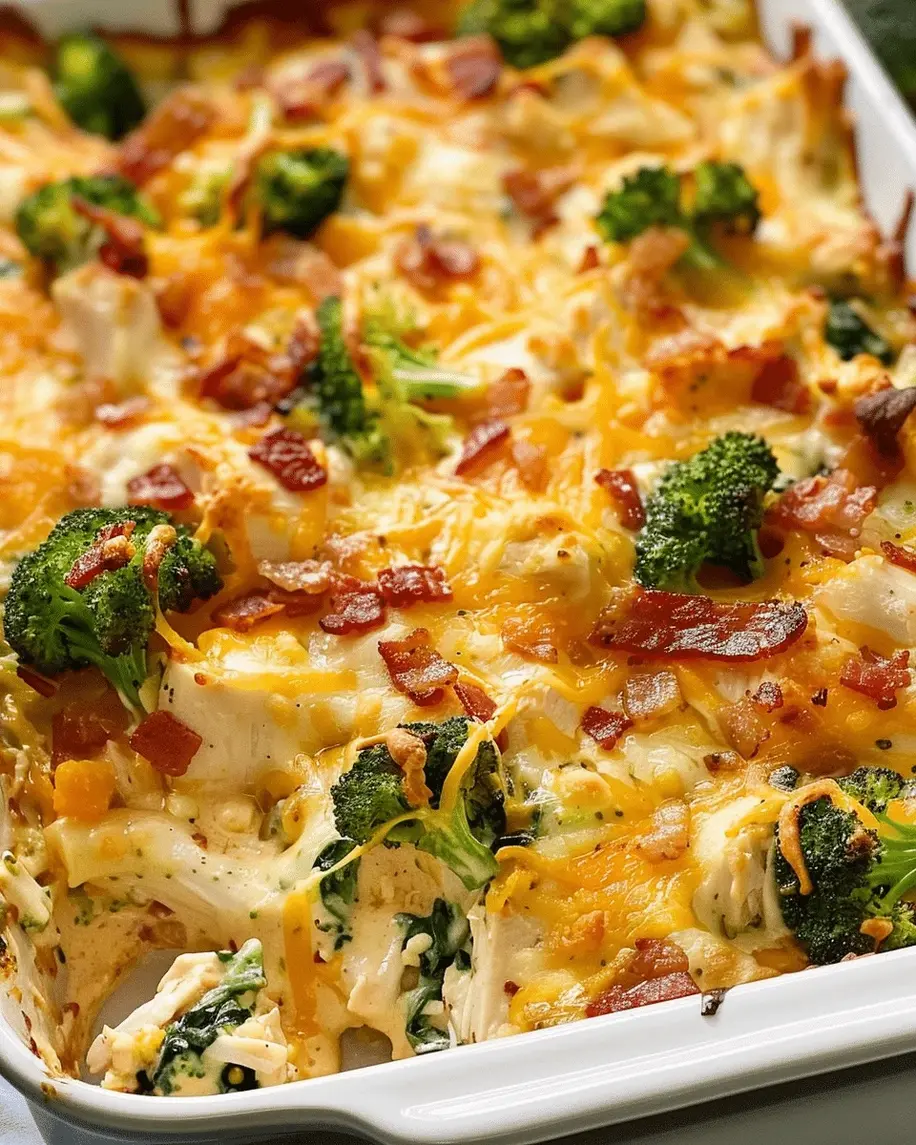
For more delicious inspiration, follow me on Pinterest!