Table of Contents
Avocado Corn Salad with Fresh Zesty Lime Dressing – Your New Favorite No-Mayo Summer Side
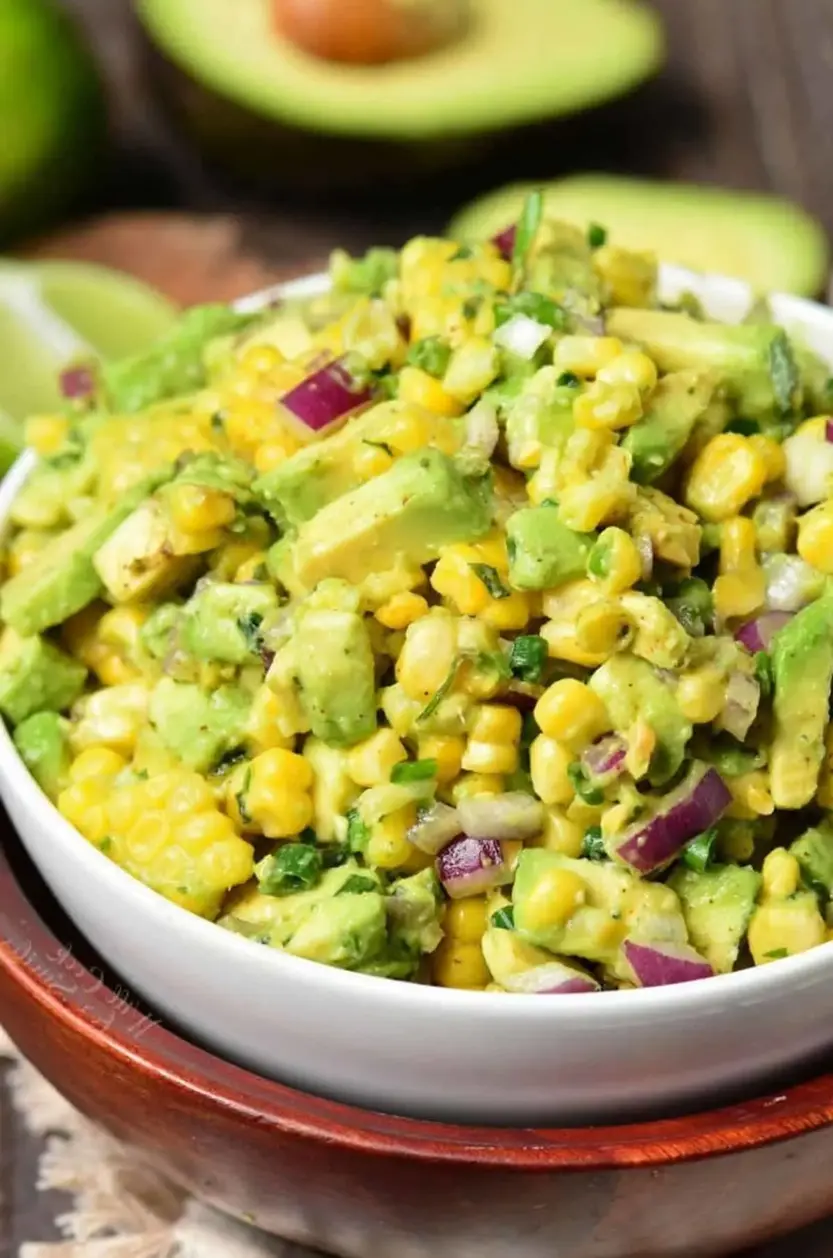
Growing up in Morocco, the summer markets burst alive with produce, and my mother always found new ways to bring those vibrant colors and flavors to our table. Here in NYC, I find that same spirit in our local farmers markets, especially when the corn is at its peak. This avocado corn salad with its fresh, zesty lime dressing is my absolute favorite way to capture that summer bounty. It’s light, refreshing, and entirely mayo-free, letting the natural sweetness of the corn and the creamy texture of the avocado truly shine. One bite and you’ll understand why this easy avocado corn salad has become a staple in my kitchen!
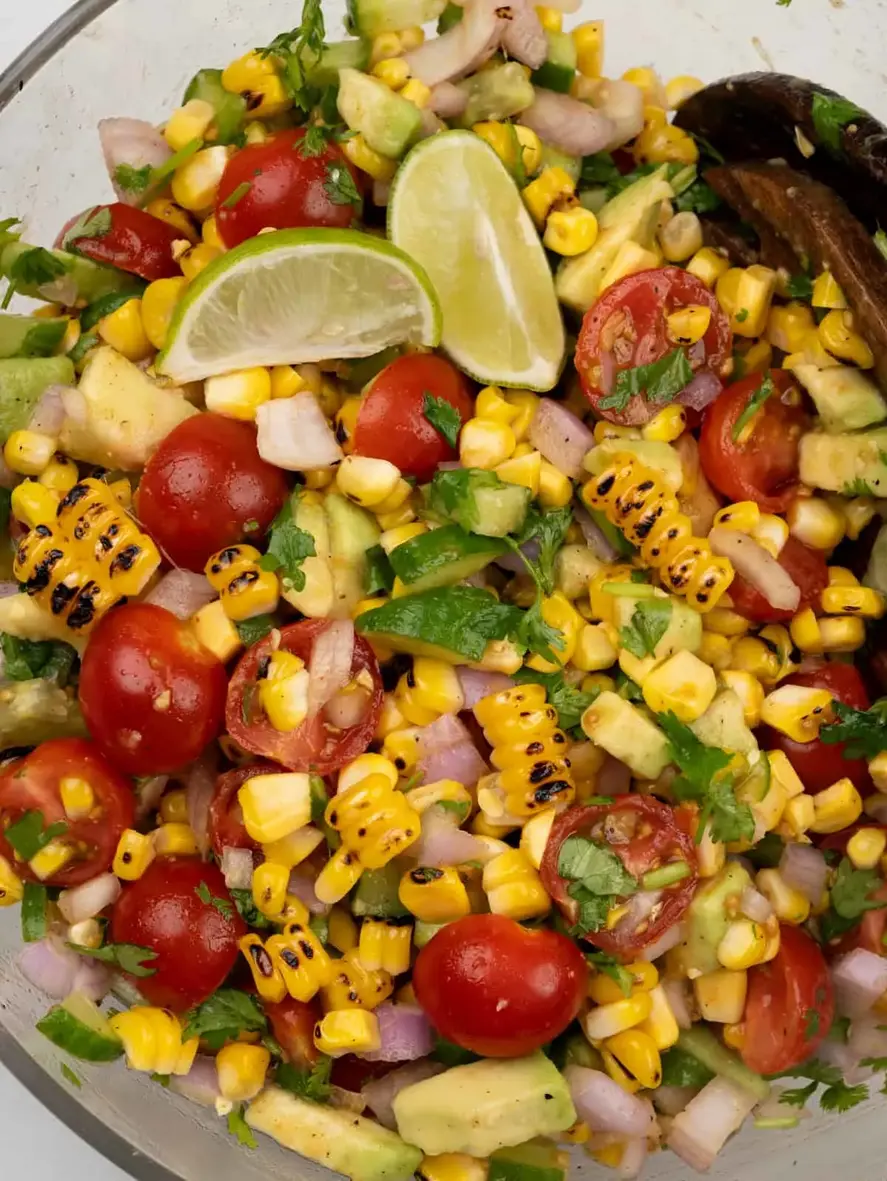
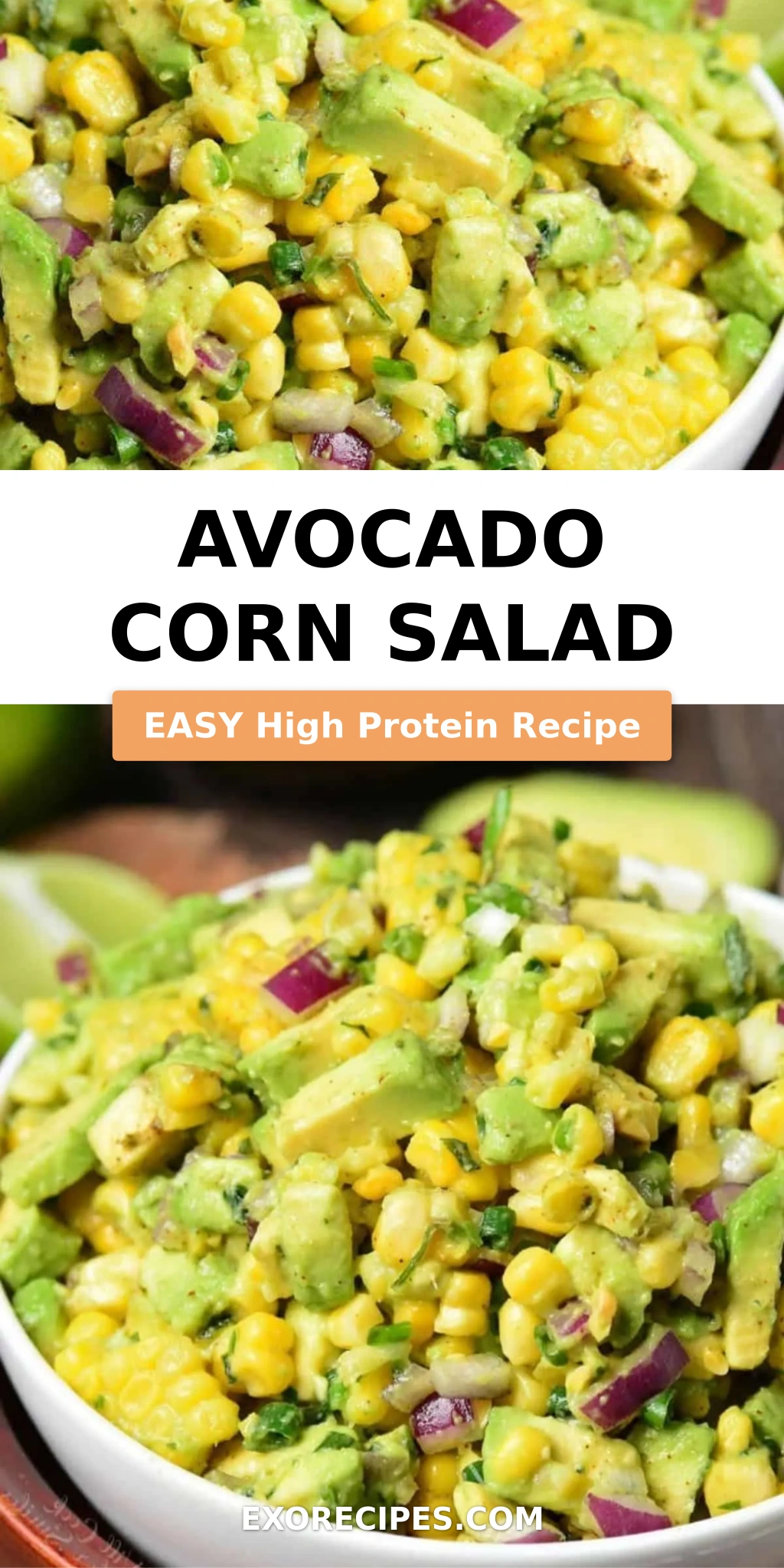
The beauty of this healthy avocado salad lies in its delightful contrasts. Imagine perfectly cooked corn kernels—either sweet and tender from the stovetop, or smoky and slightly charred from the grill—mingling with buttery, rich avocado. Then comes the subtle crunch of crisp red onion and vibrant scallions, brightened by a generous amount of fresh cilantro. My Parisian culinary training taught me to appreciate the balance of flavors, and the simple lime-olive-oil dressing for this corn salad, with just a hint of chili powder, provides that perfect zesty kick without overpowering the delicate ingredients. It’s a symphony of textures and tastes that sings of summer.
What sets my avocado corn salad apart is the emphasis on fresh, simple ingredients and a couple of chef’s tricks I’ve picked up over the years. I’ll show you how to choose the best ears of corn, whether you’re grilling them for that authentic smoky char or boiling them to perfection. And, of course, the secret to keeping your avocado perfectly green and beautiful, even when mixed into a vibrant salad. I’ll also share a pro tip to get the most flavor from your fresh herbs and help you avoid a common mistake that can lead to a watery salad. Get ready to elevate your summer sides!
Why This Avocado Corn Salad Recipe Is the Best
The Flavor Secret: This avocado corn salad isn’t just another side dish; it’s a celebration of summer’s best. My unique angle here is the combination of freshly grilled or perfectly boiled corn with a simple, yet potent, lime and olive oil dressing infused with a touch of chili powder. Growing up with the bold flavors of Moroccan spices, I’ve learned that sometimes less is more, allowing the natural sweetness of the corn and the rich creaminess of the avocado to take center stage, brightened by that zesty kick.
Perfected Texture: As a chef trained in Paris, texture is paramount. In this salad, you get the satisfying pop of sweet corn, the luscious creaminess of ripe avocado, and the crisp bite of fresh red onion and scallions. The absence of heavy mayo ensures a light, vibrant mouthfeel that never feels bogged down. The key is how I prepare the corn, whether grilling it to achieve a slight char or boiling it until just tender – each method provides a distinct, yet equally delightful, textural experience.
Foolproof & Fast: My busy NYC life means I need recipes that deliver on flavor without taking all day. This avocado corn salad is incredibly forgiving and quick to assemble, making it perfect for last-minute gatherings or weeknight meals. The clear instructions, coupled with my pro tips, will guide you to a perfect salad every time, even if you’re a beginner. Plus, it’s a no-cook option if you opt for pre-cooked corn, making it incredibly fast and perfect for hot days.
Avocado Corn Salad Ingredients
For me, the best dishes always start with the best ingredients. When I shop for this avocado corn salad, I head straight to the Union Square Greenmarket here in NYC, where I can find the freshest corn during peak season. It reminds me of the vibrant produce stalls in the medinas of Morocco, where you could smell the freshness from a mile away. Don’t be afraid to smell and feel your produce – that’s how you know it’s good!
Ingredients List
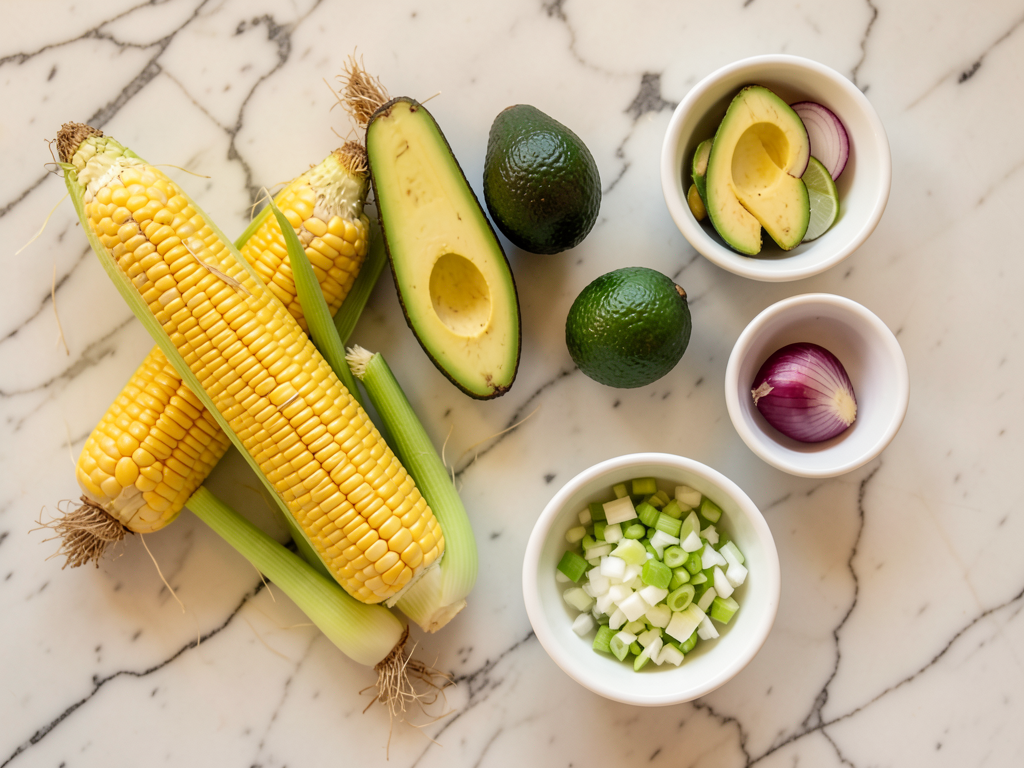
- 4 ears of corn (fresh on the cob, or 3 cups frozen/canned, drained)
- 5 ripe avocados
- 1 small red onion
- 1/2 cup diced scallions
- 2 limes (juice only)
- 1/4 cup olive oil (good quality extra virgin)
- 2 tbsp minced fresh cilantro
- 1 tsp chili powder
- Salt (to taste)
Ingredient Spotlight
Corn: Fresh corn on the cob is truly king here. Look for bright green husks and plump, milky kernels when you press them. I love to grill it for a smoky depth, but boiling works beautifully too for a classic sweet flavor. If fresh isn’t available, high-quality frozen corn (thawed) or canned corn (rinsed and drained) are acceptable substitutes, though they won’t offer the same crispness or depth of flavor. The yield from frozen or canned corn is about 3 cups.
Avocado: The star of the show! Choose avocados that yield slightly to gentle pressure, indicating ripeness. Avoid any that are too soft or have significant dark spots. Haas avocados are my go-to for their creamy texture. If you can’t find ripe avocados, you can quickly ripen them by placing them in a paper bag with a banana or apple for a day or two. The salad just won’t be the same without the creamy goodness of avocado, so prioritize finding good ones.
Limes: Fresh lime juice is essential for the vibrant, zesty dressing and to keep the avocados from browning. Buy firm, bright green limes that feel heavy for their size – this indicates a high juice content. You can try a splash of apple cider vinegar in a pinch, but the unique citrusy brightness of fresh lime is irreplaceable for this salad.
Cilantro: This fresh herb provides a burst of authentic flavor that connects back to my Moroccan roots. Look for vibrant green bunches without wilting leaves. Wash it well and pat it dry before mincing. If cilantro isn’t your favorite, fresh parsley or even a mix of mint and parsley could work, though the flavor profile will shift noticeably.
Chili Powder: Just a touch of chili powder adds a lovely warmth and subtle kick without making the salad overtly spicy. It’s a flavor enhancer! You can find it in any US grocery store spice aisle. Feel free to adjust the amount to your preference. Smoked paprika would be a wonderful alternative for a similar warmth and a touch of smokiness. A pinch of cayenne or even a dash of hot sauce could also work if you’re looking for more heat.
| Original Ingredient | Best Substitution | Flavor / Texture Impact |
|---|---|---|
| Fresh Corn on the Cob | 3 cups frozen or canned corn | Less crisp, slightly sweeter flavor; drain/thaw thoroughly. |
| Red Onion | Shallots or yellow onion (finely diced) | Shallots are milder, yellow onion is stronger; soak in cold water for less bite. |
| Limes | Lemon juice or apple cider vinegar | Lemon offers similar acidity, vinegar is tangier but lacks citrus aroma. |
| Cilantro | Fresh Parsley (flat-leaf) | Different, milder herbaceous flavor. Avoid if you want the classic taste. |
| Chili Powder | Smoked Paprika or a pinch of cayenne | Smoked paprika adds deep, smoky warmth; cayenne provides heat. |
How to Make Avocado Corn Salad — Step-by-Step
Making this vibrant avocado corn salad is incredibly straightforward, and I’ll walk you through each step to ensure perfect results whether you boil or grill your corn. Let’s get cooking!
Step 1: Prepare the Corn (Stovetop)
Heat up a large pot of water over medium-high heat and season it generously with salt, just like my mother taught me for perfect pasta water in Morocco. Make sure to take off the husk and all the silk threads from the ears of corn before cooking. Once the water starts to boil, lower the heat to medium-low and add the corn. Cover the pot and let the corn cook for about 10 minutes, until tender and bright yellow. Take all the corn out onto a cutting board and let it cool enough to be handled comfortably.
💡 mia’s Pro Tip: Seasoning the water well is crucial for stovetop corn. It allows the kernels to absorb flavor as they cook, making them inherently more delicious and preventing a bland taste that even the best dressing can’t fully fix.
Step 2: Grill Corn in Husk (Alternate)
For that amazing smoky flavor, grilling is the way to go! Prepare your charcoal until it’s ashed over, then move it to one half of the grill so that you have a cooler grill side and a hotter grill side. Make sure the grate is clean. Snip the silk whiskers sticking out of the top of the corn husk but leave the rest of the corn in its husk. Lay the corn on the grill, with the bottom of the husk towards the cooler side of the grill. Close the grill and cook for 13-15 minutes, turning it every 3-4 minutes to ensure even cooking and steaming.
Step 3: Char the Corn (Alternate)
Once your husked corn is steamed, take it off the grill and carefully, using tongs, take off the husk and the silk. Brush the now-naked corn with melted butter (optional but highly recommended!) and place it back on the hotter side of the grill. Close the grill and cook, turning it every 3-4 minutes, until lightly charred on all sides, about 5-7 minutes. This char adds incredible depth of flavor. Take the corn off the grill and let it cool until it can be handled safely without burning your fingers.
⚠️ Common Mistake to Avoid: Don’t char the corn too early or too aggressively. A gentle char builds flavor, but excessive burning will make the kernels bitter. Aim for golden-brown spots, not black.
Step 4: Remove Kernels
Once the corn is cool enough, it’s time to remove the kernels. This can be a bit messy, so here’s a trick from my NYC kitchen: stand the corn up in a large mixing bowl cut-side down. Slice the kernels off with a sharp knife from top to bottom, close to the part where kernels attach to the cob. Turn the ear of corn and repeat slicing the kernels off all the way around until all kernels are in the bowl. Collect those sweet pearls!
💡 mia’s Pro Tip: Standing the corn inside a large bowl helps catch all the kernels and prevents them from scattering across your counter. A simple trick, but it saves so much clean-up time!
Step 5: Dice and Combine Veggies
While your corn cools or after removing the kernels, dice your red onion and scallions. Uniform dicing, a technique I honed in Paris, ensures an even distribution of flavor and a beautiful presentation. Add them to the bowl with the corn. Next, mince your fresh cilantro and mix it in with the corn and onions. Season generously with a pinch of salt and the chili powder, giving it a good stir to ensure everything is evenly coated.
Step 6: Add Avocado and Dressing
Now for the creamy goodness! Cut each avocado in half and take out the pits. Peel the avocado skin off and dice the meat into bite-sized cubes. Add the diced avocado to the mixed veggies in the bowl. Immediately squeeze the fresh lime juice all over the avocado to prevent browning – this is key! Drizzle with olive oil. Gently mix in the avocado until just evenly incorporated. Remember, you want to be delicate here to keep the avocado pieces intact.
⚠️ Common Mistake to Avoid: Overmixing the avocado will turn it into a mushy mess. Mix gently and just enough to combine. The lime juice is your best friend here for preserving its vibrant green color.
Step 7: Serve Immediately
The avocado corn salad is best served fresh, right after assembling to enjoy the peak freshness of the ingredients and the creamy texture of the avocado before it softens too much. Give it one final taste test and adjust salt if needed. Enjoy this vibrant, healthy side dish!
| Step | Action | Duration | Key Visual Cue |
|---|---|---|---|
| 1 | Prepare Corn (Stovetop) | ~10 mins | Corn kernels tender, bright yellow. |
| 2 | Grill Corn in Husk | ~13–15 mins | Husk slightly charred, corn steamed inside. |
| 3 | Char Corn (after removing husk) | ~5–7 mins | Kernels lightly golden-brown and charred. |
| 4 | Remove Kernels | ~5 mins | Cleanly sliced kernels in a bowl. |
| 5 | Dice & Combine Veggies | ~10 mins | Onions and scallions even diced, mixed with corn and cilantro. |
| 6 | Add Avocado & Dressing | ~3 mins | Avocado diced, coated with lime and oil, just incorporated. |
| 7 | Serve Immediately | — | Vibrant, fresh salad ready to enjoy. |
Serving & Presentation
This avocado corn salad is a vibrant masterpiece on its own, but a little thought on serving and presentation can elevate it to truly show-stopping status. I love serving it in a beautiful, shallow bowl to highlight all the colors. For a touch of Moroccan elegance, I might sprinkle some extra minced cilantro and a few microgreens on top, along with a fine dusting of extra chili powder for visual appeal and a hint of extra spice. A drizzle of your best olive oil just before serving adds a lovely sheen.
In my NYC kitchen, this avocado salad is incredibly versatile. It’s a fantastic standalone light lunch, especially during warmer months. It also makes for an incredible side to almost any grilled protein – think lemon-herb grilled chicken from France, Moroccan kofta, or even simple grilled fish. The fresh, zesty flavors cut through richer mains beautifully. For a picnic or BBQ, I like to bring it in a clear glass bowl, showcasing its brilliant hues.
And don’t forget the perfect pairings! A crusty baguette, perhaps a classic French pain de campagne, is ideal for scooping up any lingering dressing. Or for a more American twist, serve it alongside some crispy tortilla chips. The freshness of this salad truly complements heartier main dishes, creating a balanced and satisfying meal that will transport your taste buds right into summer.
| Pairing Type | Suggestions | Why It Works |
|---|---|---|
| Side Dish | Grilled Chicken, BBQ Ribs, Pan-Seared Salmon, Black Bean Burgers | The fresh, tangy flavors cut through rich meats, providing balance and brightness. |
| Sauce / Dip | Tortilla Chips, Warm Pita Bread, Crusty Sourdough | Excellent for scooping; hearty bread absorbs the zesty dressing beautifully. |
| Beverage | Crisp Sauvignon Blanc, Iced Mint Tea, Sparkling Water with Lime | Refreshing drinks enhance the clean, bright flavors of the salad without overpowering. |
| Garnish | Extra Cilantro, Thinly Sliced Radishes, Crumbled Feta (optional) | Adds extra freshness, crunch, visual appeal, or a salty tang if desired. |
Make-Ahead, Storage & Reheating
Living in a city that never sleeps, I’ve mastered the art of efficient cooking, and that includes make-ahead strategies and proper storage. While this avocado corn salad is truly best enjoyed fresh, there are clever ways to prepare components in advance to save you time. This keeps me fueled for my busy schedule, whether I’m testing recipes or exploring new culinary trends downtown.
| Method | Container | Duration | Reheating Tip |
|---|---|---|---|
| Refrigerator | Airtight container (glass is best) | Up to 1 day | Serve chilled directly from the fridge. |
| Freezer | Not Recommended | — | Avocado texture degrades significantly upon freezing. |
| Make-Ahead | Separate containers | 1-2 days in advance | Prepare corn, onions, scallions, cilantro, and dressing in advance. Dice avocado and mix just before serving. |
For optimal freshness, I highly recommend keeping the diced avocado separate until just before serving. The lime juice helps, but avocado will inevitably oxidize over time. You can certainly cook your corn, dice your red onion and scallions, and mince your cilantro a day or two in advance. Store these components separately in airtight containers in the refrigerator.
The dressing (lime juice, olive oil, chili powder, salt) can also be whisked together ahead of time and kept in a sealed jar in the fridge. When you’re ready to serve, simply combine the corn and other veggies, dice and add the avocado, pour over the dressing, and gently mix. This strategy ensures the best texture and color, making this a truly effortless dish for entertaining or busy weeknights.
Variations & Easy Swaps
| Variation | Key Change | Best For | Difficulty Impact |
|---|---|---|---|
| Spicy Southwest | Add black beans, bell pepper, and a kick of jalapeño. | Those who love bold, zesty flavors with a bit of heat. | Easy (minor additions). |
| Herby Goddess Gourmet | Introduce fresh dill, chives, white wine vinegar, and crumbled feta. | Anyone seeking a fresh, complex herb-forward profile. | Easy (herb and dressing swap). |
| Mediterranean Market Fresh | Add chopped cucumber, cherry tomatoes, Kalamata olives, and a touch of oregano. | Lover of bright, briny, Mediterranean flavors. | Easy (simple additions). |
Spicy Southwest Avocado Corn Salad
To give this avocado corn salad a vibrant Southwestern twist, I suggest adding a can of rinsed and drained black beans, finely diced red bell pepper, and for a true kick, a minced jalapeño (remove seeds for less heat). Amp up the chili powder or add a pinch of smoked paprika. This version embraces the bold, warm spices reminiscent of the American Southwest, a flavor profile I’ve grown to adore in my NYC culinary explorations.
Herby Goddess Gourmet
For a fresher, more herbaceous take, reminiscent of the delicate notes favored in French cuisine, swap out some of the cilantro for fresh dill and chives. Instead of chili powder, a pinch of black pepper will suffice for seasoning, and consider replacing a tablespoon of olive oil with a good quality white wine vinegar in the dressing for a sharper, more delicate tang. Crumbled feta cheese or a sprinkle of toasted pumpkin seeds would be a delightful addition to this version.
Mediterranean Market Fresh
Bring the flavors of a sun-drenched Mediterranean market to your table by adding diced cucumber, halved cherry tomatoes, and a handful of pitted, chopped Kalamata olives to your corn salad. A sprinkle of dried oregano or fresh mint would further enhance this profile. This variation highlights fresh vegetables and briny notes, reminding me of the simple, yet profound salads from my childhood in Morocco and throughout the Mediterranean basin.
How do you keep avocado from browning in a corn salad?
This is a culinary secret I learned in my early chef training! The key to keeping avocado fresh and green in a corn salad is acid, specifically lime juice. As soon as you dice your avocado, generously squeeze plenty of fresh lime juice directly over the cubes. The acidity in the lime juice will slow down the oxidation process that causes browning. Also, make sure to mix the avocado in at the very last moment, just before serving, and toss it gently to coat all sides with the dressing. Storing it in an airtight container with a piece of plastic wrap directly touching the surface of the salad (to minimize air exposure) can also help for very short-term storage.
Can I use frozen or canned corn for avocado corn salad?
Absolutely, you can! While I always prefer fresh corn on the cob for its superior texture and natural sweetness, using frozen or canned corn is a perfectly acceptable and convenient alternative, especially if fresh corn isn’t in season. If using frozen corn, thaw it completely and pat it dry to remove any excess moisture. For canned corn, drain it thoroughly and give it a quick rinse under cold water to wash away any canning liquid. You won’t get the same charred, smoky flavor as grilled corn, but the salad will still be delicious and refreshing.
What dressing goes best with avocado corn salad?
For this specific avocado corn salad recipe, a simple, bright, and zesty lime-olive-oil dressing is truly the best. My preferred dressing consists of fresh lime juice, good quality extra virgin olive oil, a pinch of salt, and a dash of chili powder for a subtle warmth. This dressing complements the creamy avocado and sweet corn without overpowering them. It’s light, refreshing, and highlights the natural flavors of the fresh ingredients. Avoid heavy, creamy dressings like mayonnaise-based ones, as they can weigh down the salad and detract from its vibrant character.
Is avocado corn salad healthy and what are the nutrition facts?
Yes, this avocado corn salad is definitely healthy! It’s packed with fresh vegetables, healthy fats from the avocado and olive oil, and fiber. Corn provides complex carbohydrates and fiber, while avocados are rich in monounsaturated fats, which are good for heart health. The recipe is naturally gluten-free and dairy-free, and it’s a fantastic source of vitamins and minerals. Based on the recipe, a single serving is approximately 417 calories, 30g carbohydrates, 34g fat, 5g protein, and 6g sugar. It’s a nourishing and satisfying side dish that you can feel good about enjoying!
Can I add protein to make this a main dish?
Absolutely! This avocado corn salad makes a fantastic base for a light and healthy main course. I often add grilled chicken breast, blackened shrimp, or pan-seared salmon to turn it into a complete meal for my busy weeknights in NYC. For vegetarian options, consider adding a can of rinsed and drained black beans, some grilled halloumi cheese, or even some crumbled firm tofu. These additions will boost the protein content, making the salad more substantial and satisfying without compromising its fresh, vibrant flavors.
What’s the best way to get kernels off the cob?
Getting those kernels off the cob cleanly can be a challenge, but I have a few tricks up my sleeve! My favorite method, as highlighted in the instructions, is to stand the cooked and cooled ear of corn vertically in a large mixing bowl. Then, using a sharp knife, slice downwards, close to the cob, letting the kernels fall directly into the bowl. This helps contain the mess. You can also place the corn on the center hole of a bundt cake pan, which provides stability and helps catch the kernels as you slice. Always work slowly and carefully to avoid cutting yourself.
Share Your Version!
I hope you enjoy making and savoring this avocado corn salad as much as I do! It truly brings the essence of summer to any table. Once you’ve whipped up your own batch, I’d be absolutely thrilled to hear from you!
Please leave a star rating and a comment below to let me know how it turned out. Did you try a fun variation? What did you serve it with? And if you share a photo on Instagram or Pinterest, don’t forget to tag @exorecipes so I can see your beautiful creations! I’m always curious to see how you infuse your personal touch into my recipes. What’s your favorite way to get that perfect char on your corn?
From my NYC kitchen to yours — I hope this recipe brings as much warmth to your table as it does to mine. — mia 🧡
Love This Recipe? Save It to Pinterest!
If you enjoyed this Avocado Corn Salad recipe, don’t let it get lost in your browser tabs! 😄 Pin it now so you can find it again anytime — and explore hundreds more tried-and-tested recipes waiting for you on my Pinterest boards.
👉 Follow mia on Pinterest @chefrecipes2
📌 Pin this recipe · 🔁 Re-pin your favorites · 💬 Tag me when you make it — I love seeing your creations!
Avocado Corn Salad Recipe
Description
This unique corn salad is a combination of sweet corn on the cob (grilled or stovetop-boiled), creamy diced avocados, crisp red onion and scallions, fresh cilantro, a splash of lime-olive-oil dressing, plus a touch of chili powder. It’s a quick and bright, no-mayo summer side perfect for cookouts, picnics, or any night you crave something light.
Ingredients
- 4 ears of corn
- 5 avocados
- 1 small red onion
- 1/2 cup diced scallions
- 2 limes (juice only)
- 1/4 cup olive oil
- 2 tbsp minced fresh cilantro
- 1 tsp chili powder
- salt
Instructions
- Heat up a large pot of water over medium-high heat and season it generously with salt. Make sure to take off the husk and all the silk threads from the ears of corn before cooking.
- Once water starts to boil, lower the heat to medium-low and add corn. Cover the pot and let corn cook for about 10 minutes, until tender.
- Take all the corn out onto a cutting board and let it cool enough to be handled.
- Prepare your charcoal until its ashed over. Move it to one half of the grill so that you have a cooler grill side and a hotter grill side. Make sure the grate is clean.
- Snip the silk whiskers sticking out of the top of the corn husk but leave the rest of the corn in a husk. Lay it on the grill, with the bottom of the husk towards the cooler side of the grill. Close the grill and cook for 13-15 minutes, turning it every 3-4 minutes.
- Take corn off the grill and carefully, using tongues, take off the husk and the silk. Brush corn with melted butter and place back on the grill. Close the grill and cook, turning it every 3-4 minutes, until lightly charred on all sides.
- Take corn off the grill and let it cool until it can be handled.
- To cut corn kernels off the cob, stand corn up in a large mixing bowl cut side down. Slice the kernels off with a sharp knife from top to bottom, close to the part where kernels attach to the cob. Turn the ear of corn and repeat slicing the kernels off all the way around.
- Dice red onion and scallions and add it to the pot as well.
- Mince cilantro and mix it in with the corn and onions. Add salt and chili powder.
- Cut each avocado in half and take out the pits. Peel avocado skin off and dice the meat into cubes. Add diced avocado to the mixed veggies in the bowl.
- Squeeze lime juice all over the avocado and add oil. Gently mix in avocado until just evenly incorporated.
- Serve right away.
Nutrition
- Calories: 417 kcal
- Sugar: 6 g
- Fat: 34 g
- Carbohydrates: 30 g
- Protein: 5 g
Tried This Recipe? Leave a Comment!
Did you make this recipe? I’d love to hear how it turned out! Please leave a comment and a rating below. Your feedback helps other home cooks and supports cheerychop.com!