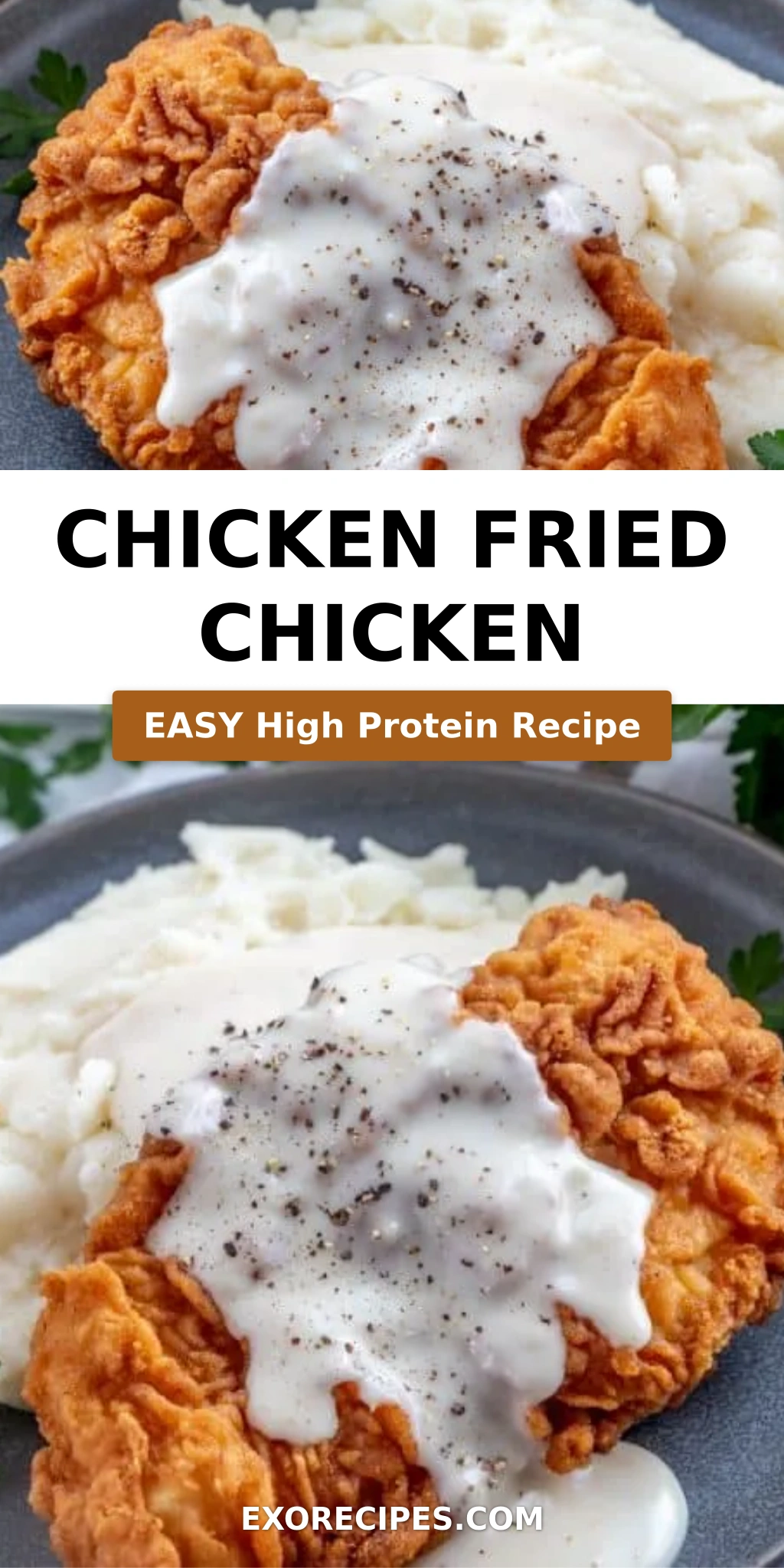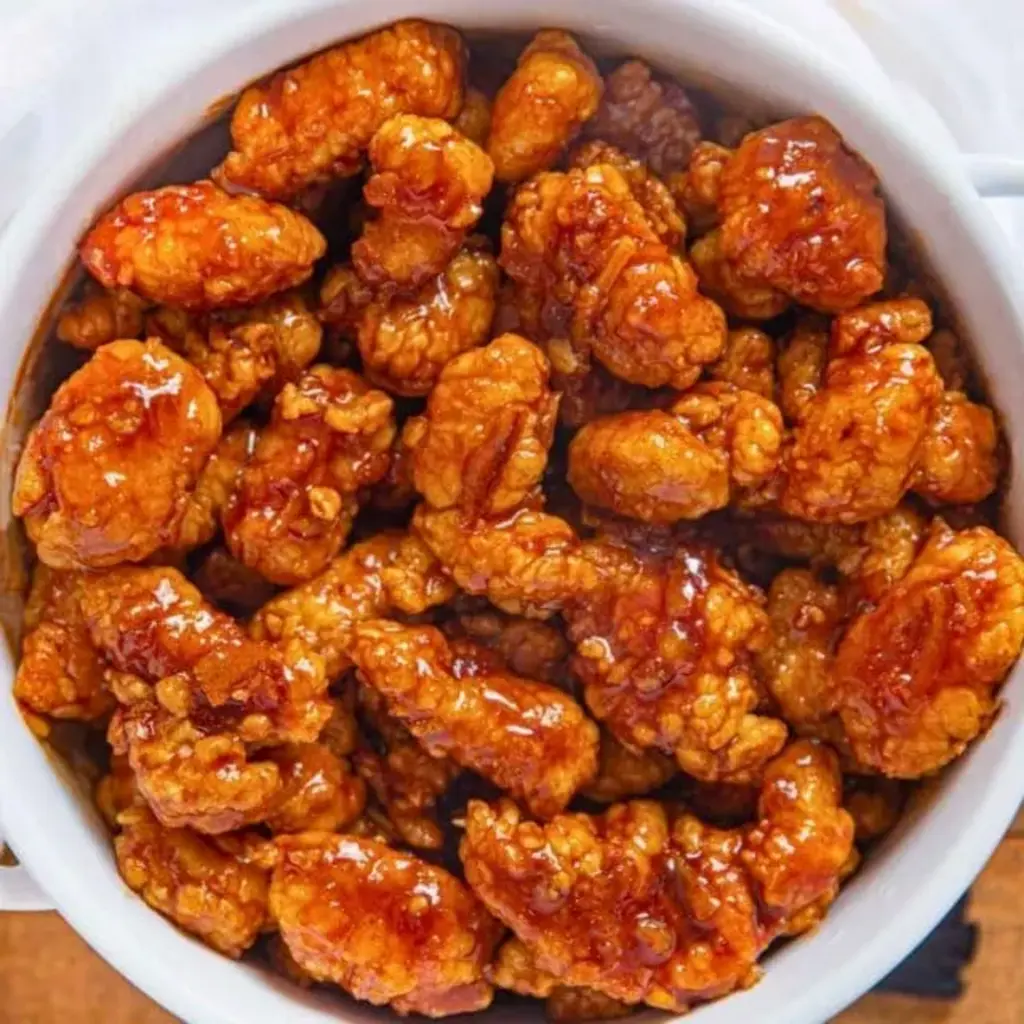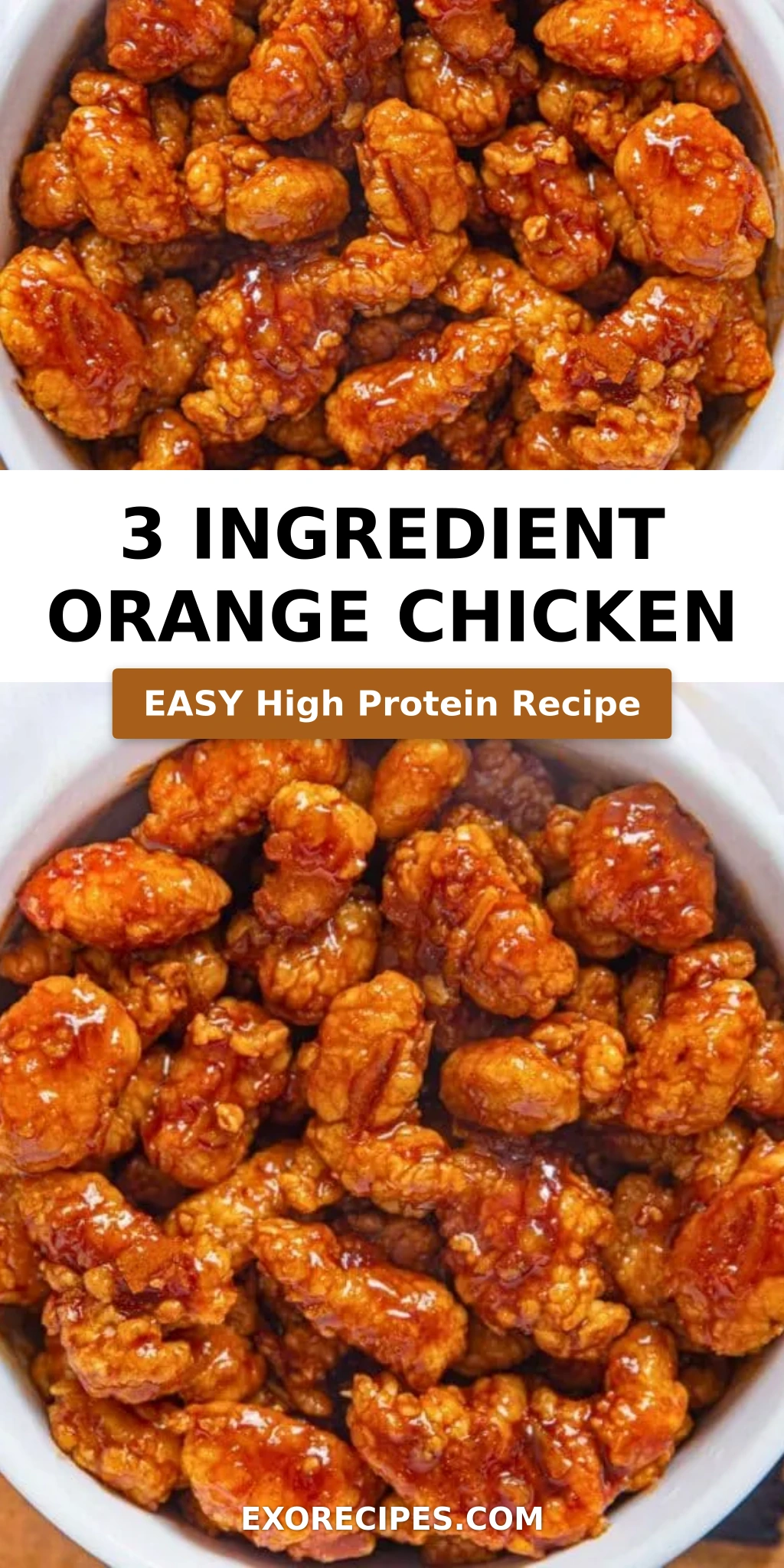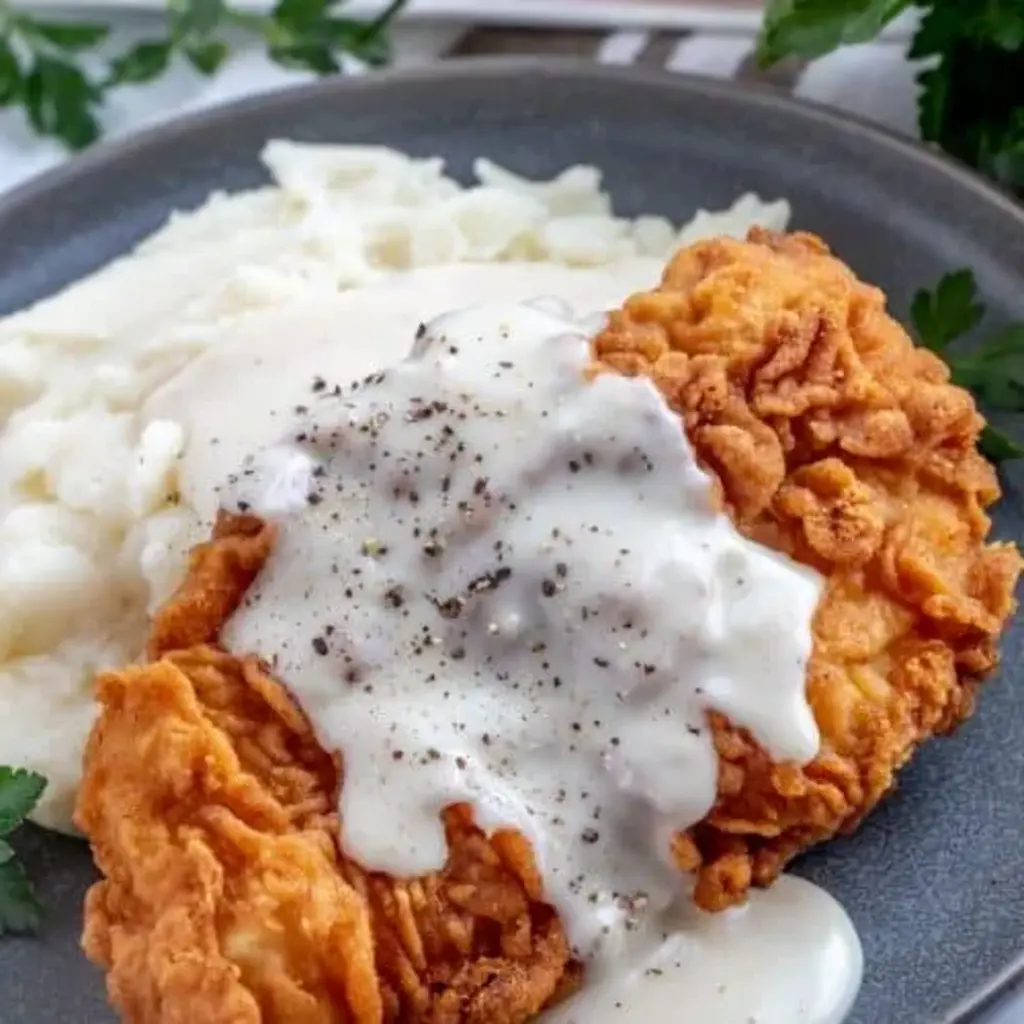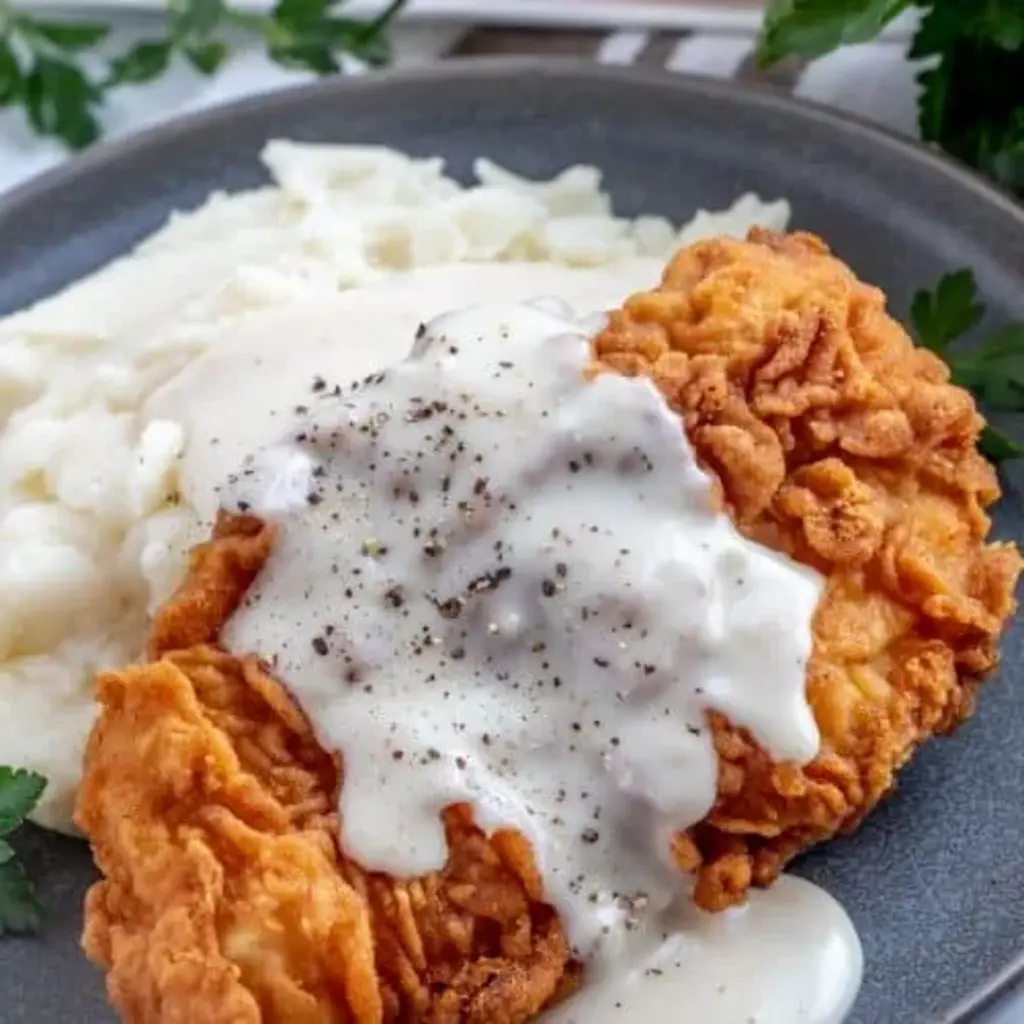
Crispy Chicken Fried Chicken with Creamy Gravy

Chicken Fried Chicken: Crispy and Flavorful! The Ultimate Comfort Food

⚖️
Difficulty
Easy
⏲️
Prep Time
15
🕒
Cook Time
20
⏱️
Total Time
35
🍽️
Servings
6-8

Growing up in my mother’s kitchen in Marrakech, I learned the magic of transforming simple ingredients into a feast. The aromas of cumin, paprika, and slow-cooked tagines filled our home. While my heart will always hold those Moroccan spices dear, my culinary journey took me through the precise techniques of Paris, where I mastered the art of sauces and the perfect crisp crust. Now, living in the vibrant culinary tapestry of New York City, I find endless inspiration. This Chicken Fried Chicken recipe is a testament to that journey—a comforting classic that I’ve refined to ensure you get that incredibly crispy, golden exterior and juicy interior every single time. It’s proof that even the most beloved homestyle dishes can benefit from a touch of professional polish.

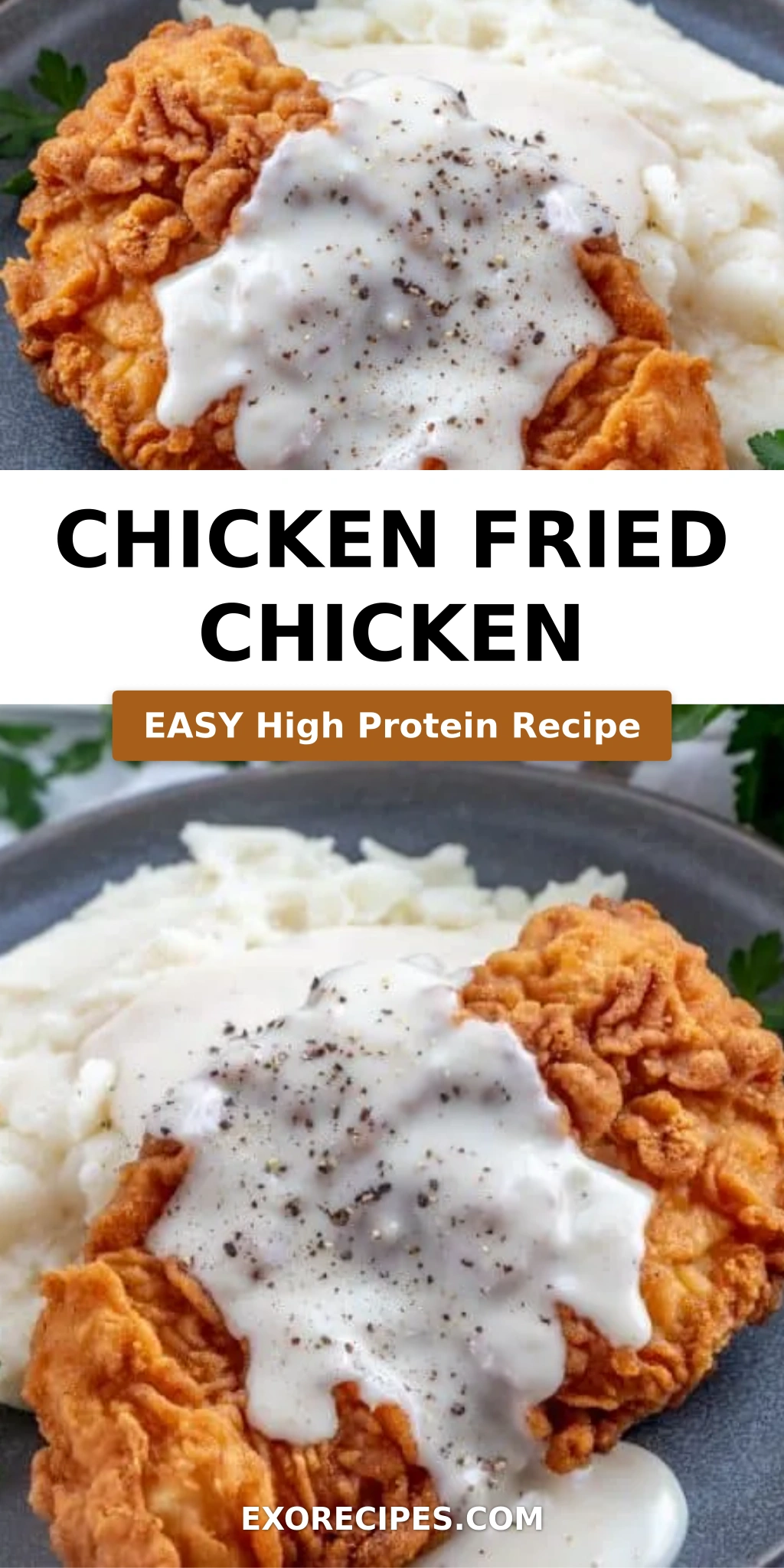
Imagine biting into a piece of perfectly fried chicken, the coating shattering with an audible crunch, giving way to moist, succulent meat. That’s what this dish is all about. The aroma is intoxicating—a savory blend of seasoned flour and hot oil, hinting at the richness to come. The final touch of creamy, dreamy gravy, made right in the same pan, ties everything together. We achieve that amazing texture not just through proper frying temperatures, but through a thoughtfully seasoned flour mixture and a buttermilk marinade that tenderizes the chicken beautifully. It’s a symphony of textures and a comforting hug on a plate, perfect for a family dinner or a weekend treat.

What sets this specific chicken fried chicken recipe apart? It’s the blend of classic techniques with my own chef’s insights. I’ve found that using a combination of baking powder and baking soda in the flour dredge is key for that extra lightness and crispness, something I learned was crucial for achieving ethereal textures in French pastry, but applied here to savory fried chicken. I’ll also share a tip on how to make sure your breading stays put, no matter what. And watch out for the common mistake of overcrowding the pan, which is the enemy of crispy fried chicken!

Why This Chicken Fried Chicken Recipe Is the Best

My approach to this chicken fried chicken recipe is rooted in bringing together my diverse culinary experiences. The initial inspiration came from the soul-warming dishes of the American South, but I’ve infused it with my Moroccan heritage and French training. From Marrakech, I’ve inherited an appreciation for layering flavors, using aromatic spices that sing. From Paris, I’ve learned the importance of technique—precise temperatures, proper dredging, and balanced seasoning. This recipe marries those influences, creating a deeply flavorful and perfectly textured fried chicken that’s both comforting and sophisticated. It’s a taste of my journey, right in your kitchen.

Achieving that coveted crispy coating is an art, but one I’ve demystified for you. The secret lies in the double dredge, ensuring a thick, craggy crust, and crucially, in the buttermilk marinade. Buttermilk’s acidity not only tenderizes the chicken but also helps the flour mixture adhere like magic. Then, frying at the correct temperature, a technique I honed while perfecting French confit, ensures the outside is golden brown and crispy without drying out the tender interior. It’s about building layers of flavor and texture that are both delightful and reliable.

Even if you’re new to making homemade fried chicken, this recipe is designed to be incredibly approachable. I’ve streamlined the process and provided clear, actionable steps. The ingredient list is straightforward, using items you likely already have in your pantry. I’ve also included tips to prevent common pitfalls, like soggy breading or uneven cooking. This means you can confidently serve up a plate of truly spectacular, crispy fried chicken that will have everyone asking for seconds, all without feeling overwhelmed.

Chicken Fried Chicken Ingredients

When I’m in New York, I love picking up my chicken from a local butcher shop in the West Village, they always have the freshest cuts. For my pantry staples like flour and spices, I rely on the fantastic selection at Kalustyan’s on 3rd Avenue, a true treasure trove. This recipe uses simple ingredients that come together to create something truly special, reminding me of the resourceful cooking I grew up with.

Ingredients List

  • 6-8 thin sliced boneless, skinless chicken breasts (or pounded thin)
  • 2 cups all-purpose flour (for dredging)
  • 2 tsp baking powder
  • 1 tsp baking soda
  • 1 tsp salt
  • 1 tsp black pepper
  • 1 tsp garlic powder
  • 1 ½ cups buttermilk
  • 1 large egg
  • 1 Tbs hot sauce (like Frank’s RedHot or Texas Pete)
  • Vegetable oil or other high-smoke point oil for frying (about 3-4 cups depending on pot size)
  • ¼ cup reserved oil from frying (for gravy)
  • ⅓ cup all-purpose flour (for gravy)
  • 2 cups milk (whole or 2% recommended)
  • Salt and freshly ground black pepper (for gravy, to taste)

Ingredient Spotlight

Chicken Breasts: For this recipe, I prefer using thin-sliced chicken breasts, or pounding regular breasts to about ½-inch thickness. This ensures they cook quickly and evenly, staying moist inside while the exterior crisps up. You can find thin-sliced chicken breasts at most major US grocery stores, or easily create them by placing chicken breasts between two sheets of plastic wrap and gently pounding with a meat mallet or rolling pin. This even thickness is crucial for perfectly cooked chicken.

Buttermilk: Buttermilk is the secret weapon for tenderizing chicken and helping the breading adhere. Its acidity breaks down the chicken’s proteins, making it incredibly tender, while its thickness creates a rich coating. If you don’t have buttermilk, you can easily make a substitute: pour 1 ½ tablespoons of white vinegar or lemon juice into a liquid measuring cup, then add enough milk to reach the 1 ½ cup line. Let it sit for 5-10 minutes until it thickens and curdles slightly. This homemade version works beautifully!

All-Purpose Flour: This forms the base of our crispy coating and is also used to thicken the gravy. For the best results, use a good quality all-purpose flour. Make sure to season your flour mixture generously with salt, pepper, and garlic powder, as this is where a lot of the flavor comes from. If you need a gluten-free version, a good gluten-free all-purpose flour blend specifically designed for baking and frying will work, though the texture might be slightly different.

Original IngredientBest SubstitutionFlavor / Texture Impact
ButtermilkHomemade buttermilk (milk + vinegar/lemon juice)Virtually identical in tenderizing and adhesion.
Thin-sliced Chicken BreastsChicken thighs, pounded thinThighs are more forgiving and moister, but may take slightly longer to cook.
All-purpose FlourGluten-free all-purpose flour blendMay result in a slightly less crisp or slightly grittier texture depending on the blend.

How to Make Chicken Fried Chicken — Step-by-Step

Ready? Let’s get frying! Each step is designed to build that perfect crispy fried chicken.

Step 1: Prepare the Marinade and Dredge

First, in a large bowl, whisk together the 2 cups of flour, baking powder, baking soda, salt, pepper, and garlic powder. This is your dry dredge mixture. In a separate medium bowl, whisk together the buttermilk, egg, and hot sauce until well combined. This forms your wet marinade.

💡 mia’s Pro Tip: Make sure your buttermilk mixture is well-whisked. The egg helps bind everything together and gives the flour something extra to cling to, creating a more robust crust.

Step 2: Dredge the Chicken

Take each thin chicken breast and dredge it thoroughly in the seasoned flour mixture, pressing gently to ensure it’s well-coated. Then, dip it into the buttermilk mixture, letting any excess drip off, and immediately return it to the flour mixture. Press the flour onto the chicken again, ensuring a good, even coating. This double-dredging process is key for that extra crispy texture.

⚠️ Common Mistake to Avoid: Don’t skip the second dredge! A single coating can become thin and may not adhere well. The double dredge creates a thicker, more textured crust that stays on during frying.

Step 3: Heat the Oil

In a deep fryer or a large, heavy-bottomed pot on the stove, pour in enough oil to reach a depth of about 3-4 inches. Heat the oil to 325°F (160°C). It’s important to maintain this temperature for the best results; a thermometer is highly recommended.

Step 4: Fry the Chicken

Carefully place the flour-coated chicken pieces into the hot oil, being careful not to overcrowd the pot (fry in batches if necessary). Fry for 6-8 minutes per side, or until the chicken is golden brown, crispy, and cooked through. The internal temperature should reach 165°F (74°C).

💡 mia’s Pro Tip: Resist the urge to constantly move the chicken. Let it develop a crust and brown on one side before flipping. This helps prevent the coating from breaking apart.

Step 5: Drain and Rest

Using a slotted spoon or spider strainer, remove the fried chicken from the oil and place it on a wire rack set over a baking sheet or on a plate lined with paper towels. Let it drain and rest for a few minutes. This allows excess oil to drip off and the crust to set further.

Step 6: Make the Gravy

Once all the chicken is fried, carefully pour out most of the frying oil, leaving about ¼ cup in the pan. Return the pan to medium-high heat. Whisk in the ⅓ cup of flour until it forms a smooth paste, cooking for about 1 minute to toast the flour slightly.

Step 7: Finish the Gravy

Slowly whisk in the 2 cups of milk, a little at a time, ensuring no lumps form. Continue to cook, whisking constantly, until the gravy thickens to your desired consistency. Season generously with salt and pepper to taste.

💡 mia’s Pro Tip: For an ultra-smooth gravy, you can strain it through a fine-mesh sieve after whisking in the milk, before seasoning. This removes any small lumps and gives it a professional finish.

StepActionDurationKey Visual Cue
1Prepare Marinade & Dredge5 minsDry mix and wet mix ready.
2Dredge Chicken5-7 minsChicken fully coated, double-layered.
3Heat Oil10-15 minsOil reaches 325°F (160°C).
4Fry Chicken12-16 mins (per batch)Golden brown, crispy, cooked through.
5Drain & Rest5 minsChicken on rack, excess oil drips.
6Start Gravy2 minsFlour paste forms.
7Finish Gravy5-7 minsSmooth, thickened gravy.

Serving & Presentation

This golden, crispy fried chicken is a sight to behold! I love to serve it family-style, piled high on a platter, with a generous ladleful of the warm, creamy gravy poured right over the top. It’s a dish that truly brings people together, reminiscent of lively Sunday dinners in my family, or the buzzing energy of a casual eatery in NYC’s West Village. Garnish with a sprinkle of fresh parsley for a pop of color and freshness that cuts through the richness.

For a truly comforting meal, pair this chicken fried chicken with classic Southern sides. Creamy mashed potatoes are essential for soaking up that delicious gravy. A crisp, simple coleslaw or a fresh green salad provides a lovely contrast in texture and flavor. Another favorite of mine, especially during the warmer months here in NYC, is a vibrant succotash or some grilled corn on the cob. Don’t forget a slice of warm cornbread or even a light, flaky biscuit to round out the meal.

Pairing TypeSuggestionsWhy It Works
Side DishCreamy Mashed Potatoes, Macaroni and Cheese, Candied YamsClassic Southern comfort food that perfectly complements the chicken and gravy.
VegetableCollard Greens, Biscuits and Honey, CornbreadAdds a balance of savory, sweet, and hearty elements to the meal.
BeverageIced Tea, Lemonade, Pale AleRefreshing drinks cut through the richness of the fried chicken.
GarnishFresh Parsley, ChivesA simple garnish adds a touch of freshness and visual appeal.

Make-Ahead, Storage & Reheating

Like many New Yorkers, my schedule can be hectic, so I often rely on smart meal prep. While chicken fried chicken is best enjoyed fresh for maximum crispness, I’ve tested various methods to ensure you can enjoy leftovers too. The key is storing it properly to minimize sogginess and reheating it carefully.

MethodContainerDurationReheating Tip
RefrigeratorAirtight container or wrap tightly3-4 daysReheat in a 375°F oven or air fryer for best results.
FreezerHeavy-duty freezer bag or container1-2 monthsThaw in the refrigerator overnight, then reheat in oven or air fryer.
GravyAirtight container3-4 daysGently reheat on the stovetop over low heat, adding a splash of milk if needed.

For reheating, my preferred method is to skip the microwave altogether, as it can make fried chicken soggy. Instead, I’ll reheat leftover chicken fried chicken in a preheated oven at 375°F (190°C) for about 10-15 minutes, or until heated through and the crust has regained some of its crispness. An air fryer is also fantastic for this, usually taking just 5-8 minutes. For the gravy, gently warm it on the stovetop over low heat, whisking occasionally. If it’s too thick, a little splash of milk or water will help thin it out perfectly.

Variations & Easy Swaps

VariationKey ChangeBest ForDifficulty Impact
Spicy Southern Fried ChickenAdd cayenne pepper and smoked paprika to flour dredge.Those who love a kick of heat.Easy
Gluten-Free VersionUse a gluten-free flour blend for dredging and gravy.Celiac or gluten-sensitive diners.Slightly more complex; texture may vary.
Herb-Infused Fried ChickenAdd chopped fresh herbs like rosemary and thyme to the buttermilk marinade.A more fragrant and nuanced flavor profile.Easy

Spicy Southern Fried Chicken

For a little heat that reminds me of the vibrant spices found in North Africa, simply add ½ teaspoon of cayenne pepper and ½ teaspoon of smoked paprika to your flour dredge. This gives the chicken a warm, subtle spice that complements the savory flavors beautifully. This is perfect for those who enjoy a bit of a kick, turning your homemade fried chicken into a fiery delight.

Gluten-Free Chicken Fried Chicken

To make this recipe gluten-free, swap the all-purpose flour for a good quality gluten-free all-purpose flour blend that’s suitable for baking and frying. Ensure your blend contains a binder like xanthan gum for best results. The flavor will be similar, but the texture might be slightly different; some GF blends can result in a less uniformly crisp coating. I’ve found that using a blend designed for frying works best for minimizing textural changes.

Herb-Infused Fried Chicken

Inspired by the fragrant herb gardens of Provence, I love infusing this chicken with fresh herbs. Finely chop about 1 tablespoon each of fresh rosemary and thyme, and whisk them into the buttermilk marinade. The herbs will infuse the chicken as it marinates, adding a lovely aromatic depth to the final dish. This variation is particularly wonderful when serving alongside roasted vegetables.

What is the difference between chicken fried chicken and country fried chicken?

The primary difference lies in the gravy and the dredging process. Chicken Fried Chicken is typically breaded with flour, then fried, and served with a white gravy (often made from the pan drippings and milk). Country Fried Chicken is often dredged in seasoned flour, sometimes without an egg wash, fried, and always served with a brown gravy. My recipe focuses on the classic chicken fried chicken style with a creamy white gravy.

What kind of oil is best for frying chicken fried chicken?

For the best results when frying chicken, you want an oil with a high smoke point to prevent it from burning at the temperatures needed for crispy frying. Excellent choices include vegetable oil, canola oil, peanut oil, or even a blend of vegetable oils. These oils are relatively neutral in flavor, allowing the chicken and seasoning to shine through, and they maintain their integrity at frying temperatures of around 325-350°F.

How do you keep the breading from falling off when frying chicken fried chicken?

There are a few key techniques to ensure your breading stays put. First, make sure the chicken is properly dredged and pressed firmly into the flour. The buttermilk marinade is crucial for adhesion. Second, don’t overcrowd the pan; this lowers the oil temperature and can cause the coating to become gummy and detach. Finally, I find that a double dredge (flour, egg/buttermilk, flour again) creates a more robust crust that adheres exceptionally well.

Can you make chicken fried chicken in an air fryer instead of deep frying?

Yes, you can achieve a delicious, crispy result using an air fryer, though it won’t be exactly the same as deep frying. Spray the breaded chicken generously with oil and air fry at around 375°F (190°C) for 15-20 minutes, flipping halfway through, until golden brown and cooked through. It’s a healthier alternative that still delivers a satisfying crunch, though deep frying is traditional for the ultimate crispy coating.

Should the chicken be marinated in buttermilk before frying?

Absolutely! Marinating the chicken in buttermilk is a crucial step for both tenderizing the meat and helping the flour coating adhere better. The acidity in buttermilk tenderizes the chicken from the inside out, ensuring it stays moist and succulent during the frying process. It also creates a richer, slightly tangy base for the seasoned flour to cling to, resulting in a more flavorful and crisper crust.

What temperature should the oil be for frying?

For authentic, perfectly crispy fried chicken, maintaining the correct oil temperature is vital. I recommend frying at 325°F (160°C) when you first put the chicken in. This allows the chicken to cook through without the exterior burning. As you add more chicken, the temperature might drop, so you may need to adjust the heat to bring it back up slightly, ideally keeping it between 300-325°F (150-160°C) during frying.

Can I use chicken thighs instead of breasts?

Yes, you absolutely can use chicken thighs! In fact, many people prefer thighs for their extra moisture and flavor. If using bone-in thighs, they will take longer to cook than thin-sliced breasts, so adjust your frying time accordingly, ensuring they reach an internal temperature of 165°F (74°C). Boneless, skinless thighs are also a great option and will cook similarly to breasts.

How do I make sure the chicken is cooked through?

The most reliable way to ensure your chicken fried chicken is cooked through is by using an instant-read thermometer. Insert it into the thickest part of the chicken, avoiding bone if applicable. The chicken is done when it reaches an internal temperature of 165°F (74°C). Visually, it should be opaque white throughout, with juices running clear.

Share Your Version!

I always love to see what you create in your own kitchens! If you try this chicken fried chicken recipe, please leave a comment and a star rating below. It helps other home cooks know what to expect! If you share a photo of your masterpiece on Instagram or Pinterest, please tag me at @exorecipe – I can’t wait to see your beautiful creations! Have you ever experimented with different flavor profiles for your fried chicken using spices from your own heritage? I’d love to hear about it!

From my NYC kitchen to yours — I hope this recipe brings as much warmth to your table as it does to mine. — mia 🧡

📌

Love This Recipe? Save It to Pinterest!

If you enjoyed this Chicken Fried Chicken recipe, don’t let it get lost in your browser tabs! 😄 Pin it now so you can find it again anytime — and explore hundreds more tried-and-tested recipes waiting for you on my Pinterest boards.

👉 Follow mia on Pinterest @chefrecipes2

📌 Pin this recipe · 🔁 Re-pin your favorites · 💬 Tag me when you make it — I love seeing your creations!
Print

clock clock iconcutlery cutlery iconflag flag iconfolder folder iconinstagram instagram iconpinterest pinterest iconfacebook facebook iconprint print iconsquares squares iconheart heart iconheart solid heart solid icon

Chicken Fried Chicken

  • Author: Chef Mia

Description

Easy and delicious this Chicken Fried Chicken is a quick and flavorful dinnertime recipe that brings the whole family to the table, with minimal ingredients it’s a simple and comforting meal.


Ingredients

Scale
  • 68 thin sliced chicken breasts
  • 2 cups flour
  • 2 tsp baking powder
  • 1 tsp baking soda
  • 1 tsp salt
  • 1 tsp pepper
  • 1 tsp garlic powder
  • 1 1/2 cup buttermilk
  • 1 egg
  • 1 Tbs hot sauce
  • Oil for frying
  • 1/4 cup reserved oil from frying
  • 1/3 cup flour
  • 2 cup milk
  • Salt & pepper

Instructions

  1. Heat oil in deep fryer or large pan on stove (a few inches deep) to 325.
  2. In large bowl whisk together your flour, baking powder, baking soda, salt, pepper and garlic powder.
  3. In another bowl whisk together buttermilk, egg and hot sauce.
  4. Dredge your chicken in the flour mixture then dip into the egg mixture than back into the flour mixture making sure to press down flour to get stuck on the steak real good.
  5. Place chicken in pan/deep fryer and fry on each side 3-5 minutes until golden brown, remove and drain on paper towel lined plate, repeat with all chicken.
  6. To make your gravy, in large pan add 1/4" of oil from cooking and heat on medium-high, stir in your flour until absorbed and cook for about 1 minute.
  7. Slowly add in your milk whisking to blend and heat until thickened then stir in salt and pepper to desired taste.
  8. Pour gravy over individual chicken before serving.


Nutrition

  • Calories: 490 kcal
  • Sugar: 7 g
  • Fat: 18 g
  • Carbohydrates: 45 g
  • Protein: 35 g


Chicken Fried Chicken

ph">For more delicious inspiration, follow me on Pinterest!

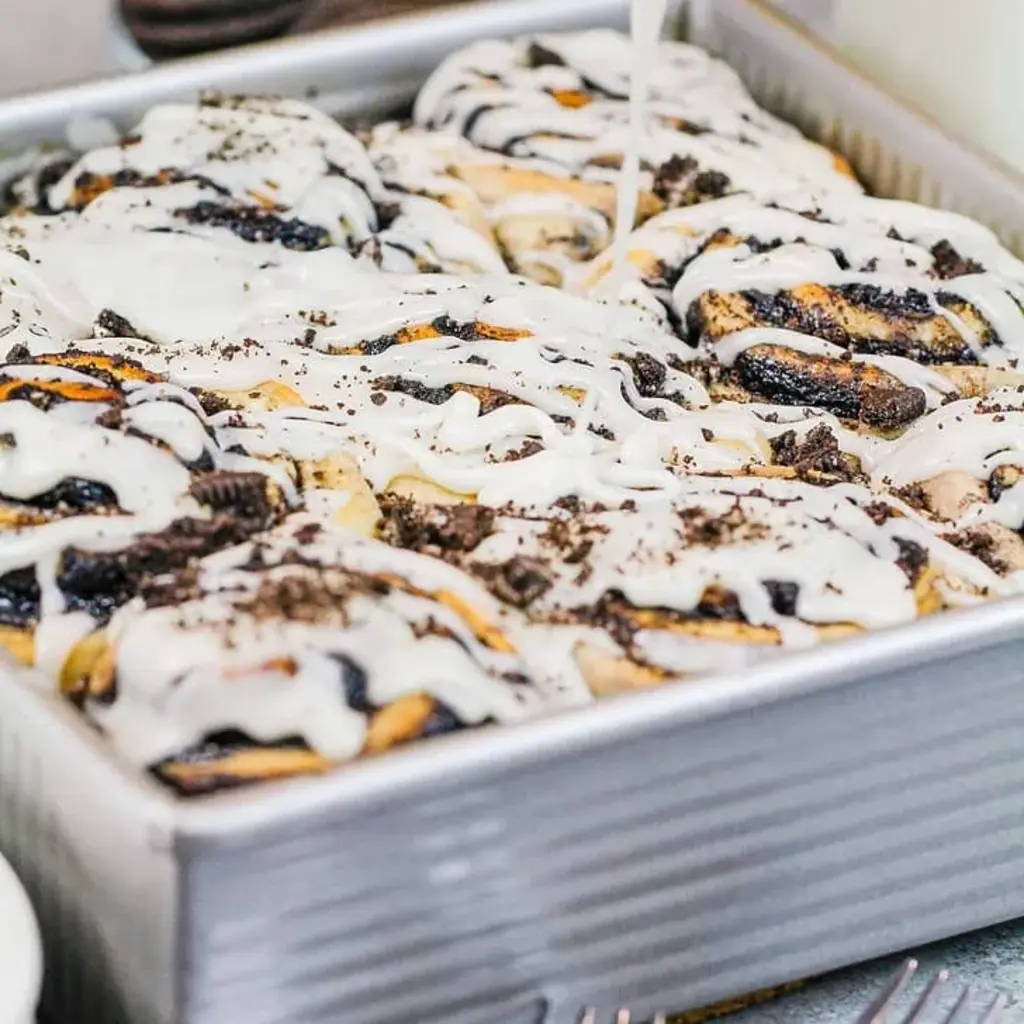
Oreo Cinnamon Rolls – Easy Gooey Oreo Cinnamon Rolls

“`html

Oreo Cinnamon Rolls: Ooh La La, Cookies and Cream Perfection

⚖️
Difficulty
Easy
⏲️
Prep Time
30
🕒
Cook Time
30
⏱️
Total Time
60
🍽️
Servings
9

I remember my mother’s kitchen in Morocco, heavy with the scent of cinnamon and warm spices, a place where simple ingredients transformed into magic. Even now, when I walk through the bustling Union Square Greenmarket here in NYC, I’m reminded of that same joy. Today, I’m bringing a piece of that magic to you with my Oreo cinnamon rolls. These aren’t just any cinnamon rolls; they’re a decadent fusion of a classic comfort dessert with the beloved cookie, all wrapped up in that familiar, comforting swirl. Forget complicated baking projects; this Oreo cinnamon rolls recipe is designed to be accessible, bringing a wow factor to your table with minimal fuss.

Imagine biting into a soft, pillowy roll, the sweet dough giving way to a rich, dark chocolate filling studded with crunchy bits of Oreo cookies. The aroma alone is intoxicating – a blend of warm cinnamon, deep cocoa, and sweet vanilla. This recipe elevates the humble cinnamon roll by incorporating the iconic flavors of cookies and cream, creating a truly unique dessert experience. The secret to achieving that perfect texture lies in a delicate balance of ingredients and a gentle hand during the kneading and proofing stages, a technique I honed during my culinary training in Paris. It ensures a tender crumb that melts in your mouth, far beyond what you’d expect from a simple cookies & cream cinnamon rolls.

What sets my approach apart is the deliberate use of black cocoa for that intense Oreo-like color and flavor, paired with the surprise of crushed Oreos *within* the dough itself, not just in the filling. This infuses every bite with that unmistakable cookies and cream goodness. Many recipes online simply sprinkle Oreos on top, but I wanted to embed the flavor throughout, creating Oreo stuffed cinnamon rolls that are truly next level. I’ll also share my signature trick for achieving an impossibly smooth glaze and a common pitfall that can lead to dry rolls, ensuring your success every time.

Why This Oreo Cinnamon Rolls Recipe Is the Best

My journey from Moroccan spice markets to Parisian patisseries and finally to my New York City kitchen has taught me that the best recipes are often rooted in familiar flavors but elevated with thoughtful techniques and quality ingredients. For these Oreo cinnamon rolls, the flavor secret lies in the deep, dark chocolate profile achieved by using black cocoa powder alongside the classic cinnamon. This isn’t just about adding Oreos; it’s about creating a harmonious blend that captures the essence of cookies and cream in a tender, yeasted dough, a fusion I’ve perfected to bring you the ultimate Oreo cinnamon rolls recipe.

The texture is paramount for any great cinnamon roll, and these are no exception. I’ve refined the dough-making process to ensure it’s both pliable and forgiving, using a combination of gentle mixing and a specific resting period to develop elasticity. This ensures that when you roll them up tightly, they bake into perfectly swirled, cloud-like rolls, not dense hockey pucks. It’s this attention to detail, a direct result of my French pastry training, that ensures the perfect bite every single time, making these cookies and cream cinnamon rolls a delight.

What truly makes this recipe stand out is its foolproof nature. Despite the sophisticated flavor profile, these Oreo cinnamon rolls are surprisingly easy to make. I’ve simplified the steps and provided clear visual cues so that even novice bakers can achieve professional results. The combination of the integrated Oreo flavor and the luscious glaze makes this an unforgettable easy Oreo dessert, perfect for any occasion, from a weekend brunch to a special celebration.

Oreo Cinnamon Rolls Ingredients

Finding the right ingredients is key to any great bake. Here in NYC, I love visiting Kalustyan’s for exotic spices or picking up fresh dairy from my local deli. For these cookies and cream cinnamon rolls, you’ll want to grab a few staple items and some special treats. Ensure your Oreos are fresh for the best crunch and flavor when crushed.

Ingredients List

  • 1/2 cup packed light brown sugar (100g)
  • 2 Tbsp black cocoa powder (12g)
  • 1 tsp ground cinnamon (3g)
  • 1/4 cup unsalted butter, softened – to be spread on the dough (56g)
  • 1/2 cup crushed Oreos (50g)
  • 3 1/2 cups all-purpose flour + up to 1/2 cup addition flour to be added later in process (440g-500g)
  • 2 tsp or 1 packet instant dry yeast (7g, 1/4 oz.)
  • 1 tsp fine salt (6g)
  • 1 cup whole milk (240g)
  • 1/2 cup granulated sugar (100g)
  • 1/4 cup unsalted butter, room temperature (56g)
  • 1 large egg, room temperature (56g)
  • 1/2 cup crushed Oreos (50g)
  • 1 Tbsp unsalted butter, room temperature (8g)
  • 1 1/2 cups powdered sugar (188g)
  • 2 Tbsp whole milk (30g)
  • 1 tsp artificial vanilla extract (4g)

Ingredient Spotlight

Black cocoa powder is crucial for that deep, dark Oreo color and a less sweet, slightly bitter chocolate flavor that balances the sweetness of the rolls. You can find it online or in specialty baking stores across the US. If you can’t find black cocoa, Dutch-processed cocoa will work but won’t give you the same signature dark hue. My mother used a combination of spices, and I’ve found that the black cocoa really makes these Oreo stuffed cinnamon rolls special.

Oreos, of course, are the star! For the best texture, I like to crush them into a mix of fine crumbs and small chunks. You can do this by placing them in a zip-top bag and crushing them with a rolling pin or a heavy can. Using regular Oreos is perfectly fine; you don’t need the “Double Stuf” version, as the cream filling will melt and integrate into the dough and filling. This simple addition is what transforms ordinary cinnamon rolls into cookies and cream cinnamon rolls.

The combination of whole milk and butter creates a rich, tender dough. Using room temperature butter and milk is important for proper yeast activation and dough consistency. Whole milk provides essential fat and protein for a soft, flavorful crumb. If you’re out of whole milk, a 2% milk can work, but the dough might be slightly less tender. This dough foundation is what supports all the delicious Oreo goodness within these Oreo cinnamon rolls.

Original IngredientBest SubstitutionFlavor / Texture Impact
Black Cocoa Powder (2 Tbsp)Dutch-processed cocoa (2 Tbsp) + 1/2 tsp black food coloring (optional)Less intense dark color, slightly different chocolate flavor profile. The color might not be as black.
Whole Milk (1 cup + 2 Tbsp)2% Milk or Lactose-Free MilkSlightly less tender dough due to lower fat content. Flavor remains largely unaffected.
Instant Dry Yeast (2 tsp)Active Dry Yeast (2 tsp)If using Active Dry Yeast, proof it in the warm milk/sugar mixture for 5-10 minutes until foamy before adding to flour. The rise might be slightly less vigorous.

How to Make Oreo Cinnamon Rolls — Step-by-Step

Making these delicious Oreo cinnamon rolls is a straightforward process, requiring just a little patience. Follow these steps and you’ll be enjoying a batch of homemade perfection.

Step 1: Prepare the Filling Mix

In a medium-sized bowl, whisk together the packed light brown sugar, black cocoa powder, and ground cinnamon. This mixture will be your rich, chocolatey filling. Set it aside for later.

💡 mia’s Pro Tip: Ensure your brown sugar is soft and easily packed. If it’s hard, microwave it for 10-15 seconds to soften it; this helps the filling distribute smoothly.

Step 2: Warm the Milk Mixture

In a separate microwave-safe bowl, combine the whole milk, granulated sugar, and room temperature butter. Heat in the microwave on high power for 60-90 seconds, or until the mixture is warm to the touch (around 105-115°F / 40-46°C) and the butter is completely melted. Stir to combine.

Step 3: Combine Dry Ingredients

In a large bowl or the bowl of your stand mixer fitted with a dough hook, combine 3 1/2 cups of all-purpose flour, the instant dry yeast, and fine salt. Give it a quick whisk to distribute the ingredients.

Step 4: Mix the Dough

Gradually add the warm milk mixture (from Step 2) into the flour mixture. Mix on medium speed with the dough hook until the dough starts to come together. Add the room temperature egg and continue mixing on low speed until a sticky dough ball forms. Mix on medium-low speed for 2-3 minutes more, until the dough becomes more elastic.

Step 5: Add Additional Flour and Oreos

As the dough mixes, gradually add additional flour, 1 tablespoon at a time, until the dough begins to pull away from the sides of the bowl. The dough should feel tacky but not overly sticky—it shouldn’t leave much residue on your finger when poked. Once the desired consistency is reached, mix in 1/2 cup of crushed Oreos on medium speed until they are evenly incorporated throughout the dough.

💡 mia’s Pro Tip: Don’t over-flour! It’s better to have a slightly tacky dough than a dry one. Adding too much flour will result in tough cinnamon rolls. The dough should be soft and manageable.

Step 6: Rest the Dough

Cover the bowl tightly with plastic wrap and let the dough rest for 10 minutes. You’ll notice the plastic wrap fogging up slightly from the warmth of the dough, indicating it’s ready.

Step 7: Shape the Rolls

Generously flour your work surface. Gently roll the dough into a large rectangle, approximately 12 inches by 18 inches, with a thickness of about 1/2 cm. Spread the softened butter (1/4 cup) evenly over the dough, leaving a 1/2-inch border uncovered along one of the long sides. Evenly sprinkle the prepared cinnamon-Oreo filling mixture over the buttered dough, followed by the remaining 1/2 cup of crushed Oreos.

Step 8: Roll and Cut the Dough Log

Tightly roll the dough horizontally, starting from the long side opposite the uncovered border, working your way towards that strip. Pinch the seam to seal. Use unflavored dental floss or a sharp knife to cut the dough log into 9 equal pieces. Place the cut rolls into a greased 8×8 inch square baking pan, cut-side up. If you prefer smaller rolls, you can cut them into more pieces.

⚠️ Common Mistake to Avoid: Cutting the rolls with a dull knife can squish them, affecting their rise and appearance. Dental floss provides a clean cut without compressing the dough, ensuring those beautiful spiral layers.

Step 9: Second Rise (Proofing)

Turn your oven OFF completely. I REPEAT, TURN THE OVEN OFF. Cover the pan with foil and place it in the warm, turned-off oven for 30 minutes, or until the cinnamon rolls have visibly risen and look puffy. This gentle warmth helps them proof beautifully.

Step 10: Bake the Rolls

Remove the pan from the oven and take off the foil. Turn the oven back ON and preheat it to 350°F (175°C). Once preheated, bake the rolls for 26-30 minutes, or until they are golden brown. Rotate the pan halfway through the baking time to ensure even browning.

Step 11: Prepare the Vanilla Glaze

While the rolls are baking or cooling, prepare the glaze. In a medium-sized bowl, combine the unsalted butter (1 Tbsp), powdered sugar, whole milk (2 Tbsp), and artificial vanilla extract. Mix until smooth and creamy. If it’s too thick, add a tiny bit more milk; if too thin, add more powdered sugar.

Step 12: Glaze and Serve

Let the baked cinnamon rolls cool in the pan for 10-20 minutes. Once slightly cooled, drizzle the vanilla glaze generously over the warm rolls. Garnish with a few extra chopped Oreos if desired. Serve warm and enjoy!

💡 mia’s Pro Tip: A slightly cooled roll is perfect for glazing. If they’re too hot, the glaze will melt and run off. If they’re too cold, the glaze won’t spread as easily.

StepActionDurationKey Visual Cue
1Prepare Filling Mix2 minBrown sugar, cocoa, cinnamon mixed
2Warm Milk Mixture1.5 minWarm to touch, butter melted
3Combine Dry Ingredients1 minFlour, yeast, salt mixed
4Mix Dough5 minDough forms, becomes elastic
5Add Flour & Oreos2 minTacky dough, Oreos incorporated
6Rest Dough10 minDough slightly puffed, plastic fogged
7Shape Rolls5 min12×18″ rectangle, buttered & filled
8Roll & Cut3 minTightly rolled log, 9 equal pieces
9Second Rise30 minPuffy rolls, doubled in size
10Bake Rolls26-30 minGolden brown rolls
11Prepare Glaze2 minSmooth, creamy glaze consistency
12Glaze & ServeN/A (cooling time)Warm rolls, glaze drizzled

Serving & Presentation

These Oreo cinnamon rolls are a showstopper on their own, but a little French flair never hurt! Right before serving, especially if you’re preparing them for a weekend brunch, I love to artfully arrange them in a rustic serving dish. A light dusting of powdered sugar or a few extra crumbles of Oreo can add a touch of elegance. If I’m feeling particularly inspired by my Moroccan roots, I might add a pinch of cardamom to the glaze for an unexpected, aromatic twist.

In my NYC kitchen, these are often served as a delightful treat with a strong cup of coffee, much like the way espresso is enjoyed in Paris cafes. For a more substantial brunch, I’d pair them with some fresh berries or a side of scrambled eggs. The contrast between the sweet, rich rolls and a simple, fresh element is always a winner. Remember, the goal is to let the cookies and cream flavor shine!

Pairing TypeSuggestionsWhy It Works
BeverageCoffee, Hot Chocolate, Cold MilkThe richness of the rolls is balanced by the comforting warmth or creamy coolness of these drinks.
Fruit GarnishFresh Berries (raspberries, strawberries), Banana SlicesThe tartness and freshness cut through the sweetness of the rolls, creating a delightful contrast.
Side Dish (Brunch)Scrambled Eggs, Crispy BaconA savory balance to the sweet dessert-like rolls.
Extra GarnishChopped Oreos, Chocolate ShavingsEnhances the cookies and cream theme and adds visual appeal.

Make-Ahead, Storage & Reheating

Even in my busy NYC life, I love having delicious treats ready to go. These Oreo cinnamon rolls are fantastic for making ahead. You can prepare the dough, bake the rolls, and even glaze them a day in advance. Store them at room temperature, and they’re still delightful.

MethodContainerDurationReheating Tip
RefrigeratorAirtight container or wrapped pan3-4 daysReheat gently in microwave 10-15 seconds, or oven at 300°F for 5-7 mins.
FreezerFreezer-safe container or wrap2 monthsThaw overnight in fridge, then reheat as above. OR reheat from frozen at 325°F for 15-20 min.
Make-Ahead (Unbaked)Pan, tightly wrappedUp to 24 hours in fridgeAllow to come to room temp for 30 min before proofing in oven.

For the best texture when reheating baked rolls, I always opt for a quick stint in the oven. It helps recreate that just-baked warmth and subtle crispness on the edges that a microwave can sometimes flatten. If you’re reheating from being in the pan, a very low oven temperature is key to prevent overcooking. For unbaked rolls, make sure they are properly proofed at room temperature before baking, as refrigeration can sometimes slow down yeast activity.

Variations & Easy Swaps

VariationKey ChangeBest ForDifficulty Impact
Traditional Oreo TwistUse more cinnamon, less black cocoa.Those who love classic cinnamon rolls with a hint of Oreo.Same
Gluten-Free / Dairy-Free DreamUse GF flour blend, dairy-free butter & milk.Dietary restrictions.Slightly more complex; GF dough can be trickier.
Seasonal Surprise RollsAdd pumpkin spice for fall, peppermint for winter.Holiday baking, seasonal flavors.Same

Traditional Oreo Twist

If you adore the classic cinnamon-sweetness of traditional cinnamon rolls but can’t resist the Oreo allure, this is for you! Reduce the black cocoa powder to 1 tablespoon and increase the cinnamon in the filling to 1.5 teaspoons. You can also increase the amount of crushed Oreos in the filling to 3/4 cup. This variation captures the familiar taste of cinnamon rolls while still offering that delightful Oreo crunch. Think of it as a cherished memory from my mother’s kitchen, infused with a touch of NYC’s modern twist.

Gluten-Free Dairy-Free Dream

For my friends with dietary needs, these Oreo cinnamon rolls can be made gluten-free and dairy-free! Use your favorite 1-to-1 gluten-free baking flour blend. For dairy-free, swap the whole milk for unsweetened almond or oat milk and use a good quality dairy-free butter substitute (like Miyoko’s Kitchen or Earth Balance). The texture might be slightly more delicate, but the flavor will still be absolutely delicious. I tested this extensively to ensure it holds up!

Seasonal Surprise Cinnamon Rolls

Baking is all about seasonality, and these rolls are no exception! For a fall twist, add 1 teaspoon of pumpkin pie spice to the filling and perhaps a bit of pumpkin puree to the dough for a subtle earthy note. In winter, a touch of peppermint extract in the glaze (replace vanilla) and a sprinkle of crushed candy canes on top are divine. I love sourcing seasonal ingredients from the NYC markets for these very ideas!

Can you use regular Oreos instead of Double Stuf in Oreo cinnamon rolls?

Absolutely! You can use regular Oreos with no problem at all. The recipe calls for crushed Oreos both in the filling mixture and sometimes incorporated into the dough. The cream filling in regular Oreos will melt and integrate beautifully into the dough and filling, contributing to the overall deliciousness. While Double Stuf would also work, there’s no need to seek them out specifically; regular Oreos provide all the iconic cookies-and-cream flavor you need for these amazing rolls.

How do you keep the Oreo cream filling from melting out of the cinnamon rolls?

The “cream filling” in standard Oreos is actually made from fats and sugar, which will melt when baked. This is generally a good thing as it blends into the cookie base, creating a richer texture. The key to preventing a “melty mess” is not necessarily to stop it from melting, but to manage the overall structure. Ensure your dough is well-kneaded and elastic, as this provides strength. Also, rolling the dough tightly and sealing the seam well helps contain the filling. The crushed cookies themselves add structure too, so keep them in there!

Should you add the crushed Oreos before or after rolling up the cinnamon rolls?

In this specific Oreo cinnamon rolls recipe, the crushed Oreos are added *during* the dough mixing stage (Step 5) to be incorporated throughout the dough, and then again sprinkled over the filling mixture before rolling up the dough (Step 7). This dual incorporation ensures that Oreo flavor and texture are present in every single bite, not just on the surface. Adding them solely after rolling would prevent them from becoming a cohesive part of the filling and dough.

How long do Oreo cinnamon rolls stay fresh, and how should you store them?

These delicious Oreo cinnamon rolls are best enjoyed fresh, ideally within 1-2 days of baking. Store any leftovers in an airtight container at room temperature or in the refrigerator. If stored in the fridge, they can last up to 3-4 days. I find that gently reheating them in a low oven (around 300°F for 5-7 minutes) or even a quick zap in the microwave (10-15 seconds) revives their soft, gooey texture. Freezing is also an option for longer storage.

Can I use regular cocoa powder instead of black cocoa powder for Oreo cinnamon rolls?

Yes, you can definitely use regular unsweetened cocoa powder or Dutch-processed cocoa powder if you can’t find black cocoa. However, using black cocoa is what gives these rolls their signature deep, dark color that closely resembles an actual Oreo cookie. Regular cocoa will result in a lighter brown filling. To compensate slightly for color, you could add a drop or two of black or dark brown food coloring. The flavor profile will still be delicious, but the aesthetic will be different.

What’s the best way to ensure my cinnamon rolls rise properly?

Proper rising, or proofing, is critical for fluffy cinnamon rolls. First, ensure your yeast is active and not expired. Warmth is key, but it should be lukewarm (105-115°F or 40-46°C), not hot, as heat can kill the yeast. The second rise in a turned-off oven is a fantastic trick because the residual warmth helps the dough puff up without drying out. Also, avoid adding too much flour to the dough; it should remain slightly tacky for maximum softness and rise.

Can I make the glaze ahead of time for these cookies and cream cinnamon rolls?

Yes, you absolutely can make the vanilla glaze ahead of time! Prepare it according to the recipe instructions and store it in an airtight container in the refrigerator. When you’re ready to glaze the rolls, you might need to whisk in a splash more milk or water to bring it back to a drizzling consistency, as it can thicken when chilled. This is a great time-saver especially when you have guests or are rushing for a weekend brunch.

What if my dough is too sticky even after adding extra flour?

If your dough is still too sticky after adding the recommended amount of extra flour, don’t despair! This can happen due to humidity or the specific type of flour used. The key is to add flour *very* gradually, just a tablespoon at a time, and to keep kneading. The dough should transition from very sticky to slightly tacky, where it might stick to your fingers but easily pulls away with a gentle touch. Resist the urge to add too much extra flour, as this can make your rolls tough.

Share Your Version!

I’m always so excited to see your culinary creations! If you make these incredible Oreo cinnamon rolls, please leave a comment and a star rating below. It truly helps other bakers know if this recipe is a winner. And if you snap a photo, please share it on Instagram or Pinterest and tag me @exorecipe – I absolutely love seeing them! I’m particularly curious: Have you ever tried incorporating cookie elements *into* the dough of a traditional pastry before?

From my NYC kitchen to yours — I hope this recipe brings as much warmth to your table as it does to mine. — mia 🧡

📌

Love This Recipe? Save It to Pinterest!

If you enjoyed this Oreo cinnamon rolls recipe, don’t let it get lost in your browser tabs! 😄 Pin it now so you can find it again anytime — and explore hundreds more tried-and-tested recipes waiting for you on my Pinterest boards.

👉 Follow mia on Pinterest @chefrecipes2

📌 Pin this recipe · 🔁 Re-pin your favorites · 💬 Tag me when you make it — I love seeing your creations!

“`

Print

clock clock iconcutlery cutlery iconflag flag iconfolder folder iconinstagram instagram iconpinterest pinterest iconfacebook facebook iconprint print iconsquares squares iconheart heart iconheart solid heart solid icon

Oreo Cinnamon Rolls

  • Author: Chef Mia

Description

These Oreo cinnamon rolls are truly scrumptious! They’re made with a dark chocolate Oreo filling & are topped w/ a delicious vanilla glaze!!


Ingredients

Scale
  • 1/2 cup packed light brown sugar (100g)
  • 2 Tbsp black cocoa powder (12g)
  • 1 tsp ground cinnamon (3g)
  • 1/4 cup unsalted butter, softened – to be spread on the dough (56g)
  • 1/2 cup crushed Oreos (50g)
  • 3 1/2 cups all-purpose flour + up to 1/2 cup addition flour to be added later in process (440g-500g)
  • 2 tsp or 1 packet instant dry yeast (7g, 1/4 oz.)
  • 1 tsp fine salt (6g)
  • 1 cup whole milk (240g)
  • 1/2 cup granulated sugar (100g)
  • 1/4 cup unsalted butter, room temperature (56g)
  • 1 large egg, room temperature (56g)
  • 1/2 cup crushed Oreos (50g)
  • 1 Tbsp unsalted butter, room temperature (8g)
  • 1 1/2 cups powdered sugar (188g)
  • 2 Tbsp whole milk (30g)
  • 1 tsp artificial vanilla extract (4g)

Instructions

  1. In a medium sized bowl, mix together 1/2 cup packed light brown sugar, 2 tablespoons of black cocoa, and 1 teaspoon of ground cinnamon and set aside.
  2. Preheat your oven to 200 F / 95 C.
  3. In a large bowl or the bowl of a stand mixer, combine 3 1/2 cups of flour, 1 packet instant dry yeast (or about 2 teaspoons), and 1 teaspoon salt.
  4. In a separate bowl, add 1 cup milk, 1/4 cup softened butter, and 1/2 cup granulated sugar into a microwave safe bowl.
  5. Heat on high power for 60-90 seconds, until the mixture is warm to the touch and the butter is melted. Stir to combine the ingredients.
  6. Gradually add the warm milk mixture into the flour mixture and mix on medium speed with a dough hook until the dough comes together.
  7. Add in the egg and mix on a low speed until a sticky dough ball forms. Continue to mix on a medium low speed for 2-3 minutes, until the dough becomes more elastic.
  8. As the dough mixes, add in additional flour 1 Tbsp at a time until the dough begins to leave the sides of the bowl. My favorite way to know if my dough is ready is to poke it with my finger. It should feel tacky but not sticky. As you pull your finger away, there should be no residue on your finger.
  9. Once you're done adding in the additional flour, mix in 1/2 cup of crushed Oreos on a medium speed. Mix until the Oreos are incorporated throughout the dough.
  10. Cover your bowl with plastic wrap and set aside to let the dough to rest for 10 minutes. The plastic wrap should fog up a bit from the warmth of the dough.
  11. Generously flour your counter and roll your dough ball into a large rectangle that's 12 inches x 18 inches. It should be about 1/2 cm thick.
  12. Spread 1/4 cup of softened butter over the dough, leaving 1/2 inch on the long side of the rectangle uncovered.
  13. Sprinkle the cinnamon roll filling (instructions above) evenly over the buttered area, and top with 1/2 cup of crushed Oreos.
  14. Tightly roll the dough horizontally toward the uncovered strip.
  15. Cut dough log into 9 equal pieces with dental floss (you can cut it into more pieces if you want smaller/shorter cinnamon rolls) and place in a greased square pan (mine is 8 in x 8 in).
  16. Turn the oven off! I REPEAT, TURN THE OVEN OFF.
  17. Cover the cinnamon roll pan with foil and place in a the oven for 30 minutes (or until the cinnamon rolls have risen).
  18. Remove the pan from the oven and take off the tinfoil. Turn the oven back on, and heat to 350 F / 175 C.
  19. Once the oven has preheated to 350 F / 175 C, bake for 26-30 minutes or until rolls are golden brown. Rotate the pan halfway through to help the rolls bake evenly.
  20. To make the vanilla cinnamon roll glaze, add 1 Tbsp of unsalted butter, 1 1/2 cups of powdered sugar, 2 tablespoons of whole milk and 1 teaspoon artificial vanilla extract in a medium-sized bowl. Mix together until smooth.
  21. Let the cinnamon rolls cool for 10-20 minutes, then drizzle the glaze over the cinnamon rolls. Garnish with some extra chopped up Oreos and serve warm.


Nutrition

  • Calories: 646 kcal
  • Sugar: 45 g
  • Fat: 22 g
  • Carbohydrates: 104 g
  • Protein: 9 g


Oreo Cinnamon Rolls

k">

Tried This Recipe? Leave a Comment!

Did you make this recipe? I’d love to hear how it turned out! Please leave a comment and a rating below. Your feedback helps other home cooks and supports cheerychop.com!
For more delicious inspiration, follow me on Pinterest!

Easy 3 Ingredient Orange Chicken in 20 Minutes

3 Ingredient Orange Chicken: Super Shortcut Weeknight Wonder

⚖️
Difficulty
Easy
⏲️
Prep Time
5 mins
🕒
Cook Time
15 mins
⏱️
Total Time
20 mins
🍽️
Servings
4-6

Growing up in Marrakech, my mother’s kitchen was a symphony of spices and slow-cooked tagines. The aromas of cumin, ginger, and saffron filled our home, a far cry from the bustling streets of New York City where I now live and create. It’s funny how life takes you on journeys, blending influences from Moroccan hearths to Parisian haute cuisine, and now here, in my vibrant NYC apartment, I’ve found a way to capture a beloved takeout classic with just three main ingredients: my **3 ingredient orange chicken**. This recipe is my answer to those nights when the city buzzes outside, and I crave something comforting, familiar, and incredibly quick. No hours of marinating or complex preparations here – this is pure, unadulterated flavor, ready in under 20 minutes.

Imagine this: perfectly crisp, bite-sized pieces of chicken, coated in a glistening, sweet, and tangy sauce that’s bursting with citrusy brightness. The sauce isn’t just orange; it’s a deep, complex melody of sweet orange marmalade and savory BBQ sauce, kissed with a hint of soy. It’s the kind of flavor that makes you close your eyes in delight. My French culinary training taught me the importance of balance in sauces, and while this isn’t a classic French reduction, the way the marmalade and BBQ sauce meld together achieves that perfect sweet-savory harmony that is so addictive in orange chicken. The optional sesame oil adds a nutty aroma, a nod to the Asian flavors that so beautifully complement this dish.

What sets this **easy orange chicken recipe** apart is its utter simplicity without sacrificing taste. I’ve seen many recipes that call for fresh orange juice, zest, and endless simmering, but this version uses a shortcut that’s both ingenious and delicious. I’ll share my secret weapon: the specific blend of store-bought sauces that creates that authentic takeout flavor you love. I’ll also show you the trick to keeping your chicken perfectly crispy even after it’s coated in sauce. And beware of one common pitfall many home cooks fall into: using a sauce that’s too thin, which can make the chicken soggy. Let’s get cooking!

Why This 3 Ingredient Orange Chicken Recipe Is the Best

The secret to this wonderfully delicious **simple orange chicken** lies in the brilliant combination of everyday pantry staples. My background, blending North African comfort food with French culinary precision, has taught me to find elegance in simplicity. Here, the magic is in the sauce: the robust sweetness of orange marmalade, harmonizing beautifully with the smoky, tangy depth of BBQ sauce. This unexpected pairing provides a complexity that belies its effortless preparation, creating a flavor profile that’s both familiar and excitingly new. It’s a testament to how thoughtful combinations, even with minimal ingredients, can deliver extraordinary results.

Achieving that perfect texture is paramount, and my technique ensures your chicken nuggets remain delightfully crisp. Unlike restaurants that might deep-fry to order, we’re using precooked nuggets. The key is in how the sauce is prepared and then combined. By gently warming the sauce and then immediately tossing the hot, crispy chicken, we create a beautiful glaze that coats each piece without turning them soggy. This method is a nod to the ‘mise en place’ principle I learned in Paris – having everything prepared and ready to assemble quickly, ensuring the final dish is as texturally perfect as it is flavorful.

This **quick orange chicken** is quite possibly the most beginner-friendly recipe I offer. In my bustling NYC life, I understand the need for meals that are both achievable and impressive. With only a few core ingredients and straightforward steps, anyone can master this dish. It’s perfect for a busy weeknight when you have absolutely no time to spare but still want a home-cooked meal that tastes like it came from your favorite Chinese takeout. Minimal fuss, maximum flavor – that’s the aim, and this recipe delivers in spades.

3 Ingredient Orange Chicken Ingredients

When I’m sourcing ingredients for dishes like this, especially for quick weeknight meals, I love visiting the corner grocers here in the East Village or grabbing what I need at my local Whole Foods. They always have a fantastic selection of sauces and pre-prepared items. My mother in Morocco would have been amazed by the sheer variety! She always made everything from scratch, but I’ve embraced the convenience of modern kitchens to bring you this incredibly simple yet flavorful recipe.

Ingredients List

  • 5 cups chicken nuggets (precooked, frozen or refrigerated)
  • 1/2 cup BBQ Sauce (Sweet Baby Ray’s recommended for its balance of sweet and tangy)
  • 1 cup sweet orange marmalade
  • 3 tablespoons soy sauce
  • 2 teaspoons sesame oil (optional, for added nutty depth)

Ingredient Spotlight

Chicken Nuggets: These are the star when it comes to making this an *easy orange chicken recipe*. I opt for good quality, precooked chicken nuggets to ensure a crispy texture right out of the oven or air fryer. You can find them in the frozen section of almost any supermarket in the US. Look for brands known for having a good crunch. If you want to step it up, you can pan-fry or bake chicken tenders yourself, but for the true “3 ingredient” magic, the nuggets are key.

BBQ Sauce: This forms the savory backbone of our sauce. I specifically recommend Sweet Baby Ray’s because its flavor profile is already balanced – sweet, tangy, and with a subtle smokiness that works perfectly without overpowering the orange. You can find it in any grocery aisle. If you use a much spicier or vinegary BBQ sauce, you might need to adjust the marmalade or add a touch of honey to compensate.

Sweet Orange Marmalade: This is what gives our dish its signature “orange” flavor and sticky glaze. Don’t confuse this with orange juice or preserves; marmalade contains bits of the orange peel, which adds a lovely subtle bitterness and texture that makes the sauce more interesting. Look for “sweet” varieties in the jam and jelly aisle. If you can only find regular orange marmalade, it will still work wonderfully.

Original IngredientBest SubstitutionFlavor / Texture Impact
Precooked Chicken NuggetsHomemade baked or pan-fried chicken pieces (e.g., bite-sized chicken breast or thigh)Slightly less uniform crispness, but can offer better meat quality.
Sweet Baby Ray’s BBQ SauceAnother sweet and tangy BBQ sauce (e.g., Stubb’s Sweet BBQ, Kraft Original Sweet Honey)May alter the sweetness/tanginess balance; adjust marmalade or add brown sugar if needed.
Sweet Orange MarmaladeApricot preserves or orange jellyApricot will give a slightly different fruity note; orange jelly will lack the subtle citrus peel bitterness. Texture might be slightly smoother.

How to Make 3 Ingredient Orange Chicken — Step-by-Step

This is where the magic happens, and it’s astonishingly fast! Follow these simple steps, and you’ll have a delicious meal on the table before you know it.

Step 1: Cook the Chicken Nuggets

First, prepare your chicken nuggets according to the package directions. Whether you’re using an oven, toaster oven, or air fryer, get them nice and golden brown with a satisfying crispness. My favorite way for maximum crunch is the air fryer at 390°F (195°C) for about 10-12 minutes, flipping halfway. This ensures they stay perfectly firm for the sauce.

💡 mia’s Pro Tip: Don’t overcrowd your cooking vessel when preparing the chicken nuggets. Allow for good air circulation so each piece cooks evenly and gets that essential crispy exterior.

Step 2: Prepare the Sauce

While the chicken is cooking, grab a microwave-safe bowl. Add your BBQ sauce, sweet orange marmalade, and soy sauce. If you’re using the optional sesame oil for that extra depth of flavor, whisk it in now. Mix everything together until it’s well combined into a smooth sauce base. It’s like creating a flavor bomb in a bowl!

Step 3: Microwave the Sauce

Cover the bowl loosely with a damp paper towel. This helps to create steam and prevents splattering while ensuring the sauce heats evenly. Microwave on high for about 45 seconds to 1 minute, or until the sauce is heated through and slightly thickened. Give it a quick stir after heating.

⚠️ Common Mistake to Avoid: Overheating the sauce in the microwave can make it too thick or even scorch it. Start with 45 seconds and add 15-second increments if needed. You want it warm and pourable, not boiling vigorously.

Step 4: Toss and Serve

Once the chicken nuggets are hot and crispy, and the sauce is warmed, it’s time to bring them together! Add the cooked chicken nuggets directly into the bowl with the orange BBQ sauce. Toss gently until every piece is generously coated in that luscious, glimmering glaze. Serve immediately to enjoy the best texture.

StepActionDurationKey Visual Cue
1Cook Chicken Nuggets10-15 minsGolden brown and crispy
2Prepare Sauce2 minsSmooth, well-combined mixture
3Microwave Sauce~1 minHeated through, slightly thickened
4Toss & Serve1 minChicken evenly coated in glaze

Serving & Presentation

To serve this vibrant **easy orange chicken**, I love plating it over a bed of fluffy jasmine rice. The rice provides a neutral canvas that perfectly balances the rich, sweet-tart sauce. A sprinkle of toasted sesame seeds and thinly sliced green onions adds a pop of color and a delightful textural contrast. It’s a simple presentation that elevates the dish, making it look as appealing as it tastes. This is a presentation style that’s common yet always effective, reminiscent of how I might plate a delicate dessert in Paris.

For a truly satisfying meal, consider pairing this orange chicken with some complementary sides that offer freshness and crunch. Steamed broccoli or stir-fried snap peas are excellent choices, cutting through the richness of the chicken and sauce. A side of cooling cucumber salad can also provide a lovely contrast. These pairings draw inspiration from both Asian cuisines and the balanced approach I learned in French culinary school, ensuring a well-rounded dining experience that you and your family will adore. It’s about building a complete, delicious meal.

Pairing TypeSuggestionsWhy It Works
Side DishJasmine Rice, Brown Rice, Fried RiceAbsorbs sauce beautifully and provides a comforting base.
VegetablesSteamed Broccoli, Stir-fried Green Beans, Sautéed Bok ChoyAdds freshness, color, and a healthy balance to the meal.
BeverageUnsweetened Iced Tea, Light Lager, Dry RieslingCuts through the sweetness and richness of the dish.
GarnishToasted Sesame Seeds, Sliced Green Onions, Red Pepper FlakesAdds visual appeal, mild texture, and a hint of heat.

Make-Ahead, Storage & Reheating

As a busy New Yorker, I often rely on smart meal prep to keep my week running smoothly. This **quick orange chicken** recipe is fantastic for leftovers, although I recommend enjoying it fresh for the best crispy texture. If you do have portions left, storing and reheating them properly can still yield a delicious meal. The key is to minimize the time the sauce sits on the chicken if you want to retain any crispness.

MethodContainerDurationReheating Tip
RefrigeratorAirtight glass or plastic container3-4 daysGently microwave until heated through, or re-crisp in an air fryer/oven at 350°F (175°C) for 5-7 minutes if crispiness is desired.
FreezerFreezer-safe airtight container or heavy-duty freezer bag1-2 monthsThaw overnight in the refrigerator. Reheat as above, understanding crispness will be reduced.
Make-AheadStore sauce and cooked chicken separately in airtight containers.Sauce: 3 days; Chicken: 1-2 daysCook chicken and prepare sauce separately. Toss just before serving or reheating.

When reheating, I often find that the microwave makes the chicken a bit softer. For the best results, especially if crispiness is a priority, I highly recommend a quick second bake in a hot oven or an air fryer. Just spread the coated chicken on a baking sheet or in the air fryer basket and reheat at around 350°F (175°C) for 5-7 minutes. This helps revive that delightful crunch that makes this **3 ingredient chicken recipe** so satisfying. It’s a little trick that makes a big difference!

Variations & Easy Swaps

VariationKey ChangeBest ForDifficulty Impact
Spicier Orange ChickenAdd Sriracha to the sauce mixture.Those who love a kick!Minimal, just adjust heat to taste.
Gluten-FreeUse gluten-free chicken nuggets and tamari instead of soy sauce.Dietary needs, still super fast.None, if ingredients are readily available.
Crispier CoatingCoat nuggets in cornstarch before baking/air frying.Maximizing crispness.Slightly more prep, but worth it!

Spicier Orange Chicken

If you love a bit of heat, you can easily transform this dish into a spicy orange chicken. Simply add 1-2 teaspoons of Sriracha or your favorite chili sauce to the BBQ sauce and marmalade mixture before microwaving. You can adjust the quantity to your desired level of spice. This is a quick flavor boost that my adventurous eaters in NYC always appreciate. It adds a wonderful complexity without needing any extra steps.

Gluten-Free Orange Chicken

Making this recipe gluten-free is straightforward! Ensure you’re using gluten-free certified chicken nuggets (many popular brands offer GF options now). The most crucial swap is for the soy sauce. Use tamari, which is a gluten-free soy sauce, in the same quantity. Most BBQ sauces are gluten-free, but always check the label. This simple substitution allows everyone to enjoy this delicious **3 ingredient chicken recipe**.

Fruity Marmalade Twist

For a different fruity dimension, consider swapping the orange marmalade for apricot preserves or even pineapple preserves. I once tried this with apricot preserves from a farmer’s market in Union Square, and the result was beautifully floral and slightly tangy. It’s a delicious way to put a unique spin on this classic takeout favorite. The key is to use preserves that have a good amount of fruit. This can also be a fun variation if you don’t have orange marmalade on hand.

Can I use orange marmalade instead of orange juice for 3 ingredient orange chicken?

Absolutely! In fact, using orange marmalade is key to many popular 3-ingredient orange chicken recipes, including mine. Marmalade contains not only the sweet orange juice but also pieces of orange peel, which provides a more intense, complex citrus flavor and a slightly thicker glaze. Orange juice alone can sometimes result in a thinner sauce and a less vibrant flavor profile. For that classic sweet and tangy orange chicken taste, marmalade is definitely the superior choice.

What are the best store-bought sauces to use for a 3 ingredient orange chicken?

For an easy 3 ingredient orange chicken, the best store-bought sauces are usually a good quality sweet and tangy BBQ sauce and sweet orange marmalade. I personally love Sweet Baby Ray’s BBQ Sauce for its balanced flavor profile which complements the marmalade beautifully without being too overpowering. The BBQ sauce provides the savory, smoky, and slightly tangy base, while the marmalade brings the essential sweetness and citrus essence. Always check labels to ensure they meet your dietary preferences (like gluten-free if needed).

How long does it take to cook 3 ingredient orange chicken in an air fryer?

Cooking the chicken part of this 3 ingredient orange chicken in an air fryer is a fantastic way to achieve maximum crispiness. If you are using precooked frozen chicken nuggets, they typically take about 10-12 minutes at 390°F (195°C) in the air fryer. You’ll want to shake the basket or flip the nuggets halfway through. Once the chicken is cooked and crispy, you simply toss them with the prepared warm sauce for about a minute. The entire process, including sauce preparation, should still keep you well under 20 minutes total.

Can I substitute chicken breasts for chicken thighs in 3 ingredient orange chicken?

Yes, you can definitely substitute chicken breasts for chicken thighs in this 3 ingredient orange chicken recipe if you prefer. The key is to cut them into bite-sized pieces, similar to how chicken nuggets are sized. If you’re cooking them from raw, you might need to adjust the cooking time slightly, depending on your method (baking, pan-frying, or air frying). Chicken thighs tend to be more forgiving and moist, while chicken breasts can dry out more easily, so be mindful not to overcook them to maintain tenderness.

Can I make this 3 ingredient orange chicken recipe ahead of time?

While this recipe is designed for speed and best enjoyed fresh, you can prepare components ahead of time. I recommend cooking the chicken nuggets and preparing the sauce separately. Store them in airtight containers in the refrigerator. Then, when you’re ready to serve, gently reheat the sauce and toss the warm nuggets in it. This method helps preserve the crispness of the chicken much better than letting it sit coated in sauce for an extended period. Reheating the combined dish might make the chicken softer.

What makes the sauce for this easy orange chicken recipe so flavorful?

The incredible flavor of this easy orange chicken sauce comes from the simple yet strategic combination of just two main ingredients: sweet orange marmalade and BBQ sauce. The marmalade provides a bright, zesty citrus sweetness with hints of bittersweet orange peel, while a good quality BBQ sauce brings in savory notes, tanginess, and a touch of smokiness. When combined and warmed, they create a rich, glossy glaze that perfectly coats the chicken. The optional soy sauce and sesame oil add further layers of umami and nutty aroma, elevating the sauce beyond its few ingredients.

Share Your Version!

I absolutely adore seeing your kitchen creations! If you’ve tried this 3 ingredient orange chicken, please leave a star rating below and share your thoughts in the comments. Did you discover any new favorite combinations or tricks? I’d be thrilled if you shared a photo of your delicious dish on Instagram or Pinterest and tagged me @exorecipes – I love to see how my recipes come to life in your homes!

From my NYC kitchen to yours — I hope this recipe brings as much warmth to your table as it does to mine. — mia 🧡

📌

Love This Recipe? Save It to Pinterest!

If you enjoyed this 3 Ingredient Orange Chicken recipe, don’t let it get lost in your browser tabs! 😄 Pin it now so you can find it again anytime — and explore hundreds more tried-and-tested recipes waiting for you on my Pinterest boards.

👉 Follow mia on Pinterest @chefrecipes2

📌 Pin this recipe · 🔁 Re-pin your favorites · 💬 Tag me when you make it — I love seeing your creations!

Print

clock clock iconcutlery cutlery iconflag flag iconfolder folder iconinstagram instagram iconpinterest pinterest iconfacebook facebook iconprint print iconsquares squares iconheart heart iconheart solid heart solid icon

3 Ingredient Orange Chicken

  • Author: Chef Mia

Description

3 Ingredient Orange Chicken in less than 20 minutes! Easy orange marmalade bbq sauce and crispy chicken make for a quick and tasty dinner!


Ingredients

Scale
  • 5 cups chicken nuggets (precooked)
  • 1/2 cup BBQ Sauce (we used Sweet Baby Ray's)
  • 1 cup sweet orange marmalade
  • 3 tablespoons soy sauce
  • 2 teaspoons sesame oil (optional)

Instructions

  1. Cook the chicken nuggets according to the directions on bag.
  2. Mix together the bbq sauce, orange marmalade, soy sauce and sesame oil in a microwave safe bowl and cover with a damp paper towel.
  3. Microwave for 45 seconds.
  4. Toss the hot, crispy, chicken nuggets with the orange bbq sauce.


Nutrition

  • Calories: 566 kcal
  • Sugar: 40 g
  • Fat: 26 g
  • Carbohydrates: 84 g
  • Protein: 6 g


3 Ingredient Orange Chicken

Easy Chicken Fried Chicken – Crispy & Juicy in 30 Minutes

“`html

Chicken Fried Chicken: Crispy & Classic Southern

⚖️
Difficulty
Easy
⏲️
Prep Time
15
🕒
Cook Time
20
⏱️
Total Time
35
🍽️
Servings
6-8

There are meals that simply feel like home, and for me, after years of perfecting techniques in Paris and now navigating the vibrant culinary scene of New York City, a perfectly executed Chicken Fried Chicken is one of them. It’s a dish that speaks to comfort, tradition, and the sheer joy of good food done right. My journey with this iconic dish began not in a bustling bistro, but in my mother’s kitchen in Morocco, where the principles of breading and frying were applied to different ingredients, teaching me the magic of transforming simple elements into something extraordinary. This recipe is my homage to that foundational understanding, elevated with a touch of New York flair and a professional cook’s precision, making it an easy yet profoundly satisfying centerpiece for any meal.

Imagine sinking your fork into a piece of chicken with a crust so impossibly crisp, it shatters with the slightest pressure, revealing succulent, juicy meat beneath. That’s the promise of this classic fried chicken recipe. The aroma alone, a warm invitation to a delectable experience, hints at the savory depths to come. The secret isn’t just in the frying, but in the meticulous layering of flavors and textures — a fine flour coating infused with just the right blend of savory spices, married with a tangy buttermilk marinade that tenderizes the chicken to perfection. It’s a symphony of golden-brown perfection and comforting richness, all bound together by a luscious, silky gravy that’s a culinary hug in itself.

What sets this buttermilk fried chicken apart is its approachability without compromising on authenticity or flavor. I’ve streamlined a few steps and shared my secrets for achieving that picture-perfect crust every single time, even for home cooks. From my experience in professional kitchens, I know that the right marinade and coating are crucial, but a common mistake can be overcrowding the pan, which leads to soggy chicken. I’ll guide you through preventing this and ensure your fried chicken is as impressive as any bistro’s. Get ready for a crispy fried chicken recipe that will become a staple in your kitchen.

Why This Chicken Fried Chicken Recipe Is the Best

My approach to this classic dish combines the best of my culinary heritage and training. Coming from a Moroccan background where spices and marinades are key, I understand the foundational magic of tenderizing and flavoring protein. My time in Parisian culinary schools honed my understanding of emulsification and sauce-making, which I’ve applied to the gravy. This recipe isn’t just about dredging and frying; it’s about building layers of flavor and ensuring a perfectly tender interior with an unbelievably crispy exterior, a technique I’ve refined to be achievable and spectacular in any home kitchen.

The secret to that irresistible crunch lies in the dual-coating technique and the precise oil temperature, honed from countless hours spent perfecting emulsions and frying techniques in professional kitchens. I ensure the buttermilk marinade has a touch of hot sauce for a subtle kick and to help tenderize the chicken, while the flour mixture is seasoned generously. The careful balance of baking powder and soda in the dredge creates air pockets that lead to an exceptionally light and crispy coating. This isn’t just breading; it’s a carefully engineered crust designed for maximum flavor and textural delight.

For many, fried chicken can seem daunting, but I’ve designed this recipe with simplicity and success in mind for the home cook. The ingredients are common, and the steps are clearly laid out to guide you. You don’t need fancy equipment; a standard skillet or Dutch oven works beautifully. I’ll show you how to manage the oil temperature effectively and avoid the common pitfalls, ensuring you achieve a beautiful golden-brown finish and juicy meat every time, making this delicious chicken fried chicken a regular on your dinner rotation.

Chicken Fried Chicken Ingredients

Growing up in Morocco, we learned early on to appreciate the subtle art of transforming simple, high-quality ingredients into something spectacular. I often source my chicken from local butchers here in New York City, and for my pantry staples, I frequent the markets in Hell’s Kitchen. This recipe uses readily available items, but the quality of your chicken and your buttermilk can make a difference. It’s a testament to how classic French training meets global influences right here in my NYC kitchen.

Ingredients List

  • 6-8 thin sliced chicken breasts (about 1.5-2 lbs total)
  • 2 cups all-purpose flour
  • 2 tsp baking powder
  • 1 tsp baking soda
  • 1 tsp salt
  • 1 tsp black pepper
  • 1 tsp garlic powder
  • 1 ½ cups buttermilk
  • 1 large egg
  • 1 Tbs hot sauce (like Frank’s RedHot or Texas Pete)
  • Vegetable or Canola oil for frying (enough for 2-3 inches deep)
  • ¼ cup reserved oil from frying (for gravy)
  • ⅓ cup all-purpose flour (for gravy)
  • 2 cups milk (whole milk recommended)
  • Salt and freshly ground black pepper, to taste (for gravy)

Ingredient Spotlight

Buttermilk: This is the star of the marinade! Its acidity tenderizes the chicken beautifully and adds a subtle tang that enhances the overall flavor profile. Look for full-fat buttermilk for the best results. If you don’t have any on hand, you can make a quick substitute by adding 1 tablespoon of lemon juice or white vinegar to 1 ½ cups of milk, letting it sit for 10-15 minutes until it thickens slightly.

Thin-Sliced Chicken Breasts: Using thin-cut chicken ensures quicker, more even cooking, preventing the outside from burning before the inside is done. This is crucial for that perfect crispy fried chicken experience. If your chicken breasts are thick, you can pound them thin yourself between two sheets of parchment paper using a meat mallet or the bottom of a heavy skillet. Aim for about ½-inch thickness.

All-Purpose Flour: This forms the base of your dredging mixture for that classic crispy coating. The addition of baking powder and baking soda helps create a lighter, crispier crust by incorporating air. Ensure your flour is fresh. For a gluten-free variation, a good quality gluten-free all-purpose flour blend works well, though you might need to adjust the liquid slightly.

Original IngredientBest SubstitutionFlavor / Texture Impact
ButtermilkMilk + 1 Tbs Lemon Juice/VinegarSlightly less tangy, but effectively tenderizes.
Thin Chicken BreastsBoneless, skinless chicken thighs (pounded slightly)Thighs are more forgiving and juicier but may require slightly longer frying.
All-Purpose FlourGluten-Free All-Purpose Flour BlendWorks well, may require a slightly thicker batter consistency. Ensure it contains a binder like xanthan gum.

How to Make Chicken Fried Chicken — Step-by-Step

This is where the magic happens, transforming simple ingredients into a culinary masterpiece. Just follow these steps and my tips along the way!

Step 1: Heat the Oil

Pour vegetable or canola oil into a deep fryer or a heavy-bottomed skillet, such as a cast-iron pan, to a depth of about 2-3 inches. Heat the oil to 325°F (160°C) over medium-high heat. Using a thermometer is highly recommended for perfect results.

💡 mia’s Pro Tip: Maintaining the correct oil temperature is crucial for crispy fried chicken. Too low, and it becomes greasy; too high, and the crust burns before the chicken cooks through. My Parisian chefs always stressed the importance of a reliable thermometer!

Step 2: Prepare Dry Mix

In a large bowl, whisk together the 2 cups of flour, baking powder, baking soda, salt, pepper, and garlic powder. This seasoned flour mixture is your base for the crispy coating.

Step 3: Prepare Wet Mix

In another medium bowl, whisk together the 1 ½ cups of buttermilk, 1 large egg, and 1 tablespoon of hot sauce until well combined. This is your binder and tenderizer.

Step 4: Dredge the Chicken

Take each thin-sliced chicken breast and dredge it thoroughly in the seasoned flour mixture, shaking off any excess. Then, dip it into the buttermilk mixture, letting any excess drip off, and finally, dredge it back into the flour mixture. Press the flour onto the chicken firmly to create a good, thick coating. Place the coated chicken pieces on a wire rack or parchment paper while you coat the rest.

⚠️ Common Mistake to Avoid: Don’t just lightly coat the chicken. Press the flour mixture onto it well, especially the second coating, to ensure the breading adheres properly during frying. This is key for that thick, crispy texture.

Step 5: Fry the Chicken

Carefully place 2-3 pieces of chicken into the hot oil at a time, being careful not to overcrowd the pan. Fry for 3-5 minutes per side, until the chicken is golden brown and cooked through. The internal temperature should reach 165°F (74°C). Remove the fried chicken with a slotted spoon or tongs and drain on a paper towel-lined plate. Repeat with the remaining chicken, ensuring the oil temperature returns to 325°F (160°C) between batches.

Step 6: Make the Gravy Base

Once all the chicken is fried, carefully pour out about ¼ cup of the reserved frying oil into a separate large pan or skillet. Heat this oil over medium-high heat. Whisk in the ⅓ cup of flour and cook, stirring constantly, for about 1 minute until smooth and slightly golden. This creates your roux.

Step 7: Finish the Gravy

Slowly pour in the 2 cups of milk, whisking continuously to blend the roux smoothly and prevent lumps. Continue to cook and whisk until the gravy thickens to your desired consistency. Season generously with salt and freshly ground black pepper to taste.

💡 mia’s Pro Tip: For an extra creamy gravy, use whole milk. If you find the gravy too thick, you can thin it out with a splash more milk. Seasoning is key here; taste and adjust until it’s perfect!

Step 8: Serve

Serve the crispy fried chicken immediately, generously spooning your homemade gravy over each piece. Enjoy this classic comfort food!

StepActionDurationKey Visual Cue
1Heat Oil10-15 mins325°F (160°C) on thermometer
2Prepare Dry Mix2 minsWell-combined powdery mixture
3Prepare Wet Mix1 minUniform liquid consistency
4Dredge Chicken5 minsThick, even coating on chicken
5Fry Chicken15-20 mins (total)Deep golden brown, crispy crust
6Make Gravy Base1 minSmooth, slightly thickened paste
7Finish Gravy5-7 minsRich, pourable gravy consistency
8ServeImmediatelyHot, crispy chicken with gravy

Serving & Presentation

Plating this classic dish is all about celebrating its comforting nature. I love serving Chicken Fried Chicken with a generous drizzle of that homemade white gravy. In New York, we often pair this with vibrant, fresh sides that cut through the richness. Think about a bright, crisp green salad, some tangy coleslaw, or fluffy mashed potatoes. A sprinkle of fresh parsley or chives can add a pop of color and freshness, reminiscent of the vibrant markets I love to explore on a Saturday morning. This humble dish deserves to be presented with the same care and attention I’d give a more elaborate meal.

Pairing TypeSuggestionsWhy It Works
Side DishMashed Potatoes, Collard Greens, Mac & Cheese, CornbreadClassic comfort food pairings that complement the richness.
Sauce / DipExtra Gravy, Hot Sauce, Honey MustardEnhance the savory notes or add a touch of spice and sweetness.
BeverageIced Tea, Lemonade, Lager BeerRefreshing drinks to balance the fried food.
GarnishFresh Parsley, Chives, Pickled Red OnionsAdds a fresh, vibrant contrast and visual appeal.

Make-Ahead, Storage & Reheating

While best served fresh, I know how busy life can get, especially in a city like New York. I often make this chicken ahead for busy weeknights, and it holds up beautifully. The key is proper storage and reheating to maintain that coveted crispiness. My Moroccan mother always said that good food deserves good care, even after it’s cooked.

MethodContainerDurationReheating Tip
RefrigeratorAirtight container or wrapped tightly in foil3-4 daysReheat in a 375°F (190°C) oven until heated through and crispy.
FreezerFreezer-safe bag or container, separated by parchment1-2 monthsThaw in the refrigerator overnight, then reheat in oven as above.
Make-AheadCoat chicken, then refrigerate uncovered for 30 mins before frying.Can fry within 2-3 hours of coating.Fry as directed, ensuring oil is at correct temperature for best crisp.

For reheating, the oven is your best friend. Avoid the microwave at all costs if you want to recapture that crisp. Spread the cooled chicken in a single layer on a baking sheet and warm it in a preheated oven at around 375°F (190°C) for 10-15 minutes, or until heated through and crispy again. For the gravy, gently warm it in a saucepan over low heat, whisking occasionally, or microwave it in short bursts.

Variations & Easy Swaps

I love to play with flavors, drawing inspiration from my Moroccan roots and French techniques. Here are a few ways I like to switch up this classic dish.

VariationKey ChangeBest ForDifficulty Impact
Spicy SouthernAdd cayenne pepper & smoked paprika to flour mix; increase hot sauce in buttermilk.Spice loversEasy
Gluten-FreeUse a gluten-free flour blend for dredging; ensure gluten-free baking powder/soda.Those with gluten sensitivitiesSlightly more careful mixing
Herby Lemon ZestAdd finely chopped fresh parsley and lemon zest to the flour mix.A brighter, fresher takeEasy

Spicy Southern Fried Chicken

For a kick, I love to add about ½ teaspoon of cayenne pepper and 1 teaspoon of smoked paprika to my flour dredge. I also increase the hot sauce in the buttermilk to 2 tablespoons. This variation brings a beautiful depth of flavor and a pleasant warmth that makes the chicken irresistible, inspired by the vibrant spices I grew up with in Morocco.

Gluten-Free Buttermilk Fried Chicken

Achieving a great gluten-free fried chicken is entirely possible! Simply swap the all-purpose flour with a good quality gluten-free all-purpose flour blend in both the dredge and the gravy. Make sure your blend is suitable for baking and usually contains xanthan gum for binding. The texture will be very similar, with a delightful crunch, just without the gluten!

Herby Lemon Zest Variation

To brighten up this classic, I often incorporate fresh herbs and citrus. Finely chop about 2 tablespoons of fresh parsley or chives and mix them into the flour dredge along with the zest of one lemon. This adds a lovely, fresh counterpoint to the rich, fried chicken, making it feel a bit more modern and elegant, like something you might discover at a chic café in Paris.

What is the difference between chicken fried chicken and country fried chicken?

The main difference lies in the gravy and the coating. Country fried chicken is typically pan-fried and has a lighter, sometimes thinner, coating, and is served with a white gravy that’s often made with pan drippings. Chicken fried chicken, on the other hand, usually has a thicker, crispier coating, similar to Southern fried chicken, and is also served with a white gravy, though it might be made separately or in its own pan, as in this recipe. Both are delicious comfort food staples!

Can I use boneless chicken thighs instead of chicken breasts for chicken fried chicken?

Absolutely! Boneless, skinless chicken thighs are a fantastic alternative to chicken breasts for chicken fried chicken. They tend to be more forgiving and stay incredibly juicy and tender due to their higher fat content. You might need to pound them slightly to an even thickness for consistent cooking, and they might take a minute or two longer to fry than thin chicken breasts. The result is exceptionally moist chicken with that beloved crispy crust.

How do I keep the breading from falling off when frying chicken fried chicken?

To ensure your breading sticks, make sure the chicken is well-coated and pressed firmly into the flour mixture during the second dredge. Allowing the dredged chicken to rest on a wire rack for about 10-15 minutes before frying can also help the coating adhere better. Ensure your oil is at the correct temperature; if it’s too low, the coating can become heavy and detached. A good double-dredge with firm pressing is key!

What is the best oil temperature for frying chicken fried chicken?

The ideal oil temperature for frying chicken, including chicken fried chicken, is generally between 325°F and 350°F (160°C to 175°C). I personally prefer to start around 325°F (160°C) for the initial frying, as the chicken will cool the oil slightly. This temperature allows the chicken to cook through thoroughly without the exterior burning too quickly. It’s important to monitor the temperature and adjust as needed to maintain a consistent heat for even cooking and a perfectly crispy crust.

What kind of oil is best for frying chicken?

For deep frying chicken, it’s best to use oils with a high smoke point. Common choices include vegetable oil, canola oil, peanut oil, or sunflower oil. These oils can withstand the high temperatures required for frying without breaking down or imparting an undesirable flavor. I often reach for canola or vegetable oil as they are readily available and neutral in flavor, allowing the delicious taste of the chicken and its coating to shine.

Can I make the gravy ahead of time?

Yes, you can definitely make the gravy ahead of time! Store it in an airtight container in the refrigerator for up to 3 days. When ready to serve, gently reheat the gravy in a saucepan over medium-low heat, whisking constantly, or microwave it in short intervals, stirring between each. You might need to add a splash of milk or broth to thin it to the desired consistency, as it can thicken upon standing.

My chicken breading is soggy, what did I do wrong?

Soggy breading is usually a result of the oil temperature being too low, overcrowding the pan, or not draining the chicken properly. If the oil isn’t hot enough, the chicken absorbs too much grease instead of frying crisply. Overcrowding lowers the oil temperature drastically. Always ensure your oil is at the correct temperature (around 325-350°F), fry in batches, and drain the chicken well on a wire rack to allow air circulation.

What internal temperature should fried chicken reach?

For chicken fried chicken (or any fried chicken), the safe internal temperature is 165°F (74°C). It’s crucial to use a meat thermometer inserted into the thickest part of the chicken, avoiding bone if present, to ensure it’s fully cooked. While the exterior cooks quickly and turns golden brown, reaching the correct internal temperature guarantees that the chicken is safe to eat and perfectly cooked through without being dry.

Share Your Version!

I truly hope you give this classic Chicken Fried Chicken recipe a try! There’s nothing more rewarding to me than hearing about your kitchen successes. If you make it, please consider leaving a star rating and a comment below – your feedback helps other cooks immensely. I also love seeing your creations on Instagram or Pinterest! Tag me @exorecipes so I can get a glimpse of your beautiful dish. Have you tried adding any unique spices to your dredge? I’d love to know!

From my NYC kitchen to yours — I hope this recipe brings as much warmth to your table as it does to mine. — mia 🧡

📌

Love This Recipe? Save It to Pinterest!

If you enjoyed this Chicken Fried Chicken recipe, don’t let it get lost in your browser tabs! 😄 Pin it now so you can find it again anytime — and explore hundreds more tried-and-tested recipes waiting for you on my Pinterest boards.

👉 Follow mia on Pinterest @chefrecipes2

📌 Pin this recipe · 🔁 Re-pin your favorites · 💬 Tag me when you make it — I love seeing your creations!

“`

Print

clock clock iconcutlery cutlery iconflag flag iconfolder folder iconinstagram instagram iconpinterest pinterest iconfacebook facebook iconprint print iconsquares squares iconheart heart iconheart solid heart solid icon

Chicken Fried Chicken

  • Author: Chef Mia

Description

Easy and delicious this Chicken Fried Chicken is a quick and flavorful dinnertime recipe that brings the whole family to the table, with minimal ingredients it’s a simple and comforting meal.


Ingredients

Scale
  • 68 thin sliced chicken breasts
  • 2 cups flour
  • 2 tsp baking powder
  • 1 tsp baking soda
  • 1 tsp salt
  • 1 tsp pepper
  • 1 tsp garlic powder
  • 1 1/2 cup buttermilk
  • 1 egg
  • 1 Tbs hot sauce
  • Oil for frying
  • 1/4 cup reserved oil from frying
  • 1/3 cup flour
  • 2 cup milk
  • Salt & pepper

Instructions

  1. Heat oil in deep fryer or large pan on stove (a few inches deep) to 325.
  2. In large bowl whisk together your flour, baking powder, baking soda, salt, pepper and garlic powder.
  3. In another bowl whisk together buttermilk, egg and hot sauce.
  4. Dredge your chicken in the flour mixture then dip into the egg mixture than back into the flour mixture making sure to press down flour to get stuck on the steak real good.
  5. Place chicken in pan/deep fryer and fry on each side 3-5 minutes until golden brown, remove and drain on paper towel lined plate, repeat with all chicken.
  6. To make your gravy, in large pan add 1/4" of oil from cooking and heat on medium-high, stir in your flour until absorbed and cook for about 1 minute.
  7. Slowly add in your milk whisking to blend and heat until thickened then stir in salt and pepper to desired taste.
  8. Pour gravy over individual chicken before serving.


Nutrition

  • Calories: 490 kcal
  • Sugar: 7 g
  • Fat: 18 g
  • Carbohydrates: 45 g
  • Protein: 35 g


Chicken Fried Chicken

k">

Tried This Recipe? Leave a Comment!

Did you make this recipe? I’d love to hear how it turned out! Please leave a comment and a rating below. Your feedback helps other home cooks and supports cheerychop.com!
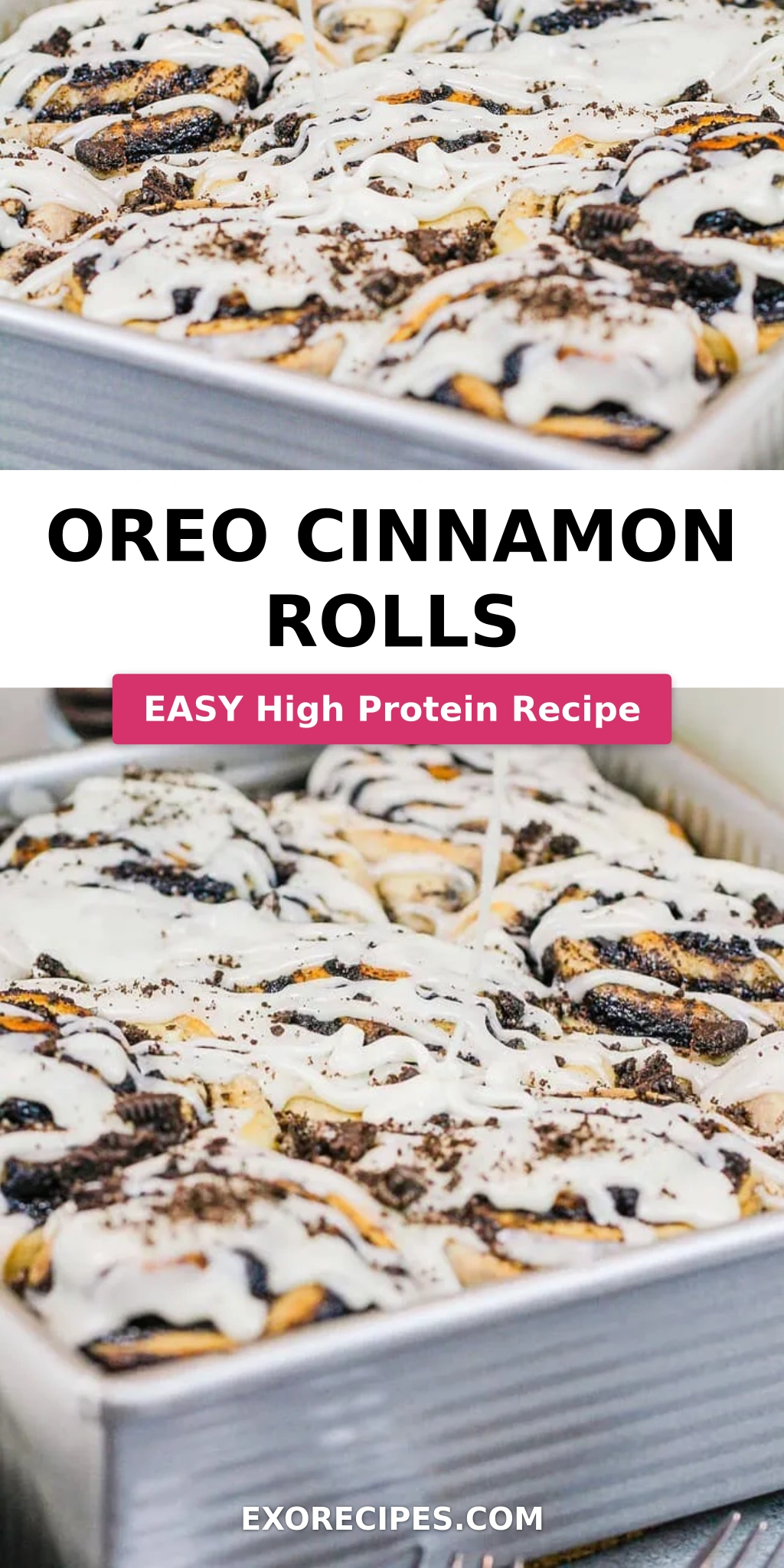
For more delicious inspiration, follow me on Pinterest!

4-Ingredient Peanut Butter Mousse Ready in 5 Minutes

5-Minute Peanut Butter Mousse: The 5-Minute Dessert Magician

⚖️
Difficulty
Easy
⏲️
Prep Time
5 mins
🕒
Cook Time
0 mins
⏱️
Total Time
5 mins + chilling
🍽️
Servings
4

Oh, the sweet allure of peanut butter! Back in my childhood kitchen in Morocco, my mother would whip up simple, delicious treats that always centered around comforting flavors. Peanut butter, though not as traditional there as, say, almonds or honey, always felt like a special American import, a taste of a faraway land. Now, living in vibrant New York City, I find myself constantly seeking those moments of pure, unadulterated joy in food. This 5-Minute Peanut Butter Mousse is one such creation – it’s the embodiment of that feeling, a secret weapon for instant dessert gratification that I’m thrilled to share with you. It’s a quick peanut butter mousse recipe that proves you don’t need hours to create something truly decadent.

Imagine a dessert that’s as light and airy as a cloud, yet deeply satisfying with the rich, nutty essence of your favorite peanut butter. This mousse boasts a velvety smooth texture that melts in your mouth, a delightful contrast to its deceptively simple preparation. The aroma is pure comfort – a warm embrace of roasted peanuts mingled with a subtle sweetness. It’s a dessert that looks elegant, especially when piped into individual jars, yet tastes soul-warmingly familiar. I often think of how my French pastry instructors in Paris emphasized the magic of achieving perfect textures, and this recipe, in its own way, captures that essence with minimal fuss, allowing the pure flavors to shine without any complex techniques.

What sets this 5-Minute Peanut Butter Mousse apart is its incredible speed and simplicity, using just four core ingredients. I’ve taken cues from my pastry training in Paris to ensure a consistently smooth and stable mousse, even with this swift method. Many recipes rely on more complex steps like tempering chocolate or preparing custards, but this one is designed for maximum flavor with minimum effort. However, there’s a common mistake people make with no-bake desserts like this, often leading to a too-dense or grainy texture. I’ll be sure to share my foolproof solution for achieving that perfect, airy consistency every single time, ensuring your easy peanut butter dessert is a guaranteed hit.

Why This 5-Minute Peanut Butter Mousse Recipe Is the Best

My culinary journey, from the bustling souks of Morocco to the sophisticated patisseries of Paris and now the dynamic food scene of New York City, has taught me that the most memorable dishes often hide a secret simplicity. This 5-Minute Peanut Butter Mousse is a testament to that philosophy. It’s a recipe born from a desire to capture pure joy in a bowl, using quality ingredients that speak for themselves. I’ve refined it to be not just quick, but genuinely delightful, offering a perfect balance of sweetness, nuttiness, and an irresistibly airy texture that will have everyone asking for seconds. It’s the quintessential quick peanut butter mousse that’s become a go-to in my collection.

The secret to the sublime texture of this 5-Minute Peanut Butter Mousse lies in the careful combination and blending of just a few key ingredients. Drawing inspiration from classic French mousse techniques, I’ve adapted the process to be incredibly fast without sacrificing quality. It’s about creating an emulsion that is both stable and incredibly light. The balance between the creamy peanut butter, the richness of cream cheese, the sweetness of powdered sugar, and the sheer volume of whipped cream is crucial. Mastering this specific ratio ensures that you get that melt-in-your-mouth sensation, a hallmark of a great mousse, even with this simplified, no-bake method.

This recipe is the ultimate fuss-free dessert. It requires no baking, no special equipment beyond a mixer, and comes together in literally minutes, making it a lifesaver for busy weeknights or spontaneous cravings. For anyone new to making desserts or a busy parent looking for an easy peanut butter dessert, this is your answer. It’s incredibly forgiving, and I’ve tested it countless times in my own kitchen to ensure it works every single time. The minimal ingredient list is also a bonus, meaning fewer trips to the grocery store for you!

5-Minute Peanut Butter Mousse Ingredients

When I’m sourcing ingredients for my recipes here in New York, I love visiting local farmers’ markets or specialty shops for the freshest produce and unique pantry items. For this 5-Minute Peanut Butter Mousse, though, the beauty is that you can find everything you need at your local supermarket. I recall my mother using simple, readily available ingredients back home in Morocco to create magic, and this recipe follows that same spirit. It’s all about letting those core flavors shine. These are the building blocks for a truly spectacular, yet incredibly simple, quick peanut butter mousse.

Ingredients List

  • 1 cup creamy peanut butter (smooth, natural style is best*)
  • 1 cup cream cheese, softened
  • 1 cup powdered sugar (confectioners’ sugar)
  • 1 cup heavy cream, cold

Ingredient Spotlight

Peanut Butter: The star of our show! For this mousse, I strongly recommend using a smooth, creamy peanut butter. Natural peanut butters (just peanuts and salt) tend to have the best flavor and texture, as they haven’t been altered with stabilizers or excessive sugar that can affect the final consistency. When shopping in the US, look for brands where the oil may separate, as this indicates a purer product. If you use a “whipped” or highly processed peanut butter, your mousse might become too dense and less airy. I find the best results come from a good quality, classic creamy peanut butter.

Cream Cheese: This is crucial for adding that subtle tang and ensuring a stable, rich base for our mousse. Make sure your cream cheese is fully softened! This means taking it out of the refrigerator at least an hour before you plan to make the mousse, or gently warming it in the microwave for very short intervals (10-15 seconds) until it’s pliable but not melted or greasy. Using cold cream cheese can lead to lumps in your mixture, no matter how vigorously you beat it, thus impacting the smoothness of your final easy peanut butter dessert.

Heavy Cream: This is what gives our mousse its signature airy, ethereal texture. It’s vital that your heavy cream is very cold. I often even chill my mixing bowl and whisk attachment in the freezer for about 10-15 minutes before whipping. This helps the cream to emulsify and hold its volume better. When whipping, you’re looking for stiff peaks – meaning when you lift the whisk, the cream holds its shape without drooping. This structural integrity is what makes the mousse light and cloud-like. Don’t over-whip it into butter, though!

Original IngredientBest SubstitutionFlavor / Texture Impact
Smooth Peanut ButterCrunchy peanut butterAdds texture from peanut pieces; flavor remains similar.
Cream CheeseMascarpone cheeseRicher, creamier texture, less tang. Mousse will be slightly denser.
Heavy CreamWhipping cream (30-35% fat)May result in slightly softer peaks; ensure thorough whipping.

How to Make 5-Minute Peanut Butter Mousse — Step-by-Step

Get ready to create magic in mere minutes! Just follow these simple steps, and you’ll have a delicious, airy mousse ready to impress.

Step 1: Beat the Base

In a large mixing bowl, combine the softened cream cheese and peanut butter. Beat them together with an electric mixer on medium speed until smooth and well combined. Gradually add the powdered sugar and continue beating until no sugar streaks remain and the mixture is light and fluffy. Scrape down the sides of the bowl as needed. This forms the flavor-packed foundation of your quick peanut butter mousse.

💡 mia’s Pro Tip: Make sure your cream cheese and peanut butter are at room temperature! This is key to avoiding lumps and ensuring a super smooth, homogenous base for your mousse.

Step 2: Whip the Cream

In a separate, clean mixing bowl (preferably chilled), whip the cold heavy cream using your electric mixer on medium-high speed. Continue beating until stiff peaks form. This means that when you lift the beaters, the cream stands up straight and holds its shape. Be careful not to over-whip, or you’ll end up with butter!

StepActionDurationKey Visual Cue
1Beat peanut butter, cream cheese, powdered sugar2-3 minutesSmooth, creamy, no sugar lumps
2Whip heavy cream2-4 minutesStiff peaks
3Fold whipped cream into peanut butter mixture2-3 minutesLight, airy, uniform color
4Pipe/Spoon into serving dishes and chill1 minute to serve; 30+ minutes to chillSet mousse consistency

Step 3: Combine Gently

Now it’s time to bring it all together! Add about a quarter of the whipped cream to the peanut butter mixture. Gently beat it in to lighten the peanut butter base. Next, add the remaining whipped cream and use a spatula to gently fold it into the peanut butter mixture. Be careful not to overmix; you want to maintain that lovely airy texture. Fold just until no white streaks remain and the mousse is uniformly light and creamy. This folding technique is a nod to classic pastry techniques that ensure a delicate result.

⚠️ Common Mistake to Avoid: Overmixing! When folding in the whipped cream, aggressive stirring will deflate all the air you’ve worked so hard to incorporate. Use a gentle, folding motion with a spatula, as if you are turning layers of batter over each other, until just combined.

Step 4: Serve or Chill

Transfer the mousse into a piping bag fitted with a decorative tip (like a star tip) for an elegant presentation, or simply spoon it into individual serving dishes, small mason jars, or glasses. You can enjoy this delightful 5-Minute Peanut Butter Mousse immediately, but for the best texture, I highly recommend chilling it in the refrigerator for at least 30 minutes. This allows the flavors to meld and the mousse to set up perfectly, ensuring a smooth, no-bake peanut butter mousse experience.

Serving & Presentation

When it comes to serving this easy peanut butter dessert, I love using small, clear glasses or mason jars. They showcase the beautiful, creamy texture, and it’s so easy to top them with a little something extra. In New York, we have such a variety of fantastic bakeries and dessert shops, and presentation is always key. You can create a really appealing dessert with minimal effort, making it perfect for casual gatherings or even a special occasion when you’re short on time.

For a touch of elegance, I like to pipe the mousse using a star tip, creating lovely swirls. A drizzle of extra melted peanut butter, some chopped roasted peanuts for crunch, or a sprinkle of flaky sea salt can elevate it further. A small dollop of whipped cream or a few fresh berries add a pop of color and freshness. Think about how a touch of spice, like a whisper of cinnamon or cardamom, could transform the flavor profile – much like the subtle spices in Moroccan desserts.

Pairing TypeSuggestionsWhy It Works
GarnishChopped roasted peanuts, chocolate shavings, mini chocolate chips, a drizzle of melted peanut butter, flaky sea salt, whipped cream, fresh berries (raspberries, strawberries).Adds texture, visual appeal, and complementary flavors that enhance the peanut butter.
Crust/BaseCrushed graham crackers, finely crushed shortbread cookies, or a simple chocolate cookie crust.Provides a delightful crunchy contrast to the smooth, airy mousse.
BeverageCold milk, a light coffee (espresso or latte), or a sweet dessert wine like a Tawny Port.Complements the sweetness and richness of the peanut butter.
AccompanimentFresh fruit salad, shortbread cookies, or a dark chocolate truffle.Adds freshness, a different texture, or an intensified chocolate flavor if desired.

Make-Ahead, Storage & Reheating

Life in New York is always on the go, and I know how important it is to have reliable make-ahead options. This 5-Minute Peanut Butter Mousse is perfect for that! You can whip it up the day before a party or for easy grab-and-go desserts throughout the week. The simple ingredients hold up beautifully, and any extra prep work you do now will save you precious time later.

MethodContainerDurationReheating Tip
RefrigeratorAirtight containers or individual ramekins/jars with lids.3-4 daysServe chilled directly from the fridge. No reheating needed.
FreezerFreezer-safe airtight containers. For individual servings, freeze in ramekins.Up to 1 monthThaw overnight in the refrigerator. The texture might be slightly less airy after freezing and thawing, but still delicious.
Make-AheadPrepare the mousse mixture completely and store base mixture in an airtight container in the fridge for up to 2 days before whipping the cream and folding.Up to 1 day in advanceWhip cream and fold in just before chilling or serving for optimum lightness.

For optimal results, I strongly advise against reheating this mousse in a microwave or oven, as it will melt and lose its characteristic airy texture. The best way to serve it is chilled. If taking it directly from the freezer, remember to allow ample thawing time in the refrigerator. The slight change in texture after freezing is usually unnoticeable once you add your favorite toppings!

Variations & Easy Swaps

VariationKey ChangeBest ForDifficulty Impact
Peanut Butter Chocolate Chip MousseAdd ½ cup mini chocolate chips and 1 tbsp cocoa powder to the peanut butter mixture.Chocolate lovers!No change.
No-Bake Peanut Butter Mousse (Gluten & Dairy-Free)Use dairy-free cream cheese alternative and coconut cream (chilled solid part).Dietary restrictions.Requires specific product sourcing.
Spiced Peanut Butter MousseAdd ½ tsp cinnamon and ¼ tsp cardamom to the peanut butter mixture.Warm spice lovers.No change.

Peanut Butter Chocolate Chip Mousse

For a double dose of deliciousness, fold in ½ cup of mini chocolate chips along with the whipped cream. You can also add 1 to 2 tablespoons of unsweetened cocoa powder to the peanut butter mixture in Step 1 to create a rich chocolate-peanut butter mousse. This combination is always a crowd-pleaser and feels like a decadent treat, even though it’s still incredibly quick to put together. It’s inspired by some of the amazing chocolate creations I learned about during my time in Paris.

No-Bake Peanut Butter Mousse (Gluten & Dairy-Free)

Perfect for those with dietary needs! To make this 5-Minute Peanut Butter Mousse gluten-free and dairy-free, substitute the cream cheese with a good quality dairy-free cream cheese alternative. For the heavy cream, use the solid, chilled part from a can of full-fat coconut milk (make sure it’s been refrigerated overnight). Whip the solid coconut cream until stiff peaks form. The texture will be slightly different, perhaps a bit richer and with a subtle coconut note, but it’s a delicious adaptation that mia has tested and approved for a wonderful no-bake dessert.

Spiced Peanut Butter Mousse with a Hint of Cardamom

Embrace the warmth of spices! My roots in Moroccan cooking deeply influence how I approach flavor, and a touch of spice can elevate even the simplest dessert. For this variation, stir in ½ teaspoon of ground cinnamon and ¼ teaspoon of ground cardamom into the peanut butter and cream cheese mixture in Step 1. This adds a lovely, aromatic depth that pairs beautifully with peanut butter. It’s a subtle nod to the fragrant spice blends used in my mother’s kitchen, creating a unique quick peanut butter mousse.

What is the best way to thicken peanut butter mousse without heavy cream?

If you’re looking to thicken peanut butter mousse without heavy cream, you’ll need to rely on other ingredients and methods to achieve a stable consistency. One effective approach is to increase the proportion of cream cheese or to use a stabilizer. You could also incorporate a bit of melted (but not hot) white chocolate or even a small amount of gelatin, bloomed and dissolved according to package directions, though this adds complexity. For a simpler, no-bake method without cream, think about a base of whipped silken tofu or a very thick, reduced dairy-free milk (like coconut milk). These will create a denser, custard-like texture rather than a light, airy mousse, but they can still be delicious and satisfying as an easy peanut butter dessert option.

Can I use powdered peanut butter instead of regular peanut butter for this mousse?

Yes, you absolutely can use powdered peanut butter (like PB2 or similar brands) for this 5-Minute Peanut Butter Mousse, but it requires a slight adjustment. You’ll need to reconstitute the powdered peanut butter according to the package instructions first, usually by mixing it with water until it forms a paste similar in consistency to regular peanut butter. The key is to ensure you blend it thoroughly with the cream cheese and powdered sugar in Step 1 to avoid any chalky texture. The flavor might be slightly less intense than natural peanut butter, so you might want to adjust the amount or add a touch more sweetener or a few drops of vanilla extract to compensate. It’s a great option if you’re looking for a lighter dessert or are out of regular peanut butter.

How long does 5-minute peanut butter mousse need to chill before serving?

While this 5-minute peanut butter mousse is ready to eat straight after mixing, I highly recommend chilling it for at least 30 minutes to allow the flavors to meld and the texture to set properly. For the best no-bake peanut butter mousse experience, aim for 1 to 2 hours in the refrigerator. This chilling time helps the mousse firm up, becoming smoother and more stable, which makes it easier to serve and enjoy. If you’re in a real pinch, you can speed up the chilling process by putting it in the freezer for about 15-20 minutes, but be careful not to freeze it solid.

Is 5-minute peanut butter mousse keto-friendly or low-carb?

Unfortunately, this specific 5-Minute Peanut Butter Mousse recipe is not keto-friendly or strictly low-carb. The inclusion of powdered sugar, while essential for achieving the correct texture and sweetness, makes it relatively high in carbohydrates. Peanut butter itself contains some carbs, and even cream cheese has a small amount. To make a keto or low-carb version, you would need to substitute the powdered sugar with a keto-approved sweetener like erythritol or stevia blend, and ensure you’re using a natural peanut butter with minimal added sugar. The heavy cream is generally keto-friendly, so that part is fine. It would require careful ingredient swaps to fit a low-carb lifestyle.

Can I make this peanut butter mousse vegan?

You certainly can adapt this 5-Minute Peanut Butter Mousse to be vegan, but it will require some substitutions. Instead of cream cheese, you can use a vegan cream cheese alternative, ensuring it’s softened. For the heavy cream, the most effective substitute is the solid part from a chilled can of full-fat coconut milk. You’ll need to refrigerate the can overnight, then scoop out only the thick cream that separates at the top and whip that. Use a vegan powdered sugar. The flavor and texture might vary slightly depending on the brands used, but it’s a fantastic way to enjoy a delicious vegan, no-bake peanut butter dessert.

What kind of peanut butter is best for this mousse?

For the best smooth and airy texture in this 5-Minute Peanut Butter Mousse, I recommend using a creamy, smooth peanut butter. Natural peanut butters (those containing only peanuts and salt) are ideal because they haven’t been processed with extra stabilizers or oils which can sometimes lead to a grainy or overly dense result. Brands where the oil may naturally separate are usually a good indicator of a pure product. Avoid any “whipped” peanut butters, as they tend to incorporate too much air and can result in a mousse that deflates too easily. The goal is a rich, pure peanut flavor that blends seamlessly.

Can I add other flavors to this mousse?

Absolutely! This 5-Minute Peanut Butter Mousse is a fantastic base for all sorts of flavor additions. My favorite easy swap is adding a tablespoon or two of unsweetened cocoa powder along with the peanut butter and cream cheese to make a chocolate peanut butter version. You could also fold in mini chocolate chips, a touch of espresso powder for a mocha twist, or even some finely chopped nuts for added texture. Thinking about my Moroccan heritage, a pinch of cinnamon or cardamom, as I suggested in the variations, creates a warm, spiced profile that is truly delightful. Get creative – the possibilities are endless!

Why is my peanut butter mousse not firm enough?

If your 5-Minute Peanut Butter Mousse isn’t firming up, there are a few common culprits. First, ensure your heavy cream was thoroughly whipped to stiff peaks. Under-whipped cream won’t provide enough structure. Second, make sure you used softened, not melted, cream cheese. Overly soft or melted cream cheese can make the base too liquid. Lastly, it’s crucial to chill the mousse adequately. While it’s a “5-minute” recipe to make, it needs at least 30 minutes, preferably longer, in the refrigerator to set properly. If it’s still too soft after chilling, it might be due to a higher liquid content in your specific brand of peanut butter or cream cheese.

Share Your Version!

I truly hope you adore this super-quick and incredibly satisfying 5-Minute Peanut Butter Mousse as much as I do. It’s become such a staple in my busy NYC life, and I can’t wait for it to become one in yours too! Please, if you make this easy peanut butter dessert, leave a star rating and a comment below. Your feedback means the world to me and helps other home cooks feel confident trying out new recipes. I also love seeing your creations! Share a photo of your mousse on Instagram or Pinterest and tag me @exorecipes. Did you try any of the variations, or perhaps a unique addition I haven’t thought of yet?

From my NYC kitchen to yours — I hope this recipe brings as much warmth to your table as it does to mine. — mia 🧡

📌

Love This Recipe? Save It to Pinterest!

If you enjoyed this 5-Minute Peanut Butter Mousse recipe, don’t let it get lost in your browser tabs! 😄 Pin it now so you can find it again anytime — and explore hundreds more tried-and-tested recipes waiting for you on my Pinterest boards.

👉 Follow mia on Pinterest @chefrecipes2

📌 Pin this recipe · 🔁 Re-pin your favorites · 💬 Tag me when you make it — I love seeing your creations!

Print

clock clock iconcutlery cutlery iconflag flag iconfolder folder iconinstagram instagram iconpinterest pinterest iconfacebook facebook iconprint print iconsquares squares iconheart heart iconheart solid heart solid icon

5-Minute Peanut Butter Mousse

  • Author: Chef Mia

Description

This peanut butter mousse is smooth, airy, and so darn easy to make. All you need are 4 ingredients, and its ready in minutes! Watch the video below to see how I make it in my kitchen!


Ingredients

Scale
  • 1 cup peanut butter (smooth * See notes)
  • 1 cup cream cheese (softened)
  • 1 cup powdered sugar
  • 1 cup heavy cream

Instructions

  1. In a large mixing bowl, beat together the peanut butter, cream cheese, powdered sugar, and vanilla extract and set aside. In a separate mixing bowl, beat together the heavy cream until stiff peaks form.
  2. Gently beat through ¼ of the whipped heavy cream into the peanut butter mixture. Fold through another ½ of the cream and mix well. Add the remaining cream until combined.
  3. Transfer the mousse into a piping bag with a swirly tip. Pipe into mason jars or glass jars enjoy immediately or refrigerate for at least 30 minutes.


Nutrition

  • Calories: 288 kcal
  • Fat: 26 g
  • Carbohydrates: 7 g
  • Protein: 10 g


5-Minute Peanut Butter Mousse

ph">For more delicious inspiration, follow me on Pinterest!