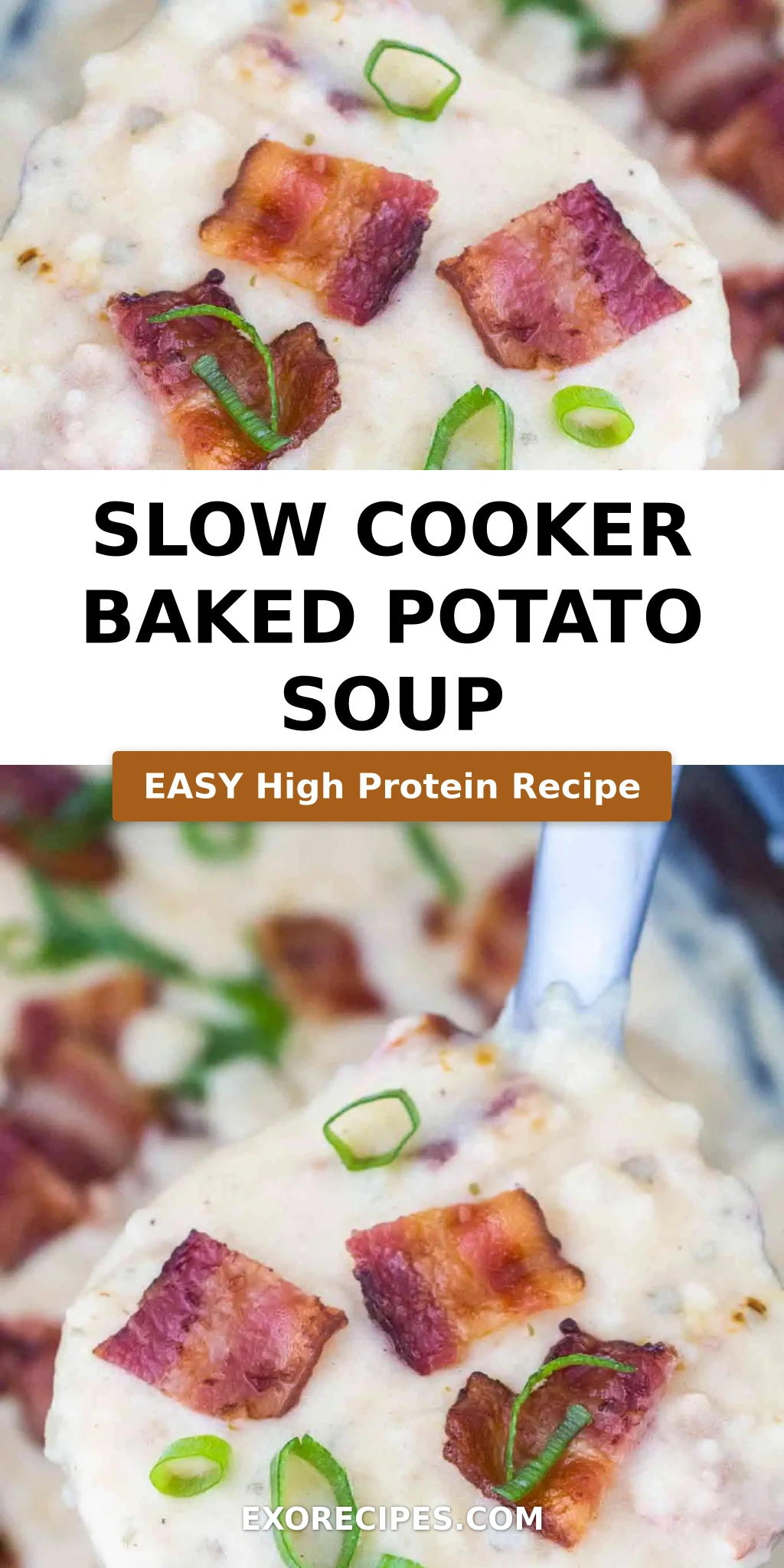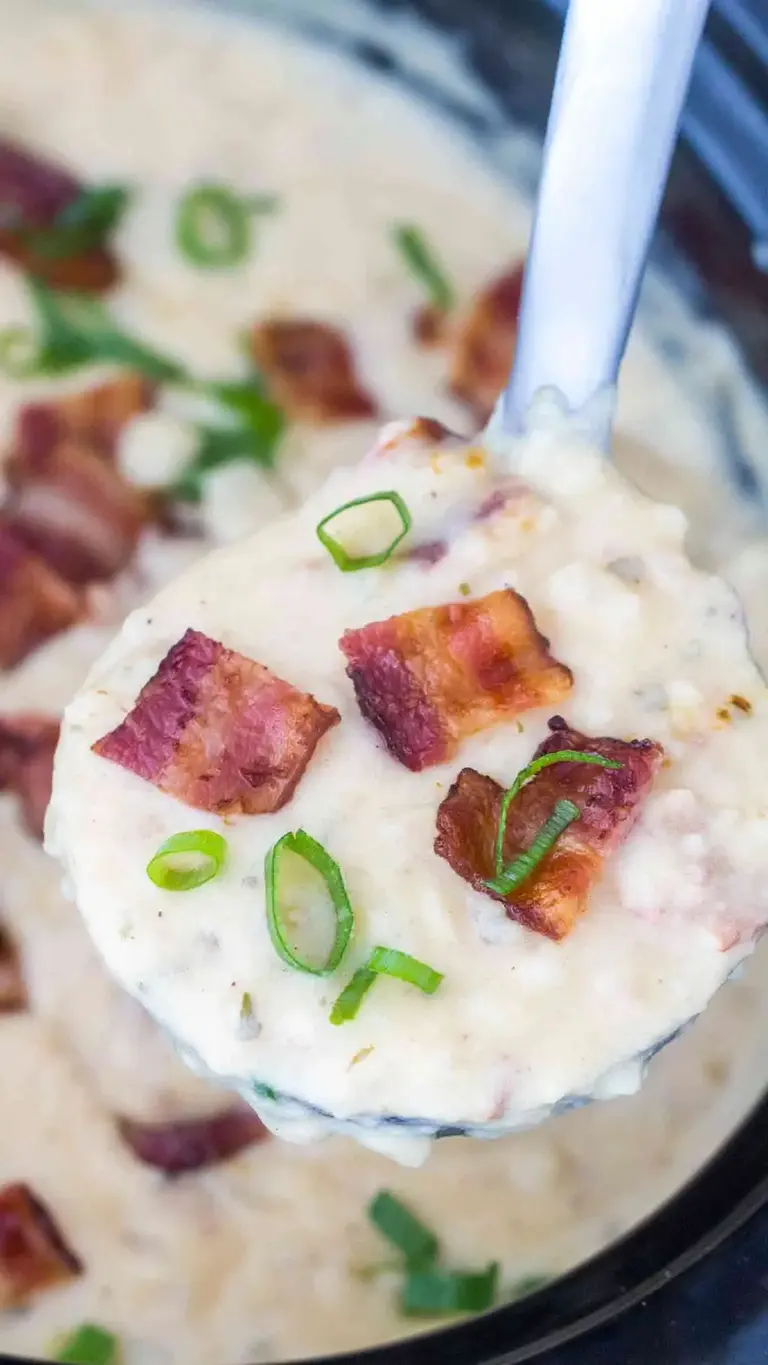
Slow Cooker Baked Potato Soup – Rich, Creamy & Loaded with Flavor

⚖️
Difficulty
Easy
⏲️
Prep Time
15 mins
🕒
Cook Time
6 hrs (low) or 3 hrs (high)
⏱️
Total Time
6 hrs 15 mins
🍽️
Servings
8

As a girl growing up in Morocco, my mother’s kitchen was a symphony of slow‑cooked tagines and fragrant spices. Years later, after training in Paris and now cooking in my tiny New York City apartment, I still reach for my slow cooker when I want that same deep, hands‑off comfort. This slow cooker baked potato soup is everything I love about a baked potato – crispy bacon, melted cheese, tangy sour cream – transformed into a luscious, easy baked potato soup that practically cooks itself. The first time I made it for a snowy NYC evening, my husband said it tasted like a warm hug in a bowl. And it’s budget‑friendly, too – a whole meal for under $15.

Imagine the aroma: potatoes simmering with garlic, onion, and smoky bacon for hours, then finished with a silky, cheesy creaminess. Each spoonful is thick enough to coat your spoon, yet light enough to keep you going back for more. The Yukon golds break down into a naturally creamy base, while the sharp cheddar and sour cream add that classic loaded potato tang. I finish it with a sprinkle of chives and extra bacon because, well, why not? It’s the kind of creamy potato soup that makes you forget about the snow outside.

What sets my version apart is the optional French‑style roux – a technique I learned in pastry school that adds an extra velvety depth. But I’ve also included a cornstarch slurry shortcut for those busy weeknights. I’ll show you exactly how to avoid a gluey texture and how to get that perfect balance of creamy and chunky. One tip: don’t skip mashing some of the potatoes – that’s the secret to the best loaded potato soup recipe texture. Ready to dive in? Let’s make this crockpot potato soup together.

Why This Slow Cooker Baked Potato Soup Recipe Is the Best

The Flavor Secret: Most recipes rely solely on cream, but I build layers – starting with bacon drippings (yes, you’ll cook the bacon first), then a mirepoix‑style onion‑garlic base, and finally a touch of smoked paprika (a nod to my Moroccan spice cabinet). The long slow simmer lets these flavors meld into something that tastes far more complex than the ingredient list suggests. The roux, if you choose to use it, adds a subtle nuttiness that pure cornstarch can’t match.

Perfected Texture: The beauty of Yukon gold potatoes is their natural waxiness – they hold their shape just enough to give you creamy chunks. By mashing only three‑quarters of them, you get a soup that’s both velvety and rustic. Those little potato pieces mimic the texture of a baked potato’s fluffy interior. And the roux or slurry ensures the soup thickens without becoming pasty – a common mistake I see even in good home kitchens.

Foolproof & Fast: I’ve tested this recipe a dozen times to make sure it’s forgiving. Forget to soften the onions? No problem – they’ll cook in the broth. Want a dairy‑free version? Swap in coconut cream and nutritional yeast. The slow cooker does all the heavy lifting, and the active time is under 15 minutes. It’s the perfect weekend meal prep for busy NYC families, and it’s easy baked potato soup anyone can master.

Slow Cooker Baked Potato Soup Ingredients

I buy my Yukon golds from the Union Square Greenmarket in Manhattan – they’re just a little sweeter than what you find in supermarkets. The bacon? I always get a thick‑cut applewood‑smoked bacon from a local butcher. And the sharp cheddar – never pre‑shredded! – I grate myself for that superior melt. Back in Morocco, my mother would use preserved lemons instead of sour cream; in Paris, I learned the importance of good butter. This list is a beautiful blend of my food worlds.

Ingredients List

  • 10 slices cooked bacon (diced)
  • 5 cups low‑sodium chicken broth
  • 2 pounds Yukon gold potatoes (peeled and diced into ½‑inch cubes)
  • 1 medium sweet onion (diced)
  • 6 garlic cloves (minced, or use 8 if you love garlic)
  • ¼ teaspoon salt
  • ¼ teaspoon ground black pepper
  • 1 tablespoon dried parsley (or 3 tablespoons fresh)
  • ½ cup sour cream
  • 2 cups shredded sharp cheddar cheese (freshly grated)
  • 4 tablespoons unsalted butter
  • ⅓ cup all‑purpose flour (for the roux – optional)
  • 12 oz evaporated milk (or half‑and‑half or heavy cream)
  • 3 tablespoons cornstarch (for slurry – only if skipping roux)
  • 12 oz evaporated milk (for slurry – only if skipping roux)
  • Chives, shredded cheese, cooked bacon, chopped green onions (for garnish – use your favorites)

Ingredient Spotlight

Yukon Gold Potatoes: These are my absolute go‑to for creamy soups. They have a naturally buttery flavor and a creamy texture that doesn’t turn gluey when mashed. Russets will work but will give a thicker, starchier result – you may need extra broth. Sweet potatoes are a delicious substitute for a different twist.

Sharp Cheddar: Pre‑shredded cheese often contains anti‑caking agents that prevent smooth melting. I always grate a block of sharp cheddar – it melts like a dream and gives the soup that classic loaded baked potato tang. If you need dairy‑free, try a vegan cheddar shreds or a blend of nutritional yeast and cashew cream.

Evaporated Milk vs. Heavy Cream: Evaporated milk is slightly less rich than heavy cream, but it adds a subtle caramelized note and enough body without overwhelming the potatoes. If you have heavy cream on hand, it will be even more decadent. Half‑and‑half is a middle ground. I often use evaporated milk because it’s what my mom would have used (she’d stock up when it was on sale).

Original IngredientBest SubstitutionFlavor / Texture Impact
Yukon Gold potatoesRusset potatoesThicker, starchier; may need thinning broth
Sharp cheddarMozzarella + nutritional yeastMilder, less tang; still creamy
Evaporated milkHeavy cream or half‑and‑halfRicher, more indulgent; thinner soup if using half‑and‑half
All‑purpose flour (roux)Cornstarch slurry (see recipe)Same thickening power; less nutty flavor

How to Make Slow Cooker Baked Potato Soup — Step-by-Step

This recipe is practically foolproof, but follow these steps exactly for the creamiest, most flavorful spoonful. The key is to not rush the thickening step – give it those extra 30 minutes if you can.

Step 1: Prep the Slow Cooker

Add the diced potatoes, diced onion, minced garlic, cooked bacon (reserve a little for garnish), dried parsley, and chicken broth to the slow cooker. Season with salt and pepper. Stir to combine. No need to pre‑cook anything – the potatoes will soften beautifully.

💡 mia’s Pro Tip: For the best bacon flavor, cook the bacon until crispy in a skillet first, then crumble it. Reserve the drippings – you can sauté the onions in them before adding to the slow cooker for an even deeper smoky base.

Step 2: Cook on Low or High

Cover and cook on low for 6‑8 hours or on high for 3‑4 hours. The potatoes should be fork‑tender and the onions translucent. If you’re short on time, high works perfectly, but low gives a more developed flavor.

⚠️ Common Mistake to Avoid: Lifting the lid too often! Every time you open the slow cooker, you lose heat and add 20‑30 minutes to cooking time. Resist the urge to peek.

Step 3: Make the Roux (or Slurry)

Once the soup is cooked, you have two options. Roux: In a medium saucepan over medium heat, melt the butter. Whisk in the flour and cook for 1‑2 minutes until lightly golden. Gradually whisk in 12 oz evaporated milk (or cream) and stir until smooth. Cook on low until it begins to simmer and thicken, about 3‑4 minutes. Immediately add this mixture to the slow cooker and stir. OR Slurry: In a small bowl, whisk together 3 tablespoons cornstarch and 12 oz evaporated milk until no lumps remain. Pour into the slow cooker and stir. Choose one method – do not do both!

💡 mia’s Pro Tip: For a faster, gluten‑free option, the cornstarch slurry is your best friend. Just make sure the cornstarch is fully dissolved before adding – I use a mini whisk to get every lump out. The result is just as creamy.

Step 4: Mash and Finish

Using a potato masher, mash about ¾ of the potatoes right in the slow cooker. If you have time, let the soup cook for another 30 minutes on low to thicken further. Then stir in the shredded cheddar cheese and sour cream until fully melted and creamy. Taste and adjust salt and pepper.

⚠️ Common Mistake to Avoid: Adding the cheese while the soup is too hot – it can curdle. Make sure you stir it in after the soup has come off the heat for a minute, and always use freshly grated cheese.

Step 5: Adjust Consistency

If the soup is too thick, stir in warm chicken broth or water (microwave it for 30 seconds first – never add cold liquid). If it’s too thin, let it cook uncovered for an additional 15 minutes on high. The soup will thicken more as it cools.

💡 mia’s Pro Tip: This soup is a chameleon – you can control the thickness to your preference. For a thinner, more brothy soup, serve it right after mashing. For a thick, stew‑like consistency, let it simmer another 45 minutes.

StepActionDurationKey Visual Cue
1Add ingredients to slow cooker5 minutesPotatoes submerged in broth
2Slow cook6‑8 hrs low / 3‑4 hrs highPotatoes fork‑tender
3Make roux or slurry5 minutesRoux is bubbly; slurry is lump‑free
4Mash potatoes2 minutesMost chunks broken down
5Add cheese & sour cream2 minutes + 30 min restCheese fully melted, soup creamy

Serving & Presentation

This loaded potato soup recipe begs to be dressed up. I like to ladle it into deep bowls and top with a generous pile of shredded cheddar, crumbled bacon, sliced green onions, and a dollop of sour cream. A sprinkle of smoked paprika or fresh chives adds a pop of color and a nod to my Moroccan roots. In NYC, I serve it alongside crusty sourdough bread from the corner bakery or even a simple side salad for a complete meal.

For a French‑style presentation, I sometimes drizzle a little truffle oil on top before serving – it’s a touch that always impresses guests. And if you’re feeling nostalgic like me, serve it with a side of harissa‑spiced roasted chickpeas for a kick of heat. This soup is also fabulous as a dip for thick‑cut fries or potato wedges – trust me, it’s a game‑changer on game day.

Pairing TypeSuggestionsWhy It Works
Side DishCrusty bread, simple green salad, roasted broccoliBread soaks up soup; salad adds freshness; broccoli balances richness
Sauce / DipExtra cheese, bacon bits, hot sauceEnhances the loaded theme; hot sauce cuts through creaminess
BeverageCrisp white wine (Sauvignon Blanc), IPA beer, iced teaWine cuts richness; beer’s hops complement bacon; tea refreshes
GarnishGreen onions, chives, crispy bacon, extra cheese, sour cream, paprikaAdds texture, color, and layers of flavor – each garnish complements

Make-Ahead, Storage & Reheating

Living in a NYC apartment means I’m always thinking about meal prep. This soup is a dream for making ahead – the flavors only deepen overnight. I often make a double batch on Sunday and enjoy it for lunches all week. Just remember: the soup thickens as it sits, so you’ll need to add a splash of broth when reheating.

MethodContainerDurationReheating Tip
RefrigeratorAirtight containerUp to 5 daysReheat gently on stove or microwave, adding warm broth to thin
FreezerFreezer‑safe bag or container (leave headspace)Up to 3 monthsThaw in fridge overnight; reheat on low, stirring often; dairy might separate slightly – whisk back in
Make‑AheadSlow cooker insert (refrigerate after cooling)Up to 2 days in advanceReheat directly in slow cooker on low for 1‑2 hours, stirring occasionally

When reheating from the fridge, I find the best results come from the stovetop. Pour the soup into a saucepan, add a splash of warm chicken broth or milk, and heat over medium‑low, stirring frequently. If the soup seems too thick, don’t panic – it will loosen up as it warms. Taste and adjust salt and pepper. Never boil it rapidly; that can cause the dairy to curdle.

Variations & Easy Swaps

VariationKey ChangeBest ForDifficulty Impact
Moroccan Spiced versionAdd 1 tsp cumin, ½ tsp turmeric, ¼ tsp cinnamonAdventurous palates, North African flairEasy (just add spices)
Dairy‑Free / VeganUse vegan butter, plant‑based milk + cornstarch, vegan cheese shreds, omit sour cream (or use cashew cream)Dairy‑sensitive or vegan guestsMedium (requires careful substitutions)
Loaded Chicken & PotatoAdd 2 cups shredded rotisserie chicken after cookingExtra protein, heartier mealEasy (just stir in chicken)

Moroccan Spiced Version

This is my personal favorite – it honors my childhood. Stir in 1 teaspoon ground cumin, ½ teaspoon turmeric, and ¼ teaspoon cinnamon along with the dried parsley. The warm spices meld with the potatoes and bacon in a way that’s utterly comforting. Serve with a drizzle of honey and a pinch of flaky sea salt. It’s like a tagine in soup form!

Dairy‑Free / Vegan Version

To make this soup entirely plant‑based, use coconut oil instead of butter for the roux (or a cornstarch slurry with unsweetened oat milk), and replace the evaporated milk with full‑fat coconut milk. Omit the cheese and sour cream, or use your favorite vegan shreds and a dollop of cashew cream. The texture will be slightly lighter but still luscious. I tested this for a friend’s vegan potluck and got rave reviews – the bacon was replaced with coconut “bacon” (coconut flakes baked with soy sauce and smoked paprika).

Loaded Chicken & Potato Soup

For an even heartier meal, stir in 2 cups of shredded rotisserie chicken at the end, just before serving. This turns the soup into a complete dinner in a bowl. I often do this on busy weeknights when I have leftover roast chicken. The chicken adds a new layer of savory goodness without overpowering the potato and cheese.

How do you thicken slow cooker baked potato soup?

You have two excellent options. The first is a classic French roux: melt butter, whisk in flour, cook for a minute, then gradually add evaporated milk or cream. This method gives a silky, nutty thickness. The second is a cornstarch slurry: whisk cornstarch into cold evaporated milk until smooth, then stir into the soup. Both work beautifully – just use one or the other. Also, mashing a portion of the potatoes naturally thickens the soup. If the soup is still too thin after these steps, let it simmer uncovered for an additional 15‑30 minutes to reduce.

Can you put raw potatoes in the slow cooker for potato soup?

Absolutely! That’s one of the best parts of this easy baked potato soup recipe. Raw potatoes cook perfectly in the slow cooker – they’ll become tender and release starch that helps thicken the soup. Just make sure to dice them into ½‑inch cubes so they cook evenly. Yukon golds and russets both work fine. There’s no need to boil or pre‑cook them; the slow cooker does all the work.

What toppings go best on baked potato soup?

Classic loaded potato toppings are a must: crispy bacon bits, sharp cheddar cheese, a dollop of sour cream, and sliced green onions or chives. For extra crunch, add crushed potato chips or crispy fried onions. I also love a sprinkle of smoked paprika, fresh dill, or even a few pickled jalapeños for heat. In my NYC kitchen, I sometimes finish with a drizzle of truffle oil – it’s an indulgent touch that surprises guests.

How long does it take to cook potato soup in a slow cooker on low?

On low heat, this crockpot potato soup takes 6 to 8 hours. The exact time depends on your slow cooker model and how small you dice the potatoes. I recommend checking at the 6‑hour mark – the potatoes should be fork‑tender and mash effortlessly. If you’re in a hurry, you can cook on high for 3‑4 hours, though low yields a slightly more developed flavor. Remember to factor in the extra 30 minutes after adding the thickener.

Can I make slow cooker baked potato soup ahead of time?

Yes – this soup actually tastes even better the next day as the flavors meld. Prepare it fully, let it cool completely, then store in an airtight container in the refrigerator for up to 5 days. Reheat gently on the stovetop or microwave, adding a splash of warm broth or milk to loosen it. You can also freeze it for up to 3 months. Just note that the texture may change slightly after freezing – a good whisk upon reheating usually brings it back.

Is slow cooker baked potato soup gluten‑free?

As written, the recipe includes an option for a flour‑based roux, which is not gluten‑free. However, you can easily make it gluten‑free by using the cornstarch slurry method instead – just replace the flour and evaporated milk combination with cornstarch and milk. Also ensure your chicken broth and any other packaged ingredients are labeled gluten‑free. All other ingredients (potatoes, bacon, cheese, etc.) are naturally gluten‑free.

Can I use frozen potatoes in the slow cooker for this soup?

I don’t recommend using frozen potatoes directly from the freezer. Frozen potatoes have a higher water content and tend to become mushy and waterlogged when slow‑cooked. If you only have frozen diced potatoes, thaw them completely in the refrigerator, pat them very dry with paper towels, and then add them. Even then, the texture won’t be as creamy as fresh Yukon golds. For best results, stick with fresh potatoes.

How can I make this soup less heavy or lower in calories?

To lighten it up, use turkey bacon or omit it entirely. Replace the heavy cream or evaporated milk with 2% milk and use a cornstarch slurry for thickening. Reduce the cheese to 1 cup and use low‑fat sour cream. You can also increase the amount of broth and skip the roux entirely. The soup will still be deliciously creamy thanks to the mashed potatoes – it just won’t be as rich. A few extra vegetables like diced carrots or celery also add bulk without many calories.

What’s the best way to reheat slow cooker baked potato soup without it separating?

The key to smooth reheating is gentle heat and a little liquid. Reheat the soup on the stovetop over medium‑low heat, stirring occasionally. If it’s too thick, stir in warm chicken broth or milk (microwave it first). Avoid boiling, which can cause the dairy to curdle and the cheese to separate. If you notice slight separation, a good whisk often brings it back together. Alternatively, you can reheat individual portions in the microwave at 50% power, stirring every 30 seconds.

Can I add other vegetables to this crockpot potato soup?

Absolutely – this is a great way to add color and nutrition. Diced carrots, celery, or finely chopped broccoli florets work well. Add them at the beginning along with the potatoes. For more delicate vegetables like spinach or peas, stir them in during the last 30 minutes. Just keep the total vegetable volume about the same as the potatoes (around 2 pounds) so the soup stays balanced. I sometimes add a handful of chopped kale at the end for a hearty twist.

Share Your Version!

I’d love to hear how your slow cooker baked potato soup turned out! Did you go with the classic loaded version, or did you try one of the variations – maybe the Moroccan spiced one? Drop a comment below and let me know what you made. If you snapped a photo, tag me on Instagram @exorecipes – I always share my favorites in my stories. Your feedback helps me improve and inspires other home cooks, so don’t be shy!

One question I always ask: What’s your must‑have baked potato topping that I should try next? I’m always experimenting in my NYC kitchen, and your ideas might end up in my next recipe. Thank you for cooking along with me.

From my NYC kitchen to yours — I hope this recipe brings as much warmth to your table as it does to mine. — mia 🧡

📌

Love This Recipe? Save It to Pinterest!

If you enjoyed this Slow Cooker Baked Potato Soup recipe, don’t let it get lost in your browser tabs! 😄 Pin it now so you can find it again anytime — and explore hundreds more tried‑and‑tested recipes waiting for you on my Pinterest boards.

👉 Follow mia on Pinterest @exorecipe

📌 Pin this recipe · 🔁 Re‑pin your favorites · 💬 Tag me when you make it — I love seeing your creations!

Print

clock clock iconcutlery cutlery iconflag flag iconfolder folder iconinstagram instagram iconpinterest pinterest iconfacebook facebook iconprint print iconsquares squares iconheart heart iconheart solid heart solid icon

Slow Cooker Baked Potato Soup

  • Author: Chef Mia

Description

Slow Cooker Baked Potato Soup is rich, creamy, budget-friendly, and easy to make! The perfect recipe for a comforting weeknight meal.


Ingredients

Scale
  • 10 slices cooked bacon (diced)
  • 5 cups chicken broth (low sodium)
  • 2 pounds Yukon gold potatoes (peeled and diced)
  • 1 medium sweet onion (diced)
  • 6 garlic cloves (minced, use more if you want)
  • 1/4 teaspoon salt
  • 1/4 teaspoon ground black pepper
  • 1 tablespoon dried parsley
  • 1/2 cup sour cream
  • 2 cups shredded sharp cheddar cheese
  • 4 tablespoons unsalted butter
  • 1/3 cup all-purpose flour
  • 12 oz evaporated milk (half and half or heavy cream)
  • 3 tablespoons cornstarch
  • 12 oz evaporated milk
  • Chives
  • Shredded cheddar cheese
  • Cooked bacon
  • Chopped green onions

Instructions

  1. Add diced potatoes, diced onion, minced garlic, cooked bacon, dried parsley, and chicken broth to the slow cooker. Season with salt and pepper.
  2. Stir and cook for 6-8 hours on low or on high for 3-4 hours.
  3. Once the soup has cooked, add butter to a medium saucepan over medium heat and melt it. Whisk in the flour until completely combined, and gradually add the evaporated milk or heavy cream, depending on which one you are using.
  4. Whisk the flour mixture well until smooth. With the heat on the lowest stove setting, let the mixture cook until it starts to simmer and gets thicker, stirring occasionally.
  5. Immediately add the milk-flour mixture to the slow cooker and stir to combine.
  6. If you want to avoid making the Roux Mixture, you can make a Cornstarch Mixture to thicken the soup. Just make sure you choose one and don't make both.
  7. Combine cornstarch and evaporated milk in a medium bowl. Whisk until cornstarch is fully dissolved and the mixture is smooth with no clumps. Immediately add the milk-cornstarch mixture to the slow cooker and stir to combine.
  8. Using a potato masher, mash about 3/4 of the potatoes. If you have time, let the soup cook for another 30 minutes to thicken.
  9. Stir in the shredded cheddar cheese and sour cream. Stir well until thoroughly combined and creamy, and season with salt and pepper.
  10. If the soup is too thick, add more WARM chicken broth or water. First, heat it up in the microwave until it's hot. Taste and adjust for salt and pepper.
  11. Cover and continue cooking the soup on low for 30 minutes or high for 15 minutes. If you add more liquid, let the soup simmer for a few minutes.
  12. Serve warm, garnished with bacon, cheese, green onions, and sour cream.
  13. The soup can be refrigerated for up to 3-5 days.
  14. Once it cools, the soup will thicken more. When heating it up, add more water, broth, or milk to dilute it. Taste and adjust for salt and pepper, and if you added the extra liquid, bring it to a light simmer for a few minutes.


Nutrition

  • Calories: 343 kcal
  • Sugar: 5 g
  • Fat: 19 g
  • Carbohydrates: 24 g
  • Protein: 17 g


Slow Cooker Baked Potato Soup

Cowboy Casserole – Loaded Tater Tot Casserole Ready in 1 Hour

⚖️
Difficulty
Easy
⏲️
Prep Time
15 mins
🕒
Cook Time
45 mins
⏱️
Total Time
60 mins
🍽️
Servings
6

I still remember the first time I made a Cowboy Casserole — it was a chilly autumn evening in my tiny New York City walk-up, and I was craving something deeply comforting, the kind of meal that wraps around you like a warm blanket. This Cowboy Casserole recipe is exactly that: a hearty, no-fuss ground beef casserole topped with a layer of golden, crispy tater tots that bake up into pure perfection. Growing up in Morocco, my mother taught me that the best home cooking doesn’t need to be complicated — it just needs to be made with love and the right balance of textures and flavors. This easy casserole dinner brings together savory beef, sweet corn, creamy mushroom sauce, and melty cheddar in a way that feels both familiar and special, all in under an hour.

The magic of this loaded potato casserole is in the contrast — the creamy, rich beef mixture on the bottom and those impossibly crispy tater tots on top, each little potato nugget turning golden and crunchy in the oven. When you scoop into it, the steam rises with the aroma of browned beef, melted cheese, and a hint of smoky bacon. The corn adds little pops of sweetness that cut through the richness, while the sour cream and cream of mushroom soup create the most luscious, velvety base. One of the techniques I picked up during my time at culinary school in Paris was the importance of properly seasoning each layer — that’s why I add onion powder and black pepper directly into the beef mixture, ensuring every bite is packed with flavor from the inside out.

I’ve tested this Cowboy Casserole recipe more times than I can count, tweaking the ratios until it hit that perfect sweet spot between creamy and crispy. My version stands out because I layer the ingredients in a specific order that prevents the tater tots from getting soggy — a trick I learned from watching French grandmothers build their gratins with precision. 💡 mia’s Pro Tip: Always line your tater tots in neat rows rather than dumping them randomly — this ensures even browning and that every serving gets its fair share of crunch. And one common mistake I see home cooks make? Using low-fat cheese or skipping the bacon — both add crucial flavor and texture that make this dish truly unforgettable.

Why This Cowboy Casserole Recipe Is the Best

The flavor secret here is the combination of umami-rich cream of mushroom soup with the smoky depth of bacon and the sharp bite of cheddar cheese. My Moroccan roots taught me to layer flavors slowly, and French culinary school drilled in the importance of quality ingredients. Using 85/15 ground beef gives you enough fat to keep the meat juicy without making the casserole greasy. The sour cream adds a subtle tang that brightens the whole dish, just like the preserved lemon my mother used to stir into her tagines.

Perfected texture comes from a simple but deliberate technique: baking the casserole uncovered for the full 40 to 45 minutes. This allows the tater tots to crisp up beautifully while the beef mixture underneath stays creamy and bubbly. I also recommend shredding your own cheddar from a block — pre-shredded cheese contains anti-caking agents that prevent it from melting as smoothly. This is one of those small French kitchen habits I’ve never been able to let go of, and it makes a real difference in the final dish.

Foolproof and fast — that’s what makes this the perfect easy casserole dinner for busy weeknights. You don’t need any advanced cooking skills, and most of the ingredients are pantry staples. I’ve had complete beginners make this in my NYC cooking workshops and they always walk away feeling like pros. The recipe is forgiving, too: you can swap in ground turkey, use a different cream soup, or add extra vegetables without ruining the dish. It’s the kind of meal that builds confidence in the kitchen while filling your home with the most incredible aromas.

Cowboy Casserole Ingredients

I love sourcing my ingredients for this Cowboy Casserole from the farmers market in Union Square on Saturdays — the corn is always sweetest in summer, and the bacon from the small-batch butcher there is truly next-level. This ingredient list is short and approachable, designed to come together with items you likely already have in your fridge and pantry. Let’s break down what you’ll need.

Ingredients List

  • 1/2 pound ground beef (85/15)
  • 1 cup corn (frozen, canned, or fresh)
  • 2/3 cup Condensed Cream of Mushroom Soup
  • 1 cup cheddar cheese, shredded and divided
  • 1/3 cup whole milk
  • 1/4 cup sour cream
  • 1 teaspoon onion powder
  • 1/2 teaspoon black pepper
  • 1/2 cup bacon, cooked and crumbled
  • 32 ounces tater tots (a standard 2-pound bag)

Ingredient Spotlight

Ground beef (85/15) is my go-to for this recipe because it has enough fat to stay moist and flavorful during baking, without making the casserole greasy. I usually buy it from the butcher counter at my local grocery store — look for meat that’s bright red and smells fresh. If you want to use a leaner blend like 90/10, add a drizzle of olive oil when browning to keep it from drying out.

The cream of mushroom soup is the backbone of the creamy sauce. I prefer the classic condensed version — it thickens beautifully as it bakes and gives the casserole that rich, velvety texture. You can substitute with cream of chicken or even a homemade béchamel if you want to go from-scratch, but the condensed soup makes this truly an easy weeknight dinner.

Tater tots are the star of the show here — those crispy, golden potato nuggets that make this a loaded potato casserole. I always use a full 32-ounce bag and arrange them in neat rows for even cooking. Crispy crowns or hash brown patties (cut into pieces) also work well if you want to change up the topping.

Original IngredientBest SubstitutionFlavor / Texture Impact
Ground Beef (85/15)Ground Turkey or ChickenLeaner; add olive oil when browning for moisture
Cream of Mushroom SoupCream of Chicken or Homemade BéchamelSlightly different flavor; béchamel is richer
Cheddar CheeseMonterey Jack, Colby, or GoudaMilder or smokier; all melt well
Tater TotsCrispy Crowns or Hash Brown PattiesSimilar crunch; crowns are smaller and crisp faster
BaconTurkey Bacon or OmitLess smoky depth; still tasty without

How to Make Cowboy Casserole — Step-by-Step

Follow these simple steps and you’ll have a bubbling, golden Cowboy Casserole on the table in about an hour. I’ve included my best pro tips and common mistakes to avoid so your first try is a total success.

Step 1: Preheat and Prep

Preheat your oven to 375°F. Take the tater tots out of the freezer so they’re ready to go, and shred your cheddar cheese if you bought a block. Lightly grease a 9×13-inch baking dish with cooking spray or a little butter.

💡 mia’s Pro Tip: A 9×13-inch dish is the perfect size for this casserole — it gives enough surface area for the tater tots to crisp up without overcrowding. If your dish is smaller, the tots will steam instead of crisp.

Step 2: Brown the Beef

In a large skillet over medium heat, cook the ground beef until it’s browned and no longer pink, about 5 to 7 minutes. Break it up with a wooden spoon as it cooks. Drain off any excess fat if needed, but with 85/15 beef there shouldn’t be much.

⚠️ Common Mistake to Avoid: Don’t overcrowd the skillet — if the beef steams instead of browns, you’ll miss out on that deep, savory flavor. Cook it in a single layer and let it get good color before stirring.

Step 3: Build the Creamy Mixture

Add the corn, cream of mushroom soup, 1/2 cup of the shredded cheddar, whole milk, sour cream, onion powder, black pepper, and crumbled bacon to the skillet with the browned beef. Stir everything together until fully combined and heated through, about 2 minutes. The mixture should be thick, creamy, and fragrant.

💡 mia’s Pro Tip: Let the sour cream come to room temperature before adding it — this prevents it from curdling when it hits the warm pan and keeps the sauce silky smooth.

Step 4: Layer the Casserole

Transfer the beef mixture into your prepared 9×13 pan and spread it into an even layer. Sprinkle the remaining 1/2 cup of cheddar cheese evenly over the top. Then, arrange the frozen tater tots in neat rows — this is the key to a perfectly crispy top.

⚠️ Common Mistake to Avoid: Don’t just dump the tater tots on top and spread them around. Lining them up in rows ensures each one is in contact with the hot pan and gets evenly golden. Piled-up tots will steam and turn soft.

Step 5: Bake to Golden Perfection

Bake the casserole uncovered for 40 to 45 minutes. You’re looking for the tater tots to be deep golden brown and crispy, and the edges of the casserole to be bubbling with melted cheese. After 40 minutes, sprinkle the remaining cheese over the top and bake for another 5 minutes until it’s melted and bubbly.

💡 mia’s Pro Tip: If you want extra-crispy tots, switch the oven to broil for the last 1 to 2 minutes — but watch it closely so the cheese doesn’t burn. This is a trick I picked up from a French bistro chef in Paris who taught me that a little high-heat finish makes all the difference.

StepActionDurationKey Visual Cue
1Preheat oven & prep dish5 minsOven at 375°F, dish greased
2Brown ground beef5–7 minsNo pink remains, browned bits on skillet
3Add remaining ingredients & stir2 minsThick, creamy, evenly combined
4Layer in pan with cheese & tots5 minsEven layer of tots in neat rows
5Bake uncovered, then add remaining cheese40–45 + 5 minsTots golden, edges bubbling, cheese melted

Serving & Presentation

This Cowboy Casserole is a complete meal in one dish, but I love serving it with a few simple sides to round it out. Let the casserole rest for about 5 minutes after it comes out of the oven — this helps the layers set so they don’t slide apart when you scoop into it. I like to garnish with a sprinkle of fresh chopped parsley or chives for a pop of color and freshness that cuts through the richness.

Growing up, my mother would always serve her tagines with a simple salad on the side, and I’ve carried that habit into my NYC kitchen. A crisp green salad with a tangy vinaigrette is the perfect contrast to this hearty casserole. For a more substantial meal, add some crusty bread or roasted vegetables. And if you’re feeling indulgent — which you absolutely should be with a dish called Cowboy Casserole — a dollop of extra sour cream and a few dashes of hot sauce on top take it to another level.

Pairing TypeSuggestionsWhy It Works
Side DishGreen salad with vinaigrette, steamed green beans, roasted broccoliFresh acidity cuts the richness of the casserole
Sauce / DipExtra sour cream, ketchup, ranch dressing, hot sauceAdds creaminess, tang, or heat to customize each bite
BeverageIced tea, lemonade, light lager beer, sparkling water with limeRefreshing and palate-cleansing against the hearty casserole
GarnishFresh parsley, chives, green onion, extra black pepperAdds color, freshness, and a mild onion bite

Make-Ahead, Storage & Reheating

This Cowboy Casserole is a dream for meal prep. I often make two on a Sunday — one for dinner that night and one to stash in the freezer for a busy week ahead. Living in NYC means my schedule is always packed, so having a ready-to-bake casserole in the fridge or freezer is a lifesaver. Here’s exactly how to store and reheat it so it tastes just as good as the day you made it.

MethodContainerDurationReheating Tip
RefrigeratorAirtight container or tightly covered baking dish3–4 daysReheat in a 350°F oven for 15–20 mins to re-crisp the tots
FreezerFreezer-safe dish, tightly wrapped in foil and plastic wrapUp to 3 monthsThaw overnight in fridge; reheat at 375°F for 25–30 mins, covered then uncovered
Make-AheadAssemble in the baking dish, cover, and refrigerateUp to 24 hours in advanceAdd 5–10 minutes to the bake time since you’re starting from cold

When reheating leftovers, the oven is always your best bet for restoring that signature crunch. The microwave works in a pinch but will soften the tater tots. I like to reheat individual portions in a toaster oven or air fryer at 350°F for about 8 to 10 minutes — the tots come out almost as crispy as the first time. If the casserole looks a little dry after refrigeration, add a small splash of milk over the top before reheating to bring back the creaminess.

Variations & Easy Swaps

One of the things I love most about this Cowboy Casserole recipe is how easy it is to adapt. Whether you’re cooking for dietary needs or just want to switch things up, here are my favorite variations that I’ve tested in my own kitchen.

VariationKey ChangeBest ForDifficulty Impact
Mexican Street Corn Cowboy CasseroleAdd chili powder, cotija cheese, lime juice, and cilantroA bold, tangy, slightly spicy twistEasy — just stir in extra spices
Southwest Black Bean & BeefAdd 1 cup black beans, 1 diced bell pepper, and cuminExtra fiber, veggies, and Southwestern flavorEasy — add with the beef mixture
Loaded Baked Potato StyleUse cream of potato soup, add green onions and extra baconUltra-decadent, classic loaded potato flavorEasy — simple soup swap

Mexican Street Corn Cowboy Casserole

This variation is inspired by the elote carts I used to see in Jackson Heights, Queens. Add 1 teaspoon chili powder and 1/2 teaspoon cumin to the beef mixture, then swap half the cheddar for crumbled cotija cheese. After baking, squeeze fresh lime juice over the top and sprinkle with chopped cilantro. The bright, tangy, spicy notes are a fantastic contrast to the creamy richness of the casserole.

Gluten-Free & Dairy-Free Cowboy Casserole

To make this recipe gluten-free, use a gluten-free cream of mushroom soup (several brands make excellent versions) and double-check that your tater tots are gluten-free — most are, but it’s worth verifying. For a dairy-free version, replace the cheddar with a plant-based shredded cheese that melts well (I like almond-based or oat-based options), use dairy-free sour cream, and substitute the milk with unsweetened oat milk. The bacon is naturally gluten-free and dairy-free, so that’s one less thing to worry about. The texture will be slightly less creamy, but still absolutely delicious.

Loaded Baked Potato Cowboy Casserole

This is my ultimate comfort-food version, perfect for cold NYC winter nights. Swap the cream of mushroom soup for cream of potato soup, double the bacon, and fold in 1/2 cup of finely chopped green onions. After baking, top with a dollop of sour cream, extra green onions, and a sprinkle of smoked paprika. It tastes exactly like a loaded baked potato in casserole form — pure magic.

What is the best way to layer a cowboy casserole to prevent it from getting soggy?

The best way to layer a cowboy casserole to keep those tater tots crispy is to always place them on top of the cheese, not underneath it. After you spread the beef mixture in the pan, sprinkle half the shredded cheddar directly over the meat — this creates a barrier that prevents the moisture from the beef from soaking into the tots. Then arrange the frozen tater tots in neat rows (not dumped in a pile), and bake uncovered so steam can escape. The cheese melts and forms a protective layer, while the uncovered baking allows the tots to crisp up beautifully. Avoid covering the dish with foil during baking, as that traps steam and softens the topping.

Can I make cowboy casserole with ground turkey instead of ground beef?

Absolutely, you can make this cowboy casserole with ground turkey — it’s one of the most common substitutions I recommend. Use 93/7 lean ground turkey for the best balance of flavor and moisture. Since turkey is leaner than 85/15 beef, I suggest adding a tablespoon of olive oil to the skillet when browning to prevent it from drying out. Season the turkey generously with the onion powder and black pepper, and consider adding a pinch of garlic powder or smoked paprika to boost the savory depth. The rest of the recipe stays exactly the same, and the creamy mushroom sauce and cheesy topping keep everything moist and flavorful.

How long should I bake cowboy casserole, and at what temperature?

Bake your cowboy casserole at 375°F for 40 to 45 minutes uncovered, then sprinkle the remaining cheese on top and bake for an additional 5 minutes until melted and bubbly. The total bake time is about 45 to 50 minutes. The 375°F temperature is ideal because it’s hot enough to crisp the tater tots and bubble the cheese, but not so hot that the bottom burns before the top is done. If you’re baking the casserole straight from the refrigerator (after making it ahead), add 10 to 15 minutes to the total bake time since the dish starts out cold.

What are good side dishes to serve with cowboy casserole?

Cowboy casserole is a hearty one-dish meal, but it pairs wonderfully with light, fresh sides that balance its richness. A crisp green salad with a lemon vinaigrette is my top pick — the acidity cuts through the creamy, cheesy casserole beautifully. Steamed or roasted green beans, broccoli, or asparagus also work well, adding a pop of color and a healthy contrast. For something heartier, serve it with a side of crusty bread or garlic bread to soak up any extra sauce. And don’t forget a dollop of sour cream, a sprinkle of fresh chives, or a dash of hot sauce to customize each serving.

Can I freeze cowboy casserole for later?

Yes, cowboy casserole freezes beautifully! The best method is to assemble the casserole completely (with the tater tots on top) but stop before baking. Wrap the dish tightly in a layer of plastic wrap followed by a layer of aluminum foil, and freeze for up to 3 months. When you’re ready to bake, thaw it overnight in the refrigerator, then bake according to the recipe instructions, adding 10 to 15 minutes to the bake time since it’s starting from cold. You can also freeze a fully baked and cooled casserole — just reheat it in a 350°F oven for about 25 to 30 minutes, covered for the first half to prevent the tots from burning.

Can I use homemade cream of mushroom soup instead of canned?

Definitely! Homemade cream of mushroom soup takes this cowboy casserole to another level. To make it, sauté 8 ounces of sliced mushrooms in 2 tablespoons of butter until golden, then whisk in 2 tablespoons of flour and cook for 1 minute. Slowly add 1 cup of whole milk and 1/2 cup of heavy cream, stirring until thickened. Season with salt, pepper, and a pinch of thyme. Use this in place of the canned soup — you’ll need about 1 1/4 cups of homemade soup for this recipe. The flavor is deeper and more sophisticated, and you can control the salt and thickness. This is a wonderful option if you’re already comfortable in the kitchen and want to elevate the dish.

How do I reheat cowboy casserole so the tater tots stay crispy?

The best way to reheat cowboy casserole while keeping the tater tots crispy is to use the oven or an air fryer. For the oven, preheat to 350°F, place the casserole on a baking sheet, and reheat uncovered for 15 to 20 minutes. If the tots need extra crisping, switch to broil for the last 1 to 2 minutes. For individual portions, an air fryer at 350°F for 8 to 10 minutes works wonderfully. The microwave is the fastest option but will soften the tots — if you must use it, reheat only the filling and add fresh, crispy tater tots on top afterward. Always avoid covering the dish when reheating, as trapped steam is the enemy of crunch.

Can I add more vegetables to cowboy casserole?

Absolutely! Adding vegetables is a great way to boost the nutrition and flavor of this casserole. Sautéed diced bell peppers, onions, and zucchini are excellent additions — cook them along with the ground beef until softened. Frozen mixed vegetables (peas, carrots, corn) can be stirred in with the other ingredients without any prep. For a deeper savory note, add a cup of finely chopped mushrooms when browning the beef. Just be mindful not to add too many watery vegetables (like raw zucchini without sautéing first) as they can release excess liquid and make the casserole soggy. If you’re adding extra veggies, you may want to reduce the milk by a tablespoon or two to keep the consistency right.

What can I use instead of tater tots on top of cowboy casserole?

If you don’t have tater tots, there are several delicious alternatives. Crispy crowns (small, round, shredded potato bites) are the closest substitute and work exactly the same way. Frozen hash brown patties, cut into 1-inch squares, also crisp up beautifully. For a completely different take, use frozen sweet potato tots for a slightly sweeter, more colorful topping. If you want to go the homemade route, shredded potatoes tossed with a little oil and salt can be arranged on top — they’ll crisp up nicely but won’t have the same uniform shape. Avoid using regular potato chips or panko breadcrumbs as they won’t hold up the same way during baking.

Is cowboy casserole the same as tater tot casserole?

Yes, cowboy casserole is very similar to tater tot casserole — in fact, you could call it a loaded, extra-flavorful version of the classic. Both dishes feature a creamy ground beef mixture topped with tater tots and baked until golden. What sets cowboy casserole apart is the addition of bacon, corn, and a mix of cheddar cheese melted into the filling and sprinkled on top. The “cowboy” name often implies a heartier, more rustic dish with bolder flavors and a few extra ingredients like sour cream and onion powder. Some regional variations also include beans or barbecue-style seasonings. So while they’re cousins in the casserole family, cowboy casserole leans into a richer, more fully loaded flavor profile.

Share Your Version!

Now it’s your turn to bring this Cowboy Casserole to life in your own kitchen! I’d love to hear how it turns out for you — did you stick with the classic recipe, or did you try one of the variations? Maybe you added your own twist with a secret ingredient or a family favorite spice blend. Leave a star rating and a comment below to let me and the whole exorecipes community know how it went. Your feedback helps other home cooks discover what works best, and I personally read every single comment.

And if you snap a photo of your golden, bubbly casserole, make sure to share it on Instagram or Pinterest and tag @exorecipes — I love seeing your creations and often share my favorites in my stories! The question I get asked most often about this recipe is how to get the tater tots extra crispy, so if you discovered a trick that worked especially well, be sure to mention it in your comment. From my NYC kitchen to yours — I hope this recipe brings as much warmth to your table as it does to mine. — mia 🧡

📌

Love This Recipe? Save It to Pinterest!

If you enjoyed this Cowboy Casserole recipe, don’t let it get lost in your browser tabs! 😄 Pin it now so you can find it again anytime — and explore hundreds more tried-and-tested recipes waiting for you on my Pinterest boards.

👉 Follow mia on Pinterest @exorecipe

📌 Pin this recipe · 🔁 Re-pin your favorites · 💬 Tag me when you make it — I love seeing your creations!

Print

clock clock iconcutlery cutlery iconflag flag iconfolder folder iconinstagram instagram iconpinterest pinterest iconfacebook facebook iconprint print iconsquares squares iconheart heart iconheart solid heart solid icon

Cowboy Casserole

  • Author: Chef Mia

Description

Cowboy Casserole is an easy weeknight family dinner ready in 1 hour! Deliciously simple ground beef casserole topped with crispy tater tots.


Ingredients

Scale
  • 1/2 pound ground beef (, (85/15))
  • 1 cup corn
  • 2/3 cup Condensed Cream of Mushroom Soup
  • 1 cup cheddar cheese (, shredded and divided)
  • 1/3 cup whole milk
  • 1/4 cup sour cream
  • 1 teaspoon onion powder
  • 1/2 teaspoon black pepper
  • 1/2 cup bacon (, cooked and crumbled)
  • 32 ounces tater tots

Instructions

  1. Preheat oven to 375 degrees.
  2. In a large skillet, cook beef over medium heat until browned.
  3. Add the corn, cream of mushroom soup, 1/2 cup cheese, milk, sour cream, onion powder, black pepper, and bacon to the skillet and mix well.
  4. In a 9×13 pan layer the beef, then the cheese and finally line up the tater tots before baking for 40-45 minutes uncovered.
  5. Sprinkle with remaining cheese and bake another 5 minutes.


Nutrition

  • Calories: 593 kcal
  • Sugar: 3 g
  • Fat: 37 g
  • Carbohydrates: 48 g
  • Protein: 20 g


Cowboy Casserole

k">

Tried This Recipe? Leave a Comment!

Did you make this recipe? I’d love to hear how it turned out! Please leave a comment and a rating below. Your feedback helps other home cooks and supports cheerychop.com!

For more delicious inspiration, follow me on Pinterest!

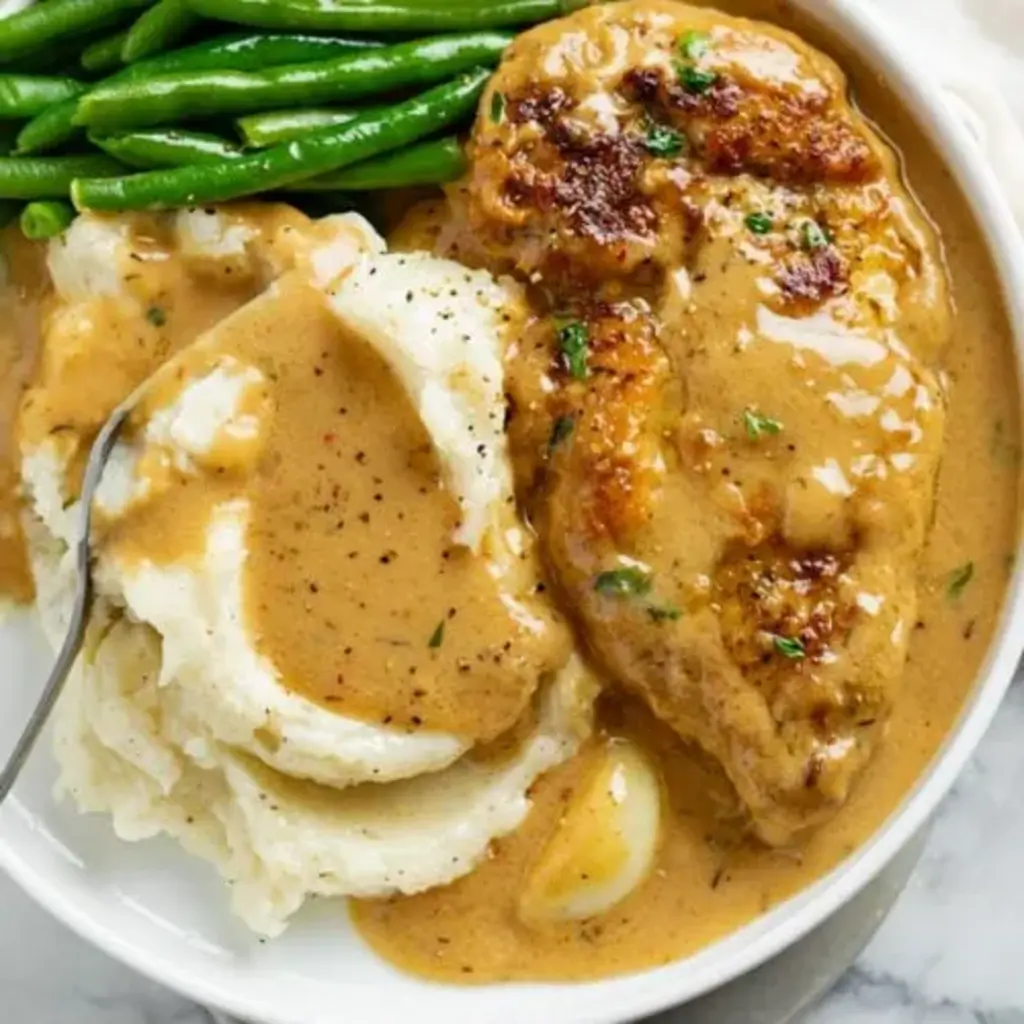
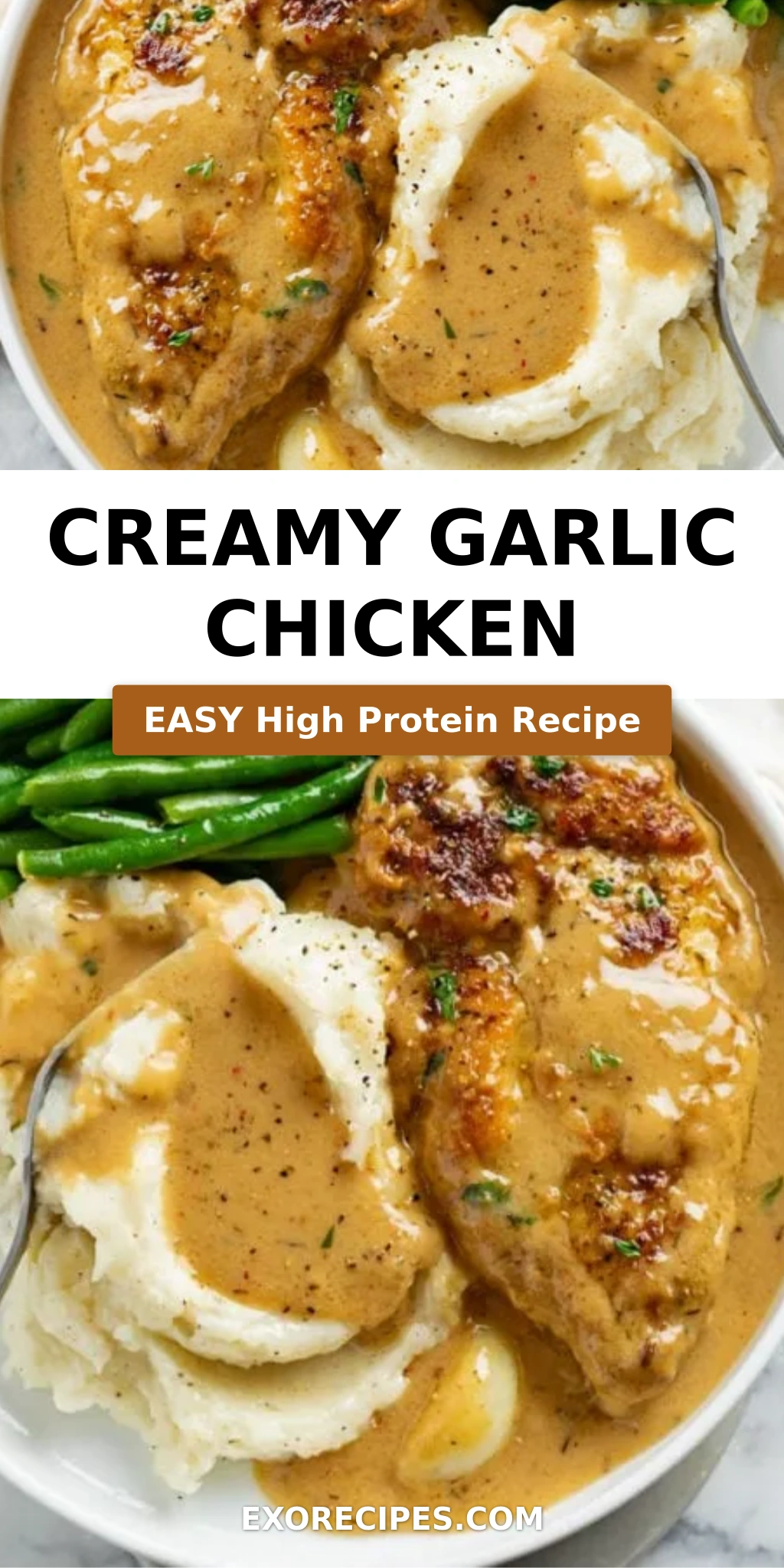
Creamy Garlic Chicken with Caramelized Garlic – One-Pan Wonder

⚖️
Difficulty
Easy
⏲️
Prep Time
15 mins
🕒
Cook Time
30 mins
⏱️
Total Time
45 mins
🍽️
Servings
4

I still remember the first time I made this creamy garlic chicken recipe in my tiny Parisian apartment — the scent of caramelizing garlic drifting through the window, drawing my neighbor Madame Dubois to knock on my door, asking what on earth smelled so incredible. That moment, standing in a cramped kitchen with a well-seasoned skillet and a handful of humble ingredients, I realized that the best cooking doesn’t require fancy equipment or exotic spices. It just requires patience, technique, and a willingness to let simple things shine. This one pan creamy garlic chicken recipe delivers exactly that: deeply caramelized whole garlic cloves swimming in a velvety, savory gravy that clings to every forkful of tender chicken breast.

The beauty of this easy creamy garlic chicken breast recipe lies in its contrasts. You get the sweet, almost nutty pop of softened garlic against the rich, silky sauce made with heavy cream, Parmesan, and a secret splash of soy sauce that deepens everything without screaming for attention. The first bite is a rush of savory warmth — the kind that makes you close your eyes for a second — followed by a gentle heat from the mustard powder and thyme, and finally a lingering creaminess that coats your tongue and begs for another piece. The chicken itself develops a golden, Parmesan-crusted exterior during the sear, then finishes cooking in the sauce, absorbing all that flavor while staying impossibly juicy.

What sets my version apart from other creamy garlic chicken recipes is the technique I learned during my pastry training in Paris: taking the time to properly caramelize the garlic cloves in butter before building the sauce. Most cooks rush this step, but those 6–7 minutes of gentle coaxing transform raw, pungent garlic into little flavor bombs of sweetness. I also add a touch of beef bouillon alongside the chicken broth — a trick my mother used in Morocco to add depth without extra salt. And here’s a pro tip I share with everyone who takes my cooking classes in NYC: always deglaze the pan with a silicone spatula, scraping up every browned bit from the bottom. That fond is pure gold, and it’s the difference between a good sauce and a transcendent one.

Why This Creamy Garlic Chicken Recipe Is the Best

The Flavor Secret. Most recipes treat garlic as a background note — chopped or minced, it disappears into the sauce. Here, we keep the cloves whole and caramelize them low and slow, transforming them into sweet, buttery morsels that burst with concentrated flavor. This technique, which I adapted from a classic French confit method, creates a sauce that’s layered and sophisticated without any extra work. The addition of a beef bouillon cube and a splash of soy sauce (or Worcestershire) adds an umami backbone that you don’t get from chicken broth alone. It’s a quiet, brilliant trick that makes everyone ask, “What’s in this?”

Perfected Texture. I spent years perfecting the balance between a creamy sauce that clings to the chicken and one that’s too thick or gluey. The answer lies in the double-thickening method: first, the Parmesan coating on the chicken creates a crust that naturally thickens the sauce as it releases during simmering. Second, a light flour roux made with the pan drippings gives the gravy body without heaviness. The result is a sauce that coats the back of a spoon — luxurious but never pasty, rich but not greasy. Every time I teach this creamy garlic chicken recipe in my NYC workshops, people are stunned that something so elegant comes from a single skillet.

Foolproof & Fast. Despite its gourmet reputation, this easy creamy garlic chicken recipe comes together in under 45 minutes with minimal hands-on time. The active cooking is all in the first 20 minutes — after that, the chicken simmers gently while you prepare sides. I’ve designed every step with home cooks in mind: the chicken gets pounded to an even thickness so it cooks uniformly, the sauce comes together in the same pan without dirtying extra dishes, and the whole thing is forgiving enough that even a beginner can nail it on the first try. If you can brown chicken and stir a pan, you can make this.

Creamy Garlic Chicken Recipe Ingredients

I source my ingredients from a few favorite spots in New York City — the garlic from the greenmarket at Union Square, the Parmesan from a little Italian shop in Arthur Avenue, the chicken from a butcher in Chelsea Market. But the beauty of this recipe is that everything is available at any well-stocked grocery store across the US. The ingredient list is short, intentional, and each component plays a crucial role in building that signature creamy, garlicky sauce. Let me walk you through exactly what you need, and a few smart swaps I’ve tested in my own kitchen.

Ingredients List

  • 2 large boneless skinless chicken breasts (about 1½ lbs total)
  • Salt and freshly ground black pepper, to taste
  • 3 teaspoons Italian seasoning
  • ¼ cup all-purpose flour (for dredging)
  • 4 tablespoons shredded Parmesan cheese (for the coating)
  • 3 tablespoons olive oil (for searing)
  • 2½ cups low-sodium chicken broth
  • 1 beef bouillon cube (or 1 teaspoon Better Than Bouillon beef base)
  • 1 teaspoon low-sodium soy sauce (can substitute Worcestershire sauce)
  • 1 teaspoon onion powder
  • ½ teaspoon each: dried thyme, mustard powder
  • 3 tablespoons unsalted butter
  • 10 whole garlic cloves, peeled (about 1 whole head)
  • 3 tablespoons all-purpose flour (for the roux)
  • ½ cup heavy cream
  • ½ cup shredded Parmesan cheese (optional, for finishing the sauce)

Ingredient Spotlight

Whole Garlic Cloves. This is the star of the show. Using whole cloves instead of minced garlic changes the entire character of the dish. As they slowly caramelize in butter, they become sweet, soft, and nutty — almost like a confit. When you bite into one, it bursts with mellow garlic flavor instead of harsh heat. Choose firm, plump heads of garlic with tight skins. If you’re in a rush, you can use pre-peeled cloves, but they tend to be less flavorful. Store them in a cool, dark place for the best quality.

Parmesan Cheese. I use two types in this one pan creamy garlic chicken recipe: shredded Parmesan in the dredge (which creates that gorgeous golden crust) and additional shredded Parmesan stirred into the sauce for extra richness. Always buy a wedge of real Parmigiano-Reggiano and shred it yourself — the pre-shredded stuff is coated with cellulose that prevents melting and can make your sauce grainy. The nutty, salty notes of real Parmesan are irreplaceable here, and the difference is night and day.

Heavy Cream. This gives the sauce its signature velvety texture. I recommend heavy cream (36% milk fat) rather than half-and-half or milk, because it won’t curdle when simmered and gives the sauce body. If you need a dairy-free option, full-fat coconut cream works beautifully — it adds a subtle sweetness that pairs surprisingly well with the garlic. Just be aware that the coconut flavor will be present, so I only recommend this swap if you enjoy that profile.

Beef Bouillon. This is my secret ingredient! Adding a beef bouillon cube to the chicken broth creates a double-stock effect, giving the sauce a deep, savory richness that chicken broth alone can’t achieve. It’s a classic French technique called “double stock,” and it’s the backbone of many great sauces. Look for low-sodium cubes or Better Than Bouillon to control the salt level. If you’re vegetarian, swap both broths for a high-quality vegetable stock and add a splash of tamari for umami.

Original IngredientBest SubstitutionFlavor / Texture Impact
Heavy CreamFull-fat coconut creamAdds subtle coconut sweetness; sauce is slightly thinner but still rich
Parmesan CheesePecorino Romano or nutritional yeast (for dairy-free)Pecorino is saltier and sharper; nutritional yeast adds cheesy flavor without dairy
Chicken BreastBoneless skinless chicken thighsThighs are more forgiving and stay juicier; cook 2–3 minutes longer per side
Soy SauceWorcestershire sauce or coconut aminosWorcestershire adds tangy depth; coconut aminos are slightly sweeter

How to Make Creamy Garlic Chicken — Step-by-Step

Trust me when I say this: the whole process is simpler than it looks, and I’ve broken it down so every step makes sense. Before you start, measure everything out — this is a lesson I learned in pastry school in Paris, and it saves you from scrambling mid-recipe. Let’s cook!

Step 1: Prep the Broth Mixture

In a large measuring cup with a spout, combine 2½ cups chicken broth, 1 beef bouillon cube (or 1 teaspoon Better Than Bouillon), 1 teaspoon soy sauce, 1 teaspoon onion powder, ½ teaspoon dried thyme, and ½ teaspoon mustard powder. Stir and set aside. This allows the bouillon to dissolve fully and the flavors to meld. The spout makes it easy to pour into the skillet later without splashing.

💡 mia’s Pro Tip: Use a glass measuring cup so you can see the liquid level. If the bouillon cube hasn’t fully dissolved by step 8, give it a quick stir — no worries, the heat will take care of it.

Step 2: Prep the Dredge

On a large shallow plate, combine ¼ cup all-purpose flour and 4 tablespoons shredded Parmesan cheese. Mix with a fork until evenly distributed. This Parmesan-studded coating will create a beautifully crisp, golden crust on the chicken that also helps thicken the sauce later.

⚠️ Common Mistake to Avoid: Don’t use pre-shredded Parmesan for the dredge — it won’t stick evenly. Always shred from a block for the best texture and flavor.

Step 3: Pound and Season the Chicken

Slice each chicken breast in half lengthwise to create 2–3 thinner cutlets. Place them between two sheets of plastic wrap and use the textured side of a meat mallet to pound them to an even ½-inch thickness. This ensures every piece cooks at the same rate and stays tender. Pat the chicken completely dry with paper towels — moisture is the enemy of a good sear.

💡 mia’s Pro Tip: If you don’t have a meat mallet, use a rolling pin or even a heavy skillet. Pound gently and evenly — you’re not trying to demolish the chicken, just make it uniform.

Step 4: Dredge the Chicken

Season both sides of each cutlet with Italian seasoning, salt, and pepper. Then dredge each piece in the flour-Parmesan mixture, pressing lightly so the coating adheres. Tap off the excess — you want a thin, even layer, not a thick crust. Set the coated chicken on a clean plate.

⚠️ Common Mistake to Avoid: Dredging too far in advance. The flour will absorb moisture from the chicken and turn gummy. Dredge right before searing for the crispiest result.

Step 5: Sear the Chicken

Heat 3 tablespoons olive oil in a large skillet over medium-high heat until shimmering. Working in batches (don’t overcrowd the pan!), sear the chicken for 4–5 minutes per side, until deeply golden brown and a crisp crust has developed. Transfer the seared chicken to a clean plate and set aside. The chicken won’t be fully cooked through yet — it will finish in the sauce.

💡 mia’s Pro Tip: If the pan looks dry between batches, add a tiny splash more oil. And never move the chicken during the first 3 minutes of searing — let that crust form naturally.

Step 6: Caramelize the Garlic

Reduce the heat to medium-low. Add 3 tablespoons butter to the skillet and let it melt. Using a silicone spatula, scrape up all the browned bits from the bottom of the pan — that’s concentrated flavor called fond, and it’s the secret to a great sauce. Add 10 whole garlic cloves and let them soften and caramelize for 6–7 minutes, stirring occasionally, until they are golden and fragrant.

⚠️ Common Mistake to Avoid: Turning the heat too high. If the garlic burns, it becomes bitter and will ruin the sauce. Keep it at medium-low and be patient — those 6–7 minutes make all the difference.

Step 7: Make the Roux

Sprinkle 3 tablespoons flour over the garlic and butter. Cook for 1–2 minutes, stirring constantly, until the raw flour smell is gone and the mixture turns a light golden color. This roux will thicken the sauce to the perfect consistency — velvety but not gluey.

💡 mia’s Pro Tip: Keep stirring the roux the entire time. If it browns too much, it will lose its thickening power. A pale blond color is exactly what you’re looking for.

Step 8: Add the Broth

Slowly pour the prepared broth mixture into the skillet in splashes, stirring continuously with a whisk or spatula. Adding it gradually prevents lumps and helps the roux incorporate smoothly. Bring the mixture to a gentle simmer — it will thicken as it heats.

⚠️ Common Mistake to Avoid: Dumping in all the broth at once. This can cause the roux to seize and create lumps. Splash by splash, with constant stirring, guarantees a silky sauce every time.

Step 9: Finish the Sauce

Stir in ½ cup heavy cream. Increase the heat slightly to bring the sauce to a gentle boil, then reduce the heat to low. Gradually sprinkle in ½ cup shredded Parmesan cheese (if using), stirring until melted and fully incorporated. Taste the sauce and adjust seasoning with salt and pepper if needed.

💡 mia’s Pro Tip: Add the Parmesan gradually so it melts smoothly into the sauce. If you dump it all in at once, it can clump. And remember — the beef bouillon already adds salt, so taste before adding extra.

Step 10: Simmer and Serve

Return the seared chicken to the skillet along with any juices that accumulated on the plate. Spoon the sauce generously over the tops of the chicken pieces. Cover the pan partially (leave a small gap for steam to escape) and let it simmer gently for 5 minutes, until the chicken is cooked through and the sauce has thickened slightly. Garnish with fresh parsley and serve immediately.

⚠️ Common Mistake to Avoid: Over-simmering. Once the chicken reaches 165°F, it’s done. Cooking it longer can make it dry. Use an instant-read thermometer for perfect results every time.

StepActionDurationKey Visual Cue
1Mix broth, bouillon, seasonings2 minutesBouillon fully dissolved
2Combine flour and Parmesan1 minuteEvenly mixed on plate
3Pound and season chicken5 minutesEven ½-inch thickness
4Dredge chicken in flour mix2 minutesThin, even coating, no clumps
5Sear chicken in batches8–10 mins totalDeep golden crust on both sides
6Caramelize garlic in butter6–7 minutesCloves are golden and soft
7Cook the flour roux1–2 minutesNo raw flour smell, pale blond color
8Add broth in splashes2–3 minutesSmooth, lump-free liquid
9Add cream and Parmesan2–3 minutesSauce is thick and velvety
10Simmer chicken in sauce5 minutesChicken reaches 165°F internal

Serving & Presentation

When I serve this creamy garlic chicken at home in my NYC apartment, I always plate it with generous spoonfuls of the garlic-studded sauce draped over the chicken, letting it pool onto the plate. The caramelized garlic cloves — those little jewels — should be visible and inviting. Finish with a sprinkle of fresh parsley for color and a final crack of black pepper. If you added the extra Parmesan to the sauce, you’ll see gorgeous ribbons of melted cheese throughout.

For a complete meal that honors both my Moroccan roots and French training, I pair this with creamy mashed potatoes (to catch every drop of sauce) and roasted green beans with a squeeze of lemon. The potatoes balance the richness, the green beans add freshness, and the lemon brightens the whole plate. In the summer, I swap the green beans for roasted asparagus or a simple arugula salad with lemon vinaigrette. In winter, roasted carrots or sautéed spinach with garlic are perfect.

Pairing TypeSuggestionsWhy It Works
Side DishMashed potatoes, crusty bread, buttered egg noodles, rice pilafStarches soak up the creamy garlic sauce perfectly
VegetableRoasted green beans, asparagus, sautéed spinach, glazed carrotsBright, fresh veggies cut through the richness of the sauce
BeverageChardonnay, Sauvignon Blanc, Pinot Noir, sparkling water with lemonLight-bodied wines complement without overwhelming the garlic
GarnishFresh parsley, chives, lemon zest, flaky sea saltAdds freshness, color, and a final pop of flavor

Make-Ahead, Storage & Reheating

As someone who cooks for a living in NYC and still needs to feed myself on busy weeknights, I’ve perfected the art of making this creamy garlic chicken ahead of time. The sauce actually deepens in flavor overnight as the garlic and herbs meld together. I often make a double batch on Sunday and portion it out for the week. Here’s exactly how to store and reheat it so every meal tastes as good as the first.

MethodContainerDurationReheating Tip
RefrigeratorAirtight glass or plastic containerUp to 4 daysReheat gently on stovetop over medium-low, adding a splash of broth or milk if sauce has thickened too much
FreezerFreezer-safe zip-top bag or containerUp to 3 monthsThaw overnight in the fridge, then reheat gently on stovetop. The sauce may separate slightly — whisk in 1 tablespoon warm cream to bring it back together
Make-AheadAssemble in a baking dish, cover tightly1 day in advancePrepare fully, cool completely, cover and refrigerate. Reheat covered at 350°F for 15–20 minutes, then uncover for 5 minutes to re-crisp the top

My favorite make-ahead method is to cook the chicken and sauce completely, then transfer everything to a baking dish, cool, cover, and refrigerate. When I’m ready to serve, I reheat it in a 350°F oven for about 20 minutes. The gentle oven heat warms everything evenly without drying out the chicken or breaking the sauce. If you’re reheating on the stovetop, always use medium-low heat and stir occasionally — high heat can cause the cream to separate and become grainy. A final pro tip: if the sauce looks a bit thick after refrigeration, stir in a tablespoon of warm water, broth, or milk to loosen it to the perfect consistency.

Variations & Easy Swaps

Over the years, I’ve developed several variations of this creamy garlic chicken recipe to suit different diets, seasons, and cravings. Whether you’re cooking for someone with dietary restrictions or just want to change things up, here are my favorite tested adaptations. Each one has been made in my own kitchen — from my mother’s spice cabinet in Morocco to the farmers markets of NYC — and I’m confident they’ll work beautifully for you too.

VariationKey ChangeBest ForDifficulty Impact
Moroccan Spiced VersionAdd 1 tsp Ras el Hanout, ½ tsp cumin, and a pinch of cinnamon to the sauceA cozy, aromatic twist with North African warmthNo change — just add spices
Dairy-Free / Gluten-FreeUse coconut cream, gluten-free flour blend, dairy-free ParmesanDietary restrictions without sacrificing flavorEasy — same technique
Lemon-Herb Summer TwistAdd zest of 1 lemon and 2 tbsp fresh basil at the endBright, fresh flavor for warmer monthsNo change — just add at end

Moroccan Spiced Version

In honor of my mother’s kitchen in Morocco, I sometimes add a teaspoon of Ras el Hanout — that fragrant North African spice blend — along with a pinch of cumin and cinnamon to the sauce. The warmth of the spices plays beautifully against the creamy garlic base, creating a version that feels both familiar and exotic. The cinnamon, in particular, adds a subtle sweetness that makes the caramelized garlic taste even richer. Serve this version with couscous instead of potatoes for an authentic North African meal that will transport you straight to the medina.

Dairy-Free / Gluten-Free Version

I developed this version for a friend who has both dairy and gluten sensitivities, and honestly, I was shocked by how good it turned out. Replace the heavy cream with full-fat coconut cream — it adds a subtle tropical note that pairs surprisingly well with the garlic. Use a 1:1 gluten-free all-purpose flour blend (I like Bob’s Red Mill) for both the dredge and the roux. For the Parmesan, use a dairy-free Parmesan-style shred (or skip it in the sauce and add an extra tablespoon of nutritional yeast for cheesy flavor). The sauce will be slightly thinner but every bit as delicious.

Lemon-Herb Summer Twist

During the summer months, when I’m shopping at the Union Square Greenmarket in NYC, I stock up on fresh basil and lemons and make this bright, herbaceous version. After the chicken has finished simmering, remove it from the heat and stir in the zest of one whole lemon and a handful of fresh basil leaves, thinly sliced. The lemon cuts through the richness of the cream and makes the whole dish feel lighter, while the basil adds a peppery, aromatic finish. This variation is heavenly served with a simple green salad and crusty bread for soaking up the sauce.

What can I use instead of heavy cream in creamy garlic chicken?

If you need a substitute for heavy cream in this creamy garlic chicken recipe, the best option is full-fat coconut cream from a can (the solid white part, not the watery liquid). It provides the same richness and body, with a subtle sweetness that pairs beautifully with caramelized garlic. For a dairy-based alternative, you can use half-and-half mixed with 1 tablespoon of melted butter per cup — this mimics the fat content of heavy cream without being as heavy. Avoid using milk alone, as it can curdle when simmered and will produce a much thinner sauce. If you’re looking for a lower-calorie option, try using evaporated milk (not sweetened condensed) — it’s creamier than regular milk and won’t separate as easily.

How long does it take to cook creamy garlic chicken on the stove?

From start to finish, this one pan creamy garlic chicken recipe takes about 45 minutes total on the stove. The active cooking breaks down into roughly 15 minutes of prep and 30 minutes of stove time. You’ll spend about 10 minutes searing the chicken in batches, 7 minutes caramelizing the garlic, 5 minutes building the sauce, and finally 5 minutes simmering the chicken in the sauce to finish cooking. The key is not to rush the garlic caramelization — those 6–7 minutes over medium-low heat are essential for developing the sweet, nutty flavor that defines this dish. Total hands-on time is about 25 minutes, with the rest being passive simmering.

Should I use chicken thighs or breasts for creamy garlic chicken?

Both work beautifully in this easy creamy garlic chicken breast recipe, but they offer different results. Chicken breasts are leaner and cook faster — I recommend using boneless, skinless breasts and pounding them to an even ½-inch thickness for the best texture. The result is a lighter, more elegant dish that’s perfect for weeknight dinners. Chicken thighs, on the other hand, are richer, more forgiving, and stay incredibly juicy even if you cook them a few minutes too long. If you choose thighs, look for boneless, skinless ones and increase the initial sear time to 5–6 minutes per side. I personally use breasts when I want a lighter meal and thighs when I’m craving something deeply comforting. Either way, the creamy garlic sauce works its magic.

What do you serve with creamy garlic chicken for a complete meal?

For a complete meal that complements this creamy garlic chicken perfectly, I recommend three things: a starch to soak up the sauce, a vegetable for freshness, and a bright accent to cut the richness. My go-to pairing is creamy mashed potatoes (the sauce pools beautifully on top), roasted green beans with lemon (for a pop of brightness), and a sprinkle of fresh parsley. Other excellent starch options include buttered egg noodles, crusty bread for dipping, or a simple rice pilaf. For vegetables, roasted asparagus, sautéed spinach with garlic, or a fresh arugula salad with lemon vinaigrette all work wonderfully. A glass of lightly oaked Chardonnay or a crisp Sauvignon Blanc ties the whole meal together beautifully.

Can I make creamy garlic chicken in advance?

Absolutely — this creamy garlic chicken recipe is one of my favorite make-ahead meals! The flavors actually deepen and meld together overnight as the garlic and herbs infuse the sauce. For best results, prepare the recipe completely, let it cool to room temperature (no more than 2 hours), then transfer it to an airtight container and refrigerate for up to 4 days. When you’re ready to serve, reheat it gently on the stovetop over medium-low heat, adding a splash of chicken broth or milk if the sauce has thickened too much. You can also reheat it in a 350°F oven for 15–20 minutes covered, then uncovered for 5 minutes. I don’t recommend freezing the cream-based sauce, as it can separate when thawed, but the dish still tastes great for up to 3 months in the freezer if you’re willing to whisk in a tablespoon of warm cream after reheating.

How do I keep creamy garlic chicken from curdling?

Curdling happens when cream is exposed to high heat or acidic ingredients too quickly. To prevent it in this one pan creamy garlic chicken recipe, follow a few key rules. First, always use heavy cream (at least 36% milk fat) — lower-fat creams are much more prone to curdling. Second, bring the sauce to a gentle boil, then immediately reduce the heat to low before adding the cream — never add cream to a vigorously boiling sauce. Third, stir the cream in gradually while the sauce is at a low simmer, not a rolling boil. And finally, if the sauce does begin to look grainy, remove it from the heat immediately and whisk in a tablespoon of cold cream or a splash of cold broth — this can sometimes bring it back together. The good news is that even if the sauce separates slightly, the flavor is still delicious, so don’t stress too much.

Is creamy garlic chicken healthy?

This creamy garlic chicken recipe can absolutely fit into a balanced diet! One serving contains approximately 488 calories, 37 grams of fat, 21 grams of protein, and 18 grams of carbohydrates. The chicken provides lean protein, while the garlic offers anti-inflammatory and immune-supporting benefits. To make it lighter, you can reduce the amount of Parmesan cheese in the sauce (or omit it entirely), use half-and-half instead of heavy cream, and skip the butter in the roux by using olive oil instead — just note that the sauce will be slightly less rich. I also recommend serving it with a generous portion of vegetables and a smaller serving of starch to create a well-rounded plate. It’s a satisfying, nourishing meal that feels indulgent but is made with wholesome, real-food ingredients.

Can I add vegetables to creamy garlic chicken?

Yes, adding vegetables is a fantastic way to make this easy creamy garlic chicken recipe even more complete! I recommend adding vegetables that can stand up to the rich sauce without becoming mushy. Mushrooms — cremini or button — are my top choice because they absorb the garlic cream sauce beautifully and add an earthy depth that complements the dish. Simply slice them and sauté them in the pan after removing the chicken, before you start the garlic. Other great options include spinach (stir it in at the very end until just wilted), sun-dried tomatoes (add with the broth), or roasted broccoli (serve on the side). If you want to add vegetables directly to the sauce, choose sturdy ones that can handle a 5-minute simmer without turning to mush. I often add a handful of baby spinach right at the end for a quick, nutritious boost.

What if I don’t have a meat mallet for the chicken?

No worries at all — you don’t need a meat mallet to make this creamy garlic chicken recipe! If you don’t have one, there are several easy alternatives that work just as well. A rolling pin is my top substitute — simply wrap it in plastic wrap to keep it clean and roll over the chicken gently. A heavy-bottomed skillet or saucepan works great too; just press down firmly and evenly as you roll it across the chicken. Even a wine bottle (sealed and clean) can do the job in a pinch. The goal is to create an even ½-inch thickness so the chicken cooks uniformly, so whatever heavy, smooth object you have on hand will work. If you’re in a hurry and don’t want to pound at all, you can simply slice the chicken breasts horizontally into thin cutlets — they’ll cook faster and more evenly, though they won’t be quite as tender as pounded chicken.

How do I know when creamy garlic chicken is fully cooked?

The most reliable way to know when your creamy garlic chicken is fully cooked is to use an instant-read thermometer. Insert it into the thickest part of the chicken breast — it should read 165°F for safe consumption. If you don’t have a thermometer, look for visual cues: the chicken should feel firm but still have a slight give when pressed, the juices should run clear (not pink), and the internal color should be white throughout with no translucent or pink areas. Remember that the chicken initially sears for 4–5 minutes per side, then finishes cooking during the 5-minute simmer in the sauce. If you’ve pounded the chicken to an even ½-inch thickness, it will cook quickly and evenly. Always let the chicken rest for 2–3 minutes after cooking before cutting into it — this allows the juices to redistribute and keeps the meat tender and moist.

Share Your Version!

I absolutely love hearing from you — there’s nothing that makes my day like seeing your photos and reading about how this creamy garlic chicken recipe turned out in your kitchen. Did you try one of the variations? Add your own twist? Serve it with something unexpected? Drop a star rating and a comment below to let me know how it went, and any questions you have — I read every single one and answer as many as I can.

And if you’re as obsessed with this recipe as I am, I’d be honored if you’d share a photo on Instagram or Pinterest and tag @exorecipes. I want to see your caramelized garlic, your saucy skillet, your beautiful plating. It’s the greatest joy of my work to see these recipes come to life in homes around the world — from my NYC kitchen to yours, we’re connected by the love of good food. From my NYC kitchen to yours — I hope this recipe brings as much warmth to your table as it does to mine. — mia 🧡

📌

Love This Recipe? Save It to Pinterest!

If you enjoyed this Creamy Garlic Chicken recipe, don’t let it get lost in your browser tabs! 😄 Pin it now so you can find it again anytime — and explore hundreds more tried-and-tested recipes waiting for you on my Pinterest boards.

👉 Follow mia on Pinterest @exorecipe

📌 Pin this recipe · 🔁 Re-pin your favorites · 💬 Tag me when you make it — I love seeing your creations!

Print

clock clock iconcutlery cutlery iconflag flag iconfolder folder iconinstagram instagram iconpinterest pinterest iconfacebook facebook iconprint print iconsquares squares iconheart heart iconheart solid heart solid icon

Creamy Garlic Chicken

  • Author: Chef Mia

Description

This Creamy Garlic Chicken is smothered in a rich and flavorful gravy that’s easy to make in a single skillet. Caramelized garlic cloves add the perfect balance of gourmet flavor.


Ingredients

Scale
  • 2 large boneless skinless chicken breasts
  • Salt/Pepper
  • 3 teaspoons Italian seasonings
  • cup flour
  • 4 tablespoons Parmesan cheese (shredded)
  • 3 tablespoons olive oil
  • 2 ½ cups chicken broth
  • 1 beef bouillon cube (or 1 tsp better than bouillon)
  • 1 teaspoon low sodium soy sauce (can sub Worcestershire sauce)
  • 1 teaspoon onion powder
  • ½ teaspoon EACH: Dried thyme, mustard powder
  • 3 tablespoons butter
  • 10 whole cloves garlic
  • 3 tablespoons flour
  • ½ cup heavy cream
  • ½ cup Parmesan cheese ((optional))

Instructions

  1. Combine the chicken broth, bouillon cube, soy sauce, onion powder, mustard powder, and thyme in a large measuring cup with a spout and set aside.
  2. Combine flour and Parmesan cheese on a plate and measure out remaining ingredients prior to beginning.
  3. Slice the chicken in half lengthwise to create 2-3 thinner slices. Cover with saran wrap and use the textured side of a meat mallet to pound it to ½ inch thick. Pat completely dry.
  4. Season each side with Italian seasoning and salt/pepper. Dredge in the flour mixture and tap off excess.
  5. Heat olive oil in a large skillet over medium-high heat. Sear the chicken in batches for 4-5 minutes per side, until a golden crust has developed. Set aside.
  6. Melt the butter in the skillet over medium/medium-low heat. Use a silicone spatula to clean the bottom of the pot, this will add more flavor to the sauce. Add the garlic cloves and let them soften and caramelize for 6-7 minutes.
  7. Add the flour and cook for 1-2 minutes, until the raw flour smell is gone.
  8. Add the chicken broth mixture (from step 1) in splashes, stirring continuously.
  9. Stir in the cream. Bring to a boil, then reduce heat to low. Gradually stir in the Parmesan cheese.
  10. Add the chicken back to the skillet along with any juices from the plate. Spoon the sauce on top. Cover partially and simmer for 5 minutes.
  11. Garnish with parsley and serve with mashed potatoes and roasted green beans!


Nutrition

  • Calories: 488 kcal
  • Sugar: 2 g
  • Fat: 37 g
  • Carbohydrates: 18 g
  • Protein: 21 g


Creamy Garlic Chicken

ph">For more delicious inspiration, follow me on Pinterest!

No‑Bake Cookies Recipe – A Moroccan‑French Classic

⚖️
Difficulty
Easy
⏲️
Prep Time
10 mins
🕒
Cook Time
5 mins
⏱️
Total Time
30 mins
🍽️
Servings
24 cookies

My all‑time favorite cookie recipe comes straight from my childhood in Morocco. In my mother’s kitchen, we never used an oven for sweets—everything was stovetop or left to set in the cool evening air. This best no‑bake cookies recipe is the one I still turn to after a long day in my NYC test kitchen. It’s the cookie that reminds me of home, but with a French‑trained twist: a perfectly glossy cocoa base and a texture that’s neither dry nor crumbly.

Imagine the aroma: rich cocoa mingling with creamy peanut butter and a whisper of vanilla. The first bite gives way to a tender, chewy center studded with quick oats. My Parisian pastry professor taught me to let the syrup boil for exactly one minute—that single tip transforms these easy no‑bake cookies from gritty to silky. I still use that timer trick every time.

I’ve tested this no‑bake chocolate cookies recipe dozens of times, swapping sugars, milks, and butters until I landed on the perfect balance. The secret? A brief, careful boil and the right peanut butter consistency. Below I’ll share my pro tips so your cookies set beautifully every time. Let’s dive in!

Why This No‑Bake Cookies Recipe Is the Best

The Flavor Secret – Growing up, my mother always added a pinch of salt and real vanilla. I’ve kept that tradition, but I also learned at Le Cordon Bleu in Paris how to bloom cocoa powder in hot butter for a deeper, more rounded chocolate flavor. That one French technique makes these easy no‑bake cookies taste like you spent hours in the kitchen.

Perfected Texture – The biggest complaint about no‑bake cookies is that they turn out rock‑hard or powdery‑dry. I solved that by using quick oats (not old‑fashioned) and stirring the peanut butter in off the heat. The oats absorb just the right amount of syrup without turning mushy or tough.

Foolproof & Fast – With only 7 ingredients and 5 minutes of boiling, this 3 ingredient no‑bake cookies‑style recipe is actually 7‑ingredient perfection. But don’t let the simplicity fool you—the technique is foolproof. I’ll walk you through every step so you can nail it on your first try.

Best No‑Bake Cookies Recipe Ingredients

I buy my oats from the Union Square Greenmarket, my organic peanut butter from Whole Foods, and my cocoa from a little spice shop in the East Village. The butter? A great French‑style brand from the deli around the corner. But trust me—even standard supermarket ingredients work beautifully.

Ingredients List

  • 2 cups granulated sugar
  • ½ cup whole milk
  • ½ cup unsalted butter
  • ¼ cup unsweetened cocoa powder
  • 3 cups quick oats
  • 1 cup creamy peanut butter
  • 1 tablespoon pure vanilla extract

Ingredient Spotlight

Sugar & Milk – The base of the syrup. Use granulated white sugar; brown sugar adds too much molasses and can make the cookies sticky. Whole milk gives the richest texture, but 2% works in a pinch.

Cocoa Powder – I prefer Dutch‑processed for a mellow, dark chocolate flavor. Natural cocoa works too but will be slightly more acidic. Sift it if it’s lumpy.

Quick Oats – Essential! They absorb moisture evenly and create a tender crumb. Old‑fashioned oats can be used but will result in a chewier, less cohesive cookie. If you only have old‑fashioned, pulse them a few times in a food processor.

Peanut Butter – Standard creamy peanut butter (like Jif or Skippy) works best. Natural peanut butter that separates can cause the cookies to be dry or oily. If you use natural, stir it very well and consider adding an extra tablespoon of butter.

Original IngredientBest SubstitutionFlavor / Texture Impact
Peanut ButterSunflower seed butter (for nut‑free)Slightly earthier, still creamy
ButterCoconut oil (refined for neutral flavor)Firmer set, slight coconut note if unrefined
MilkOat milk or almond milkSlightly thinner syrup, use ½ cup + 1 tbsp
SugarCoconut sugar (1:1)Darker color, less sweet, deeper caramel flavor

How to Make No‑Bake Cookies — Step‑by‑Step

Ready to make the easiest, most delicious no‑bake cookies without oven? Follow these steps exactly and you’ll have perfect cookies every time.

Step 1: Boil the Syrup

In a large pot (at least 4‑quart), combine sugar, milk, butter, and cocoa powder. Whisk over medium heat until the butter melts and the mixture is smooth. Increase heat to medium‑high and bring to a gentle boil. Once boiling, let it bubble for exactly 1 minute without stirring. Set a timer—this is crucial for the right texture.

💡 mia’s Pro Tip: The boil sets the sugar structure. If you under‑boil, the cookies will be sticky; if you over‑boil, they’ll be crumbly. That one minute is the sweet spot.

Step 2: Add Oats, Peanut Butter & Vanilla

Remove the pot from the heat. Stir in the quick oats until fully coated. Add the peanut butter and mix until completely incorporated—the mixture will thicken. Finally, add the vanilla extract and stir well. Work quickly because the mixture sets as it cools.

⚠️ Common Mistake to Avoid: Adding the peanut butter while the pot is on the heat can cause it to separate and make greasy cookies. Always take the pot off the burner first.

Step 3: Shape & Set

Lay out a large piece of parchment paper on your counter. Using a spoon or a medium cookie scoop (about 2 tablespoons), drop rounded mounds onto the parchment. Let them cool at room temperature for 15–30 minutes until firm. They will still be slightly soft to the touch but should hold their shape.

💡 mia’s Pro Tip: For even cookies, use a 1.5‑inch cookie scoop. If you want them flatter, gently press each mound with the back of the spoon.

Quick reference table:

StepActionDurationKey Visual Cue
1Boil sugar, milk, butter, cocoa1 min after boilingSyrup thickens slightly, bubbles become slower
2Stir in oats, PB, vanilla1–2 minMixture becomes thick and cohesive
3Scoop onto parchment5–10 minCookies hold shape when lifted
4Let set at room temp15–30 minSurface looks dry, cookie is firm but not hard

Serving & Presentation

These easy no‑bake cookies are perfect straight off the parchment, but I love giving them a little extra flair. When I serve them at my Brooklyn dinner parties, I place them on a rustic wooden board and dust them lightly with flaky sea salt (a trick from my Paris days). A tiny sprinkle of cinnamon or a few toasted coconut flakes also works beautifully.

They’re wonderful alongside a glass of cold milk, a hot cup of mint tea (a Moroccan staple), or even a bold espresso. For a fun twist, sandwich two cookies with a smear of chocolate hazelnut spread—instant indulgent treat.

Pairing TypeSuggestionsWhy It Works
Side DishFresh fruit salad, sliced bananasThe acidity and sweetness balance rich cookies
Sauce / DipCaramel sauce, chocolate ganacheAdds decadence; dip or drizzle
BeverageCold milk, iced coffee, Moroccan mint teaCreamy beverages cut sweetness perfectly
GarnishFlaky sea salt, toasted coconut, chopped peanutsAdds texture and a savory/sweet contrast

Make‑Ahead, Storage & Reheating

In my busy NYC life, I often double this batch and stash half in the freezer. Truth time: I’ve been known to eat them straight from the freezer—they’re delightfully chewy even when cold. For best results, store them properly to maintain that perfect texture.

MethodContainerDurationReheating Tip
RefrigeratorAirtight container, layered with parchmentUp to 1 weekNo need to reheat; serve cold or at room temp
FreezerFreezer‑safe bag or container, separated by parchmentUp to 3 monthsThaw 10 min or eat frozen—still delicious
Make‑AheadSheet pan covered with plastic wrapUp to 2 days before servingStore in fridge, bring to room temp 15 min before serving

If you prefer a softer cookie, let them sit at room temperature for 10 minutes after refrigerating. They will never truly go bad—they’re no‑bake, after all—but the texture is best within the first week. I always keep a stash in my freezer for last‑minute cravings.

Variations & Easy Swaps

VariationKey ChangeBest ForDifficulty Impact
Moroccan SpiceAdd 1 tsp cinnamon + ½ tsp gingerHoliday or tea timeNo change
Nut‑FreeSub PB with sunflower seed butterSchool‑safe snacksEasy (may need extra sweetener)
Double ChocolateUse chocolate peanut butter or add ⅓ cup chocolate chipsChocolate loversEasy

Moroccan Spice Variation

Growing up, my mother would sometimes stir a pinch of cinnamon and ground ginger into the syrup. The warm spices pair beautifully with the cocoa and peanut butter. I do this especially in fall, and it always takes me back to the medina in Marrakech.

Nut‑Free Sunflower Butter Version

For a nut‑free option that’s still creamy and delicious, swap the peanut butter for sunflower seed butter (like SunButter). The cookies will be slightly greener (a natural reaction from the sunflower seeds) but taste amazing. Add 1–2 extra tablespoons of sugar to balance the slight bitterness.

Double Chocolate Twist

On my days off in NYC, I love taking this no‑bake chocolate cookies recipe up a notch. Use chocolate‑flavored peanut butter or fold in ⅓ cup mini chocolate chips right after the oats. The chips stay intact and give little pockets of melted chocolate—pure bliss.

How do you keep no‑bake cookies from being too dry or crumbly?

The number one cause of dry, crumbly no‑bake cookies is over‑boiling the syrup. You must let it boil for exactly 1 minute and no longer. Also, make sure you use quick oats—old‑fashioned oats absorb syrup differently and can lead to a drier texture. Another tip: measure your peanut butter carefully; a scant cup can leave the cookies too dry. Finally, don’t skip the vanilla—it adds moisture and flavor.

What can I substitute for peanut butter in no‑bake cookies?

You can use any creamy nut or seed butter. Popular substitutes include almond butter, cashew butter, sunflower seed butter, or even tahini. For a nut‑free version, sunflower seed butter works best. Note that natural butters that separate can make the cookies oily—stir them well before measuring. You may need to adjust sweetness slightly; some seed butters are more bitter, so add an extra tablespoon of sugar if needed.

Why won’t my no‑bake cookies set or harden?

If your cookies remain soft and don’t firm up, the syrup likely didn’t boil long enough (or at a high enough temperature). The sugar needs to reach the soft‑ball stage (around 235°F / 113°C) to set properly. Also, humidity can prevent setting—if it’s very humid, let them set in the refrigerator instead of at room temperature. Another factor: too much milk or peanut butter can make the mixture too wet. Stick to the exact measurements.

How long do no‑bake cookies need to cool before they are ready to eat?

Typically, 15–30 minutes at room temperature is enough for the cookies to set. They will still be slightly soft but should hold their shape. If you’re impatient (like I often am!), you can pop them in the fridge for 10 minutes to speed things up. The cookies continue to firm as they cool completely. For the best texture, let them rest for at least 20 minutes before serving.

Can I use rolled oats instead of quick oats?

Yes, but the texture will be chewier and less cohesive. Quick oats are more finely cut, so they absorb the syrup evenly and create a tender, almost fudgy crumb. If you only have rolled oats, pulse them in a food processor a few times to break them down a bit. Or simply enjoy the heartier texture, but know that the cookies may be more crumbly.

Can I make these no‑bake cookies dairy‑free?

Absolutely. Use a plant‑based milk such as oat, almond, or soy milk (unsweetened is best), and substitute the butter with refined coconut oil or a vegan butter stick. The flavor and texture will be slightly different—coconut oil gives a firmer set—but they’ll still be delicious. If using coconut oil, add a pinch of salt to compensate for the lack of butter’s salt.

How should I store leftover no‑bake cookies?

Store them in an airtight container at room temperature for up to 5 days. If your kitchen is warm, keep them in the fridge; they’ll last up to a week. For longer storage, freeze them in a single layer on a baking sheet, then transfer to a freezer bag—they keep for up to 3 months. No need to thaw if you enjoy a chilled, chewy cookie!

Why are my no‑bake cookies too hard?

Hard cookies usually mean the syrup was boiled too long. Even an extra 30 seconds can cause the sugar to set into a brittle texture. Also, using too much peanut butter (or a very thick brand) can lead to a dense, hard cookie. Stick to the 1‑minute boil and measure carefully. If they do turn out hard, try storing them with a slice of bread in the container to soften them overnight.

Can I add chocolate chips or other mix‑ins?

Definitely! Fold in up to ½ cup of mix‑ins after adding the oats. Mini chocolate chips, chopped nuts, dried cranberries, shredded coconut, or even toffee bits all work well. Keep in mind that too many add‑ins can make the cookies less cohesive—stick to ½ cup total. And if you add chocolate chips, wait until the mixture has cooled slightly so they don’t melt completely.

Are no‑bake cookies gluten‑free?

As written, this recipe uses oats, which are naturally gluten‑free, but many commercial oats are processed with wheat. Look for certified gluten‑free quick oats if you need a gluten‑free version. All other ingredients (sugar, milk, butter, cocoa, peanut butter, vanilla) are gluten‑free. So yes, with the right oats, these cookies are a perfect gluten‑free treat.

Share Your Version!

I love seeing how these easy no‑bake cookies turn out in your kitchen! Did you try the Moroccan spices or the double‑chocolate twist? Leave a star rating and a comment below—your feedback helps me tweak and improve the recipe. And when you make them, snap a photo and share it on Instagram or Pinterest. Tag me @exorecipes so I can see your beautiful creations.

What’s the one thing you’d love to master with no‑bake desserts? Let me know in the comments—I might just create a new recipe based on your ideas!

From my NYC kitchen to yours — I hope this recipe brings as much warmth to your table as it does to mine. — mia 🧡

📌

Love This Recipe? Save It to Pinterest!

If you enjoyed this No‑Bake Cookies recipe, don’t let it get lost in your browser tabs! 😄 Pin it now so you can find it again anytime — and explore hundreds more tried‑and‑tested recipes waiting for you on my Pinterest boards.

👉 Follow mia on Pinterest @exorecipe

📌 Pin this recipe · 🔁 Re‑pin your favorites · 💬 Tag me when you make it — I love seeing your creations!

Print

clock clock iconcutlery cutlery iconflag flag iconfolder folder iconinstagram instagram iconpinterest pinterest iconfacebook facebook iconprint print iconsquares squares iconheart heart iconheart solid heart solid icon

No-Bake Cookies

  • Author: Chef Mia

Description

My all-time favorite cookie recipe! Just a few ingredients and no time in the oven for these delicious No-Bake Cookies. Yes, I cook and bake every day, but my favorite cookie is a No-Bake Cookie!


Ingredients

Scale
  • 2 cups sugar
  • 1/2 cup milk
  • 1/2 cup unsalted butter
  • 1/4 cup cocoa powder
  • 3 cups quick oats
  • 1 cup creamy peanut butter
  • 1 tablespoon vanilla extract

Instructions

  1. In a large pot add sugar, milk, butter, and cocoa powder. Slowly bring to a boil while whisking. Once at a boil allow to boil for one minute (I set a timer and stopped the whisking).
  2. Remove from heat and add in oats. Mix well. Add in peanut butter, mix well. Last add in vanilla extract and mix well.
  3. Lay out parchment paper on the counter and spoon out the dough into cookie shapes. Allow to set for 15-30 minutes.


Nutrition

  • Calories: 330 kcal
  • Sugar: 28 g
  • Fat: 16 g
  • Carbohydrates: 42 g
  • Protein: 7 g


No-Bake Cookies

Air Fryer Blooming Onion (Moroccan-Spiced & Perfectly Crispy) – A Game Day Appetizer You’ll Make on Repeat

⚖️
Difficulty
Medium
⏲️
Prep Time
25 mins
🕒
Cook Time
25 mins
⏱️
Total Time
50 mins
🍽️
Servings
4

I still remember the first time I tasted a blooming onion. It was a rainy Friday night in New York City, and a friend dragged me to a sports bar in Midtown. When that golden, spiky flower of fried onion landed on the table, I was mesmerized. But as a trained chef from Le Cordon Bleu in Paris and a girl who grew up sneaking bites of her mother’s msemen in Morocco, I knew I could make it better — lighter, crisper, and with way more soul. That’s exactly what this Air Fryer Blooming Onion recipe delivers: all the drama and flavor of the classic, but with a fraction of the oil and a whole lot of North African spice. The secret? A warm, aromatic flour blend inspired by the spice souks of Marrakech and a French-trained technique for the crispiest petals you’ve ever pulled apart.

Imagine this: you pull back the first petal and it snaps with a shatteringly crisp sound. The inside is tender and sweet — that mild, mellow sweetness only a large sweet onion can offer. The breading carries a hint of smoky paprika, a whisper of cayenne warmth, and earthy undertones of cumin and thyme. Every bite is a little different: some petals are darker and crunchier from the air fryer’s hot swirl, others are softer and almost caramelized near the root. It’s salty, it’s aromatic, it’s deeply satisfying. And the best part? There’s no deep fryer needed — just a spray bottle of oil and a preheated air fryer basket.

I’ve tested this crispy blooming onion air fryer method over a dozen times in my tiny NYC kitchen, tweaking the breading technique and the timing until every petal came out evenly golden. What sets my version apart is the double-coating method — a flour dredge, an egg wash, then another flour dredge — which locks in moisture and creates that craggy, crunchy crust. Most recipes skip the chilling step, but I insist on it: 30 minutes in the fridge firms up the coating so it adheres perfectly during cooking. And I use an aluminum foil sling to lift the onion in and out of the basket without disturbing its shape. Trust me, once you try this homemade blooming onion, you’ll never go back to the deep-fried version.

Why This Air Fryer Blooming Onion Recipe Is the Best

The Flavor Secret: My Moroccan heritage shines in the breading. I grew up watching my mother blend spices by feel — a pinch of cumin, a whisper of cinnamon, a heavy hand with paprika. That same instinct guides this flour mixture. The combination of paprika, cayenne, cumin, thyme, and oregano isn’t just for heat; it builds layers of aroma that bloom as the onion cooks. French culinary school taught me to balance flavors precisely, so every petal is seasoned perfectly from the inside out. This isn’t just an appetizer — it’s a conversation starter.

Perfected Texture: After years of making classic French beignets and fritters in Paris, I learned that the key to a lasting crunch is a dry, porous crust that lets steam escape. That’s why I use a high-flour-to-egg ratio and a double dredge. The first flour layer absorbs moisture from the onion’s surface, the egg wash adds adhesion, and the second flour layer creates that craggy, petal-like texture. Air fryer cooking then blasts the coating with hot air from every angle, setting the crust before the onion has a chance to steam. The result is a crust that stays crunchy for a full 20 minutes after cooking — almost unheard of for an air fryer appetizer.

Foolproof & Fast: I’ve designed this easy blooming onion recipe to work for cooks of all skill levels. The instructions are broken down into clear, repeatable steps with visual cues — you’ll know exactly when the onion has relaxed enough to separate, when the coating is thick enough, and when the petals are perfectly browned. The total active time is only about 25 minutes, and the air fryer does the rest. Whether you’re hosting a Super Bowl party or just craving a fun weeknight snack, this recipe delivers restaurant-quality results without the mess of deep frying.

Air Fryer Blooming Onion Ingredients

I source my sweet onions from the Union Square Greenmarket in Manhattan — they’re grown just a few hours upstate in the Hudson Valley, and their sweetness is unmatched. The spices I grind fresh from batches I buy at a little Middle Eastern market on Atlantic Avenue in Brooklyn. Every ingredient in this Air Fryer Blooming Onion recipe is chosen to do a specific job. Here’s what you’ll need.

Ingredients List

  • 1 large sweet onion (such as Vidalia or Walla Walla)
  • 2 ½ cups all-purpose flour
  • 1 tablespoon paprika
  • 1 teaspoon cayenne pepper
  • ½ teaspoon ground cumin
  • ½ teaspoon dried thyme
  • ½ teaspoon dried oregano
  • 2 large eggs
  • 1 cup milk
  • 1 cup water
  • Salt and pepper to taste
  • Oil in a spray bottle (avocado or vegetable oil works best)

Ingredient Spotlight

Sweet Onion: The star of the show. Sweet onions like Vidalia, Walla Walla, or Maui have a higher sugar content and lower sulfur content than standard yellow onions, which means they caramelize beautifully without turning harsh or bitter when cooked. Look for an onion that feels heavy for its size with firm, unblemished skin. Avoid onions that feel spongy near the root end — they’re past their prime. If you can’t find a sweet onion, a large yellow onion will work, but dip the petals in ice water for 10 minutes before breading to mellow the bite.

Paprika and Cayenne: These two build the backbone of the breading’s color and warmth. I use sweet Hungarian paprika for its deep red hue and gentle sweetness, and cayenne for a clean, fast heat that doesn’t linger. Together they give the onion that signature golden-orange glow. Smoked paprika is a wonderful substitute for sweet paprika — it adds a subtle barbecue-like smokiness that pairs beautifully with the onion’s natural sweetness.

Cumin and Thyme: Cumin brings an earthy, almost citrusy warmth that echoes the spice blends of my childhood in Morocco. Thyme adds a piney, floral note that keeps the breading from feeling one-dimensional. If you don’t have dried thyme, dried rosemary works well — just crush it between your fingers before adding to the flour mixture so the oils release. Oregano can be substituted with marjoram for a milder, sweeter herb profile.

Original IngredientBest SubstitutionFlavor / Texture Impact
Sweet OnionLarge Yellow Onion (soaked)Slightly sharper raw flavor; soaking mellows it
All-Purpose FlourGluten-Free 1-to-1 BlendSlightly less crunchy; still very good
PaprikaSmoked PaprikaAdds smoky depth; reduces sweetness
Cayenne PepperAleppo Pepper or Chili PowderMilder heat; more complex fruitiness
MilkUnsweetened Almond MilkSlightly thinner wash; no major change

How to Make Air Fryer Blooming Onion — Step-by-Step

Making a blooming onion at home is easier than you think. The process is all about precision — cutting the onion correctly, building the coating in layers, and letting the air fryer work its magic. Follow these steps and you’ll have a stunning, crispy centerpiece for your table.

Step 1: Prepare the Onion

Start by cutting off about ½ inch from the top of the onion (the pointy end, not the root). Peel away the papery outer skin, leaving the root end completely intact — it’s the glue that holds the whole flower together. Place the onion cut-side down on a cutting board. Starting about ½ inch from the root, make a downward cut all the way through to the board. Repeat to make four evenly spaced cuts around the onion, then make three additional cuts between each section so you have 16 evenly spaced petals total. Turn the onion over and let it rest for 5 minutes — the petals will naturally relax and separate.

💡 mia’s Pro Tip: Use a sharp, thin-bladed knife (like a chef’s knife or a long paring knife) for the cuts. A dull knife can crush the onion layers and cause the petals to tear instead of separating cleanly. If you feel resistance, stop and sharpen your blade.

Step 2: Make the Breading

In a large bowl, whisk together the flour, paprika, cayenne, cumin, thyme, oregano, 1 teaspoon of salt, and ½ teaspoon of black pepper. In a separate medium deep bowl, whisk the eggs, milk, and water until smooth and slightly frothy. Set both bowls next to your work station. The flour mixture should smell aromatic and look a warm, rusty orange color — that’s how you know the spices are balanced.

⚠️ Common Mistake to Avoid: Don’t skip the water in the egg wash. The water thins out the egg and milk mixture, allowing it to drip off the onion more easily. A thick, gloopy wash creates a gummy coating that won’t crisp up properly in the air fryer.

Step 3: Bread the Onion

Place the rested onion in a clean bowl, cut-side up, and pour about half the flour mixture directly over the top. Use a large spoon to gently work the flour between every petal — get deep into the crevices. Turn the onion over and pat off the excess flour, reserving the bowl of flour. Now submerge the onion in the egg mixture, turning to coat every surface. Let the excess drip off for a few seconds, then transfer it back into the reserved flour bowl. Repeat the flouring process, spooning the mixture over and between the petals again. Gently tap off any extra flour — you want a thick, craggy coating, not a dusty one.

💡 mia’s Pro Tip: Use your fingers to gently separate the outer petals before the first flouring. This creates space for the coating to reach the inner layers. Don’t force them — just wiggle them apart naturally. The rest time should have relaxed them enough to work with.

Step 4: Chill and Preheat

Place the breaded onion on a plate or baking sheet and refrigerate for 30 minutes. This step is non-negotiable — chilling firms up the flour coating so it adheres to the onion during cooking instead of sliding off. While the onion chills, preheat your air fryer to 350°F for a full 10 minutes. A properly preheated air fryer ensures the crust starts sizzling the moment the onion hits the basket.

⚠️ Common Mistake to Avoid: Skipping the chill time. If you cook the onion immediately after breading, the wet coating can drip and pool in the bottom of the air fryer basket, creating steam that makes the petals soggy. Thirty minutes in the fridge sets the coating like a shell.

Step 5: Air Fry to Perfection

Remove the onion from the refrigerator and spray it generously with oil from all angles — every visible speck of flour should glisten. Create a sling from a sheet of aluminum foil (fold it into a long strip and place it under the onion, leaving the ends long enough to lift). Transfer the onion cut-side up into the air fryer basket using the sling. Cook at 350°F for 25 minutes, pausing twice to spray the petals with more oil — especially any spots that still look dry or floury. When the timer ends, lift the onion out with the foil sling, season immediately with a pinch of salt and pepper, and serve with your favorite blooming onion dip.

💡 mia’s Pro Tip: Don’t overcrowd the basket — this recipe is designed for one large onion in a standard 5.8-quart air fryer. If your air fryer is smaller, use a medium onion and reduce the cook time to 20 minutes. Check at 18 minutes and add time as needed.

StepActionDurationKey Visual Cue
1Cut and rest the onion5-8 minsPetals naturally separate and relax
2First flour dredge2 minsFlour fills gaps between petals
3Egg wash coating1 minOnion looks wet and glossy
4Second flour dredge2 minsCraggy, thick coating forms
5Chill in fridge30 minsCoating firms up and looks matte
6Air fry at 350°F25 minsDeep golden brown, petals pull apart easily

Serving & Presentation

The moment that golden flower hits the table, everyone leans in. I like to place the blooming onion on a large round platter lined with a few leaves of lettuce or a white butcher paper sheet — the contrast makes the color pop. Set a small bowl of dipping sauce in the center of the onion (I recommend a blend of sour cream, mayonnaise, horseradish, and a pinch of smoked paprika) and let everyone pull petals directly from the flower. The first-dip effect — where the sauce clings to the craggy coating — is pure magic.

This air fryer appetizer is at its absolute best within 10 minutes of cooking, when the crust is still shatteringly crisp. If you’re serving it at a party, time the air fryer to finish just as guests arrive. For a main-course twist, serve the petals alongside a crisp green salad with a lemony vinaigrette — the acidity cuts through the richness of the breading beautifully. In my NYC apartment, I often pair this with a cold glass of Sauvignon Blanc or a hoppy IPA. The bright, bitter notes of both drinks balance the savory spice.

Pairing TypeSuggestionsWhy It Works
Side DishGrilled steak, BBQ chicken, or a crisp green saladThe onion’s sweetness complements smoky, charred meats; salad adds freshness
Sauce / DipCreamy horseradish dip, chipotle aioli, or lemon-herb yogurtCreamy, tangy sauces contrast with the crunchy, spiced crust
BeverageSauvignon Blanc, IPA, or a spicy Bloody MaryAcidity and bitterness cut through the richness; spice amplifies the heat
GarnishFresh parsley, a pinch of flaky sea salt, and lemon wedgesBrightens the dish visually and adds a fresh, herbal note

Make-Ahead, Storage & Reheating

Between recipe development, feeding my family, and running errands around Brooklyn, I know the value of a good make-ahead plan. This homemade blooming onion can be prepped in stages so you’re never scrambling before a party. The breaded, un-cooked onion can sit in the fridge for up to 4 hours before air frying — just keep it uncovered so the coating stays dry. Once cooked, leftovers are rare in my house, but when they happen, I’ve figured out the best ways to bring the crunch back.

MethodContainerDurationReheating Tip
RefrigeratorUncovered on a wire rack over a baking sheetUp to 4 hours (before cooking)N/A — cook directly from fridge, no need to rest
FreezerFlash-freeze on a baking sheet, then transfer to a zip-top bagUp to 1 month (uncooked)Cook from frozen at 330°F for 30 minutes, no thawing needed
Make-AheadBreaded and chilled on a wire rackUp to 4 hours in advanceSpray with oil just before cooking; add 2-3 minutes to cook time

For reheating fully cooked leftovers, skip the microwave — it will turn the crust to mush. Instead, place the onion in the air fryer at 350°F for 4-5 minutes, spraying lightly with oil halfway through. The petals will crisp back up almost like magic. If you have individual petals that have fallen off, arrange them in a single layer in the basket and heat for 3 minutes. In a pinch, a toaster oven at 375°F for 6-7 minutes works too, though the texture won’t be quite as shatteringly crisp.

Variations & Easy Swaps

One of the things I love most about this Air Fryer Blooming Onion recipe is how adaptable it is. Whether you’re avoiding gluten, craving more heat, or looking for a seasonal twist, there’s a version here for you. These are the variations I’ve tested most often in my own kitchen — each one brings something new to the table.

VariationKey ChangeBest ForDifficulty Impact
Spicy HarissaAdd 2 tbsp harissa paste to egg wash; swap cayenne for AleppoHeat lovers and North African flavor fansEasy — no extra steps, just a flavor swap
Gluten-FreeUse 1-to-1 gluten-free flour blend + ¼ cup cornstarchGluten-sensitive guestsEasy — texture holds well with the cornstarch
Herb & GarlicAdd 2 tsp garlic powder + 2 tbsp dried parsley to flour mixGarlic lovers and Italian-inspired mealsEasy — simple addition to the flour bowl

Spicy Harissa Blooming Onion

This variation is my love letter to North Africa. Stir 2 tablespoons of harissa paste into the egg wash before coating the onion — the smoky, fiery chili paste infuses every petal with deep, complex heat. Swap the cayenne for Aleppo pepper in the flour mixture to round out the heat with a fruity, almost raisin-like sweetness. The result is a blooming onion that tastes like something from a street food stall in Marrakech. Serve it with a cool mint-yogurt dip for a perfect balance.

Gluten-Free Blooming Onion

I developed this version for my best friend who has celiac disease, and honestly, I sometimes make it even when gluten is on the table. Use a high-quality 1-to-1 gluten-free flour blend (I like Bob’s Red Mill) and add ¼ cup of cornstarch to the mixture. The cornstarch lightens the crust and adds extra crunch. For the egg wash, everything stays the same. The texture won’t be quite as flaky as the original, but the crunch is genuinely impressive — I’ve served it to mixed groups and no one noticed the swap. Just be sure to chill the breaded onion for a full 40 minutes to help the gluten-free coating adhere.

Herb and Garlic Blooming Onion

When I’m craving something more Italian-leaning, I reach for this version. Add 2 teaspoons of garlic powder and 2 tablespoons of dried parsley to the flour mixture, and reduce the cayenne to ½ teaspoon for a milder heat. The garlic powder sticks to the coating and creates little pockets of savory flavor as it fries. I like to serve this one with a warm marinara dipping sauce and a sprinkle of fresh basil. It’s a fantastic side for a pasta dinner or a fun twist on garlic bread.

How do you get a blooming onion to bloom in an air fryer without it falling apart?

The key to keeping your blooming onion intact during air frying is threefold: leave the root end completely uncut, chill the breaded onion for at least 30 minutes before cooking, and use an aluminum foil sling to transfer it in and out of the basket. The root acts as a natural anchor that holds all the petals together. Chilling firms up the flour coating so it doesn’t slide off or weaken the structure. And the foil sling lets you lower the onion gently into the basket without disturbing the petals. Avoid shaking the basket during cooking — instead, pause and spray the petals with oil to ensure even crisping.

What is the best batter or breading to use for an air fryer blooming onion?

A dry flour-based breading with a double-coating method works best for the air fryer, not a wet batter. Wet batters tend to drip and steam in the air fryer, leaving you with a soggy crust. Instead, use a seasoned flour mixture (flour, paprika, cayenne, cumin, thyme, oregano, salt, and pepper) as the first layer, then dip in an egg-and-milk wash, then coat again in the flour mixture. This creates a craggy, textured crust that crisps up beautifully. The double coating locks in moisture while allowing steam to escape through the porous flour layers, which is exactly what you want for a crunchy air fryer result.

How long should you cook a blooming onion in the air fryer and at what temperature?

Cook your blooming onion at 350°F for 25 minutes in a standard 5.8-quart air fryer. This temperature is hot enough to crisp the coating quickly without burning the spices, and the 25-minute window allows the thickest petals near the root to cook through completely. For smaller air fryers (under 5 quarts), use a medium onion and reduce the cook time to 20 minutes — check at 18 minutes. For larger air fryers (over 8 quarts), the same temperature works, but you may need 27-28 minutes. Always preheat your air fryer for a full 10 minutes before adding the onion so the crust starts setting immediately.

Can you use frozen onions to make an air fryer blooming onion?

I do not recommend using frozen onions for this recipe. Frozen onions release a significant amount of water as they thaw, which makes the breading soggy before it even hits the air fryer. The excess moisture also prevents the coating from adhering properly, causing it to slide off during cooking. If you only have frozen onions on hand, thaw them completely in the refrigerator overnight, then pat them very dry with paper towels and proceed with the recipe — but expect a noticeably less crispy result. For the best texture, always start with a fresh, firm sweet onion.

Why is my blooming onion not crispy in the air fryer?

The most common culprits are insufficient oil, skipping the chilling step, or overcrowding the basket. The air fryer relies on hot circulating air to create crispiness, and the coating needs a thin film of oil to brown and harden properly. If you spray lightly, the flour will stay pale and soft. Solution: spray generously from every angle until the coating looks wet and glistening. Also, make sure you chilled the breaded onion for 30 minutes — this step is critical for setting the coating. Finally, never cook more than one blooming onion at a time in a standard air fryer. Overcrowding traps steam and ruins the crunch.

What kind of onion is best for a blooming onion?

Sweet onions like Vidalia, Walla Walla, or Maui are the gold standard for blooming onions. They have a higher sugar content and lower sulfur content than standard yellow or white onions, which means they caramelize beautifully during cooking without turning bitter or pungent. Look for an onion that is at least 3 inches in diameter so the petals are large enough to pull apart easily. If you can’t find a sweet onion, a large yellow onion can work — just soak the cut onion in ice water for 10 minutes before breading to draw out some of the harsh sulfur compounds.

What dipping sauce goes best with an air fryer blooming onion?

The classic pairing is a creamy horseradish sauce: mix ½ cup sour cream, ¼ cup mayonnaise, 2 tablespoons prepared horseradish, 1 teaspoon smoked paprika, and a squeeze of lemon juice. The tangy, creamy base cuts through the richness of the fried coating while the horseradish adds a clean, sinus-clearing heat that complements the sweet onion. For a twist, try a chipotle aioli (mayo, chipotle in adobo, lime juice, and garlic) or a Moroccan-inspired lemon-herb yogurt (Greek yogurt, fresh mint, lemon zest, and a pinch of cumin). Each dip highlights a different note in the spiced breading.

Can I make this blooming onion recipe dairy-free?

Absolutely. Substitute the milk in the egg wash with unsweetened almond milk, oat milk, or another dairy-free milk of your choice. The swap works seamlessly — the egg wash will be slightly thinner, but it still provides enough adhesion for the second flour dredge. Avoid thick, creamy plant milks like coconut milk (from a can), as they can make the coating heavy. The rest of the recipe is naturally dairy-free, including the flour and spices. For serving, pair it with a dairy-free dipping sauce like a vegan chipotle aioli made with cashew cream or vegan mayonnaise.

How do I reheat a blooming onion so it stays crispy?

The best way to reheat a leftover blooming onion is in the air fryer at 350°F for 4-5 minutes. Spray the petals lightly with oil before reheating to restore the golden color and crunch. Avoid the microwave at all costs — it turns the crust into a soft, steamy mess. If you don’t have an air fryer, a toaster oven set to 375°F for 6-7 minutes works well, though the texture won’t be quite as crisp. If individual petals have fallen off, arrange them in a single layer in the air fryer basket for even heating. The key is to reheat quickly at a high temperature so the exterior crisps before the interior dries out.

Can I use panko breadcrumbs instead of flour for a blooming onion?

I don’t recommend using panko breadcrumbs alone for a blooming onion in the air fryer. Panko creates a light, airy crust on flat surfaces, but it doesn’t adhere well to the curved, layered petals of a blooming onion — most of it will fall off during handling and cooking. Instead, stick with the double flour dredge method for maximum adhesion and crunch. If you want panko’s extra-crispy texture, you can add ½ cup of panko to the second flour dredge and press it gently into the coating. This gives you the best of both worlds: the adherence of flour with the crunch of panko.

📌

Love This Recipe? Save It to Pinterest!

If you enjoyed this Air Fryer Blooming Onion recipe, don’t let it get lost in your browser tabs! 😄 Pin it now so you can find it again anytime — and explore hundreds more tried-and-tested recipes waiting for you on my Pinterest boards.

👉 Follow mia on Pinterest @exorecipe

📌 Pin this recipe · 🔁 Re-pin your favorites · 💬 Tag me when you make it — I love seeing your creations!

Print

clock clock iconcutlery cutlery iconflag flag iconfolder folder iconinstagram instagram iconpinterest pinterest iconfacebook facebook iconprint print iconsquares squares iconheart heart iconheart solid heart solid icon

Air Fryer Blooming Onion

  • Author: Chef Mia

Description

Learn how to make this restaurant quality appetizer at home for a fun game day snack that your family and friends will love!


Ingredients

Scale
  • 1 large sweet onion
  • 2 ½ cups all-purpose flour
  • 1 tablespoon paprika
  • 1 teaspoon cayenne pepper
  • ½ teaspoon ground cumin
  • ½ teaspoon dried thyme
  • ½ teaspoon dried oregano
  • 2 large eggs
  • 1 cup milk
  • 1 cup water
  • Salt and pepper to taste
  • Oil in a spray bottle

Instructions

  1. Slice the onion to make it bloom. Start by cutting off 1/2 inch from the top of the onion, then peel the outer skin from the onion.
  2. Place the onion cut-side down. Starting about 1/2 inch from the root, make a downward cut all the way through to the cutting board.
  3. Repeat to make four evenly spaced cuts around the onion. Make 3 additional cuts between each section until you have 16 evenly spaced cuts.
  4. Turn the onion over and set aside for 5 minutes to allow the petals to relax.
  5. Prior to breading use your fingers to gently separate the outer pieces.
  6. Whisk the flour, paprika, cayenne, cumin, thyme, oregano, salt and pepper in a large bowl. In a medium deep bowl, whisk the eggs, milk, and water.
  7. Place the onion in a clean bowl, cut-side up, and pour the flour mixture on top. Using a large spoon to coat the onion with the flour mixture, especially between the onion petals. Turn the onion over and pat off the excess flour. Reserve the bowl of flour.
  8. Put the onion in the egg mixture and coat evenly. Remove and let the excess drip off.
  9. Then transfer the onion back into the reserved flour mixture and repeat the flouring process. Be sure you gently tap off extra flour. There will be leftover flour in the bowl when you are done.
  10. Place the onion in the refrigerator.
  11. Preheat the air fryer for 10 minutes to 350ºF.
  12. Remove the onion from the refrigerator and spray generously with vegetable oil from a spray bottle.
  13. After making a sling from a sheet of aluminum foil transfer the onion cut side up into the fryer basket.
  14. Set the timer for 25 minutes and cook. Spray the onion with the cooking oil 2-3 times as you cook it. If any spots still have visible flour spray them with the oil.
  15. After 25 minutes remove onion using the aluminum foil sling and season with salt and pepper.
  16. Serve with the blooming onion dip.


Nutrition

  • Calories: 278 kcal
  • Sugar: 3 g
  • Fat: 6 g
  • Carbohydrates: 47 g
  • Protein: 10 g


Air Fryer Blooming Onion

ph">For more delicious inspiration, follow me on Pinterest!