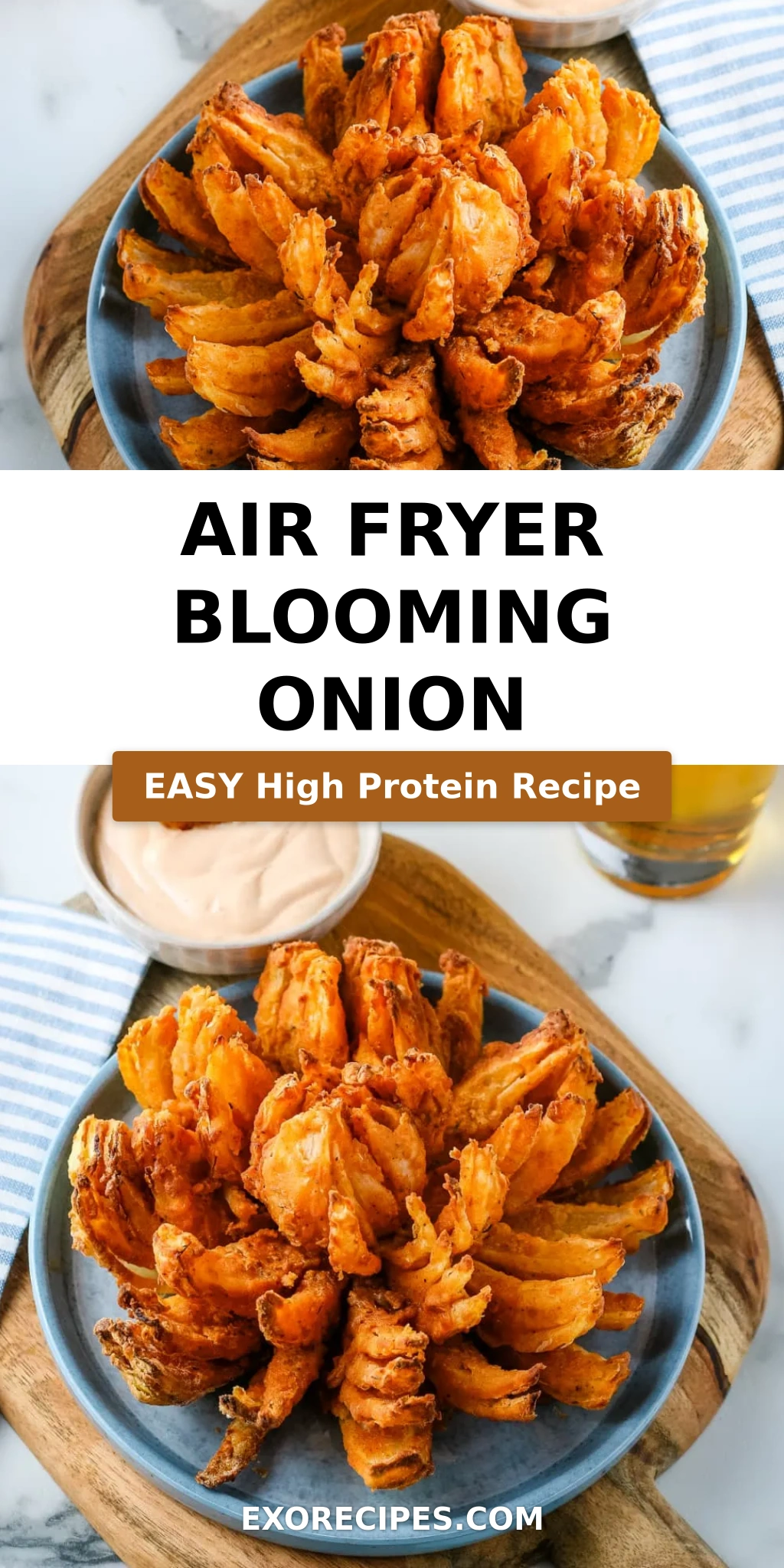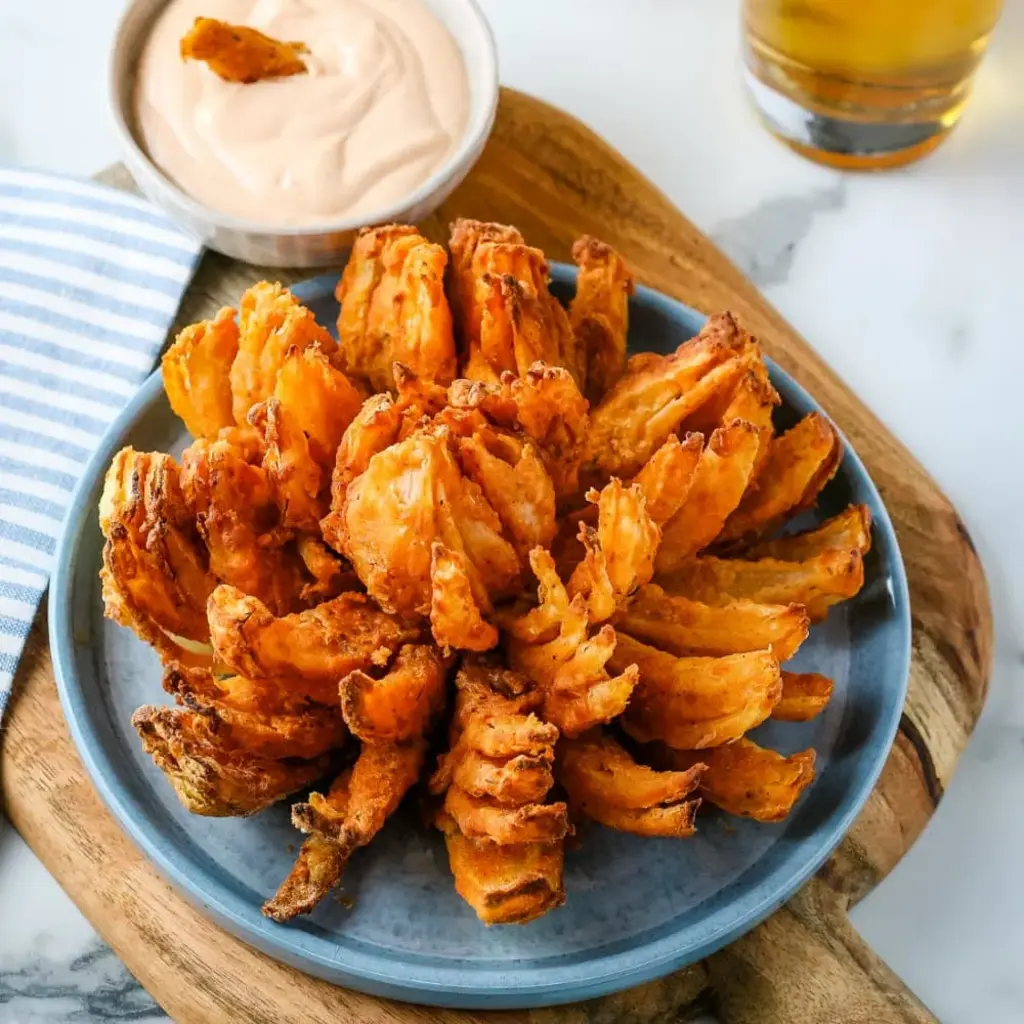
Air Fryer Blooming Onion (Moroccan-Spiced & Perfectly Crispy) – A Game Day Appetizer You’ll Make on Repeat

⚖️
Difficulty
Medium
⏲️
Prep Time
25 mins
🕒
Cook Time
25 mins
⏱️
Total Time
50 mins
🍽️
Servings
4

I still remember the first time I tasted a blooming onion. It was a rainy Friday night in New York City, and a friend dragged me to a sports bar in Midtown. When that golden, spiky flower of fried onion landed on the table, I was mesmerized. But as a trained chef from Le Cordon Bleu in Paris and a girl who grew up sneaking bites of her mother’s msemen in Morocco, I knew I could make it better — lighter, crisper, and with way more soul. That’s exactly what this Air Fryer Blooming Onion recipe delivers: all the drama and flavor of the classic, but with a fraction of the oil and a whole lot of North African spice. The secret? A warm, aromatic flour blend inspired by the spice souks of Marrakech and a French-trained technique for the crispiest petals you’ve ever pulled apart.

Imagine this: you pull back the first petal and it snaps with a shatteringly crisp sound. The inside is tender and sweet — that mild, mellow sweetness only a large sweet onion can offer. The breading carries a hint of smoky paprika, a whisper of cayenne warmth, and earthy undertones of cumin and thyme. Every bite is a little different: some petals are darker and crunchier from the air fryer’s hot swirl, others are softer and almost caramelized near the root. It’s salty, it’s aromatic, it’s deeply satisfying. And the best part? There’s no deep fryer needed — just a spray bottle of oil and a preheated air fryer basket.

I’ve tested this crispy blooming onion air fryer method over a dozen times in my tiny NYC kitchen, tweaking the breading technique and the timing until every petal came out evenly golden. What sets my version apart is the double-coating method — a flour dredge, an egg wash, then another flour dredge — which locks in moisture and creates that craggy, crunchy crust. Most recipes skip the chilling step, but I insist on it: 30 minutes in the fridge firms up the coating so it adheres perfectly during cooking. And I use an aluminum foil sling to lift the onion in and out of the basket without disturbing its shape. Trust me, once you try this homemade blooming onion, you’ll never go back to the deep-fried version.

Why This Air Fryer Blooming Onion Recipe Is the Best

The Flavor Secret: My Moroccan heritage shines in the breading. I grew up watching my mother blend spices by feel — a pinch of cumin, a whisper of cinnamon, a heavy hand with paprika. That same instinct guides this flour mixture. The combination of paprika, cayenne, cumin, thyme, and oregano isn’t just for heat; it builds layers of aroma that bloom as the onion cooks. French culinary school taught me to balance flavors precisely, so every petal is seasoned perfectly from the inside out. This isn’t just an appetizer — it’s a conversation starter.

Perfected Texture: After years of making classic French beignets and fritters in Paris, I learned that the key to a lasting crunch is a dry, porous crust that lets steam escape. That’s why I use a high-flour-to-egg ratio and a double dredge. The first flour layer absorbs moisture from the onion’s surface, the egg wash adds adhesion, and the second flour layer creates that craggy, petal-like texture. Air fryer cooking then blasts the coating with hot air from every angle, setting the crust before the onion has a chance to steam. The result is a crust that stays crunchy for a full 20 minutes after cooking — almost unheard of for an air fryer appetizer.

Foolproof & Fast: I’ve designed this easy blooming onion recipe to work for cooks of all skill levels. The instructions are broken down into clear, repeatable steps with visual cues — you’ll know exactly when the onion has relaxed enough to separate, when the coating is thick enough, and when the petals are perfectly browned. The total active time is only about 25 minutes, and the air fryer does the rest. Whether you’re hosting a Super Bowl party or just craving a fun weeknight snack, this recipe delivers restaurant-quality results without the mess of deep frying.

Air Fryer Blooming Onion Ingredients

I source my sweet onions from the Union Square Greenmarket in Manhattan — they’re grown just a few hours upstate in the Hudson Valley, and their sweetness is unmatched. The spices I grind fresh from batches I buy at a little Middle Eastern market on Atlantic Avenue in Brooklyn. Every ingredient in this Air Fryer Blooming Onion recipe is chosen to do a specific job. Here’s what you’ll need.

Ingredients List

  • 1 large sweet onion (such as Vidalia or Walla Walla)
  • 2 ½ cups all-purpose flour
  • 1 tablespoon paprika
  • 1 teaspoon cayenne pepper
  • ½ teaspoon ground cumin
  • ½ teaspoon dried thyme
  • ½ teaspoon dried oregano
  • 2 large eggs
  • 1 cup milk
  • 1 cup water
  • Salt and pepper to taste
  • Oil in a spray bottle (avocado or vegetable oil works best)

Ingredient Spotlight

Sweet Onion: The star of the show. Sweet onions like Vidalia, Walla Walla, or Maui have a higher sugar content and lower sulfur content than standard yellow onions, which means they caramelize beautifully without turning harsh or bitter when cooked. Look for an onion that feels heavy for its size with firm, unblemished skin. Avoid onions that feel spongy near the root end — they’re past their prime. If you can’t find a sweet onion, a large yellow onion will work, but dip the petals in ice water for 10 minutes before breading to mellow the bite.

Paprika and Cayenne: These two build the backbone of the breading’s color and warmth. I use sweet Hungarian paprika for its deep red hue and gentle sweetness, and cayenne for a clean, fast heat that doesn’t linger. Together they give the onion that signature golden-orange glow. Smoked paprika is a wonderful substitute for sweet paprika — it adds a subtle barbecue-like smokiness that pairs beautifully with the onion’s natural sweetness.

Cumin and Thyme: Cumin brings an earthy, almost citrusy warmth that echoes the spice blends of my childhood in Morocco. Thyme adds a piney, floral note that keeps the breading from feeling one-dimensional. If you don’t have dried thyme, dried rosemary works well — just crush it between your fingers before adding to the flour mixture so the oils release. Oregano can be substituted with marjoram for a milder, sweeter herb profile.

Original IngredientBest SubstitutionFlavor / Texture Impact
Sweet OnionLarge Yellow Onion (soaked)Slightly sharper raw flavor; soaking mellows it
All-Purpose FlourGluten-Free 1-to-1 BlendSlightly less crunchy; still very good
PaprikaSmoked PaprikaAdds smoky depth; reduces sweetness
Cayenne PepperAleppo Pepper or Chili PowderMilder heat; more complex fruitiness
MilkUnsweetened Almond MilkSlightly thinner wash; no major change

How to Make Air Fryer Blooming Onion — Step-by-Step

Making a blooming onion at home is easier than you think. The process is all about precision — cutting the onion correctly, building the coating in layers, and letting the air fryer work its magic. Follow these steps and you’ll have a stunning, crispy centerpiece for your table.

Step 1: Prepare the Onion

Start by cutting off about ½ inch from the top of the onion (the pointy end, not the root). Peel away the papery outer skin, leaving the root end completely intact — it’s the glue that holds the whole flower together. Place the onion cut-side down on a cutting board. Starting about ½ inch from the root, make a downward cut all the way through to the board. Repeat to make four evenly spaced cuts around the onion, then make three additional cuts between each section so you have 16 evenly spaced petals total. Turn the onion over and let it rest for 5 minutes — the petals will naturally relax and separate.

💡 mia’s Pro Tip: Use a sharp, thin-bladed knife (like a chef’s knife or a long paring knife) for the cuts. A dull knife can crush the onion layers and cause the petals to tear instead of separating cleanly. If you feel resistance, stop and sharpen your blade.

Step 2: Make the Breading

In a large bowl, whisk together the flour, paprika, cayenne, cumin, thyme, oregano, 1 teaspoon of salt, and ½ teaspoon of black pepper. In a separate medium deep bowl, whisk the eggs, milk, and water until smooth and slightly frothy. Set both bowls next to your work station. The flour mixture should smell aromatic and look a warm, rusty orange color — that’s how you know the spices are balanced.

⚠️ Common Mistake to Avoid: Don’t skip the water in the egg wash. The water thins out the egg and milk mixture, allowing it to drip off the onion more easily. A thick, gloopy wash creates a gummy coating that won’t crisp up properly in the air fryer.

Step 3: Bread the Onion

Place the rested onion in a clean bowl, cut-side up, and pour about half the flour mixture directly over the top. Use a large spoon to gently work the flour between every petal — get deep into the crevices. Turn the onion over and pat off the excess flour, reserving the bowl of flour. Now submerge the onion in the egg mixture, turning to coat every surface. Let the excess drip off for a few seconds, then transfer it back into the reserved flour bowl. Repeat the flouring process, spooning the mixture over and between the petals again. Gently tap off any extra flour — you want a thick, craggy coating, not a dusty one.

💡 mia’s Pro Tip: Use your fingers to gently separate the outer petals before the first flouring. This creates space for the coating to reach the inner layers. Don’t force them — just wiggle them apart naturally. The rest time should have relaxed them enough to work with.

Step 4: Chill and Preheat

Place the breaded onion on a plate or baking sheet and refrigerate for 30 minutes. This step is non-negotiable — chilling firms up the flour coating so it adheres to the onion during cooking instead of sliding off. While the onion chills, preheat your air fryer to 350°F for a full 10 minutes. A properly preheated air fryer ensures the crust starts sizzling the moment the onion hits the basket.

⚠️ Common Mistake to Avoid: Skipping the chill time. If you cook the onion immediately after breading, the wet coating can drip and pool in the bottom of the air fryer basket, creating steam that makes the petals soggy. Thirty minutes in the fridge sets the coating like a shell.

Step 5: Air Fry to Perfection

Remove the onion from the refrigerator and spray it generously with oil from all angles — every visible speck of flour should glisten. Create a sling from a sheet of aluminum foil (fold it into a long strip and place it under the onion, leaving the ends long enough to lift). Transfer the onion cut-side up into the air fryer basket using the sling. Cook at 350°F for 25 minutes, pausing twice to spray the petals with more oil — especially any spots that still look dry or floury. When the timer ends, lift the onion out with the foil sling, season immediately with a pinch of salt and pepper, and serve with your favorite blooming onion dip.

💡 mia’s Pro Tip: Don’t overcrowd the basket — this recipe is designed for one large onion in a standard 5.8-quart air fryer. If your air fryer is smaller, use a medium onion and reduce the cook time to 20 minutes. Check at 18 minutes and add time as needed.

StepActionDurationKey Visual Cue
1Cut and rest the onion5-8 minsPetals naturally separate and relax
2First flour dredge2 minsFlour fills gaps between petals
3Egg wash coating1 minOnion looks wet and glossy
4Second flour dredge2 minsCraggy, thick coating forms
5Chill in fridge30 minsCoating firms up and looks matte
6Air fry at 350°F25 minsDeep golden brown, petals pull apart easily

Serving & Presentation

The moment that golden flower hits the table, everyone leans in. I like to place the blooming onion on a large round platter lined with a few leaves of lettuce or a white butcher paper sheet — the contrast makes the color pop. Set a small bowl of dipping sauce in the center of the onion (I recommend a blend of sour cream, mayonnaise, horseradish, and a pinch of smoked paprika) and let everyone pull petals directly from the flower. The first-dip effect — where the sauce clings to the craggy coating — is pure magic.

This air fryer appetizer is at its absolute best within 10 minutes of cooking, when the crust is still shatteringly crisp. If you’re serving it at a party, time the air fryer to finish just as guests arrive. For a main-course twist, serve the petals alongside a crisp green salad with a lemony vinaigrette — the acidity cuts through the richness of the breading beautifully. In my NYC apartment, I often pair this with a cold glass of Sauvignon Blanc or a hoppy IPA. The bright, bitter notes of both drinks balance the savory spice.

Pairing TypeSuggestionsWhy It Works
Side DishGrilled steak, BBQ chicken, or a crisp green saladThe onion’s sweetness complements smoky, charred meats; salad adds freshness
Sauce / DipCreamy horseradish dip, chipotle aioli, or lemon-herb yogurtCreamy, tangy sauces contrast with the crunchy, spiced crust
BeverageSauvignon Blanc, IPA, or a spicy Bloody MaryAcidity and bitterness cut through the richness; spice amplifies the heat
GarnishFresh parsley, a pinch of flaky sea salt, and lemon wedgesBrightens the dish visually and adds a fresh, herbal note

Make-Ahead, Storage & Reheating

Between recipe development, feeding my family, and running errands around Brooklyn, I know the value of a good make-ahead plan. This homemade blooming onion can be prepped in stages so you’re never scrambling before a party. The breaded, un-cooked onion can sit in the fridge for up to 4 hours before air frying — just keep it uncovered so the coating stays dry. Once cooked, leftovers are rare in my house, but when they happen, I’ve figured out the best ways to bring the crunch back.

MethodContainerDurationReheating Tip
RefrigeratorUncovered on a wire rack over a baking sheetUp to 4 hours (before cooking)N/A — cook directly from fridge, no need to rest
FreezerFlash-freeze on a baking sheet, then transfer to a zip-top bagUp to 1 month (uncooked)Cook from frozen at 330°F for 30 minutes, no thawing needed
Make-AheadBreaded and chilled on a wire rackUp to 4 hours in advanceSpray with oil just before cooking; add 2-3 minutes to cook time

For reheating fully cooked leftovers, skip the microwave — it will turn the crust to mush. Instead, place the onion in the air fryer at 350°F for 4-5 minutes, spraying lightly with oil halfway through. The petals will crisp back up almost like magic. If you have individual petals that have fallen off, arrange them in a single layer in the basket and heat for 3 minutes. In a pinch, a toaster oven at 375°F for 6-7 minutes works too, though the texture won’t be quite as shatteringly crisp.

Variations & Easy Swaps

One of the things I love most about this Air Fryer Blooming Onion recipe is how adaptable it is. Whether you’re avoiding gluten, craving more heat, or looking for a seasonal twist, there’s a version here for you. These are the variations I’ve tested most often in my own kitchen — each one brings something new to the table.

VariationKey ChangeBest ForDifficulty Impact
Spicy HarissaAdd 2 tbsp harissa paste to egg wash; swap cayenne for AleppoHeat lovers and North African flavor fansEasy — no extra steps, just a flavor swap
Gluten-FreeUse 1-to-1 gluten-free flour blend + ¼ cup cornstarchGluten-sensitive guestsEasy — texture holds well with the cornstarch
Herb & GarlicAdd 2 tsp garlic powder + 2 tbsp dried parsley to flour mixGarlic lovers and Italian-inspired mealsEasy — simple addition to the flour bowl

Spicy Harissa Blooming Onion

This variation is my love letter to North Africa. Stir 2 tablespoons of harissa paste into the egg wash before coating the onion — the smoky, fiery chili paste infuses every petal with deep, complex heat. Swap the cayenne for Aleppo pepper in the flour mixture to round out the heat with a fruity, almost raisin-like sweetness. The result is a blooming onion that tastes like something from a street food stall in Marrakech. Serve it with a cool mint-yogurt dip for a perfect balance.

Gluten-Free Blooming Onion

I developed this version for my best friend who has celiac disease, and honestly, I sometimes make it even when gluten is on the table. Use a high-quality 1-to-1 gluten-free flour blend (I like Bob’s Red Mill) and add ¼ cup of cornstarch to the mixture. The cornstarch lightens the crust and adds extra crunch. For the egg wash, everything stays the same. The texture won’t be quite as flaky as the original, but the crunch is genuinely impressive — I’ve served it to mixed groups and no one noticed the swap. Just be sure to chill the breaded onion for a full 40 minutes to help the gluten-free coating adhere.

Herb and Garlic Blooming Onion

When I’m craving something more Italian-leaning, I reach for this version. Add 2 teaspoons of garlic powder and 2 tablespoons of dried parsley to the flour mixture, and reduce the cayenne to ½ teaspoon for a milder heat. The garlic powder sticks to the coating and creates little pockets of savory flavor as it fries. I like to serve this one with a warm marinara dipping sauce and a sprinkle of fresh basil. It’s a fantastic side for a pasta dinner or a fun twist on garlic bread.

How do you get a blooming onion to bloom in an air fryer without it falling apart?

The key to keeping your blooming onion intact during air frying is threefold: leave the root end completely uncut, chill the breaded onion for at least 30 minutes before cooking, and use an aluminum foil sling to transfer it in and out of the basket. The root acts as a natural anchor that holds all the petals together. Chilling firms up the flour coating so it doesn’t slide off or weaken the structure. And the foil sling lets you lower the onion gently into the basket without disturbing the petals. Avoid shaking the basket during cooking — instead, pause and spray the petals with oil to ensure even crisping.

What is the best batter or breading to use for an air fryer blooming onion?

A dry flour-based breading with a double-coating method works best for the air fryer, not a wet batter. Wet batters tend to drip and steam in the air fryer, leaving you with a soggy crust. Instead, use a seasoned flour mixture (flour, paprika, cayenne, cumin, thyme, oregano, salt, and pepper) as the first layer, then dip in an egg-and-milk wash, then coat again in the flour mixture. This creates a craggy, textured crust that crisps up beautifully. The double coating locks in moisture while allowing steam to escape through the porous flour layers, which is exactly what you want for a crunchy air fryer result.

How long should you cook a blooming onion in the air fryer and at what temperature?

Cook your blooming onion at 350°F for 25 minutes in a standard 5.8-quart air fryer. This temperature is hot enough to crisp the coating quickly without burning the spices, and the 25-minute window allows the thickest petals near the root to cook through completely. For smaller air fryers (under 5 quarts), use a medium onion and reduce the cook time to 20 minutes — check at 18 minutes. For larger air fryers (over 8 quarts), the same temperature works, but you may need 27-28 minutes. Always preheat your air fryer for a full 10 minutes before adding the onion so the crust starts setting immediately.

Can you use frozen onions to make an air fryer blooming onion?

I do not recommend using frozen onions for this recipe. Frozen onions release a significant amount of water as they thaw, which makes the breading soggy before it even hits the air fryer. The excess moisture also prevents the coating from adhering properly, causing it to slide off during cooking. If you only have frozen onions on hand, thaw them completely in the refrigerator overnight, then pat them very dry with paper towels and proceed with the recipe — but expect a noticeably less crispy result. For the best texture, always start with a fresh, firm sweet onion.

Why is my blooming onion not crispy in the air fryer?

The most common culprits are insufficient oil, skipping the chilling step, or overcrowding the basket. The air fryer relies on hot circulating air to create crispiness, and the coating needs a thin film of oil to brown and harden properly. If you spray lightly, the flour will stay pale and soft. Solution: spray generously from every angle until the coating looks wet and glistening. Also, make sure you chilled the breaded onion for 30 minutes — this step is critical for setting the coating. Finally, never cook more than one blooming onion at a time in a standard air fryer. Overcrowding traps steam and ruins the crunch.

What kind of onion is best for a blooming onion?

Sweet onions like Vidalia, Walla Walla, or Maui are the gold standard for blooming onions. They have a higher sugar content and lower sulfur content than standard yellow or white onions, which means they caramelize beautifully during cooking without turning bitter or pungent. Look for an onion that is at least 3 inches in diameter so the petals are large enough to pull apart easily. If you can’t find a sweet onion, a large yellow onion can work — just soak the cut onion in ice water for 10 minutes before breading to draw out some of the harsh sulfur compounds.

What dipping sauce goes best with an air fryer blooming onion?

The classic pairing is a creamy horseradish sauce: mix ½ cup sour cream, ¼ cup mayonnaise, 2 tablespoons prepared horseradish, 1 teaspoon smoked paprika, and a squeeze of lemon juice. The tangy, creamy base cuts through the richness of the fried coating while the horseradish adds a clean, sinus-clearing heat that complements the sweet onion. For a twist, try a chipotle aioli (mayo, chipotle in adobo, lime juice, and garlic) or a Moroccan-inspired lemon-herb yogurt (Greek yogurt, fresh mint, lemon zest, and a pinch of cumin). Each dip highlights a different note in the spiced breading.

Can I make this blooming onion recipe dairy-free?

Absolutely. Substitute the milk in the egg wash with unsweetened almond milk, oat milk, or another dairy-free milk of your choice. The swap works seamlessly — the egg wash will be slightly thinner, but it still provides enough adhesion for the second flour dredge. Avoid thick, creamy plant milks like coconut milk (from a can), as they can make the coating heavy. The rest of the recipe is naturally dairy-free, including the flour and spices. For serving, pair it with a dairy-free dipping sauce like a vegan chipotle aioli made with cashew cream or vegan mayonnaise.

How do I reheat a blooming onion so it stays crispy?

The best way to reheat a leftover blooming onion is in the air fryer at 350°F for 4-5 minutes. Spray the petals lightly with oil before reheating to restore the golden color and crunch. Avoid the microwave at all costs — it turns the crust into a soft, steamy mess. If you don’t have an air fryer, a toaster oven set to 375°F for 6-7 minutes works well, though the texture won’t be quite as crisp. If individual petals have fallen off, arrange them in a single layer in the air fryer basket for even heating. The key is to reheat quickly at a high temperature so the exterior crisps before the interior dries out.

Can I use panko breadcrumbs instead of flour for a blooming onion?

I don’t recommend using panko breadcrumbs alone for a blooming onion in the air fryer. Panko creates a light, airy crust on flat surfaces, but it doesn’t adhere well to the curved, layered petals of a blooming onion — most of it will fall off during handling and cooking. Instead, stick with the double flour dredge method for maximum adhesion and crunch. If you want panko’s extra-crispy texture, you can add ½ cup of panko to the second flour dredge and press it gently into the coating. This gives you the best of both worlds: the adherence of flour with the crunch of panko.

📌

Love This Recipe? Save It to Pinterest!

If you enjoyed this Air Fryer Blooming Onion recipe, don’t let it get lost in your browser tabs! 😄 Pin it now so you can find it again anytime — and explore hundreds more tried-and-tested recipes waiting for you on my Pinterest boards.

👉 Follow mia on Pinterest @exorecipe

📌 Pin this recipe · 🔁 Re-pin your favorites · 💬 Tag me when you make it — I love seeing your creations!

Print

clock clock iconcutlery cutlery iconflag flag iconfolder folder iconinstagram instagram iconpinterest pinterest iconfacebook facebook iconprint print iconsquares squares iconheart heart iconheart solid heart solid icon

Air Fryer Blooming Onion

  • Author: Chef Mia

Description

Learn how to make this restaurant quality appetizer at home for a fun game day snack that your family and friends will love!


Ingredients

Scale
  • 1 large sweet onion
  • 2 ½ cups all-purpose flour
  • 1 tablespoon paprika
  • 1 teaspoon cayenne pepper
  • ½ teaspoon ground cumin
  • ½ teaspoon dried thyme
  • ½ teaspoon dried oregano
  • 2 large eggs
  • 1 cup milk
  • 1 cup water
  • Salt and pepper to taste
  • Oil in a spray bottle

Instructions

  1. Slice the onion to make it bloom. Start by cutting off 1/2 inch from the top of the onion, then peel the outer skin from the onion.
  2. Place the onion cut-side down. Starting about 1/2 inch from the root, make a downward cut all the way through to the cutting board.
  3. Repeat to make four evenly spaced cuts around the onion. Make 3 additional cuts between each section until you have 16 evenly spaced cuts.
  4. Turn the onion over and set aside for 5 minutes to allow the petals to relax.
  5. Prior to breading use your fingers to gently separate the outer pieces.
  6. Whisk the flour, paprika, cayenne, cumin, thyme, oregano, salt and pepper in a large bowl. In a medium deep bowl, whisk the eggs, milk, and water.
  7. Place the onion in a clean bowl, cut-side up, and pour the flour mixture on top. Using a large spoon to coat the onion with the flour mixture, especially between the onion petals. Turn the onion over and pat off the excess flour. Reserve the bowl of flour.
  8. Put the onion in the egg mixture and coat evenly. Remove and let the excess drip off.
  9. Then transfer the onion back into the reserved flour mixture and repeat the flouring process. Be sure you gently tap off extra flour. There will be leftover flour in the bowl when you are done.
  10. Place the onion in the refrigerator.
  11. Preheat the air fryer for 10 minutes to 350ºF.
  12. Remove the onion from the refrigerator and spray generously with vegetable oil from a spray bottle.
  13. After making a sling from a sheet of aluminum foil transfer the onion cut side up into the fryer basket.
  14. Set the timer for 25 minutes and cook. Spray the onion with the cooking oil 2-3 times as you cook it. If any spots still have visible flour spray them with the oil.
  15. After 25 minutes remove onion using the aluminum foil sling and season with salt and pepper.
  16. Serve with the blooming onion dip.


Nutrition

  • Calories: 278 kcal
  • Sugar: 3 g
  • Fat: 6 g
  • Carbohydrates: 47 g
  • Protein: 10 g


Air Fryer Blooming Onion

ph">For more delicious inspiration, follow me on Pinterest!

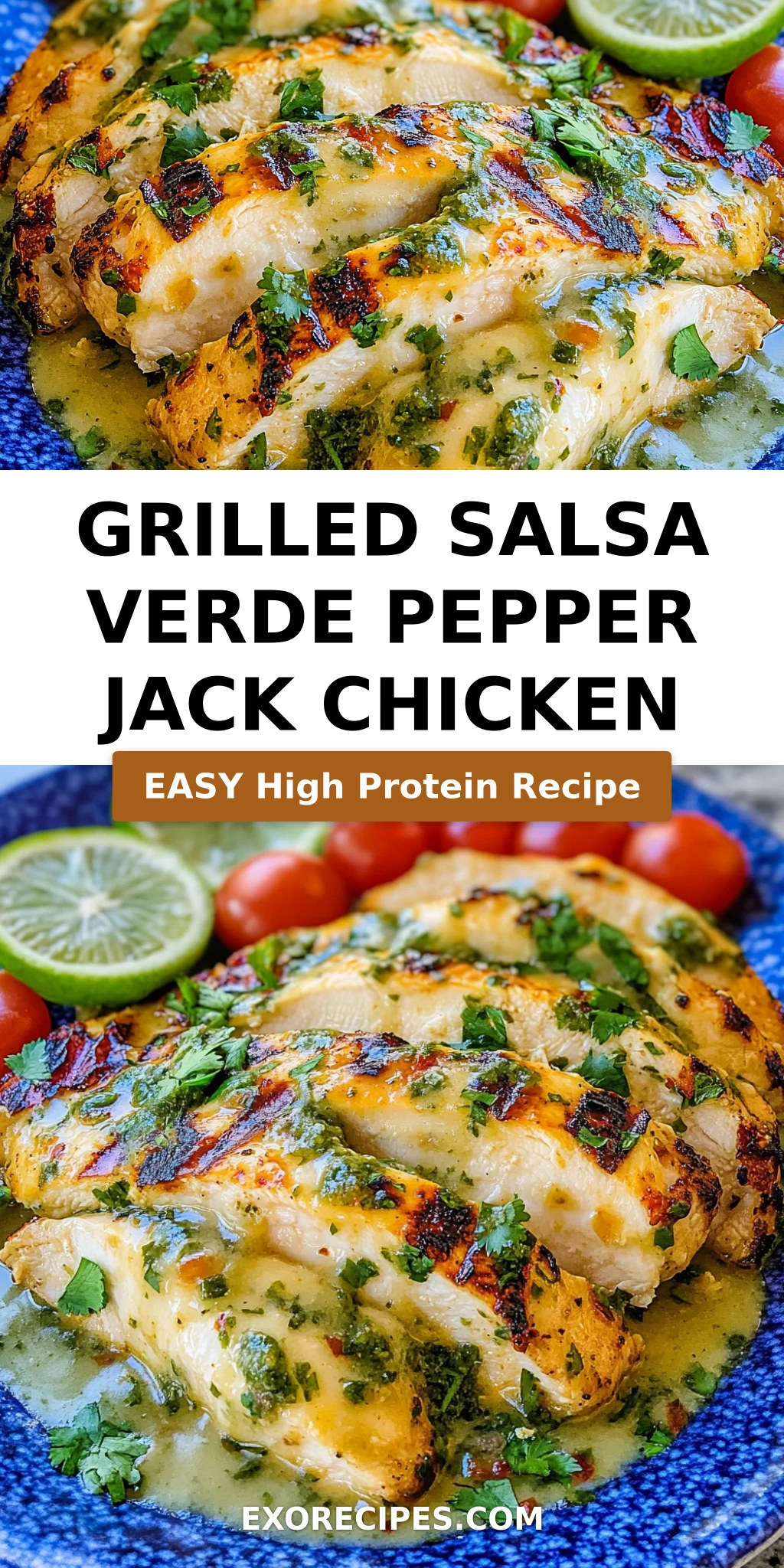
Grilled Salsa Verde Pepper Jack Chicken – Tangy, Spicy, Cheesy, and Ready in 30 Minutes

⚖️
Difficulty
Easy
⏲️
Prep Time
10 mins
🕒
Cook Time
10 mins
⏱️
Total Time
20 mins
🍽️
Servings
4

I still remember the first time I made this Grilled Salsa Verde Pepper Jack Chicken — it was a sweltering July evening in my tiny Paris apartment, and I was craving the bright, tangy flavors of my mother’s North African table but needed something that screamed summer. I had a jar of salsa verde from a local market, some leftover pepper Jack cheese from a dinner party, and thin-sliced chicken breasts that were begging for a quick marinade. Twenty minutes later, I had the most impossibly juicy, flavorful chicken of my life — and this Salsa Verde Chicken Recipe was born. That night, standing over my humble balcony grill, I knew I had stumbled onto something special. The cumin and lime in the marinade echoed the chermoula my mom used to make, while the melted pepper Jack brought a creamy, spicy finish that felt utterly New York. This cheesy grilled chicken is now a staple in my NYC kitchen, and I am so excited to share it with you.

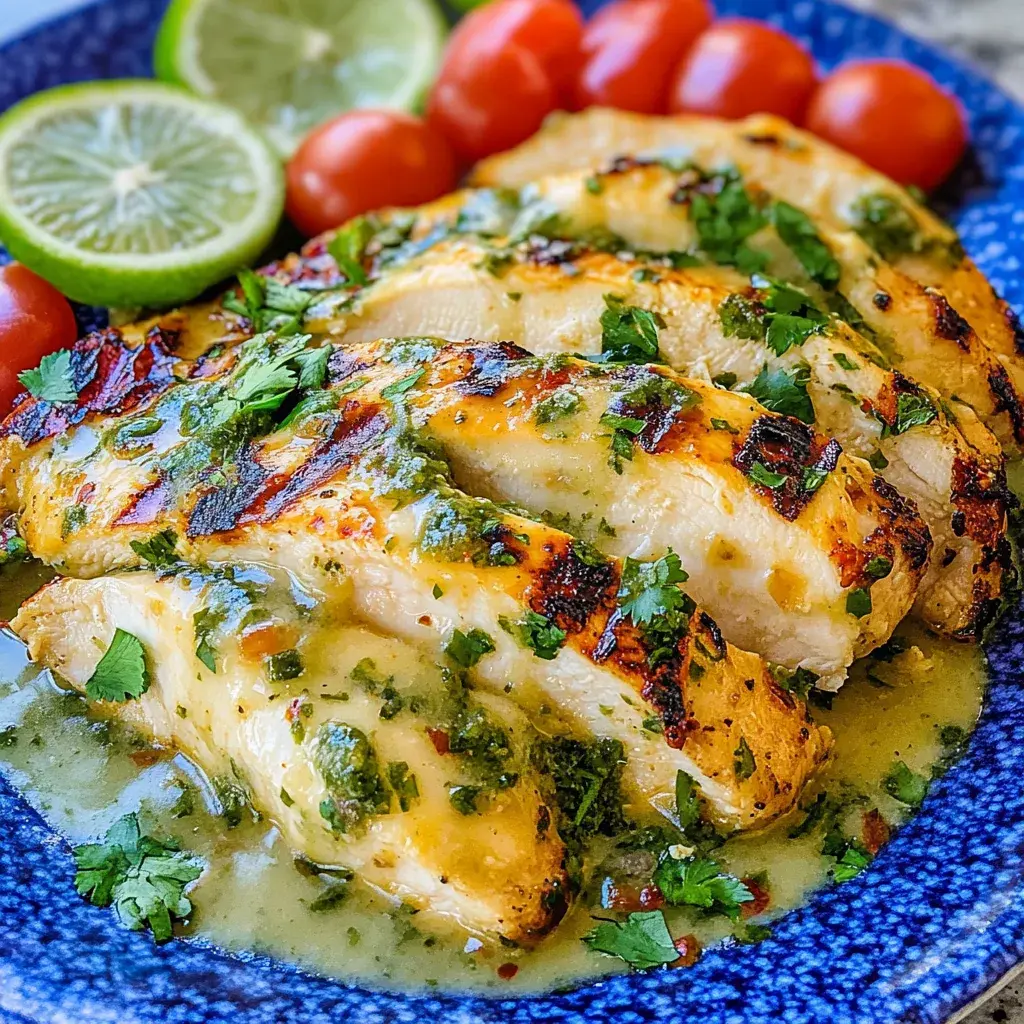
Let me paint the picture for you: the chicken hits the hot grill with a sizzle, and within seconds the salsa verde marinade starts caramelizing, creating those gorgeous dark grill marks that promise deep, smoky flavor. As you flip each breast, the aroma of toasted cumin and charred lime fills the air — it is the kind of smell that makes neighbors peer over fences. During the final minute, you lay a slice of pepper Jack cheese on each piece and close the lid. When you open it again, the cheese is perfectly melted, slightly golden at the edges, stretching as you lift the chicken from the grates. The first bite gives you that tangy-pop from the salsa verde, followed by a warm, milky heat from the cheese, and then the earthy cumin lingers on your tongue. It is bold, it is bright, and it is utterly satisfying — the kind of dinner that makes you close your eyes and just enjoy.

What I love most about this Pepper Jack Chicken recipe is how it brings together everything I have learned in my culinary journey — the vibrant, fresh marinades of my Moroccan childhood, the precise grilling techniques I mastered in French kitchens, and the bold, unapologetic flavor combinations I have come to adore in New York. My version uses a quick 30-minute marinade (no all-day planning needed!), thin-sliced breasts for even cooking, and a simple trick of adding the cheese during the last minute so it melts perfectly without burning. Plus, I am sharing my go-to store-bought salsa verde shortcut that saves time without sacrificing flavor. Whether you are a seasoned griller or a total beginner, this recipe is foolproof. Let me show you exactly how to make it. 💡 mia’s Pro Tip: Do not skip the marinating time — even 30 minutes makes a huge difference in flavor penetration and tenderness. Your patience will be rewarded!

Why This Grilled Salsa Verde Pepper Jack Chicken Recipe Is the Best

The secret to this dish lies in the marinade — a vibrant blend of salsa verde, olive oil, fresh lime juice, and toasted cumin that does double duty. First, the acidity from the tomatillos and lime gently tenderizes the chicken, making every bite incredibly juicy. Second, the cumin and salsa verde create a complex, layered flavor that tastes like you spent hours in the kitchen, when really it comes together in minutes. I learned this balance of acid and spice in Paris, where we used similar techniques for poulet grillé. The cumin adds an earthy warmth that anchors the bright, tangy salsa — it is the same principle my mother used when making her lamb tagine, just adapted for the grill.

Texture is everything with grilled chicken, and this recipe delivers every time. By using thin-sliced breasts, you eliminate the risk of dry, overcooked exterior and raw interior — they cook evenly in just 4-5 minutes per side. The high heat of a medium-hot grill creates a beautiful char on the outside while keeping the inside tender and moist. And that pepper Jack cheese melted in the last minute? It forms a protective layer that locks in the juices while adding that irresistible, stretchy, slightly spicy crown. I have tested this with regular chicken breasts that I pounded thin myself, and pre-sliced thin cutlets — both work beautifully.

This Salsa Verde Chicken Recipe is also wonderfully forgiving. The marinade is incredibly forgiving — if you marinate for 30 minutes or 2 hours, the chicken will be delicious either way. The thin cutlets cook fast, so there is no complicated timing. And because the cheese does all the heavy lifting for presentation, you do not need fancy plating skills. It is the kind of weeknight dinner that looks and tastes like a weekend splurge. ⚠️ Common Mistake to Avoid: Do not add the cheese too early! If you put it on at the start of grilling, the cheese will burn and slide off before the chicken is cooked through. Always add it during the very last minute of cooking.

Grilled Salsa Verde Pepper Jack Chicken Ingredients

I picked up most of these ingredients this morning at the Union Square Greenmarket and my local Trader Joe’s. The salsa verde from Trader Joe’s is my absolute favorite for this recipe — it has a bright, tangy flavor with just the right amount of heat. The cilantro I buy from a little farm stand run by a lovely couple from upstate New York. And the pepper Jack cheese? I get that from Murray’s Cheese in the West Village — they have an excellent house-made version with just enough jalapeño kick. Every ingredient here is easy to find at any US grocery store, so do not worry if you do not have a fancy cheese shop nearby. Let me walk you through what you will need.

Ingredients List

  • 1 ½ pounds thin-sliced boneless skinless chicken breasts (about 4 breasts)
  • 12 ounces salsa verde (Trader Joe’s recommended)
  • 3 tablespoons olive oil
  • 2 tablespoons lime juice (freshly squeezed, about 1 lime)
  • 1 teaspoon cumin
  • 1 teaspoon salt (or more, to taste)
  • 1 teaspoon freshly ground black pepper
  • 4 slices pepper Jack cheese (or as desired)
  • Fresh cilantro, finely minced (optional, for garnishing)
  • Lime wedges (optional, for serving)

Ingredient Spotlight

Salsa Verde — This is the heart of the dish. Tomatillo-based salsa verde has a bright, citrusy tang that marries beautifully with the cumin and lime. I recommend Trader Joe’s for its balanced flavor and smooth consistency, but any good-quality store-bought brand works. Look for one that lists tomatillos as the first ingredient and has no added sugar. If you want to make your own, roast 1 pound of tomatillos, 2 jalapeños, and half an onion at 400°F for 15 minutes, then blend with cilantro and salt.

Pepper Jack Cheese — This cheese brings the creamy, spicy finish. Pepper Jack is a Monterey Jack cheese studded with jalapeño and habanero peppers, giving it a mild heat that does not overpower the salsa verde. For the best melting, use deli-sliced cheese rather than pre-shredded, which contains anti-caking agents that prevent smooth melting. If you want less heat, use regular Monterey Jack or a mild provolone.

Cumin — This warm, earthy spice is the secret bridge between the salsa verde and the cheese. It adds depth and a subtle smokiness that reminds me of the Moroccan spice blends my mother used. Always toast your cumin in a dry pan for 30 seconds before adding it to the marinade — it unlocks a whole new level of flavor. If you do not have cumin, ground coriander makes a surprisingly good substitute.

Original IngredientBest SubstitutionFlavor / Texture Impact
Salsa VerdeTomatillo Salsa (homemade)Fresher, more vibrant flavor; may be chunkier
Pepper Jack CheeseMonterey Jack + pickled jalapeñosMilder heat, same creamy melt; add jalapeños for spice
CuminGround CorianderMore citrusy, less earthy — still delicious
Lime JuiceLemon Juice + splash of white vinegarSlightly less floral, still bright and acidic
Olive OilAvocado OilNeutral flavor, same cooking properties

How to Make Grilled Salsa Verde Pepper Jack Chicken — Step-by-Step

Trust me, if you can whisk together a marinade and flip a piece of chicken on the grill, you have all the skills you need. This is one of those recipes that looks impressive but is almost embarrassingly simple. Let me walk you through each step with the exact visual cues and timing I use in my own kitchen.

Step 1: Make the Marinade

In a large bowl, combine 12 ounces of salsa verde, 3 tablespoons of olive oil, 2 tablespoons of freshly squeezed lime juice, 1 teaspoon of cumin, 1 teaspoon of salt, and 1 teaspoon of black pepper. Whisk everything together until the cumin is fully dissolved and the marinade looks smooth and uniform. Give it a quick taste — it should be tangy, slightly spicy, and well-seasoned.

💡 mia’s Pro Tip: Always taste your salsa verde before mixing. Some brands are saltier than others, so you may need to adjust your salt accordingly. If your salsa is very thin, add an extra tablespoon of olive oil to help the marinade coat the chicken better.

Step 2: Marinate the Chicken

Add the 1½ pounds of thin-sliced chicken breasts to the bowl and toss well, making sure every piece is evenly coated. Cover the bowl with plastic wrap or a lid and refrigerate for at least 30 minutes, or up to 2 hours. Do not marinate longer than 2 hours — the acid from the tomatillos and lime can start to break down the protein too much, making the chicken mushy.

⚠️ Common Mistake to Avoid: Over-marinating is the biggest pitfall here. If you leave the chicken in for more than 2 hours, the texture will become soft and almost mealy. Set a timer! I cannot tell you how many times I have nearly forgotten a batch in the fridge.

Step 3: Preheat the Grill

Preheat your grill to medium-high heat, about 400-450°F. If using a gas grill, close the lid and let it heat for 10-15 minutes. For a charcoal grill, wait until the coals are covered with white ash and you can hold your hand 5 inches above the grate for only 3-4 seconds. Clean the grates well and oil them lightly with a paper towel dipped in vegetable oil to prevent sticking.

💡 mia’s Pro Tip: A clean, well-oiled grill grate is the difference between beautiful grill marks and a stuck, torn piece of chicken. Use a grill brush right before oiling, and use tongs to rub the oiled towel across the grates. This is a technique I learned at Le Cordon Bleu — it works every time.

Step 4: Grill the Chicken

Remove the chicken from the marinade, letting any excess drip off, and discard the remaining marinade. Place the chicken on the hot grill in a single layer, making sure the pieces are not touching. Grill for 4-5 minutes on the first side without moving them — you want those deep golden marks. Flip and grill for another 4-5 minutes, or until the internal temperature reaches 165°F when tested with an instant-read thermometer.

⚠️ Common Mistake to Avoid: Resist the urge to move the chicken around on the grill! Let it sit and develop a crust. If you try to flip too early, the chicken will stick. When it is ready, the meat will release easily from the grates. Trust the process.

Step 5: Melt the Cheese

During the last minute of grilling, place a slice of pepper Jack cheese on each chicken breast. Close the grill lid immediately and let the cheese melt for about 60 seconds. The cheese should be fully melted, slightly bubbling, and starting to turn golden at the edges. Do not leave it longer than 90 seconds or the cheese may burn.

💡 mia’s Pro Tip: If your cheese is not melting as quickly as you would like, you can tent a piece of aluminum foil over the chicken to trap the heat. This works especially well if your grill lid does not seal tightly. Also, take the cheese out of the fridge 10 minutes before grilling so it is at room temperature — it will melt faster and more evenly.

Step 6: Rest and Serve

Using a spatula, carefully transfer the chicken to a clean platter. Let it rest for 3-5 minutes — this allows the juices to redistribute throughout the meat so every bite is tender and moist. Garnish with freshly minced cilantro and serve with lime wedges on the side for an extra squeeze of brightness.

⚠️ Common Mistake to Avoid: Skipping the rest is a classic mistake. If you cut into the chicken immediately, all those delicious juices will run out onto the cutting board and leave you with dry meat. Three minutes is all it takes — I promise it is worth the wait.

StepActionDurationKey Visual Cue
1Make marinade5 minsSmooth, well-combined, no dry cumin specks
2Marinate chicken30-120 minsChicken is fully coated; no pink spots visible
3Preheat grill10-15 minsGrill is hot; hand test: 3-4 seconds at 5 inches
4Grill first side4-5 minsDeep golden grill marks; edges look opaque
5Flip and grill3-4 minsInternal temp 165°F; juices run clear
6Add cheeseLast 60-90 secsCheese is melted, bubbly, golden at edges
7Rest & serve3-5 minsChicken is firm to touch; cheese stays intact

Serving & Presentation

When I serve this Grilled Salsa Verde Pepper Jack Chicken, I like to keep things vibrant and fresh — a reflection of the colorful markets I visited as a child in Marrakech and the elegant simplicity I learned in Paris. Place each chicken breast on a warm dinner plate with the melted cheese side up, then scatter a generous handful of fresh, finely minced cilantro over the top. The bright green flecks against the golden cheese and charred chicken are absolutely stunning. Add two lime wedges on the side so everyone can squeeze fresh lime juice over their portion — that final hit of acidity brightens every bite and ties back to the marinade beautifully.

For a complete meal, I love pairing this chicken with sides that complement its bold, tangy-spicy profile. A simple Mexican street corn salad — grilled corn kernels tossed with cotija cheese, lime, and a pinch of chili powder — is my go-to in the summer. In the cooler months, I serve it with cilantro lime rice or warm corn tortillas for making tacos. A crisp, peppery arugula salad with thinly sliced radishes and a simple vinaigrette cuts through the richness of the cheese beautifully. And if you want to go full NYC foodie, serve it with elote-style grilled potatoes — trust me, it is a game-changer.

Pairing TypeSuggestionsWhy It Works
Side DishCilantro lime rice, Mexican street corn salad, grilled elote potatoesBright, herby sides echo the salsa verde and cilantro; corn adds sweetness
Sauce / DipExtra salsa verde, crema fresca, avocado cremaCooling dairy or extra tang complements the spicy cheese
BeverageMexican lager (Modelo, Pacifico), margarita, sparkling water with limeCrisp, cold drinks cut through the cheese and spice
GarnishFresh cilantro, lime wedges, sliced jalapeño, pickled red onionsAdds freshness, acidity, and visual pop

Make-Ahead, Storage & Reheating

Living in NYC means my schedule is always packed — between recipe testing, exploring new restaurants, and teaching the occasional cooking class, I rely on smart meal prep to keep my kitchen running smoothly. This Grilled Salsa Verde Pepper Jack Chicken is one of my favorite recipes to prep ahead because it stores beautifully and reheats like a dream. Here is exactly how I do it.

MethodContainerDurationReheating Tip
RefrigeratorAirtight container, layered with parchmentUp to 4 daysReheat in a 350°F oven for 10 mins; add a splash of water to tray
FreezerFreezer-safe bag or container (remove cheese first)Up to 2 monthsThaw overnight; add fresh cheese before reheating in oven
Make-AheadMarinate in a sealed bag in the fridgeUp to 2 hours before grillingTake out 15 mins before grilling to take the chill off

My preferred method for reheating leftovers is actually the oven — it brings back that freshly grilled texture without drying out the chicken. Preheat your oven to 350°F, place the chicken in a baking dish with a splash of chicken broth or water in the bottom, cover with foil, and bake for 8-10 minutes. The steam from the liquid keeps the chicken moist while the cheese melts again beautifully. If you are in a rush, you can use a microwave, but be warned — the cheese will turn rubbery and the chicken may become tough. For best results, slice the leftover chicken and use it in tacos, salads, or quesadillas the next day. I often make extra just so I can have leftovers for lunch!

💡 mia’s Pro Tip: If you plan to freeze this dish, I recommend freezing the grilled chicken without the cheese. Wrap each piece individually in plastic wrap, then place them in a freezer bag. When you reheat, add a fresh slice of pepper Jack cheese during the last 2 minutes of reheating — it tastes just like you grilled it fresh.

Variations & Easy Swaps

One of the things I love most about this Cheesy Grilled Chicken recipe is how endlessly adaptable it is. Over the years, I have tested dozens of variations — some inspired by my Moroccan roots, some by seasonal farmers market finds, and some by reader requests. Here are my three favorite ways to change it up, each one just as delicious as the original.

VariationKey ChangeBest ForDifficulty Impact
Moroccan Chermoula StyleReplace salsa verde with chermoula (cilantro, parsley, garlic, lemon, paprika, cumin)Herb lovers, North African flavor fansEasy (same method)
Dairy-Free / VeganUse dairy-free pepper Jack or cashew-based queso; add avocado for creaminessDairy-sensitive, plant-based eatersEasy (swap only)
Spicy Mango HabaneroUse mango habanero salsa; top with cotija cheeseSweet-heat lovers, summer grillingEasy (swap only)

Moroccan Chermoula Style

This variation takes me straight back to my mother’s kitchen in Marrakech. Instead of salsa verde, make a quick chermoula by blending 1 cup of fresh cilantro, ½ cup of fresh parsley, 4 cloves of garlic, the juice of 2 lemons, 1 teaspoon of cumin, 1 teaspoon of paprika, ½ teaspoon of salt, and ½ cup of olive oil. Use this as the marinade exactly as you would the salsa verde version. The chermoula is incredibly fragrant — more herbal and garlicky than the salsa verde, with a bright lemon finish. Top with the same pepper Jack cheese, and you have a fusion dish that bridges North Africa and America beautifully.

Dairy-Free / Vegan Option

For my dairy-sensitive and plant-based readers, this recipe adapts wonderfully. Use a store-bought dairy-free pepper Jack cheese — I like the ones from Violife or Daiya — or make a simple cashew queso by blending soaked cashews with nutritional yeast, salsa verde, and a pinch of chili flakes. If you are skipping cheese entirely, add half an avocado to each serving for creaminess. The marinade itself is naturally dairy-free, so the only change is the topping. The chicken will still be juicy and flavorful, and the avocado adds a lovely cooling richness that balances the tangy salsa.

Spicy Mango Habanero

When I find gorgeous mangoes at the Union Square market in late summer, I love making this sweet-and-spicy twist. Swap the salsa verde for a mango habanero salsa — store-bought or homemade. The sweetness of the mango caramelizes beautifully on the grill, creating a sticky, glossy glaze on the chicken. For the cheese, I use crumbled cotija or queso fresco instead of pepper Jack, since the mango salsa already brings plenty of heat from the habaneros. This version is incredible served with black bean salad and grilled pineapple. It is a total crowd-pleaser at summer BBQs.

How long should I grill salsa verde pepper jack chicken to ensure it’s fully cooked?

For thin-sliced boneless skinless chicken breasts (about ½ inch thick), grill for 4-5 minutes on the first side, then flip and grill for another 4-5 minutes. The total cook time is approximately 8-10 minutes. To be absolutely certain the chicken is fully cooked, use an instant-read thermometer inserted into the thickest part of the breast — it should register 165°F. Visual cues include clear juices (not pink) and firm, opaque flesh all the way through. If your chicken breasts are thicker (more than ¾ inch), you may need to increase the cooking time by 1-2 minutes per side, or pound them to an even thickness before marinating.

Can I use store-bought salsa verde for this grilled chicken recipe?

Absolutely — and I actually recommend it! Store-bought salsa verde is a fantastic time-saver that delivers consistent, bright flavor every time. My personal favorite is Trader Joe’s brand because it has a well-balanced tanginess, a smooth consistency that coats the chicken beautifully, and just the right amount of heat without being overwhelming. Other excellent options include Herdez Salsa Verde (widely available in most US grocery stores) and Frontera Tomatillo Salsa. When choosing a store-bought salsa verde, look for one that lists tomatillos as the first ingredient and avoids added sugar or artificial flavors. The acidity from the tomatillos is essential for tenderizing the chicken, so do not worry if the salsa is a bit tangy — that is exactly what you want!

What side dishes pair best with grilled salsa verde pepper jack chicken?

This cheesy grilled chicken is incredibly versatile and pairs beautifully with a wide range of side dishes. My top recommendations include: cilantro lime rice (the citrus and herbs echo the marinade), Mexican street corn salad (grilled corn with cotija cheese, lime, and chili powder), warm corn tortillas for making tacos, a crisp arugula salad with radishes and a simple vinaigrette, black beans seasoned with cumin and garlic, or grilled vegetables like zucchini and bell peppers. For a heartier meal, serve it with elote-style grilled potatoes or a warm quinoa salad with avocado and cherry tomatoes. In my NYC kitchen, I often serve it with a side of refried beans and a fresh tomato salsa for a complete, satisfying dinner that comes together in under 30 minutes.

Can I substitute pepper jack cheese with another cheese for this recipe?

Yes, you can absolutely substitute pepper Jack cheese with other cheeses, and each substitution will give you a different but equally delicious result. For a milder heat, use regular Monterey Jack — it melts beautifully and has a creamy, buttery flavor. For a more pronounced cheese flavor, try provolone or aged gouda. For a smoky twist, smoked mozzarella or smoked cheddar adds an incredible depth that pairs wonderfully with the grilled char. If you want to keep the spicy kick but prefer a different cheese, use habanero cheddar or jalapeño Monterey Jack. For dairy-free options, Violife makes an excellent dairy-free pepper Jack that melts surprisingly well, or you can use a cashew-based queso fresco. The key is to use a cheese that melts well — avoid hard, aged cheeses like Parmesan, and always use sliced cheese rather than shredded for even melting.

Can I make this grilled salsa verde pepper jack chicken in the oven or on a stovetop?

Absolutely! While grilling gives you that wonderful smoky char, this recipe works beautifully indoors too. For stovetop cooking, heat a cast-iron skillet or grill pan over medium-high heat, add a drizzle of oil, and cook the marinated chicken for 4-5 minutes per side. Add the cheese during the last minute, cover the pan with a lid, and let it melt. For oven baking, preheat to 400°F, place the chicken on a foil-lined baking sheet, and bake for 15-18 minutes, adding the cheese during the last 3 minutes. For extra browning, you can finish under the broiler for 1-2 minutes. The stovetop method gives you the closest texture to grilled chicken, while the oven is the most hands-off option. Whichever method you choose, the flavor will still be bright, tangy, and delicious.

How do I prevent the chicken from sticking to the grill?

Preventing chicken from sticking to the grill is all about preparation and patience. First, make sure your grill grates are clean — use a grill brush to remove any residue from previous cooks. Second, oil the grates thoroughly: dip a paper towel in vegetable oil (use high-smoke-point oil like canola or avocado oil), hold it with tongs, and rub it across the hot grates. Third, make sure your chicken is dry on the surface before grilling — shake off excess marinade so the chicken can develop a good sear. Fourth, do not move the chicken too early! Let it cook undisturbed for 4-5 minutes on the first side. When the chicken is ready to flip, it will release easily from the grates. If it sticks, give it another 30-60 seconds and try again. And finally, make sure the grill is at the right temperature — medium-high heat (400-450°F) creates a good sear without burning.

Can I use chicken thighs instead of chicken breasts for this recipe?

Yes, chicken thighs work wonderfully in this recipe! Boneless skinless chicken thighs are actually more forgiving than breasts — they have a higher fat content, which means they stay juicy even if you accidentally overcook them slightly. Use about 1½ pounds of boneless skinless chicken thighs (about 6-8 thighs). The cooking time will be slightly longer: grill for 5-6 minutes per side, or until the internal temperature reaches 175-185°F (thighs are best when cooked to a slightly higher temperature than breasts, which helps break down connective tissue and keeps them tender). The marinade and cheese topping work exactly the same way. Thighs also have a richer, more robust flavor that stands up beautifully to the bold salsa verde and pepper Jack cheese.

How do I store and reheat leftover grilled salsa verde pepper jack chicken?

Leftover Grilled Salsa Verde Pepper Jack Chicken stores beautifully and can be enjoyed in many ways. For refrigerator storage, place the cooled chicken in an airtight container, layered with parchment paper to prevent the cheese from sticking, and keep it for up to 4 days. For reheating, the oven is your best option: preheat to 350°F, place the chicken in a baking dish with a splash of chicken broth or water, cover with foil, and heat for 8-10 minutes. This method keeps the chicken moist and re-melts the cheese without making it tough. For a quick lunch, I often slice the cold chicken and use it in salads, tacos, quesadillas, or on top of a grain bowl. If you need to reheat in a microwave, do it in 30-second bursts at 50% power to avoid rubbery cheese. For freezer storage, I recommend freezing the chicken without the cheese, then adding fresh cheese when reheating.

What if my salsa verde is too spicy for my family — how can I adjust the heat?

If your salsa verde is too spicy, there are several easy ways to dial back the heat without sacrificing flavor. First, choose a mild salsa verde — brands like Herdez offer a “mild” version that has all the tangy tomatillo flavor with very little heat. Second, you can mix the salsa verde with a mild green tomatillo sauce or even a bit of Greek yogurt or sour cream to tone down the spice while keeping the acidity. Third, balance the heat with sweetness — add an extra teaspoon of honey or agave to the marinade, which will also help with caramelization on the grill. Fourth, use a milder cheese like regular Monterey Jack instead of pepper Jack to avoid adding extra heat from the cheese. And finally, serve with cooling accompaniments like sour cream, avocado, or a cucumber-yogurt sauce — these creamy elements will help temper any lingering spice for those who are sensitive.

Can I prepare the marinade ahead of time for meal prep?

Yes, absolutely — the marinade can be prepared up to 3 days in advance and stored in an airtight container in the refrigerator. In fact, I often make a double batch on Sunday so I have it ready for quick weeknight dinners. Simply combine the salsa verde, olive oil, lime juice, cumin, salt, and pepper in a jar or bowl, whisk well, and refrigerate. When you are ready to use it, give it a good stir or shake, then pour it over the chicken. The flavors actually meld and deepen over time, so the marinade tastes even better after a day or two. One note: if you want to use the marinade as a sauce for serving later, set aside a portion before adding the raw chicken to avoid cross-contamination. I recommend reserving about ¼ cup of the marinade separately if you plan to drizzle it over the finished dish.

Share Your Version!

I absolutely love hearing how these recipes come to life in your own kitchens. Have you tried this Grilled Salsa Verde Pepper Jack Chicken? Did you use the Trader Joe’s salsa verde I recommended, or did you go with a different brand? Did you try one of the variations — the Moroccan chermoula version, the dairy-free swap, or the spicy mango habanero twist? Or maybe you came up with your own creative spin? I would love to hear all about it!

Please leave a star rating and a comment below to let me know how it turned out. Your feedback helps other home cooks decide if this recipe is right for them, and it truly makes my day to see your photos and read your stories. If you share a photo on Instagram or Pinterest, tag @exorecipes and use the hashtag #exorecipes — I make it a point to feature my favorite creations on my stories. And here is a question for you: what is your go-to summer side dish for grilled chicken? I am always looking for new inspiration from this wonderful community!

From my NYC kitchen to yours — I hope this recipe brings as much warmth to your table as it does to mine. — mia 🧡
📌

Love This Recipe? Save It to Pinterest!

If you enjoyed this Grilled Salsa Verde Pepper Jack Chicken recipe, don’t let it get lost in your browser tabs! 😄 Pin it now so you can find it again anytime — and explore hundreds more tried-and-tested recipes waiting for you on my Pinterest boards.

👉 Follow mia on Pinterest @chefrecipes2

📌 Pin this recipe · 🔁 Re-pin your favorites · 💬 Tag me when you make it — I love seeing your creations!

Print

clock clock iconcutlery cutlery iconflag flag iconfolder folder iconinstagram instagram iconpinterest pinterest iconfacebook facebook iconprint print iconsquares squares iconheart heart iconheart solid heart solid icon

Grilled Salsa Verde Pepper Jack Chicken

  • Author: Chef Mia

Description

This vibrant and flavorful grilled chicken is marinated in a tangy salsa verde with a kick of cumin and lime, then topped with melted pepper Jack cheese for a spicy, cheesy finish. Perfect for a quick and delicious meal!


Ingredients

Scale
  • 1 ½ pounds thin-sliced boneless skinless chicken breasts (about 4 breasts)
  • 12 ounces salsa verde (Trader Joes recommended)
  • 3 tablespoons olive oil
  • 2 tablespoons lime juice
  • 1 teaspoon cumin
  • 1 teaspoon salt (or more, to taste)
  • 1 teaspoon freshly ground black pepper
  • 4 slices pepper Jack cheese (or as desired)
  • Fresh cilantro, finely minced (optional, for garnishing)
  • Lime wedges (optional, for serving)

Instructions

  1. In a large bowl, combine salsa verde, olive oil, lime juice, cumin, salt, and black pepper.
  2. Add the chicken breasts to the bowl and toss to coat evenly with the marinade. Cover and refrigerate for at least 30 minutes, or up to 2 hours.
  3. Preheat the grill to medium-high heat.
  4. Remove the chicken from the marinade and discard any remaining marinade.
  5. Grill the chicken for 4-5 minutes per side, or until fully cooked through (internal temperature of 165°F).
  6. During the last minute of grilling, place a slice of pepper Jack cheese on each chicken breast and close the grill lid to melt the cheese.
  7. Remove the chicken from the grill and let rest for a few minutes.
  8. Garnish with fresh cilantro and serve with lime wedges, if desired.


Grilled Salsa Verde Pepper Jack Chicken

k">

Tried This Recipe? Leave a Comment!

Did you make this recipe? I’d love to hear how it turned out! Please leave a comment and a rating below. Your feedback helps other home cooks and supports cheerychop.com!
For more delicious inspiration, follow me on Pinterest!

⚖️
Difficulty
Easy
⏲️
Prep Time
15 mins
🕒
Cook Time
35 mins
⏱️
Total Time
50 mins
🍽️
Servings
9 bars

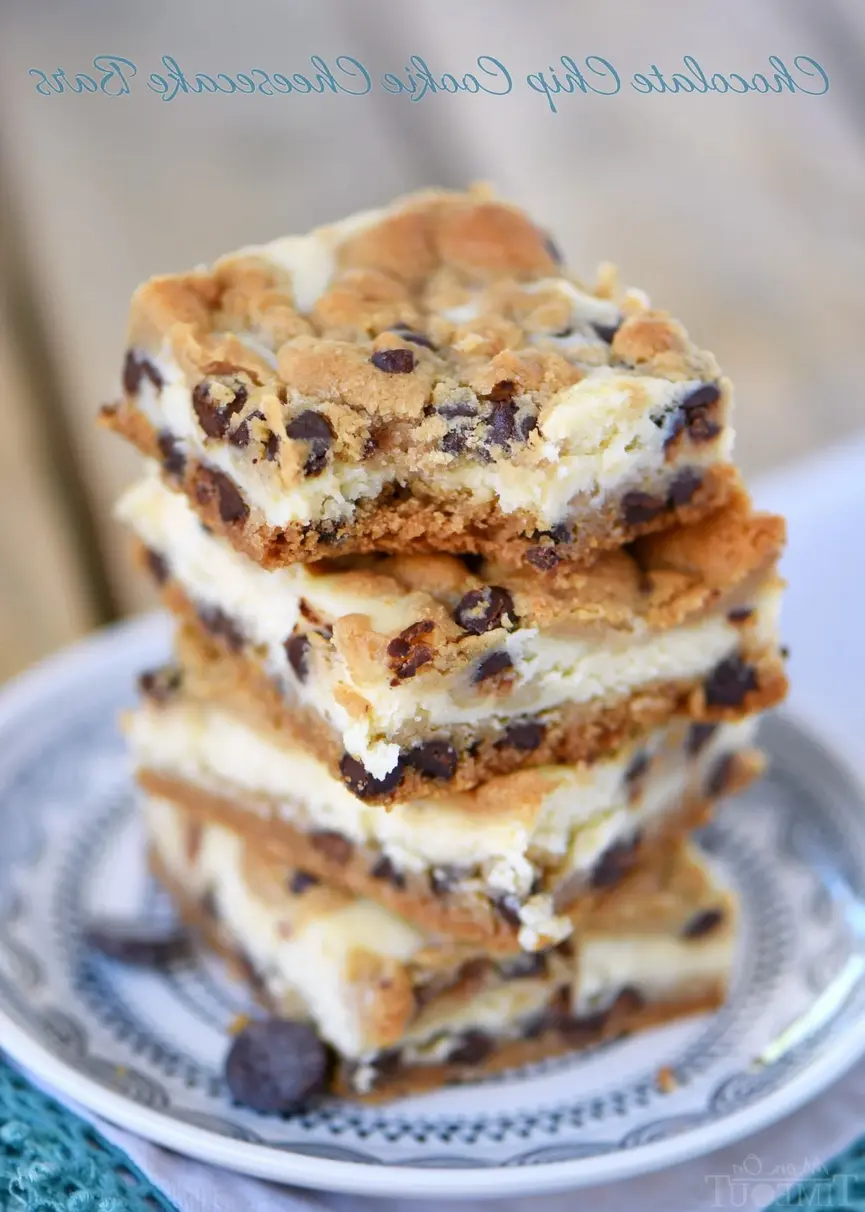
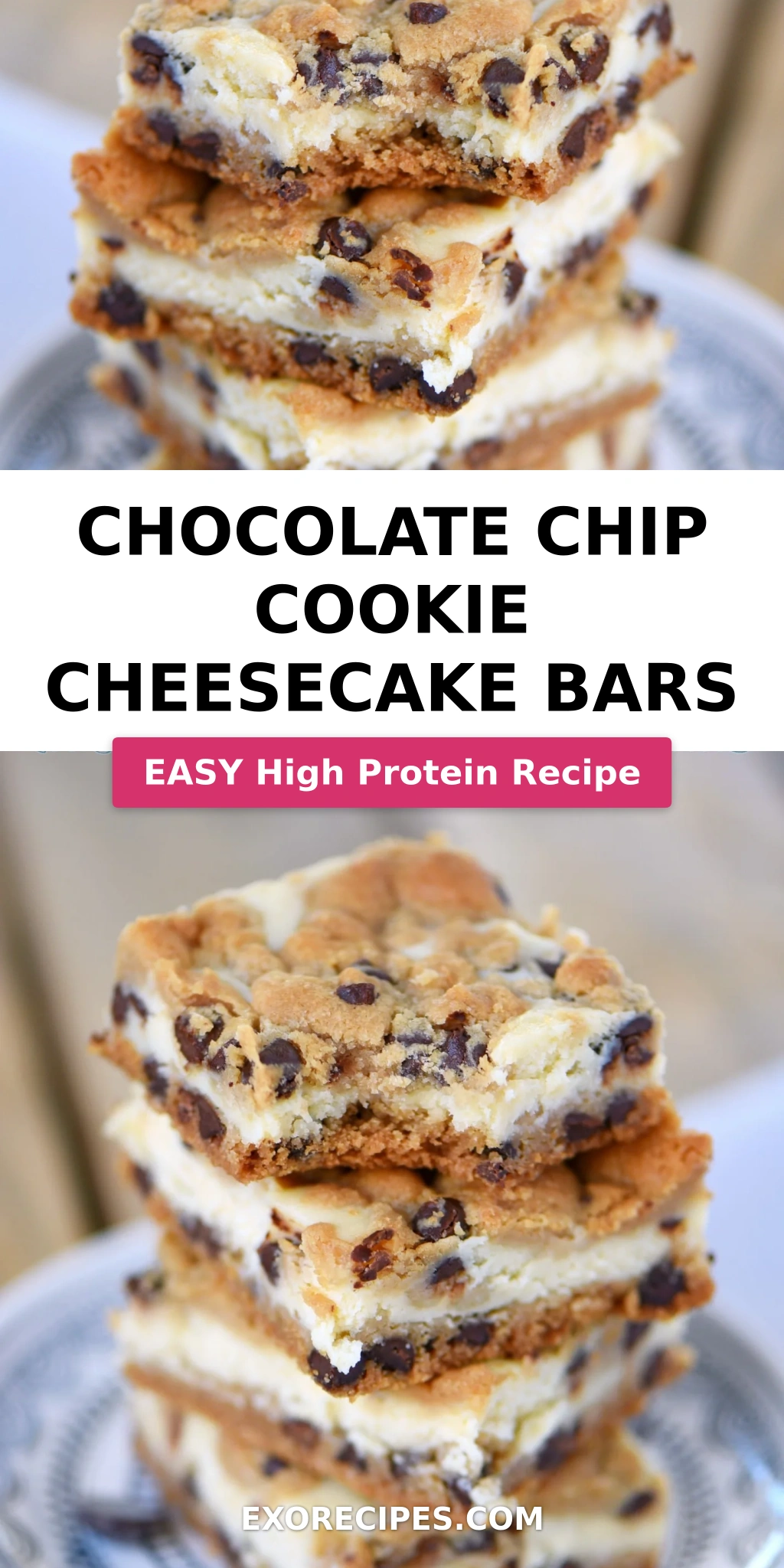
Growing up in Morocco, my mother always said that the best desserts are the ones that bring people together without a lot of fuss. These Chocolate Chip Cookie Cheesecake Bars are exactly that — a dreamy, no-fuss dessert that layers two beloved treats into one irresistible bar. With just five ingredients and a clever shortcut using refrigerated cookie dough, this easy cheesecake bars recipe delivers all the creamy, crunchy, chocolatey goodness you crave without spending hours in the kitchen. It’s the kind of dessert I make when I want to impress guests at my NYC dinner parties but still have time to actually enjoy the evening.

Imagine sinking your teeth into a buttery, golden cookie base that gives way to a luxuriously smooth cheesecake filling, all topped with crumbled cookie dough that bakes into crisp, caramelized bits. Each bite offers a perfect contrast — the slight tang of cream cheese mellowed by vanilla and sugar, punctuated by pockets of melted chocolate chips from the dough. It’s the same comforting contrast I fell in love with at a patisserie in Paris, where they layered shortbread with fromage blanc. I’ve reimagined that memory here using ingredients you can find at any US grocery store, making this chocolate chip cookie cheesecake recipe as accessible as it is indulgent.

What sets my version apart is the technique: par-baking the cookie base ever so slightly so it stays crisp against the creamy cheesecake layer — a trick I learned during my pastry training in Paris. I’ll also share my foolproof method for cutting clean bars every single time, plus a common mistake that can turn your cheesecake layer rubbery. Whether you’re a seasoned baker or someone who’s never made cheesecake before, these cookie cheesecake dessert bars are practically guaranteed to turn out beautifully. Trust me — your family is going to ask for this one again and again.

The Flavor Secret. Using refrigerated chocolate chip cookie dough as both the crust and the topping isn’t just a shortcut — it’s a flavor powerhouse. The pre-made dough is formulated with the perfect balance of brown and granulated sugar, giving the bars a deep caramelized sweetness that complements the tangy cheesecake layer beautifully. My training in French pastry taught me the importance of contrast, and here the sweet, buttery cookie base plays off the cool, creamy cheesecake filling in the most satisfying way.

Perfected Texture. The key to great cheesecake bars is a silky, lump-free filling that bakes up dense yet creamy. By beating the cream cheese alone first until it’s light and fluffy — a classic French technique — you ensure there are no lumps before adding the sugar and egg. This extra minute of mixing is the difference between a grainy filling and a velvety one. The crumbled cookie topping bakes into crunchy, golden clusters, while the base stays firm enough to hold the bar together.

Foolproof & Fast. This easy cheesecake bars recipe requires zero fancy equipment, no water bath, and no complicated steps. It’s designed for real life — busy weeknights, last-minute potlucks, and moments when you need a showstopper dessert without the stress. The ingredients are pantry-friendly and the technique is forgiving. Even if you over-bake slightly, the cookie layers provide enough moisture and structure to keep the bars delicious. I’ve tested this recipe a dozen times in my tiny NYC kitchen, and it works every single time.

I love that I can grab almost everything for this chocolate chip cookie cheesecake recipe from my local bodega on the Upper West Side. The refrigerated cookie dough is the hero ingredient — it’s what keeps this recipe blessedly simple while still delivering that homemade taste I insist on. When I was training in Paris, I learned that the best desserts honor their ingredients, and here each of the five components plays a distinct role.

Ingredients List

  • 1 (18 oz) roll refrigerated chocolate chip cookie dough
  • 8 oz cream cheese, softened
  • 1/2 cup granulated sugar
  • 1 large egg, room temperature
  • 1/2 tsp vanilla extract

Ingredient Spotlight

Refrigerated Chocolate Chip Cookie Dough. This is the backbone of the recipe. I recommend using a good-quality brand like Pillsbury or Nestlé Toll House. The dough should be soft and pliable — if it’s been sitting in a cold fridge, let it sit at room temperature for 10 minutes so it spreads easily. Substitution: You can use homemade chocolate chip cookie dough, but the texture and spread will vary. If using homemade, chill it for 30 minutes before pressing into the pan.

Cream Cheese. Full-fat cream cheese is non-negotiable here for the creamiest, most stable filling. I use Philadelphia brand almost exclusively. The cream cheese must be softened to room temperature — cold cream cheese will create lumps that no amount of beating can fully smooth out. Substitution: Neufchâtel cheese (⅓ less fat) works well with a slightly less rich result. Avoid fat-free cream cheese, which can make the filling watery.

Granulated Sugar. Plain white granulated sugar dissolves cleanly into the cream cheese, giving the filling sweetness without altering its delicate vanilla flavor. Substitution: You can use coconut sugar or a monk fruit blend, but the texture will be slightly grainier and the color will be darker. For a less tangy result, reduce sugar by 2 tablespoons — the filling will be slightly less firm.

Egg. One room-temperature egg provides the structure that allows the cheesecake layer to set without cracking. Using a cold egg straight from the fridge can cause the filling to seize up. Substitution: For an egg-free version, use 2 tablespoons of cornstarch mixed with 3 tablespoons of water — the texture will be denser but still delicious.

Vanilla Extract. Pure vanilla extract adds warmth and rounds out the tang of the cream cheese. I prefer Madagascar vanilla for its floral notes. Substitution: Vanilla bean paste or the seeds from half a vanilla bean work beautifully. Avoid imitation vanilla if you can — the flavor difference is noticeable in a simple recipe like this.

Original IngredientBest SubstitutionFlavor / Texture Impact
Refrigerated cookie doughHomemade chocolate chip cookie doughLess consistent spread; may need chilling
Full-fat cream cheeseNeufchâtel (⅓ less fat)Slightly less rich, still creamy
Granulated sugarCoconut sugar or monk fruit blendGrainier texture, darker color, less sweet
EggCornstarch + water slurryDenser filling, still set properly
Vanilla extractVanilla bean pasteMore pronounced vanilla specks, richer flavor

I’ve broken this down into simple, foolproof steps so you can follow along with confidence. The whole process takes about 15 minutes of active time — the oven does the rest of the work.

Step 1: Preheat and Prep

Preheat your oven to 350°F. Line a 9-inch square baking dish with parchment paper, leaving overhang on two opposite sides — this creates handles that make lifting the bars out a breeze. If using non-stick foil, press it firmly into the corners. Set the dish aside.

💡 mia’s Pro Tip: Spray the dish lightly with cooking spray before adding parchment — it helps the paper stay in place while you press the dough down.

Scoop out a little more than half of the refrigerated cookie dough and place it in the prepared dish. Using your fingertips or the back of a measuring cup, press the dough into an even layer that covers the entire bottom of the dish. Take your time here — an even base means even baking.

⚠️ Common Mistake to Avoid: Don’t press the dough too thin in the center or too thick at the edges. Aim for an even ¼-inch thickness across the whole pan. Uneven dough leads to uneven baking.

Step 3: Make the Cheesecake Filling

In a large mixing bowl, beat the softened cream cheese with a stand mixer or hand-held mixer on medium speed until it’s light, fluffy, and completely smooth — about 2 minutes. Scrape down the bowl and the beater. Add the granulated sugar and beat for another minute until fully incorporated and the mixture looks glossy.

💡 mia’s Pro Tip: Always scrape down the bowl and beater at least twice during this step. Cream cheese loves to hide in the crevices, and those hidden lumps will show up in your final bars.

Step 4: Add Egg and Vanilla

Add the room-temperature egg and vanilla extract to the cream cheese mixture. Beat on low speed just until combined — about 30 seconds. Over-mixing at this stage can incorporate too much air, which may cause the filling to puff up and crack during baking. The mixture should be smooth, pourable, and pale ivory in color.

⚠️ Common Mistake to Avoid: Never add a cold egg to your cream cheese mixture. A cold egg can cause the fat in the cream cheese to seize, creating a lumpy, curdled-looking filling. Let your egg sit on the counter for 30 minutes before using.

Step 5: Assemble and Top

Pour the cheesecake filling over the cookie dough base and spread it gently into an even layer. Crumble the remaining cookie dough into small pieces — about ½-inch chunks — and scatter them evenly over the top. Don’t press them into the filling; let them sit on top so they bake into crispy, golden clusters.

💡 mia’s Pro Tip: For the best crumble texture, pinch the dough into irregular pieces rather than rolling them into balls. Irregular edges caramelize more and create those irresistible crunchy bits.

Step 6: Bake and Cool

Bake for 30 to 35 minutes. The edges should be golden brown and the center should be set — it will still jiggle slightly when you gently shake the pan. A toothpick inserted near the center should come out mostly clean with just a few moist crumbs. Let the bars cool completely in the pan on a wire rack — this is crucial for clean slices.

⚠️ Common Mistake to Avoid: Do not cut into the bars while they are still warm! The cheesecake filling needs time to firm up as it cools. Cutting too early will result in messy, gooey slices. Wait at least 2 hours for the bars to reach room temperature, then refrigerate for 30 minutes before slicing.

StepActionDurationKey Visual Cue
1Preheat & line pan5 minsOven at 350°F, parchment overhang
2Press cookie base3 minsEven ¼-inch dough layer
3Beat cream cheese & sugar3 minsLight, fluffy, glossy
4Add egg & vanilla30 secSmooth, pale, pourable
5Assemble & crumble top3 minsEven filling, irregular dough pieces
6Bake & cool30–35 mins + 2 hrs coolGolden edges, center barely jiggles

Serving & Presentation

These Chocolate Chip Cookie Cheesecake Bars are stunning served at room temperature or slightly chilled. I love to cut them into neat 3-inch squares using a long, sharp knife that I wipe clean between cuts — this gives you those bakery-style clean edges. For an extra touch, dust the tops lightly with powdered sugar just before serving. It adds a beautiful snow-capped look that contrasts with the golden cookie crumbles.

In my NYC apartment, I often serve these bars with a dollop of lightly sweetened whipped cream and a handful of fresh raspberries on the side. The tartness of the berries cuts through the richness of the cheesecake and cookie layers beautifully. My mother in Morocco would serve something similar with a side of mint tea — and honestly, that combination works just as well here. For a truly decadent experience, warm a bar for 10 seconds in the microwave and top with a scoop of vanilla bean ice cream.

Pairing TypeSuggestionsWhy It Works
Side DishFresh berries, sliced strawberries, fruit compoteBright acidity balances the rich, sweet bars
Sauce / DipCaramel sauce, chocolate ganache, berry coulisAdds a layer of indulgence and visual appeal
BeverageHot coffee, cold milk, Moroccan mint tea, espressoCoffee and tea cut the sweetness; milk is classic
GarnishPowdered sugar, chocolate shavings, fresh mint leavesAdds a polished, bakery-fresh finish

Make-Ahead, Storage & Reheating

As a busy NYC food blogger and mom, I rely on make-ahead desserts that actually taste better after a day in the fridge — and these cheesecake bars are a perfect example. The filling sets more firmly and the flavors meld beautifully overnight. Here’s how I store and reheat them for the best results every time.

MethodContainerDurationReheating Tip
RefrigeratorAirtight container, parchment between layersUp to 5 daysServe cold or microwave 10–12 sec for soft texture
FreezerFreezer-safe wrap + foil or freezer bagUp to 3 monthsThaw overnight in fridge; warm 15 sec in microwave
Make-AheadBake, cool, cover tightly in pan2 days in advanceAdd powdered sugar just before serving

For the very best texture, I recommend making these bars a day ahead and refrigerating them overnight. The cookie layers soften slightly from the cheesecake’s moisture, creating a more cohesive, sliceable bar that tastes like it came from a fancy bakery. If you prefer a firmer cookie base, serve them the same day after cooling completely. And if you’re freezing a batch for later, wrap each bar individually in plastic wrap, then foil — they thaw beautifully and taste nearly as good as fresh.

Variations & Easy Swaps

One of the things I love most about this easy cheesecake bars recipe is how easily it adapts to different tastes and dietary needs. Whether you’re craving a seasonal twist or need a gluten-free option, these variations deliver.

VariationKey ChangeBest ForDifficulty Impact
Peanut Butter SwirlSwirl ¼ cup peanut butter into fillingPeanut butter & chocolate loversSame — just swirl gently
Gluten-FreeUse gluten-free refrigerated cookie doughGluten-sensitive guestsSame — check dough consistency
S’mores StyleAdd ½ cup mini marshmallows + 2 tbsp graham cracker crumbs on topCampfire cravings at homeSame — sprinkle on before baking

Peanut Butter Swirl

This variation is a nod to the classic peanut butter and chocolate pairing that I grew up loving in American cafés after moving to NYC. Warm ¼ cup of smooth peanut butter for 15 seconds in the microwave, then drop tablespoons of it onto the cheesecake filling before adding the cookie crumble top. Use a knife to swirl it gently — just three or four figure-eight motions is enough. The peanut butter bakes into rich, salty pockets that complement the sweet cookie base beautifully.

Gluten-Free Version

For a gluten-free chocolate chip cookie cheesecake, simply swap the refrigerated cookie dough for a gluten-free variety. I’ve tested this with Sweet Loren’s and Pillsbury gluten-free doughs, and both work wonderfully. The gluten-free dough tends to be stickier and a bit more crumbly, so wet your fingers slightly when pressing it into the pan. The cheesecake filling is naturally gluten-free, so no changes needed there. The texture is slightly more delicate, but the flavor is just as satisfying.

S’mores Style

This variation was born from a late-summer farmers market trip in NYC when I couldn’t resist a bag of artisan marshmallows. Sprinkle ½ cup of mini marshmallows and 2 tablespoons of graham cracker crumbs over the top of the assembled bars just before baking. The marshmallows puff up and turn golden, while the graham crackers add a toasty, honeyed crunch. If you want an even campfire effect, broil the bars for 60 seconds at the very end — watch them like a hawk so they don’t burn.

How do you prevent the cookie layer from getting soggy under the cheesecake filling?

The key to preventing a soggy cookie layer is to press the cookie dough firmly and evenly into the pan so it forms a solid, compact base. I also recommend using the full amount of dough for the base — a little more than half of the 18-ounce roll — and pressing it well into the corners. The dense dough acts as a barrier that resists moisture absorption from the cheesecake filling. Additionally, letting the bars cool completely in the pan before refrigerating allows the cookie layer to set fully. If you want extra insurance, you can par-bake the cookie base for 8 minutes before adding the filling, but I’ve found it’s not necessary with this recipe.

Can I use a boxed cookie mix instead of making the cookie dough from scratch?

Absolutely — in fact, that’s exactly what this recipe calls for! A standard 18-ounce roll of refrigerated chocolate chip cookie dough is the shortcut that makes these bars so quick and easy. If you prefer to use a boxed dry cookie mix like Betty Crocker or Pillsbury, prepare the dough according to the package directions for drop cookies, then refrigerate it for 20 minutes so it firms up enough to press into the pan. You’ll need about one full batch of prepared dough. Keep in mind that boxed mix dough is often softer than refrigerated roll dough, so the base layer may spread slightly more during baking — just be sure to press it evenly and not too thin.

How long should I let the cheesecake bars cool before cutting them into squares?

Patience is the most important ingredient here! Let the bars cool completely in the pan on a wire rack — this takes about 2 hours at room temperature. The center will still be slightly warm but the filling should be fully set. After that, I recommend refrigerating the bars for at least 30 minutes before slicing. Chilling firms up the cheesecake layer so you get clean, sharp edges instead of messy, gooey cuts. For the absolute cleanest slices, use a long, sharp knife and wipe it clean with a damp paper towel between each cut. This cooling and chilling process is the trick I learned in pastry school for bakery-worthy bars every time.

Can I substitute cream cheese for any other ingredient to make these bars less tangy?

If you want a milder, less tangy flavor, you have several good options. The simplest swap is to use 4 ounces of cream cheese and 4 ounces of mascarpone — mascarpone is much sweeter and less tangy, with a silky, buttery texture. Another option is to use “brick-style” plain Neufchâtel cheese, which has about a third less fat and a slightly milder tang than full-fat cream cheese. You can also add 2 tablespoons of sour cream or Greek yogurt to the filling along with an extra tablespoon of sugar; the dairy softens the tang while the sugar balances it. Avoid using fat-free cream cheese — it has a noticeable artificial tang and a watery texture that won’t set properly.

Can I make these cheesecake bars in a different size pan?

Yes, you can adapt this recipe for other pan sizes, but you’ll need to adjust the baking time. For an 8×8-inch square pan, the bars will be slightly thicker — bake for 35 to 40 minutes and check for doneness by gently shaking the pan; the center should jiggle just slightly. For a 9×13-inch rectangular pan, the bars will be thinner and bake more quickly — start checking at 22 minutes. I do not recommend using a round pan because the corners of a square pan help the cookie base hold its shape. Whatever pan you choose, always line it with parchment paper with overhang for easy removal.

Why did my cheesecake filling crack on top?

Cracks in the cheesecake layer are usually caused by over-mixing the filling after adding the egg, or by over-baking. When you beat the egg into the cream cheese mixture too vigorously or for too long, you incorporate excess air that expands in the oven and then deflates, causing cracks. To avoid this, mix on low speed and stop as soon as the egg and vanilla are fully incorporated — about 30 seconds. Over-baking is the other culprit; the bars are done when the edges are golden and the center still has a slight wobble. A toothpick inserted near the center should come out with a few moist crumbs, not completely clean. Letting the bars cool gradually in the pan also helps prevent cracking.

Can I add chocolate chips or other mix-ins to the cheesecake layer?

Definitely! This recipe welcomes creativity. Fold in ¼ cup of mini chocolate chips, white chocolate chips, or butterscotch chips into the cheesecake filling just before pouring it into the pan. If you want to add larger mix-ins like chopped nuts or toffee bits, stick to 2 to 3 tablespoons so you don’t overwhelm the filling. For a citrusy contrast, add 1 teaspoon of finely grated orange or lemon zest to the cream cheese mixture — it’s a lovely pairing with the chocolate cookie base. Just remember that any add-ins should be folded in gently on low speed to avoid deflating the filling.

How do I know when the bars are fully baked?

There are three reliable tests. First, the edges of the bars will be golden brown and may start pulling away slightly from the sides of the pan. Second, gently shake the pan — the center should jiggle softly like firm Jell-O, not ripple like liquid. Third, insert a toothpick or thin knife about 1 inch from the center; it should come out with a few moist crumbs attached, not wet batter. The internal temperature of the cheesecake layer should be around 150°F to 155°F if you want to use an instant-read thermometer. Remember that the bars will continue to set as they cool, so it’s better to under-bake slightly than to over-bake until the center is completely firm.

Can I use homemade chocolate chip cookie dough instead of refrigerated?

Absolutely, and I often do! If using homemade dough, prepare your favorite chocolate chip cookie recipe but omit the leavening agents (baking soda and baking powder) so the base stays dense and doesn’t puff up too much. You’ll need about 2 cups of prepared homemade dough. Chill the dough for 30 minutes before pressing it into the pan — homemade dough is softer than refrigerated roll dough and can be tricky to spread when warm. The baking time may need an extra 2 to 3 minutes since homemade dough has a different moisture content. The flavor is wonderful and worth the extra effort if you have the time.

What’s the best way to store leftover cheesecake bars?

Store leftover bars in an airtight container in the refrigerator for up to 5 days. Place a sheet of parchment paper between layers if you’re stacking them to prevent sticking. The bars actually taste even better on the second day as the flavors meld and the texture becomes more cohesive. For longer storage, wrap each bar individually in plastic wrap, then place them in a freezer-safe bag or container. They freeze beautifully for up to 3 months. To thaw, transfer them to the refrigerator overnight. If you want to enjoy them warm, microwave a single bar for 10 to 12 seconds — this softens the cookie layers while keeping the cheesecake cool and creamy in the center.

Share Your Version!

I absolutely love seeing how these Chocolate Chip Cookie Cheesecake Bars turn out in your kitchen! Did you try the peanut butter swirl variation? Did your kids help crumble the cookie dough on top? Drop a comment below and let me know how it went — your feedback helps other home bakers feel confident trying the recipe too. And if you’re on Instagram or Pinterest, snap a photo of your beautiful bars and tag me @exorecipes. I personally look at every single tag and it genuinely makes my day.

One question I’d love for you to answer: What’s your favorite way to make this recipe your own — do you add extra chocolate chips, a swirl of something special, or a unique topping? Your ideas might just inspire the next variation I develop in my NYC kitchen!

From my NYC kitchen to yours — I hope this recipe brings as much warmth to your table as it does to mine. — mia 🧡

📌

Love This Recipe? Save It to Pinterest!

If you enjoyed this Chocolate Chip Cookie Cheesecake Bars recipe, don’t let it get lost in your browser tabs! 😄 Pin it now so you can find it again anytime — and explore hundreds more tried-and-tested recipes waiting for you on my Pinterest boards.

👉 Follow mia on Pinterest @exorecipe

📌 Pin this recipe · 🔁 Re-pin your favorites · 💬 Tag me when you make it — I love seeing your creations!

Print

clock clock iconcutlery cutlery iconflag flag iconfolder folder iconinstagram instagram iconpinterest pinterest iconfacebook facebook iconprint print iconsquares squares iconheart heart iconheart solid heart solid icon

Chocolate Chip Cookie Cheesecake Bars

  • Author: Chef Mia

Description

These easy Chocolate Chip Cookie Cheesecake Bars are made with just five ingredients! This easy dessert recipe will satisfy all your cravings!


Ingredients

Scale
  • 1 18 oz roll refrigerated chocolate chip cookie dough
  • 8 oz cream cheese (softened)
  • 1/2 cup granulated sugar
  • 1 egg (room temperature)
  • 1/2 tsp vanilla extract

Instructions

  1. Preheat oven to 350 F.
  2. Line a 9-inch square baking dish with parchment paper or non-stick foil. Set aside.
  3. Spread a little more than half of the cookie dough onto the bottom of the baking dish and press down firmly creating an even layer.
  4. Using a stand mixer or hand held mixer, beat the cream cheese until light and fluffy.
  5. Add in the sugar and beat until combined.
  6. Beat in the egg and vanilla extract until smooth.
  7. Pour the cheesecake filling over the top of the cookie dough base.
  8. Crumble the remaining cookie dough over the top.
  9. Bake for 30 to 35 minutes.
  10. Let cool completely before cutting into bars.
  11. Store in an airtight container in the refrigerator.


Nutrition

  • Calories: 223 kcal
  • Sugar: 19 g
  • Fat: 11 g
  • Carbohydrates: 27 g
  • Protein: 2 g


Chocolate Chip Cookie Cheesecake Bars

ph">For more delicious inspiration, follow me on Pinterest!

High Protein Chicken Enchiladas (30-Minute) – A Quick, Protein-Packed Weeknight Dinner

⚖️
Difficulty
Easy
⏲️
Prep Time
10 mins
🕒
Cook Time
20 mins
⏱️
Total Time
30 mins
🍽️
Servings
4 servings (2 enchiladas each)

I still remember the first time I made enchiladas for my family after moving to New York City. I was craving the bold, comforting flavors of home but needed something fast—a 30-minute dinner that didn’t sacrifice taste or nutrition. These high protein chicken enchiladas were born in my tiny East Village kitchen, combining the tangy richness of Greek yogurt (a trick from my pastry training in Paris) with the earthy depth of refried beans. The result? A creamy, cheesy, protein-packed filling that rolls up into the most satisfying quick chicken enchiladas you’ll ever make. With 38 grams of protein per serving, this healthy chicken enchiladas recipe is my weeknight secret weapon.

Picture this: tender shredded chicken wrapped in a soft, high-fiber tortilla, bathed in a tangy red enchilada sauce that’s just the right amount of smoky, all topped with a blanket of melted Mexican cheese that turns golden and bubbly in the oven. The aroma that fills your kitchen is pure comfort—warm cumin and chili, a hint of garlic, and that irresistible smell of cheese meeting hot sauce. Every bite delivers a contrast of creamy filling, juicy chicken, and saucy tortilla, with just enough kick to wake up your taste buds. It’s the kind of easy high protein dinner that makes you forget you’re eating something actually good for you.

What sets this quick chicken enchiladas recipe apart? It’s the way I layer protein sources—Greek yogurt, refried beans, and chicken—without making the filling heavy or dry. The yogurt adds a silky tang that mirrors sour cream but packs double the protein, and the refried beans bring fiber and a creamy texture that binds everything together. After years of perfecting this in my own kitchen (and testing it on hungry New York friends), I’ve also included a pro tip to keep your tortillas from getting soggy. Trust me, once you try this version, you’ll never go back to the boxed mix.

Why This High Protein Chicken Enchiladas Recipe Is the Best

The Flavor Secret: Growing up in Morocco, my mother taught me that the best fillings have layers—something creamy, something savory, and something with a little bite. Here, Greek yogurt and refried beans create that luxurious creaminess, while taco seasoning and red enchilada sauce bring the warmth of cumin, chili, and garlic. It’s a twist on classic enchiladas that feels both familiar and exciting. My Parisian training taught me to balance acid and fat, so I keep the yogurt tangy and the cheese sharp, resulting in a sauce that clings to every bite.

Perfected Texture: There’s nothing worse than a soggy enchilada. My trick? I don’t dip the tortillas in sauce before rolling—instead, I pour the sauce over the rolled enchiladas and let the oven do the work. This way, the tortillas stay tender but never mushy, and the filling stays moist without making the tortilla weep. Plus, using high-fiber tortillas (the kind I grab from the Union Square Greenmarket) adds a nutty chew that holds up beautifully.

Foolproof & Fast: This 30-minute chicken enchiladas recipe is designed for busy weeknights when you need dinner on the table fast, but you also want something that feels like a real meal. No complicated steps—just mix, roll, sauce, bake. Even if you’ve never made enchiladas before, you’ll nail it on the first try. And with 38 grams of protein and only 479 calories per serving, it’s the healthy chicken enchiladas recipe your meal-prep dreams are made of.

High Protein Chicken Enchiladas Ingredients

I love shopping for these ingredients at the Chelsea Market—especially the high-fiber tortillas from a local bakery and the tangy Greek yogurt from a small dairy farm upstate. When I use them, I remember the markets in Marrakech where every stall had its own version of spiced beans. Here’s everything you’ll need for the best 30-minute chicken enchiladas recipe.

Ingredients List

  • 1/2 cup refried beans (120g)
  • 3/4 cup Greek yogurt (170g)
  • 1 Tbsp taco seasoning
  • 3 cups shredded chicken (280g; see notes on cooking)
  • 1.5 cups shredded Mexican cheese (168g), divided
  • 10 oz. can red enchilada sauce
  • 8 flour tortillas (8-inch; I used high-fiber)

Ingredient Spotlight

Greek Yogurt: This is my secret weapon. It replaces sour cream entirely, adding a tangy, creamy base with nearly twice the protein. Use full-fat for the best texture; non-fat can be a bit thin. I love Fage or Stonyfield. If you’re in a pinch, you can use plain regular yogurt, but Greek is much thicker and won’t water down the filling.

Refried Beans: They add fiber and a silky, starchy creaminess that binds the filling. I prefer traditional refried beans (not fat-free) for the best mouthfeel. If you want a smoother texture, give them a quick mash before mixing. Black refried beans work too and add a slightly earthier flavor.

Shredded Chicken: For this quick chicken enchiladas recipe, I use leftover rotisserie chicken or poached chicken breasts. It’s the ultimate shortcut. If you’re cooking from scratch, simmer chicken breasts in salted water with a bay leaf and some garlic for 15 minutes, then shred. The key is using tender, not dry, chicken—don’t overcook it!

Original IngredientBest SubstitutionFlavor / Texture Impact
Greek yogurtFull-fat sour creamRicher, tangier; slightly less protein
Refried beansMashed black beans + 1 tbsp olive oilEarthy, heavier texture; still works
Shredded chickenShredded jackfruit (canned, drained)Vegetarian option; milder flavor, similar shred
Mexican cheese blendCheddar + Monterey Jack (shredded)Slightly sharper, still melts beautifully
Flour tortillasHigh-fiber or whole wheat tortillasNutty flavor, more fiber; holds up better

How to Make High Protein Chicken Enchiladas — Step-by-Step

These high protein chicken enchiladas come together in just 30 minutes—yes, really! Follow these simple steps and you’ll have a bubbling, cheesy dish that tastes like you spent hours.

Step 1: Prepare the Filling

In a medium bowl, combine the Greek yogurt, refried beans, and taco seasoning. Stir until smooth and well blended. Add the shredded chicken and ½ cup of the shredded Mexican cheese. Mix until everything is evenly coated. The filling should be thick and scoopable, not runny.

💡 mia’s Pro Tip: Use a fork to mash the refried beans before mixing—this ensures they blend seamlessly into the yogurt, leaving no lumps. A smooth filling makes for even, beautiful rolls.

Step 2: Assemble the Enchiladas

Lay out the 8 tortillas on a clean work surface. Divide the filling evenly among them—about ⅓ cup (80g) per tortilla. Spread the filling in a line down the center of each tortilla, leaving about an inch at the ends.

⚠️ Common Mistake to Avoid: Overfilling the tortillas. If you add too much, they’ll burst open while baking. Stick to ⅓ cup per tortilla for perfectly sealed rolls.

Step 3: Roll and Place

Roll each tortilla tightly around the filling, tucking in the sides as you go (like a burrito). Place the rolled enchiladas seam-side down in the prepared baking dish, lining them up snugly in a row. You should have 8 enchiladas fitting perfectly in a 9×13-inch dish.

💡 mia’s Pro Tip: If the tortillas are stiff, warm them briefly in the microwave (10-15 seconds) to make them pliable and prevent cracking.

Step 4: Add Sauce and Cheese

Pour the can of red enchilada sauce evenly over the rolled enchiladas, making sure every tortilla gets a good coating. Sprinkle the remaining 1 cup of shredded Mexican cheese over the top, covering the sauce completely.

⚠️ Common Mistake to Avoid: Pouring sauce directly onto the tortillas before rolling. This makes the tortillas soggy. Always pour the sauce over the rolled enchiladas, not under.

Step 5: Bake

Place the dish in the preheated oven at 375°F (190°C). Bake for 15-20 minutes, until the cheese is fully melted, bubbly, and starts to brown in spots. Remove from the oven, let rest for 5 minutes, then garnish with fresh cilantro and serve.

💡 mia’s Pro Tip: For extra bubbly cheese, switch the oven to broil for the last 2 minutes. Watch closely—cheese can go from golden to burned in seconds.

StepActionDurationKey Visual Cue
1Mix filling3 minsSmooth, no lumps
2Assemble5 minsEvenly filled tortillas
3Roll & place5 minsSnug row, seam side down
4Sauce & cheese2 minsFully covered in red, then cheese
5Bake15-20 minsCheese bubbly, edges golden

Serving & Presentation

When I serve these high protein chicken enchiladas at my dinner table in Brooklyn, I always bring them straight from the oven in the baking dish—it’s rustic and inviting. A generous scatter of fresh cilantro adds a pop of green and a fresh, herbaceous note that cuts through the richness. For extra heat, I sometimes drizzle with a thin line of chipotle crema (Greek yogurt + adobo sauce) and a squeeze of lime. It’s a nod to the bright flavors I grew up with in Morocco, where fresh herbs and citrus are essential.

These enchiladas are a complete meal on their own, but I love serving them with a side of black beans and a simple avocado salad. The creamy avocado and tangy lime dressing are the perfect palate cleansers between bites of cheesy, saucy goodness. For a true NYC-inspired spread, add a small bowl of pickled jalapeños and some warm tortilla chips with salsa verde.

Pairing TypeSuggestionsWhy It Works
Side DishBlack beans, cilantro lime rice, roasted corn saladAdds fiber, texture, and fresh flavors that balance the richness
Sauce / DipChipotle crema, salsa verde, fresh pico de galloAdds heat, acidity, and creaminess
BeverageAgua fresca (hibiscus), light Mexican lager, sparkling water with limeRefreshing, cuts through the spice
GarnishFresh cilantro, sliced radishes, crumbled cotija cheeseAdds color, crunch, and a salty finishing touch

Make-Ahead, Storage & Reheating

As a busy food blogger in NYC, I rely on make-ahead meals. These high protein chicken enchiladas are perfect for meal prep. You can assemble them completely (without baking) up to 2 days in advance, or freeze them for up to 3 months. Here’s my tried-and-true storage guide.

MethodContainerDurationReheating Tip
RefrigeratorCovered baking dish or airtight containerUp to 4 daysReheat in 350°F oven for 10-12 mins, or microwave (covered) 2-3 mins
FreezerFreezer-safe dish or foil pan, tightly wrappedUp to 3 monthsThaw overnight in fridge, then bake at 350°F for 20 mins covered, then 5 mins uncovered
Make-AheadAssemble in dish, cover, refrigerateUp to 2 days before bakingAdd 5 mins to bake time if starting from cold

If you’re reheating in the microwave, place a damp paper towel over the dish to prevent the tortillas from drying out. For the crispiest top, always use the oven or toaster oven. My personal favorite? Leftover enchiladas for breakfast with a fried egg on top—trust me, it’s a game-changer.

Variations & Easy Swaps

This easy high protein dinner is endlessly adaptable. Whether you’re vegan, gluten-free, or just looking for a new flavor, here’s how to make it your own.

VariationKey ChangeBest ForDifficulty Impact
Smoky Black BeanReplace refried beans with black beans + chipotleExtra fiber and smoky heatEasy
Dairy-Free / VeganUse dairy-free yogurt and cheese, replace chicken with jackfruitPlant-based proteinMedium
Moroccan SpicedAdd ras el hanout, harissa, and preserved lemonA fusion twist with North African flavorsEasy

Variation 1: Smoky Black Bean and Chicken

For a deeper, smokier flavor, substitute the refried beans with ½ cup of mashed black beans (canned, drained, and rinsed) and add 1 chipotle pepper in adobo (minced) to the filling. This adds a subtle heat and a gorgeous smoky aroma that reminds me of the grilled meats in Marrakech. The black beans are a little chunkier than refried, giving the filling a rustic texture. Keep the Greek yogurt to maintain creaminess.

Variation 2: Dairy-Free / Vegan

I’ve tested this for my plant-based friends and it works beautifully. Use a thick, unsweetened vegan plain yogurt (like Kite Hill or Forager) and a dairy-free shredded mozzarella-style cheese (like Miyoko’s). For protein, substitute the chicken with canned young jackfruit (drained, shredded, and sautéed with taco seasoning until slightly dry). The jackfruit mimics the shred of chicken perfectly. Bake as directed; the texture will be slightly less creamy but still delicious.

Variation 3: Moroccan-Spiced Chicken Enchiladas

This variation is a love letter to my heritage. To the filling, add 1 teaspoon of ras el hanout (a Moroccan spice blend), ½ teaspoon of harissa paste, and a tablespoon of finely chopped preserved lemon. The floral, warm spices of ras el hanout pair beautifully with the tangy tomato sauce. After baking, top with a dollop of minted yogurt and some pomegranate seeds for brightness. It’s a showstopper that always gets raves at dinner parties.

What is the best high-protein tortilla or wrap to use for chicken enchiladas?

For high protein chicken enchiladas, I recommend using high-fiber or high-protein flour tortillas. Look for brands like “Mission Protein” or “La Banderita Carb Counter” which offer 10-12 grams of protein per tortilla. Corn tortillas are traditional and gluten-free, but they have less protein (about 2g each) and can be more delicate—you’ll need to double-layer them to prevent tearing. In my NYC kitchen, I often use whole wheat tortillas with added flax or chia seeds for an extra nutrient boost. Just make sure they’re 8-inch size so they fit neatly in your baking dish.

Can I use Greek yogurt instead of sour cream in high protein chicken enchiladas?

Absolutely! In fact, I highly recommend it. Greek yogurt is a direct substitute for sour cream in this recipe—I use 3/4 cup of full-fat Greek yogurt instead of sour cream. It provides a similar tangy, creamy base but adds roughly twice the protein (about 12g per 3/4 cup vs. 5g for sour cream). The texture is slightly thicker, so you don’t need to drain or alter the recipe. For best results, use plain (not flavored) full-fat Greek yogurt. Non-fat works but is less creamy. If you have lactose-sensitive guests, lactose-free Greek yogurt is available at most US supermarkets.

How do you keep high protein chicken enchiladas from getting soggy?

The secret is in the technique: never dip or soak your tortillas in enchilada sauce before rolling. Instead, pour the sauce only over the rolled enchiladas right before baking. This way the tortillas absorb just enough liquid to soften without turning mushy. Also, avoid overloading the filling with extra moisture—drain the shredded chicken well and don’t use watery salsa instead of sauce. Another trick from my Paris training: lightly toast the tortillas for 30 seconds per side in a dry skillet before filling. This creates a barrier that resists sogginess. Finally, bake uncovered so steam escapes and the cheese browns, not steams.

What can I serve with high protein chicken enchiladas for a balanced meal?

To create a balanced plate, pair these enchiladas with a side of fiber-rich black beans or a fresh cilantro-lime slaw. A simple avocado and tomato salad with a lime vinaigrette adds healthy fats and brightness. For a low-carb option, serve with roasted vegetables like bell peppers and zucchini. If you’re watching your carbs, you can also serve these enchiladas over a bed of shredded lettuce with a dollop of Greek yogurt. In my home, I often prepare a quick side of Mexican street corn (elote) – it adds sweetness and crunch that pairs perfectly with the tangy sauce.

Can I make these high protein chicken enchiladas ahead of time?

Yes, these enchiladas are perfect for meal prep! You can assemble them completely (without baking) up to 2 days in advance. Simply prepare the filling, roll the enchiladas, place them in the baking dish, and pour the sauce over the top. Cover tightly with foil or plastic wrap and refrigerate. When ready to bake, remove from the fridge, let sit at room temperature for 15 minutes, then bake as directed—you may need to add 5 extra minutes since the dish is cold. You can also freeze the assembled (unbaked) dish for up to 3 months. Thaw overnight in the fridge before baking.

How do I store leftover high protein chicken enchiladas?

Let the enchiladas cool completely, then transfer them to an airtight container (or keep in the baking dish tightly covered with foil). Store in the refrigerator for up to 4 days. To reheat, the oven method is best: place in a 350°F oven for 10-12 minutes until bubbly. The microwave works too—cover with a damp paper towel and heat on high for 2-3 minutes, though the tortillas will be softer. For longer storage, freeze individual portions in freezer-safe containers for up to 3 months. I like to wrap each enchilada in foil before freezing so I can reheat just one at a time.

Can I use corn tortillas instead of flour for high protein chicken enchiladas?

Yes, you can substitute corn tortillas, but there are a few adjustments. Corn tortillas are smaller and more fragile than flour. Use 12 corn tortillas instead of 8, and warm them briefly in the microwave or skillet to prevent cracking. Double-layer each enchilada by placing one tortilla, then a second on top, to make them sturdy enough to hold the filling. The protein content will be lower per tortilla (about 2g vs. 5g for flour), so the overall dish will have slightly less protein. However, corn tortillas are gluten-free and offer a more authentic texture that many people love.

What is the best cheese for high protein chicken enchiladas?

For the best melt and flavor, I recommend a blend of Mexican cheeses: typically Monterey Jack, cheddar, queso quesadilla, and sometimes asadero. You can find pre-shredded “Mexican blend” cheese in any US grocery store. For extra protein, look for low-fat cheddar or part-skim mozzarella (though mozzarella is milder). Avoid pre-shredded cheeses with added cellulose (anti-caking agent) if possible—they don’t melt as smoothly. Grate your own cheese from a block for creamier results. My personal favorite is a mix of sharp cheddar (for flavor) and Monterey Jack (for melt) in equal parts.

Share Your Version!

I’d love to see how you make these high protein chicken enchiladas your own! Did you try the Moroccan-spiced variation? Or did you stick with the classic and add a crazy amount of fresh cilantro? Leave a star rating and comment below—I read every single one and it makes my day. Also, don’t forget to tag me in your photos on Instagram or Pinterest using @exorecipes. I’m always looking for new inspo, and you might just see your creation featured in my stories!

What’s the one ingredient you always add to your enchiladas that makes them uniquely yours? Drop your secret in the comments—I can’t wait to try your twists.

From my NYC kitchen to yours — I hope this recipe brings as much warmth to your table as it does to mine. — mia 🧡

📌

Love This Recipe? Save It to Pinterest!

If you enjoyed this High Protein Chicken Enchiladas (30-minute) recipe, don’t let it get lost in your browser tabs! 😄 Pin it now so you can find it again anytime — and explore hundreds more tried-and-tested recipes waiting for you on my Pinterest boards.

👉 Follow mia on Pinterest @exorecipe

📌 Pin this recipe · 🔁 Re-pin your favorites · 💬 Tag me when you make it — I love seeing your creations!

Print

clock clock iconcutlery cutlery iconflag flag iconfolder folder iconinstagram instagram iconpinterest pinterest iconfacebook facebook iconprint print iconsquares squares iconheart heart iconheart solid heart solid icon

High Protein Chicken Enchiladas (30-minute)

  • Author: Chef Mia

Description

These High Protein Chicken Enchiladas are the best 30-minute weeknight meal. Made with tender chicken, creamy cheese, the best tangy enchilada sauce, plus packed with fiber and 38 grams of protein. A weeknight staple- seriously you will absolutely not regret this one!


Ingredients

Scale
  • 1/2 cup refried beans (120g)
  • 3/4 cup Greek yogurt (170g)
  • 1 Tbsp taco seasoning
  • 3 cups shredded chicken ((280g) see notes)
  • 1.5 cups shredded Mexican cheese (168g) (divided)
  • 10 oz. can red enchilada sauce
  • 8 flour tortillas (8-inch, I used high fiber )

Instructions

  1. Preheat the oven to 375 degrees F. Spray a 9×13-inch baking dish with nonstick cooking spray and set aside.
  2. In a medium bowl, add the yogurt, refried beans and taco seasoning; mix to combine. Then stir in the chicken and 1/2 cup of the cheese.
  3. Lay out the tortillas. Scoop the mixture evenly into all of them (~1/3 cup or 80g each)
  4. Roll each tortilla and place in a row inside the baking dish.
  5. Pour the enchilada sauce on top. Sprinkle with the remaining one cup of cheese.
  6. Bake for 15-20 minutes or until the cheese is melted and bubbly. Top with fresh cilantro and enjoy!


Nutrition

  • Calories: 479 kcal
  • Sugar: 3.4 g
  • Fat: 16.9 g
  • Carbohydrates: 43.6 g
  • Protein: 38.2 g


High Protein Chicken Enchiladas (30-minute)

ph">For more delicious inspiration, follow me on Pinterest!

Garlic Butter Pasta (One Pot!) – Herb-Infused and Ready in 20 Minutes

⚖️
Difficulty
Easy
⏲️
Prep Time
5 mins
🕒
Cook Time
15 mins
⏱️
Total Time
20 mins
🍽️
Servings
4

Growing up in Morocco, my mother’s kitchen was filled with the scent of garlic and butter simmering in a tagine — a humble combination that always felt like a hug in a bowl. This garlic butter pasta recipe takes that same warm comfort and turns it into the most incredible one pot garlic butter pasta you’ll ever make. It’s the kind of easy garlic pasta dinner that comes together in twenty minutes flat, with a sauce that’s silky, herb-infused, and kissed with lemon and Parmesan. Living in New York City now, I make this on busy weeknights when I need something fast but still crave that feeling of a real home-cooked meal.

Imagine noodles coated in a luscious, creamy sauce — not from heavy cream, but from half-and-half and a touch of Parmesan that melts into every nook of the shellbow pasta. The garlic sizzles gently in butter until fragrant, then the broth, herbs, and a secret splash of soy sauce create this deep, savory backbone. A squeeze of fresh lemon juice at the end cuts through the richness and brightens everything. The aroma alone will have everyone drifting into the kitchen, asking, “What are you making?” And when you say it’s all from one pot, you’ll watch their faces light up.

I’ve tested this quick garlic butter noodles approach dozens of times in my tiny NYC kitchen, tweaking the ratios until every bite was perfect. My French culinary training taught me that the key to a great sauce is layering flavors — blooming the spices in the butter, then letting the pasta absorb all that goodness as it cooks. The result? A creamy garlic butter pasta that’s never greasy or heavy. One common mistake I see is adding all the butter at once — save that last tablespoon to stir in off the heat. It gives the final dish a glossy, velvety finish. Keep reading for my pro tips and all the details you need to nail it every time.

Why This Garlic Butter Pasta Recipe Is the Best

The Flavor Secret: Instead of relying on just garlic and butter, I borrowed a trick from Moroccan spice blends — a pinch of dried thyme, oregano, parsley, and a touch of mustard powder. These herbs bloom in the hot butter and garlic, creating a complex, aromatic base that makes this garlic butter pasta recipe taste like it’s been simmering for hours. The soy sauce adds an umami depth that’s subtle but essential; you won’t taste soy, but the sauce will be richer and more satisfying.

Perfected Texture: One-pot pastas can easily turn mushy if you’re not careful. My technique from Parisian sauce-making is to cook the pasta just shy of al dente in the liquid, then finish it by stirring in the cheese and final butter off the heat. The starch from the pasta thickens the sauce naturally, giving you that luxurious coating without any roux or added flour. And because you’re not draining anything, all that precious flavor stays in the pot.

Foolproof & Fast: This is the kind of recipe that even a beginner can pull off confidently. You don’t need to boil a separate pot of water, you don’t need to stand over a colander, and there’s no risk of overcooking the garlic (it stays fragrant, never bitter). Once you learn the simple sequence — bloom the seasonings, add liquids, boil pasta, finish with cheese and lemon — you’ll have a go-to easy garlic pasta dinner that’s perfect for weeknights or as a side dish alongside grilled chicken or fish.

Garlic Butter Pasta Recipe Ingredients

I source my garlic from the farmers market near Union Square — the heads are plump and full of that sharp, peppery punch you can’t get from pre-minced jars. The half-and-half reminds me of the crème fraîche we’d use in Paris for a gentle tang, and the Parmesan I grate fresh from a wedge at home. Every ingredient here plays a role, and I want you to feel confident choosing them.

Ingredients List

  • ¾ teaspoon EACH: dried basil, oregano, parsley, mustard powder
  • ¼ teaspoon EACH: dried thyme, onion powder, pepper
  • 4 tablespoons butter (divided)
  • 4 cloves fresh garlic (minced)
  • 2 ¾ cups chicken broth
  • ¾ cup half and half
  • 1 teaspoon soy sauce
  • ½ chicken bouillon cube
  • ¾ cup Parmesan cheese (freshly grated)
  • 2 tablespoons fresh lemon juice
  • ½ lb. Shellbow pasta (see notes)

Ingredient Spotlight

Shellbow pasta: This cute shape — a hybrid of shell and bowtie — holds the creamy sauce beautifully. You can substitute with any short pasta like cavatappi, fusilli, or even orecchiette. Just be sure to use a sturdy shape that won’t fall apart.

Half-and-half: It gives you the richness of cream with a lighter texture. For a dairy-free version, try full-fat oat milk blended with 1 teaspoon of cornstarch. It won’t be as thick, but it still works.

Parmesan cheese: Freshly grated is non-negotiable here. Pre-shredded cheeses contain anti-caking agents that prevent smooth melting. If you can’t find a good wedge, substitute Pecorino Romano for a saltier, sharper finish.

Soy sauce: This is my secret weapon for umami. Use low-sodium tamari if you’re gluten-free. Don’t skip it — it doesn’t make the pasta taste like soy sauce; it just makes it taste deeper.

Original IngredientBest SubstitutionFlavor / Texture Impact
Half-and-halfFull-fat oat milk + 1 tsp cornstarchSlightly thinner sauce, still creamy
ButterExtra-virgin olive oil (use 3 tbsp instead of 4)Less richness, more fruity olive notes
Chicken brothVegetable broth + ½ tsp more soy sauceStill savory, slightly less depth
ParmesanPecorino Romano or nutritional yeast (for vegan)Sharper flavor or cheesy vegan alternative

How to Make Garlic Butter Pasta — Step-by-Step

Trust me, this is easier than it looks. Once you have everything measured and ready, the whole process takes less than 20 minutes. Let’s break it down so you can see exactly what to look for.

Step 1: Prepare the Seasoning Mix

Combine the dried basil, oregano, parsley, mustard powder, thyme, onion powder, and pepper in a small bowl. Set it aside. Measure out your remaining ingredients — minced garlic, broth, half-and-half, soy sauce, bouillon cube, grated Parmesan, and lemon juice. This recipe moves quickly, so mise en place is your best friend.

💡 mia’s Pro Tip: Use a tiny ramekin for each item so you can add them in a snap. I like to line them up in order of use — it makes me feel like I’m back in a Paris kitchen!

Step 2: Bloom the Garlic and Spices

Place a large soup pot over medium heat and add 3 tablespoons of the butter. Once it melts, add the minced garlic and your seasoning mix. Stir constantly with a silicone spatula for about 1–2 minutes, until the butter starts to foam and the garlic is fragrant. Do not let the garlic brown — it will become bitter.

⚠️ Common Mistake to Avoid: Adding the garlic on high heat. Medium heat is crucial. If the butter browns too quickly, the garlic will burn and ruin the sauce.

Step 3: Build the Liquid Base

Pour in the chicken broth, half-and-half, soy sauce, and crumble in the chicken bouillon cube. Increase the heat to high and bring the mixture to a boil, stirring occasionally to help the bouillon dissolve fully.

💡 mia’s Pro Tip: If your half-and-half is cold from the fridge, let it sit out for 5 minutes first. This prevents it from curdling when you add it to the hot pot.

Step 4: Cook the Pasta

Once boiling, add the shellbow pasta. Return to a gentle boil (not a wild one) and cook uncovered for the time indicated on the package, usually 8–10 minutes. Every 2 minutes, run your silicone spatula along the bottom of the pot to scrape up any noodles that may be settling. Taste-test the pasta a minute before the suggested time — it should be al dente with a tiny white core.

⚠️ Common Mistake to Avoid: Skipping the scraping step. Pasta sinks and can stick to the bottom, forming burned patches. That rubber spatula is your hero.

Step 5: Finish with Cheese and Butter

Reduce the heat to low. Gradually sprinkle in the grated Parmesan cheese, stirring constantly until it melts into the sauce. Remove the pot from the heat and stir in the fresh lemon juice. Finally, add the remaining 1 tablespoon of butter, cover the pot, and let it sit for 1–2 minutes until the butter has melted. Give it a gentle stir — now the sauce will be velvety and glossy.

💡 mia’s Pro Tip: Adding the lemon juice off the heat preserves its bright, fresh character. If you add it earlier, the heat will dull the flavor.

StepActionDurationKey Visual Cue
1Mix seasonings2 minDried herbs combined
2Bloom garlic & spices1–2 minButter foams, garlic fragrant
3Add liquids and boil3–4 min to boilBouillon dissolved, liquid steaming
4Cook pasta8–10 minPasta al dente, sauce slightly thickened
5Add cheese, lemon, final butter2 minSauce creamy and glossy

Serving & Presentation

This garlic butter pasta is gorgeous straight from the pot. I love to twirl a generous portion into a shallow bowl, then finish with a little extra grated Parmesan and a grind of black pepper. A sprinkle of fresh parsley or basil leaves (if you have them) adds a pop of green that makes it look as good as it tastes. In my NYC apartment, I often serve it alongside a simple arugula salad with lemon vinaigrette — the peppery greens cut through the creamy richness perfectly.

This recipe also doubles as an incredible side dish. Pair it with roasted chicken, pan-seared salmon, or even a grilled steak. I sometimes add a handful of wilted spinach or sautéed mushrooms right at the end to turn it into a more substantial meal. For a touch of Moroccan influence, a sprinkle of toasted pine nuts or a pinch of smoked paprika on top feels like a little love from home.

Pairing TypeSuggestionsWhy It Works
Side DishOven-roasted broccoli, garlic bread, Caesar saladAdds crunch and freshness to balance creamy pasta
Sauce / DipNone needed – sauce is built in, but a drizzle of chili oil is niceExtra heat and color
BeverageCrisp white wine (Pinot Grigio), sparkling water with lemon, or a light lagerAcidity and bubbles cut through the butter
GarnishFresh parsley, toasted pine nuts, red pepper flakes, lemon zestAdds brightness, crunch, and a pop of color

Make-Ahead, Storage & Reheating

On busy NYC weeks, I often make a double batch and stash it for quick lunches. This pasta reheats beautifully if you follow a few simple rules. The key is to store it with a little extra liquid so the sauce stays creamy.

MethodContainerDurationReheating Tip
RefrigeratorAirtight container3–4 daysAdd a splash of broth or milk, reheat gently on stovetop or microwave in 30-second bursts
FreezerFreezer-safe zip bag or containerUp to 2 monthsThaw overnight in fridge, reheat in a pan with a little cream or butter to restore richness
Make-AheadSame as aboveUp to 2 days in advanceUndercook pasta by 1 minute; it will finish cooking when reheated

When reheating, I find the stovetop method yields the best texture. Place the pasta in a non-stick skillet over medium-low heat, add a tablespoon of broth or milk, cover, and let steam for 2–3 minutes, then stir. The sauce will become creamy again. If using the microwave, add a little liquid and cover with a damp paper towel to prevent drying out.

Variations & Easy Swaps

VariationKey ChangeBest ForDifficulty Impact
Spicy Harissa Butter PastaAdd 1–2 tsp harissa paste with the garlicHeat lovers and Moroccan flairEasy
Dairy-Free / VeganUse vegan butter, oat milk + cornstarch, nutritional yeast instead of ParmesanDairy-sensitive dietsEasy
Lemon Herb Chicken PastaAdd 1 cup shredded rotisserie chicken after step 4A complete one-pot mealEasy

Spicy Harissa Butter Pasta

This is my nod to Morocco. Stir in a spoonful of harissa paste right after the garlic blooms. The heat from the chili and the floral notes of caraway and coriander transform the garlic butter pasta into a bold, North African-inspired dish. Serve it with a dollop of yogurt on the side to cool things down — a technique I learned from my mother.

Dairy-Free / Vegan Version

For a dairy-free creamy garlic butter pasta, swap the butter for a high-quality vegan butter, replace half-and-half with oat milk plus a teaspoon of cornstarch to thicken, and use nutritional yeast or a vegan Parmesan shreds. The texture will be slightly less velvety, but the flavor is still fantastic. I’ve tested this for friends with dairy allergies and they go back for seconds.

Lemon Herb Chicken Pasta

To make this a heartier main, fold in leftover shredded rotisserie chicken right after the pasta is cooked. The chicken soaks up that garlic butter sauce beautifully. Add a handful of fresh spinach at the same time and let it wilt — now you have a complete one pot garlic butter pasta dinner with protein and greens, all in under 25 minutes.

Can I use any type of pasta for a one-pot garlic butter pasta?

Absolutely, but short, sturdy shapes work best. Shellbow, cavatappi, fusilli, or orecchiette all hold the sauce well and cook evenly in the liquid. Long pastas like spaghetti can work too, but you’ll need to break them in half and stir more frequently to prevent clumping. Avoid very delicate pastas like angel hair, which can turn mushy quickly. The key is to use a pasta that has nooks and crannies to capture that creamy garlic butter sauce.

How do you prevent garlic butter pasta from becoming mushy in a single pot?

The secret is to cook the pasta just until al dente — it will continue to soften slightly as it sits. Start checking a minute before the package suggests. Also, stir the pasta every couple of minutes with a silicone spatula, scraping the bottom to prevent sticking. Don’t cover the pot while cooking; boiling uncovered allows excess liquid to evaporate, concentrating the sauce. If you undercook the pasta by one minute, it will finish perfectly when you add the cheese and final butter off the heat.

What can I substitute for butter in garlic butter pasta to make it dairy-free?

You can use a good-quality vegan butter — look for one made with coconut or avocado oil, like Earth Balance or Miyoko’s. If you prefer a more Mediterranean twist, extra-virgin olive oil works beautifully. Use about 3 tablespoons of olive oil instead of 4 of butter. The sauce will be slightly lighter and fruitier, but still delicious. For the creamy element, replace half-and-half with unsweetened oat milk blended with a teaspoon of cornstarch or a smooth cashew cream.

How much water or broth do you need for a one-pot garlic butter pasta recipe?

For this recipe, you use 2 ¾ cups of chicken broth plus ¾ cup half-and-half, for a total of 3 ½ cups of liquid. That’s enough to cook ½ pound of pasta perfectly. The liquid level should be just enough to cover the pasta in the pot — you don’t need to submerge it fully because you’ll stir and the pasta will absorb as it cooks. If you’re using a different amount of pasta, a good rule is about 1:2 ratio of pasta to liquid (by volume).

Can I make this garlic butter pasta ahead of time for a party?

Yes, you can! Cook the pasta one minute less than al dente, then cool it quickly by spreading it on a baking sheet. Transfer to an airtight container and refrigerate for up to two days. When you’re ready to serve, reheat in a pot over medium heat with a few tablespoons of broth or milk. The sauce may thicken as it sits, so adding a splash of liquid brings it back to creamy perfection. Garnish with fresh Parmesan and parsley just before serving.

Is this garlic butter pasta recipe gluten-free?

It can easily be made gluten-free. Use gluten-free pasta — brown rice or quinoa blends work very well in one-pot recipes because they hold their shape. Also swap the chicken broth for a gluten-free version and use tamari instead of soy sauce. The rest of the ingredients are naturally gluten-free. Cook time may vary slightly for gluten-free pasta, so check the package and taste-test frequently.

Can I add vegetables to this one-pot garlic butter pasta?

Definitely! This is a great way to sneak in extra veggies. Add a handful of baby spinach or arugula in the last two minutes of cooking — it will wilt right into the sauce. Sautéed mushrooms, roasted cherry tomatoes, or steamed broccoli all pair beautifully. If you add vegetables, you may need to increase the liquid slightly (an extra ¼ cup of broth) to maintain the creamy consistency.

Why does my garlic butter pasta sometimes taste bitter?

Bitterness usually comes from burnt garlic. When you sauté the garlic in butter, keep the heat at medium and stir constantly. Garlic cooks quickly — it should become fragrant and lightly golden, never brown. If the butter foams and turns a dark brown, that’s a sign it’s overheated. Also, make sure to use fresh garlic, not pre-minced from a jar (which can be bitter from preservatives). Another possible culprit is over-browning the dried herbs; they should bloom quickly, not scorch.

Can I use milk instead of half-and-half in this recipe?

You can substitute whole milk for half-and-half, but the sauce will be a bit thinner and less rich. To mimic the creaminess, add 1 teaspoon of all-purpose flour or cornstarch to the milk before adding it, whisking well to avoid lumps. Or use a combination of ½ cup whole milk and ¼ cup heavy cream. Avoid skim milk — it will curdle more easily and won’t give you that silky texture we’re aiming for.

What can I serve with garlic butter pasta for a complete meal?

This pasta is incredibly versatile. As a main, pair it with a simple green salad dressed in lemon vinaigrette and some crusty garlic bread. For protein, grilled chicken, pan-seared shrimp, or a flaky white fish like cod are perfect. You can also turn it into a hearty side dish alongside roast chicken, steak, or lamb chops. I sometimes serve it with a side of roasted vegetables — asparagus, zucchini, or bell peppers — for a colorful, satisfying plate.

Share Your Version!

I’d love to see how you make this one pot garlic butter pasta your own! Did you add a pinch of smoked paprika? Toss in some cherry tomatoes? Leave a star rating and a comment below — your feedback helps me keep creating recipes you’ll love. And if you snap a photo of your bowl, tag me on Instagram or Pinterest @chefrecipes2 — I get so excited when I see your creations!

One quick question: What’s your favorite way to add a little extra green to this dish? I’m always looking for new ideas, so drop your suggestions in the comments!

From my NYC kitchen to yours — I hope this recipe brings as much warmth to your table as it does to mine. — mia 🧡

📌

Love This Recipe? Save It to Pinterest!

If you enjoyed this Garlic Butter Pasta (One Pot!) recipe, don’t let it get lost in your browser tabs! 😄 Pin it now so you can find it again anytime — and explore hundreds more tried-and-tested recipes waiting for you on my Pinterest boards.

👉 Follow mia on Pinterest @chefrecipes2

📌 Pin this recipe · 🔁 Re-pin your favorites · 💬 Tag me when you make it — I love seeing your creations!

Print

clock clock iconcutlery cutlery iconflag flag iconfolder folder iconinstagram instagram iconpinterest pinterest iconfacebook facebook iconprint print iconsquares squares iconheart heart iconheart solid heart solid icon

Garlic Butter Pasta (One Pot!)

  • Author: Chef Mia

Description

This one pot Garlic Butter Pasta recipe has the best herb-infused sauce with fresh garlic and a hint of Parmesan and lemon juice. It’s a great meatless meal or side dish recipe!


Ingredients

Scale
  • ¾ teaspoon EACH: dried basil, oregano, parsley, mustard powder
  • ¼ teaspoon EACH: dried thyme, onion powder, pepper
  • 4 tablespoons butter (divided)
  • 4 cloves fresh garlic (minced)
  • 2 ¾ cups chicken broth
  • ¾ cup half and half
  • 1 teaspoon soy sauce
  • ½ chicken bouillon cube
  • ¾ cup Parmesan cheese (freshly grated)
  • 2 tablespoons fresh lemon juice
  • ½ lb. Shellbow pasta (see notes)

Instructions

  1. Combine the seasonings and set aside. Measure out remaining ingredients before beginning. This recipe goes quick, so you want to be ready.
  2. Add 3 tbsps. of the butter to a soup pot over medium heat. Add the garlic and seasonings. Stir continuously until the butter starts to foam.
  3. Add the chicken broth, half and half, soy sauce, and bouillon cube.
  4. Bring to a boil and add the pasta. Bring back to a gentle boil and cook uncovered according to package instructions. Run a silicone spatula along the bottom of the pot throughout cooking to lift any pasta that may be settling to the bottom. Taste-test the pasta for doneness before proceeding.
  5. Reduce heat to low and gradually stir in the Parmesan cheese. Remove from heat and add the lemon juice.
  6. Add the remaining 1 tablespoon of butter and cover the pot to let it melt. Gently stir it into the pasta and serve!


Nutrition

  • Calories: 312 kcal
  • Sugar: 3 g
  • Fat: 15 g
  • Carbohydrates: 33 g
  • Protein: 11 g


Garlic Butter Pasta (One Pot!)