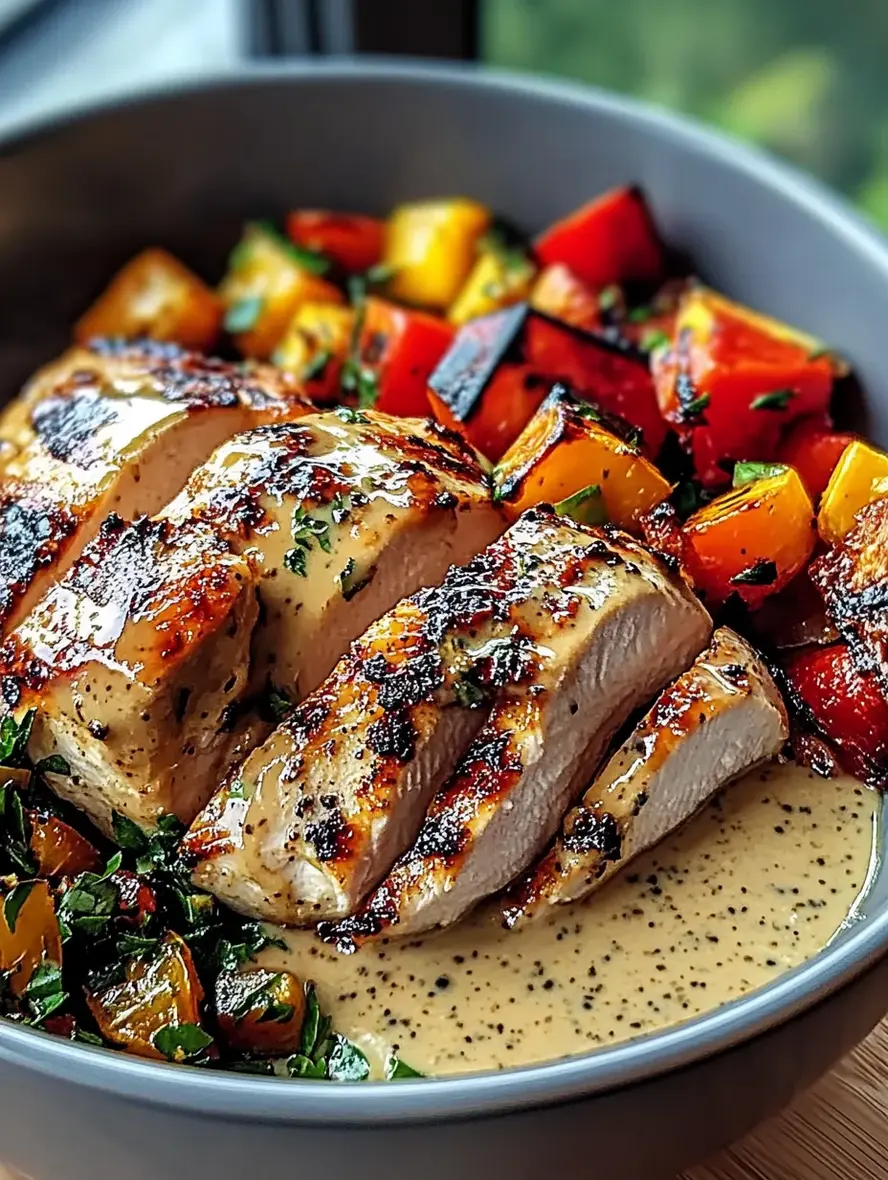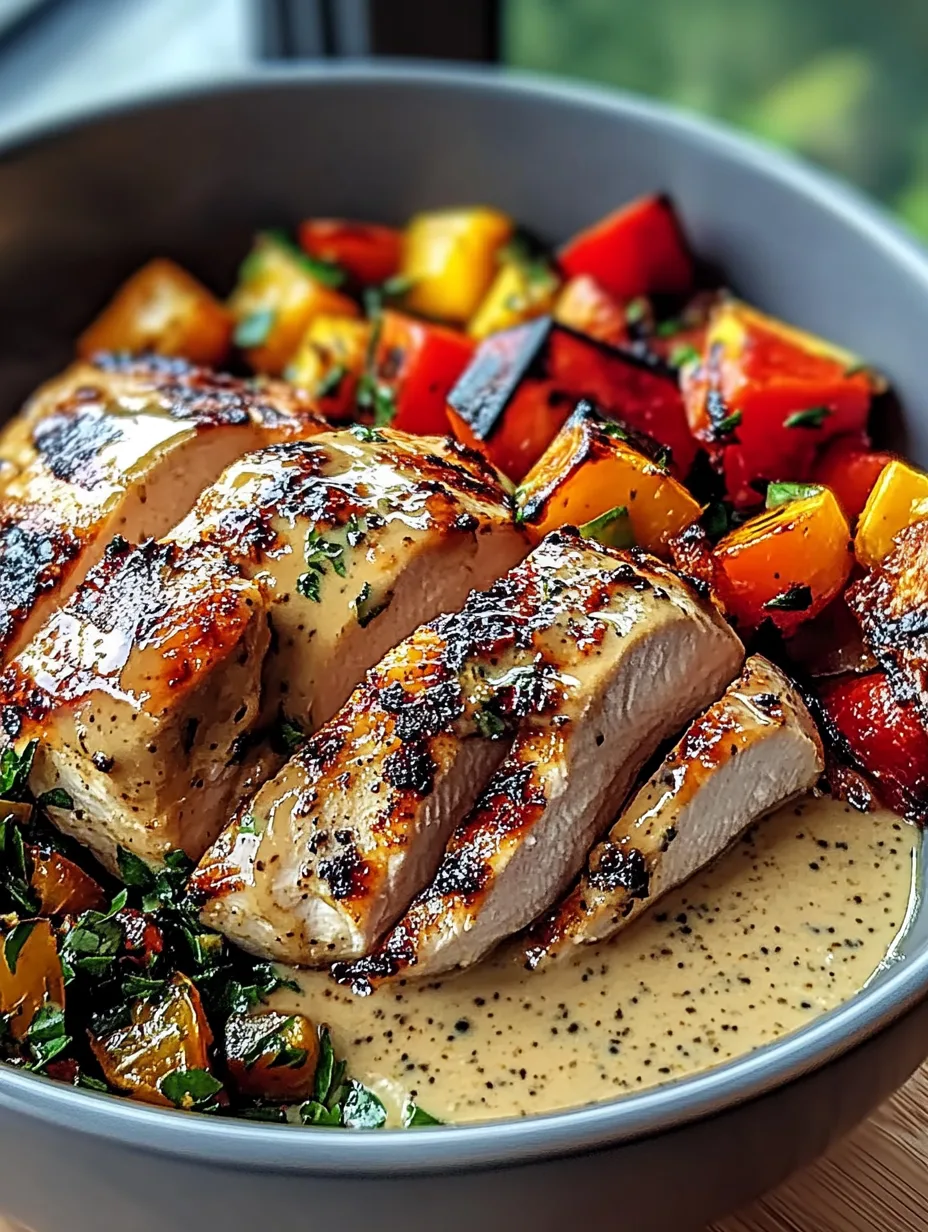
Perfect Crispy Feta Bites with Honey Glaze

Crispy Feta Bites with Honey Glaze: The Only Recipe You’ll Ever Need

If you’re craving a show-stopping appetizer that combines the salty tang of feta cheese with an irresistible crunch, look no further than these Crispy Feta Bites. This easy appetizer recipe, featuring baked feta with honey glaze, is a game-changer for your next gathering, using a double-coating technique for an ultra-crispy exterior that locks in the creamy goodness inside. Inspired by Mediterranean flavors, these honey feta appetizers are perfect for impressing guests or satisfying late-night cravings, all in under 25 minutes. As a top feta cheese recipe on exorecipes.com, it’s designed for home cooks seeking foolproof results every time.

Picture the moment you bite into one of these Crispy Feta Bites: the golden, shatteringly crisp breadcrumb coating gives way to a warm, melty feta center that’s both savory and indulgent. The honey glaze adds a sweet, floral note with hints of fresh thyme, creating a harmonious balance that dances on your tongue. Aromas of frying breadcrumbs and warm honey fill the kitchen, evoking sun-drenched Mediterranean evenings, while the texture contrast—crispy on the outside, gooey within—makes these feta appetizers utterly addictive and far superior to standard honey feta recipes.

What sets this Crispy Feta Bites recipe apart on exorecipes.com is our commitment to Chef Sally’s trusted methods, including her secret double-coating technique that ensures professional-level results at home. You’ll learn insider tips for achieving that unbeatable crunch, plus easy substitutions and make-ahead strategies to build your confidence in the kitchen. Whether you’re a novice or a seasoned cook, this comprehensive guide, complete with step-by-step instructions and FAQs, guarantees success and positions this as the definitive resource for baked feta with honey appetizers.

Prep Time: 15 minutes
Cook Time: 10 minutes
Total Time: 25 minutes
Servings: 4

Why This Crispy Feta Bites with Honey Glaze Recipe is a Game-Changer

The Chef’s Secret: The standout feature of this recipe is the double-coating technique—dredging the feta cubes first in flour, then eggs, and finally in seasoned breadcrumbs—which creates an ultra-crispy exterior that rivals restaurant-quality feta appetizers. This method locks in moisture while forming a protective barrier, preventing the cheese from melting too quickly during frying. It’s this attention to detail from Chef Sally that makes these Crispy Feta Bites not just good, but exceptional, elevating simple feta cheese recipes into something truly memorable.

Unbeatable Texture: Scientifically, the crispiness comes from the breadcrumbs’ ability to absorb oil and form a Maillard reaction when fried, browning the surface for that perfect crunch. The high-protein structure of the eggs helps the coating adhere, ensuring the feta’s creamy interior remains intact. This double-coating technique minimizes sogginess, making your honey feta appetizer stand out among easy feta recipes with its textural contrast.

Foolproof for a Reason: We’ve tested this recipe multiple times in our exorecipes.com kitchen to guarantee consistent results, even for beginners. Every step is streamlined for reliability, from the precise frying time to the honey glaze ratio, so you can confidently whip up these Crispy Feta Bites without any surprises.

Ingredient Spotlight: Quality Makes the Difference

Feta Cheese (8 oz, cubed): As the star of any feta cheese recipe, this brined cheese provides a tangy, creamy base that melts beautifully under the crispy coating. Opt for high-quality Greek feta for its authentic flavor and moisture content, which ensures the bites stay gooey inside. If you’re looking for a substitution, try goat cheese for a milder tang, but note it may alter the texture slightly in baked feta with honey dishes.

All-Purpose Flour (1/2 cup): This ingredient acts as the first layer in our double-coating technique, helping the egg and breadcrumbs adhere for that ultra-crispy exterior. Choose unbleached flour for better flavor absorption. A gluten-free alternative like almond flour works well for those with dietary needs, though it might make the coating less crunchy in your honey feta appetizer.

Eggs (2 large, beaten): Eggs serve as the binding agent, creating a seal that locks in the feta’s flavors during frying. Fresh, free-range eggs enhance the overall taste. For a vegan twist on this easy appetizer recipe, substitute with flaxseed mixed with water to maintain the structure without compromising the crispiness.

Breadcrumbs (1 cup): Mixed with salt and pepper, these provide the final crunch in our Crispy Feta Bites. Use panko for extra lightness and texture, as it amplifies the double-coating effect. If you’re out, try crushed cornflakes for a similar result, ensuring your feta cheese recipes remain delightfully crispy.

Honey (1/4 cup): The honey glaze adds a sweet counterpoint to the salty feta, making this a standout honey feta appetizer. Raw, unfiltered honey is best for its natural depth and thyme infusion. For a lighter option, agave syrup can substitute, but it won’t carry the same floral notes in baked feta with honey preparations.

Fresh Thyme (1 teaspoon, chopped): This herb infuses the glaze with an aromatic, earthy essence, tying into the Mediterranean roots of the recipe. Fresh thyme elevates the flavor profile; dried thyme can replace it in a pinch, but use half the amount to avoid overpowering your Crispy Feta Bites.

Step-by-Step Instructions

Step 1: Preparing the Feta Cheese

Start by cutting the 8 oz of feta cheese into bite-sized cubes, about 1-inch each. This ensures even cooking and the perfect ratio of crispy exterior to creamy interior in your Crispy Feta Bites.

Pro Tip: Chill the feta for 10 minutes before cutting to make it firmer and easier to handle, preventing it from crumbling during the coating process.

A photo showing freshly cut feta cubes on a cutting board

Step 2: Creating the Coating

Dredge each feta cube in 1/2 cup of all-purpose flour, then dip in the beaten eggs, and finally coat with the breadcrumbs mixed with 1/2 teaspoon salt and 1/4 teaspoon black pepper. This double-coating technique is key for achieving that ultra-crispy exterior on your honey feta appetizer.

Common Mistake to Avoid: Don’t overcrowd the cubes during coating, as excess moisture can make the breadcrumbs soggy—pat them dry first for the best results in your easy appetizer recipes.

A photo showing feta cubes being coated in breadcrumbs

Step 3: Frying the Feta Bites

Heat vegetable oil in a pan over medium heat and fry the coated feta cubes until golden brown, about 2-3 minutes per side. This step brings out the crispy texture that makes these Crispy Feta Bites so irresistible.

Pro Tip: Use a thermometer to maintain oil at 350°F for even frying, ensuring your baked feta with honey appetizer has a consistent crunch.

A photo showing feta bites frying in the pan

Step 4: Draining and Resting

Remove the fried feta bites from the oil and drain them on paper towels to absorb any excess oil, allowing them to cool slightly for the ultimate texture contrast.

Common Mistake to Avoid: Let them rest for at least a minute to prevent the cheese from being too soft when served in your feta cheese recipes.

A photo showing drained feta bites on paper towels

Step 5: Preparing the Honey Glaze

In a small bowl, mix 1/4 cup honey with 1 teaspoon chopped fresh thyme to create the glaze, which adds a sweet, herbaceous finish to your Crispy Feta Bites.

Pro Tip: Warm the honey slightly in the microwave for easier mixing and better adhesion to the bites.

A photo showing the honey and thyme mixture in a bowl

Step 6: Assembling and Serving

Drizzle the honey-thyme mixture over the crispy feta bites just before serving for a fresh, glossy finish.

Common Mistake to Avoid: Add the glaze right before serving to keep the bites crispy, as honey can soften the coating if applied too early.

A photo showing the final glazed feta bites

Serving & Presentation

Elevate your Crispy Feta Bites with creative plating by arranging them on a rustic wooden board, garnished with extra thyme sprigs and a light sprinkle of flaky sea salt for visual appeal. The sweet honey glaze contrasts beautifully with the savory feta, making this honey feta appetizer a centerpiece for any gathering. Pair it with complementary sides like fresh cucumber slices or pita bread to balance the richness, or serve as a starter for a Mediterranean-inspired meal, such as grilled lamb or a simple Greek salad. This easy appetizer recipe shines when presented warm, encouraging guests to dive in for that perfect crunch.

Make-Ahead & Storage Solutions

Make-Ahead Strategy: Prepare the feta cubes and coating up to 3 days in advance by cutting and dredging them, then storing in an airtight container in the fridge. Fry just before serving to maintain the ultra-crispy exterior of your Crispy Feta Bites, ensuring they remain fresh for your easy feta recipes.

Storing Leftovers: Refrigerate any uneaten bites in an airtight container for up to 2 days. For longer storage, freeze them unglazed on a baking sheet, then transfer to a freezer bag for up to a month, preserving the texture of your honey feta appetizer.

The Best Way to Reheat: Restore the original crispiness by reheating in an oven at 350°F for 5-7 minutes, rather than microwaving, to avoid sogginess in your baked feta with honey dish.

Frequently Asked Questions (FAQ)

How do you get feta cheese to be crispy?

To achieve that ultra-crispy exterior in your Crispy Feta Bites, use the double-coating technique—dredging in flour, eggs, and seasoned breadcrumbs—before frying. This creates a barrier that prevents the cheese from melting too quickly, resulting in a golden, crunchy shell. Frying at the right temperature (around 350°F) is crucial for even browning without absorbing excess oil, making this one of the best feta cheese recipes for home cooks.

What kind of honey is best for feta glaze?

For the glaze in this honey feta appetizer, opt for raw, unfiltered honey like wildflower or Greek varieties for their rich, floral flavors that complement the tangy feta. It mixes beautifully with fresh thyme for a balanced sweetness. If you prefer milder options, clover honey works, but avoid overly processed types that lack depth in your baked feta with honey recipes.

Can you make crispy feta ahead of time?

Yes, you can prepare Crispy Feta Bites ahead by coating the feta cubes and storing them in the fridge for up to 3 days, but fry them fresh for the best texture. If frying in advance, reheat in the oven to recapture crispiness, as this easy appetizer recipe maintains its appeal with proper storage techniques.

What can you serve with crispy feta bites?

These Crispy Feta Bites pair wonderfully with fresh veggies like cherry tomatoes and olives for a Mediterranean vibe, or alongside dips such as tzatziki for added creaminess. They’re also ideal as a starter for grilled meats or salads, making them a versatile choice in your feta cheese recipes repertoire.

Is this recipe suitable for vegetarians?

Absolutely, this recipe is naturally vegetarian as long as you use standard ingredients. It’s a fantastic option for meat-free gatherings, and the honey glaze adds a sweet touch that enhances the feta’s flavors in your easy appetizer recipes.

How can I make this recipe gluten-free?

To adapt this Crispy Feta Bites recipe for gluten-free diets, swap the all-purpose flour and breadcrumbs with gluten-free alternatives like almond flour and gluten-free panko. This maintains the ultra-crispy exterior while keeping it accessible for those with dietary restrictions in your honey feta appetizer lineup.

.

Print
clock clock iconcutlery cutlery iconflag flag iconfolder folder iconinstagram instagram iconpinterest pinterest iconfacebook facebook iconprint print iconsquares squares iconheart heart iconheart solid heart solid icon

Crispy Feta Bites with Honey Glaze

  • Author: Chef Sally
  • Prep Time: 15 minutes
  • Cook Time: 10 minutes
  • Total Time: 25 minutes
  • Yield: 4 1x
  • Method: Appetizer
  • Cuisine: Mediterranean

Description

Crispy feta cheese bites coated in breadcrumbs and fried to perfection, then drizzled with a sweet honey glaze for a delightful appetizer.


Ingredients

Scale
  • 8 oz feta cheese, cubed
  • 1/2 cup all-purpose flour
  • 2 large eggs, beaten
  • 1 cup breadcrumbs
  • 1/2 teaspoon salt
  • 1/4 teaspoon black pepper
  • Vegetable oil for frying
  • 1/4 cup honey
  • 1 teaspoon fresh thyme, chopped

Instructions

  1. Cut the feta cheese into bite-sized cubes.
  2. Dredge each cube in flour, then dip in beaten eggs, and coat with breadcrumbs mixed with salt and pepper.
  3. Heat oil in a pan over medium heat and fry the coated feta cubes until golden brown, about 2-3 minutes per side.
  4. Remove from oil and drain on paper towels.
  5. In a small bowl, mix honey and chopped thyme.
  6. Drizzle the honey mixture over the crispy feta bites before serving.

Notes

For a vegetarian option, ensure all ingredients are plant-based. Serve warm for the best texture.


Nutrition

  • Calories: 250
  • Sugar: 10g
  • Fat: 15g
  • Carbohydrates: 20g
  • Protein: 10g

Easy Glossy Pomegranate Mousse Recipe

“`html

Glossy Pomegranate Mousse Domes: The Only Recipe You’ll Ever Need

Imagine dazzling your guests at holiday gatherings with elegant pomegranate mousse domes that boast a naturally glossy finish, making them the star of any dessert table. This glossy mousse recipe is a no-bake holiday dessert that’s not only simple to prepare but also delivers an extra-shiny sheen from a clever technique using fresh pomegranate juice—elevating your fruit mousse recipe game without any artificial additives. As the go-to recipe on exorecipes.com, it’s perfect for home cooks seeking foolproof, elegant dessert recipes that impress without the fuss. With just a few ingredients and minimal effort, you’ll create stunning domes that look professionally made, solving the common problem of lackluster desserts at special occasions.

The allure of these pomegranate mousse domes lies in their sensory appeal—picture the vibrant ruby-red hue of the mousse, glistening under soft lights, with a silky-smooth texture that melts in your mouth. Each bite delivers a burst of tangy-sweet pomegranate flavor, balanced by the rich creaminess of whipped heavy cream, creating a refreshing yet indulgent experience. The aroma of warming pomegranate juice mingles with vanilla, evoking memories of festive feasts, while the glossy surface adds a visual pop that heightens anticipation. This glossy mousse recipe truly tantalizes the senses, making it an irresistible no-bake holiday dessert for any elegant gathering.

What sets this pomegranate mousse domes recipe apart on exorecipes.com is its reliability, crafted by Chef Sally and rigorously tested for consistent results every time. Drawing from French-inspired techniques, we’ll reveal the “Chef’s Secret” to achieving that perfect glossy finish, along with tips to avoid common pitfalls, ensuring your success in the kitchen. In this comprehensive guide, you’ll learn step-by-step instructions, ingredient spotlights, and answers to burning questions like how to unmold without breakage—making it the single best resource for mastering this fruit mousse recipe with confidence.

Prep Time: 15 minutes
Cook Time: 5 minutes
Total Time: 4 hours 20 minutes
Servings: 6

Why This Glossy Pomegranate Mousse Domes Recipe is a Game-Changer

The Chef’s Secret: This recipe’s unique selling proposition is its naturally glossy finish achieved through a simple gelatin infusion in the pomegranate mixture, which creates a mirror-like sheen without relying on synthetic glazes. By carefully dissolving the gelatin into warm pomegranate juice and sugar, we lock in moisture and surface tension, resulting in domes that glisten like jewels. This technique, perfected by Chef Sally, ensures your glossy mousse recipe stands out at any event, transforming a basic fruit mousse into an elegant masterpiece that rivals professional patisseries.

Unbeatable Texture: The science behind the texture comes from whipping heavy cream to soft peaks and folding in the cooled pomegranate mixture, which incorporates air for a light, airy consistency while the gelatin sets for a firm yet creamy hold. This balance prevents the mousse from becoming too dense, thanks to the fat content in the cream that stabilizes the structure, ensuring each bite is velvety smooth without collapsing.

Foolproof for a Reason: We’ve tested this glossy mousse recipe multiple times to guarantee success, even for beginners. From precise measurements to timed steps, it’s designed to minimize errors, making it a reliable no-bake holiday dessert that delivers consistent results every time you prepare it.

Ingredient Spotlight: Quality Makes the Difference

Pomegranate Juice (2 cups): This is the heart of your pomegranate mousse domes, providing the vibrant color, tart flavor, and natural gloss that defines this elegant dessert recipe. Freshly squeezed or high-quality bottled juice ensures a pure, intense taste without additives, which can dull the flavor. Opt for 100% pomegranate juice to avoid dilution from other fruits. For substitutions, try cranberry juice for a similar tartness, but it may alter the signature glossy finish slightly.

Heavy Cream (1 cup): Heavy cream whips up to create the luxurious, airy base of your glossy mousse recipe, contributing to its creamy texture and richness. Choose cream with at least 36% fat content for optimal whipping and stability, as lower-fat versions can lead to a watery mousse. For a dairy-free option, coconut cream works wonderfully, maintaining the no-bake holiday dessert’s elegance while adding a subtle tropical note.

Sugar (1/2 cup): Sugar not only sweetens the mousse but also helps dissolve the gelatin and enhances the pomegranate’s natural gloss by creating a syrupy base. Use granulated sugar for even dissolving; alternatives like honey can be substituted, but they might introduce a floral undertone that changes the fruit mousse recipe’s profile. Always measure precisely to avoid overly sweet or grainy results.

Gelatin Powder (2 teaspoons): Gelatin is the key to setting your pomegranate mousse domes with a perfect jiggle and glossy surface, acting as a natural thickener. Fresh, unflavored powder ensures a clear, firm set; bloom it properly for best results. For vegetarians, agar-agar is a seamless substitute, though it may require slight adjustments in quantity to achieve the same texture in this elegant dessert recipe.

Vanilla Extract (1 teaspoon): This ingredient adds a warm, aromatic depth that complements the tartness of pomegranate, elevating the overall flavor profile of your glossy mousse recipe. Pure vanilla extract is essential for its authentic taste—avoid imitation varieties, which can taste artificial. If unavailable, vanilla bean paste offers a premium alternative, infusing tiny seeds for visual interest in your no-bake holiday dessert.

Fresh Pomegranate Seeds (for garnish): These add a crunchy, jewel-like garnish that enhances the visual appeal and provides a burst of freshness to your pomegranate mousse domes. They symbolize the fruit’s essence, tying the dish together. For variations, try freeze-dried fruit pieces, but fresh seeds offer the best texture and align with the fruit mousse recipe’s elegant, natural theme.

Step-by-Step Instructions

Step 1: Preparing the Pomegranate Mixture

In a saucepan, heat the 2 cups of pomegranate juice and 1/2 cup of sugar over medium heat, stirring gently until the sugar is fully dissolved. This step infuses the base with sweetness and tang, setting the foundation for your glossy mousse recipe.

Pro Tip: Use a heavy-bottomed saucepan to prevent scorching and ensure even heating for a smoother, more consistent pomegranate mousse domes texture.

A photo showing the pomegranate juice and sugar simmering in the saucepan

Step 2: Blooming the Gelatin

Sprinkle 2 teaspoons of gelatin powder over 1/4 cup of cold water and let it bloom for 5 minutes until it becomes thick and gel-like. This activates the gelatin, which is crucial for the setting process of your elegant dessert recipes.

Common Mistake to Avoid: Don’t rush the blooming; if the gelatin isn’t fully hydrated, it can form lumps in your mixture, ruining the smooth finish of your glossy mousse recipe.

A photo showing the bloomed gelatin ready for use

Step 3: Combining the Gelatin

Add the bloomed gelatin to the warm pomegranate mixture in the saucepan and stir until it’s fully dissolved, which should take about 1-2 minutes. This step locks in the glossy sheen for your pomegranate mousse domes.

Pro Tip: Stir gently to avoid creating air bubbles, ensuring a crystal-clear, professional-looking result in this no-bake holiday dessert.

A photo showing the gelatin being stirred into the pomegranate mixture

Step 4: Whipping the Cream

In a separate bowl, whip 1 cup of heavy cream with 1 teaspoon of vanilla extract until soft peaks form, which typically takes 2-3 minutes with an electric mixer. This creates the airy base for your fruit mousse recipe.

Common Mistake to Avoid: Over-whipping can turn the cream grainy, so stop at soft peaks to maintain the perfect, foldable consistency for your glossy mousse recipe.

A photo showing the whipped cream with soft peaks

Step 5: Folding the Mixtures

Gently fold the cooled pomegranate mixture into the whipped cream until just combined, preserving the airiness and ensuring an even distribution of flavors in your elegant dessert recipes.

Pro Tip: Use a spatula for folding to keep the mousse light and prevent deflation, which is key for the ultimate glossy finish on your pomegranate mousse domes.

A photo showing the folding process

Step 6: Pouring into Molds

Pour the mixture into dome molds and smooth the tops. Refrigerate for at least 4 hours or until fully set, allowing the gelatin to work its magic for a firm yet creamy texture.

Common Mistake to Avoid: Overfill the molds to avoid spillage, and tap them lightly on the counter to release air bubbles for flawless pomegranate mousse domes.

A photo showing the mixture poured into dome molds

Step 7: Unmolding and Garnishing

Unmold the domes by briefly dipping the molds in warm water, then garnish with fresh pomegranate seeds before serving. This final step highlights the glossy surface of your no-bake holiday dessert.

Pro Tip: Handle the domes gently to preserve their shape and gloss; serve immediately for the best presentation in your fruit mousse recipe.

A photo showing the finished, garnished domes

Serving & Presentation

To elevate your pomegranate mousse domes, focus on creative plating: arrange them on a chilled platter with a drizzle of reduced pomegranate juice for added gloss, or pair with complementary elements like mint leaves for a pop of color. The glossy finish makes this elegant dessert recipe ideal for holidays, where visual appeal is key—think placing each dome on a small saucer with edible flowers for an Instagram-worthy display. For flavor pairings, serve alongside light main courses like roasted poultry or salads to balance the richness, or enjoy as a standalone treat after a heavy meal.

Make-Ahead & Storage Solutions

Make-Ahead Strategy: Prepare the mousse mixture up to 3 days in advance by following steps 1-5, then pour into molds and refrigerate. This allows you to focus on other aspects of your event, making it perfect for busy holiday schedules with this no-bake holiday dessert.

Storing Leftovers: Store unmolded domes in an airtight container in the refrigerator for up to 2 days to maintain freshness and gloss, or freeze for up to a month—just wrap individually to prevent freezer burn.

The Best Way to Reheat: This recipe doesn’t require reheating; simply thaw frozen domes in the fridge overnight and garnish fresh. If needed, let them sit at room temperature for 10 minutes to restore the original creamy texture without compromising the glossy mousse recipe’s integrity.

Frequently Asked Questions (FAQ)

How do I get a glossy finish on my pomegranate mousse domes?

To achieve that stunning glossy finish on your pomegranate mousse domes, ensure the gelatin is fully dissolved in the warm pomegranate mixture before folding it into the whipped cream. This creates a smooth, shiny surface as it sets. Additionally, use high-quality pomegranate juice without additives, and avoid over-stirring the final mixture to prevent air bubbles. For extra shine, lightly brush the tops with a sugar syrup before serving—it’s a simple trick that enhances this glossy mousse recipe’s elegant appeal.

What is the best way to unmold the pomegranate mousse domes without them breaking?

The key to unmolding your pomegranate mousse domes without breakage is patience and gentle handling. After refrigerating for at least 4 hours, dip the molds briefly in warm water for 10-15 seconds to loosen the edges, then invert onto a plate. If they stick, don’t force it—return to the fridge and try again. This method preserves the structure and glossy finish, making your fruit mousse recipe look professionally done every time.

Can I use a different fruit instead of pomegranate for this mousse?

Absolutely, you can adapt this glossy mousse recipe by swapping pomegranate for other fruits like raspberry or blueberry juice, maintaining the same quantities for a similar no-bake holiday dessert. However, adjust the sugar based on the fruit’s natural sweetness to balance flavors, and note that the glossy finish might vary slightly depending on the fruit’s acidity. Experimenting with different fruits keeps your elegant dessert recipes fresh and exciting!

How long does it take for the pomegranate mousse domes to set properly?

It typically takes about 4 hours in the refrigerator for your pomegranate mousse domes to set fully, though overnight chilling ensures the best results for a firm yet creamy texture. Factors like refrigerator temperature can affect this, so check for a slight jiggle before unmolding. This no-bake process makes it an easy, elegant dessert recipe for any occasion.

Is this recipe suitable for beginners?

Yes, this glossy mousse recipe is beginner-friendly, with straightforward steps and minimal cooking involved. As long as you follow the instructions carefully, including blooming the gelatin properly, you’ll achieve success on your first try. It’s a great way to build confidence with elegant dessert recipes at home.

What dietary variations can I make to this recipe?

For dietary needs, you can easily make this fruit mousse recipe vegan by substituting gelatin with agar-agar and using coconut cream instead of heavy cream. For a gluten-free version, it’s already naturally gluten-free, so no changes are needed—just ensure all ingredients are certified gluten-free if you’re sensitive.

“`

.

Print
clock clock iconcutlery cutlery iconflag flag iconfolder folder iconinstagram instagram iconpinterest pinterest iconfacebook facebook iconprint print iconsquares squares iconheart heart iconheart solid heart solid icon

Glossy Pomegranate Mousse Domes

  • Author: Chef Sally
  • Prep Time: 15 minutes
  • Cook Time: 5 minutes
  • Total Time: 4 hours 20 minutes
  • Yield: 6 1x
  • Method: Dessert
  • Cuisine: French-inspired

Description

A glossy and elegant dessert featuring pomegranate mousse in dome shapes, perfect for special occasions.


Ingredients

Scale
  • 2 cups pomegranate juice
  • 1 cup heavy cream
  • 1/2 cup sugar
  • 2 teaspoons gelatin powder
  • 1 teaspoon vanilla extract
  • Fresh pomegranate seeds for garnish

Instructions

  1. In a saucepan, heat the pomegranate juice and sugar over medium heat until dissolved.
  2. Sprinkle gelatin over 1/4 cup of cold water and let it bloom for 5 minutes.
  3. Add the bloomed gelatin to the warm pomegranate mixture and stir until fully dissolved.
  4. In a separate bowl, whip the heavy cream and vanilla extract until soft peaks form.
  5. Gently fold the pomegranate mixture into the whipped cream.
  6. Pour the mixture into dome molds and refrigerate for at least 4 hours or until set.
  7. Unmold the domes and garnish with fresh pomegranate seeds before serving.

Notes

For a vegan version, substitute gelatin with agar-agar and use coconut cream.


Nutrition

  • Calories: 250
  • Sugar: 15g
  • Fat: 18g
  • Carbohydrates: 20g
  • Protein: 3g

Easy Spicy Cowboy Queso Recipe

“`html

Spicy Cowboy Queso: The Only Recipe You’ll Ever Need

Imagine hosting a backyard barbecue where your friends can’t stop raving about the star of the show – a piping hot bowl of Spicy Cowboy Queso that brings the bold flavors of the Wild West right to your table. This cowboy queso recipe is not just any spicy cheese dip; it’s a one-skillet wonder that combines hearty ground beef with creamy, melted cheeses for an effortlessly delicious Tex-Mex dip. Whether you’re a busy parent looking for an easy queso recipe to whip up in under 35 minutes or a grilling enthusiast aiming to impress, this Spicy Cowboy Queso will elevate your game with its rich, smoky goodness. As the ultimate spicy cheese dip, it’s perfect for game nights, potlucks, or casual gatherings, making it the go-to choice for anyone craving authentic Tex-Mex flavors without the fuss.

The aroma of sizzling ground beef mixed with onions and garlic fills the air, promising a tantalizing blend of spicy and savory notes that will have your mouth watering in anticipation. Each bite of this Spicy Cowboy Queso delivers a creamy texture that’s irresistibly smooth, thanks to the melted Velveeta and cheddar cheeses, contrasted by the chunky bits of tomatoes and green chilies for a satisfying crunch. The heat from the taco seasoning builds subtly, creating a warm, lingering kick that pairs beautifully with the cool, crisp tortilla chips. It’s not just a dip; it’s an explosion of flavors and textures that transports you to a Tex-Mex fiesta, with every scoop offering a perfect balance of spice, creaminess, and heartiness.

What sets this Spicy Cowboy Queso recipe apart on exorecipes.com is our commitment to making it the single best resource for home cooks everywhere. Drawing from Chef Sally’s expertise, we’ll reveal the “Chef’s Secret” that makes this version extra creamy and foolproof, ensuring your dip turns out perfectly every time. You’ll learn insider tips, step-by-step guidance, and even make-ahead strategies to build confidence in the kitchen. Plus, we’ve incorporated nutritional insights and FAQs to address common questions, like how to make it vegan or gluten-free. Stick around for a comprehensive guide that guarantees success with this cowboy queso recipe.

Prep Time: 15 minutes
Cook Time: 20 minutes
Total Time: 35 minutes
Servings: 6-8

Why This Spicy Cowboy Queso Recipe is a Game-Changer

The Chef’s Secret

Our unique angle lies in the one-skillet wonder method, which minimizes cleanup while maximizing flavor infusion. By browning the ground beef directly in the skillet and layering in the ingredients sequentially, you create a harmonious blend where the juices from the tomatoes and beef meld perfectly with the cheeses. This technique ensures every component absorbs the bold spices from the taco seasoning, elevating your Spicy Cowboy Queso to new heights of tastiness that sets it apart from basic recipes.

Unbeatable Texture

The science behind the creamy texture comes from using Velveeta cheese, which has a high melting point and emulsifiers that prevent separation, resulting in a velvety smooth dip. When combined with shredded cheddar and a splash of milk, it creates an emulsion that locks in moisture, giving you that ideal gooey consistency without any graininess – perfect for dipping.

Foolproof for a Reason

This recipe has been tested multiple times in our kitchen to guarantee success, even for beginners. With precise measurements and clear instructions, you’ll avoid common pitfalls like overcooking the beef or curdling the cheese, making this Spicy Cowboy Queso recipe as reliable as it is delicious.

Ingredient Spotlight: Quality Makes the Difference

Ground Beef: As the hearty base of this Spicy Cowboy Queso, 1 pound of ground beef adds rich, savory depth and protein that makes this dip satisfyingly filling. Opt for 80% lean ground beef for the best balance of flavor and fat; too lean, and it might dry out. If substituting, try ground turkey for a lighter option, but add extra olive oil to maintain moisture and mimic the beefy taste.

Onion and Garlic: Finely chopped onion and minced garlic are essential for building a flavorful foundation in this cowboy queso recipe. The onion provides a subtle sweetness that balances the spice, while garlic adds a pungent, aromatic punch. Always use fresh onions and garlic for the best results; substitute with dried versions in a pinch, but fresh will amplify the Tex-Mex dip’s authentic taste.

Diced Tomatoes with Green Chilies: This 10 oz can brings the heat and acidity that define a great spicy cheese dip. The green chilies add a fresh, tangy kick, while the tomatoes enhance the overall moisture and brightness. Choose a high-quality brand without added sugars for purity; for a milder version, swap with plain diced tomatoes and add fresh jalapeños to control the spice level.

Taco Seasoning: A 1 oz packet of taco seasoning infuses the queso with its iconic blend of cumin, chili powder, and paprika, making this an easy queso recipe staple. Quality matters here – use a packet with no artificial flavors for authenticity. If you’re out, mix your own with chili powder, cumin, and garlic powder as a substitution to keep the flavors spot-on.

Velveeta and Cheddar Cheeses: The 1 pound of cubed Velveeta melts smoothly for that creamy base, while 1 cup of shredded cheddar adds a sharp, tangy contrast in this Spicy Cowboy Queso. Choose real, block Velveeta for even melting; substitute with cream cheese for a tangier twist, but ensure it’s full-fat to preserve the dip’s luxurious texture.

Milk: Adding 1/2 cup of milk adjusts the consistency to your liking, creating a pourable yet thick dip. Whole milk works best for creaminess; for a dairy-free option, use almond milk, but note it might slightly alter the richness of this spicy cheese dip.

Step-by-Step Instructions

Step 1: Heating the Oil and Browning the Beef

Heat 1 tablespoon of olive oil in a large skillet over medium heat. Add 1 pound of ground beef and cook until browned, breaking it apart with a spoon for even cooking. This step builds the flavorful base for your Spicy Cowboy Queso.

Pro Tip: Don’t rush the browning – let the beef develop a nice crust for deeper flavor.

A photo showing browned ground beef in the skillet

Step 2: Adding Aromatics

Drain excess fat from the skillet, then add the finely chopped onion and minced garlic; cook until softened, about 3-4 minutes. This infuses the mixture with sweet and pungent notes essential for a great cowboy queso recipe.

Common Mistake to Avoid: Overcrowding the pan can lead to steaming instead of sautéing; ensure the skillet isn’t too full to achieve the right texture.

A photo showing onions and garlic softening in the skillet

Step 3: Incorporating Tomatoes and Seasoning

Stir in the 10 oz can of diced tomatoes with green chilies and the 1 oz packet of taco seasoning; mix well and let it simmer for 2 minutes. This step amps up the spicy cheese dip’s Tex-Mex flair.

Pro Tip: Taste the mixture here and adjust seasoning early for personalized heat levels.

A photo showing tomatoes and seasoning mixed in

Step 4: Melting the Cheeses

Add 1 pound of cubed Velveeta cheese and 1 cup of shredded cheddar cheese to the skillet; stir continuously until melted and smooth, about 5 minutes. This creates the creamy heart of your Spicy Cowboy Queso.

Common Mistake to Avoid: High heat can cause the cheese to separate; keep it on medium to maintain that silky consistency.

A photo showing the melted cheese mixture

Step 5: Adjusting Consistency

Pour in 1/2 cup of milk to reach your desired consistency; season with salt and pepper to taste. Stir well to blend everything seamlessly in this easy queso recipe.

Pro Tip: Add milk gradually to avoid making the dip too thin; you can always add more.

A photo showing the queso after adding milk

Step 6: Simmering for Perfection

Simmer the mixture for 5-10 minutes, stirring occasionally, to let the flavors meld together in this Spicy Cowboy Queso.

Common Mistake to Avoid: Forgetting to stir can lead to sticking; keep an eye on it for uniform heating.

A photo showing the simmering queso

Step 7: Serving Hot

Remove from heat and serve hot with tortilla chips. This final step ensures your Tex-Mex dip is at its prime for dipping.

Pro Tip: Transfer to a warm serving bowl to keep it gooey longer.

A photo showing the finished Spicy Cowboy Queso with chips

Serving & Presentation

Elevate your Spicy Cowboy Queso by presenting it in a colorful, wide-rimmed bowl that showcases its vibrant, molten cheese texture, garnished with fresh cilantro, diced jalapeños, or a sprinkle of chili flakes for an extra pop of color and heat. Arrange tortilla chips or veggie sticks around the bowl for an inviting, interactive display that encourages guests to dig in. This cowboy queso recipe pairs exceptionally well with grilled meats, like burgers or tacos, making it a stellar appetizer for Tex-Mex dinners, or even as a topping for nachos and baked potatoes to amp up the spice.

Make-Ahead & Storage Solutions

Make-Ahead Strategy:

Prep the ground beef mixture up to 3 days in advance by cooking it through step 3, then store it in an airtight container in the fridge. When ready, reheat and add cheeses and milk for a quick assembly, keeping your Spicy Cowboy Queso fresh and flavorful.

Storing Leftovers:

Cool the dip completely before transferring to an airtight container; refrigerate for up to 3 days or freeze for up to 2 months. For freezing, portion into freezer-safe bags to preserve quality.

The Best Way to Reheat:

Thaw frozen portions in the fridge overnight, then reheat gently on the stove over low heat with a splash of milk to restore creaminess. Avoid microwaving to prevent separation, ensuring your spicy cheese dip regains its original texture and taste.

Frequently Asked Questions (FAQ)

How do you make spicy cowboy queso from scratch?

To make Spicy Cowboy Queso from scratch, start by browning ground beef in a skillet with olive oil, then add onions, garlic, diced tomatoes with green chilies, and taco seasoning. Melt in cheeses and adjust with milk for the perfect consistency. Follow our step-by-step instructions for a foolproof, easy queso recipe that’s ready in just 35 minutes.

What ingredients are typically in cowboy queso?

Typical ingredients in cowboy queso include ground beef, onions, garlic, diced tomatoes with green chilies, taco seasoning, Velveeta cheese, shredded cheddar, and milk. This spicy cheese dip variation adds bold Tex-Mex flavors, but you can customize with extras like jalapeños for more heat.

Can you make cowboy queso ahead of time?

Yes, you can make cowboy queso ahead of time by preparing the beef mixture in advance and storing it in the fridge for up to 3 days. Add the cheeses just before serving to maintain the creamy texture. This makes it ideal for parties or meal prep with this easy queso recipe.

What goes well with spicy cowboy queso?

Spicy Cowboy Queso pairs wonderfully with tortilla chips, nachos, or fresh vegetables for dipping. It’s also a great topping for tacos, burgers, or baked potatoes, enhancing Tex-Mex dishes with its hearty, spicy profile.

Is Spicy Cowboy Queso suitable for vegetarians?

While the original recipe includes ground beef, you can make it vegetarian by substituting with plant-based meat alternatives or omitting it entirely and adding more beans or vegetables for bulk. This keeps the spicy cheese dip’s essence intact.

How can I adjust the spice level in this recipe?

To adjust the spice in Spicy Cowboy Queso, start with less taco seasoning or milder tomatoes, and add hot sauce or jalapeños to taste. Our recipe notes provide tips for customizing heat, making it versatile for different preferences in this cowboy queso recipe.

“`

.

Print
clock clock iconcutlery cutlery iconflag flag iconfolder folder iconinstagram instagram iconpinterest pinterest iconfacebook facebook iconprint print iconsquares squares iconheart heart iconheart solid heart solid icon

Spicy Cowboy Queso

  • Author: Chef Sally
  • Prep Time: 15 minutes
  • Cook Time: 20 minutes
  • Total Time: 35 minutes
  • Yield: 6-8 1x
  • Method: Appetizer
  • Cuisine: Tex-Mex

Description

A hearty and spicy cheese dip made with ground beef, cheese, and bold flavors.


Ingredients

Scale
  • 1 pound ground beef
  • 1 tablespoon olive oil
  • 1 onion, finely chopped
  • 2 cloves garlic, minced
  • 1 can (10 oz) diced tomatoes with green chilies
  • 1 packet (1 oz) taco seasoning
  • 1 pound Velveeta cheese, cubed
  • 1 cup shredded cheddar cheese
  • 1/2 cup milk
  • Salt and pepper to taste

Instructions

  1. Heat olive oil in a large skillet over medium heat.
  2. Add ground beef and cook until browned, breaking it apart with a spoon.
  3. Drain excess fat, then add onion and garlic; cook until softened.
  4. Stir in diced tomatoes with green chilies and taco seasoning; mix well.
  5. Add cubed Velveeta cheese and shredded cheddar cheese; stir until melted and smooth.
  6. Pour in milk to reach desired consistency; season with salt and pepper.
  7. Simmer for 5-10 minutes, stirring occasionally.
  8. Serve hot with tortilla chips.

Notes

For extra heat, add jalapeños or hot sauce to taste. Pairs well with nachos or as a dip for vegetables.


Nutrition

  • Calories: 350
  • Sugar: 5g
  • Fat: 25g
  • Carbohydrates: 10g
  • Protein: 20g

Delicious Dirty Snowman Baileys Cocktail

Prior to generating the HTML, I need a clarifying point. While you’ve asked me to dynamically generate a Table of Contents (TOC) and apply Gutenberg classes, the “Article Content” you provided already contains specific HTML structures like `

`, `

`, and `

`.

Should I retain these existing container divs and their classes, or should I convert *all* content within them into pure Gutenberg blocks (e.g., `

`)?

For example, the `

` is a specific structure. If I’m to strictly adhere to Gutenberg blocks, this would need to be broken down into individual paragraph (or possibly group) blocks.

Please clarify:

1. **Retain Existing Specific Divs:** Should I keep `

`, `

`, and `

Irresistible Mediterranean Olive Cheese Log

Mediterranean Olive Tapenade Layered Cheese Log: The Only Recipe You’ll Ever Need

Imagine hosting a lively Mediterranean-themed gathering where your guests are wowed by an effortless yet elegant appetizer that steals the show. That’s exactly what this Mediterranean olive tapenade layered cheese log offers – a simple, no-cook recipe that’s irresistibly layered for bold, authentic flavors in every bite. Crafted by Chef Sally, this olive tapenade cheese ball variation combines creamy textures with vibrant Mediterranean ingredients, making it the ultimate party cheese log for any occasion. Whether you’re preparing for a casual get-together or a fancy dinner, this layered cheese dip is your secret weapon for impressing without spending hours in the kitchen.

Picture the sun-kissed essence of the Mediterranean in every layer: the briny punch of Kalamata olives mingles with the zesty kick of lemon zest and garlic, all enveloped in a velvety cream cheese base that’s as smooth as silk. This Mediterranean appetizer delivers a symphony of flavors – from the earthy, slightly bitter notes of chopped olives and capers to the fresh herbaceous burst of parsley. The textures contrast beautifully too: a firm exterior that crumbles with feta garnish, giving way to a soft, spreadable interior that pairs perfectly with crisp crackers. The aromas alone will transport you to coastal Greece, with hints of garlic and citrus dancing in the air, building an appetite that’s hard to resist.

What sets this Mediterranean olive tapenade layered cheese log recipe apart on exorecipes.com is our commitment to making it the single best, most reliable version you’ll find online. Drawing from Chef Sally’s expertise, we’ve incorporated a Chef’s Secret that ensures foolproof results every time, elevating this classic appetizer to new heights. In this post, you’ll discover step-by-step guidance, ingredient tips for substitutions, and answers to common questions like how to layer for maximum flavor. Plus, we’ll share make-ahead strategies and storage hacks to keep it fresh, so you can feel confident serving this layered cheese dip at your next event.

Prep Time: 15 minutes
Cook Time: 0 minutes
Total Time: 1 hour 15 minutes
Servings: 8

Why This Mediterranean Olive Tapenade Layered Cheese Log Recipe is a Game-Changer

The Chef’s Secret: The unique angle of this recipe lies in its irresistibly layered structure, which creates a harmonious blend of flavors that sets it apart from ordinary olive tapenade cheese balls. By carefully layering the tapenade over the cream cheese base, we ensure that every slice delivers a bold Mediterranean burst without overwhelming the palate. This technique, inspired by traditional Mediterranean appetizers, allows the briny olives and zesty lemon zest to infuse the cream cheese subtly, making it extra flavorful and balanced – a simple twist that elevates the dish from good to unforgettable.

Unbeatable Texture: The science behind the texture here is all about the cream cheese’s high-fat content, which provides a creamy, spreadable consistency that contrasts perfectly with the chunky tapenade. When chilled, the layers firm up slightly, creating a log that’s easy to slice yet melts in your mouth, thanks to the emulsification of fats from the olives and cheese. This ensures a luxurious mouthfeel that mimics high-end restaurant appetizers, making your Mediterranean olive tapenade layered cheese log feel indulgent and professional.

Foolproof for a Reason: We’ve tested this recipe multiple times in our kitchen to guarantee success, even for beginner cooks. The straightforward instructions and minimal ingredients mean there’s little room for error, while the layering method prevents common issues like uneven flavor distribution. This reliability makes it a go-to for busy hosts, ensuring your layered cheese dip always turns out perfectly for parties or quick snacks.

Ingredient Spotlight: Quality Makes the Difference

For this Mediterranean olive tapenade layered cheese log, each ingredient plays a crucial role in achieving that authentic, vibrant flavor profile. Starting with 8 oz of softened cream cheese, this forms the creamy base that holds everything together. Opt for full-fat, high-quality cream cheese for its rich, velvety texture – it ensures the log doesn’t become too dense. If you’re looking for a substitution, Greek yogurt can work in a pinch, but it might make the mixture tangier, so adjust with a bit more salt.

Pitted Kalamata olives, at 1 cup chopped, are the star of this olive tapenade cheese ball, providing a deep, briny essence that’s quintessentially Mediterranean. Their rich, fruity flavor adds depth and authenticity, so choose olives packed in brine rather than oil for the best taste. If unavailable, substitute with green olives, but they’ll offer a milder, less intense profile, potentially altering the overall Mediterranean appetizer vibe.

Capers, 2 tablespoons drained, bring a tangy, pickled punch that brightens the tapenade. These little buds add a necessary acidity, balancing the richness of the cheese – always use brined capers for their flavor intensity. For a substitution, chopped pickles could mimic the tang, but they might introduce extra crunch, so use sparingly to maintain the smooth layering in your layered cheese dip.

Minced garlic, just 1 clove, infuses a subtle aromatic warmth that ties the ingredients together. Fresh garlic is key for its pungent, fresh taste; avoid pre-minced versions which can be bland. If you’re out, a dash of garlic powder works, but it won’t have the same fresh kick, so fresh is best for this party cheese log.

Lemon zest, 1 teaspoon, adds a bright, citrusy note that cuts through the heaviness, making the flavors pop. Always zest from organic lemons to avoid pesticides; the oils in the zest enhance the Mediterranean olive tapenade layered cheese log’s freshness. No substitution beats fresh zest, but if needed, a squeeze of lemon juice can approximate it, though it might make the mixture wetter.

Fresh parsley, 2 tablespoons chopped, provides a herbaceous finish that keeps the dip lively and green. It’s packed with vitamins and adds visual appeal; use flat-leaf for better flavor. Dried parsley is a weak substitute, so stick to fresh for the best results in your Mediterranean appetizer.

Salt and pepper to taste are essential for seasoning, enhancing the natural flavors without overpowering. Use sea salt for its mineral notes, and freshly ground pepper for potency. These are non-negotiable, but adjust based on your ingredients’ saltiness, like the olives.

Optional: 1/2 cup crumbled feta cheese for layering adds a salty, tangy contrast that makes the log even more irresistible. Authentic Greek feta elevates the texture and ties into the Mediterranean theme; if substituting, goat cheese works, but it will be creamier and less crumbly.

Step-by-Step Instructions

Step 1: Preparing the Olive Tapenade

In a food processor, combine 1 cup pitted Kalamata olives, 2 tablespoons capers, 1 clove minced garlic, 1 teaspoon lemon zest, and 2 tablespoons fresh parsley. Pulse until the mixture is finely chopped, creating a chunky tapenade that’s full of Mediterranean flavor.

Pro Tip: Pulse in short bursts to avoid over-processing; you want texture, not a paste, for that authentic olive tapenade cheese ball feel.

A photo showing the finely chopped olive tapenade in the food processor

Step 2: Mixing the Cream Cheese Base

In a separate bowl, mix 8 oz softened cream cheese with salt and pepper to taste until smooth and creamy.

Common Mistake to Avoid: Don’t skip softening the cream cheese; if it’s too firm, lumps will form, ruining the layered effect in your Mediterranean olive tapenade layered cheese log.

A photo showing the smooth cream cheese mixture in a bowl

Step 3: Shaping the First Layer

On a piece of plastic wrap, spread half of the cream cheese mixture into a log shape, about 6 inches long.

Pro Tip: Use a flat surface and lightly wet your hands to shape it evenly, ensuring your layered cheese dip looks professional.

A photo showing the cream cheese shaped into a log on plastic wrap

Step 4: Adding the Tapenade Layer

Layer the olive tapenade evenly over the cream cheese log, pressing gently to adhere.

Common Mistake to Avoid: Overloading the tapenade can make the log unstable; spread it thinly for perfect layering in this Mediterranean appetizer.

A photo showing the tapenade layered on top of the cream cheese

Step 5: Topping and Chilling

Top with the remaining cream cheese mixture and shape into a full log. Wrap tightly in plastic wrap and refrigerate for at least 1 hour to set.

Pro Tip: Chilling enhances the flavors, so let it rest longer for an even better party cheese log.

A photo showing the wrapped cheese log in the refrigerator

Step 6: Garnishing and Serving

Before serving, unwrap the log and roll it in optional crumbled feta cheese or chopped herbs for garnish.

Common Mistake to Avoid: Serve it straight from the fridge to maintain the firm texture; letting it warm up too much can make it messy.

A photo showing the finished, garnished cheese log on a platter

Serving & Presentation

To make your Mediterranean olive tapenade layered cheese log the centerpiece of any gathering, focus on creative plating for maximum visual appeal. Arrange the log on a wooden board surrounded by an assortment of crackers, fresh veggies, or sliced baguette for a rustic, Mediterranean-inspired display. Garnish with extra parsley, lemon wedges, or a sprinkle of olive oil to enhance the colors and aromas, making your layered cheese dip pop. This appetizer pairs beautifully with light main courses like grilled fish or salads, as its bold flavors complement without overpowering. For a full Mediterranean feast, serve alongside hummus, tzatziki, or stuffed grape leaves to create a balanced, flavorful spread that keeps guests coming back for more.

Make-Ahead & Storage Solutions

Make-Ahead Strategy: You can prepare this Mediterranean olive tapenade layered cheese log up to 3 days in advance. Assemble the layers as directed, wrap tightly, and store in the refrigerator. This allows the flavors to meld, making it even tastier for your event – just add the feta garnish right before serving to keep it fresh.

Storing Leftovers: If you have any leftovers from your olive tapenade cheese ball, wrap the uneaten portion tightly in plastic wrap and store in an airtight container in the fridge for up to 3 days. For longer storage, freeze it for up to a month; thaw overnight in the fridge to preserve the creamy texture.

The Best Way to Reheat: This recipe is best served cold, but if you prefer it slightly softened, let it sit at room temperature for 10-15 minutes. Avoid microwaving, as it can separate the layers; instead, gently refresh the flavors by rolling in fresh herbs before serving.

Frequently Asked Questions (FAQ)

How far in advance can I make a Mediterranean olive tapenade cheese log?

You can make this Mediterranean olive tapenade layered cheese log up to 3 days in advance for the best results. Prepare and refrigerate it as instructed, allowing the flavors to intensify over time. This makes it ideal for parties, as it saves you time on the day of your event. Just remember to garnish fresh before serving to maintain that appealing texture and presentation.

What are good crackers or bread for a tapenade cheese log?

For this layered cheese dip, opt for sturdy crackers like water crackers, sesame seed crackers, or pita chips to handle the creamy texture without crumbling. Bread options include sliced baguette, crostini, or even whole-grain bread for a hearty contrast. These choices enhance the Mediterranean appetizer’s flavors – the slight saltiness of the crackers complements the olives, while bread adds a chewy element that pairs perfectly with the party cheese log.

Can I add roasted red peppers to an olive tapenade cheese log?

Absolutely, adding roasted red peppers can enhance your Mediterranean olive tapenade layered cheese log with a sweet, smoky flavor that blends well with the existing ingredients. Simply chop and mix them into the tapenade during Step 1 for an extra layer of taste. This variation keeps the recipe versatile and might appeal to those who prefer a milder heat, but be mindful of moisture to avoid making the log too soft.

What’s the best way to layer the tapenade and cheese for this log?

The key to layering in this Mediterranean appetizer is to start with half the cream cheese as a base, add the tapenade evenly, and top with the remaining cheese for balanced flavors. Use plastic wrap to shape it smoothly, pressing gently to ensure adhesion without mixing layers. This technique, as outlined in our step-by-step instructions, creates that irresistible layered effect in your olive tapenade cheese ball, making it both visually striking and delicious.

Is this recipe suitable for vegetarians?

Yes, this Mediterranean olive tapenade layered cheese log is naturally vegetarian, as it contains no meat or animal byproducts beyond dairy. All ingredients like cream cheese and olives are plant-based or dairy-derived, making it a great option for veggie-friendly gatherings. Just double-check for any hidden animal ingredients in your brands.

What wines pair best with a layered cheese log?

For this party cheese log, crisp white wines like Sauvignon Blanc or Assyrtiko complement the tangy olive tapenade, while light reds such as Pinot Noir balance the creamy cheese. These choices enhance the Mediterranean flavors without overpowering them, making your layered cheese dip an even more enjoyable appetizer.

.

Print
clock clock iconcutlery cutlery iconflag flag iconfolder folder iconinstagram instagram iconpinterest pinterest iconfacebook facebook iconprint print iconsquares squares iconheart heart iconheart solid heart solid icon

Mediterranean Olive Tapenade Layered Cheese Log

  • Author: Chef Sally
  • Prep Time: 15 minutes
  • Cook Time: 0 minutes
  • Total Time: 1 hour 15 minutes
  • Yield: 8 1x
  • Method: Appetizer
  • Cuisine: Mediterranean

Description

A flavorful layered cheese log featuring Mediterranean olive tapenade, perfect for appetizers.


Ingredients

Scale
  • 8 oz cream cheese, softened
  • 1 cup pitted Kalamata olives, chopped
  • 2 tablespoons capers, drained
  • 1 clove garlic, minced
  • 1 teaspoon lemon zest
  • 2 tablespoons fresh parsley, chopped
  • Salt and pepper to taste
  • Optional: 1/2 cup feta cheese, crumbled for layering

Instructions

  1. In a food processor, combine olives, capers, garlic, lemon zest, and parsley. Pulse until finely chopped to make the tapenade.
  2. In a separate bowl, mix the softened cream cheese with salt and pepper until smooth.
  3. On a piece of plastic wrap, spread half of the cream cheese mixture into a log shape.
  4. Layer the olive tapenade evenly over the cream cheese.
  5. Top with the remaining cream cheese and shape into a log. Wrap and refrigerate for at least 1 hour.
  6. Before serving, roll the log in crumbled feta cheese or chopped herbs for garnish. Serve with crackers or bread.

Notes

This recipe is best served chilled and pairs well with wine. Adjust olive quantity for a stronger flavor.


Nutrition

  • Calories: 120
  • Sugar: 1g
  • Fat: 10g
  • Carbohydrates: 3g
  • Protein: 4g