Apple and White Cheddar Puff Pastry Bites with Honey-Butter Glaze – A Fall Appetizer That Disappears in Minutes

⚖️
Difficulty
Easy
⏲️
Prep Time
10 mins
🕒
Cook Time
15 mins
⏱️
Total Time
25 mins
🍽️
Servings
12 bites

I still remember the first time I made these apple and white cheddar puff pastry bites — it was a crisp October afternoon in my NYC apartment, and the farmers market on 82nd Street had just delivered the most gorgeous Honeycrisp apples I’d ever seen. Growing up in Morocco, we didn’t really do apple and cheese combinations — that was something I discovered in Paris, where a simple slice of brie with a pear was considered pure elegance. These little bites are my way of blending all the places I’ve loved: the flaky pastry technique I perfected in Paris, the bold sweet-savory balance that NYC food is known for, and the warmth of my mother’s kitchen back in Morocco, where honey always made everything better. The honey-butter glaze brushed over each bite is the secret here — it caramelizes the apples just enough, creating a golden, glossy finish that makes these easy puff pastry appetizers feel special for any gathering.

When you pull a tray of these from the oven, the aroma is pure autumn — warm cinnamon, nutty browned butter, and the slightly sharp, nutty scent of melted white cheddar. Each bite is a study in contrasts: the shatteringly crisp, airy layers of puff pastry give way to a tender slice of apple that’s still got a little bite, all topped with melted cheese that stretches invitingly when you lift one from the pan. A sprinkle of flaky sea salt and fresh thyme leaves right at the end wakes up every flavor and adds a beautiful visual finish — little green flecks against the amber apple and golden crust. These baked apple appetizers are the kind of thing that makes guests hover around the kitchen island, asking for the recipe before you’ve even set them on a platter.

What I love most about this recipe is that it uses just one sheet of puff pastry and comes together in under 30 minutes — but tastes like you spent all afternoon layering flavors. The trick, as with so much of French cooking, is in the details: pricking the pastry so it doesn’t balloon into a puff monster, slicing the apples thin so they cook through, and brushing that honey-butter mixture only over the apples and the edges so the cheese stays pure and unadulterated. One common mistake I see home cooks make is using apples that are too thick — they release water and make the pastry soggy. I’ll show you exactly how to avoid that. These apple cheddar bites are proof that the best appetizers are often the simplest.

Why This Apple and White Cheddar Puff Pastry Bites Recipe Is the Best

The flavor secret here is the combination of tart, crisp apple and tangy white cheddar, balanced by a honey-butter glaze infused with cinnamon and nutmeg. In my years of cooking — from my mother’s tagine pot in Morocco to the Michelin-starred kitchens of Paris — I’ve learned that the best recipes hinge on one bold contrast. Here, it’s the sweet-salty-savory trio that makes every bite craveable. The white cheddar brings a sharpness that cuts through the buttery pastry, while the honey glaze caramelizes the apple slices into tender, almost jammy pockets of flavor.

Perfected texture is what sets these apart from other easy puff pastry appetizers. I trained under a pastry chef in Paris who drummed into me the importance of keeping puff pastry cold and handling it as little as possible. By pricking each square with a fork before baking, you control the rise so the pastry stays flaky and crisp rather than puffing into hollow balloons. The apple slices are cut thin — about ⅛-inch — so they cook through in the same time the pastry takes to turn golden. The result is a bite that’s crunchy, tender, and gooey all at once, with no sad raw-apple crunch or soggy bottom.

This recipe is foolproof and fast — even a beginner can pull it off on a weeknight or for last-minute guests. With only 25 minutes total time, it’s the kind of recipe you can memorize after one try. I’ve tested it with multiple apple varieties, cheese substitutions, and even gluten-free pastry, so I know exactly what works and what doesn’t. Whether you’re hosting a Thanksgiving cocktail hour or just want a cozy snack with a glass of wine, these apple cheddar bites recipe hits every note.

Apple and White Cheddar Puff Pastry Bites Ingredients

Every time I make these apple and white cheddar puff pastry bites, I head to the Union Square Greenmarket for my apples and cheese. There’s something about picking ingredients by hand — feeling the weight of a perfect apple, seeing the aged cheddar wheel — that connects me to both my Moroccan souk days and the Parisian market rituals I still miss. Here’s what you’ll need to gather.

Ingredients List

  • 1 sheet frozen puff pastry, thawed
  • 1 medium apple (such as Honeycrisp or Granny Smith), thinly sliced
  • 4 oz white cheddar cheese, thinly sliced or shredded
  • 1 tablespoon salted butter, melted
  • 1 tablespoon honey
  • 1/4 teaspoon ground cinnamon
  • 1/8 teaspoon ground nutmeg
  • Flaky sea salt, for garnish
  • Fresh thyme leaves, for garnish (optional)

Ingredient Spotlight

Puff Pastry: This is the backbone of the entire dish. I always use all-butter puff pastry — Dufour or Trader Joe’s brand are my go-tos in NYC. The butter content gives you those distinct, shatteringly crisp layers that margarine-based pastry just can’t match. If you need a gluten-free option, there are GF puff pastry sheets available now, though the rise will be slightly less dramatic. For vegan, use a plant-based puff pastry and swap the butter for coconut oil.

Apple: This is where most of the flavor lives. Honeycrisp is my top pick because it’s sweet-tart and holds its shape during baking. Granny Smith is superb if you want a tangier contrast to the rich cheese and honey glaze. Avoid Red Delicious or Gala — they turn mushy and release too much water. Whatever apple you choose, slice it thinly (about ⅛-inch) and evenly so everything bakes in the same time.

White Cheddar: The tangy, nutty sharpness of aged white cheddar is what makes these bites memorable. I look for a block that’s been aged at least 6 months — the extra sharpness balances the honey sweetness beautifully. If you can’t find white cheddar, aged gouda or even a firm goat cheese log work well. Avoid pre-shredded cheese, as it contains anti-caking agents that prevent smooth melting.

Honey-Butter Glaze: This is my signature touch. The combination of melted butter, honey, cinnamon, and nutmeg does double duty — it adds a glossy, caramelized finish to the apples and helps the pastry edges brown evenly. If you’re out of honey, maple syrup is a wonderful substitute with a deeper, woodsy sweetness. For a savory twist, leave out the honey and brush the pastry with olive oil and za’atar instead — a nod to my North African roots.

Original IngredientBest SubstitutionFlavor / Texture Impact
Puff PastryGluten-free puff pastry sheetSlightly less flaky, still delicious; check for all-butter GF options
White CheddarAged Gouda or firm goat cheeseGouda is nuttier and creamier; goat cheese adds tang and softness
HoneyMaple syrup or agave nectarMaple adds a deeper, woodsy sweetness; agave is milder
Salted ButterUnsalted butter + pinch of sea saltAllows you to control salt level; identical richness
Cinnamon & NutmegPumpkin pie spice or apple pie spiceConvenient blend; adds clove and allspice notes for more complexity

How to Make Apple and White Cheddar Puff Pastry Bites — Step-by-Step

Ready to make these easy puff pastry appetizers? I promise you’ll be shocked at how quickly they come together. Here’s every detail you need, straight from my NYC kitchen.

Step 1: Preheat and Prep

Preheat your oven to 400°F (200°C) and line a large baking sheet with parchment paper. Make sure your puff pastry is thawed but still cold to the touch — if it gets warm and sticky, pop it in the fridge for 10 minutes.

💡 mia’s Pro Tip: Cold puff pastry is key. If the butter in the pastry warms up before baking, it will melt into the dough instead of creating steam pockets, and your layers won’t be as flaky. I often chill my cut pastry squares on the baking sheet for 5 minutes before they go into the oven.

Step 2: Cut and Prick

On a lightly floured surface, unfold the thawed puff pastry sheet and use a sharp knife or pizza cutter to divide it into 12 equal squares (about 3 inches each). If you want bite-size appetizers for a crowd, go for 16 smaller squares. Transfer them to the prepared baking sheet, spacing about 1 inch apart. Using a fork, prick each square 4–6 times across the surface.

⚠️ Common Mistake to Avoid: Skipping the fork pricking. Without those tiny holes, the pastry will puff up into uneven balloons and your toppings will slide off. The pricks allow steam to escape while still giving you a beautiful, controlled rise around the edges.

Step 3: Assemble the Bites

Place one thin apple slice on each pastry square, centering it so there’s a border of pastry visible all around. Top the apple with a slice of white cheddar (or a generous pinch if using shredded). Don’t overload — you want a balanced bite, not a cheese avalanche.

💡 mia’s Pro Tip: If your apple slices are thicker than ⅛-inch, give them a quick 30-second blanching in boiling water or a sprinkle of sugar to help them soften during baking. But honestly, if you slice them thin enough, you won’t need to.

Step 4: Brush with Honey-Butter Glaze

In a small bowl, whisk together the melted butter, honey, cinnamon, and nutmeg until smooth. Using a pastry brush, lightly dab the mixture over the apple slices and the exposed edges of the pastry. Don’t brush the cheese — it will brown too quickly and may become greasy.

⚠️ Common Mistake to Avoid: Using too much glaze. You want a light, even coating — about 1 teaspoon per square. If you drench the pastry, the edges won’t crisp up. And be careful not to let the glaze pool around the base of the pastry, or you’ll get a soggy bottom.

Step 5: Bake to Golden Perfection

Bake for 12–15 minutes, rotating the pan halfway through, until the pastry is puffed and golden brown around the edges and the cheese is melted with lightly browned spots. The apple slices should be tender and slightly caramelized at the edges.

💡 mia’s Pro Tip: Oven temperatures vary. At 12 minutes, start checking — you want the pastry to be a deep golden color, not pale blond. If your oven runs hot, check at 10 minutes. The instant you see the cheese start to brown in spots, they’re done.

Step 6: Finish and Serve

Remove the baking sheet from the oven and immediately sprinkle the hot bites with flaky sea salt and fresh thyme leaves (if using). Let them rest on the pan for exactly 2 minutes — this allows the cheese to set slightly so it doesn’t slide off when you transfer them. Use a thin spatula to move them to a serving platter. Serve warm, ideally within 10 minutes of coming out of the oven for maximum crispness.

⚠️ Common Mistake to Avoid: Letting them cool completely on the pan. The residual heat will continue to steam the bottoms, and the pastry will lose its crunch. Always transfer to a wire rack or platter after the 2-minute rest.

StepActionDurationKey Visual Cue
1Preheat oven & line baking sheet5 minsOven at 400°F, parchment ready
2Cut puff pastry into squares & prick3 mins12–16 even squares, fork marks visible
3Top with apple slices and cheese5 minsApple centered, cheese evenly distributed
4Brush honey-butter glaze2 minsGlossy sheen on apples and pastry edges
5Bake12–15 minsPastry golden brown, cheese melted with brown spots
6Garnish, rest, and serve2 mins restFlaky salt glistening, thyme leaves vibrant

Serving & Presentation

These apple cheddar bites are at their absolute best within 10 minutes of leaving the oven — the pastry is still audibly crisp, the cheese is molten, and the honey-butter glaze is glossy and fragrant. I love arranging them on a rustic wooden board or a slate platter, slightly overlapping in a concentric circle, with a small bowl of extra honey for drizzling and a sprinkle of fresh thyme leaves over the top. A tiny pinch of flaky sea salt right before serving isn’t optional — it’s the spark that makes every flavor pop.

In my NYC apartment, I often serve these alongside a crisp green salad with a sharp vinaigrette to cut the richness, or as part of a fall appetizer spread with roasted butternut squash dip and cured meats. They pair beautifully with a dry hard cider, a chilled Sauvignon Blanc, or even a light Pinot Noir. For a Moroccan-inspired touch, I sometimes serve them with a side of honey-laced labneh or a dollop of fig preserves — a nod to the sweet-savory combinations my mother used to make.

Pairing TypeSuggestionsWhy It Works
Side DishArugula salad with lemon vinaigrette, roasted Brussels sproutsPeppery greens and bright acidity balance the rich, buttery pastry
Sauce / DipHoney-laced labneh, fig preserves, whole-grain mustardCreamy, sweet, and tangy dips complement the apple-cheddar combo
BeverageDry hard cider, Sauvignon Blanc, Pinot Noir, sparkling water with thymeCrisp, acidic drinks cut through the fat and refresh the palate
GarnishFlaky sea salt, fresh thyme, a drizzle of honey, cracked black pepperSalt enhances sweetness, thyme adds freshness, pepper adds warmth

Make-Ahead, Storage & Reheating

As much as I love serving these piping hot, I know real life doesn’t always align with oven timers. I tested these apple and white cheddar puff pastry bites every which way to find the best options for make-ahead entertaining, fridge storage, and reheating. Here’s what I’ve learned in my NYC kitchen, where meal prep is survival.

MethodContainerDurationReheating Tip
RefrigeratorAirtight container with paper towel layerUp to 3 daysReheat at 350°F for 5–7 minutes on a wire rack over a baking sheet
FreezerSingle layer in freezer-safe bag or containerUp to 2 monthsBake from frozen at 400°F for 10–12 minutes; add 1–2 minutes if needed
Make-AheadAssembled on parchment-lined baking sheet, coveredUp to 24 hours in advanceRefrigerate assembled bites; bake straight from fridge, adding 2–3 minutes

The best make-ahead method is to assemble the bites completely — pastry squares, apple, cheese — and refrigerate them, covered, for up to 24 hours. The glaze can be brushed on just before baking. I do this all the time when I’m hosting a party: I prep the tray in the morning, then when guests arrive, I brush and bake. They come out just as flaky as if I’d made them from scratch in that moment.

If you have leftovers (rare in my home!), the key to recapturing that crispness is reheating in a hot oven, not a microwave. Microwaving will make the pastry chewy and the apple mushy. I place them on a wire rack over a baking sheet so air circulates underneath, and bake at 350°F for about 5–7 minutes. The rack is a game-changer — it prevents the bottoms from steaming against the hot pan. For frozen bites, don’t thaw first; bake directly from frozen, adding a few extra minutes. They won’t be quite as spectacular as fresh, but they’ll still be a crowd-pleaser.

Variations & Easy Swaps

One of the things I love most about these apple cheddar bites is how adaptable they are. Whether you’re cooking for dietary restrictions, seasonal cravings, or just what’s in your fridge, there’s a version for you. Here are my go-to variations, each one tested in my NYC kitchen.

VariationKey ChangeBest ForDifficulty Impact
Moroccan SpicedAdd ¼ tsp ras el hanout to honey glaze; swap thyme for cilantroA bold, exotic twist that pairs with spiced cocktailsEasy
Pear & BrieSwap apple for thinly sliced pear; use brie instead of cheddarElegant holiday appetizer with a creamy, milder profileEasy
Savory HerbOmit honey; brush with olive oil; add rosemary and garlic powderA savory version perfect for brunch or as a side for soupsEasy

Moroccan Spiced Variation

This is my personal favorite — a nod to the North African pantry I grew up with. Add ¼ teaspoon of ras el hanout (a fragrant Moroccan spice blend) to the honey-butter glaze, and swap the fresh thyme for a sprinkle of fresh cilantro. The warm, floral notes of cumin, coriander, and cinnamon in the ras el hanout play beautifully with the sweet apple and tangy white cheddar. It’s a subtle shift that transports the whole dish to a different culinary landscape.

Pear & Brie Variation

When I want something a little more elegant and melt-in-your-mouth, I swap the apple for a firm but ripe pear (Anjou or Bosc work perfectly) and use brie instead of white cheddar. The brie melts into a luscious, creamy puddle that contrasts with the crisp pear and flaky pastry. Skip the nutmeg and go with just cinnamon in the glaze — brie is delicate, and you don’t want to overwhelm it. A drizzle of honey and a few chopped walnuts on top make these feel like a cheese board in bite form.

Savory Herb Variation

For those moments when you want something less sweet, this version is a total winner. Omit the honey from the glaze and use olive oil instead of butter. Add a pinch of garlic powder and finely chopped fresh rosemary to the oil, then brush over the apple and pastry. The apple still provides a subtle sweetness, but the savory herbs and garlic take center stage. This pairs beautifully with a bowl of tomato soup or a crisp green salad for a light lunch.

How do you prevent puff pastry from getting soggy with apple filling?

The key to avoiding soggy puff pastry is twofold: slice your apples thin and prick the pastry before baking. Aim for apple slices that are about ⅛-inch thick — thin enough to cook through in 15 minutes without releasing excess moisture. Thicker slices will release steam as they cook, creating condensation that soaks into the pastry. Second, use a fork to prick each pastry square 4–6 times before adding toppings. Those tiny holes allow steam to escape during baking, so the pastry stays crisp and flaky instead of trapping moisture underneath. I also recommend using a firm, tart apple like Honeycrisp or Granny Smith, which hold their shape better and release less water than softer varieties like Red Delicious or Gala.

What type of apple is best for apple and white cheddar puff pastry bites?

For these apple and white cheddar puff pastry bites, the best apples are those that hold their shape during baking and offer a balance of sweetness and tartness. My top pick is Honeycrisp — it’s reliably sweet-tart, stays firm when baked, and has a pleasant crunch that contrasts nicely with the soft cheese and flaky pastry. Granny Smith is an excellent second choice if you prefer a tangier, more pronounced apple flavor that cuts through the richness of the cheese and butter. Avoid Red Delicious, Gala, Fuji, or McIntosh — they turn mushy and release too much water, which leads to soggy pastry. If you’re feeling adventurous, try Pink Lady, Braeburn, or Empire apples, all of which hold up well and bring their own unique sweetness.

Can you make apple and white cheddar puff pastry bites ahead of time?

Yes, you can absolutely make these ahead of time, and I often do for parties. The best approach is to assemble the bites completely — pastry squares, apple slices, and cheese — on a parchment-lined baking sheet, cover tightly with plastic wrap, and refrigerate for up to 24 hours. Wait to brush on the honey-butter glaze until just before baking, as the butter can harden in the fridge. When you’re ready to serve, brush the glaze over the cold bites and bake straight from the fridge, adding 2–3 minutes to the cooking time. This method yields nearly the same flaky, golden results as baking immediately. Fully baked bites can also be stored in an airtight container in the refrigerator for up to 3 days, but they’re best reheated in a 350°F oven for 5–7 minutes to restore crispness.

What can I substitute for white cheddar in this recipe?

White cheddar brings a sharp, tangy, nutty flavor that pairs beautifully with sweet apples, but several other cheeses work wonderfully as substitutes. Aged Gouda is my top recommendation — it has a similar nuttiness and melts into a creamy, slightly sweet layer that complements the honey glaze. Brie is a fantastic option if you want something richer and more decadent; it melts into a luscious puddle that contrasts with the crisp apple and flaky pastry. For a firmer, tangier alternative, try a well-aged Manchego or a sharp goat cheese log. Avoid pre-shredded cheese blends, as they contain anti-caking agents that prevent smooth melting. If you’re dairy-free, there are excellent plant-based cheddar-style shreds available — look for one that melts well, and expect a slightly less pronounced tang.

Can I use frozen puff pastry straight from the freezer?

No, I don’t recommend using frozen puff pastry straight from the freezer. The pastry needs to be thawed but still cold to the touch — if it’s frozen, you won’t be able to unfold it without cracking the layers, and if it’s too warm, the butter will melt into the dough before it hits the oven, resulting in a dense, greasy texture rather than light, flaky layers. The safest way to thaw puff pastry is to transfer it from the freezer to the refrigerator the night before you plan to bake. If you’re short on time, you can let it sit at room temperature for about 30–40 minutes, but check it frequently — you want it pliable enough to unfold gently without breaking, but still cool to the touch. Once thawed, keep it refrigerated until you’re ready to cut and assemble.

Are these apple cheddar bites gluten-free?

Standard puff pastry is made with wheat flour, so traditional versions of these apple and white cheddar puff pastry bites are not gluten-free. However, there are now several excellent gluten-free puff pastry options available in well-stocked grocery stores and online. Brands like Schär and Gee Free produce all-butter gluten-free puff pastry sheets that roll out and bake beautifully, though the layers may be slightly less dramatic than traditional pastry. If you’re using a gluten-free pastry, follow the same instructions for thawing, cutting, and baking — but check it at the 10-minute mark, as gluten-free pastry can brown faster. The rest of the ingredients (apple, cheese, butter, honey, spices) are naturally gluten-free, so this is an easy substitution.

How do I store leftover puff pastry bites?

Store leftover apple and white cheddar puff pastry bites in an airtight container in the refrigerator for up to 3 days. To maintain as much crispness as possible, line the container with a paper towel to absorb any excess moisture, and add another paper towel on top before sealing. Avoid stacking them in more than two layers, as the weight can crush the delicate pastry. When you’re ready to enjoy them again, the oven is your best friend — reheat at 350°F (175°C) on a wire rack over a baking sheet for 5–7 minutes. The wire rack allows hot air to circulate around the entire bite, crisping up the bottom and edges. Microwaving is not recommended, as it will make the pastry chewy and the apple slices mushy. For longer storage, freeze fully baked and cooled bites in a single layer in a freezer-safe bag for up to 2 months, then reheat from frozen at 400°F for 10–12 minutes.

Can I use a different cheese instead of white cheddar?

Absolutely — white cheddar is fantastic, but it’s far from the only cheese that works in this recipe. Aged Gouda is my favorite substitute; it melts into a creamy, nutty layer that complements the sweet apple and honey glaze beautifully. Brie or Camembert offer a luxurious, buttery melt that feels extra special for holiday entertaining. For a sharper, more pungent note, try a well-aged Manchego or even a crumbled blue cheese like Gorgonzola — the bold funk of blue cheese is incredible against the sweet apple and honey. If you want to keep things mild, a good-quality provolone or even a mild havarti will work. The key is to choose a cheese that melts well and has enough personality to stand up to the apple and warm spices. Avoid very hard cheeses like Parmesan (which won’t melt smoothly) or pre-shredded blends with anti-caking agents.

What can I use instead of puff pastry?

If you don’t have puff pastry on hand or want to try a different base, you have several good options. Phyllo dough is the closest substitute — butter each layer generously, stack 3–4 sheets, and cut into squares. The result will be extra crisp and delicate, though it requires more effort. Crescent roll dough from a tube (like Pillsbury) is a convenient shortcut; it’s buttery and flaky, though the texture is denser than puff pastry. For a grain-free option, try using thick slices of sweet potato or butternut squash as a base — roast them until just tender, then top with apple and cheese and bake until bubbly. You can also use thinly sliced baguette rounds brushed with olive oil as a crostini-style base. Each substitute changes the texture and flavor, but all are delicious in their own way.

How do I reheat these apple cheddar bites so they stay crisp?

The best way to reheat apple and white cheddar puff pastry bites while keeping them crisp is in the oven, not the microwave. Preheat your oven to 350°F (175°C) and place the bites on a wire rack set over a baking sheet. The wire rack is essential — it lets hot air circulate underneath the pastry, preventing the bottoms from steaming and becoming soggy. Bake for 5–7 minutes, or until the pastry is hot and crisp again. If you’re reheating from frozen, bake at 400°F for 10–12 minutes directly from the freezer — no need to thaw first. Avoid microwaving at all costs, as the steam will turn the pastry rubbery and the apple slices mushy. An air fryer also works beautifully: 350°F for 3–4 minutes, checking halfway through. The key is dry, circulating heat that re-crisps without additional moisture.

Share Your Version!

I absolutely love seeing how you make these apple and white cheddar puff pastry bites your own. Did you try the Moroccan spiced version with ras el hanout? Or maybe you went with pear and brie for a holiday party? Leave a star rating and a comment below — it helps other readers know what works, and I read every single one. If you share a photo on Instagram or Pinterest, tag @exorecipes so I can see your creation. I’d especially love to hear: what’s your go-to apple variety for baking, and have you tried any unexpected cheese combinations that surprised you?

From my NYC kitchen to yours — I hope this recipe brings as much warmth to your table as it does to mine. — mia 🧡

📌

Love This Recipe? Save It to Pinterest!

If you enjoyed this Apple and White Cheddar Puff Pastry Bites recipe, don’t let it get lost in your browser tabs! 😄 Pin it now so you can find it again anytime — and explore hundreds more tried-and-tested recipes waiting for you on my Pinterest boards.

👉 Follow mia on Pinterest @exorecipe

📌 Pin this recipe · 🔁 Re-pin your favorites · 💬 Tag me when you make it — I love seeing your creations!

Print

clock clock iconcutlery cutlery iconflag flag iconfolder folder iconinstagram instagram iconpinterest pinterest iconfacebook facebook iconprint print iconsquares squares iconheart heart iconheart solid heart solid icon

Apple and White Cheddar Puff Pastry Bites

  • Author: Chef Mia
  • Prep Time: 10 minutes
  • Cook Time: 15 minutes
  • Total Time: 25 minutes
  • Yield: 12 bites 1x
  • Method: Appetizer
  • Cuisine: American

Description

These apple and white cheddar puff pastry bites are the perfect fall appetizer, combining sweet apples, tangy white cheddar, and flaky puff pastry.


Ingredients

Scale
  • 1 sheet frozen puff pastry, thawed
  • 1 medium apple (such as Honeycrisp or Granny Smith), thinly sliced
  • 4 oz white cheddar cheese, thinly sliced or shredded
  • 1 tablespoon salted butter, melted
  • 1 tablespoon honey
  • 1/4 teaspoon ground cinnamon
  • 1/8 teaspoon ground nutmeg
  • Flaky sea salt, for garnish
  • Fresh thyme leaves, for garnish (optional)

Instructions

  1. Preheat oven to 400°F (200°C). Line a baking sheet with parchment paper.
  2. On a lightly floured surface, unfold the thawed puff pastry sheet and cut into 12 equal squares (or 16 for bite-size). Transfer to the prepared baking sheet.
  3. Using a fork, prick each pastry square a few times to prevent excessive puffing.
  4. Place a slice of apple on each pastry square, then top with a slice or shred of white cheddar cheese.
  5. In a small bowl, mix the melted butter, honey, cinnamon, and nutmeg. Brush the mixture lightly over the apples and pastry edges.
  6. Bake for 12-15 minutes, until the pastry is golden brown and the cheese is melted and bubbly.
  7. Remove from the oven and immediately sprinkle with flaky sea salt and fresh thyme leaves (if using). Let cool slightly on the pan for 2 minutes, then transfer to a serving platter. Serve warm.

Notes

For a sweeter version, drizzle with extra honey before serving. You can also swap white cheddar with brie or gouda for a different flavor profile.


Nutrition

  • Calories: 180
  • Sugar: 6g
  • Fat: 11g
  • Carbohydrates: 16g
  • Protein: 4g


Apple and White Cheddar Puff Pastry Bites

ph">For more delicious inspiration, follow me on Pinterest!

Anti-Inflammatory Vegetable and Pasta Soup – A Healing Bowl of Comfort

⚖️
Difficulty
Easy
⏲️
Prep Time
15 mins
🕒
Cook Time
25 mins
⏱️
Total Time
40 mins
🍽️
Servings
6

I still remember the first time I made this anti-inflammatory soup recipe in my tiny NYC apartment kitchen. It was a gray, drizzly afternoon and I was missing my mother’s kitchen in Morocco — the way she would slowly coax flavor out of onions and turmeric, filling our home with a warmth that had nothing to do with the stove. I trained at Le Cordon Bleu in Paris, learning classical French technique and the art of building layers of flavor, but this soup comes straight from my roots. It’s an anti-inflammatory vegetable and pasta soup that combines the healing spices of North Africa with the comfort of a classic American vegetable soup. The unique twist? I add a generous pinch of black pepper alongside the turmeric — a trick I learned from an herbalist at the Union Square Greenmarket — because it boosts curcumin absorption by up to 2,000%.

Imagine a pot simmering on your stove: the golden-orange broth, flecked with deep green kale and tender orange carrots, tiny pasta swimming alongside creamy cannellini beans. The aroma hits you in waves — first the pungent warmth of ginger and turmeric, then the bright lift of fresh lemon and parsley. Every spoonful is both soothing and invigorating, with a gentle heat that settles deep in your chest. The vegetables soften just enough to meld into the broth while still holding their shape, and the whole-wheat pasta adds a nutty, chewy counterpoint. It’s the kind of soup that makes you close your eyes on the first bite and breathe a little deeper.

What sets my version apart is the method: I sweat the aromatics low and slow before adding any liquid, a classic French technique called suer that draws out maximum sweetness and depth. Then I add the spices right after the vegetables, blooming them in the hot oil to unlock their full potential. It’s a small step that makes a world of difference. I’ve tested this recipe a dozen times with my NYC neighbors — busy professionals, fellow food bloggers, skeptical friends — and every single person has asked for the recipe. Whether you’re new to cooking or a seasoned home chef, this immune boosting soup is forgiving, flexible, and deeply rewarding.

Why This Anti-Inflammatory Vegetable and Pasta Soup Recipe Is the Best

The Flavor Secret: Most vegetable soups rely on stock alone for flavor. I take a different approach, inspired by the tagines of my Moroccan childhood. I bloom turmeric, ginger, and black pepper in olive oil at the start of cooking — this fat-soluble step releases their essential oils and makes the spices taste deeper, warmer, and more aromatic. It’s the same principle behind toasting spices before grinding them, and it transforms this healthy vegetable soup from everyday into extraordinary.

Perfected Texture: The biggest complaint I hear about homemade vegetable pasta soup is mushy vegetables or overcooked pasta. I solved this by staggering the additions: hearty vegetables like carrots and celery go in early, while delicate greens and pasta are timed to finish together. The cannellini beans add creaminess without dairy, and the lemon juice stirred in at the very end brightens every flavor. The result is a soup where each element retains its own character while contributing to a harmonious whole.

Foolproof & Fast: From start to finish, this anti-inflammatory soup recipe takes just 40 minutes — and most of that is hands-off simmering. The ingredient list uses pantry staples you can find at any US grocery store, and the method is forgiving enough for a beginner but nuanced enough to impress. Plus, it stores beautifully for meal prep, which is essential for my busy NYC lifestyle.

Anti-Inflammatory Soup Ingredients

When I shop for this homemade vegetable pasta soup, I head straight to the farmers market at Union Square, where I can find the freshest turmeric root and the most vibrant kale. But I’ve made this with standard grocery store produce countless times, and it always delivers. Here’s everything you’ll need.

Ingredients List

  • 2 tablespoons olive oil
  • 1 large onion, diced
  • 3 cloves garlic, minced
  • 2 carrots, diced
  • 2 celery stalks, diced
  • 1 zucchini, diced
  • 1 cup chopped kale or spinach
  • 1 can (14.5 oz) diced tomatoes, undrained
  • 6 cups vegetable broth (low sodium)
  • 1 teaspoon dried turmeric
  • 1 teaspoon dried ginger
  • 1/2 teaspoon black pepper (to enhance turmeric absorption)
  • 1/2 teaspoon salt (or to taste)
  • 1 cup whole-wheat small pasta (e.g., ditalini or orzo)
  • 1 can (15 oz) cannellini beans, drained and rinsed
  • 2 tablespoons fresh lemon juice
  • 1/4 cup chopped fresh parsley or cilantro

Ingredient Spotlight

Turmeric: This is the star anti-inflammatory agent in the soup. When shopping, look for dried turmeric that is bright orange-yellow and fragrant — if it smells musty or looks pale, it’s old. For the best immune boosting soup, always pair turmeric with black pepper; piperine in pepper dramatically increases curcumin absorption. Fresh turmeric root can be substituted (use a 1-inch piece, grated), but dried is more convenient and still highly effective.

Whole-Wheat Pasta: I use ditalini or orzo for this vegetable pasta soup because their small size distributes evenly through every spoonful. Whole-wheat pasta adds fiber, a nutty flavor, and a firmer texture that holds up better in soup than white pasta. If you can’t find whole-wheat, regular semolina pasta works perfectly — just be mindful that it may cook slightly faster.

Cannellini Beans: These creamy white beans add protein and body without overpowering the delicate vegetables. I always use canned beans for speed, but if you have time, cook dried beans from scratch — the broth will be even richer. Rinse them well to remove excess sodium. Navy beans or great northern beans make excellent substitutes with a similar creamy texture.

Kale: Lacinato kale (also called dinosaur kale) is my top choice for this homemade vegetable pasta soup because it holds its shape and has a milder, slightly sweet flavor. Curly kale works too but needs a bit longer to tenderize. If you prefer spinach, add it in the last two minutes of cooking so it just wilts without turning mushy.

Original IngredientBest SubstitutionFlavor / Texture Impact
Dried turmeric1-inch fresh turmeric, gratedMore vibrant, slightly earthier; color is even deeper
Whole-wheat pastaGluten-free pasta (rice or chickpea)Slightly softer texture; chickpea pasta adds protein and a nutty note
Cannellini beansNavy beans or great northern beansNearly identical creaminess; navy beans are slightly smaller
KaleSpinach or Swiss chardSpinach is milder and softer; chard adds earthiness and color
Vegetable brothChicken broth or bone brothRicher umami; bone broth adds collagen and deeper body

How to Make Anti-Inflammatory Vegetable and Pasta Soup — Step-by-Step

This immune boosting soup comes together in one pot with minimal fuss. Follow these steps and you’ll have a deeply flavorful, healing bowl of comfort in under an hour.

Step 1: Sweat the Aromatics

Heat the olive oil in a large pot over medium heat. Add the diced onion and cook, stirring occasionally, until softened and translucent — about 5 minutes. You’re not looking for color here; just gentle softening. This is the French suer technique I mentioned, and it builds a sweet, mellow foundation for the whole soup.

💡 mia’s Pro Tip: If your onion starts to brown, your heat is too high. Lower it and add a splash of water or broth to cool the pan. Patience at this stage pays off with a sweeter, more complex broth.

Step 2: Add the Vegetables and Spices

Add the minced garlic, diced carrots, diced celery, and diced zucchini. Cook for another 5 minutes, stirring occasionally, until the vegetables begin to soften and the garlic is fragrant. Then stir in the chopped kale (or spinach) and cook until wilted — about 2 minutes. Now add the turmeric, ginger, black pepper, and salt, and stir for 30 seconds to bloom the spices in the hot oil. Your kitchen will smell incredible at this point.

⚠️ Common Mistake to Avoid: Adding the spices dry to the broth without blooming them first. Blooming in oil unlocks their essential oils and deepens their flavor. If you skip this step, the spices will taste flat and dusty rather than warm and aromatic.

Step 3: Build the Broth

Pour in the diced tomatoes (with their juices) and the vegetable broth. Bring the mixture to a boil over high heat. Once boiling, reduce the heat to maintain a steady simmer. The tomatoes add acidity and body, while the broth forms the savory backbone. This is where the soup starts to come together as a cohesive whole.

💡 mia’s Pro Tip: Use low-sodium broth so you can control the salt level yourself. Full-sodium broths vary wildly between brands, and you can always add more salt at the end — but you can’t take it out.

Step 4: Cook the Pasta and Beans

Stir in the whole-wheat pasta and the drained, rinsed cannellini beans. Reduce the heat to a gentle simmer and cook until the pasta is tender — about 8 to 10 minutes, or according to the package directions. Stir occasionally to prevent the pasta from sticking to the bottom. The beans will soften slightly and release a little starch, which naturally thickens the broth.

⚠️ Common Mistake to Avoid: Overcooking the pasta. Since the soup will continue to sit and the pasta will absorb more liquid, cook it just until al dente. If you plan to have leftovers, consider cooking the pasta separately and adding it to individual bowls — that way it won’t turn mushy when reheated.

Step 5: Finish and Serve

Remove the pot from the heat. Stir in the fresh lemon juice — this brightens every flavor and balances the earthy spices. Taste and adjust the seasoning with additional salt or pepper if needed. Ladle the soup into warm bowls and garnish generously with fresh parsley or cilantro. The lemon and herbs add a fresh, vibrant finish that lifts the whole bowl.

💡 mia’s Pro Tip: Don’t skip the lemon juice — it’s not just a garnish. Acidity at the end of cooking brightens all the flavors and makes the spices taste more vibrant. In Morocco, we call this tarteel — the final adjustment that brings a dish to life.

StepActionDurationKey Visual Cue
1Sweat onion in olive oil5 minutesOnion is translucent, not brown
2Add vegetables, garlic, kale; bloom spices7–8 minutesKale is wilted, spices are fragrant
3Add tomatoes and broth; bring to boil5 minutes to boilBroth is steaming and bubbling
4Add pasta and beans; simmer8–10 minutesPasta is al dente, beans are tender
5Finish with lemon and herbs1 minuteBroth brightens, herbs float on top

Serving & Presentation

This homemade vegetable pasta soup is a meal in itself, but the way you serve it can elevate it from a simple weeknight dinner to something truly special. I love to ladle it into wide, shallow bowls so you can see all the colorful vegetables suspended in the golden broth. A generous sprinkle of fresh parsley or cilantro on top adds a pop of green, and a drizzle of extra-virgin olive oil just before serving brings a silky richness that ties everything together.

In my NYC kitchen, I often serve this soup with a hunk of crusty sourdough from my local bakery for dipping — the chewy bread soaks up every last drop of the spiced broth. Sometimes I’ll add a dollop of pesto or a swirl of Greek yogurt for creaminess. If I’m feeling nostalgic for Morocco, I’ll serve it alongside a simple salad of sliced oranges, olives, and red onion with a drizzle of argan oil — a combination that my mother taught me and that perfectly complements the warm spices in the soup.

For a cozy dinner party, I set up a small topping bar with extra fresh herbs, lemon wedges, red pepper flakes, and grated Parmesan (or nutritional yeast for a dairy-free option). Guests can customize their bowls, which makes the meal feel interactive and fun. This anti-inflammatory soup recipe also pairs beautifully with a simple green salad dressed with lemon vinaigrette or a side of roasted vegetables.

Pairing TypeSuggestionsWhy It Works
Side DishCrusty sourdough, garlic bread, or herbed croutonsSoaks up the flavorful broth; adds crunch and texture contrast
Sauce / DipPesto, harissa, or Greek yogurt with lemonAdds creaminess or heat; harissa echoes North African roots
BeverageMint tea, dry white wine (Sauvignon Blanc), or sparkling water with lemonMint tea complements the spices; white wine cuts through richness
GarnishFresh parsley, cilantro, lemon zest, red pepper flakes, olive oil drizzleBrightens and freshens each bowl; adds color and aroma

Make-Ahead, Storage & Reheating

This vegetable pasta soup is one of my favorite meal-prep recipes for a busy NYC week. I often make a double batch on Sunday and portion it out for lunches. The flavors actually deepen and meld overnight, so day two and three are even better than day one. Here’s my tested system for storing and reheating so the pasta stays just right and the vegetables retain their texture.

MethodContainerDurationReheating Tip
RefrigeratorAirtight container (glass or BPA-free plastic)Up to 5 daysReheat gently on stovetop over medium-low, adding a splash of broth or water to loosen. Microwave in 30-second bursts, stirring between each.
FreezerFreezer-safe zip-top bag or rigid container (leave 1 inch headspace)Up to 3 monthsThaw overnight in the refrigerator. Reheat on stovetop; the pasta will be softer but still delicious. Stir in a squeeze of fresh lemon before serving.
Make-AheadPrepare soup without pasta; store separatelyUp to 3 days (pasta-free base)Cook pasta fresh when serving and add to individual bowls. This prevents the pasta from absorbing too much broth and becoming mushy.

One thing I’ve learned from years of testing: this immune boosting soup thickens as it sits because the pasta continues to absorb liquid. When reheating, I always add a splash of vegetable broth or water to restore the consistency. Then I taste and adjust the seasoning — sometimes a little extra salt or lemon juice is needed to bring it back to life. If I’m packing it for work, I’ll undercook the pasta slightly so it finishes cooking during reheating and stays perfectly al dente.

For longer freezer storage, I recommend making the base without the pasta and beans. Freeze the vegetable-and-broth base in portions, then add freshly cooked pasta and beans when you’re ready to serve. This method gives you the freshest texture and keeps the beans from breaking down during freezing and thawing.

Variations & Easy Swaps

One of the things I love most about this homemade vegetable pasta soup is how adaptable it is. Over the years, I’ve developed several variations that cater to different dietary needs, seasonal produce, and flavor preferences. Each version has been tested in my own kitchen, so you can swap with confidence.

VariationKey ChangeBest ForDifficulty Impact
Harissa & ChickpeaAdd 1–2 tbsp harissa paste; swap cannellini for chickpeasSpice lovers; North African flavor boostNo added difficulty
Gluten-FreeUse gluten-free pasta (brown rice, chickpea, or lentil)Gluten-free diets; celiac-friendly mealNo added difficulty; check pasta cook time
Low-Carb / KetoReplace pasta with cauliflower florets or zucchini noodlesLow-carb or ketogenic dietsEasy; add cauliflower early, zucchini noodles at the end

Harissa & Chickpea Variation

For a spicy North African twist, stir in 1 to 2 tablespoons of harissa paste along with the tomatoes. Harissa — a smoky, spicy chili paste from Tunisia and Morocco — adds complexity and a gentle heat that pairs beautifully with turmeric and ginger. Swap the cannellini beans for chickpeas, which have a firmer texture that holds up to the bold flavors. This version reminds me of the soups my grandmother would make in Marrakech, served with a wedge of lemon and a handful of fresh mint. Start with 1 tablespoon of harissa and taste before adding more; the heat level varies by brand.

Gluten-Free Variation

Making this vegetable pasta soup gluten-free is straightforward. Use any gluten-free pasta you like — brown rice pasta is my top pick for its neutral flavor and firm texture, while chickpea or lentil pasta adds extra protein and a subtle nuttiness. Be aware that gluten-free pasta can become mushy more quickly than wheat pasta, so cook it just until al dente and avoid boiling it vigorously. I recommend cooking the pasta separately and adding it to each bowl, especially if you plan to have leftovers. The rest of the recipe is naturally gluten-free, including the broth, spices, and beans.

Low-Carb Variation

If you’re watching your carbs, you can easily transform this into a low-carb meal without losing any of the comforting flavor. Replace the pasta with 2 cups of small cauliflower florets — add them along with the zucchini in step 2 so they have time to soften. For an even lighter option, stir in spiralized zucchini noodles (zoodles) in the last 2 minutes of cooking. The cauliflower absorbs the spiced broth beautifully and provides a similar bite to pasta. You can also add an extra can of beans for more protein and fiber to keep the soup satisfying.

What vegetables are best for an anti-inflammatory vegetable and pasta soup?

The best vegetables for an anti-inflammatory vegetable and pasta soup are those rich in antioxidants, fiber, and phytonutrients. I recommend carrots for beta-carotene, celery for its anti-inflammatory flavonoids, zucchini for vitamin C and easy digestibility, and dark leafy greens like kale or spinach for their high levels of vitamins A, C, and K. Onions and garlic are essential too — they contain sulfur compounds that support immune function. You can also add sweet potatoes, bell peppers, or broccoli for extra nutrients and color. The key is to use a variety of colorful vegetables to maximize the range of anti-inflammatory compounds in every bowl.

Can I use gluten-free pasta in an anti-inflammatory vegetable soup?

Absolutely, you can use gluten-free pasta in this anti-inflammatory vegetable soup with excellent results. Brown rice pasta is my top recommendation because it has a neutral flavor that doesn’t compete with the spices and a firm texture that holds up reasonably well in broth. Chickpea and lentil pastas also work wonderfully — they add extra protein and fiber, which makes the soup even more satisfying and nutritious. The key is to cook gluten-free pasta just until al dente, as it tends to soften faster than wheat pasta. For the best texture, especially if you’re planning leftovers, I suggest cooking the pasta separately and adding it to individual bowls when serving. This prevents it from absorbing too much liquid and becoming mushy.

How long should I simmer anti-inflammatory vegetable and pasta soup for the best flavor?

For the best flavor development, I recommend simmering this anti-inflammatory vegetable and pasta soup for a total of 25 to 30 minutes after adding the broth. The first 15 minutes allow the vegetables to soften and release their natural sweetness into the liquid, while the remaining 10 to 15 minutes cook the pasta and allow the spices — turmeric, ginger, and black pepper — to fully infuse the broth. You’ll know the flavor has peaked when the broth turns a deep golden-orange and tastes rich, aromatic, and well-rounded. If you have time, let the soup rest off the heat for 10 minutes before serving; the flavors continue to meld as it cools slightly.

What can I substitute for pasta to make this soup lower in carbs?

There are several excellent low-carb substitutes for pasta in this anti-inflammatory soup. My top recommendation is cauliflower florets — simply cut them into small, pasta-like pieces and add them along with the other vegetables. They absorb the spiced broth beautifully and provide a similar tender bite. Another great option is spiralized zucchini noodles (zoodles), which you add in the last 2 to 3 minutes of cooking so they warm through without becoming mushy. For a heartier low-carb alternative, try cubes of celery root (celeriac) or turnip, which have a pleasant texture and mild flavor that pairs well with the anti-inflammatory spices. You can also simply double the beans and skip the pasta entirely for a protein-rich, low-carb bowl.

How do I make this anti-inflammatory soup more filling for a main meal?

To make this anti-inflammatory vegetable and pasta soup more substantial as a main meal, I recommend adding extra protein and healthy fats. Shredded cooked chicken breast or thigh meat stirs in beautifully and adds lean protein without overpowering the flavors. For a plant-based option, add a second can of cannellini beans or a cup of cooked chickpeas — both are rich in fiber and protein. A dollop of Greek yogurt or a swirl of coconut milk on top adds creaminess and healthy fats that make the soup more satiating. You can also serve it with a generous slice of crusty sourdough for dipping, or top each bowl with a poached or soft-boiled egg for an extra protein boost that turns this immune boosting soup into a complete meal.

Can I freeze anti-inflammatory vegetable and pasta soup?

Yes, you can freeze this anti-inflammatory vegetable and pasta soup, but I recommend a specific approach for the best results. Freeze the soup base — the vegetables, broth, and spices — without the pasta and beans, as these ingredients change texture during freezing and thawing. Store the base in freezer-safe containers or zip-top bags for up to 3 months. When you’re ready to serve, thaw the base overnight in the refrigerator, then bring it to a simmer and add fresh pasta and beans. Cook until the pasta is tender, then finish with lemon juice and herbs. If you’ve already added the pasta, the soup will still be delicious after freezing, but the pasta will be noticeably softer. I always freeze individual portions so I can defrost just what I need.

What can I use instead of turmeric in this soup?

If you don’t have turmeric or prefer not to use it, there are several suitable substitutes that will still give your soup anti-inflammatory properties and vibrant color. Fresh ginger can step in — use the same amount (1 teaspoon dried or 1-inch fresh, grated) for a warm, slightly spicy note, though it won’t provide the same golden hue. Saffron threads (a generous pinch soaked in 2 tablespoons of warm broth) will impart a beautiful yellow-orange color and a delicate floral flavor, though it’s more expensive. Curry powder contains turmeric as one of its ingredients and can be used as a 1:1 substitute, but it will also add other spices like cumin and coriander that change the flavor profile. For the most authentic anti-inflammatory benefit, I recommend sourcing turmeric — it’s widely available and truly irreplaceable in this recipe.

How do I store and reheat this soup so the pasta doesn’t get mushy?

The best way to keep the pasta from getting mushy when storing this anti-inflammatory vegetable pasta soup is to cook the pasta separately and add it to individual servings. If you’ve already combined everything, don’t worry — you can still salvage the texture. Store the soup in an airtight container in the refrigerator for up to 5 days. When reheating, use a stovetop over medium-low heat and add a splash of vegetable broth or water to loosen the soup, as the pasta will have absorbed some liquid. Reheat gently, stirring occasionally, just until hot — avoid boiling, which will further soften the pasta. For microwave reheating, use 30-second bursts at 70% power, stirring between each. The pasta will be softer than day one, but the deep, developed flavors more than make up for it.

Is this anti-inflammatory vegetable and pasta soup good for meal prep?

This anti-inflammatory vegetable and pasta soup is excellent for meal prep, and I rely on it every week in my own NYC kitchen. The flavors deepen and improve over the first 2 to 3 days, making it one of those rare soups that tastes even better as leftovers. For the best meal-prep results, I recommend cooking the pasta separately and storing it in a different container from the soup base. This way, you can combine them when you’re ready to eat and the pasta stays perfectly al dente. The soup base alone keeps well in the refrigerator for up to 5 days, and it also freezes beautifully for up to 3 months. Portion it into individual containers for grab-and-go lunches, and don’t forget to pack a lemon wedge to squeeze fresh before eating — it brightens everything back up.

How can I add more protein to this vegetable and pasta soup?

There are many easy ways to add more protein to this anti-inflammatory vegetable and pasta soup. Shredded cooked chicken (rotisserie chicken works great) can be stirred in during the last 5 minutes of simmering — use about 1.5 cups for 6 servings. For a plant-based protein boost, add an extra can of beans — chickpeas, navy beans, or lentils all work beautifully. Firm tofu, crumbled and sautéed until golden, adds texture and absorbs the spiced broth. A poached egg on top of each serving is another favorite — the runny yolk enriches the broth and adds protein. For a vegan option, stir in 2 tablespoons of nutritional yeast at the end for a cheesy, protein-rich flavor without dairy. Each of these additions keeps the soup balanced while making it more substantial for a main meal.

Share Your Version!

I absolutely love hearing how this anti-inflammatory vegetable and pasta soup turns out in your kitchen. Every time someone tags me in their photo or leaves a comment, it reminds me why I do this — to share the warmth and healing that a simple pot of soup can bring. Have you tried a variation I haven’t thought of? Did you add a spice from your own heritage or swap in a vegetable from your farmers market? Tell me all about it in the comments below!

If you found this recipe helpful, I’d be so grateful if you left a star rating ⭐⭐⭐⭐⭐ and a quick review. It helps other home cooks find this immune boosting soup and gives me the fuel to keep creating recipes from my NYC kitchen. And don’t forget to snap a photo and tag @exorecipes on Instagram or Pinterest — I love seeing your beautiful bowls and sharing them with our community. Leave a comment and let me know: what’s your favorite way to make this soup your own?

From my NYC kitchen to yours — I hope this recipe brings as much warmth to your table as it does to mine. — mia 🧡

📌

Love This Recipe? Save It to Pinterest!

If you enjoyed this Anti-Inflammatory Vegetable and Pasta Soup recipe, don’t let it get lost in your browser tabs! 😄 Pin it now so you can find it again anytime — and explore hundreds more tried-and-tested recipes waiting for you on my Pinterest boards.

👉 Follow mia on Pinterest @exorecipe

📌 Pin this recipe · 🔁 Re-pin your favorites · 💬 Tag me when you make it — I love seeing your creations!

Print

clock clock iconcutlery cutlery iconflag flag iconfolder folder iconinstagram instagram iconpinterest pinterest iconfacebook facebook iconprint print iconsquares squares iconheart heart iconheart solid heart solid icon

Anti-Inflammatory Vegetable and Pasta Soup

  • Author: Chef Mia
  • Prep Time: 15 minutes
  • Cook Time: 25 minutes
  • Total Time: 40 minutes
  • Yield: 6 1x
  • Method: Soup
  • Cuisine: American

Description

A comforting and healing soup packed with anti-inflammatory vegetables, herbs, and whole-wheat pasta, perfect for soothing inflammation and boosting immunity.


Ingredients

Scale
  • 2 tablespoons olive oil
  • 1 large onion, diced
  • 3 cloves garlic, minced
  • 2 carrots, diced
  • 2 celery stalks, diced
  • 1 zucchini, diced
  • 1 cup chopped kale or spinach
  • 1 can (14.5 oz) diced tomatoes, undrained
  • 6 cups vegetable broth (low sodium)
  • 1 teaspoon dried turmeric
  • 1 teaspoon dried ginger
  • 1/2 teaspoon black pepper (to enhance turmeric absorption)
  • 1/2 teaspoon salt (or to taste)
  • 1 cup whole-wheat small pasta (e.g., ditalini or orzo)
  • 1 can (15 oz) cannellini beans, drained and rinsed
  • 2 tablespoons fresh lemon juice
  • 1/4 cup chopped fresh parsley or cilantro

Instructions

  1. 1. In a large pot, heat olive oil over medium heat. Add onion and cook until softened, about 5 minutes.
  2. 2. Add garlic, carrots, celery, and zucchini. Cook for another 5 minutes, stirring occasionally.
  3. 3. Stir in the kale or spinach and cook until wilted, about 2 minutes.
  4. 4. Add the diced tomatoes (with their juices), vegetable broth, turmeric, ginger, black pepper, and salt. Bring to a boil.
  5. 5. Stir in the pasta and cannellini beans. Reduce heat to a simmer and cook until pasta is tender, about 8-10 minutes (or according to pasta package directions).
  6. 6. Remove from heat. Stir in fresh lemon juice and adjust seasoning if needed.
  7. 7. Ladle into bowls and garnish with fresh parsley or cilantro before serving.

Notes

For extra protein, add shredded cooked chicken or tofu. This soup keeps well in the refrigerator for up to 5 days. The flavors deepen as it sits.


Nutrition

  • Calories: 320
  • Sugar: 8g
  • Fat: 9g
  • Carbohydrates: 45g
  • Protein: 12g


Anti-Inflammatory Vegetable and Pasta Soup

Anti-Inflammatory Golden Detox Soup – A Velvety Moroccan-French Fusion for Deep Healing

⚖️
Difficulty
Easy
⏲️
Prep Time
15 mins
🕒
Cook Time
30 mins
⏱️
Total Time
45 mins
🍽️
Servings
4 servings

I still remember the first time I made this anti-inflammatory golden detox soup recipe — it was a chilly November afternoon in my tiny NYC kitchen, and I was craving the healing warmth of my mother’s Moroccan kitchen. She used to make a similar golden turmeric soup for inflammation whenever anyone in our family felt run-down, layering in fresh turmeric root from the spice souk and ginger that perfumed the whole house. This version is my grown-up homage: I took her North African roots, added a touch of French culinary training from my time in Paris — a silky emulsion technique I learned at Le Cordon Bleu — and anchored it all in the vibrant, health-forward spirit of New York. The result? A velvety, deeply nourishing detox soup with turmeric that feels both luxurious and deeply grounding.

Picture this: a bowl of liquid gold, warm and fragrant with earthy turmeric, zesty ginger, and a whisper of cumin and coriander. The first spoonful hits you with a velvety richness from full-fat coconut milk, followed by a gentle warmth that spreads through your chest. The sweet potato and carrots melt into the broth, creating a luscious, smooth texture that coats every sip. A bright squeeze of lemon at the end cuts through the richness, while fresh cilantro adds a pop of herbal freshness. It’s the kind of soup that makes you want to curl up on the couch with a good book and a cozy blanket — but it’s also sophisticated enough to serve to guests who’ll ask for the recipe before they finish their bowl.

What sets this immune boosting soup recipe apart is the technique I developed during my years refining classic French potage in Paris. Instead of simply simmering everything together, I build the flavor base by sweating the aromatics in coconut oil until they’re translucent and fragrant, then blooming the spices — a step that unlocks their essential oils and deepens the entire profile. My secret weapon? A quick emulsion at the end: after blending, I whisk in a tablespoon of coconut cream by hand to give the soup an extra-luxurious mouthfeel. One common mistake I see home cooks make is adding all the turmeric at the beginning, which can turn bitter during a long simmer — I’ll show you the perfect timing. From my NYC kitchen to yours, let’s make some golden magic.

Why This Anti-Inflammatory Golden Detox Soup Recipe Is the Best

The Flavor Secret: Most golden soup recipes rely solely on turmeric for color and flavor, but that can taste flat or even dusty. I layer three aromatic roots — fresh turmeric, fresh ginger, and garlic — each bringing its own unique heat and depth. The fresh turmeric has a bright, citrusy note that ground turmeric simply can’t replicate. Combined with cumin and coriander, which I bloom in coconut oil before adding liquid, the flavor profile becomes complex and rounded. This is the kind of depth I learned from watching my mother layer spices in her tagine, and it makes all the difference in this golden turmeric soup for inflammation.

Perfected Texture: The French in me couldn’t leave a soup without perfecting its texture. After simmering the vegetables until tender, I use an immersion blender to create a silky-smooth purée — but here’s the trick: I only blend until just smooth, then stir in a splash of reserved coconut milk at the end. This two-step method ensures the soup stays velvety without becoming gluey or heavy. The sweet potato acts as a natural thickener, while the coconut milk adds a lushness that feels indulgent yet completely plant-based. It’s the same technique I used to make potage parmentier in Paris, adapted for this detox soup with turmeric.

Foolproof & Fast: Despite its complex flavor, this anti-inflammatory golden detox soup recipe comes together in just 45 minutes — and most of that is hands-off simmering. The ingredient list is straightforward, and every item is available at any US grocery store. I’ve tested this recipe at least a dozen times to make sure it works perfectly for beginners and experienced cooks alike. No fancy equipment needed beyond a large pot and an immersion blender (or a regular blender works too). Whether you’re a seasoned home cook or making your first soup from scratch, you can nail this on the first try.

Anti-Inflammatory Golden Detox Soup Ingredients

I source my fresh turmeric from the Union Square Greenmarket in NYC when it’s in season — the knobby, orange-fleshed roots are so fragrant they perfume my entire shopping bag. In Morocco, my mother would buy hers dried and ground from the local spice vendor, but here in the States, fresh turmeric has become easier to find in well-stocked supermarkets and Asian grocery stores. The coconut milk I use is always full-fat — that richness is non-negotiable for the velvety texture that makes this turmeric ginger soup so satisfying. Let me walk you through everything you’ll need.

Ingredients List

  • 1 tablespoon coconut oil
  • 1 large onion, diced
  • 3 cloves garlic, minced
  • 1 tablespoon fresh ginger, grated
  • 1 tablespoon fresh turmeric, grated (or 1 teaspoon ground turmeric)
  • 1 teaspoon ground cumin
  • 1/2 teaspoon ground coriander
  • 1/4 teaspoon cayenne pepper (optional — adds gentle heat)
  • 4 cups vegetable broth
  • 1 can (13.5 oz) full-fat coconut milk
  • 2 large carrots, diced
  • 2 stalks celery, diced
  • 1 sweet potato, peeled and diced
  • 1 cup chopped kale or spinach
  • Juice of 1 lemon
  • Salt and black pepper to taste
  • Fresh cilantro for garnish

Ingredient Spotlight

Fresh Turmeric: The star of this immune boosting soup recipe. Fresh turmeric has a bright, earthy, slightly citrusy flavor that ground turmeric can’t match. Look for firm, smooth roots with no soft spots — they should feel heavy for their size. I grate it on a microplane directly into the pot. If fresh isn’t available, use 1 teaspoon of good-quality ground turmeric, but add it after blooming the other spices to prevent bitterness.

Full-Fat Coconut Milk: This is the backbone of the soup’s velvety texture and provides healthy fats that help your body absorb curcumin, the active anti-inflammatory compound in turmeric. Always use canned full-fat coconut milk, not the refrigerated carton kind — that’s too thin and won’t create the same luxurious body. I recommend Thai Kitchen or Chaokoh for consistent quality.

Sweet Potato: Besides adding natural sweetness and a boost of vitamin A, sweet potato breaks down during simmering and acts as a natural thickener when blended. This means you don’t need any cream or flour to achieve a silky texture. Choose medium-sized sweet potatoes with orange flesh — they’re sweeter and creamier than the white-fleshed variety.

Fresh Ginger: Ginger adds a warm, zesty kick that complements the turmeric beautifully and brings its own anti-inflammatory benefits. I use a tablespoon of freshly grated ginger — the fiber adds a subtle texture that ground ginger can’t replicate. Peel it with the edge of a spoon for maximum ease.

Original IngredientBest SubstitutionFlavor / Texture Impact
Fresh turmeric (1 tbsp)1 tsp ground turmericLess bright, slightly more earthy; color still vibrant
Full-fat coconut milkLight coconut milk + 2 tbsp cashew creamLess rich, slightly thinner; still creamy with cashew cream
Fresh ginger (1 tbsp)1 tsp ground gingerMilder, less zesty; loses some fresh brightness
Sweet potatoButternut squash (diced same size)Slightly sweeter, same velvety texture when blended
Kale or spinachSwiss chard or collard greens (stems removed)Slightly more bitter from chard; collards need 2 extra min cooking

How to Make Anti-Inflammatory Golden Detox Soup — Step-by-Step

This turmeric ginger soup comes together in one pot with minimal hands-on time. Follow these steps and you’ll have a restaurant-quality bowl of golden goodness in under an hour.

Step 1: Sweat the Onion

Heat 1 tablespoon of coconut oil in a large pot over medium heat. Add the diced onion and sauté for 5 minutes until translucent and softened, stirring occasionally. The coconut oil adds a subtle tropical aroma that pairs beautifully with the turmeric. Don’t rush this step — properly sweating the onion builds the flavor base for the entire soup.

💡 mia’s Pro Tip: Use a heavy-bottomed pot like a Dutch oven for even heat distribution. This prevents the onions from browning too quickly — you want them soft and translucent, not caramelized, for this soup.

Step 2: Bloom the Aromatics

Add the minced garlic, grated ginger, grated turmeric, cumin, coriander, and cayenne (if using). Cook for exactly 1 minute, stirring constantly, until the spices are fragrant and the garlic is just softened. This blooming step is crucial — it releases the essential oils in the spices and deepens their flavor. The kitchen will smell incredible at this point.

⚠️ Common Mistake to Avoid: Overcooking the garlic and spices. If you let them go more than 90 seconds, the garlic can turn bitter and the spices can scorch. Keep stirring and watch the clock — one minute is all you need.

Step 3: Add Liquids and Vegetables

Pour in the vegetable broth and full-fat coconut milk, stirring to combine. Add the diced carrots, celery, and sweet potato. Bring the mixture to a boil over high heat, then reduce the heat to low and let it simmer gently for 20-25 minutes, or until the sweet potato and carrots are fork-tender. The soup should be bubbling gently, not vigorously.

💡 mia’s Pro Tip: Cut your sweet potato and carrots into uniform 1/2-inch dice. This ensures they cook at the same rate and blend into a perfectly smooth purée. If your pieces are uneven, some will be mushy while others are still crunchy.

Step 4: Wilt the Greens

Stir in the chopped kale or spinach and cook for 2-3 minutes until just wilted. Remove the pot from the heat immediately. If you’re using kale, make sure to remove the tough stems before chopping — they won’t blend smoothly. Spinach will wilt in about 1 minute, while kale needs closer to 3 minutes.

⚠️ Common Mistake to Avoid: Adding the greens too early. If you boil kale for 15 minutes, it turns an unappealing olive color and develops a bitter taste. Add them only at the end and remove from heat promptly.

Step 5: Blend to Perfection

Using an immersion blender, purée the soup directly in the pot until completely smooth. If using a countertop blender, work in batches and fill the blender only halfway — hot liquids expand when blended, and you don’t want a soup explosion. Hold the lid firmly with a towel while blending.

💡 mia’s Pro Tip: For the silkiest texture, reserve 1/4 cup of the coconut milk before adding it to the pot. After blending, stir in this reserved coconut milk along with the lemon juice. This two-step method keeps the soup velvety and light.

Step 6: Finish and Serve

Stir in the lemon juice, then season with salt and black pepper to taste. Start with 1 teaspoon of salt and adjust from there — the vegetable broth may already contain salt. Serve hot, garnished with fresh cilantro and a drizzle of extra coconut milk if desired. A final crack of black pepper isn’t just for flavor — it actually helps your body absorb the curcumin in turmeric.

⚠️ Common Mistake to Avoid: Skipping the lemon juice. The acid brightens all the flavors and balances the richness of the coconut milk. Without it, the soup can taste flat and heavy. Fresh lemon juice is non-negotiable here.

StepActionDurationKey Visual Cue
1Sweat onion5 minOnion translucent, not browned
2Bloom aromatics1 minSpices fragrant, garlic softened
3Simmer with vegetables20-25 minVegetables fork-tender
4Wilt greens2-3 minKale bright green, just wilted
5Blend2-3 minCompletely smooth, no chunks
6Finish and season2 minBright golden color, balanced flavor

Serving & Presentation

This golden turmeric soup for inflammation is a showstopper in any bowl, but a few thoughtful touches elevate it from simple weeknight dinner to company-worthy first course. I love serving it in wide, shallow soup bowls to show off that gorgeous golden color. A swirl of extra coconut milk on top, a generous sprinkle of fresh cilantro, and a final crack of black pepper make it look like it came from a fancy NYC cafe. For crunch, I sometimes add toasted pumpkin seeds or a sprinkle of crispy chickpeas on top — the texture contrast is wonderful.

In my home, I often serve this detox soup with turmeric alongside a crusty piece of sourdough bread for dipping — my favorite is from Orwashers Bakery in NYC, which has that perfect chewy crumb and tangy flavor. For a more substantial meal, pair it with a simple side salad dressed with lemon vinaigrette. The brightness of the salad echoes the lemon in the soup and keeps the whole meal feeling light and fresh.

Growing up in Morocco, my mother would serve a similar soup with warm khobz bread and a side of olives. Now in my NYC kitchen, I love recreating that memory with a local twist — I’ll grab a loaf of sesame sourdough from the farmers market and some Castelvetrano olives. The combination of the velvety soup, chewy bread, and briny olives is pure magic.

Pairing TypeSuggestionsWhy It Works
Side DishCrusty sourdough, warm pita, simple green saladBread soaks up the velvety broth; salad adds freshness
Sauce / DipLemon tahini drizzle, harissa swirl, garlic yogurtAdds creaminess or heat; harissa echoes North African roots
BeverageMint tea, dry riesling, sparkling water with lemonMint tea complements spices; wine cuts richness
GarnishFresh cilantro, toasted pumpkin seeds, coconut cream swirlAdds color, crunch, and visual appeal

Make-Ahead, Storage & Reheating

This immune boosting soup recipe is a meal-prep dream. I often make a double batch on Sunday and enjoy it throughout the week — it actually tastes even better on day two or three as the flavors continue to meld. As a busy NYC food blogger, I rely on meals like this that deliver maximum nourishment with minimal weekday effort. Here’s everything you need to know about storing and reheating.

MethodContainerDurationReheating Tip
RefrigeratorAirtight glass containerUp to 5 daysReheat gently on stovetop over medium-low, stirring occasionally. Add splash of broth or water if too thick.
FreezerFreezer-safe zip-top bag or rigid containerUp to 3 monthsThaw overnight in fridge, then reheat on stovetop. Stir in a splash of coconut milk to revive creaminess.
Make-AheadPrepare through step 5, cool, and refrigerateUp to 2 days in advanceAdd lemon juice and garnishes only after reheating, just before serving.

A few pro tips from my NYC meal-prep routine: Let the soup cool completely before storing — I speed this up by setting the pot in a sink of ice water and stirring occasionally. This prevents condensation from making the soup watery. When reheating, don’t use high heat or the microwave on full power, as the coconut milk can separate and the texture can turn grainy. Gentle reheating with a splash of liquid (broth, water, or extra coconut milk) keeps it velvety smooth. If the soup thickens too much in the fridge, that’s normal — just thin it with a bit of broth or water when you reheat.

One more thing: if you’re freezing this anti-inflammatory golden detox soup recipe, portion it into individual servings. I use 2-cup freezer-safe containers so I can grab exactly what I need. The soup freezes beautifully, but the fresh cilantro garnish should always be added fresh after reheating. I’ve also found that the lemon juice can fade slightly after freezing, so I recommend adding an extra squeeze of fresh lemon when you serve it.

Variations & Easy Swaps

VariationKey ChangeBest ForDifficulty Impact
Protein-PackedAdd 1 can chickpeas before blendingPost-workout meals, heartier dinnerEasy — no extra steps
Spicy HarissaStir in 1-2 tsp harissa paste at the endHeat lovers, North African flavor fansEasy — just stir in
Creamy CauliflowerAdd 2 cups cauliflower florets with other vegetablesLower-carb option, extra veggiesEasy — same cook time

Protein-Packed Version

For a more substantial meal that will keep you full for hours, add one can of drained chickpeas along with the other vegetables in step 3. The chickpeas blend seamlessly into the soup, adding protein and fiber without altering the flavor profile. This is my go-to when I’m making this turmeric ginger soup for a post-yoga dinner — the combination of anti-inflammatory spices and plant-based protein is exactly what my body craves. If you want even more protein, stir in a scoop of collagen peptides or unflavored protein powder after blending.

Spicy Harissa Twist

This variation is a nod to my Moroccan roots. Stir in 1 to 2 teaspoons of harissa paste (depending on your heat tolerance) just before serving. Harissa adds a smoky, complex heat that deepens the warm spices already in the soup. I love using the rose harissa from my local Middle Eastern market in Brooklyn — its floral notes are stunning against the turmeric and coconut. This version is fantastic served with a dollop of labneh or Greek yogurt to cool the heat.

Creamy Cauliflower Version

If you want to lighten up this detox soup with turmeric while keeping it ultra-creamy, add 2 cups of cauliflower florets along with the sweet potato and carrots. Cauliflower has a neutral flavor that absorbs the spices beautifully, and it blends into an equally velvety texture. This reduces the carbohydrate content slightly and adds an extra serving of vegetables. I discovered this variation when I was testing a low-glycemic version for a friend — now it’s one of my favorite ways to make the soup even more nutrient-dense.

What are the key anti-inflammatory ingredients in Golden Detox Soup?

The star anti-inflammatory ingredients in this golden detox soup are fresh turmeric, fresh ginger, and full-fat coconut milk. Turmeric contains curcumin, a powerful compound that reduces inflammation in the body — pairing it with black pepper (which contains piperine) boosts absorption by up to 2,000%. Ginger contains gingerol, which has similar anti-inflammatory effects. Coconut milk provides healthy medium-chain triglycerides (MCTs) that help your body absorb fat-soluble nutrients like curcumin. The garlic and onions also contain quercetin and allicin, both known for their immune-supporting properties. Together, these ingredients make this soup a true anti-inflammatory powerhouse.

Can I make Anti-Inflammatory Golden Detox Soup in a slow cooker or Instant Pot?

Absolutely! For the Instant Pot, use the Sauté function to sweat the onion and bloom the spices (steps 1 and 2), then add the broth, coconut milk, and vegetables. Pressure cook on High for 8 minutes, then do a quick release. Stir in the greens until wilted, then blend as directed. For a slow cooker, sauté the aromatics on the stovetop first (this step is crucial for flavor), then transfer everything except the greens and lemon juice to the slow cooker. Cook on Low for 6-7 hours or High for 3-4 hours. Add the greens 10 minutes before serving, then blend. Both methods work beautifully, though the stovetop version gives you the most control over texture and is actually the fastest option at just 45 minutes total.

What can I substitute for turmeric or ginger in this golden detox soup?

If you don’t have fresh turmeric, you can substitute 1 teaspoon of high-quality ground turmeric for every 1 tablespoon of fresh. The color will still be beautiful, but the flavor will be slightly earthier and less bright. For ginger, use 1 teaspoon of ground ginger per tablespoon of fresh — it will be milder and less zesty. If you need to omit turmeric entirely for dietary reasons, you can use a combination of ground annatto (for color) and a pinch of saffron (for earthy complexity), though the anti-inflammatory benefits will be reduced. For ginger, fresh galangal root is the closest substitute in both flavor and medicinal properties. You can find it in Asian grocery stores or online.

How long does Anti-Inflammatory Golden Detox Soup keep in the refrigerator or freezer?

This soup keeps beautifully in the refrigerator for up to 5 days when stored in an airtight container. I recommend glass containers over plastic, as turmeric can stain plastic permanently. For the freezer, this soup freezes wonderfully for up to 3 months — I like to portion it into 2-cup freezer-safe bags or containers for easy single servings. One important tip: the lemon juice and fresh garnishes should always be added after thawing and reheating, not before freezing. When reheating from frozen, thaw overnight in the refrigerator, then warm gently on the stovetop over medium-low heat, stirring occasionally. Add a splash of broth or water if the soup has thickened too much.

Is this golden detox soup suitable for a Whole30 or paleo diet?

Yes, this anti-inflammatory golden detox soup recipe is naturally Whole30-compliant and paleo-friendly as written. It contains no dairy, grains, legumes, refined sugar, or processed ingredients. The coconut oil and full-fat coconut milk are approved fats on both diets, and all the vegetables are Whole30-compliant. If you’re strictly avoiding legumes, make sure your vegetable broth doesn’t contain soy or pea protein — look for a brand like Kettle & Fire or make your own. For paleo, the recipe is already perfectly aligned. One note: if you add the protein-packed variation with chickpeas, that would no longer be Whole30 or paleo, so stick with the base recipe for those diets.

Can I use frozen turmeric or ginger instead of fresh?

Yes, frozen turmeric and ginger work very well in this immune boosting soup recipe. In fact, I often keep both in my freezer because they’re convenient and last for months. You don’t even need to thaw them — just grate them frozen on a microplane or fine grater, and they’ll melt right into the pot. Frozen ginger is widely available in most US grocery stores (often in the frozen aisle near the frozen vegetables), and frozen turmeric can be found at Asian markets or online. The flavor is nearly identical to fresh, though the texture might be slightly softer. If using frozen, use the same amount as fresh — 1 tablespoon grated per ingredient. This is a great shortcut for busy weeknights when you don’t have fresh roots on hand.

What should I serve with golden detox soup to make it a full meal?

This golden turmeric soup for inflammation is satisfying on its own, but if you want to make it a heartier meal, I recommend pairing it with a protein-rich side. Grilled chicken or shrimp skewers seasoned with lemon and herbs are a natural match. For a vegetarian option, crispy roasted chickpeas or a hard-boiled egg on top adds protein and texture. A simple side salad with arugula, lemon vinaigrette, and shaved Parmesan (or nutritional yeast for dairy-free) keeps the meal fresh and bright. For bread lovers, warm naan, crusty sourdough, or gluten-free toast with olive oil are perfect for dipping. I also love serving this soup alongside a simple grain bowl with quinoa and roasted vegetables for a complete, balanced dinner that takes under 30 minutes to assemble.

Can I make this soup nut-free and coconut-free?

Yes, you can adapt this detox soup with turmeric to be both nut-free and coconut-free without sacrificing the creamy texture. Replace the coconut oil with avocado oil or olive oil for cooking. For the coconut milk, the best substitute is a combination of 1 cup full-fat oat milk (which has a creamy consistency similar to coconut milk) plus 2 tablespoons of unsweetened sunflower seed butter or tahini — the healthy fats in the seed butter will mimic the richness of coconut milk. Another option is to use 1 cup of unsweetened hemp milk, which is naturally creamy and nut-free. The flavor will shift slightly — you’ll miss the subtle tropical notes of coconut — but the soup will still be velvety, delicious, and anti-inflammatory. Add a pinch of ground fennel or star anise to compensate for the missing coconut sweetness.

Share Your Version!

There’s something truly special about a bowl of soup that heals from the inside out — and I’d love to hear how this anti-inflammatory golden detox soup recipe turns out in your kitchen. Did you add the cayenne for heat? Did you try the harissa twist? Or maybe you discovered a new favorite way to serve it? Drop a comment below and let me know how it went — your feedback not only helps me create better recipes but also inspires the entire exorecipes.com community. And if you’re on Instagram or Pinterest, snap a photo of your golden soup and tag me @exorecipes — I love seeing your beautiful creations and sharing them with our community. Don’t forget to leave a star rating if you loved it — it helps other readers find this immune boosting soup recipe too!

From my NYC kitchen to yours — I hope this recipe brings as much warmth to your table as it does to mine. — mia 🧡

📌

Love This Recipe? Save It to Pinterest!

If you enjoyed this Anti-Inflammatory Golden Detox Soup recipe, don’t let it get lost in your browser tabs! 😄 Pin it now so you can find it again anytime — and explore hundreds more tried-and-tested recipes waiting for you on my Pinterest boards.

👉 Follow mia on Pinterest @exorecipe

📌 Pin this recipe · 🔁 Re-pin your favorites · 💬 Tag me when you make it — I love seeing your creations!

Print

clock clock iconcutlery cutlery iconflag flag iconfolder folder iconinstagram instagram iconpinterest pinterest iconfacebook facebook iconprint print iconsquares squares iconheart heart iconheart solid heart solid icon

Anti-Inflammatory Golden Detox Soup

  • Author: Chef Mia
  • Prep Time: 15 minutes
  • Cook Time: 30 minutes
  • Total Time: 45 minutes
  • Yield: 4 servings 1x
  • Method: Soup
  • Cuisine: Global

Description

A warming, vibrant soup packed with anti-inflammatory ingredients like turmeric, ginger, and coconut milk. Perfect for a gentle detox or a nourishing meal.


Ingredients

Scale
  • 1 tablespoon coconut oil
  • 1 large onion, diced
  • 3 cloves garlic, minced
  • 1 tablespoon fresh ginger, grated
  • 1 tablespoon fresh turmeric, grated (or 1 teaspoon ground turmeric)
  • 1 teaspoon ground cumin
  • 1/2 teaspoon ground coriander
  • 1/4 teaspoon cayenne pepper (optional)
  • 4 cups vegetable broth
  • 1 can (13.5 oz) full-fat coconut milk
  • 2 large carrots, diced
  • 2 stalks celery, diced
  • 1 sweet potato, peeled and diced
  • 1 cup chopped kale or spinach
  • Juice of 1 lemon
  • Salt and black pepper to taste
  • Fresh cilantro for garnish

Instructions

  1. 1. Heat coconut oil in a large pot over medium heat. Add onion and sauté until translucent, about 5 minutes.
  2. 2. Add garlic, ginger, turmeric, cumin, coriander, and cayenne (if using). Cook for 1 minute until fragrant.
  3. 3. Pour in vegetable broth and coconut milk, stirring to combine. Add carrots, celery, and sweet potato.
  4. 4. Bring to a boil, then reduce heat and simmer for 20-25 minutes, until vegetables are tender.
  5. 5. Stir in kale or spinach and cook for 2-3 minutes until wilted. Remove from heat.
  6. 6. Using an immersion blender, puree the soup until smooth (or blend in batches in a blender).
  7. 7. Stir in lemon juice, and season with salt and pepper to taste.
  8. 8. Serve hot, garnished with fresh cilantro.

Notes

For a thicker soup, reduce broth to 3 cups. Store in refrigerator for up to 5 days or freeze for up to 3 months.


Nutrition

  • Calories: 320
  • Sugar: 10g
  • Fat: 22g
  • Carbohydrates: 28g
  • Protein: 6g


Anti-Inflammatory Golden Detox Soup

ph">For more delicious inspiration, follow me on Pinterest!

Anti-Inflammatory Creamy Chicken Soup – Creamy Dairy-Free Comfort

⚖️
Difficulty
Easy
⏲️
Prep Time
10 mins
🕒
Cook Time
25 mins
⏱️
Total Time
35 mins
🍽️
Servings
4

I still remember the first time I truly understood the power of food as medicine. It was in my mother’s kitchen in Marrakesh, where a pot of aromatic broth simmered for hours with turmeric, ginger, and handfuls of fresh herbs. That scent—warm, golden, and deeply healing—has stayed with me through my years in Parisian pastry kitchens and now here in New York City. This anti-inflammatory creamy chicken soup is my grown-up, weeknight-friendly homage to that memory. It’s creamy without a drop of dairy, thanks to full-fat coconut milk, and it’s packed with turmeric, ginger, and cinnamon—three of the most potent anti-inflammatory spices you can find. Each spoonful feels like a hug for your immune system.

The texture is where this soup truly shines. The coconut milk gives it a velvety richness that coats your tongue, while the shredded chicken adds a satisfying heartiness. The kale or spinach wilts into the broth, providing a gentle bite and a pop of green. The aroma is intoxicating: earthy turmeric, bright ginger, warm cinnamon, and a hint of cumin mingle together. A squeeze of lemon at the end brightens everything up, cutting through the creaminess like a ray of sunshine. I love serving this on a chilly evening with a crusty piece of sourdough—it’s the kind of meal that makes you slow down and actually taste each ingredient.

What makes my version stand out is the careful balance of spices and the French-trained technique of building layers of flavor. I start by sweating the onion gently, then bloom the garlic, ginger, and turmeric to release their essential oils before adding any liquid. That one step makes all the difference—it deepens the flavor and ensures you don’t end up with a flat soup. Plus, I’ll share my biggest pro tip for keeping the coconut milk from separating and the common mistake that turns a creamy soup into a watery one. Trust me, you’ll nail this on the first try.

Why This Anti-Inflammatory Creamy Chicken Soup Recipe Is the Best

The flavor secret lies in the Moroccan-French blend I’ve developed over years of cooking. The combination of cumin and cinnamon might sound unusual for a chicken soup, but it works beautifully—the cumin adds an earthy warmth and the cinnamon a subtle sweetness that rounds out the turmeric and ginger. I learned in Paris the importance of toasting your spices (I bloom them in the oil with the aromatics), which takes this from a simple soup to a deeply flavored broth. This is not your average chicken soup—it’s a layered, aromatic experience.

Perfected texture is all about the coconut milk. I use full-fat canned coconut milk (never the light stuff) and I add it after the broth has come to a simmer, then I let it meld for just 10 minutes. Overheating or boiling coconut milk vigorously will cause it to separate, leaving you with a grainy, oily soup. My trick is to keep it at a gentle simmer and stir it from time to time. The result is a luxuriously creamy soup that’s completely dairy-free. The chicken stays tender because I add it already cooked (rotisserie is a lifesaver in my NYC life) and just warm it through.

Foolproof & fast—this is a 35-minute meal that looks and tastes like you spent hours. Using pre-cooked chicken is the ultimate shortcut, and the list of ingredients is almost entirely pantry-friendly. Even the fresh turmeric can be swapped for ground (I’ll tell you how much below). I’ve tested this soup a dozen times in my tiny Manhattan kitchen, and it works every single time. Whether you’re a beginner or a seasoned cook, you’ll feel confident with this recipe.

Anti-Inflammatory Creamy Chicken Soup Ingredients

I source most of my spices from the little spice shop on Atlantic Avenue in Brooklyn, and I always grab fresh turmeric and ginger from the Union Square Greenmarket when they’re in season. The smell of fresh turmeric takes me right back to my mother’s kitchen—it’s earthy, slightly peppery, and stains everything a beautiful golden yellow. Below, I’ve laid out everything you’ll need for this immune-boosting soup.

Ingredients List

  • 1 tablespoon coconut oil or olive oil
  • 1 large onion, diced
  • 3 cloves garlic, minced
  • 1 tablespoon fresh ginger, grated
  • 1 tablespoon fresh turmeric, grated (or 1 teaspoon ground turmeric)
  • 4 cups chicken broth (low sodium)
  • 2 cups cooked chicken, shredded (rotisserie or poached)
  • 1 can (13.5 oz) full-fat coconut milk
  • 2 cups chopped kale or spinach
  • 1 teaspoon ground cumin
  • 1/2 teaspoon ground cinnamon
  • Salt and black pepper to taste
  • Juice of 1 lemon
  • Fresh cilantro or parsley for garnish

Ingredient Spotlight

Fresh Turmeric & Ginger: These two are the stars of the anti-inflammatory show. Fresh turmeric is milder and fruitier than dried—look for firm, unwrinkled roots. If you can’t find fresh, use ground turmeric (1 teaspoon for every tablespoon fresh). Ginger adds a zesty kick. Both are superfoods that help reduce inflammation and support immunity. In a pinch, you can use 1 teaspoon each of ground ginger and ground turmeric, but the fresh versions really elevate the soup.

Coconut Milk (Full-Fat): This is what makes the soup creamy without dairy. Don’t substitute with light coconut milk or coconut cream—light will be watery, and cream will be too thick and rich. Full-fat from a can gives the perfect consistency. Shake the can well before opening to incorporate the cream and liquid. If you’re dairy-free, this is your best friend.

Kale or Spinach: I use lacinato (dinosaur) kale because it holds its shape and texture better in soup than curly kale. Spinach works too, but it’s more delicate—add it in the last 2 minutes and just let it wilt. Both are packed with vitamins and fiber. No matter which you choose, wash and chop them well.

Cinnamon & Cumin: This might be the most surprising combination in the recipe. Cinnamon adds a subtle warmth that tempers the earthy turmeric, while cumin brings an almost smoky depth. Together they make the broth incredibly aromatic. If you’ve never put cinnamon in chicken soup, you’re in for a delightful surprise.

Original IngredientBest SubstitutionFlavor / Texture Impact
Fresh turmeric (1 tbsp)1 tsp ground turmericMilder, less fruity; color still vibrant
Fresh ginger (1 tbsp)1 tsp ground gingerLess zing, more earthy; use with fresh if possible
Full-fat coconut milkUnsweetened oat cream or heavy cream (if not dairy-free)Oat cream is thinner; heavy cream adds richness but not anti-inflammatory benefit
KaleSpinach or Swiss chardSpinach wilts faster, chard is slightly bitter; adjust cooking time

How to Make Anti-Inflammatory Creamy Chicken Soup — Step-by-Step

Let me walk you through each stage. I promise — if you follow these steps, you’ll have a pot of the most comforting, velvety anti-inflammatory chicken soup ready in just over half an hour.

Step 1: Sweat the Aromatics

Heat 1 tablespoon of coconut oil (or olive oil) in a large pot over medium heat. Add the diced onion and cook, stirring occasionally, until it becomes translucent and soft — about 5 minutes. You don’t want to brown the onion; we’re building a gentle base.

💡 mia’s Pro Tip: Use a heavy-bottomed pot like a Dutch oven for the most even heat. This prevents hot spots that can burn the aromatics before they release their flavor.

Step 2: Bloom the Spices

Add the minced garlic, grated ginger, and grated turmeric. Stir constantly for 1 minute — the kitchen will smell incredible. This “blooming” step is the secret to a deeply flavorful soup, a technique I learned in Paris with every spice blend.

⚠️ Common Mistake to Avoid: Adding the garlic and fresh spices too early or too late. If you add them with the onion, they’ll burn before the onion is soft. If you add them after the liquid, they won’t release their full aromatic oils. Timing is everything.

Step 3: Add Broth and Simmer

Pour in the 4 cups of chicken broth, increase the heat to high, and bring the liquid to a simmer. Once it’s bubbling gently, reduce the heat to medium-low to maintain a light simmer.

💡 mia’s Pro Tip: For an even richer broth, use homemade chicken stock or a good quality boxed bone broth. Low-sodium is key so you can control the final salt level.

Step 4: Add Chicken and Coconut Milk

Stir in the shredded cooked chicken and the full can of coconut milk. Whisk gently to incorporate the coconut milk into the broth. Let it come back to a simmer — don’t let it boil aggressively or the coconut milk may separate.

⚠️ Common Mistake to Avoid: Skipping the whisk. Coconut milk tends to separate in the can; whisking it into the hot broth ensures a smooth, creamy texture.

Step 5: Add Greens and Spices

Add the chopped kale (or spinach), cumin, cinnamon, salt, and pepper. Stir well, then reduce the heat to low. Let everything simmer together for 10 minutes. This gentle simmer allows the kale to soften and the spices to meld.

💡 mia’s Pro Tip: If using spinach, add it in the last 2 minutes only, just until wilted. Kale needs the full 10 minutes to become tender but not mushy.

Step 6: Finish with Lemon

Remove the pot from the heat. Stir in the juice of 1 lemon. Taste and adjust salt and pepper if needed. The lemon brightens the entire soup and balances the richness of the coconut milk.

⚠️ Common Mistake to Avoid: Adding the lemon too early. If you boil lemon juice, it can become bitter and lose its fresh vibrancy. Always add it off the heat.

Step 7: Garnish and Serve

Ladle the soup into bowls. Top with fresh cilantro or parsley (or both — I love a mix). Serve warm with crusty bread or your favorite side.

💡 mia’s Pro Tip: A drizzle of good olive oil on top just before serving adds a final layer of richness. Try it with a pinch of cayenne if you like heat.

StepActionDurationKey Visual Cue
1Sweat onion5 minsOnion translucent, no browning
2Bloom spices1 minFragrant, garlic is fragrant but not brown
3Add broth3-4 mins to simmerSmall bubbles appear, steam rises
4Add chicken & coconut milk2 mins to return to simmerBroth turns creamy, pale golden
5Add greens & spices10 minsKale bright green, tender
6Add lemonOff heat, 30 secsColor becomes brighter, aroma fresher
7Garnish & serveImmediateBright green garnish on creamy soup

Serving & Presentation

When I serve this anti-inflammatory creamy chicken soup at home, I like to keep the presentation simple but intentional. Ladle the soup into wide, shallow bowls so the golden color and the flecks of green really show. Top generously with fresh cilantro or parsley — sometimes both — and a final twist of black pepper. A wedge of lemon on the side is always a nice touch, in case anyone wants an extra brightness boost.

In the fall and winter, I love pairing this soup with a warm piece of crusty sourdough or a slice of my homemade Moroccan flatbread (khobz). The bread is perfect for soaking up every last drop of that creamy broth. For a lighter meal, I serve it with a crisp green salad dressed simply with lemon and olive oil. If I’m feeling indulgent, I’ll top each bowl with a dollop of Greek yogurt (or a dairy-free alternative) and a sprinkle of toasted pumpkin seeds for crunch.

One of my favorite ways to enjoy this soup is inspired by my time in Paris — I serve it as a starter for a dinner party, paired with a crisp white wine like Sauvignon Blanc. The acidity of the wine cuts through the creaminess and complements the ginger and turmeric beautifully. But honestly, it’s just as lovely on a solo cozy night in, eaten straight from a mug while curled up on the couch.

Pairing TypeSuggestionsWhy It Works
Side DishCrusty sourdough, Moroccan flatbread, Simple green saladBread soaks up the creamy broth; salad adds freshness
Sauce / DipHarissa (for heat), Toum (garlic sauce)Harissa adds North African kick; toum adds garlicky creaminess
BeverageSauvignon Blanc, dry Riesling, Ginger turmeric teaWine’s acidity cuts richness; tea amplifies anti-inflammatory theme
GarnishFresh cilantro, parsley, lemon wedges, toasted pumpkin seedsFresh herbs brighten; seeds add crunch and healthy fats

Make-Ahead, Storage & Reheating

This soup is a meal-prepper’s dream. I often make a double batch on Sunday evenings so I have lunch (or a quick dinner) all week long. The flavors actually deepen and meld after a day in the fridge. Here’s how I store and reheat it to keep that creamy texture perfect.

MethodContainerDurationReheating Tip
RefrigeratorAirtight glass containerUp to 4 daysReheat gently on stovetop over low heat, adding a splash of broth if needed
FreezerFreezer-safe bag or container, remove airUp to 3 monthsThaw overnight in fridge, then reheat low and slow; may need a splash of broth to rehydrate
Make-AheadPrepare fully, cool, then refrigerateUp to 3 days in advanceAdd lemon juice and garnish only after reheating for brightest flavor

One important thing I’ve learned: when reheating coconut milk–based soups, don’t rush it. High heat can cause the coconut milk to separate and turn grainy. Instead, reheat over medium-low heat, stirring occasionally. If the soup has thickened too much after refrigeration, add a little water, broth, or even a splash of extra coconut milk to bring it back to the right consistency. And always wait to add the lemon juice until after reheating — it keeps the soup tasting fresh and bright.

Variations & Easy Swaps

I love how versatile this anti-inflammatory creamy chicken soup is. Over the years, I’ve tested countless twists — some inspired by my Moroccan roots, others by whatever looks good at the Union Square market. Here are my three favorite variations.

VariationKey ChangeBest ForDifficulty Impact
Moroccan Spice BoostAdd ½ tsp ras el hanout + ¼ tsp cayenneExtra warmth and complexityEasy (no additional steps)
Vegan / Plant-BasedReplace chicken with canned chickpeas or firm tofuDairy-free, vegan, high-proteinEasy (same cooking time)
Turmeric-Infused RiceAdd 1 cup cooked brown rice in step 5A heartier meal, more fiberEasy (just stir in rice)

Moroccan Spice Boost

For a deeper, more complex flavor, stir in ½ teaspoon of ras el hanout (a classic Moroccan blend) along with the cumin and cinnamon. Add a pinch of cayenne pepper if you like heat. This version takes me straight back to the souks of Marrakesh — the warm, floral notes of ras el hanout pair beautifully with the turmeric and ginger. It’s still anti-inflammatory, just with a little more attitude.

Vegan / Plant-Based Version

To make this soup completely plant-based, swap the chicken for 1 can (15 oz) of chickpeas, drained and rinsed, or 1 block of firm tofu, cubed and pan-fried until golden. Add them at the same step as the chicken. The chickpeas hold their shape beautifully and add a lovely creaminess of their own. If using tofu, I like to toss it in a little tamari and turmeric before pan-frying — it adds extra flavor and a gorgeous golden color. This version is still packed with protein and anti-inflammatory goodness.

Turmeric-Infused Rice Version

When I need a more filling meal (especially during a busy NYC week), I add 1 cup of cooked brown rice or cauliflower rice after adding the greens. This turns the soup into a hearty stew-like dish. The rice absorbs the creamy coconut broth beautifully. If you want to keep it low-carb, cauliflower rice works perfectly — just stir it in during the last 5 minutes of simmering so it heats through but stays tender.

What ingredients in this anti-inflammatory creamy chicken soup help reduce inflammation?

The key anti-inflammatory ingredients in this soup are fresh turmeric and ginger (both contain curcumin and gingerol, powerful anti-inflammatory compounds), cinnamon (which helps lower inflammatory markers), and coconut milk (rich in medium-chain triglycerides that reduce inflammation). The kale or spinach adds antioxidants and vitamins, and the garlic and cumin also have anti-inflammatory properties. Together, these ingredients work synergistically to support your immune system and reduce inflammation in the body.

Can I make this anti-inflammatory creamy chicken soup dairy-free or vegan?

Absolutely! This soup is naturally dairy-free and gluten-free. To make it completely vegan, simply swap the shredded chicken for chickpeas (1 can, drained) or cubed firm tofu. Use vegetable broth instead of chicken broth. The coconut milk keeps it rich and creamy without any dairy. I’ve tested both versions — the chickpea version is especially hearty and still packed with anti-inflammatory benefits. If you want to keep it vegan but add extra protein, add some white beans or lentils.

How long does it take to cook anti-inflammatory creamy chicken soup on the stove?

This anti-inflammatory creamy chicken soup comes together in about 35 minutes total. Prep takes 10 minutes (chopping onion, grating ginger and turmeric, shredding chicken). Cook time is about 25 minutes: 5 minutes to sweat the onion, 1 minute to bloom the spices, then 10 minutes of simmering after adding the broth and chicken, and another 10 minutes after adding the greens and spices. It’s a quick weeknight meal that feels like you’ve been cooking for hours.

What are the best toppings or sides to serve with anti-inflammatory creamy chicken soup?

I love topping this soup with fresh cilantro or parsley, a squeeze of lemon, a drizzle of good olive oil, and a sprinkle of toasted pumpkin seeds or crushed red pepper for heat. For sides, crusty sourdough bread is a classic — it’s perfect for dipping. A simple side salad with lemon vinaigrette adds freshness. If you want to make it a heartier meal, serve it with cooked quinoa or brown rice stirred in, or with a side of roasted sweet potatoes.

Can I freeze this anti-inflammatory creamy chicken soup?

Yes, this soup freezes beautifully for up to 3 months. Let it cool completely, then transfer to freezer-safe containers or bags, removing as much air as possible. Thaw in the refrigerator overnight before reheating. Note that the greens may lose some of their vibrant color after freezing, but the flavor remains excellent. For the best texture, I recommend stirring in a splash of broth or coconut milk when reheating. Add fresh lemon juice and garnish after thawing and reheating for the brightest taste.

Is this anti-inflammatory creamy chicken soup good for meal prep?

Absolutely — this is one of my favorite meal prep soups. It keeps in the refrigerator for up to 4 days, and the flavors actually deepen and meld as it sits. I often make a double batch on Sunday to enjoy for lunches throughout the week. To meal prep, store the soup in individual portions for easy grab-and-go. Just remember to add the lemon juice and fresh garnish after reheating, not before. The soup can also be frozen in portions for longer storage.

Can I use ground turmeric instead of fresh in this soup?

Yes, you can substitute ground turmeric for fresh. Use 1 teaspoon of ground turmeric for every 1 tablespoon of fresh turmeric that the recipe calls for. Fresh turmeric has a milder, fruitier flavor, while ground turmeric is more concentrated and slightly more bitter. If using ground, add it at the same time as the other ground spices (cumin and cinnamon). The anti-inflammatory benefits are still excellent — just be aware the flavor will be slightly different. I do recommend using fresh if you can find it, as the texture and aroma are lovely.

What protein can I use instead of chicken?

If you don’t have chicken or want a different protein, there are several great options. For a vegetarian version, use chickpeas, white beans (cannellini or great northern), or cubed tofu. For a pescatarian twist, cooked shrimp or flaked salmon would work beautifully (add them at the very end, just to heat through). Turkey is also a great substitute — use shredded cooked turkey breast. Each option keeps the soup hearty and satisfying while still supporting that creamy, anti-inflammatory profile.

Share Your Version!

I really hope you fall in love with this anti-inflammatory creamy chicken soup as much as I have. It’s one of those recipes that checks every box — it’s nourishing, incredibly flavorful, and surprisingly quick to make. I’d love to hear how it turns out in your kitchen! Did you add the Moroccan spice boost? Try the vegan version? Or maybe you discovered a new favorite topping?

Leave a star rating and a comment below — your feedback helps other home cooks decide what to make tonight. If you’re on Instagram or Pinterest, snap a photo of your soup and tag me (@exorecipes). I absolutely love seeing your creations! And if there’s one specific question I want you to answer: what’s the one ingredient in this soup that surprised you the most? For me, it was the cinnamon — it seemed so unusual but now I can’t imagine this soup without it.

From my NYC kitchen to yours — I hope this recipe brings as much warmth to your table as it does to mine. — mia 🧡

📌

Love This Recipe? Save It to Pinterest!

If you enjoyed this Anti-Inflammatory Creamy Chicken Soup recipe, don’t let it get lost in your browser tabs! 😄 Pin it now so you can find it again anytime — and explore hundreds more tried-and-tested recipes waiting for you on my Pinterest boards.

👉 Follow mia on Pinterest @exorecipe

📌 Pin this recipe · 🔁 Re-pin your favorites · 💬 Tag me when you make it — I love seeing your creations!

Print

clock clock iconcutlery cutlery iconflag flag iconfolder folder iconinstagram instagram iconpinterest pinterest iconfacebook facebook iconprint print iconsquares squares iconheart heart iconheart solid heart solid icon

Anti-Inflammatory Creamy Chicken Soup

  • Author: Chef Mia
  • Prep Time: 10 minutes
  • Cook Time: 25 minutes
  • Total Time: 35 minutes
  • Yield: 4 1x
  • Method: Main Course
  • Cuisine: American

Description

A comforting and nourishing creamy chicken soup packed with anti-inflammatory ingredients like turmeric, ginger, and coconut milk. Perfect for a cozy meal that supports immune health.


Ingredients

Scale
  • 1 tablespoon coconut oil or olive oil
  • 1 large onion, diced
  • 3 cloves garlic, minced
  • 1 tablespoon fresh ginger, grated
  • 1 tablespoon fresh turmeric, grated (or 1 teaspoon ground turmeric)
  • 4 cups chicken broth (low sodium)
  • 2 cups cooked chicken, shredded (rotisserie or poached)
  • 1 can (13.5 oz) full-fat coconut milk
  • 2 cups chopped kale or spinach
  • 1 teaspoon ground cumin
  • 1/2 teaspoon ground cinnamon
  • Salt and black pepper to taste
  • Juice of 1 lemon
  • Fresh cilantro or parsley for garnish

Instructions

  1. Heat the coconut oil in a large pot over medium heat. Add the diced onion and cook until softened, about 5 minutes.
  2. Add the minced garlic, grated ginger, and grated turmeric. Cook for 1 minute until fragrant.
  3. Pour in the chicken broth and bring to a simmer.
  4. Add the shredded cooked chicken and coconut milk. Stir to combine.
  5. Add the chopped kale or spinach, cumin, cinnamon, salt, and pepper. Simmer for 10 minutes.
  6. Remove from heat and stir in the lemon juice.
  7. Ladle into bowls and garnish with fresh cilantro or parsley. Serve warm.

Notes

For extra anti-inflammatory benefits, add a pinch of cayenne pepper. This soup can be stored in the refrigerator for up to 4 days or frozen for up to 3 months.


Nutrition

  • Calories: 380 kcal
  • Sugar: 6 g
  • Fat: 28 g
  • Carbohydrates: 14 g
  • Protein: 22 g


Anti-Inflammatory Creamy Chicken Soup

k">

Tried This Recipe? Leave a Comment!

Did you make this recipe? I’d love to hear how it turned out! Please leave a comment and a rating below. Your feedback helps other home cooks and supports cheerychop.com!
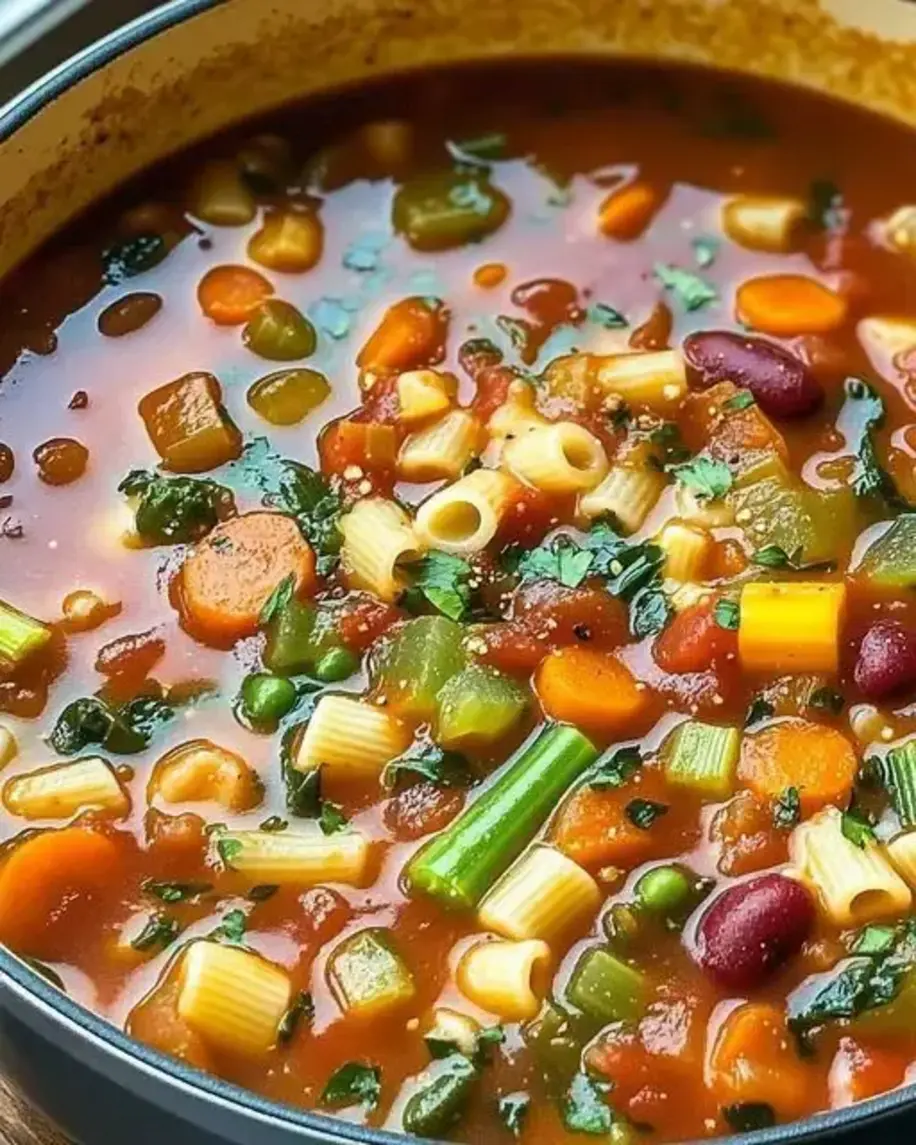

For more delicious inspiration, follow me on Pinterest!

Anti Inflammatory Turmeric Chicken Soup with a North African Touch – Warming, Velvety & Healing

⚖️
Difficulty
Easy
⏲️
Prep Time
15 mins
🕒
Cook Time
30 mins
⏱️
Total Time
45 mins
🍽️
Servings
4

Growing up in Morocco, my mother’s kitchen was never without a pot of something fragrant bubbling on the stove. Turmeric was her go-to for everything — from a post-illness broth to a Friday couscous. That deep golden hue and earthy warmth stayed with me through culinary school in Paris and now, in my NYC apartment, I turn to this anti inflammatory turmeric chicken soup whenever I need a hug in a bowl. The unique twist here? A touch of velvety coconut milk and a pinch of Moroccan insight — black pepper isn’t just for heat; it unlocks turmeric’s curcumin so your body actually gets the benefits. This turmeric chicken soup recipe is my personal rewrite of a classic in a way that feels both nourishing and deeply comforting.

Imagine the aroma — garlic and ginger hitting hot oil, then fresh turmeric staining everything a brilliant mustard yellow. The broth turns silky with coconut milk, cradling tender carrots and shredded chicken. Each spoonful is a gentle wave of warmth: cumin and coriander from the spice cabinet, a subtle kick from cayenne (if you dare), and a bright finish of lime and cilantro. The balance is spot-on — rich but not heavy, healing but not boring. It’s the kind of anti inflammatory soup that makes you want to wrap yourself in a blanket and watch the rain through the window.

I’ve tested this recipe dozens of times — from my Le Creuset pot in Paris to a tiny stove in a Brooklyn walk-up. What I’ve learned is that technique matters almost as much as ingredients. Toasting the spices just a minute (don’t burn them!) releases their essential oils. And never skip the black pepper; it’s non-negotiable. If you’ve ever wondered how to make a healing chicken soup that actually tastes like something you’d crave, this is it. I’ll also share a common mistake home cooks make with turmeric — using it raw instead of cooking it in fat. Let’s fix that.

Why This Anti Inflammatory Turmeric Chicken Soup Recipe Is the Best

The Flavor Secret – Most anti-inflammatory soups taste like medicine. Not this one. My Paris training taught me how to layer flavors: start with a soffritto of onion, then bloom the spices in oil before adding liquid. The coconut milk adds a luxurious creaminess that tames turmeric’s earthiness. A splash of lime at the end cuts through and lifts everything. It’s a turmeric soup for inflammation that you’ll actually look forward to eating.

Perfected Texture – The vegetables soften but never disintegrate because we add them at the right time. The chicken stays shreddable, not dry. And because I finish with fresh herbs and lime off the heat, the soup retains that just-made brightness even the next day. No sad, overcooked soup here.

Foolproof & Fast – This comes together in 45 minutes flat. Perfect for a weeknight when you’re feeling run-down or just craving something real. If you’ve never cooked with fresh turmeric, I’ll walk you through it — and tell you exactly when ground turmeric works just as well.

Anti Inflammatory Turmeric Chicken Soup Ingredients

Every ingredient here serves a purpose — anti-inflammatory, flavor, or texture. I pick up my fresh turmeric at the Union Square Greenmarket in NYC, but your local grocery store will carry it near the ginger. If you can’t find fresh, I’ve got you covered. Let’s talk through what goes in.

Ingredients List

  • 1 tablespoon coconut oil or olive oil
  • 1 large onion, diced
  • 3 cloves garlic, minced
  • 1 tablespoon fresh ginger, grated
  • 1 tablespoon fresh turmeric, grated (or 1 teaspoon ground turmeric)
  • 1 teaspoon ground cumin
  • 1 teaspoon ground coriander
  • ½ teaspoon black pepper (enhances turmeric absorption)
  • ¼ teaspoon cayenne pepper (optional)
  • 4 cups chicken broth (low sodium)
  • 1 can (13.5 oz) full-fat coconut milk
  • 2 medium carrots, sliced
  • 2 stalks celery, sliced
  • ½ teaspoon sea salt, plus more to taste
  • 2 cups cooked chicken, shredded
  • 2 tablespoons fresh lime juice
  • ¼ cup fresh cilantro, chopped
  • 2 tablespoons fresh parsley, chopped

Ingredient Spotlight

Fresh Turmeric – Look for firm, bright orange roots (similar to ginger). It stains everything, so use a microplane and be careful! Its flavor is more floral and less bitter than ground. If using ground, add it with the other spices and use a teaspoon.

Coconut Milk – Full-fat is key for body and richness. Light coconut milk will make the soup thin and watery. I always buy unsweetened — the natural sweetness comes from the carrots.

Black Pepper – I can’t stress this enough: piperine in black pepper increases curcumin absorption by up to 2000%. A mere ½ teaspoon does the job. Don’t skip it.

Cooked Chicken – Leftover rotisserie chicken is perfect. Or poach chicken breasts in the broth before adding vegetables, then shred. That adds even more flavor.

Original IngredientBest SubstitutionFlavor / Texture Impact
Fresh Turmeric1 tsp ground turmericSlightly less fresh, but workable. Add with dry spices.
Coconut OilOlive oil or avocado oilSubtle flavor difference; still works.
Full-Fat Coconut MilkLight coconut milkSoup will be thinner, less creamy.
Chicken BrothVegetable brothLess chicken flavor; still delicious.
Fresh Ginger1 tsp ground gingerLess pungent; add early.

How to Make Anti Inflammatory Turmeric Chicken Soup — Step-by-Step

This comes together quickly. I’ve broken it down into six easy steps. Remember: the black pepper and fat (coconut oil) are your best friends for unlocking turmeric’s power.

Step 1: Sauté the Aromatics

Heat the coconut oil in a large pot over medium heat. Add the diced onion and cook until softened, about 5 minutes. Stir occasionally — you want them translucent, not browned.

💡 mia’s Pro Tip: Don’t rush this step. Sweating the onions slowly builds the sweet foundation of the soup.

Step 2: Build the Spice Base

Add the garlic, ginger, turmeric, cumin, coriander, black pepper, and cayenne (if using). Stir constantly for 1 minute until fragrant. The kitchen will smell amazing.

⚠️ Common Mistake to Avoid: Burning the spices! If the pan is too hot, they’ll turn bitter. Keep heat at medium-low and stir.

Step 3: Add the Broth and Coconut Milk

Pour in the chicken broth and coconut milk. Stir well, scraping up any browned bits from the bottom. Those bits are pure flavor.

💡 mia’s Pro Tip: Use a wooden spatula to deglaze properly — that’s the French way.

Step 4: Simmer the Vegetables

Add the sliced carrots and celery. Bring the soup to a boil, then reduce heat and simmer for 15–20 minutes until vegetables are tender. You should be able to pierce a carrot slice easily with a fork.

⚠️ Common Mistake to Avoid: Boiling too hard can break the coconut milk and make the soup grainy. Keep it at a gentle simmer.

Step 5: Add the Chicken

Stir in the shredded cooked chicken. Simmer for another 5 minutes until heated through. If you want more chicken flavor, you can add the shredded chicken earlier with the vegetables.

💡 mia’s Pro Tip: If using raw chicken, poach it in the broth for 15 minutes before shredding. That infuses the broth beautifully.

Step 6: Final Touches

Remove from heat. Stir in the lime juice, cilantro, and parsley. Season with sea salt to taste. Taste and adjust — maybe more lime, maybe more salt. Ladle into bowls and serve warm. Enjoy!

⚠️ Common Mistake to Avoid: Adding the lime and herbs too early. They need to stay bright, so always add off the heat.

StepActionDurationKey Visual Cue
1Sauté onion5 minOnion translucent, not brown
2Bloom spices1 minVery fragrant; spices coated in oil
3Add broth & coconut milk1 minLiquid combined; deglaze pot
4Simmer vegetables15-20 minCarrots fork-tender
5Add chicken5 minChicken heated through
6Finish off heatLime, herbs stirred in; color bright

Serving & Presentation

I love serving this soup in deep, wide bowls so you can see all the golden goodness. Ladle it generously, making sure each bowl gets a good mix of broth, vegetables, and chicken. Garnish with an extra sprinkle of cilantro and a wedge of lime on the side — it adds a pop of color and a fresh hit of acidity right at the table.

In Morocco, we often pair soups like this with crusty bread for dipping. Here in NYC, I go for a thick slice of sourdough from my local bakery. The coconut milk makes it rich enough to stand alone, but if you want a heartier meal, serve it over rice or with a side of naan. A spoonful of Greek yogurt on top would also be lovely (though not traditional).

Pairing TypeSuggestionsWhy It Works
Side DishCrusty sourdough, naan, steamed riceSoaks up the flavorful broth
Sauce / DipGreek yogurt, harissa, lime wedgesAdds creaminess or heat
BeverageGreen tea, ginger tea, unsweetened iced teaComplements the anti-inflammatory theme
GarnishFresh cilantro, parsley, lime zest, red pepper flakesBrightens flavor and adds visual appeal

Make-Ahead, Storage & Reheating

As a busy NYC food blogger, I live by meal prep. This soup is a lifesaver — it tastes even better the next day. I make a big batch on Sunday and have lunches ready for the week. Here’s how to store it properly.

MethodContainerDurationReheating Tip
RefrigeratorAirtight glass containerUp to 4 daysReheat gently on stove or microwave. Add splash of broth if thick.
FreezerFreezer-safe zip-top bag or containerUp to 3 monthsThaw overnight in fridge. Reheat on stovetop, stirring occasionally.
Make-AheadAs directed, omit lime & herbs until servingUp to 3 days in advanceAdd fresh lime and herbs just before serving for brightest flavor.

One thing I’ve learned from meal-prepping this soup: the coconut milk might separate slightly after freezing. Don’t worry — a good stir while reheating brings it back together. If you prefer a super-smooth texture, give it a quick blitz with an immersion blender before freezing. The flavors only deepen.

Variations & Easy Swaps

VariationKey ChangeBest ForDifficulty Impact
Hearty VegetableAdd zucchini, bell pepper, spinachMore nutrients, bulkEasy
Gluten-Free & Dairy-FreeAlready compliant; verify brothDietary restrictionsNone
Spicy Moroccan TwistAdd cinnamon stick, chickpeas, preserved lemonNorth African flairModerate

Variation 1: Hearty Vegetable Version

Throw in a diced zucchini and a red bell pepper along with the carrots and celery. Add a handful of spinach at the very end. This boosts the fiber and turns it into a full meal. The extra veggies soak up the spiced broth beautifully. If you want it even heartier, toss in a cup of cooked chickpeas.

Variation 2: Gluten-Free & Dairy-Free

Great news — this anti inflammatory turmeric chicken soup is naturally gluten-free (use certified gluten-free broth if sensitive) and dairy-free thanks to the coconut milk. It’s already a safe bet for most dietary needs. Just double-check your spice blends for any hidden gluten, though the ones listed are pure.

Variation 3: Spicy Moroccan Twist

Add a cinnamon stick with the broth, toss in a can of drained chickpeas, and finish with a tablespoon of chopped preserved lemon. This is the version I grew up with — it’s warming, slightly sweet, and incredibly aromatic. The preserved lemon adds a salty, tangy punch that cuts through the richness of the coconut milk.

What is the best way to add turmeric to chicken soup for maximum anti-inflammatory benefits?

The best method is to cook fresh grated turmeric in oil at the start of the recipe. Turmeric’s curcumin is fat-soluble, so sautéing it in coconut oil (or another healthy fat) helps release its compounds. You must also include black pepper — piperine in pepper dramatically increases curcumin absorption. I add both in Step 2, blooming them together. This process ensures you get the most anti-inflammatory power from every spoonful.

Can I use ground turmeric instead of fresh turmeric in an anti-inflammatory chicken soup?

Absolutely. Ground turmeric is a convenient alternative and still delivers anti-inflammatory benefits. Use 1 teaspoon of ground turmeric for every 1 tablespoon of fresh called for. Because ground turmeric is more concentrated and slightly bitter, I recommend adding it at the same time as the other dry spices (cumin, coriander) and cooking it in oil for a minute to bloom. The flavor won’t be as bright as fresh, but the soup will still be deeply golden and healing.

How long should I simmer turmeric chicken soup to preserve its anti-inflammatory properties?

Aim for a total simmer time of 20–30 minutes once the broth and vegetables are in. Curcumin is heat-stable but can degrade with very long cooking over high heat. I simmer gently at medium-low after bringing to a boil. The carrots and celery need about 15–20 minutes to become tender, which is perfect. If you add chicken, the additional 5 minutes doesn’t harm the curcumin. Overcooking (over an hour) might slightly reduce potency, but the soup will still be beneficial.

What other anti-inflammatory ingredients can I add to turmeric chicken soup?

You have a wealth of options! Ginger, garlic, and black pepper are already in the recipe and are fantastic. Add a pinch of cayenne for capsaicin’s anti-inflammatory effects. Leafy greens like spinach or kale (added at the end) bring antioxidants. Mushrooms, especially shiitake, add immune-boosting beta-glucans. You can also stir in a teaspoon of apple cider vinegar for its acetic acid benefits. And don’t forget a cinnamon stick — it’s anti-inflammatory and adds a lovely depth.

Is this anti-inflammatory turmeric chicken soup suitable for a detox diet?

Yes, this soup is gentle and supportive for a detox. It’s made with whole, nutrient-dense ingredients — vegetables, healthy fats, lean protein, and spices known for their anti-inflammatory and antioxidant properties. The coconut oil and coconut milk provide medium-chain triglycerides that support metabolism, while the turmeric and ginger aid digestion. It’s also free of processed foods, dairy, and gluten. Use low-sodium broth and avoid sea salt if you’re on a strict detox. It’s a perfect meal to reset without feeling deprived.

How can I make this turmeric chicken soup more filling?

To turn this soup into a hearty main dish, add cooked chickpeas, white beans, or lentils. Stir in a cup of cooked quinoa or brown rice for extra fiber and protein. You can also bulk up the vegetables — chopped zucchini, bell pepper, or sweet potato work beautifully. For a creamier, more satisfying texture, blend a portion of the soup with an immersion blender before adding the chicken. Serve with a side of crusty bread or naan to round it out.

Can I make this anti-inflammatory soup in a slow cooker or Instant Pot?

Yes! For a slow cooker, sauté the aromatics and bloom the spices on the stove first, then transfer everything except the chicken, lime, and herbs to the slow cooker. Cook on low for 6–8 hours or high for 3–4 hours. Add the shredded chicken in the last 30 minutes. For an Instant Pot, use the Sauté function for the aromatics and spices, then add broth, coconut milk, and vegetables. Pressure cook on high for 5 minutes with a quick release. Stir in chicken (pre-cooked or shredded rotisserie) and finish with lime and herbs. The flavors will be a bit different — more melded in the slow cooker, brighter in the IP.

What is the best type of chicken to use for anti-inflammatory turmeric chicken soup?

I prefer using boneless, skinless chicken thighs for their richer flavor and tenderness, but shredded rotisserie chicken (organic, if possible) is my go-to for convenience. If you want the broth extra nourishing, start with bone-in chicken pieces (like thighs or drumsticks), simmer them in the broth for 30 minutes before removing the meat, then shred and return it. That gives you a bone-broth-like depth. Avoid skinless chicken breast if you can — it can dry out quickly. Dark meat stays moist and adds healthy fats.

How do I reduce the turmeric taste in anti-inflammatory chicken soup if it’s too strong?

If the turmeric flavor is overwhelming, a few tweaks can balance it. Add a splash more coconut milk to mellow the earthiness. A teaspoon of honey or maple syrup can counteract bitterness. Increase the lime juice — acidity cuts through strong flavors. You can also stir in a dollop of plain Greek yogurt or additional chicken broth to dilute. Next time, use slightly less turmeric (fresh or ground) and increase the ginger and garlic, which complement without overpowering. Remember that the flavor mellows as the soup sits overnight.

Can I make this anti-inflammatory turmeric chicken soup vegan?

Absolutely. Replace the chicken with chickpeas (2 cups) and use vegetable broth instead of chicken broth. The rest of the ingredients are already plant-based. Chickpeas add protein and fiber, and they soak up the turmeric-coconut broth beautifully. For extra umami, add a tablespoon of miso paste or a few chopped shiitake mushrooms. The texture will be slightly different — less shreddy, more chunky — but equally comforting and anti-inflammatory.

Share Your Version!

I’d love to see how this anti inflammatory turmeric chicken soup turns out in your kitchen! Did you add extra vegetables, spice it up with more cayenne, or try my Moroccan twist with preserved lemon? Drop a star rating and a comment below — your feedback helps me create recipes that really work for you. And if you snap a photo, tag me on Instagram or Pinterest @exorecipe — I personally read every comment and love seeing your beautiful golden bowls.

One question I always love to hear: what’s your go-to anti-inflammatory ingredient that I didn’t include here? I’m always experimenting, and your ideas might end up in my next recipe!

From my NYC kitchen to yours — I hope this recipe brings as much warmth to your table as it does to mine. — mia 🧡

📌

Love This Recipe? Save It to Pinterest!

If you enjoyed this Anti Inflammatory Turmeric Chicken Soup recipe, don’t let it get lost in your browser tabs! 😄 Pin it now so you can find it again anytime — and explore hundreds more tried-and-tested recipes waiting for you on my Pinterest boards.

👉 Follow mia on Pinterest @chefrecipes2

📌 Pin this recipe · 🔁 Re-pin your favorites · 💬 Tag me when you make it — I love seeing your creations!

Print

clock clock iconcutlery cutlery iconflag flag iconfolder folder iconinstagram instagram iconpinterest pinterest iconfacebook facebook iconprint print iconsquares squares iconheart heart iconheart solid heart solid icon

ANTI INFLAMMATORY TURMERIC CHICKEN SOUP

  • Author: Chef Mia
  • Prep Time: 15 minutes
  • Cook Time: 30 minutes
  • Total Time: 45 minutes
  • Yield: 4 1x
  • Method: Main Course
  • Cuisine: American

Description

A comforting and nourishing chicken soup packed with anti-inflammatory ingredients like turmeric, ginger, and garlic. Perfect for supporting your immune system.


Ingredients

Scale
  • 1 tablespoon coconut oil or olive oil
  • 1 large onion, diced
  • 3 cloves garlic, minced
  • 1 tablespoon fresh ginger, grated
  • 1 tablespoon fresh turmeric, grated (or 1 teaspoon ground turmeric)
  • 1 teaspoon ground cumin
  • 1 teaspoon ground coriander
  • 1/2 teaspoon black pepper (enhances turmeric absorption)
  • 1/4 teaspoon cayenne pepper (optional)
  • 4 cups chicken broth (low sodium)
  • 1 can (13.5 oz) full-fat coconut milk
  • 2 medium carrots, sliced
  • 2 stalks celery, sliced
  • 1/2 teaspoon sea salt, plus more to taste
  • 2 cups cooked chicken, shredded
  • 2 tablespoons fresh lime juice
  • 1/4 cup fresh cilantro, chopped
  • 2 tablespoons fresh parsley, chopped

Instructions

  1. Heat the coconut oil in a large pot over medium heat. Add the diced onion and cook until softened, about 5 minutes.
  2. Add the garlic, ginger, turmeric, cumin, coriander, black pepper, and cayenne (if using). Stir and cook for 1 minute until fragrant.
  3. Pour in the chicken broth and coconut milk. Stir well, scraping up any browned bits from the bottom.
  4. Add the sliced carrots and celery. Bring the soup to a boil, then reduce heat and simmer for 15–20 minutes until vegetables are tender.
  5. Stir in the shredded cooked chicken. Simmer for another 5 minutes until heated through.
  6. Remove from heat. Stir in the lime juice, cilantro, and parsley. Season with sea salt to taste.
  7. Ladle into bowls and serve warm. Enjoy!

Notes

This soup keeps well in the refrigerator for up to 4 days. For a dairy-free and gluten-free option, the recipe is already compliant. The black pepper is crucial as it helps the body absorb curcumin from turmeric more effectively.


Nutrition

  • Calories: 385
  • Sugar: 6 g
  • Fat: 24 g
  • Carbohydrates: 16 g
  • Protein: 28 g


ANTI INFLAMMATORY TURMERIC CHICKEN SOUP

k">

Tried This Recipe? Leave a Comment!

Did you make this recipe? I’d love to hear how it turned out! Please leave a comment and a rating below. Your feedback helps other home cooks and supports cheerychop.com!

For more delicious inspiration, follow me on Pinterest!