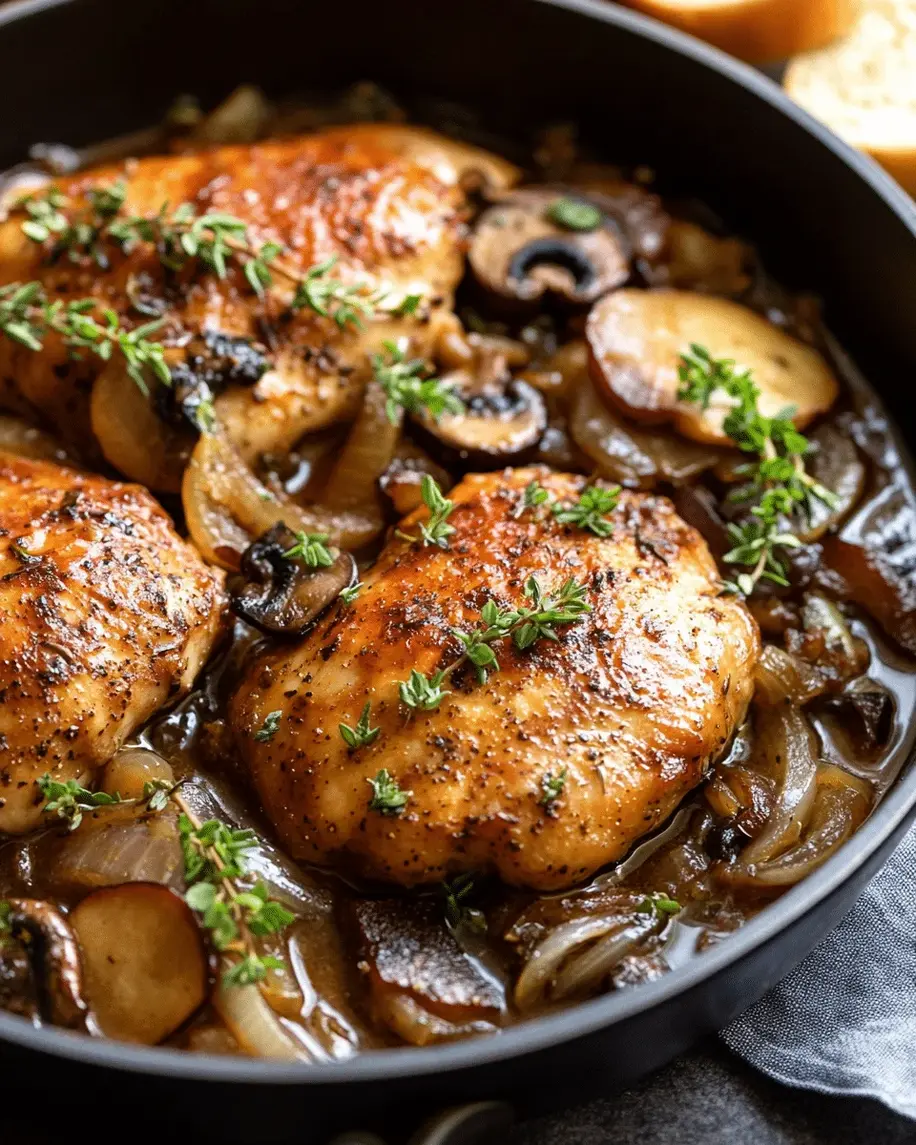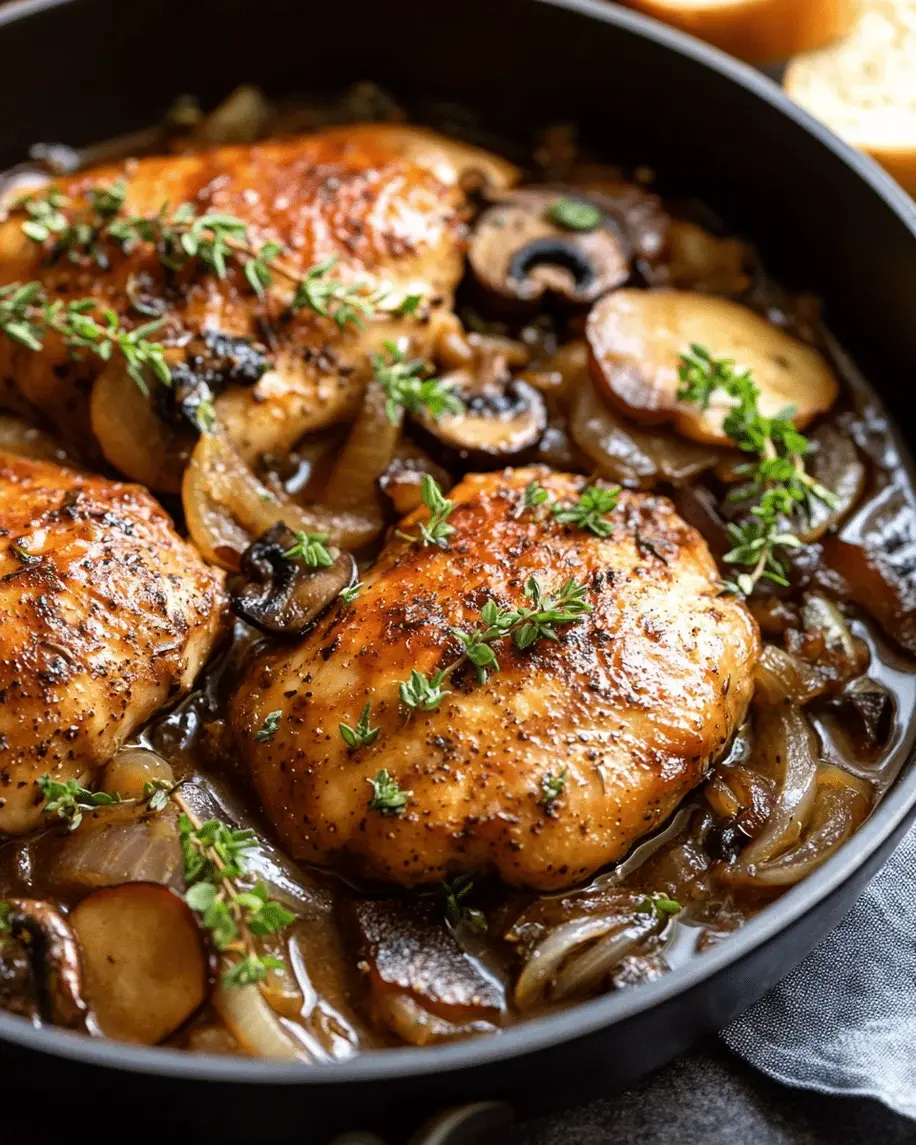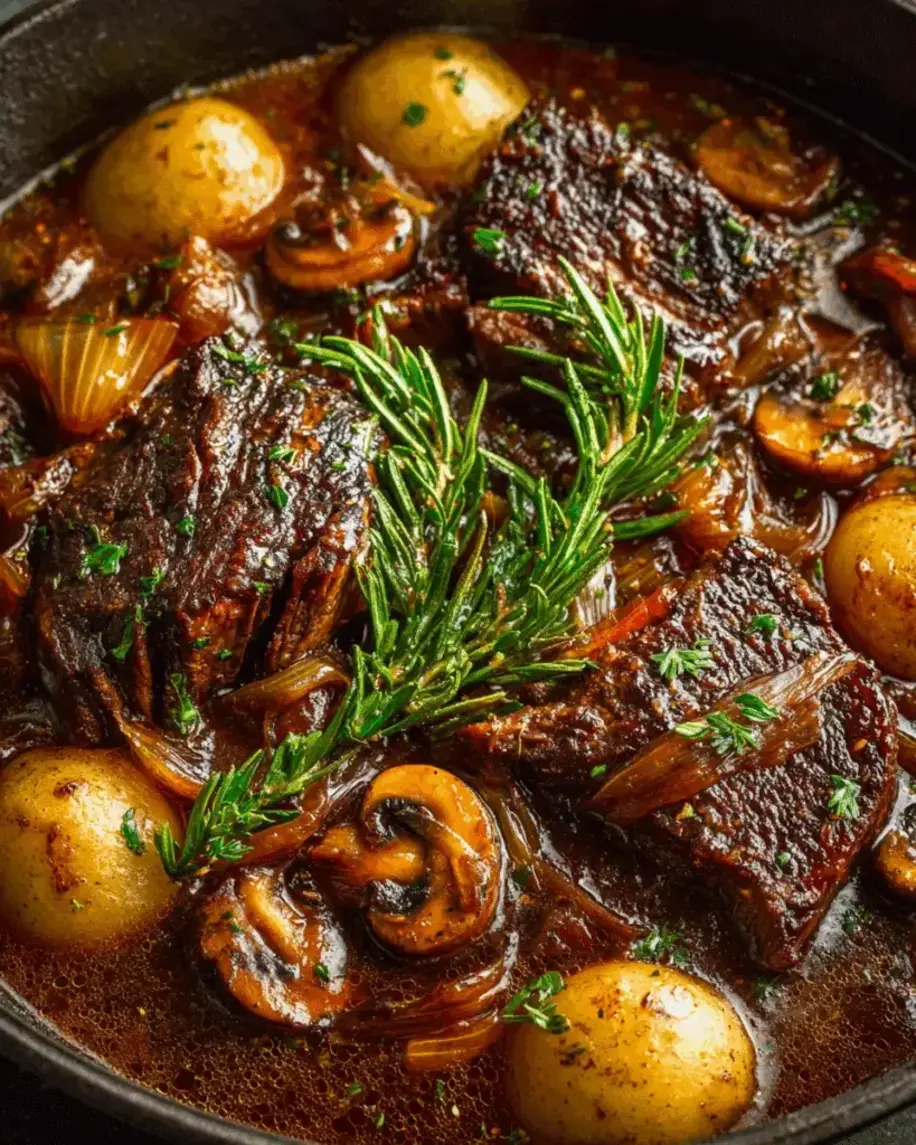
Keto Turkey Meatballs In A Creamy Sauce – Parmesan Cream Perfection

⚖️
Difficulty
Easy
⏲️
Prep Time
15 mins
🕒
Cook Time
20 mins
⏱️
Total Time
35 mins
🍽️
Servings
4

I still remember the first time I made these keto turkey meatballs in a creamy sauce in my tiny NYC apartment. It was a chilly fall evening, and I was craving the comforting warmth of my mother’s Moroccan kitchen — but with a low-carb, high-protein twist that fit my busy American lifestyle. I pulled out a skillet, grabbed a pound of ground turkey from the Union Square farmers market, and started experimenting. The result? A dish that felt both familiar and completely new: tender, spiced meatballs swimming in a velvety parmesan cream sauce that thickened naturally — no almond flour, no cornstarch, just pure French technique and a touch of Moroccan soul. These low carb turkey meatballs have just the right amount of heat and savory depth, making them the perfect easy low carb dinner for any night of the week.

The first bite hits you with a whisper of garlic and parsley, followed by the rich, nutty warmth of parmesan melting into heavy cream. The sauce clings to each meatball like a cozy blanket — glossy, smooth, and just thick enough to coat the back of a spoon. The turkey stays incredibly juicy because of a simple trick I learned in Paris: a single egg and a gentle hand. The aroma that fills your kitchen is pure magic — savory, creamy, with a slight peppery kick that makes your stomach rumble before you even sit down. I love serving these creamy keto meatballs in a shallow bowl with a sprinkle of fresh parsley and extra parmesan on top. It’s the kind of meal that makes you slow down, breathe, and actually taste every bite.

What sets these turkey meatballs with cream sauce apart from other keto ground turkey recipes is the sauce itself. I don’t use any thickeners — no xanthan gum, no almond flour, no cream cheese. Instead, I rely on a classic French technique: letting the parmesan melt slowly into reduced heavy cream, stirring constantly until it naturally thickens into a silky, luxurious sauce. It’s foolproof, gluten-free, and deeply satisfying. I’ll also share my number one tip for keeping turkey meatballs from falling apart — because I’ve tested this recipe a dozen times, and I know exactly where things can go wrong. Whether you’re new to keto or a seasoned pro, this recipe will become a staple in your rotation. From my NYC kitchen to yours — let’s dive in.

Why This Keto Turkey Meatballs In A Creamy Sauce Recipe Is the Best

The Flavor Secret: The combination of garlic, parsley, and a whisper of black pepper gives these meatballs a warm, aromatic base that reminds me of the spice blends my mother used in Marrakech. But the real star is the sauce — heavy cream and parmesan, slowly simmered until the cheese melts and the sauce thickens into a rich, savory coating. There’s no tomato, no sugar, no grains — just pure, clean keto comfort food. I finish the dish under the broiler for a golden top that adds a delicate crust and a beautiful presentation.

Perfected Texture: Ground turkey can be notoriously dry, but I’ve cracked the code. The egg acts as a binder, and the key is to not overwork the meat. I also oil my hands before rolling — a trick from my Paris days that prevents sticking without adding extra flour or almond meal. The result is tender, juicy meatballs that hold their shape perfectly during searing and stay moist even after a brief stint in the oven. Every bite has a slight crust on the outside and a soft, almost silky interior.

Foolproof & Fast: This recipe comes together in about 35 minutes, making it ideal for busy weeknights. You don’t need any special equipment — just a skillet, a bowl, and a sheet pan. The step-by-step instructions are designed to guide even a beginner through the process, with clear visual cues and pro tips along the way. Whether you’re cooking for yourself or feeding a family, these low carb turkey meatballs deliver restaurant-quality flavor with minimal cleanup.

Keto Turkey Meatballs In A Creamy Sauce Ingredients

I picked up the ground turkey from a local butcher in Chelsea Market — it’s worth spending a little extra for organic, pasture-raised turkey if you can. The parmesan I buy in a block from Murray’s Cheese Shop in Greenwich Village; pre-shredded just won’t melt the same way. And the heavy cream? I get mine from a dairy farm upstate at the Union Square Greenmarket. Every ingredient in this recipe has a purpose, and each one brings something essential to the final dish.

Ingredients List

  • 1 pound ground turkey
  • 1 large egg
  • ½ teaspoon salt
  • ½ teaspoon black pepper
  • 1 teaspoon garlic, minced
  • 2 teaspoons fresh parsley, chopped (plus more for garnish)
  • 1¾ cups heavy cream
  • 1 cup Parmesan cheese, cut from the block and finely grated
  • 1 teaspoon salt (for sauce)
  • 1 teaspoon garlic powder
  • ¼ teaspoon black pepper (for sauce)

Ingredient Spotlight

Ground Turkey (1 lb): I recommend 93% lean ground turkey — it has enough fat to keep the meatballs juicy without making them greasy. If you use 99% lean, the meatballs will be drier. Look for meat that’s bright pink and smells fresh. At the store, check the sell-by date and choose a package that feels cold to the touch. Substitution: Ground chicken works beautifully, or you can use half turkey and half pork for a richer flavor.

Heavy Cream (1¾ cups): This is the backbone of the sauce. Heavy cream (at least 36% milk fat) reduces beautifully and creates a luscious, thick texture without any thickeners. Don’t substitute half-and-half or milk — the sauce will be thin and may curdle. If you need a dairy-free option, full-fat coconut cream is the closest match, though it will add a subtle coconut flavor.

Parmesan Cheese (1 cup, from the block): Never use pre-shredded parmesan — it contains anti-caking agents that prevent smooth melting. Buy a block of genuine Parmigiano-Reggiano and grate it yourself on the fine side of a box grater. The nutty, salty flavor is irreplaceable. For a vegetarian option, use a high-quality vegetarian hard cheese like Grana Padano (check the label for rennet).

Egg (1 large): The egg acts as a binder, holding the meatballs together without any breadcrumbs or almond flour. It also adds moisture. If you’re allergic to eggs, you can substitute 1 tablespoon of flaxseed meal mixed with 3 tablespoons of water — let it sit for 5 minutes to form a gel. The texture will be slightly softer but still holds up well.

Original IngredientBest SubstitutionFlavor / Texture Impact
Ground TurkeyGround Chicken or Half PorkChicken is leaner; pork adds richness
Heavy CreamFull-Fat Coconut CreamSlightly coconut flavor, still thick
Parmesan (block)Vegetarian Grana PadanoVery similar; slightly milder, less salty
Large EggFlax Egg (1 tbsp flax + 3 tbsp water)Softer texture, still binds well

How to Make Keto Turkey Meatballs In A Creamy Sauce — Step-by-Step

I’ve broken this recipe down into five simple steps so you can follow along with confidence. Trust the process — and don’t skip the pro tips!

Step 1: Prep the Meatball Mixture

Preheat your oven to broil (high heat). In a large mixing bowl, combine 1 pound ground turkey, 1 large egg, ½ teaspoon salt, ½ teaspoon black pepper, 1 teaspoon minced garlic, and 2 teaspoons chopped parsley. Use your hands to gently mix everything together — don’t overwork it, or the meatballs will become tough. Stop as soon as the ingredients are evenly distributed. The mixture will be quite sticky, which is exactly what you want for juicy meatballs.

💡 mia’s Pro Tip: Lightly oil your hands with avocado or olive oil before rolling. This prevents the sticky mixture from clinging to your skin and eliminates the need for any flour or almond meal coating.

Step 2: Form the Meatballs

Roll the seasoned turkey mixture into meatballs about the diameter of a quarter — roughly 1.5 inches. They should be thick enough to hold their shape but not so large that they struggle to cook through. I used a meatball maker and got exactly 15 meatballs. If you’re rolling by hand, wet your palms slightly with oil between each ball to keep things smooth. Place them on a plate or small sheet pan as you go.

⚠️ Common Mistake to Avoid: Don’t make the meatballs too large or too compact. Over-rolling packs the meat too tightly, resulting in dense, tough meatballs. Aim for a gentle, even shape — loosely packed is better.

Step 3: Sear the Meatballs

Heat a large skillet over medium heat and add a thin layer of oil (about 2 tablespoons). Add the meatballs in a single layer — don’t crowd the pan. If needed, cook in two batches. Sear the meatballs on all sides, turning gently with tongs, until they are browned and cooked through (about 6-8 minutes total). The internal temperature should reach 165°F. Remove the meatballs to a plate and set aside. Carefully pour off any excess grease left in the pan, leaving about 1 tablespoon of drippings for flavor.

💡 mia’s Pro Tip: Use a cast-iron skillet if you have one. It holds heat beautifully and gives the meatballs a deep, even sear. A stainless-steel pan works well too — just make sure it’s hot before adding the oil.

Step 4: Make the Creamy Sauce

Reduce the heat to low-medium. Add 1¾ cups heavy cream, 1 cup finely grated parmesan, 1 teaspoon salt, 1 teaspoon garlic powder, and ¼ teaspoon black pepper to the skillet. Begin stirring continuously with a wooden spoon or silicone spatula. Allow the sauce to simmer very gently — just barely bubbling. Keep stirring as the parmesan melts and the sauce begins to thicken. This should take about 4-5 minutes. The sauce is ready when it coats the back of a spoon and leaves a clear trail when you drag your finger through it. Once the sauce has reached the right consistency, gently return the meatballs to the skillet, turning them to coat in the sauce.

⚠️ Common Mistake to Avoid: Don’t let the sauce boil vigorously. High heat can cause the cream to separate and the parmesan to turn grainy. Keep the heat low and stir constantly for a silky, emulsion-style sauce.

Step 5: Finish in the Oven

Transfer the skillet (if oven-safe) to the preheated broiler. Broil for 2-3 minutes, just until the tops of the meatballs are lightly browned and the sauce is bubbling around the edges. Keep a close eye on it — broilers vary in intensity, and you want a golden top, not burnt. Remove from the oven, garnish with fresh parsley and a sprinkle of additional parmesan, and let the dish rest for 3 minutes before serving. The sauce will be very hot, so allow it to cool slightly.

💡 mia’s Pro Tip: If your skillet handle isn’t oven-safe, transfer the meatballs and sauce to a small baking dish or ovenproof casserole before broiling. This avoids any handle-melting accidents!

StepActionDurationKey Visual Cue
1Mix ingredients3-4 minsEvenly combined, sticky texture
2Form meatballs5-6 minsQuarter-sized, lightly packed
3Sear meatballs6-8 minsGolden brown on all sides
4Make sauce4-5 minsCoats spoon, thick and smooth
5Broil2-3 minsGolden top, bubbling edges

Serving & Presentation

I love serving these keto turkey meatballs in a creamy sauce in wide, shallow bowls so the sauce can pool around the meatballs beautifully. A generous sprinkle of fresh parsley and a final dusting of parmesan add color and a pop of savory flavor. For a extra touch, I sometimes add a few cracks of black pepper and a drizzle of extra-virgin olive oil right before serving — it’s a habit I picked up from a Parisian chef who believed that every dish deserves a finishing flourish.

These meatballs pair wonderfully with so many sides. My personal favorite is a bed of sautéed spinach or zucchini noodles for an ultra-low-carb meal. But they’re also fantastic with cauliflower rice — especially if you toss the cauli rice in a little garlic butter first. If you’re not strictly keto, serve them over buttery egg noodles or creamy polenta for a comforting indulgence. For a touch of my Moroccan roots, I sometimes add a sprinkle of toasted sesame seeds and a pinch of cumin on top — it sounds unexpected, but the warmth of cumin with the creamy parmesan sauce is absolutely divine.

Pairing TypeSuggestionsWhy It Works
Side DishSautéed spinach, zucchini noodles, cauliflower riceLow-carb options that soak up the sauce without overpowering
Sauce / DipExtra cream sauce, garlic aioli, harissa yogurtAdds richness or a spicy North African kick
BeverageDry sparkling water with lemon, unsweetened iced tea, dry white wineCleanses the palate between creamy bites
GarnishFresh parsley, extra parmesan, cracked black pepper, toasted sesame seedsAdds color, texture, and a final layer of flavor

Make-Ahead, Storage & Reheating

As a busy NYC food blogger with a thousand things on my plate (literally and figuratively!), I rely on make-ahead meals that actually taste good the next day. These keto turkey meatballs in a creamy sauce reheat beautifully — the sauce stays thick and luscious, and the meatballs remain tender. I often double the batch on Sunday and enjoy it throughout the week for quick lunches or effortless dinners.

MethodContainerDurationReheating Tip
RefrigeratorAirtight glass containerUp to 4 daysReheat gently in a skillet over low heat, adding a splash of cream or broth if sauce thickens too much
FreezerFreezer-safe container or zip-top bagUp to 3 monthsThaw overnight in the fridge, then reheat in a skillet over low heat, stirring occasionally
Make-AheadBaking dish with foilAssemble up to 2 days in advanceCover and refrigerate, then bake at 350°F for 15 minutes and broil for 2 minutes

When reheating, the most important thing is to go low and slow. High heat can cause the cream sauce to separate or become grainy. I reheat mine in a non-stick skillet over low heat, adding a splash of heavy cream or chicken broth to loosen the sauce if needed. Stir gently every minute or so until everything is warmed through. If you’re reheating from frozen, thaw the container in the refrigerator overnight for best results — then follow the same skillet method. The meatballs will taste almost as fresh as the day you made them!

Variations & Easy Swaps

This keto ground turkey recipe is endlessly adaptable. Here are three of my favorite variations, each tested multiple times in my own kitchen. Whether you’re craving Moroccan spices, a dairy-free option, or an earthy mushroom twist, there’s a version here for you.

VariationKey ChangeBest ForDifficulty Impact
Moroccan SpicedAdd cumin, coriander, cinnamon; finish with sesameWarm, aromatic twist on classic flavorsEasy
Dairy-Free / LighterUse coconut cream + nutritional yeast instead of cream and parmesanLactose intolerance or dairy-free ketoEasy (sauce is slightly thinner)
Mushroom & HerbSauté mushrooms with thyme; add to sauce before meatballsEarthy, umami-rich flavor boostEasy (adds 5 minutes)

Moroccan Spiced Meatballs

This variation is close to my heart. Add 1 teaspoon ground cumin, ½ teaspoon ground coriander, and a pinch of cinnamon to the meatball mixture. The warm, earthy spices complement the creamy sauce beautifully. I like to finish these with a sprinkle of toasted sesame seeds and a handful of fresh cilantro instead of parsley. It’s a subtle nod to the spice markets of Marrakech, and it transforms the dish into something truly special. The cream sauce still works perfectly — the spices just add a deeper, more aromatic flavor profile.

Dairy-Free / Lighter Cream Sauce

For those avoiding dairy, swap the heavy cream for full-fat coconut cream (the thick part from a can of full-fat coconut milk) and replace the parmesan with 3 tablespoons of nutritional yeast for a cheesy, umami flavor. The sauce will be slightly thinner and have a subtle coconut aroma, but it’s still rich and satisfying. I tested this version with a friend who is lactose-intolerant, and she gave it two thumbs up. Just be sure to simmer the sauce a little longer — about 6-7 minutes — to help it thicken properly. The meatballs themselves remain dairy-free since they only use egg as a binder.

Mushroom & Herb Variation

After searing the meatballs and removing them from the skillet, add 8 ounces of sliced cremini mushrooms and 2 sprigs of fresh thyme to the pan. Sauté over medium heat for 4-5 minutes until the mushrooms are golden and have released their moisture. Then proceed with the sauce as directed — the mushrooms will soak up some of the cream and parmesan, creating an even more luxurious, earthy sauce. I love this version in the fall, especially with a side of roasted Brussels sprouts. The thyme and mushrooms add a savory depth that feels incredibly sophisticated with very little extra effort.

How do you make keto turkey meatballs that don’t fall apart?

The key to keeping keto turkey meatballs from falling apart is using a binder and not overworking the meat. One large egg per pound of turkey provides enough structure to hold the meatballs together during cooking. Additionally, chilling the formed meatballs in the refrigerator for 15-20 minutes before searing helps them firm up. When you sear them in a hot skillet with oil, let them cook undisturbed for 2-3 minutes per side before attempting to flip — this creates a crust that locks in moisture and keeps them intact. Avoid adding any low-carb flours like almond or coconut flour unless you need them; the egg alone is sufficient if you handle the mixture gently.

What can I use instead of almond flour for keto turkey meatballs?

You don’t actually need almond flour at all for keto turkey meatballs if you use an egg as your binder. The egg provides enough structure to hold the meat together without any grain or flour. If you prefer a little extra texture or want to stretch the mixture, you can use 2-3 tablespoons of finely grated parmesan cheese — it acts as a binder and adds savory flavor without any carbs. Another option is 1 tablespoon of coconut flour, though you’ll need to let the mixture rest for 5 minutes to allow it to absorb moisture. My personal preference is to skip all flours and rely on the egg plus a gentle hand when forming the meatballs.

What is the best thickener for a low-carb creamy sauce for meatballs?

The best thickener for a low-carb creamy sauce is actually no thickener at all — it’s a technique. By slowly simmering heavy cream (at least 36% milk fat) with finely grated parmesan cheese, the sauce naturally thickens as the water evaporates and the cheese melts and emulsifies. This is a classic French technique called “creme reduction” and it produces a silky, stable sauce without any grains. If you want an even thicker consistency, you can stir in 1-2 teaspoons of cream cheese or ½ teaspoon of xanthan gum (whisked in slowly at the end), but honestly, the reduction method alone is foolproof and delivers the best texture for keto turkey meatballs in a creamy sauce.

Can I freeze keto turkey meatballs in creamy sauce for meal prep?

Yes, you can absolutely freeze keto turkey meatballs in creamy sauce for meal prep, and they hold up surprisingly well. The key is to cool the dish completely before freezing to prevent ice crystals from forming in the sauce. Transfer the meatballs and sauce to a freezer-safe container or a zip-top bag, removing as much air as possible. They will keep for up to 3 months in the freezer. When you’re ready to eat, thaw overnight in the refrigerator, then reheat gently in a skillet over low heat, stirring occasionally. If the sauce seems a little thick after thawing, add a splash of heavy cream or chicken broth to bring it back to its original consistency.

Can I use pre-shredded parmesan for the creamy sauce?

I highly recommend avoiding pre-shredded parmesan for this sauce. Pre-shredded cheese is coated with anti-caking agents like cellulose or potato starch, which prevent it from melting smoothly. When you add it to the cream, it can become grainy and clumpy rather than creating a silky emulsion. Instead, buy a block of genuine Parmigiano-Reggiano and grate it yourself on the fine side of a box grater. The freshly grated cheese melts evenly and integrates beautifully into the cream, giving you that luscious, thick sauce that makes these turkey meatballs with cream sauce so irresistible.

Is ground turkey or ground chicken better for keto meatballs?

Both ground turkey and ground chicken work well for keto meatballs, but I prefer ground turkey for this particular recipe. Ground turkey (especially 93% lean) has a slightly richer flavor and a bit more fat than ground chicken, which helps keep the meatballs moist during cooking. Ground chicken tends to be leaner and can dry out more easily if you’re not careful with cooking times. If you do use ground chicken, I recommend adding an extra tablespoon of heavy cream or a splash of olive oil to the mixture to boost moisture. Either way, the egg binder and gentle handling are essential for tender, juicy results.

How do I prevent the cream sauce from curdling?

Cream sauce curdles when it’s exposed to high heat or when an acidic ingredient is added too quickly. To prevent curdling, always keep the heat at low to medium-low when making the sauce. A gentle simmer — just a few small bubbles breaking the surface — is all you need. Stir continuously as you add the parmesan, allowing it to melt gradually into the cream. If you’re adding any acidic ingredients like lemon juice or tomato paste, stir them in off the heat or at the very end. Using heavy cream with at least 36% milk fat also helps stabilize the sauce. If your sauce does start to look slightly grainy, remove it from the heat immediately and whisk in a tablespoon of cold heavy cream to bring it back together.

Can I make this recipe in an air fryer instead of a skillet?

Yes, you can adapt this recipe for an air fryer with a few modifications. Form the meatballs as directed, then place them in a single layer in the air fryer basket. Cook at 375°F for 10-12 minutes, shaking the basket halfway through, until the meatballs are golden brown and cooked through. While the meatballs cook, prepare the creamy sauce in a skillet on the stovetop following the same method. Once the meatballs are done, add them to the sauce and stir to coat. Skip the broiler step since the air fryer already gives the meatballs a nice crust. This method works great for meal prep and keeps the stovetop less busy.

What can I serve with keto turkey meatballs besides vegetables?

Beyond vegetables, there are plenty of delicious keto-friendly sides for these creamy meatballs. Cauliflower rice is a classic — try it sautéed with garlic and butter for extra flavor. You can also serve them over cauliflower mash (mashed cauliflower with cream and butter) for a comfort-food vibe. Another option is shirataki noodles (zero-carb noodles) pan-fried until dry, then tossed in a little butter and garlic. For a heartier meal, try serving the meatballs with keto-friendly cheese biscuits or almond flour dinner rolls. Even a simple side of roasted radishes or turnips works beautifully, as they develop a mild, potato-like sweetness when roasted.

How many carbs are in keto turkey meatballs with cream sauce?

Each serving of these keto turkey meatballs in a creamy sauce contains approximately 5 grams of total carbohydrates, with about 3 grams coming from natural sugars in the heavy cream and very little from other ingredients. This makes the recipe incredibly low in carbs and perfect for a ketogenic diet. The net carbs are minimal because we’re using no flour, no breadcrumbs, and no added sugars. The primary source of carbs in this dish is the small amount of lactose in the heavy cream and the natural sugars in the turkey and seasonings. Most of the calories come from healthy fats (47g per serving) and high-quality protein (40g per serving), making it an ideal macro-friendly meal.

Share Your Version!

I absolutely love hearing how this recipe turns out in your kitchen! Did you try the Moroccan spice variation? Or did you go with the classic version and fall in love with that silky parmesan cream sauce? Drop a comment below with your star rating — it helps other readers know what to expect and gives me so much joy to see your feedback. If you share a photo on Instagram or Pinterest, tag me @exorecipes so I can see your beautiful creation. I personally read every comment and reply as often as I can. Your questions, your tweaks, your wins — they all make this community so special.

One thing I’d love to know: What side dish did you serve with these keto turkey meatballs in a creamy sauce? I’m always looking for new pairing ideas, and your suggestions might end up in my next recipe! From my NYC kitchen to yours — I hope this recipe brings as much warmth to your table as it does to mine. — mia 🧡

📌

Love This Recipe? Save It to Pinterest!

If you enjoyed these Keto Turkey Meatballs In A Creamy Sauce, don’t let them get lost in your browser tabs! 😄 Pin it now so you can find it again anytime — and explore hundreds more tried-and-tested keto recipes waiting for you on my Pinterest boards.

👉 Follow mia on Pinterest @exorecipe

📌 Pin this recipe · 🔁 Re-pin your favorites · 💬 Tag me when you make it — I love seeing your creations!

Print

clock clock iconcutlery cutlery iconflag flag iconfolder folder iconinstagram instagram iconpinterest pinterest iconfacebook facebook iconprint print iconsquares squares iconheart heart iconheart solid heart solid icon

Keto Turkey Meatballs In A Creamy Sauce

  • Author: Chef Mia

Description

These parmesan keto turkey meatballs have just the right amount of spice and savory flavors. Making these the perfect option for a easy low carb dinner.


Ingredients

Scale
  • 1 pound ground turkey
  • 1 large egg
  • 1/2 teaspoon Salt
  • 1/2 teaspoon black pepper
  • 1 teaspoon garlic
  • 2 teaspoon parsley
  • 1 3/4 cup Heavy cream
  • 1 cup Parmesan cheese (cut from the block)
  • 1 teaspoon Salt
  • 1 teaspoon garlic powder
  • 1/4 teaspoon black pepper

Instructions

  1. Preheat oven on broil.
  2. Combine ground turkey with egg, salt, pepper, garlic and parsley. Note, this will be sticky. In order to form meatballs be sure to oil your hands before rolling them.
  3. Roll seasoned ground turkey into meatballs with the diameter of a quarter but thick enough to be considered a meatball. Not super tiny but not so thick they will have a hard time cooking through. I used a meatball maker and I got 15 meatballs.
  4. In a skillet on medium heat add oil and meatballs. Don't crowd them, if you need to cook in batches do so. Cook them on all sides possible for browning until they are cooked through.
  5. Remove meatballs and then adjust heat to low to medium heat. Remove any excess grease/fat left in the pan. Add in heavy cream, parmesan cheese, garlic powder, salt and pepper. Start stirring, allow the sauce to simmer a little, just slightly. Continue to stir as the cheese melt and starts to thicken the sauce. Sauce should be thick before adding in meatballs. After sauce is right then add meatballs back in
  6. Place in oven just to brown the top slightly. Remove, garnish with parsley and and a bit of parmesan then serve. Careful, the cream sauce will be hot. Allow to cool slightly before serving.


Nutrition

  • Calories: 601 kcal
  • Sugar: 3 g
  • Fat: 47 g
  • Carbohydrates: 5 g
  • Protein: 40 g


Keto Turkey Meatballs In A Creamy Sauce

k">

Tried This Recipe? Leave a Comment!

Did you make this recipe? I’d love to hear how it turned out! Please leave a comment and a rating below. Your feedback helps other home cooks and supports cheerychop.com!

For more delicious inspiration, follow me on Pinterest!

“`html

Crockpot Chicken Enchilada Casserole – The Easiest Tex-Mex Comfort Food

⚖️
Difficulty
Easy
⏲️
Prep Time
15 mins
🕒
Cook Time
4-6 hrs
⏱️
Total Time
4-6 hrs 15 mins
🍽️
Servings
6-8

I still remember the first time I made a crockpot chicken enchilada casserole in my tiny NYC apartment. It was a freezing January evening, and the smell of cumin and chili slowly filling my kitchen reminded me of my mother’s tagine simmering on a charcoal fire back in Morocco. That warm, layered aroma is pure comfort — and this slow cooker chicken enchilada casserole delivers exactly that with zero fuss. The best part? It uses simple ingredients you can grab at any US grocery store, and the crockpot does all the heavy lifting.

Every spoonful of this easy chicken enchilada casserole recipe is a joy — tender shredded chicken swimming in a smoky, slightly tangy enchilada sauce, with sweet corn and earthy black beans tucked between layers of soft tortilla strips. The melted cheese on top turns golden and bubbly, while the fire-roasted tomatoes add a subtle char that makes the whole dish sing. I learned the art of layering flavors during my years at culinary school in Paris, and that technique is exactly what makes this casserole so deeply satisfying without any complicated steps.

What sets my version apart from other crockpot enchilada casserole recipes? Three things: I use sliced corn tortillas instead of whole ones to prevent a gummy texture, I add a splash of fire-roasted tomatoes for depth, and I offer an optional cream cheese swirl that makes the sauce extra luscious. In the years since I first shared this recipe on exorecipes.com, I’ve heard from hundreds of home cooks who’ve made it their own. Today I’m going to show you every trick I’ve learned — including the one mistake that can make your tortillas mushy and exactly how to avoid it.

Why This Crockpot Chicken Enchilada Casserole Recipe Is the Best

The Flavor Secret: Growing up in Morocco, my mother taught me that the best dishes come from layering flavors — not just dumping them in. In this chicken enchilada casserole, I follow that same principle. The fire-roasted tomatoes bring a smokiness that you don’t get from regular canned tomatoes, and the taco seasoning (which I sometimes swap for my own blend of cumin, smoked paprika, and garlic powder) builds a backbone that makes every bite taste intentional. My Paris-trained palate also insists on a pinch of sugar or a splash of orange juice if the enchilada sauce tastes too acidic — a small chef’s trick that balances the whole dish.

Perfected Texture: One of the biggest complaints I hear about slow cooker enchilada casseroles is that the tortillas turn to mush. The fix? Slice your corn tortillas into strips rather than using whole ones, and add them only during the last 20-30 minutes of cooking. This way they soften just enough to soak up the sauce without losing their structure entirely. I also drain and rinse the black beans well and pat the corn dry if using frozen — excess liquid is the enemy of a great casserole texture.

Foolproof & Fast: Even if you’ve never used a slow cooker before, this recipe is virtually impossible to mess up. You literally place raw chicken breasts in the pot, pour the sauce mixture over them, and walk away. Four hours later, you’re ten minutes away from a dinner that tastes like you spent all day cooking. I often make this on a Sunday afternoon while I’m meal-prepping for the week ahead, and it reheats beautifully — a godsend for busy NYC weeknights.

Crockpot Chicken Enchilada Casserole Ingredients

Every ingredient in this list has a purpose. I’ve tested this recipe more times than I can count — first in my own kitchen, then with a group of fellow food bloggers here in New York, and finally with readers across the country. Below you’ll find the exact ingredients I use, plus my favorite substitutions for dietary needs or pantry shortages.

Ingredients List

  • 2 lbs boneless, skinless chicken breasts
  • 2 cups red enchilada sauce
  • 1 can (14.5 oz) fire-roasted tomatoes
  • 1 can (4 oz) diced green chiles
  • 1 packet taco seasoning
  • 2 cups shredded Mexican cheese blend
  • 1 can (15 oz) black beans, drained and rinsed
  • 1 cup sweet corn kernels
  • 6 gluten-free tortillas or corn tortillas, sliced into strips
  • Optional: 8 oz cream cheese for extra creaminess
  • Fresh cilantro for garnish

Ingredient Spotlight

Enchilada Sauce: This is the heart of your casserole. I prefer a mild red enchilada sauce from brands like Hatch or Las Palmas, but any good-quality red sauce works. If you’re feeling ambitious, you can make your own with dried chiles — a technique I picked up in Paris when I was learning about regional Mexican cuisine. Store-bought is perfectly fine; just taste it first. If it’s too bitter, add a teaspoon of honey or brown sugar.

Fire-Roasted Tomatoes: These add a subtle smokiness that regular diced tomatoes can’t match. I discovered them at a farmers market in NYC’s Union Square, and now I never make this casserole without them. Muir Glen makes a good fire-roasted option. If you can’t find them, substitute regular diced tomatoes plus a half teaspoon of smoked paprika.

Corn Tortillas: I use corn tortillas because they hold up better in the slow cooker than flour tortillas, which can turn gummy. Look for 100% corn tortillas from the refrigerated section of your grocery store — they have better texture and flavor. If you need a gluten-free option, these are naturally gluten-free, but always check the label.

Mexican Cheese Blend: A pre-shredded Mexican blend saves time without sacrificing flavor. It usually includes cheddar, Monterey Jack, asadero, and queso quesadilla. For the best melt, buy a block and shred it yourself — pre-shredded cheese contains anti-caking agents that can make the sauce slightly grainy. I know this from many tests in my own kitchen!

Original IngredientBest SubstitutionFlavor / Texture Impact
Chicken breastsBoneless chicken thighsRicher flavor, slightly more tender and juicy
Red enchilada sauceGreen enchilada sauce + 1 tsp cuminBrighter, tangier flavor; slightly less smoky
Fire-roasted tomatoesRegular diced tomatoes + ½ tsp smoked paprikaLess charred depth but still smoky
Corn tortillasGluten-free flour tortillas (sliced)Softer texture; add only in last 15 minutes to avoid mush
Mexican cheese blendShredded cheddar + Monterey JackSimilar melt and flavor; slightly less complex

How to Make Crockpot Chicken Enchilada Casserole — Step-by-Step

I’ve broken down every step so you can follow along easily, even if this is your first time making a slow cooker casserole. Trust me — if you can layer ingredients and press a button, you can make this dish.

Step 1: Layer the Chicken and Sauce

Spray your slow cooker insert with nonstick spray to make cleanup easier. Place the chicken breasts in a single layer at the bottom — this ensures even cooking. In a medium bowl, whisk together the enchilada sauce, fire-roasted tomatoes (with their juices), diced green chiles, and taco seasoning. Pour this mixture over the chicken, making sure each piece is coated. Don’t worry if the chicken isn’t fully submerged; it will release juices as it cooks.

💡 mia’s Pro Tip: For even more flavor, sear the chicken breasts in a hot skillet with a tablespoon of oil for 2 minutes per side before adding them to the slow cooker. This adds a gorgeous golden crust and deepens the overall flavor of the casserole. It’s a classic French technique called ‘saisir’ that makes a surprising difference in slow-cooked dishes.

Step 2: Slow Cook Until Tender

Cover the slow cooker and set it to High for 3-4 hours or Low for 4-6 hours. You can stretch the low cooking time to 6-8 hours if needed — perfect for those days when you’re out and about. The chicken is ready when it shreds easily with a fork and the internal temperature reaches 165°F. I usually check mine at the 4-hour mark on low.

⚠️ Common Mistake to Avoid: Don’t lift the lid during the first 3 hours of cooking! Every time you lift the lid, the slow cooker loses heat and you add 20-30 minutes to the cooking time. Trust the process and let the steam do its work.

Step 3: Shred and Build the Casserole

Once the chicken is tender, carefully remove it from the slow cooker and place it on a large cutting board or in a shallow dish. Use two forks to shred the chicken into bite-sized pieces. Return the shredded chicken to the slow cooker and stir in half of the shredded cheese, the drained black beans, and the corn kernels. Give everything a gentle stir to combine.

💡 mia’s Pro Tip: If you want an ultra-creamy texture, now is the time to stir in the softened cream cheese. Cut it into small cubes first so it melts evenly. This is my secret indulgence — it makes the sauce velvety without tasting heavy. A little trick I borrowed from French sauce-making!

Step 4: Add the Tortillas and Cheese

Add the sliced tortilla strips to the slow cooker and gently fold them into the chicken mixture. The tortillas will soften as they absorb the sauce, so don’t overmix — you want some texture remaining. Sprinkle the remaining shredded cheese evenly over the top. Cover the slow cooker again and cook for another 20-30 minutes, until the cheese is fully melted and bubbly.

⚠️ Common Mistake to Avoid: Adding the tortillas too early will turn them into a paste. Always add them during the final 20-30 minutes of cooking. Also, make sure your tortillas are sliced into strips about 1 inch wide — too thin and they’ll disintegrate, too thick and they’ll be chewy.

Step 5: Final Melt and Serve

Once the cheese is melted and everything is heated through, turn off the slow cooker. Let the casserole rest for 5-10 minutes before serving — this helps the sauce thicken slightly and makes it easier to scoop. Garnish generously with fresh chopped cilantro and serve straight from the slow cooker or transfer to a serving dish.

💡 mia’s Pro Tip: For a bright, fresh finish, squeeze a wedge of lime over the top just before serving. The acidity cuts through the richness and wakes up all the flavors — it’s a simple trick I use in both my Moroccan and French cooking.

StepActionDurationKey Visual Cue
1Layer chicken & sauce5 minutesChicken fully coated in red sauce
2Slow cook chicken3-6 hoursChicken shreds easily with fork
3Shred & add beans, corn, half the cheese10 minutesEvenly mixed, cheese starting to melt
4Add tortillas & remaining cheese2 minutesTortilla strips folded in, cheese layer on top
5Final melt & serve20-30 mins + restCheese bubbly and golden, sauce thickened

Serving & Presentation

This casserole is a meal in itself, but the right accompaniments can elevate it to something truly special. When I serve this to friends in my Brooklyn apartment, I like to set up a small topping bar so everyone can customize their bowl. It’s a nod to the Moroccan family-style meals I grew up with, where everyone gathers around the table and builds their own plate.

A generous scoop of the casserole is wonderful on its own, but I love adding a dollop of sour cream or Greek yogurt for coolness, a few slices of creamy avocado, and a sprinkle of crumbled queso fresco. For heat lovers, a drizzle of chipotle hot sauce or pickled jalapeños adds a vinegary kick. Serve with warm corn tortillas or tortilla chips on the side for scooping up every last bit of sauce.

This dish also pairs beautifully with a simple side salad dressed with lime and cilantro — the freshness balances the richness of the casserole. And if you’re feeding a crowd, a pot of Mexican rice or cilantro-lime rice on the side stretches it even further without compromising flavor.

Pairing TypeSuggestionsWhy It Works
Side DishCilantro-lime rice, Mexican street corn salad, black bean soupAdds freshness and texture contrast
Sauce / DipSour cream, chipotle crema, guacamole, pico de galloCools the heat, adds creaminess, brightens flavors
BeverageClassic margarita, Mexican lager, horchata, iced tea with mintBalances richness; citrus cuts through the cheese
GarnishFresh cilantro, sliced radishes, lime wedges, crumbled cotijaAdds color, crunch, and a burst of freshness

Make-Ahead, Storage & Reheating

This crockpot chicken enchilada casserole is a meal-prepper’s dream. I often make a double batch on Sunday and portion it out for lunches throughout the week. It actually tastes even better the next day after the flavors have had time to meld — something about that overnight rest in the fridge deepens everything beautifully.

MethodContainerDurationReheating Tip
RefrigeratorAirtight glass container4-5 daysMicrowave in 30-sec bursts, stirring between; or reheat in a covered skillet over medium-low with 1 tbsp water
FreezerFreezer-safe container or zip-top bag (remove air)3 monthsThaw overnight in fridge, then reheat in a 350°F oven for 15-20 mins, covered with foil
Make-AheadSlow cooker insert (refrigerate after cooling)1 day in advanceReheat on Low for 1-2 hours; stir in a splash of enchilada sauce if dry

When reheating, the key is to add a little moisture — the tortillas will have absorbed some of the sauce overnight. A tablespoon of enchilada sauce or chicken broth stirred in before reheating will bring it back to life. I’ve also been known to eat leftovers cold straight from the fridge on busy mornings, and honestly? It’s delicious that way too.

One more thing: if you’re freezing this casserole, I recommend undercooking the tortillas slightly (add them only 15 minutes before the final melt) so they retain more texture after thawing. This little trick came from trial and error during my meal-prep experiments, and it makes a real difference.

Variations & Easy Swaps

One of the things I love most about this casserole is how adaptable it is. Over the years, readers have shared their own twists with me, and I’ve developed a few of my own that I rotate depending on the season, my mood, or what’s in my fridge. Here are three of my favorite variations.

VariationKey ChangeBest ForDifficulty Impact
Spicy Chipotle VersionAdd 1 chipotle pepper in adobo + 1 tsp adobo sauceHeat lovers who want smoky, intense flavorEasy
Vegetarian Black Bean & Sweet PotatoReplace chicken with 2 cups roasted sweet potato chunksMeatless Monday, vegan option (use vegan cheese)Easy
Creamy White Chicken Enchilada CasseroleUse green enchilada sauce + 4 oz cream cheese + 1 cup sour creamCreamy, tangy twist that’s milder but richEasy

Spicy Chipotle Version

For those who like serious heat, this version is a game-changer. Finely chop one chipotle pepper from a can of chipotles in adobo and stir it into the sauce along with a teaspoon of the adobo sauce. The chipotle adds a deep, smoky heat that reminds me of the harissa my mother used to make in Morocco — different pepper, same soul-warming intensity. Serve with extra sour cream to balance the fire, and maybe a cold Mexican beer on the side.

Vegetarian Black Bean & Sweet Potato

This version came to me during a trip to the Union Square Greenmarket when I spotted gorgeous orange-fleshed sweet potatoes. Simply peel and cube one medium sweet potato into 1/2-inch chunks, toss with a little oil and salt, and roast at 400°F for 20 minutes until tender. Swap the chicken for the roasted sweet potato and double the black beans. The sweetness of the potato plays beautifully against the smoky enchilada sauce, and it’s hearty enough that even meat-eaters won’t miss the chicken. Use dairy-free cheese to make it fully vegan.

Creamy White Chicken Enchilada Casserole

This variation is all about indulgence. Swap the red enchilada sauce for green enchilada sauce, stir in 4 ounces of softened cream cheese and 1 cup of sour cream during Step 3, and use Monterey Jack cheese instead of the Mexican blend. The result is a rich, tangy, creamy casserole that’s completely different from the original but just as comforting. It’s become a favorite among my readers who prefer milder flavors. I like to top it with pickled red onions for a pop of acidity.

Can you use raw chicken in a Crockpot Chicken Enchilada Casserole?

Absolutely! In fact, using raw chicken is the standard method for this recipe. You simply place the raw chicken breasts directly into the slow cooker with the sauce and seasonings, and the heat gently cooks them over several hours. The chicken will reach a safe internal temperature of 165°F and become tender enough to shred easily. There’s no need to pre-cook or sear the chicken first, though searing does add extra flavor if you have the time. Just be sure your slow cooker reaches a safe cooking temperature — most modern models do, but if yours runs cool, cook on High for the full recommended time.

What can I substitute for cream of chicken soup in this casserole?

This recipe doesn’t actually call for cream of chicken soup, but if you’re looking to add extra creaminess, there are several great options. The most direct substitute is to stir in 4 to 8 ounces of cream cheese during the final stage of cooking, which gives the sauce a velvety texture without any canned soup flavor. Alternatively, you can use 1 cup of sour cream or Greek yogurt stirred in just before serving — just be sure to temper them first by mixing a little hot sauce into the cold dairy to prevent curdling. Another option is a can of full-fat coconut milk for a dairy-free, slightly sweet twist that pairs surprisingly well with the smoky enchilada sauce.

How long should I cook Crockpot Chicken Enchilada Casserole on low?

For the best results, cook the chicken on Low for 4 to 6 hours. You can stretch it to 6 to 8 hours if needed, especially if your slow cooker runs cool or if you’re using a larger quantity of chicken. The chicken is ready when it shreds easily with a fork and reaches an internal temperature of 165°F. Once you’ve shredded the chicken and added the remaining ingredients, cook everything together for another 20 to 30 minutes on Low to melt the cheese and heat everything through. I generally recommend cooking on Low rather than High for a more tender, evenly cooked casserole, but High works well if you’re short on time.

How do you keep the tortillas from getting mushy in a slow cooker enchilada casserole?

This is the number one question I get, and the answer is simple: add the tortillas only during the final 20 to 30 minutes of cooking. If you add them too early, they’ll absorb too much liquid and turn into a paste. I also recommend slicing the tortillas into 1-inch strips rather than using whole tortillas — the smaller pieces soften evenly without becoming gummy. Corn tortillas hold up better than flour tortillas in the slow cooker, and if you’re using gluten-free tortillas, check that they have a sturdy texture. Finally, be sure to drain and rinse your black beans well, and pat frozen corn dry before adding — excess liquid in the casserole is what makes tortillas soggy.

Can I use frozen chicken breasts in this slow cooker enchilada casserole?

Yes, you can use frozen chicken breasts, but there are a few important considerations. First, frozen chicken will release more liquid as it thaws in the slow cooker, which can make the sauce thinner. To compensate, I recommend using a little less enchilada sauce or adding an extra tablespoon of cornstarch mixed with water at the end to thicken things up. Second, cooking time will be longer — plan for 5 to 6 hours on Low or 4 to 5 hours on High. Always check that the internal temperature reaches 165°F before shredding. For the best texture and flavor, I personally prefer using thawed chicken, but frozen works in a pinch.

What is the best enchilada sauce to use for this casserole?

For this crockpot chicken enchilada casserole, I recommend a mild or medium red enchilada sauce from brands like Hatch, Las Palmas, or Old El Paso. These are widely available in US grocery stores and have a balanced flavor that’s not too spicy or too sweet. If you prefer a thicker sauce, look for “enchilada sauce” rather than “taco sauce” — enchilada sauce has a richer texture and deeper chili flavor. You can also make your own by blending dried guajillo chiles with garlic, cumin, and broth, which is how we do it in my family. Store-bought is perfectly fine for this recipe; just taste it first and adjust the seasoning if needed.

Can I make this Crockpot Chicken Enchilada Casserole gluten-free?

Absolutely! This casserole is naturally easy to make gluten-free. The key is to use corn tortillas, which are naturally gluten-free, rather than flour tortillas. Be sure to check the label on your enchilada sauce — some brands use wheat flour as a thickener. Look for brands that are certified gluten-free, such as Hatch or Las Palmas. Your taco seasoning packet should also be checked; many are gluten-free, but some contain wheat starch. The remaining ingredients — chicken, cheese, black beans, corn, and fire-roasted tomatoes — are naturally gluten-free. With these simple swaps, you’ll have a completely gluten-free casserole that tastes just as delicious as the original.

How do I store and reheat leftover chicken enchilada casserole?

Leftovers should be cooled to room temperature and then stored in an airtight container in the refrigerator for up to 5 days. To reheat, the microwave works fine for individual portions — heat in 30-second bursts, stirring between each, until hot. For larger portions, reheat in a covered skillet over medium-low heat with a tablespoon of water or enchilada sauce to restore moisture. You can also reheat in a 350°F oven for 15 to 20 minutes, covered with foil. The casserole freezes well for up to 3 months; thaw overnight in the fridge before reheating. I actually find the leftovers taste even better the next day once the flavors have fully melded together — it’s one of those dishes that improves with time.

Can I add rice or quinoa to this casserole to make it heartier?

Yes, both rice and quinoa work well in this casserole, but they need to be cooked first. Add 1 to 2 cups of cooked white rice, brown rice, or quinoa during Step 3, when you stir in the beans and corn. This will make the casserole more substantial and stretch it further for feeding a crowd. Keep in mind that adding rice or quinoa will absorb some of the sauce, so you may want to increase the enchilada sauce by a half cup to maintain the right consistency. I personally love adding cilantro-lime rice for an extra layer of flavor. This is a fantastic option if you’re meal-prepping for the week and want a carb-heavy, satisfying meal.

What can I use instead of tortillas in this recipe?

If you don’t have tortillas or want to try something different, there are several tasty alternatives. Crushed tortilla chips are the most popular swap — use about 2 cups of sturdy chips, add them during the final 10 minutes, and they’ll soften slightly while still providing a nice crunch. You can also use cooked polenta slices or even thin slices of zucchini or summer squash for a low-carb version. Another option is to use arepas or even cooked quinoa patties broken into pieces. Each alternative will give you a different texture, so choose based on what you’re craving. If you’re going gluten-free, crushed gluten-free crackers or corn chips work beautifully.

Share Your Version!

I truly believe that the best recipes are the ones we share and make our own. Whether you stick with the classic version or try one of the variations, I’d love to hear how this crockpot chicken enchilada casserole turns out in your kitchen. Did you add the cream cheese? Did you go the spicy chipotle route? Or maybe you invented a completely new twist that I haven’t tried yet — I’m always inspired by your creativity!

Leave a star rating and a comment below to let me know what you think. And if you snap a photo, please tag me on Instagram or Pinterest @exorecipes — I love seeing your beautiful creations and sharing them with our community. From my NYC kitchen to yours — I hope this recipe brings as much warmth to your table as it does to mine. — mia 🧡

📌

Love This Recipe? Save It to Pinterest!

If you enjoyed this Crockpot Chicken Enchilada Casserole recipe, don’t let it get lost in your browser tabs! 😄 Pin it now so you can find it again anytime — and explore hundreds more tried-and-tested recipes waiting for you on my Pinterest boards.

👉 Follow mia on Pinterest @exorecipe

📌 Pin this recipe · 🔁 Re-pin your favorites · 💬 Tag me when you make it — I love seeing your creations!

“`

Print

clock clock iconcutlery cutlery iconflag flag iconfolder folder iconinstagram instagram iconpinterest pinterest iconfacebook facebook iconprint print iconsquares squares iconheart heart iconheart solid heart solid icon

Crockpot Chicken Enchilada Casserole

  • Author: Chef Mia

Description

A hearty and flavorful chicken enchilada casserole made in a slow cooker, perfect for busy weekdays and meal prep.


Ingredients

Scale
  • 2 lbs boneless, skinless chicken breasts
  • 2 cups red enchilada sauce
  • 1 can (14.5 oz) fire-roasted tomatoes
  • 1 can (4 oz) diced green chiles
  • 1 packet taco seasoning
  • 2 cups shredded Mexican cheese blend
  • 1 can (15 oz) black beans, drained and rinsed
  • 1 cup sweet corn kernels
  • 6 gluten-free tortillas or corn tortillas, sliced into strips
  • Optional: 8 oz cream cheese for extra creaminess
  • Fresh cilantro for garnish

Instructions

  1. Spray your slow cooker with nonstick spray if desired.
  2. Place chicken breasts in the bottom of the slow cooker.
  3. Add enchilada sauce, fire-roasted tomatoes, green chiles, and taco seasoning. Stir gently to combine.
  4. Cover and cook on High for 3-4 hours or on Low/Medium for 4-6 hours. You can stretch cooking time to 6-8 hours on Low if needed.
  5. Once the chicken is tender, remove it from the slow cooker and shred with two forks.
  6. Return shredded chicken to the slow cooker.
  7. Stir in half of the shredded cheese, black beans, and corn.
  8. Add the sliced tortillas and gently mix everything together.
  9. Sprinkle the remaining cheese over the top.
  10. Cover and cook an additional 20-30 minutes until cheese is melted and everything is heated through.
  11. If desired, add cream cheese during this final step for extra creaminess.
  12. Garnish with chopped cilantro and serve!


Nutrition

  • Calories: 450 calories
  • Sugar: 6g
  • Fat: 20g
  • Carbohydrates: 35g
  • Protein: 30g


Crockpot Chicken Enchilada Casserole

Chicken Caesar Sandwiches – The Ultimate Crunchy, Creamy, Garlicky Delight

⚖️
Difficulty
Medium
⏲️
Prep Time
15 mins
🕒
Cook Time
15 mins
⏱️
Total Time
30 mins
🍽️
Servings
4

I still remember the first time I bit into a truly great Chicken Caesar Sandwich — it was a rainy afternoon in NYC, and I was standing under the awning of a tiny deli on the Upper West Side. The combination of warm, crispy chicken, cool romaine, and that punchy Caesar dressing all tucked into garlic-buttered bread stopped me in my tracks. That moment stuck with me, and years later, after training in Paris and spending countless hours in my own kitchen, I knew exactly how to build my version: a Chicken Caesar Sandwich that honors the classic Caesar salad but transforms it into something handheld, hearty, and utterly irresistible. This isn’t just any easy chicken sandwich — it’s a full experience, with every layer carefully considered.

The magic starts with the chicken: thin cutlets seasoned simply with garlic powder, salt, and pepper, then dredged in an egg wash and a blend of breadcrumbs and Panko before getting golden and crunchy in hot oil. That crispy exterior gives way to juicy, tender meat — the perfect contrast to the cool, creamy Caesar dressing I make from scratch with real Parm, anchovy paste, and a hint of Dijon. The romaine adds a fresh, snappy bite, and the whole thing is cradled in a hoagie or baguette that’s been split, slathered with garlic butter, and toasted until the edges are golden and the center stays soft. Every bite hits salty, tangy, rich, and bright notes all at once.

What sets my version apart is the attention to the little things — the double-breading trick I learned in a Paris bistro for extra crunch, the homemade garlic butter that seeps into the bread and keeps it from getting soggy, and a dressing that actually tastes like Caesar, not just mayo with lemon. I’ve tested this recipe a dozen times to make sure it works for home cooks in a US kitchen, whether you’re feeding a crowd or just treating yourself. In this post, I’ll walk you through every step, share a Pro Tip that guarantees crispy chicken every time, and point out the one mistake most people make when assembling a grilled chicken Caesar sandwich. Let’s get cooking.

Why This Chicken Caesar Sandwich Recipe Is the Best

The real secret? A technique I picked up during my culinary training in Paris: double-breading the chicken cutlets. First, a dip in a seasoned egg wash, then a press into a 50/50 mix of fine breadcrumbs and coarse Panko. That combination gives you a crust that stays shatter-crisp even after it’s been layered with dressing and lettuce inside the sandwich. Most recipes skip this step or use just one type of breadcrumb, and you end up with a soggy, sad sandwich. Not here. The garlic butter is the other hero — I brush it generously on the cut sides of the bread before toasting, which creates a flavorful barrier that locks moisture out and locks flavor in.

Texture is everything in a great sandwich, and this one delivers on every level. The chicken is crunchy on the outside and juicy within, thanks to thin cutlets that cook fast and stay tender. The romaine is chopped fine enough to nestle into the bread without sliding out, yet sturdy enough to hold up against the dressing. And the dressing itself — made with sour cream or Greek yogurt, real Parmesan, lemon juice, and a whisper of anchovy — is creamy without being heavy. It clings to the lettuce and chicken just right, so every bite is evenly coated. No dry corners, no dripping mess.

I’ve designed this recipe to be both foolproof and fast. Even if you’ve never breaded chicken or made Caesar dressing from scratch, you’ll nail it on the first try. The entire process comes together in under 30 minutes — slice, bread, fry, whisk, assemble. That’s it. Whether you’re cooking for a busy weeknight dinner or prepping a showstopper lunch for friends, this Chicken Caesar Sandwich delivers restaurant-quality results with minimal fuss. And because I’ve tested it with US grocery store ingredients (no fancy imports required), you can trust it will work in your kitchen just as well as it does in mine.

Chicken Caesar Sandwich Ingredients

Every Saturday morning, I walk through the Union Square Greenmarket in NYC, picking up fresh romaine from one farm stand and stopping at the bakery for a crusty baguette. For this Chicken Caesar Sandwich recipe, the ingredients are straightforward, but each one plays a specific role. Here’s everything you’ll need, with a few notes on what to look for when you shop.

Ingredients List

  • 2 chicken breasts
  • 1 egg whisked with a splash of milk
  • ¼ teaspoon EACH garlic powder, salt, pepper
  • 1/2 cup breadcrumbs
  • 1/2 cup Panko
  • Vegetable oil for frying
  • 4 Tablespoons salted butter (slightly melted)
  • 2 Tablespoons mayo
  • 2-3 cloves garlic (minced)
  • 2-3 Tablespoons chopped fresh parsley
  • 1/4 cup finely grated Parmesan
  • 1/2 cup mayo
  • 1/4 cup sour cream or Greek yogurt
  • 1/4 cup finely grated Parmesan cheese
  • 1 Tablespoon lemon juice
  • 1 teaspoon Dijon Mustard
  • 1 teaspoon anchovy paste
  • 1 teaspoon Worcestershire sauce
  • 1 clove garlic (grated)
  • Salt & pepper (to taste)
  • 4 hoagies or baguette
  • 3-4 cups romaine lettuce (chopped or shredded)

Ingredient Spotlight

Let’s talk about a few key players. For the chicken, I recommend boneless, skinless breasts that you slice horizontally into thin cutlets — this ensures they cook quickly and stay tender. The breadcrumb blend is non-negotiable: fine breadcrumbs adhere tightly, while Panko gives that signature shatter crunch. For the Parmesan, buy a wedge and grate it yourself — pre-shredded stuff won’t melt or mix as smoothly into the dressing. And the anchovy paste? It’s the backbone of a real Caesar dressing. Don’t skip it. A little goes a long way, and it doesn’t taste fishy — just savory and deep. If you’re truly opposed, you can leave it out, but you’ll lose some complexity.

Original IngredientBest SubstitutionFlavor / Texture Impact
Chicken breast (cutlets)Thin-cut chicken thighs (boneless, skinless)Slightly richer, more forgiving if slightly overcooked
Panko breadcrumbsCrushed cornflakes (unsweetened)Extra crispy, slightly sweeter note
Anchovy paste1 tsp fish sauce or 1 extra tsp WorcestershireUmami depth preserved; less briny
Sour cream / Greek yogurtFull-fat plain yogurt or extra mayoTanginess may vary; dressing will be slightly richer
Hoagie / baguetteCiabatta or sourdough rollChewier texture; adjust toasting time

How to Make Chicken Caesar Sandwiches — Step-by-Step

This Caesar chicken sandwich recipe comes together quickly once you have everything prepped. I’ll walk you through each step with the exact timing and visual cues I use in my own kitchen.

Step 1: Prepare the Chicken Cutlets

Place each chicken breast on a cutting board and hold it flat with your palm. Using a sharp chef’s knife, slice horizontally through the middle to create two even cutlets. You should get 4–6 thin pieces total. In a small bowl, whisk the egg with a splash of milk, then add the garlic powder, salt, and pepper. In a separate shallow dish, combine the breadcrumbs and Panko. Working one piece at a time, dip the chicken into the egg mixture, letting the excess drip off, then press firmly into the breadcrumb mixture, coating both sides. Set on a plate.

💡 mia’s Pro Tip: After breading, let the cutlets rest on a wire rack for 5 minutes. This helps the coating adhere and prevents it from slipping off during frying.

Step 2: Fry the Chicken

Pour vegetable oil into a large skillet to a depth of about 1 inch. Heat over medium-high until a breadcrumb sizzles immediately when dropped in (around 350°F if you have a thermometer). Carefully lay the cutlets in the hot oil without crowding — work in batches if needed. Fry for 2–3 minutes per side, until deep golden brown and crispy. The internal temperature should reach 165°F. Transfer to a paper towel-lined baking sheet to drain.

⚠️ Common Mistake to Avoid: Don’t flip the chicken too early. If it resists when you try to lift it, the crust hasn’t set yet. Let it cook until it releases naturally.

Step 3: Make the Garlic Butter and Toast the Bread

In a small bowl, combine the slightly melted salted butter, 2 tablespoons mayo, minced garlic, chopped parsley, and finely grated Parmesan. Split each hoagie or baguette in half lengthwise. Spread the garlic butter mixture evenly on the cut sides of each piece. Place the bread halves cut-side up on a baking sheet and toast in a 450°F oven (or under the broiler) for 3–4 minutes, until the edges are golden and the butter is bubbling. Keep an eye on them — broilers can be aggressive.

💡 mia’s Pro Tip: For extra garlic flavor, rub the cut sides of the bread with a raw garlic clove before spreading the butter. It’s a small step that makes a big difference.

Step 4: Make the Caesar Dressing

In a medium bowl or a mason jar, combine 1/2 cup mayo, 1/4 cup sour cream or Greek yogurt, 1/4 cup finely grated Parmesan, 1 tablespoon lemon juice, 1 teaspoon Dijon mustard, 1 teaspoon anchovy paste, 1 teaspoon Worcestershire sauce, and 1 grated garlic clove. Whisk until smooth and well combined. Season with salt and pepper to taste. If it’s too thick, add a teaspoon of water or extra lemon juice to loosen it.

⚠️ Common Mistake to Avoid: Tasting the dressing before it has rested for 5 minutes. The flavors need a moment to meld — especially the anchovy and garlic. Let it sit while you assemble everything else, then adjust salt at the end.

Step 5: Toss the Salad

In a large bowl, add the chopped romaine. Pour 3–4 tablespoons of the dressing over the top (or more, to your liking). Toss well to coat every piece. The lettuce should be lightly dressed but not swimming in dressing.

Step 6: Assemble the Sandwiches

Place the toasted bread halves cut-side up on a work surface. On the bottom half of each, layer 1–2 chicken cutlets (depending on the size of your bread). Pile the dressed romaine generously on top of the chicken. Finish with an extra grating of Parmesan cheese over the salad. Close the sandwich with the top half of the bread, pressing gently. Slice in half on a diagonal if desired, and serve immediately.

⚠️ Common Mistake to Avoid: Assembling the sandwich too far in advance. The bread will absorb moisture from the dressing and the chicken, turning soft. Build these right before you eat for the best texture.

StepActionDurationKey Visual Cue
1Slice and bread chicken cutlets10 minEven, thin cutlets; breadcrumbs fully adhered
2Fry chicken until golden4–6 min totalDeep golden brown, internal temp 165°F
3Make garlic butter and toast bread4 minEdges golden, butter bubbling
4Whisk dressing3 minSmooth, pale, well combined
5Toss romaine with dressing2 minLeaves lightly and evenly coated
6Assemble and serve2 minLayers evenly stacked, bread toasted

Serving & Presentation

I love serving these Chicken Caesar Sandwiches with a side of crispy seasoned fries or a handful of kettle chips for crunch. Sometimes I’ll add a simple pickle spear on the side — the tang cuts through the richness beautifully. For a lighter meal, pair it with a cup of tomato soup or a simple arugula salad with lemon vinaigrette. The key is to serve the sandwich immediately after assembling, while the chicken is still warm and the bread is crisp at the edges.

When it comes to plating, I like to cut each sandwich in half on a sharp diagonal and arrange the halves cut-side up on a wooden board or a white plate. A small pile of extra Parmesan-dusted fries and a tiny bowl of leftover Caesar dressing for dipping makes the whole thing feel special. If I’m hosting friends, I’ll add a sprinkle of fresh parsley and a lemon wedge on the side for brightness.

Pairing TypeSuggestionsWhy It Works
Side DishCrispy fries, kettle chips, or tomato soupCrunchy or soothing contrast to the hearty sandwich
Sauce / DipExtra Caesar dressing, garlic aioli, or ranchEnhances the creamy, garlicky notes
BeverageLemonade, iced tea, or a crisp lagerBright, acidic drinks cut the richness
GarnishFresh parsley, lemon wedges, extra ParmesanAdds freshness and visual appeal

Make-Ahead, Storage & Reheating

Between running my blog and teaching cooking classes, meal prep is a lifesaver. For this Chicken Caesar Sandwich, I recommend prepping the components separately and assembling just before eating. The dressing keeps beautifully in the fridge for up to a week, and the fried chicken cutlets can be stored and reheated with excellent results if you follow a few simple tricks.

MethodContainerDurationReheating Tip
RefrigeratorAirtight container, components separate3 daysReheat chicken in a 375°F oven on a wire rack for 8-10 min
FreezerFreezer-safe bag, chicken only, fully cooled2 monthsThaw overnight in fridge; reheat in oven at 400°F for 10 min
Make-AheadDressing in a mason jar, chicken separateDressing up to 1 week; chicken up to 3 daysAssemble bread and salad fresh just before serving

The most important thing: never store the assembled sandwich. The bread will turn soggy, and the romaine will wilt. Instead, keep the toasted bread at room temperature (in a paper bag to preserve crispness), the dressing in the fridge, and the chicken in the fridge in a separate container. When you’re ready to eat, briefly reheat the chicken in a hot oven or toaster oven to bring back the crunch, toss the lettuce with dressing, and assemble. It takes less than 10 minutes and tastes nearly as good as fresh.

If you have leftover dressing, it’s fantastic as a dip for raw veggies, a spread for wraps, or even a quick marinade for grilled chicken. I never let a single spoonful go to waste.

Variations & Easy Swaps

This easy chicken sandwich recipe is endlessly adaptable. Here are my favorite variations, each tested in my kitchen so you can swap with confidence.

VariationKey ChangeBest ForDifficulty Impact
Chicken Caesar WrapUse a large flour tortilla instead of breadLunch on-the-go, meal prep, picnicsSame difficulty
Grilled Chicken VersionGrill chicken instead of fryingLighter meal, summer cookoutsSame difficulty
Spicy Harissa CaesarAdd 1 tbsp harissa to the dressingBold, North African-inspired heatSame difficulty

Chicken Caesar Wrap

For a portable version that’s perfect for work lunches or road trips, swap the bread for a large (10-inch) flour tortilla. Warm the tortilla briefly in a dry skillet to make it pliable, then spread a thin layer of Caesar dressing down the center. Add the crispy chicken, dressed romaine, and Parmesan, then fold in the sides and roll tightly. Slice in half to reveal those beautiful layers. This is my go-to on busy days when I need lunch that travels well without getting soggy.

Grilled Chicken Caesar Sandwich

If you’re looking for a lighter take on this easy chicken sandwich, skip the frying and grill the chicken instead. Season the cutlets with salt, pepper, and a little olive oil, then grill over medium-high heat for 3–4 minutes per side until charred and cooked through. The smoky flavor from the grill adds a whole new dimension. I love making this version in the summer when I’m already firing up the grill for vegetables. The texture is leaner but still satisfying, especially with the same garlic-buttered bread and creamy dressing.

Spicy Harissa Caesar Sandwich

This one pays homage to my Moroccan roots. Stir 1 tablespoon of harissa paste into the Caesar dressing for a warm, smoky heat that cuts through the richness beautifully. The harissa adds depth without overwhelming the classic Caesar flavor — it just makes everything more exciting. I also like to add a few slices of quick-pickled red onion for acidity. It’s a small twist that turns a familiar sandwich into something bold and memorable. You can find harissa at most US grocery stores in the international aisle or online.

What kind of bread is best for a Chicken Caesar Sandwich?

The best bread for a Chicken Caesar Sandwich is something sturdy enough to hold the filling without falling apart, but soft enough to bite into comfortably. I recommend hoagie rolls, a crusty baguette, or ciabatta. These have a firm crust that stands up to the garlic butter and toasting, plus a tender interior that soaks up just enough dressing without getting soggy. Avoid super soft sandwich bread or thin rolls — they’ll turn into a mess. If you want a twist, sourdough rolls add a pleasant tang that complements the Caesar dressing beautifully.

Can I use store-bought rotisserie chicken for Chicken Caesar Sandwiches?

Absolutely — store-bought rotisserie chicken is a fantastic shortcut for this recipe. Shred or chop the meat (white and dark both work), then warm it briefly in a skillet or microwave before assembling. The flavor will be milder than the seasoned, crispy fried chicken in the original recipe, so I recommend tossing the warm chicken with a little of the Caesar dressing to boost the flavor. You’ll lose the crispy texture, but you gain speed and convenience. It’s a great option for a busy weeknight when you want a Chicken Caesar Sandwich on the table in under 10 minutes.

How do you keep a Chicken Caesar Sandwich from getting soggy?

The number one trick for preventing sogginess is the garlic butter barrier. By spreading garlic butter on the cut sides of the bread and toasting it until golden, you create a waterproof layer that keeps the dressing and moisture from the chicken from soaking into the bread. Also, make sure the fried chicken is drained well on paper towels so excess oil doesn’t transfer. Finally, dress the romaine lightly — you want it coated, not dripping — and assemble the sandwich only when you’re ready to eat. If you’re meal prepping, store all components separately and assemble fresh.

What toppings go well on a Chicken Caesar Sandwich besides lettuce?

Lots of toppings pair beautifully with a Chicken Caesar Sandwich. Try shaved Parmesan or Pecorino Romano for extra savory punch, crispy bacon for smokiness, or thin slices of red onion for bite. Sun-dried tomatoes add a sweet-tangy pop, and roasted red peppers bring a mellow sweetness that contrasts with the tangy dressing. For heat, pickled jalapeños or a drizzle of sriracha work well. If you want more crunch, add a handful of croutons directly into the sandwich. The key is to balance moisture — too many wet toppings can lead to sogginess, so pat them dry before adding.

Can I make a Chicken Caesar Sandwich ahead of time for a party?

For a party, I recommend setting up a sandwich bar rather than assembling everything in advance. Cook the chicken and keep it warm in a low oven (200°F) on a wire rack to preserve crispness. Toast the bread just before serving, and have the dressing and chopped romaine in separate bowls. Let guests build their own sandwiches — this way, every component stays at its best. If you absolutely must assemble ahead, do it no more than 30 minutes before serving, wrap each sandwich tightly in parchment paper, and keep them in a warm oven (no more than 200°F) with the door slightly ajar to avoid steaming.

Is this Chicken Caesar Sandwich recipe gluten-free friendly?

This recipe can easily be made gluten-free with a few smart swaps. Use gluten-free breadcrumbs and Panko (many brands are available at US grocery stores) for the chicken coating, and serve the sandwich on a gluten-free hoagie or wrap. For the dressing, all the ingredients — mayo, sour cream, Parmesan, anchovy paste, mustard, Worcestershire (most brands are gluten-free, but check the label) — are naturally gluten-free. Just be sure to use a dedicated gluten-free toaster or toaster oven for the bread to avoid cross-contamination. The texture will be slightly different, but the flavor is still incredible.

What can I use instead of anchovy paste in the Caesar dressing?

If you don’t have anchovy paste or prefer to avoid it, you have several good options. The best substitute is 1 teaspoon of fish sauce — it provides the same umami depth without tasting noticeably fishy. Another solid choice is 1 extra teaspoon of Worcestershire sauce, though the flavor will be slightly less complex. For a completely vegetarian version, use 1 teaspoon of capers (mashed into a paste) plus a pinch of salt. The capers bring a briny, savory note that mimics anchovies surprisingly well. Each substitution will shift the flavor slightly, but all three keep the dressing delicious and satisfying.

How many calories are in a Chicken Caesar Sandwich?

Based on my recipe testing and nutrition calculations, one Chicken Caesar Sandwich (using the full ingredients listed) contains approximately 664 calories, with 38g of fat, 43g of carbohydrates, 37g of protein, and 6g of sugar. This includes the garlic-buttered bread, the crispy fried chicken, the homemade Caesar dressing, and the Parmesan. Keep in mind that exact numbers will vary depending on the specific brands you use and any substitutions you make. If you’re watching calories, you can lighten the sandwich by using grilled chicken instead of fried, reducing the butter on the bread, or using a lighter dressing base.

Can I air-fry the chicken for this sandwich instead of deep-frying?

Yes, an air fryer works beautifully for this Chicken Caesar Sandwich. Preheat the air fryer to 375°F. Spray the breaded chicken cutlets lightly with olive oil spray on both sides, then place them in a single layer in the air fryer basket (cook in batches if needed). Air fry for 8–10 minutes, flipping halfway through, until golden brown and the internal temperature reaches 165°F. The texture won’t be quite as shatter-crisp as deep-frying, but it will still be very good — and significantly lighter in oil. I’ve tested this method and it’s my go-to when I want a quicker cleanup.

What’s the best way to reheat leftover Chicken Caesar Sandwich components?

For the best results, reheat each component separately. The chicken cutlets should go in a 375°F oven on a wire rack for 8–10 minutes — this restores the crunch without steaming them. The bread can be re-toasted in the same oven for 3–4 minutes if it has lost its crispness. The dressing and romaine should be used cold — never reheat those. Once everything is warm, assemble the sandwich fresh. If you’ve already assembled the sandwich and have leftovers, the bread will likely be soft, but you can still enjoy it — just remove the lettuce before reheating the rest in a skillet or oven.

Share Your Version!

I’d love to hear how your Chicken Caesar Sandwich turned out! Did you try the spicy harissa twist, or keep it classic with the garlic butter and crispy chicken? Drop a star rating and a comment below — your feedback helps me create recipes that work for real home cooks. And if you snapped a photo of your sandwich, share it on Instagram or Pinterest and tag me @exorecipes. I read every comment and love seeing your creations come to life.

One question for you: what’s your favorite bread to use for a Chicken Caesar Sandwich? I’m always experimenting with new options, and your go-to might just become my next test recipe. Let me know in the comments! From my NYC kitchen to yours — I hope this recipe brings as much warmth to your table as it does to mine. — mia 🧡

📌

Love This Recipe? Save It to Pinterest!

If you enjoyed this Chicken Caesar Sandwiches recipe, don’t let it get lost in your browser tabs! 😄 Pin it now so you can find it again anytime — and explore hundreds more tried-and-tested recipes waiting for you on my Pinterest boards.

👉 Follow mia on Pinterest @exorecipe

📌 Pin this recipe · 🔁 Re-pin your favorites · 💬 Tag me when you make it — I love seeing your creations!

Print

clock clock iconcutlery cutlery iconflag flag iconfolder folder iconinstagram instagram iconpinterest pinterest iconfacebook facebook iconprint print iconsquares squares iconheart heart iconheart solid heart solid icon

Chicken Caesar Sandwiches

  • Author: Chef Mia

Description

Chicken Caesar Sandwiches feature well-seasoned, crispy chicken, Caesar salad and Parmesan cheese layered on soft bread toasted with garlic butter. Perfect for a hearty lunch or dinner that’s packed with incredible flavor in under 30 minutes!


Ingredients

Scale
  • 2 chicken breasts
  • 1 egg whisked with a splash of milk
  • ¼ teaspoon EACH garlic powder, salt, pepper
  • 1/2 cup breadcrumbs
  • 1/2 cup Panko
  • Vegetable oil for frying
  • 4 Tablespoons salted butter (slightly melted)
  • 2 Tablespoons mayo
  • 23 cloves garlic (minced)
  • 23 Tablespoons chopped fresh parsley
  • 1/4 cup finely grated Parmesan
  • 1/2 cup mayo
  • 1/4 cup sour cream or Greek yogurt
  • 1/4 cup finely grated parmesan cheese
  • 1 Tablespoon lemon juice
  • 1 teaspoon Dijon Mustard
  • 1 teaspoon anchovy paste
  • 1 teaspoon Worcestershire sauce
  • 1 clove garlic (grated)
  • Salt & pepper (to taste)
  • 4 hoagies or baguette
  • 34 cups romaine lettuce (chopped or shredded)

Instructions

  1. Make the chicken cutlets. On a cutting board or flat surface, slice the chicken cutlets in half or third horizontally to make 4-6 thin cutlets. In a small bowl whisk an egg with a splash of milk, garlic powder, salt, and pepper. In another bowl, combine the breadcrumbs. Bread your chicken by dipping it into the eggs then breadcrumbs, and fry in a shallow pan in 1-inch deep oil over medium-high heat until golden brown and crispy (about 5 minutes), set aside on a paper towel-lined pan.
  2. In a small bowl, combine all the ingredients for the garlic butter. Split your bread in half lengthwise, Spread the garlic butter on each half from inside. Place in a 450ºF oven or under a broiler to toast (about 3-4 minutes).
  3. Whisk all the ingredients for the dressing in a bowl or mason jar. In a large salad bowl, toss 3-4 tablespoons of the dressing with the chopped romaine.
  4. When ready to serve, build the sandwich by layering chicken cutlets, salad, and extra grating of parmesan cheese on the bread. Enjoy immediately!


Nutrition

  • Calories: 664 kcal
  • Sugar: 6 g
  • Fat: 38 g
  • Carbohydrates: 43 g
  • Protein: 37 g


Chicken Caesar Sandwiches

ph">For more delicious inspiration, follow me on Pinterest!

Chicken Caesar Sandwiches: Crispy Cutlets + Garlic Butter Toasted Hoagies – A Quick Lunch Idea Under 30 Minutes

⚖️
Difficulty
Easy
⏲️
Prep Time
15 mins
🕒
Cook Time
15 mins
⏱️
Total Time
30 mins
🍽️
Servings
4

I still remember the first time I made a Chicken Caesar Sandwich for my family in New York. It was a busy weeknight, and I needed something that felt special but came together fast. Growing up in Morocco, my mother would make djaj m’charmel – crispy pan-fried chicken – and I’d sneak bites straight from the pan. That golden crunch is the soul of this Chicken Caesar Sandwich recipe. Layered with my creamy homemade Caesar dressing and crunchy romaine, it’s everything you love about a Caesar salad salad sandwich, but tucked into garlic-butter-toasted bread. This easy Chicken Caesar wrap (or sandwich) has become a staple in my kitchen, and I’m thrilled to share it with you.

Close your eyes and imagine this: the first bite through a cloud of freshly toasted bread, followed by the satisfying crack of a perfectly crisp cutlet coated in seasoned panko. Then comes the cool, tangy Caesar dressing – made with real anchovy paste and Parmesan – and the fresh snap of romaine. A little extra Parmesan on top melts into the warmth of the chicken. It’s a sandwich that delivers layers of texture and flavor: crunchy, creamy, savory, and bright all at once. The garlic butter that soaks into the bread pairs beautifully with the classic Caesar flavors, tying the whole experience together.

After years training in Parisian kitchens and cooking all over NYC, I’ve learned that the best recipes are both ambitious and approachable. This grilled chicken sandwich (pan-fried, actually) is my version of a Caesar salad sandwich crossed with a classic Italian hoagie – and it’s foolproof. The key is using thin cutlets so they cook quickly and stay juicy, plus a double-coating of breadcrumbs and panko for that signature crunch. Oh, and my secret? I toast the hoagies under the broiler with a generous smear of garlic-Parmesan butter. It’s a little move that makes everything taste like it came from a real deli. 💡 mia’s Pro Tip: Don’t skip the anchovy paste in the dressing – it adds deep umami without being fishy. And one common mistake to avoid: overdressing the lettuce. You want just enough to coat, not drown, or your bread will get soggy.

Why This Chicken Caesar Sandwich Recipe Is the Best

The flavor secret lies in my Moroccan-French fusion approach. I use a garlic butter that’s half American-style salted butter, half mayonnaise – a trick from my Paris bistro days – spread generously on the bread before toasting. It gives the hoagies a golden, buttery crispness that stands up to the juicy cutlets and creamy dressing. The dressing itself is a classic Caesar, but I add a touch of Dijon and a whisper of Worcestershire for depth. It’s not just a salad on bread; it’s a harmonious sandwich where every component shines.

Texture is everything, and I’ve perfected it. Each chicken cutlet is pounded thin, then breaded in a mix of fine breadcrumbs and panko. The fine crumbs create a seal that locks in moisture, while the panko delivers that craggy, extra-crunchy exterior. I pan-fry in shallow vegetable oil until deeply golden – about 5 minutes total. The romaine is chopped and tossed in just enough dressing to coat, then piled high on the chicken. The contrast between hot, crunchy chicken and cool, crisp lettuce is pure magic.

This recipe is foolproof and fast – truly ready in 30 minutes. Whether you’re a seasoned cook or a beginner, the steps are straightforward. The ingredients are easy to find at any US grocery store. And it’s endlessly adaptable: you can swap the bread, use rotisserie chicken for a shortcut, or add extra veggies. I’ve made it for friends who claimed they didn’t like Caesar salad – they asked for seconds. This is the kind of sandwich that feels like a treat but comes together any night of the week.

Chicken Caesar Sandwich Ingredients

I buy my chicken from the butcher at the Union Square Greenmarket – nice plump breasts that I can slice into thin cutlets myself. The romaine comes from the same market, always crisp and green. For the Parmesan, I reach for a block of real Parmigiano-Reggiano and grate it fresh; it makes a world of difference in the dressing and the final garnish. And the hoagies? I love a good Italian-style roll from a local bakery, but any soft baguette will do. These ingredients are simple, but treated with respect, they become extraordinary.

Ingredients List

  • 2 boneless, skinless chicken breasts (about 1 lb total)
  • 1 egg, whisked with a splash of milk
  • ¼ teaspoon each garlic powder, salt, and pepper
  • ½ cup plain breadcrumbs
  • ½ cup panko breadcrumbs
  • Vegetable oil, for frying (about 1-inch depth in pan)
  • 4 tablespoons salted butter, slightly melted
  • 2 tablespoons mayonnaise
  • 2–3 cloves garlic, minced
  • 2–3 tablespoons chopped fresh parsley
  • ¼ cup finely grated Parmesan cheese
  • For the Caesar Dressing:
  • ½ cup mayonnaise
  • ¼ cup sour cream or Greek yogurt
  • ¼ cup finely grated Parmesan cheese
  • 1 tablespoon lemon juice
  • 1 teaspoon Dijon mustard
  • 1 teaspoon anchovy paste
  • 1 teaspoon Worcestershire sauce
  • 1 clove garlic, grated
  • Salt and freshly ground black pepper, to taste
  • 4 hoagie rolls or baguettes (about 6 inches each)
  • 3–4 cups romaine lettuce, chopped or shredded
  • Extra Parmesan cheese, for garnish

Ingredient Spotlight

Chicken Breasts: Look for uniformly thick breasts; you’ll slice them horizontally into cutlets. If you can’t find thin cutlets, place the breasts between plastic wrap and pound to ¼-inch thickness. Substitution: boneless thighs – stay juicier but take 1–2 minutes longer to cook. They’re equally delicious and a little more forgiving.

Panko + Breadcrumbs: The combination is non-negotiable for me. Plain breadcrumbs provide a fine, sturdy coating; panko adds the distinctive light crunch. Substitution: You can use all panko for extra texture, or all fine breadcrumbs for a more traditional fried chicken feel. If gluten-free, use gluten-free panko and breadcrumbs – same great results.

Anchovy Paste: This is the secret to a restaurant-quality Caesar dressing. It adds a savory depth that Worcestershire alone can’t match. Substitution: Mince 2 anchovy fillets from a tin. Or, if you absolutely must skip it, add an extra teaspoon of Worcestershire and a pinch of salt – but the flavor won’t be quite the same.

Original IngredientBest SubstitutionFlavor / Texture Impact
Chicken breast (cutlets)Boneless, skinless chicken thighsJuicier, slightly richer; needs a minute longer to cook
Panko + breadcrumbsAll panko or all fine breadcrumbsAll panko = crisper, all fine = less shatter
Anchovy paste2 anchovy fillets, or extra Worcestershire + saltLess umami depth; still good but not as complex
Salted butter + mayo for garlic spreadUse unsalted butter + ½ tsp salt, or all mayoAll mayo toasts just as golden but without buttery richness

How to Make Chicken Caesar Sandwiches — Step-by-Step

Follow these simple steps, and you’ll have restaurant-quality sandwiches at home. I’ve broken every part down with my chef’s tips to guarantee success.

Step 1: Prepare Chicken Cutlets

Place each chicken breast on a cutting board and slice horizontally through the middle, like you’re butterflying it, to create two thin cutlets. You should have 4 cutlets total. If any are thicker than ½ inch, gently pound them with a rolling pin between plastic wrap until even. In a shallow bowl, whisk the egg with milk, garlic powder, salt, and pepper. In a separate bowl, combine the breadcrumbs and panko.

⚠️ Common Mistake to Avoid: Cutting the cutlets unevenly. If one side is thicker, it will overcook by the time the thick part is done. Take your time to slice evenly, and pound if needed.

Step 2: Bread and Fry Chicken

Dip each cutlet into the egg wash, letting excess drip off, then press into the breadcrumb mixture, coating both sides. Set on a plate. Heat about 1 inch of vegetable oil in a large skillet over medium-high heat until shimmering (350°F if using a thermometer). Fry the cutlets in a single layer, 2 at a time, for 2–3 minutes per side, until deep golden brown and cooked through. Transfer to a paper towel-lined baking sheet. Season immediately with a pinch of salt.

💡 mia’s Pro Tip: Don’t crowd the pan. Overcrowding lowers the oil temperature and leads to greasy, soggy chicken. Fry in batches and let the oil come back to temperature between batches.

Step 3: Make Garlic Butter and Toast Bread

In a small bowl, mix the slightly melted butter, 2 tablespoons mayo, minced garlic, parsley, and ¼ cup grated Parmesan. Split each hoagie roll lengthwise without cutting all the way through, so it opens like a book. Spread the garlic butter mixture generously on the inside of each half. Place on a baking sheet and broil on high (or bake at 450°F) for 3–4 minutes, until golden and toasted. Keep warm.

⚠️ Common Mistake to Avoid: Over-broiling. The butter mixture can burn quickly. Watch closely after 2 minutes. You want toasted golden edges, not black spots.

Step 4: Make Caesar Dressing

While the bread toasts, whisk together all dressing ingredients in a small bowl or shake in a mason jar: ½ cup mayo, sour cream, ¼ cup Parmesan, lemon juice, Dijon, anchovy paste, Worcestershire, grated garlic, salt, and pepper. Taste and adjust – you might want more lemon or a pinch of salt. Set aside.

💡 mia’s Pro Tip: Make the dressing up to 3 days ahead. It gets even better as the flavors meld. Store in the fridge in a sealed jar.

Step 5: Toss Salad and Assemble

Place the chopped romaine in a large bowl. Drizzle with 3–4 tablespoons of dressing (or more if you like it saucy) and toss well to coat evenly. To assemble, place two chicken cutlets on the bottom half of each toasted roll. Pile the Caesar salad on top. Sprinkle with extra grated Parmesan. Close with the top half of the roll and press gently. Serve immediately!

⚠️ Common Mistake to Avoid: Adding too much dressing to the lettuce. The dressing should lightly coat each piece, not pool at the bottom. Too much liquid will make the bread soggy.

StepActionDurationKey Visual Cue
1Slice & bread chicken5 minsCutlets evenly thin, fully coated
2Pan-fry chicken~5 mins per batchDeep golden brown, internal temp 165°F
3Garlic butter & toast bread3–4 minsEdges golden, butter bubbling
4Make dressing5 minsSmooth, creamy, pale yellow
5Toss salad & assemble5 minsLettuce lightly coated, sandwich stacked high

Serving & Presentation

I love serving these sandwiches right after assembly, while the bread is still warm and the cutlets are crispy. Cut each hoagie in half on a slight diagonal – it looks beautiful and makes it easier to eat. The cross-section reveals the gorgeous layers: golden chicken, creamy white dressing against green romaine, and specks of parsley. For a true deli experience, wrap each half in parchment paper and tie with kitchen twine. It’s a trick I picked up from a sandwich shop in Brooklyn – it keeps everything neat and gives rustic flair.

Pair these sandwiches with a light side: a handful of kettle chips, a simple tomato-cucumber salad, or – my favorite – a bowl of French onion soup made ahead. For a nod to my Paris training, serve with a small ramekin of extra dressing on the side for dipping. Drinks? A crisp lemonade or an iced matcha latte complements the savory richness beautifully.

Pairing TypeSuggestionsWhy It Works
Side DishKettle chips, tomato-cucumber salad, or truffle friesAdds crunch and freshness; fries echo the sandwich’s indulgence
Sauce / DipExtra Caesar dressing, sriracha mayo, or lemon aioliProvides a tangy or spicy counterpoint
BeverageIced matcha latte, fresh lemonade, or a crisp lagerCuts through richness; matcha’s earthiness complements Parmesan
GarnishLemon wedges, extra parsley, or a few capersAdds freshness and visual pop; capers mimic briny anchovy note

Make-Ahead, Storage & Reheating

I often prep components in advance for busy weeks. The dressing can be made up to 3 days ahead. The breaded raw chicken cutlets can be breaded and refrigerated for a day; just fry them fresh when you’re ready. Assembled sandwiches are best eaten immediately, but with a few tricks you can enjoy them later without sogginess.

MethodContainerDurationReheating Tip
RefrigeratorAirtight container (store components separately)Up to 2 daysReheat chicken in a 350°F oven for 8 mins; toast bread fresh; toss salad fresh
FreezerFreezer-safe bag or container (chicken only, after breading and before frying)Up to 3 monthsThaw overnight in fridge, then fry as directed; do not freeze assembled sandwiches
Make-AheadDressing in jar, breaded chicken in fridgeDressing: 3 days; breaded chicken: 1 daySlather garlic butter on rolls and toast just before serving; fry chicken last minute

If you have leftovers, never refrigerate an assembled sandwich – the bread will turn soggy and the lettuce will wilt. Instead, separate the chicken and bread, then store them separately. Reheat the chicken in a toaster oven or skillet to revive its crunch. Toast a fresh hoagie if possible, and dress new lettuce. It takes just minutes more.

Variations & Easy Swaps

VariationKey ChangeBest ForDifficulty Impact
Grilled Chicken Caesar WrapUse grilled chicken strips instead of fried cutlets; swap hoagie for a large tortillaLighter meal, meal prep, portable lunchEasy (no breading/frying)
Gluten-Free Chicken Caesar SandwichUse gluten-free breadcrumbs + gluten-free hoagie or lettuce wrapsCeliac or gluten-sensitiveEasy (same process, different ingredients)
Buffalo Caesar SandwichToss fried chicken in buffalo sauce; add blue cheese crumblesSpice lovers, game dayEasy (extra step: toss in sauce)

Grilled Chicken Caesar Wrap

This is the variation I make when I want a quick lunch that feels fresh. Simply season chicken breasts with salt, pepper, and garlic powder, then grill on a hot pan or outdoor grill until cooked through. Slice into strips. Use a large flour tortilla (or gluten-free wrap). Spread a little Caesar dressing down the center, add the chicken strips and tossed romaine, and roll up tightly. No frying, no breading – just a light, satisfying wrap that takes 15 minutes.

Gluten-Free Chicken Caesar Sandwich

To make this recipe entirely gluten-free, swap the breadcrumbs and panko for gluten-free versions (I use Ian’s brand or homemade from GF bread). Use a gluten-free hoagie roll or sturdy lettuce wraps like romaine hearts for a low-carb option. The chicken will still be crispy, and the dressing is naturally gluten-free. Just double-check your Worcestershire sauce is GF (Lea & Perrins is).

Buffalo Caesar Sandwich

For a spicy twist, after frying the chicken cutlets, toss them in a bowl with 3 tablespoons of buffalo sauce (Frank’s is my go-to). Build the sandwich as directed, but add crumbled blue cheese along with the Parmesan. The cool, creamy dressing tames the heat beautifully. This version is a hit at parties – I serve sliders by cutting the hoagies into smaller pieces.

Share Your Version!

I’d love to see how these Chicken Caesar Sandwiches turn out in your kitchen! Leave a star rating and a comment below to tell me what you thought. Did you try the Buffalo twist? Or did you stick with the classic? Tag your photos on Instagram or Pinterest with @exorecipes – I personally look at every single one. And if you have a question about the technique or a substitution that’s not listed, ask away. I read every comment and I’m always here to help.

From my NYC kitchen to yours — I hope this recipe brings as much warmth to your table as it does to mine. — mia 🧡

📌

Love This Recipe? Save It to Pinterest!

If you enjoyed this Chicken Caesar Sandwiches recipe, don’t let it get lost in your browser tabs! 😄 Pin it now so you can find it again anytime — and explore hundreds more tried-and-tested recipes waiting for you on my Pinterest boards.

👉 Follow mia on Pinterest @exorecipe

📌 Pin this recipe · 🔁 Re-pin your favorites · 💬 Tag me when you make it — I love seeing your creations!

What is the best type of bread to use for Chicken Caesar Sandwiches?

Soft, sturdy rolls are key. I love a good Italian hoagie roll – it has a slightly crisp crust but a pillowy interior that soaks up the garlic butter without falling apart. French baguettes work too, but look for a pain de mie style or a soft sub roll. Avoid very crusty bread like sourdough boules; they can be hard to bite into and may break the delicate balance. For a lighter option, use large brioche buns – they add a touch of sweetness that contrasts beautifully with the tangy Caesar dressing.

Can I use rotisserie chicken for Chicken Caesar Sandwiches?

Absolutely, and it’s a fantastic shortcut! Simply shred or chop the cooked rotisserie chicken (skip the skin) and warm it briefly in a skillet with a little olive oil or butter. You won’t get the crispy coating, but the flavor will still be delicious. To add crunch, toast the bread extra well or toss a handful of croutons into the salad. This version turns the recipe into a true 15-minute meal – perfect for busy weeknights when you crave a Caesar salad sandwich without any fuss.

How do you keep Chicken Caesar Sandwiches from getting soggy?

The golden rule: don’t dress the lettuce until just before serving. Toss the romaine with only as much dressing as you’ll use immediately – about 3–4 tablespoons for 4 cups of lettuce. Also, toast the bread thoroughly so it develops a moisture-resistant barrier. If you’re making sandwiches ahead for later, pack the bread, chicken, and salad separately and assemble at the last minute. Another trick: spread a thin layer of softened butter on the bread before adding the garlic butter – it adds an extra seal against sogginess.

What’s a good cheese to add to Chicken Caesar Sandwiches besides Parmesan?

Parmesan is classic, but you can absolutely experiment. For a richer, creamier note, try shaved Pecorino Romano – it’s saltier and sharper. Gouda adds a smoky nuance if you’re doing a grilled chicken version. Fresh mozzarella slices add a milky, pull-apart texture that’s wonderful when melted. For a tangy kick, crumbled feta works beautifully with the Caesar dressing. I once made a version with aged Gruyère that was absolutely decadent – it melted into the chicken while still holding its shape. Just keep in mind that stronger cheeses may overpower the dressing, so use a light hand.

Can I make Chicken Caesar Sandwiches ahead of time for a party?

Yes, but you’ll want to serve them fresh. For a party, prep all components in advance: fry the chicken cutlets and keep them warm in a low oven (200°F) on a wire rack to stay crisp. Make the dressing and chop the lettuce up to a day ahead. Toast the bread just before guests arrive. Set up a sandwich bar where everyone can assemble their own – that way every sandwich is made to order and stays perfectly crunchy. If you need fully assembled sandwiches, build them no more than 20 minutes before serving and keep them uncovered at room temperature.

Print

clock clock iconcutlery cutlery iconflag flag iconfolder folder iconinstagram instagram iconpinterest pinterest iconfacebook facebook iconprint print iconsquares squares iconheart heart iconheart solid heart solid icon

Chicken Caesar Sandwiches

  • Author: Chef Mia

Description

Chicken Caesar Sandwiches feature well-seasoned, crispy chicken, Caesar salad and Parmesan cheese layered on soft bread toasted with garlic butter. Perfect for a hearty lunch or dinner that’s packed with incredible flavor in under 30 minutes!


Ingredients

Scale
  • 2 chicken breasts
  • 1 egg whisked with a splash of milk
  • ¼ teaspoon EACH garlic powder, salt, pepper
  • 1/2 cup breadcrumbs
  • 1/2 cup Panko
  • Vegetable oil for frying
  • 4 Tablespoons salted butter (slightly melted)
  • 2 Tablespoons mayo
  • 23 cloves garlic (minced)
  • 23 Tablespoons chopped fresh parsley
  • 1/4 cup finely grated Parmesan
  • 1/2 cup mayo
  • 1/4 cup sour cream or Greek yogurt
  • 1/4 cup finely grated parmesan cheese
  • 1 Tablespoon lemon juice
  • 1 teaspoon Dijon Mustard
  • 1 teaspoon anchovy paste
  • 1 teaspoon Worcestershire sauce
  • 1 clove garlic (grated)
  • Salt & pepper (to taste)
  • 4 hoagies or baguette
  • 34 cups romaine lettuce (chopped or shredded)

Instructions

  1. Make the chicken cutlets. On a cutting board or flat surface, slice the chicken cutlets in half or third horizontally to make 4-6 thin cutlets. In a small bowl whisk an egg with a splash of milk, garlic powder, salt, and pepper. In another bowl, combine the breadcrumbs. Bread your chicken by dipping it into the eggs then breadcrumbs, and fry in a shallow pan in 1-inch deep oil over medium-high heat until golden brown and crispy (about 5 minutes), set aside on a paper towel-lined pan.
  2. In a small bowl, combine all the ingredients for the garlic butter. Split your bread in half lengthwise, Spread the garlic butter on each half from inside. Place in a 450ºF oven or under a broiler to toast (about 3-4 minutes).
  3. Whisk all the ingredients for the dressing in a bowl or mason jar. In a large salad bowl, toss 3-4 tablespoons of the dressing with the chopped romaine.
  4. When ready to serve, build the sandwich by layering chicken cutlets, salad, and extra grating of parmesan cheese on the bread. Enjoy immediately!


Nutrition

  • Calories: 664 kcal
  • Sugar: 6 g
  • Fat: 38 g
  • Carbohydrates: 43 g
  • Protein: 37 g


Chicken Caesar Sandwiches

k">

Tried This Recipe? Leave a Comment!

Did you make this recipe? I’d love to hear how it turned out! Please leave a comment and a rating below. Your feedback helps other home cooks and supports cheerychop.com!

For more delicious inspiration, follow me on Pinterest!

Easy No-Bake Cookies Ready in 15 Minutes

No-Bake Cookies: The Perfect One-Minute Boil Technique for Fudgy, Set-and-Forget Cookies

⚖️
Difficulty
Easy
⏲️
Prep Time
10 mins
🕒
Cook Time
8 mins
⏱️
Total Time
40 mins
🍽️
Servings
18 cookies

I’ve trained in Paris pastry kitchens, cooked across Morocco and NYC, and spent countless hours perfecting desserts — but my absolute favorite cookie is this no-bake cookies recipe. Yes, I bake bread and craft multi-layer tarts every week, but when I want something deeply satisfying without turning on the oven, these chocolate no-bake oatmeal cookies are what I make. The secret? A precise one-minute boil that transforms simple pantry staples into a fudgy, chewy, perfectly set cookie every single time.

The first bite takes me right back to my mother’s kitchen in Morocco — not because she made these exact cookies, but because that combination of rich cocoa, creamy peanut butter, and hearty oats feels like the kind of honest, soul-warming treat she would have whipped up after school. The texture is pure magic: firm enough to hold its shape, yet soft and almost fudge-like in the center. Each cookie has that classic craggy top, a slight sheen from the butter and cocoa, and a deep chocolate aroma that fills your whole kitchen.

What makes my version stand out is the technique I learned in culinary school: boiling the sugar, milk, butter, and cocoa for exactly one minute — no more, no less. That precise window activates the sugar properly and gives the cookies their signature set. I’ll share my pro tip for avoiding dryness (a common frustration with these) and the one mistake I see home cooks make that turns perfect no-bake cookies into crumbly disappointments. This easy no-bake cookie recipe is about to become your new go-to quick dessert.

Why This No-Bake Cookies Recipe Is the Best

The flavor secret is in the balance. I use creamy peanut butter for its silky richness and just enough cocoa to make it deeply chocolate without turning bitter. Growing up, my mother taught me that the best desserts let each ingredient sing — and here, the peanut butter, oat, and chocolate flavors are all perfectly audible. My French pastry training taught me how sugar syrups behave, and that one-minute boil is the foundation of this recipe’s success.

Texture is everything with no-bake cookies. Too dry and they crumble; too wet and they never set. My technique — stopping the whisk during the boil and trusting the timer — gives you cookies that are firm on the outside, tender in the center, and hold together beautifully. The quick oats absorb just the right amount of moisture, and the peanut butter acts as a natural binder. I’ve tested this dozens of times to get that ideal chew.

This recipe is foolproof and fast. From start to finish, you’re looking at about 40 minutes total, with only 8 minutes of active cooking. No oven, no mixer, no complicated steps. Whether you’re a beginner or a seasoned cook, these easy no-bake cookies deliver consistent results. I make them on busy NYC mornings, for last-minute guests, and whenever I need a chocolate fix without the fuss.

No-Bake Cookies Ingredients

I pick up most of these ingredients at my local NYC bodega or the Union Square farmers market. The quick oats and creamy peanut butter are staples I always have on hand — they remind me of the pantry my mother kept in Morocco, where simple ingredients became extraordinary treats. Here’s everything you need for these chocolate no-bake cookies.

Ingredients List

  • 2 cups sugar
  • 1/2 cup milk (whole or 2% works best)
  • 1/2 cup unsalted butter
  • 1/4 cup cocoa powder (natural unsweetened)
  • 3 cups quick oats (not old-fashioned — see FAQ below)
  • 1 cup creamy peanut butter
  • 1 tablespoon vanilla extract

Ingredient Spotlight

Sugar is the backbone here — it sweetens and, when boiled to the right stage, helps the cookies set. Use granulated white sugar for consistent results. Milk adds moisture and helps dissolve the sugar and cocoa; whole milk gives a richer texture, but 2% works fine too. Unsalted butter lets you control the salt level — if you only have salted, reduce any added salt and expect a slightly different flavor balance.

Cocoa powder delivers that deep chocolate flavor. Natural, unsweetened cocoa is what I use — Dutch-process will work but yields a milder, less acidic chocolate taste. Quick oats are crucial because they absorb moisture faster than old-fashioned oats, giving the cookies the right texture. Creamy peanut butter melts smoothly into the warm mixture and acts as both a flavor and structural binder. Vanilla extract brightens all the flavors — use pure vanilla if you can, but imitation works in a pinch.

Original IngredientBest SubstitutionFlavor / Texture Impact
SugarCoconut sugarLess sweet, slightly grainier, deeper caramel note
MilkUnsweetened almond milkSlightly thinner texture, less rich but still works
ButterVegan butter (like Miyoko’s)Nearly identical; use a high-fat block style
Peanut butterSunflower seed butter or almond butterNut-free option; slightly different flavor but same binder effect
Quick oatsOld-fashioned oats (pulsed briefly in a food processor)Chewier texture; needs longer set time to soften

How to Make No-Bake Cookies — Step-by-Step

These easy no-bake cookies come together in minutes. Follow these three simple steps, and you’ll have a batch of perfectly set, fudgy cookies in under an hour.

Step 1: Boil the Base

In a large pot, add 2 cups sugar, 1/2 cup milk, 1/2 cup unsalted butter, and 1/4 cup cocoa powder. Place the pot over medium heat and whisk everything together until the butter melts and the mixture is smooth. Slowly bring it to a full rolling boil — you’ll see bubbles across the entire surface. Once it reaches a vigorous boil, set a timer for exactly one minute and stop whisking. Let it boil undisturbed for that full minute.

💡 mia’s Pro Tip: Use a timer! That one-minute boil is non-negotiable. Less time and the cookies won’t set; more time and they become dry and crumbly. Trust the clock, not your eyes.

Step 2: Mix in the Goodness

Remove the pot from heat immediately after the minute is up. Add 3 cups quick oats and stir thoroughly until every oat is coated in chocolate goodness. Then add 1 cup creamy peanut butter and mix until it’s fully melted and incorporated — the mixture will look glossy and smell incredible. Finally, stir in 1 tablespoon vanilla extract. Mix until everything is evenly combined and no streaks remain.

⚠️ Common Mistake to Avoid: Adding the oats before removing the pot from heat. If you stir them in while still on the burner, the mixture can scorch and the oats will overcook, giving the cookies a gummy texture. Always take the pot off the heat first.

Step 3: Scoop and Set

Lay out a large sheet of parchment paper on your counter or a baking sheet. Working quickly while the mixture is still warm and pliable, use a cookie scoop or two spoons to drop rounded portions onto the parchment. Shape them into cookie discs — about 2 tablespoons each. Let the cookies set at room temperature for 15–30 minutes, or until they are firm to the touch. If your kitchen is warm, you can pop them in the refrigerator for 10 minutes to speed things up.

💡 mia’s Pro Tip: For evenly sized cookies that look bakery-perfect, use a #40 cookie scoop (about 1.5 tablespoons). This ensures uniform set times and consistent texture across the whole batch.

StepActionDurationKey Visual Cue
1Boil sugar, milk, butter, cocoa1 min at rolling boilFull surface bubbles, mixture darkens slightly
2Stir in oats, peanut butter, vanilla2–3 minutesGlossy, thick, no dry oats visible
3Scoop and let set15–30 minutesFirm to touch, holds shape when lifted

Serving & Presentation

I love serving these no-bake cookies just as they are — rustic, craggy, and full of character. Arrange them on a wooden board or a simple white platter so their chocolatey tops take center stage. A light dusting of flaky sea salt (like Maldon) right before serving elevates the flavor beautifully, bringing out the chocolate and balancing the sweetness. In my NYC kitchen, I often pair them with a tall glass of cold oat milk or a strong cup of black coffee.

For a more dressed-up presentation, drizzle a little melted peanut butter or dark chocolate over the tops and add a sprinkle of chopped roasted peanuts or toasted coconut flakes. This is how I serve them when friends come over for casual dinner parties — they disappear within minutes. In Morocco, we would have served something like this with hot mint tea, and the combination of sweet, chocolatey cookie and bright, herbaceous tea is still one of my favorites.

Pairing TypeSuggestionsWhy It Works
Side DishFresh berries, sliced bananaBright acidity cuts the richness
Sauce / DipMelted dark chocolate, peanut butter drizzleAdds indulgence and visual appeal
BeverageCold oat milk, black coffee, Moroccan mint teaCleanses palate and complements chocolate
GarnishFlaky sea salt, chopped peanuts, coconut flakesAdds crunch, salt contrast, and texture

Make-Ahead, Storage & Reheating

These no-bake cookies are perfect for meal prep — I make a double batch on Sunday and enjoy them all week long. In my busy NYC schedule, having a ready-to-grab treat means I never reach for store-bought snacks. The key is storing them properly to maintain that perfect fudgy texture.

MethodContainerDurationReheating Tip
RefrigeratorAirtight container with parchment between layersUp to 7 daysEnjoy cold or let sit at room temp 10 minutes
FreezerFreezer-safe bag or container, parchment between layersUp to 3 monthsThaw at room temp 15 minutes — do not microwave
Make-AheadShape dough and refrigerate before settingUp to 2 days in advanceLet set fully in fridge before serving

If your cookies have been in the fridge and you prefer a softer texture, let them sit at room temperature for about 10 minutes before eating. I do not recommend microwaving them — it can melt the peanut butter and make the oats gummy. For frozen cookies, transfer them to the fridge overnight or let them sit on the counter for 15 minutes. They’ll taste just as fresh as the day you made them.

Variations & Easy Swaps

VariationKey ChangeBest ForDifficulty Impact
Coconut ChocolateAdd 1/2 cup shredded coconut with oatsTexture lovers, tropical flavorEasy
Crunchy Peanut ButterUse crunchy instead of creamy peanut butterExtra crunch, peanut loversEasy
Vegan / Dairy-FreeUse almond milk and vegan butterDairy-free dietsEasy

Coconut Chocolate No-Bake Cookies

Fold in 1/2 cup unsweetened shredded coconut along with the oats. This adds a lovely chewy texture and a subtle tropical note that pairs beautifully with the chocolate and peanut butter. It’s a variation I picked up from a pastry chef friend in Paris who loved adding coconut to American-style cookies. The coconut doesn’t change the set time, so follow the same 15–30 minute rest.

Vegan / Dairy-Free No-Bake Cookies

Replace the milk with unsweetened almond or oat milk, and use a high-quality vegan butter like Miyoko’s or Earth Balance. The texture comes out slightly softer but still holds together beautifully. I’ve tested this version multiple times for my NYC friends with dairy sensitivities, and they swear it tastes identical to the original. Use the same one-minute boil and setting time.

Crunchy Peanut Butter Version

Swap creamy peanut butter for crunchy to add little pockets of peanut pieces throughout each cookie. This is my go-to when I’m craving extra texture. I buy my crunchy peanut butter from the Union Square farmers market — the small-batch kind with visible peanut pieces. The set time and proportions stay exactly the same; you just get more peanut in every bite.

How do you keep no-bake cookies from getting too dry or crumbly?

The number one cause of dry no-bake cookies is over-boiling the sugar mixture. That one-minute boil is critical — if you boil for longer, too much moisture evaporates and the cookies won’t hold together. Another common culprit is using old-fashioned oats instead of quick oats, since they absorb less moisture during the mixing stage. Finally, make sure you measure your peanut butter accurately. Too little peanut butter means less binder, and the cookies will be crumbly. Use a measuring cup and pack it firmly for consistent results.

Can you use quick oats instead of old-fashioned oats in no-bake cookies?

Yes, and I actually recommend quick oats for this recipe. Quick oats are rolled thinner and cut into smaller pieces, so they absorb the warm chocolate mixture more readily and give the cookies a softer, more cohesive texture. Old-fashioned oats are thicker and chewier — they can work if you pulse them briefly in a food processor to break them down, but the texture will be noticeably different and the cookies may take longer to set. For the best results with this easy no-bake cookie recipe, stick with quick oats.

How long do no-bake cookies need to set before they are firm enough to eat?

At room temperature, no-bake cookies typically need 15 to 30 minutes to set firm enough to eat. The exact time depends on the temperature and humidity of your kitchen. On a cool, dry day they may set in as little as 15 minutes; on a warm, humid day they could need closer to 30 minutes. You’ll know they’re ready when the cookies are firm to the touch and lift cleanly off the parchment without bending. If you’re in a hurry, pop them in the refrigerator for 10 minutes — just don’t leave them in too long or they can become overly hard.

What can I substitute for peanut butter in no-bake cookies?

You can substitute creamy peanut butter with sunflower seed butter, almond butter, or cashew butter in equal measure. Sunflower seed butter is the closest in texture and gives a neutral flavor that lets the chocolate shine, though it can turn slightly green when combined with cocoa (this is natural and safe). Almond butter works beautifully but adds a mild nutty flavor. For a nut-free version, sunflower seed butter is your best bet. Avoid using natural, runny peanut butters that have separated oil — they don’t bind as well and can make the cookies greasy.

Can I use crunchy peanut butter instead of creamy in no-bake cookies?

Absolutely! Crunchy peanut butter works perfectly in this recipe and adds lovely little peanut pieces throughout each cookie. Use the same amount — 1 cup — and follow the instructions exactly as written. The peanut pieces will soften slightly from the warm mixture but retain a pleasant crunch. This is one of my favorite variations, especially when I find a good artisanal crunchy peanut butter at the NYC farmers market. Just make sure your crunchy peanut butter is well-stirred if it has been sitting for a while, so the oil is evenly distributed.

Why did my no-bake cookies not set properly?

If your no-bake cookies didn’t set, the most likely reason is that the sugar mixture wasn’t boiled long enough. The one-minute rolling boil is essential for reaching the right temperature — around 234°F to 240°F — which allows the sugar to form a structure that holds the cookies together. Other possible causes include: using old-fashioned oats instead of quick oats (they don’t absorb enough moisture), adding too much milk, or not measuring the oats correctly. If your mixture looks runny after stirring in the oats, try letting it sit for 5 minutes before scooping to allow more absorption.

Can I make no-bake cookies without peanut butter?

Yes, you can make no-bake cookies without peanut butter by using a seed butter like sunflower seed butter or tahini (sesame paste). Sunflower seed butter is the closest substitute in terms of texture and binding ability. Tahini will give the cookies a more savory, earthy flavor that pairs surprisingly well with dark chocolate — this is a combination I love inspired by Middle Eastern flavors. You can also use cookie butter for a sweeter, spiced variation. Keep the amount at 1 cup and expect a slightly different flavor profile, but the texture will remain similar.

How do I store no-bake cookies so they stay fresh?

Store no-bake cookies in an airtight container at room temperature for up to 3 days, or in the refrigerator for up to 7 days. Layer them between sheets of parchment or wax paper to prevent sticking. If you live in a warm or humid climate (like NYC summers!), I recommend refrigerating them to prevent softening. For longer storage, freeze them in a freezer-safe bag or container with parchment between layers — they’ll keep for up to 3 months. Thaw frozen cookies at room temperature for about 15 minutes before eating. Avoid microwaving, as it can melt the peanut butter and make the oats gummy.

Share Your Version!

📌

Love This Recipe? Save It to Pinterest!

If you enjoyed this No-Bake Cookies recipe, don’t let it get lost in your browser tabs! 😄 Pin it now so you can find it again anytime — and explore hundreds more tried-and-tested recipes waiting for you on my Pinterest boards.

👉 Follow mia on Pinterest @exorecipe

📌 Pin this recipe · 🔁 Re-pin your favorites · 💬 Tag me when you make it — I love seeing your creations!

Print

clock clock iconcutlery cutlery iconflag flag iconfolder folder iconinstagram instagram iconpinterest pinterest iconfacebook facebook iconprint print iconsquares squares iconheart heart iconheart solid heart solid icon

No-Bake Cookies

  • Author: Chef Mia

Description

My all-time favorite cookie recipe! Just a few ingredients and no time in the oven for these delicious No-Bake Cookies. Yes, I cook and bake every day, but my favorite cookie is a No-Bake Cookie!


Ingredients

Scale
  • 2 cups sugar
  • 1/2 cup milk
  • 1/2 cup unsalted butter
  • 1/4 cup cocoa powder
  • 3 cups quick oats
  • 1 cup creamy peanut butter
  • 1 tablespoon vanilla extract

Instructions

  1. In a large pot add sugar, milk, butter, and cocoa powder. Slowly bring to a boil while whisking. Once at a boil allow to boil for one minute (I set a timer and stopped the whisking).
  2. Remove from heat and add in oats. Mix well. Add in peanut butter, mix well. Last add in vanilla extract and mix well.
  3. Lay out parchment paper on the counter and spoon out the dough into cookie shapes. Allow to set for 15-30 minutes.


Nutrition

  • Calories: 330 kcal
  • Sugar: 28 g
  • Fat: 16 g
  • Carbohydrates: 42 g
  • Protein: 7 g


No-Bake Cookies

ph">For more delicious inspiration, follow me on Pinterest!