Apricot Goat Cheese Puff Pastry Pinwheels – A Sweet and Savory Appetizer You Can Make Today!

⚖️
Difficulty
Easy
⏲️
Prep Time
20 mins
🕒
Cook Time
18 mins
⏱️
Total Time
38 mins
🍽️
Servings
16 pinwheels

I still remember the first time I made these apricot goat cheese puff pastry pinwheels for a gathering in my tiny NYC apartment. The smell of buttery pastry melting in the oven, the tangy goat cheese mingling with sweet apricot preserves—it was like bringing a little bit of my Moroccan childhood and my Parisian pastry training together on one tray. This sweet and savory puff pastry recipe has become my go-to for every party, potluck, and holiday celebration. Today, I’m sharing my perfected version so you can make it too.

Imagine biting into a flaky, golden-brown pinwheel: the outer layers shatter, revealing a creamy, tangy center with pockets of sweet dried apricots and crunchy pistachios. The apricot preserves add just the right amount of sweetness to balance the goat cheese’s signature earthiness. A pinch of salt and pepper lifts every flavor, and that egg wash gives the puff pastry a gorgeous sheen. It’s the kind of appetizer that disappears in minutes, leaving everyone asking for the recipe.

I’ve tested this recipe more times than I can count, tweaking the ratio of cheese to preserves and the perfect rolling technique. My secret? Chilling the rolled log before slicing—a trick I picked up in a Paris patisserie—ensures clean, beautiful spirals every time. In the instructions below, I’ll walk you through each step, share mia’s Pro Tips, and point out the one mistake most home cooks make. By the end, you’ll have a foolproof goat cheese puff pastry appetizer that’s both impressive and incredibly easy.

Why This Apricot Goat Cheese Puff Pastry Pinwheels Recipe Is the Best

The Flavor Secret — Growing up in Morocco, my mother would make pastries filled with sweet and savory combinations like apricot and lamb or cheese and honey. That North African love for contrast is the soul of this recipe. The creamy goat cheese, sweet apricot preserves, tangy dried apricots, and nutty pistachios create a symphony of flavors that’s both familiar and surprising. I trained at Le Cordon Bleu in Paris, where I learned to respect each ingredient and let it shine—and that’s exactly what happens here.

Perfected Texture — The key to a great puff pastry pinwheel is texture. You want a crisp, flaky exterior with a soft, creamy interior. My technique of briefly chilling the assembled log before slicing—inspired by French bakers—prevents the pastry from tearing and keeps those layers distinct. The pistachios add a satisfying crunch, while the dried apricots offer chewy pops of sweetness. Every bite has something different.

Foolproof & Fast — I know that not everyone wants to spend hours in the kitchen. That’s why I designed this recipe to be both forgiving and quick. Frozen puff pastry does the heavy lifting, and the filling comes together in minutes. Even if you’ve never worked with puff pastry before, mia’s Pro Tips will guide you to perfect results on your first try. These easy puff pastry appetizers are proof that you can make something show-stopping without stress.

Apricot Goat Cheese Puff Pastry Pinwheels Ingredients

When I shop for ingredients, I head straight to my favorite farmers market in Union Square. The dried apricots and pistachios are always the best quality there, and I love supporting local vendors. But you can find everything you need at any well-stocked grocery store. Let’s talk about what you’ll need.

Ingredients List

  • 1 sheet frozen puff pastry, thawed
  • 4 ounces goat cheese, softened
  • 2 tablespoons apricot preserves
  • 1/4 cup chopped dried apricots
  • 1/4 cup chopped pistachios
  • 1 egg, beaten (for egg wash)
  • Salt and pepper to taste

Ingredient Spotlight

Puff Pastry: The backbone of this recipe. I always use all-butter puff pastry (like Dufour or Pepperidge Farm) for the best flavor and flakiness. Thaw it in the refrigerator overnight, or set it on the counter for 30 minutes. Never microwave it—you’ll end up with a sticky, uneven dough. If you want a dairy-free option, there are excellent vegan puff pastry sheets available.

Goat Cheese: Soft, tangy, and creamy—it’s the star of this sweet and savory puff pastry recipe. Look for a log of fresh goat cheese (chèvre) that is soft enough to spread but not runny. If you’re dairy-intolerant, you can use a dairy-free cream cheese alternative, though the flavor will be milder. For a stronger tang, try a aged goat cheese, but you’ll need to crumble it finely.

Apricot Preserves: Choose a high-quality preserve with visible fruit pieces. Avoid jam with too much added sugar; you want the natural apricot sweetness to complement the goat cheese. If apricot isn’t available, fig preserves or honey make excellent substitutes (see the substitution table below). I often use a local New York brand called “Bonne Maman” for its bright, authentic flavor.

Original IngredientBest SubstitutionFlavor / Texture Impact
Goat cheeseCream cheese (dairy or plant-based)Milder, less tangy; creamier texture
Apricot preservesFig preserves or honeyFig: deeper, slightly spicy sweetness; Honey: floral, thinner spread
Dried apricotsDried figs or datesChewier, sweeter; dates are very sticky
PistachiosChopped almonds or walnutsLess colorful; almonds add more crunch, walnuts a buttery flavor

How to Make Apricot Goat Cheese Puff Pastry Pinwheels — Step-by-Step

Follow these detailed steps, and you’ll have a pan of beautiful, golden pinwheels in no time. I’ve included my personal pro tips and common mistakes to avoid—so you can skip the trial and error.

Step 1: Preheat and Prepare

Preheat your oven to 400°F (200°C). Line a large baking sheet with parchment paper. This simple step prevents sticking and ensures even browning. I always use a light-colored baking sheet to avoid over-darkening the pastry bottoms.

💡 mia’s Pro Tip: If your puff pastry is still slightly cold in the center, that’s fine. Work with it while it’s cool—it’s easier to roll and less likely to stick.

Step 2: Roll Out Puff Pastry

On a lightly floured surface, roll the thawed puff pastry sheet into a 10×12-inch rectangle. Use gentle, even pressure, and lift the pastry occasionally to make sure it isn’t sticking. Dust with flour as needed—but don’t overdo it, or the dough will become tough.

⚠️ Common Mistake to Avoid: Rolling the pastry too thin. If it’s thinner than 1/8 inch, the pinwheels won’t puff up properly. Aim for a consistent thickness.

Step 3: Mix the Filling

In a small bowl, combine 4 ounces of softened goat cheese and 2 tablespoons of apricot preserves. Stir until completely smooth and uniform. If your goat cheese is too cold, let it sit at room temperature for 15 minutes—it’ll blend much easier.

💡 mia’s Pro Tip: For an extra-smooth filling, use a hand mixer on low speed for about 30 seconds. Be careful not to overmix; you don’t want it to become runny.

Step 4: Apply Filling and Toppings

Using an offset spatula or the back of a spoon, spread the goat cheese mixture evenly over the entire puff pastry rectangle, leaving a 1/2-inch border around all edges. Sprinkle the chopped dried apricots and pistachios over the filling, then season with a pinch of salt and pepper. Don’t skip the salt—it balances the sweetness and brings out the goat cheese flavor.

⚠️ Common Mistake to Avoid: Overloading the filling. If you pile on too many apricots and nuts, the roll will be difficult to seal and may burst during baking.

Step 5: Roll and Chill

Starting from one long edge, tightly roll the puff pastry into a log, using your fingers to gently tuck the filling inside. Pinch the seam at the end to seal. Now, here’s the trick: wrap the log in plastic wrap and refrigerate it for 15–20 minutes. This firms up the butter and filling, making slicing much cleaner.

💡 mia’s Pro Tip: Don’t skip the chilling step! I learned this in a Paris patisserie: a chilled log gives you those perfect spiral cuts without squishing the layers.

Step 6: Slice and Arrange

Using a sharp serrated knife, slice the chilled log into 1/2-inch thick rounds. Place each pinwheel cut-side up on the prepared baking sheet, spacing them about 1 inch apart. If any slices are slightly misshapen, gently press them back into a round with your fingers.

⚠️ Common Mistake to Avoid: Using a dull knife. A serrated knife cuts cleanly through the pastry and filling without crushing the roll.

Step 7: Egg Wash and Bake

Beat one egg in a small bowl. Using a pastry brush, lightly coat the top of each pinwheel with the egg wash. This gives them a beautiful golden-brown sheen. Bake at 400°F for 15–18 minutes, or until the pastry is puffed and deeply golden. Rotate the pan halfway through for even baking.

💡 mia’s Pro Tip: For an extra-glossy finish, apply a second layer of egg wash halfway through baking. Just be quick so the oven doesn’t lose too much heat.

Step 8: Cool and Serve

Let the pinwheels cool on the baking sheet for 5 minutes—this allows the structure to set. Then transfer them to a wire rack to cool slightly. Serve warm or at room temperature. They’re best the day they’re made, but they’re still wonderful the next day (see storage section).

⚠️ Common Mistake to Avoid: Moving them too soon. If you try to transfer them while piping hot, they may fall apart. Give them that 5-minute rest.

StepActionDurationKey Visual Cue
1Preheat oven, line sheet2 minOven at 400°F
2Roll puff pastry5 min10×12-inch rectangle
3Mix filling2 minSmooth, creamy paste
4Spread filling, add toppings3 minEven layer, 1/2-inch border
5Roll and chill log15–20 min chillFirm, easy to handle
6Slice and arrange5 minClean spirals, 1-inch apart
7Egg wash and bake15–18 minGolden brown, puffed
8Cool and serve5 min restFirm to touch, warm

Serving & Presentation

These apricot goat cheese snacks are incredibly versatile. I love serving them on a rustic wooden board with a few sprigs of fresh thyme or rosemary for color. They’re perfect for cocktail parties, brunch buffets, or even as a fancy snack with a cup of tea. In my Moroccan home, we’d serve something similar with mint tea—the sweetness of the apricot and the savory goat cheese are a perfect match for the herbal notes.

For a NYC-inspired presentation, arrange the pinwheels on a slate tile and drizzle a little honey over the top just before serving. Sprinkle a few extra crushed pistachios and a pinch of flaky sea salt. Trust me, the combination of warm pastry, cool goat cheese, and crunchy pistachios is irresistible.

Pairing TypeSuggestionsWhy It Works
Side DishMixed greens with balsamic vinaigrette, roasted asparagus, or a simple arugula saladThe acidity cuts through the richness of the pastry and cheese
Sauce / DipHoney mustard, balsamic glaze, or a dollop of crème fraîcheEnhances sweetness and adds another layer of tang
BeverageProsecco, a crisp Sauvignon Blanc, or Moroccan mint teaThe bubbles or acidity balance the richness; mint tea echoes the apricot flavor
GarnishFresh thyme leaves, edible flowers, a drizzle of honey, or flaky sea saltAdds visual appeal and a final pop of flavor

Make-Ahead, Storage & Reheating

Living in NYC means I’m always looking for ways to save time. These pinwheels are perfect for meal prep. I often prepare the log the night before, chill it, and slice and bake the next day. They’re also great for freezing—both baked and unbaked. Here’s exactly how to handle leftovers and make-ahead.

MethodContainerDurationReheating Tip
RefrigeratorAirtight container with paper towels3 daysReheat in 350°F oven for 5–7 minutes to restore crispness
Freezer (baked)Freezer bag or airtight container2 monthsReheat directly from frozen at 350°F for 10 minutes
Make-Ahead (unbaked log)Wrap tightly in plastic wrap, then foilUp to 24 hours in fridgeSlice and bake directly from fridge; add 1–2 minutes to bake time

My favorite way to reheat leftovers is in a low oven (300°F) for about 8 minutes. It brings back the flakiness without drying them out. Avoid the microwave—it will make the pastry soggy and the goat cheese rubbery. If you’re serving them at a party, you can keep them warm in a 200°F oven for up to 30 minutes.

Variations & Easy Swaps

One of the things I love most about this recipe is how adaptable it is. Whether you’re catering to dietary needs or just want to experiment with flavors, there’s a variation here for you. I’ve tested all of these in my own kitchen, so you can trust the results.

VariationKey ChangeBest ForDifficulty Impact
Savory Herb VersionOmit dried apricots, add fresh thyme and rosemary; reduce preserves to 1 tbspA more savory option for brunch or alongside a saladEasy (same process)
Gluten-Free / Dairy-FreeUse gluten-free puff pastry and dairy-free cream cheeseGuests with dietary restrictionsMedium (different dough behavior)
Fig and Walnut TwistReplace apricot preserves with fig preserves, dried apricots with chopped dried figs, and pistachios with walnutsA deeper, more robust flavor perfect for fallEasy

Savory Herb Version

This version brings a touch of the Mediterranean to your table. Omit the dried apricots and reduce the apricot preserves to just 1 tablespoon. Add 1 tablespoon of chopped fresh thyme and 1 teaspoon of chopped fresh rosemary to the goat cheese mixture. The herbs complement the tangy cheese and buttery pastry beautifully. I love serving these with a glass of crisp white wine at a summer garden party.

Gluten-Free / Dairy-Free Version

Yes, you can make these pinwheels gluten-free and dairy-free! Look for a gluten-free puff pastry (like the one from Schär or GeeFree). For the filling, use a dairy-free cream cheese brand such as Kite Hill or Miyoko’s. The texture will be slightly less flaky but still delicious. I suggest adding an extra tablespoon of preserves to mimic the tanginess of goat cheese. The pinwheels may spread a bit more, so chill the log for a full 30 minutes before slicing.

Fig and Walnut Twist

This twist is inspired by my French training. Swap the apricot preserves for fig preserves, use chopped dried figs instead of dried apricots, and substitute walnuts for pistachios. The fig’s deep, almost caramel-like sweetness pairs wonderfully with the goat cheese. I often find beautiful dried figs at the Union Square Greenmarket in the fall. The walnuts add a buttery crunch that feels more rustic and hearty.

Can I make apricot goat cheese puff pastry pinwheels ahead of time and reheat them?

Absolutely! You have two great options. First, you can assemble the entire log (step 5) up to 24 hours in advance, wrap it tightly in plastic wrap, and refrigerate. When you’re ready to bake, simply slice and bake as directed, adding 1–2 minutes to the bake time. Second, you can bake the pinwheels completely, let them cool, and store them in an airtight container in the refrigerator for up to 3 days. To reheat, place them on a baking sheet in a 350°F oven for 5–7 minutes. This restores the flaky texture much better than a microwave.

What is a good substitute for goat cheese in these puff pastry pinwheels?

If goat cheese isn’t available or you’re looking for a milder option, cream cheese is your best bet. Use full-fat block cream cheese (or dairy-free alternative) and soften it to room temperature. The flavor will be less tangy and more creamy, but it still pairs beautifully with the apricot preserves. Another option is ricotta cheese, but it’s wetter, so you’ll need to drain it using cheesecloth for 30 minutes before mixing. For a dairy-free version, I recommend Miyoko’s cultured cream cheese, which has a pleasant tang.

How do I keep the puff pastry from getting soggy when using apricot jam or preserves?

The key is to use a thick apricot preserve rather than a runny jam. Look for preserves that have visible fruit pieces and a spoonable consistency, not a thin, syrupy jam. Also, make sure you’re not overloading the filling—2 tablespoons for the entire sheet is plenty. Spreading it evenly in a thin layer prevents pooling. Another trick I use is to lightly toast the pistachios and dried apricots before adding them; this draws out moisture and keeps them crisp. Finally, chilling the log before slicing ensures the pastry stays firm and doesn’t absorb moisture during baking.

Can I use dried apricots instead of apricot jam or preserves in this recipe?

Yes, you can use only dried apricots, but the texture and flavor will be different. Dried apricots are chewy and concentrated in sweetness, so they won’t provide the same spreadable moistness as preserves. If you omit the preserves, I recommend rehydrating the dried apricots by soaking them in hot water for 10 minutes, then draining and chopping them finely. Mix them directly into the softened goat cheese along with a teaspoon of honey for extra sweetness. The pinwheels will be less gooey and more chewy, but still delicious.

Can I freeze these pinwheels after baking?

Yes, baked pinwheels freeze beautifully. Let them cool completely, then arrange them in a single layer on a baking sheet and freeze for 1 hour. Transfer the frozen pinwheels to a freezer-safe bag or container, removing as much air as possible. They’ll keep for up to 2 months. To reheat, place them directly from the freezer onto a baking sheet and warm in a 350°F oven for 10 minutes. They’ll come out almost as crispy as freshly baked.

How do I prevent the pinwheels from unrolling during baking?

This is a common issue, but easily avoided. First, be sure to roll the puff pastry tightly after applying the filling. Use your fingers to keep tension as you roll. Second, when you slice the log, make sure the cut edge is facing up on the baking sheet—this seals the spiral. Third, and most importantly, chill the rolled log for at least 15 minutes before slicing. The cold butter firms up, and the filling becomes less loose, which keeps each pinwheel intact during baking.

What other nuts can I use besides pistachios?

Pistachios are my favorite for their vibrant color and mild, nutty flavor, but you can substitute many other nuts. Toasted walnuts add an earthy, buttery note—great with fig preserves (see variation above). Toasted almonds give a satisfying crunch and pair well with apricot. Pine nuts are another excellent option, especially if you want a more delicate texture. For a nut-free version, use pumpkin seeds (pepitas) or sunflower seeds. Whichever you choose, toast them lightly to enhance their flavor.

Can I add savory elements like prosciutto or herbs?

Absolutely! These pinwheels are a great base for experimentation. For a savory-sweet twist, lay a slice of prosciutto over the goat cheese mixture before adding the dried apricots and pistachios. The saltiness of the prosciutto contrasts perfectly with the sweet apricot. Fresh herbs like thyme, rosemary, or even chopped basil can be stirred into the goat cheese or sprinkled on top. I typically add a teaspoon of fresh thyme leaves when I want a more herbaceous flavor. Just be careful not to overstuff—stick to the same total volume of add-ins.

Share Your Version!

I love hearing how this recipe turns out in your kitchen! If you make these apricot goat cheese puff pastry pinwheels, please leave a star rating and a comment below—tell me which variation you tried, or how you customized the filling. Your feedback helps other readers and inspires me to create more recipes for you.

And don’t forget to snap a photo and share it on Instagram or Pinterest. Tag @exorecipes so I can see your beautiful creations. I love scrolling through the tag after a long day in my NYC kitchen—it reminds me why I do what I do. Whether you’re making these for a holiday party, a Sunday brunch, or just because, I’d love to know: What’s your favorite sweet and savory combination? Let me know in the comments!

From my NYC kitchen to yours — I hope this recipe brings as much warmth to your table as it does to mine. — mia 🧡

📌

Love This Recipe? Save It to Pinterest!

If you enjoyed this Apricot Goat Cheese Puff Pastry Pinwheels recipe, don’t let it get lost in your browser tabs! 😄 Pin it now so you can find it again anytime — and explore hundreds more tried-and-tested recipes waiting for you on my Pinterest boards.

👉 Follow mia on Pinterest @exorecipes

📌 Pin this recipe · 🔁 Re-pin your favorites · 💬 Tag me when you make it — I love seeing your creations!

) -->

Print

clock clock iconcutlery cutlery iconflag flag iconfolder folder iconinstagram instagram iconpinterest pinterest iconfacebook facebook iconprint print iconsquares squares iconheart heart iconheart solid heart solid icon

Apricot Goat Cheese Puff Pastry Pinwheels: A Sweet and Savory Delight You Can Make Today

  • Author: Chef Mia
  • Prep Time: 20 minutes
  • Cook Time: 18 minutes
  • Total Time: 38 minutes
  • Yield: 16 pinwheels 1x
  • Method: Appetizer
  • Cuisine: American

Description

These apricot goat cheese puff pastry pinwheels are a sweet and savory appetizer that’s perfect for any occasion. Flaky puff pastry is filled with creamy goat cheese and sweet apricot preserves, then baked until golden and delicious.


Ingredients

Scale
  • 1 sheet frozen puff pastry, thawed
  • 4 ounces goat cheese, softened
  • 2 tablespoons apricot preserves
  • 1/4 cup chopped dried apricots
  • 1/4 cup chopped pistachios
  • 1 egg, beaten (for egg wash)
  • Salt and pepper to taste

Instructions

  1. Preheat oven to 400°F (200°C). Line a baking sheet with parchment paper.
  2. On a lightly floured surface, roll out the puff pastry sheet to a 10×12-inch rectangle.
  3. In a small bowl, mix the softened goat cheese and apricot preserves until well combined.
  4. Spread the goat cheese mixture evenly over the puff pastry, leaving a 1/2-inch border around the edges.
  5. Sprinkle the chopped dried apricots and pistachios over the goat cheese mixture. Season with a pinch of salt and pepper.
  6. Starting from the long edge, tightly roll the puff pastry into a log. Pinch the seam to seal.
  7. Slice the log into 1/2-inch thick rounds and place them cut-side up on the prepared baking sheet, spacing about 1 inch apart.
  8. Brush the tops of each pinwheel with the beaten egg.
  9. Bake for 15-18 minutes, or until the pastry is golden brown and puffed.
  10. Let cool on the baking sheet for 5 minutes, then transfer to a wire rack to cool slightly before serving.

Notes

For best results, chill the rolled log in the refrigerator for 15-20 minutes before slicing to make cleaner cuts. You can substitute fig preserves or honey for the apricot preserves if desired.


Nutrition

  • Calories: 180
  • Sugar: 5g
  • Fat: 11g
  • Carbohydrates: 14g
  • Protein: 5g


Apricot Goat Cheese Puff Pastry Pinwheels: A Sweet and Savory Delight You Can Make Today

k">

Tried This Recipe? Leave a Comment!

Did you make this recipe? I’d love to hear how it turned out! Please leave a comment and a rating below. Your feedback helps other home cooks and supports cheerychop.com!

For more delicious inspiration, follow me on Pinterest!

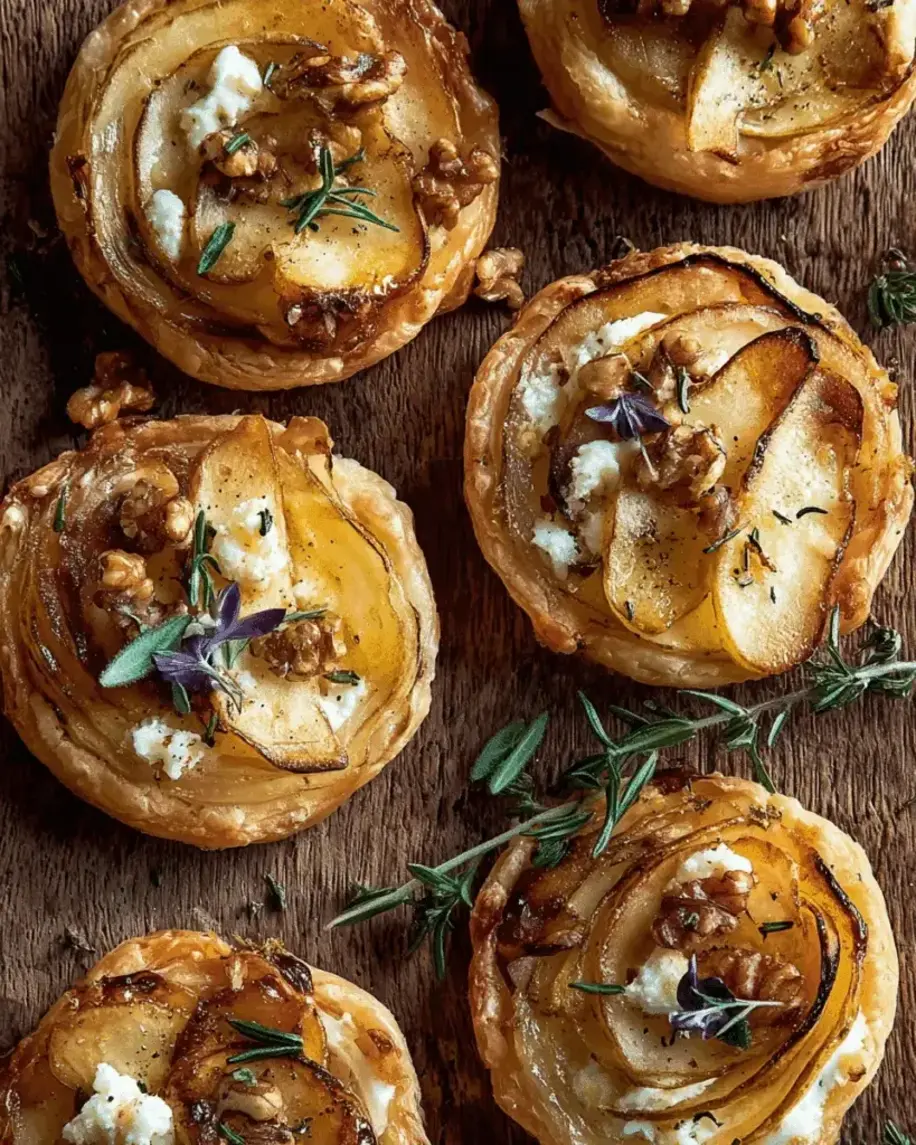
Apple, Pear & Goat Cheese Puff Pastry Tarts with Toasted Walnuts – Sweet-Savory Fall Appetizer

⚖️
Difficulty
Easy
⏲️
Prep Time
20 mins
🕒
Cook Time
20 mins
⏱️
Total Time
40 mins
🍽️
Servings
4

I still remember the first time I made these apple pear goat cheese puff pastry tarts—it was a crisp October afternoon at the Union Square Greenmarket in New York City. I had just picked up the last Bosc pears of the season from a farmer who remembered my grandmother’s tagine recipes from back home in Morocco. That day I decided to marry the buttery, flaky puff pastry I learned to laminate in Paris with the sweet-tart fruit of an American fall. The result? A showstopping goat cheese puff pastry tart recipe that’s become my go-to for Thanksgiving appetizers and cozy dinner parties alike.

Imagine this: layers of golden, shatteringly crisp pastry cradling a creamy blanket of tangy goat cheese, topped with caramelized apple and pear slices that are soft and jammy on the inside but still hold their shape. A drizzle of honey brings out the fruit’s natural sweetness, and the toasted walnuts add a nutty crunch that cuts through the richness. A final sprinkle of fresh thyme leaves adds an herby, almost savory note—it’s the kind of easy puff pastry tart with fruit that tastes like you spent all day in the kitchen, when really you’re done in 40 minutes flat.

What sets my toasted walnut tart recipe apart is a trick I picked up in a Parisian patisserie: par-cooking the fruit on the stovetop before baking. This removes excess moisture and concentrates the flavor, guaranteeing a crisp pastry every time. I’ll also share how to avoid the dreaded soggy bottom—a common mistake that ruins so many fruit tarts. So whether you’re looking for a sweet-savory fall appetizer or a quick dessert to impress, you’re in the right place. Let’s bake!

Why This Apple, Pear & Goat Cheese Puff Pastry Tarts Recipe Is the Best

The Flavor Secret – Growing up in Morocco, my mother always paired salty cheese with sweet fruit—think fresh goat cheese drizzled with honey and figs. I’ve brought that North African sensibility to these tarts, balancing creamy, tangy goat cheese with honeyed apples and pears. The walnuts add a toasty, earthy note that reminds me of the souk in Marrakech. It’s a flavor combination that surprises and delights every time.

Perfected Texture – In culinary school in Paris, Chef Antoine drilled into us: “Never let moisture touch raw puff pastry.” That’s why I caramelize the fruit first. This step not only intensifies the sweetness but also removes excess liquid, so the pastry stays flaky and puffed. The final bake gives you a golden, shatteringly crisp crust that holds up under the creamy goat cheese and tender fruit.

Foolproof & Fast – I know how intimidating puff pastry can be for home cooks, but I promise this apple pear puff pastry appetizer is beginner-friendly. The recipe uses store-bought puff pastry (no shame in that!), and each step is designed to build confidence. With clear visual cues and my pro tips, you’ll be turning out bakery-quality tarts in under an hour. Trust me—if you can slice fruit and spread cheese, you can make these.

Apple Pear Goat Cheese Puff Pastry Tarts Ingredients

I’ve sourced these ingredients from my neighborhood in Brooklyn—apples from the farmer’s market, pears from the bodega around the corner, goat cheese from a little artisan dairy upstate. But wherever you shop, the same simple components will deliver incredible results. The key is using ripe but firm fruit and a good-quality goat cheese that’s creamy, not too dry.

Ingredients List

  • 1 sheet puff pastry (thawed)
  • 1 medium apple (such as Honeycrisp or Granny Smith), thinly sliced
  • 1 medium pear (such as Bosc or Anjou), thinly sliced
  • 4 oz goat cheese, softened
  • 2 tablespoons honey
  • 1/2 cup walnuts, roughly chopped
  • 1 tablespoon butter
  • 1 tablespoon brown sugar
  • 1/4 teaspoon cinnamon
  • 1 egg (for egg wash)
  • Fresh thyme leaves for garnish (optional)

Ingredient Spotlight

Each ingredient plays a starring role. The puff pastry is the buttery canvas; the goat cheese brings tangy creaminess; the apple and pear provide sweet-tart juiciness; walnuts add crunch; honey ties it all together. Here’s what to look for at the store and what you can swap in a pinch.

Original IngredientBest SubstitutionFlavor / Texture Impact
Puff pastryFrozen pie crust (rolled thin)Flakier but still good; less rise
Goat cheeseCream cheese (vegan version) or BrieLess tangy; creamier if using Brie
WalnutsPecans or sliced almondsSweeter (pecans); more delicate (almonds)
HoneyMaple syrup or agave nectarLighter flavor; use same amount
Apple (Honeycrisp)Fuji or GalaSweeter; hold shape similarly
Pear (Bosc)Bartlett or AnjouSofter texture; cook slightly less

How to Make Apple, Pear & Goat Cheese Puff Pastry Tarts – Step-by-Step

Don’t let the name fool you—these tarts are deceptively simple. Follow these steps, and you’ll have a gorgeous appetizer or dessert that looks like it came from a fancy bistro. I’ll walk you through each stage, including where things often go wrong and how to fix them.

Step 1: Prepare the Pastry

On a lightly floured surface, roll out the thawed puff pastry sheet just enough to smooth any creases—about 12×12 inches. Cut into 4 equal rectangles (approximately 6×3 inches each). Place them on a parchment-lined baking sheet. Using a fork, prick the pastry all over, leaving a ½-inch border unpricked. This border will rise into a beautiful puffed rim while the center stays flat to hold the toppings.

💡 mia’s Pro Tip: Keep the pastry cold! If it gets too warm, pop the baking sheet in the fridge for 10 minutes before baking. Cold pastry = maximum puff.

Step 2: Caramelize the Fruit

In a skillet over medium heat, melt 1 tablespoon butter. Add the thinly sliced apple and pear, 1 tablespoon brown sugar, and ¼ teaspoon cinnamon. Cook for 3–4 minutes, stirring gently, until the fruit is softened and lightly caramelized. You’ll see the juices thicken slightly. Remove from heat and let cool for a minute—this step is key to preventing a soggy bottom.

⚠️ Common Mistake to Avoid: Overcooking the fruit. It should be tender but still hold its shape. Mushy fruit will release too much liquid during baking and steam the pastry.

Step 3: Assemble the Tarts

Spread the softened goat cheese evenly over each pastry rectangle, keeping it within the forked border (don’t go over the unpricked rim). Arrange the caramelized apple and pear slices over the cheese in a single layer—overlap them slightly for a pretty look. Fold the edges of the pastry inward very gently to create a small rim (about ¼ inch). Brush the exposed pastry border with beaten egg.

💡 mia’s Pro Tip: If your goat cheese is cold, microwave it for 10 seconds to soften. It’s much easier to spread without tearing the delicate pastry.

Step 4: Bake to Golden Perfection

Bake the tarts in a preheated 400°F (200°C) oven for 18–20 minutes, or until the pastry is deep golden brown and puffy. The cheese should be bubbling slightly and the fruit edges caramelized. Rotate the baking sheet halfway through for even baking. Let them cool on the sheet for 5 minutes—this allows the pastry to set.

⚠️ Common Mistake to Avoid: Peeking too often! Opening the oven door lets heat escape and can cause the pastry to deflate. Use the oven light instead.

Step 5: Toast and Finish

While the tarts bake, toast the chopped walnuts in a dry skillet over medium heat for 2–3 minutes, shaking frequently, until fragrant and lightly browned. Be careful—they burn fast. Remove tarts from the oven and immediately drizzle with honey (2 tablespoons total, divided). Sprinkle with the toasted walnuts and fresh thyme leaves if using. Serve warm or at room temperature.

💡 mia’s Pro Tip: For extra crunch, toast the walnuts with a pinch of salt and a tiny drizzle of olive oil. It adds a savory depth that pairs beautifully with the honey.

StepActionDurationKey Visual Cue
1Prepare puff pastry5 minPastry puffed evenly
2Caramelize fruit4 minFruit softened, juices thick
3Assemble tarts5 minCheese spread evenly, fruit arranged
4Bake tarts18–20 minGolden brown, puffed edges
5Toast walnuts & finish3 minWalnuts fragrant, honey glossy

Serving & Presentation

These tarts are incredibly versatile. I love serving them as an appetizer at fall gatherings—they’re elegant enough for a cocktail party yet cozy enough for a family dinner. Place two tarts on a small plate, drizzle a little extra honey around the plate, and scatter a few fresh thyme sprigs on top. The golden pastry against the dark honey and green herbs is a visual stunner.

You can also serve them for dessert with a dollop of crème fraîche or vanilla ice cream. For a Moroccan twist, I sometimes sprinkle a pinch of orange flower water over the fruit before baking—it adds a floral note that reminds me of my mother’s pastries.

Pairing TypeSuggestionsWhy It Works
Side DishMixed green salad with vinaigrette, roasted butternut squash soupBright acidity cuts richness; soup echoes fall flavors
Sauce / DipBalsamic glaze, honey-Dijon mustard sauceBalsamic’s tang complements cheese; honey mustard adds spice
BeverageDry Riesling, hard cider, or a spiced chai latteAcidity in wine balances richness; cider echoes apple; chai complements cinnamon
GarnishFresh thyme, a drizzle of honey, flaky sea saltHerb freshness, salt crunch, extra sweetness

Make-Ahead, Storage & Reheating

Living in New York City, I’m all about smart meal prep. These tarts are perfect for entertaining because you can do most of the work ahead. Here’s how I store leftovers (if there are any!) and how to reheat them so they taste freshly baked.

MethodContainerDurationReheating Tip
RefrigeratorAirtight container with paper towelUp to 3 daysReheat in 350°F oven for 5–7 minutes until crisp
FreezerFreeze unbaked assembled tarts on a tray, then wrapUp to 2 monthsBake from frozen at 400°F for 22–25 minutes
Make-AheadPrepare fruit and cheese, store separately1 day in advanceAssemble right before baking

To reheat refrigerated tarts, place them on a baking sheet in a 350°F oven for 5–7 minutes. The dry heat will revive the pastry’s shatter. Microwaving is not recommended—it turns the pastry soggy. If you’re reheating from frozen, bake directly without thawing; you may need a couple extra minutes.

Variations & Easy Swaps

One of the best things about this easy puff pastry tart with fruit is how adaptable it is. Here are my favorite riffs, drawn from my years cooking in NYC and my roots in Morocco and France.

VariationKey ChangeBest ForDifficulty Impact
Moroccan SpicedAdd ½ tsp ras el hanout + pinch of saffron to fruitSavory-spiced twistEasy
Vegan / Dairy-FreeUse vegan puff pastry + cashew ricottaPlant-based dietMedium (ricotta prep)
Autumn HarvestSub half the fruit with sliced figs or persimmonsSeasonal varietyEasy

Moroccan Spiced Version

This is my personal favorite. When I’m missing the medina of Fez, I add a whisper of ras el hanout (that complex Moroccan spice blend) to the caramelizing fruit. The warmth of cumin, coriander, and ginger pairs magically with the honeyed pear. A pinch of saffron threads steeped in the butter before adding fruit turns the tarts a gorgeous golden color. Serve with mint tea for an experience that travels across continents.

Vegan / Dairy-Free Alternative

For my plant-based friends, I’ve tested this with a cashew-based ricotta (soak 1 cup cashews, blend with 2 tbsp lemon juice, 1 tsp salt, and a splash of water). Use a vegan puff pastry (many store-bought brands are accidentally vegan, but check labels). The texture is slightly less tangy but still creamy and delicious. Walnuts can stay or swap for pumpkin seeds. The honey should be replaced with maple syrup or agave.

Autumn Harvest Twist

In late fall, when figs and persimmons flood the Union Square market, I swap half the fruit for those seasonal gems. Thinly sliced figs add a jammy sweetness, while Fuyu persimmons offer a crisp texture that contrasts beautifully with the soft apple and pear. No need to cook figs—just lay them raw on top before baking. It’s a stunning color palette of deep purple, orange, and gold.

Can I make these apple, pear, and goat cheese puff pastry tarts ahead of time?

Absolutely! You can prepare the caramelized fruit and softened goat cheese up to one day in advance and store them separately in the fridge. Then simply assemble the tarts on the day you plan to serve them—the pastry should be kept cold and baked fresh for the best texture. If you want to fully bake ahead, the tarts are still delicious reheated in a 350°F oven for 5–7 minutes, though the pastry won’t be quite as crispy as fresh-out-of-the-oven. For maximum puff, I recommend baking them just before serving.

What can I substitute for goat cheese in these puff pastry tarts?

If goat cheese isn’t your thing or you’re out of it, cream cheese is the best substitute—it has a similar spreadable texture though it’s less tangy. For a more savory option, try ricotta salata (which is firmer and saltier) or a soft, spreadable Brie (rind removed). If you’re dairy-free, a homemade cashew cream or store-bought vegan cream cheese works well; just be sure to add a squeeze of lemon juice to mimic the tang.

How do I prevent the puff pastry from getting soggy with the fruit?

The key is to pre-cook the fruit, as I do in this recipe. Caramelizing the apple and pear slices in butter and brown sugar for a few minutes removes excess moisture and concentrates their flavor. Also, make sure to prick the pastry inside the border with a fork—this allows steam to escape and keeps the center flat. Finally, avoid overfilling with fruit; a single layer is best. Using a sheet pan rather than a pie dish also helps, because hot air circulates freely around the pastry.

Should I peel the apples and pears before putting them on the tart?

It’s entirely up to you. I usually leave the skins on because they add beautiful color, texture, and a bit of fiber. For a more refined, elegant look—say, if you’re serving these at a dinner party—you can peel them. Just note that peeled fruit cooks a bit faster and may become softer. If you do peel them, keep the slices slightly thicker so they hold up during baking. Either way, the caramelization step is still essential to prevent sogginess.

Can I use frozen puff pastry straight from the freezer?

No, you must thaw it first. Frozen puff pastry needs to be defrosted in the refrigerator overnight or at room temperature for about 30–40 minutes until it’s pliable but still cold. If you try to roll or cut it while frozen, it will crack and break. Conversely, if it gets too warm, the butter will soften and the pastry won’t puff properly. Aim for a cool, slightly firm dough that bends without resistance.

What kind of apple is best for these tarts?

I prefer Honeycrisp for its perfect balance of sweet and tart, plus it holds its shape beautifully when cooked. Granny Smith is another excellent choice—its tartness contrasts wonderfully with the sweet honey and creamy goat cheese. Avoid very soft or mealy apples like Red Delicious, as they’ll turn to mush during the caramelization step. Firm-fleshed apples are your best bet for a beautiful final texture.

Can I make these tarts without nuts?

Of course. If you have a nut allergy or simply don’t have walnuts, you can omit them entirely—the tarts will still be delicious. For a nut-free crunch, try roasted pumpkin seeds (pepitas) or sunflower seeds. If texture isn’t a concern, just skip the walnuts and add an extra drizzle of honey or a sprinkle of flaky sea salt for contrast.

How do I store leftover apple pear goat cheese puff pastry tarts?

Store any leftovers in an airtight container in the refrigerator for up to 3 days. To keep the pastry from getting soft, place a paper towel at the bottom of the container and another on top to absorb moisture. When you’re ready to eat, reheat in a 350°F oven for 5–7 minutes. Avoid the microwave—it will make the pastry soggy and the fruit rubbery.

Can I add other fruits to this tart?

Absolutely! This recipe is very flexible. Sliced figs, plums, or even quince would be wonderful. In winter, thin slices of firm pear and apple with a handful of dried cranberries works beautifully. Just keep the total fruit amount similar to the recipe—about 1½ to 2 cups total of sliced fruit—and always pre-cook any juicy fruits like apples, pears, or plums to avoid a soggy crust. Berries can be added raw in small amounts.

Are these tarts served as an appetizer or dessert?

They work beautifully as either! As an appetizer, serve them warm with a glass of dry Riesling or hard cider—the sweet-savory balance is a wonderful start to a fall meal. As a dessert, add a scoop of vanilla ice cream or a dollop of crème fraîche. The tarts are not overly sweet, so they satisfy a dessert craving without being heavy. In my NYC cooking classes, they often get served as a happy medium between both courses.

Share Your Version!

I truly believe recipes are meant to be shared and adapted. If you make these apple pear goat cheese puff pastry tarts with toasted walnuts, I’d love to hear about your experience. Did you try the Moroccan spice version? Did you swap the walnuts for pecans? Drop a star rating and a comment below—your feedback helps other home cooks know what works.

Snap a photo of your creation and tag me on Pinterest or Instagram @exorecipes. I love scrolling through my feed and seeing your beautiful tarts on your holiday tables. And if you have a question I didn’t answer here, ask away in the comments—I read every single one. From my NYC kitchen to yours — I hope this recipe brings as much warmth to your table as it does to mine. — mia 🧡

📌

Love This Recipe? Save It to Pinterest!

If you enjoyed this Apple, Pear & Goat Cheese Puff Pastry Tarts recipe, don’t let it get lost in your browser tabs! 😄 Pin it now so you can find it again anytime — and explore hundreds more tried-and-tested recipes waiting for you on my Pinterest boards.

👉 Follow mia on Pinterest @chefrecipes2

📌 Pin this recipe · 🔁 Re-pin your favorites · 💬 Tag me when you make it — I love seeing your creations!

Print

clock clock iconcutlery cutlery iconflag flag iconfolder folder iconinstagram instagram iconpinterest pinterest iconfacebook facebook iconprint print iconsquares squares iconheart heart iconheart solid heart solid icon

Apple, Pear & Goat Cheese Puff Pastry Tarts with Toasted Walnuts

  • Author: Chef Mia
  • Prep Time: 20 minutes
  • Cook Time: 20 minutes
  • Total Time: 40 minutes
  • Yield: 4 1x
  • Method: Appetizer/Dessert
  • Cuisine: American

Description

Flaky puff pastry topped with caramelized apples and pears, creamy goat cheese, and crunchy toasted walnuts – a perfect sweet-savory fall appetizer or dessert.


Ingredients

Scale
  • 1 sheet puff pastry (thawed)
  • 1 medium apple (such as Honeycrisp or Granny Smith), thinly sliced
  • 1 medium pear (such as Bosc or Anjou), thinly sliced
  • 4 oz goat cheese, softened
  • 2 tablespoons honey
  • 1/2 cup walnuts, roughly chopped
  • 1 tablespoon butter
  • 1 tablespoon brown sugar
  • 1/4 teaspoon cinnamon
  • 1 egg (for egg wash)
  • Fresh thyme leaves for garnish (optional)

Instructions

  1. Preheat oven to 400°F (200°C). Line a baking sheet with parchment paper.
  2. On a lightly floured surface, roll out puff pastry sheet slightly and cut into 4 equal rectangles. Place on prepared baking sheet. Prick pastry all over with a fork, leaving a 1/2-inch border unpricked.
  3. In a skillet over medium heat, melt butter. Add apple and pear slices, brown sugar, and cinnamon. Cook 3–4 minutes until softened and lightly caramelized. Set aside.
  4. Spread softened goat cheese evenly over each pastry rectangle within the border.
  5. Arrange cooked apple and pear slices over the goat cheese.
  6. Fold the edges of the pastry slightly inward to create a small rim. Brush edges with beaten egg.
  7. Bake for 18–20 minutes until pastry is golden and puffed.
  8. While tarts bake, toast walnuts in a dry skillet over medium heat for 2–3 minutes until fragrant. Set aside.
  9. Remove tarts from oven. Drizzle with honey and sprinkle with toasted walnuts and fresh thyme leaves. Serve warm or at room temperature.

Notes

For a dairy-free version, substitute goat cheese with a plant-based alternative. Walnuts can be omitted or replaced with pecans.


Nutrition

  • Calories: 420
  • Sugar: 18g
  • Fat: 27g
  • Carbohydrates: 38g
  • Protein: 9g


Apple, Pear & Goat Cheese Puff Pastry Tarts with Toasted Walnuts

k">

Tried This Recipe? Leave a Comment!

Did you make this recipe? I’d love to hear how it turned out! Please leave a comment and a rating below. Your feedback helps other home cooks and supports cheerychop.com!

For more delicious inspiration, follow me on Pinterest!

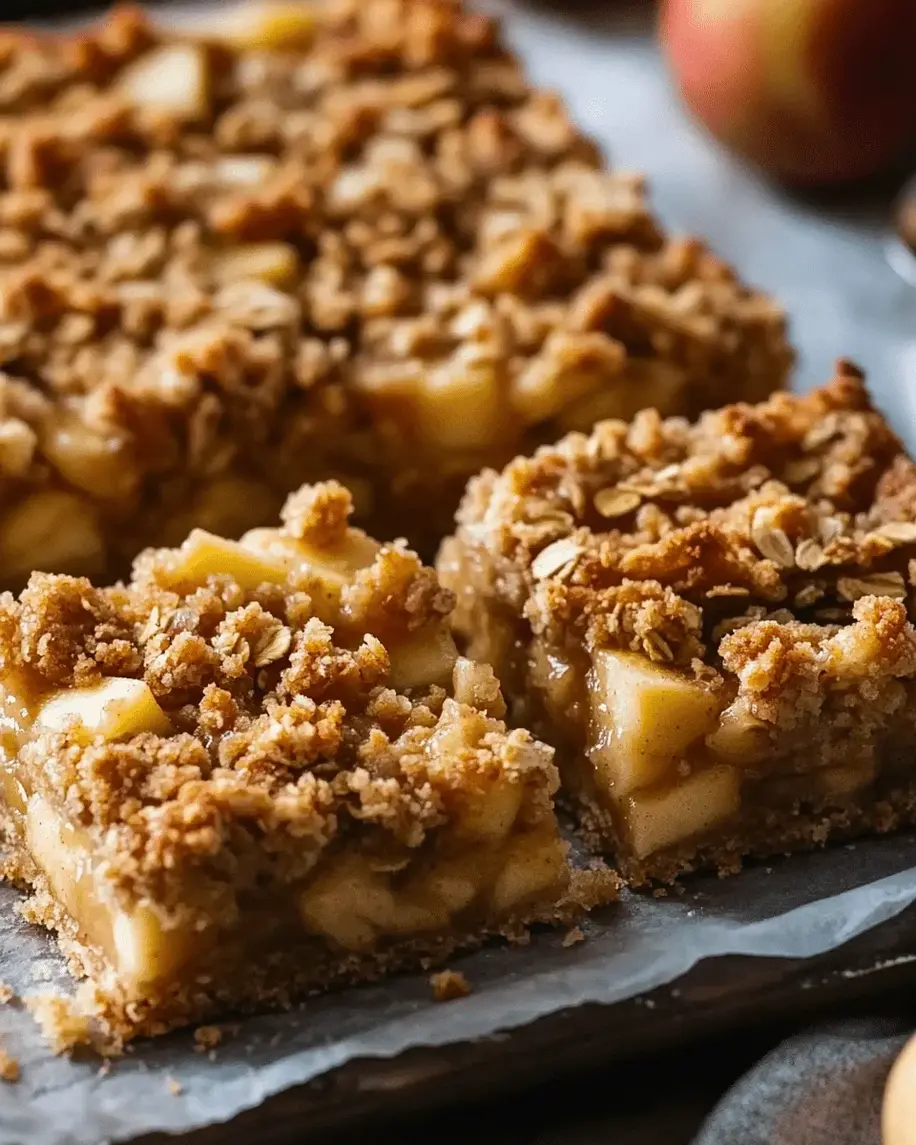
Apple Crumble Bars with Oats and Caramel Sauce: The Ultimate Comfort Dessert – Buttery, Spiced & Irresistibly Easy

⚖️
Difficulty
Easy
⏲️
Prep Time
25 mins
🕒
Cook Time
45 mins
⏱️
Total Time
70 mins + cooling
🍽️
Servings
12 bars

I still remember the first time I made apple crumble bars—it was a crisp autumn afternoon in my tiny NYC kitchen, and the smell of cinnamon and apples took me straight back to my grandmother’s home in Marrakech. She’d bake all day, layering fruits and nuts into delicate pastries that made the whole house smell like heaven. These apple crumble bars with oats and caramel sauce are my love letter to those memories, but with a modern twist: a buttery oat crust, a tender spiced apple filling, and a rich homemade caramel that’s pure indulgence.

Imagine sinking your teeth into a bar with a crumbly, golden oat top that gives way to soft, cinnamon-kissed apple slices, all finished with a drizzle of silky caramel that clings to every bite. The contrast of textures—crunchy oat streusel, tender apples, and that luscious caramel—makes this the ultimate comfort dessert. I’ve paired Granny Smith apples for their tartness with a touch of nutmeg and lemon to brighten the filling, a trick I learned at Le Cordon Bleu in Paris.

What sets my version apart? I pre-bake the crust to ensure it stays crisp, and I use a simple no-fuss caramel that never crystallizes—trust me, it’s foolproof. One pro tip: let the bars cool completely before cutting; they’ll hold together beautifully. And if you’ve ever wondered, “Can I use quick oats instead of rolled oats in apple crumble bars?” I’ll answer that and more in the FAQ below. From my NYC kitchen to yours—these bars are a hug in a pan.

Why This Apple Crumble Bar Recipe Is the Best

The Flavor Secret – I grew up watching my mother coax deep flavor out of simple ingredients—a sprinkle of cinnamon, a squeeze of lemon. Here, I marry tart Granny Smiths with a caramel sauce that gets its depth from browned butter and a pinch of sea salt. It’s the same technique I use for my Moroccan tagines: layering spice and sweetness to create something complex yet comforting.

Perfected Texture – After years of testing in my NYC test kitchen (okay, my apartment), I found the key: a par-baked crust and a crumble topping that’s pressed into the pan, not just sprinkled. This gives a solid base that doesn’t crumble apart when you bite into it, while the topping stays crunchy. The apples? Sliced thin and tossed with cornstarch so they soften without making the bars soggy.

Foolproof & Fast – You don’t need a pastry degree to nail this recipe. Everything comes together in one mixing bowl (plus a saucepan for the caramel). Even if you’re a beginner, my step-by-step instructions and visual cues will guide you to perfect bars every time. And that homemade caramel? It’s ready in 5 minutes flat.

Apple Crumble Bars Ingredients

I source my apples from the Union Square Greenmarket in the fall—Honeycrisps when I want sweetness, Granny Smiths for that tart balance. The oats I buy in bulk from a Brooklyn co-op; rolled oats give the best texture. And the butter? Always European-style for that rich, creamy flavor that makes the crust sing.

Ingredients List

  • For the crust and crumble topping:
  • 1 1/2 cups all-purpose flour
  • 1 1/2 cups rolled oats (not quick oats)
  • 3/4 cup packed light brown sugar
  • 1/2 teaspoon baking soda
  • 1/2 teaspoon salt
  • 3/4 cup unsalted butter, melted
  • For the apple filling:
  • 4 cups peeled, cored, and sliced apples (about 4 medium apples, such as Granny Smith or Honeycrisp)
  • 1/4 cup granulated sugar
  • 1 tablespoon lemon juice
  • 1 teaspoon ground cinnamon
  • 1/4 teaspoon ground nutmeg
  • 1 tablespoon cornstarch
  • For the caramel sauce:
  • 1/2 cup unsalted butter
  • 1 cup packed light brown sugar
  • 1/2 cup heavy cream
  • 1 teaspoon vanilla extract
  • Pinch of salt (flaky sea salt if you have it)

Ingredient Spotlight

Rolled Oats – They provide the perfect chewy-crunchy texture. Quick oats absorb moisture too fast and become mushy. If you only have quick oats, expect a softer crumble. I recommend using rolled oats for the best results.

Apples – Granny Smith holds its shape and balances sweetness. Honeycrisp adds sweetness. Avoid Red Delicious—they turn mushy. A mix of both is my go-to.

Butter – Unsalted gives you control over salt. European-style (like Plugrà) has higher butterfat for a richer crust and caramel.

Brown Sugar – Light brown sugar adds moisture and a mild molasses flavor. Dark brown sugar will make the caramel deeper but also darker. Either works.

Original IngredientBest SubstitutionFlavor / Texture Impact
Rolled oatsQuick oats (not recommended)Softer, less crunchy crumble; absorb more moisture
Granny Smith applesHoneycrisp, Fuji, or BraeburnSweeter; may soften slightly more but still holds up
Unsalted butterSalted butter (reduce added salt to 1/4 tsp)Slightly saltier overall flavor; still delicious
Light brown sugarDark brown sugar or coconut sugarDarker color, deeper molasses flavor; coconut sugar less sweet
Heavy cream (for caramel)Half-and-half (not as thick) or coconut cream (dairy-free)Less rich; coconut cream adds slight coconut flavor

How to Make Apple Crumble Bars — Step-by-Step

This is one of those recipes that looks impressive but is secretly simple. Follow along, and you’ll have a pan of golden, gooey bars in no time. I’ve included my chef-tested tips and common pitfalls so you can nail it on the first try.

Step 1: Preheat and Prep

Preheat your oven to 375°F (190°C). Line a 9×13-inch baking pan with parchment paper, leaving an overhang on two opposite sides—this makes lifting the bars out a breeze. No greasing needed.

💡 mia’s Pro Tip: Use two long sheets of parchment that cross each other for easy lifting. Or use foil—just grease it lightly.

Step 2: Make the Crust and Crumble Topping

In a large bowl, whisk together 1 1/2 cups all-purpose flour, 1 1/2 cups rolled oats, 3/4 cup packed light brown sugar, 1/2 teaspoon baking soda, and 1/2 teaspoon salt. Pour in 3/4 cup melted butter and stir with a fork until the mixture is evenly moistened and crumbly. It should look like wet sand.

⚠️ Common Mistake to Avoid: Don’t overmix—you want some clumps for texture. If the mixture seems too dry, add a tablespoon of milk; if too wet, add a tablespoon of flour.

Step 3: Press and Bake the Crust

Reserve 1 1/2 cups of the oat mixture for the crumble topping (set aside). Transfer the remainder to the prepared pan and press it firmly and evenly into the bottom—use the bottom of a glass or measuring cup for a smooth, compact crust. Bake for 12 minutes, until lightly golden. Remove from the oven and set aside on a wire rack.

💡 mia’s Pro Tip: Don’t skip this pre-bake! It seals the crust and prevents sogginess from the apple juices.

Step 4: Prepare the Apple Filling

While the crust bakes, toss 4 cups sliced apples (about 4 medium) with 1/4 cup granulated sugar, 1 tablespoon lemon juice, 1 teaspoon cinnamon, 1/4 teaspoon nutmeg, and 1 tablespoon cornstarch in a medium bowl. Make sure every slice is coated. The lemon juice prevents browning and brightens the flavor.

⚠️ Common Mistake to Avoid: Slicing apples too thick—they won’t soften enough. Aim for 1/4-inch slices, about the thickness of a pencil.

Step 5: Layer and Bake

Spread the apple mixture evenly over the pre-baked crust. Sprinkle the reserved 1 1/2 cups of crumble topping evenly over the apples, covering them completely. Bake for 30-35 minutes, until the apples are tender when pierced with a knife and the crumble is deep golden brown. Let cool completely in the pan on a wire rack—this is crucial for clean slices.

💡 mia’s Pro Tip: Rotate the pan halfway through baking for even browning. If the top is browning too fast, tent loosely with foil.

Step 6: Make the Caramel Sauce

While the bars cool (after at least 20 minutes), make the caramel: In a medium saucepan over medium heat, melt 1/2 cup butter. Stir in 1 cup light brown sugar and 1/2 cup heavy cream. Bring to a simmer, stirring constantly. Cook for 2-3 minutes until the sauce thickens slightly—it should coat the back of a spoon. Remove from heat, stir in 1 teaspoon vanilla and a pinch of salt. Let cool for 5 minutes—it will continue to thicken.

⚠️ Common Mistake to Avoid: Don’t walk away—caramel can burn quickly. Stir constantly and lower the heat if it starts to spit.

Step 7: Drizzle and Set

Drizzle the warm (not hot) caramel sauce over the cooled bars. Use a spoon or a squeeze bottle for more control. Let the bars set for at least 20 minutes before cutting—this allows the caramel to firm up slightly. Use the parchment overhang to lift the entire block onto a cutting board. Slice into 12 even bars (3 rows by 4).

💡 mia’s Pro Tip: For the cleanest cuts, use a long, sharp chef’s knife and wipe it clean between each slice. If the caramel is too runny, let it cool a bit longer.

StepActionDurationKey Visual Cue
1Preheat & line pan5 minParchment overhang ready
2Mix crust & crumble5 minWet sand consistency
3Press & pre-bake crust12 minLightly golden edges
4Toss apple filling5 minApples evenly coated
5Layer & bake30-35 minGolden crumble, bubbling edges
6Make caramel sauce8 minThickens, coats spoon
7Drizzle caramel & set20+ minCaramel firms slightly

Serving & Presentation

These apple crumble bars are stunning on their own, but a little extra effort makes them dessert-table royalty. I like to serve them slightly warm (not hot) so the caramel is still a bit gooey. Place each bar on a small plate, drizzle with extra caramel from the pan, and add a dollop of lightly sweetened whipped cream or a scoop of vanilla bean ice cream. The contrast of warm, spiced apple and cold, creamy ice cream is pure magic.

For a touch of NYC chic, sprinkle with flaky sea salt (like Maldon) right before serving—it cuts the sweetness and adds a professional finish. When I’m serving a crowd (potlucks, Thanksgiving, or holiday parties), I arrange the bars on a wooden board and garnish with fresh thyme sprigs or cinnamon sticks. It’s rustic yet elegant.

In the summer, I’ve even served them with a drizzle of honey and a spoonful of Greek yogurt. But my personal favorite? A drizzle of the caramel, a pinch of salt, and a hot cup of Moroccan mint tea. It takes me right back to my mother’s kitchen.

Pairing TypeSuggestionsWhy It Works
Side DishVanilla ice cream, whipped cream, crème fraîcheCreamy contrast to the crunchy oat + tender apple
Sauce / DipExtra caramel sauce, salted caramel, or a dusting of powdered sugarEnhances sweetness and adds visual appeal
BeverageHot coffee, spiced chai, apple cider, Moroccan mint teaWarmth and spice complement the apple-cinnamon flavors
GarnishFlaky sea salt, fresh mint, cinnamon sticks, toasted pecansAdds texture, color, and a touch of elegance

Make-Ahead, Storage & Reheating

Living in NYC means my schedule is always on the go. I often make these bars on a Sunday afternoon for weekday treats or to bring to a friend’s dinner. They store beautifully, and the caramel sauce can be made days ahead—one less thing to do when you’re entertaining.

MethodContainerDurationReheating Tip
RefrigeratorAirtight container, layers separated by parchmentUp to 5 daysReheat in 300°F oven for 5-8 min, or microwave 15-20 sec for a soft bar
FreezerFreeze bars in a single layer on a baking sheet, then transfer to a freezer bag; store caramel separatelyUp to 3 monthsThaw overnight in fridge; reheat in 300°F oven for 10 min; warm caramel on stove
Make-AheadCaramel can be made 1 week ahead; bars can be baked 2 days ahead (without caramel), refrigeratedCaramel: 7 days; bars: 2 daysWarm caramel before drizzling; add caramel only just before serving for best texture

For the best texture, I always recommend storing the bars without the caramel drizzle if you’re making them more than a day ahead. The caramel can be spooned over each bar right before serving. If reheating from the fridge, a quick stint in a low oven brings back the crispness of the crumble—microwaving is faster but will soften the topping. And don’t forget: you can reheat the caramel in the microwave in 10-second bursts, stirring between.

Variations & Easy Swaps

VariationKey ChangeBest ForDifficulty Impact
Apple-Pear CrumbleReplace half the apples with firm pears (like Bosc)A new take on a classic; pears add a floral sweetnessEasy – same prep
Gluten-Free VersionUse certified gluten-free oat flour (or blend) + 1-to-1 GF flour blendCeliac or gluten-sensitive friendsEasy – may need 1-2 extra tbsp butter if blend is dry
Chai-Spiced Apple BarsAdd 1 tsp chai spice blend (cardamom, ginger, cloves) to the apple fillingWarming fall flavors; pairs beautifully with the caramelEasy – just extra spice

Apple-Pear Crumble

When I was training in Paris, my pastry chef taught me to mix fruits to balance texture and flavor. Substituting half the apples with firm Bosc pears adds a delicate, honeyed note that pairs beautifully with the cinnamon. Use the same sugar and spice ratios—just ensure the pears are ripe but firm so they don’t turn mushy. This is a wonderful way to use up the last of a farmers market haul.

Gluten-Free Version

I’ve tested this with Cup4Cup gluten-free flour and Bob’s Red Mill 1-to-1 baking flour. Both work perfectly. Use certified gluten-free rolled oats (or substitute with certified GF oat flour). The texture is slightly more delicate, so be gentle when pressing the crust. The caramel is naturally gluten-free, so you’re golden. My friend with celiac gives these bars a standing ovation every time.

Chai-Spiced Apple Bars

Inspired by the chai wallahs I’ve met at NYC’s Smorgasburg, this version infuses the apple filling with 1 teaspoon of homemade chai spice (mix ground cardamom, ginger, cloves, and a pinch of black pepper). The warmth of the spices takes the bars to another level. I often drizzle with a little extra cardamom-infused caramel. It’s like autumn in a bite.

Can I use quick oats instead of rolled oats in apple crumble bars?

Technically yes, but I don’t recommend it. Quick oats are more finely chopped and absorb moisture faster, which can make the crumble topping soft and less crunchy. The crust may also become denser and less crisp. If you only have quick oats on hand, you can use them—just know the texture will be different. For the best results—that signature crunchy crumble and a sturdy crust—stick with rolled oats. They’re worth the trip to the store!

How do you keep apple crumble bars from getting soggy?

Three secrets: First, pre-bake the crust for 12 minutes—this creates a barrier that prevents the apple juices from seeping in and making the base soggy. Second, toss your apple slices with cornstarch; it thickens the juices as they bake, so they don’t run everywhere. Third, let the bars cool completely in the pan before cutting. Warm bars are delicate and more likely to fall apart. The cooling time allows the filling to set. These steps are your insurance policy against sogginess.

Can I make the caramel sauce ahead of time for apple crumble bars?

Absolutely! I often make the caramel sauce up to a week in advance. Store it in an airtight container in the refrigerator. When you’re ready to use it, gently reheat it in a small saucepan over low heat, stirring constantly, or microwave in 10-second bursts, stirring each time. If the sauce seems too thick after chilling, add a splash of heavy cream to loosen it. The caramel will keep for about 7 days in the fridge, so it’s perfect for meal prepping for a party.

How long should I let apple crumble bars cool before cutting them?

Patience is key here! Let the bars cool completely in the pan on a wire rack—this takes at least 1 to 1.5 hours. After that, I recommend chilling them in the refrigerator for an additional 20 to 30 minutes before cutting. This firms up the filling and the caramel, giving you clean, sharp edges. If you cut them while still warm, the bars will crumble and the filling will ooze out. Trust me, it’s worth the wait.

Can I use other apple varieties for apple crumble bars?

Yes! While I prefer Granny Smith for their tartness and ability to hold their shape, you can absolutely use Honeycrisp, Fuji, Braeburn, or a mix. Sweeter apples will produce a sweeter bar, so you may want to reduce the granulated sugar in the filling to 2 tablespoons. Avoid Red Delicious and McIntosh—they break down too much and become watery. For the best texture, combine a tart and a sweet variety. My go-to is half Granny Smith, half Honeycrisp.

Can I freeze apple crumble bars?

Definitely! Freeze the bars without the caramel sauce for best results. First, let the baked bars cool completely. Then, slice them into individual portions and place them on a baking sheet lined with parchment. Freeze until solid (about 2 hours), then transfer to a freezer-safe bag or container. They’ll keep for up to 3 months. To serve, thaw overnight in the refrigerator, then reheat in a 300°F oven for 10 minutes. Warm the caramel separately and drizzle just before serving.

Why did my apple crumble bars turn out watery?

Watery bars can happen if the apples release too much juice. This is usually because they weren’t tossed with cornstarch, or the baking time was too short. Cornstarch is your best friend here—it thickens the juices as they cook. Also, make sure you’re using firm, crisp apples that aren’t overripe. If you still get a pool of liquid, you can carefully pour it off while the bars are still warm, or let it cook off in the oven for an extra 5 minutes. Pre-baking the crust also helps prevent the liquid from soaking in.

Can I make these apple crumble bars dairy-free?

Yes, with a few swaps. Use a high-quality plant-based butter (like Earth Balance or Miyoko’s) in the crust and caramel. For the caramel, replace the heavy cream with full-fat canned coconut cream (the solid part from a refrigerated can of coconut milk). The texture will be slightly different—the caramel may be a little less thick, but it’s still luscious. I’ve tested this for dairy-sensitive friends and they rave about it. Just be sure to use a dairy-free butter that has a similar fat content to regular butter.

How do I store leftover caramel sauce?

Store leftover caramel sauce in an airtight jar or container in the refrigerator for up to 2 weeks. It will thicken as it chills, so before using, reheat gently: place the jar in a bowl of warm water for 10 minutes, or microwave in 15-second increments, stirring between each. If it seems too thick, whisk in a tablespoon of warm cream or milk. Never refrigerate the sauce in a metal container—it can react with the caramel. Glass jars work perfectly.

Can I reduce the sugar in apple crumble bars?

You can reduce the sugar slightly, but it will affect both the texture and the caramelization. The crust uses brown sugar for moisture and structure; cutting it too much may make the crust dry and crumbly. In the apple filling, you can reduce the granulated sugar to 2 tablespoons, especially if you’re using sweet apples like Honeycrisp. For the caramel, reducing sugar will change its consistency drastically—caramel is a sugar syrup that needs a certain ratio to set properly. I’d suggest keeping the caramel as written and using a lighter hand with the crumble sugar if you want to trim calories.

Share Your Version!

There’s something so special about knowing these apple crumble bars with oats and caramel sauce are being baked in kitchens across the country—and maybe the world. I’d love to see how they turn out for you. Leave a star rating (⭐️⭐️⭐️⭐️⭐️) and a comment below telling me: what’s your favorite way to serve them? Ice cream? Whipped cream? Maybe a drizzle of extra caramel?

If you post a photo on Instagram or Pinterest, tag me @exorecipes so I can share your creation in my stories. And if you’ve got a twist on the recipe—maybe a secret spice or a different fruit—tell me about it! Your version could become the next variation I feature on my blog.

From my NYC kitchen to yours — I hope this recipe brings as much warmth to your table as it does to mine. — mia 🧡

📌

Love This Recipe? Save It to Pinterest!

If you enjoyed this Apple Crumble Bars with Oats and Caramel Sauce recipe, don’t let it get lost in your browser tabs! 😄 Pin it now so you can find it again anytime — and explore hundreds more tried-and-tested recipes waiting for you on my Pinterest boards.

👉 Follow mia on Pinterest @chefrecipes2

📌 Pin this recipe · 🔁 Re-pin your favorites · 💬 Tag me when you make it — I love seeing your creations!

Print

clock clock iconcutlery cutlery iconflag flag iconfolder folder iconinstagram instagram iconpinterest pinterest iconfacebook facebook iconprint print iconsquares squares iconheart heart iconheart solid heart solid icon

Apple Crumble Bars with Oats and Caramel Sauce: The Ultimate Comfort Dessert

  • Author: Chef Mia
  • Prep Time: 25 minutes
  • Cook Time: 45 minutes
  • Total Time: 1 hour 10 minutes plus cooling
  • Yield: 12 bars 1x
  • Method: Dessert
  • Cuisine: American

Description

These apple crumble bars with oats and caramel sauce are the ultimate comfort dessert. A buttery oat crust, a layer of spiced apples, and a crumbly oat topping, all drizzled with homemade caramel sauce.


Ingredients

Scale
  • For the crust and crumble topping:
  • 1 1/2 cups all-purpose flour
  • 1 1/2 cups rolled oats
  • 3/4 cup packed light brown sugar
  • 1/2 teaspoon baking soda
  • 1/2 teaspoon salt
  • 3/4 cup unsalted butter, melted
  • For the apple filling:
  • 4 cups peeled, cored, and sliced apples (about 4 medium apples, such as Granny Smith or Honeycrisp)
  • 1/4 cup granulated sugar
  • 1 tablespoon lemon juice
  • 1 teaspoon ground cinnamon
  • 1/4 teaspoon ground nutmeg
  • 1 tablespoon cornstarch
  • For the caramel sauce:
  • 1/2 cup unsalted butter
  • 1 cup packed light brown sugar
  • 1/2 cup heavy cream
  • 1 teaspoon vanilla extract
  • Pinch of salt

Instructions

  1. Preheat the oven to 375°F (190°C). Line a 9×13-inch baking pan with parchment paper, leaving overhang on two sides for easy removal.
  2. Make the crust and crumble topping: In a large bowl, whisk together the flour, oats, brown sugar, baking soda, and salt. Pour in the melted butter and stir until the mixture is evenly moistened and crumbly.
  3. Reserve 1 1/2 cups of the oat mixture for the crumble topping. Press the remaining mixture firmly into the bottom of the prepared baking pan to form an even crust.
  4. Bake the crust for 12 minutes, until lightly golden. Remove from the oven and set aside.
  5. Make the apple filling: In a medium bowl, toss the sliced apples with granulated sugar, lemon juice, cinnamon, nutmeg, and cornstarch until well coated.
  6. Spread the apple mixture evenly over the pre-baked crust.
  7. Sprinkle the reserved crumble topping evenly over the apples.
  8. Bake for 30-35 minutes, until the apples are tender and the crumble topping is golden brown. Let cool completely in the pan on a wire rack.
  9. While the bars cool, make the caramel sauce: In a medium saucepan over medium heat, melt the butter. Stir in the brown sugar and cream, then bring to a simmer. Cook, stirring constantly, for 2-3 minutes until the sauce thickens slightly. Remove from heat and stir in vanilla and salt. Let cool for 5 minutes.
  10. Drizzle the caramel sauce over the cooled bars. Let the bars set for at least 20 minutes before cutting into squares using the parchment overhang. Serve and enjoy.

Notes

For best results, allow the bars to cool completely before cutting. Store leftover bars in an airtight container in the refrigerator for up to 5 days. The caramel sauce can be made ahead and reheated gently before drizzling.


Nutrition

  • Calories: 410 kcal
  • Sugar: 42 g
  • Fat: 18 g
  • Carbohydrates: 62 g
  • Protein: 4 g


Apple Crumble Bars with Oats and Caramel Sauce: The Ultimate Comfort Dessert

k">

Tried This Recipe? Leave a Comment!

Did you make this recipe? I’d love to hear how it turned out! Please leave a comment and a rating below. Your feedback helps other home cooks and supports cheerychop.com!

For more delicious inspiration, follow me on Pinterest!

Apple Cinnamon Popovers with Bourbon Caramel Sauce – The Perfect Fall Brunch Treat

⚖️
Difficulty
Medium
⏲️
Prep Time
20 mins
🕒
Cook Time
33 mins
⏱️
Total Time
53 mins
🍽️
Servings
8 popovers

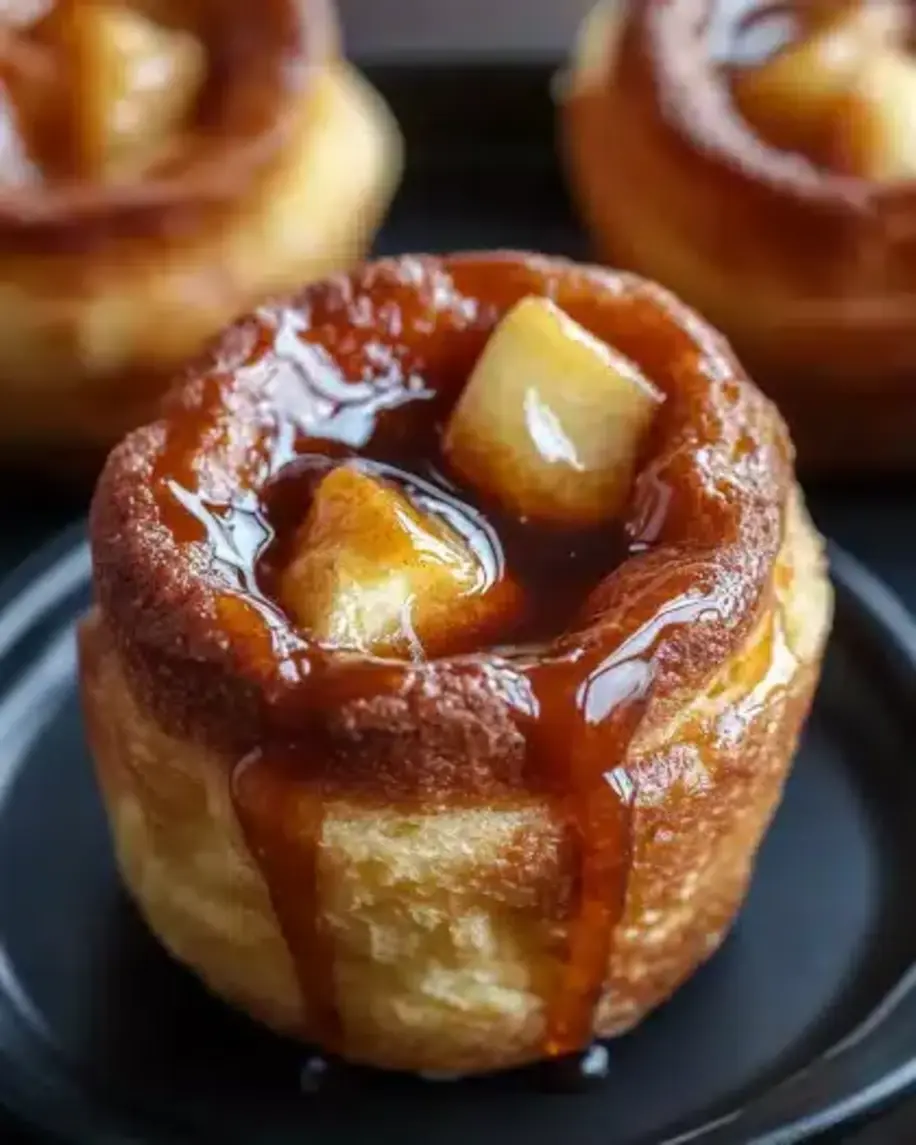
Every autumn, as the air turns crisp in New York City and the farmers’ markets fill with Honeycrisp apples, I’m transported back to my childhood in Morocco. My mother would make a rustic apple and cinnamon dish for breakfast, piling it onto warm bread. Those fragrant mornings — the scent of cinnamon mingling with fresh apples — are what inspired my apple cinnamon popovers. I trained in Paris, where I learned the art of pâte à choux and the patience behind a perfect caramel, and here in my NYC kitchen I’ve fused those worlds together. This easy popover recipe yields tall, golden puffs filled with tender, spiced apples, all crowned with a silky homemade caramel sauce kissed with bourbon. It’s fall breakfast perfection.

Imagine breaking open a piping-hot popover, steam escaping to reveal a custard-like interior dotted with soft apple pieces. The cinnamon warms you from the inside, while the bourbon caramel sauce adds a sophisticated edge — deep amber, rich, with just a hint of smoky sweetness. The popover itself is crisp on the outside, almost hollow but for the apple-flecked batter that clings to the sides. This is a recipe that demands you gather loved ones around the table, because popovers wait for no one. They’re best the moment they come out of the oven, when they stand tall and proud before slowly settling into their natural beauty.

After months of testing, I’ve cracked the code to a foolproof popover: high heat, a preheated pan, and a batter that’s mixed just enough. My version stands out because I’ve added finely diced apple directly into the batter—no extra steps, no fuss. The bourbon caramel sauce is a showstopper, but I’ll also share a non-alcoholic swap so everyone can enjoy it. One common mistake? Opening the oven door during baking. Don’t do it! I’ll guide you through every detail, so your popovers puff up gloriously. Let’s get started!

Why This Apple Cinnamon Popovers Recipe Is the Best

The Flavor Secret: Growing up in Morocco, cinnamon was a staple in both savory and sweet dishes — it’s a spice that bridges worlds. Here, I’ve paired it with juicy, tart apples (Honeycrisp or Granny Smith) and a whisper of vanilla. The bourbon caramel sauce adds depth without overwhelming; it’s the same technique I learned in Paris for a classic caramel au beurre salé, but with a kick of American bourbon. This unique combination makes these apple cinnamon popovers unforgettable.

Perfected Texture: A great popover relies on steam. By preheating the pan and starting the oven at 450°F, the batter gets an immediate blast of heat that creates a dramatic rise. I’ve tested the ratio of milk to eggs until I got that ethereal, airy interior with a crisp shell. The diced apple adds moisture without weighing down the batter — a trick I picked up from Parisian pâtissiers who fold fruit into delicate batters.

Foolproof & Fast: This is an easy popover recipe, even for beginners. The batter comes together in minutes, and the only tricky part is not peeking. I’ve included pro tips to ensure your success every time. Whether you’re a seasoned baker or a new cook, you’ll feel confident making homemade caramel sauce and popovers that actually pop. It’s a show-stopping fall breakfast or dessert with minimal fuss.

Apple Cinnamon Popovers Ingredients

I source my apples from the Union Square Greenmarket — there’s nothing like a freshly picked Honeycrisp in early October. For the cinnamon, I prefer Vietnamese cassia; it’s more intense than standard cinnamon. And the bourbon? A good quality one, like Maker’s Mark or Bulleit, adds richness without being harsh. Let’s look at what you’ll need.

Ingredients List

  • For the Popovers:
  • 1 cup all-purpose flour
  • 1/4 teaspoon salt
  • 1 cup milk (whole milk preferred)
  • 2 large eggs, room temperature
  • 1 tablespoon unsalted butter, melted
  • 1 teaspoon vanilla extract
  • 1 teaspoon ground cinnamon
  • 1/4 cup granulated sugar
  • 1 large apple (Honeycrisp or Granny Smith), peeled and finely diced
  • For the Bourbon Caramel Sauce:
  • 1/2 cup granulated sugar
  • 2 tablespoons water
  • 1/4 cup heavy cream
  • 2 tablespoons unsalted butter
  • 1 tablespoon bourbon whiskey
  • 1/4 teaspoon salt (fleur de sel if you have it)

Ingredient Spotlight

Apples: Honeycrisp and Granny Smith are my top choices because they hold their shape when baked and offer a nice tart-sweet contrast. Avoid Red Delicious or Gala, which get mushy. No apple? Substitute a firm pear (like Bosc) for a lovely variation.

Cinnamon: Regular ground cinnamon works perfectly, but if you can find Ceylon cinnamon, its floral notes are beautiful. A tested swap: use apple pie spice (1 teaspoon) instead of cinnamon alone for a more complex spice blend.

Bourbon: The alcohol cooks off, leaving a warm, oaky flavor. For a non-alcoholic version, replace the bourbon with 1 teaspoon vanilla extract plus 1 tablespoon apple cider. That’s my go-to substitution for a family-friendly sauce.

Milk & Eggs: Room-temperature ingredients are key for a smooth batter. Whole milk gives the richest texture, but 2% works. For a dairy-free popover, use oat milk and a plant-based butter (the texture will be slightly less tender but still delicious).

Original IngredientBest SubstitutionFlavor / Texture Impact
Apple (Honeycrisp/Granny Smith)Bosc pearSlightly softer, milder sweetness
Ground cinnamonApple pie spice (1 tsp)Adds nutmeg, allspice notes
Bourbon1 tsp vanilla + 1 tbsp apple ciderLacks smoky depth but still delicious
Whole milkOat milk + 1 tsp melted coconut oilSlightly less rich, still good rise

How to Make Apple Cinnamon Popovers with Bourbon Caramel Sauce – Step-by-Step

Trust me, this is easier than it sounds. Follow these steps, and you’ll be rewarded with sky-high popovers and a glossy caramel sauce that’ll make you feel like a professional pastry chef.

Step 1: Preheat and Prepare the Pan

Preheat your oven to 450°F (230°C). Place a popover pan or a standard 12-cup muffin tin on the middle rack while the oven heats. This step is crucial — the hot pan gives the batter an immediate burst of steam, creating that dramatic rise.

💡 mia’s Pro Tip: Use a metal popover pan if you have one; it conducts heat best. If using a nonstick muffin tin, grease generously with butter or nonstick spray right before filling.

Step 2: Mix the Wet Ingredients

In a medium bowl, whisk the milk, eggs, melted butter, vanilla, cinnamon, and sugar until smooth and slightly frothy. Make sure your eggs and milk are at room temperature — this helps the batter emulsify and rise evenly.

⚠️ Common Mistake to Avoid: Using cold eggs and milk will result in dense popovers. Take them out of the fridge 30 minutes before starting.

Step 3: Combine Wet and Dry

In a separate bowl, whisk the flour and salt together. Pour the wet mixture into the dry and whisk until just combined — a few lumps are perfectly fine. Overmixing will develop gluten and make the popovers tough. Gently fold in the diced apple.

💡 mia’s Pro Tip: The batter should be the consistency of heavy cream. If it seems too thick, add a tablespoon of milk. But remember: lumps are okay!

Step 4: Fill and Bake

Carefully remove the hot pan from the oven and set it on a heatproof surface. Grease each cup (if not already greased) — I use a pastry brush with melted butter. Fill each cup about two-thirds full with the batter. Bake at 450°F for 15 minutes, then reduce the oven temperature to 350°F (175°C) and bake for another 15–18 minutes, until puffed and deep golden brown. Do not open the oven door during baking!

⚠️ Common Mistake to Avoid: Opening the oven even a crack will let out the steam and cause the popovers to collapse. Use the oven light and window to check doneness.

Step 5: Make the Bourbon Caramel Sauce

While the popovers bake, prepare the caramel. In a small saucepan, combine sugar and water over medium heat. Cook without stirring until the sugar dissolves and turns a deep amber color (about 6–8 minutes). Swirl the pan gently if needed. Remove from heat and carefully whisk in the heavy cream — the mixture will bubble up vigorously. Add the butter, bourbon, and salt, stirring until smooth. Let cool slightly; it will thicken as it cools.

💡 mia’s Pro Tip: Use a light-colored saucepan so you can see the color of the caramel. As soon as it reaches a rich amber (like an old penny), remove it from the heat to avoid burning.

Step 6: Serve and Enjoy

Popovers are best served immediately. Use a skewer to prick each popover to release steam (this helps them stay crisp). Drizzle generously with the bourbon caramel sauce and serve warm. They deflate quickly, so gather everyone around right away!

⚠️ Common Mistake to Avoid: Waiting to serve! Popovers lose their magic within minutes. Have your caramel ready and plates warmed if possible.

StepActionDurationKey Visual Cue
1Preheat pan10 minPan is hot to the touch
2Whisk wet ingredients2 minFrothy, well combined
3Combine & fold apples1 minLumps remain; apples evenly distributed
4Fill & bake15 min at 450°F then 15-18 min at 350°FPuffed tall, deep golden brown
5Make caramel8 minAmber color, glossy
6ServeImmediatelyWarm, drizzled with sauce

Serving & Presentation

I love serving these popovers straight from the oven on a large wooden board — the rustic look reminds me of the bread bakeries in Marrakech. Arrange the popovers in a napkin-lined basket, and pass the bourbon caramel sauce in a small pitcher. For a brunch table, they’re gorgeous alongside a bowl of fresh berries and a dollop of crème fraîche. In Paris, we’d often serve a similar choux pastry with a spoonful of Calvados-spiked cream. Here in NYC, I sometimes add a sprinkle of flaky sea salt on top of the caramel to cut the sweetness — a trick I learned from a bakeshop in Brooklyn.

For a cozy fall breakfast, pair these apple cinnamon popovers with a hot latte, spiced chai, or even a glass of cold apple cider. If you’re making them for dessert, a scoop of vanilla bean ice cream alongside the warm popover and caramel is pure decadence. The popovers themselves are not overly sweet, so the caramel sauce does the heavy lifting.

💡 mia’s Pro Tip: Before drizzling, warm the caramel sauce slightly (10 seconds in the microwave) so it flows beautifully. And don’t forget to let each person tear open their popover at the table — it’s a moment of pure joy.

Pairing TypeSuggestionsWhy It Works
Side DishCrisp bacon, fresh fruit saladSalty and tangy contrast
Sauce / DipCrème fraîche, apple butterAdds creaminess and spiced depth
BeverageChai latte, hot apple cider, coffeeWarm spices complement cinnamon
GarnishFlaky sea salt, chopped pecans, cinnamon stickAdds texture and visual appeal

Make-Ahead, Storage & Reheating

New Yorkers are busy — I get it. While popovers are best fresh, you can still prep ahead. I often make the caramel sauce a day or two in advance and reheat it gently. The popover batter can be made the night before and stored in the fridge; just whisk it briefly before using. As for leftovers (if there are any!), here’s how to store and reheat them so they’re almost as good as when they came out of the oven.

MethodContainerDurationReheating Tip
RefrigeratorAirtight container, layer with paper towelUp to 2 daysReheat in 350°F oven for 5-7 minutes
FreezerFreezer bag, remove as much air as possibleUp to 2 monthsThaw at room temp, then reheat in 350°F oven for 10 minutes
Make-AheadBatter in a pitcher, caramel in a jarBatter up to 1 day; caramel up to 1 weekWhisk batter, fill and bake directly from fridge (add 2-3 min to first bake time)

To revive refrigerated popovers, I recommend a quick refresh in the oven at 350°F — the microwave turns them rubbery. If you froze them, let them thaw uncovered on the counter for about 15 minutes, then reheat. The caramel sauce keeps beautifully in the fridge for weeks; just reheat gently on the stovetop or in the microwave with a splash of cream to loosen it.

💡 mia’s Pro Tip: If reheating popovers, prick them with a skewer first to let steam escape, then bake. They’ll come out crisper than if you just popped them in.

Variations & Easy Swaps

VariationKey ChangeBest ForDifficulty Impact
Pear Ginger PopoversReplace apple with pear, add 1 tsp grated gingerFall variation, bright flavorEasy
Dairy-Free / VeganUse oat milk, flax eggs (2 tbsp flax + 5 tbsp water), coconut oilDietary restrictionsMedium (rise is less spectacular)
Maple Walnut TwistReplace bourbon with maple syrup, add 1/4 cup chopped walnuts to batterKids’ brunch, no alcoholEasy

Pear Ginger Popovers

This variation is a nod to my Parisian training, where ginger was often paired with pear in delicate desserts. Use a firm Bosc pear and grate in fresh ginger (about 1 teaspoon). The ginger adds a warm zing that cuts through the caramel beautifully. You can keep the same caramel sauce or swap the bourbon for a splash of Calvados. It’s a sophisticated twist that still feels like fall.

Dairy-Free / Vegan Popovers

I’ve tested this with oat milk and flax eggs (2 tablespoons ground flaxseed mixed with 5 tablespoons water, let sit for 10 minutes). The popovers won’t puff as dramatically as the dairy version, but they still rise into charming, edible cups. Use coconut oil for greasing and in place of butter. The caramel sauce can be made with coconut cream and a vegan butter substitute. It’s a wonderful option for those with dairy allergies — just know the texture will be more muffin-like than airy.

Maple Walnut Twist

This is my go-to when I want the whole family to enjoy it, no alcohol involved. Replace the bourbon in the caramel with 2 tablespoons of pure maple syrup (add at the end for a deeper maple flavor). Fold 1/4 cup of toasted chopped walnuts into the popover batter alongside the apples. The nutty crunch pairs perfectly with the apple cinnamon — it’s like a warm apple walnut muffin in popover form. Perfect for a weekend brunch with kids.

What can I substitute for bourbon in the caramel sauce for apple cinnamon popovers?

You can easily make a non-alcoholic version of the caramel sauce. My favorite swap is to replace the tablespoon of bourbon with 1 teaspoon of vanilla extract plus 1 tablespoon of apple cider. The vanilla adds warmth, and the apple cider reinforces the apple flavor. Alternatively, you could use 1 tablespoon of maple syrup for sweetness and complexity, or even a teaspoon of rum extract for a similar boozy note. The sauce will still be rich and luscious.

How do I keep apple cinnamon popovers from deflating after baking?

Popovers naturally deflate a bit as they cool — that’s part of their charm. To minimize sinking, follow these tips: First, preheat your popover pan in the hot oven so the batter gets instant heat. Second, avoid opening the oven door during baking; the sudden temperature drop can cause collapse. Third, once baked, prick each popover with a skewer to release steam and let them cool slightly in the pan set on a wire rack. Serve them within 5-10 minutes of baking for the best display.

Can I make apple cinnamon popovers ahead of time and reheat them?

You can make the batter up to 24 hours ahead and refrigerate it; just whisk lightly before using. Baked popovers are best enjoyed fresh, but you can store leftover popovers in an airtight container at room temperature for one day or in the fridge for up to two days. To reheat, place them on a baking sheet in a 350°F oven for 5–7 minutes; this helps restore some crispness. The microwave will make them tough, so avoid that. The caramel sauce can be made a week ahead and reheated gently.

What type of apples work best for apple cinnamon popovers with bourbon caramel sauce?

For the best texture and flavor, I recommend Honeycrisp or Granny Smith apples. Honeycrisp are sweet, juicy, and hold their shape well when baked. Granny Smith add a tart contrast that balances the sweet caramel. Avoid Red Delicious or Gala, as they turn mushy. If you want to experiment, Fuji or Braeburn also work nicely. Dice them fairly small (about ¼-inch cubes) so they cook through quickly and distribute evenly in the popover batter.

Can I use a regular muffin tin instead of a popover pan?

Absolutely! A standard 12-cup muffin tin works perfectly for this easy popover recipe. The popovers won’t be as tall and dramatic as those made in a dedicated popover pan (which has deeper, narrower cups), but they’ll still be delicious and puffy. Just fill cups about two-thirds full and expect a slightly shorter rise. Grease the tin well and preheat it along with the oven for best results. Baking times remain the same.

Why did my popovers turn out flat and dense?

Several factors can cause flat popovers. The most common culprits: opening the oven door during baking (releasing steam), not preheating the pan, using cold ingredients, overmixing the batter (develops too much gluten), or not baking at a high enough starting temperature. Make sure your oven is fully preheated to 450°F before baking. Also, check that your eggs and milk are at room temperature. Lumps in the batter are fine — just mix until combined. Following these tips will give you tall, airy popovers.

Can I make the bourbon caramel sauce without heavy cream?

Yes, you can substitute the heavy cream with half-and-half or even full-fat coconut milk for a dairy-free version. The sauce will be slightly less thick, but still delicious. If using half-and-half, the sauce may need an extra minute of simmering to thicken. I’ve also made it with oat cream with good results. Keep in mind that the flavor will change slightly — coconut adds a faint tropical note, which pairs well with apple and cinnamon if you enjoy that combination.

Are these apple cinnamon popovers gluten-free?

This recipe uses all-purpose flour, but you can make it gluten-free by substituting a good quality 1:1 gluten-free flour blend (one that contains xanthan gum). I’ve tested it with Bob’s Red Mill 1:1 Baking Flour and the popovers still puffed up nicely, though they were slightly more delicate. Be careful not to overmix the batter, and expect a slightly denser interior. The caramel sauce is naturally gluten-free, so the whole dish can be adapted for gluten-sensitive guests.

Can I bake these popovers in a silicone popover pan?

Silicone pans are convenient, but they don’t conduct heat as well as metal ones, so you might get a less dramatic rise. If using silicone, I recommend placing the silicone pan inside a metal baking sheet for added heat conductivity. Also, be sure to preheat the silicone pan for only a few minutes (it heats up faster) and grease it well. The baking time may need an extra minute or two at each stage. The popovers will still be tasty, just shorter.

What can I serve with apple cinnamon popovers for a fall brunch?

These popovers are incredibly versatile. For a savory-sweet brunch, serve them with crispy bacon or breakfast sausage, scrambled eggs, and a side of roasted squash. For a sweet spread, add a bowl of fresh fruit, vanilla yogurt, and maybe a cheese board with sharp cheddar — apple and cheddar is a classic pairing. Beverage-wise, a warm chai latte or apple cider complements the cinnamon notes. They also work beautifully as a dessert with a scoop of vanilla ice cream.

Share Your Version!

I’d love to hear how your apple cinnamon popovers turned out! Did you try the bourbon caramel sauce or go with the non-alcoholic version? Did you add a twist like pear and ginger? Leave a comment below and let me know — your feedback helps other readers decide which variation to try. And if you snap a photo, tag @exorecipes on Instagram or Pinterest — I love seeing your creations! It makes my day to see these popovers on someone else’s fall table.

If you enjoyed this recipe, please give it a 5-star rating — it really helps other home cooks find it. And don’t forget to pin it for later! From my NYC kitchen to yours — I hope this recipe brings as much warmth to your table as it does to mine. — mia 🧡

📌

Love This Recipe? Save It to Pinterest!

If you enjoyed this Apple Cinnamon Popovers with Bourbon Caramel Sauce recipe, don’t let it get lost in your browser tabs! 😄 Pin it now so you can find it again anytime — and explore hundreds more tried-and-tested recipes waiting for you on my Pinterest boards.

👉 Follow mia on Pinterest @exorecipe

📌 Pin this recipe · 🔁 Re-pin your favorites · 💬 Tag me when you make it — I love seeing your creations!

Print

clock clock iconcutlery cutlery iconflag flag iconfolder folder iconinstagram instagram iconpinterest pinterest iconfacebook facebook iconprint print iconsquares squares iconheart heart iconheart solid heart solid icon

Apple Cinnamon Popovers with Bourbon Caramel Sauce

  • Author: Chef Mia
  • Prep Time: 20 mins
  • Cook Time: 33 mins
  • Total Time: 53 mins
  • Yield: 8 popovers 1x
  • Method: Dessert
  • Cuisine: American

Description

Fluffy, golden popovers filled with warm apple cinnamon flavor, drizzled with a rich bourbon caramel sauce. Perfect for a cozy brunch or dessert.


Ingredients

Scale
  • For the Popovers:
  • 1 cup all-purpose flour
  • 1/4 teaspoon salt
  • 1 cup milk
  • 2 large eggs
  • 1 tablespoon unsalted butter, melted
  • 1 teaspoon vanilla extract
  • 1 teaspoon ground cinnamon
  • 1/4 cup granulated sugar
  • 1 large apple (such as Honeycrisp or Granny Smith), peeled and finely diced
  • For the Bourbon Caramel Sauce:
  • 1/2 cup granulated sugar
  • 2 tablespoons water
  • 1/4 cup heavy cream
  • 2 tablespoons unsalted butter
  • 1 tablespoon bourbon whiskey
  • 1/4 teaspoon salt

Instructions

  1. Preheat the oven to 450°F (230°C). Place a popover pan or a muffin tin in the oven to heat while you prepare the batter.
  2. In a medium bowl, whisk together the flour and salt. In a separate bowl, whisk the milk, eggs, melted butter, vanilla, cinnamon, and sugar until smooth.
  3. Pour the wet ingredients into the dry ingredients and whisk until just combined (lumps are okay). Fold in the diced apple.
  4. Carefully remove the hot pan from the oven. Grease each cup with butter or nonstick spray. Fill each cup about 2/3 full with the batter.
  5. Bake for 15 minutes at 450°F, then reduce the oven temperature to 350°F (175°C) and bake for another 15–18 minutes until puffed and golden brown. Do not open the oven during baking.
  6. While the popovers bake, make the caramel: In a small saucepan, combine sugar and water over medium heat. Cook without stirring until the sugar turns a deep amber color (about 6–8 minutes).
  7. Remove from heat and carefully whisk in the heavy cream (it will bubble vigorously). Add the butter, bourbon, and salt, stirring until smooth. Let cool slightly.
  8. Serve the warm popovers immediately, drizzled with the bourbon caramel sauce.

Notes

For a non-alcoholic version, replace the bourbon with 1 teaspoon vanilla extract plus 1 tablespoon apple cider. Popovers are best served fresh from the oven; they deflate quickly.


Nutrition

  • Calories: 290 kcal
  • Sugar: 26 g
  • Fat: 11 g
  • Carbohydrates: 42 g
  • Protein: 5 g


Apple Cinnamon Popovers with Bourbon Caramel Sauce

Apple Cider Pot Roast with Potatoes – A Cozy Fall One-Pot Meal

⚖️
Difficulty
Medium
⏲️
Prep Time
20 mins
🕒
Cook Time
3 hrs 15 mins
⏱️
Total Time
3 hrs 35 mins
🍽️
Servings
6 servings

Growing up in Morocco, my mother would slow-cook lamb with preserved lemons and saffron until the meat fell apart like a whisper. Years later, after training at Le Cordon Bleu in Paris and settling into my NYC kitchen, I began chasing that same tenderness — but with a decidedly American autumn twist. This apple cider pot roast is the result: fork-tender beef chuck braised low and slow in a bath of fresh apple cider, aromatic herbs, and a touch of Dijon mustard. It’s the kind of fall pot roast recipe that makes your whole apartment smell like a cozy orchard on a crisp October afternoon. The first time I made this Dutch oven pot roast for a dinner party, my guests actually asked for the recipe before they finished their first bite. That’s when I knew I had something special.

Imagine a thick, fork-tender slice of beef sitting in a pool of silky, apple-kissed gravy, surrounded by baby potatoes that have soaked up all that savory-sweet braising liquid. The carrots are tender but not mushy, the broth has a gentle tang from apple cider vinegar, and every bite carries a hint of thyme and rosemary. The apple cider doesn’t make it sweet — instead, it brings a warm, round acidity that balances the richness of the beef. It’s comfort food with a chef’s touch. My Paris training taught me the power of a proper braise: sear hard, deglaze thoroughly, and let time do the heavy lifting. That same philosophy lives in this pot roast with potatoes, and it’s why the texture comes out perfect every time.

What makes my version stand out? I use a technique I learned in Paris — a quick mustard-and-tomato paste stir before adding the liquid — which adds incredible depth and helps the gravy thicken naturally. I also finish the dish with a drizzle of good apple cider vinegar just before serving to brighten the whole pot. One common mistake home cooks make is skipping the sear or rushing the browning. Don’t. That brown crust is pure flavor. 💡 mia’s Pro Tip: If you want a thicker gravy without a slurry, mash a few of the cooked potatoes into the braising liquid at the end — it’s a trick my French chef instructor used, and it works beautifully.

Why This Apple Cider Pot Roast Recipe Is the Best

The flavor secret lies in the apple cider and Dijon mustard combination. The cider adds natural sweetness and acidity that tenderizes the beef, while the mustard gives the sauce a subtle, creamy sharpness. Growing up in Morocco, I learned how a single acidic element can transform a braise — whether it’s preserved lemon or a splash of cider vinegar. Here, that same principle creates a sauce that’s complex, balanced, and absolutely unforgettable. Every time I make this Dutch oven pot roast, I’m reminded of how simple ingredients, treated with respect, can produce something truly magical.

The texture is perfected by a two-stage cooking process I picked up in Paris: braise the meat alone for the first 2 hours, then add the vegetables for the final hour. This ensures the beef becomes meltingly tender without the vegetables turning to mush. The potatoes and carrots cook in the enriched liquid just long enough to absorb flavor while holding their shape. My chef instructor in Paris always said, “Let the meat cook alone first — it needs all the attention.” She was right. This apple cider beef recipe follows that principle, and the result is a pot roast where every component shines.

And it’s foolproof for beginners. Braising is the most forgiving cooking method — it practically does the work itself. As long as you bring the liquid to a gentle simmer before covering and transferring to the oven, and keep the temperature low at 325°F, you can’t go wrong. I’ve taught this fall pot roast recipe to friends who never cook beef, and every single one of them nailed it on the first try. The Dutch oven does the rest. This is the kind of meal that makes you look like a hero with very little active effort.

Apple Cider Pot Roast Ingredients

I buy my beef chuck from the Union Square Greenmarket in NYC — the farmers there know me by name and always save me a well-marbled roast. The apple cider comes from a local orchard upstate that presses it fresh every September. There’s something about using ingredients that have a story, whether it’s the spices from my mother’s souk in Marrakech or the produce from my neighborhood market. Here’s everything you’ll need for this pot roast with potatoes.

Ingredients List

  • 3 to 4 pounds beef chuck roast
  • 2 tablespoons olive oil
  • 1 large onion, chopped
  • 4 cloves garlic, minced
  • 1 cup apple cider
  • 1 cup beef broth
  • 2 tablespoons apple cider vinegar
  • 2 tablespoons tomato paste
  • 1 tablespoon Dijon mustard
  • 3 sprigs fresh thyme
  • 2 sprigs fresh rosemary
  • 2 bay leaves
  • 1 teaspoon salt
  • 1/2 teaspoon black pepper
  • 1 1/2 pounds baby potatoes, halved
  • 4 large carrots, peeled and cut into chunks

Ingredient Spotlight

Beef Chuck Roast: This is the king of braising cuts. It comes from the shoulder area and has enough marbling to keep the meat moist and tender during the long cook. In US grocery stores, look for a roast with even fat distribution. If you can’t find chuck, use brisket or bottom round — but chuck gives the best flavor-to-tenderness ratio. One tested substitution: boneless short ribs work beautifully, though they cook slightly faster. The texture will be even richer, with a deeper beefy flavor.

Apple Cider: Fresh, unfiltered apple cider is ideal for this apple cider pot roast. It has a cloudy appearance and a bright, tangy-sweet flavor that supermarket apple juice just can’t match. Look for it in the refrigerated section at farmers markets or specialty grocers. If you must substitute, use fresh-pressed apple juice (not from concentrate) and add 1 extra tablespoon of apple cider vinegar to replicate the tang. The flavor will be less complex, but still delicious.

Dijon Mustard: This French staple adds a mellow heat and creamy texture to the braising liquid. It helps emulsify the sauce and gives it a velvety finish. I always use Maille or a good-quality French Dijon. For a substitute, use whole-grain mustard for texture, or stone-ground mustard for a similar flavor profile. Avoid yellow mustard — it’s too sharp and acidic for this dish and will throw off the balance.

Baby Potatoes: Yukon Gold or red baby potatoes hold their shape beautifully during braising. Their waxy texture means they won’t fall apart, and they absorb the apple-cider-infused broth like little sponges. If you only have large potatoes, cut them into 1½-inch chunks. Russets will work in a pinch but tend to break down more, which can thicken the gravy — not necessarily a bad thing! Sweet potatoes can also be used for a sweeter variation, though they’ll soften faster so add them 20 minutes later.

Original IngredientBest SubstitutionFlavor / Texture Impact
Beef Chuck RoastBoneless Short RibsRicher, more intense beef flavor; slightly faster cook time
Apple CiderFresh apple juice + 1 tbsp extra cider vinegarLess complex sweetness, still tangy; slightly thinner sauce
Dijon MustardWhole-grain mustardSimilar sharpness with added texture from mustard seeds
Baby PotatoesLarge Yukon Gold cut into chunksSame buttery texture; slightly different visual presentation

How to Make Apple Cider Pot Roast — Step-by-Step

Trust me when I say this Dutch oven pot roast is easier than it looks. Follow these steps, and you’ll have a showstopper of a meal that tastes like you spent all day in the kitchen — when really, the oven did most of the work.

Step 1: Preheat and Season

Preheat your oven to 325°F (165°C). While it heats, pat the beef chuck roast dry with paper towels — this is crucial for getting a good sear. Season generously on all sides with salt and pepper. Don’t skimp; most of that seasoning will stay in the pan and flavor the final sauce.

💡 mia’s Pro Tip: Let the seasoned roast sit at room temperature for 20 minutes before searing. This ensures the meat cooks evenly and the center doesn’t stay cold when it hits the hot pan.

Step 2: Sear the Roast

Heat olive oil in a large Dutch oven over medium-high heat until it shimmers. Carefully place the roast in the hot oil and sear for 3-4 minutes per side, without moving it, until a deep brown crust forms. Turn using tongs and repeat on all sides, including the ends. Remove the roast to a plate and set aside.

⚠️ Common Mistake to Avoid: Moving the meat too early. If you try to flip it and it sticks, it’s not ready — let it cook another minute until it releases naturally. That brown crust is pure flavor.

Step 3: Sauté the Aromatics

Reduce the heat to medium. Add the chopped onion to the pot and cook, stirring occasionally, for about 5 minutes until softened and translucent. Add the minced garlic and cook for 1 minute more, until fragrant. If the pot looks dry, add a splash of the beef broth to loosen any browned bits.

💡 mia’s Pro Tip: Don’t rush this step. Properly softened onions build the sweet, savory foundation of the entire braise. I learned this in Paris — patience with aromatics pays off tenfold.

Step 4: Build the Braising Liquid

Stir in the apple cider, beef broth, apple cider vinegar, tomato paste, and Dijon mustard. Use a wooden spoon to scrape up all those deeply browned bits from the bottom of the pot — that’s where the flavor lives. Bring the mixture to a simmer, stirring to combine everything into a smooth, fragrant sauce.

⚠️ Common Mistake to Avoid: Adding the liquid cold. Always bring it to a simmer before returning the meat to the pot. A gradual temperature change keeps the meat tender and prevents it from seizing up.

Step 5: Return the Roast and Braise

Return the seared roast to the pot along with the fresh thyme, rosemary, and bay leaves. The liquid should come about halfway up the sides of the meat — if it doesn’t, add a bit more broth or water. Bring to a gentle simmer, then cover the pot tightly with the lid and transfer to the preheated oven. Braise for 2 hours.

💡 mia’s Pro Tip: Place a piece of parchment paper under the lid before covering — this helps create an extra-tight seal and locks in moisture. It’s a French technique that makes a real difference in the tenderness of the meat.

Step 6: Add the Vegetables

After 2 hours, carefully remove the pot from the oven. Add the halved baby potatoes and carrot chunks around the roast, tucking them into the liquid. Cover again and return to the oven for another 45 minutes to 1 hour, until the meat is fork-tender and the vegetables are cooked through. The roast should shred easily with a fork when it’s ready.

⚠️ Common Mistake to Avoid: Adding vegetables at the beginning. They’ll turn to mush. The two-stage addition I learned in Paris ensures perfectly cooked meat and vegetables that still have structure.

Step 7: Rest and Serve

Remove the pot from the oven. Discard the herb sprigs and bay leaves. Let the roast rest in the liquid for 10 minutes — this allows the juices to redistribute and makes slicing much easier. Transfer the roast to a cutting board and slice against the grain into thick pieces. Serve with the potatoes and carrots, spooning generous amounts of the braising liquid over the top.

💡 mia’s Pro Tip: For a restaurant-quality finish, drizzle a tiny bit of fresh apple cider vinegar over the sliced meat just before serving. It wakes up all the flavors and adds a bright, clean note that balances the richness.

StepActionDurationKey Visual Cue
1Season and rest roast20 minutesSalt visibly coating the surface, meat at room temp
2Sear roast on all sides12–16 minutesDeep mahogany brown crust, meat releases easily
3Sauté onion and garlic6 minutesOnions translucent, garlic fragrant
4Deglaze and build sauce3 minutesBrowned bits dissolved, sauce simmering evenly
5Braise meat (first stage)2 hoursMeat is fork-tender at edges, liquid gently bubbling
6Add vegetables, braise again45–60 minutesPotatoes tender, carrots can be pierced with a fork
7Rest, slice, and serve10 minutes restingMeat slices cleanly, juices run clear

Serving & Presentation

I love serving this apple cider pot roast straight from the Dutch oven at the table — it feels so warm and generous. Arrange the sliced beef in the center of a large platter, surrounded by the potatoes and carrots. Spoon plenty of the braising liquid over the top, letting it pool around the meat. A sprinkle of fresh thyme leaves or a few chopped parsley adds a bright green contrast that makes the dish look as good as it tastes. In my NYC apartment, I often serve this with a crusty baguette to soak up every last drop of the gravy — a habit I picked up from my Paris days.

For a Moroccan-inspired twist, I sometimes dust the finished dish with a pinch of cinnamon and a handful of toasted slivered almonds before serving. It’s a nod to my mother’s kitchen, and the warm spice pairs beautifully with the apple cider. If you’re hosting a fall dinner party, this dish pairs wonderfully with a simple arugula salad dressed with lemon and olive oil, or roasted Brussels sprouts with balsamic glaze. The richness of the pot roast with potatoes calls for sides that are bright, acidic, or slightly bitter to balance the meal.

When it comes to beverages, a medium-bodied red wine like a Côtes du Rhône or a fruity Zinfandel is my go-to. For a non-alcoholic option, I love serving sparkling apple cider with a splash of ginger beer — it mirrors the apple flavor in the dish and adds a festive touch. Leftovers (if you have any) make incredible sandwiches the next day: pile the shredded beef onto toasted sourdough with a smear of Dijon and a handful of arugula.

Pairing TypeSuggestionsWhy It Works
Side DishArugula salad, roasted Brussels sprouts, crusty breadBright acidity and bitterness cut the richness of the beef
Sauce / DipExtra braising liquid, Dijon mustard, horseradish creamEnhances and complements the savory-sweet flavor
BeverageCôtes du Rhône, fruity Zinfandel, sparkling apple ciderWine mirrors the fruit notes; cider echoes the apple flavor
GarnishFresh thyme, parsley, toasted almonds, cinnamon dustingAdds color, texture, and a subtle flavor contrast

Make-Ahead, Storage & Reheating

This apple cider pot roast is one of those meals that actually tastes better the next day — the flavors meld and deepen overnight. Living in NYC with a busy schedule, I often make this on a Sunday and enjoy it throughout the week. Here’s how to store and reheat it so it tastes as glorious as the day you made it.

MethodContainerDurationReheating Tip
RefrigeratorAirtight container with liquidUp to 4 daysReheat gently on stovetop over low heat, covered, adding a splash of broth if needed
FreezerFreezer-safe container or zip-top bagUp to 3 monthsThaw overnight in fridge, then reheat in a 300°F oven for 25–30 minutes, covered
Make-AheadDutch oven (cooled, covered)2 days in advanceCook fully, cool, refrigerate in the pot. Reheat slowly on stovetop — flavors improve!

One of my favorite things about this fall pot roast recipe is how the fat solidifies on top when chilled — it makes it incredibly easy to remove if you want a leaner sauce. Just lift off the hardened fat layer before reheating. When I meal-prep this for busy weeknights, I shred the beef and store it separately from the vegetables and liquid. That way, I can reheat just what I need without the vegetables getting too soft. In NYC, where time is always scarce, this kind of efficiency is a lifesaver.

For the best reheated texture, I avoid the microwave — it tends to toughen the meat. Instead, I warm leftovers in a covered Dutch oven or heavy skillet over low heat, adding a splash of beef broth or water to restore the sauce consistency. The low, slow reheating mimics the original braise and keeps everything tender and luscious. If you’re reheating from frozen, let it thaw in the fridge overnight first for the best results.

Variations & Easy Swaps

One of the joys of a good pot roast with potatoes recipe is how adaptable it is. Over the years, I’ve tested dozens of variations — some inspired by my Moroccan roots, others by my French training, and a few born from happy accidents in my NYC kitchen. Here are my favorite ways to change up this apple cider pot roast.

VariationKey ChangeBest ForDifficulty Impact
Moroccan SpicedAdd 1 tsp cinnamon, 1 tsp cumin, and ½ tsp gingerWarm, exotic flavor; pairs with couscousNo change — just add spices with the broth
Gluten-FreeUse gluten-free Dijon; thicken with potato mashCeliac or gluten sensitivityNo change — naturally gluten-free with simple swaps
Winter Root VegReplace half the potatoes with parsnips and celery rootExtra earthiness and seasonal varietyNo change — just swap veggies

Moroccan Spiced Variation

This is my personal favorite — a nod to my mother’s kitchen in Marrakech. When I add the braising liquid, I also stir in 1 teaspoon of ground cinnamon, 1 teaspoon of ground cumin, and ½ teaspoon of ground ginger. The cinnamon amplifies the apple cider’s natural sweetness, while the cumin and ginger add warmth and complexity. I finish the dish with a handful of toasted slivered almonds and fresh cilantro instead of parsley. Serve it over fluffy couscous or with warm flatbread to soak up the spiced gravy. It’s a beautiful fusion of North African soul and American comfort food.

Gluten-Free and Dairy-Free Version

This apple cider pot roast is naturally gluten-free and dairy-free as written — but there are two things to check. First, some Dijon mustards contain gluten as a thickener, so read the label or use a certified gluten-free brand like Maille. Second, if you want to thicken the gravy, skip the cornstarch (which is usually gluten-free but can be processed with wheat) and instead mash a few of the cooked potatoes directly into the sauce. This French technique gives a silky, naturally thickened gravy without any added starch. It’s a trick I’ve used for years, and it works flawlessly. All the other ingredients — beef, olive oil, apple cider, vinegar, fresh herbs — are naturally free of gluten and dairy.

Winter Root Vegetable Swap

When I’m shopping at the Union Square Greenmarket in late fall, I can’t resist the gorgeous parsnips, celery root, and turnips. For a wintery variation, replace half the baby potatoes with peeled and chunked parsnips and celery root. Parsnips add a sweet, peppery note that echoes the apple cider, while celery root brings an earthy, celery-like depth. The cooking time stays the same, and the visual result is stunning — creamy white and golden vegetables nestled alongside the dark, rich beef. This swap makes the dish feel even more seasonal and special for holiday gatherings.

What is the best cut of beef to use for apple cider pot roast?

For this apple cider pot roast, beef chuck roast is hands down the best choice. It comes from the shoulder area and has abundant marbling that renders during the long braise, keeping the meat incredibly moist and tender. Look for a chuck roast with even fat distribution — about 3 to 4 pounds is ideal. If you can’t find chuck, brisket or bottom round are good alternatives, though they may cook slightly faster or leaner. Boneless short ribs also work beautifully and provide an even richer, more intense beef flavor. Whatever you choose, make sure it’s a cut meant for low-and-slow cooking. Lean cuts like sirloin or tenderloin will dry out and toughen, so avoid those for this Dutch oven pot roast.

Can I substitute apple cider with apple juice in this pot roast recipe?

Yes, you can substitute apple cider with apple juice, but there are a few things to keep in mind. Fresh-pressed apple juice (not from concentrate) works best — it has more flavor than the shelf-stable kind. Since apple juice is typically sweeter and less tangy than cider, I recommend adding an extra tablespoon of apple cider vinegar to the braising liquid to restore some acidity and balance. The flavor will be slightly less complex, but the dish will still be delicious. If possible, look for unfiltered apple juice, which has more body and flavor. Avoid apple juice with added sugars or artificial flavors — they can make the sauce cloying and throw off the savory profile of this fall pot roast recipe.

How long should I cook apple cider pot roast with potatoes in a slow cooker?

To make this apple cider pot roast in a slow cooker, follow the same initial steps — sear the beef and sauté the aromatics — then transfer everything to the slow cooker. Cook on LOW for 8 to 10 hours or on HIGH for 4 to 5 hours. Add the potatoes and carrots during the last 2 hours of cooking on LOW, or the last 1 hour on HIGH, to prevent them from turning to mush. The key difference with slow cooker braising is that you won’t get as much evaporation, so the sauce may be thinner. At the end, you can remove the meat and vegetables and simmer the liquid on the stovetop for 10–15 minutes to thicken it, or stir in a cornstarch slurry. This is a great hands-off method for busy days when you want that Dutch oven pot roast flavor without watching the oven.

Should I sear the meat before adding it to the apple cider pot roast?

Absolutely — searing the meat is a crucial step for this apple cider pot roast. Searing creates a deep brown crust through the Maillard reaction, which adds layers of savory, umami flavor that you simply can’t get from just simmering the meat. Those browned bits that stick to the bottom of the pot are pure gold — they dissolve into the braising liquid and create a rich, complex gravy. Without searing, the pot roast will taste flat and one-dimensional. Heat your Dutch oven over medium-high heat with olive oil until it shimmers, then sear the roast for 3–4 minutes per side without moving it. Let it form a crust before flipping. This step takes only about 12 minutes and makes all the difference between a good pot roast and a truly memorable one.

Can I make this apple cider pot roast without a Dutch oven?

Yes, you can! If you don’t have a Dutch oven, use a heavy-bottomed oven-safe pot or a deep cast iron skillet with a tight-fitting lid. The key is to use a pot that can go from stovetop to oven and has a lid that seals well. If your pot doesn’t have a lid, you can cover it tightly with heavy-duty aluminum foil. Alternatively, you can cook this entirely on the stovetop over the lowest possible heat — just check the liquid level occasionally and add a splash of broth if needed. For slow cooker or Instant Pot versions, sear the meat first in a separate pan, then transfer to the appliance. The Dutch oven is ideal because it distributes heat evenly and retains moisture, but this pot roast with potatoes is forgiving enough to work in many different vessels.

How do I thicken the gravy for apple cider pot roast?

There are two excellent ways to thicken the gravy for this apple cider pot roast. The first is the classic cornstarch slurry: mix 1 tablespoon of cornstarch with 2 tablespoons of cold water, then stir it into the simmering braising liquid after removing the meat and vegetables. Let it cook for 2–3 minutes until thickened. The second method — my personal favorite, learned in Paris — is to remove about ½ cup of the cooked potatoes, mash them with a fork, and stir them back into the sauce. This adds body and a silky texture without altering the flavor. You can also simply simmer the uncovered liquid on the stovetop for 10–15 minutes to reduce and concentrate it naturally. Whichever method you choose, taste and adjust the seasoning afterward.

Can I add other vegetables to this apple cider pot roast with potatoes?

Absolutely! This fall pot roast recipe is very adaptable when it comes to vegetables. In addition to the baby potatoes and carrots, try adding parsnips, celery root, turnips, or sweet potatoes — just cut them into similar-sized chunks so they cook evenly. Mushrooms are also wonderful; add them along with the onions for extra umami. If you want to include more delicate vegetables like green beans or peas, add them during the last 10–15 minutes of cooking so they stay vibrant and tender-crisp. I often add a handful of pearl onions along with the potatoes for a classic French touch. Just be mindful of the total volume — don’t overcrowd the pot, or the vegetables will steam instead of braise. Stick to about 2 to 2½ pounds of vegetables total.

How do I know when the apple cider pot roast is done?

The best test for doneness is the fork test: the meat should be fork-tender, meaning you can easily pierce it with a fork and it shreds or pulls apart with minimal effort. The internal temperature should reach at least 200°F to 205°F for optimal tenderness — this allows the connective tissue to break down completely. The vegetables should be easily pierced with a fork but still hold their shape. Visually, the braising liquid will have reduced slightly and become richer in color. When you slice the roast, the meat should be moist and not dry. If it still offers resistance, cover and cook for another 15–20 minutes and test again. Remember that every roast is slightly different, so trust the fork test over the timer.

Can I prepare this apple cider pot roast ahead of time for a dinner party?

Yes, and I actually recommend it! This apple cider pot roast is an ideal make-ahead dish for entertaining. Prepare it completely up to 2 days in advance, let it cool, and refrigerate it right in the Dutch oven (covered once cool). The flavors meld and deepen overnight, making it even more delicious. When you’re ready to serve, simply remove any solidified fat from the surface, then reheat gently on the stovetop over low heat, covered, until the meat is heated through. You can also reheat it in a 300°F oven for 25–30 minutes. I often make this for weekend dinner parties — it takes the pressure off so I can enjoy my guests instead of being stuck in the kitchen. Just before serving, give it a final taste and adjust the seasoning, then garnish fresh and bring it to the table in the Dutch oven for a beautiful presentation.

What should I serve with apple cider pot roast for a complete meal?

This pot roast with potatoes and carrots is already a complete one-pot meal, but I love adding a few simple sides to round it out. A bright, acidic salad — like arugula with lemon vinaigrette or a shaved fennel and apple salad — cuts through the richness beautifully. Crusty sourdough or a warm baguette is essential for sopping up every bit of that apple-cider gravy. For a more elevated presentation, serve the pot roast over creamy polenta or mashed potatoes (yes, more potatoes — they soak up the sauce gorgeously). Roasted Brussels sprouts with balsamic glaze or a simple steamed green vegetable like haricots verts add color and nutrition. For wine, a medium-bodied red like a Côtes du Rhône, a fruity Zinfandel, or even a dry Riesling pairs wonderfully with the apple cider notes.

Share Your Version!

I absolutely love hearing from you — it’s my favorite part of being a food blogger. When you make this apple cider pot roast, let me know how it turns out! Did you try the Moroccan spice twist? Did you add extra vegetables? Did your family scrape the pot clean? Leave a star rating and a comment below — every single one makes my NYC kitchen feel a little less lonely and a lot more connected to yours.

And please, snap a photo and share it on Instagram or Pinterest and tag me @exorecipes. I love seeing your creations, and I often share my favorites on my stories. If you have a question about a substitution or a technique, drop it in the comments — I read every single one and answer as quickly as I can. Cooking is a conversation, and I’m so glad you’re here.

From my NYC kitchen to yours — I hope this recipe brings as much warmth to your table as it does to mine. — mia 🧡

📌

Love This Recipe? Save It to Pinterest!

If you enjoyed this Apple Cider Pot Roast with Potatoes recipe, don’t let it get lost in your browser tabs! 😄 Pin it now so you can find it again anytime — and explore hundreds more tried-and-tested recipes waiting for you on my Pinterest boards.

👉 Follow mia on Pinterest @chefrecipes2

📌 Pin this recipe · 🔁 Re-pin your favorites · 💬 Tag me when you make it — I love seeing your creations!

Print

clock clock iconcutlery cutlery iconflag flag iconfolder folder iconinstagram instagram iconpinterest pinterest iconfacebook facebook iconprint print iconsquares squares iconheart heart iconheart solid heart solid icon

Apple Cider Pot Roast with Potatoes

  • Author: Chef Mia
  • Prep Time: 20 minutes
  • Cook Time: 3 hours 15 minutes
  • Total Time: 3 hours 35 minutes
  • Yield: 6 servings 1x
  • Method: Main Course
  • Cuisine: American

Description

This Apple Cider Pot Roast is a comforting one-pot meal featuring tender beef braised in apple cider with potatoes, carrots, and aromatic herbs. Perfect for a cozy autumn dinner.


Ingredients

Scale
  • 3 to 4 pounds beef chuck roast
  • 2 tablespoons olive oil
  • 1 large onion, chopped
  • 4 cloves garlic, minced
  • 1 cup apple cider
  • 1 cup beef broth
  • 2 tablespoons apple cider vinegar
  • 2 tablespoons tomato paste
  • 1 tablespoon Dijon mustard
  • 3 sprigs fresh thyme
  • 2 sprigs fresh rosemary
  • 2 bay leaves
  • 1 teaspoon salt
  • 1/2 teaspoon black pepper
  • 1 1/2 pounds baby potatoes, halved
  • 4 large carrots, peeled and cut into chunks

Instructions

  1. Preheat the oven to 325°F (165°C).
  2. Season the beef chuck roast generously with salt and pepper on all sides.
  3. Heat olive oil in a large Dutch oven over medium-high heat. Sear the roast for 3-4 minutes per side until browned. Remove and set aside.
  4. Add the chopped onion to the pot and cook until softened, about 5 minutes. Add the minced garlic and cook for another minute.
  5. Stir in the apple cider, beef broth, apple cider vinegar, tomato paste, and Dijon mustard, scraping up any browned bits from the bottom.
  6. Return the roast to the pot along with the thyme, rosemary, and bay leaves. Bring the liquid to a simmer.
  7. Cover the pot and transfer to the oven. Braise for 2 hours.
  8. After 2 hours, add the baby potatoes and carrots around the roast. Cover and continue braising for another 45 minutes to 1 hour, until the meat is fork-tender and vegetables are cooked.
  9. Remove the pot from the oven. Discard the herb sprigs and bay leaves. Let the roast rest for 10 minutes before slicing.
  10. Serve the sliced roast with the potatoes and carrots, spooning some of the braising liquid over the top.

Notes

For a thicker gravy, remove the roast and vegetables, then simmer the braising liquid on the stovetop with a cornstarch slurry (1 tablespoon cornstarch mixed with 2 tablespoons water) until thickened.


Nutrition

  • Calories: 520 kcal
  • Sugar: 12 g
  • Fat: 28 g
  • Carbohydrates: 30 g
  • Protein: 38 g


Apple Cider Pot Roast with Potatoes

ph">For more delicious inspiration, follow me on Pinterest!