Table of Contents
Easy Mongolian Beef Recipe: Tender, Saucy & Ready in 40 Minutes

I still remember the first time I made a Mongolian Beef Recipe that actually tasted like the takeout version — except better. It was a snowy Tuesday night in my tiny NYC kitchen, and I had just come home from the Union Square farmers market with a beautiful flank steak. My mother back in Morocco always taught me that the secret to any great dish lies in the marinade, and that evening, as the soy sauce sizzled against the hot wok, I knew I had cracked the code. This easy Mongolian beef stir fry brings together my French culinary training — precise knife work, layered deglazing — and the bold, sticky-sweet flavors I grew up craving. If you have been searching for a quick Mongolian beef dinner that delivers restaurant-quality results without the delivery fee, this is your recipe.
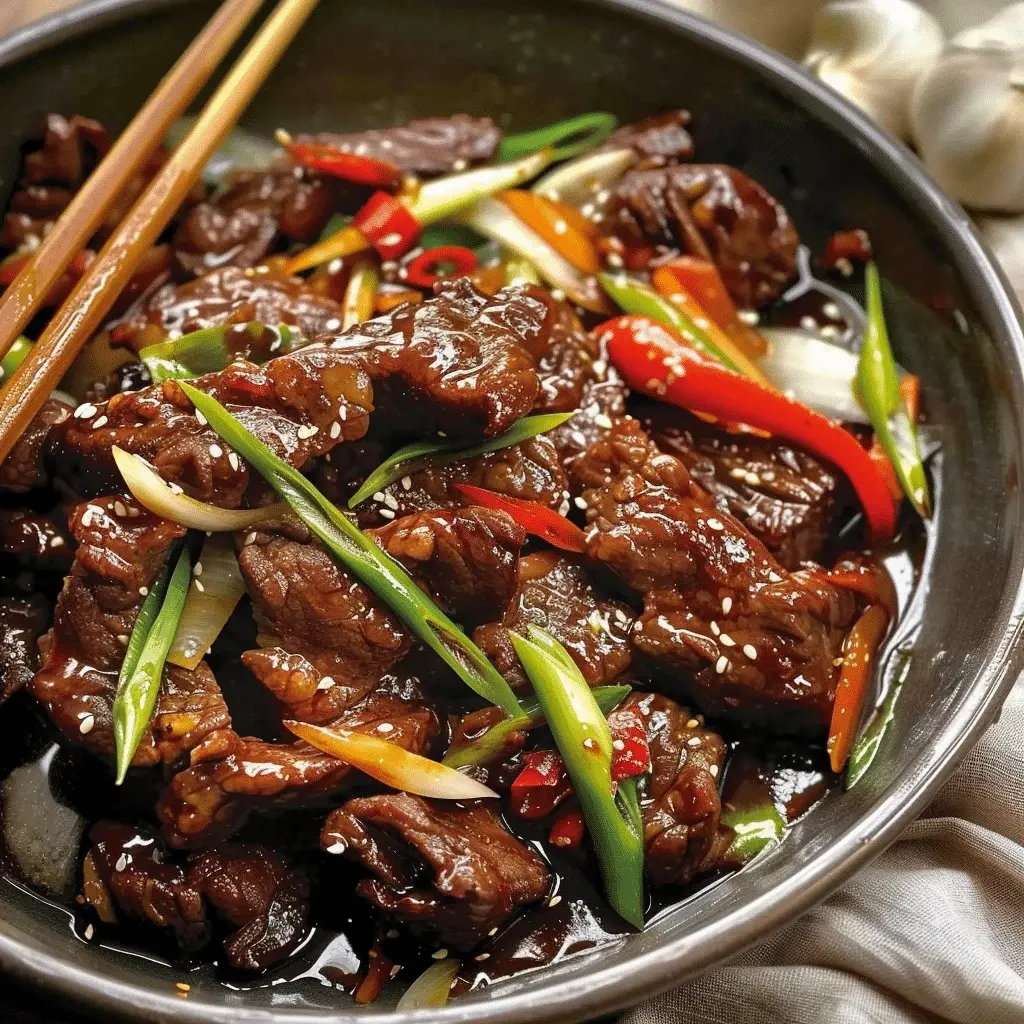
Let me paint you a picture: thinly sliced beef, each piece coated in a glossy mahogany sauce that clings like velvet. The first bite gives you that perfect contrast — a caramelized exterior from the honey and hoisin, a tender interior from a clever three-step marinating technique I will walk you through below. The aroma of ginger and garlic blooming in hot oil fills your kitchen, and within minutes you are plating a dish that looks like it took an hour of work. This homemade Mongolian beef has that ideal balance of salty, sweet, and umami, with a subtle warmth from Chinese five spice that lingers on your palate. For more weeknight winners like this one, check out our collection of quick beef recipes that the whole family loves.
What makes my version of this Mongolian Beef Recipe different? It is the method. Most recipes skip straight to the wok, but I insist on a two-phase marinade — first a liquid soak to season the meat deeply, then a cornstarch-and-oil coating that creates that signature shatter-and-silk texture. I learned this technique during my pastry training in Paris, where we would use a similar approach to tenderize fruit for tarts. It works brilliantly on beef. One common mistake home cooks make is overcrowding the pan, which steams the meat instead of searing it. I will show you how to avoid that trap and get crusty, caramelized edges every time. This beef stir fry recipe is designed to be foolproof — even on a busy weeknight when you just want dinner on the table fast. For more 30-minute solutions, browse our 30-minute meal ideas.
Why This Mongolian Beef Recipe Is the Best
The Flavor Secret. The sauce in this Mongolian Beef Recipe is built on a classic Asian pantry foundation: soy sauce, hoisin, oyster sauce, and honey. But I add a pinch of Chinese five spice — star anise, cloves, cinnamon, fennel, and Szechuan peppercorns — which gives the dish a warm, aromatic depth that most versions lack. It is a trick I borrowed from a spice shop in Paris’s 10th arrondissement, where the owner taught me to treat spice blends like perfume: a little goes a long way. This easy Mongolian beef sauce thickens naturally with cornstarch, creating that glossy coat that clings to every slice of beef. For more Asian-inspired weeknight dinners, explore our Asian-inspired recipes.
Perfected Texture. The texture of this homemade Mongolian beef is where my French training really shines. The beef is sliced against the grain into thin strips, then marinated in soy sauce, sesame oil, grated garlic, ginger, and a touch of Shaoxing wine. After 15 minutes, I toss in cornstarch — this creates a light batter that fries up crispy while locking in moisture. A final drizzle of oil ensures the pieces separate easily in the wok. The result is beef that is tender on the inside and slightly crispy on the outside, exactly what a great Mongolian beef stir fry should be.
Foolproof & Fast. This quick Mongolian beef dinner comes together in 40 minutes from start to finish, and most of that is hands-off marinating time. The active cooking is just about 10 minutes in the wok. I have tested this recipe with beginner cooks in my NYC cooking workshops, and every single person walked away with a perfect plate. The key is reading the visual cues — the beef should be golden brown at the edges, the sauce should bubble and thicken until it coats the back of a spoon, and the onions should still have a slight bite. For more stir-fry inspiration, check out our stir-fry recipe collection.
Mongolian Beef Recipe Ingredients
I buy my flank steak from a butcher in Chelsea Market, but any good-quality steak from your local grocery store will work beautifully. The ginger and garlic I get from the Asian market on Mott Street, where the produce is always incredibly fresh. This Mongolian Beef Recipe uses pantry staples, so you likely already have most of the sauce ingredients on hand.
Ingredients List
- 300 g beef steak (flank, sirloin, or rib eye — thinly sliced against the grain)
- ½ white onion (approx. ¾ cup, thinly sliced)
- ½ red bell pepper (approx. ¾ cup, thinly sliced)
- 4–5 slices fresh ginger
- 3 cloves garlic (thinly sliced)
- 1–2 stalks green onions (cut into 2-inch pieces)
- Beef Marinade:
- 1 tablespoon soy sauce
- ½ teaspoon sesame oil
- 2 tablespoons water
- ½ tablespoon grated garlic (approx. 2 cloves)
- ½ teaspoon grated ginger
- ½ tablespoon grated onion (approx. ¼ small onion)
- ½ tablespoon Shaoxing wine (optional — or use dry sherry)
- 3 tablespoons cornstarch (added after initial marinating)
- 1 tablespoon oil (added after cornstarch)
- Mongolian Beef Sauce:
- 2 tablespoons low sodium soy sauce
- 1 tablespoon cornstarch
- 3 tablespoons honey (or brown sugar)
- 2 tablespoons hoisin sauce
- 1 tablespoon oyster sauce
- ¼ teaspoon Chinese five spice
- ½ tablespoon sesame oil
- 1 tablespoon Shaoxing wine (or dry sherry)
- ½ cup cold water
Ingredient Spotlight
Beef (Flank Steak). Flank steak is the gold standard for this Mongolian Beef Recipe. It has a loose grain that soaks up the marinade beautifully and stays tender when sliced thin and cooked quickly. Look for a piece with uniform thickness and bright red color. If you cannot find flank, sirloin or rib eye work well — just trim any excess fat.
Hoisin Sauce. This thick, sweet-savory sauce is the backbone of the glaze in this easy Mongolian beef. Made from fermented soybean paste, sugar, and spices, it adds a complex sweetness that balances the saltiness of the soy sauce. I prefer the brand Koon Chun or Lee Kum Kee — they have the richest flavor. If you are gluten-free, look for a certified gluten-free hoisin.
Chinese Five Spice. This is my secret-weapon ingredient in this homemade Mongolian beef. It is a blend of star anise, cloves, cinnamon, fennel seeds, and Szechuan peppercorns. Just ¼ teaspoon adds a subtle warmth and floral note that makes the dish taste like it simmered for hours. You can find it in the spice aisle of most US supermarkets.
Shaoxing Wine. A traditional Chinese cooking wine that adds depth and complexity to both the marinade and the sauce in this Mongolian beef stir fry. It has a nutty, slightly sweet flavor that cannot be replicated exactly. If you do not have it, dry sherry is the best substitute — or simply omit it and add an extra tablespoon of water.
| Original Ingredient | Best Substitution | Flavor / Texture Impact |
|---|---|---|
| Flank steak | Sirloin or rib eye | Slightly more tender, slightly richer flavor |
| Hoisin sauce | Extra oyster sauce + 1 tsp brown sugar | Less complex, still sweet and savory |
| Chinese five spice | ¼ tsp cinnamon + pinch of cloves | Lacks Szechuan pepper warmth, still aromatic |
| Shaoxing wine | Dry sherry or omit | Slightly less depth, still very good |
| Honey | Brown sugar or maple syrup | Brown sugar gives deeper molasses note; maple is lighter |
How to Make Mongolian Beef — Step-by-Step
This Mongolian Beef Recipe comes together faster than you expect. Once the beef is marinated, the actual cooking takes less than 10 minutes. I like to set up all my ingredients before I start — the French call it mise en place — and it makes the process completely stress-free.
Step 1: Prepare and Marinate the Beef
Slice your steak against the grain into thin strips, about ¼ inch thick. In a medium bowl, combine the sliced beef with 1 tablespoon soy sauce, ½ teaspoon sesame oil, 2 tablespoons water, ½ tablespoon grated garlic, ½ teaspoon grated ginger, ½ tablespoon grated onion, and ½ tablespoon Shaoxing wine if using. Toss well and let it sit for 15 minutes at room temperature. After marinating, sprinkle 3 tablespoons cornstarch over the beef and toss until every piece is coated. Finally, drizzle 1 tablespoon oil over the coated beef and toss again — this keeps the pieces from sticking together during stir-frying.
💡 Mia’s Pro Tip: Use your hands to toss the beef with the cornstarch — it ensures an even coating without clumps. The coating should look like a thin, dusty layer, not a thick paste.
Step 2: Make the Mongolian Beef Sauce
In a small bowl, whisk together 2 tablespoons low sodium soy sauce, 1 tablespoon cornstarch, 3 tablespoons honey, 2 tablespoons hoisin sauce, 1 tablespoon oyster sauce, ¼ teaspoon Chinese five spice, ½ tablespoon sesame oil, 1 tablespoon Shaoxing wine, and ½ cup cold water. Whisk until the cornstarch is fully dissolved and no lumps remain. Set the bowl near your stove — this sauce will come together very quickly once you start cooking.
⚠️ Common Mistake to Avoid: If you add the cornstarch directly to the hot wok without dissolving it first, you will get lumps. Always whisk it into the cold liquid before cooking.
Step 3: Stir-Fry the Beef
Heat a large wok or heavy skillet over high heat until it is smoking hot. Add 2 tablespoons of neutral oil (like avocado or vegetable oil) and swirl to coat. Carefully add the beef in a single layer — work in batches if needed — and let it sear undisturbed for 45–60 seconds. Flip the pieces and cook another 30–45 seconds until golden brown and crispy at the edges. Transfer the cooked beef to a plate and repeat with any remaining beef.
💡 Mia’s Pro Tip: Do not overcrowd the wok. If you add too much beef at once, the pan temperature drops and the meat steams instead of searing. Cook in two batches for the best crust on this Mongolian beef stir fry.
Step 4: Sauté the Aromatics
Pour out any excess oil from the wok, leaving about 1 tablespoon. Return the wok to medium-high heat and add the sliced onion, red bell pepper, ginger slices, and garlic. Stir-fry for 2–3 minutes until the onions are translucent and the garlic is fragrant but not burned. The bell pepper should still have a slight crunch — this adds texture to the final dish.
⚠️ Common Mistake to Avoid: Garlic burns very quickly. Keep it moving in the wok and add it after the onions have had a head start. Burnt garlic turns bitter and will overpower your quick Mongolian beef dinner.
Step 5: Combine and Finish
Give your sauce mixture a quick whisk (the cornstarch settles at the bottom) and pour it into the wok with the aromatics. Stir immediately and let the sauce bubble and thicken for about 30–45 seconds. Return the cooked beef to the wok, along with any accumulated juices on the plate. Toss everything together until the beef is evenly coated in the glossy sauce. Fold in the green onions, then remove from heat immediately to keep the vegetables bright and crisp.
💡 Mia’s Pro Tip: Taste the sauce before adding the beef back. If you want more sweetness, add an extra teaspoon of honey. If you want more salt, a splash of soy sauce does the trick. Adjusting at this stage ensures your homemade Mongolian beef is perfectly balanced.
| Step | Action | Duration | Key Visual Cue |
|---|---|---|---|
| 1 | Marinate beef | 15 min + 2 min coating | Beef is evenly dusted with cornstarch |
| 2 | Prepare sauce | 2 min | Smooth, no cornstarch lumps |
| 3 | Stir-fry beef | 1–2 min per batch | Golden brown, crispy edges |
| 4 | Sauté aromatics | 2–3 min | Onions translucent, garlic fragrant |
| 5 | Combine and finish | 30–45 sec | Sauce is glossy and coats the beef |
Serving & Presentation
I love serving this Mongolian Beef Recipe over a bed of steamed jasmine rice — the fluffy grains soak up every drop of that glossy sauce. For a low-carb option, try cauliflower rice or simply serve it alongside a crisp green salad. When I entertain in my NYC apartment, I plate the beef in a shallow bowl, garnish with extra sliced green onions and a sprinkle of toasted sesame seeds, and watch it disappear in minutes.
Inspired by the communal dining style I grew up with in Morocco, I sometimes serve this easy Mongolian beef with a side of quick-pickled cucumbers or a simple cucumber salad. The acidity cuts through the richness of the sauce beautifully. A wedge of lime on the side is never a bad idea — a squeeze of citrus just before eating brightens all the flavors.
For a complete weeknight spread, pair this Mongolian beef stir fry with steamed edamame sprinkled with sea salt, or a bowl of miso soup. The contrast of warm, savory broth with the sticky-sweet beef makes for a deeply satisfying meal that rivals any takeout order — and it is on your table in the time it takes to wait for delivery.
| Pairing Type | Suggestions | Why It Works |
|---|---|---|
| Side Dish | Steamed jasmine rice, cauliflower rice, or lo mein noodles | Neutral base soaks up the sweet-savory sauce |
| Sauce / Dip | Chili crisp, sriracha mayo, or extra hoisin | Adds heat or extra sweetness to customize each bite |
| Beverage | Cold lager, Riesling, or iced green tea | Crisp, cold drinks balance the richness |
| Garnish | Sliced green onions, toasted sesame seeds, lime wedges | Adds freshness, crunch, and visual appeal |
Make-Ahead, Storage & Reheating
This Mongolian Beef Recipe is excellent for meal prep. I often double the batch on Sunday so I have lunches ready for the first half of the week. The key is storing the beef and sauce components separately if you plan to reheat later — that way the beef stays crisp and the sauce stays glossy.
| Method | Container | Duration | Reheating Tip |
|---|---|---|---|
| Refrigerator | Airtight glass container | 3–4 days | Reheat in a hot wok with 1 tsp water to refresh the sauce |
| Freezer | Freezer-safe zip bag, flat | 2 months | Thaw overnight in fridge, reheat in wok on high heat |
| Make-Ahead | Marinate beef + prep sauce separately | 1 day in advance | Stir-fry fresh when ready to serve for best texture |
When reheating leftovers of this homemade Mongolian beef, avoid the microwave — it will make the beef rubbery and the sauce grainy. Instead, warm a nonstick skillet over high heat, add a splash of water, and toss the beef for 1–2 minutes until the sauce is glossy again. The water helps reconstitute the sauce without making it watery.
If you are meal-prepping the full quick Mongolian beef dinner, I recommend storing the rice separately. Cooked rice can dry out when reheated with the beef, so keeping them apart ensures both components taste freshly made. A quick 30-second steam in the microwave with a damp paper towel brings the rice back to life.
Variations & Easy Swaps
| Variation | Key Change | Best For | Difficulty Impact |
|---|---|---|---|
| Spicy Szechuan-Style | Add 1 tbsp chili crisp + ½ tsp Szechuan peppercorns | Heat lovers who want a numbing kick | Easy |
| Gluten-Free | Use tamari + GF hoisin + GF oyster sauce | Gluten-sensitive or celiac diners | Easy |
| Vegetable-Packed | Add broccoli, snap peas, or baby corn | Boosting veggie intake | Easy |
Spicy Szechuan-Style Mongolian Beef
If you love heat, this variation is for you. Add 1 tablespoon of chili crisp (I love the brand with the black label from the Mott Street market) to the sauce along with ½ teaspoon of crushed Szechuan peppercorns. The chili crisp brings a deep, fermented heat, while the Szechuan peppercorns add that signature numbing tingle. This twist on the classic Mongolian Beef Recipe was inspired by a late-night noodle shop I visited in Flushing, Queens. It transforms the dish into something bold and utterly addictive. For more spicy weeknight options, browse our beef recipes collection.
Gluten-Free Mongolian Beef
This easy Mongolian beef can easily be made gluten-free without sacrificing any flavor. Swap the regular soy sauce for tamari or coconut aminos, and use a certified gluten-free hoisin sauce and oyster sauce. Most grocery stores now carry these alternatives — I find mine at Whole Foods. The texture and taste are nearly identical, so no one at the table will notice the difference. This version has become a favorite among my NYC cooking class students who have celiac disease or gluten sensitivity.
Vegetable-Packed Mongolian Beef
During summer, when the Union Square farmers market is overflowing with produce, I love loading this Mongolian beef stir fry with extra vegetables. Add 1 cup of broccoli florets, a handful of snap peas, or sliced baby corn along with the onions and bell pepper. The key is to add them in order of cooking time — broccoli goes in first, snap peas last — so everything is perfectly tender-crisp. This turns a simple quick Mongolian beef dinner into a complete one-pan meal that is as colorful as it is delicious.
What is the best cut of beef to use for Mongolian beef?
The best cut of beef for this Mongolian Beef Recipe is flank steak. It has a loose, open grain that absorbs the marinade well and stays tender when sliced thin against the grain. Sirloin and rib eye are excellent alternatives — they are slightly more tender but also a bit richer in flavor. Avoid tough cuts like chuck or brisket, which require long braising to become tender. Whichever cut you choose, the key is slicing it very thinly, about ¼ inch thick, and always against the grain for the most tender bite.
Can I make Mongolian beef without brown sugar?
Absolutely. In this Mongolian Beef Recipe, honey works beautifully as a direct replacement for brown sugar. Honey adds a floral sweetness that complements the hoisin and oyster sauce perfectly. You can also use maple syrup, coconut sugar, or even date syrup. The key is to match the sweetness level — start with 3 tablespoons of your chosen sweetener and adjust to taste. If you use a liquid sweetener like honey or maple syrup, you may need to simmer the sauce an extra 30 seconds to thicken properly. Brown sugar gives a deeper molasses note, but the result will be just as delicious with other sweeteners.
How do I get the sauce to thicken for Mongolian beef?
The sauce in this Mongolian Beef Recipe thickens thanks to cornstarch. The key is to whisk the cornstarch into the cold liquid ingredients before adding the sauce to the wok — this prevents lumps. Once the sauce hits the heat, it will thicken in about 30–45 seconds. For an even thicker sauce, add an extra teaspoon of cornstarch dissolved in a tablespoon of cold water. If the sauce becomes too thick, simply stir in a splash of water to loosen it. The ideal consistency is glossy and coats the back of a spoon, clinging to the beef without being gluey.
What should I serve with Mongolian beef?
Steamed jasmine rice is the classic pairing for this Mongolian Beef Recipe — its fluffy texture soaks up the sweet-savory sauce beautifully. For a low-carb option, try cauliflower rice or zucchini noodles. A crisp cucumber salad with rice vinegar and sesame seeds adds a refreshing contrast to the rich beef. I also love serving it with steamed edamame, miso soup, or stir-fried bok choy. When I am hosting friends in my NYC apartment, I set up a DIY bowl bar with rice, the beef, and toppings like sliced green onions, chili crisp, and toasted sesame seeds so everyone can build their perfect plate.
Can I make Mongolian beef ahead of time for meal prep?
Yes, this Mongolian Beef Recipe is excellent for meal prep. You can marinate the beef and prepare the sauce up to 24 hours in advance and store them separately in the refrigerator. When you are ready to eat, simply stir-fry the beef and combine with the sauce — it takes less than 10 minutes. Fully cooked leftovers keep well in an airtight container in the fridge for 3–4 days. For best results, reheat in a hot wok or skillet with a splash of water to restore the sauce’s glossy texture rather than using a microwave, which can make the beef rubbery.
What is the difference between Mongolian beef and Szechuan beef?
Mongolian beef and Szechuan beef are both Chinese-American stir-fry dishes, but they differ in flavor and heat. This Mongolian Beef Recipe features a sweet and savory sauce made with soy sauce, hoisin, and honey, with a mild warmth from ginger and garlic. It is not traditionally spicy. Szechuan beef, on the other hand, is defined by the bold, numbing heat of Szechuan peppercorns and dried chilies, with a more savory and spicy profile. If you want heat in your Mongolian beef, you can easily add chili crisp or red pepper flakes — I include a spicy variation in the post above.
Can I use chicken or pork instead of beef for this Mongolian beef recipe?
Absolutely. This Mongolian Beef Recipe works wonderfully with chicken thighs or pork tenderloin. For chicken, use boneless, skinless thighs — they stay juicier than breasts during the high-heat stir-fry. For pork, tenderloin or loin chops are ideal. Slice either protein thinly against the grain, just like the beef, and follow the same marinating and coating steps. The cooking time is nearly identical. The sauce is versatile enough that it complements chicken and pork beautifully. If you use chicken breast, cook it just until done to avoid drying out.
Why is my Mongolian beef tough and chewy?
Tough, chewy Mongolian beef is usually the result of one of two issues: using the wrong cut of meat or slicing it incorrectly. This Mongolian Beef Recipe calls for flank steak, sirloin, or rib eye — cuts that are naturally tender when cooked quickly. Always slice the beef against the grain, which means cutting perpendicular to the muscle fibers. Slicing with the grain leaves the fibers long and results in a chewy texture. Another common cause is overcooking. Beef for stir-fry needs just 1–2 minutes in a screaming-hot wok. Cook it in batches to avoid overcrowding, which lowers the pan temperature and steams the meat instead of searing it.
Can I make Mongolian beef in an air fryer?
Yes, you can adapt this Mongolian Beef Recipe for an air fryer, though the texture will be slightly different. After marinating and coating the beef with cornstarch and oil, arrange the pieces in a single layer in the air fryer basket. Cook at 400°F for 6–8 minutes, shaking the basket halfway through, until the beef is golden and crispy. While the beef cooks, prepare the sauce in a small saucepan on the stovetop. Toss the air-fried beef with the sauce and serve immediately. The beef will be slightly less caramelized than wok-fried, but the method is convenient and still delicious.
How do I store and reheat leftover Mongolian beef?
Store leftover Mongolian beef in an airtight container in the refrigerator for up to 4 days. For best results when reheating, avoid the microwave — it tends to make the beef rubbery and the sauce grainy. Instead, reheat in a nonstick skillet or wok over high heat with a splash of water or beef broth. Toss for 1–2 minutes until the sauce becomes glossy again and the beef is heated through. The water helps reconstitute the sauce without diluting the flavor. If you meal-prepped this Mongolian Beef Recipe, store the rice separately to keep it from drying out.
Share Your Version!
I absolutely love hearing how this Mongolian Beef Recipe turns out in your kitchen. Did you add extra chili for heat? Serve it over noodles instead of rice? Make it with chicken or tofu? Drop a star rating and a comment below — your feedback helps other home cooks decide if this is the right recipe for their weeknight dinner rotation. I read every single comment and do my best to answer any questions you have within 24 hours.
If you share a photo on Instagram or Pinterest, tag me @exorecipes so I can see your beautiful plate. I feature my favorite reader recreations on my stories every Friday, and I would love to feature yours. What is one ingredient you always add to your Mongolian beef that makes it uniquely yours? I am genuinely curious — after a decade of developing recipes, I still learn something new from this wonderful community every single week. From my NYC kitchen to yours — I hope this recipe brings as much warmth to your table as it does to mine. — Mia 🧡
Love This Recipe? Save It to Pinterest!
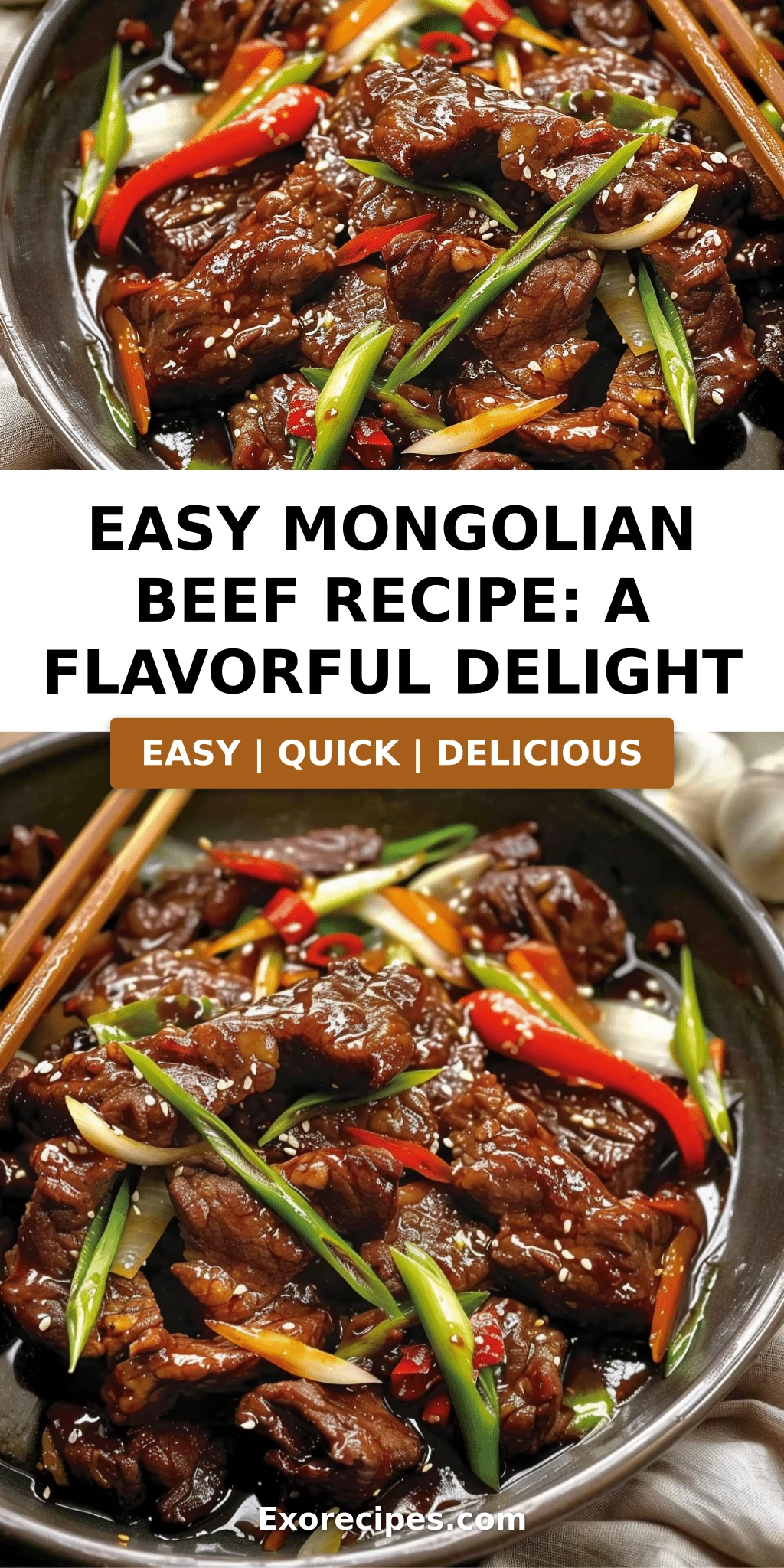
If you enjoyed this Easy Mongolian Beef Recipe, don’t let it get lost in your browser tabs! 😄 Pin it now so you can find it again anytime — and explore hundreds more tried-and-tested recipes waiting for you on my Pinterest boards.
👉 Follow Mia on Pinterest @exorecipes📌 Pin this recipe · 🔁 Re-pin your favorites · 💬 Tag me when you make it — I love seeing your creations!
Easy Mongolian Beef Recipe: A Flavorful Delight
- Prep Time: 20 mins
- Cook Time: 20 mins
- Total Time: 40 mins
Description
Just made this amazing Mongolian Beef for dinner and it was a hit! ????????
Ingredients
- 300 g beef steak (flank, sirloin, rib eye steak works well)
- ½ white onion (approx. ¾ cup)
- ½ red bell pepper (approx. ¾ cup)
- 4–5 slices ginger
- 3 cloves garlic (thinly sliced)
- 1–2 stalks green onions
- Beef Marinade:
- 1 tablespoon soy sauce
- ½ teaspoon sesame oil
- 2 tablespoons water
- ½ tablespoon grated garlic (approx. 2 cloves)
- ½ teaspoon grated ginger
- ½ tablespoon grated onion (approx. ¼ small onion)
- ½ tablespoon Shaoxing wine (optional)
- 3 tablespoons cornstarch (added after marinating)
- 1 tablespoon oil (added after marinating)
- Mongolian Beef Sauce:
- 2 tablespoons soy sauce (low sodium)
- 1 tablespoon cornstarch
- 3 tablespoons honey (or sugar)
- 2 tablespoons hoisin sauce
- 1 tablespoon oyster sauce
- ¼ teaspoon Chinese five spice
- ½ tablespoon sesame oil
- 1 tablespoon Shaoxing wine
- ½ cup cold water
Instructions
Tried This Recipe? Leave a Comment!
Did you make this recipe? I’d love to hear how it turned out! Please leave a comment and a rating below. Your feedback helps other home cooks and supports cheerychop.com!
For more delicious inspiration, follow me on Pinterest!
