Table of Contents
Best Greek Salad Recipe: The Ultimate Refreshing Traditional Taste
Oh, Greek salad. Just saying the name conjures images of sun-drenched islands, vibrant colors, and the freshest flavors imaginable. Back in my childhood in Morocco, my mother’s kitchen was a symphony of spices and citrus, and while we didn’t make Greek salad per se, the emphasis on fresh, high-quality ingredients resonated deeply. When I moved to Paris for culinary school, I learned the precision of French vinaigrettes, a technique that would later inform my approach to this classic. Now, living in the heart of New York City, I’ve found that this **best Greek salad recipe** is more than just a side dish; it’s a celebration of simple, pure tastes, perfected with a few chef-driven secrets to ensure it’s truly authentic, remarkably easy, and incredibly healthy. This is the salad I make when I want a taste of the Mediterranean, no passport required.
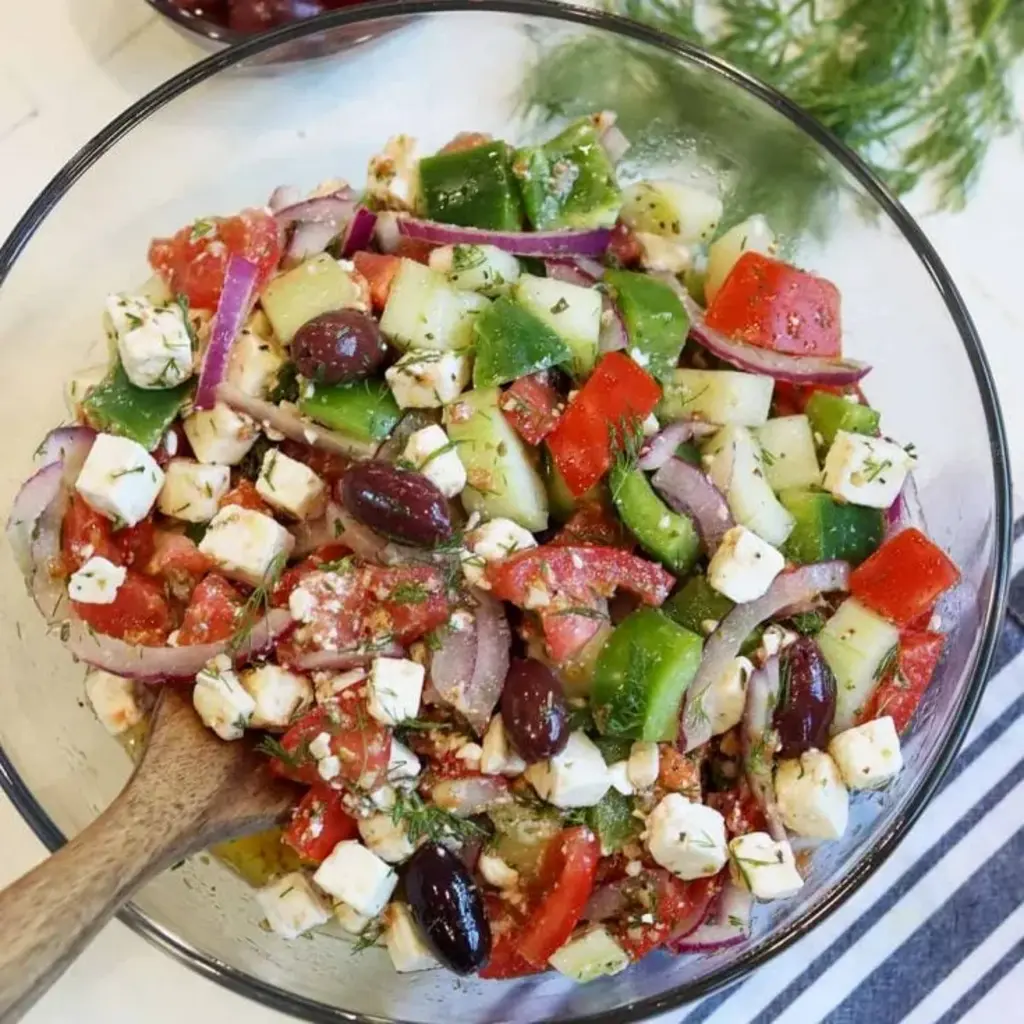
Imagine crisp, cool cucumbers, juicy ripe tomatoes bursting with sweetness, sharp red onion with just the right bite, and the beautiful briny pop of Kalamata olives. All of this is enveloped in a light, zesty dressing infused with garlic, oregano, and dill – herbs that transport me back to my family’s garden. The crown jewel, of course, is the creamy, salty feta cheese, which melts ever so slightly into the vegetables. It’s a textural masterpiece: the crunch of the peppers, the yielding bite of the tomatoes, the satisfying chew of the olives, and the soft tang of the feta. It’s the kind of salad that makes you pause and savor each bite, a true testament to the magic that happens when simple, beautiful ingredients are treated with respect. It’s a healthy Greek salad recipe that doesn’t compromise on flavor.
Over the years, I’ve refined this traditional Greek salad recipe, drawing on my professional training and my passion for bringing out the best in fresh produce. I’ve learned how a little chill time can transform the flavors and why the ratio of vinegar to oil in the dressing is critical. I’ll share my secret to the perfect vinaigrette that’s both bright and balanced, a technique that elevates this from good to truly exceptional. Plus, I’ll walk you through a common pitfall many home cooks encounter, ensuring your salad is always a winner. Stick with me, and you’ll be making the best Greek salad of your life, effortlessly.
Why This Best Greek Salad Recipe Is the Best
My secret to the ultimate Greek salad lies in embracing the simplicity while perfecting the fundamentals. My Moroccan upbringing taught me to appreciate the power of fresh herbs and quality olive oil, while my French culinary training instilled in me the importance of balance and technique. For this authentic Greek salad, it’s about the precise cut of the vegetables, ensuring each bite has a harmonious mix of flavors and textures, and a dressing that sings rather than shouts. Using high-quality ingredients, like a good extra virgin olive oil and salty, crumbly feta, makes all the difference.
The texture of this salad is paramount. Unlike other recipes where ingredients are roughly chopped, I opt for uniform, bite-sized pieces. This ensures that every forkful delivers a delightful combination of all the components. Crucially, allowing the salad to marinate for at least an hour before serving is a non-negotiable step. This isn’t just about letting the flavors meld; it’s about the vegetables softening just slightly and absorbing the dressing, creating a cohesive and incredibly satisfying dish. It’s a technique I learned in Paris that’s essential for taking a simple salad to a gourmet level.
This recipe is designed to be incredibly approachable, even for beginner cooks. There’s no cooking required, and the steps are straightforward. The real magic happens with the chilling time, which allows the flavors to develop on their own. It’s the perfect healthy Greek salad recipe for busy weeknights or elegant dinner parties. I’ll also guide you on the common mistake of over-dressing the salad, which can make it soggy and unappetizing, ensuring your salad remains crisp and vibrant.
Best Greek Salad Recipe Ingredients
One of the things I love most about this salad is how readily available the ingredients are, even here in bustling NYC. I often pick up my produce from the Greenmarket at Union Square, and the feta and olives from my favorite Mediterranean deli in Astoria. My mother always stressed using the freshest ingredients possible, and that philosophy shines through in this traditional Greek salad. It’s a beautiful reminder of home, no matter where I am.
Ingredients List
- 1 green bell pepper (cut into 1″ pieces)
- ¾ English cucumber (hot house cucumber peeled, seeded, and quartered into 1″ slices)
- 5 roma tomatoes (cut into 1″ pieces)
- ¼ cup red onion (thinly sliced)
- ½ cup kalamata olives (whole and pitted)
- 8 ounces feta cheese (cut into ½” chunks)
- 1 cup olive oil
- 3½ tablespoons red wine vinegar
- 2 cloves garlic (minced)
- 1½ teaspoons dried oregano (or 1½ tablespoons fresh)
- 1 teaspoon dried dill (or 1 tablespoon fresh)
- 1 teaspoon salt
- ½ teaspoon pepper
Ingredient Spotlight
Feta Cheese: This briny, crumbly cheese is the heart of any Greek salad. For the best flavor and texture, I always recommend using block feta packed in brine, rather than pre-crumbled. The brine keeps it moist and flavorful. In US supermarkets, you’ll find it usually in the specialty cheese section. If you can’t find block feta, a good quality sheep’s milk feta will do. Pre-crumbled feta can sometimes be dry and lack depth of flavor.
Kalamata Olives: These deep purple, almond-shaped olives are prized for their rich, fruity, and slightly peppery flavor. Always opt for pitted Kalamata olives to save time and avoid any accidental crunch. You can usually find them in jars or cans in the Mediterranean or international foods aisle of your grocery store. They offer a distinct flavor that is hard to replicate, but a good quality Greek black olive can be a decent substitute if Kalamatas are unavailable.
English Cucumber: Also known as hot-house cucumbers, these are ideal because they have fewer seeds and a thinner skin than regular cucumbers, meaning you don’t have to peel them entirely and they won’t water down your salad as much. I like to quarter them lengthwise and then slice them into ½-inch pieces. If you only have a regular cucumber, you can still use it, just be sure to seed it thoroughly and peel it if the skin is thick, which will help prevent a watery salad.
| Original Ingredient | Best Substitution | Flavor / Texture Impact |
|---|---|---|
| Feta Cheese (Block) | Sheep’s Milk Feta, Well-Aged Goat Cheese | Slightly milder or tangier, but still creamy and salty. |
| Kalamata Olives | Good quality Greek black olives, Gaeta olives | Less fruity, potentially firmer texture, but still briney. |
| English Cucumber | Persian cucumbers (seeded and peeled if necessary) | Similar texture, slightly smaller, might have more seeds. |
How to Make Best Greek Salad Recipe — Step-by-Step
Making this traditional Greek salad is wonderfully straightforward, a no-cook delight that I often whip up for a quick and healthy lunch.
Step 1: Prepare the Dressing
In a small bowl, whisk together the olive oil, red wine vinegar, minced garlic, dried oregano, dried dill, salt, and pepper. Ensure everything is well combined for a balanced flavor. This simple dressing is the foundation of our authentic Greek salad.
💡 mia’s Pro Tip: For an extra punch of flavor, let the dressing sit for about 15-30 minutes at room temperature while you prep the vegetables. This allows the garlic and herbs to infuse more deeply into the oil and vinegar.
Step 2: Combine the Salad Ingredients
In a large mixing bowl, add the chopped green bell pepper, cucumber slices, roma tomato pieces, thinly sliced red onion, whole pitted Kalamata olives, and chunks of feta cheese. Pour the prepared salad dressing over the top of the ingredients.
⚠️ Common Mistake to Avoid: Don’t over-mix the salad once the dressing is added. Gently toss everything together using tongs or your hands to coat the ingredients without bruising them, especially the feta.
Step 3: Chill and Let Flavors Meld
Once everything is tossed, cover the bowl tightly with plastic wrap or a lid. Refrigerate the salad for at least 1 to 2 hours. This crucial step allows the vegetables to slightly soften, absorb the dressing, and for all the flavors to marry beautifully, transforming it into the **best Greek salad recipe**.
| Step | Action | Duration | Key Visual Cue |
|---|---|---|---|
| 1 | Prepare Dressing | 5 minutes | Emulsified, well-mixed liquid |
| 2 | Combine Ingredients & Dress | 5 minutes | Evenly coated vegetables and cheese |
| 3 | Chill Salad | 1-2 hours | Chilled, flavors melded |
Serving & Presentation
To serve this vibrant, healthy Greek salad recipe, I like to give it one last gentle toss to ensure everything is nicely coated with the delicious dressing. Plating is simple: I spoon the salad into a wide, shallow bowl or individual plates, making sure to get a good mix of all the elements. The colors alone are beautiful, but a sprinkle of fresh parsley or a mint leaf can add a final touch of freshness, reminiscent of the vibrant produce stands in Morocco.
For a restaurant-style presentation, you can even arrange the feta cheese chunks artfully on top just before serving. This traditional Greek salad is wonderfully versatile. It pairs perfectly with grilled meats like lamb souvlaki or chicken skewers, or it can stand alone as a light and satisfying meal, especially when you add some protein like chickpeas or grilled halloumi. In my NYC kitchen, I often serve it alongside crusty bread to soak up any extra dressing, or with a side of hummus and pita for a more complete Mediterranean experience.
| Pairing Type | Suggestions | Why It Works |
|---|---|---|
| Side Dish | Grilled Chicken or Lamb Skewers, Baked Falafel, Crusty Bread | The salad’s freshness cuts through the richness of grilled meats and provides a bright counterpoint to dense falafel. Bread is perfect for soaking up the savory dressing. |
| Sauce / Dip | Tzatziki Sauce, Hummus, Tahini Dressing | These creamy, cool dips complement the crispness of the salad and add another layer of Mediterranean flavor, harmonizing beautifully with the feta and olives. |
| Beverage | Crisp White Wine (e.g., Assyrtiko, Sauvignon Blanc), Sparkling Water with Lemon, Greek Iced Coffee (Frappé) | The acidity of white wine balances the richness of the dressing and cheese. Refreshing water and coffee provide a cool contrast. |
| Garnish | Fresh Parsley, Fresh Mint Leaves, a drizzle of high-quality olive oil | Adds a final touch of color, herbaceous aroma, and visual appeal, enhancing the fresh, vibrant character of the salad. |
Make-Ahead, Storage & Reheating
I often prepare this easy Greek salad recipe for meal prep, especially when my schedule in NYC gets hectic. The key to making it ahead is to keep the dressing separate until just before serving to maintain the crispness of the vegetables. However, tasting it after it has had time in the fridge to meld is also a delightful experience. My mother always said “good food waits for no one,” but I also appreciate that good food can be prepared in advance!
| Method | Container | Duration | Reheating Tip |
|---|---|---|---|
| Refrigerator | Airtight container | 2-3 days | Serve chilled, or let sit at room temp for 15 mins. |
| Freezer | Freezer-safe container | 1-2 months | Thaw overnight in fridge. Vegetables may be softer. Best consumed after draining excess liquid. |
| Make-Ahead | Separate containers | Prep veggies 1 day in advance; dress just before serving | Toss dressed salad gently just before serving. Add feta last. |
If you plan to make this authentic Greek salad quite far in advance, I recommend storing the vegetables (chopped bell pepper, cucumber, tomato, onion) and olives in one airtight container in the refrigerator, and the dressing in a separate small jar. Keep the feta separate as well. When ready to serve, combine the vegetables and olives, add the dressing, toss gently, and then fold in the feta. This way, your salad will retain its delightful crunch, and you’ll have a delicious, healthy option ready whenever you need it.
Variations & Easy Swaps
| Variation | Key Change | Best For | Difficulty Impact |
|---|---|---|---|
| Meal Prep Powerhouse | Add protein (chicken, shrimp, chickpeas) | Complete lunch or light dinner | Easy |
| Gluten & Dairy-Free | Use dairy-free feta alternative, ensure no hidden gluten | Dietary restrictions | Easy |
| Spicy Kick | Add red pepper flakes or chopped jalapeño | Those who love heat | Easy |
Meal Prep Powerhouse Greek Salad
To transform this into a hearty meal, I love adding a lean protein. Grilled chicken breast, cooked shrimp, or even a can of rinsed chickpeas are fantastic additions. For a touch of North African flair that my mother would approve of, I might toss in some spiced lamb or shredded chicken seasoned with cumin and coriander. This makes the salad a complete and satisfying main course, perfect for those busy workdays in the city.
Gluten and Dairy-Free Greek Salad Delight
Making this traditional Greek salad dairy-free is surprisingly easy! Many brands now offer excellent plant-based feta alternatives made from nuts or soy. Simply swap the dairy feta for your favorite vegan version. Ensure your red wine vinegar is pure and that you’re using plain dried herbs, and this healthy Greek salad recipe becomes completely dairy-free. The texture and taste are remarkably close to the original, offering a delicious option for everyone.
Seasonal Summer Harvest Greek Salad
As a New Yorker, I cherish the seasonal bounty from our local farmers’ markets. In the summer, I love to incorporate other peak-season vegetables. Swap some of the tomato for sweet cherry tomatoes, add a handful of fresh corn kernels, or even a few thinly sliced radishes for a peppery bite. A few fresh basil leaves can also be a delightful addition, offering a hint of anise that complements the other Mediterranean flavors beautifully.
What is the secret to making the best Greek salad dressing?
The secret to the best Greek salad dressing is using high-quality ingredients and letting them meld. My recipe calls for good extra virgin olive oil and red wine vinegar, seasoned with fresh garlic, oregano, and dill. The key is to let the dressing sit for at least 15-30 minutes before tossing it with the salad, or even better, to make the salad and let it marinate for 1-2 hours. This allows the garlic and herbs to infuse into the oil and vinegar, creating a more complex and aromatic dressing that perfectly complements the fresh vegetables.
Can I use feta cheese instead of a block for a Greek salad?
While you *can* use pre-crumbled feta cheese, I strongly recommend using a block of feta packed in brine for the most authentic and delicious results. Block feta is typically richer in flavor, creamier, and has a better texture because it hasn’t been dehydrated during the crumbling process. Pre-crumbled feta can sometimes be dry and less flavorful. If block feta isn’t available, opt for the highest quality crumbled feta you can find, but know that it won’t quite achieve the same creamy bite and rich tang as a block.
How long should I let a Greek salad sit before serving?
For the best Greek salad recipe, I highly recommend letting it sit for at least 1 to 2 hours in the refrigerator before serving. This resting period is crucial for allowing the flavors of the dressing to meld with the vegetables and for the ingredients to absorb the deliciousness. It also allows the vegetables to slightly soften, creating a more cohesive and pleasing texture. While you can serve it immediately, letting it sit will elevate the salad from good to truly exceptional, making it an authentic Greek salad experience.
What can I substitute for Kalamata olives in a Greek salad?
Kalamata olives offer a distinctive fruity and briny flavor that’s hard to perfectly replicate, but there are great substitutes. If Kalamatas are unavailable, I suggest using other high-quality Greek black olives. Gaeta olives from Italy are also a good option, offering a similar rich, earthy flavor. Avoid canned, mushy black olives, as they lack the necessary texture and depth. The goal is to find an olive that is firm, flavorful, and has a good brine, to maintain the integrity of this traditional Greek salad.
Can I add other vegetables to a Greek salad?
Absolutely! While my core recipe sticks to the classics for an authentic Greek salad, I love experimenting. In the summer, I often add beautiful cherry tomatoes or sweet bell peppers. Some people enjoy adding artichoke hearts or even a handful of crisp romaine lettuce. My rule of thumb is to keep the additions complementary in flavor and texture to the core components. Always remember that the goal is a healthy Greek salad recipe, so focus on fresh, vibrant produce that enhances, rather than overpowers, the traditional taste.
Why is my Greek salad watery?
A watery Greek salad is usually a result of one or two things: the type of cucumber used or over-dressing the salad. English or hothouse cucumbers have fewer seeds and thinner skins, which makes them less watery. If using regular cucumbers, seeding them thoroughly and peeling them if the skin is thick can help. Also, I’ve noticed that adding too much dressing, or dressing the salad too far in advance and letting it sit for too long, can draw out moisture from the vegetables. My recipe balances the dressing to ensure the salad stays crisp.
Can I make this Greek salad recipe healthier?
This Greek salad recipe is already incredibly healthy, packed with fresh vegetables and healthy fats! If you want to boost its health factor even further, consider reducing the amount of olive oil in the dressing slightly, or substituting some of it with lemon juice for extra zest. Adding lean protein like grilled chicken, fish, or chickpeas will make it a more filling and complete healthy meal option. You can also load it up with extra greens like spinach or kale for added nutrients. It’s versatile enough to adapt to your specific health goals.
What kind of vinegar is best for Greek salad dressing?
Red wine vinegar is quintessential for an authentic Greek salad dressing. Its sharp, fruity notes are a perfect counterpoint to the richness of the olive oil and feta cheese. While other vinegars like apple cider vinegar or white wine vinegar can be used in a pinch, they will alter the classic flavor profile. My personal preference, honed through years of cooking in Paris and beyond, is for a good quality red wine vinegar that offers that unmistakable tang that balances the entire salad beautifully.
Share Your Version!
I would absolutely adore seeing your take on this classic **best Greek salad recipe**! If you give it a try, please consider leaving a star rating and a comment below. Your feedback helps me know what you love and inspires more recipes for us all. And if you share a photo on Instagram or Pinterest, please tag me at @exorecipes — I love seeing your culinary creations come to life in your own kitchens! I’m particularly curious to hear what protein you might add to make this a complete meal, fitting your busy New York life.
From my NYC kitchen to yours — I hope this recipe brings as much warmth to your table as it does to mine. — mia 🧡
Love This Recipe? Save It to Pinterest!
If you enjoyed this Best Greek Salad Recipe, don’t let it get lost in your browser tabs! 😄 Pin it now so you can find it again anytime — and explore hundreds more tried-and-tested recipes waiting for you on my Pinterest boards.
👉 Follow mia on Pinterest @chefrecipes2
📌 Pin this recipe · 🔁 Re-pin your favorites · 💬 Tag me when you make it — I love seeing your creations!
Best Greek Salad Recipe
Description
This traditional Greek salad recipe is tasty and easy to make – it’s fresh and healthy and full of fresh veggies, cheese, and the BEST greek salad dressing. Make it a meal-in-one by adding diced chicken, lamb, pork, or beef.
Ingredients
- 1 green bell pepper (cut into 1" pieces)
- ¾ English cucumber (hot house cucumber peeled, seeded, and quartered into 1" slices)
- 5 roma tomatoes (cut into 1" pieces)
- ¼ cup red onion (thinly sliced)
- ½ cup kalamata olives (whole and pitted)
- 8 ounces feta cheese (cut into ½" chunks)
- cup olive oil
- 3½ tablespoons red wine vinegar
- 2 cloves garlic (minced)
- 1½ teaspoons dried oregano (or 1½ tablespoons fresh)
- 1 teaspoon dried dill (or 1 tablespoon fresh)
- 1 teaspoon salt
- ½ teaspoon pepper
Instructions
- Toss olive oil, red wine vinegar, garlic, oregano, dill, salt, and pepper into a small bowl and mix together.
- Add bell pepper, cucumber, tomatoes, onion, olives, and cheese to a large bowl. Pour salad dressing over the top and mix ingredients. Season with additional salt and pepper to taste.
- Refrigerate 1 to 2 hours for the flavors to blend.
Nutrition
- Calories: 255 kcal
- Sugar: 3 g
- Fat: 23 g
- Carbohydrates: 8 g
- Protein: 6 g

k">
Tried This Recipe? Leave a Comment!
Did you make this recipe? I’d love to hear how it turned out! Please leave a comment and a rating below. Your feedback helps other home cooks and supports cheerychop.com!
For more delicious inspiration, follow me on Pinterest!
