Table of Contents
Best Bakery Buttercream Frosting: Smooth & Creamy Perfection – Your Go-To Recipe for Fluffy Desserts
Growing up in Morocco, the concept of elaborate buttercream wasn’t part of our daily dessert repertoire, which leaned more towards honey-soaked pastries and almond-laced cookies. But in my Parisian culinary school, I discovered the magic of French patisserie, and buttercream became an art form. Today, living in vibrant New York City, I’ve blended those influences to create what I truly believe is the best bakery buttercream frosting you can make at home. It’s smooth, creamy, and has that perfect fluffy texture you crave, making it ideal for everything from elegant layer cakes to whimsical cupcakes.
Imagine biting into a perfectly frosted cupcake, the frosting light as air yet rich with vanilla, melting delicately on your tongue without being overly sweet. That’s the experience this easy buttercream frosting delivers. It spreads like a dream, pipes beautifully, and holds its shape with an elegance that reminds me of the classic pastry shops near Les Halles. The secret lies in simple ingredients and a meticulous whipping technique that creates that signature fluffy buttercream frosting texture. It’s truly a game-changer for homemade desserts.
Many American buttercream recipes can sometimes feel too heavy or cloyingly sweet. My version of this vanilla buttercream frosting takes those traditional methods and refines them with a touch of European finesse, ensuring it’s balanced, incredibly smooth, and easy to work with. I’ll walk you through exactly how to achieve this, sharing my pro tips for perfect consistency and how to avoid common pitfalls like gritty or greasy frosting. Get ready to elevate your baking game with this homemade buttercream frosting recipe!
Why This Best Bakery Buttercream Frosting Recipe Is the Best
The Flavor Secret: My secret to the best bakery buttercream frosting is using high-quality unsalted butter and pure vanilla extract. While many recipes pile on the sugar, I balance it carefully to ensure the rich, creamy flavor of the butter and the aromatic vanilla shine through, reminiscent of the subtle elegance found in fine French pastries. A tiny pinch of salt isn’t just for seasoning; it magically enhances all the other flavors, giving the frosting depth.
Perfected Texture: Achieving that signature fluffy buttercream frosting texture is all about aeration. My Parisian training taught me the importance of beating the butter thoroughly, then gradually incorporating the powdered sugar, followed by a final, vigorous whip with heavy cream. This process introduces air, transforming what could be a dense frosting into a light, pipeable cloud that melts in your mouth.
Foolproof & Fast: You might think bakery-quality frosting is complicated, but this easy buttercream frosting recipe simplifies the process. It comes together in about 10 minutes with just a few basic ingredients and a stand mixer (or handheld electric mixer). No egg yolks, no heating, just straightforward steps that yield consistent, beautiful results every single time, even for novice bakers.
Best Bakery Buttercream Frosting Ingredients
Making the best bakery buttercream frosting starts with understanding the role each ingredient plays. Back in my mother’s kitchen in Morocco, ingredients were always fresh and of the highest quality—a principle I carry with me today, whether I’m shopping at a farmers market in NYC or for pantry staples. Here’s what you’ll need:
Ingredients List
- 1 cup unsalted butter, softened
- 4 cups powdered sugar
- 1 teaspoon vanilla extract
- 2 tablespoons heavy cream or milk
- Pinch of salt
Ingredient Spotlight
Unsalted Butter: This is the backbone of your fluffy buttercream frosting. Using unsalted butter allows you to control the overall saltiness of your frosting. For the best flavor and texture, choose a good quality butter, preferably one with a higher fat content. Ensure it’s softened to true room temperature (around 68-70°F or 20-21°C), but not melted, for optimal creaming.
Powdered Sugar (Confectioners’ Sugar): Also known as confectioners’ sugar, this finely milled sugar contains a small amount of cornstarch which helps prevent caking and gives the frosting its smooth, non-gritty texture. There’s no good substitution for this ingredient to achieve that classic bakery buttercream smoothness.
Vanilla Extract: Pure vanilla extract is essential for that traditional, comforting flavor. I use a high-quality Madagascar Bourbon vanilla, as it offers a deep, nuanced aroma. Avoid imitation vanilla if possible, as it can leave an artificial aftertaste. For a truly special touch, infuse your own vanilla or use vanilla bean paste.
Heavy Cream or Milk: This liquid serves to thin the frosting to the perfect consistency and adds to its creamy mouthfeel. Heavy cream will result in a richer, slightly more stable frosting, while milk (whole milk often preferred) will yield a slightly lighter texture. You can adjust the amount slightly to reach your desired piping consistency.
Salt: A tiny pinch of fine salt is critical! It might seem counterintuitive in a sweet recipe, but salt brightens and balances all the flavors, preventing the frosting from tasting flat or overly sweet. It’s the culinary secret weapon for making everything taste “more like itself,” a trick I learned in my Parisian pastry classes.
| Original Ingredient | Best Substitution | Flavor / Texture Impact |
|---|---|---|
| Unsalted Butter | Vegan Butter Sticks (e.g., Miyoko’s Kitchen) | Similar richness and texture, suitable for dairy-free. |
| Powdered Sugar | None for texture; Granulated sugar will result in gritty frosting. | Significantly gritty texture and won’t hold its shape. |
| Vanilla Extract | Vanilla Bean Paste | More intense vanilla flavor and visible vanilla specks. |
| Heavy Cream | Any plain milk (whole is best), or plant-based milks like oat or almond. | Slightly less rich, potentially less stable, but still creamy. |
| Salt | Flaky sea salt (very sparingly) | Enhanced flavor, slight crunchy texture if not fully dissolved. |

How to Make Best Bakery Buttercream Frosting — Step-by-Step
Creating this smooth, creamy best bakery buttercream frosting is simpler than you think. Just follow these steps, and you’ll be frosting like a pro in no time!
Step 1: Cream the Butter
In a large mixing bowl (or the bowl of a stand mixer fitted with the paddle attachment), beat the softened unsalted butter with an electric mixer on medium speed for 2-3 minutes. You want it to become noticeably lighter in color, pale yellow, and incredibly creamy, almost fluffy. This initial aeration is key to a light frosting.
💡 mia’s Pro Tip: Your butter should be soft enough to easily indent with a finger, but not greasy or melted. If it’s too cold, it won’t cream properly; if it’s too warm, your frosting might be soupy. I often take mine out 1-2 hours before I start.
Step 2: Add Powdered Sugar Gradually
With the mixer on low speed, gradually add the powdered sugar, one cup at a time. Beat until each addition is fully incorporated before adding the next. This prevents a sugar cloud explosion and ensures a smooth blend. Once all the sugar is in, scrape down the sides of the bowl.
⚠️ Common Mistake to Avoid: Don’t add all the powdered sugar at once! It will make a huge mess and won’t incorporate as smoothly, leading to potential lumps. Slow and steady wins the race here.
Step 3: Flavor and Lighten
Add the vanilla extract, heavy cream (or milk), and the pinch of salt to the butter-sugar mixture. Beat on medium-high speed for 3-4 minutes. This final vigorous beating is what makes the frosting light, fluffy, and truly bakery-worthy. It should almost double in volume and become incredibly pale and smooth.
💡 mia’s Pro Tip: For an extra fluffy buttercream frosting, whip it a bit longer than you think you need to. The more air you incorporate at this stage, the lighter and more ethereal your frosting will be. If it feels too stiff, add a tiny bit more cream; if too loose, a tablespoon more powdered sugar.
Step 4: Use or Store
Your homemade buttercream frosting is now ready to use! Pipe it onto cupcakes, spread it over cakes, or use it for decorative elements. If not using immediately, transfer it to an airtight container and refrigerate. When ready to use, bring it back to room temperature and re-whip briefly until light and fluffy again.
| Step | Action | Duration | Key Visual Cue |
|---|---|---|---|
| 1 | Cream Butter | 2-3 min | Pale yellow, creamy, fluffy |
| 2 | Add Powdered Sugar | 3-4 min (1 cup at a time) | Smooth, no visible sugar lumps |
| 3 | Flavor & Lighten | 3-4 min | Increased volume, very pale, ethereal and smooth |
| 4 | Use or Store | N/A | Ready for piping or spreading |
Serving & Presentation
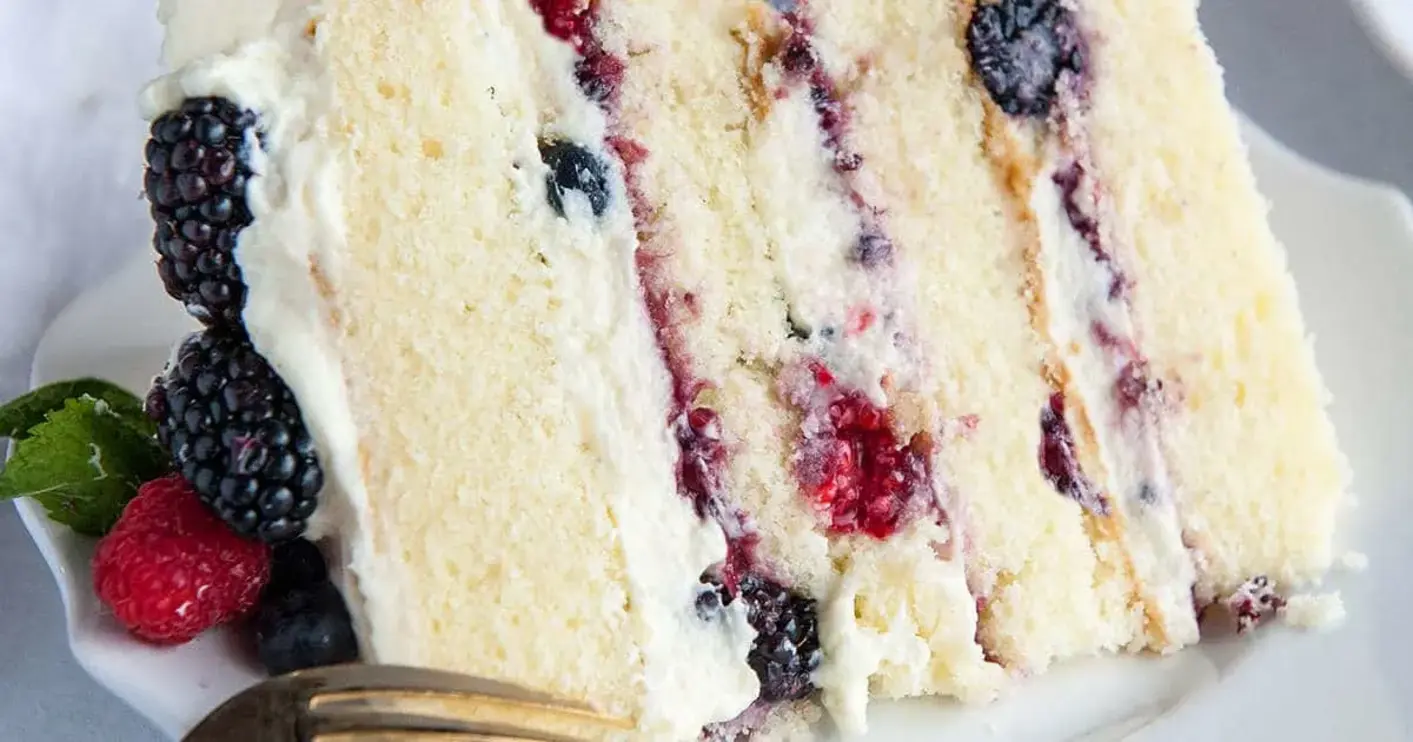
This best bakery buttercream frosting is incredibly versatile, making any dessert feel special. For cupcakes, I love to use a large star tip to create beautiful swirls that beckon you to take a bite – it instantly elevates them to bakery-level status. For a layer cake, a smooth, even application with an offset spatula gives a clean, professional finish, or try a rustic textured look with the back of a spoon.
In NYC, I often find inspiration for presentation from the elaborate window displays of patisseries. A simple garnish can go a long way: colorful sprinkles for a festive cake, fresh berries for a lighter touch, or a dusting of cocoa powder for an elegant contrast. For a more sophisticated look reminiscent of my French training, consider a few edible gold flakes or a delicate chocolate curl.
I also love pairing this vanilla buttercream frosting with unexpected flavors. It’s fantastic on a classic vanilla sponge, but equally delightful with a rich chocolate cake, vibrant red velvet, or even a spicy carrot cake. Think beyond typical pairings – once, I used it on rosewater-infused cupcakes, a nod to my Moroccan heritage, and the result was simply enchanting.
| Pairing Type | Suggestions | Why It Works |
|---|---|---|
| Dessert Base | Vanilla cake, Red Velvet cupcakes, Carrot cake, Chocolate brownies | Complements classic flavors, adds creaminess and sweetness. |
| Garnish | Fresh berries, chocolate shavings, sprinkles, edible flowers, citrus zest | Adds visual appeal, fresh counterpoint, or textural contrast. |
| Beverage | Coffee, tea (earl grey or herbal), sparkling cider | Cuts through the richness, provides a refreshing balance. |
| Flavor Boost | A drizzle of caramel, a sprinkle of cinnamon, toasted nuts | Adds layers of complexity and texture to the vanilla base. |
Make-Ahead, Storage & Reheating
Living in NYC means I’m always on the go, and efficient meal prep, even for desserts, is a must. This homemade buttercream frosting recipe is fantastic for making ahead, saving you precious time when you’re assembling your final dessert. It stores beautifully, so you can whip up a batch whenever inspiration strikes!
| Method | Container | Duration | Reheating Tip |
|---|---|---|---|
| Refrigerator | Airtight container | Up to 1 week | Bring to room temp & re-whip until fluffy. |
| Freezer | Airtight, freezer-safe container | Up to 3 months | Thaw overnight in fridge, bring to room temp & re-whip. |
| Make-Ahead | Airtight container (fridge) | 2-3 days in advance | Essential to re-whip for best texture before use or it may be too dense. |
When you refrigerate your best bakery buttercream frosting, it will firm up considerably. This is completely normal! To bring it back to that smooth, pipeable, fluffy buttercream frosting consistency, simply let it sit on the counter until it reaches room temperature (this might take several hours, depending on your kitchen’s warmth). Then, transfer it to your mixer and whip it on medium-high speed for a few minutes. It will miraculously transform back into its light and airy self! If it seems a little too stiff even after re-whipping, add a teaspoon of heavy cream at a time until it reaches your desired consistency. Freezing works just as well; just give it ample time to thaw in the fridge before the room temperature and re-whip steps.
Variations & Easy Swaps
This classic vanilla buttercream frosting is a fantastic base for endless creativity. Just like in Parisian patisseries, where simple buttercreams are transformed with a touch of fruit or chocolate, you can easily adapt this recipe to suit any flavor profile or dietary need.
| Variation | Key Change | Best For | Difficulty Impact |
|---|---|---|---|
| Chocolate | Add melted, cooled chocolate or cocoa powder | Chocolate cakes, brownies, eclairs | Minimal – just an extra mixing step |
| Dairy-Free | Swap butter for vegan butter, cream for plant milk | Vegan desserts, dietary restrictions | Slightly different texture, easily manageable |
| Espresso / Coffee | Add instant espresso powder dissolved in cream | Coffee cakes, tiramisu-inspired desserts | Minimal – adds a rich layer of flavor |
Chocolate Bakery Buttercream
To make a rich chocolate version, melt and cool 4 oz (113g) of good quality dark chocolate. Beat it into the finished vanilla buttercream frosting during Step 3. Alternatively, sift in 1/2 cup of unsweetened cocoa powder along with the powdered sugar for a less intense but equally delicious chocolate flavor. This works wonderfully on chocolate lava cakes, reminiscent of a French ‘gâteau au chocolat’.
Dairy-Free Bakery Buttercream
For a dairy-free option, swap the unsalted butter for a high-quality vegan butter substitute (I recommend stick varieties, not tub margarines). Use a plant-based milk (like unsweetened almond or oat milk) instead of heavy cream. The texture will be very similar, and it’s a fantastic way to ensure everyone at your table, even those with dietary restrictions, can enjoy a delicious homemade buttercream frosting.
Espresso Bakery Buttercream
Introduce a sophisticated coffee flavor by dissolving 1-2 teaspoons of instant espresso powder into your heavy cream before adding it to the frosting. The coffee acts as a flavor enhancer, much like salt, and pairs beautifully with many cake flavors. This is a favorite in my NYC kitchen, adding a delightful kick to classic vanilla or chocolate cakes.
What is the difference between American buttercream and bakery buttercream frosting?
American buttercream, which is what this recipe represents, is essentially butter whipped with powdered sugar, a liquid (like milk or cream), and flavorings. It’s known for being easy to make and quite sweet. When I refer to “bakery buttercream frosting,” I’m really detailing how to elevate that American style to achieve a professional, less-sweet, and exceptionally smooth texture, akin to what you’d find in a high-end bakery. The key is in proper creaming of the butter, gradual sugar incorporation, and significant whipping time at the end to make it light and fluffy, rather than dense and overly sweet.
How do you get bakery buttercream frosting to be stiff and hold its shape?
To ensure your homemade buttercream frosting is stiff and holds its shape perfectly, several factors are crucial. First, start with proper room temperature butter – not too soft, not too hard. Second, ensure you whip the butter thoroughly at the beginning until it’s light and fluffy. Third, gradually add the powdered sugar, allowing it to fully incorporate. Finally, the vigorous beating after adding the cream and vanilla is paramount. This incorporates enough air to create a stable, pipeable fluffy buttercream frosting. If it’s still too soft, try adding a tablespoon more powdered sugar and whipping again for another minute. For very hot climates, you might reduce the cream slightly or chill the finished frosting for 10-15 minutes before re-whipping and using.
Can you use salted butter instead of unsalted butter in bakery buttercream frosting?
You can use salted butter in a pinch, but I do not recommend it for my best bakery buttercream frosting recipe. The reason is that salted butter contains varying amounts of salt, making it difficult to control the overall flavor balance. As a chef, I always prefer unsalted butter so I can add salt precisely to enhance the other ingredients, rather than having the butter dictate the saltiness. If you must use salted butter, omit the pinch of salt from the recipe entirely, and taste as you go. You may find the resulting frosting has a slightly different flavor profile than intended, but it will still be delicious.
How long does bakery buttercream frosting last at room temperature or in the fridge?
This homemade buttercream frosting, if made with dairy, is generally good at cool room temperature (below 75°F or 24°C) for up to 1-2 days, especially if used on a freshly baked cake or cupcakes. However, for optimal freshness and safety, I always recommend refrigerating it. Stored in an airtight container in the refrigerator, it will last for up to a week. When you’re ready to use it, simply bring it back to room temperature and give it a good re-whip in your mixer until it’s light and fluffy again. Never use frosting that smells off or clearly shows signs of spoilage; when in doubt, throw it out!
My buttercream tastes too sweet. How can I fix it?
If your fluffy buttercream frosting tastes too sweet, there are a couple of tricks from my French pastry training you can try. First, ensure you added the pinch of salt; it dramatically balances sweetness. If you’ve already made it, you can sometimes beat in an additional tablespoon or two of softened unsalted butter to dilute the sweetness slightly, or a tiny splash of lemon juice or even a neutral spirit like vodka can cut through the richness without adding a noticeable flavor (just a few drops!). Next time, consider using less sugar initially and tasting before adding more, or incorporating a different flavor profile like cocoa powder or espresso to temper the sweetness.
Why is my buttercream gritty?
Gritty buttercream is usually a sign that your powdered sugar hasn’t fully dissolved or isn’t fine enough. Ensure you’re using true confectioners’ (powdered) sugar, not granulated sugar. Sometimes, sifting the powdered sugar before adding it can help tremendously, especially if it’s been sitting in your pantry for a while and has clumped. The most important step is to beat the frosting long enough after adding the sugar to allow the sugar particles to fully dissolve into the butter. Don’t rush this step; the extended whipping time in Step 3 is critical for a smooth, homogenous texture in this best bakery buttercream frosting.
Share Your Version!
I truly hope you adore this best bakery buttercream frosting as much as I do. It’s a recipe that’s been perfected with love and a touch of professional finesse over years, bringing that NYC bakery quality right into your home kitchen. There’s nothing more rewarding than seeing your creations come to life!
If you try this homemade buttercream frosting recipe, please do me a huge favor and leave a star rating and comment below. Your feedback means the world to me and helps other home bakers find and love this recipe too! And if you share a photo of your beautiful frosted creations on Instagram or Pinterest, make sure to tag @exorecipes so I can see what you’ve made – I absolutely love celebrating your culinary successes. What’s your favorite cake flavor to pair with this fluffy buttercream frosting? Let me know below!
From my NYC kitchen to yours — I hope this recipe brings as much warmth to your table as it does to mine. — mia 🧡
Love This Recipe? Save It to Pinterest!
If you enjoyed this Best Bakery Buttercream Frosting recipe, don’t let it get lost in your browser tabs! 😄 Pin it now so you can find it again anytime — and explore hundreds more tried-and-tested recipes waiting for you on my Pinterest boards.
👉 Follow mia on Pinterest @chefrecipes2
📌 Pin this recipe · 🔁 Re-pin your favorites · 💬 Tag me when you make it — I love seeing your creations!
Best Bakery Buttercream Frosting
- Prep Time: 10 minutes
- Cook Time: 0 minutes
- Total Time: 10 minutes
- Yield: 12 1x
- Method: Dessert
- Cuisine: American
Description
A classic bakery-style buttercream frosting that is smooth, creamy, and perfect for cakes and cupcakes.
Ingredients
- 1 cup unsalted butter, softened
- 4 cups powdered sugar
- 1 teaspoon vanilla extract
- 2 tablespoons heavy cream or milk
- Pinch of salt
Instructions
- In a large bowl, beat the softened butter with an electric mixer until creamy.
- Gradually add the powdered sugar, one cup at a time, beating on low speed until combined.
- Add the vanilla extract, heavy cream, and salt. Beat on medium-high speed for 3-4 minutes until light and fluffy.
- Use immediately or refrigerate for later use. Bring to room temperature and re-whip before using.
Notes
For best results, ensure butter is at room temperature but not too soft. Adjust consistency with additional cream or powdered sugar as needed.
Nutrition
- Calories: 150 kcal
- Sugar: 19 g
- Fat: 8 g
- Carbohydrates: 20 g
- Protein: 0 g

Tried This Recipe? Leave a Comment!
Did you make this recipe? I’d love to hear how it turned out! Please leave a comment and a rating below. Your feedback helps other home cooks and supports cheerychop.com!
