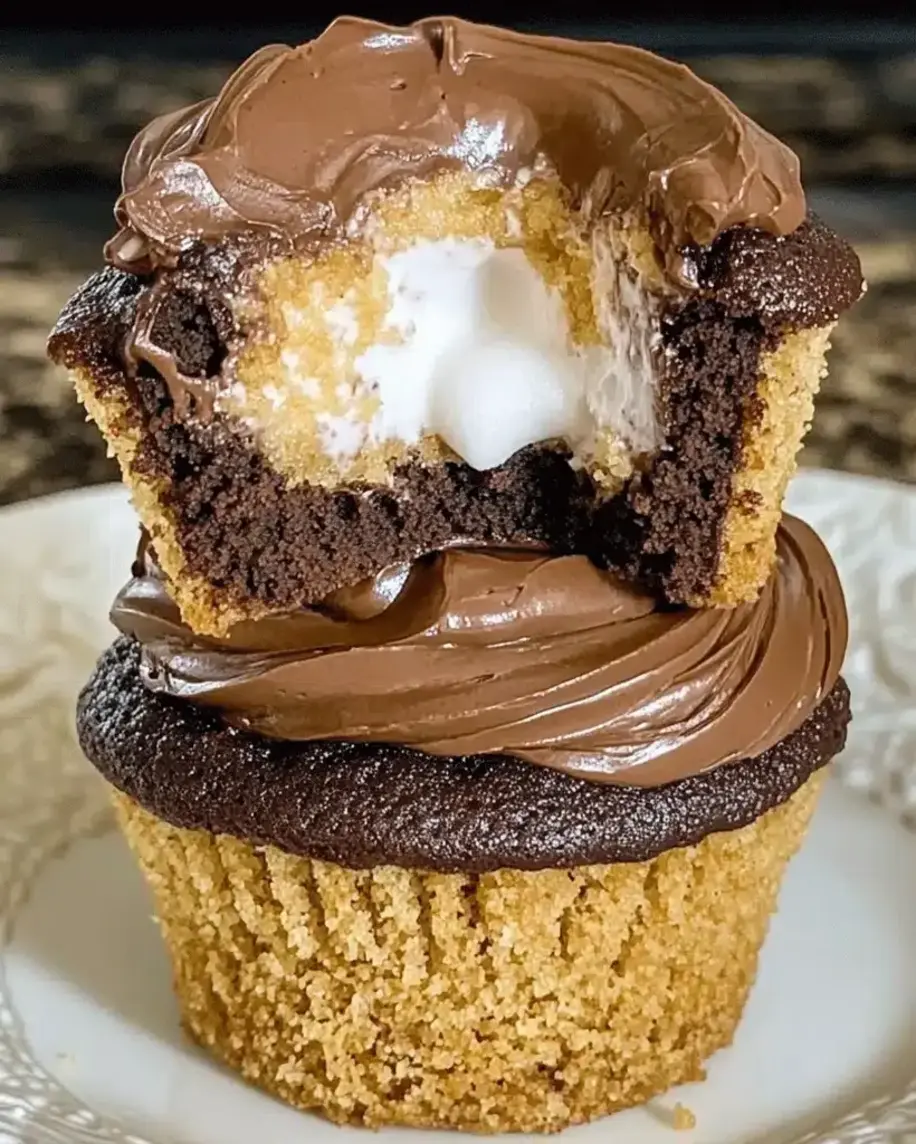
Creamy Parmesan Pasta with Garlic Butter Chicken Bites

“`html

Creamy Parmesan Pasta with Garlic Butter Chicken Bites

Craving Comfort? This Creamy Parmesan Pasta is Your Answer!

Are you tired of weeknight dinners feeling like a chore? Are you searching for a recipe that delivers maximum flavor with minimal fuss, a dish that warms your soul and satisfies your deepest cravings? Look no further! This Creamy Parmesan Pasta with Garlic Butter Chicken Bites is precisely what you need. Imagine tender, bite-sized pieces of chicken, pan-seared to golden perfection and bathed in a rich, garlicky butter sauce. Now, picture that luxurious chicken nestled atop a bed of perfectly cooked pasta, all coated in a velvety, decadent parmesan sauce that’s so good, it’ll make you weak in the knees. This isn’t just a meal; it’s an experience. It’s the ultimate comfort food, designed for busy weeknights and special occasions alike, promising a guaranteed crowd-pleasing hit. Forget complicated culinary adventures; this recipe is straightforward, incredibly delicious, and offers a flavorful twist on a classic favorite that you’ll find yourself returning to again and again. Ready to transform your dinner table into a haven of pure deliciousness?

Ingredients for Creamy Parmesan Pasta with Garlic Butter Chicken Bites

For the Pasta:

  • 12 ounces dried pasta (fettuccine, linguine, or penne work beautifully) – Choose a pasta shape that holds sauce well, like fettuccine or penne.
  • 1 tablespoon olive oil
  • Salt, for pasta water

For the Garlic Butter Chicken Bites:

  • 1.5 pounds boneless, skinless chicken breasts or thighs, cut into 1-inch bite-sized pieces – Thighs offer extra tenderness and flavor; breasts are leaner.
  • 2 tablespoons olive oil – For searing the chicken and building flavor.
  • 4 tablespoons unsalted butter – The foundation of our glorious garlic butter.
  • 6-8 cloves garlic, minced – Don’t be shy with the garlic; its aroma is intoxicating!
  • 1/2 teaspoon red pepper flakes (optional) – For a subtle kick of heat.
  • 1/2 cup dry white wine or chicken broth – Deglazing liquid to capture all those delicious pan juices.
  • Salt and freshly ground black pepper, to taste – Essential for seasoning.

For the Creamy Parmesan Sauce:

  • 2 tablespoons unsalted butter
  • 2 tablespoons all-purpose flour – This creates a roux for a wonderfully smooth sauce. (Gluten-free blend works too!)
  • 2 cups heavy cream or half-and-half – For ultimate creaminess; half-and-half offers a lighter option.
  • 1 cup grated Parmesan cheese, plus more for garnish – Use freshly grated for the best melt and flavor.
  • 1/2 cup reserved pasta water – The starchy water is key to emulsifying the sauce and making it glossy.
  • 1/4 teaspoon nutmeg (optional) – A pinch of nutmeg enhances the richness of dairy.
  • Fresh parsley, chopped, for garnish – Adds a burst of freshness and color.

Recipe Timing

Prep time: 15 minutes
Cook time: 30 minutes
Total time: 45 minutes

Compared to the average pasta dish that might take an hour or more, this Creamy Parmesan Pasta with Garlic Butter Chicken Bites is remarkably quick, clocking in at just 45 minutes from start to finish. This makes it an ideal candidate for a satisfying weeknight meal.

Creamy Parmesan Pasta with Garlic Butter Chicken Bites close-up shot

Step-by-Step Instructions

Step 1: Prep the Chicken

Let’s get our star ingredients ready! Pat your chicken pieces thoroughly dry with paper towels. This is a crucial step for achieving a beautiful golden-brown sear. Season generously with salt and freshly ground black pepper. Don’t be afraid to season well; this builds the foundational flavor for your dish.

Step 2: Cook the Chicken

Heat 2 tablespoons of olive oil in a large skillet over medium-high heat until shimmering. Add the seasoned chicken pieces in a single layer, working in batches if necessary to avoid crowding the pan. Crowding will steam the chicken instead of searing it, and we want that lovely Maillard reaction! Cook for about 3-4 minutes per side, until golden brown and cooked through. Remove the chicken from the skillet and set aside on a plate. Don’t wipe out the skillet yet!

Step 3: Cook the Pasta

While the chicken is resting, bring a large pot of generously salted water to a rolling boil. Add your chosen pasta and cook according to package directions until al dente – that perfect tender-crisp texture. Before draining, scoop out about 1 cup of the starchy pasta water and set it aside. This liquid gold will be used to create our luscious sauce. Drain the pasta well.

Tip: Always salt your pasta water generously, it should taste like the sea!

Step 4: Make the Parmesan Sauce

Reduce the heat in the same skillet (where you cooked the chicken) to medium. Add the 2 tablespoons of butter. Once melted, whisk in the all-purpose flour to create a paste – a roux. Cook for about 1 minute, whisking constantly, until it smells slightly nutty. Gradually whisk in the heavy cream (or half-and-half), ensuring no lumps form. Bring the mixture to a gentle simmer, stirring constantly. Let it thicken for 2-3 minutes until it coats the back of a spoon. Stir in the grated Parmesan cheese, nutmeg (if using), and about 1/2 cup of the reserved pasta water. Stir vigorously until the cheese is melted and the sauce is smooth and creamy. Season with salt and pepper to taste. If the sauce is too thick, add a little more pasta water until it reaches your desired consistency.

Step 5: Combine and Serve

Add the cooked pasta directly into the skillet with the creamy Parmesan sauce. Toss gently to ensure every strand (or piece) is beautifully coated. Stir in the cooked garlic butter chicken bites. If you’re adding in the garlic butter sauce from the chicken skillet, ensure to pour in all the flavorful juices. Toss everything together until the chicken is heated through and the pasta is glistening. Garnish generously with fresh chopped parsley and extra grated Parmesan cheese. Serve immediately and watch the smiles appear!

Nutritional Information

This information is an estimate and can vary based on ingredients and portion sizes. A typical serving (approx. 1/4 of the recipe) contains:

  • Calories: 650-750 kcal
  • Protein: 40-50g
  • Fat: 35-45g
  • Carbohydrates: 40-50g
  • Fiber: 2-3g
  • Sodium: 800-1200mg (highly dependent on cheese and added salt)

Healthier Alternatives

While this dish is a celebration of indulgence, you can make lighter versions without sacrificing too much flavor:

  • Lighter Cream Sauce: Swap heavy cream for half-and-half or even a mixture of milk and a little cornstarch to thicken. You can also use evaporated milk for a creamy texture with less fat.
  • Whole Wheat Pasta: Opt for whole wheat pasta for added fiber and nutrients.
  • Leaner Protein: Use chicken breast and ensure careful searing to avoid drying it out. You could also use shrimp or even firm tofu for a vegetarian option.
  • Reduced Cheese: While Parmesan is key, you can slightly reduce the amount or use a sharp variety for more flavor per gram.
  • Veggie Boost: Stir in steamed broccoli, spinach, or sautéed mushrooms for added nutrients and bulk.

Serving Suggestions

This rich pasta dish is quite filling on its own, but it also pairs beautifully with:

  • A simple side salad with a light vinaigrette to cut through the richness.
  • Crusty bread for dipping up any extra sauce.
  • Steamed or roasted asparagus and green beans.
  • A glass of crisp white wine, like Sauvignon Blanc or Pinot Grigio.

Common Mistakes to Avoid

To ensure your Creamy Parmesan Pasta is perfect every time:

  • Not salting pasta water: This is your only chance to season the pasta itself.
  • Overcrowding the pan when searing chicken: Leads to steaming, not browning.
  • Not reserving pasta water: This starchy water is essential for a smooth, cohesive sauce.
  • Boiling the sauce too aggressively: A gentle simmer is best to prevent breaking or curdling.
  • Adding cold cheese: Always add cheese to a warm (not boiling) sauce to ensure it melts smoothly.

Storing Your Creamy Parmesan Pasta Creation

Leftovers can be stored in an airtight container in the refrigerator for up to 3 days. Reheat gently on the stovetop over low heat, adding a splash of milk or cream, or a little extra pasta water, if the sauce has thickened too much. Microwaving is also an option, but be mindful of evenly heating and preventing the sauce from separating.

The Ultimate Comfort Food Experience

There you have it – a truly decadent yet surprisingly manageable Creamy Parmesan Pasta with Garlic Butter Chicken Bites. This dish is a testament to how simple ingredients can come together to create something extraordinary. The creamy, cheesy sauce, combined with the savory, garlicky chicken bites, forms a symphony of flavors and textures that is utterly irresistible. It’s the kind of meal that elevates an ordinary evening into something special. So, gather your ingredients, embrace the delicious aromas, and prepare to be amazed by this comforting masterpiece. Give this recipe a try tonight and let us know how much you loved it!

Frequently Asked Questions

What kind of pasta is best for this recipe?

Long, thin pastas like fettuccine and linguine are excellent as they hold the creamy sauce beautifully. However, you can also use shapes like penne, rotini, or farfalle, which have nooks and crannies to catch the delicious sauce and chicken bites.

Can I make this recipe ahead of time?

It’s best to serve this dish fresh for optimal texture and flavor. However, you can prep the chicken and the sauce components separately and combine them just before serving. Reheating a fully assembled dish may result in a slightly less creamy sauce.

How can I make the chicken juicier?

Ensure you don’t overcook the chicken. Patting it dry before searing and cooking in batches to avoid overcrowding the pan are key. If using chicken breasts, consider pounding them to an even thickness before cutting into bites.

What if I don’t have white wine?

Chicken broth is a perfect substitute for white wine. You can also use vegetable broth if preferred. A splash of white wine vinegar or lemon juice can add a nice tang if you want to mimic the wine’s acidity.

Can I add vegetables to this pasta?

Absolutely! Sautéed mushrooms, spinach wilted into the sauce, steamed broccoli tossed in, or roasted cherry tomatoes are all fantastic additions that will add flavor, color, and nutrients.

Print
clock clock iconcutlery cutlery iconflag flag iconfolder folder iconinstagram instagram iconpinterest pinterest iconfacebook facebook iconprint print iconsquares squares iconheart heart iconheart solid heart solid icon

Garlic Butter Chicken Bites with Creamy Parmesan Pasta

  • Author: Chef Sara

Description

This indulgent dish pairs juicy, golden chicken bites with a luscious creamy Parmesan pasta. Perfect for dinner, it’s a hearty, flavorful meal that will satisfy any craving!


Ingredients

  • For the Garlic Butter Chicken Bites:1 ½lbs (680g) chicken breast, cut into bite-sized pieces2 tbspolive oil4 tbspbutter, divided4garlic cloves, minced1 tsppaprika1 tspItalian seasoning½ tspsalt½ tspblack pepper¼ tspred pepper flakes (optional, for heat)For the Creamy Parmesan Pasta:12 oz(340g) pasta (penne, fettuccine, or spaghetti)2 tbspbutter4garlic cloves, minced1 ½ cups(360ml) heavy cream1 cup(100g) grated Parmesan cheese½ tspsalt½ tspblack pepper¼ cup(15g) chopped fresh parsley (for garnish)
  • For the Creamy Parmesan Pasta:12 oz(340g) pasta (penne, fettuccine, or spaghetti)2 tbspbutter4garlic cloves, minced1 ½ cups(360ml) heavy cream1 cup(100g) grated Parmesan cheese½ tspsalt½ tspblack pepper¼ cup(15g) chopped fresh parsley (for garnish)

Instructions

  1. 1️⃣Cook the Pasta:Boil the pasta in salted water according to package instructions until al dente. Drain and set aside.2️⃣Cook the Chicken Bites:Heat olive oil and 2 tbsp of butter in a large skillet over medium-high heat.Add the chicken pieces and season with paprika, Italian seasoning, salt, and pepper. Cook for 5-6 minutes, stirring occasionally, until the chicken is golden brown and cooked through.Add minced garlic and red pepper flakes (if desired), and cook for another 1-2 minutes until fragrant.Remove the chicken from the skillet and set aside.3️⃣Make the Creamy Parmesan Sauce:In the same skillet, melt the remaining 2 tbsp of butter over medium heat. Add minced garlic and sauté for 1 minute until aromatic.Pour in the heavy cream, stirring well to combine. Bring to a gentle simmer.Gradually add the Parmesan cheese, stirring constantly until melted and smooth. Season with salt and pepper to taste.4️⃣Combine the Pasta and Chicken:Add the cooked pasta to the skillet, tossing it in the creamy Parmesan sauce until evenly coated.Return the chicken bites to the skillet and stir to combine with the pasta and sauce.5️⃣Serve:Garnish with chopped fresh parsley and serve hot. Enjoy the creamy, garlicky goodness!
  2. Boil the pasta in salted water according to package instructions until al dente. Drain and set aside.
  3. 2️⃣Cook the Chicken Bites:Heat olive oil and 2 tbsp of butter in a large skillet over medium-high heat.Add the chicken pieces and season with paprika, Italian seasoning, salt, and pepper. Cook for 5-6 minutes, stirring occasionally, until the chicken is golden brown and cooked through.Add minced garlic and red pepper flakes (if desired), and cook for another 1-2 minutes until fragrant.Remove the chicken from the skillet and set aside.3️⃣Make the Creamy Parmesan Sauce:In the same skillet, melt the remaining 2 tbsp of butter over medium heat. Add minced garlic and sauté for 1 minute until aromatic.Pour in the heavy cream, stirring well to combine. Bring to a gentle simmer.Gradually add the Parmesan cheese, stirring constantly until melted and smooth. Season with salt and pepper to taste.4️⃣Combine the Pasta and Chicken:Add the cooked pasta to the skillet, tossing it in the creamy Parmesan sauce until evenly coated.Return the chicken bites to the skillet and stir to combine with the pasta and sauce.5️⃣Serve:Garnish with chopped fresh parsley and serve hot. Enjoy the creamy, garlicky goodness!
  4. Heat olive oil and 2 tbsp of butter in a large skillet over medium-high heat.Add the chicken pieces and season with paprika, Italian seasoning, salt, and pepper. Cook for 5-6 minutes, stirring occasionally, until the chicken is golden brown and cooked through.Add minced garlic and red pepper flakes (if desired), and cook for another 1-2 minutes until fragrant.Remove the chicken from the skillet and set aside.3️⃣Make the Creamy Parmesan Sauce:In the same skillet, melt the remaining 2 tbsp of butter over medium heat. Add minced garlic and sauté for 1 minute until aromatic.Pour in the heavy cream, stirring well to combine. Bring to a gentle simmer.Gradually add the Parmesan cheese, stirring constantly until melted and smooth. Season with salt and pepper to taste.4️⃣Combine the Pasta and Chicken:Add the cooked pasta to the skillet, tossing it in the creamy Parmesan sauce until evenly coated.Return the chicken bites to the skillet and stir to combine with the pasta and sauce.5️⃣Serve:Garnish with chopped fresh parsley and serve hot. Enjoy the creamy, garlicky goodness!
  5. Add the chicken pieces and season with paprika, Italian seasoning, salt, and pepper. Cook for 5-6 minutes, stirring occasionally, until the chicken is golden brown and cooked through.
  6. Add minced garlic and red pepper flakes (if desired), and cook for another 1-2 minutes until fragrant.Remove the chicken from the skillet and set aside.3️⃣Make the Creamy Parmesan Sauce:In the same skillet, melt the remaining 2 tbsp of butter over medium heat. Add minced garlic and sauté for 1 minute until aromatic.Pour in the heavy cream, stirring well to combine. Bring to a gentle simmer.Gradually add the Parmesan cheese, stirring constantly until melted and smooth. Season with salt and pepper to taste.4️⃣Combine the Pasta and Chicken:Add the cooked pasta to the skillet, tossing it in the creamy Parmesan sauce until evenly coated.Return the chicken bites to the skillet and stir to combine with the pasta and sauce.5️⃣Serve:Garnish with chopped fresh parsley and serve hot. Enjoy the creamy, garlicky goodness!
  7. Remove the chicken from the skillet and set aside.3️⃣Make the Creamy Parmesan Sauce:In the same skillet, melt the remaining 2 tbsp of butter over medium heat. Add minced garlic and sauté for 1 minute until aromatic.Pour in the heavy cream, stirring well to combine. Bring to a gentle simmer.Gradually add the Parmesan cheese, stirring constantly until melted and smooth. Season with salt and pepper to taste.4️⃣Combine the Pasta and Chicken:Add the cooked pasta to the skillet, tossing it in the creamy Parmesan sauce until evenly coated.Return the chicken bites to the skillet and stir to combine with the pasta and sauce.5️⃣Serve:Garnish with chopped fresh parsley and serve hot. Enjoy the creamy, garlicky goodness!
  8. 3️⃣Make the Creamy Parmesan Sauce:
  9. In the same skillet, melt the remaining 2 tbsp of butter over medium heat. Add minced garlic and sauté for 1 minute until aromatic.Pour in the heavy cream, stirring well to combine. Bring to a gentle simmer.Gradually add the Parmesan cheese, stirring constantly until melted and smooth. Season with salt and pepper to taste.4️⃣Combine the Pasta and Chicken:Add the cooked pasta to the skillet, tossing it in the creamy Parmesan sauce until evenly coated.Return the chicken bites to the skillet and stir to combine with the pasta and sauce.5️⃣Serve:Garnish with chopped fresh parsley and serve hot. Enjoy the creamy, garlicky goodness!
  10. Pour in the heavy cream, stirring well to combine. Bring to a gentle simmer.Gradually add the Parmesan cheese, stirring constantly until melted and smooth. Season with salt and pepper to taste.4️⃣Combine the Pasta and Chicken:Add the cooked pasta to the skillet, tossing it in the creamy Parmesan sauce until evenly coated.Return the chicken bites to the skillet and stir to combine with the pasta and sauce.5️⃣Serve:Garnish with chopped fresh parsley and serve hot. Enjoy the creamy, garlicky goodness!
  11. Gradually add the Parmesan cheese, stirring constantly until melted and smooth. Season with salt and pepper to taste.
  12. 4️⃣Combine the Pasta and Chicken:Add the cooked pasta to the skillet, tossing it in the creamy Parmesan sauce until evenly coated.Return the chicken bites to the skillet and stir to combine with the pasta and sauce.5️⃣Serve:Garnish with chopped fresh parsley and serve hot. Enjoy the creamy, garlicky goodness!
  13. Add the cooked pasta to the skillet, tossing it in the creamy Parmesan sauce until evenly coated.Return the chicken bites to the skillet and stir to combine with the pasta and sauce.5️⃣Serve:Garnish with chopped fresh parsley and serve hot. Enjoy the creamy, garlicky goodness!
  14. Return the chicken bites to the skillet and stir to combine with the pasta and sauce.
  15. 5️⃣Serve:Garnish with chopped fresh parsley and serve hot. Enjoy the creamy, garlicky goodness!
  16. Garnish with chopped fresh parsley and serve hot. Enjoy the creamy, garlicky goodness!

Notes

Substitute heavy cream with half-and-half or milk for a lighter version, but note that the sauce will be less rich.Use rotisserie chicken or pre-cooked chicken for an even quicker meal.Add vegetables like spinach, peas, or broccoli for extra color and nutrition.
Use rotisserie chicken or pre-cooked chicken for an even quicker meal.Add vegetables like spinach, peas, or broccoli for extra color and nutrition.
Add vegetables like spinach, peas, or broccoli for extra color and nutrition.

“`

Easy Ground Beef Stroganoff Recipe for Quick Dinners

“`html

Easy Ground Beef Stroganoff Recipe for Quick Dinners

Is Dinner Ready in Under 30 Minutes Even Possible?

We’ve all been there: that frantic moment when hunger strikes and the clock is ticking. You stare into your fridge, wondering if a delicious, home-cooked meal is even a possibility on a busy weeknight. The good news? It absolutely is! This easy Ground Beef Stroganoff recipe is your new weeknight warrior, proving that a creamy, satisfying, and flavorful dinner can grace your table in under 30 minutes. Say goodbye to takeout menus and hello to comfort food made simple, allowing you to enjoy more quality time and less kitchen stress. This dish is a testament to how a few basic ingredients can transform into a restaurant-worthy meal with minimal effort.

Ingredients for Creamy Comfort

The magic of Ground Beef Stroganoff lies in its simplicity and the rich, savory flavors it delivers. Here’s what you’ll need:

  • 1 lb Ground Beef (80/20 or 85/15): The foundation of our stroganoff, providing a hearty and familiar base. Look for a good balance of lean meat to fat for moisture and flavor. Substitution: You can use leaner ground beef if preferred, but consider adding a little extra oil during browning.
  • 1 Large Onion, Finely Chopped: Adds a sweet aromatic depth that mellows as it cooks. Substitution: Shallots can offer a milder, more refined onion flavor.
  • 8 oz Mushrooms, Sliced: The earthy, umami-rich stars that soak up the sauce. Cremini (baby bella) mushrooms are fantastic here for their robust flavor. Substitution: White button mushrooms work well, or for a gourmet touch, try shiitake or oyster mushrooms.
  • 2 cloves Garlic, Minced: For that pungent, essential savory kick.
  • 1 tbsp Olive Oil or Butter: To sauté our aromatics and help brown the beef. Butter adds a lovely richness. Substitution: A neutral oil like avocado or canola works too.
  • 1/4 cup All-Purpose Flour: This will thicken our sauce into that signature creamy consistency. Substitution: Cornstarch (use 2 tbsp) or arrowroot starch can be used as gluten-free alternatives.
  • 2 cups Beef Broth: The savory liquid base for our sauce. Low-sodium is a good choice to control saltiness. Substitution: Vegetable broth or chicken broth can be used in a pinch.
  • 1/2 cup Sour Cream (full-fat recommended): The key ingredient for that classic tangy, luscious creaminess. Make sure it’s at room temperature to prevent curdling. Substitution: Full-fat Greek yogurt or crème fraîche are excellent, slightly lighter alternatives.
  • 1 tbsp Worcestershire Sauce: Adds a layer of complex umami and tang.
  • 1/2 tsp Dried Thyme (optional): A hint of herbaceousness that complements the beef and mushrooms beautifully.
  • Salt and Freshly Ground Black Pepper: To taste, to enhance all the wonderful flavors.
  • Fresh Parsley, Chopped (for garnish): Adds a pop of color and freshness.

Timing & Prep: Deliciously Fast

This recipe is designed for speed and ease. Compare it to the average stroganoff time, and you’ll see why it’s a weeknight hero!

Prep time:
10 minutes
Cook time:
20 minutes
Total time:
30 minutes
Average Stroganoff Time:
45-60 minutes
A steaming bowl of ground beef stroganoff with pasta, topped with fresh parsley.

Step-by-Step Instructions: Your Culinary Roadmap

Follow these simple steps to create your mouthwatering Ground Beef Stroganoff. We’re keeping it straightforward so you can get to the eating part faster!

Step 1: Brown the Beef

In a large skillet or Dutch oven, heat the olive oil or butter over medium-high heat. Add the ground beef and break it up with a spoon. Cook until it’s nicely browned and no pink remains, about 5-7 minutes. Drain off any excess grease, leaving a tablespoon or two for sautéing the vegetables. Transfer the browned beef to a plate and set aside.

Step 2: Sauté the Aromatics

Add the chopped onion to the same skillet (with the reserved grease) and cook over medium heat until softened and translucent, about 3-5 minutes. Stir in the sliced mushrooms and minced garlic. Cook, stirring occasionally, until the mushrooms have released their liquid and started to brown, another 5-7 minutes. The aroma at this stage is incredible!

Step 3: Create the Sauce Base

Sprinkle the flour over the cooked onions and mushrooms. Stir well and cook for about 1 minute, letting the flour’s raw taste cook out. This forms a roux that will thicken our sauce beautifully.

Step 4: Add the Beef Back

Gradually whisk in the beef broth, scraping up any browned bits from the bottom of the skillet – that’s pure flavor! Add the Worcestershire sauce and dried thyme (if using). Bring the mixture to a simmer.

Step 5: Simmer and Thicken

Return the browned ground beef to the skillet. Stir everything together and let it simmer gently for about 5 minutes, or until the sauce has thickened to your desired consistency. Season with salt and freshly ground black pepper to taste. Remember, the beef broth might already be salted.

Step 6: Incorporate Sour Cream

This is a critical step for achieving that classic creamy stroganoff texture. Remove the skillet from the heat or reduce the heat to its absolute lowest setting. Stir in the room-temperature sour cream until it’s fully incorporated and the sauce is smooth and luscious. Cooking the sour cream on high heat can cause it to curdle, so be gentle!

Step 7: Finish and Serve

Taste and adjust seasoning one last time if needed. Ladle the hot stroganoff over your favorite pasta, rice, or even mashed potatoes. Garnish generously with fresh chopped parsley. Serve immediately and enjoy the pure comfort!

Nutritional Information (Approximate per serving)

  • Calories: ~450-500 kcal
  • Protein: ~25-30g
  • Fat: ~25-30g
  • Carbohydrates: ~20-25g
  • Fiber: ~2-3g

Note: Nutritional values can vary based on specific ingredients and portion sizes used.

Healthier Alternatives for a Lighter Touch

Want to lighten up this classic dish without sacrificing flavor? Try these swaps:

  • Leaner Meat: Opt for 93% or 96% lean ground beef. You might need to add a touch more oil during browning.
  • Lighter Creaminess: Use non-fat Greek yogurt or light sour cream. For a dairy-free option, try unsweetened cashew cream or a rich coconut milk (use sparingly to avoid overpowering flavor).
  • Whole Grains: Serve over whole wheat pasta, brown rice, or quinoa for added fiber and nutrients.
  • More Veggies: Boost the vegetable content by adding a handful of spinach to wilt in at the end, or include sautéed bell peppers and zucchini.
  • Reduced Fat Broth: Use a low-sodium, reduced-fat beef broth.

Serving Suggestions: Beyond the Plate

Ground Beef Stroganoff is incredibly versatile. It pairs wonderfully with:

  • Pasta: Egg noodles are traditional, but fettuccine, spaghetti, or penne also work beautifully.
  • Rice: A bed of fluffy white or brown rice is a classic and comforting choice.
  • Potatoes: Mashed potatoes or even roasted potato wedges can soak up the delicious sauce.
  • Bread: Crusty bread for dipping is a must for those who love to sop up every last drop of sauce.
  • Side Salad: A simple green salad with a vinaigrette can offer a refreshing contrast to the rich stroganoff.

Common Mistakes to Avoid

Ensure your stroganoff is perfect every time by sidestepping these common pitfalls:

  • Overcooking the Sour Cream: Adding sour cream to a boiling sauce can cause it to curdle. Always temper it or add it off the heat.
  • Not Browning Beef Properly: Skipping the browning step or overcrowding the pan results in steamed, pale meat instead of deeply flavored, browned bits.
  • Using Lukewarm Sour Cream: Cold sour cream is more likely to curdle. Bring it to room temperature first.
  • Not Tasting and Seasoning: Always taste your sauce before serving and adjust salt and pepper. It makes a huge difference!
  • Skipping the Mushrooms: While optional for some, mushrooms are integral to the classic stroganoff flavor profile.

Storing and Reheating Tips

Leftovers are a great bonus! Store cooled stroganoff in an airtight container in the refrigerator for up to 3 days.

Reheating: Gently reheat on the stovetop over low heat, stirring frequently. You may need to add a splash of broth or water to loosen the sauce. If using a microwave, heat in short intervals, stirring between each, until warmed through. Be patient with the sour cream component to avoid separation.

Your New Go-To Quick Dinner

This Easy Ground Beef Stroganoff recipe is proof that you don’t need hours in the kitchen to create a truly satisfying and comforting meal. It’s packed with flavor, comes together in a flash, and uses readily available ingredients. Whether you’re a seasoned cook or just starting out, this recipe is a winner that will leave your family asking for seconds. So next time you’re pressed for time but craving something delicious, remember this quick and creamy Ground Beef Stroganoff. Give it a try and let us know how much you loved it!

FAQs

Can I make this stroganoff ahead of time?

You can prepare most components ahead of time, like browning the beef and sautéing the vegetables. However, the sour cream should ideally be added just before serving to maintain its creamy texture and prevent curdling. Reheat the beef/mushroom mixture and then stir in the sour cream off the heat.

What kind of noodles are best for stroganoff?

Traditionally, egg noodles are used due to their rich flavor and ability to hold the creamy sauce. However, any pasta shape like fettuccine, penne, or even spaghetti will work well.

My sour cream curdled! What went wrong?

The most common reason for curdled sour cream is adding it to a sauce that is too hot or boiling. Ensure you remove the pan from the heat or reduce the heat to its lowest setting before slowly incorporating the sour cream (preferably at room temperature). Stirring gently is key.

Can I use different types of mushrooms?

Absolutely! While cremini mushrooms offer a great depth of flavor, feel free to experiment with button mushrooms, shiitake, oyster, or even a mix of wild mushrooms for a more complex taste.

How can I make this recipe spicier?

For a touch of heat, you can add a pinch of red pepper flakes along with the garlic and mushrooms, or stir in a teaspoon of Dijon mustard with the sour cream for a zesty kick.

Print
clock clock iconcutlery cutlery iconflag flag iconfolder folder iconinstagram instagram iconpinterest pinterest iconfacebook facebook iconprint print iconsquares squares iconheart heart iconheart solid heart solid icon

Beef Stroganoff with Egg Noodles

  • Author: Chef Sara

Description

Rich, creamy, and comforting, this classic Beef Stroganoff combines tender beef, earthy mushrooms, and a luxurious sauce served over hearty egg noodles. A perfect meal for any occasion!


Ingredients

  • For the Beef Stroganoff:1lb. wide egg noodles1–1.5lbs. beef (ribeye, sirloin, or ground beef)Kosher salt and black pepper, to taste2 tbspolive oil2 tbspbutter1medium yellow onion, chopped8 ozcremini or baby bella mushrooms, sliced2cloves garlic, minced½ tspdried thyme2 tbspall-purpose flour2 cupsbeef broth or stock (reduced sodium recommended)1 tbspWorcestershire sauce1 tspDijon mustard½ cupsour cream (tempered)Optional Additions:2 tbspcognac or dry white wine1 tsppaprika (for garnish and flavor)1 tbsptomato paste¼ cupheavy cream (for extra richness)For the Egg Noodles:Water for boilingSalt for the water2 tbspbutter (optional, for tossing noodles)
  • Optional Additions:2 tbspcognac or dry white wine1 tsppaprika (for garnish and flavor)1 tbsptomato paste¼ cupheavy cream (for extra richness)For the Egg Noodles:Water for boilingSalt for the water2 tbspbutter (optional, for tossing noodles)
  • For the Egg Noodles:Water for boilingSalt for the water2 tbspbutter (optional, for tossing noodles)

Instructions

  1. 1️⃣Cook the egg noodles:Bring a large pot of salted water to a boil. Cook the egg noodles according to the package instructions until al dente. Drain and toss with butter if desired. Set aside.2️⃣Sear the beef:Heat olive oil and butter in a large skillet over medium-high heat.Season the beef with salt and pepper. If using strips, sear for about 1 minute per side; for ground beef, cook until browned. Remove from the skillet and set aside.3️⃣Sauté the vegetables:In the same skillet, add more olive oil if needed. Add onions and mushrooms. Sauté for 5-8 minutes until the onions are translucent and the mushrooms are golden.Stir in the garlic and thyme, cooking for an additional 30 seconds until fragrant.4️⃣Make the sauce:Sprinkle the flour over the vegetables and stir to form a roux. Cook for 1-2 minutes to eliminate the raw flour taste.Gradually add the beef broth or stock, whisking to prevent lumps. Stir in Worcestershire sauce, Dijon mustard, and optional ingredients like cognac or wine.Simmer the sauce until slightly thickened, about 3-5 minutes.5️⃣Combine beef and sauce:Reduce the heat to low and return the beef to the skillet. Stir gently to coat the beef in the sauce.Add the sour cream, stirring slowly to combine. To prevent curdling, temper the sour cream by adding a small amount of the hot sauce to it first before mixing it into the skillet.6️⃣Simmer and adjust:Let the sauce simmer until it reaches your desired consistency. Season with additional salt, pepper, and paprika, if desired.7️⃣Serve:Serve the stroganoff over the cooked egg noodles or mix the noodles directly into the skillet. Garnish with fresh parsley or extra paprika for a pop of color.
  2. Bring a large pot of salted water to a boil. Cook the egg noodles according to the package instructions until al dente. Drain and toss with butter if desired. Set aside.
  3. 2️⃣Sear the beef:Heat olive oil and butter in a large skillet over medium-high heat.Season the beef with salt and pepper. If using strips, sear for about 1 minute per side; for ground beef, cook until browned. Remove from the skillet and set aside.3️⃣Sauté the vegetables:In the same skillet, add more olive oil if needed. Add onions and mushrooms. Sauté for 5-8 minutes until the onions are translucent and the mushrooms are golden.Stir in the garlic and thyme, cooking for an additional 30 seconds until fragrant.4️⃣Make the sauce:Sprinkle the flour over the vegetables and stir to form a roux. Cook for 1-2 minutes to eliminate the raw flour taste.Gradually add the beef broth or stock, whisking to prevent lumps. Stir in Worcestershire sauce, Dijon mustard, and optional ingredients like cognac or wine.Simmer the sauce until slightly thickened, about 3-5 minutes.5️⃣Combine beef and sauce:Reduce the heat to low and return the beef to the skillet. Stir gently to coat the beef in the sauce.Add the sour cream, stirring slowly to combine. To prevent curdling, temper the sour cream by adding a small amount of the hot sauce to it first before mixing it into the skillet.6️⃣Simmer and adjust:Let the sauce simmer until it reaches your desired consistency. Season with additional salt, pepper, and paprika, if desired.7️⃣Serve:Serve the stroganoff over the cooked egg noodles or mix the noodles directly into the skillet. Garnish with fresh parsley or extra paprika for a pop of color.
  4. Heat olive oil and butter in a large skillet over medium-high heat.Season the beef with salt and pepper. If using strips, sear for about 1 minute per side; for ground beef, cook until browned. Remove from the skillet and set aside.3️⃣Sauté the vegetables:In the same skillet, add more olive oil if needed. Add onions and mushrooms. Sauté for 5-8 minutes until the onions are translucent and the mushrooms are golden.Stir in the garlic and thyme, cooking for an additional 30 seconds until fragrant.4️⃣Make the sauce:Sprinkle the flour over the vegetables and stir to form a roux. Cook for 1-2 minutes to eliminate the raw flour taste.Gradually add the beef broth or stock, whisking to prevent lumps. Stir in Worcestershire sauce, Dijon mustard, and optional ingredients like cognac or wine.Simmer the sauce until slightly thickened, about 3-5 minutes.5️⃣Combine beef and sauce:Reduce the heat to low and return the beef to the skillet. Stir gently to coat the beef in the sauce.Add the sour cream, stirring slowly to combine. To prevent curdling, temper the sour cream by adding a small amount of the hot sauce to it first before mixing it into the skillet.6️⃣Simmer and adjust:Let the sauce simmer until it reaches your desired consistency. Season with additional salt, pepper, and paprika, if desired.7️⃣Serve:Serve the stroganoff over the cooked egg noodles or mix the noodles directly into the skillet. Garnish with fresh parsley or extra paprika for a pop of color.
  5. Season the beef with salt and pepper. If using strips, sear for about 1 minute per side; for ground beef, cook until browned. Remove from the skillet and set aside.
  6. 3️⃣Sauté the vegetables:In the same skillet, add more olive oil if needed. Add onions and mushrooms. Sauté for 5-8 minutes until the onions are translucent and the mushrooms are golden.Stir in the garlic and thyme, cooking for an additional 30 seconds until fragrant.4️⃣Make the sauce:Sprinkle the flour over the vegetables and stir to form a roux. Cook for 1-2 minutes to eliminate the raw flour taste.Gradually add the beef broth or stock, whisking to prevent lumps. Stir in Worcestershire sauce, Dijon mustard, and optional ingredients like cognac or wine.Simmer the sauce until slightly thickened, about 3-5 minutes.5️⃣Combine beef and sauce:Reduce the heat to low and return the beef to the skillet. Stir gently to coat the beef in the sauce.Add the sour cream, stirring slowly to combine. To prevent curdling, temper the sour cream by adding a small amount of the hot sauce to it first before mixing it into the skillet.6️⃣Simmer and adjust:Let the sauce simmer until it reaches your desired consistency. Season with additional salt, pepper, and paprika, if desired.7️⃣Serve:Serve the stroganoff over the cooked egg noodles or mix the noodles directly into the skillet. Garnish with fresh parsley or extra paprika for a pop of color.
  7. In the same skillet, add more olive oil if needed. Add onions and mushrooms. Sauté for 5-8 minutes until the onions are translucent and the mushrooms are golden.Stir in the garlic and thyme, cooking for an additional 30 seconds until fragrant.4️⃣Make the sauce:Sprinkle the flour over the vegetables and stir to form a roux. Cook for 1-2 minutes to eliminate the raw flour taste.Gradually add the beef broth or stock, whisking to prevent lumps. Stir in Worcestershire sauce, Dijon mustard, and optional ingredients like cognac or wine.Simmer the sauce until slightly thickened, about 3-5 minutes.5️⃣Combine beef and sauce:Reduce the heat to low and return the beef to the skillet. Stir gently to coat the beef in the sauce.Add the sour cream, stirring slowly to combine. To prevent curdling, temper the sour cream by adding a small amount of the hot sauce to it first before mixing it into the skillet.6️⃣Simmer and adjust:Let the sauce simmer until it reaches your desired consistency. Season with additional salt, pepper, and paprika, if desired.7️⃣Serve:Serve the stroganoff over the cooked egg noodles or mix the noodles directly into the skillet. Garnish with fresh parsley or extra paprika for a pop of color.
  8. Stir in the garlic and thyme, cooking for an additional 30 seconds until fragrant.
  9. 4️⃣Make the sauce:Sprinkle the flour over the vegetables and stir to form a roux. Cook for 1-2 minutes to eliminate the raw flour taste.Gradually add the beef broth or stock, whisking to prevent lumps. Stir in Worcestershire sauce, Dijon mustard, and optional ingredients like cognac or wine.Simmer the sauce until slightly thickened, about 3-5 minutes.5️⃣Combine beef and sauce:Reduce the heat to low and return the beef to the skillet. Stir gently to coat the beef in the sauce.Add the sour cream, stirring slowly to combine. To prevent curdling, temper the sour cream by adding a small amount of the hot sauce to it first before mixing it into the skillet.6️⃣Simmer and adjust:Let the sauce simmer until it reaches your desired consistency. Season with additional salt, pepper, and paprika, if desired.7️⃣Serve:Serve the stroganoff over the cooked egg noodles or mix the noodles directly into the skillet. Garnish with fresh parsley or extra paprika for a pop of color.
  10. Sprinkle the flour over the vegetables and stir to form a roux. Cook for 1-2 minutes to eliminate the raw flour taste.Gradually add the beef broth or stock, whisking to prevent lumps. Stir in Worcestershire sauce, Dijon mustard, and optional ingredients like cognac or wine.Simmer the sauce until slightly thickened, about 3-5 minutes.5️⃣Combine beef and sauce:Reduce the heat to low and return the beef to the skillet. Stir gently to coat the beef in the sauce.Add the sour cream, stirring slowly to combine. To prevent curdling, temper the sour cream by adding a small amount of the hot sauce to it first before mixing it into the skillet.6️⃣Simmer and adjust:Let the sauce simmer until it reaches your desired consistency. Season with additional salt, pepper, and paprika, if desired.7️⃣Serve:Serve the stroganoff over the cooked egg noodles or mix the noodles directly into the skillet. Garnish with fresh parsley or extra paprika for a pop of color.
  11. Gradually add the beef broth or stock, whisking to prevent lumps. Stir in Worcestershire sauce, Dijon mustard, and optional ingredients like cognac or wine.
  12. Simmer the sauce until slightly thickened, about 3-5 minutes.5️⃣Combine beef and sauce:Reduce the heat to low and return the beef to the skillet. Stir gently to coat the beef in the sauce.Add the sour cream, stirring slowly to combine. To prevent curdling, temper the sour cream by adding a small amount of the hot sauce to it first before mixing it into the skillet.6️⃣Simmer and adjust:Let the sauce simmer until it reaches your desired consistency. Season with additional salt, pepper, and paprika, if desired.7️⃣Serve:Serve the stroganoff over the cooked egg noodles or mix the noodles directly into the skillet. Garnish with fresh parsley or extra paprika for a pop of color.
  13. 5️⃣Combine beef and sauce:Reduce the heat to low and return the beef to the skillet. Stir gently to coat the beef in the sauce.Add the sour cream, stirring slowly to combine. To prevent curdling, temper the sour cream by adding a small amount of the hot sauce to it first before mixing it into the skillet.6️⃣Simmer and adjust:Let the sauce simmer until it reaches your desired consistency. Season with additional salt, pepper, and paprika, if desired.7️⃣Serve:Serve the stroganoff over the cooked egg noodles or mix the noodles directly into the skillet. Garnish with fresh parsley or extra paprika for a pop of color.
  14. Reduce the heat to low and return the beef to the skillet. Stir gently to coat the beef in the sauce.
  15. Add the sour cream, stirring slowly to combine. To prevent curdling, temper the sour cream by adding a small amount of the hot sauce to it first before mixing it into the skillet.6️⃣Simmer and adjust:Let the sauce simmer until it reaches your desired consistency. Season with additional salt, pepper, and paprika, if desired.7️⃣Serve:Serve the stroganoff over the cooked egg noodles or mix the noodles directly into the skillet. Garnish with fresh parsley or extra paprika for a pop of color.
  16. 6️⃣Simmer and adjust:Let the sauce simmer until it reaches your desired consistency. Season with additional salt, pepper, and paprika, if desired.7️⃣Serve:Serve the stroganoff over the cooked egg noodles or mix the noodles directly into the skillet. Garnish with fresh parsley or extra paprika for a pop of color.
  17. Let the sauce simmer until it reaches your desired consistency. Season with additional salt, pepper, and paprika, if desired.
  18. 7️⃣Serve:Serve the stroganoff over the cooked egg noodles or mix the noodles directly into the skillet. Garnish with fresh parsley or extra paprika for a pop of color.
  19. Serve the stroganoff over the cooked egg noodles or mix the noodles directly into the skillet. Garnish with fresh parsley or extra paprika for a pop of color.

Notes

Use well-marbled beef for maximum flavor and tenderness.For a vegetarian option, substitute beef with extra mushrooms and use vegetable broth.Store leftovers in an airtight container in the fridge for up to 3 days. Reheat gently to maintain the creamy texture.
For a vegetarian option, substitute beef with extra mushrooms and use vegetable broth.Store leftovers in an airtight container in the fridge for up to 3 days. Reheat gently to maintain the creamy texture.
Store leftovers in an airtight container in the fridge for up to 3 days. Reheat gently to maintain the creamy texture.

“`

Old Fashioned Fudge Recipe – Timeless and Delicious

“`html

Old Fashioned Fudge Recipe – Timeless and Delicious

Dive Into Old Fashioned Fudge Bliss

Did you know that the average person consumes about 3.5 pounds of candy per year, with a significant portion of that being chocolate confections? If you’re one of those who cherish the rich, creamy, melt-in-your-mouth experience of classic fudge, then you’re in the right place. This old fashioned fudge recipe is a testament to timeless traditions, offering a simple yet incredibly rewarding way to create a dessert that’s both nostalgic and utterly delicious. Forget complicated recipes; this traditional method is surprisingly accessible, yielding a fudge so divine, it will transport you back to simpler times. Perfect for holidays, special occasions, or just because you deserve a sweet indulgence, this fudge is a must-try for any dessert lover.

Ingredients for Timeless Fudge

The beauty of this old fashioned fudge recipe lies in its straightforward ingredient list, relying on pantry staples to create its magical texture and flavor. Fresh ingredients are key for the best results.

Sugar and Sweeteners

  • Granulated Sugar (3 cups): This is the backbone of your fudge, providing sweetness and critical structure. Look for fine granulated sugar for quicker dissolving.
  • Brown Sugar (1 cup, packed): Adds a subtle caramel note and a richer, chewier texture compared to just white sugar. Light brown sugar is typically used, but dark brown sugar can lend a deeper molasses flavor.
  • Light Corn Syrup (1/2 cup): Essential for preventing crystallization, ensuring your fudge is smooth and creamy, not grainy. A good quality corn syrup will make a difference.

Dairy and Fats

  • Evaporated Milk (1 can, 12 oz): This is not to be confused with condensed milk! Evaporated milk is milk that has had about 60% of its water content removed. It provides a concentrated, slightly caramelized dairy flavor and contributes to the fudge’s creamy texture.
  • Unsalted Butter (4 tablespoons, cut into pieces): Adds richness, flavor, and helps with a smooth mouthfeel. Ensure it’s at room temperature for easy incorporation.

Flavor Enhancers

  • Vanilla Extract (1 teaspoon): The classic fudge flavor! Use pure vanilla extract for the best and most authentic taste. Avoid imitation; the quality here really shines through.
  • Salt (1/4 teaspoon): Balances the sweetness and enhances the chocolate flavor. Just a pinch makes a significant difference.
  • Unsweetened Cocoa Powder (1/2 cup): For a rich chocolate fudge. Use good quality cocoa powder for a deep, robust chocolate flavor. Dutch-processed cocoa will yield a darker, less bitter fudge.

Optional Additions

  • Chopped Nuts (1-2 cups): Walnuts or pecans are traditional choices, adding a delightful crunch and nutty flavor. Toast them lightly for enhanced flavor.
  • Chocolate Chips (1/2 cup): Milk chocolate or semi-sweet chips can be stirred in at the end for an extra layer of chocolatey goodness.

Timing and Yield

Prep Time: 15 minutes
Cook Time: 25-30 minutes
Total Time: 40-45 minutes + cooling time
Yield: Approx. 2 lbs (36-48 pieces)

This traditional fudge requires a focused cooking time but is relatively quick overall, especially when compared to baked goods. Most similar candy recipes hover around the 30-45 minute active time, making this a standard, yet efficient, recipe.

Delicious old-fashioned fudge squares arranged on a plate, some with nuts.

Crafting Your Old Fashioned Fudge

Making fudge might sound intimidating, but with this simple, time-tested method, you’ll be creating delectable squares in no time. Patience is key, especially during the cooling phase!

Step 1: Prepare Your Pans

Grease an 8×8 inch or 9×9 inch square baking pan. You can use butter or baking spray. For easier removal, you can also line the pan with parchment paper, leaving an overhang on the sides. This will allow you to lift the entire fudge block out once it’s set.

Step 2: Combine Ingredients

In a heavy-bottomed saucepan (a 3-quart size is ideal to prevent boil-overs), combine the granulated sugar, brown sugar, evaporated milk, and corn syrup. Add the cocoa powder and salt. Whisk until the cocoa powder is fully incorporated and there are no lumps. This step is crucial for a smooth texture and even flavor distribution.

Step 3: Boil to Soft-Ball Stage

Place the saucepan over medium-high heat. Stir constantly until the mixture comes to a rolling boil that cannot be stirred down. Once boiling, attach a candy thermometer to the side of the pan, ensuring the bulb is submerged in the mixture but not touching the bottom. Continue to boil, stirring frequently, without allowing it to scorch, until the thermometer reaches 237°F (114°C). This is the “soft-ball stage.” Be patient; this typically takes about 15-25 minutes.

Step 4: Cool and Add Flavor

Once the soft-ball stage is reached, immediately remove the saucepan from the heat. Do NOT stir the candy. Let it cool undisturbed, either on the counter or in a cool place, until it reaches 110°F (43°C). This cooling process is critical for achieving the right consistency. You can speed this up slightly by placing the pot in a sink filled with cold water, but be careful not to get water into the candy. Once cooled, stir in the butter and vanilla extract until the butter is completely melted and incorporated.

Step 5: Beat Until Thickened

This is where the magic happens! Now, you need to beat the fudge mixture. You can use a wooden spoon to vigorously stir, or a stand mixer on medium-low speed with the paddle attachment. Beat the mixture until it begins to lose its glossy sheen and starts to thicken and lose volume; it should become dull and start to clump around the spoon or paddle. This usually takes about 5-10 minutes of beating. If you are adding nuts or chocolate chips, stir them in during the last minute of beating.

Step 6: Pour and Set

Working quickly, pour the thickened fudge mixture into your prepared pan. Spread it evenly using an offset spatula or the back of a spoon. Do not overwork it, as this can affect the texture. Let the fudge cool completely at room temperature for at least 2-4 hours, or until firm to the touch. Resist the temptation to refrigerate it, as this can lead to a tough texture.

Step 7: Cut and Enjoy

Once the fudge is completely set, use the parchment paper overhang to lift it out of the pan. Place it on a cutting board and cut into small squares using a sharp knife. Wipe the knife clean between cuts for the neatest edges.

Nutritional Information

Nutritional information is an estimate and can vary based on exact ingredients and portion size.

  • Calories: Approximately 150-200 per square (depending on size and additions like nuts).
  • Fat: High, due to butter and evaporated milk.
  • Carbohydrates: High, primarily from sugar and corn syrup.
  • Protein: Moderate, from the milk.

Healthier Fudge Alternatives

While this classic recipe is a treat, you can make healthier swaps with careful consideration to flavor and texture:

  • Sweetener: Substitute a portion of the sugar with a low-glycemic sweetener like erythritol or xylitol (use cautiously around pets). You may need to adjust liquid amounts slightly.
  • Fat: Replace some butter with coconut oil for a slightly different flavor profile and plant-based fat.
  • Dairy: Use full-fat coconut milk (canned) instead of evaporated milk. This will impart a coconut flavor.
  • Additions: Load up on nuts and seeds for added fiber and healthy fats.
  • Avocado Fudge: For a truly decadent and healthy option, blend ripe avocados with cocoa powder, a liquid sweetener (like maple syrup or dates), and a touch of vanilla. This creates a rich, creamy, no-cook fudge with healthy fats.

Serving Suggestions

Old fashioned fudge is a star on its own, but it also pairs wonderfully with:

  • A warm cup of coffee or tea.
  • As a topping for ice cream or sundaes.
  • Part of a holiday cookie or candy platter.
  • Wrapped prettily as a homemade gift.

Common Mistakes to Avoid

  • Incorrect Temperature: Not using a candy thermometer or misreading it is the most common cause of failed fudge. Ensure it reaches the soft-ball stage (237°F/114°C).
  • Stirring While Cooling: Disturbing the candy while it cools after boiling can cause sugar crystals to form, leading to grainy fudge.
  • Over-beating or Under-beating: Too little beating results in soft, unset fudge. Too much beating can make it crumbly or dry. Watch for the dulling, thickening consistency.
  • Humidity: Fudge-making is best attempted on a dry day. High humidity can interfere with the sugar setting properly.
  • Scorching: Always use a heavy-bottomed pot and stir frequently when cooking to prevent burning.

Storing Your Fudge

Proper storage ensures your delicious fudge stays tasty for as long as possible:

  • Room Temperature: Store fudge in an airtight container at room temperature for up to 1-2 weeks. Layering with parchment paper between pieces can prevent sticking.
  • Refrigeration (Not Recommended): While you can refrigerate fudge to extend its life, it can sometimes make the texture slightly firmer or chewier than desired. If refrigerating, allow it to come to room temperature before serving.
  • Freezing: For longer storage, tightly wrap individual pieces or the entire block in plastic wrap, then foil, and freeze for up to 3 months. Thaw slowly at room temperature.

Conclusion: Indulge in Tradition

This old fashioned fudge recipe is more than just a dessert; it’s an experience. The process of creating it, the anticipation as it cools, and the sheer delight of that first creamy, rich bite are truly special. Whether you’re a seasoned candy maker or a novice, this recipe is your gateway to a world of homemade confectionary bliss. Gather your ingredients, follow these steps, and prepare to impress yourself and everyone lucky enough to share in this timeless treat. Happy fudging!

Frequently Asked Questions

***What is the “soft-ball stage” for fudge?***

The soft-ball stage is a temperature point (237-240°F or 114-116°C) reached when sugar syrup is cooked to the point where a small amount dropped into cold water forms a soft, pliable ball that flattens when removed from the water. This temperature is crucial for achieving the correct texture in fudge.

***Why is my fudge grainy?***

Grainy fudge is almost always caused by sugar crystallization. This can happen if you don’t stir enough during the initial cooking, if sugar crystals are left on the sides of the pan, or if you stir the candy too vigorously while it’s cooling before beating.

***Can I use sweetened condensed milk instead of evaporated milk?***

No, you should not substitute sweetened condensed milk for evaporated milk in this recipe. Sweetened condensed milk is already very sweet and has a different consistency. Using it will result in a much sweeter, softer, and likely unset fudge.

***Why didn’t my fudge set?***

If your fudge didn’t set, it’s likely that it wasn’t cooked to a high enough temperature (soft-ball stage) or it was too humid when you made it. Sugar needs to reach a certain temperature to form the correct crystalline structure when cooled properly. Under-beating can also contribute to a softer fudge.

***How do I get smooth fudge?***

Smooth fudge comes from a few key steps: dissolving the sugar completely at the beginning, not scraping the sides of the pan where sugar crystals can form, cooking to the correct temperature without disturbing the candy, and then beating the fudge at the right stage until it thickens but before it becomes dry and crumbly.

Print
clock clock iconcutlery cutlery iconflag flag iconfolder folder iconinstagram instagram iconpinterest pinterest iconfacebook facebook iconprint print iconsquares squares iconheart heart iconheart solid heart solid icon

Old-Fashioned Chocolate Fudge

  • Author: Chef Sara

Description

This rich andcreamy chocolate fudgeis a timeless treat. Perfect for holidays, gift-giving, or satisfying your sweet tooth, it’s made with simple ingredients and a whole lot of love!


Ingredients

Scale
  • 1 cupWhole Milk1 tspVanilla Extract4 tbspUnsalted Butter, softened and sliced2 cupsGranulated White Sugar½ cupUnsweetened Cocoa Powder
  • 1 tspVanilla Extract4 tbspUnsalted Butter, softened and sliced2 cupsGranulated White Sugar½ cupUnsweetened Cocoa Powder
  • 4 tbspUnsalted Butter, softened and sliced2 cupsGranulated White Sugar½ cupUnsweetened Cocoa Powder
  • 2 cupsGranulated White Sugar½ cupUnsweetened Cocoa Powder
  • ½ cupUnsweetened Cocoa Powder

Instructions

  1. 1️⃣Gather your ingredients:Assemble all ingredients to ensure a smooth cooking process.2️⃣Prepare the pan:Liberally grease an 8-inch square baking dish to prevent sticking. Set aside.3️⃣Mix the base:In a medium saucepan, combine the granulated sugar and cocoa powder. Stir in the milk until the mixture is smooth and uniform.4️⃣Heat the mixture:Heat the mixture over medium-high heat, stirring constantly, until it comes to a rolling boil.5️⃣Simmer and monitor:Reduce the heat to a gentle simmer. Insert a candy thermometer and let the mixture cook undisturbed until it reaches 238°F (114°C), about 10 minutes.No thermometer?Perform the water test: drop a small amount of the mixture into cold water. If it forms a soft ball that flattens when pressed, it’s ready.6️⃣Cool the mixture:Remove the saucepan from heat and let it cool to 110°F (43°C). This will take about 50-70 minutes. Do not stir during this cooling phase.7️⃣Incorporate butter and vanilla:Once cooled, add the softened butter and vanilla extract. Beat the mixture vigorously with a wooden spoon until it thickens and loses its glossy shine.8️⃣Pour and shape:Transfer the fudge mixture into the greased pan. Spread it evenly using a spatula or your hands.9️⃣Cool and cut:Let the fudge cool completely at room temperature or in the fridge. Once set, cut into 1-inch squares.
  2. Assemble all ingredients to ensure a smooth cooking process.
  3. 2️⃣Prepare the pan:Liberally grease an 8-inch square baking dish to prevent sticking. Set aside.3️⃣Mix the base:In a medium saucepan, combine the granulated sugar and cocoa powder. Stir in the milk until the mixture is smooth and uniform.4️⃣Heat the mixture:Heat the mixture over medium-high heat, stirring constantly, until it comes to a rolling boil.5️⃣Simmer and monitor:Reduce the heat to a gentle simmer. Insert a candy thermometer and let the mixture cook undisturbed until it reaches 238°F (114°C), about 10 minutes.No thermometer?Perform the water test: drop a small amount of the mixture into cold water. If it forms a soft ball that flattens when pressed, it’s ready.6️⃣Cool the mixture:Remove the saucepan from heat and let it cool to 110°F (43°C). This will take about 50-70 minutes. Do not stir during this cooling phase.7️⃣Incorporate butter and vanilla:Once cooled, add the softened butter and vanilla extract. Beat the mixture vigorously with a wooden spoon until it thickens and loses its glossy shine.8️⃣Pour and shape:Transfer the fudge mixture into the greased pan. Spread it evenly using a spatula or your hands.9️⃣Cool and cut:Let the fudge cool completely at room temperature or in the fridge. Once set, cut into 1-inch squares.
  4. Liberally grease an 8-inch square baking dish to prevent sticking. Set aside.3️⃣Mix the base:In a medium saucepan, combine the granulated sugar and cocoa powder. Stir in the milk until the mixture is smooth and uniform.4️⃣Heat the mixture:Heat the mixture over medium-high heat, stirring constantly, until it comes to a rolling boil.5️⃣Simmer and monitor:Reduce the heat to a gentle simmer. Insert a candy thermometer and let the mixture cook undisturbed until it reaches 238°F (114°C), about 10 minutes.No thermometer?Perform the water test: drop a small amount of the mixture into cold water. If it forms a soft ball that flattens when pressed, it’s ready.6️⃣Cool the mixture:Remove the saucepan from heat and let it cool to 110°F (43°C). This will take about 50-70 minutes. Do not stir during this cooling phase.7️⃣Incorporate butter and vanilla:Once cooled, add the softened butter and vanilla extract. Beat the mixture vigorously with a wooden spoon until it thickens and loses its glossy shine.8️⃣Pour and shape:Transfer the fudge mixture into the greased pan. Spread it evenly using a spatula or your hands.9️⃣Cool and cut:Let the fudge cool completely at room temperature or in the fridge. Once set, cut into 1-inch squares.
  5. 3️⃣Mix the base:
  6. In a medium saucepan, combine the granulated sugar and cocoa powder. Stir in the milk until the mixture is smooth and uniform.4️⃣Heat the mixture:Heat the mixture over medium-high heat, stirring constantly, until it comes to a rolling boil.5️⃣Simmer and monitor:Reduce the heat to a gentle simmer. Insert a candy thermometer and let the mixture cook undisturbed until it reaches 238°F (114°C), about 10 minutes.No thermometer?Perform the water test: drop a small amount of the mixture into cold water. If it forms a soft ball that flattens when pressed, it’s ready.6️⃣Cool the mixture:Remove the saucepan from heat and let it cool to 110°F (43°C). This will take about 50-70 minutes. Do not stir during this cooling phase.7️⃣Incorporate butter and vanilla:Once cooled, add the softened butter and vanilla extract. Beat the mixture vigorously with a wooden spoon until it thickens and loses its glossy shine.8️⃣Pour and shape:Transfer the fudge mixture into the greased pan. Spread it evenly using a spatula or your hands.9️⃣Cool and cut:Let the fudge cool completely at room temperature or in the fridge. Once set, cut into 1-inch squares.
  7. 4️⃣Heat the mixture:Heat the mixture over medium-high heat, stirring constantly, until it comes to a rolling boil.5️⃣Simmer and monitor:Reduce the heat to a gentle simmer. Insert a candy thermometer and let the mixture cook undisturbed until it reaches 238°F (114°C), about 10 minutes.No thermometer?Perform the water test: drop a small amount of the mixture into cold water. If it forms a soft ball that flattens when pressed, it’s ready.6️⃣Cool the mixture:Remove the saucepan from heat and let it cool to 110°F (43°C). This will take about 50-70 minutes. Do not stir during this cooling phase.7️⃣Incorporate butter and vanilla:Once cooled, add the softened butter and vanilla extract. Beat the mixture vigorously with a wooden spoon until it thickens and loses its glossy shine.8️⃣Pour and shape:Transfer the fudge mixture into the greased pan. Spread it evenly using a spatula or your hands.9️⃣Cool and cut:Let the fudge cool completely at room temperature or in the fridge. Once set, cut into 1-inch squares.
  8. Heat the mixture over medium-high heat, stirring constantly, until it comes to a rolling boil.
  9. 5️⃣Simmer and monitor:Reduce the heat to a gentle simmer. Insert a candy thermometer and let the mixture cook undisturbed until it reaches 238°F (114°C), about 10 minutes.No thermometer?Perform the water test: drop a small amount of the mixture into cold water. If it forms a soft ball that flattens when pressed, it’s ready.6️⃣Cool the mixture:Remove the saucepan from heat and let it cool to 110°F (43°C). This will take about 50-70 minutes. Do not stir during this cooling phase.7️⃣Incorporate butter and vanilla:Once cooled, add the softened butter and vanilla extract. Beat the mixture vigorously with a wooden spoon until it thickens and loses its glossy shine.8️⃣Pour and shape:Transfer the fudge mixture into the greased pan. Spread it evenly using a spatula or your hands.9️⃣Cool and cut:Let the fudge cool completely at room temperature or in the fridge. Once set, cut into 1-inch squares.
  10. Reduce the heat to a gentle simmer. Insert a candy thermometer and let the mixture cook undisturbed until it reaches 238°F (114°C), about 10 minutes.No thermometer?Perform the water test: drop a small amount of the mixture into cold water. If it forms a soft ball that flattens when pressed, it’s ready.6️⃣Cool the mixture:Remove the saucepan from heat and let it cool to 110°F (43°C). This will take about 50-70 minutes. Do not stir during this cooling phase.7️⃣Incorporate butter and vanilla:Once cooled, add the softened butter and vanilla extract. Beat the mixture vigorously with a wooden spoon until it thickens and loses its glossy shine.8️⃣Pour and shape:Transfer the fudge mixture into the greased pan. Spread it evenly using a spatula or your hands.9️⃣Cool and cut:Let the fudge cool completely at room temperature or in the fridge. Once set, cut into 1-inch squares.
  11. No thermometer?Perform the water test: drop a small amount of the mixture into cold water. If it forms a soft ball that flattens when pressed, it’s ready.
  12. 6️⃣Cool the mixture:Remove the saucepan from heat and let it cool to 110°F (43°C). This will take about 50-70 minutes. Do not stir during this cooling phase.7️⃣Incorporate butter and vanilla:Once cooled, add the softened butter and vanilla extract. Beat the mixture vigorously with a wooden spoon until it thickens and loses its glossy shine.8️⃣Pour and shape:Transfer the fudge mixture into the greased pan. Spread it evenly using a spatula or your hands.9️⃣Cool and cut:Let the fudge cool completely at room temperature or in the fridge. Once set, cut into 1-inch squares.
  13. Remove the saucepan from heat and let it cool to 110°F (43°C). This will take about 50-70 minutes. Do not stir during this cooling phase.7️⃣Incorporate butter and vanilla:Once cooled, add the softened butter and vanilla extract. Beat the mixture vigorously with a wooden spoon until it thickens and loses its glossy shine.8️⃣Pour and shape:Transfer the fudge mixture into the greased pan. Spread it evenly using a spatula or your hands.9️⃣Cool and cut:Let the fudge cool completely at room temperature or in the fridge. Once set, cut into 1-inch squares.
  14. 7️⃣Incorporate butter and vanilla:
  15. Once cooled, add the softened butter and vanilla extract. Beat the mixture vigorously with a wooden spoon until it thickens and loses its glossy shine.8️⃣Pour and shape:Transfer the fudge mixture into the greased pan. Spread it evenly using a spatula or your hands.9️⃣Cool and cut:Let the fudge cool completely at room temperature or in the fridge. Once set, cut into 1-inch squares.
  16. 8️⃣Pour and shape:Transfer the fudge mixture into the greased pan. Spread it evenly using a spatula or your hands.9️⃣Cool and cut:Let the fudge cool completely at room temperature or in the fridge. Once set, cut into 1-inch squares.
  17. Transfer the fudge mixture into the greased pan. Spread it evenly using a spatula or your hands.
  18. 9️⃣Cool and cut:Let the fudge cool completely at room temperature or in the fridge. Once set, cut into 1-inch squares.
  19. Let the fudge cool completely at room temperature or in the fridge. Once set, cut into 1-inch squares.

Notes

For extra flavor, mix in chopped nuts or mini marshmallows before pouring the fudge into the pan.Store fudge in an airtight container at room temperature for up to a week, or refrigerate for longer freshness.Be patient while beating—this step is crucial for achieving the perfect texture!
Store fudge in an airtight container at room temperature for up to a week, or refrigerate for longer freshness.Be patient while beating—this step is crucial for achieving the perfect texture!
Be patient while beating—this step is crucial for achieving the perfect texture!

“`

Irresistible Deviled Strawberries Recipe with Cheesecake Filling

“`html

Irresistible Deviled Strawberries Recipe with Cheesecake Filling

What are Deviled Strawberries?

Are you searching for a dessert that’s a showstopper, something that goes beyond the usual fruit platter or chocolate cake? Deviled Strawberries, with their creamy, tangy cheesecake filling nestled inside vibrant red strawberries, are exactly what you need. This delightful creation takes the familiar sweetness of strawberries and elevates it with a luxuriously smooth cream cheese mixture, creating a flavor profile that is both comforting and exciting. It’s a dessert that plays on expectations, offering a sophisticated twist on a beloved fruit, making it a perfect candidate for parties, special occasions, or even a delightful weekend indulgence. With an average of 1.5 million searches per month for “strawberry dessert recipes,” it’s clear that this fruit is a star, and our Deviled Strawberries are poised to become your new favorite way to enjoy them.

Irresistible Deviled Strawberries Recipe with Cheesecake Filling

This recipe is designed to be simple yet impressive. The cheesecake filling is quick to whip up, and the strawberries require minimal preparation. The result? A gourmet dessert that tastes like it took hours, but is surprisingly achievable for any home cook.

Ingredients

Gather these vibrant components to create your masterpiece:

  • Fresh Strawberries: 1 pint (about 16-20 large, plump strawberries). Look for firm, bright red berries with their green tops intact. They should smell sweet and slightly floral.
  • Cream Cheese: 4 ounces (half a block), softened. This provides the creamy, tangy base for our filling. Ensure it’s truly softened to room temperature for a smooth texture.
  • Powdered Sugar: 1/4 cup, sifted. For sweetness and to help thicken the filling. Sifting prevents lumps and ensures a velvety finish.
  • Vanilla Extract: 1 teaspoon. A classic enhancer that rounds out the creamy flavors.
  • Lemon Zest (Optional): 1/2 teaspoon. Adds a bright, zesty counterpoint that cuts through the richness of the cream cheese.
  • Heavy Cream: 2 tablespoons (optional, for a lighter, fluffier filling).
  • Garnish (Optional): A few fresh mint leaves or a dusting of cinnamon for extra visual appeal and flavor.

Timing

Prep time:
15 minutes
Chill time:
30 minutes
Total time:
45 minutes

This recipe is remarkably quick, with most of the time dedicated to chilling the filling to allow the flavors to meld and the texture to set perfectly. This is significantly faster than the average berry dessert, which often requires baking or extended preparation.

Deviled Strawberries with Cheesecake Filling

Step-by-Step Instructions

1. Prepare the Strawberries

Start by gently washing your strawberries under cool water. Pat them completely dry with a paper towel—moisture is the enemy of a smooth filling! Carefully slice off the green leafy tops, creating a flat surface. Then, using a small spoon or a melon baller, gently scoop out the seeds and a small portion of the flesh from the center of each strawberry. Be careful not to go too deep, as you want to create a cavity for the filling without compromising the strawberry’s structure. You’re essentially hollowing them out to create little edible cups. Place the hollowed strawberries on a parchment-lined baking sheet.

2. Make the Cheesecake Filling

In a medium bowl, combine the softened cream cheese, sifted powdered sugar, and vanilla extract. If you’re using lemon zest, add it now for that extra burst of brightness. Using an electric mixer on low speed (or a whisk and some elbow grease), beat the ingredients until they are smooth and creamy. There should be no lumps of cream cheese remaining. If you desire a lighter, fluffier texture, gradually add the heavy cream and continue beating until the mixture is airy. Taste the filling – it should be sweet, creamy, and slightly tangy. Adjust sweetness or vanilla if needed. Remember, the strawberry will provide its own sweetness and tartness.

3. Fill the Strawberries

This is where the magic happens! You can use a small spoon to carefully fill each hollowed strawberry with the luscious cheesecake mixture. For a more professional and elegant presentation, transfer the filling to a piping bag fitted with a star or round tip and pipe the filling into each strawberry. This technique creates beautiful swirls and ensures an even distribution of filling. Don’t overfill them; you want the filling to be nestled inside, not overflowing.

4. Chill and Serve

Once all the strawberries are beautifully filled, carefully place the baking sheet into the refrigerator. Allow them to chill for at least 30 minutes. This chilling time is crucial as it allows the cheesecake filling to firm up slightly, making the strawberries easier to handle and eat, and it also helps the flavors to meld together. Just before serving, you can add a garnish if you wish – a tiny sprig of fresh mint or a delicate dusting of cinnamon can add an extra layer of visual appeal and a hint of complementary flavor. Serve these exquisite treats chilled.

Nutritional Information

While exact nutritional values can vary based on ingredient brands and portion sizes, a typical serving (2-3 deviled strawberries) contains approximately:

  • Calories: 100-150 kcal
  • Carbohydrates: 10-15g
  • Fat: 7-10g
  • Protein: 2-3g

These figures are estimations and provide a general idea of the dessert’s composition.

Healthier Alternatives

Looking to lighten things up without sacrificing flavor? Here are a few smart swaps:

  • For Cream Cheese: Use Neufchâtel cheese, which is lower in fat, or a blend of light cream cheese and Greek yogurt for a tangy, protein-rich alternative.
  • For Powdered Sugar: Sweeten with a touch of honey or maple syrup, adjusting the amount to your preference. You can also use a sugar substitute like stevia or erythritol, but be mindful of how they affect texture and potential aftertaste.
  • For Heavy Cream: Unsweetened almond milk or coconut milk can be used in small quantities to achieve a smoother consistency.
  • Flavor Boost: Rely more on natural flavor enhancers like fresh lemon or lime zest, a dash of cinnamon, or even a tiny amount of finely chopped mint or basil mixed into the filling, reducing the need for added sugar.

Serving Suggestions

These deviled strawberries are delightful on their own, but here are some ideas to elevate your presentation:

  • Party Platter: Arrange them on a decorative platter, perhaps with a few fresh berries and mint leaves scattered around.
  • Dessert Bar: Offer them as part of a larger dessert spread, alongside mini cheesecakes or fruit tarts.
  • Chocolate Drizzle: A light drizzle of melted dark or white chocolate can add an extra touch of decadence.
  • Edible Flowers: For a truly elegant touch, garnish with small, food-safe edible flowers.

Common Mistakes to Avoid

Prevent common pitfalls for perfect deviled strawberries every time:

  • Wet Strawberries: Make sure strawberries are thoroughly dried after washing. Moisture will dilute the filling.
  • Unsoftened Cream Cheese: Cold cream cheese will result in a lumpy, unappetizing filling. Allow it to come to room temperature.
  • Over-Scooping: Don’t hollow out the strawberries too deeply, or the filling will spill out.
  • Filling Too Soon: If you’re making these for a party, fill them closer to serving time to prevent strawberries from weeping.];
  • Skipping the Chill: While tempting to dive in, chilling is essential for the filling to set properly and flavors to meld.

Storing Tips

These are best enjoyed fresh, but if you have leftovers:

  • Store filled strawberries in an airtight container in the refrigerator.
  • They are best consumed within 24-48 hours as the strawberries will start to soften over time.
  • Avoid freezing, as it will alter the texture of both the strawberries and the filling.

Conclusion

Deviled Strawberries with Cheesecake Filling are a delightful fusion of two beloved treats. They are incredibly easy to make, visually stunning, and offer a burst of flavor that will leave your taste buds singing. Whether you’re hosting a gathering or simply seeking a sophisticated sweet ending to a meal, this recipe is sure to impress. So, grab some fresh strawberries and get ready to surprise and delight with this absolutely irresistible dessert! Give this recipe a try and let us know how much your family and friends loved it!

Frequently Asked Questions

***What is the purpose of scooping out the strawberries?***

Scooping out the strawberries creates a cavity where the cheesecake filling can be nestled, making them easier to fill and eat, and ensuring a perfect balance of fruit and filling in each bite.

***Can I make the cheesecake filling ahead of time?***

Yes, you can make the cheesecake filling up to 24 hours in advance. Store it in an airtight container in the refrigerator. You may need to briefly re-whip it if it becomes too firm, especially if you plan to pipe it.

***Are there any variations to this recipe?***

Absolutely! You can add a pinch of cinnamon or nutmeg to the filling, mix in some finely chopped fresh mint or basil, or swirl in a bit of fruit jam for added flavor. A chocolate drizzle is also a popular variation.

***How do I get perfectly smooth filling?***

Ensure your cream cheese is fully softened to room temperature, and sift your powdered sugar to avoid lumps. Using an electric mixer on a low to medium speed will help achieve a smooth, creamy consistency.

***Can I use frozen strawberries?***

It’s best to use fresh strawberries for this recipe. Frozen strawberries tend to be mushy and release too much moisture, which will negatively impact the texture of both the strawberry and the filling.

[/tasty-recipe]
“`

Old Fashioned Pancake Recipe for Breakfast Bliss

“`html

Old Fashioned Pancake Recipe for Breakfast Bliss

Introduction: Fluffy Pancakes Every Time

Are you tired of pancakes that are flat, dense, or even gummy? If you’re dreaming of waking up to light, fluffy, golden-brown discs of pure breakfast joy, then you’ve landed in the right place! Many home cooks struggle to achieve that perfect pancake texture, often leading to breakfast disappointment. But what if I told you that achieving “breakfast bliss” with perfectly fluffy, old-fashioned pancakes is surprisingly simple? This recipe is your key to unlocking that morning magic, delivering consistently delicious results that will make your taste buds sing. Forget the boxed mixes; this classic recipe uses simple ingredients to create pancakes that are a true labor of love – and taste!

Ingredients for Your Old Fashioned Pancakes

The beauty of this old-fashioned pancake recipe lies in its simplicity and the quality of its core ingredients. We’re aiming for a tender crumb and a delightful rise. Here’s what you’ll need:

  • 2 cups All-Purpose Flour: The foundation of our tender pancakes. All-purpose flour provides the perfect structure without being too heavy. For a slightly nuttier flavor, you could try a mix of half all-purpose and half whole wheat flour.
  • 2 tablespoons Granulated Sugar: Just enough sweetness to complement the toppings without making the pancakes overly sweet. You can adjust this slightly to your preference.
  • 2 teaspoons Baking Powder: The secret to fluffy pancakes! This leavening agent is crucial for that airy, light texture we all love. Ensure it’s fresh for maximum lift.
  • 1 teaspoon Baking Soda: Works in tandem with the baking powder and the acidic ingredients (like buttermilk if you use it) to provide an extra boost of lift, creating beautifully puffed pancakes.
  • ½ teaspoon Salt: Salt doesn’t just add flavor; it balances the sweetness and enhances the other ingredients’ tastes.
  • 2 large Eggs: Act as a binder and add richness and structure to the pancakes. For deeper color and flavor, use room temperature eggs.
  • 1 ¾ to 2 cups Milk: The liquid that brings it all together. Whole milk offers a richer flavor, while skim milk is a lighter option. For extra tender and flavorful pancakes, consider using buttermilk – it reacts wonderfully with the baking soda for an incredible rise and a slight tang. If using buttermilk, you may not need the baking soda.
  • 2 tablespoons Unsalted Butter, melted (plus more for cooking): Adds richness and a delightful tender crumb. Make sure it’s cooled slightly so it doesn’t cook the eggs.

    • Substitution: You can use vegetable oil or melted coconut oil if butter isn’t available.
  • Optional: 1 teaspoon Vanilla Extract: For an added layer of warm, comforting aroma and flavor.

Timing is Everything for Perfect Pancakes

Prep time: 10 minutes
Cook time: 15 minutes
Total time: 25 minutes

Compared to many pancake recipes that require resting the batter, this old-fashioned method is wonderfully quick, making it ideal for busy mornings. The total time of 25 minutes is significantly faster than recipes that call for overnight resting or longer preparation steps, ensuring you can enjoy homemade pancakes without a significant time commitment.

Stack of fluffy old-fashioned pancakes

Step-by-Step Instructions for Pancake Perfection

Crafting these delightful pancakes is a straightforward process. Follow these steps to achieve breakfast perfection!

Step 1: Whisk the Dry Ingredients

Grab a large mixing bowl. In it, whisk together the flour, granulated sugar, baking powder, baking soda, and salt. Whisking thoroughly ensures that your leavening agents are evenly distributed, which is critical for uniform fluffiness. This step might seem simple, but it’s the foundation for a perfectly risen pancake.

Step 2: Combine Wet Ingredients

In a separate, medium-sized bowl, lightly beat the eggs. Then, whisk in the milk, melted butter (slightly cooled), and vanilla extract (if using) until just combined. You want to ensure the butter is incorporated, but don’t overmix at this stage.

Step 3: Gently Mix the Batter

Now, pour the wet ingredients into the bowl with the dry ingredients. Using a whisk or a spatula, gently mix until *just* combined. It’s perfectly okay – and even desirable – to have a few small lumps in the batter. Overmixing develops the gluten in the flour, which will result in tough, chewy pancakes rather than light and fluffy ones. Stop mixing as soon as you don’t see any large dry streaks of flour. Let the batter rest for about 5 minutes, which allows the flour to hydrate slightly and the leavening agents to begin their magic.

Step 4: Cook Your Perfect Pancakes

Heat a lightly greased griddle or non-stick frying pan over medium heat. A good test is to flick a drop of water onto the surface; it should sizzle and evaporate quickly. For each pancake, pour about ¼ cup of batter onto the hot griddle. Cook for 2-3 minutes, or until bubbles start to form on the surface and the edges look set. Then, carefully flip the pancake and cook for another 1-2 minutes, or until golden brown and cooked through. If your first pancake isn’t perfect, don’t worry – the griddle temperature might need a slight adjustment. Keep a close eye on them to prevent burning.

Step 5: Serve and Enjoy

Serve your freshly cooked, warm pancakes immediately. They are best enjoyed fresh off the griddle! Pile them high and add your favorite toppings.

Nutritional Information

The nutritional information for pancakes can vary based on ingredients and serving size. The following is an approximation per pancake (based on serving 4-6 pancakes from this recipe, without toppings):

  • Calories: Approximately 150-180 kcal
  • Protein: 4-6g
  • Carbohydrates: 25-30g
  • Fat: 4-6g

Note: This is a general estimate. Using whole wheat flour, different types of milk, or adding richer ingredients will alter these values.

Healthier Alternatives and Flavor Swaps

Want to make these pancakes even better for you or switch up the flavor? Here are some ideas:

  • Whole Wheat Flour: Replace half of the all-purpose flour with whole wheat flour for added fiber and nutrients. The texture might be slightly denser, but the flavor will be richer.
  • Buttermilk: As mentioned, substituting milk with buttermilk provides a wonderful tang and helps create an extra tender crumb due to the reaction with baking soda.
  • Reduced Sugar: You can reduce the sugar to 1 tablespoon if you prefer less sweetness in the pancake itself, relying more on toppings for sweetness.
  • Fruit & Spice: Fold in fresh berries (blueberries, raspberries) or a sprinkle of cinnamon and nutmeg into the batter for a burst of flavor and antioxidants.
  • Oat Flour: For a gluten-free option and added fiber, consider using oat flour. You might need to adjust the liquid slightly as oat flour can be more absorbent.

Serving Suggestions

The possibilities are endless when it comes to serving these classic pancakes:

  • Classic: A dollop of butter and a generous drizzle of maple syrup.
  • Fruity: Fresh berries, sliced bananas, or a warm fruit compote.
  • Decadent: Whipped cream, chocolate chips (folded into the batter or sprinkled on top while cooking), or a dusting of powdered sugar.
  • Savory Twist: Served alongside crispy bacon or sausage for a balanced breakfast.

Common Pancake Mistakes to Avoid

Even with a great recipe, a few common errors can lead to less-than-perfect pancakes:

  • Overmixing the Batter: This is the number one culprit for tough pancakes. Stop mixing as soon as the dry ingredients are incorporated. Lumps are your friends!
  • Overcrowding the Griddle: Cooking too many pancakes at once lowers the temperature of the pan and causes them to cook unevenly. Give them space!
  • Incorrect Heat: Too high heat burns the outside before the inside is cooked. Too low heat results in pale, greasy pancakes. Medium heat is usually ideal.
  • Not Waiting for Bubbles: Flipping too early means a runny batter and a messy flip. Wait for those bubbles to break the surface and edges to set.
  • Using Old Baking Powder/Soda: Expired leavening agents won’t provide the necessary lift, leading to flat pancakes. Check the dates!

Storing Your Delicious Pancakes

Pancakes are best served fresh, but if you have leftovers, proper storage is key:

  • Room Temperature: Cooled pancakes can be left at room temperature for a maximum of 2 hours.
  • Refrigeration: Allow pancakes to cool completely. Store them in an airtight container or a resealable bag in the refrigerator for up to 3-4 days. Placing parchment paper between layers can prevent sticking.
  • Freezing: For longer storage, freeze cooled pancakes. Place parchment paper between each pancake and then wrap them tightly in plastic wrap, followed by a layer of aluminum foil or place them in a freezer-safe bag. They can be frozen for up to 2-3 months.

Reheating: To reheat, you can use a toaster, toaster oven, microwave, or briefly warm them in a skillet. For frozen pancakes, a toaster oven or a skillet (starting from frozen) is often best to achieve a crisp exterior.

Conclusion: Breakfast Bliss Awaits

There you have it – a foolproof, old-fashioned pancake recipe that guarantees fluffy, golden perfection every time. This recipe is a testament to how simple ingredients and a little care can create a truly delightful breakfast experience. So, gather your ingredients, embrace the slight lumps in your batter, and get ready to enjoy a stack of pancakes that will make any morning feel special. Get ready to experience breakfast bliss!

Frequently Asked Questions

What is the secret to fluffy pancakes?
The secret lies in the leavening agents (baking powder and baking soda) and not overmixing the batter. Whisking the dry ingredients thoroughly and gently combining the wet and dry is also crucial for achieving a light, airy texture.

Can I make buttermilk for this recipe?
Yes! To make a buttermilk substitute, add 1 ½ tablespoons of white vinegar or lemon juice to a measuring cup, then fill with regular milk to the 1 ¾ cup line. Let it sit for 5-10 minutes until it slightly curdles. This will act similarly to real buttermilk.

Why are my pancakes flat?
Flat pancakes are usually a result of overmixing the batter, which develops gluten and makes them tough. It could also be due to expired baking powder or baking soda, or not using enough leavening.

Can I use whole milk or skim milk?
Absolutely! Whole milk will give you richer, more flavorful pancakes. Skim milk is a lighter option, and almond or soy milk can also be used, though they may slightly alter the flavor and texture.

How do I get my pancakes golden brown?
Achieve golden-brown perfection by cooking over medium heat. Your griddle should be hot enough to sizzle a drop of water but not so hot that it burns the exterior before the inside is cooked. Adjust the heat as needed between batches.

Print
clock clock iconcutlery cutlery iconflag flag iconfolder folder iconinstagram instagram iconpinterest pinterest iconfacebook facebook iconprint print iconsquares squares iconheart heart iconheart solid heart solid icon

Old Fashioned Pancake Recipe for Breakfast Bliss

  • Author: Chef Sara

Description

Fluffy and golden, theseold-fashioned pancakesare the perfect way to start your morning. With a classic, simple recipe, they’re quick to whip up and delightfully satisfying.


Ingredients

Scale
  • 1 ¼ cupsMilk1Egg3 tbspButter, melted1 ½ cupsAll-Purpose Flour3 ½ tspBaking Powder1 tbspWhite Sugar¼ tspSalt (adjust to taste)
  • 1Egg3 tbspButter, melted1 ½ cupsAll-Purpose Flour3 ½ tspBaking Powder1 tbspWhite Sugar¼ tspSalt (adjust to taste)
  • 3 tbspButter, melted1 ½ cupsAll-Purpose Flour3 ½ tspBaking Powder1 tbspWhite Sugar¼ tspSalt (adjust to taste)
  • 1 ½ cupsAll-Purpose Flour3 ½ tspBaking Powder1 tbspWhite Sugar¼ tspSalt (adjust to taste)
  • 3 ½ tspBaking Powder1 tbspWhite Sugar¼ tspSalt (adjust to taste)
  • 1 tbspWhite Sugar¼ tspSalt (adjust to taste)
  • ¼ tspSalt (adjust to taste)

Instructions

  1. 1️⃣Mix the dry ingredients:In a large bowl, sift together the all-purpose flour, baking powder, sugar, and salt.2️⃣Combine wet ingredients:Create a well in the center of the dry ingredients. Add the milk, melted butter, and egg into the well. Whisk until the batter is smooth and free of lumps.3️⃣Preheat the griddle or pan:Heat a lightly greased griddle or skillet over medium-high heat.4️⃣Cook the pancakes:Pour about ¼ cup of batter onto the griddle for each pancake. Cook until bubbles form on the surface and the edges look dry, approximately 2-3 minutes.Flip the pancake and cook the other side until golden brown, another 2 minutes.5️⃣Serve:Serve warm with your favorite toppings like syrup, butter, fresh fruits, or whipped cream.
  2. In a large bowl, sift together the all-purpose flour, baking powder, sugar, and salt.
  3. 2️⃣Combine wet ingredients:Create a well in the center of the dry ingredients. Add the milk, melted butter, and egg into the well. Whisk until the batter is smooth and free of lumps.3️⃣Preheat the griddle or pan:Heat a lightly greased griddle or skillet over medium-high heat.4️⃣Cook the pancakes:Pour about ¼ cup of batter onto the griddle for each pancake. Cook until bubbles form on the surface and the edges look dry, approximately 2-3 minutes.Flip the pancake and cook the other side until golden brown, another 2 minutes.5️⃣Serve:Serve warm with your favorite toppings like syrup, butter, fresh fruits, or whipped cream.
  4. Create a well in the center of the dry ingredients. Add the milk, melted butter, and egg into the well. Whisk until the batter is smooth and free of lumps.3️⃣Preheat the griddle or pan:Heat a lightly greased griddle or skillet over medium-high heat.4️⃣Cook the pancakes:Pour about ¼ cup of batter onto the griddle for each pancake. Cook until bubbles form on the surface and the edges look dry, approximately 2-3 minutes.Flip the pancake and cook the other side until golden brown, another 2 minutes.5️⃣Serve:Serve warm with your favorite toppings like syrup, butter, fresh fruits, or whipped cream.
  5. 3️⃣Preheat the griddle or pan:
  6. Heat a lightly greased griddle or skillet over medium-high heat.4️⃣Cook the pancakes:Pour about ¼ cup of batter onto the griddle for each pancake. Cook until bubbles form on the surface and the edges look dry, approximately 2-3 minutes.Flip the pancake and cook the other side until golden brown, another 2 minutes.5️⃣Serve:Serve warm with your favorite toppings like syrup, butter, fresh fruits, or whipped cream.
  7. 4️⃣Cook the pancakes:Pour about ¼ cup of batter onto the griddle for each pancake. Cook until bubbles form on the surface and the edges look dry, approximately 2-3 minutes.Flip the pancake and cook the other side until golden brown, another 2 minutes.5️⃣Serve:Serve warm with your favorite toppings like syrup, butter, fresh fruits, or whipped cream.
  8. Pour about ¼ cup of batter onto the griddle for each pancake. Cook until bubbles form on the surface and the edges look dry, approximately 2-3 minutes.
  9. Flip the pancake and cook the other side until golden brown, another 2 minutes.5️⃣Serve:Serve warm with your favorite toppings like syrup, butter, fresh fruits, or whipped cream.
  10. 5️⃣Serve:Serve warm with your favorite toppings like syrup, butter, fresh fruits, or whipped cream.
  11. Serve warm with your favorite toppings like syrup, butter, fresh fruits, or whipped cream.

Notes

For extra flavor, add a dash of vanilla extract or a pinch of cinnamon to the batter.Make sure the griddle is fully heated before pouring the batter for evenly cooked pancakes.Keep cooked pancakes warm in a low oven (200°F/95°C) while you finish cooking the rest.
Make sure the griddle is fully heated before pouring the batter for evenly cooked pancakes.Keep cooked pancakes warm in a low oven (200°F/95°C) while you finish cooking the rest.
Keep cooked pancakes warm in a low oven (200°F/95°C) while you finish cooking the rest.

“`