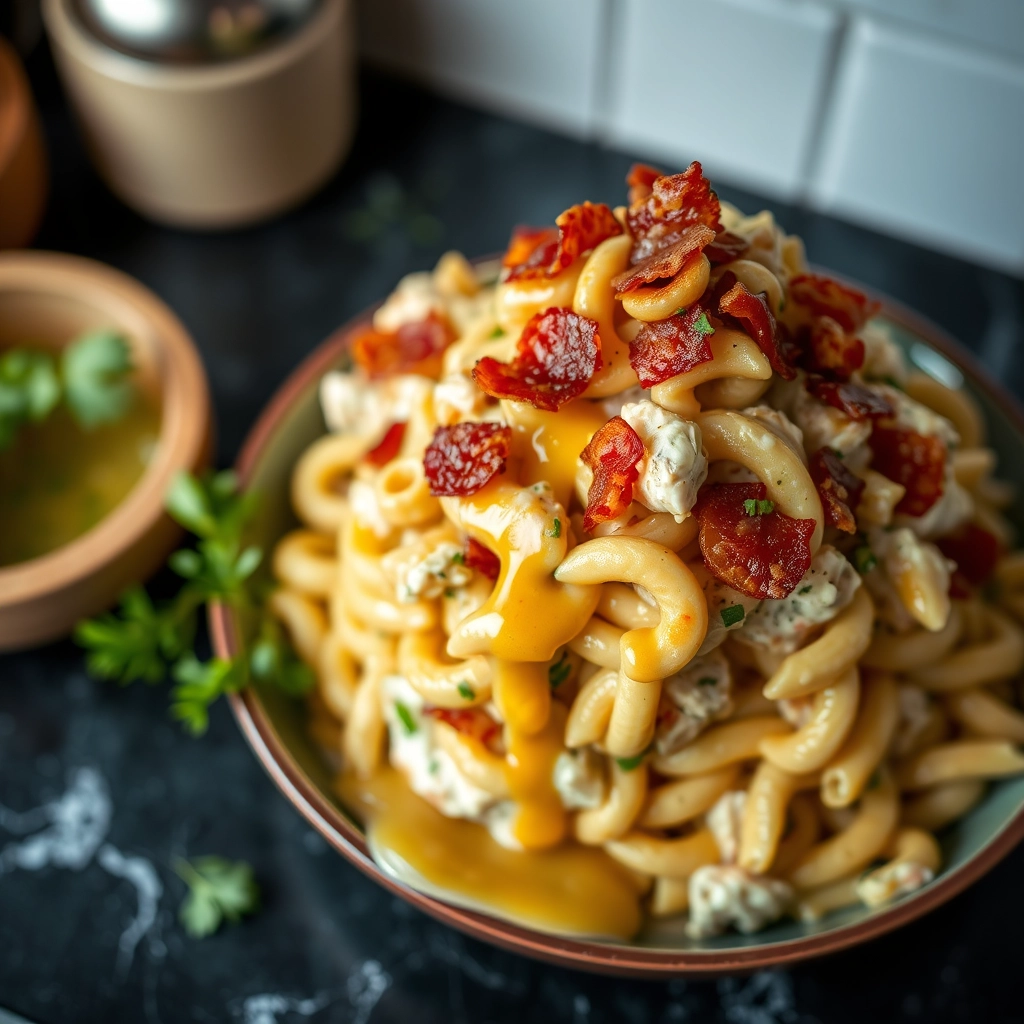
Irresistible Baked Italian Sandwich Recipe for Your Next Meal

Baked Italian Sandwich: A Delicious Twist on a Classic Favorite

⚖️
Difficulty
Easy

⏲️
Prep Time
15 mins

🕒
Cook Time
30 mins

⏱️
Total Time
45 mins

🍽️
Servings
4

Indulge in a mouthwatering journey with our Baked Italian Sandwich, a delightful ensemble that beautifully captures the essence of Italian cuisine. This recipe isn’t just about food; it’s about creating a warm, inviting atmosphere where flavors speak louder than words. Every bite is a celebration of bold spices, savory meats, and melty cheeses, making it an irresistible treat for both casual dinners and special occasions. Whether you’re hosting friends or enjoying a cozy night in, this sandwich is sure to brighten your meal.

The beauty of this Baked Italian Sandwich lies in its simplicity. Picture layers of tasty salami, spicy pepperoni, and rich provolone cheese, all embraced by hearty bread. The golden crust gives way to a warm, gooey interior that is comfortingly satisfying. As you pull it apart, the aromas of Italian herbs waft through the air, teasing your senses and promising a robust flavor experience. With a bit of olive oil and your favorite peppers, this dish is as visually appealing as it is delicious.

Quick Recipe Highlights

  • Flavor Profile: This Baked Italian Sandwich is rich and savory, with the perfect balance of spicy and aromatic herbs that perfectly complements the meats.
  • Texture: The outer crust is crispy and golden, creating a satisfying crunch, while the inside is soft, warm, and gooey with melted cheese.
  • Aroma: Evoking memories of authentic Italian delis, the perfume of baked bread mingled with zesty meats and herbs is simply irresistible.
  • Visual Appeal: A beautiful layering of ingredients shows off vibrant colors, from the redness of the peppers to the creamy cheese, making it a feast for the eyes.
  • Skill Level Needed: This sandwich is easy to prepare, requiring no advanced cooking techniques, making it perfect for home cooks of any level.
  • Special Equipment: An oven and a baking dish are all you need, making this recipe accessible for any kitchen setup.

Recipe Overview

  • Difficulty Level: With straightforward steps and minimal prep, even novice cooks will find success with this dish.
  • Category: It’s a perfect choice for lunch or dinner, fitting seamlessly into your meal planning.
  • Cuisine: The roots of this sandwich are deeply embedded in Italian-American culinary tradition, cherished for its robust flavor profile.
  • Cost: The overall expense is relatively low, especially when you can source ingredients from local markets or your pantry.
  • Season: Enjoyable year-round, this sandwich is especially comforting during colder seasons.
  • Occasion: Whether for a game night, a casual family dinner, or a picnic, this sandwich is a crowd-pleaser suitable for any gathering.

Why You’ll Love This Recipe

The taste and texture of this Baked Italian Sandwich are sure to win you over. The combination of flavorful meats and gooey cheese enveloped in a crispy crust creates an experience that is both comforting and satisfying. Each bite offers a burst of flavor, with the herbs and spices dancing delightfully on your palate.

This recipe presents the ultimate convenience, as it requires minimal prep and cooking time. It’s an excellent option for weeknight dinners, keeping even the busiest schedule in mind. Plus, the ingredients are easily adaptable for last-minute changes based on what you have on hand.

Nutritionally, this sandwich can be a balanced choice when paired with fresh veggies, making it more than just a treat. Substitutable components allow you to cater to diverse dietary needs and preferences without compromising flavor.

Socially, this Baked Italian Sandwich is ideal for gatherings. It’s easy to share, encourages communal dining, and can be served with various dips or salads for a complete meal that pleases all ages.

Finally, the cost-effectiveness of this recipe cannot be overlooked. Utilizing affordable ingredients like pasta or potatoes as sides can keep your total expenses low, making it a perfect option for budget-conscious meal planning.

Historical Background and Cultural Significance

The origin of the Italian sandwich can be traced back to the early 1900s, reflecting the immigrant experience and the blending of culinary traditions. With influences from diverse regions of Italy, each preparation showcases various family recipes passed down generations through Italian-American homes.

As Italian communities formed across America, the sandwich became a staple menu item, often served in delicatessens and eventually making its way into American home kitchens. This accessibility transformed the sandwich into a versatile option enjoyed by many, transcending its origins.

Over the years, the Baked Italian Sandwich has evolved, showcasing personal touches with each family’s preferred ingredients. Traditional flavors meet modern expectations as chefs experiment with ingredients ranging from rustic breads to artisanal cheeses.

Regions in the U.S. may offer their own take on this classic recipe. For instance, in Chicago, the sandwich might feature giardiniera, while the East Coast may prefer a version with fresh mozzarella and basil, helping reveal the rich tapestry of regional variations in Italian cuisine.

Ingredient Deep Dive

Bread is the foundation of this sandwich. Often, fresh Italian loaves are employed, respected for their crusty exterior and soft, chewy interior. The bread serves not only as the vessel for flavors but also contributes to the overall texture profile, enhancing the eating experience. Always look for bread marked as ‘freshly baked’ for the best results.

The meats—salami, pepperoni, and ham—bring a depth of flavor that is integral to this recipe. Each variety adds its unique spice, creating layers of texture and taste. When selecting meats, opt for high-quality deli cuts to ensure the sandwich’s flavors shine. The nutritional benefits are undeniable, with protein being a major contributor.

Provolone cheese completes the ensemble, offering creamy goodness that binds the flavors together. This cheese brings a sharpness that cuts through the richness of the meats. For those avoiding dairy, several non-dairy alternatives can be substituted while still achieving a creamy note.

Olive oil, when added generously, permits all flavors to meld beautifully. Rich in healthy fats, this oil enhances the overall taste while allowing the sandwich to crisp during baking. Look for high-quality extra virgin olive oil to maximize flavor.

Peppers, whether roasted or fresh, contribute a pop of color and a fragrant aroma that elevates the dish. These vegetables are also packed with nutrients, including vitamins C and A. Choose vibrant varieties to accentuate the dish’s presentation.

Common Mistakes to Avoid

  • Not using fresh ingredients: Stale bread or expired cheese can compromise flavor. Always check freshness to ensure a satisfying outcome.
  • Overstuffing the sandwich: While it’s tempting to add extra fillings, too much can lead to a soggy result. Stick to the ingredient quantities for balance.
  • Skipping the oil: Lack of oil can result in a dry sandwich. A good drizzle enhances flavor and texture. Don’t skip this step!
  • Inadequate baking time: Ensure that the sandwich is baked long enough for the cheese to melt completely and the bread to achieve golden-brown perfection.
  • Wrong oven temperature: An overly hot oven can burn the bread while leaving the inside cold. Aim for even heating to ensure the perfect bake.
  • Ignoring rest time: Letting the sandwich sit for a few minutes after baking helps distribute the heat and flavors evenly. Don’t rush this step!
  • Forgetting about seasoning: Some might overlook adding salt or pepper to the ingredients, which can dull the overall flavor. A light seasoning can go a long way.
  • Using processed meats: Opting for low-quality or processed meats can affect the outcome. Always choose fresh, high-quality options for the best results.
  • Rushing the assembly: Take your time to layer ingredients correctly. A well-assembled sandwich contributes to a better texture in each bite.
  • Not experimenting with flavors: Stick to basic combinations, and you may miss out on delicious additions. Don’t hesitate to try different combinations!

Essential Techniques

To master the art of sandwich assembly, ensure even layering of ingredients. This technique balances flavor in every bite and avoids uneven distribution. Use a sharp knife to cut through the bread without crushing it, preserving the structural integrity of your sandwich.

Baking plays a pivotal role; mastering the oven temperature helps achieve that sought-after crispy outer crust while ensuring a gooey inside. Always preheat your oven properly and use a baking tray or stone for even heating.

Developing the correct oil application can elevate your sandwich. A light brushing of olive oil helps in obtaining that golden color and enhances flavor. Practice makes perfect—apply just enough to achieve that satisfying crunch without making the sandwich soggy.

Pay attention to rest time after baking. Allowing the sandwich to cool for several minutes ensures the cheese settles, making it easier to cut and serve. This technique allows for better presentation as well.

Experimenting with different types of bread can enhance your outcome. Understanding which bread styles work best helps in achieving a delicious variety every time. From ciabatta to focaccia, know the qualities that work with your filling to ensure the best flavor combination.

Pro Tips for Perfect Baked Italian Sandwich

Choose the right bread: Opt for a crusty, high-quality Italian or French roll that will hold up under the weight of your fillings.

Layer wisely: Place harder ingredients like meats directly on the bread, with cheese on top to protect against moisture from sauces or toppings.

Preheat your oven: Ensure your oven reaches the desired baking temperature before placing the sandwich inside for an even bake.

Use culinary parchment: When baking, consider lining your baking dish with parchment paper to easily remove leftovers without damage.

Experiment with spreads: Consider adding spreads like pesto or sun-dried tomato spread to heighten flavor and moisture levels.

Finish with herbs: A sprinkle of fresh basil or oregano on top before serving enhances both aroma and flavor, creating a more authentic Italian experience.

Pairing sides: Serve your sandwich with a side salad or some crunchy chips to balance the richness of the filling.

Keep it simple: With the abundance of ingredients already present in the sandwich, keep additional sides uncomplicated—think simple crisp veggies or a fruit platter.

Variations and Adaptations

For a classic Italian touch, try adding sliced fresh mozzarella and fresh basil to the layers for a Caprese-inspired version. This gives the sandwich an added freshness while enhancing its Italian identity.

Seasonal adaptations can be made by including ingredients like roasted vegetables in the colder months, contributing warmth and heartiness, or fresh summer veggies, providing a crisp bite during warmer weather.

If dietary modifications are necessary, substitute regular bread with gluten-free options to make it accessible for those with dietary restrictions without sacrificing flavor.

Flavor variations can include experimenting with other meats such as turkey or chicken, or even a mix of vegetarian ingredients like marinated artichokes and olives for a meatless option.

To adjust texture, consider swapping out traditional cheese for a crumbly feta or a creamy avocado spread. This shift alters the mouthfeel significantly while still providing enjoyment.

For presentation alternatives, consider cutting the sandwich into individual sliders or bites, perfect for appetizers at gatherings or parties, making them easy to share and enjoy.

Serving and Presentation Guide

Plating techniques for a Baked Italian Sandwich can significantly influence presentation. Serve on wooden boards or slate platters for a rustic look, or on fine china for classy settings.

Garnishing ideas include a sprinkle of freshly chopped herbs or a drizzle of balsamic reduction to elevate the visual appeal while adding additional flavor layers.

Traditional accompaniments could encompass a simple arugula salad topped with olive oil and lemon juice to cut through the richness of the sandwich. Pairing side dishes enhances the overall dining experience.

For modern servings, consider pairing the sandwich with unique dips, like spicy marinara or garlic aioli, providing adventurous ways for guests to enjoy the dish.

Temperature considerations are crucial; serve your sandwich warm for the best taste experience. For party settings, keeping sandwiches in a warming drawer or serving basket will help maintain heat.

Portion control tips suggest offering half sandwiches alongside a variety of sides or other appetizers, encouraging diners to sample a range of flavors without overindulging.

Wine and Beverage Pairing

When considering wine pairings, a fruity Chianti works excellently, marrying the herbal tones from the sandwich with the fresh acidity of the wine, enhancing both components beautifully.

If you prefer non-alcoholic alternatives, sparkling water with a slice of lemon provides the ideal palate cleanser, balancing the rich flavors of the sandwich without overpowering them.

For coffee enthusiasts, a medium roast coffee served warm can significantly complement the sandwich’s savory notes, creating a unique tasting experience.

Tea aficionados might lean towards an herbal blend like hibiscus, which adds a refreshing contrast to the indulgent flavors of the sandwich, perfect for a sunny afternoon gathering.

Always consider serving suggestions that maintain the comfort and richness of the sandwich whilst adding refreshing elements that elevate the entire meal without overwhelming the palate.

Storage and Shelf Life

Proper storage methods can significantly extend the shelf life of your Baked Italian Sandwich. Store leftovers in an airtight container in the refrigerator to maintain freshness for up to three days.

Temperature requirements are vital; ensure to refrigerate any leftover sandwich within two hours of cooking to prevent spoilage.

Container recommendations include glass containers which are eco-friendly and retain flavors well, while resealable bags may also suffice for short-term storage.

Signs of spoilage to look out for include off smells, dry bread texture, or wet spots which could indicate that the sandwich has started to degrade or grow mold.

To reheat, use the oven instead of the microwave, which helps maintain the sandwich’s crispy exterior while ensuring it heats evenly throughout.

Freeze extras by wrapping the stuffed sandwich tightly in foil or plastic wrap, allowing for up to a month of storage before reheating directly from the freezer.

Make Ahead Strategies

For an effective prep timeline, consider assembling the sandwich a few hours in advance, covering it tightly and storing it in the fridge until baking time to enhance flavors.

Storage between steps allows for prepped, chopped ingredients to be stored in separate containers. This keeps them fresh before assembly and baking, promoting ease of preparation.

Assessing quality impact involves recognizing that some ingredients, like pickled peppers, can intensify flavors after a few hours, making them ideal for overnight prep.

When assembling, layer meats and cheeses earlier in the day so all flavors meld, while leaves or delicate greens can be added just before baking to prevent wilting.

Reheating guidelines suggest baking in an oven preheated to 375°F for 15-20 minutes, allowing the sandwich to retain its texture and warmth.

Finally, consider fresh element additions like arugula or seasonal greens right before serving, adding vibrant color and freshness that contrast beautifully with cooked elements.

Scaling Instructions

For halving the recipe, divide each ingredient amount in half, maintaining the same preparation and baking techniques to ensure consistency.

When doubling or tripling, be aware that cooking times may vary slightly. Increase the baking sheet size to accommodate additional sandwiches comfortably without overcrowding.

Equipment adjustments might be necessary when scaling; use larger trays or multiple sheets to ensure even cooking if you’re cooking in bulk.

Timing modifications take precedence in scaling—monitor the sandwiches closely, as increased quantity can require additional time for baking through.

Storage considerations should reflect proportionate amounts—if there are leftovers, store them in portions to ease reheating later and maximize freshness.

Nutritional Deep Dive

Macro breakdown of this Baked Italian Sandwich includes estimates of protein, fats, and carbohydrates, highlighting the balance between flavor and sustenance.

Micronutrient analysis reveals key vitamins and minerals derived from fresh vegetables, ensuring a nutritional boost alongside the more indulgent components.

Health benefits encompass the vitamins found in peppers and proteins from cheeses and meats that contribute to energy levels while maintaining satisfaction.

Dietary considerations suggest moderation as with any indulgent recipe; portion control is essential for integrating this sandwich into a balanced meal plan effectively.

In terms of weight management tips, consider pairing the sandwich with a light salad to offset richness without sacrificing the pleasure of a hearty meal.

Dietary Adaptations

For gluten-free adaptations, choose specialized bread made from rice, almond flour, or other gluten-free grains to ensure everyone can enjoy this Italian delight.

Dairy-free options can be achieved by substituting traditional cheeses with plant-based alternatives, ensuring the sandwich remains creamy and flavorful.

For a vegan approach, eliminate meats and cheeses entirely, opting for roasted vegetables and spreads that add texture and richness to the sandwich.

Low-carb adaptations could involve using leaves like lettuce to wrap the ingredients, shaking off excess carbs while retaining flavors.

On a keto diet, sticking with high-fat cheeses and avoiding bread altogether can be satisfying, replacing the sandwich with layered flavors in a bowl.

Paleo-friendly options could include swapping out processed meats for freshly cooked chicken or turkey, ensuring whole food ingredients are utilized for a wholesome meal.

Low-FODMAP diets could allow for the careful selection of certain ingredients, enabling those with sensitivities to enjoy a modified version of this sandwich.

Troubleshooting Guide

Texture issues may arise if the bread becomes soggy; ensure to apply oil sparingly during assembly to avoid greasiness.

Flavor balance problems can be mitigated by taste testing each component before assembling, ensuring seasonings align across meats and vegetables.

If faced with temperature problems in cooking, utilize an oven thermometer to verify accurate heating, ensuring the sandwich bakes evenly.

Equipment challenges may lead to inadequate baking; consider adjusting oven racks for optimal heat distribution, aiding a more consistent cook.

Ingredient substitutions might alter flavors significantly; always account for the unique qualities of substitutes to ensure the final product remains cohesive.

Timing concerns can prove challenging; maintaining a timer and checking for doneness regularly helps keep your recipe on track to juicy perfection.

Recipe Success Stories

Community feedback highlights the easy-to-follow nature of this Baked Italian Sandwich, often leading families to rave about its flavor and simplicity at dinner gatherings.

Variation successes reveal that many have successfully swapped out different cheeses and meats, discovering combinations that resonate with their unique tastes and preferences.

Adaptation stories showcase individuals who have transformed this recipe to include leftovers from previous meals, leading to new favorite family traditions.

Reader suggestions have included creative ways to indulge in the recipe using seasonal ingredients, reinforcing its versatility across cultures and cooking styles.

For photography tips, many home cooks find that showcasing layers and colors in the sandwich can enhance the experience, inviting readers to immerse themselves visually.

Frequently Asked Questions

Q1: Can I prepare this sandwich the night before?

A1: Absolutely! Assembling the sandwich and storing it in the refrigerator overnight can enhance flavors. Just bake it fresh when ready to serve.

Q2: What kind of bread works best?

A2: A crusty Italian or French loaf is ideal, as it provides a wonderful texture and holds up well under the filling’s weight.

Q3: How can I customize the filling?

A3: Feel free to swap proteins or cheeses based on your preferences, or incorporate additional ingredients like pesto or roasted vegetables for added flavor.

Q4: Can I freeze leftover sandwiches?

A4: Yes, wrap the sandwich tightly and freeze it for up to a month. Thaw in the fridge before reheating in the oven for best results.

Q5: Is this recipe easily adjustable for larger crowds?

A5: Certainly! You can double or triple the ingredients and cook in batches to serve more people—just ensure proper spacing on baking sheets.

Q6: What sides go well with this sandwich?

A6: A light salad, chips, or roasted vegetables make excellent companions, balancing the richness of the sandwich while complementing its flavors.

Q7: Are there vegetarian options?

A7: Yes! Replace meats with grilled or roasted vegetables, and opt for plant-based cheese to create a delicious vegetarian alternative.

Q8: What’s the best way to reheat leftovers?

A8: Reheat in a preheated oven at 375°F for about 15-20 minutes to maintain crispiness while ensuring everything is heated through.

Q9: How do I know when it’s done baking?

A9: The sandwich is ready when the bread is golden brown and the cheese is melted. A visual cue is the bubbling cheese around the edges.

Q10: Can I use a different cheese?

A10: Absolutely! Feel free to experiment with cheeses like mozzarella or gouda for unique flavor profiles.

Additional Resources

If you enjoyed this Baked Italian Sandwich, you might also love related recipes such as classic Italian pasta dishes, flavorful antipasta platters, or fresh bruschetta for starter options.

Dive into technique guides that will help elevate your Italian cooking skills, including mastering the art of homemade sauces or how to properly layer flavors in a dish.

Learn more about ingredient information, focusing on Italian herbs and spices that can enhance the flavor profile of many dishes beyond this sandwich.

Equipment recommendations can assist in exploring kitchen gadgets that streamline preparation, from sandwich presses to high-quality knives for efficient cutting.

Don’t forget to explore seasonal variations that allow you to take advantage of fresh produce, ensuring that every bite of your Italian sandwich stays vibrant and delicious.

Join the Conversation

We encourage you to share your Baked Italian Sandwich stories on social media, showcasing your variations and engaging with fellow cooking enthusiasts.

Photography tips can help you capture the beauty of your creation, encouraging others to explore this recipe and bring its flavors into their homes.

Recipe reviews allow you to share your insights and experiences, contributing to the community while providing valuable feedback on this and similar recipes.

Get involved in community engagement by sharing your sandwich creations or asking for suggestions about favorite additions—collaboration enriches the culinary journey!

Don’t hesitate to explore recipe variations based on what you and your family enjoy; experimenting can lead to delightful surprises and new family favorites.

The Recipe

Baked Italian Sandwich

Serves: 4

Prep Time: 15 mins

Cook Time: 30 mins

Total Time: 45 mins

Kitchen Equipment Needed

  • Oven
  • Baking dish
  • Sharp knife
  • Measuring cups
  • Cutting board

Ingredients

  • 1 large Italian bread loaf
  • 6 ounces of salami
  • 4 ounces of pepperoni
  • 6 ounces of provolone cheese
  • 1/4 cup roasted red peppers
  • 2 tablespoons olive oil
  • 1 teaspoon Italian herbs
  • Salt and pepper to taste

Directions

  1. Preheat the oven to 375°F (190°C).
  2. Slice the Italian bread in half lengthwise, creating a top and bottom.
  3. Drizzle olive oil on the cut sides of the bread.
  4. Layer salami, pepperoni, provolone cheese, and roasted red peppers on the bottom half of the bread.
  5. Sprinkle Italian herbs, salt, and pepper over the fillings.
  6. Place the top half of the bread over the fillings.
  7. Wrap the sandwich in aluminum foil and place it in the oven.
  8. Bake for 25-30 minutes until the cheese is melted and bread is golden brown.
  9. Remove from the oven, let it cool for a couple of minutes, then slice and serve.

Recipe Notes

  • Feel free to customize the meats and cheeses based on your preferences.
  • This sandwich can be prepared in advance and baked just before serving.
  • For extra flavor, consider adding some pesto or aioli spread inside the sandwich.
  • Pair with a fresh salad or chips for a full meal.

Deliciously Nostalgic Grandma Ann’s Iced Oatmeal Spice Cookies Recipe

Grandma Ann’s Iced Oatmeal Spice Cookies: A Nostalgic Treat

⚖️
Difficulty
Easy

⏲️
Prep Time
15 mins

🕒
Cook Time
10 mins

⏱️
Total Time
25 mins

🍽️
Servings
24 cookies

Grandma Ann’s Iced Oatmeal Spice Cookies are more than just a dessert; they are a heartfelt connection to a beloved family tradition. These cookies encapsulate the warm scent of cinnamon and nutmeg wafting through the air, reminiscent of cozy afternoons spent baking in Grandma’s kitchen. Each bite reveals a delightful blend of sweetness from the icing and the warmth of spice, resulting in a cookie that is both comforting and satisfying. The use of oats adds a wholesome touch, making them not only tasty but also a delightful treat any time of the day.

Baking these cookies will transform your kitchen into a haven of aromatic bliss, as the rich and inviting spices dance together, creating an irresistible allure. The icing adds a lovely finish, giving them an elegant touch that makes them perfect for any occasion, from holiday gatherings to casual get-togethers. As you gather around to enjoy these cookies with family and friends, you’re not only treating taste buds but also creating cherished memories that will linger long after the last crumb is gone.

Quick Recipe Highlights

  • Flavor Profile: These cookies boast a perfect balance of sweet icing and warm spices like cinnamon and ginger, creating a deliciously comforting flavor.
  • Texture: With a chewy center and a slight crunch at the edges, they provide a delightful contrast that is enhanced by the creamy icing.
  • Aroma: The fragrant spices and oats produce an enticing smell that fills your home with warmth, making it hard to resist a taste.
  • Visual Appeal: The light iced topping against the golden-hued cookies offers a beautiful contrast, inviting you to indulge.
  • Skill Level Needed: This recipe is perfect for beginners, requiring simple techniques that result in magnificent cookies.
  • Special Equipment: No fancy gadgets are needed, just basic kitchen tools will suffice, making it accessible for anyone.

Recipe Overview

  • Difficulty Level: This easy recipe allows anyone to create delicious cookies, perfect for aspiring bakers wanting to try their hand at baking.
  • Category: Ideal for snacks or dessert, these cookies fit perfectly into any meal or indulgent moment.
  • Cuisine: Rooted in classic home baking, they reflect a tradition of comforting flavors that evoke nostalgia and warmth.
  • Cost: Affordable ingredients make this recipe a budget-friendly option for all cookie lovers.
  • Season: Perfect for fall and winter, their warm spices shine during the holiday season.
  • Occasion: Great for family gatherings, school events, or cozy nights at home enjoying a cup of tea.

Why You’ll Love This Recipe

This cookie recipe is not only delicious but checks all the boxes for a satisfying treat. The taste and texture appeal are unmatched, with the chewy oatmeal base complemented by the sweet icing, making each cookie a little piece of heaven. The nutritional benefits of oats combined with the spices contribute to a wholesome snack that can be enjoyed any time of the day.

Prep and convenience make these cookies a go-to recipe when you’re short on time but want something homemade. In just about 25 minutes, you can whip up a batch ready to share. It’s perfect for busy schedules or unexpected guests, allowing you to deliver freshly baked cookies with ease.

When it comes to entertaining, serving Grandma Ann’s Iced Oatmeal Spice Cookies will be sure to impress your guests. Not only are they a delightful treat, but they also create an inviting atmosphere. The joy of sharing a homemade treat fosters warmth and connection among friends and family.

Cost-effectiveness adds to their charm; delicious and satisfying cookies don’t have to break the bank. With pantry staples, these cookies ensure you’re never far from a treat that feels special yet simple to make.

Lastly, the nostalgic element tied to this recipe means it rekindles fond memories for many. Sharing these cookies offers an opportunity to weave stories, create new memories, and pass down your own baking traditions.

Historical Background and Cultural Significance

The origins of oatmeal cookies can be traced back to the early 1900s, when oats were recognized for their health benefits and began to be included more in everyday baking. Grandma Ann’s cookies, while a modern interpretation, honor this tradition by blending spices that have long been staples in family kitchens.

Culturally significant, these cookies symbolize warmth and home. They are often associated with family gatherings and celebrations, where homemade treats take center stage. The stories shared over batches of cookies add a layer of richness to their history.

Over the years, the recipe has evolved, adapting to contemporary tastes while retaining its core essence. This adaptation process showcases the flexibility of home baking; flavor adjustments can reflect individual preferences while still honoring the original recipe.

In many households, an oatmeal cookie recipe like Grandma Ann’s becomes a treasured heirloom, passed down through generations. Each new baker adds their personal touch, ensuring that the legacy of love and nurturing continues with every batch.

Ingredient Deep Dive

  • Oats: Oats have a long-standing status as a nutritional powerhouse. They offer excellent health benefits, including fiber that supports heart health and digestion. Look for whole oats to maximize nutrition. Store in a cool, dry place and consider freezing for long-lasting freshness.
  • Cinnamon: This spice not only adds warmth and flavor but also boasts anti-inflammatory properties. When selecting cinnamon, opt for Ceylon for greater benefits. Ground cinnamon is ideal for baking, while whole sticks work well for infusing in liquids. Store in dark, cool places, and consider using fresh ground for maximum flavor.

Common Mistakes to Avoid

  • Not measuring ingredients accurately: Baking requires precision. Use a kitchen scale or measuring cups to ensure your ratios are correct.
  • Overcrowding the baking sheet: Leaving space allows cookies to spread properly and bake evenly, enhancing their texture.
  • Skipping the chilling step: Allowing dough to chill helps the flavors develop and reduces spreading during baking.
  • Not preheating the oven: Always preheat to get the best texture, ensuring cookies bake evenly from the start.
  • Using old spices: Fresh spices deliver vibrant flavors, so check the freshness before adding them to your mix.
  • Overmixing the dough: Mixing too much can lead to tough cookies. Combine just until ingredients show unity.
  • Not cooling the cookies properly: Let cookies cool on a wire rack, which prevents sogginess and maintains crispness.
  • Ignoring visual cues: If cookies look golden, they are likely done. Pay attention to color for optimal results.

Essential Techniques

Measuring Dry Ingredients: Properly measuring dry ingredients ensures the correct ratio in your cookie dough, affecting texture and flavor. Use a dry measuring cup for flour, spoon it in gently, then level it off. Avoid scooping directly, as it can pack the flour down.

Mixing Techniques: The creaming method—mixing butter and sugar until light and fluffy—introduces air into the batter for lighter cookies. Be careful not to overmix; dough should just come together to prevent tough cookies from forming.

Pro Tips for Perfect Grandma Ann’s Iced Oatmeal Spice Cookies

1. Use fresh spices for a vibrant flavor boost that enhances the entire cookie experience.
2. Chill the dough for at least 30 minutes to prevent excessive spreading during baking.
3. Experiment with icing flavors by adding vanilla or almond extract to elevate sweetness.
4. For a chewy cookie, slightly underbake them; they will continue cooking after removing from the oven.
5. Mix in add-ins like chocolate chips or nuts for extra texture and flavor.
6. Store cookies in an airtight container to maintain freshness for longer.
7. Consider a sprinkle of sea salt on the icing for a sweet-salty contrast.
8. Always let cookies cool before icing to prevent melting and maintain their shape.

Variations and Adaptations

There are countless variations to explore with Grandma Ann’s Iced Oatmeal Spice Cookies. Incorporating dried fruits such as cranberries or raisins can add a chewy, fruity element to the mix. For a seasonal twist, consider adding pumpkin spice during the fall, deepening that comforting flavor.

You can also switch up the icing. Chocolate icing will cater to chocolate lovers, while a cream cheese frosting adds a rich and tangy flavor profile. If you’re feeling adventurous, try incorporating zest from citrus fruits to brighten the overall taste.

Make the recipe gluten-free by swapping regular flour with almond or oat flour, ensuring to use certified gluten-free oats. Vegan adaptations can be made by substituting butter with coconut oil and eggs with flaxseed meals.

Serving and Presentation Guide

For an inviting presentation, arrange your iced oatmeal spice cookies on a decorative plate. A sprinkle of crushed nuts or a few chocolate chips can create a beautiful contrast. To add to the homemade feel, consider using parchment paper or a linen cloth beneath the cookies.

Traditional accompaniments include a cup of tea or coffee, enhancing the flavors while fostering a cozy atmosphere. For a modern twist, consider presenting cookies in individual cellophane bags tied with twine for gift-giving or party favors.

Temperature matters; cookies are best enjoyed at room temperature to fully appreciate their icing and texture. Portion control is simple with this recipe, as the dough can be easily rolled into uniform balls before baking.

Wine and Beverage Pairing

When pairing beverages with Grandma Ann’s Iced Oatmeal Spice Cookies, consider a sweet dessert wine like a late-harvest Sauvignon Blanc, which complements the cookies’ spice without overpowering them. For a non-alcoholic alternative, a spiced apple cider warms up the flavors, echoing the warmth of the cookie’s spice.

If you’re a coffee lover, a smooth latte complements the cookies nicely, while an herbal tea can provide a refreshing contrast. Always serve these beverages hot for maximum enjoyment, enhancing the overall experience during tea time or casual gatherings.

Storage and Shelf Life

Proper storage is essential to maintain the freshness of your cookies. Allow cooled cookies to be stored in an airtight container at room temperature for up to one week. For longer storage, consider freezing them. Use freezer-safe bags or airtight containers to prevent freezer burn.

Signs of spoilage include dryness or a loss of flavor, indicating the need for a quicker consumption. When reheating, use a microwave for 10 seconds—this will help restore their texture without overcooking. Thaw frozen cookies at room temperature for a few hours before re-enjoying.

Make Ahead Strategies

Preparing in advance can simplify your baking process. Make the dough a day ahead and refrigerate it. This not only saves time but enhances the flavor as the ingredients meld together.

You can also ice the cookies the day before serving, allowing the glaze to set beautifully. If preparing for a special occasion, consider freezing the iced cookies a week beforehand. Just remember to store them in a single layer to keep their shape intact.

Scaling Instructions

If you wish to halve the recipe, simply divide all ingredients by two, measuring accurately to ensure consistency in flavor and texture. For doubling or tripling, keep an eye on mixing times, as larger batches may require longer mixing.

Adjust baking times slightly as needed; smaller cookies may bake faster, while larger ones may take a bit longer. Don’t forget to check for visual cues to avoid overbaking. Proper storage still applies when scaling; larger batches can occupy more space.

Nutritional Deep Dive

These cookies offer a macro breakdown balanced with carbohydrates from oats and sugars, healthy fats from butter, and proteins from eggs. Oats provide a significant source of fiber, supporting digestive health.

The icing contributes to the overall carbohydrate content but can be adjusted based on dietary needs. Each cookie provides a comforting treat while offering enough nutritional benefits to enjoy guilt-free.

Portion control can aid in weight management; enjoying one or two cookies as a treat allows for enjoyment without overindulgence. Always consider dietary restrictions when assessing nutritional information.

Dietary Adaptations

For gluten-free variations, substituting flour with almond or coconut flour can deliver delicious results without the gluten. Ensure to choose gluten-free certified oats, keeping cross-contamination in mind.

Dairy-free cookies are easily achievable by using vegan butter and plant-based milk in the icing; the results will still be incredibly tasty. A vegan option can also incorporate flax eggs for binding.

Keto adaptations can be made using low-carb sweeteners and almond flour; however, be mindful of the oats as they are higher in carb content. Each dietary option allows for accommodating various preferences while retaining flavor.

Troubleshooting Guide

If your cookies are too dry, it may be due to overmeasuring flour or overbaking. Adjust your measuring technique or reduce the baking time next time. For too much spreading, chilling the dough longer can help keep them from flattening.

Flavor imbalances often stem from old spices or not using enough. Always check your spices and taste before baking to adjust accordingly. If texture issues arise, consider adjusting ingredient ratios to achieve the desired chewiness or crunch.

Lastly, equipment challenges, such as outdated ovens, may affect cooking times. Using a thermometer can help ensure your oven’s accuracy, leading to consistently delicious outcomes with every baking session.

Recipe Success Stories

Countless bakers have shared their joy in creating Grandma Ann’s Iced Oatmeal Spice Cookies. Many have reported success with personalized variations, experimenting with flavors and ingredients to reflect their families’ preferences.

Feedback from the community highlights how easy and enjoyable this recipe is, even for novice bakers. Comments often express a newfound love for baking, citing the delightful aroma and taste as motivating elements in their kitchen adventures.

Readers have also been thrilled about the nostalgic aspects, often sharing stories tied to their own family traditions, making this recipe a wonderful conversation starter and a way to pass on those cherished memories.

Frequently Asked Questions

Can I make these cookies nut-free?

Absolutely! Simply skip any nut additions, or opt for seeds such as sunflower or pumpkin seeds for added crunch without the allergens.

How do I store leftover cookies?

Store cookies in an airtight container at room temperature for up to a week. For longer freshness, freeze them, ensuring they are well-wrapped.

Can I substitute ingredients?

Yes! You can switch out spices based on preference or availability. For example, nutmeg or allspice can be used interchangeably with cinnamon.

What can I use instead of oats?

Puffed rice or quinoa flakes can provide similar texture, but keep an eye on the moisture level when integrating these alternatives into your dough.

What toppings would complement these cookies?

Consider adding a sprinkle of cinnamon sugar, chopped nuts, or a drizzle of chocolate for an extra-special touch.

Can I freeze the dough?

Indeed! You can freeze unbaked dough. Portion it out, wrap tightly, and thaw in the refrigerator before baking.

How do I know when the cookies are done?

Look for a golden-brown edge; the center may appear slightly underdone, which is ideal as they will firm up while cooling.

Can I use whole grain flour?

Yes, switching to whole grain flour is a healthy option and adds additional fiber; just be mindful that it may alter the cookie’s texture slightly.

Is it possible to make these cookies vegan?

Certainly! Use vegan butter and swap eggs for a flaxseed egg to maintain texture and consistency.

Can I add chocolate chips?

Definitely! Chocolate chips would provide a delicious contrast to the spices and sweetness of the icing. Just fold them in gently before baking.

Additional Resources

Explore related recipes that highlight similar flavors, such as spiced ginger cookies or chewy oatmeal raisin cookies. Enhance your baking skills with technique guides focused on proper measuring and ingredient substitutions.

For those curious about spices used, informative articles on their culinary history and health benefits can deepen appreciation. Invest in quality baking equipment, such as a good quality mixer, to elevate your baking experience and ensure consistent results.

Join the Conversation

Embrace the excitement of community as you share your baking results on social media. Connect with fellow bakers by posting photos of your iced oatmeal spice cookies using hashtags to inspire others.

Gather feedback and engage with recipe reviews, offering suggestions and encouragement for newcomers. Sharing culinary experiences not only fosters community but strengthens connections through shared love of baking.

The Recipe

Grandma Ann’s Iced Oatmeal Spice Cookies

Serves: 24 cookies

Prep Time: 15 mins

Cook Time: 10 mins

Total Time: 25 mins

Kitchen Equipment Needed

  • Mixing bowl
  • Measuring cups and spoons
  • Whisk or hand mixer
  • Baking sheet
  • Parchment paper (optional)
  • Wire rack

Ingredients

  • 1 1/2 cups rolled oats
  • 1 cup flour
  • 1 teaspoon baking soda
  • 1 teaspoon cinnamon
  • 1/2 teaspoon nutmeg
  • 1/2 teaspoon salt
  • 3/4 cup brown sugar, packed
  • 1/2 cup granulated sugar
  • 1/2 cup butter, softened
  • 1 large egg
  • 1 teaspoon vanilla extract
  • 1 cup powdered sugar (for icing)
  • 1-2 tablespoons milk (for icing)

Directions

  1. Preheat your oven to 350°F (175°C) and line a baking sheet with parchment paper.
  2. In a bowl, combine the oats, flour, baking soda, cinnamon, nutmeg, and salt, set aside.
  3. In a separate bowl, cream together the butter, brown sugar, and granulated sugar until light and fluffy.
  4. Add in the egg and vanilla extract, mixing until well combined.
  5. Gradually add the dry ingredient mixture to the wet ingredients, stirring until just combined.
  6. Drop spoonfuls of dough onto the prepared baking sheet, leaving space for spreading.
  7. Bake for 10 minutes or until the edges are golden brown. Remove from the oven and cool on a wire rack.
  8. Meanwhile, in a small bowl, mix powdered sugar with milk until you achieve your desired icing consistency.
  9. Once the cookies are cool, drizzle the icing over them and let it set.

Recipe Notes

  • For extra flavor, consider incorporating nuts or dried fruits into the dough.
  • Use more or less milk in the icing based on your preference for thickness.
  • Feel free to experiment with the spices to create your unique flavor profile.

Try Our Potato Salad Extraordinaire for Your Next Picnic

Potato Salad Extraordinaire: A Creamy and Flavorful Twist on a Classic

⚖️
Difficulty
Easy

⏲️
Prep Time
15 mins

🕒
Cook Time
20 mins

⏱️
Total Time
35 mins

🍽️
Servings
4-6

Potato Salad Extraordinaire is a delightful dish that transforms the classic potato salad into a flavorful experience that’s sure to impress at any gathering. With tender, creamy potatoes, a tangy and rich dressing, and fresh vegetables, every bite bursts with flavors. This dish serves as both a comforting side at barbecues and a centerpiece for potlucks, proving its versatility and universal appeal. The variety of textures from crispy vegetables to creamy potatoes adds depth to this already delicious dish.

The appeal of this Potato Salad Extraordinaire lies in its incredible balance of flavors. The sweetness of the bell peppers and the brightness of the herbs perfectly complement the saltiness of the seasonings and the creaminess of the dressing. Each bite offers not just a mix of tastes, but a full sensory experience that can evoke nostalgia while creating new memories. Whether making it for a holiday gathering or a simple everyday meal, this recipe is bound to become a favorite.

Quick Recipe Highlights

  • Flavor Profile: The tangy dressing combined with creamy potatoes creates a rich and satisfying flavor, accented by fresh herbs and a hint of crunch from the vegetables.
  • Texture: The salad features a delightful medley of smooth, creamy potatoes, crisp vegetables, and a luscious dressing that clings to every bite.
  • Aroma: The appealing aroma of freshly chopped herbs combines with the earthy scent of potatoes and the zesty dressing, creating an inviting kitchen atmosphere.
  • Visual Appeal: The colorful medley of yellow potatoes, green herbs, and red bell peppers makes the salad visually stunning, perfect for serving at gatherings.
  • Skill Level Needed: This recipe requires basic cooking skills like chopping and boiling, making it accessible for beginner cooks.
  • Special Equipment: A large mixing bowl, knife, and pot are all you’ll need, keeping the preparation straightforward and hassle-free.

Recipe Overview

  • Difficulty Level: The dish is easy to prepare, requiring minimal cooking techniques, making it a great starting point for new cooks looking to build confidence in the kitchen.
  • Category: This Potato Salad Extraordinaire is classified as a side dish, perfect for summer picnics and family barbecues.
  • Cuisine: Rooted in classic American cuisine, this recipe showcases traditional flavors with a modern twist.
  • Cost: The economic ingredients, primarily potatoes and fresh vegetables, make this dish budget-friendly, costing around $10 to $15.
  • Season: While the salad is enjoyed year-round, it shines in the summer months when fresh produce is abundant and outdoor gatherings are plentiful.
  • Occasion: Whether it’s a summer picnic, a family reunion, or a casual weeknight dinner, this potato salad is adaptable to any occasion.

Why You’ll Love This Recipe

This Potato Salad Extraordinaire stands out with its taste and texture appeal, inviting you to rediscover the joys of a classic dish. The tender potatoes mixed with fresh veggies create a satisfying and hearty sensation. The creamy dressing ties the ingredients together, ensuring that each bite is bursting with flavor.

The convenience of this recipe cannot be overstated, as it involves simple steps that cater to busy lifestyles. You can whip up this salad in under 40 minutes, allowing for stress-free meal preparation or last-minute side dishes.

In terms of nutrition, this potato salad provides a good dose of vitamins and minerals while allowing for customization to achieve a balanced meal. The potatoes are a great source of energy, while the addition of vegetables enhances fiber intake, making it both filling and nutritious.

Socially, Potato Salad Extraordinaire is perfect for gatherings. It incites conversation, evokes nostalgia, and brings warmth to any occasion. The dish’s approachable flavors make it appealing to both children and adults, fostering shared experiences around the table.

Lastly, the cost-effectiveness renders it a smart choice for any budget. With simple, affordable ingredients, you can serve a delicious dish to a crowd without breaking the bank, proving that delightful meals do not have to be expensive.

Historical Background and Cultural Significance

The origin of potato salad can be traced back to ancient times when various cultures used potatoes as a staple. The modern rendition that we know today began to gain popularity in the United States during the 19th century, often made for gatherings and community events.

Culturally, potato salad holds a special place in American culinary traditions, synonymous with summer barbecues and family reunions. This dish often brings fond memories of gatherings, showcasing its role in creating community bonds.

As the recipe evolved, regional variations emerged. From Southern mustard-based salads to the creamy mayonnaise-based versions popular in the North, its adaptability allows for unique interpretations shaped by local tastes.

Over the years, this essential dish has witnessed significant transformations with the addition of various ingredients, elevating it from a simple side to a gourmet option. Today, versions can be found that include everything from bacon to avocado, each variation telling its own story.

Ingredient Deep Dive

Potatoes are the star ingredient in our Potato Salad Extraordinaire. Historically significant as a food source across different cultures, they are rich in carbohydrates and provide essential nutrients like vitamin C and potassium. When selecting potatoes, opt for waxy varieties like red or Yukon gold, as they hold their shape better when cooked. Store them in a cool, dark place to prevent sprouting, and for substitutions, consider using sweet potatoes for a nutritious twist.

The fresh vegetables, typically bell peppers and onions, add not just color but essential vitamins. These contribute to eye health and improve immunity. When choosing vegetables for your salad, look for vibrant colors and firm textures. Store them in the refrigerator and consider using seasonal produce for optimal freshness. For substitutions, try using celery or cucumbers for different flavor profiles.

Finally, the dressing, usually a mayonnaise-based concoction, defines the salad’s flavor. Mayonnaise has been a fixture in American kitchens since the 18th century and adds creaminess and richness. When choosing mayonnaise, look for high-quality brands or homemade options for enhanced flavor.

Common Mistakes to Avoid

  • Overcooking potatoes: Ensure they are fork-tender but not mushy to maintain texture.
  • Using warm potatoes in the salad: Allow to cool completely to avoid a soupy consistency.
  • Not seasoning properly: Don’t forget to taste as you go and adjust seasoning for balance.
  • Skipping the chilling time: Refrigerating after mixing helps meld the flavors together.
  • Adding too much dressing: Start with a little; you can always add more as needed.
  • Neglecting fresh ingredients: Fresh herbs make a significant difference in flavor, don’t skip them.
  • Using low-quality mayonnaise: A good mayonnaise elevates the taste immensely.
  • Forgetting to cut ingredients uniformly: This ensures a consistent texture and appearance in the salad.
  • Not customizing: Don’t hesitate to experiment with different add-ins for personalization.

Essential Techniques

Achieving the perfect boiled potato is crucial for the salad’s success. Start by selecting the right type of potatoes and cutting them into even pieces to promote uniform cooking. Boil them gently until tender, testing with a fork. The common pitfall is boiling them too long, resulting in mushiness, so keep an eye on them for visual cues of doneness.

Creating the dressing is equally important. Combine mayonnaise with mustard, vinegar, and seasonings to taste. Whisk together for smoothness. Avoid the mistake of adding too much liquid too quickly; instead, add it gradually and adjust based on your preference. The ideal dressing should have a creamy consistency without being overly runny.

Pro Tips for Perfect Potato Salad Extraordinaire

1. Choose fresh, seasonal ingredients for the best flavor and nutrition.
2. Allow cooked potatoes to cool completely before mixing with dressing to prevent sogginess.
3. Mix the salad ingredients gently to avoid breaking down the potatoes.
4. Consider blending different types of mayo or adding yogurt for a tangy twist.
5. Chill the salad for at least an hour before serving to enhance the flavors.
6. Garnish with fresh herbs just before serving for a pop of color and flavor.
7. Experiment with spices to find your unique twist on the classic recipe.
8. Use high-quality olive oil in the dressing for added richness and depth.

Variations and Adaptations

Potato Salad Extraordinaire can be easily tailored to reflect regional variations. For example, add bacon bits for a Southern twist or incorporate olives for a Mediterranean flavor. You can also make seasonal adaptations by including roasted root vegetables in the fall or grilled corn in summer.

Dietary modifications can transform the dish as well; use a vegan mayo for a dairy-free version or low-fat yogurt to reduce calories. If you’re looking to reduce carbs, swap the potatoes for cauliflower for a low-carb potato salad.

For flavor variations, consider adding fresh herbs like dill or parsley, or even a touch of sriracha for heat. Texture modifications could include adding crushed nuts for crunch or creamy avocados for richness. When it comes to presentation, try serving in a mason jar or on a colorful platter for visual appeal.

Serving and Presentation Guide

Plating techniques for Potato Salad Extraordinaire can elevate its visual appeal. Consider using a large, shallow bowl to showcase the colorful ingredients. Garnish with fresh herbs or edible flowers to add a pop of color. Traditional accompaniments such as grilled meats or crusty bread complement this dish wonderfully.

Modern serving suggestions can include individual portions for personal touches or atop a bed of greens for an impressive presentation. Temperature is crucial; the salad should be served cold or at room temperature to ensure the best taste experience. Control portions so that guests can have enough without wastage and ensure leftovers are adequately stored.

Wine and Beverage Pairing

For wine pairings, a crisp Chardonnay or Sauvignon Blanc harmonizes beautifully with the creaminess of the salad. If you prefer reds, a light Pinot Noir offers a nice contrast without overpowering the dish. Non-alcoholic alternatives like sparkling water with lemon or iced tea can provide a refreshing balance.

When considering coffee or tea pairings, a light herbal tea can complement the fresh flavors, while a robust coffee may not pair well due to its strong profile. Aim to serve drinks chilled for a refreshing experience, particularly in summer.

Storage and Shelf Life

For optimal storage of your Potato Salad Extraordinaire, refrigerate in an airtight container to keep it fresh. Consume within 3 to 5 days for the best quality. When it comes to temperature, ensure your salad is stored at or below 40°F (4°C) to prevent spoilage.

Choose glass or plastic containers that seal tightly; this helps maintain texture and flavor. Always check for signs of spoilage such as off odors or separation before consuming. Reheating isn’t typical for potato salad, but if needed, do so gently in the microwave, being cautious of the dressing breaking down.

If you intent to freeze your salad, avoid freezing with the dressing mixed in. Instead, assemble the salad without dressing and freeze the components separately for the best results.

Make Ahead Strategies

For optimal make-ahead strategies, prepare Potato Salad Extraordinaire a day before your event. Cook the potatoes and chop the vegetables in advance, storing them separately. This allows for fresh assembly without compromising texture.

Consider storing the dressing separately until serving; this enhances texture and flavor. If you’ll be making it ahead, assess the quality of ingredients and consider adding fresh herbs just before serving to maintain vibrancy.

Monitoring the impact on quality is vital—the longer the salad sits, the more flavors meld, so a day ahead is ideal for maximum enjoyment. For assembly tips, layer ingredients in your serving dish to maintain aesthetics when mixing everything together the day of serving.

Scaling Instructions

When scaling your Potato Salad Extraordinaire recipe, halving can be straightforward; simply divide the ingredients accordingly. For doubling or tripling, ensure your mixing bowl is large enough to accommodate the increased quantity and adjust your preparation time as needed.

Equipment adjustments may be necessary—consider using an industrial potato masher for large batches, or a food processor for efficient ingredient mixing.

Be mindful of timing modifications, especially when cooking larger quantities of potatoes, as larger batches may take slightly longer to boil. Storage considerations also come into play; larger quantities may require additional containers or larger ones for proper refrigeration.

Nutritional Deep Dive

The macro breakdown of Potato Salad Extraordinaire typically features a robust balance of carbohydrates, healthy fats, and protein. On average, a serving might have around 25-30g of carbohydrates, making it a hearty side.

Micronutrient analysis reveals that potatoes provide significant potassium and vitamin C, while added vegetables enhance vitamin intake and crucial antioxidants for overall health. Recognizing the health benefits, the combination of ingredients in moderation promotes a varied diet rich in nutrients.

Dietary considerations may arise, particularly for those monitoring carbohydrate intake. Therefore, consider portion sizes and ensure integration within a well-rounded meal plan. When addressing weight management tips, prioritize whole ingredients and keep dressings light.

Dietary Adaptations

For gluten-free adaptations, ensure all ingredients are certified gluten-free; this recipe is naturally free of gluten ingredients. For dairy-free variations, opt for a plant-based mayonnaise to replace traditional mayonnaise.

A vegan version is easily achievable by using plant-based protein and dairy substitutes throughout the recipe. Low-carb dieters can enjoy this dish by substituting potatoes with cauliflower or other low-carb vegetables.

Individuals following keto can reduce ingredient variety further, focusing on healthy fats while eliminating unnecessary carbs. For paleo diets, the inclusion of whole, minimally processed ingredients ensures compatibility while allowing for flavors to shine.

Low-FODMAP adjustments may require careful selection of vegetables, ensuring none cause digestive discomfort. Always consider guest dietary preferences when making adaptations.

Troubleshooting Guide

Texture issues may arise if potatoes are overcooked—they should be tender but still firm. If your salad turns out too mushy, consider blending in some fresh vegetables to add bulk.

Flavor balance is critical; if too tangy, add a touch of sugar or honey to mellow the acidity. Conversely, if it’s too bland, a sprinkle of salt or acidity from lemon juice can lift the taste.

Check for temperature problems—if serving at a gathering, room temperature may lead to rapid spoilage, so keep it cool until service.

Address equipment challenges by ensuring your mixing tools are appropriate for the quantity; excessive amounts in a small bowl can hinder effective blending. If ingredient substitutions lead to unexpected results, experiment with minor adjustments until achieving desired taste and consistency.

Timing concerns can occur in large gatherings—plan ahead by prepping ingredients well to avoid last-minute surprises.

Recipe Success Stories

Community feedback on Potato Salad Extraordinaire often highlights its easy preparation and delicious results. One reader noted a successful adaptation by incorporating avocado, creating a creamy version that received rave reviews at a family reunion.

Variation successes include a spicy rendition where jalapeños were added—this substitution transformed the dish, making it a new favorite for barbecues. Adaptation stories reflect creativity, where users shared how they integrated seasonal ingredients like corn in summer, making the dish versatile.

Photography tips for showcasing the vibrant colors of the salad offer readers ideas for presentation, emphasizing the appeal of gorgeous plating on social media. Ultimately, success stories revolve around enjoyment and simplicity, proving this recipe’s reliability.

Frequently Asked Questions

What type of potatoes are best for potato salad?

Waxy potatoes such as red or Yukon gold are ideal for potato salad as they maintain their shape and have a creamy texture when cooked.

Can I make potato salad in advance?

Absolutely! In fact, it’s best when made a day ahead, allowing flavors to meld. Just keep it refrigerated until serving.

What can I add for extra flavor?

Herbs like dill or parsley, diced pickles, or even bacon can add fantastic layers of flavor to your potato salad.

How do I store leftover potato salad?

Store it in an airtight container in the refrigerator for up to 3-5 days. Avoid leaving it out for long periods to maintain freshness.

Is this potato salad gluten-free?

This recipe is naturally gluten-free but always ensure that your mayonnaise and any added ingredients are certified gluten-free if needed.

Can I swap out mayonnaise?

Yes, you can use Greek yogurt as a lighter alternative, or choose a vegan mayo if you prefer a dairy-free option.

What are some good variations for this recipe?

Consider adding diced red onion, celery, or even swapping potatoes for cauliflower for a low-carb version. You can also explore international twists by adding different spices.

How long will it last in the fridge?

When stored properly, potato salad can last in the refrigerator for around 3-5 days. Always check for signs of spoilage before consuming.

Can I freeze potato salad?

It’s not recommended to freeze potato salad once dressed, as the texture can be compromised. You can freeze the potatoes and vegetables separately but dress them fresh.

What types of meals pair well with potato salad?

This salad pairs wonderfully with grilled meats, sandwiches, or as part of a picnic spread. It’s a versatile side that complements many dishes.

Additional Resources

For related recipes, explore our collection of summer salads ranging from refreshing quinoa salads to adventurous grain salads. Technique guides will enhance your culinary skills, detailing how to effectively chop vegetables or create dressings from scratch.

Ingredient information becomes essential when looking for substitutes or seasonal options, ensuring you always have the right components. Discover equipment recommendations for essential kitchen tools that can elevate your cooking experience and further simplify preparation.

Seasonal variations can enhance your recipe repertoire—consider using root vegetables in the fall or fresh herbs in the spring for seasonal delights.

Join the Conversation

We welcome you to share your experiences on social media! Snap photos of your Potato Salad Extraordinaire creations and inspire others with unique variations. Engage with our community by commenting on your experience with this recipe and discussing your favorite adaptations.

We encourage recipe reviews, where sharing feedback can guide others in their cooking journey. Let’s cultivate an engaging environment where everyone can contribute their creativity and culinary successes!

The Recipe

Potato Salad Extraordinaire

Serves: 4-6

Prep Time: 15 mins

Cook Time: 20 mins

Total Time: 35 mins

Kitchen Equipment Needed

  • Large pot
  • Knife
  • Cutting board
  • Large mixing bowl
  • Whisk

Ingredients

  • 2 pounds waxy potatoes, peeled and cubed
  • 1/2 cup mayonnaise
  • 2 tablespoons apple cider vinegar
  • 1 tablespoon Dijon mustard
  • 1/4 cup fresh parsley, chopped
  • 1/4 cup red bell pepper, diced
  • 1/4 cup red onion, finely chopped
  • Salt and pepper to taste

Directions

  1. In a large pot, bring salted water to a boil. Add the cubed potatoes and cook until tender, about 15 minutes. Drain and let cool.
  2. In a large mixing bowl, whisk together mayonnaise, apple cider vinegar, and Dijon mustard until smooth.
  3. Add cooled potatoes, parsley, bell pepper, and onion to the dressing. Gently mix to coat.
  4. Season with salt and pepper to taste. Chill in the refrigerator for at least 30 minutes before serving.
  5. Garnish with additional parsley if desired and serve chilled or at room temperature.

Recipe Notes

  • For a lighter version, substitute half the mayonnaise with Greek yogurt.
  • Feel free to add other vegetables like celery or shredded carrots for crunch.
  • Different herbs can be used to experiment with flavor profiles, such as dill or cilantro.

Indulge in Delicious Cheesy Shrimp Toast Recipe Today

Cheesy Shrimp Toast: A Deliciously Indulgent Snack or Appetizer

⚖️
Difficulty
Medium

⏲️
Prep Time
15 mins

🕒
Cook Time
10 mins

⏱️
Total Time
25 mins

🍽️
Servings
4 servings

Cheesy Shrimp Toast is the perfect blend of buttery bread, creamy cheese, and succulent shrimp, making it an irresistible snack or appetizer for any gathering. Imagine biting into a warm, crisp piece of toast that melts in your mouth with flavors of garlic and herbs, complemented by the rich, savory seafood. This dish doesn’t just deliver on taste; it also offers great texture, with a crunchy exterior and a gooey, cheesy interior that tantalizes your taste buds.

This recipe brings together all the elements of comfort food with a twist of sophistication. The combination of fresh shrimp with melted cheese is about as comforting as it gets, while the herbs and spices provide a burst of flavor that will keep you coming back for more. Whether served at parties or enjoyed as a cozy evening snack, Cheesy Shrimp Toast will impress your guests and leave them asking for the recipe.

Quick Recipe Highlights

  • Flavor Profile: The combination of garlic, cheese, and succulent shrimp creates a mouthwatering experience that balances richness with savory flavors.
  • Texture: The contrast of crispy toast and creamy melted cheese makes for a delightful mouthfeel that is both satisfying and indulgent.
  • Aroma: As it bakes, the aroma of garlic and melted cheese wafts through your kitchen, inviting everyone to the table.
  • Visual Appeal: Golden brown toast topped with vibrant green herbs and bubbling cheese looks inviting and ready to be devoured.
  • Skill Level Needed: This recipe is accessible, making it ideal for both novice cooks and seasoned chefs alike, while still delivering a gourmet experience.
  • Special Equipment: A baking sheet and an oven is all you need to create these delicious bites.

Recipe Overview

  • Difficulty Level: With just a few steps, this recipe is manageable, making it suitable for cooks with moderate experience.
  • Category: Perfect as a snack or appetizer, Cheesy Shrimp Toast can also be enjoyed as a light meal.
  • Cuisine: This dish draws inspiration from both seafood and comfort food traditions, blending delicious flavors from different culinary worlds.
  • Cost: The ingredients are quite accessible, ensuring a budget-friendly meal without compromising on taste.
  • Season: While delicious year-round, it shines particularly in warmer months when shrimp is at its freshest.
  • Occasion: Ideal for parties, game days, or casual get-togethers—this dish will surely elevate any occasion.

Why You’ll Love This Recipe

Taste and texture play vital roles in making Cheesy Shrimp Toast a standout dish. The burst of flavor from fresh shrimp combined with the creaminess of melted cheeses, such as mozzarella or cheddar, creates a harmonious balance that is both satisfying and indulgent. The crispy toast provides a delightful crunch, enhancing the eating experience and making every mouthful exciting.

In terms of convenience, this recipe is a breeze to prepare. With a simple list of ingredients and quick cooking time, busy individuals can whip up Cheesy Shrimp Toast without hassle. It’s an excellent option for unexpected guests or when you’re craving a savory snack, as it comes together in just minutes.

Nutritionally, shrimp is a powerhouse, packed with protein and essential nutrients while being low in calories. Combine that with the benefits of cheese, and you have a snack that not only tastes great but also contributes to your dietary needs.

Socially, Cheesy Shrimp Toast is perfect for sharing. Serve it at your next gathering to impress your friends, or enjoy it during a cozy night in while watching a movie. The delightful combination of flavors and textures will spark conversations and encourage everyone to dig in.

Lastly, this recipe is cost-effective. Many of the ingredients are pantry staples, allowing you to whip up a delicious snack without breaking the bank. The use of shrimp is reasonably priced, especially if you buy frozen, making this a delightful, budget-friendly treat.

Historical Background and Cultural Significance

The origins of shrimp toast can be traced back to various coastal cuisines around the world, particularly in Asian culinary traditions, where shrimp is often a star ingredient. While variations of this dish exist across different cultures, Cheesy Shrimp Toast combines elements that showcase the influence of both Western and Eastern flavors.

In Asian cuisine, shrimp toast often features ground or minced shrimp spread on toast, fried to a crispy perfection. This method of preparation highlights the versatility of shrimp, showcasing its flavor potential and adaptability to different cooking styles. The cultural significance of shrimp toast lies in its resourcefulness, allowing communities to use leftover bread and seafood effectively.

Over time, the recipe for shrimp toast has evolved, integrating new ingredients and techniques. The introduction of cheese into the mix brings this dish to a whole new level, transforming a traditional snack into a modern favorite that can be enjoyed by a broader audience.

Regional variations of shrimp toast can be found throughout the Americas and Europe, often adapting to local tastes and preferences. Cheesy Shrimp Toast, as a fusion dish, represents the global nature of food and the way culinary traditions can blend harmoniously to create something unique and flavorful.

Ingredient Deep Dive

Shrimp:
Shrimp have long been a fundamental part of coastal diets worldwide, revered for their versatility and flavor. Rich in protein and low in calories, shrimp are an excellent seafood choice. Select shrimp that are firm and have a fresh oceanic smell for the best flavor. When storing, keep them in the coldest part of the refrigerator and consume within a couple of days or freeze for later use. If substitutions are desired, consider using crab meat or even cooked chicken for a different protein variant.

Bread:
The base of any great toast lies in its bread. Often, a crusty baguette or Italian bread is ideal for Cheesy Shrimp Toast, as it holds up well under toppings and toasting. Look for breads that are fresh and have a nice golden color. Storing bread in a cool, dry place keeps it fresh longer; you can also freeze it for later use. For gluten-free adaptations, try using gluten-free bread or rice cakes.

Cheese:
For this recipe, cheeses like mozzarella and cheddar work beautifully, providing creaminess and a rich flavor. Cheese has been a beloved ingredient across cultures, celebrated for its ability to enhance dishes. When purchasing cheese, opt for blocks rather than pre-shredded for the best melting quality. Storage should be airtight in the refrigerator to maintain freshness; it can also be frozen in some cases. Alternatives could include vegan cheese for dairy-free versions.

Common Mistakes to Avoid

  • Using frozen shrimp without thawing them properly—this can create an unpleasant texture. Always thaw shrimp in the fridge overnight before cooking.
  • Choosing the wrong bread—thin slices may not hold the toppings well; opt for thicker, sturdier bread.
  • Overcooking the shrimp, leading to a rubbery texture. Cook just until they turn pink and opaque.
  • Not seasoning the shrimp adequately. Use a mix of spices to enhance their natural flavor.
  • Failing to preheat the oven adequately. An unheated oven can result in uneven cooking and toasting.
  • Using too much cheese, leading to a soggy toast. A balanced topping will ensure a delightful crunch.
  • Forgetting to toast the bread before adding toppings; toasting first helps achieve a crispy bite.
  • Not allowing the dish to cool slightly before serving, which can enhance the flavor experience.
  • Skipping garnishes—fresh herbs or a squeeze of lemon can elevate the dish.
  • Neglecting presentation, as visual appeal is an important part of enjoying the meal.

Essential Techniques

In preparing Cheesy Shrimp Toast, mastering the technique of toasting is crucial. This helps the bread achieve the right level of crunch while providing a sturdy base for the toppings. Start with a hot oven, and adjust timing to ensure that the bread is toasted but not burnt. Visual cues include a golden brown color and a slight crispiness that gives way to a soft center, ideal for holding toppings.

Cooking shrimp precisely is equally important. They should be sautéed or grilled until just opaque—a perfectly cooked shrimp offers a tender, flavorful bite. The visual cue for perfectly done shrimp is the color change from gray to pinkish-white, ensuring the shrimp retain their juicy texture while being fully cooked.

Pro Tips for Perfect Cheesy Shrimp Toast

1. Always use fresh, high-quality shrimp for the best flavor.
2. Experiment with herbs and spices to create a unique flavor profile—garlic powder and paprika can add nice depth.
3. If using frozen toast, consider brushing them lightly with olive oil or butter first for an extra crunch.
4. Don’t overcrowd the baking sheet; this ensures even cooking and crispy toast.
5. For an eco-friendly approach, consider using leftover bread that is becoming stale.
6. Try experimenting with different cheeses for flavor variations, such as gouda or pepper jack.
7. To add even more flavor, marinate the shrimp in herbs or spices before cooking.
8. Make sure to let the savory toast cool slightly before slicing; this enhances texture and flavor.

Variations and Adaptations

Cheesy Shrimp Toast can easily adapt to various regional flavors. For a Mediterranean twist, add ingredients like feta cheese and olives. Alternatively, a spicy Asian version can be created with sriracha and sesame oil. Seasonal adaptations might include fresh herbs in the spring or roasted vegetables in the fall for added flavor and nutrition.

For dietary modifications, this recipe can be made gluten-free by using bread alternatives like gluten-free loaves or wraps. Vegan eaters can replace shrimp with marinated tofu or tempeh and use vegan cheese. Adjusting the spice levels can also cater to different palates—mild for children or fiery for adventurous eaters.

Presentation alternatives can elevate the dish, such as serving on a rustic wooden board or topping with fresh sprouts for an elegant touch.

Serving and Presentation Guide

Plating Cheesy Shrimp Toast can enhance its appeal. Start with a simple white plate to allow the beautiful colors of the dish to shine. Stack the toast in a fan shape or in a straight line, adding a sprinkle of fresh herbs over the top for vibrant color.

As a garnish, consider adding a wedge of lemon on the side, juices from which can enhance the flavor when squeezed over the shrimp. Complement this dish with a light salad of greens to balance the richness. Additionally, keeping servings in controlled sizes can make for better portion management.

Consider serving the toast on slate plates for a modern look or in a shallow bowl garnished with a bed of greens, which can provide a sophisticated presentation.

Wine and Beverage Pairing

For a perfect complement to Cheesy Shrimp Toast, consider a crisp white wine like Sauvignon Blanc or a lightly oaked Chardonnay. These wines enhance the flavors of the shrimp while balancing the richness of the cheese.

If non-alcoholic alternatives are preferred, sparkling water with lemon or a refreshing iced tea will work beautifully. For a unique twist, try pairing with a light herbal tea that won’t overpower the seafood flavors.

When serving, keep beverages chilled to maintain freshness, especially during warmer months, ensuring a refreshing sipping experience with every bite.

Storage and Shelf Life

To store Cheesy Shrimp Toast, ensure it is completely cooled, then place in an airtight container. Refrigerated, it should be consumed within two days for best flavor. For longer storage, consider freezing the prepared toast without the toppings, ensuring you’ve wrapped them tightly in foil or freezer bags.

When reheating, it’s important to remove them from the refrigerator and allow them to come to room temperature before placing them in an oven to achieve a crispy finish once more. Always check for signs of spoilage, such as off-smell or discolorations before consuming any leftovers.

Make Ahead Strategies

Preparing Cheesy Shrimp Toast in advance involves several easy steps. You can marinate the shrimp the night before and store them in an airtight container. The bread can also be pre-toasted slightly to prevent it from getting soggy once the toppings are added.

When ready to serve, simply assemble and bake for that freshly made taste. If you intend to make it several hours ahead, consider keeping the assembled toasts in the refrigerator until you’re ready to bake. Just be mindful about re-warming them to maintain the best texture and flavor.

Scaling Instructions

Scaling up or down with Cheesy Shrimp Toast is straightforward. To halve the recipe, simply use half the amount of each ingredient and choose a smaller baking tray.

Doubling or tripling the recipe requires a larger baking sheet and possibly adjusting the baking time slightly as thicker layers may take longer to heat through. Ensure even spacing on the tray to allow for proper toasting.

If preparing for a gathering, consider portioning them into bite-sized pieces for easy sharing, and be prepared to provide dipping sauces such as aioli or marinara for an added touch.

Nutritional Deep Dive

Cheesy Shrimp Toast provides a balanced macro breakdown, being rich in proteins from the shrimp and cheese, aiding muscle repair and growth. The toast also adds carbohydrates, providing the necessary energy for daily activities.

Micronutrient analysis reveals that shrimp is a good source of selenium and vitamin B12, contributing to healthy metabolism and immune function.

Additionally, the dish can be portioned appropriately for those mindful of caloric intake, aiding weight management. Enjoying this delicacy in moderation within a balanced diet can lead to both satisfied cravings and health benefits.

Dietary Adaptations

Creating Cheesy Shrimp Toast that fits various dietary preferences is feasible. For a gluten-free rendition, exchange the regular bread for gluten-free alternatives available in stores.

For those on a dairy-free diet, vegan cheeses made from nuts or soy products can be substituted seamlessly into the mix. Low-carb options can easily utilize almond flour bread or cauliflower-based toast to reduce carbohydrate intake.

Other adaptations, including keto and paleo diets, can focus on using healthy fats such as olive oil or avocado oil in place of butter and eliminate unnecessary carbohydrates. For vegan options, replace shrimp with mushrooms or jackfruit for a delightful texture and flavor.

Troubleshooting Guide

If texture issues arise with your Cheesy Shrimp Toast, ensure you’re cooking the shrimp just until done; overcooked shrimp will be rubbery and unpleasant. It’s best to test one piece before removing them all from the heat.

Flavor balance can be adjusted by squishing a bit of toasted garlic on the bread for richer flavor. If your dish tastes bland, a sprinkle of sea salt and finishing herbs can dramatically enhance the overall experience.

Temperature problems can arise if your oven isn’t preheated adequately; this can lead to a soggy toast. To avoid this, invest in an oven thermometer and allow ample time for preheating.

Equipment challenges—especially if using a toaster oven—often result in uneven cooking. Rotate your toast midway through to avoid hot spots.

Incorporating fresh or dried herbs can help elevate any ingredient substitutions that might be necessary, ensuring vibrant flavors persist.

Timing concerns may include running out of time while prepping, but you can reduce overall cooking time by preparing ingredients in advance.

Recipe Success Stories

Community feedback for Cheesy Shrimp Toast has been overwhelmingly positive, with readers raving about how quick and satisfying it is to prepare. Many have tried variations, swapping in different cheeses and even experimenting with international spices, leading to unique outcomes that add flavor with every bite.

Adaptation stories often feature families who have made this dish their own, introducing children to cooking through simple assembly. They highlight the joy of cooking together, fostering creativity in the kitchen.

Photography tips from readers include vibrant garnishment suggestions to elevate the appeal on social media. Plating on wooden boards or adding a splash of color through vegetables can create stunning visual presentations.

Reader suggestions also include clever serving ideas for parties, advocating for mini versions served at events to dazzle guests while keeping it manageable to consume.

Frequently Asked Questions

Can I use frozen shrimp for this recipe?
Yes, but ensure they are fully thawed before cooking for the best texture and flavor.
How do I achieve crispy toast?
Pre-toasting the bread can significantly enhance crunchiness; ensure your oven is hot enough before baking.
Can I substitute the cheese?
Absolutely! Try feta, gouda, or vegan alternatives for a different twist.
What dips go well with Cheesy Shrimp Toast?
Garlic aioli or a zesty marinara sauce works wonderfully as accompanying dips.
How do I prevent the bread from becoming soggy?
Toast beforehand to ensure a robust base that holds up to toppings.
Is this recipe suitable for meal prep?
Yes, you can prepare ingredients ahead and assemble them just before baking.
What can I use instead of bread?
Eggplant, zucchini rounds, or gluten-free alternatives can all serve as bases.
Can leftover shrimp be used?
Yes! Just make sure they’re reheated properly and served immediately.
Can this be served at room temperature?
While it’s best served warm, it will still taste fine at room temperature.
How do I store leftovers?
Cooled leftovers can be stored in an airtight container in the fridge for up to two days.

Additional Resources

For more delicious bites, check out related recipes such as Garlic Butter Shrimp or Creamy Spinach Dip. Technique guides on sautéing shrimp or making homemade bread can also enhance your culinary skills.

Ingredient information about different varieties of seafood will help you make informed choices, while equipment recommendations can assist in ensuring your cooking adventures are successful.

Seasonal variations for Cheesy Shrimp Toast could include adding seasonal vegetables in the spring or creating a festive twist with holiday spices during the winter months.

Join the Conversation

We invite you to share your own photos and stories of your Cheesy Shrimp Toast experiences on social media. Tag us and use our hashtag to connect with fellow foodies!

Photography tips include staging with natural light and garnishing with fresh herbs to attract viewer attention. Write reviews to help others discover this delightful recipe and engage in conversations about adaptations and variations you’ve tried.

Your input can inspire creativity in the kitchen while fostering a vibrant community of culinary enthusiasts!

The Recipe

Cheesy Shrimp Toast

Serves: 4 servings

Prep Time: 15 mins

Cook Time: 10 mins

Total Time: 25 mins

Kitchen Equipment Needed

  • Baking sheet
  • Mixing bowl
  • Measuring cups and spoons
  • Oven mitts
  • Spatula

Ingredients

  • 1 pound shrimp, peeled and deveined
  • 4 slices of thick bread (like French or Italian)
  • 1 cup shredded cheese (mozzarella and cheddar blend)
  • 2 tablespoons butter, melted
  • 2 cloves garlic, minced
  • 1 tablespoon fresh parsley, chopped (for garnish)
  • Salt and pepper to taste

Directions

  1. Preheat your oven to 400°F (200°C).
  2. In a mixing bowl, combine shrimp, garlic, melted butter, salt, and pepper.
  3. On a baking sheet, arrange the bread slices and evenly distribute the shrimp mixture on top of each slice.
  4. Sprinkle cheese generously over each slice of shrimp-topped bread.
  5. Bake in the preheated oven for 8-10 minutes, or until shrimp are cooked through, and cheese is bubbly and golden.
  6. Remove from the oven, garnish with fresh parsley, and let cool slightly before serving.

Recipe Notes

  • Feel free to add spices to the shrimp mixture for an extra kick, such as paprika or cayenne pepper.
  • For a richer flavor, consider using a mix of different cheeses.
  • If you’re short on time, pre-cooked shrimp can be used; just adjust cooking time accordingly.

Delicious Slow Cooker Candied Carrots Recipe for Easy Sides

Slow Cooker Candied Carrots: A Sweet and Savory Delight

⚖️
Difficulty
Easy

⏲️
Prep Time
15 mins

🕒
Cook Time
4 hours

⏱️
Total Time
4 hours 15 mins

🍽️
Servings
4-6

Slow Cooker Candied Carrots are the perfect side dish to bring sweetness and vibrant color to your dinner table. The tender carrots, slowly cooked to perfection, soak up the delicious flavors of brown sugar, butter, and a hint of cinnamon, offering a delightful blend of sweet and savory. Whether it’s a holiday feast or a casual weeknight dinner, these carrots will steal the show and leave everyone wanting more.

Imagine the aroma wafting through your kitchen as these carrots cook low and slow. They become not just a side dish, but a comforting addition, inviting everyone to gather around the table. With their enticing colors and sweet glaze, they’re sure to be a hit with both kids and adults alike. Let’s dive into this simple yet delightful recipe for Slow Cooker Candied Carrots!

Quick Recipe Highlights

  • Flavor Profile: Sweet and buttery, with an aromatic hint of cinnamon.
  • Texture: Tender carrots with a glossy, syrupy coating.
  • Aroma: A warm and inviting scent of melted butter and brown sugar.
  • Visual Appeal: Vibrant orange carrots glistening under a layers of glaze.
  • Skill Level Needed: Beginner-friendly, perfect for novice cooks.
  • Special Equipment: A slow cooker is essential for achieving that perfect tenderness.

Recipe Overview

  • Difficulty Level: This recipe is easy to follow, making it great for beginners.
  • Category: A fantastic side dish that complements various main courses.
  • Cuisine: Classic comfort food inspired by traditional American meals.
  • Cost: Inexpensive, requiring only a few humble ingredients.
  • Season: Perfect for fall and winter gatherings, especially during the holidays.
  • Occasion: A wonderful addition to holiday dinners and family gatherings.

Why You’ll Love This Recipe

The taste and texture of Slow Cooker Candied Carrots are undeniably captivating. The balance of sweetness from the brown sugar, richness from the butter, and the natural earthiness of the carrots creates a dish that delights both the palate and the senses. These carrots become so tender that they practically melt in your mouth, making them irresistible alongside any meal.

Convenience is another reason to love this recipe. Simply chop the carrots, toss them into the slow cooker with the other ingredients, and let the appliance do the work for you. This slow cooking method allows the flavors to meld beautifully over time, enhancing the overall experience without requiring much hands-on effort.

In terms of nutrition, carrots are packed with vitamins and minerals, making this dish not only a delicious treat but also a healthy option. They offer a significant amount of Vitamin A, which is important for vision and skin health. This sweet dish can relish a side of guilt-free indulgence, as you showcase the natural goodness of carrots.

When entertaining, these Slow Cooker Candied Carrots are sure to be a conversation starter. Their vibrant color and unique flavor bring a festive spirit to any gathering and elevate the presentation of your meal. Serve these at your next potluck, and they’ll undoubtedly impress guests and leave them asking for the recipe.

Finally, the cost-effectiveness of this dish makes it an excellent choice for home cooks on any budget. The ingredients are simple and affordable, ensuring that you can create a stunning side without breaking the bank. This recipe’s accessibility makes it a go-to for both novice cooks and seasoned chefs looking to impress with minimal effort.

Historical Background and Cultural Significance

Carrots have a longstanding history that dates back thousands of years when they were first cultivated in Persia. Initially grown for their leaves and seeds, the root vegetable we know today was selectively bred in Europe and quickly became a staple in many culinary practices. Over time, carrots have transformed into one of the world’s most popular vegetables, appearing in a wide range of dishes worldwide.

In the American culinary landscape, candied vegetables can trace their roots to the tradition of preserving food through sweetening. This method enhanced both flavor and shelf life, especially during the colder months. Slowly cooked candied carrots highlight the spirit of American comfort food, elevating staple ingredients into something unique and special.

The recipe for candied carrots has evolved over the years, with various adaptations seen in households across the United States. Modern versions often introduce varied spices or additional sweeteners like maple syrup, showcasing a delicious blend of traditional and contemporary flavors that cater to diverse palates.

Regionally, adaptations exist where different spices and cooking techniques are incorporated, reflecting local tastes and culinary influences. For example, Southern U.S. adaptations may include a heavier use of cinnamon and nutmeg, while Midwestern versions might showcase a simpler flavor profile highlighting the natural sweetness of the carrots themselves.

Ingredient Deep Dive

Carrots

Carrots are not only a flavorful root vegetable but also rich in carotenoids, which play an essential role in eye health and provide powerful antioxidants. When selecting carrots, opt for firm, brightly colored ones that feel heavy for their size. To store, keep them in the fridge in a perforated plastic bag to maintain freshness, and consider using the tops in other culinary applications to reduce waste. If fresh carrots aren’t available, frozen carrots can be a suitable substitute, though they may require slight adjustments in cooking time.

Brown Sugar

Brown sugar is integral in achieving that memorable sweetness in Slow Cooker Candied Carrots. Its molasses content adds depth and complexity, enhancing the overall flavors. When purchasing, look for soft sugar that feels moist; if it hardens, simply microwave it briefly to restore its texture. For those looking for alternatives, coconut sugar can work beautifully while providing a slightly different flavor profile.

Common Mistakes to Avoid

  • Overcooking the carrots can lead to a mushy texture; aim for the recommended cook time.
  • Not peeling the carrots can result in an unpleasant texture; always remove the skins.
  • Under-seasoning the dish might lead to bland flavors; ensure you balance the sweetness with spices.
  • Using old or dry carrots can greatly affect the dish’s outcome; always choose fresh produce.
  • Ignoring size consistency in cutting can result in uneven cooking; all pieces should be similar in size.
  • Not stirring halfway through can lead to uneven flavor distribution; give the mixture a gentle mix.
  • Utilizing low-quality butter can affect flavor; opt for unsalted butter for the best results.
  • Using glass containers that aren’t slow-cooker safe can lead to breaks; always use appropriate cookware.
  • Skipping the sugar completely can lead to blandness; the sugar is key to creating the glaze.
  • Not letting the dish sit after cooking can prevent the flavors from fully melding; allow for a resting time.

Essential Techniques

Slow Cooking

The slow cooking technique is pivotal for the development of flavors in this recipe. It’s essential to low heat cooking that allows the carrots to soften while absorbing the sugars and spices. To master this technique, set your slow cooker on low heat for a longer duration to achieve tender results. The common pitfall is turning up the heat, which can lead to uneven cooking. Look for the carrots to become fork-tender as a visual cue for success.

Caramelization

Caramelization enhances the flavors significantly, imparting sweetness and deeper color to the dish. For optimal results, ensure that the sugar dissolves thoroughly and begins to bubble, signifying the start of caramelization. Common pitfalls include not stirring the mixture adequately, which can lead to burnt spots, and not using enough sugar to achieve that beautiful glaze. A bubbling mixture with a rich, deep color means you are on the right track.

Pro Tips for Perfect Slow Cooker Candied Carrots

1. Use fresh, organic carrots for the best flavor and texture—baby carrots are convenient but higher-quality regular carrots elevate the dish.
2. If you want a hint of citrus, add a splash of orange juice or zest before cooking for a refreshing twist.
3. Experiment with spices like ginger or nutmeg for an added depth of flavor that can transform the classic recipe.
4. Adjust the sweetness by adding maple syrup or honey, ensuring a balance that suits your taste buds.
5. For a nutty flavor, consider topping the finished dish with toasted pecans or walnuts just before serving.
6. Make it a bit spicy by adding a pinch of red pepper flakes for a surprising contrast to the sweetness.
7. Feel free to substitute water or broth for some of the butter to make it a slightly healthier option without sacrificing flavor.
8. Garnish with fresh herbs like parsley or thyme for added color and a fresh note upon serving.

Variations and Adaptations

Slow Cooker Candied Carrots can adapt beautifully to various tastes and seasons. Regional variations might introduce local spices, while fall versions may utilize pumpkin spice for a cozy flavor. For those following seasonal trends, incorporating seasonal vegetables like parsnips can create a delightful mix, bringing out the sweetness in both.

Health-conscious cooks can modify this recipe by reducing sugar and butter; experimenting with agave or honey provides a natural sweetness. Texture modifications are also possible; for a crunch, you can add toasted nuts right before serving to contrast the tender carrots. For a colorful display, consider layering different colored carrots or pairing them with vibrant vegetables to lure in the eyes.

Presentation alternatives could include serving the candied carrots in a hollowed-out pumpkin during fall festivities for an impressive seasonal effect. For a more modern approach, consider smashing the carrots slightly before serving to create a rustic presentation that appeals to the trendy eye.

Serving and Presentation Guide

When plating Slow Cooker Candied Carrots, consider using a large, decorative bowl that brings out the dish’s vibrant color. For garnishing, a sprinkle of fresh herbs like parsley or chopped chives adds a great visual touch that entices the senses even before tasting. Pairing with roasted meats or holiday ham complements the flavor profile beautifully.

Modern serving suggestions could lean toward individual servings in small jars or ramekins, giving each guest a personal touch. Keep temperature considerations in mind; serving these carrots warm allows the glaze to maintain its delightful syrupiness.

Divide the portions based on serving sizes—usually around a half cup per person often suffices, but don’t shy away from larger portions when entertaining!

Wine and Beverage Pairing

When it comes to selecting a wine pairing for Slow Cooker Candied Carrots, a lightly chilled Riesling or a fruity Pinot Grigio beautifully complements the sweetness of the dish. Their crisp acidity balances the rich flavors without overwhelming the palate.

For a no-alcohol alternative, an infused sparkling water with fresh citrus or herbs provides a refreshing accompaniment that enhances the meal’s overall experience. Alternatively, consider serving a mild herbal tea to complement the gentle sweetness of the carrots without competing flavors.

Storage and Shelf Life

To store leftover Slow Cooker Candied Carrots, place them in an airtight container and refrigerate promptly after serving. They can typically be reserved for up to 3-4 days. For longer storage, freezing is an option; ensure they are in a freezer-safe container and can last for several months if stored correctly.

Signs of spoilage include an off smell, discoloration, or a sticky texture; discard if these signs are apparent. When reheating, it’s best to do so in a microwave or on a stovetop with a splash of water to keep them moist and flavorful.

Make Ahead Strategies

For convenient meal prep, consider cutting and pre-measuring the carrots and the remaining ingredients the day before. Store them layered in a bowl or container in the refrigerator to maintain freshness. This method not only saves time but also streamlines the cooking process on the day of serving.

Allowing the flavors to meld for an hour or two after cooking can enhance the taste, so consider cooking earlier in the day and reheating just before serving. Adding fresh herbs like parsley or thyme just before serving adds freshness that brightens the dish following reheating.

Scaling Instructions

If you want to halve the recipe, simply cut all ingredient measurements in half while maintaining the same cooking time. For doubling or tripling, ensure that your slow cooker can accommodate the increased volume; cooking times may need slight adjustments.

When scaling up, also consider using a large slow cooker or split the contents into two containers to ensure even cooking. Pay attention to temperature and depending on quantity, check if additional seasoning adjustments are needed for flavor consistency.

Nutritional Deep Dive

Slow Cooker Candied Carrots are inherently packed with vital nutrients. Rich in beta-carotene, the carrots offer considerable Vitamin A, essential for vision health. The fiber content assists with digestion and promotes overall gut health. Understanding the macro breakdown reveals a balance of carbohydrates predominantly derived from sugars, paired with little fat.

Micronutrient analysis highlights potassium, which supports heart health, and antioxidants present in carrots guard against several chronic diseases. Portion control becomes vital for managing calorie intake; however, this dish can be adjusted to suit dietary needs, just reducing sugar to maintain healthy levels.

When focusing on weight management tips, serving these carrots in moderation and alongside lean proteins can present a satisfying yet balanced plate.

Dietary Adaptations

Adapting Slow Cooker Candied Carrots to fit specific diets is quite manageable. For gluten-free options, using certified gluten-free soy sauce in any adaptations would suffice. Dairy-free modifications can use vegan butter or coconut oil to replace regular butter without compromising flavor.

Vegan and low-carb enthusiasts can opt for monk fruit sweetener or erythritol as sugar substitutes while still preserving the sweetness. Keto dieters might find this dish works nicely with a touch of cinnamon to enhance flavors without adding carbohydrates.

For paleo dieters, focus on using organic ingredients and avoid pre-packaged items that may contain added sugars or preservatives. The adaptability to low-FODMAP diets can be achieved as well; reducing the serving size will help tailor this recipe to individual tolerance levels.

Troubleshooting Guide

Experiencing texture issues often arises from overcooking; keep an eye on doneness to ensure the carrots remain tender but not mushy. Flavor balance problems may result from insufficient seasoning or sugar, so taste testing is vital during cooking.

If your Slow Cooker Candied Carrots have been overcooked, consider reintroducing some fresh herbs or citrus zest at the end to liven them up. Timing concerns can lead to either undercooked or overcooked results; maintaining proper serving times on your slow cooker can create optimal results.

Consider ingredient substitutions like using different sugars if the flavor is off-balance; a swap for honey can enrich the taste. Equipment challenges may arise with different slow cookers; monitor cooking times to understand your particular model better.

Recipe Success Stories

Community feedback has been positive regarding this dish; many have shared their adaptations and personal twists. Readers frequently praise the convenience of making it ahead, reporting success in impressing guests without the stress of last-minute preparation.

Variations such as adding apples or raisins to the mix have delighted fans, offering a new twist on a beloved classic. Adaptation stories include families integrating this sweet side into their holiday traditions, noting it has become a must-have at gatherings.

Photography tips often suggest highlighting the carrots’ vibrant color against a dark plate, making the dish appear even more appealing. Social media shares demonstrate how the easy preparation allows home cooks to focus on main courses without sacrificing any side dish quality.

Frequently Asked Questions

Can I use frozen carrots for this recipe?
Yes, frozen carrots can be used, but it’s best to thaw them first for more even cooking. You may need to adjust the cooking time slightly, as frozen vegetables often release excess moisture.

How do I know when the carrots are done?
The carrots are done when they are fork-tender. You can poke them with a fork, and if they slide off easily, they are ready to serve.

Can I make this recipe ahead of time?
Absolutely! You can prepare the carrots and store them in the refrigerator for 1-2 days before cooking them in the slow cooker.

What other spices can I add to the recipe?
Feel free to experiment with nutmeg, ginger, or even a splash of vanilla extract for a unique twist to the flavor.

Are Slow Cooker Candied Carrots gluten-free?
Yes, the ingredients used in this recipe are naturally gluten-free, but always double-check labels on pre-packaged items.

How do I reheat leftovers?
Reheat gently in the microwave or on the stovetop with a splash of water to retain moisture and prevent them from drying out.

Can I use other vegetables?
Yes! This recipe can also accommodate parsnips or sweet potatoes for a delightful variation.

Is this recipe suitable for meal prep?
Yes, it stores well in the refrigerator and can be reheated, making it perfect for meal prep.

What is the best way to serve the candied carrots?
They are best served warm, either in a large serving dish or individually in small ramekins for a lovely presentation.

Can I double the recipe?
Yes, just ensure that your slow cooker has enough capacity to handle the increased volume and adjust cooking time as needed.

Additional Resources

For more delicious recipe ideas, consider exploring other slow cooker side dishes that blend convenience and flavor. Technique guides on slow cooking can enhance your culinary skills, while ingredient information will help you master the basics of each component involved in cooking.

Invest in quality kitchen tools that streamline your cooking experience; a good-quality slow cooker can significantly enhance the outcome of your dishes. Seasonal variations can inspire creativity, bridging distinct flavors from different times of the year to create unique experiences.

Join the Conversation

We love hearing from our readers! Share your thoughts on this recipe in the comments and let us know how your personal adaptations turned out. Don’t forget to snap a picture of your creation and tag us on social media; we’d love to see your version of Slow Cooker Candied Carrots.

Looking for feedback? Join our cooking community, where home cooks like you share tips, experiences, and variations. Engage with us for discussions on culinary topics, technique improvements, and more delightful recipes!

The Recipe

Slow Cooker Candied Carrots

Serves: 4-6

Prep Time: 15 mins

Cook Time: 4 hours

Total Time: 4 hours 15 mins

Kitchen Equipment Needed

  • Slow cooker
  • Cutting board
  • Sharp knife
  • Measuring cups and spoons
  • Wooden spoon

Ingredients

  • 2 lbs carrots, peeled and cut into 1-inch pieces
  • ½ cup brown sugar
  • ¼ cup unsalted butter, melted
  • 1 tsp ground cinnamon
  • Salt to taste

Directions

  1. Place the cut carrots in the slow cooker.
  2. In a bowl, mix melted butter, brown sugar, cinnamon, and a pinch of salt.
  3. Pour the mixture over the carrots and stir gently to coat.
  4. Cover and cook on low for 4 hours, or until the carrots are tender.
  5. Once done, stir again and serve warm.

Recipe Notes

  • You can adjust the sweetness by adding more or less brown sugar according to your preference.
  • For a unique flavor, consider adding a dash of nutmeg or a splash of orange juice.
  • Leftovers can be refrigerated for up to 4 days or frozen for future use.