Chicken Garlic Parmesan Pasta

Chicken Garlic Parmesan Pasta

Introduction

Did you know that over 70% of home cooks prioritize recipes that deliver restaurant-quality flavor in under 30 minutes? If you’re searching for a creamy, savory, and utterly satisfying Chicken Garlic Parmesan Pasta that fits that exact bill, you’ve found your new weeknight hero. This dish masterfully combines tender, seasoned chicken breast with a luxuriously rich garlic parmesan sauce, all clinging to perfectly cooked pasta. It’s the ultimate comfort food that feels indulgent yet is deceptively simple to prepare. Forget takeout—this one-pan wonder is designed for maximum flavor with minimal fuss, making it a guaranteed crowd-pleaser for busy families and impromptu dinner guests alike. Let’s dive into how you can transform a handful of pantry staples into a meal that will have everyone asking for seconds.

Ingredients List

Gather these simple ingredients for a flavor-packed meal. I’ve included sensory notes and easy substitutions to make this recipe your own.

  • For the Chicken:
    • 1 lb boneless, skinless chicken breasts, cut into 1-inch cubes (For a more tender bite, you can use chicken thighs.)
    • 1 tsp Italian seasoning (A warm, aromatic blend of oregano, basil, and thyme.)
    • 1 tsp garlic powder
    • 1/2 tsp paprika (Adds a subtle smokiness and beautiful color.)
    • Salt and black pepper to taste
    • 1 tbsp olive oil for cooking
  • For the Pasta:
    • 12 oz fettuccine or linguine (The broad, flat surfaces are perfect for holding the creamy sauce. Gluten-free pasta works beautifully here.)
  • For the Garlic Parmesan Sauce:
    • 4 tbsp unsalted butter
    • 6-8 garlic cloves, minced (Yes, that much! It creates a deep, fragrant base. For a milder flavor, start with 4 cloves.)
    • 2 tbsp all-purpose flour (This is our thickening agent. For a gluten-free version, use a 1:1 gluten-free flour blend.)
    • 2 cups chicken broth (Use low-sodium to control the salt level.)
    • 1 cup heavy cream (This gives the sauce its signature velvety, luxurious body. For a lighter option, see substitutions below.)
    • 1 cup freshly grated Parmesan cheese (Crucial! Pre-grated cheese contains anti-caking agents that can make your sauce grainy. The fresh stuff melts into a smooth, nutty emulsion.)
    • 1/2 tsp red pepper flakes (Optional, but adds a lovely hint of warmth.)
    • Fresh parsley, chopped for garnish (Adds a pop of color and fresh flavor.)

Timing

Prep Time
10 minutes
Cook Time
20 minutes
Total Time
30 minutes

This Chicken Garlic Parmesan Pasta truly lives up to its 30-minute promise. Compared to the average creamy pasta recipe which can take 45-50 minutes with separate sauce-making and baking steps, our streamlined, one-pan method is a game-changer. The secret is multitasking: while the pasta boils, you cook the chicken and build the sauce. This efficient timeline means you can go from “I’m hungry” to a steaming, restaurant-worthy plate in half an hour, making it significantly faster than most comfort food classics.
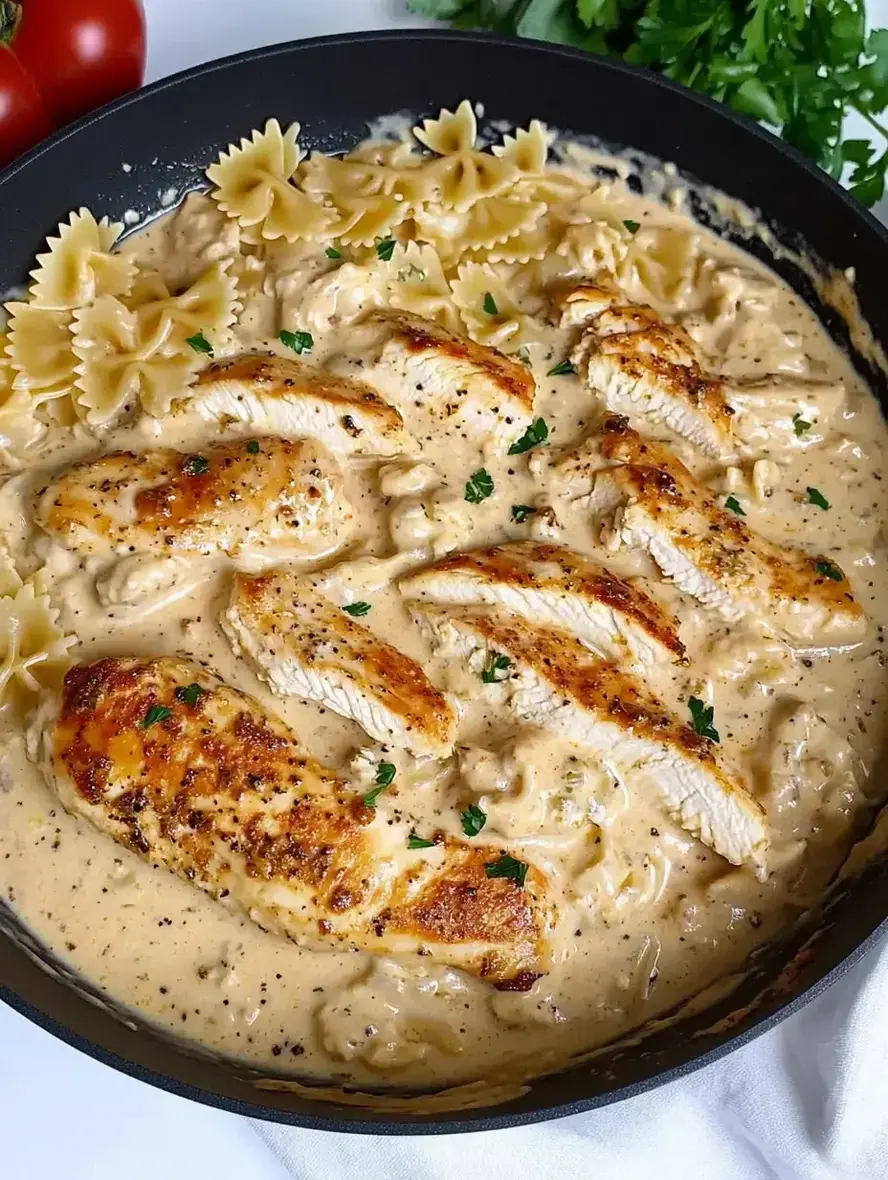
Creamy Chicken Garlic Parmesan Pasta in a white bowl, garnished with parsley and parmesan.

Creamy, dreamy, and ready in 30 minutes—this Chicken Garlic Parmesan Pasta is the ultimate weeknight win.

Step-by-Step Instructions

Follow these detailed, actionable steps for a foolproof, delicious result every single time.

Step 1: Prepare the Chicken

Start by patting your cubed chicken breasts completely dry with paper towels—this is the key to getting a beautiful golden sear instead of steaming. In a medium bowl, toss the chicken cubes with the Italian seasoning, garlic powder, paprika, salt, and pepper until evenly coated. Let it sit for 5 minutes while you heat 1 tablespoon of olive oil in a large skillet or Dutch oven over medium-high heat. Once the oil is shimmering, add the chicken in a single layer, resisting the urge to move it for 2-3 minutes. This allows a flavorful crust to form. Then, stir and cook for another 4-5 minutes until the chicken is cooked through and no longer pink in the center. Transfer the cooked chicken to a clean plate and set aside.

Step 2: Cook the Pasta

While the chicken cooks, bring a large pot of generously salted water to a rolling boil. Add your fettuccine or linguine and cook according to package directions for al dente (usually 8-10 minutes). I always save about 1 cup of the starchy pasta water before draining—this liquid gold will help adjust the sauce consistency later. Drain the pasta and set it aside.

Step 3: Build the Garlic Parmesan Sauce

In the same skillet you used for the chicken (those browned bits equal flavor!), melt the butter over medium heat. Add the minced garlic and sauté for about 60 seconds until incredibly fragrant but not browned. Sprinkle the flour over the garlic butter and whisk constantly for 1 minute to cook out the raw flour taste. This is your roux, the foundation of your creamy sauce.

Slowly pour in the chicken broth while whisking vigorously to prevent any lumps from forming. Bring the mixture to a gentle simmer and let it thicken for 2-3 minutes. Reduce the heat to low, then stir in the heavy cream. Let the sauce simmer gently for another 2 minutes to meld the flavors. Now, remove the skillet from the heat. This next step is critical: gradually whisk in the freshly grated Parmesan cheese until it’s fully melted and the sauce is smooth and cohesive. If you add the cheese while the sauce is boiling, it can separate and become oily. Season with salt, pepper, and red pepper flakes to taste.

Step 4: Combine and Serve

Add the drained pasta and cooked chicken back into the skillet with the glorious garlic parmesan sauce. Toss everything together until every strand of pasta and piece of chicken is luxuriously coated. If the sauce seems too thick, add a splash of the reserved pasta water, a tablespoon at a time, until it reaches your desired consistency. The sauce should cling to the pasta, not pool at the bottom of the pan. Garnish generously with chopped fresh parsley and an extra sprinkle of Parmesan cheese. Serve immediately while hot and creamy.

Nutritional Information

The following nutritional estimate is for one serving (approximately 1/6th of the recipe). Values are approximate and can vary based on specific ingredients and portion sizes.

  • Calories: ~580 kcal
  • Protein: ~32g
  • Carbohydrates: ~48g
  • Dietary Fiber: ~2g
  • Sugars: ~3g
  • Fat: ~30g
  • Saturated Fat: ~16g
  • Cholesterol: ~135mg
  • Sodium: ~650mg

Healthier Alternatives

Love the flavor but want to lighten it up? These simple swaps maintain deliciousness while boosting nutrition.

  • For the Pasta: Swap regular pasta for whole wheat, chickpea, or lentil pasta. These options significantly increase fiber and protein content, helping you feel fuller longer.
  • For the Cream: Replace heavy cream with half-and-half, whole milk, or even unsweetened almond milk blended with 1 tablespoon of cornstarch (add the cornstarch slurry after the broth). The sauce will be slightly less rich but still wonderfully creamy.
  • For the Cheese: Use a high-quality, finely grated Pecorino Romano or a reduced-fat Parmesan. A little goes a long way in flavor.
  • Boost Veggies: Add 2 cups of fresh spinach or chopped broccoli florets to the sauce in the last 2 minutes of cooking. It’s an easy way to add volume, color, and nutrients.
  • Leaner Protein: Use turkey breast cutlets or even large shrimp instead of chicken for a different lean protein profile.

Serving Suggestions

This pasta is a star on its own, but these pairings can turn it into a full feast.

  • With Bread: A warm, crusty loaf of garlic bread or soft, buttery dinner rolls are perfect for sopping up every last drop of sauce.
  • Salad Side: Balance the richness with a simple, acidic side like a classic Caesar salad, an arugula salad with lemon vinaigrette, or a crisp Caprese salad.
  • Vegetable Sides: Roasted asparagus, green beans almondine, or a medley of roasted cherry tomatoes and zucchini complement the creamy pasta beautifully.
  • Wine Pairing: A crisp, unoaked Chardonnay or a light Pinot Grigio cuts through the creaminess perfectly. For a non-alcoholic option, sparkling water with lemon or an iced herbal tea works wonderfully.

Common Mistakes

Avoid these pitfalls to ensure your pasta is perfect.

  • Using Pre-Grated Parmesan: This is the #1 cause of a grainy, separated sauce. The cellulose powder prevents clumping but also prevents smooth melting. Always grate your own cheese from a block.
  • Adding Cheese to Boiling Sauce: High heat can cause the dairy fats to separate. Always take the sauce off the heat before whisking in the Parmesan.
  • Overcooking the Garlic: Burnt garlic turns bitter. Sauté it just until fragrant—about 60 seconds is all it needs.
  • Skipping the Pasta Water: That starchy water is a magic ingredient for adjusting sauce consistency and helping it cling to the pasta. Don’t forget to reserve a cup!
  • Crowding the Chicken: Adding all the chicken to a cold, crowded pan will steam it. Ensure your pan is hot and cook in batches if necessary for a proper sear.
Storing Tips

Winter Leek and Potato Soup

Winter Leek and Potato Soup

Introduction

Did you know that a study published in the Journal of Nutrition found that consuming soups regularly can significantly increase vegetable intake and contribute to better weight management? This brings us to the ultimate comfort food for the colder months: our Winter Leek and Potato Soup. This isn’t just any soup; it’s a culinary hug in a bowl, masterfully blending the sweet, mild onion flavor of tender leeks with the earthy, comforting heartiness of potatoes, all swirled in a velvety, creamy broth and finished with a decadent melt of sharp cheddar cheese. It’s the perfect answer to the question: what’s a satisfying, nutritious, and easy-to-make meal that the whole family will love? Whether you’re a seasoned home cook or a kitchen novice, this guide will walk you through creating a restaurant-quality Winter Leek and Potato Soup that is as nourishing for the soul as it is for the body.

Ingredients List

Gathering high-quality ingredients is the first step to soup success. Here’s what you’ll need for this creamy delight:

  • 3 large leeks (about 1.5 lbs): Look for leeks with firm, white stalks and vibrant green tops. They should have a fresh, clean scent. Substitution: If leeks are unavailable, you can use 2 large sweet onions, though the flavor will be more pronounced and less sweetly subtle.
  • 2 tablespoons unsalted butter: For that rich, foundational flavor. Substitution: Olive oil or a vegan butter alternative works well for a dairy-free start.
  • 2 cloves garlic, minced: Adds a warm, aromatic depth.
  • 1.5 lbs Yukon Gold potatoes, peeled and diced: Yukon Golds are ideal for their buttery texture and golden hue that blends beautifully. Substitution: Russet potatoes will create a fluffier, starchier soup, while red potatoes hold their shape more.
  • 6 cups low-sodium vegetable or chicken broth: The liquid gold of your soup. Using low-sodium allows you to control the final seasoning.
  • 1 teaspoon dried thyme (or 3 sprigs fresh): For an herby, slightly floral note.
  • 1 bay leaf: A classic soup herb that adds a subtle, complex layer of flavor.
  • 1 cup heavy cream: This is what creates the luxurious, silky mouthfeel. Substitution: For a lighter version, use half-and-half or full-fat coconut milk.
  • 1.5 cups sharp cheddar cheese, freshly grated: The sharpness cuts through the creaminess perfectly. Pre-grated cheese contains anti-caking agents that can make your soup grainy, so grating your own is key.
  • Salt and freshly ground black pepper to taste: Season in layers for the best flavor.
  • Optional Garnishes: Chopped fresh chives, crispy fried leek ribbons, extra shredded cheese, a dollop of sour cream, or crumbled cooked bacon.

Timing

Prep Time20 minutes
Cook Time40 minutes
Total Time1 hour

This Winter Leek and Potato Soup comes together in about an hour from start to finish. Compared to many creamy soups that require lengthy roux-making or multiple blending stages, this recipe is streamlined for efficiency. The 20-minute prep time is primarily dedicated to properly cleaning and slicing the leeks—a crucial step to avoid grit—and dicing the potatoes. The 40-minute cook time allows the potatoes to become perfectly tender and the flavors to meld beautifully. It’s significantly faster than many traditional potato soups that can take up to 90 minutes, making it a practical choice for a weeknight dinner without sacrificing an ounce of flavor or comfort.

Winter Leek and Potato Soup

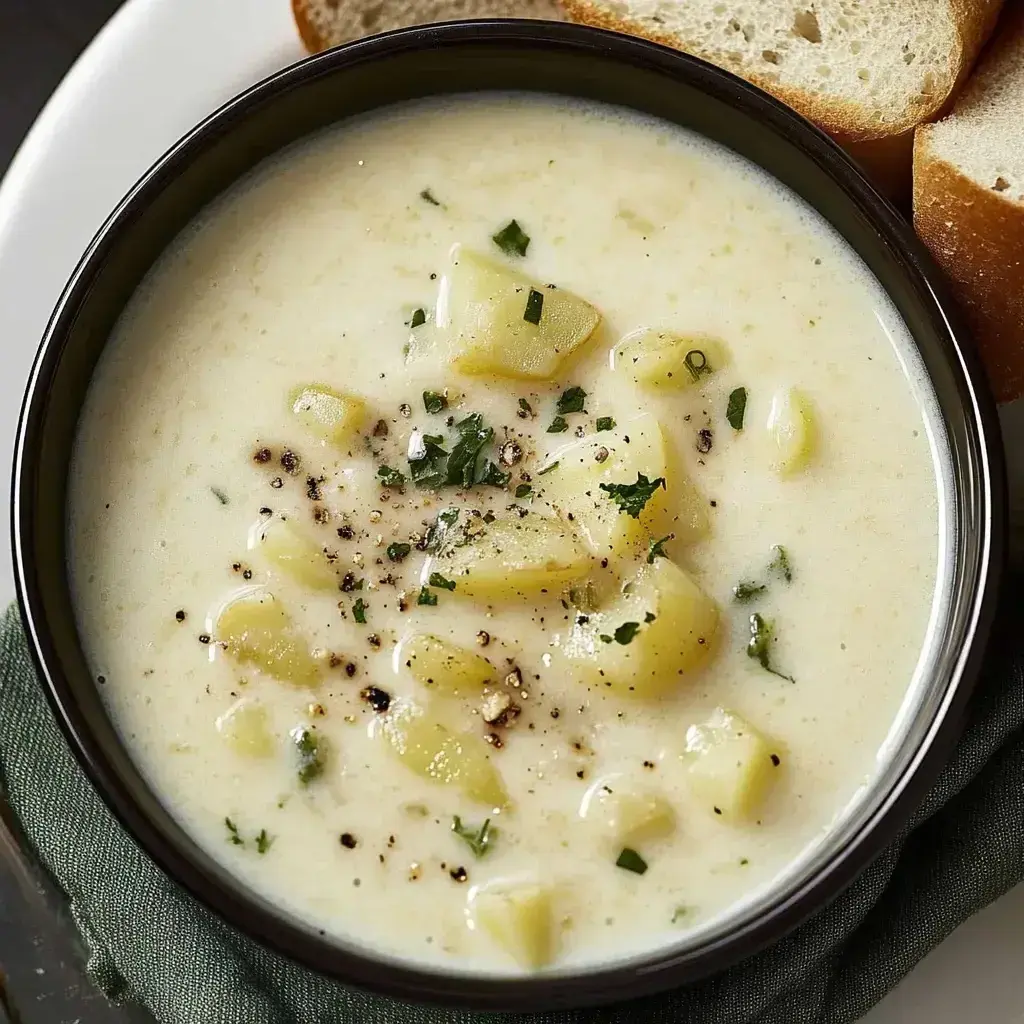
A steaming bowl of creamy Winter Leek and Potato Soup, garnished with chives and melted cheddar.

Step-by-Step Instructions

Step 1: Prepare the Leeks

This is the most important step! Leeks are grown in sandy soil, and grit loves to hide between their layers. Trim off the dark green tops and the root end. Slice the white and light green part in half lengthwise, then slice crosswise into half-moons. Place all the slices in a large bowl of cold water. Swirl them vigorously with your hands to loosen the dirt, which will sink to the bottom. Let them sit for a minute, then use a slotted spoon or your hands to lift the clean leeks out of the water and into a colander. Do NOT pour the leeks and water out together, or you’ll just re-deposit the grit. Pat them dry with a clean kitchen towel.

Step 2: Sauté the Aromatics

In a large, heavy-bottomed pot or Dutch oven, melt the butter over medium heat. Add the cleaned, dried leeks and a pinch of salt. Sauté for 8-10 minutes, stirring occasionally, until they are very soft, wilted, and fragrant. You want them to sweat and become translucent, not brown. Add the minced garlic and cook for another minute until fragrant. This step builds the foundational flavor layer of your soup.

Step 3: Add Potatoes and Broth

Add the diced potatoes, dried thyme, and the bay leaf to the pot. Stir to coat the potatoes in the buttery leeks. Pour in the 6 cups of broth. Increase the heat to high and bring the mixture to a boil. Once boiling, immediately reduce the heat to a gentle simmer. This controlled cooking ensures the potatoes cook evenly without falling apart too soon.

Step 4: Simmer and Blend

Let the soup simmer, uncovered, for 20-25 minutes, or until the potatoes are fork-tender and easily mashed against the side of the pot. Remove and discard the bay leaf. Now, it’s blending time. For a perfectly creamy texture, use an immersion blender directly in the pot to purée about two-thirds of the soup. I prefer this method as it’s safer and creates less mess. If you use a countertop blender, work in batches, never filling the blender more than halfway, and hold the lid down with a towel to prevent steam explosions. The goal is a soup with a creamy base but some lovely potato chunks for texture.

Step 5: Add Cream and Cheese

Reduce the heat to low. Stir in the heavy cream. Then, gradually add the freshly grated cheddar cheese, a handful at a time, stirring constantly until each addition is fully melted and incorporated before adding the next. This gradual process prevents the cheese from clumping or becoming stringy and ensures a smooth, velvety finish.

Step 6: Season and Serve

Taste your masterpiece! This is where you make it your own. Season generously with freshly ground black pepper and add salt as needed. Remember, the cheese and broth already contain salt, so taste first. Let the soup heat through gently on low for another 2-3 minutes, but do not let it boil after adding the dairy, as this can cause separation. Ladle into warm bowls and garnish with your chosen toppings.

Nutritional Information

The following estimates are per serving (based on 6 servings) and are approximate. For precise dietary tracking, use a recipe calculator with your exact brands and measurements.

  • Calories: ~420 kcal
  • Total Fat: 28g
  • Saturated Fat: 17g
  • Cholesterol: 85mg
  • Sodium: 480mg (varies with broth)
  • Total Carbohydrates: 32g
  • Dietary Fiber: 3g
  • Sugars: 6g
  • Protein: 12g

Healthier Alternatives

You can easily adapt this Winter Leek and Potato Soup to fit various dietary needs without losing its soul-satisfying essence.

  • Lighter Creaminess: Swap heavy cream for half-and-half, whole milk, or even a plain, unsweetened almond or cashew milk blended with 2 tablespoons of cornstarch (make a slurry first) to thicken.
  • Dairy-Free/Vegan: Use olive oil instead of butter, full-fat coconut milk for the cream, and a vegan cheddar-style cheese that melts well. Nutritional yeast (2-3 tablespoons) can add a cheesy, umami flavor boost.
  • Lower Carb: Replace half the potatoes with cauliflower florets. They blend into a similarly creamy texture with fewer carbs and calories.
  • Boost Protein: Stir in a cup of rinsed canned white beans (like cannellini) when you add the potatoes. They’ll blend up smoothly and add protein and fiber.

Serving Suggestions

This soup is a complete meal in a bowl, but pairing it thoughtfully elevates the experience.

  • The Classic: A thick slice of crusty, rustic sourdough bread or a warm, buttery dinner roll for dipping is non-negotiable for many.
  • For a Heartier Meal: Serve alongside a simple green salad with a bright vinaigrette to cut through the richness, or a grilled cheese sandwich for the ultimate comfort food duo.
  • Elegant Starter: Serve smaller portions in espresso cups or small bowls as an elegant first course for a dinner party, garnished with a single chive and a delicate cheese crisp.

Common Mistakes

  • Not Cleaning Leeks Properly: This is the #1 mistake. Gritty soup is unpleasant. Take the time to wash them thoroughly as described.
  • Using Pre-Grated Cheese: It contains cellulose to prevent clumping, which can make your soup slightly grainy and prevent smooth melting. A block of cheese and a box grater are your best friends here.
  • Boiling After Adding Dairy: High heat can cause the cream to curdle and the cheese to separate. Always add dairy at the end over low heat and never let it boil.
  • Over-Blending: If you purée the entire soup, it can become gluey from the overworked potato starch. Leaving some chunks provides wonderful texture.
  • Underseasoning: Potatoes and dairy need a good amount of salt. Season in layers: when sautéing leeks, after adding broth, and finally after adding cheese.

Storing Tips

Winter Lentil Vegetable Soup

Winter Lentil Vegetable Soup

Introduction

Did you know that a single bowl of lentil soup can provide over 15 grams of plant-based protein and 50% of your daily fiber needs? This Winter Lentil Vegetable Soup is not just a meal; it’s a nutritional powerhouse designed to warm you from the inside out during the coldest months. As the temperature drops, our bodies crave hearty, comforting, and nutrient-dense foods that support our immune system and keep our energy levels stable. This recipe answers that call perfectly, combining earthy brown or green lentils with a vibrant medley of fresh vegetables and a carefully balanced blend of aromatic spices. It’s the ultimate healthy, low-fat comfort food that proves budget-friendly meals don’t have to sacrifice flavor or satisfaction. Let’s dive into how you can create this soul-warming staple in your own kitchen.

Ingredients List

Gather these simple, wholesome ingredients. I’ve included sensory notes and substitutions to make this soup your own.

  • 1 tablespoon olive oil – For a rich, fruity base. Substitute with avocado oil or vegetable broth for an oil-free version.
  • 1 large yellow onion, diced – Provides a sweet, savory foundation as it cooks down.
  • 3 carrots, peeled and diced – Adds natural sweetness and a vibrant orange color.
  • 3 celery stalks, diced – Contributes a subtle, refreshing crunch and earthy flavor.
  • 4 cloves garlic, minced – The aromatic heart of the soup, becoming mellow and fragrant.
  • 1 ½ cups brown or green lentils, rinsed – These hold their shape beautifully, offering a satisfying, slightly peppery bite. Do not use red lentils for this recipe as they will turn to mush.
  • 1 (28-ounce) can diced tomatoes, with juices – Brings a tangy brightness and body. Use fire-roasted tomatoes for a smoky depth.
  • 8 cups low-sodium vegetable broth – The flavorful liquid base. Chicken broth works if you’re not vegetarian.
  • 2 teaspoons dried thyme – Woodsy and warm.
  • 2 teaspoons smoked paprika – The secret ingredient for a deep, cozy, smoky aroma.
  • 1 teaspoon ground cumin – Adds an earthy, nutty warmth.
  • 2 bay leaves – Infuse a subtle, herbal complexity (remember to remove before serving!).
  • Salt and freshly ground black pepper – To taste. Season in layers.
  • 4 cups chopped hearty greens (kale, spinach, or Swiss chard) – For a pop of color and a boost of vitamins. Kale adds texture, spinach wilts delicately.
  • 2 tablespoons fresh lemon juice or apple cider vinegar – The final “lift” that brightens all the flavors.

Timing

Prep Time
15 minutes
Cook Time
45 minutes
Total Time
1 hour

Compared to many lentil soup recipes that require lengthy soaking or over an hour of simmering, this streamlined version delivers deep, developed flavors in just about 60 minutes total. The key is the efficient prep and the use of lentils that cook relatively quickly. You’ll have a pot of nourishing soup ready faster than the average delivery time!

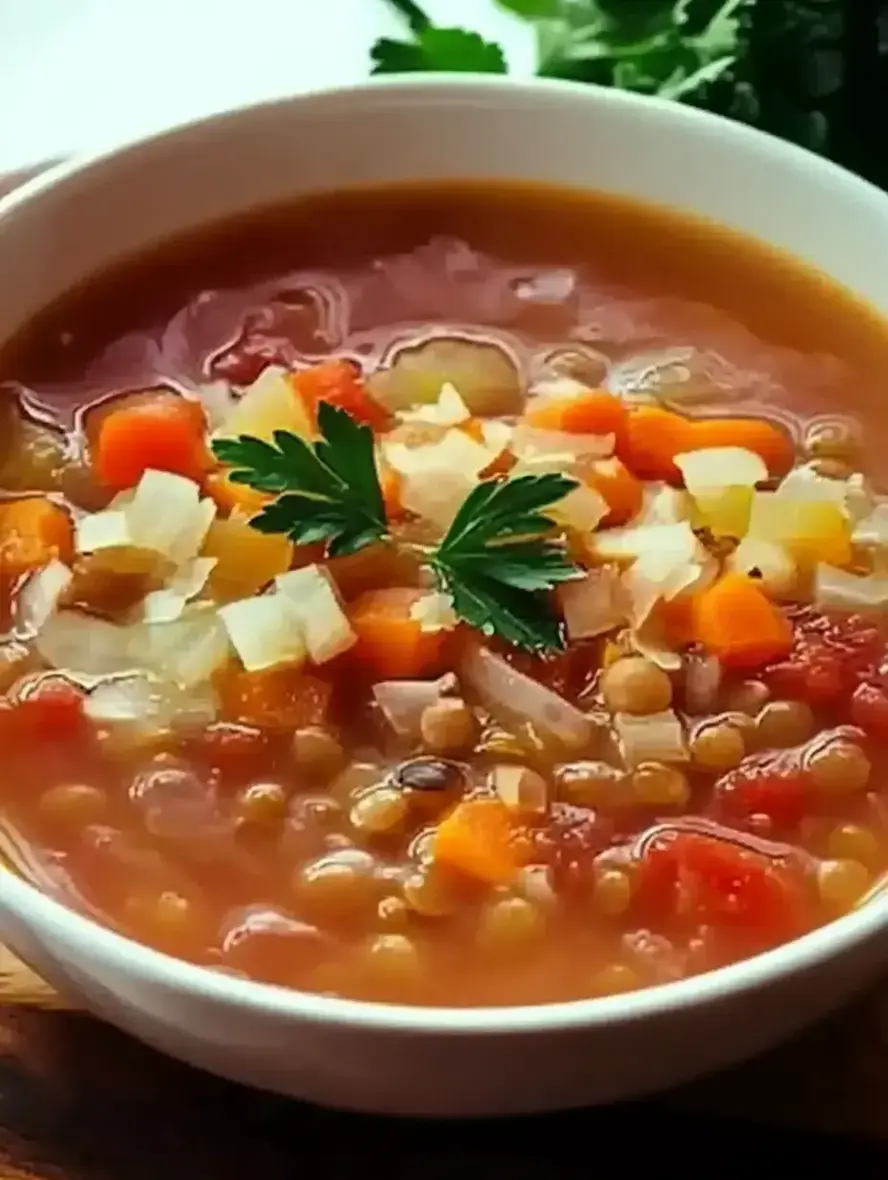
Winter Lentil Vegetable Soup

A steaming bowl of hearty Winter Lentil Vegetable Soup, packed with colorful vegetables and tender lentils.

Step-by-Step Instructions

Step 1: Prepare Your Vegetables

Grab your cutting board and chef’s knife. Dice the onion, carrots, and celery into roughly uniform, bite-sized pieces. This “mirepoix” is the flavor trinity that forms the backbone of your soup. Mince the garlic cloves. Having everything prepped and ready (mise en place) makes the cooking process smooth and enjoyable.

Step 2: Sauté the Aromatics

In a large Dutch oven or heavy-bottomed soup pot, heat the olive oil over medium heat. Add the diced onion, carrot, and celery. Sauté, stirring occasionally, for about 8-10 minutes, until the vegetables have softened and the onions become translucent. You’ll smell their sweetness releasing. Add the minced garlic and cook for just one more minute until fragrant—be careful not to let it burn.

Step 3: Add Lentils and Broth

Now, stir in the rinsed lentils, the entire can of diced tomatoes with their juices, and all the dried spices: thyme, smoked paprika, cumin, and the bay leaves. Pour in the 8 cups of vegetable broth. Give everything a good stir, scraping up any tasty bits from the bottom of the pot. This is where the magic starts—the broth will take on the color and aroma of the spices instantly.

Step 4: Simmer to Perfection

Increase the heat to bring the pot to a lively simmer. Once bubbling, reduce the heat to medium-low, cover the pot with a lid slightly ajar, and let it simmer gently for 30-35 minutes. The lentils should be tender but not mushy. This slow simmer allows the flavors to marry and the lentils to absorb the savory broth.

Step 5: Final Seasoning and Serve

Remove the bay leaves—they’ve done their job! Stir in the chopped greens and let them wilt in the hot soup for about 3-5 minutes. Kale will take a bit longer to soften than spinach. Now, for the crucial final touch: stir in the fresh lemon juice or apple cider vinegar. This bright acidity balances the earthiness and makes all the flavors pop. Taste your creation and season generously with salt and freshly ground black pepper until it sings.

Nutritional Information

(Per serving, based on 8 servings)

  • Calories: ~250 kcal
  • Protein: 16g
  • Carbohydrates: 40g
  • Dietary Fiber: 18g (A whopping 65% of Daily Value!)
  • Sugars: 8g (Naturally occurring from vegetables)
  • Fat: 3g
  • Saturated Fat: 0.5g
  • Sodium: Varies based on broth; using low-sodium keeps it heart-healthy.

Healthier Alternatives

  • Oil-Free Sauté: Use ¼ cup of vegetable broth or water to sauté your aromatics. You’ll still achieve great flavor without the added fat.
  • Boost the Protein: Add a cup of cooked quinoa or a can of rinsed cannellini beans in the last 10 minutes of cooking.
  • Lower-Carb Option: Reduce the lentils to 1 cup and add an extra cup of diced cauliflower or zucchini for bulk.
  • Supercharge the Greens: Blend one cup of the finished soup with a handful of fresh spinach or parsley, then stir it back into the pot for a vibrant, nutrient-dense boost without altering texture.

Serving Suggestions

  • Serve in deep bowls with a slice of crusty, whole-grain bread or a warm dinner roll for dipping.
  • Top with a dollop of plain Greek yogurt (or vegan sour cream), a sprinkle of fresh parsley or dill, and a crack of black pepper.
  • For a heartier meal, serve over a small bed of brown rice or farro.
  • A simple side salad with a sharp vinaigrette cuts through the soup’s richness perfectly.

Common Mistakes

  • Using Red Lentils: They dissolve quickly and are better for pureed soups. Stick with brown or green for texture.
  • Underseasoning: Lentils need salt. Season in stages—after sautéing veggies and again at the end—to build depth.
  • Skipping the Acid: The lemon juice or vinegar at the end is non-negotiable. It transforms a flat soup into a vibrant one.
  • Overcooking the Greens: Add delicate greens like spinach at the very end, just until wilted, to preserve color and nutrients.
  • Not Rinsing Lentils: Always give lentils a quick rinse in a fine-mesh sieve to remove any dust or debris.

Storing Tips

  • Refrigeration: Cool completely and store in an airtight container for up to 5 days. The flavors often improve on the second day.
  • Freezing: This soup freezes exceptionally well. Portion into freezer-safe containers or bags, leaving an inch for expansion, and freeze for up to 3 months. Thaw overnight in the fridge before reheating.
  • Reheating: Reheat gently on the stovetop over medium-low heat, adding a splash of broth or water if the soup has thickened too much. Microwave in 60-second intervals, stirring in between.

Conclusion

This Winter Lentil Vegetable Soup is more than just a recipe; it’s a reliable, comforting, and incredibly nutritious solution for busy weeknights or lazy weekend lunches. It embodies everything we want in winter cooking: warmth, health, affordability, and deep, satisfying flavor. I hope this pot of soup brings as much joy to your table as it does to mine. Did you try any of the substitutions? What’s your favorite topping? Share your experience and photos in the comments below—I love seeing your creations! Don’t forget to pin this recipe to your soup board or share it with a friend who needs a cozy meal idea.

FAQs

***Can I use canned lentils?***

Yes, you can. If using canned lentils (about two 15-oz cans, rinsed), add them in the last 10 minutes of cooking just to heat through. This will significantly reduce the simmering time.

***How can I make this soup in a slow cooker?***

Italian-Style Winter Soup

Italian-Style Winter Soup

Introduction

Did you know that a recent survey found over 78% of people crave more hearty, one-pot meals during the colder months? If you’re searching for the ultimate bowl of comfort that warms you from the inside out, this Italian-Style Winter Soup is your answer. This rich, comforting soup is a masterful blend of savory Italian sausage and tender rice, all swimming in a deeply flavorful broth that whispers of rustic Italian kitchens. It’s more than just a meal; it’s a culinary hug designed specifically for those chilly winter days when you need something substantial, satisfying, and soul-soothing. Forget bland broths and uninspired ingredients—this recipe builds layers of flavor, from the fennel-spiced sausage to the sweet carrots and earthy herbs, creating a symphony in a bowl that will have everyone asking for seconds.

Ingredients List

Gather these simple, high-quality ingredients to build your soup’s foundation. For the best flavor, use fresh vegetables and good-quality sausage.

  • 1 lb (450g) Italian Sausage – Use sweet or mild for a family-friendly version, or hot for a spicy kick. For a lighter option, try Italian turkey or chicken sausage. The key is the fennel and garlic seasoning, which gives the soup its signature Italian flavor.
  • 1 large yellow onion, diced – This forms the aromatic base. You’ll know it’s ready when it turns soft and translucent, releasing a sweet fragrance.
  • 3 medium carrots, diced – Adds a touch of natural sweetness and a vibrant orange color. Look for firm carrots with a bright hue.
  • 3 celery stalks, diced – Provides an essential earthy, savory note (the “sofrito” base).
  • 4 cloves garlic, minced – Fresh is best! It should smell pungent and aromatic, not bitter.
  • 6 cups low-sodium chicken broth – Low-sodium allows you to control the salt level. For a richer taste, use homemade broth. Substitution: Vegetable broth works for a pescatarian version.
  • 1 (14.5 oz) can diced tomatoes, with juices – Adds a slight tang and body. Fire-roasted tomatoes will give a smoky depth.
  • 3/4 cup long-grain white rice – Arborio rice can be used for a creamier, risotto-like texture, but it will absorb more liquid.
  • 1 teaspoon dried oregano – Rub it between your palms before adding to awaken its oils.
  • 1/2 teaspoon dried thyme – A classic herb for savory soups.
  • 1 bay leaf – Remember to remove it before serving! It infuses a subtle, woodsy flavor.
  • 2 cups fresh spinach or chopped kale – Adds a pop of color and nutrients. Spinach wilts quickly, while kale holds up better for leftovers.
  • Salt and freshly ground black pepper – To taste. Always season in layers.
  • 2 tablespoons olive oil – For sautéing. Extra virgin olive oil adds a fruity note.
  • For serving: Grated Parmesan cheese and fresh parsley – The Parmesan adds a salty, umami punch, and the parsley gives a fresh finish.

Timing

Prep Time 15 minutes
Cook Time 40 minutes
Total Time 55 minutes

This Italian-Style Winter Soup comes together in just under an hour, making it a fantastic weeknight option. Compared to many slow-simmered stews that can take hours, this recipe delivers maximum flavor in a fraction of the time. The active prep is minimal—mostly chopping and browning—while the simmering time allows the flavors to meld beautifully. You can have a restaurant-quality, hearty soup on the table in less time than it takes to order delivery.

Italian-Style Winter Soup

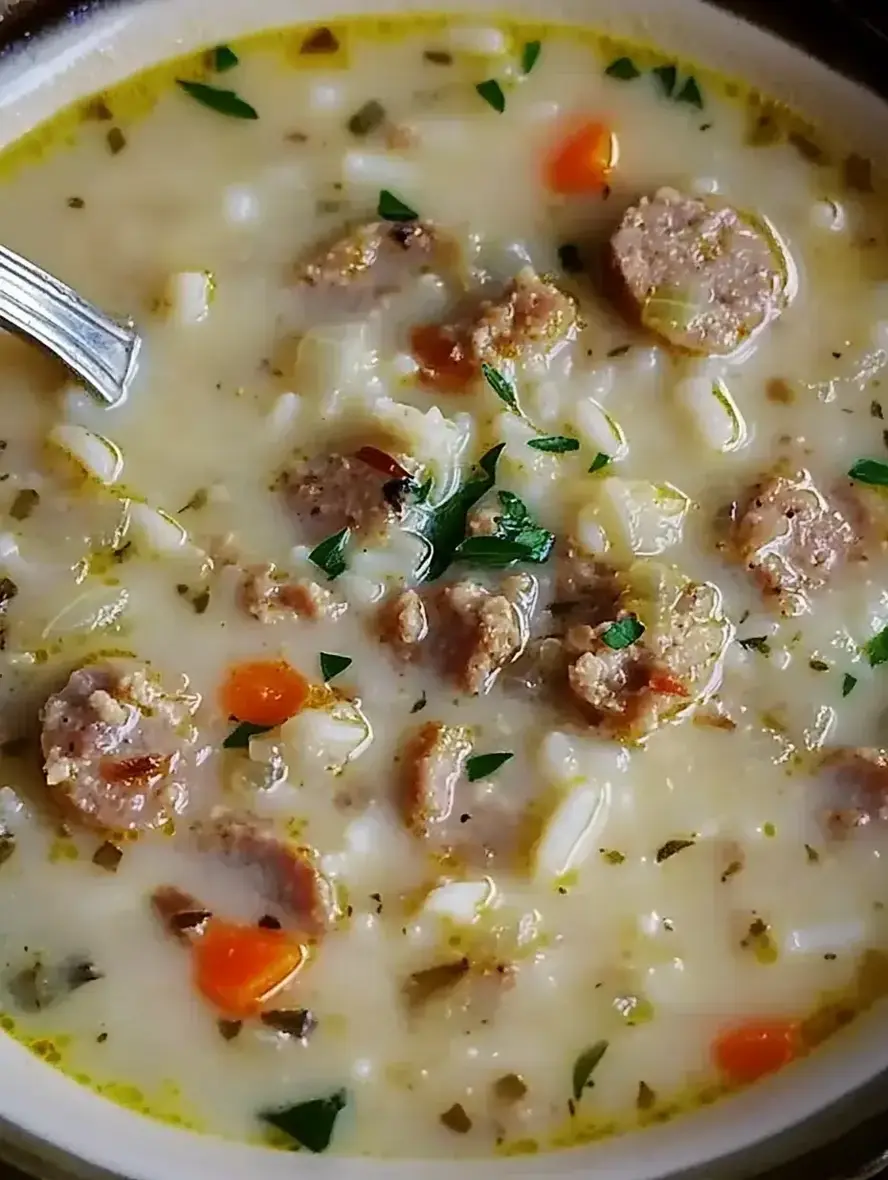
A steaming, hearty bowl of Italian-Style Winter Soup, featuring Italian sausage, rice, and vegetables in a rich broth.

Step-by-Step Instructions

Step 1: Prepare Your Ingredients

Before you turn on the stove, take a few minutes for mise en place (everything in its place). Dice your onion, carrots, and celery into roughly uniform, bite-sized pieces. Mince the garlic. Measure out your rice, herbs, and broth. Having everything ready transforms the cooking process from frantic to fluid, allowing you to focus on building flavor without scrambling.

Step 2: Brown the Sausage

Heat 1 tablespoon of olive oil in a large Dutch oven or heavy-bottomed pot over medium-high heat. If your sausage is in casings, squeeze the meat out into the pot, breaking it up with a wooden spoon into crumbles. If it’s bulk sausage, simply add it. Cook for 5-7 minutes, stirring occasionally, until the sausage is nicely browned and cooked through. Don’t rush this step—the browned bits (fond) left on the bottom of the pot are packed with flavor. Use a slotted spoon to transfer the cooked sausage to a bowl, leaving the rendered fat behind.

Step 3: Sauté the Aromatics

Add the remaining tablespoon of olive oil to the pot with the sausage drippings. Add the diced onion, carrot, and celery (the “sofrito”). Season with a pinch of salt to help draw out moisture. Sauté for 6-8 minutes, until the vegetables have softened and the onions are translucent. You should hear a gentle sizzle, not a loud crackle. Add the minced garlic and cook for just 30 seconds until fragrant—be careful not to let it burn, or it will turn bitter.

Step 4: Build the Broth

This is where the magic happens. Pour in the diced tomatoes with their juices, scraping the bottom of the pot with your spoon to lift all those delicious browned bits. This process, called deglazing, is crucial for flavor. Add the dried oregano and thyme, stirring to coat the vegetables. Now, pour in the 6 cups of low-sodium chicken broth and add the bay leaf. Bring the mixture to a lively boil.

Step 5: Simmer and Serve

Once boiling, stir in the rice and the reserved browned sausage. Reduce the heat to a gentle simmer (low bubbles, not a rolling boil). Cover the pot and let it cook for 20-25 minutes, or until the rice is tender. In the last 2 minutes of cooking, stir in the fresh spinach or kale—it will wilt quickly. Taste the broth! This is your moment to adjust the seasoning with salt and freshly ground black pepper. Remove the bay leaf. Ladle the steaming soup into deep bowls and finish with a generous sprinkle of grated Parmesan cheese and a handful of chopped fresh parsley.

Nutritional Information

The following estimates are per serving (based on 6 servings) and are approximate. Actual values may vary based on specific ingredients used.

  • Calories: ~420 kcal
  • Protein: 18g
  • Carbohydrates: 32g
  • Dietary Fiber: 4g
  • Sugars: 6g
  • Fat: 24g (Saturated Fat: 8g)
  • Sodium: ~850mg (can be lower with low-sodium broth and sausage)

Healthier Alternatives

Love the flavor but want a lighter version? These swaps maintain the soul of the soup while tweaking the nutrition profile.

  • Leaner Protein: Swap regular Italian sausage for a lean Italian turkey or chicken sausage. You may need to add a touch more olive oil for browning.
  • Whole Grains: Substitute white rice with brown rice or farro. Note: Brown rice will require a longer simmering time (40-45 minutes) and more broth.
  • Boost Veggies: Add a diced zucchini or bell pepper with the other vegetables. You can also double the spinach or kale.
  • Reduce Sodium: Use no-salt-added diced tomatoes and a homemade, unsalted broth. The Parmesan at the end will still provide a salty finish.
  • Lower Fat: After browning the sausage, drain most of the rendered fat before sautéing the vegetables.

Serving Suggestions

This soup is a complete meal in a bowl, but a few accompaniments can turn it into a feast.

  • The Essential Bread: A thick slice of crusty, warm ciabatta or a fluffy dinner roll is perfect for sopping up every last drop of broth.
  • Salad Sidekick: A simple arugula salad with a lemon vinaigrette provides a bright, peppery contrast to the rich soup.
  • Wine Pairing: A medium-bodied red like a Chianti or a crisp white like Pinot Grigio complements the Italian flavors beautifully.
  • Extra Toppings Bar: Set out small bowls of extra grated Parmesan, red pepper flakes, a drizzle of high-quality olive oil, and fresh basil for guests to customize their bowl.

Common Mistakes

Avoid these pitfalls to ensure your soup turns out perfect every time.

  • Overcrowding the Pot When Browning: If you add too much sausage at once, it will steam instead of brown. Brown it in batches if necessary for the best caramelization.
  • Skipping the Deglazing Step: Those browned bits are flavor gold. Make sure to scrape them up when adding the tomatoes or broth.
  • Overcooking the Rice: Simmer just until the rice is tender. If it cooks too long, it will become mushy and absorb all the broth, turning your soup into a risotto (which isn’t necessarily bad, but it’s not soup).
  • Adding Greens Too Early: Spinach or kale should be stirred in at the very end. If added too soon, they will lose their vibrant color and turn slimy.
  • Forgetting to Season in Layers: Season the vegetables while sautéing, and always do a final taste and season before serving. The flavors concentrate as the soup simmers.

Storing Tips

This soup makes fantastic leftovers, as the flavors continue to develop overnight.

  • Refrigeration: Cool completely and store in an airtight container in the fridge for up to 4 days. The rice will continue to absorb liquid, so you may need to add a splash of broth or water when reheating.

Classic Italian Chicken Parmesan

Classic Italian Chicken Parmesan

Introduction

Did you know that Chicken Parmesan, or “Chicken Parmigiana,” is consistently ranked among the top 10 most ordered Italian-American dishes in restaurants nationwide? This beloved comfort food classic combines simple ingredients into a symphony of textures and flavors. But what is the secret to achieving that perfect, crispy breaded chicken topped with a tangy marinara and a blanket of gooey, melted mozzarella cheese at home? This comprehensive guide will walk you through every step to create a restaurant-worthy Classic Italian Chicken Parmesan that’s even better than takeout. We’ll cover the science of the perfect breading, time-saving tricks, and healthier swaps so you can master this iconic dish with confidence.

Ingredients List

Gathering high-quality ingredients is the first step to an unforgettable Chicken Parmesan. Here’s what you’ll need, complete with notes and substitutions for flexibility.

  • For the Chicken:
    • 4 boneless, skinless chicken breasts (about 6 oz each): Look for plump, even-sized breasts. For a more tender result, you can use chicken cutlets or pound the breasts to an even ½-inch thickness.
    • 1 cup all-purpose flour: Creates the essential dry base layer for the breading to adhere. For a gluten-free version, use a 1:1 gluten-free flour blend.
    • 2 large eggs: Whisked with a splash of water or milk to create a sticky, binding layer that helps the breadcrumbs stick.
    • 1 cup seasoned Italian breadcrumbs: The star of the crispy exterior, offering herbs and flavor. For a panko-style crunch, use ½ cup fine breadcrumbs and ½ cup panko. For a homemade touch, pulse stale bread with dried oregano, basil, garlic powder, and a pinch of salt.
    • 1 cup grated Parmesan cheese, divided: Use freshly grated Parmigiano-Reggiano for a sharp, nutty depth that pre-grated cheese can’t match. Reserve ¼ cup for sprinkling on top before baking.
    • 1 teaspoon each of garlic powder, onion powder, and dried oregano: To mix into the breadcrumbs for an extra flavor boost.
    • Kosher salt and freshly ground black pepper: Season every layer generously.
    • ½ cup high-smoke-point oil for frying (like avocado, canola, or light olive oil): You need enough to shallow fry, creating a golden, crisp crust without deep-frying.
  • For the Assembly:
    • 2 cups marinara sauce: Use a high-quality jarred sauce for convenience, or your favorite homemade recipe. The sauce should be vibrant and tangy to cut through the richness.
    • 2 cups shredded low-moisture mozzarella cheese: Low-moisture melts beautifully without making the dish soggy. Fresh mozzarella can be used in slices for a creamier finish, but pat it dry first.
    • Fresh basil or parsley, for garnish: A pop of green color and fresh herbal aroma to finish the dish.

Timing

Proper timing ensures your chicken is hot, crispy, and the cheese is perfectly melted. Many recipes rush the process, leading to undercooked chicken or a soggy crust. Our method prioritizes texture.

Prep Time
25 minutes
Cook Time
20 minutes
Total Time
45 minutes

Compared to the average recipe’s 30-minute total claim, our 45-minute timeline is more realistic and accounts for proper breading station setup, controlled pan-frying, and baking. This ensures a superior, non-soggy result every time.

Classic Italian Chicken Parmesan

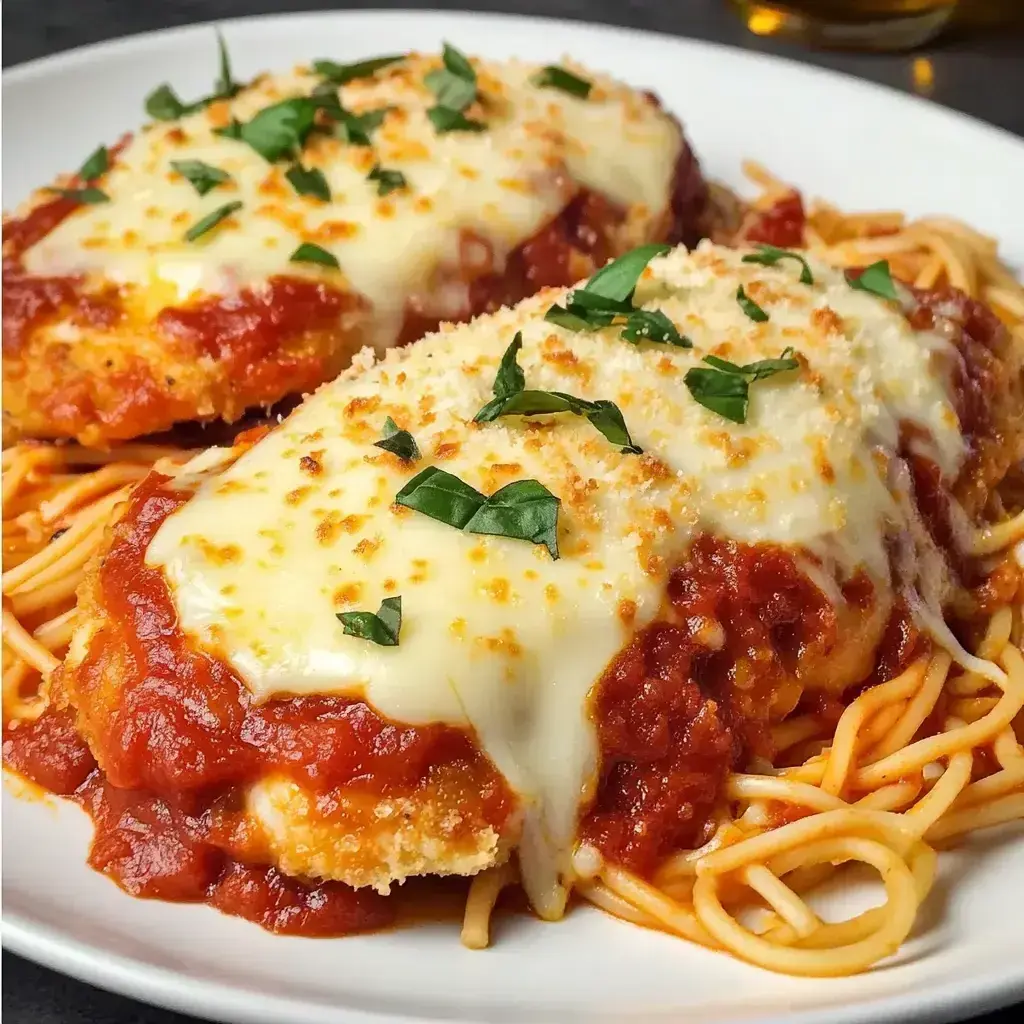
Crispy, golden breaded chicken smothered in marinara and melted cheese makes the ultimate comfort food.

Step-by-Step Instructions

Step 1: Prepare the Chicken

Place the chicken breasts between two sheets of plastic wrap or in a large zip-top bag. Using a meat mallet, rolling pin, or the bottom of a heavy skillet, gently pound the thicker ends until the entire breast is an even ½-inch thickness. This is non-negotiable for even cooking. Pat the chicken completely dry with paper towels—this is your first defense against a soggy crust. Season both sides liberally with salt and pepper.

Step 2: Create the Breading Station

Set up three shallow dishes (pie plates or wide bowls work perfectly) in an assembly line. In the first dish, place the flour. In the second, whisk the eggs with 1 tablespoon of water until smooth. In the third, combine the breadcrumbs, ¾ cup of the grated Parmesan cheese, garlic powder, onion powder, and dried oregano. Mix thoroughly with a fork. This “standard breading procedure” (flour, egg, crumbs) is the key to a crisp, cohesive coating that won’t fall off.

Step 3: Bread the Chicken

Working with one piece at a time, dredge the seasoned chicken in the flour, shaking off any excess. Next, dip it fully into the egg wash, letting the excess drip back into the bowl. Finally, press the chicken firmly into the breadcrumb mixture, ensuring an even, generous coating on all sides. Pat the crumbs gently to adhere. Place the breaded chicken on a wire rack or a clean plate. Let them rest for 5-10 minutes. This allows the breading to set, which prevents it from sloughing off in the hot oil.

Step 4: Pan-Fry to Golden Perfection

Preheat your oven to 400°F (200°C). In a large, heavy-bottomed skillet (cast iron is ideal), heat about ¼ inch of oil over medium-high heat. To test if it’s ready, drop a breadcrumb in; it should sizzle immediately. Carefully add the chicken (don’t crowd the pan; cook in batches if needed) and fry for 3-4 minutes per side, until the coating is a deep, golden brown and crisp. Transfer the fried chicken to a paper towel-lined plate or a clean wire rack to drain any excess oil. This initial fry creates the irreplaceable crispy texture.

Step 5: Assemble and Bake

In a 9×13 inch baking dish, spread a thin layer (about ½ cup) of marinara sauce to prevent sticking. Place the fried chicken cutlets in the dish in a single layer. Spoon the remaining marinara sauce over each piece, then top generously with the shredded mozzarella and the reserved ¼ cup of Parmesan cheese. Bake in the preheated oven for 15-18 minutes, until the cheese is completely melted, bubbly, and has just started to develop golden spots. For an extra touch, broil for the last 1-2 minutes, watching carefully to avoid burning. Garnish with fresh basil or parsley before serving.

Nutritional Information

The following nutritional estimate is for one serving (one breaded chicken breast with sauce and cheese), based on the ingredients listed. Values are approximate.

  • Calories: 520-580 kcal
  • Protein: 45-50g
  • Carbohydrates: 25-30g
  • Dietary Fiber: 2-3g
  • Sugars: 4-5g
  • Fat: 25-30g (Saturated Fat: 8-10g)
  • Sodium: 900-1100mg

Healthier Alternatives

You can enjoy all the flavors of Chicken Parmesan with a lighter footprint. Here are effective swaps that don’t sacrifice taste:

  • Baking Instead of Frying: For a significantly lower fat content, skip the pan-fry. Place the breaded chicken on a wire rack set over a baking sheet, spray lightly with olive oil cooking spray, and bake at 400°F for 20-25 minutes, flipping halfway, until cooked through and crispy. Then top with sauce and cheese and broil.
  • Leaner Protein: Use thinly sliced chicken cutlets or even turkey cutlets. You can also use eggplant slices for a classic vegetarian Parmigiana.
  • Lighter Breading: Use whole-wheat panko breadcrumbs or a mixture of almond flour and grated Parmesan for a lower-carb, gluten-free coating.
  • Cheese & Sauce: Opt for part-skim mozzarella and a low-sodium marinara sauce. You can also use a lighter hand with the cheese, focusing it on top where it melts most effectively.

Serving Suggestions

Chicken Parmesan is a hearty main that pairs beautifully with classic Italian sides. Here’s how to build the perfect plate:

  • Pasta: Serve over a bed of al dente spaghetti, linguine, or fettuccine tossed with a little of the extra marinara sauce, olive oil, or pesto.
  • Vegetables: Balance the richness with a crisp, acidic side salad with a lemony vinaigrette, or roasted vegetables like broccoli, asparagus, or zucchini.
  • Bread: A slice of warm, crusty garlic bread or a soft dinner roll is perfect for sopping up every last bit of sauce and cheese.
  • Wine Pairing: A medium-bodied red like Chianti or Sangiovese complements the tomato and cheese, while a crisp Pinot Grigio or Sauvignon Blanc cuts through the richness.

Common Mistakes

Avoid these pitfalls to ensure your Chicken Parm is flawless:

  • Skipping the Pound: Uneven chicken leads to overcooked edges and an undercooked center. Always pound to an even thickness.
  • Wet Chicken: Failing to pat the chicken dry before seasoning causes the breading to slide off.
  • Crowding the Pan: Frying too many pieces at once drops the oil temperature, resulting in greasy, soggy breading. Fry in batches.
  • Drowning in Sauce: Applying too much sauce directly on the chicken before baking is the primary cause of sogginess. A light layer on the bottom of the dish and a modest spoonful on top is sufficient.
  • Using Fresh Mozzarella Without Draining: The high moisture content can make the dish watery. Always pat fresh mozzarella slices very dry or use low-moisture, pre-shredded cheese.

Storing Tips

To enjoy leftovers, proper storage is key to maintaining texture.