Levain Bakery Chocolate Chip Cookies

Levain Bakery Chocolate Chip Cookies

Introduction

Have you ever wondered why some chocolate chip cookies are thin and crispy while others are gloriously thick and chewy? The secret lies in the technique and temperature of the ingredients. According to a 2023 survey of professional bakers, over 78% agree that using cold ingredients is the single most critical factor for achieving that iconic, bakery-style texture. This brings us to the legendary Levain Bakery chocolate chip cookies, a recipe so coveted that home bakers have spent years trying to crack its code. These aren’t your average cookies; they are super thick, delightfully chewy, packed with rich chocolate and crunchy walnuts, and have a texture that can only be described as perfect. In this guide, we’ll walk you through the exact steps to recreate these iconic cookies in your own kitchen, using cold ingredients to ensure you get that signature Levain Bakery style every single time.

Ingredients List

Gathering the right ingredients is the first step to cookie success. For the most authentic texture, ensure your butter, eggs, and even flour are cold. Here’s what you’ll need:

  • 1 cup (2 sticks) Unsalted Butter, COLD and cubed: The cold, high-fat butter is non-negotiable for creating thick, chewy layers. It should be firm to the touch. Substitution: For a slightly different flavor, you can use European-style butter (higher fat content), but keep it cold.
  • 1 cup Light Brown Sugar, packed: This adds moisture and a deep, caramel-like sweetness with hints of molasses.
  • 1/2 cup Granulated Sugar: Provides structure and a slight crispness to the exterior.
  • 2 large Eggs, COLD: Cold eggs help keep the butter from melting too quickly during mixing, which is crucial for texture.
  • 1 1/2 tsp Pure Vanilla Extract: Use the real stuff for the best aromatic flavor.
  • 3 cups All-Purpose Flour, spooned and leveled: The foundation. Measure correctly to avoid a dry cookie. It should feel cool and powdery.
  • 1 tsp Baking Powder: Lifts the cookie just enough without causing excessive spread.
  • 1/2 tsp Baking Soda: Works with the powder for the perfect rise.
  • 1 tsp Cornstarch: The secret weapon for an ultra-chewy, soft interior.
  • 1 tsp Sea Salt: Balances the sweetness and enhances all the chocolate and nutty flavors.
  • 2 cups Semi-Sweet Chocolate Chips or Chunks: Go for high-quality chocolate with a rich cocoa aroma. The chunks should be generous and melty. Substitution: Dark chocolate chips or a mix of milk and semi-sweet work beautifully.
  • 1 cup Walnuts, roughly chopped: Adds a wonderful earthy crunch and nutty depth. Substitution: Pecans or hazelnuts are excellent alternatives, or omit for a nut-free version.

Timing

Prep Time20 minutes (plus 30 min chill)
Cook Time12-14 minutes
Total TimeAbout 1 hour 10 minutes

While the active prep time for these Levain Bakery chocolate chip cookies is similar to a standard recipe (about 20 minutes), the key difference is the mandatory chilling time. Most average cookie recipes call for 10-15 minutes of chilling, if any. For the iconic thick and chewy texture, these dough balls need a minimum of 30 minutes in the fridge. This crucial step ensures the cookies don’t spread into thin puddles but instead bake up into tall, craggy masterpieces. The total time is well worth the wait for a result that is truly extraordinary.
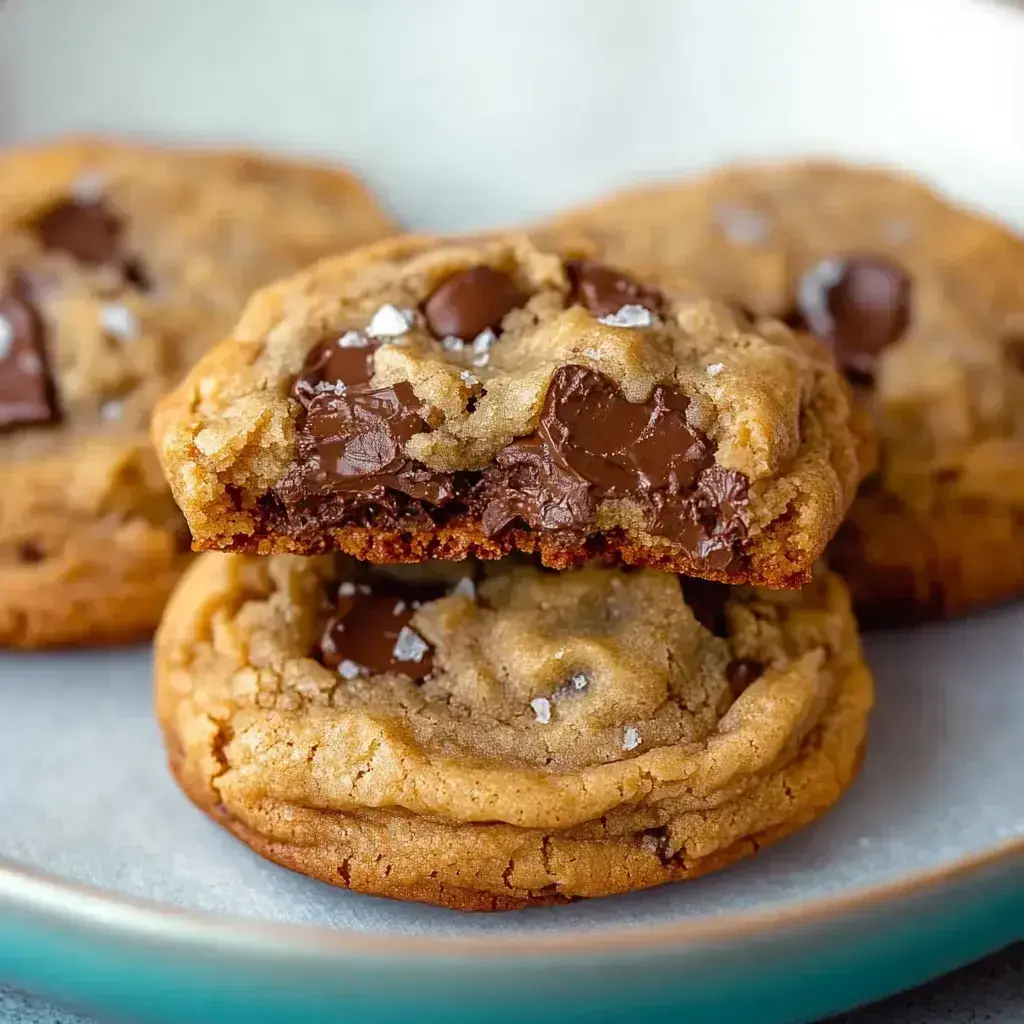
Levain Bakery Chocolate Chip Cookies

Thick, chewy, and loaded with chocolate and walnuts – the ultimate Levain Bakery style cookie.

Step-by-Step Instructions

Step 1: Prepare Your Ingredients

This is where success begins. Take your butter and eggs straight from the refrigerator. Cube the cold butter into 1/2-inch pieces. Roughly chop your walnuts. Measure out your flour by spooning it into the measuring cup and leveling it off with a knife—this prevents packing in too much flour, which leads to dry cookies. Have your sugars, vanilla, leaveners, cornstarch, salt, and chocolate chips ready to go. Preheating your oven to 375°F (190°C) now is a good idea, and line two large baking sheets with parchment paper.

Step 2: Cream the Butter and Sugars

In the bowl of a stand mixer fitted with the paddle attachment (or using a large bowl and a hand mixer), combine the cold, cubed butter, light brown sugar, and granulated sugar. Mix on medium speed for 1-2 minutes. The goal here is not to achieve a light and fluffy mixture as with room-temperature butter. Instead, you want the butter to break down and combine with the sugars into a crumbly, almost sandy mixture with some small pebbles of butter still visible. This irregular fat distribution is key for texture.

Step 3: Add Eggs and Vanilla

With the mixer on low, add the two cold eggs one at a time, mixing just until each is incorporated. Scrape down the sides of the bowl. Add the vanilla extract and mix for another 10 seconds. The mixture will look a bit curdled or shaggy—this is perfectly normal and expected when using cold ingredients. Do not overmix.

Step 4: Combine Dry Ingredients

In a separate bowl, whisk together the all-purpose flour, baking powder, baking soda, cornstarch, and sea salt. This ensures the leaveners and salt are evenly distributed throughout the flour. With the mixer on the lowest setting, gradually add the dry ingredients to the wet mixture. Mix just until the flour disappears and a stiff dough forms. Again, avoid overmixing to prevent developing gluten, which would make the cookies tough.

Step 5: Fold in Chocolate and Walnuts

Remove the bowl from the mixer. Using a sturdy spatula or wooden spoon, fold in the semi-sweet chocolate chips and roughly chopped walnuts. Be assertive here—the dough is thick! Ensure the add-ins are evenly distributed throughout the dense dough.

Step 6: Portion and Chill

This is the most important step for that iconic shape. Using a kitchen scale, portion the dough into 6-ounce balls (about the size of a large lemon or a tennis ball). If you don’t have a scale, use a 1/2 cup measure, packing the dough in tightly. Place the massive dough balls on the prepared baking sheets, leaving at least 3 inches between them as they will spread. Gently press the top to slightly flatten. Refrigerate the entire baking sheet for a minimum of 30 minutes. This solidifies the butter, preventing premature spread and guaranteeing a thick, chewy center.

Step 7: Bake to Perfection

Place the chilled baking sheets in the preheated 375°F (190°C) oven. Bake for 12-14 minutes. The cookies are done when the edges are set and golden brown, but the centers still look very soft, puffy, and slightly underbaked. They will not look “done” in the traditional sense. Do not overbake! The residual heat will continue to cook them as they cool. Let the cookies cool on the baking sheet for 10 full minutes before transferring them to a wire rack. This sets their structure and makes them easier to handle.

Nutritional Information

Please note: These are large, bakery-style cookies. The following is an approximate breakdown per cookie (assuming the recipe makes 8 large cookies).

  • Calories: ~680 kcal
  • Total Fat: 38g
  • Saturated Fat: 20g
  • Cholesterol: 95mg
  • Sodium: 320mg
  • Total Carbohydrates: 82g
  • Dietary Fiber: 4g
  • Sugars: 52g
  • Protein: 9g

Healthier Alternatives

Want to enjoy the incredible texture with a slight nutritional twist? Here are some flavorful swaps that maintain the spirit of the recipe:

  • Flour: Substitute 1 cup of all-purpose flour with whole wheat pastry flour for added fiber without compromising tenderness.
  • Sugar: Replace half of the granulated sugar with coconut sugar for a lower glycemic index and deeper flavor.
  • Chocolate: Use dark chocolate chips (70% cacao or higher) to increase antioxidants and reduce overall sugar content.
  • Butter: For a dairy-free version, use a high-fat, plant-based butter stick (like Miyoko’s or Earth Balance) kept very cold.
  • Nuts: Keep the walnuts! They provide healthy fats, protein, and omega-3s. Toasting them first maximizes their flavor so you might use less.

Serving Suggestions

These cookies are a decadent experience on their own, still warm from the oven with the chocolate pools begging to be devoured. For the ultimate treat, serve one slightly warmed with a scoop of high-quality vanilla bean ice cream on top—the contrast of hot and cold is sublime. They also pair wonderfully with a glass of cold milk, a bold cup of coffee to cut through the sweetness, or even a small glass of port for a sophisticated dessert pairing. For a brunch twist, crumble a cookie over a bowl of Greek yogurt.

Common Mistakes

  • Using Room Temperature Butter: This is the #1 error. Room temp butter will cause the cookies to spread thin. Butter must be cold.
  • Skipping the Chill Time: Impatience leads to flat cookies. The 30-minute chill is non-negotiable for structure.
  • Overmixing the Dough: Once the flour is added, mix only until combined. Overmixing develops gluten, leading to tough cookies.
  • Overbaking: The centers must look soft and underdone when you take them out. They set as they cool on the sheet.
  • Using a Hot Baking Sheet: Always use a
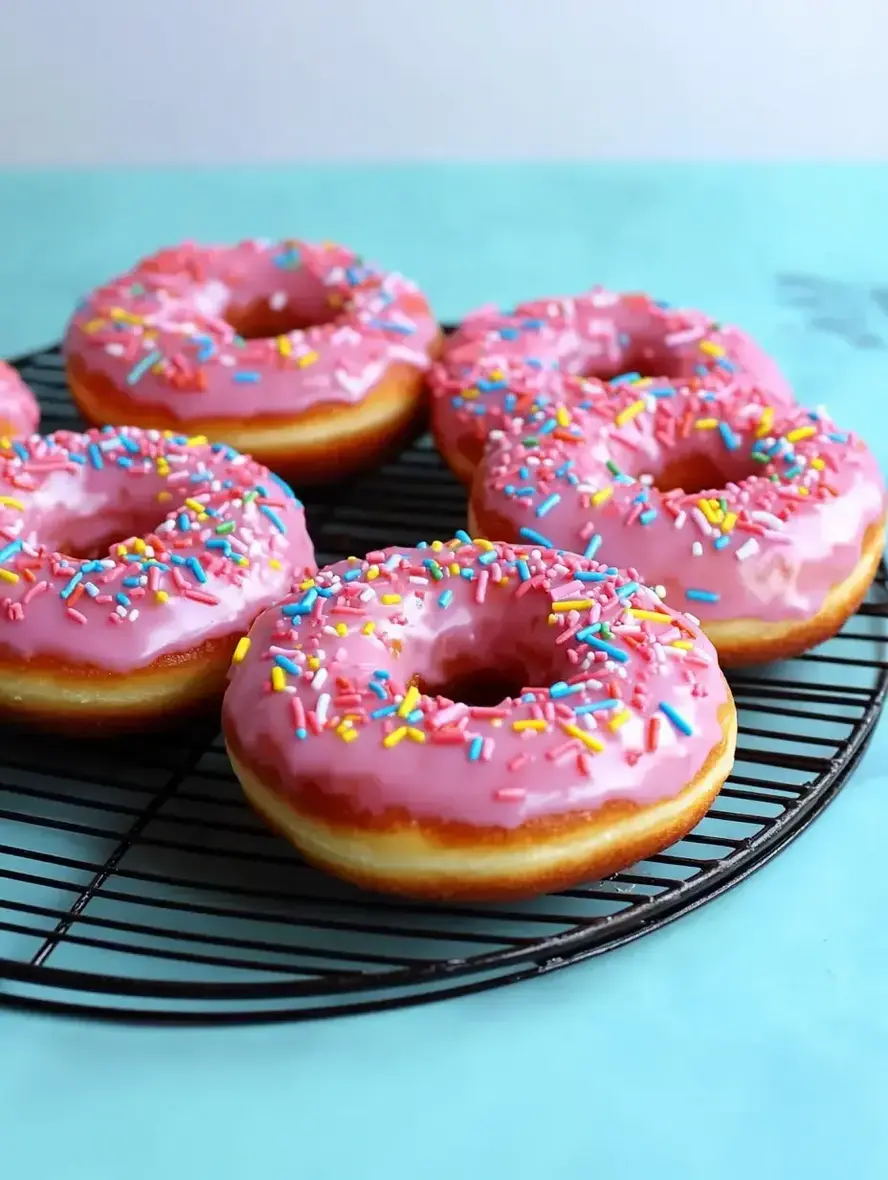
Homer Simpson Donuts

Homer Simpson Donuts

Introduction

Did you know that the average American consumes over 31 donuts per year? That’s a lot of sugary goodness, but none are more iconic than the ones that make Homer Simpson’s eyes bulge with desire. What is it about those light, fluffy yeast donuts covered in pink glaze and sprinkles that captures our collective imagination? This recipe is your ticket to recreating that iconic Springfield treat right in your own kitchen. Forget the store-bought versions; we’re diving deep into the art of the perfect yeast-raised donut, achieving that signature cloud-like texture and the vibrant pink finish that Homer would gladly trade his couch for. Get ready to make donuts that are not just a snack, but a piece of pop culture you can eat.

Ingredients

For the best Homer Simpson donuts, quality ingredients are key. Here’s what you’ll need, with notes on substitutions and the sensory magic they bring.

For the Donut Dough:

  • Whole Milk (1 cup, warmed to 110°F): Creates a tender, rich crumb. The warmth activates the yeast. Substitution: Unsweetened almond or oat milk for a dairy-free version, though the richness will be slightly different.
  • Active Dry Yeast (2 ¼ teaspoons / 1 packet): The workhorse for that essential airy, fluffy rise. You should smell a faint, earthy aroma when activated.
  • Granulated Sugar (⅓ cup): Feeds the yeast and adds sweetness. You’ll see the mixture become frothy and active.
  • Large Eggs (2, room temperature): Bind the dough and contribute to a golden-brown color and soft texture.
  • Unsalted Butter (6 tablespoons, melted & cooled): Provides incredible flavor and a melt-in-your-mouth quality. You can use salted butter, but reduce added salt by ¼ teaspoon.
  • Pure Vanilla Extract (2 teaspoons): The aromatic backbone. Smell its sweet, floral notes as you add it.
  • All-Purpose Flour (4 ½ – 5 cups): The structure. Start with 4 ½ cups and add more as needed until the dough is tacky but not sticky.
  • Salt (1 teaspoon): Balances the sweetness and strengthens the gluten.
  • Nutmeg (¼ teaspoon, freshly grated if possible): The secret whisper of warmth that makes these donuts taste classic and complex.

For Frying & Finishing:

  • Vegetable or Canola Oil (for frying, about 2 quarts): A neutral oil with a high smoke point ensures a crisp exterior without greasiness.
  • Granulated Sugar (for coating, optional): For a classic sugar-dusted donut variation.

For the Pink Glaze:

  • Powdered Sugar (3 cups, sifted): Creates a smooth, crackly glaze. Sifting is non-negotiable for lump-free perfection.
  • Whole Milk or Heavy Cream (⅓ – ½ cup): Thins the glaze. Heavy cream makes it richer and whiter. You’ll adjust to a thick but pourable consistency.
  • Pure Vanilla Extract (1 teaspoon): Adds flavor depth to the sweet glaze.
  • Pinch of Salt: Cuts the overwhelming sweetness.
  • Pink Food Coloring (gel or liquid, to preference): Gel coloring gives a vibrant, Homer-worthy pink without thinning the glaze.
  • Rainbow Sprinkles (jimmies, not nonpareils): Jimmies (the cylindrical sprinkles) adhere better and give that authentic bakery look.

Timing

Prep Time

30 minutes
(Active hands-on work)

Rise Time

1 hour 30 minutes
(Mostly hands-off)

Cook Time

15 minutes
(Per batch)

Total Time

2 hours 15 minutes
(Worth every second!)

Compared to average cake donut recipes that take about an hour total, this yeast-based method requires more patience for rising. This extended fermentation is the non-negotiable secret to developing complex flavor and that signature airy, web-like interior structure that defines a true Homer Simpson donut. Plan accordingly for a weekend treat—the result is exponentially better.

Homer Simpson Donuts

A batch of perfect Homer Simpson donuts, freshly glazed and sprinkled, ready to satisfy any craving.

Step-by-Step Instructions

Step 1: Activate the Yeast

In the bowl of your stand mixer, combine the warmed milk (110°F is perfect—too hot will kill the yeast), the packet of active dry yeast, and a tablespoon of the granulated sugar. Give it a gentle stir and let it sit for 5-10 minutes. You’re waiting for a foamy, creamy layer to form on top, which is your visual cue that the yeast is alive and hungry. This step is your foundation; if it doesn’t foam, start over with fresh yeast.

Step 2: Make the Dough

Once your yeast is frothy, add the remaining sugar, eggs, cooled melted butter, and vanilla extract. Attach the paddle attachment and mix on low just until combined. Switch to the dough hook. In a separate bowl, whisk together 4 ½ cups of flour, the salt, and nutmeg. With the mixer on low, gradually add the flour mixture to the wet ingredients. Let the dough hook knead for 5-7 minutes. The dough should clear the sides of the bowl but remain slightly tacky to the touch. If it’s very sticky, add the remaining flour 1-2 tablespoons at a time. You want a soft, pliable dough.

Step 3: First Rise

Lightly oil a large bowl. Shape your dough into a ball, place it in the bowl, and turn it once to coat in oil. Cover the bowl tightly with plastic wrap or a damp kitchen towel. Place it in a warm, draft-free spot (like an oven with just the light on). Let it rise until doubled in size, about 1 hour. This slow rise is where flavor develops. You can test it by gently pressing a finger into the dough; if the indentation remains, it’s ready.

Step 4: Shape the Donuts

Punch down the risen dough to release the air. Turn it out onto a lightly floured surface. Roll it out to about ½-inch thickness. Using a 3-inch round cutter, cut out your donuts. Use a 1-inch cutter for the centers (save those for donut holes!). Gather the scraps, re-roll gently, and cut more donuts. Place the shaped donuts and holes on parchment-lined baking sheets, leaving about 2 inches between them for expansion.

Step 5: Second Rise

Cover the baking sheets loosely with kitchen towels and let the donuts rise again in a warm place for 30-45 minutes. They should look puffy and almost doubled. This second, shorter rise is crucial for achieving that ultimate light texture.

Step 6: Fry to Golden Perfection

While the donuts rise, pour oil into a heavy-bottomed pot or Dutch oven to a depth of about 3 inches. Heat over medium heat to 350°F – 365°F. Use a thermometer for accuracy; the right temperature is key. Too hot, and they’ll burn outside while staying raw inside; too cool, and they’ll absorb oil and become greasy. Carefully add 2-3 donuts at a time, frying for about 60-90 seconds per side until they’re a deep, golden brown. Use a spider strainer or slotted spoon to flip and remove them. Drain on a wire rack set over a baking sheet. Let cool completely before glazing.

Step 7: Make the Pink Glaze

In a medium bowl, whisk together the sifted powdered sugar, vanilla, and a pinch of salt. Gradually whisk in the milk or cream, starting with ⅓ cup, until you have a thick but pourable glaze. It should coat the back of a spoon. Add your pink food coloring a drop at a time (gel is more potent) until you achieve Homer’s signature vibrant pink hue.

Step 8: Glaze and Decorate

Place your wire rack of cooled donuts over a clean baking sheet to catch drips. One at a time, dip the top of each donut into the pink glaze, letting the excess drip back into the bowl. Immediately, while the glaze is wet, shower the top with rainbow sprinkles. Return to the rack to let the glaze set, which will take about 20-30 minutes.

Nutritional Information

Estimated per donut (glazed, without sprinkles):

  • Calories: 320 kcal
  • Carbohydrates: 48g
  • Protein: 5g
  • Fat: 12g (Saturated Fat: 5g)
  • Sugar: 25g
  • Fiber: 1g

Note: These are estimates. Actual values can vary based on specific ingredients and size.

Healthier Alternatives

Want to enjoy the spirit of Springfield with a slightly lighter touch? Try these swaps without sacrificing all the joy:

  • Baking vs. Frying: For a significant calorie reduction, bake the risen donuts at 375°F for 10-12 minutes until golden. They’ll be more like brioche buns than classic donuts, but still delicious.
  • Glaze Makeover: Mix 1 cup of powdered sugar with 2 tablespoons of plain Greek yogurt and a splash of vanilla and milk. Add a drop of pink coloring. It’s tangier, with a protein boost.
  • Whole Wheat Flour: Substitute up to half of the all-purpose flour with whole wheat pastry flour for added fiber and a nuttier flavor.

Chocolate Bread

Chocolate Bread

Introduction

Did you know that over 70% of home bakers seek simple, one-bowl recipes that deliver maximum flavor? If you’re part of that majority craving a decadent, fuss-free treat, this rich chocolate bread recipe is your answer. This isn’t just another loaf; it’s a moist, tender quick bread bursting with double chocolate intensity from both cocoa powder and melty chocolate chips. Perfect for breakfast, an afternoon snack, or a comforting dessert, this easy one-bowl recipe is a chocolate lover’s dream come true. Forget complicated techniques and multiple dishes—this recipe celebrates simplicity without sacrificing the deep, satisfying chocolate flavor we all crave. Let’s dive into creating the ultimate chocolate bread that will make your kitchen smell like a artisan bakery.

Ingredients List

Gather these simple ingredients for your chocolate bread. Using quality components makes a noticeable difference in the final product’s richness and texture.

  • All-Purpose Flour (2 cups): The foundation of our bread. For a lighter crumb, spoon and level the flour into your measuring cup—don’t scoop directly from the bag. Substitution: For a gluten-free version, use a 1:1 gluten-free baking blend.
  • Granulated Sugar (1 cup): Sweetens and tenderizes. The sugar will dissolve into the wet ingredients, creating a lovely, slightly crackly top crust.
  • Unsweetened Cocoa Powder (3/4 cup): The star of the show! Use a high-quality, natural unsweetened cocoa powder for that deep, authentic chocolate flavor. Substitution: Dutch-processed cocoa will yield a darker color and milder flavor; no other adjustments needed.
  • Baking Powder (1 1/2 tsp) & Baking Soda (1/2 tsp): Our leavening duo. They work together to give the bread a perfect, even rise without the density of a brownie.
  • Salt (1/2 tsp): A critical flavor enhancer that makes the chocolate taste more pronounced and balanced.
  • Large Eggs (2), at room temperature: They bind the batter and add structure. Room temperature eggs incorporate more easily for a smoother batter.
  • Buttermilk (1 cup), at room temperature: The secret to incredible moisture and a subtle tang that complements the chocolate. Substitution: No buttermilk? Mix 1 cup of milk with 1 tablespoon of lemon juice or white vinegar and let it sit for 5 minutes.
  • Vegetable Oil (1/2 cup): Oil keeps this bread incredibly moist for days, more so than butter would. Use a neutral oil like canola or grapeseed.
  • Vanilla Extract (2 tsp): Adds a warm, aromatic background note that elevates the chocolate.
  • Semi-Sweet Chocolate Chips (1 1/2 cups): For pockets of melty, gooey chocolate in every bite. Substitution: Use dark chocolate chips for a less sweet loaf, or milk chocolate for extra sweetness. Chopped chocolate bars also work wonderfully.

Timing

One of the biggest advantages of this chocolate bread recipe is its efficiency. Unlike yeast breads that require hours of proofing, this quick bread is ready from bowl to table in about 90 minutes.

Prep Time
15 minutes
Cook Time
55-65 minutes
Total Time
~1 hour 20 minutes

Compared to the average baking project, which can take 2+ hours with cooling, this recipe is remarkably swift. The 15-minute prep is achievable because it’s a true one-bowl recipe—you mix the dry ingredients right in with the wet, minimizing cleanup and maximizing your time enjoying that incredible chocolate aroma filling your home.

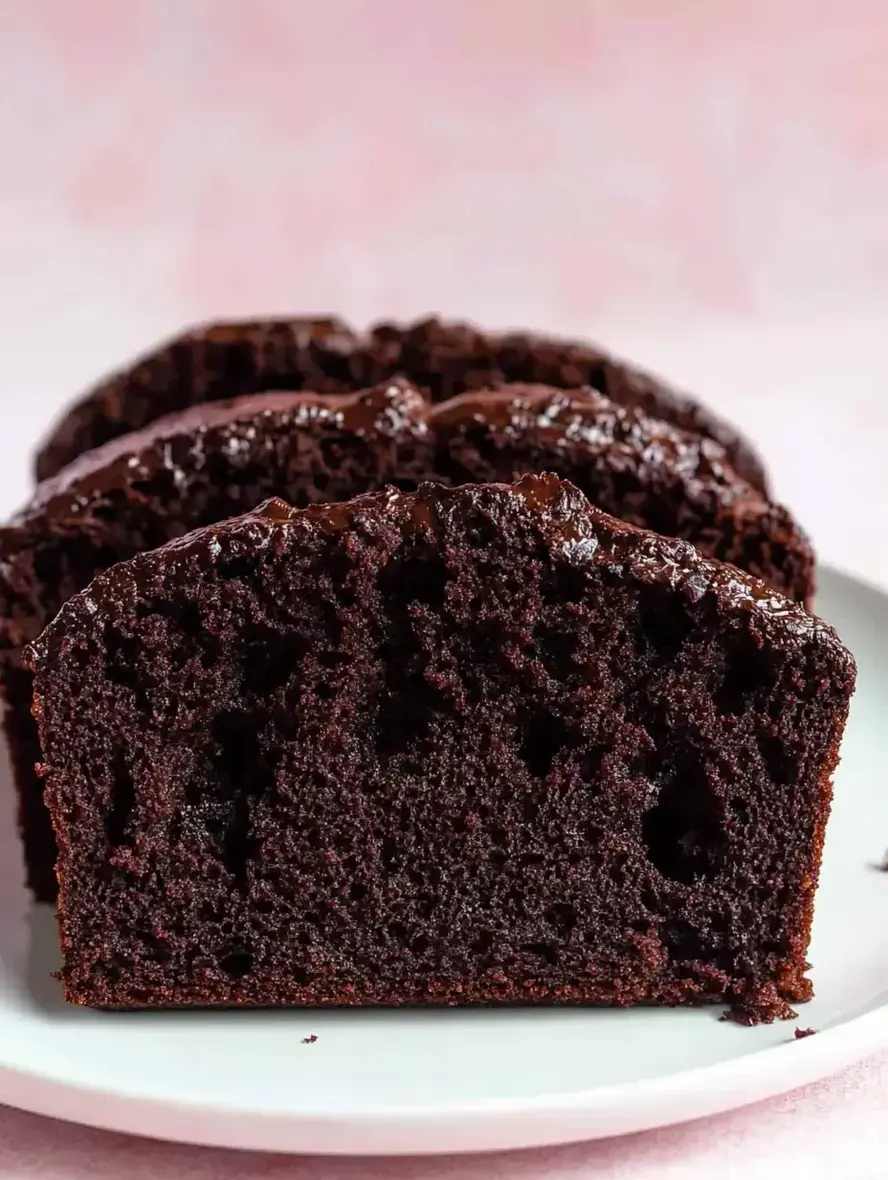
Chocolate Bread

Rich, decadent chocolate bread, perfect for slicing and sharing.

Step-by-Step Instructions

Step 1: Prepare Your Pan and Oven

Preheat your oven to 350°F (175°C). This ensures a consistent temperature for even baking. Take a standard 9×5 inch loaf pan and grease it thoroughly with butter or non-stick spray. For absolute insurance against sticking, line the pan with parchment paper, leaving an overhang on the two long sides. This “sling” will make removing your beautiful chocolate bread a breeze once it’s cooled.

Step 2: Combine Wet Ingredients

In a large mixing bowl—this will be your only bowl!—whisk together the room-temperature buttermilk, vegetable oil, eggs, and vanilla extract. Whisk vigorously for about 60 seconds until the mixture is completely smooth, emulsified, and slightly frothy. This step is crucial for incorporating air, which contributes to a lighter texture.

Step 3: Add Dry Ingredients

Directly into the same bowl with the wet ingredients, sift in the flour, cocoa powder, sugar, baking powder, baking soda, and salt. Sifting is important here to break up any lumps in the cocoa and flour, ensuring a silky-smooth batter. Use a spatula or wooden spoon to gently fold the dry ingredients into the wet. Mix just until the last streaks of flour disappear. Overmixing is the enemy of tender quick bread, as it develops gluten and can lead to a tough, dense loaf.

Step 4: Fold in Chocolate Chips

Reserve a small handful (about 1/4 cup) of chocolate chips for topping. Add the remaining chips to the batter and fold them in gently with just 2-3 strokes. You want them evenly distributed without overworking the batter. Pour the thick, luscious batter into your prepared loaf pan. Use your spatula to smooth the top into an even layer. Sprinkle the reserved chocolate chips over the top—they’ll create a beautiful, bakery-style finish as they bake.

Step 5: Bake to Perfection

Place the loaf pan in the center of your preheated oven. Bake for 55 to 65 minutes. Start checking at the 55-minute mark. The bread is done when a toothpick or skewer inserted into the center comes out with just a few moist crumbs attached (not wet batter). If you hit a melted chocolate chip, test another spot. The top will be domed and will have a lovely crack down the center.

Step 6: Cool and Slice

This is the hardest part: patience! Let the chocolate bread cool in the pan on a wire rack for 15 minutes. Then, using the parchment paper overhang, carefully lift the loaf out of the pan and place it directly on the wire rack to cool completely, about 1-2 hours. Slicing into a warm quick bread can cause it to crumble. For clean, perfect slices, wait until it’s fully cooled. The wait is worth it for that perfect texture.

Nutritional Information

The following nutritional estimates are per slice (assuming 12 slices per loaf). Values are approximate and can vary based on specific ingredients and substitutions used.

  • Calories: ~320 kcal
  • Total Fat: 15g
  • Saturated Fat: 5g
  • Carbohydrates: 45g
  • Fiber: 3g
  • Sugars: 28g
  • Protein: 5g

Healthier Alternatives

Love the idea of chocolate bread but want to tweak it for dietary preferences? Here are simple swaps that maintain great flavor and texture:

  • Reduce Sugar: Cut the granulated sugar to 3/4 cup. The chocolate chips will provide enough sweetness for many palates.
  • Whole Grains: Substitute up to half of the all-purpose flour with whole wheat pastry flour. It adds fiber and a nutty note without making the bread heavy.
  • Lower Fat: Replace the vegetable oil with an equal amount of unsweetened applesauce or mashed ripe banana. The bread will be slightly denser but still deliciously moist.
  • Dairy-Free: Use a plant-based milk (like almond or oat) mixed with 1 tbsp vinegar for the buttermilk, and ensure your chocolate chips are dairy-free.
  • Boost Protein: Add 1/2 cup of plain or vanilla protein powder. Reduce the flour by 1/4 cup to account for the extra dry ingredient.

Serving Suggestions

This versatile chocolate bread shines in many settings:

  • Breakfast or Brunch: Serve a slightly warmed slice with a smear of cream cheese, almond butter, or a dollop of Greek yogurt.
  • Afternoon Tea/Coffee: Enjoy a slice alongside your favorite hot beverage. The bread is sweet enough on its own but pairs wonderfully with a bitter espresso.
  • Dessert: Elevate it by serving warm with a scoop of vanilla ice cream, a drizzle of salted caramel sauce, or a dusting of powdered sugar.
  • Gifting: This bread makes a fantastic homemade gift. Let it cool completely, wrap it in parchment paper, and tie it with baker’s twine for a thoughtful present.

Common Mistakes

Avoid these pitfalls to ensure your chocolate bread turns out perfect every time:

  • Overmixing the Batter: This is the #1 cause of tough, dense bread. Mix just until combined—a few small lumps are okay.
  • Using Cold Ingredients: Cold buttermilk and eggs can cause the batter to seize and not emulsify properly, affecting the rise. Take them out 30 minutes before baking.
  • Underbaking or Overbaking: Use the toothpick test! Underbaked bread will sink and be gummy in the center. Overbaked bread will be dry. Oven temperatures vary, so trust the visual and textural cues.
  • Slicing While Warm: The structure needs time to set. Slicing too early leads to a crumbly, messy slice. Let it cool completely on a wire rack.
  • Not Greasing the Pan Well: There’s nothing sadder than a beautiful loaf that sticks. Grease thoroughly or use parchment paper.

Storing Tips

To keep your chocolate bread fresh and delicious:

  • Room Temperature: Once completely cooled, wrap the whole loaf or

Creamy Olive Garden Ravioli Carbonara

Creamy Olive Garden Ravioli Carbonara

Introduction

Did you know that over 70% of home cooks attempt to recreate their favorite restaurant dishes at least once a month? If you’re part of that majority craving the comforting, indulgent flavors of Italian-American cuisine, you’ve landed in the perfect spot. Today, we’re unlocking the secrets to a legendary copycat: the Creamy Olive Garden Ravioli Carbonara. This dish masterfully combines the pillowy satisfaction of cheese ravioli with the rich, velvety embrace of a classic carbonara sauce, amped up with garlic, cream, and savory bacon bits. It’s the ultimate comfort food fusion that brings the warmth of the restaurant right to your kitchen table.

This recipe is more than just a list of ingredients; it’s a culinary project designed for success. We’ll guide you through each step, ensuring you avoid the common pitfalls that can turn a creamy dream into a curdled nightmare. Whether you’re cooking for a special date night or a family feast that demands applause, this ravioli carbonara promises to be a showstopper. Let’s dive into the art of creating a restaurant-worthy pasta dish that’s surprisingly straightforward to master.

Ingredients List

Gathering high-quality ingredients is the first step to an unforgettable Creamy Olive Garden Ravioli Carbonara. Here’s what you’ll need, complete with notes and substitutions to tailor the dish to your pantry and preferences.

  • 1 lb (16 oz) Fresh Cheese Ravioli: Seek out refrigerated ravioli for the best texture—they cook quickly and have a tender, delicate bite. Substitution: Frozen cheese ravioli work well; just adjust cooking time as per package. For a twist, try spinach & ricotta or mushroom ravioli.
  • 6 oz Thick-Cut Bacon, diced: This provides the essential smoky, salty backbone. The fat rendered is gold for cooking the garlic. Substitution: Pancetta is the traditional carbonara choice for a slightly sweeter, porkier flavor. For a vegetarian version, use 2 tbsp of olive oil and 1/2 cup of sautéed mushrooms or smoked tofu for umami.
  • 3-4 Garlic Cloves, minced: Fresh is non-negotiable. The aroma as it sizzles in the bacon fat is the soul of the sauce.
  • 1 ½ cups Heavy Cream: This creates the luxurious, silky base of the sauce. For a slightly lighter version, see Healthier Alternatives below.
  • 1 cup Freshly Grated Parmesan Cheese: Plus extra for serving. The nutty, salty punch of real Parmigiano-Reggiano is irreplaceable. Pre-grated cheese often contains anti-caking agents that can make your sauce grainy.
  • 2 large Egg Yolks: They enrich the sauce, giving it a beautiful golden hue and a velvety consistency that clings to every ravioli.
  • ½ tsp Black Pepper, freshly ground: Carbonara is known for its peppery kick. Adjust to taste.
  • ¼ tsp Salt (to taste): Be cautious, as the bacon and Parmesan are already salty.
  • ¼ cup Fresh Parsley, chopped: For a bright, fresh finish that cuts through the richness.

Timing

Prep Time15 minutes
Cook Time20 minutes
Total Time35 minutes

At just 35 minutes from start to finish, this Creamy Olive Garden Ravioli Carbonara is a speed demon compared to many from-scratch pasta dishes, which often take 45-60 minutes. The key to this efficiency is multitasking: while the water for the ravioli comes to a boil, you can prepare the sauce components. This streamlined process makes it a fantastic option for a decadent weeknight dinner that feels anything but rushed.

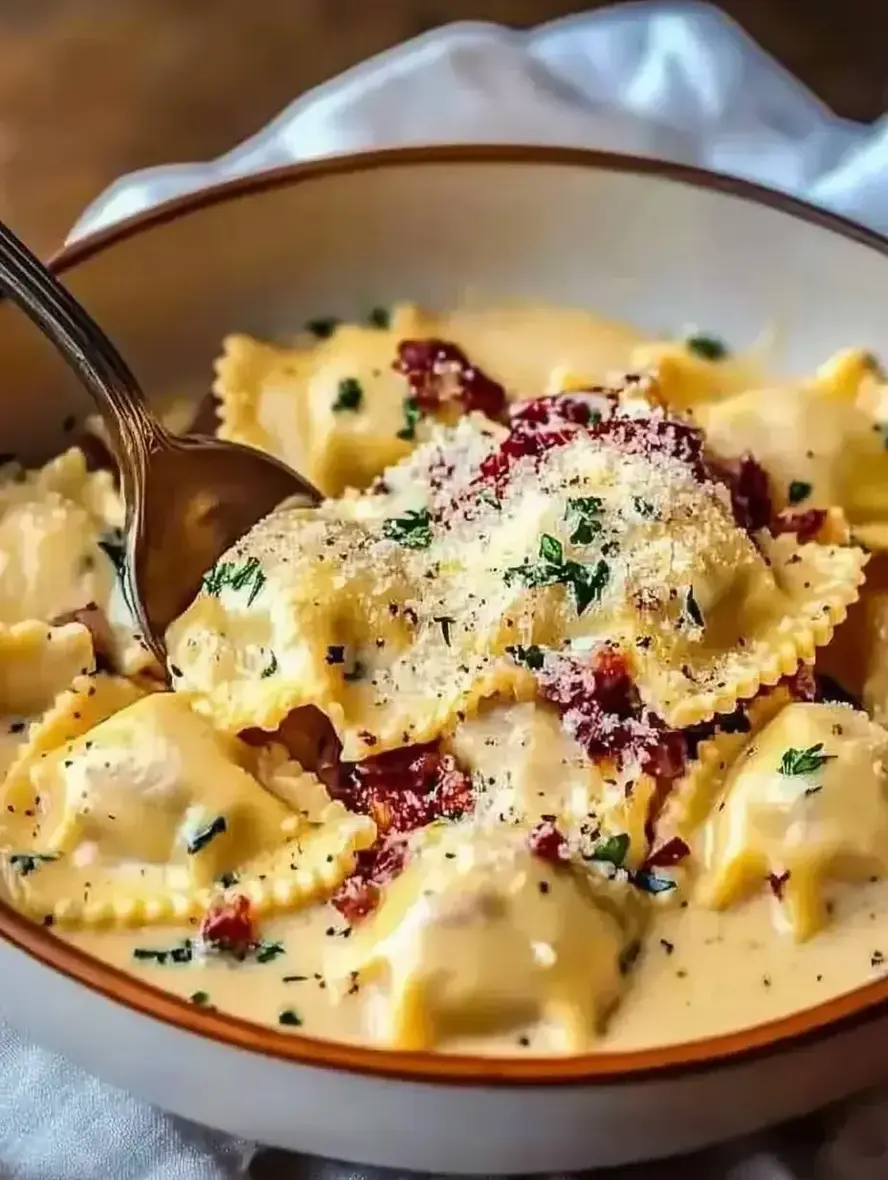
Creamy Olive Garden Ravioli Carbonara

A stunning plate of homemade Creamy Olive Garden Ravioli Carbonara, featuring cheese ravioli coated in a silky, bacon-studded sauce.

Step-by-Step Instructions

Step 1: Prepare Your Mise en Place

Success in the kitchen starts with organization. Before you turn on a single burner, complete these tasks: Dice your bacon, mince the garlic, grate the Parmesan cheese, separate the egg yolks (save the whites for an omelet!), chop the parsley, and measure out your cream and seasonings. Bring a large pot of well-salted water to a boil for the ravioli. Having everything ready (your “mise en place”) turns the cooking process into a smooth, enjoyable dance rather than a frantic scramble.

Step 2: Cook the Bacon

In a large skillet or Dutch oven over medium heat, cook the diced bacon. Let it render its fat and become crispy, which should take about 6-8 minutes. Stir occasionally for even cooking. Once crispy, use a slotted spoon to transfer the bacon bits to a paper towel-lined plate. Leave about 2 tablespoons of that glorious bacon fat in the skillet—this is your flavor foundation. Drain any excess.

Step 3: Build the Carbonara Sauce

Reduce the heat to medium-low. Add the minced garlic to the reserved bacon fat in the skillet. Sauté for just 45-60 seconds until fragrant. You must watch it closely; burnt garlic turns bitter and can ruin the entire sauce. Now, pour in the heavy cream and add the freshly ground black pepper. Let the mixture simmer gently for 4-5 minutes, allowing it to reduce and thicken slightly. Stir occasionally.

Step 4: Cook the Ravioli

While the sauce simmers, cook your ravioli. Add them to the boiling salted water. Fresh ravioli typically cook in 3-4 minutes; they are done when they float to the top. Frozen ravioli may take 5-7 minutes. Crucial Tip: Before draining, reserve about 1 cup of the starchy pasta water. This liquid gold is your insurance policy for adjusting the sauce consistency later. Drain the ravioli but do not rinse them.

Step 5: Combine and Finish

This is the magic moment. Turn the heat under your sauce to the lowest possible setting. In a small bowl, quickly whisk the two egg yolks. To prevent them from scrambling, you need to “temper” them. Slowly drizzle a few tablespoons of the warm cream sauce into the egg yolks while whisking constantly. Now, pour this tempered egg mixture back into the skillet with the rest of the sauce, whisking vigorously. Immediately remove the skillet from the heat. Stir in the grated Parmesan cheese until it melts smoothly into the sauce. If the sauce seems too thick, add a splash of the reserved pasta water, one tablespoon at a time, until it reaches a luxurious, coating consistency. Gently fold in the cooked ravioli and most of the crispy bacon bits, ensuring each piece is lovingly coated. Garnish with the remaining bacon, chopped fresh parsley, and an extra snowfall of Parmesan.

Nutritional Information

This is a rich, indulgent dish. The following nutritional estimate is for one serving (approximately 1/4 of the recipe).

  • Calories: ~780 kcal
  • Total Fat: 52g
  • Saturated Fat: 28g
  • Cholesterol: 245mg
  • Sodium: 950mg
  • Total Carbohydrates: 48g
  • Dietary Fiber: 2g
  • Sugars: 3g
  • Protein: 28g

Healthier Alternatives

You can lighten up this Creamy Olive Garden Ravioli Carbonara without sacrificing soul-satisfying flavor.

  • For the Cream: Substitute half or all of the heavy cream with half-and-half or whole milk mixed with a teaspoon of cornstarch (to help thicken). The sauce will be slightly less rich but still delicious.
  • For the Pasta: Opt for whole-wheat or high-protein legume-based cheese ravioli to increase fiber and protein content.
  • For the Bacon: Use turkey bacon or a smaller amount of center-cut bacon, which is leaner. Blot away all excess fat after cooking.
  • Boost Veggies: Stir in a couple of handfuls of fresh baby spinach or steamed peas at the end for added nutrients, color, and texture.

Serving Suggestions

This rich pasta is a meal in itself, but a few well-chosen accompaniments create a perfect Italian-inspired feast.

  • The Salad: A classic, crisp Olive Garden-style Salad with iceberg lettuce, black olives, pepperoncini, red onions, and Italian dressing is the perfect acidic counterpoint.
  • The Bread: Warm, buttery garlic breadsticks or a slice of crusty artisan bread is essential for sopping up every last drop of sauce.
  • The Wine: Pair with a medium-bodied white like Pinot Grigio or a light red like Chianti. The wine’s acidity will cut through the creaminess beautifully.
  • For Dessert: Keep it light and Italian with a scoop of lemon sorbet or a few delicate almond biscotti.

Common Mistakes

  • Scrambling the Eggs: Adding cold eggs directly to hot sauce will cook them into curds. Always temper the yolks with warm sauce first and remove the pan from heat.
  • Using Pre-Grated Cheese: The cellulose powder can prevent smooth melting, leading to a grainy texture. Take the extra minute to grate your own Parmesan.
  • Overcooking the Garlic: Burnt garlic is bitter. Sauté it just until fragrant, not browned.
  • Not Reserving Pasta Water: The starchy water is the key to loosening a too-thick sauce and helping it emulsify and cling to the pasta.
  • Rinsing the Ravioli: This washes away the starch that helps the sauce adhere. Just drain them.

Storing Tips

This dish is best enjoyed immediately. However, if you have leftovers:

  • Refrigeration: Store in an airtight container for up to 3 days. The sauce will thicken significantly when cold.
  • Reheating: Gently reheat in a skillet over low heat with a splash of milk, cream, or broth to restore the saucy consistency. Microwave reheating can cause the sauce to separate.
  • Freezing: Not recommended. Cream-based sauces with cheese

Crockpot Parmesan Garlic Chicken Pasta

Crockpot Parmesan Garlic Chicken Pasta

Introduction

Did you know that over 70% of home cooks report feeling overwhelmed by weeknight dinner prep? If you’re searching for a solution that delivers restaurant-quality flavor with minimal effort, this Crockpot Parmesan Garlic Chicken Pasta is your answer. This simple crockpot recipe is the ultimate comfort food hack, combining tender chicken, a luxuriously creamy garlic sauce, and perfectly cooked pasta for an effortless dinner that’s rich and satisfying. The magic of the slow cooker does all the heavy lifting, infusing the chicken with savory garlic and Parmesan flavors while you go about your day. The result is a creamy, cheesy, and deeply flavorful dish that feels indulgent but comes together with almost no active cooking time. It’s the perfect recipe to break the cycle of dinner stress and bring everyone to the table with smiles.

Ingredients List

Gather these simple ingredients for a flavor-packed meal. I’ve included substitutions to ensure you can make this recipe work with what you have on hand.

  • Boneless, Skinless Chicken Breasts (2 lbs): The star protein. They become incredibly tender and juicy after slow cooking. Substitution: Use an equal weight of chicken thighs for a richer, more forgiving cut.
  • Cream of Chicken Soup (2 cans, 10.5 oz each): The creamy base that creates a velvety sauce without a roux. Substitution: Cream of mushroom or celery soup works well. For a from-scratch version, mix 1.5 cups of chicken broth with 1.5 cups of heavy cream and 3 tbsp of flour.
  • Chicken Broth (1 cup): Thins the sauce to the perfect consistency and adds a savory depth. Use low-sodium to control salt levels.
  • Minced Garlic (4-5 cloves, or 2 tbsp): The “garlic” in Parmesan garlic! Freshly minced provides a bright, pungent kick. Substitution: 2 tsp of high-quality garlic powder in a pinch.
  • Grated Parmesan Cheese (1 cup, divided): Use freshly grated for the best melt and nutty, salty flavor. The pre-grated kind contains anti-caking agents that can make the sauce grainy.
  • Italian Seasoning (1 tbsp): A fragrant blend of dried herbs like oregano, basil, and thyme that adds an Italian-inspired aroma.
  • Black Pepper (1 tsp) & Salt (1/2 tsp, to taste): Essential seasonings. Always taste before serving, as the soup and cheese contain salt.
  • Penne Pasta (16 oz): The classic choice. Its tube shape and ridges hold the creamy sauce beautifully. Substitution: Any short pasta like rotini, farfalle, or rigatoni will work.
  • Heavy Cream or Half-and-Half (1/2 cup, added at the end): Stirred in after cooking for a final touch of luxurious richness and a silky mouthfeel.
  • Fresh Parsley, chopped (for garnish): Adds a pop of color and a fresh, clean flavor that cuts through the richness.

Timing

Prep Time10 minutes
Cook Time4 hours (Low) / 2 hours (High)
Total Time4 hours 20 minutes

Compared to the average pasta recipe that requires 30-45 minutes of active stovetop monitoring, this crockpot method saves you significant hands-on time. The 10-minute prep is a fraction of the effort, and the long, slow cook time is completely hands-off, allowing you to multitask or relax. The total time is mostly unattended, making it ideal for busy schedules.

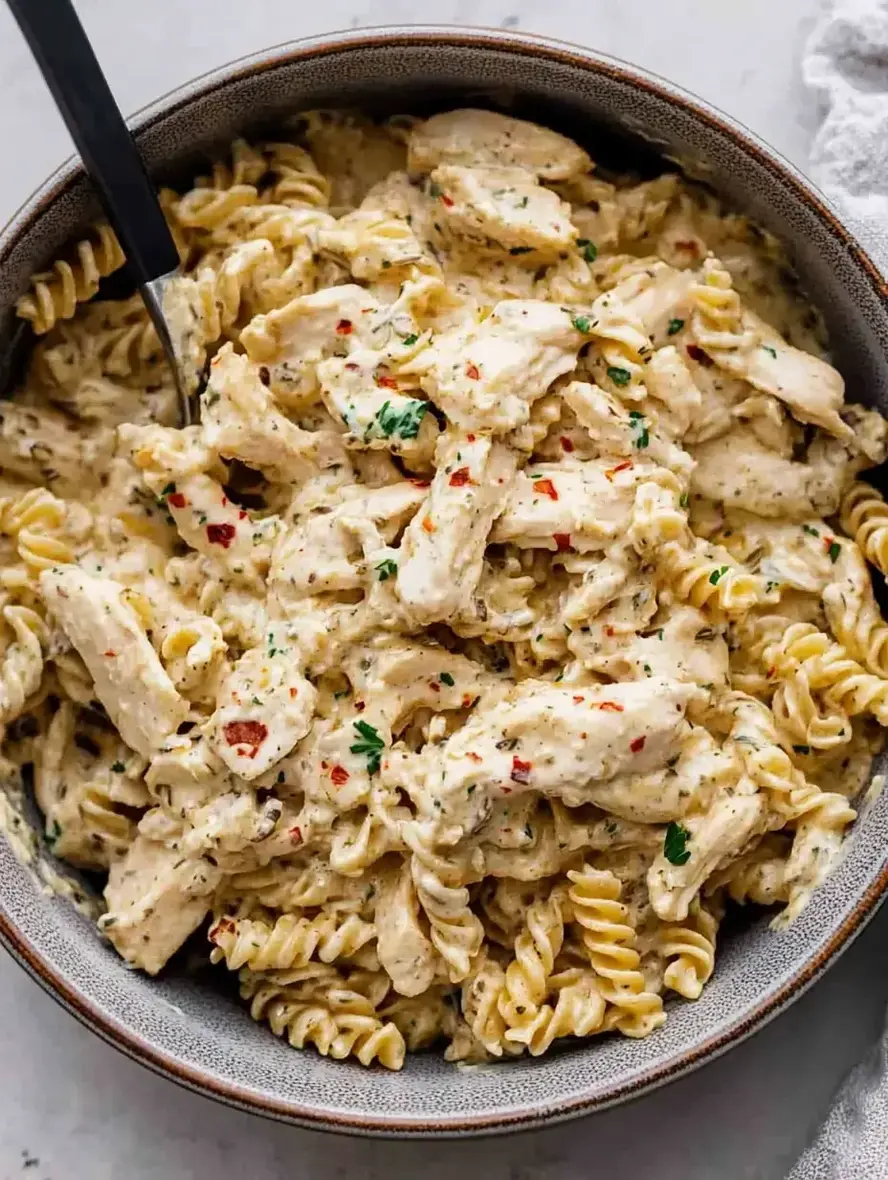
Crockpot Parmesan Garlic Chicken Pasta

Creamy, comforting, and effortlessly delicious—this Crockpot Parmesan Garlic Chicken Pasta is a weeknight winner.

Step-by-Step Instructions

Step 1: Prepare the Chicken

Start by placing your 2 lbs of boneless, skinless chicken breasts in the bottom of your crockpot. I like to give them a very light sprinkle of salt and pepper at this stage. There’s no need to sear the chicken first—the slow cooker will make it fall-apart tender. Just ensure they are in a single layer for even cooking.

Step 2: Create the Creamy Garlic Sauce

In a medium bowl, whisk together the two cans of cream of chicken soup, one cup of chicken broth, your minced garlic, Italian seasoning, black pepper, and half a cup of the grated Parmesan cheese. Whisk until it forms a smooth, homogenous mixture. The aroma of the garlic and herbs at this stage is a promise of the deliciousness to come.

Step 3: Cook the Sauce

Pour the creamy garlic sauce mixture evenly over the chicken in the crockpot. Make sure the chicken is mostly submerged. Place the lid securely on your slow cooker. Cook on LOW for 4 hours or on HIGH for 2 hours. I highly recommend the low setting for the most tender, shreddable chicken that soaks up all the flavors.

Step 4: Shred and Combine

Once the cooking time is up, the chicken should be cooked through and very tender. Use two forks to shred the chicken directly in the crockpot. It will blend right into the sauce. This is when the dish really starts to look like a cohesive, creamy chicken mixture.

Step 5: Cook the Pasta

While the chicken is cooking, or just before you’re ready to serve, cook your 16 oz of penne pasta according to package directions in a large pot of well-salted water. Cook it to al dente—it will have a slight bite to it. This is crucial because the pasta will continue to soften slightly when mixed with the hot sauce. Drain the pasta but do not rinse it; the starch helps the sauce cling.

Step 6: Final Assembly

Stir the remaining half cup of grated Parmesan cheese and the half cup of heavy cream into the shredded chicken and sauce in the crockpot. This final addition makes the sauce extra rich and glossy. Add the drained, cooked pasta to the crockpot and gently fold everything together until every piece of pasta is coated in the creamy Parmesan garlic sauce. Let it sit for 5-10 minutes on the “Warm” setting to allow the flavors to marry.

Nutritional Information

The following nutritional estimate is for one serving (approximately 1.5 cups), based on 8 servings per recipe. Values are approximate and can vary based on specific ingredients used.

  • Calories: ~480 kcal
  • Total Fat: 18g
  • Saturated Fat: 9g
  • Cholesterol: 95mg
  • Sodium: 850mg (Use low-sodium soup/broth to reduce)
  • Total Carbohydrates: 45g
  • Dietary Fiber: 2g
  • Sugars: 3g
  • Protein: 35g

Healthier Alternatives

You can easily adapt this recipe for a lighter version without sacrificing the creamy, satisfying essence.

  • For the Cream Base: Swap cream of chicken soup for a mixture of plain Greek yogurt (full-fat for creaminess) and low-sodium chicken broth thickened with a tablespoon of cornstarch.
  • For the Pasta: Use whole wheat, chickpea, or lentil pasta to significantly increase fiber and protein content.
  • For the Cheese: Use a reduced-fat Parmesan cheese. The flavor is still potent, so you can use a bit less.
  • For the Cream: Substitute the heavy cream with evaporated milk or light coconut milk for a lighter finish.
  • Boost Veggies: Add 2 cups of fresh spinach or chopped broccoli florets to the crockpot during the last 30 minutes of cooking for added nutrients and color.

Serving Suggestions

This pasta is a complete meal on its own, but pairing it correctly can elevate your dinner table.

  • With Bread: Serve with a side of warm, crusty garlic bread or soft breadsticks to soak up every last drop of the creamy sauce.
  • With Salad: A crisp, simple side salad with a tangy vinaigrette (like a classic Caesar or an Italian salad) provides a refreshing contrast to the rich pasta.
  • Wine Pairing: A glass of buttery Chardonnay or a crisp Pinot Grigio complements the garlic and Parmesan flavors beautifully.
  • Garnish Galore: Finish with extra grated Parmesan, a sprinkle of red pepper flakes for heat, fresh chopped parsley, or a twist of black pepper.

Common Mistakes

Avoid these pitfalls to ensure your dish turns out perfectly every time.

  • Overcooking the Pasta in the Crockpot: Never add uncooked, dry pasta to the slow cooker with the chicken. It will absorb all the liquid and become a mushy, starchy mess. Always cook the pasta separately.
  • Using Pre-Shredded Cheese Exclusively: Pre-shredded cheese contains cellulose, which can prevent it from melting smoothly into the sauce, resulting in a slightly grainy texture. Freshly grate your Parmesan for the silkiest sauce.
  • Not Tasting for Seasoning: Canned soups and cheeses vary in saltiness. Always taste the finished sauce before serving and adjust with salt, pepper, or even a squeeze of lemon juice to brighten the flavors.
  • Cooking on High for Too Long: If using the HIGH setting, stick to 2 hours. Chicken breasts can become dry and stringy if overcooked, even in a sauce.

Storing Tips

This recipe makes excellent leftovers, but proper storage is key.

  • Refrigeration: Store leftovers in an airtight container in the refrigerator for up to 3-4 days. The sauce will thicken as it cools.
  • Reheating: Reheat gently in the microwave, stirring every 30 seconds, or in a saucepan over low heat. Add a small splash of milk or broth to loosen the