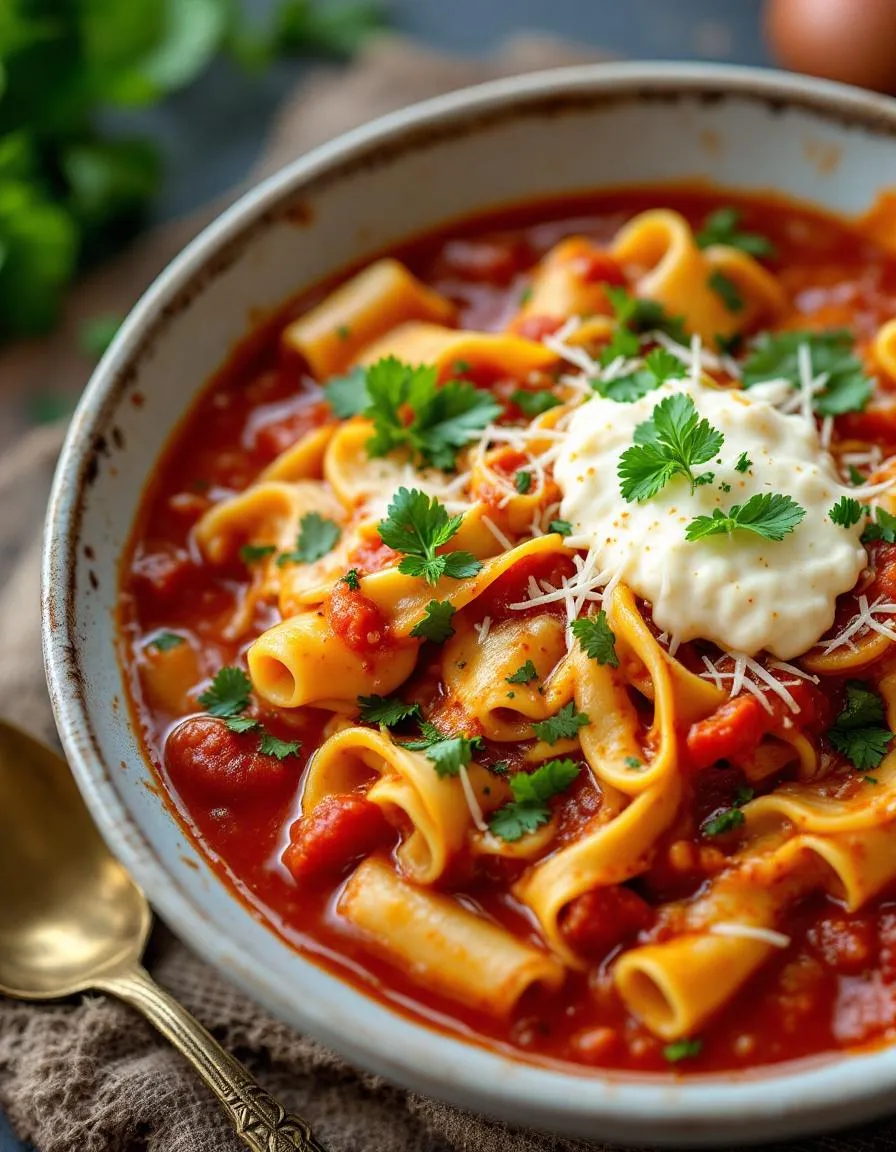
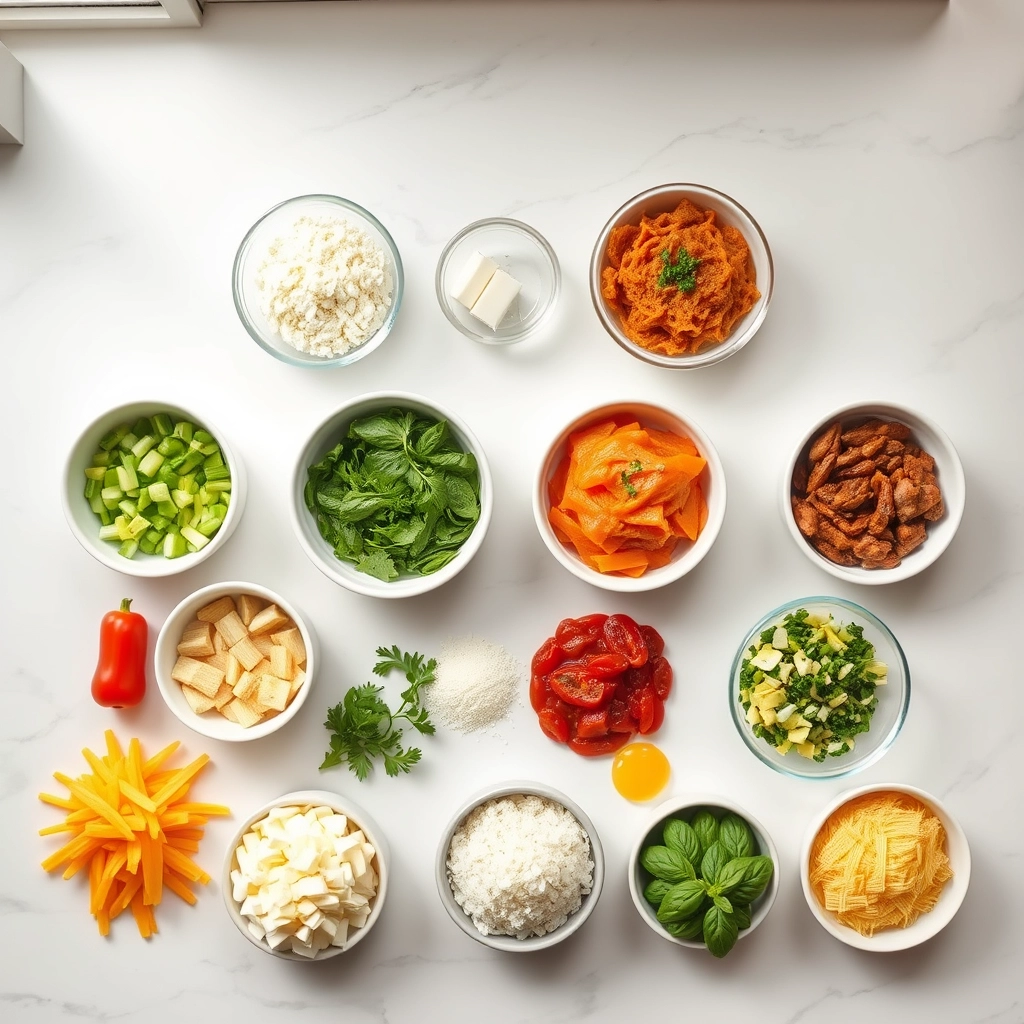
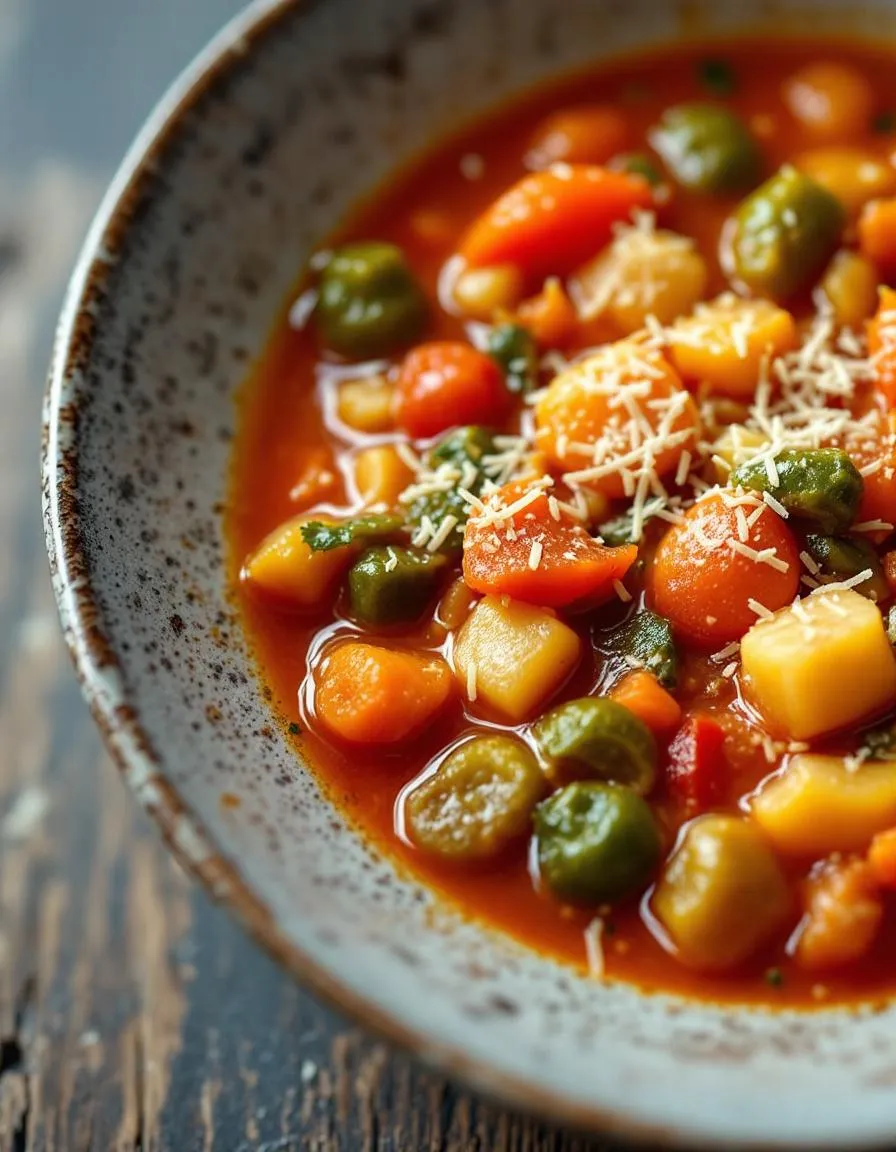
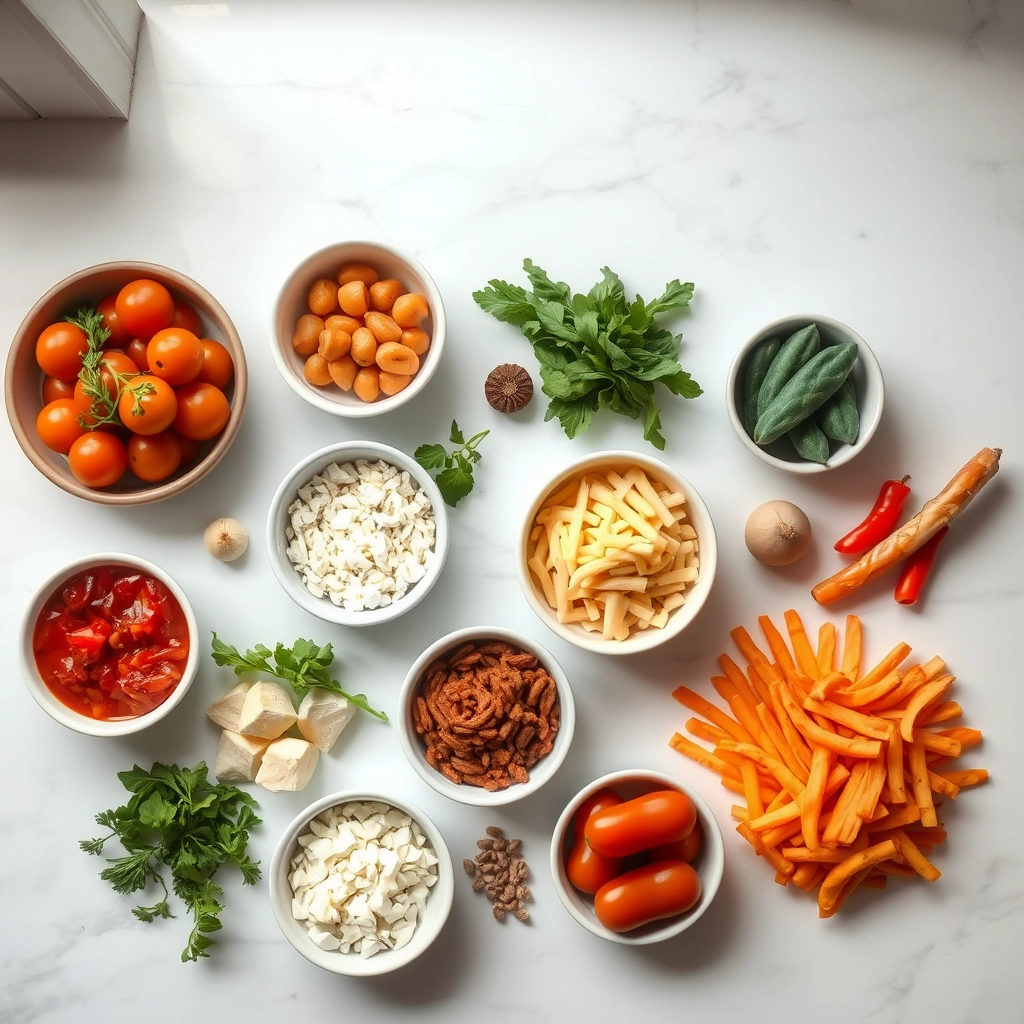
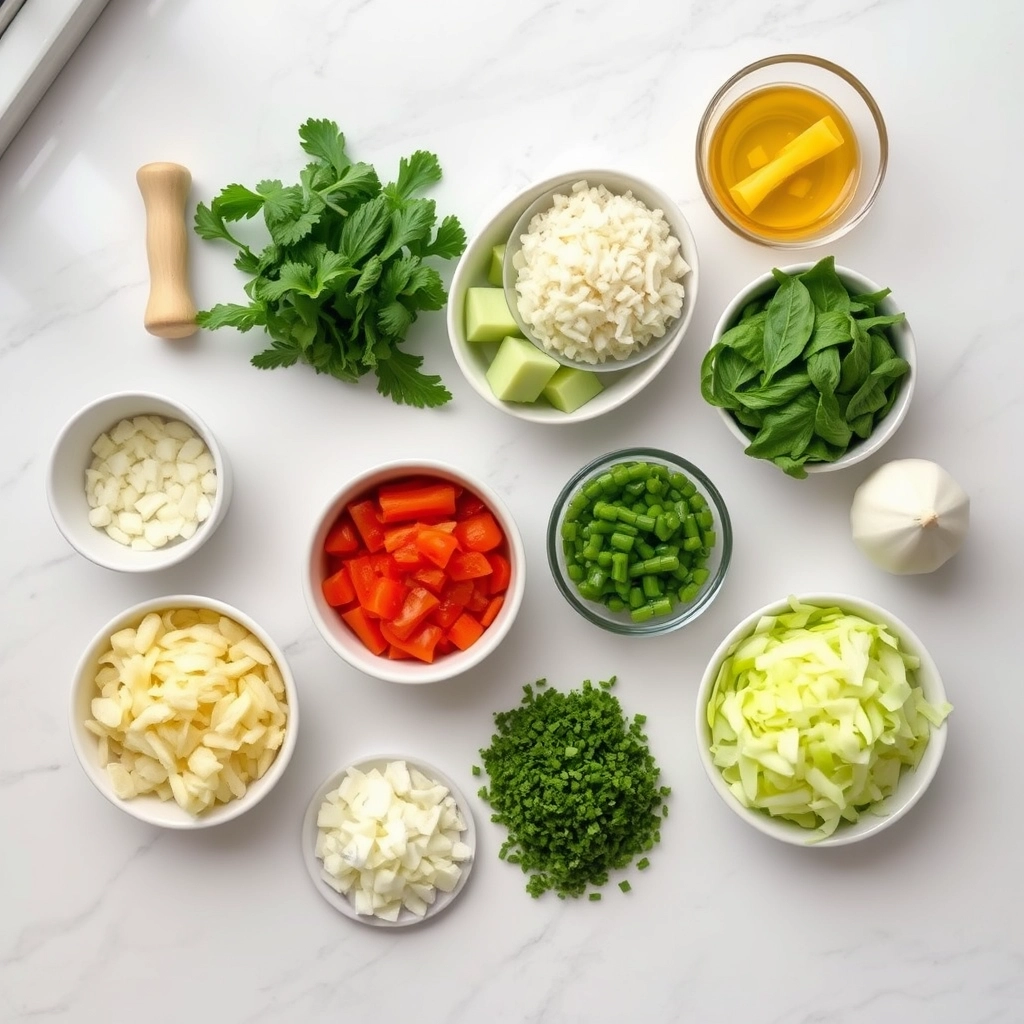
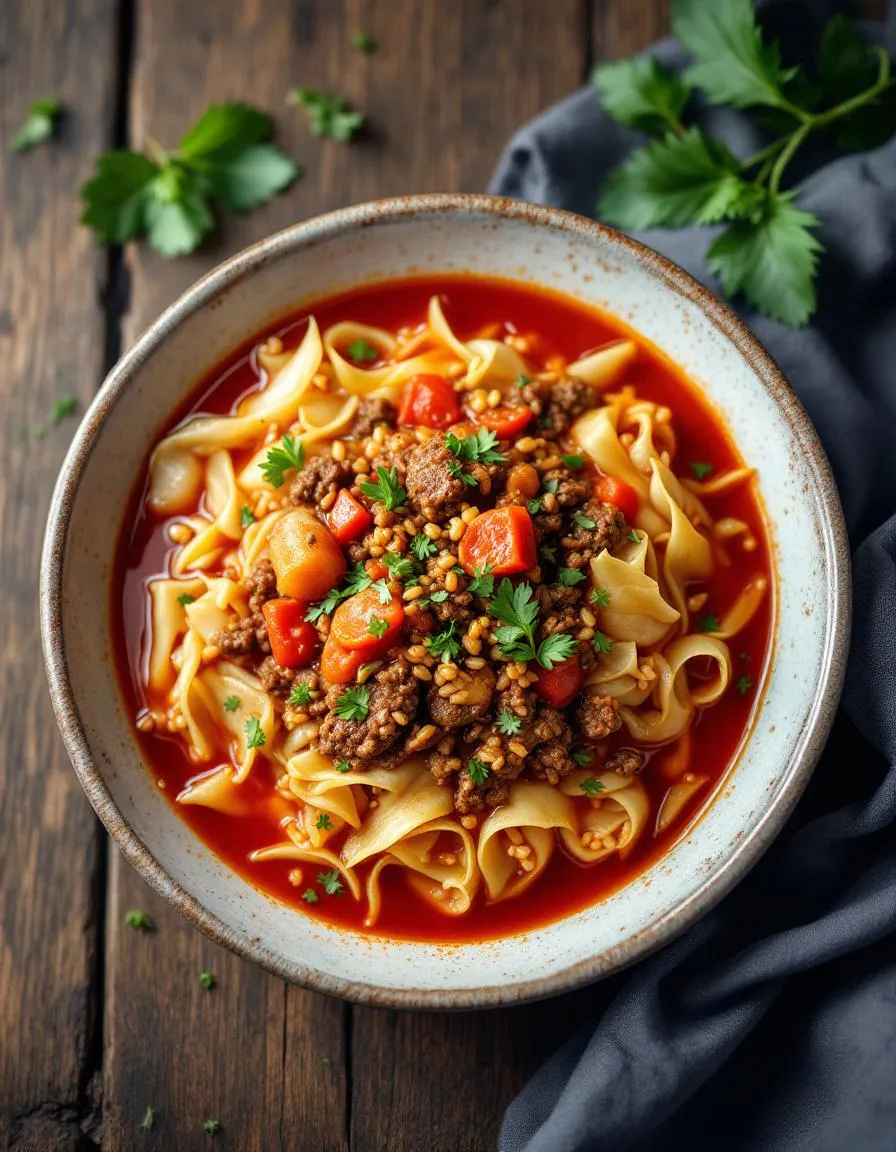
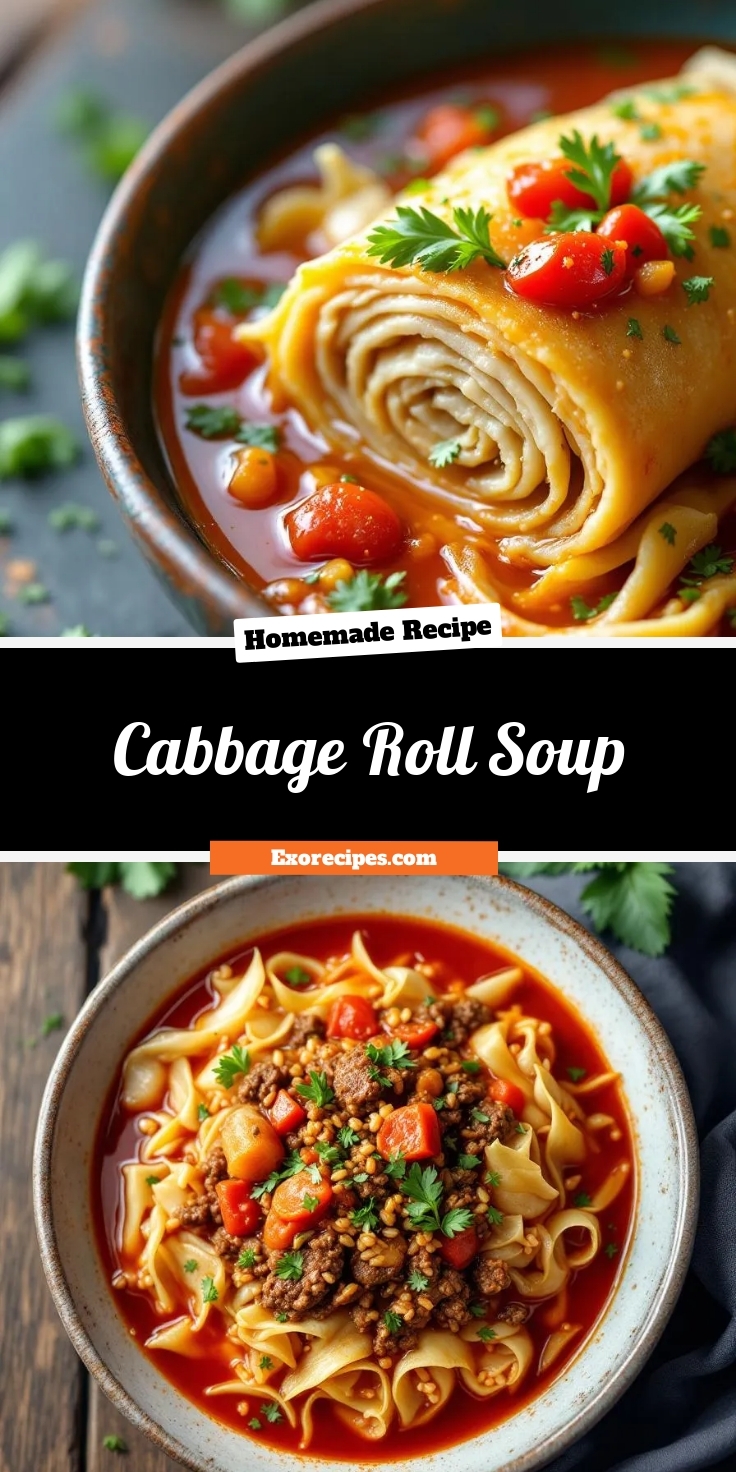
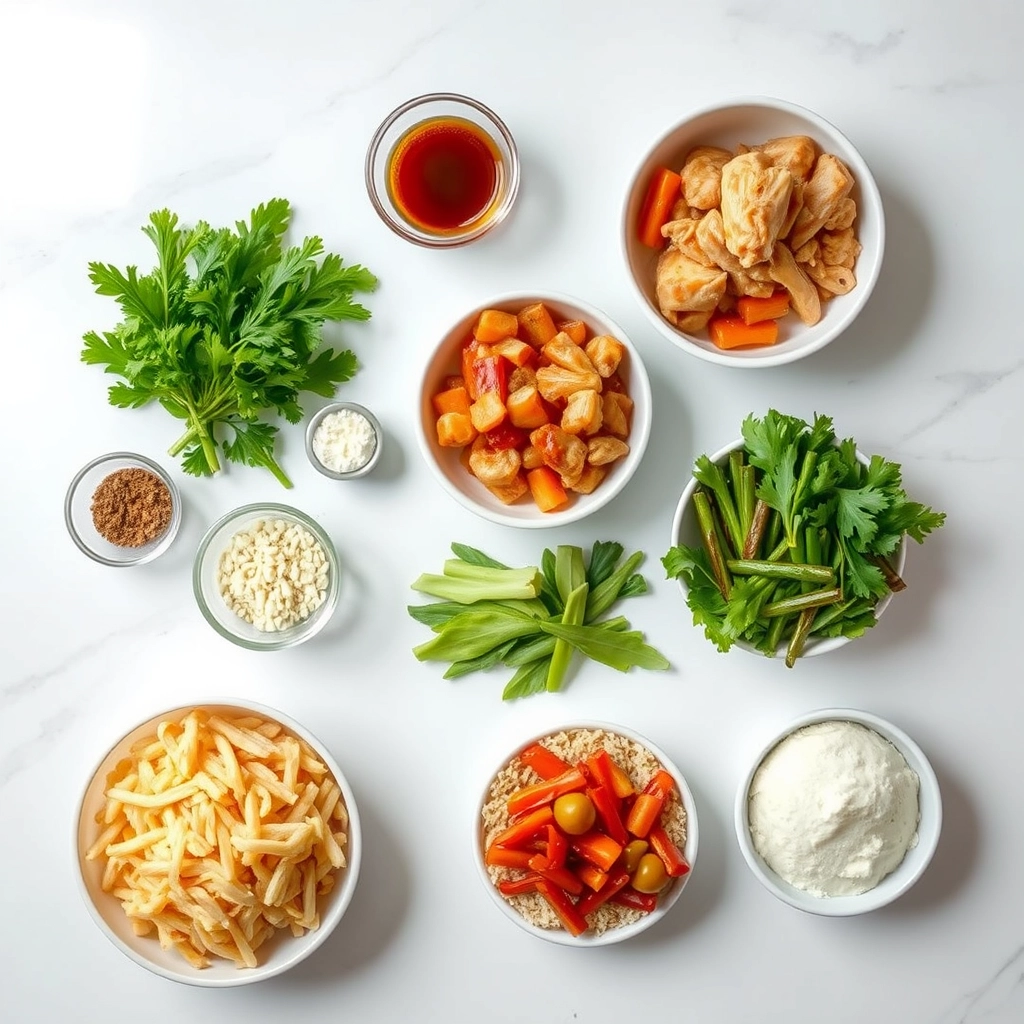
If you crave the cozy comfort of lasagna but don’t want to spend hours layering noodles, let me introduce you to Lasagna Soup. This recipe captures all the rich, savory flavors of the classic dish in a bowlful of warmth. Whether you’re cooking for a busy weeknight or a lazy Sunday, this soup wraps you in the same nostalgia as my grandma’s kitchen. Plus, it’s a fantastic way to sneak extra veggies into your family’s meals—just like my veggie-packed meatloaf does!
Lasagna Soup is a hearty, brothy twist on the Italian favorite, featuring tender pasta, savory ground meat, and melted cheese. Unlike traditional lasagna, it comes together in one pot, making cleanup a breeze. The magic lies in the layers of flavor—sweet tomatoes, aromatic herbs, and a touch of creaminess from ricotta. Perfect for chilly evenings or meal prep, this dish fits right into my blog’s mission: uncomplicated recipes with big flavor. If you love easy comfort food, you’ll adore my creamy tomato basil soup, another weeknight hero.
Why I Love This Recipe
Lasagna Soup holds a special place in my heart because it reminds me of snowy evenings with my family. My mom would improvise with whatever we had, turning leftovers into something magical. Now, I make it for my own kids, watching their faces light up at the first spoonful. It’s more than a meal—it’s a reminder that the simplest dishes often create the warmest memories.
Health and Nutrition
Why it’s good for your body
Lasagna Soup packs a nutritious punch while delivering the comforting flavors of classic lasagna. First, it combines lean proteins like ground turkey or beef with fiber-rich vegetables such as spinach, carrots, and tomatoes. These ingredients work together to keep you full longer and support digestion. Additionally, the tomatoes in Lasagna Soup provide lycopene, a powerful antioxidant linked to heart health.
Moreover, this soup offers a balanced macronutrient profile. The pasta adds complex carbs for energy, while the cheese and protein sources help maintain muscle health. Unlike heavy traditional lasagna, the broth-based version cuts calories without sacrificing taste. Plus, you can easily customize Lasagna Soup to boost its nutrition, like using whole-grain noodles or adding extra veggies.
Finally, Lasagna Soup delivers key vitamins and minerals. For instance, the garlic and onions strengthen immunity, while the herbs like oregano and basil offer anti-inflammatory benefits. Whether you choose a meaty or plant-based version, this dish fuels your body with essential nutrients. It’s a tasty way to eat well without feeling like you’re dieting.
How it fits in a healthy lifestyle
Lasagna Soup fits seamlessly into a balanced diet, whether you’re meal-prepping or cooking for a family. For protein-focused eaters, adding extra lean meat or legumes keeps it satisfying. If you prefer gluten-free options, swap regular pasta for chickpea or brown rice noodles. The versatility makes it easy to align with your dietary needs.
This soup also supports heart-healthy eating when you use low-sodium broth and load up on vegetables. Pair it with a crisp salad or whole-grain bread for a complete meal. If you’re looking for more high-protein ideas, check out our high-protein meal guide. For those tracking macros, Lasagna Soup’s customizable nature helps you stay on target without sacrificing flavor.
Busy weeknights? Lasagna Soup stores and reheats beautifully, making it a practical choice for healthy eating on the go. Explore our meal prep tips to simplify your routine. Whether you’re fueling workouts or just craving comfort food, this dish proves that nutritious eating can be delicious.
A comforting and hearty soup that captures all the flavors of classic lasagna in a bowl.
Ingredients
Scale
For the Crust:
1 lb ground beef
1 small onion, diced
3 cloves garlic, minced
1 tsp dried oregano
1 tsp dried basil
1/2 tsp red pepper flakes
1 (28 oz) can crushed tomatoes
6 cups chicken broth
8 lasagna noodles, broken into pieces
1/2 cup ricotta cheese
1/2 cup shredded mozzarella cheese
2 tbsp grated Parmesan cheese
Salt and pepper to taste
Instructions
1. Prepare the Crust:
In a large pot, brown the ground beef over medium heat. Drain excess fat.
Add onion, garlic, oregano, basil, and red pepper flakes. Cook until onions are soft.
Stir in crushed tomatoes and chicken broth. Bring to a boil.
Add broken lasagna noodles and cook until tender, about 10-12 minutes.
Season with salt and pepper to taste.
In a small bowl, mix ricotta, mozzarella, and Parmesan cheese.
Serve soup hot with a dollop of the cheese mixture on top.
Notes
You can customize the seasonings to taste.
“`html
s-dish">How to Prepare This Dish
Steps and time-saving tips
Start by heating a large pot over medium heat and browning the ground beef until it crumbles. Meanwhile, chop the onions and garlic to save time. Once the beef cooks through, drain any excess grease and stir in the onions and garlic. Let them soften for a few minutes while you sprinkle in Italian seasoning and a pinch of red pepper flakes for extra flavor. Pour in crushed tomatoes, tomato sauce, and broth, then bring the mixture to a gentle simmer. Break lasagna noodles into bite-sized pieces and drop them directly into the pot. Stir occasionally to prevent sticking, and cook until the noodles turn tender. While the soup simmers, mix ricotta, shredded mozzarella, and grated Parmesan in a bowl for the creamy topping. Ladle the hot Lasagna Soup into bowls, then dollop the cheese mixture on top. Finish with fresh basil or parsley for a bright touch. To save time, use pre-shredded cheese or no-boil lasagna noodles that cook faster in the broth.
Mistakes I’ve made and learned from
I once rushed the browning step and ended up with greasy Lasagna Soup—now I always drain the beef well and pat it dry if needed. Another time, I overcooked the noodles because I forgot they’d keep softening in the hot broth. Now I undercook them slightly or use sturdier pasta like farfalle if I’m not serving right away. The cheese topping can also turn grainy if you overmix it, so I gently fold the ingredients just until combined. For more foolproof tips, check out my guide on thickening soups without compromising texture. Trust me, these small tweaks make all the difference!
Lasagna Soup might sound like a modern twist, but its roots dig deep into Italian comfort food traditions. Imagine a chilly evening in Naples, where nonnas simmer rich tomato broth with layers of pasta, cheese, and herbs—essentially deconstructing the classic baked dish into a cozy, spoonable meal. Over time, Italian immigrants brought their love for lasagna to America, and creative home cooks reimagined it as a soup to save time without sacrificing flavor.
Today, you’ll find regional spins on Lasagna Soup everywhere. In the Midwest, cooks might add ground beef or sausage for heartiness, while coastal versions toss in seafood like shrimp or clams. Some families swear by a vegetarian take, loading up on mushrooms and spinach, while others keep it ultra-traditional with ricotta dollops and fresh basil. Even in Italy, variations exist—some towns prefer a brothy base, while others thicken it like a stew. No matter the version, Lasagna Soup always delivers that nostalgic, layered goodness in every bite.
ays-cooking">How it fits in today’s cooking
Lasagna Soup isn’t just a relic of the past—it’s a weeknight hero for busy cooks. Since it combines the comfort of lasagna with the ease of a one-pot meal, it’s perfect for modern routines. Many families now make it a staple during fall and winter, pairing it with crusty bread or a crisp salad for a balanced dinner. Others embrace it as a crowd-pleaser for game-day gatherings or holiday potlucks, where it rivals classics like Chicken Pot Pie Soup in popularity.
Thanks to its adaptability, Lasagna Soup also fits trendy diets like gluten-free or keto with simple swaps. Some cooks use zucchini noodles or lentil pasta, while others boost protein with turkey or plant-based crumbles. And let’s not forget the Instant Pot generation—they’ve streamlined the recipe even further. Whether you’re craving nostalgia or need a quick fix, this dish bridges the gap, much like Butternut Squash Soup does for seasonal comfort. It’s proof that some flavors never go out of style.
Taste and Texture
What makes it delicious
Lasagna Soup delivers all the cozy, hearty flavors of classic lasagna in a spoonable, brothy form. Each bite bursts with rich tomato tang, savory ground meat, and fragrant garlic, while tender pasta and melted cheese add a luscious, creamy texture. The broth soaks up the earthy sweetness of onions and herbs, creating a deeply satisfying aroma. Meanwhile, gooey mozzarella and ricotta dollops melt into the soup, offering pockets of velvety richness. Whether you crave comfort or bold Italian flavors, Lasagna Soup wraps you in warmth with every spoonful.
r">Boosting the flavor
For an extra flavor kick, try browning the meat with a pinch of fennel seeds or red pepper flakes to mimic Italian sausage. Stir in a splash of balsamic vinegar or a spoonful of tomato paste for deeper umami notes. Top your Lasagna Soup with crispy garlic breadcrumbs or fresh basil for contrasting texture and brightness. If you love cheesy twists, swap ricotta for herbed goat cheese or try our creamy pesto sauce as a drizzle. Pair it with a side of garlic Parmesan breadsticks to round out the meal. Small tweaks make this soup endlessly customizable!
Tips for Success
Best practices for results
Always brown the ground beef well before adding other ingredients to deepen the flavor of your Lasagna Soup. Use high-quality crushed tomatoes for a rich, balanced base, and simmer the soup gently to let the flavors meld. Stir the pasta frequently while cooking to prevent sticking, and taste for seasoning just before serving. For extra authenticity, top each bowl with a dollop of ricotta and a sprinkle of fresh basil.
>Mistakes to avoid
Avoid overcooking the pasta, as it will turn mushy in the soup. Instead, cook it al dente since it will soften slightly when served. Many home cooks also skip deglazing the pot after browning the meat, but scraping up those flavorful bits ensures a tastier broth. For more pasta-cooking tips, check out our guide to perfect pasta. Finally, don’t skimp on the cheese—melting it directly into the soup instead of garnishing can make the texture grainy. Learn how to balance creamy toppings in our cheese selection guide.
Serving and Pairing Suggestions
How to serve this dish
Lasagna Soup shines when you serve it in deep bowls to keep every spoonful warm and hearty. For a cozy family dinner, top it with a dollop of ricotta cheese, fresh basil, and a sprinkle of Parmesan for that classic lasagna feel. Alternatively, make it the star of your next game day spread by setting up a toppings bar with crispy garlic bread croutons, shredded mozzarella, and roasted red peppers. Whether you’re hosting a casual weeknight meal or a festive gathering, this soup adapts beautifully to any occasion.
What goes well with it
Pair your Lasagna Soup with a crisp Caesar salad for a refreshing contrast to its rich flavors. The crunchy romaine and tangy dressing balance the soup’s creamy texture perfectly. For a heartier meal, add a slice of warm garlic bread or try our Cheesy Pull-Apart Bread to soak up every last drop. If you’re serving a crowd, round out the menu with our Roasted Vegetable Antipasto for a colorful, veggie-packed side. Finally, a chilled glass of Chianti or sparkling water with lemon elevates the dining experience without overpowering the dish.
Lasagna soup combines classic lasagna ingredients like ground beef, tomatoes, ricotta, and pasta in a brothy base. It typically includes Italian seasonings, onions, garlic, and mozzarella for that familiar lasagna flavor. The soup version offers a quicker, lighter way to enjoy the comfort of lasagna.
How do you thicken lasagna soup?
To thicken lasagna soup, let it simmer uncovered to reduce the broth or add a cornstarch slurry. Another method is stirring in extra tomato paste or blending some of the soup before adding the pasta. The cheese topping also helps create a richer texture.
rank-math-faq-item">
Can you freeze lasagna soup?
Yes, lasagna soup freezes well for up to 3 months, though pasta may soften upon reheating. For best results, freeze without the noodles and add freshly cooked pasta when serving. Store in airtight containers, leaving room for expansion.
What to serve with lasagna soup?
Lasagna soup pairs perfectly with garlic bread, a crisp green salad, or roasted vegetables. For a heartier meal, add antipasto skewers or stuffed mushrooms. The soup stands alone well but benefits from crusty bread for dipping.
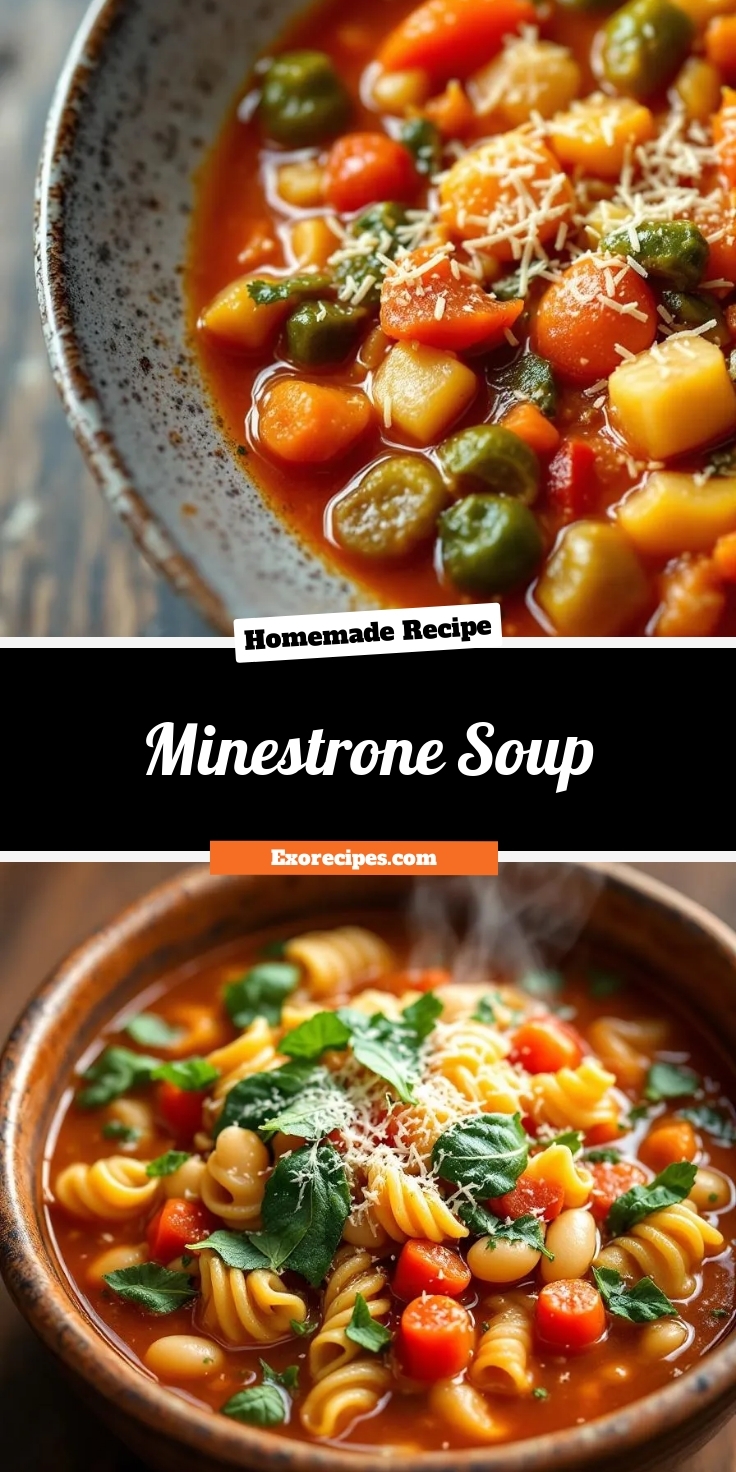
Classic Minestrone Soup – Easy Homemade Recipe
Introduction
There’s something deeply comforting about a bowl of Minestrone Soup—the way it warms you from the inside out, the way it brings together simple, wholesome ingredients into something greater than the sum of its parts. Whether you’re craving a cozy meal on a chilly evening or a nourishing lunch that feels like a hug, this classic Italian dish never disappoints. Plus, it’s incredibly versatile, making it perfect for both weeknight dinners and special occasions.
Minestrone Soup is a hearty, vegetable-packed dish that originated in Italy but has won hearts worldwide. Traditionally, it features a mix of seasonal vegetables, beans, pasta or rice, and a rich tomato-based broth. What makes it truly special is its adaptability. You can swap ingredients based on what’s in your pantry or fridge, making it a fantastic way to reduce food waste. Beyond its practicality, Minestrone Soup embodies the essence of home cooking—simple, wholesome, and deeply satisfying. It fits perfectly with the brekcakes.com philosophy of creating meals that are both delicious and approachable. If you’re looking for more inspiration, check out our vegetable soup recipes or explore our guide to meal prep tips to make cooking even easier.
Why I Love This Recipe
Minestrone Soup holds a special place in my heart because it reminds me of Sunday dinners at my grandmother’s house. She’d simmer a big pot on the stove, filling the kitchen with the most incredible aromas. Every bite was a reminder of how food connects us to the people and memories we cherish. Now, whenever I make Minestrone Soup, I feel that same warmth and love—and I hope this recipe brings you just as much joy.
Health and Nutrition
Why it’s good for your body
Minestrone Soup packs a powerful nutritional punch, making it a standout choice for a wholesome meal. First, it’s loaded with fiber-rich vegetables like carrots, celery, and tomatoes, which support digestion and keep you feeling full longer. Additionally, the beans in Minestrone Soup provide plant-based protein, helping to maintain muscle health and energy levels.
Moreover, Minestrone Soup delivers a wealth of vitamins and minerals. For instance, the leafy greens and tomatoes offer vitamin C and antioxidants, which boost immunity and fight inflammation. Meanwhile, the broth base keeps the dish hydrating and low in calories, perfect for those mindful of their weight.
Beyond its nutrient density, Minestrone Soup also promotes heart health. The olive oil often used in its preparation contains healthy fats that support cholesterol balance. Furthermore, the absence of heavy creams or processed ingredients makes it a cleaner alternative to many comfort foods. Whether you’re seeking a nutrient boost or a satisfying meal, Minestrone Soup checks all the boxes.
How it fits in a healthy lifestyle
Minestrone Soup effortlessly fits into a balanced diet, whether you’re focusing on weight management, heart health, or plant-based eating. Its versatile ingredients allow you to customize it for gluten-free or low-carb needs by swapping pasta for quinoa or zucchini noodles. For those prioritizing protein, adding extra beans or lean turkey can elevate its nutritional profile.
This soup also aligns with meal prep strategies, as it stores well and tastes even better the next day. Pair it with a healthy side dish like a crisp salad for a complete meal. If you’re exploring more ways to incorporate nutritious soups into your routine, check out our guide to meal prep ideas for inspiration. Minestrone Soup proves that eating well doesn’t mean sacrificing flavor or convenience.
A moist and flavorful pineapple cake with a tropical twist, perfect for dessert or tea time.
Ingredients
Scale
For the Crust:
2 cups all-purpose flour
1 cup granulated sugar
1 tsp baking powder
1/2 tsp baking soda
1/4 tsp salt
1/2 cup unsalted butter, softened
2 large eggs
1 cup crushed pineapple, drained
1/2 cup pineapple juice
1 tsp vanilla extract
Instructions
1. Prepare the Crust:
Preheat oven to 350°F (175°C). Grease and flour a 9-inch round cake pan.
In a large bowl, whisk together flour, sugar, baking powder, baking soda, and salt.
Add softened butter, eggs, crushed pineapple, pineapple juice, and vanilla extract. Mix until well combined.
Pour batter into the prepared cake pan and smooth the top.
Bake for 30-35 minutes or until a toothpick inserted in the center comes out clean.
Allow the cake to cool in the pan for 10 minutes before transferring to a wire rack to cool completely.
Notes
You can customize the seasonings to taste.
“`html
="how-to-prepare-this-dish">How to Prepare This Dish
Steps and time-saving tips
Start by heating olive oil in a large pot over medium heat. Add diced onions, carrots, and celery, then sauté until they soften. Stir in minced garlic for a fragrant base. Next, pour in vegetable broth and diced tomatoes, bringing the mixture to a gentle boil. Toss in chopped zucchini, green beans, and drained cannellini beans for texture. Sprinkle dried oregano and basil, then season with salt and pepper. Let the Minestrone Soup simmer for 20 minutes, stirring occasionally. Meanwhile, cook ditalini pasta separately to avoid mushiness. Add the pasta and fresh spinach just before serving. For a time-saving hack, use frozen mixed vegetables or pre-chopped mirepoix. If you’re short on time, swap dried herbs for Italian seasoning. Finally, drizzle with extra virgin olive oil and grate Parmesan on top for a rich finish.
Mistakes I’ve made and learned from
I once overcooked the pasta directly in the Minestrone Soup, turning it into a starchy mess. Now, I always cook pasta separately and add it later. Another blunder? Skipping the sauté step for the onions and garlic, which left the soup tasting bland. Taking those extra minutes to build flavor makes all the difference. If you’re new to soup-making, check out my guide on avoiding common soup mistakes. Also, don’t forget to taste as you go—undersalting happened to me too often until I followed my own advice from seasoning like a pro. Trust me, these small tweaks transform good Minestrone Soup into greatness.
Minestrone Soup has deep roots in Italian peasant cooking, where families tossed whatever vegetables they had into a pot to create a hearty, nourishing meal. Originally, this dish reflected the seasons—spring might bring fresh peas and asparagus, while winter versions leaned on beans, cabbage, and squash. Over time, Minestrone Soup became a symbol of resourcefulness, with every region in Italy adding its own twist. In Tuscany, they skip the pasta and use bread, while Ligurians might stir in pesto for a fragrant finish.
Beyond Italy, Minestron
e Soup traveled with immigrants, adapting to new kitchens. In Brazil, you might find it with coconut milk for extra richness, while Argentinian versions often include more meat. My grandmother made hers with extra garlic and a handful of Parmesan rinds, simmered until the broth turned golden. No matter the variation, the soul of Minestrone Soup stays the same—a celebration of simplicity and community, one spoonful at a time.
How it fits in today’s cooking
Today, Minestrone Soup fits perfectly into modern cooking because it’s flexible, healthy, and endlessly customizable. Busy home cooks love tossing in leftover veggies or swapping traditional beans for chickpeas. Meanwhile, meal preppers appreciate how well it freezes, making it a staple for easy weeknight dinners. Even plant-based eaters embrace it, since the recipe naturally leans vegetarian.
Seasonally, Minestrone Soup shines in fall and winter, but lightened-up summer versions with zucchini and fresh herbs also hit the spot. It’s a star at gatherings too, especially when paired with crusty bread or a crisp salad. For more cozy meal ideas, check out our guide to comfort food classics. Whether you stick to tradition or experiment, Minestrone Soup remains a timeless dish that bridges generations and kitchens.
>Taste and Texture
What makes it delicious
Minestrone Soup delights the senses with its rich, savory broth and hearty medley of textures. The first spoonful brings a burst of umami from slow-simmered tomatoes, while tender beans and al dente pasta add a satisfying chew. Fragrant garlic and fresh herbs like basil and oregano infuse every bite with warmth, and a splash of olive oil lends a silky finish. Meanwhile, crisp zucchini and carrots brighten the dish, balancing the deep flavors. Whether you enjoy it chunky or smooth, Minestrone Soup wraps you in comfort with its rustic, soul-warming appeal.
Boosting the flavor
Elevate your Minestrone Soup by stirring in a spoonful of homemade pesto for a herby, nutty kick. For extra depth, try topping it with grated Parmesan or a drizzle of garlic-infused olive oil. If you crave heat, a pinch of red pepper flakes or a dash of smoked paprika will add warmth without overpowering the soup’s natural sweetness. Finally, a squeeze of lemon just before serving brightens the flavors, making each bowl of Minestrone Soup even more irresistible.
Tips for Success
Best practices for results
Always sauté your onions, carrots, and celery first to build a rich flavor base for your Minestrone Soup. Additionally, use fresh herbs like basil or oregano to enhance the taste, and simmer the soup on low heat for at least 30 minutes to let the flavors meld. For the best texture, add pasta or beans toward the end of cooking so they don’t turn mushy. Finally, taste and adjust the seasoning just before serving to ensure a perfectly balanced bowl every time.
Mistakes to avoid
One common mistake is overcooking the vegetables, which can make your Minestrone Soup too soft. Instead, add heartier veggies like potatoes early and delicate ones like zucchini later. Another error is skipping the Parmesan rind, which adds depth—try tossing one in while simmering. For more on balancing flavors, check out our guide to soup seasoning secrets. Also, avoid using watery broth; opt for a high-quality stock or reduce it slightly, as explained in our broth vs stock breakdown.
Serving and Pairing Suggestions
How to serve this dish
Minestrone soup shines when served in a rustic bowl with a drizzle of extra virgin olive oil and a sprinkle of fresh parsley or basil. For a cozy family dinner, pair it with crusty bread or garlic knots right on the table. Meanwhile, if you’re hosting a casual gathering, serve it in small mugs as a comforting starter. To make it visually appealing, top each bowl with a handful of grated Parmesan or a swirl of pesto. Additionally, Minestrone soup works beautifully for meal prep—just store it in airtight containers for quick lunches all week.
h-it">What goes well with it
First, a crisp green salad like our Mediterranean Salad balances the heartiness of Minestrone soup with fresh, tangy flavors. Next, try pairing it with a slice of warm, buttery Rosemary Focaccia for the ultimate comfort meal. Finally, a glass of light white wine or sparkling water with lemon enhances the soup’s savory notes without overpowering it. Whether you choose sides or drinks, these pairings elevate every spoonful.
What is traditionally in minestrone soup?
Traditional minestrone soup includes vegetables like carrots, celery, onions, tomatoes, and beans, often with pasta or rice. Some versions also feature zucchini, spinach, or potatoes. Minestrone soup is known for its hearty, flexible recipe that adapts to seasonal ingredients.
rank-math-faq-item">
Is minestrone soup healthy?
Yes, minestrone soup is generally healthy because it’s packed with vegetables, fiber-rich beans, and often whole grains. It’s low in fat and calories while providing vitamins and protein. For a lighter version, use low-sodium broth and load up on fresh veggies.
Can you freeze minestrone soup?
Absolutely! Minestrone soup freezes well for up to 3 months. Let it cool completely before storing in airtight containers. If your soup contains pasta, cook it separately when reheating to avoid mushiness.
What’s the difference between minestrone and vegetable soup?
Minestrone soup is a specific Italian vegetable soup that always includes beans and often pasta or rice. While both are vegetable-based, minestrone has a thicker consistency and typically features Italian seasonings like basil and oregano.
>
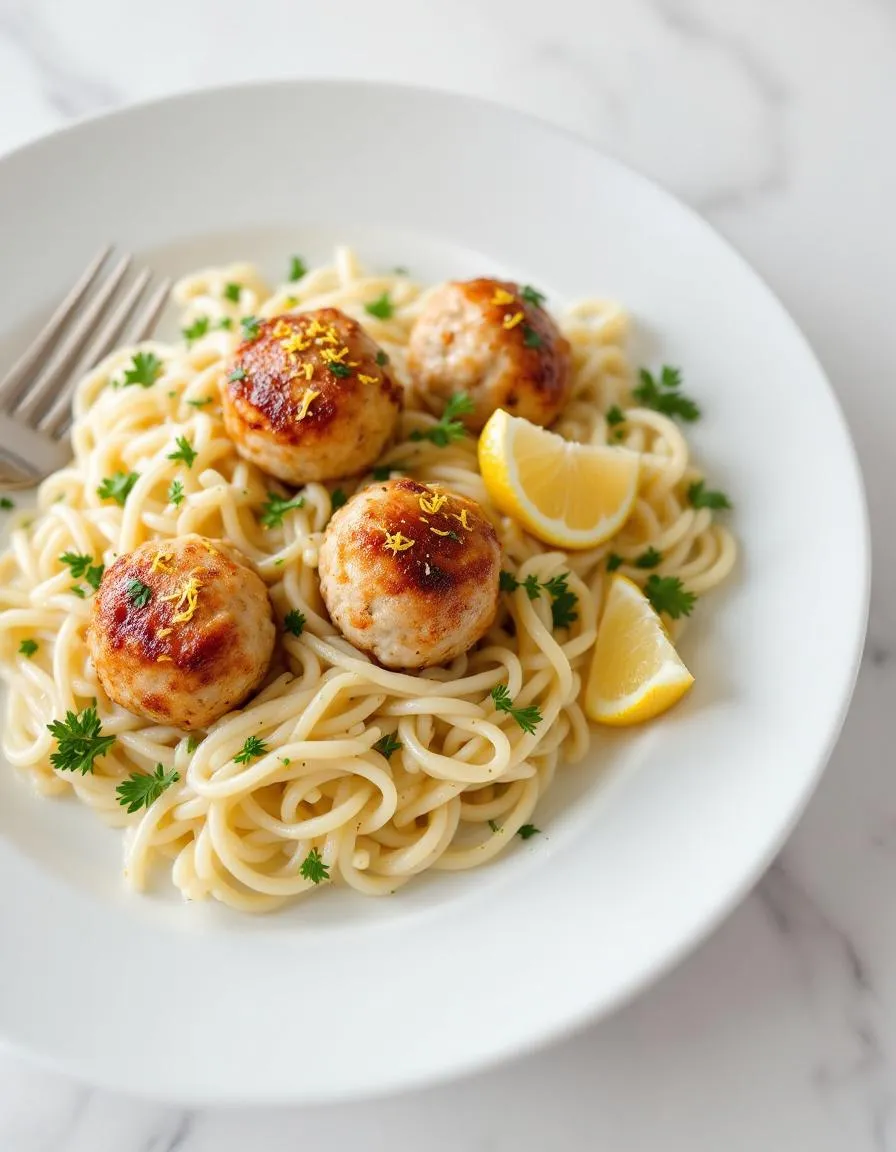
Best Lemon Chicken Ricotta Meatballs with Garlic Orzo
Introduction
There’s something truly special about a meal that comforts you while still feeling fresh and vibrant. That’s exactly what you’ll find with these Lemon Chicken Ricotta Meatballs with Garlic Orzo. Whether you’re craving a cozy weeknight dinner or need a showstopping dish for guests, this recipe delivers. The bright citrus notes, creamy ricotta, and savory garlic orzo create a harmony of flavors that feels both indulgent and light. Plus, it’s one of those meals that somehow manages to be effortless yet impressive—exactly the kind of dish I love sharing here.
Lemon Chicken Ricotta Meatballs with Garlic Orzo is a modern twist on classic comfort food. The tender chicken meatballs, enriched with ricotta and zesty lemon, pair perfectly with the garlic-infused orzo, creating a meal that’s as satisfying as it is flavorful. What makes this dish stand out is its balance: the richness of the meatballs contrasts beautifully with the bright, herbaceous notes, while the orzo adds a comforting, pasta-like texture. This recipe fits brekcakes.com’s ethos of approachable yet elevated cooking—dishes that feel special without requiring hours in the kitchen. If you’re a fan of my Creamy Tuscan Chicken, you’ll adore this recipe for its similar blend of simplicity and sophistication. And if you’re looking for more ways to enjoy orzo, my Lemon Garlic Shrimp Orzo is another must-try.
Why I Love This Recipe
This dish holds a special place in my heart because it reminds me of Sunday dinners with my family. The first time I made Lemon Chicken Ricotta Meatballs with Garlic Orzo, my kids devoured it—and that’s saying something for picky eaters. There’s a joy in watching people savor every bite, and this recipe never fails to deliver that moment. It’s also incredibly versatile; I’ve served it at casual weeknight meals and fancy dinner parties alike. Every time I make it, I’m reminded why I fell in love with cooking: food has the power to bring people together, and this dish does just that.
Health and Nutrition
Why it’s good for your body
Lemon Chicken Ricotta Meatballs with Garlic Orzo packs a nutritious punch while delighting your taste buds. First, the lean chicken provides high-quality protein to support muscle repair and keep you full longer. Meanwhile, ricotta cheese adds a creamy texture while boosting calcium and vitamin B12 for strong bones and energy. The lemon zest brightens the dish and delivers a dose of immune-boosting vitamin C.
Additionally, garlic in the orzo not only enhances flavor but also offers anti-inflammatory benefits. Whole wheat orzo, if used, adds fiber to aid digestion and stabilize blood sugar. Olive oil ties everything together with heart-healthy monounsaturated fats. Together, these ingredients make Lemon Chicken Ricotta Meatballs with Garlic Orzo a balanced meal that nourishes your body without sacrificing flavor.
Finally, this dish avoids heavy creams or excessive salt, keeping it light yet satisfying. The herbs and citrus cut through richness, making it a refreshing choice any night of the week. Whether you need a post-workout meal or a family-friendly dinner, Lemon Chicken Ricotta Meatballs with Garlic Orzo delivers both nutrition and comfort in every bite.
How it fits in a healthy lifestyle
Lemon Chicken Ricotta Meatballs with Garlic Orzo fits seamlessly into a balanced diet. If you prioritize protein, the chicken and ricotta provide a lean yet flavorful combo to meet your goals. For gluten-free eaters, simply swap regular orzo for a gluten-free version—the dish stays just as delicious.
This recipe also aligns with heart-healthy eating thanks to olive oil and lean poultry. Pair it with a side of roasted vegetables or a crisp salad for extra fiber and vitamins. If you love meal prepping, the meatballs and orzo reheat beautifully for quick lunches. Check out our meal prep guide for more time-saving ideas.
Even on busy nights, Lemon Chicken Ricotta Meatballs with Garlic Orzo comes together quickly. It’s a smarter alternative to takeout, offering wholesome ingredients without the guilt. For more weeknight dinner inspiration, explore our healthy weeknight meals collection. With this dish, you can enjoy flavor and nutrition without compromise.
Juicy chicken meatballs with ricotta and lemon zest served over garlic-infused orzo pasta.
Ingredients
Scale
For the Crust:
1 lb ground chicken
1/2 cup ricotta cheese
1 egg
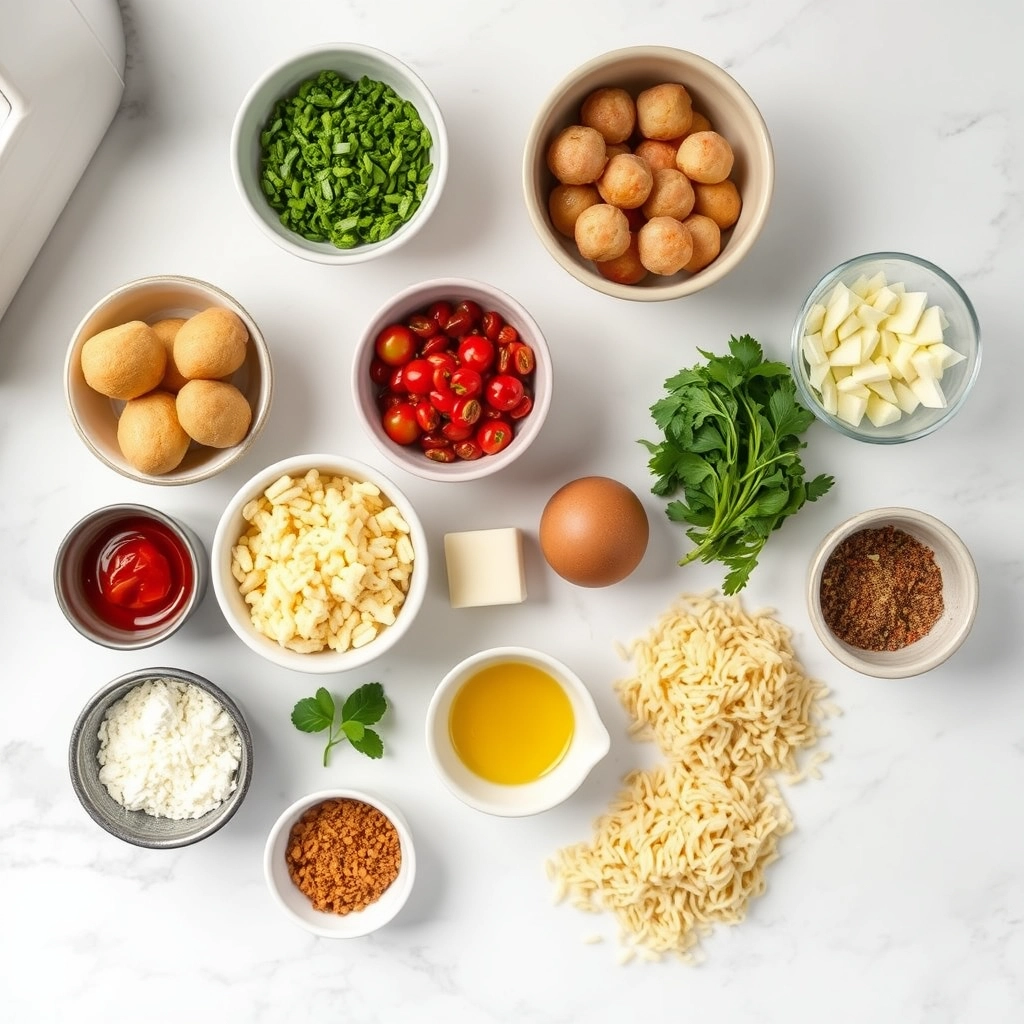
1/4 cup breadcrumbs
1 lemon (zested and juiced)
2 cloves garlic (minced)
1 tsp dried oregano
1/2 tsp salt
1/4 tsp black pepper
1 tbsp olive oil
1 cup orzo pasta
2 cups chicken broth
2 tbsp butter
2 tbsp chopped parsley
Instructions
1. Prepare the Crust:
In a bowl, mix ground chicken, ricotta, egg, breadcrumbs, lemon zest, half the minced garlic, oregano, salt, and pepper until combined.
Form into 1-inch meatballs and set aside.
Heat olive oil in a large skillet over medium heat. Cook meatballs until browned on all sides and cooked through (about 8-10 minutes). Remove and set aside.
In the same skillet, melt butter and sauté remaining garlic for 30 seconds. Add orzo and toast for 1 minute.
Pour in chicken broth and bring to a simmer. Cover and cook for 10 minutes or until orzo is tender.
Stir in lemon juice and parsley. Return meatballs to the skillet to warm through before serving.
Notes
You can customize the seasonings to taste.
How to Prepare This Dish
Steps and time-saving tips
Start by preheating your oven to 400°F and lining a baking sheet with parchment paper for easy cleanup. In a large bowl, combine ground chicken, ricotta, breadcrumbs, lemon zest, minced garlic, and a pinch of salt. Gently mix everything with your hands until just combined—overworking the meat will make the meatballs tough. Roll the mixture into 1-inch balls and place them on the baking sheet. Meanwhile, bring a pot of salted water to boil for the garlic orzo. While the meatballs bake for 18-20 minutes, sauté minced garlic in olive oil until fragrant, then stir in the orzo and toast it lightly. Pour in chicken broth and let the orzo simmer until tender. For a time-saving hack, use pre-minced garlic or a microplane for the lemon zest. Once the meatballs are golden and cooked through, drizzle them with fresh lemon juice and sprinkle chopped parsley over the garlic orzo before serving.
and-learned-from">Mistakes I’ve made and learned from
I once rushed the meatball mixture and ended up with dense, dry Lemon Chicken Ricotta Meatballs because I overmixed the ingredients. Now, I fold everything together gently and let the ricotta work its magic for tenderness. Another blunder? Underseasoning the garlic orzo—it’s easy to forget how much flavor the pasta absorbs. I fixed this by tasting and adjusting the broth before adding the orzo, just like I do with my perfectly seasoned pasta. Also, if your meatballs stick to the pan, don’t skip the parchment paper; it’s a game-changer, much like the baking sheet hacks I swear by. Learn from my missteps, and you’ll nail this dish every time.
Cultural Connection and Variations
Where this recipe comes from
Lemon Chicken Ricotta Meatballs with Garlic Orzo feels like a love letter to Mediterranean flavors with a cozy, modern twist. While meatballs appear in countless cultures—from Swedish köttbullar to Middle Eastern kofta—this version leans into Italian-American comfort food. The ricotta keeps the chicken tender, while lemon brightens every bite, a trick many coastal Italian cooks use to balance rich dishes.
In Greece, you might fi
nd similar meatballs served with avgolemono sauce, a lemony egg broth. Meanwhile, Sicilian cooks often add pine nuts or raisins for sweetness. My grandmother, however, swore by a splash of white wine in the orzo, a trick she learned from her neighbors in Naples. Whether you tweak the herbs or swap the citrus, Lemon Chicken Ricotta Meatballs with Garlic Orzo adapts beautifully to regional tastes.
How it fits in today’s cooking
Today, this dish shines as a weeknight hero or a star at casual gatherings. Busy cooks love how the orzo cooks faster than traditional pasta, and the meatballs freeze perfectly for meal prep. Plus, the lemony kick makes it ideal for spring dinners or summer potlucks. For a lighter take, some roast the meatballs instead of pan-frying them, or pair them with a crisp salad like this avocado cucumber salad.
It’s also a hit for hybrid traditions—maybe served alongside garlic butter shrimp at a coastal-inspired feast. Whether you stick to the classic or experiment with spices, Lemon Chicken Ricotta Meatballs with Garlic Orzo bridges nostalgia and modern ease. After all, good food evolves, but comfort stays timeless.
>Taste and Texture
What makes it delicious
Lemon Chicken Ricotta Meatballs with Garlic Orzo delivers a bright, comforting bite that balances richness and zest. The meatballs are tender and juicy, thanks to the ricotta, while fresh lemon zest cuts through with a tangy pop. Each forkful of garlicky orzo adds a buttery, slightly chewy contrast, soaking up the savory pan juices. Fragrant garlic and herbs like parsley or thyme deepen the aroma, making every mouthful irresistible. Whether you savor the creamy texture of the ricotta or the citrusy punch of lemon, this dish feels both light and satisfying at once. Lemon Chicken Ricotta Meatballs with Garlic Orzo truly shines as a meal that’s vibrant yet deeply flavorful.
Boosting the flavor
For an extra burst of flavor, try stirring a spoonful of homemade pesto into the orzo or drizzling it over the meatballs. The herby, nutty notes elevate the dish beautifully. Alternatively, a sprinkle of chili flakes or a dash of smoked paprika adds warmth without overpowering the lemon. If you love creamy textures, a dollop of whipped feta dip on the side introduces a salty, tangy contrast. Finally, a squeeze of extra lemon right before serving keeps the flavors bright and fresh. With these tweaks, your Lemon Chicken Ricotta Meatballs with Garlic Orzo will taste even more dynamic.
Tips for Success
Best practices for results
Always mix the ricotta and ground chicken gently to keep the meatballs tender. Meanwhile, preheat your skillet properly so the Lemon Chicken Ricotta Meatballs with Garlic Orzo sear evenly without sticking. For the orzo, toast it lightly in garlic-infused oil before adding liquid—this boosts flavor. Additionally, let the meatballs rest for 5 minutes after cooking so they hold their shape when served. Finally, taste the orzo for seasoning before plating, as it absorbs salt differently than pasta.
Mistakes to avoid
Overmixing the meatball mixture can make it dense, so fold the ingredients just until combined. Another common error is crowding the pan—cook the Lemon Chicken Ricotta Meatballs with Garlic Orzo in batches if needed for even browning. Also, avoid overcooking the orzo, since it turns mushy fast. For perfect doneness, check our guide on cooking pasta al dente. Lastly, don’t skip resting the meatballs; otherwise, they may crumble. For more on handling delicate proteins, see our tips for working with ground chicken.
Serving and Pairing Suggestions
How to serve this dish
For a stunning presentation, plate the Lemon Chicken Ricotta Meatballs with Garlic Orzo on a wide, shallow bowl to showcase the vibrant colors. Top with a sprinkle of fresh parsley or microgreens for a pop of green, and add lemon zest for extra brightness. Meanwhile, serve this dish family-style in a large serving dish for casual gatherings, letting guests help themselves. Whether you’re hosting a cozy dinner party or a festive holiday meal, these meatballs bring warmth and flavor to any occasion. Finally, pair with crusty bread to soak up the delicious garlic-infused orzo sauce.
h-it">What goes well with it
A crisp, citrusy white wine like Sauvignon Blanc perfectly complements the zesty flavors of Lemon Chicken Ricotta Meatballs with Garlic Orzo. Alternatively, try a light salad with a tangy vinaigrette to balance the richness of the dish. For a heartier meal, serve alongside roasted vegetables or our Garlic Herb Focaccia, which adds a savory crunch. If you love creamy dips, our Whipped Feta Dip makes a delightful starter while the meatballs finish cooking.
What makes Lemon Chicken Ricotta Meatballs with Garlic Orzo so flavorful?
The combination of lemon zest, fresh ricotta, and garlic infuses these meatballs with bright, creamy, and savory notes. Paired with garlic orzo, Lemon Chicken Ricotta Meatballs with Garlic Orzo delivers a balanced dish with layers of Mediterranean-inspired flavors.
rank-math-faq-item">
Can I substitute ground turkey for chicken in Lemon Chicken Ricotta Meatballs?
Yes, ground turkey works well as a leaner alternative while keeping the dish light. Just ensure the meatballs stay moist by not overcooking them—the ricotta helps maintain tenderness in Lemon Chicken Ricotta Meatballs with Garlic Orzo.
How do I prevent the meatballs from falling apart when cooking?
Chill the meatball mixture for 15–20 minutes before shaping to help them hold together. Also, avoid overmixing the ingredients—gentle handling ensures Lemon Chicken Ricotta Meatballs with Garlic Orzo stay intact while cooking.
What sides pair well with Lemon Chicken Ricotta Meatballs with Garlic Orzo?
A crisp green salad or roasted vegetables complements the dish’s richness. For a heartier meal, serve Lemon Chicken Ricotta Meatballs with Garlic Orzo alongside warm crusty bread to soak up the flavors.
>
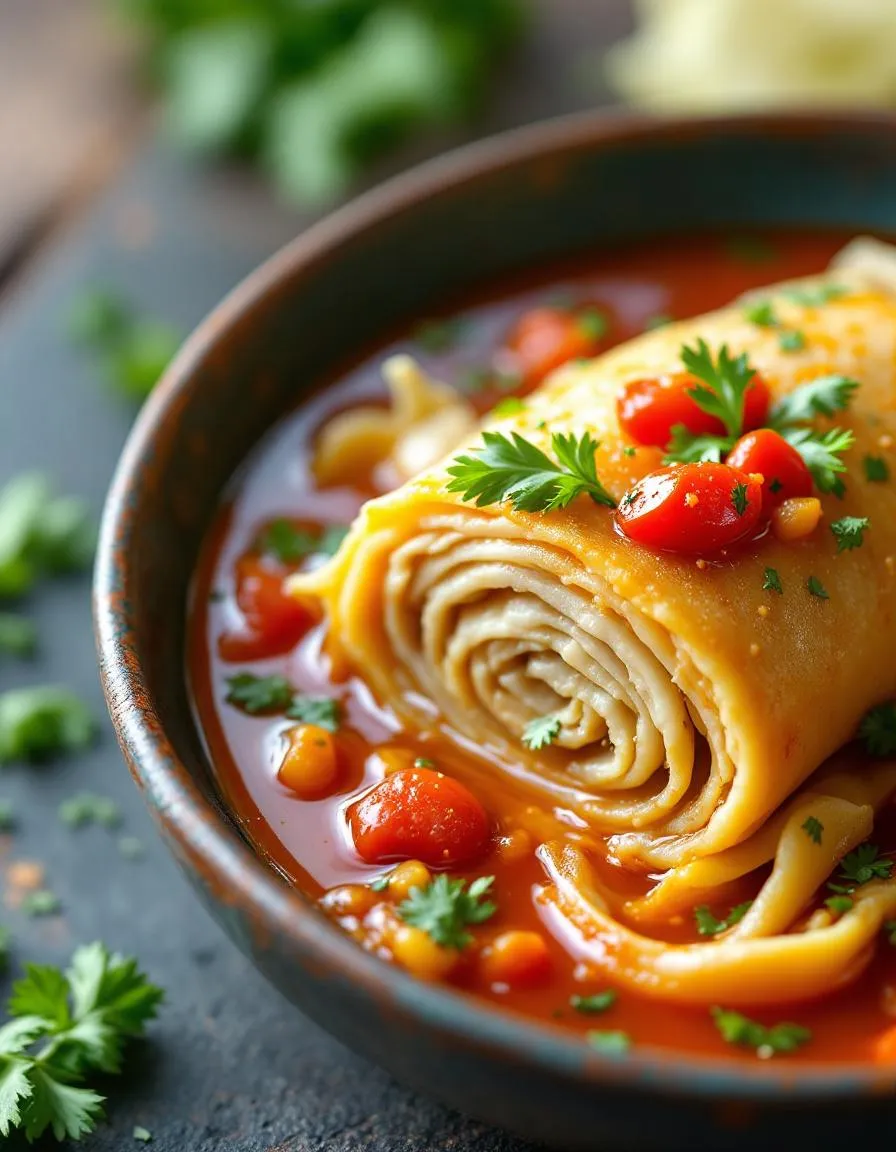
Best Cabbage Roll Soup – Easy Homemade Recipe
Introduction
There’s something deeply comforting about a bowl of soup that tastes like home, especially when it captures the essence of a beloved classic. That’s exactly what you’ll find with this Cabbage Roll Soup—a cozy, flavorful twist on the traditional stuffed cabbage rolls we all adore. Whether you’re craving nostalgia or simply need a hearty meal to warm your soul, this recipe delivers. Plus, it’s quicker to make than the original, so you can enjoy that same rich taste without the extra effort.
Cabbage Roll Soup combines tender cabbage, savory ground beef, and aromatic spices in a rich tomato broth, creating a dish that’s both nourishing and deeply satisfying. Unlike the labor-intensive process of rolling individual cabbage leaves, this soup simplifies everything into one pot, making it perfect for busy weeknights. It’s a fantastic way to enjoy the flavors of a time-honored favorite while keeping things easy and approachable. If you love cozy, family-style meals, you’ll appreciate how this recipe brings everyone to the table. For more comforting ideas, check out my Comfort Food Classics collection or explore my tips for Meal Prep Magic to make weeknight cooking a breeze.
Why I Love This Recipe
This Cabbage Roll Soup holds a special place in my heart because it reminds me of my grandmother’s kitchen. She used to spend hours crafting her famous stuffed cabbage rolls, and while I adored them, I always wished for a quicker version that didn’t sacrifice flavor. When I finally perfected this soup, it felt like unlocking a little piece of her legacy—one that I could share with my own family on even the busiest days. Every spoonful feels like a hug, and that’s exactly what good food should do.
Health and Nutrition
Why it’s good for your body
Cabbage Roll Soup packs a nutritious punch while delivering rich, comforting flavors. First, cabbage, the star ingredient, boasts high levels of vitamin C and fiber, which support immune health and digestion. Additionally, the lean ground beef or turkey in this soup provides a solid dose of protein to keep you full and energized. Meanwhile, tomatoes contribute antioxidants like lycopene, which may promote heart health.
Beyond individual ingredients, Cabbage Roll Soup balances macros effortlessly. For instance, the broth keeps calories in check while the vegetables add volume without excess carbs. Moreover, the dish naturally includes gut-friendly ingredients like garlic and onions, which may reduce inflammation. Whether you enjoy it as a light lunch or a hearty dinner, this soup delivers nutrients without compromising taste.
Finally, Cabbage Roll Soup adapts well to dietary preferences. If you use brown rice instead of white, you’ll boost fiber even further. Likewise, swapping in plant-based protein makes it vegetarian-friendly. With every spoonful, you’re nourishing your body with vitamins, minerals, and wholesome ingredients.
How it fits in a healthy lifestyle
Cabbage Roll Soup fits seamlessly into balanced eating habits. For gluten-free diets, simply ensure your broth and seasonings meet dietary standards. If you’re focusing on heart health, the lean proteins and fiber-rich veggies align perfectly with recommendations. Plus, the soup’s high water content helps with hydration, a key factor in overall wellness.
Meal preppers love Cabbage Roll Soup because it stores well and reheats beautifully. Pair it with a crisp salad for extra greens or a slice of whole-grain bread for added fiber. If you’re exploring more ways to incorporate nutrient-dense meals, check out our guide to easy meal prep ideas. For those tracking macros, this soup offers flexibility—adjust proteins or carbs to match your goals. Craving more hearty, healthy recipes? Try our comfort food made nutritious roundup for inspiration.
A hearty and comforting soup inspired by traditional cabbage rolls, packed with ground beef, rice, and tender cabbage in a rich tomato broth.
Ingredients
Scale
For the Crust:
1 lb ground beef
1 small onion, diced
3 cloves garlic, minced
1 small head cabbage, chopped
1 (14.5 oz) can diced tomatoes
1 (15 oz) can tomato sauce
4 cups beef broth
1/2 cup uncooked white rice
1 tsp paprika
1 tsp dried thyme
Salt and pepper to taste
2 tbsp olive oil
Instructions
1. Prepare the Crust:
Heat olive oil in a large pot over medium heat. Add ground beef and cook until browned, breaking it up as it cooks.
Add diced onion and minced garlic to the pot. Cook for 3-4 minutes until softened.
Stir in chopped cabbage and cook for another 5 minutes until slightly wilted.
Add diced tomatoes, tomato sauce, beef broth, rice, paprika, thyme, salt, and pepper. Stir well to combine.
Bring the soup to a boil, then reduce heat to low. Cover and simmer for 20-25 minutes, or until rice is tender.
Taste and adjust seasonings as needed. Serve hot.
Notes
You can customize the seasonings to taste.
How to Prepare This Dish
Steps and time-saving tips
Start by heating a large pot over medium heat and browning the ground beef until it’s fully cooked. Drain any excess fat, then toss in diced onions and minced garlic to sauté until fragrant. Stir in tomato paste, crushed tomatoes, and beef broth for a rich base. Next, shred the cabbage and add it to the pot along with uncooked rice—this saves time since everything cooks together. Season with salt, pepper, and a pinch of paprika for warmth. Let the Cabbage Roll Soup simmer for about 25 minutes, stirring occasionally, until the rice is tender and the flavors meld. If you’re short on time, use pre-shredded coleslaw mix instead of chopping a whole cabbage. For extra depth, drizzle a splash of Worcestershire sauce or sprinkle fresh parsley before serving. Keep the heat low toward the end to prevent the rice from sticking, and taste to adjust seasoning as needed.
and-learned-from">Mistakes I’ve made and learned from
Early on, I rushed the sautéing step and ended up with undercooked onions that made the Cabbage Roll Soup taste harsh. Now I take an extra minute to let them soften fully. Another blunder? Adding too much rice, which soaked up all the broth and turned the soup into a casserole. I’ve since measured carefully—about ½ cup is perfect. If you’re new to soups, check out my guide on avoiding common soup mistakes for more tips. Also, don’t skip tasting as you go; I once over-salted the broth and had to balance it with a squeeze of lemon. For foolproof seasoning, my seasoning hacks post breaks it down simply. Trust me, a little patience makes this dish foolproof!
Cultural Connection and Variations
Where this recipe comes from
Cabbage Roll Soup carries the heartwarming legacy of Eastern European comfort food, where stuffed cabbage rolls (or “golabki”) have long been a staple. Families in Poland, Ukraine, and Hungary traditionally slow-cook cabbage leaves stuffed with spiced meat and rice, simmered in tomato broth. Over time, this labor-intensive dish evolved into a simpler, soup-style version—Cabbage Roll Soup—that delivers all the cozy flavors without the fuss. In my own kitchen, my grandmother’s version always included a splash of vinegar for tang, while my neighbor’s Lithuanian take leaned heavy on smoked paprika. Meanwhile, in the American Midwest, you might find it loaded with ground beef and served with a side of crusty bread.
Across the globe, varia
tions pop up based on local tastes. Some cooks in Greece add lemon and dill, while others in Germany swap tomatoes for sauerkraut, giving the soup a pleasantly sour kick. Even the choice of meat changes—pork in some regions, turkey in health-conscious households, or lentils for a plant-based twist. No matter the adaptation, Cabbage Roll Soup remains a unifying dish, bridging generations and geographies with its humble, nourishing charm.
How it fits in today’s cooking
Today, Cabbage Roll Soup thrives as a weeknight hero, especially for busy cooks craving nostalgia without the hours of prep. Modern twists, like using Instant Pots or pre-shredded cabbage, make it a go-to for meal preppers and quick weeknight dinners. It’s also a star during fall and winter, when its hearty warmth pairs perfectly with seasonal cravings. Plus, its versatility shines—swap ingredients based on what’s in your fridge, or try a keto version with cauliflower rice.
Beyond convenience, this soup anchors holiday traditions for many families, especially in communities with Eastern European roots. Some serve it alongside comfort food classics during festive gatherings, while others enjoy it as a standalone bowl of coziness. Whether you’re honoring heritage or simply feeding a hungry crowd, Cabbage Roll Soup fits seamlessly into today’s kitchens—proof that some flavors never go out of style.
>Taste and Texture
What makes it delicious
Cabbage Roll Soup wraps you in warmth with its rich, savory broth and tender cabbage leaves that melt in your mouth. The ground beef adds a hearty, meaty depth, while the tomatoes bring a bright, tangy sweetness. Every spoonful bursts with aromatic garlic and onions, infusing the soup with a fragrant, comforting aroma. Meanwhile, the rice soaks up the flavors, giving each bite a satisfying, slightly chewy texture. Whether you crave something cozy or crave-worthy, Cabbage Roll Soup delivers a symphony of tastes and textures that feel like a hug in a bowl.
Boosting the flavor
Elevate your Cabbage Roll Soup by stirring in a splash of Worcestershire sauce for a savory umami kick or topping it with fresh parsley for a pop of color and freshness. For extra richness, try swapping ground beef with Italian sausage or adding a dollop of sour cream to balance the tangy tomatoes. If you love bold spices, a pinch of smoked paprika or a bay leaf deepens the flavor profile. Pair it with crusty bread for dipping, or explore our garlic bread recipe to complete the meal. Craving more cozy soups? Our tomato basil soup offers another delicious way to warm up.
Tips for Success
Best practices for results
Always brown the ground beef well before adding it to your Cabbage Roll Soup, as this builds deeper flavor. For the best texture, chop the cabbage into bite-sized pieces so it cooks evenly. Stir the soup occasionally while simmering to prevent sticking, and taste for seasoning before serving. If you prefer a thicker broth, let the soup reduce for an extra 5-10 minutes. Finally, garnish with fresh parsley to brighten the dish.
Mistakes to avoid
Overcrowding the pot with cabbage can lead to uneven cooking, so add it in batches if needed. Another common error is skipping the tomato paste, which adds richness to the broth—don’t leave it out! For more tips on balancing flavors, check out our guide on seasoning soups perfectly. Also, avoid boiling the soup vigorously after adding the rice, as this can make it mushy. Instead, try the gentle simmer method we recommend in our perfect rice texture article.
Serving and Pairing Suggestions
How to serve this dish
For a cozy family dinner, ladle steaming Cabbage Roll Soup into deep bowls and top with a dollop of sour cream or fresh dill. Meanwhile, if you’re hosting a casual gathering, serve it in rustic bread bowls for a fun, edible presentation. To make it extra inviting, sprinkle crispy bacon bits or grated Parmesan on top just before serving. Additionally, this hearty soup shines at holiday potlucks or chilly weeknight meals when you crave something comforting yet effortless.
h-it">What goes well with it
Pair Cabbage Roll Soup with warm, crusty bread like our Easy Homemade Focaccia to soak up every flavorful bite. For a lighter option, try a crisp side salad with tangy vinaigrette—our Spring Mix Salad balances the soup’s richness perfectly. Finally, a glass of chilled white wine or sparkling cider cuts through the savory notes, making each spoonful even more satisfying.
What is cabbage roll soup made of?
Cabbage Roll Soup is a deconstructed version of traditional stuffed cabbage rolls, featuring ground beef, rice, cabbage, tomatoes, and savory seasonings. It captures all the flavors of classic cabbage rolls but in a comforting, easy-to-make soup form. Common ingredients include onions, garlic, broth, and sometimes a touch of brown sugar for balance.
rank-math-faq-item">
How do you thicken cabbage roll soup?
To thicken Cabbage Roll Soup, simmer it uncovered to reduce excess liquid, or add a slurry of cornstarch and water. Alternatively, mash some of the cooked rice or potatoes in the soup to create a thicker texture. The natural starch from the ingredients will help achieve a heartier consistency.
Can you freeze cabbage roll soup?
Yes, Cabbage Roll Soup freezes well for up to 3 months. Let it cool completely before transferring it to airtight containers or freezer bags. Thaw overnight in the fridge and reheat gently on the stove for the best texture and flavor.
Is cabbage roll soup healthy?
Cabbage Roll Soup can be a nutritious meal, packed with lean protein, fiber-rich cabbage, and vitamins from tomatoes. For a healthier version, use lean ground turkey or chicken and brown rice. The soup is naturally low in calories but high in flavor, making it a great balanced option.
>
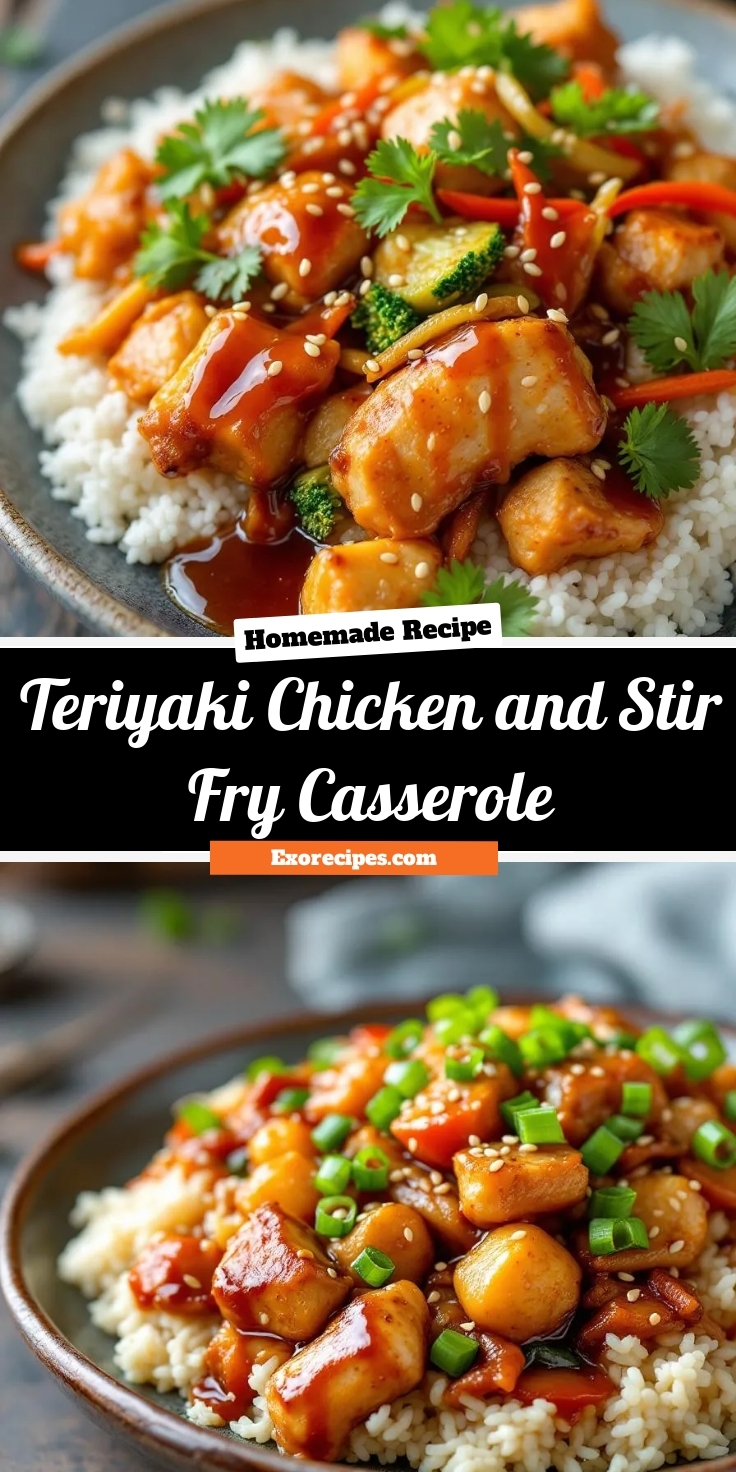
Easy Teriyaki Chicken and Stir Fry Casserole Recipe
Introduction
If you’re craving a dish that’s both comforting and bursting with flavor, you’re in the right place. Today, I’m sharing my take on Teriyaki Chicken and Stir Fry Casserole—a meal that brings together the savory sweetness of teriyaki with the hearty satisfaction of a one-pan wonder. Whether you’re juggling a busy schedule or simply want a fuss-free dinner that doesn’t skimp on taste, this recipe delivers. Plus, it’s a fantastic way to sneak in extra veggies while keeping everyone at the table happy.
Teriyaki Chicken and Stir Fry Casserole is a vibrant twist on classic stir-fry, baked to perfection for a dish that’s as easy to make as it is delicious. The tender chicken soaks up a glossy, homemade teriyaki sauce, while crisp vegetables add color and crunch. What makes this recipe special is its versatility. You can customize it with your favorite veggies or swap proteins to suit your taste. It’s also a great way to repurpose leftovers, making it a staple for meal prep. On brekcakes.com, we celebrate recipes that balance simplicity and flavor, and this casserole fits right in. If you love quick, family-friendly meals, you’ll adore our One-Pot Wonders collection or explore more comfort food classics for inspiration.
Why I Love This Recipe
Teriyaki Chicken and Stir Fry Casserole holds a special place in my kitchen because it reminds me of cozy weeknight dinners with my family. The aroma of garlic and ginger filling the air always brings everyone to the table, no matter how hectic the day. I also love how it bridges the gap between takeout cravings and homemade goodness—giving you all the flavor without the guilt. Every time I make it, I’m reminded that great food doesn’t need to be complicated to be memorable.
Health and Nutrition
Why it’s good for your body
Teriyaki Chicken and Stir Fry Casserole packs a nutritious punch while delivering bold flavors. First, the lean chicken breast provides high-quality protein to support muscle growth and repair. Additionally, the stir-fry vegetables like bell peppers, broccoli, and carrots add fiber, vitamins, and antioxidants to boost immunity and digestion. Moreover, the teriyaki sauce, when made with reduced-sodium soy sauce and natural sweeteners, offers a balanced umami flavor without excessive sugar.
Furthermore, this dish includes healthy fats from ingredients like sesame oil, which promotes heart health. The combination of protein, fiber, and complex carbs in Teriyaki Chicken and Stir Fry Casserole also helps stabilize blood sugar levels. As a result, you’ll feel fuller longer and avoid energy crashes. Finally, the variety of colorful veggies ensures you get a spectrum of phytonutrients to combat inflammation.
How it fits in a healthy lifestyle
Teriyaki Chicken and Stir Fry Casserole fits seamlessly into a balanced diet. If you’re watching your carb intake, you can easily swap white rice for cauliflower rice or quinoa. For gluten-free eaters, simply use tamari instead of soy sauce. The high protein content also makes it ideal for post-workout recovery or active lifestyles.
This dish aligns with heart-healthy eating, especially if you load up on extra veggies and use minimal oil. Planning meals ahead? Teriyaki Chicken and Stir Fry Casserole stores well, making it a great meal prep option. If you’re exploring more ways to incorporate lean proteins into your diet, check out these high-protein recipes for inspiration. Whether you’re cooking for a family or prepping solo, this casserole keeps nutrition simple and satisfying.
A delicious fusion of creamy cheesecake and cinnamon-sugar churros, perfect for dessert lovers.
Ingredients
Scale
For the Crust:
2 cans refrigerated crescent roll dough
16 oz cream cheese, softened
1 cup granulated sugar
1 tsp vanilla extract
1/2 cup unsalted butter, melted
1/2 cup granulated sugar
1 tbsp ground cinnamon
Instructions
1. Prepare the Crust:
Preheat oven to 350°F (175°C). Grease a 9×13-inch baking dish.
Unroll one can of crescent dough and press it into the bottom of the baking dish, sealing any perforations.
In a bowl, beat cream cheese, 1 cup sugar, and vanilla until smooth. Spread over the dough in the dish.
Unroll the second can of crescent dough and place it over the cream cheese mixture, sealing any perforations.
Pour melted butter evenly over the top layer of dough. Mix 1/2 cup sugar and cinnamon, then sprinkle over the butter.
Bake for 30 minutes or until golden brown. Let cool before slicing and serving.
Notes
You can customize the seasonings to taste.
How to Prepare This Dish
Steps and time-saving tips
Start by preheating your oven to 375°F so it’s ready when you finish prepping the Teriyaki Chicken and Stir Fry Casserole. While the oven heats, whisk together soy sauce, honey, garlic, and ginger in a small bowl for the teriyaki glaze—this saves time later. Next, slice boneless chicken thighs into bite-sized pieces and toss them in half the glaze to marinate briefly. Meanwhile, chop your favorite stir-fry veggies like bell peppers, broccoli, and carrots into even pieces so they cook uniformly. Heat a large skillet over medium-high, then sear the chicken until golden but not fully cooked. Transfer the chicken to a casserole dish and layer the veggies on top. Drizzle the remaining teriyaki glaze over everything, then cover with foil and bake for 20 minutes. For a crispy finish, remove the foil and broil for 2-3 minutes. Let the casserole rest for 5 minutes before serving to lock in the flavors. Pro tip: Prep the glaze and chop veggies the night before to cut your active cooking time in half.
and-learned-from">Mistakes I’ve made and learned from
I used to overcrowd the skillet when searing the chicken, which steamed it instead of giving it that perfect caramelized crust. Now, I cook the chicken in batches—patience pays off! Another lesson? Skipping the rest time after baking. I’d dig in too soon, and the juices ran everywhere instead of soaking into the Teriyaki Chicken and Stir Fry Casserole. Letting it sit for just 5 minutes makes all the difference. If you’re new to stir-fry dishes, check out my guide on choosing the right pan to avoid sticking. And if your glaze ever turns out too salty, thin it with a splash of pineapple juice—a trick I picked up from my Asian flavors deep dive. Trust me, these small tweaks elevate the dish from good to unforgettable.
Cultural Connection and Variations
Where this recipe comes from
Teriyaki Chicken and Stir Fry Casserole blends two beloved culinary traditions into one comforting dish. Teriyaki, with its roots in Japanese cuisine, brings that sweet-savory glaze we all love, while stir-frying traces back to Chinese wok cooking. Over time, home cooks merged these techniques into a casserole format, perfect for busy weeknights or potlucks. In Japan, chefs might grill the chicken separately and serve it over rice, but in the U.S., we often bake everything together for that hearty, one-pan appeal.
Families put their own
spin on Teriyaki Chicken and Stir Fry Casserole too. Some add pineapple for a tropical twist, while others toss in extra veggies like bell peppers or snap peas. My grandma always threw in water chestnuts for crunch. In Hawaii, you might find it with a splash of soy sauce and a side of mac salad. No matter the variation, the dish stays a crowd-pleaser because it’s flexible, flavorful, and filling.
How it fits in today’s cooking
Today, Teriyaki Chicken and Stir Fry Casserole fits perfectly into our fast-paced lives. It’s a meal prep hero, reheating beautifully for lunches, and a lifesaver on hectic evenings. Modern cooks lighten it up with cauliflower rice or swap chicken for tofu, proving how adaptable it is. Plus, it’s a hit at gatherings—whether it’s a summer potluck or a cozy winter dinner.
For those who love global flavors, this casserole pairs well with other Asian-inspired dishes like homemade dumplings or a refreshing cucumber sesame salad. It’s also a gateway for kids to try new ingredients, making it a staple in family kitchens. Whether you stick to tradition or experiment, Teriyaki Chicken and Stir Fry Casserole keeps earning its spot on our tables.
>Taste and Texture
What makes it delicious
Teriyaki Chicken and Stir Fry Casserole delivers a bold, savory-sweet experience with every bite. The tender chicken soaks up the rich, glossy teriyaki sauce, while the stir-fried veggies add a satisfying crunch. Aromatic garlic and ginger infuse the dish with warmth, and the caramelized edges of the chicken create a slightly sticky, umami-packed finish. Meanwhile, the fluffy rice or noodles underneath soak up the sauce, turning each forkful into a comforting, flavor-loaded mouthful. Whether you taste the tangy soy or the subtle sweetness of mirin, Teriyaki Chicken and Stir Fry Casserole keeps your palate excited from start to finish.
Boosting the flavor
For an extra flavor kick, try swapping regular soy sauce with coconut aminos to add a milder, slightly fruity depth. Toasted sesame seeds or a drizzle of sriracha mayo can also elevate the texture and spice. If you love heat, toss in red pepper flakes or serve with a side of quick-pickled vegetables for a bright, tangy contrast. Finally, a squeeze of fresh lime right before serving brightens the entire dish, making the Teriyaki Chicken and Stir Fry Casserole even more irresistible.
Tips for Success
Best practices for results
Always slice your chicken into even pieces so they cook uniformly in the Teriyaki Chicken and Stir Fry Casserole. Meanwhile, preheat your oven to the correct temperature before assembling the dish to ensure even baking. For the best flavor, marinate the chicken in teriyaki sauce for at least 30 minutes before cooking. Additionally, stir the vegetables halfway through baking to prevent them from sticking or burning. Finally, let the casserole rest for 5 minutes after baking so the flavors meld perfectly.
Mistakes to avoid
Avoid overcrowding the pan when browning the chicken, as this steams instead of sears the meat. Instead, cook in batches for a crispier texture. Many home cooks also forget to taste the sauce before baking, which can lead to a bland Teriyaki Chicken and Stir Fry Casserole. Adjust the seasoning early to avoid disappointment. For more sauce tips, check out our guide on homemade teriyaki sauce. Another common mistake is using soggy vegetables, which makes the dish watery. Pat them dry or try our perfect vegetable prep method for crispier results.
Serving and Pairing Suggestions
How to serve this dish
For a vibrant presentation, serve Teriyaki Chicken and Stir Fry Casserole in a shallow bowl to showcase the colorful veggies and glossy sauce. Top it with sesame seeds and sliced green onions for a fresh crunch. Meanwhile, if you’re hosting a casual dinner, let guests scoop portions straight from the baking dish for a cozy family-style meal. This dish also shines at potlucks or holiday gatherings since it stays warm and flavorful for hours. To elevate the experience, pair it with small bowls of extra teriyaki sauce or chili flakes for those who love a bolder kick.
h-it">What goes well with it
A crisp Asian slaw balances the rich flavors of Teriyaki Chicken and Stir Fry Casserole perfectly. The tangy crunch cuts through the savory sauce, creating a refreshing contrast. Alternatively, try serving it with steamed jasmine rice to soak up every drop of the delicious glaze. For drinks, a chilled glass of honey-ginger iced tea or a light lager complements the dish without overpowering it. If you’re craving more Asian-inspired sides, our garlic noodles or miso soup make excellent additions to round out the meal.
What vegetables go well with Teriyaki Chicken and Stir Fry Casserole?
Bell peppers, broccoli, carrots, and snap peas pair perfectly with Teriyaki Chicken and Stir Fry Casserole. These veggies add crunch and color while absorbing the savory-sweet teriyaki sauce. For extra flavor, try adding mushrooms or baby corn.
rank-math-faq-item">
Can I make Teriyaki Chicken and Stir Fry Casserole ahead of time?
Yes! Teriyaki Chicken and Stir Fry Casserole reheats well for meal prep. Store it in an airtight container for up to 3 days—just add a splash of water before reheating to keep the sauce from drying out.
Is Teriyaki Chicken and Stir Fry Casserole gluten-free?
Traditional teriyaki sauce contains wheat, but you can easily make this dish gluten-free. Use tamari or coconut aminos instead of soy sauce, and check that your other ingredients are certified gluten-free.
How do I prevent my stir fry casserole from getting soggy?
For perfect texture in your Teriyaki Chicken and Stir Fry Casserole, cook vegetables just until crisp-tender and drain excess liquid. Baking uncovered at high heat for the last 5 minutes helps crisp the top layer.