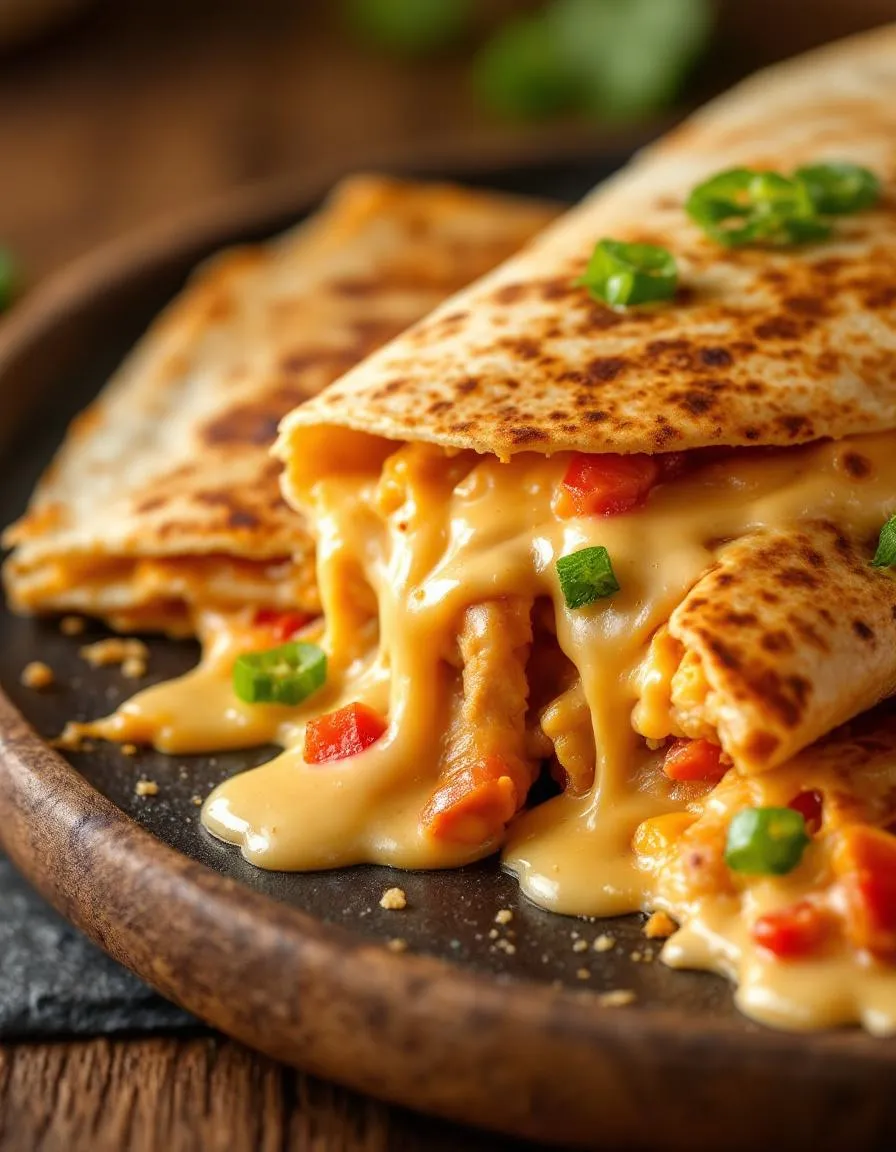
Craving a meal that’s crispy, cheesy, and packed with flavor? Look no further than these Cheesy Chicken Quesadillas Delight. Whether you need a quick weeknight dinner or a crowd-pleasing appetizer, this recipe delivers comfort in every bite. Imagine tender chicken, melted cheese, and a golden tortilla—simple ingredients that create magic. Plus, it’s a dish everyone from kids to adults adores. Let’s dive into why this recipe deserves a spot in your regular rotation.
Cheesy Chicken Quesadillas Delight is more than just a meal. It’s a versatile, budget-friendly option that brings people together. You can customize it with your favorite toppings, like jalapeños or avocado, or keep it classic for picky eaters. What makes it special? The perfect balance of textures and flavors, all ready in under 30 minutes. Whether you’re a busy parent or a college student, this recipe fits effortlessly into your life. For more easy dinner ideas, check out our quick weeknight meals collection. And if you love cheesy dishes, you’ll adore our ultimate comfort foods roundup.
Why I Love This Recipe
Cheesy Chicken Quesadillas Delight holds a special place in my heart. It reminds me of lazy Sunday afternoons when my family gathered around the table, laughing and sharing stories. The sizzle of the skillet, the gooey cheese pulling apart—it’s pure nostalgia. Even now, whipping up a batch feels like bringing those warm memories back to life. Plus, it’s foolproof. No matter how chaotic the day, this recipe never fails to deliver smiles. That’s the beauty of comfort food—it’s not just about taste, but the joy it brings.
Health and Nutrition
Why it’s good for your body
Cheesy Chicken Quesadillas Delight packs a nutritious punch while satisfying your cravings. First, the lean chicken provides high-quality protein to support muscle repair and keep you full longer. Additionally, the melted cheese delivers calcium for strong bones and a boost of flavor without excessive calories. Moreover, whole wheat tortillas add fiber, which aids digestion and helps stabilize blood sugar levels.
Beyond macronutrients, Cheesy Chicken Quesadillas Delight includes veggies like bell peppers or spinach for extra vitamins and antioxidants. These ingredients fight inflammation and support immune health. Furthermore, spices like cumin and paprika not only enhance taste but also offer metabolism-boosting benefits. As a result, this dish balances indulgence with nourishment.
Finally, Cheesy Chicken Quesadillas Delight makes it easy to enjoy a wholesome meal without sacrificing flavor. By combining protein, fiber, and healthy fats, it keeps energy levels steady. Whether you need a post-workout refuel or a family-friendly dinner, this recipe delivers both taste and nutrition.
How it fits in a healthy lifestyle
Cheesy Chicken Quesadillas Delight fits seamlessly into balanced eating habits. For protein-focused diets, the chicken and cheese provide a satisfying duo that supports muscle growth. If you prefer gluten-free options, simply swap in corn or almond flour tortillas for the same great taste. This flexibility makes it a go-to for diverse dietary needs.
Pairing Cheesy Chicken Quesadillas Delight with a side of fresh salsa or avocado adds heart-healthy fats and extra nutrients. For meal prep ideas, check out our guide on easy weeknight dinners. If you’re watching portions, try cutting quesadillas into smaller wedges and serving them with a crisp salad. You’ll find more smart serving strategies in our balanced plate method article.
Ultimately, this dish proves that healthy eating doesn’t mean skipping flavor. With smart ingredient choices and mindful portions, Cheesy Chicken Quesadillas Delight becomes a delicious part of any wellness routine.
A delicious and easy-to-make quesadilla filled with tender chicken, melted cheese, and flavorful spices.
Ingredients
Scale
For the Crust:
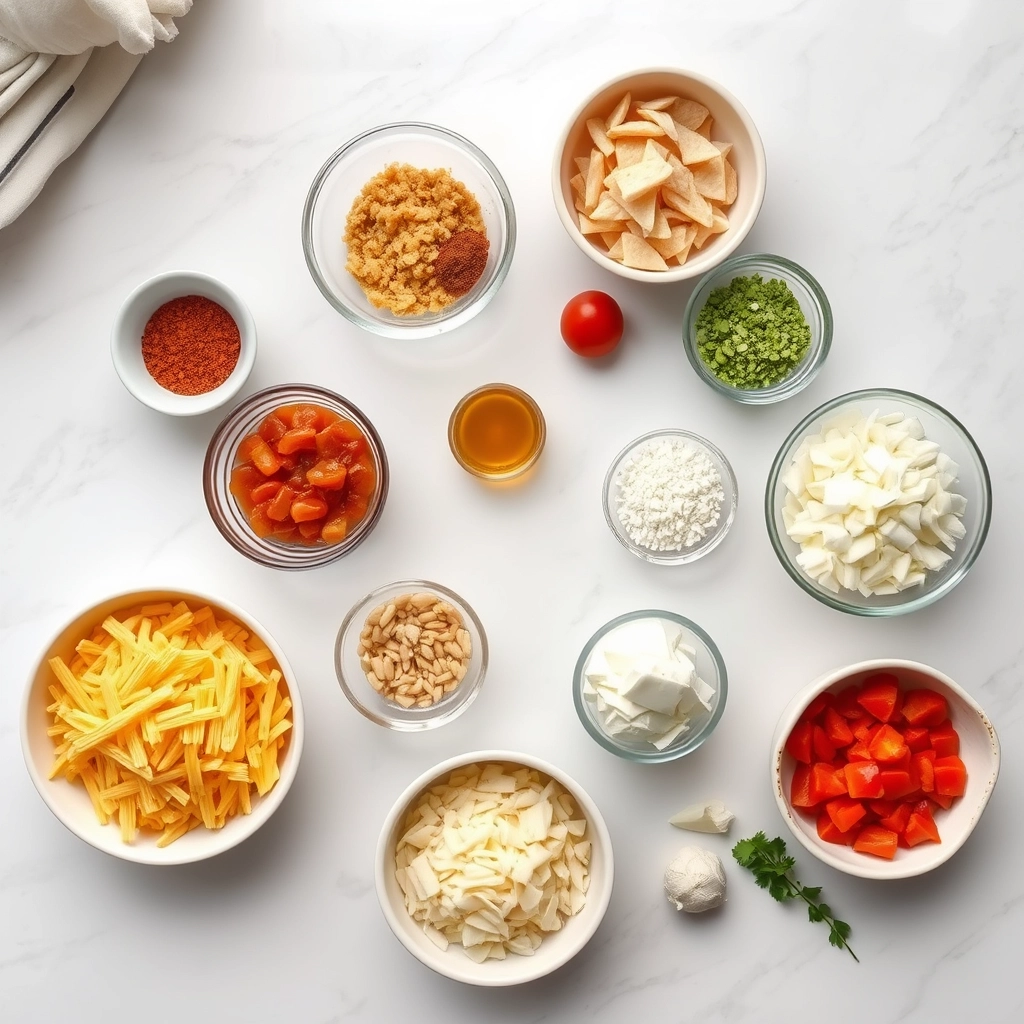
2 cups cooked chicken, shredded
1 cup shredded cheddar cheese
1 cup shredded Monterey Jack cheese
1/2 cup diced bell peppers
1/4 cup diced onions
1 tsp taco seasoning
4 large flour tortillas
2 tbsp butter, softened
Instructions
1. Prepare the Crust:
In a bowl, mix the shredded chicken, cheddar cheese, Monterey Jack cheese, bell peppers, onions, and taco seasoning.
Spread the chicken and cheese mixture evenly over half of each tortilla.
Fold the tortillas in half to cover the filling.
Heat a large skillet over medium heat and lightly butter the outside of each quesadilla.
Cook each quesadilla for 2-3 minutes per side, or until golden brown and the cheese is melted.
Remove from the skillet, let cool slightly, then cut into wedges and serve warm.
Notes
You can customize the seasonings to taste.
s-dish">How to Prepare This Dish
Steps and time-saving tips
Start by heating a large skillet over medium heat and lightly greasing it with oil or butter. While the pan warms up, shred your cooked chicken and mix it with a blend of shredded cheese, diced onions, and a pinch of taco seasoning for extra flavor. Next, place a flour tortilla in the skillet and evenly layer the cheesy chicken mixture on one half. Fold the tortilla over and press it gently with a spatula to seal the edges. Cook for about 2-3 minutes per side until the tortilla turns golden brown and the cheese melts into gooey perfection. Meanwhile, prep a quick side of salsa or sour cream for dipping. To save time, use pre-cooked chicken or leftover rotisserie chicken. If you’re making multiple Cheesy Chicken Quesadillas Delight servings, keep finished ones warm in a low oven while you cook the rest. For a crispier texture, avoid overloading the tortilla with too much filling. Finally, slice each quesadilla into wedges and serve immediately for the best taste and texture.
Mistakes I’ve made and learned from
When I first made Cheesy Chicken Quesadillas Delight, I made the mistake of piling on too much filling, which caused the tortilla to tear and the cheese to ooze out. Now, I stick to a moderate layer of ingredients and press the edges firmly to seal them. Another lesson? Skipping the preheating step led to uneven cooking, so I always let the skillet heat up properly now. If you’re new to quesadillas, check out my guide on perfect tortilla techniques to avoid these pitfalls. Also, I once used low-quality cheese that didn’t melt well, leaving me with a clumpy mess. Investing in a good melting cheese like Monterey Jack or cheddar makes all the difference. For more tips on choosing the right ingredients, my cheese selection guide has you covered. Trust me, these small adjustments will take your quesadillas from good to irresistible.
n-and-variations">Cultural Connection and Variations
Where this recipe comes from
Cheesy Chicken Quesadillas Delight traces its roots to the vibrant streets of Mexico, where quesadillas first emerged as a simple yet satisfying meal. Traditionally, locals stuffed tortillas with Oaxaca cheese and folded them over a hot griddle. Over time, cooks added proteins like chicken, turning them into heartier dishes. Today, Cheesy Chicken Quesadillas Delight carries that legacy but with a modern twist—think gooey cheddar, juicy chicken, and a crispy golden shell.
Across borders, variations pop up in exciting ways. In Texas, people load them with smoky barbecue sauce, while in California, avocado and sour cream take center stage. My family, meanwhile, swears by a dash of cumin and a sprinkle of jalapeños for extra kick. Whether you enjoy them as a quick snack or a full meal, Cheesy Chicken Quesadillas Delight adapts effortlessly to local tastes and traditions.
How it fits in today’s cooking
Cheesy Chicken Quesadillas Delight remains a staple in today’s kitchens because it’s fast, versatile, and universally loved. Busy parents whip them up for weeknight dinners, while college students rely on them for budget-friendly fuel. Plus, they’re perfect for game-day spreads or casual gatherings—just pair them with a refreshing mango mint smoothie for a balanced bite.
Modern cooks also tweak
the recipe to fit dietary needs, like using gluten-free tortillas or plant-based cheese. Some even repurpose leftovers, tossing in last night’s roasted veggies for extra flavor. And if you’re craving something sweet after, a slice of classic vanilla cake makes the perfect follow-up. No matter how you serve it, Cheesy Chicken Quesadillas Delight keeps winning hearts, one crispy bite at a time.
Taste and Texture
What makes it delicious
Cheesy Chicken Quesadillas Delight delivers a mouthwatering blend of flavors and textures that make every bite irresistible. The gooey, melted cheese wraps around tender, seasoned chicken, creating a creamy, savory core. Meanwhile, the golden tortilla crisps up perfectly, adding a satisfying crunch with each forkful. Fragrant spices like cumin and smoked paprika mingle with the richness of the cheese, while a hint of garlic lingers in the background. Whether you dip it in cool sour cream or zesty salsa, Cheesy Chicken Quesadillas Delight balances warmth, creaminess, and a touch of smokiness for a truly addictive meal.
Boosting the flavor
Elevate your Cheesy Chicken Quesadillas Delight with a few easy tweaks. First, swap regular cheddar for pepper jack cheese to add a spicy kick. Then, toss in caramelized onions or roasted poblano peppers for extra depth. A drizzle of creamy chipotle sauce amps up the smokiness, while a squeeze of lime brightens the richness. For a fresh contrast, top with crisp shredded lettuce or tangy pickled jalapeños. If you love bold flavors, try pairing it with a side of fire-roasted salsa for a smoky, charred twist. With these simple upgrades, every bite becomes even more unforgettable.
For the best Cheesy Chicken Quesadillas Delight, always shred your own cheese instead of using pre-shredded varieties. Freshly shredded cheese melts more evenly, giving your quesadillas that perfect gooey texture. Meanwhile, cook your chicken just until it reaches 165°F to keep it juicy and tender. Additionally, warm your tortillas slightly before assembling to prevent cracking when folding. Finally, press the quesadillas gently in the pan for a crisp exterior without squeezing out the filling.
Mistakes to avoid
Avoid overstuffing your Cheesy Chicken Quesadillas Delight, as too much filling will make them hard to flip and cause spills. Instead, stick to a thin, even layer for the best results. Also, never cook quesadillas on high heat—this burns the tortilla before the cheese fully melts. For more tips on perfecting your technique, check out our guide on how to make quesadillas. Another common mistake is skipping the resting time after cooking. Letting them sit for a minute helps the cheese set, so they hold together when sliced. For more kitchen timing tricks, explore our kitchen timing tips.
g-suggestions">Serving and Pairing Suggestions
How to serve this dish
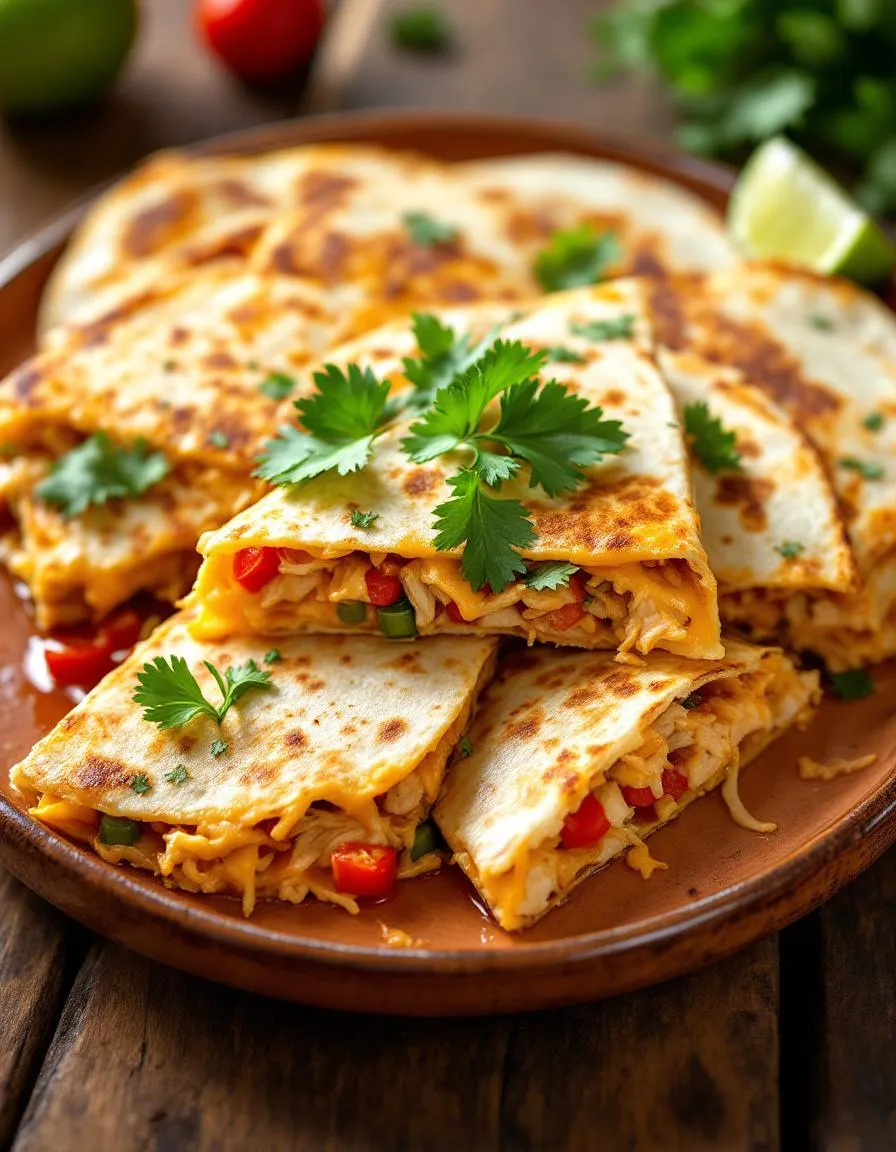
Bring out the vibrant flavors of Cheesy Chicken Quesadillas Delight by serving them fresh off the skillet. For a restaurant-worthy touch, slice them into triangles and arrange them on a wooden board with lime wedges and fresh cilantro. Alternatively, stack them high on a colorful platter for a casual family dinner. Since Cheesy Chicken Quesadillas Delight works for any occasion, consider it for game-day snacks, weekend brunch, or even a fun twist on Taco Tuesday. A dollop of sour cream or a drizzle of hot sauce adds both flavor and visual appeal.
What goes well with it
Pair Cheesy Chicken Quesadillas Delight with a refreshing mango salsa for a sweet and tangy contrast. If you love bold flavors, try our Spicy Avocado Crema for a creamy kick. For drinks, a chilled margarita or a citrusy agua fresca balances the richness perfectly. Meanwhile, a simple side like Cilantro Lime Rice turns this dish into a hearty meal without overpowering the cheesy goodness.
math-faq-block">
What’s the best cheese for Cheesy Chicken Quesadillas Delight?
For the ultimate Cheesy Chicken Quesadillas Delight, use a blend of Monterey Jack and cheddar cheese. These cheeses melt smoothly and add rich flavor that complements the seasoned chicken. Avoid pre-shredded cheese, as it contains anti-caking agents that can make your quesadillas less creamy.
Can I make Cheesy Chicken Quesadillas Delight ahead of time?
Yes! Prepare the chicken filling and shred the cheese a day in advance, but assemble and cook the Cheesy Chicken Quesadillas Delight just before serving. Reheating pre-made quesadillas can make them soggy, so for the best texture, crisp them up fresh on a skillet.
How do I keep my Cheesy Chicken Quesadillas Delight from getting soggy?
To prevent sogginess in your Cheesy Chicken Quesadillas Delight, pat the chicken dry after cooking and avoid overloading with wet ingredients like salsa. Cook on medium-high heat to crisp the tortilla quickly, and let the quesadilla rest for a minute before cutting to set the cheese.
ank-math-faq-item">
What sides go well with Cheesy Chicken Quesadillas Delight?
Pair your Cheesy Chicken Quesadillas Delight with fresh sides like guacamole, pico de gallo, or a crisp green salad. For heartier options, try Mexican rice or black beans. A cooling sour cream dip balances the cheesy, savory flavors perfectly.
Best Teriyaki Salmon Recipe – Easy and Flavorful
Introduction
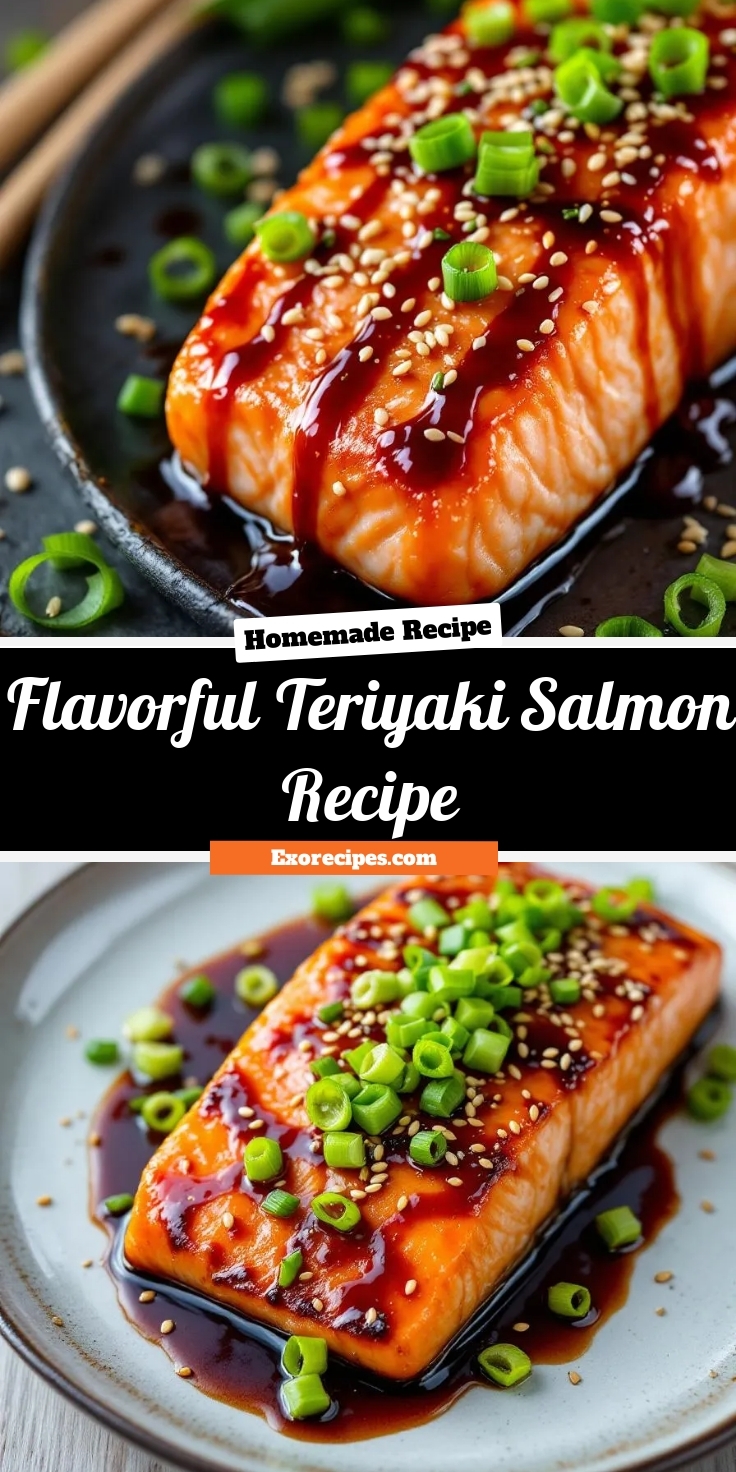
There’s something magical about the way sweet and savory flavors come together in a perfectly cooked piece of salmon. If you’ve ever craved a dish that feels both comforting and exciting, this Flavorful Teriyaki Salmon Recipe will hit the spot. Whether you’re cooking for a weeknight dinner or impressing guests, this recipe delivers tender, juicy salmon glazed with a rich, homemade teriyaki sauce. Plus, it’s surprisingly simple to make, even if you’re short on time.
Teriyaki salmon has long been a staple in Japanese cuisine, but its universal appeal lies in how effortlessly it adapts to any table. The Flavorful Teriyaki Salmon Recipe we’re sharing today balances the bold umami of soy sauce with the subtle sweetness of mirin and honey, creating a glaze that caramelizes beautifully under high heat. Not only does this dish cook in under 20 minutes, but it also pairs perfectly with steamed rice or crisp vegetables, making it a versatile choice for busy households. If you love easy yet impressive meals, you’ll appreciate how this recipe fits seamlessly into your rotation. For more quick dinner ideas, check out our 15-minute meals collection. And if you’re new to cooking seafood, our seafood basics guide will help you master the essentials.
Why I Love This Recipe
This Flavorful Teriyaki Salmon Recipe holds a special place in my heart because it reminds me of family dinners growing up. My mom used to make a similar version, and the smell of caramelizing teriyaki sauce would bring everyone to the table instantly. Now, whenever I cook it, I get that same rush of nostalgia—plus the satisfaction of knowing I’m serving something healthy and delicious. It’s the kind of dish that feels like a hug on a plate, and I hope it becomes a favorite in your home too.
Health and Nutrition
Why it’s good for your body
The Flavorful Teriyaki Salmon Recipe packs a powerful nutritional punch while delighting your taste buds. First, salmon delivers high-quality protein to support muscle repair and growth. Additionally, it’s rich in omega-3 fatty acids, which boost heart health and reduce inflammation. Moreover, the teriyaki glaze adds depth without overwhelming the dish’s natural benefits.
Beyond protein and healthy fats, the Flavorful Teriyaki Salmon Recipe includes antioxidants from ingredients like garlic and ginger. These compounds strengthen your immune system and aid digestion. Furthermore, salmon provides essential vitamins like B12 and D, which enhance energy levels and bone health. Even better, the dish’s balanced flavors make it easy to enjoy nutrient-dense meals regularly.
Finally, the Flavorful Teriyaki Salmon Recipe stands out for its versatility. Whether you pair it with steamed veggies or a quinoa salad, it complements a variety of sides. Consequently, you can customize it to meet your dietary needs while reaping its health rewards. With every bite, you’re nourishing your body and satisfying cravings.
How it fits in a healthy lifestyle
The Flavorful Teriyaki Salmon Recipe fits seamlessly into a balanced diet, whether you’re focusing on heart health, high-protein meals, or gluten-free eating. Salmon’s lean protein keeps you full longer, making it ideal for weight management or fitness goals. Plus, the dish’s simple preparation fits busy schedules, so you can enjoy wholesome meals without stress.
If you’re exploring gluten-free options, this recipe naturally avoids gluten when using tamari instead of soy sauce. For more gluten-free inspiration, check out our gluten-free dinner ideas. Meanwhile, the omega-3s in salmon support cardiovascular wellness, aligning with heart-healthy eating plans. Pair it with our balanced meal prep tips to streamline your weekly routine.
Whether you’re cooking for one or feeding a family, the Flavorful Teriyaki Salmon Recipe adapts to your lifestyle. Its nutrient density and delicious flavor make it a smart choice for long-term health. Best of all, it proves that eating well doesn’t mean sacrificing taste.
A delicious and easy-to-make teriyaki salmon with a perfect balance of sweet and savory flavors.
Ingredients
Scale
For the Crust:
4 salmon fillets (6 oz each)
1/2 cup soy sauce
1/4 cup honey
2 tablespoons rice vinegar
1 tablespoon minced garlic
1 tablespoon minced ginger
1 tablespoon sesame oil
1 tablespoon cornstarch
2 tablespoons water
1 tablespoon sesame seeds
2 green onions, sliced
Instructions
1. Prepare the Crust:
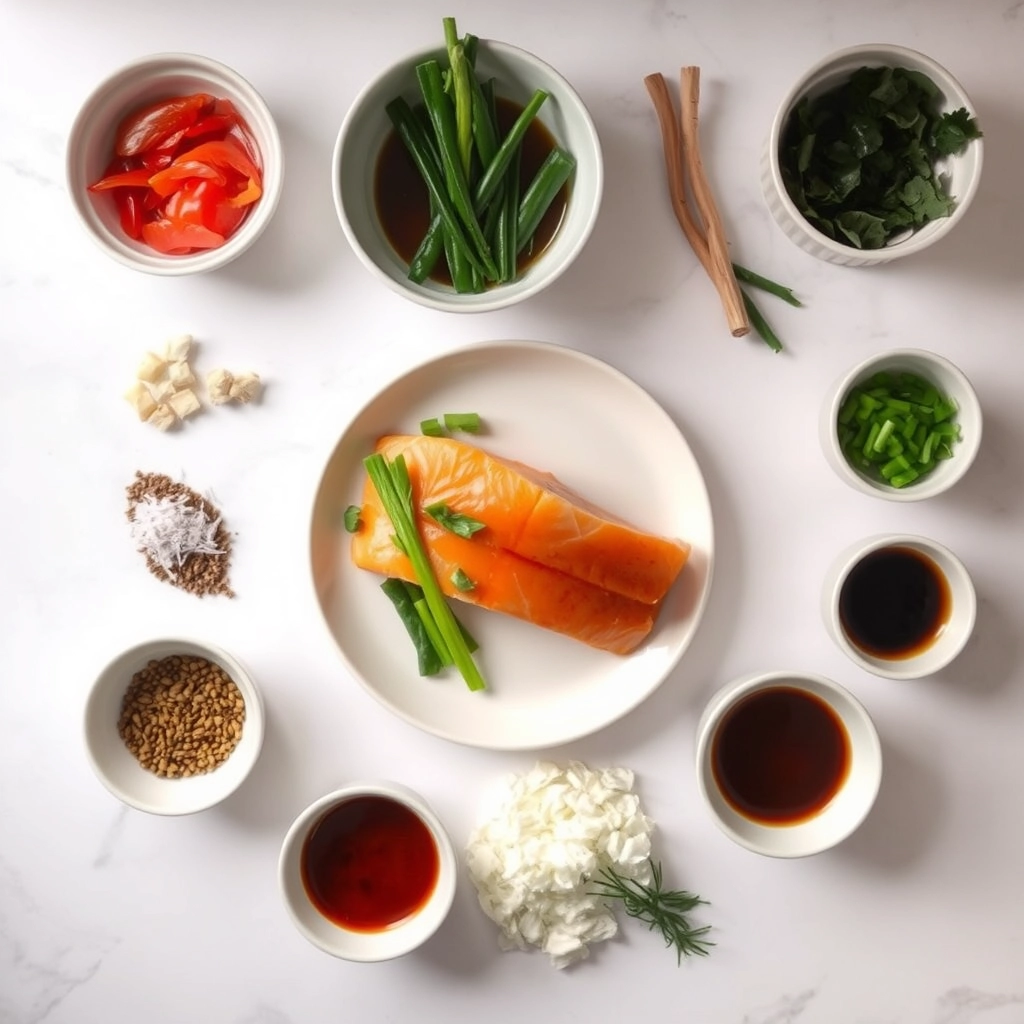
In a small saucepan, combine soy sauce, honey, rice vinegar, garlic, ginger, and sesame oil. Bring to a simmer over medium heat.
In a small bowl, mix cornstarch and water to create a slurry. Stir into the saucepan and cook until the sauce thickens, about 2 minutes. Remove from heat.
Preheat oven to 400°F (200°C). Line a baking sheet with parchment paper.
Place salmon fillets on the prepared baking sheet. Brush each fillet generously with the teriyaki sauce.
Bake for 12-15 minutes, or until salmon is cooked through and flakes easily with a fork.
Garnish with sesame seeds and sliced green onions before serving.
Notes
You can customize the seasonings to taste.
s-dish">How to Prepare This Dish
Steps and time-saving tips
Start by preheating your oven to 400°F so it’s ready when you finish prepping the salmon. While the oven heats, whisk together soy sauce, honey, minced garlic, and grated ginger in a small bowl to create the teriyaki glaze. Next, pat the salmon fillets dry with a paper towel—this helps the glaze stick better. Place the fillets skin-side down on a parchment-lined baking sheet, then generously brush half the glaze over them. Bake for 12-15 minutes until the salmon flakes easily with a fork. Meanwhile, simmer the remaining glaze in a small saucepan over low heat until it thickens slightly. Once the salmon is done, drizzle the reduced glaze on top and garnish with sesame seeds and sliced green onions. For a time-saving hack, prep the glaze a day ahead and store it in the fridge. If you’re short on time, use pre-minced garlic and ginger from the store. Serve the Flavorful Teriyaki Salmon Recipe with steamed rice and roasted veggies for a complete meal.
Mistakes I’ve made and learned from
I once rushed the glaze and didn’t let it reduce enough, resulting in a watery sauce that slid right off the salmon. Now, I patiently simmer it until it coats the back of a spoon. Another blunder? Overbaking the salmon, which turned it dry and tough. A reliable meat thermometer fixed that—I pull it out at 145°F for perfect doneness. If you’re new to cooking fish, my guide on avoiding overcooked salmon has more tips. Also, don’t skip patting the fillets dry like I did once; the glaze pooled instead of sticking. For extra flavor inspiration, check out my teriyaki variations to customize this dish. Trust me, these small tweaks make all the difference!
n-and-variations">Cultural Connection and Variations
Where this recipe comes from
The Flavorful Teriyaki Salmon Recipe carries deep roots in Japanese cuisine, where teriyaki—a glossy, sweet-savory glaze—has been a staple for centuries. Originally, chefs grilled fish or meat with a simple mix of soy sauce, mirin, and sugar. Over time, this technique traveled globally, evolving with local twists. In Hawaii, for example, cooks often add pineapple juice for a tropical tang, while in the Pacific Northwest, they might use maple syrup for a richer sweetness.
My family’s version of the Flavorful Teriyaki Salmon Recipe leans into bold garlic and ginger, a nod to my grandmother’s love for aromatic flavors. She’d marinate the salmon overnight, insisting it soaked up every drop of umami. Meanwhile, in coastal Japan, some chefs skip marinating altogether, instead basting the fish repeatedly while grilling over charcoal for a smoky finish. No matter the method, the dish always feels like a celebration—whether served at a summer festival or a cozy weeknight dinner.
How it fits in today’s cooking
Today, the Flavorful Teriyaki Salmon Recipe shines as a versatile star. Busy home cooks love it for quick weeknight meals, while meal preppers swear by its freezer-friendly adaptability. Some even swap the salmon for tofu or chicken, proving how effortlessly it fits modern diets. During holidays, it’s a showstopper centerpiece, especially when paired with ginger garlic bok choy for a vibrant, balanced plate.
What keeps it timeless?
Its harmony of simplicity and depth. Whether you’re firing up the grill for a summer gathering or craving a miso soup-inspired comfort meal, this recipe bridges tradition and today’s kitchen rhythms. Plus, with gluten-free soy sauce or honey substitutes, it welcomes everyone to the table—no passport required.
Taste and Texture
What makes it delicious
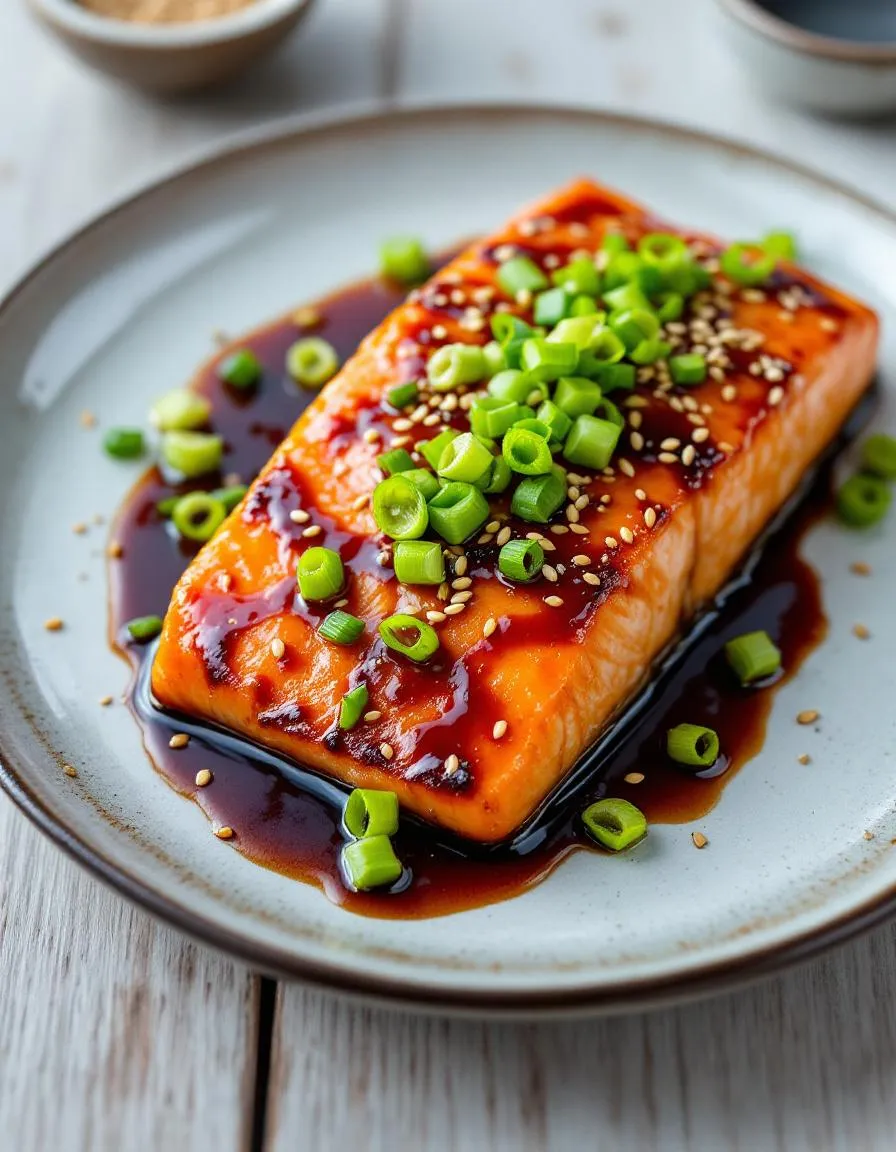
The Flavorful Teriyaki Salmon Recipe delivers a mouthwatering balance of sweet, savory, and umami flavors. Each bite of the tender, flaky salmon glazes your palate with rich teriyaki sauce—caramelized edges add a subtle smokiness, while the fresh ginger and garlic infuse warmth. The texture contrasts beautifully: silky fish against a slightly sticky, glossy sauce. Meanwhile, a hint of sesame oil lends nutty depth, and a sprinkle of toasted sesame seeds offers a delicate crunch. As it bakes, the aroma fills your kitchen with notes of soy, honey, and a touch of tangy mirin. Whether served over rice or greens, the Flavorful Teriyaki Salmon Recipe promises a satisfying, restaurant-quality experience at home.
Boosting the flavor
Elevate your Flavorful Teriyaki Salmon Recipe with a few easy tweaks. For extra heat, stir a dash of sriracha or red pepper flakes into the teriyaki glaze. Alternatively, swap honey for maple syrup to deepen the sweetness. Top finished salmon with sliced green onions or a drizzle of spicy mayo for creamy contrast. Pair it with a side of garlic butter bok choy to balance the dish with earthy, buttery notes. A squeeze of fresh lime just before serving brightens every bite. Small upgrades make this dish even more irresistible.
Always pat the salmon dry before adding the teriyaki glaze to ensure it sticks properly. Meanwhile, preheat your skillet or grill to medium-high heat for a perfect sear without overcooking. For the best Flavorful Teriyaki Salmon Recipe results, brush the glaze in layers during the last few minutes of cooking. Additionally, let the salmon rest for 3-5 minutes after cooking so the juices redistribute evenly.
Mistakes to avoid
Avoid overcrowding the pan, as this steams the salmon instead of giving it a crisp exterior. Instead, cook in batches if needed. Many home cooks also skip marinating time, but even 15 minutes makes a difference in flavor. For more on balancing marinades, check out our guide on perfect marinade ratios. Finally, don’t overcook the salmon—it should flake easily but remain moist. Learn how to spot doneness with our salmon doneness tips.
g-suggestions">Serving and Pairing Suggestions
How to serve this dish
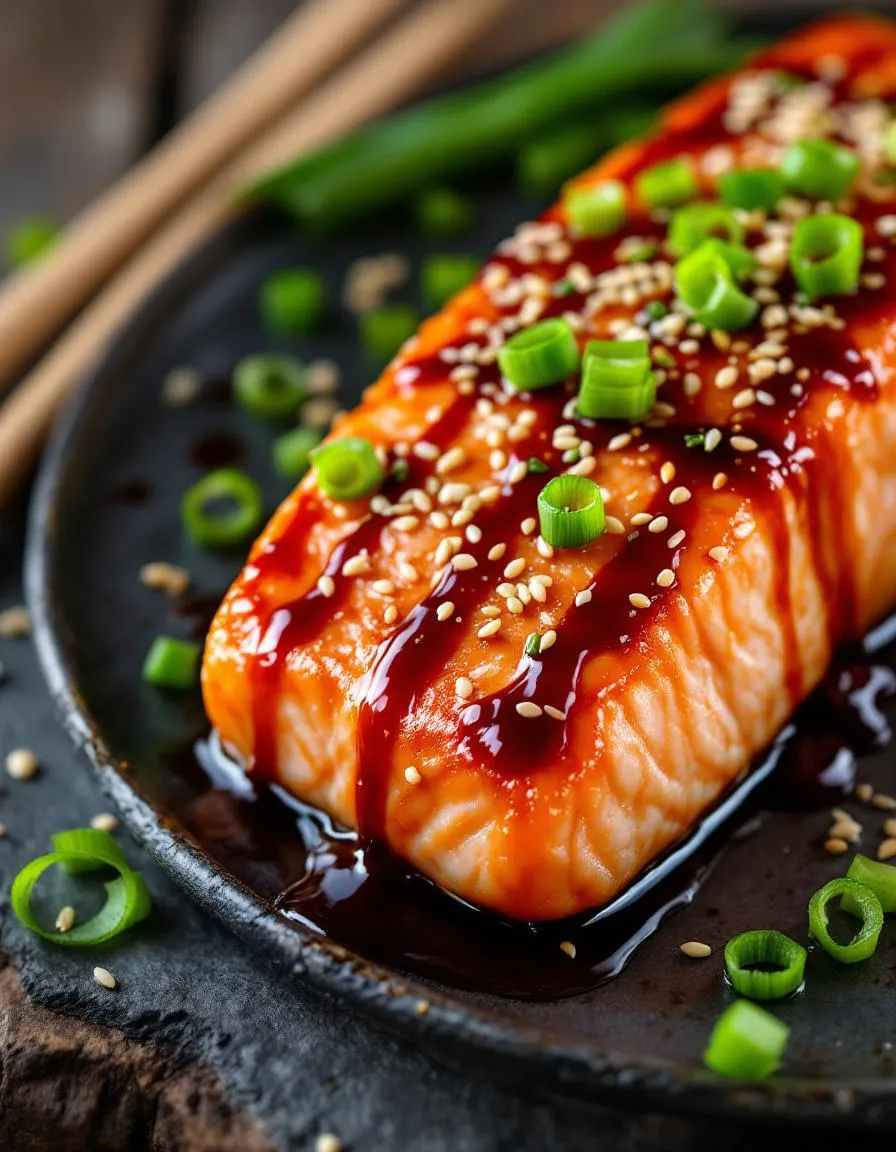
Elevate your Flavorful Teriyaki Salmon Recipe by serving it on a bed of steamed jasmine rice for a restaurant-worthy presentation. Meanwhile, drizzle extra teriyaki glaze over the top and sprinkle sesame seeds or sliced green onions for a pop of color. For special occasions, pair it with elegant chopsticks and a side of pickled ginger to impress your guests. Alternatively, pack it for a picnic by layering the salmon over a crisp salad with a light citrus dressing.
What goes well with it
A crisp, chilled glass of Sauvignon Blanc balances the rich sweetness of the Flavorful Teriyaki Salmon Recipe perfectly. If you prefer non-alcoholic options, try sparkling water with a squeeze of lime for a refreshing contrast. For sides, roasted garlic bok choy adds a savory crunch, while our Miso Glazed Carrots bring a touch of umami harmony. Don’t forget to finish with something light, like our Matcha Green Tea Ice Cream, to cleanse the palate.
math-faq-block">
What’s the best marinade time for flavorful teriyaki salmon?
For the most flavorful teriyaki salmon recipe, marinate the salmon for at least 30 minutes, but no more than 2 hours. Over-marinating can break down the fish’s texture, while 30 minutes allows the sweet-savory teriyaki flavors to penetrate perfectly.
Can I bake flavorful teriyaki salmon instead of grilling?
Absolutely! Bake your flavorful teriyaki salmon at 375°F (190°C) for 12–15 minutes for tender, flaky results. The oven method ensures even cooking and caramelizes the glaze beautifully—just broil for the last 1–2 minutes for extra crispiness.
What sides pair well with flavorful teriyaki salmon?
Steamed jasmine rice, roasted broccoli, or a crisp Asian slaw complement this flavorful teriyaki salmon recipe perfectly. For a balanced meal, add edamame or sesame-glazed green beans to highlight the dish’s umami richness.
ank-math-faq-item">
How do I prevent teriyaki salmon from sticking to the pan?
Pat the salmon dry before cooking and use a well-oiled nonstick skillet or parchment-lined baking sheet. For this flavorful teriyaki salmon recipe, resist flipping too early—let it sear for 3–4 minutes until it releases naturally.
Best Thai Cucumber Salad with Peanuts – Easy Recipe
Introduction
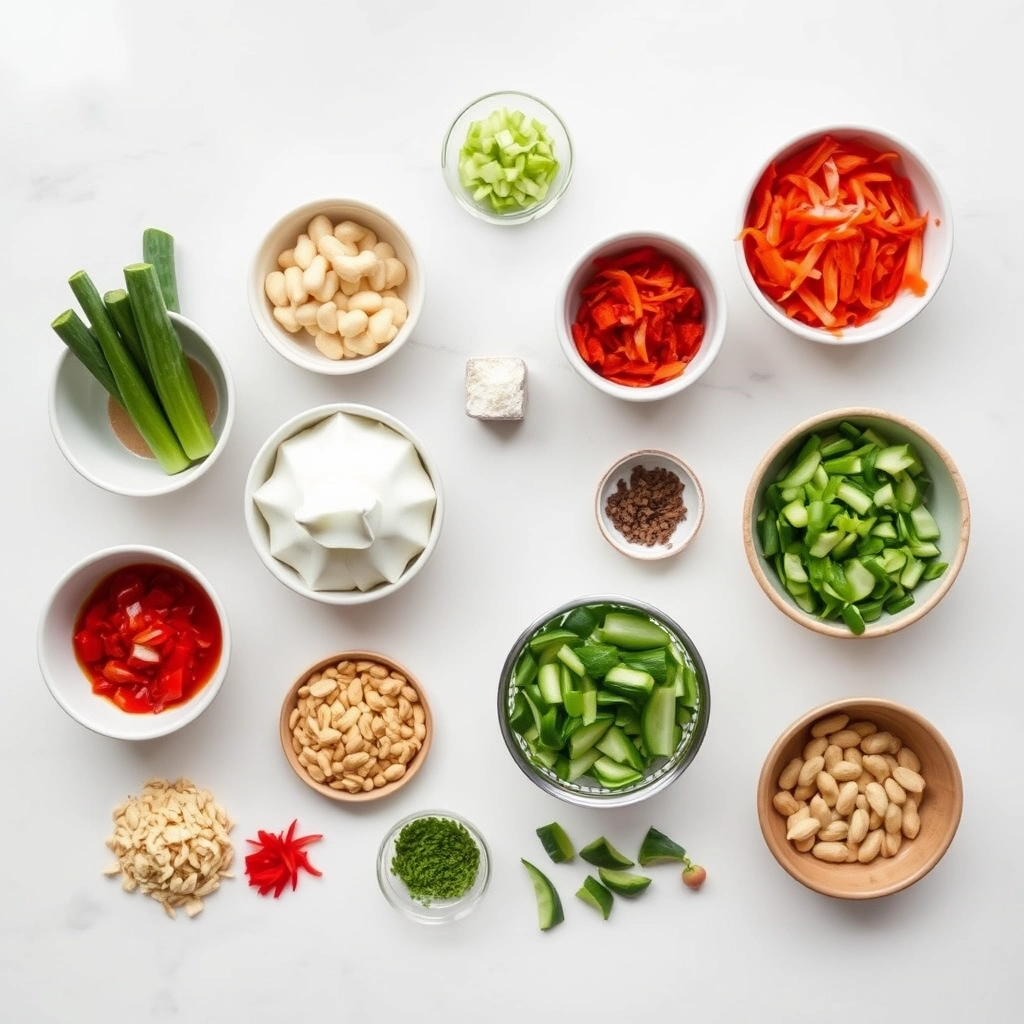
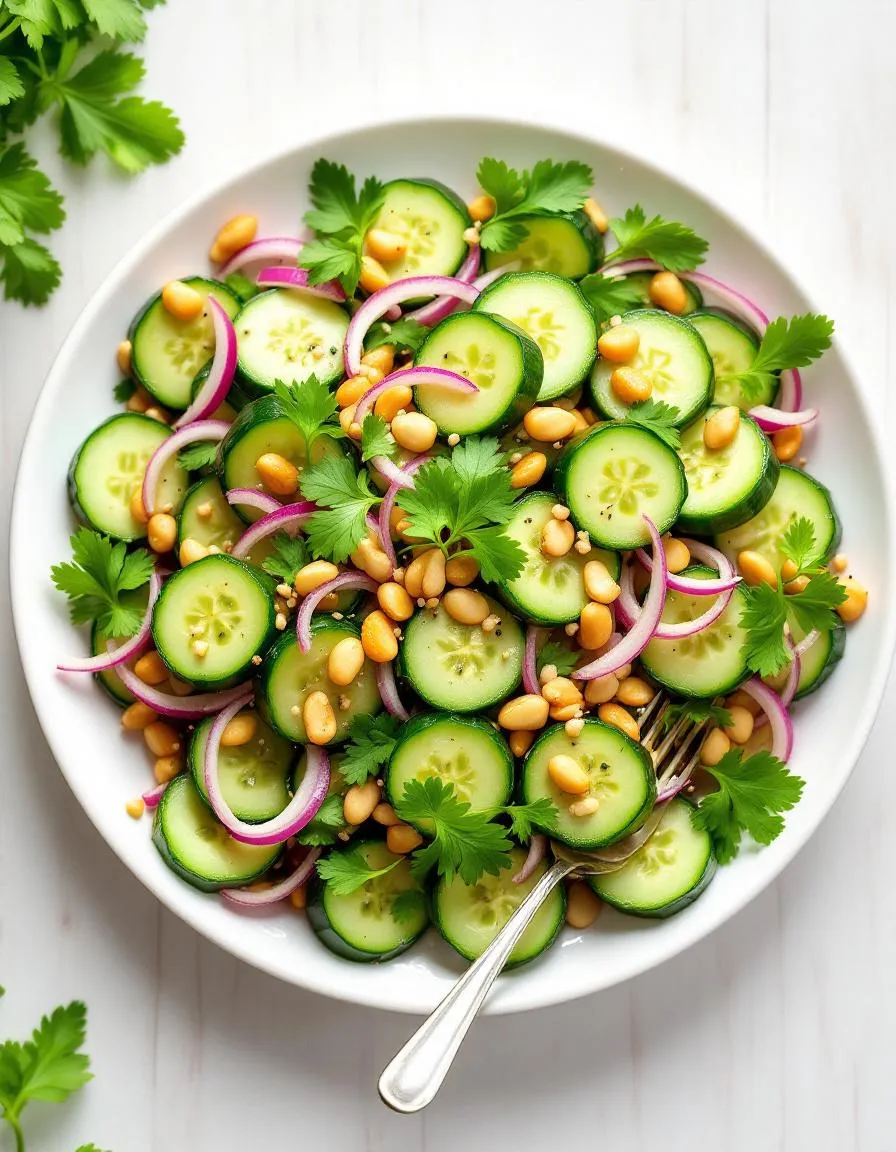
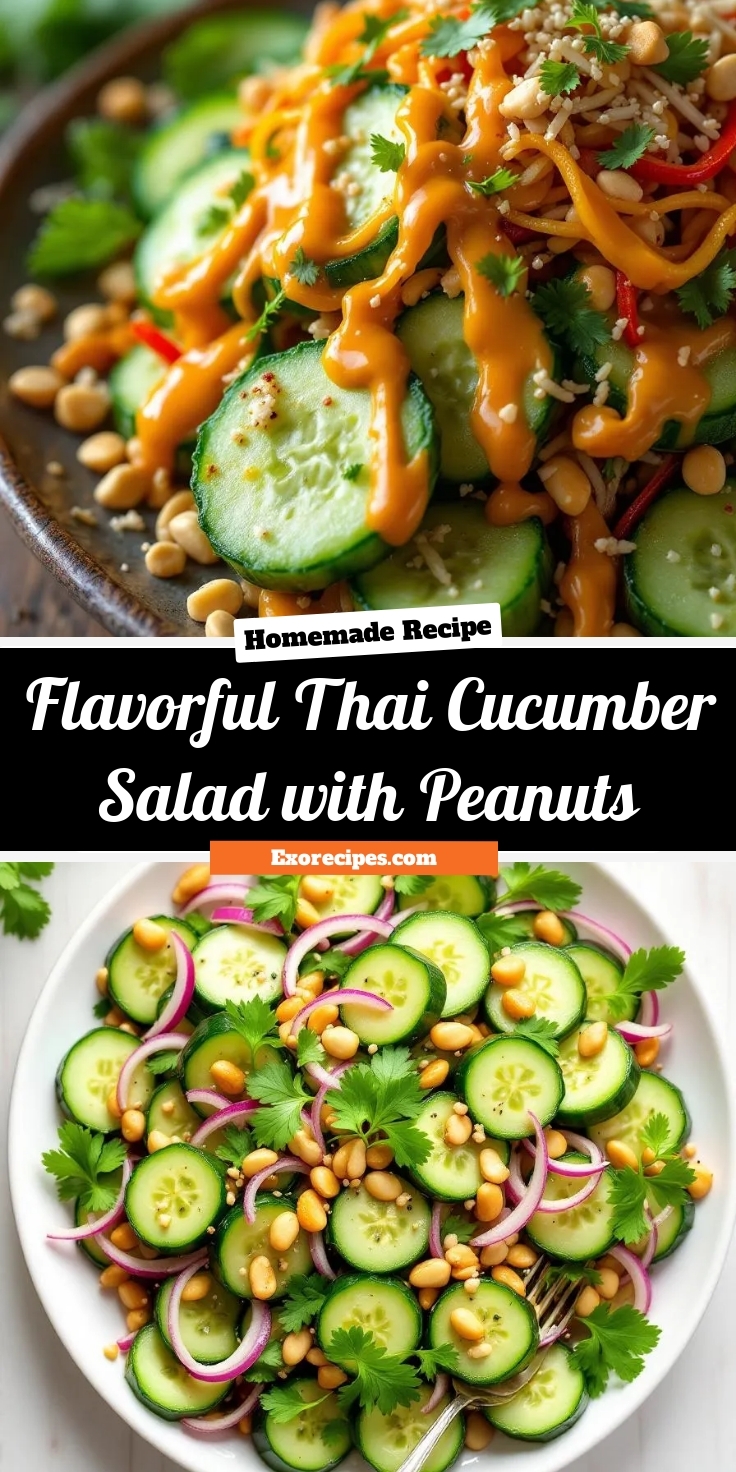
There’s something magical about a dish that balances crunch, tang, and a hint of heat in every bite. If you’ve ever craved a refreshing yet bold side dish or light meal, this Flavorful Thai Cucumber Salad with Peanuts will hit the spot. Whether you’re hosting a summer BBQ or just need a quick lunch that packs a punch, this recipe delivers vibrant flavors without fuss. Plus, it’s a fantastic way to use up those garden-fresh cucumbers sitting in your fridge.
Flavorful Thai Cucumber Salad with Peanuts is a bright, zesty dish that combines crisp cucumbers, aromatic herbs, and a tangy-sweet dressing topped with crunchy peanuts. Unlike heavy salads weighed down by creamy dressings, this one feels light yet satisfying, making it perfect for warm weather or anytime you want a burst of freshness. The blend of lime juice, fish sauce, and chili creates a harmony of flavors that dance on your palate. Moreover, it’s incredibly versatile—serve it alongside grilled meats, as a topping for lemongrass chicken, or enjoy it solo for a low-carb snack.
This recipe aligns perfectly with our blog’s mission to share globally inspired, approachable dishes. We focus on meals that bring excitement to your table without requiring fancy techniques or hard-to-find ingredients. For instance, if you love bold flavors, you might also enjoy our spicy mango salsa, which shares the same vibrant spirit. Whether you’re a Thai food enthusiast or a newbie to Southeast Asian flavors, this salad is a gateway to exploring more without intimidation.
Why I Love This Recipe
This Flavorful Thai Cucumber Salad with Peanuts holds a special place in my heart because it reminds me of my first trip to Bangkok. I stumbled upon a street vendor tossing together cucumbers with a fiery dressing, and the first bite was a revelation. Now, whenever I make it at home, the aroma of lime and chili takes me right back to those bustling markets. It’s also my go-to when friends drop by unexpectedly—it comes together in minutes, yet everyone raves about it like it’s gourmet fare. Simple, memorable, and endlessly adaptable—that’s why this recipe never gets old.
Health and Nutrition
Why it’s good for your body
Flavorful Thai Cucumber Salad with Peanuts packs a nutritious punch while delighting your taste buds. First, cucumbers hydrate your body and provide a refreshing crunch, thanks to their high water content. Meanwhile, the peanuts add a satisfying dose of plant-based protein and healthy fats, keeping you full longer. Additionally, the tangy lime dressing delivers a burst of vitamin C, which supports your immune system.
Moreover, this salad incorporates fresh herbs like cilantro and mint, which not only enhance flavor but also offer antioxidants. These compounds help combat inflammation and promote overall wellness. Furthermore, the chili flakes in Flavorful Thai Cucumber Salad with Peanuts may boost metabolism, adding a subtle kick to your meal. Since the dish relies on whole, unprocessed ingredients, you avoid unnecessary additives and preservatives.
Finally, the balanced combination of textures and nutrients makes this salad a standout choice. Whether you enjoy it as a side or a light main, Flavorful Thai Cucumber Salad with Peanuts nourishes your body without weighing you down. It’s a delicious way to stay on track with your health goals.
How it fits in a healthy lifestyle
Flavorful Thai Cucumber Salad with Peanuts fits seamlessly into a balanced diet. If you follow a gluten-free lifestyle, this recipe naturally meets your needs without any modifications. The peanuts and fresh veggies also make it a great option for plant-based eaters looking for protein-rich meals.
For those focused on heart health, the unsaturated fats from peanuts and olive oil support cardiovascular wellness. Pair it with a lean protein like grilled chicken or tofu for a complete, satisfying meal. If you’re meal prepping, this salad stays crisp for hours, making it an ideal grab-and-go lunch. Check out our meal prep guide for more time-saving ideas.
Even if you’re just starting a healthier eating journey, this dish keeps things simple and flavorful. It’s a fantastic alternative to heavy, calorie-laden sides. For more inspiration on light and nutritious meals, explore our healthy dinner recipes. Flavorful Thai Cucumber Salad with Peanuts proves that eating well doesn’t mean sacrificing taste.
A refreshing and tangy Thai-inspired cucumber salad with crunchy peanuts and a zesty dressing.
Ingredients
Scale
For the Crust:
2 large cucumbers, thinly sliced
1/4 cup roasted peanuts, roughly chopped
1/4 cup red onion, thinly sliced
1/4 cup fresh cilantro, chopped
2 tbsp lime juice
1 tbsp fish sauce
1 tbsp honey
1 clove garlic, minced
1/2 tsp red pepper flakes
1 tbsp vegetable oil
Instructions
1. Prepare the Crust:
In a large bowl, combine the sliced cucumbers, red onion, and cilantro.
In a small bowl, whisk together lime juice, fish sauce, honey, minced garlic, red pepper flakes, and vegetable oil to make the dressing.
Pour the dressing over the cucumber mixture and toss gently to coat.
Sprinkle chopped peanuts on top before serving.
Chill for 10 minutes before serving to let flavors meld.
Notes
You can customize the seasonings to taste.
How to Prepare This Dish
Steps and time-saving tips
Start by thinly slicing the cucumbers and red onions, then toss them into a large mixing bowl. Meanwhile, whisk together the lime juice, fish sauce, sugar, and minced garlic in a small bowl until the sugar dissolves completely. Pour this tangy dressing over the cucumbers and onions, then gently fold everything together to coat evenly. For extra crunch, sprinkle roasted peanuts and fresh cilantro on top just before serving. If you want to save time, prep the dressing ahead and store it in the fridge—it stays fresh for up to two days. Another trick? Use a mandoline for perfectly even cucumber slices in seconds. Let the salad chill for at least 10 minutes before serving so the flavors meld beautifully. If you love heat, add a pinch of red pepper flakes or thinly sliced Thai chilies for a spicy kick. Remember, the key to a vibrant Flavorful Thai Cucumber Salad with Peanuts lies in balancing sweet, sour, and savory flavors, so taste and adjust as you go.
and-learned-from">Mistakes I’ve made and learned from
Early on, I made the mistake of overdressing the salad, which turned the cucumbers soggy within minutes. Now, I drizzle just half the dressing first, then add more as needed. Another lesson? Skipping the resting time. Rushing to serve the Flavorful Thai Cucumber Salad with Peanuts right after mixing meant the flavors didn’t fully develop. Letting it sit for even 10 minutes makes a huge difference. If you’ve struggled with balancing flavors like I have, check out my guide on perfecting salad dressings for foolproof tips. Also, if your peanuts lose their crunch, try toasting them fresh—my toasting nuts 101 post walks you through the best methods. Trust me, these small tweaks elevate the dish from good to unforgettable.
Cultural Connection and Variations
Where this recipe comes from
Flavorful Thai Cucumber Salad with Peanuts traces its roots to the vibrant street markets of Thailand, where vendors toss crisp cucumbers with tangy lime, fiery chilies, and crunchy peanuts. This dish, known as “Yam Taeng Kwa,” celebrates the Thai love for balancing sweet, sour, salty, and spicy flavors. Families often serve it alongside grilled meats or sticky rice, especially during scorching summers when cooling ingredients shine.
Across Southeast Asia,
variations pop up with local twists. In Vietnam, they might add fresh herbs like cilantro and mint, while in Laos, fermented fish sauce amps up the umami. My aunt, who lived in Bangkok, taught me her version with a splash of coconut milk for creaminess. Meanwhile, in Western kitchens, Flavorful Thai Cucumber Salad with Peanuts sometimes swaps peanuts for cashews or adds avocado for richness. No matter the adaptation, the salad stays refreshingly versatile.
How it fits in today’s cooking
Today, Flavorful Thai Cucumber Salad with Peanuts thrives as a go-to for healthy, quick meals. Busy home cooks love it for meal prep, pairing it with easy weeknight dinners like lemongrass chicken or tofu. Its bright flavors also make it a star at potlucks, where it stands out next to heartier dishes.
Modern twists keep it relevant. Some add quinoa for extra protein, while others toss in mango for sweetness. During summer barbecues, it’s a crisp counterpart to smoky grilled favorites. For those exploring global flavors, it’s a gateway dish—simple yet bold. Craving more inspiration? Check out our Asian fusion recipes to mix and match flavors. Whether you stick to tradition or experiment, this salad fits seamlessly into today’s kitchens.
>Taste and Texture
What makes it delicious
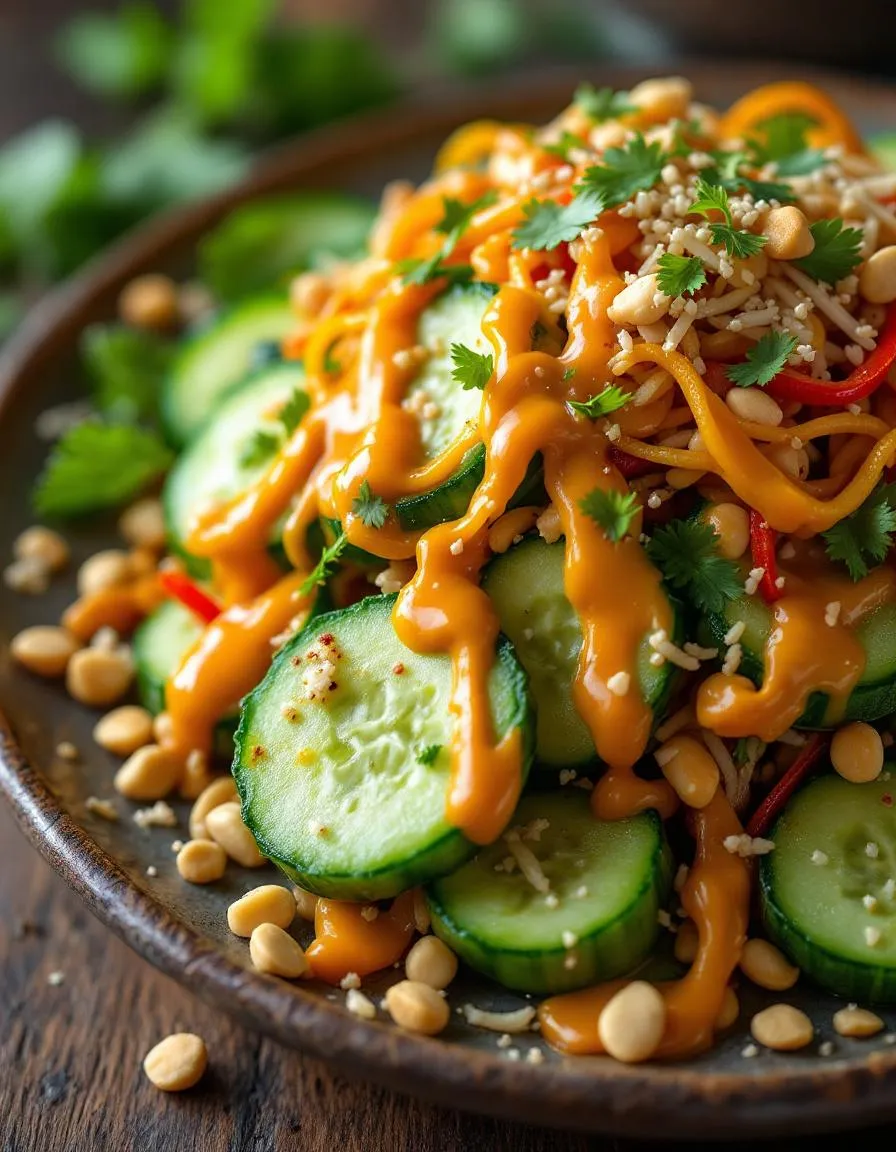
The Flavorful Thai Cucumber Salad with Peanuts bursts with bright, tangy, and slightly sweet flavors that dance on your tongue. Crisp cucumbers and crunchy peanuts create a satisfying contrast, while fresh herbs like cilantro and mint add a fragrant, refreshing kick. Meanwhile, the zesty lime dressing, spiked with a hint of chili, delivers a bold yet balanced punch. Every bite of this Flavorful Thai Cucumber Salad with Peanuts feels light yet indulgent, thanks to the creamy richness of crushed peanuts and the juicy snap of thinly sliced veggies. It’s a salad that wakes up your taste buds with every forkful.
Boosting the flavor
For an extra flavor boost, try tossing in toasted coconut flakes or a handful of fresh mango slices to add sweetness and tropical flair. If you love heat, a drizzle of spicy sriracha mayo amps up the richness, while a sprinkle of furikake seasoning brings umami depth. Prefer more crunch? Swap peanuts for cashews or top with crispy fried shallots. For a tangier twist, mix in a splash of homemade tamarind sauce to complement the lime dressing. The Flavorful Thai Cucumber Salad with Peanuts adapts beautifully to creative tweaks, so don’t hesitate to experiment!
Tips for Success
Best practices for results
Always slice the cucumbers thinly for the best texture in your Flavorful Thai Cucumber Salad with Peanuts. Meanwhile, toast the peanuts lightly to enhance their crunch and nutty flavor. For maximum freshness, toss the salad just before serving so the vegetables stay crisp. Additionally, chill the dressing for at least 30 minutes to let the flavors meld beautifully. Finally, taste and adjust the lime juice or fish sauce as needed for a perfectly balanced dish.
Mistakes to avoid
One common mistake is overdressing the salad, which can make it soggy. Instead, start with half the dressing and add more as needed. Another error is skipping the toasting step for the peanuts, which dulls their flavor. For more tips on balancing dressings, check out our guide on perfect salad dressing ratios. Also, avoid using wilted cucumbers—they’ll lack crunch. If you’re unsure about selecting fresh produce, our guide to crisp vegetables can help.
Serving and Pairing Suggestions
How to serve this dish
Bring vibrant energy to your table by serving Flavorful Thai Cucumber Salad with Peanuts in a shallow ceramic bowl or on a colorful platter. For a refreshing twist, chill the salad for 30 minutes before serving to enhance its crisp texture. Meanwhile, garnish with extra crushed peanuts and fresh cilantro leaves for a pop of color and crunch. This dish shines at summer picnics, potlucks, or as a bright side for weeknight dinners. If you’re hosting a Thai-inspired feast, place it alongside grilled meats or sticky rice for a balanced spread.
h-it">What goes well with it
Pair Flavorful Thai Cucumber Salad with Peanuts with a zesty mango lassi for a cooling contrast to its tangy flavors. Alternatively, serve it alongside our Spicy Thai Basil Chicken to balance the heat with refreshing crunch. For a light yet satisfying meal, try it with our Coconut Rice, which adds a creamy sweetness that complements the salad’s bold profile. Whether you choose a spicy main or a tropical drink, each pairing elevates the dish’s vibrant character.
What makes Thai cucumber salad so flavorful?
Flavorful Thai Cucumber Salad with Peanuts gets its vibrant taste from a balance of sweet, sour, salty, and spicy elements. The dressing typically includes lime juice, fish sauce, sugar, and chili, while fresh herbs like cilantro and mint add brightness. Crushed peanuts provide a satisfying crunch and nutty depth.
ank-math-faq-item">
Can I make Thai cucumber salad ahead of time?
Yes, you can prepare Flavorful Thai Cucumber Salad with Peanuts 1-2 hours in advance, but add the peanuts just before serving to maintain crunch. The cucumbers may release water over time, so drain excess liquid before serving for the best texture.
What protein pairs well with Thai cucumber salad?
Flavorful Thai Cucumber Salad with Peanuts complements grilled chicken, shrimp, or tofu beautifully. The salad’s refreshing qualities balance rich proteins, making it perfect for summer barbecues or as a light side with satay skewers.
Is Thai cucumber salad gluten-free?
Traditional Flavorful Thai Cucumber Salad with Peanuts can be gluten-free if you use gluten-free fish sauce. Always check labels, as some brands contain wheat. The salad naturally avoids gluten-containing ingredients otherwise.
div>
Best Chocolate Chip Muffins – Easy Homemade Recipe
Introduction
There’s something magical about biting into a warm, freshly baked muffin—especially when it’s packed with melty chocolate chips. Whether you’re craving a cozy breakfast treat or a sweet afternoon pick-me-up, these Irresistible Chocolate Chip Muffins deliver every time. They’re soft, fluffy, and loaded with just the right amount of chocolatey goodness. Plus, they fill your kitchen with a scent so inviting, you’ll have everyone gathering around the oven before they’re even done baking.
Irresistible Chocolate Chip Muffins are more than just a simple baked good. They’re a nostalgic comfort food that brings people together, whether you’re sharing them with family, friends, or sneaking one (or two) for yourself. What makes this recipe stand out is its perfect balance of sweetness and texture. The muffins rise beautifully, thanks to a carefully tested batter, while the chocolate chips stay gooey even after cooling. If you’ve ever struggled with dry or dense muffins, this recipe solves those problems effortlessly.
For those who love easy yet impressive baking projects, these muffins fit right into your routine. They take less than 30 minutes to prepare, and you likely already have all the ingredients in your pantry. If you’re looking for more quick and delicious baking ideas, check out our favorite quick baking recipes. Alternatively, if you’re a chocolate lover, you’ll adore our decadent chocolate desserts collection.
This recipe also aligns perfectly with our blog’s mission: making home cooking approachable, fun, and downright delicious. Whether you’re a beginner or a seasoned baker, these Irresistible Chocolate Chip Muffins promise consistent results and endless smiles.
Why I Love This Recipe
These muffins hold a special place in my heart because they were the first thing I ever baked successfully as a kid. I remember standing on a stool, carefully stirring the batter, and feeling so proud when they came out golden and perfect. Now, whenever I make them, that same joy comes rushing back. They’re my go-to for potlucks, lazy Sundays, or just because—and every time, they disappear faster than I can blink. That’s the power of a truly Irresistible Chocolate Chip Muffin.
Health and Nutrition
Why it’s good for your body
Irresistible Chocolate Chip Muffins pack more than just delicious flavor. First, they offer a satisfying energy boost thanks to balanced carbohydrates and natural sugars. Additionally, dark chocolate chips provide antioxidants, which support heart health and reduce inflammation. Meanwhile, whole wheat flour or oat flour options add fiber, keeping digestion steady and hunger at bay.
Moreover, Irresistible Chocolate Chip Muffins can be a smart choice for mindful indulgence. By using quality ingredients like Greek yogurt or applesauce, they often contain less fat than traditional recipes. Furthermore, these muffins deliver small bursts of joy, which actually help curb cravings for less nutritious sweets. Finally, when you bake them at home, you control the sugar and salt, making them a healthier alternative to store-bought treats.
Beyond taste, Irresistible Chocolate Chip Muffins also contribute to mental well-being. Comfort foods like these can lift your mood while still fitting into a nutrient-conscious diet. Whether enjoyed as a breakfast treat or an afternoon pick-me-up, they strike a perfect balance between health and happiness.
How it fits in a healthy lifestyle
Irresistible Chocolate Chip Muffins fit seamlessly into balanced eating habits. For example, pair one with a protein-rich snack like Greek yogurt or a handful of nuts to create a satisfying mini-meal. If you follow a gluten-free diet, simply swap in almond or coconut flour for a delicious alternative. You can also explore our gluten-free baking guide for more adaptable recipes.
These muffins also support heart-healthy choices when made with ingredients like olive oil or flaxseed. For those tracking macros, they can be tweaked to include extra protein powder or reduced sugar. Craving more wholesome dessert ideas? Check out our healthy dessert swaps for inspiration. Whether you need a quick breakfast or a guilt-free dessert, Irresistible Chocolate Chip Muffins keep your goals on track without sacrificing flavor.
Soft, fluffy muffins packed with melty chocolate chips for the perfect sweet treat.
Ingredients
Scale
For the Crust:
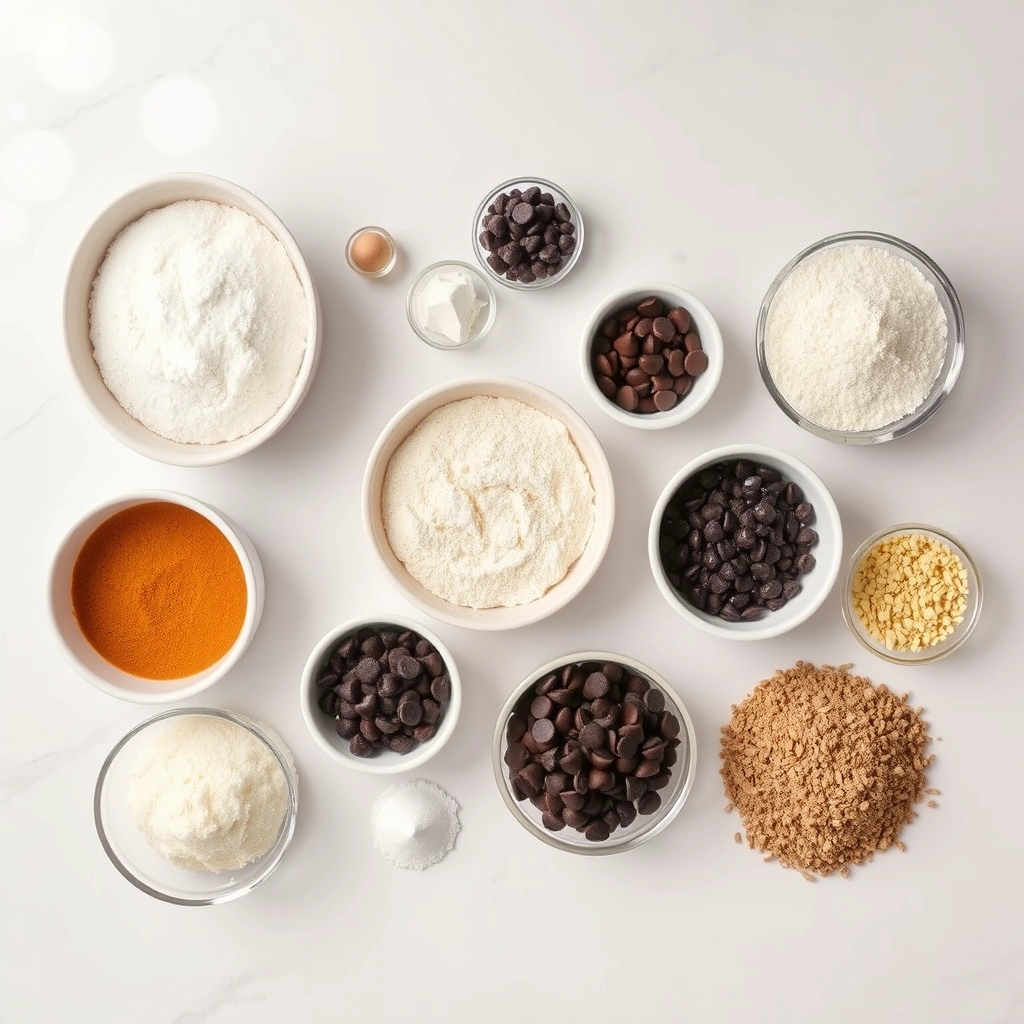
2 cups all-purpose flour
1/2 cup granulated sugar
1 tbsp baking powder
1/2 tsp salt
1 cup milk
1/3 cup vegetable oil
1 large egg
1 tsp vanilla extract
1 cup semi-sweet chocolate chips
Instructions
1. Prepare the Crust:
Preheat oven to 375°F (190°C) and line a muffin tin with paper liners.
In a large bowl, whisk together flour, sugar, baking powder, and salt.
In another bowl, mix milk, oil, egg, and vanilla until well combined.
Pour wet ingredients into dry ingredients and stir until just combined (do not overmix).
Fold in chocolate chips.
Divide batter evenly among muffin cups (about 3/4 full).
Bake for 18-20 minutes or until a toothpick comes out clean.
Notes
You can customize the seasonings to taste.
“`html
="how-to-prepare-this-dish">How to Prepare This Dish
Steps and time-saving tips
Start by preheating your oven to 375°F to ensure it reaches the perfect temperature by the time your batter is ready. Meanwhile, line a muffin tin with paper liners or lightly grease each cup to prevent sticking. In a large bowl, whisk together the flour, baking powder, and salt until evenly combined. Next, grab another bowl and beat the softened butter with sugar until fluffy, then mix in the eggs one at a time followed by vanilla extract. Gradually fold the dry ingredients into the wet mixture, but avoid overmixing—just stir until no flour streaks remain. Gently fold in the chocolate chips for that irresistible burst of flavor in every bite. Spoon the batter evenly into the muffin cups, filling each about two-thirds full. For an extra touch, sprinkle a few extra chocolate chips on top before baking. Pop the tray into the oven and bake for 18-20 minutes, or until a toothpick comes out clean. Let the muffins cool slightly before serving, though I won’t judge if you sneak one warm!
Mistakes I’ve made and learned from
Early on, I learned the hard way that overmixing the batter leads to dense, tough muffins instead of the light, fluffy texture we all crave. Now, I stop stirring as soon as the ingredients combine, and the difference is night and day. Another rookie mistake? Skipping the step of creaming the butter and sugar properly—this creates tiny air pockets that give the muffins their lift. If your butter isn’t soft enough, try my quick butter-softening hack to save time without sacrificing quality. Oh, and don’t forget to check your baking powder’s freshness! Once, my muffins barely rose, and I traced it back to expired leavening. Now, I test it with this simple trick before starting. Trust me, these small tweaks make all the difference in achieving bakery-worthy results every time.
Irresistible Chocolate Chip Muffins feel like a warm hug from childhood, no matter where you grew up. While the classic version traces back to American home baking in the mid-20th century, bakers worldwide have put their own spin on them. In France, for instance, they might use dark chocolate chunks and a hint of sea salt for a sophisticated twist. Meanwhile, in Australia, you’ll often find them studded with macadamia nuts for extra crunch.
My family’s vers
ion of Irresistible Chocolate Chip Muffins always included a dash of cinnamon, a trick my grandma swore by. She claimed it brought out the sweetness of the chocolate. Across the South, bakers might swap in buttermilk for a tangier bite, while New Englanders could fold in wild blueberries for a seasonal summer treat. No matter the variation, these muffins carry a universal appeal—simple, comforting, and endlessly adaptable.
How it fits in today’s cooking
Today, Irresistible Chocolate Chip Muffins remain a staple for busy mornings, lunchboxes, and cozy weekend brunches. Modern cooks love tweaking them—like using oat flour for a gluten-free version or adding a swirl of peanut butter for extra protein. They’ve also become a star in holiday baking, especially when paired with festive add-ins like peppermint chips or orange zest. For more inspiration, check out our guide to quick breakfast ideas or our tips for baking with kids.
What keeps them relevant? Their versatility. Whether you’re meal prepping for the week or craving a midnight snack, these muffins deliver. Bakers today also experiment with vegan butter or coconut sugar, proving that even a classic can evolve. No wonder they’ve earned their spot in kitchens everywhere—simple, satisfying, and always irresistible.
>Taste and Texture
What makes it delicious
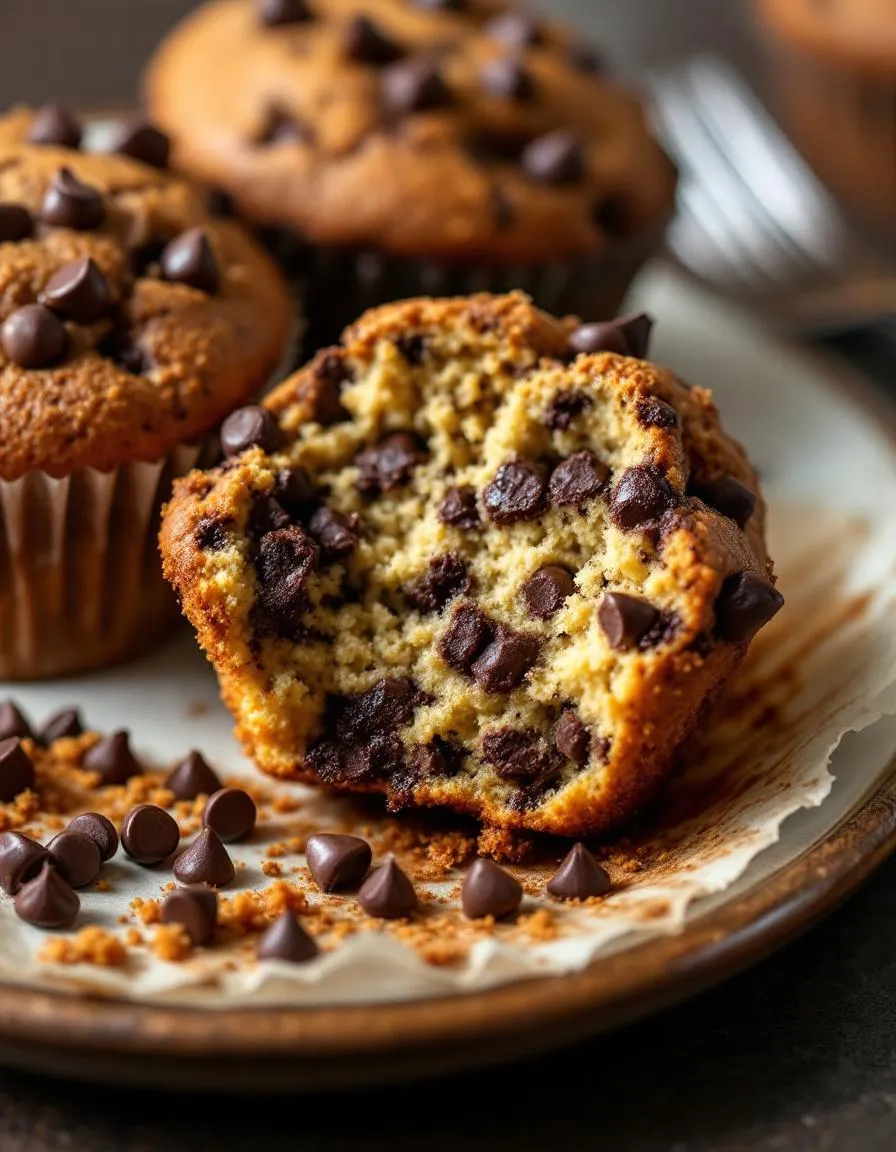
Irresistible Chocolate Chip Muffins deliver a heavenly balance of rich, buttery sweetness and deep chocolatey goodness. The first bite reveals a tender, moist crumb that practically melts in your mouth, while the gooey chocolate chips add bursts of indulgent flavor. Warm from the oven, the muffins release a fragrant vanilla aroma with hints of caramelized sugar. Every bite offers a satisfying contrast—soft cake meets slightly crisp edges, and the chocolate chips stay luxuriously melty. Thanks to high-quality cocoa and real butter, Irresistible Chocolate Chip Muffins taste like a cozy bakery treat with just the right amount of decadence.
Boosting the flavor
For an extra flavor twist, try folding in a handful of toasted walnuts or pecans to add crunch and nutty depth. A sprinkle of flaky sea salt on top before baking enhances the sweetness and creates a gourmet touch. If you love warm spices, a dash of cinnamon or a swirl of homemade caramel sauce pairs beautifully with the chocolate. For a fruity twist, mix in dried cherries or orange zest—their bright tang cuts through the richness. Craving more chocolate? Drizzle cooled muffins with easy chocolate ganache for a glossy, irresistible finish.
Tips for Success
Best practices for results
Always measure your flour correctly by spooning it into the measuring cup and leveling it off. This prevents dense Irresistible Chocolate Chip Muffins. Additionally, use room-temperature eggs and butter for even mixing. For extra flavor, toast the walnuts lightly before folding them into the batter. Finally, avoid overmixing the dough to keep the muffins tender and fluffy.
Mistakes to avoid
One common mistake is baking the Irresistible Chocolate Chip Muffins at too high a temperature, which can cause uneven browning. Instead, check your oven calibration with an oven thermometer for accuracy. Another error is skipping the muffin liner or greasing step, leading to sticking. For foolproof release, try our favorite non-stick baking spray. Remember, underbaked centers sink, so test with a toothpick before pulling them out.
Serving and Pairing Suggestions
How to serve this dish
Serve Irresistible Chocolate Chip Muffins warm for the ultimate gooey chocolate experience. For a brunch spread, arrange them on a rustic wooden board with fresh berries and a dusting of powdered sugar. Meanwhile, during holidays, wrap them in festive parchment paper and tie with twine for a charming homemade gift. If you want to impress guests, slice them in half and add a dollop of whipped cream or a scoop of vanilla ice cream for an indulgent dessert.
h-it">What goes well with it
Pair Irresistible Chocolate Chip Muffins with a cold glass of milk for a classic combo that highlights their rich flavor. Alternatively, try them alongside a creamy vanilla latte to balance the sweetness with a hint of espresso. For a heartier option, serve them with a fresh fruit salad or our berry yogurt parfait to add a refreshing contrast to the decadent muffins.
What makes chocolate chip muffins moist and fluffy?
The secret to moist and fluffy Irresistible Chocolate Chip Muffins lies in using buttermilk or yogurt for acidity, which reacts with baking soda to create lift. Properly creaming butter and sugar, plus not overmixing the batter, also ensures a tender crumb packed with melty chocolate chips.
ank-math-faq-item">
Can I substitute oil for butter in chocolate chip muffins?
Yes, you can swap melted butter for neutral oils like vegetable or canola oil in Irresistible Chocolate Chip Muffins—this often makes them even moister. However, butter adds richer flavor, so consider using browned butter for a nutty depth that complements the chocolate.
How do you keep chocolate chips from sinking in muffins?
Toss your chocolate chips in 1 tbsp of flour before folding them into the Irresistible Chocolate Chip Muffin batter—this helps suspend them evenly. Chilling the batter for 15 minutes before baking also prevents sinking by thickening the mixture.
Why are my chocolate chip muffins dry?
Overbaking is the top culprit for dry Irresistible Chocolate Chip Muffins—check for doneness 2-3 minutes early with a toothpick test. Using too much flour (always spoon-and-level) or skipping moisture-rich ingredients like sour cream can also lead to dryness.
div>
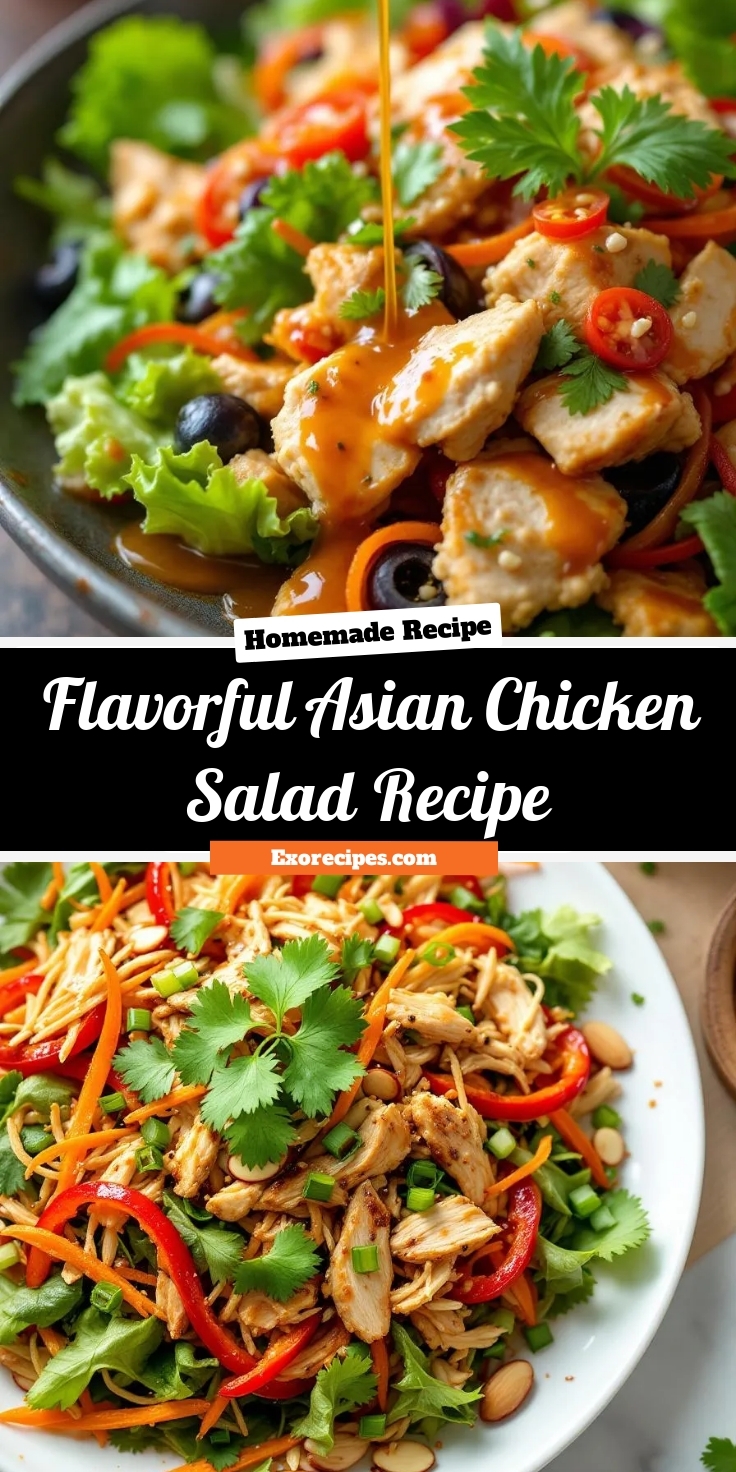
Best Asian Chicken Salad – Flavorful & Easy Recipe
Introduction
Craving a dish that bursts with vibrant flavors yet feels light and refreshing? Look no further than this Flavorful Asian Chicken Salad Recipe. Whether you need a quick lunch, a crowd-pleasing potluck dish, or a healthy dinner option, this salad delivers. Imagine tender chicken, crisp veggies, and a tangy-sweet dressing all coming together in one bowl. Best of all, it takes minimal effort for maximum reward. Let’s dive into why this recipe deserves a spot in your weekly rotation.
The Flavorful Asian Chicken Salad Recipe combines the bold tastes of sesame, ginger, and soy with fresh ingredients like cabbage, carrots, and cilantro. Unlike heavy, mayo-laden salads, this version keeps things bright and balanced. It’s perfect for meal prep, since the flavors meld beautifully overnight. Plus, it’s versatile—swap in tofu for chicken or add crunchy noodles for extra texture. If you love dishes that marry convenience with excitement, you’ll adore this recipe. For more inspiration, check out our Healthy Meal Prep Ideas or explore Quick Asian-Inspired Dishes to round out your menu.
This salad fits our blog’s ethos of simple, globally inspired cooking. We prioritize recipes that respect your time without sacrificing taste. The Flavorful Asian Chicken Salad Recipe embodies that balance. It’s a gateway to exploring Asian flavors at home, whether you’re a beginner or a seasoned cook. With its mix of protein, veggies, and crave-worthy dressing, it’s a meal that satisfies on every level.
Why I Love This Recipe
This Flavorful Asian Chicken Salad Recipe holds a special place in my heart because it reminds me of family gatherings. My aunt used to make a similar version for picnics, and the first bite always transports me back to those sunny afternoons. Beyond nostalgia, I love how adaptable it is. Some days I load it with extra peanuts for crunch, other times I skip the chicken for a vegan twist. No matter how I tweak it, the result never disappoints. It’s the kind of recipe that feels both familiar and exciting—exactly what home cooking should be.
Health and Nutrition
Why it’s good for your body
The Flavorful Asian Chicken Salad Recipe packs a nutritious punch while delighting your taste buds. First, lean chicken breast provides high-quality protein to support muscle repair and keep you full longer. Meanwhile, fresh vegetables like cabbage, carrots, and bell peppers add fiber, vitamins, and antioxidants to boost immunity and digestion. Additionally, the sesame oil and rice vinegar dressing offers healthy fats and a tangy flavor without excessive calories.
Moreover, this salad includes ingredients like ginger and garlic, which have anti-inflammatory properties. These not only enhance the taste of the Flavorful Asian Chicken Salad Recipe but also promote gut health. Furthermore, the crunch from nuts or seeds adds omega-3s and texture, making each bite satisfying. Because it balances protein, fiber, and healthy fats, this dish helps stabilize blood sugar levels and curb cravings.
Finally, the Flavorful Asian Chicken Salad Recipe is a versatile meal you can customize for extra nutrition. For example, swapping in quinoa or edamame boosts plant-based protein. Whether you enjoy it for lunch or dinner, this salad delivers flavor and nourishment in every serving.
How it fits in a healthy lifestyle
The Flavorful Asian Chicken Salad Recipe fits seamlessly into a balanced diet, whether you’re focusing on weight management, heart health, or simply eating cleaner. Its lean protein and fiber-rich veggies make it a great option for meal prep, keeping you energized without heavy carbs. If you’re following a gluten-free lifestyle, this recipe naturally avoids gluten while still delivering bold flavors.
For those tracking macros, the dish offers a high-protein, low-carb base that pairs well with other healthy sides. You can also explore our meal prep guide to streamline your weekly routine. Plus, if you love vibrant, nutrient-dense meals, check out our balanced bowl ideas for more inspiration. With its fresh ingredients and customizable options, this salad supports both your health goals and your busy schedule.
A vibrant and crunchy salad with tender chicken, crisp vegetables, and a tangy Asian-inspired dressing.
Ingredients
Scale
For the Crust:
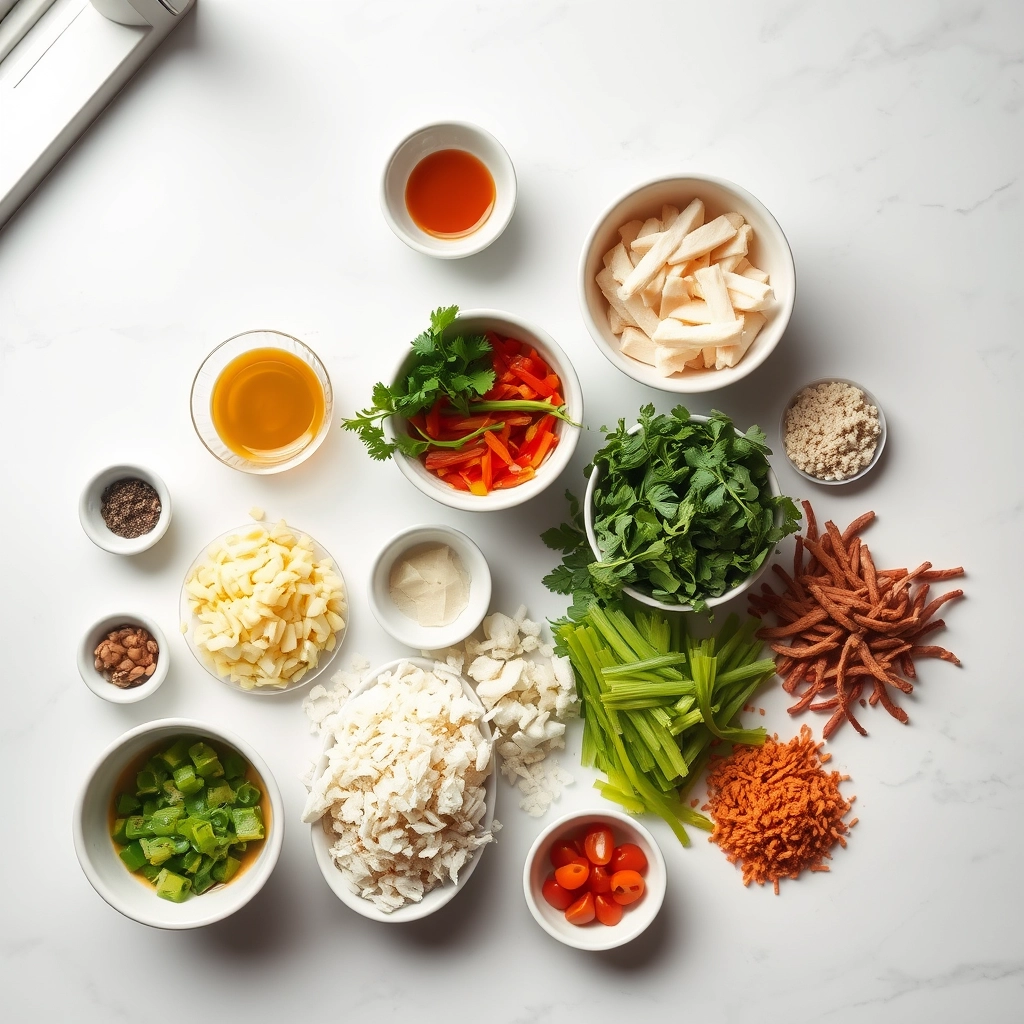
2 cups cooked chicken, shredded
4 cups mixed greens (romaine, cabbage, spinach)
1 cup shredded carrots
1 red bell pepper, thinly sliced
1/2 cup sliced almonds
1/4 cup chopped cilantro
2 green onions, sliced
1/4 cup soy sauce
2 tbsp honey
1 tbsp rice vinegar
1 tsp sesame oil
1 clove garlic, minced
1 tsp grated ginger
Instructions
1. Prepare the Crust:
In a large bowl, combine the mixed greens, shredded chicken, carrots, bell pepper, almonds, cilantro, and green onions.
In a small bowl, whisk together the soy sauce, honey, rice vinegar, sesame oil, garlic, and ginger to make the dressing.
Drizzle the dressing over the salad and toss gently to combine. Serve immediately.
Notes
You can customize the seasonings to taste.
How to Prepare This Dish
Steps and time-saving tips
Start by prepping your ingredients for the Flavorful Asian Chicken Salad Recipe to save time later. Shred cooked chicken into bite-sized pieces and set aside. Then, whisk together the dressing—combine soy sauce, rice vinegar, sesame oil, honey, and a pinch of red pepper flakes in a small bowl. Meanwhile, toast the slivered almonds in a dry skillet over medium heat until golden, stirring frequently to prevent burning. Next, chop the Napa cabbage, carrots, and green onions into thin strips for the perfect crunch. Toss the shredded chicken, veggies, and toasted almonds in a large bowl. Drizzle the dressing over the salad and gently fold everything together until evenly coated. For the best flavor, let the salad chill in the fridge for at least 15 minutes before serving. If you’re short on time, use a store-bought rotisserie chicken and pre-shredded coleslaw mix to cut prep in half. Garnish with extra green onions and sesame seeds for a fresh finish.
and-learned-from">Mistakes I’ve made and learned from
When I first made the Flavorful Asian Chicken Salad Recipe, I overlooked the importance of toasting the almonds—they turned out bland and chewy instead of crisp and nutty. Now, I always toast them lightly and let them cool before adding them to the salad. Another mistake? Over-dressing the salad, which made it soggy. I learned to start with half the dressing, toss, and add more as needed. If you’re new to balancing flavors, check out my guide on perfecting salad dressings for foolproof tips. Also, don’t skip the chilling step—it’s key for letting the flavors meld, just like I discovered in my make-ahead meal prep experiments. Trust me, these small tweaks make all the difference!
Cultural Connection and Variations
Where this recipe comes from
The Flavorful Asian Chicken Salad Recipe has roots in the vibrant street food culture of Southeast Asia, where vendors toss fresh ingredients with bold dressings for a quick, satisfying meal. While the exact origin is hard to pin down, many trace its inspiration to Thai yam salads or Vietnamese goi ga, which balance sweet, sour, and spicy flavors. Families across the region often adapt the dish with local produce—think mangoes in Thailand or green papaya in Laos.
In my own kitchen, the
Flavorful Asian Chicken Salad Recipe became a weeknight staple after a trip to Bangkok, where I tasted a version with crispy shallots and lime-chili dressing. Back home, I swapped in shredded rotisserie chicken for convenience, but the spirit of the dish stayed the same. Some versions skip the chicken entirely, loading up on herbs and toasted rice powder for crunch. Others, like Japanese adaptations, might add sesame oil or swap fish sauce for soy.
How it fits in today’s cooking
Today, the Flavorful Asian Chicken Salad Recipe thrives as a go-to for busy cooks who crave bright, healthy flavors without the fuss. Meal preppers love it because it keeps well in the fridge, and fitness enthusiasts appreciate its lean protein and veggie-packed profile. For a heartier twist, some add quinoa or edamame—perfect alongside these vegetarian meal prep ideas.
It’s also a hit at potlucks and summer gatherings, where its colorful presentation steals the show. Modern twists include using leftover grilled chicken or even tossing in spiralized veggies for extra texture. Whether you serve it as a light lunch or pair it with these quick weeknight dinners, this salad bridges tradition and convenience effortlessly.
>Taste and Texture
What makes it delicious
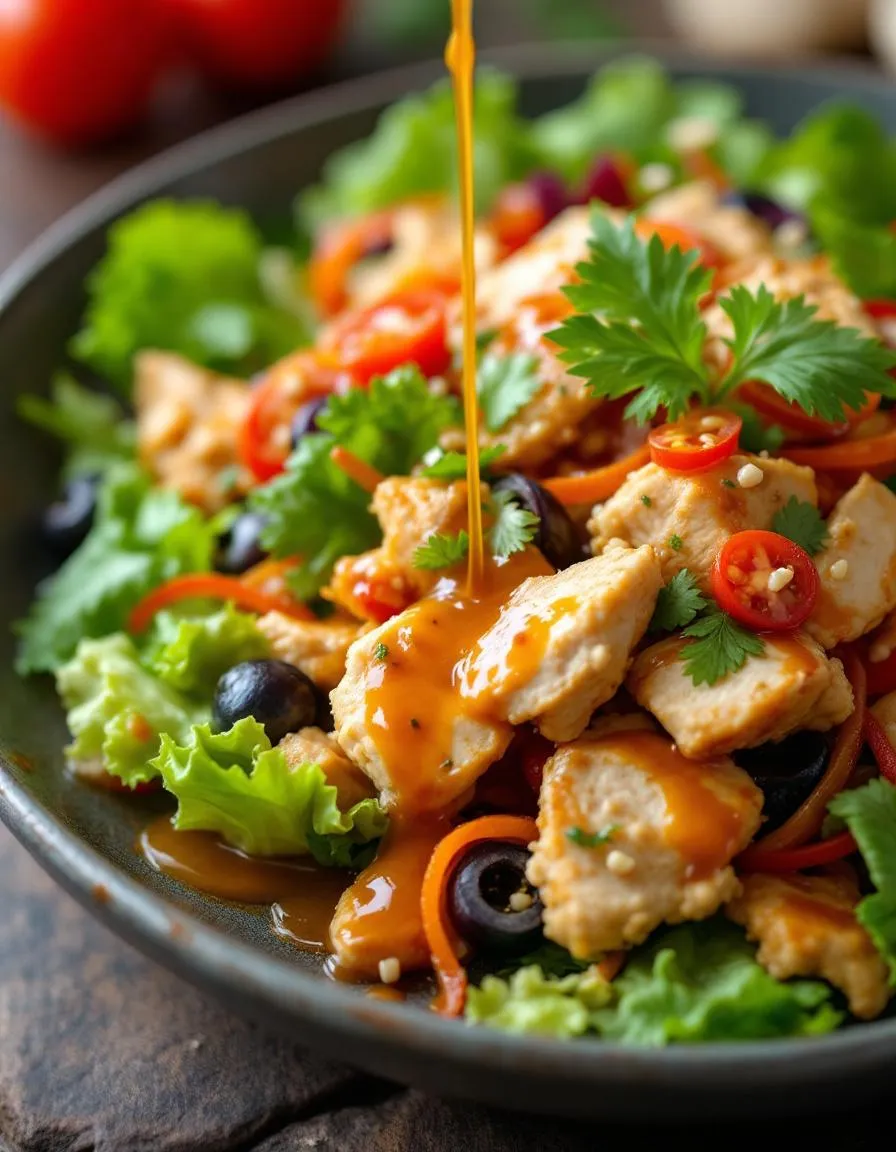
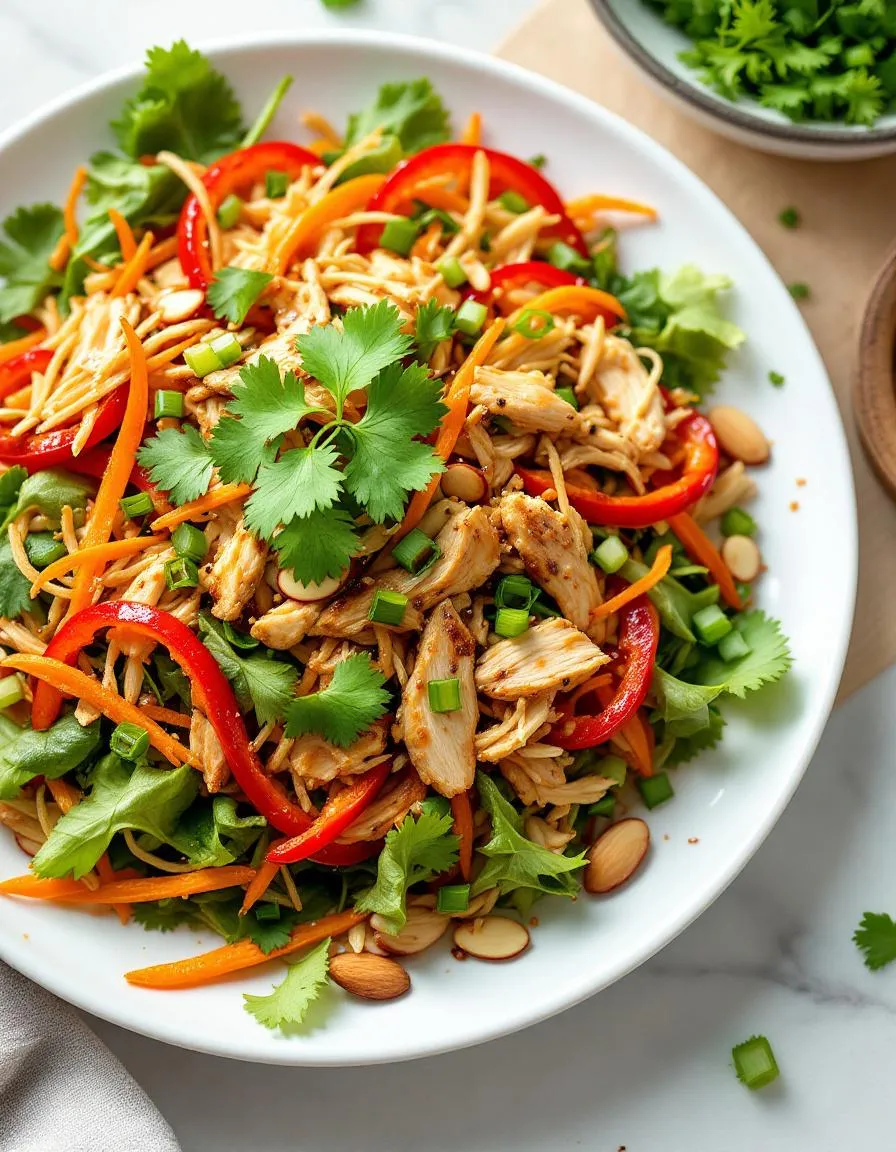
The Flavorful Asian Chicken Salad Recipe delivers a vibrant explosion of tastes and textures in every bite. First, tender shredded chicken mingles with crisp Napa cabbage and crunchy carrots, creating a satisfying contrast. Next, a tangy-sweet sesame dressing coats each ingredient, offering a rich umami depth with hints of garlic and ginger. Meanwhile, toasted sesame seeds add a nutty aroma, while fresh cilantro brightens the dish with a herbal freshness. The Flavorful Asian Chicken Salad Recipe balances savory, sweet, and zesty flavors, making it irresistibly refreshing yet hearty.
Boosting the flavor
Elevate your Flavorful Asian Chicken Salad Recipe with a few easy tweaks. For extra heat, toss in sliced jalapeños or a drizzle of sriracha. Alternatively, swap the sesame dressing for a creamy peanut sauce to add richness. Crushed peanuts or crispy wonton strips introduce another layer of crunch. If you love bold flavors, marinate the chicken in a teriyaki glaze before shredding. Finally, a squeeze of lime just before serving enhances the brightness, making each forkful even more dynamic.
Tips for Success
Best practices for results
Always shred the chicken while it’s warm for the best texture in your Flavorful Asian Chicken Salad Recipe. Meanwhile, toast the sesame seeds lightly to enhance their nutty flavor before adding them to the dish. For maximum crispness, toss the salad with the dressing just before serving. Additionally, use fresh lime juice instead of bottled for a brighter, more vibrant taste. Finally, chill the serving bowls beforehand to keep the salad refreshingly cool.
Mistakes to avoid
Avoid overdressing the salad, as too much liquid will make the ingredients soggy. Instead, start with half the dressing and add more as needed. Many cooks also skip tasting the dressing first, which can lead to unbalanced flavors. For guidance on perfecting dressings, check out our homemade sauces guide. Another common error is using tough, overcooked chicken. For tender results, follow our poached chicken tutorial before adding it to your Flavorful Asian Chicken Salad Recipe.
Serving and Pairing Suggestions
How to serve this dish
Bring your Flavorful Asian Chicken Salad Recipe to life with vibrant presentation. First, layer the salad in a large, shallow bowl to showcase its colorful mix of crunchy veggies and tender chicken. For a restaurant-worthy touch, top it with extra sesame seeds, chopped cilantro, or a sprinkle of crispy wonton strips. Alternatively, serve it in individual mason jars for a fun, portable lunch option. This dish shines at summer picnics, potlucks, or even as a light yet satisfying weeknight dinner. If you want to impress guests, pair it with our Easy Spring Rolls for a complete Asian-inspired spread.
h-it">What goes well with it
Elevate your Flavorful Asian Chicken Salad Recipe with refreshing pairings. A chilled glass of jasmine iced tea balances the dish’s tangy-sweet dressing, while a crisp Pinot Grigio enhances its bright flavors. For heartier meals, serve it alongside steamed jasmine rice or our Garlic Ginger Noodles for extra texture. Finally, a side of spicy sriracha mayo adds a creamy kick for those who love extra heat. Each pairing highlights the salad’s versatility and keeps every bite exciting.
What dressing goes best with a Flavorful Asian Chicken Salad?
A sesame-ginger or peanut dressing pairs perfectly with a Flavorful Asian Chicken Salad Recipe. These dressings enhance the salad’s savory and tangy flavors while adding a creamy texture. For a lighter option, try a rice vinegar and soy sauce-based dressing.
ank-math-faq-item">
Can I make Flavorful Asian Chicken Salad ahead of time?
Yes, you can prepare the Flavorful Asian Chicken Salad Recipe up to a day in advance. Store the dressing separately and toss it with the salad just before serving to keep the ingredients crisp. This makes it a great option for meal prep or gatherings.
What protein alternatives work in an Asian Chicken Salad?
For a twist on the Flavorful Asian Chicken Salad Recipe, try grilled shrimp, tofu, or thinly sliced beef. These proteins absorb the Asian-inspired flavors well and maintain the salad’s texture. Adjust cooking times based on your protein choice.
How do I keep my Asian Chicken Salad from getting soggy?
To prevent sogginess in your Flavorful Asian Chicken Salad Recipe, pat dry all ingredients thoroughly and add crunchy elements like wonton strips or peanuts last. Keep the dressing separate until ready to serve, and avoid overdressing the salad.