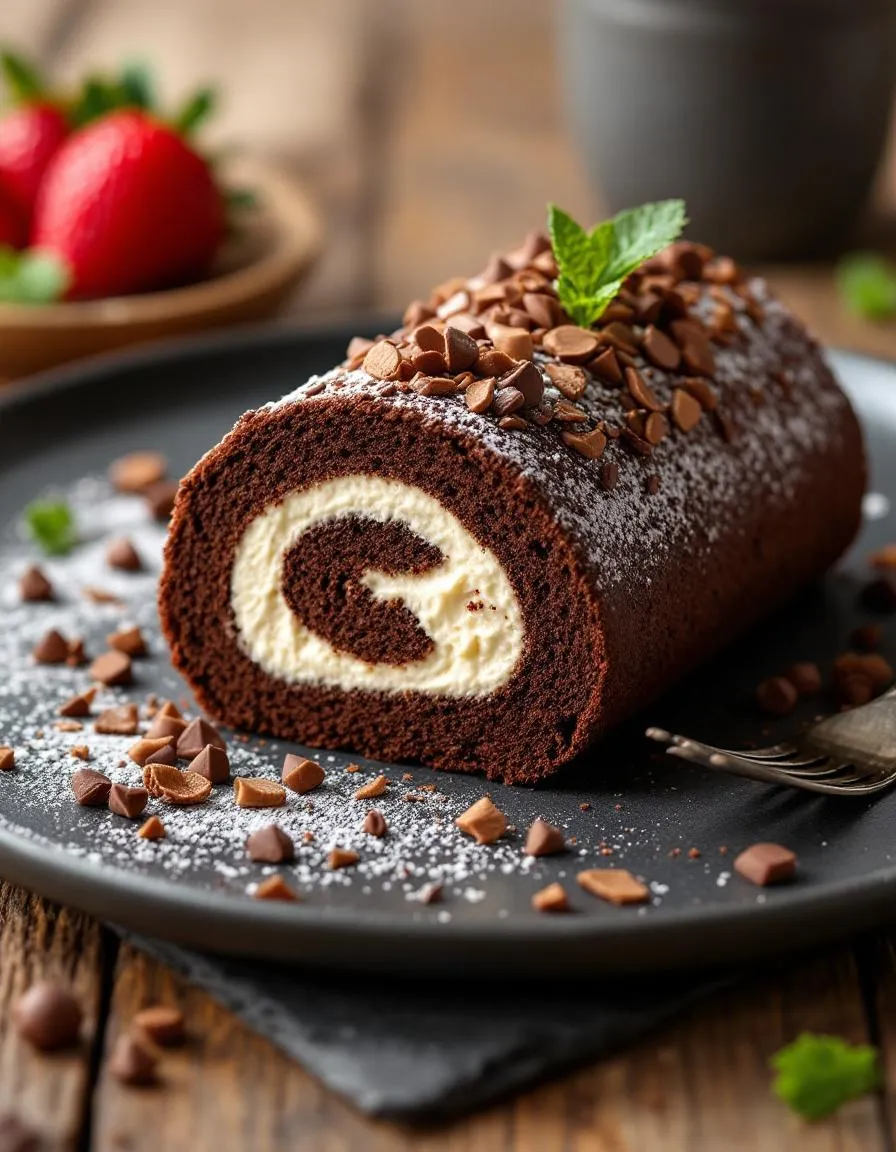
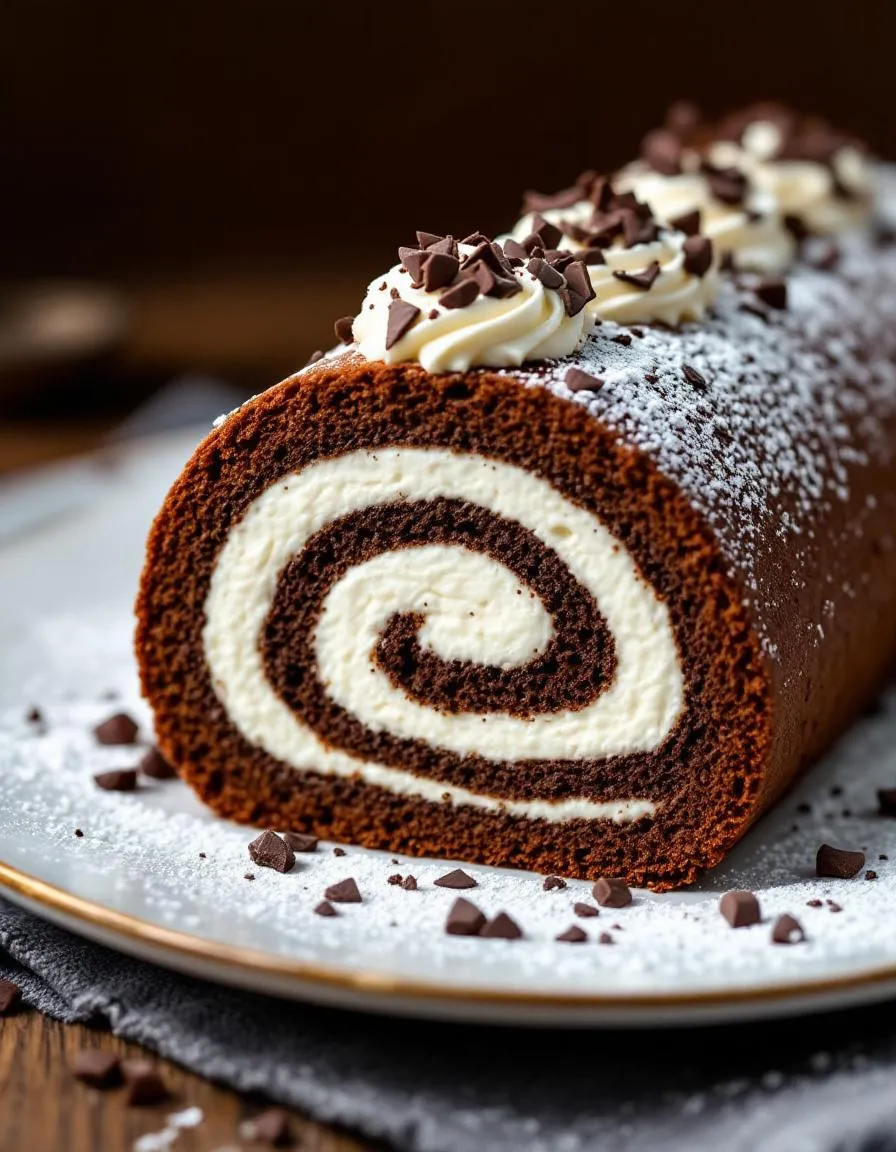
There’s something magical about the first bite of a perfectly baked Swiss roll—especially when it’s a Decadent Choco Swiss Roll Delight. Whether you’re celebrating a special occasion or simply treating yourself after a long day, this dessert wraps rich cocoa, velvety cream, and a touch of nostalgia into every slice. If you’ve ever hesitated to try making a Swiss roll at home, let me assure you: this recipe balances simplicity with showstopping results. Plus, it’s a guaranteed crowd-pleaser that’ll have everyone asking for seconds.
The Decadent Choco Swiss Roll Delight isn’t just another dessert; it’s a masterpiece of texture and flavor. A light, airy sponge cake hugs a luscious chocolate filling, creating a harmony of sweetness that never feels overwhelming. What makes this recipe stand out? For starters, it’s versatile. Serve it as the star of your holiday table, or enjoy it with coffee for an indulgent afternoon pick-me-up. Unlike fussy pastries, this Swiss roll comes together with pantry staples, proving that elegance doesn’t require complexity. If you love classic desserts with a twist, you’ll appreciate our Chocolate Lover’s Guide, which dives into creative ways to elevate cocoa-based treats.
This recipe also fits perfectly with our blog’s mission: approachable yet impressive cooking. Whether you’re a beginner or a seasoned baker, the Decadent Choco Swiss Roll Delight offers room to experiment. Swap the filling for a raspberry-infused cream, or dust the top with powdered sugar for a snowy finish. For more inspiration on balancing flavors, check out our Baking Essentials guide. Above all, this dessert reminds us that baking should be joyful—a chance to create memories as much as delicious bites.
Why I Love This Recipe
This Decadent Choco Swiss Roll Delight holds a special place in my heart because it was the first dessert I ever mastered. I remember the pride I felt when I rolled the cake without a single crack, and the way my family’s eyes lit up when I presented it. Over the years, I’ve tweaked the recipe, adding a pinch of espresso powder to deepen the chocolate flavor or a splash of vanilla for warmth. Every time I make it, I’m reminded that baking isn’t just about precision—it’s about sharing love, one slice at a time.
Health and Nutrition
Why it’s good for your body
Decadent Choco Swiss Roll Delight packs more than just irresistible flavor. First, the cocoa in this dessert delivers antioxidants that help combat oxidative stress. Additionally, the eggs in the sponge cake provide high-quality protein to support muscle repair. Meanwhile, the moderate sugar content ensures you enjoy sweetness without overloading your system.
Moreover, Decadent Choco Swiss Roll Delight contains essential nutrients like iron and magnesium from its chocolate components. These minerals play key roles in energy production and nerve function. Furthermore, the light, airy texture means you savor a satisfying treat without excessive heaviness. Even better, the balanced ingredients make it a smarter choice compared to overly processed desserts.
Finally, enjoying Decadent Choco Swiss Roll Delight in moderation can boost your mood. Dark chocolate triggers serotonin release, promoting feelings of happiness. So while it tastes indulgent, this dessert also offers real benefits for both body and mind.
How it fits in a healthy lifestyle
Decadent Choco Swiss Roll Delight fits perfectly into a balanced diet when enjoyed mindfully. Pair a slice with fresh berries for added fiber, or serve it alongside a protein-rich snack like Greek yogurt to stabilize blood sugar. If you follow a gluten-free diet, try substituting almond flour in the recipe for a celiac-friendly version.
For those focused on heart health, the dark chocolate in this dessert contains flavonoids that support circulation. You can also explore our guide to healthy baking swaps to tweak the recipe for lower sugar or higher protein. And if you love balancing treats with nutritious meals, check out our meal-prep dessert ideas to keep portions in check. With smart choices, Decadent Choco Swiss Roll Delight becomes a guilt-free pleasure.
A rich and indulgent chocolate Swiss roll with a creamy filling, perfect for any dessert lover.
Ingredients
Scale
For the Crust:
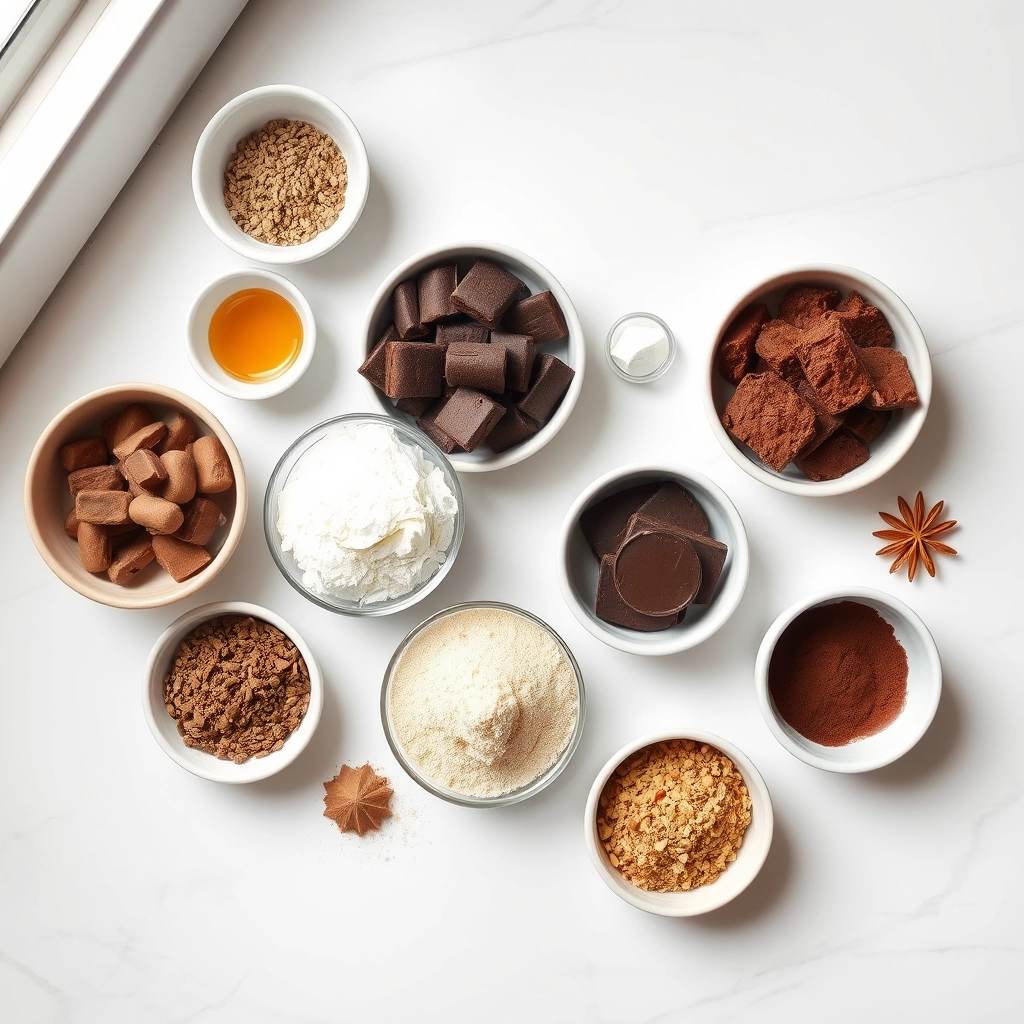
4 large eggs
3/4 cup granulated sugar
1 teaspoon vanilla extract
1/2 cup all-purpose flour
1/4 cup cocoa powder
1 teaspoon baking powder
1/4 teaspoon salt
1 cup heavy whipping cream
2 tablespoons powdered sugar
1/2 teaspoon vanilla extract
1/4 cup chocolate shavings (for garnish)
Instructions
1. Prepare the Crust:
Preheat oven to 350°F (175°C). Line a 15×10-inch jelly roll pan with parchment paper.
In a large bowl, beat eggs, granulated sugar, and vanilla extract until thick and pale.
Sift in flour, cocoa powder, baking powder, and salt. Gently fold until combined.
Pour batter into prepared pan, spreading evenly. Bake for 12-15 minutes or until cake springs back when touched.
Immediately invert cake onto a clean kitchen towel dusted with powdered sugar. Carefully peel off parchment paper.
Roll cake and towel together from the short end. Let cool completely on a wire rack.
In a separate bowl, whip heavy cream, powdered sugar, and vanilla extract until stiff peaks form.
Unroll cake gently, spread whipped cream evenly, then re-roll without the towel. Chill for at least 1 hour before serving.
Garnish with chocolate shavings before serving.
Notes
You can customize the seasonings to taste.
s-dish">How to Prepare This Dish
Steps and time-saving tips
Start by preheating your oven to 350°F and lining a jelly roll pan with parchment paper. Lightly grease the paper to ensure your Decadent Choco Swiss Roll Delight releases easily later. In a large bowl, whisk together eggs and sugar until fluffy and pale, about 5 minutes. Gradually sift in flour, cocoa powder, and baking powder, then gently fold the dry ingredients into the egg mixture to keep the batter airy. Spread the batter evenly in the pan and bake for 10-12 minutes until the cake springs back when touched. Meanwhile, dust a clean kitchen towel with powdered sugar. As soon as the cake comes out, invert it onto the towel, peel off the parchment, and roll it up while warm. Let it cool completely this way to set its shape. For the filling, whip heavy cream with powdered sugar and vanilla until stiff peaks form. Unroll the cooled cake, spread the cream evenly, then roll it back up without the towel. Chill for at least an hour before slicing. To save time, prep the filling while the cake bakes or use store-bought whipped cream in a pinch.
Mistakes I’ve made and learned from
My first attempt at Decadent Choco Swiss Roll Delight ended in cracks because I overbaked the cake. Now I set a timer for 10 minutes and check early—it’s better slightly underdone than dry. Another blunder was rushing the rolling step; skipping the warm roll-up led to a messy, uneven spiral. Patience pays off here! If your cake does crack, don’t panic. A thick layer of filling can hide minor flaws, or repurpose it as a trifle like I did once. For more troubleshooting, check out my guide on fixing cracked cakes. Also, if you’re new to baking rolls, my Swiss roll basics post breaks down the technique with visuals. Trust me, even imperfect rolls taste heavenly!
n-and-variations">Cultural Connection and Variations
Where this recipe comes from
The Decadent Choco Swiss Roll Delight traces its roots to European patisserie traditions, where bakers perfected the art of light sponge cakes filled with rich creams. Originally inspired by the Swiss roll, this dessert gained global fame as home cooks added their own twists. In some regions, bakers fold in espresso or citrus zest for a bold contrast, while others layer it with fresh berries for a fruity touch. My grandmother, for instance, always dusted hers with cocoa powder and served it with a dollop of whipped cream, turning it into a weekend treat.
Across Asia, bakers often infuse the Decadent Choco Swiss Roll Delight with matcha or red bean paste, blending local flavors with the classic technique. Meanwhile, in Latin America, you might find it drizzled with dulce de leche or sprinkled with crushed nuts. No matter where it’s made, this dessert carries a sense of celebration—whether it’s a holiday centerpiece or a simple afternoon indulgence. The versatility of the recipe ensures it never feels out of place, no matter whose kitchen it graces.
How it fits in today’s cooking
Today, the Decadent Choco Swiss Roll Delight remains a beloved staple for bakers who crave nostalgia with a modern twist. Many home cooks now swap traditional fillings for vegan whipped cream or gluten-free flour, proving how adaptable this dessert can be. It’s a star at holiday gatherings, but it also fits seamlessly into weekday baking routines, especially when you need a quick yet impressive treat. For those who love experimenting, pairing it with a salted caramel frosting can elevate the flavor even further.
Social media has also g
iven this classic a fresh life, with bakers sharing their creative riffs—like adding crushed cookies or turning it into a layered ice cream cake. Whether you stick to tradition or reinvent it, the Decadent Choco Swiss Roll Delight continues to bring people together, one delicious slice at a time.
Taste and Texture
What makes it delicious
The Decadent Choco Swiss Roll Delight is a symphony of rich, velvety flavors and irresistible textures. Each bite delivers a luscious chocolate sponge that melts in your mouth, paired with a silky-smooth cocoa-infused cream filling. The cake itself is light yet moist, while the filling adds a cool, creamy contrast. A hint of vanilla enhances the deep chocolate notes, making every slice fragrant and indulgent. Whether you savor it chilled or at room temperature, the Decadent Choco Swiss Roll Delight leaves a lingering sweetness with just the right balance of richness.
Boosting the flavor
Elevate your Decadent Choco Swiss Roll Delight with a few creative tweaks. For a nutty crunch, sprinkle chopped toasted hazelnuts over the top or fold them into the filling. If you love fruity contrasts, drizzle a tart raspberry coulis on the plate before serving. For an extra layer of warmth, dust the roll with cinnamon or a pinch of espresso powder to intensify the chocolate flavor. Craving more inspiration? Explore our guide to perfect chocolate pairings or try a dollop of homemade whipped cream for an airy finish. Small changes make a big difference!
Always preheat your oven before baking the Decadent Choco Swiss Roll Delight to ensure even cooking. Use room-temperature eggs for a lighter, fluffier sponge, and gently fold the dry ingredients to maintain airiness. Spread the batter evenly in the pan for consistent thickness, and roll the cake while it’s still warm to prevent cracks. For best results, chill the rolled cake for at least 30 minutes before adding the filling.
Mistakes to avoid
Avoid overbaking the sponge, as it can dry out and crack when rolling. Instead, check for doneness a few minutes early by lightly pressing the center—it should spring back. Another common mistake is skipping the parchment paper, which makes removing the cake much harder. For more troubleshooting, check out our guide on fixing cracked Swiss rolls. Also, don’t rush the chilling step; a firm cake holds its shape better, as explained in our perfect roll techniques post.
g-suggestions">Serving and Pairing Suggestions
How to serve this dish
Slice the Decadent Choco Swiss Roll Delight into elegant spirals for a stunning presentation. For special occasions, dust the top with cocoa powder or powdered sugar to highlight its swirls. Meanwhile, fresh berries or mint leaves add a pop of color that makes it irresistible. Serve it chilled for a firmer texture or at room temperature for a softer bite. Whether you’re hosting a holiday gathering or a casual brunch, this dessert always steals the spotlight.
What goes well with it
Pair the Decadent Choco Swiss Roll Delight with a steaming cup of homemade vanilla latte to balance its rich chocolate flavor. Alternatively, a scoop of salted caramel ice cream creates a delightful contrast of temperatures and textures. For a lighter option, serve it alongside fresh strawberries or a dollop of whipped cream to enhance its decadence without overwhelming the palate.
math-faq-block">
What is the best way to store Decadent Choco Swiss Roll Delight?
To keep your Decadent Choco Swiss Roll Delight fresh, wrap it tightly in plastic wrap or store it in an airtight container at room temperature for up to 2 days. For longer storage, refrigerate it for up to 5 days or freeze for up to a month. Always let it come to room temperature before serving for the best texture.
Can I make Decadent Choco Swiss Roll Delight without eggs?
Yes, you can substitute eggs in Decadent Choco Swiss Roll Delight with alternatives like flax eggs or applesauce for a vegan version. However, the texture may be slightly denser. For best results, use a tested egg-free sponge cake recipe to ensure the roll holds together.
How do I prevent my Decadent Choco Swiss Roll Delight from cracking?
To avoid cracks in your Decadent Choco Swiss Roll Delight, roll the warm cake in a clean kitchen towel dusted with powdered sugar right after baking. This helps it retain flexibility. Also, avoid overbaking—the cake should spring back lightly when touched.
ank-math-faq-item">
What fillings pair well with Decadent Choco Swiss Roll Delight?
Classic pairings for Decadent Choco Swiss Roll Delight include whipped cream, chocolate ganache, or raspberry jam. For a twist, try coffee-flavored buttercream or a Nutella spread. The rich chocolate sponge complements both light and indulgent fillings beautifully.
Ultimate Caramel Apple Cheesecake Cake Recipe
Introduction
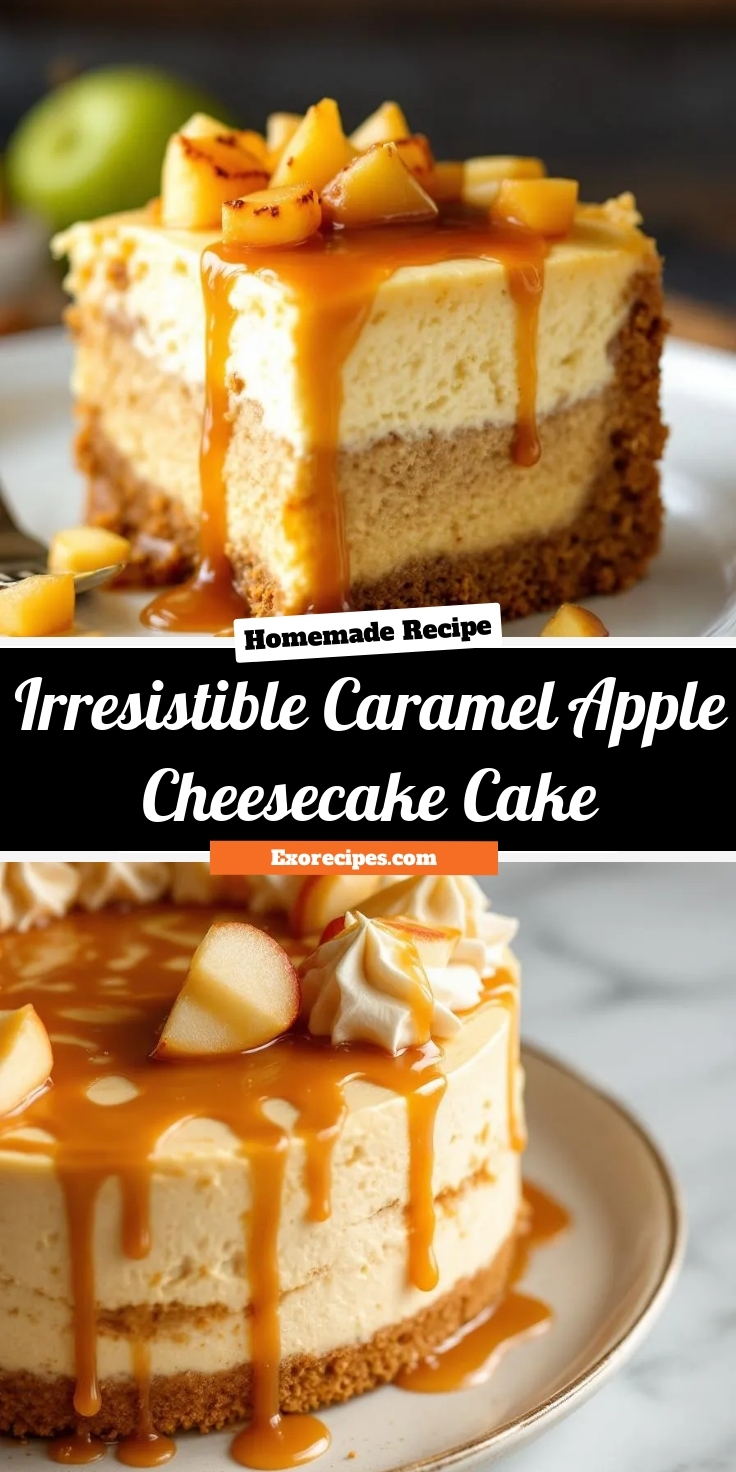
Picture this: a crisp autumn afternoon, the scent of cinnamon and caramel wafting through your kitchen, and a dessert so decadent it feels like a warm hug. That’s exactly what you’ll get with this Irresistible Caramel Apple Cheesecake Cake. Whether you’re celebrating a special occasion or simply treating yourself, this recipe combines the cozy flavors of fall with the creamy richness of cheesecake—all in one showstopping bite. Trust me, your family and friends won’t stop raving about it.
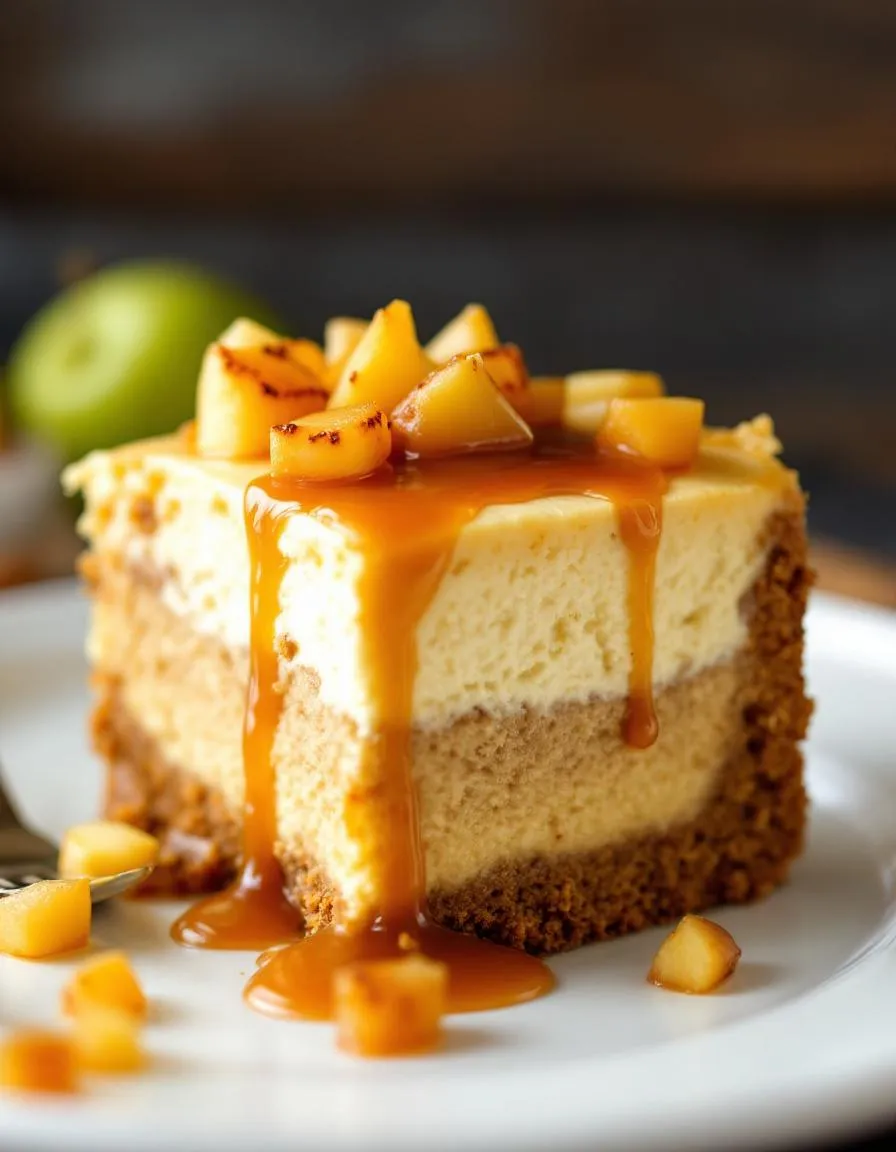
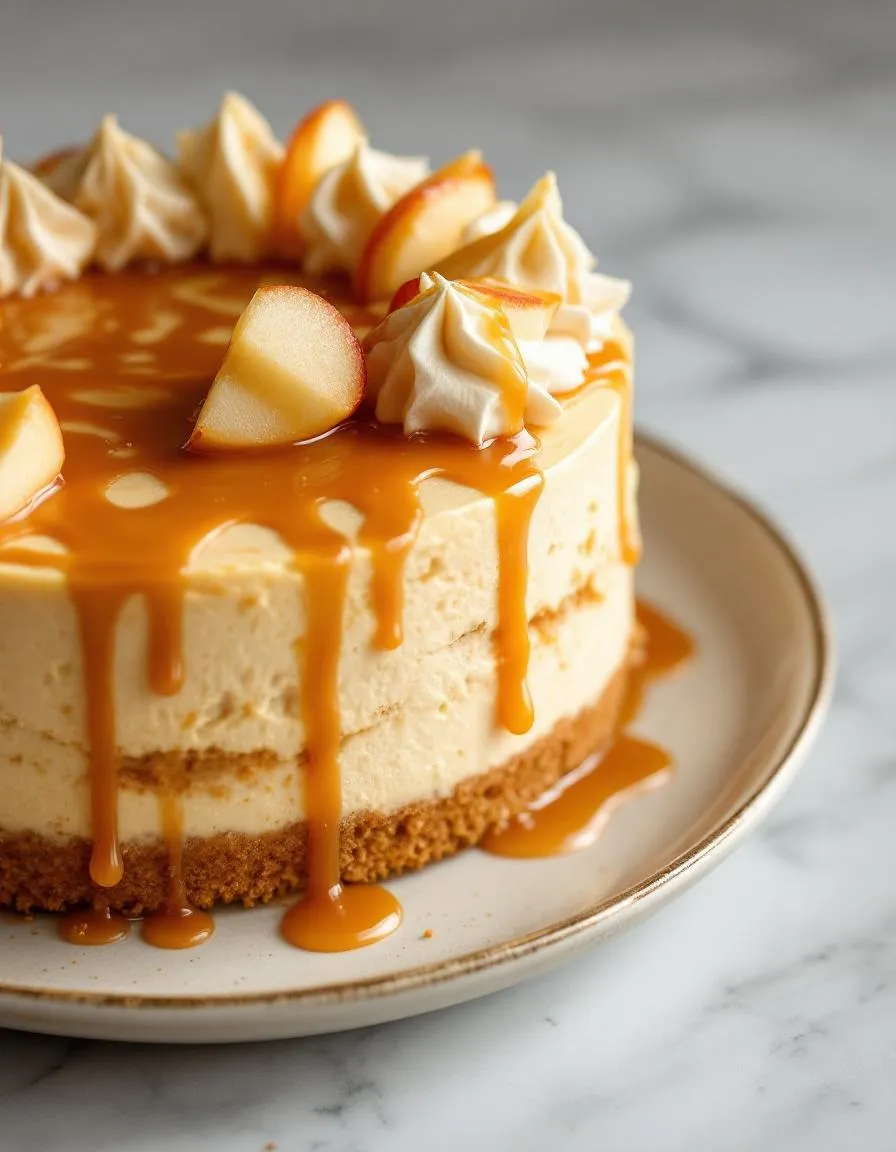
The Irresistible Caramel Apple Cheesecake Cake is a masterpiece of layers. First, a spiced apple cake forms the base, followed by a velvety cheesecake filling, and finally, another layer of moist cake. Topped with a drizzle of homemade caramel and a sprinkle of toasted pecans, every slice delivers the perfect balance of sweetness and warmth. This dessert isn’t just delicious—it’s a conversation starter, ideal for holiday gatherings or weekend baking projects. If you love our Classic New York Cheesecake, you’ll adore this seasonal twist.
What makes this recipe stand out? It’s the way it captures the essence of fall while remaining approachable for home bakers. The caramel adds a luxurious touch, while the apples keep it grounded and comforting. Plus, the cheesecake layer ensures every forkful is rich and satisfying. For more autumn-inspired treats, check out our Spiced Pumpkin Bread, another crowd-pleaser that pairs perfectly with this cake. Whether you’re a seasoned baker or a beginner, this recipe guides you step by step to dessert perfection.
Why I Love This Recipe
This Irresistible Caramel Apple Cheesecake Cake holds a special place in my heart because it reminds me of baking with my grandmother. She taught me how to balance flavors and take my time in the kitchen, and this recipe embodies those lessons. Every time I make it, I remember her laughter and the way she’d sneak an extra spoonful of caramel onto my plate. It’s more than just a dessert—it’s a memory, a tradition, and a little slice of joy I love sharing with others.
Health and Nutrition
Why it’s good for your body
Irresistible Caramel Apple Cheesecake Cake packs more than just incredible flavor. First, apples bring natural sweetness and fiber, which supports digestion and keeps you satisfied longer. Additionally, the creamy cheesecake layer provides a good dose of protein and calcium, helping to maintain strong bones and muscles. While this dessert is indulgent, it also delivers key nutrients that make it a smarter treat.
Moreover, cinnamon—a star ingredient in Irresistible Caramel Apple Cheesecake Cake—boasts antioxidants that may help reduce inflammation. The caramel drizzle, though decadent, uses real butter and sugar, avoiding artificial additives. Finally, when you enjoy this cake in moderation, you get a balanced mix of carbs, fats, and proteins, making it a satisfying dessert that won’t leave you crashing later.
Ultimately, Irresistible Caramel Apple Cheesecake Cake proves that treats can be both delicious and nourishing. By combining wholesome ingredients with mindful portions, you can savor every bite without guilt.
How it fits in a healthy lifestyle
Irresistible Caramel Apple Cheesecake Cake fits perfectly into a balanced diet when enjoyed thoughtfully. For example, pairing a small slice with a protein-rich snack, like Greek yogurt, helps stabilize blood sugar. If you’re watching gluten intake, simply swap the crust for a gluten-free alternative without sacrificing flavor.
This cake also works well for special occasions or as a weekend treat, keeping everyday eating habits flexible. For those focused on heart health, using reduced-fat cream cheese lightens the dish while maintaining creaminess. Want more ways to enjoy desserts mindfully? Check out our guide on smart dessert swaps to keep your goals on track. With a little planning, Irresistible Caramel Apple Cheesecake Cake becomes a delightful part of your wellness journey.
A decadent layered dessert combining the flavors of caramel, apple, and cheesecake in one stunning cake.
Ingredients
Scale
For the Crust:
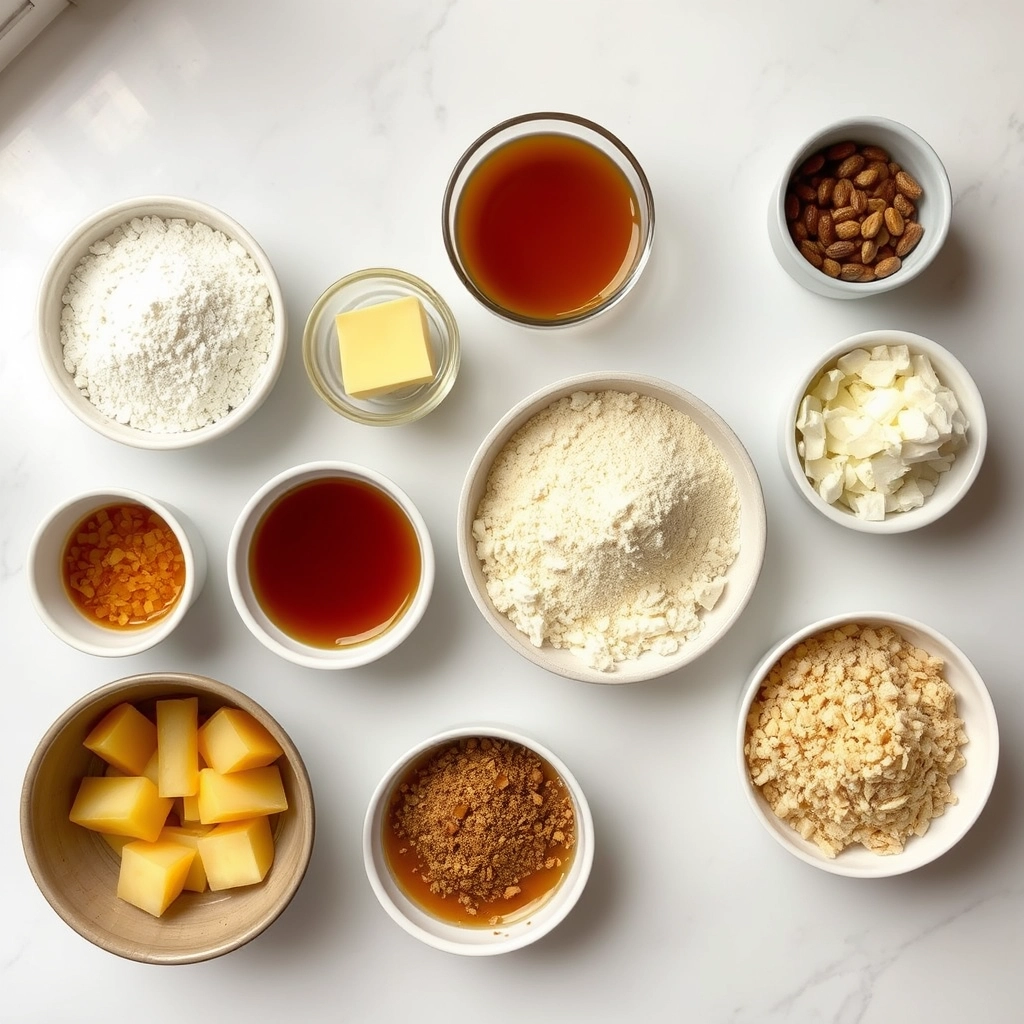
2 cups all-purpose flour
1 1/2 cups granulated sugar
1/2 cup unsalted butter, softened
3 large eggs
1 tsp vanilla extract
1 tsp baking powder
1/2 tsp salt
1 cup milk
16 oz cream cheese, softened
1/2 cup brown sugar
2 medium apples, peeled and diced
1/2 cup caramel sauce
1 tsp cinnamon
Instructions
1. Prepare the Crust:
Preheat oven to 350°F (175°C). Grease and flour two 9-inch round cake pans.
In a large bowl, cream together butter and granulated sugar. Add eggs one at a time, then stir in vanilla.
Combine flour, baking powder, and salt in separate bowl. Alternate adding dry ingredients and milk to butter mixture.
Divide batter evenly between prepared pans. Bake for 25-30 minutes until golden. Cool completely.
Beat cream cheese and brown sugar until smooth. Fold in diced apples and cinnamon.
Assemble cake by spreading cheesecake mixture between layers. Drizzle with caramel sauce before serving.
Notes
You can customize the seasonings to taste.
How to Prepare This Dish
Steps and time-saving tips
Start by preheating your oven to 325°F and greasing a 9-inch springform pan. For the crust, mix crushed graham crackers with melted butter and press the mixture firmly into the pan. Bake it for 10 minutes to set, then let it cool slightly. Meanwhile, beat cream cheese, sugar, and vanilla until smooth, then whisk in eggs one at a time. Fold in diced apples and pour the batter over the crust. Bake for 45-50 minutes until the center barely jiggles. While the cheesecake cools, prepare the caramel drizzle by warming store-bought caramel with a splash of heavy cream for a silky texture. Once the cheesecake chills for at least 4 hours, layer it with spiced apple cake and frost with whipped cream. Drizzle caramel generously over the top just before serving. To save time, bake the cheesecake a day ahead and store it covered in the fridge. For even layers, use a serrated knife to slice the cake cleanly.
and-learned-from">Mistakes I’ve made and learned from
My first attempt at this Irresistible Caramel Apple Cheesecake Cake ended with a cracked cheesecake because I overbaked it. Now, I pull it from the oven when the edges are set but the center still wobbles slightly—it firms up as it chills. Another blunder? Skipping the apple-draining step, which made the filling watery. After learning from my common cheesecake mistakes, I pat the diced apples dry before folding them in. Also, rushing the caramel drizzle led to clumps; gently warming it with cream ensures a smooth finish. If you’re new to layered desserts, my layering cakes guide breaks down the process without stress. Trust me, patience pays off with this showstopper!
Cultural Connection and Variations
Where this recipe comes from
The Irresistible Caramel Apple Cheesecake Cake blends two beloved desserts into one showstopping treat, and its roots stretch across cultures. Cheesecake traces back to ancient Greece, while caramel apples became a fall favorite in America during the early 1900s. Combining them? That’s pure modern indulgence. In Germany, bakers might layer quark instead of cream cheese for a tangier twist. Meanwhile, in the American South, home cooks often add pecans for extra crunch.
Seasonally, this cake s
hines brightest in autumn when apples hit their peak. Families gather around it during Thanksgiving or Halloween, but my grandma always made hers with extra cinnamon for Christmas. Some bakers even swap the caramel for salted butterscotch or drizzle it with chocolate. No matter the variation, the Irresistible Caramel Apple Cheesecake Cake always feels like a hug in dessert form.
How it fits in today’s cooking
Today, this cake bridges nostalgia and innovation. Busy bakers streamline it with no-bake cheesecake layers, while food bloggers spotlight gluten-free crusts. It’s a star at potlucks, but also fits cozy weeknights when you crave something decadent. Thanks to its versatility, the Irresistible Caramel Apple Cheesecake Cake adapts to dietary trends without losing its charm.
Modern twists include using honeycrisp apples for sweetness or layering it into individual mason jars for parties. Whether you stick to tradition or experiment, this dessert proves some flavors never go out of style. After all, who can resist caramel, apples, and cheesecake in one bite?
>Taste and Texture
What makes it delicious
Irresistible Caramel Apple Cheesecake Cake delivers a symphony of flavors and textures in every bite. First, the spiced apple filling bursts with warm cinnamon and tender, slightly tart apples, while the velvety cheesecake layer adds a rich, creamy contrast. Meanwhile, the buttery cake base soaks up the gooey caramel drizzle, creating a melt-in-your-mouth experience. Each forkful balances sweet, tangy, and fragrant notes, with a hint of toasty caramel aroma that lingers. The crunch of toasted pecans on top? That’s the irresistible finishing touch.
Boosting the flavor
For an extra flavor kick, try swapping the caramel sauce with salted caramel to heighten the sweet-savory contrast. Alternatively, fold a pinch of nutmeg into the apple filling for deeper warmth. A dollop of vanilla whipped cream on the side adds lightness, while a sprinkle of sea salt amplifies the caramel’s richness. No matter how you tweak it, Irresistible Caramel Apple Cheesecake Cake stays a showstopper.
Tips for Success
Best practices for results
Always bring cream cheese to room temperature before mixing to ensure a smooth, lump-free batter for your Irresistible Caramel Apple Cheesecake Cake. Meanwhile, use fresh, crisp apples for the best texture, and slice them evenly so they bake uniformly. For a flawless presentation, drizzle caramel sauce while the cake is slightly warm so it sets without running. Additionally, chill the cake for at least two hours before serving to let the flavors meld perfectly.
Mistakes to avoid
Avoid overmixing the cheesecake batter, as this can incorporate too much air and cause cracks during baking. Instead, mix just until the ingredients combine smoothly. Also, don’t skip lining your pan with parchment paper—this ensures easy removal and prevents sticking. For more baking essentials, check out our guide on essential baking tools. Finally, resist slicing the Irresistible Caramel Apple Cheesecake Cake too soon; letting it cool completely prevents a crumbly mess. Need help troubleshooting? Our common baking mistakes post has extra solutions.
Serving and Pairing Suggestions
How to serve this dish
For a showstopping presentation, slice your Irresistible Caramel Apple Cheesecake Cake into generous wedges and drizzle extra caramel sauce on each plate before plating. Meanwhile, a sprinkle of chopped pecans or a dusting of cinnamon adds texture and warmth. Alternatively, serve it family-style on a cake stand for holiday gatherings or potlucks, letting guests admire its layers before digging in. Since this dessert shines year-round, pair it with a scoop of vanilla ice cream for summer barbecues or warm apple cider during cozy fall evenings.
h-it">What goes well with it
A hot cup of spiced chai tea balances the richness of Irresistible Caramel Apple Cheesecake Cake, enhancing its warm cinnamon notes. For a refreshing contrast, try our Homemade Vanilla Iced Coffee, whose creamy sweetness mirrors the caramel swirls. If you’re hosting a brunch, serve it alongside our Cinnamon Roll Muffins for a playful twist on apple-cinnamon flavors. Finally, a dollop of whipped cream or a side of salted caramel sauce lets guests customize each bite.
What makes Irresistible Caramel Apple Cheesecake Cake so special?
Irresistible Caramel Apple Cheesecake Cake combines three beloved desserts—cheesecake, apple cake, and caramel drizzle—into one showstopping treat. The layers of spiced apple cake, creamy cheesecake, and gooey caramel create a perfect balance of flavors and textures that keep people coming back for more.
ank-math-faq-item">
Can I make Irresistible Caramel Apple Cheesecake Cake ahead of time?
Yes! This dessert actually tastes better when made a day ahead, as the flavors meld together beautifully. Just store your Irresistible Caramel Apple Cheesecake Cake in the refrigerator and add the caramel drizzle right before serving for the freshest presentation.
What type of apples work best for Irresistible Caramel Apple Cheesecake Cake?
Firm, tart apples like Granny Smith or Honeycrisp work perfectly in Irresistible Caramel Apple Cheesecake Cake because they hold their shape during baking. Their natural acidity also balances the sweetness of the caramel and cheesecake layers beautifully.
How do you prevent the cheesecake layer from cracking in Irresistible Caramel Apple Cheesecake Cake?
To prevent cracks in your Irresistible Caramel Apple Cheesecake Cake, bake the cheesecake layer in a water bath and let it cool gradually in the oven with the door slightly ajar. The apple cake layer on top will also help hide any minor imperfections.
div>
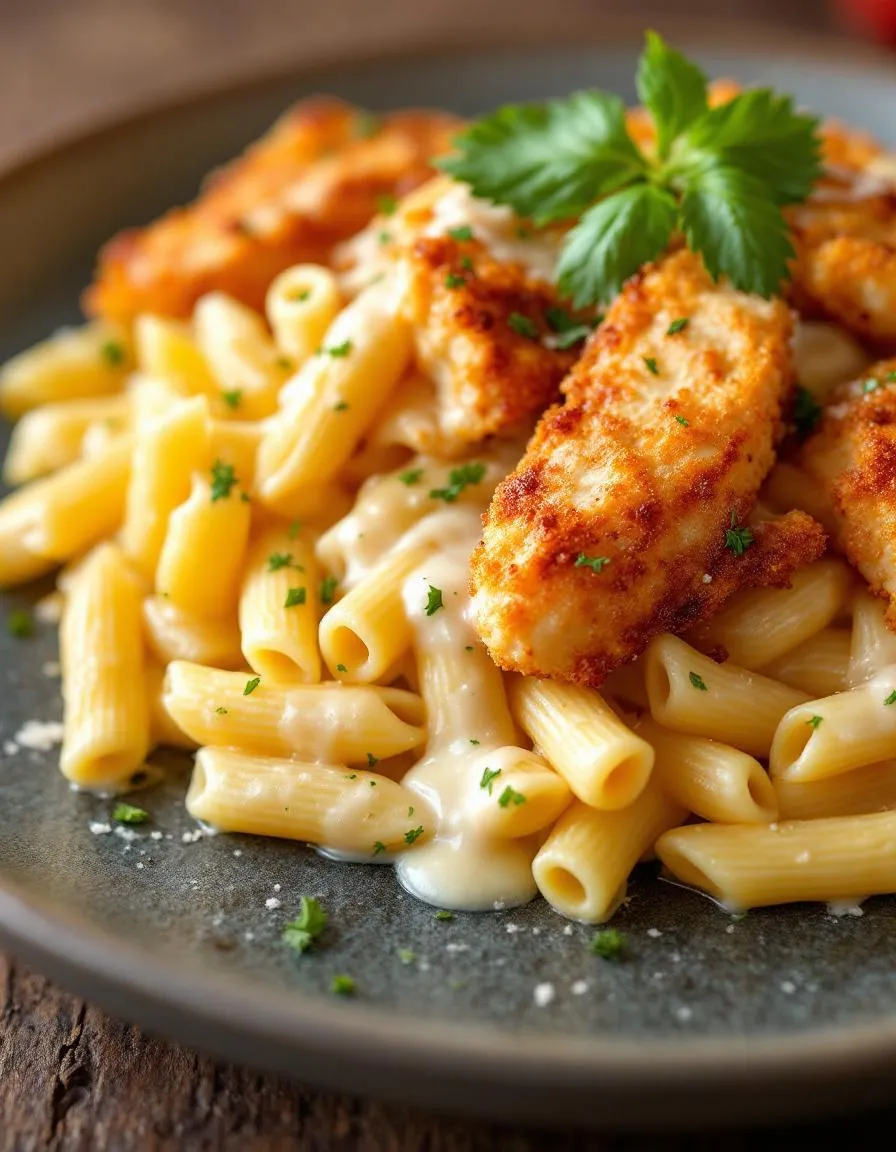
Best Crispy Chicken Pasta Delight Recipe
Introduction
There’s something magical about the combination of crispy chicken and tender pasta that makes every bite feel like a celebration. Whether you’re craving comfort food after a long day or need a crowd-pleasing dish for family dinner, this Crispy Chicken Pasta Delight delivers on every level. It’s the kind of meal that brings people together, filling your kitchen with irresistible aromas and your table with happy faces. Best of all, it’s easier to make than you might think, proving that delicious doesn’t have to mean complicated.
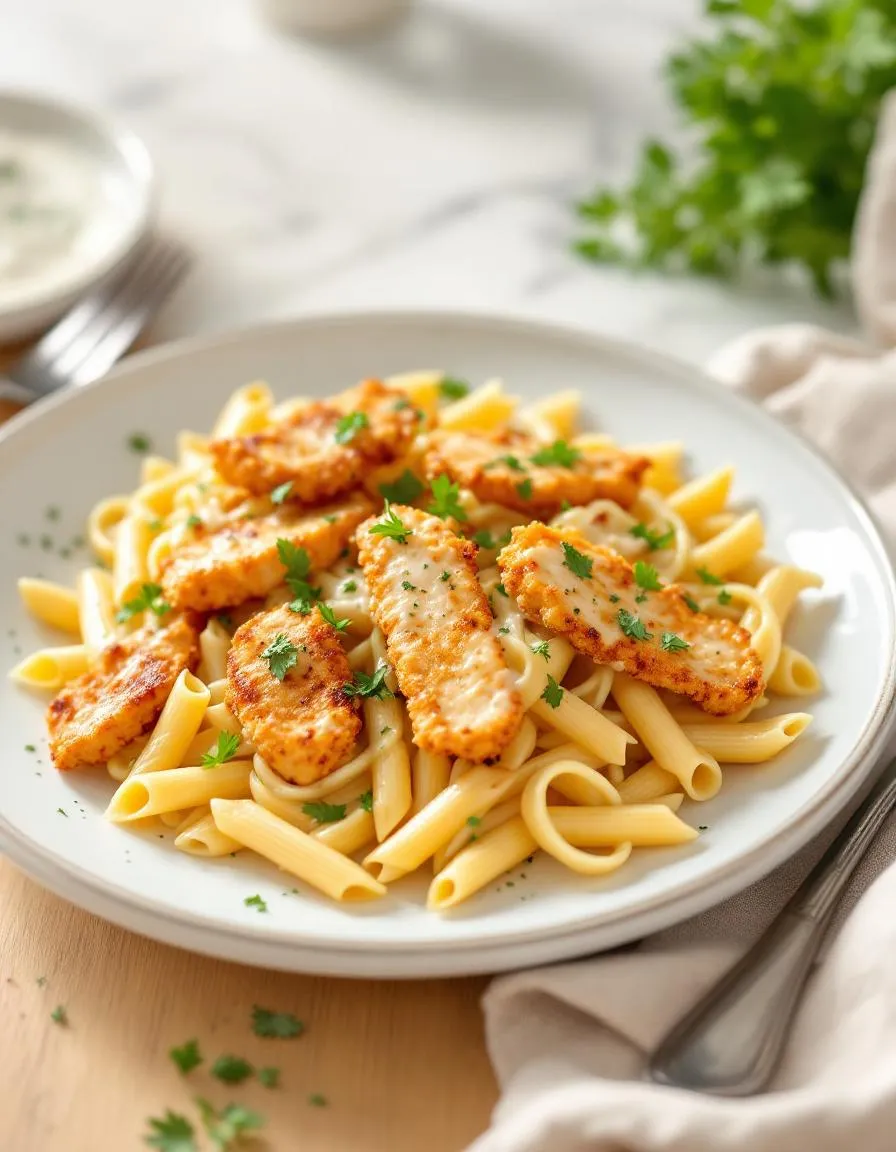
Crispy Chicken Pasta Delight is a hearty, flavor-packed dish that balances golden, crunchy chicken with al dente pasta tossed in a creamy, savory sauce. What sets it apart is the contrast of textures—each forkful offers a satisfying crunch followed by the smooth richness of the sauce. This recipe matters because it solves the eternal question of what to cook when you want something indulgent yet approachable. It fits perfectly with our blog’s mission to share recipes that are both impressive and practical, like our Garlic Butter Shrimp Pasta or Creamy Tuscan Chicken. Whether you’re cooking for a weeknight meal or a weekend gathering, Crispy Chicken Pasta Delight adapts effortlessly to any occasion.
Why I Love This Recipe
This recipe holds a special place in my heart because it reminds me of Sunday dinners growing up. My mom would fry chicken to perfection while I stirred the pasta, and the whole house smelled like home. Now, whenever I make Crispy Chicken Pasta Delight, it’s not just about the flavors—it’s about the memories. Plus, the recipe never fails to impress, whether I’m serving it to friends or enjoying it as a solo treat. It’s the ultimate comfort food with a crispy twist, and that’s why I keep coming back to it.
Health and Nutrition
Why it’s good for your body
Crispy Chicken Pasta Delight packs a nutritious punch while satisfying your cravings. First, the lean chicken provides high-quality protein, which helps build and repair muscles. Additionally, the dish includes whole-grain pasta, offering fiber to support digestion and keep you full longer. Moreover, the blend of fresh vegetables adds essential vitamins like vitamin C and antioxidants to boost immunity.
Another benefit of Crispy Chicken Pasta Delight is its balanced macronutrient profile. The combination of protein, complex carbs, and healthy fats ensures steady energy levels. For instance, olive oil in the recipe contributes heart-healthy monounsaturated fats. Furthermore, the crispy texture comes from baking instead of deep-frying, reducing unnecessary calories while keeping flavor intact.
Finally, this dish adapts easily to dietary preferences. You can customize Crispy Chicken Pasta Delight with gluten-free pasta or extra veggies for added nutrients. Whether you need a post-workout meal or a family-friendly dinner, it delivers both taste and nourishment without compromise.
How it fits in a healthy lifestyle
Crispy Chicken Pasta Delight fits seamlessly into a balanced diet. If you focus on high-protein meals, the chicken and whole grains help meet your goals. For those watching carbs, swapping in zucchini noodles or chickpea pasta keeps it light. Pair it with a side salad from our easy salad recipes for extra greens.
This dish also works well for meal prep, saving time during busy weeks. You can store leftovers for quick lunches without sacrificing nutrition. Plus, it aligns with heart-healthy eating when you use minimal oil and load up on veggies. For more ideas on balancing indulgences, check out our healthy eating tips. Crispy Chicken Pasta Delight proves that wholesome food can still be delicious and convenient.
A delicious pasta dish featuring crispy chicken and a creamy sauce.
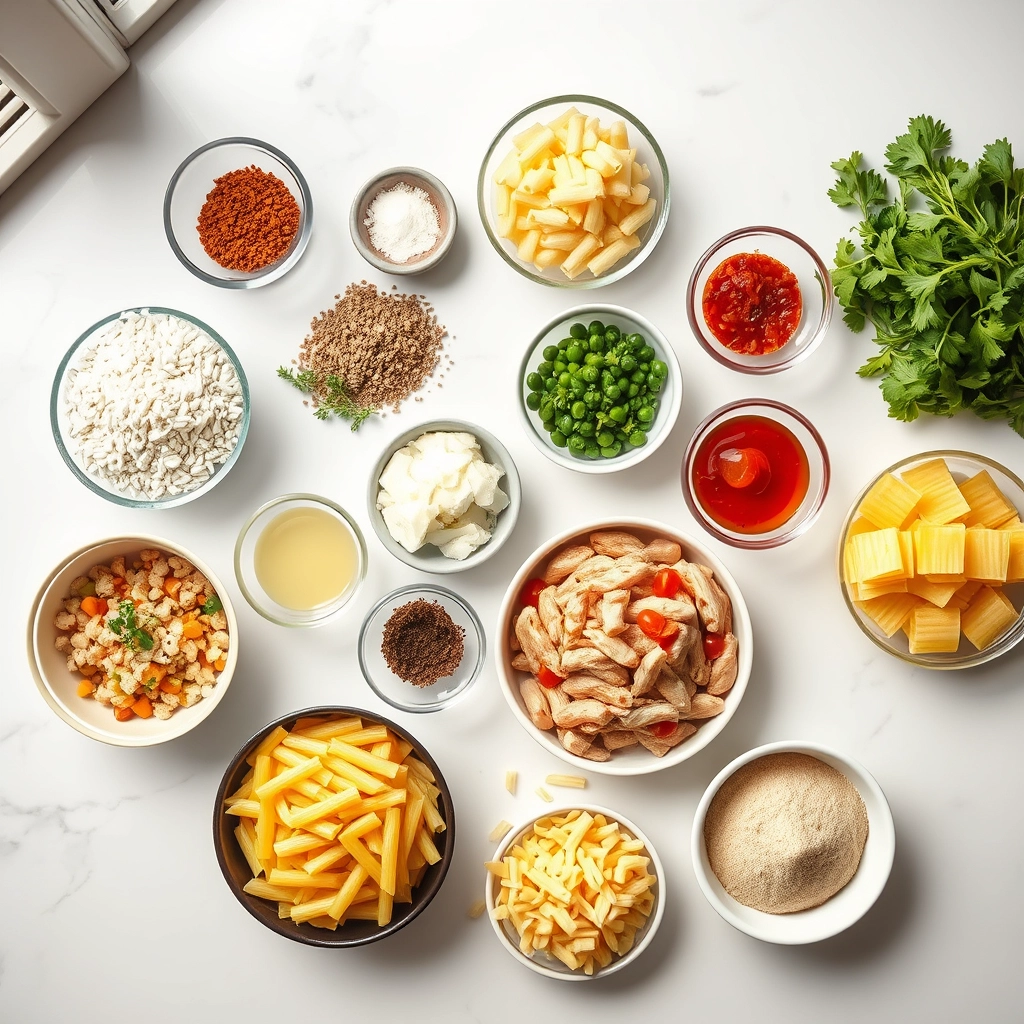
Ingredients
Scale
For the Crust:
2 boneless, skinless chicken breasts
8 oz penne pasta
1 cup heavy cream
1/2 cup grated parmesan cheese
2 cloves garlic, minced
1 tsp Italian seasoning
2 tbsp olive oil
Salt and pepper to taste
Instructions
1. Prepare the Crust:
Cook pasta according to package instructions. Drain and set aside.
Season chicken with salt, pepper, and Italian seasoning. Heat olive oil in a pan and cook chicken until golden and crispy, about 6-7 minutes per side. Slice into strips.
In the same pan, sauté garlic until fragrant. Add heavy cream and parmesan, stirring until sauce thickens.
Toss cooked pasta and chicken with the sauce. Serve hot.
Notes
You can customize the seasonings to taste.
s-dish">How to Prepare This Dish
Steps and time-saving tips
First, preheat your oven to 375°F to save time later. While it heats, season your chicken breasts with salt, pepper, and a pinch of garlic powder for extra flavor. Next, heat olive oil in a skillet over medium-high heat and cook the chicken until golden and crispy, about 6 minutes per side. Remove the chicken and let it rest before slicing it into strips. Meanwhile, boil your pasta in salted water until al dente, then drain and set aside. In the same skillet, sauté minced garlic and diced onions until fragrant, then stir in heavy cream, grated Parmesan, and a splash of chicken broth to create a rich sauce. Toss the cooked pasta into the sauce, mixing well to coat every strand. Finally, layer the crispy chicken strips on top and bake everything for 10 minutes to meld the flavors. For a time-saving shortcut, use rotisserie chicken or prep your ingredients the night before.
Mistakes I’ve made and learned from
I once rushed the sauce and ended up with a grainy texture because I didn’t let the cheese melt slowly. Now, I whisk the Parmesan into warm cream off the heat to avoid clumping. Another time, I overcooked the pasta, turning my Crispy Chicken Pasta Delight into a mushy mess. To fix this, I set a timer for 1 minute less than the package instructions and taste-test. If you’re new to balancing creamy sauces, check out my guide to perfect pasta sauces for foolproof tips. Also, if your chicken isn’t crispy enough, pat it dry before seasoning—moisture is the enemy of crunch! For more on getting that golden finish, my crispy chicken secrets post breaks it down step by step.
n-and-variations">Cultural Connection and Variations
Where this recipe comes from
Crispy Chicken Pasta Delight feels like a warm hug from the kitchen, blending comfort and crunch in every bite. While its exact origins are hard to pin down, the dish draws inspiration from Italian-American cuisine, where crispy fried chicken meets al dente pasta in a creamy, savory sauce. In the South, you might find a version with buttermilk-brined chicken and a kick of cayenne, while in the Midwest, home cooks often swap in cheddar cheese for extra richness.
Across the globe, variations pop up in unexpected places. In Japan, for example, chefs might top the dish with panko-breaded chicken for an extra-crispy texture, or in Mexico, a sprinkle of cotija cheese and chili powder adds a bold twist. My family’s version of Crispy Chicken Pasta Delight always includes a dash of smoked paprika, a nod to my grandmother’s Hungarian roots. No matter where it’s made, though, the dish brings people together—whether it’s a weeknight dinner or a festive gathering.
How it fits in today’s cooking
Today, Crispy Chicken Pasta Delight remains a go-to for busy cooks and comfort-food lovers alike. Its versatility makes it perfect for meal prep, and many modern twists keep it fresh—think air-fried chicken or gluten-free pasta swaps. During the holidays, it’s a crowd-pleaser at potlucks, especially when paired with sides like garlic parmesan roasted potatoes.
Health-conscious cooks
also lighten it up with Greek yogurt instead of heavy cream, proving the dish can adapt to any lifestyle. And let’s not forget its role in weeknight rotations—when time is tight, a one-pan version with pre-cooked chicken saves the day. For dessert, try serving it with easy chocolate lava cakes to round out the meal. Crispy Chicken Pasta Delight isn’t just a recipe—it’s a timeless tradition that keeps evolving.
Taste and Texture
What makes it delicious
Crispy Chicken Pasta Delight delivers a mouthwatering mix of textures and flavors in every bite. The golden, crunchy chicken contrasts perfectly with tender pasta, while a velvety sauce ties everything together. Garlic and herbs add a fragrant depth, and a hint of Parmesan brings a salty, umami richness. Juicy cherry tomatoes burst with brightness, balancing the dish’s creamy richness. Whether you savor the crispiness of the chicken or the smoothness of the sauce, Crispy Chicken Pasta Delight keeps your taste buds engaged from start to finish.
Boosting the flavor
For an extra flavor kick, try swapping regular pasta for garlic-infused noodles or adding a sprinkle of chili flakes for heat. A drizzle of homemade pesto brightens the dish, while crispy bacon bits add a smoky crunch. If you love bold flavors, mix in sun-dried tomatoes or top with a creamy garlic aioli. Experiment with fresh herbs like basil or thyme to elevate the aroma. With these tweaks, Crispy Chicken Pasta Delight becomes even more irresistible.
First, always pat the chicken dry before seasoning to ensure maximum crispiness in your Crispy Chicken Pasta Delight. Next, use freshly grated Parmesan instead of pre-shredded for a smoother, richer sauce. Meanwhile, cook the pasta al dente since it will continue softening when mixed with the sauce. Additionally, let the chicken rest for 5 minutes after frying to lock in juices before slicing. Finally, toss everything together while the sauce is hot for the best flavor distribution.
Mistakes to avoid
Overcrowding the pan when frying the chicken prevents even browning, so cook in batches if needed. Similarly, skipping the pasta water reserve makes the sauce too thick—save at least 1/2 cup for perfect consistency. For more on balancing textures, check out our guide on achieving pasta perfection. Also, avoid overcooking the garlic, which turns bitter; add it late in the process for gentle flavor. If you struggle with timing, our kitchen timer tips can help streamline prep.
g-suggestions">Serving and Pairing Suggestions
How to serve this dish
For a stunning presentation, serve Crispy Chicken Pasta Delight in wide, shallow bowls to showcase its golden crust and creamy sauce. Top it with fresh parsley or basil for a pop of color, and add a sprinkle of grated Parmesan for extra richness. Meanwhile, if you’re hosting a dinner party, pair it with warm breadsticks or a side salad to round out the meal. Alternatively, this dish shines at casual gatherings, where its comforting flavors make it a crowd-pleaser. Whether you’re serving it for a cozy family dinner or a festive occasion, Crispy Chicken Pasta Delight always delivers.
What goes well with it
First, a crisp white wine like Pinot Grigio balances the richness of Crispy Chicken Pasta Delight beautifully. The bright acidity cuts through the creamy sauce, enhancing every bite. Next, try pairing it with a simple garlic bread or our Garlic Herb Focaccia for a satisfying crunch. Finally, a light, refreshing salad like our Lemon Avocado Salad adds a zesty contrast to the dish. Together, these pairings elevate the meal into a memorable dining experience.
math-faq-block">
What makes Crispy Chicken Pasta Delight different from regular chicken pasta?
Crispy Chicken Pasta Delight stands out because it features golden, crunchy chicken pieces paired with perfectly cooked pasta, creating a satisfying texture contrast. The dish often includes a creamy sauce and fresh herbs, elevating it beyond basic chicken pasta recipes.
Can I make Crispy Chicken Pasta Delight ahead of time?
While you can prep ingredients in advance, Crispy Chicken Pasta Delight tastes best when served fresh to maintain the chicken’s crunchiness. If storing leftovers, reheat in the oven to help revive the crispy texture.
What type of pasta works best for Crispy Chicken Pasta Delight?
Short pasta shapes like penne, farfalle, or rigatoni work best for Crispy Chicken Pasta Delight because they hold the sauce well and complement the chicken pieces. Avoid overly delicate pasta that might get lost among the crispy chicken.
ank-math-faq-item">
How do I keep the chicken crispy in Crispy Chicken Pasta Delight?
To maintain maximum crispiness in your Crispy Chicken Pasta Delight, cook the chicken separately and add it just before serving. Use a light breading and fry or bake at high heat until golden brown for the best results.
Best Cheesy Loaded Potato Ranch Chicken Casserole
Introduction
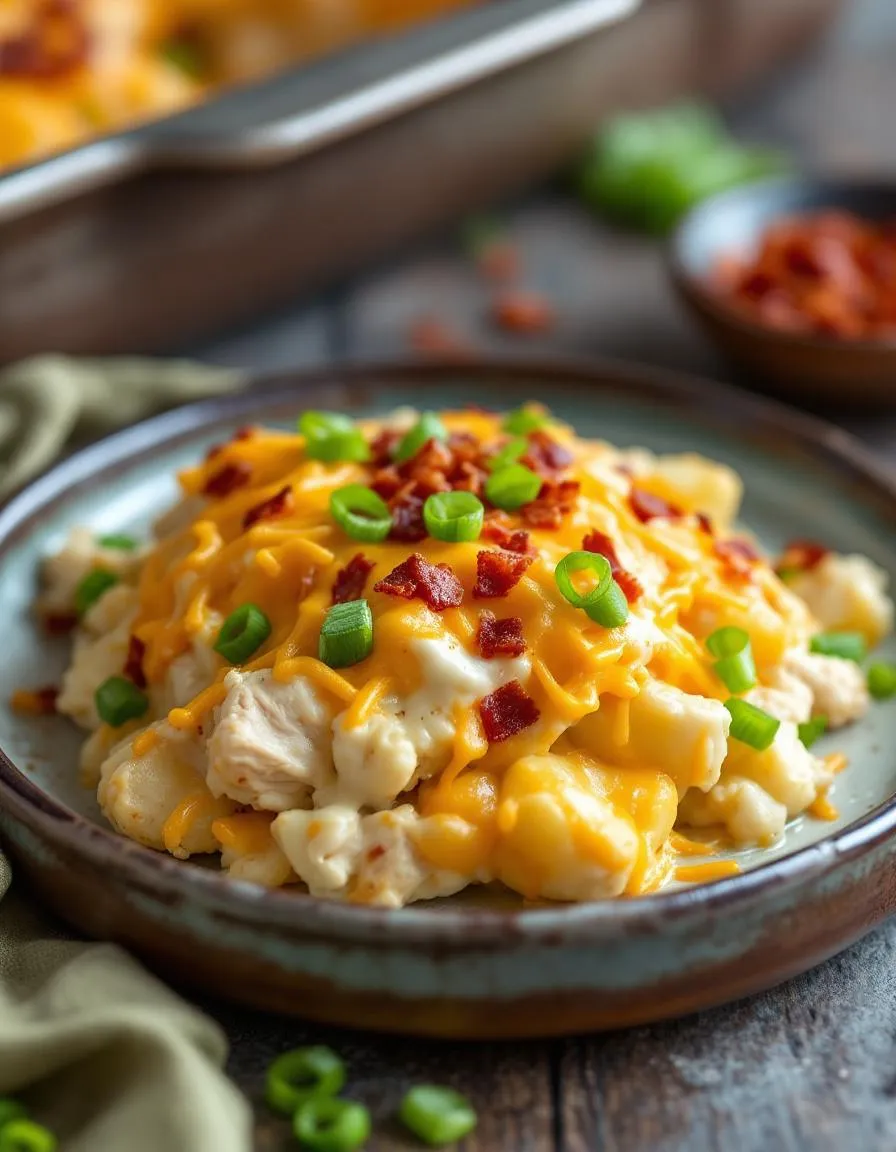
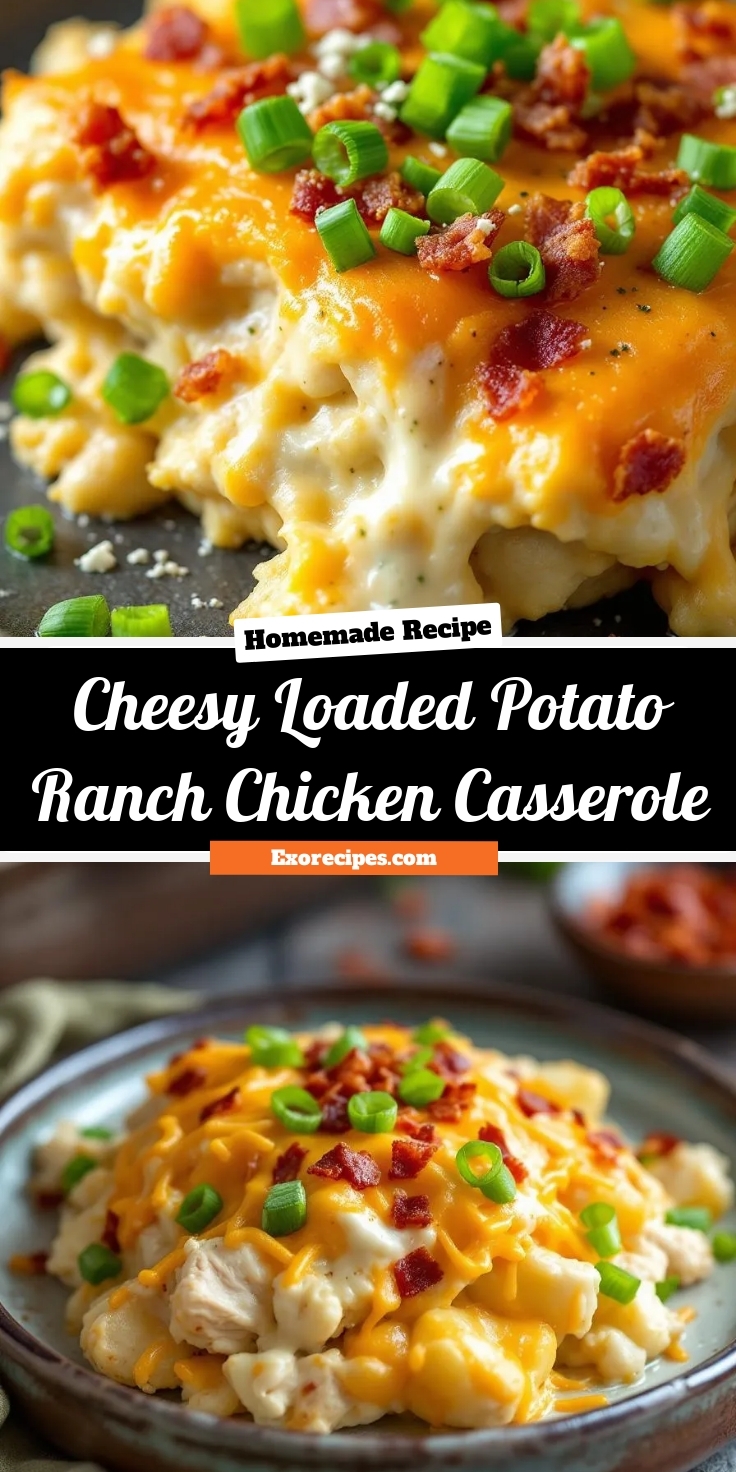
There’s something undeniably comforting about a dish that brings together all your favorite flavors in one hearty bite. If you’re craving a meal that’s creamy, savory, and packed with crowd-pleasing ingredients, this Cheesy Loaded Potato Ranch Chicken Casserole will hit the spot. Whether you’re feeding a busy family or prepping for a cozy night in, this recipe delivers warmth and satisfaction with every forkful. Plus, it’s the kind of dish that makes leftovers something to look forward to.
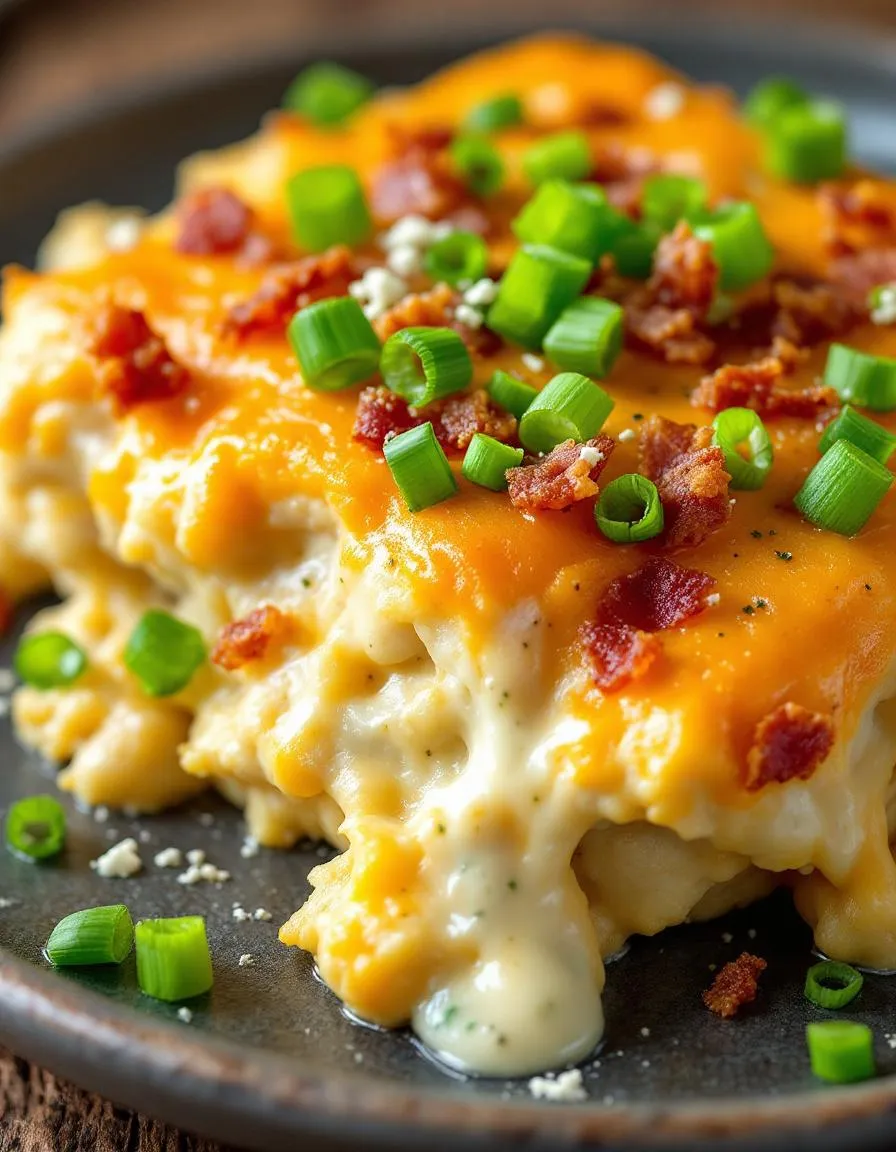
Cheesy Loaded Potato Ranch Chicken Casserole combines tender chicken, crispy potatoes, melted cheese, and the tangy kick of ranch seasoning into a single, irresistible bake. It’s the ultimate comfort food, perfect for weeknight dinners or potluck gatherings. What makes it stand out? First, it’s incredibly versatile—swap ingredients based on what you have, like using sweet potatoes or adding bacon for extra crunch. Second, it’s a time-saver. With minimal prep and one-dish cooking, you’ll spend less time cleaning and more time enjoying. If you love easy, flavorful meals, you’ll appreciate our one-pan wonders for similar fuss-free recipes.
This casserole also fits perfectly with our blog’s mission: delivering approachable, delicious recipes that bring people together. Whether you’re a seasoned cook or just starting out, you’ll find success with this dish. For more family-friendly ideas, check out our comfort food classics. The blend of textures and flavors here—creamy cheese, tender chicken, and crispy potatoes—creates a harmony that’s hard to resist. And let’s be honest, ranch seasoning makes everything better.
Why I Love This Recipe
This Cheesy Loaded Potato Ranch Chicken Casserole holds a special place in my heart because it’s the dish I turn to when I need a guaranteed win. I first made it for a friend’s potluck, and it disappeared within minutes. Now, it’s my go-to for busy weeknights or when I want to surprise my family with something extra comforting. The way the cheese bubbles and the ranch infuses every bite reminds me of home—simple, satisfying, and full of love. Every time I pull it out of the oven, I know it’s going to make someone’s day a little brighter.
Health and Nutrition
Why it’s good for your body
Cheesy Loaded Potato Ranch Chicken Casserole packs a nutritious punch while delivering bold flavors. First, the dish features lean chicken, a high-quality protein that supports muscle growth and keeps you full longer. Additionally, the potatoes provide complex carbohydrates, which fuel your body with steady energy. Meanwhile, the cheese adds calcium and healthy fats, promoting strong bones and satiety.
Moreover, the ranch seasoning in Cheesy Loaded Potato Ranch Chicken Casserole often includes herbs like dill and parsley, which offer antioxidants. These compounds help combat inflammation and support overall wellness. For a balanced meal, the casserole also incorporates fiber-rich ingredients, aiding digestion and gut health. Even better, you can easily tweak the recipe to include extra veggies like broccoli or spinach for added vitamins.
Finally, Cheesy Loaded Potato Ranch Chicken Casserole delivers comfort without sacrificing nutrition. By baking instead of frying, the dish retains moisture while minimizing excess oil. Whether you need a post-workout meal or a family-friendly dinner, this casserole satisfies cravings while nourishing your body.
How it fits in a healthy lifestyle
Cheesy Loaded Potato Ranch Chicken Casserole fits seamlessly into a balanced diet. For those focusing on high-protein meals, the chicken and cheese provide ample protein to support active lifestyles. If you prefer gluten-free options, simply ensure your ranch seasoning and other ingredients meet dietary needs. The dish also works well for meal prepping, saving time while keeping nutrition on track.
Pairing this casserole with a fresh salad or steamed veggies creates a well-rounded plate. For more gluten-free meal ideas, check out our gluten-free dinner recipes. If you’re watching sodium intake, opt for low-sodium ranch or homemade seasoning blends. Heart-healthy swaps, like using Greek yogurt instead of sour cream, can further enhance the dish’s nutritional profile.
Planning balanced meals doesn’t mean skipping flavor. Explore our healthy comfort food guide for more satisfying yet nutritious recipes. Cheesy Loaded Potato Ranch Chicken Casserole proves that indulgence and wellness can go hand in hand.
A comforting and hearty casserole loaded with chicken, potatoes, cheese, and ranch flavors for a delicious one-dish meal.
Ingredients
Scale
For the Crust:
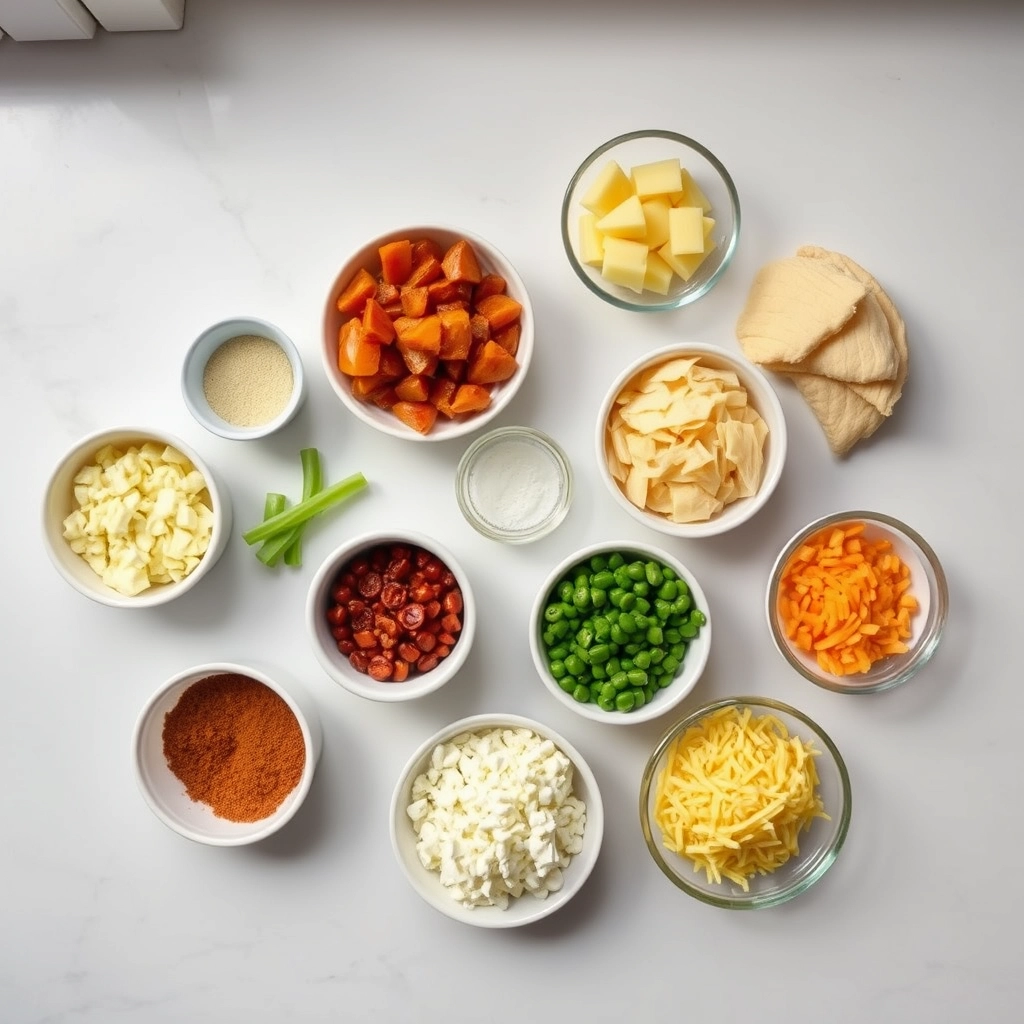
2 lbs boneless, skinless chicken breasts, diced
4 cups potatoes, peeled and cubed
1 cup ranch dressing
1 cup shredded cheddar cheese
1/2 cup cooked bacon, crumbled
1/2 cup green onions, chopped
1 tsp garlic powder
1 tsp onion powder
Salt and pepper to taste
Instructions
1. Prepare the Crust:
Preheat oven to 375°F (190°C) and grease a 9×13-inch baking dish.
In a large bowl, mix diced chicken, potatoes, ranch dressing, garlic powder, onion powder, salt, and pepper until well coated.
Transfer the mixture to the prepared baking dish and spread evenly.
Bake for 25 minutes or until chicken is cooked through and potatoes are tender.
Remove from oven and sprinkle shredded cheddar cheese and crumbled bacon on top.
Return to oven for 5 minutes or until cheese is melted.
Garnish with chopped green onions before serving.
Notes
You can customize the seasonings to taste.
s-dish">How to Prepare This Dish
Steps and time-saving tips
Start by preheating your oven to 375°F so it’s ready when you finish assembling the Cheesy Loaded Potato Ranch Chicken Casserole. While the oven heats, dice the chicken into bite-sized pieces and season them with salt, pepper, and a sprinkle of ranch seasoning for extra flavor. Next, toss the potatoes in olive oil and spread them evenly on a baking sheet—this quick roast ensures they’ll be tender in the casserole. Meanwhile, whisk together the ranch dressing, sour cream, and shredded cheese in a large bowl until creamy. Layer the roasted potatoes, chicken, and cheese sauce in a greased baking dish, then top with crispy bacon bits and a final handful of cheese. Bake for 25-30 minutes until bubbly and golden. For a time-saving shortcut, use pre-cooked chicken or frozen diced potatoes. Let the casserole rest for 5 minutes before serving so the layers set perfectly.
Mistakes I’ve made and learned from
I once rushed the potato roasting step, thinking raw potatoes would soften in the oven—big mistake! The casserole turned out uneven, with some bites crunchy and others mushy. Now I always par-cook the potatoes first, just like I do for my Perfect Roasted Potatoes. Another lesson? Overloading the cheese sauce. Too much liquid made the casserole soggy, so I stick to the measured ratios in my Creamy Sauce Secrets guide. If your sauce seems thin, let it thicken for a few extra minutes on the stove before layering. Trust me, patience pays off with this dish!
“`html
="cultural-connection-and-variations">Cultural Connection and Variations
Where this recipe comes from
Cheesy Loaded Potato Ranch Chicken Casserole feels like a warm hug from the American Midwest, where comfort food reigns supreme. This dish blends the heartiness of ranch-seasoned chicken, the creaminess of melted cheese, and the satisfying crunch of potatoes into one irresistible bake. Families often serve it at potlucks or Sunday dinners, passing down their own twists—like adding crispy bacon or swapping sour cream for Greek yogurt. Meanwhile, in the South, you might find a spicier version with jalapeños or a dash of hot sauce for extra kick.
Around the world, similar dishes take on local flavors. In Germany, cooks might layer schnitzel and potatoes with tangy mustard sauce. Over in Mexico, they could swap ranch for chipotle crema and top it with fresh cilantro. Even my grandma put her spin on Cheesy Loaded Potato Ranch Chicken Casserole by using leftover Thanksgiving turkey and stuffing. No matter the variation, this casserole always brings people together with its cozy, crowd-pleasing charm.
ays-cooking">How it fits in today’s cooking
Today, Cheesy Loaded Potato Ranch Chicken Casserole still earns its spot as a weeknight hero. Busy parents love it for its one-pan simplicity, while meal preppers pack it with extra veggies like broccoli or bell peppers. During holidays, it’s a star side dish alongside glazed ham or roasted turkey. Plus, modern twists—like using cauliflower instead of potatoes—keep it fresh for health-conscious eaters.
Social media has also given this casserole new life. Food bloggers showcase it as a freezer-friendly staple, and home cooks share their versions with hashtags like #ComfortFoodGoals. Whether you’re pairing it with homemade dinner rolls or serving it straight from the oven, Cheesy Loaded Potato Ranch Chicken Casserole proves that some classics never go out of style.
“`
>Taste and Texture
What makes it delicious
Cheesy Loaded Potato Ranch Chicken Casserole delivers a mouthwatering blend of rich, comforting flavors and satisfying textures. The tender chicken melts in your mouth, while the golden potatoes add a hearty, slightly crisp bite. Creamy ranch dressing and gooey melted cheese create a velvety sauce that coats every forkful, and crispy bacon bits provide a smoky, salty crunch. Fragrant garlic and fresh chives brighten the dish, balancing the indulgent richness. Every bite of Cheesy Loaded Potato Ranch Chicken Casserole feels like a warm hug, with layers of savory, tangy, and smoky notes that keep you coming back for more.
Boosting the flavor
Elevate your Cheesy Loaded Potato Ranch Chicken Casserole with a few easy tweaks. For extra depth, swap regular ranch dressing for a homemade spicy ranch, adding a kick of heat. Top with pickled jalapeños or a drizzle of creamy chipotle sauce to contrast the cheesiness. Alternatively, mix in caramelized onions for sweetness or sprinkle smoked paprika over the cheese before baking. A squeeze of fresh lime juice just before serving brightens the dish, making each bite even more irresistible.
Tips for Success
Best practices for results
For the best Cheesy Loaded Potato Ranch Chicken Casserole, always pre-cook your potatoes slightly to ensure they soften evenly in the oven. Additionally, shred your own cheese instead of using pre-shredded varieties—it melts smoother and avoids clumping. Meanwhile, spread your ranch dressing evenly over the chicken to infuse every bite with flavor. Finally, let the casserole rest for 5 minutes after baking so the layers set perfectly.
Mistakes to avoid
Avoid overloading your Cheesy Loaded Potato Ranch Chicken Casserole with toppings, as this can make it soggy. Instead, layer ingredients evenly for balanced texture. Also, don’t skip broiling at the end—this step adds a golden crust that elevates the dish. For more layering tips, check out our guide on perfect casserole layering. Another common mistake is using cold chicken straight from the fridge, which can lead to uneven cooking. For best results, follow our chicken prep basics to ensure tender, juicy meat every time.
Serving and Pairing Suggestions
How to serve this dish
Bring out the comfort-food charm of Cheesy Loaded Potato Ranch Chicken Casserole by serving it straight from the baking dish for a rustic, family-style vibe. Alternatively, plate individual portions with a sprinkle of fresh chives or crispy bacon bits for a pop of color and texture. This hearty dish shines at potlucks, game-day gatherings, or cozy weeknight dinners. For holidays, pair it with a festive side salad to balance the richness. No matter the occasion, let the golden cheese crust and savory aroma tempt everyone at the table.
h-it">What goes well with it
Brighten up your meal by pairing Cheesy Loaded Potato Ranch Chicken Casserole with a crisp, tangy side like our Garlic Parmesan Green Beans. The fresh flavors cut through the dish’s creaminess perfectly. For drinks, try an ice-cold lemonade or a light lager to refresh the palate. If you’re craving extra indulgence, drizzle servings with extra ranch dressing or add a scoop of our Creamy Cucumber Salad for a cool contrast. Every bite stays exciting with these pairings!
What ingredients are in Cheesy Loaded Potato Ranch Chicken Casserole?
Cheesy Loaded Potato Ranch Chicken Casserole typically includes diced chicken, shredded potatoes, ranch seasoning, cheddar cheese, bacon bits, and sour cream. You can also add green onions or jalapeños for extra flavor. This hearty dish combines creamy, cheesy, and savory elements for a crowd-pleasing meal.
ank-math-faq-item">
How long does it take to bake Cheesy Loaded Potato Ranch Chicken Casserole?
Cheesy Loaded Potato Ranch Chicken Casserole usually bakes for 30–40 minutes at 375°F (190°C) until golden and bubbly. Prep time is about 15 minutes, making it a quick weeknight dinner. Always check that the chicken is fully cooked before serving.
Can I make Cheesy Loaded Potato Ranch Chicken Casserole ahead of time?
Yes! Assemble the Cheesy Loaded Potato Ranch Chicken Casserole up to a day in advance and refrigerate it covered. Add 5–10 minutes to the baking time if cooking straight from the fridge. This dish also freezes well for up to 3 months.
What sides go well with Cheesy Loaded Potato Ranch Chicken Casserole?
Pair Cheesy Loaded Potato Ranch Chicken Casserole with a crisp green salad, steamed broccoli, or garlic bread for balance. The rich flavors of the casserole work well with light, fresh sides. For a potluck, serve with cornbread or roasted vegetables.
div>
Easy Cheesy Cheeseburger Casserole Delight Recipe
Introduction
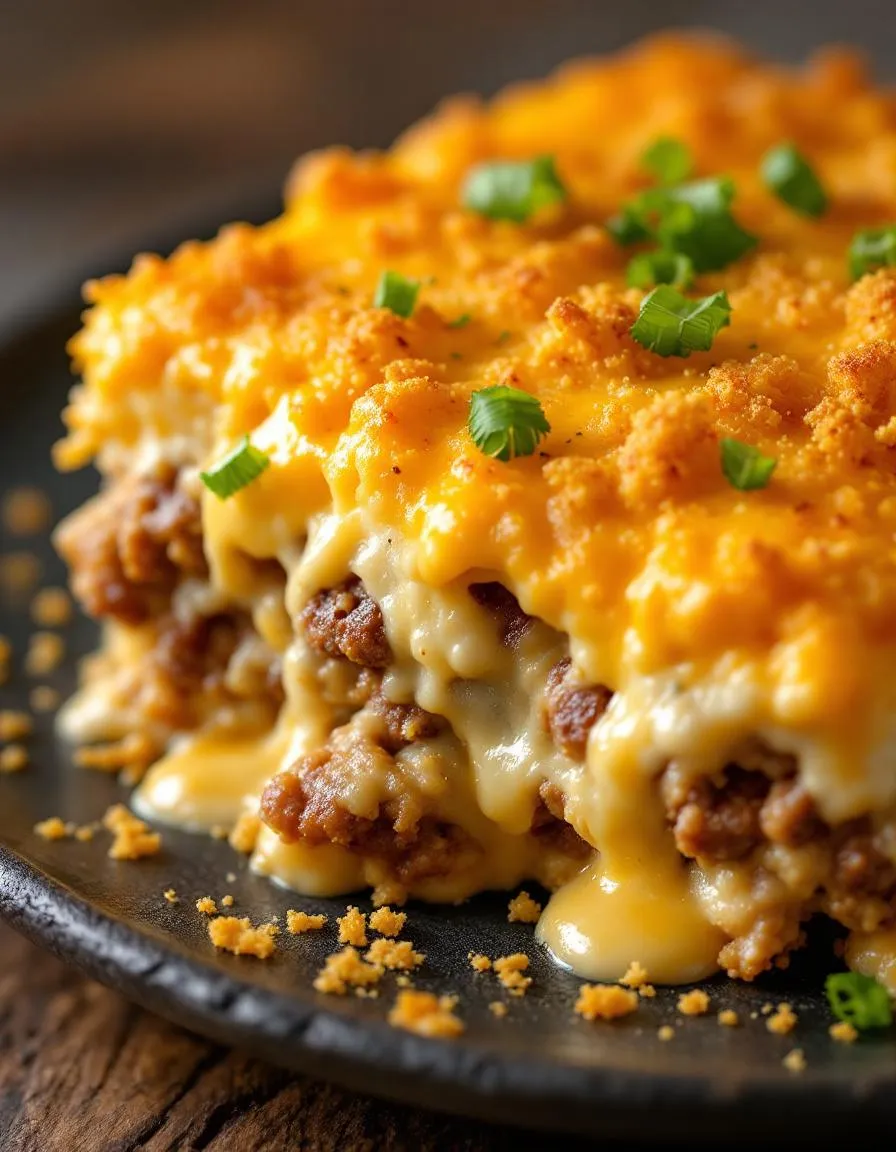
Craving the bold flavors of a cheeseburger but want something hearty enough to feed the whole family? Look no further than this Cheesy Cheeseburger Casserole Delight, a comforting twist on a classic favorite. Whether you’re juggling a busy weeknight or hosting a casual gathering, this dish brings everyone to the table with its gooey cheese, savory beef, and nostalgic taste. Best of all, it’s as easy to make as it is delicious—no fancy skills required. Let’s dive into why this casserole deserves a spot in your recipe rotation.
The Cheesy Cheeseburger Casserole Delight combines all the best parts of a cheeseburger—juicy ground beef, melty cheese, and tangy pickles—into one irresistible baked dish. Unlike traditional casseroles that rely on heavy creams or canned soups, this recipe keeps things fresh and flavorful with simple ingredients you likely already have. For instance, our ground beef recipes collection proves how versatile this protein can be, and this casserole is no exception. Meanwhile, if you love cheesy comfort food, you’ll appreciate how the dish mirrors the ease of our quick dinner ideas, perfect for last-minute meals.
What makes this recipe stand out? First, it’s incredibly adaptable. Swap in turkey for beef, add crispy bacon, or toss in extra veggies—the possibilities are endless. Second, it captures the essence of family-friendly cooking: hearty, satisfying, and crowd-pleasing. Whether you’re a seasoned cook or a beginner, the Cheesy Cheeseburger Casserole Delight fits seamlessly into any meal plan. Plus, it reheats beautifully, making leftovers something to look forward to. In a world of complicated recipes, this one keeps dinner simple without sacrificing flavor.
Why I Love This Recipe
This casserole holds a special place in my heart because it reminds me of Sunday dinners growing up. My mom would whip it up when we needed a pick-me-up, and the smell of sizzling beef and toasted cheese always brought us together. Even now, when I make the Cheesy Cheeseburger Casserole Delight, it feels like a warm hug on a hectic day. It’s the kind of dish that turns strangers into friends and busy nights into cherished moments—proof that great food doesn’t have to be fancy to be unforgettable.
Health and Nutrition
Why it’s good for your body
Cheesy Cheeseburger Casserole Delight packs a nutritious punch while satisfying comfort food cravings. First, it delivers a solid protein boost from lean ground beef, which helps build and repair muscles. Additionally, the dish includes calcium-rich cheese, supporting strong bones and teeth. Since it incorporates wholesome ingredients like tomatoes and onions, you also get a dose of antioxidants for immune health.
Moreover, Cheesy Cheeseburger Casserole Delight balances indulgence with nourishment. The hearty combination of protein, fiber, and healthy fats keeps you full longer, preventing unnecessary snacking. For example, the fiber from whole-grain pasta or added veggies aids digestion. Meanwhile, the moderate fat content provides sustained energy without feeling overly heavy.
Finally, this dish offers versatility for boosting nutrition. You can easily swap in turkey or plant-based meat for a leaner option. By adding extra veggies like spinach or bell peppers, you increase vitamins and minerals. Whether you enjoy it as-is or customize it, Cheesy Cheeseburger Casserole Delight makes eating well deliciously simple.
How it fits in a healthy lifestyle
Cheesy Cheeseburger Casserole Delight fits perfectly into balanced eating habits. If you follow a high-protein diet, this dish helps meet your goals while keeping flavors bold. For gluten-free needs, simply substitute regular pasta with a gluten-free alternative like chickpea or rice noodles. The recipe adapts easily to dietary preferences without sacrificing taste.
Pairing this casserole with a fresh side salad or steamed greens creates a well-rounded meal. You can also control portion sizes to align with calorie-conscious goals. For more tips on balancing comfort foods with nutrition, check out our guide on healthy eating habits. If you love protein-packed meals, explore our high-protein recipes for more inspiration. With smart tweaks and mindful eating, Cheesy Cheeseburger Casserole Delight becomes a tasty part of your wellness routine.
A hearty and comforting casserole that combines all the flavors of a classic cheeseburger in one delicious dish.
Ingredients
Scale
For the Crust:
1 lb ground beef
1 small onion, diced
1 clove garlic, minced
1 tsp Worcestershire sauce
1/2 tsp salt
1/4 tsp black pepper
2 cups elbow macaroni, cooked
1 can (10.5 oz) condensed cheddar cheese soup
1/2 cup milk
1 cup shredded cheddar cheese
1/2 cup breadcrumbs
1 tbsp melted butter
Instructions
1. Prepare the Crust:
Preheat oven to 375°F (190°C).
In a skillet, brown ground beef with onion and garlic. Drain excess fat.
Stir in Worcestershire sauce, salt, and pepper.
In a large bowl, mix cooked macaroni, beef mixture, cheddar cheese soup, and milk. Transfer to a greased baking dish.
Top with shredded cheddar cheese.
Mix breadcrumbs with melted butter and sprinkle over the cheese.
Bake for 20-25 minutes until bubbly and golden brown.
Notes
You can customize the seasonings to taste.
How to Prepare This Dish
Steps and time-saving tips
Start by preheating your oven to 375°F so it’s ready when you finish assembling the Cheesy Cheeseburger Casserole Delight. While the oven heats, brown the ground beef in a large skillet over medium heat, breaking it into crumbles as it cooks. Drain any excess grease, then stir in diced onions and minced garlic for extra flavor. Meanwhile, whisk together the cream of mushroom soup, milk, and a dash of Worcestershire sauce in a bowl until smooth. Layer half the cooked egg noodles in a greased casserole dish, followed by half the beef mixture and half the soup mixture. Repeat the layers, then generously top with shredded cheddar cheese. Cover with foil and bake for 25 minutes. Remove the foil and bake another 10 minutes until the cheese bubbles. Let it rest for 5 minutes before serving. For a time-saving twist, use pre-cooked noodles or swap the beef for ground turkey. If you’re short on time, prep the layers ahead and refrigerate overnight—just add 5 extra minutes to the baking time.
and-learned-from">Mistakes I’ve made and learned from
I once rushed the beef browning step, leaving large chunks that made the Cheesy Cheeseburger Casserole Delight uneven. Now I take an extra minute to crumble it finely for perfect texture. Another time, I skipped resting the casserole, and the layers slid apart when serving. Letting it sit for 5 minutes fixes this every time. If your cheese browns too quickly, tent it with foil—I learned this trick after salvaging a slightly overdone batch. For more make-ahead tips, check out my guide on meal prep hacks. And if you’re new to casseroles, my comfort food basics post breaks down layering like a pro. Trust me, a little patience pays off with this dish!
Cultural Connection and Variations
Where this recipe comes from
Cheesy Cheeseburger Casserole Delight feels like a warm hug from the American Midwest, where casseroles reign supreme. This dish takes the classic flavors of a cheeseburger—juicy beef, melty cheese, and savory toppings—and bakes them into a cozy, family-friendly meal. Many credit its origins to busy home cooks in the 1950s who wanted to stretch ingredients while keeping dinner hearty and satisfying. Over time, it became a staple at potlucks and weeknight tables alike.
Around the world, simil
ar dishes put their own spin on the concept. In Japan, you might find a version with teriyaki sauce and pickled ginger, while in Mexico, jalapeños and chorizo add a spicy kick. Even within the U.S., regional twists pop up. Southern cooks often mix in a creamy mushroom sauce, while some Midwestern families swear by a layer of tater tots on top. No matter the variation, Cheesy Cheeseburger Casserole Delight always brings people together with its comforting, crowd-pleasing appeal.
How it fits in today’s cooking
Today, Cheesy Cheeseburger Casserole Delight still holds its place as a go-to comfort food, especially during busy weeknights or chilly seasons. Modern cooks love how easily it adapts to dietary preferences—swap ground beef for turkey or lentils, or use gluten-free pasta for a lighter twist. It’s also a hit for game-day gatherings, where its hearty flavors pair perfectly with other easy party appetizers.
What keeps it relevant? Its versatility. Whether you’re meal-prepping for the week or hosting a casual dinner, this casserole fits right in. Some even serve it as a fun alternative to traditional holiday dishes, alongside seasonal dessert ideas for a balanced spread. Above all, it’s a reminder that good food doesn’t have to be complicated—just delicious, satisfying, and full of love.
>Taste and Texture
What makes it delicious
Cheesy Cheeseburger Casserole Delight delivers a mouthwatering explosion of savory, cheesy goodness with every bite. The ground beef browns into juicy, umami-rich crumbles, while melted cheddar and cream cheese blend into a velvety, indulgent sauce. Crisp-tender onions and garlic add aromatic depth, and the buttery breadcrumb topping offers a satisfying crunch. Meanwhile, the pasta soaks up all the flavors, creating a hearty, comforting texture. The aroma alone—smoky, cheesy, and faintly caramelized—will have everyone gathering around the table. Whether you serve it fresh from the oven or as leftovers, Cheesy Cheeseburger Casserole Delight never loses its irresistible appeal.
Boosting the flavor
For an extra flavor kick, try mixing in crispy bacon bits or swapping the cheddar for pepper jack cheese. A dash of smoked paprika or Worcestershire sauce deepens the savoriness, while pickled jalapeños add a tangy heat. Top it with fresh diced tomatoes or a drizzle of secret sauce for brightness. If you love bold flavors, pair it with a side of garlic parmesan fries to round out the meal. Experiment with fresh herbs like parsley or chives for a pop of color and freshness. Every tweak makes Cheesy Cheeseburger Casserole Delight even more memorable.
Tips for Success
Best practices for results
First, always brown your ground beef thoroughly before layering it into your Cheesy Cheeseburger Casserole Delight for maximum flavor. Additionally, use freshly shredded cheese instead of pre-shredded varieties to prevent clumping and ensure smooth melting. Meanwhile, lightly grease your baking dish to avoid sticking and make cleanup easier. Finally, let the casserole rest for 5 minutes after baking so the layers set perfectly before serving.
Mistakes to avoid
Avoid overmixing the ingredients, as this can make your Cheesy Cheeseburger Casserole Delight dense instead of light and fluffy. Instead, gently fold the components together for the ideal texture. Also, don’t skip draining excess grease from the cooked beef, or your dish may turn out overly greasy. For more tips on balancing moisture in casseroles, check out our guide on perfect casserole texture. Furthermore, resist the urge to overbake, which can dry out the cheese. For precise timing, refer to our baking time charts to nail the doneness every time.
Serving and Pairing Suggestions
How to serve this dish
Bring out the comfort-food charm of Cheesy Cheeseburger Casserole Delight by serving it straight from the oven in a colorful ceramic dish. For a fun twist, scoop individual portions into mini cast-iron skillets. Top with fresh chopped parsley or green onions for a pop of color. Meanwhile, this hearty dish shines at casual gatherings like game nights or potlucks. Alternatively, pair it with a crisp side salad for a balanced weeknight dinner. No matter the occasion, Cheesy Cheeseburger Casserole Delight always satisfies.
h-it">What goes well with it
Elevate your meal by pairing Cheesy Cheeseburger Casserole Delight with tangy garlic dill pickles for a refreshing contrast. For a creamy side, try our Loaded Mashed Potatoes, which complement the rich flavors perfectly. Additionally, a chilled glass of lemonade or an ice-cold beer balances the dish’s savory notes. If you crave extra indulgence, drizzle our Homemade BBQ Sauce on top for a smoky kick.
What ingredients do I need for Cheesy Cheeseburger Casserole Delight?
You’ll need ground beef, elbow macaroni, cheddar cheese, cream of mushroom soup, milk, diced onions, and seasonings like garlic powder and paprika. Cheesy Cheeseburger Casserole Delight gets its rich flavor from the combination of melted cheese and savory beef.
ank-math-faq-item">
Can I make Cheesy Cheeseburger Casserole Delight ahead of time?
Yes! Assemble the casserole up to 24 hours in advance and refrigerate it until ready to bake. Just add 10-15 extra minutes to the cooking time since it’ll be cold. Cheesy Cheeseburger Casserole Delight reheats beautifully for leftovers too.
What sides go well with Cheesy Cheeseburger Casserole Delight?
Pair it with crisp green salad, steamed veggies, or garlic bread for a complete meal. The hearty flavors of Cheesy Cheeseburger Casserole Delight complement lighter sides that balance the richness.
How do I store leftover Cheesy Cheeseburger Casserole Delight?
Store leftovers in an airtight container in the refrigerator for 3-4 days. Reheat individual portions in the microwave or cover the whole dish with foil and warm at 350°F until heated through. The cheese stays creamy when properly stored.