Best Crock Pot Pepper Steak – Easy Slow Cooker Recipe
Introduction
There’s something incredibly comforting about walking into a kitchen filled with the rich, savory aroma of slow-cooked beef and peppers. If you’re craving a meal that’s both hearty and effortless, this Pepper Steak in Crock Pot Recipe delivers every time. Whether you’re juggling a busy schedule or simply want a fuss-free dinner that tastes like you spent hours cooking, this dish wraps you in warmth with every bite. Plus, the tender meat and vibrant peppers make it a crowd-pleaser for weeknights or casual gatherings.
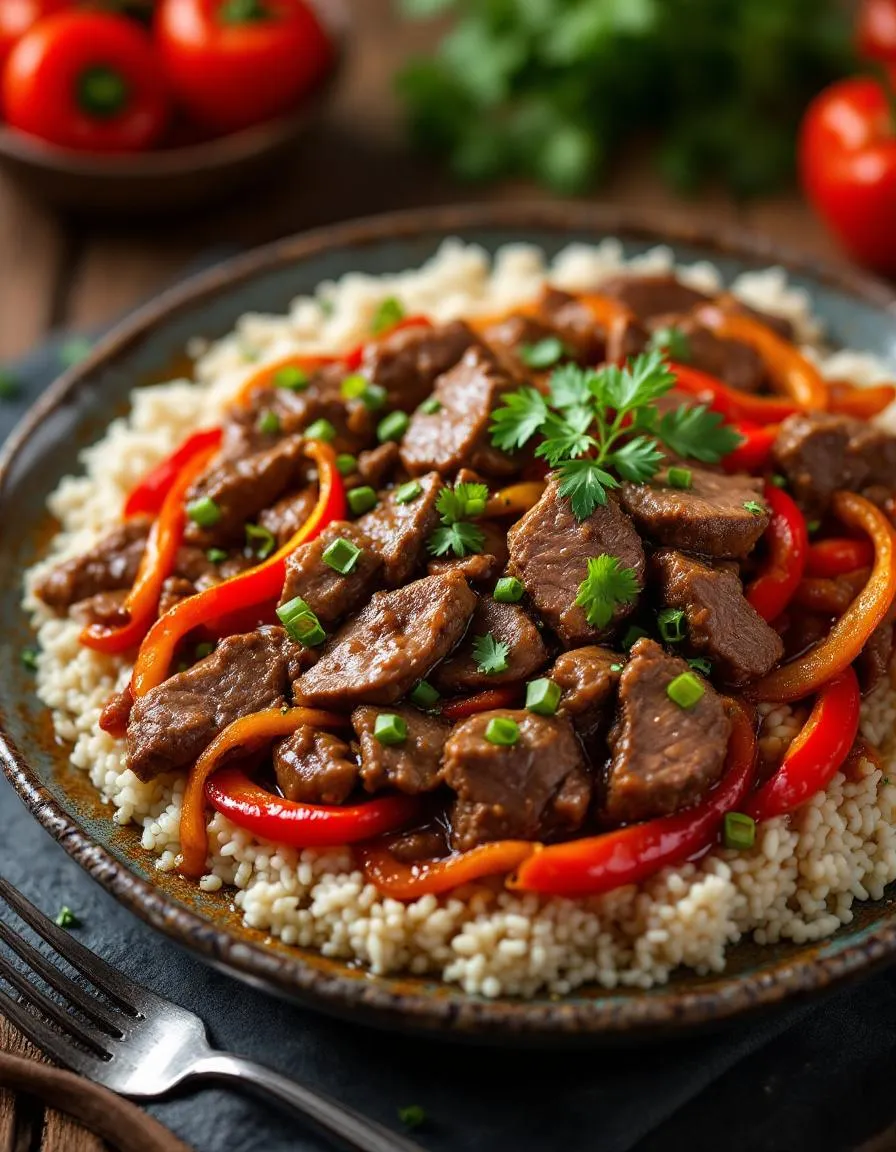
Pepper Steak in Crock Pot Recipe is a classic comfort dish that transforms simple ingredients into something extraordinary. By letting the slow cooker do the work, you lock in deep flavors while keeping the prep minimal. Thinly sliced beef simmers in a savory sauce with bell peppers and onions, creating a melt-in-your-mouth texture. This recipe matters because it solves the eternal dilemma of balancing flavor and convenience. Unlike other recipes that demand constant attention, this one adapts to your day. If you love set-it-and-forget-it meals, you’ll appreciate how it aligns with our blog’s focus on practical, family-friendly dishes. For more slow-cooked inspiration, check out our Easy Crock Pot Chicken Recipes or explore ways to upgrade your sides with Garlic Mashed Potatoes.
Why I Love This Recipe
This Pepper Steak in Crock Pot Recipe holds a special place in my kitchen because it’s the dish I turn to when life gets chaotic. I remember coming home after a long day to find my mom’s version simmering on the counter, and now it’s my go-to for creating that same sense of comfort. The way the peppers soften into sweetness and the beef soaks up the sauce reminds me that great food doesn’t need to be complicated. Every time I make it, I’m reminded how a little patience—and a trusty slow cooker—can turn ordinary ingredients into something unforgettable.
Health and Nutrition
Why it’s good for your body
Pepper Steak in Crock Pot Recipe packs a nutritious punch while delivering rich, savory flavors. First, it combines lean beef with colorful bell peppers, creating a balanced meal full of protein and vitamins. The slow cooking process also helps retain nutrients, ensuring you get the most from every bite.
Moreover, this dish offers a great source of iron, which supports energy levels and healthy blood circulation. Bell peppers add a boost of vitamin C, enhancing iron absorption and strengthening your immune system. Additionally, the tender beef in Pepper Steak in Crock Pot Recipe provides high-quality protein to keep you full and support muscle repair.
Beyond that, the recipe includes garlic and onions, both known for their anti-inflammatory properties. These ingredients may help lower cholesterol and improve heart health over time. Since the crock pot method requires minimal oil, Pepper Steak in Crock Pot Recipe stays lower in unhealthy fats compared to pan-fried alternatives.
How it fits in a healthy lifestyle
Pepper Steak in Crock Pot Recipe fits perfectly into a balanced diet, whether you’re meal prepping or cooking for a family. Its high protein content makes it ideal for fitness enthusiasts, while the low-carb profile aligns with keto or gluten-free diets. For those watching sodium, you can easily adjust the seasonings to suit your needs.
This dish also pairs well with wholesome sides like cauliflower rice or a crisp green salad, keeping your meals varied and nutrient-dense. If you love easy, healthy dinners, check out our Healthy Weeknight Dinners for more inspiration. Plus, slow cooking saves time, making it simpler to stick to your health goals without sacrificing flavor.
For heart-conscious eaters, the lean beef and vegetable-rich mix support cardiovascular wellness. Explore our Heart-Healthy Recipes to discover more dishes that prioritize both taste and nutrition. With Pepper Steak in Crock Pot Recipe, you get a satisfying meal that fuels your body without compromising on health.
A tender and flavorful pepper steak cooked slowly in a crock pot for maximum taste.
Ingredients
Scale
For the Crust:
1.5 lbs beef sirloin, sliced thin
2 green bell peppers, sliced
1 red bell pepper, sliced
1 onion, sliced
3 cloves garlic, minced
1/2 cup soy sauce
1/4 cup beef broth
1 tbsp brown sugar
1 tsp ground ginger
1 tbsp cornstarch
2 tbsp water
Instructions
1. Prepare the Crust:
Place sliced beef, bell peppers, onion, and garlic in the crock pot.
In a bowl, whisk together soy sauce, beef broth, brown sugar, and ginger. Pour over the beef and vegetables.
Cover and cook on low for 6-7 hours or high for 3-4 hours.
In a small bowl, mix cornstarch and water. Stir into the crock pot and cook for an additional 15 minutes until sauce thickens.
Serve hot over rice or noodles.
Notes
You can customize the seasonings to taste.
How to Prepare This Dish
Steps and time-saving tips
Start by slicing your flank steak into thin strips against the grain for maximum tenderness. Next, whisk together soy sauce, minced garlic, brown sugar, and a splash of beef broth in a small bowl to create a rich marinade. Toss the steak strips in this mixture, ensuring every piece gets coated evenly. Meanwhile, chop your bell peppers and onions into thick strips—they’ll soften beautifully in the crock pot without turning mushy. Layer the veggies at the bottom of your slow cooker, then place the marinated steak on top. Pour any remaining marinade over everything for extra flavor. Cover and cook on low for 6-7 hours or high for 3-4 hours. Stir once halfway through if you can, but don’t stress if you forget. The long, slow cook time melds the flavors perfectly. Serve your Pepper Steak in Crock Pot Recipe over steamed rice or noodles, and garnish with sliced green onions for a fresh finish. To save time, prep the steak and veggies the night before and store them in the fridge. In the morning, just dump everything into the crock pot and let it work its magic.
and-learned-from">Mistakes I’ve made and learned from
I once rushed the prep and cut the steak with the grain instead of against it, resulting in chewy, tough bites. Now I always take a moment to check the meat’s direction before slicing—it makes all the difference. Another time, I skipped the marinade step and just dumped everything in dry, which left the Pepper Steak in Crock Pot Recipe tasting bland. Lesson learned: never underestimate the power of a good marinade! If you’re new to slow cooking, check out my guide on crock pot basics to avoid common pitfalls. Also, if you love this recipe, you might enjoy my beef and broccoli version—it’s another crowd-pleaser with similar prep tricks.
Cultural Connection and Variations
Where this recipe comes from
Pepper Steak in Crock Pot Recipe has roots in both Chinese-American cuisine and home-style comfort food. Originally inspired by stir-fried pepper steak, this slow-cooked version adapts the bold flavors of soy sauce, ginger, and bell peppers for busy families. In my own kitchen, it became a weeknight hero—tender beef simmering all day while I tackled work and chores. Meanwhile, in other parts of the world, cooks might skip the crock pot entirely. Some regions in China prepare a quicker wok version with sharper heat, while Filipino cooks often add pineapple for sweetness. Even within the U.S., you’ll find twists like adding mushrooms or swapping the classic green peppers for colorful trios. No matter the variation, Pepper Steak in Crock Pot Recipe always delivers that satisfying balance of savory and bright.
ays-cooking">How it fits in today’s cooking
Today, this dish thrives as a perfect solution for modern lifestyles. Busy parents love how the crock pot does the heavy lifting, while meal preppers appreciate its freezer-friendly nature. During colder months, it becomes a cozy staple—especially when paired with fluffy rice or buttery noodles. Many home cooks now tweak the recipe with gluten-free tamari or leaner cuts of beef, proving its versatility. For those hosting gatherings, it’s an easy crowd-pleaser that pairs well with simple sides like garlic butter roasted carrots. Even better? Leftovers transform into next-day lunches or fillings for quick breakfast burritos. Whether you’re craving nostalgia or need a no-fuss dinner, Pepper Steak in Crock Pot Recipe still hits the spot.
Taste and Texture
What makes it delicious
This Pepper Steak in Crock Pot Recipe delivers a mouthwatering balance of savory, tender, and slightly sweet flavors. The beef becomes melt-in-your-mouth soft after slow cooking, while the bell peppers stay crisp-tender, adding a refreshing crunch. Fragrant garlic and ginger infuse the dish with warmth, and the soy sauce creates a rich, umami-packed sauce that coats every bite. Meanwhile, the onions caramelize slightly, lending a subtle sweetness that ties everything together. Every spoonful of this Pepper Steak in Crock Pot Recipe feels hearty yet bright, making it a comfort food favorite with just the right kick.
Boosting the flavor
For an extra flavor boost, try searing the beef before adding it to the crock pot—this locks in juices and adds a deeper, caramelized taste. Alternatively, stir in a splash of balsamic vinegar or a spoonful of brown sugar to enhance the sauce’s complexity. If you love heat, a sprinkle of red pepper flakes or a drizzle of homemade sriracha sauce will kick things up. For a fresh finish, top servings with chopped cilantro or green onions. Pair this dish with garlic butter rice to soak up every last drop of the delicious sauce.
Always sear the beef before adding it to the crock pot for deeper flavor in your Pepper Steak in Crock Pot Recipe. Additionally, layer the vegetables at the bottom to prevent overcooking. Use low-sodium soy sauce to control saltiness, and stir the ingredients gently halfway through cooking. Finally, let the dish rest for 10 minutes before serving to let the flavors meld perfectly.
Mistakes to avoid
Overcrowding the crock pot can lead to uneven cooking, so leave some space between ingredients. Similarly, avoid lifting the lid too often, as this slows down the cooking process. For tender meat, skip high heat—opt for low and slow instead. If you need more guidance on crock pot techniques, check out our crock pot basics guide. Also, remember that cutting the beef too thin may cause it to dry out; for the best texture, follow our beef preparation tips.
g-suggestions">Serving and Pairing Suggestions
How to serve this dish
Serve your Pepper Steak in Crock Pot Recipe family-style for a cozy weeknight dinner or elevate it for special occasions. First, spoon the tender beef and vibrant peppers over a bed of fluffy jasmine rice or buttery mashed potatoes. Then, garnish with fresh parsley or thinly sliced green onions for a pop of color. For a rustic touch, transfer everything to a shallow serving bowl and let guests help themselves. Meanwhile, if you’re hosting a casual gathering, keep the crock pot on warm so friends can enjoy second helpings. Either way, the rich aroma will make this dish the star of the table.
What goes well with it
Pair your Pepper Steak in Crock Pot Recipe with garlic butter roasted carrots for a sweet, savory contrast that balances the dish’s bold flavors. Alternatively, try a crisp green salad with tangy vinaigrette to cut through the richness. For drinks, a chilled glass of iced hibiscus tea or a light red wine like Pinot Noir enhances the meal perfectly. If you love hearty sides, our creamy parmesan mashed potatoes or roasted garlic green beans make excellent companions. Ultimately, these pairings turn your pepper steak into a well-rounded feast.
math-faq-block">
How long does it take to cook pepper steak in a crock pot?
Pepper steak in a crock pot typically takes 6-8 hours on low heat or 3-4 hours on high heat. The longer cooking time allows the beef to become tender and absorb the flavors. Always check the meat for doneness before serving.
What cut of beef is best for crock pot pepper steak?
Flank steak or sirloin works best for pepper steak in a crock pot because they stay tender during slow cooking. Avoid lean cuts like round steak, as they can become tough. Slicing the beef thinly against the grain also improves texture.
Can I make pepper steak in a crock pot without soy sauce?
Yes! Substitute soy sauce with coconut aminos, tamari, or even Worcestershire sauce for a different flavor profile. The pepper steak in crock pot recipe will still turn out delicious with these alternatives.
ank-math-faq-item">
Should I brown the meat before adding it to the crock pot for pepper steak?
Browning the beef first adds depth of flavor to your pepper steak in crock pot recipe, but it’s not mandatory. If you’re short on time, you can add raw meat directly to the slow cooker—just stir occasionally during cooking.
Best Cozy Autumn Wild Rice Soup Recipe
Introduction
There’s something magical about a warm bowl of soup on a crisp autumn day. Whether you’re curled up with a book or hosting a cozy gathering, this Cozy Autumn Wild Rice Soup wraps you in comfort with every spoonful. Rich, hearty, and brimming with seasonal flavors, it’s the kind of dish that feels like a hug from the inside out. Plus, it’s incredibly versatile—perfect for meal prep, family dinners, or even impressing guests without the fuss. If you love soul-warming recipes that celebrate the season, you’re in the right place.
Cozy Autumn Wild Rice Soup is a nourishing blend of wild rice, tender vegetables, and aromatic herbs simmered in a creamy broth. Unlike heavy stews, it strikes the perfect balance between lightness and richness, making it ideal for chilly evenings when you crave something satisfying but not overly indulgent. Wild rice, the star ingredient, adds a nutty depth and chewy texture, while seasonal veggies like carrots, celery, and mushrooms bring earthy sweetness. A touch of thyme and a splash of cream tie everything together for a dish that’s as wholesome as it is delicious. This soup fits seamlessly into our blog’s focus on approachable, flavor-packed meals that celebrate fresh, seasonal ingredients. For more autumn-inspired ideas, check out our Roasted Butternut Squash Soup or explore tips for balancing flavors in our Soup Seasoning Guide.
Why I Love This Recipe
Cozy Autumn Wild Rice Soup holds a special place in my heart because it reminds me of family gatherings during the holidays. My grandmother used to make a similar version, and the scent of thyme and simmering broth would fill the entire house. Now, whenever I cook this soup, it brings back those cherished moments while creating new ones with my own loved ones. Beyond nostalgia, I adore how effortlessly it comes together—whether I’m short on time or want to double the batch for leftovers. It’s a recipe that feels both timeless and adaptable, just like the best comfort food should.
Health and Nutrition
Why it’s good for your body
Cozy Autumn Wild Rice Soup packs a nutritious punch while warming you from the inside out. First, wild rice delivers a hearty dose of fiber, which keeps digestion smooth and helps you feel full longer. Additionally, this grain boasts more protein than white or brown rice, making it a smart choice for plant-based eaters. Moreover, the soup’s blend of vegetables like carrots, celery, and mushrooms adds essential vitamins and antioxidants to support immunity.
Another benefit of Cozy Autumn Wild Rice Soup is its anti-inflammatory properties. Turmeric and garlic, common ingredients in this recipe, naturally reduce inflammation and boost heart health. Furthermore, the broth base keeps calories in check while providing hydration—a win for anyone watching their weight. Finally, the soup’s balanced macronutrients (carbs, protein, and healthy fats) make it a satisfying yet light meal.
Whether you’re fighting off a seasonal cold or simply craving comfort food, Cozy Autumn Wild Rice Soup nourishes your body without compromise. Its wholesome ingredients work together to fuel energy, stabilize blood sugar, and even improve skin health. Truly, this soup is as good for you as it is delicious.
How it fits in a healthy lifestyle
Cozy Autumn Wild Rice Soup fits seamlessly into a balanced diet, whether you’re gluten-free, focused on heart health, or just aiming for more home-cooked meals. Since wild rice is naturally gluten-free, this soup caters to those with dietary restrictions without sacrificing flavor or texture. It’s also low in sodium if you opt for homemade broth, making it a heart-smart choice.
For meal preppers, this soup stores beautifully, so you can enjoy it throughout the week. Pair it with a crisp salad for extra greens or a slice of whole-grain bread for added fiber. If you’re exploring more gut-friendly recipes, check out our guide to fermented foods for digestion. Alternatively, if you’re building a high-protein meal plan, our plant-based protein sources round out this soup’s nutritional profile perfectly.
Ultimately, Cozy Autumn Wild Rice Soup supports everyday wellness with simplicity and flavor. It’s a practical, nourishing option for busy weeknights or lazy weekends—proof that healthy eating doesn’t have to be complicated.
A hearty and comforting wild rice soup packed with seasonal vegetables and warm spices, perfect for chilly autumn evenings.
Ingredients
Scale
For the Crust:
1 cup wild rice, uncooked
1 tbsp olive oil
1 medium onion, diced
2 carrots, diced
2 celery stalks, diced
3 garlic cloves, minced
6 cups vegetable broth
1 tsp dried thyme
1 tsp dried rosemary
1 bay leaf
1 cup mushrooms, sliced
1 cup kale, chopped
1/2 cup heavy cream (optional)
Salt and pepper to taste
Instructions
1. Prepare the Crust:
Rinse the wild rice under cold water and set aside.
In a large pot, heat olive oil over medium heat. Add onion, carrots, and celery, sautéing until softened (about 5 minutes).
Add garlic, thyme, rosemary, and bay leaf. Cook for 1 minute until fragrant.
Pour in vegetable broth and add wild rice. Bring to a boil, then reduce heat and simmer for 30-35 minutes until rice is tender.
Stir in mushrooms and kale, cooking for an additional 5 minutes.
If using, stir in heavy cream and season with salt and pepper to taste. Remove bay leaf before serving.
Notes
You can customize the seasonings to taste.
“`html
="how-to-prepare-this-dish">How to Prepare This Dish
Steps and time-saving tips
Start by heating a large pot over medium heat and drizzling in olive oil. Once the oil shimmers, toss in diced onions, carrots, and celery, stirring occasionally until they soften. Add minced garlic and sauté for another minute until fragrant. Next, sprinkle in dried thyme and a pinch of salt to layer the flavors. Pour in vegetable broth and wild rice, then bring the mixture to a gentle boil. Reduce the heat, cover the pot, and let it simmer for about 30 minutes while the rice cooks. Meanwhile, whisk together a bit of flour and milk in a separate bowl to create a smooth slurry. Stir this into the soup to thicken it slightly, then fold in chopped kale and cooked chicken if you want extra protein. Let everything simmer for another 10 minutes until the kale wilts and the flavors meld. Finish with a splash of cream or coconut milk for richness, and adjust the seasoning to taste. For a time-saving hack, use pre-cooked wild rice or leftover rotisserie chicken to cut down on prep work.
Mistakes I’ve made and learned from
One of my biggest blunders with Cozy Autumn Wild Rice Soup was overcooking the rice, turning it mushy instead of pleasantly chewy. Now, I set a timer and check the rice at the 25-minute mark to avoid this. Another lesson? Skipping the flour slurry led to a broth that was too thin, so I always take the extra minute to whisk it properly. If you’re new to thickening soups, my guide on perfect soup consistency breaks it down simply. I also once added the kale too early, resulting in soggy greens—waiting until the final 10 minutes keeps them vibrant. For more veggie-packed tips, my vegetable prep hacks post has you covered. Trust me, these small tweaks make all the difference!
Cozy Autumn Wild Rice Soup carries deep roots in the hearty, harvest-driven traditions of the Upper Midwest, where wild rice grows abundantly in lakes and rivers. Native American tribes, particularly the Ojibwe people, have harvested and cherished wild rice (or “manoomin”) for centuries, often simmering it into nourishing stews with foraged mushrooms and venison. Over time, settlers adapted the dish, adding creamy broths and seasonal vegetables to create the comforting version we know today.
Families across the reg
ion still tweak the recipe to reflect their heritage. Some swap in turkey or chicken, while others stir in maple syrup for a touch of sweetness. In Scandinavia, a similar soup might feature smoked fish and dill, showcasing how local flavors reshape the dish. Meanwhile, my grandma’s Cozy Autumn Wild Rice Soup always included a splash of sherry—her secret for depth. No matter the variation, this soup remains a love letter to autumn’s bounty.
How it fits in today’s cooking
Today, Cozy Autumn Wild Rice Soup bridges tradition and modern convenience. Busy cooks lean on slow cookers or Instant Pots to simplify prep, while still savoring its nostalgic warmth. It’s a staple at Thanksgiving feasts, but also shines as a weeknight hero—especially when paired with crusty bread or a crisp salad. For those craving plant-based twists, coconut milk or cashew cream easily replaces dairy, proving how adaptable this classic remains.
Seasonal eating trends have also revived its popularity, with food bloggers and home chefs celebrating its wholesome ingredients. If you’re hosting a fall gathering, consider serving it alongside easy pumpkin desserts for a full harvest-themed meal. And for cozy nights in? A bowl of this soup pairs perfectly with comfort food pairings like roasted squash or apple cider. No matter how you enjoy it, Cozy Autumn Wild Rice Soup keeps autumn’s spirit alive, one spoonful at a time.
>Taste and Texture
What makes it delicious
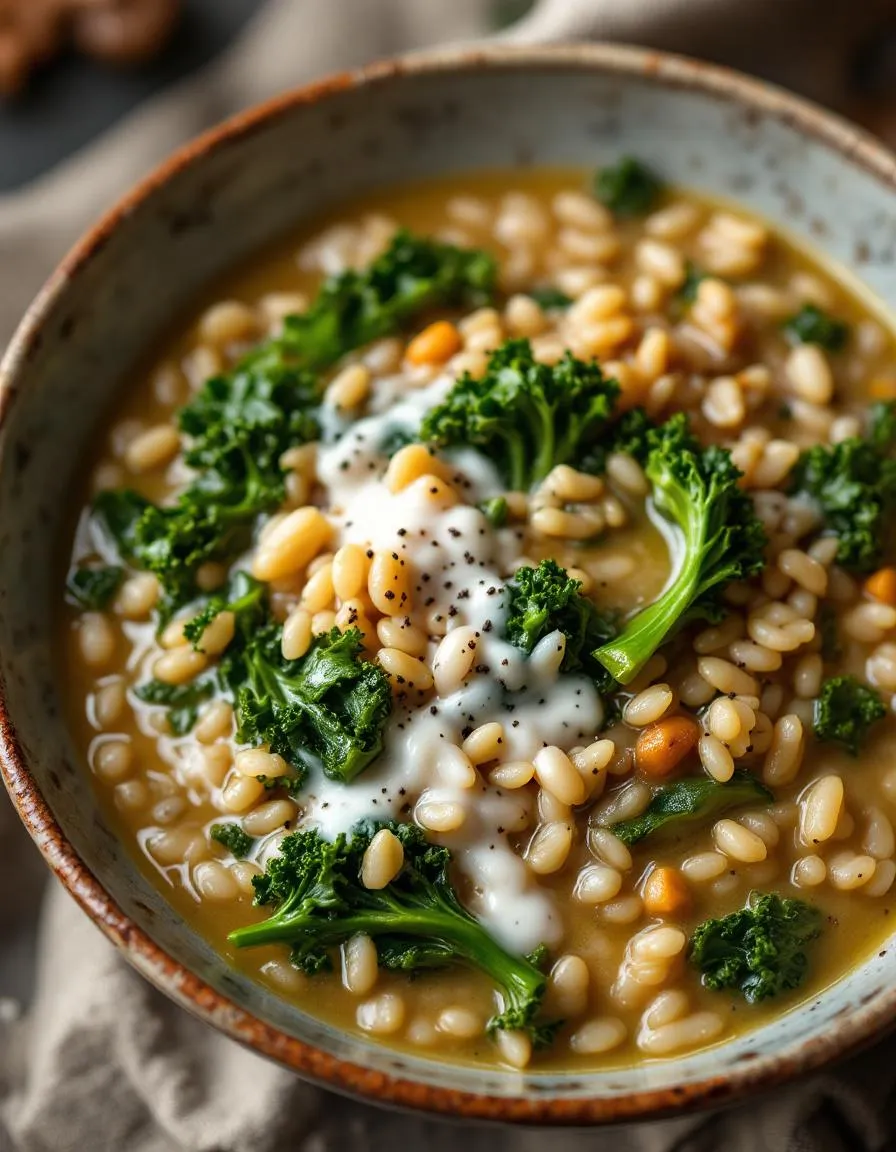
Cozy Autumn Wild Rice Soup wraps you in warmth with its rich, earthy flavors and velvety texture. Each spoonful delivers a satisfying chew from the wild rice, balanced by tender bites of sweet carrots and celery. The broth simmers with fragrant thyme and a hint of garlic, while a touch of cream adds just enough silkiness to comfort your palate. Meanwhile, the subtle smokiness from sautéed mushrooms deepens the flavor, making Cozy Autumn Wild Rice Soup a bowl of autumnal perfection. Every sip lingers with savory depth, leaving you craving another bite.
Boosting the flavor
For an extra burst of flavor, try stirring in a spoonful of homemade pesto just before serving—its bright herbal notes cut through the soup’s richness beautifully. Alternatively, a sprinkle of crispy bacon or toasted pecans adds crunch and a touch of indulgence. If you love heat, a dash of smoked paprika or a drizzle of spicy honey glaze elevates the dish with sweet-and-fiery contrast. Experiment with these twists to make each bowl uniquely yours.
Tips for Success
Best practices for results
Always rinse wild rice thoroughly before cooking to remove excess starch and prevent a gummy texture in your Cozy Autumn Wild Rice Soup. Meanwhile, sauté the onions and garlic until fragrant to build a rich flavor base. For a creamier consistency, stir in coconut milk or heavy cream at the end. Additionally, simmer the soup on low heat to let the flavors meld perfectly. Finally, taste and adjust the seasoning just before serving to ensure a balanced dish every time.
Mistakes to avoid
Avoid overcooking the wild rice, as it can turn mushy and ruin the texture of your Cozy Autumn Wild Rice Soup. Instead, cook it separately until al dente, then add it to the broth. Also, don’t skip toasting the spices—this step unlocks their full aroma and depth. If you’re unsure about spice ratios, check out our guide on balancing flavors for soups. Lastly, resist the urge to boil the soup vigorously after adding dairy, as it may curdle. For more troubleshooting tips, explore our soup texture fixes post.
Serving and Pairing Suggestions
How to serve this dish
Bring out the rustic charm of Cozy Autumn Wild Rice Soup by serving it in deep, earthy-toned bowls. For a festive touch, top each portion with a sprinkle of fresh thyme or a drizzle of cream. Meanwhile, crusty bread on the side makes it perfect for dipping. This soup shines at holiday gatherings, but it also turns weeknight dinners into something special. If you want to impress guests, pair it with a simple charcuterie board for a cozy fall meal.
h-it">What goes well with it
A crisp white wine like Sauvignon Blanc balances the rich flavors of Cozy Autumn Wild Rice Soup beautifully. Alternatively, try a warm mug of spiced apple cider for a seasonal twist. For sides, roasted Brussels sprouts add a delightful crunch, or you can opt for our savory Herb Focaccia. If you crave something heartier, our Garlic Parmesan Chicken makes a satisfying companion. Each pairing enhances the soup’s comforting warmth without overpowering it.
What makes wild rice soup perfect for autumn?
Cozy Autumn Wild Rice Soup is ideal for fall because its hearty texture and earthy flavors complement seasonal ingredients like mushrooms, squash, and herbs. The warmth of the soup also makes it a comforting dish as temperatures drop, capturing the essence of autumn in every bowl.
ank-math-faq-item">
Can I make Cozy Autumn Wild Rice Soup in a slow cooker?
Yes! Cozy Autumn Wild Rice Soup works wonderfully in a slow cooker—just combine all ingredients and cook on low for 6-8 hours or high for 3-4 hours. The slow cooking process enhances the flavors, making the wild rice tender and the broth rich.
What protein pairs well with wild rice soup?
Cozy Autumn Wild Rice Soup pairs beautifully with shredded chicken, turkey, or even crispy bacon for added protein. For a vegetarian option, try white beans or chickpeas to keep the soup hearty and satisfying.
How do I store and reheat leftover wild rice soup?
Store Cozy Autumn Wild Rice Soup in an airtight container in the fridge for up to 4 days. Reheat gently on the stovetop or in the microwave, adding a splash of broth or water if the soup thickens too much.
div>
Easy Ground Beef Orzo with Tomato Cream Sauce
Introduction
There’s something deeply comforting about a hearty, one-pot meal that brings warmth to the table—especially when it combines rich flavors like savory ground beef, tender orzo, and a velvety tomato cream sauce. Whether you’re craving a cozy weeknight dinner or need a crowd-pleasing dish for family gatherings, this Ground Beef Orzo with Tomato Cream Sauce Recipe delivers every time. It’s the kind of meal that feels like a hug in a bowl, and once you try it, you’ll understand why it’s become a staple in so many kitchens.
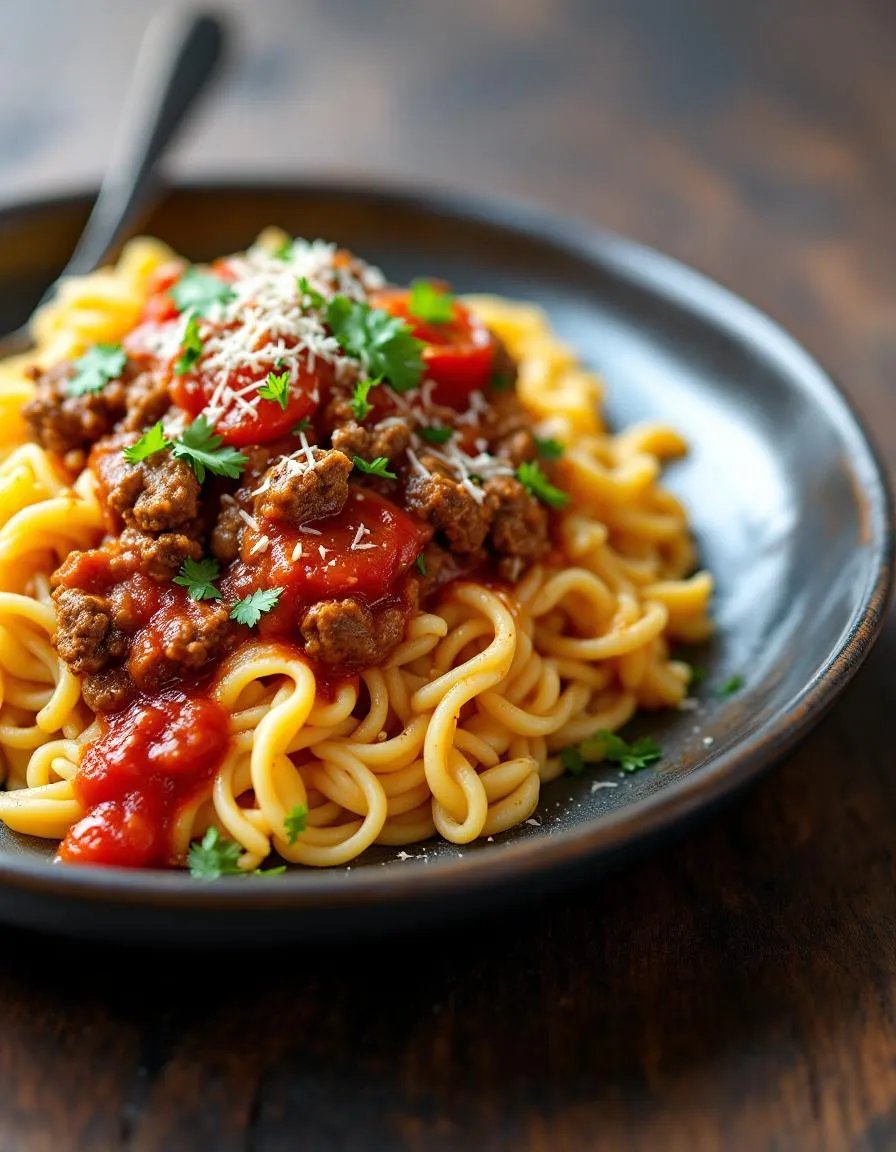
Ground Beef Orzo with Tomato Cream Sauce Recipe is a delicious fusion of Italian-inspired flavors and easy, home-cooked comfort. The dish features seasoned ground beef simmered with aromatic onions and garlic, then tossed with orzo pasta—a rice-shaped pasta that soaks up the sauce beautifully. The creamy tomato sauce, enriched with a touch of heavy cream or half-and-half, balances the dish’s richness with a subtle tang. What makes this recipe stand out is its versatility. You can customize it with fresh herbs, a sprinkle of Parmesan, or even a dash of red pepper flakes for heat. Plus, it comes together in under 30 minutes, making it perfect for busy nights when you want something satisfying without the fuss.
This recipe aligns perfectly with our blog’s mission to share approachable, flavorful meals that bring people together. If you love easy pasta dishes, you’ll also enjoy our One-Pot Creamy Garlic Parmesan Pasta or our Classic Beef Stroganoff. Both recipes share the same spirit of simplicity and comfort, proving that great food doesn’t have to be complicated. Ground Beef Orzo with Tomato Cream Sauce Recipe fits right in, offering a quick yet impressive meal that’s sure to earn a spot in your regular rotation.
Why I Love This Recipe
This dish holds a special place in my heart because it reminds me of family dinners growing up. My mom would often whip up a version of Ground Beef Orzo with Tomato Cream Sauce Recipe on hectic evenings, and no matter how tired we were, sitting down to that meal felt like a moment of calm. Now, whenever I make it, the familiar aroma takes me right back to those cherished moments. It’s more than just a recipe—it’s a reminder that the simplest meals often create the warmest memories.
Health and Nutrition
Why it’s good for your body
Ground Beef Orzo with Tomato Cream Sauce Recipe packs a nutritious punch while delivering rich, comforting flavors. First, the lean ground beef provides high-quality protein, which helps build muscle and keeps you full longer. Additionally, the tomatoes in the sauce offer a hefty dose of lycopene, a powerful antioxidant that supports heart health. Meanwhile, the orzo adds energizing carbohydrates to fuel your day without feeling heavy.
Moreover, this dish balances indulgence with wholesome ingredients. The creamy sauce gets its richness from a blend of tomatoes and dairy, offering calcium for strong bones. Since the recipe includes herbs like basil or oregano, you also benefit from their anti-inflammatory properties. Furthermore, the combination of fiber from the tomatoes and protein from the beef aids digestion and stabilizes blood sugar levels.
Finally, Ground Beef Orzo with Tomato Cream Sauce Recipe delivers versatility. You can easily tweak it to include more veggies, like spinach or mushrooms, for an extra nutrient boost. Whether you need a post-workout meal or a cozy family dinner, this dish covers both taste and nutrition effortlessly.
How it fits in a healthy lifestyle
Ground Beef Orzo with Tomato Cream Sauce Recipe fits seamlessly into a balanced diet. If you focus on high-protein meals, the lean beef and dairy in the sauce help you meet your goals. For those watching gluten intake, swapping regular orzo for a gluten-free version keeps the dish just as satisfying. The recipe also works well with heart-healthy tweaks, like using low-fat dairy or extra-virgin olive oil.
Planning meals ahead? This dish stores beautifully, making it a practical choice for meal prep. Pair it with a crisp salad or steamed veggies to round out your plate. If you love exploring flavorful yet nutritious dinners, check out our healthy comfort food collection for more inspiration. With simple adjustments, Ground Beef Orzo with Tomato Cream Sauce Recipe becomes a staple for busy weeknights or relaxed weekends.
A comforting one-pot dish featuring ground beef, orzo pasta, and a rich tomato cream sauce.
Ingredients
Scale
For the Crust:
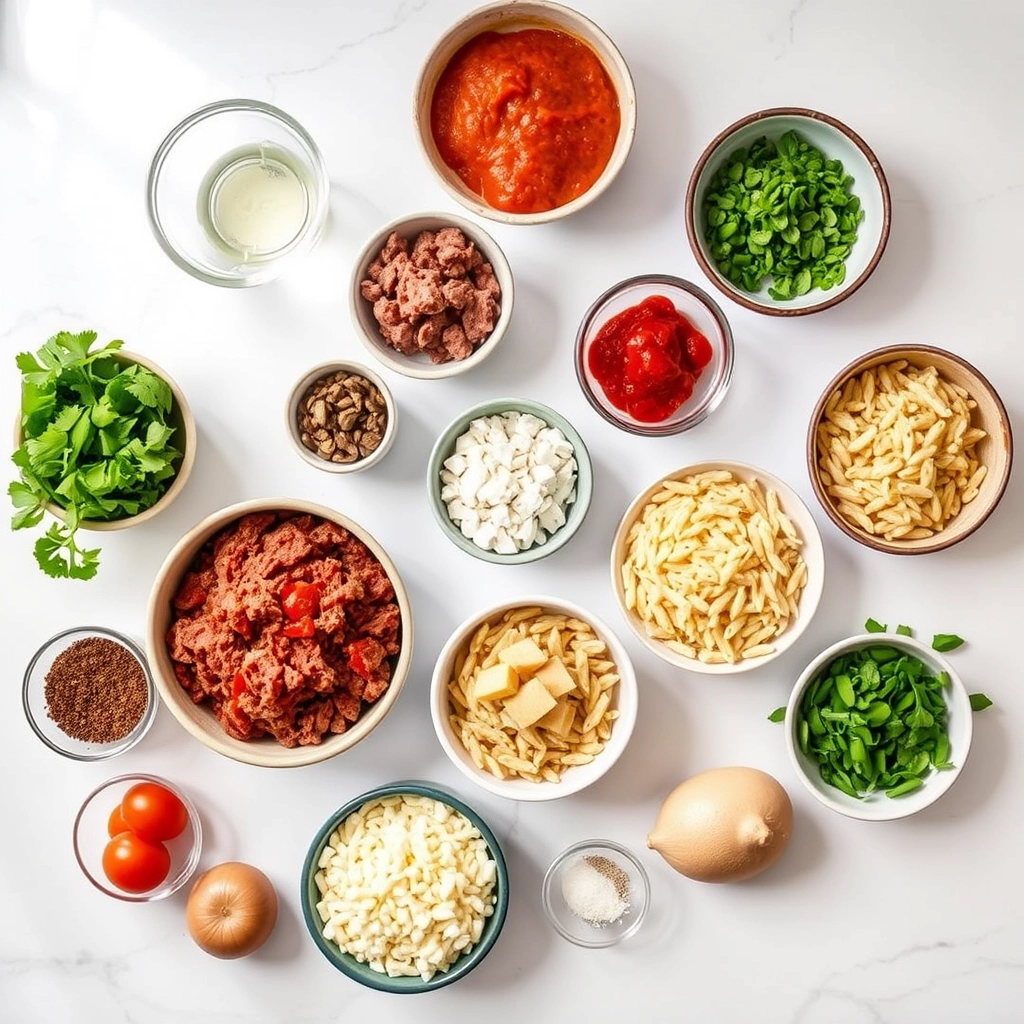
1 lb ground beef
1 cup orzo pasta
1 can (14 oz) crushed tomatoes
1/2 cup heavy cream
1 small onion, diced
2 cloves garlic, minced
1 tsp dried oregano
1 tsp dried basil
1/2 tsp red pepper flakes (optional)
2 cups beef broth
1/2 cup grated Parmesan cheese
2 tbsp olive oil
Salt and pepper to taste
Instructions
1. Prepare the Crust:
Heat olive oil in a large skillet over medium heat. Add onions and sauté until translucent, about 3 minutes.
Add garlic, oregano, basil, and red pepper flakes (if using). Cook for 1 minute until fragrant.
Add ground beef and cook until browned, breaking it up with a spoon. Drain excess fat if needed.
Stir in orzo pasta, crushed tomatoes, and beef broth. Bring to a simmer.
Cover and cook for 10-12 minutes, stirring occasionally, until orzo is tender and liquid is absorbed.
Reduce heat to low, stir in heavy cream and Parmesan cheese. Season with salt and pepper to taste.
Serve warm, garnished with extra Parmesan if desired.
Notes
You can customize the seasonings to taste.
s-dish">How to Prepare This Dish
Steps and time-saving tips
Start by heating a large skillet over medium-high heat and browning the ground beef until it’s fully cooked, breaking it into small crumbles as you go. Drain any excess fat, then toss in diced onions and minced garlic, stirring until they soften and release their aroma. Next, pour in the orzo and toast it lightly for a minute or two—this adds a nutty depth to your Ground Beef Orzo with Tomato Cream Sauce Recipe. Stir in tomato paste, crushed tomatoes, and a splash of broth, scraping up any browned bits for extra flavor. Reduce the heat to a simmer and let the orzo cook until tender, stirring occasionally to prevent sticking.
Meanwhile, whisk together heavy cream, a pinch of salt, and a dash of Italian seasoning in a small bowl. Once the orzo is al dente, fold in the cream mixture and let everything meld for a couple of minutes. If the sauce thickens too much, loosen it with a little extra broth. For a time-saving hack, prep your ingredients ahead—chop the onions and measure the orzo while the beef browns. Garnish with fresh basil or grated Parmesan just before serving, and enjoy this cozy, one-pan wonder.
Mistakes I’ve made and learned from
I’ve learned the hard way that rushing the browning step ruins the texture of the ground beef in this Ground Beef Orzo with Tomato Cream Sauce Recipe. Once, I cranked the heat too high, ending up with tough, unevenly cooked meat—now I keep it at medium-high and let patience work its magic. Another time, I forgot to toast the orzo, resulting in a bland dish. Toasting unlocks its flavor, so don’t skip it! If you’re new to one-pan meals, my guide to perfect skillet techniques can help. Also, if your sauce ever feels too thin, try simmering it uncovered for a few extra minutes or check out my tips for fixing sauce consistency. Trust me, every mistake taught me something delicious.
Ground Beef Orzo with Tomato Cream Sauce Recipe blends the heartiness of Italian-American cuisine with the comforting simplicity of Mediterranean cooking. Originating from a fusion of flavors, this dish takes inspiration from Greek pastitsio and Italian ragù, where ground meat and pasta shine. However, the addition of orzo—a rice-shaped pasta—gives it a unique twist. In Greece, cooks might layer it with béchamel, while in Italy, they’d opt for a richer tomato base. Families often tweak the recipe, adding cinnamon for warmth or swapping cream for yogurt for a tangier bite.
My grandmother made her version of Ground Beef Orzo with Tomato Cream Sauce Recipe with a splash of red wine and fresh basil from her garden. She served it during Sunday dinners, turning it into a cherished tradition. Across the Balkans, you’ll find similar dishes with smoky paprika or feta crumbles. Meanwhile, in the Middle East, cooks might top it with toasted pine nuts for crunch. No matter the variation, the dish always feels like a hug in a bowl.
ays-cooking">How it fits in today’s cooking
Today, Ground Beef Orzo with Tomato Cream Sauce Recipe fits perfectly into busy weeknights and cozy weekend meals. Modern cooks love its versatility—they might use plant-based meat or add spinach for extra greens. It’s also a star during holidays, especially when paired with a crisp Mediterranean salad for balance. Meal preppers adore it because it reheats beautifully, making it a practical choice for families.
Social media has given this dish new life, with food bloggers adding spicy harissa or creamy goat cheese. Some even serve it as a gourmet twist on classic comfort food, alongside rustic desserts for a full experience. Whether you stick to tradition or experiment, Ground Beef Orzo with Tomato Cream Sauce Recipe remains a timeless favorite.
Taste and Texture
What makes it delicious
Ground Beef Orzo with Tomato Cream Sauce Recipe delivers a rich, comforting experience with every bite. The tender orzo absorbs the velvety tomato cream sauce, creating a luscious, slightly chewy texture that melts in your mouth. Meanwhile, the savory ground beef adds a hearty, umami depth, while the garlic and onions infuse the dish with a fragrant, aromatic warmth. A touch of cream balances the tangy tomatoes, resulting in a silky, well-rounded flavor. Whether you savor it fresh off the stove or as leftovers, Ground Beef Orzo with Tomato Cream Sauce Recipe keeps its irresistible appeal with its creamy consistency and robust taste.
r">Boosting the flavor
For an extra flavor kick, try stirring in a handful of grated Parmesan or crumbled feta cheese just before serving—it adds a salty, tangy punch. If you love a bit of heat, a sprinkle of red pepper flakes or a dash of smoked paprika elevates the dish with a subtle smokiness. Fresh herbs like basil or parsley brighten the flavors, while a drizzle of garlic-infused oil adds a gourmet touch. Pair it with a crisp side salad or some garlic bread to round out the meal. With these easy tweaks, Ground Beef Orzo with Tomato Cream Sauce Recipe becomes even more unforgettable.
Tips for Success
Best practices for results
Brown the ground beef thoroughly before adding other ingredients to develop rich flavor in your Ground Beef Orzo with Tomato Cream Sauce Recipe. Meanwhile, stir the orzo frequently while cooking to prevent sticking, and always use full-fat cream for the best texture. Additionally, simmer the sauce on low heat to let the flavors meld perfectly. Finally, taste and adjust seasoning just before serving for a balanced dish every time.
>Mistakes to avoid
Avoid overcooking the orzo, as it can turn mushy in the Ground Beef Orzo with Tomato Cream Sauce Recipe. Instead, check for doneness a minute early since it will continue cooking in the sauce. Also, don’t skip deglazing the pan after browning the beef—scraping up those browned bits adds depth. For more on perfecting meat dishes, explore our guide to cooking with ground beef. Furthermore, resist adding cold cream directly to hot sauce, which can cause curdling. Warm it slightly first, as explained in our cream sauce tips.
Serving and Pairing Suggestions
How to serve this dish
Ground Beef Orzo with Tomato Cream Sauce Recipe shines when you serve it family-style in a rustic ceramic dish or individual shallow bowls. For a pop of color, sprinkle fresh parsley or basil on top right before serving. Meanwhile, a light dusting of grated Parmesan adds both flavor and visual appeal. This dish works beautifully for cozy weeknight dinners yet also fits right in at casual gatherings. If you want to elevate it for special occasions, pair it with a simple side salad or crusty bread for dipping into the creamy sauce.
What goes well with it
A crisp green salad with lemon vinaigrette balances the richness of Ground Beef Orzo with Tomato Cream Sauce Recipe perfectly. Alternatively, roasted garlic bread soaks up the creamy tomato sauce while adding a satisfying crunch. For drinks, try a light red wine like Pinot Noir or a refreshing sparkling water with lemon. If you love pairing pasta with fresh sides, our Garlic Parmesan Roasted Broccoli adds a healthy twist. For dessert, a slice of Classic Tiramisu keeps the Italian theme going with a sweet finish.
What is the best type of ground beef to use for Ground Beef Orzo with Tomato Cream Sauce?
For the best flavor and texture in your Ground Beef Orzo with Tomato Cream Sauce Recipe, use 85% lean ground beef. It has enough fat to keep the dish moist without being overly greasy. Leaner options may dry out, while higher fat content can make the sauce too oily.
Can I substitute orzo with another pasta in this recipe?
Yes, you can substitute orzo with small pasta shapes like ditalini or even rice in this Ground Beef Orzo with Tomato Cream Sauce Recipe. Keep in mind that cooking times may vary slightly. The dish will still be delicious, though orzo’s unique texture works particularly well with the creamy sauce.
ank-math-faq-item">
How can I make this Ground Beef Orzo dish creamier?
To make your Tomato Cream Sauce extra creamy, stir in an additional 1/4 cup of heavy cream or cream cheese at the end of cooking. For the Ground Beef Orzo with Tomato Cream Sauce Recipe, you can also reserve some pasta water to adjust the consistency. The starch in the water helps create a silky texture.
What sides pair well with Ground Beef Orzo with Tomato Cream Sauce?
This hearty Ground Beef Orzo with Tomato Cream Sauce Recipe pairs beautifully with a crisp green salad or roasted vegetables. For a complete meal, serve with garlic bread to soak up the delicious sauce. The dish is substantial enough to stand alone but benefits from fresh, light accompaniments.
Best Cheesy Root Vegetable Gratin Recipe
Introduction
There’s something deeply comforting about a dish that wraps you in warmth, especially when it combines creamy cheese, tender root vegetables, and a golden crust. Cheesy Root Vegetable Gratin does exactly that—it’s the kind of meal that feels like a hug on a chilly evening. Whether you’re cooking for a holiday gathering or just craving a cozy weeknight dinner, this recipe delivers rich flavors and hearty satisfaction. Plus, it’s a fantastic way to celebrate seasonal produce while indulging in a timeless classic.
Cheesy Root Vegetable Gratin layers thinly sliced roots like potatoes, sweet potatoes, and parsnips with a velvety cheese sauce, then bakes them until bubbly and crisp. Unlike traditional potato gratin, this version celebrates a mix of roots, adding depth and sweetness to every bite. The dish matters because it’s versatile enough for special occasions yet simple enough for everyday meals. It also fits perfectly with our blog’s focus on approachable, crowd-pleasing recipes that highlight fresh ingredients. For example, if you love hearty sides, you’ll adore our Creamy Garlic Mashed Potatoes, which share the same comforting vibe. And if you’re exploring more veggie-forward dishes, our Roasted Root Vegetables offer another delicious way to enjoy these ingredients.
Why I Love This Recipe
Cheesy Root Vegetable Gratin holds a special place in my heart because it reminds me of family dinners during the holidays. My grandmother used to make a similar version, and the smell of cheese and herbs wafting from the oven always signaled togetherness. What I love most is how adaptable it is—you can swap in your favorite roots or cheeses, and it still turns out wonderfully. It’s a dish that feels both nostalgic and new every time I make it, and that’s why I keep coming back to it year after year.
Health and Nutrition
Why it’s good for your body
Cheesy Root Vegetable Gratin packs a nutritious punch while delivering rich, comforting flavors. First, root vegetables like potatoes, carrots, and parsnips provide fiber, which supports digestion and keeps you full longer. Additionally, these veggies offer essential vitamins like vitamin C for immunity and potassium for heart health.
Moreover, the cheese in Cheesy Root Vegetable Gratin adds a dose of calcium and protein, strengthening bones and muscles. While cheese does contain fat, opting for sharp varieties means you can use less without sacrificing flavor. Furthermore, baking the dish instead of frying keeps the calorie count reasonable while still creating a crispy, golden topping.
Finally, this gratin balances indulgence with nourishment. The combination of vegetables and dairy ensures you get a mix of macronutrients, making it a satisfying meal. Whether you serve it as a side or a main, Cheesy Root Vegetable Gratin fuels your body with wholesome ingredients. Plus, the natural sweetness of roasted root vegetables reduces the need for added sugars, keeping it naturally nutritious.
How it fits in a healthy lifestyle
Cheesy Root Vegetable Gratin fits seamlessly into a balanced diet. For gluten-free eaters, it’s a hearty option since it relies on vegetables and cheese instead of flour or breadcrumbs. If you’re watching your heart health, try using low-fat cheese and olive oil for a lighter version that still tastes decadent.
This dish also works well for meal prep. You can make a batch ahead and pair it with a fresh green salad for a complete, veggie-packed meal. For those focusing on protein intake, adding a side of garlic herb chicken balances the gratin’s richness with lean protein. Whether you’re cooking for a family or just yourself, Cheesy Root Vegetable Gratin adapts to your dietary needs without compromising flavor.
A comforting and hearty dish featuring layers of root vegetables baked in a creamy cheese sauce.
Ingredients
Scale
For the Crust:
2 large potatoes, thinly sliced
2 large sweet potatoes, thinly sliced
2 parsnips, thinly sliced
1 cup heavy cream
1 cup shredded Gruyère cheese
1/2 cup grated Parmesan cheese
2 cloves garlic, minced
1 tsp fresh thyme leaves
1/2 tsp salt
1/4 tsp black pepper
Instructions
1. Prepare the Crust:
Preheat oven to 375°F (190°C). Grease a 9×13-inch baking dish.
In a bowl, mix heavy cream, garlic, thyme, salt, and pepper.
Layer half the sliced potatoes, sweet potatoes, and parsnips in the baking dish. Pour half the cream mixture over the vegetables and sprinkle with half the cheeses.
Repeat the layers with remaining vegetables, cream mixture, and cheeses.
Cover with foil and bake for 30 minutes. Remove foil and bake for another 15-20 minutes until golden and bubbly.
Let rest for 10 minutes before serving.
Notes
You can customize the seasonings to taste.
How to Prepare This Dish
Steps and time-saving tips
Start by preheating your oven to 375°F so it’s ready when you finish prepping. Next, grab your root vegetables—like potatoes, sweet potatoes, and parsnips—and slice them evenly into 1/8-inch rounds. A mandoline saves time here, but a sharp knife works too. Then, whisk together heavy cream, minced garlic, salt, pepper, and a pinch of nutmeg in a bowl for a rich, flavorful sauce. Layer half the vegetable slices in a greased baking dish, slightly overlapping them. Drizzle half the cream mixture over the top, then sprinkle with shredded Gruyère and Parmesan. Repeat the layers, finishing with cheese. Cover the dish with foil and bake for 40 minutes. Meanwhile, toast breadcrumbs in butter for a crispy topping. Remove the foil, add the breadcrumbs, and bake uncovered for another 20 minutes until golden and bubbly. Let the Cheesy Root Vegetable Gratin rest for 10 minutes before serving—this helps the layers set. For a time-saving hack, slice veggies and mix the cream sauce a day ahead.
Mistakes I’ve made and learned from
I once rushed the vegetable slicing and ended up with uneven layers, which caused some parts to overcook while others stayed crunchy. Now I take the extra minute to check thickness. Another blunder? Skipping the foil during the first bake—the top cheese browned too fast, leaving the veggies undercooked. Lesson learned: always cover initially! If you’re new to gratins, my guide on perfectly layered casseroles has more layering tricks. Also, don’t skimp on resting time like I did; my first attempt turned into a cheesy puddle. For more on balancing dairy in dishes, check out my cheese melting tips. Trust me, patience pays off with this gratin.
Cheesy Root Vegetable Gratin carries the cozy charm of rustic European cooking, where farmers and home cooks turned humble ingredients into hearty feasts. Originally, this dish likely emerged in France or Switzerland, where potatoes and cheese were pantry staples. Over time, cooks across Europe layered in local roots like parsnips, turnips, and sweet potatoes, making each version unique to its region.
In my family, Cheesy Root Vegetable Gratin became a winter tradition, perfect for using up the last of the cellar-stored harvest. My grandmother swapped in sharp cheddar for Gruyère, adding a tangy twist. Meanwhile, in Scandinavia, you might find a lighter version with cream and nutmeg, while Italian cooks often mix in fontina for extra richness. No matter the variation, the dish always brings people together around the table.
ays-cooking">How it fits in today’s cooking
Today, Cheesy Root Vegetable Gratin still shines as a versatile crowd-pleaser. Whether you’re hosting a holiday dinner or need a comforting weeknight side, this dish adapts effortlessly. Modern cooks love tweaking it with plant-based cheeses or adding seasonal veggies like butternut squash. It’s also a star at potlucks, pairing perfectly with roasted chicken or a fresh fall salad.
Beyond tradition, Cheesy Root Vegetable Gratin fits today’s focus on hearty, veggie-forward meals. Meal preppers bake it ahead, while busy families appreciate its one-pan simplicity. Whether you stick to the classics or experiment with global flavors, this dish proves that comfort food never goes out of style.
Taste and Texture
What makes it delicious
Cheesy Root Vegetable Gratin delivers a rich, comforting experience with every bite. The creamy, velvety sauce coats tender slices of root vegetables, while the golden-brown cheese crust adds a satisfying crunch. Fragrant garlic and thyme infuse the dish with earthy warmth, and the natural sweetness of carrots and parsnips balances the sharpness of aged cheddar. When baked, the edges caramelize slightly, creating a delightful contrast to the melt-in-your-mouth layers. Above all, Cheesy Root Vegetable Gratin feels indulgent yet wholesome, making it a crowd-pleaser for any occasion.
r">Boosting the flavor
For an extra flavor kick, try swapping the cheddar for Gruyère or smoked Gouda—their nutty depth elevates the dish. A sprinkle of crispy breadcrumbs mixed with Parmesan adds texture, while a drizzle of homemade truffle oil introduces luxurious umami notes. If you love heat, stir a pinch of red pepper flakes into the cheese sauce. Pair your Cheesy Root Vegetable Gratin with a bright, tangy side like this citrus avocado salad to cut through the richness. Experiment with fresh herbs like rosemary or sage for aromatic complexity.
Tips for Success
Best practices for results
Slice your root vegetables evenly so they cook uniformly in the Cheesy Root Vegetable Gratin. Additionally, always preheat your oven to ensure even baking from the start. For extra creaminess, layer the cheese sauce generously between each vegetable layer. Finally, let the gratin rest for 10 minutes after baking so the flavors meld perfectly.
>Mistakes to avoid
Avoid overcrowding the baking dish, as this can lead to uneven cooking in your Cheesy Root Vegetable Gratin. Instead, use a dish that allows the vegetables to spread in a single layer. Also, don’t skip the step of lightly greasing the dish—this prevents sticking and makes serving easier. For more on perfecting baked dishes, check out our guide on essential baking tips. Another common mistake is using cold cheese sauce, which can make the gratin lumpy. Warm the sauce slightly before pouring it over the vegetables, and learn more about smooth cheese sauce techniques for flawless results every time.
Serving and Pairing Suggestions
How to serve this dish
For a stunning presentation, scoop Cheesy Root Vegetable Gratin into individual ramekins or a rustic ceramic baking dish. Meanwhile, sprinkle fresh thyme or chopped parsley on top for a pop of color. This dish shines at holiday gatherings, but it also makes a comforting weeknight dinner when paired with a simple salad. To elevate brunch, serve it alongside eggs for a hearty twist. Additionally, let it rest for 5 minutes after baking so the layers hold beautifully when sliced.
What goes well with it
Pair Cheesy Root Vegetable Gratin with a crisp green salad to balance its richness. The freshness of our Arugula Salad with Lemon Vinaigrette cuts through the creamy texture perfectly. For protein, try roasted chicken or herb-crusted pork chops, which complement the earthy flavors. Finally, a glass of dry white wine or sparkling cider enhances the dish, especially if you’re serving it for a special occasion. If you love bread, our Garlic Herb Focaccia makes an irresistible side for soaking up every cheesy bite.
What vegetables work best in a Cheesy Root Vegetable Gratin?
Cheesy Root Vegetable Gratin shines with hearty root veggies like potatoes, sweet potatoes, parsnips, and turnips. These hold their shape during baking and absorb the creamy cheese sauce beautifully. For extra flavor, try adding thin slices of rutabaga or celery root.
Can I make Cheesy Root Vegetable Gratin ahead of time?
Absolutely! Assemble your Cheesy Root Vegetable Gratin up to 24 hours in advance and refrigerate it before baking. Just add 10-15 minutes to the cooking time if baking straight from the fridge. The flavors often improve after resting overnight.
ank-math-faq-item">
What cheese melts best for root vegetable gratin?
Gruyère and sharp cheddar are top choices for Cheesy Root Vegetable Gratin because they melt smoothly and complement earthy flavors. For extra richness, blend in some Parmesan or fontina. Avoid pre-shredded cheeses as they contain anti-caking agents that can make the sauce grainy.
How do you prevent root vegetable gratin from getting watery?
The key to a perfect Cheesy Root Vegetable Gratin is slicing vegetables evenly (about 1/8-inch thick) and patting them dry before layering. Letting the baked gratin rest for 10 minutes before serving allows the sauce to thicken. Using starchy potatoes helps absorb excess moisture too.
Best Cajun Potato Soup – Creamy and Spicy Recipe
Introduction
There’s something deeply comforting about a bowl of rich, creamy soup that warms you from the inside out. If you’re craving a dish that’s both hearty and bursting with flavor, this Cajun Potato Soup Recipe is your answer. Whether you’re battling a chilly evening or simply need a cozy meal to lift your spirits, this recipe delivers bold spices, tender potatoes, and a velvety texture that feels like a hug in every spoonful. Plus, it’s incredibly easy to make, even on busy weeknights.
Cajun Potato Soup Recipe is a soul-satisfying blend of rustic potatoes, smoky andouille sausage, and the perfect kick of Cajun seasoning. Unlike traditional potato soups, this version packs a punch with its vibrant spices, making it a standout dish for anyone who loves bold flavors. What makes it special is its versatility. You can serve it as a quick family dinner or dress it up for gatherings with toppings like green onions, shredded cheese, or a dollop of sour cream. Moreover, it pairs beautifully with crusty bread or a fresh side salad, like our Classic Caesar Salad, for a complete meal.
This recipe fits perfectly with our blog’s mission to deliver approachable yet exciting dishes that bring people together. Whether you’re a seasoned cook or a kitchen newbie, you’ll find the steps straightforward and the results unforgettable. If you’re looking for more comforting soups, check out our Creamy Tomato Basil Soup for another crowd-pleasing option. Above all, Cajun Potato Soup Recipe is a celebration of flavor, simplicity, and the joy of sharing good food with loved ones.
Why I Love This Recipe
This Cajun Potato Soup Recipe holds a special place in my heart because it reminds me of family gatherings in Louisiana. My aunt used to make a similar version, and the aroma of Cajun spices filling the kitchen always signaled that something delicious was coming. Every time I prepare it now, I feel that same warmth and connection. The bold flavors transport me back to those moments, and I love how it brings people together, just like it did in my childhood. It’s more than just a meal. It’s a memory in a bowl.
Health and Nutrition
Why it’s good for your body
Cajun Potato Soup Recipe packs a nutritious punch while delivering bold flavors. First, potatoes provide a hearty dose of complex carbohydrates, which fuel your energy levels steadily. Additionally, the Cajun spices like paprika and cayenne pepper boost metabolism and support circulation. Moreover, this soup often includes vegetables like onions, celery, and bell peppers, adding fiber and essential vitamins.
Another benefit of Cajun Potato Soup Recipe is its protein content, especially if you add lean meats like chicken or turkey. Protein helps repair muscles and keeps you full longer. Furthermore, the broth base keeps the dish hydrating and light, making it easier to digest. The spices also have anti-inflammatory properties, which can help reduce bloating and discomfort.
Finally, Cajun Potato Soup Recipe balances indulgence with nourishment. While creamy and satisfying, it avoids excessive fats if you use low-fat dairy or broth. The natural ingredients mean you avoid processed additives, so your body gets clean, wholesome nutrition. Whether you need a warming meal or a nutrient-dense lunch, this soup delivers.
How it fits in a healthy lifestyle
Cajun Potato Soup Recipe fits seamlessly into a balanced diet. For gluten-free eaters, it’s naturally compliant when you skip flour-based thickeners. If you’re watching your heart health, opt for low-sodium broth and lean proteins. The fiber-rich veggies also support digestion, making it a great choice for gut health.
This soup works well for meal prep too. You can make a big batch and pair it with a fresh salad or whole-grain bread for a complete meal. If you’re looking for more high-protein options, check out our protein-packed dinners. For those focusing on wholesome ingredients, our clean eating tips offer extra guidance. Cajun Potato Soup Recipe proves that comfort food can be both delicious and nutritious.
A hearty and spicy potato soup with Cajun flavors, perfect for a cozy meal.
Ingredients
Scale
For the Crust:
4 large potatoes, peeled and diced
1 onion, chopped
3 cloves garlic, minced
1 bell pepper, diced
2 celery stalks, chopped
4 cups chicken broth
1 cup heavy cream
2 tbsp Cajun seasoning
1 tsp smoked paprika
Salt and pepper to taste
2 tbsp olive oil
1/2 cup shredded cheddar cheese (optional)
Instructions
1. Prepare the Crust:
Heat olive oil in a large pot over medium heat. Add onion, garlic, bell pepper, and celery. Sauté until softened, about 5 minutes.
Add diced potatoes, chicken broth, Cajun seasoning, smoked paprika, salt, and pepper. Bring to a boil, then reduce heat and simmer for 20 minutes or until potatoes are tender.
Use an immersion blender to partially blend the soup, leaving some chunks for texture. Stir in heavy cream and heat through. Serve hot, topped with cheddar cheese if desired.
Notes
You can customize the seasonings to taste.
How to Prepare This Dish
Steps and time-saving tips
Start by dicing your potatoes into even, bite-sized pieces so they cook uniformly. Meanwhile, heat olive oil in a large pot over medium heat and sauté chopped onions until translucent. Add minced garlic and stir for about 30 seconds until fragrant. Toss in the potatoes, then sprinkle Cajun seasoning, salt, and pepper, stirring to coat everything evenly. Pour in chicken or vegetable broth, bring it to a boil, then reduce the heat and let it simmer until the potatoes soften. For a creamy texture, blend half the soup with an immersion blender or mash some potatoes against the pot’s side. Stir in heavy cream or coconut milk for richness, then let it simmer for another 5 minutes. To save time, prep your veggies the night before or use frozen diced onions. Garnish with crispy bacon, green onions, or shredded cheese for extra flavor.
Mistakes I’ve made and learned from
I once rushed the sautéing step and ended up with undercooked onions that made the Cajun Potato Soup Recipe taste oddly sharp. Now I take my time—low and slow is the way to go. Another blunder? Over-blending the soup until it turned gluey. A quick fix is to blend just half and leave the rest chunky for texture. If you’re new to Cajun flavors, start with less seasoning and adjust gradually. For more tips on balancing spices, check out my guide on spice blends. And if you’ve ever wondered why your soups lack depth, my soup secrets post breaks down how to layer flavors like a pro.
Cajun Potato Soup Recipe roots itself deep in the heart of Louisiana, where bold flavors and hearty ingredients tell stories of resilience and community. Originally, Cajun cooks relied on simple, accessible ingredients like potatoes, spices, and whatever proteins they had on hand. Over time, this humble dish evolved into a beloved staple, especially during chilly winters or festive gatherings. Families often pass down their own twists, whether it’s adding extra cayenne for heat or tossing in smoky andouille sausage for depth.
Interestingly, you’ll find variations of Cajun Potato Soup Recipe across the globe. In France, a similar potage might skip the Cajun spices but lean into creamy leeks and herbs. Meanwhile, in the American South, some cooks swap potatoes for sweet potatoes or even throw in a handful of okra for texture. My grandma, for instance, always topped hers with a dollop of sour cream and a sprinkle of green onions—a trick she learned from a neighbor in Baton Rouge. No matter the version, this soup always carries warmth and history in every spoonful.
ays-cooking">How it fits in today’s cooking
Today, Cajun Potato Soup Recipe holds its place as both comfort food and a versatile crowd-pleaser. Busy home cooks love it because they can tweak it to fit dietary needs, like using coconut milk for a dairy-free version or loading it up with extra veggies. Plus, it’s a star during holidays like Mardi Gras, where it pairs perfectly with Cajun Cornbread for a full Southern feast.
Modern kitchens also embrace this soup for meal prep, since it reheats beautifully and tastes even better the next day. Some even serve it as a starter at dinner parties, alongside lighter dishes like Creole Salad. Whether you’re craving nostalgia or need a quick weeknight fix, Cajun Potato Soup Recipe adapts effortlessly to today’s rhythms—proving some traditions only get better with time.
Taste and Texture
What makes it delicious
This Cajun Potato Soup Recipe delivers a bold, comforting experience with every spoonful. The broth simmers with smoky andouille sausage, earthy Cajun spices, and sweet onions, creating a rich, aromatic base. Tender chunks of potato melt in your mouth, while the creamy texture—thanks to a touch of heavy cream—coats your palate luxuriously. Meanwhile, the subtle heat from cayenne and paprika lingers just enough to keep you coming back for more. Fresh thyme and garlic add a fragrant depth, making this Cajun Potato Soup Recipe a symphony of savory, spicy, and creamy notes.
r">Boosting the flavor
For an extra kick, stir in a spoonful of homemade hot sauce or top with crispy bacon bits for a salty crunch. If you love herbs, a handful of fresh parsley or green onions brightens the dish beautifully. Pair it with a slice of buttery garlic bread to soak up every last drop. You can also swap regular potatoes for sweet potatoes to add a hint of natural sweetness that balances the spice. A squeeze of lemon at the end lifts all the flavors, making each bite even more vibrant.
Tips for Success
Best practices for results
For the best Cajun Potato Soup Recipe, always dice your potatoes evenly so they cook at the same rate. Additionally, toast the Cajun spices in the pot for 30 seconds before adding liquids to deepen their flavor. Use a high-quality stock, and stir the soup occasionally to prevent sticking. Finally, let the soup simmer for at least 20 minutes to thicken properly and develop a rich taste.
>Mistakes to avoid
Avoid overseasoning the Cajun Potato Soup Recipe early on—wait until the end to adjust salt and spice levels. Otherwise, you risk an overly salty or intense flavor. Also, don’t skip the step of blending a portion of the soup for creaminess, as this creates the perfect texture. For more seasoning tips, check out our guide on balancing spices. Lastly, resist boiling the soup too vigorously, as this can break down the potatoes too much. For ideal simmering techniques, see our post on soup simmering basics.
Serving and Pairing Suggestions
How to serve this dish
For a cozy family dinner, ladle the Cajun Potato Soup Recipe into rustic bowls and top with a sprinkle of fresh parsley or green onions. Meanwhile, if you want to impress guests, serve it in bread bowls for a fun, edible presentation. During colder months, this hearty soup shines as the star of holiday gatherings or game-day spreads. To enhance its visual appeal, drizzle a swirl of sour cream or sprinkle crispy bacon bits on top just before serving. Whether you choose casual or elegant, the bold flavors of Cajun Potato Soup Recipe always steal the show.
What goes well with it
Pair this zesty Cajun Potato Soup Recipe with a crisp, buttery garlic cheese biscuit to balance the heat. Alternatively, a tangy side like a simple kale salad adds freshness and crunch. For drinks, a chilled glass of sweet tea or a light lager complements the soup’s spicy kick. If you’re craving more Southern flavors, try serving it alongside Southern fried chicken for a satisfying comfort-food feast.
Cajun Potato Soup Recipe gets its distinctive flavor from a blend of spices like paprika, cayenne, garlic powder, and thyme. The addition of Andouille sausage or shrimp, along with the “holy trinity” of onions, celery, and bell peppers, gives it an authentic Louisiana twist.
Can I make Cajun Potato Soup Recipe in a slow cooker?
Absolutely! A slow cooker works perfectly for Cajun Potato Soup Recipe—just sauté the vegetables and sausage first for deeper flavor, then combine all ingredients and cook on low for 6-8 hours. The slow cooking process helps meld the spices and creates a richer broth.
ank-math-faq-item">
How do you thicken Cajun Potato Soup without flour?
For a gluten-free Cajun Potato Soup Recipe, mash some of the cooked potatoes directly in the pot or blend a portion of the soup. Cornstarch slurry or pureed cauliflower also works well to thicken while keeping the authentic Cajun flavors intact.
What toppings go well with Cajun Potato Soup?
Classic toppings for Cajun Potato Soup Recipe include chopped green onions, crispy bacon bits, shredded cheddar cheese, or a dollop of sour cream. For extra heat, add hot sauce or pickled jalapeños to complement the spicy Cajun seasoning.