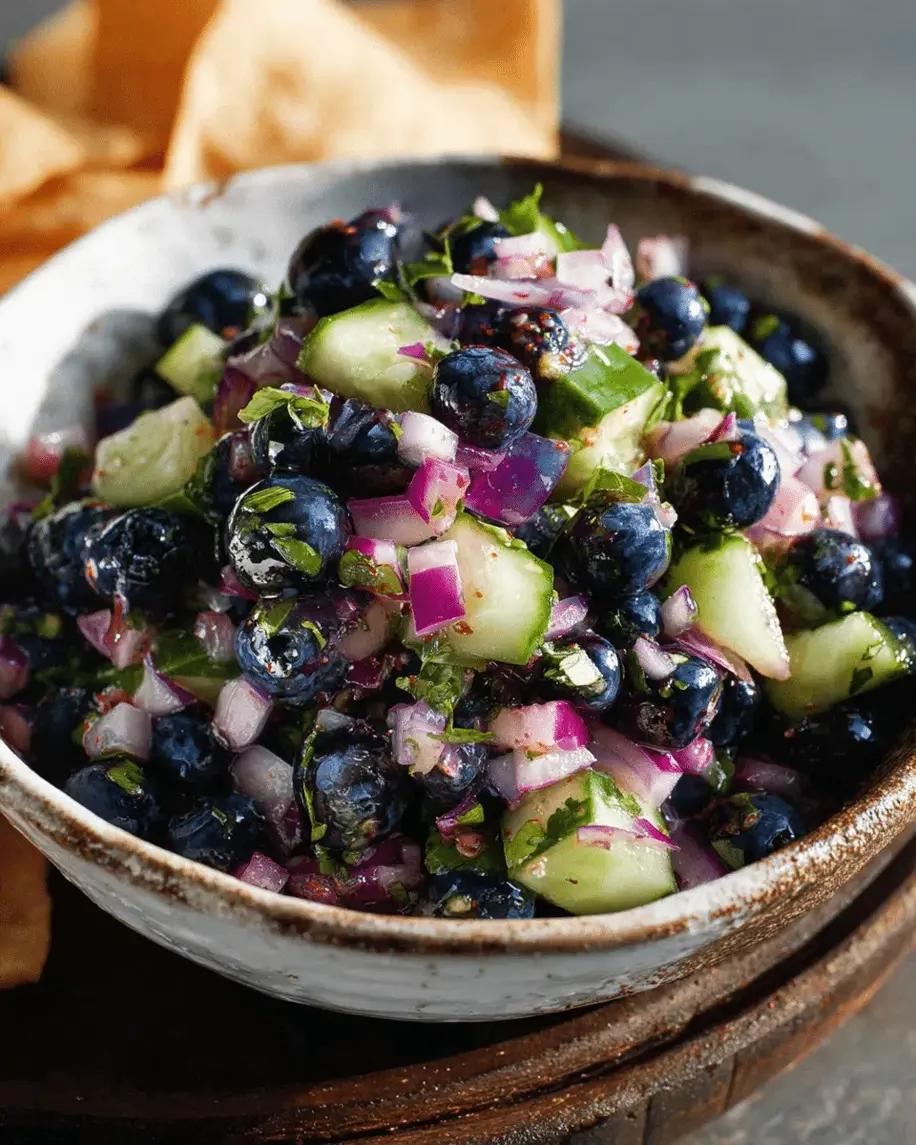
“`html

Bang Bang Cajun Salmon Delights: A Flavorful Twist on a Classic Favorite – Crispy, Spicy, and Irresistible

⚖️
Difficulty
Easy
⏲️
Prep Time
15 mins
🕒
Cook Time
10 mins
⏱️
Total Time
25 mins
🍽️
Servings
4 servings

I still remember the first time I had bang bang shrimp at a little seafood joint in New York City — that creamy, spicy, sweet sauce was like nothing I had ever tasted. Growing up in Morocco, my mother used to make crispy fish bites with a harissa-laced sauce that had a similar kick, and in Paris, my chef instructor taught me the importance of balance: acid, heat, fat, and salt working in harmony. When I created this Bang Bang Cajun Salmon recipe, I wanted to bring all those influences together — the bold heat of North Africa, the technique of French frying, and the unmistakable energy of NYC street food. The result? These Bang Bang Cajun Salmon Delights: a flavorful twist on a classic favorite that delivers a perfect crunch with every bite.

Picture this: golden-brown cubes of salmon, each one encased in a light, shatteringly crispy coating that gives way to tender, flaky fish inside. The first bite brings a whisper of heat from the Cajun seasoning — paprika, cayenne, garlic, and onion mingling together — followed immediately by the cool, creamy, slightly sweet bang bang sauce that drapes over every piece. The contrast of temperatures and textures is what makes this easy Cajun salmon recipe so addictive. I love how the cornstarch in the breading creates that delicate crunch without feeling greasy, and the buttermilk tenderizes the salmon ever so slightly, keeping it moist even after a quick fry. Sprinkle with green onions and sesame seeds, and you have a dish that looks as stunning as it tastes.

What makes my version of this spicy salmon appetizer truly stand out is the double-coating method I picked up in a Parisian bistro — a buttermilk dip followed by a seasoned flour-cornstarch blend that stays put during frying. No sad, bare patches of fish here. I also insist on using sweet chili sauce in the bang bang sauce rather than just Sriracha and mayo; that fruity sweetness is the secret to making the sauce crave-worthy. 💡 mia’s Pro Tip: Pat the salmon cubes dry before dipping — moisture is the enemy of a crispy crust. One common mistake I see home cooks make is overcrowding the pan, which drops the oil temperature and results in soggy, greasy bites. Fry in small batches and keep that oil at 350°F for guaranteed golden perfection.

Why This Bang Bang Cajun Salmon Recipe Is the Best

The Flavor Secret. The magic of these Cajun salmon bites recipe lies in the layering of flavors. I start with a robust Cajun seasoning blend that has just the right amount of heat — think smoked paprika, garlic, onion, oregano, and a touch of cayenne. That spice mixture gets incorporated directly into the flour coating, so every bite is seasoned from the outside in. Then comes the bang bang sauce: a silky emulsion of mayo, sweet chili sauce, Sriracha, honey, and rice vinegar. The honey adds a floral sweetness that mellows the heat, while the rice vinegar brightens everything up. It’s the same principle I learned in Morocco — balance the fire with something sweet and something sour, and your palate will sing.

Perfected Texture. I tested this spicy salmon appetizer six times before I got the crust exactly right. The winning combination is a 50/50 split of all-purpose flour and cornstarch. The cornstarch is the key — it fries up lighter and crispier than flour alone, giving you that delicate, almost lacy crunch that shatters when you bite into it. The buttermilk step is non-negotiable: its acidity tenderizes the salmon while helping the coating adhere. I fry at a steady 350°F, using a thermometer every time, because even a 25-degree drop can mean the difference between crispy and greasy. Drain on a wire rack instead of paper towels if you want the coating to stay audibly crunchy.

Foolproof & Fast. From start to finish, this easy Cajun salmon recipe takes just 25 minutes — and most of that is hands-off frying time. It’s a weeknight hero recipe that also doubles as a showstopper for game day or a casual dinner party. I’ve taught this recipe to friends who had never fried fish before, and every single one of them nailed it on the first try. The ingredient list is short and pantry-friendly, the technique is forgiving, and the payoff is enormous. Whether you serve it as an appetizer, over a salad, or with rice and veggies, these salmon bites deliver restaurant-quality results with home-cooked warmth.

Bang Bang Cajun Salmon Recipe Ingredients

Every time I walk through the fish section at the Union Square Greenmarket in NYC, I can’t help but think of the spice souks in Marrakech and the bustling seafood stalls along the French Riviera. For this Bang Bang Cajun salmon recipe, I look for the freshest wild-caught salmon I can find — bright orange, firm to the touch, with a clean ocean scent. The rest of the ingredients are simple pantry staples, but each one plays a critical role in building that signature flavor and texture. Here’s everything you’ll need.

Ingredients List

  • 1 lb salmon fillet, skin removed and cut into 1-inch cubes
  • 1 cup buttermilk
  • 1 cup all-purpose flour
  • 1/2 cup cornstarch
  • 2 tbsp Cajun seasoning
  • 1 tsp salt
  • 1/2 tsp black pepper
  • 1/2 tsp garlic powder
  • 1/2 tsp onion powder
  • Vegetable oil for frying
  • For the Bang Bang Sauce:
  • 1/2 cup mayonnaise
  • 2 tbsp sweet chili sauce
  • 1 tbsp Sriracha (or to taste)
  • 1 tbsp honey
  • 1 tsp rice vinegar
  • For garnish:
  • Chopped green onions
  • Sesame seeds

Ingredient Spotlight

Salmon. The star of the show. I prefer wild-caught salmon for its firmer texture and richer flavor, but farmed Atlantic salmon works beautifully too — it’s a bit more buttery and forgiving if you’re new to frying fish. Look for fillets that are evenly thick so your cubes cook at the same rate. If the fillet has the skin on, simply remove it with a sharp knife or ask your fishmonger to do it for you. For a tested substitution, you can use halibut or cod; both are mild, flaky, and hold up well to frying.

Buttermilk. This is my secret tenderizer. The lactic acid in buttermilk gently breaks down the proteins in the salmon, keeping it moist and preventing it from drying out during the short fry time. It also helps the flour mixture cling to every nook and cranny. If you don’t have buttermilk, whisk 1 cup of whole milk with 1 tablespoon of lemon juice or white vinegar and let it sit for 5 minutes — it will thicken and curdle slightly, mimicking the real thing perfectly.

Cajun Seasoning. I make my own blend using smoked paprika, garlic powder, onion powder, dried oregano, cayenne pepper, and a touch of thyme. It’s smokier and more aromatic than store-bought versions. My favorite brand from the store is Slap Ya Mama for its balanced heat and salt levels. If you want to dial up the spice, add an extra pinch of cayenne or a dash of hot paprika — just be mindful that the bang bang sauce already brings some heat from the Sriracha.

Sweet Chili Sauce. This is what gives the bang bang sauce its signature sweet-tangy profile. I use Mae Ploy brand — it has the perfect consistency, not too thick and not too runny, with visible chili flakes that add a pop of color. If you can’t find sweet chili sauce, substitute with 1 tablespoon of honey mixed with 1 tablespoon of ketchup and a splash of red pepper flakes; the flavor won’t be exactly the same, but it will still be delicious.

Original IngredientBest SubstitutionFlavor / Texture Impact
Salmon filletHalibut, cod, or arctic charMilder flavor; slightly firmer or flakier texture depending on choice
ButtermilkWhole milk + 1 tbsp lemon juice (let sit 5 min)Slightly less tangy; tenderizing effect is nearly identical
Cajun seasoningBlackening seasoning or 2 tsp smoked paprika + 1 tsp garlic powder + 1/2 tsp cayenneSmokier or more herbal; adjust salt levels accordingly
Sweet chili sauce1 tbsp honey + 1 tbsp ketchup + pinch red pepper flakesThicker, less complex sweetness; still tasty

How to Make Bang Bang Cajun Salmon Delights — Step-by-Step

Trust me when I say this: if you can whisk a sauce and drop pieces of fish into hot oil, you can absolutely nail this recipe. Let me walk you through each step with the same care I’d use in my own NYC kitchen.

Step 1: Make the Bang Bang Sauce

In a small bowl, whisk together 1/2 cup mayonnaise, 2 tablespoons sweet chili sauce, 1 tablespoon Sriracha (use 2 if you like it fiery), 1 tablespoon honey, and 1 teaspoon rice vinegar. The sauce should be smooth, pale pink, and slightly opaque. Taste it — the balance should be creamy first, then sweet, then gently spicy at the end. Cover and refrigerate while you prepare the salmon. This sauce can be made up to three days ahead and actually gets better as the flavors meld.

💡 mia’s Pro Tip: For an ultra-smooth sauce, let it rest for 10 minutes after whisking to allow the honey and chili sauce to fully incorporate. Give it one more stir before serving.

Step 2: Set Up the Dredging Station

Pour 1 cup buttermilk into a shallow dish. In a separate shallow dish, whisk together 1 cup all-purpose flour, 1/2 cup cornstarch, 2 tablespoons Cajun seasoning, 1 teaspoon salt, 1/2 teaspoon black pepper, 1/2 teaspoon garlic powder, and 1/2 teaspoon onion powder. I like to use a fork to make sure there are no lumps of flour or seasoning. Line a plate with parchment paper for the coated pieces. This mise en place setup makes the process smooth and stress-free.

⚠️ Common Mistake to Avoid: Don’t skip the cornstarch! Using only flour will give you a dense, bready crust instead of the light, crispy coating we’re after. The cornstarch is what creates that delicate shatter.

Step 3: Coat the Salmon

Cut 1 lb of salmon (skin removed) into 1-inch cubes. Pat them dry with paper towels — this step is crucial for adhesion. Working with a few cubes at a time, dip each piece into the buttermilk, letting any excess drip off. Then transfer to the flour mixture and toss gently to coat, pressing the mixture lightly onto all sides. Place the coated pieces on the parchment-lined plate. Repeat until all salmon is coated. Don’t let the coated pieces sit for more than 10 minutes before frying, or the moisture from the buttermilk will start to break down the crust.

💡 mia’s Pro Tip: Use one hand for wet ingredients and the other for dry to avoid turning your fingers into lumps of batter. It’s a small trick that makes a big difference in clean-up and efficiency.

Step 4: Heat the Oil

Pour about 2 inches of vegetable oil into a deep skillet, Dutch oven, or heavy-bottomed pot. Heat the oil to 350°F (175°C). I highly recommend using a kitchen thermometer — guessing the temperature is the number one reason fried foods turn out greasy or burnt. If you don’t have a thermometer, drop a small cube of bread into the oil; it should sizzle and turn golden brown in about 60 seconds. While the oil heats, line a plate or baking sheet with paper towels or place a wire rack over it for draining.

⚠️ Common Mistake to Avoid: Overcrowding the pan is the fastest way to soggy salmon. The oil temperature drops dramatically when you add too many pieces at once. Fry in batches — I do about 6–8 cubes at a time — and let the oil come back to 350°F between batches.

Step 5: Fry the Salmon

Carefully lower the coated salmon cubes into the hot oil using tongs or a slotted spoon. Fry for 3–4 minutes, turning once halfway through, until the coating is deep golden brown and the salmon is cooked through. The internal temperature should reach 145°F if you want to be precise, but I find that 3–4 minutes at 350°F is consistently perfect for 1-inch cubes. Transfer the fried salmon to the paper towel-lined plate or wire rack to drain. Repeat with the remaining batches.

💡 mia’s Pro Tip: A wire rack set over a baking sheet is better than paper towels for keeping the coating crispy — air circulates underneath and prevents steam from softening the crust. If you use paper towels, blot gently and transfer to a clean plate immediately.

Step 6: Drizzle and Garnish

Arrange the fried salmon bites on a serving platter. Drizzle generously with the bang bang sauce, or serve the sauce on the side for dipping — I love offering both options so guests can control their own heat level. Sprinkle with chopped green onions and sesame seeds for color and texture. Serve immediately while the salmon is still hot and the coating is at its crispiest. This is a dish that waits for no one!

⚠️ Common Mistake to Avoid: Don’t sauce the salmon more than 5 minutes before serving, or the coating will lose its crunch. If you’re serving a crowd, keep the sauce on the side and let everyone drizzle their own.

StepActionDurationKey Visual Cue
1Make sauce5 minutesSmooth, pale pink, opaque
2Dredge salmon8 minutesEvenly coated, no bare spots
3Heat oil5–8 minutes350°F on thermometer; bread cube sizzles and browns in 60 sec
4Fry salmon3–4 minutes per batchDeep golden brown; salmon flakes easily
5Drain and garnish2 minutesCrispy coating; sauce drizzled; green onions and sesame seeds scattered

Serving & Presentation

I love serving these Bang Bang Cajun Salmon Delights as a show-stopping appetizer for gatherings — they disappear faster than I can fry them. Arrange the crispy bites on a large wooden board or a white platter for maximum contrast. Drizzle the bang bang sauce in a zigzag pattern over the top, then shower with chopped green onions and toasted sesame seeds. A few lime wedges on the side not only add a pop of color but also let guests brighten each bite with a squeeze of citrus if they want. For a touch of NYC flair, I sometimes serve them in small paper cones lined with parchment — it’s fun, casual, and perfect for cocktail parties.

These salmon bites are incredibly versatile. I often serve them as the main protein over a bed of coconut rice with a side of steamed broccoli for a weeknight dinner that comes together in under 30 minutes. They also shine on top of a crisp green salad with avocado, cucumber, and a light lime vinaigrette — the creamy sauce doubles as the dressing. For game day, pair them with cold beer or a tangy lemonade, and watch them disappear. My mother would have served these with a side of warm pita and her minty yogurt dip, and honestly, that combination is still one of my favorites.

Pairing TypeSuggestionsWhy It Works
Side DishCoconut rice, steamed broccoli, crispy green saladNeutral bases let the spicy-sweet salmon shine; fresh veggies add crunch
Sauce / DipExtra bang bang sauce, lime crema, mint yogurt dipCool, creamy sauces balance the heat; yogurt adds a tangy Moroccan twist
BeverageCold lager, sparkling lemonade, crisp Sauvignon BlancBubbles and acidity cut through the richness and refresh the palate
GarnishGreen onions, sesame seeds, lime wedges, fresh cilantroAdds color, freshness, and a pop of bright flavor

Make-Ahead, Storage & Reheating

Between my recipe development and my busy NYC schedule, I’m all about smart meal prep. These Bang Bang Cajun Salmon Delights are best enjoyed fresh and hot, but you can absolutely get ahead with a few smart strategies. The bang bang sauce can be made up to 3 days in advance and stored in an airtight container in the fridge. You can also coat the salmon cubes up to 2 hours ahead — just keep them on a parchment-lined tray in the refrigerator, uncovered, so the coating stays dry. When you’re ready to eat, simply fry as directed.

MethodContainerDurationReheating Tip
RefrigeratorAirtight container with paper towel liningUp to 2 daysReheat in a 375°F oven or air fryer for 5–7 minutes to restore crispness
FreezerFreezer-safe bag or container, layered with parchmentUp to 2 monthsReheat from frozen at 400°F for 10–12 minutes; do not microwave
Make-AheadCoated salmon on parchment-lined tray, uncoveredUp to 2 hours before fryingPat coating dry with paper towel if any moisture has formed before frying

If you have leftover fried salmon (lucky you!), the best way to bring back the crunch is in the oven or air fryer. Microwaving will make the coating soggy and the salmon rubbery — I’ve tested it so you don’t have to. Arrange the leftovers on a wire rack over a baking sheet and reheat at 375°F for 5–7 minutes. The wire rack allows hot air to circulate, crisping the coating on all sides. If the salmon seems a bit dry, brush it lightly with a little melted butter or extra sauce before reheating. And remember: always store the sauce separately and add it fresh after reheating for the best texture.

Variations & Easy Swaps

One of the things I love most about this easy Cajun salmon recipe is how adaptable it is. Over the years, I’ve developed several variations that keep the dish exciting while respecting the original flavors. Whether you’re cooking for dietary needs, seasonal ingredients, or just a craving for something different, there’s a version here for you.

VariationKey ChangeBest ForDifficulty Impact
Air Fryer VersionCook at 400°F for 10–12 minutes instead of fryingLighter texture, less oil, hands-off cookingEasier — no oil temperature to manage
Harissa Bang BangReplace Sriracha with harissa pasteNorth African spice lovers, deeper smoky heatSame — just swap the chili element
Gluten-Free VersionUse 1 cup almond flour + 1/2 cup tapioca starch instead of flour/cornstarchGluten-free guests without sacrificing crunchSlightly trickier — almond flour browns faster

Air Fryer Version

If you want all the crispy, spicy goodness with less oil, the air fryer is your best friend. Preheat your air fryer to 400°F. Lightly spray the coated salmon cubes with cooking oil — I use avocado oil spray for its high smoke point — and arrange them in a single layer in the basket, leaving a little space between each piece. Cook for 10–12 minutes, shaking the basket halfway through, until the coating is golden and the salmon is cooked through. The texture won’t be quite as shatteringly crispy as deep-fried, but it comes impressively close, and the cleanup is a breeze. I often use this method when I’m cooking for myself on a busy weeknight.

Gluten-Free & Dairy-Free Version

I developed this version for a friend who has celiac disease, and it turned out so well that I now make it regularly. Swap the all-purpose flour for 1 cup of almond flour and replace the cornstarch with 1/2 cup of tapioca starch or potato starch. The almond flour adds a nutty richness that pairs beautifully with the Cajun seasoning. For the buttermilk, use 1 cup of unsweetened almond milk or oat milk mixed with 1 tablespoon of lemon juice — let it sit for 5 minutes to thicken. The coating will be slightly more delicate, so handle the cubes gently during dredging. Fry at the same temperature, but reduce the cooking time by about 30 seconds since almond flour browns faster. The result is a wonderfully crispy, nutty crust that everyone at the table will love.

Mango Habanero Twist

On summer weekends, when I’m browsing the stalls at the NYC farmers market and see ripe mangoes, I can’t resist making this tropical variation. Replace the sweet chili sauce in the bang bang sauce with 3 tablespoons of mango purée (blended from fresh or frozen mango) and add 1 finely minced habanero pepper (seeds removed unless you want serious heat). The mango adds a sunny sweetness that complements the Cajun spice beautifully, and the habanero brings a fruity, slow-building heat that’s entirely different from Sriracha. For the garnish, add fresh cilantro and thinly sliced jalapeño for extra color and kick. This version is a showstopper at summer barbecues and pairs perfectly with a cold margarita.

What is the best way to get a crispy coating on Bang Bang Cajun Salmon Delights?

The key to an impeccably crispy coating lies in three things: a 50/50 blend of flour and cornstarch, a buttermilk dip for adhesion, and maintaining the oil at a steady 350°F. The cornstarch is what creates that light, shatteringly crisp texture — flour alone will give you a denser, breadier crust. Pat the salmon cubes dry before dipping to remove surface moisture, then let any excess buttermilk drip off before coating. After dredging, let the coated pieces rest on a parchment-lined tray for about 5 minutes so the coating sets. Finally, fry in small batches to avoid dropping the oil temperature, and drain on a wire rack instead of paper towels to keep the bottom from steaming. Follow these steps, and you’ll get that golden, crunchy shell every time.

Can I use a different type of fish instead of salmon for this recipe?

Absolutely — this easy Cajun salmon recipe is wonderfully adaptable. Halibut, cod, arctic char, and even firm white fish like mahi-mahi or sea bass all work beautifully. Halibut and cod have a mild, flaky texture that absorbs the Cajun seasoning well, while arctic char is closer to salmon in fat content and richness. If using a leaner fish like cod, reduce the frying time by about 30 seconds to prevent dryness. For a more indulgent twist, try it with swordfish or tuna — both are meaty and hold up exceptionally well to frying. Just remember to cut whatever fish you choose into uniform 1-inch cubes for even cooking. The bang bang sauce pairs beautifully with any of these options.

How do you make the sauce for Bang Bang Cajun Salmon Delights less spicy?

It’s easy to dial back the heat without losing the sauce’s signature flavor. Start by reducing the Sriracha to just 1 teaspoon instead of 1 tablespoon, or omit it entirely if you prefer a completely mild sauce. Increase the sweet chili sauce to 3 tablespoons to compensate for the lost volume and sweetness. You can also add an extra tablespoon of mayonnaise to make the sauce creamier and further dilute the heat. For a kid-friendly version, I sometimes use 1/4 cup of mayonnaise, 2 tablespoons of sweet chili sauce, 1 tablespoon of honey, and 1 teaspoon of rice vinegar — no Sriracha at all. The sauce will still be tangy, sweet, and delicious, just without the kick. Taste as you go and adjust to your preference.

How long should you cook Bang Bang Cajun Salmon Delights in the air fryer versus the oven?

For the air fryer, preheat to 400°F, lightly spray the coated salmon cubes with oil, and cook for 10–12 minutes, shaking the basket halfway through. The exact time depends on the size of your cubes and your air fryer model, but start checking at 10 minutes — the coating should be golden and the salmon should flake easily. For the oven, preheat to 425°F, arrange the coated cubes on a wire rack set over a baking sheet (this is crucial for airflow), spray lightly with oil, and bake for 14–16 minutes, flipping once at the 8-minute mark. The oven method takes a bit longer and won’t get quite as crispy as the air fryer, but both are excellent alternatives to deep-frying. I personally love the air fryer version for its speed and texture.

Can I bake Bang Bang Cajun Salmon Delights instead of frying?

Yes, baking is a great lighter alternative that still delivers delicious results. Preheat your oven to 400°F and line a baking sheet with parchment paper or a silicone mat. Place a wire rack on top of the baking sheet for the best airflow. Arrange the coated salmon cubes on the rack, making sure they’re not touching. Lightly spray or brush them with oil to help them brown. Bake for 15–18 minutes, flipping once halfway through, until the coating is golden and the salmon reaches an internal temperature of 145°F. The texture will be less crunchy than fried or air-fried, but the flavor will still be fantastic. For extra crispiness, broil for the last 1–2 minutes, watching carefully to prevent burning.

What should I serve with Bang Bang Cajun Salmon Delights for a complete meal?

These spicy salmon appetizer bites are incredibly versatile and pair well with a wide range of sides. For a light meal, serve them over a bed of mixed greens with avocado, cucumber, and a lime vinaigrette — the creamy bang bang sauce doubles as the dressing. For something more substantial, coconut rice or jasmine rice with steamed broccoli or asparagus makes a perfect base. I also love serving them with warm corn tortillas, shredded cabbage, and a drizzle of extra sauce for makeshift fish tacos. For a true NYC-style spread, add a side of crispy French fries or sweet potato wedges and a cold dipping sauce like ranch or blue cheese. The key is to balance the richness of the salmon with something fresh and bright.

How do I store leftovers and reheat them without losing the crispiness?

Leftover Bang Bang Cajun Salmon Delights should be stored in an airtight container lined with a paper towel to absorb excess moisture. Keep the sauce separate — never store sauced leftovers, as the coating will turn soggy. In the refrigerator, they’ll keep for up to 2 days. For the best reheating results, skip the microwave entirely. Instead, reheat in a 375°F oven or air fryer for 5–7 minutes. Place the bites on a wire rack over a baking sheet so hot air circulates around them, restoring that crispness. If using an air fryer, spray them very lightly with oil before reheating. For frozen leftovers (up to 2 months), reheat directly from frozen at 400°F for 10–12 minutes. The texture won’t be quite as perfect as fresh, but it’s still delicious.

Can I make the bang bang sauce ahead of time?

Absolutely — the bang bang sauce is actually better when made ahead because the flavors have time to meld and deepen. You can prepare it up to 3 days in advance and store it in an airtight container in the refrigerator. Simply whisk together all the sauce ingredients — mayonnaise, sweet chili sauce, Sriracha, honey, and rice vinegar — and refrigerate. Before serving, give it a good stir, as the ingredients may separate slightly as they sit. If the sauce is too thick after chilling, add a few drops of warm water or an extra splash of rice vinegar to loosen it to drizzling consistency. I often double the sauce recipe because it’s also fantastic as a dip for fries, spring rolls, or grilled chicken.

What is the difference between bang bang sauce and regular spicy mayo?

While both sauces are mayonnaise-based, bang bang sauce has a distinctly sweeter and more complex flavor profile thanks to the addition of sweet chili sauce and honey. Regular spicy mayo is typically just mayonnaise mixed with Sriracha or hot sauce — it’s straightforward, spicy, and tangy. Bang bang sauce, on the other hand, balances the heat from Sriracha with the fruity sweetness of sweet chili sauce and the floral notes of honey. Rice vinegar adds a mild acidity that brightens everything. The result is a sauce that’s creamy, sweet, tangy, and spicy all at once, with a thinner consistency than spicy mayo. It’s closer to the sauce served at popular seafood chains, and it pairs perfectly with crispy fried fish, shrimp, or chicken.

Is this Bang Bang Cajun Salmon recipe suitable for meal prep?

Yes, with a few smart strategies. I recommend prepping the components separately rather than fully cooking everything in advance. Make the bang bang sauce up to 3 days ahead and store it in the fridge. You can also coat the raw salmon cubes up to 2 hours before frying — keep them on a parchment-lined tray in the refrigerator, uncovered, so the coating stays dry. When you’re ready to eat, simply fry or air-fry as directed. If you want to cook everything in advance, fully cooked salmon bites will keep in the fridge for up to 2 days, but reheat them in the oven or air fryer to restore crispness. I often prep the sauce and coating mixture over the weekend, then fry fresh on weeknights for a quick, satisfying dinner that tastes like it took much more effort than it did.

Share Your Version!

I absolutely love hearing how this Bang Bang Cajun Salmon recipe turns out in your kitchen. Did you add extra heat? Serve it over something creative? Make it for a special occasion? Drop a star rating and a comment below — I read every single one and it honestly makes my day. If you share a photo on Instagram or Pinterest, tag @exorecipes so I can see your beautiful creation and maybe even feature it on my stories. And if you tried the air fryer version or the gluten-free swap, I’d love to know how it went — your feedback helps other home cooks decide which path to take.

One question I always ask my readers: what’s your favorite way to serve these bites — as an appetizer, a main course, or in tacos? I’m genuinely curious and I love swapping ideas with this community. From my NYC kitchen to yours — I hope this recipe brings as much warmth to your table as it does to mine. — mia 🧡

📌

Love This Recipe? Save It to Pinterest!

If you enjoyed this Bang Bang Cajun Salmon Delights recipe, don’t let it get lost in your browser tabs! 😄 Pin it now so you can find it again anytime — and explore hundreds more tried-and-tested recipes waiting for you on my Pinterest boards.

👉 Follow mia on Pinterest @exorecipes

📌 Pin this recipe · 🔁 Re-pin your favorites · 💬 Tag me when you make it — I love seeing your creations!

“`

Print

clock clock iconcutlery cutlery iconflag flag iconfolder folder iconinstagram instagram iconpinterest pinterest iconfacebook facebook iconprint print iconsquares squares iconheart heart iconheart solid heart solid icon

Bang Bang Cajun Salmon Delights: A Flavorful Twist on a Classic Favorite

  • Author: Chef Mia
  • Prep Time: 15 minutes
  • Cook Time: 10 minutes
  • Total Time: 25 minutes
  • Yield: 4 servings 1x
  • Method: Appetizer
  • Cuisine: Cajun-inspired

Description

These Bang Bang Cajun Salmon Delights are a flavorful twist on a classic favorite, featuring crispy salmon bites coated in a spicy Cajun seasoning and drizzled with a creamy bang bang sauce.


Ingredients

Scale
  • 1 lb salmon fillet, skin removed and cut into 1-inch cubes
  • 1 cup buttermilk
  • 1 cup all-purpose flour
  • 1/2 cup cornstarch
  • 2 tbsp Cajun seasoning
  • 1 tsp salt
  • 1/2 tsp black pepper
  • 1/2 tsp garlic powder
  • 1/2 tsp onion powder
  • Vegetable oil for frying
  • For the Bang Bang Sauce:
  • 1/2 cup mayonnaise
  • 2 tbsp sweet chili sauce
  • 1 tbsp Sriracha (or to taste)
  • 1 tbsp honey
  • 1 tsp rice vinegar
  • For garnish:
  • Chopped green onions
  • Sesame seeds

Instructions

  1. Prepare the bang bang sauce: In a small bowl, whisk together mayonnaise, sweet chili sauce, Sriracha, honey, and rice vinegar. Set aside.
  2. In a shallow dish, combine buttermilk. In another shallow dish, whisk together flour, cornstarch, Cajun seasoning, salt, pepper, garlic powder, and onion powder.
  3. Dip each salmon cube into the buttermilk, then coat with the flour mixture, pressing gently to adhere. Place on a plate.
  4. Heat about 2 inches of vegetable oil in a deep skillet or pot to 350°F (175°C).
  5. Fry the salmon cubes in batches, being careful not to overcrowd, for 3-4 minutes until golden brown and cooked through. Drain on paper towels.
  6. Drizzle the fried salmon with the bang bang sauce, or serve the sauce on the side. Garnish with chopped green onions and sesame seeds. Serve immediately.

Notes

For extra heat, add more Sriracha or a pinch of cayenne to the breading. You can also bake the salmon at 400°F for 15 minutes instead of frying for a lighter version.


Nutrition

  • Calories: 420
  • Sugar: 8g
  • Fat: 26g
  • Carbohydrates: 28g
  • Protein: 22g


Bang Bang Cajun Salmon Delights: A Flavorful Twist on a Classic Favorite

k">

Tried This Recipe? Leave a Comment!

Did you make this recipe? I’d love to hear how it turned out! Please leave a comment and a rating below. Your feedback helps other home cooks and supports cheerychop.com!
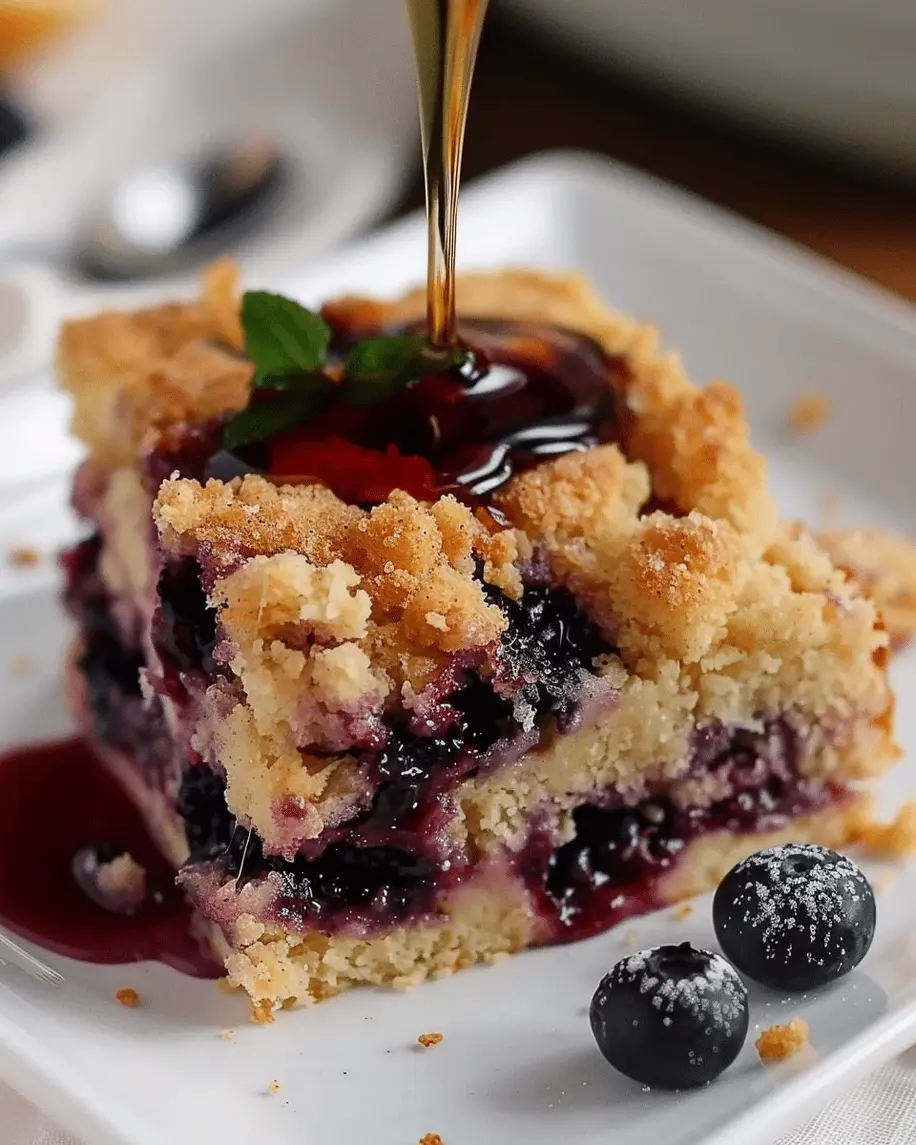
For more delicious inspiration, follow me on Pinterest!

Bang Bang Cajun Salmon Delights: A Flavor-Packed Dish with Crispy, Creamy Perfection

⚖️
Difficulty
Easy
⏲️
Prep Time
10 mins
🕒
Cook Time
10 mins
⏱️
Total Time
20 mins
🍽️
Servings
4

When I first made these Bang Bang Cajun Salmon Delights in my tiny New York City kitchen, I was instantly transported back to my mother’s kitchen in Morocco, where bold spices and creamy sauces danced together on every plate. This easy Cajun salmon recipe is everything I love about modern cooking: lightning-fast, deeply flavorful, and completely irresistible. The combination of crispy, golden salmon bites with that luscious Bang Bang sauce is pure magic — and you can have it on the table in under 20 minutes.

Imagine biting into a perfectly crunchy piece of salmon, its Cajun-spiced crust giving way to tender, flaky fish, all wrapped in a creamy, sweet-and-spicy Bang Bang sauce that clings to every nook. The aroma alone — smoky paprika, garlic, and a whisper of cayenne — will fill your kitchen and make everyone wander in asking what’s for dinner. I love the contrast of textures: the crackle of the cornstarch coating, the lush sauce, and the fresh bite of green onions on top. It’s a dish that feels both indulgent and light.

What sets this Bang Bang Cajun Salmon recipe apart is the technique I learned during my pastry training in Paris: a light dusting of cornstarch before pan-frying guarantees an ultra-crisp crust that stays crunchy even after tossing in the sauce. The Cajun seasoning is my own blend — inspired by the spice markets of Marrakech but adapted for American pantries. I’ll also share my foolproof way to keep the salmon moist and flaky every single time. No dry fish here, promise!

Why This Bang Bang Cajun Salmon Recipe Is the Best

The Flavor Secret – The magic lies in the collision of two worlds: the warm, earthy heat of Cajun spices (think smoked paprika, garlic powder, onion powder, thyme, and cayenne) and the creamy, sweet-heat of Bang Bang sauce. I’ve balanced the sauce with a touch of honey and rice vinegar to cut through the richness, just like I used to balance tagines with preserved lemons back in Morocco.

Perfected Texture – Using cornstarch instead of flour creates a delicate, shatteringly crisp coating that doesn’t go soggy. I pan-fry in a well-heated cast-iron skillet (a trick from my Paris days) so the salmon gets golden in minutes. The sauce is added off the heat, preserving that crunch.

Foolproof & Fast – This recipe works beautifully for beginners because every step is straightforward. The total time is just 20 minutes — perfect for a busy weeknight or an impressive appetizer for guests. Plus, the ingredients are easy to find at any American grocery store. You’ll feel like a pro chef with minimal effort.

Bang Bang Cajun Salmon Recipe Ingredients

When I shop for these ingredients, I head to the Union Square Greenmarket for the freshest salmon, then stop by a little spice shop in Chelsea Market for the perfect Cajun blend. The simplicity of this list always reminds me of how a few quality ingredients can create something spectacular.

Ingredients List

  • 1½ lbs skinless salmon fillet, cut into 1-inch cubes
  • 2 tablespoons Cajun seasoning (store-bought or homemade)
  • 3 tablespoons cornstarch
  • 2 tablespoons neutral oil (avocado or canola) for frying
  • ½ cup mayonnaise (preferably full-fat)
  • 3 tablespoons sweet chili sauce
  • 1 tablespoon sriracha (adjust to taste)
  • 1 tablespoon honey
  • 1 teaspoon rice vinegar (or lime juice)
  • Sliced green onions and sesame seeds for garnish (optional)

Ingredient Spotlight

Salmon – The star of the show. Look for wild-caught salmon if possible — it has a firmer texture and richer flavor. At the store, choose fillets that are bright orange-pink, moist, and smell like the ocean (not fishy). If you can’t find skinless, just remove the skin before cutting; it’s easier to do with a sharp knife. Substitution: Any firm, fatty fish like arctic char or trout works beautifully.

Cajun Seasoning – This is the backbone of the flavor. I recommend making a small batch yourself to control the heat and salt. Combine 2 tbsp smoked paprika, 1½ tsp garlic powder, 1½ tsp onion powder, 1 tsp dried thyme, 1 tsp dried oregano, ½ tsp cayenne, ½ tsp black pepper, and ½ tsp salt. Store in a jar. Substitution: Store-bought blends like Tony Chachere’s or Slap Ya Mama are great — just watch the salt level.

Cornstarch – The secret to that crackly crust. Cornstarch fries up much crispier than flour because it has less protein and absorbs less oil. Substitution: Potato starch or rice flour will also work, giving a similar crunchy texture. Avoid all-purpose flour unless you prefer a denser coating.

Bang Bang Sauce Base – Mayonnaise + sweet chili sauce + sriracha is the classic trio. I add a touch of honey and rice vinegar to brighten it. The sauce is incredibly versatile — you’ll want to put it on everything. Substitution: For a dairy-free version, use vegan mayo; the flavor is still spot-on.

Original IngredientBest SubstitutionFlavor / Texture Impact
SalmonArctic char, trout, or mahi-mahiSlightly milder flavor but equally flaky; adjust cooking time.
Cajun seasoning (homemade)Store-bought Cajun or blackening seasoning blendCan be saltier; reduce added salt in recipe.
CornstarchPotato starch or rice flourComparable crunch; rice flour gives a slightly lighter crust.
MayonnaiseVegan mayo or Greek yogurt (for lighter sauce)Greek yogurt makes sauce tangier and thinner; vegan mayo works perfectly.

How to Make Bang Bang Cajun Salmon — Step-by-Step

Follow these simple steps and you’ll have restaurant-quality spicy salmon bites without any fuss. I’ve broken it down so even first-timers get perfect results.

Step 1: Prepare the Salmon

Pat the salmon cubes dry with paper towels — this is crucial for a crisp coating. In a bowl, toss the salmon with 2 tablespoons Cajun seasoning until evenly coated. Then add the cornstarch and gently toss again to coat every piece. The cornstarch will cling to the seasoning, creating a thin crust.

💡 mia’s Pro Tip: Use your hands to toss — a spoon can break the delicate salmon pieces. Work gently, and don’t let the fish sit too long in the cornstarch or it will get gummy.

Step 2: Make the Bang Bang Sauce

In a small bowl, whisk together mayonnaise, sweet chili sauce, sriracha, honey, and rice vinegar until smooth. Taste and adjust spiciness — add more sriracha for heat, or more honey for sweetness. Set aside.

⚠️ Common Mistake to Avoid: Don’t add the sauce to the hot pan — it can separate and thin out. Always toss the cooked salmon with the sauce in a separate bowl off the heat.

Step 3: Fry the Salmon

Heat 2 tablespoons of oil in a large non-stick or cast-iron skillet over medium-high heat until shimmering. Carefully place the salmon cubes in a single layer (work in batches if needed). Cook for 2-3 minutes per side, until golden brown and crispy. The salmon should be just cooked through — about 6-7 minutes total for 1-inch cubes.

💡 mia’s Pro Tip: Use a thermometer for perfect doneness — the FDA recommends 145°F, but I prefer to pull them at 135-140°F for moist, flaky fish (the temperature will rise slightly off heat).

Step 4: Toss and Serve

Transfer the hot salmon to a large bowl. Pour the Bang Bang sauce over the top and gently toss with a spatula until every piece is coated. Garnish with sliced green onions and sesame seeds. Serve immediately while still warm and crunchy.

⚠️ Common Mistake to Avoid: Over-tossing can knock off the crispy coating. Use a gentle folding motion and serve right away — the sauce will start to soften the crust after 10-15 minutes.

StepActionDurationKey Visual Cue
1Toss salmon with Cajun seasoning & cornstarch2 minsCubes evenly coated with a dusty white layer (cornstarch)
2Whisk sauce ingredients together2 minsSmooth, pale orange-cream color
3Pan-fry salmon cubes6–7 minsDeep golden brown on all sides; salmon flakes easily with fork
4Toss with sauce & garnish1 minEach piece evenly glazed; green onions bright against the sauce

Serving & Presentation

I love serving these Bang Bang Cajun Salmon Delights as an appetizer on a platter with toothpicks — they disappear at every party! For a main course, pile the salmon over a bed of steamed jasmine rice or alongside a crisp cucumber salad. The creamy sauce pairs beautifully with cool, crunchy vegetables. In Morocco, we’d serve something like this with crusty bread to soak up every drop of sauce; here in NYC, I often enjoy them in lettuce wraps for a low-carb option.

For a beautiful presentation, spoon the glazed salmon into a shallow white bowl. Sprinkle with sesame seeds and a flurry of green onions, and add a lime wedge for squeezing. The bright colors — coral salmon, white sesame, vibrant green — look stunning. A side of quick-pickled radishes or an herby yogurt dip (like tzatziki) balances the heat wonderfully.

Pairing TypeSuggestionsWhy It Works
Side DishJasmine rice, cilantro-lime slaw, or roasted asparagusRice soaks up sauce; slaw adds crunch; asparagus adds earthiness.
Sauce / DipExtra Bang Bang sauce, garlic aioli, or lime cremaDouble up on creamy heat; aioli adds garlic punch; crema cools.
BeverageCrisp lager, Sauvignon Blanc, or sparkling water with limeBeer cuts richness; wine’s acidity matches sauce; soda refreshes.
GarnishGreen onions, sesame seeds, fresh cilantro, lime wedges, crushed peanutsAdds color, texture, and a nutty or citrus pop to finish.

Make-Ahead, Storage & Reheating

I’m a huge fan of meal prep, especially on Sundays when I get ahead for the busy NYC week. These spicy salmon bites reheat beautifully if you follow a few simple steps. Store the sauce separately from the salmon to keep that crunch intact.

MethodContainerDurationReheating Tip
RefrigeratorAirtight container (salmon separate from sauce)Up to 3 daysReheat salmon in a 350°F oven or air fryer for 4-5 mins; toss with sauce after warming.
FreezerFreezer-safe bag (salmon only, frozen raw or cooked)Up to 2 monthsThaw overnight in fridge; reheat in air fryer at 400°F for 5-6 mins. Sauce made fresh.
Make-AheadSauce can be made up to 5 days ahead; salmon coated and refrigerated raw for up to 1 dayAssemble no more than 30 mins before servingIf coating ahead, toss with cornstarch just before cooking to avoid sogginess.

The single most important tip for reheating: never microwave the salmon — the coating will become rubbery and the fish will overcook. An air fryer or a toaster oven gives you back that beautiful crunch. If you’re in a hurry, you can even pan-fry the leftovers in a little oil for 2 minutes per side.

Variations & Easy Swaps

VariationKey ChangeBest ForDifficulty Impact
Air-Fryer VersionCook in air fryer at 400°F for 8-10 minutesHealthier, less oil, hands-off cookingEasier
Extra SpicyAdd 1 tsp cayenne to seasoning and extra sriracha to sauceHeat lovers who want a real kickEasy
Gluten-Free / Dairy-FreeUse tamari instead of soy (none needed here) and vegan mayoThose with dietary restrictionsEasy

Air-Fryer Version

If you want to cut down on oil, the air fryer is your best friend. Preheat to 400°F (200°C). Toss the coated salmon cubes with 1 tablespoon of oil, then arrange in a single layer in the basket (don’t overcrowd). Cook for 8–10 minutes, shaking halfway through, until golden and crispy. The texture is lighter but still satisfying — like a healthier take on fried fish.

Gluten-Free / Dairy-Free

This recipe is naturally gluten-free as long as you use pure cornstarch (most brands are). For dairy-free, simply swap the mayonnaise for a vegan version — I like Follow Your Heart Vegenaise. The sauce will be just as creamy and tangy. No one will notice the difference, I promise. It’s a great option for entertaining guests with food allergies.

Moroccan Spice Twist

For a taste of my heritage, replace the Cajun seasoning with a Moroccan spice blend: 1 tbsp paprika, 1 tsp cumin, 1 tsp coriander, ½ tsp cinnamon, ½ tsp ginger, and a pinch of cayenne. The warm, sweet spices pair beautifully with the Bang Bang sauce. Serve with couscous and harissa yogurt for a North African–inspired feast. I often make this on chilly NYC evenings to remind me of Marrakech nights.

What is the best way to get a crispy texture on Bang Bang Cajun Salmon?

The secret to an ultra-crispy coating is using cornstarch instead of flour and making sure the salmon is patted completely dry before coating. I always toss the cubes with cornstarch just before frying — if you let it sit, the moisture will make it gummy. Cook in a well-heated skillet with enough oil to lightly coat the bottom (about 2 tablespoons). Don’t overcrowd the pan; work in batches so the temperature stays high. And here’s a game-changer: after frying, let the salmon drain on a wire rack (not paper towels) so steam doesn’t soften the crust. Toss in the sauce just before serving.

Can I use a different type of fish instead of salmon for this recipe?

Absolutely! Any firm, flaky fish works wonderfully. I’ve made this with arctic char (my top pick — it has a similar richness), trout, mahi-mahi, and even thick white fish like cod or halibut. The key is to cut the fish into uniform 1-inch cubes so they cook evenly. Leaner fish like cod will be a bit less rich but still delicious — just watch the cooking time closely because they dry out faster. For a sustainable option, try barramundi or farmed striped bass. Avoid delicate fish like tilapia or sole, which tend to fall apart during frying.

How do you make the Bang Bang sauce from scratch for Cajun Salmon Delights?

My homemade Bang Bang sauce is ridiculously easy and comes together in minutes. In a small bowl, whisk together ½ cup full-fat mayonnaise, 3 tablespoons sweet chili sauce (look for the classic Thai brand), 1 tablespoon sriracha (adjust for heat), 1 tablespoon honey, and 1 teaspoon rice vinegar. That’s it! The vinegar brightens the sauce and cuts the richness. For a thicker sauce, add a little more mayo; for a thinner consistency, add a splash of lime juice. I sometimes add a pinch of garlic powder or a drop of fish sauce for extra umami. Store any leftover sauce in the fridge for up to a week — it’s amazing on chicken wings or spring rolls.

How long should you cook Cajun salmon to keep it moist and flaky?

For 1-inch salmon cubes, cook them for about 6-7 minutes total over medium-high heat — that’s 2-3 minutes per side. The internal temperature should reach 135–140°F (I prefer pulling them at 135°F because they’ll continue cooking off the heat). The fish should be opaque throughout and flake easily with a fork. Overcooking is the number one mistake; once salmon hits 150°F, it starts to release its juices and becomes dry. If you’re using an air fryer, 8–10 minutes at 400°F works perfectly. For larger fillets, adjust the time accordingly — but for these bites, keep it quick!

Can I bake Bang Bang Cajun Salmon instead of frying?

Yes, baking is a great hands-off alternative. Preheat your oven to 425°F (220°C) and line a baking sheet with parchment paper. Toss the coated salmon cubes with 1-2 tablespoons of oil, then spread them in a single layer. Bake for 10–12 minutes, flipping halfway through, until golden and cooked through. The crust won’t be quite as crunchy as pan-frying, but it’s still delicious. For extra crispiness, place the baking sheet on the top rack and switch to broil for the last 1-2 minutes. I use this method when I’m making a big batch for a party.

What can I serve with Bang Bang Cajun Salmon to make it a complete meal?

This dish is incredibly versatile! For a light dinner, I serve it over a bed of mixed greens with a simple vinaigrette or wrapped in butter lettuce leaves with julienned carrots and cucumbers. For something heartier, go with steamed jasmine rice or coconut rice — the sauce is amazing when soaked up by the grains. Roasted vegetables like broccoli, asparagus, or bell peppers also pair beautifully. In the summer, I love a cool cilantro-lime slaw. And don’t forget a wedge of lime or lemon on the side to brighten every bite!

How spicy is this Bang Bang Cajun Salmon recipe?

The heat level is moderate — it has a nice tingle but isn’t overwhelming. The Cajun seasoning brings warmth (thanks to paprika and cayenne) while the Bang Bang sauce has a mild to medium spice from the sriracha and sweet chili sauce. The honey and mayonnaise mellow everything out. If you’re sensitive to heat, you can reduce the cayenne in the seasoning to just a pinch and use only 1 teaspoon of sriracha. For extra heat (my husband’s preference), add a teaspoon of chili garlic paste to the sauce and use more cayenne. The recipe is very adaptable!

Can I make the Bang Bang sauce ahead of time?

Yes, the sauce is perfect for making ahead — it actually gets better as the flavors meld! Whisk it together and store in an airtight container in the refrigerator for up to 5 days. Give it a good stir before using because the ingredients may separate slightly. I often double the sauce recipe and keep it on hand for dipping chicken tenders, drizzling over tacos, or as a dressing for a crunchy Asian slaw. It’s one of those sauces that makes everything taste amazing.

What if I don’t have Cajun seasoning? Can I make a substitute?

Absolutely! You can make a quick DIY Cajun blend with pantry staples. Combine 1 tablespoon smoked paprika, 1 teaspoon garlic powder, 1 teaspoon onion powder, ½ teaspoon dried thyme, ½ teaspoon dried oregano, ½ teaspoon black pepper, ¼ teaspoon cayenne pepper (or more to taste), and ½ teaspoon salt. That’s it! Smoked paprika is essential for that deep, smoky flavor — regular paprika works but won’t have the same depth. If you don’t have all the herbs, just use the paprika, garlic, onion, and cayenne; it will still taste fantastic.

Is this recipe suitable for meal prep?

Yes, with a few smart strategies. You can prep the ingredient components separately: the salmon can be cut and seasoned with Cajun seasoning (without cornstarch) up to a day ahead and stored in the fridge. The Bang Bang sauce can be made 5 days ahead. When you’re ready to cook, just toss the salmon with cornstarch and fry. For fully cooked leftovers, reheat the salmon (without sauce) in an air fryer at 350°F for 3-4 minutes, then toss with fresh sauce. The sauce tends to get watery if reheated with the fish, so always add it fresh.

Share Your Version!

I’d love to see how these Bang Bang Cajun Salmon Delights turn out in your kitchen! Did you stick with the classic recipe or try one of the variations? Drop a star rating and a comment below — your feedback helps fellow home cooks decide what to make.

Snap a photo of your creation and tag me @exorecipes on Instagram or Pinterest. I personally answer every tag and love seeing your unique twists. Tell me: what’s your favorite way to serve these spicy salmon bites — as an appetizer, in tacos, or over a salad? Let’s keep this flavor conversation going!

From my NYC kitchen to yours — I hope this recipe brings as much warmth to your table as it does to mine. — mia 🧡

📌

Love This Recipe? Save It to Pinterest!

If you enjoyed this Bang Bang Cajun Salmon Delights recipe, don’t let it get lost in your browser tabs! 😄 Pin it now so you can find it again anytime — and explore hundreds more tried-and-tested recipes waiting for you on my Pinterest boards.

👉 Follow mia on Pinterest @chefrecipes2

📌 Pin this recipe · 🔁 Re-pin your favorites · 💬 Tag me when you make it — I love seeing your creations!

Print

clock clock iconcutlery cutlery iconflag flag iconfolder folder iconinstagram instagram iconpinterest pinterest iconfacebook facebook iconprint print iconsquares squares iconheart heart iconheart solid heart solid icon

Bang Bang Cajun Salmon Delights: A Flavor-Packed Dish You Can Make in Minutes

  • Author: Chef Mia

Instructions


    Bang Bang Cajun Salmon Delights: A Flavor-Packed Dish You Can Make in Minutes

    Banana Zucchini Muffins: Moist, Flavor-Packed Goodness in Every Bite – Your New Favorite Breakfast Treat

    ⚖️
    Difficulty
    Easy
    ⏲️
    Prep Time
    15 mins
    🕒
    Cook Time
    20 mins
    ⏱️
    Total Time
    35 mins
    🍽️
    Servings
    12 muffins

    I still remember the first time I made banana zucchini muffins in my tiny Parisian kitchen, back when I was a pastry student and every counter surface was dusted with flour. I had a bunch of spotty bananas and a zucchini I’d picked up at the market, and I thought, why not? That morning, the aroma that filled my apartment — cinnamon, nutmeg, sweet banana, and that hidden green goodness — reminded me of my mother’s kitchen in Morocco, where she’d shred vegetables into everything to keep us healthy without us even knowing it. These banana zucchini muffins are my love letter to both worlds: the tender, moist crumb of a French quick bread and the resourceful, vegetable-forward heart of North African home cooking. Every bite is packed with flavor, and the zucchini keeps them impossibly moist without screaming for attention. These truly are the most flavorful, moist zucchini muffins you’ll ever pull from your oven.

    Let me paint you a picture: the top of each muffin is a perfect dome, golden brown with maybe a few crackly peaks if you’ve sprinkled a little coarse sugar on top before baking. When you break one open, the interior is tender, soft, and speckled with green flecks of zucchini and darker spots from the mashed banana. The scent hits you first — warming cinnamon and nutmeg, followed by the sweet perfume of ripe banana. Then the texture: light, almost pillowy, yet substantial enough that one muffin with your morning coffee feels like a real breakfast. The shredded zucchini melts into the batter, adding moisture and tenderness without any vegetable flavor, so even picky eaters will devour these. My French chef once told me that the best bakers hide their technique in plain sight — and that’s exactly what happens here. The zucchini isn’t a gimmick; it’s the secret to a muffin that stays soft for days.

    I’ve tested this zucchini muffin recipe at least a dozen times in my NYC apartment, making adjustments for humidity, oven hot spots, and the varying water content of summer zucchini from the Union Square Greenmarket. What I’m sharing today is the version I return to again and again: perfectly balanced, not too sweet, and foolproof for bakers of any level. Whether you’re a seasoned home cook or someone who’s never shredded a zucchini in your life, these easy breakfast muffins will make you look like a pro. I’ll walk you through every step, share my best tips for keeping the batter light, and show you the one trick that guarantees your muffins stay moist — never soggy. Let’s get baking, shall we?

    Why This Banana Zucchini Muffins Recipe Is the Best

    The Flavor Secret. Most banana zucchini muffins lean too hard on one flavor, but mine dance between sweet and earthy with the help of a warm Moroccan-inspired spice blend. I use cinnamon and nutmeg, but I also add a whisper of vanilla and just the right balance of brown and white sugar. The brown sugar brings molasses notes that complement the banana, while the white sugar keeps the crumb light. The zucchini itself has a very mild, almost sweet flavor that melds seamlessly into the batter — it’s not there to be tasted, it’s there to make everything more tender. This is a lesson I learned in Paris: the supporting ingredient is just as important as the star.

    Perfected Texture. The biggest challenge with healthy banana muffins is keeping them moist without crossing into dense or gummy territory. My secret? I squeeze the shredded zucchini dry before adding it to the batter, and I use melted butter rather than creamed butter for a more tender crumb. I also fold the wet and dry ingredients together by hand — just until the flour disappears — to avoid overdeveloping the gluten. The result is a muffin that’s light, fluffy, and stays moist for up to four days. Every time I test these, I’m reminded of the simple French principle: respect the ingredients, and they’ll respect you back.

    Foolproof & Fast. This is genuinely one of the easiest muffin recipes I know. You don’t need a stand mixer or any special equipment — just two bowls, a whisk, a spatula, and a muffin tin. The entire process, from measuring to pulling the pan out of the oven, takes about 35 minutes. I’ve had readers tell me they made these on a Tuesday morning before school drop-off and still had time for a full cup of coffee. Whether you’re looking for a quick weekday breakfast or a weekend baking project with your kids, these banana zucchini muffins deliver every single time.

    Banana Zucchini Muffins Ingredients

    I buy my bananas at the greenmarket in Union Square — I like to grab a bunch and let them sit on my counter until they’re heavily spotted, almost black in places. That’s when they’re at their sweetest and most aromatic. For the zucchini, I look for small to medium ones at any grocery store; they have thinner skins and fewer seeds. And the spices? I have a little jar of cinnamon I brought back from a spice shop in the Marais district of Paris, and it makes everything feel special. Here’s everything you’ll need.

    Ingredients List

    • 1 1/2 cups all-purpose flour
    • 1 teaspoon baking soda
    • 1/2 teaspoon baking powder
    • 1/2 teaspoon salt
    • 1 teaspoon ground cinnamon
    • 1/2 teaspoon ground nutmeg
    • 1/2 cup unsalted butter, melted
    • 1/2 cup granulated sugar
    • 1/2 cup packed brown sugar
    • 2 large eggs
    • 1 teaspoon vanilla extract
    • 1 cup mashed ripe bananas (about 2 bananas)
    • 1 cup shredded zucchini (squeezed dry)
    • 1/2 cup chopped walnuts or chocolate chips (optional)

    Ingredient Spotlight

    Bananas. The riper, the better. Spotty, soft bananas are packed with natural sugars and have a deeper, almost caramelized flavor. If your bananas are still yellow with just a few brown specks, you can speed up ripening by placing them in a paper bag with an apple overnight. Never use green or barely ripe bananas — they’ll lack sweetness and make your muffins taste starchy. One cup of mashed banana is roughly two large bananas, so adjust accordingly.

    Zucchini. This is your moisture secret weapon. Shred the zucchini on the large holes of a box grater, then place the shreds in a clean kitchen towel or several layers of paper towels and squeeze firmly to remove as much liquid as possible. This step is non-negotiable: skipping it will give you soggy banana zucchini muffins. One medium zucchini (about 8–9 inches long) will yield roughly one cup of shredded zucchini after squeezing.

    Spices. Cinnamon and nutmeg are the heart of this flavor profile. I use Vietnamese cinnamon for its sweet, warm heat, and freshly grated nutmeg whenever possible. If you only have pre-ground nutmeg, it will still work — just make sure it’s not more than a year old, as ground spices lose potency. For a slightly bolder twist, you can add 1/4 teaspoon of ground ginger or cardamom.

    Original IngredientBest SubstitutionFlavor / Texture Impact
    Unsalted butterMelted coconut oilSubtle coconut flavor; dairy-free; slightly lighter crumb
    Granulated sugarCoconut sugarDeeper caramel notes; slightly less sweet; darker color
    All-purpose flourWhole wheat pastry flourNutty flavor; denser texture; more fiber
    EggsFlax eggs (2 TBS flaxmeal + 5 TBS water)Slightly more dense; nutty flavor; vegan
    Walnuts or chocolate chipsDried cranberries or chopped pecansDifferent flavor profile and texture; tartness from cranberries

    How to Make Banana Zucchini Muffins — Step-by-Step

    Trust me when I say these are some of the easiest, most forgiving banana zucchini muffins you’ll ever make. Just follow these steps, and you’ll have a dozen perfectly domed, tender muffins in about 35 minutes.

    Step 1: Preheat and Prepare

    Preheat your oven to 350°F (175°C) and position a rack in the center. Line a 12-cup muffin tin with paper liners, or grease each cup lightly with butter or nonstick spray. I prefer paper liners because they make cleanup effortless and give the muffins a neat, bakery-style look. If you’re using a nonstick spray, hold the tin over the sink and spray from a slight distance to avoid puddling.

    💡 mia’s Pro Tip: If you want extra-tall muffin tops, grease only the top surface of the tin around each cup as well — the batter will climb up and create a wider, more dramatic dome.

    Step 2: Mix Dry Ingredients

    In a medium bowl, whisk together 1 1/2 cups all-purpose flour, 1 teaspoon baking soda, 1/2 teaspoon baking powder, 1/2 teaspoon salt, 1 teaspoon ground cinnamon, and 1/2 teaspoon ground nutmeg. Whisking aerates the flour and ensures the leavening agents and spices are evenly distributed throughout the batter. Set this bowl aside while you work on the wet ingredients.

    ⚠️ Common Mistake to Avoid: Don’t skip whisking the dry ingredients — if the baking soda or powder clumps in one spot, some muffins will rise beautifully while others fall flat. A quick 15-second whisk prevents uneven results.

    Step 3: Combine Wet Ingredients

    In a large bowl, whisk together 1/2 cup melted unsalted butter, 1/2 cup granulated sugar, and 1/2 cup packed brown sugar until smooth and well combined. The mixture will look slightly grainy from the sugars, but that’s fine. Add the eggs one at a time, whisking well after each addition. Stir in 1 teaspoon vanilla extract, 1 cup mashed ripe bananas, and 1 cup shredded zucchini that you’ve squeezed dry. The mixture should look fairly thin and a little speckled — that’s exactly right.

    💡 mia’s Pro Tip: Make sure your melted butter has cooled to warm — not hot — before adding it to the sugars. If the butter is too hot, it can partially cook the eggs when you add them, which will affect the muffin’s texture.

    Step 4: Fold Everything Together

    Pour the dry ingredients into the bowl with the wet mixture. Using a rubber spatula, fold gently — cutting down through the center, scraping the side, and turning the bowl — until you no longer see streaks of flour. Do not overmix. A few small lumps are perfectly fine. If you’re using chopped walnuts or chocolate chips, fold them in at this stage with two or three final turns of the spatula.

    ⚠️ Common Mistake to Avoid: Overmixing is the fastest way to dense, rubbery muffins. Stir only until the flour disappears — about 10 to 12 folds. The batter should look thick but not smooth. Lumps are your friend.

    Step 5: Fill and Bake

    Divide the batter evenly among the 12 muffin cups, filling each about 3/4 full. I like to use a large cookie scoop or an ice cream scoop for evenly sized muffins. Bake for 18–22 minutes, rotating the pan halfway through if your oven has hot spots. The muffins are done when they’re golden brown on top and a toothpick inserted into the center of a muffin comes out clean or with a few moist crumbs attached.

    💡 mia’s Pro Tip: For a sparkly, slightly crunchy top, sprinkle a pinch of coarse turbinado sugar or Demerara sugar over each muffin right before they go into the oven. It adds a lovely crackle and a touch of sweetness.

    Step 6: Cool and Enjoy

    Let the muffins cool in the pan for exactly 5 minutes — this allows the structure to set without sticking to the liners. Then transfer them to a wire rack to cool completely. If you try to remove them too soon, they may crumble; if you leave them in the pan too long, the bottoms can steam and become soggy. Once cool, serve warm with a pat of butter, or let them come to room temperature for a perfectly portable breakfast.

    ⚠️ Common Mistake to Avoid: Don’t rush the cooling process. Muffins need that 5-minute rest in the pan to finish setting. Skipping it can lead to muffins that fall apart when you try to pick them up.

    StepActionDurationKey Visual Cue
    1Preheat & prepare muffin tin5 minOven at 350°F, liners in place
    2Whisk dry ingredients2 minEvenly combined, no clumps
    3Combine wet ingredients3 minSmooth, speckled, thin batter
    4Fold dry into wet1 minJust combined, a few lumps remain
    5Fill & bake18–22 minGolden dome, toothpick comes clean
    6Cool in pan, then on rack5 min + cooling timeMuffins release easily from liners

    Serving & Presentation

    These banana zucchini muffins are beautiful on their own, but a little attention to presentation turns them into something truly special. I like to serve them slightly warm — just 10 seconds in the microwave or 5 minutes in a 300°F oven brings back that just-baked tenderness. Place them in a woven basket lined with a clean kitchen towel for a rustic, inviting look, or arrange them on a simple white platter to let their golden domes shine. A light dusting of powdered sugar or a drizzle of honey butter takes them from breakfast to brunch centerpiece in seconds.

    In my NYC home, I often serve these alongside a small bowl of labneh or Greek yogurt sweetened with a touch of honey — a nod to the Moroccan breakfasts of my childhood, where fresh bread was always paired with creamy cheese and jam. For a more American spread, add a pat of salted butter and a drizzle of maple syrup. They’re also fantastic with a smear of almond butter or a dollop of lemon curd for brightness.

    Pairing TypeSuggestionsWhy It Works
    Side DishScrambled eggs, fresh fruit salad, turkey sausageBalances the sweetness; adds protein and freshness
    Sauce / DipHoney butter, cream cheese frosting, lemon curdEnhances moisture; adds tangy or sweet contrast
    BeverageHot coffee, chai latte, cold brew, orange juiceCuts through richness; complements warm spices
    GarnishPowdered sugar, toasted coconut flakes, sliced bananaAdds visual appeal and a touch of extra sweetness

    Make-Ahead, Storage & Reheating

    One of the things I love most about this healthy banana muffin recipe is how well it fits into a busy week. I often make a double batch on Sunday evening, and by Monday morning I have breakfast sorted for the entire week. The muffins store beautifully, and with the right techniques, they taste almost as good on day four as they did fresh from the oven. Here’s exactly how I handle storage in my own NYC kitchen.

    MethodContainerDurationReheating Tip
    RefrigeratorAirtight container or zip-top bagUp to 5 daysMicrowave 10–12 seconds, or warm in a 300°F oven for 5 minutes
    FreezerFreezer-safe zip-top bag (remove as much air as possible)Up to 3 monthsThaw at room temp or microwave frozen for 20–25 seconds
    Make-AheadBatter in a covered bowl in the fridgeUp to 24 hoursBake directly from fridge; add 1–2 minutes to baking time

    For the best texture, I always recommend reheating refrigerated or thawed muffins briefly. The microwave works in a pinch, but the oven method brings back the crispness of the top and the tenderness of the interior. If you’re packing these for lunch or a snack on the go, let them come to room temperature naturally — they’re still delicious straight from the lunchbox. And if you’ve made the dairy-free version, all the same storage rules apply; the coconut oil version freezes especially well.

    Variations & Easy Swaps

    One of the great joys of this zucchini muffin recipe is how adaptable it is. Over the years, I’ve tested countless variations in my own kitchen, and I’m always delighted by how well the base recipe welcomes change. Here are three of my favorite ways to make these muffins your own.

    VariationKey ChangeBest ForDifficulty Impact
    Chocolate ChipAdd 1/2 cup chocolate chips, reduce sugar by 2 TBSKids, dessert lovers, afternoon treatNo change (Easy)
    Gluten-Free & Dairy-FreeUse 1:1 gluten-free flour blend + coconut oilDietary restrictions, allergy-friendly bakingEasy (measure carefully)
    Spiced Moroccan FlairAdd 1/2 tsp ginger, 1/4 tsp cardamom, 1/4 tsp black pepperAdventurous palates, fall bakingNo change (Easy)

    Chocolate Chip Banana Zucchini Muffins

    This is the variation that wins over even the most skeptical eaters. Simply fold in 1/2 cup semi-sweet or dark chocolate chips along with the optional mix-ins. I like to reduce the granulated sugar by 2 tablespoons to keep the sweetness balanced, since the chocolate adds its own richness. The combination of tender zucchini, sweet banana, and molten chocolate is absolutely irresistible. My Parisian chef would approve of this little bit of indulgence disguised as a breakfast muffin.

    Gluten-Free & Dairy-Free Version

    To make these banana zucchini muffins work for gluten-free and dairy-free diets, substitute the all-purpose flour with a high-quality 1:1 gluten-free baking blend (one that contains xanthan gum) and swap the melted butter with melted coconut oil. I’ve tested this with King Arthur Measure-for-Measure and Cup4Cup with excellent results. The texture will be slightly more tender and a little less sturdy, but the flavor stays just as delicious. Make sure your chocolate chips are dairy-free if you’re adding them, and you’ve got a fully inclusive treat that everyone at the table can enjoy.

    Spiced Banana Zucchini Muffins with Moroccan Flair

    This version is closest to my heart because it brings in the warm, aromatic spices I grew up with in Morocco. Along with the cinnamon and nutmeg, add 1/2 teaspoon ground ginger, 1/4 teaspoon ground cardamom, and a pinch of freshly ground black pepper. The pepper sounds unusual, but it amplifies the other spices without adding heat. Fold in 1/4 cup toasted slivered almonds or pistachios for texture. The result is a muffin that tastes both exotic and familiar — perfect with a cup of Moroccan mint tea on a cool autumn morning.

    Share Your Version!

    I truly believe that the best recipes are the ones we make our own, and I’d love to see how these banana zucchini muffins turn out in your kitchen. Did you add chocolate chips? Did you try the Moroccan spice twist? Or maybe you discovered a substitution that worked even better than you expected? Drop a star rating and a comment below — your feedback helps other home bakers decide which variation to try first. And if you’re feeling proud of your golden, domed beauties, snap a photo and share it on Instagram or Pinterest. Tag me @exorecipes so I can cheer you on and maybe even feature your bake in my stories.

    One question I get asked all the time: What’s the one step in this recipe you absolutely never skip? For me, it’s squeezing the zucchini dry. That small bit of effort is the difference between moist, tender muffins and sad, soggy ones. I’d love to hear what your non-negotiable step is — let me know in the comments!

    From my NYC kitchen to yours — I hope this recipe brings as much warmth to your table as it does to mine. — mia 🧡

    How do you keep banana zucchini muffins from getting soggy?

    The number one trick is to squeeze the shredded zucchini dry before adding it to the batter. After shredding your zucchini on the large holes of a box grater, place the shreds in a clean kitchen towel or several layers of paper towels and twist firmly to extract as much liquid as possible. You’ll be surprised how much water comes out — one cup of shredded zucchini can release several tablespoons of liquid. This step prevents the excess moisture from making your banana zucchini muffins heavy or soggy during baking. Additionally, make sure your bananas are very ripe and soft, as under-ripe bananas contain more starch and less natural liquid, which can also affect the texture. Finally, don’t overmix the batter, and bake the muffins until a toothpick inserted in the center comes out clean — underbaking is another common cause of soggy centers.

    Can I substitute applesauce for oil in banana zucchini muffins?

    Yes, you can substitute unsweetened applesauce for the melted butter in this recipe, but it will change the texture of your banana zucchini muffins. Use a 1:1 ratio — 1/2 cup applesauce for the 1/2 cup butter. The muffins will be slightly denser and a little less tender, with a more cake-like crumb, because applesauce adds moisture without the fat that butter provides. The flavor will still be delicious, and the sugar content will be a bit lower. If you want the best of both worlds, try using half melted butter and half applesauce — that way you retain some of the richness while cutting back on fat. Just be aware that any substitution that reduces fat will also affect the shelf life: muffins made with applesauce will dry out faster, so store them in an airtight container and eat them within three days.

    How ripe should the bananas be for banana zucchini muffins?

    You want your bananas to be very ripe — heavily spotted with brown patches, or even mostly brown and soft to the touch. The riper the banana, the sweeter and more aromatic your banana zucchini muffins will be. As bananas ripen, their starches convert to sugars, which not only adds natural sweetness but also contributes to a moist, tender crumb. I wait until my bananas have visible brown spots covering at least half the peel, and they yield easily when gently pressed. If your bananas are still mostly yellow with just a few specks, they’ll work in a pinch, but the muffins won’t be as sweet or as moist. To speed up ripening, place bananas in a paper bag with an apple or a tomato overnight — the ethylene gas they release will accelerate the process.

    How long do you bake banana zucchini muffins and at what temperature?

    Bake these banana zucchini muffins at 350°F (175°C) for 18 to 22 minutes. The exact time will depend on your oven, the size of your muffin cups, and how full you filled them. I recommend starting to check at the 18-minute mark by inserting a toothpick into the center of a muffin — if it comes out clean or with just a few moist crumbs attached, they’re done. The tops should be golden brown and spring back lightly when touched. If you’re using a standard 12-cup muffin tin and filling each cup about 3/4 full, 20 minutes is usually the sweet spot. For jumbo muffins, you’ll need 25 to 30 minutes; for mini muffins, check at 10 to 12 minutes. Always rotate the pan halfway through baking for even results.

    Can I use frozen zucchini for banana zucchini muffins?

    Yes, you can use frozen zucchini, but it requires special handling. Frozen zucchini releases even more water than fresh once it thaws, so you must thaw it completely and then squeeze it extremely dry — even more aggressively than you would with fresh zucchini. I like to thaw frozen shredded zucchini in a colander set over a bowl, then press it with a spatula to release the liquid, and finally wrap it in a clean kitchen towel and wring it out thoroughly. Measure the zucchini after squeezing, not before freezing. Using frozen zucchini that hasn’t been properly drained will make your banana zucchini muffins soggy and can throw off the baking time. If you plan to freeze your own summer zucchini, shred it first, portion it into 1-cup bags, and label them so you know exactly how much you’re using.

    How do I make banana zucchini muffins dairy-free?

    Making these banana zucchini muffins dairy-free is simple and delivers excellent results. Substitute the melted unsalted butter with an equal amount of melted coconut oil or a high-quality vegan butter stick. I’ve tested both options, and coconut oil gives the muffins a slightly lighter, fluffier texture with a very subtle coconut note that pairs beautifully with the banana and cinnamon. If you use vegan butter, look for one with a high fat content for the best texture. All the other ingredients in this recipe — flour, sugar, eggs, bananas, zucchini, and spices — are naturally dairy-free. Just make sure to check your chocolate chips if you’re adding them, as some brands contain milk solids. Enjoy the same moist, tender muffins without the dairy.

    Can I add chocolate chips to banana zucchini muffins?

    Absolutely — chocolate chips are one of the most popular additions to these banana zucchini muffins, and I include them as an optional ingredient in the recipe. Fold in 1/2 cup of semi-sweet, dark, or milk chocolate chips after you’ve combined the wet and dry ingredients. If you want to keep the sweetness level balanced, reduce the granulated sugar by 1 to 2 tablespoons. The warm, melted chocolate pockets contrast beautifully with the tender, spiced crumb and the subtle freshness of the zucchini. I recommend tossing the chocolate chips in a teaspoon of flour before folding them in — this prevents them from sinking to the bottom of the muffin during baking. This variation is especially popular with kids and makes an excellent lunchbox treat.

    How should I store banana zucchini muffins to keep them fresh?

    Store your banana zucchini muffins in an airtight container at room temperature for up to 3 days, or in the refrigerator for up to 5 days. If you’re stacking them, place a sheet of parchment paper between layers to prevent the tops from sticking together. For longer storage, freeze the muffins in a single layer on a baking sheet until solid, then transfer them to a freezer-safe zip-top bag with the air pressed out — they’ll keep for up to 3 months. When you’re ready to enjoy one, thaw it at room temperature or microwave it for 20 to 25 seconds straight from frozen. I don’t recommend storing muffins in the refrigerator without an airtight container, as the fridge air can dry them out. If you’ve made the dairy-free version with coconut oil, the same storage rules apply.

    Can I make banana zucchini muffins into a loaf instead?

    Yes, you can easily bake this batter into a banana zucchini loaf instead of muffins. Grease a 9×5-inch loaf pan and line it with parchment paper, leaving some overhang for easy lifting. Pour the batter into the pan and smooth the top. Bake at 350°F for 50 to 60 minutes, or until a toothpick inserted into the center comes out clean. The baking time is significantly longer because a loaf is denser and thicker than individual muffins. If the top is browning too quickly after 35 minutes, tent the pan loosely with aluminum foil. Let the loaf cool in the pan for 15 minutes before transferring it to a wire rack. The loaf will have a slightly softer, more bread-like texture and is wonderful sliced for breakfast or toasted with butter.

    Why are my banana zucchini muffins dense?

    Dense banana zucchini muffins are almost always the result of one of three issues: overmixing the batter, using too much flour, or under-ripe bananas. When you overmix muffin batter, the gluten develops too much, resulting in a tough, rubbery texture rather than a light, tender crumb. Always fold the dry ingredients into the wet with a spatula — just until no streaks of flour remain, even if a few small lumps persist. For the flour issue, make sure you’re measuring correctly: spoon the flour into your measuring cup and level it off with a knife, rather than scooping directly from the bag, which packs in extra flour. Finally, use very ripe, spotted bananas — under-ripe bananas have more starch and less sugar, which can make the muffins heavy. Check your baking soda and baking powder are fresh as well; expired leavening agents won’t give proper rise.

    📌

    Love This Recipe? Save It to Pinterest!

    If you enjoyed this Banana Zucchini Muffins recipe, don’t let it get lost in your browser tabs! 😄 Pin it now so you can find it again anytime — and explore hundreds more tried-and-tested recipes waiting for you on my Pinterest boards.

    👉 Follow mia on Pinterest @exorecipe

    📌 Pin this recipe · 🔁 Re-pin your favorites · 💬 Tag me when you make it — I love seeing your creations!

    Print

    clock clock iconcutlery cutlery iconflag flag iconfolder folder iconinstagram instagram iconpinterest pinterest iconfacebook facebook iconprint print iconsquares squares iconheart heart iconheart solid heart solid icon

    Banana Zucchini Muffins: Moist, Flavor-Packed Goodness in Every Bite

    • Author: Chef Mia
    • Prep Time: 15 minutes
    • Cook Time: 20 minutes
    • Total Time: 35 minutes
    • Yield: 12 muffins 1x
    • Method: Breakfast or Snack
    • Cuisine: American

    Description

    These banana zucchini muffins are incredibly moist, packed with flavor from ripe bananas and shredded zucchini, and perfect for breakfast or a snack. They’re easy to make and a great way to use up summer zucchini.


    Ingredients

    Scale
    • 1 1/2 cups all-purpose flour
    • 1 teaspoon baking soda
    • 1/2 teaspoon baking powder
    • 1/2 teaspoon salt
    • 1 teaspoon ground cinnamon
    • 1/2 teaspoon ground nutmeg
    • 1/2 cup unsalted butter, melted
    • 1/2 cup granulated sugar
    • 1/2 cup packed brown sugar
    • 2 large eggs
    • 1 teaspoon vanilla extract
    • 1 cup mashed ripe bananas (about 2 bananas)
    • 1 cup shredded zucchini (squeezed dry)
    • 1/2 cup chopped walnuts or chocolate chips (optional)

    Instructions

    1. Preheat oven to 350°F (175°C). Line a 12-cup muffin tin with paper liners or grease lightly.
    2. In a medium bowl, whisk together flour, baking soda, baking powder, salt, cinnamon, and nutmeg.
    3. In a large bowl, whisk melted butter, granulated sugar, and brown sugar until combined.
    4. Add eggs one at a time, whisking well after each. Stir in vanilla, mashed bananas, and shredded zucchini.
    5. Pour the dry ingredients into the wet mixture and fold with a spatula until just combined. Do not overmix. Fold in nuts or chocolate chips if using.
    6. Divide batter evenly among muffin cups, filling each about 3/4 full.
    7. Bake for 18-22 minutes, or until a toothpick inserted into the center comes out clean.
    8. Let muffins cool in the pan for 5 minutes, then transfer to a wire rack to cool completely.

    Notes

    To make these muffins dairy-free, substitute melted coconut oil for butter and use a dairy-free milk yogurt if needed. Squeeze zucchini thoroughly to remove excess moisture to prevent soggy muffins.


    Nutrition

    • Calories: 210
    • Sugar: 17g
    • Fat: 8g
    • Carbohydrates: 32g
    • Protein: 3g


    Banana Zucchini Muffins: Moist, Flavor-Packed Goodness in Every Bite

    k">

    Tried This Recipe? Leave a Comment!

    Did you make this recipe? I’d love to hear how it turned out! Please leave a comment and a rating below. Your feedback helps other home cooks and supports cheerychop.com!
    For more delicious inspiration, follow me on Pinterest!


    Banana Pineapple Coconut Bread: The Ultimate Tropical Loaf for Brunch or Snacks

    ⚖️
    Difficulty
    Easy
    ⏲️
    Prep Time
    15 mins
    🕒
    Cook Time
    60 mins
    ⏱️
    Total Time
    75 mins
    🍽️
    Servings
    10

    I still remember the first time I made this Banana Pineapple Coconut Bread — it was a rainy Saturday in my tiny Paris apartment, and I was missing the bright, sunny flavors of my mother’s kitchen in Morocco. She would always say, “When in doubt, add fruit and coconut.” That advice has never let me down. This Tropical Loaf Recipe brings together everything I love about easy banana bread variations — it’s moist tender and bursting with the sweet tang of pineapple and the nutty richness of shredded coconut. It’s the kind of Coconut Pineapple Quick Bread that makes you feel like you’re on vacation even on a busy New York morning.

    The first slice comes out of the pan with a golden crust that crackles under the knife, revealing a crumb so soft it practically melts. The aroma — bananas caramelizing in butter, pineapple releasing its tropical perfume, and coconut toasting gently in the oven — fills your entire kitchen. It’s the smell of weekend brunch, of lazy afternoons, of something made with love. With each bite you get little pockets of juicy pineapple and chewy coconut flakes, all wrapped in a tender banana bread base. It’s a Brunch Loaf Recipe that feels indulgent yet simple, like a tropical escape baked into every slice.

    What sets my version apart is a technique I learned during my pastry training in Paris: draining the crushed pineapple well and toasting the shredded coconut beforehand. These two small steps make all the difference — they concentrate the flavors and keep the bread from becoming soggy. In this post I’ll share my tested method, a few chef-level tips, and one common mistake that can make your loaf dense instead of fluffy. Whether you’re new to baking or a seasoned pro this Banana Pineapple Coconut Bread will become your go-to for brunch snacks or an anytime treat.

    Why This Banana Pineapple Coconut Bread Recipe Is the Best

    The Flavor Secret. The magic of this Tropical Loaf Recipe lies in the balance of three fruits and the coconut. Bananas provide structure and natural sweetness, pineapple adds a bright acidic lift, and coconut brings a subtle nuttiness that rounds everything out. Growing up in Morocco I learned that the best dishes balance sweet and tart — and this bread does exactly that. I use well-ripened bananas (the spotty ones!) and canned crushed pineapple that’s been thoroughly drained so the flavors stay concentrated and vibrant.

    Perfected Texture. French pastry school taught me that texture is everything. Overmixing a quick bread creates tunnels and toughness — but mix just until the flour disappears and you get a tender melt-in-your-mouth crumb. I also toast the shredded coconut before adding it to the batter, which brings out its oils and prevents it from turning gummy. The result is a Coconut Pineapple Quick Bread that’s moist without being heavy, with a delicate crumb that holds together beautifully when sliced.

    Foolproof & Fast. This is one of those Easy Banana Bread Variations that truly anyone can make. No stand mixer required — just a bowl and a whisk. The ingredients are pantry staples you likely already have. And because the pineapple adds so much moisture this bread stays fresh longer than a standard banana bread. It’s a Brunch Loaf Recipe that works for beginners and experts alike and it’s nearly impossible to mess up if you follow my steps. 💡 mia’s Pro Tip: Use a kitchen scale to measure your bananas — 3 medium bananas should give you about 1 cup of mash for the perfect moisture balance.

    Banana Pineapple Coconut Bread Ingredients

    I often pick up my bananas from the Union Square Greenmarket in Manhattan — they’re always perfectly ripe. The shredded coconut I source from a little health food store near my apartment in Brooklyn, and the crushed pineapple I keep in my pantry year-round for quick baking projects. This combination of ingredients is simple but each one plays a specific role in creating the perfect tropical loaf.

    Ingredients List

    • 1 1/2 cups all-purpose flour
    • 1 teaspoon baking soda
    • 1/2 teaspoon salt
    • 1/2 cup unsalted butter, softened
    • 3/4 cup granulated sugar
    • 2 large eggs
    • 3 ripe bananas, mashed (about 1 cup)
    • 1/2 cup crushed pineapple, drained (canned or fresh — see FAQ)
    • 1/2 cup sweetened shredded coconut (plus extra for topping, optional)
    • 1 teaspoon vanilla extract

    Ingredient Spotlight

    Bananas. The foundation of this bread. Use bananas that are heavily speckled with brown spots — they’re sweeter and easier to mash. Over-ripe bananas (completely brown but not moldy) work even better as they add deeper flavor and more moisture. In a pinch you can use frozen thawed bananas just drain off any excess liquid before mashing.

    Crushed Pineapple. This is the secret to the tropical twist. Canned crushed pineapple is ideal because it’s consistent and convenient. Always drain it well — I press it through a fine-mesh sieve or squeeze it with my hands to remove as much liquid as possible. This prevents the bread from becoming soggy while still delivering that bright pineapple flavor. Fresh crushed pineapple works too but you need to drain it thoroughly.

    Shredded Coconut. Sweetened shredded coconut gives the bread a tender chew and subtle sweetness. For the best texture toast it in a dry skillet over medium heat for 2-3 minutes until lightly golden — this deepens its flavor and keeps it from absorbing too much moisture from the batter. Unsweetened coconut works as a swap but the bread will be slightly less sweet and more textured.

    Butter & Sugar. I use unsalted butter so I can control the salt level. Softened butter creams easily with sugar creating air pockets that help the bread rise. Granulated sugar provides structure and sweetness but you can substitute up to half with brown sugar for a more molasses-like depth. The creaming step is worth doing well — it takes only 2 minutes and makes a noticeable difference in the final texture.

    Original IngredientBest SubstitutionFlavor / Texture Impact
    All-purpose flourWhole wheat pastry flour or gluten-free 1:1 blendSlightly denser, nuttier flavor; GF blend yields near-identical texture
    Unsalted butterCoconut oil (refined, melted) or vegan butterCoconut oil enhances tropical flavor; vegan butter works 1:1
    Granulated sugarBrown sugar or coconut sugarBrown sugar adds moisture and molasses notes; coconut sugar is less sweet with caramel undertones
    Shredded coconutChopped macadamia nuts or toasted almondsAdds crunch and nuttiness but loses the chewy coconut texture
    Crushed pineappleMango puree (drained) or diced fresh mangoSweeter, less acidic; still tropical and moist

    How to Make Banana Pineapple Coconut Bread — Step-by-Step

    Follow these steps and you’ll have a perfect tropical loaf every time. I’ve included my chef-tested tips and the most common mistakes so you can bake with confidence.

    Step 1: Preheat and Prepare

    Preheat your oven to 350°F (175°C) and position a rack in the center. Grease a 9×5-inch loaf pan thoroughly with butter or nonstick spray, then dust it lightly with flour — this ensures the bread releases cleanly. I also line the bottom with a small strip of parchment paper for extra insurance.

    💡 mia’s Pro Tip: Use a dark metal loaf pan if you have one — it conducts heat more evenly and gives you a beautifully golden crust. Glass pans work too but may require an extra 5-10 minutes of baking time.

    Step 2: Whisk Dry Ingredients

    In a medium bowl whisk together 1 1/2 cups all-purpose flour, 1 teaspoon baking soda, and 1/2 teaspoon salt. Whisking aerates the flour and distributes the leavening evenly so your bread rises uniformly. Set this bowl aside.

    ⚠️ Common Mistake to Avoid: Scooping flour directly with the measuring cup compacts it and adds up to 25% more flour, making your bread dry. Instead spoon the flour into your cup and level it off with a knife.

    Step 3: Cream Butter and Sugar

    In a large bowl beat 1/2 cup softened unsalted butter with 3/4 cup granulated sugar until light and fluffy — about 2 minutes with a hand mixer or 3 minutes by hand with a sturdy whisk. The mixture should look pale and feel aerated. Add the 2 large eggs one at a time beating well after each addition. This emulsification step is what gives the bread its tender crumb.

    💡 mia’s Pro Tip: Make sure your butter is truly softened — it should yield when pressed with a finger but still hold its shape. Cold butter won’t cream properly and melted butter will make the bread dense.

    Step 4: Add Wet Ingredients

    Stir in the mashed bananas (about 1 cup), the drained crushed pineapple, 1/2 cup sweetened shredded coconut (toasted if you have time), and 1 teaspoon vanilla extract. Mix until evenly combined. The batter will look a little loose — that’s exactly right. The pineapple and bananas provide the moisture that keeps this bread tender for days.

    ⚠️ Common Mistake to Avoid: Adding the pineapple without draining it first introduces excess liquid that can make the bread heavy and soggy. Press the crushed pineapple firmly in a sieve or squeeze it in a clean kitchen towel to remove as much juice as possible.

    Step 5: Combine Dry and Wet

    Add the dry ingredients to the wet mixture and fold gently with a rubber spatula using broad sweeping motions. Mix only until you no longer see streaks of flour — about 10 to 12 folds. A few tiny lumps are fine. Overmixing at this stage develops gluten which makes the bread tough and creates tunnels.

    💡 mia’s Pro Tip: Switch to a light hand the moment you add the flour. I count my folds aloud — it sounds silly but it keeps me from overmixing. Stop the moment the flour disappears.

    Step 6: Bake

    Pour the batter into the prepared pan and spread it into an even layer. If you like a crunchy top sprinkle an extra tablespoon of shredded coconut over the surface. Bake for 55 to 65 minutes, rotating the pan halfway through. The loaf is done when a toothpick inserted into the center comes out clean or with just a few moist crumbs attached. The top should be deep golden brown and feel springy to the touch.

    ⚠️ Common Mistake to Avoid: Opening the oven door repeatedly during baking causes temperature fluctuations that can make your loaf sink in the middle. Wait until at least 50 minutes have passed before you start testing for doneness.

    Step 7: Cool

    Cool the bread in the pan on a wire rack for 10 minutes. Then run a thin knife around the edges and turn the loaf out onto the rack to cool completely — at least 1 hour. Slicing while warm will cause the crumb to crumble and tear. Patience here pays off with clean beautiful slices.

    💡 mia’s Pro Tip: For the absolute best texture wrap the completely cooled loaf in plastic wrap and let it rest overnight before slicing. The flavors meld and the crumb becomes even more tender. This is a trick I learned in pastry school and it works every time.

    StepActionDurationKey Visual Cue
    1Preheat & prepare pan5 minutesOven at 350°F, pan greased and floured
    2Whisk dry ingredients2 minutesEvenly combined, no lumps
    3Cream butter & sugar2-3 minutesPale, fluffy, increased in volume
    4Add wet ingredients2 minutesBatter is loose and evenly mixed
    5Combine dry into wet30 secondsNo streaks of flour remain
    6Bake55-65 minutesToothpick clean, top golden and springy
    7Cool10 min in pan + 1 hr on rackLoaf releases cleanly, completely room temperature

    Serving & Presentation

    This Banana Pineapple Coconut Bread is beautiful on its own — a golden domed loaf with flecks of coconut and tiny specks of vanilla bean. I love to serve it on a wooden board with a dollop of Greek yogurt or a drizzle of honey alongside. For brunch I’ll arrange thick slices on a platter with fresh mango, pineapple spears, and a pitcher of iced coffee or mango lassi. It’s the kind of spread that makes people feel like they’re at a resort — even if you’re just in your own dining room.

    Growing up in Morocco my mother would serve fruit breads with a side of warm mint tea and a small dish of honeyed butter. I’ve carried that tradition into my New York kitchen — I sometimes whip a little coconut cream with a touch of maple syrup to spread on each slice. It’s indulgent but worth it. For a simpler approach a light toasting in a skillet brings out the coconut’s nuttiness and makes the crust delightfully crisp.

    Pairing TypeSuggestionsWhy It Works
    Side DishGreek yogurt, fresh fruit salad, scrambled eggs, baconBalances sweetness with protein and tang; creates a complete brunch plate
    Sauce / DipHoney butter, coconut cream drizzle, mango coulis, lime glazeEnhances tropical notes; adds moisture and richness
    BeverageIced coffee, chai latte, mango lassi, sparkling water with limeCools the palate; the acidity in coffee and lime cuts through the sweetness
    GarnishToasted coconut flakes, edible flowers, pineapple wedge, mint sprigAdds visual appeal and a fresh aromatic finish

    Make-Ahead, Storage & Reheating

    Living in New York City means my schedule is always changing — I love that this Tropical Loaf Recipe can be made ahead and enjoyed throughout the week. I often bake two loaves at once: one for immediate enjoyment and one to store for busy mornings or unexpected guests. The bread actually tastes even better on the second day as the flavors meld and the crumb settles into a perfectly tender texture.

    MethodContainerDurationReheating Tip
    RefrigeratorPlastic wrap tightly, then foil or airtight containerUp to 5 daysMicrowave slice 15 seconds or warm in 300°F oven 5-7 minutes
    FreezerPlastic wrap + foil or freezer-safe bagUp to 3 monthsThaw overnight in fridge or 2 hours at room temp; warm in 300°F oven 10 minutes
    Make-AheadBake fully, cool, wrap tightlyUp to 2 days in advanceStore wrapped at room temp; no reheating needed — serve at room temp or toasted

    For the best results when reheating I recommend using a toaster oven or a 300°F oven rather than a microwave, which can make the exterior rubbery. If you’re in a hurry the microwave works perfectly fine — just wrap the slice in a damp paper towel to add a little steam. For a special treat I’ll spread a thin layer of butter on a slice and toast it in a cast-iron skillet until golden — the butter caramelizes with the coconut and it’s absolutely divine.

    Variations & Easy Swaps

    VariationKey ChangeBest ForDifficulty Impact
    Gluten-Free Tropical LoafSubstitute 1:1 gluten-free flour blend (with xanthan gum)Those with gluten sensitivityEasy — same method, check doneness at 50 minutes
    Vegan Coconut Banana BreadUse flax eggs (2 tbsp flax + 6 tbsp water) and coconut oil instead of butterPlant-based eatersEasy — let flax eggs gel 10 minutes before using
    Mango Macadamia TwistReplace pineapple with mango puree and coconut with chopped macadamia nutsA fun switch-up for summer brunchEasy — drain mango puree well; toast nuts before adding

    Gluten-Free Tropical Loaf

    This variation is incredibly simple and produces a loaf that’s nearly indistinguishable from the original. Use a high-quality 1:1 gluten-free flour blend that contains xanthan gum — I’ve tested this with both Bob’s Red Mill and King Arthur blends and both worked beautifully. The texture is slightly more tender and a touch crumblier but the tropical flavors shine through just as brightly. Reduce the baking time by 5 minutes and start checking early since gluten-free batters can brown faster.

    Vegan Coconut Banana Bread

    To make this bread vegan I swap the butter for melted refined coconut oil and replace the eggs with flax eggs. The coconut oil reinforces the tropical profile and the flax eggs provide structure without any gummy texture. One important tip: let the flax eggs sit for at least 10 minutes to thicken before adding them to the batter. I also use a plant-based milk yogurt on the side for serving — it’s a small change that makes a big difference for anyone following a vegan lifestyle.

    Mango Macadamia Twist

    When summer hits New York City and mangoes are piled high at the Union Square market I love making this version. Replace the crushed pineapple with ripe mango puree (drain any excess liquid) and swap the shredded coconut for chopped macadamia nuts. The result is a distinctly Hawaiian-inspired loaf that’s rich, buttery, and utterly decadent. I add a pinch of cardamom — a nod to my Moroccan roots — which pairs unexpectedly well with the mango and nuts.

    Can I use frozen pineapple or canned pineapple in banana pineapple coconut bread?

    Yes you can use either! Canned crushed pineapple is my top recommendation because it’s consistent, available year-round, and has the perfect texture for baking. If you use frozen pineapple thaw it completely first then drain it very well — you’ll want to press out as much liquid as possible to avoid making the bread soggy. Fresh pineapple also works but needs to be crushed or finely chopped and drained. Whichever you choose the key step is draining: squeeze the pineapple in a clean kitchen towel or press it through a fine-mesh sieve until no liquid drips out. This keeps your Banana Pineapple Coconut Bread perfectly moist without being wet.

    How do I make banana pineapple coconut bread more moist without it getting soggy?

    The secret to extra moisture without sogginess is threefold. First use very ripe bananas — the ones with lots of brown spots — as they contain more natural moisture and sweetness. Second drain your crushed pineapple thoroughly before adding it to the batter; this prevents excess liquid from making the bread heavy. Third toast the shredded coconut in a dry skillet for 2-3 minutes before adding it to the batter — toasted coconut absorbs less moisture from the batter and stays pleasantly chewy rather than becoming soggy. I also recommend using room temperature eggs and butter which emulsify better and create a more tender crumb that holds moisture evenly throughout the loaf.

    What can I substitute for shredded coconut in this tropical loaf recipe?

    If you don’t have shredded coconut or prefer not to use it there are several great substitutions. Chopped macadamia nuts are my favorite swap — they add a buttery richness and a pleasant crunch that pairs beautifully with the banana and pineapple. Toasted almonds or pecans also work well though they’ll change the flavor profile slightly. For a coconut-like texture without the coconut try chopped dried mango or dried pineapple (both add chewy sweetness). If you’re avoiding coconut for allergy reasons simply omit it and add an extra 2 tablespoons of flour to balance the moisture. Each substitution will give you a slightly different but still delicious loaf.

    How should I store banana pineapple coconut bread to keep it fresh for brunch or snacks?

    This bread stores beautifully. For room temperature storage wrap it tightly in plastic wrap or place it in an airtight container and keep it at room temperature for up to 3 days. I prefer plastic wrap directly against the cut surface to prevent drying. For longer storage refrigerate the wrapped loaf for up to 5 days — just bring slices to room temperature or warm them before serving. For freezer storage wrap the cooled loaf in plastic wrap then a layer of foil or place it in a freezer-safe bag for up to 3 months. Thaw overnight in the refrigerator or for 2 hours at room temperature. The bread actually tastes even better the next day as the flavors meld together.

    Can I add nuts or chocolate chips to this banana pineapple coconut bread?

    Absolutely! This recipe is very adaptable. I love adding 1/2 cup of chopped walnuts or pecans for extra crunch and a touch of bitterness that balances the sweetness. Macadamia nuts are also fantastic and reinforce the tropical theme. For chocolate lovers 1/2 cup of semisweet or dark chocolate chips is a wonderful addition — the chocolate pairs surprisingly well with the banana and pineapple. If adding either fold them in gently at the end just before pouring the batter into the pan. You can also sprinkle a few nuts or chips on top of the batter for a decorative finish. No need to adjust the baking time.

    Is this banana pineapple coconut bread suitable for making ahead for a brunch party?

    Yes this is one of the best make-ahead brunch recipes I know. I recommend baking the loaf 1 to 2 days before your brunch — it actually improves with time as the flavors meld and the crumb becomes even more tender. Cool the bread completely then wrap it tightly in plastic wrap and store it at room temperature. On the day of your brunch you can serve it at room temperature or warm slices in a 300°F oven for 5-7 minutes. For a beautiful presentation slice the loaf just before serving and arrange the slices on a platter with fresh fruit and a dusting of powdered sugar. You can also freeze the loaf up to 3 months ahead.

    Can I use whole wheat flour instead of all-purpose flour in this tropical loaf?

    Yes you can substitute whole wheat flour but I recommend using whole wheat pastry flour rather than regular whole wheat flour for the best texture. Whole wheat pastry flour is made from soft wheat and has a lower protein content which results in a more tender crumb similar to all-purpose flour. If you use regular whole wheat flour the loaf will be denser and heartier with a more pronounced nutty flavor. I suggest starting by replacing half of the all-purpose flour with whole wheat flour to get a feel for the texture. You may need to add 1-2 tablespoons of milk or pineapple juice to the batter as whole wheat flour absorbs more moisture.

    Why did my banana pineapple coconut bread sink in the middle?

    A sunken middle is usually caused by one of a few common issues. The most frequent culprit is underbaking — if the center hasn’t set fully it will collapse as it cools. Always test with a toothpick inserted into the center it should come out clean or with just a few moist crumbs. Another cause is opening the oven door too early or too frequently which lets cold air in and disrupts the rise. Baking soda that’s past its prime can also cause sinking so check that your baking soda is fresh (it should fizz when mixed with vinegar). Finally overmixing the batter develops too much gluten which can cause a dense sunken center. Mix just until the flour disappears and no more.

    Can I make this banana pineapple coconut bread in a different pan size?

    Yes you can adapt this recipe for different pan sizes. For mini loaves divide the batter among 4 mini loaf pans (about 5×3 inches each) and bake for 35-45 minutes. For muffins fill greased muffin tins about 3/4 full and bake for 18-22 minutes — this yields about 12 muffins. For a 9-inch square cake pan spread the batter evenly and bake for 30-35 minutes checking for doneness with a toothpick. The key is to keep an eye on the visual cues: the top should be golden brown and springy to the touch and a toothpick should come out clean. Different pan materials (dark metal vs. glass vs. silicone) will also affect baking time so always start checking early.

    What can I do if my banana pineapple coconut bread is too brown on top but still raw inside?

    This is a common issue especially with ovens that run hot or have uneven heating. If you notice the top is browning too quickly while the center is still raw tent the loaf loosely with aluminum foil about 30 minutes into baking. The foil will reflect the heat and prevent the top from over-browning while allowing the center to continue cooking. I also recommend placing your loaf pan on the middle rack rather than the top third of the oven. For particularly finicky ovens you can reduce the temperature to 325°F and increase the baking time by 10-15 minutes — this gentler heat often produces a more evenly baked loaf with a perfectly golden crust.

    Share Your Version!

    I absolutely love hearing how this Banana Pineapple Coconut Bread turns out in your kitchen. Leave a star rating and a comment below — tell me what you added or swapped, or how you served it for brunch. Did you try the mango macadamia variation? Did you add chocolate chips? I read every single comment and I love learning from your creativity.

    If you share a photo on Instagram or Pinterest please tag me @exorecipes — I want to see your beautiful tropical loaves! And here’s a question for you: what’s your favorite way to enjoy a slice — warm with butter, toasted with honey, or simply on its own with a cup of coffee? I’m curious to know. From my NYC kitchen to yours — I hope this recipe brings as much warmth to your table as it does to mine. — mia 🧡

    📌

    Love This Recipe? Save It to Pinterest!

    If you enjoyed this Banana Pineapple Coconut Bread recipe, don’t let it get lost in your browser tabs! 😄 Pin it now so you can find it again anytime — and explore hundreds more tried-and-tested recipes waiting for you on my Pinterest boards.

    👉 Follow mia on Pinterest @exorecipe

    📌 Pin this recipe · 🔁 Re-pin your favorites · 💬 Tag me when you make it — I love seeing your creations!


    Print

    clock clock iconcutlery cutlery iconflag flag iconfolder folder iconinstagram instagram iconpinterest pinterest iconfacebook facebook iconprint print iconsquares squares iconheart heart iconheart solid heart solid icon

    Banana Pineapple Coconut Bread Easy Tropical Loaf for Brunch or Snacks

    • Author: Chef Mia
    • Prep Time: 15 minutes
    • Cook Time: 1 hour
    • Total Time: 1 hour 15 minutes
    • Yield: 10 1x
    • Method: Dessert, Brunch
    • Cuisine: American

    Description

    A moist and delicious tropical loaf combining ripe bananas, crushed pineapple, and shredded coconut. Perfect for brunch or a snack.


    Ingredients

    Scale
    • 1 1/2 cups all-purpose flour
    • 1 teaspoon baking soda
    • 1/2 teaspoon salt
    • 1/2 cup unsalted butter, softened
    • 3/4 cup granulated sugar
    • 2 large eggs
    • 3 ripe bananas, mashed (about 1 cup)
    • 1/2 cup crushed pineapple, drained
    • 1/2 cup sweetened shredded coconut
    • 1 teaspoon vanilla extract

    Instructions

    1. Preheat oven to 350°F (175°C). Grease a 9×5-inch loaf pan.
    2. In a medium bowl, whisk together flour, baking soda, and salt.
    3. In a large bowl, beat butter and sugar until light and fluffy. Add eggs one at a time, beating well after each. Stir in mashed bananas, crushed pineapple, shredded coconut, and vanilla extract.
    4. Add dry ingredients to wet ingredients and mix until just combined. Do not overmix.
    5. Pour batter into prepared pan and spread evenly.
    6. Bake for 55-65 minutes, or until a toothpick inserted into center comes out clean.
    7. Cool in pan for 10 minutes, then turn out onto a wire rack to cool completely.

    Notes

    For extra coconut flavor, toast the shredded coconut before adding to the batter. Store leftovers wrapped in plastic wrap at room temperature for up to 3 days.


    Nutrition

    • Calories: 295
    • Sugar: 24g
    • Fat: 12g
    • Carbohydrates: 44g
    • Protein: 4g


    Banana Pineapple Coconut Bread Easy Tropical Loaf for Brunch or Snacks

    Balsamic Strawberry Caprese – A Summer Caprese with a Sweet Twist

    ⚖️
    Difficulty
    Easy
    ⏲️
    Prep Time
    10 mins
    🕒
    Cook Time
    0 mins
    ⏱️
    Total Time
    10 mins
    🍽️
    Servings
    4

    I still remember the first time I made this balsamic strawberry Caprese. It was a sweltering July afternoon at the Union Square Greenmarket in New York City. I had just picked up a basket of sun-warmed strawberries from a local farm, and their fragrance — sweet, almost jammy — stopped me in my tracks. In that moment, my Parisian culinary training whispered one idea: frais, sucré, acidulé — fresh, sweet, tangy. Back in my tiny NYC kitchen, I layered those strawberries with creamy mozzarella, fresh basil, and a drizzle of balsamic glaze. The result? A strawberry Caprese salad recipe that sings of summer — and has been a staple on my table ever since.

    What I love about this balsamic strawberry salad is the way every single bite plays together. The strawberries — ripe and juicy — release just a hint of sweetness that cuts through the rich, milky creaminess of fresh mozzarella. The basil adds its signature peppery lift, while the balsamic glaze brings a deep, tangy-sweet complexity that ties everything together. A final flourish of good olive oil, a pinch of flaky salt, and a crack of black pepper — and you have a salad that looks like it belongs on a magazine cover, yet tastes even better. It’s simple, it’s elegant, and it’s ready in ten minutes flat.

    Over the years — from my mother’s kitchen in Morocco, where she taught me to balance sweet and savory with a master’s hand, to the pastry kitchens of Paris where I learned precision and finesse — I’ve come to believe that the best recipes are the ones that let quality ingredients shine. This summer Caprese salad is exactly that: no complicated techniques, no fuss. Just ripe fruit, excellent cheese, and a few pantry staples. In this post, I’ll share my favorite tips for picking the best strawberries, the one mistake that can make your salad watery, and a pro trick for taking the balsamic glaze to the next level. Let’s dive in.

    Why This Balsamic Strawberry Caprese Recipe Is the Best

    The flavor secret behind this strawberry mozzarella salad is all about balance. In classic Italian Caprese, you have tomatoes, mozzarella, and basil. By swapping in strawberries, you introduce a natural sweetness that pairs beautifully with the tangy balsamic glaze — but you also lose some of the acidity that tomatoes bring. So I add a tiny pinch of flaky sea salt and a very light squeeze of lemon juice (just a whisper) to brighten everything up. It’s a small adjustment I picked up from my time in Paris, where sauce work taught me that every element on the plate should have a purpose. The result is a salad that tastes more than the sum of its parts — bright, creamy, sweet, and savory all at once.

    Perfected texture is what sets this balsamic strawberry Caprese apart from other versions you might have tried. The key is slicing the strawberries and mozzarella to the same thickness — about ¼ inch — so every forkful gives you an even ratio of both. I also recommend patting the mozzarella slices gently with a paper towel before layering. This removes excess moisture that can dilute the balsamic glaze and make the salad soggy. It’s a tiny chef’s trick, but it makes a world of difference in the final dish. The berries stay firm, the cheese stays creamy, and the glaze clings to every surface.

    Foolproof and fast — this strawberry Caprese salad recipe is perfect for beginners and busy cooks alike. There’s no cooking involved, no special equipment, and you can have it on the table in under 10 minutes. It’s the kind of recipe that looks impressive but requires almost no effort, which makes it my go-to for summer parties, weeknight dinners, and last-minute potlucks. I’ve taught this to friends who claim they can’t cook — and they’ve all succeeded on the first try. When you use ripe, seasonal ingredients and let them speak for themselves, you really can’t go wrong.

    Balsamic Strawberry Caprese Ingredients

    I source my strawberries from the Union Square Greenmarket when they’re in season — there’s nothing like the flavor of berries picked at peak ripeness. My mozzarella comes from a small Italian deli in Brooklyn that makes it fresh daily, and my basil is always from my windowsill herb garden, where I grow a few pots all summer long. These ingredients remind me of the simple, honest cooking I grew up with in Morocco, where every meal started with whatever was freshest at the market that morning.

    Ingredients List

    • 8 oz fresh mozzarella, sliced into ¼-inch rounds
    • 1 cup fresh strawberries, hulled and halved or sliced (about 6–8 large berries)
    • ¼ cup fresh basil leaves (small leaves or torn)
    • 2 tablespoons balsamic glaze (or balsamic vinegar reduced by half)
    • 1 tablespoon extra virgin olive oil, preferably good quality
    • Salt and freshly ground black pepper to taste

    Ingredient Spotlight

    Fresh Mozzarella: The heart of this salad. Look for mozzarella packed in water or whey — it should feel springy, not rubbery, and have a clean, milky aroma. At the store, check the sell-by date and choose the freshest you can find. If you can’t get fresh mozzarella, a good-quality burrata works beautifully (just be prepared for a creamier, richer texture). For a dairy-free version, I’ve tested this with a firm, water-packed cashew mozzarella — the flavor is milder, but it still holds its own against the balsamic glaze.

    Strawberries: The star of this strawberry mozzarella salad. Go for berries that are deep red all the way through, with no white shoulders near the stem — that’s a sign of peak ripeness. If strawberries aren’t in season, you can use sliced peaches, nectarines, or even figs for a different but equally delicious twist. Avoid frozen strawberries here — they release too much water and will make the salad mushy.

    Balsamic Glaze: This is the secret weapon that elevates the entire dish. A good balsamic glaze should be thick enough to coat a spoon, with a sweet-tart depth that complements the fruit. If you’re using store-bought, look for one made from aged balsamic vinegar of Modena with no added corn syrup. To make your own, simmer ½ cup of good balsamic vinegar with 1 tablespoon of honey over low heat until it reduces by half and coats the back of a spoon — about 8–10 minutes. Let it cool before drizzling.

    Basil: Fresh, fragrant basil is non-negotiable in this balsamic strawberry Caprese. Use small leaves whole for a pretty presentation, or tear larger leaves to release more of their aromatic oils. If you’re feeling adventurous, try substituting with mint or a combination of basil and mint — the mint adds a cool, refreshing finish that’s lovely on a hot summer day.

    Ingredient Substitutions Table

    Original IngredientBest SubstitutionFlavor / Texture Impact
    Fresh mozzarellaBurrataRicher, creamier, more luxurious
    StrawberriesPeaches or nectarines (sliced)Sweeter, softer texture, still pairs with balsamic
    Balsamic glazeReduced balsamic vinegar + honeyMore control over sweetness and thickness
    BasilMint or half basil + half mintCooler, brighter flavor profile

    How to Make Balsamic Strawberry Caprese — Step-by-Step

    This strawberry Caprese salad recipe could not be simpler — but I’m going to walk you through each step with the same care I use in my own kitchen. Trust me, these small details make all the difference.

    Step 1: Prepare the Mozzarella

    Remove the mozzarella from its liquid and pat it dry with paper towels. Slice it into even ¼-inch rounds. If the slices are too thick, the cheese will overpower the fruit; too thin, and it might fall apart. Aim for uniformity so every bite is balanced. Lay the slices out on a serving platter in a single, slightly overlapping layer. If you have time, let the mozzarella sit at room temperature for 5 minutes — it’s much more flavorful when it’s not fridge-cold.

    💡 mia’s Pro Tip: For the creamiest texture, use mozzarella that’s been stored in its water and sliced just before serving. Pre-sliced packaged mozzarella tends to be drier and less flavorful.

    Step 2: Prepare the Strawberries

    Hull the strawberries by cutting off the green tops and any white part just beneath. Slice larger berries into ¼-inch rounds, and halve smaller ones. You want the strawberry pieces to be roughly the same size as the mozzarella slices — this makes the salad more visually appealing and ensures even flavor distribution. If your berries are very ripe and soft, handle them gently to avoid bruising.

    ⚠️ Common Mistake to Avoid: Slicing strawberries too thin — they’ll release too much juice and turn the salad watery. Stick to ¼-inch slices.

    Step 3: Layer the Salad

    Arrange the strawberry slices over and between the mozzarella rounds, creating a beautiful mosaic of red and white. Tuck the basil leaves in between — use small leaves whole, and tear larger leaves in half. The basil should be evenly distributed so every serving gets a little pop of freshness. Don’t overcrowd the platter; leave a little space so each ingredient is visible.

    💡 mia’s Pro Tip: For the prettiest presentation, alternate mozzarella and strawberry slices in a concentric circle pattern on a round platter. It looks like a work of art!

    Step 4: Drizzle and Season

    Drizzle the balsamic glaze evenly over the entire salad. Start with 1½ tablespoons, then add more if you like it tangy. Follow with the olive oil, drizzling it in a thin stream. Finish with a generous pinch of flaky sea salt and a few turns of freshly ground black pepper. Taste a small corner piece — the flavors should be bright, creamy, sweet, and slightly tangy. Adjust salt or glaze if needed.

    ⚠️ Common Mistake to Avoid: Adding the balsamic glaze too early — if you let the salad sit for more than 10 minutes before serving, the acid can start to break down the mozzarella. Drizzle right before serving for the best texture.

    Step 5: Rest and Serve

    Let the salad rest at room temperature for 2–3 minutes — no more than 5 — before serving. This brief rest allows the balsamic glaze and olive oil to meld with the juices from the strawberries, creating a light, flavorful dressing at the bottom of the platter. Serve immediately, spooning a little of the accumulated juices over each portion. This salad is best enjoyed the day it’s made, ideally within 30 minutes of assembly.

    💡 mia’s Pro Tip: Serve with a side of crusty bread to soak up every last drop of the balsamic-strawberry juices. It’s my favorite part!

    Quick Cooking Reference Table

    StepActionDurationKey Visual Cue
    1Slice mozzarella2 minutesEven ¼-inch rounds
    2Slice strawberries2 minutesUniform ¼-inch slices
    3Layer on platter3 minutesBeautiful alternating pattern
    4Drizzle and season1 minuteGlaze coats the fruit and cheese
    5Rest and serve2–5 minutesJuices pool slightly at base

    Serving & Presentation

    I love serving this balsamic strawberry Caprese as a stunning first course or a light summer lunch. In my NYC apartment, I arrange it on a large white ceramic platter — the contrast of the red strawberries, white mozzarella, and green basil against the bright surface is absolutely beautiful. For an extra touch, I sometimes add a few edible flowers (nasturtiums or borage) that I pick up at the farmers market. They add a pop of color and a subtle peppery note that complements the basil.

    This strawberry Caprese salad recipe pairs beautifully with a crisp Sauvignon Blanc or a light Pinot Grigio — the wine’s acidity cuts through the creaminess of the mozzarella and echoes the tangy balsamic glaze. For a non-alcoholic option, try a sparkling water with a splash of elderflower cordial and a few fresh mint leaves. On the side, I like to serve grilled sourdough or a simple arugula salad with lemon vinaigrette. It’s the kind of meal that feels special but comes together in minutes — exactly the way I like to cook in the summer.

    Pairing Guide

    Pairing TypeSuggestionsWhy It Works
    Side DishGrilled sourdough, arugula salad, grilled chickenBread soaks up juices; arugula adds peppery bite
    Sauce / DipExtra balsamic glaze, pesto, honey drizzleAdds depth or sweetness as desired
    BeverageSauvignon Blanc, Pinot Grigio, elderflower spritzAcidity in wine echoes balsamic; elderflower is floral and light
    GarnishEdible flowers, flaky sea salt, lemon zestAdds color, texture, and bright aroma

    Make-Ahead, Storage & Reheating

    Let’s be real — this balsamic strawberry Caprese is at its absolute best served within minutes of assembly. But I know life gets busy, and sometimes you want to prep ahead. Here’s how I handle meal prep for this salad in my own New York City routine: I prep the components separately and only assemble right before serving. That way, the mozzarella stays creamy, the strawberries stay firm, and the basil stays perky.

    Storage Table

    MethodContainerDurationReheating Tip
    RefrigeratorAirtight container, components separateUp to 1 dayNot recommended to reheat — serve cold or at room temp
    FreezerNot recommendedN/AMozzarella and strawberries will break down when thawed
    Make-AheadSlice mozzarella and strawberries separately, store in covered bowlsUp to 8 hours in advanceAssemble just before serving; add basil and glaze at the end

    If you do have leftovers (which is rare in my kitchen!), the assembled salad will keep in the fridge for a few hours, but the texture will suffer — the strawberries will release juice, and the mozzarella may firm up. I recommend eating any leftovers within 2–3 hours of assembly. To refresh a leftover salad, let it sit at room temperature for 10 minutes, then add a fresh drizzle of balsamic glaze and a pinch of salt. The flavors will perk right back up, even if the texture isn’t quite as pristine as when it was first made.

    💡 mia’s Pro Tip: Never add the basil until you’re ready to serve — basil leaves turn black and slimy when they sit dressed in balsamic for too long. Keep them whole and scatter them on top at the last minute.

    Variations & Easy Swaps

    Variations Overview Table

    VariationKey ChangeBest ForDifficulty Impact
    Herb SwapReplace basil with mint or tarragonA brighter, more aromatic twistNo change
    Grilled Peach CapreseSubstitute grilled peach slices for strawberriesLate summer, when peaches are at their peakEasy (adds 5 min for grilling)
    Spicy Honey DrizzleAdd a drizzle of honey infused with red pepper flakesThose who love sweet-heat combosNo change

    Herb Swap: Mint or Tarragon

    This is my go-to variation when I want to surprise my guests. Fresh mint adds a cool, refreshing finish that’s especially lovely on a hot day. Tarragon, with its subtle anise-like flavor, is a more sophisticated choice that pairs beautifully with balsamic — it’s a pairing I first discovered in a Parisian bistro, and it works like magic with strawberries. Simply replace the basil with an equal amount of mint or tarragon leaves, and proceed with the recipe as written. The rest of the ingredients stay the same, but the flavor profile shifts in a delicious new direction.

    Grilled Peach Caprese

    When strawberry season fades but peaches are at their peak, this variation is a showstopper. Slice firm but ripe peaches into ½-inch rounds, brush them with a little olive oil, and grill them for 1–2 minutes per side until you have beautiful char marks. Let them cool slightly, then layer them with the mozzarella, basil, balsamic glaze, and olive oil. The smoky-sweet flavor of the grilled peaches adds a whole new dimension to the classic Caprese formula. I like to add a sprinkle of fresh thyme leaves as a garnish — it’s a nod to the herb gardens of Morocco, where thyme grows wild and fragrant.

    Spicy Honey Drizzle

    For those who love a little heat with their sweet, this variation is a game-changer. Warm 2 tablespoons of honey with a small dried red chili (or ¼ teaspoon red pepper flakes) over low heat for 2 minutes. Let it cool slightly, then drizzle it over the assembled salad along with the balsamic glaze. The honey adds a floral sweetness that complements the strawberries, while the chili provides a gentle warmth that lingers on the finish. I love serving this version with a side of crusty bread and a dollop of ricotta — it turns the salad into a more substantial meal that still feels light and summery.

    Frequently Asked Questions

    What is the best type of balsamic vinegar to use for a strawberry Caprese salad?

    For a balsamic strawberry Caprese, I recommend using an aged balsamic vinegar from Modena, Italy — look for one labeled “Aceto Balsamico Tradizionale” or a quality condimento that has been aged for at least 6–8 years. These have a naturally thick, syrupy consistency and a complex sweet-tart flavor that doesn’t need any reduction. If you’re using a standard grocery store balsamic, it will likely be thinner and more acidic, so I suggest simmering ½ cup with 1 tablespoon of honey over low heat until it reduces by half (about 8–10 minutes) to create your own glaze. The goal is a thick, pourable consistency that coats the back of a spoon and adds depth without overwhelming the strawberries and mozzarella.

    Can I substitute the mozzarella with another type of cheese in a balsamic strawberry Caprese?

    Yes, you can, though the flavor and texture will change. My top recommendation is burrata — it’s creamier and richer than fresh mozzarella, with a luscious, buttery interior that pairs beautifully with the balsamic glaze and strawberries. Simply tear it open over the platter so the creamy center mingles with the fruit. For a firmer option, try fresh buffalo mozzarella, which has a more pronounced milky flavor. If you’re looking for a dairy-free alternative, a good-quality cashew-based mozzarella (the kind that melts slightly at room temperature) can work, though it won’t be as creamy. Avoid using shredded mozzarella or aged cheeses like Parmesan — they don’t have the right texture or mild flavor profile for this salad.

    How should I slice the strawberries for a balsamic strawberry Caprese salad?

    For the best presentation and texture in your strawberry Caprese salad, slice the strawberries into even ¼-inch rounds if they’re large, or simply halve them if they’re small to medium. The key is to match the thickness of your mozzarella slices so every forkful gives you an even ratio of fruit to cheese. Slice just before serving to keep the berries firm and avoid excess juice pooling on the platter. If your strawberries are very large, you can also quarter them lengthwise for a different visual effect. Avoid slicing them paper-thin — they’ll release too much moisture and turn the salad watery. And always hull them first by cutting off the green tops and any white part just beneath the stem.

    How long can balsamic strawberry Caprese sit out before serving?

    For food safety and best texture, I recommend letting your balsamic strawberry Caprese sit out at room temperature for no more than 2 hours. Most of the time, I assemble it right before serving and let it rest for just 2–5 minutes — that’s enough time for the flavors to meld without the strawberries releasing too much juice or the mozzarella starting to weep. If you’re serving it at a summer picnic or barbecue, keep the platter in a shaded spot and try to serve within 1 hour. After 2 hours at room temperature, the salad should be refrigerated. If you’ve already dressed it, the texture will be softer, but it’s still safe to eat within a few hours. Always use your best judgment, especially on hot days above 90°F.

    Can I make balsamic strawberry Caprese ahead of time for a party?

    Absolutely, but with an important caveat: prep the components separately and assemble just before serving. Slice the mozzarella and strawberries up to 8 hours ahead, store them in separate covered containers in the fridge, and let them come to room temperature for 10 minutes before assembly. Keep the basil leaves whole and unwashed (or dry them thoroughly after washing) in a paper-towel-lined container. The balsamic glaze can be made up to a week in advance and stored at room temperature. When you’re ready to serve, simply layer everything on a platter, drizzle with glaze and olive oil, and season. This approach gives you all the convenience of make-ahead without sacrificing the fresh, vibrant quality that makes this salad so special.

    What can I serve with balsamic strawberry Caprese to make it a full meal?

    This strawberry Caprese salad is wonderful as a light main course or a starter, but if you want to turn it into a heartier meal, try pairing it with grilled chicken or shrimp that’s been seasoned with lemon, garlic, and herbs. A side of crusty sourdough or garlic bread is perfect for soaking up the balsamic-strawberry juices. For a vegetarian option, serve it alongside a quinoa salad with cucumbers and mint, or a simple arugula salad with pine nuts and shaved Parmesan. I also love adding a scoop of creamy burrata or ricotta on the side for extra richness. In the summer, I often serve it with a chilled soup like gazpacho — the combination is refreshing, elegant, and satisfying without being heavy.

    Can I use frozen strawberries for this strawberry Caprese salad recipe?

    I don’t recommend using frozen strawberries for this balsamic strawberry Caprese. Frozen berries release a significant amount of water as they thaw, which will make the salad watery and dilute the balsamic glaze. The texture also suffers — frozen strawberries become soft and mushy, losing the firm, juicy bite that makes this salad so satisfying. If strawberries are out of season, your best bet is to use another fresh fruit like sliced peaches, nectarines, figs, or even ripe mango. These fruits hold their shape better and offer a similar sweet-acidic balance that works beautifully with the mozzarella and balsamic. If you absolutely must use berries, use fresh blueberries or raspberries instead — they hold up much better than thawed frozen strawberries.

    How do I choose the best strawberries for a balsamic strawberry Caprese?

    Choosing the best strawberries is the single most important step in making this salad shine. Look for berries that are deep red all the way through — avoid any with white or green shoulders near the stem, as that indicates they were picked too early and will be tart and less flavorful. The berries should be firm but not hard, with a glossy sheen and a fragrant, sweet aroma. Size doesn’t matter as much as color and smell; smaller berries are often more concentrated in flavor. If you’re at a farmers market, ask the grower when they were picked — berries that were harvested within the last 24 hours are ideal. At the grocery store, check the bottom of the container for any mold or crushed berries, and always smell them before buying: ripe strawberries have a distinct, unmistakably sweet fragrance that fills the air.

    What is the difference between balsamic vinegar and balsamic glaze for this salad?

    Balsamic vinegar and balsamic glaze are not interchangeable in this balsamic strawberry Caprese without some adjustment. Balsamic glaze (also called balsamic reduction) is balsamic vinegar that has been simmered with a sweetener — usually honey or sugar — until it thickens into a syrupy, pourable consistency. It’s sweeter, thicker, and more concentrated than standard balsamic vinegar, which means it clings to the strawberries and mozzarella rather than pooling at the bottom of the platter. If you only have balsamic vinegar, you can use it, but I recommend reducing it first: simmer ½ cup of balsamic vinegar with 1 tablespoon of honey over low heat for 8–10 minutes until it coats the back of a spoon. Let it cool before drizzling. The glaze is what gives this salad its signature glossy, flavorful finish.

    Can I add a protein to balsamic strawberry Caprese to make it more filling?

    Yes, adding a protein is a wonderful way to turn this strawberry Caprese salad into a heartier, more substantial meal. I recommend grilled chicken breast (seasoned with salt, pepper, and a little lemon zest), grilled shrimp, or even seared scallops — their mild flavor won’t compete with the strawberries and balsamic. For a vegetarian protein, try adding marinated white beans, grilled tofu, or a soft-boiled egg. In my NYC kitchen, I sometimes add thin slices of prosciutto or speck for a salty, savory contrast that plays beautifully against the sweet balsamic glaze. If you add warm protein, let it cool slightly before placing it on the salad so it doesn’t wilt the basil or warm the mozzarella too much. This turns the salad into a complete, balanced meal that’s perfect for lunch or a light dinner.

    Share Your Version!

    I absolutely love seeing how you make this balsamic strawberry Caprese your own. Have you tried it with a different fruit? Swapped the basil for mint? Added a drizzle of spicy honey? Drop a comment below with your favorite variation — your idea might just inspire the next recipe I develop here in my NYC kitchen. And if you snap a photo of your salad, tag me on Instagram or Pinterest @exorecipes — there’s nothing that makes me happier than seeing you cooking with confidence and joy.

    If you enjoyed this strawberry Caprese salad recipe, please give it a star rating below — it helps other home cooks find it too. I read every comment and do my best to answer your questions personally. Let’s keep the conversation going, and remember: the best recipes are the ones we share. Until next time, keep cooking with love and a little bit of boldness. From my NYC kitchen to yours — I hope this recipe brings as much warmth to your table as it does to mine. — mia 🧡

    📌

    Love This Recipe? Save It to Pinterest!

    If you enjoyed this Balsamic Strawberry Caprese recipe, don’t let it get lost in your browser tabs! 😄 Pin it now so you can find it again anytime — and explore hundreds more tried-and-tested recipes waiting for you on my Pinterest boards.

    👉 Follow mia on Pinterest @chefrecipes2

    📌 Pin this recipe · 🔁 Re-pin your favorites · 💬 Tag me when you make it — I love seeing your creations!

    Print

    clock clock iconcutlery cutlery iconflag flag iconfolder folder iconinstagram instagram iconpinterest pinterest iconfacebook facebook iconprint print iconsquares squares iconheart heart iconheart solid heart solid icon

    Balsamic Strawberry Caprese

    • Author: Chef Mia
    • Prep Time: 10 minutes
    • Cook Time: 0 minutes
    • Total Time: 10 minutes
    • Yield: 4 1x
    • Method: Salad
    • Cuisine: Italian-American

    Description

    A fresh summer twist on the classic Caprese salad, featuring ripe strawberries, creamy mozzarella, basil, and a balsamic glaze. Easy and elegant.


    Ingredients

    Scale
    • 8 oz fresh mozzarella, sliced
    • 1 cup fresh strawberries, hulled and halved or sliced
    • 1/4 cup fresh basil leaves
    • 2 tablespoons balsamic glaze (or balsamic vinegar reduced)
    • 1 tablespoon extra virgin olive oil
    • Salt and freshly ground black pepper to taste

    Instructions

    1. Arrange mozzarella slices on a serving platter.
    2. Top with strawberries and basil leaves.
    3. Drizzle with balsamic glaze and olive oil.
    4. Season with salt and pepper. Serve immediately.

    Notes

    For best flavor, use ripe strawberries and high-quality balsamic glaze. Let the salad sit for 5 minutes before serving to allow flavors to meld.


    Nutrition

    • Calories: 220
    • Sugar: 5g
    • Fat: 16g
    • Carbohydrates: 8g
    • Protein: 12g


    Balsamic Strawberry Caprese

    k">

    Tried This Recipe? Leave a Comment!

    Did you make this recipe? I’d love to hear how it turned out! Please leave a comment and a rating below. Your feedback helps other home cooks and supports cheerychop.com!
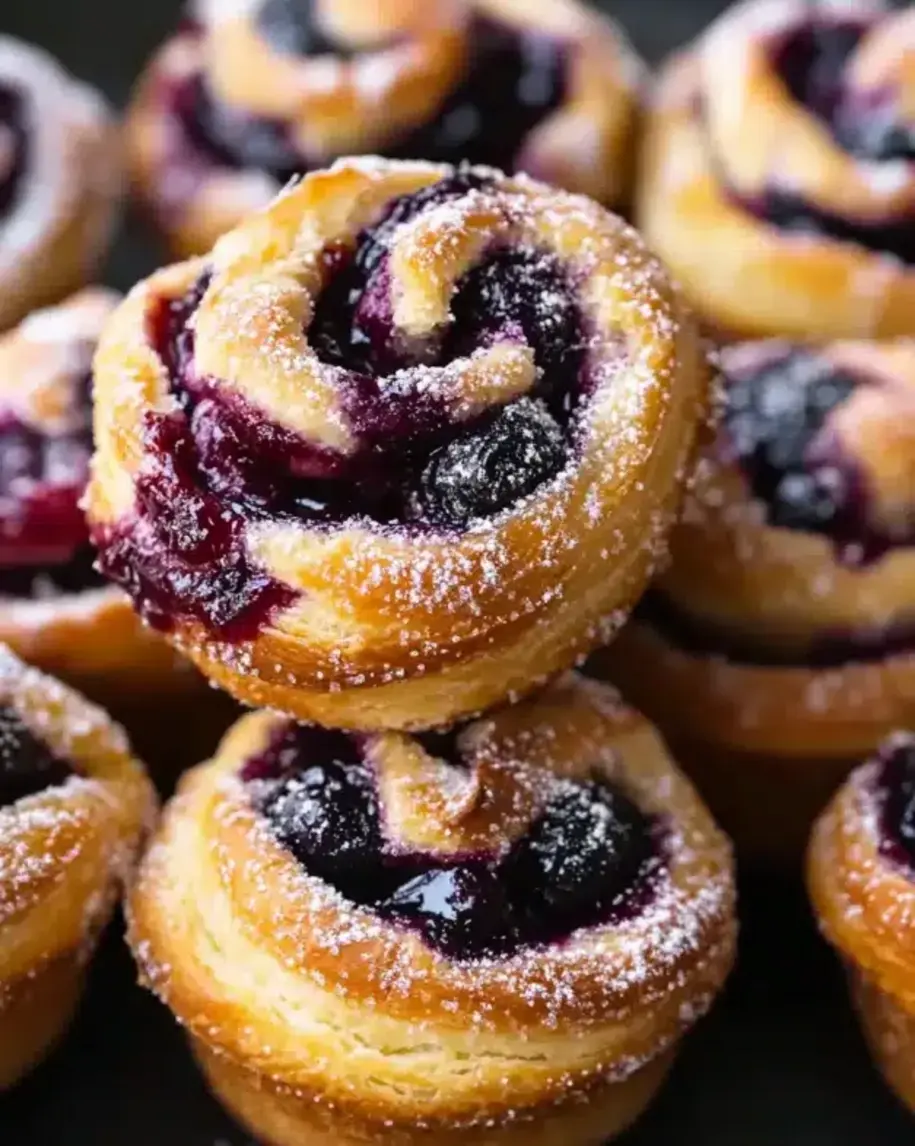
    For more delicious inspiration, follow me on Pinterest!