Is there anything more comforting than the warm, inviting aromas of a Southern Thanksgiving kitchen? Honestly, the thought of buttery biscuits, rich gravies, and perfectly seasoned greens instantly fills me with a sense of home and belonging. Furthermore, this deep emotional connection to food and family is the very heart of soul food. Consequently, if you yearn to create a feast that honors tradition and wraps your loved ones in a blanket of flavor, you have found your guide. Let’s explore the beautiful world of Southern Thanksgiving Recipes || Soul Food Recipes – RecipeMagik together and craft a memorable holiday meal.
Southern Thanksgiving Recipes || Soul Food Recipes – RecipeMagik represents more than just a collection of dishes. Essentially, it is a celebration of heritage, history, and heartfelt hospitality passed down through generations. Each recipe tells a story of resilience, community, and the powerful love that we express through cooking. Moreover, this culinary tradition matters because it transforms a simple meal into a profound experience, connecting us to our roots and to each other around the table. For instance, the process of slow-cooking collard greens or baking a sweet potato pie becomes a ritual of love. This approach perfectly fits our blog’s tone, which always prioritizes authentic, family-tested food that brings people joy. Additionally, if you are new to this style of cooking, you might want to start with some essential easy Southern recipes for beginners to build your confidence. Ultimately, mastering these recipes allows you to deliver not just dinner, but a true taste of Southern soul and Thanksgiving spirit that everyone will cherish.
Why I Love This Recipe
I love Southern Thanksgiving Recipes || Soul Food Recipes – RecipeMagik because it genuinely connects me to my grandmother. Specifically, I can still hear her laughter echoing in my kitchen whenever I make her famous cornbread dressing. This tradition is not just about the incredible flavors, but also about the stories and the love that each ingredient holds. Therefore, sharing these dishes with my own family allows me to pass on that same warmth and history, creating new memories while honoring the old ones. It truly is the soul of our Thanksgiving celebration.
Health and Nutrition
Why it’s good for your body
Southern Thanksgiving recipes often feature a rich tapestry of whole, nutrient-dense ingredients. For instance, many classic soul food recipes from RecipeMagik incorporate dark leafy greens like collards and kale. These powerhouses deliver a significant dose of vitamins A, C, and K, which support your immune system and bone health. Furthermore, these traditional dishes frequently use sweet potatoes, a fantastic source of beta-carotene and fiber. Consequently, your body converts this into vitamin A for healthy vision and skin.
Moreover, black-eyed peas and other legumes common in Southern Thanksgiving recipes provide excellent plant-based protein and soluble fiber. As a result, they help you feel full longer and support a healthy digestive system. Additionally, recipes from RecipeMagik often highlight herbs and spices like thyme and garlic, which offer anti-inflammatory properties. Ultimately, enjoying these soul food recipes means you are nourishing your body with deeply satisfying, whole foods that have stood the test of time for good reason.
How it fits in a healthy lifestyle
You can absolutely enjoy the rich flavors of Southern cooking while maintaining a balanced diet. The key is mindful portion control and smart preparation techniques. For example, you can easily adapt many soul food recipes to be heart-healthier by baking instead of frying and using leaner cuts of meat.
These dishes also fit beautifully into a flexible eating plan. A big pot of greens or a bean-based dish provides a fantastic foundation for a nutritious meal prep routine. If you are exploring specific dietary needs, you will find that many traditional ingredients are naturally gluten-free or can be modified. For more inspiration on balancing indulgence with nutrition, check out our guide on simple healthy eating tips. Remember, a healthy lifestyle includes enjoying the foods you love. Planning your meals around these wholesome recipes is a great strategy; our weekly meal prep ideas can help you get started seamlessly.
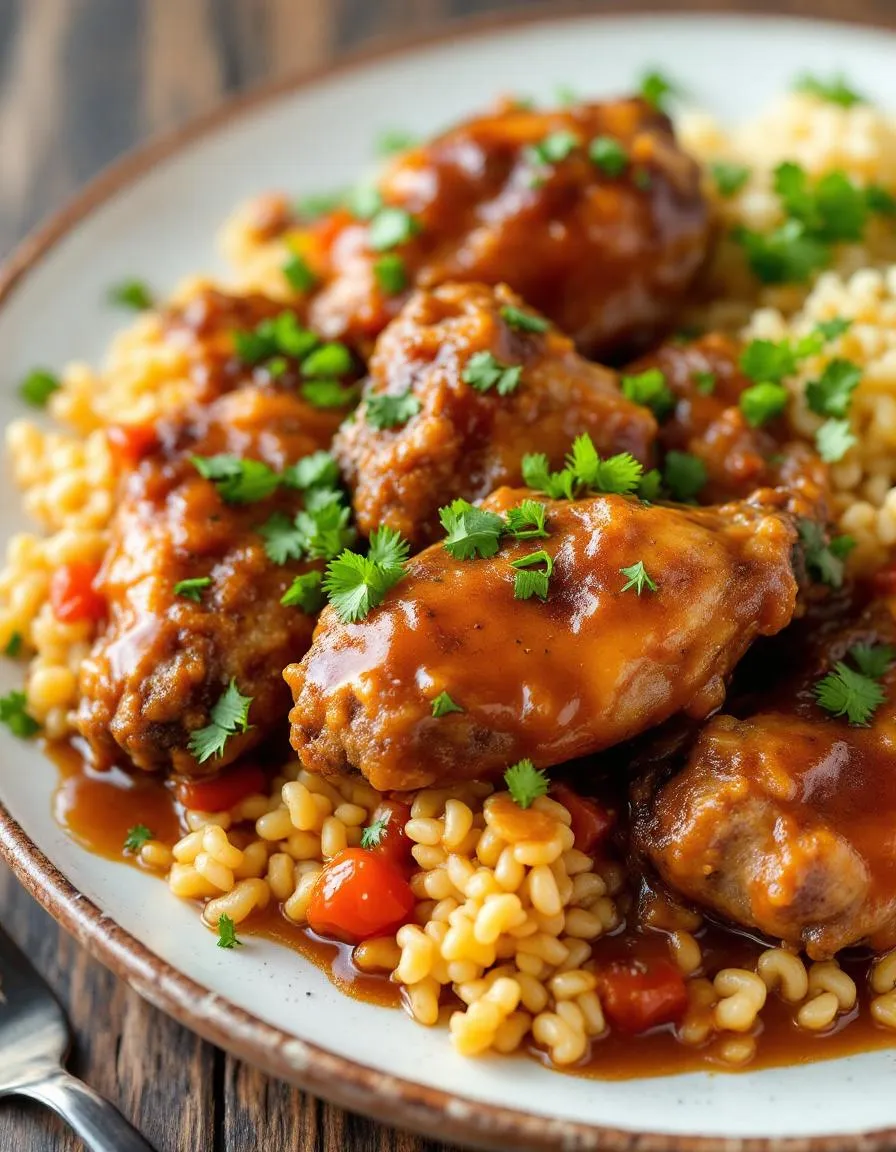
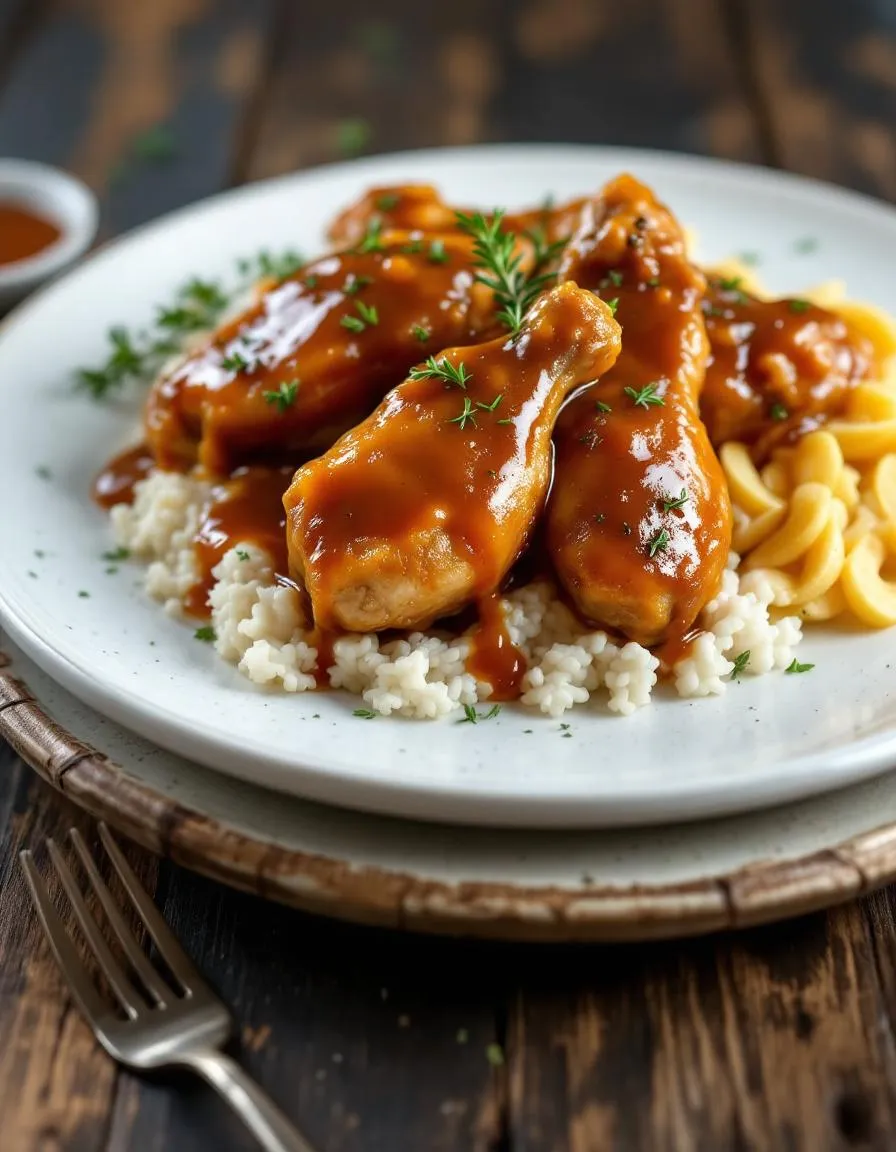
Tender turkey wings slow-cooked in a rich, savory gravy with traditional Southern seasonings—a soul food Thanksgiving classic.
Ingredients
Scale
For the Crust:
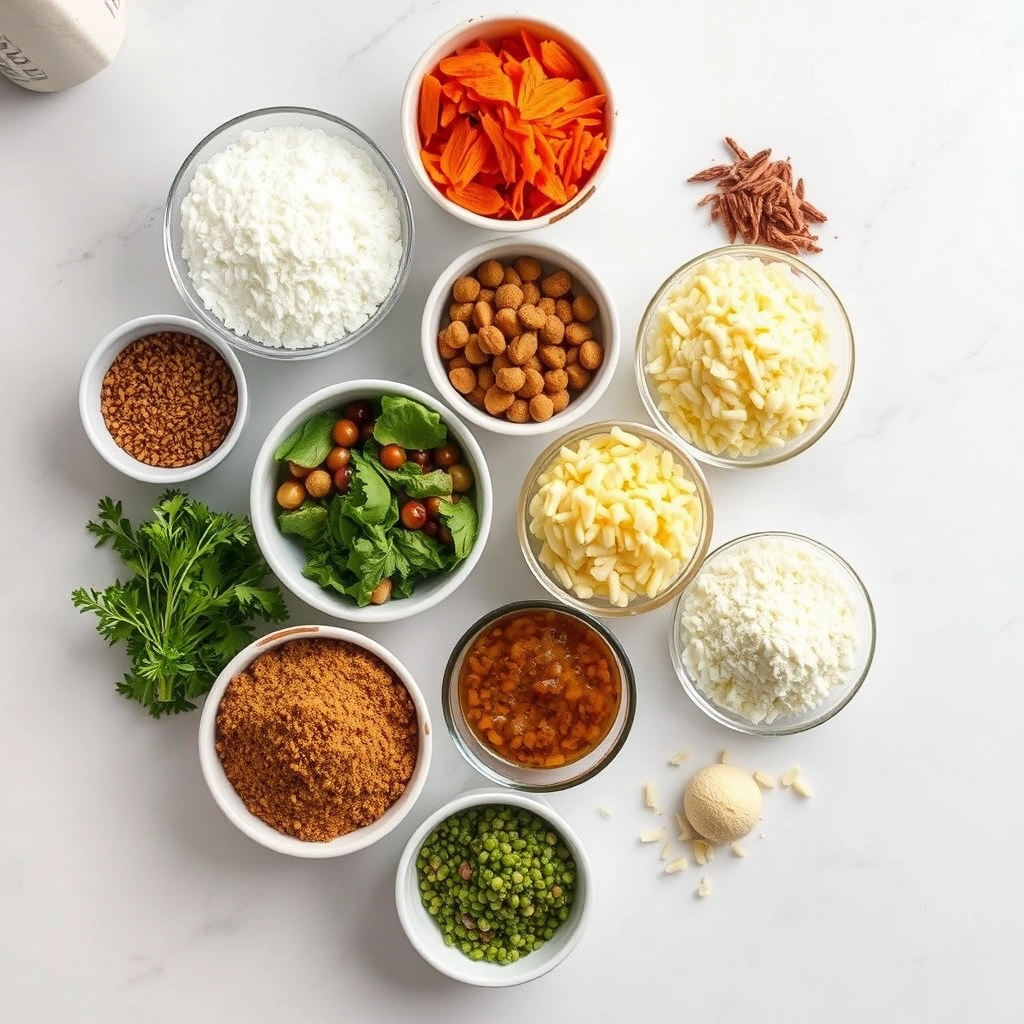
4 large turkey wings, separated at joints
1 large onion, sliced
3 cloves garlic, minced
2 cups chicken broth
1/4 cup all-purpose flour
2 tbsp vegetable oil
1 tsp smoked paprika
1 tsp thyme
1/2 tsp black pepper
1/2 tsp salt
2 bay leaves
Instructions
1. Prepare the Crust:
Season turkey wings with salt, pepper, paprika, and thyme.
Heat oil in a large skillet over medium-high heat. Brown turkey wings on all sides, then remove and set aside.
In the same skillet, sauté onion and garlic until softened. Sprinkle flour over vegetables and cook for 1-2 minutes, stirring constantly.
Gradually whisk in chicken broth until smooth. Bring to a simmer, then return turkey wings to the skillet. Add bay leaves.
Reduce heat to low, cover, and simmer for 1.5–2 hours, until turkey is tender and gravy has thickened. Remove bay leaves before serving.
Notes
You can customize the seasonings to taste.
s-dish">How to Prepare This Dish
Steps and time-saving tips
First, gather all your ingredients for these Southern Thanksgiving recipes. This simple prep step saves you so much time and stress later. Next, focus on your cornbread for the dressing. Crumble it into a large bowl and let it sit out to dry slightly. Meanwhile, sauté your holy trinity of onions, celery, and bell peppers in a generous amount of butter until they are beautifully soft. Then, pour this fragrant mixture over your crumbled cornbread. Now, whisk your broth, eggs, and seasonings together in a separate jug before gently folding everything into the cornbread mixture. Importantly, do not overmix; you just want everything combined. Finally, transfer it to a buttered baking dish and bake until the top is golden and crisp. For your candied yams, simply layer the slices in a dish, drizzle with your spiced syrup, and dot with butter before baking. Consequently, they will become tender and caramelized. Meanwhile, your greens can simmer away. Ultimately, this approach lets you manage multiple soul food recipes at once.
Mistakes I’ve made and learned from
I have absolutely learned the hard way that soggy dressing is a real Thanksgiving tragedy. My biggest mistake was using cornbread that was too fresh and moist, which created a mushy texture instead of that perfect fluffy yet crisp bite I craved. Now, I always bake my cornbread a day ahead and let it stale overnight on the counter. This one change makes all the difference for texture and flavor absorption. Another lesson came from under-seasoning my greens; I was so afraid of over-salting that I ended up with a pot of bland, bitter leaves. I learned to season the pot liquor generously and to always taste it before adding the greens. For more on building deep flavor, my guide on how to make the perfect cornbread is a great starting point. And if you’re worried about timing, my easy Thanksgiving desserts can help you plan a stress-free menu from start to finish.
n-and-variations">Cultural Connection and Variations
Where this recipe comes from
This particular dish carries the deep soul of Southern Thanksgiving Recipes || Soul Food Recipes – RecipeMagik. Generations of home cooks have passed it down, each adding their own signature twist. Furthermore, its roots stretch back to resourceful culinary traditions that turned humble ingredients into celebratory feasts. Consequently, every family gathering seems to feature a slightly different version, sparking friendly debate over the “right” way to make it.
My own grandmother always insisted on a specific spice blend, claiming it was the secret she learned from her mother in Georgia. Meanwhile, my aunt from Louisiana incorporates a Cajun-inspired kick that completely transforms the flavor profile. Across the globe, similar dishes appear with local twists. For instance, in other regions, they might use different herbs or swap a key protein, yet the comforting essence remains wonderfully familiar. This beautiful variation truly celebrates the heart of Southern Thanksgiving Recipes || Soul Food Recipes – RecipeMagik.
How it fits in today’s cooking
This recipe absolutely maintains its place in modern kitchens. It seamlessly fits into today’s cooking as a beloved centerpiece for holiday feasts and a source of weekly comfort. Moreover, contemporary cooks creatively adapt it to suit various dietary needs without losing its soulful character. For example, many are now exploring plant-based versions or using air fryers to achieve that perfect texture with less oil.
You can easily incorpor
ate this classic into your regular meal rotation, not just saving it for special occasions. It pairs wonderfully with a simple, fresh side to create a balanced plate. In fact, for a fantastic pairing, consider serving it alongside some delicious fluffy pancakes for a surprising and satisfying brunch option. Ultimately, its versatility and rich history keep it relevant. Therefore, it continues to tell a story of tradition and adaptation with every single bite, much like the journey of creating the perfect chocolate cake from scratch.
Taste and Texture
What makes it delicious
This collection of Southern Thanksgiving Recipes || Soul Food Recipes – RecipeMagik delivers a profound and comforting sensory experience. You immediately notice the rich, savory aromas of smoked turkey and slow-cooked greens that fill your kitchen. Moreover, each bite offers a beautiful contrast of textures, from the creamy, velvety smoothness of candied yams to the satisfyingly crisp top of a perfectly baked mac and cheese. Ultimately, the deep, soulful flavors of these Southern Thanksgiving Recipes || Soul Food Recipes – RecipeMagik create a truly memorable and heartwarming meal.
Boosting the flavor
You can easily amplify the savory depth of your main dishes by using a homemade spice rub. For instance, a bold Cajun seasoning blend introduces a wonderful kick that complements smoked or roasted meats perfectly. Furthermore, do not forget the sides. A generous drizzle of hot honey over your cornbread or biscuits adds a sweet and spicy complexity that everyone will love. Finally, consider serving a tangy, creamy sauce on the side; a cool avocado crema beautifully balances the richness of fried dishes and adds a fresh, modern twist.
Always season your ingredients generously for an authentic flavor profile. Furthermore, use room temperature butter and eggs to ensure your mixtures combine smoothly. For the best texture, do not overmix your batters and instead gently fold them. Additionally, preheat your oven thoroughly so your Southern Thanksgiving Recipes || Soul Food Recipes – RecipeMagik bakes evenly from the start.
Mistakes to avoid
A common error involves opening the oven door too often, which consequently causes temperature fluctuations and can lead to collapsed cakes. Instead, trust the baking time and use the oven light to check progress. Moreover, accurately measure your flour to avoid dense and dry results; for perfect baking every time, always spoon and level the flour rather than scooping it directly from the bag. Also, remember that proper resting time is crucial for many dishes, so plan ahead and allow flavors to fully develop. For more guidance on avoiding kitchen mishaps, explore our tips on common baking mistakes and ensure your gravy is always lump-free by mastering the technique in our perfect gravy guide.
g-suggestions">Serving and Pairing Suggestions
How to serve this dish
Present your Southern Thanksgiving Recipes || Soul Food Recipes – RecipeMagik with genuine warmth and style. Firstly, transfer it to a beautiful, deep ceramic dish for a truly rustic and inviting tableside presentation. For a special touch, garnish the top with a handful of freshly chopped herbs just before your guests arrive. Consequently, the vibrant green will pop against the rich colors of the dish. This approach makes your Southern Thanksgiving Recipes || Soul Food Recipes – RecipeMagik the undeniable star of any holiday spread or Sunday supper.
What goes well with it
A classic, flaky buttermilk biscuit is an absolute must for sopping up every last bit of flavor. Alternatively, a crisp, tangy side salad provides a refreshing contrast to the deep, savory notes. For a perfect beverage pairing, we always recommend a glass of sweet iced tea. Ultimately, its cool sweetness beautifully balances the hearty richness of this soul food masterpiece. Explore our perfect Southern Buttermilk Biscuits and a simple Classic Macaroni Salad to complete your unforgettable meal.
math-faq-block">
What is a traditional Southern Thanksgiving menu?
A classic Southern Thanksgiving menu features soul food recipes like perfectly seasoned roast turkey or fried turkey, cornbread dressing, candied yams, collard greens with smoked turkey, mac and cheese, and pecan pie. These dishes are the heart of a Southern feast, offering a blend of savory, sweet, and comforting flavors. For a complete menu, explore our collection of Southern Thanksgiving Recipes || Soul Food Recipes – RecipeMagik.
How do you make Southern candied yams from scratch?
To make authentic Southern candied yams, peel and slice fresh sweet potatoes, then simmer them in a syrup made from butter, brown sugar, cinnamon, nutmeg, and a pinch of salt until they are tender and glazed. The key is to cook them low and slow so the potatoes absorb all the rich, sweet flavors. This beloved soul food recipe is a staple for any Southern Thanksgiving table.
What is the difference between Southern dressing and stuffing?
The main difference is that Southern dressing is typically baked in a separate casserole dish, while stuffing is cooked inside the turkey cavity. Southern cornbread dressing is a soul food recipe made from crumbled cornbread, celery, onions, sage, and broth, resulting in a moist, savory side dish. It’s a non-negotiable centerpiece for Thanksgiving Recipes || Soul Food Recipes – RecipeMagik.
ank-math-faq-item">
Can you make soul food Thanksgiving dishes ahead of time?
Absolutely! Many Southern Thanksgiving dishes like cornbread dressing, macaroni and cheese, and desserts can be prepared a day or two in advance. This allows the flavors to meld together beautifully and makes your Thanksgiving day much less stressful. Simply reheat them before serving to enjoy the full comfort of these soul food recipes.
Easy Slow Cooker Chicken and Sweet Potato Curry
Introduction
Does the daily question of “what’s for dinner” ever fill you with a sense of dread? You crave something wholesome and satisfying, but you simply lack the energy for a complicated cooking project. This is precisely why I want to share my ultimate solution for a hectic weeknight. This incredibly flavorful Slow Cooker Chicken and Sweet Potato Curry provides the comforting answer you need. Moreover, it fills your home with the most amazing aromas while demanding almost no effort from you.
This Slow Cooker Chicken and Sweet Potato Curry is a hearty, aromatic dish that beautifully combines tender chicken, soft sweet potatoes, and warm spices in a rich, creamy coconut sauce. Essentially, it represents the perfect set-it-and-forget-it meal that cooks low and slow all day. Consequently, you come home to a fully prepared, restaurant-quality dinner. This recipe matters because it solves a real problem for busy individuals and families. It delivers immense flavor and nutrition without the stress of last-minute cooking. Additionally, it fits our blog’s core mission perfectly. We specialize in creating reliable, family-friendly meals that make your life easier, just like our popular Creamy Tuscan Chicken. This approachable Slow Cooker Chicken and Sweet Potato Curry uses simple, whole ingredients to create a globally-inspired dish that everyone will love. Furthermore, the flexibility of a slow cooker recipe means you can adapt it to your schedule with ease.
Why I Love This Recipe
This Slow Cooker Chicken and Sweet Potato Curry holds a special place in my weekly rotation. I truly love how it gives me a sense of accomplishment with minimal active work. On my busiest days, I simply toss everything into the pot in the morning. Then, hours later, I am rewarded with a deeply flavorful and complex meal that tastes like I spent all day in the kitchen. It reminds me of the cozy feeling I get from my favorite hearty stew recipes, but with a vibrant, curry-infused twist that my entire family adores. This dish consistently delivers comfort and joy, making it a timeless winner in my home.
Health and Nutrition
Why it’s good for your body
This Slow Cooker Chicken and Sweet Potato Curry actively delivers a powerful combination of essential nutrients. For instance, sweet potatoes provide a massive dose of beta-carotene, which your body converts into vitamin A for superior eye and skin health. Moreover, the lean chicken breast serves as a fantastic source of high-quality protein, effectively helping to build and repair muscle tissue.
Additionally, the warming spices like turmeric and ginger do more than just add flavor. Turmeric contains curcumin, a compound with strong anti-inflammatory properties. Consequently, enjoying this curry can help soothe everyday aches. Furthermore, the fiber from the sweet potatoes and tomatoes actively promotes a healthy digestive system and keeps you feeling full and satisfied for longer.
Ultimately, this Slow Cooker Chicken and Sweet Potato Curry offers a well-rounded meal in a single bowl. It expertly balances complex carbohydrates, lean protein, and healthy fats from the coconut milk. Therefore, it provides sustained energy without the crash. Finally, you can feel great about serving this nutrient-dense Slow Cooker Chicken and Sweet Potato Curry to your family any night of the week.
How it fits in a healthy lifestyle
This curry seamlessly fits into various healthy eating plans. It naturally aligns with gluten-free and dairy-free lifestyles, making it a wonderful option for anyone with those dietary needs. The high protein content from the chicken supports muscle maintenance, which is crucial for those focused on fitness or high-protein meal prep.
You can easily incorporate this dish into your weekly rotation for a convenient and wholesome dinner. It encourages mindful eating with its rich flavors and satisfying texture. Pair it with a simple side salad or steamed greens to round out your plate. For more inspiration on building balanced meals that support your wellness journey, explore our guide on creating a balanced diet. This recipe proves that eating well does not require sacrificing flavor or spending hours in the kitchen.
A comforting and aromatic curry with tender chicken, sweet potatoes, and creamy coconut milk, all simmered to perfection in a slow cooker.
Ingredients
Scale
For the Crust:
1.5 lbs boneless, skinless chicken thighs, cut into chunks
2 medium sweet potatoes, peeled and cubed
1 onion, diced
3 cloves garlic, minced
1 tbsp fresh ginger, grated
2 tbsp curry powder
1 tsp turmeric
1/2 tsp cayenne pepper (optional)
1 can (14 oz) coconut milk
1 cup chicken broth
1 tbsp fish sauce
1 tbsp brown sugar
Salt to taste
Fresh cilantro for garnish
Instructions
1. Prepare the Crust:
Place chicken, sweet potatoes, onion, garlic, and ginger in the slow cooker.
In a bowl, whisk together curry powder, turmeric, cayenne, coconut milk, chicken broth, fish sauce, and brown sugar. Pour over ingredients in slow cooker.
Cover and cook on low for 6-7 hours or high for 3-4 hours, until chicken is tender and sweet potatoes are soft.
Season with salt to taste. Garnish with fresh cilantro before serving.
Notes
You can customize the seasonings to taste.
s-dish">How to Prepare This Dish
Steps and time-saving tips
First, gather all your ingredients for the Slow Cooker Chicken and Sweet Potato Curry. Consequently, you can move quickly without any interruptions. Next, quickly chop your onion and mince the garlic. Meanwhile, turn your slow cooker on to the low setting to let it gently warm up. Then, simply add the chicken pieces directly into the pot. Furthermore, scatter the cubed sweet potatoes around the chicken. Whisk your coconut milk with the curry paste and spices in a separate bowl until completely smooth. After that, pour this fragrant liquid evenly over everything in the cooker. Stir everything just once to combine, then place the lid on securely. Importantly, do not lift the lid during cooking. Let the magic happen for 6-8 hours. Finally, stir in a handful of fresh spinach just before serving. It will wilt perfectly from the residual heat. Serve your incredible Slow Cooker Chicken and Sweet Potato Curry over fluffy rice for a complete meal.
Mistakes I’ve made and learned from
I have definitely learned a few lessons the hard way with this Slow Cooker Chicken and Sweet Potato Curry. Initially, I used very large, irregular sweet potato chunks that refused to soften, leaving me with an awkward mix of mushy chicken and crunchy potatoes. Now, I always make sure to cut them into uniform, one-inch cubes for even cooking. Another common mistake I made was adding the spinach at the beginning. It completely disintegrated into nothingness after hours of cooking. Tossing it in at the end preserves its texture and vibrant color beautifully. For more guidance on prepping ingredients ahead of time, my guide on meal prep is a lifesaver. Also, if you’re new to using your appliance, my tips for slow cooker beginners will help you avoid these same pitfalls. Trust me, a few small tweaks make this dish absolutely perfect every single time.
n-and-variations">Cultural Connection and Variations
Where this recipe comes from
Our Slow Cooker Chicken and Sweet Potato Curry tells a delicious story of global fusion. While curry powders anchor the dish in the vibrant spice markets of South Asia, the use of sweet potatoes and a slow cooker gives it a wonderfully modern, Western twist. My own family often prepares this curry differently, depending on who is visiting. For instance, my aunt adds a hefty spoonful of peanut butter for a richer, creamier sauce that nods to West African groundnut stews.
Meanwhile, across the globe, cooks put their unique stamp on similar dishes. In Japan, they might use a milder curry roux with apples for sweetness. Conversely, a Thai cook would likely reach for fiery bird’s eye chilies and fragrant lemongrass. This beautiful adaptability is what makes the dish so special. Ultimately, our version of Slow Cooker Chicken and Sweet Potato Curry celebrates how recipes travel and evolve, creating new family traditions along the way.
How it fits in today’s cooking
This curry fits perfectly into our contemporary need for wholesome, hands-off meals. Busy home cooks absolutely love how the slow cooker does all the work, filling the house with incredible aromas. Furthermore, it’s a fantastic make-ahead option for hectic weeknights. You can easily adapt it to your pantry, swapping in butternut squash or lentils.
Many people now include
it in their regular meal prep rotation because it reheats beautifully. Similarly, its warm, comforting spices make it a fantastic choice for a cozy autumn or winter gathering. For another great make-ahead dinner idea, consider this hearty slow cooker beef stew. Ultimately, this curry proves that global flavors can be both accessible and incredibly convenient. After a long day, nothing beats a bowl of this satisfying curry, especially when served with a side of easy homemade naan bread for dipping.
Taste and Texture
What makes it delicious
This Slow Cooker Chicken and Sweet Potato Curry wraps you in a warm, fragrant hug the moment you lift the lid. Furthermore, the sauce delivers a velvety, creamy texture that beautifully coats each tender piece of chicken. Sweet potatoes melt into the sauce, creating a naturally sweet and hearty base that balances the warm, earthy spices. Consequently, every spoonful is a perfect harmony of savory, slightly sweet, and gently spiced flavors. The overall experience of this Slow Cooker Chicken and Sweet Potato Curry is deeply comforting and incredibly satisfying.
Boosting the flavor
You can easily elevate your curry with a few creative tweaks. For instance, stir in a spoonful of coconut cream just before serving to add a luxurious, rich finish. Alternatively, a squeeze of fresh lime juice brightens all the flavors wonderfully. If you enjoy a bit of heat, a sprinkle of red pepper flakes or a dash of your favorite hot sauce provides a fantastic kick. For a complete meal, consider serving it alongside a simple, fluffy jasmine rice to soak up the delicious sauce. Finally, a cool, crunchy side like this cucumber salad offers a refreshing contrast that makes the entire dish pop.
Always brown your chicken thighs first for a deeper, richer flavor foundation in your Slow Cooker Chicken and Sweet Potato Curry. Furthermore, use full-fat coconut milk to guarantee a luxuriously creamy and stable sauce that will not separate. Additionally, layer your ingredients carefully by placing the sweet potatoes at the bottom where they will steam and soften perfectly. Finally, stir in your spinach during the last thirty minutes so it wilts beautifully without becoming slimy.
Mistakes to avoid
A common mistake is adding the dairy too early, which often causes curdling. Instead, always stir in your yogurt or cream right at the end of the cooking time. Moreover, do not overlook the browning step for the chicken, as it builds essential flavor; otherwise, your Slow Cooker Chicken and Sweet Potato Curry might taste bland. For more guidance on building flavor layers, explore our guide on how to brown chicken properly. Another frequent error involves overcooking the chicken, resulting in a dry texture. Consequently, for perfect doneness, use a meat thermometer to check that the internal temperature reaches 165°F. Learn all about safe internal temperatures with our resource on checking chicken temperature.
g-suggestions">Serving and Pairing Suggestions
How to serve this dish
Present your Slow Cooker Chicken and Sweet Potato Curry beautifully for a truly memorable meal. Firstly, serve it steaming hot over a bed of fluffy basmati rice in a wide, shallow bowl. Alternatively, create a stunning family-style presentation by pouring the entire curry into a large, colorful serving dish. Generously top it with fresh, vibrant garnishes like chopped cilantro, a squeeze of lime juice, and a sprinkle of red pepper flakes. This Slow Cooker Chicken and Sweet Potato Curry truly shines as the cozy centerpiece for a casual weeknight dinner. Consequently, it also makes a fantastic, stress-free option for feeding a crowd during the holidays.
What goes well with it
A flaky, buttery side balances the rich spices in this curry perfectly. For instance, our easy Garlic Naan Bread is ideal for scooping up every last bit of sauce. Secondly, a crisp, cooling contrast like a simple cucumber salad cuts through the dish’s warmth wonderfully. Finally, consider a slightly sweet and effervescent drink pairing. A mango lassi or a chilled Riesling complements the complex flavors of Slow Cooker Chicken and Sweet Potato Curry exceptionally well. For a complete feast, you could even serve it alongside our popular Vegetable Samosas as a delicious starter.
math-faq-block">
Can I put raw chicken in the slow cooker for this curry?
Yes, you can safely add raw chicken directly to the slow cooker for this recipe. The long, slow cooking process at a consistent low temperature will thoroughly cook the chicken, making it tender and safe to eat. This method is perfect for this Slow Cooker Chicken and Sweet Potato Curry as it allows the flavors to meld together.
Do I need to brown the chicken first for a slow cooker curry?
Browning the chicken first is not strictly necessary but is highly recommended for deeper flavor. Searing the chicken pieces in a hot pan before adding them to the slow cooker creates a flavorful fond (the browned bits) and adds a richer taste to the overall dish. For the quickest preparation, you can skip this step and still have a delicious Slow Cooker Chicken and Sweet Potato Curry.
What can I use instead of sweet potatoes in this recipe?
Butternut squash is the best substitute for sweet potatoes, as it has a similar sweet, creamy texture when cooked. You could also use regular potatoes, carrots, or even cauliflower florets, though the flavor profile will change slightly. Any sturdy vegetable that holds up well to long cooking will work in this curry.
ank-math-faq-item">
How long does chicken and sweet potato curry last in the fridge?
Properly stored in an airtight container, your Slow Cooker Chicken and Sweet Potato Curry will stay fresh in the refrigerator for 3 to 4 days. The flavors often deepen and improve the next day, making it a fantastic make-ahead meal. Always ensure you reheat it thoroughly until it is piping hot all the way through before serving.
Best Autumn Caesar Salad with Squash Croutons
Introduction
As the air turns crisp and the leaves begin their fiery dance, we all crave those cozy, comforting meals that warm us from the inside out. However, sometimes you need a dinner that feels both nourishing and celebratory, a dish that truly honors the season’s bounty. This is precisely why I created this Autumn Caesar Salad with Delicata Squash Croutons. It captures the very essence of fall on a single plate, transforming a classic into a seasonal masterpiece that will become your new go-to.
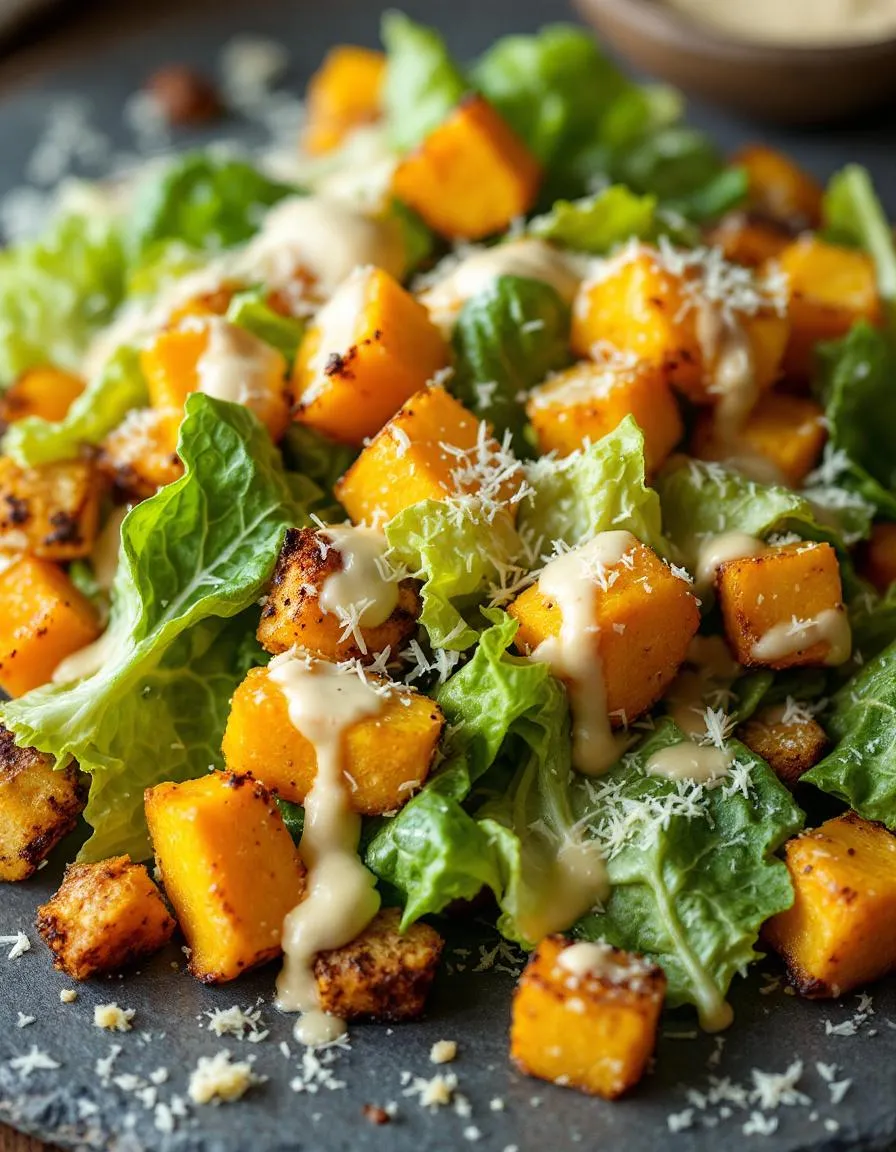
So what exactly is this Autumn Caesar Salad with Delicata Squash Croutons? Fundamentally, it is a celebration of texture and flavor. We take the timeless elements of a Caesar salad—crisp romaine, a creamy, garlicky dressing, and savory Parmesan—and then we elevate them with the magic of autumn. Instead of standard bread croutons, we roast thin slices of delicata squash until their edges caramelize and become wonderfully crisp. These squash croutons add a naturally sweet and nutty dimension that pairs spectacularly with the rich, umami-filled dressing. This recipe matters because it demonstrates how to eat with the seasons, utilizing produce at its peak to create a dish that is both incredibly delicious and visually stunning. It fits our blog’s philosophy perfectly, as we always strive to create easy weeknight dinners that don’t sacrifice an ounce of flavor or sophistication. Moreover, this salad is a fantastic way to introduce more vegetables into your routine in a exciting and satisfying way. Ultimately, this dish proves that healthy eating can absolutely feel indulgent and special, especially when you use a few simple yet impactful techniques like roasting.
Why I Love This Recipe
This Autumn Caesar Salad with Delicata Squash Croutons holds a special place in my heart because it represents a perfect weeknight solution. I love how it comes together quickly yet feels like something I would order at a nice restaurant. The process of roasting the squash fills my kitchen with an aroma that is the very definition of cozy, making a simple Tuesday night feel like a celebration. It is the salad I make when I want to impress guests without spending hours in the kitchen, and it pairs beautifully with so many mains, especially a simple herb roasted chicken. This recipe truly never fails to bring joy to my table.
Health and Nutrition
Why it’s good for your body
This Autumn Caesar Salad with Delicata Squash Croutons actively nourishes your body from the inside out. First, the star ingredient, delicata squash, delivers a powerful dose of vitamin A, which is essential for supporting healthy vision and a robust immune system. Moreover, its edible skin provides extra fiber to promote smooth digestion and keep you feeling satisfied. Consequently, you enjoy a classic comfort food while giving your body a major nutritional upgrade.
Unlike traditional recipes, this version makes a simple yet brilliant swap. Instead of white bread croutons, we roast delicata squash with olive oil and herbs. Therefore, you get that beloved crunchy texture alongside a significant increase in vitamins and minerals. Additionally, the healthy fats from the olive oil and a potential sprinkle of Parmesan cheese help your body absorb all the fat-soluble vitamins present. Ultimately, every forkful of this Autumn Caesar Salad with Delicata Squash Croutons is a step toward better health.
Finally, dark leafy greens like kale or romaine form the hearty base. These greens are naturally low in calories but incredibly high in antioxidants. As a result, they help combat inflammation and protect your cells from damage. This Autumn Caesar Salad with Delicata Squash Croutons truly proves that eating well does not mean sacrificing an ounce of flavor.
How it fits in a healthy lifestyle
This salad seamlessly fits into almost any healthy eating plan. For anyone following a gluten-free lifestyle, the squash croutons are a perfect and delicious substitute for the traditional wheat-based kind. It also makes for a fantastic meatless Monday option that is both filling and packed with plant-based power. You can easily enjoy it as a substantial main course for lunch or a lighter dinner.
If you are looking for more ways to incorporate healthy fats into your meals, our guide on choosing the right oil can help you make the best choice for dressings and roasting. Preparing a big batch of this salad at the beginning of the week is a great meal prep strategy for busy families. For more inspiration on making healthy eating simple and sustainable, explore our tips for quick healthy family dinners. This Autumn Caesar Salad with Delicata Squash Croutons supports your goals without making you feel like you are on a restrictive diet.
A seasonal twist on the classic Caesar salad, featuring roasted delicata squash croutons and a creamy dressing.
Ingredients
Scale
For the Crust:
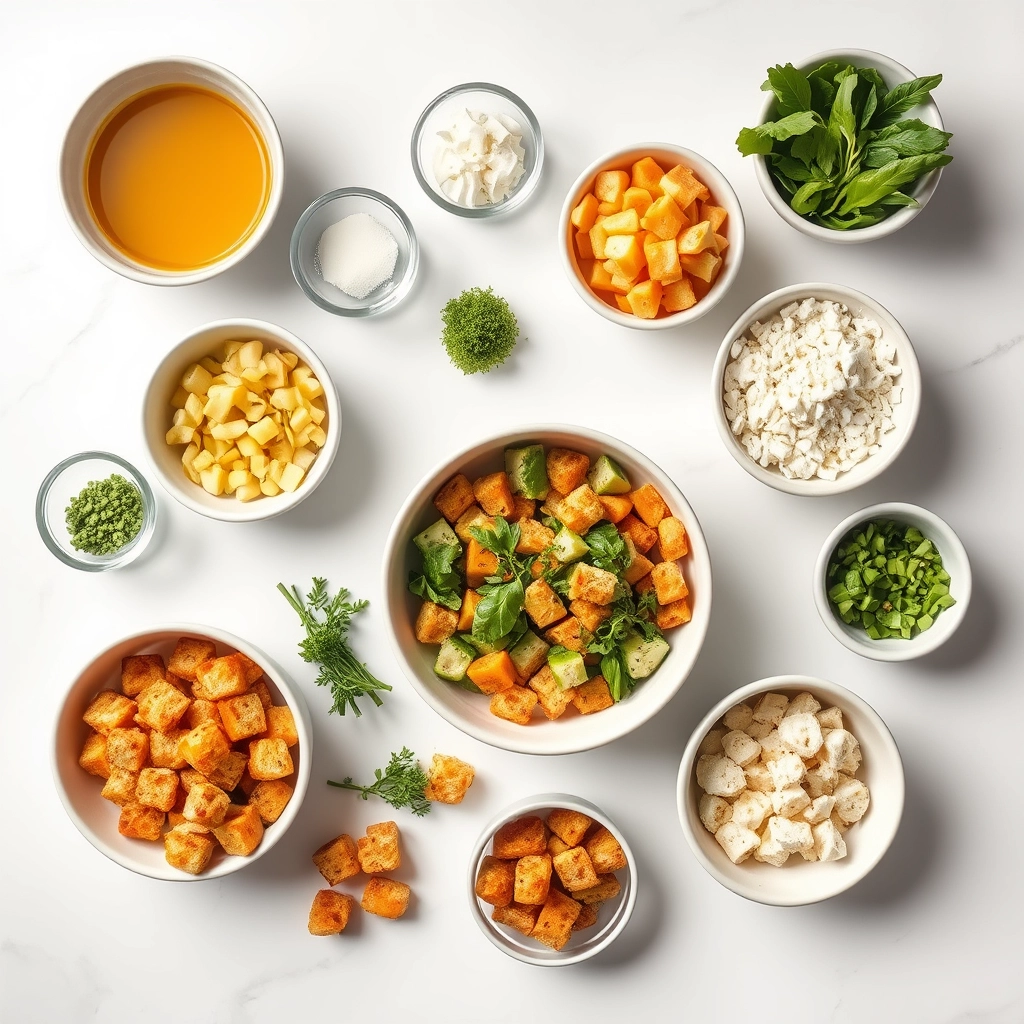
1 delicata squash, seeds removed and cubed
2 tbsp olive oil
1 tsp smoked paprika
Salt and pepper to taste
1 large head romaine lettuce, chopped
1/2 cup grated Parmesan cheese
1/4 cup Caesar dressing
2 tbsp lemon juice
1 clove garlic, minced
Anchovy paste (optional, to taste)
Instructions
1. Prepare the Crust:
Preheat oven to 400°F (200°C). Toss cubed delicata squash with olive oil, smoked paprika, salt, and pepper. Spread on a baking sheet and roast for 20-25 minutes, until tender and slightly crispy.
In a large bowl, combine chopped romaine lettuce and grated Parmesan cheese.
In a small bowl, whisk together Caesar dressing, lemon juice, minced garlic, and anchovy paste (if using).
Add the roasted squash croutons to the salad bowl. Drizzle with dressing and toss gently to combine. Serve immediately.
Notes
You can customize the seasonings to taste.
How to Prepare This Dish
Steps and time-saving tips
First, preheat your oven to 425°F to get those delicata squash croutons roasting. Meanwhile, carefully slice your delicata squash into half-moons; its thin, edible skin saves you a major peeling step. Toss the squash pieces generously with olive oil, salt, and pepper on your largest baking sheet. Consequently, they will caramelize beautifully without crowding. Roast for about twenty minutes, flipping halfway through, until the edges are crispy and golden brown. While the squash bakes, you can tackle the dressing. Simply whisk together mayonnaise, grated parmesan, lemon juice, minced garlic, and a few anchovy fillets for that authentic, umami-packed Caesar flavor. Alternatively, for a quicker version, use a high-quality store-bought Caesar dressing as your base and simply whisk in extra lemon zest and black pepper. Now, chop your romaine hearts into bite-sized pieces and place them in a large serving bowl. Finally, drizzle most of your creamy dressing over the greens and toss to coat every leaf. Gently fold in the warm, roasted squash croutons right before serving for maximum texture contrast. Top with additional shaved parmesan and a final crack of black pepper. This entire Autumn Caesar Salad with Delicata Squash Croutons comes together in under forty minutes, making it a perfect weeknight hero.
and-learned-from">Mistakes I’ve made and learned from
I have absolutely learned the hard way that soggy salad is a tragedy. Initially, I would dress the entire Autumn Caesar Salad with Delicata Squash Croutons way too early, and the romaine would wilt into a sad, limp mess by dinner time. Now, I only dress the portion we plan to eat immediately, storing any extra dressing and components separately. Another classic blunder was under-seasoning the squash before roasting. Without enough oil and salt, the pieces steam instead of caramelize, resulting in bland, soft cubes rather than the crispy, flavorful croutons this dish deserves. It took me a few tries to get my roasting times and temperatures perfectly dialed in for that ideal crunch. Furthermore, I once used a bland, store-bought mayonnaise in the dressing and the whole salad fell flat. That experience taught me to always use a quality mayo, or better yet, make my own homemade mayo in five minutes for a profoundly richer flavor that makes all the difference.
Cultural Connection and Variations
Where this recipe comes from
Every family seems to have their own Caesar salad story. For some, it conjures images of classic steakhouses with tableside preparations. For me, however, this dish always meant autumn. My grandmother, a formidable cook who never followed a recipe to the letter, started roasting whatever squash she had on hand and tossing it into her Caesar. She argued that the sweet, caramelized squash balanced the salty, umami-rich dressing in a way that plain croutons simply could not. This was our family’s humble twist on a timeless classic, long before “root-to-stem” cooking became a trend.
Around the world, cooks
put their own spin on the Caesar. In Mexico, you might find it prepared with cotija cheese and a hint of lime. Meanwhile, many California versions proudly feature avocado and grilled chicken. The beauty of the Autumn Caesar Salad with Delicata Squash Croutons is its incredible adaptability. You can easily make it your own. For instance, try swapping the delicata for sweet potato or adding a handful of toasted pecans for extra crunch. Ultimately, this recipe celebrates the season’s best produce.
How it fits in today’s cooking
This salad fits perfectly into modern cooking routines because it delivers both comfort and vibrancy. As the weather cools, we naturally crave heartier, more substantial meals. This dish answers that call beautifully, offering a satisfying main course that doesn’t weigh you down. Furthermore, its stunning appearance makes it a guaranteed showstopper on any holiday table, especially alongside other seasonal favorites.
Today’s cooks love to adapt it for different diets, perhaps using a creamy vegan cashew dressing instead of the traditional anchovy-based one. It also pairs wonderfully with a cozy main, like a simple one-pan herb roasted chicken, for a complete, effortless weeknight dinner. The Autumn Caesar Salad with Delicata Squash Croutons remains deeply relevant because it honors tradition while enthusiastically embracing contemporary, vegetable-forward eating.
>Taste and Texture
What makes it delicious
This Autumn Caesar Salad with Delicata Squash Croutons delivers a symphony of textures and cozy flavors. You first taste the rich, creamy, and garlicky dressing coating each crisp romaine leaf. Then, you encounter the star: roasted delicata squash croutons. These morsels offer a wonderfully soft, almost custardy interior with a delightfully caramelized and slightly chewy edge. Their natural sweetness perfectly balances the savory, umami punch from the Parmesan cheese. Altogether, each forkful of this Autumn Caesar Salad with Delicata Squash Croutons is a perfect harmony of creamy, crisp, sweet, and salty that truly celebrates the season.
Boosting the flavor
Feel free to get creative and amplify your salad experience. For a deeper savory flavor, try adding a tablespoon of white miso paste to your Caesar dressing; it introduces an incredible umami complexity. Furthermore, a sprinkle of toasted pepitas or chopped walnuts adds a fantastic crunchy contrast. If you love a bit of heat, a pinch of chili flakes or a drizzle of our spicy maple glaze over the squash before roasting works wonders. Finally, for a protein-packed twist that complements the autumn theme, top your creation with some herb roasted chicken. Ultimately, these simple tweaks make an already delicious dish even more memorable.
Tips for Success
Best practices for results
Always roast the delicata squash until the edges caramelize for maximum flavor. Furthermore, make sure you chill your salad bowls beforehand to keep everything crisp. For the best texture, toss the greens with just enough dressing to coat them lightly. Finally, use a microplane to grate the parmesan cheese finely so it melts into the dressing seamlessly for your Autumn Caesar Salad with Delicata Squash Croutons.
Mistakes to avoid
A common error is overdressing the salad, which quickly wilts the romaine. Instead, add the dressing gradually and toss thoroughly. Additionally, do not skip toasting your nuts if the recipe includes them, as it unlocks their essential oils and flavor. For more on this, read our guide on how to toast nuts properly. Moreover, avoid using a blunt knife to cut your squash, as a sharp chef’s knife makes the job safer and easier. For tips on selecting and maintaining your blades, check out our essential kitchen knives article.
Serving and Pairing Suggestions
How to serve this dish
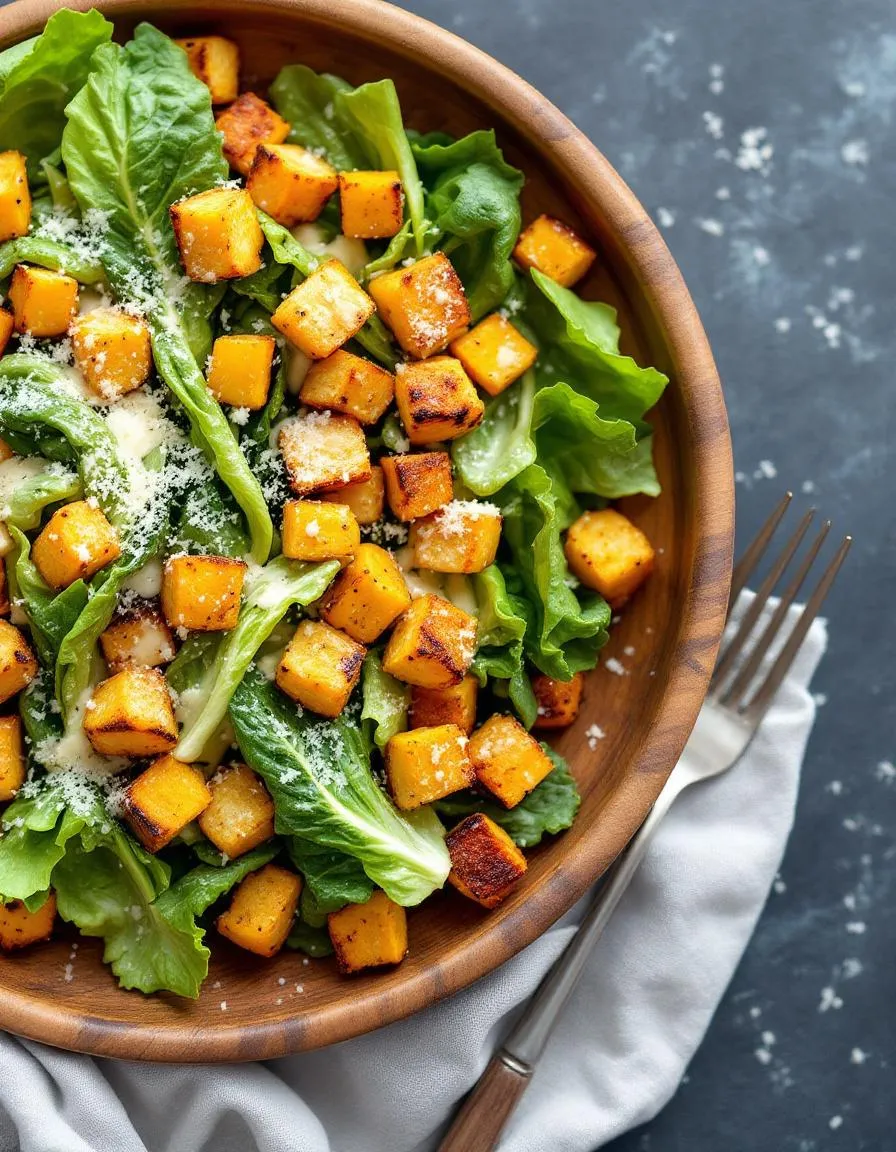
Present your Autumn Caesar Salad with Delicata Squash Croutons on a wide, shallow platter for a truly stunning effect. Alternatively, serve individual portions in rustic wooden bowls to highlight its cozy, seasonal charm. For a beautiful finishing touch, garnish each plate with a few extra crispy squash croutons and a generous sprinkle of fresh cracked black pepper. This dish absolutely shines as a show-stopping starter for a holiday feast. Furthermore, it makes a wonderfully satisfying main course for a festive brunch or a light autumn lunch.
h-it">What goes well with it
This hearty Autumn Caesar Salad with Delicata Squash Croutons pairs beautifully with a simple, savory main. For instance, a juicy Herb Roasted Chicken creates a perfectly balanced and comforting weeknight meal. Conversely, a rich and creamy soup makes another excellent companion. Specifically, a bowl of our Creamy Tomato Basil Soup complements the crisp, garlicky notes of the salad wonderfully. Finally, for a drink pairing, a crisp Chardonnay or a hard apple cider both echo the salad’s sweet and savory autumn flavors.
Can I make this Autumn Caesar Salad ahead of time?
You can prepare the components in advance, but for the best texture, assemble just before serving. Roast the delicata squash croutons and mix the dressing a day ahead, storing them separately in the fridge. Toss the crisp romaine with the dressing, cheese, and warm squash croutons right before you’re ready to eat.
ank-math-faq-item">
What can I use instead of delicata squash?
If you can’t find delicata squash, butternut squash is an excellent substitute for making the croutons. Peel and cube it to a similar size, though it may require a slightly longer roasting time. The sweet, caramelized flavor will still pair perfectly with your Autumn Caesar Salad with Delicata Squash Croutons.
Is this autumn salad recipe vegetarian?
The traditional Caesar dressing contains anchovies, which would make it non-vegetarian. To keep this Autumn Caesar Salad with Delicata Squash Croutons vegetarian, simply use an anchovy-free Caesar dressing or a popular vegetarian alternative like a creamy garlic and lemon tahini dressing.
How do I get my squash croutons crispy?
The key to crispy squash croutons is to not overcrowd the baking sheet, ensuring each piece has space to roast rather than steam. Toss the cubed delicata squash in enough oil and spread it in a single layer. Roast at a high temperature (around 400-425°F) until the edges are golden brown and caramelized.
div>
Easy Sweet Potato Turkey Chili – Healthy Recipe
Introduction
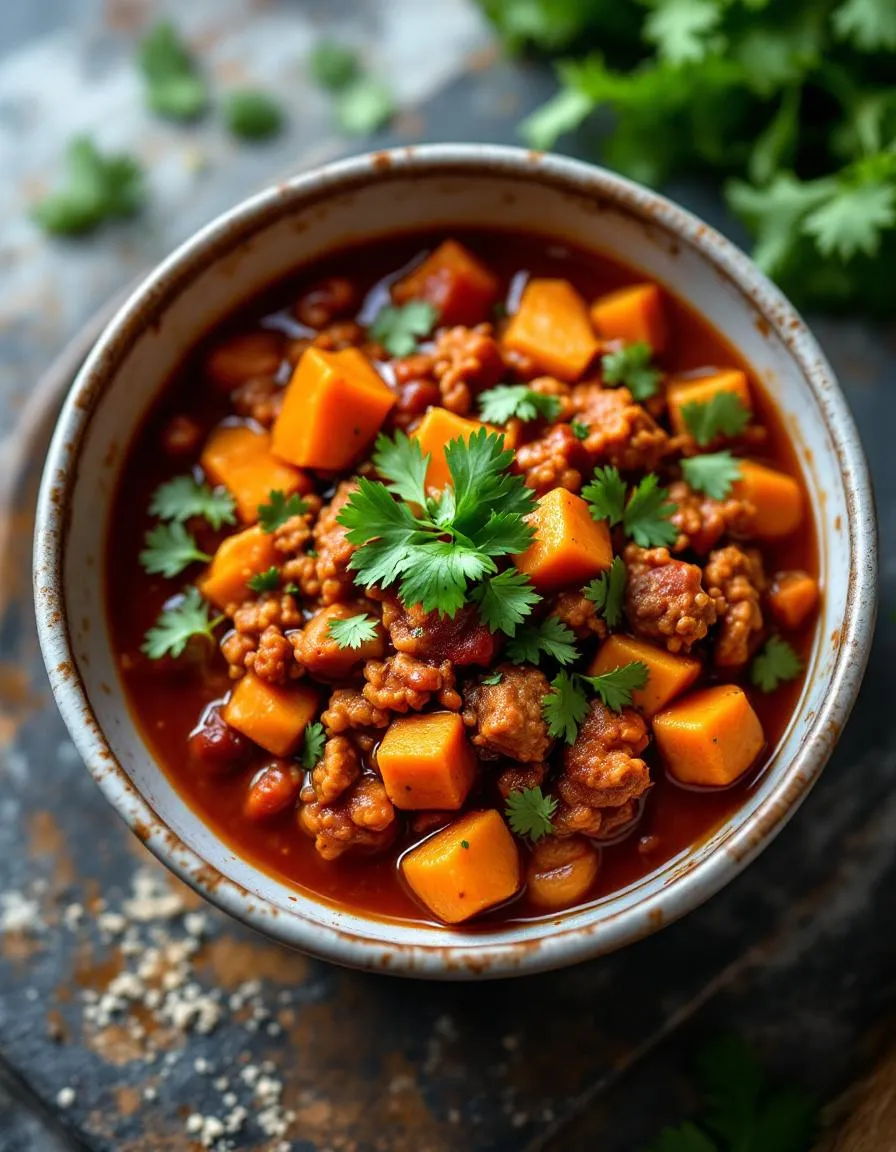
Are you craving a meal that truly warms you from the inside out? Moreover, do you need something both nourishing and incredibly simple to make on a hectic weeknight? Look no further, because this Sweet Potato Turkey Chili – EASY and Healthy is your ultimate solution. It perfectly combines comfort and wellness in a single, satisfying bowl. Consequently, it will quickly become your new favorite go-to dinner that the entire family will adore.
This Sweet Potato Turkey Chili – EASY and Healthy is a modern twist on a classic comfort food. Essentially, it swaps traditional ground beef for lean ground turkey and incorporates vibrant sweet potatoes. This change not only lightens the dish but also packs it with extra vitamins and fiber. The recipe matters because it delivers that deep, hearty flavor you expect from chili without the heaviness. Furthermore, it fits our blog’s mission to provide wholesome, achievable recipes for everyday life. You can easily whip up this nutritious one-pot wonder with minimal fuss and maximum flavor. For instance, if you love simple, healthy meals, you might also enjoy our popular Healthy Chicken and Broccoli recipe. This Sweet Potato Turkey Chili – EASY and Healthy is ideal for meal prep, as its flavors meld and improve overnight. It is also incredibly versatile; you can adjust the spice level to your preference and top it with your favorite garnishes. Ultimately, it proves that eating well does not require sacrificing taste or spending hours in the kitchen. In fact, this approach to cooking aligns perfectly with other simple dishes, like our Easy Shrimp Stir Fry, making healthy eating both enjoyable and sustainable.
Why I Love This Recipe
I absolutely love this Sweet Potato Turkey Chili – EASY and Healthy because it got me through countless busy winters. As a matter of fact, I developed this recipe when I needed a meal that was both comforting after a long day and something I could feel good about serving. The aroma of the spices filling my kitchen instantly lifts my mood. It is my personal definition of a hug in a bowl, and it never fails to receive rave reviews from friends and family.
Health and Nutrition
Why it’s good for your body
This Sweet Potato Turkey Chili – EASY and Healthy truly nourishes your body from the inside out. First, lean ground turkey provides a fantastic source of high-quality protein, which actively supports muscle repair and keeps you feeling full and satisfied. Furthermore, the vibrant sweet potatoes deliver a powerful dose of beta-carotene; your body converts this into vitamin A for excellent immune and eye health.
Additionally, the blend of beans and tomatoes packs a serious fiber punch. Consequently, this promotes healthy digestion and helps maintain steady blood sugar levels. Moreover, spices like cumin and chili powder do more than just add flavor; they also offer anti-inflammatory properties. Ultimately, this wholesome combination makes every bowl of Sweet Potato Turkey Chili – EASY and Healthy a proactive choice for your wellness. Finally, you can enjoy a comforting meal that actively fuels your body with essential nutrients.
How it fits in a healthy lifestyle
This chili seamlessly fits into almost any healthy eating plan. It naturally aligns with gluten-free and dairy-free lifestyles, making it a wonderful option for those with dietary restrictions. If you are managing your weight, the high protein and fiber content promotes satiety, helping you avoid less nutritious snacks between meals.
For those following a heart-healthy diet, the lean turkey and abundance of vegetables support cardiovascular wellness. You can easily make a large batch of this Sweet Potato Turkey Chili for effortless weekly meal prep. Pair it with a simple side salad for a complete, balanced lunch or dinner. Explore our guide on easy meal prep ideas for more inspiration. If you love this nutrient-dense approach to comfort food, you might also enjoy our collection of healthy casserole recipes for another satisfying make-ahead option.
A hearty and healthy chili featuring lean ground turkey and sweet potatoes, packed with flavor and nutrients.
Ingredients
Scale
For the Crust:
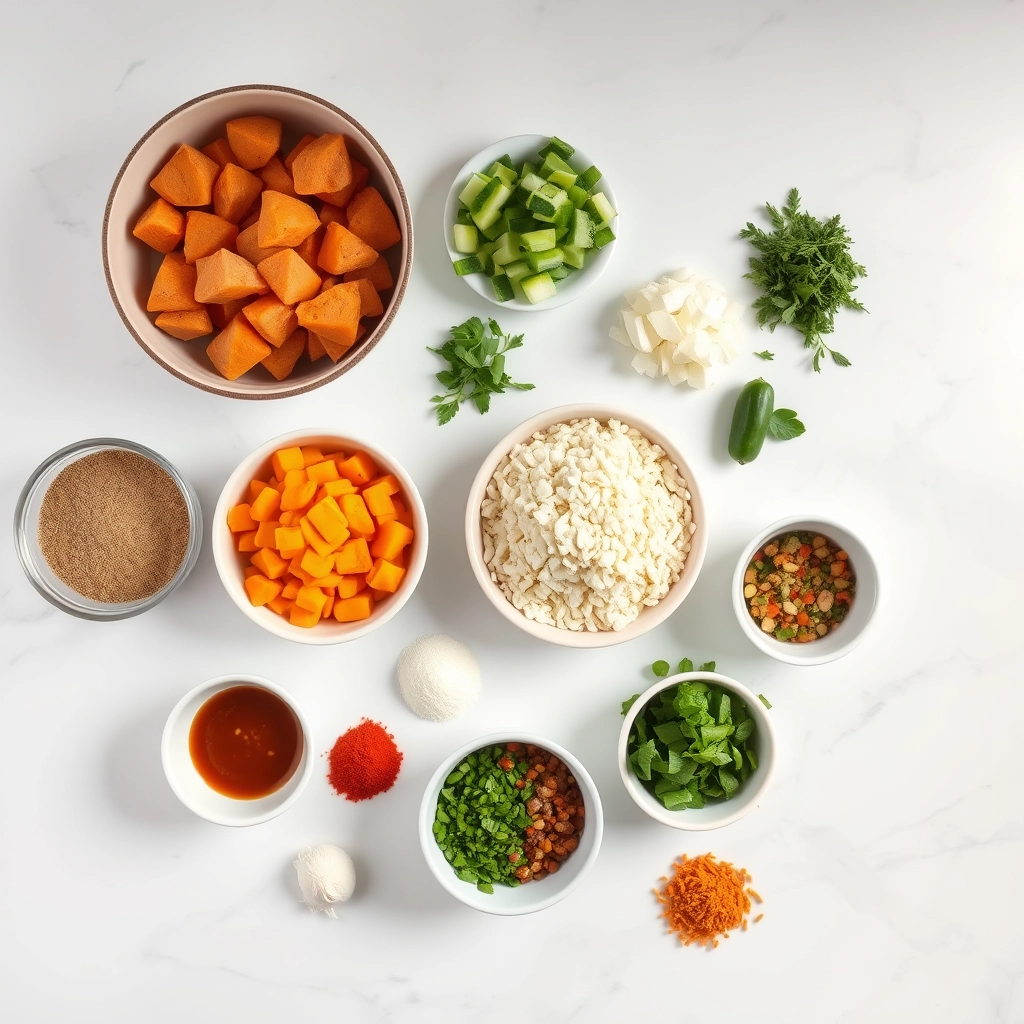
1 lb lean ground turkey
1 large sweet potato, peeled and diced
1 onion, chopped
2 cloves garlic, minced
1 bell pepper, diced
1 can (15 oz) black beans, drained and rinsed
1 can (15 oz) kidney beans, drained and rinsed
1 can (15 oz) diced tomatoes
2 cups low-sodium chicken broth
2 tbsp chili powder
1 tsp cumin
1/2 tsp paprika
Salt and pepper to taste
1 tbsp olive oil
Instructions
1. Prepare the Crust:
Heat olive oil in a large pot over medium heat. Add onion, garlic, and bell pepper; sauté until softened, about 5 minutes.
Add ground turkey and cook until browned, breaking it up with a spoon. Stir in chili powder, cumin, paprika, salt, and pepper.
Add sweet potato, black beans, kidney beans, diced tomatoes, and chicken broth. Bring to a boil.
Reduce heat to low, cover, and simmer for 20-25 minutes, until sweet potatoes are tender. Serve hot.
Notes
You can customize the seasonings to taste.
How to Prepare This Dish
Steps and time-saving tips
First, grab your largest pot or Dutch oven and set it over medium-high heat. Add a drizzle of olive oil, then toss in your ground turkey. Break it apart with a spoon and cook it through until no pink remains, which usually takes about five to seven minutes. Meanwhile, you can chop your onion and mince the garlic to save precious minutes. Next, add those aromatics to the pot along with your diced sweet potatoes. Stir everything together and let those flavors mingle for another two minutes. Now, pour in your crushed tomatoes, broth, and all those wonderful spices. Give it a really good stir to combine everything perfectly. Importantly, bring your Sweet Potato Turkey Chili – EASY and Healthy to a lively boil. Then, simply reduce the heat to low, cover the pot, and let it simmer gently. This allows the sweet potatoes to become beautifully tender and the flavors to deepen. Finally, stir in your beans during the last ten minutes of cooking so they heat through without getting mushy. For a fantastic time-saving tip, use pre-chopped sweet potatoes from the produce section. Your incredible Sweet Potato Turkey Chili – EASY and Healthy is ready to serve after just about twenty-five minutes of simmering.
and-learned-from">Mistakes I’ve made and learned from
I used to rush the first step and overcrowd the pot with too much turkey at once. This mistake caused the meat to steam instead of getting those nice, flavorful brown bits, which are essential for a rich base. Now, I cook the turkey in two batches if I’m making a double portion, ensuring a better sear every single time. Another lesson learned the hard way was under-seasoning. Chili spices need a moment to bloom and open up in the heat. I once added them at the very end, and my Sweet Potato Turkey Chili – EASY and Healthy tasted flat and dusty. Tossing the spices with the turkey and vegetables for a minute before adding liquids makes a world of difference, a technique I picked up from my favorite kitchen hacks. Also, don’t skip simmering with the lid slightly ajar; I’ve ended up with soup instead of chili by keeping it fully covered. For more on getting the perfect consistency, my guide on meal prep soups and stews has all the details. Trust me, a few small tweaks transform this dish completely.
Cultural Connection and Variations
Where this recipe comes from
This Sweet Potato Turkey Chili – EASY and Healthy recipe feels like a warm hug from a modern American kitchen. It pulls inspiration from the classic, meat-heavy Texan chili but tells a completely different story. Instead of relying solely on beef, it welcomes lean turkey and sweet potatoes. This twist creates a lighter, brighter dish that still honors the soul-warming essence of the original. Many families, including mine, now see it as a staple for crisp autumn evenings and post-Thanksgiving creativity.
Globally, people prepar
e similar stews with their own local flair. For instance, in some Caribbean kitchens, cooks might use sweet potatoes with goat meat and Scotch bonnet peppers for a fiery kick. Alternatively, a Mexican cook may favor pork and hominy in a pozole verde. Consequently, our version represents a beautiful fusion, prioritizing health without sacrificing an ounce of flavor. Ultimately, this particular Sweet Potato Turkey Chili – EASY and Healthy recipe celebrates how tradition beautifully evolves to fit our lives today.
How it fits in today’s cooking
This chili fits perfectly into our modern desire for meals that are both nourishing and convenient. It has become a go-to for busy weeknights and meal prep Sundays alike. Furthermore, its wholesome ingredients align with contemporary wellness goals, offering a comforting yet guilt-free dinner option. Many modern cooks love making a big batch, as it often tastes even better the next day.
You can easily adapt this recipe to suit various dietary needs, making it a versatile star in your rotation. For a cozy seasonal spread, it pairs wonderfully with a slice of moist pumpkin bread. Similarly, for a refreshing contrast to its warmth, serve it alongside a crisp, simple Italian salad. It truly earns its place as a beloved classic for today’s table.
>Taste and Texture
What makes it delicious
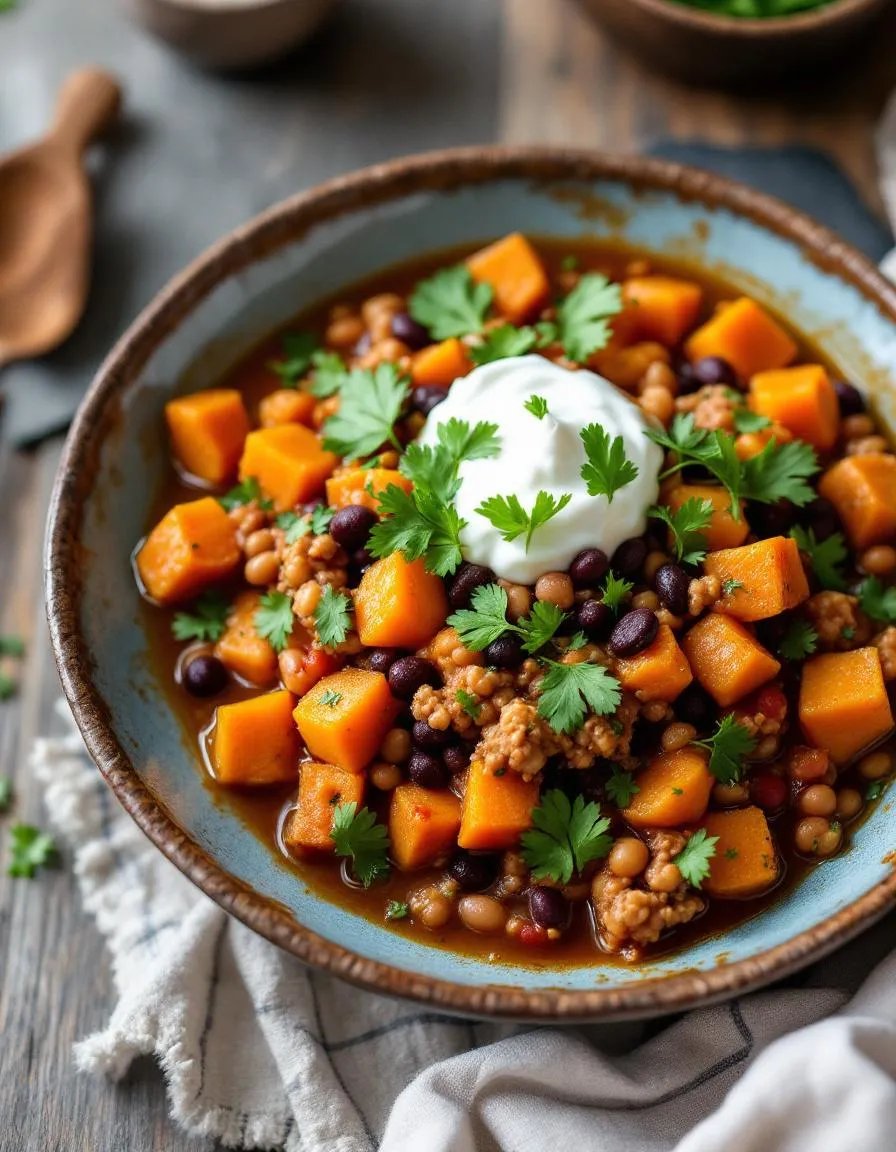
This Sweet Potato Turkey Chili – EASY and Healthy offers a deeply satisfying and complex flavor profile. First, you notice the warm, fragrant aroma of cumin and chili powder that fills your kitchen. Then, each spoonful delivers a hearty, slightly sweet taste from the soft sweet potatoes, which perfectly balances the savory, lean ground turkey. Consequently, the black beans provide a creamy texture that contrasts with the occasional tender bite of vegetable. Ultimately, the overall experience is cozy and robust, making this Sweet Potato Turkey Chili – EASY and Healthy a truly comforting meal.
Boosting the flavor
You can easily elevate your chili with a few creative twists. For instance, try stirring in a tablespoon of tomato paste to deepen the savory base notes before adding your other ingredients. Additionally, a splash of lime juice just before serving brightens the entire dish. Furthermore, don’t forget the power of toppings; a dollop of cool, creamy Greek yogurt or a sprinkle of sharp cheddar cheese adds wonderful contrast. For more inspiration on building the perfect bowl, explore our guide to healthy toppings. If you love experimenting with spices, consider our tips for crafting a homemade chili powder blend to create a truly personalized flavor.
Tips for Success
Best practices for results
First, always brown your ground turkey thoroughly before adding other ingredients because this step builds a rich flavor base for your Sweet Potato Turkey Chili – EASY and Healthy. Next, use a sharp knife to dice your sweet potatoes into uniform half-inch pieces so they cook evenly and become perfectly tender. Furthermore, do not skip simmering your chili for the full recommended time since this process allows the flavors to meld together beautifully. Finally, always taste and adjust the seasonings just before serving to ensure a perfectly balanced bowl every single time.
Mistakes to avoid
A common error involves rushing the cooking process, which results in undercooked sweet potatoes and a less developed flavor. Instead, patiently simmer your chili until the potatoes are fork-tender. Additionally, many home cooks forget to properly season their ground turkey as it browns, consequently creating a bland final dish. For more guidance on building layers of flavor from the start, explore our tips for cooking with ground turkey. Another frequent mistake is adding all the canned beans with their starchy liquid, which can make the chili texture cloudy or gritty. Therefore, always remember to drain and rinse your beans thoroughly before stirring them in. For further help with bean preparation and other simple techniques, our guide on preparing canned beans offers excellent advice.
Serving and Pairing Suggestions
How to serve this dish
Serve your Sweet Potato Turkey Chili – EASY and Healthy in a deep, rustic bowl to create a comforting and inviting look. Furthermore, top it with a bright, fresh garnish like a dollop of Greek yogurt, a sprinkle of sharp cheddar cheese, or some chopped cilantro. This dish truly shines at a casual game day gathering or as a simple weeknight family dinner. For a special touch, consider presenting it alongside various toppings in small bowls so everyone can customize their own bowl of Sweet Potato Turkey Chili – EASY and Healthy.
h-it">What goes well with it
This Sweet Potato Turkey Chili – EASY and Healthy pairs wonderfully with a slice of warm, buttery cornbread for dipping. Alternatively, a light, crisp side salad with a tangy vinaigrette offers a refreshing contrast to the rich chili. For the perfect drink pairing, a slightly sweet and citrusy wheat beer or a glass of iced tea beautifully balances the warm spices. Moreover, you can complete your meal with a delightful dessert like our Healthy Banana Bread. Finally, consider starting your feast with a light appetizer such as our Easy Cucumber Bites to create a well-rounded and satisfying dining experience.
Can I make sweet potato turkey chili in a slow cooker?
Absolutely! This Sweet Potato Turkey Chili – EASY and Healthy recipe adapts perfectly to a slow cooker. Simply brown the turkey with onions and garlic first, then transfer everything to the crockpot and cook on low for 6-8 hours or on high for 3-4 hours. This hands-off method makes it even easier and allows the flavors to meld together beautifully.
ank-math-faq-item">
How do you thicken turkey chili with sweet potatoes?
The natural starches from the sweet potatoes will help thicken the chili as they break down during cooking. For an even thicker consistency, you can use a potato masher to gently crush some of the potatoes and beans against the side of the pot. Letting the chili simmer uncovered for the final 10-15 minutes will also help reduce and thicken the liquid.
Is turkey chili with sweet potatoes healthy?
Yes, this is an incredibly healthy and nutrient-dense meal. Using lean ground turkey instead of beef lowers the saturated fat content, while the sweet potatoes provide a great source of fiber, vitamins, and complex carbohydrates. This combination makes for a balanced, protein-packed, and satisfying dish that fits into many healthy eating plans.
What toppings go well on turkey sweet potato chili?
Classic chili toppings work wonderfully with this Sweet Potato Turkey Chili. Try a dollop of plain Greek yogurt or sour cream, a sprinkle of shredded cheese, sliced avocado, fresh cilantro, or a squeeze of lime juice. For a bit of crunch, add some tortilla strips or a few slices of jalapeño for extra heat.
div>
Best Baked Crunchy Hot Honey Chicken Recipe
Introduction
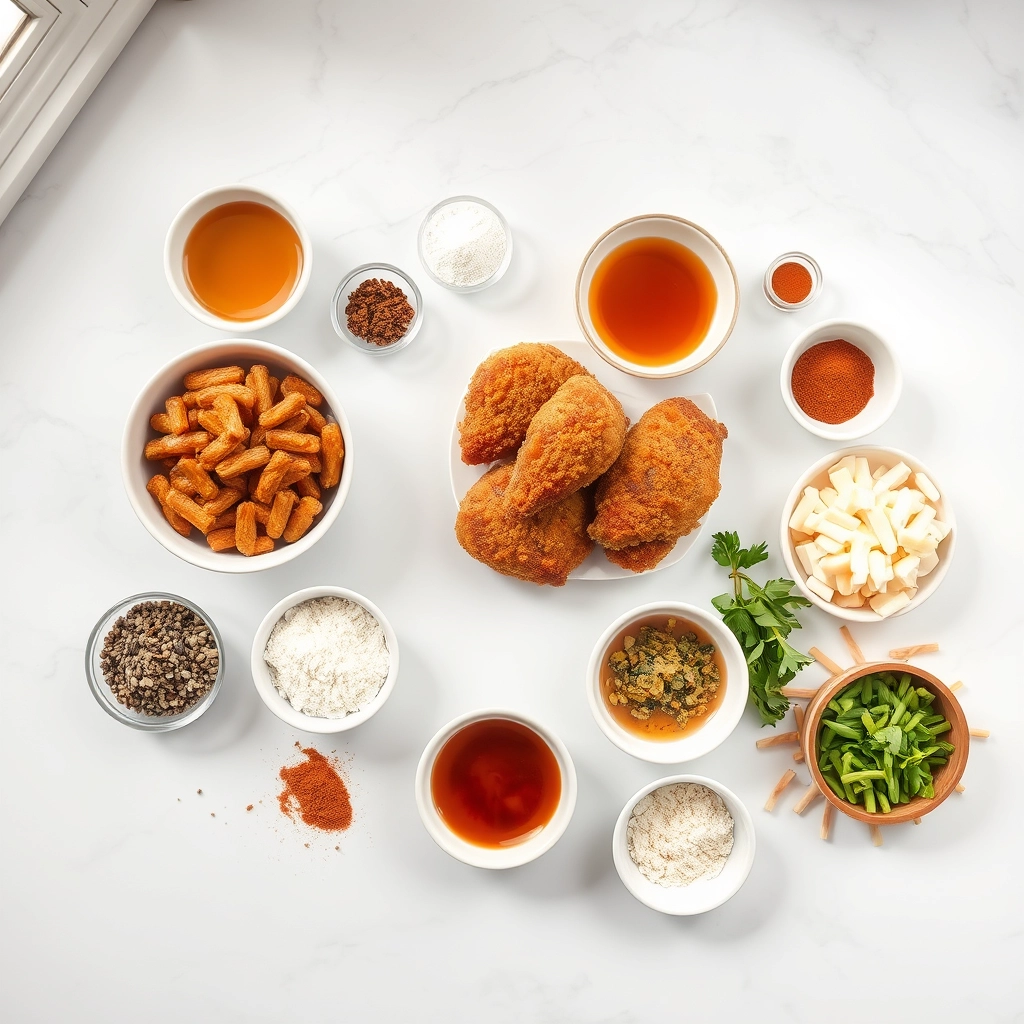
Do you ever crave that perfect combination of sweet, spicy, and seriously crunchy fried chicken but dread the mess and calories of deep frying? You are certainly not alone. Fortunately, I have a game-changing solution that delivers all that incredible flavor without the vat of oil. This recipe for Baked Crunchy Hot Honey Chicken is your ticket to a healthier, easier, and utterly delicious weeknight miracle that will absolutely become a new family favorite.
So what exactly is Baked Crunchy Hot Honey Chicken? Essentially, it is a clever and healthier twist on a classic comfort food. We take juicy chicken pieces, coat them in a well-seasoned, crispy crust, and bake them to golden-brown perfection. Then, we toss the hot, baked chicken in a simple, homemade spicy honey glaze. The result is a symphony of textures and flavors: the satisfying crunch gives way to tender chicken, followed by the sweet heat of the glaze. This dish matters because it proves you do not have to sacrifice flavor for health. It fits our blog’s mission perfectly by transforming a typically indulgent takeout item into an accessible, home-cooked masterpiece. If you enjoy finding that balance, you will love our guide to creating a healthy kitchen environment that supports your cooking goals. Ultimately, this recipe delivers massive flavor with minimal fuss, making it ideal for busy schedules. Furthermore, the baking method creates a reliably crispy outcome every single time, eliminating the guesswork of frying.
Why I Love This Recipe
This Baked Crunchy Hot Honey Chicken holds a special place in my recipe rotation because it single-handedly solved my biggest weeknight dinner dilemma. I constantly wanted a meal that felt like a treat but did not weigh us down. The first time I made it, the incredible aroma filling my kitchen and the unanimous cheers from my family confirmed it was a total winner. I love how the process of creating the crispy coating is almost therapeutic, and the dramatic result always feels like a major accomplishment. It reminds me of my favorite comfort food dinners but leaves me feeling energized, not sluggish. This dish truly represents everything I believe in: food that is exciting, approachable, and genuinely good for you.
Health and Nutrition
Why it’s good for your body
Baked Crunchy Hot Honey Chicken delivers a powerful nutritional punch. First, baking instead of deep-frying significantly cuts down on unnecessary fats and calories. Consequently, you get that satisfying crunch without the grease, making it a much lighter choice. Moreover, the chicken itself serves as an excellent source of lean protein, which is essential for building and repairing muscle tissue.
Additionally, the hot honey glaze offers more than just flavor. For instance, honey contains natural antioxidants that can support your body’s defense system. Furthermore, capsaicin from the chili spices in the sauce may provide a metabolism boost. Therefore, this dish combines taste with tangible wellness benefits. You can feel good about serving this Baked Crunchy Hot Honey Chicken to your family.
Finally, the preparation method preserves the integrity of the ingredients. Ultimately, you consume a meal rich in protein and flavor but low in processed elements. This Baked Crunchy Hot Honey Chicken truly proves that healthy eating does not have to be boring.
How it fits in a healthy lifestyle
This dish seamlessly integrates into various healthy eating plans. If you’re focusing on high-protein goals, it provides a fantastic centerpiece that keeps you full and energized. The lean protein supports muscle maintenance, especially when paired with regular activity. For those managing specific dietary needs, you can easily adapt the recipe to be gluten-free by using certified gluten-free breadcrumbs or a crushed cereal alternative.
We believe in building sustainable habits, and this recipe fits right into a balanced weekly rotation. It’s a perfect example of how you can enjoy bold, comforting flavors while still prioritizing your health. Pair your chicken with a fresh side salad or some roasted vegetables for a complete, nutrient-dense meal. For more inspiration on building a wholesome plate, check out our guide on how to meal prep like a pro. Exploring different cooking methods is key, and our article on air fryer vs oven can help you find your perfect fit for creating healthy, crispy dishes every time.
Crispy baked chicken coated in a spicy-sweet hot honey glaze, delivering maximum crunch with minimal oil.
Ingredients
Scale
For the Crust:
4 boneless, skinless chicken breasts
1 cup panko breadcrumbs
1/2 cup all-purpose flour
2 large eggs, beaten
1 tsp paprika
1/2 tsp garlic powder
1/2 tsp salt
1/4 tsp black pepper
1/4 cup hot sauce
1/4 cup honey
2 tbsp melted butter
Cooking spray
Instructions
1. Prepare the Crust:
Preheat oven to 400°F (200°C). Line a baking sheet with parchment paper and lightly spray with cooking spray.
In a shallow dish, mix flour, paprika, garlic powder, salt, and pepper. In another dish, place beaten eggs. In a third dish, place panko breadcrumbs.
Dredge each chicken breast in the flour mixture, then dip in the egg, and finally coat thoroughly with panko. Place on the prepared baking sheet.
Bake for 20-25 minutes, or until chicken is cooked through and coating is golden and crispy.
While chicken bakes, whisk together hot sauce, honey, and melted butter in a small bowl. Brush the hot honey glaze over the cooked chicken and serve immediately.
Notes
You can customize the seasonings to taste.
How to Prepare This Dish
Steps and time-saving tips
First, preheat your oven to 400°F and grab a large baking sheet. Line it with parchment paper for the easiest cleanup later. Meanwhile, whisk together your dry ingredients in a shallow bowl; this includes flour, panko breadcrumbs, and all your favorite spices. In a second bowl, quickly whisk the eggs until they are perfectly smooth. Pat your chicken breasts completely dry with paper towels, a crucial step for maximum crispiness. Then, generously season each piece with salt and pepper. Now, dip every chicken piece first into the flour mixture, then into the egg, and finally back into the dry ingredients, pressing firmly to ensure a thick, even coating. Arrange the coated chicken on your prepared baking sheet in a single layer, giving each piece plenty of breathing room. Lightly spray the tops with cooking oil; this simple trick helps achieve that gorgeous golden-brown color. Bake for 18-22 minutes, or until the internal temperature reaches 165°F. While the chicken bakes, whisk together the hot honey sauce in a small bowl. Finally, drizzle that irresistible spicy-sweet sauce over the hot, crispy chicken right before serving for the ultimate flavor experience.
and-learned-from">Mistakes I’ve made and learned from
I have definitely learned a few lessons the hard way with this Baked Crunchy Hot Honey Chicken. My biggest mistake was overcrowding the baking sheet in a rush, which steamed the chicken instead of baking it and resulted in a soggy, disappointing crust. Now, I always use two sheets if needed, because giving each piece space is non-negotiable for that perfect crunch. Another error I made was not patting the chicken dry enough before breading; moisture is the enemy of adhesion, and my coating would slide right off. I also used to skip the step of spraying the chicken with oil, but I learned that a light mist is the secret to achieving that beautiful, restaurant-worthy color in a home oven. For more tips on getting that ideal texture, my guide on achieving perfectly crispy chicken covers all the basics. And if you ever doubt your oven’s temperature, which can drastically affect baking time, definitely check out my post on simple oven calibration tips to ensure everything cooks evenly.
Cultural Connection and Variations
Where this recipe comes from
Our version of Baked Crunchy Hot Honey Chicken tells a delicious American story. It pulls its spicy, sweet, and savory soul from the American South, where hot sauce is a staple. Meanwhile, it borrows its irresistible crunch from classic fried chicken traditions that families have passed down for generations. My own grandmother always insisted on a buttermilk soak, a step I still swear by for the juiciest results. Across different regions, cooks put their own spin on this concept. For instance, in Korea, a similar double-frying technique creates an impossibly crisp exterior that stands up to bold sauces.
In the Caribbean, you m
ight find scotch bonnet peppers bringing a fierier kick to the glaze. Conversely, other cultures might use a sticky, sweet soy base. Ultimately, this dish beautifully represents modern fusion cooking. It takes familiar, comforting elements and electrifies them with global flavors. Every family seems to have their own secret for the perfect Baked Crunchy Hot Honey Chicken, whether it’s a specific brand of hot sauce or a pinch of a special smoked paprika.
How it fits in today’s cooking
This dish fits perfectly into our modern desire for big flavor without big fuss. It delivers the satisfying crunch and spicy-sweet kick we crave, but the oven does most of the work. Home cooks love it for busy weeknights, yet it also feels special enough for a weekend gathering or game day spread. Furthermore, its components are incredibly adaptable for different dietary needs. You can easily use gluten-free panko or swap the honey for agave.
Many people now pair it with lighter sides, creating a meal that feels indulgent but is balanced. For a perfect summer dinner, try it with a crisp cucumber tomato salad. Conversely, it also makes a fantastic centerpiece for comfort food season. Just serve it alongside some creamy garlic mashed potatoes for the ultimate cozy plate. This versatility ensures Baked Crunchy Hot Honey Chicken remains a forever favorite.
>Taste and Texture
What makes it delicious
This Baked Crunchy Hot Honey Chicken delivers a spectacular sensory experience. First, you notice the incredible aroma of garlic and spices wafting from the oven. Then, you bite into the impossibly crisp, golden-brown crust that shatters perfectly. Meanwhile, the juicy, tender chicken inside provides a satisfying contrast. The sauce itself is the star, masterfully blending the rich sweetness of honey with a gentle, warming heat that builds slowly. Ultimately, every mouthful of this Baked Crunchy Hot Honey Chicken is a perfect balance of savory, sweet, and spicy notes.
Boosting the flavor
Feel free to get creative and boost the flavor profile to suit your mood. For a tangy twist, simply drizzle a creamy, cool sauce like our Cilantro Lime Dressing over the top to complement the heat. Alternatively, you can add an extra layer of smoky depth by incorporating a teaspoon of chipotle powder into the breading. Furthermore, serving it alongside a fresh, zesty side dish can elevate the entire meal; consider our Avocado Cucumber Salad for a refreshing crunch. Finally, a sprinkle of fresh chopped cilantro or green onions right before serving adds a bright, fragrant finish.
Tips for Success
Best practices for results
First, always pat your chicken pieces completely dry with paper towels; this crucial step helps the coating stick perfectly. Furthermore, use a wire rack on your baking sheet because it allows hot air to circulate evenly for maximum crunch on all sides. For the crispiest results, generously spray the coated chicken with cooking oil before it goes into the oven. Finally, let your Baked Crunchy Hot Honey Chicken rest for a few minutes after baking; consequently, the crust will set and the flavors will meld beautifully.
Mistakes to avoid
Avoid overcrowding your baking pan since the chicken will steam instead of bake, resulting in a soggy crust. Instead, arrange the pieces in a single layer with some space between them for the best texture. Additionally, do not skip the step of toasting your panko breadcrumbs in a dry skillet; this simple process adds a deeper color and a much nuttier flavor to your final dish. Moreover, always toss your hot sauce with the baked chicken immediately before serving; otherwise, the crust can lose its signature crunch. For more guidance on getting that perfect crispy texture every time, check out our guide on how to get crispy chicken. Also, if you are unsure about your oven’s temperature accuracy, our article on oven temperature tips can help you avoid under or over-baking.
Serving and Pairing Suggestions
How to serve this dish
For a truly memorable meal, present your Baked Crunchy Hot Honey Chicken on a large rustic platter. Consequently, drizzle a little extra hot honey over the top just before serving. This final touch creates a beautiful, glossy sheen that promises incredible flavor. Moreover, a generous sprinkle of fresh chopped parsley or thinly sliced scallions adds a vibrant pop of color and a fresh flavor contrast. You can easily turn this dish into the star of your next game day spread or holiday potluck. Ultimately, its stunning appearance and irresistible aroma will have everyone reaching for a piece.
h-it">What goes well with it
Cooling, creamy sides perfectly balance the sweet heat of your Baked Crunchy Hot Honey Chicken. For instance, a classic creamy coleslaw provides a crisp, tangy counterpoint to each savory bite. Alternatively, a simple arugula salad with a lemon vinaigrette cuts through the richness beautifully. Furthermore, this main dish also pairs wonderfully with our fluffy buttermilk biscuits for soaking up every last drop of that delicious sauce. For a drink, a chilled glass of slightly sweet iced tea or a hoppy IPA beer complements the spice notes exceptionally well.
How do you get baked chicken to be crunchy?
The key to achieving a crunchy texture on baked chicken is to coat it thoroughly in a mixture of panko breadcrumbs and a light layer of oil. For the crispiest Baked Crunchy Hot Honey Chicken, ensure your oven is fully preheated and use a wire rack on your baking sheet to allow hot air to circulate around the entire piece, preventing a soggy bottom.
ank-math-faq-item">
What is hot honey made of?
Hot honey is a simple combination of honey and chili peppers. You can make it by gently warming honey with sliced fresh chili peppers, chili flakes, or a splash of hot sauce like sriracha, which infuses the sweetness with a spicy kick. This versatile sauce is the star of the glaze for Baked Crunchy Hot Honey Chicken.
Can I use regular breadcrumbs instead of panko?
You can use regular breadcrumbs, but panko is highly recommended for the best texture. Panko breadcrumbs are lighter, flakier, and absorb less oil, which results in a significantly crispier and less dense coating. Using panko is essential for achieving the signature crunch in this Baked Crunchy Hot Honey Chicken recipe.
What sides go well with hot honey chicken?
The sweet and spicy flavors of this dish pair wonderfully with cool, creamy, or starchy sides. Excellent choices include creamy coleslaw, mashed potatoes, mac and cheese, or a simple green salad. These sides help balance the heat and make for a complete meal with your Baked Crunchy Hot Honey Chicken.