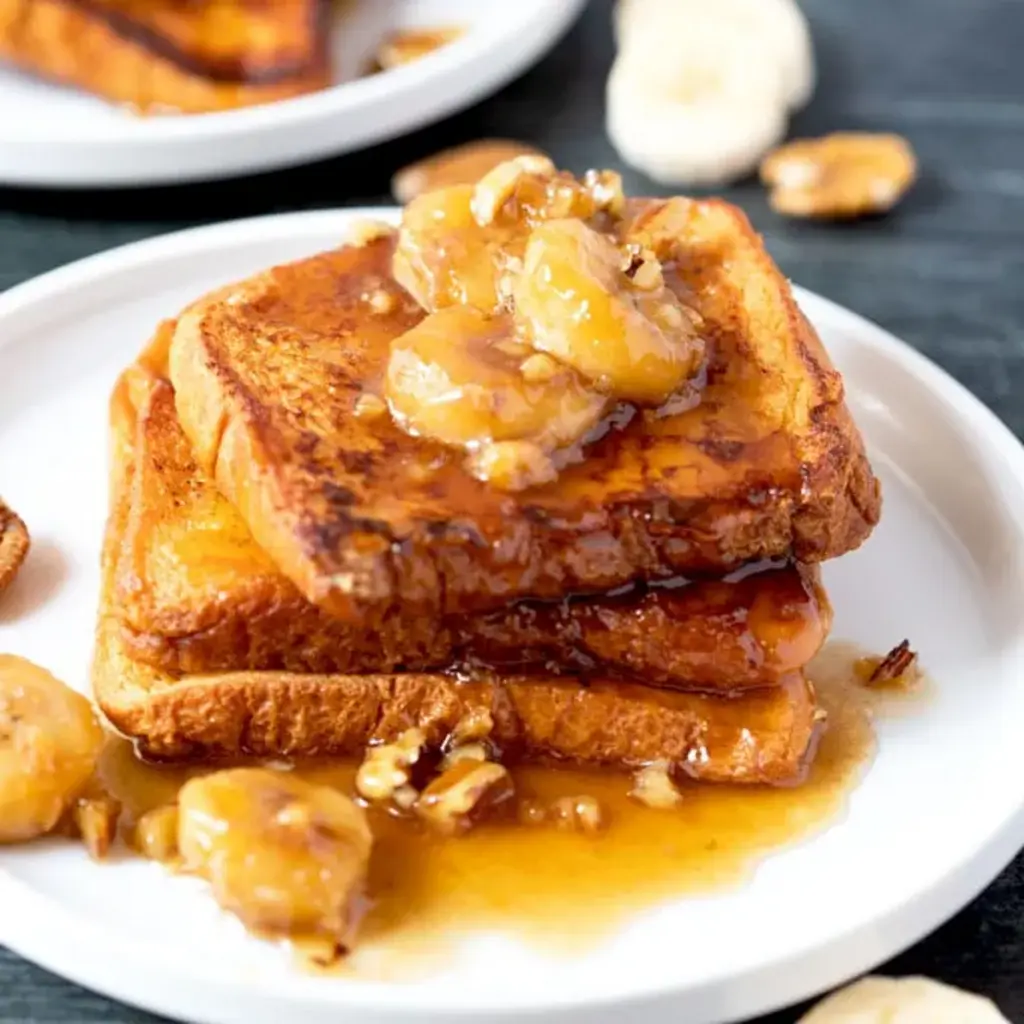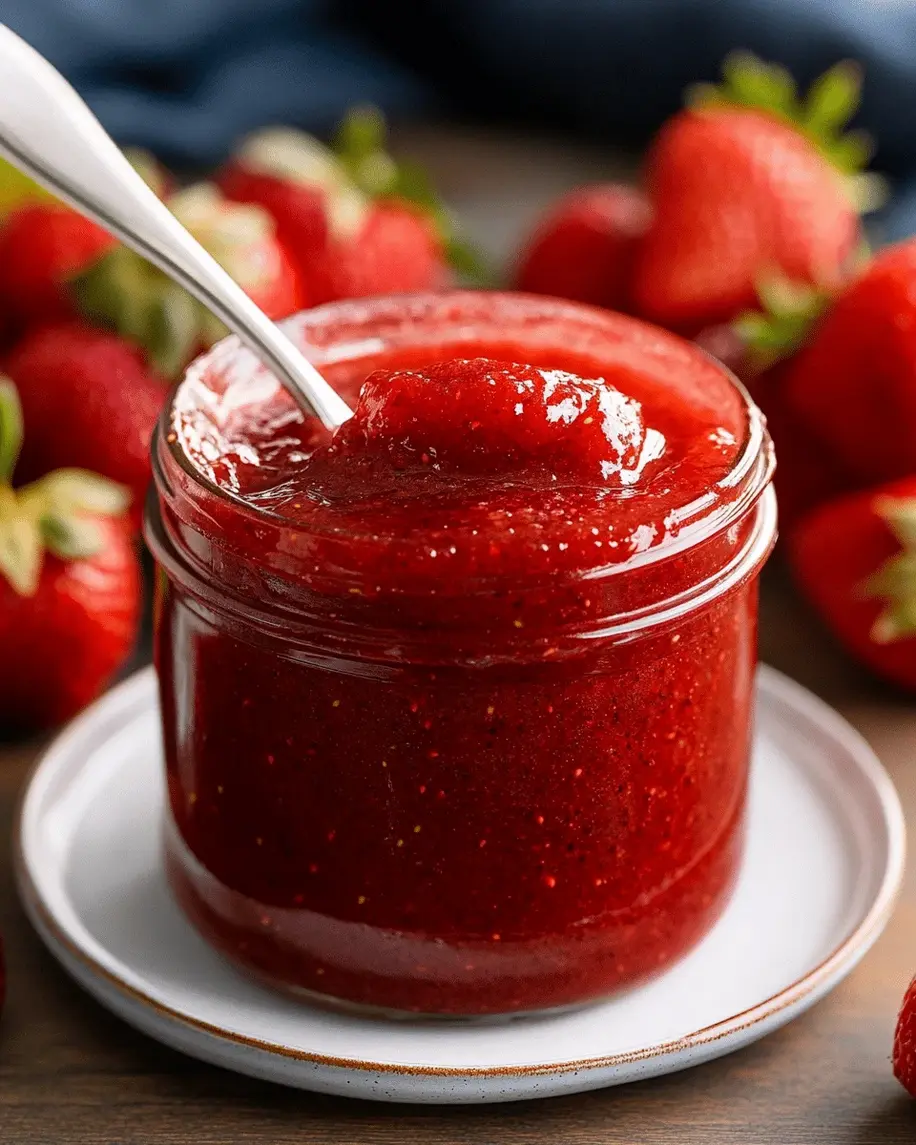
Sweet Coconut Rice Cake (Filipino Sticky Rice)

Sweet Coconut Rice Cake (Filipino Sticky Rice)

Introduction

Did you know that rice-based desserts are a cornerstone of celebrations across Southeast Asia, with the Filipino Sweet Coconut Rice Cake being a beloved staple during fiestas and family gatherings? This classic Filipino dessert, known for its irresistible chewy texture and rich coconut flavor, is more than just a treat—it’s a cultural experience. In this comprehensive guide, we’ll dive deep into creating the perfect Sweet Coconut Rice Cake, also called “Biko” or “Sinukmani” in some regions, combining sweet sticky rice with creamy coconut milk and caramel-like brown sugar, all crowned with golden, crispy coconut curds. Whether you’re a seasoned home cook or trying Filipino cuisine for the first time, this recipe will guide you to a dessert that’s authentically delicious and surprisingly simple to master.

Ingredients List

Gathering the right ingredients is the first step to success. Here’s what you’ll need for this authentic Sweet Coconut Rice Cake. I’ve included sensory notes and substitutions to help you adapt based on availability.

  • For the Sticky Rice Base:
    • 2 cups glutinous rice (malagkit) – The star ingredient. This short-grain rice has a high starch content that creates the signature chewy, sticky texture. Do not substitute with regular rice. Look for grains that are opaque and pearly white.
    • 2 ½ cups water – For soaking and cooking the rice to perfect tenderness.
    • 1 (13.5 oz) can coconut milk – Use full-fat for maximum creaminess and rich flavor. The fat content is essential for the sauce’s luxurious mouthfeel.
    • 1 ½ cups dark brown sugar – This gives the cake its deep caramel color and molasses-like sweetness. Substitution: You can use muscovado sugar for an even richer, almost smoky flavor, or light brown sugar for a milder taste.
    • ½ teaspoon salt – A crucial pinch to balance the sweetness and enhance all the other flavors.
  • For the Golden Coconut Curds (Latik):
    • 1 (13.5 oz) can coconut cream – This is thicker than coconut milk and has a higher fat content, which is necessary for rendering out the oil and creating the solid curds. Substitution: If unavailable, refrigerate 2 cans of full-fat coconut milk overnight and scoop out the solidified cream from the top.
    • 2 tablespoons granulated sugar – A little sugar helps the curds caramelize to a beautiful golden brown.

Timing

While many traditional recipes can be time-consuming due to lengthy soaking, our method is optimized for efficiency without sacrificing quality. Here’s the breakdown:

Prep Time
20 minutes
Cook Time
50 minutes
Total Time
1 hour 10 minutes
Servings
8-10 people

Compared to the average recipe that requires overnight soaking, our quick-soak method for the glutinous rice cuts down inactive time significantly. The active cooking time is focused and rewarding, leading to a dessert that’s ready in just over an hour.

Sweet Coconut Rice Cake (Filipino Sticky Rice)

A beautifully presented Sweet Coconut Rice Cake, showcasing the glossy, caramelized rice and golden coconut curds on top.

Step-by-Step Instructions

Step 1: Prepare the Sticky Rice

Rinse the 2 cups of glutinous rice under cold water in a fine-mesh strainer until the water runs clear. This removes excess surface starch and prevents gumminess. Transfer the rinsed rice to a medium saucepan. Add the 2 ½ cups of water and let it soak for just 20 minutes—this quick soak hydrates the grains for even cooking. After soaking, bring the pot to a boil over high heat. Once boiling, immediately reduce the heat to the lowest setting, cover with a tight-fitting lid, and simmer for 15 minutes. Do not peek! Let the steam work its magic. After 15 minutes, turn off the heat and let the rice sit, covered, for another 10 minutes to finish steaming. Fluff it gently with a fork; it should be fully cooked, tender, and sticky.

Step 2: Make the Coconut Sauce

While the rice is steaming, start the coconut sauce. In a separate, larger wide pan or wok (you’ll combine everything here later), combine the entire can of coconut milk, dark brown sugar, and salt. Cook this over medium heat, stirring constantly with a wooden spoon, until the sugar is completely dissolved and the mixture is smooth and begins to simmer gently. You’ll notice the aroma transforming from simply sweet to a deep, caramelized coconut fragrance.

Step 3: Cook the Sauce and Combine

Once the sauce is simmering, carefully add the cooked sticky rice to the pan. This is the moment it all comes together! Gently fold the rice into the coconut sauce, ensuring every grain is coated. Reduce the heat to medium-low. Continue to cook, stirring frequently to prevent sticking on the bottom, for 15-20 minutes. You are looking for the mixture to thicken significantly. The sauce will reduce and coat the rice, turning into a glossy, thick, caramel-like glaze. The rice will absorb the flavors and become even stickier. When you drag your spoon through the middle of the pan and the mixture holds its path for a second before slowly filling in, it’s ready.

Step 4: Prepare the Coconut Curds (Latik)

While the rice mixture is cooking, make the latik. In a small, heavy-bottomed skillet, combine the coconut cream and granulated sugar. Cook over medium heat, stirring occasionally. It will first bubble and look like coconut milk. Keep cooking. After about 15-20 minutes, the liquid will evaporate, the oil will separate, and the solid milk proteins will start to fry in their own oil. Stir more frequently now as these solids (the curds) turn from white to a light golden brown. Once they are a deep golden color and crispy, immediately remove from heat and strain through a fine-mesh sieve, reserving the fragrant coconut oil for other uses if desired. Spread the crispy latik on a paper towel to cool.

Step 5: Assemble and Serve

Transfer the thickened sweet coconut rice mixture to a serving platter or a 9×9 inch pan lightly greased with coconut oil. Use a spatula or the back of a spoon to press it into an even layer. While still warm, generously sprinkle the golden coconut curds all over the top, pressing them in slightly so they adhere. Let the cake cool for at least 30 minutes to set slightly—it will be easier to slice. Serve at room temperature or slightly warm for the best texture and flavor.

Nutritional Information

The following nutritional estimate is for one serving (based on 10 servings). This is a rich, celebratory dessert.

  • Calories: ~380 kcal
  • Total Fat: 18g (Saturated Fat: 16g)
  • Cholesterol: 0mg
  • Sodium: 130mg
  • Total Carbohydrates: 55g (Dietary Fiber: 1g, Sugars: 28g)
  • Protein: 4g

Healthier Alternatives

You can enjoy this Filipino classic with some mindful tweaks that preserve its soul-satisfying essence.

  • Sugar Swap: Replace dark brown sugar with coconut sugar. It has a lower glycemic index and adds a similar caramel note, though the color will be lighter.
  • Reduce Fat: Use “light” coconut milk for the sauce. The texture will be slightly less rich but still delicious. For the latik, this swap won’t work as you need the high fat content.
  • Portion Control: Serve smaller squares as part of a fruit platter with fresh mango slices or berries to add fiber and vitamins, making the dessert more balanced.
  • Skip the Latik: For a significant calorie reduction, omit the coconut curd topping and simply garnish with a sprinkle of toasted desiccated coconut for crunch and flavor.

Serving Suggestions

  • Classic Style: Serve slightly warm or at room temperature in small squares or scoops. The contrast of the cool, creamy topping with the warm cake is divine.
  • With Coffee or Tea: This sweet cake pairs perfectly with a strong black coffee or unsweetened tea to cut through the richness.
  • Festive Presentation: For parties, line a baking tray with banana leaves before adding the rice mixture for an authentic aromatic touch and beautiful presentation.
  • A La Mode: Take it to the next level by serving a small piece with a scoop of vanilla ice cream or mango sorbet.

Common Mistakes

  • Using the Wrong Rice: This is the #1 error. Only glutinous (sweet) rice will give you the proper sticky, chewy texture. Jasmine or basmati will not work.
  • Over-stirring the Rice: When combining the rice with the sauce, fold gently. Vigorous stirring can break the grains and turn the mixture mushy.
  • Rushing the Latik: Cooking the coconut cream over too high heat will burn the solids before they properly render and crisp up. Patience and medium heat are key.
  • Not Cooking the Sauce Long Enough: If you don’t cook the rice-sauce mixture until it’s very thick, the final cake will be too soft and won’t hold its shape when sliced. Look for that “path” test described in Step 3.
  • Skipping the Salt: Salt is not optional. Without it, the dessert will taste one-dimensionally sweet and cloying.

Storing Tips

  • Room Temperature: If consuming within 24 hours, you can leave the cake covered on the counter. The high sugar content acts as a preservative.
  • Refrigeration: For longer storage, place in an airtight container and refrigerate for up to 5 days. The texture will become firmer.
  • Reheating: To restore softness, microwave individual portions for 15-20 seconds or steam lightly. You can also reheat a larger piece in a covered pan over very low heat with a tablespoon of water.
  • Freezing: This cake freezes surprisingly well. Wrap individual portions tightly in plastic wrap and then in foil. Freeze for up to 2 months. Thaw in the refrigerator overnight and reheat

Quick Broccoli and Mushroom Stir Fry

Quick Broccoli and Mushroom Stir Fry

Introduction

Did you know that a study published in the Journal of Nutritional Science found that consuming cruciferous vegetables like broccoli at least three times a week can significantly support metabolic health? If you’re looking for a delicious way to hit that target, this Quick Broccoli and Mushroom Stir Fry is your perfect solution. This isn’t just another side dish; it’s a vibrant, flavor-packed journey that brings together tender-crisp broccoli florets and meaty, earthy mushrooms, all coated in a savory, umami-rich Asian-inspired sauce. It’s the kind of recipe that proves healthy eating doesn’t have to be complicated or time-consuming. Whether you need a lightning-fast weeknight dinner, a impressive side for guests, or a nutritious meal prep staple, this stir fry delivers on every front. The magic lies in the contrast of textures and the depth of the simple sauce, creating a dish that feels both comforting and exciting. Let’s dive into how you can make this restaurant-quality Quick Broccoli and Mushroom Stir Fry in your own kitchen in less time than it takes for delivery to arrive.

Ingredients List

Gathering fresh, high-quality ingredients is the first step to stir-fry success. Here’s what you’ll need for this vibrant dish:

  • 1 large head of broccoli (about 1.5 lbs): Cut into bite-sized florets. Look for bright green, firm stalks with tightly closed florets for the best crunch and sweetness.
  • 8 oz cremini or baby bella mushrooms: Sliced. These offer a deeper, earthier flavor than white button mushrooms, but either works. For a luxurious twist, try shiitake or oyster mushrooms.
  • 1 medium yellow onion: Thinly sliced. It caramelizes slightly, adding a foundational sweetness.
  • 3-4 cloves garlic: Minced. Fresh is best for that pungent, aromatic kick.
  • 1-inch piece of fresh ginger: Grated or minced. This is non-negotiable for authentic, zesty flavor.
  • 2 tablespoons neutral oil: Such as avocado, peanut, or grapeseed oil. They have a high smoke point perfect for stir-frying.

For the Savory Stir-Fry Sauce:

  • 1/3 cup low-sodium soy sauce or tamari: The salty, umami backbone. Tamari is a great gluten-free alternative.
  • 2 tablespoons oyster sauce: Adds a complex, savory-sweet depth. (Vegetarian? Use mushroom stir-fry sauce).
  • 1 tablespoon rice vinegar: For a touch of bright acidity that balances the richness.
  • 1 tablespoon honey or maple syrup: A hint of sweetness to round out the flavors.
  • 1 teaspoon toasted sesame oil: Added at the end for its incredible nutty aroma.
  • 1 tablespoon cornstarch: Mixed with 2 tablespoons cold water to create a slurry that thickens the sauce beautifully.
  • Optional for heat: 1 teaspoon sriracha or 1/2 teaspoon red pepper flakes.

Timing

Efficiency is key in stir-fry cooking. This recipe is designed for maximum flavor in minimal time.

Prep Time15 minutes
Cook Time10 minutes
Total Time25 minutes

Compared to the average stir-fry recipe that can take 40+ minutes with extensive marinating and separate cooking of each component, this streamlined version gets you from chopping board to dinner plate in under 30 minutes. The secret is the quick-cooking nature of the vegetables and having your “mise en place” (everything in its place) ready before you turn on the heat. This 25-minute total is a game-changer for busy weeknights.

Quick Broccoli and Mushroom Stir Fry in a pan, showing vibrant green broccoli and browned mushrooms in a glossy sauce.

This vibrant Quick Broccoli and Mushroom Stir Fry comes together in under 30 minutes for a healthy, satisfying meal.

Step-by-Step Instructions

Follow these steps closely for a perfectly cooked stir-fry with crisp-tender vegetables and a glossy, clingy sauce.

Step 1: Prep Your Ingredients

This is the most important step for a smooth cooking process. Wash and thoroughly dry the broccoli and mushrooms (wet veggies steam instead of fry). Cut the broccoli into uniform florets so they cook evenly. Thinly slice the onion and mushrooms, and mince the garlic and ginger. In a small bowl or measuring cup, whisk together all the sauce ingredients except the cornstarch slurry and sesame oil. In a separate tiny bowl, mix the cornstarch with 2 tablespoons of cold water until smooth. Have everything lined up next to your stove.

Step 2: Stir-Fry the Aromatics

Place a large wok or heavy-bottomed skillet over medium-high heat. Let it get properly hot for about 60 seconds—a drop of water should sizzle and evaporate instantly. Add the neutral oil and swirl to coat the pan. Immediately add the sliced onion. Stir-fry for 2-3 minutes until it begins to soften and turn translucent. Now, add the minced garlic and ginger. Stir constantly for just 30-60 seconds. You want them fragrant and golden, not burnt. Burnt garlic turns bitter and can ruin the dish.

Step 3: Cook the Broccoli and Mushrooms

Increase the heat to high. Add the broccoli florets to the pan. Stir-fry for 3-4 minutes. You’ll hear a satisfying sizzle. The goal here is to get some slight charring on the edges for flavor while the broccoli remains crisp. Now, add the sliced mushrooms. They will release their moisture. Continue to stir-fry for another 4-5 minutes until the mushrooms have browned and shrunk slightly, and the broccoli is bright green and tender-crisp when pierced with a fork.

Step 4: Create and Add the Sauce

Push the vegetables to the sides of the wok, creating a well in the center. Give your pre-mixed sauce (soy, oyster sauce, vinegar, honey) a quick stir and pour it into the well. Let it bubble and simmer for 30 seconds. Now, give your cornstarch slurry another stir (the starch settles) and drizzle it into the simmering sauce while stirring constantly. Within 60-90 seconds, you’ll see the sauce transform from thin and watery to beautifully glossy and thick.

Step 5: Finish and Serve

Once the sauce has thickened, immediately toss all the vegetables in the pan to coat them evenly in the glossy glaze. Remove the wok from the heat. Drizzle the toasted sesame oil over the top and give one final toss. The residual heat will warm the oil, releasing its incredible aroma without burning it. Taste and adjust seasoning—you likely won’t need extra salt due to the soy sauce, but a squeeze of fresh lime or a sprinkle of sesame seeds can be lovely. Serve immediately while hot.

Nutritional Information

This recipe makes about 4 servings as a side or 2 generous servings as a main. The following estimates are per serving (as a side).

  • Calories: ~180 kcal
  • Total Fat: 8g
  • Saturated Fat: 1g
  • Carbohydrates: 22g
  • Dietary Fiber: 5g
  • Sugars: 9g (mostly natural from broccoli & onion)
  • Protein: 8g
  • Sodium: ~900mg (using low-sodium soy sauce; regular soy sauce will be higher)

This dish is an excellent source of Vitamin C, Vitamin K, folate, and potassium from the broccoli, and provides selenium and B vitamins from the mushrooms.

Healthier Alternatives

Want to tweak this recipe for specific dietary goals? Here are flavorful, health-conscious swaps that don’t sacrifice taste:

  • Lower Sodium: Use liquid aminos or coconut aminos instead of soy sauce. They offer similar umami with about 60% less sodium.
  • Sugar-Free: Replace honey with a pinch of monk fruit sweetener or simply omit it—the oyster sauce provides enough sweetness for many palates.
  • Gluten-Free: Ensure you use tamari (not all are GF, so check the label) and a certified gluten-free oyster sauce alternative.
  • Oil-Free: For a truly oil-free version, use 1/4 cup of vegetable broth or water for “sautéing.” Add the aromatics and vegetables with splashes of liquid to prevent sticking. The sauce will still be flavorful.
  • Boost Protein: Add 1 cup of cubed extra-firm tofu (pressed and pan-fried first) or 8 oz of sliced chicken breast with the mushrooms.

Serving Suggestions

This stir fry is incredibly versatile. Here’s how to turn it into a complete meal:

  • Over Grains: Serve atop a bed of fluffy jasmine rice, nutty brown rice, or quinoa to soak up the delicious sauce.
  • With Noodles: Toss it with cooked lo mein noodles, rice noodles, or even zucchini noodles for a low-carb option.
  • As a Side: It pairs beautifully with grilled salmon, teriyaki chicken, or lemon pepper tofu.
  • Garnish Galore: Elevate the presentation and texture with a sprinkle of toasted sesame seeds, sliced green onions, a drizzle of chili crisp, or a squeeze of fresh lime juice.

Common Mistakes

Avoid these pitfalls to ensure your stir fry is perfect every time:

  • Crowding the Pan: Adding too many vegetables at once lowers the pan temperature, causing them to steam and become soggy. Cook in batches if your pan is small.
  • Not Prepping First: Stir-frying is fast-paced. If you’re chopping while cooking, something will burn. Have everything measured

GARLIC BUTTER SAUSAGE BITES WITH CREAMY PARMESAN PASTA

GARLIC BUTTER SAUSAGE BITES WITH CREAMY PARMESAN PASTA

Introduction

Did you know that over 70% of home cooks prioritize recipes that deliver maximum flavor in under 30 minutes? If you’re part of that majority searching for a quick, satisfying dinner, this recipe for Garlic Butter Sausage Bites with Creamy Parmesan Pasta is your new weeknight hero. Imagine juicy, savory sausage bites caramelized in a rich garlic butter sauce, all tossed with tender pasta enveloped in a luxuriously creamy, cheesy Parmesan sauce. It’s the ultimate comfort food fusion that feels indulgent yet comes together with stunning simplicity. This dish is the answer to the eternal question of how to create a restaurant-quality, flavorful meal without spending hours in the kitchen. Let’s dive into how you can make this crowd-pleaser a reality in your own home tonight.

Ingredients List

Gather these simple ingredients for a symphony of savory, creamy, and garlicky flavors. I’ve included substitutions to ensure you can make this recipe work with what you have on hand.

  • For the Sausage & Pasta:
    • 1 lb (450g) Italian Sausage Links – Use mild or hot based on your heat preference. The casing provides a delightful snap. Substitution: Kielbasa, Andouille, or even pre-cooked chicken sausage for a quicker option.
    • 12 oz (340g) Pasta – Rigatoni, penne, or fusilli are perfect for holding the creamy sauce. Substitution: Whole wheat pasta, gluten-free pasta, or chickpea pasta for dietary needs.
    • 1 tbsp Olive Oil – For that initial sear and to prevent sticking.
  • For the Garlic Butter Sauce:
    • 4 tbsp Unsalted Butter – The base for richness and that glossy, mouth-coating sauce.
    • 5-6 Garlic Cloves, minced – Fresh is best for a pungent, aromatic punch that mellows as it cooks. Substitution: 1.5 tsp garlic powder in a pinch.
    • 1 tsp Italian Seasoning – A fragrant blend of oregano, basil, thyme, and rosemary.
    • 1/4 tsp Red Pepper Flakes (optional) – Adds a subtle, warm kick.
  • For the Creamy Parmesan Sauce:
    • 1 cup Heavy Cream – Provides the lush, velvety texture. Substitution: Half-and-half for a lighter sauce, though it will be less thick.
    • 1 cup freshly grated Parmesan CheeseNOT the pre-shaken kind from a can. Freshly grated melts smoothly and offers a nutty, salty depth. Substitution: Pecorino Romano for a sharper taste or Asiago.
    • 1/2 cup Pasta Water (reserved) – The secret weapon! The starchy liquid helps emulsify the sauce, making it cling to every noodle.
    • Salt and Freshly Cracked Black Pepper – To taste. Remember, Parmesan is salty, so season at the end.
    • Fresh Parsley, chopped (for garnish) – Adds a pop of color and fresh, herbal brightness.

Timing

Prep Time
10 minutes
Cook Time
18 minutes
Total Time
28 minutes

This recipe clocks in at under 30 minutes from start to finish. Compared to the average pasta dish that might require separate sauce-making and longer simmering times, this method uses efficient, parallel processing—cooking the sausage and pasta simultaneously—to slash your active kitchen time. You’ll be enjoying a decadent meal faster than you could get delivery!

GARLIC BUTTER SAUSAGE BITES WITH CREAMY PARMESAN PASTA

Juicy sausage bites and creamy pasta come together in a garlic butter sauce for the ultimate 30-minute comfort meal.

Step-by-Step Instructions

Follow these clear, actionable steps to create a flawless dish. I’ll guide you through each stage with pro tips to ensure success.

Step 1: Prepare the Sausage

Start by removing the sausage from its casings. Simply squeeze the meat out one end of the link. Then, using your hands or a small spoon, roll the sausage meat into bite-sized balls, about 1-inch in diameter. Don’t worry about perfection—rustic is charming! Heat the olive oil in a large skillet or Dutch oven over medium-high heat. Once the oil shimmers, add the sausage bites in a single layer, working in batches if needed to avoid crowding. Crowding steams the meat. Cook for 5-7 minutes, turning occasionally, until they are beautifully browned on all sides and cooked through. Transfer them to a plate lined with paper towels to drain excess grease.

Step 2: Cook the Pasta

While the sausage browns, bring a large pot of generously salted water to a rolling boil. Add your pasta and cook according to the package directions for al dente—it should have a slight bite to it. This is crucial because the pasta will continue to cook slightly when tossed in the hot sauce. Just before draining, use a heatproof mug or ladle to reserve about 1/2 cup of the starchy pasta water. This liquid gold is key to our creamy sauce. Drain the pasta and set it aside.

Step 3: Make the Garlic Butter Sauce

In the same skillet you used for the sausage (don’t wash it—those browned bits are flavor!), reduce the heat to medium-low. Add the butter. Once melted, add the minced garlic, Italian seasoning, and red pepper flakes (if using). Cook for just 60-90 seconds, stirring constantly, until the garlic is fragrant. You must watch it closely—garlic burns in a heartbeat and turns bitter. The goal is to bloom the spices and mellow the raw edge of the garlic.

Step 4: Create the Creamy Parmesan Sauce

With the garlic butter shimmering, pour in the heavy cream. Increase the heat to medium and bring the mixture to a gentle simmer, stirring frequently. Let it simmer for 2-3 minutes to reduce slightly and thicken. Now, turn the heat down to low. Gradually sprinkle in the freshly grated Parmesan cheese, stirring constantly with a wooden spoon or whisk until the cheese is fully melted and the sauce is smooth and cohesive. If the sauce seems too thick, add the reserved pasta water a few tablespoons at a time until you reach a luxurious, silky consistency that coats the back of a spoon. Season with salt and pepper to taste—go easy on the salt until you’ve tasted it, thanks to the Parmesan.

Step 5: Combine and Serve

Add the cooked, drained pasta and the browned sausage bites back into the skillet with the creamy Parmesan sauce. Gently toss everything together until every piece of pasta and every sausage bite is gloriously coated in the sauce. Let it heat through for a final minute. Transfer to serving bowls or a large platter. Finish with a generous sprinkle of chopped fresh parsley for a burst of color and freshness. Serve immediately while hot and creamy.

Nutritional Information

The following estimates are per serving (assuming this recipe serves 4). For precise dietary tracking, use a recipe calculator with your exact brands and measurements.

  • Calories: ~780 kcal
  • Total Fat: 58g
  • Saturated Fat: 30g
  • Cholesterol: 165mg
  • Sodium: 950mg
  • Total Carbohydrates: 38g
  • Dietary Fiber: 2g
  • Sugars: 3g
  • Protein: 28g

Healthier Alternatives

You can easily adapt this recipe for a lighter version without sacrificing the core creamy, garlicky experience.

  • Leaner Protein: Swap Italian sausage for turkey or chicken Italian sausage, or use diced chicken breast.
  • Lighter Cream Base: Substitute heavy cream with half-and-half, whole milk, or even a plain, unsweetened almond or cashew milk blended with 1 tablespoon of flour or cornstarch (make a slurry first) to thicken.
  • Boost Veggies: Add 2 cups of fresh spinach or chopped kale to the garlic butter sauce just before adding the cream. It will wilt down and add nutrients and color. Sliced mushrooms or sun-dried tomatoes are also fantastic additions.
  • Whole Grains: Use whole wheat, lentil, or chickpea pasta to increase fiber and protein content.
  • Reduce Butter: Cut the butter in half and use a bit more olive oil or a splash of chicken broth to deglaze the pan.

Serving Suggestions

This dish is a complete meal on its own, but these pairings can elevate your dinner table:

  • With Bread: A side of warm, crusty garlic bread or a simple baguette is perfect for sopping up every last drop of the creamy sauce.
  • Fresh Salad: Balance the richness with a light, acidic side like a simple arugula salad with lemon vinaigrette or a classic Caesar salad.
  • Vegetable Side: Roasted asparagus, broccoli, or green beans with a squeeze of lemon add a healthy, crisp component.
  • Wine Pairing: A medium-bodied white like Chardonnay or Pinot Grigio complements the cream and garlic beautifully. For red lovers, a light-bodied Chianti or Pinot Noir works well with the sausage.

Common Mistakes

Avoid these pitfalls to ensure your dish turns out perfectly every time.

  • Using Pre-Grated Parmesan: It contains anti-caking agents (like cellulose) that prevent it from melting smoothly, leading to a grainy sauce. Always grate your own from a block.
  • Espagueti Blanco con Jamón

    Espagueti Blanco con Jamón

    Introduction

    Did you know that over 70% of Mexican home cooks seek out creamy pasta dishes for their weekly meal rotation? This Espagueti Blanco con Jamón is the quintessential answer to that craving, offering a comforting, rich, and incredibly satisfying dinner that comes together in under 30 minutes. This isn’t just another pasta recipe; it’s a beloved Mexican home-cooking classic that transforms simple ingredients like spaghetti, ham, and Parmesan into a luxurious, velvety meal. Perfect for busy weeknights, family gatherings, or when you need a dose of culinary comfort, this dish proves that elegance doesn’t have to be complicated. Let’s dive into how you can master this creamy Mexican pasta dish and make it a staple in your own kitchen.

    Ingredients List

    Gather these simple, flavorful ingredients to create the magic. I’ve included sensory notes and substitutions to help you adapt the recipe based on what you have on hand.

    • Spaghetti (400g / 14 oz): The classic foundation. Look for a high-quality durum wheat pasta for the best al dente texture that holds the sauce beautifully. Substitution: Fettuccine, linguine, or any long pasta works well.
    • Diced Ham (250g / 2 cups): Use a good-quality, thick-cut ham for the best flavor and texture. It should be slightly smoky and savory, providing little bursts of saltiness in every bite. Substitution: Cooked, diced chicken, turkey ham, or even crispy pancetta for a different twist.
    • Heavy Cream (2 cups / 480ml): This is the heart of the “blanco” sauce, creating that luxurious, silky base. For the richest result, use full-fat cream. Substitution: For a lighter version, half-and-half or whole milk mixed with a tablespoon of flour can work, though the sauce will be less decadent.
    • Freshly Grated Parmesan Cheese (1 ½ cups): CRUCIAL: Always grate your own Parmesan from a block. Pre-grated cheese contains anti-caking agents that prevent it from melting smoothly into the sauce. The nutty, salty flavor is irreplaceable.
    • Unsalted Butter (3 tbsp): For sautéing. Using unsalted allows you to control the final salt level of the dish.
    • White Onion (1 medium), finely chopped: Provides a sweet, aromatic base. You should hear a gentle sizzle when it hits the butter.
    • Garlic (3-4 cloves), minced: Fresh is best! The pungent, earthy aroma when sautéed is the first sign your sauce is going to be incredible.
    • Fresh Nutmeg (a pinch, freshly grated): The secret weapon. It adds a warm, subtle depth that elevates the cream sauce from good to restaurant-quality. Don’t skip it!
    • Salt and Black Pepper to taste: Season in layers for the most balanced flavor.
    • Fresh Parsley or Chives, for garnish (optional): Adds a pop of color and a fresh, herbal note that cuts through the richness.

    Timing

    One of the biggest advantages of this Espagueti Blanco con Jamón is its speed. Compared to many baked pasta dishes that can take over an hour, this recipe delivers maximum flavor with minimal time investment.

    Prep Time
    10 minutes
    Cook Time
    20 minutes
    Total Time
    30 minutes

    The 20-minute cook time is efficient because you can boil the pasta while simultaneously building the sauce. This parallel cooking method is a game-changer for getting a gourmet-quality meal on the table faster than ordering takeout.

    Espagueti Blanco con Jamón served in a white bowl, garnished with parsley and extra Parmesan cheese

    Creamy, comforting Espagueti Blanco con Jamón, ready in just 30 minutes.

    Step-by-Step Instructions

    Follow these detailed, actionable steps to ensure your pasta is perfectly cooked and your sauce is flawlessly creamy.

    Step 1: Prepare the Pasta

    Fill a large pot with water, salt it generously (it should taste like the sea—this is your only chance to season the pasta itself!), and bring it to a rolling boil. Add the spaghetti and cook according to package directions until al dente (firm to the bite). Reserve about 1 cup of the starchy pasta water before draining. This liquid gold is key to adjusting your sauce’s consistency later. Drain the pasta but do not rinse it; the starch on the surface helps the sauce cling.

    Step 2: Sauté the Aromatics and Ham

    While the pasta cooks, melt the butter in a large, deep skillet or Dutch oven over medium heat. Add the chopped onion and cook for 4-5 minutes until it becomes soft and translucent, releasing a sweet fragrance. Add the minced garlic and cook for just 30-60 seconds more until fragrant—be careful not to let it brown, as burnt garlic turns bitter. Now, stir in the diced ham. Cook for another 3-4 minutes, allowing the ham to warm through and get slightly golden edges, which intensifies its flavor.

    Step 3: Create the Creamy Parmesan Sauce

    Reduce the heat to medium-low. Pour the heavy cream into the skillet with the ham and onions. Let it warm gently for 2-3 minutes—you want it hot but not boiling vigorously. Gradually sprinkle in the freshly grated Parmesan cheese, stirring constantly with a wooden spoon or whisk. Keep stirring until the cheese is completely melted and the sauce is smooth and uniform. This is when you add that magical pinch of freshly grated nutmeg, along with black pepper. Taste the sauce now and add salt cautiously (remember, the ham and Parmesan are already salty).

    Step 4: Combine and Finish

    Add the drained, hot spaghetti directly into the skillet with the creamy sauce. Using tongs, toss and fold the pasta thoroughly until every strand is gloriously coated. If the sauce seems too thick, add the reserved pasta water, a few tablespoons at a time, until you reach a luxuriously silky consistency that coats the pasta without being gloppy. Remove from heat. Garnish with chopped fresh parsley or chives for a fresh contrast. Serve immediately while it’s piping hot and creamy.

    Nutritional Information

    The following nutritional estimate is for one serving (based on 6 servings total). Values are approximate.

    • Calories: ~580 kcal
    • Total Fat: 32g
    • Saturated Fat: 19g
    • Cholesterol: 105mg
    • Sodium: 780mg (varies with ham and cheese)
    • Total Carbohydrates: 50g
    • Dietary Fiber: 2g
    • Sugars: 4g
    • Protein: 22g

    Healthier Alternatives

    You can easily adapt this recipe for different dietary needs without sacrificing the creamy, comforting essence.

    • Lighter Cream Base: Substitute half the heavy cream with full-fat evaporated milk. It provides creaminess with less fat, or use a light cream cheese thinned with a bit of milk.
    • Boost Veggies: Sauté 1-2 cups of finely chopped spinach, mushrooms, or peas with the onions for added fiber, vitamins, and volume.
    • Leaner Protein: Swap the ham for grilled, shredded chicken breast or turkey ham to reduce saturated fat and sodium.
    • Whole Grain/Gluten-Free: Use whole wheat, chickpea, or lentil-based spaghetti. Note: Gluten-free pasta may require less starchy water for the sauce.
    • Lower-Sodium: Choose a low-sodium ham and reduce the amount of added salt, relying on the natural saltiness of the Parmesan.

    Serving Suggestions

    This dish is a complete meal on its own, but these pairings can turn it into a feast:

    • With a Fresh Salad: A simple arugula salad with a lemon vinaigrette provides a bright, peppery contrast to the rich pasta.
    • Garlic Bread is a Must: For soaking up every last drop of that creamy sauce. A crusty baguette toasted with garlic butter is perfect.
    • Wine Pairing: A crisp, acidic white wine like a Sauvignon Blanc or Pinot Grigio cuts through the richness beautifully. For a non-alcoholic option, sparkling water with lemon is ideal.
    • For a Mexican Touch: Serve with slices of avocado and a sprinkle of chili flakes or a drizzle of crema on top.

    Common Mistakes

    Avoid these pitfalls to ensure your Espagueti Blanco is perfect every time.

    • Using Pre-Grated Parmesan: It won’t melt smoothly and can make the sauce grainy. Always grate your own from a block.
    • Rinsing the Pasta: This washes away the essential starch that helps the sauce adhere. Never rinse after draining.
    • Boiling the Cream: Adding cheese to boiling cream can cause it to separate or become oily. Keep the heat at a gentle simmer.
    • Not Reserving Pasta Water: The starchy water is the best tool for thinning the sauce to the perfect consistency without diluting flavor.
    • Overcooking the Garlic: Burnt garlic is bitter. Add it after the onions and cook only until fragrant.

    Storing Tips

    Cream sauces can be tricky for leftovers, but these methods will keep your pasta delicious.

    • Refrigeration: Store in an airtight container in the fridge for up to 3 days. The sauce will thicken significantly.
    • Reheating: Reheat gently on the stovetop over low heat, adding a splash of milk, cream, or broth to loosen the sauce. Microwave reheating can cause the sauce to separate; if you must, use a low power setting and stir frequently.
    • Freezing Not Recommended: Cream-based sauces tend to separate and become grainy when frozen and thawed. It’s best enjoyed fresh.

    Conclusion

    This Espagueti Blanco con Jamón is more than just a recipe; it’s a testament to the power of simple, quality ingredients coming together to create something truly special. In just 30 minutes, you

Mexican Calabacitas Con Carne Molida En Salsa Verde

Mexican Calabacitas Con Carne Molida En Salsa Verde

Introduction

Did you know that over 70% of home cooks seek recipes that deliver restaurant-quality flavor in under an hour? If you’re searching for a Mexican Calabacitas Con Carne Molida En Salsa Verde recipe that fits that bill, you’ve landed in the right place. This isn’t just another ground beef and zucchini skillet; it’s a vibrant, soul-warming dish where tender zucchini (calabacitas) and savory ground beef (carne molida) swim in a tangy, herbaceous homemade salsa verde. This sauce, made from tomatillos, serranos, and cilantro, is the heart of the dish, transforming simple ingredients into a memorable meal. Perfect for busy weeknights, family gatherings, or meal prep, this recipe brings the authentic taste of a Mexican kitchen to your table with minimal fuss and maximum flavor. Let’s dive into how you can master this classic comfort food.

Ingredients List

Gather these fresh, flavorful ingredients. I’ve included substitutions to make this recipe work for you.

  • For the Salsa Verde:
    • 1 lb (about 450g) fresh tomatillos, husked and rinsed. (They should feel firm and have a bright, sticky skin. Substitution: One 28-oz can of tomatillos, drained.)
    • 2-3 serrano peppers, stems removed. (For less heat, use 1 jalapeño or remove the seeds. For more heat, add an extra serrano.)
    • 1/2 large white onion, roughly chopped.
    • 3 cloves garlic, peeled.
    • 1 large bunch of fresh cilantro, roughly chopped (stems are fine!). This adds a bright, grassy aroma.
    • 1/2 cup water or chicken broth (broth adds a deeper savory note).
    • Salt to taste.
  • For the Calabacitas Con Carne:
    • 1 tbsp vegetable oil (or avocado oil for a higher smoke point).
    • 1 lb (450g) ground beef, 85/15 lean-to-fat ratio is ideal for flavor. (Substitution: Ground turkey, chicken, or a plant-based crumble.)
    • 1/2 large white onion, finely diced. You’ll love the sweet fragrance as it cooks.
    • 3 medium zucchini (calabacitas), about 1.5 lbs, cut into 1/2-inch cubes. Look for firm, glossy zucchini.
    • 1 cup fresh or frozen corn kernels (frozen sweet corn works perfectly and adds a pop of color).
    • 1 tsp ground cumin, for that warm, earthy backbone.
    • Salt and black pepper to taste.
    • Optional for garnish: Crumbled queso fresco, chopped cilantro, sliced radishes, or a dollop of Mexican crema.

Timing

Prep Time
15 minutes
Cook Time
30 minutes
Total Time
45 minutes

At just 45 minutes from start to finish, this Mexican Calabacitas Con Carne Molida is significantly faster than many traditional stews or braised dishes, which often take 90 minutes or more. The efficiency comes from the quick-cooking salsa verde and the fact that the zucchini only needs a short simmer to become perfectly tender-crisp. You’ll have a complete, balanced dinner on the table in less time than it takes for delivery to arrive.

Mexican Calabacitas Con Carne Molida En Salsa Verde

A vibrant skillet of Calabacitas Con Carne Molida, showcasing tender zucchini and ground beef in a rich salsa verde.

Step-by-Step Instructions

Step 1: Prepare the Salsa Verde

In a medium saucepan, combine the husked tomatillos, serrano peppers, the 1/2 roughly chopped onion, and garlic cloves. Cover with water and bring to a boil over high heat. Reduce heat to medium and simmer for about 10 minutes, until the tomatillos change from bright green to a dull olive color and are soft when pierced with a fork. Carefully drain the water, then transfer the cooked vegetables to a blender. Add the fresh cilantro and 1/2 cup of fresh water or chicken broth. Blend on high until completely smooth. Take a quick taste and season with salt—this is your flavor base, so make it sing! Set the vibrant green sauce aside.

Step 2: Brown the Ground Beef

Heat the oil in a large, deep skillet or Dutch oven over medium-high heat. Add the finely diced onion and cook for 2-3 minutes until it begins to soften and become translucent. Add the ground beef, breaking it up with a wooden spoon. Cook for 6-8 minutes, until the beef is fully browned and no pink remains. As it cooks, season generously with salt, black pepper, and the ground cumin. The cumin will toast slightly, releasing an incredible aroma that forms the foundation of the dish.

Step 3: Cook the Sauce

Once the beef is browned, carefully pour your homemade salsa verde into the skillet. It will sizzle beautifully. Stir well to combine, scraping up any browned bits from the bottom of the pan—that’s pure flavor! Bring the mixture to a gentle simmer. Let it cook, uncovered, for about 5 minutes. This allows the raw flavors of the blended salsa to mellow and meld perfectly with the savory beef.

Step 4: Add the Zucchini

Now, stir in the cubed zucchini and corn kernels. Gently fold them into the saucy beef mixture, ensuring all the zucchini pieces get coated in that gorgeous green sauce. The key here is to maintain the zucchini’s texture; we want it tender but not mushy.

Step 5: Simmer and Serve

Reduce the heat to medium-low. Cover the skillet and let it simmer for 8-10 minutes. Check halfway through—the zucchini should be pierceable with a fork but still hold its shape. Once done, remove from heat. Let it sit, covered, for 5 minutes off the heat; this allows the flavors to settle and the zucchini to absorb the sauce fully. Give it one final taste and adjust seasoning if needed. Serve hot directly from the skillet.

Nutritional Information

The following estimates are for one serving (approximately 1.5 cups), based on a recipe yielding 6 servings. Values are approximate.

  • Calories: 320 kcal
  • Protein: 22g
  • Carbohydrates: 18g
  • Dietary Fiber: 4g
  • Sugars: 8g (naturally occurring from vegetables)
  • Fat: 18g
  • Saturated Fat: 6g
  • Sodium: 350mg (varies based on salt added)

Healthier Alternatives

You can easily adapt this recipe to fit various dietary needs without sacrificing the core Mexican Calabacitas Con Carne Molida experience.

  • Leaner Protein: Swap the ground beef for 93% lean ground turkey or chicken. For a plant-based version, use two cans of rinsed black beans or a package of seasoned soy crumbles added in the final 5 minutes of cooking.
  • Reduce Fat: After browning the beef, drain any excess fat before adding the salsa verde. You can also use a non-stick skillet and reduce the oil to 1 teaspoon.
  • Boost Veggies: Add a diced bell pepper with the onion, or stir in a handful of fresh spinach just before serving. You can also replace half the zucchini with diced chayote squash.
  • Lower Carb: Omit the corn and increase the zucchini by one extra. The salsa verde is naturally low in carbs.

Serving Suggestions

This dish is incredibly versatile. Here are my favorite ways to serve it:

  • The Classic Plate: Spoon generous portions over a bed of fluffy white rice or cilantro-lime rice, with warm corn tortillas on the side for scooping.
  • In a Bowl: Create a nourishing bowl with a base of quinoa or cauliflower rice, topped with the calabacitas, a spoonful of guacamole, and a sprinkle of queso fresco.
  • As a Filling: Use it as a hearty filling for tacos, burritos, or stuffed peppers. It’s also fantastic inside an omelet for a next-day breakfast.
  • With Toppings: Don’t skip the garnishes! Crumbled queso fresco adds a salty tang, Mexican crema provides cool creaminess, and fresh cilantro brightens every bite.

Common Mistakes

  • Overcooking the Zucchini: Adding the zucchini too early or simmering for too long turns it mushy and watery. Add it in the final 10 minutes and keep an eye on the texture.
  • Underseasoning the Salsa Verde: The salsa is the star. Taste it after blending and salt it adequately. A bland salsa means a bland final dish.
  • Not Browning the Beef Properly: Avoid steaming the beef in its own juices. Use a hot pan and don’t overcrowd it to achieve a proper sear, which builds a deeper flavor.
  • Skipping the Simmer After Adding Salsa: Letting the salsa and beef simmer together for a few minutes before adding vegetables is crucial. It cooks out the raw blended flavor and allows the sauce to thicken slightly.

Storing Tips

  • Refrigeration: Cool completely and store in an airtight container in the refrigerator for up to 4 days. The flavors