Best Sweet & Sour Cauliflower – Easy Vegan Recipe

best-sweet-sour-cauliflower-vegan

The Best Sweet & Sour Cauliflower That Even Meat-Lovers Crave

There’s something magical about sweet and sour flavors—that perfect balance of tangy and sugary that makes your taste buds dance. I remember the first time I tried making a vegan version of this classic takeout dish. My husband, a self-proclaimed carnivore, took one bite of this crispy, saucy cauliflower and declared, “Wait… this is better than the original!” That’s when I knew this recipe was a keeper.

Whether you’re looking for a meatless Monday star or a crowd-pleasing appetizer for your next gathering, this sweet and sour cauliflower is guaranteed to disappear fast. The secret? A double-crispy batter and a sauce that’s sticky, glossy, and packed with just the right amount of zing. Let’s get cooking!

Ingredients You’ll Need

This recipe is all about pantry staples with a few fresh twists. Here’s what you’ll need:

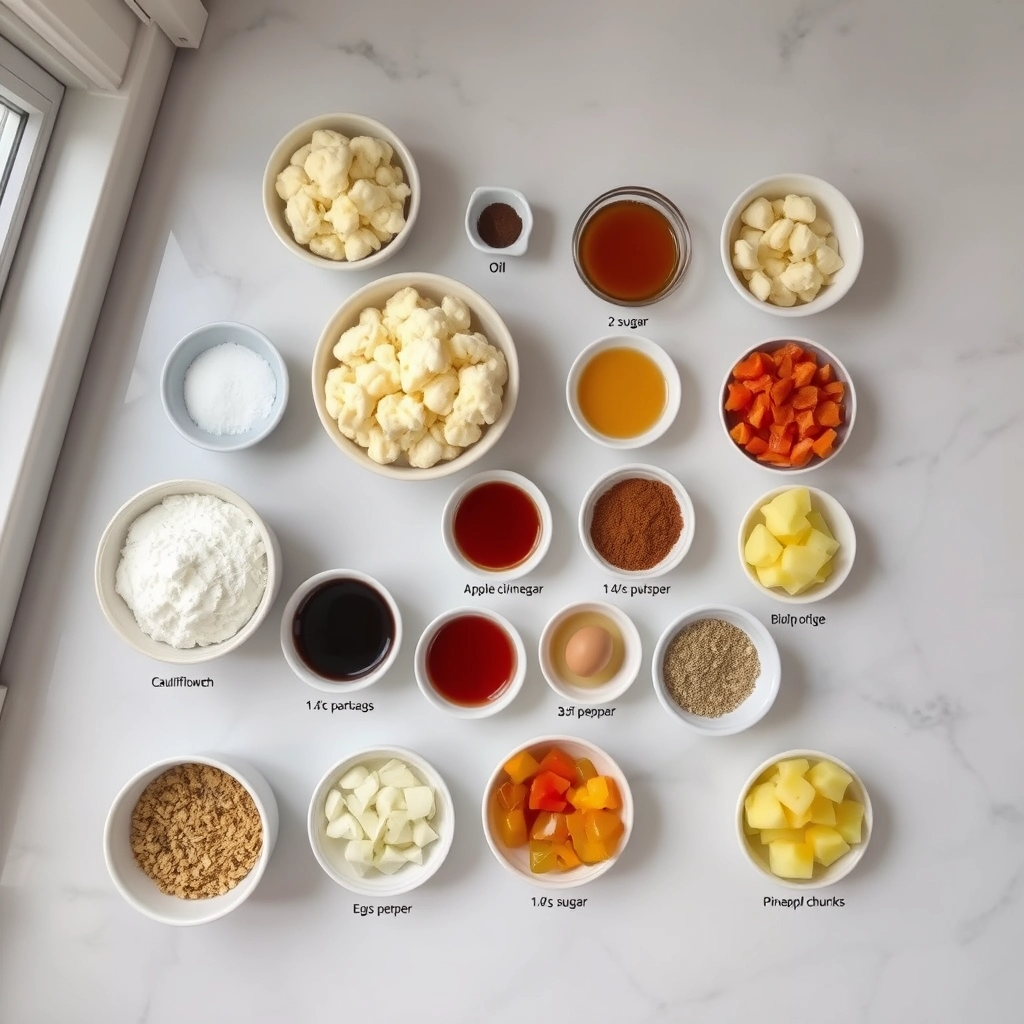
  • 1 large head of cauliflower – Look for one that feels heavy for its size with tight, creamy-white florets.
  • 1 cup all-purpose flour – Or swap half with cornstarch for extra crispiness (my little cheat!).
  • 1 cup cold sparkling water – The bubbles make the batter light and airy—trust me, it makes a difference!
  • 2 tbsp soy sauce – For that umami depth. Use tamari if gluten-free.
  • 1/2 cup pineapple juice – The natural sweetness here balances the sauce perfectly. Save the chunks for garnish!
  • 1/4 cup rice vinegar – Mild and slightly sweet—apple cider vinegar works in a pinch.
  • 3 tbsp ketchup – Sounds quirky, but it’s the secret to that nostalgic takeout flavor.
  • 2 cloves garlic, minced – Because everything’s better with garlic.
  • 1-inch knob of ginger, grated – Fresh is best here—it adds a bright, spicy note.
  • Sesame seeds and scallions – For that pretty finish and extra crunch.

Let’s Make That Crispy, Saucy Magic

Now for the fun part! Here’s how we turn humble cauliflower into a showstopper:

  1. Prep the cauliflower: Break the head into bite-sized florets—not too small, or they’ll get lost in the sauce. I like leaving some stem for that satisfying crunch.
  2. Whisk the batter: In a large bowl, combine flour, sparkling water, and soy sauce. It should be the consistency of pancake batter—thick enough to coat but still drippy. Pro tip: Lumps are okay! Overmixing makes the coating tough.
  3. First fry for crispiness: Heat about an inch of neutral oil (like sunflower or grapeseed) in a deep pan to 350°F. Working in batches, dip each floret in batter, let excess drip off, then fry for 2-3 minutes until pale golden. They won’t be fully cooked yet—that’s intentional!
  4. Drain and crisp again: Place the par-fried cauliflower on a wire rack (this keeps them crispy). Once all batches are done, crank the oil to 375°F and fry again for 1-2 minutes until deeply golden. Double-frying = maximum crunch that holds up to sauce!

While the cauliflower drains, we’ll whip up that irresistible sweet & sour glaze—but that’s a story for the next half of this recipe. (Spoiler: It involves bubbling sauce and that glorious sticky toss!)
Pro Tips, Variations, and Substitutions

This sweet and sour cauliflower recipe is wonderfully forgiving and easy to customize! Here are some of my favorite tweaks:

  • Extra crispy: For crunchier cauliflower, bake at 425°F for 20 minutes before adding the sauce
  • Spice it up: Add 1/2 teaspoon of red pepper flakes or a dash of sriracha to the sauce
  • Gluten-free: Use tamari instead of soy sauce and cornstarch instead of flour
  • Fruitier version: Add 1/2 cup pineapple chunks when simmering the sauce
  • Oil-free: Skip frying and roast the cauliflower at 400°F for 25 minutes instead

What to Serve With Sweet & Sour Cauliflower

This vibrant dish pairs beautifully with so many sides! My go-to combinations are:

  • Fluffy jasmine or brown rice to soak up the delicious sauce
  • Quick stir-fried vegetables like bell peppers, snap peas, and carrots
  • Crispy baked tofu or tempeh for extra protein
  • A simple cucumber salad to balance the rich flavors
  • Steamed dumplings or spring rolls for an Asian-inspired feast

Storage and Reheating Tips

Leftovers (if you’re lucky enough to have any!) keep wonderfully:

  • Refrigerator: Store in an airtight container for 3-4 days
  • Freezer: Freeze sauce separately for up to 2 months (cauliflower may soften when thawed)
  • Reheating: Warm in a skillet over medium heat to maintain texture, or microwave in 30-second intervals
  • Reviving crispiness: For leftover fried cauliflower, pop in a 375°F oven for 5-7 minutes

Frequently Asked Questions

Can I use frozen cauliflower?
Yes! Thaw completely and pat very dry before coating and frying. Frozen florets work better for the baked version.

What can I substitute for rice vinegar?
Apple cider vinegar or white wine vinegar work in a pinch, but reduce the quantity slightly as they’re more acidic.

How do I prevent the sauce from being too thin?
Let it simmer uncovered for an extra 2-3 minutes to thicken, or mix 1 teaspoon cornstarch with 1 tablespoon cold water and stir it in.

Can I make this ahead for meal prep?
Absolutely! Prepare components separately and combine when ready to eat. The sauce keeps especially well for 4-5 days.

The Perfect Balance of Sweet & Tangy

There’s something magical about that first bite of crispy cauliflower coated in glossy, flavorful sauce – the perfect harmony of sweet and sour that makes your taste buds sing. Whether you’re serving this as a weeknight dinner centerpiece or bringing it to a potluck to impress, this recipe never fails to delight. The best part? That satisfied feeling when meat-eaters can’t believe something this delicious is completely plant-based. I hope this sweet and sour cauliflower becomes a regular in your kitchen rotation, bringing both comfort and excitement to your table. Happy cooking!

Print
clock clock iconcutlery cutlery iconflag flag iconfolder folder iconinstagram instagram iconpinterest pinterest iconfacebook facebook iconprint print iconsquares squares iconheart heart iconheart solid heart solid icon

Sweet & Sour Cauliflower

  • Author: Trusted Blog

Description

A vegetarian twist on the classic sweet and sour dish, featuring crispy cauliflower in a tangy sauce.


Ingredients

Scale

For the Crust:

  • 1 head cauliflower, cut into florets
  • 1/2 cup cornstarch
  • 2 eggs, beaten
  • 1/2 cup sugar
  • 1/2 cup apple cider vinegar
  • 1/4 cup ketchup
  • 1 tbsp soy sauce
  • 1/2 tsp garlic powder
  • 1/2 tsp onion powder
  • 1 bell pepper, diced
  • 1/2 cup pineapple chunks
  • 2 tbsp vegetable oil

Instructions

1. Prepare the Crust:

  1. Preheat oven to 425°F (220°C). Line a baking sheet with parchment paper.
  2. Dip cauliflower florets in beaten eggs, then coat with cornstarch. Place on baking sheet and bake for 20-25 minutes until crispy.
  3. In a saucepan, combine sugar, vinegar, ketchup, soy sauce, garlic powder, and onion powder. Bring to a simmer and cook for 5 minutes until slightly thickened.
  4. Heat oil in a large skillet over medium heat. Add bell pepper and pineapple, cooking for 3-4 minutes until softened.
  5. Add baked cauliflower to the skillet, pour sauce over, and toss to coat evenly. Cook for 2-3 minutes until heated through.

Notes

You can customize the seasonings to taste.
Easy Seitan Teriyaki – Quick Homemade Recipe

easy-seitan-teriyaki-recipe

A Cozy Kitchen Adventure: Easy Seitan Teriyaki

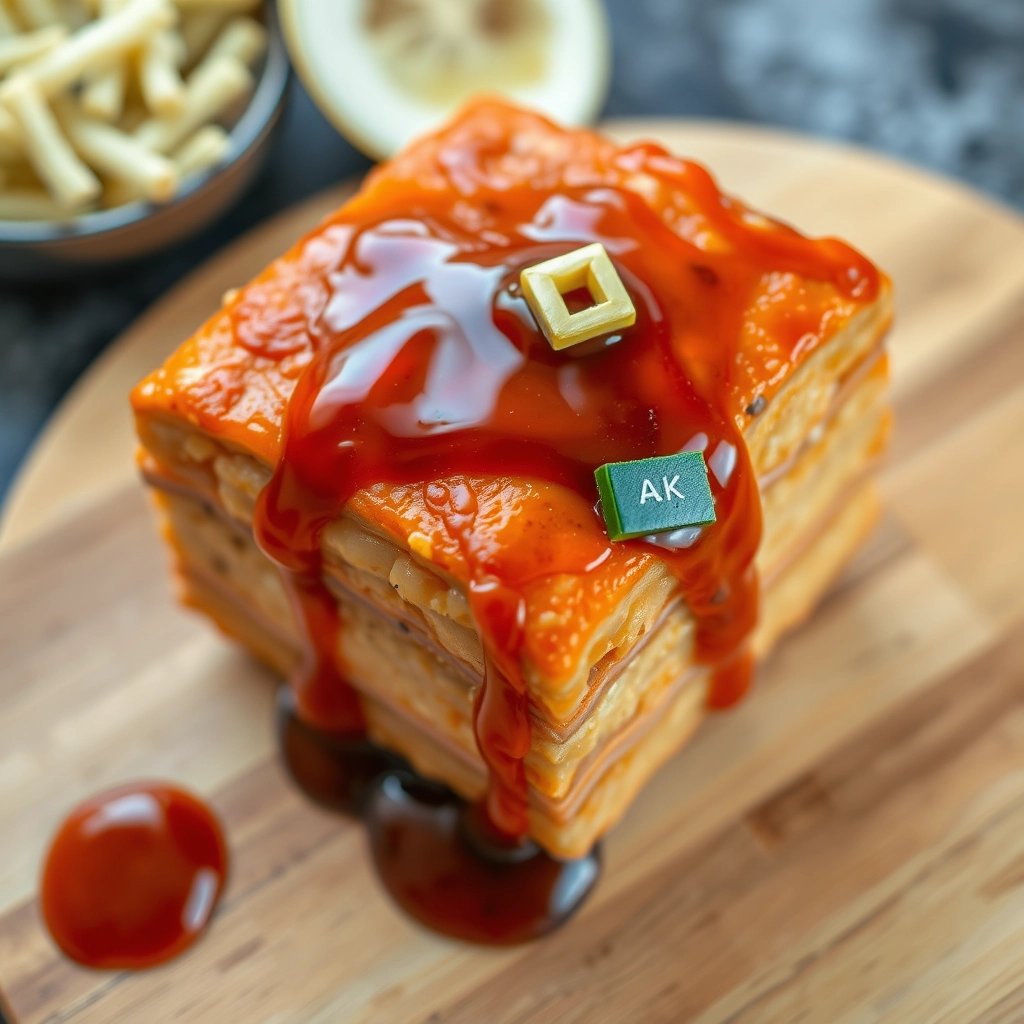
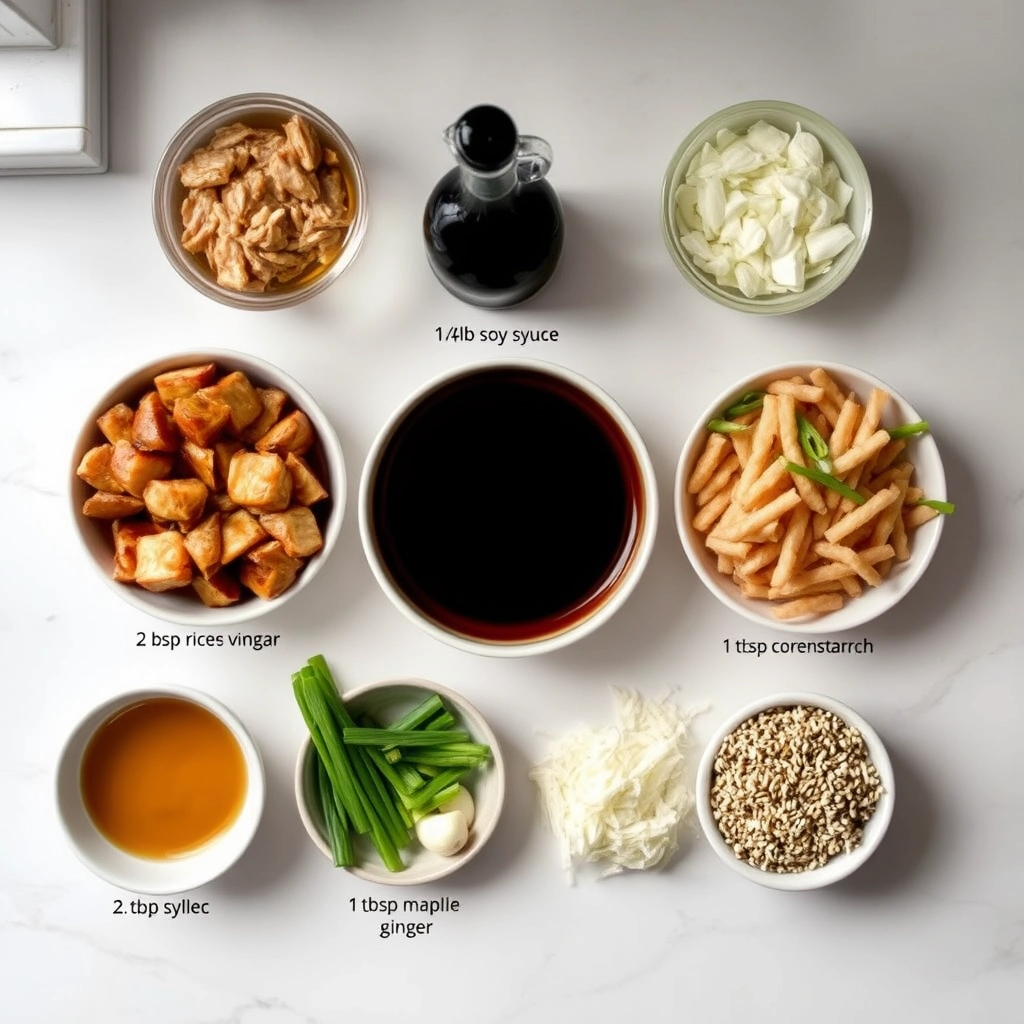
There’s something deeply comforting about the sweet, savory aroma of teriyaki wafting through the kitchen—especially on those evenings when you crave something hearty but don’t want to spend hours cooking. That’s exactly how this Easy Seitan Teriyaki recipe came to be in my kitchen. One rainy evening, with a half-empty fridge and a serious craving for takeout, I decided to whip up something quick, plant-based, and packed with flavor. The result? A dish so good, it’s now a weekly staple in our home. And the best part? It comes together in under 30 minutes!

Ingredients You’ll Need

Gather these simple, wholesome ingredients to create magic in your pan:

  • 1 cup vital wheat gluten – The star of the show! This gives seitan its chewy, meaty texture. If you’re new to cooking with it, don’t worry—it’s easier to work with than you think.
  • 2 tbsp nutritional yeast – Adds a subtle umami depth. Trust me, it makes a difference!
  • 1 tsp garlic powder – Because every good dish starts with garlic.
  • 1 tsp onion powder – For that extra savory kick.
  • ¾ cup vegetable broth – This keeps the seitan moist and flavorful. Use low-sodium if you’re watching salt intake.
  • ¼ cup soy sauce or tamari – Tamari is my go-to for a gluten-free option.
  • 2 tbsp maple syrup or agave – Just a touch of sweetness to balance the savory.
  • 1 tbsp rice vinegar – A splash of tanginess to brighten the sauce.
  • 1 tsp grated ginger – Fresh is best, but powdered works in a pinch.
  • 1 tbsp cornstarch + 2 tbsp water – Our secret for that glossy, thick teriyaki glaze.
  • 1 tbsp sesame oil – For sautéing. It adds a lovely nutty aroma.
  • Sesame seeds and sliced green onions – For that finishing touch!

Let’s Get Cooking: Step-by-Step

Now, let’s turn these humble ingredients into a dish that’ll have everyone asking for seconds. Here’s how to make it:

  1. Make the seitan dough: In a mixing bowl, combine the vital wheat gluten, nutritional yeast, garlic powder, and onion powder. Pour in the vegetable broth and stir until a dough forms. Knead it for 2-3 minutes—just until it’s elastic but not tough. Let it rest for 5 minutes while you prep the sauce.
  2. Whisk together the teriyaki sauce: In a small bowl, mix the soy sauce, maple syrup, rice vinegar, and grated ginger. In another tiny bowl, dissolve the cornstarch in water to create a slurry—this will thicken the sauce later.
  3. Shape and cook the seitan: Tear the dough into bite-sized pieces (irregular shapes are totally fine—rustic is charming!). Heat the sesame oil in a large pan over medium heat, then add the seitan pieces. Sauté for 5-6 minutes, turning occasionally, until they’re golden and slightly crispy on the edges.

Pro tip: Don’t overcrowd the pan—give those seitan pieces space to brown properly. If needed, cook them in batches!

Pro Tips, Variations, and Substitutions

Making seitan teriyaki at home is wonderfully forgiving, and there are plenty of ways to tweak it to your liking. Here are some pro tips and variations to make it your own:

  • For extra flavor: Marinate the seitan in the teriyaki sauce for 30 minutes before cooking. This helps it soak up even more of that delicious umami goodness.
  • Gluten-free option: Swap the seitan for tofu or tempeh if you’re avoiding gluten. The teriyaki sauce will still coat it beautifully!
  • Spice it up: Add a pinch of red pepper flakes or a drizzle of sriracha to the sauce for a little kick.
  • Low-sodium swap: Use coconut aminos instead of soy sauce if you’re watching your salt intake.

What to Serve With Seitan Teriyaki

This dish is incredibly versatile and pairs well with so many sides. Here are a few of my favorites:

  • Steamed rice: A classic choice—white, brown, or even cauliflower rice for a lighter option.
  • Stir-fried veggies: Bok choy, bell peppers, and snap peas add color and crunch.
  • Noodles: Toss with udon or soba noodles for a heartier meal.
  • Pickled sides: A little tang from quick-pickled cucumbers or radishes balances the sweetness of the teriyaki.

Storage and Reheating Tips

Leftovers? No problem! Here’s how to keep your seitan teriyaki tasting fresh:

  • Fridge: Store in an airtight container for up to 4 days.
  • Freezer: Freeze in a sealed bag for up to 2 months. Thaw in the fridge before reheating.
  • Reheating: Warm in a skillet over medium heat with a splash of water or extra teriyaki sauce to keep it moist. Avoid microwaving if possible—it can make the seitan rubbery.

Frequently Asked Questions

Can I use store-bought teriyaki sauce instead?
Absolutely! If you’re short on time, a good-quality bottled teriyaki sauce works just fine. Look for one with simple ingredients for the best flavor.

Why is my seitan chewy?
Overcooking can make seitan tough. Cook just until heated through and slightly caramelized—about 5–7 minutes should do the trick.

Can I make this oil-free?
Yes! Simply sauté the seitan in a little vegetable broth or water instead of oil. The sauce will still cling nicely.

How do I make it crispier?
For extra crispiness, toss the seitan in a bit of cornstarch before cooking, or broil for the last 2 minutes.

Final Thoughts

There’s something so comforting about a homemade teriyaki dish—the sticky-sweet sauce, the tender seitan, and the way it fills your kitchen with the most inviting aroma. Whether you’re cooking for a weeknight dinner or meal-prepping for the days ahead, this recipe is a keeper. I hope it becomes a staple in your home, just like it has in mine. Happy cooking, friends!

Print
clock clock iconcutlery cutlery iconflag flag iconfolder folder iconinstagram instagram iconpinterest pinterest iconfacebook facebook iconprint print iconsquares squares iconheart heart iconheart solid heart solid icon

Easy Seitan Teriyaki

  • Author: Trusted Blog

Description

A quick and flavorful vegan teriyaki dish made with seitan, perfect for a weeknight dinner.


Ingredients

Scale

For the Crust:

  • 1 lb seitan, sliced into strips
  • 1/4 cup soy sauce
  • 2 tbsp maple syrup
  • 1 tbsp rice vinegar
  • 1 tsp grated ginger
  • 2 cloves garlic, minced
  • 1 tbsp cornstarch
  • 1/4 cup water
  • 1 tbsp vegetable oil
  • 2 green onions, sliced (for garnish)
  • 1 tsp sesame seeds (for garnish)

Instructions

1. Prepare the Crust:

  1. In a small bowl, whisk together soy sauce, maple syrup, rice vinegar, ginger, and garlic to make the teriyaki sauce.
  2. In another small bowl, mix cornstarch and water to create a slurry.
  3. Heat vegetable oil in a large skillet over medium heat. Add seitan strips and cook for 3-4 minutes until lightly browned.
  4. Pour the teriyaki sauce over the seitan and stir to coat. Cook for 2 minutes.
  5. Add the cornstarch slurry and stir well. Simmer for 3-4 minutes until the sauce thickens.
  6. Garnish with sliced green onions and sesame seeds before serving.

Notes

You can customize the seasonings to taste.
Best Toasted Coconut Shortbread – Easy Recipe

best-toasted-coconut-shortbread

The Best Toasted Coconut Shortbread That Feels Like a Hug

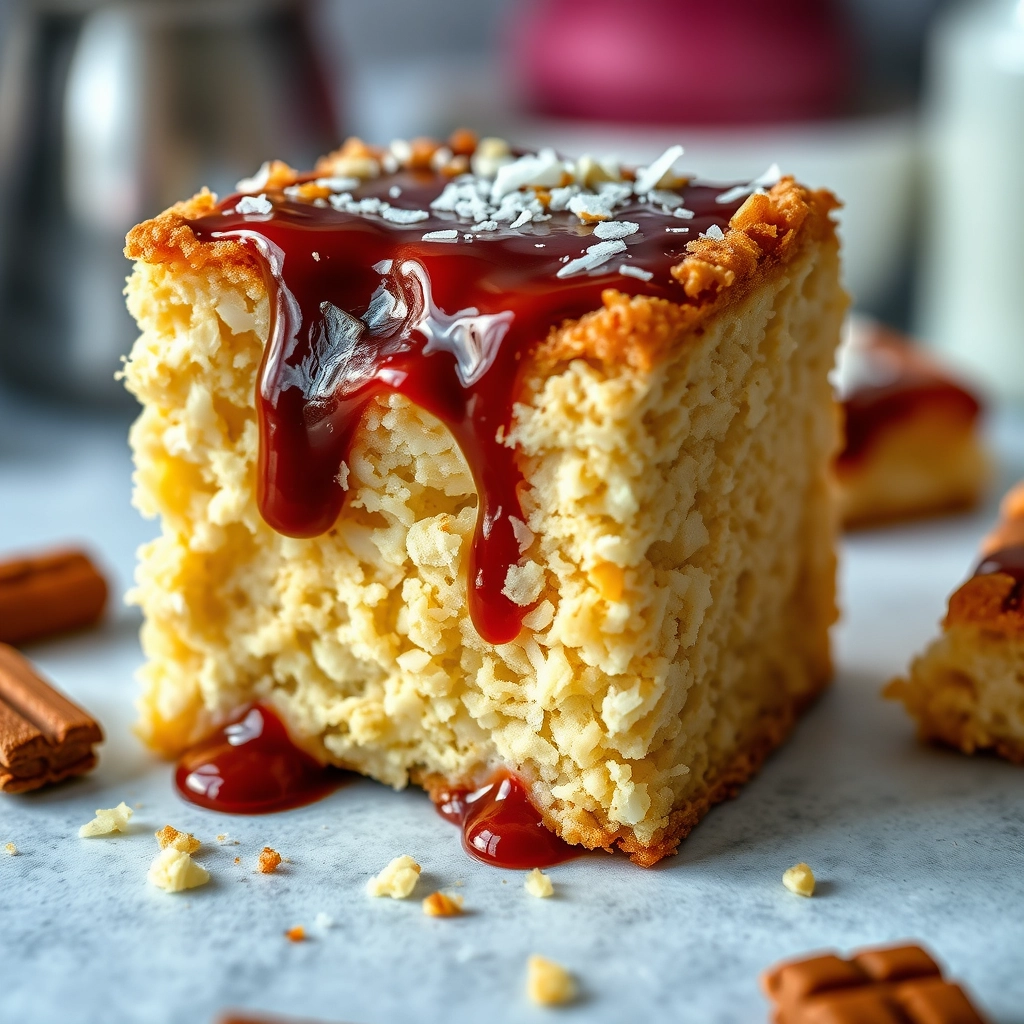
There’s something magical about the scent of toasted coconut wafting through the kitchen—warm, nutty, and just a little bit sweet. It reminds me of lazy Sunday afternoons at my grandmother’s house, where she’d pull a tray of golden shortbread from the oven, the edges crisp and the centers impossibly tender. I’ve tweaked her recipe over the years, adding a generous handful of toasted coconut for extra depth and crunch. The result? A buttery, melt-in-your-mouth cookie that feels like a hug in every bite. Whether you’re curling up with a cup of tea or sharing them with friends, these shortbread cookies are pure comfort.

Ingredients You’ll Need

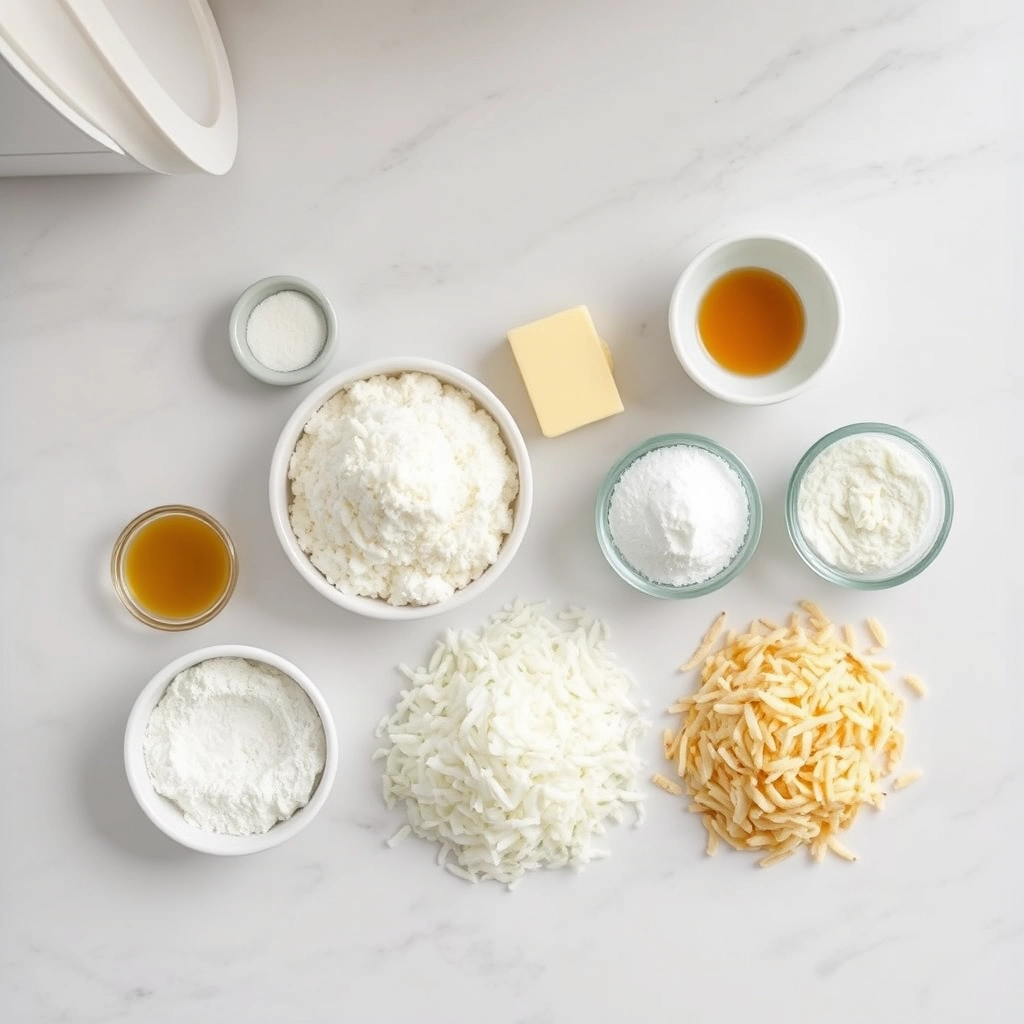
  • 1 cup unsalted butter, softened – The star of the show! Use high-quality butter for the best flavor.
  • ½ cup granulated sugar – Just enough sweetness to balance the richness.
  • 1 teaspoon pure vanilla extract – A warm, fragrant touch that elevates the coconut.
  • 2 cups all-purpose flour – The foundation for that perfect crumbly texture.
  • ½ teaspoon salt – A pinch to enhance all the flavors.
  • 1 cup shredded coconut, toasted – Don’t skip toasting! It brings out the coconut’s nutty sweetness.

Tip: To toast coconut, spread it on a baking sheet and bake at 350°F for 5-7 minutes, stirring occasionally, until golden. Keep a close eye—it goes from perfectly toasted to burnt in seconds!

Step-by-Step: Making the Perfect Shortbread

  1. Cream the butter and sugar – In a large bowl, beat the softened butter and sugar together until light and fluffy. This should take about 3-4 minutes with a hand mixer. Don’t rush—this step ensures your shortbread is tender, not dense.
  2. Add the vanilla – Mix it in until just combined. The aroma at this point is heavenly!
  3. Whisk dry ingredients – In a separate bowl, whisk together the flour and salt. This helps distribute the salt evenly for balanced flavor.
  4. Combine gently – Gradually add the dry ingredients to the butter mixture, mixing on low speed until the dough just comes together. Overmixing can make the shortbread tough.
  5. Fold in the toasted coconut – Use a spatula to gently fold in the coconut, making sure every bite is speckled with golden goodness.

At this point, your dough should be soft but not sticky. If it feels too crumbly, add a teaspoon of cold water. Too sticky? A sprinkle of flour will do the trick. Trust your instincts—baking is part science, part love.

Pro Tips, Variations, and Substitutions

This toasted coconut shortbread is wonderfully forgiving, but here are a few ways to make it even more special:

  • For extra crunch: Toast the coconut flakes until deeply golden (but not burnt!) before adding to the dough.
  • Dairy-free option: Swap butter for high-quality vegan butter—just make sure it’s the stick kind, not spreadable.
  • Flavor twists: Add a teaspoon of vanilla extract or a pinch of cardamom for a warm, aromatic note.
  • Gluten-free: Use a 1:1 gluten-free flour blend—the buttery texture still shines through.

What to Serve With Toasted Coconut Shortbread

These buttery cookies are delightful on their own, but they also pair beautifully with:

  • A cup of chai tea or iced coffee for an afternoon treat
  • A scoop of vanilla ice cream sandwiched between two cookies
  • Tropical fruit like mango or pineapple for a refreshing contrast
  • A drizzle of melted dark chocolate for an extra indulgent touch

Storage and Reheating Tips

To keep your shortbread fresh and crisp:

  • Room temperature: Store in an airtight container for up to 1 week.
  • Freezing: Layer cookies between parchment paper in a freezer-safe bag for up to 3 months.
  • Reviving crispness: If they soften, pop them in a 300°F oven for 5 minutes to bring back that perfect snap.

Frequently Asked Questions

Can I use sweetened coconut flakes?

Yes, but reduce the sugar in the recipe by 1-2 tablespoons to avoid over-sweetening.

Why did my shortbread spread too much?

This usually happens if the butter was too soft. Make sure it’s cool to the touch before creaming.

Can I make these ahead of time?

Absolutely! The dough keeps well in the fridge for 3 days or frozen for a month—just slice and bake when ready.

How do I get clean slices without crumbling?

Chill the dough thoroughly before slicing, and use a sharp knife with a gentle sawing motion.

Final Thoughts

There’s something truly magical about the simplicity of toasted coconut shortbread—the way the buttery crumb melts in your mouth, the subtle sweetness of coconut, and that irresistible crunch. Whether you’re baking these for a special occasion or just because, I hope they bring as much joy to your kitchen as they do to mine. Happy baking, friends!

Print
clock clock iconcutlery cutlery iconflag flag iconfolder folder iconinstagram instagram iconpinterest pinterest iconfacebook facebook iconprint print iconsquares squares iconheart heart iconheart solid heart solid icon

Toasted Coconut Shortbread

  • Author: Trusted Blog

Description

A buttery, crumbly shortbread cookie infused with toasted coconut for a delightful tropical twist.


Ingredients

Scale

For the Crust:

  • 1 cup unsalted butter, softened
  • 1/2 cup granulated sugar
  • 2 cups all-purpose flour
  • 1/2 teaspoon salt
  • 1 cup shredded coconut, toasted

Instructions

1. Prepare the Crust:

  1. Preheat oven to 325°F (165°C). Line a baking sheet with parchment paper.
  2. In a large bowl, cream together the butter and sugar until light and fluffy.
  3. Gradually mix in the flour and salt until just combined. Fold in the toasted coconut.
  4. Press the dough into an even layer on the prepared baking sheet, about 1/2-inch thick.
  5. Bake for 25-30 minutes, or until the edges are lightly golden. Let cool slightly before cutting into squares or bars.

Notes

You can customize the seasonings to taste.
Easy Homemade Baked Pita Chips Recipe

easy-homemade-baked-pita-chips

The Coziest Homemade Baked Pita Chips You’ll Ever Make

There’s something magical about the way a simple kitchen project can turn an ordinary afternoon into something special. Last weekend, as rain tapped gently against the window, I found myself craving that perfect crunch—something warm, salty, and just a little bit indulgent. Store-bought chips felt too impersonal, so I reached for a stack of pita bread hiding in the pantry. What unfolded was the easiest, most satisfying baking adventure: golden, crispy homemade pita chips that disappeared faster than I could snap a photo. Now, I’ll never go back to the bagged kind!

Ingredients You’ll Need (and Why I Love Them)

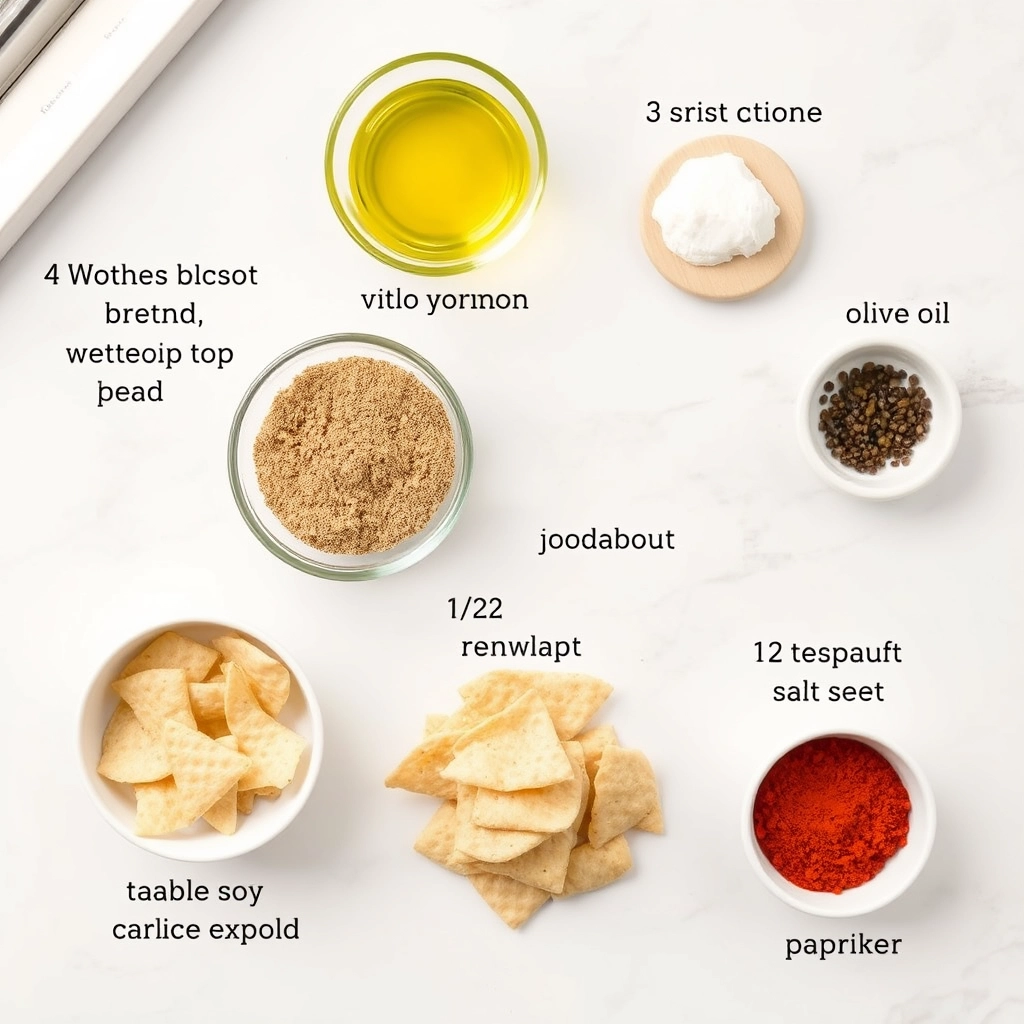
  • 4-6 pocketless pita bread rounds – The sturdier, the better! I prefer whole wheat for a nutty flavor, but white or even za’atar-studded pita works beautifully.
  • 1/4 cup extra-virgin olive oil – A good glug of fruity olive oil makes these chips luxuriously crisp without feeling heavy.
  • 1 teaspoon garlic powder – For that irresistible savory depth (fresh garlic burns too easily, trust me!).
  • 1/2 teaspoon sea salt – Flaky salt clings to every ridge for the perfect bite.
  • 1/2 teaspoon smoked paprika (optional) – My secret weapon! Adds a whisper of warmth that keeps everyone reaching for more.
  • A sprinkle of dried oregano or rosemary – If you’re feeling fancy, these herbs make the kitchen smell like a Mediterranean café.

Step-by-Step: How to Make Magic Happen

  1. Preheat & Prep: Crank your oven to 375°F (190°C)—no need to wait for full heat, since we’re toasting, not baking. Line a baking sheet with parchment paper (less mess, more zen).
  2. Slice with Abandon: Stack your pita rounds and cut them into 8 wedges each, like you’re slicing a pie. Don’t stress perfection—rustic edges mean extra crunch!
  3. Drizzle & Toss: In a big bowl, gently separate the pita wedges (some might stick together). Drizzle with olive oil, then sprinkle all those glorious seasonings over top. Toss with your hands—yes, get in there!—until every nook is coated.
  4. Spread the Love: Arrange the wedges in a single layer on the baking sheet. No overlapping! This is the golden rule for even crisping. (I sometimes do two batches if needed—patience pays off.)

Now, here’s where the real magic begins… but I’ll save the baking secrets (and my favorite hummus pairing tips) for the next part of this story. Trust me, your future snack time is about to get a whole lot cozier.

Pro Tips, Variations, and Substitutions

Making homemade baked pita chips is wonderfully forgiving, but a few expert tricks will take yours from good to great:

  • Spice it up: Before baking, sprinkle with za’atar, smoked paprika, or everything bagel seasoning for extra flavor.
  • Oil alternatives: Swap olive oil for melted butter or avocado oil if preferred.
  • Gluten-free option: Use gluten-free pita bread – the texture still crisps up beautifully.
  • Thicker chips: For sturdier dippers, cut pitas into 6 wedges instead of 8.
  • Even baking: Rotate pans halfway through baking if your oven has hot spots.

What to Serve With Your Pita Chips

These golden crisps are the ultimate blank canvas! Try pairing them with:

  • Classic hummus or roasted red pepper dip
  • Creamy tzatziki or whipped feta
  • Warm spinach-artichoke dip (perfect for chilly evenings)
  • Fresh guacamole or mango salsa for a tropical twist
  • Simply enjoy them with a bowl of soup instead of crackers

Storage and Reheating Tips

Store cooled pita chips in an airtight container at room temperature:

  • Room temp: Stay crisp for 4-5 days
  • Freezer: Freeze in ziplock bags for up to 2 months (no thawing needed!)
  • Reviving stale chips: Spread on a baking sheet and warm at 300°F for 3-5 minutes

FAQs

Can I use storebought pita chips instead?
While convenient, homemade lets you control thickness, crispness, and seasoning. Plus, they taste fresher!

Why are my chips not crispy?
They may have been cut too thick or crowded on the pan. Next time, bake in batches and ensure even spacing.

Can I make these in an air fryer?
Absolutely! Cook at 360°F for 4-6 minutes, shaking the basket halfway through. Watch closely as they brown faster.

Are pita chips healthier than potato chips?
When baked (not fried) and made with whole wheat pita, they offer more fiber and less fat than traditional chips.

The Joy of Homemade Goodness

There’s something magical about pulling a tray of golden pita chips from your own oven. That satisfying crunch, the way they cradle dips perfectly, the compliments from friends who can’t believe they’re homemade – this is the kind of simple kitchen magic I live for. Whether you’re hosting a gathering or just treating yourself to an elevated snack moment, these chips are little bites of happiness. Now go forth and bake (then dip, then repeat)!

Print
clock clock iconcutlery cutlery iconflag flag iconfolder folder iconinstagram instagram iconpinterest pinterest iconfacebook facebook iconprint print iconsquares squares iconheart heart iconheart solid heart solid icon

Homemade Baked Pita Chips

  • Author: Trusted Blog

Description

Crispy and flavorful baked pita chips that are perfect for snacking or dipping.


Ingredients

Scale

For the Crust:

  • 4 whole wheat pita bread rounds
  • 3 tablespoons olive oil
  • 1 teaspoon garlic powder
  • 1 teaspoon paprika
  • 1/2 teaspoon salt
  • 1/4 teaspoon black pepper

Instructions

1. Prepare the Crust:

  1. Preheat oven to 375°F (190°C). Line a baking sheet with parchment paper.
  2. Cut each pita bread into 8 wedges and separate the layers to create thin chips.
  3. In a small bowl, mix olive oil, garlic powder, paprika, salt, and black pepper.
  4. Brush both sides of each pita wedge with the seasoned oil mixture.
  5. Arrange the pita wedges in a single layer on the prepared baking sheet.
  6. Bake for 10-12 minutes, flipping halfway, until golden and crispy.

Notes

You can customize the seasonings to taste.
Best Vegan Italian Veggie Hoagie Dip Recipe

best-vegan-italian-hoagie-dip

The Best Vegan Italian Veggie Hoagie Dip That Will Steal the Show

There’s something magical about a dish that brings people together—especially when it’s as vibrant, flavorful, and downright irresistible as this Vegan Italian Veggie Hoagie Dip. Picture this: a cozy Sunday afternoon, friends gathered around the coffee table, laughter filling the air, and a big, beautiful bowl of this dip sitting front and center. It’s the kind of dish that disappears faster than you can say, “Pass the bread!”

I first fell in love with the idea of a hoagie dip after a trip to Philadelphia, where piled-high sandwiches are practically a way of life. But as someone who leans into plant-based eating, I knew I had to create a version that was just as hearty, just as indulgent, but entirely vegan. And let me tell you—this one? It’s a game-changer. Packed with crisp veggies, savory spices, and a creamy, tangy dressing, it’s everything you love about an Italian hoagie… but dippable.

Ingredients You’ll Need

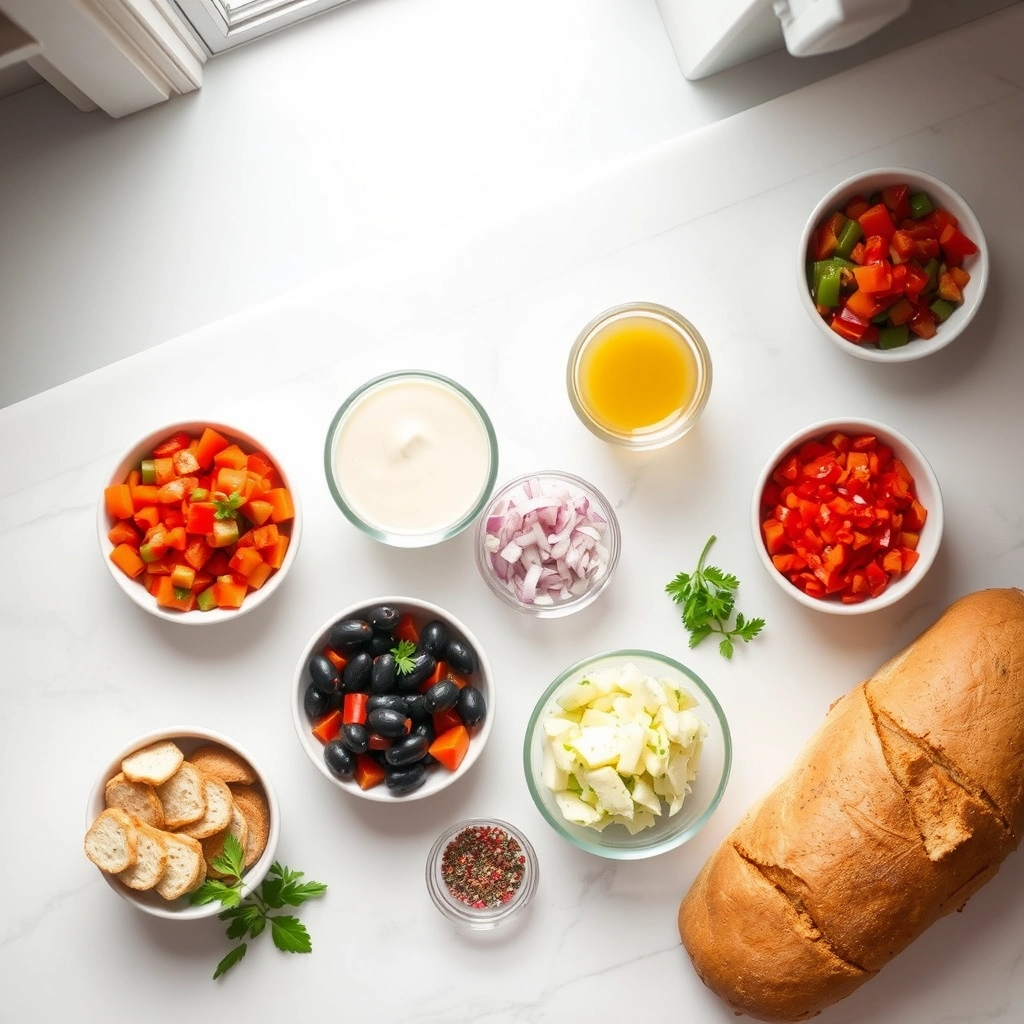
  • 1 cup vegan mayo – I love using a tangy, egg-free mayo for that classic richness.
  • ½ cup vegan sour cream – This adds a lovely creaminess that balances the crunch of the veggies.
  • 2 tbsp red wine vinegar – A splash of acidity brightens up the whole dish.
  • 1 tbsp olive oil – Just a drizzle for that authentic Italian flavor.
  • 1 tsp dried oregano – The herb that makes every bite sing.
  • ½ tsp garlic powder – Because what’s an Italian dish without garlic?
  • ½ tsp onion powder – A subtle depth that ties everything together.
  • Salt & black pepper to taste – Don’t be shy—seasoning is key!
  • 1 cup shredded iceberg lettuce – For that fresh, crisp bite.
  • ½ cup diced tomatoes – Juicy and sweet, they add the perfect pop of color.
  • ½ cup diced red onion – A little sharpness to balance the creaminess.
  • ½ cup sliced banana peppers – These bring the tangy heat we all crave.
  • ½ cup sliced black olives – Salty, briny, and oh-so-delicious.
  • ½ cup diced vegan deli slices (pepperoni or ham-style) – My favorite brands are Tofurky or Lightlife for that meaty texture.
  • ½ cup shredded vegan mozzarella – Optional, but who can resist melty cheese?

Let’s Make This Dreamy Dip

Step 1: Whip Up the Creamy Base
In a large mixing bowl, whisk together the vegan mayo, sour cream, red wine vinegar, olive oil, oregano, garlic powder, onion powder, salt, and pepper. Taste as you go—this is your chance to adjust the flavors to your liking. Want it tangier? Add a splash more vinegar. Craving more herbs? Toss in an extra pinch of oregano.

Step 2: Fold in the Veggies & Vegan Meats
Now, the fun part! Add the shredded lettuce, diced tomatoes, red onion, banana peppers, black olives, and vegan deli slices to the bowl. Gently fold everything together until all those colorful ingredients are evenly coated in the creamy dressing. If you’re using vegan mozzarella, sprinkle it in now for a little extra indulgence.

Step 3: Chill & Let the Flavors Mingle
Cover the bowl and pop it in the fridge for at least 30 minutes. I know, waiting is the hardest part—but trust me, this step is crucial. It gives all those bold flavors time to get to know each other, resulting in a dip that’s even more irresistible.

While it chills, grab your favorite dippables—crusty bread, toasted baguette slices, pita chips, or even crisp romaine leaves for a lighter option. And maybe sneak a little taste test while you wait… I won’t tell!

Now that you’ve got the basics of this mouthwatering Vegan Italian Veggie Hoagie Dip down, let’s take it to the next level with some pro tips and creative twists!

Pro Tips & Variations

  • Spice it up: Add a pinch of red pepper flakes or a dash of hot sauce for those who like a little kick
  • Cheese lovers: While our recipe is vegan, you can add dairy-free mozzarella shreds for extra melty goodness
  • Seasonal twist: Swap the bell peppers for roasted eggplant or zucchini in summer months
  • Shortcut version: Use pre-chopped veggies from the salad bar to save time

Perfect Pairings

This dip plays well with so many dippers! Try serving with:

  • Crusty Italian bread slices
  • Toasted baguette rounds
  • Pita chips or crackers
  • Fresh veggie sticks for a lighter option

Storage & Reheating

Leftovers (if you’re lucky enough to have any!) keep beautifully:

  • Store in an airtight container in the fridge for up to 4 days
  • Reheat gently in the microwave or oven at 350°F until warmed through
  • The flavors actually deepen overnight – making this a great make-ahead party dish!

Frequently Asked Questions

Can I make this nut-free?

Absolutely! Simply omit the vegan cheese or use a nut-free vegan cheese alternative. The dip will still be delicious with just the creamy dressing base.

How can I make this gluten-free?

This recipe is naturally gluten-free as written – just be sure to serve it with gluten-free bread or crackers for dipping.

Can I freeze this dip?

We don’t recommend freezing as the texture of the fresh veggies will change. It’s best enjoyed fresh or refrigerated for a few days.

What’s the best way to transport this to a party?

Mix all ingredients except the breadcrumbs ahead of time, then top with breadcrumbs just before baking at your destination. Transport in an insulated container.

There you have it – everything you need to create the ultimate plant-based party pleaser! This Vegan Italian Veggie Hoagie Dip brings all the flavors you love from your favorite sandwich in a warm, shareable format that’s guaranteed to disappear fast. Whether you’re hosting game day, a potluck, or just craving some comfort food, this recipe delivers big flavor with every scoop. Don’t be surprised when guests start asking for the recipe – we’ve all been there!

Print
clock clock iconcutlery cutlery iconflag flag iconfolder folder iconinstagram instagram iconpinterest pinterest iconfacebook facebook iconprint print iconsquares squares iconheart heart iconheart solid heart solid icon

Vegan Italian Veggie Hoagie Dip

  • Author: Trusted Blog

Description

A delicious vegan twist on the classic Italian hoagie, transformed into a creamy, shareable dip packed with fresh veggies and bold flavors.


Ingredients

Scale

For the Crust:

  • 1 cup raw cashews, soaked overnight
  • 1/2 cup unsweetened almond milk
  • 2 tbsp lemon juice
  • 1 tbsp apple cider vinegar
  • 1 tsp garlic powder
  • 1 tsp onion powder
  • 1/2 tsp salt
  • 1/4 tsp black pepper
  • 1/2 cup diced roasted red peppers
  • 1/2 cup diced green bell pepper
  • 1/2 cup diced red onion
  • 1/4 cup sliced black olives
  • 1/4 cup chopped fresh parsley
  • 1 tsp dried oregano
  • 1/2 tsp crushed red pepper flakes
  • 1 loaf crusty bread or crackers for serving

Instructions

1. Prepare the Crust:

  1. Drain and rinse the soaked cashews. In a blender, combine cashews, almond milk, lemon juice, apple cider vinegar, garlic powder, onion powder, salt, and black pepper. Blend until smooth and creamy.
  2. Transfer the cashew mixture to a large bowl. Add roasted red peppers, green bell pepper, red onion, black olives, parsley, oregano, and red pepper flakes. Stir well to combine.
  3. Cover and refrigerate for at least 1 hour to allow flavors to meld. Serve chilled with crusty bread or crackers.

Notes

You can customize the seasonings to taste.