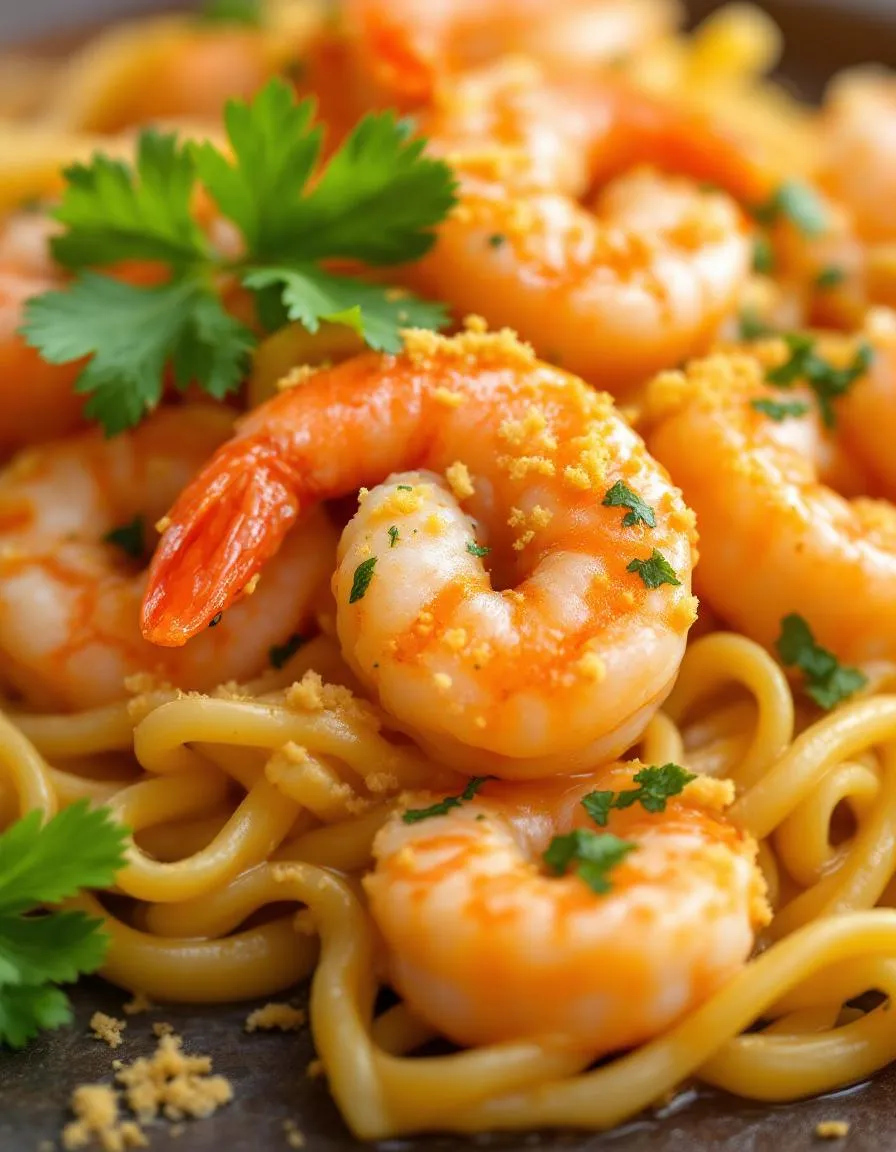
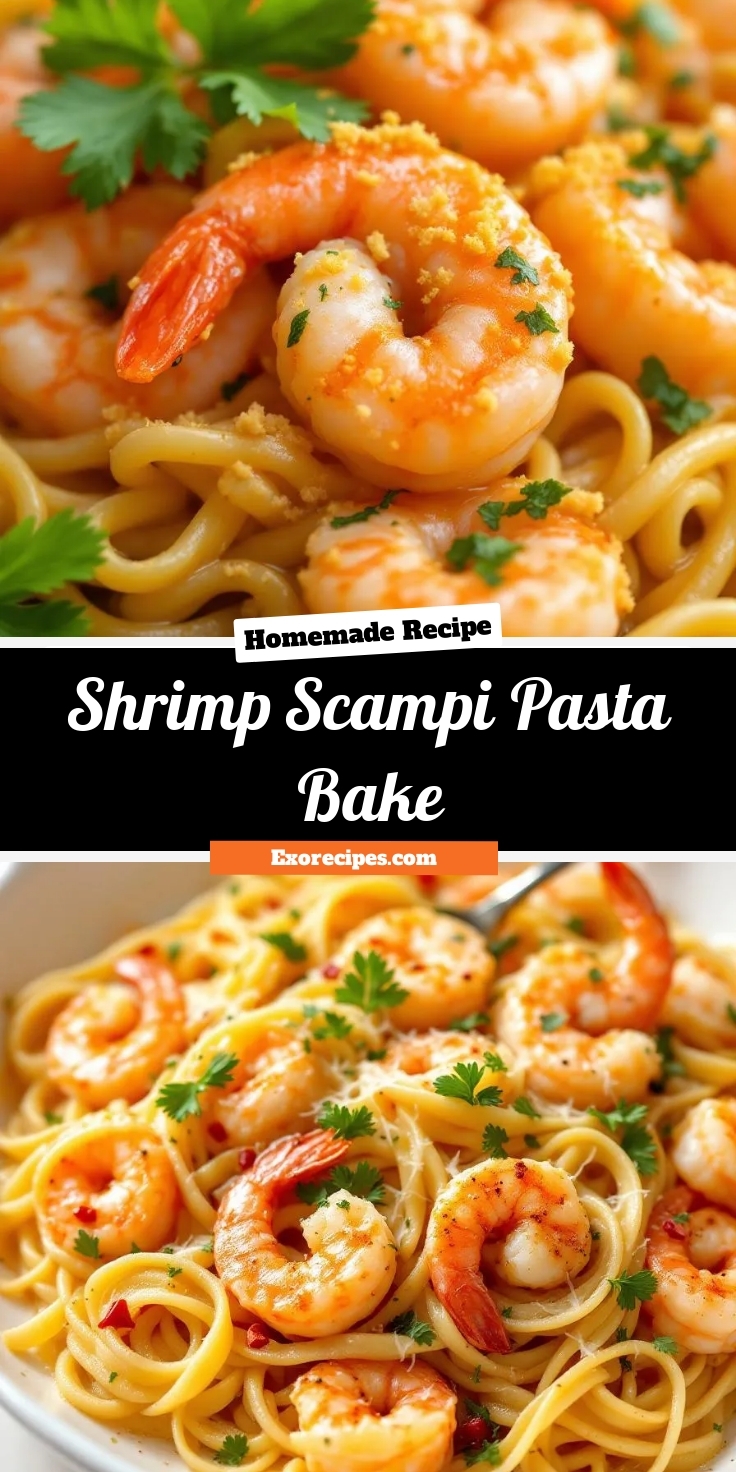
If you’re craving a dish that feels both comforting and elegant, you’re in the right place. Shrimp Scampi Pasta Bake combines the bright, garlicky flavors of classic scampi with the cozy satisfaction of a baked pasta dish. Whether you’re cooking for a weeknight dinner or a special gathering, this recipe delivers restaurant-quality taste with minimal fuss. Plus, it’s a fantastic way to impress guests without spending hours in the kitchen.
Shrimp Scampi Pasta Bake is a modern twist on two beloved classics. Traditionally, shrimp scampi features succulent shrimp sautéed in garlic, butter, and white wine, while pasta bake dishes offer hearty, oven-baked comfort. By merging these concepts, we create a dish that’s rich in flavor yet simple to prepare. The shrimp stays tender, the pasta absorbs the savory sauce, and a golden breadcrumb topping adds the perfect crunch. This recipe fits brekcakes.com’s mission perfectly—approachable, flavorful, and designed to make home cooking feel joyful. If you love easy yet impressive meals, you’ll also adore our Creamy Garlic Parmesan Pasta or our Lemon Butter Shrimp for more seafood inspiration.
Why I Love This Recipe
Shrimp Scampi Pasta Bake holds a special place in my heart because it reminds me of family dinners where everyone gathered around the table, laughing and sharing stories. The first time I made it, my dad—who usually prefers steak—asked for seconds. That’s when I knew this recipe was a keeper. It’s the kind of dish that feels celebratory yet effortless, and I love how it brings people together. Every time I pull it out of the oven, the aroma fills the kitchen, and I’m transported back to those warm, happy moments.
Health and Nutrition
Why it’s good for your body
Shrimp Scampi Pasta Bake packs a nutritious punch while delivering bold flavors. First, shrimp provides lean protein, which helps build and repair muscles. Additionally, it contains omega-3 fatty acids, which support heart health and reduce inflammation. Meanwhile, garlic and olive oil add antioxidants that boost immunity and fight free radicals.
Because this dish includes whole wheat pasta, it offers more fiber than traditional versions. Fiber keeps digestion smooth and helps maintain steady energy levels. Furthermore, the tomatoes and herbs contribute vitamins like C and K, which promote skin health and bone strength. Even better, Shrimp Scampi Pasta Bake balances indulgence with nourishment, making it a smart choice for satisfying cravings without guilt.
Finally, the dish avoids heavy cream, relying instead on lighter ingredients like lemon juice and broth. As a result, it stays lower in saturated fat while still tasting rich. Whether you need a post-workout meal or a comforting dinner, Shrimp Scampi Pasta Bake fuels your body with high-quality nutrients.
How it fits in a healthy lifestyle
Shrimp Scampi Pasta Bake fits seamlessly into balanced eating habits. For gluten-free diets, simply swap regular pasta for a gluten-free alternative—the flavors still shine. If you’re focusing on heart health, the omega-3s from shrimp and monounsaturated fats from olive oil make this dish a great option. Plus, the high protein content keeps you full longer, reducing unnecessary snacking.
Pairing this bake with a side of roasted vegetables or a crisp salad boosts its nutritional profile even further. For more high-protein meal ideas, check out our healthy dinner recipes. And if you love seafood but want variety, our seafood meal prep guide offers easy ways to incorporate it into your weekly routine. With simple tweaks and smart pairings, Shrimp Scampi Pasta Bake becomes a versatile staple for any health-conscious kitchen.
A delicious twist on classic shrimp scampi, baked with pasta for a comforting meal.
Ingredients
Scale
For the Crust:
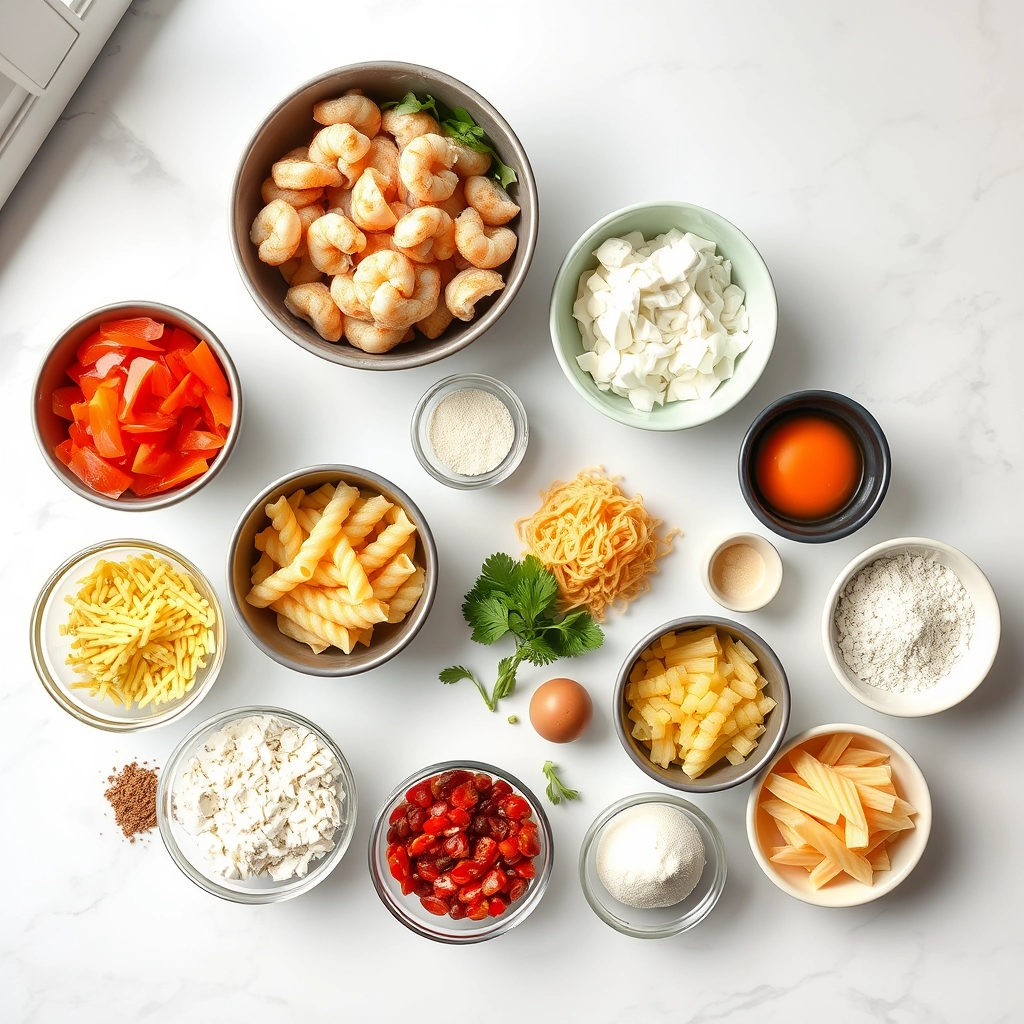
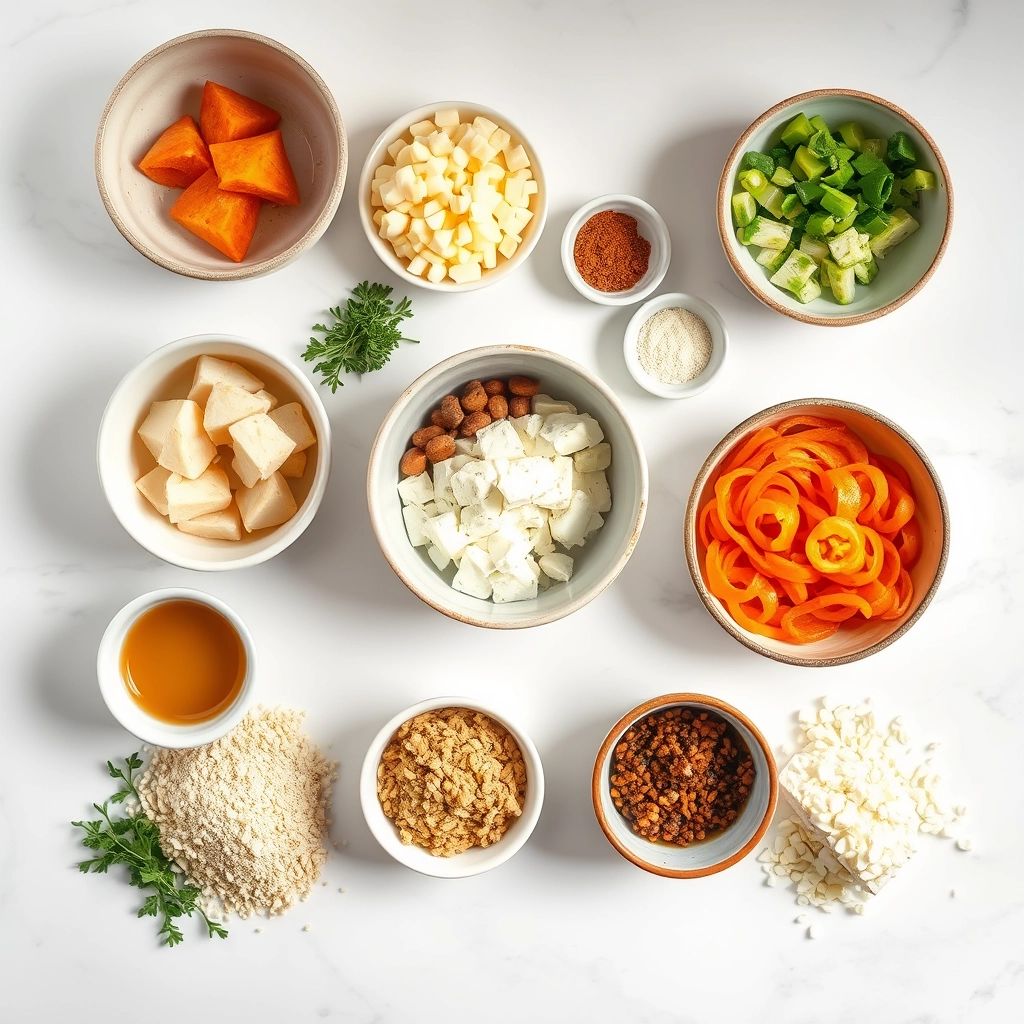
1 lb large shrimp, peeled and deveined
8 oz linguine pasta
4 tbsp unsalted butter
4 cloves garlic, minced
1/4 cup white wine
1/4 cup chicken broth
1/4 cup fresh lemon juice
1/2 tsp red pepper flakes
1/2 cup grated Parmesan cheese
1/4 cup breadcrumbs
2 tbsp chopped fresh parsley
Salt and black pepper to taste
Instructions
1. Prepare the Crust:
Preheat oven to 375°F (190°C). Cook pasta according to package instructions until al dente. Drain and set aside.
In a large skillet, melt butter over medium heat. Add garlic and red pepper flakes, sauté for 1 minute until fragrant.
Add shrimp and cook for 2-3 minutes until pink. Remove shrimp and set aside.
Deglaze the skillet with white wine, chicken broth, and lemon juice. Simmer for 2-3 minutes until slightly reduced.
Combine cooked pasta, shrimp, and sauce in a baking dish. Sprinkle with Parmesan cheese and breadcrumbs.
Bake for 15-20 minutes until top is golden and bubbly. Garnish with fresh parsley before serving.
Notes
You can customize the seasonings to taste.
“`html
s-dish">How to Prepare This Dish
Steps and time-saving tips
Start by preheating your oven to 375°F so it’s ready when you need it. While it heats, cook the pasta al dente—this ensures it won’t turn mushy during baking. Meanwhile, melt butter in a large skillet and sauté minced garlic until fragrant, then toss in the shrimp. Cook them just until pink, about 2 minutes per side, to avoid rubbery texture. Remove the shrimp and set them aside. In the same skillet, whisk together white wine, lemon juice, and a pinch of red pepper flakes for a bright, zesty sauce. Stir in heavy cream and Parmesan until smooth, then fold the cooked pasta and shrimp back in. Transfer everything to a baking dish, top with breadcrumbs and extra cheese, then bake for 15 minutes until golden. For a time-saving hack, use pre-cooked shrimp and skip the sauté step—just warm them in the sauce before baking. Let the dish rest 5 minutes before serving so the flavors meld beautifully.
Mistakes I’ve made and learned from
Early on, I overcooked the shrimp by leaving them in the skillet too long, which made them tough. Now I pull them off the heat as soon as they curl into a “C” shape. Another blunder? Skipping the pasta’s resting time after baking—it seemed like an extra step, but slicing in too early caused a runny sauce. Letting it sit firms everything up perfectly. If you’re new to seafood dishes, my guide on cooking perfect shrimp breaks down timing and techniques. Also, don’t skimp on the sauce thickness; if yours looks thin, simmer it longer or add a slurry like I learned from this sauce consistency tutorial. Trust me, these small tweaks make all the difference.
Shrimp Scampi Pasta Bake carries the heart of Italian-American cuisine, blending the simplicity of coastal Italy with the bold flavors of stateside cooking. Traditionally, scampi refers to langoustines in Italy, but in the U.S., we swap them for shrimp, creating a richer, more accessible dish. Families in Sicily might toss shrimp with garlic, white wine, and lemon, but the baked version adds a comforting twist—layering pasta with buttery breadcrumbs for a crispy finish.
Meanwhile, in the American South, cooks often add a dash of Cajun spice or swap linguine for penne, turning Shrimp Scampi Pasta Bake into a weeknight staple. My grandmother, for instance, sneaked in grated Parmesan and a splash of cream, making it extra indulgent. Across the globe, variations pop up—like in Greece, where feta and oregano might join the party, or in Asia, where chili oil and cilantro kick up the heat.
No matter the version,
Shrimp Scampi Pasta Bake always feels like a celebration. Whether it’s a seaside feast in Naples or a potluck in New Jersey, this dish bridges cultures with every cheesy, garlicky bite.
How it fits in today’s cooking
Today, Shrimp Scampi Pasta Bake shines as a versatile crowd-pleaser. Busy home cooks love it for meal prep, while foodies dress it up with artisan cheeses or gluten-free pasta. During holidays, it’s a star at Easter brunches or Christmas Eve spreads, especially when paired with a crisp summer salad for balance.
Modern twists keep it fresh—think air-fried shrimp or vegan butter alternatives. Some even repurpose leftovers into a next-day breakfast bake, proving its adaptability. Whether you’re craving nostalgia or a quick dinner fix, Shrimp Scampi Pasta Bake fits seamlessly into today’s kitchens, one delicious layer at a time.
>Taste and Texture
What makes it delicious
Shrimp Scampi Pasta Bake delivers a mouthwatering blend of rich, buttery garlic sauce and tender, juicy shrimp. The pasta soaks up the fragrant garlic and white wine flavors, creating a savory, slightly tangy bite. Meanwhile, the breadcrumb topping adds a golden, crispy contrast to the creamy, cheesy layers beneath. Every forkful offers a satisfying mix of textures—from the al dente pasta to the plump, succulent shrimp. The fresh parsley and lemon zest brighten the dish, balancing the richness with a hint of zesty freshness. Shrimp Scampi Pasta Bake is a comforting yet elegant meal that keeps you coming back for more.
Boosting the flavor
For an extra flavor kick, try tossing in a handful of sun-dried tomatoes or roasted cherry tomatoes—their sweet, tangy depth pairs perfectly with the garlicky sauce. A sprinkle of red pepper flakes adds a subtle heat, while a drizzle of homemade garlic aioli on top brings creamy richness. If you love herbs, fresh basil or thyme can elevate the aroma. For a crunchier finish, swap regular breadcrumbs for Parmesan-panko crust. These small tweaks make Shrimp Scampi Pasta Bake even more irresistible.
Tips for Success
Best practices for results
Pat the shrimp dry before cooking to ensure they sear properly in your Shrimp Scampi Pasta Bake. Meanwhile, always cook the pasta al dente since it will continue softening in the oven. For the best flavor, use fresh garlic and lemon juice instead of powdered substitutes. Additionally, toss the breadcrumbs with melted butter before topping the dish for a golden, crispy finish. Finally, let the bake rest for 5 minutes after pulling it out so the sauce thickens slightly.
Mistakes to avoid
Avoid overcooking the shrimp before baking, as they can turn rubbery in the oven. Instead, sauté them just until pink and opaque. Many cooks also forget to reserve pasta water, which helps adjust the sauce consistency later. For more sauce tips, check out our guide to perfecting pasta sauce consistency. Another common mistake is skipping the broiler step, which gives the Shrimp Scampi Pasta Bake its signature crispy top. If you’re unsure about broiling safely, our broiling basics article covers key techniques.
Serving and Pairing Suggestions
How to serve this dish
For a stunning presentation, transfer your Shrimp Scampi Pasta Bake to a large ceramic platter or individual pasta bowls. Sprinkle fresh parsley or microgreens on top to add a pop of color. Meanwhile, a squeeze of lemon zest brightens the flavors and makes the dish Instagram-worthy. Serve it family-style for casual gatherings or plate it elegantly for dinner parties. Since Shrimp Scampi Pasta Bake is rich and comforting, it works beautifully for holiday feasts or cozy weeknight meals. For extra flair, garnish with a few whole shrimp and a drizzle of garlic-infused olive oil.
h-it">What goes well with it
A crisp white wine like Sauvignon Blanc or Pinot Grigio balances the buttery richness of Shrimp Scampi Pasta Bake. Alternatively, try a light citrusy beer for a refreshing contrast. For sides, a simple garden salad with lemon vinaigrette cuts through the dish’s decadence. If you want something heartier, roasted asparagus or garlic bread completes the meal. Finally, end on a sweet note with a lemon tart, which echoes the citrus notes in the pasta bake.
What’s the best pasta to use for Shrimp Scampi Pasta Bake?
Linguine or fettuccine works best for Shrimp Scampi Pasta Bake because their flat surfaces hold the creamy garlic sauce well. Avoid thin pasta like angel hair, as it can become mushy when baked. For a twist, try penne or rigatoni to trap the sauce inside the tubes.
rank-math-faq-item">
Can I make Shrimp Scampi Pasta Bake ahead of time?
Yes! Assemble the Shrimp Scampi Pasta Bake up to a day in advance and refrigerate it until ready to bake. Add 5–10 minutes to the cooking time if baking straight from the fridge. For best results, top with breadcrumbs just before baking to keep them crispy.
How do I prevent the shrimp from overcooking in a pasta bake?
To avoid rubbery shrimp in your Shrimp Scampi Pasta Bake, par-cook them separately for 1–2 minutes before adding to the dish. Alternatively, use raw shrimp and bake just until they turn pink (about 5–7 minutes). The residual heat will finish cooking them perfectly.
What can I substitute for white wine in Shrimp Scampi Pasta Bake?
For alcohol-free Shrimp Scampi Pasta Bake, use chicken broth with a splash of lemon juice or white wine vinegar. Vegetable broth also works, or try ¼ cup of apple juice for subtle sweetness. The key is balancing acidity to mimic wine’s flavor profile.
>
Easy Honey BBQ Crockpot Meatballs Recipe
Introduction
There’s something undeniably comforting about a dish that brings people together, and that’s exactly what Honey BBQ Crockpot Meatballs do. Whether you’re hosting a game-day gathering or simply craving a cozy weeknight meal, these tender, flavor-packed bites never disappoint. Moreover, they’re incredibly easy to make, which means you can focus on what truly matters—enjoying time with loved ones. Trust me, once you try this recipe, it’ll become a staple in your home just like it has in mine.
Honey BBQ Crockpot Meatballs combine the sweet, smoky richness of barbecue sauce with the subtle warmth of honey, creating a glaze that clings perfectly to juicy, slow-cooked meatballs. This dish matters because it solves the eternal struggle of balancing flavor, convenience, and crowd-pleasing appeal. Unlike fussy recipes that demand constant attention, this one lets your crockpot do the work while you relax. It fits the tone of brekcakes.com perfectly—approachable, heartfelt, and designed for real-life cooking. If you love effortless yet impressive recipes like my Easy Weeknight Dinners, you’ll adore how these meatballs simplify entertaining. Plus, they pair wonderfully with sides from my Comfort Food Classics collection, making them a versatile addition to any menu.
Why I Love This Recipe
These Honey BBQ Crockpot Meatballs hold a special place in my heart because they remind me of family potlucks and lazy Sunday dinners. My grandma used to make a similar version, and every bite takes me back to her kitchen—filled with laughter and the irresistible aroma of simmering sauce. Now, I love how this recipe lets me recreate those memories while adding my own twist. It’s proof that food isn’t just about nourishment; it’s about connection, tradition, and the joy of sharing something delicious with the people you love.
Health and Nutrition
Why it’s good for your body
Honey BBQ Crockpot Meatballs pack a nutritious punch while satisfying your taste buds. First, the lean protein in the meatballs helps build and repair muscles, keeping you strong throughout the day. Additionally, the honey in the BBQ sauce offers natural sweetness without refined sugars, giving you a healthier energy boost. Moreover, slow cooking preserves nutrients and enhances flavor, making every bite both delicious and wholesome.
Beyond protein, Honey BBQ Crockpot Meatballs provide essential vitamins and minerals. For instance, tomatoes in the BBQ sauce deliver lycopene, a powerful antioxidant that supports heart health. Meanwhile, garlic and onions add immune-boosting properties to the dish. Furthermore, using lean meat keeps saturated fats in check, so you can enjoy a balanced meal without guilt.
Finally, Honey BBQ Crockpot Meatballs fit seamlessly into various diets. Whether you need a high-protein option or a gluten-free meal, this dish adapts easily. The combination of savory and sweet flavors also makes it a crowd-pleaser, so you can nourish your body while delighting your senses.
How it fits in a healthy lifestyle
Honey BBQ Crockpot Meatballs work well in a balanced diet because they offer versatility and nutrition. If you focus on high-protein meals, this dish delivers a hearty portion to keep you full and energized. Pair it with a fresh salad or steamed veggies for a well-rounded plate that covers all your macros.
For those following gluten-free or heart-healthy eating plans, Honey BBQ Crockpot Meatballs shine. Simply choose gluten-free breadcrumbs and a low-sodium BBQ sauce to tailor the recipe to your needs. If you love meal prepping, this dish stores beautifully, making it a practical choice for busy weeknights. You can also explore other slow cooker recipes to keep your meals both convenient and nutritious.
Ultimately, Honey BBQ Crockpot Meatballs prove that healthy eating doesn’t mean sacrificing flavor. With smart ingredient swaps and mindful portions, you can enjoy this dish as part of a vibrant, nourishing lifestyle.
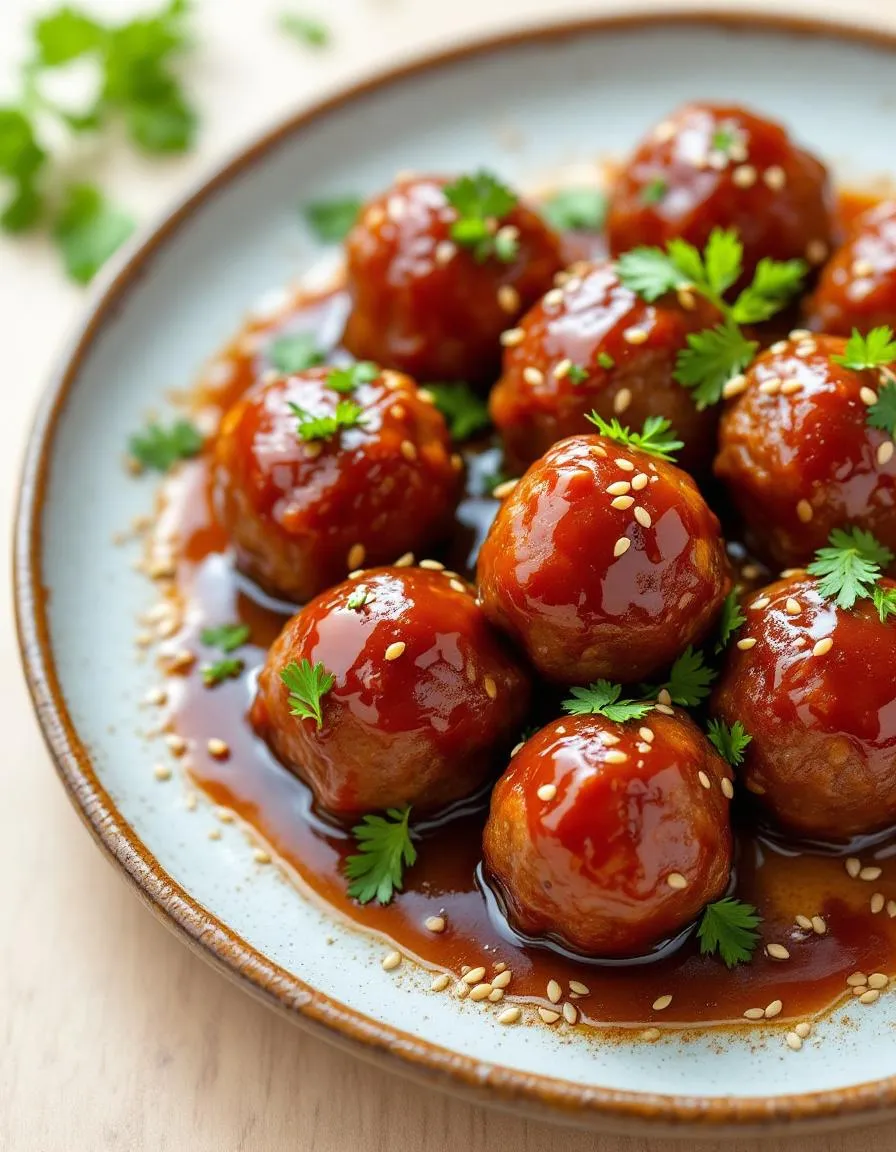
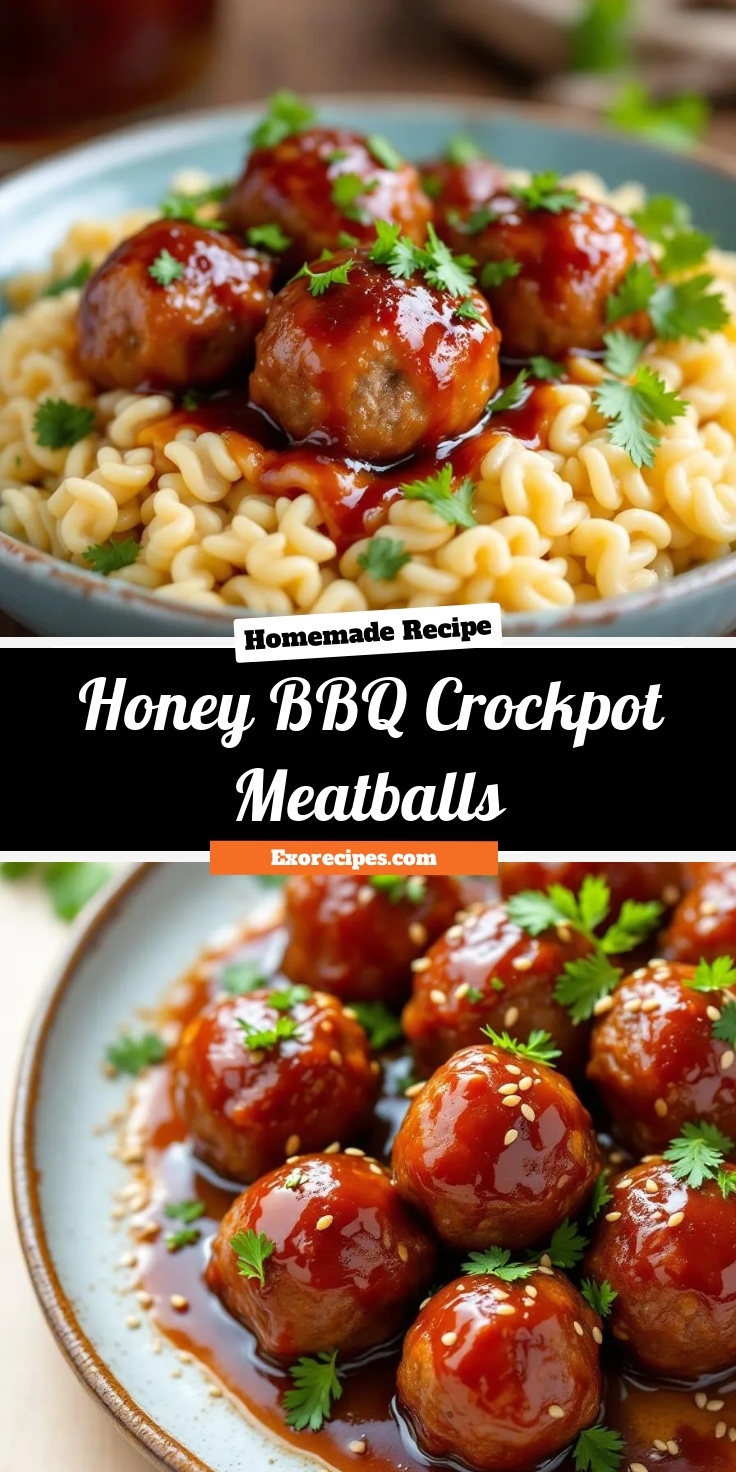
Sweet and tangy honey BBQ meatballs cooked to perfection in a crockpot.
Ingredients
Scale
For the Crust:
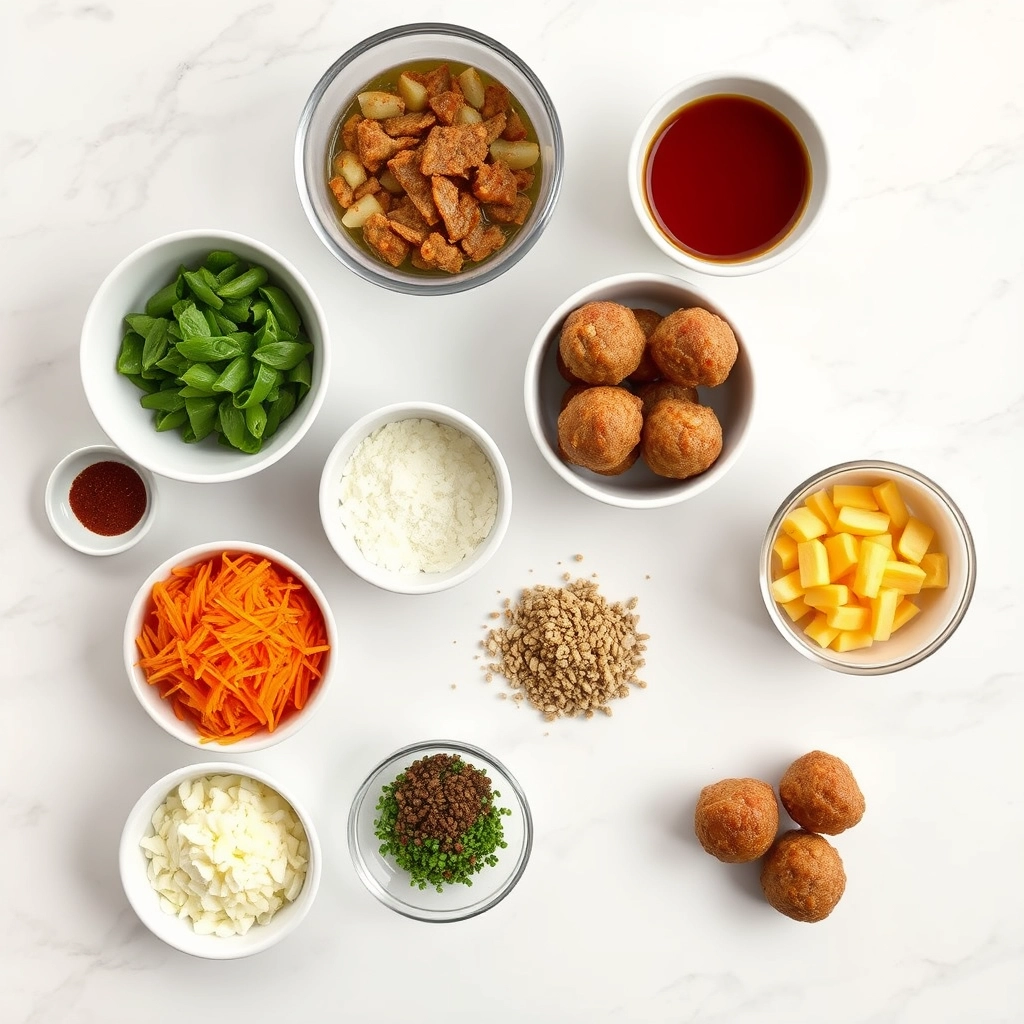
1 lb frozen meatballs
1 cup BBQ sauce
1/2 cup honey
1/4 cup ketchup
1 tbsp Worcestershire sauce
1 tsp garlic powder
1 tsp onion powder
Instructions
1. Prepare the Crust:
In a bowl, mix together BBQ sauce, honey, ketchup, Worcestershire sauce, garlic powder, and onion powder.
Place frozen meatballs in the crockpot.
Pour the sauce mixture over the meatballs and stir gently to coat.
Cover and cook on low for 4 hours or high for 2 hours, stirring occasionally.
Serve warm as an appetizer or over rice as a main dish.
Notes
You can customize the seasonings to taste.
s-dish">How to Prepare This Dish
Steps and time-saving tips
Start by prepping your ingredients for the Honey BBQ Crockpot Meatballs so everything flows smoothly. First, whisk together the BBQ sauce, honey, and a splash of apple cider vinegar in a bowl until fully combined. Meanwhile, place the frozen meatballs into your crockpot—no need to thaw them, which saves time. Next, drizzle the sauce over the meatballs and gently stir to coat them evenly. Set your crockpot to low for 4-5 hours or high for 2-3 hours, depending on how quickly you need them ready. Stir the meatballs once halfway through to ensure even cooking and flavor distribution. If you’re short on time, you can also bake them in the oven at 375°F for 25-30 minutes, tossing them in the sauce halfway. Just before serving, give the meatballs a final stir and garnish with chopped parsley for a fresh touch. For extra convenience, double the sauce recipe and store half in the fridge for another meal.
Mistakes I’ve made and learned from
When I first made Honey BBQ Crockpot Meatballs, I used homemade meatballs straight from the fridge, which made the cooking time inconsistent. The center stayed cold while the outside overcooked—lesson learned! Now I always use frozen meatballs or let homemade ones come to room temperature first. Another mistake? Overcrowding the crockpot. I once dumped in too many meatballs, and they steamed instead of simmering in the sauce. Spreading them in a single layer fixed that issue. If you’re new to crockpot cooking, check out my guide to crockpot basics for more troubleshooting. And if you love saucy dishes, my BBQ sauce variations can help you customize the flavor.
n-and-variations">Cultural Connection and Variations
Where this recipe comes from
Honey BBQ Crockpot Meatballs might feel like a modern party staple, but their roots stretch back to comfort food traditions across cultures. In Sweden, for example, meatballs often feature creamy sauces and lingonberry jam, while Italian polpette simmer in tomato-based sauces. The American twist—sweet, smoky, and slow-cooked—reflects our love for bold flavors and easy entertaining. My grandma used to make a version with grape jelly and chili sauce, proving that every family puts their own spin on this crowd-pleaser.
Around the world, cooks adapt meatballs to local tastes. In Asia, they might add ginger or soy sauce to the mix, while Middle Eastern versions lean on spices like cumin and coriander. Honey BBQ Crockpot Meatballs, though, are pure Americana—think backyard barbecues meets weeknight convenience. Whether you serve them at a potluck or as game-day snacks, they bridge the gap between homestyle cooking and no-fuss hosting. Some Southern cooks even swap the BBQ sauce for a tangy Alabama white sauce, showing how versatile this dish can be.
How it fits in today’s cooking
Today, Honey BBQ Crockpot Meatballs hold their own as a timeless favorite. Busy parents love them for meal prep, while hosts rely on them to feed a hungry crowd without hovering over the stove. They’re a natural fit for holiday spreads, too—imagine them next to easy holiday appetizers like cheese boards and stuffed mushrooms. Plus, modern twists keep them fresh: try using turkey or plant-based meat for a lighter take, or add a splash of bourbon to the sauce for depth.
What makes this recipe
stick? It’s adaptable. Whether you’re pairing it with comfort food dinners or serving it solo with toothpicks, Honey BBQ Crockpot Meatballs fit seamlessly into today’s cooking rhythms. From freezer-friendly batches to gluten-free tweaks, they prove that classic flavors never go out of style.
Taste and Texture
What makes it delicious
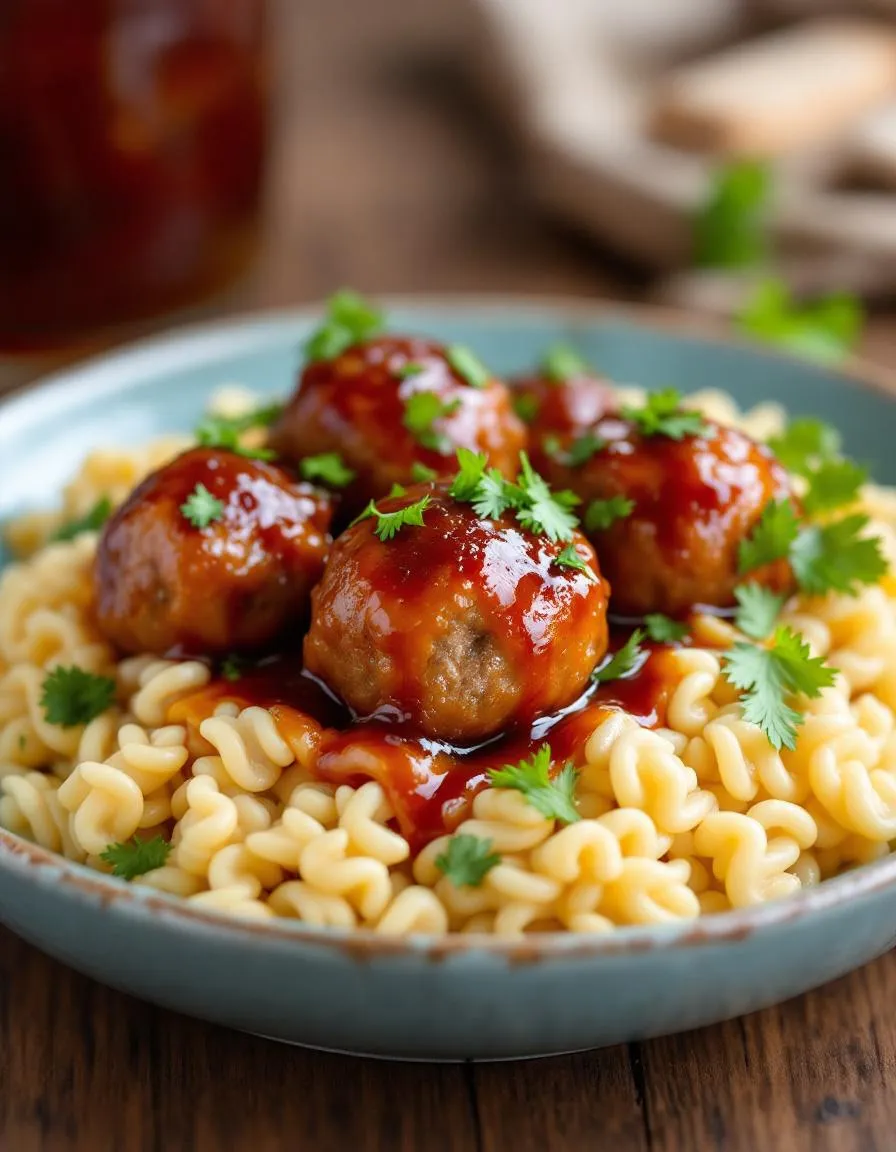
Honey BBQ Crockpot Meatballs deliver a mouthwatering balance of sweet, smoky, and savory flavors. The honey BBQ sauce caramelizes as it simmers, creating a sticky, glossy glaze that coats each tender meatball. Every bite bursts with rich, tangy sweetness, while hints of garlic and onion add depth. Meanwhile, the meatballs stay juicy and soft, practically melting in your mouth. As they cook, the aroma of smoky barbecue and warm spices fills the kitchen, making it impossible to resist sneaking a taste. Whether served as an appetizer or main dish, Honey BBQ Crockpot Meatballs offer a crowd-pleasing combo of bold flavor and irresistible texture.
Boosting the flavor
For an extra kick, swap the honey BBQ sauce with a spicy chipotle version or add a dash of cayenne pepper. Crumbled bacon mixed into the meatballs introduces a salty, crispy contrast. Alternatively, top them with shredded cheese or fresh chopped herbs like parsley for brightness. Pairing these meatballs with a cool, creamy dip—like ranch or blue cheese—creates a delicious contrast. If you love bold flavors, try serving them alongside sweet and spicy appetizers for a dynamic spread. For a lighter twist, drizzle with citrus-infused dressing to cut through the richness. With a few tweaks, you can customize Honey BBQ Crockpot Meatballs to suit any craving.
Always use fresh ground meat for your Honey BBQ Crockpot Meatballs, as it binds better and stays tender. Meanwhile, preheat your crockpot on low before adding the meatballs to ensure even cooking. For the best flavor, generously coat each meatball in sauce before serving, and stir them gently halfway through cooking. Additionally, keep the lid on as much as possible to lock in moisture and prevent drying out. Finally, let the meatballs rest for 5 minutes after cooking so the flavors meld perfectly.
Mistakes to avoid
Avoid overmixing the meatball mixture, as this can make them tough. Instead, gently combine the ingredients just until they hold together. Also, don’t skip browning the meatballs first if you want deeper flavor—just sear them quickly in a pan before adding to the crockpot. For more on perfect meatball texture, check out our guide on avoiding dense meatballs. Lastly, resist the urge to overcrowd the crockpot, which can lead to uneven cooking. If you need help with portioning, our crockpot batch sizing tips will keep your Honey BBQ Crockpot Meatballs cooking evenly every time.
g-suggestions">Serving and Pairing Suggestions
How to serve this dish
For a crowd-pleasing presentation, serve Honey BBQ Crockpot Meatballs in a warm slow cooker to keep them perfectly saucy. Alternatively, transfer them to a festive platter and garnish with fresh parsley or sliced green onions for a pop of color. These meatballs shine at game-day parties, holiday gatherings, or even as a fun weeknight dinner. To make them extra inviting, offer toothpicks or small skewers for easy grabbing. Meanwhile, for a cozy twist, pile them atop creamy mashed potatoes or buttery dinner rolls.
What goes well with it
Pair Honey BBQ Crockpot Meatballs with crisp, refreshing sides like a tangy coleslaw or a bright cucumber salad to balance the rich sweetness. For heartier options, try serving them alongside fluffy garlic herb dinner rolls or golden roasted potatoes. Meanwhile, a cold beer or sparkling lemonade complements the smoky BBQ flavors perfectly. If you love dipping sauces, whip up a batch of creamy ranch dressing for a cool contrast to the sticky glaze.
math-faq-block">
How long do you cook Honey BBQ Crockpot Meatballs?
Cook Honey BBQ Crockpot Meatballs on LOW for 3-4 hours or HIGH for 1.5-2 hours. The meatballs are ready when they reach an internal temperature of 165°F and the sauce thickens slightly. Stir occasionally to ensure even coating.
Can you use frozen meatballs for Honey BBQ Crockpot Meatballs?
Yes, frozen meatballs work perfectly for Honey BBQ Crockpot Meatballs—just extend the cooking time by 30-60 minutes. No need to thaw, as the slow cooker will heat them thoroughly. This makes prep even easier for busy cooks.
What sides go well with Honey BBQ Crockpot Meatballs?
Classic pairings include mashed potatoes, buttered noodles, or steamed rice to soak up the sweet-and-tangy sauce. For lighter options, try coleslaw, roasted vegetables, or a crisp green salad alongside your Honey BBQ Crockpot Meatballs.
rank-math-faq-item">
Can I make Honey BBQ Crockpot Meatballs ahead of time?
Absolutely! Assemble the Honey BBQ Crockpot Meatballs 1-2 days in advance and refrigerate until ready to cook. For best results, add 30 extra minutes to the cooking time if starting with chilled ingredients.
Best Hot Honey Feta Chicken Recipe
Introduction
If you’re craving a dish that balances sweet, spicy, and savory in every bite, you’re in the right place. Hot Honey Feta Chicken has become a staple in my home because it delivers bold flavors with minimal effort. Whether you’re cooking for a weeknight dinner or impressing guests, this recipe wraps comfort and excitement into one unforgettable meal. Plus, it pairs perfectly with some of my favorite sides, like these Garlic Herb Roasted Potatoes or a crisp Simple Avocado Salad.
Hot Honey Feta Chicken combines juicy, tender chicken with a sticky, spicy-sweet glaze and creamy, tangy feta cheese. The contrast of flavors creates a dish that feels indulgent yet approachable. What makes it special is its versatility—you can grill, bake, or even pan-sear the chicken depending on your mood. Beyond taste, this recipe matters because it embodies what brekcakes.com stands for: uncomplicated recipes that bring joy to everyday cooking. It’s the kind of meal that turns an ordinary evening into something memorable, proving that great food doesn’t need to be complicated.
Why I Love This Recipe
Hot Honey Feta Chicken holds a special place in my heart because it reminds me of summer gatherings with friends. The first time I made it, the combination of heat from the honey and the richness of the feta had everyone asking for seconds. Now, it’s my go-to when I want to share something delicious without spending hours in the kitchen. Every time I make it, I’m reminded why cooking is more than just feeding people—it’s about creating moments worth savoring.
Health and Nutrition
Why it’s good for your body
Hot Honey Feta Chicken packs a flavorful punch while delivering serious nutritional benefits. First, the lean chicken breast provides high-quality protein to support muscle repair and keep you full longer. Meanwhile, the honey adds natural sweetness without refined sugar, offering antioxidants that help combat inflammation. Additionally, the feta cheese contributes calcium and probiotics for gut health, making this dish as wholesome as it is delicious.
Moreover, the spices in Hot Honey Feta Chicken, like chili flakes or cayenne, may boost metabolism and circulation. These ingredients work together to create a meal that’s both satisfying and nutrient-dense. For instance, the combination of protein, healthy fats, and complex flavors ensures you won’t feel deprived while eating well. Furthermore, the dish’s balance of macros makes it a smart choice for anyone looking to maintain energy levels throughout the day.
Finally, Hot Honey Feta Chicken is rich in vitamins and minerals. The chicken offers B vitamins for energy production, while the honey provides trace enzymes and amino acids. Whether you’re fueling up post-workout or simply craving a hearty dinner, this recipe delivers taste and nourishment in every bite.
How it fits in a healthy lifestyle
Hot Honey Feta Chicken fits seamlessly into a balanced diet, whether you’re focusing on high-protein meals or heart-healthy eating. The lean protein helps build and repair tissues, making it ideal for fitness enthusiasts or anyone aiming to stay active. Since the recipe avoids processed ingredients, it aligns with clean-eating goals while satisfying cravings for bold flavors.
If you’re following a gluten-free or Mediterranean-inspired diet, Hot Honey Feta Chicken checks all the boxes. Pair it with a side of roasted vegetables or a fresh salad for a complete, nutrient-packed meal. For more high-protein meal ideas, explore our protein-rich recipes. And if you’re curious about balancing indulgence with nutrition, our guide to healthy eating habits offers practical tips. With its versatility and wholesome ingredients, this dish proves that eating well never has to mean sacrificing flavor.
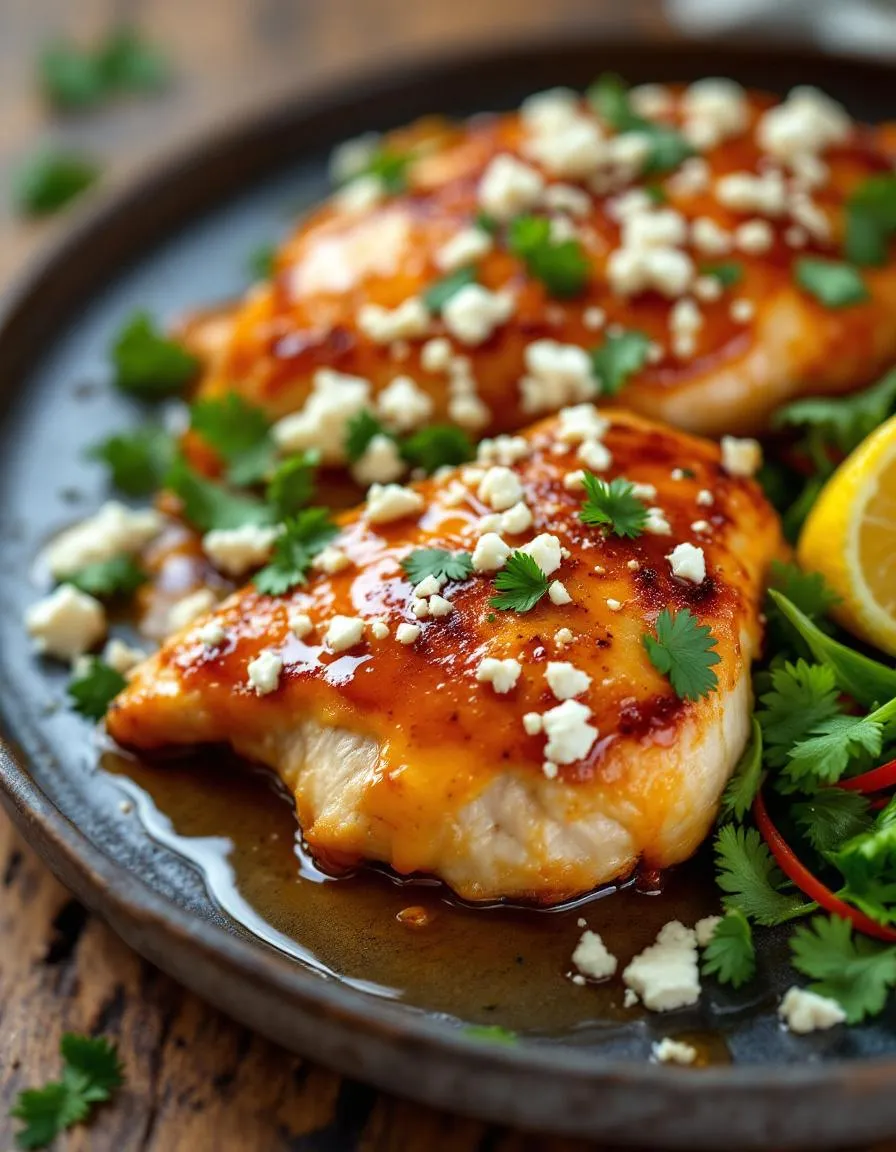
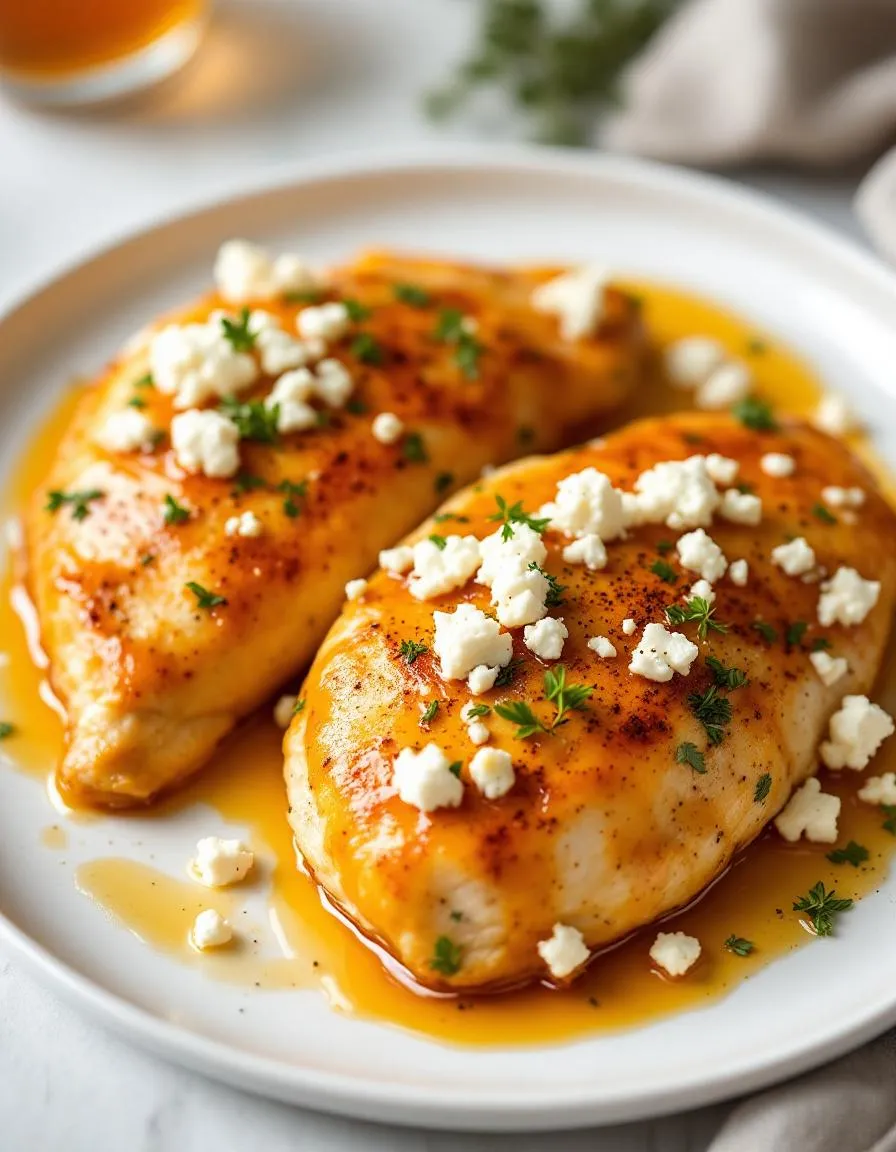
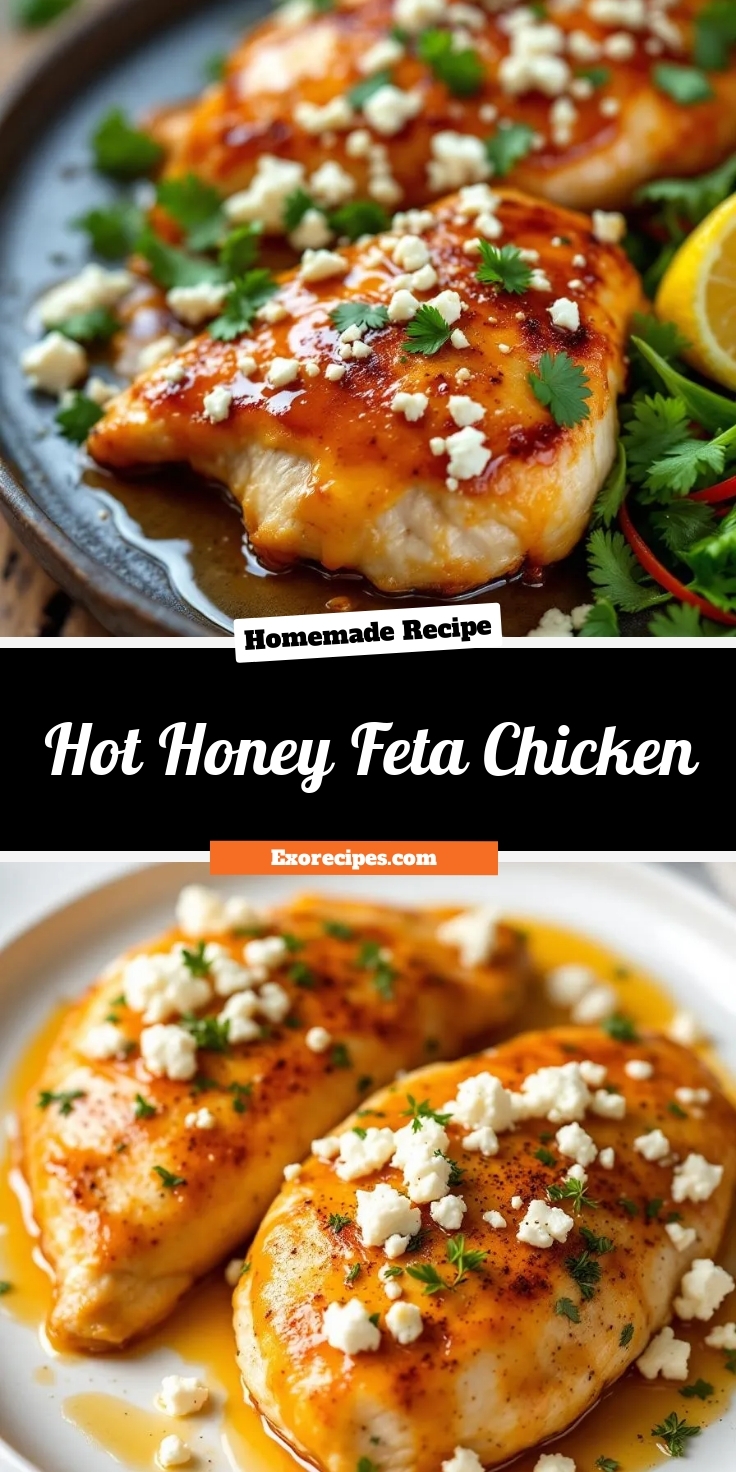
Juicy chicken breasts topped with creamy feta and a spicy-sweet hot honey glaze.
Ingredients
Scale
For the Crust:
4 boneless, skinless chicken breasts
1/2 cup crumbled feta cheese
1/4 cup honey
1 tbsp hot sauce
1 tsp garlic powder
1 tsp paprika
1/2 tsp salt
1/2 tsp black pepper
1 tbsp olive oil
Instructions
1. Prepare the Crust:
Preheat oven to 375°F (190°C).
Season chicken breasts with garlic powder, paprika, salt, and black pepper.
Heat olive oil in an oven-safe skillet over medium-high heat. Sear chicken for 3-4 minutes per side until golden.
In a small bowl, mix honey and hot sauce. Drizzle half over the chicken in the skillet.
Top each chicken breast with crumbled feta cheese.
Transfer skillet to the oven and bake for 15-18 minutes until chicken reaches 165°F (74°C).
Drizzle remaining hot honey over chicken before serving.
Notes
You can customize the seasonings to taste.
s-dish">How to Prepare This Dish
Steps and time-saving tips
Preheat your oven to 375°F and grab a large mixing bowl. Whisk together olive oil, hot honey, minced garlic, and a pinch of salt until smooth. Then, toss the chicken thighs in the mixture, making sure each piece gets fully coated. Next, arrange the chicken in a single layer in a baking dish and scatter crumbled feta cheese on top. Meanwhile, if you’re short on time, use pre-crumbled feta to skip an extra step. Slide the dish into the oven and bake for 25-30 minutes until the chicken reaches 165°F internally. While it cooks, drizzle a little extra hot honey over the feta for a caramelized finish. Let the Hot Honey Feta Chicken rest for 5 minutes before serving—this keeps the juices locked in. Pair it with roasted veggies or a simple salad for a complete meal. Pro tip: Double the sauce and store it in the fridge for quick weeknight dinners.
Mistakes I’ve made and learned from
I once rushed the marinating step and ended up with bland Hot Honey Feta Chicken. Now, I let the chicken sit in the sauce for at least 15 minutes—or even overnight—for deeper flavor. Another time, I overbaked the feta, turning it rubbery instead of creamy. A meat thermometer solved that; I pull the dish out as soon as the chicken hits 165°F. If you’re new to balancing spicy and sweet, check out my guide on adjusting heat levels to tweak the hot honey to your taste. And if you’re unsure about pairing sides, my perfect side dishes roundup has fail-safe options. Trust me, a little patience and these fixes make all the difference.
n-and-variations">Cultural Connection and Variations
Where this recipe comes from
Hot Honey Feta Chicken might feel like a modern twist, but its roots dig deep into Mediterranean flavors. Picture sun-drenched Greek tavernas where feta cheese crumbles over everything, and spicy honey drizzle turns simple dishes into something magical. While the exact origin of this combo isn’t documented, it’s easy to see how Greek and Southern U.S. influences collided to create it. In Greece, they might skip the heat and use thyme honey, while in Nashville, they’d crank up the spice. Either way, Hot Honey Feta Chicken bridges continents.
My yiayia (grandma) used to make a similar dish with just feta and oregano, but when I added hot honey, it became a family favorite. Now, my cousins in Chicago toss in pickled jalapeños, and my aunt in Athens swears by mastiha-infused honey. That’s the beauty of Hot Honey Feta Chicken—it adapts. In Turkey, they might swap feta for kasar cheese, and in the Caribbean, scotch bonnet peppers could stand in for the heat. No matter where you go, the sweet-salty-spicy trio wins.
How it fits in today’s cooking
Today, Hot Honey Feta Chicken fits everywhere from weeknight dinners to summer cookouts. Busy cooks love it because it’s fast, flavorful, and pairs perfectly with bright Mediterranean salads or garlic butter rice. Plus, it’s a crowd-pleaser—whether you’re serving picky kids or foodie friends. Meal preppers bake it ahead, while grill masters throw it on skewers for smoky depth.
Social media has skyroc
keted its popularity, with home chefs adding their own spins. Some use air fryers for extra crispiness, while others layer it into grain bowls. And let’s not forget holidays—imagine it as a star at your next potluck, nestled between spanakopita and deviled eggs. Hot Honey Feta Chicken isn’t just a recipe. It’s a vibe.
Taste and Texture
What makes it delicious
Hot Honey Feta Chicken delivers a bold, crave-worthy experience with every bite. The juicy, tender chicken soaks up the sweet-spicy kick of hot honey, while the crumbled feta adds a creamy, salty contrast that melts slightly under heat. Fragrant garlic and herbs deepen the savory notes, creating a mouthwatering aroma as it cooks. Meanwhile, the sticky honey glaze caramelizes just enough to give each piece a glossy, slightly crisp finish. Whether you serve it over rice or with roasted veggies, Hot Honey Feta Chicken balances rich, tangy, and fiery flavors in a way that keeps you coming back for more.
Boosting the flavor
For an extra flavor boost, try drizzling Hot Honey Feta Chicken with a squeeze of lemon or a sprinkle of chili flakes to brighten the dish. Swapping feta for goat cheese adds a tangier twist, while a handful of toasted walnuts introduces a satisfying crunch. If you love bold spice blends, a dash of smoked paprika or a spoonful of harissa paste will turn up the heat. Pair it with a side of garlic herb roasted potatoes to soak up every last drop of the irresistible sauce. Small tweaks make this dish endlessly adaptable—so get creative!
Always pat the chicken dry before seasoning to ensure the spices stick well. Meanwhile, preheat your oven fully so the Hot Honey Feta Chicken cooks evenly from the start. For the best flavor, drizzle the honey while the chicken is still hot so it absorbs beautifully. Additionally, let the dish rest for five minutes before serving to lock in the juices. Finally, use fresh feta for a creamy texture that pairs perfectly with the spicy honey glaze.
Mistakes to avoid
Avoid overcrowding the baking dish, as this can steam the chicken instead of letting it crisp. Instead, spread the pieces in a single layer for even browning. Also, don’t skip the resting time—cutting into the Hot Honey Feta Chicken too soon releases all the flavorful juices. For more on perfecting chicken dishes, check out our guide on chicken cooking times. Another common mistake is using low-quality honey, which can make the glaze overly sweet or thin. For balanced flavor, try our recommended best cooking honey options.
g-suggestions">Serving and Pairing Suggestions
How to serve this dish
Hot Honey Feta Chicken deserves a plate that highlights its bold flavors and vibrant colors. For a stunning presentation, arrange the chicken over a bed of fresh greens or creamy mashed potatoes. Drizzle extra hot honey glaze on top and sprinkle crumbled feta for a finishing touch. Meanwhile, fresh herbs like parsley or thyme add a pop of color and freshness. This dish shines at casual weeknight dinners but also makes a standout centerpiece for holiday gatherings or potlucks. If you want to impress guests, serve it family-style on a rustic wooden board with lemon wedges for a bright contrast.
What goes well with it
Pair Hot Honey Feta Chicken with light, refreshing sides to balance its rich flavors. A crisp cucumber tomato salad adds a cool crunch that complements the spicy honey glaze. Alternatively, roasted garlic parmesan potatoes offer a hearty, savory counterpoint. For drinks, try a chilled glass of riesling or sparkling lemonade to cut through the dish’s sweetness. If you’re craving extra heat, serve it with a side of creamy avocado dip for a creamy, cooling contrast. Each pairing enhances the dish while keeping the meal balanced and satisfying.
math-faq-block">
What sides go well with Hot Honey Feta Chicken?
Hot Honey Feta Chicken pairs perfectly with roasted vegetables like Brussels sprouts or sweet potatoes. For a lighter option, try a crisp arugula salad with lemon vinaigrette. The bold flavors of the dish also complement creamy mashed potatoes or garlicky rice.
Can I make Hot Honey Feta Chicken in an air fryer?
Absolutely! For air fryer Hot Honey Feta Chicken, cook seasoned chicken breasts at 375°F for 12-15 minutes, then top with feta and drizzle with hot honey. The air fryer gives the chicken a crispy exterior while keeping it juicy inside—just adjust cooking times based on thickness.
How spicy is Hot Honey Feta Chicken?
The spice level in Hot Honey Feta Chicken depends on your hot honey brand, but most versions offer a mild to medium heat balanced by creamy feta. You can control the heat by using mild chili flakes or opting for a milder honey blend while still enjoying the signature sweet-spicy flavor.
rank-math-faq-item">
What’s the best way to store leftover Hot Honey Feta Chicken?
Store leftover Hot Honey Feta Chicken in an airtight container in the fridge for up to 3 days. Reheat gently in the oven or microwave to prevent the feta from drying out. The flavors often intensify overnight, making leftovers just as delicious as the fresh-cooked meal.
Best Chicken Bacon Ranch Pasta Recipe
Introduction
If you’re craving a dish that’s creamy, savory, and downright comforting, you’ve come to the right place. Chicken Bacon Ranch Pasta is the ultimate weeknight hero—quick to make, packed with flavor, and guaranteed to satisfy even the pickiest eaters. Whether you’re cooking for a busy family or just treating yourself, this recipe delivers that cozy, indulgent feeling we all need sometimes. Plus, it’s versatile enough to tweak based on what you have in your pantry, just like my favorite pantry-staple meals.
Chicken Bacon Ranch Pasta combines tender chicken, crispy bacon, and al dente pasta tossed in a rich, tangy ranch-infused cream sauce. It’s the kind of dish that feels like a hug on a plate, perfect for those nights when you want something hearty without spending hours in the kitchen. The beauty of this recipe lies in its simplicity—you likely already have most of the ingredients on hand. Ranch seasoning adds a zesty kick, while the bacon brings that irresistible smoky crunch. For more creamy pasta inspiration, check out my garlic parmesan pasta, another crowd-pleaser. What makes this dish special is how effortlessly it brings people together. It’s a guaranteed hit at potlucks, family dinners, or even solo indulgence sessions after a long day.
Why I Love This Recipe
Chicken Bacon Ranch Pasta holds a special place in my heart because it was the first meal I ever cooked for my now-husband. Back then, I was still figuring out my cooking style, but this dish made me realize how food could tell a story. Every time I make it, I remember those early days—the laughter, the occasional kitchen mishaps, and the joy of sharing something delicious. It’s more than just a recipe; it’s a reminder that the simplest meals often create the best memories.
Health and Nutrition
Why it’s good for your body
Chicken Bacon Ranch Pasta packs a flavorful punch while delivering key nutrients your body needs. First, the lean chicken breast provides high-quality protein to support muscle repair and keep you full longer. Meanwhile, the bacon adds a savory crunch and a dose of healthy fats, which help absorb fat-soluble vitamins. Additionally, the creamy ranch dressing offers probiotics from ingredients like buttermilk, promoting gut health.
Beyond protein and healthy fats, Chicken Bacon Ranch Pasta includes complex carbs from the pasta for steady energy. Whole wheat or gluten-free pasta options can boost fiber content, aiding digestion. Furthermore, the dish often incorporates herbs like garlic and dill, which have anti-inflammatory properties. With balanced macros and micronutrients, this meal fuels your body without sacrificing taste.
Finally, Chicken Bacon Ranch Pasta is versatile enough to fit various dietary preferences. You can easily swap ingredients to align with low-carb, high-protein, or dairy-free needs. Whether you enjoy it as a post-workout meal or a cozy dinner, it delivers both satisfaction and nourishment.
How it fits in a healthy lifestyle
Chicken Bacon Ranch Pasta fits seamlessly into a balanced diet when enjoyed mindfully. For a protein-packed twist, use whole wheat pasta or chickpea noodles to increase fiber and keep blood sugar stable. If you’re watching sodium, opt for low-sodium bacon and a light ranch dressing. This dish also pairs well with a side of steamed veggies, like broccoli or spinach, for an extra nutrient boost.
For those following specific diets, Chicken Bacon Ranch Pasta adapts easily. Gluten-free pasta makes it celiac-friendly, while Greek yogurt can replace heavy cream for a lighter version. If you’re meal prepping, this recipe stores well and reheats beautifully, saving time on busy weeknights. Check out our guide on meal prep tips for more ways to streamline healthy eating.
Even on indulgent days, portion control keeps this dish in line with your goals. Pair it with a fresh salad or our balanced dinner ideas to round out your plate. With smart tweaks, Chicken Bacon Ranch Pasta becomes a delicious part of your wellness routine.
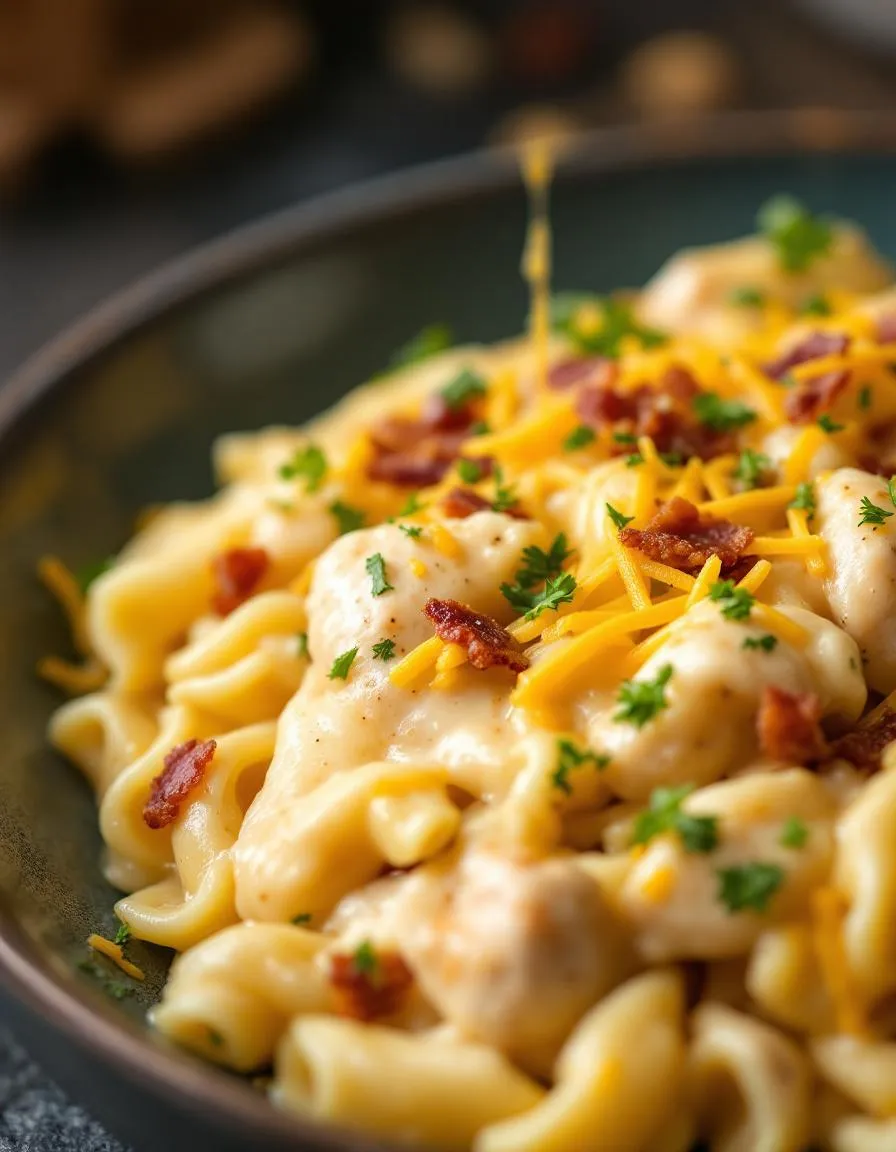
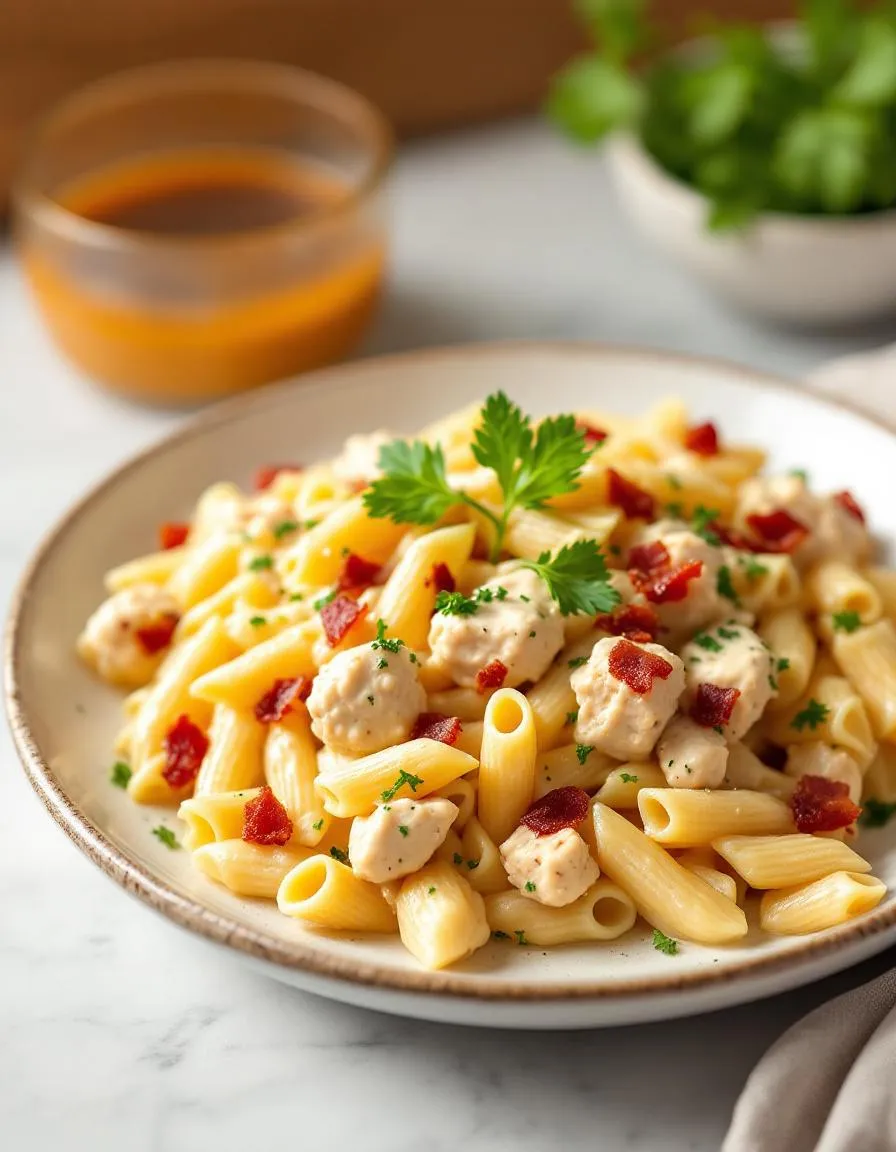
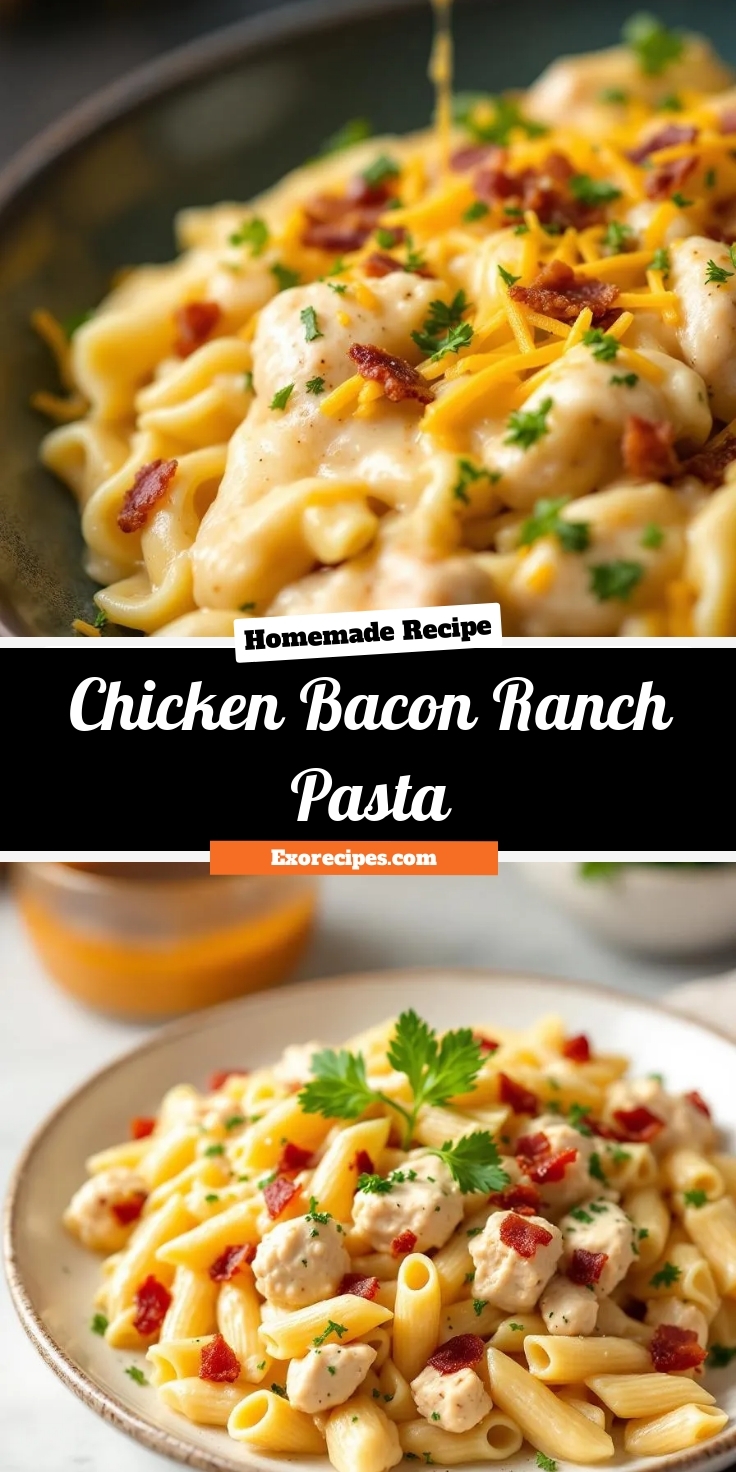
A creamy and flavorful pasta dish combining tender chicken, crispy bacon, and rich ranch seasoning.
Ingredients
Scale
For the Crust:
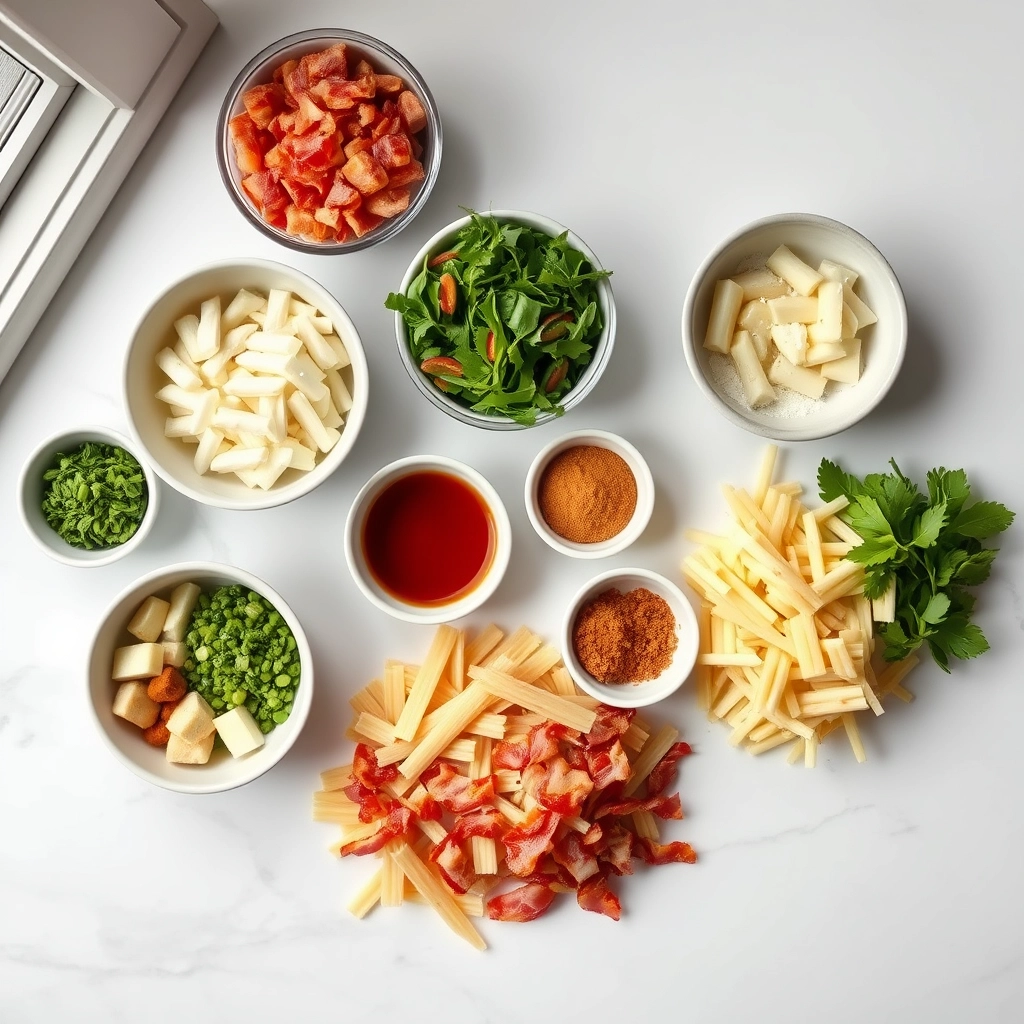
8 oz penne pasta
2 boneless, skinless chicken breasts, diced
6 slices bacon, cooked and crumbled
1 cup heavy cream
1/2 cup ranch dressing
1/2 cup shredded cheddar cheese
1 tsp garlic powder
1 tsp onion powder
Salt and pepper to taste
2 tbsp chopped fresh parsley
Instructions
1. Prepare the Crust:
Cook pasta according to package instructions. Drain and set aside.
In a large skillet, cook diced chicken over medium heat until no longer pink. Season with salt, pepper, garlic powder, and onion powder.
Reduce heat to low and stir in heavy cream, ranch dressing, and shredded cheese. Simmer until the sauce thickens slightly.
Add cooked pasta and crumbled bacon to the skillet. Toss until everything is well coated with the sauce.
Garnish with fresh parsley before serving.
Notes
You can customize the seasonings to taste.
s-dish">How to Prepare This Dish
Steps and time-saving tips
Start by cooking the pasta al dente in salted boiling water, then drain and set it aside. Meanwhile, crisp the bacon in a skillet over medium heat until golden, then transfer it to a paper towel-lined plate. In the same skillet, sauté minced garlic and diced chicken until the chicken turns white and cooks through. Whisk together ranch dressing, cream cheese, and milk in a bowl until smooth, then pour this creamy mixture into the skillet with the chicken. Stir in the cooked pasta and crumbled bacon, coating everything evenly. For a golden finish, sprinkle shredded cheddar cheese on top and broil for two minutes. To save time, use pre-cooked bacon or rotisserie chicken. If the sauce thickens too much, loosen it with a splash of pasta water. Serve immediately while warm for the best texture.
Mistakes I’ve made and learned from
I once overcooked the pasta, leaving it mushy after baking—now I always undercook it slightly since it continues to soften in the sauce. Another time, I skipped the cream cheese, and the sauce lacked richness; now I swear by it for that velvety texture. If you’re new to balancing creamy sauces, check out my guide on perfecting sauces. Also, broiling the cheese too long can burn it, so watch closely. For more tips on avoiding kitchen mishaps, read my common cooking mistakes post. Trust me, these small tweaks make all the difference in your Chicken Bacon Ranch Pasta.
n-and-variations">Cultural Connection and Variations
Where this recipe comes from
Chicken Bacon Ranch Pasta feels like a love letter to American comfort food, blending flavors that many of us grew up craving. While its exact origins are hazy, the dish likely emerged from the Midwest or South, where ranch dressing and bacon already ruled the dinner table. Families often tweak the recipe based on what they have on hand—some swap in turkey bacon, while others add a kick of hot sauce for extra depth.
Interestingly, you’ll find similar dishes worldwide, even if they don’t carry the same name. In Italy, pasta with creamy sauces and cured meats mirrors the heartiness of Chicken Bacon Ranch Pasta. Meanwhile, in Germany, cooks might use a tangy yogurt-based dressing instead of ranch. My grandma’s version always included extra garlic and a sprinkle of cheddar, turning it into a weeknight staple. No matter where you go, this dish adapts beautifully to local tastes.
How it fits in today’s cooking
Today, Chicken Bacon Ranch Pasta remains a go-to for busy cooks and comfort-seekers alike. It’s perfect for potlucks, weeknight dinners, or even meal prep—just reheat and enjoy. Many modern twists keep it fresh, like using gluten-free pasta or adding roasted veggies for a healthier spin. Some even serve it as a warm casserole during holidays, proving its versatility.
For those who love quic
k, flavorful meals, this dish pairs well with air fryer sides or a crisp salad. And if you’re hosting a crowd, try pairing it with decadent desserts for a full, satisfying spread. Whether you stick to the classic or experiment with new ingredients, Chicken Bacon Ranch Pasta always delivers nostalgia and flavor in every bite.
Taste and Texture
What makes it delicious
Chicken Bacon Ranch Pasta delivers a rich, satisfying experience with every bite. The creamy ranch sauce coats tender pasta, while juicy chicken and crispy bacon add layers of smoky, savory flavor. Fresh herbs like parsley or chives brighten the dish, balancing the richness with a subtle tang. Meanwhile, melted cheese creates a velvety texture that clings to each noodle. The aroma alone—a blend of garlic, buttery ranch, and sizzled bacon—will make your mouth water before you even take a forkful. Whether you crave comfort food or a crowd-pleasing meal, Chicken Bacon Ranch Pasta hits all the right notes.
Boosting the flavor
For an extra flavor kick, try swapping regular bacon for peppered bacon or adding a sprinkle of smoked paprika. A squeeze of lemon juice brightens the creamy sauce, while roasted garlic deepens its savory profile. If you love heat, toss in diced jalapeños or a dash of cayenne. Crumbled feta or grated Parmesan makes a tangy topping, and a handful of fresh spinach adds color and nutrients. For more inspiration, check out our guide to easy pasta sauces or explore herb pairings to elevate your dish. Small tweaks can transform Chicken Bacon Ranch Pasta into your new favorite meal.
Always cook the bacon until crispy before adding it to your Chicken Bacon Ranch Pasta. This ensures it stays crunchy instead of turning soggy in the sauce. Meanwhile, reserve a cup of pasta water before draining—it helps thin the ranch dressing for a smoother texture. For the best flavor, toss the hot pasta with the sauce immediately after draining so it absorbs the ranch seasoning evenly. Finally, garnish with fresh parsley or chives to brighten up the dish.
Mistakes to avoid
Avoid overcooking the chicken, as it can dry out and make your Chicken Bacon Ranch Pasta less enjoyable. Instead, use a meat thermometer to check for 165°F at the thickest part. Another common mistake is skipping the pasta water, which can cause the sauce to clump. For more creamy pasta tips, check out our guide to perfect pasta sauces. Also, don’t substitute bottled ranch dressing for the homemade version—it often lacks depth. Learn how to balance flavors with our homemade dressings tutorial.
g-suggestions">Serving and Pairing Suggestions
How to serve this dish
For a stunning presentation, serve Chicken Bacon Ranch Pasta in a wide, shallow bowl to showcase its creamy texture. Top it with extra crispy bacon bits, fresh chopped parsley, or a sprinkle of shredded cheddar for a pop of color. Meanwhile, if you’re hosting a casual gathering, consider serving it family-style in a large skillet for a cozy, rustic vibe. This dish shines at potlucks, weeknight dinners, or even as a comforting holiday side. To elevate the experience, pair it with warm garlic bread or a crisp salad for contrast.
What goes well with it
A chilled glass of buttery Chardonnay balances the richness of Chicken Bacon Ranch Pasta, while a citrusy IPA cuts through the creaminess with its bright hops. For sides, try roasted Brussels sprouts for a crispy, savory bite or a light cucumber salad to refresh the palate. If you’re craving extra indulgence, our garlic Parmesan dinner rolls soak up every last drop of sauce. Finally, round out the meal with our creamy tomato bisque for a comforting soup-and-pasta duo.
math-faq-block">
What ingredients are in Chicken Bacon Ranch Pasta?
Chicken Bacon Ranch Pasta typically includes cooked chicken, crispy bacon, pasta (like penne or fettuccine), ranch seasoning, heavy cream, and cheese. Some recipes add garlic, onions, or vegetables like spinach for extra flavor. The dish gets its signature taste from the creamy ranch sauce mixed with savory bacon and tender chicken.
How do you make Chicken Bacon Ranch Pasta creamy?
To achieve a creamy texture, most Chicken Bacon Ranch Pasta recipes use a combination of heavy cream, cream cheese, or melted cheddar mixed with ranch seasoning. Stirring in reserved pasta water while cooking helps bind the sauce. For extra richness, top with grated Parmesan or mozzarella before serving.
Can you make Chicken Bacon Ranch Pasta ahead of time?
Yes! Chicken Bacon Ranch Pasta stores well for 3–4 days in the fridge—just reheat with a splash of milk to restore creaminess. For best results, keep the bacon separate and add it fresh when reheating to maintain crispiness. Avoid freezing, as the dairy-based sauce may separate.
rank-math-faq-item">
What sides go well with Chicken Bacon Ranch Pasta?
Light sides balance the richness of Chicken Bacon Ranch Pasta—try a crisp garden salad, roasted broccoli, or garlic bread. For a heartier meal, pair with grilled vegetables or cheesy breadsticks. The dish is versatile enough to stand alone but benefits from fresh, contrasting textures.
Best Garlic Parmesan Chicken and Potatoes Recipe
Introduction
There’s something undeniably comforting about a meal that brings together crispy, golden chicken and tender potatoes in one pan. Garlic Parmesan Chicken and Potatoes does exactly that—delivering bold flavors and hearty satisfaction with every bite. Whether you’re cooking for a busy weeknight or a cozy family gathering, this dish promises to become a fast favorite. Plus, it’s incredibly versatile, so you can tweak it to suit your cravings or pantry staples.
Garlic Parmesan Chicken and Potatoes combines juicy chicken thighs and golden potatoes in a savory garlic-Parmesan sauce that’s rich but not overwhelming. The dish balances simplicity with depth of flavor, making it perfect for both beginner cooks and seasoned home chefs. What sets it apart is how effortlessly it comes together—just toss everything in a single pan, let the oven work its magic, and enjoy a meal that feels indulgent yet approachable. If you love easy, one-pan recipes like my One-Pan Lemon Herb Salmon, you’ll appreciate how this recipe minimizes cleanup without sacrificing taste. It’s also a great way to introduce kids to bolder flavors, as the garlic and Parmesan blend into a kid-friendly sauce. For more family-approved meals, check out my Creamy Tuscan Chicken, another crowd-pleaser that pairs well with this dish’s rustic charm.
Why I Love This Recipe
Garlic Parmesan Chicken and Potatoes holds a special place in my heart because it reminds me of Sunday dinners with my grandparents. They taught me that good food doesn’t need to be complicated—just honest, flavorful, and shared with loved ones. Every time I make this recipe, the aroma of garlic and Parmesan takes me back to their kitchen, where laughter and stories flowed as freely as the olive oil. It’s a dish that feels like home, and I hope it becomes a cherished part of your table too.
Health and Nutrition
Why it’s good for your body
Garlic Parmesan Chicken and Potatoes packs a nutritious punch while delivering bold flavors. First, the chicken provides lean protein, which helps build muscle and keeps you full longer. Additionally, garlic offers immune-boosting properties, thanks to its natural antimicrobial compounds. Potatoes, meanwhile, supply complex carbs for steady energy and a dose of potassium to support heart health.
Moreover, this dish balances macronutrients beautifully. The protein from the chicken pairs perfectly with the fiber-rich potatoes, creating a satisfying meal. Olive oil, often used in Garlic Parmesan Chicken and Potatoes, adds healthy fats that promote nutrient absorption. Together, these ingredients work synergistically to fuel your body without unnecessary additives.
Furthermore, the Parmesan cheese contributes calcium for strong bones, while garlic enhances circulation and may lower blood pressure. Whether you need a post-workout recovery meal or a comforting dinner, Garlic Parmesan Chicken and Potatoes delivers both nutrition and flavor. With its wholesome ingredients, this dish proves that eating well doesn’t mean sacrificing taste.
How it fits in a healthy lifestyle
Garlic Parmesan Chicken and Potatoes fits seamlessly into balanced eating habits. If you follow a high-protein diet, the chicken helps you meet daily goals without excess calories. For gluten-free eaters, this dish naturally avoids grains, making it a safe and delicious option. Even those focused on heart health will appreciate the lean protein and olive oil’s monounsaturated fats.
Meal preppers love how easily Garlic Parmesan Chicken and Potatoes reheats for busy weekdays. Pair it with a simple salad or roasted veggies for extra nutrients. If you’re exploring more high-protein meals, check out our protein-packed dinners for inspiration. For gluten-free readers, our gluten-free meal ideas offer even more tasty options. Whether you’re fueling workouts or enjoying family dinners, this dish adapts to your lifestyle effortlessly.
First, preheat your oven to 400°F to ensure it’s hot and ready when you finish prepping. While it heats, grab a large mixing bowl and whisk together olive oil, minced garlic, grated Parmesan, and your favorite herbs like rosemary or thyme. Next, toss bite-sized chicken pieces and cubed potatoes in the mixture until everything is evenly coated. For extra flavor, let the chicken and potatoes marinate for 15 minutes while you line a baking sheet with parchment paper—this also makes cleanup a breeze. Spread the chicken and potatoes in a single layer on the sheet, making sure nothing overlaps so everything crisps evenly. Slide the tray into the oven and bake for 25-30 minutes, flipping halfway through for golden perfection. If you’re short on time, parboil the potatoes for 5 minutes before mixing them with the chicken—they’ll cook faster and still crisp up nicely. Serve straight from the oven with a sprinkle of fresh parsley and extra Parmesan for a restaurant-worthy finish.
Mistakes I’ve made and learned from
I used to overcrowd the baking sheet, thinking I could fit everything in one go, but my Garlic Parmesan Chicken and Potatoes turned out steamed instead of crispy. Now I always use two trays or bake in batches—patience pays off! Another blunder? Skipping the marinade time. Rushing meant the flavors didn’t fully soak in, leaving the dish bland. Now I set a timer for those 15 minutes and prep sides like my favorite garlic bread or a simple herb salad while I wait. Trust me, letting the ingredients mingle makes all the difference. And if your Parmesan starts browning too fast, tent the tray with foil—no one wants burnt cheese hiding those delicious garlicky notes.
Garlic Parmesan Chicken and Potatoes feels like a hug on a plate, blending rustic Italian flavors with hearty American comfort food. While the dish doesn’t trace back to a single origin, its roots weave through Mediterranean kitchens where garlic and Parmesan reign supreme. In Italy, you might find a similar dish with rosemary-roasted potatoes, while French cooks could swap Parmesan for Gruyère. Meanwhile, Midwestern home cooks often add a creamy twist, turning it into a one-pan wonder.
My family’s version of Garlic Parmesan Chicken and Potatoes always includes a squeeze of lemon for brightness, a trick my grandmother picked up from a Greek neighbor. Across the South, you’ll find it spiced with paprika or cayenne for extra kick. No matter the variation, the magic lies in the crispy, golden potatoes and juicy chicken—a universal crowd-pleaser. Whether served at a weeknight dinner or a festive gathering, this dish carries the warmth of shared tables everywhere.
ays-cooking">How it fits in today’s cooking
Today, Garlic Parmesan Chicken and Potatoes thrives as a versatile favorite, fitting seamlessly into busy schedules and special occasions alike. Meal preppers love it because it reheats beautifully, while home chefs appreciate its adaptability—swap sweet potatoes for a fall twist or add Brussels sprouts for extra greens. It’s also a star at holiday potlucks, especially when paired with crowd-pleasers like easy holiday appetizers.
Modern cooks often lighten it up with olive oil instead of butter or use air fryers for crispier results. Plus, it’s a gateway to exploring global flavors—try topping it with chimichurri or tzatziki. For dessert inspiration after this savory feast, check out these quick dessert recipes. Whether you’re craving nostalgia or a fresh spin, Garlic Parmesan Chicken and Potatoes keeps earning its spot on today’s menus.
Taste and Texture
What makes it delicious
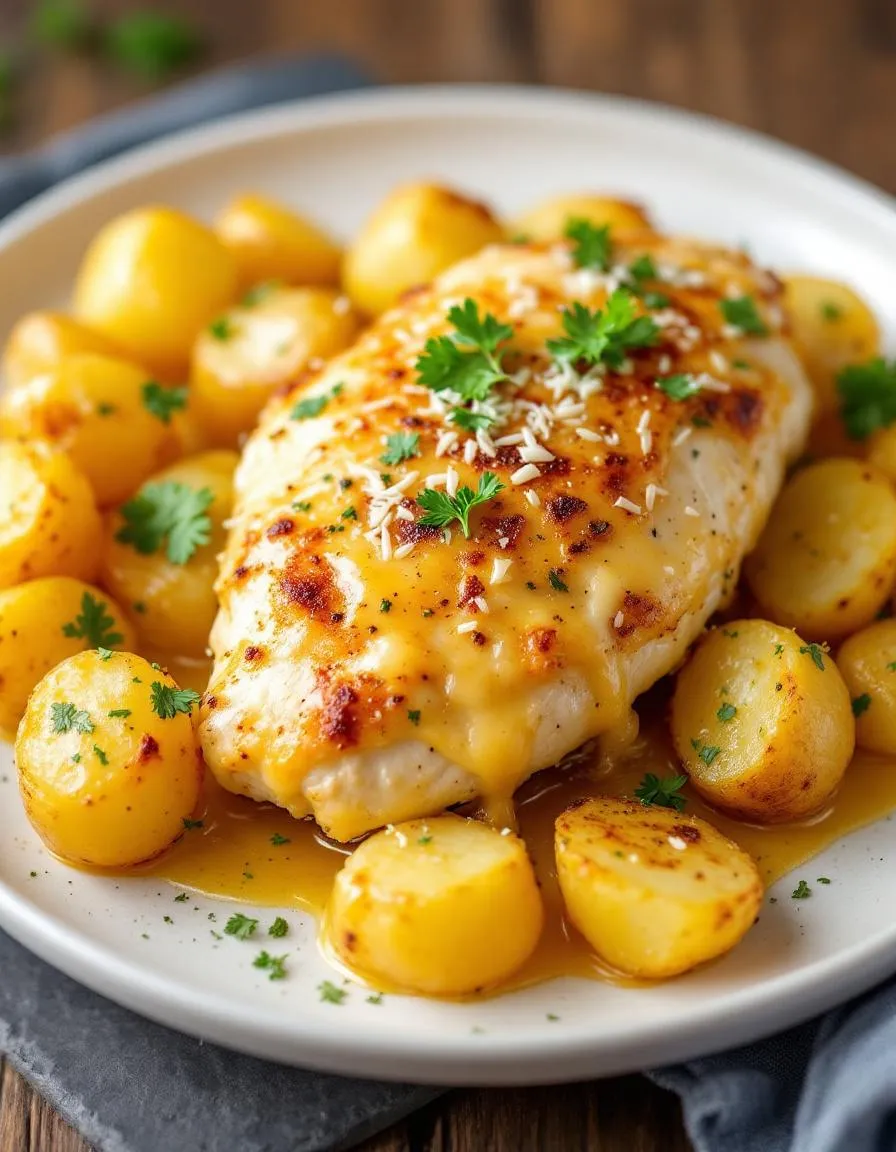
Garlic Parmesan Chicken and Potatoes delivers a mouthwatering blend of savory, buttery, and herbaceous flavors. The chicken turns golden and crisp on the outside while staying juicy inside, thanks to a generous coating of grated Parmesan and garlic. Meanwhile, the potatoes soak up the rich, fragrant garlic butter, becoming tender yet slightly caramelized at the edges. Every bite offers a satisfying contrast—creamy Parmesan melds with the earthy potatoes, while fresh herbs like rosemary or thyme add a bright, aromatic finish. Together, Garlic Parmesan Chicken and Potatoes create a comforting, flavor-packed dish that smells irresistible as it bakes.
r">Boosting the flavor
For an extra flavor kick, try swapping regular Parmesan for aged Parmigiano-Reggiano—its nutty depth elevates the dish. A squeeze of lemon juice just before serving brightens the richness, while a sprinkle of red pepper flakes adds subtle heat. If you love bold herbs, mix in chopped fresh basil or oregano. For a creamier twist, drizzle with garlic herb sauce or serve alongside roasted vegetables to balance the meal. Experimenting with these small tweaks keeps Garlic Parmesan Chicken and Potatoes exciting every time you make it.
Tips for Success
Best practices for results
For perfectly crispy Garlic Parmesan Chicken and Potatoes, always pat the chicken dry before seasoning. This step helps the spices stick and promotes even browning. Additionally, cut the potatoes into uniform sizes so they cook at the same rate. Roast everything on the middle rack to prevent burning, and toss the potatoes halfway through for golden edges. Finally, let the dish rest for 5 minutes after baking to lock in juices.
>Mistakes to avoid
Avoid overcrowding the pan, as this steams the chicken instead of crisping it. Instead, use two pans or bake in batches if needed. Also, skip fresh garlic in favor of garlic powder—it prevents burning during roasting. For more on balancing flavors, check out our guide to seasoning basics. Lastly, don’t skip preheating the oven; a hot start ensures your Garlic Parmesan Chicken and Potatoes cook evenly. Learn why temperature matters in our oven tips post.
Serving and Pairing Suggestions
How to serve this dish
Garlic Parmesan Chicken and Potatoes shines as a crowd-pleasing centerpiece, whether you’re hosting a cozy family dinner or a festive gathering. For a rustic yet elegant presentation, arrange the chicken over a bed of golden potatoes on a large platter, then drizzle any remaining garlic parmesan sauce on top. Meanwhile, sprinkle fresh chopped parsley or a pinch of red pepper flakes for a pop of color and flavor. If you’re serving it for a holiday brunch, pair it with a light salad to balance the richness. Alternatively, pack leftovers for a next-day lunch—the flavors deepen overnight, making it even more delicious.
What goes well with it
Bright, crisp sides like a lemon herb salad cut through the dish’s savory richness, while roasted asparagus adds a satisfying crunch. For drinks, a chilled glass of Sauvignon Blanc or sparkling water with lemon complements the garlic parmesan notes perfectly. If you’re craving something heartier, try pairing it with warm garlic butter dinner rolls to soak up every last bit of sauce. No matter your choice, these pairings elevate Garlic Parmesan Chicken and Potatoes into a well-rounded meal.
What sides go well with Garlic Parmesan Chicken and Potatoes?
Garlic Parmesan Chicken and Potatoes pairs perfectly with steamed vegetables like broccoli or green beans for a balanced meal. A crisp garden salad or roasted asparagus also complements the rich flavors of this dish.
How long does it take to bake Garlic Parmesan Chicken and Potatoes?
Garlic Parmesan Chicken and Potatoes typically bakes for 30-40 minutes at 400°F (200°C). The chicken should reach 165°F internally, and the potatoes should be golden brown and fork-tender when done.
rank-math-faq-item">
Can I use boneless chicken thighs instead of breasts for Garlic Parmesan Chicken and Potatoes?
Yes, boneless chicken thighs work great for Garlic Parmesan Chicken and Potatoes—they stay juicy and add richer flavor. Just adjust cooking time slightly as thighs may cook faster than breasts.
What’s the best way to get crispy potatoes in Garlic Parmesan Chicken and Potatoes?
For extra crispy potatoes in your Garlic Parmesan Chicken and Potatoes, toss them in oil before baking and spread them in a single layer. Flipping them halfway through cooking ensures even browning.