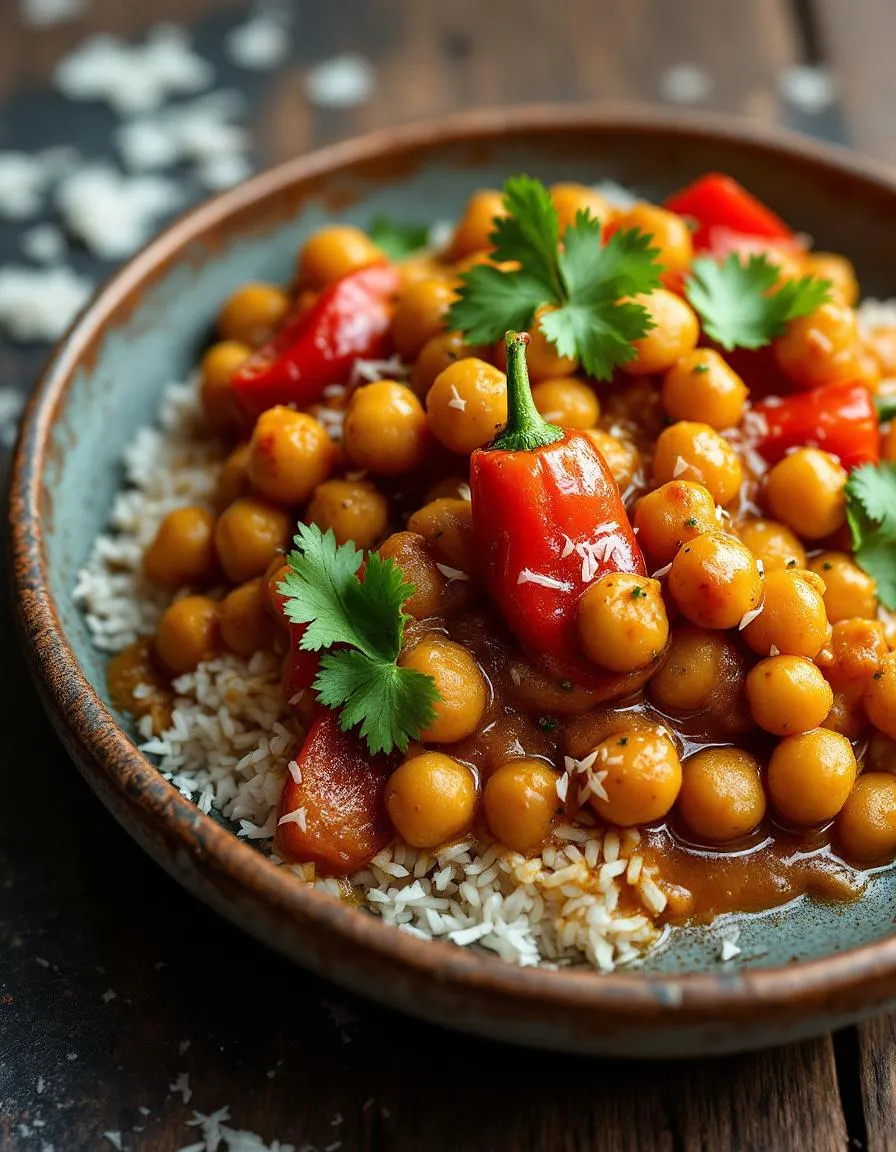
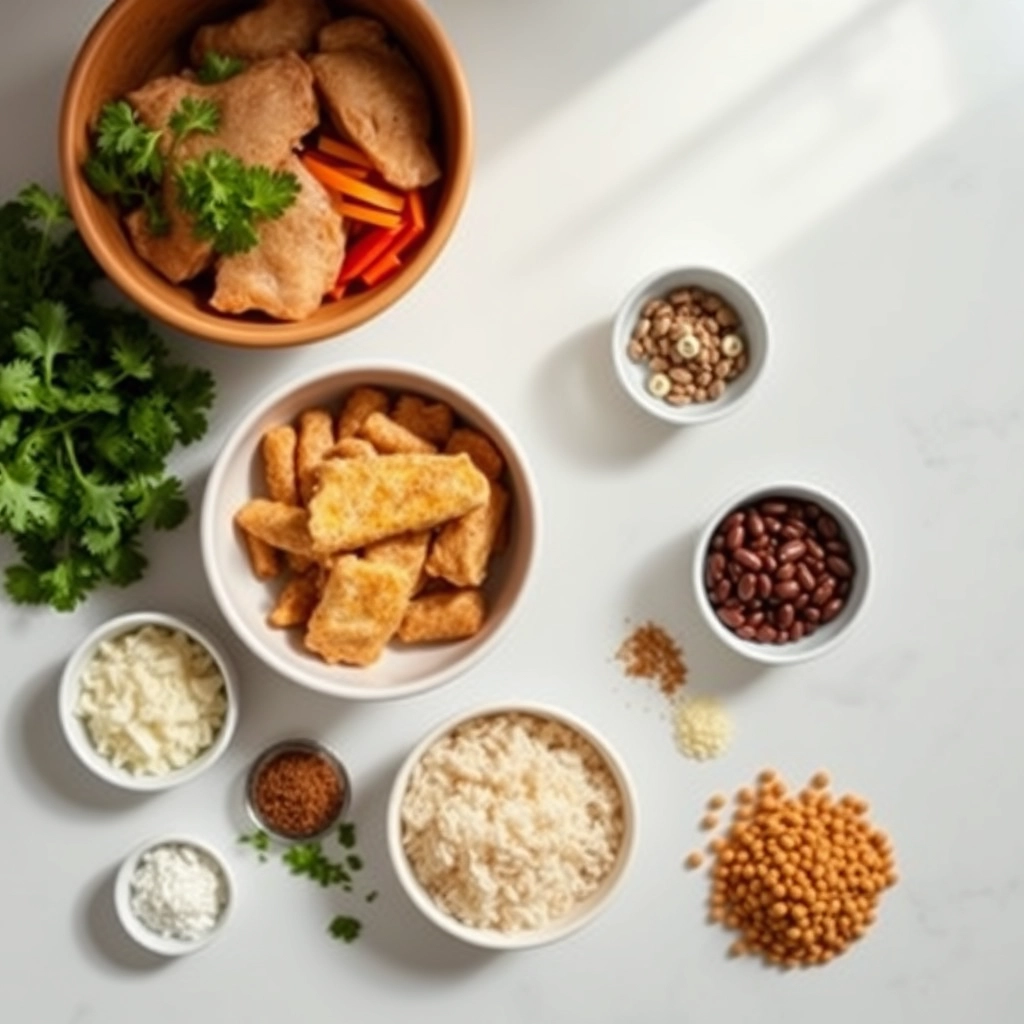
There’s something magical about a dish that wraps you in warmth while whisking your taste buds away to another corner of the world. That’s exactly what Brazilian Coconut Chickpea Curry does—it’s a creamy, fragrant bowl of comfort that feels like a hug from the inside. Whether you’re craving a meatless meal that doesn’t skimp on flavor or just want to try something new, this recipe delivers. Plus, it’s packed with protein and vibrant spices, making it as nourishing as it is delicious. Let’s dive into what makes this dish so special.
Brazilian Coconut Chickpea Curry is a vibrant fusion of creamy coconut milk, tender chickpeas, and a medley of spices like cumin, coriander, and turmeric. Unlike traditional curries, this version leans into Brazil’s love for bold, tropical flavors, blending them with influences from global cuisine. What sets it apart is its balance of richness and freshness, often brightened with lime juice or cilantro. For anyone exploring plant-based eating, this dish proves that meatless meals can be hearty and deeply satisfying. It’s also incredibly versatile—serve it over rice, quinoa, or even with a side of garlic naan for a cross-cultural twist.
This recipe fits perfectly with our blog’s mission to celebrate accessible, globally inspired dishes. Whether you’re a seasoned cook or just starting out, Brazilian Coconut Chickpea Curry is forgiving and adaptable. You can tweak the spice level or add veggies like spinach or sweet potatoes to make it your own. If you’re looking for more weeknight-friendly recipes, check out our quick vegetable stir-fry for another easy favorite. Above all, this curry is about joy—the kind of meal that brings people together and leaves everyone asking for seconds.
Why I Love This Recipe
Brazilian Coconut Chickpea Curry holds a special place in my heart because it’s the dish that made me fall in love with plant-based cooking. The first time I tried it, I was amazed by how something so simple could burst with so much flavor. It reminds me of lazy Sunday dinners with friends, where we’d pile our plates high and lose track of time laughing over stories. Even now, the smell of coconut milk simmering with spices instantly transports me back to those cozy moments. It’s more than just a recipe—it’s a reminder that great food doesn’t need to be complicated to be unforgettable.
Health and Nutrition
Why it’s good for your body
Brazilian Coconut Chickpea Curry packs a powerful nutritional punch while delighting your taste buds. First, chickpeas deliver a hearty dose of plant-based protein and fiber, keeping you full and supporting digestion. Additionally, coconut milk adds healthy fats that boost brain function and help your body absorb fat-soluble vitamins.
Moreover, this dish brims with antioxidants and anti-inflammatory spices like turmeric and cumin. These ingredients not only enhance flavor but also promote heart health and reduce oxidative stress. Meanwhile, the tomatoes and garlic in Brazilian Coconut Chickpea Curry provide immune-boosting vitamins like C and B6.
Furthermore, the dish balances macronutrients beautifully. The combination of slow-digesting carbs, plant protein, and healthy fats stabilizes blood sugar levels. Whether you enjoy it for lunch or dinner, Brazilian Coconut Chickpea Curry fuels your body efficiently. Finally, its rich flavors mean you won’t miss heavy creams or excessive salt, making it a smarter choice for long-term wellness.
How it fits in a healthy lifestyle
Brazilian Coconut Chickpea Curry fits seamlessly into a balanced diet. If you follow a gluten-free or plant-based lifestyle, this dish naturally aligns with your needs. The chickpeas offer a protein alternative to meat, while the coconut milk keeps it dairy-free. For those focused on heart health, the spices and healthy fats support cholesterol management.
You can easily pair this curry with quinoa or brown rice for a complete meal. It also reheats well, making it perfect for meal prep. If you’re exploring more plant-based recipes, check out our guide to vegan protein sources to keep your diet varied and nutritious. Whether you’re cooking for one or feeding a family, Brazilian Coconut Chickpea Curry simplifies healthy eating without sacrificing flavor.
A creamy and flavorful curry with chickpeas, coconut milk, and Brazilian-inspired spices.
Ingredients
Scale
For the Crust:
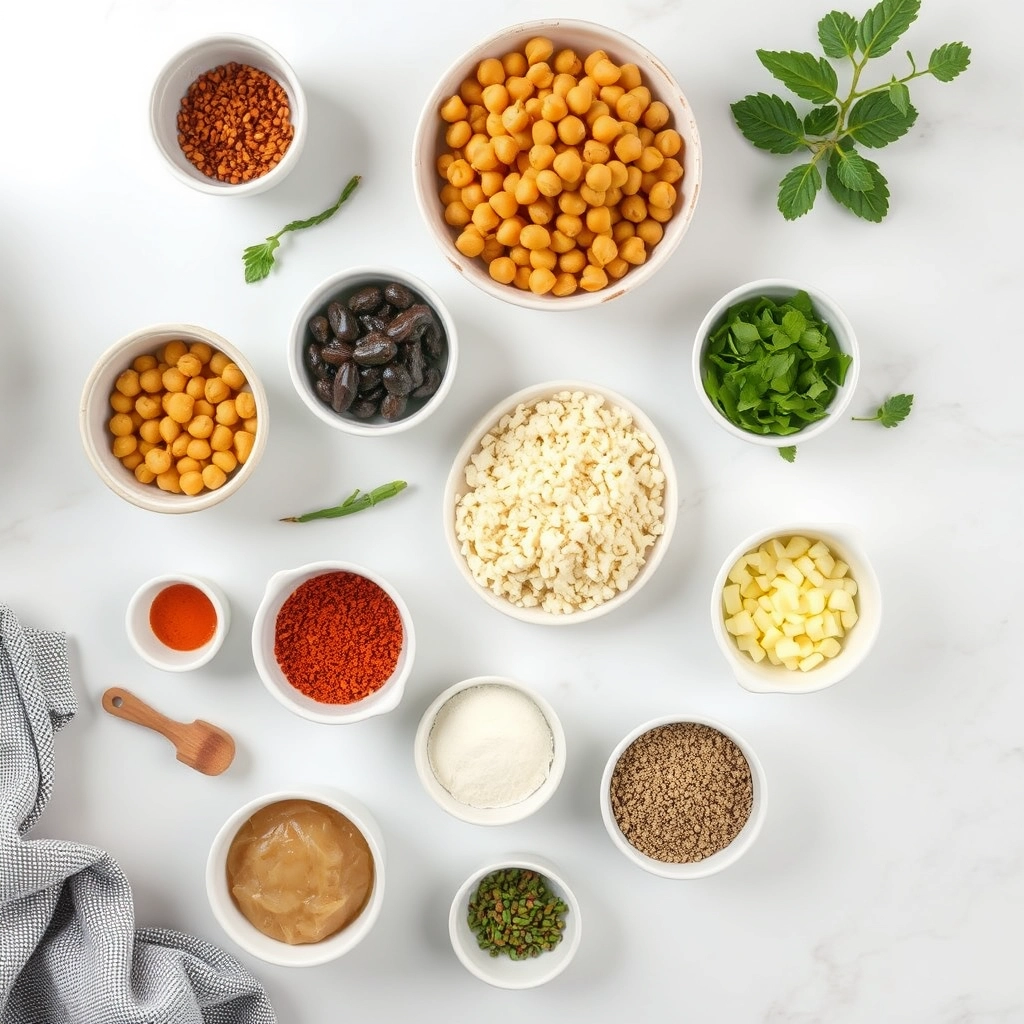
2 cups cooked chickpeas
1 can (14 oz) coconut milk
1 onion, finely chopped
3 garlic cloves, minced
1 red bell pepper, diced
1 tbsp olive oil
1 tbsp curry powder
1 tsp ground cumin
1 tsp paprika
1/2 tsp turmeric
1/2 tsp chili flakes (optional)
1 cup vegetable broth
1 tbsp lime juice
Fresh cilantro, chopped (for garnish)
Salt and pepper to taste
Instructions
1. Prepare the Crust:
Heat olive oil in a large pot over medium heat. Add onion and sauté until translucent, about 3-4 minutes.
Add garlic, red bell pepper, and spices (curry powder, cumin, paprika, turmeric, and chili flakes). Stir well and cook for another 2 minutes.
Pour in the coconut milk and vegetable broth. Bring to a gentle simmer.
Add the chickpeas and stir to combine. Let the curry simmer for 15-20 minutes, stirring occasionally.
Stir in lime juice and season with salt and pepper to taste.
Garnish with fresh cilantro before serving. Serve hot with rice or bread.
Notes
You can customize the seasonings to taste.
How to Prepare This Dish
Steps and time-saving tips
Start by heating a large pot over medium heat and adding a drizzle of coconut oil. Once the oil shimmers, toss in diced onions and minced garlic, stirring until they turn golden and fragrant. Next, add chopped bell peppers and grated ginger, cooking them just until they soften. Sprinkle in your curry powder, cumin, and a pinch of turmeric, stirring quickly to toast the spices without burning them. Pour in a can of coconut milk and vegetable broth, then bring the mixture to a gentle simmer. Now, fold in drained chickpeas and diced tomatoes, letting everything cook together for about 15 minutes so the flavors meld. If you’re short on time, use pre-minced garlic and ginger from the jar—it’s a game-changer. Finally, stir in a handful of fresh cilantro and a squeeze of lime juice just before serving. Pair your Brazilian Coconut Chickpea Curry with steamed rice or warm naan for a complete meal that’s ready in under 30 minutes.
Mistakes I’ve made and learned from
I once rushed the onion-and-garlic step, thinking a quick sauté would suffice, but undercooking them left my Brazilian Coconut Chickpea Curry tasting bland. Now, I take an extra minute to let them caramelize deeply—it makes all the difference. Another blunder? Overcrowding the pot with chickpeas, which diluted the creamy coconut sauce. I’ve since learned to stick to the right ratios, like those in my perfect curry ratios guide. And if you’ve ever ended up with a too-thin curry, don’t panic—simmer it uncovered for a few more minutes, or try the tricks from my thickening sauces post. Trust me, even small tweaks can turn a good dish into a great one.
Brazilian Coconut Chickpea Curry carries the vibrant spirit of Bahia, a region where African, Indigenous, and Portuguese flavors collide. Locals often serve it during festivals, where the creamy coconut milk and earthy chickpeas reflect the area’s tropical abundance. Yet, families tweak the recipe—some add dendê oil for a deeper color, while others toss in extra veggies like okra or sweet potatoes. My aunt swears by a splash of lime juice at the end, a trick she learned from a friend in Salvador.
Across the globe, cooks reinvent Brazilian Coconut Chickpea Curry to suit local tastes. In India, they might swap coconut milk for yogurt and amp up the spices. Caribbean versions sometimes include callaloo or Scotch bonnet peppers for heat. Even in my kitchen, I love folding in spinach for extra greens. No matter the twist, the dish always feels like a hug—warm, nourishing, and deeply comforting.
ays-cooking">How it fits in today’s cooking
Today, Brazilian Coconut Chickpea Curry shines as a weeknight hero. Busy cooks adore its one-pot simplicity, and plant-based eaters celebrate its protein-packed goodness. During cooler months, it becomes a cozy staple, but its bright flavors also suit summer dinners when paired with a crisp salad. Many modern kitchens even prep it ahead, storing portions for easy lunches—just like these meal-prep ideas suggest.
It’s also a star at gatherings. Friends rave about it at potlucks, and some families serve it alongside holiday favorites for a festive twist. Whether you simmer it low and slow or crank up the spice level, Brazilian Coconut Chickpea Curry adapts effortlessly to today’s rhythms. That’s the beauty of it—tradition and flexibility in every bite.
Taste and Texture
What makes it delicious
Brazilian Coconut Chickpea Curry wraps your taste buds in a rich, velvety embrace. The creamy coconut milk melds with earthy chickpeas, while warm spices like cumin and coriander add a fragrant depth. Each bite delivers a subtle sweetness, balanced by a gentle kick from fresh ginger and garlic. Meanwhile, tender chickpeas offer a satisfying chew, and a squeeze of lime brightens the dish with a citrusy zing. Brazilian Coconut Chickpea Curry isn’t just hearty—it’s a vibrant dance of flavors that lingers deliciously on the palate.
r">Boosting the flavor
Elevate your Brazilian Coconut Chickpea Curry with a handful of toasted cashews for crunch or a swirl of tangy yogurt for contrast. For extra heat, stir in a spoonful of harissa or smoked paprika. Fresh herbs like cilantro or Thai basil add a pop of color and freshness. If you love bold flavors, try pairing it with a side of garlic naan or a cooling mango salsa. Small tweaks can transform this dish into a showstopper without overpowering its comforting essence.
Tips for Success
Best practices for results
Always toast your spices before adding them to the Brazilian Coconut Chickpea Curry—this unlocks their full flavor. Meanwhile, use full-fat coconut milk for the creamiest texture, and simmer the curry uncovered for the last 5 minutes to thicken it perfectly. For the best balance, taste and adjust the salt and lime juice just before serving. Finally, let the curry rest for 5 minutes after cooking so the flavors meld beautifully.
>Mistakes to avoid
Overcooking the chickpeas can make them mushy, so check their tenderness early if using canned. Additionally, skipping the step to bloom the spices in oil weakens the depth of your Brazilian Coconut Chickpea Curry—instead, gently fry them for 30 seconds. If your curry tastes too thin, avoid adding flour; instead, try reducing it longer or blending a portion as shown in our guide to thickening sauces. Lastly, don’t forget to balance the heat—if it’s too spicy, stir in a touch of coconut cream or yogurt, as explained in our tips for fixing flavors.
Serving and Pairing Suggestions
How to serve this dish
Bring vibrant energy to your table by serving Brazilian Coconut Chickpea Curry in shallow bowls to showcase its rich, creamy texture. For a pop of color, top it with fresh cilantro, lime wedges, or thinly sliced red chili peppers. Meanwhile, if you’re hosting a casual gathering, consider setting up a build-your-own bowl station with toppings like toasted coconut flakes or diced avocado. This dish shines at cozy weeknight dinners, but its tropical flair also makes it a standout for festive occasions like summer cookouts or plant-based holiday spreads.
What goes well with it
Pair Brazilian Coconut Chickpea Curry with fluffy jasmine rice or warm naan bread to soak up every bit of the fragrant coconut sauce. For a refreshing contrast, serve it alongside a crisp mango avocado salad, which balances the curry’s warmth with bright, tangy flavors. If you love bold drinks, try a chilled glass of hibiscus iced tea or a citrusy Brazilian caipirinha—both enhance the dish’s tropical notes. For more pairing inspiration, check out our guide to vegan side dishes or our favorite summer refreshers to round out your meal.
Yes, Brazilian Coconut Chickpea Curry is naturally vegan, as it relies on coconut milk, chickpeas, and vegetables for its rich flavor. The dish avoids animal products while delivering a creamy, satisfying texture. It’s a great option for plant-based diets.
What spices are used in Brazilian Coconut Chickpea Curry?
Brazilian Coconut Chickpea Curry typically features warm spices like cumin, coriander, turmeric, and paprika. Some versions include a hint of chili for heat or ginger for extra depth. These spices blend perfectly with the coconut milk for a fragrant, flavorful dish.
ank-math-faq-item">
Can I make Brazilian Coconut Chickpea Curry in a slow cooker?
Absolutely! Brazilian Coconut Chickpea Curry works well in a slow cooker—just combine all ingredients and cook on low for 4-6 hours. The slow cooking enhances the flavors, making the chickpeas tender and the curry even more aromatic.
What can I serve with Brazilian Coconut Chickpea Curry?
Brazilian Coconut Chickpea Curry pairs beautifully with steamed rice, quinoa, or warm naan bread. For a fresh contrast, try a side of mango salsa or a simple green salad. The creamy curry balances well with these accompaniments.
Best Crispy Baked Chicken Tenders Recipe
Introduction
There’s something undeniably comforting about biting into a perfectly crispy, golden-brown chicken tender—especially when you know it’s baked, not fried. Whether you’re craving a nostalgic childhood favorite or need a crowd-pleasing dinner that’s both easy and wholesome, these Crispy Baked Chicken Tenders deliver every time. Plus, they’re a healthier twist on a classic, so you can enjoy guilt-free crunch without sacrificing flavor. Let’s dive into why this recipe deserves a permanent spot in your weekly rotation.
Crispy Baked Chicken Tenders are a game-changer for busy home cooks and health-conscious eaters alike. Unlike traditional fried versions, these tenders achieve their irresistible crunch through a clever combination of seasoned breadcrumbs and a quick bake in the oven. The result? Tender, juicy chicken with a satisfying crisp that rivals any drive-thru order. What makes this dish stand out is its versatility. Serve them as a quick weeknight dinner with a side of roasted veggies, pack them for lunch, or even turn them into a fun appetizer for game day. For more family-friendly meal ideas, check out our Easy Weeknight Dinners collection.
This recipe also aligns perfectly with our blog’s mission: making wholesome, delicious food accessible to everyone. We prioritize simple ingredients and straightforward techniques, so even beginner cooks can succeed. For example, the breading process might remind you of our Crispy Oven-Fried Chicken, but with a lighter, quicker approach. Whether you’re meal-prepping or cooking for picky eaters, these tenders check all the boxes—flavor, texture, and ease. Best of all, they’re customizable. Swap the seasonings, try gluten-free breadcrumbs, or add a spicy kick with cayenne. The possibilities are endless, and that’s what keeps this recipe fresh and exciting.
Why I Love This Recipe
I’ll admit it: Crispy Baked Chicken Tenders hold a special place in my heart. They were the first dish I mastered as a new cook, and they’ve saved me on countless hectic evenings when my family needed something quick and satisfying. What I love most is how they bring everyone to the table—kids, adults, even skeptical teens—without fail. There’s a quiet pride in watching someone take that first bite and immediately ask for seconds. Plus, knowing I’m serving a healthier version of a comfort food classic makes the victory even sweeter. This recipe isn’t just food; it’s a little triumph in every crispy, golden bite.
Health and Nutrition
Why it’s good for your body
Crispy Baked Chicken Tenders deliver a satisfying crunch without the excess oil of deep-fried versions. Because they bake instead of fry, they retain lean protein while cutting unnecessary fats. Additionally, chicken provides essential amino acids that support muscle repair and growth. Whether you use whole wheat breadcrumbs or almond flour, you boost fiber and nutrients compared to traditional recipes.
Moreover, Crispy Baked Chicken Tenders pack a punch of vitamins like B6 and B12, which help maintain energy levels. They also contain minerals such as iron and zinc, crucial for immune function. If you pair them with a side of roasted veggies or a fresh salad, you create a well-rounded meal. Unlike processed fast-food options, homemade versions let you control sodium and additives.
Finally, Crispy Baked Chicken Tenders work well for active lifestyles. They offer a quick protein fix after workouts or a balanced dinner option for busy families. By skipping heavy batters, you keep calories in check without sacrificing flavor. In short, they prove that healthier choices can still be delicious.
How it fits in a healthy lifestyle
Crispy Baked Chicken Tenders fit seamlessly into balanced eating habits. For gluten-free diets, simply swap regular breadcrumbs for alternatives like crushed rice cereal or gluten-free oats. High-protein meal plans benefit from their lean chicken base, especially when paired with quinoa or a smart meal prep strategy.
Heart-healthy eaters will appreciate the lower saturated fat content compared to fried tenders. Baking preserves nutrients while keeping the dish light and flavorful. If you’re watching portions, serve them with easy portion control tricks to stay on track. Even picky eaters love them, making family dinners stress-free and nutritious.
Busy weeknights call for simple solutions, and Crispy Baked Chicken Tenders deliver. They reheat well, so you can prep ahead for lunches or quick dinners. With wholesome ingredients and minimal processing, they align with clean eating goals without compromising taste.
Juicy and crispy chicken tenders baked to perfection with a golden crust.
Ingredients
Scale
For the Crust:
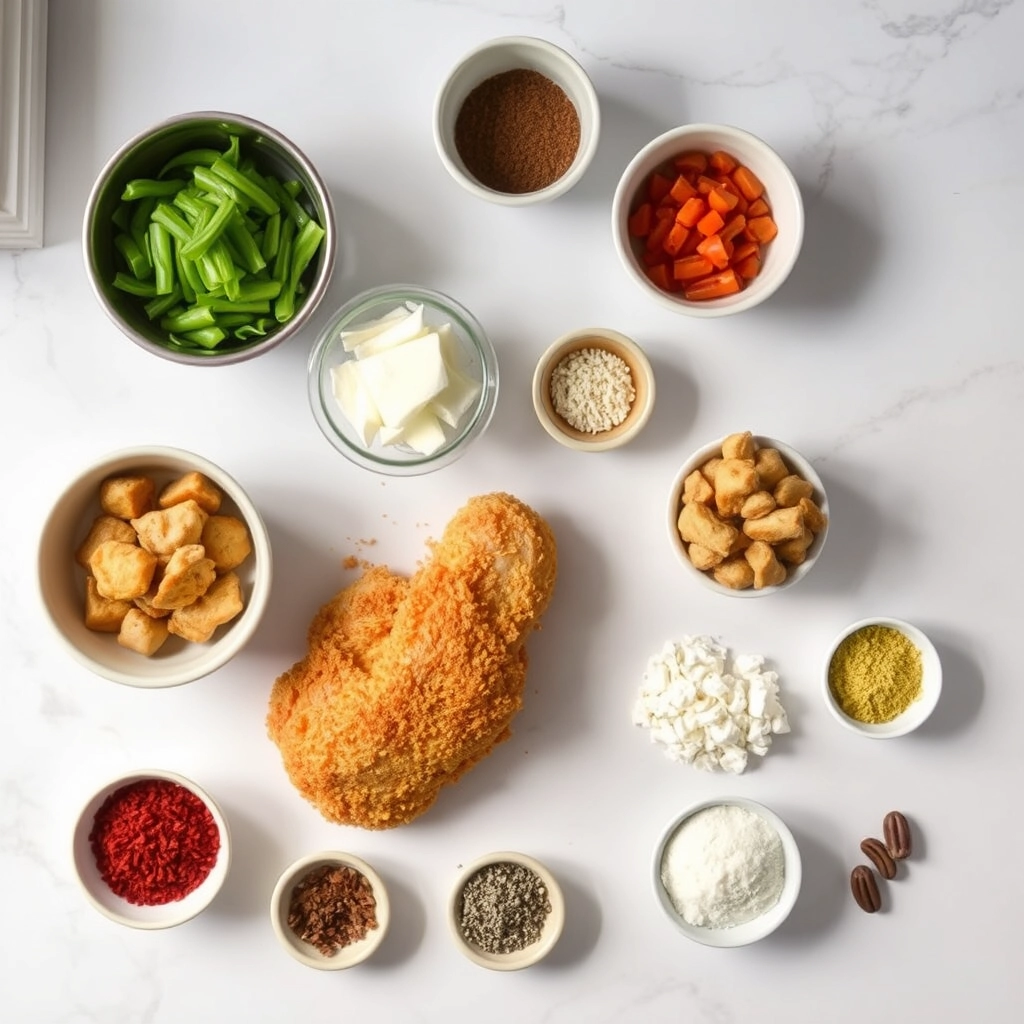
1 lb chicken tenders
1 cup panko breadcrumbs
1/2 cup grated parmesan cheese
1 tsp garlic powder
1 tsp paprika
1/2 tsp salt
1/2 tsp black pepper
2 eggs
1/4 cup all-purpose flour
Instructions
1. Prepare the Crust:
Preheat oven to 400°F (200°C) and line a baking sheet with parchment paper.
In a shallow bowl, mix panko, parmesan, garlic powder, paprika, salt, and pepper. In another bowl, beat eggs. Place flour in a third bowl.
Dredge each chicken tender in flour, dip in egg, then coat with breadcrumb mixture. Place on baking sheet.
Bake for 20-25 minutes until golden and internal temperature reaches 165°F (74°C).
Notes
You can customize the seasonings to taste.
s-dish">How to Prepare This Dish
Steps and time-saving tips
First, preheat your oven to 400°F and line a baking sheet with parchment paper for easy cleanup. While the oven heats, whisk together flour, paprika, garlic powder, and a pinch of salt in a shallow bowl. In another bowl, beat two eggs until smooth, then pour panko breadcrumbs into a third bowl. Now, coat each chicken tender in the flour mixture, shaking off excess, then dip it into the eggs, and finally press it firmly into the panko until fully covered. Arrange the tenders on the baking sheet with space between them so they crisp evenly. For extra crunch, lightly spray them with olive oil before baking. Slide the tray into the oven and bake for 15 minutes, then flip each tender and bake another 10 minutes until golden. If you’re short on time, skip the flour step and use seasoned panko—it adds flavor and cuts prep in half. Let the Crispy Baked Chicken Tenders rest 5 minutes before serving; this keeps the coating intact. Pair them with honey mustard or ranch for dipping, and they’ll disappear fast.
Mistakes I’ve made and learned from
I used to overcrowd the baking sheet, thinking I could fit all my Crispy Baked Chicken Tenders at once. Big mistake! They steamed instead of crisping, turning soggy. Now I bake in batches or use two trays—patience pays off. Another blunder? Skipping the parchment paper. Scraping stuck-on crumbs taught me the hard way. For more kitchen hacks, check out my guide on perfect baking temperatures. Also, I once substituted regular breadcrumbs for panko, and the texture suffered. Panko’s lightness is key, as I learned while testing tips from my crust secrets post. Now I always keep a bag in my pantry.
n-and-variations">Cultural Connection and Variations
Where this recipe comes from
Crispy Baked Chicken Tenders might feel like a modern weeknight staple, but their roots stretch back to Southern comfort food traditions. Originally, fried chicken strips gained popularity in the U.S. as a quicker, kid-friendly twist on classic fried chicken. However, the baked version we love today emerged as families sought healthier alternatives without sacrificing crunch. In some regions, like the Midwest, cooks add a dash of cayenne for heat, while Southern versions often include buttermilk for extra tenderness.
Around the world, similar dishes take on unique flavors. In Japan, karaage—bite-sized marinated chicken—delivers a crispier texture thanks to potato starch. Meanwhile, in the UK, “goujons” often feature breadcrumbs and herbs for a pub-style twist. Even in my own family, Crispy Baked Chicken Tenders became a Sunday dinner favorite, served with honey mustard or alongside a fresh summer salad. Whether you dress them up or keep them simple, these tenders carry a universal appeal.
How it fits in today’s cooking
Today, Crispy Baked Chicken Tenders hold their own as a versatile crowd-pleaser. Busy parents love them for quick dinners, while meal preppers bake batches for protein-packed lunches. Thanks to air fryers and gluten-free breadcrumbs, modern cooks easily adapt the recipe to fit dietary needs. They’ve also become a game-day staple, replacing wings for a lighter yet equally satisfying crunch.
Seasonally, these tende
rs shine year-round. In summer, pair them with grilled corn or a cool refreshing drink. Come winter, they’re cozy alongside mashed potatoes. No matter how you serve them, Crispy Baked Chicken Tenders prove that comfort food can be both timeless and adaptable.
Taste and Texture
What makes it delicious
Crispy Baked Chicken Tenders deliver a satisfying crunch with every bite, thanks to their golden, oven-baked coating. Inside, the chicken stays juicy and tender, creating a perfect contrast with the crisp exterior. Aromatic spices like garlic powder and paprika add a warm, savory depth, while a hint of buttermilk keeps the meat irresistibly moist. The first whiff from the oven fills the kitchen with a mouthwatering, toasty aroma that promises comfort. Whether dipped in sauce or enjoyed plain, Crispy Baked Chicken Tenders offer a crowd-pleasing balance of texture and flavor.
Boosting the flavor
Elevate your Crispy Baked Chicken Tenders by experimenting with bold seasonings or zesty sauces. For a smoky twist, try adding chipotle powder to the breading mix. Alternatively, drizzle them with a tangy honey mustard sauce for a sweet-and-savory kick. If you love heat, serve them with a side of spicy ranch dressing to amplify the flavor. You can also swap panko breadcrumbs for crushed cornflakes to double the crunch. Small tweaks make a big difference, so don’t hesitate to get creative!
Pat the chicken dry before coating to help the breading stick better. Meanwhile, preheat the oven fully so your Crispy Baked Chicken Tenders cook evenly from the start. For extra crunch, lightly spray the tenders with oil before baking. Additionally, use a wire rack on the baking sheet to promote airflow and prevent sogginess. Finally, let them rest for a few minutes after baking to lock in juiciness.
Mistakes to avoid
Overcrowding the baking sheet traps steam, which makes the coating soft instead of crisp. Instead, space the tenders apart and bake in batches if needed. Another common error is skipping the dredging steps—always dip in flour, then egg, then breadcrumbs for the crispiest results. For more on perfecting breaded dishes, check out our guide on crispy coating secrets. Also, avoid using cold chicken straight from the fridge, as it cooks unevenly. For tips on prepping proteins, see our chicken prep 101 tutorial.
g-suggestions">Serving and Pairing Suggestions
How to serve this dish
Serve Crispy Baked Chicken Tenders on a rustic wooden board for a casual family dinner or arrange them neatly on a platter with fresh lemon wedges for a party appetizer. For a fun twist, stack them vertically in a mason jar with dipping sauce at the base. Meanwhile, if you’re hosting a game-day gathering, pair them with colorful toothpicks for easy grabbing. Additionally, garnish with chopped parsley or a sprinkle of paprika to enhance their golden crispiness. Whether it’s a weeknight meal or a festive occasion, these tenders always steal the spotlight.
What goes well with it
Elevate your Crispy Baked Chicken Tenders with a side of creamy garlic mashed potatoes or a crisp garden salad for a balanced meal. For dipping, try our tangy honey mustard sauce or a spicy sriracha mayo to add extra flavor. Moreover, a chilled glass of lemonade or an ice-cold beer perfectly cuts through the richness. If you’re craving something heartier, serve them alongside our cheesy garlic bread for a crowd-pleasing combo. Every bite becomes even more satisfying with these pairings.
math-faq-block">
How do you keep baked chicken tenders crispy?
To keep Crispy Baked Chicken Tenders crispy, use a wire rack on your baking sheet to allow air circulation. Lightly coating them with oil or cooking spray and baking at a high temperature (around 425°F) also helps achieve that perfect crunch. Avoid overcrowding the pan, as steam can make them soggy.
What is the best breading for crispy baked chicken tenders?
The best breading for Crispy Baked Chicken Tenders combines panko breadcrumbs with grated Parmesan for extra crunch. For extra flavor, mix in spices like paprika, garlic powder, or Italian seasoning. A light egg wash or buttermilk dip helps the breading stick better.
Can you make crispy baked chicken tenders without flour?
Yes! You can make Crispy Baked Chicken Tenders without flour by using alternatives like almond flour, crushed pork rinds, or gluten-free breadcrumbs. These options still create a delicious crust while keeping the recipe low-carb or gluten-free.
ank-math-faq-item">
How long should you bake chicken tenders at 400°F?
Bake Crispy Baked Chicken Tenders at 400°F for 15–20 minutes, flipping halfway through. The exact time depends on thickness, but they’re done when golden brown and reach an internal temperature of 165°F. For extra crispiness, broil for 1–2 minutes at the end.
Easy Roasted Pumpkin with Yogurt Sauce & Pine Nuts
Introduction
There’s something magical about the way roasted pumpkin caramelizes in the oven, its natural sweetness deepening into a rich, velvety flavor. Now, imagine pairing it with a tangy yogurt sauce and crunchy pine nuts—each bite becomes a harmony of textures and tastes. Whether you’re craving a cozy fall side dish or a show-stopping vegetarian centerpiece, this Roasted Pumpkin with Yogurt Sauce and Pine Nuts delivers. Plus, it’s as easy to make as it is impressive, proving that simple ingredients can create extraordinary meals.
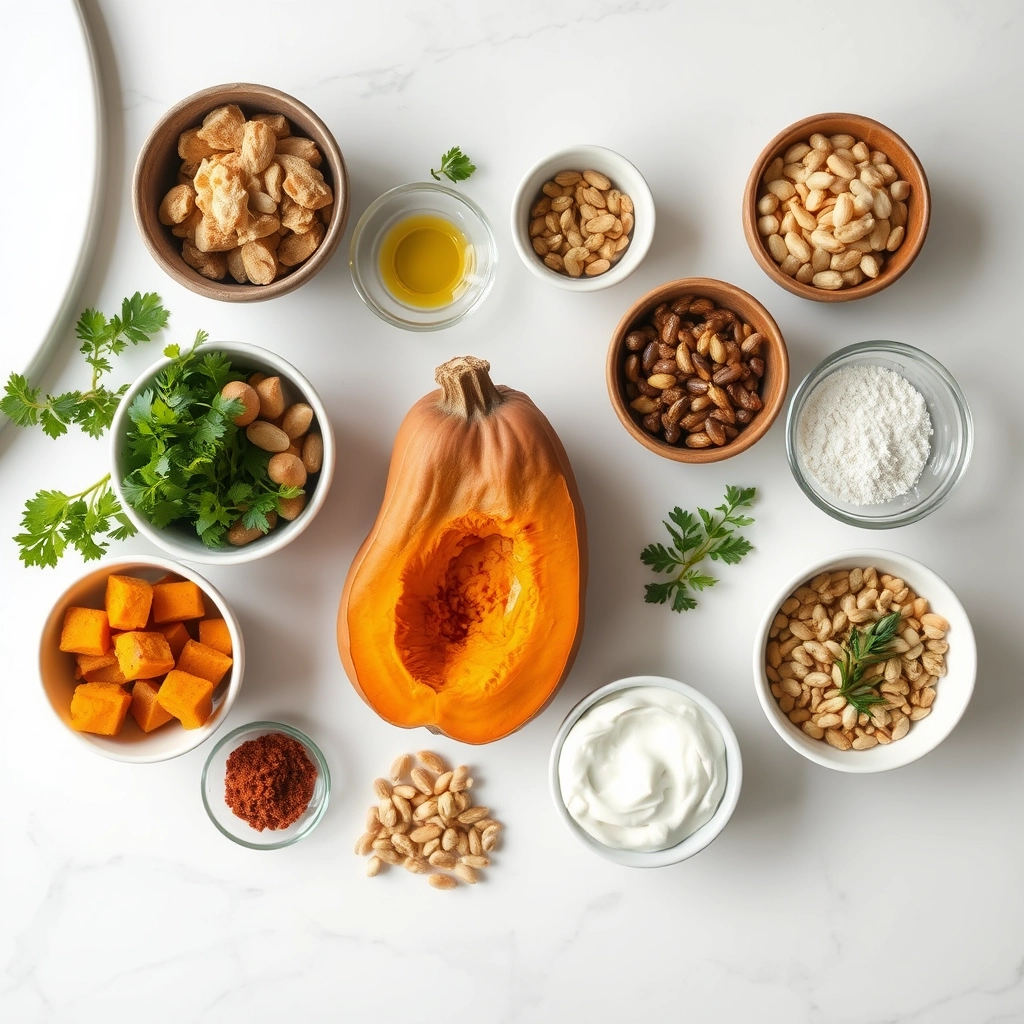
Roasted Pumpkin with Yogurt Sauce and Pine Nuts is a dish that celebrates seasonal produce while offering a balance of earthy, creamy, and nutty flavors. The pumpkin roasts until tender and slightly caramelized, while the yogurt sauce—infused with garlic, lemon, and herbs—adds a bright contrast. Toasted pine nuts provide the perfect crunch, elevating every forkful. This recipe matters because it transforms humble ingredients into something elegant, making it ideal for weeknight dinners or holiday gatherings. It also fits perfectly with our blog’s mission to share approachable yet sophisticated recipes, like our Creamy Butternut Squash Soup or Garlic Herb Roasted Vegetables, that anyone can master.
Why I Love This Recipe
Roasted Pumpkin with Yogurt Sauce and Pine Nuts holds a special place in my heart because it reminds me of family gatherings during autumn. My grandmother used to roast pumpkins with just a drizzle of olive oil, and the smell would fill the entire house. When I added the yogurt sauce and pine nuts years later, it became my own twist on her classic. Now, it’s a dish I make every fall, not just for the flavors but for the warmth and nostalgia it brings. Every time I serve it, I’m sharing a piece of my story—and that’s what cooking is all about.
Health and Nutrition
Why it’s good for your body
Roasted Pumpkin with Yogurt Sauce and Pine Nuts packs a powerful nutritional punch. First, pumpkin delivers a hefty dose of vitamin A, which supports vision and immune health. Additionally, the yogurt sauce provides probiotics that promote gut health while adding a creamy texture. Meanwhile, pine nuts contribute healthy fats and magnesium, which help regulate energy levels.
Moreover, this dish balances macronutrients effortlessly. The roasted pumpkin offers complex carbs for sustained energy, while the yogurt sauce adds protein to keep you full longer. Furthermore, the pine nuts provide heart-healthy monounsaturated fats. Together, these ingredients create a meal that stabilizes blood sugar and satisfies cravings.
Roasted Pumpkin with Yogurt Sauce and Pine Nuts also boasts antioxidants. Pumpkin contains beta-carotene, which fights inflammation, and yogurt offers calcium for strong bones. Finally, pine nuts bring zinc, which supports immune function. Whether you seek a nutrient-dense side or a light main dish, this recipe delivers flavor and wellness in every bite.
How it fits in a healthy lifestyle
Roasted Pumpkin with Yogurt Sauce and Pine Nuts fits seamlessly into a balanced diet. It works well as a gluten-free option or a plant-based meal that doesn’t skimp on protein. For those focusing on heart health, the dish includes unsaturated fats from pine nuts and minimal added sugars.
You can easily pair this recipe with other nutrient-rich dishes, like our Mediterranean Quinoa Bowl, for a complete meal. It also aligns with meal prep strategies, as you can roast the pumpkin ahead and assemble it quickly. If you’re exploring more gut-friendly recipes, try our Fermented Vegetable Guide to complement the probiotics in the yogurt sauce.
Whether you’re cooking for a family or prepping lunches, Roasted Pumpkin with Yogurt Sauce and Pine Nuts adapts to your routine. Its wholesome ingredients support energy, digestion, and long-term wellness without sacrificing taste.
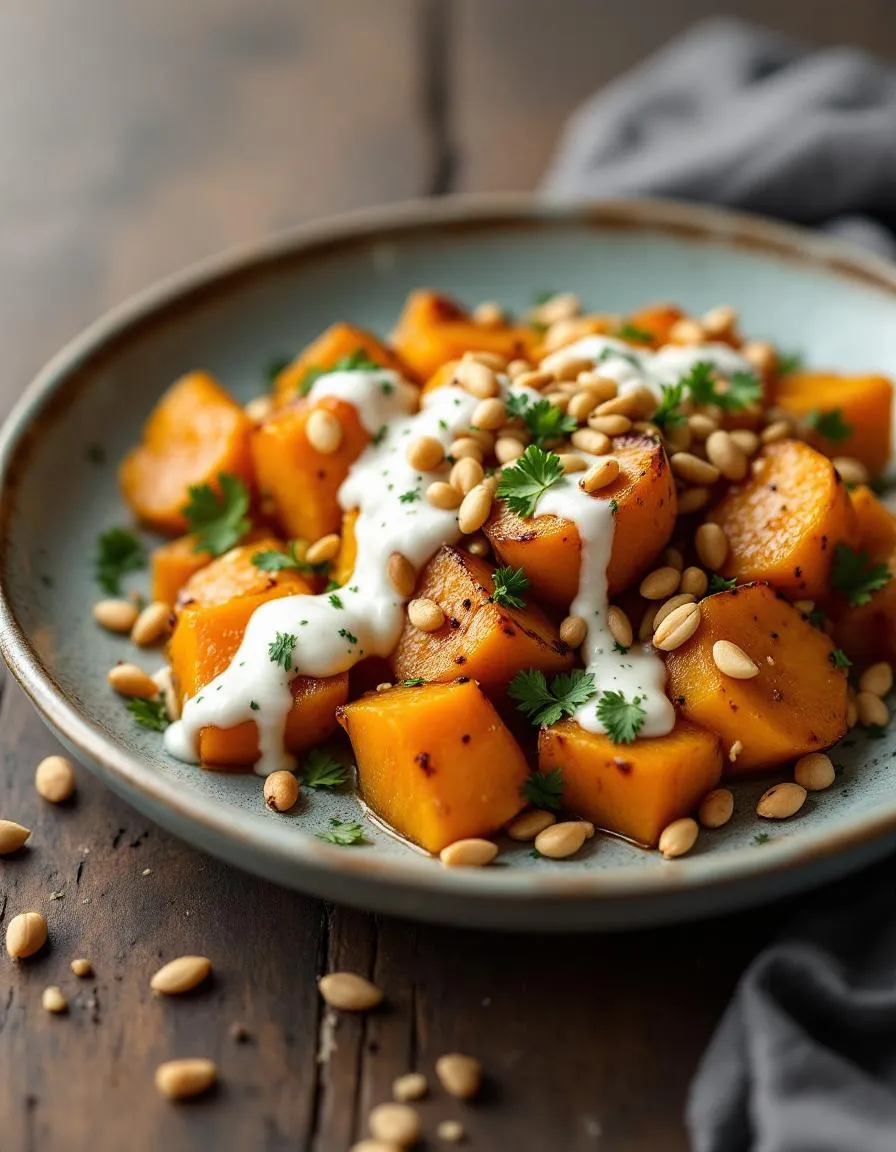
A delicious and healthy dish featuring roasted pumpkin topped with creamy yogurt sauce and crunchy pine nuts.
Ingredients
Scale
For the Crust:
1 small pumpkin (about 2 lbs), peeled and cubed
2 tbsp olive oil
1 tsp salt
1/2 tsp black pepper
1 tsp ground cumin
1 cup plain Greek yogurt
1 clove garlic, minced
1 tbsp lemon juice
1/4 cup pine nuts, toasted
1 tbsp fresh parsley, chopped
Instructions
1. Prepare the Crust:
Preheat oven to 400°F (200°C).
Toss pumpkin cubes with olive oil, salt, pepper, and cumin. Spread on a baking sheet in a single layer.
Roast for 25-30 minutes, flipping halfway, until pumpkin is tender and slightly caramelized.
While pumpkin roasts, mix yogurt, garlic, and lemon juice in a small bowl. Refrigerate until ready to serve.
Toast pine nuts in a dry skillet over medium heat for 2-3 minutes until golden, stirring frequently.
Arrange roasted pumpkin on a serving platter, drizzle with yogurt sauce, and sprinkle with toasted pine nuts and parsley.
Notes
You can customize the seasonings to taste.
How to Prepare This Dish
Steps and time-saving tips
Start by preheating your oven to 400°F to ensure it’s hot enough for roasting the pumpkin evenly. While the oven heats, peel and cube the pumpkin into bite-sized pieces—uniform sizes help them cook at the same rate. Toss the pumpkin with olive oil, salt, and your favorite spices like cinnamon or cumin for extra warmth. Spread the pieces on a parchment-lined baking sheet in a single layer to avoid steaming. Roast for 25-30 minutes, flipping halfway, until the edges caramelize and the center turns tender.
Meanwhile, whisk togeth
er the yogurt sauce. Combine Greek yogurt, minced garlic, lemon juice, and a pinch of salt in a bowl. For a smoother consistency, let it sit for 10 minutes so the flavors meld. Toast the pine nuts in a dry skillet over medium heat for 2-3 minutes, shaking the pan often to prevent burning. Once the pumpkin finishes roasting, let it cool slightly before layering it on a platter. Drizzle the yogurt sauce generously over the top, then sprinkle with toasted pine nuts and fresh herbs like mint or parsley for a bright finish.
To save time, prep the yogurt sauce and toast the pine nuts while the pumpkin roasts. If you’re doubling the recipe, use two baking sheets and rotate them in the oven for even browning. Leftovers keep well refrigerated for up to 3 days—just reheat the pumpkin gently and add fresh pine nuts for crunch.
Mistakes I’ve made and learned from
I once rushed the pumpkin cubing and ended up with uneven pieces—some turned mushy while others stayed undercooked. Now I take an extra minute to cut them uniformly, which makes all the difference. Another blunder? Over-toasting the pine nuts. They go from golden to bitter in seconds, so I stay close to the stove and stir constantly. If you’re new to working with pumpkins, my guide on choosing the right pumpkin helps avoid stringy or bland results. And if your yogurt sauce feels too thick, a splash of water or milk fixes it instantly—learned that trick from my yogurt sauce hacks post.
Roasted Pumpkin with Yogurt Sauce and Pine Nuts whispers stories of warmth and tradition, especially in Mediterranean and Middle Eastern kitchens. Many trace its roots to Lebanon and Turkey, where cooks often pair sweet, caramelized pumpkin with tangy yogurt and crunchy pine nuts for a dish that balances textures and flavors perfectly. Families there might serve it as a mezze or a side during festive gatherings, celebrating the harvest season.
Meanwhile, in Greece, you’ll find a similar version with a sprinkle of cinnamon or a drizzle of honey, turning it into a cozy autumn staple. Some Italian kitchens roast the pumpkin with rosemary and garlic, swapping yogurt for ricotta. Even in my own home, we tweak the recipe by adding a pinch of smoked paprika for depth. No matter where you go, Roasted Pumpkin with Yogurt Sauce and Pine Nuts adapts beautifully, reflecting local tastes and pantry staples.
ays-cooking">How it fits in today’s cooking
Today, this dish shines as a versatile star, whether you’re hosting a fall dinner party or need a quick weeknight side. Modern cooks love its simplicity and nutrient-packed ingredients, often pairing it with dishes like herb-roasted chicken for a complete meal. It’s also a favorite for meatless Mondays, proving that plant-based eating can feel indulgent.
Seasonal food bloggers and home chefs alike embrace Roasted Pumpkin with Yogurt Sauce and Pine Nuts for its Instagram-worthy colors and crowd-pleasing flavors. Some even repurpose leftovers into grain bowls or layer them onto autumn salads. Whether you stick to tradition or experiment with spices, this recipe bridges old-world charm and modern convenience effortlessly.
Taste and Texture
What makes it delicious
Roasted Pumpkin with Yogurt Sauce and Pine Nuts delivers a symphony of flavors and textures in every bite. The pumpkin caramelizes into a buttery, slightly sweet base with earthy depth, while the yogurt sauce adds a cool, tangy contrast that brightens each forkful. Toasted pine nuts bring a satisfying crunch and nutty richness, tying everything together. Meanwhile, warm spices like cinnamon or cumin infuse the dish with a fragrant aroma that makes it irresistible. Whether you savor it warm or at room temperature, Roasted Pumpkin with Yogurt Sauce and Pine Nuts balances creamy, crisp, and tender elements for a truly memorable meal.
r">Boosting the flavor
Elevate your Roasted Pumpkin with Yogurt Sauce and Pine Nuts by experimenting with bold flavors. For extra warmth, drizzle with honey-glazed carrots for a touch of sweetness or sprinkle smoked paprika for a smoky kick. If you love herbs, fold fresh thyme or rosemary into the yogurt sauce. Crumbled feta or toasted walnuts also add salty or earthy notes. For more inspiration, try pairing it with a garlic herb dip to amplify the savory layers. Small tweaks can transform this dish into a showstopper!
Tips for Success
Best practices for results
First, always cut your pumpkin into even-sized pieces so they roast uniformly. Meanwhile, preheat your oven thoroughly to ensure crispy edges and tender centers. For the yogurt sauce, use full-fat yogurt because it blends smoother and adds richness. Additionally, toast the pine nuts lightly in a dry pan to deepen their flavor before sprinkling them over the Roasted Pumpkin with Yogurt Sauce and Pine Nuts. Finally, drizzle the yogurt sauce just before serving to keep the dish fresh and vibrant.
>Mistakes to avoid
Avoid overcrowding the baking sheet, as this steams the pumpkin instead of roasting it. Instead, spread the pieces in a single layer with space between them. Also, don’t skip salting the pumpkin before roasting—it enhances the natural sweetness. If your yogurt sauce seems too thick, simply whisk in a teaspoon of water or lemon juice for a smoother consistency. For more roasting tips, check out our guide on perfect roasted vegetables. And if you’re new to working with yogurt sauces, our yogurt sauce variations will help you customize the flavor.
Serving and Pairing Suggestions
How to serve this dish
Roasted Pumpkin with Yogurt Sauce and Pine Nuts shines as a vibrant centerpiece for any table. For a stunning presentation, arrange the pumpkin slices on a rustic platter and drizzle the creamy yogurt sauce generously over the top. Scatter toasted pine nuts and fresh herbs like mint or parsley for a pop of color and texture. This dish works beautifully for holiday gatherings, but it also makes an elegant addition to a cozy weeknight dinner. If you want to impress guests, serve it alongside warm flatbread or crusty sourdough for scooping up every last bite.
What goes well with it
Pair Roasted Pumpkin with Yogurt Sauce and Pine Nuts with a crisp white wine like Sauvignon Blanc to balance its rich, earthy flavors. Alternatively, a spiced chai latte or warm apple cider enhances its autumnal vibe. For a complete meal, try serving it with a refreshing quinoa salad or a hearty lentil soup. The quinoa adds lightness, while the soup brings comforting warmth, making both pairings ideal for cooler weather.
What type of pumpkin works best for Roasted Pumpkin with Yogurt Sauce and Pine Nuts?
For Roasted Pumpkin with Yogurt Sauce and Pine Nuts, sugar pumpkins (also called pie pumpkins) are ideal because they have a sweeter, less fibrous flesh. Avoid large carving pumpkins, as they tend to be watery and bland. Roasting brings out the natural sweetness of the pumpkin, which pairs perfectly with the tangy yogurt sauce and crunchy pine nuts.
Can I substitute Greek yogurt for the sauce in Roasted Pumpkin with Yogurt Sauce and Pine Nuts?
Yes, Greek yogurt works wonderfully as a substitute for regular yogurt in this dish. Its thicker consistency and tangy flavor complement the roasted pumpkin and pine nuts beautifully. Just thin it slightly with lemon juice or water if needed to achieve a drizzling consistency.
ank-math-faq-item">
How do I prevent pine nuts from burning when making Roasted Pumpkin with Yogurt Sauce and Pine Nuts?
Toast pine nuts separately in a dry skillet over low heat, stirring constantly, for just 1-2 minutes until golden. Add them as a garnish after roasting the pumpkin to prevent burning. This ensures they retain their crunch and nutty flavor in the final dish.
What herbs pair well with Roasted Pumpkin with Yogurt Sauce and Pine Nuts?
Fresh thyme, rosemary, or sage work beautifully with Roasted Pumpkin with Yogurt Sauce and Pine Nuts. Sprinkle them over the pumpkin before roasting or mix into the yogurt sauce. These earthy herbs balance the sweetness of the pumpkin and add depth to the dish.
Perfect Brown Butter Scallops with Parmesan Risotto
Introduction
There’s something undeniably magical about the combination of rich, nutty brown butter and tender, caramelized scallops—especially when paired with creamy Parmesan risotto. Whether you’re planning a romantic date night or simply treating yourself to a restaurant-quality meal at home, Brown Butter Scallops with Parmesan Risotto delivers elegance without intimidation. This dish balances luxurious flavors with approachable techniques, making it perfect for both weeknight dinners and special occasions. Let’s dive into why this recipe deserves a spot in your culinary repertoire.
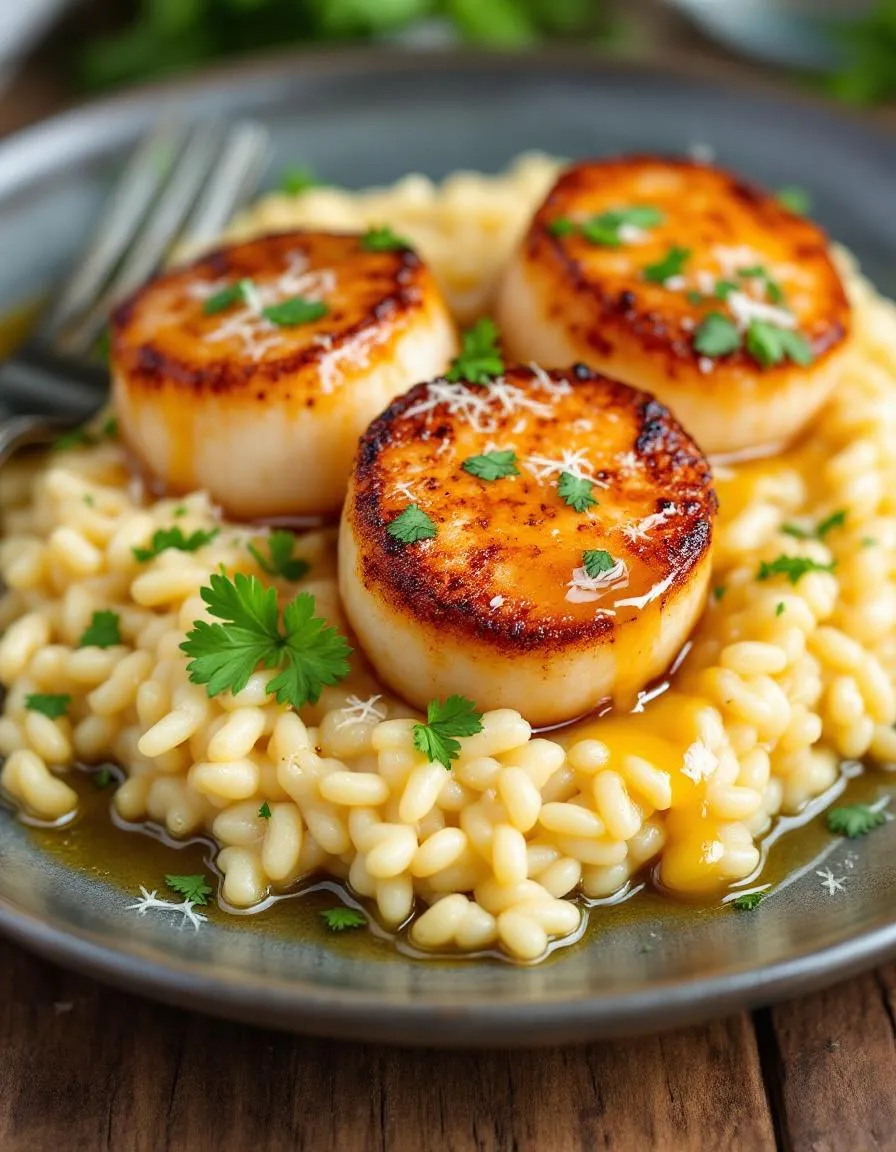
Brown Butter Scallops with Parmesan Risotto is a harmonious blend of textures and tastes. The scallops, seared to golden perfection, soak up the deep, toasty notes of brown butter, while the risotto—infused with Parmesan and a hint of white wine—creates a velvety backdrop. What makes this dish stand out is its versatility. It feels fancy enough to impress guests, yet it’s straightforward enough for home cooks who want to elevate their skills. Plus, it aligns perfectly with our blog’s mission to share recipes that strike a balance between indulgence and simplicity. If you love dishes that marry comfort and sophistication, you’ll adore our Creamy Garlic Mushroom Pasta or Herb-Crusted Salmon—both share the same ethos of effortless elegance.
Why I Love This Recipe
Brown Butter Scallops with Parmesan Risotto holds a special place in my heart because it reminds me of my first attempt at cooking a “fancy” meal for my partner. I was nervous, but the moment I tasted the caramelized scallops against the creamy risotto, I knew I’d nailed it. The dish taught me that gourmet flavors don’t require complicated steps—just quality ingredients and a little patience. Now, it’s my go-to when I want to celebrate life’s small victories or simply savor a quiet evening at home.
Health and Nutrition
Why it’s good for your body
Brown Butter Scallops with Parmesan Risotto packs a nutritious punch while delighting your taste buds. First, scallops deliver lean protein, which helps build muscle and keeps you full longer. Additionally, they provide essential minerals like magnesium and potassium, supporting heart health and nerve function. Meanwhile, the brown butter adds rich flavor while offering healthy fats that aid nutrient absorption.
Furthermore, the Parmesan risotto contributes calcium for strong bones and a creamy texture without excessive heaviness. Arborio rice, the base of the dish, provides slow-digesting carbs for steady energy. Together, these ingredients create a balanced meal. Brown Butter Scallops with Parmesan Risotto also contains antioxidants from the butter’s browning process, which may reduce inflammation.
Finally, this dish naturally limits processed ingredients, making it a cleaner choice. The scallops’ high selenium content boosts immunity, while the Parmesan adds gut-friendly probiotics. Whether you seek protein, vitamins, or simply a satisfying meal, Brown Butter Scallops with Parmesan Risotto delivers.
How it fits in a healthy lifestyle
Brown Butter Scallops with Parmesan Risotto fits seamlessly into balanced eating habits. For gluten-free diets, it’s a safe option since the dish relies on rice instead of wheat. If you prioritize heart health, the omega-3s in scallops and moderate fats from butter align perfectly. Pair it with a light salad for extra fiber, as suggested in our balanced dinner ideas guide.
For those tracking macros, the dish offers a smart mix of protein, carbs, and fats. The scallops alone provide about 20 grams of protein per serving, making it ideal for post-workout recovery. If you’re exploring portion control, try our tips from meal prep strategies to enjoy this recipe without overindulging. With wholesome ingredients and adaptable servings, Brown Butter Scallops with Parmesan Risotto suits almost any health goal.
Perfectly seared scallops in nutty brown butter served over creamy parmesan risotto.
Ingredients
Scale
For the Crust:
12 large sea scallops, patted dry
4 tbsp unsalted butter
1 tbsp olive oil
1 cup Arborio rice
4 cups chicken or vegetable stock, warmed
1/2 cup grated Parmesan cheese
1/2 cup dry white wine
1 small shallot, finely diced
2 cloves garlic, minced
Salt and pepper to taste
1 tbsp fresh parsley, chopped
Instructions
1. Prepare the Crust:
Heat stock in a saucepan and keep warm on low heat.
In a separate pan, melt 1 tbsp butter with olive oil over medium heat. Add shallot and garlic, sauté until translucent.
Add Arborio rice, stir to coat with butter. Toast for 2 minutes.
Pour in white wine, stir until absorbed. Begin adding warm stock one ladle at a time, stirring frequently until each addition is absorbed before adding more (about 20 minutes total).
When rice is al dente, stir in Parmesan cheese and season with salt and pepper. Cover and set aside.
In a clean skillet, melt remaining 3 tbsp butter over medium-high heat until it turns nutty brown (about 3 minutes).
Season scallops with salt and pepper. Sear in brown butter for 2 minutes per side until golden.
Serve scallops over risotto, garnished with parsley and a drizzle of remaining brown butter.
Notes
You can customize the seasonings to taste.
How to Prepare This Dish
Steps and time-saving tips
Start by prepping your ingredients for Brown Butter Scallops with Parmesan Risotto to streamline the cooking process. Heat a large skillet over medium heat and add unsalted butter, letting it melt until it turns golden brown and nutty—this takes about 3-4 minutes. Meanwhile, bring chicken or vegetable broth to a simmer in a separate pot. In a heavy-bottomed pan, sauté finely chopped shallots in olive oil until translucent, then stir in Arborio rice and toast it lightly for a minute. Pour in a splash of white wine, letting it absorb before adding warm broth one ladle at a time, stirring frequently until the rice is creamy and al dente. While the risotto cooks, pat dry your scallops with paper towels to ensure a perfect sear. Season them with salt and pepper, then sear in the brown butter for 2 minutes per side until golden. Finish the risotto by folding in grated Parmesan, a knob of butter, and a pinch of salt. Plate the risotto first, top with scallops, and drizzle any remaining brown butter over the dish. For a time-saving hack, prep the broth and measure ingredients ahead of time to avoid mid-cooking delays.
Mistakes I’ve made and learned from
I’ve overcooked scallops more times than I’d like to admit, turning them rubbery instead of tender. The key is to use high heat and resist the urge to move them too soon—let them develop a golden crust before flipping. Another blunder? Underseasoning the risotto. It’s easy to forget that Parmesan adds saltiness, so taste as you go to avoid overdoing it. If your risotto turns out too thick, stir in a splash of warm broth to loosen it up. For more tips on perfecting risotto textures, check out my guide on achieving creamy risotto. And if you’ve ever wondered why your butter burns instead of browning, my brown butter secrets explain how to nail that nutty flavor without bitterness.
Brown Butter Scallops with Parmesan Risotto feels like a love letter to coastal Italy, where fresh seafood and creamy rice dishes reign supreme. Chefs in regions like Liguria and Sicily often pair sweet, briny scallops with rich, nutty brown butter, a technique that dates back centuries. Meanwhile, the Parmesan risotto roots the dish in Northern Italy, where Arborio rice simmers slowly with broth and cheese until luxuriously smooth. Together, they create a harmony of textures and flavors that’s hard to resist.
Across the globe, cooks put their own spin on Brown Butter Scallops with Parmesan Risotto. In Japan, chefs might add a hint of miso or yuzu to the brown butter for an umami kick. In the American South, you’ll find versions with a sprinkle of Cajun spice or a splash of bourbon. My grandmother, however, always insisted on a squeeze of lemon right at the end—her way of brightening the dish’s richness. Whether served as a celebratory meal or a weeknight treat, this recipe adapts beautifully to local tastes and traditions.
ays-cooking">How it fits in today’s cooking
Today, Brown Butter Scallops with Parmesan Risotto shines as a versatile dish that fits both fancy dinners and casual gatherings. Food lovers appreciate how it balances indulgence with simplicity, making it perfect for date nights or holiday feasts. Modern cooks often swap traditional scallops for sustainably sourced options or experiment with plant-based alternatives, like king oyster mushrooms, for a twist. For those craving more risotto inspiration, our creamy mushroom risotto offers another comforting option.
Seasonal variations keep the dish fresh year-round. In summer, chefs might top it with cherry tomatoes or basil, while winter calls for heartier additions like roasted squash. Meal preppers even repurpose leftovers into arancini, proving its adaptability. If you’re looking for a lighter pairing, our citrus avocado salad complements the dish’s richness beautifully. Whether you stick to tradition or get creative, Brown Butter Scallops with Parmesan Risotto remains a timeless favorite.
Taste and Texture
What makes it delicious
Brown Butter Scallops with Parmesan Risotto delivers a luxurious bite with layers of rich, savory flavor. The scallops sear to a golden crisp, offering a delicate caramelized crust that gives way to a tender, buttery interior. Meanwhile, the risotto cradles each grain in a velvety, creamy embrace, infused with nutty Parmesan and a hint of white wine. Fragrant brown butter ties the dish together, adding depth with its toasty, almost nutty aroma. Every forkful balances the scallops’ delicate sweetness against the risotto’s umami richness, making Brown Butter Scallops with Parmesan Risotto a symphony of contrasting yet harmonious textures.
r">Boosting the flavor
Elevate your Brown Butter Scallops with Parmesan Risotto by stirring a spoonful of truffle oil into the risotto for earthy sophistication. Alternatively, brighten the dish with a squeeze of lemon zest or a sprinkle of fresh herbs like chives or thyme. For a bolder twist, try adding crispy pancetta bits or a drizzle of balsamic glaze to contrast the scallops’ sweetness. A pinch of red pepper flakes can also introduce a subtle heat, while a finishing salt like flaky Maldon enhances every layer. Small tweaks make this dish endlessly adaptable—so get creative!
Tips for Success
Best practices for results
Pat the scallops dry before cooking to ensure a perfect sear, and always use a hot pan for that golden-brown crust. Meanwhile, stir the risotto frequently to release its creamy texture, and gradually add warm broth for even absorption. For the best Brown Butter Scallops with Parmesan Risotto, brown the butter slowly to avoid burning and enhance its nutty flavor. Finally, finish the dish with freshly grated Parmesan for maximum richness.
>Mistakes to avoid
Overcrowding the pan prevents scallops from searing properly, so cook them in batches if needed. Additionally, rushing the risotto by adding all the broth at once results in a gummy texture—instead, add it slowly as outlined in our perfect risotto guide. Another common error is using cold scallops straight from the fridge, which leads to uneven cooking. For more on handling seafood, check out our seafood prep tips. With these fixes, your Brown Butter Scallops with Parmesan Risotto will turn out flawless every time.
Serving and Pairing Suggestions
How to serve this dish
Elevate your Brown Butter Scallops with Parmesan Risotto by plating it with a touch of elegance. First, spoon the creamy risotto onto warm plates, then arrange the golden scallops on top. Drizzle any remaining brown butter over the dish for extra richness. For a pop of color, garnish with fresh parsley or microgreens. Alternatively, add a lemon wedge on the side for a bright, citrusy finish. This dish shines as a romantic dinner centerpiece or a showstopper at holiday gatherings. Meanwhile, its simplicity also makes it perfect for weeknight indulgence when you crave something special.
What goes well with it
Pair your Brown Butter Scallops with Parmesan Risotto with a crisp white wine like Sauvignon Blanc, which cuts through the dish’s richness. For a non-alcoholic option, try sparkling water with a squeeze of lemon to refresh the palate. If you want a side, a light arugula salad with a lemon vinaigrette balances the meal perfectly. Craving more seafood inspiration? Try our Garlic Butter Shrimp for another decadent option. Or, round out the menu with our Roasted Asparagus, which adds a earthy, crispy contrast to the creamy risotto.
What’s the best way to sear scallops for Brown Butter Scallops with Parmesan Risotto?
For perfectly seared scallops, pat them dry with paper towels, season lightly, and cook in a hot skillet with oil for 2-3 minutes per side. Finish with brown butter for a rich, nutty flavor that pairs perfectly with creamy Parmesan risotto.
Can I use frozen scallops for Brown Butter Scallops with Parmesan Risotto?
Yes, but thaw them completely in the fridge overnight and pat dry to remove excess moisture. Fresh scallops yield the best texture, but properly prepared frozen scallops work well in this dish.
ank-math-faq-item">
What wine pairs well with Brown Butter Scallops with Parmesan Risotto?
A crisp white wine like Chardonnay or Sauvignon Blanc complements the richness of brown butter scallops and creamy risotto. For a non-alcoholic option, try sparkling water with lemon.
How do I prevent Parmesan risotto from becoming too thick?
Stir in warm broth gradually and finish with a splash of cream or extra butter. The risotto should be creamy but still flow slightly when serving with brown butter scallops.
Easy Cilantro Orange Chicken with Rice and Beans
Introduction
Craving a meal that bursts with bright, zesty flavors while still feeling comforting and wholesome? Look no further than this Cilantro Orange Chicken with Rice and Beans. Whether you need a quick weeknight dinner or a dish to impress guests, this recipe delivers vibrant taste and satisfying textures in every bite. Best of all, it brings together simple ingredients you likely already have, transforming them into something extraordinary. Let’s dive into why this dish deserves a spot in your regular rotation.
Cilantro Orange Chicken with Rice and Beans combines tender chicken marinated in a citrusy, herb-infused sauce with hearty rice and beans for a balanced, flavorful meal. The tangy orange and fresh cilantro elevate the dish, while the rice and beans add a comforting, protein-packed base. This recipe matters because it’s versatile—perfect for busy families, meal preppers, or anyone who loves bold, fresh flavors without complicated steps. Plus, it fits right into our blog’s mission of sharing accessible, globally inspired recipes that anyone can master. If you enjoy dishes like our Cuban Mojo Chicken, you’ll adore this twist on citrusy poultry. And for more easy weeknight ideas, check out our One-Pan Honey Garlic Salmon.
Why I Love This Recipe
This Cilantro Orange Chicken with Rice and Beans holds a special place in my heart because it reminds me of sunny weekend gatherings with friends. The first time I made it, the aroma of citrus and herbs filled my kitchen, and everyone raved about the bright, savory flavors. What I love most is how effortlessly it comes together, yet it always feels like a celebration on a plate. Whether I’m cooking for a crowd or just treating myself, this dish never fails to bring a little joy to the table.
Health and Nutrition
Why it’s good for your body
Cilantro Orange Chicken with Rice and Beans packs a powerful nutritional punch while delighting your taste buds. First, the lean chicken provides high-quality protein to support muscle repair and keep you full longer. Meanwhile, the citrusy orange marinade delivers a dose of vitamin C, which boosts immunity and helps your body absorb iron from the beans. Speaking of beans, they add plant-based protein and fiber, promoting healthy digestion and steady energy levels.
Additionally, cilantro brings more than just fresh flavor. This herb contains antioxidants that help combat inflammation, and its bright taste reduces the need for excess salt. The brown rice in Cilantro Orange Chicken with Rice and Beans offers complex carbs for sustained energy, unlike refined grains that cause blood sugar spikes. Together, these ingredients create a meal that balances macronutrients while delivering essential vitamins and minerals.
Finally, this dish keeps things light yet satisfying. The combination of protein, fiber, and healthy carbs means you won’t crash after eating. Whether you need a post-workout meal or a wholesome family dinner, Cilantro Orange Chicken with Rice and Beans nourishes your body without sacrificing flavor.
How it fits in a healthy lifestyle
Cilantro Orange Chicken with Rice and Beans fits seamlessly into a balanced diet. If you’re watching your gluten intake, this recipe naturally avoids wheat-based ingredients, making it a safe choice. The lean protein and fiber also support heart health by helping manage cholesterol levels. For those tracking macros, the dish provides a smart mix of protein, carbs, and fats to fuel an active day.
Meal preppers will love how easily this recipe scales for leftovers. Pair it with a simple side like our Avocado Cucumber Salad for extra freshness, or try it with our Garlic Roasted Broccoli to boost veggie intake. Whether you’re cooking for one or feeding a crowd, Cilantro Orange Chicken with Rice and Beans makes healthy eating deliciously effortless.
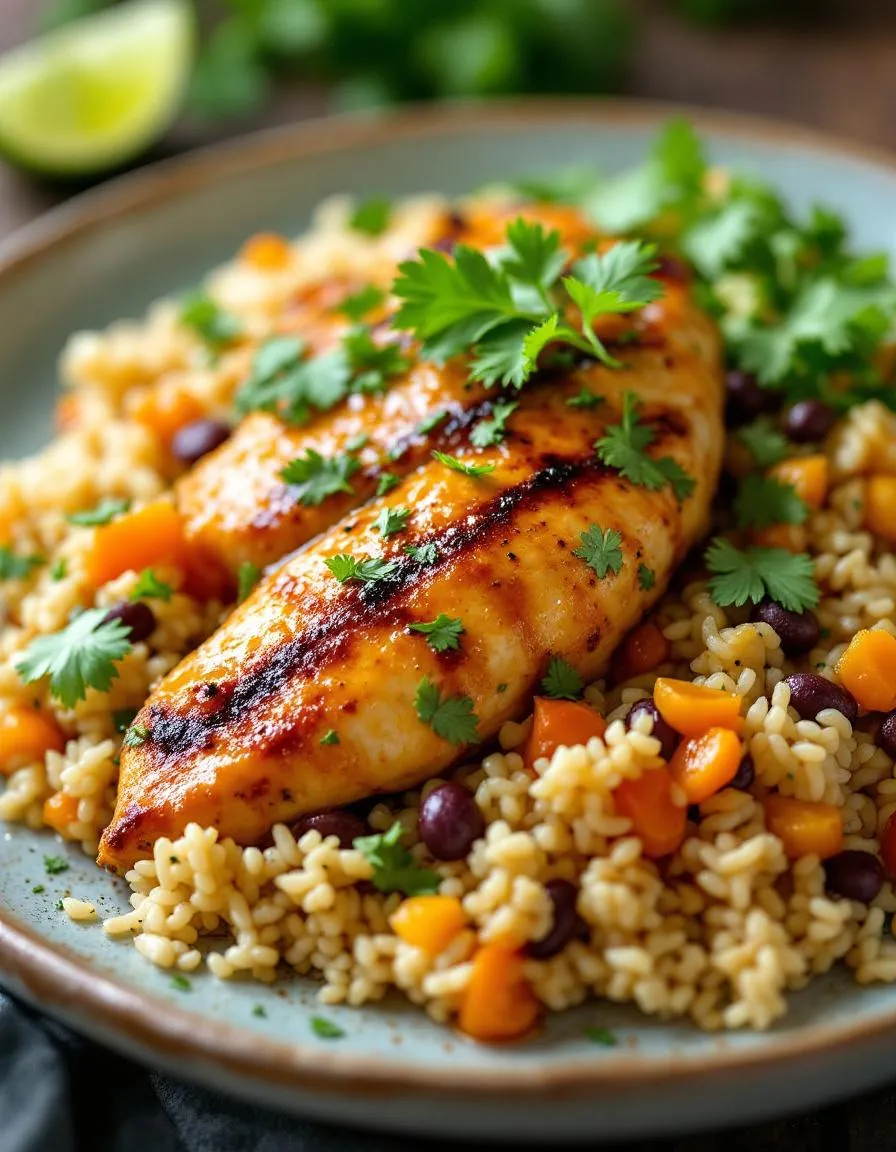
A zesty and flavorful dish featuring tender chicken marinated in orange and cilantro, served with rice and beans.
Ingredients
Scale
For the Crust:
4 boneless, skinless chicken breasts
1/4 cup fresh orange juice
2 tbsp lime juice
1/4 cup chopped fresh cilantro
2 cloves garlic, minced
1 tsp ground cumin
1 tsp smoked paprika
1 tbsp olive oil
1 cup white rice
1 can black beans, drained and rinsed
Salt and pepper to taste
Instructions
1. Prepare the Crust:
In a bowl, whisk together orange juice, lime juice, cilantro, garlic, cumin, paprika, salt, and pepper.
Add chicken breasts to the marinade, ensuring they are fully coated. Let marinate for at least 30 minutes.
Heat olive oil in a skillet over medium-high heat. Cook chicken for 6-7 minutes per side until fully cooked.
Meanwhile, cook rice according to package instructions. Stir in black beans and heat through.
Serve the chicken over the rice and beans, garnished with extra cilantro if desired.
Notes
You can customize the seasonings to taste.
How to Prepare This Dish
Steps and time-saving tips
Start by marinating the chicken for Cilantro Orange Chicken with Rice and Beans to lock in flavor. Whisk together orange juice, minced garlic, chopped cilantro, and a splash of olive oil in a bowl. Then, coat the chicken evenly and let it sit for at least 30 minutes. Meanwhile, rinse your rice under cold water until it runs clear to prevent clumping later. Heat a skillet over medium-high, add the marinated chicken, and sear each side for 3-4 minutes until golden. Transfer the chicken to a baking dish and finish in the oven at 375°F for 15 minutes. While the chicken bakes, sauté onions and bell peppers in the same skillet, then stir in black beans, cumin, and a pinch of salt. Fold the cooked rice into the bean mixture and let it simmer for 5 minutes. Finally, drizzle the chicken with extra orange glaze and serve it over the rice and beans. For a time-saving hack, prep the marinade the night before or use a rice cooker to free up stove space.
Mistakes I’ve made and learned from
I once rushed the marinating step for Cilantro Orange Chicken with Rice and Beans, and the flavors fell flat. Now, I always give it at least 30 minutes—or better yet, overnight. Another blunder? Overcrowding the skillet when searing the chicken, which steamed it instead of crisping the skin. Lesson learned: cook in batches if needed. If you’re new to balancing citrus flavors, check out my guide on acidity in cooking to avoid overpowering the dish. And if your rice turns out sticky, try the tips in my perfect rice every time post. Trust me, a little patience goes a long way with this recipe.
Cilantro Orange Chicken with Rice and Beans dances between cultures, blending bright citrus flavors with hearty comfort food. While the dish feels modern, its roots stretch back to Latin American and Caribbean kitchens, where citrus-marinated meats and rice-and-bean staples anchor meals. In the Dominican Republic, for instance, cooks might use bitter orange for a tangier punch, while Mexican versions often lean on lime and extra cilantro for freshness. Meanwhile, Cuban variations sometimes swap chicken for pork, proving how adaptable this flavor profile truly is.
In my own kitchen, Cilantro Orange Chicken with Rice and Beans became a weeknight hero after a trip to Miami, where the aroma of citrusy grilled meats wafted through every block. I tweaked the recipe to include a touch of honey for balance, but the soul of the dish stays true to its origins. Families across the tropics might serve it with fried plantains or avocado slices, turning it into a vibrant, shareable feast. Whether you savor it as a quick dinner or a celebratory meal, this dish carries the warmth of many kitchens.
ays-cooking">How it fits in today’s cooking
Today, Cilantro Orange Chicken with Rice and Beans fits perfectly into our fast-paced, flavor-driven lives. Busy cooks love it for its one-pan potential, while meal preppers swear by its freezer-friendly versatility. During summer, the zesty marinade makes it a grill favorite, while in colder months, it brings a sunny lift to comfort-food cravings. Some modern twists include cauliflower rice for a low-carb spin or adding a dash of smoked paprika for depth—proof that this recipe evolves without losing its essence.
It also shines in gatherings, especially alongside crowd-pleasers like fresh salsa or creamy avocado dressing. Whether you stick to tradition or play with bold variations, Cilantro Orange Chicken with Rice and Beans keeps earning its spot at the table. After all, good food bridges the gap between heritage and today’s kitchen experiments.
Taste and Texture
What makes it delicious
Cilantro Orange Chicken with Rice and Beans delivers a vibrant explosion of flavors and textures. The tender chicken soaks up the bright, citrusy tang of fresh orange juice, while earthy cumin and fragrant cilantro add layers of depth. Meanwhile, the creamy rice and beans balance the dish with their comforting, velvety texture. Every bite offers a satisfying contrast—juicy chicken, fluffy rice, and hearty beans—all tied together with a zesty, herbaceous finish. The aroma alone, with its hints of citrus and spice, will make your mouth water before you even take a bite.
r">Boosting the flavor
For an extra flavor boost, try swapping regular rice with coconut rice to add a subtle sweetness that complements the citrusy chicken. Alternatively, top your Cilantro Orange Chicken with Rice and Beans with a drizzle of creamy avocado sauce for a cool, rich contrast. A pinch of smoked paprika or a squeeze of lime can also elevate the dish, adding smoky or tangy notes. Don’t be afraid to experiment—small tweaks can make this already-delicious meal even more memorable.
Tips for Success
Best practices for results
For the best Cilantro Orange Chicken with Rice and Beans, always zest the orange before juicing it to maximize flavor. Meanwhile, toast the rice lightly before cooking to add a nutty depth. Additionally, use fresh cilantro rather than dried for a brighter finish. Finally, let the chicken marinate for at least 30 minutes to ensure every bite absorbs the citrusy goodness.
>Mistakes to avoid
One common mistake is overcooking the chicken, which dries it out. Instead, use a meat thermometer to check for 165°F internally. Another error is skipping the rice rinse, which can make the dish gummy. For perfect rice every time, follow our guide on how to cook rice perfectly. Also, avoid adding cilantro too early, as heat dulls its flavor. For more herb tips, see our fresh herbs storage guide to keep ingredients vibrant.
Serving and Pairing Suggestions
How to serve this dish
For a vibrant presentation, plate Cilantro Orange Chicken with Rice and Beans on a wide, shallow bowl to showcase the colorful ingredients. Top with extra fresh cilantro leaves and a sprinkle of orange zest for a pop of brightness. Alternatively, serve it family-style in a large skillet or ceramic dish for a cozy, shareable meal. This dish shines at casual weeknight dinners, but its bold flavors also make it perfect for festive gatherings or potlucks. To elevate the visual appeal, add a side of lime wedges or avocado slices for guests to customize their plates.
What goes well with it
A crisp, citrusy white wine like Sauvignon Blanc balances the zesty notes in Cilantro Orange Chicken with Rice and Beans, while a light lager keeps the meal refreshing. For a non-alcoholic option, try a sparkling agua fresca with mango or lime. Pair it with a simple side of roasted vegetables or a tangy Cilantro Lime Coleslaw to add crunch and contrast. If you love bold flavors, drizzle the dish with a creamy Chipotle Ranch Dressing for a smoky kick. Each pairing enhances the dish’s lively citrus and herb profile without overpowering it.
What sides go well with Cilantro Orange Chicken with Rice and Beans?
Cilantro Orange Chicken with Rice and Beans pairs perfectly with fresh sides like avocado slices, a crisp green salad, or warm tortillas. For extra flavor, try roasted vegetables or a tangy coleslaw to balance the dish’s citrusy notes.
Can I make Cilantro Orange Chicken with Rice and Beans ahead of time?
Yes! Cilantro Orange Chicken with Rice and Beans stores well in the fridge for up to 3 days. Reheat gently on the stove or in the microwave, adding a splash of water or orange juice to refresh the flavors.
ank-math-faq-item">
How do I adjust the spice level in Cilantro Orange Chicken with Rice and Beans?
To tone down the heat, reduce or omit chili flakes or jalapeños in the recipe. For more spice, add extra cayenne pepper or hot sauce when cooking the Cilantro Orange Chicken with Rice and Beans.
Is Cilantro Orange Chicken with Rice and Beans gluten-free?
Yes, this dish is naturally gluten-free if you use gluten-free soy sauce or tamari. Always check labels for hidden gluten in pre-made sauces when preparing Cilantro Orange Chicken with Rice and Beans.