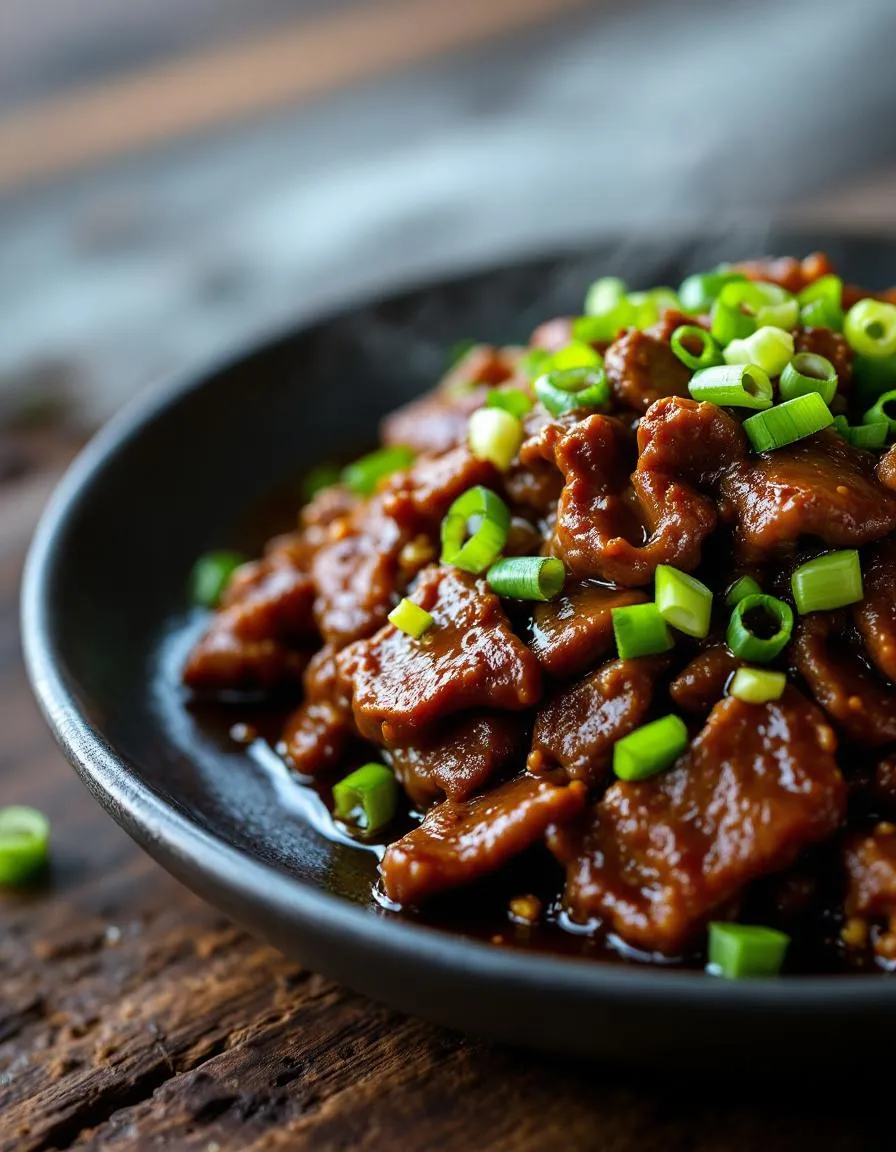
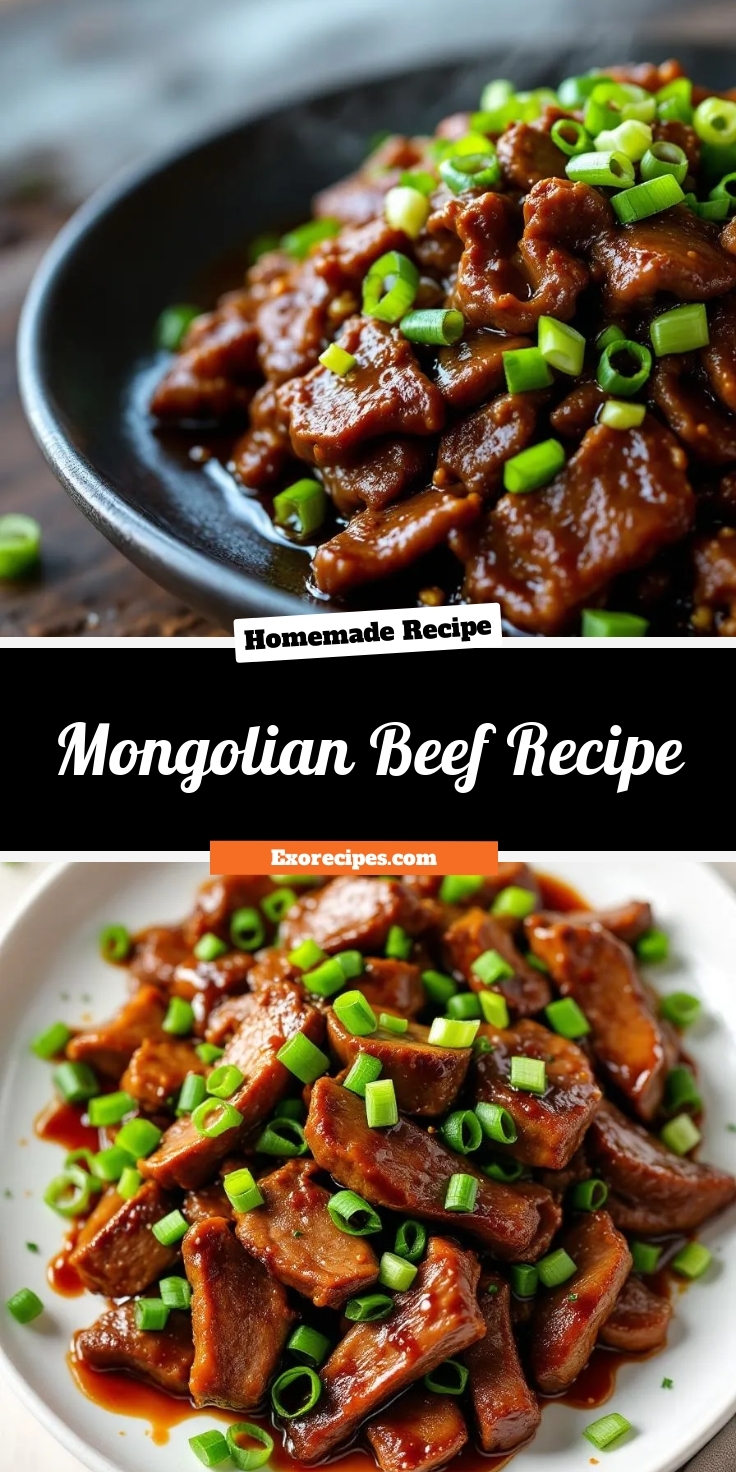
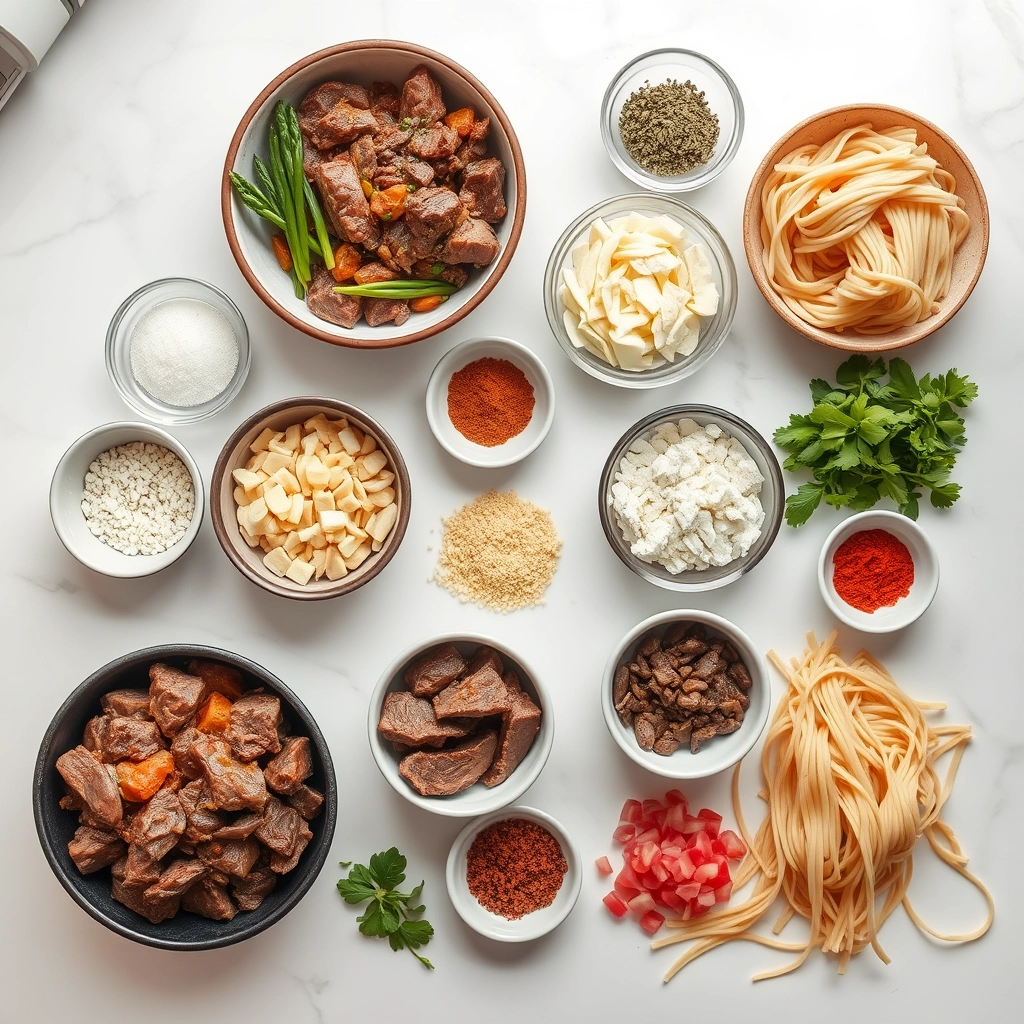
If you’ve ever craved a dish that balances sweet, savory, and just the right amount of spice, you’re in the right place. Today, I’m sharing my take on the classic Mongolian Beef Recipe—a dish that never fails to bring comfort and excitement to the table. Whether you’re cooking for a weeknight dinner or impressing guests, this recipe delivers bold flavors without the fuss. Plus, it’s a fantastic way to explore new techniques while sticking to familiar ingredients.
Mongolian Beef Recipe is a stir-fry dish that features tender slices of beef coated in a rich, glossy sauce with hints of garlic, ginger, and brown sugar. Unlike many takeout versions, this homemade adaptation lets you control the quality of ingredients, ensuring a healthier yet equally indulgent meal. What makes it special is its versatility. You can serve it over steamed rice for a hearty dinner or pair it with crisp veggies for a lighter option. At brekcakes.com, we celebrate recipes that blend simplicity with big flavors, and this dish perfectly fits that philosophy. If you love exploring Asian-inspired meals, you’ll also enjoy our Honey Sesame Chicken or Garlic Butter Shrimp—both crowd-pleasers with the same approachable vibe.
Why I Love This Recipe
Mongolian Beef Recipe holds a special place in my heart because it reminds me of family gatherings where everyone would gather around the table, eager to dig in. The aroma of garlic and ginger sizzling in the pan instantly transports me back to those moments. More than that, I love how this dish proves that restaurant-quality meals belong in home kitchens. Every time I make it, I’m reminded that great food doesn’t need to be complicated—just made with care and a dash of adventure.
Health and Nutrition
Why it’s good for your body
Mongolian Beef Recipe packs a powerful nutritional punch while delivering bold flavors. First, it features lean beef, which provides high-quality protein to support muscle growth and repair. Additionally, the dish includes fresh vegetables like scallions and garlic, adding fiber and antioxidants to your meal.
Moreover, Mongolian Beef Recipe uses minimal oil, keeping saturated fats in check. The sauce relies on natural ingredients like soy sauce and ginger, which offer anti-inflammatory benefits. Since the recipe balances protein, veggies, and healthy carbs, it fuels your body without unnecessary empty calories.
Furthermore, the iron in beef helps maintain energy levels, while the garlic and ginger boost immunity. If you use low-sodium soy sauce, you can also keep salt intake moderate. Overall, Mongolian Beef Recipe delivers a satisfying, nutrient-dense meal that tastes as good as it makes you feel.
How it fits in a healthy lifestyle
Mongolian Beef Recipe fits perfectly into a balanced diet, whether you focus on high-protein meals or heart-healthy eating. Pair it with cauliflower rice for a low-carb twist, or serve it over brown rice for extra fiber. The dish adapts easily to gluten-free diets if you swap regular soy sauce for a tamari alternative.
For meal preppers, Mongolian Beef Recipe stores well, making weekday lunches effortless. If you love quick, flavorful dinners, try pairing it with our Healthy Stir-Fry Veggies for added nutrients. You can also explore our Balanced Meal Prep Guide for more tips on incorporating protein-rich dishes into your routine. With simple tweaks, this recipe supports both fitness goals and everyday wellness.
Start by slicing the flank steak thinly against the grain—this ensures tender bites in your Mongolian Beef Recipe. Meanwhile, whisk together soy sauce, brown sugar, minced garlic, and ginger in a bowl for the marinade. Toss the beef strips into the mixture, coating them evenly, and let them sit for 15 minutes while you prep the rest. Heat a tablespoon of oil in a wok or large skillet over medium-high heat, then stir-fry the beef in batches to avoid overcrowding. Once browned, transfer it to a plate and set aside. Next, sauté sliced onions and bell peppers until they soften, about 3 minutes. Pour the remaining marinade into the pan, let it simmer until slightly thickened, then return the beef to the skillet. Toss everything together until the sauce glazes the meat beautifully. For a time-saving hack, use pre-minced garlic and ginger or a store-bought stir-fry sauce blend. Serve your Mongolian Beef Recipe hot over steamed rice, and garnish with green onions for a fresh finish.
Mistakes I’ve made and learned from
One of my biggest blunders with this Mongolian Beef Recipe was overcooking the steak, turning it chewy instead of tender. I learned that high heat and quick cooking are key—just 2-3 minutes per batch does the trick. Another mistake? Skipping the marinade time. Rushing this step meant the flavors didn’t penetrate the meat well. Now, I always let it sit, even if it’s just for 10 minutes. If you’re new to stir-frying, check out my guide on perfect stir-fry techniques to avoid common pitfalls. Also, I once used low-sodium soy sauce without adjusting the seasoning, resulting in a bland dish. Now, I taste as I go and balance flavors with a splash of fish sauce or a pinch of salt. For more tips on mastering Asian-inspired dishes, explore my Asian flavor profiles breakdown to elevate your cooking game.
Mongolian Beef Recipe might sound like it hails straight from the steppes of Mongolia, but its roots actually tie back to Chinese-American cuisine. Chefs in the U.S. created this dish to appeal to Western palates, blending savory, sweet, and spicy flavors into a stir-fry that feels both familiar and exciting. Over time, Mongolian Beef Recipe became a staple in Chinese takeout menus, winning hearts with its tender beef and glossy sauce.
In Taiwan, you’ll find a similar dish called “Taiwanese Beef Stir-Fry,” which often uses a heavier hand with garlic and chili. Meanwhile, in northern China, cooks might swap the brown sugar for rock sugar and add more ginger for warmth. Some families even sneak in a splash of rice wine for depth. No matter the variation, the core appeal stays the same: quick-cooked beef with a bold, sticky sauce that clings to every bite.
At home, Mongolian Beef
Recipe often sparks creativity. Some toss in bell peppers for crunch, while others pile on scallions for freshness. My aunt always doubles the sauce—because why not? Whether served over rice or noodles, this dish bends to fit any table, making it a universal crowd-pleaser.
How it fits in today’s cooking
Mongolian Beef Recipe still shines in modern kitchens because it’s fast, flavorful, and endlessly adaptable. Weeknight cooks love it for its 30-minute prep time, while meal preppers stash leftovers for next-day lunches. It’s also a star during Lunar New Year, where its rich sauce symbolizes prosperity—just like these celebratory desserts that round out festive menus.
Today’s twists include swapping soy sauce for coconut aminos or using cauliflower rice for a low-carb spin. Some even air-fry the beef for extra crispness. No matter how you tweak it, the dish stays relevant by fitting into busy lives. Pair it with a side from these quick weeknight sides, and you’ve got a balanced meal without the fuss. From takeout boxes to home kitchens, Mongolian Beef Recipe keeps earning its spot at the table.
>Taste and Texture
What makes it delicious
Mongolian Beef Recipe delivers a bold, savory-sweet experience with every bite. Tender strips of beef soak up a glossy, umami-rich sauce that balances soy sauce’s depth with brown sugar’s caramelized sweetness. Garlic and ginger add a fragrant kick, while green onions bring a fresh, crisp finish. The meat stays juicy and chewy, contrasting perfectly with the slight crunch of toasted sesame seeds. Meanwhile, the sauce clings to each piece, creating a sticky, irresistible texture. Mongolian Beef Recipe is a feast for the senses—aromatic, hearty, and deeply satisfying.
Boosting the flavor
For an extra flavor boost, try marinating the beef in a splash of pineapple juice to tenderize it naturally. Alternatively, toss in a handful of chili flakes or drizzle with sriracha mayo for a spicy twist. Toasted sesame oil or a sprinkle of crushed peanuts adds nutty depth, while a side of garlic noodles complements the dish’s richness. Experiment with fresh herbs like cilantro or Thai basil for a bright, aromatic finish. Small tweaks can elevate Mongolian Beef Recipe from great to unforgettable.
Tips for Success
Best practices for results
Slice the flank steak thinly against the grain for tender Mongolian Beef Recipe results every time. Meanwhile, always preheat your pan or wok before adding oil to ensure a perfect sear. For the best flavor, marinate the beef for at least 15 minutes, though 30 minutes works even better. Additionally, use fresh garlic and ginger to elevate the dish, and stir-fry the ingredients quickly over high heat to lock in juiciness. Finally, serve your Mongolian Beef Recipe immediately for optimal texture and warmth.
Mistakes to avoid
Avoid overcrowding the pan, as this steams the beef instead of searing it. Instead, cook in batches if needed for even browning. Also, don’t skip the cornstarch coating on the beef, since it creates that signature crispy exterior. For more stir-fry tips, check out our guide on how to stir-fry like a pro. Another common mistake is overcooking the sauce, which can turn sticky. To prevent this, remove the pan from heat as soon as the sauce thickens slightly. For sauce consistency tricks, explore our sauce thickening methods post.
Serving and Pairing Suggestions
How to serve this dish
For a restaurant-worthy presentation, serve Mongolian Beef Recipe over a bed of steamed jasmine rice to soak up the rich sauce. Alternatively, pile it high on a platter with crisp scallions and sesame seeds for a pop of color. This dish shines at weeknight dinners but also makes a fantastic centerpiece for casual gatherings. If you want extra flair, garnish with thinly sliced red peppers or a sprinkle of cilantro for freshness.
h-it">What goes well with it
Pair Mongolian Beef Recipe with steamed broccoli or bok choy to balance the savory flavors with a light, crunchy texture. For a heartier meal, try it alongside our easy fried rice, which adds a satisfying contrast. To refresh your palate, a chilled glass of jasmine tea or a crisp lager complements the dish perfectly. If you love bold flavors, our spicy cucumber salad brings a cooling kick that cuts through the richness.
What cut of beef is best for Mongolian Beef Recipe?
Flank steak or sirloin works best for Mongolian Beef Recipe because they’re tender and slice thinly against the grain. These cuts absorb the savory sauce well, giving you that perfect restaurant-style texture. Avoid tougher cuts like chuck for this quick-cooking dish.
rank-math-faq-item">
Can I make Mongolian Beef Recipe without cornstarch?
Yes, but cornstarch helps achieve the signature glossy coating in Mongolian Beef Recipe. For alternatives, try arrowroot powder or a light dusting of flour, though the texture will differ slightly. The sauce may also be thinner without cornstarch’s thickening power.
Is Mongolian Beef Recipe spicy?
Traditional Mongolian Beef Recipe isn’t spicy—it’s sweet and savory with garlic and ginger flavors. You can add red pepper flakes or sriracha if you prefer heat. The dish gets its bold taste from brown sugar and soy sauce rather than chili peppers.
What sides go well with Mongolian Beef Recipe?
Steamed jasmine rice is classic with Mongolian Beef Recipe to soak up the sauce. For variety, try stir-fried vegetables or crispy noodles. A simple cucumber salad balances the rich flavors perfectly.
>
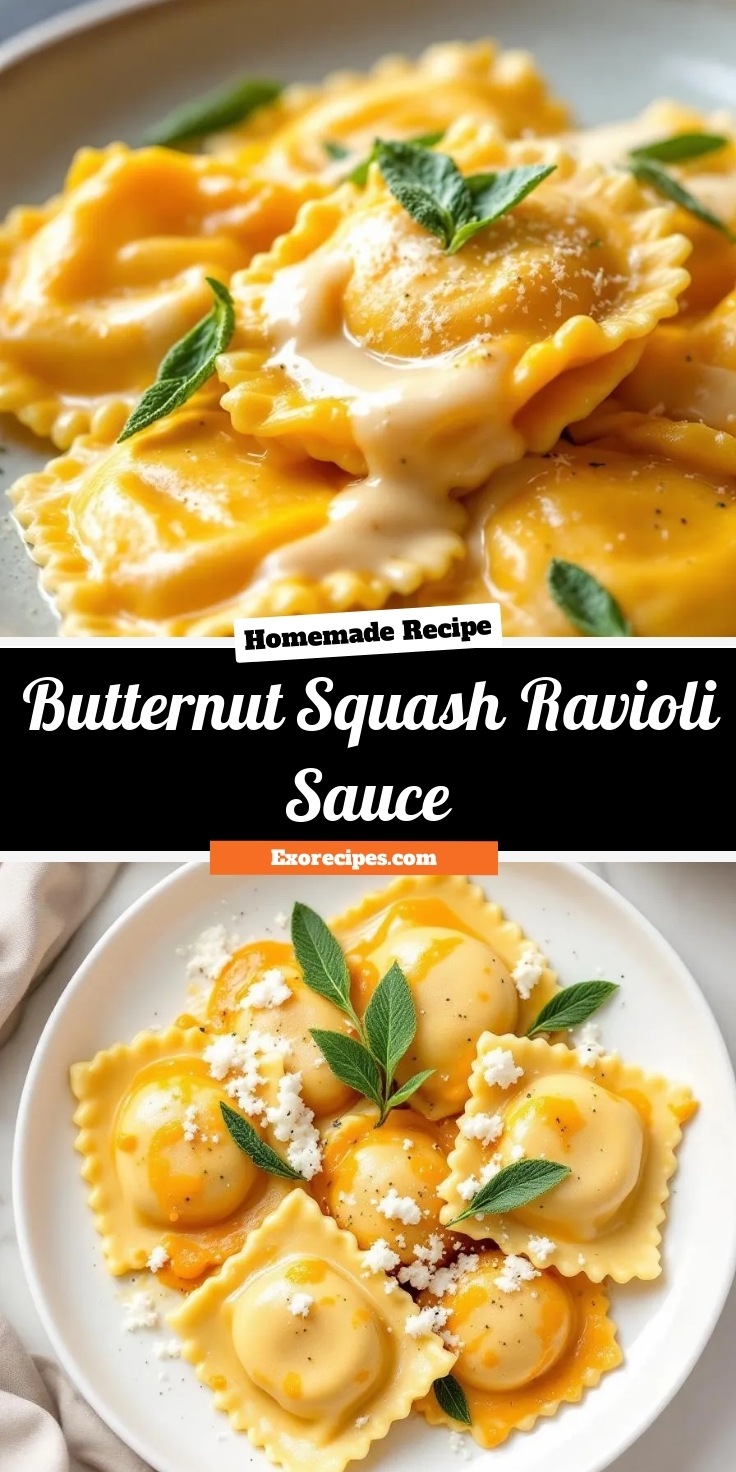
Best Butternut Squash Ravioli Sauce – Creamy & Easy
Introduction
There’s something undeniably comforting about a bowl of pasta, especially when it’s paired with a rich, velvety sauce. Today, I want to share my favorite Butternut Squash Ravioli Sauce—a recipe that feels like a cozy hug on a chilly evening. Whether you’re cooking for a special occasion or just craving a hearty meal, this sauce transforms simple ravioli into something unforgettable. Plus, it’s surprisingly easy to make, even if you’re short on time.
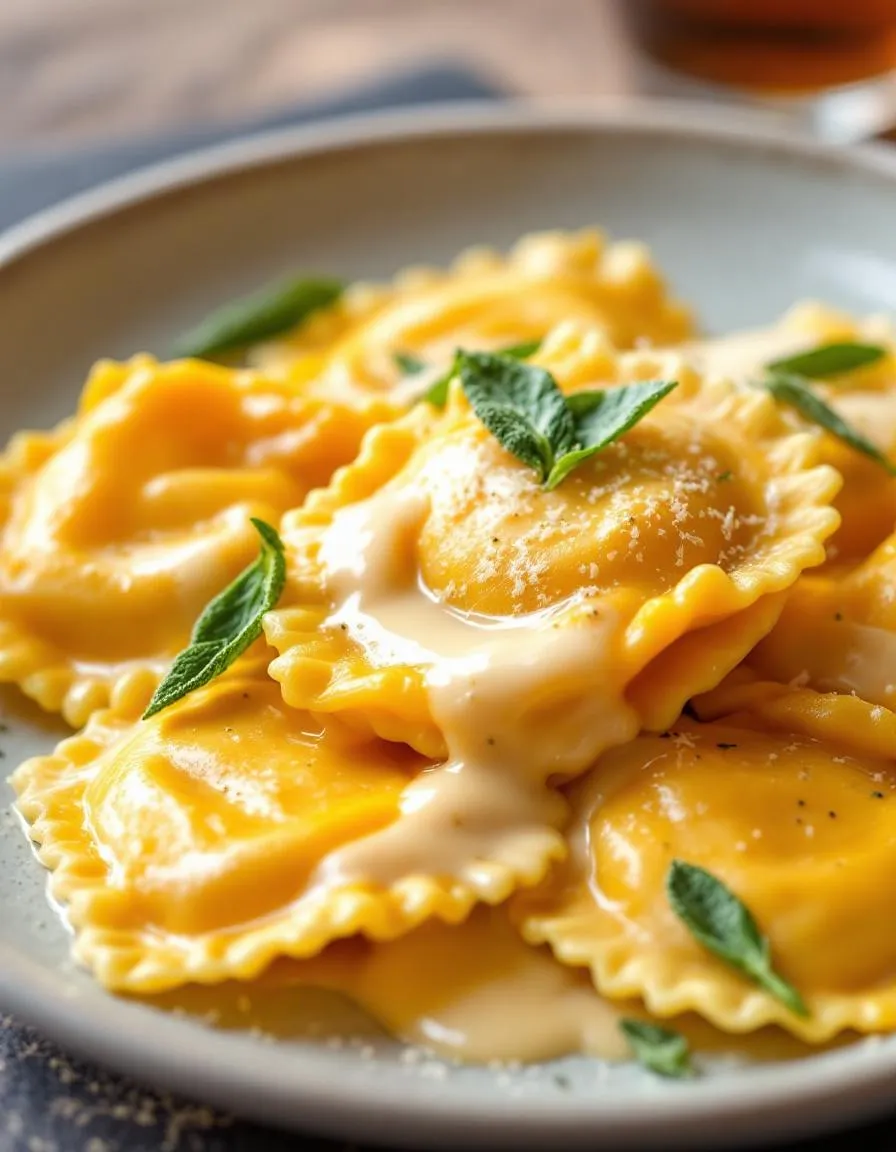
Butternut Squash Ravioli Sauce is a creamy, savory blend that highlights the natural sweetness of roasted squash, balanced with aromatic herbs and a touch of warmth from spices. Unlike heavy cream-based sauces, this version feels lighter yet just as indulgent, making it perfect for fall dinners or holiday gatherings. What makes it special is its versatility. You can drizzle it over store-bought ravioli for a quick fix or pair it with homemade pasta for a showstopping meal. At brekcakes.com, we celebrate recipes that blend simplicity with bold flavors, and this sauce fits right in. If you love cozy, seasonal dishes, you’ll also adore our Creamy Pumpkin Soup or Garlic Herb Focaccia—both perfect companions for autumnal feasts.
Why I Love This Recipe
This Butternut Squash Ravioli Sauce holds a special place in my heart because it reminds me of family dinners during the holidays. My grandmother used to make a similar version, and the first bite always takes me back to her kitchen. I’ve tweaked the recipe over the years, adding a hint of nutmeg and sage to make it my own, but the soul of the dish remains the same. Every time I make it, I’m reminded that food isn’t just about nourishment—it’s about connection, tradition, and the joy of sharing something delicious with the people you love.
Health and Nutrition
Why it’s good for your body
Butternut Squash Ravioli Sauce packs a nutritious punch while delighting your taste buds. First, butternut squash serves as a powerhouse of vitamins A and C, which boost immunity and promote healthy skin. Additionally, the natural sweetness of the squash means you can enjoy rich flavor without relying on excessive sugar. Moreover, the sauce often includes heart-healthy olive oil, which provides beneficial monounsaturated fats.
When you choose Butternut Squash Ravioli Sauce, you also benefit from its fiber content. Fiber aids digestion and helps keep you full longer, making it a smart choice for mindful eating. Furthermore, many recipes incorporate garlic and herbs, which add antioxidants and anti-inflammatory properties. As a result, this sauce not only enhances your meal but also supports overall wellness.
Finally, Butternut Squash Ravioli Sauce offers versatility for various dietary needs. Whether you blend it with plant-based ingredients or pair it with protein-rich ravioli, it adapts to your nutritional goals. Because it’s naturally gluten-free and low in processed additives, it fits seamlessly into balanced eating habits. Truly, this sauce proves that delicious food can also be nourishing.
How it fits in a healthy lifestyle
Butternut Squash Ravioli Sauce effortlessly complements a balanced diet. If you’re aiming for heart-healthy meals, its olive oil base and absence of heavy cream make it a lighter alternative to traditional sauces. For those following gluten-free diets, the sauce pairs perfectly with gluten-free pasta or ravioli, ensuring no compromise on flavor.
You can also incorporate this sauce into meal prep for busy weeks. Whip up a batch and store it for quick, nutrient-dense dinners. Pair it with a side of roasted vegetables or a lean protein like grilled chicken for a well-rounded plate. If you’re exploring more plant-based options, try our vegan dinner ideas to see how Butternut Squash Ravioli Sauce shines in meatless meals.
Even if you’re watching your calorie intake, this sauce works beautifully in moderation. Its rich texture satisfies cravings without excess calories. For more tips on balancing indulgence and nutrition, check out our guide to healthy comfort food. With Butternut Squash Ravioli Sauce, you can enjoy every bite while staying on track with your wellness goals.
A creamy, savory sauce perfect for pairing with butternut squash ravioli.
Ingredients
Scale
For the Crust:
2 tablespoons unsalted butter
2 cloves garlic, minced
1 cup heavy cream
1/2 cup grated Parmesan cheese
1/4 teaspoon ground nutmeg
Salt and pepper to taste
Fresh sage leaves for garnish
Instructions
1. Prepare the Crust:
Melt butter in a saucepan over medium heat. Add minced garlic and sauté until fragrant, about 1 minute.
Pour in the heavy cream and bring to a gentle simmer, stirring occasionally.
Reduce heat to low and whisk in the Parmesan cheese until smooth.
Stir in the nutmeg, salt, and pepper. Simmer for 2-3 minutes until the sauce thickens slightly.
Pour the sauce over cooked butternut squash ravioli and garnish with fresh sage leaves.
Notes
You can customize the seasonings to taste.
s-dish">How to Prepare This Dish
Steps and time-saving tips
Start by roasting your butternut squash until it’s tender and caramelized, which deepens the flavor of your Butternut Squash Ravioli Sauce. While the squash cools, sauté minced garlic and shallots in olive oil until fragrant. Then, blend the roasted squash with vegetable broth, heavy cream, and a pinch of nutmeg until smooth. Pour this mixture back into the pan and simmer gently, stirring often to prevent sticking. If the sauce feels too thick, whisk in a splash of broth to reach your desired consistency. For a silky finish, fold in grated Parmesan just before serving. To save time, roast the squash a day ahead or use pre-cut squash from the store. Another trick is to double the batch and freeze half for future pasta nights—this sauce reheats beautifully with a little extra cream.
Mistakes I’ve made and learned from
Early on, I rushed the roasting step and ended up with undercooked squash, leaving my Butternut Squash Ravioli Sauce lumpy and bland. Now I always test the squash with a fork—it should slide in effortlessly. Another blunder? Overcrowding the pan when sautéing garlic, which made it burn before the shallots softened. Low and slow is the way to go! If you’re new to balancing creamy sauces, check out my guide on perfecting creamy pasta sauces for foolproof tips. And if you’re pairing this with homemade ravioli, avoid my rookie dough mistake by reviewing my ravioli dough consistency post—trust me, it’s a game-changer.
n-and-variations">Cultural Connection and Variations
Where this recipe comes from
Butternut Squash Ravioli Sauce carries a rich history rooted in Italian and North American traditions. Originally, Italian cooks paired fresh pasta with seasonal squash fillings, often blending them with browned butter and sage for a rustic, earthy flavor. Meanwhile, in the U.S., butternut squash became a fall staple, inspiring creamy, velvety sauces that hug ravioli like a cozy blanket. Over time, families adapted the dish—some adding nutmeg or cinnamon for warmth, others tossing in crispy pancetta for a salty contrast.
Travel through Tuscany, and you might find Butternut Squash Ravioli Sauce brightened with lemon zest or amaretti crumbs for a sweet-savory twist. Head south to Rome, and chefs might swap sage for rosemary, deepening the herbal notes. Even at home, generations tweak the recipe—like my aunt, who stirs in a splash of maple syrup for a subtle sweetness. Whether served at a harvest festival or a weeknight dinner, this sauce bridges cultures while celebrating autumn’s bounty.
How it fits in today’s cooking
Today, Butternut Squash Ravioli Sauce shines as a versatile star in modern kitchens. Busy cooks love it for its freezer-friendly nature, whipping up batches to pair with store-bought ravioli on hectic evenings. Meanwhile, food bloggers spotlight it as a seasonal showstopper, perfect for Thanksgiving menus or cozy date nights. Health-conscious eaters also embrace it, swapping heavy cream for coconut milk or blending in roasted garlic for extra depth.
Beyond tradition, this
sauce adapts to global flavors. Some add curry powder for an aromatic kick, while others fold in spinach for a vibrant weeknight upgrade. Whether you’re hosting a dinner party or craving comfort, Butternut Squash Ravioli Sauce fits seamlessly—proving that some classics only get better with time.
Taste and Texture
What makes it delicious
Butternut Squash Ravioli Sauce wraps your taste buds in a velvety, sweet-savory embrace. The roasted butternut squash lends a natural caramelized richness, while a touch of cream smooths every bite into silky perfection. Fragrant sage and nutty Parmesan deepen the flavor, adding earthy warmth that lingers. Meanwhile, a hint of black pepper balances the sweetness, creating a sauce that feels indulgent yet light. Whether you toss it with homemade ravioli or store-bought pasta, Butternut Squash Ravioli Sauce turns every forkful into a cozy, comforting experience.
Boosting the flavor
Elevate your Butternut Squash Ravioli Sauce with a few easy tweaks. For a smoky twist, swirl in crumbled crispy prosciutto or toasted pine nuts for crunch. A drizzle of homemade truffle oil adds luxurious depth, while a splash of balsamic glaze brightens the sweetness. If you love heat, stir in red pepper flakes or a spoonful of garlic chili sauce for a spicy kick. Fresh herbs like thyme or rosemary also infuse aromatic complexity. With these simple upgrades, your sauce will shine even brighter.
Always use fresh butternut squash puree for the richest flavor in your Butternut Squash Ravioli Sauce. Additionally, gently simmer the sauce to prevent scorching while allowing the flavors to meld perfectly. For a smoother texture, blend the sauce briefly before serving, and remember to taste for seasoning—a pinch of nutmeg or cinnamon can elevate the dish. Finally, keep the sauce warm until serving to maintain its creamy consistency.
Mistakes to avoid
Avoid rushing the cooking process, as high heat can cause the Butternut Squash Ravioli Sauce to separate or develop a grainy texture. Instead, cook it low and slow for the best results. Another common mistake is skipping the step of toasting the spices, which dulls their flavor. For more tips on balancing flavors, check out our guide on seasoning perfection. Also, don’t forget to stir the sauce occasionally—this prevents sticking and ensures even cooking. If you’re unsure about consistency, our sauce textures breakdown can help you troubleshoot.
g-suggestions">Serving and Pairing Suggestions
How to serve this dish
Elevate your Butternut Squash Ravioli Sauce by drizzling it over freshly cooked ravioli and garnishing with toasted pine nuts or crispy sage leaves. For a festive touch, serve it in shallow bowls with a sprinkle of grated Parmesan and a swirl of olive oil. This dish shines at holiday gatherings, but it also makes a cozy weeknight dinner feel special. To impress guests, pair it with homemade ravioli or store-bought options for a quick yet elegant meal.
What goes well with it
A crisp white wine like Pinot Grigio balances the richness of Butternut Squash Ravioli Sauce, while a light arugula salad with lemon vinaigrette adds a refreshing contrast. For heartier meals, try serving it alongside roasted Brussels sprouts or garlic bread. If you love complementary flavors, our Creamy Mushroom Pasta makes a delightful follow-up dish. Alternatively, end the meal with a sweet note by pairing it with our Cinnamon Apple Cake for a perfect autumn-inspired feast.
math-faq-block">
What sauce goes best with butternut squash ravioli?
A brown butter sage sauce is the classic pairing for butternut squash ravioli, as the nutty flavor complements the sweetness of the squash. Other great options include a creamy Alfredo sauce or a light garlic Parmesan sauce. Butternut squash ravioli also works well with a simple drizzle of olive oil and toasted walnuts.
How do you make butternut squash ravioli sauce from scratch?
For an easy homemade butternut squash ravioli sauce, melt butter in a pan until golden brown, then add fresh sage leaves until crispy. Finish with a splash of lemon juice and season with salt and pepper. This simple sauce highlights the natural flavors of butternut squash ravioli without overpowering it.
Can you use marinara sauce with butternut squash ravioli?
While marinara sauce isn’t traditional, it can work with butternut squash ravioli if you prefer a tomato-based option. For better flavor balance, choose a lighter marinara or add a touch of cream to mellow the acidity. The sweetness of butternut squash ravioli pairs best with richer, creamier sauces.
rank-math-faq-item">
What herbs complement butternut squash ravioli sauce?
Sage is the top herb for butternut squash ravioli sauce, offering earthy notes that enhance the squash’s sweetness. Thyme, rosemary, and nutmeg also work well in creamy or butter-based sauces. Fresh herbs add brightness to balance the richness of butternut squash ravioli dishes.
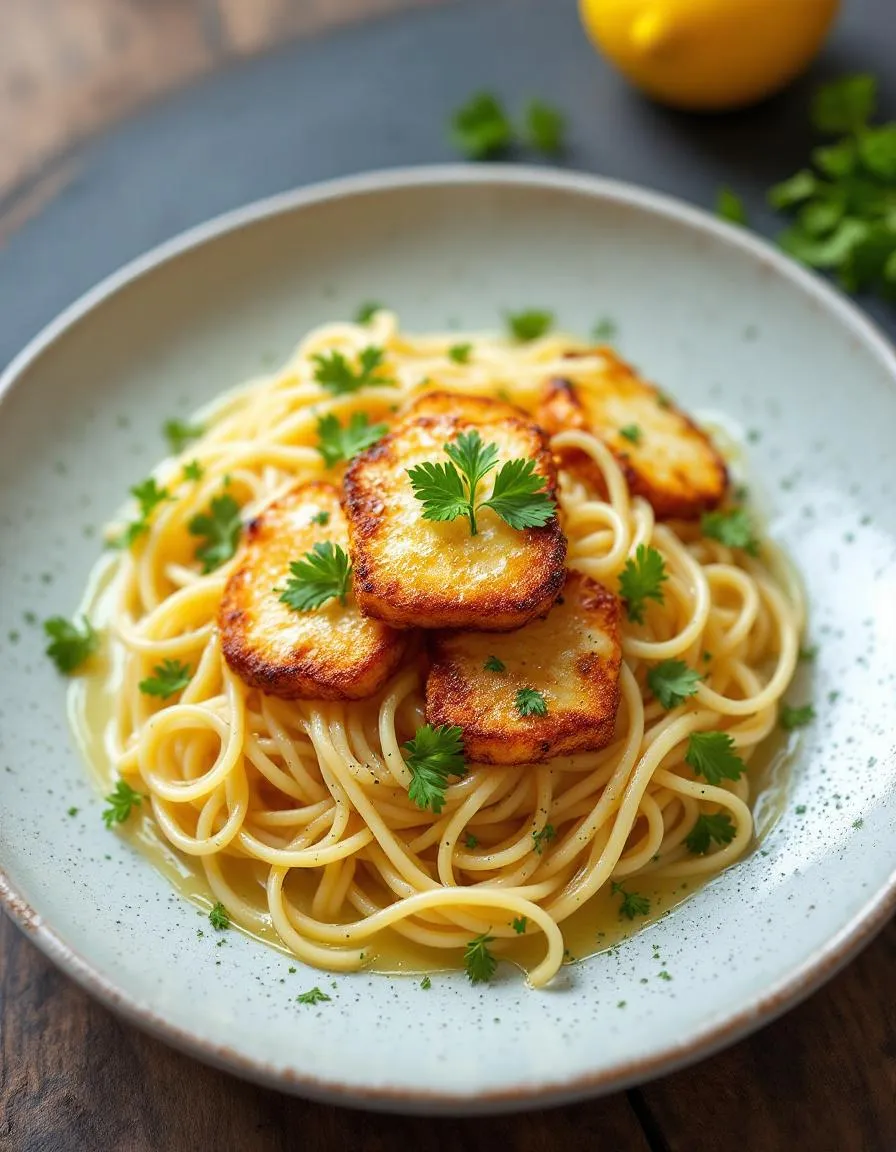
Best Halloumi Pasta – Easy and Delicious Recipe
Introduction
If you’ve ever craved a meal that’s both comforting and exciting, you’re in the right place. Today, I’m sharing my Halloumi Pasta recipe—a dish that perfectly balances creamy, salty, and savory flavors. Whether you’re cooking for a weeknight dinner or impressing guests, this recipe delivers joy in every bite. Plus, it’s a fantastic way to explore new flavors while sticking to familiar comforts.
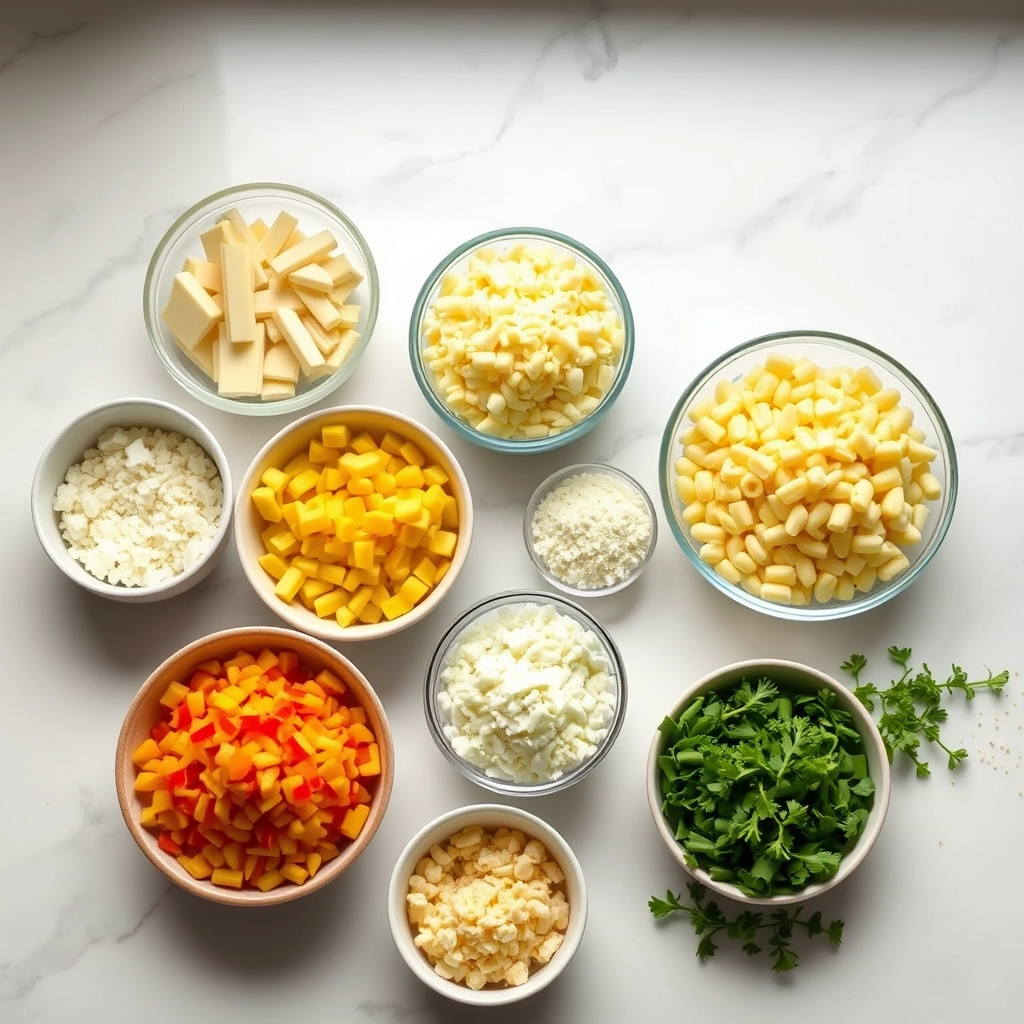
Halloumi Pasta combines tender pasta with crispy, golden halloumi cheese, creating a texture-rich experience you’ll adore. Unlike traditional pasta dishes, this recipe stands out because halloumi adds a satisfying chewiness and a hint of saltiness that pairs beautifully with creamy sauces or fresh veggies. It’s a versatile dish that fits seamlessly into busy schedules or leisurely weekend cooking. At brekcakes.com, we celebrate recipes that feel both special and approachable, and this one checks all the boxes. If you love experimenting with cheese, you’ll also enjoy our Gooey Mac and Cheese, another crowd-pleaser. And for more quick meal ideas, check out our 30-Minute Dinners collection.
Why I Love This Recipe
Halloumi Pasta holds a special place in my heart because it reminds me of my first trip to Cyprus, where I fell in love with halloumi’s unique texture. Back home, I spent weeks perfecting this recipe, tweaking it until it captured that same magic. Now, it’s my go-to when I need a meal that feels indulgent yet effortless. Every time I make it, I’m transported back to sunny Mediterranean evenings—and I hope it brings a little of that warmth to your table too.
Health and Nutrition
Why it’s good for your body
Halloumi Pasta packs a nutritious punch while delivering bold flavors. First, halloumi cheese offers a solid dose of protein, which helps keep you full and supports muscle repair. Additionally, the pasta provides complex carbs for steady energy, making this dish a balanced choice. Because halloumi contains calcium, your bones benefit too.
Moreover, Halloumi Pasta includes fresh vegetables like cherry tomatoes or spinach, adding fiber and vitamins. Fiber aids digestion, while antioxidants from veggies combat inflammation. Since halloumi has a high melting point, it retains its texture, giving you a satisfying chew without excess grease.
Furthermore, this meal adapts easily to healthier tweaks. For example, whole wheat pasta boosts fiber, and olive oil adds heart-healthy fats. Whether you enjoy Halloumi Pasta as a quick dinner or a meal prep staple, its nutrient profile makes it a smart pick. Finally, the dish’s versatility means you can load it with seasonal produce for extra nutrition.
How it fits in a healthy lifestyle
Halloumi Pasta fits seamlessly into balanced eating habits. If you follow a high-protein diet, the cheese and pasta combo delivers a satisfying macros split. For gluten-free needs, simply swap regular pasta for a gluten-free alternative without losing flavor.
This dish also works well for meal prepping, saving time without sacrificing nutrition. Pair it with a light salad or roasted veggies to round out your plate. If you’re watching sodium, rinse the halloumi briefly to reduce salt content. For more ideas on balancing indulgent ingredients, check out our guide to healthy meal swaps. Whether you’re fueling up post-workout or need a family-friendly dinner, Halloumi Pasta keeps things wholesome and delicious.
Start by heating a large skillet over medium heat and drizzling in a tablespoon of olive oil. While the pan warms, slice your halloumi into thin strips—this helps it crisp evenly. Toss the halloumi into the skillet and let it sizzle for 2-3 minutes per side until golden. Meanwhile, bring a pot of salted water to a boil for the pasta. Opt for a short shape like penne or fusilli, which holds sauce well. Once the pasta cooks al dente, reserve a cup of starchy water before draining. In the same skillet, sauté minced garlic and cherry tomatoes until they soften, then fold in the cooked pasta. Crumble the crispy halloumi over the top and toss everything together, adding a splash of pasta water to create a light, glossy sauce. Finish with a handful of fresh basil and a squeeze of lemon for brightness. To save time, prep your ingredients before turning on the stove—it keeps the process smooth and stress-free.
Mistakes I’ve made and learned from
I’ve definitely overcooked halloumi before, leaving it rubbery instead of crispy. The trick? Pat the cheese dry first and avoid overcrowding the pan. Another blunder? Skipping the pasta water. Without it, my halloumi pasta turned dry and clumpy. Now I always save that liquid gold—it’s a game-changer for saucy texture. If you’re new to working with halloumi, check out my guide on avoiding common cheese mistakes. And if you love pairing pasta with bold flavors, my pasta pairing guide has more tricks to elevate your dish. Trust me, a little patience and these fixes make all the difference.
Halloumi Pasta blends Mediterranean flavors with the universal love of comfort food. Originating from Cyprus, halloumi cheese brings a salty, squeaky texture that pairs perfectly with pasta. In coastal villages, locals often grill the cheese before tossing it with fresh herbs and tomatoes. Meanwhile, in Greece, cooks might add olives and capers for a briny twist. Even in my own kitchen, I love swapping in sun-dried tomatoes or roasted peppers for extra depth.
Families across the Middle East and Europe have their own takes on Halloumi Pasta. Some toast the cheese until crispy, while others let it melt slightly into the sauce. During summer, you’ll find it at picnics with lemon zest and mint. In colder months, it becomes heartier with roasted squash or spinach. No matter the version, Halloumi Pasta always feels like a celebration of simple, bold flavors.
ays-cooking">How it fits in today’s cooking
Today, Halloumi Pasta fits seamlessly into modern meals. Busy cooks adore it for quick weeknight dinners, while food bloggers spotlight it as a vegetarian showstopper. Its versatility shines year-round—think spring peas in April or roasted pumpkin come fall. Plus, it’s a star at potlucks, where guests rave about the crispy cheese topping.
Many home chefs tweak the recipe to suit their tastes. Some add chili flakes for heat, while others mix in creamy avocado for richness. For those craving extra protein, grilled chicken or shrimp work beautifully. And if you’re exploring global flavors, check out our Mediterranean-inspired tips to elevate your dish. Whether you stick to tradition or experiment, Halloumi Pasta remains a timeless favorite.
Taste and Texture
What makes it delicious
Halloumi Pasta delivers a mouthwatering contrast of textures and flavors that make every bite exciting. The salty, squeaky halloumi cheese crisps up beautifully, adding a golden crunch that pairs perfectly with tender pasta. Meanwhile, the creamy sauce coats each strand, creating a rich, velvety mouthfeel. Fresh herbs like basil or mint brighten the dish, while a hint of garlic and lemon zest adds a fragrant, zesty kick. Whether you savor the savory cheese or the silky sauce, Halloumi Pasta balances bold and comforting tastes in every forkful.
r">Boosting the flavor
Elevate your Halloumi Pasta with a few easy tweaks. For extra depth, toss in sun-dried tomatoes or roasted red peppers—their sweet, tangy notes complement the salty halloumi. A drizzle of homemade pesto adds herbal freshness, while a sprinkle of chili flakes brings subtle heat. If you love creamy textures, stir in a dollop of garlic herb yogurt sauce for a tangy twist. Experiment with toasted pine nuts or crispy breadcrumbs for an irresistible crunch. With these simple upgrades, your Halloumi Pasta will taste even more unforgettable.
Tips for Success
Best practices for results
Always pat dry the Halloumi before frying it for your Halloumi Pasta—this ensures a golden, crispy crust. Meanwhile, cook the pasta al dente since it will soften slightly when mixed with the sauce. For the best flavor, use fresh cherry tomatoes and tear the basil by hand instead of chopping it. Finally, toss the Halloumi Pasta gently to keep the cheese intact while evenly coating every bite.
>Mistakes to avoid
Overcrowding the pan when frying Halloumi is a common mistake—it lowers the temperature and makes the cheese steam instead of crisp. Instead, cook it in batches if needed. Another error is skipping the pasta water reserve, which helps bind the sauce beautifully. For more sauce tips, check out our guide to perfect pasta sauces. Also, avoid over-salting the dish early since Halloumi is naturally salty. Learn how to balance flavors with our seasoning tips.
Serving and Pairing Suggestions
How to serve this dish
Bring your Halloumi Pasta to life with a few simple touches. For a vibrant presentation, top it with fresh basil leaves or a sprinkle of chili flakes. Alternatively, serve it in a shallow bowl to showcase the creamy sauce and golden halloumi cubes. This dish shines at casual gatherings, whether you’re hosting a summer brunch or a cozy weeknight dinner. To make it extra special, pair it with crusty bread for dipping into the sauce. Finally, let the colors pop by adding a side of roasted cherry tomatoes or a simple arugula salad.
What goes well with it
Elevate your Halloumi Pasta experience with a crisp white wine like Sauvignon Blanc, which cuts through the richness of the cheese. For a non-alcoholic option, try a sparkling lemonade with a hint of mint. If you’re serving sides, consider a light Mediterranean salad or roasted vegetables for balance. Craving something heartier? Pair it with our Garlic Herb Focaccia to soak up every last bite. For dessert, keep it simple with our Honey Yogurt Parfait to round out the meal.
Halloumi Pasta is a delicious dish combining grilled or pan-fried halloumi cheese with pasta, often tossed in a light sauce or fresh vegetables. The salty, firm texture of halloumi pairs perfectly with pasta, creating a satisfying meal. This dish is popular for its simplicity and bold flavors.
How do you cook halloumi for pasta?
To cook halloumi for pasta, slice it into cubes or strips and pan-fry in a little oil until golden brown on all sides. Avoid overcooking, as halloumi can become rubbery. Add the crispy halloumi to your cooked pasta just before serving to maintain its texture.
rank-math-faq-item">
What sauce goes well with Halloumi Pasta?
A light lemon-garlic sauce, pesto, or a simple tomato-based sauce pairs beautifully with Halloumi Pasta. The saltiness of halloumi balances well with tangy or herby sauces. For a creamier option, try a yogurt or tahini dressing.
Can you make Halloumi Pasta ahead of time?
You can prep ingredients ahead, but it’s best to assemble Halloumi Pasta just before serving to keep the halloumi crispy. Store cooked pasta and halloumi separately, then combine when ready. Reheating may soften the cheese, so fresh is ideal.
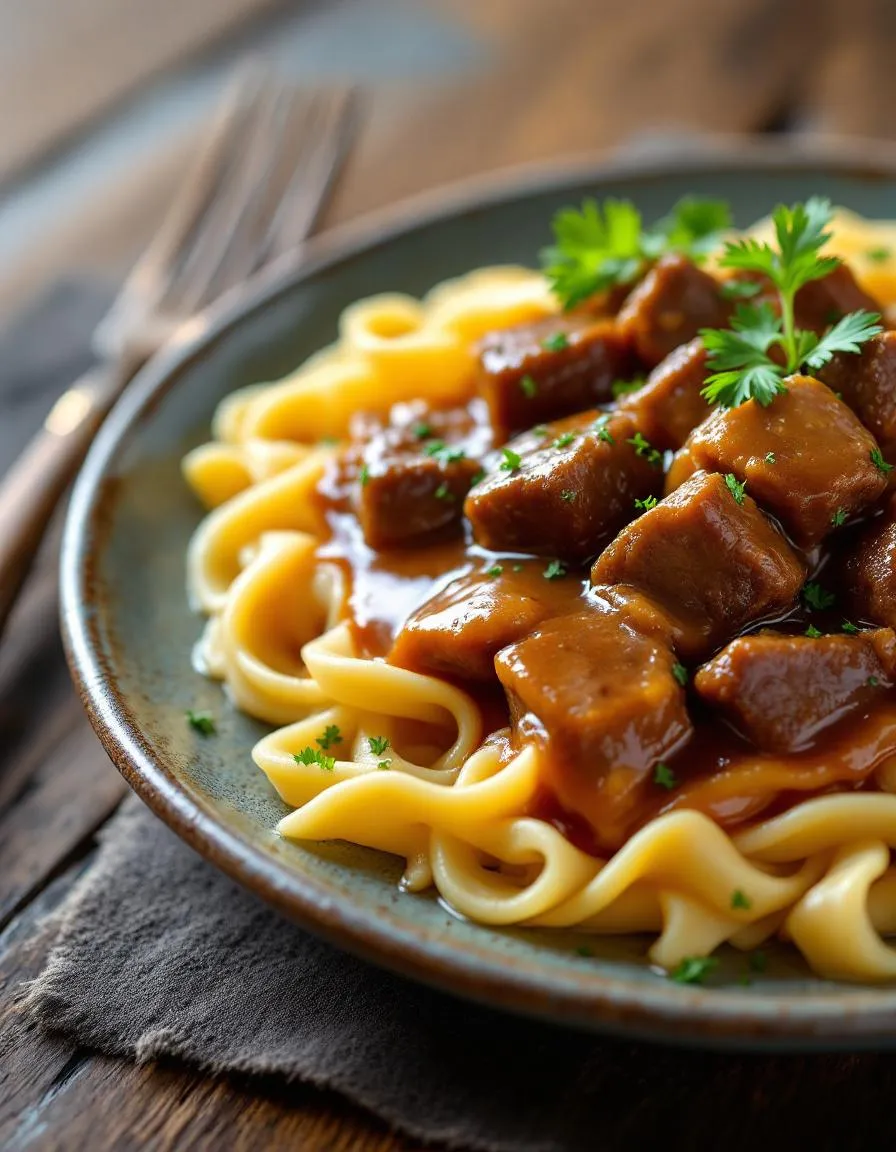
Best Beef and Noodles – Comforting Homemade Recipe
Introduction
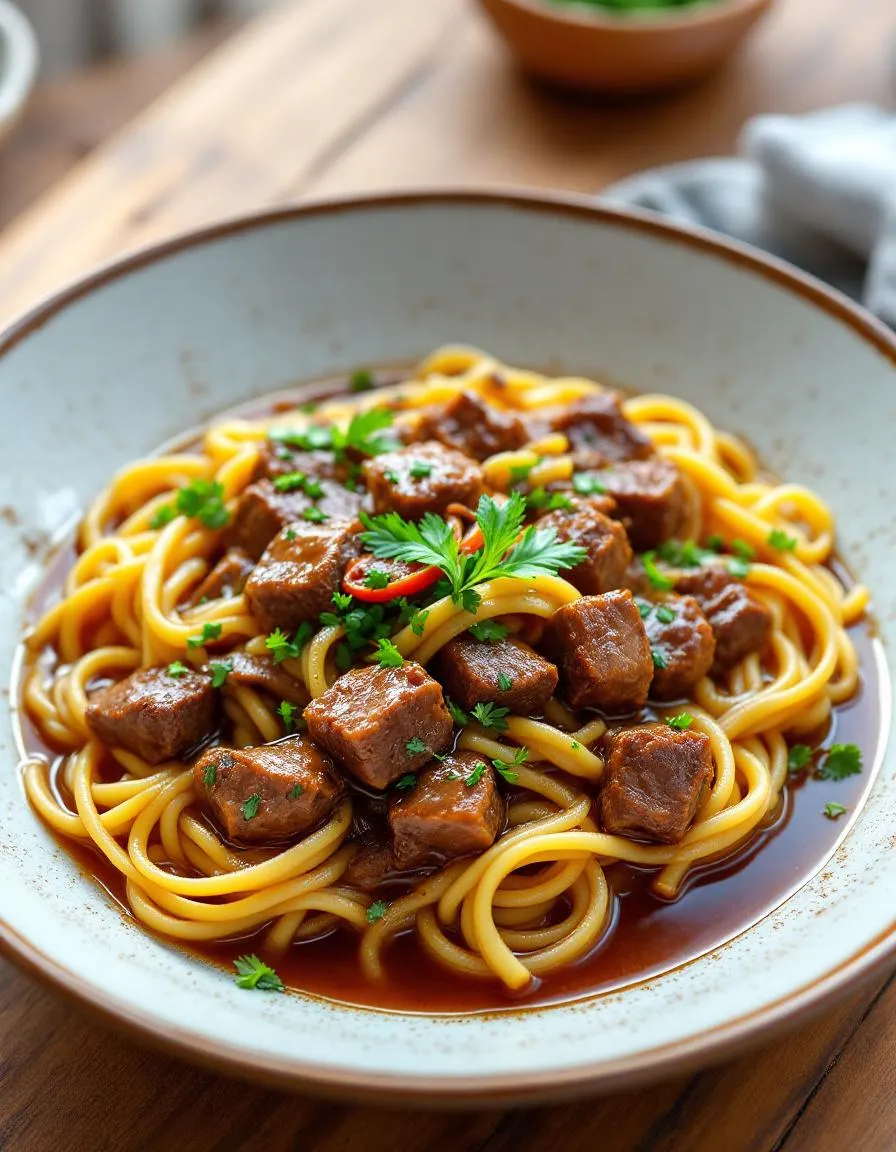
There’s something undeniably comforting about a steaming bowl of Beef And Noodles. Whether you’re craving a hearty weeknight dinner or a nostalgic dish that reminds you of home, this recipe delivers. In fact, it’s the kind of meal that brings people together—simple, satisfying, and packed with flavor. Plus, with just a few pantry staples, you can whip up a dish that feels like a warm hug on even the busiest days.
Beef And Noodles is a classic comfort food that combines tender beef, rich broth, and soft egg noodles for a dish that’s both filling and flavorful. Unlike fussy recipes that require hours of prep, this one keeps things straightforward without sacrificing taste. It’s perfect for busy families, meal preppers, or anyone who appreciates a no-fuss dinner. What makes it special is its versatility. You can customize it with your favorite veggies, adjust the seasoning to your liking, or even swap the beef for another protein if you prefer. At brekcakes.com, we celebrate recipes that balance simplicity and soul, and Beef And Noodles fits right in. If you love easy, crowd-pleasing meals, you’ll also enjoy our One-Pot Chicken and Rice or Creamy Tuscan Pasta.
Why I Love This Recipe
Beef And Noodles holds a special place in my heart because it reminds me of Sunday dinners at my grandma’s house. She’d simmer the beef low and slow until it practically melted, and the aroma would fill the entire kitchen. Now, whenever I make it, I feel that same sense of warmth and connection. It’s more than just a meal—it’s a reminder of the people and moments that make life delicious.
Health and Nutrition
Why it’s good for your body
Beef And Noodles delivers a powerhouse of nutrients in every comforting bite. First, the lean beef provides high-quality protein, which helps build and repair muscles while keeping you full longer. Additionally, it packs iron, a mineral that supports healthy blood flow and energy levels. Meanwhile, the noodles offer energizing carbohydrates to fuel your day without spiking blood sugar too quickly.
Beyond protein and carbs, Beef And Noodles includes vegetables like carrots and celery, which add fiber, vitamins, and antioxidants. These ingredients work together to support digestion and immunity. Furthermore, the dish’s balanced macros make it a satisfying meal that stabilizes hunger and cravings. Whether you need post-workout recovery or a hearty family dinner, Beef And Noodles covers both taste and nutrition.
Lastly, homemade versions let you control sodium and fat levels, making it a smarter choice than processed alternatives. By using whole-grain noodles or grass-fed beef, you can boost the dish’s health benefits even further. With its versatility and nutrient density, Beef And Noodles proves that comfort food can also be good for you.
How it fits in a healthy lifestyle
Beef And Noodles fits seamlessly into balanced eating habits. For protein-focused diets, the lean beef helps meet daily goals while keeping meals satisfying. If you prefer gluten-free options, simply swap traditional noodles for chickpea or rice-based alternatives. The dish also pairs well with leafy greens or a side salad for extra fiber and vitamins.
For heart-healthy adjustments, trim excess fat from the beef and use low-sodium broth. This tweak reduces saturated fat without sacrificing flavor. Meal preppers love Beef And Noodles because it reheats beautifully, saving time on busy weeknights. If you’re exploring more high-protein recipes, check out our protein-packed dinners for inspiration. Or, for gluten-free noodle ideas, our gluten-free pasta guide offers plenty of tasty swaps. With simple modifications, this classic dish supports nearly any dietary preference.
A comforting and hearty dish featuring tender beef and egg noodles in a rich gravy.
Ingredients
Scale
For the Crust:
1 lb beef stew meat, cubed
2 tbsp vegetable oil
1 onion, diced
2 cloves garlic, minced
4 cups beef broth
1 tsp Worcestershire sauce
1 tsp dried thyme
1 tsp salt
1/2 tsp black pepper
12 oz egg noodles
2 tbsp all-purpose flour
1/4 cup water
Instructions
1. Prepare the Crust:
Heat vegetable oil in a large pot over medium-high heat. Add beef cubes and brown on all sides, about 5 minutes.
Add diced onion and minced garlic to the pot. Cook until softened, about 3 minutes.
Pour in beef broth, Worcestershire sauce, thyme, salt, and pepper. Bring to a boil, then reduce heat to low and simmer for 1 hour or until beef is tender.
Cook egg noodles according to package instructions. Drain and set aside.
In a small bowl, mix flour and water to create a slurry. Stir into the beef mixture and simmer for 5 minutes until gravy thickens.
Add cooked noodles to the pot and stir to combine. Serve hot.
Notes
You can customize the seasonings to taste.
How to Prepare This Dish
Steps and time-saving tips
Start by heating a large pot over medium heat and browning your beef in batches to avoid overcrowding. Meanwhile, chop your onions and garlic to save time. Once the beef sears nicely, remove it and sauté the onions until they turn translucent. Then, stir in the garlic for just 30 seconds to release its aroma. Next, deglaze the pot with a splash of broth, scraping up those flavorful browned bits. Return the beef to the pot, pour in the remaining broth, and bring everything to a gentle simmer. Cover and let it cook low and slow until the beef becomes tender.
While the beef simmers,
boil your noodles separately to prevent them from soaking up too much broth. Drain them just shy of al dente since they’ll finish cooking in the sauce later. Once the beef shreds easily with a fork, stir in the noodles and let them soak up the rich flavors for a few minutes. For a creamy twist, fold in a dollop of sour cream right at the end. Finally, garnish with fresh parsley and serve hot. To save time, use pre-cut stew meat or even leftover roast beef from your Sunday dinner.
Mistakes I’ve made and learned from
I once rushed the browning step, which left my Beef And Noodles lacking depth. Now, I take my time to caramelize the meat properly—it’s worth the extra minutes. Another blunder? Overcooking the noodles early on. They turned mushy after simmering in the broth. Now, I undercook them slightly and let them firm up in the sauce. If you’re new to balancing flavors, check out my guide on seasoning tips to avoid bland results. Trust me, a pinch of thyme or a bay leaf makes all the difference. And don’t skip tasting as you go—adjusting salt early saves the dish later.
n-and-variations">Cultural Connection and Variations
Where this recipe comes from
Beef And Noodles carries a rich history, blending comfort and tradition in every bite. Many trace its roots to Central Europe, where hearty meat-and-dough dishes like German Rouladen or Hungarian Tarhonya inspired similar meals. Over time, immigrants brought these flavors to America, adapting them to local ingredients. In the Midwest, for example, Beef And Noodles became a Sunday supper staple, often simmered with tender chuck roast and wide egg noodles.
Families everywhere put their own spin on it. Some cooks add a splash of red wine for depth, while others keep it simple with just broth and onions. In Asia, you might find a version with soy sauce and udon noodles, proving how versatile Beef And Noodles can be. My grandma always made hers with a pinch of thyme and extra carrots, turning it into a cozy one-pot wonder. Whether served over mashed potatoes or straight from the bowl, this dish bridges cultures and generations.
How it fits in today’s cooking
Today, Beef And Noodles still shines as a go-to comfort food, especially during chilly months. Busy home cooks love its flexibility—swap in slow-cooker shortcuts or leaner cuts like sirloin for a modern twist. It’s also a star at potlucks and holiday gatherings, where its warmth brings people together. For weeknight dinners, many pair it with a crisp side salad to balance the richness.
Health-conscious eaters
tweak the recipe too, using whole-grain noodles or adding extra veggies. Meanwhile, food bloggers reinvent it as a freezer-friendly meal prep option. No matter how you serve it, Beef And Noodles fits seamlessly into today’s kitchens. Craving more cozy recipes? Try our comfort food classics collection for dishes that feel like a hug on a plate.
Taste and Texture
What makes it delicious
Beef And Noodles delivers a rich, comforting experience with every bite. Tender chunks of beef melt in your mouth, while the noodles soak up the savory, umami-packed broth. Aromatic garlic and onions deepen the flavor, while a hint of thyme adds earthy warmth. The dish smells heavenly as it simmers, filling the kitchen with notes of caramelized meat and herbs. Meanwhile, the noodles offer a satisfying chew, balancing the velvety sauce. Whether you crave hearty comfort or bold taste, Beef And Noodles hits all the right notes.
Boosting the flavor
Elevate your Beef And Noodles with a few easy tweaks. Try swapping regular egg noodles for homemade pasta to add a fresh, springy texture. For extra depth, stir in a splash of balsamic vinegar or a spoonful of tomato paste. Crispy fried shallots or a sprinkle of Parmesan make irresistible toppings. If you love heat, a dash of smoked paprika or red pepper flakes wakes up the flavors. Small changes create big results, so experiment and enjoy!
Always sear the beef in small batches to avoid overcrowding the pan, as this ensures a rich, caramelized flavor for your Beef And Noodles. Additionally, use fresh egg noodles for the best texture, since they hold up better in the broth. For extra depth, deglaze the pan with a splash of red wine before adding your broth. Finally, let the dish simmer gently so the flavors meld perfectly without overcooking the noodles.
Mistakes to avoid
Avoid boiling the noodles separately unless the recipe specifies, as they absorb more flavor when cooked directly in the broth. Many cooks also make the mistake of using low-quality beef cuts, which can turn tough. Instead, opt for well-marbled chuck roast for tender results. For more on selecting the right ingredients, check out our guide on choosing the best beef cuts. Also, resist the urge to stir too frequently once the noodles are added, or they may break apart. If you need help with timing, our perfect simmering techniques post has great tips.
g-suggestions">Serving and Pairing Suggestions
How to serve this dish
For a cozy family dinner, serve Beef And Noodles in deep bowls to keep the dish warm and inviting. Top it with fresh parsley or chives for a pop of color and freshness. Alternatively, layer it over creamy mashed potatoes for a hearty twist. If you’re hosting a casual gathering, set up a buffet-style station with toppings like shredded cheese, sour cream, or crispy fried onions so guests can customize their bowls. During the holidays, elevate Beef And Noodles by pairing it with elegant dinner rolls or a side of roasted vegetables for a festive touch.
What goes well with it
A crisp green salad with tangy vinaigrette balances the richness of Beef And Noodles perfectly. For a heartier meal, try pairing it with our garlic butter dinner rolls, which soak up the savory sauce beautifully. If you prefer a refreshing drink, a glass of iced tea or a light red wine like Pinot Noir complements the flavors without overpowering them. For dessert, our classic apple crisp adds a sweet, comforting finish to the meal.
math-faq-block">
What cut of beef is best for Beef And Noodles?
Chuck roast or stew meat works best for Beef And Noodles because they become tender when slow-cooked. These cuts have enough marbling to keep the dish flavorful, and they shred easily to pair perfectly with the noodles.
Can I use egg noodles for Beef And Noodles?
Yes, egg noodles are a classic choice for Beef And Noodles because they hold up well in the broth and absorb flavors beautifully. For a heartier texture, opt for wide or extra-wide egg noodles.
How do you thicken Beef And Noodles?
Mix a slurry of cornstarch or flour with cold water and stir it into the simmering Beef And Noodles. Let it cook for a few minutes until the sauce thickens to your preferred consistency.
rank-math-faq-item">
What sides go well with Beef And Noodles?
Buttered green beans, roasted carrots, or a simple side salad complement Beef And Noodles nicely. For a heartier meal, serve it with crusty bread to soak up the rich broth.
Best Corn Mac Cheese Bake – Easy Comfort Food
Introduction
There’s something undeniably comforting about a dish that brings together creamy, cheesy goodness with a touch of sweetness. That’s exactly why I adore this Corn Mac Cheese Bake—it’s the ultimate hug in a casserole dish. Whether you’re craving a cozy weeknight dinner or need a crowd-pleasing side for your next gathering, this recipe delivers nostalgia and flavor in every bite. Plus, it’s incredibly easy to customize, making it a staple in my kitchen and hopefully yours too.
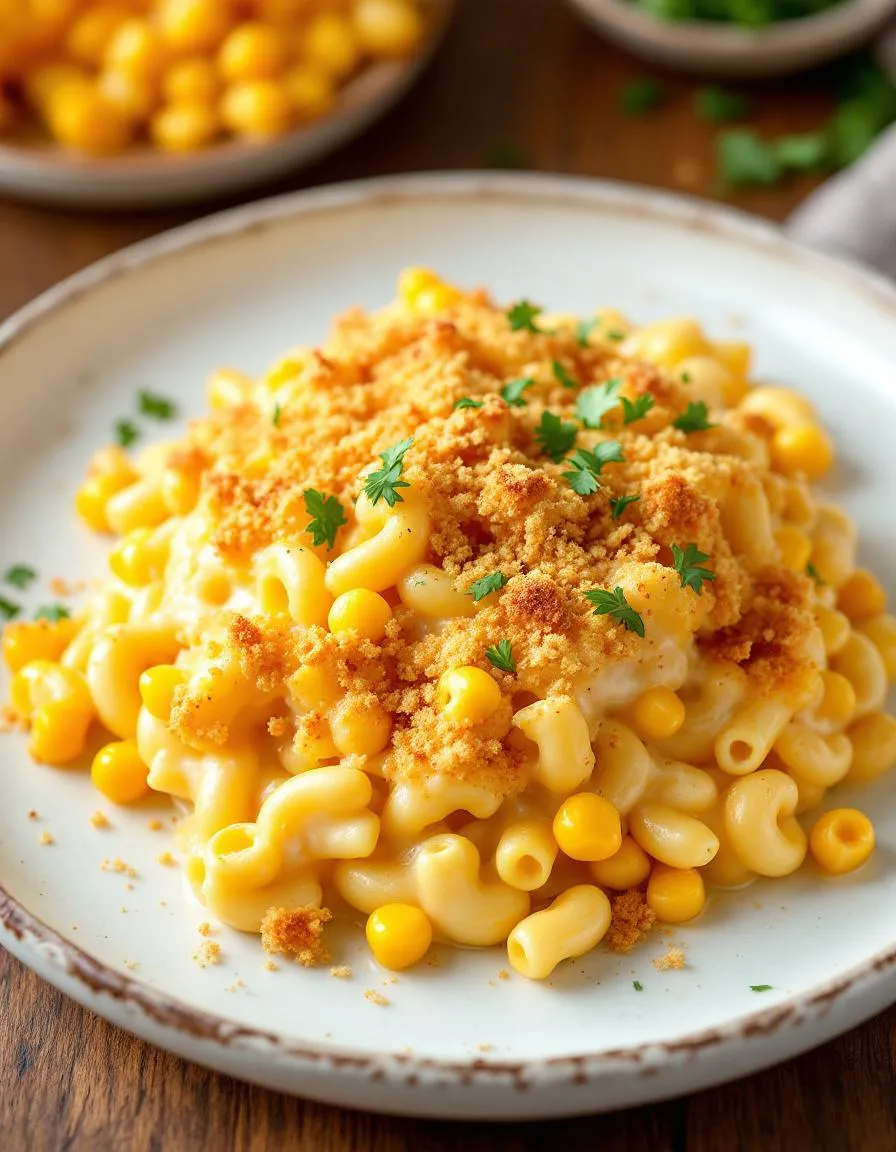
Corn Mac Cheese Bake is a delightful twist on classic mac and cheese, blending tender elbow pasta with sweet corn and a rich, velvety cheese sauce. The dish strikes the perfect balance between hearty and comforting, making it ideal for family dinners or potluck favorites. What sets it apart is its versatility—you can add crispy bacon for smokiness, jalapeños for heat, or even breadcrumbs for extra crunch. At brekcakes.com, we celebrate recipes that feel both familiar and fresh, and this one fits right in. If you love easy, satisfying meals, you’ll also enjoy our Creamy Garlic Parmesan Pasta or our Loaded Potato Casserole for similar comfort-food vibes.
Why I Love This Recipe
This Corn Mac Cheese Bake holds a special place in my heart because it reminds me of Sunday dinners at my grandma’s house. She always knew how to make simple ingredients feel like a celebration, and this dish captures that spirit perfectly. Every time I pull it out of the oven, the golden, bubbly top and the aroma of melted cheese take me right back to those cherished moments. It’s more than just a recipe—it’s a little piece of home I’m thrilled to share with you.
Health and Nutrition
Why it’s good for your body
Corn Mac Cheese Bake packs a nutritious punch while satisfying your comfort food cravings. First, the corn adds a sweet, fiber-rich boost that supports digestion and keeps you full longer. Meanwhile, the whole-grain pasta provides complex carbs for steady energy, so you avoid the crashes that come with refined grains. Additionally, the cheese delivers a hearty dose of calcium and protein, which strengthen bones and muscles.
Because Corn Mac Cheese Bake balances carbs, protein, and healthy fats, it fuels your body without spiking blood sugar. The dish also includes antioxidants from corn, which help fight inflammation. Plus, you can easily tweak the recipe with veggies like spinach or bell peppers for extra vitamins. Whether you serve it as a main or side, Corn Mac Cheese Bake offers both flavor and nourishment.
Finally, the creamy texture comes from real cheese, not processed sauces, so you skip unnecessary additives. With each bite, you get a comforting meal that supports your health goals. Corn Mac Cheese Bake proves that delicious food can also be good for you.
How it fits in a healthy lifestyle
Corn Mac Cheese Bake fits perfectly into a balanced diet when enjoyed mindfully. For gluten-free eaters, simply swap regular pasta for a gluten-free alternative, and the dish stays just as satisfying. If you’re watching your heart health, opt for low-fat cheese and add a sprinkle of flaxseed for omega-3s. The recipe also pairs well with a crisp salad or roasted veggies, making it easy to round out your meal.
Busy weeknights call for meals that are both quick and nutritious, and Corn Mac Cheese Bake delivers. Prep it ahead and reheat for a stress-free dinner. For more high-protein ideas, check out our protein-packed dinners. And if you love customizable recipes, explore our meal prep tips to keep your fridge stocked with healthy options. With simple swaps and smart pairings, Corn Mac Cheese Bake helps you stay on track without sacrificing flavor.
A creamy and cheesy macaroni bake with sweet corn for a delightful twist.
Ingredients
Scale
For the Crust:
2 cups elbow macaroni
1 cup sweet corn kernels
2 cups shredded cheddar cheese
1 cup milk
2 tablespoons butter
2 tablespoons all-purpose flour
1/2 teaspoon garlic powder
1/2 teaspoon salt
1/4 teaspoon black pepper
1/4 cup breadcrumbs
Instructions
1. Prepare the Crust:
Preheat oven to 375°F (190°C). Cook macaroni according to package instructions, drain, and set aside.
In a saucepan, melt butter over medium heat. Stir in flour and cook for 1 minute.
Gradually whisk in milk until smooth. Cook until the sauce thickens, about 3-4 minutes.
Remove from heat and stir in 1 1/2 cups of cheddar cheese, garlic powder, salt, and pepper until melted.
Combine cooked macaroni, corn, and cheese sauce in a large bowl. Transfer to a greased baking dish.
Sprinkle remaining cheese and breadcrumbs on top. Bake for 20-25 minutes until golden and bubbly.
Notes
You can customize the seasonings to taste.
s-dish">How to Prepare This Dish
Steps and time-saving tips
Start by preheating your oven to 375°F so it’s ready when you finish assembling the Corn Mac Cheese Bake. While the oven heats, cook the macaroni al dente to avoid mushiness later. Drain the pasta, then toss it with a drizzle of olive oil to prevent sticking. Meanwhile, whisk together the cheese sauce in a saucepan over medium heat—melt the butter, stir in the flour, then gradually add milk while whisking to avoid lumps. Once smooth, fold in shredded cheddar and a pinch of paprika for depth. Combine the cooked macaroni, cheese sauce, and sweet corn kernels in a large bowl, mixing gently to coat every bite. Transfer the mixture to a greased baking dish, then top with a crispy breadcrumb layer for texture. Bake uncovered for 20-25 minutes until bubbly and golden. Let it rest for 5 minutes before serving to allow the sauce to thicken. For a time-saving hack, use pre-shredded cheese or prepare the sauce ahead and reheat it before mixing.
Mistakes I’ve made and learned from
Early on, I rushed the cheese sauce and ended up with a grainy texture—turns out, high heat breaks the emulsion. Now I melt the butter slowly and remove the pan from the heat before adding cheese, which gives a silky finish. Another blunder? Overbaking the dish until the top dried out. A timer is your best friend here, and checking at the 20-minute mark ensures perfection. If you’re new to cheese sauces, my cheese sauce guide breaks down the science. Also, skipping the resting time once led to a soupy mess, so now I follow my own baking rest tips religiously. Trust me, patience pays off with this dish.
n-and-variations">Cultural Connection and Variations
Where this recipe comes from
Corn Mac Cheese Bake feels like a warm hug from the Midwest, where hearty casseroles rule the dinner table. Farmers and families have long relied on dishes like this one to stretch ingredients and feed a crowd. Originally, it likely started as a clever way to use leftover corn and pasta, but over time, it became a beloved staple. In the South, you might find a spicier version with jalapeños or a smoky twist from bacon. Meanwhile, some coastal regions add crab or shrimp for a seafood spin.
My grandma made her Corn Mac Cheese Bake with sharp cheddar and a buttery breadcrumb topping, a recipe she swore came from her Pennsylvania Dutch neighbors. In Mexico, a similar dish might include poblano peppers and cotija cheese, while in Italy, cooks could swap the corn for sun-dried tomatoes and fontina. No matter where it’s made, though, the creamy, carb-loaded comfort stays the same.
How it fits in today’s cooking
Today, Corn Mac Cheese Bake still shines as a versatile crowd-pleaser. Busy parents love it for weeknight dinners, while meal preppers pack it for lunches all week. Modern twists, like using gluten-free pasta or plant-based cheese, keep it relevant for today’s diets. It’s also a star at potlucks and holiday gatherings, especially when paired with easy holiday side dishes.
With the rise of comfor
t food trends, this bake has found new life on social media and food blogs. Some cooks even turn it into a one-pan meal by adding protein like chicken or sausage. Whether you stick to the classic or experiment with new flavors, Corn Mac Cheese Bake proves that some traditions only get better with time.
Taste and Texture
What makes it delicious
Corn Mac Cheese Bake delivers a comforting, crave-worthy experience with every bite. The creamy, velvety cheese sauce coats tender macaroni, while sweet corn kernels add a burst of freshness and subtle crunch. A golden, buttery breadcrumb topping contrasts beautifully with the soft interior, creating layers of texture. Fragrant garlic and sharp cheddar deepen the savory notes, making each forkful rich and satisfying. Whether served straight from the oven or reheated, Corn Mac Cheese Bake stays irresistibly gooey and flavorful.
Boosting the flavor
Elevate your Corn Mac Cheese Bake with a few easy tweaks. For extra smokiness, stir in crispy bacon or swap the cheddar for smoked gouda. A dash of cayenne or paprika adds warmth without overpowering the dish. Top it with fresh herbs like chives or parsley for a bright finish. Pair it with a tangy garlic ranch sauce or a zesty spicy tomato relish to balance the richness. Experiment with different cheeses or roasted veggies to make it your own.
Always preheat your oven before baking Corn Mac Cheese Bake to ensure even cooking. Additionally, use freshly grated cheese instead of pre-shredded varieties for a smoother, creamier texture. Stir the pasta and cheese sauce gently to avoid breaking the noodles, and cover the dish with foil during the first half of baking to prevent drying. For extra flavor, top the bake with a buttery breadcrumb mixture before the final bake.
Mistakes to avoid
Avoid overcooking the pasta before baking, as it will turn mushy in the Corn Mac Cheese Bake. Instead, cook it just until al dente since it will soften further in the oven. Also, don’t skip the step of buttering the baking dish, or the edges may stick. If you’re short on time, check out our quick kitchen hacks for efficient prep. Finally, resist the urge to overmix the cheese sauce, which can make it grainy—follow our perfect cheese sauce guide for foolproof results.
g-suggestions">Serving and Pairing Suggestions
How to serve this dish
Bring your Corn Mac Cheese Bake to the table straight from the oven while it’s still bubbling and golden for maximum appeal. For a cozy family dinner, serve it in individual ramekins with a sprinkle of fresh chives or parsley on top. Alternatively, transfer it to a rustic cast-iron skillet for a charming, shareable centerpiece at potlucks or holiday gatherings. If you’re hosting brunch, pair it with a crisp green salad to balance the richness. Either way, let the cheesy aroma and vibrant colors tempt everyone before they take the first bite.
What goes well with it
Corn Mac Cheese Bake shines alongside tangy or fresh accompaniments. For a refreshing contrast, try a simple cucumber tomato salad, which cuts through the creaminess with its bright flavors. If you crave something heartier, crispy garlic bread or roasted Brussels sprouts add satisfying texture. To elevate the meal, pair it with a chilled glass of citrusy white wine or a fizzy homemade sparkling lemonade, balancing the dish’s richness with a touch of acidity.
math-faq-block">
What ingredients do I need for Corn Mac Cheese Bake?
You’ll need elbow macaroni, corn kernels (fresh, frozen, or canned), shredded cheddar cheese, milk, butter, flour, and seasonings like salt, pepper, and paprika. Corn Mac Cheese Bake combines the creaminess of mac and cheese with the sweetness of corn for a comforting dish.
Can I make Corn Mac Cheese Bake ahead of time?
Yes! Assemble the Corn Mac Cheese Bake up to a day in advance, cover it tightly, and refrigerate. Bake it just before serving, adding a few extra minutes to the cooking time if it’s cold from the fridge.
How do I prevent my Corn Mac Cheese Bake from drying out?
Use enough sauce and avoid overbaking—the dish should be bubbly and golden but still moist. Covering it with foil for part of the baking time helps retain moisture in your Corn Mac Cheese Bake.
rank-math-faq-item">
What can I serve with Corn Mac Cheese Bake?
Pair Corn Mac Cheese Bake with a crisp green salad, roasted vegetables, or grilled chicken for a balanced meal. It also works well as a standalone comfort food or a hearty side dish at potlucks.