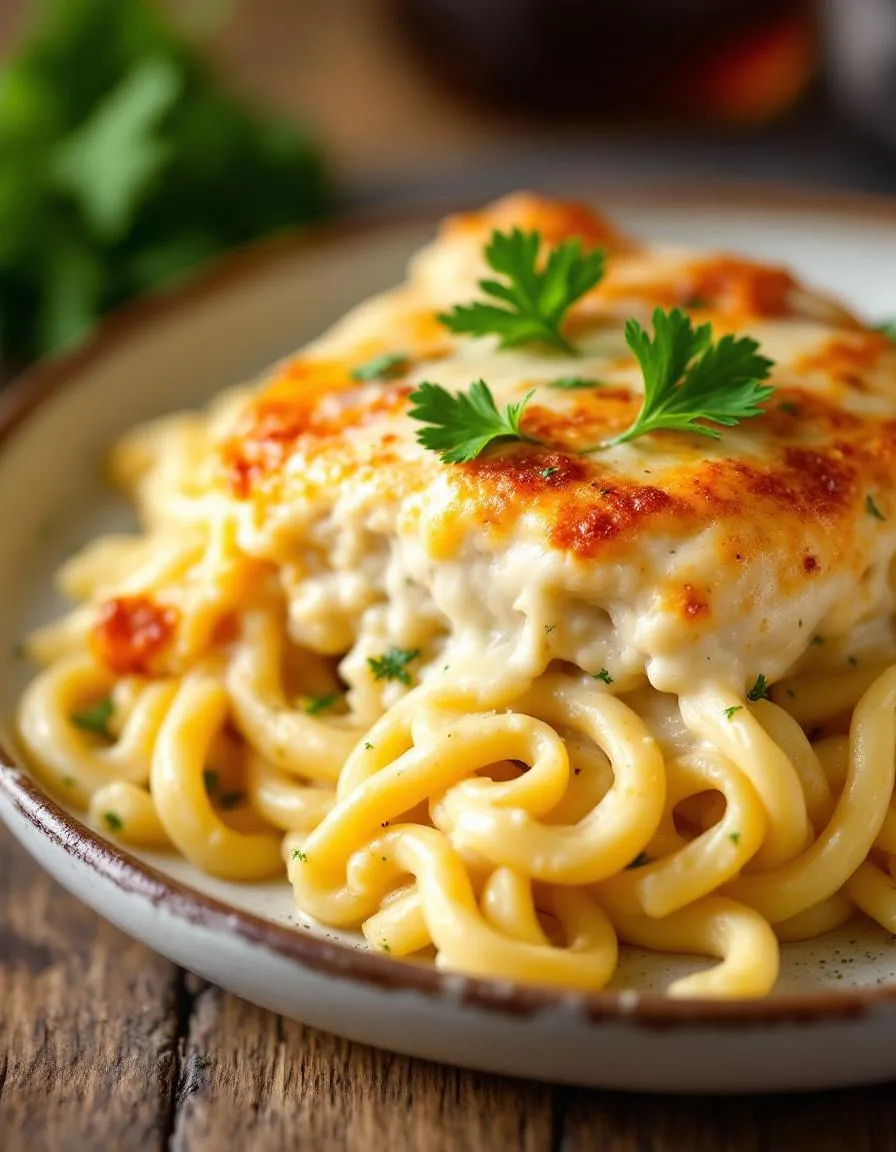
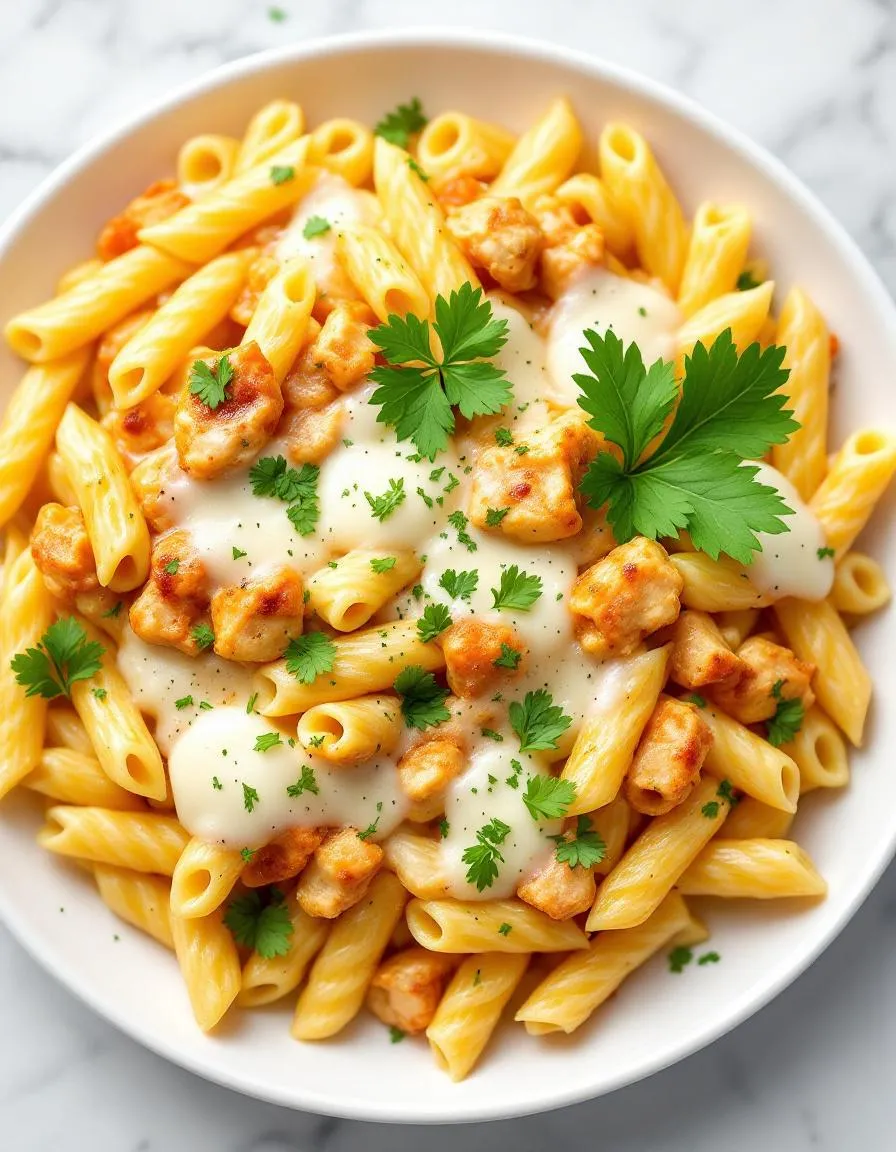
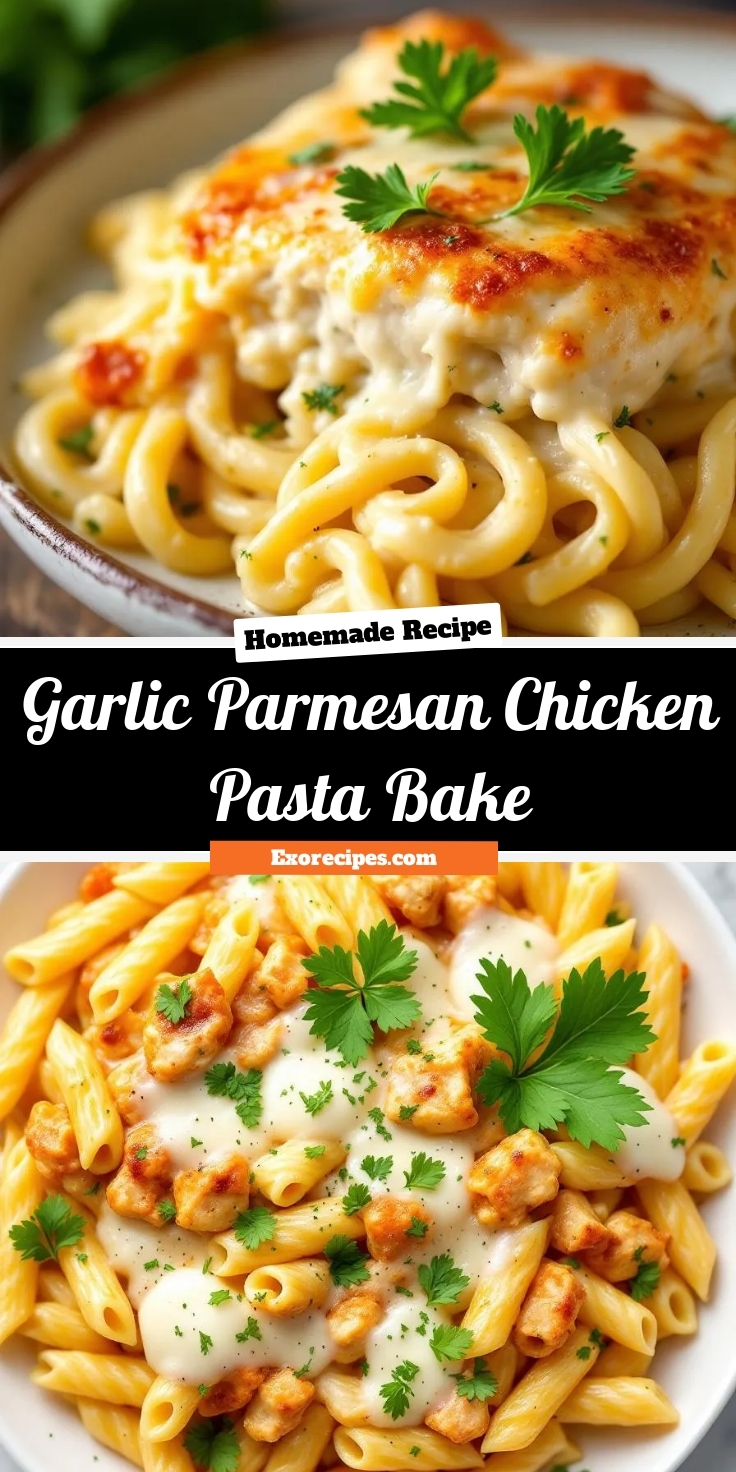
If you’re craving a dish that’s both comforting and bursting with flavor, you’re in the right place. Garlic Parmesan Chicken Pasta Bake is the kind of meal that brings everyone to the table—no excuses. Whether you’re cooking for a busy weeknight or a cozy weekend gathering, this recipe delivers creamy, cheesy goodness with every bite. Plus, it’s incredibly easy to customize, making it a favorite for picky eaters and foodies alike.
Garlic Parmesan Chicken Pasta Bake combines tender chicken, al dente pasta, and a rich, garlicky Parmesan sauce into one irresistible casserole. What sets it apart is its versatility. You can swap ingredients based on what’s in your fridge or pantry, yet it always turns out delicious. This dish also fits perfectly with the brekcakes.com philosophy: approachable recipes that feel special without requiring chef-level skills. If you love hearty meals like my Creamy Tuscan Chicken, you’ll adore this bake. And if you’re new to casseroles, don’t worry—this recipe walks you through every step, just like my Easy Baked Ziti guide.
Why I Love This Recipe
Garlic Parmesan Chicken Pasta Bake holds a special place in my kitchen because it’s the dish my family requests most often. There’s something about the way the golden cheese crust crackles under your fork while the creamy sauce clings to each noodle. It reminds me of Sunday dinners growing up, where the table was always full and the food was always made with care. Every time I pull it out of the oven, I know it’s going to create another warm memory—and that’s why I keep coming back to it.
Health and Nutrition
Why it’s good for your body
Garlic Parmesan Chicken Pasta Bake packs a nutritious punch while delivering rich flavors. First, the chicken provides lean protein, which helps build muscle and keeps you full longer. Meanwhile, the garlic adds more than just taste—it boosts immunity and supports heart health. Additionally, the Parmesan cheese offers calcium for strong bones, along with a savory depth that elevates the dish.
Because this recipe balances carbs, protein, and healthy fats, it fuels your body without spiking blood sugar. The whole-grain pasta option, if used, adds fiber for better digestion. Furthermore, the olive oil in Garlic Parmesan Chicken Pasta Bake contains monounsaturated fats, which promote good cholesterol levels. Together, these ingredients create a meal that satisfies cravings while nourishing your body.
Finally, the dish includes antioxidants from garlic and herbs, fighting inflammation. Whether you need a post-workout meal or a comforting dinner, Garlic Parmesan Chicken Pasta Bake delivers both flavor and nutrition. With each bite, you get a well-rounded dish that supports overall wellness.
How it fits in a healthy lifestyle
Garlic Parmesan Chicken Pasta Bake fits seamlessly into a balanced diet. For protein-focused eaters, the chicken offers a high-quality source to meet daily goals. If you prefer gluten-free meals, simply swap regular pasta for a gluten-free alternative—the dish still shines. Plus, the moderate portion sizes help with mindful eating, making it easy to enjoy without overindulging.
This recipe also aligns with heart-healthy habits, especially if you use whole-grain pasta and limit heavy creams. For more ideas on balancing meals, check out our guide to easy meal prep strategies. And if you’re looking for other high-protein dinner options, our healthy comfort food roundup has plenty of inspiration. Whether you’re cooking for a family or meal-prepping for the week, Garlic Parmesan Chicken Pasta Bake keeps health and taste in harmony.
First, preheat your oven to 375°F and grease a 9×13-inch baking dish to prevent sticking. While the oven heats, cook the pasta al dente—it will finish cooking in the bake, so avoid overcooking. Meanwhile, season the chicken with salt, pepper, and garlic powder, then pan-sear it until golden. Shred or cube the cooked chicken for even distribution. In a large bowl, whisk together heavy cream, minced garlic, and grated Parmesan until smooth. Then, fold in the cooked pasta and chicken, ensuring everything gets coated evenly. Transfer the mixture to the baking dish and top with a generous layer of shredded mozzarella and extra Parmesan for a crispy finish. Bake for 20-25 minutes until bubbly and golden. For a time-saving hack, use rotisserie chicken or pre-shredded cheese. Let the Garlic Parmesan Chicken Pasta Bake rest for 5 minutes before serving—this helps the sauce thicken and makes slicing easier.
and-learned-from">Mistakes I’ve made and learned from
Early on, I rushed the sauce and ended up with a grainy texture because I added Parmesan too quickly over high heat. Now, I whisk it gradually into warm (not boiling) cream for a silky consistency. Another blunder? Skipping the pasta’s al dente stage, which turned my bake mushy. For foolproof pasta, I follow the pasta perfection guide. Also, I once overloaded the dish with cheese, making it overly dense. A balanced layer melts better, as I learned from my cheese secrets post. These tweaks transformed my Garlic Parmesan Chicken Pasta Bake from a trial-and-error mess to a crowd-pleaser every time.
“`
n-and-variations">Cultural Connection and Variations
Where this recipe comes from
Garlic Parmesan Chicken Pasta Bake feels like a warm hug from the Mediterranean, even though its exact origins are a bit of a delicious mystery. Many trace its roots to Italian-American kitchens, where creamy Alfredo-style sauces met hearty baked pasta dishes. However, you’ll find similar variations across Europe—think French coq au vin meets pasta or Greek chicken rigatoni with a feta twist. In my family, we add a splash of white wine and extra garlic, turning it into a Sunday dinner staple that everyone crowds around.
Interestingly, regional twists pop up everywhere. In the American South, some cooks swap Parmesan for sharp cheddar and toss in a pinch of cayenne for heat. Meanwhile, in Australia, they might throw in roasted pumpkin or spinach for a seasonal twist. No matter where you go, Garlic Parmesan Chicken Pasta Bake adapts beautifully, reflecting local tastes while keeping its comforting core. Whether it’s a weeknight lifesaver or a holiday side dish, this recipe carries stories in every cheesy bite.
How it fits in today’s cooking
Today, Garlic Parmesan Chicken Pasta Bake shines as a versatile crowd-pleaser. Busy families love it for meal prep, while food bloggers rave about its Instagram-worthy layers. Modern twists include gluten-free pasta, plant-based chicken, or even a sneaky veggie boost like roasted zucchini. It’s also a star at potlucks, bridging the gap between cozy home cooking and effortless entertaining.
Seasonally, it transiti
ons seamlessly—think spring peas and lemon zest in April or wild mushrooms and thyme in fall. For holiday spreads, it pairs perfectly with easy holiday appetizers or stands alone as a hearty main. And if you’re craving more comfort food magic, try pairing it with decadent chocolate desserts for the ultimate indulgence. No matter how you spin it, this dish keeps earning its spot at the table, one creamy forkful at a time.
Taste and Texture
What makes it delicious
The Garlic Parmesan Chicken Pasta Bake wraps you in a cozy embrace of rich, savory flavors. Tender chunks of chicken mingle with al dente pasta, all smothered in a velvety, garlic-infused Parmesan sauce. Each bite delivers a punch of umami, balanced by the sharp, nutty notes of freshly grated cheese. Meanwhile, the golden, toasted breadcrumb topping adds a satisfying crunch that contrasts beautifully with the creamy base. As it bakes, the aroma of roasted garlic and herbs fills the kitchen, making it impossible to resist. Whether you crave comfort or crave bold flavor, this Garlic Parmesan Chicken Pasta Bake hits all the right notes.
Boosting the flavor
For an extra flavor kick, try stirring a spoonful of sun-dried tomato pesto into the sauce—it adds a sweet, tangy depth that pairs perfectly with the Parmesan. Alternatively, sprinkle crispy bacon bits or toasted pine nuts on top before serving for a salty, nutty crunch. If you love heat, a pinch of red pepper flakes or a drizzle of homemade chili oil will wake up the dish. For a fresh finish, toss in a handful of arugula or basil just before baking. Craving more cheesy goodness? Swap half the Parmesan for sharp aged cheddar, or try this three-cheese pasta bake technique for an even richer result.
Use freshly grated Parmesan for the best flavor in your Garlic Parmesan Chicken Pasta Bake, as pre-shredded cheese often contains anti-caking agents. Meanwhile, cook the pasta just shy of al dente since it will continue softening in the oven. For even browning, broil the dish for the last two minutes while keeping a close eye to prevent burning. Additionally, let the bake rest for five minutes before serving so the sauce thickens perfectly.
Mistakes to avoid
Avoid overcrowding the baking dish, as this leads to uneven cooking and soggy pasta. Instead, use a deep 9×13-inch pan for optimal heat distribution. Many cooks also forget to season the chicken generously before adding it to the dish, resulting in bland flavors. For more seasoning guidance, check out our essential seasoning guide. Finally, resist overmixing the pasta and sauce, which can break down the noodles. For perfectly cooked pasta every time, review our pasta perfection tips.
g-suggestions">Serving and Pairing Suggestions
How to serve this dish
For a stunning presentation, transfer your Garlic Parmesan Chicken Pasta Bake to a rustic ceramic dish or individual cast-iron skillets. Sprinkle extra Parmesan and fresh parsley on top just before serving to add color and freshness. Meanwhile, this dish shines at family dinners, potlucks, or even holiday gatherings because it’s both comforting and elegant. If you’re hosting a casual brunch, pair it with a crisp side salad for a balanced meal. To make it extra inviting, serve Garlic Parmesan Chicken Pasta Bake straight from the oven with a side of warm bread for dipping into the creamy sauce.
What goes well with it
A light, citrusy salad like our Lemon Herb Quinoa Salad cuts through the richness of Garlic Parmesan Chicken Pasta Bake beautifully. Alternatively, roasted vegetables such as asparagus or Brussels sprouts add a crunchy contrast. For drinks, try a chilled glass of Sauvignon Blanc or sparkling water with lemon to refresh the palate. If you’re craving something heartier, our Garlic Rosemary Focaccia makes the perfect companion for soaking up every last bite.
math-faq-block">
What ingredients do I need for Garlic Parmesan Chicken Pasta Bake?
You’ll need chicken breast, pasta (like penne or rotini), garlic, heavy cream, Parmesan cheese, butter, and seasonings like Italian herbs. Garlic Parmesan Chicken Pasta Bake also works well with added veggies like spinach or mushrooms for extra flavor.
How long does it take to bake Garlic Parmesan Chicken Pasta Bake?
Garlic Parmesan Chicken Pasta Bake typically takes 25–30 minutes in a preheated 375°F oven. The dish is ready when the cheese is bubbly and golden, and the chicken reaches an internal temperature of 165°F.
Can I make Garlic Parmesan Chicken Pasta Bake ahead of time?
Yes! Assemble the Garlic Parmesan Chicken Pasta Bake up to 24 hours in advance and refrigerate it covered. Add 5–10 minutes to the baking time if cooking straight from the fridge.
rank-math-faq-item">
What side dishes go well with Garlic Parmesan Chicken Pasta Bake?
A crisp Caesar salad or garlic bread pairs perfectly with Garlic Parmesan Chicken Pasta Bake. For lighter options, try roasted asparagus or a simple tomato bruschetta to balance the rich flavors.
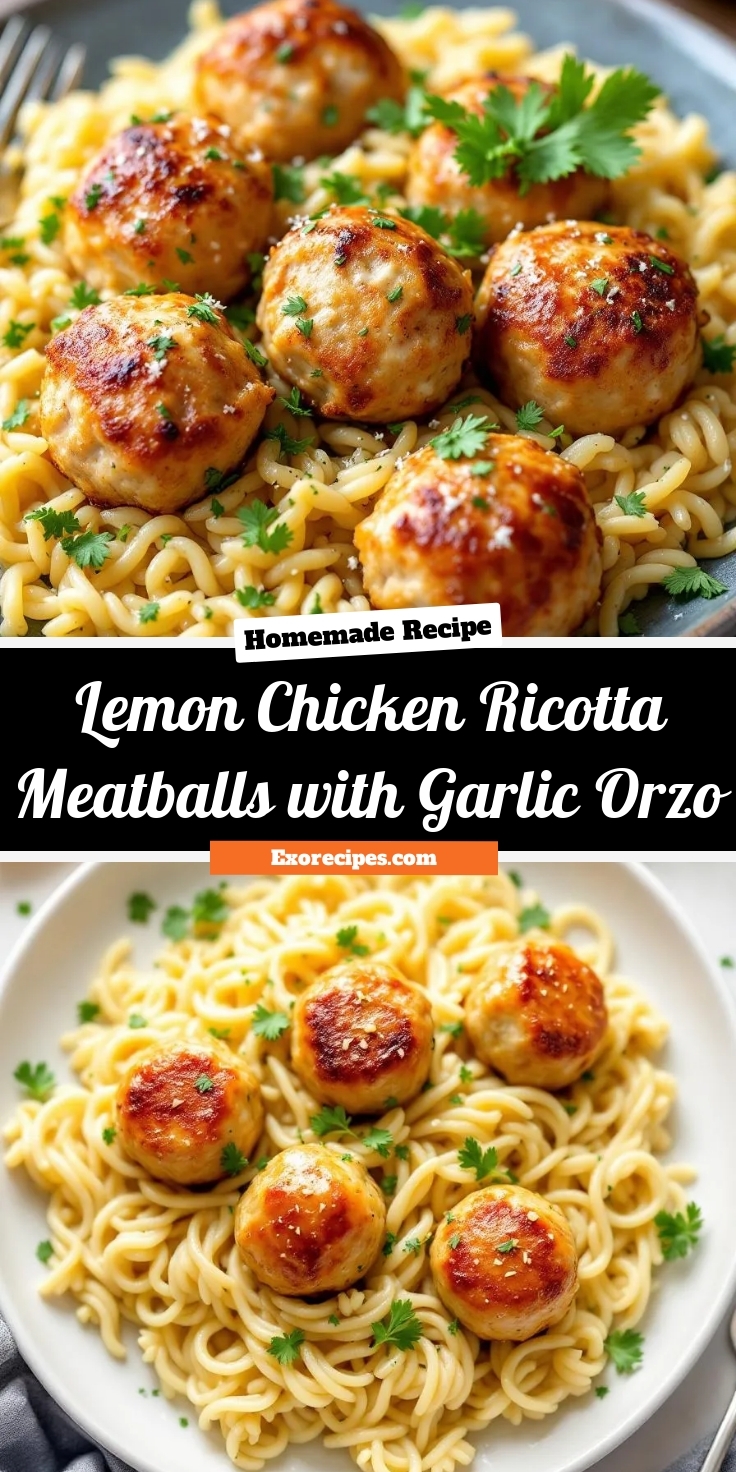
Best Lemon Chicken Ricotta Meatballs with Garlic Orzo
Introduction
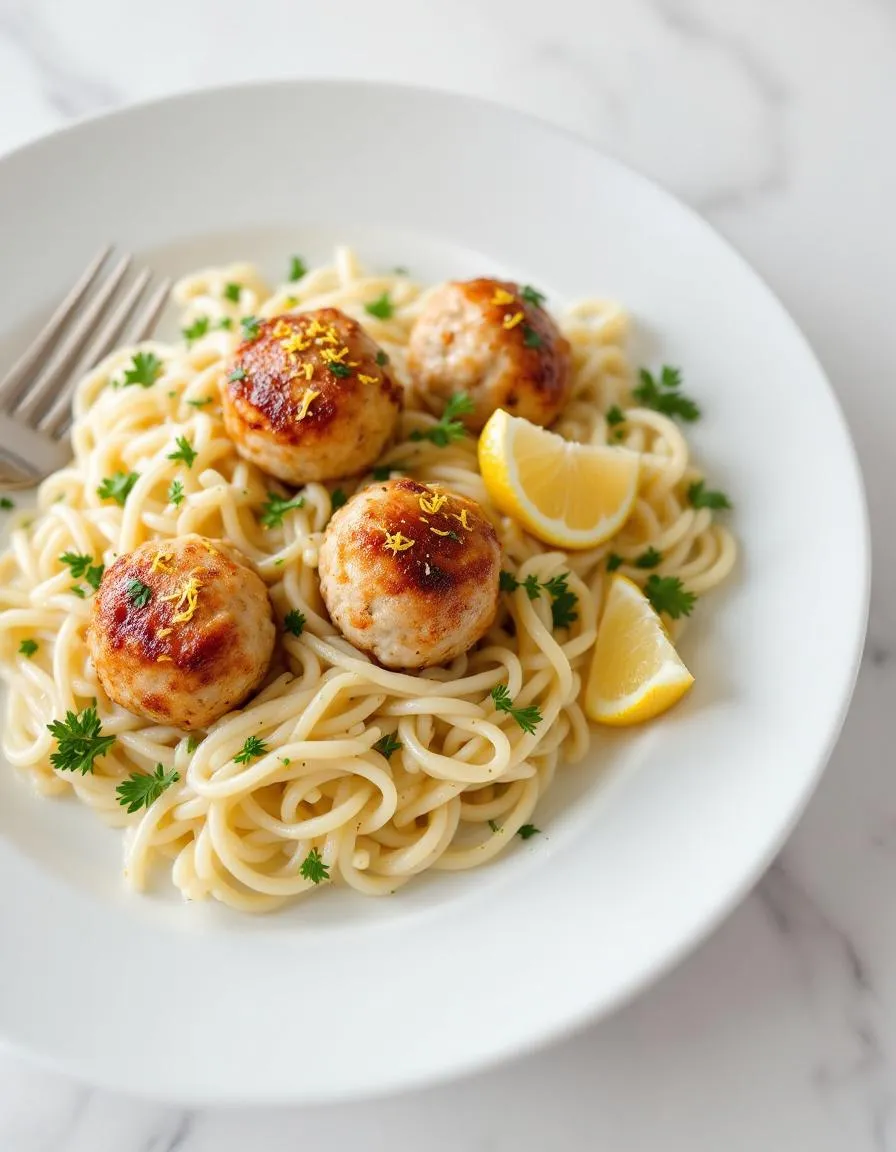
There’s something incredibly comforting about a meal that feels like a warm hug, and that’s exactly what Lemon Chicken Ricotta Meatballs with Garlic Orzo delivers. Whether you’re craving a cozy weeknight dinner or need a showstopping dish for guests, this recipe brings brightness, richness, and a touch of elegance to your table. Plus, it’s surprisingly simple to make, proving that gourmet flavors don’t have to come with complicated steps.
Lemon Chicken Ricotta Meatballs with Garlic Orzo combines tender, juicy meatballs infused with zesty lemon and creamy ricotta, served over a bed of fragrant garlic orzo. The dish balances vibrant citrus notes with savory depth, creating a harmony of flavors that’s both refreshing and satisfying. What makes it special? It’s versatile enough for casual family dinners yet impressive enough for entertaining. If you love dishes that feel indulgent without being heavy, like my Creamy Tuscan Chicken, you’ll adore this one. The recipe also reflects my philosophy of cooking with fresh, quality ingredients—something I emphasize in my Kitchen Essentials guide. Every bite tells a story of simplicity meeting sophistication.
Why I Love This Recipe
Lemon Chicken Ricotta Meatballs with Garlic Orzo holds a special place in my heart because it reminds me of Sunday dinners with my family. The bright lemon lifts the dish, while the ricotta keeps the meatballs irresistibly tender. It’s the kind of meal that sparks conversation and leaves everyone reaching for seconds. More importantly, it taught me that cooking isn’t just about feeding people—it’s about creating moments they’ll remember. Every time I make it, I’m reminded why I fell in love with the kitchen in the first place.
Health and Nutrition
Why it’s good for your body
Lemon Chicken Ricotta Meatballs with Garlic Orzo packs a nutritious punch while delighting your taste buds. First, the lean chicken provides high-quality protein to support muscle repair and keep you full longer. Meanwhile, ricotta cheese adds a creamy texture while boosting calcium and probiotics for gut health. Additionally, the bright lemon zest delivers a dose of vitamin C, which strengthens immunity and aids iron absorption.
Furthermore, garlic in the orzo not only enhances flavor but also offers anti-inflammatory benefits. The whole wheat orzo, if used, adds fiber to promote digestion and steady energy levels. Together, these ingredients create a balanced meal that fuels your body without weighing you down. Because Lemon Chicken Ricotta Meatballs with Garlic Orzo combines lean protein, wholesome carbs, and healthy fats, it satisfies cravings while nourishing you from the inside out.
Finally, this dish avoids heavy creams or excessive oils, making it a lighter alternative to traditional pasta dishes. Whether you need a post-workout meal or a family-friendly dinner, Lemon Chicken Ricotta Meatballs with Garlic Orzo delivers flavor and nutrition in every bite.
How it fits in a healthy lifestyle
Lemon Chicken Ricotta Meatballs with Garlic Orzo fits seamlessly into a balanced diet. If you prioritize high-protein meals, the chicken and ricotta provide nearly 30 grams of protein per serving. For those watching carbs, swapping regular orzo for a whole-grain or legume-based version keeps the dish gluten-free and fiber-rich. You can also pair it with a simple side salad for extra veggies without compromising flavor.
This recipe aligns with heart-healthy eating too, thanks to lean poultry and minimal saturated fats. If you love meal prepping, it stores well for quick lunches or dinners throughout the week. For more gluten-free ideas, check out our gluten-free meal prep guide. And if you’re exploring other high-protein dishes, our high-protein dinner roundup offers plenty of inspiration. With simple tweaks, Lemon Chicken Ricotta Meatballs with Garlic Orzo adapts to nearly any dietary goal while keeping meals exciting and satisfying.
Juicy chicken meatballs with ricotta and lemon zest served over garlic-infused orzo for a comforting meal.
Ingredients
Scale
For the Crust:
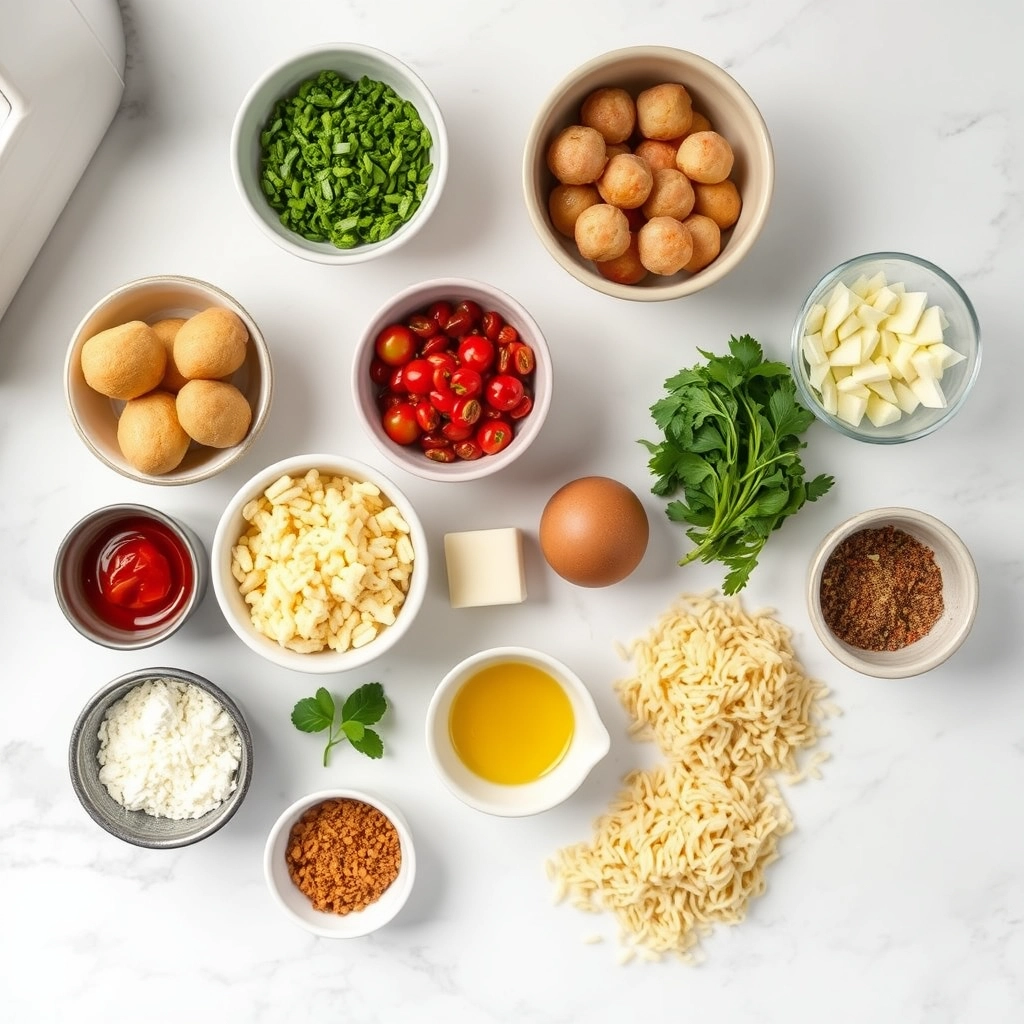
1 lb ground chicken
1/2 cup ricotta cheese
1/4 cup breadcrumbs
1 egg
1 tbsp lemon zest
2 cloves garlic, minced
1 tsp dried oregano
Salt and pepper to taste
1 cup orzo
2 tbsp olive oil
2 cups chicken broth
1 tbsp butter
Fresh parsley for garnish
Instructions
1. Prepare the Crust:
In a bowl, mix ground chicken, ricotta, breadcrumbs, egg, lemon zest, half the minced garlic, oregano, salt, and pepper. Form into 1-inch meatballs.
Heat 1 tbsp olive oil in a skillet over medium heat. Cook meatballs until browned and cooked through, about 10-12 minutes. Remove and set aside.
In the same skillet, add remaining olive oil and garlic. Sauté for 30 seconds, then add orzo. Toast for 2 minutes.
Pour in chicken broth, bring to a boil, then reduce heat to simmer. Cover and cook until orzo is tender, about 10 minutes. Stir in butter.
Serve meatballs over garlic orzo, garnished with fresh parsley.
Notes
You can customize the seasonings to taste.
How to Prepare This Dish
Steps and time-saving tips
Start by preheating your oven to 375°F so it’s ready when you are. While it heats, grab a large bowl and mix the ground chicken, ricotta, breadcrumbs, lemon zest, and seasonings until just combined. Overmixing can make the meatballs tough, so stop as soon as everything is evenly distributed. Next, roll the mixture into 1-inch balls and place them on a parchment-lined baking sheet. For extra flavor, drizzle them lightly with olive oil before baking for 20-25 minutes until golden. Meanwhile, cook the orzo in salted boiling water until al dente, then drain and set aside. In the same pot, sauté minced garlic in butter until fragrant, then toss the orzo back in, stirring to coat every strand. Finally, plate the garlic orzo and top with the lemon chicken ricotta meatballs. Garnish with fresh parsley and a squeeze of lemon for brightness. To save time, prep the meatball mixture ahead and refrigerate it overnight—just bake when ready.
and-learned-from">Mistakes I’ve made and learned from
My first attempt at lemon chicken ricotta meatballs ended in dry, crumbly disaster because I skipped the ricotta—rookie mistake! Now I know it’s the key to keeping them tender. Another blunder? Crowding the baking sheet, which steamed the meatballs instead of browning them. Spacing them out fixed that fast. If you’re new to working with ground chicken, check out my guide on handling ground chicken to avoid common pitfalls. And if your orzo turns sticky, a splash of broth or a trick from my pasta texture guide will rescue it every time. Trust me, these tweaks make all the difference.
Cultural Connection and Variations
Where this recipe comes from
Lemon Chicken Ricotta Meatballs with Garlic Orzo feels like a love letter to Mediterranean flavors with a comforting twist. While meatballs appear in countless cultures—from Swedish köttbullar to Middle Eastern kofta—this version leans into Italian-American traditions, where ricotta softens the texture and lemon brightens every bite. In Sicily, cooks often add citrus to savory dishes, balancing richness with acidity. Meanwhile, garlic orzo mirrors the way Greek and Turkish cuisines use pasta in pilafs.
My grandmother made a s
impler version with ground turkey and breadcrumbs, but the ricotta was her secret. Over time, I tweaked it, inspired by a trip to Southern Italy where lemons grow abundantly. Some families skip the orzo entirely, serving these meatballs over creamy polenta or tangled in zucchini noodles. Others fold in herbs like mint or oregano for regional flair. No matter the variation, Lemon Chicken Ricotta Meatballs with Garlic Orzo always feels like a hug on a plate.
How it fits in today’s cooking
Today, this dish bridges weeknight ease and weekend indulgence. Meal preppers bake the meatballs ahead, while food bloggers spotlight them as a lighter alternative to beef-heavy recipes. Since orzo cooks faster than traditional pasta, it fits modern routines perfectly. For busy families, pairing it with a simple roasted vegetable side turns dinner into a balanced feast.
During spring, the lemony notes make it ideal for Easter or Mother’s Day brunches. Some cooks even repurpose leftovers into next-day grain bowls, drizzling them with lemon-tahini dressing. Whether you stick to the classic or experiment with gluten-free orzo, Lemon Chicken Ricotta Meatballs with Garlic Orzo adapts without losing its soul.
>Taste and Texture
What makes it delicious
Lemon Chicken Ricotta Meatballs with Garlic Orzo delivers a bright, comforting bite that balances tangy and savory flavors. The meatballs burst with juicy tenderness, thanks to ricotta’s creamy richness and lemon zest’s zingy freshness. Meanwhile, garlic-infused orzo offers a buttery, slightly chewy base that soaks up every drop of flavor. Each forkful brings a harmony of textures—soft yet firm meatballs, silky pasta, and a hint of crispness from golden-brown edges. Fragrant garlic, herbal parsley, and citrusy brightness make every bite irresistible. Whether served warm or as leftovers, Lemon Chicken Ricotta Meatballs with Garlic Orzo keeps your taste buds dancing.
Boosting the flavor
Elevate your dish by swapping regular parsley for fresh basil or oregano to add an earthy depth. For extra richness, drizzle with a quick lemon-garlic aioli or sprinkle with toasted pine nuts. If you love heat, a pinch of red pepper flakes or a dash of smoked paprika will add warmth without overpowering the lemon’s brightness. A handful of baby spinach stirred into the orzo just before serving introduces a fresh, vibrant contrast. With these tweaks, Lemon Chicken Ricotta Meatballs with Garlic Orzo becomes even more memorable.
Tips for Success
Best practices for results
Always mix the ricotta and ground chicken gently to keep the meatballs tender. For the best texture, chill the mixture for 15 minutes before shaping. Meanwhile, toast the orzo lightly in olive oil to deepen its flavor before adding liquid. Use fresh lemon zest and juice to brighten the dish, and don’t skip the garlic—it’s key for balancing the richness of the Lemon Chicken Ricotta Meatballs with Garlic Orzo. Finally, let the meatballs rest for a few minutes after cooking so they hold their shape when served.
Mistakes to avoid
Overmixing the meatball mixture can make it dense, so fold the ingredients just until combined. Additionally, avoid overcrowding the pan when browning the meatballs, as they’ll steam instead of sear. For perfectly cooked orzo, check out our guide on how to cook orzo to nail the texture every time. Lastly, don’t rush the garlic—burning it will add bitterness. If you’re new to working with garlic, our tips on garlic cooking techniques will help you master the timing.
Serving and Pairing Suggestions
How to serve this dish
For a stunning presentation, plate your Lemon Chicken Ricotta Meatballs with Garlic Orzo on a wide, shallow bowl to showcase the vibrant colors. Top with a sprinkle of fresh parsley or microgreens for a pop of green, and add lemon zest for extra brightness. Meanwhile, this dish shines at family dinners, but it also works beautifully for casual gatherings or even a cozy date night. If you want to elevate it further, serve the meatballs skewered on small appetizer forks alongside the orzo for a fun, interactive twist.
h-it">What goes well with it
A crisp, citrusy white wine like Sauvignon Blanc enhances the lemon notes in Lemon Chicken Ricotta Meatballs with Garlic Orzo, while a light arugula salad with shaved Parmesan adds a peppery contrast. For heartier meals, pair it with roasted vegetables or our Garlic Herb Focaccia to soak up the flavorful juices. Finally, if you love creamy dips, try our Whipped Feta Dip as a tangy starter that sets the stage for the main course.
What makes Lemon Chicken Ricotta Meatballs with Garlic Orzo special?
Lemon Chicken Ricotta Meatballs with Garlic Orzo stands out for its bright citrus flavor and creamy ricotta texture, paired with aromatic garlic-infused orzo. The dish balances tangy lemon zest with savory herbs, creating a restaurant-quality meal at home.
rank-math-faq-item">
Can I substitute ground turkey in Lemon Chicken Ricotta Meatballs?
Yes, ground turkey works well as a leaner alternative in Lemon Chicken Ricotta Meatballs with Garlic Orzo. Adjust cooking time slightly as turkey may dry out faster—keep the ricotta to maintain moisture and flavor.
How do I prevent Lemon Chicken Ricotta Meatballs from falling apart?
Chill the meatball mixture for 20 minutes before shaping, and avoid overmixing. The ricotta and egg in Lemon Chicken Ricotta Meatballs with Garlic Orzo act as binders—cook them gently in a skillet for a perfect sear.
What sides pair well with Garlic Orzo in this dish?
Light salads like arugula with lemon vinaigrette or roasted asparagus complement Lemon Chicken Ricotta Meatballs with Garlic Orzo beautifully. The orzo’s garlicky richness pairs well with crisp, fresh vegetables.
>
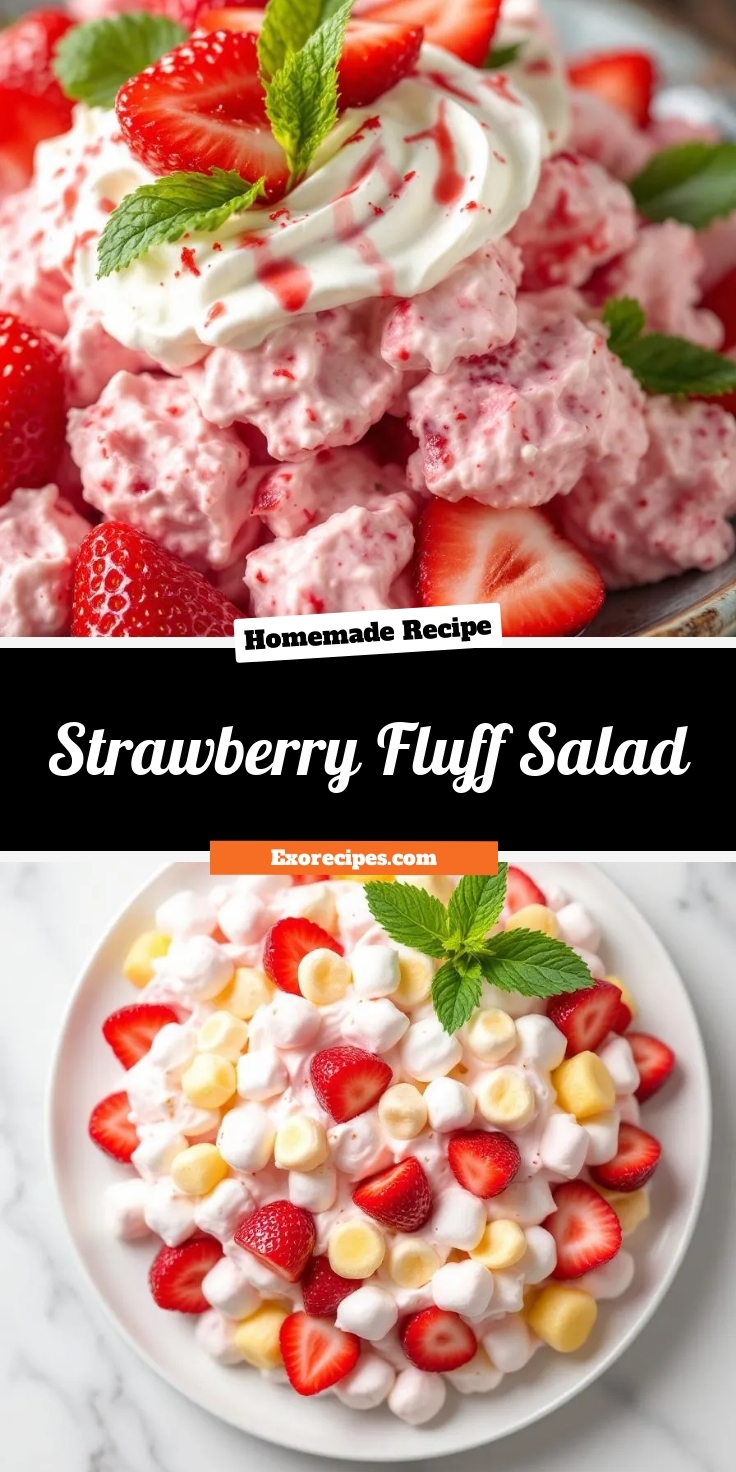
Best Strawberry Fluff Salad – Easy Dessert Recipe
Introduction
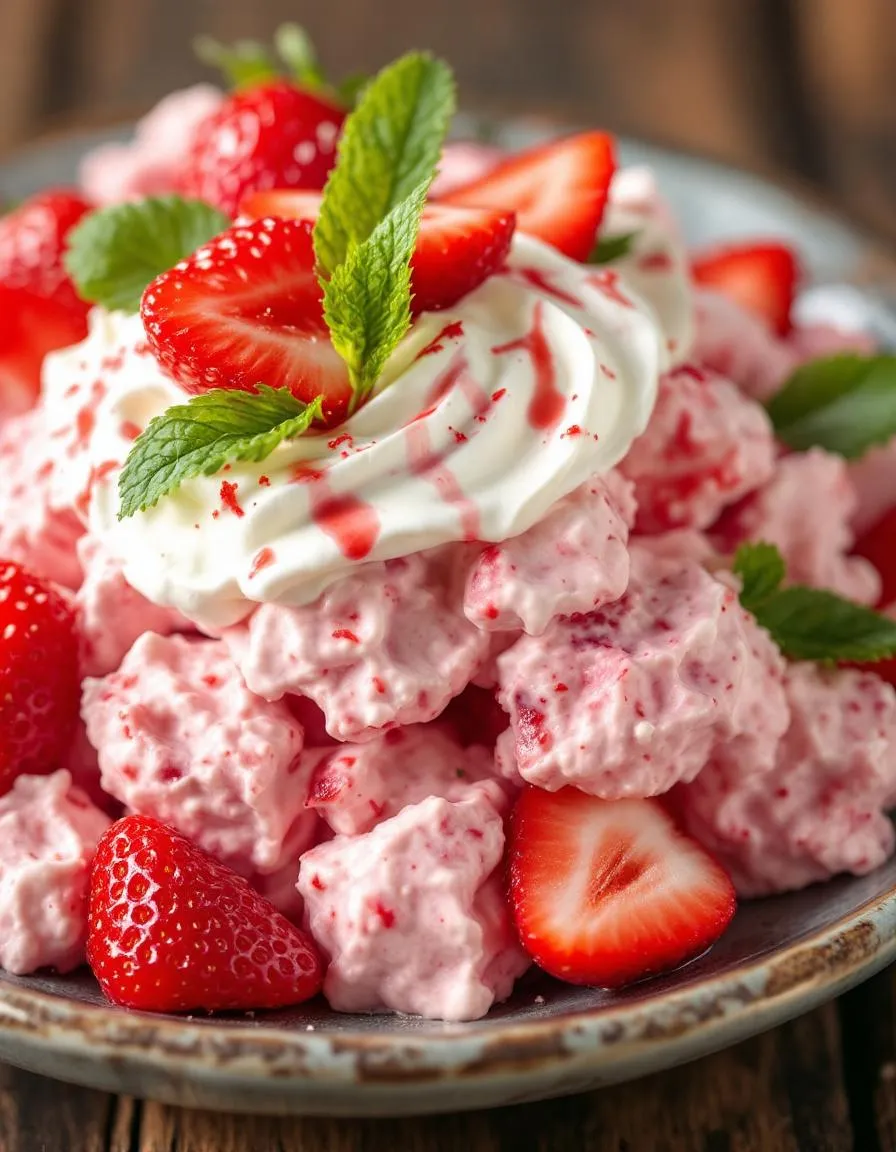
There’s something undeniably joyful about a dessert that feels like a celebration in every bite. Whether you’re hosting a summer picnic, craving a sweet treat, or simply need a little pick-me-up, Strawberry Fluff Salad delivers. Light, fluffy, and bursting with fruity flavor, this dish brings back memories of family gatherings and sunny afternoons. Plus, it’s incredibly easy to whip up, making it perfect for busy days when you want something delicious without the fuss.
Strawberry Fluff Salad is a nostalgic yet refreshing dessert that combines creamy sweetness with the bright tang of fresh strawberries. Often served at potlucks and BBQs, it’s a crowd-pleaser that bridges generations. Unlike heavy desserts, this airy treat feels indulgent without weighing you down. At brekcakes.com, we celebrate recipes that balance simplicity and flavor, and this one fits right in. If you love easy, shareable dishes, you’ll adore our Classic Ambrosia Salad or our Creamy Fruit Salad. Each bite of Strawberry Fluff Salad is a little reminder that good food doesn’t have to be complicated to be unforgettable.
Why I Love This Recipe
Strawberry Fluff Salad holds a special place in my heart because it was the first dessert I ever made for a family reunion. I remember nervously watching as my relatives scooped seconds onto their plates, their smiles telling me everything I needed to know. Now, whenever I make it, I’m transported back to that moment—proof that food isn’t just about taste, but the memories we create around it. It’s a recipe that never fails to bring people together, and that’s why I keep coming back to it year after year.
Health and Nutrition
Why it’s good for your body
Strawberry Fluff Salad packs a nutritious punch while tasting like a sweet treat. First, fresh strawberries deliver a hefty dose of vitamin C, which boosts immunity and supports glowing skin. Meanwhile, Greek yogurt adds protein and probiotics, helping your gut stay happy and balanced. Plus, the nuts or seeds often sprinkled on top provide healthy fats and crunch, keeping you satisfied longer.
Because Strawberry Fluff Salad combines fruit, dairy, and wholesome add-ins, it offers a well-rounded mix of macros and micronutrients. The natural sweetness from strawberries means you can enjoy dessert-like flavors without refined sugars. Additionally, the fiber in this dish aids digestion and helps stabilize blood sugar levels. Whether you serve it as a side or a light meal, Strawberry Fluff Salad fuels your body without weighing you down.
Finally, this salad adapts easily to dietary needs. For instance, you can swap ingredients to make it dairy-free or lower in carbs. With its vibrant colors and fresh ingredients, Strawberry Fluff Salad proves that healthy eating doesn’t have to be boring. Every bite delivers vitamins, minerals, and joy.
How it fits in a healthy lifestyle
Strawberry Fluff Salad fits perfectly into a balanced diet, whether you’re focusing on heart health, weight management, or simply eating more whole foods. Its combination of protein, fiber, and healthy fats makes it a smart choice for curbing cravings or fueling a busy day. If you’re meal prepping, it stores well and stays fresh for quick, nutritious snacks.
For gluten-free eaters or those with dietary restrictions, this salad naturally avoids common allergens while still feeling indulgent. Pair it with a protein-rich main dish for a complete meal, or enjoy it solo as a refreshing dessert alternative. If you’re exploring more ways to incorporate fruit into your diet, check out our guide to fruit-based desserts for extra inspiration. Strawberry Fluff Salad proves that healthy choices can be delicious and effortless.
A light and fluffy dessert salad with fresh strawberries and creamy texture.
Ingredients
Scale
For the Crust:
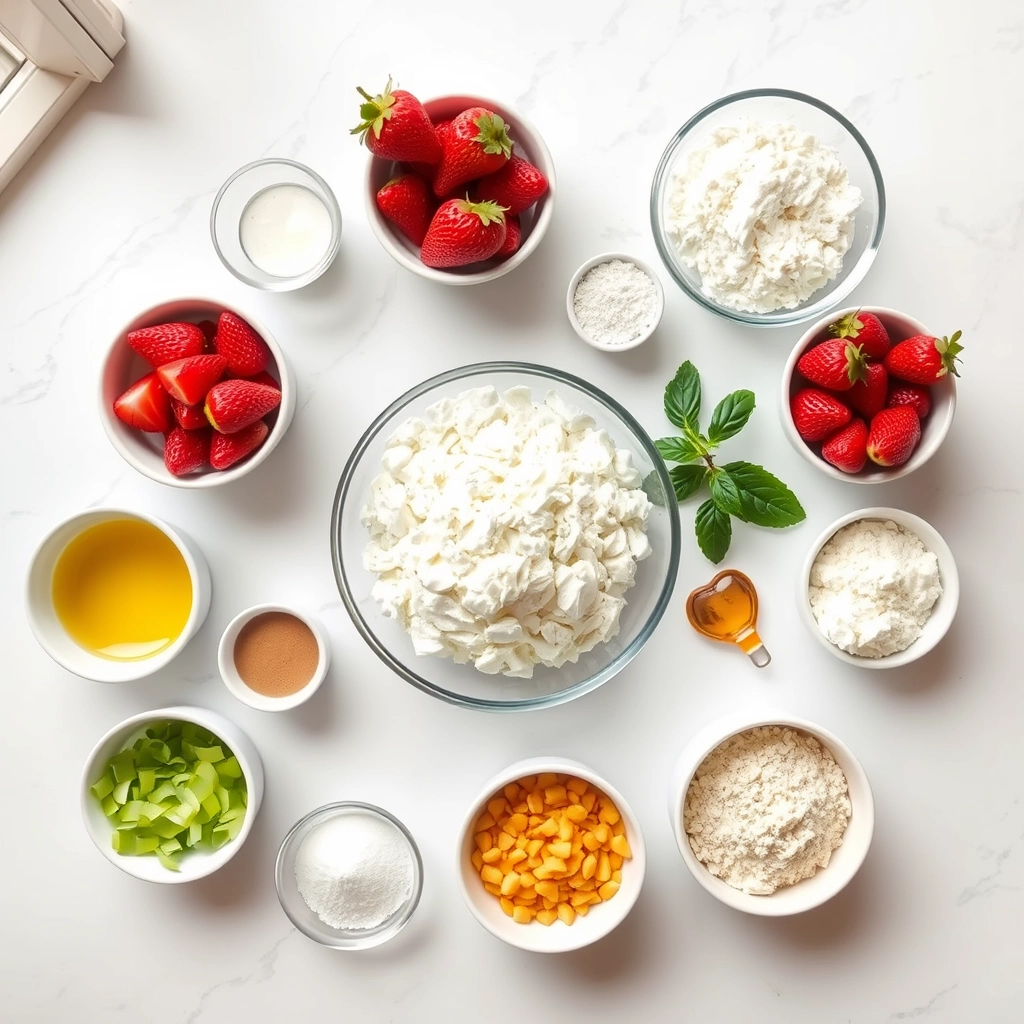
1 lb fresh strawberries, hulled and sliced
1 (8 oz) container whipped topping
1 (3.4 oz) package instant vanilla pudding mix
1 (20 oz) can crushed pineapple, drained
1 cup mini marshmallows
Instructions
1. Prepare the Crust:
In a large bowl, combine the sliced strawberries and crushed pineapple.
Add the instant vanilla pudding mix and stir until well combined.
Fold in the whipped topping until the mixture is smooth and fluffy.
Gently stir in the mini marshmallows.
Cover and refrigerate for at least 1 hour before serving.
Notes
You can customize the seasonings to taste.
“`html
="how-to-prepare-this-dish">How to Prepare This Dish
Steps and time-saving tips
Start by gathering all your ingredients for the Strawberry Fluff Salad to streamline the process. First, wash and hull the strawberries, then slice them into bite-sized pieces. Next, grab a large mixing bowl and combine the whipped topping, instant pudding mix, and sweetened condensed milk. Whisk everything together until smooth and creamy. Gently fold in the sliced strawberries and mini marshmallows to keep the texture light and fluffy. For an extra crunch, add chopped nuts or granola if you like. Once everything blends well, transfer the Strawberry Fluff Salad to a serving dish and chill it for at least an hour. This step lets the flavors meld while keeping the dessert refreshing. If you’re short on time, pop it in the freezer for 20 minutes instead. Just before serving, drizzle a little honey or sprinkle crushed graham crackers on top for a finishing touch.
Mistakes I’ve made and learned from
When I first made Strawberry Fluff Salad, I rushed the chilling step and served it too soon. The texture turned out runny instead of fluffy. Now, I always plan ahead and let it set properly. Another time, I overmixed the ingredients and deflated the whipped topping, which made the salad dense. A light hand works best for that airy consistency. If you’re new to no-bake desserts, check out my guide on common no-bake mistakes to avoid similar slip-ups. Also, if your strawberries are too tart, toss them with a bit of sugar before adding them to the mix. For more tips on balancing flavors, read my post on perfecting sweet and tangy desserts. Trust me, these small tweaks make a big difference!
Strawberry Fluff Salad traces its roots back to mid-20th century America, where convenience foods met home cooking in the most delightful way. Originally popular in the Midwest, this dish became a potluck staple thanks to its creamy texture and vibrant flavors. Families often served it during summer picnics or church gatherings, where its sweet-tart profile won over crowds. Meanwhile, in the South, some cooks added crushed pineapple or toasted pecans for extra crunch.
Interestingly, variatio
ns of Strawberry Fluff Salad pop up worldwide. In Australia, they might fold in passionfruit pulp for a tropical twist. Scandinavian versions sometimes swap strawberries for lingonberries, pairing them with cloudberry yogurt. My grandma, however, insisted on using fresh-picked strawberries and homemade whipped cream, claiming store-bought marshmallows “ruined the purity.” Whether you prefer it classic or creative, Strawberry Fluff Salad always carries that nostalgic charm.
How it fits in today’s cooking
Today, Strawberry Fluff Salad still shines at family reunions and holiday spreads, especially during Easter brunches or Fourth of July barbecues. Modern cooks often lighten it up with Greek yogurt instead of Cool Whip or toss in chia seeds for extra nutrition. Some even layer it into parfaits for a healthier dessert option, proving its versatility.
Busy parents love how quickly it comes together for weeknight treats, while food bloggers reinvent it as a showstopping summer side. Whether you’re craving retro comfort or a fresh spin on tradition, Strawberry Fluff Salad fits right into today’s kitchens. Its adaptability keeps it relevant, just like those cherished family recipes we can’t imagine losing.
>Taste and Texture
What makes it delicious
Strawberry Fluff Salad delights with a symphony of sweet, creamy, and refreshing flavors. Juicy strawberries burst with natural sweetness, while the fluffy marshmallow base adds a pillowy softness that melts in your mouth. Meanwhile, a hint of tang from whipped cream or yogurt balances the richness, creating a perfect harmony. Every bite offers a playful contrast—crunchy nuts or graham crackers add a satisfying texture, while the cool, airy consistency makes it irresistible. The aroma of fresh strawberries and vanilla lingers, making Strawberry Fluff Salad a treat for both the palate and the senses.
Boosting the flavor
Elevate your Strawberry Fluff Salad by folding in citrus zest for a bright, zesty kick or swapping plain yogurt for homemade vanilla yogurt to deepen the flavor. For extra crunch, sprinkle toasted coconut or chopped pecans on top. If you love a touch of warmth, a drizzle of honey cinnamon syrup adds cozy depth. Experiment with fresh mint or a splash of lemon juice to keep the flavors vibrant and layered. With these tweaks, your Strawberry Fluff Salad will shine even brighter at any gathering.
Tips for Success
Best practices for results
Always use fresh strawberries for the brightest flavor in your Strawberry Fluff Salad. Meanwhile, chill your mixing bowl beforehand to help the whipped cream hold its shape. For the fluffiest texture, gently fold the ingredients together instead of stirring aggressively. Additionally, let the salad rest in the fridge for at least 30 minutes before serving to let the flavors meld. Finally, garnish with extra strawberry slices right before serving for a vibrant presentation.
Mistakes to avoid
Avoid overmixing the whipped cream, or it may turn grainy and lose its lightness. Instead, stop as soon as soft peaks form. Also, don’t skip draining the canned fruit well, as excess liquid can make your Strawberry Fluff Salad soggy. For more tips on handling whipped cream, check out our guide on perfect whipped cream. Furthermore, resist adding marshmallows too early, or they’ll dissolve. For ideal timing, follow our marshmallow tips to keep them fluffy.
Serving and Pairing Suggestions
How to serve this dish
Bring out the vibrant colors of Strawberry Fluff Salad by serving it in a clear glass bowl or individual mason jars. This way, the layers of fluffy goodness and fresh strawberries shine through. For a festive touch, top it with extra strawberry slices or a sprinkle of crushed graham crackers. Meanwhile, this dish makes a perfect addition to summer picnics, potlucks, or even as a light dessert after a hearty meal. If you want to impress guests, pair it with a dollop of whipped cream and mint leaves for an elegant finish.
h-it">What goes well with it
Strawberry Fluff Salad pairs wonderfully with a crisp glass of lemonade or iced tea, balancing its creamy sweetness with a refreshing tang. For a heartier meal, serve it alongside grilled chicken or a fresh green salad, creating a satisfying contrast of flavors and textures. Additionally, if you love fruity desserts, try pairing it with our Easy Strawberry Shortcake for a berry-filled feast. Alternatively, our Classic Lemon Bars add a zesty twist that complements the salad’s light and fluffy profile.
What is Strawberry Fluff Salad made of?
Strawberry Fluff Salad typically combines fresh strawberries, whipped topping, mini marshmallows, and sometimes cottage cheese or pudding mix. This light and creamy dessert salad gets its fluffy texture from the whipped cream or Cool Whip, making it a hit at potlucks and summer gatherings.
rank-math-faq-item">
How long does Strawberry Fluff Salad last in the fridge?
Strawberry Fluff Salad stays fresh for 2-3 days when stored in an airtight container in the refrigerator. The whipped topping may soften over time, and the strawberries can release juice, so it’s best enjoyed within 24 hours for optimal texture.
Can you freeze Strawberry Fluff Salad?
Freezing Strawberry Fluff Salad isn’t recommended because the whipped topping and marshmallows will lose their fluffy texture when thawed. Fresh strawberries also become mushy after freezing, so this dessert salad is best made fresh.
Is Strawberry Fluff Salad gluten-free?
Yes, Strawberry Fluff Salad is naturally gluten-free if you use gluten-free ingredients like plain whipped topping and marshmallows. Always check labels if using pudding mix or other additives, as some brands may contain gluten.
>
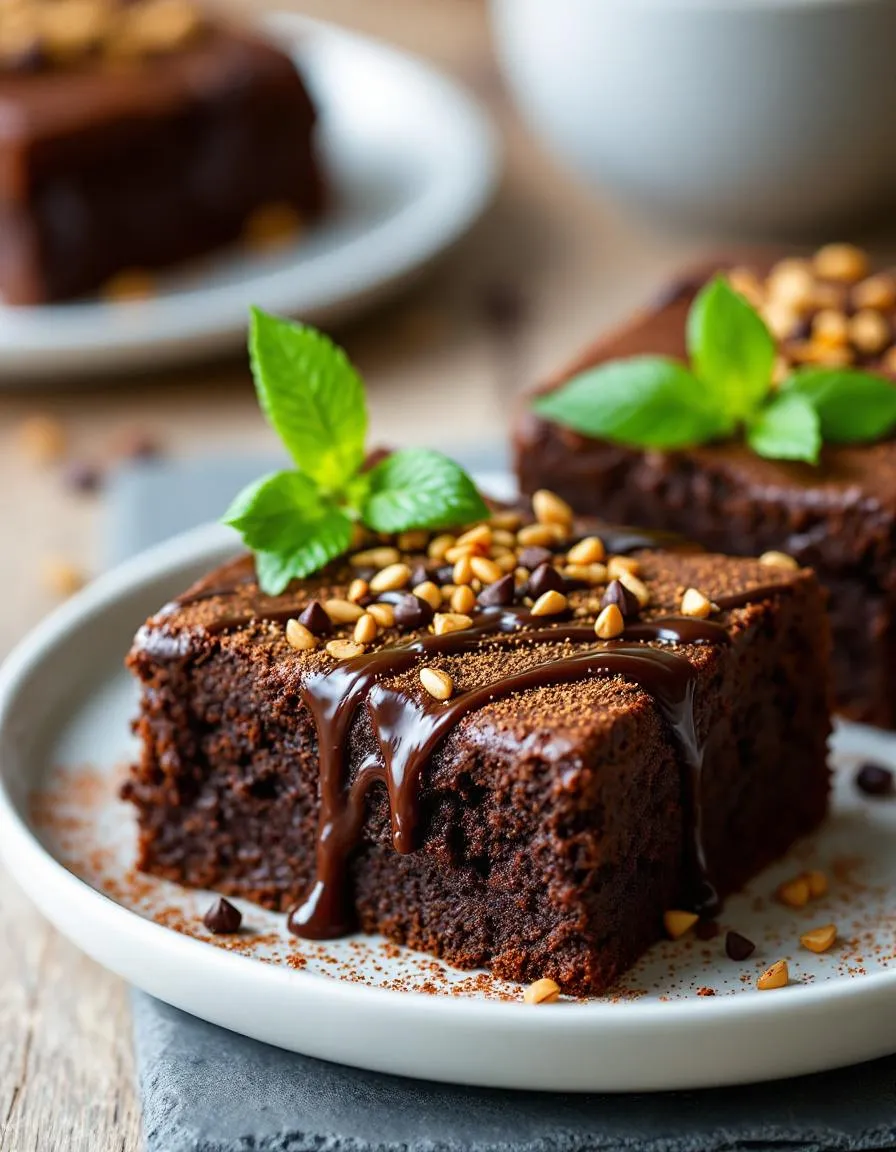
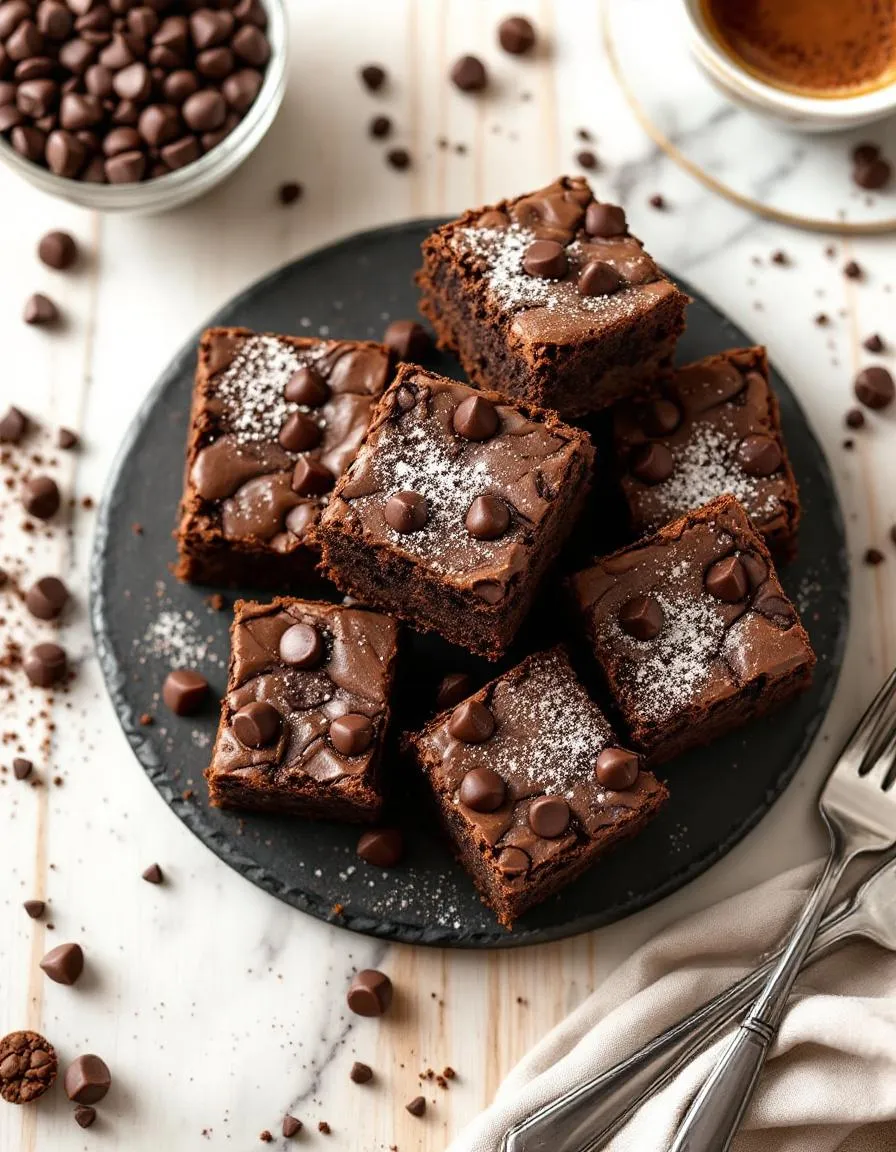
Best Espresso Brownies – Rich and Fudgy Recipe
Introduction
There’s something undeniably comforting about biting into a rich, fudgy brownie—especially when it carries the bold kick of espresso. Whether you need a midday pick-me-up or a decadent dessert to impress guests, these Espresso Brownies deliver every time. Moreover, they blend the cozy familiarity of chocolate with the sophisticated depth of coffee, creating a treat that feels both indulgent and refined. Trust me, once you try them, you’ll understand why they’ve become a staple in my kitchen.
Espresso Brownies are more than just a dessert—they’re a celebration of contrasts. The deep, earthy notes of espresso elevate the sweetness of the chocolate, resulting in a balanced flavor that satisfies cravings without overwhelming the palate. Perfect for coffee lovers and chocolate enthusiasts alike, this recipe fits seamlessly into brekcakes.com’s mission of approachable yet elevated baking. Whether you’re a seasoned baker or a beginner, you’ll find the process straightforward and rewarding. For more inspiration, check out my Chocolate Lava Cake or explore tips for perfecting baking with espresso. After all, great desserts should be as enjoyable to make as they are to eat.
Why I Love This Recipe
These Espresso Brownies hold a special place in my heart because they remind me of lazy Sunday afternoons spent baking with my mom. She always insisted that coffee and chocolate were a match made in heaven, and this recipe proves her right. Every time I make them, the aroma fills my kitchen with warmth, and the first bite takes me back to those cherished moments. Plus, seeing the joy they bring to friends and family makes all the effort worthwhile. If you’re looking for a dessert that feels like a hug in every bite, this is it.
Health and Nutrition
Why it’s good for your body
Espresso Brownies pack a surprising punch of nutrients while satisfying your sweet tooth. First, dark chocolate—the star ingredient—delivers antioxidants that fight inflammation and support heart health. Additionally, the espresso boosts mental clarity and focus thanks to its natural caffeine content. Together, these ingredients make Espresso Brownies a smarter indulgence than your average dessert.
Moreover, Espresso Brownies provide a quick energy lift without the crash of sugary snacks. The combination of coffee and cocoa also enhances mood by stimulating dopamine production. Meanwhile, the fiber from whole ingredients like almond flour or oats keeps digestion steady. Even better, you can tweak the recipe to reduce sugar without sacrificing flavor.
Finally, Espresso Brownies offer a guilt-free way to enjoy dessert. Because they use real, wholesome ingredients, you avoid artificial additives found in store-bought treats. Whether you need a midday pick-me-up or a post-dinner delight, these brownies deliver both taste and nutrition.
How it fits in a healthy lifestyle
Espresso Brownies fit seamlessly into a balanced diet when enjoyed mindfully. For instance, pairing a small square with a protein-rich snack like Greek yogurt creates a satisfying treat that stabilizes blood sugar. If you follow a gluten-free diet, simply swap regular flour for almond flour—a trick we also use in our Gluten-Free Chocolate Cake.
For those watching sugar intake, Espresso Brownies work well as an occasional reward within a structured eating plan. The caffeine content even makes them a great pre-workout bite when you need energy fast. And if you love baking with nutrient-dense ingredients, explore our Healthy Banana Bread for another wholesome option. Remember, moderation is key—savor each bite, and let Espresso Brownies complement your healthy habits.
Rich, fudgy brownies with a bold espresso kick for coffee lovers.
Ingredients
Scale
For the Crust:
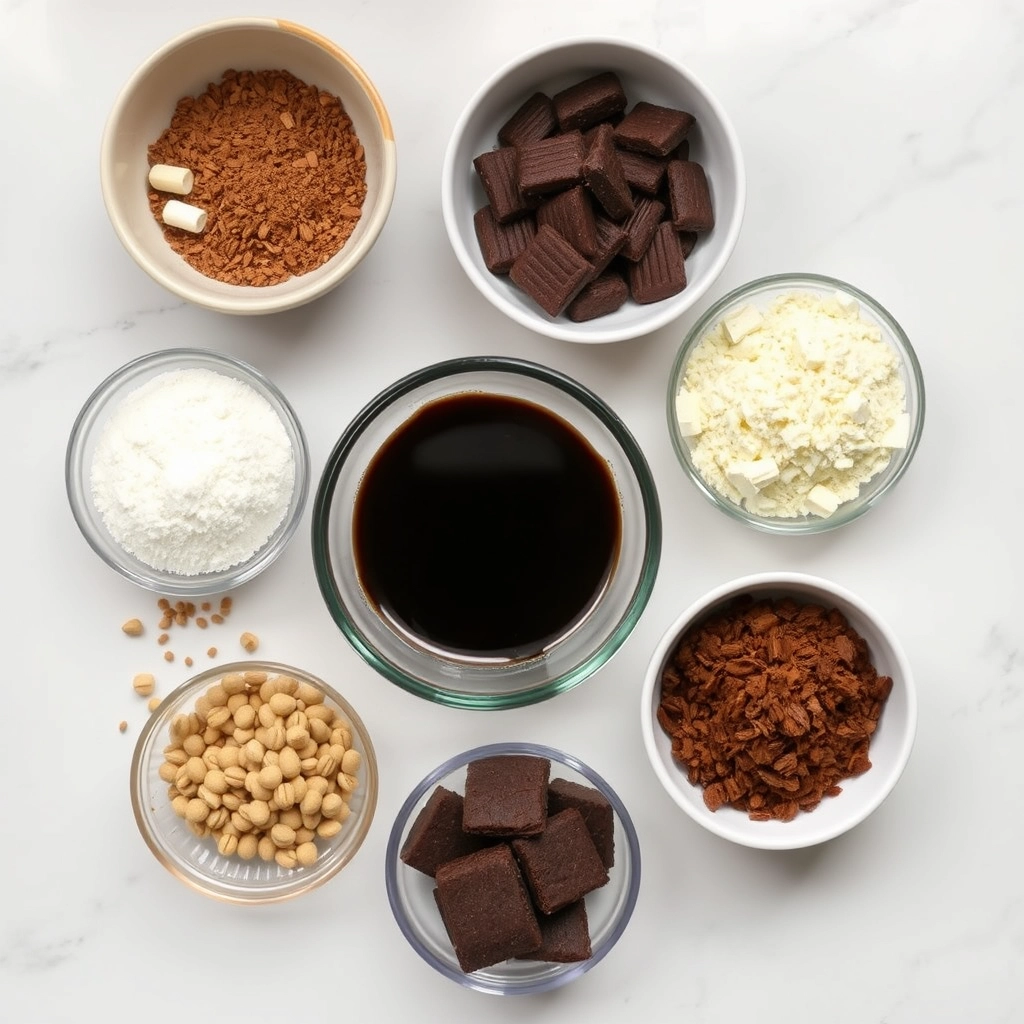
1 cup unsalted butter
2 cups granulated sugar
4 large eggs
1 tsp vanilla extract
1 cup all-purpose flour
3/4 cup cocoa powder
1 tbsp instant espresso powder
1/2 tsp salt
1 cup semi-sweet chocolate chips
Instructions
1. Prepare the Crust:
Preheat oven to 350°F (175°C). Grease a 9×13 inch baking pan.
Melt butter in a saucepan over low heat. Remove from heat and stir in sugar, eggs, and vanilla.
In a separate bowl, whisk together flour, cocoa powder, espresso powder, and salt.
Gradually add the dry ingredients to the wet mixture, stirring until just combined.
Fold in chocolate chips, then spread batter evenly into the prepared pan.
Bake for 25-30 minutes or until a toothpick inserted comes out with moist crumbs.
Cool completely before cutting into squares.
Notes
You can customize the seasonings to taste.
s-dish">How to Prepare This Dish
Steps and time-saving tips
Start by preheating your oven to 350°F and lining an 8×8-inch baking pan with parchment paper for easy removal. Melt the butter and chocolate together in a microwave-safe bowl, stirring every 20 seconds to avoid burning. Meanwhile, whisk the eggs, sugar, and vanilla in a large bowl until the mixture turns pale and slightly fluffy. Slowly pour the melted chocolate into the egg mixture, stirring constantly to combine. Next, sift in the flour, cocoa powder, and espresso powder, then gently fold everything together until just incorporated. Avoid overmixing to keep the Espresso Brownies tender. Spread the batter evenly into the prepared pan and bake for 25-30 minutes, or until a toothpick comes out with moist crumbs. Let them cool completely before slicing—this prevents crumbling. For a time-saving hack, use instant espresso powder instead of brewing fresh coffee, and opt for a hand mixer to speed up whisking the eggs.
Mistakes I’ve made and learned from
I once overbaked my Espresso Brownies because I misjudged the timing, leaving them dry and crumbly. Now, I set a timer for 25 minutes and check early, since ovens vary. Another blunder? Skipping the parchment paper—I ended up with brownies stuck to the pan. Lesson learned! If you’re new to baking with espresso, check out my guide on perfecting coffee flavor in baking to nail the balance. Also, if your batter ever seizes, don’t panic. Warm it slightly and stir gently, as explained in my chocolate mishaps troubleshooting post. Trust me, these small adjustments make all the difference.
n-and-variations">Cultural Connection and Variations
Where this recipe comes from
Espresso Brownies weave together two beloved traditions: rich chocolate desserts and the bold flavors of coffee. Originally, bakers in Italy and France experimented with adding espresso to chocolate cakes, creating a deeper, more complex taste. Over time, this idea crossed the Atlantic, and American home cooks embraced it, turning Espresso Brownies into a staple for coffee lovers.
In different regions, people put their own spin on the recipe. For example, in the Pacific Northwest, where coffee culture thrives, bakers often use locally roasted espresso for an extra punch. Meanwhile, in the South, some add a splash of bourbon for a boozy twist. Even within families, variations pop up—maybe your grandma swears by a dash of cinnamon, or your cousin tops them with sea salt for contrast.
Seasonally, Espresso Brownies shine year-round. They’re a cozy winter treat but also pair perfectly with summer iced coffee. No matter where or when you enjoy them, these brownies carry a little story in every bite—one that blends global flavors with personal touches.
ays-cooking">How it fits in today’s cooking
Today, Espresso Brownies hold their own as a versatile dessert. Busy home cooks love them because they’re easy to whip up yet feel indulgent. Many modern bakers tweak the recipe to fit dietary needs, like using almond flour or swapping in dairy-free chocolate. Others turn them into a showstopper by layering them into a decadent chocolate cake for special occasions.
They’ve also found a place in everyday routines. Picture this: a midday pick-me-up with your latte or a sweet ending to a weeknight meal. Plus, they’re a hit at gatherings, whether it’s a holiday potluck or a casual brunch. For more inspiration, check out how espresso elevates other treats in this guide to coffee desserts. Clearly, Espresso Brownies aren’t just a relic—they’re a delicious, adaptable classic.
Taste and Texture
What makes it delicious
Espresso Brownies deliver a rich, indulgent experience with every bite. The deep chocolate flavor melts on your tongue, while the espresso adds a bold, slightly bitter note that balances the sweetness. You’ll love the chewy, fudgy texture, which stays moist thanks to the perfect ratio of butter and sugar. As you take a bite, the fragrant aroma of coffee and cocoa fills the air, making each piece irresistible. A crackly top gives way to a dense, creamy center, creating a contrast that keeps you coming back for more. Espresso Brownies are the ultimate treat for anyone who craves a dessert with depth and sophistication.
r">Boosting the flavor
For an extra flavor kick, try swirling a spoonful of salted caramel sauce into the batter before baking—it adds a buttery sweetness that pairs perfectly with the espresso. Alternatively, sprinkle flaky sea salt on top right after baking to enhance the chocolate’s richness. If you love texture, fold in chopped toasted pecans for a nutty crunch. A dusting of cocoa powder or a drizzle of melted dark chocolate can also elevate these Espresso Brownies to gourmet status. Experiment with these tweaks to make each batch uniquely delicious.
Tips for Success
Best practices for results
For the best Espresso Brownies, always use freshly brewed espresso instead of instant powder for a richer flavor. Additionally, measure your ingredients precisely, especially the espresso, to avoid overpowering the chocolate. Line your baking pan with parchment paper to ensure easy removal and clean cuts. Finally, let the brownies cool completely before slicing, as this helps them set properly and keeps the texture fudgy.
>Mistakes to avoid
Avoid overmixing the batter, as this can make your Espresso Brownies dense instead of tender. For the perfect consistency, gently fold the dry ingredients into the wet ones just until combined. Also, don’t skip the step of blooming the espresso in warm butter, which enhances the coffee flavor. If you’re unsure about baking times, check out our guide on how to tell when brownies are done. Lastly, resist cutting them too soon—letting them cool ensures clean edges, as explained in our tips for cutting brownies neatly.
Serving and Pairing Suggestions
How to serve this dish
Espresso Brownies shine when you serve them warm with a dusting of powdered sugar or a drizzle of caramel for extra elegance. For a festive touch, top each square with a coffee bean or a dollop of whipped cream. Meanwhile, arrange them on a rustic wooden board for casual gatherings or stack them on a tiered stand for special occasions like holidays or brunch. Since these brownies pack rich flavor, cutting them into smaller bites makes them perfect for dessert platters or afternoon coffee breaks.
What goes well with it
Pair Espresso Brownies with a creamy vanilla latte to balance the deep coffee notes, or try them alongside a scoop of homemade cinnamon ice cream for a cozy contrast. If you prefer something lighter, fresh berries like raspberries or strawberries add a bright, tangy twist. For an indulgent treat, serve them with a side of salted caramel sauce to enhance the rich chocolate and espresso flavors.
Can I use instant coffee instead of espresso in Espresso Brownies?
Yes, you can substitute instant coffee for espresso in Espresso Brownies. Use 1-2 teaspoons of instant coffee dissolved in 1-2 tablespoons of hot water to replace the espresso powder. The flavor will still be rich, though slightly less intense than with espresso.
How do I make Espresso Brownies less bitter?
Balance the bitterness in Espresso Brownies by adding a touch more sugar or a splash of vanilla extract. You can also pair them with a sweet topping like whipped cream or caramel drizzle to offset the espresso’s bold flavor.
rank-math-faq-item">
What’s the best way to store Espresso Brownies?
Store Espresso Brownies in an airtight container at room temperature for up to 3 days or refrigerate for up to a week. For longer storage, freeze them in a sealed bag—they’ll stay fresh for up to 3 months.
Can I add chocolate chips to Espresso Brownies?
Absolutely! Chocolate chips enhance the texture and flavor of Espresso Brownies. Fold in ½ to 1 cup of semi-sweet or dark chocolate chips before baking for extra gooeyness and a delicious contrast to the espresso.
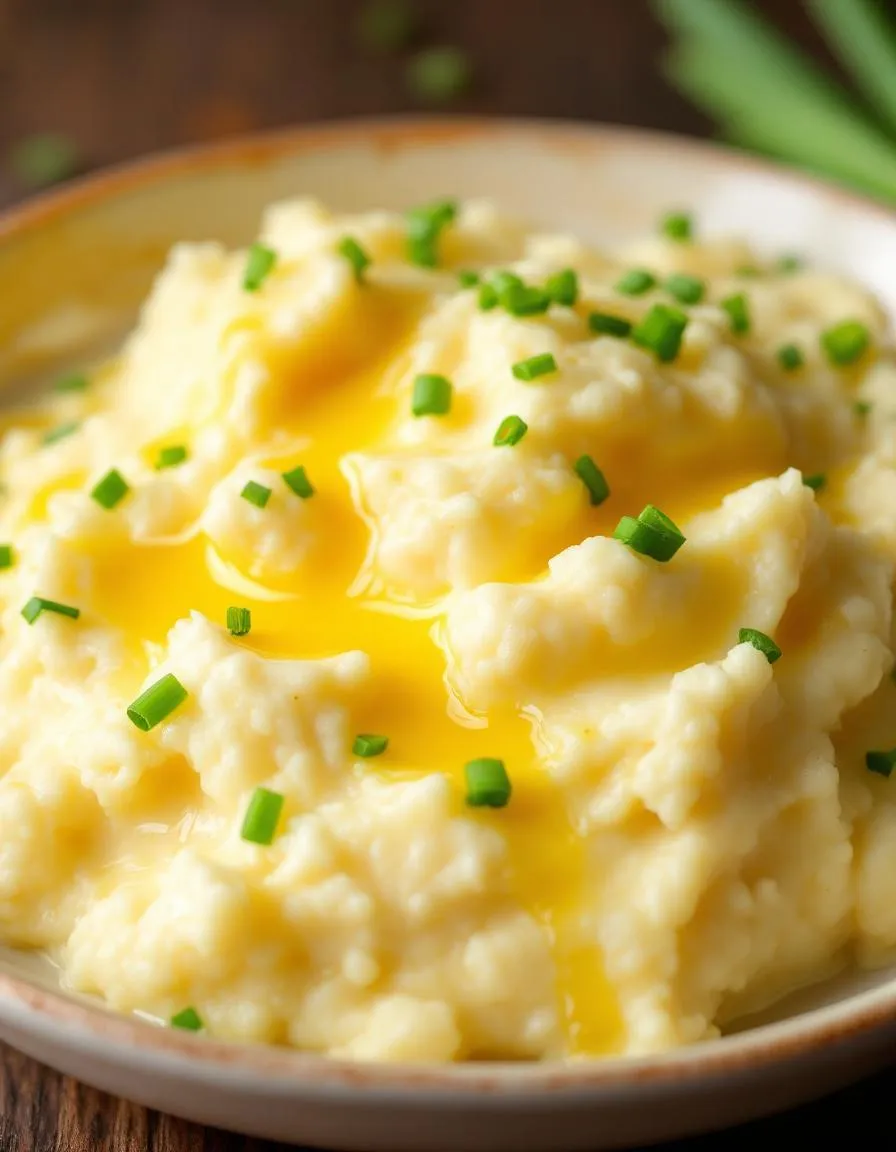
Best Creamy Mashed Cauliflower – Easy Low-Carb Recipe
Introduction
If you’ve ever craved the comfort of mashed potatoes but wanted something lighter, Creamy Mashed Cauliflower will become your new go-to. Not only does it deliver that same velvety texture and rich flavor, but it also packs a nutritious punch. Whether you’re looking for a low-carb alternative or simply want to sneak more veggies into your meals, this dish proves that healthy eating doesn’t mean sacrificing taste. Plus, it’s so easy to make that even busy weeknights won’t stand in your way.
Creamy Mashed Cauliflower is a versatile, guilt-free twist on a classic comfort food. By blending steamed cauliflower with butter, garlic, and a splash of cream, you create a dish that’s both indulgent and wholesome. Unlike traditional mashed potatoes, this version keeps carbs in check while offering a boost of fiber and vitamins. It pairs perfectly with everything from roasted chicken to holiday feasts, making it a staple for any occasion. Here at brekcakes.com, we celebrate recipes that balance flavor and nutrition, and this one fits right in. For more cozy side dishes, check out our Garlic Herb Roasted Carrots or explore our guide to Healthy Comfort Food Swaps.
Why I Love This Recipe
Creamy Mashed Cauliflower holds a special place in my heart because it’s the dish that won over my toughest critic—my dad. He used to insist nothing could replace his beloved mashed potatoes, but one bite of this creamy, garlicky version changed his mind. Now, it’s a regular at our family dinners, and I love how it brings everyone together without weighing us down. Every time I make it, I’m reminded that the best recipes aren’t just about taste—they’re about creating memories too.
Health and Nutrition
Why it’s good for your body
Creamy Mashed Cauliflower packs a nutritious punch while delivering comfort food satisfaction. First, it’s rich in fiber, which supports digestion and keeps you feeling full longer. Unlike traditional mashed potatoes, this dish also offers a significant dose of vitamins C and K, which boost immunity and bone health. Additionally, cauliflower contains antioxidants that help reduce inflammation in the body.
Another benefit of Creamy Mashed Cauliflower is its low carbohydrate content. For those watching their carb intake, this dish provides a satisfying alternative without spiking blood sugar levels. Moreover, cauliflower naturally contains choline, a nutrient that supports brain function and metabolism. When you blend it with wholesome ingredients like garlic and olive oil, you enhance both flavor and nutritional value.
Finally, Creamy Mashed Cauliflower is incredibly versatile. Whether you’re aiming for weight management or simply adding more veggies to your diet, it fits seamlessly into meals. Its light yet creamy texture makes it a crowd-pleaser, even for picky eaters. By choosing this dish, you’re nourishing your body without sacrificing taste.
How it fits in a healthy lifestyle
Creamy Mashed Cauliflower effortlessly aligns with various dietary goals. If you’re following a gluten-free or low-carb plan, it’s a perfect substitute for starchy sides. Heart-healthy eaters will appreciate its minimal saturated fat content, especially when prepared with olive oil instead of butter. For those focused on plant-based eating, it’s a delicious way to incorporate more vegetables into your routine.
Pairing Creamy Mashed Cauliflower with lean proteins like grilled chicken or garlic herb salmon creates a balanced meal. It also complements lighter dishes, such as a rainbow quinoa salad, for extra nutrients. Whether you’re meal prepping or serving a family dinner, this dish adapts to your lifestyle without extra effort. Plus, its simplicity means you can enjoy healthy eating even on busy nights.
A low-carb, creamy alternative to mashed potatoes made with cauliflower and rich seasonings.
Ingredients
Scale
For the Crust:
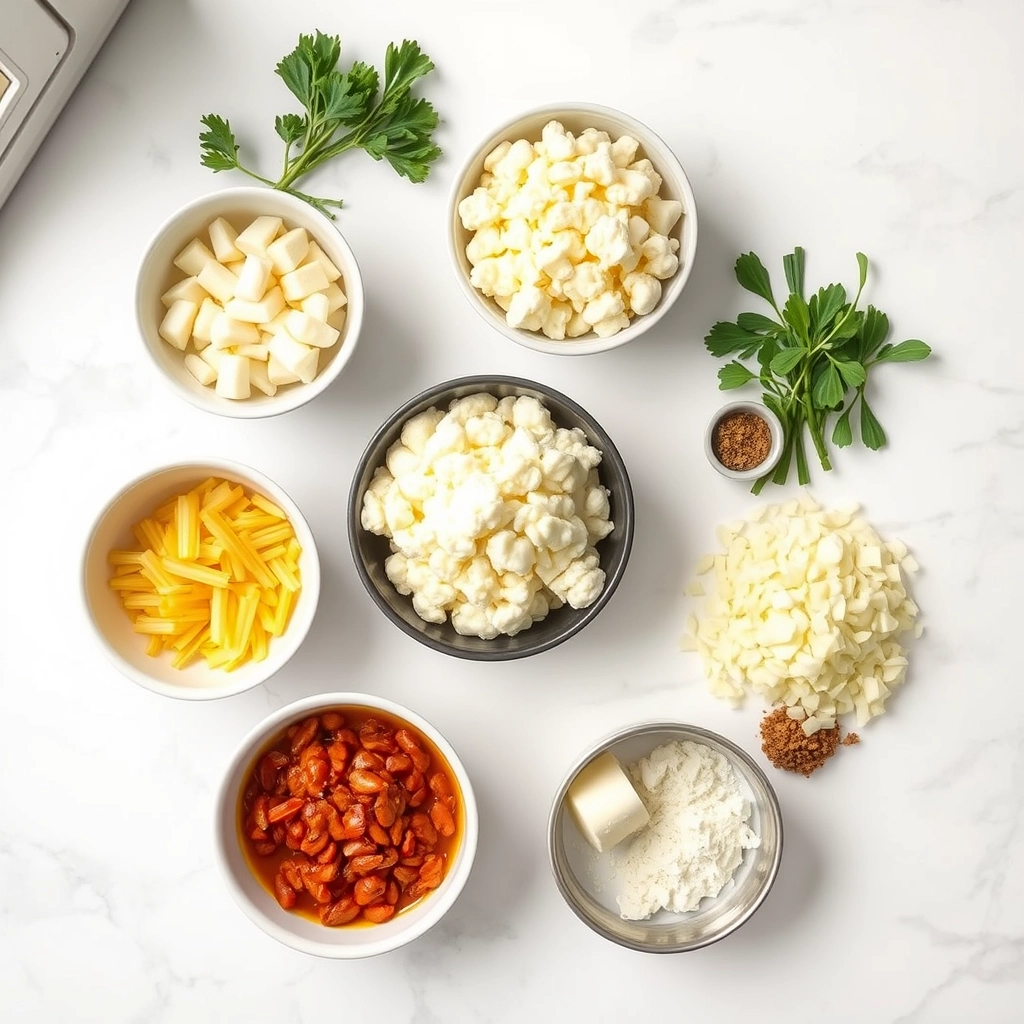
1 large head cauliflower, cut into florets
3 cloves garlic, minced
1/4 cup heavy cream
2 tablespoons butter
1/2 teaspoon salt
1/4 teaspoon black pepper
1/4 cup grated Parmesan cheese
1 tablespoon fresh chives, chopped
Instructions
1. Prepare the Crust:
Steam or boil cauliflower florets until very tender, about 10-12 minutes. Drain well.
In a skillet, melt butter over medium heat. Add minced garlic and sauté until fragrant, about 1 minute.
Transfer cooked cauliflower to a food processor. Add garlic butter, heavy cream, salt, and pepper. Blend until smooth.
Stir in Parmesan cheese and adjust seasoning if needed.
Garnish with fresh chives before serving.
Notes
You can customize the seasonings to taste.
s-dish">How to Prepare This Dish
Steps and time-saving tips
Start by chopping a large head of cauliflower into florets, then steam them until fork-tender—about 10 minutes. Meanwhile, warm your butter and cream cheese on the counter to soften them. Once the cauliflower is ready, drain it well to avoid watery mashed cauliflower. Toss the florets into a food processor or blender, then add the softened cream cheese, butter, a splash of heavy cream, and a pinch of garlic powder. Pulse until smooth, scraping down the sides as needed. For extra flavor, fold in shredded cheddar or a sprinkle of chives. If the mixture feels too thick, drizzle in more cream a tablespoon at a time. Taste and adjust the seasoning with salt and pepper before serving hot. To save time, prep the cauliflower a day ahead and store it in the fridge, then reheat and blend just before serving.
Mistakes I’ve made and learned from
Early on, I underestimated how much water cauliflower holds, and my first batch turned out soupy. Now, I always drain the steamed florets in a colander and press them gently with a towel. Another misstep? Over-processing, which made the texture gluey. A few quick pulses give the creamiest results. If you’re new to veggie-based sides, my guide on perfect vegetable purees has more troubleshooting tips. And for busy nights, try pairing this with my quick protein bowls—they balance the meal without extra fuss.
n-and-variations">Cultural Connection and Variations
Where this recipe comes from
Creamy Mashed Cauliflower might feel like a modern twist on mashed potatoes, but its roots run deeper than you’d think. While cauliflower itself has been a staple in Mediterranean and Middle Eastern cuisines for centuries, the idea of mashing it into a velvety side dish gained traction as a low-carb alternative in recent decades. However, some families, like mine, have been whipping up versions of this dish for generations, often blending it with garlic, butter, or a splash of cream for extra richness.
Across the globe, variations of Creamy Mashed Cauliflower reflect local flavors. In India, for example, cooks might infuse it with turmeric and cumin for a spiced take. Meanwhile, in Italy, a drizzle of olive oil and a handful of Parmesan turn it into a rustic comfort food. Even within the U.S., regional twists pop up—think smoky paprika in the South or fresh herbs in coastal kitchens. No matter where it’s made, this dish adapts beautifully to whatever ingredients shine brightest in a culture’s pantry.
How it fits in today’s cooking
Today, Creamy Mashed Cauliflower holds its own as a versatile star in both weeknight dinners and festive spreads. Its lightness makes it a favorite for health-conscious cooks, while its creamy texture keeps it firmly in the comfort-food category. During the holidays, it pairs perfectly with herb-roasted turkey, offering a lighter alternative to traditional sides. On busy evenings, it’s a quick, nutrient-packed base for garlic butter shrimp or roasted veggies.
Modern kitchens also lo
ve tweaking it—swapping dairy for coconut milk or adding roasted garlic for depth. Whether you’re meal-prepping or hosting a dinner party, Creamy Mashed Cauliflower fits right in, proving that good food doesn’t need to be complicated to feel special.
Taste and Texture
What makes it delicious
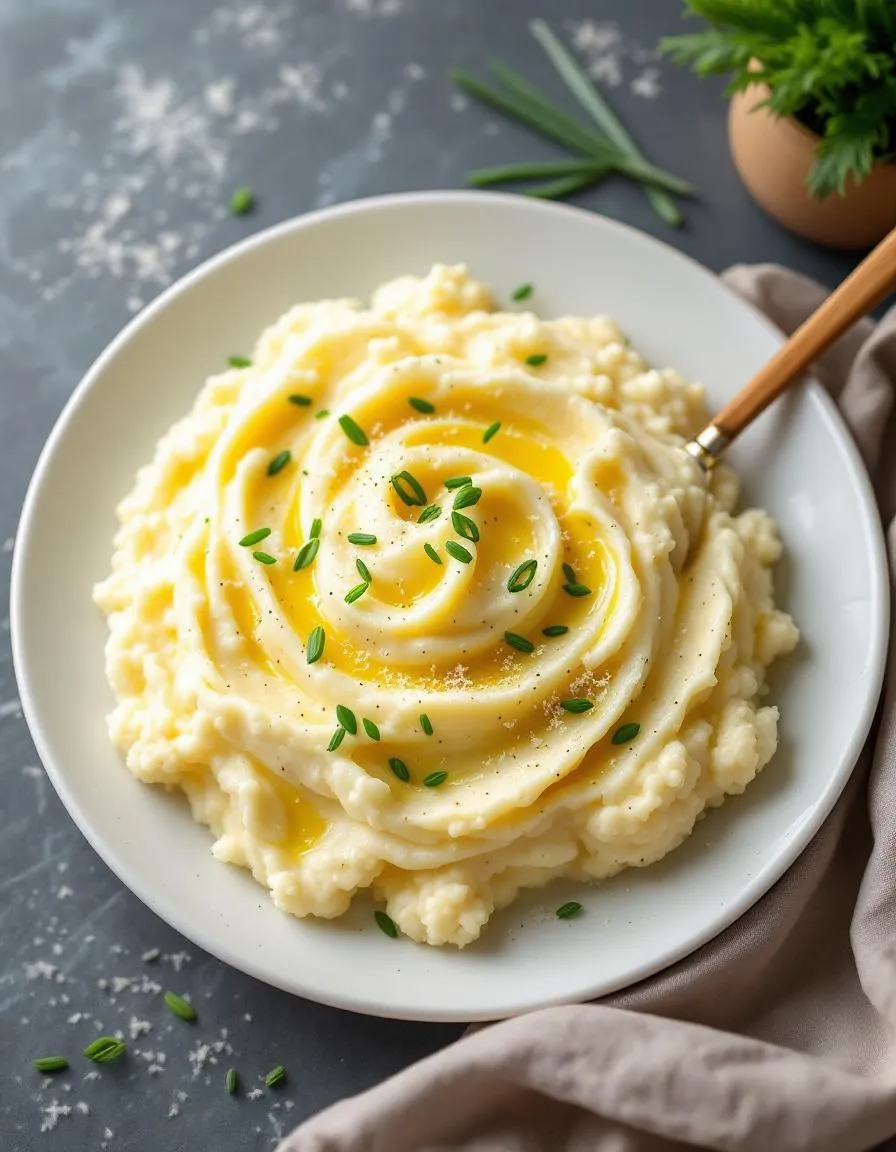
Creamy Mashed Cauliflower delights the senses with its velvety smooth texture and rich, buttery flavor. Each bite melts in your mouth, offering a comforting warmth reminiscent of classic mashed potatoes but with a lighter, slightly nutty undertone. Fresh garlic and a touch of Parmesan cheese deepen the savoriness, while a hint of black pepper adds just the right amount of gentle heat. The dish smells heavenly, too—think roasted cauliflower mingling with aromatic herbs. Whether served as a side or a standalone comfort food, Creamy Mashed Cauliflower satisfies cravings without feeling heavy.
Boosting the flavor
Elevate your Creamy Mashed Cauliflower with a sprinkle of crispy bacon bits or a drizzle of truffle oil for an indulgent twist. For a fresh kick, fold in chopped chives or roasted garlic. If you love bold flavors, try stirring in a spoonful of herb-infused oil or topping it with a dollop of creamy mushroom sauce. A pinch of smoked paprika or grated aged cheddar also works wonders. Experiment with these easy upgrades to make every bite even more memorable.
First, always steam the cauliflower until fork-tender to ensure a smooth texture in your Creamy Mashed Cauliflower. Additionally, drain it thoroughly to prevent a watery consistency. For extra creaminess, blend the cauliflower while it’s still warm, and use full-fat dairy or plant-based alternatives. Finally, season generously with salt and pepper to enhance the flavors.
Mistakes to avoid
Avoid overcooking the cauliflower, as it can turn mushy and lose its structure. Instead, check for tenderness after 10 minutes of steaming. Also, skip the food processor if you prefer a fluffier texture—over-blending can make the dish gluey. For more tips on perfecting vegetable-based sides, check out our guide to roasting vegetables. Another common mistake is forgetting to taste before serving. Adjust the seasoning as needed, and for more seasoning tricks, explore our seasoning basics post.
g-suggestions">Serving and Pairing Suggestions
How to serve this dish
Elevate your Creamy Mashed Cauliflower by serving it in a warm, shallow bowl for a cozy family dinner. Alternatively, spoon it onto a platter and drizzle with olive oil or melted butter for a rustic touch. For holidays, garnish with fresh herbs like chives or parsley to add color and freshness. Since Creamy Mashed Cauliflower has a velvety texture, consider pairing it with crispy toppings like roasted garlic or crumbled bacon for contrast. Whether you’re hosting a brunch or a weeknight meal, this dish adapts beautifully to any occasion.
What goes well with it
For a hearty meal, pair Creamy Mashed Cauliflower with our Herb-Crusted Pork Tenderloin, as the savory flavors balance the dish’s creaminess. If you prefer lighter options, try it alongside a crisp Lemony Arugula Salad for a refreshing contrast. A glass of chilled white wine or sparkling water with lemon also complements the mild, buttery notes of Creamy Mashed Cauliflower perfectly.
math-faq-block">
Is creamy mashed cauliflower healthier than mashed potatoes?
Yes, creamy mashed cauliflower is lower in carbs and calories compared to traditional mashed potatoes while still offering a rich, satisfying texture. It’s packed with vitamins C and K, making it a nutritious alternative for those watching their carb intake or seeking more veggies in their diet.
How do you make creamy mashed cauliflower not watery?
To prevent watery creamy mashed cauliflower, thoroughly drain cooked cauliflower and pat it dry before blending. Adding ingredients like cream cheese, butter, or grated Parmesan helps absorb excess moisture while enhancing the creamy texture.
Can you freeze creamy mashed cauliflower?
Yes, you can freeze creamy mashed cauliflower for up to 2 months, though the texture may become slightly grainy after thawing. For best results, store it in an airtight container and reheat gently with a splash of milk or butter to restore creaminess.
rank-math-faq-item">
What can I add to creamy mashed cauliflower for more flavor?
Boost the flavor of creamy mashed cauliflower with roasted garlic, fresh herbs like chives or thyme, or a sprinkle of nutmeg. For a tangy twist, mix in sour cream or grated sharp cheddar cheese to complement the mild cauliflower taste.