There is something profoundly comforting about a warm bowl of soup on a crisp day. It soothes the soul and wraps you in a sense of well-being that few other meals can match. If you crave that feeling, you will adore this recipe for Creamy Chicken Soup with Vegetables. Ultimately, it transforms simple ingredients into a hearty, nourishing, and deeply satisfying dish that feels like a warm hug from the inside out.
Creamy Chicken Soup with Vegetables is the ultimate comfort food, blending tender chicken, a vibrant mix of vegetables, and a luxuriously smooth, savory broth. This dish matters because it delivers incredible flavor and nutrition in a single pot, making it a practical choice for busy weeknights. Furthermore, it perfectly fits our blog’s mission to provide wholesome, from-scratch recipes that bring families together around the table. You can easily customize it with your favorite seasonal produce or whatever you have in the fridge. For more inspiration on using what is on hand, explore our guide on essential pantry staples. This approach to cooking not only reduces food waste but also encourages creativity. Moreover, a bowl of this creamy soup offers a fantastic way to pack in your daily servings of vegetables, ensuring every spoonful is as good for your body as it is for your spirit. It is the kind of meal that reminds you that eating well does not require complicated techniques or hard-to-find ingredients. In fact, this recipe shares the same from-scratch philosophy we use in our popular Classic Beef Stew, focusing on building layers of flavor with simple, real food.
Why I Love This Recipe
This Creamy Chicken Soup with Vegetables holds a special place in my heart because it was my go-to meal when my children were young and picky eaters. Surprisingly, they would devour every vegetable in their bowl without a single complaint when it swam in that creamy, delicious broth. I love that it is a one-pot wonder, which means cleanup is a breeze and I get to spend more time with my family instead of scrubbing dishes. It is my definition of a perfect, fuss-free dinner that never fails to please everyone at the table.
Health and Nutrition
Why it’s good for your body
Creamy Chicken Soup with Vegetables delivers a powerful nutritional punch in every comforting spoonful. For instance, the lean chicken breast provides a fantastic source of high-quality protein. This protein actively supports muscle repair and keeps you feeling full and satisfied for hours. Moreover, the colorful array of vegetables like carrots, celery, and spinach contributes essential vitamins and minerals. Consequently, you nourish your body with immune-boosting vitamin A and vital antioxidants.
Additionally, this soup promotes excellent hydration and digestive wellness. The broth base helps you meet your daily fluid intake goals. Furthermore, the vegetable fiber aids in smooth digestion and supports a healthy gut microbiome. Ultimately, enjoying a bowl of Creamy Chicken Soup with Vegetables means you are choosing a meal that fuels your body efficiently. Therefore, you can feel good about serving this delicious and nutrient-dense option to your entire family.
How it fits in a healthy lifestyle
This Creamy Chicken Soup with Vegetables seamlessly integrates into various healthy eating plans. If you follow a high-protein diet for fitness or weight management, the lean chicken helps you easily hit your macros. It also fits wonderfully into a heart-healthy lifestyle, especially if you use low-sodium broth and control the cream content. For a practical everyday habit, making a large batch means you have a wholesome lunch ready to go, preventing less healthy last-minute choices.
Pairing this satisfying soup with a light side, like one of our simple green salads, creates a perfectly balanced meal. Furthermore, if you are exploring more ways to incorporate nutritious meals into your week, our guide on easy meal prep ideas offers fantastic strategies. This soup is a versatile and reliable choice for anyone committed to eating well without sacrificing flavor.
This delicious and creamy chicken soup with vegetables served with lemon and chilli pepper it’s ideal for cool autumn and winter days.
Ingredients
Scale
Main Ingredients
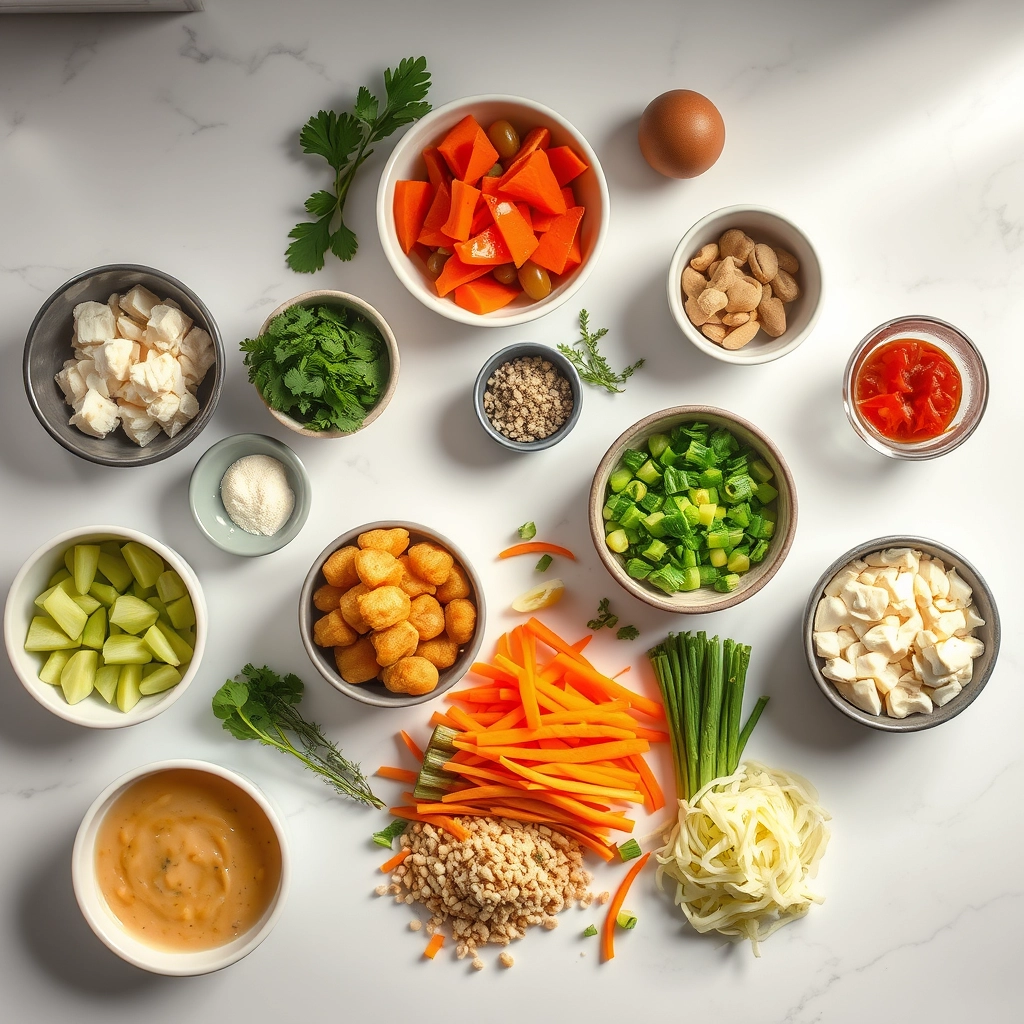
1.4 kg whole chicken cut up, without breast
4 pieces carrots
1 piece parsley root
¼ pieces celery root
3 pieces celery stalks
1 piece onion medium size
½ pieces red bell pepper
100 g green peas frozen
30 ml sunflower oil
2 teaspoon sea salt kosher
½ teaspoon ground black pepper freshly ground
1 teaspoon vegetable mix for soups
2 pieces chicken stock cubes
1 piece egg yolk free range
3 tablespoon sour cream
1 piece lemon juice freshly squeezed
1 bunch parsley chopped
3 l water warm
Instructions
Preparation:
Cut up the chicken, will use the thighs, drumsticks, wings, chicken's back and breast bone. Bone the pulp and cut the boned pulp into pieces.
Wash and peel the vegetables, then cut in small cubes, but the onion leave it whole.
Cooking:
Heat the sunflower oil in the soup pot, in which I put the chicken parts to fry. Season the meat with sea salt, freshly ground black pepper and fry them for about two minutes on medium heat.
Pour hot water over the meat, add the whole onion, season with the vegetable mix for soups and chicken stock cubes, simmer for thirty minutes. Remove the foam formed above the soup with a spoon.
Add the diced vegetables and frozen green peas, add a litre of water, season with sea salt and simmer for another forty minutes.
Thickening the soup:
Put the egg yolk and the sour cream in a bowl or cup and mix them well until you obtain a homogeneous paste.
Add a few tablespoons of soup to the thickener, stirring to equalize the temperature and pour the thickener into the pot. Add the lemon juice and the chopped parsley.
Serving:
Serve hot, with a bit of lemon next to it for an extra sour, more sour cream on top and chilli pepper.
How to Prepare This Dish
Steps and time-saving tips
First, gather all your pre-chopped vegetables and cubed chicken near the stove. Next, heat a tablespoon of olive oil in a large Dutch oven or heavy-bottomed pot over medium-high heat. Then, add your chicken and season it generously with salt and pepper. Sauté the chicken until it develops a beautiful golden-brown color on all sides; this step builds a deep flavor foundation for your Creamy Chicken Soup with Vegetables. Remove the chicken and set it aside on a clean plate. In that same pot, melt a couple tablespoons of butter. Add your aromatic vegetables like diced onions, carrots, and celery. Sauté them for about five minutes until they just begin to soften. Now, stir in minced garlic and cook for one more minute until it becomes fragrant.
Afterwards, sprinkle th
e flour over the vegetables and stir constantly for a full minute to cook out the raw taste. Gradually pour in your chicken broth while continuously whisking to prevent any lumps from forming. Consequently, this will create a smooth, slightly thickened base. Add the chicken back into the pot along with any accumulated juices. Bring the entire pot to a gentle boil, then immediately reduce the heat to a simmer. Let it cook uncovered for about fifteen minutes. Finally, stir in the heavy cream and any remaining quick-cooking vegetables like peas or corn. Warm everything through for a few more minutes, adjust your seasonings, and serve. For a major time-saver, use a pre-cooked rotisserie chicken and simply shred the meat into the pot when you add the broth.
Mistakes I’ve made and learned from
I have absolutely made my share of mistakes with this Creamy Chicken Soup with Vegetables, so learn from my errors. My biggest blunder was adding the dairy too early and at too high a heat, which caused the soup to curdle and look grainy. I solved this by always tempering the cream: I ladle a little of the hot soup into the cold cream first to warm it up, then I slowly stir it all back into the pot over low heat. Another common issue was ending up with bland soup, which taught me the importance of building layers of flavor at every single step. Properly searing the chicken and salting each component makes a world of difference. For more on getting the most flavor from your ingredients, check out my guide on how to sauté vegetables. And if you’re worried about timing everything perfectly for a dinner party, my meal prep for beginners tips will help you get organized and stress-free.
n-and-variations">Cultural Connection and Variations
Where this recipe comes from
My grandmother’s kitchen always smelled of simmering broth and fresh herbs, especially on chilly Sunday afternoons. Consequently, she taught me that a true Creamy Chicken Soup with Vegetables is a global citizen with deep local roots. For instance, in France, they might enrich it with crème fraîche and leeks, calling it a velouté. Meanwhile, across the American Midwest, families often add hearty egg noodles or dumplings for extra comfort.
In my own family, however, we always added a generous pinch of smoked paprika. This small twist gave our version a warm, smoky depth that felt uniquely ours. Ultimately, every culture and every kitchen puts its own signature on this classic dish. Whether you enjoy a simple Creamy Chicken Soup with Vegetables or a more elaborate version, it always tells a story of home.
How it fits in today’s cooking
This soup absolutely thrives in modern kitchens because it offers both comfort and versatility. Busy home cooks, for example, love using a rich homemade stock from the Instant Pot to build incredible flavor quickly. Furthermore, it fits perfectly into our routines, serving as a make-ahead lunch that actually improves overnight in the fridge.
Its relevance extends b
eyond the everyday into our cherished traditions. Many families now consider it a mandatory starter for holiday dinners, providing a warm, welcoming beginning to a feast. Additionally, creative cooks enjoy adapting it for different seasons, perhaps by stirring in some pumpkin puree for fall. You can even pair a bowl with a slice of savory gluten-free cornbread for the ultimate comforting experience. This timeless dish continues to nourish and adapt, proving some classics only get better.
Taste and Texture
What makes it delicious
This Creamy Chicken Soup with Vegetables offers a deeply comforting and savory experience. Tender chunks of chicken and soft vegetables swim in a luxuriously velvety broth that feels rich on your tongue. Furthermore, the aromatic base of sautéed onions and garlic fills your kitchen with a warm, inviting fragrance. Each spoonful delivers a satisfying combination of creamy texture and the gentle, earthy crunch of fresh carrots and celery. Ultimately, the fresh herbs provide a bright, finishing note that makes this Creamy Chicken Soup with Vegetables a complete and delicious meal.
Boosting the flavor
You can easily elevate your soup with a few creative additions. For instance, stir in a spoonful of pesto or a dash of smoked paprika just before serving for an instant flavor boost. Additionally, a squeeze of fresh lemon juice will brighten all the savory notes beautifully. Consider topping your bowl with crispy croutons or a sprinkle of sharp cheddar cheese for fantastic contrasting textures. For more inspiration on building flavors, explore our guide on creating your own spice blends. Moreover, a side of homemade garlic bread is perfect for dipping into the creamy broth.
Always use a heavy-bottomed pot for this recipe because it distributes heat evenly and prevents the bottom from scorching. Furthermore, shred your chicken while it is still warm for the most tender and effortless results. For the ultimate creamy texture, gradually add your cream or milk while stirring constantly. Finally, always taste your Creamy Chicken Soup with Vegetables and adjust the seasoning at the very end.
Mistakes to avoid
Avoid boiling your soup after you add the dairy; otherwise, it may curdle and separate. Instead, keep the heat on a gentle simmer to maintain that perfect silky texture. Do not overlook the importance of properly prepping your vegetables; consequently, cutting them into uniform sizes ensures everything cooks evenly. For more guidance on this essential skill, check out our guide on how to chop vegetables. Moreover, do not add all your salt at the beginning, especially if you are using store-bought broth which can be quite salty. You can always learn more about building flavors in our post on balancing soup flavors.
g-suggestions">Serving and Pairing Suggestions
How to serve this dish
First, serve this Creamy Chicken Soup with Vegetables piping hot in a deep, colorful bowl to highlight its rich texture. For a beautiful finish, top each portion with a sprinkle of fresh chopped parsley and a few homemade croutons. Furthermore, this cozy soup makes a perfect starter for a holiday dinner or a simple, satisfying weeknight meal. Ultimately, you can also present it in a rustic bread bowl for a fun and edible serving vessel that guests absolutely love.
What goes well with it
For a classic pairing, a crisp, green side salad wonderfully balances the richness of this Creamy Chicken Soup with Vegetables. Additionally, a warm, crusty loaf of bread is essential for dipping into every last bit of the creamy broth. In fact, our favorite Easy Homemade Focaccia offers an herby, soft texture that complements the soup perfectly. Alternatively, for a heartier meal, consider serving it alongside a simple Grilled Cheese Sandwich, as the gooey, melted cheese creates a delightful contrast with the smooth, savory soup.
math-faq-block">
What vegetables go well in creamy chicken soup?
Classic vegetables for Creamy Chicken Soup with Vegetables include carrots, celery, and onions as a base. You can also add potatoes for heartiness, broccoli or peas for color and nutrients, and spinach or kale for a healthy green boost. These vegetables hold up well in the creamy broth and complement the chicken flavor perfectly.
How do you thicken creamy chicken vegetable soup?
The most common way to thicken this soup is by creating a roux with butter and flour before adding your broth. Alternatively, you can stir in a slurry of cornstarch and cold water at the end of cooking. For a richer, creamier texture without flour, pureeing a portion of the cooked vegetables and stirring them back into the pot works wonderfully for this Creamy Chicken Soup with Vegetables.
Can you freeze creamy chicken soup?
Yes, you can freeze Creamy Chicken Soup with Vegetables, but the texture of the dairy may change slightly upon thawing. For best results, cool the soup completely and store it in airtight freezer-safe containers for up to 3 months. Gently reheat it on the stove, stirring often, and add a splash of broth or cream to help re-emulsify it if necessary.
ank-math-faq-item">
What can I use instead of heavy cream in chicken soup?
For a lighter option, half-and-half or whole milk can be used, though the soup will be less rich. You can also create a creamy texture without dairy by blending soaked raw cashews with some broth or using full-fat coconut milk for a slight tropical twist. These substitutes still yield a delicious and satisfying bowl of creamy chicken soup with vegetables.
Easy Creamy Chicken Pot Pie Soup Recipe
Introduction
Is there anything more comforting than the classic taste of chicken pot pie? Honestly, we think not. However, sometimes you crave that iconic flavor without the fuss of making a crust. That is exactly why we created this soul-warming Easy Creamy Chicken Pot Pie Soup. It delivers every bit of the cozy, homestyle goodness you adore in a fraction of the time. Ultimately, this recipe wraps you in a big, delicious hug from the inside out, making it the perfect solution for a hectic weeknight.
This Easy Creamy Chicken Pot Pie Soup is essentially a deconstructed version of the beloved classic. It features tender chunks of chicken and vibrant vegetables swimming in a luxuriously rich and creamy herb-infused broth. The magic of this dish lies in its ability to provide the ultimate comfort food experience with straightforward, simple steps. Furthermore, it matters because it solves a real problem for home cooks: how to get a deeply satisfying, family-friendly meal on the table without spending hours in the kitchen. This one-pot wonder fits our blog’s tone perfectly, as we always prioritize recipes that are both approachable and incredibly delicious. For instance, if you enjoy the ease of this soup, you will probably love our One-Pan Lemon Herb Chicken and Veggies for another simple dinner solution. Moreover, this soup is incredibly versatile. You can easily customize the vegetables based on what you have on hand, making it a fantastic tool for reducing food waste. It truly embodies the kind of practical, feel-good cooking that we champion here. After a long day, a bowl of this Easy Creamy Chicken Pot Pie Soup feels like a warm embrace, proving that comfort food does not need to be complicated to be exceptional. It is the ideal meal for a chilly evening, and it reheats beautifully for lunch the next day. Additionally, if you are looking for more cozy soup ideas, our Hearty Beef and Barley Soup is another reader favorite that delivers on both flavor and comfort.
Why I Love This Recipe
This Easy Creamy Chicken Pot Pie Soup holds a special place in my heart because it reminds me of my grandmother’s kitchen. Interestingly, she always made the most incredible chicken pot pie, but it was an all-day affair. I wanted to capture that same nostalgic flavor in a format that fits my busy modern life. Consequently, this soup became my go-to recipe for creating that same sense of warmth and family connection, even on my most rushed evenings. It is my ultimate comfort food, and I love how it brings everyone to the table with a smile.
Health and Nutrition
Why it’s good for your body
This Easy Creamy Chicken Pot Pie Soup delivers a powerful nutritional punch in every comforting spoonful. For instance, the lean chicken breast provides a fantastic source of high-quality protein, which actively supports muscle repair and keeps you feeling full and satisfied. Furthermore, the colorful array of vegetables like carrots, peas, and celery contributes essential vitamins, minerals, and fiber to your daily intake.
Moreover, this soup cleverly offers the classic, hearty flavor of a pot pie but typically in a lighter, broth-based form. Consequently, you can enjoy a deeply satisfying meal without the heaviness of a traditional pastry crust. Additionally, the cooking process helps to preserve the nutrients from the fresh ingredients, ensuring your body reaps the benefits. Ultimately, enjoying a bowl of Easy Creamy Chicken Pot Pie Soup means you are nourishing your body with a well-rounded meal.
Finally, the warmth and hydration from the broth also aid in digestion and can be incredibly soothing. Therefore, this soup truly serves as a delicious and smart choice for anyone seeking both comfort and wellness in a single bowl.
How it fits in a healthy lifestyle
This Easy Creamy Chicken Pot Pie Soup fits beautifully into a balanced eating plan. You can easily tailor it to meet specific health goals, such as using a gluten-free flour blend for the roux to keep it celiac-friendly. Its high protein content from chicken and vegetables makes it an excellent meal for supporting fitness routines and managing hunger throughout the day.
For a heart-healthy version, simply use low-sodium broth and increase the variety of vegetables. This approach aligns perfectly with building a truly balanced meal that doesn’t sacrifice flavor. It’s also a fantastic make-ahead option for busy weekdays, ensuring you have a wholesome dinner ready in minutes. This practicality helps you avoid less nutritious convenience foods.
Pairing it with a simple side salad completes the experience, turning it into a fulfilling feast. For more inspiration on creating satisfying and nutritious meals, explore our guide on how to meal prep like a pro and make healthy eating effortless all week long.
Creamy and comforting, this Chicken Pot Pie Soup is a great weeknight meal that is hearty, tasty and easy to whip up!
Ingredients
Scale
Main Ingredients
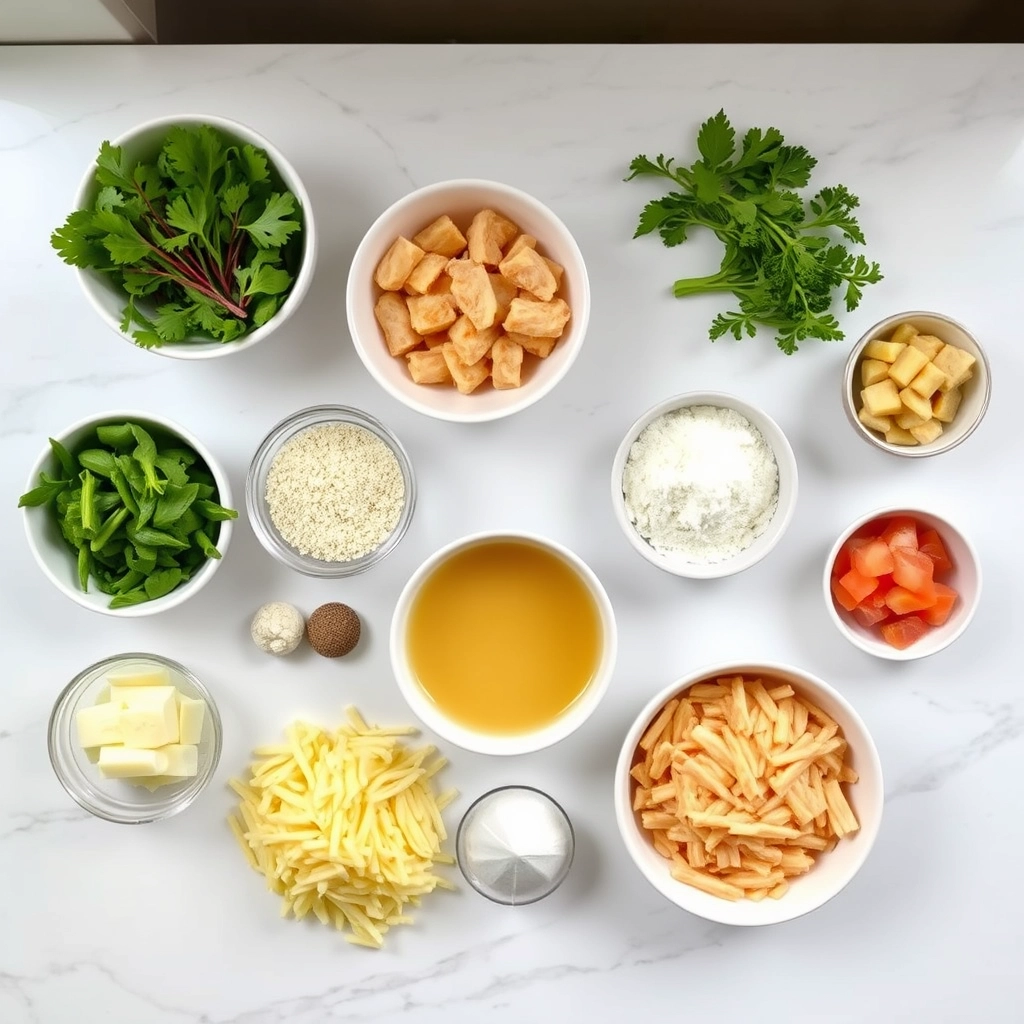
4 tablespoons salted butter
1 cup small-diced carrot
1 cup small-diced celery
1 cup small diced onion
2 cloves garlic, minced
¼ cup all-purpose flour
4 cups chicken stock
1 ½ cups small diced Yukon gold potatoes
1 bay leaf
½ teaspoon dried thyme
½ teaspoon black pepper
2 cups cooked diced or shredded chicken
½ cup heavy cream
1 cup frozen peas
½ cup frozen corn
Biscuits for serving
fresh chopped parsley for garnish (optional)
Instructions
Instructions
Step 1: In a dutch oven or large stockpot, melt the butter over medium heat.
Step 2: Add the carrot, celery, and onion, stirring occasionally until softened and slightly browned, 10 minutes. Then add the garlic, cook for 30 seconds until fragrant, stirring constantly.
Step 3: Add the flour to the pot and mix it in, cook for 1 minute.
Step 4: Pour in the stock and add the potatoes. Season with the bay leaf, thyme, and pepper, stir it until mixed.
Step 5: Bring to a boil reduce the heat to low and simmer for 15 minutes or until the potatoes are tender. Stir occasionally to make sure nothing sticks to the bottom of the pan.
Step 6: Add the cooked chicken, heavy cream, peas, and corn, stir to combine.
Step 7: Bring back to a simmer and simmer for 5 minutes until everything is warmed. Discard the bay leaf. Serve with biscuits and a garnish of fresh parsley, optional.
s-dish">How to Prepare This Dish
Steps and time-saving tips
First, gather all your chopped vegetables and pre-cooked chicken near the stove. Meanwhile, melt the butter in a large Dutch oven or heavy-bottomed pot over medium heat. Next, add the onion, carrots, and celery, then sauté them until they just begin to soften. This step builds a fantastic flavor base for your Easy Creamy Chicken Pot Pie Soup. Subsequently, sprinkle the flour over the vegetables and cook for one minute, stirring constantly to form a roux. Gradually whisk in the chicken broth to avoid any lumps, then bring the mixture to a gentle simmer. After that, stir in the milk, frozen peas, and your pre-cooked chicken. Importantly, let the soup thicken for a few minutes without boiling it. Finally, season generously with salt, pepper, and a pinch of thyme. For a brilliant time-saving tip, use a store-bought rotisserie chicken and pre-chopped mirepoix from the produce section. Furthermore, you can prepare the entire soup base ahead of time and simply reheat it gently before serving.
Mistakes I’ve made and learned from
I once rushed the roux and ended up with a floury taste that haunted the entire pot of Easy Creamy Chicken Pot Pie Soup. Now, I always cook the flour and butter for a full minute to get rid of that raw flavor. Another time, I got impatient and added the dairy too quickly, which caused it to curdle slightly. The solution was simple: I took the pot off the heat and tempered the milk by slowly whisking in a ladle of the hot broth first. This is a crucial technique I learned from my perfect bechamel sauce adventures. Also, I’ve learned that seasoning at the very end, after all the ingredients have melded, gives you the most control over the final taste. Trust me, a bland soup is a sad soup. For more guidance on getting those seasonings just right, my guide to using herbs and spices breaks it all down simply. Learning these small lessons truly transformed my results from mediocre to magnificent.
n-and-variations">Cultural Connection and Variations
Where this recipe comes from
This soup wears its heart on its sleeve, pulling all the cozy, comforting flavors from the classic American diner staple. My grandmother, for instance, always made her chicken pot pie with a heavy hand on the thyme and a secret splash of sherry. Her version of Easy Creamy Chicken Pot Pie Soup would absolutely feature those same beloved flavors simmering away on the stovetop.
Across different regions, cooks put their own spin on the concept. In the American South, you might find a version with a Cajun spice blend or a creamy base enriched with a roux. Meanwhile, other cultures have their own incredible variations on meat and vegetable stews. The French have their velvety potage, and the British enjoy a hearty chicken and leek soup, all cousins to our beloved Easy Creamy Chicken Pot Pie Soup.
Ultimately, this dish connects us to a tradition of making something truly special from simple, humble ingredients. It is a story of comfort told in every steamy, savory spoonful.
ays-cooking">How it fits in today’s cooking
This soup fits perfectly into our modern need for both convenience and comfort. Furthermore, it delivers all the nostalgic flavor of the original bake without requiring any oven time, making it a fantastic weeknight solution. Many home cooks now adapt it for their Instant Pots or slow cookers, streamlining the process even further for our busy lives.
Its role as a seasonal champion also keeps it relevant. As the weather turns, this soup becomes a go-to for cozy nights in. It also makes a wonderful starter for a larger holiday feast, perhaps before a main course of Perfect Prime Rib. For a lighter, yet equally comforting meal, some people even enjoy a bowl alongside a fresh Classic Caesar Salad. Ultimately, this versatile dish continues to earn its place at our tables, one delicious bowl at a time.
Taste and Texture
What makes it delicious
This Easy Creamy Chicken Pot Pie Soup wraps you in a warm, savory hug from the very first spoonful. Tender chunks of chicken and soft vegetables swim in a luxuriously creamy and rich broth that tastes like pure comfort. Furthermore, the aromatic blend of thyme and sage creates a fragrant, herby scent that fills your kitchen. Each bite delivers a satisfying mix of textures, from the smooth soup base to the occasional soft pop of a pea. Ultimately, this Easy Creamy Chicken Pot Pie Soup masterfully captures the classic flavor of its namesake in a comforting, sip-able form.
r">Boosting the flavor
Transform your soup into a gourmet experience with a few simple tweaks. For instance, stir in a spoonful of sour cream or a sprinkle of sharp cheddar cheese at the end for an extra tangy richness. Additionally, top each bowl with homemade garlic herb croutons for a fantastic crunch that contrasts the creamy base. If you enjoy a smoky depth, a dash of smoked paprika works wonders. Finally, serve your creation alongside a warm, flaky buttery biscuit for the ultimate comforting meal.
Tips for Success
Best practices for results
First, always use a heavy-bottomed pot to prevent the creamy base from scorching. Additionally, shred your own cooked chicken for the best texture and flavor. Furthermore, add your frozen vegetables last to keep them bright and crisp. Finally, always taste and season your Easy Creamy Chicken Pot Pie Soup just before serving for a perfect result.
>Mistakes to avoid
One common mistake is letting the soup reach a rolling boil after adding the dairy. Consequently, this can cause the cream to curdle and separate. Instead, keep the heat at a gentle simmer. Moreover, do not skip the step of properly thickening your soup base with a roux. Otherwise, you might end up with a thin broth. For more guidance on getting your soup consistency just right, check out our guide on how to thicken soup. Also, avoid overcooking your vegetables. Therefore, add them towards the end of the cooking process so they retain a pleasant bite, similar to the techniques we recommend in our perfect vegetable roasting article.
Serving and Pairing Suggestions
How to serve this dish
Present your Easy Creamy Chicken Pot Pie Soup in a deep, rustic bowl to highlight its comforting nature. For a truly special touch, top each serving with a flaky, buttery puff pastry square baked until golden brown. Alternatively, a handful of crunchy croutons or a sprinkle of fresh parsley adds wonderful texture and color. This soup truly shines at a casual family dinner or as the star of a cozy holiday gathering. Ultimately, its inviting aroma and creamy appearance will draw everyone to the table.
What goes well with it
A crisp, green salad perfectly cuts through the rich creaminess of this hearty soup. For a truly classic comfort food experience, you must try this soup with our incredibly soft Soft Dinner Rolls for dipping. Furthermore, a glass of chilled Chardonnay or a crisp hard cider complements the savory flavors beautifully. Finally, complete your meal with a light, sweet dessert like our famous Lemon Pound Cake, which offers a refreshing contrast.
What is the best way to thicken chicken pot pie soup?
The best way to thicken Easy Creamy Chicken Pot Pie Soup is to create a simple roux with equal parts butter and flour at the beginning of the recipe. Whisk the roux for a minute before adding your liquids to prevent a raw flour taste. For a gluten-free option, you can use a cornstarch slurry mixed with cold water and stirred in at the end of cooking.
Can you make creamy chicken pot pie soup in a slow cooker?
Absolutely! You can easily adapt this recipe for a slow cooker. Simply add all the ingredients except the dairy (milk/cream) and thickener to the crockpot and cook on low for 6-7 hours. About 30 minutes before serving, stir in a slurry to thicken it and then add the cream to finish your Easy Creamy Chicken Pot Pie Soup.
ank-math-faq-item">
What can I use instead of heavy cream in chicken pot pie soup?
For a lighter version, you can substitute half-and-half or whole milk for the heavy cream, though the soup will be slightly less rich. For a dairy-free Easy Creamy Chicken Pot Pie Soup, full-fat canned coconut milk or an unsweetened plant-based creamer are excellent alternatives that still provide a creamy texture.
How long does homemade chicken pot pie soup last in the fridge?
Properly stored in an airtight container, your homemade Easy Creamy Chicken Pot Pie Soup will last for 3 to 4 days in the refrigerator. The soup may thicken upon standing, so simply reheat it gently on the stovetop and add a splash of broth or milk to loosen it to your desired consistency.
Easy Creamy Chicken Pot Pie Soup Recipe
Introduction
Craving the soul-warming comfort of a classic chicken pot pie but short on time? We completely understand. That cozy feeling should not require hours of effort. Fortunately, this recipe for Easy Creamy Chicken Pot Pie Soup delivers every bit of that nostalgic flavor in a fraction of the time. It wraps you in comfort with each spoonful, transforming a simple weeknight into something truly special. Ultimately, this is the hug-in-a-bowl you have been searching for.
So, what exactly is Easy Creamy Chicken Pot Pie Soup? Essentially, it is all the beloved components of a traditional pot pie—tender chicken, vibrant mixed vegetables, and a rich, creamy broth—but reimagined as a effortless, stovetop soup. This dish matters because it solves a real problem for busy home cooks: how to achieve deep, satisfying comfort food without the lengthy process of making a pastry crust and waiting for a pie to bake. It fits the ethos of our blog perfectly, as we champion recipes that prioritize both incredible flavor and straightforward execution. Moreover, this soup is incredibly versatile. You can easily use leftover rotisserie chicken or turkey, and it pairs wonderfully with a simple side salad or some crusty bread for dipping. For another fantastic way to use leftover poultry, our Easy Turkey Salad is a must-try lunch option. This approachable recipe proves that you do not need to sacrifice flavor for convenience, making it an ideal choice for a hectic weekday dinner or a relaxed weekend lunch. The process is simple and rewarding, guaranteeing a delicious result every single time.
Why I Love This Recipe
This Easy Creamy Chicken Pot Pie Soup holds a special place in my heart because it became a weekly tradition during a particularly hectic fall. My family needed meals that were both quick and comforting, and this soup consistently hit the mark. I love how the creamy broth and familiar vegetables instantly calm a chaotic day. Furthermore, the aroma that fills my kitchen as it simmers feels like a genuine reward. It reminds me of my grandmother’s cooking, but without the fuss of pastry, making it a modern classic I am proud to serve. Honestly, the joy on my kids’ faces when I tell them what’s for dinner is the best compliment I could ever receive. For more family-friendly comfort food, our Classic Beef Stew is another beloved favorite in our household.
Health and Nutrition
Why it’s good for your body
This Easy Creamy Chicken Pot Pie Soup delivers a powerful nutritional punch. For instance, the lean chicken breast provides a fantastic source of high-quality protein. Consequently, your body uses this protein to build muscle and keep you feeling full and satisfied for hours. Moreover, the colorful array of vegetables like carrots, peas, and celery contributes essential vitamins and minerals.
These ingredients specifically offer vitamin A for vision and immune support and dietary fiber for digestive health. Additionally, the cooking method itself helps to preserve these nutrients. Therefore, you get a meal that truly nourishes you from the inside out. Ultimately, enjoying a bowl of Easy Creamy Chicken Pot Pie Soup means you are choosing a meal that supports your overall wellness with every spoonful.
Furthermore, you can feel good about the comforting warmth it provides. Finally, this homemade Easy Creamy Chicken Pot Pie Soup is a deliciously smart choice for your health.
How it fits in a healthy lifestyle
This soup fits seamlessly into a balanced eating plan. You can easily tailor it to meet specific dietary needs, such as using a gluten-free flour blend to keep it celiac-friendly or opting for a low-sodium broth for a heart-healthy version. Its high protein content from chicken makes it an excellent post-workout recovery meal that helps repair muscle.
For those tracking their intake, this comforting dish offers a fulfilling meal that prevents the urge for less healthy snacks later. Pairing a bowl with a simple side salad creates a perfectly rounded dinner. If you are looking for more ways to incorporate healthy fats into your meals, explore our guide to cooking with avocado oil. Planning meals like this Easy Creamy Chicken Pot Pie Soup ahead of time is a cornerstone of healthy eating, and you can find more inspiration in our collection of easy meal prep ideas for the week.
Creamy and comforting, this Chicken Pot Pie Soup is a great weeknight meal that is hearty, tasty and easy to whip up!
Ingredients
Scale
Main Ingredients
4 tablespoons salted butter
1 cup small-diced carrot
1 cup small-diced celery
1 cup small diced onion
2 cloves garlic, minced
¼ cup all-purpose flour
4 cups chicken stock
1 ½ cups small diced Yukon gold potatoes
1 bay leaf
½ teaspoon dried thyme
½ teaspoon black pepper
2 cups cooked diced or shredded chicken
½ cup heavy cream
1 cup frozen peas
½ cup frozen corn
Biscuits for serving
fresh chopped parsley for garnish (optional)
Instructions
Instructions
Step 1: In a dutch oven or large stockpot, melt the butter over medium heat.
Step 2: Add the carrot, celery, and onion, stirring occasionally until softened and slightly browned, 10 minutes. Then add the garlic, cook for 30 seconds until fragrant, stirring constantly.
Step 3: Add the flour to the pot and mix it in, cook for 1 minute.
Step 4: Pour in the stock and add the potatoes. Season with the bay leaf, thyme, and pepper, stir it until mixed.
Step 5: Bring to a boil reduce the heat to low and simmer for 15 minutes or until the potatoes are tender. Stir occasionally to make sure nothing sticks to the bottom of the pan.
Step 6: Add the cooked chicken, heavy cream, peas, and corn, stir to combine.
Step 7: Bring back to a simmer and simmer for 5 minutes until everything is warmed. Discard the bay leaf. Serve with biscuits and a garnish of fresh parsley, optional.
How to Prepare This Dish
Steps and time-saving tips
First, grab a large pot or Dutch oven and heat your oil over a medium flame. Next, toss in your diced onion, carrots, and celery. Sauté these until they just begin to soften, which usually takes about five minutes. Meanwhile, shred your pre-cooked chicken to save significant time. Then, stir in the minced garlic and cook for one more minute until it becomes wonderfully fragrant. After that, sprinkle the flour over the vegetable mixture and whisk it constantly for two minutes to cook off that raw flour taste. Gradually pour in the chicken broth and milk, whisking continuously to create a perfectly smooth, lump-free base for your Easy Creamy Chicken Pot Pie Soup. Finally, add the frozen peas, shredded chicken, and your preferred herbs. Let the soup simmer gently for 15 minutes so all the flavors can meld together beautifully. For a fantastic time-saving tip, use a store-bought rotisserie chicken and pre-diced mirepoix from the produce section. Just before serving, stir in a splash of heavy cream for that ultimate rich and creamy finish.
and-learned-from">Mistakes I’ve made and learned from
I have absolutely learned the hard way that rushing the roux is a sure path to a thin, disappointing soup. Once, I added the liquid too quickly, and I ended up with a lumpy mess that no amount of whisking could fix. Now, I patiently whisk the flour and oil for a full two minutes before slowly drizzling in my broth. Another common mistake I made was overcooking the vegetables, turning them mushy instead of tender-crisp. I’ve since learned to add the peas and other delicate veggies later in the process. If you’re new to building a soup base, my guide on how to make a roux breaks it down into foolproof steps. And for anyone struggling with dry chicken, my method for shredding chicken perfectly every time is a total game-changer for this recipe.
Cultural Connection and Variations
Where this recipe comes from
This Easy Creamy Chicken Pot Pie Soup recipe feels like a warm hug from my grandmother’s kitchen. She always made a huge pot of it when the first chill of autumn arrived. Her version, however, always involved a full day of rolling pastry and simmering a whole bird. Frankly, we all loved the creamy, vegetable-studded filling the most. Consequently, we often found ourselves sneaking spoonfuls from the pot before the crust even went on. This experience inspired my own streamlined, soup-ified version that delivers all that cozy flavor without the lengthy commitment.
Around the world, cultu
res embrace their own variations on this concept. For instance, the French might enrich their potage with leeks and herbs de Provence, creating a more refined profile. Meanwhile, in the American South, cooks often add a dash of hot sauce or a pinch of cayenne for a gentle kick. My family’s twist involves a splash of sherry at the end, which adds a wonderful depth of flavor that makes this Easy Creamy Chicken Pot Pie Soup truly special.
How it fits in today’s cooking
This soup absolutely thrives in modern kitchens. It perfectly fits our desire for wholesome, comforting meals that don’t take all day to prepare. Busy home cooks appreciate how it delivers the iconic flavor of a classic pot pie in a fraction of the time. Furthermore, it easily adapts to different dietary needs. You can simply swap the dairy for coconut milk and use a gluten-free thickener for a fantastic alternative.
We often make a big batch for easy weeknight dinners. It also stars as the main event for our casual holiday gatherings. Ultimately, this recipe embodies the spirit of flexible, feel-good cooking. For another comforting classic that simplifies a beloved dish, try our popular Easy Homemade Chili Recipe. And if you love a good make-ahead meal, this soup pairs wonderfully with a slice of our Simple Cornbread for dipping.
>Taste and Texture
What makes it delicious
This Easy Creamy Chicken Pot Pie Soup wraps you in a warm, savory hug from the very first spoonful. Tender chunks of chicken and soft vegetables swim in a luxuriously creamy, velvety broth that is deeply savory and rich. Furthermore, the aromatic scent of thyme and a hint of black pepper make the kitchen smell absolutely incredible. Each bite delivers a comforting mix of textures, from the flaky, buttery pie crust crouton on top to the satisfying bite of the carrots and celery. Ultimately, the experience is like enjoying the cozy heart of a classic pot pie but in a comforting, sip-able form.
Boosting the flavor
You can easily amplify this comforting dish with a few creative twists. For instance, stir in a spoonful of sour cream or a sprinkle of sharp cheddar cheese at the end for an extra tangy, creamy richness. Additionally, top your bowl with crispy, crumbled bacon or fresh, chopped herbs for a fantastic contrast in texture. If you love a bit of heat, a dash of hot sauce or a pinch of cayenne pepper will wonderfully elevate the savory notes. For a perfect side that soaks up every last drop, consider serving it with a slice of our classic Buttermilk Biscuits. Moreover, a simple Apple Walnut Salad on the side provides a fresh, crisp counterpoint to the soup’s creamy decadence.
Tips for Success
Best practices for results
First, always use a heavy-bottomed pot because it distributes heat evenly and prevents the soup from scorching. Furthermore, shred your chicken while it is still warm for the most tender texture. Additionally, add your frozen vegetables towards the end of cooking so they retain a pleasant bite and vibrant color. Finally, always taste and season your Easy Creamy Chicken Pot Pie Soup just before serving for the most balanced flavor.
Mistakes to avoid
A common error is letting the soup reach a rolling boil after adding the dairy, which often causes it to curdle. Instead, keep the heat at a gentle simmer. Similarly, do not overcook your vegetables; otherwise, they will become mushy. For more guidance on perfecting creamy textures, explore our guide on how to make a roux. Moreover, if your soup seems too thick, avoid adding too much liquid at once. Instead, gradually stir in more broth until you achieve your desired consistency, a technique we detail in our post on soup thickening methods.
Serving and Pairing Suggestions
How to serve this dish
Present your Easy Creamy Chicken Pot Pie Soup in a deep, rustic bowl to highlight its comforting nature. For a beautiful finishing touch, crown each serving with a flaky, golden puff pastry square or a handful of buttery croutons. Alternatively, garnish with a sprinkle of fresh chopped parsley or thyme to add a pop of color and freshness. This cozy soup truly shines at a casual family dinner or a festive holiday gathering. Consequently, serving it in a hollowed-out bread bowl makes for a fun and utterly delicious experience that guests will adore.
h-it">What goes well with it
A crisp, green side salad offers a refreshing contrast to the rich and creamy soup. Specifically, our ultimate Classic Caesar Salad with its tangy dressing and crunchy croutons creates a perfect meal. Furthermore, no soup is complete without a warm, buttery piece of bread for dipping. For the ultimate pairing, consider baking a batch of our famous Garlic Herb Pull-Apart Bread. Finally, a glass of chilled Chardonnay or even a crisp hard cider beautifully cuts through the creaminess of this hearty dish.
Can I make Easy Creamy Chicken Pot Pie Soup in a slow cooker?
Absolutely! This Easy Creamy Chicken Pot Pie Soup adapts wonderfully to a slow cooker. Simply add all ingredients except the cream and flour to the crockpot, cook on low for 6-7 hours, then stir in a cream and flour slurry in the last 30 minutes to thicken it up.
ank-math-faq-item">
What can I use instead of heavy cream in chicken pot pie soup?
For a lighter version, you can substitute half-and-half or whole milk for the heavy cream, though the soup will be slightly less rich. For a dairy-free option, full-fat canned coconut milk works surprisingly well to create a creamy consistency in this comforting soup.
How do you thicken chicken pot pie soup?
The most common method is to make a roux with equal parts butter and flour, whisk it into the simmering broth, and then add your cream. Alternatively, you can create a slurry by mixing cornstarch or flour with a little cold milk or water before stirring it into the hot Easy Creamy Chicken Pot Pie Soup.
What goes well with chicken pot pie soup?
This soup is delicious with classic sides like flaky biscuits, crusty bread for dipping, or a simple side salad. For the ultimate pot pie experience, top your bowl with a pre-baked puff pastry square or some homemade pie crust croutons.
div>
Easy Enchiladas Ground Beef Soup Recipe
Introduction
Craving the deep, comforting flavors of classic enchiladas but dreading the lengthy assembly process? We completely understand. Some nights, you simply need a big, warm hug in a bowl that comes together without any fuss. This is precisely why our incredible Easy Enchiladas Ground Beef Soup exists. It captures every bit of that beloved Tex-Mex taste in a single, spoonable dish that promises to soothe your soul and simplify your evening.
So, what exactly is this lifesaver of a meal? Essentially, Easy Enchiladas Ground Beef Soup deconstructs your favorite baked casserole into a hearty, brothy soup. We start with perfectly seasoned ground beef, the foundation of so many fantastic ground beef recipes. Then, we build layers of flavor with a rich enchilada sauce, black beans, sweet corn, and tender rice. The result is a vibrant, one-pot wonder that delivers the iconic enchilada experience without the rolling, stacking, or lengthy baking time. This recipe matters because it respects your time and your taste buds equally, offering a genuine from-scratch flavor with weeknight ease. Moreover, it fits our blog’s mission perfectly: to deliver incredibly delicious, reliable recipes that real people can actually make on a busy schedule. Furthermore, it’s incredibly versatile. You can easily adjust the spice level to your liking or toss in any extra veggies you have on hand. Ultimately, it’s the ultimate solution for anyone seeking maximum comfort with minimal effort.
Why I Love This Recipe
This soup holds a special place in my heart because it became our family’s go-to during a particularly hectic week. I desperately wanted to make my famous beef enchiladas but realized I had neither the time nor the energy. So, I decided to throw all the components into a pot with some broth. The outcome was an instant classic that everyone, including my pickiest eater, devoured. Now, it represents more than just a meal; it symbolizes a little kitchen victory, proving that a crazy day can still end with something truly delicious and deeply satisfying.
Health and Nutrition
Why it’s good for your body
This Easy Enchiladas Ground Beef Soup delivers a powerful nutritional punch that truly satisfies. First, the lean ground beef provides a fantastic source of high-quality protein, which is essential for building muscle and keeping you full for hours. Additionally, the tomatoes and tomato paste offer a rich concentration of lycopene, a powerful antioxidant known for supporting heart health.
Moreover, the beans contribute a significant amount of dietary fiber, which actively promotes healthy digestion and stable blood sugar levels. Consequently, you enjoy a steady release of energy without the dreaded crash. Furthermore, the blend of spices like cumin and chili powder doesn’t just add flavor; they also bring anti-inflammatory properties to your bowl.
Ultimately, this wholesome combination of ingredients creates a meal that supports your body from the inside out. Therefore, enjoying a bowl of Easy Enchiladas Ground Beef Soup means you are nourishing yourself with a balance of macronutrients and micronutrients. Finally, you can feel great about serving this deeply flavorful and nutritionally complete Easy Enchiladas Ground Beef Soup to your entire family.
How it fits in a healthy lifestyle
This soup seamlessly fits into a balanced and healthy lifestyle. It naturally aligns with high-protein eating plans, thanks to the lean beef and beans, helping you meet your fitness and satiety goals. For those monitoring their gluten intake, this recipe is inherently gluten-free, especially when you use a verified gluten-free enchilada sauce and broth.
You can easily make it ahead for meal prep, ensuring you have a wholesome lunch ready to go all week. Pair it with a light side salad for a complete and satisfying meal. If you love this approach to healthy, flavorful comfort food, you might also enjoy our Healthy Chicken Taco Soup for another weeknight option. For more inspiration on building nutritious meals, explore our guide to Creating a Balanced Plate that supports your wellness journey without sacrificing flavor.
Hearty and comforting soup loaded with ground beef, enchilada flavors, and a delicious blend of ingredients perfect for any day.
Ingredients
Scale
Soup Ingredients
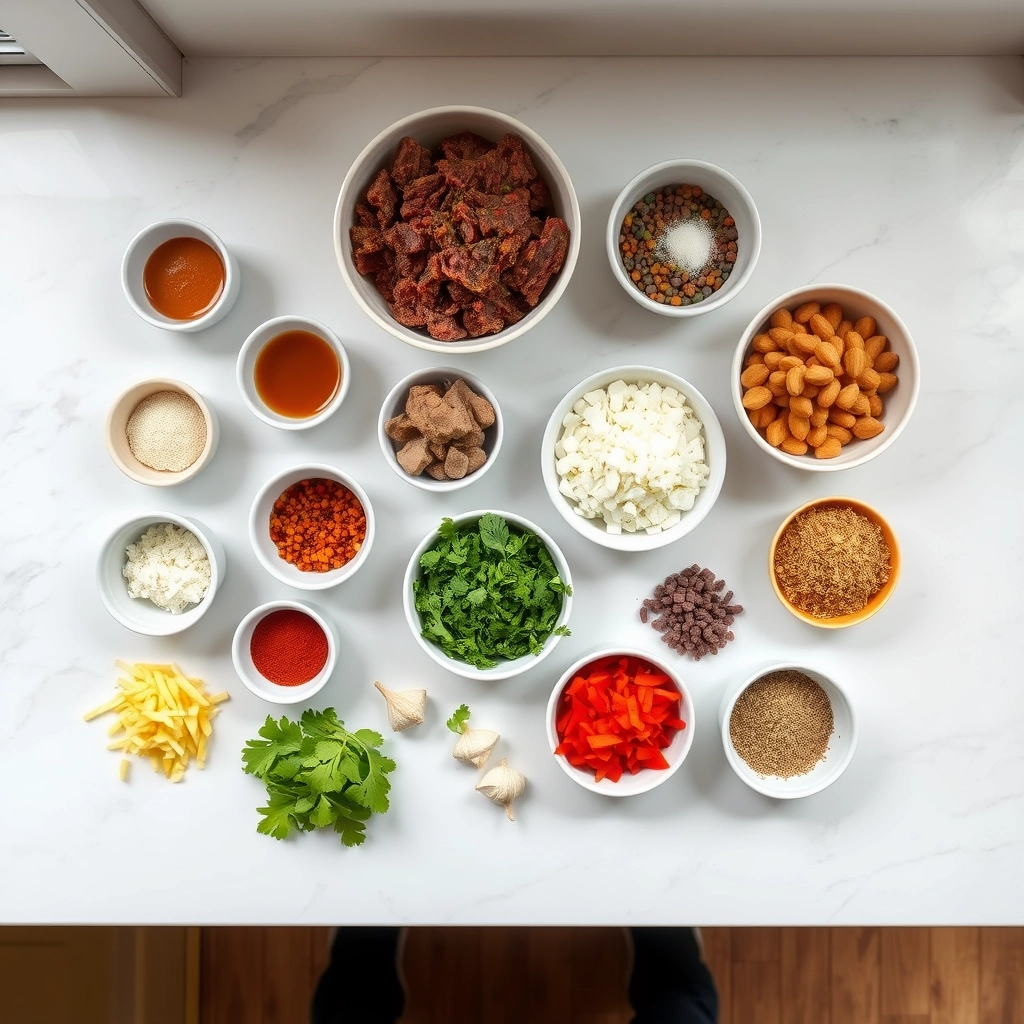
1 lb ground beef
1/2 cup chopped onion
2 cloves garlic, minced
1 (10 oz) can red enchilada sauce
1 (15 oz) can black beans, drained and rinsed
1 (14.5 oz) can diced tomatoes
1 cup frozen corn
4 cups beef broth
1 tsp ground cumin
1 tsp chili powder
Salt and pepper to taste
Optional Toppings
Shredded cheese
Sour cream
Chopped green onions
Tortilla chips or strips
Instructions
Preparation:
Brown Ground Beef: In a large pot over medium heat, cook ground beef until no longer pink, breaking it apart as it cooks.
Add Onion and Garlic: Stir in chopped onion and minced garlic, cooking until softened and fragrant.
Make Soup: Add enchilada sauce, black beans, diced tomatoes, corn, beef broth, cumin, and chili powder to the pot. Stir well to combine.
Simmer: Bring soup to a boil, then reduce heat and simmer for 20 minutes to meld flavors. Season with salt and pepper to taste.
Serving:
Serve hot topped with shredded cheese, sour cream, green onions, and tortilla chips or strips as desired.
How to Prepare This Dish
Steps and time-saving tips
First, grab your largest soup pot or Dutch oven and place it over medium-high heat. Brown your ground beef, breaking it into small crumbles with your spoon as it cooks. Meanwhile, chop your onion and garlic. Once the beef loses its pink color, drain any excess grease. Next, add your chopped aromatics to the pot and sauté them with the beef until they become soft and fragrant. This step builds a fantastic flavor base for your Easy Enchiladas Ground Beef Soup. Pour in the enchilada sauce, diced tomatoes, and beef broth, then give everything a good stir. Bring the pot to a lively boil before reducing the heat to a gentle simmer.
Let your soup bubble aw
ay for about fifteen minutes, allowing all those wonderful flavors to marry together. For a brilliant time-saving tip, use a pre-cooked rotisserie chicken instead of ground beef to skip the browning step entirely. Now, stir in your black beans and frozen corn directly from the freezer. Finally, turn off the heat and fold in your shredded cheese until it melts into a creamy, luxurious broth. Ladle the hot soup into bowls and get ready for the best part. Top each serving with a handful of crunchy tortilla strips, a dollop of cool sour cream, and some fresh cilantro. This entire process is wonderfully straightforward and delivers massive flavor with minimal effort.
Mistakes I’ve made and learned from
I have definitely learned a few lessons the hard way with this Easy Enchiladas Ground Beef Soup. My biggest mistake was using a store-bought enchilada sauce that was far too spicy for my family, which completely overpowered the other ingredients. Now, I always taste the sauce straight from the can first to gauge its heat level. If it’s too intense, I simply use a milder version or mix it with a can of tomato sauce to temper the spice. Another common error I made was adding the cheese incorrectly. I would just dump it all in at once, which sometimes caused it to clump up instead of melting smoothly. To avoid this, I now always remove the soup from the heat first and then gradually stir the cheese in. For more guidance on selecting the right ingredients, my post on choosing the best enchilada sauce is a great resource. And if you’re worried about getting the consistency just right, my tips for fixing a soup that’s too thick have saved dinner more than once.
n-and-variations">Cultural Connection and Variations
Where this recipe comes from
This recipe pulls its vibrant soul straight from the heart of Mexican home cooking. Families across regions like Jalisco or New Mexico often prepare a similar, slow-simmered soup called Sopa de Albóndigas, but we take a delicious shortcut. My version, the Easy Enchiladas Ground Beef Soup, actually spins a weeknight favorite into a comforting bowl. Instead of rolling individual enchiladas, we deconstruct them. Ultimately, this creates a hearty, brothy dish that honors the original flavors while saving precious time.
Different regions certainly put their own stamp on it. For instance, some cooks in Northern Mexico might use a richer, spicier red chile broth. Conversely, families in Texas often add a generous handful of corn or pinto beans for extra heartiness. In my own home, my abuela always topped each bowl with a sprinkle of fresh cilantro and a squeeze of lime. This bright finish cuts through the richness beautifully. That personal touch makes every pot of Easy Enchiladas Ground Beef Soup feel like a warm hug.
How it fits in today’s cooking
This soup fits perfectly into our modern need for comforting, efficient meals. It delivers all the nostalgic flavor of a classic casserole without the assembly. Busy weeknights absolutely demand this kind of one-pot solution. Furthermore, its adaptability makes it a year-round staple. You can enjoy it during chilly fall evenings or even as a lighter summer meal by adjusting the toppings.
Today’s cooks al
so love making it their own. Many people easily swap the ground beef for ground turkey or a plant-based alternative. Others might stir in quinoa for a protein boost. It’s the ideal dish for a cozy family dinner or for meal prepping lunches. If you need another comforting idea for a busy night, our Easy Chicken Tortilla Soup follows a similar, stress-free philosophy. For a sweet ending that also comes together quickly, our Simple Vanilla Cupcakes are the perfect follow-up. This soup truly proves that classic comfort food can effortlessly keep up with our fast-paced lives.
Taste and Texture
What makes it delicious
This Easy Enchiladas Ground Beef Soup wraps you in a warm, savory embrace from the very first spoonful. Rich, tomato-forward enchilada sauce and deeply seasoned ground beef create a hearty and robust base. Meanwhile, soft beans and tender corn offer delightful little pockets of creamy and sweet texture in every bite. Ultimately, the melted cheese on top pulls everything together with its gooey, luxurious finish. Each element contributes to a fantastically satisfying and complete meal in a bowl.
Boosting the flavor
For an instant flavor boost, consider stirring in a spoonful of adobo sauce from a can of chipotles; it introduces a subtle smoky heat that complements the existing spices beautifully. Furthermore, a bright squeeze of fresh lime juice just before serving will lift all the rich flavors and add a welcome zesty note. Don’t forget the power of toppings; a dollop of cool sour cream or a handful of crunchy tortilla strips provides fantastic contrast. For more inspiration on building the perfect bowl, explore our guide to creative taco toppings that work wonderfully here too. If you find yourself with extra ground beef, you can always transform it into another family favorite like our easy beef taco pasta.
Always brown your ground beef thoroughly first to develop a rich, deep flavor base for your Easy Enchiladas Ground Beef Soup. Furthermore, use a good quality enchilada sauce, as it forms the soul of the dish. For the best texture, add your tortilla strips just before serving so they stay pleasantly chewy instead of becoming mushy. Finally, generously top each bowl with fresh cilantro and a squeeze of lime to brighten all the flavors instantly.
Mistakes to avoid
A common error is over-salting the broth early on, especially since the enchilada sauce and toppings contain sodium. Therefore, always taste your soup after it simmers and adjust the seasoning at the very end. Additionally, avoid using lean ground beef, as a higher fat content provides more flavor; however, you must remember to skim any excess grease after browning the meat for a cleaner soup. For more guidance on building flavor without salt, explore our guide on balancing soup seasonings. Moreover, do not let the soup boil vigorously after adding the dairy, as this can cause it to curdle. Instead, always stir in sour cream or cheese over low heat. For a deeper dive into perfecting creamy soups, check out our tips for avoiding curdled soup.
g-suggestions">Serving and Pairing Suggestions
How to serve this dish
Serve your Easy Enchiladas Ground Beef Soup piping hot in deep, colorful bowls. For a festive touch, top each serving with a generous handful of shredded cheese, a dollop of cool sour cream, and a bright sprinkle of fresh cilantro. Furthermore, set out small bowls of diced avocado, sliced jalapeños, and crunchy tortilla strips so everyone can customize their bowl. This vibrant presentation makes the meal feel special and interactive. Consequently, it becomes the perfect centerpiece for a casual weeknight dinner or a lively game day gathering.
What goes well with it
Pair this hearty soup with warm, buttery cornbread for a truly comforting experience. The sweet corn flavor beautifully balances the rich, savory notes of the Easy Enchiladas Ground Beef Soup. Alternatively, a crisp, refreshing side salad provides a light and crunchy contrast. For a complete Tex-Mex feast, consider serving it alongside our popular Easy Chicken Taquitos. Finally, a chilled glass of horchata or a light Mexican beer wonderfully cleanses the palate between each delicious spoonful. Moreover, our zesty Creamy Cilantro Lime Dressing makes a fantastic drizzle for those who love an extra kick.
math-faq-block">
What is the best ground beef to use for enchilada soup?
For the best flavor and texture in your Easy Enchiladas Ground Beef Soup, we recommend using lean ground beef, such as 85/15 or 90/10. This provides rich flavor without making the soup overly greasy. Leaner beef helps the other ingredients, like tomatoes and spices, shine through in this comforting dish.
Can I make this enchilada soup in a slow cooker?
Absolutely! This Easy Enchiladas Ground Beef Soup adapts perfectly to a slow cooker. Simply brown the ground beef on the stove first, then transfer it and all other ingredients to your crockpot. Cook on low for 6-8 hours or on high for 3-4 hours to let the flavors meld together beautifully.
What toppings are good on ground beef enchilada soup?
Traditional enchilada toppings work wonderfully here. We suggest shredded cheese, a dollop of sour cream, sliced avocado, fresh cilantro, and a squeeze of lime juice. Crushed tortilla chips or strips add a delightful crunch that makes this Easy Enchiladas Ground Beef Soup even more satisfying.
ank-math-faq-item">
How long does leftover enchilada soup last in the fridge?
Properly stored in an airtight container, your leftover Easy Enchiladas Ground Beef Soup will stay fresh for 3 to 4 days in the refrigerator. The flavors often deepen and improve the next day. Reheat it gently on the stovetop or in the microwave, adding a splash of broth if it has thickened too much.
Easy Homemade Roasted Tomato Soup Recipe
Introduction
Is there anything more comforting than a warm bowl of soup on a crisp day? Honestly, it feels like a hug from the inside. This Easy Homemade Roasted Tomato Soup delivers that exact feeling of cozy satisfaction without any fuss. Furthermore, it transforms simple ingredients into something truly magical. Let us show you how to make this classic comfort food your new weeknight hero.
This Easy Homemade Roasted Tomato Soup is a vibrant and flavorful dish that celebrates the humble tomato. We roast the tomatoes first to caramelize their natural sugars, which creates an incredibly deep and rich flavor base. This process is a game-changer compared to simply simmering them on the stovetop. The result is a velvety smooth soup that tastes far more complex than its short ingredient list would suggest. This recipe matters because it proves that you do not need a lot of time or fancy skills to create a restaurant-quality meal in your own kitchen. It fits our blog’s mission perfectly: to provide approachable, from-scratch recipes that empower home cooks. Whether you are a beginner or a seasoned pro, this soup is a rewarding and delicious project. It pairs beautifully with a classic grilled cheese sandwich for the ultimate comfort food experience. Moreover, you can easily make a big batch for meal prep, as it stores and reheats wonderfully. This makes it a fantastic staple for busy families looking for healthy and satisfying options. Essentially, this soup is a testament to how a few good ingredients and a simple technique can yield spectacular results.
Why I Love This Recipe
I absolutely love this Easy Homemade Roasted Tomato Soup because it connects me to fond memories. My grandmother always made a big pot of soup on Sundays, and the aroma of tomatoes and herbs roasting in the oven instantly brings me back to her kitchen. It is my go-to recipe whenever I need a quick, nourishing meal that feels both special and familiar. Additionally, I appreciate how the recipe is incredibly forgiving and adaptable, much like my favorite one-pot pasta dishes. It consistently delivers a bowl of pure, uncomplicated comfort that never fails to make my day better.
Health and Nutrition
Why it’s good for your body
This Easy Homemade Roasted Tomato Soup truly nourishes your body from the inside out. Roasting the tomatoes first, for instance, deeply concentrates their flavor. More importantly, this process also boosts your body’s ability to absorb lycopene, a powerful antioxidant. Consequently, this antioxidant helps protect your cells from damage and supports heart health.
Furthermore, a great bowl of Easy Homemade Roasted Tomato Soup delivers a fantastic dose of essential vitamins. It provides a significant amount of vitamin C, which bolsters your immune system, and vitamin A, which promotes healthy vision and skin. Additionally, tomatoes offer a good source of potassium, a mineral that helps regulate blood pressure.
You can also feel good about every spoonful of this Easy Homemade Roasted Tomato Soup because you control the ingredients. Unlike many canned versions, you skip the hidden sugars and preservatives. Ultimately, this simple act of cooking from scratch ensures you enjoy a meal that is as wholesome as it is delicious.
How it fits in a healthy lifestyle
This soup seamlessly fits into almost any eating plan. It is naturally gluten-free and vegan-friendly, making it a fantastic option for those with specific dietary needs. For a heart-healthy meal, simply pair it with a whole-grain roll or a side salad.
You can easily make this soup a complete, balanced lunch or a light dinner. Try adding a source of lean protein like shredded chicken or chickpeas to make it more filling. This flexibility makes it a perfect staple for weekly meal prep, ensuring you always have a healthy option ready to go.
Enjoying nourishing, homemade food is a cornerstone of wellness. This recipe proves that eating well does not require complicated steps or hard-to-find ingredients. For another simple way to incorporate more vegetables into your day, explore our guide to creating delicious veggie-packed smoothies.
Easy homemade Roasted Tomato Soup from fresh tomatoes, herbs and garlic. Add a splash of cream for extra decadence and ultimate comfort.
Ingredients
Scale
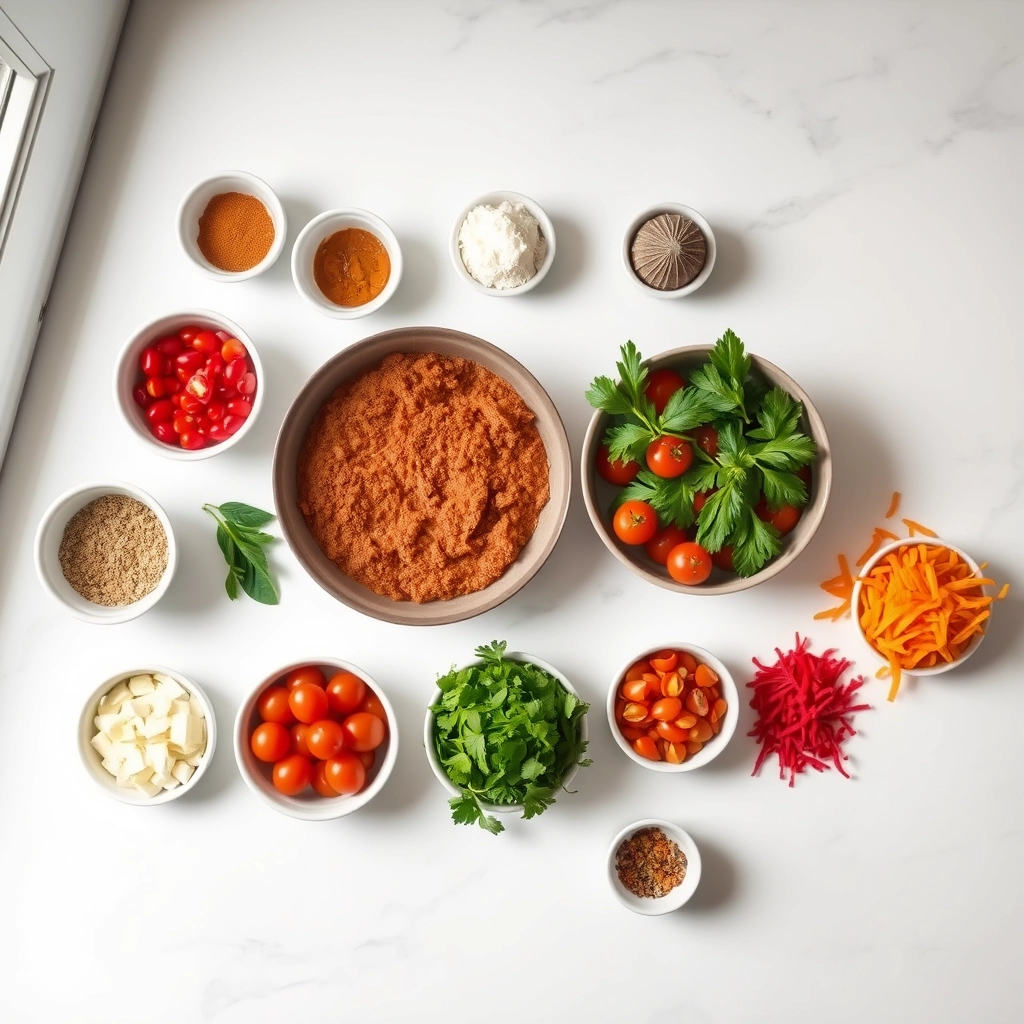
3 pounds roma tomatoes see body of post for tomato options
1 small yellow onion peeled and rough chopped
1 whole small garlic head
3 tablespoons olive oil
salt and black pepper to taste
1–1 1/2 cups chicken stock depending on how thick you want the soup
3–4 sprigs fresh thyme left whole
2 tablespoons butter
1/4 cup half and half can use heavy cream
Instructions
Instructions
Preheat oven to 450°.
Wash and quarter or halve the tomatoes so they're about the same size then rough chop the onions and transfer both to a large baking sheet.
Prepare the garlic: cut the top off then place in a piece of foil slightly larger than the garlic clove. Drizzle a little olive oil over the top, season with salt and pepper and pinch the foil closed forming a little package.
Season tomatoes and onions and salt and pepper, drizzle olive oil over the top and gently toss with your hands to coat.
Place the garlic package on the baking sheet with the tomatoes then lay thyme sprigs over the top and roast 25 minutes or until the tomatoes are softened and are starting to caramelized on the bottom and edges.
Remove the baking sheet from the oven, discard the thyme sprigs and transfer the tomato mixture to a large pot (including all juices and brown bits).
When the foil is cool enough to handle, open the pouch and squeeze as much of the garlic as you like from the cloves (I use it all) into the soup (discard the outer shell).
Add butter and stock then cook over medium to medium-low heat 5 minutes.
Pulse with an immersion blender until smooth, add a splash of cream then taste and adjust salt and pepper to your preference.
Serve hot with a few fresh basil leaves, grilled cheese croutons or a sprinkle of parmesan cheese.
How to Prepare This Dish
Steps and time-saving tips
First, preheat your oven to 400°F for a perfect roast. Next, grab a large baking sheet and toss your halved tomatoes, onion chunks, and whole garlic cloves with a generous drizzle of olive oil. Generously season everything with salt and pepper; this foundational step builds incredible flavor. Roast the vegetables for about 30 minutes until they develop beautiful, caramelized edges. Meanwhile, you can clean up or prepare your garnishes. Once roasted, carefully transfer the hot vegetables into a blender. Add your vegetable broth and a handful of fresh basil leaves. Then, blend the mixture until it becomes completely smooth and velvety. For a silky finish, pour the soup through a fine-mesh sieve back into your pot. Finally, warm the soup through on the stovetop and stir in a splash of cream if you like. This entire process for Easy Homemade Roasted Tomato Soup is wonderfully straightforward and delivers a rich, deep flavor that canned soup simply cannot match.
and-learned-from">Mistakes I’ve made and learned from
I have definitely learned a few lessons the hard way with this Easy Homemade Roasted Tomato Soup. My biggest mistake was overcrowding the baking sheet, which caused the tomatoes to steam instead of roast. They ended up soggy and lacking that sweet, concentrated flavor we all love. Now, I always use two pans if necessary to ensure everything has enough space. Another error was blending the soup while it was far too hot, which created a messy and dangerous situation. Letting it cool for just ten minutes makes all the difference. I also used to skip straining, but taking that extra minute truly gives you a professional-quality texture. For more on getting the most out of your oven, my guide on how to preheat your oven properly is a game-changer. And if you’re worried about blending hot liquids, my tips for blending soup safely will save you from a kitchen disaster.
Cultural Connection and Variations
Where this recipe comes from
Every culture, it seems, embraces the tomato in its own beautiful way. Consequently, our Easy Homemade Roasted Tomato Soup finds its roots in a global love affair. For instance, in Spain, they serve a chilled version called gazpacho during the hot summer months. Meanwhile, in Italy, a simple passata often forms the soulful base for pastas and other dishes. Personally, my grandmother always made her version with a hefty pinch of sugar to balance the acidity, a trick I still use today. Furthermore, some families swear by adding a splash of cream, while others keep it dairy-free and let the roasted tomato flavor truly shine. Ultimately, this flexibility makes the dish so special. You can find your own tradition within it. This particular journey for the perfect Easy Homemade Roasted Tomato Soup started in my kitchen, aiming to capture that deep, caramelized flavor you simply cannot find in a can.
ays-cooking">How it fits in today’s cooking
This classic soup fits perfectly into our modern cooking routines. Firstly, it embodies the whole “farm-to-table” movement beautifully, especially when you use summer’s peak harvest. Moreover, it serves as a fantastic make-ahead lunch option for busy weekdays, guaranteeing a wholesome meal in minutes. Naturally, many health-conscious cooks now adapt it to be vegan by using coconut milk instead of cream, or by blending in other roasted vegetables for extra nutrition. Additionally, it remains a cornerstone of comfort food, often paired with a classic grilled cheese sandwich for the ultimate cozy meal. This simple pairing never goes out of style. Furthermore, its versatility allows it to star in elegant dinners too. For example, you can serve a silky smooth version as a starter before a main course like herb-crusted pork tenderloin. Ultimately, this adaptability secures its place in contemporary kitchens everywhere.
Taste and Texture
What makes it delicious
This Easy Homemade Roasted Tomato Soup delivers a rich and velvety experience. Roasting the tomatoes first caramelizes their natural sugars, creating a deeply sweet and savory base. Consequently, each spoonful feels luxuriously smooth and creamy on your tongue. Fresh garlic and herbs mingle to produce an incredibly fragrant aroma that fills your kitchen. Ultimately, the roasted vegetables create a complex, umami-packed flavor that far surpasses any canned version.
Boosting the flavor
You can easily amplify your Easy Homemade Roasted Tomato Soup with a few creative additions. For a touch of luxury, swirl in a spoonful of basil pesto or a drizzle of high-quality olive oil just before serving. Alternatively, a sprinkle of parmesan cheese or homemade croutons adds a wonderful salty, crunchy contrast. If you enjoy a bit of heat, a pinch of red pepper flakes will beautifully elevate the entire bowl. For a perfect pairing, consider serving it alongside a crisp, green salad. Similarly, a warm, cheesy piece of bread makes for an ideal dipping companion that soaks up every last drop.
Always roast your tomatoes until they blister and caramelize, as this step builds the foundational flavor for your Easy Homemade Roasted Tomato Soup. Furthermore, use an immersion blender directly in the pot for a beautifully smooth texture and to save on cleanup. For the best results, do not skip the fresh basil garnish, since it adds a bright, fresh finish that complements the rich, roasted notes perfectly.
Mistakes to avoid
A common mistake is blending the hot soup in a standard blender without venting the lid, which can create a dangerous pressure buildup. Instead, always remove the center cap from the lid and cover the hole with a towel. Additionally, avoid overseasoning the soup with salt before roasting, because the tomatoes will naturally concentrate and their flavors will intensify. For more guidance on getting the most out of your oven, read our guide on how to roast vegetables perfectly every time. Moreover, if your soup turns out too thick, simply stir in some vegetable broth or water until you reach your desired consistency, a technique we often use for our creamy potato soup as well.
g-suggestions">Serving and Pairing Suggestions
How to serve this dish
Present your Easy Homemade Roasted Tomato Soup beautifully for maximum appeal. Pour the vibrant soup into a warm, shallow bowl to keep it hot longer. Furthermore, create a stunning visual contrast by adding a bright white dollop of sour cream or Greek yogurt right in the center. For a cozy family dinner, serve it in big mugs everyone can hold comfortably. This simple presentation makes your Easy Homemade Roasted Tomato Soup feel extra special.
Garnish generously for both flavor and a pop of color. Ultimately, a drizzle of high-quality olive oil and a sprinkle of fresh basil or chopped chives elevate every spoonful. You can also offer a side of crispy croutons or grated parmesan cheese for guests to add themselves. Consequently, this interactive element turns a simple meal into a memorable dining experience.
What goes well with it
Nothing beats a classic grilled cheese sandwich for dipping. The crispy, buttery bread and melted cheese create the perfect textural contrast to the smooth, rich soup. For an elevated twist, try our ultimate Gourmet Grilled Cheese which features a blend of three cheeses.
A simple, crisp salad m
akes another fantastic side. Specifically, a light vinaigrette and fresh greens cut through the soup’s acidity beautifully. Our popular Classic Caesar Salad offers a garlicky crunch that pairs wonderfully.
Finally, pair your meal with a refreshing beverage. A chilled glass of lemonade or sparkling water with a squeeze of lime cleanses the palate between each delicious bite.
math-faq-block">
What is the best way to thicken roasted tomato soup?
For a naturally thicker Easy Homemade Roasted Tomato Soup, you can blend in a small, peeled potato that has been roasted alongside the tomatoes. Alternatively, simply simmer the blended soup for an extra 10-15 minutes to allow it to reduce and concentrate, which will thicken it perfectly without altering the flavor.
Can you freeze homemade tomato soup?
Yes, this Easy Homemade Roasted Tomato Soup freezes exceptionally well. Allow the soup to cool completely before transferring it to airtight containers or freezer bags, leaving some space for expansion. It will keep for up to 3 months for a quick and delicious future meal.
What herbs go well with tomato soup?
Fresh or dried basil is a classic pairing, but thyme and oregano also complement the rich, sweet flavors of roasted tomatoes beautifully. For the best flavor, add hardy herbs like thyme during roasting and delicate herbs like fresh basil as a garnish after blending.
ank-math-faq-item">
Do you have to peel tomatoes for soup?
It is highly recommended to peel your tomatoes for the smoothest texture, as the skins can separate and become tough during cooking. However, if you are using a high-powered blender, it will puree the softened roasted skins seamlessly into your Easy Homemade Roasted Tomato Soup.