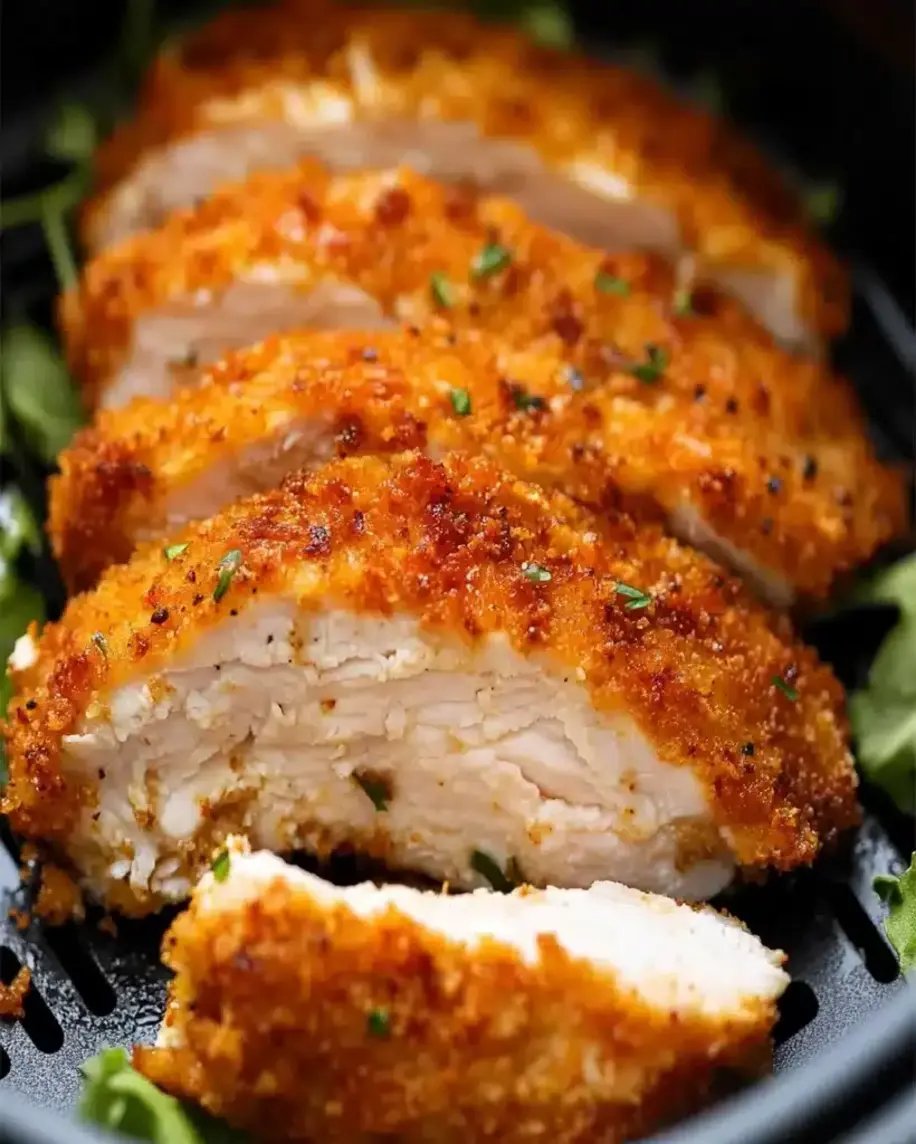
Crispy Air Fryer Chicken Breast – So Easy & Delicious!

“`html

Crispy Air Fryer Chicken Breast – So Easy & Delicious!

Dive into Crispy Air Fryer Chicken Breast

Welcome to our kitchen! Today, we’re diving into the wonderful world of air frying with a recipe that combines all the deliciousness of crispy chicken without the extra calories from deep-frying. If you’re a fan of easy, quick, and healthy meals, then this Crispy Chicken Breast in Air Fryer is the perfect choice for you. With just a teaspoon of oil, you’ll get golden, crispy chicken that’s moist and tender on the inside—exactly what you’d expect from your favorite fried chicken spot but without the guilt.

The air fryer has revolutionized home cooking, transforming often-heavy dishes into lighter, healthier versions. This method is particularly brilliant for achieving that coveted crispy exterior on proteins like chicken, without submerging them in a vat of oil. Forget greasy pans and smoky kitchens; the air fryer circulates hot air at high speed, mimicking the crisping effect of deep frying but with a fraction of the fat. This recipe is designed to be incredibly straightforward, perfect for busy weeknights or when you’re just starting out with your air fryer.

The Crispy Air Fryer Chicken Breast Ingredients

The beauty of this recipe lies in its simplicity and the pantry staples it uses. We’re focusing on creating maximum flavor and texture with minimal ingredients.

  • 2 (6-ounce) boneless, skinless chicken breasts: Look for chicken breasts that are relatively uniform in thickness. This ensures even cooking. If they are very thick, you can pound them slightly to about 3/4 inch thickness.
    Substitution: Boneless, skinless chicken thighs work wonderfully but will require a slightly longer cooking time.
  • 1 tablespoon olive oil or avocado oil: This is the *minimum* needed for air frying to help the seasonings adhere and aid in crisping. You can also use a spray oil for even lighter coating.
    Substitution: Any neutral high-heat oil like grapeseed or canola oil works. For a flavor boost, consider a light olive oil.
  • 1 teaspoon paprika: Adds a beautiful reddish hue and a mild, smoky-sweet flavor.
    Substitution: Smoked paprika is fantastic for a deeper, smokier taste. You can also use sweet paprika.
  • 1/2 teaspoon garlic powder: For that essential savory depth.
    Substitution: Fresh minced garlic can be used, but it may burn more easily in the air fryer. A good compromise is to mix it with the oil.
  • 1/2 teaspoon onion powder: Complements the garlic and paprika for a well-rounded flavor base.
    Substitution: Finely minced dried onion flakes can provide texture as well as flavor.
  • 1/4 teaspoon black pepper: Freshly ground black pepper offers the best pungent aroma and taste.
    Substitution: White pepper can be used for a slightly different heat profile.
  • 1/2 teaspoon salt: Enhances all the other flavors and is crucial for taste.
    Substitution: Sea salt or kosher salt are preferred for their clean flavor. Adjust to your salt preference.
  • Optional: Pinch of cayenne pepper: For a little kick of heat.
    Substitution: Red pepper flakes can also be used for a spicier note.

Timing is Everything for Your Crispy Chicken

Prep Time:
5 minutes
Cook Time:
12-16 minutes
Total Time:
17-21 minutes

The average time to prepare and cook chicken breasts can range from 25-40 minutes, depending on the method. Our air fryer method significantly speeds up this process, allowing you to get a delicious, home-cooked meal on the table in under 25 minutes, including prep! This efficiency is one of the top reasons to love your air fryer.
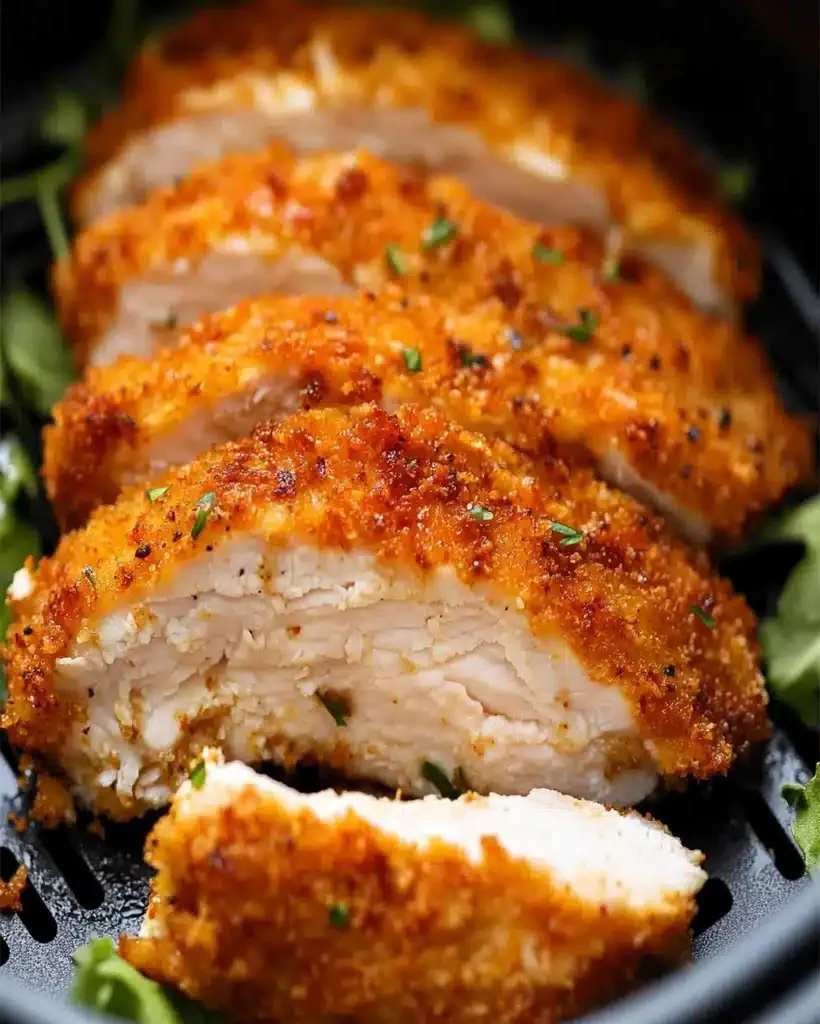
Crispy Air Fryer Chicken Breast ready to serve

How to Make Crispy Air Fryer Chicken Breast: Step-by-Step

Step 1: Prep Your Chicken Breasts

Begin by patting your chicken breasts thoroughly dry with paper towels. This is a crucial step for achieving a crispy exterior. If your chicken breasts are particularly thick or uneven, you can place them between two pieces of plastic wrap or in a resealable bag and gently pound them with a meat mallet or the bottom of a heavy pan until they are about 3/4 inch thick. This ensures even cooking.

Step 2: Season Generously

In a small bowl, whisk together the paprika, garlic powder, onion powder, salt, black pepper, and cayenne pepper (if using). Place the dried chicken breasts in a larger bowl or on a plate. Drizzle them with the olive oil and rub it all over to coat evenly. Then, generously sprinkle the spice mixture over the chicken breasts, ensuring they are well-coated on all sides. Press the spices onto the chicken so they adhere.

Step 3: Air Fry to Perfection

Preheat your air fryer to 400°F (200°C) for about 5 minutes. Place the seasoned chicken breasts in a single layer in the air fryer basket. It’s important not to overcrowd the basket, as this allows air to circulate properly, ensuring crispiness. If necessary, cook the chicken in batches.

Air fry for 12-16 minutes. The exact time will depend on the thickness of your chicken breasts and your specific air fryer model. Halfway through the cooking time (around 6-8 minutes), carefully flip the chicken breasts to ensure they brown and crisp evenly on both sides.

The chicken is done when it reaches an internal temperature of 165°F (74°C) when tested with an instant-read thermometer inserted into the thickest part. The exterior should be golden brown and crispy.

Step 4: Rest and Serve

Once cooked, carefully remove the chicken breasts from the air fryer basket. Transfer them to a clean cutting board or plate and let them rest for at least 5 minutes before slicing. This resting period allows the juices to redistribute throughout the meat, resulting in a more tender and moist chicken breast.

Nutritional Powerhouse: What You’re Eating

This recipe is a fantastic way to enjoy lean protein with significantly fewer calories and less fat than traditional fried chicken. A typical serving (one 6oz breast, without added sides) is approximately:

  • Calories: ~300-350 (depending on oil used)
  • Protein: ~50-60g
  • Fat: ~10-15g
  • Carbohydrates: ~2-3g

(Note: Nutritional values are approximate and can vary based on exact ingredients and portion sizes.)

Healthier Swaps for Even More Goodness

While this recipe is already quite healthy, here are some ways to boost its nutritional profile or adapt it for specific dietary needs:

  • Lower Sodium: Use a salt substitute or reduce the salt by half. Be mindful of spice blends used, as some can be high in sodium.
  • Gluten-Free Coating: If you want an even crispier coating or are avoiding gluten, you can lightly dredge the oiled chicken in almond flour or gluten-free breadcrumbs before applying the spice mix.
  • Herbaceous Twist: Add dried herbs like rosemary, thyme, or oregano to the spice rub for a Mediterranean flair.
  • Spiciness Level: Adjust the cayenne pepper to your preference, or omit it entirely if you don’t like heat.

Serving Suggestions to Elevate Your Meal

This versatile crispy chicken breast pairs beautifully with a wide array of side dishes:

  • Serve sliced over a crisp green salad with your favorite vinaigrette.
  • Pair with steamed or roasted vegetables like broccoli, green beans, or asparagus.
  • Enjoy alongside a healthy carb source like quinoa, brown rice, or sweet potato.
  • Transform it into a sandwich or wrap by slicing and adding to your favorite bread or lettuce wrap.
  • Drizzle with your favorite healthy sauce, like a light ranch or a zesty salsa.

Avoid These Common Mistakes

  • Overcrowding the Basket: This is the number one culprit for soggy chicken. Ensure there’s space for air to circulate. Cook in batches if needed.
  • Not Patting Dry: Moisture is the enemy of crispiness. Always pat your chicken breasts thoroughly dry.
  • Not Resting the Chicken: Skipping the rest period means juices will run out when you cut into it, leading to drier chicken.
  • Uneven Thickness: Thick and thin parts of the chicken will cook at different rates, leading to either dry or undercooked chicken. Pound to an even thickness.

Storing Your Crispy Chicken

Once completely cooled, store leftover crispy air fryer chicken breasts in an airtight container in the refrigerator for up to 3-4 days. While it’s best enjoyed fresh, you can reheat it gently in the air fryer or oven for a few minutes to try and revive some crispiness. Microwaving will likely result in a softer texture.

Enjoy Your Effortlessly Delicious Meal!

This Crispy Air Fryer Chicken Breast recipe is a game-changer for quick, healthy, and satisfying meals. It proves that you don’t need to deep-fry to achieve incredible flavor and texture. Whether you’re an air fryer novice or a seasoned pro, give this recipe a try – it’s sure to become a staple in your weekly meal rotation. What are you waiting for? Get your air fryer ready and let’s make some magic!

Frequently Asked Questions

***Can I use frozen chicken breasts?***

It’s best to thaw chicken breasts completely before air frying. Frozen chicken will take much longer to cook and will likely not achieve the same level of crispiness. Ensure your chicken is at room temperature or thawed before seasoning and cooking.

***Do I need to flip the chicken?***

Yes, flipping the chicken halfway through the cooking time is recommended to ensure it cooks evenly and gets crispy on both sides. This is a key step for achieving that perfect golden-brown crust.

***What if my air fryer doesn’t have a temperature setting?***

Most modern air fryers have temperature controls. If yours doesn’t, you might have a simpler model. In that case, you’ll rely more on visual cues and the recommended cooking time, adjusting as needed. Cook for the suggested time and check for doneness. You can also consult your air fryer’s manual for guidance.

***Can I add a breading to this recipe?***

Absolutely! If you want a breaded crust, you can follow a standard breading procedure: dredge the oiled chicken in flour, then an egg wash, and finally in breadcrumbs (panko breadcrumbs work great for extra crispiness). You might need to slightly increase the cooking time or lower the temperature to ensure the breading cooks through without burning.

Print
clock clock iconcutlery cutlery iconflag flag iconfolder folder iconinstagram instagram iconpinterest pinterest iconfacebook facebook iconprint print iconsquares squares iconheart heart iconheart solid heart solid icon

Crispy Chicken Breast in Air Fryer – Easy & Healthy Recipe

  • Author: Chef Mia

Description

Welcome to our kitchen! Today, we’re diving into the wonderful world of air frying with a recipe that combines all the deliciousness of crispy chicken without the extra calories from deep-frying. If you’re a fan of easy, quick, and healthy meals, then thisCrispy Chicken Breast in Air Fryeris the perfect choice for you. With just a teaspoon of oil, you’ll get golden, crispy chicken that’s moist and tender on the inside—exactly what you’d expect from your favorite fried chicken spot but without the guilt.


Ingredients

  • For the bread coating:
  • Optional substitutions:

Instructions

  1. Start by cutting the chicken breasts into even-sized fillets or cutlets. Use a meat mallet or rolling pin to pound the thicker parts to ensure even cooking. This is important for getting that crispy, uniform texture.
  2. In a bowl, mix together the oil, salt, and pepper. Coat the chicken fillets evenly with this mixture. The oil helps the coating stick while also ensuring the chicken gets that golden, crispy finish in the air fryer.
  3. In a separate bowl, combine the breadcrumbs, flour, garlic powder, onion powder, thyme, basil, salt, and chili powder. Mix well to create the seasoned breading mixture.
  4. Place each chicken fillet in the breading mixture, pressing gently to ensure the coating adheres. Flip and coat the other side as well.
  5. Place the coated chicken fillets in the air fryer basket, making sure they’re not touching. Set the air fryer to 200°C (390°F) and cook for 8-9 minutes. Flip the fillets halfway through and cook for an additional 4 minutes, or until the chicken is crispy and fully cooked through.

Notes

For extra crispiness, usepanko breadcrumbsinstead of regular breadcrumbs.
Marinate the chicken in buttermilk for an hour before coating for a juicier texture.
To avoid overcrowding, cook the chicken in batches if necessary. Overcrowding the basket can result in uneven cooking.

“`
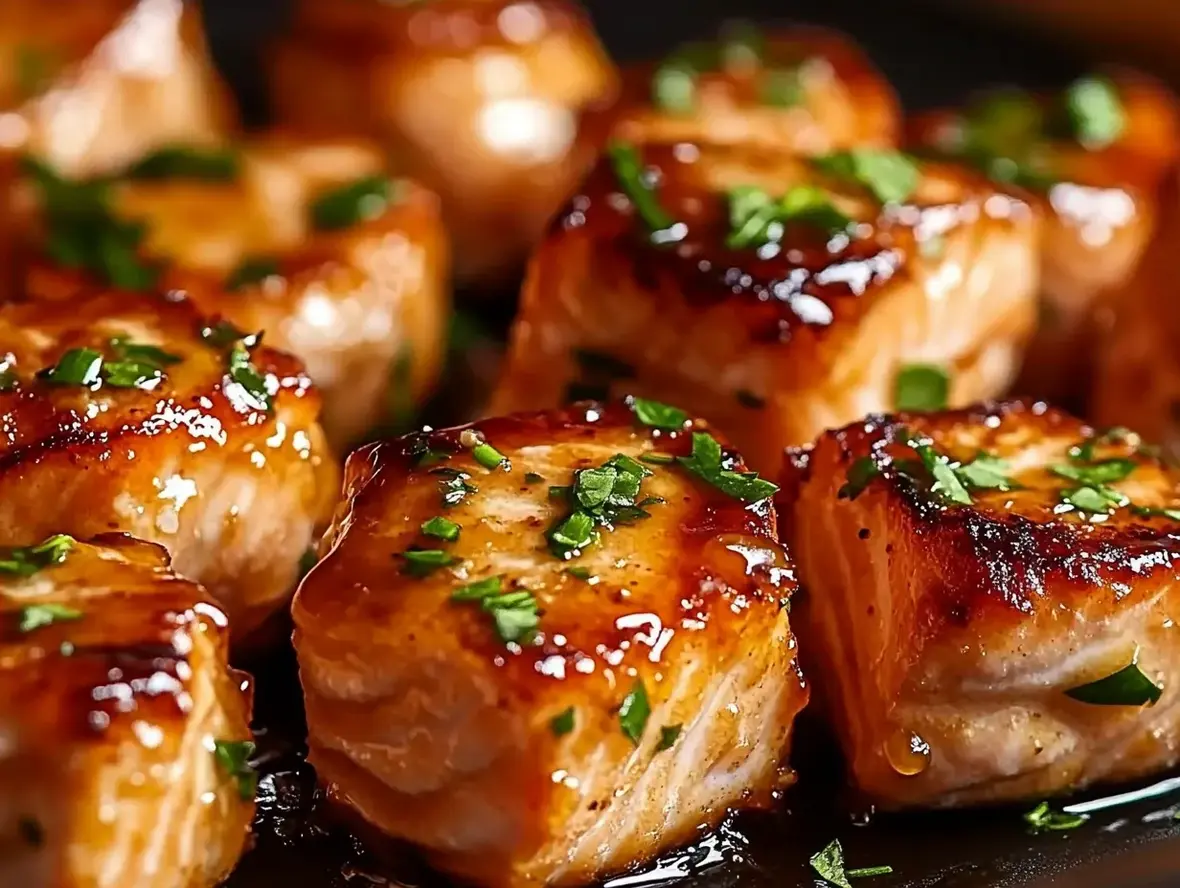
Delicious Glazed Salmon Bites Recipe for a Quick & Easy Meal

“`html

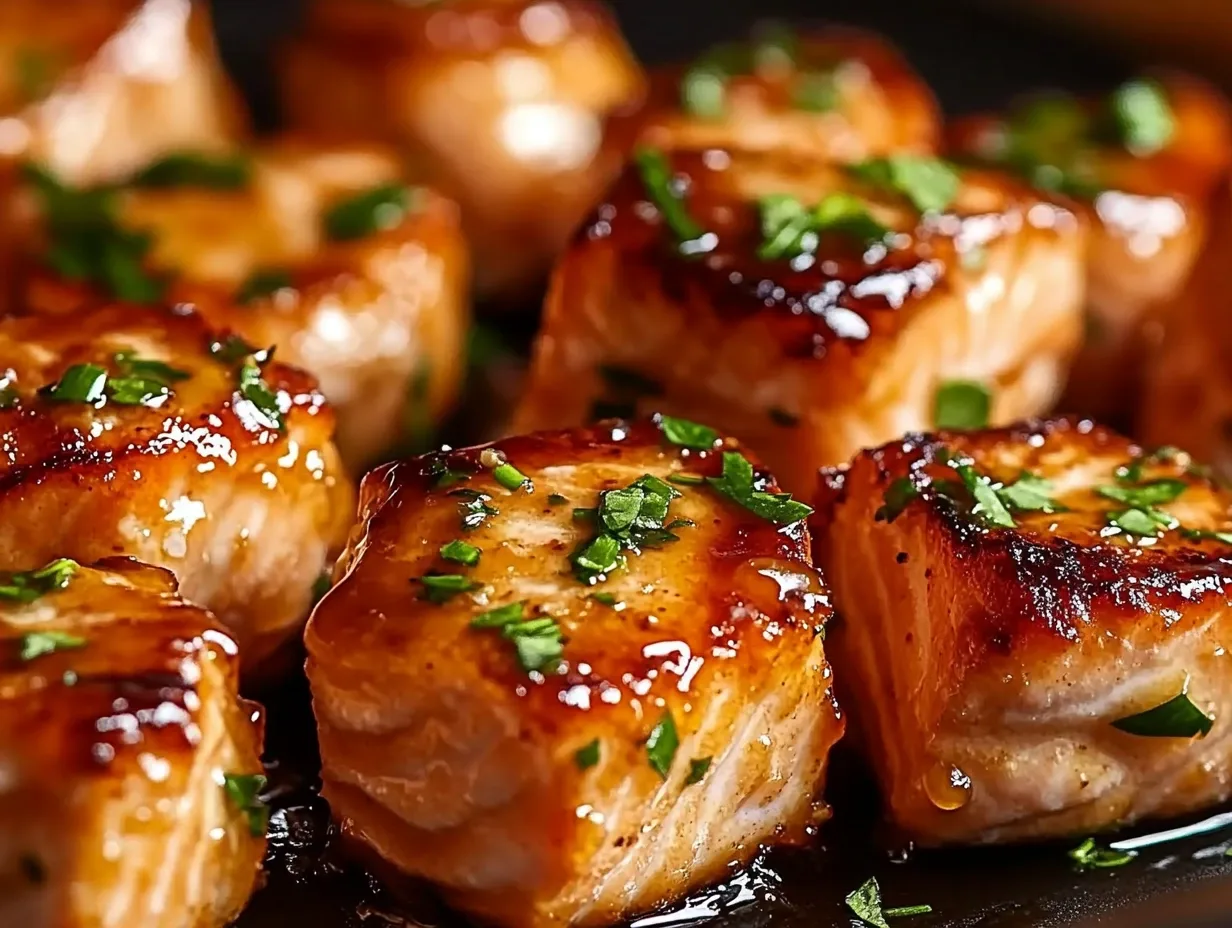
Delicious Glazed Salmon Bites Recipe for a Quick & Easy Meal

Ingredients for Honey Butter Garlic Glazed Salmon Bites

The beauty of this recipe lies in its simplicity and the harmony of its core ingredients. We’re aiming for crispy edges, a tender, flaky interior, and a glaze that’s perfectly balanced between sweet, savory, and garlicky. Here’s what you’ll need:

For the Salmon

  • 1.5 lbs salmon fillet, skin removed and cut into 1-inch cubes
  • 1 tablespoon olive oil (or avocado oil)
  • Salt and freshly ground black pepper, to taste
  • 1/2 teaspoon garlic powder

For the Honey Butter Garlic Glaze

  • 4 tablespoons unsalted butter
  • 4 cloves garlic, minced (about 1.5 tablespoons)
  • 1/4 cup honey (use a good quality honey for the best flavor)
  • 1 tablespoon soy sauce (or tamari for gluten-free)
  • 1 teaspoon Dijon mustard (adds a slight tang and emulsifies the sauce)
  • Pinch of red pepper flakes (optional, for a hint of heat)

Optional Garnishes

  • Fresh parsley, chopped
  • Lemon wedges
  • Sesame seeds

Timing is Everything

Prep time: 10 minutes
Cook time: 10-12 minutes
Total time: 20-22 minutes

This recipe is designed for speed. Most classic salmon recipes can take upwards of 30-40 minutes, especially if they involve marinating or more intricate cooking methods. Our Glazed Salmon Bites clock in at just over 20 minutes from start to finish, making it one of the fastest, most satisfying salmon dishes you can prepare. The prep is minimal, and the cooking is a rapid sear followed by a quick glaze.

Delicious Glazed Salmon Bites in a bowl

Step-by-Step Instructions

Step 1: Prepare the Salmon Bites

Start by ensuring your salmon fillet is completely de-boned and the skin is removed. This is crucial for getting those perfect, bite-sized cubes. Pat the salmon cubes thoroughly dry with paper towels. This is a *critical* step for achieving a nice sear, which adds a delightful texture. In a medium bowl, toss the salmon cubes with olive oil, salt, pepper, and garlic powder. Make sure each piece is lightly coated. Don’t over-season at this stage, as the glaze will add more flavor.

Step 2: Mix the Glaze

While the salmon is prepped, let’s create that irresistible glaze. In a small saucepan or a microwave-safe bowl, combine the butter, minced garlic, honey, soy sauce (or tamari), Dijon mustard, and red pepper flakes (if using). If using a saucepan, melt the butter over medium-low heat, then add the garlic and sauté for about 30 seconds until fragrant, being careful not to burn it. Stir in the honey, soy sauce, Dijon mustard, and red pepper flakes. If microwaving, heat in 30-second intervals, stirring in between, until the butter is melted and the mixture is well combined and fragrant. The goal is a smooth, slightly thickened, glossy sauce.

Step 3: Cook the Salmon

Heat a large non-stick skillet or cast-iron pan over medium-high heat. Add a drizzle of extra oil if your pan isn’t well-seasoned or if you prefer. Once the pan is hot (a drop of water should sizzle), carefully add the seasoned salmon cubes in a single layer. Avoid overcrowding the pan; cook in batches if necessary. Let the salmon cook undisturbed for about 2-3 minutes per side, until golden brown and nicely seared. The salmon should still be slightly undercooked in the center, as it will finish cooking in the glaze. You’re looking for a beautiful crust on the outside.

Step 4: Glaze and Finish

Once the salmon is seared, reduce the heat to low. Pour the prepared honey butter garlic glaze over the salmon in the skillet. Gently toss the salmon cubes to coat them evenly in the warm glaze. Let it simmer for just 1-2 minutes, allowing the glaze to thicken slightly and adhere to the salmon. The heat from the pan will finish cooking the salmon perfectly, making it incredibly tender and moist inside. Be careful not to overcook at this stage, as salmon can dry out quickly.

Nutritional Information

While exact nutritional values can vary based on portion size and specific ingredients used, a typical serving of these Honey Butter Garlic Glazed Salmon Bites (approximately 1/4 of the recipe) offers:

  • Calories: ~350-450 kcal
  • Protein: ~25-30g
  • Fat: ~20-30g (varying based on butter and oil)
  • Carbohydrates: ~15-20g (mainly from honey)
  • Sodium: ~400-600mg (can vary based on soy sauce)

(Note: This is an estimation. For precise calculations, use a nutritional calculator with your exact ingredients.)

Healthier Alternatives

Looking to make these even healthier without sacrificing flavor? Here are a few swaps:

  • Butter: Replace half or all of the butter with a neutral oil like avocado oil or even a light olive oil. While it won’t provide the same richness, it will still work.
  • Honey: Reduce the amount of honey by half and add a splash of water or sugar-free maple syrup to maintain sweetness. You can also use monk fruit sweetener or stevia, but be mindful of how they affect texture and browning.
  • Soy Sauce: Opt for a lower-sodium soy sauce or use tamari for a gluten-free option. Coconut aminos are also a fantastic, lower-sodium, soy-free alternative.
  • Cooking Method: Instead of pan-searing, you can bake the salmon bites at 400°F (200°C) for about 8-10 minutes, then toss them in the glaze (pre-heated) and briefly broil for a minute or two to caramelize.
  • Portion Control: Be mindful of the glaze; it’s rich! Use just enough to coat the salmon.

Serving Suggestions

These Glazed Salmon Bites are incredibly versatile. Serve them as a:

  • Quick Dinner: Pair them with steamed rice (white or brown), quinoa, roasted vegetables (like broccoli or asparagus), or a fresh green salad.
  • Appetizer: Serve them in a bowl with toothpicks for easy grabbing, or arrange them on a platter with lemon wedges and fresh parsley. They’re a hit at parties!
  • Lunchbox Star: Pack them cold or gently reheated for a protein-packed lunch.
  • Salad Topper: Add them to a bed of mixed greens for a delicious and filling salad.

Common Mistakes to Avoid

To ensure your salmon bites turn out perfectly every time, watch out for these common pitfalls:

  • Overcrowding the Pan: This steams the salmon instead of searing it, preventing that desirable crispy exterior. Cook in batches if needed.
  • Not Patting Salmon Dry: Moisture is the enemy of a good sear. Excess water will lower pan temperature and lead to soggy salmon.
  • Overcooking the Salmon: Salmon cooks very quickly. Be vigilant, especially when glazing, to keep it tender and moist. It should flake easily but still be opaque.
  • Burning the Garlic: Minced garlic can burn quickly. Sauté it briefly until fragrant, or add it towards the end of sauce preparation.
  • Skipping the Sear: While baking is an option, the sear is what gives these bites their unique texture and depth of flavor.

Storing and Reheating Tips

Leftover glazed salmon bites can be stored in an airtight container in the refrigerator for up to 2-3 days.

Reheating:

  • Oven/Toaster Oven (Recommended): Spread leftovers on a baking sheet and reheat at a low temperature (around 300°F / 150°C) for 5-8 minutes until warmed through. This helps retain some crispiness.
  • Stovetop: Gently reheat in a non-stick skillet over low heat, tossing to coat in any congealed glaze.
  • Microwave: While convenient, the microwave can make salmon a bit rubbery. Heat in short intervals, checking frequently.

Adding a tiny splash of water or a tiny bit of extra butter/oil when reheating can help the glaze re-liquefy.

Enjoy Your Delicious Glazed Salmon Bites!

These Honey Butter Garlic Glazed Salmon Bites are a testament to how simple ingredients and quick cooking can yield spectacular results. They’re flavorful, satisfying, and perfect for any occasion, from a busy weeknight meal to a sophisticated appetizer. Don’t be afraid to experiment with the spice level or add your favorite herbs.

What are you waiting for? Give this recipe a try and let us know how it turns out in the comments below! We love hearing from you and seeing your culinary creations. Happy cooking!

Frequently Asked Questions

What makes the salmon bites crispy?

The crispiness comes from ensuring the salmon cubes are thoroughly dried before searing, and then cooking them in a hot pan that allows for a good crust to form.

Can I use frozen salmon?

Yes, but ensure it’s fully thawed and very well-drained and patted dry. Frozen salmon can release more moisture, so drying it properly is extra important.

How can I make the glaze spicier?

Increase the red pepper flakes, add a dash of sriracha or your favorite hot sauce to the glaze, or use a spicier chili powder.

Can I prepare the glaze in advance?

Yes, you can mix the glaze ingredients (except butter if melting specifically for sautéing aromatics) and store them in the refrigerator. Gently reheat before using, and add the butter as directed.

What other types of fish can I use?

While salmon is ideal due to its richness and texture, you could try this glaze on other firm, oily fish like tuna steaks (cut into cubes) or even shrimp, adjusting cooking times accordingly.

Print
clock clock iconcutlery cutlery iconflag flag iconfolder folder iconinstagram instagram iconpinterest pinterest iconfacebook facebook iconprint print iconsquares squares iconheart heart iconheart solid heart solid icon

Honey Butter Garlic Glazed Salmon Bites

  • Author: Chef Mia

Description

TheseHoney Butter Garlic Glazed Salmon Bitesare crispy on the outside, tender on the inside, and coated in a rich, sweet, and savory glaze. Perfect for a quick dinner or an easy appetizer!


Ingredients

Scale
  • 1lb salmon fillets, cut into bite-sized cubes2 tbsphoney2 tbspunsalted butter4cloves garlic, minced1 tbspsoy sauce1 tbsplemon juice1 tbspolive oilSalt and pepper to tasteFresh parsley, chopped (for garnish)
  • 2 tbsphoney2 tbspunsalted butter4cloves garlic, minced1 tbspsoy sauce1 tbsplemon juice1 tbspolive oilSalt and pepper to tasteFresh parsley, chopped (for garnish)
  • 2 tbspunsalted butter4cloves garlic, minced1 tbspsoy sauce1 tbsplemon juice1 tbspolive oilSalt and pepper to tasteFresh parsley, chopped (for garnish)
  • 4cloves garlic, minced1 tbspsoy sauce1 tbsplemon juice1 tbspolive oilSalt and pepper to tasteFresh parsley, chopped (for garnish)
  • 1 tbspsoy sauce1 tbsplemon juice1 tbspolive oilSalt and pepper to tasteFresh parsley, chopped (for garnish)
  • 1 tbsplemon juice1 tbspolive oilSalt and pepper to tasteFresh parsley, chopped (for garnish)
  • 1 tbspolive oilSalt and pepper to tasteFresh parsley, chopped (for garnish)
  • Salt and pepper to tasteFresh parsley, chopped (for garnish)
  • Fresh parsley, chopped (for garnish)

Instructions

  1. 1️⃣Prepare the glaze:In a small bowl, whisk togetherhoney, soy sauce, lemon juice, and minced garlic. Set aside.
  2. 2️⃣Season the salmon:Pat thesalmon bitesdry with a paper towel and season withsalt and pepper.3️⃣Sear the salmon:Heatolive oilin a large skillet over medium-high heat. Add thesalmon bitesand cook for2-3 minutes per side, until golden and crispy. Remove from the skillet and set aside.4️⃣Make the glaze:In the same skillet, meltbutter, then add thehoney garlic mixture. Cook for1-2 minutes, stirring frequently, until the sauce thickens slightly.5️⃣Coat the salmon:Return thesalmon bitesto the skillet and toss them in the glaze until fully coated.6️⃣Garnish and serve:Sprinkle withfresh parsleyand serve hot. Enjoy!
  3. 3️⃣Sear the salmon:Heatolive oilin a large skillet over medium-high heat. Add thesalmon bitesand cook for2-3 minutes per side, until golden and crispy. Remove from the skillet and set aside.4️⃣Make the glaze:In the same skillet, meltbutter, then add thehoney garlic mixture. Cook for1-2 minutes, stirring frequently, until the sauce thickens slightly.5️⃣Coat the salmon:Return thesalmon bitesto the skillet and toss them in the glaze until fully coated.6️⃣Garnish and serve:Sprinkle withfresh parsleyand serve hot. Enjoy!
  4. 4️⃣Make the glaze:In the same skillet, meltbutter, then add thehoney garlic mixture. Cook for1-2 minutes, stirring frequently, until the sauce thickens slightly.
  5. 5️⃣Coat the salmon:Return thesalmon bitesto the skillet and toss them in the glaze until fully coated.6️⃣Garnish and serve:Sprinkle withfresh parsleyand serve hot. Enjoy!
  6. 6️⃣Garnish and serve:Sprinkle withfresh parsleyand serve hot. Enjoy!

Notes

For extra spice, add a pinch ofred pepper flakesto the glaze.Serve overrice, quinoa, or steamed veggiesfor a complete meal.If you prefer a thicker glaze, let it simmer for an extra1-2 minutesbefore adding the salmon back.
Serve overrice, quinoa, or steamed veggiesfor a complete meal.If you prefer a thicker glaze, let it simmer for an extra1-2 minutesbefore adding the salmon back.
If you prefer a thicker glaze, let it simmer for an extra1-2 minutesbefore adding the salmon back.

“`

Bacon Wrapped Deer Tenderloin for the Ultimate Feast

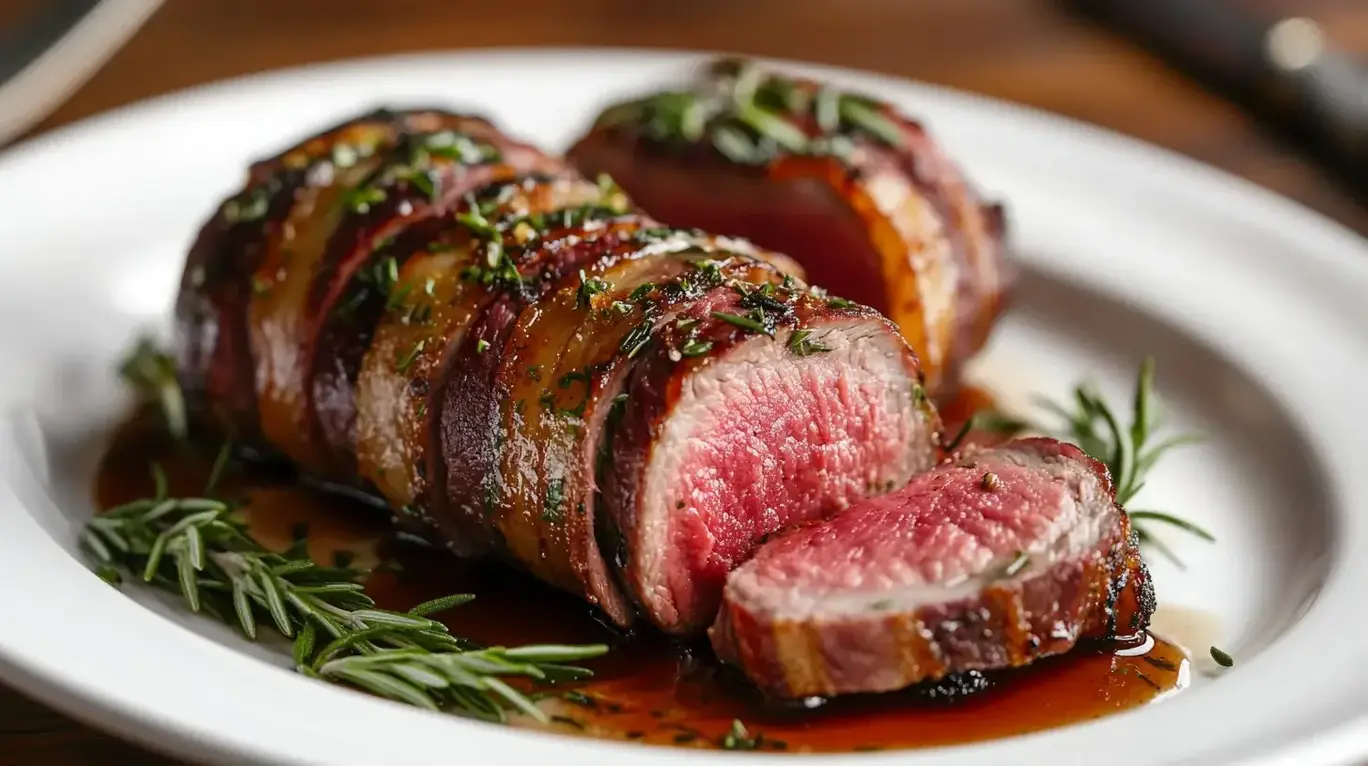
Bacon Wrapped Deer Tenderloin for the Ultimate Feast

Introduction: Elevating Your Game

Are you looking to transform a humble cut of venison into a centerpiece that will wow your guests? If you’re anything like the millions of home cooks who cherish the unique flavor of game meat, you’re probably wondering how to best prepare deer tenderloin to achieve that melt-in-your-mouth texture and rich, satisfying taste. Many resources suggest simple roasting or grilling, but what if you could elevate it even further? This recipe for Bacon Wrapped Deer Tenderloin is designed to do just that, combining the lean, delicate flavor of venison with the irresistible salty crispness of bacon, creating a dish that’s truly fit for a king.

Ingredients: The Building Blocks of Flavor

The magic of this dish lies in its simplicity and thoughtful combination of high-quality ingredients. Each component plays a crucial role in delivering a symphony of textures and tastes.

The Star of the Show: Deer Tenderloin

You’ll need approximately 1 to 1.5 pounds of fresh deer tenderloin. This cut is incredibly tender and has a mild, yet distinct, gamey flavor. Ensure it’s properly trimmed of any excess silver skin or connective tissue for the best texture. If you can’t source deer tenderloin, a high-quality beef tenderloin or even pork tenderloin can be substituted, though the flavor profile will change.

The Flavor Enhancers

To complement the venison, we’ll use a simple yet effective marinade and rub:

  • 2 tablespoons olive oil: Provides a base for basting and helps the rub adhere.
  • 1 tablespoon Worcestershire sauce: Adds a complex umami depth and a hint of tang.
  • 1 teaspoon garlic powder: For that essential savory aroma and taste without burning.
  • 1 teaspoon onion powder: Brings a subtle sweetness and aromatic complexity.
  • 1/2 teaspoon black pepper, freshly ground: For a gentle warmth and spice.
  • 1/2 teaspoon kosher salt: Enhances all the other flavors.
  • Optional: 1/2 teaspoon dried rosemary or thyme: Adds an earthy, woodsy note that pairs beautifully with game.

The Crispy Hug: Bacon

For wrapping, you’ll need 6-8 slices of good quality bacon. Opt for a medium-cut bacon – not too thin to burn quickly, and not too thick to prevent even crisping. The rendered fat from the bacon will baste the tenderloin as it cooks, adding immense richness and flavor.

Timing Is Everything

Prep time:
15 minutes
Cook time:
20-30 minutes
Total time:
35-45 minutes

Compared to a standard roast, this recipe is quite swift. Most deer tenderloin recipes involve longer marinating times or slower roasting. Here, the direct searing and relatively quick roasting method, combined with minimal prep, makes this an ideal dish for a weeknight feast or when you’re short on time but craving something special. The 15 minutes of prep is mainly for trimming and seasoning, while the cook time allows for perfect browning and internal temperature achievement.

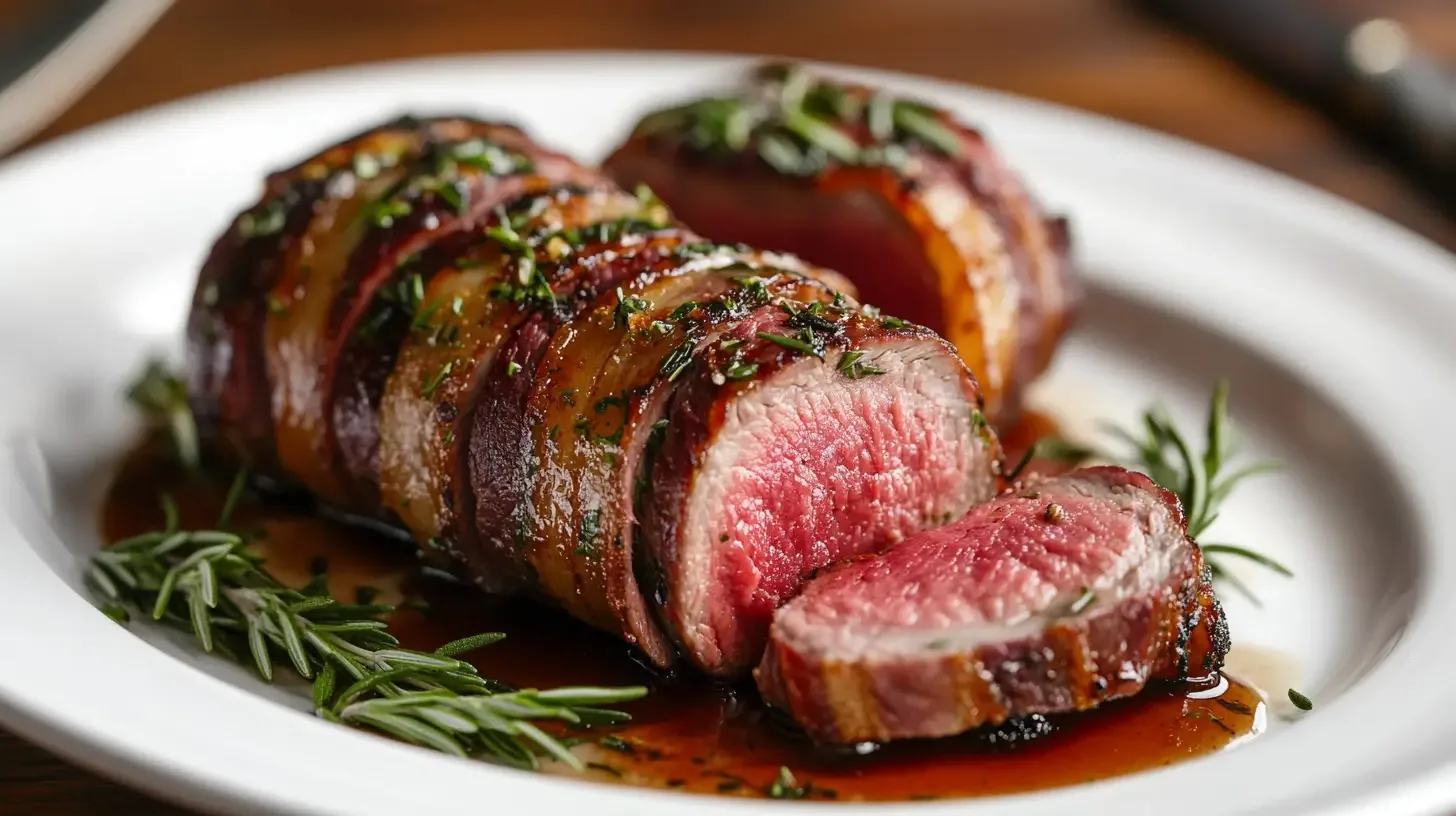
Bacon wrapped deer tenderloin ready for cooking

Step-by-Step Instructions: Crafting Perfection

Step 1: Prepare the Tenderloin

Begin by removing the deer tenderloin from its packaging and patting it thoroughly dry with paper towels. This is a crucial step for achieving a good sear. Carefully inspect the tenderloin and remove any silverskin (a thin, wiry membrane) using a sharp knife, as it can be tough and unpleasantly chewy. Trim away any excess fat, but leave a thin layer of the natural fat if present, as it adds moisture and flavor.

Step 2: Season Generously

In a small bowl, whisk together the olive oil, Worcestershire sauce, garlic powder, onion powder, black pepper, salt, and any optional herbs. Place the prepared tenderloin on a clean plate or in a shallow dish. Pour the mixture over the tenderloin, ensuring it’s evenly coated on all sides. You can gently rub the marinade into the meat. Let it sit for about 10-15 minutes at room temperature while you preheat your oven and prepare the bacon.

Step 3: Wrap It Up

Lay out your bacon slices on a clean surface, slightly overlapping them to create a full wrap. Place the seasoned tenderloin at one end of the bacon strip. Begin to tightly wrap the bacon around the tenderloin, ensuring no gaps. Overlap the bacon slices as you go. You might need to tuck the ends under or secure them with toothpicks if they are loose, but usually, the natural stickiness of the bacon and a tight wrap is enough. If using toothpicks, remember to remove them before serving!

Step 4: Sear for That Crust

Preheat your oven to 400°F (200°C). Heat a heavy-bottomed, oven-safe skillet (like cast iron) over medium-high heat. Add a tablespoon of oil if your skillet isn’t well-seasoned, or if the bacon is very lean. Carefully place the bacon-wrapped tenderloin into the hot skillet, seam-side down if possible. Sear for 1-2 minutes per side, until the bacon is golden brown and starting to crisp up. This step builds an incredible crust and renders some of the bacon fat.

Step 5: Roast to Perfection

Once seared, transfer the skillet directly to the preheated oven. Roast for approximately 10-15 minutes for medium-rare (internal temperature of 130-135°F or 54-57°C), or 15-20 minutes for medium (140-145°F or 60-63°C). Use a reliable meat thermometer inserted into the thickest part of the tenderloin (avoiding the bacon) for accuracy. Remember that venison is lean and can dry out quickly, so avoid overcooking.

Step 6: Rest and Slice

This is arguably the most important step for tender, juicy meat. Once the tenderloin reaches your desired temperature, carefully remove the skillet from the oven. Transfer the bacon-wrapped tenderloin to a cutting board and tent it loosely with foil. Let it rest for at least 10-15 minutes. This allows the juices to redistribute throughout the meat, ensuring every slice is moist and flavorful. After resting, remove any toothpicks and slice the tenderloin into 1-inch thick medallions.

Nutritional Information: A Glimpse at Your Feast

While actual nutritional values will vary based on the exact size and fat content of the venison and bacon used, here’s a general estimate per serving (assuming 4 servings):

  • Calories: Approximately 350-450 kcal
  • Protein: 35-45g
  • Fat: 20-30g (this will vary significantly with bacon quality)
  • Carbohydrates: 2-4g
  • Cholesterol: Varies, but typically high due to bacon.

Note: This is a rich dish. For a lighter meal, consider reducing the amount of bacon or using turkey bacon.

Healthier Alternatives: Guilt-Free Indulgence

Want to enjoy this incredible dish with a slightly lighter footprint? Here are a few swaps:

  • Turkey Bacon or Leaner Pork Belly: Use turkey bacon for a significant reduction in fat and calories while still providing a smoky, crispy element. Very lean pork belly can also be an option.
  • Reduced Salt Marinade: Cut back on the added salt in the marinade. The bacon itself is quite salty.
  • Herb-Crusted Venison: Skip the bacon entirely and focus on a robust herb and spice crust for the tenderloin.
  • Olive Oil/Avocado Oil Spray: Instead of a full olive oil marinade, use a light spray to help seasonings adhere, then rely on the bacon fat for richness.

Serving Suggestions: Completing the Plate

This Bacon Wrapped Deer Tenderloin is a luxurious main course that pairs beautifully with a variety of side dishes. Consider serving it with:

  • Roasted Root Vegetables: Carrots, parsnips, and potatoes roasted alongside the tenderloin or separately complement its earthy flavors.
  • Creamy Mashed Potatoes or Cauliflower Mash: A classic comforting pairing.
  • Wild Rice Pilaf: Echoes the wild nature of the venison.
  • Sautéed Mushrooms and Onions: Adds another layer of savory depth.
  • A Crisp Green Salad with a Vinaigrette: Provides a refreshing contrast to the richness of the dish.

Common Mistakes to Avoid

To ensure your Bacon Wrapped Deer Tenderloin turns out perfectly every time, keep these common pitfalls in mind:

  • Overcooking: Deer tenderloin is very lean. Use a meat thermometer and remove it from the heat once it reaches your desired internal temperature.
  • Not Resting the Meat: Skipping the rest period will result in dry, less flavorful meat.
  • Ignoring Silverskin: Failure to remove this membrane can make the tenderloin tough and unpleasant.
  • Uneven Searing: Ensure your pan is hot enough before adding the tenderloin for a beautiful, flavorful crust.
  • Using Low-Quality Bacon: The bacon plays a significant role in flavor and texture; opt for good quality for the best results.

Storing Tips: Relishing the Leftovers

Leftover Bacon Wrapped Deer Tenderloin should be stored in an airtight container in the refrigerator. It will keep well for 2-3 days. For the best quality, let the meat come to room temperature slightly before reheating gently in a low oven (around 250°F or 120°C) or in a skillet over low heat to avoid drying it out. Avoid microwaving, as it can toughen the meat. Leftovers are fantastic in sandwiches, salads, or diced into omelets.

Conclusion: A Culinary Triumph

This Bacon Wrapped Deer Tenderloin recipe is more than just a meal; it’s an experience. It’s a testament to how simple, quality ingredients, combined with a little technique, can create something truly extraordinary. The smoky, salty crunch of the bacon perfectly elevates the delicate, lean flavor of the venison, resulting in a dish that is both elegant and incredibly satisfying. Whether you’re an experienced hunter, a seasoned cook, or just someone looking to explore the delicious world of game meats, this recipe is sure to become a favorite. Give it a try for your next special occasion and prepare to impress!

Frequently Asked Questions (FAQs)

***What temperature should deer tenderloin be cooked to?***

For medium-rare, aim for an internal temperature of 130-135°F (54-57°C). For medium, 140-145°F (60-63°C). Always use a meat thermometer and account for carryover cooking.

***Can I substitute beef tenderloin for deer tenderloin?***

Absolutely! Beef tenderloin is an excellent substitute and will yield a similar tender result. The flavor will be less “gamey” but still delicious. Adjust cooking times if the beef tenderloin is significantly different in thickness.

***Why is my bacon not crispy?***

Ensure your pan is hot enough for searing and your oven is at the correct temperature. Also, using a medium-cut bacon usually yields better crispiness than very thick-cut bacon. Overcrowding the pan during searing can also lead to steaming rather than crisping.

***How do I prevent the venison from drying out?***

The bacon wrap helps immensely! However, the most critical steps are not overcooking (use a thermometer!) and resting the meat after cooking. Overcooking is the number one culprit for dry venison.

***Can I marinate the tenderloin overnight?***

Yes, you can marinate the tenderloin overnight, but be mindful of acidic ingredients in your marinade, as they can start to “cook” the meat if left too long. For this simple oil-based marinade, overnight is perfectly fine. Pat it dry before searing.

Print
clock clock iconcutlery cutlery iconflag flag iconfolder folder iconinstagram instagram iconpinterest pinterest iconfacebook facebook iconprint print iconsquares squares iconheart heart iconheart solid heart solid icon

Bacon Wrapped Deer Tenderloin

  • Author: Chef Mia

Description

For extra flavor:Brush with a mixture of melted butter and honey before roasting.Cooking temperatures:125°F (52°C) for rare, 130-135°F (54-57°C) for medium-rare, 140°F+ (60°C+) for medium.Pairing suggestion:Serve with roasted vegetables, mashed potatoes, or a side salad


Ingredients

Scale
  • 1 deer (venison) tenderloin (about 11.5 lbs)
  • 810 slices thick-cut bacon
  • 2 tbsp olive oil
  • 2 tsp garlic powder
  • 1 tsp onion powder
  • 1 tsp smoked paprika
  • 1 tsp salt
  • ½ tsp black pepper
  • 1 tbsp Worcestershire sauce
  • 1 tbsp Dijon mustard (optional)
  • Fresh rosemary or thyme (for garnish)

Instructions

  1. Preheat Oven & Prep Tenderloin:Preheat oven to 375°F (190°C). Pat the venison dry and rub it with olive oil, garlic powder, onion powder, smoked paprika, salt, and pepper.
  2. Wrap with Bacon:Lay bacon slices slightly overlapping on a cutting board. Place the tenderloin on top and roll it tightly, securing the ends with toothpicks.
  3. Sear for Crispiness:Heat a skillet over medium-high heat. Sear the bacon-wrapped tenderloin for 1-2 minutes on each side until crispy.
  4. Bake to Perfection:Transfer to a baking sheet and roast for 20-25 minutes or until the internal temperature reaches 130°F (54°C) for medium-rare.
  5. Rest & Serve:Let it rest for 5-10 minutes before slicing. Garnish with fresh rosemary or thyme and serve with a balsamic glaze or your favorite sauce

Notes

For extra flavor:Brush with a mixture of melted butter and honey before roasting.Cooking temperatures:125°F (52°C) for rare, 130-135°F (54-57°C) for medium-rare, 140°F+ (60°C+) for medium.Pairing suggestion:Serve with roasted vegetables, mashed potatoes, or a side salad

Chicken Vegetable Soup Recipe: Hearty & Nutritious! 🥕

“`html

Chicken Vegetable Soup Recipe: Hearty & Nutritious! 🥕

Hearty & Nutritious Chicken Vegetable Soup: A Comforting Classic

Are you looking for a meal that’s both incredibly nourishing and deeply satisfying, perfect for any day of the week? This Chicken Vegetable Soup recipe is designed to bring warmth and wholesome goodness straight to your table. It’s a symphony of tender chicken breasts, a vibrant medley of fresh, colorful vegetables, all simmered lovingly in a rich, flavor-packed tomato-based broth. Imagine a bowl so comforting it chases away the chill and so nutritious it makes you feel great from the inside out. This soup is an absolute winner for chilly evenings, a healthy lunch option, or a hearty, guilt-free dinner for the entire family. Whether you’re a seasoned fan of classic chicken recipes or on the hunt for a robust vegetable soup recipe that actually tastes amazing, this dish is destined to become a cherished staple in your culinary repertoire. Let’s dive into why this soup is a MUST-TRY for every home cook!

The Heart of the Flavor: What You’ll Need

The magic of this Chicken Vegetable Soup lies in its fresh, high-quality ingredients. We’ve carefully selected components that create a balanced, delicious, and visually appealing dish. Feel free to adjust quantities based on your personal preference or what you have on hand!

Protein Powerhouse

  • 2 boneless, skinless chicken breasts (about 1 lb): Provides lean protein and a tender texture. Substitution: Chicken thighs for a richer flavor, or pre-cooked rotisserie chicken for a quicker meal.

Vegetable Vibrancy

  • 1 tablespoon olive oil: The base for sautéing, rich in healthy fats.
  • 1 large onion, chopped: Offers a sweet, pungent foundation.
  • 2 carrots, peeled and diced: Adds sweetness, color, and a satisfying crunch.
  • 2 celery stalks, diced: Contributes a subtle savory note and crisp texture.
  • 2 cloves garlic, minced: Essential for that deep, aromatic flavor.
  • 1 cup potatoes, cubed ( Yukon Gold or red potatoes work well): Adds heartiness and a creamy texture when cooked. Substitution: Sweet potatoes for a touch of sweetness and added nutrients, or skip for a lighter soup.
  • 1 cup green beans, trimmed and cut into 1-inch pieces: Offers a fresh, slightly sweet snap and vibrant green color. Substitution: Frozen green beans if fresh are unavailable.
  • 1 cup corn kernels (fresh, frozen, or canned): Brings a pop of sweetness and color.
  • 1 cup diced tomatoes (canned is fine, undrained): Forms the savory base of the broth and adds a lovely tang.
  • 1/2 cup frozen peas: Adds a final burst of sweetness and color.

Aromatics and Spices

  • 1 teaspoon dried Italian seasoning: A fragrant blend that complements the vegetables beautifully.
  • 1/2 teaspoon dried thyme: Adds a warm, earthy note.
  • Salt and freshly ground black pepper, to taste: Essential for enhancing all the flavors.

Liquid Gold

  • 6 cups low-sodium chicken broth: The flavorful liquid base. Substitution: Vegetable broth for a vegetarian option (omit chicken), or use water with added flavor boosters like bay leaf and bouillon.

Optional Enhancements

  • Fresh parsley, chopped: For a burst of freshness and garnish.
  • A splash of lemon juice: Brightens up the flavors just before serving.

Timing is Everything

Prep time: 20 minutes
Cook time: 30-35 minutes
Total time: 50-55 minutes

This recipe is wonderfully efficient, coming together in under an hour. Compared to many hearty stews that can take hours, this Chicken Vegetable Soup is a weeknight-friendly champion. The prep is straightforward, and the simmering time is just enough to meld the flavors beautifully without overcooking the vegetables.

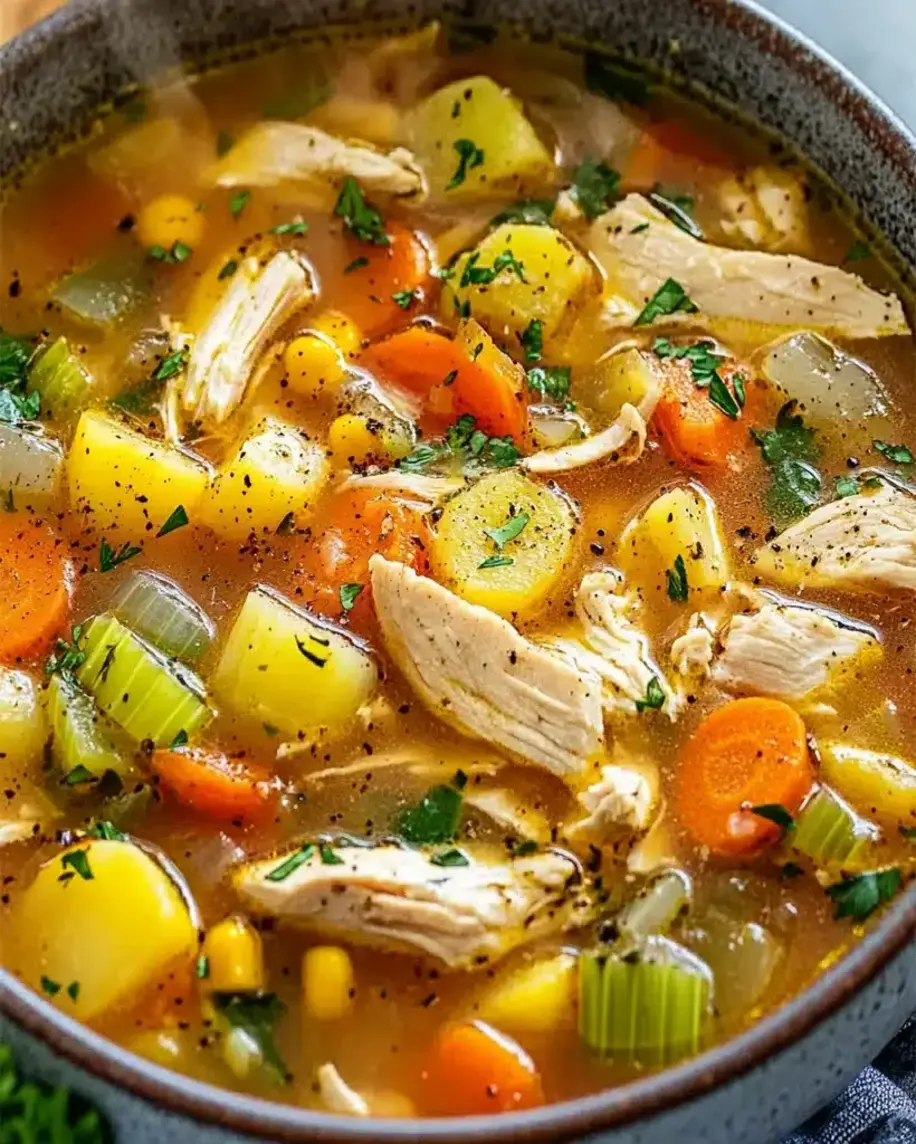
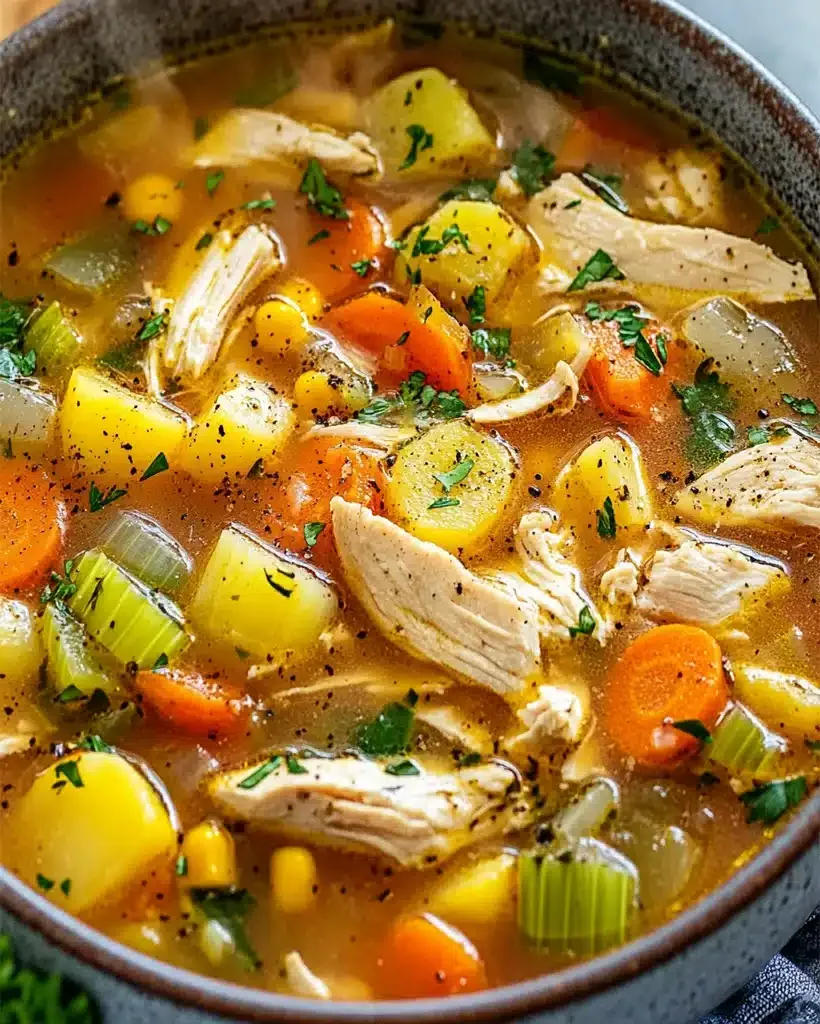
A steaming bowl of hearty chicken vegetable soup filled with colorful vegetables and tender chicken.

Crafting Your Culinary Masterpiece: Step-by-Step

Let’s get cooking! Follow these simple steps to create a delicious and nourishing Chicken Vegetable Soup.

Step 1: Prep Your Ingredients

Begin by ensuring all your vegetables are washed, peeled (if necessary), and uniformly diced or chopped. This not only makes the cooking process smoother but also ensures even cooking. Dice the chicken breasts into bite-sized pieces. Mince the garlic. Measure out your broth and seasonings.

Step 2: Sauté the Aromatics

Heat the olive oil in a large pot or Dutch oven over medium heat. Add the chopped onion, carrots, and celery. Sauté, stirring occasionally, for about 5-7 minutes, until the vegetables begin to soften and the onion becomes translucent. This step builds a crucial flavor base for your soup.

Step 3: Sear the Chicken

Push the softened vegetables to one side of the pot, or briefly remove them. Add the diced chicken to the empty space. Sear the chicken pieces for about 2-3 minutes per side, until lightly browned. You don’t need to cook it all the way through at this stage, as it will finish cooking in the broth. Once seared, stir the chicken with the vegetables.

Step 4: Add the Vegetables

Add the minced garlic to the pot and sauté for another minute until fragrant. Be careful not to burn the garlic. Then, add the cubed potatoes, corn kernels, and diced tomatoes (including their juices) to the pot. Stir everything together well.

Step 5: Simmer to Perfection

Pour in the chicken broth. Add the Italian seasoning and thyme. Season generously with salt and freshly ground black pepper. Bring the soup to a boil, then reduce the heat to low, cover, and let it simmer for 15-20 minutes, or until the potatoes are tender and the chicken is cooked through. Stir in the green beans and frozen peas during the last 5 minutes of simmering, so they retain their vibrant color and a slight crispness.

Step 6: Finish and Serve

Taste the soup and adjust seasonings if necessary. If using, stir in a splash of fresh lemon juice for brightness. Ladle the hot soup into bowls. Garnish with fresh chopped parsley, if desired. Enjoy your delicious, homemade Chicken Vegetable Soup!

Nutritional Highlights

This Chicken Vegetable Soup is a nutritional powerhouse, packed with:

  • Lean Protein: From the chicken breast, essential for muscle repair and satiety.
  • Vitamins & Minerals: Abundant from the diverse range of vegetables (Vitamin A from carrots, Vitamin C from tomatoes and peas, Potassium from potatoes and tomatoes, etc.).
  • Fiber: Contributed by the vegetables, aiding digestion and promoting fullness.
  • Hydration: The broth base helps you stay hydrated.

(Note: Exact nutritional values will vary based on portion size and specific ingredients used. For precise information, consult a nutritional calculator.)

Healthier Alternatives & Flavor-Preserving Swaps

Looking to make this soup even healthier or adapt it to your dietary needs without sacrificing flavor? Here are some ideas:

  • Lower Sodium Broth: Opt for “no salt added” chicken or vegetable broth to significantly reduce sodium intake. You can always add salt to taste at the end.
  • Whole Wheat Pasta or Grains: If you’re adding pasta or grains, choose whole wheat varieties for added fiber and nutrients.
  • More Veggies, Less Potatoes: To reduce carbohydrates, decrease the potato quantity and increase other vegetables like zucchini, bell peppers, or spinach (add spinach in the last few minutes of cooking).
  • Leaner Protein: While chicken breast is already lean, you could also use turkey breast or even shredded tofu for a plant-based option.
  • Reduced Oil: Use a non-stick pot and sauté vegetables in a tablespoon of broth or water if you want to cut down on oil.

Serving Suggestions

This Chicken Vegetable Soup is a complete meal on its own, but here are a few ideas to elevate your dining experience:

  • Crusty Bread: Perfect for dipping into the flavorful broth.
  • Side Salad: A light, crisp salad complements the hearty soup beautifully.
  • Crackers: Whole-grain crackers add a nice crunch.
  • Garnish: A sprinkle of fresh parsley, chives, or a dollop of plain Greek yogurt for creaminess (a healthier sour cream alternative).

Common Mistakes to Avoid

To ensure your soup turns out perfectly every time, steer clear of these common pitfalls:

  • Overcrowding the Pot: This can lead to steaming instead of searing the chicken, resulting in less flavor and a duller color. Cook chicken in batches if necessary.
  • Overcooking Vegetables: Wilting is good; mushy is not. Add tender vegetables like peas and green beans towards the end of the cooking process.
  • Not Tasting and Adjusting: Seasoning is crucial! Always taste your soup before serving and add more salt, pepper, or herbs as needed.
  • Using Low-Quality Broth: A good chicken broth is the backbone of your soup. If using store-bought, opt for a low-sodium, high-quality variety.

Storing Your Masterpiece

Leftover Chicken Vegetable Soup can be stored in an airtight container in the refrigerator for up to 3-4 days. It often tastes even better the next day as the flavors continue to meld! For longer storage, you can freeze the soup in freezer-safe containers for up to 3 months. Thaw overnight in the refrigerator before reheating.

Conclusion: Your New Favorite Soup

There you have it – a simple yet incredibly satisfying Chicken Vegetable Soup recipe that’s as good for you as it tastes. This dish is a testament to how wholesome ingredients, combined with a little love and care, can create something truly spectacular. It’s comforting, it’s nutritious, and it’s incredibly versatile. Perfect for a busy weeknight or a cozy weekend, this soup is guaranteed to become a beloved part of your recipe collection. So, gather your ingredients, follow these steps, and prepare to be delighted! Don’t forget to share this recipe with your friends and family, and let us know how much you enjoyed it in the comments below!

Frequently Asked Questions (FAQs)

***Can I make this soup vegetarian or vegan?***

Yes! For a vegetarian version, simply substitute the chicken broth with vegetable broth and omit the chicken. If you want to make it vegan, use vegetable broth and replace the chicken with tofu or more hearty vegetables like chickpeas or white beans. Ensure any added ingredients are also vegan.

***Can I use frozen vegetables?***

Absolutely! Frozen vegetables like corn, peas, and green beans work wonderfully. Add them towards the end of the cooking time, usually during the last 5-10 minutes, to prevent them from becoming mushy. You can also use frozen mirepoix (diced onion, carrot, celery mix).

***How can I make the broth richer?***

To enhance broth richness, consider adding a bay leaf while simmering, using good quality chicken stock instead of broth, or simmering with a bone-in chicken piece (like a thigh or drumstick) before shredding the meat and adding it to the soup once cooked. A small amount of tomato paste sautéed with the aromatics can also add depth.

***Can I add other vegetables to this soup?***

Definitely! This soup is very forgiving. Feel free to add zucchini, bell peppers, broccoli florets, spinach, kale, or butternut squash. Adjust cooking times based on the type of vegetable: hardier root vegetables will need longer, while leafy greens should be added at the very end.

***What is the best way to cut the vegetables?***

For even cooking and a pleasant texture, aim for uniform, bite-sized pieces. Dicing the onions, carrots, and celery into roughly 1/2-inch pieces works well. Potatoes can be cut into 3/4-inch cubes. This consistency ensures everything cooks at the same rate.

Print

clock clock iconcutlery cutlery iconflag flag iconfolder folder iconinstagram instagram iconpinterest pinterest iconfacebook facebook iconprint print iconsquares squares iconheart heart iconheart solid heart solid icon

Chicken Vegetable Soup Recipe: Hearty and Nutritious Meal

  • Author: Chef Mia

Description

Welcome to a delicious journey that brings warmth and nutrition to your table! ThisChicken Vegetable Souprecipe is not only packed with lean protein from tender chicken breasts but also brimming with fresh, colorful vegetables, all simmered in a flavorful tomato-based broth. Perfect for chilly evenings or as a healthy, hearty meal for the whole family, this soup is easy to make and filled with nourishing goodness.Whether you’re a fan of classicchicken recipesor searching for a heartyvegetable souprecipe, this dish will be your new go-to. Let’s dive into the details and see why this soup is a must-try for every home cook!


Ingredients

  • Optional substitutions:

Instructions

  1. Season both sides of the chicken breasts generously with salt and pepper. In a large pot or Dutch oven, heat 1 tablespoon of olive oil over medium heat. Once hot, add the chicken and sear for 3-4 minutes until lightly browned. Flip the chicken and cook for another 3 minutes. Remove the chicken and set aside.
  2. In the same pot, add the remaining 1 tablespoon of olive oil. Once hot, add the diced onion, sliced celery, and carrots. Sauté for about 3 minutes until the vegetables are lightly browned. Add the garlic, Italian seasoning, and a pinch of salt and pepper. Stir and sauté for 30 seconds until fragrant.
  3. Add the tomato paste to the pot, stir, and cook for 1 minute. Then, pour in the diced tomatoes (with their juices), potatoes, chicken, and chicken stock. Bring the mixture to a boil, then reduce to a simmer. Cover the pot and cook for 10 minutes, flipping the chicken halfway through.
  4. After the chicken has cooked through (internal temperature should reach 160 to 165ºF), remove it from the pot. Once it’s cool enough to handle, shred the chicken into bite-sized pieces.
  5. Add the zucchini, green beans, mushrooms, and corn to the soup. Simmer for another 4-5 minutes, stirring occasionally, until the vegetables are tender.
  6. Add the shredded chicken back into the pot and stir. Let the soup simmer for another 3-5 minutes until the chicken is warmed through and the potatoes are tender. Taste and adjust the seasoning with more salt and pepper if needed.
  7. Ladle the hot soup into bowls and garnish with freshly chopped parsley. Enjoy this hearty and healthy meal with a side of crusty bread or a green salad.


“`

Crispy Honey Garlic Chicken – Easy & Flavorful Recipe

“`html

Crispy Honey Garlic Chicken – Easy & Flavorful Recipe

Craving a Weeknight Dinner That’s Both Quick and Delicious?

Ingredients You’ll Need

Gather these simple ingredients to create this mouthwatering dish. The magic lies in their harmonious blend of sweet, savory, and aromatic notes.

  • Chicken: 1.5 lbs boneless, skinless chicken thighs or breasts, cut into 1-inch pieces.
    (Thighs offer more moisture and flavor, while breasts are leaner. Both work beautifully here.)
  • For the Crispy Coating:

    • 1/2 cup all-purpose flour
    • 1/4 cup cornstarch (for extra crispiness!)
    • 1 teaspoon garlic powder
    • 1/2 teaspoon salt
    • 1/4 teaspoon black pepper
  • For the Honey Garlic Sauce:

    • 1/2 cup honey (use a mild, floral honey for best results)
    • 1/4 cup soy sauce or tamari (for gluten-free) – adds that crucial umami depth
    • 2 tablespoons rice vinegar (or apple cider vinegar) – for a hint ofTang
    • 1 tablespoon sesame oil (toasted sesame oil provides a wonderful nutty aroma)
    • 4-6 cloves garlic, minced (don’t be shy with the garlic – it’s in the name!)
    • 1 teaspoon grated fresh ginger (optional, but adds a lovely warmth)
    • Red pepper flakes, to taste (for a subtle kick, optional)
  • For Cooking:

    • 2-3 tablespoons neutral oil (like vegetable, canola, or avocado oil)
  • For Garnish (Optional):

    • Sesame seeds
    • Chopped fresh green onions or chives

Timing is Everything

Prep Time: 15 minutes
Cook Time: 20 minutes
Total Time: 35 minutes

Compared to many complex stir-fries or baked chicken dishes that can take upwards of an hour, this Honey Garlic Chicken is a true weeknight warrior, ready in just over half an hour. This makes it perfect for those busy evenings when you need a delicious meal on the table fast!

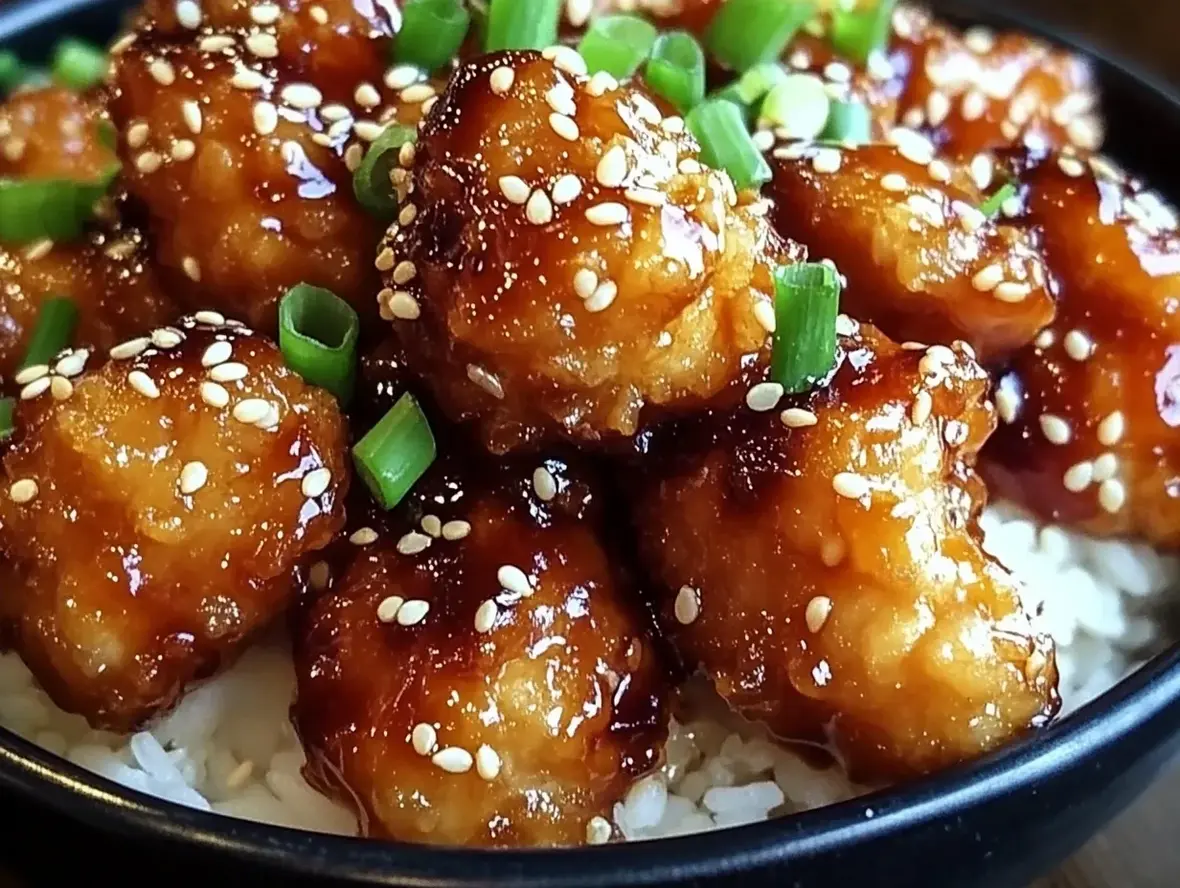
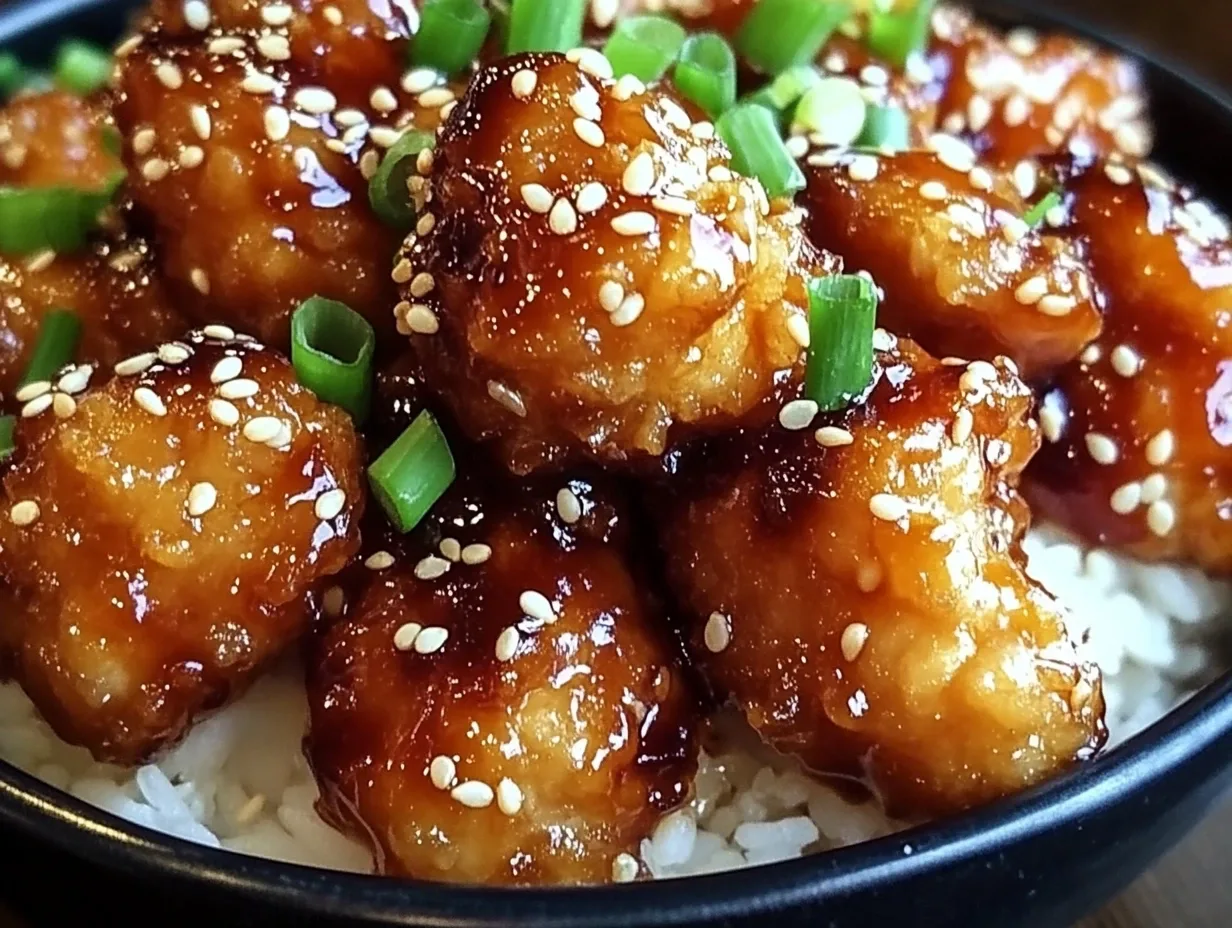
Crispy Honey Garlic Chicken served over rice with sesame seeds and green onions.

Step-by-Step Instructions

Follow these simple steps to achieve perfectly crispy, saucy chicken that you’ll make again and again.

Step 1: Prep the Chicken

Pat your chicken pieces thoroughly dry with paper towels. This is a crucial step for achieving a crispy coating! In a medium bowl, whisk together the flour, cornstarch, garlic powder, salt, and pepper. Add the dried chicken pieces to the bowl and toss until each piece is evenly coated. Set aside.

Step 2: Make the Sauce

In a small saucepan, combine the honey, soy sauce (or tamari), rice vinegar, sesame oil, minced garlic, grated ginger (if using), and red pepper flakes (if using). Place the saucepan over medium heat and stir gently until the honey is fully incorporated. Bring the sauce to a gentle simmer, then reduce the heat to low and let it thicken slightly for about 2-3 minutes. Be careful not to let it boil vigorously. Remove from heat and set aside.

Step 3: Cook the Chicken

Heat the neutral oil in a large skillet or wok over medium-high heat. Once the oil is shimmering (but not smoking), carefully add the coated chicken pieces in a single layer. You may need to cook in batches to avoid overcrowding the pan, which can lead to steaming instead of searing. Cook for 3-4 minutes per side, until golden brown and cooked through. Remove the cooked chicken from the skillet and place it on a plate lined with paper towels to drain any excess oil.

Step 4: Combine and Simmer

Pour off any excess oil from the skillet, leaving about a tablespoon. Return the skillet to medium heat. Pour in the prepared honey garlic sauce. Bring it to a gentle simmer, stirring constantly. Once the sauce begins to thicken, add the cooked chicken back into the skillet. Toss the chicken to coat it evenly in the glossy sauce. Let it simmer for 1-2 minutes, allowing the sauce to cling to the crispy chicken.

Step 5: Serve

Immediately transfer the Honey Garlic Chicken to a serving dish. Garnish with sesame seeds and chopped green onions or chives, if desired. Serve hot and enjoy the burst of flavors!

Nutritional Information (Approximate per serving, based on 4 servings)

  • Calories: ~450-550 kcal (depending on chicken cut and oil used)
  • Protein: ~30-35g
  • Fat: ~20-25g
  • Carbohydrates: ~35-45g (mostly from honey and coating)
  • Sugar: ~25-30g

Please note: This is an estimation. Actual values can vary based on ingredient brands, portion sizes, and preparation methods.

Healthier Alternatives & Flavor-Preserving Swaps

Want to lighten up this delicious dish without sacrificing taste? Try these simple swaps:

  • Chicken: Use chicken breast for a leaner protein option.
  • Coating: Consider using a lighter coating of just cornstarch or even skip the coating entirely and pan-fry or bake the chicken plain before tossing it in sauce. The crispiness will be different, but the flavor will still be there!
  • Honey: Use a sugar-free honey alternative or a sugar substitute like erythritol or stevia. You may need to adjust the quantity to achieve the desired sweetness.
  • Oil: Use an air fryer or bake the coated chicken at 400°F (200°C) for 15-20 minutes until golden and cooked through, reducing the need for pan-frying oil.
  • Soy Sauce: Opt for low-sodium soy sauce or coconut aminos for lower sodium and a slightly different flavor profile.

Serving Suggestions

This Honey Garlic Chicken is incredibly versatile! It pairs wonderfully with:

  • Steamed white or brown rice
  • Fluffy quinoa
  • Noodles, such as udon, soba, or even spaghetti
  • A side of steamed or stir-fried vegetables like broccoli, snap peas, or bell peppers
  • A fresh green salad for a lighter meal

Common Mistakes to Avoid

Ensure your Honey Garlic Chicken turns out perfectly by steering clear of these common pitfalls:

  • Overcrowding the pan: This leads to steamed, soggy chicken instead of crispy, golden pieces. Cook in batches!
  • Not patting chicken dry: Moisture is the enemy of crispiness. Always pat your chicken thoroughly dry before coating.
  • Burning the garlic: Add minced garlic to the sauce towards the end of cooking or just before simmering to prevent it from burning and becoming bitter.
  • Overcooking the chicken: Chicken thighs cook faster than breasts. Keep an eye on the internal temperature (165°F or 74°C) to ensure it’s cooked through but still juicy.
  • Sauce too thin/thick: Simmer the sauce for a few minutes to reach a syrupy consistency that coats the chicken beautifully. If it’s too thick, add a splash of water or broth. If too thin, simmer a bit longer.

Storing Tips

Leftover Honey Garlic Chicken can be stored in an airtight container in the refrigerator for up to 3-4 days. When reheating, it’s best to do so gently in a skillet over medium-low heat or in the oven to help revive some of its crispiness. Microwaving may result in a softer texture.

Enjoy Your Crispy Honey Garlic Chicken!

There you have it – a recipe for Honey Garlic Chicken that’s simple enough for a weeknight but impressive enough for guests. The crispy texture, the irresistible sweet-savory glaze, and the aromatic garlic and ginger make this dish a guaranteed hit. It’s proof that delicious meals don’t have to be complicated!

Give this recipe a try and let us know what you think in the comments below! We’d love to hear about your experiences and any creative variations you come up with.

Frequently Asked Questions

***Can I use bone-in chicken pieces?***

Yes, you can, but the cooking time will be significantly longer, and the coating may not adhere as well during extended cooking. It’s generally recommended to use boneless cuts for this recipe.

***How can I make the chicken extra crispy?***

Ensure chicken is patted very dry, use cornstarch in the coating, don’t overcrowd the pan, and make sure your oil is hot enough before adding the chicken. Frying in batches is key!

***Is this recipe spicy?***

The base recipe is sweet and savory. If you like a kick, the optional red pepper flakes can add mild to moderate heat. Adjust to your preference!

***Can I make the sauce ahead of time?***

Absolutely! The sauce can be made a day or two in advance and stored in an airtight container in the refrigerator. Simply warm it gently before tossing with the cooked chicken.

***What if I don’t have rice vinegar?***

Apple cider vinegar or white wine vinegar can be used as a substitute for rice vinegar. The flavor will be slightly different but still delicious.

Print
clock clock iconcutlery cutlery iconflag flag iconfolder folder iconinstagram instagram iconpinterest pinterest iconfacebook facebook iconprint print iconsquares squares iconheart heart iconheart solid heart solid icon

Honey Garlic Chicken

  • Author: Chef Mia

Description

ThisHoney Garlic Chickenis a quick and flavorful dish featuring crispy, golden chicken coated in a sweet, savory, and garlicky sauce. Perfect for serving over rice or noodles, this dish is an easy weeknight favorite!


Ingredients

Scale
  • 1 ½pounds boneless, skinless chicken thighs or breasts, cut into bite-sized pieces2 tablespoonscornstarch2 tablespoonsvegetable oil
  • 2 tablespoonscornstarch2 tablespoonsvegetable oil
  • 2 tablespoonsvegetable oil
  • 4garlic cloves, minced⅓ cuphoney¼ cupsoy sauce (low sodium recommended)2 tablespoonsrice vinegar or apple cider vinegar1 teaspoonsesame oil½ teaspoonchili flakes (optional, for heat)
  • cuphoney¼ cupsoy sauce (low sodium recommended)2 tablespoonsrice vinegar or apple cider vinegar1 teaspoonsesame oil½ teaspoonchili flakes (optional, for heat)
  • ¼ cupsoy sauce (low sodium recommended)2 tablespoonsrice vinegar or apple cider vinegar1 teaspoonsesame oil½ teaspoonchili flakes (optional, for heat)
  • 2 tablespoonsrice vinegar or apple cider vinegar1 teaspoonsesame oil½ teaspoonchili flakes (optional, for heat)
  • 1 teaspoonsesame oil½ teaspoonchili flakes (optional, for heat)
  • ½ teaspoonchili flakes (optional, for heat)
  • Sesame seedsChopped green onions
  • Chopped green onions

Instructions

  1. 1️⃣Coat the Chicken:In a bowl, toss thechicken pieces with cornstarchuntil evenly coated.2️⃣Cook the Chicken:Heatvegetable oilin a large skillet overmedium heat.Add thecoated chickenand cook untilgolden brown and fully cooked, about5-6 minutes.Remove from the skillet and set aside.3️⃣Sauté the Garlic:In the same skillet, addminced garlicand sauté until fragrant, about1 minute.4️⃣Make the Sauce:In a small bowl, whisk togetherhoney, soy sauce, vinegar, sesame oil, and chili flakes.Pour the mixture into the skillet and bring to agentle simmer.5️⃣Combine Everything:Return thecooked chickento the skillet and toss to coat in the sauce.Let it cook for2-3 minutes, until the sauce thickens slightly.6️⃣Garnish & Serve:Sprinkle withsesame seeds and chopped green onions.Serve warm oversteamed rice or noodles.
  2. In a bowl, toss thechicken pieces with cornstarchuntil evenly coated.
  3. 2️⃣Cook the Chicken:Heatvegetable oilin a large skillet overmedium heat.Add thecoated chickenand cook untilgolden brown and fully cooked, about5-6 minutes.Remove from the skillet and set aside.3️⃣Sauté the Garlic:In the same skillet, addminced garlicand sauté until fragrant, about1 minute.4️⃣Make the Sauce:In a small bowl, whisk togetherhoney, soy sauce, vinegar, sesame oil, and chili flakes.Pour the mixture into the skillet and bring to agentle simmer.5️⃣Combine Everything:Return thecooked chickento the skillet and toss to coat in the sauce.Let it cook for2-3 minutes, until the sauce thickens slightly.6️⃣Garnish & Serve:Sprinkle withsesame seeds and chopped green onions.Serve warm oversteamed rice or noodles.
  4. Heatvegetable oilin a large skillet overmedium heat.Add thecoated chickenand cook untilgolden brown and fully cooked, about5-6 minutes.Remove from the skillet and set aside.3️⃣Sauté the Garlic:In the same skillet, addminced garlicand sauté until fragrant, about1 minute.4️⃣Make the Sauce:In a small bowl, whisk togetherhoney, soy sauce, vinegar, sesame oil, and chili flakes.Pour the mixture into the skillet and bring to agentle simmer.5️⃣Combine Everything:Return thecooked chickento the skillet and toss to coat in the sauce.Let it cook for2-3 minutes, until the sauce thickens slightly.6️⃣Garnish & Serve:Sprinkle withsesame seeds and chopped green onions.Serve warm oversteamed rice or noodles.
  5. Add thecoated chickenand cook untilgolden brown and fully cooked, about5-6 minutes.
  6. Remove from the skillet and set aside.3️⃣Sauté the Garlic:In the same skillet, addminced garlicand sauté until fragrant, about1 minute.4️⃣Make the Sauce:In a small bowl, whisk togetherhoney, soy sauce, vinegar, sesame oil, and chili flakes.Pour the mixture into the skillet and bring to agentle simmer.5️⃣Combine Everything:Return thecooked chickento the skillet and toss to coat in the sauce.Let it cook for2-3 minutes, until the sauce thickens slightly.6️⃣Garnish & Serve:Sprinkle withsesame seeds and chopped green onions.Serve warm oversteamed rice or noodles.
  7. 3️⃣Sauté the Garlic:In the same skillet, addminced garlicand sauté until fragrant, about1 minute.4️⃣Make the Sauce:In a small bowl, whisk togetherhoney, soy sauce, vinegar, sesame oil, and chili flakes.Pour the mixture into the skillet and bring to agentle simmer.5️⃣Combine Everything:Return thecooked chickento the skillet and toss to coat in the sauce.Let it cook for2-3 minutes, until the sauce thickens slightly.6️⃣Garnish & Serve:Sprinkle withsesame seeds and chopped green onions.Serve warm oversteamed rice or noodles.
  8. In the same skillet, addminced garlicand sauté until fragrant, about1 minute.
  9. 4️⃣Make the Sauce:In a small bowl, whisk togetherhoney, soy sauce, vinegar, sesame oil, and chili flakes.Pour the mixture into the skillet and bring to agentle simmer.5️⃣Combine Everything:Return thecooked chickento the skillet and toss to coat in the sauce.Let it cook for2-3 minutes, until the sauce thickens slightly.6️⃣Garnish & Serve:Sprinkle withsesame seeds and chopped green onions.Serve warm oversteamed rice or noodles.
  10. In a small bowl, whisk togetherhoney, soy sauce, vinegar, sesame oil, and chili flakes.Pour the mixture into the skillet and bring to agentle simmer.5️⃣Combine Everything:Return thecooked chickento the skillet and toss to coat in the sauce.Let it cook for2-3 minutes, until the sauce thickens slightly.6️⃣Garnish & Serve:Sprinkle withsesame seeds and chopped green onions.Serve warm oversteamed rice or noodles.
  11. Pour the mixture into the skillet and bring to agentle simmer.
  12. 5️⃣Combine Everything:Return thecooked chickento the skillet and toss to coat in the sauce.Let it cook for2-3 minutes, until the sauce thickens slightly.6️⃣Garnish & Serve:Sprinkle withsesame seeds and chopped green onions.Serve warm oversteamed rice or noodles.
  13. Return thecooked chickento the skillet and toss to coat in the sauce.Let it cook for2-3 minutes, until the sauce thickens slightly.6️⃣Garnish & Serve:Sprinkle withsesame seeds and chopped green onions.Serve warm oversteamed rice or noodles.
  14. Let it cook for2-3 minutes, until the sauce thickens slightly.
  15. 6️⃣Garnish & Serve:Sprinkle withsesame seeds and chopped green onions.Serve warm oversteamed rice or noodles.
  16. Sprinkle withsesame seeds and chopped green onions.Serve warm oversteamed rice or noodles.
  17. Serve warm oversteamed rice or noodles.

Notes

✅Crispier Chicken?Cook the chicken in batches to avoid overcrowding the pan.✅Sweeter or Spicier?Adjust honey and chili flakes to taste.✅Thicker Sauce?Mix1 teaspoon cornstarch with 1 tablespoon waterand stir into the sauce.✅Meal Prep Friendly:Store in an airtight container in the fridge forup to 3 days.

“`