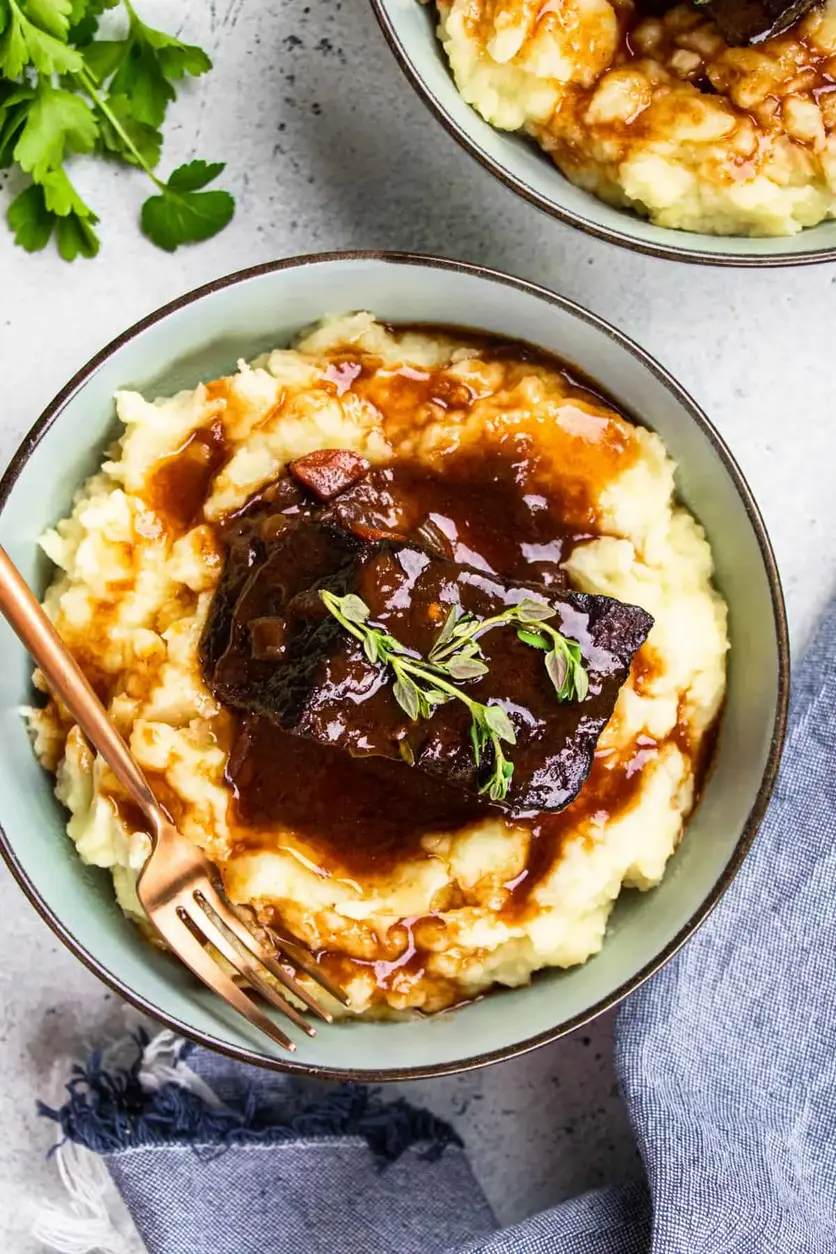
Red Wine Braised Short Ribs in Dutch Oven – Tender & Juicy

Red Wine Braised Short Ribs in Dutch Oven: Fall-Apart Perfection

⚖️
Difficulty
Easy
⏲️
Prep Time
20 mins
🕒
Cook Time
180 mins
⏱️
Total Time
200 mins
🍽️
Servings
4-6

New York City is a melting pot of flavors, and for me, nothing screams soulful comfort quite like a perfectly braised dish. Growing up in my mother’s kitchen in Marrakech, tagines simmered for hours, filling our home with the most incredible aromas. Later, in Paris, I fell in love with the elegance of French braising techniques, especially when applied to robust cuts of meat. This red wine braised short ribs recipe is a culmination of those experiences—a dish that’s both rustic and refined, bringing the best of Moroccan warmth and French technique right to your Dutch oven. It’s the kind of meal that makes a weeknight feel like a special occasion, and a holiday feast truly unforgettable. It’s my go-to for red wine short ribs recipe that never fails to impress.

Imagine sinking your fork into impossibly tender beef short ribs, so succulent they practically melt off the bone. The rich, glossy sauce, deep ruby in color from the splash of Cabernet Sauvignon, clings to every morsel, laced with the subtle sweetness of slow-cooked vegetables and aromatic herbs. The scent alone — a heady mix of red wine, savory beef, and earthy mirepoix — is enough to make your stomach grumble in anticipation. This isn’t just food; it’s an experience, a culinary hug that warms you from the inside out. It’s the essence of slow-cooked perfection.

What makes my approach to braised short ribs in a Dutch oven so special? It’s all about building layers of flavor from the very first step. I learned in Paris that starting with a beautiful sear on the meat is non-negotiable for developing that deep, complex taste and a gorgeous color. And while many recipes might rush the sauce, I often let it simmer a little longer, coaxing out maximum richness. I’ll even share a little trick I picked up for thickening the sauce that’s far superior to simply adding cornstarch. Keep an eye out for my pro tip on perfecting that rich gravy – it’s a game-changer for anyone wanting truly exceptional dutch oven short ribs.

Why This Red Wine Braised Short Ribs in Dutch Oven Recipe Is the Best

My culinary journey has instilled in me a deep appreciation for the magic of braising. It’s a fundamental technique that transforms humble cuts of meat into tender, flavorful masterpieces. This red wine braised short ribs recipe is my perfected version, drawing on years of experience to ensure a result that is consistently delicious, remarkably easy, and deeply satisfying. It’s more than just a recipe; it’s a gateway to creating incredible meals at home.

The secret to the incredible depth of flavor in these beef short ribs braised lies in the combination of a robust Cabernet Sauvignon and the classic mirepoix, all painstakingly built in the pan before the slow braise begins. My Parisian training emphasized the importance of deglazing the pan properly after searing the meat, capturing all those browned bits—the ‘fond’—which are pure flavor gold. This recipe captures that essence, creating a sauce that is rich, nuanced, and utterly irresistible.

What truly sets this recipe apart is its foolproof nature. While the result tastes complex and restaurant-worthy, the actual steps are straightforward. The Dutch oven does most of the heavy lifting in the oven, ensuring that even if you’re new to braising, you’ll achieve perfectly tender, fall-off-the-bone results every time. I’ve streamlined the process so you can confidently create this impressive dish without stress, making it an ideal choice for both beginners and seasoned home cooks seeking to master dutch oven short ribs.

Red Wine Braised Short Ribs Ingredients

When I’m in New York City, my favorite place to source the best quality beef short ribs is at the Union Square Greenmarket. The butchers there are incredibly knowledgeable, and the quality is unparalleled. For everything else, I rely on my local grocer, but I always make sure to pick up fresh herbs from Kalustyan’s or a specialty spice shop when I’m craving that authentic Moroccan touch. This recipe is designed to be accessible, using ingredients you can find in most supermarkets.

Ingredients List

  • 2 tablespoons olive oil
  • 3-4 pounds bone-in beef short ribs (about 8-10 pieces)
  • Salt and freshly ground black pepper (to taste)
  • 1 large yellow onion, diced
  • 2 stalks celery, diced
  • 2 medium carrots, diced
  • 3 cloves garlic, smashed
  • 2 tablespoons tomato paste
  • 2 cups dry red wine (Cabernet Sauvignon or Merlot recommended)
  • 3 cups beef broth
  • 2 bay leaves
  • 1 sprig fresh thyme
  • 1 sprig fresh oregano (or 1/2 teaspoon dried)

Ingredient Spotlight

Bone-in Beef Short Ribs: The star of the show! Opt for bone-in for maximum flavor and moisture. Look for ribs with a good amount of marbling – those streaks of fat will render down, keeping the meat incredibly tender and moist. If you can’t find bone-in, boneless will work, but the cooking time might be slightly shorter, and they may not yield quite the same richness. For the best visual appeal, I like ribs that are about 1.5-2 inches thick.

Dry Red Wine (Cabernet Sauvignon): This is crucial for the depth and character of the braising liquid. A full-bodied red wine like Cabernet Sauvignon or Merlot provides tannins and fruit notes that complement the rich beef perfectly. Avoid sweet wines or anything you wouldn’t enjoy drinking on its own. The alcohol cooks off, leaving behind a complex, savory flavor. If you absolutely cannot use wine, you can substitute with an additional cup of beef broth and a tablespoon of balsamic vinegar for acidity, though the flavor profile will be different.

Beef Broth: This is the backbone of the braising liquid, providing moisture and a savory base. Use a good quality, low-sodium beef broth or stock. Homemade stock is always a winner if you have it! The quality of your broth significantly impacts the final sauce, so splurge a little if you can. If you’re out of beef broth, a rich chicken broth or even vegetable broth can work in a pinch, but beef broth is preferred for its depth.

Mirepoix (Onion, Celery, Carrots): This classic French aromatic base forms the foundation of flavor for our sauce. These vegetables soften and sweeten as they cook, lending a subtle sweetness and depth that balances the richness of the beef and wine. I like to dice them relatively small so they break down nicely into the sauce. You can use yellow, white, or red onions; they all work beautifully here.

Original IngredientBest SubstitutionFlavor / Texture Impact
Bone-in Short RibsBoneless Short RibsSlightly less marrow flavor, may cook faster. Ensure adequate marbling.
Cabernet SauvignonMerlot or another dry, full-bodied red wine; OR 1 cup beef broth + 1 tbsp balsamic vinegar (for non-alcoholic)Flavor profile will shift slightly based on wine choice. Balsamic vinegar adds tanginess but not the complex notes of red wine.
Beef BrothRich Chicken Broth or Strong Vegetable BrothMay result in a lighter flavor profile; beef broth provides the deepest, most savory base.
Fresh Thyme/Oregano1 teaspoon total of dried thyme and oreganoDried herbs are more concentrated; use less. Fresh herbs offer a brighter, more nuanced flavor.

How to Make Red Wine Braised Short Ribs in Dutch Oven — Step-by-Step

Alright, let’s get these incredible short ribs into your kitchen. Follow these steps, and you’ll be rewarded with a dish that truly sings.

Step 1: Preheat the Oven & Prep the Ribs

Preheat your oven to 350°F (175°C). This temperature is perfect for gently coaxing the collagen in the short ribs to break down into tender, succulent meat without drying them out. While the oven heats, rinse your bone-in short ribs under cold water and then pat them thoroughly dry with paper towels. This is a crucial step for achieving a good sear. Generously season all sides of the ribs with salt and freshly ground black pepper. Don’t be shy with the salt; it’s essential for flavor.

💡 mia’s Pro Tip: Ensuring the short ribs are completely dry is key to a beautiful, deep brown sear. Any moisture on the surface will steam the meat instead of searing it, preventing that delicious Maillard reaction that forms the foundation of so much flavor.

Step 2: Brown the Short Ribs

Place your 6-quart Dutch oven over medium-high heat on the stovetop. Add 2 tablespoons of olive oil and let it get hot and shimmery. Carefully place the seasoned short ribs into the hot oil, working in batches if necessary to avoid crowding the pot. Crowd-a-phobia is real in searing! Brown the ribs for about 5-6 minutes on each side until they have a deep, rich brown crust. Once browned, transfer the ribs to a clean plate and set them aside. Resist the urge to clean out the pot!

⚠️ Common Mistake to Avoid: Overcrowding the pan. If you try to brown too many ribs at once, the temperature of the oil will drop, and the meat will steam instead of sear. This results in pale, unappealing ribs and a less flavorful sauce. Work in batches for the best results!

Step 3: Sauté the Aromatics

Reduce the heat to medium. Add 1 large diced onion to the same Dutch oven, scraping up any browned bits from the bottom of the pot. Cook the onion for 8-10 minutes, stirring occasionally, until it’s softened and becoming translucent. Then, add 2 stalks of diced celery and 2 diced carrots. Cook for another 3-5 minutes, allowing them to soften slightly and release their sweet flavors into the pot.

Step 4: Add Garlic and Tomato Paste

Stir in 3 smashed cloves of garlic and 2 tablespoons of tomato paste. Cook for about 2-3 minutes more, stirring constantly. The tomato paste will darken slightly and become fragrant, which helps to mellow its raw flavor and deepen its umami notes. This step is like building your flavor foundation – don’t skip it!

Step 5: Deglaze with Red Wine

Pour in the 2 cups of red wine. Bring it to a boil, then reduce the heat to medium and let it simmer, uncovered, for about 15-20 minutes. You want to reduce the wine by about half. This process concentrates its flavor and cooks off some of the harsh alcohol, leaving behind a rich, fruity, and slightly acidic liquid that’s essential for tenderizing the beef and creating a complex sauce.

💡 mia’s Pro Tip: Scrape the bottom of the Dutch oven thoroughly as the wine simmers. All those browned bits stuck to the pan are packed with flavor and will dissolve into the liquid, enriching your sauce immensely. This is the core of classic French sauce-making!

Step 6: Add Broth and Herbs

Pour in 3 cups of beef broth and stir to combine with the reduced wine and vegetables. Add the 2 bay leaves, 1 sprig of fresh thyme, and 1 sprig of fresh oregano. If you’re using dried herbs, add about 1/2 teaspoon each of dried thyme and oregano now.

Step 7: Braise the Ribs

Carefully transfer the browned short ribs back into the Dutch oven, nestling them into the liquid. The liquid should come about two-thirds of the way up the sides of the ribs. Cover the pot tightly with its lid and carefully transfer the Dutch oven to the preheated oven.

⚠️ Common Mistake to Avoid: Using a pot that isn’t oven-safe or doesn’t have a tight-fitting lid. A secure lid traps the steam and moisture, ensuring the ribs braise gently and evenly. If your lid isn’t tight, you can use a layer of parchment paper followed by aluminum foil, then the lid.

Step 8: Slow Cook Until Tender

Allow the ribs to braise in the oven for 2 ½ to 3 hours. The exact time will depend on the size and thickness of your ribs. You’ll know they’re ready when the meat is incredibly tender and easily pulls away from the bone with a fork. I often check them around the 2-hour mark and then every 30 minutes after that.

Step 9: Rest Ribs & Strain Sauce

Once the ribs are fork-tender, carefully transfer them from the Dutch oven to a clean plate or baking dish. Tent them loosely with aluminum foil to keep them warm while you finish the sauce. Now, strain the braising liquid through a fine-mesh sieve set over a bowl or back into a clean saucepan. Discard the cooked vegetables—they’ve done their job!

💡 mia’s Pro Tip: For an extra smooth sauce, you can press down on the solids in the sieve with the back of a spoon to extract as much liquid as possible. However, be careful not to push too hard, as this can force solids through and make your sauce cloudy.

Step 10: Thicken the Sauce

Pour the strained liquid back into the Dutch oven (or your saucepan) over medium heat. Bring it to a simmer and let it cook, stirring occasionally, until it reduces and thickens to your desired consistency – it should coat the back of a spoon. This could take about 10-20 minutes depending on how much liquid you have. Taste and adjust seasoning with salt and pepper if needed; this is your final chance to get the flavor perfect!

StepActionDurationKey Visual Cue
1Preheat & Prep Ribs~10 minsOven at 350°F, Ribs dry & seasoned
2Brown Ribs~10-12 mins (per batch)Deep golden-brown crust on all sides
3Sauté Aromatics~10-13 minsOnions translucent, carrots softened
4Add Garlic & Tomato Paste~2-3 minsFragrant, tomato paste darkened
5Deglaze with Wine~15-20 minsWine reduced by half
6Add Broth & Herbs~1 minAll ingredients combined in pot
7Nestle Ribs & Cover~2 minsRibs submerged 2/3 in liquid, lid on
8Braise in Oven2.5-3 hoursMeat is fork-tender, easily shreds
9Rest Ribs & Strain Sauce~10 minsRibs removed, liquid strained
10Thicken Sauce~10-20 minsSauce coats back of spoon

Serving & Presentation

The beauty of red wine braised short ribs is their inherent elegance. When plating, I love to place a generous portion of creamy mashed potatoes or polenta on the plate, creating a cozy bed for the succulent short rib. Spoon the rich, thickened sauce liberally over the top, making sure to capture some of those delicious bits from the bottom of the pot. If you like, you can pull the meat from the bone before serving, or serve them bone-in for a more rustic presentation.

Garnishes add that final touch of sophistication, reminiscent of the care taken in Parisian bistros. A sprinkle of fresh chopped parsley adds a pop of color and freshness. Some finely grated lemon zest can cut through the richness beautifully. For a nod to my Moroccan heritage, a pinch of smoked paprika or a very thin sliver of preserved lemon could add an unexpected, delightful twist. Serving this with a crusty baguette from a local NYC bakery is also a must for soaking up every last drop of that incredible sauce.

Pairing TypeSuggestionsWhy It Works
Side DishCreamy Mashed Potatoes, Buttery Polenta, Garlic-Herb Risotto, Roasted Root Vegetables, Crusty BreadThese are classic accompaniments that soak up the rich sauce beautifully, providing textural contrast and absorbing the deep flavors of the braise.
Sauce / DipA dollop of Crème fraîche, a spoonful of sour cream, or a simple Gremolata (parsley, lemon zest, garlic)Adds a touch of brightness or creaminess to cut through the richness of the beef and sauce, balancing the dish.
BeverageA glass of the same red wine used for braising, a rich Syrah, or a dark craft beer.The wine echoes the flavor in the dish, while a dark beer offers a malty, complementary profile.
GarnishFresh Parsley, Chives, Thyme leaves, Thinly sliced lemon zestAdds a final touch of color, freshness, and aromatic complexity, elevating the final presentation.

Make-Ahead, Storage & Reheating

As a busy chef living in NYC, I’ve learned the art of the make-ahead meal! This braised short ribs recipe is a lifesaver because it’s even better on the second day. The flavors meld beautifully overnight, making it perfect for preparing a day or two in advance for stress-free entertaining or those busy weeknights when you want a gourmet meal without the last-minute fuss.

MethodContainerDurationReheating Tip
RefrigeratorAirtight container or original Dutch oven with lid3-4 daysGentle reheating on the stovetop over low heat, or in a 300°F oven. Add a splash of broth if sauce seems too thick.
FreezerHeavy-duty freezer bags or airtight freezer containersUp to 3 monthsThaw overnight in the refrigerator, then reheat gently on the stovetop or in the oven. The texture of the short ribs should hold up beautifully.
Make-AheadOnce cooled, store the entire dish in the Dutch oven or transfer to an airtight container.Up to 2 days before servingReheat slowly on the stovetop or in a low oven (300°F/150°C). You can even reheat it on the grill for a smoky flavor!

When reheating, I prefer the stovetop method in a saucepan or the Dutch oven itself. This allows me to control the heat and stir gently, ensuring even warming and preventing the sauce from breaking or scorching. Add a small splash of beef broth or water if the sauce has become too thick during storage. For a richer flavor, you can even finish it by carefully spooning a tablespoon of cold butter into the sauce while it simmers.

Variations & Easy Swaps

VariationKey ChangeBest ForDifficulty Impact
Herby European-StyleAdd rosemary, sage, and a splash of brandy with the red wine. Strain and discard fewer vegetables like carrots.A more traditional French feel.Easy
Gluten-Free / Dairy-FreeEnsure broth is GF. Omit any dairy (like butter for finishing sauce or cream for mash). Use GF thickener if needed.Dietary restrictions.Easy
Spicy Moroccan-InspiredAdd cinnamon, cumin, coriander, and a pinch of chili flakes with the aromatics. Use beef broth and maybe a touch of pomegranate molasses in the sauce.Adventurous palates seeking warmth.Easy

Herby European-Style Braised Short Ribs

For a classic European flair, embrace fragrant herbs like rosemary and sage, which pair beautifully with the earthy notes of beef. You can add a splash of brandy alongside the red wine for an extra layer of depth, just as I’ve seen done in the finest French kitchens. If you prefer a less chunky sauce, you can always strain out additional vegetables like carrots, though I often leave them in for texture and sweetness. This variation leans into the traditional, comforting heart of braised meats.

Gluten-Free & Dairy-Free Braised Short Ribs

Making this recipe gluten-free and dairy-free is remarkably simple and requires only a few mindful swaps. First, ensure your beef broth is certified gluten-free, as some store-bought stocks can contain hidden gluten. When thickening the sauce, if you prefer it thicker than it naturally reduces, use a cornstarch slurry (1 tbsp cornstarch mixed with 2 tbsp cold water) instead of flour. For serving, skip the butter in mashed potatoes and use olive oil or a dairy-free butter alternative, or opt for a naturally GF side like polenta or rice.

Spicy Moroccan-Inspired

To infuse a taste of my Moroccan home into this dish, I love to add warm spices like cinnamon, cumin, and coriander to the aromatic base. A pinch of cayenne pepper or chili flakes can provide a gentle warmth that complements the richness of the beef. You could even incorporate a tablespoon of pomegranate molasses into the sauce as it thickens for a unique sweet-tart finish, reminiscent of traditional Moroccan fruit stews. This creates a totally new dimension of flavor!

What is the best type of red wine to use for braising short ribs?

The best red wines for braising short ribs are dry, full-bodied varieties that have good acidity and tannins. Cabernet Sauvignon and Merlot are excellent choices due to their robust flavor profiles that stand up to the rich beef. Other good options include Zinfandel, Syrah, or a Rhône blend. Avoid sweet wines like port or sherry, and very light-bodied wines like Pinot Noir, as they won’t provide enough depth. Remember, the alcohol cooks off, leaving the complex flavors behind, so choose a wine you enjoy drinking!

How long does it take to braise short ribs in a Dutch oven until tender?

Typically, braising short ribs in a Dutch oven at 350°F (175°C) takes about 2.5 to 3 hours for bone-in ribs. The exact time can vary depending on the size and thickness of the ribs, as well as your specific oven. The key indicator of doneness is tenderness – the meat should be so tender that it easily pulls away from the bone with just a fork. It’s always best to check for tenderness rather than strictly adhering to the time.

Do I need to sear the short ribs before braising them in the Dutch oven?

Yes, absolutely! Searing the short ribs before braising is a critical step that develops a deep, rich flavor and a beautiful color through the Maillard reaction. This browning process creates what chefs call ‘fond’ – the caramelized bits left in the bottom of the pan – which adds immense depth to your braising liquid and final sauce. Skipping this step will result in a less flavorful and less visually appealing dish, so it’s well worth the extra few minutes.

Can I substitute beef broth for red wine in braised short ribs?

While you can technically make braised short ribs without red wine by substituting with additional beef broth, it’s not ideal if you want the full, complex flavor profile this recipe offers. The red wine contributes color, acidity, depth, and subtle fruity notes that are unique. If you must omit the wine, I recommend using 1 cup of extra beef broth and adding 1 tablespoon of balsamic vinegar or red wine vinegar to mimic some of the acidity and depth. The result will be different but still enjoyable.

What can I serve with red wine braised short ribs?

Red wine braised short ribs are incredibly versatile and pair beautifully with a range of sides that can soak up their luscious sauce. Classic choices include creamy mashed potatoes, buttery polenta, or fluffy mashed cauliflower for a lighter option. A rich risotto, buttered egg noodles, or simply some crusty bread for dipping also work wonderfully. Roasted root vegetables like carrots, parsnips, and potatoes are another excellent accompaniment, adding seasonality and texture to the meal.

How do I thicken the sauce for braised short ribs?

The easiest and most impactful way to thicken the sauce is by simmering it uncovered over medium heat after straining out the solids. This allows the liquid to reduce and concentrate naturally, which enhances its flavor. If you’re short on time or need a thicker sauce, you can create a ‘slurry’ by whisking together 1 tablespoon of cornstarch with 2 tablespoons of cold water, then gradually whisking this mixture into the simmering sauce until it reaches your desired consistency. A little butter whisked in at the end can also add gloss and richness.

Share Your Version!

I pour my heart into developing these recipes, and nothing makes me happier than seeing them come to life in your kitchens! If you’ve made these Red Wine Braised Short Ribs in a Dutch Oven, please consider leaving a star rating and a comment below. Your feedback is invaluable and genuinely helps other home cooks feel confident trying out new dishes. If you share a photo on Instagram or Pinterest, please tag me @exorecipe – I absolutely love seeing your creations and might even feature them!

I’m always curious to hear how you adapt recipes. Did you experiment with any unique spice combinations, perhaps drawing inspiration from your own culinary heritage? Let me know in the comments below – I’m always looking for new ideas to bring to my own cooking!

From my NYC kitchen to yours — I hope this recipe brings as much warmth to your table as it does to mine. — mia 🧡

📌

Love This Recipe? Save It to Pinterest!

If you enjoyed this Red Wine Braised Short Ribs in Dutch Oven recipe, don’t let it get lost in your browser tabs! 😄 Pin it now so you can find it again anytime — and explore hundreds more tried-and-tested recipes waiting for you on my Pinterest boards.

👉 Follow mia on Pinterest @chefrecipes2

📌 Pin this recipe · 🔁 Re-pin your favorites · 💬 Tag me when you make it — I love seeing your creations!
Print

clock clock iconcutlery cutlery iconflag flag iconfolder folder iconinstagram instagram iconpinterest pinterest iconfacebook facebook iconprint print iconsquares squares iconheart heart iconheart solid heart solid icon

Red Wine Braised Short Ribs in Dutch Oven

  • Author: Chef Mia

Description

Red Wine Braised Short Ribs is the best recipe for tender fall apart bone-in beef short ribs slow cooked with gravy in a Dutch Oven. This is a perfect comfort meal you can make at home for your friends and family!


Ingredients

Scale
  • 2 tablespoons olive oil
  • 34 pounds bone-in short ribs (810 pieces)
  • Salt (pepper to taste)
  • 1 large onion (diced)
  • 2 stalks celery (diced)
  • 2 carrots (diced)
  • 3 cloves garlic (crashed)
  • 2 tablespoons tomato paste
  • 2 cups wine (Cabernet Sauvignon)
  • 3 cups beef broth
  • 2 bay leaves
  • 1 spring thyme
  • 1 spring oregano

Instructions

  1. To start, lets preheat the oven to 350°F.
  2. Rinse and pat dry the meat and generously season with salt and pepper.
  3. Heat 2 tbsp olive oil in 6 Qt Dutch oven over medium-high heat. Brown the meat in two batches for 5-6 minutes on each side, then transfer to a plate and set aside.
  4. Add 1 diced onion and cook for 8-10 minutes or until translucent and softened. Then add 2 stalks diced celery and 2 diced carrots, and cook for 3-5 minutes more.
  5. Add 3 cloves smashed garlic and 2 tbsp tomato paste and cook for a few more minutes.
  6. Stir in 2 cups wine, bring to boil, lower the heat to medium and simmer until it reduces in half, about 15-20 minutes.
  7. Add 3 cups beef broth and stir.
  8. Transfer the meat back to the pot, add bay leaves, thyme and oregano.
  9. Cover with the lid and transfer to the oven.
  10. Cook for 2 ½-3 hours or until the ribs are tender.
  11. Transfer the meat to the plate and cover with foil.
  12. Strain the sauce and set discard the vegetables.
  13. Pour the liquid back to the pot and simmer until it thickens.


Nutrition

  • Calories: 319 kcal
  • Sugar: 2 g
  • Fat: 16 g
  • Carbohydrates: 6 g
  • Protein: 25 g


Red Wine Braised Short Ribs in Dutch Oven

ph">For more delicious inspiration, follow me on Pinterest!

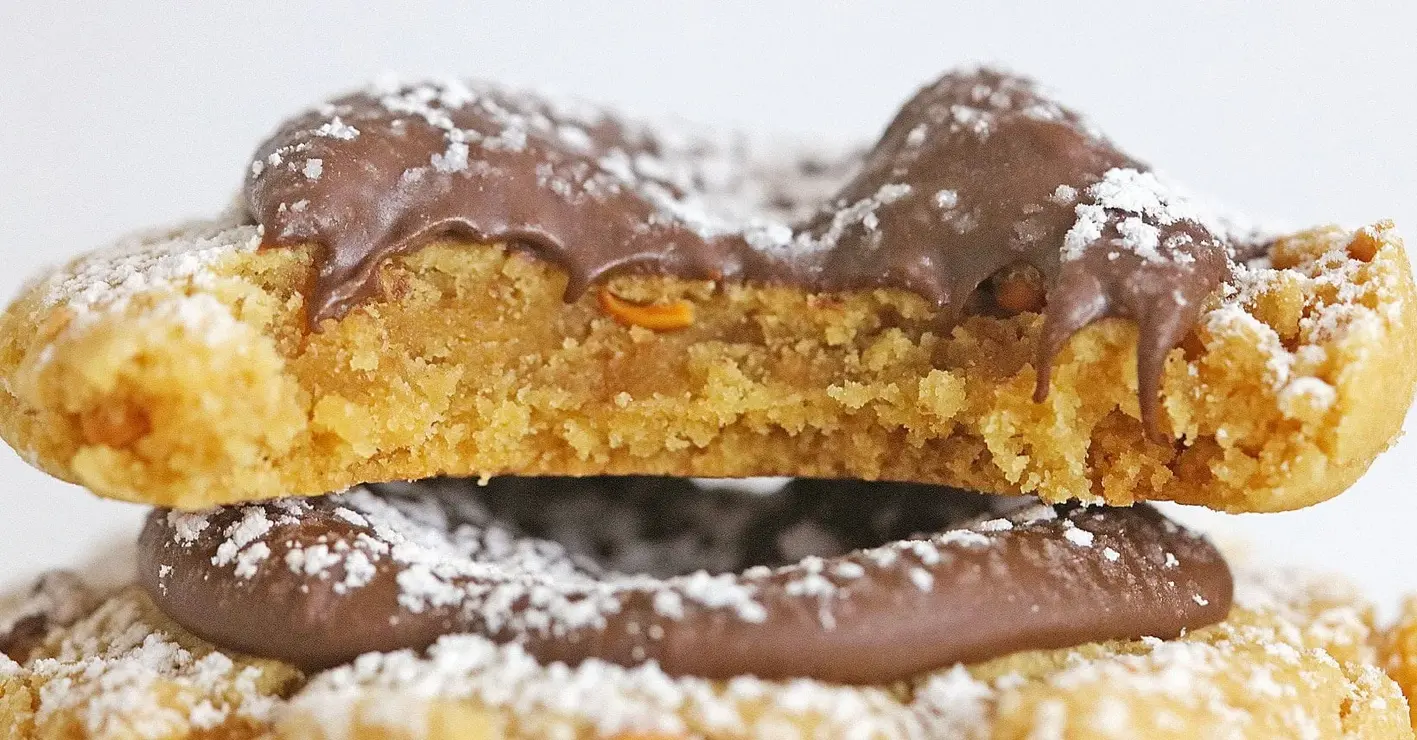
Muddy Buddy Cookies – Irresistible Peanut Butter Chocolate Treats

“`html

Muddy Buddy Cookies & Puppy Chow Cookies: A Chocolate Peanut Butter Dream

⚖️
Difficulty
Easy
⏲️
Prep Time
20 mins
🕒
Cook Time
10 mins
⏱️
Total Time
30 mins
🍽️
Servings
24 cookies

Growing up in my mother’s bustling kitchen in Marrakech, I learned the magic of transforming simple ingredients into pure joy. One of my earliest memories involves the comforting aroma of peanut butter and chocolate, a combination that, even then, felt like a little piece of heaven. Now, here in my vibrant New York City apartment, I’ve taken that beloved nostalgic flavor profile and reimagined it into these delightful Muddy Buddy Cookies. These aren’t your typical no-bake muddy buddies that you shake up in a bag; these are soft, chewy cookies infused with that classic chocolate and peanut butter goodness, then topped with a drizzle of melted chocolate and a dusting of powdered sugar, reminiscent of the iconic puppy chow cookies we all adore.

Imagine biting into a cookie that’s perfectly tender, with a rich, nutty peanut butter base that melts in your mouth. The slightly crisp edges give way to a wonderfully soft center, offering a delightful textural contrast. Each bite is a harmonious dance between sweet, creamy peanut butter and decadent chocolate, with a whisper of vanilla and a subtle salty undertone that makes everything pop. The final dusting of powdered sugar adds a playful, snowy finish, making these cookies as beautiful to look at as they are delicious to devour. It’s a flavor experience that’s deeply comforting and incredibly satisfying, a true celebration of two beloved flavors in cookie form.

What sets my Muddy Buddy Cookies recipe apart is the simple yet effective technique I learned during my pastry training in Paris: the gentle “smash” after baking. This technique creates little craters perfect for holding that luscious chocolate topping, while also ensuring a perfectly baked interior. I’m excited to share this approach with you, along with a key tip for achieving that signature chewyness without any fuss. A common mistake many home bakers make is overmixing the dough once the flour is added, which can lead to tough cookies. I’ll show you exactly how to avoid that pitfall, ensuring your Muddy Buddy Cookies are irresistibly tender every single time.

Why This Muddy Buddy Cookies Recipe Is the Best

The true magic of these Muddy Buddy Cookies lies in their perfect balance of nostalgic flavor and elevated texture. My unique approach, a blend of my Moroccan heritage’s focus on rich, comforting flavors and my Parisian culinary training’s emphasis on precise technique, ensures that each cookie is a masterpiece. Unlike simpler no-bake muddy buddies, these cookies offer a complex flavor profile with a satisfying chew, all thanks to the careful selection of ingredients and the gentle smashing technique that creates the ideal surface for the chocolate drizzle. It’s a taste of childhood, refined.

From my time mastering patisserie in Paris, I learned that even the simplest cookie can be extraordinary with the right technique. The post-bake “smash” is my secret weapon. It’s not just about creating a well for the chocolate; it’s about controlling the cookie’s final shape and texture. This gentle press encourages the cookie to spread slightly while still retaining its interior moisture, resulting in that coveted soft, chewy center that’s simply irresistible. This simple but crucial step elevates these cookies from good to absolutely unforgettable.

What makes this muddy buddy dessert so approachable is its foolproof nature. Despite the chef-inspired touches, the recipe is incredibly straightforward, perfect for bakers of all levels, especially those looking for quick, delightful treats. There are no complex chilling times or finicky doughs involved. You can whip up a batch of these chocolate peanut butter cookies in under an hour, making them ideal for last-minute cravings, bake sales, or simply a spontaneous desire for something sweet and comforting that tastes like no-bake muddy buddies.

Muddy Buddy Cookies Ingredients

When I’m back in New York City, I often find myself at the Union Square Greenmarket for the freshest produce, but for pantry staples like flour, sugar, and chocolate chips, my local Whole Foods or even the corner bodega usually do the trick. These ingredients are readily available and consistently good. If I’m feeling a little nostalgic for Morocco, I might add a pinch of warming spices, but for this classic version, simple, high-quality ingredients are key. My mother always said good food starts with good ingredients, and that philosophy holds true for these Muddy Buddy Cookies.

Ingredients List

  • 1/2 cup Butter (softened)
  • 1/2 cup Peanut Butter
  • 1/2 cup Granulated Sugar (plus to roll cookie balls in)
  • 1/2 cup Brown Sugar
  • 1 teaspoon Vanilla extract
  • 1 Egg
  • 1/4 teaspoon Salt
  • 1 teaspoon Baking Soda
  • 2 cups all-purpose Flour
  • 1 cup Milk Chocolate Chips
  • 1/4 cup Powdered Sugar (to sprinkle tops of cookies)

Ingredient Spotlight

Peanut Butter: This is the heart and soul of our cookie base. I prefer using a standard creamy peanut butter, like Jif or Skippy, as it’s already processed and emulsified, which contributes to a consistent texture in the dough. Avoid natural peanut butters where the oil separates, as they can make the dough too oily and affect the bake. If you use natural peanut butter, ensure it’s very well stirred before measuring.

Milk Chocolate Chips: These add pockets of melty chocolate goodness and form the signature drizzle reminiscent of no-bake muddy buddies. I opt for good quality milk chocolate chips; brands like Ghirardelli or Guittard offer a rich, creamy flavor. You can absolutely use semi-sweet or dark chocolate chips if that’s your preference, or even a mix! The key is to ensure they melt smoothly for that beautiful finish.

All-Purpose Flour: This provides the structure for our cookies. It’s essential to measure flour correctly to avoid dry, tough cookies. I always recommend spooning the flour into your measuring cup and leveling it off with a straight edge, rather than scooping directly from the bag. This prevents compacting too much flour into the cup, which is a common mistake leading to an incorrect dough consistency.

Original IngredientBest SubstitutionFlavor / Texture Impact
Peanut ButterAlmond Butter or Cashew ButterSlightly different nutty profile, nuttier flavor. Texture remains similar.
Milk Chocolate ChipsSemi-Sweet or Dark Chocolate ChipsLess sweet, more intense chocolate flavor. Drizzle will be less milky but still delicious.
ButterMargarine (stick form, not tub)May result in a slightly less rich flavor; ensure it’s stick margarine for best results.

How to Make Muddy Buddy Cookies — Step-by-Step

Follow these simple steps and you’ll be enjoying these delightful chocolate peanut butter cookies in no time!

Step 1: Cream Wet Ingredients

In the bowl of a stand mixer fitted with the paddle attachment, combine the softened butter and peanut butter. Cream them together on medium speed until smooth and creamy, about 2–3 minutes. Gradually add the granulated sugar and brown sugar, mixing until well combined and the mixture is light and fluffy. Scrape down the sides of the bowl as needed. Beat in the vanilla extract and the egg until fully incorporated.

💡 mia’s Pro Tip: Ensure your butter is properly softened, not melted. It should yield to gentle pressure but not be greasy. This is crucial for achieving that fluffy, airy texture in the cookie base.

Step 2: Add Dry Ingredients

In a separate medium bowl, whisk together the all-purpose flour, salt, and baking soda until well combined. With the mixer on low speed, gradually add the dry ingredients to the wet ingredients, mixing until just combined. Be careful not to overmix at this stage, as it can develop the gluten too much, leading to tough cookies.

⚠️ Common Mistake to Avoid: Overmixing the dough once the flour is added. Mix only until the flour streaks have just disappeared. Overdeveloped gluten chains will result in cookies that are dense and chewy, rather than tender and soft.

Step 3: Prepare for Baking

Line two or three baking sheets with parchment paper. Preheat your oven to 350°F (175°C). This step ensures that the cookies won’t stick to the baking sheets and makes for easy cleanup.

Step 4: Shape, Bake, and Flatten

Scoop tablespoon-sized balls of dough and roll them between your hands to form smooth spheres. Roll each dough ball lightly in the extra granulated sugar you set aside. Place the sugared balls onto the prepared baking sheets, spacing them about 2 inches apart. Bake for 10 minutes, or until the edges are lightly golden brown and the centers look slightly cracked. Immediately after removing them from the oven, gently press the center of each cookie down with the bottom of a flat glass or a tortilla press. Leave the cookies on the baking sheet for about 5 minutes to set slightly, then carefully transfer them to a wire rack to cool completely.

💡 mia’s Pro Tip: The gentle “smash” after baking is key! It creates a perfect little well for the chocolate drizzle and ensures the cookie is slightly thinner, leading to that wonderfully tender texture we’re after.

Step 5: Melt and Add Chocolate

Once all the cookies have been baked and are cooling, place the milk chocolate chips in a microwave-safe bowl. Microwave on 50% power in 15-second intervals, stirring well between each interval, until the chocolate is completely melted and smooth. Be patient; overheating chocolate can cause it to seize. Spoon about a teaspoon of the melted chocolate into the indented center of each cooled cookie. Let the cookies sit for at least an hour, or until the chocolate has begun to set.

Step 6: Finish and Serve

Once the chocolate topping has set on the cookies, sprinkle a little powdered sugar over the tops for that classic Muddy BuddyCookie look and a touch of extra sweetness. Serve immediately and enjoy the delightful combination of flavors and textures!

StepActionDurationKey Visual Cue
1Cream wet ingredients3-5 minsLight and fluffy mixture
2Add dry ingredients1-2 minsSmooth dough formed, no streaks of flour
3Prepare for bakingPrep timeOven preheating, baking sheets lined
4Shape, bake, and flatten10 mins bake + 5 mins setGolden brown edges, slightly cracked centers; flattened cookies
5Melt and add chocolate5 mins melt + 1 hr setSmooth melted chocolate; set chocolate topping
6Finish and serveAs neededPowdered sugar dusted cookies

Serving & Presentation

These Muddy Buddy Cookies are delightful served on their own, showcasing their perfect blend of chocolate and peanut butter. For a more elaborate presentation, I love arranging them on a rustic ceramic platter, perhaps one reminiscent of those found in my grandmother’s home in Morocco, alongside a cup of strong coffee or a glass of cold milk. In my NYC kitchen, I often serve them as a casual dessert during weekend brunches, letting guests help themselves from a charming cookie jar.

A light dusting of powdered sugar is usually all the garnish these beauties need, but if you want to add a little extra flair, consider a few tiny chocolate sprinkles or a drizzle of white chocolate alongside the milk chocolate. They are fantastic on a dessert buffet, nestled amongst other treats, or packed into colorful tins as edible gifts for friends and family. Their familiar flavor makes them universally loved, and their cheerful appearance adds a touch of fun to any gathering.

Pairing TypeSuggestionsWhy It Works
Side DishFresh berries (raspberries, strawberries)The tartness cuts through the sweetness and richness of the cookies.
Sauce / DipRaspberry coulis or a light caramel sauceComplements the chocolate and peanut butter beautifully with added flavor dimension.
BeverageGlass of cold milk, strong coffee, or a Moroccan mint teaMilk and coffee are classic pairings; mint tea offers a refreshing contrast.
GarnishA sprinkle of sea salt flakes or mini chocolate chipsEnhances flavor and adds a touch of elegance or extra texture.

Make-Ahead, Storage & Reheating

As a busy New Yorker, I appreciate recipes that can be prepped ahead. These Muddy Buddy Cookies are fantastic for making in advance! You can bake them completely, let them cool, and then store them. The chocolate topping holds up well, making them a reliable treat for unexpected guests or a sweet moment during a hectic week.

MethodContainerDurationReheating Tip
RefrigeratorAirtight containerUp to 5 daysServe chilled or bring to room temperature.
FreezerFreezer-safe bag or container, with parchment between layersUp to 2 monthsThaw overnight in the refrigerator. Reheat briefly in a toaster oven if desired for crispness.
Make-AheadAirtight container, once completely cooled.Up to 3 days in advance.Add powdered sugar right before serving to keep it looking fresh.

If you’ve stored them in the refrigerator, I find they are best brought to room temperature for about 15-20 minutes before serving to allow the cookie to soften up again. If you’re reheating them slightly to revive crispness, a few minutes in a toaster oven or a very low oven (around 250°F/120°C) will do the trick, but watch them closely so the chocolate doesn’t melt!

Variations & Easy Swaps

VariationKey ChangeBest ForDifficulty Impact
Spiced Moroccan TwistAdd 1/4 tsp cinnamon and a pinch of ginger to dry ingredients.Adding warmth and complexity to the flavor.Minimal impact; simply add spices.
Gluten-Free, Dairy-FreeUse a gluten-free all-purpose flour blend and dairy-free chocolate chips.Dietary restrictions.Uses common GF/DF swaps; texture may vary slightly.
Seasonal Citrus ZestAdd zest of 1 orange or lemon to the dough.A bright, refreshing twist.Easy to incorporate during the creaming stage.

Spiced Moroccan Twist

Inspired by the fragrant spice markets of my homeland, I love to add a touch of warmth to these cookies. Simply incorporate 1/4 teaspoon of ground cinnamon and a pinch of ground ginger into the dry ingredients along with the flour. This subtle addition creates a beautiful depth of flavor that pairs wonderfully with the peanut butter and chocolate, offering a more complex and comforting profile, reminiscent of my mother’s spiced treats.

Gluten-Free, Dairy-Free Muddy Buddy Cookies

To make these Muddy Buddy Cookies gluten-free and dairy-free, swap the all-purpose flour for a good quality gluten-free all-purpose baking blend (one that contains xanthan gum). For the dairy-free aspect, use dairy-free milk chocolate chips. The texture might be slightly different depending on your flour blend, but the flavor will still be wonderfully chocolatey and peanut buttery. I tested this with a Bob’s Red Mill 1-to-1 Baking Flour, and it worked beautifully.

Seasonal Citrus Zest

For a delightful change of pace, especially in spring and summer, I love adding the zest of one orange or lemon directly into the cookie dough during the creaming stage. This brightens up the flavors and adds a subtle floral or tangy note that plays beautifully against the rich peanut butter and chocolate. Procuring fresh citrus from the farmer’s market here in NYC always inspires me to experiment with these kinds of fresh, seasonal twists.

What is the difference between Muddy Buddy Cookies and regular Muddy Buddies (puppy chow)?

Regular Muddy Buddies, often called “puppy chow,” are typically made by coating cereal pieces (like Chex) in a mixture of melted chocolate, peanut butter, butter, and powdered sugar, then tossing them in more powdered sugar and letting them dry. Muddy Buddy Cookies, on the other hand, are actual cookies made from a peanut butter cookie dough base, baked, and then topped with a drizzle of melted chocolate and a dusting of powdered sugar, mimicking the flavors and appearance of the classic snack.

Can I make Muddy Buddy Cookies gluten-free, and what flour substitute works best?

Yes, you absolutely can make these Muddy Buddy Cookies gluten-free! The best flour substitute is a good quality 1-to-1 gluten-free baking blend that already contains xanthan gum. Brands like Bob’s Red Mill 1-to-1 Baking Flour or King Arthur Baking Company’s Measure for Measure Flour are excellent choices. These blends are designed to mimic the properties of all-purpose flour, so you can typically swap them directly in a 1:1 ratio without needing to adjust other ingredients. Be aware that the texture might be slightly different, but they will still be wonderfully delicious.

How do you keep Muddy Buddy Cookies from turning out too dry or crumbly?

To prevent your Muddy Buddy Cookies from becoming dry or crumbly, precise ingredient measurement is key. Ensure you are not over-measuring your flour; spoon it into the cup and level it off, don’t scoop directly. Also, be mindful not to overmix the dough once the flour is added, as this develops gluten and can lead to a tougher, drier cookie. The post-bake “smash” technique used in this recipe actually helps retain moisture in the center, contributing to a chewy texture. Proper storage in an airtight container after cooling is also crucial for maintaining freshness and preventing them from drying out.

How should I store Muddy Buddy Cookies to keep them fresh and crunchy?

To keep your Muddy Buddy Cookies fresh and maintain their desirable texture, it’s best to store them in an airtight container at room temperature. Once they’ve completely cooled, place them in a container, layering them with parchment paper if you’re stacking them to prevent the chocolate from sticking. Consumed within 3-5 days, they will retain their soft, chewy center and the crisp edges. If you need to store them for longer, freezing them in a freezer-safe container or bag is an excellent option. Thawing them overnight in the refrigerator ensures they’re ready to enjoy without becoming soggy.

Can I use a different type of peanut butter, like chunky or natural?

You definitely can experiment with chunky or natural peanut butter, but it’s important to be aware of how it might affect the texture and consistency of your Muddy Buddy Cookies. Chunky peanut butter will add small pieces of peanuts, providing a pleasant crunch. Natural peanut butter, especially those where the oils separate, can make the dough greasier and affect how the cookies spread. If you use natural peanut butter, make sure to stir it exceptionally well before measuring to ensure even emulsification. For the most consistent results, especially if you’re new to the recipe, a standard creamy peanut butter is recommended.

How do you get the chocolate to set properly on top?

Getting the chocolate to set properly is quite straightforward with these Muddy Buddy Cookies. After spooning the melted chocolate into the slightly pressed center of each cookie, the key is patience. Simply let the cookies sit at room temperature for about an hour. The air circulation and moderate temperature allow the chocolate to set firm without becoming brittle or chalky. If you’re in a rush or have a very warm kitchen, you can place them in the refrigerator for about 15-20 minutes to speed up the setting process, but be sure to bring them back to room temperature before serving for the best texture.

Can I make these cookies ahead of time for a party?

Absolutely! These Muddy Buddy Cookies are perfect for making ahead of time. Once they are completely cooled, you can store them in an airtight container for up to 3–4 days. I often bake a batch a couple of days before a party or gathering. Just before serving, I’ll give them a fresh dusting of powdered sugar to make them look their best. They are a guaranteed crowd-pleaser, and the fact that they can be prepared in advance makes them a stress-free addition to any event or cookie platter.

What is the “smash” technique, and why is it important?

The “smash” technique, which I learned during my culinary training, is a simple yet effective way to perfect the texture of these Muddy Buddy Cookies. It involves gently pressing down the center of each cookie with a flat object (like the bottom of a glass) immediately after they come out of the oven. This creates a slightly flatter cookie with a concentrated softer center and helps prevent the edges from becoming too crispy while keeping the interior wonderfully moist and chewy. It also creates a small well, which is perfect for holding that decadent chocolate topping, much like the inspiration from no-bake muddy buddies.

Share Your Version!

I truly hope you adore these Muddy Buddy Cookies as much as I do. They are a little bite of comfort and nostalgia that always brings a smile. If you remake this recipe, please take a moment to leave a star rating and a comment below – your feedback means the world to me! I also love seeing your creations come to life, so snap a photo and tag me on Instagram or Pinterest @exorecipe. I’m always curious to know: which flavor variation – the Moroccan spices, citrus zest, or the GF/DF option – appeals to you the most?

From my NYC kitchen to yours — I hope this recipe brings as much warmth to your table as it does to mine. — mia 🧡

📌

Love This Recipe? Save It to Pinterest!

If you enjoyed this Muddy Buddy Cookies recipe, don’t let it get lost in your browser tabs! 😄 Pin it now so you can find it again anytime — and explore hundreds more tried-and-tested recipes waiting for you on my Pinterest boards.

👉 Follow mia on Pinterest @chefrecipes2

📌 Pin this recipe · 🔁 Re-pin your favorites · 💬 Tag me when you make it — I love seeing your creations!

“`

Print

clock clock iconcutlery cutlery iconflag flag iconfolder folder iconinstagram instagram iconpinterest pinterest iconfacebook facebook iconprint print iconsquares squares iconheart heart iconheart solid heart solid icon

Muddy Buddy Cookies

  • Author: Chef Mia

Description

Muddy Buddy Cookies are the perfect blend of chocolate and peanut butter flavor in every bite. These cookies are made with rich peanut butter cookie dough and topped with chocolate and powdered sugar.


Ingredients

Scale
  • 1/2 cup Butter (softened)
  • 1/2 cup Peanut Butter
  • 1/2 cup Granulated Sugar (plus to roll cookie balls in)
  • 1/2 cup Brown Sugar
  • 1 teaspoon Vanilla extract
  • 1 Egg
  • 1/4 teaspoon Salt
  • 1 teaspoon Baking Soda
  • 2 cups all-purpose Flour
  • 1 cup Milk Chocolate Chips
  • 1/4 cup Powdered Sugar (to Sprinkle tops of Cookies)

Instructions

  1. In the mixing bowl of a stand mixer, mix the Butter, Peanut Butter, Sugar, and Brown Sugar, until creamy and smooth. Add the Vanilla, and Egg, and blend well.
  2. In a separate bowl, mix the flour, salt, and baking soda until well combined. Add the mixing bowl, and blend between additions. Mix until smooth dough forms.
  3. Line a Cookie Sheet with Parchment paper, and set the oven to 350 degrees.
  4. Roll the dough into Tablespoon size balls, and roll in sugar, then place on the Parchment lined cookie sheet. Bake for 10 minutes, or until cookies have turned golden brown, and have begun to crack . Remove the cookie sheet from the oven, and gently smash the cookies, with the bottom of a flat glass, pushing the center in slightly. Leave cookies on cookie sheet for about 5 minutes, then remove to a wire rack to cool completely.
  5. When all cookies have been baked, place the Chocolate chips in a microwave safe bowl, and melt the chocolate chips at 15 second intervals, stirring between, until chocolate chips are melted. Spoon melted chocolate into the center of each cookie, and let cookies sit for about an hour, until chocolate begins to set.
  6. Once chocolate is set in the center of the cookies, sprinkle the powdered Sugar over the cookies. Serve, and Enjoy!


Nutrition

  • Calories: 140 kcal
  • Sugar: 9 g
  • Fat: 7 g
  • Carbohydrates: 18 g
  • Protein: 3 g


Muddy Buddy Cookies

ph">For more delicious inspiration, follow me on Pinterest!

Easy Air Fryer Banana Donut Holes Recipe

Banana Donut Holes: Quick Air Fryer Treat

⚖️
Difficulty
Easy
⏲️
Prep Time
10
🕒
Cook Time
7
⏱️
Total Time
17
🍽️
Servings
About 12-16

Growing up in my mother’s bustling kitchen in Marrakech, the scent of warm spices and overripe fruit was a constant lullaby. Bananas, in particular, were a staple, and we’d transform them into all sorts of humble yet delightful treats. Fast forward to my life in New York City, where time is a precious commodity, I still crave that comforting banana flavor. These easy banana donut holes are my modern, whirlwind answer to those cravings. They’re essentially banana bread transformed into bite-sized delights, made in a fraction of the time and with incredible ease, perfect for a busy baker.

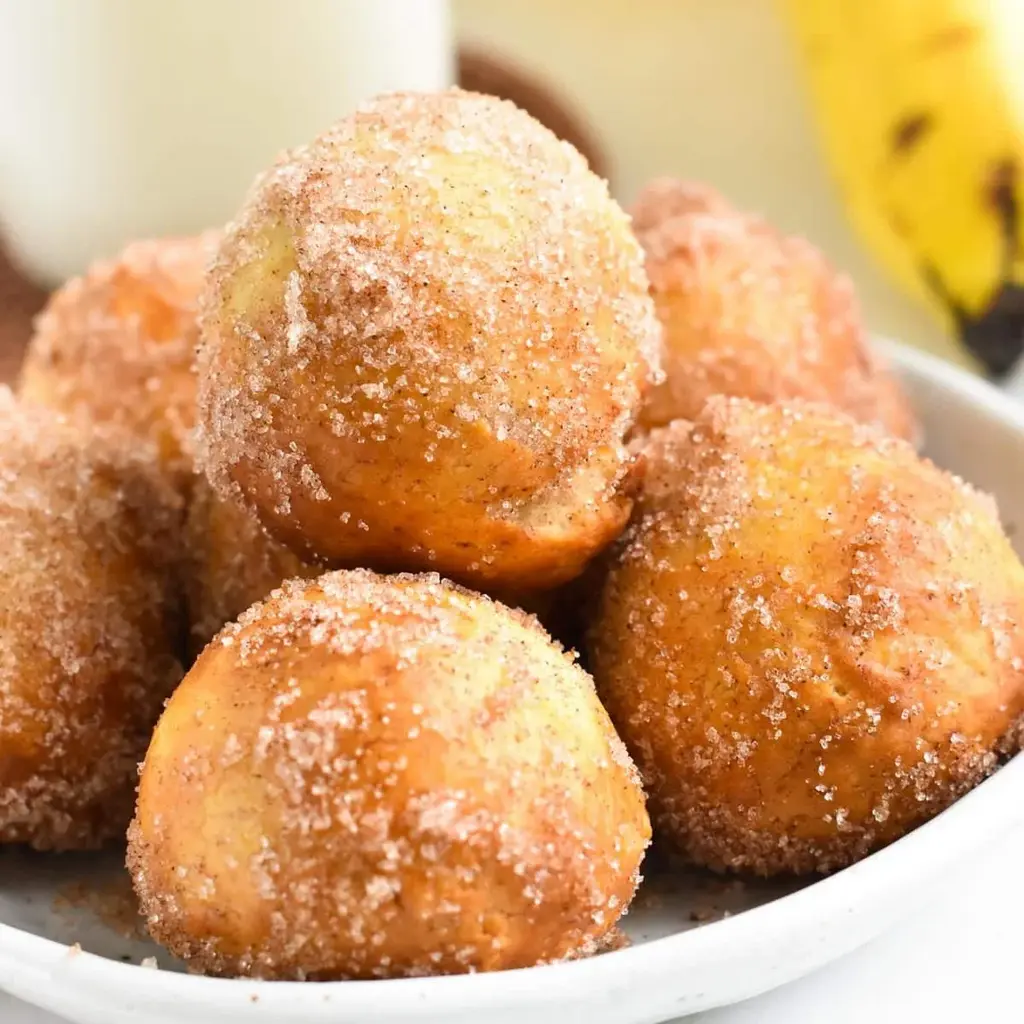
Imagine this: tender, moist little spheres bursting with a subtle, natural sweetness from ripe bananas, enveloped in a delicate cinnamon-sugar crust. The aroma alone is enough to transport you. The texture is a delightful surprise – a soft, cake-like interior with a slightly crisp, spiced exterior, achieved with minimal effort. This recipe is a testament to how simple ingredients, expertly handled, can create something truly magical, reminiscent of the fragrant spice blends found in the souks of my homeland and the refined patisseries of Paris.

What sets these homemade banana donuts apart is their playful simplicity. I’ve perfected a method that ensures a tender crumb without fuss, using just a few pantry staples. You’ll discover a clever technique for achieving the perfect dough consistency – it’s all about embracing moisture! I’ll also share a crucial tip for getting that ideal golden-brown finish in your air fryer, and warn you about a common misstep that can lead to dry donut holes. Get ready for a treat that’s both nostalgic and refreshingly quick!

Why This Banana Donut Holes Recipe Is the Best

The secret to these incredibly moreish banana donut bites lies in their flavor profile, a harmonious blend I’ve honed over years of culinary practice. Drawing inspiration from my Moroccan roots, I balance the natural sweetness of ripe bananas with just a hint of warm cinnamon and the subtle depth of unrefined cane sugar. My French training taught me the importance of respecting ingredients, so I focus on enhancing the banana’s natural caramel notes rather than masking them with artificial flavors or excessive sugar. This recipe is a celebration of simple, wholesome ingredients, transformed into a decadent treat.

Achieving the perfect texture in a small bake like this can be tricky, but it’s where my professional experience truly shines. The dough for these banana donut holes is intentionally kept moist and slightly sticky, a technique borrowed from working with delicate brioche doughs. This ensures an incredibly tender, almost melt-in-your-mouth interior, not the dry, crumbly texture you sometimes get with quick baked goods. The air fryer method then perfectly crisps the exterior without overcooking, creating a delightful contrast in every bite.

One of the most rewarding aspects of this easy banana donut holes recipe is its foolproof nature. I designed it for the home cook who wants delicious results without a complex process or specialized equipment. It’s quick enough for a weeknight craving and simple enough for beginners, yet impressive enough to serve guests. I’ll guide you through each step, ensuring you avoid the common pitfalls that lead to less-than-perfect donut holes, guaranteeing success even if you’ve never made homemade donuts before.

Banana Donut Holes Ingredients

When I’m developing recipes here in my NYC apartment, I always start with the best ingredients I can find. For these easy banana donut holes, a trip to my local farmers market or even a well-stocked grocery store is usually all it takes. Ripe bananas are key, and I often look for them at the Union Square Greenmarket. The self-rising flour is a fantastic shortcut that makes the batter come together in a flash, just like the simple cakes my grandmother used to make back home, but with a bit of a French flair in the technique.

Ingredients List

  • 1/2 cup ripe Banana (about 1 large ripe banana)
  • 3/4 cup Self-Rising Flour
  • 1/2 teaspoon Cinnamon
  • 1/4 cup Unrefined Cane Sugar
  • 2 tablespoons Coconut Oil, melted (or melted vegan butter)
  • 2-3 teaspoons Melted Coconut Oil, for brushing and greasing

Ingredient Spotlight

Banana: The star here! For the best flavor and natural sweetness, choose ripe bananas – the browner, the better. They should be spotty and soft to the touch, ensuring they mash into a smooth puree. This sweetness eliminates the need for much added sugar. If you can’t find very ripe bananas, let them sit on your counter for a day or two until they reach that perfect stage. Overripe bananas also freeze well, so you can always have some on hand.

Self-Rising Flour: This is a baker’s secret for quick and easy recipes. It’s a blend of all-purpose flour, baking powder, and salt, pre-mixed for convenience. It gives our banana donut bites their lift and tender crumb. If you don’t have self-rising flour, you can make your own by whisking together 3/4 cup all-purpose flour, 1 1/2 teaspoons baking powder, and 1/4 teaspoon salt. Be sure to use fresh baking powder for the best results.

Coconut Oil: I love using coconut oil for its subtle richness and the fact that it’s plant-based. It’s essential for both enriching the dough and for greasing your hands and the air fryer basket, preventing any sticking. Melted coconut oil has a slightly nutty aroma that complements the banana beautifully. For a different but equally delicious flavor, you can substitute with melted unsalted butter, or a neutral oil like avocado or grapeseed oil for less distinct flavor.

Original IngredientBest SubstitutionFlavor / Texture Impact
BananaApplesauce or mashed sweet potatoSlightly less sweet, more moist texture.
Self-Rising FlourAll-purpose flour + baking powder + salt (see note)May result in a slightly denser texture if not mixed correctly.
Coconut OilMelted unsalted butter or avocado oilButter adds a richer dairy flavor. Avocado oil is neutral.
Unrefined Cane SugarLight brown sugar or granulated sugarBrown sugar adds a hint of molasses. Granulated sugar is neutral.

How to Make Banana Donut Holes — Step-by-Step

Ready to whip up these delightful banana donut bites? Follow these simple steps for a quick and delicious treat!

Step 1: Prepare the Banana Puree

Start by thoroughly mashing your ripe banana in a medium bowl until it’s smooth and lump-free. It’s crucial to get exactly 1/2 cup of puree. Too little, and your batter won’t have enough moisture; too much, and it might become too wet, affecting the final texture. A fork works perfectly for this, or you can use a whisk if you prefer.

💡 mia’s Pro Tip: For the smoothest puree and best binding, use a fork and press the banana against the side of the bowl. You can also use a potato masher if you have one, ensuring no large chunks remain.

Step 2: Form the Dough

Add the self-rising flour and cinnamon to the mashed banana. Stir initially with a rubber spatula until it starts to clump together. The dough will be sticky – this is exactly what we want! Now, lightly oil your hands with a bit of melted coconut oil and knead the mixture right in the bowl for about 30 seconds. It should come together into a soft, cohesive ball of dough. If it feels excessively wet and unmanageable, you can add up to 2-3 tablespoons more flour, but be cautious; too much flour will make the donut holes bready. The dough should remain moist and slightly elastic, not stiff.

⚠️ Common Mistake to Avoid: Adding too much extra flour when the dough is sticky. Resist the temptation! The stickiness is what keeps these donut holes tender. Use oiled hands and a gentle touch to shape them.

Step 3: Shape the Donut Balls

Lightly grease your hands again with coconut oil. Take about a tablespoon of dough at a time and gently roll it into a smooth ball between your palms. Place each ball onto a small plate lined with parchment paper, ensuring they don’t touch each other. Once all the dough is shaped, lightly spray the tops of the balls with a little more coconut oil or cooking spray. This helps them brown and crisp up nicely in the air fryer.

Step 4: Prepare for Air Frying

Lightly spray the inside of your air fryer basket with cooking oil or brush it with melted coconut oil. Carefully arrange the donut balls in a single layer in the basket, leaving about 1 inch (3 cm) of space between them. They will puff up as they cook, so don’t overcrowd the basket. You’ll likely need to cook them in batches depending on the size of your air fryer.

Step 5: Air Fry the Donut Holes

Set your air fryer to 350°F (180°C). Air fry for 6 to 7 minutes. The donut holes should be puffy and golden brown on top. Don’t worry if they have a slightly rocky and uneven surface; this is normal and part of their charm! They should feel dry to the touch on the outside, indicating they are cooked through and ready for their finishing touch.

Step 6: Coat with Cinnamon Sugar

While the donut holes are still warm from the air fryer, brush each one generously with melted coconut oil using a pastry brush. This creates a sticky surface for the topping. In a shallow bowl, combine about 2 tablespoons of granulated sugar with 1 teaspoon of cinnamon. Immediately roll the warm, oiled donut holes in the cinnamon sugar mixture until they are evenly coated. This step truly transforms them into donut-like treats!

Step 7: Serve Immediately

These banana donut holes are best enjoyed fresh and warm right after coating. The cinnamon-sugar crust is perfectly crisp, and the inside is wonderfully tender. They make for an irresistible snack or a delightful dessert.

StepActionDurationKey Visual Cue
1Prepare banana puree1-2 minutesSmooth, lump-free puree.
2Form dough1 minuteMoist, slightly sticky dough ball.
3Shape donut balls5-7 minutesUniformly rolled balls on parchment.
4Prepare air fryer basket1 minuteBasket lightly greased, balls spaced.
5Air fry donut holes6-7 minutesPuffy, golden brown, dry exterior.
6Coat with cinnamon sugar2-3 minutesEvenly coated in cinnamon sugar.
7ServeImmediatelyWarm, delicious donut holes.

Serving & Presentation

These charming banana donut holes are delightful served warm, straight from the air fryer and tossed in cinnamon sugar. For a slightly more elegant presentation, reminiscent of patisseries in Paris, arrange them artfully on a simple white platter. A dusting of powdered sugar could also be lovely, or a delicate drizzle of your favorite glaze. I often serve these alongside a cup of mint tea, a nod to the hospitality I grew up with in Morocco, or with a robust NYC-style coffee.

They are perfect for a casual brunch, an afternoon pick-me-up, or even a light dessert. The bite-sized nature makes them incredibly easy to share and enjoy. You can also serve them with small ramekins of dipping sauces like a caramel or spiced chocolate sauce for an extra touch of indulgence. The natural sweetness of the banana and the warm spice of the cinnamon make them incredibly versatile.

Pairing TypeSuggestionsWhy It Works
Side DishFresh fruit salad, Greek yogurtComplements the sweetness and soft texture.
Sauce / DipCaramel sauce, melted chocolate, cream cheese glazeAdds an extra layer of decadence and complementary flavor.
BeverageCoffee, herbal tea (mint, chamomile), milkBalances the sweetness and richness.
GarnishPowdered sugar dusting, chopped nuts, chocolate drizzleEnhances visual appeal and adds textural contrast.

Make-Ahead, Storage & Reheating

As a busy New Yorker, I love recipes that can be prepped ahead or stored easily. While these banana donut holes are truly best served immediately, they hold up surprisingly well for short periods. I often make the dough balls and store them in the fridge before shaping and baking, ensuring a quicker assembly when cravings strike. The key to keeping them delicious is proper storage. They offer a delightful mini-baked good that’s always ready when you need it.

MethodContainerDurationReheating Tip
RefrigeratorAirtight container2-3 daysBriefly warm in air fryer or microwave.
FreezerFreezer-safe bag or container1-2 monthsReheat from frozen in air fryer or oven.
Make-AheadAirtight container (baked, un-coated)1 day in advanceCoat with cinnamon sugar after reheating.

If you’ve stored them, I recommend a quick refresh. For refrigerator-stored donut holes, a minute or two in the air fryer at 300°F (150°C) or a few seconds in the microwave will bring back that soft, warm texture. For frozen donut holes, reheat them directly from frozen in the air fryer at 325°F (160°C) for about 4-6 minutes, or until heated through. They may lose some of their crispness with reheating, but they’ll still be wonderfully flavorful.

Variations & Easy Swaps

VariationKey ChangeBest ForDifficulty Impact
Cinnamon SugarVanilla extract in dough, extra cinnamon in sugarClassic flavor loversNo change
Chocolate DrizzleMelted chocolate for drizzlingChocolate enthusiastsAdd a step
Spiced Apple1/4 tsp apple pie spice, diced apple in doughFall flavors, apple loversAdd a step

Cinnamon Sugar Banana Donut Bites

For those who adore the classic cinnamon sugar donut experience, this is simply the ultimate version. You can boost the cinnamon flavor by adding an extra pinch to your dough. If you want something a bit richer, instead of just sugar for coating, mix fine cinnamon with sugar. This variation is perfect for anyone who loves that warm, comforting spice. It reminds me of the fresh pastries sold on the streets of my hometown.

Gluten-Free & Dairy-Free Banana Donut Holes

Making these homemade banana donuts gluten-free and dairy-free is quite straightforward. Replace the self-rising flour with a gluten-free all-purpose flour blend that contains xanthan gum, and ensure your baking powder and salt are also gluten-free. For the coconut oil, you can simply use a dairy-free butter alternative if you prefer not to use coconut oil, or stick to the coconut oil which is naturally dairy-free. The texture might be slightly different but still delicious.

Chocolate Drizzled Banana Donut Bites

Elevate these easy banana donut holes by adding a decadent chocolate drizzle. Once the donut holes have been coated in cinnamon sugar and have slightly cooled, melt some semi-sweet or dark chocolate chips with a teaspoon of coconut oil to make them extra smooth and dippable. Drizzle generously over the donut holes using a fork or a piping bag. This adds a touch of elegance and a welcome hint of cocoa, making them feel truly special.

Can I make banana donut holes without a donut hole pan?

Absolutely! This recipe is designed to be made without a special donut hole pan. We’re forming them into little balls by hand using oiled hands, then baking them in an air fryer. This method is much simpler and doesn’t require any special equipment, making these easy banana donut holes accessible to everyone. The rustic shape is part of their charm!

How ripe should the bananas be for banana donut holes?

For the best flavor and easiest mashing, your bananas should be very ripe. Look for bananas that are covered in brown spots and are soft to the touch. The riper the banana, the sweeter it is naturally, which reduces the need for added sugar and provides a wonderful moistness to the dough. If your bananas aren’t quite ripe, you can simply leave them on the counter for a day or two to ripen further.

Can I substitute all-purpose flour with whole wheat flour in banana donut holes?

You can substitute all-purpose flour with whole wheat flour, but keep in mind it will change the texture. Whole wheat flour is denser and can absorb more liquid, potentially leading to a slightly heavier or chewier donut hole. If you decide to try it, I recommend using half whole wheat and half all-purpose flour, or ensuring your whole wheat flour is finely milled. You might also need a touch more liquid to compensate.

How long do baked banana donut holes stay fresh?

These banana donut holes are best enjoyed the day they are made, as the texture is at its peak when fresh and warm. However, they will stay relatively fresh for 2-3 days when stored in an airtight container at room temperature or in the refrigerator. Reheating them briefly in an air fryer or a toaster oven can help restore some of their original texture and warmth.

Can I make these donut holes vegan?

Yes, these banana donut holes are very easily made vegan! Simply ensure you use vegan butter or coconut oil (which is already dairy-free) for melting and greasing. The rest of the ingredients – banana, self-rising flour, cinnamon, sugar, and coconut oil – are typically vegan. This recipe is wonderfully adaptable, making it a great option for those following a plant-based diet.

What’s the trick to the dough being slightly sticky?

The slight stickiness is intentional and a key to achieving a tender, moist crumb in your banana donut bites. Over-mixing or adding too much flour can result in a dry, cakey texture. My trick is to lightly oil my hands before shaping the dough. This prevents it from sticking to your fingers while allowing the dough to remain soft and hydrated. It’s a technique I learned while mastering pastry in Paris – working with dough to understand its needs.

Can I bake these in a regular oven instead of an air fryer?

Certainly! If you don’t have an air fryer, you can bake these banana donut holes in a conventional oven. Preheat your oven to 375°F (190°C). Place the shaped dough balls on a parchment-lined baking sheet, leaving space between them. Bake for about 10-12 minutes, or until they are golden brown and cooked through. They may not get quite as crisp on the outside as they do in the air fryer, but they will still be delicious.

Share Your Version!

I truly hope you enjoy making and tasting these delightful easy banana donut holes as much as I do! They’re a quick fix for a sweet craving that always satisfies. If you give this recipe a try, please leave a star rating and a comment below – it helps me know what you love! And if you snap a photo of your beautifully made donut bites, please share it with me on Instagram or Pinterest and tag @exorecipes. I absolutely adore seeing your creations come to life!

From my NYC kitchen to yours — I hope this recipe brings as much warmth to your table as it does to mine. — mia 🧡

📌

Love This Recipe? Save It to Pinterest!

If you enjoyed this Banana Donut Holes recipe, don’t let it get lost in your browser tabs! 😄 Pin it now so you can find it again anytime — and explore hundreds more tried-and-tested recipes waiting for you on my Pinterest boards.

👉 Follow mia on Pinterest @chefrecipes2

📌 Pin this recipe · 🔁 Re-pin your favorites · 💬 Tag me when you make it — I love seeing your creations!

Print

clock clock iconcutlery cutlery iconflag flag iconfolder folder iconinstagram instagram iconpinterest pinterest iconfacebook facebook iconprint print iconsquares squares iconheart heart iconheart solid heart solid icon

Banana Donut Holes

  • Author: Chef Mia

Description

These air fryer banana bread donut holes are easy 2-ingredient donut holes perfect for fixing your banana bread craving in less than 15 minutes.


Ingredients

Scale
  • 1/2 cup Banana (1 large banana)
  • 3/4 cup Self-Rising Flour ((note 1))
  • 1/2 teaspoon Cinnamon
  • 1/4 cup Unrefined Cane Sugar ((note 2))
  • 2 tablespoons Coconut Oil (melted, or melted vegan butter)
  • 23 teaspoon Melted Coconut Oil

Instructions

  1. Mash the banana into a smooth puree, make sure you get 1/2 cup or the donut batter won't come together with the same ratio of flour.
  2. Add in the flour and stir with a rubber spatula at first, until it starts to form lumps. Now, oil your hands and knead with your slightly oiled hands to form a dough ball. The dough is sticky and moist, but that's normal don't over-add flour! If it sticks to the finger, keep kneading, using a bit of oil to smooth the dough and form a ball. Eventually, if it's really too moist add up to a max of 2-3 tablespoons of flour, not more, or the dough turns bready. You should work this dough like foccacia, using oil to avoid sticking to fingers and shape, but the dough should stay moist and elastic, not saturated by flour.
  3. Grease your hand with melted coconut oil, grab about a tablespoon of dough, roll it into a ball, and place it on a plate covered with parchment paper. Repeat until all the dough has been turned into balls. Spray avocado oil on top of the balls.
  4. Spray oil in the air fryer basket and place the oiled donut holes in the basket, leaving 1 inch (3 cm) apart as they expand.
  5. Air fry at 350°F (180°C) for 6-7 minutes or until puffy and golden brown. They will have a rocky shape and be dry outside, and some will not be as round as balls; that's normal.
  6. To make these banana bread balls taste like donuts, brush each warm ball with melted coconut oil using a pastry brush. Then, roll the warm, oiled balls into cinnamon sugar to coat evenly.
  7. Serve warm immediately.


Nutrition

  • Calories: 104.2 kcal
  • Sugar: 7.4 g
  • Fat: 3.7 g
  • Carbohydrates: 17 g
  • Protein: 1.5 g


Banana Donut Holes

k">

Tried This Recipe? Leave a Comment!

Did you make this recipe? I’d love to hear how it turned out! Please leave a comment and a rating below. Your feedback helps other home cooks and supports cheerychop.com!

For more delicious inspiration, follow me on Pinterest!

Balsamic Steak Gorgonzola Salad with Grilled Corn

Balsamic Steak Gorgonzola Salad with Grilled Corn: A 20-Minute Summer Sensation

⚖️
Difficulty
Easy
⏲️
Prep Time
20
🕒
Cook Time
15
⏱️
Total Time
35
🍽️
Servings
4

New York City summers are a whirlwind of vibrant flavors and al fresco dining, and this Balsamic Steak Gorgonzola Salad with Grilled Corn is my answer to those warm evenings when you crave something spectacular without spending hours in the kitchen. I remember my mother’s kitchen in Morocco, where fresh ingredients were always the star, and we’d grill anything and everything during the summer months. This steak salad recipe, with its balance of sweet grilled corn, tangy balsamic, and pungent gorgonzola, captures that spirit perfectly. It’s a complete meal that feels gourmet but comes together in a remarkable 35 minutes, making it a go-to for busy weeknights or relaxed weekend entertaining. The combination of tender steak, crisp greens, and pops of sweetness from the corn offers a symphony of textures and tastes that I’ve refined from my culinary training in Paris and my life here in NYC.

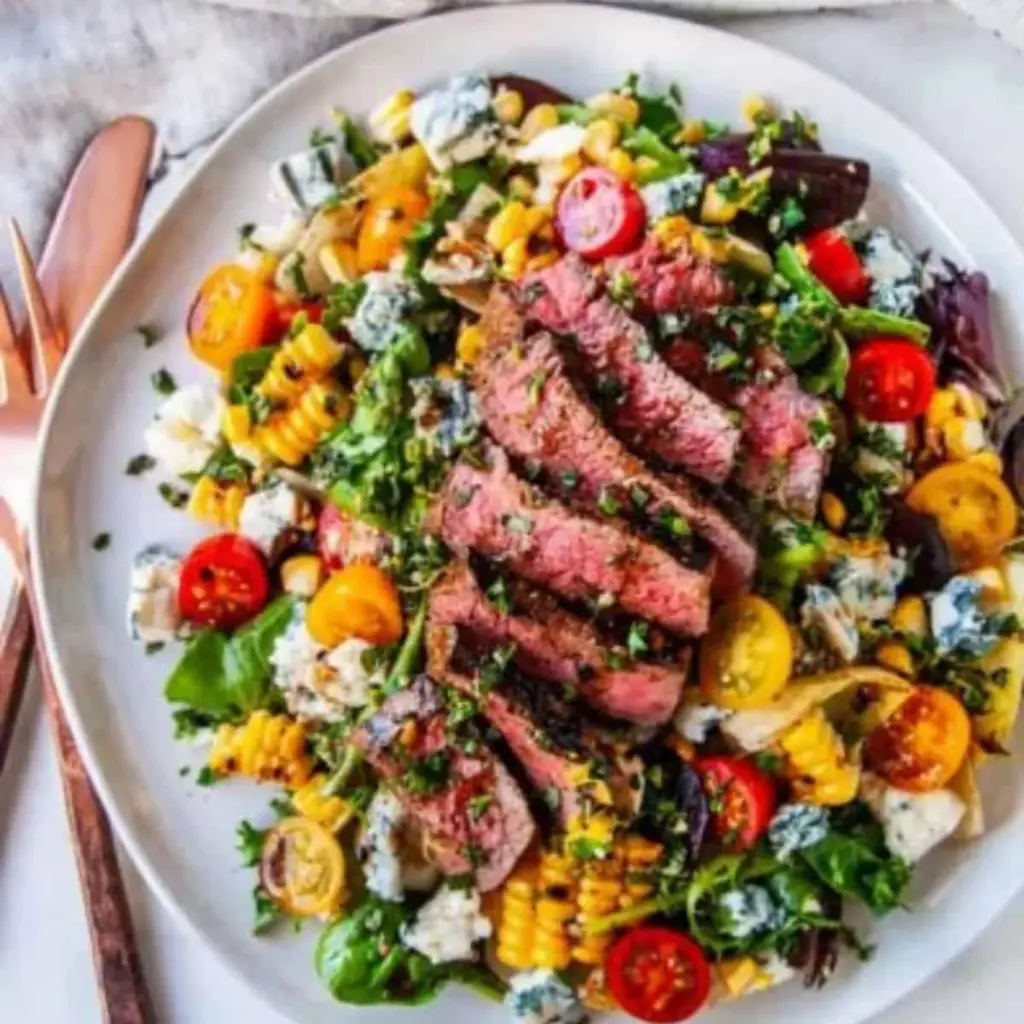
Imagine this: juicy, perfectly grilled sirloin steak, sliced thin and glistening. Alongside it, sweet kernels of corn, kissed by the grill and bursting with smoky flavor. Then, the creamy, sharp crumbles of Gorgonzola cheese melt ever so slightly into the mix, creating pockets of pure delight. This is all tossed with crisp endive, fresh spring greens, sweet cherry tomatoes, and a whisper of red onion, all coated in a bright, zesty balsamic vinaigrette. The gremolata, a fragrant blend of fresh basil, parsley, lemon zest, and garlic, adds an aromatic lift that reminds me of the vibrant herb gardens of the Mediterranean. It’s a dish that’s as beautiful to look at as it is delicious to eat, a true celebration of summer’s bounty.

What sets this particular Balsamic Steak Gorgonzola Salad apart is the thoughtful layering of flavors and textures, enhanced by a few chef-driven techniques. I’ve perfected the balsamic vinaigrette to achieve that ideal sweet-and-tangy balance without overwhelming the delicate ingredients. Plus, my simple gremolata recipe is a game-changer, elevating the entire salad with its fresh, herbaceous punch. You might think grilling corn is fussy, but I’ll show you a quick and easy way to get those beautiful char marks. Keep an eye out for my tips on selecting the best steak and how to achieve perfectly cooked meat every time. One common mistake I see people make is over-dressing their salads, which can lead to a soggy mess – I’ll guide you on how to avoid that pitfall!

Why This Balsamic Steak Gorgonzola Salad Recipe Is the Best

This recipe is my elevated take on a classic steak salad, infused with influences from my Moroccan heritage and French culinary training. The secret lies in the harmony of contrasting flavors and textures: the rich, savory steak paired with the pungent gorgonzola, the sweetness of grilled corn, and the bright acidity of the balsamic vinaigrette. My unique approach involves using a simple yet potent gremolata, an Italian-style condiment of fresh herbs, garlic, and lemon zest, to add an unmatched layer of freshness and aroma. This isn’t just another steak salad; it’s a well-balanced, vibrant dish that feels both sophisticated and comforting, perfect for any occasion.

From a professional cook’s perspective, achieving perfect steak texture is paramount. I always recommend resting the steak for at least five minutes after grilling; this allows the juices to redistribute throughout the meat, ensuring every slice is incredibly moist and tender. The marinade itself, a simple mix of balsamic vinegar, Worcestershire sauce, olive oil, Dijon mustard, garlic powder, salt, and pepper, tenderizes the sirloin while imparting a foundational layer of savory flavor. For the corn, grilling it directly imparts a subtle smoky sweetness that raw or boiled corn just can’t replicate, adding a delightful pop and slightly softened texture to the salad.

You might be surprised by how quickly this beautiful steak salad comes together, making it ideal for weeknight dinners or impromptu gatherings. The steps are straightforward, and the ingredient list, while impressive in flavor combinations, is easy to manage. I’ve designed this recipe with the home cook in mind, ensuring that even if you’re new to grilling or making vinaigrettes from scratch, you’ll achieve fantastic results. My goal is always to share recipes that are not only delicious but also accessible, empowering you to create restaurant-quality meals in your own kitchen.

Balsamic Steak Gorgonzola Salad Ingredients

Living in New York City means I have access to some of the most incredible produce and artisanal ingredients. I love picking up my mixed greens and fresh herbs from the Union Square Greenmarket, but you can find everything you need for this steak salad at your local grocery store. This recipe is inspired by the vibrant produce markets of my childhood in Morocco, where freshness was key to every dish.

Ingredients List

  • 1 lb sirloin steak
  • 2 tablespoons balsamic vinegar (for marinade)
  • 1 tablespoon Worcestershire sauce
  • 1/4 cup extra virgin olive oil (for marinade)
  • 1/2 teaspoon Dijon mustard (for marinade)
  • 1/4 teaspoon garlic powder
  • 1/2 teaspoon coarse salt
  • 1/4 teaspoon ground black pepper
  • 1 cup cherry tomatoes, halved
  • 1/2 red onion, thinly sliced
  • 4 ounces Gorgonzola cheese, crumbled
  • 2 heads endive lettuce, outer leaves removed, halved and roughly chopped into 2-inch pieces
  • 6 cups mixed spring greens
  • 1 corn on the cob, husk removed
  • 1 tablespoon extra virgin olive oil (for drizzling corn)
  • 2 tablespoons basil leaves, minced (for gremolata)
  • 2 tablespoons parsley, minced (for gremolata)
  • 1 clove garlic, minced (for gremolata)
  • 1 tablespoon lemon zest (for gremolata)
  • 3 tablespoons balsamic vinegar (for vinaigrette)
  • ½ cup extra virgin olive oil (for vinaigrette)
  • ½ teaspoon Dijon mustard (for vinaigrette)
  • Dash of salt and fresh ground black pepper (for vinaigrette)

Ingredient Spotlight

Sirloin Steak: I prefer sirloin for its fantastic flavor and relatively lean profile, ensuring it grills beautifully without becoming tough. When shopping, look for a steak with good marbling – those little flecks of fat melt during cooking, adding immense flavor and tenderness. If sirloin isn’t available, a flank steak or even a flat iron steak would work beautifully. The key is to slice it thinly against the grain after resting for maximum tenderness. A good quality cut will ensure your steak and blue cheese salad is a hit.

Gorgonzola Cheese: This pungent Italian blue cheese is the soulmate to steak. Its creamy texture and sharp, tangy flavor cut through the richness of the meat and complement the sweetness of the corn and balsamic. If you’re not a fan of blue cheese or have a dairy allergy, a crumbled goat cheese or a sharp, aged cheddar can offer a different but still delicious tang. For a dairy-free option, a crumbled vegan blue cheese alternative would be your best bet, though the flavor profile will differ.

Fresh Corn: Grilling corn brings out its natural sweetness and adds a delightful char that infuses the salad with a smoky essence. Choose ears of corn with bright green husks, and when you pull back the husk, the kernels should be plump and moist. If fresh corn is out of season, you can use good quality frozen corn. Thaw it completely, then pan-sear it in a hot skillet with a little oil until it develops some browning and a slightly crispy texture, mimicking the grilled effect.

Original IngredientBest SubstitutionFlavor / Texture Impact
Sirloin SteakFlank steak or Flat Iron steakSimilar savory, beefy flavor. Might require slightly different grilling times. Slice thinly against the grain.
Gorgonzola CheeseCrumbled Goat Cheese or Sharp CheddarGoat cheese offers a milder tang. Cheddar provides a sharper, nutty flavor. Both create a creamy element.
Fresh CornFrozen corn (pan-seared) or Roasted CornFrozen corn will lack the char but retain sweetness. Roasted corn adds a deeper flavor. Texture will be less ‘poppy’.
Endive LettuceRadicchio or Romaine HeartsRadicchio offers a similar slight bitterness. Romaine provides a crisp base. You might lose some of the delicate crispness of endive.

How to Make Balsamic Steak Gorgonzola Salad with Grilled Corn – Step-by-Step

Crafting this vibrant steak salad with gorgonzola and grilled corn is an experience that engages all your senses, and I’ll walk you through each step with ease.

Step 1: Marinate the Steak

In a medium bowl, whisk together 2 tablespoons balsamic vinegar, 1 tablespoon Worcestershire sauce, 1/4 cup extra virgin olive oil, 1/2 teaspoon Dijon mustard, 1/4 teaspoon garlic powder, 1/2 teaspoon coarse salt, and 1/4 teaspoon ground black pepper. Place your sirloin steak in a large zip-top bag, pour the marinade over it, seal, and shake to coat. Refrigerate for at least 30 minutes, or up to 2 hours, to allow the flavors to meld.

💡 mia’s Pro Tip: For deeper flavor, you can marinate the steak overnight, but be mindful that the balsamic vinegar can start to toughen the meat if left too long (over 4 hours). If marinating longer than an hour, use a glass dish instead of a plastic bag to prevent any potential plastic flavor transfer.

Step 2: Make the Gremolata

While the steak marinates, prepare the gremolata. In a small bowl, finely mince together 2 tablespoons basil leaves, 2 tablespoons parsley, 1 clove garlic, and 1 tablespoon lemon zest. This aromatic blend will add a burst of freshness to your salad and grilled steak. Set aside.

Step 3: Grill the Corn

Preheat your grill pan or outdoor grill to medium-high heat. Drizzle the corn on the cob (husk removed) with 1 tablespoon of olive oil, then season generously with salt and pepper. Place the corn on the hot grill and cook, turning occasionally, until grill marks appear and the kernels are tender-crisp, about 8-10 minutes total. Remove from heat, let cool slightly, then carefully slice the kernels off the cob. This step is crucial for that grilled corn steak salad magic!

⚠️ Common Mistake to Avoid: Don’t try to grill corn that is still in the husk! The husk traps moisture and steam, preventing proper charring and flavor development. Always remove the husks for best results on the grill.

Step 4: Grill and Rest the Steak

Remove the steak from its marinade, letting any excess drip off. Place the steak on the preheated grill or grill pan. Grill for 4-5 minutes per side for a perfect medium-rare. Adjust time based on your preferred doneness. Transfer the steak to a clean plate or cutting board and let it rest for at least 5 minutes before thinly slicing it against the grain. This resting period is non-negotiable for a tender steak.

Step 5: Prepare the Balsamic Vinaigrette

In a small bowl, whisk together 3 tablespoons balsamic vinegar, 1/2 cup extra virgin olive oil, 1/2 teaspoon Dijon mustard, and a dash of salt and fresh ground black pepper until emulsified. This quick vinaigrette ties all the flavorful components of the salad together beautifully.

Step 6: Assemble the Salad Base

In a large bowl, combine the mixed spring greens, chopped endive, halved cherry tomatoes, sliced red onion, crumbled Gorgonzola cheese, and the sliced grilled corn kernels. Drizzle about half of the prepared balsamic vinaigrette and half of the gremolata over the salad ingredients. Toss gently to coat everything evenly. This forms the flavorful foundation of your balsamic steak salad.

Step 7: Finish and Serve

Arrange the dressed salad mixture onto serving plates or a large platter. Top generously with the thinly sliced, rested steak. Drizzle the remaining balsamic vinaigrette and sprinkle the remaining gremolata over the steak and salad as desired. Serve immediately and enjoy this delicious steak and blue cheese salad.

StepActionDurationKey Visual Cue
1Marinate Steak30 mins (min)Steak coated in marinade
2Prepare Gremolata5 minsFinely minced herbs, garlic, zest
3Grill Corn8-10 minsTender kernels with char marks
4Grill & Rest Steak10-15 mins (incl. rest)Medium-rare steak, juices rest
5Whisk Vinaigrette2 minsEmulsified dressing
6Assemble Base5 minsSalad ingredients tossed with dressing
7Top & Serve2 minsSliced steak topping salad

Serving & Presentation

For a restaurant-worthy presentation, I love to serve this Balsamic Steak Gorgonzola Salad on large, shallow white plates. Start with a generous bed of the dressed greens, then artfully arrange the sliced steak over the top, creating height and visual appeal. A final drizzle of the vinaigrette and a scattering of the gremolata adds a touch of elegance. The vibrant colors of the tomatoes, corn, and greens make it a feast for the eyes, reminiscent of the vibrant food presentations in Paris.

This salad is a complete meal in itself, but if you’re looking for accompaniments, consider a crusty loaf of artisanal bread to sop up any extra vinaigrette, or a light, refreshing side like roasted asparagus or a simple cucumber and tomato salad. For beverages, a medium-bodied red wine like a Pinot Noir or a crisp Sauvignon Blanc pairs wonderfully. In my NYC neighborhood, pairing this steak salad with a local craft beer is also a popular choice during summer evenings.

Pairing TypeSuggestionsWhy It Works
Side DishCrusty baguette, Roasted asparagus, Simple cucumber and tomato saladAdds textural contrast (bread) or complements the freshness (vegetables) without overpowering the main dish.
Sauce / DipExtra balsamic glaze, AioliEnhances the savory notes. A balsamic glaze adds a sweet, syrupy finish, while aioli offers creamy richness.
BeveragePinot Noir, Sauvignon Blanc, Craft Pale AleRed wine complements the steak, white wine cuts through richness, and a pale ale offers a refreshing contrast.
GarnishToasted walnuts or pecans, Fresh parsley sprigsAdds a nutty crunch and visual appeal. Extra herbs echo the gremolata’s freshness.

Make-Ahead, Storage & Reheating

As a busy New Yorker, I often rely on smart meal prep. For this steak salad, I recommend preparing components in advance for a truly effortless meal. You can make the gremolata and the vinaigrette a day ahead and store them in airtight containers in the refrigerator. The corn can be grilled a day in advance as well. The trickiest part is the steak, which is best grilled fresh for optimal flavor and texture.

MethodContainerDurationReheating Tip
RefrigeratorAirtight containersUp to 2 days (undressed salad components)Reheat steak slightly in a pan if desired, or serve cold. Reheat corn in a dry skillet.
FreezerAirtight containers / Freezer bagsUp to 1 month (e.g., vinaigrette, gremolata)Thaw overnight in the refrigerator. Vinaigrette may need re-whisking. Corn and steak are not ideal for freezing.
Make-AheadSeparate containers for dressing, gremolata, corn, and salad greens. Steak grilled fresh.1 day in advanceAssemble just before serving to maintain crispness. Dress salad and top with steak.

If you have leftover components from making this steak and blue cheese salad ahead of time, I recommend storing the dressed greens separately from the steak and corn. The steak is best enjoyed at room temperature or slightly warmed. For the grilled corn, a quick sauté in a hot pan can revive its texture and flavor. The vinaigrette and gremolata will keep well for several days, ready to liven up other dishes.

Variations & Easy Swaps

VariationKey ChangeBest ForDifficulty Impact
Spinach and Strawberry TwistSwap mixed greens for baby spinach; add sliced strawberries instead of tomatoes.Spring and early summer seasons.Adds sweetness and is very simple.
Gluten-Free & Dairy-Free OptionsEnsure all marinade/dressing ingredients are GF. Omit Gorgonzola or use vegan alternative.Dietary restrictions.Minimal impact, requires careful ingredient selection.
Mediterranean-Inspired VariantAdd Kalamata olives, cucumber, and feta cheese. Use lemon-herb vinaigrette.Lighter, brighter flavor profile.Easy ingredient swaps for a fresh twist.

Spinach and Strawberry Twist

For a delightful springtime or early summer variation, I love to swap the mixed greens for tender baby spinach. The sweetness of fresh strawberries, sliced and added alongside the tomatoes, pairs beautifully with the spinach and balsamic dressing. This combination creates a lighter, fruitier steak salad that is incredibly refreshing. You can even add a sprinkle of toasted almonds for extra crunch.

Gluten-Free & Dairy-Free Options

This Balsamic Steak Gorgonzola Salad is naturally gluten-free, provided you use gluten-free Worcestershire sauce. For a dairy-free version, simply omit the Gorgonzola cheese. You could replace it with some toasted nuts for texture, or a dairy-free feta-style cheese crumble if you can find one. The flavors are robust enough to stand on their own, so you won’t miss the cheese too much!

Mediterranean-Inspired Variant

To give this salad a Mediterranean flair, I often add briny Kalamata olives, crisp diced cucumber, and creamy crumbled feta cheese. For the dressing, I’ll switch it up by using a lemon-herb vinaigrette instead of balsamic. This variation takes the salad in a wonderfully fresh direction, perfect for those days when you crave something bright and zesty, much like the flavors found in my mother’s Moroccan cooking.

What type of steak works best for a balsamic steak and gorgonzola salad?

For a balsamic steak and gorgonzola salad, I find that sirloin steak is often the best choice because it offers a great balance of flavor and tenderness without being too expensive. Cuts like flank steak, flat iron, or even a well-marbled ribeye also work wonderfully. The key is to choose a cut that grills well and is tender enough to slice thinly. Always remember to slice against the grain for the most tender bite, an essential technique!

Can I use frozen corn instead of fresh for the grilled corn in this salad?

Absolutely! While fresh corn grilled is my preference for that smoky char, frozen corn is a perfectly acceptable substitute, especially when fresh is out of season. To get a similar effect, thaw the frozen corn completely, then pan-sear it in a very hot skillet with a bit of oil until it gets some lovely browning and a slightly crispy texture. This mimics the grilled flavor and texture beautifully.

How do you make a balsamic dressing for steak salad without it being too acidic?

The key to a perfectly balanced balsamic dressing for your steak salad is moderation and emulsification. I always start with equal parts balsamic vinegar and extra virgin olive oil, but you can adjust this ratio depending on your preference. Adding a touch of sweetness, like a teaspoon of honey or maple syrup, helps to mellow the acidity. A little Dijon mustard not only helps emulsify but also adds depth, and a pinch of salt rounds out the flavors beautifully. Whisking vigorously or using an immersion blender creates a stable, creamy emulsion that coats the salad without being overwhelmingly tart.

What can I substitute for gorgonzola cheese in this salad?

If Gorgonzola isn’t your favorite or you have dietary restrictions, there are several excellent substitutes! Crumbled goat cheese offers a delightful tanginess and creamy texture that pairs wonderfully with steak. For a sharper, nuttier flavor, a good quality sharp cheddar, crumbled, works well too. If you’re looking for something milder, think about a creamy feta cheese. For a vegan option, many brands now offer delicious dairy-free blue cheese alternatives that can mimic the punchy flavor.

Can I make this balsamic steak salad ahead of time?

Yes, you can definitely prepare components of this balsamic steak salad ahead of time! The vinaigrette and the gremolata can be made up to 2 days in advance and stored in airtight containers in the refrigerator. The corn can also be grilled a day ahead. However, for the best texture and flavor, I highly recommend grilling the steak fresh, just before serving. Assemble the salad components (greens, tomatoes, onion, corn, and cheese) and toss with dressing just before adding the warm, sliced steak on top.

What is gremolata and why is it in this salad?

Gremolata is a classic Italian condiment traditionally made from finely chopped parsley, lemon zest, and garlic. It’s typically used to brighten up rich or heavy dishes, like osso buco. In this steak salad, the gremolata acts as a vibrant flavor enhancer, cutting through the richness of the steak and Gorgonzola with its fresh, herbaceous, and slightly zesty notes. It adds a crucial layer of complexity and freshness that elevates the entire dish, making it truly sing with flavor!

How do you ensure the steak is tender and not tough for this salad?

Achieving tender steak for this salad involves a few key steps. First, choosing a good cut like sirloin, flank, or flat iron is important, as they have good flavor and can be tender if cooked correctly. Marinating for about 30 minutes helps tenderize the meat. Most importantly, don’t overcook the steak – aim for medium-rare to medium. After grilling, let the steak rest for at least 5-10 minutes. This crucial resting period allows the juices to redistribute throughout the meat, ensuring it stays moist and tender when sliced.

What dressing can I use if I don’t have balsamic vinegar?

If you don’t have balsamic vinegar for the dressing, don’t worry! You can easily create a delicious alternative. Red wine vinegar or apple cider vinegar are great substitutes for the base acidity. You can also use a lemon vinaigrette, which would be lovely with the grilled corn and steak. Just remember to adjust the sweetness and salt to balance the flavor profile, as different vinegars have unique strengths. A classic Dijon vinaigrette with a touch of honey would also be fantastic.

Share Your Version!

I pour my heart into every recipe I share, and I’d be absolutely thrilled to see how this Balsamic Steak Gorgonzola Salad with Grilled Corn turns out in your kitchen! Please leave a star rating and a comment below if you enjoyed it — your feedback helps me create even better recipes for you all. 🥰 If you make this vibrant steak and blue cheese salad, I would be so delighted if you shared a photo on Instagram or Pinterest and tagged me @chefrecipes2. I love seeing your culinary creations!

From my NYC kitchen to yours — I hope this recipe brings as much warmth to your table as it does to mine. — mia 🧡

📌

Love This Recipe? Save It to Pinterest!

If you enjoyed this Balsamic Steak Gorgonzola Salad with Grilled Corn recipe, don’t let it get lost in your browser tabs! 😄 Pin it now so you can find it again anytime — and explore hundreds more tried-and-tested recipes waiting for you on my Pinterest boards.

👉 Follow mia on Pinterest @chefrecipes2

📌 Pin this recipe · 🔁 Re-pin your favorites · 💬 Tag me when you make it — I love seeing your creations!

Print

clock clock iconcutlery cutlery iconflag flag iconfolder folder iconinstagram instagram iconpinterest pinterest iconfacebook facebook iconprint print iconsquares squares iconheart heart iconheart solid heart solid icon

Balsamic Steak Gorgonzola Salad with Grilled Corn

  • Author: Chef Mia

Description

A 20 minute, delicious steak and salad dinner recipe with tomatoes, red onion, home grilled corn, gorgonzola cheese crumbles, gremolata and balsamic vinaigrette. Perfect for the summer grilling months!


Ingredients

Scale
  • 1 lb sirloin steak
  • 2 tablespoons balsamic vinegar
  • 1 tablespoon Worcestershire sauce
  • 1/4 cup extra virgin olive oil
  • 1/2 teaspoon dijon mustard
  • 1/4 teaspoon garlic powder
  • 1/2 teaspoon coarse salt
  • 1/4 teaspoon ground black pepper
  • 1 cup cherry tomatoes, halved
  • 1/2 red onion, thinly sliced
  • 4 ounces Gorgonzola cheese, crumbled
  • 2 heads endive lettuce, outer leaves removed, halved and roughly chopped into 2 inch pieces
  • 6 cups mixed spring greens
  • 1 corn on the cob, husk removed
  • 1 tablespoon extra virgin olive oil, for drizzling corn
  • 2 tablespoons basil leaves, minced
  • 2 tablespoons parsley, minced
  • 1 clove garlic, minced
  • 1 tablespoon lemon zest
  • 3 tablespoons balsamic vinegar
  • ½ cup extra virgin olive oil
  • ½ teaspoon dijon mustard
  • Dash of salt and fresh ground black pepper

Instructions

  1. Marinate the steak: In a medium size bowl, stir together ingredients for the marinade. Place steaks in a large ziplock bag. Pour marinade over the steaks, seal the bag, and shake to coat. Chill in the fridge for 30 minutes.
  2. Make the gremolata: Combine the basil, parsley, lemon zest, and garlic in a small bowl. Set aside.
  3. Preheat a cast iron grill pan at medium-high heat or an outdoor grill. Drizzle corn on the cob with 1 tablespoon olive oil and liberally sprinkle salt and pepper. Using tongs, place on the heated grill. Cook each side until grill marks form on the corn kernels and they are somewhat softened, about 10 minutes total. Remove from heat when done and let cool. Slice corn kernels off the cob.
  4. Remove the steak from the fridge. Place on the grill or grill pan. Grill both sides 4-5 minutes for rare to medium rare. Remove steak to a plate and let rest for five minutes. Slice thinly against the grain.
  5. In a small bowl, whisk together ingredients for vinaigrette.
  6. Toss together half of the vinaigrette, half of the gremolata, mixed greens, endives, tomatoes, gorgonzola, sliced corn, and red onion in a large bowl.
  7. Lay sliced steak on top of salad. Drizzle steak and salad with gremolata and remaining vinaigrette as desired.


Balsamic Steak Gorgonzola Salad with Grilled Corn

ph">For more delicious inspiration, follow me on Pinterest!

Fudgy Marshmallow Brownies with Chocolate Chips

Marshmallow Brownies with Swirled Fluff: The Ultimate Fudgy Treat

⚖️
Difficulty
Easy
⏲️
Prep Time
15
🕒
Cook Time
50
⏱️
Total Time
65
🍽️
Servings
16

When I first started cooking in my mother’s bustling kitchen in Marrakech, the magic was always in transforming simple ingredients into something extraordinary. That love for alchemy followed me to Paris, where I honed my pastry skills, learning precision and finesse. Now, in the vibrant heart of New York City, I bring back those early lessons, blending the warmth of Moroccan spices with French technique and the city’s bold flavors. These fudgy marshmallow brownies recipe are a testament to that journey – a rich, chocolatey base crowned with a dreamy, gooey marshmallow swirl that evokes pure comfort and joy, proving that even the simplest desserts can be truly magical.

Imagine sinking your fork into a dense, intensely chocolate brownie, so fudgy it practically melts in your mouth. Then, your senses encounter ribbons of sweet, pillowy marshmallow, slightly toasted from the oven’s warmth, creating a delightful contrast in texture and flavor. The aroma is pure decadence: deep cocoa mingling with sweet vanilla. This isn’t just a brownie; it’s an experience. It reminds me of nights by bonfires, but elevated with the sophisticated touch I learned in Paris. The secret ingredient isn’t just the marshmallow, but the careful balance of rich cocoa and melted butter that creates that signature chew.

What sets my marshmallow swirl brownies apart is a culmination of years of testing and tasting. I’ve refined the ratio of dry to wet ingredients to achieve an unparalleled fudgy texture without any greasiness. My pro tip involves a specific ingredient combination that guarantees that perfect texture every single time. While many see these as a simple treat, I approach them with a chef’s precision, ensuring every bite is an explosion of flavor. One common mistake I see is overheating the marshmallow fluff, which can lead to a tough, overly browned topping, something we’ll expertly avoid here.

Why This Marshmallow Brownies Recipe Is the Best

My North African heritage instilled in me a deep appreciation for the power of spices and aromatic elements. For these brownies, I lean into that, ensuring the quality of the cocoa powder is paramount. I specifically recommend using a Dutch-process cocoa for its deep, rich, less acidic flavor, which forms the perfect foundation for the sweet marshmallow. This careful selection, coupled with my French training in balancing sweetness, ensures these brownies are intensely chocolatey and wonderfully complex, not just sugary.

Achieving that perfect fudgy texture is an art form I perfected in Parisian patisseries. It’s all about the science behind the bake. My method involves beating the eggs and sugar for an extended period to create a stable emulsion, which contributes to the brownie’s structure and fudgy density. Using a combination of melted butter and oil also plays a crucial role, providing both richness and moisture that ensures each bite is perfectly chewy and satisfying, avoiding that cakey texture some brownies fall victim to.

This recipe is designed to be incredibly approachable, even for novice bakers. The ingredient list is straightforward, and the steps are clearly outlined. I’ve specifically chosen techniques that minimize the chance of error. Plus, the quick swirl of marshmallow fluff is more forgiving than intricate frosting. It’s the kind of easy marshmallow brownies recipe that makes you feel like a professional chef in your own kitchen, delivering impressive results with minimal fuss, perfect for a last-minute craving or a special occasion.

Fudgy Marshmallow Brownies Ingredients

Living in NYC means I have access to the most incredible ingredients, but I designed this recipe to be made with everyday pantry staples you can find at any supermarket. When I’m back home in Morocco, my grandmother would use local honey and clarified butter, but for this classic take, I’m using what’s readily available. The key is the quality of your chocolate and cocoa powder – make them count!

Ingredients List

  • 2 cups White granulated sugar
  • 3 Large eggs
  • 1 Egg yolk
  • 1/2 cup Unsalted butter (melted)
  • 2 tsp Pure vanilla extract
  • 1/2 cup Oil (canola or vegetable)
  • 3/4 cup All-purpose flour
  • 1 cup Unsweetened cocoa powder (Use dutch process cocoa powder)
  • 1 1/2 TBSP Cornstarch
  • 1/2 tsp Salt
  • 1 cup Semi-sweet chocolate chips
  • 1 cup Marshmallow creme

Ingredient Spotlight

The unsweetened cocoa powder is the backbone of our fudgy marshmallow brownies. I specifically recommend Dutch-process cocoa powder because it’s treated to neutralize acidity, resulting in a smoother, richer, and less bitter chocolate flavor that truly shines. You can find excellent quality Dutch-process cocoa at most well-stocked grocery stores in the US, often in the baking aisle. If you can’t find Dutch-process, a good quality natural unsweetened cocoa powder will still work, but the chocolate flavor won’t be quite as deep.

Marshmallow creme, or marshmallow fluff, is what gives these brownies their signature swirl. It’s essential for achieving that gooey, melt-in-your-mouth layer. It’s widely available in the baking or marshmallow aisle of most supermarkets. While whole marshmallows can be used as a substitute, they tend to melt too quickly and can create a sticky, more uneven layer. Marshmallow fluff provides a consistent, creamy texture that integrates beautifully, offering that perfect balance of sweet chewiness.

Semi-sweet chocolate chips are folded into the batter for an extra burst of chocolatey goodness. These chips maintain their shape better than chopped chocolate during baking, providing delightful pockets of melted chocolate throughout the brownie. Look for good quality semi-sweet chips – Ghirardelli or Guittard are fantastic options readily available. You can also use dark chocolate chips for a more intense flavor, or milk chocolate chips for a sweeter profile, but semi-sweet offers the perfect balance.

Original IngredientBest SubstitutionFlavor / Texture Impact
Dutch-process Cocoa PowderNatural Unsweetened Cocoa PowderSlightly more acidic, less deep chocolate flavor.
Marshmallow CremeMelted MarshmallowsLess consistent texture, can be very sticky and uneven.
Semi-sweet Chocolate ChipsDark or Milk Chocolate ChipsDark: More intense chocolate. Milk: Sweeter, creamier.

How to Make Marshmallow Brownies — Step-by-Step

Follow these steps carefully, and you’ll have some of the most delicious, fudgy marshmallow brownies with a perfect swirl in no time!

Step 1: Preheat & Prep Pan

Begin by preheating your oven to 325°F (160°C). This moderate temperature is key to achieving that perfect fudgy interior without overbaking the edges. Next, thoroughly spray a 9×9-inch baking pan with a non-stick baking spray. Line the bottom and two sides of the pan with parchment paper, leaving an overhang. This overhang acts as handles, making it easy to lift the baked brownies out of the pan later. Spray the parchment paper again; this ensures the brownies won’t stick.

💡 mia’s Pro Tip: Don’t skip the second spray on the parchment paper! It ensures a super clean release every time, especially important for delicate baked goods like brownies.

Step 2: Combine Dry Ingredients

In a medium bowl, sift together the all-purpose flour, unsweetened cocoa powder, and cornstarch. Sifting is crucial here; it removes any lumps and aerates the ingredients, preventing dense pockets in your brownies. Add the salt to this dry mixture and whisk it all together. Set this bowl aside. This ensures that all the dry components are evenly distributed before they meet the wet ingredients, guaranteeing consistent flavor and texture throughout the batch.

Step 3: Beat Sugar & Eggs

In a separate, larger bowl, combine the granulated sugar, large eggs, and the extra egg yolk. Using an electric mixer with a whisk attachment, beat these ingredients on high speed for a full 5 minutes. You’re looking for the mixture to become pale yellow and significantly increase in volume. This process, known as ‘ribbon stage,’ incorporates air, which is vital for the brownie’s structure and fudgy texture. While this is mixing, melt your butter in the microwave and allow it to cool slightly so it doesn’t cook the eggs.

Step 4: Incorporate Wet & Dry

Reduce your mixer speed to low. Add the oil, the slightly cooled melted butter, and the pure vanilla extract to the beaten egg mixture. Mix until just combined. Now, gradually add the sifted dry ingredients from Step 2 to the wet ingredients. Continue mixing on low speed only until the dry ingredients are just incorporated and no streaks of flour remain. Be careful not to overmix at this stage, as it can lead to tough brownies. Finally, pour in the semi-sweet chocolate chips and gently fold them into the batter using a rubber spatula.

⚠️ Common Mistake to Avoid: Overmixing after adding the flour. Overdeveloping the gluten will result in tough, cakey brownies instead of the desired fudgy texture. Mix only until the flour streaks disappear.

Step 5: Swirl in the Marshmallow Fluff

Pour the rich brownie batter into your prepared 9×9-inch pan, spreading it evenly. Now, for the magic! Gently melt the marshmallow creme in the microwave for about 20-30 seconds until it’s slightly more fluid – don’t overheat it, or it can become gummy. Use a teaspoon to dollop spoonfuls of the warmed marshmallow creme over the brownie batter. Grab a butter knife or a skewer and very lightly swirl the marshmallow into the batter, creating beautiful, marbled patterns. Aim for light, sweeping motions to avoid mixing it in completely.

Step 6: Bake to Perfection

Place the pan in your preheated 325°F (160°C) oven. Bake for 45 to 55 minutes. The brownies are done when a toothpick inserted into the center comes out with moist crumbs attached. If a lot of wet batter comes out, bake for another 5 minutes. It’s crucial not to overbake these brownies, as they continue to set as they cool. The marshmallow topping should be lightly golden and gooey, not dried out or burnt.

Step 7: Cool and Cut

Once baked, remove the pan from the oven and place it on a wire cooling rack. This step is non-negotiable for achieving the best texture. Let the brownies cool completely in the pan for at least 2-3 hours. Resist the urge to cut them while warm; they will be too soft and messy. Once fully cooled, use the parchment paper overhangs to lift the entire brownie slab from the pan. Transfer it to a cutting board and use a sharp knife to cut into squares. For exceptionally clean cuts, wipe the knife between each slice.

StepActionDurationKey Visual Cue
1Preheat & Prep Pan5 minsOven at 325°F, pan lined & sprayed
2Combine Dry Ingredients2 minsSifted flour, cocoa, cornstarch mixed
3Beat Sugar & Eggs5 minsPale, thick, ribbon stage
4Incorporate Wet & Dry2 minsJust combined, chips folded in
5Swirl Marshmallow Creme2 minsDollops on top, light swirl
6Bake45-55 minsMoist crumbs on toothpick
7Cool & Cut2-3 hoursCompletely cooled, clean slices

Serving & Presentation

These marshmallow brownies are showstoppers on their own, but I love to elevate them simply. In my NYC apartment, we often pair them with a strong, dark coffee or a glass of cold milk, much like I enjoyed as a child. For a more refined touch, a tiny dusting of cocoa powder or a few flakes of sea salt on top right before serving can truly enhance the chocolate flavor. If serving guests, a small dollop of whipped cream or a scoop of vanilla bean ice cream makes them feel extra special, transforming them into a decadent dessert.

The beauty of these brownies lies in their rich texture and intense chocolate flavor, making them a perfect end to any meal. I often bring them to potlucks or share them with neighbors in my New York building; they are always a massive hit! The gooey marshmallow swirl adds a visual appeal that’s irresistible. You can also get creative with presentation – cutting them into smaller, bite-sized pieces for a dessert platter, or even framing them with fresh berries like raspberries which offer a lovely tart contrast to the sweetness.

Pairing TypeSuggestionsWhy It Works
BeverageStrong Coffee, Cold Milk, EspressoComplements the rich chocolate without overpowering it.
Dessert AccompanimentVanilla Bean Ice Cream, Whipped CreamAdds creaminess and balances the dense brownie.
GarnishSea Salt Flakes, Cocoa Powder Dusting, Fresh RaspberriesEnhances chocolate flavor, adds visual appeal and a touch of fresh tartness.

Make-Ahead, Storage & Reheating

As a busy New Yorker, I rely on smart make-ahead strategies. These brownies are perfect for that! I often bake them a day or two in advance, allowing them to cool completely. This not only makes them easier to cut but also allows the flavors to meld beautifully. They store exceptionally well, making them a reliable treat for unexpected guests or a pre-portioned snack for the week.

MethodContainerDurationReheating Tip
RefrigeratorAirtight container3-4 daysLet sit at room temp for 30 mins for best texture.
FreezerWrapped tightly in plastic wrap, then foil2-3 monthsThaw overnight in the refrigerator, then bring to room temperature.
Make-AheadAirtight container (cooled)1-2 days in advanceLet them cool completely before storing.

If you find your brownies have become a bit too firm from refrigeration or freezing, a quick way to revive them is to warm a single serving in the microwave for 10-15 seconds. This gently melts the marshmallow swirl and softens the brownie, bringing back that fresh-baked gooeyness. For the best experience, I always recommend letting them come to room temperature before serving, especially if they’ve been stored for more than a day.

Variations & Easy Swaps

VariationKey ChangeBest ForDifficulty Impact
S’mores BrowniesAdd graham cracker crumbs to batter & top with mini marshmallows before baking.Campfire lovers, nostalgic treatsSlightly more prep, same ease
Gluten-Free / Dairy-FreeUse GF flour blend & dairy-free butter/chocolate chips.Dietary needs, inclusive bakingRequires specific ingredient swaps
Sea Salt Caramel SwirlDrizzle caramel sauce & sprinkle sea salt instead of marshmallow swirl.Salted caramel fans, sophisticated twistEasy swap, added flavor dimension

S’mores Brownies Magic

To transform these into ultimate s’mores brownies, I like to channel the camping trips of my youth. Before baking, after swirling the marshmallow, sprinkle a layer of crushed graham cracker crumbs over the top. Then, dot the surface generously with mini marshmallows. Bake as directed, keeping an eye out as the mini marshmallows will toast beautifully, creating that irresistible s’mores experience reminiscent of a campfire’s glow.

Gluten-Free or Dairy-Free Dream

Making these accessible is one of my passions. For a gluten-free version, I recommend a good quality gluten-free all-purpose flour blend that contains xanthan gum. For dairy-free, swap the unsalted butter for a plant-based butter substitute and use dairy-free semi-sweet chocolate chips. The texture might be slightly different, but the rich chocolate and gooey marshmallow experience will still be absolutely delightful. I’ve tested this swap many times for friends in NYC!

Seasonal Chocolate Chip Twist

Inspired by the vibrant farmers’ markets here in New York, you can easily add seasonal twists. For a fall harvest feel, consider adding a hint of cinnamon or a touch of pumpkin spice to the dry ingredients. In the summer, I love to fold in fresh or dried cranberries for a tart counterpoint. For an extra chocolate punch, swap half the semi-sweet chips for toffee bits or even chopped candy bars reminiscent of holidays.

How do I keep marshmallows from sinking to the bottom of the brownie batter?

The key to preventing marshmallows from sinking is to use marshmallow creme or fluff and warm it slightly before swirling. When you warm it, it becomes more pliable and less dense, allowing it to sit on top of the batter. Additionally, never fully incorporate it; a light swirl is all that’s needed. Over-mixing will push them down. Ensure your brownie batter isn’t too thin; a thicker batter will also help support the marshmallow layer.

Can I use marshmallow creme or fluff instead of whole marshmallows in brownies?

Absolutely! Marshmallow creme or fluff is actually my preferred method for achieving that signature swirl in brownies. Unlike whole marshmallows, which can melt unevenly and create a very sticky mess, marshmallow creme is easier to swirl and provides a more consistent, gooey texture. It’s designed to be spreadable and gives a beautiful marbled effect without sinking completely. Just remember to warm it slightly before swirling for optimal results.

Should I add the marshmallows before or after baking the brownies?

For this recipe, the marshmallow creme is added before baking, swirled onto the top of the brownie batter. This allows the marshmallow to cook slightly and become wonderfully gooey and toasted in spots during the baking process. If you were to add marshmallows after baking, they would likely just melt into a sticky puddle and wouldn’t achieve that lovely marbled effect or slightly caramelized top. Swirling it on beforehand is key for the visual and textural appeal.

How do I make marshmallow brownies without them getting too sticky or gooey?

The trick to achieving that perfect gooeyness without excessive stickiness lies in both the ingredients and the baking time. Using marshmallow creme, as opposed to whole marshmallows, helps. Secondly, be careful not to overbake the brownies; they should be slightly underbaked in the center when tested with a toothpick (moist crumbs are okay). Allowing them to cool completely is crucial; this firms them up enough to cut cleanly while still retaining their wonderful chewiness and gooey marshmallow center.

Can I use different types of chocolate chips in marshmallow brownies?

Yes, you absolutely can! While semi-sweet chocolate chips are my go-to for a balanced flavor that complements the sweet marshmallow, feel free to experiment. If you prefer a more intense chocolate flavor, dark chocolate chips are a fantastic choice. For a sweeter, creamier brownie, milk chocolate chips work wonderfully. Some people even like to use a mix of different chips or add white chocolate chips for an extra dimension of flavor, which also holds up well.

How do I get a good swirl on my marshmallow brownies?

Achieving a beautiful swirl is easier than you think! First, gently warm your marshmallow creme (about 20-30 seconds in the microwave) to make it more fluid. Dollop spoonfuls evenly over the brownie batter. Then, take a butter knife, toothpick, or a skewer and make light, decorative swirls. Don’t overdo it! You want distinct ribbons of marshmallow, not a fully blended mixture. Think of it as painting with chocolate and marshmallow. A few quick, fluid motions are all you need.

What kind of cocoa powder is best for fudgy marshmallow brownies?

For the deepest, richest chocolate flavor that stands up beautifully to the sweet marshmallow swirl, I highly recommend using Dutch-process cocoa powder. It has been treated to reduce its acidity, resulting in a smoother, milder, and more intense chocolate taste. Natural unsweetened cocoa powder can also work, but it will yield a slightly more acidic and less profound chocolate flavor. Look for a good quality brand in the baking aisle of your local grocery store.

Can I make marshmallow brownies ahead of time?

Yes, these fudgy marshmallow brownies are excellent make-ahead treats! For the best texture and flavor, I advise baking them a day in advance and letting them cool completely. This allows the flavors to meld and the texture to set perfectly. Store them in an airtight container at room temperature or in the refrigerator. If refrigerated, allow them to come to room temperature for about 30 minutes before serving to enjoy their optimal gooeyness.

Share Your Version!

I poured my heart into creating this fudgy marshmallow brownies recipe, blending my Moroccan roots with my French training and NYC experiences. I truly hope you love making and devouring these as much as I do! If you try them, please consider leaving a star rating and a comment below – it genuinely helps me and other bakers. I’d also be thrilled if you’d share a photo of your creations on Instagram or Pinterest and tag me @exorecipes. I’m always so inspired by your kitchen adventures!

From my NYC kitchen to yours — I hope this recipe brings as much warmth to your table as it does to mine. — mia 🧡

📌

Love This Recipe? Save It to Pinterest!

If you enjoyed this Marshmallow Brownies recipe, don’t let it get lost in your browser tabs! 😄 Pin it now so you can find it again anytime — and explore hundreds more tried-and-tested recipes waiting for you on my Pinterest boards.

👉 Follow mia on Pinterest @chefrecipes2

📌 Pin this recipe · 🔁 Re-pin your favorites · 💬 Tag me when you make it — I love seeing your creations!

Print

clock clock iconcutlery cutlery iconflag flag iconfolder folder iconinstagram instagram iconpinterest pinterest iconfacebook facebook iconprint print iconsquares squares iconheart heart iconheart solid heart solid icon

Marshmallow Brownies

  • Author: Chef Mia

Description

These marshmallow brownies are super fudgy chocolate brownie with chocolate chips. It has marshmallow fluff swirled on top.


Ingredients

Scale
  • 2 cups White granulated sugar
  • 3 Large eggs
  • 1 Egg yolk
  • 1/2 cup Unsalted butter (melted)
  • 2 tsp Pure vanilla extract
  • 1/2 cup Oil (canola or vegetable)
  • 3/4 cup All-purpose flour
  • 1 cup Unsweetened cocoa powder (Use dutch process cocoa powder)
  • 1 1/2 TBSP Cornstarch
  • 1/2 tsp Salt
  • 1 cup Semi-sweet chocolate chips
  • 1 cup Marshmallow creme

Instructions

  1. Preheat the oven to 325°F. Spray a 9X9-inch baking pan with baking nonstick spray. Line the bottom and 2 sides of the pan with parchment paper and spray again.
  2. In a medium bowl, sift the flour, cocoa powder, and cornstarch together. Add in the salt and set aside.
  3. Using a mixer with a whisk attachment, beat the sugar, eggs, and egg yolk on high speed for 5 minutes. It will become pale in color. While that mixes, melt the butter in the microwave and let it cool.
  4. Add the oil, melted butter, and vanilla and mix on low until combined. Add in the dry ingredients and mix on low until just combined. Pour in the chocolate chips and use a rubber spatula to fold it in.
  5. Pour the brownie batter into the pan. Melt the marshmallow fluff in the microwave for 20-30 seconds and mix. Use a 1 teaspoon to dollop the marshmallow fluff on top of the brownie batter. Use a butter knife to very light swirl the marshmallow fluff.
  6. Bake for 45-55 minutes. It is done baking when you stick in a toothpick, and it is slightly wet. If a lot of batter comes out, then bake for another 5 minutes.
  7. Cool on a cooling rack completely before cutting into them and serving.


Nutrition

  • Calories: 336 kcal
  • Sugar: 34 g
  • Fat: 18 g
  • Carbohydrates: 46 g
  • Protein: 2 g


Marshmallow Brownies

ph">For more delicious inspiration, follow me on Pinterest!